

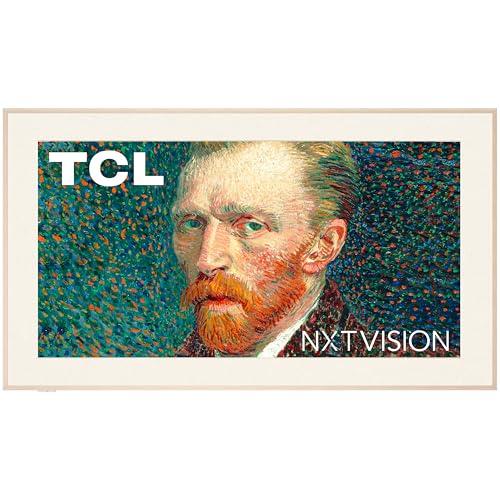


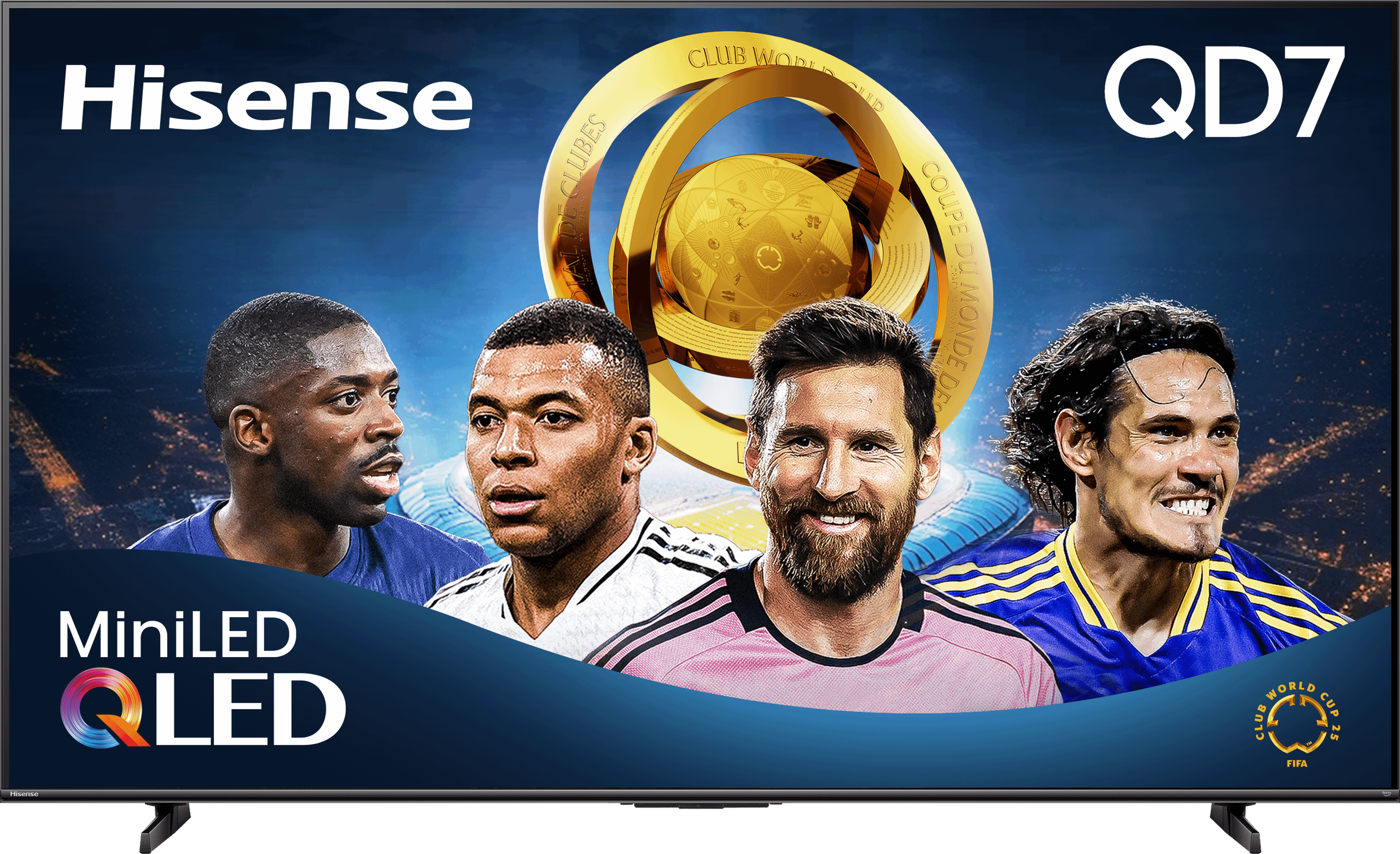
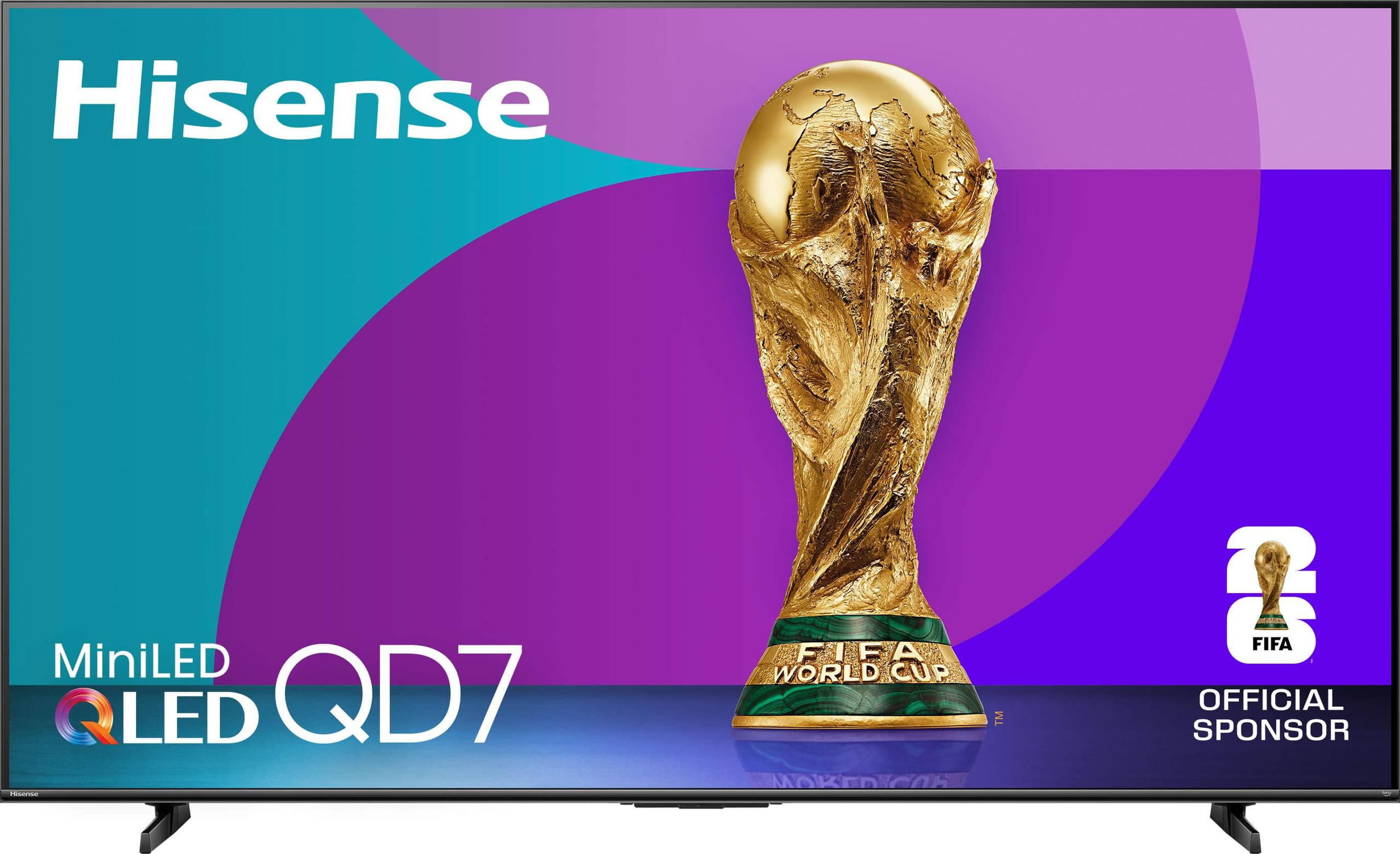
When shopping for a 65-inch 4K TV in 2024-2025, you'll encounter two very different philosophies in television design. The TCL 65" NXTVISION QLED 4K Art Frame TV represents the lifestyle approach—a television that transforms into wall art when you're not watching. Meanwhile, the Hisense 65" QD7 Series Mini-LED 4K Fire TV 2025 follows the traditional path, prioritizing picture quality and gaming performance above all else.
Both TVs cost several hundred dollars, but they target completely different needs. The TCL NXTVISION typically commands a premium price for its unique art frame features, while the Hisense QD7 positions itself as a value-oriented performance TV. At the time of writing, the Hisense generally offers more raw performance per dollar, but the TCL provides functionality you simply can't get elsewhere.
The television market has evolved dramatically over the past few years. We're no longer just choosing between different screen sizes and basic smart features. Today's TVs fall into distinct categories, each optimized for specific lifestyles and viewing habits.
Performance TVs like the Hisense QD7 focus on delivering the best possible picture quality and gaming features within their price range. These TVs maximize contrast ratios, color accuracy, and motion handling—the core metrics that determine how good your movies and games actually look.
Lifestyle TVs like the TCL NXTVISION take a different approach. They're designed to integrate seamlessly into your living space, functioning as both entertainment center and home décor. This category emerged as TVs became thinner and more design-conscious consumers wanted their technology to blend in rather than dominate a room.
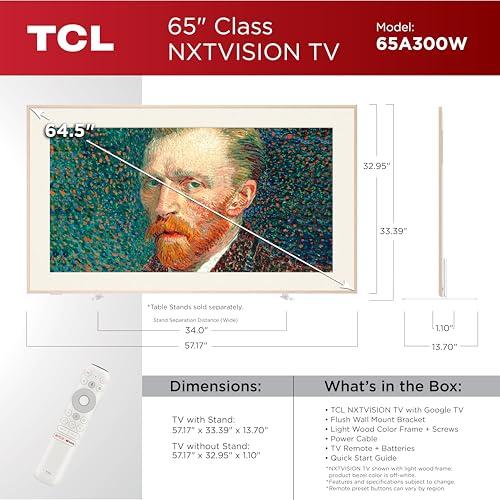
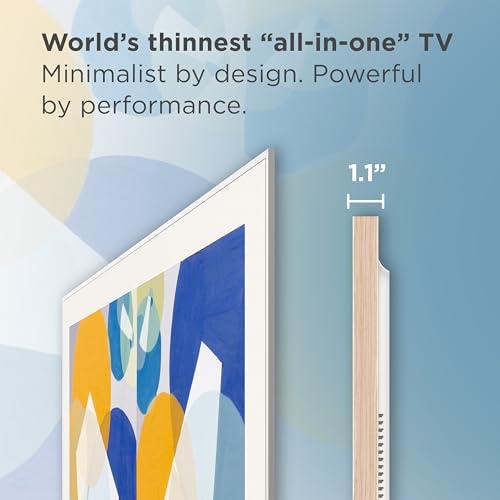
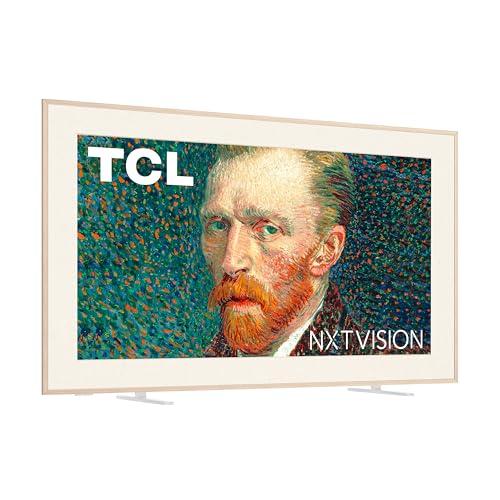
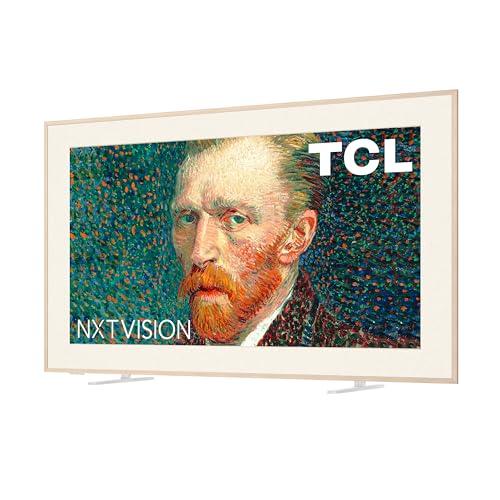
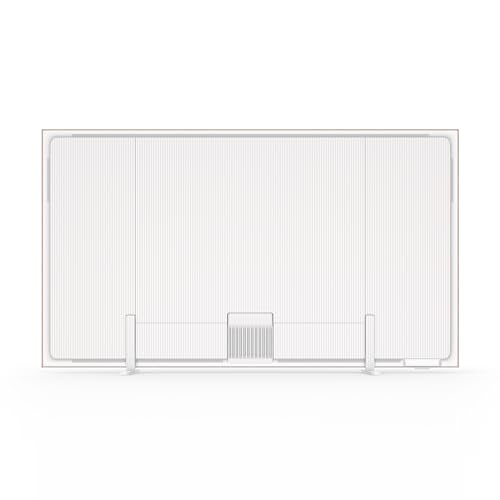
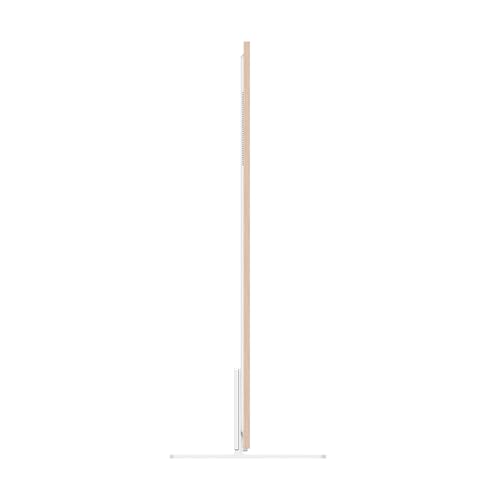
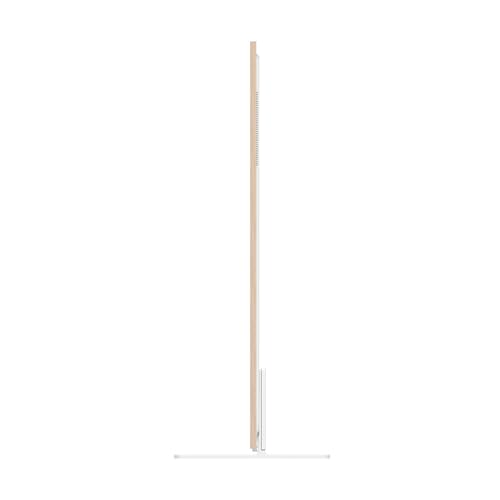
The most obvious difference between these TVs is their physical design, but this goes much deeper than aesthetics. The TCL NXTVISION achieves its incredibly slim 1.1-inch profile through some significant engineering compromises. To get that gallery-like appearance, TCL had to use edge-lit LED backlighting instead of the more advanced full-array local dimming found in performance TVs.
Edge-lit backlighting places LED strips around the perimeter of the screen rather than across the entire back panel. This allows for ultra-thin designs but creates challenges with brightness uniformity and contrast control. Think of it like trying to light a large room with lamps only around the edges—you'll get some darker spots in the middle and struggle to create dramatic lighting differences across the space.
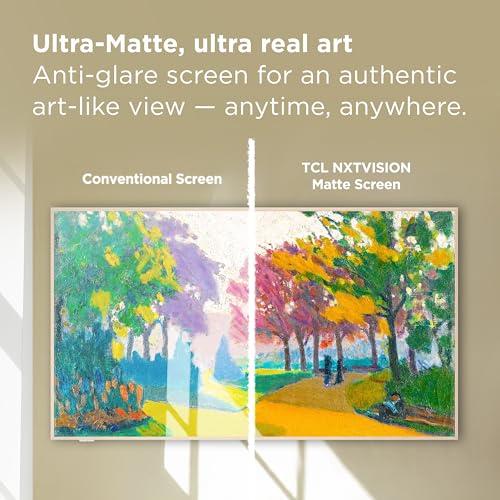
The TCL NXTVISION compensates for these limitations with its ultra-matte anti-glare screen coating. This coating dramatically reduces reflections, making the TV genuinely usable in bright rooms where traditional glossy screens become mirrors. When displaying artwork, this matte finish creates a canvas-like texture that's remarkably convincing. I've seen these displays in showrooms, and the art mode is genuinely impressive—visitors often mistake displayed paintings for real artwork until they get close enough to see the pixels.
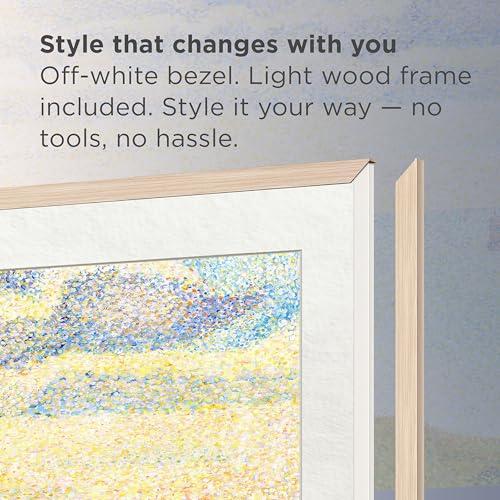
The magnetic wood frame system deserves special mention. Unlike stick-on bezels or permanent frames, the TCL NXTVISION uses strong magnets to attach interchangeable frames. This means you can swap the included light wood frame for different colors or materials to match room renovations without tools or permanent modifications.
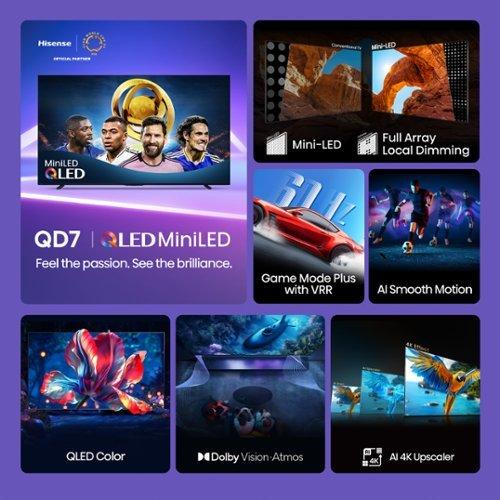
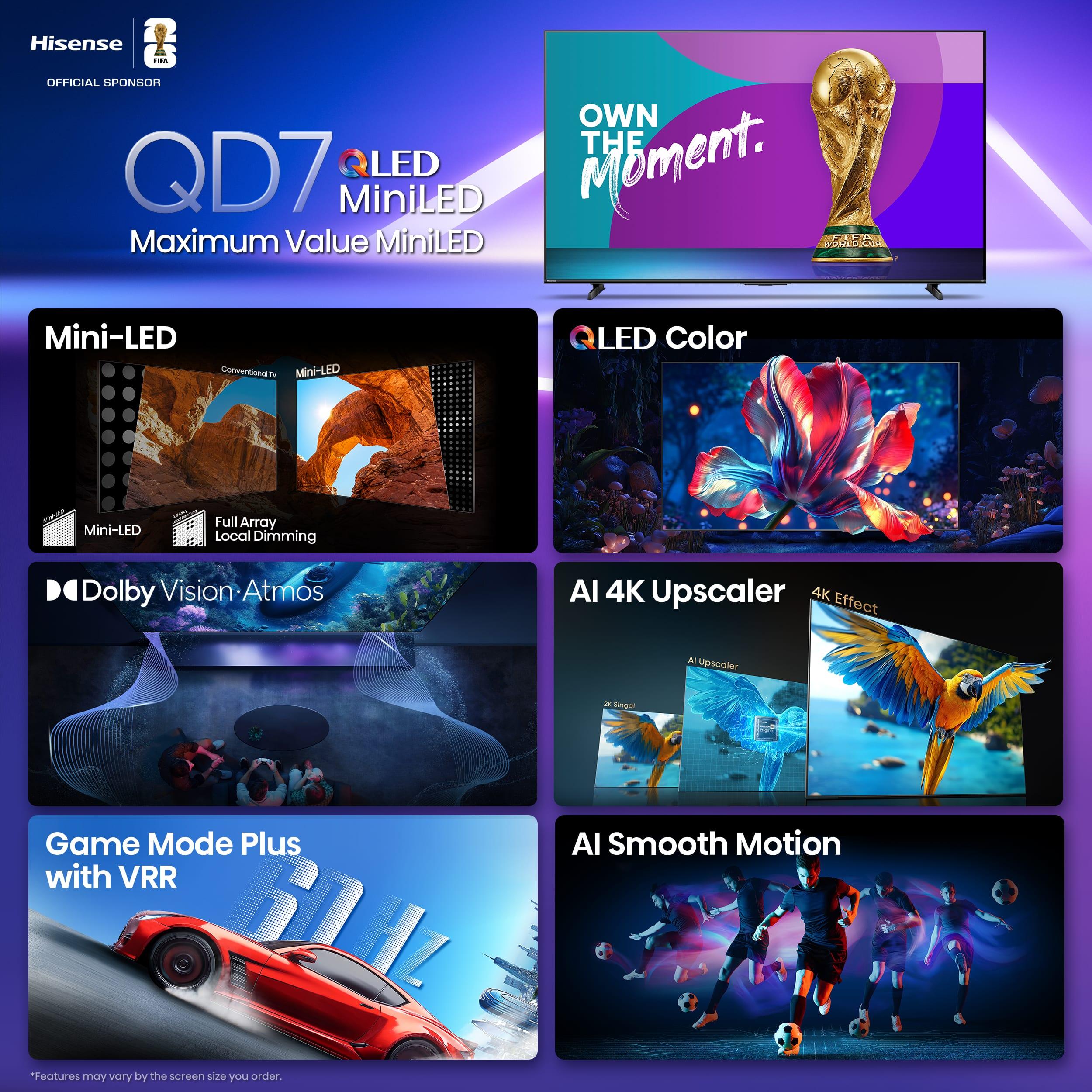
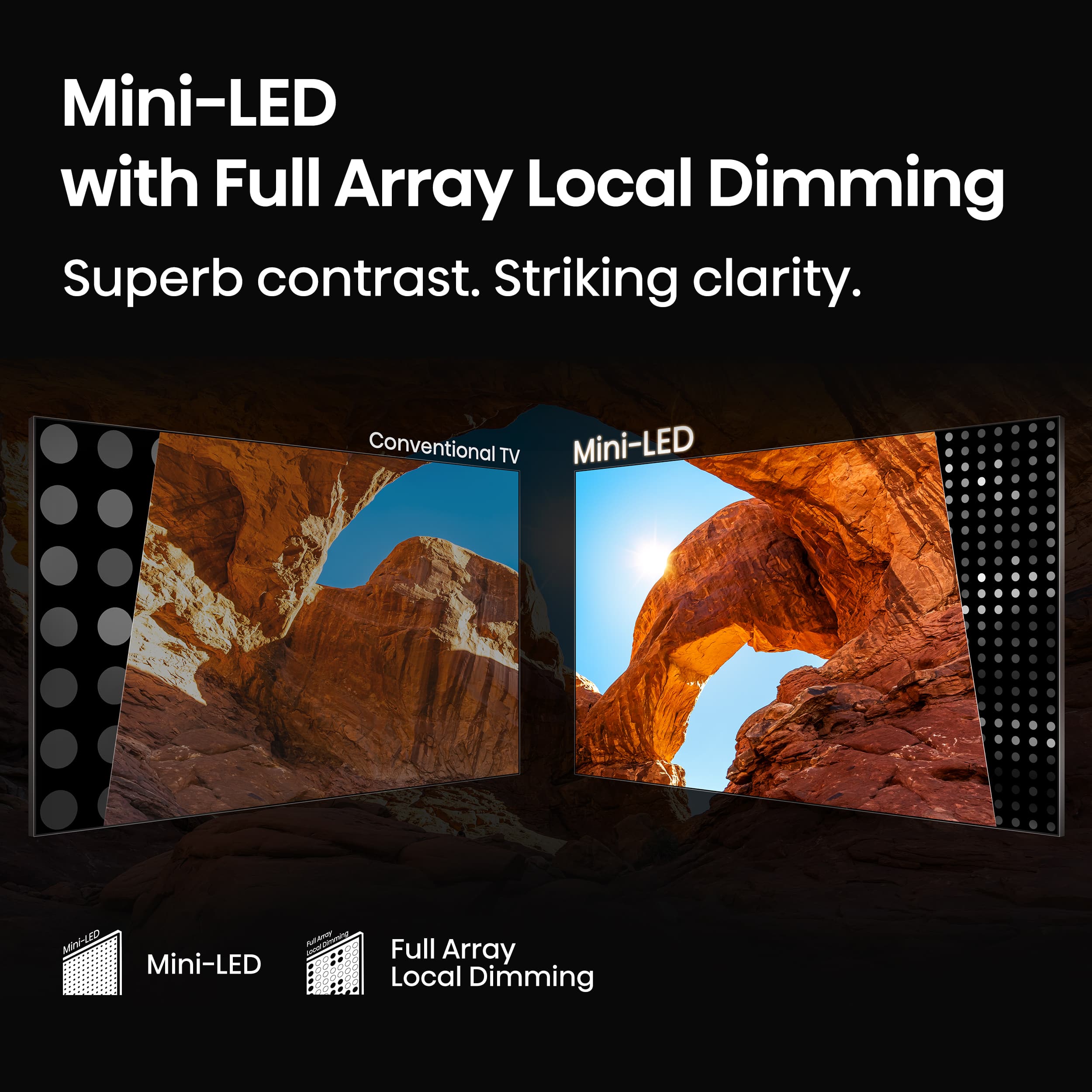
In contrast, the Hisense QD7 embraces traditional TV engineering priorities. Its standard form factor allows for Mini-LED backlighting with full-array local dimming (FALD). This technology places thousands of tiny LEDs directly behind the screen, grouped into zones that can be independently controlled for brightness.
Mini-LED represents a significant advancement over standard LED backlighting. Where older TVs might have 50-100 dimming zones, Mini-LED displays can have 500+ zones. This granular control allows for much more precise contrast—bright objects can appear next to deep blacks without the haloing or blooming effects that plague cheaper displays.
Here's where the fundamental trade-offs become clear. Based on our research into professional reviews and user feedback, the Hisense QD7 delivers significantly superior picture quality for traditional television viewing.
Contrast performance represents the biggest difference. Contrast ratio—the difference between the brightest whites and darkest blacks—is arguably the most important factor in perceived picture quality. The human eye is incredibly sensitive to contrast, and displays with poor black levels immediately look washed out and cheap.
The TCL NXTVISION's edge-lit design struggles here. Without local dimming zones directly behind dark areas of the screen, black scenes appear more like dark gray. This is particularly noticeable in movies with letterbox bars (those black bands above and below widescreen content) or space scenes that should display inky blackness.
The Hisense QD7's Mini-LED array excels in these scenarios. When displaying a night scene, the LEDs behind dark areas can dim or turn off completely, creating genuinely deep blacks while keeping bright elements like stars or streetlights vivid and punchy.
HDR (High Dynamic Range) performance heavily depends on this contrast capability. HDR content is mastered with the assumption that displays can show very bright highlights alongside deep blacks simultaneously. Without sufficient contrast and peak brightness, HDR content actually looks worse than standard dynamic range material.
Both TVs support Dolby Vision, HDR10+, and other advanced HDR formats, but the Hisense QD7 can actually utilize these formats effectively. The TCL NXTVISION supports the same formats but lacks the hardware capabilities to deliver the dramatic contrast improvements that make HDR worthwhile.
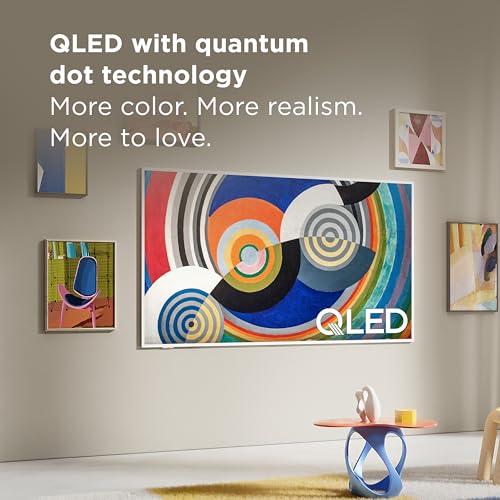
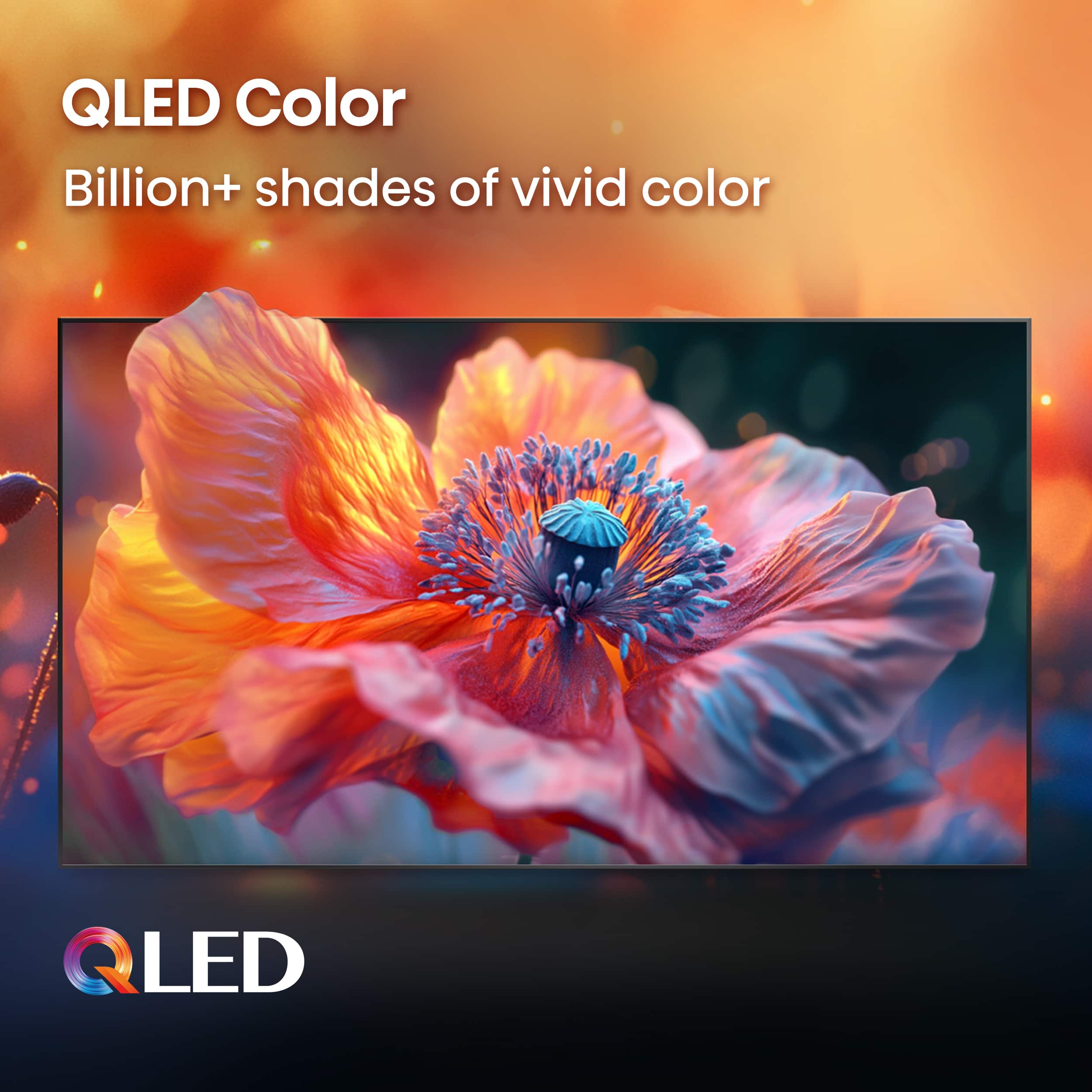
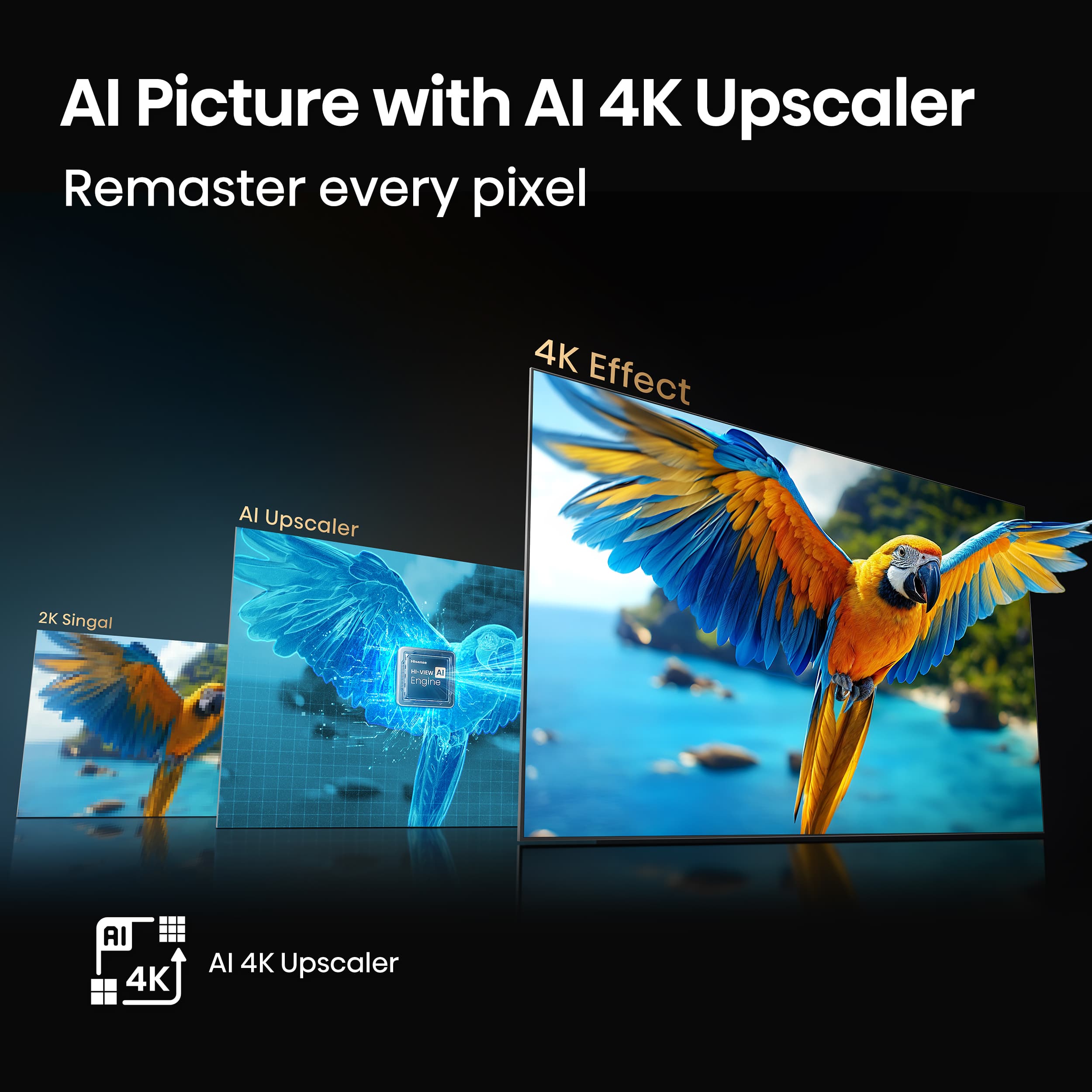
Color accuracy presents another interesting comparison. Both use QLED (Quantum Dot Light Emitting Diode) technology, which employs microscopic particles to create more pure, saturated colors than standard LED TVs. However, professional reviews consistently note that the Hisense QD7 delivers more accurate colors out of the box and responds better to calibration.
The TCL NXTVISION's colors appear vibrant but often oversaturated, particularly in skin tones. This isn't necessarily bad for casual viewing—many people prefer punchy, Instagram-like colors—but it's less accurate to the content creators' intentions.
Gaming represents one area where the TCL NXTVISION significantly outperforms its competitor, though with important caveats.
The TCL NXTVISION features a 120Hz native panel with support for Variable Refresh Rate (VRR) up to 144Hz. VRR synchronizes the display's refresh rate with your gaming console or PC's frame rate, eliminating screen tearing and stuttering. For context, most movies are filmed at 24 frames per second, but modern games can run at 60, 120, or even higher frame rates for smoother motion.
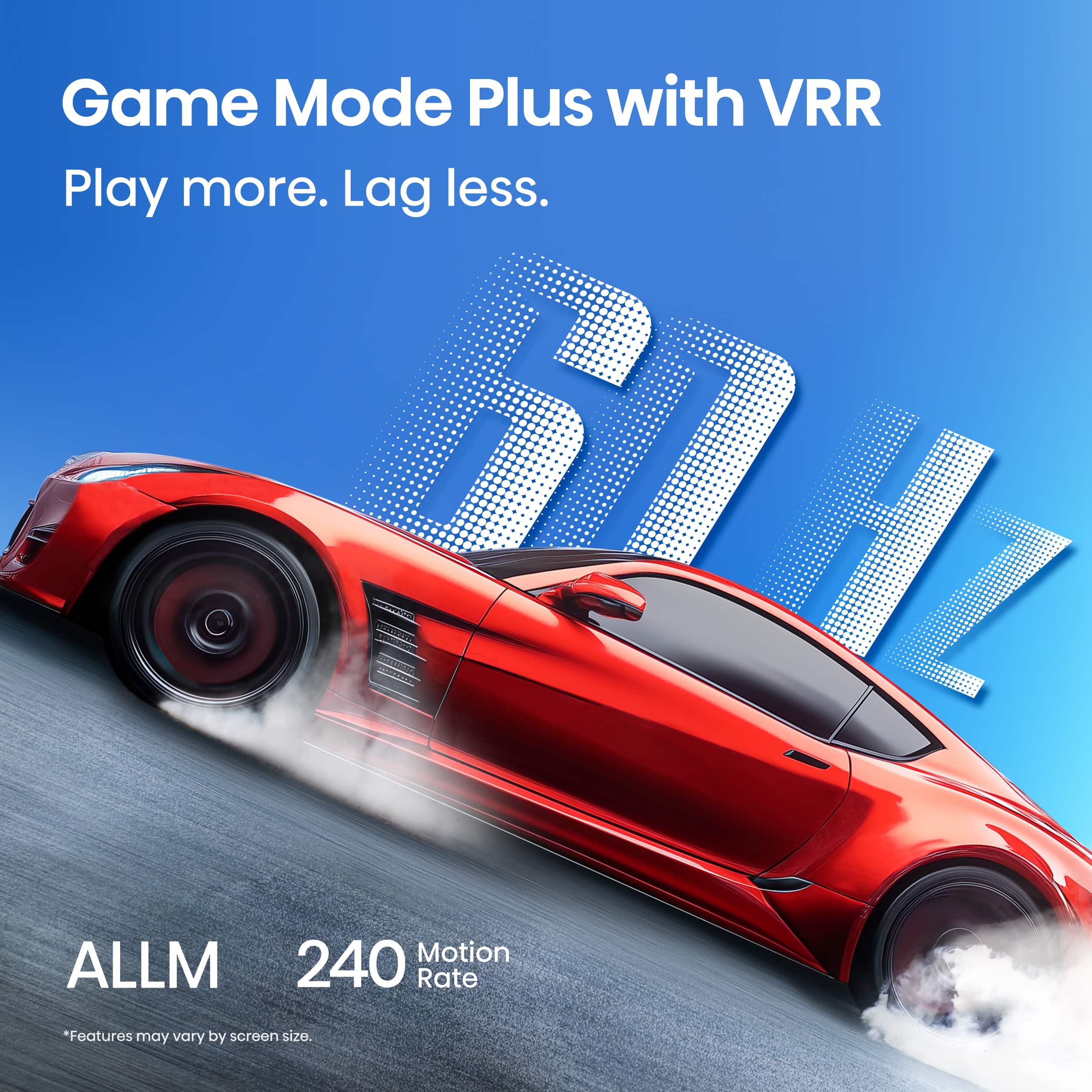
This TV includes two HDMI 2.1 ports capable of handling 4K resolution at 144Hz—a specification that's genuinely impressive even among expensive gaming-focused TVs. It supports AMD FreeSync Premium and Auto Low Latency Mode (ALLM), which automatically switches to game mode when detecting gaming consoles.
The Hisense QD7 faces a significant limitation here. The 65-inch model uses only a 60Hz panel, despite supporting VRR technology. This means while it can reduce input lag and provide tear-free gaming, it cannot display the high frame rates that modern consoles and gaming PCs can deliver. Interestingly, larger models in the QD7 series (75-inch and above) do include 144Hz panels, suggesting this is a cost-cutting measure rather than a technical limitation.
However, the TCL NXTVISION's gaming advantages come with trade-offs. Its slower pixel response time creates motion blur during fast-paced games, and the poor contrast makes dark gaming scenes difficult to navigate. For competitive online gaming where motion clarity and response time matter most, the high refresh rate benefits outweigh these issues. For cinematic single-player games where visual quality is paramount, the Hisense QD7 might actually provide a better experience despite its refresh rate limitations.
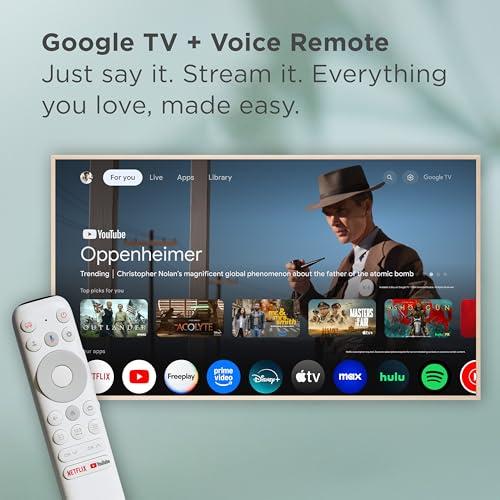
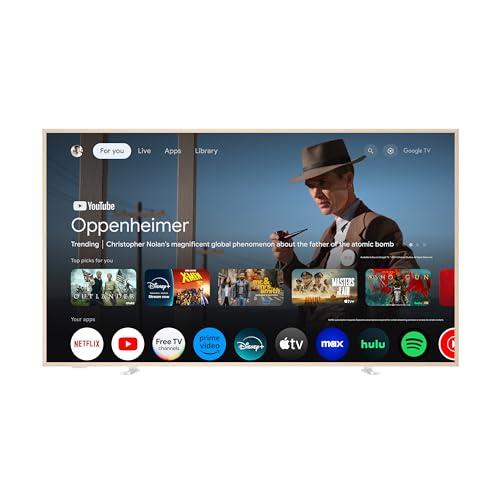
Both TVs launched with different smart platforms that reflect their manufacturers' partnerships and priorities. The TCL NXTVISION, released in 2024, runs Google TV—Google's successor to Android TV. This platform integrates well with Google services and provides excellent voice control through Google Assistant. The interface aggregates content from multiple streaming services, making it easier to find shows across different apps.
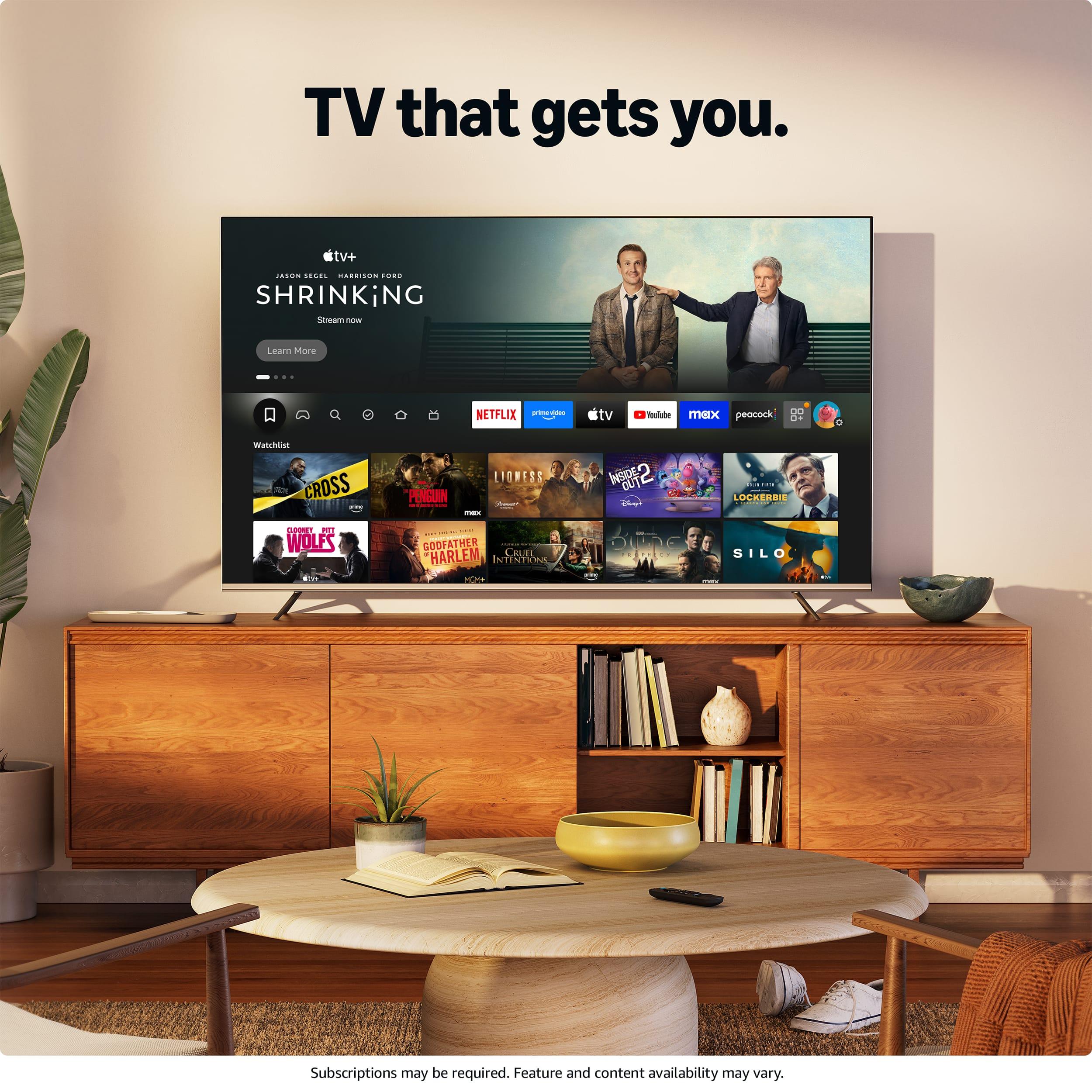
The Hisense QD7, part of Hisense's 2025 lineup, uses Amazon's Fire TV platform. Fire TV excels at Amazon Prime Video integration and works seamlessly with Alexa voice commands. The interface prioritizes Amazon content but includes all major streaming apps.
Both platforms are mature and responsive, though they cater to different ecosystems. Google TV integrates better with Android phones and Google smart home devices, while Fire TV works more smoothly with Amazon Echo devices and Prime services.
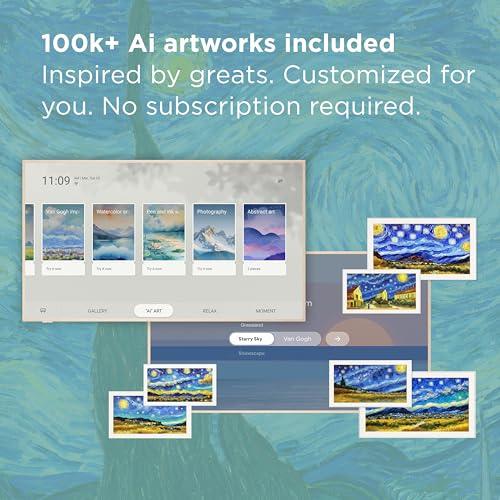
The TCL NXTVISION's unique software features center around its art mode functionality. The TV includes over 400 curated artworks and can generate AI-created art based on text prompts. This feature works surprisingly well—you can request "impressionist landscape with sunset" and receive museum-quality digital art tailored to your preferences.
Neither TV will replace a dedicated sound system, but both include competent built-in audio. The TCL NXTVISION includes 20 watts of total power with Dolby Atmos processing, which creates a sense of three-dimensional sound from the TV's speakers. Its Enhanced Dialogue Mode helps with speech clarity—useful given that modern movies often mix dialogue quieter than sound effects.
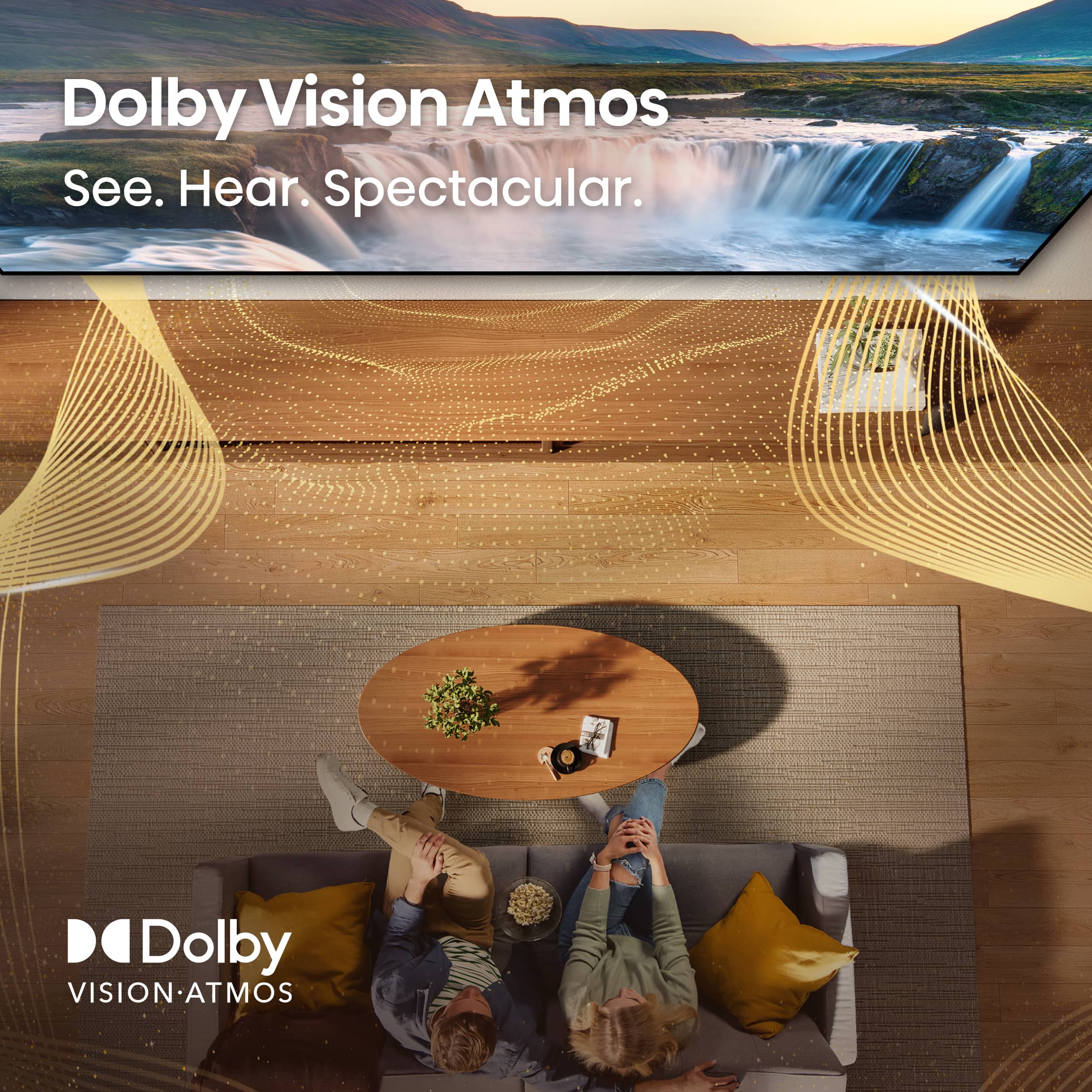
The Hisense QD7 also supports Dolby Atmos and generally receives positive reviews for built-in audio quality. Both TVs include eARC (enhanced Audio Return Channel) support for connecting high-quality soundbars and surround sound systems.
For serious home theater setups, you'll want external audio regardless of which TV you choose. However, for casual viewing, both provide acceptable sound quality for their slim form factors.
At the time of writing, these TVs occupy different value propositions within the premium 65-inch market. The Hisense QD7 typically costs several hundred dollars less than the TCL NXTVISION while delivering superior picture quality for traditional TV viewing.
The Hisense QD7 represents excellent value for buyers prioritizing performance over aesthetics. Its Mini-LED backlighting and color accuracy compete with TVs costing significantly more from premium brands like Samsung and Sony. This positioning makes it particularly attractive for home theater enthusiasts who want the best possible picture quality within a reasonable budget.
The TCL NXTVISION commands its premium pricing through unique features unavailable elsewhere. No other TV combines ultra-slim art frame aesthetics with serious gaming capabilities. If you value the lifestyle benefits—the ability to display art, eliminate living room clutter, and integrate seamlessly with modern décor—the price premium becomes justifiable.
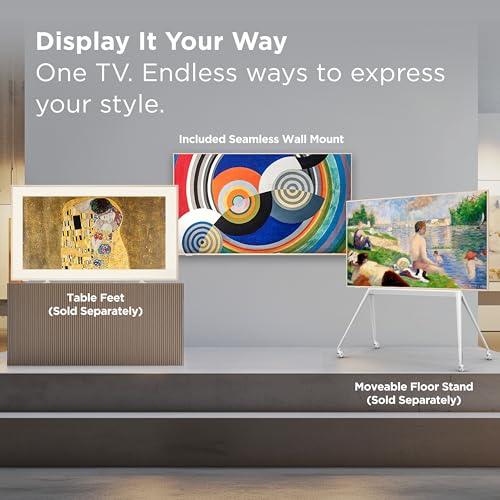
However, it's worth noting that the TCL NXTVISION requires additional purchases that affect its total cost. The TV doesn't include traditional legs and requires wall mounting or separately purchased stands. This could add $100-200 to your total investment depending on your preferred mounting solution.
For dedicated home theater rooms, the Hisense QD7 is the clear choice. Its superior contrast and HDR performance provide the cinematic experience that makes movie nights memorable. The Mini-LED backlighting particularly shines in dark viewing environments where you can appreciate deep blacks and bright highlights without ambient light interference.
The TCL NXTVISION's matte screen coating, while excellent for bright rooms, actually works against it in dark home theaters. The coating slightly reduces brightness and can make the image appear softer compared to traditional glossy screens. This trade-off makes sense for living room installation but not for dedicated theater spaces.
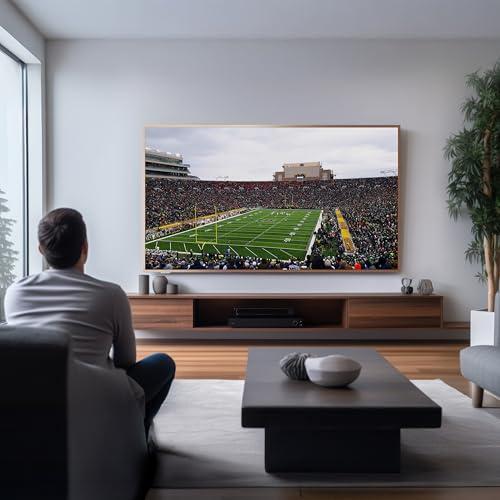
However, the TCL NXTVISION excels in multi-purpose living spaces where the TV must look good both on and off. Many modern homes integrate entertainment areas with dining and living spaces, making a traditional black rectangle TV less desirable even when it performs better.
Choose the TCL NXTVISION if:
Choose the Hisense QD7 if:
Consider alternatives if:
These TVs represent two valid but completely different approaches to television design. The TCL NXTVISION prioritizes integration and lifestyle benefits, accepting picture quality compromises to achieve its ultra-slim art frame design and gaming capabilities. The Hisense QD7 focuses purely on delivering excellent traditional TV performance at a competitive price point.
Neither TV is objectively better—they're optimized for different priorities and living situations. The Hisense QD7 will satisfy most buyers looking for straightforward television excellence, while the TCL NXTVISION serves those who want their technology to blend seamlessly into their lifestyle and décor.
Your choice should ultimately depend on how you actually use your TV and what compromises you're willing to make. If you watch mostly in dark rooms and prioritize movie quality, the Hisense's superior contrast wins easily. If your TV sits in a bright living room where it's visible even when off, the TCL's unique design philosophy might justify its picture quality trade-offs.
Both represent solid choices within their respective categories, and both manufacturers have continued improving these technologies since their release. The key is being honest about your priorities and choosing the TV that best serves your actual viewing habits rather than theoretical ideal scenarios.
| TCL 65" NXTVISION QLED 4K Art Frame TV | Hisense 65" QD7 Series Mini-LED 4K Fire TV 2025 |
|---|---|
| Design Philosophy - Determines how the TV fits into your space | |
| Ultra-slim art frame TV (1.1" deep) with magnetic wood bezels and flush wall mount | Traditional performance TV with standard form factor and included stand |
| Backlighting Technology - Most critical factor for picture quality | |
| Edge-lit LED (enables slim design but compromises contrast) | Mini-LED with Full Array Local Dimming (superior contrast and HDR) |
| Display Panel Refresh Rate - Essential for gaming and smooth motion | |
| 120Hz native with 144Hz VRR support (excellent for gaming) | 60Hz native (major limitation for gaming and high frame rate content) |
| Gaming Features - Important for console and PC gaming | |
| Game Accelerator 240, AMD FreeSync Premium, 4K@144Hz, 1080p@240Hz | Game Mode Plus with ALLM, limited by 60Hz panel |
| HDMI 2.1 Ports - Needed for next-gen gaming consoles | |
| 2 HDMI 2.1 ports (supports high refresh gaming) | HDMI 2.1 support (exact count not specified) |
| Art Mode Features - Unique lifestyle functionality | |
| 400+ curated artworks, AI art generation, ultra-matte anti-glare screen | None (traditional TV functionality only) |
| HDR Performance - Critical for movies and streaming quality | |
| Dolby Vision IQ, HDR10+, but limited by edge-lit backlighting | Dolby Vision, HDR10+ with superior Mini-LED contrast delivery |
| Smart Platform - Affects daily user experience | |
| Google TV with Chromecast, Google Assistant, Apple HomeKit | Fire TV with Alexa integration and Amazon ecosystem |
| Audio System - Built-in sound quality | |
| 20W (2x10W) with Dolby Atmos, Enhanced Dialogue Mode | Dolby Atmos support, generally good built-in speakers |
| Installation Requirements - Affects total ownership cost | |
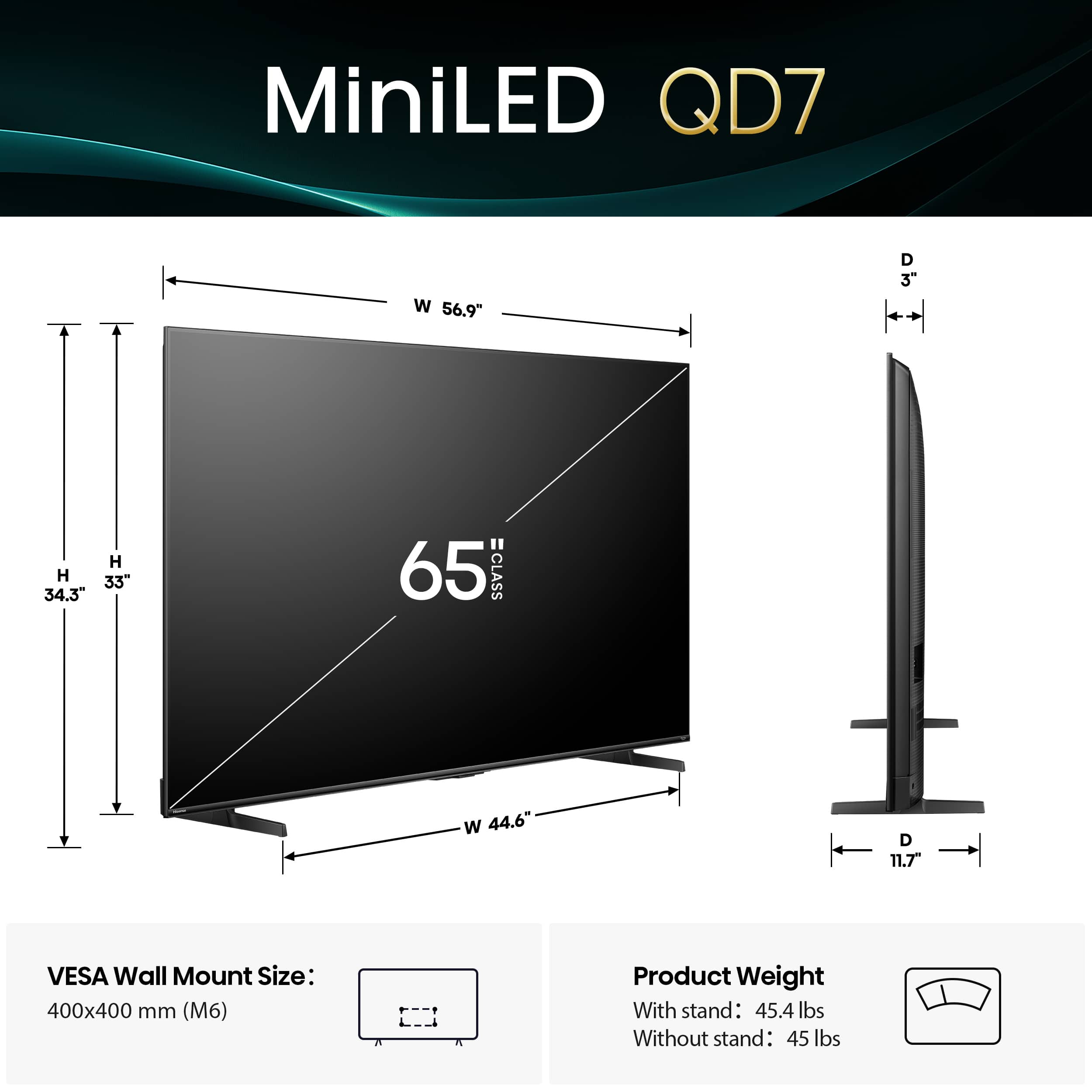
| Flush wall mount included, stands sold separately | Standard TV stand included, universal VESA mounting |
| Best Use Cases - Who should choose each TV | |
| Bright living rooms, art display, high refresh gaming, aesthetic integration | Dark room viewing, home theater, traditional TV use, best price/performance |
The Hisense 65" QD7 Series Mini-LED 4K Fire TV 2025 delivers significantly better picture quality for traditional viewing. Its Mini-LED backlighting with full array local dimming creates deeper blacks and better contrast compared to the TCL 65" NXTVISION QLED 4K Art Frame TV's edge-lit design. For home theater setups and dark room viewing, the Hisense QD7 provides more cinematic HDR performance.
The TCL 65" NXTVISION QLED 4K Art Frame TV is designed as a lifestyle art frame TV that doubles as wall décor when not in use, featuring an ultra-slim 1.1-inch profile and magnetic wood bezels. The Hisense 65" QD7 Series Mini-LED 4K Fire TV 2025 is a traditional performance-focused TV that prioritizes picture quality and value over aesthetics.
The TCL 65" NXTVISION QLED 4K Art Frame TV is significantly better for gaming with its 120Hz native panel, 144Hz VRR support, and Game Accelerator 240 features. The Hisense QD7 is limited by its 60Hz panel, making it less suitable for high refresh rate gaming despite having VRR support.
Only the TCL 65" NXTVISION QLED 4K Art Frame TV has dedicated art mode functionality with over 400 curated artworks, AI art generation, and a matte screen that mimics canvas texture. The Hisense 65" QD7 Series Mini-LED 4K Fire TV 2025 functions solely as a traditional television without art display features.
The TCL 65" NXTVISION QLED 4K Art Frame TV excels in bright rooms thanks to its ultra-matte anti-glare screen coating that dramatically reduces reflections. While the Hisense QD7 has good brightness, it uses a traditional glossy screen that can reflect ambient light.
The TCL 65" NXTVISION QLED 4K Art Frame TV runs Google TV with built-in Chromecast and Google Assistant support. The Hisense 65" QD7 Series Mini-LED 4K Fire TV 2025 uses Amazon's Fire TV platform with Alexa integration and seamless Prime Video access.
The Hisense 65" QD7 Series Mini-LED 4K Fire TV 2025 typically offers better traditional TV value with superior picture quality at a lower price point. The TCL NXTVISION commands a premium for its unique art frame features and gaming capabilities, justified only if you value those specific lifestyle benefits.
Yes, both the TCL 65" NXTVISION QLED 4K Art Frame TV and Hisense 65" QD7 Series Mini-LED 4K Fire TV 2025 support Dolby Vision, HDR10+, and HDR10 formats. However, the Hisense QD7 delivers better HDR performance due to its superior contrast and brightness capabilities from Mini-LED technology.
The Hisense 65" QD7 Series Mini-LED 4K Fire TV 2025 is the clear choice for dedicated home theater rooms. Its Mini-LED backlighting provides the deep blacks and bright highlights essential for cinematic viewing in dark environments. The TCL NXTVISION's matte screen coating actually works against it in dark theater rooms.
The TCL 65" NXTVISION QLED 4K Art Frame TV includes a flush wall mount for gallery-style installation but requires separate purchase of stands. The Hisense 65" QD7 Series Mini-LED 4K Fire TV 2025 comes with a standard TV stand and supports universal VESA wall mounting options.
Both the TCL 65" NXTVISION QLED 4K Art Frame TV and Hisense 65" QD7 Series Mini-LED 4K Fire TV 2025 offer decent built-in audio with Dolby Atmos support. The TCL NXTVISION includes Enhanced Dialogue Mode for clearer speech, while both provide eARC support for connecting external sound systems.
Choose the TCL 65" NXTVISION QLED 4K Art Frame TV if you want art display functionality, have a bright living room, prioritize gaming performance, or need aesthetic integration with your décor. Select the Hisense 65" QD7 Series Mini-LED 4K Fire TV 2025 if you want the best picture quality for movies, prefer traditional TV functionality, or seek maximum performance value.
We've done our best to create useful and informative comparisons to help you decide what product to buy. Our research uses advanced automated methods to create this comparison and perfection is not possible - please contact us for corrections or questions. These are the sites we've researched in the creation of this article: rtings.com - tcl.com - bestbuy.com - tcl.com - bestbuy.com - tcl.com - youtube.com - rcwilley.com - businessinsider.com - bestbuy.com - target.com - youtube.com - support.tcl.com - nfm.com - woodruffappliance.com - flatpanelshd.com - tcl.com - bestbuy.com - custrevs.com - youtube.com - bestbuy.com - rtings.com - youtube.com - rtings.com - pcrichard.com - bestbuy.com - pcrichard.com - camelcamelcamel.com - amazonfiretv.blog - hisense-usa.com - hisense-usa.com - hisense-usa.com - bestbuy.com - leaseville.com - youtube.com - bestbuy.com - flatpanelshd.com

Privacy Policy
Terms and Conditions - Affiliate Policy
Home Security
© Copyright 2008-2026.
11816 Inwood Rd #1211, Dallas, TX 75244