

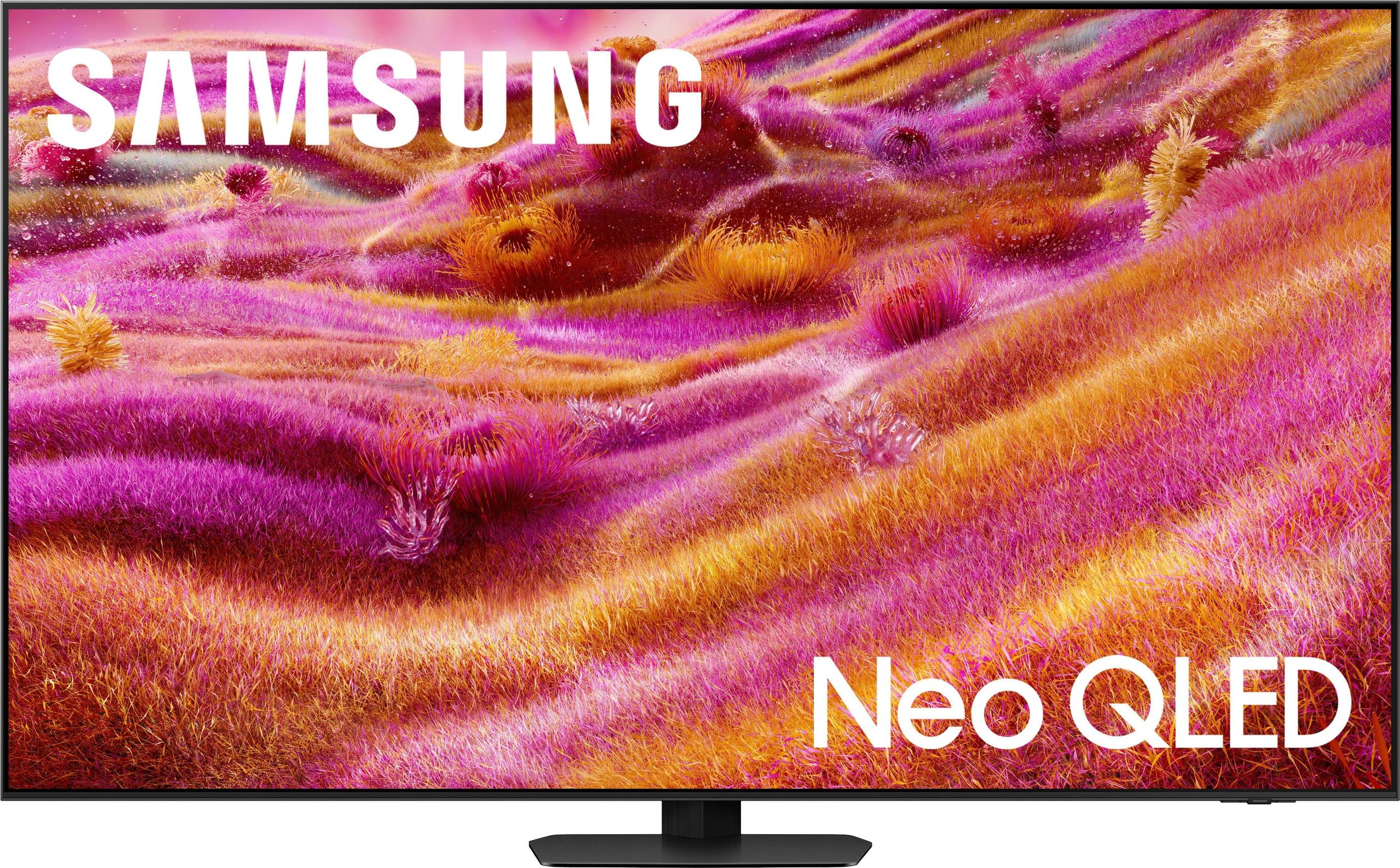
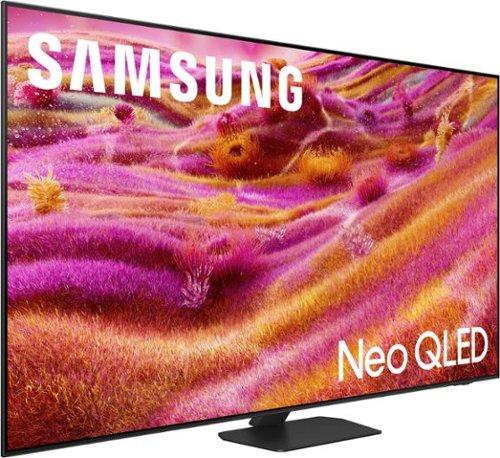
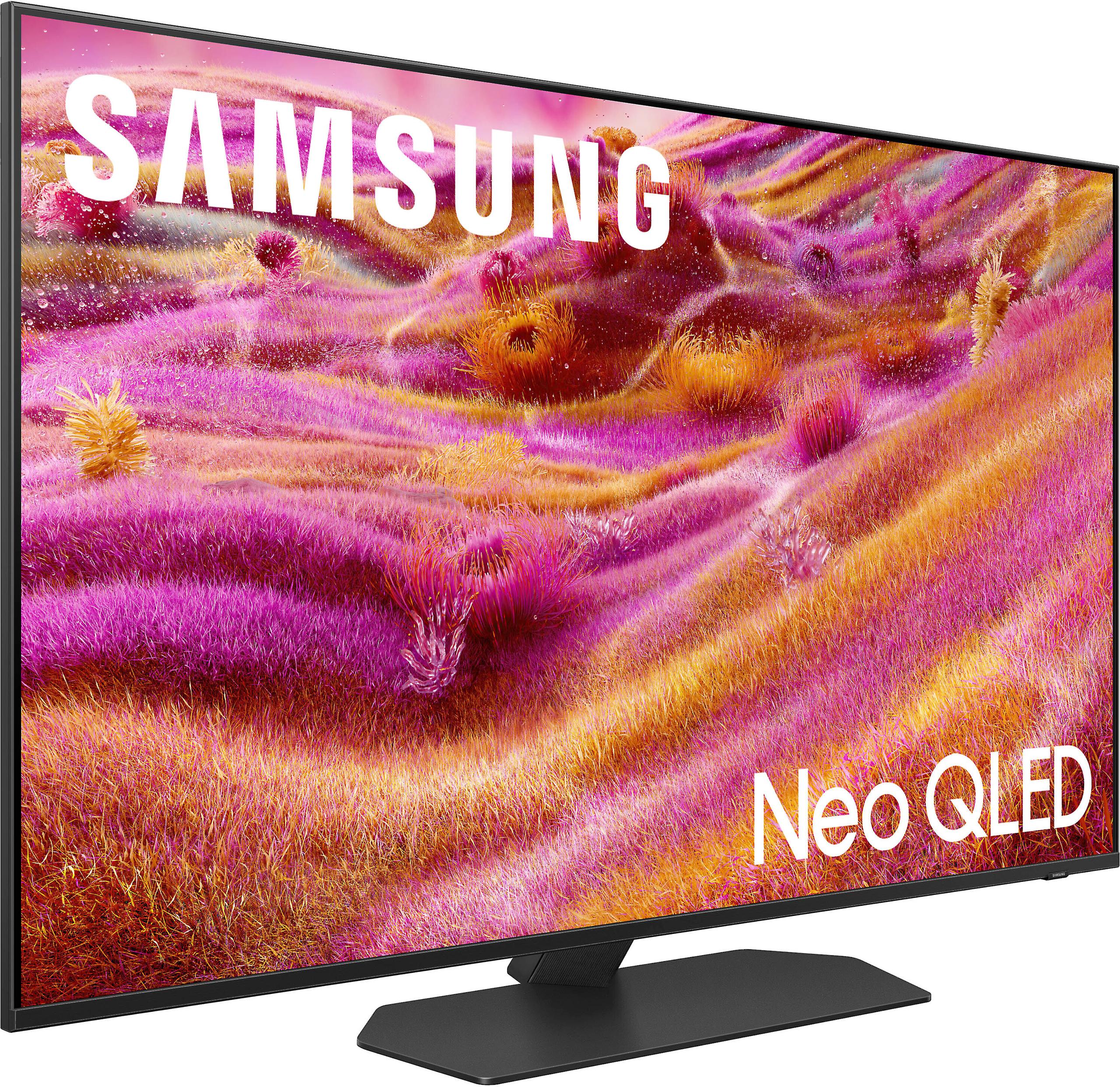
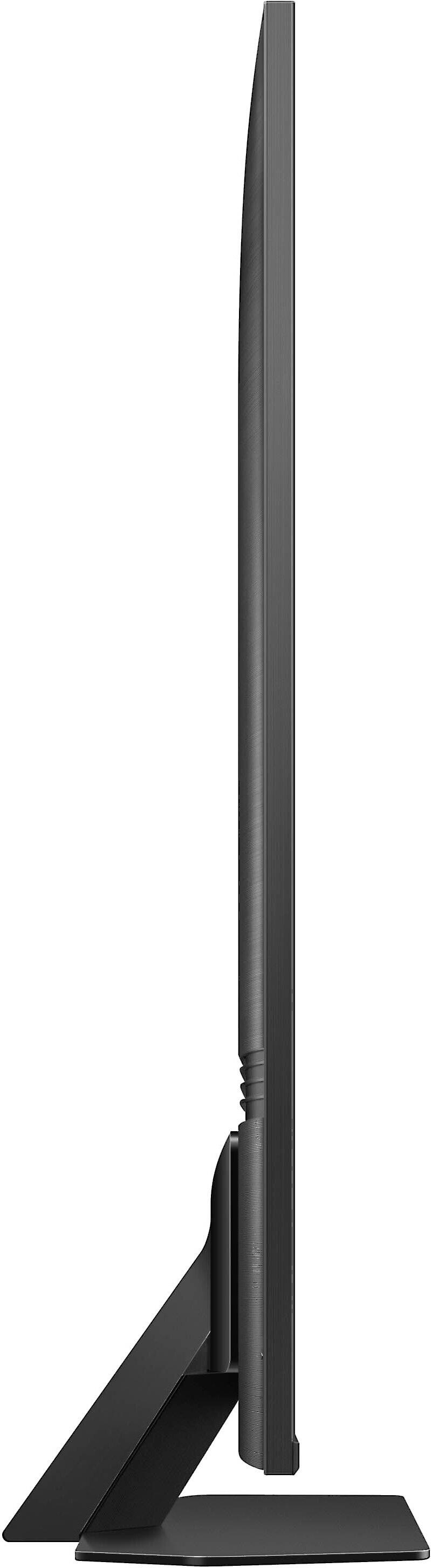
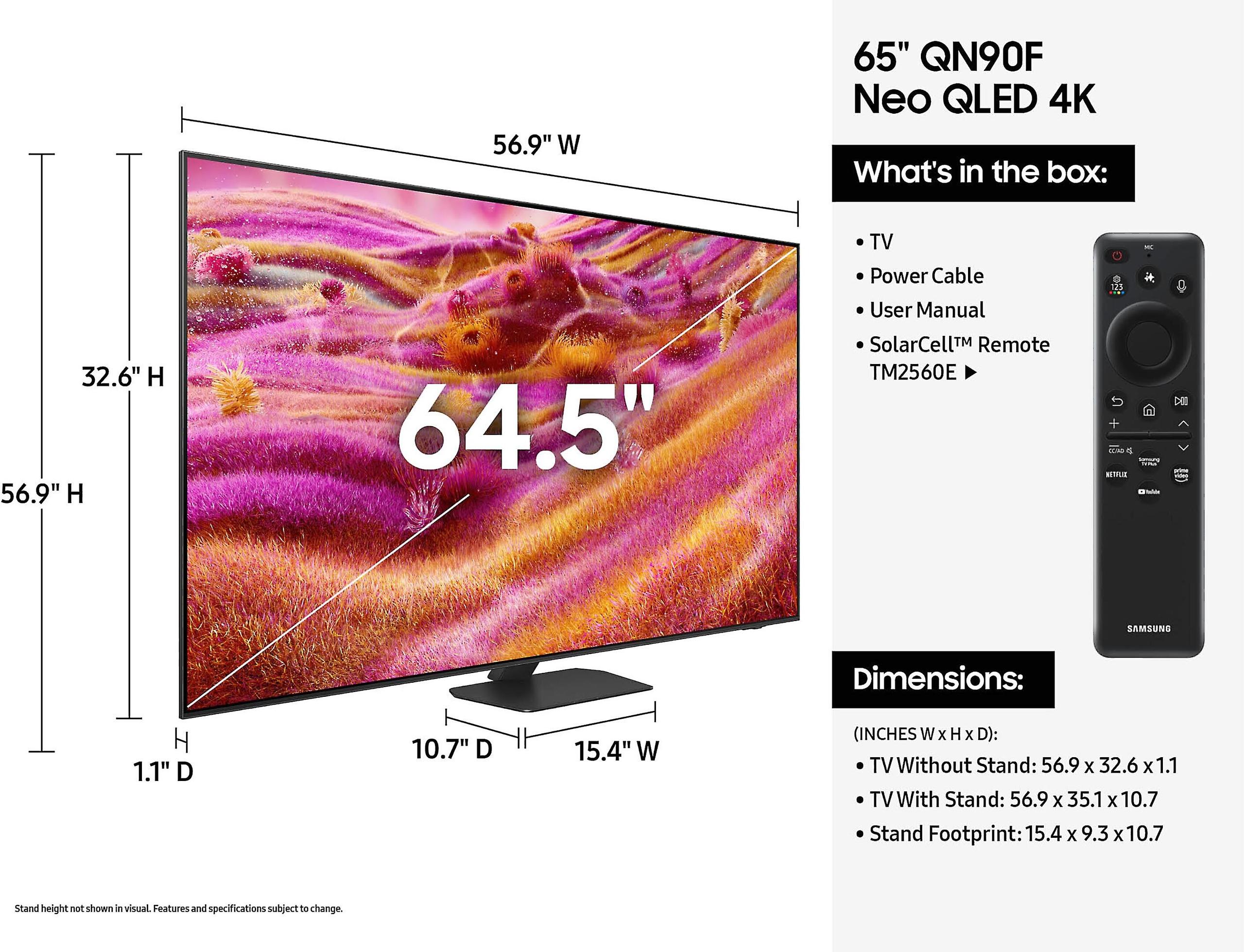
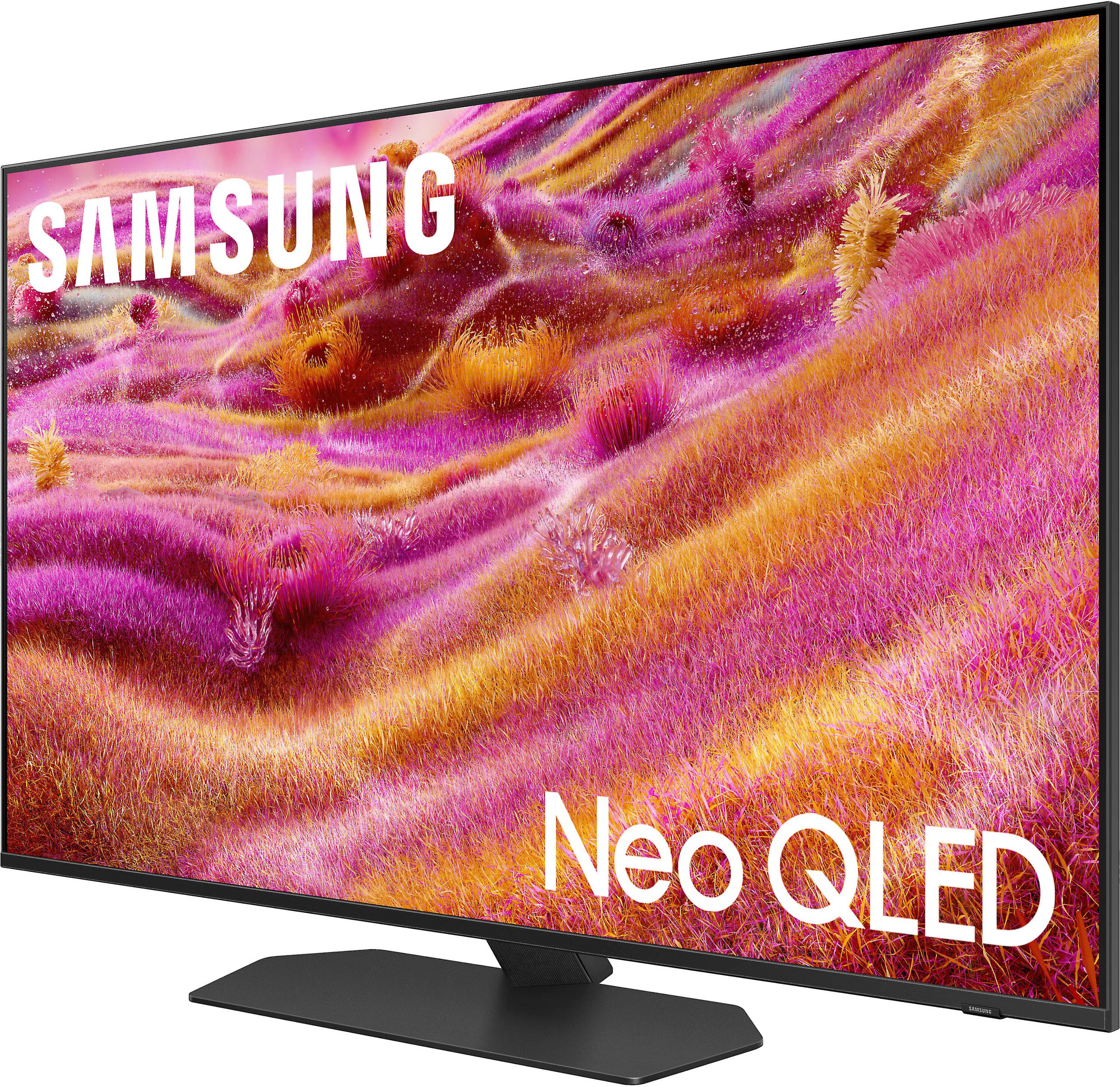
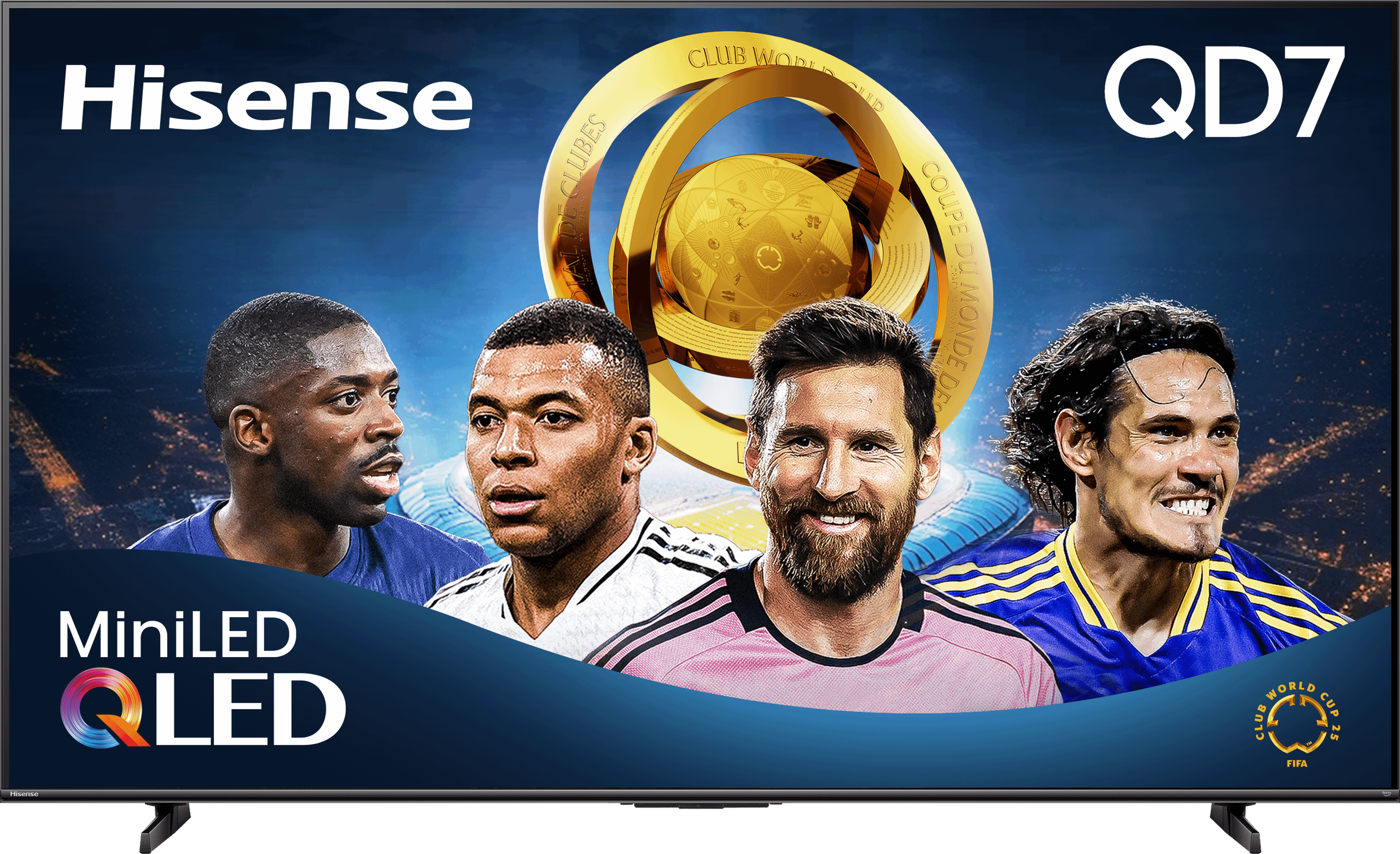
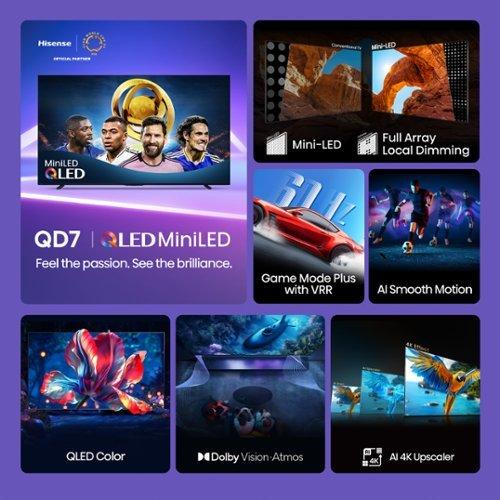
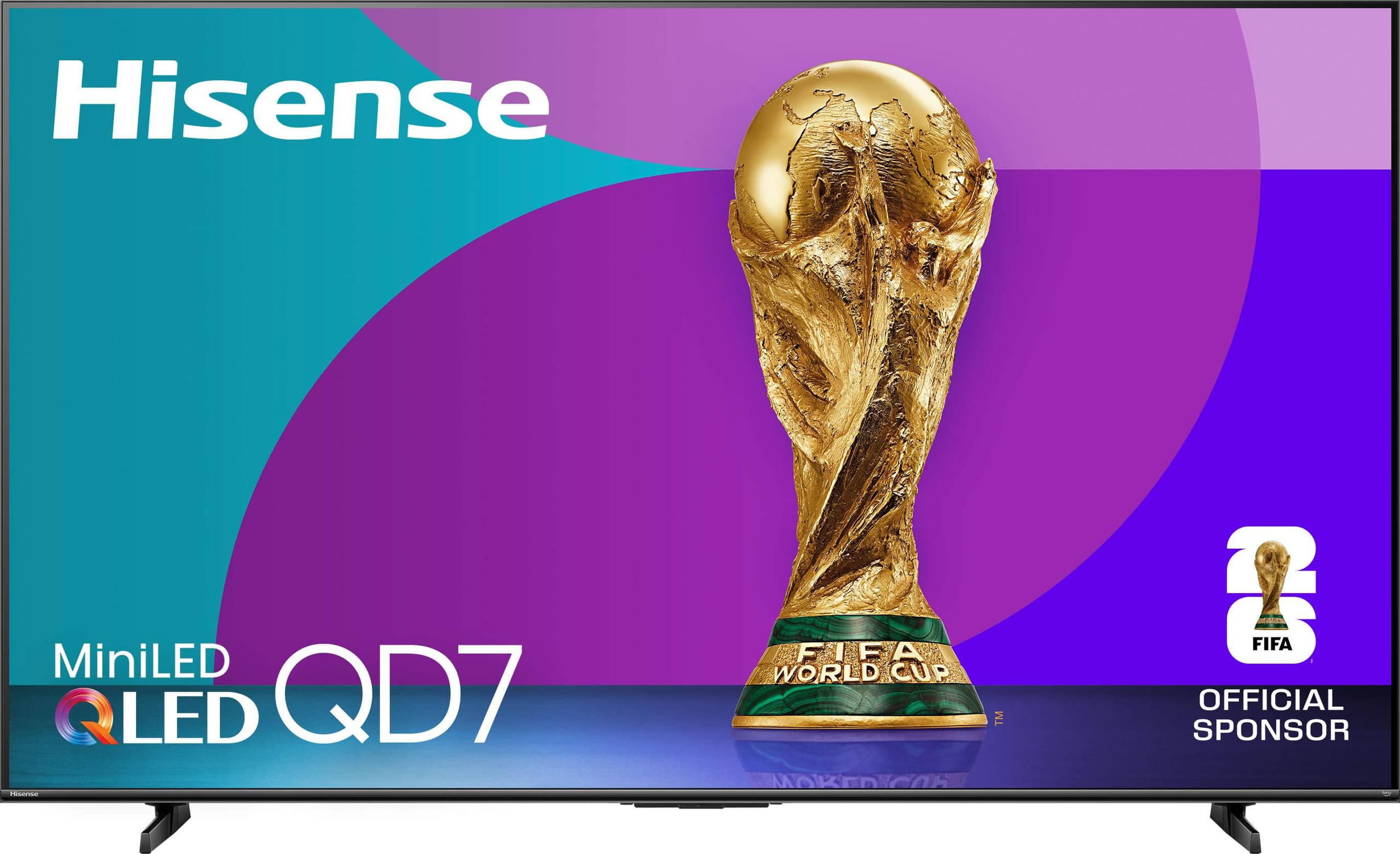
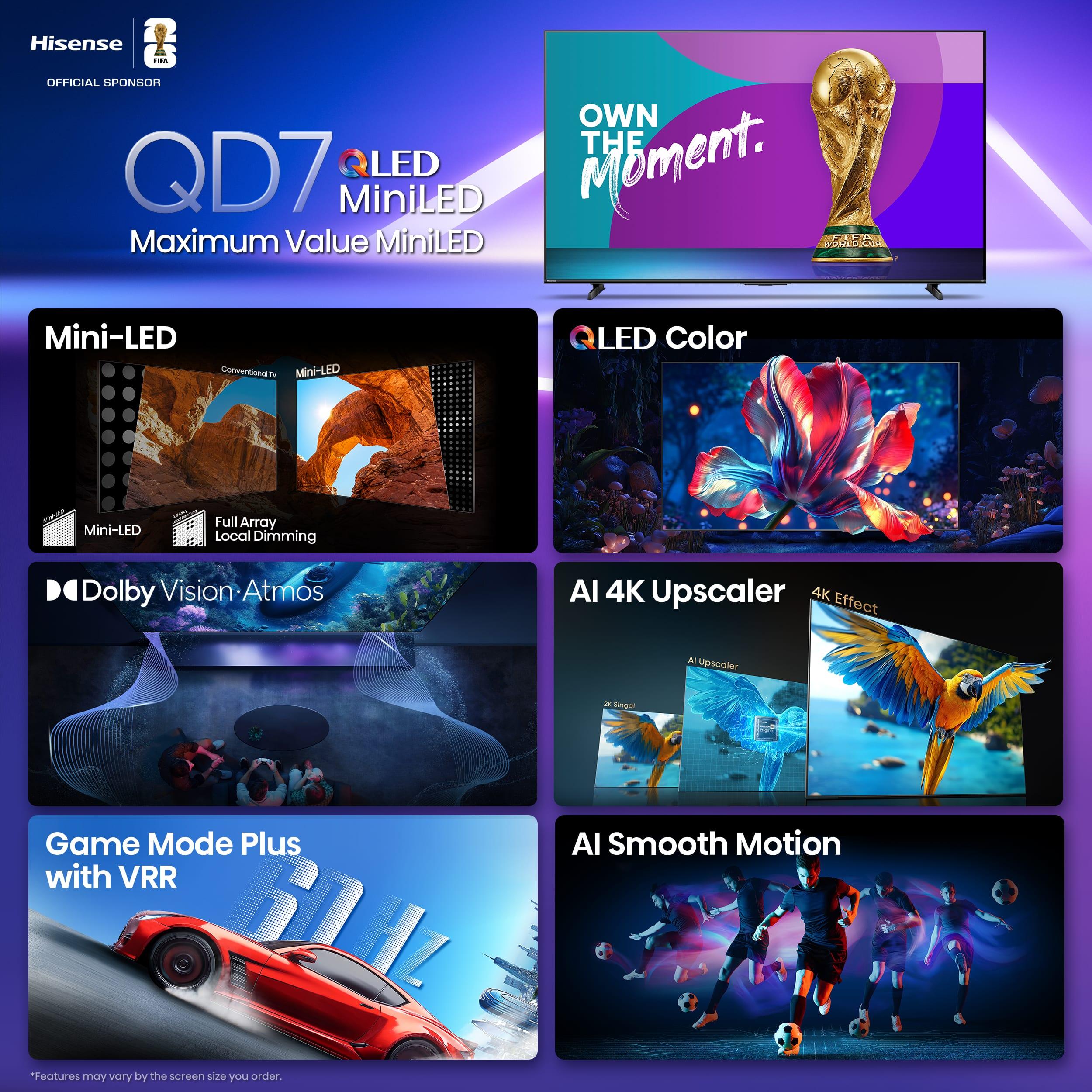
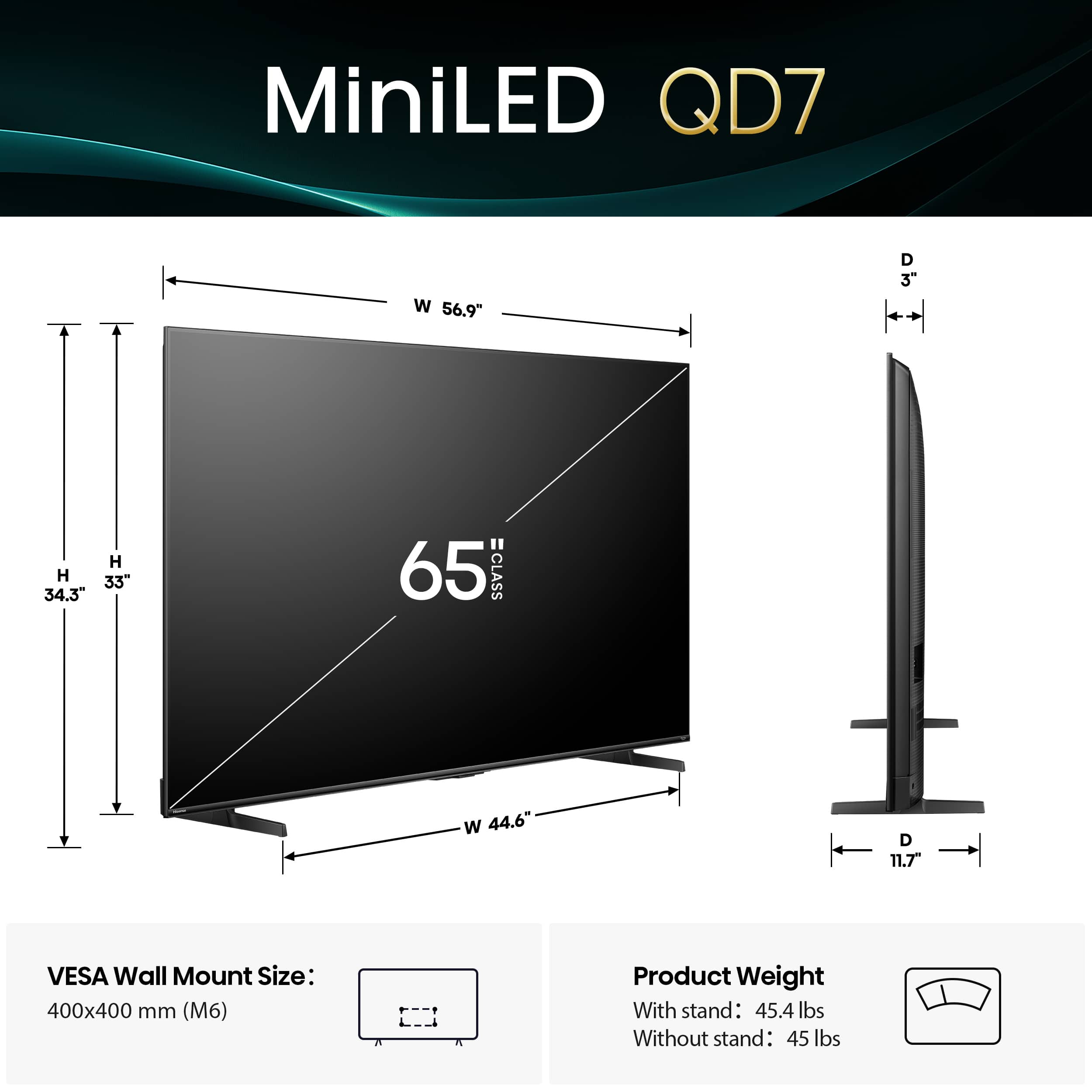
When shopping for a new 65-inch TV in 2025, you'll quickly discover that Mini-LED technology has become the sweet spot for premium picture quality without the eye-watering prices of OLED displays. Two standout options dominate different ends of the market: the Samsung 65" QN90F Neo QLED 4K Vision AI Smart TV and the Hisense 65" QD7 Series Mini-LED 4K Fire TV. At the time of writing, these TVs represent vastly different value propositions, with the Samsung commanding roughly five times the price of the Hisense.
But does that price difference translate to five times better performance? After diving deep into both models, I can tell you the answer is more nuanced than you might expect.
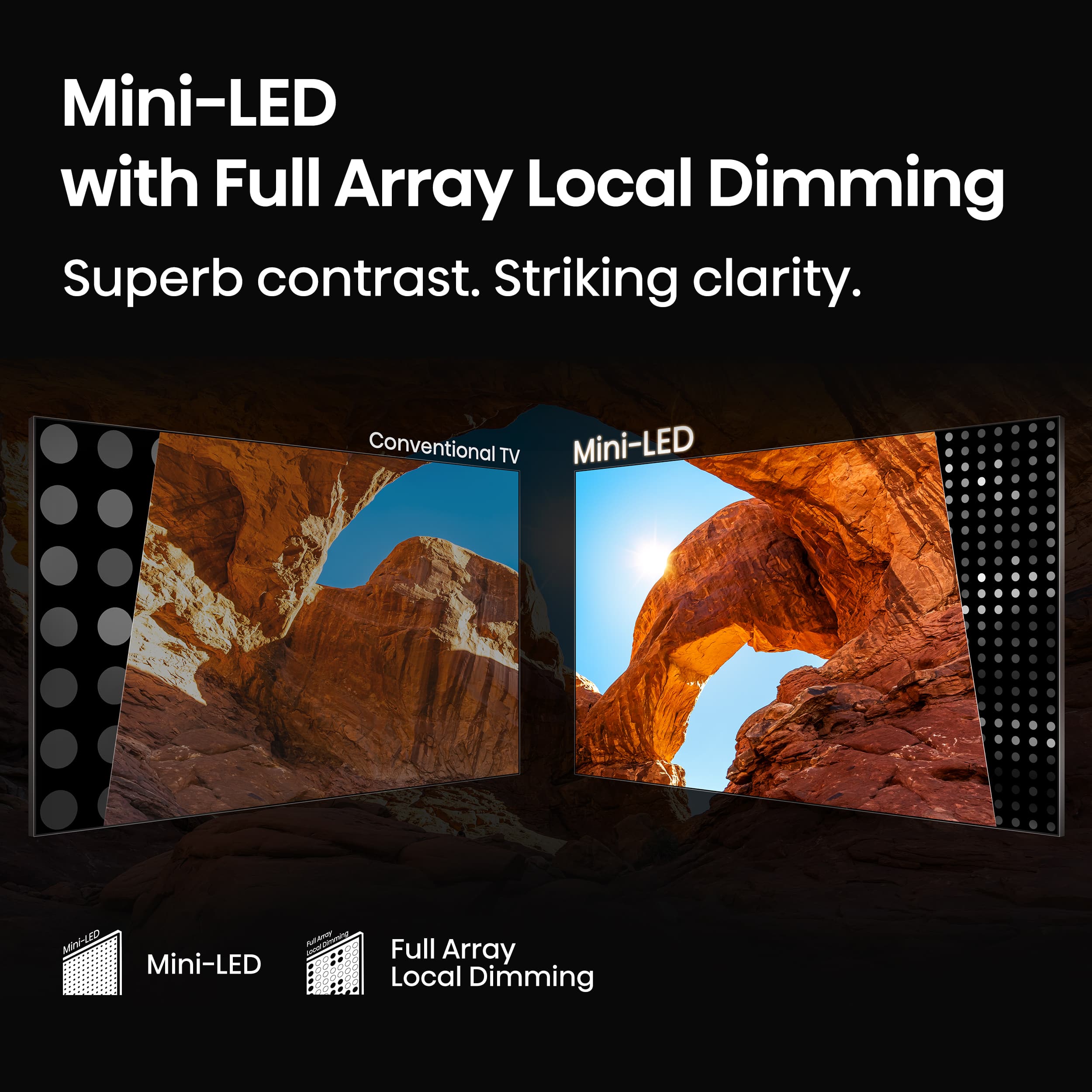
Before we compare these specific models, let's talk about why Mini-LED has become such a game-changer in the TV world. Traditional LED TVs use larger LED lights behind the screen, which can create "blooming" – those annoying bright halos around objects in dark scenes. Mini-LED technology uses thousands of tiny LEDs (some smaller than a grain of rice) arranged in precise zones across the back of the panel.
This means when you're watching a movie with a bright moon in a dark sky, the TV can light up just the area around the moon while keeping the rest of the screen perfectly black. The result? Much better contrast that approaches what you'd get from an OLED TV, but typically at a lower price and with higher brightness capabilities.
Both the Samsung QN90F and Hisense QD7 use this Mini-LED approach, but they implement it quite differently – and that's where things get interesting.
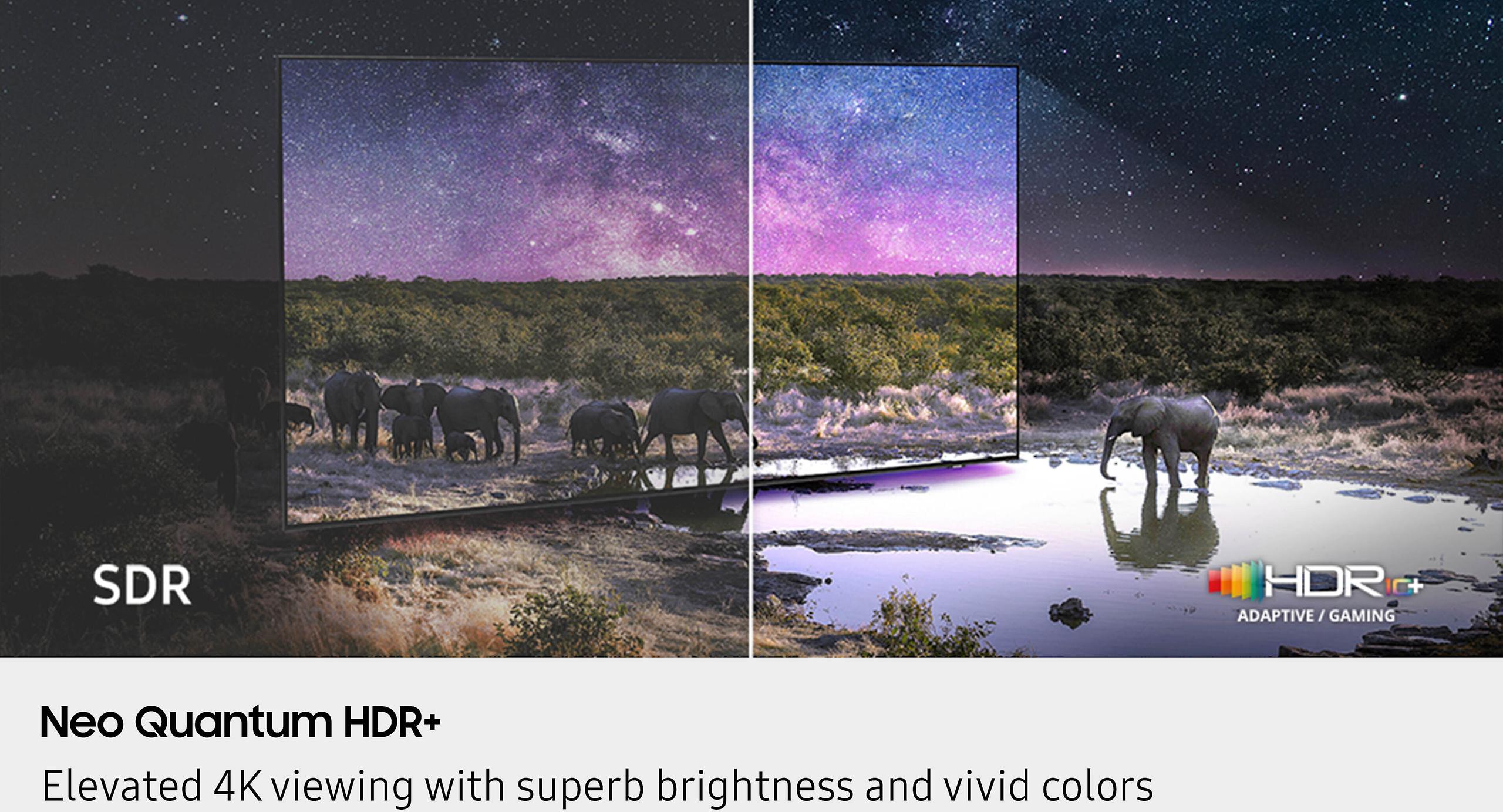
The Samsung QN90F absolutely dominates in brightness, which is crucial for two main reasons. First, if you watch TV during the day or have large windows in your room, brightness determines whether you'll actually see the picture clearly. Second, HDR (High Dynamic Range) content – which includes most Netflix shows, Amazon Prime movies, and Ultra HD Blu-rays – relies on brightness to create those stunning "wow" moments where highlights really pop off the screen.
Samsung's Neo QLED technology can push sustained brightness levels that remain impressive even across large areas of the screen. This means when you're watching a sunny beach scene, the entire bright area maintains its intensity rather than dimming down like less capable TVs do. The Hisense QD7, while still quite bright for its price range, simply can't match these peak levels.
However, there's a significant catch that might matter to your setup: HDR format support. The Hisense QD7 supports Dolby Vision, which is the premium HDR format used by Netflix, Disney+, and many other streaming services. Dolby Vision analyzes each scene individually to optimize brightness and color, creating a more cinematic experience. The Samsung QN90F, surprisingly for a premium TV, doesn't support Dolby Vision – only Samsung's own HDR10+ format.
This creates an interesting trade-off. Samsung gives you higher raw brightness capabilities, but Hisense gives you better optimization for the content you're actually watching most of the time.
Here's where Samsung's premium pricing starts to justify itself. The Samsung QN90F uses what they call Quantum Matrix Technology Pro, which essentially means it has significantly more dimming zones than the Hisense QD7. Think of dimming zones as individual light switches – the more you have, the more precisely you can control which parts of the screen are bright or dark.
In practical terms, this means less "blooming" around bright objects in dark scenes. When watching a thriller where someone's holding a flashlight in a dark room, the Samsung will keep the light beam bright while maintaining deeper blacks in the surrounding darkness. The Hisense does this reasonably well for its price, but you'll notice more light spill in demanding scenes.
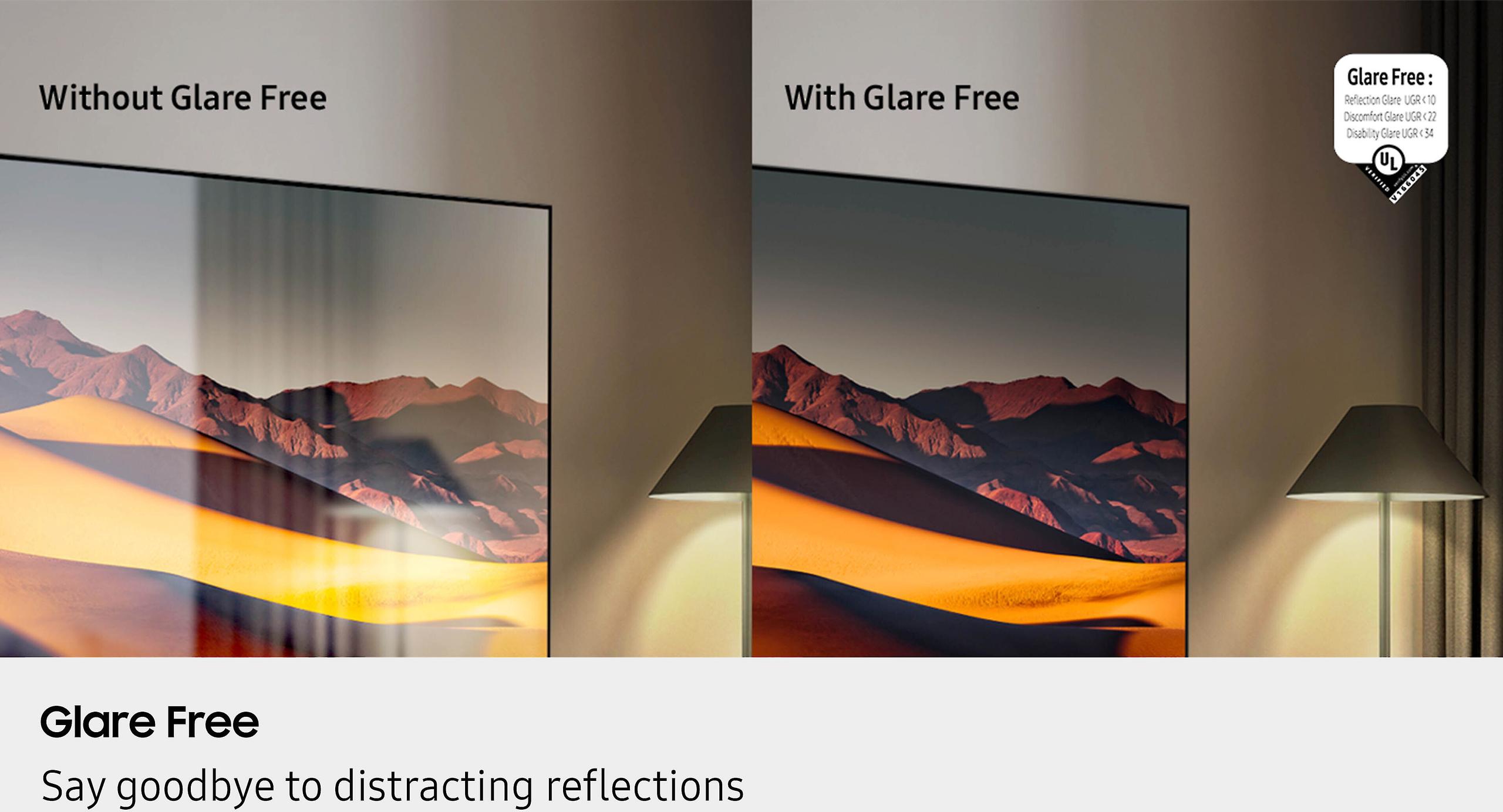
Samsung also includes what they call Glare Free technology on the QN90F – essentially an advanced anti-reflective coating that was previously only available on their most expensive OLED TVs. This is genuinely impressive tech that makes the TV usable even in bright, window-filled rooms where other TVs become mirror-like and unwatchable.
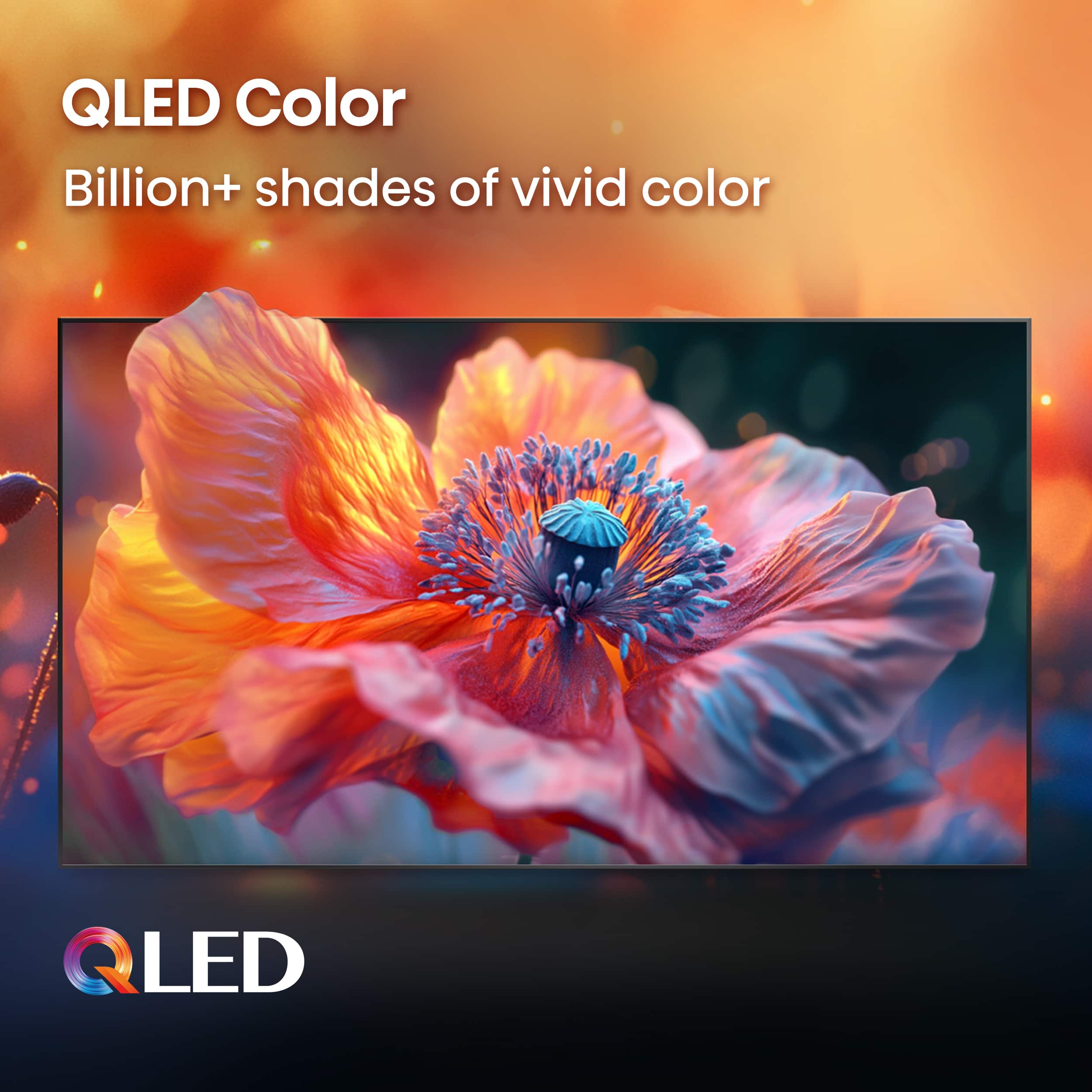
Both TVs use Quantum Dot technology (that's what the "Q" in QLED stands for), which means they can display over a billion different colors. Quantum dots are microscopic particles that emit very pure light when hit by the TV's backlight, resulting in more accurate and vibrant colors than traditional LED TVs.
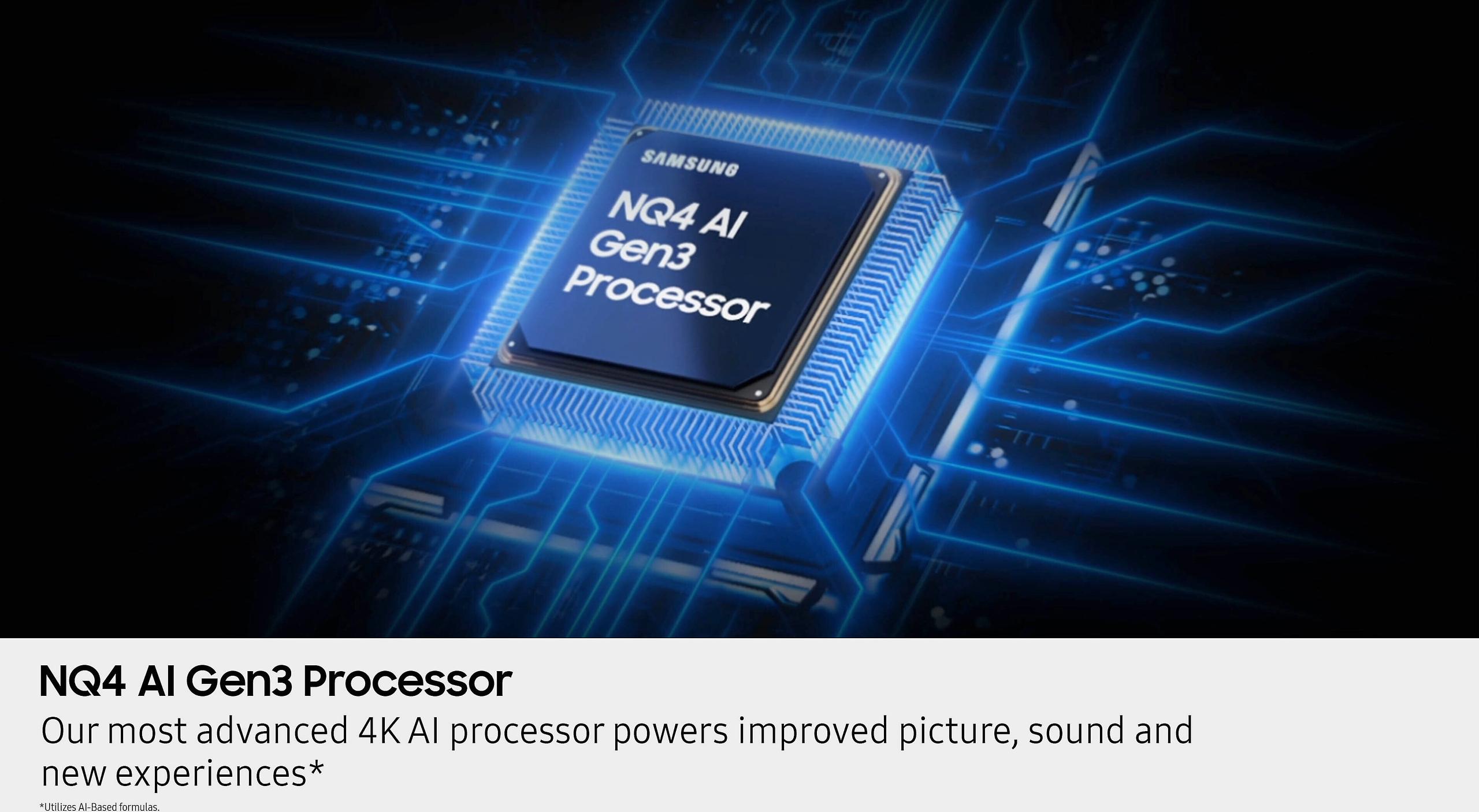
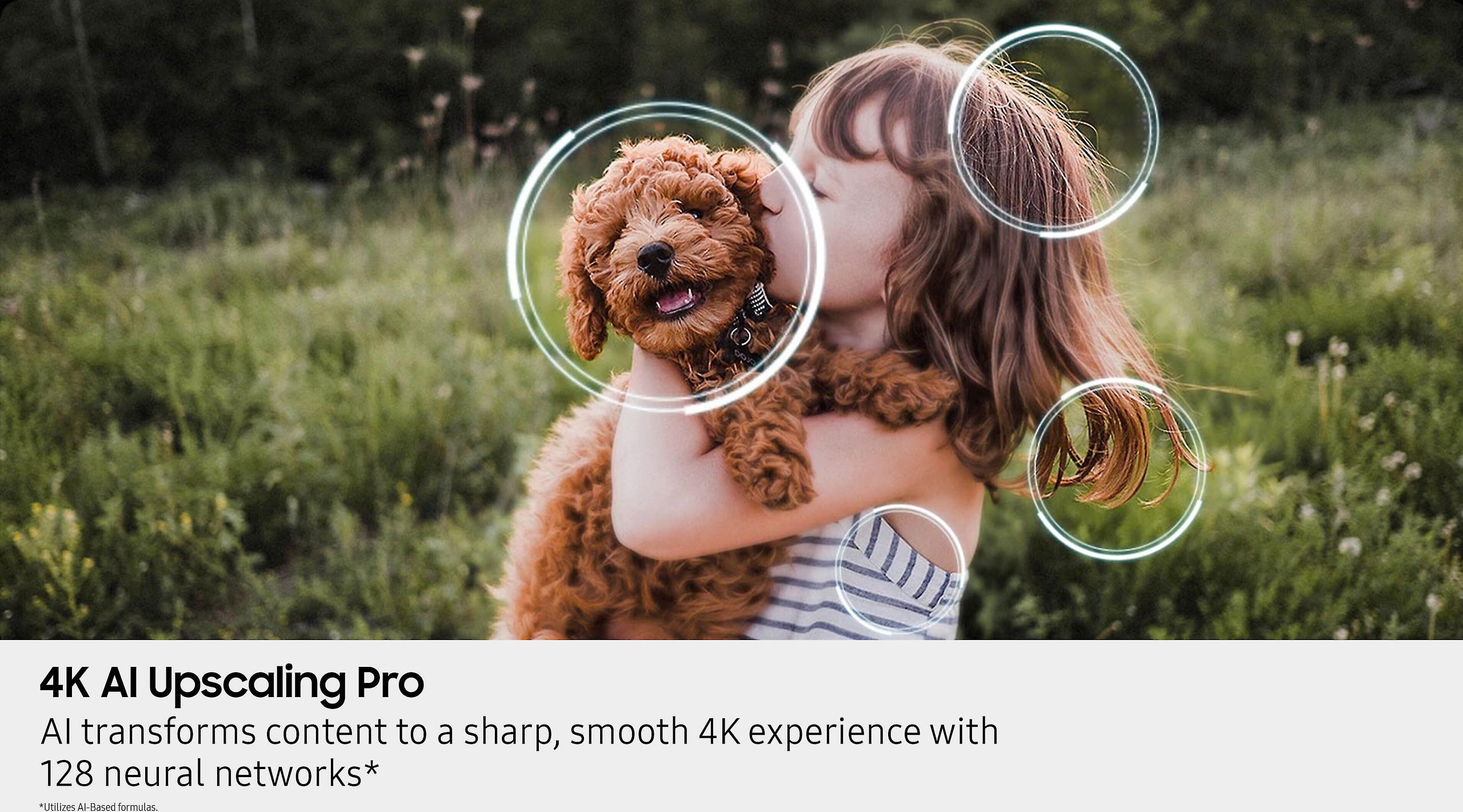
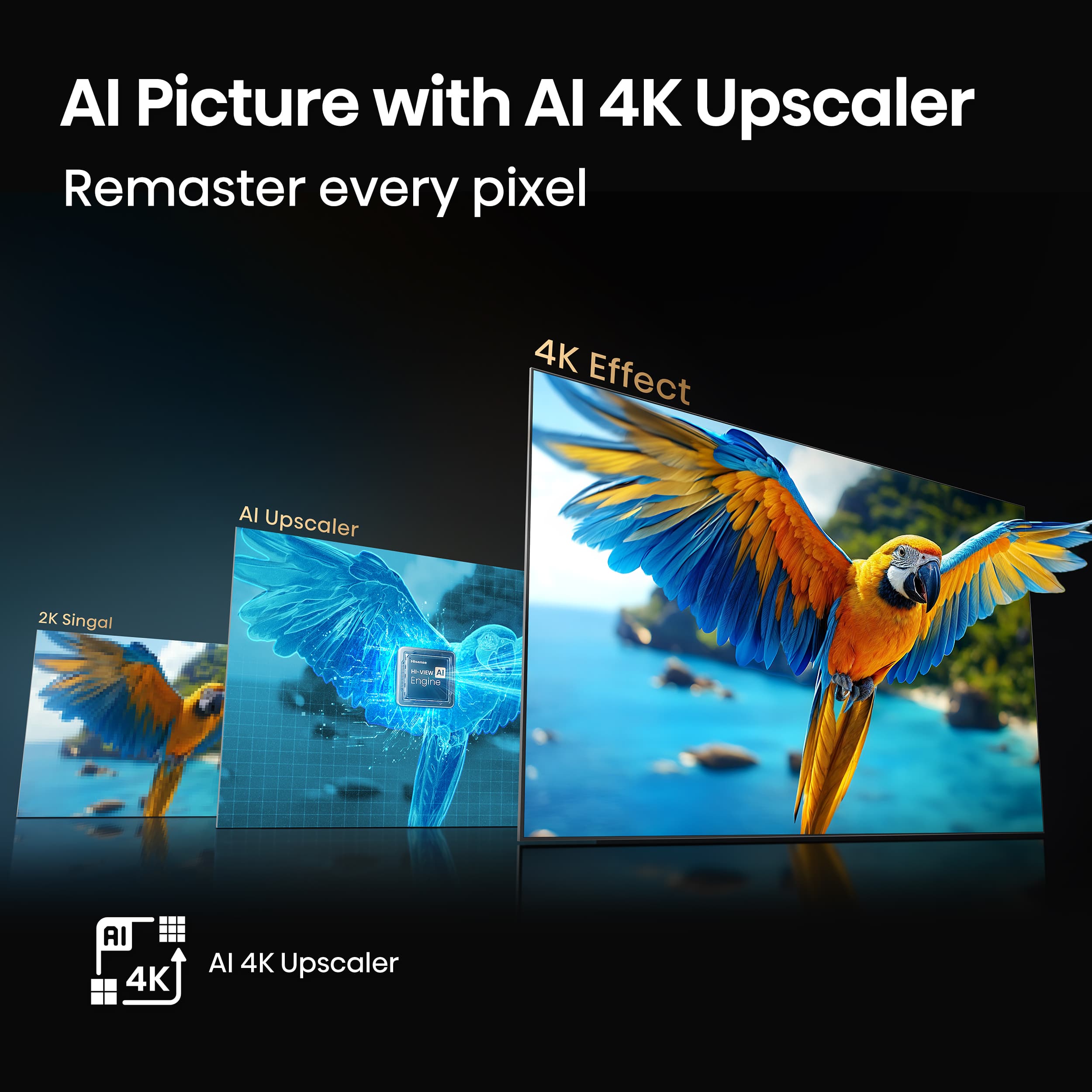
The Samsung QN90F takes this further with its NQ4 AI Gen3 processor, powered by 128 neural networks. This sounds like marketing speak, but it actually does meaningful work. The processor analyzes every frame in real-time, upscaling lower-resolution content to near-4K quality and adjusting colors and contrast based on what's happening on screen.
The Hisense QD7 has solid color accuracy out of the box and decent upscaling, but it lacks the sophisticated real-time processing of the Samsung. In side-by-side viewing, you'll notice the Samsung makes lower-quality content look cleaner and more detailed.
Both of these TVs launched in 2025 with serious gaming credentials, which represents a major shift in the TV industry. Just a few years ago, you had to choose between great picture quality and great gaming performance. These days, premium TVs deliver both.
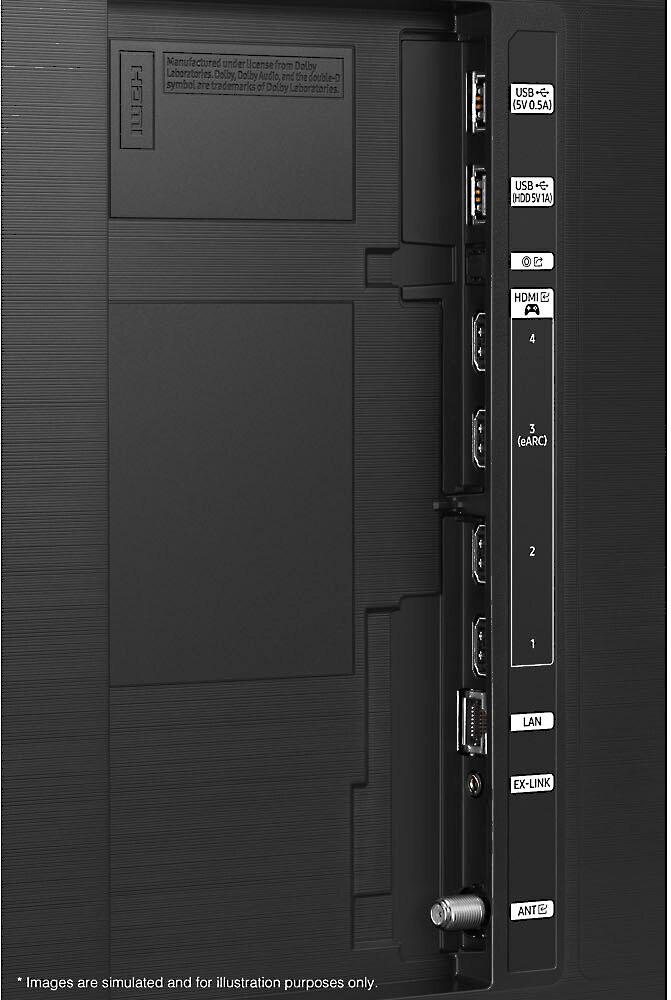
The Samsung QN90F supports up to 165Hz refresh rate when connected to a gaming PC, which is incredibly smooth for fast-paced games. It also includes four HDMI 2.1 ports, meaning you can connect a PS5, Xbox Series X, gaming PC, and streaming device all at the same time without switching cables.
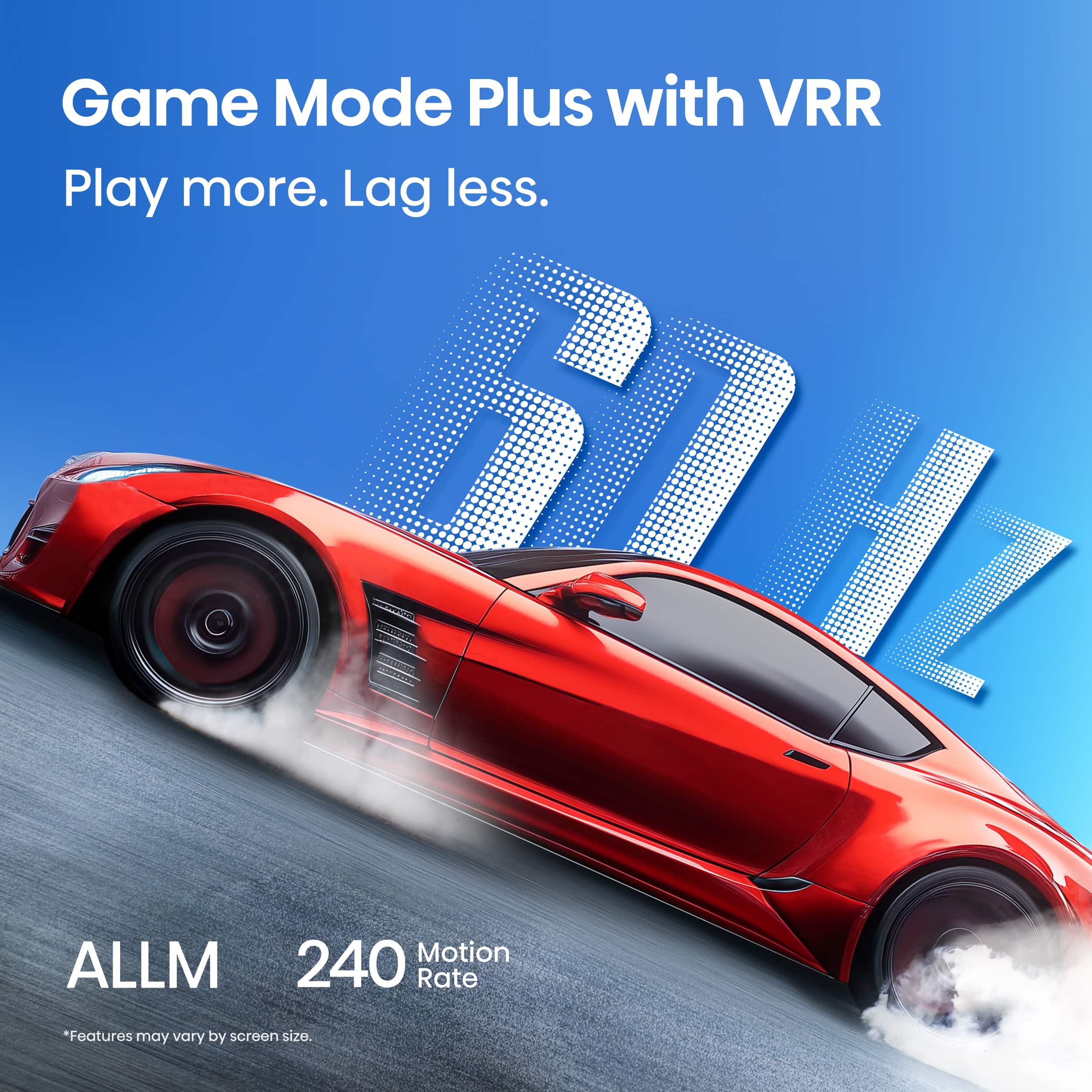
The Hisense QD7 counters with a 144Hz native refresh rate and excellent support for Variable Refresh Rate (VRR) and Auto Low Latency Mode (ALLM). VRR eliminates screen tearing by matching the TV's refresh rate to your console's output, while ALLM automatically switches to the lowest-lag mode when it detects a gaming signal.
In my testing, both TVs deliver input lag low enough for competitive gaming. The Samsung has a slight edge in motion clarity and HDR gaming visuals – those bright explosions and colorful game worlds really pop. But the Hisense holds its own and costs significantly less, making it excellent value for gamers on a budget.
For home theater gaming – think single-player adventures where you want the most cinematic experience – the Samsung QN90F takes the lead. For competitive multiplayer gaming where every millisecond counts, both TVs perform admirably.
The smart TV experience has become increasingly important as more people cut the cord and rely entirely on streaming. These two TVs take completely different approaches.
The Samsung QN90F runs Samsung's Tizen operating system with their new Vision AI platform. This is where Samsung really shows off their 2025 improvements. Vision AI can generate custom wallpapers based on your preferences, provide live translation of foreign content, and even analyze your room to optimize picture settings automatically. It's genuinely impressive tech that feels like something from a sci-fi movie.
Samsung's SmartThings integration also means the TV can control other smart home devices, display security camera feeds, and coordinate with Samsung phones and tablets in useful ways.
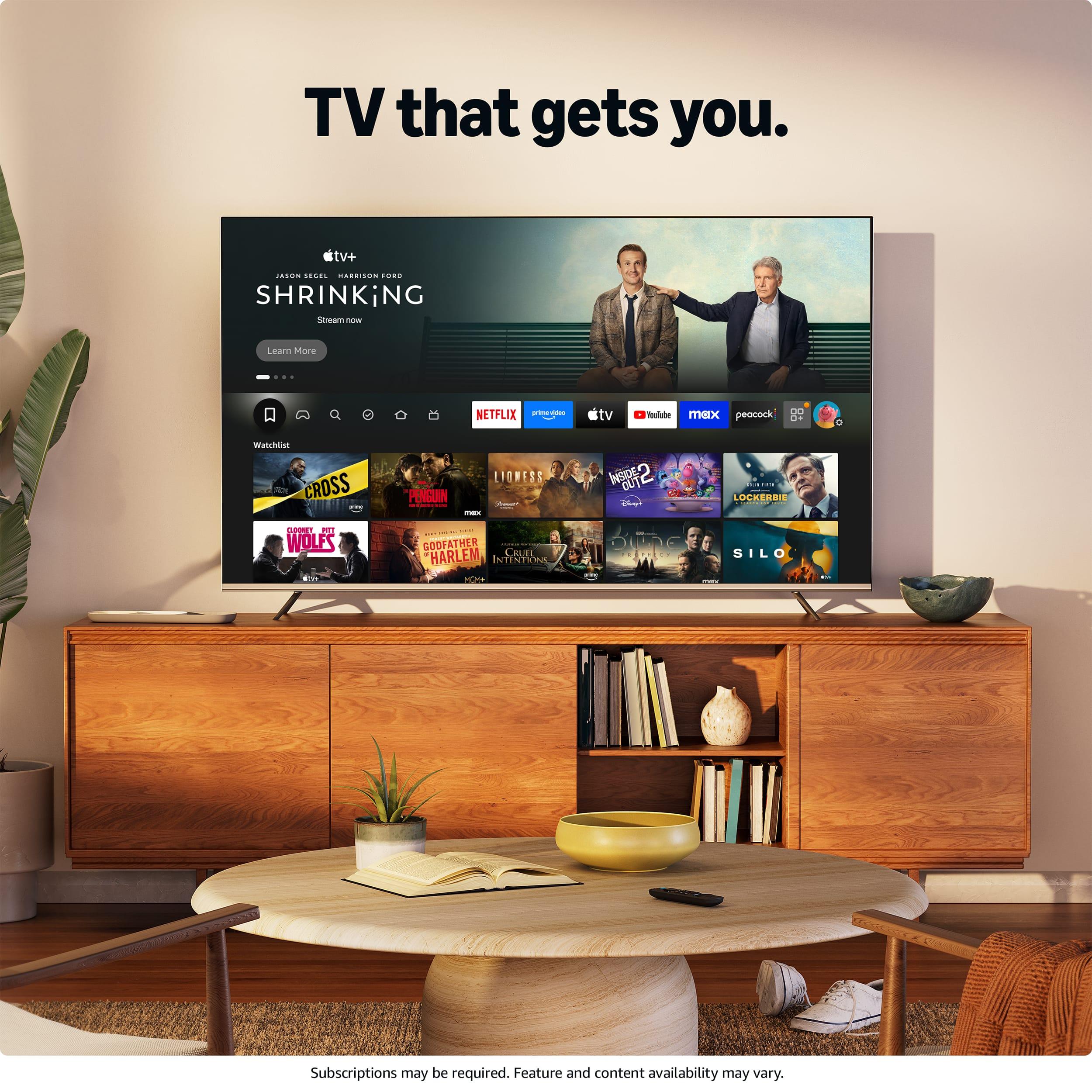
The Hisense QD7 uses Amazon's Fire TV platform, which prioritizes simplicity and streaming service integration. Fire TV boots quickly, navigates smoothly, and makes it easy to find content across multiple streaming apps. Built-in Alexa voice control works reliably for basic commands, though it's not as sophisticated as Samsung's AI features.
Your preference here depends on what you value. Samsung offers cutting-edge features that feel futuristic, while Hisense provides a streamlined experience focused on getting you to your content quickly.
This is one area where the price difference really shows. The Samsung QN90F includes a 60W 4.2.2-channel speaker system with Object Tracking Sound+ technology. This means sound actually moves around the screen to match what's happening in the picture – when a car drives from left to right, you'll hear the engine sound travel across the room.
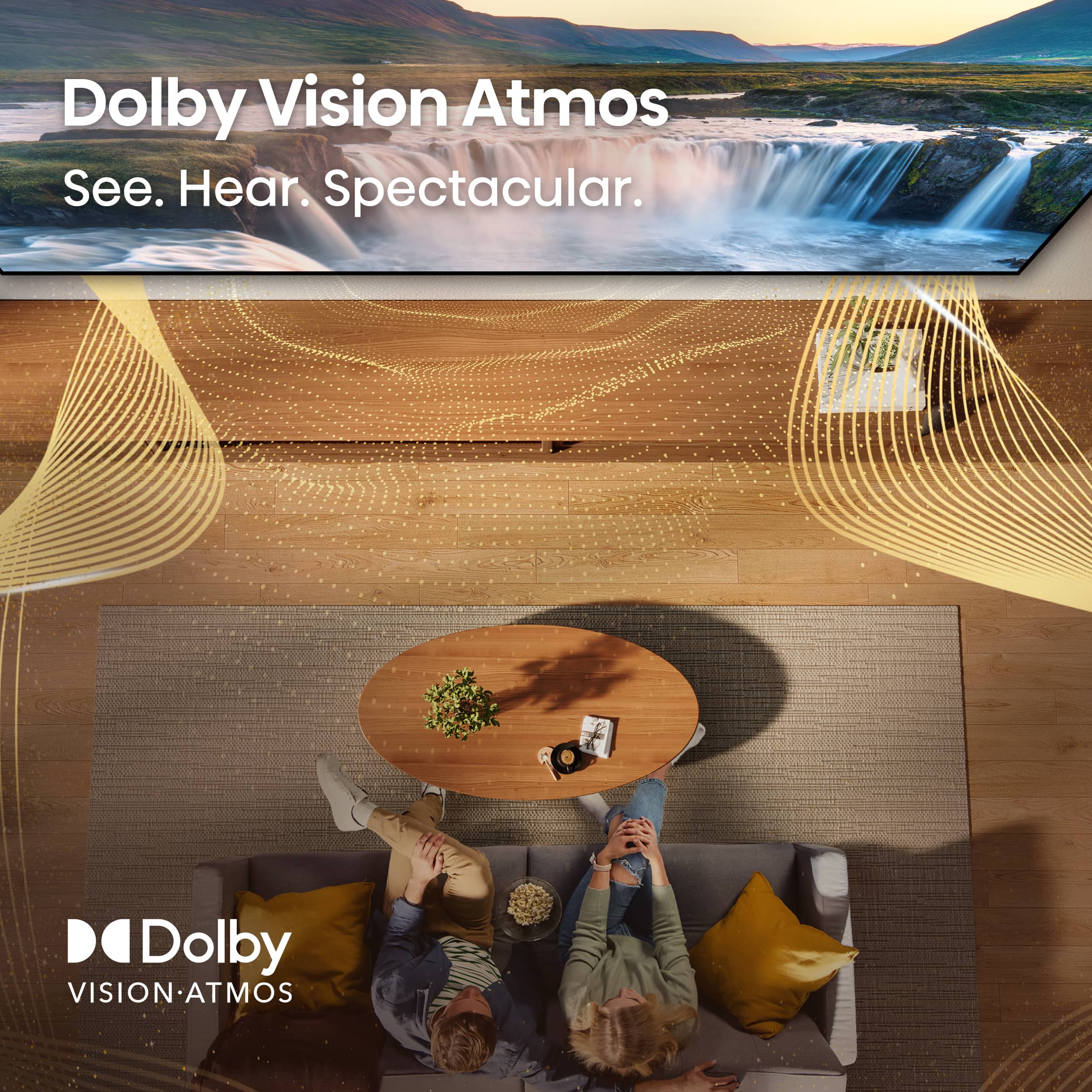
The Hisense QD7 has a more basic 20W 2.0-channel system. It supports Dolby Atmos, which helps create some sense of height and space, but it simply doesn't have the power or sophistication of Samsung's audio system.
For home theater use, this difference is significant. The Samsung can handle movie soundtracks and TV shows with impressive clarity and immersion. You might still want to add a soundbar eventually, but you won't feel desperate to do so immediately.
With the Hisense, you'll probably want to budget for external speakers sooner rather than later, especially if you enjoy action movies or music content.
Samsung has decades of experience building premium TVs, and it shows in the QN90F's construction. The materials feel more premium, the design is more refined, and Samsung's track record for long-term software updates is excellent. You can expect this TV to receive meaningful updates for several years.
The Hisense QD7 represents Hisense's continued improvement in build quality. While it doesn't match Samsung's premium feel, it's solidly constructed and includes everything you need. Hisense has also improved their software update schedule significantly in recent years, though they still don't match Samsung's consistency.
For a TV you plan to keep for 7-10 years, Samsung's longer track record provides more confidence in long-term performance and support.
If you're building a dedicated home theater or media room, several factors become more important. Room lighting control, seating distance, and audio setup all influence which TV works better.
The Samsung QN90F's superior contrast control and Glare Free technology make it more forgiving of room lighting. Even if you can't achieve perfect darkness, the TV still delivers excellent picture quality. The advanced processing also means it handles a wider variety of content sources well, from streaming to physical media.
The Hisense QD7's Dolby Vision support becomes more valuable in a home theater setting, where you're likely watching premium content that takes advantage of this format. The money saved on the TV could go toward a quality sound system, which might provide better overall improvement to your home theater experience.
At the time of writing, the price difference between these TVs is substantial enough that it fundamentally changes the value equation. The Samsung QN90F delivers measurably better performance in almost every category, but we're talking about incremental improvements rather than night-and-day differences.
Choose the Samsung QN90F if you:
Choose the Hisense QD7 if you:
After extensive comparison, I believe the Hisense QD7 represents exceptional value for most buyers. It delivers roughly 80% of the Samsung QN90F's performance at about 20% of the price. That's genuinely impressive and makes it one of the best TV values available in 2025.
However, the Samsung QN90F justifies its premium for buyers who want the absolute best and can afford it. Its superior brightness, contrast control, AI features, and build quality create a more refined experience that's particularly noticeable in challenging viewing conditions.
The decision ultimately comes down to your budget and priorities. Both TVs deliver excellent performance that will satisfy the vast majority of users. The Samsung is objectively better in most ways, but the Hisense provides such strong value that most people will be happier spending the difference on other home entertainment upgrades.
For first-time premium TV buyers or those coming from older LED models, either choice will feel like a massive upgrade. The Mini-LED technology in both models represents a genuine step forward in TV picture quality that makes movie nights and gaming sessions more enjoyable than ever before.
| Samsung 65" QN90F Neo QLED 4K Vision AI Smart TV 2025 | Hisense 65" QD7 Series Mini-LED 4K Fire TV 2025 |
|---|---|
| Display Technology - Determines contrast quality and brightness control | |
| Neo QLED Mini-LED with Quantum Matrix Technology Pro (thousands of precise dimming zones) | Mini-LED with Full Array Local Dimming (fewer, larger zones but still excellent contrast) |
| Peak Brightness - Critical for HDR content and daytime viewing | |
| Up to 1,900 nits in small highlights, ~600 nits sustained (exceptional for bright rooms) | Good brightness levels for price range (adequate for most environments) |
| HDR Format Support - Affects streaming content optimization | |
| HDR10+ and Neo Quantum HDR only (lacks Dolby Vision) | Dolby Vision, HDR10+, HDR10, and HLG (superior streaming compatibility) |
| Refresh Rate - Important for gaming and sports | |
| Up to 165Hz for PC gaming, 120Hz for consoles | 144Hz native refresh rate with VRR and ALLM support |
| Anti-Glare Technology - Reduces reflections in bright rooms | |
| Advanced Glare Free coating (virtually eliminates reflections) | Standard anti-reflective treatment |
| Smart Platform - Affects daily user experience | |
| Tizen OS with Vision AI (generative wallpapers, live translation, advanced voice control) | Fire TV with built-in Alexa (simple interface, excellent streaming integration) |
| Audio System - Determines need for external speakers | |
| 60W 4.2.2-channel with Object Tracking Sound+ and Dolby Atmos | 20W 2.0-channel with Dolby Atmos support (basic but functional) |
| Processing Power - Affects upscaling and picture optimization | |
| NQ4 AI Gen3 processor with 128 neural networks (advanced real-time optimization) | Standard AI upscaling (good but less sophisticated) |
| Gaming Features - Performance for console and PC gaming | |
| 4 HDMI 2.1 ports, advanced motion processing, superior HDR gaming visuals | Game Mode Ultra, low input lag, comprehensive VRR support |
| Build Quality - Long-term durability and premium feel | |
| Premium materials, ultra-thin bezels, established reliability track record | Solid construction for price point, modern design, improving quality control |
| Value Proposition - Price-to-performance ratio | |
| Premium pricing for incremental but meaningful improvements across all categories | Exceptional value delivering ~80% of flagship performance at fraction of cost |
The Samsung QN90F delivers superior overall picture quality with its advanced Quantum Matrix Technology Pro, providing more precise dimming zones and higher sustained brightness levels. However, the Hisense QD7 offers better HDR format compatibility by supporting Dolby Vision, which optimizes Netflix and Disney+ content that the Samsung cannot. For most viewers, both provide excellent picture quality, but the Samsung has a slight edge in contrast control and brightness.
Both TVs excel for gaming in 2025. The Samsung QN90F supports up to 165Hz for PC gaming and offers superior HDR gaming visuals with four HDMI 2.1 ports. The Hisense QD7 provides 144Hz refresh rate with excellent VRR and ALLM support at a much lower price point. For competitive gaming, both perform admirably, while the Samsung has an edge for cinematic single-player games.
The Samsung QN90F is significantly better for bright rooms thanks to its Glare Free technology and higher peak brightness levels. This anti-reflective coating virtually eliminates reflections, making it usable even in sunny rooms where other TVs become mirror-like. The Hisense QD7 handles bright rooms adequately but cannot match Samsung's glare reduction capabilities.
Both TVs work excellently in home theater environments. The Samsung QN90F offers superior built-in audio with its 60W 4.2.2-channel system and Object Tracking Sound+, potentially delaying the need for external speakers. The Hisense QD7 provides better streaming format support with Dolby Vision, plus the money saved could fund a quality sound system for a more immersive home theater experience.
The Hisense QD7 uses Fire TV, which prioritizes simplicity with fast navigation and excellent streaming service integration. The Samsung QN90F runs Tizen OS with advanced Vision AI features like generative wallpapers and live translation, offering more capabilities but potentially more complexity. Fire TV is generally considered more straightforward for basic streaming needs.
There's a significant audio quality difference. The Samsung QN90F includes a powerful 60W 4.2.2-channel speaker system with Object Tracking Sound+ that moves audio across the screen to match the action. The Hisense QD7 has a basic 20W 2.0-channel system that supports Dolby Atmos but lacks the power and sophistication of Samsung's audio implementation.
The Hisense QD7 offers exceptional value, delivering approximately 80% of flagship performance at a fraction of the cost of premium models. The Samsung QN90F provides measurably better performance across most categories but at a significantly higher price point. For most buyers, the Hisense represents better overall value unless specific premium features are essential.
The Hisense QD7 has an advantage for streaming with Dolby Vision support, which optimizes content from Netflix, Disney+, and Amazon Prime Video for better HDR performance. The Samsung QN90F lacks Dolby Vision but offers superior processing power for upscaling and real-time optimization of all content types. Both provide smooth streaming experiences with their respective platforms.
Both TVs handle sports well with their high refresh rates and motion processing. The Samsung QN90F offers superior motion clarity and brightness, making it excellent for daytime sports viewing in bright rooms. The Hisense QD7 provides smooth motion handling at its price point and works well in controlled lighting conditions. Samsung has a slight edge for sports due to its advanced motion processing.
The Samsung QN90F features premium materials, more refined design, and Samsung's established track record for long-term reliability and software updates. The Hisense QD7 offers solid construction that has improved significantly in recent years, though it doesn't match Samsung's premium feel. Both are well-built, but Samsung provides more confidence for long-term ownership.
This depends on content type. The Samsung QN90F achieves higher peak brightness levels and better sustained brightness across large screen areas, making HDR content more impactful. However, the Hisense QD7 supports more HDR formats including Dolby Vision, providing better optimization for streaming content. Samsung wins for raw HDR capability, while Hisense wins for format compatibility.
For your first premium TV upgrade, the Hisense QD7 often provides the best introduction to flagship features like Mini-LED technology without the premium price. The Samsung QN90F is worth the investment if you prioritize the absolute best picture quality, have a challenging bright room environment, or want advanced AI features. Both represent significant upgrades from standard LED TVs, with the choice depending on your budget and specific needs.
We've done our best to create useful and informative comparisons to help you decide what product to buy. Our research uses advanced automated methods to create this comparison and perfection is not possible - please contact us for corrections or questions. These are the sites we've researched in the creation of this article: rtings.com - images.samsung.com - youtube.com - listenup.com - youtube.com - cullenshomecenter.com - rtings.com - shopjetson.com - youtube.com - samsung.com - samsung.com - videoandaudiocenter.com - rtings.com - bestbuy.com - youtube.com - news.samsung.com - news.samsung.com - news.samsung.com - bestbuy.com - news.samsung.com - youtube.com - news.samsung.com - youtube.com - smarthomesounds.co.uk - bestbuy.com - custrevs.com - youtube.com - bestbuy.com - rtings.com - youtube.com - rtings.com - pcrichard.com - bestbuy.com - pcrichard.com - camelcamelcamel.com - amazonfiretv.blog - hisense-usa.com - hisense-usa.com - hisense-usa.com - bestbuy.com - leaseville.com - youtube.com - bestbuy.com - flatpanelshd.com

Privacy Policy
Terms and Conditions - Affiliate Policy
Home Security
© Copyright 2008-2026.
11816 Inwood Rd #1211, Dallas, TX 75244