

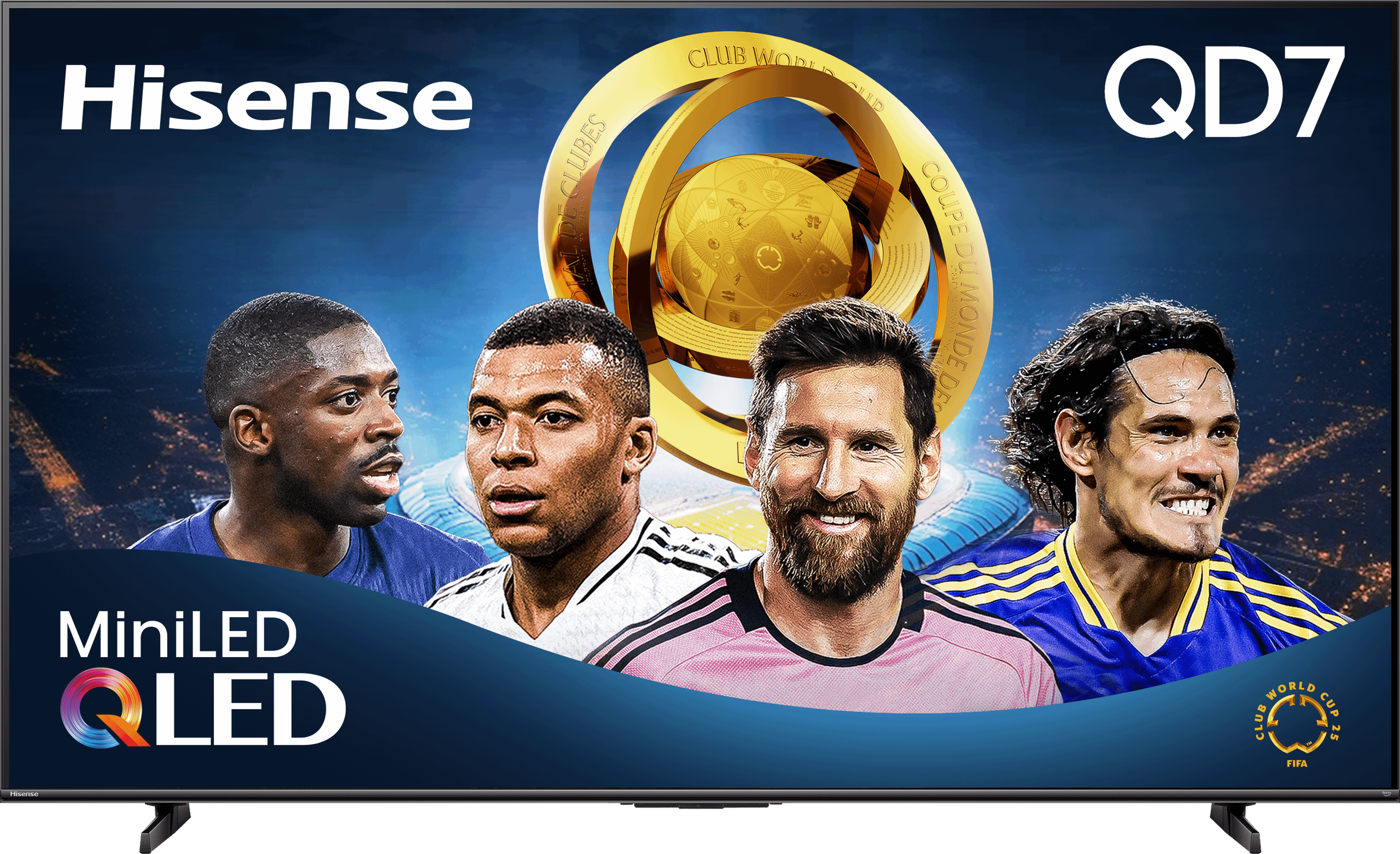
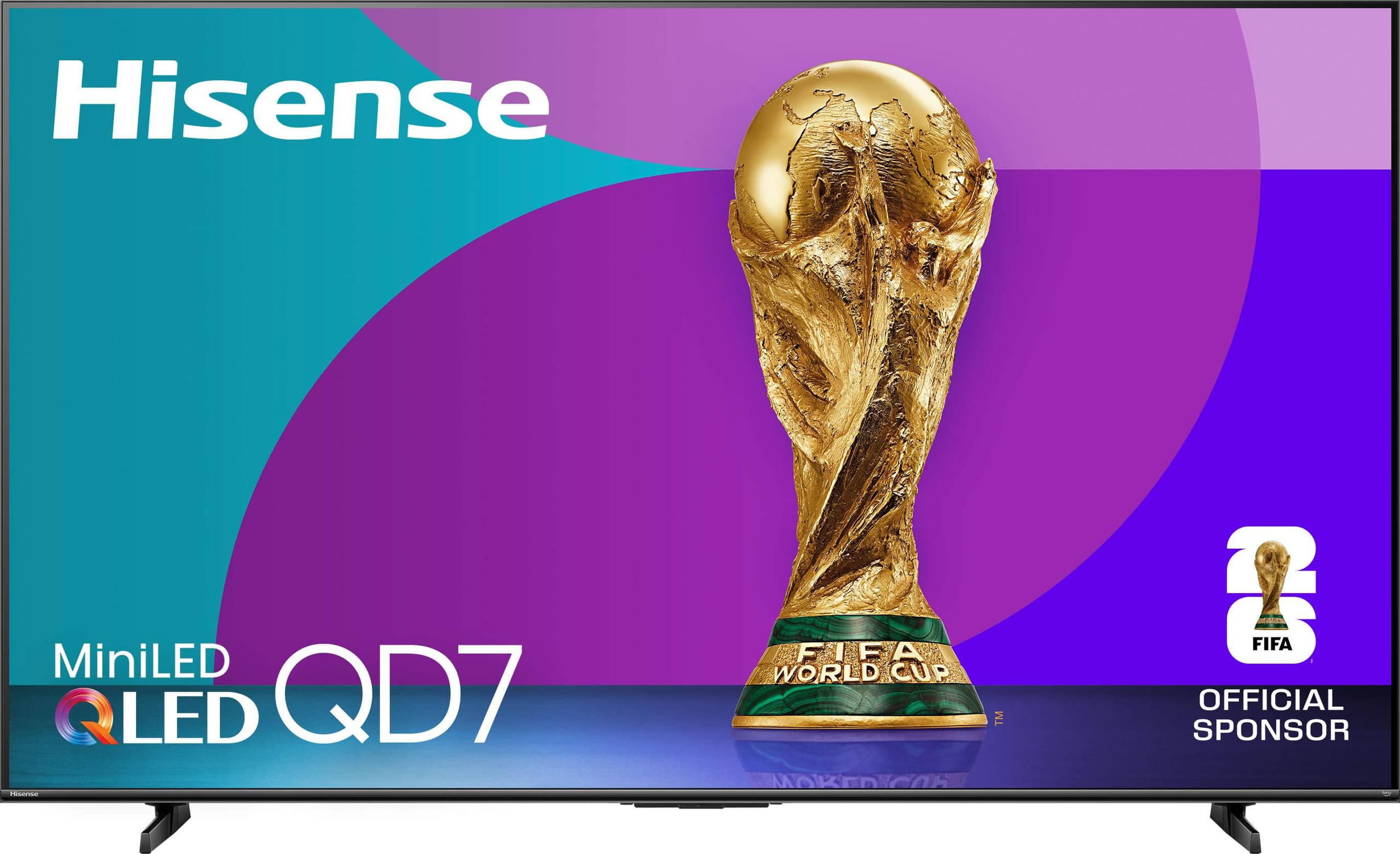
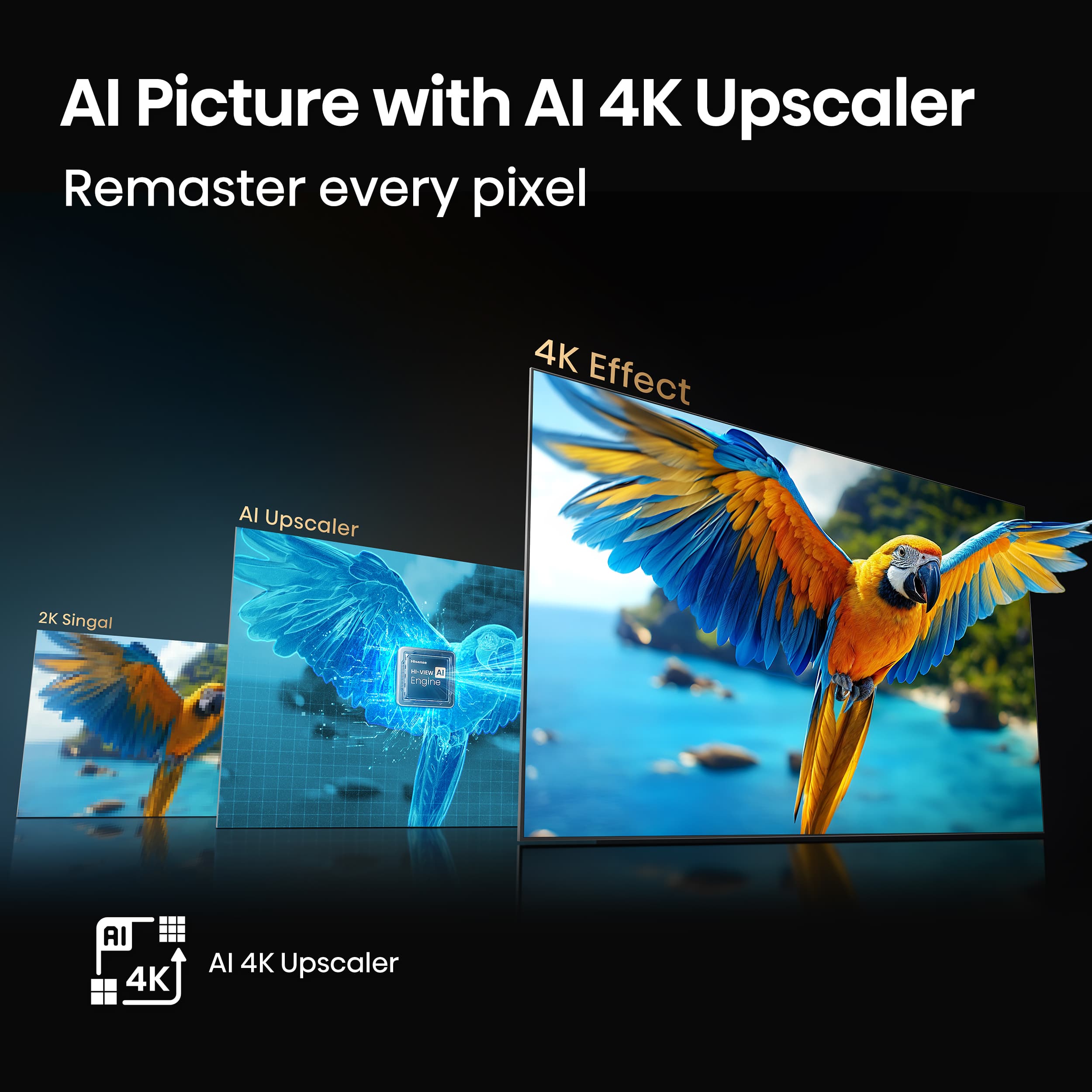
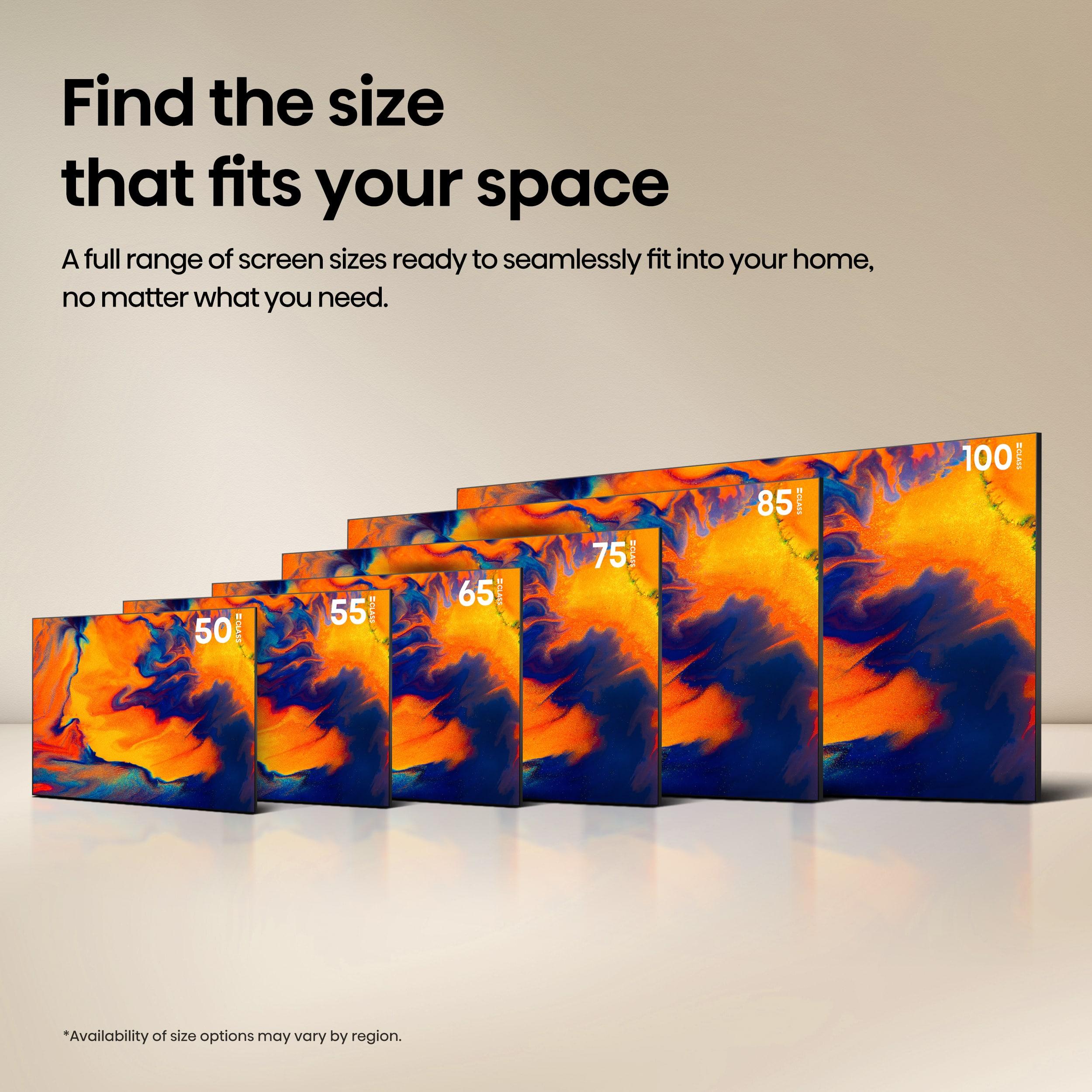
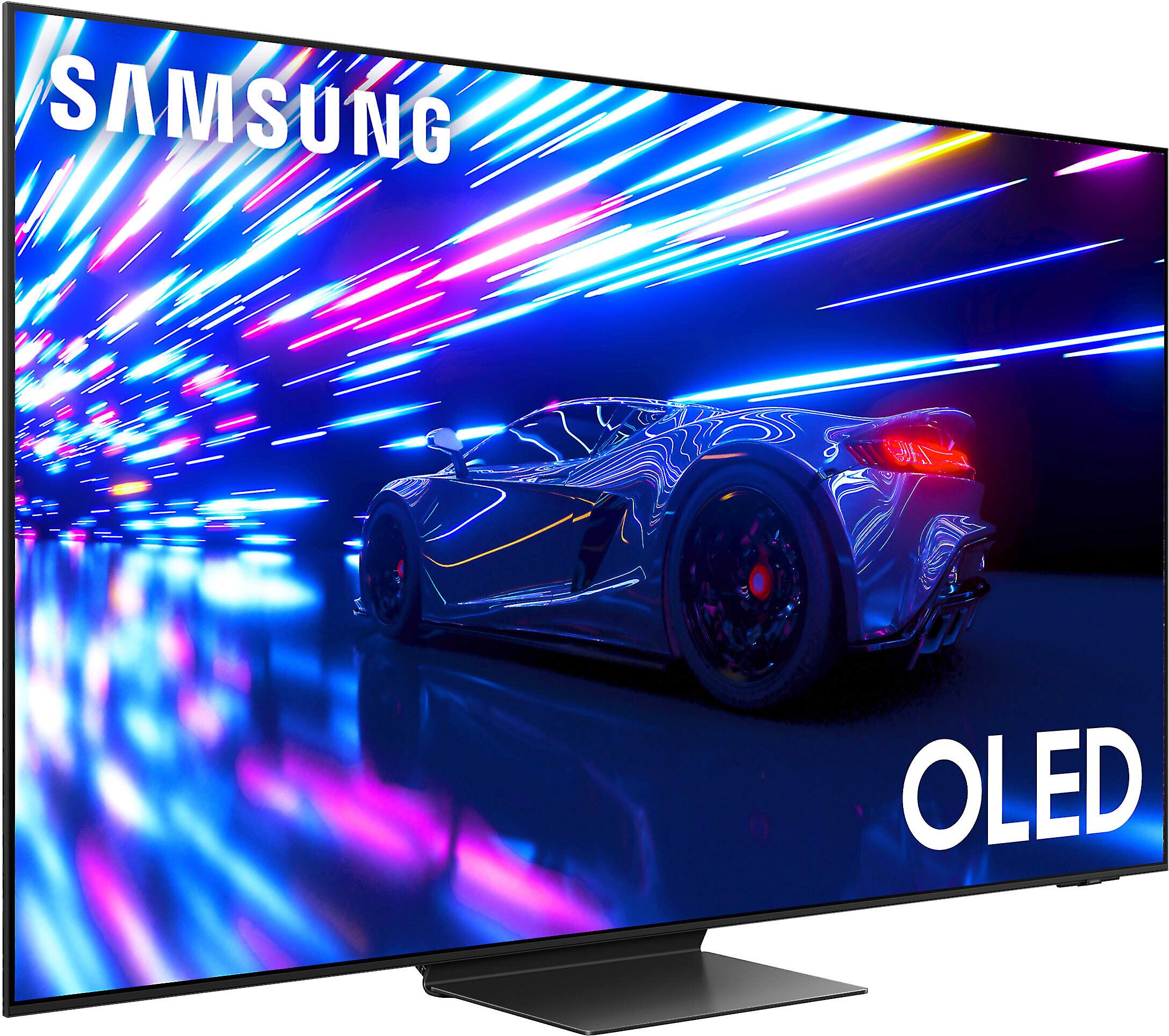
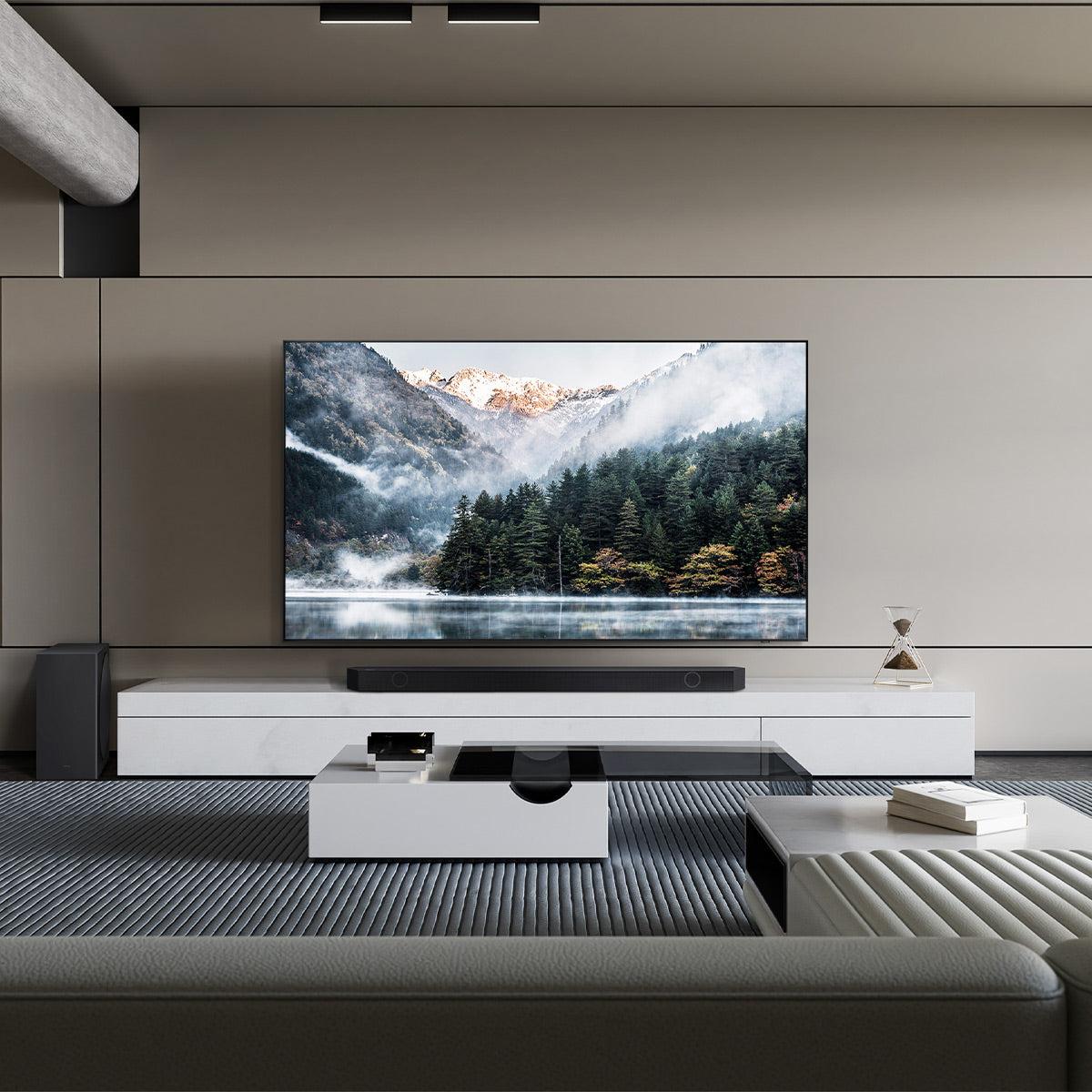
When you're shopping for a premium 65-inch TV, you're essentially choosing between two fundamentally different technologies that each have their own strengths. The Hisense 65" QD7 Series Mini-LED 4K Fire TV 2025 at $469.99 and the Samsung 65" S95D 4K OLED Smart TV at $2,097.23 represent perfect examples of this divide. One prioritizes exceptional value with solid performance, while the other pushes the boundaries of what's possible in picture quality.
The premium TV market has evolved dramatically in recent years. We've moved beyond the simple choice between LCD and OLED to more nuanced decisions involving Mini-LED, Quantum Dot technology, and hybrid approaches like Samsung's QD-OLED. The key factors that matter most to viewers haven't changed though: how good does the picture look, how much does it cost, and how well does it handle different types of content?
Picture quality remains the crown jewel of any TV purchase. This includes contrast ratio (the difference between the brightest whites and darkest blacks), color accuracy (how true-to-life colors appear), brightness levels, and black depth. Gaming performance has become increasingly important as next-generation consoles push higher frame rates and variable refresh rates. Smart features, while less exciting, determine your daily interaction with the TV through apps, voice control, and streaming services.
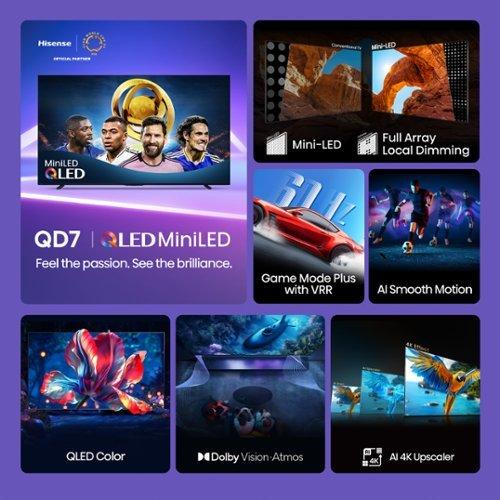
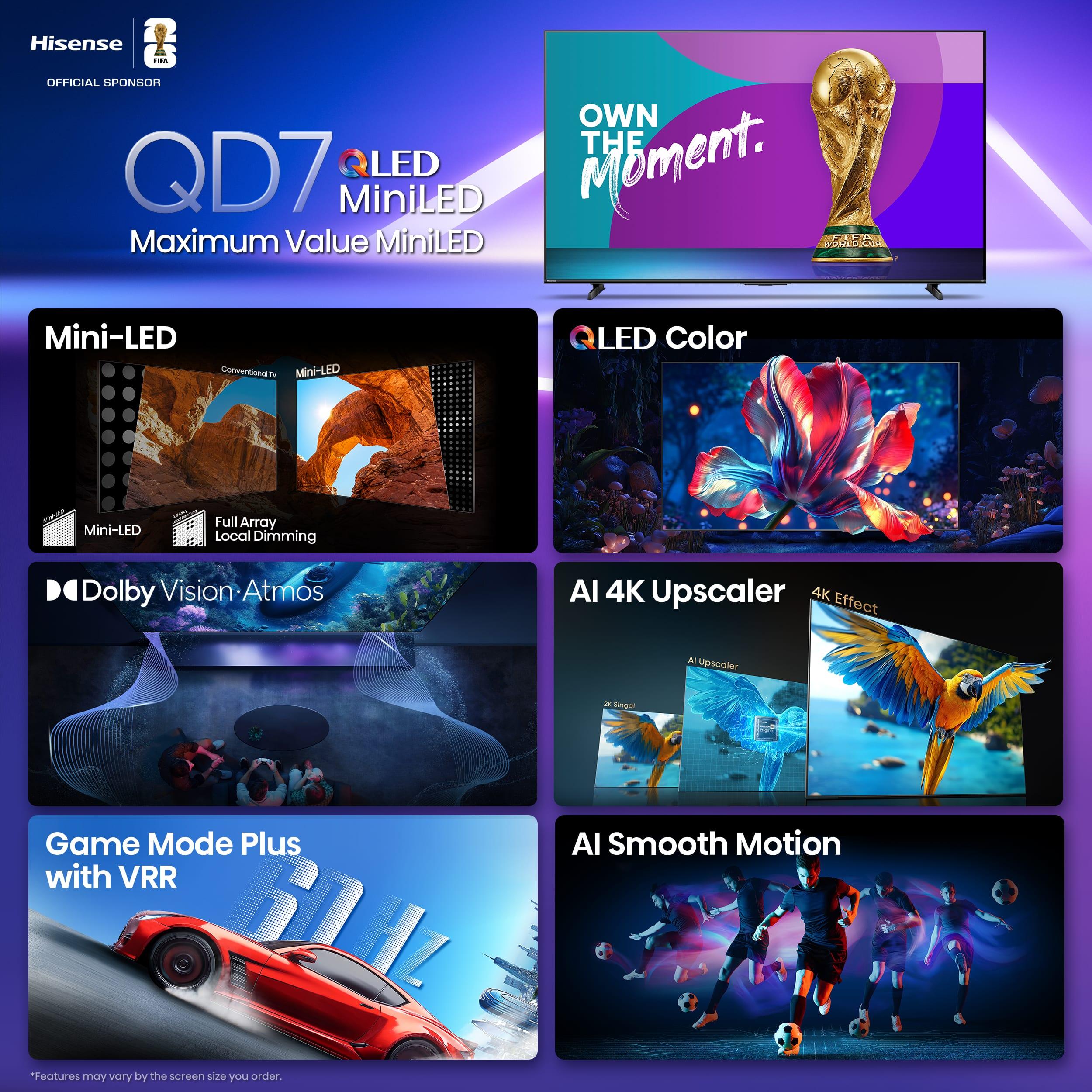
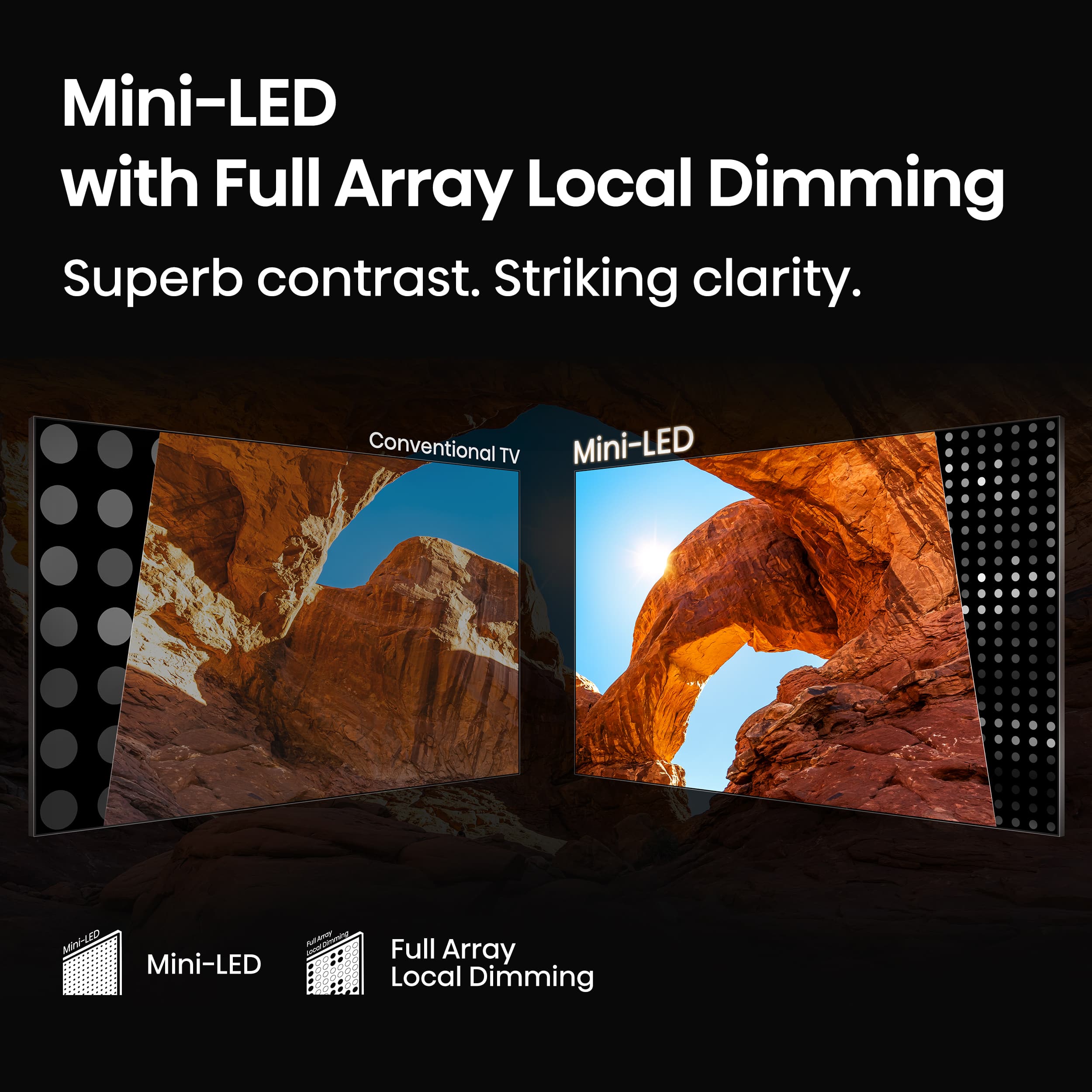
The Hisense QD7 uses Mini-LED technology, which sounds more revolutionary than it actually is. Think of traditional LCD TVs as having a few dozen LED lights behind the screen. Mini-LED uses thousands of much smaller LEDs, allowing for more precise control over brightness in different areas of the screen. This creates what's called "local dimming" – the ability to make one part of the screen bright while keeping another part dark.
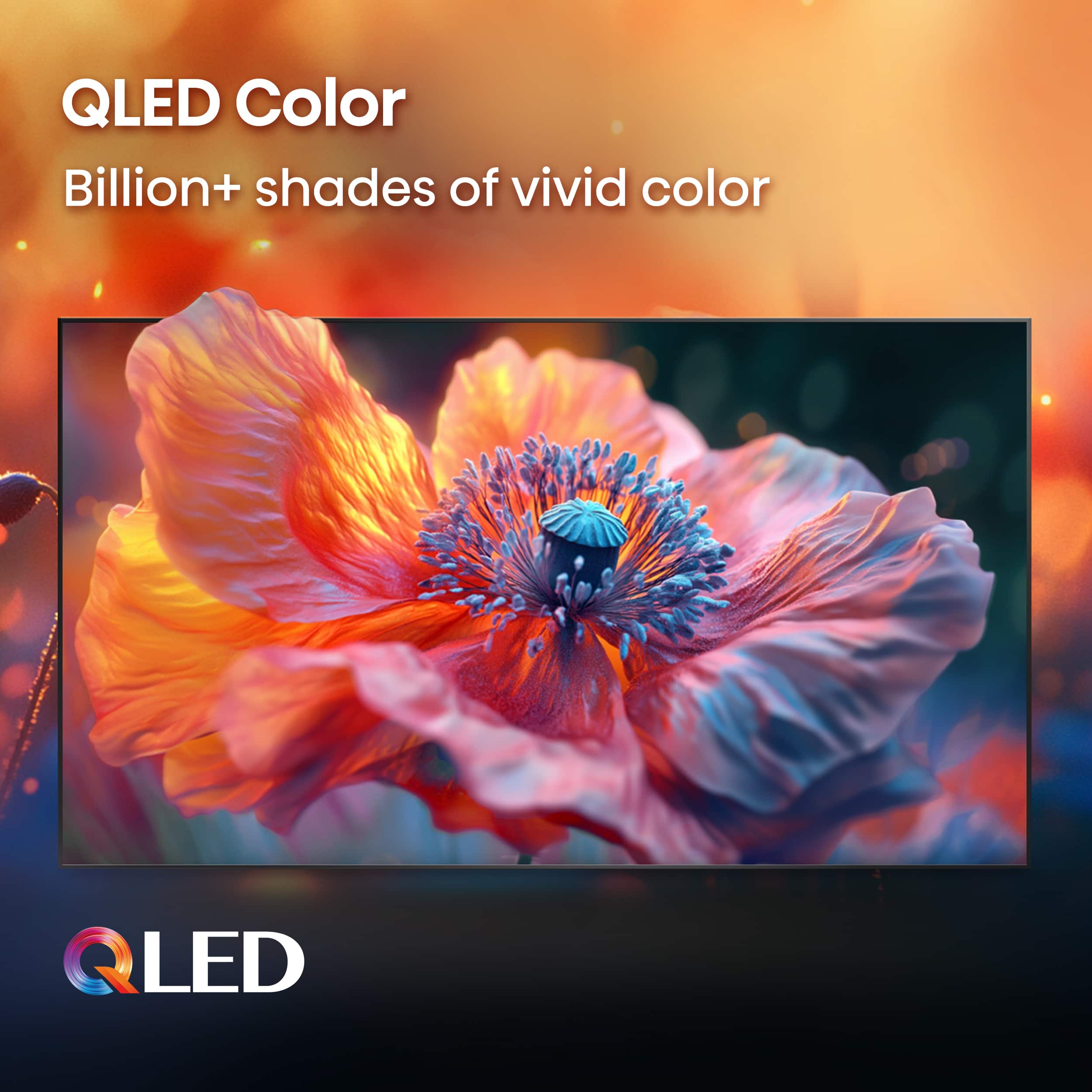
Combined with Quantum Dot color technology (that's the "Q" in QLED), the QD7 can produce over a billion colors and achieve impressive peak brightness levels. This makes it particularly strong in bright rooms where you're fighting against sunlight streaming through windows. The Mini-LED approach also means the TV is essentially immune to burn-in, a permanent image retention issue that can affect OLED panels over time.
Hisense released the QD7 series in 2025 as part of their push to offer premium features at accessible prices. The 144Hz refresh rate was a notable upgrade from previous generations, putting it on par with much more expensive gaming-focused TVs. The inclusion of both HDR10+ and Dolby Vision support was smart positioning, as streaming services are split between these two HDR formats.
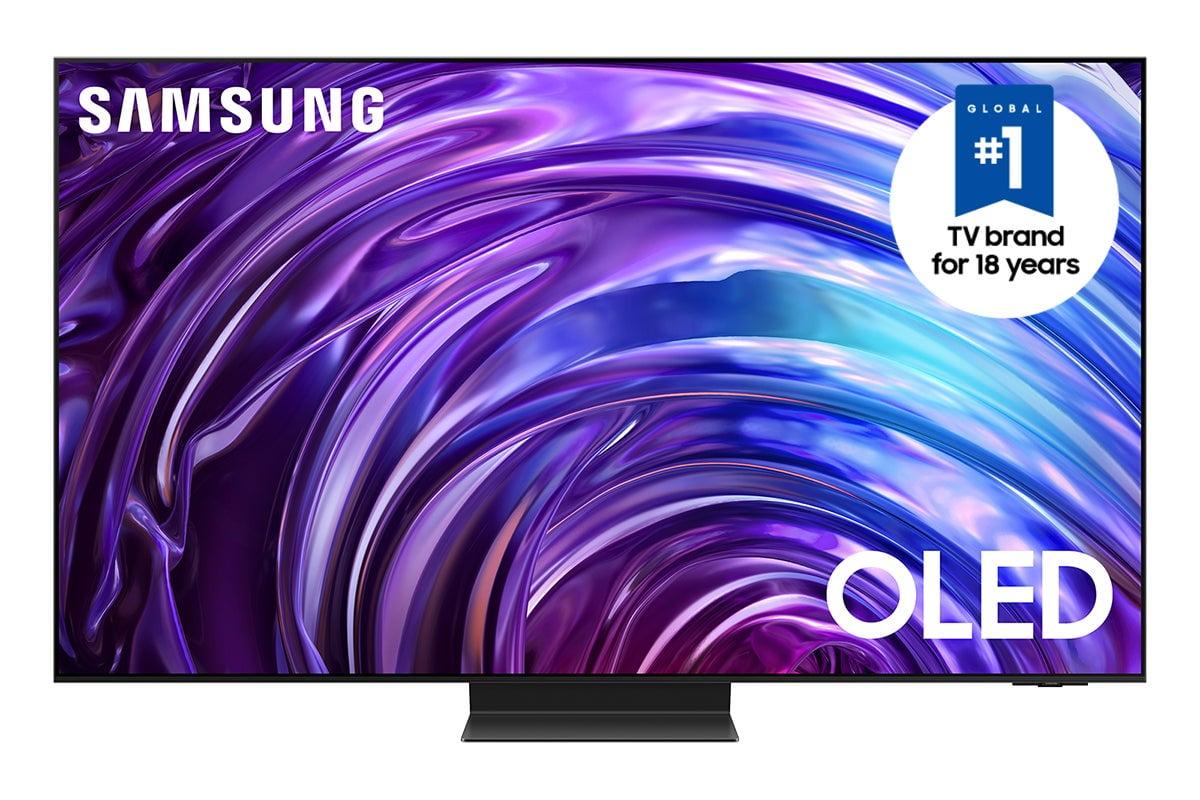
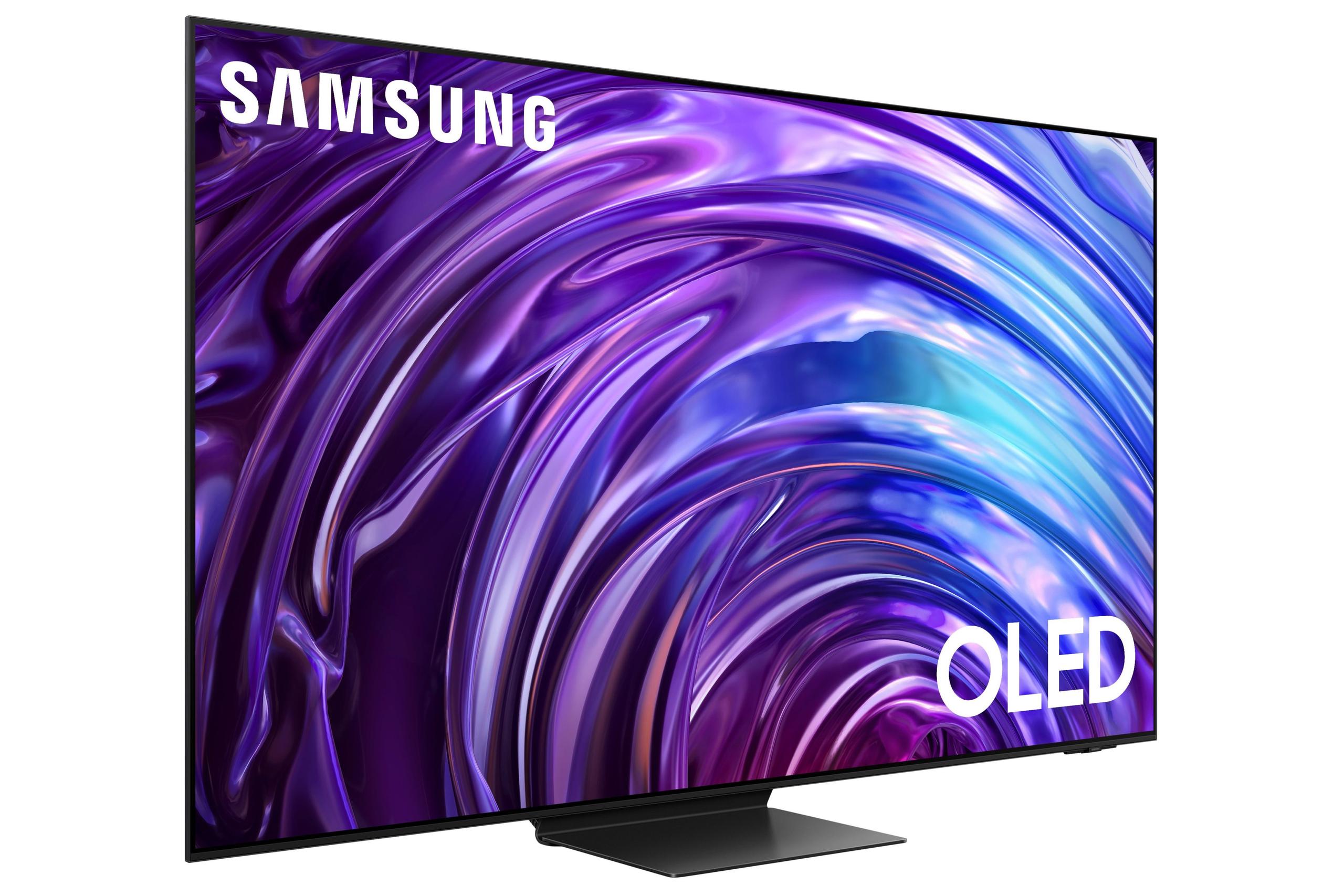
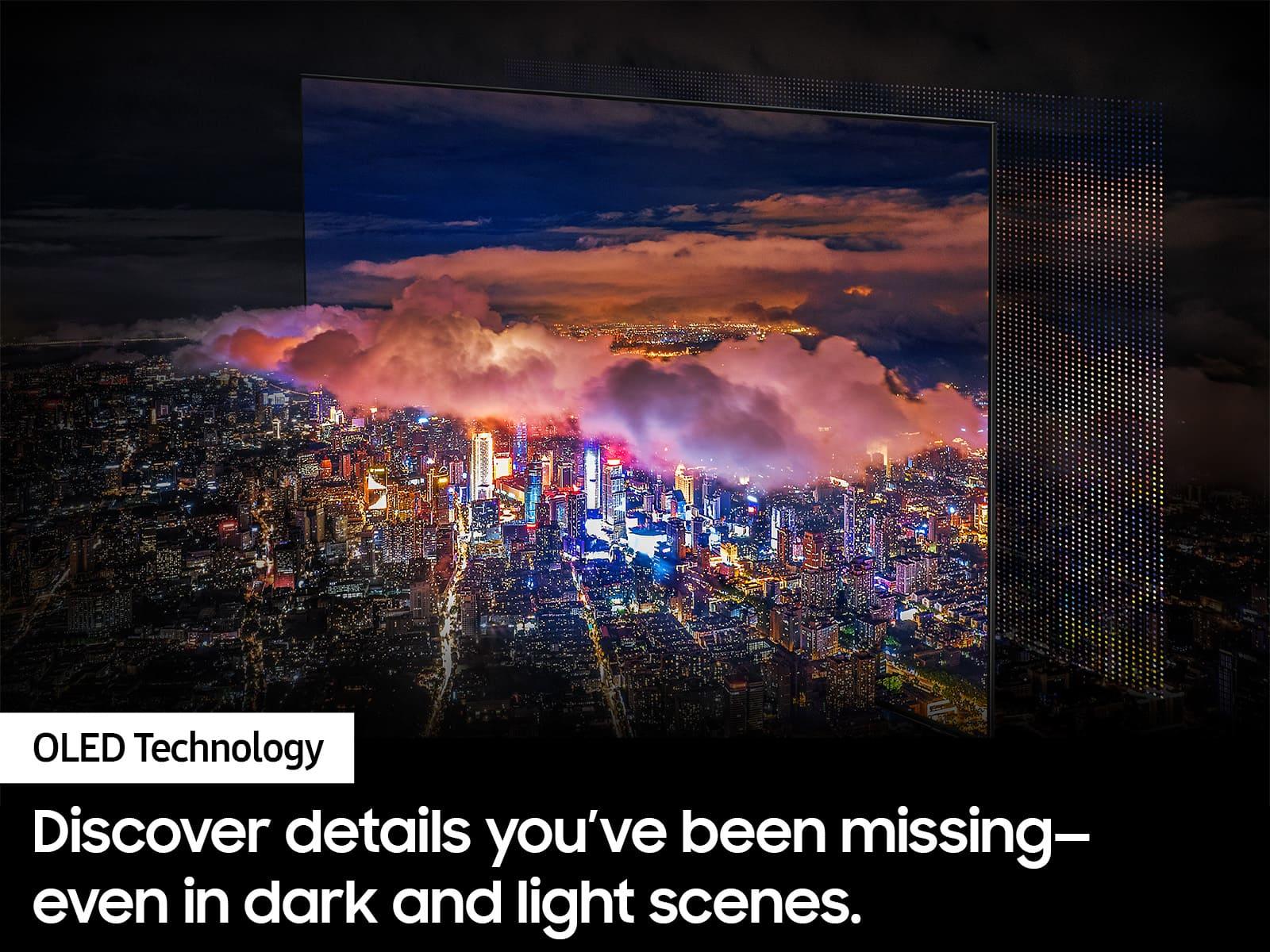
Samsung's S95D takes a different approach entirely. Released in March 2024, it uses Quantum Dot OLED technology, which combines the perfect blacks of OLED with the color volume advantages of Quantum Dot. Each pixel can turn completely off, creating true blacks that no backlit display can match. This results in an infinite contrast ratio – the holy grail of display technology.
The S95D also features something unique: a matte finish that reduces reflections without significantly impacting picture quality. Most anti-glare coatings make colors look washed out, but Samsung's approach maintains color vibrancy while scattering reflections. This was a direct response to OLED's traditional weakness in bright rooms.
Since its release, the S95D has been recognized as having some of the best picture quality available in consumer TVs. The NQ4 AI Gen2 processor actively analyzes content to optimize brightness, contrast, and color on a frame-by-frame basis. This isn't just marketing speak – the difference is visible in how well the TV handles different types of content, from dark Netflix shows to bright sports broadcasts.
This is where the fundamental technology difference becomes most apparent. The Samsung S95D can produce perfect blacks because individual pixels turn completely off. When you're watching a movie with space scenes or dark interiors, those black areas are truly black, not the dark gray you get with even the best LCD TVs.
The Hisense QD7 does an admirable job for an LCD TV, achieving what reviewers rate as 7.4/10 for contrast. Its Mini-LED backlighting and local dimming can create impressively dark scenes, but there's always some light bleeding through. In a dark room watching a movie, this difference is immediately noticeable. The Samsung delivers that "floating in space" feeling where dark scenes seem to extend beyond the screen boundaries.
However, the Hisense has an ace up its sleeve: it can get significantly brighter than the Samsung. While the S95D produces excellent peak brightness for an OLED, the QD7's Mini-LED array can push brightness levels that make HDR content really pop, especially in bright viewing environments.
Both TVs support 10-bit color depth, meaning they can display over a billion color shades. The Samsung's QD-OLED technology provides what many consider more natural color reproduction, especially for skin tones and subtle color gradations. The Quantum Dot layer enhances color volume – the TV's ability to produce bright, saturated colors across the entire spectrum.
The Hisense's QLED approach also uses Quantum Dot technology, but applied to an LCD panel. Colors are vibrant and punchy, though some users report they can appear slightly oversaturated compared to the Samsung's more natural presentation. For sports and bright, colorful content, this can actually be an advantage, making images pop with extra vibrancy.
High Dynamic Range (HDR) is where content creators can really push the boundaries of what you see on screen. The Samsung S95D supports HDR10+, which uses dynamic metadata to adjust brightness and color on a scene-by-scene basis. This creates more realistic and impactful HDR presentation.
The Hisense QD7 supports both HDR10+ and Dolby Vision, giving it broader compatibility with streaming services. Netflix and Disney+ primarily use Dolby Vision, while Amazon Prime Video uses HDR10+. Having both formats means you're not missing out on any content's intended presentation.
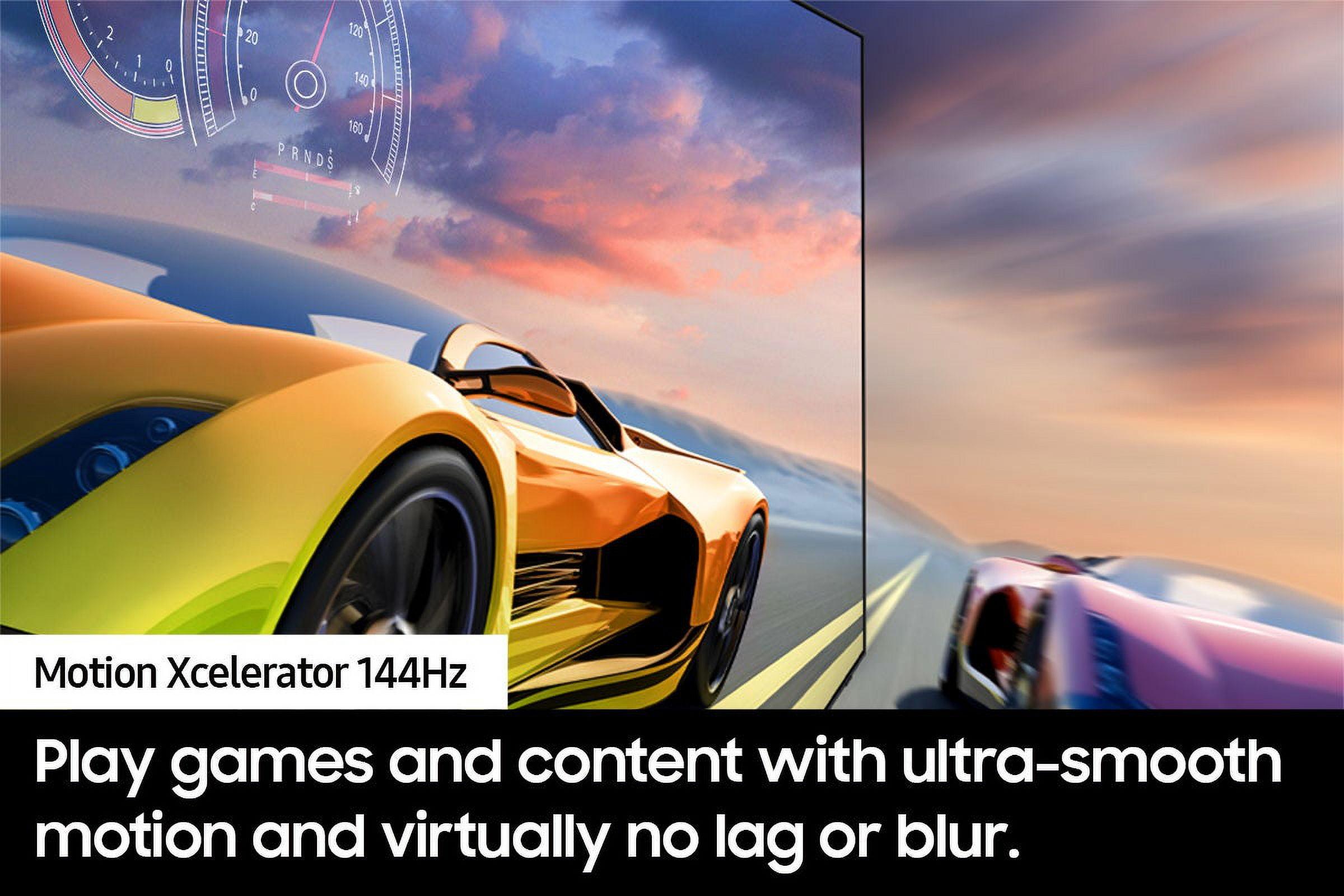
Both TVs cater to serious gamers, but in slightly different ways. The Samsung S95D achieves approximately 9 milliseconds of input lag, which is exceptionally low. For competitive gaming where every millisecond counts, this gives it a slight edge. The 120Hz refresh rate with Motion Xcelerator 144Hz processing ensures smooth motion even in fast-paced games.
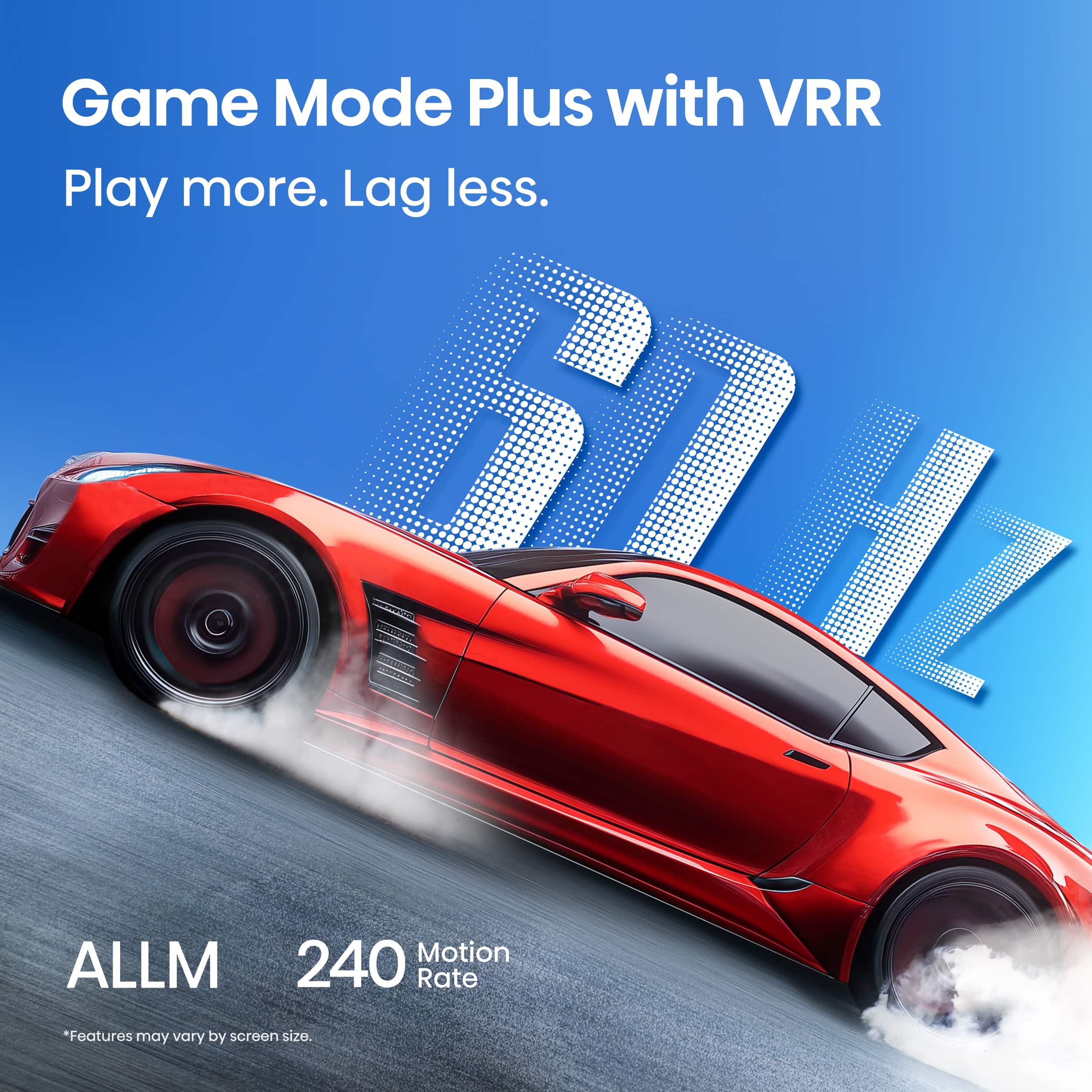
The Hisense QD7 counters with a native 144Hz refresh rate, actually higher than the Samsung's 120Hz. Both support Variable Refresh Rate (VRR) and Auto Low Latency Mode (ALLM), which are essential for next-generation consoles like the PlayStation 5 and Xbox Series X. The QD7's Game Mode Ultra and Game Mode Pro settings optimize the display for different gaming scenarios.
From a practical standpoint, both TVs will provide excellent gaming experiences. The Samsung might have a slight edge for competitive online gaming, while the Hisense's higher refresh rate could benefit PC gaming where frame rates can exceed 120fps.
The smart TV experience differs significantly between these models. The Samsung S95D runs Tizen OS, which is generally considered one of the more polished smart TV platforms. It's responsive, has a comprehensive app ecosystem, and integrates well with Samsung's broader device ecosystem.
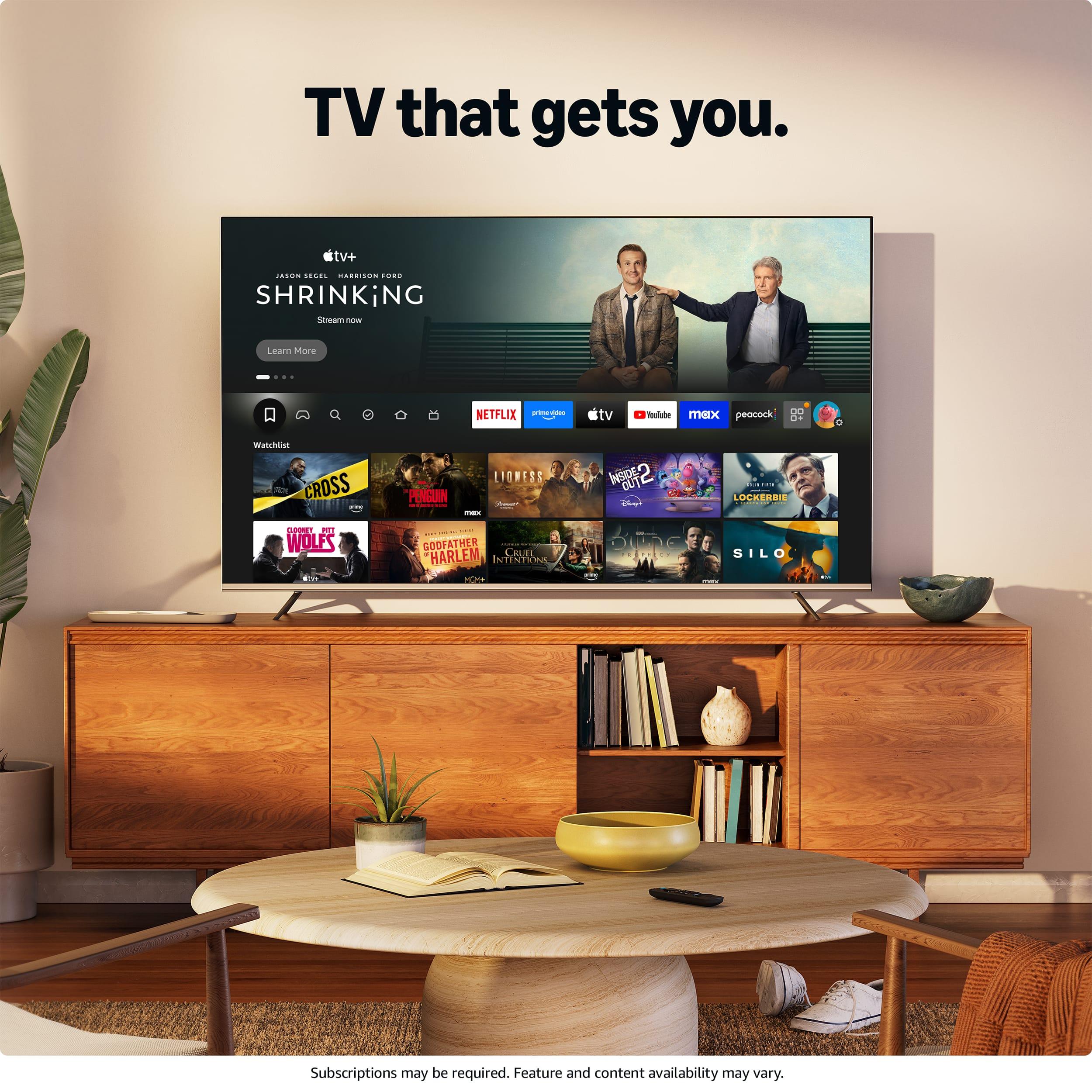
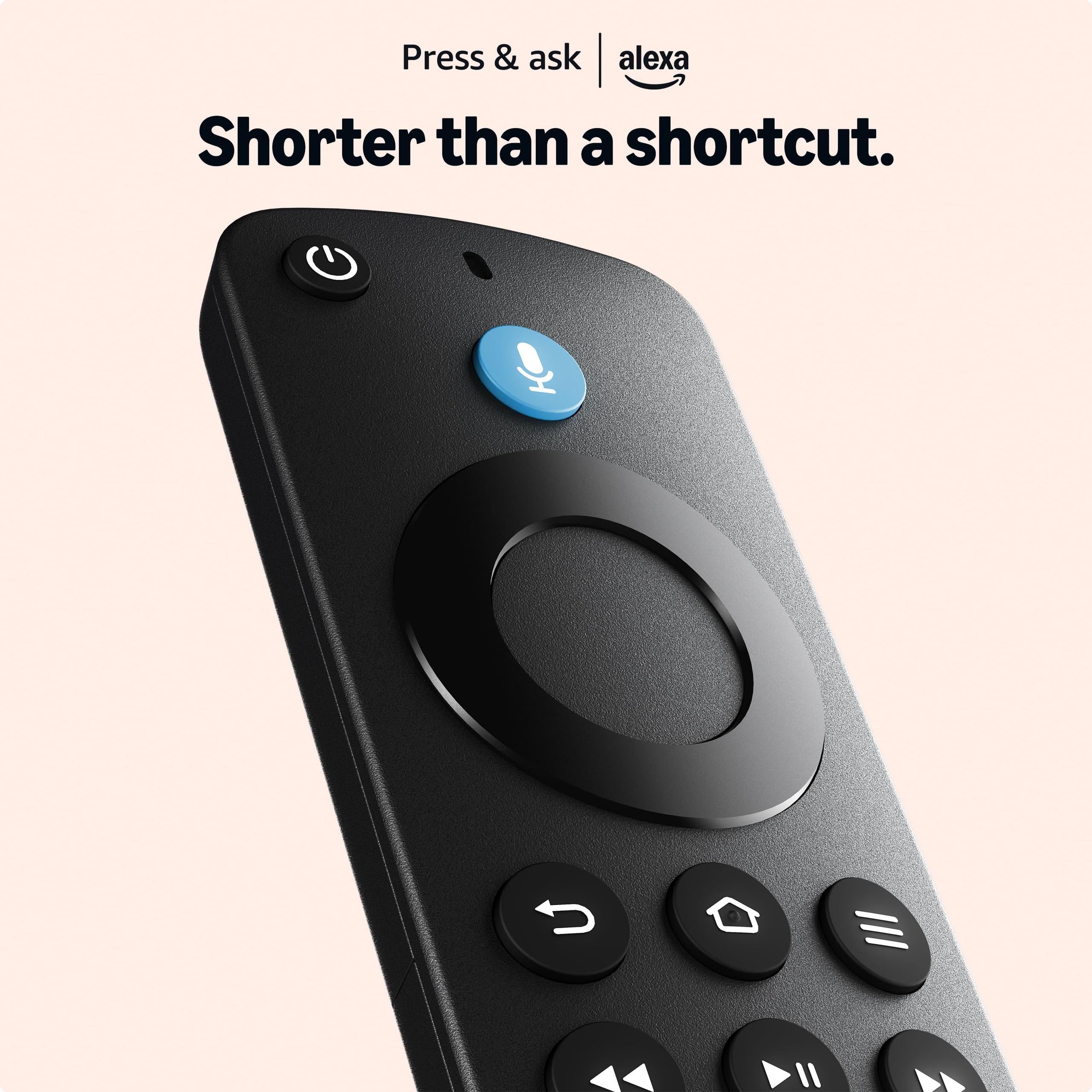
The Hisense QD7 uses Fire TV OS, which provides deep integration with Amazon's services. If you're already using Amazon Prime Video, Alexa devices, or Amazon's smart home ecosystem, this integration feels natural and seamless. The interface is clean and Netflix-like, though some users report occasional slowdowns that require restarts.
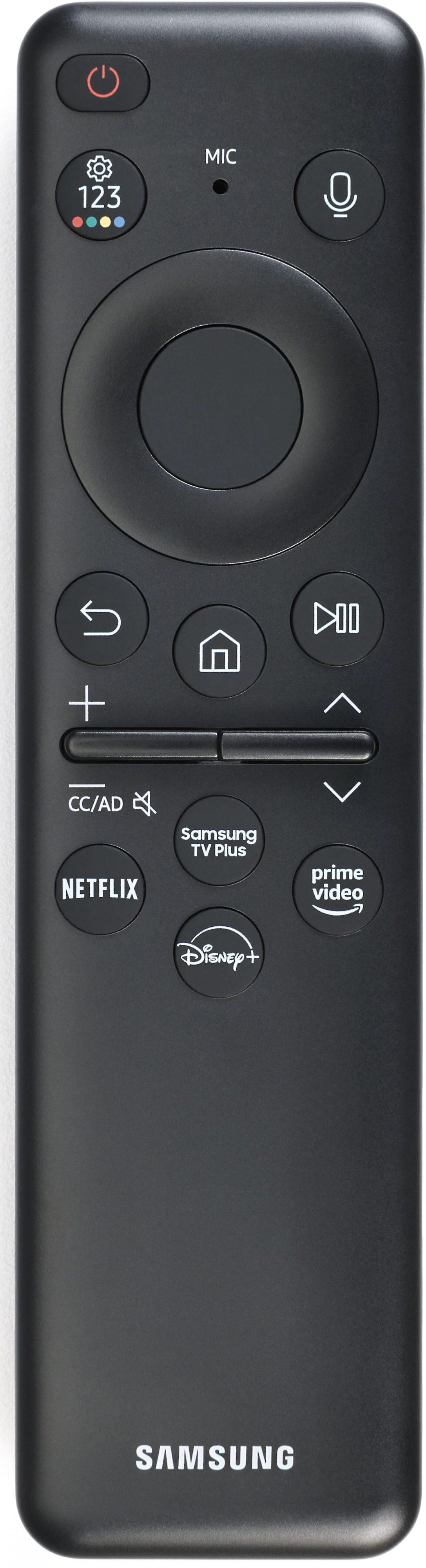
Both TVs support voice control, but the implementation differs. The Samsung works with Bixby and Alexa, while the Hisense has native Alexa integration. In my experience, the Fire TV's voice search tends to be more accurate for finding content across multiple streaming services.
Audio quality can make or break your viewing experience, and here the Samsung S95D pulls ahead significantly. Its 4.2.2 channel system with 70W total power provides noticeably more immersive sound than the Hisense's 2.0.2 system with 40W. The Samsung also includes Object Tracking Sound+, which attempts to match audio placement with visual action on screen.
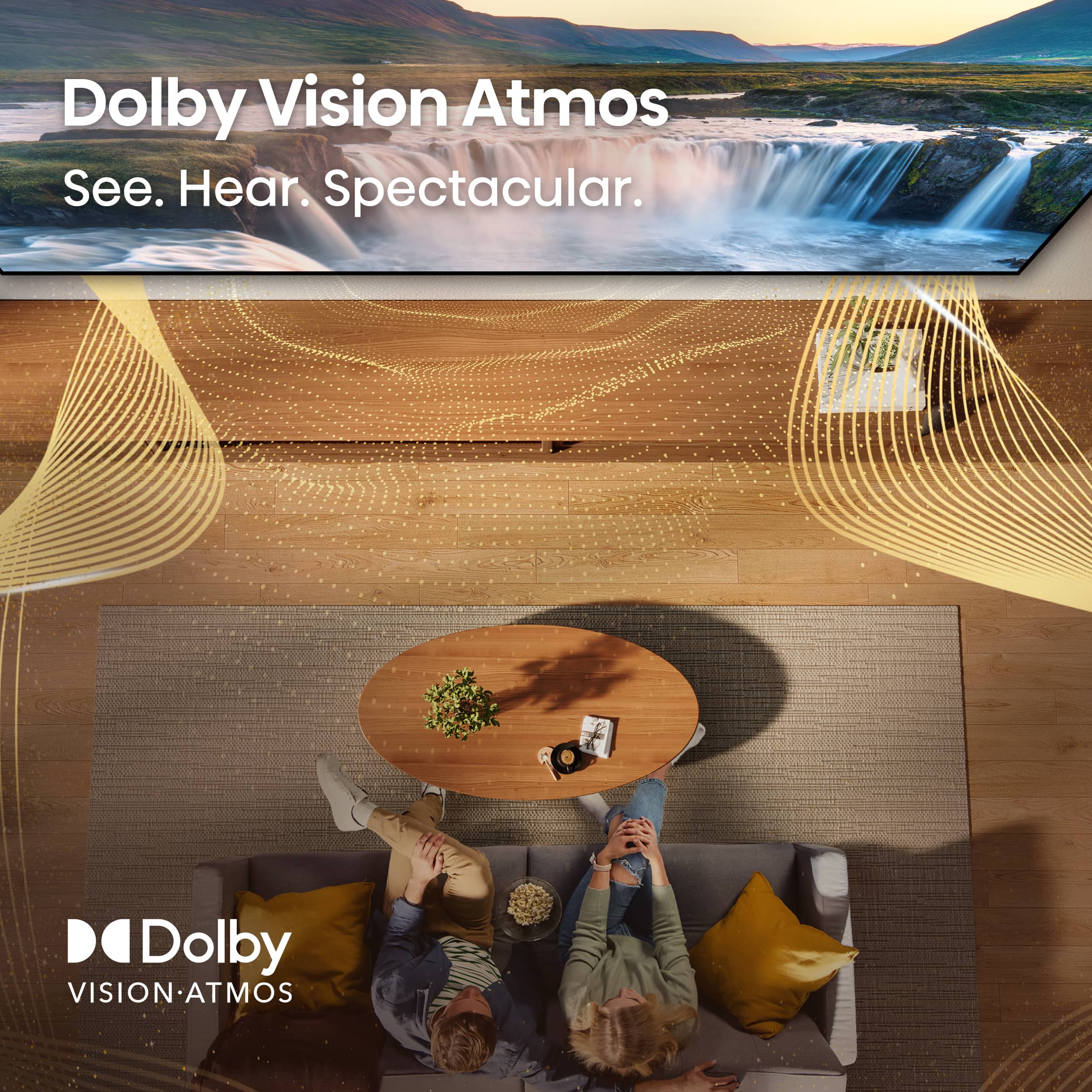
Both TVs support Dolby Atmos, which creates a three-dimensional soundscape that can make you feel like you're in the middle of the action. However, the Samsung's additional channels and processing power make this effect more convincing. That said, most serious home theater enthusiasts will eventually add a soundbar or surround sound system, making this difference less critical for some buyers.
Here's where the conversation gets interesting. The Hisense QD7 costs $469.99 – less than a quarter of the Samsung's $2,097.23 price tag. For many buyers, this isn't just a significant difference; it's the difference between affording a premium TV and not.
The QD7 delivers roughly 85-90% of the Samsung's performance at 22% of the price. It has excellent brightness, good contrast for an LCD, comprehensive gaming features, and broad HDR support. The picture quality is genuinely impressive, especially considering the price point.
The Samsung S95D represents the pinnacle of current TV technology. The picture quality is measurably better, the audio system is more sophisticated, and the build quality feels premium. But you're paying a substantial premium for these improvements.
If you're setting up a dedicated home theater room, the Samsung S95D becomes more compelling. In a controlled lighting environment, its superior contrast and black levels create a more cinematic experience. The thin profile and premium design also complement a high-end setup better.
For a family room or living room where the TV will be used throughout the day in various lighting conditions, the Hisense QD7's superior brightness and value proposition make more sense. Its resistance to burn-in also matters more in a high-usage environment where the TV might display static elements like news tickers or gaming HUDs for extended periods.
Choose the Hisense QD7 if budget is a primary concern but you still want premium features like high refresh rates, comprehensive HDR support, and excellent gaming performance. It's particularly strong if your TV will be in a bright room where its superior peak brightness can overcome ambient light. The broader HDR format support also means you won't miss out on any streaming service's best picture quality.
Choose the Samsung S95D if picture quality is your top priority and you have the budget for a premium TV. It's the better choice for movie enthusiasts, serious gamers who want the absolute lowest input lag, and anyone setting up a dedicated home theater. The superior audio system and premium build quality justify the higher price for users who want the best possible experience.
The fundamental question isn't whether the Samsung is better – it objectively is in most measurable ways. The question is whether those improvements are worth the 4.5x price difference for your specific situation and priorities. For many buyers, the Hisense QD7 represents the sweet spot of features, performance, and value that makes premium TV technology accessible without compromise.
| Hisense 65" QD7 Series Mini-LED 4K Fire TV 2025 | Samsung 65" S95D 4K OLED Smart TV |
|---|---|
| Price - The most significant difference between these models | |
| $469.99 | $2,097.23 |
| Display Technology - Fundamental difference affecting picture quality | |
| Mini-LED QLED LCD with Full Array Local Dimming | QD-OLED with perfect pixel-level control |
| Contrast Ratio - Critical for dark room movie watching | |
| Very good for LCD (7.4/10) with some light bleeding | Perfect blacks with infinite contrast (10/10) |
| Peak Brightness - Important for bright room viewing | |
| Higher peak brightness, excellent for daylight viewing | High but lower than Mini-LED, anti-glare coating helps |
| Refresh Rate - Matters for gaming and sports | |
| 144Hz native refresh rate | 120Hz with Motion Xcelerator 144Hz processing |
| HDR Support - Affects streaming content compatibility | |
| HDR10+, Dolby Vision, HDR10, HLG (broadest support) | HDR10+, HDR10, HLG (no Dolby Vision) |
| Gaming Input Lag - Critical for competitive gaming | |
| Low input lag with Game Mode Ultra/Pro | ~9ms input lag (best-in-class) |
| Audio System - Built-in speaker performance | |
| 2.0.2 channels, 40W total power, Dolby Atmos | 4.2.2 channels, 70W total power, Object Tracking Sound+ |
| Smart TV Platform - Daily user experience | |
| Fire TV OS with native Alexa integration | Samsung Tizen OS with Bixby and Alexa support |
| Build Quality and Design - Premium feel and aesthetics | |
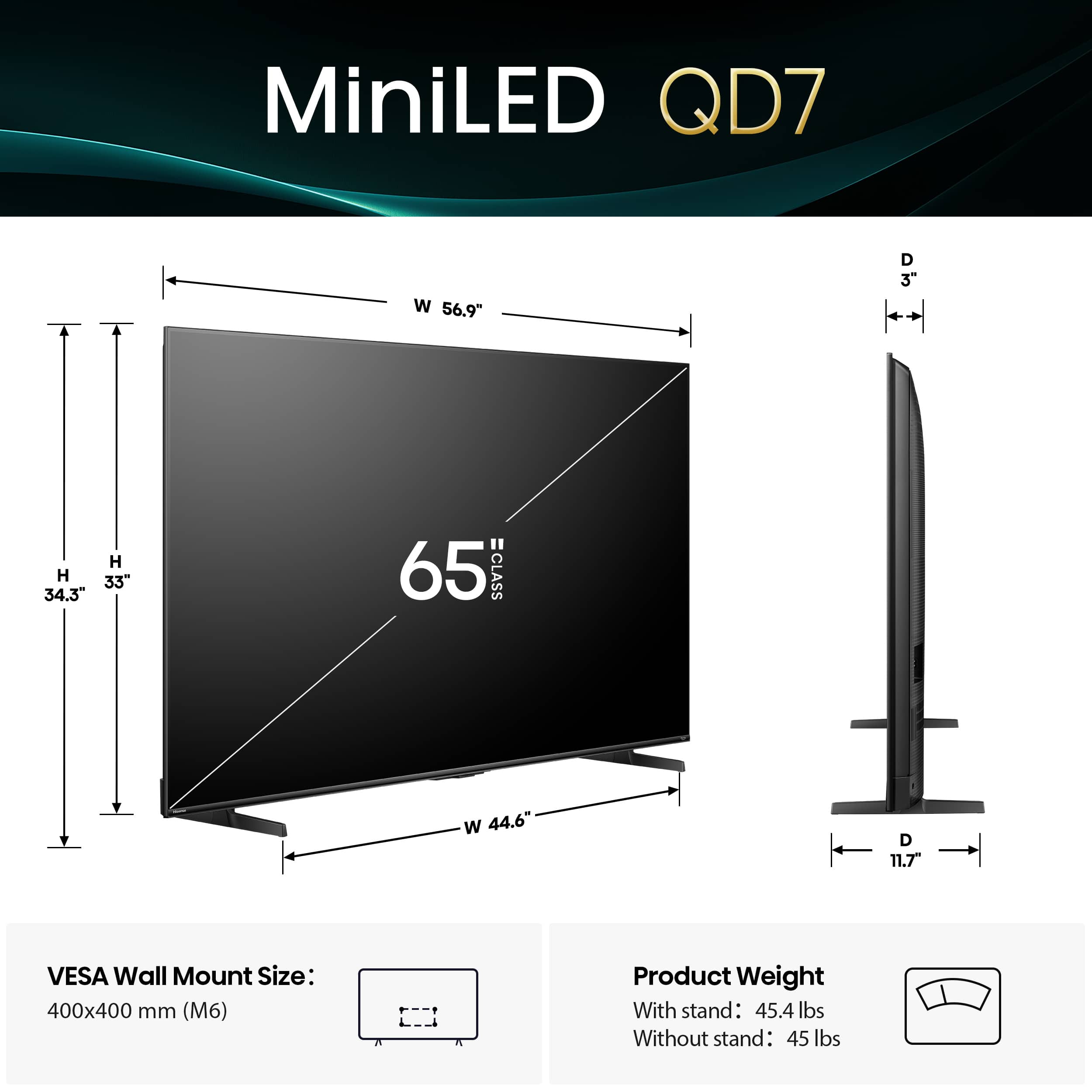
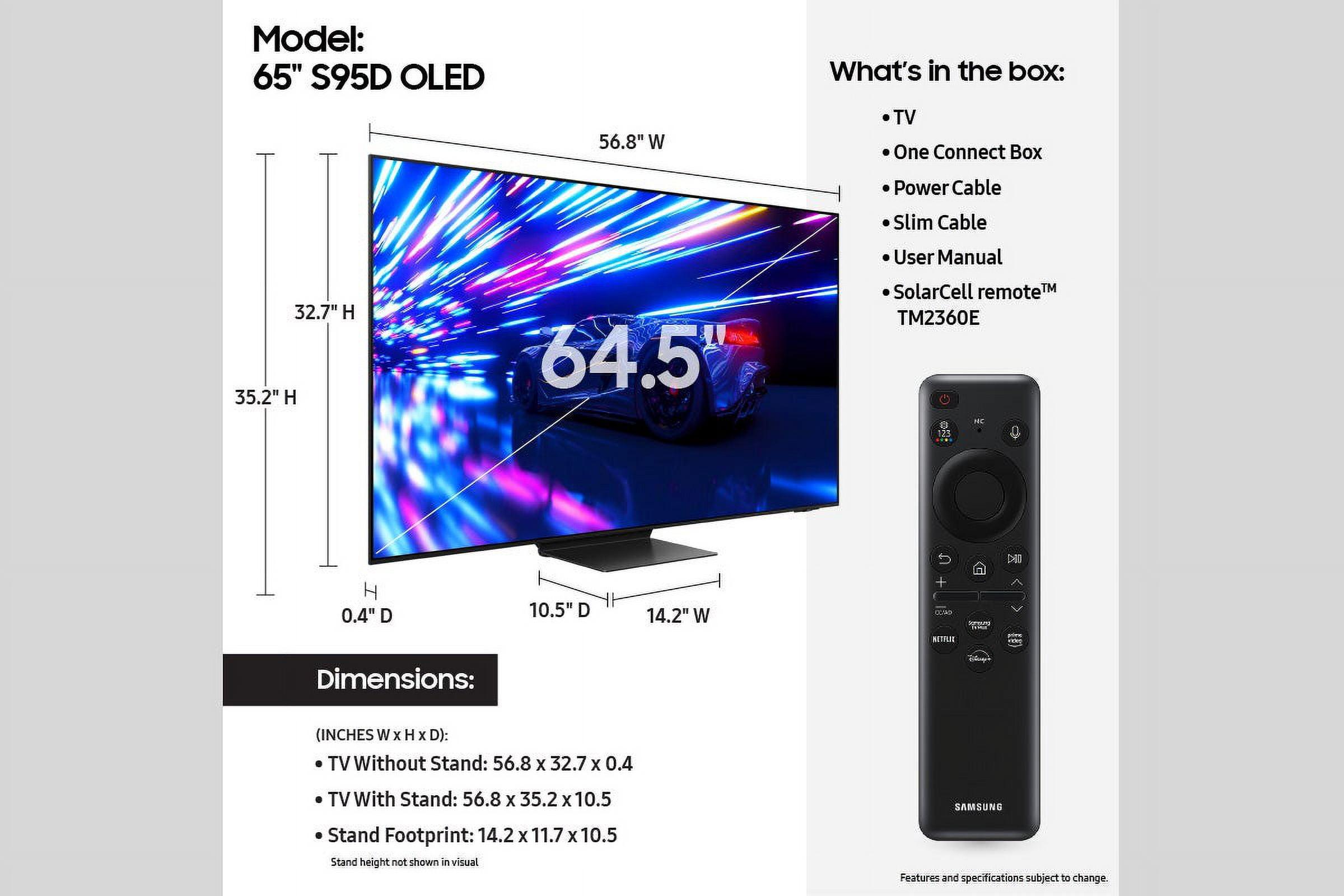
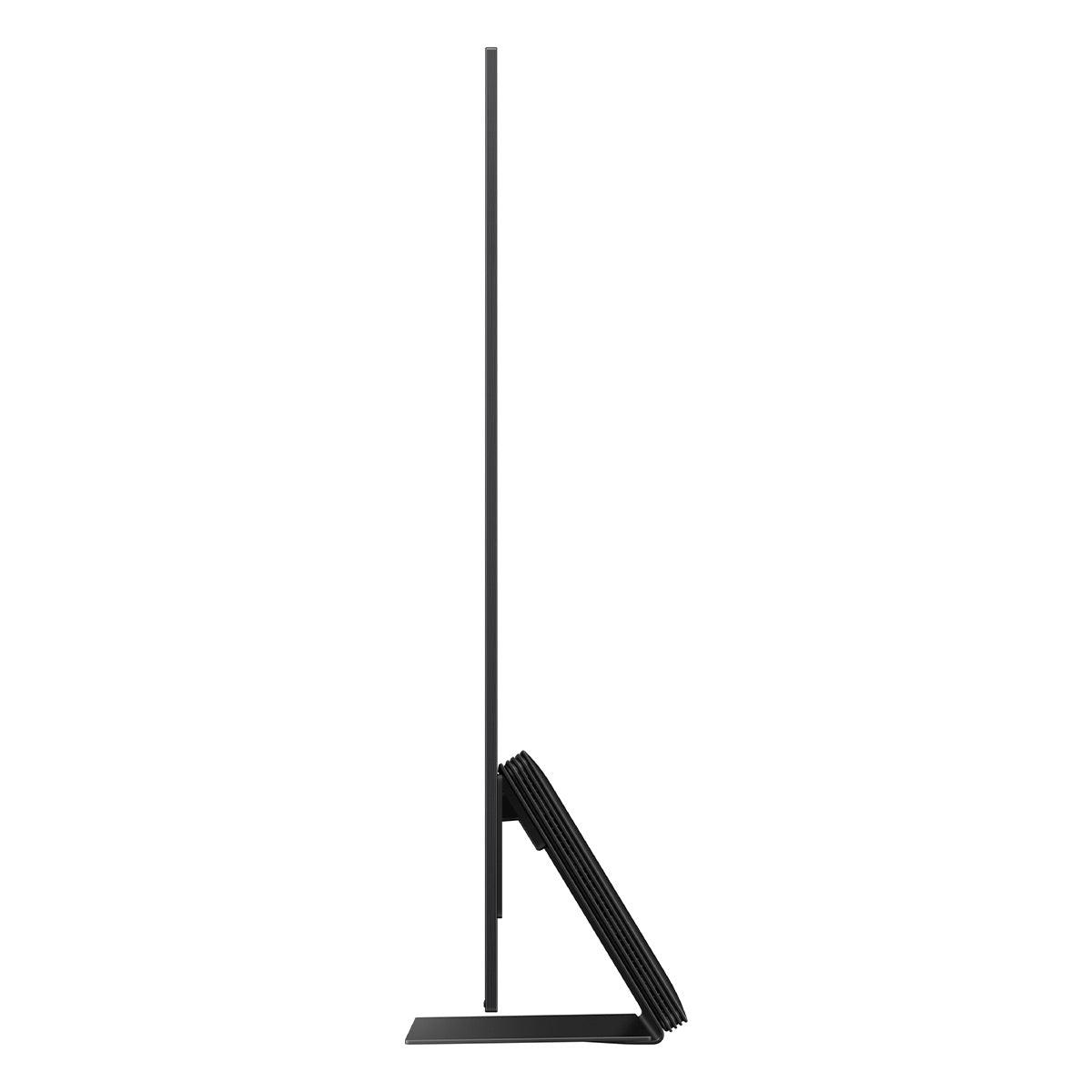
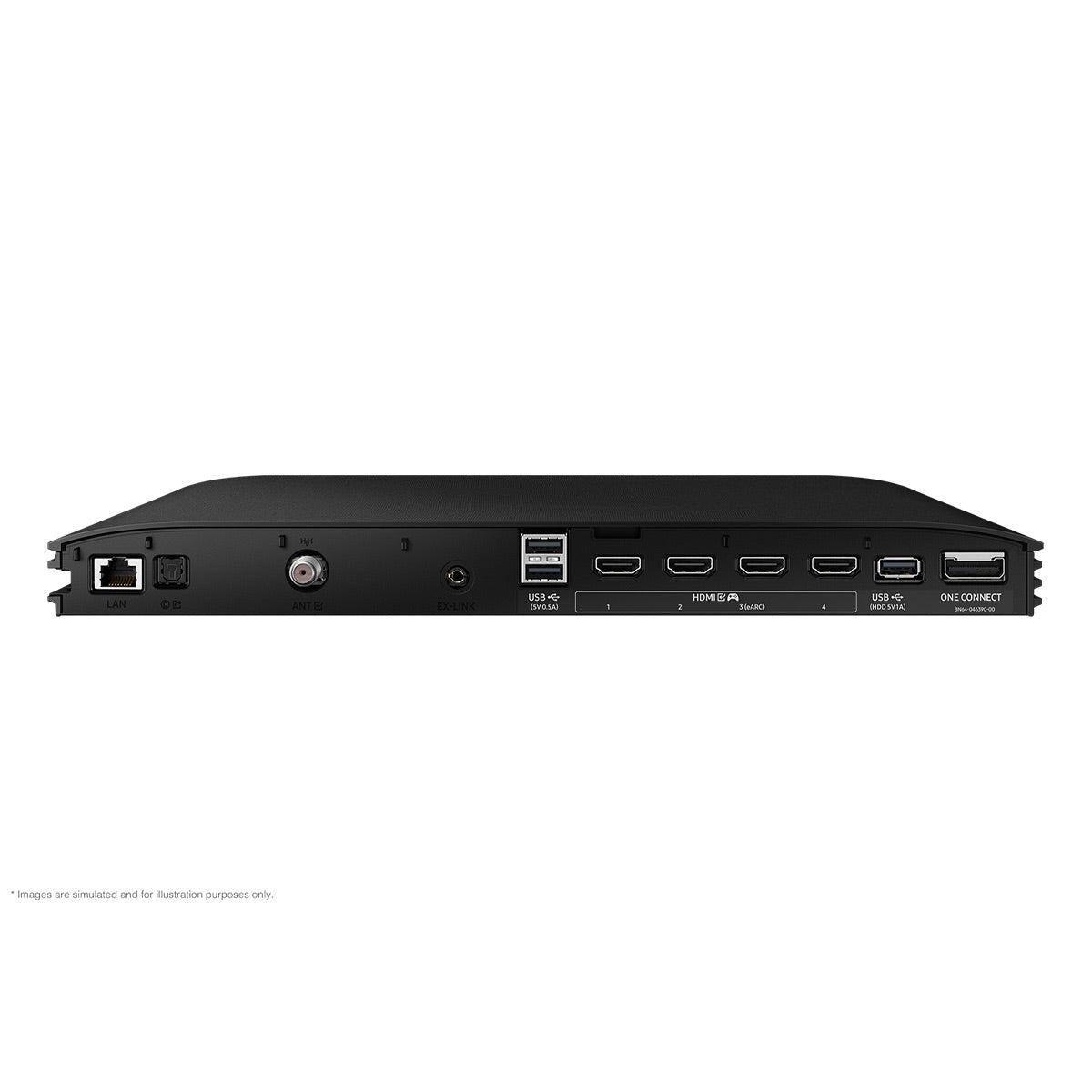
| Standard LCD TV thickness and design | Ultra-thin 11mm profile with One Connect box |
| Burn-in Risk - Long-term durability consideration | |
| No burn-in risk (LCD technology) | Potential OLED burn-in with static images |
| Best Use Case - Who should buy each model | |
| Budget-conscious buyers wanting premium features | Picture quality enthusiasts with higher budgets |
The Hisense 65" QD7 Series Mini-LED 4K Fire TV 2025 at $469.99 offers exceptional value, delivering about 85-90% of premium TV performance at just 22% of the price. The Samsung 65" S95D 4K OLED Smart TV at $2,097.23 provides the best picture quality available but costs over 4 times more.
The Hisense QD7 uses Mini-LED technology with thousands of small LEDs for backlighting, offering excellent brightness and good contrast. The Samsung S95D uses OLED technology where each pixel can turn completely off, creating perfect blacks and infinite contrast ratios.
The Hisense QD7 is superior for bright rooms due to its higher peak brightness from Mini-LED technology. While the Samsung S95D has an anti-glare matte finish that reduces reflections, the Hisense's raw brightness better overcomes ambient light.
The Samsung S95D has objectively better picture quality with perfect blacks, superior contrast, and more natural color reproduction. The Hisense QD7 delivers impressive picture quality for the price but cannot match OLED's contrast performance.
Yes, both excel at gaming. The Samsung S95D has slightly lower input lag at 9ms, while the Hisense QD7 offers a higher 144Hz refresh rate. Both support VRR, ALLM, and HDMI 2.1 for next-gen console gaming.
The Hisense QD7 supports more HDR formats including HDR10+, Dolby Vision, HDR10, and HLG. The Samsung S95D supports HDR10+, HDR10, and HLG but lacks Dolby Vision support.
The Hisense QD7 runs Fire TV OS with deep Amazon integration and native Alexa support. The Samsung S95D uses Samsung's Tizen OS, which is generally considered more polished and responsive.
The Samsung S95D has superior audio with a 4.2.2 channel system, 70W total power, and Object Tracking Sound+. The Hisense QD7 has a 2.0.2 system with 40W power, which is adequate but less immersive.
Burn-in is not a concern with the Hisense QD7 since it uses LCD technology. The Samsung S95D uses OLED technology, which can potentially experience burn-in with static images over extended periods.
For dedicated home theaters with controlled lighting, the Samsung S95D is superior due to its perfect blacks and superior contrast. For family rooms with mixed lighting, the Hisense QD7 offers better brightness and value.
Choose the Hisense QD7 if budget is a primary concern but you still want premium features like high refresh rates, comprehensive HDR support, and excellent gaming performance at an accessible price point.
Choose the Samsung S95D if picture quality is your top priority and you have the budget for premium performance, superior audio, and the best contrast available in consumer TVs.
We've done our best to create useful and informative comparisons to help you decide what product to buy. Our research uses advanced automated methods to create this comparison and perfection is not possible - please contact us for corrections or questions. These are the sites we've researched in the creation of this article: bestbuy.com - custrevs.com - youtube.com - bestbuy.com - rtings.com - youtube.com - rtings.com - pcrichard.com - bestbuy.com - pcrichard.com - camelcamelcamel.com - amazonfiretv.blog - hisense-usa.com - hisense-usa.com - hisense-usa.com - bestbuy.com - leaseville.com - youtube.com - bestbuy.com - flatpanelshd.com - techradar.com - videoandaudiocenter.com - avsforum.com - cnet.com - abt.com - merlinstv.com - nfm.com - rtings.com - flintsfurniture.com - samsung.com - bestbuy.com - displayspecifications.com

Privacy Policy
Terms and Conditions - Affiliate Policy
Home Security
© Copyright 2008-2026.
11816 Inwood Rd #1211, Dallas, TX 75244