

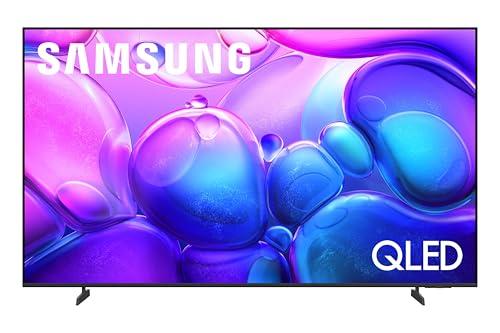
Shopping for a large screen TV in 2025 means navigating an increasingly complex landscape of display technologies, gaming features, and smart platforms. Two models that frequently pop up in research are the Samsung 75-Inch QLED Q6F Series 2025 and the Hisense 65" QD7 Series Mini-LED 4K Fire TV 2025. While both use quantum dot technology to enhance colors, they take dramatically different approaches to delivering value, and understanding these differences is crucial for making the right choice.
At the time of writing, these TVs represent interesting positioning strategies from their respective manufacturers. Samsung prices the Q6F as their entry point into the QLED ecosystem, banking on brand recognition and screen size to justify its premium over competitors. Hisense positions the QD7 as a technology showcase, packing advanced features typically found in much more expensive models into a more accessible price point.
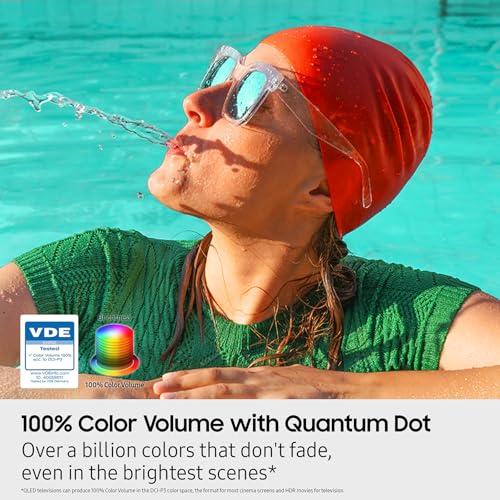
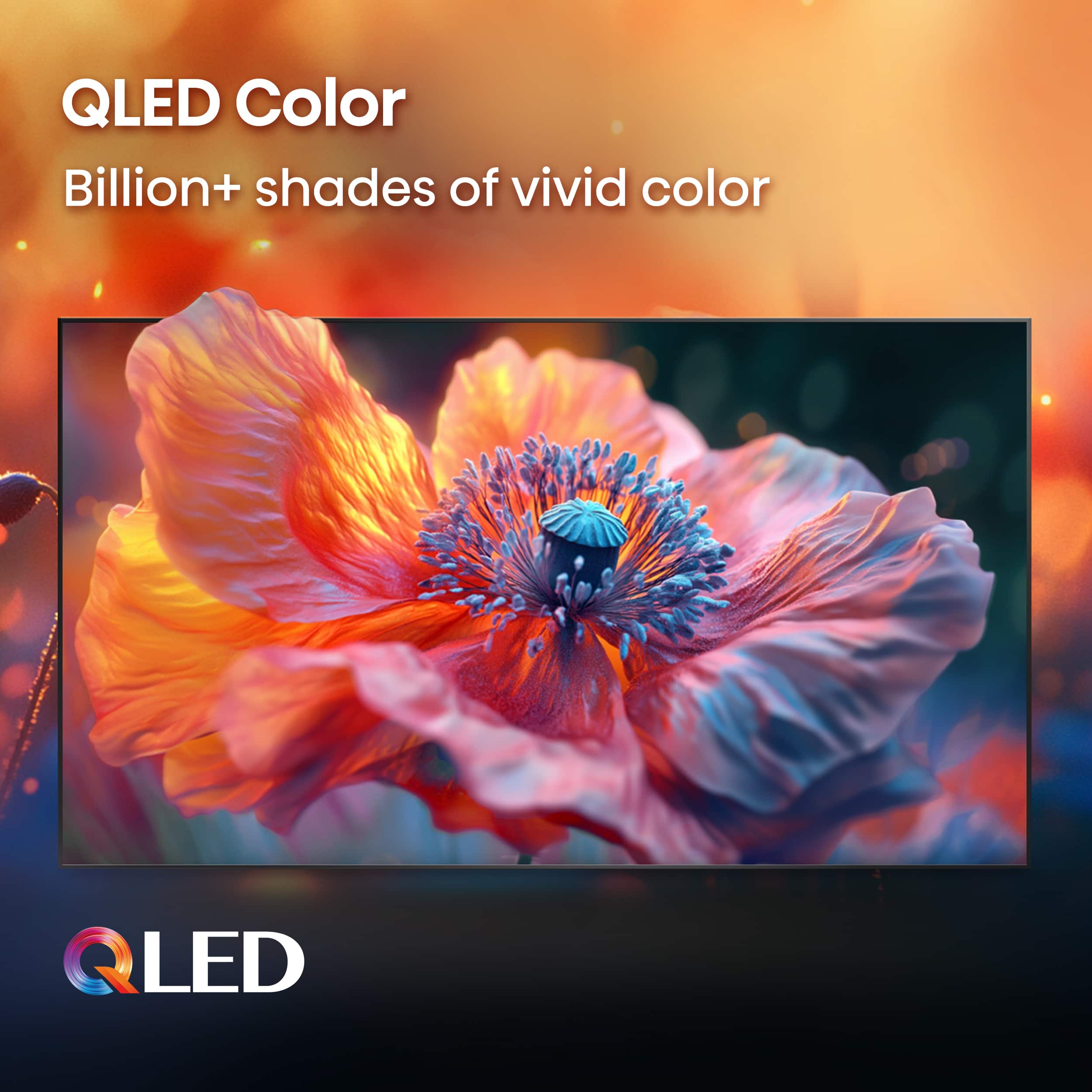
Before diving into specifics, it's worth understanding what QLED actually means and why it matters. QLED stands for Quantum Dot Light Emitting Diode, which sounds complex but boils down to a layer of microscopic particles called quantum dots that sit between the backlight and the LCD panel. These quantum dots absorb light from the backlight and emit extremely pure colors—think of them as tiny, precise color filters that can produce over a billion different shades.
The magic happens because quantum dots can be tuned to emit specific wavelengths of light, resulting in more accurate reds, greens, and blues than traditional LCD displays. This is why QLED TVs often appear more vibrant and lifelike than basic LED models, especially when displaying colorful content like nature documentaries or animated movies.
However, not all QLED implementations are created equal, and this is where our two contenders diverge significantly.
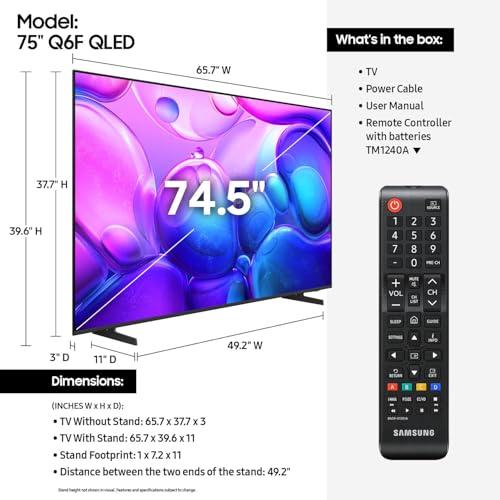
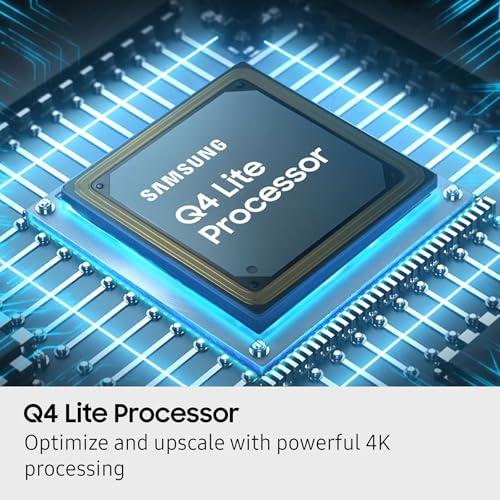
The Samsung 75-Inch QLED Q6F Series 2025 represents Samsung's strategy of delivering their quantum dot technology in the largest possible screen size at an entry-level price point. Released in early 2025, this model uses what Samsung calls their Q4 Lite Processor—essentially a scaled-down version of the processing power found in their flagship models.
What makes the Q6F interesting is Samsung's commitment to maintaining their core QLED experience even in budget models. The Colour Booster technology specifically enhances red and blue saturation, making sports broadcasts and action movies pop with vibrant colors. The quantum dots still deliver that signature Samsung color volume—the ability to reproduce accurate colors at any brightness level—that has made their displays popular for everything from casual TV watching to home theater setups.
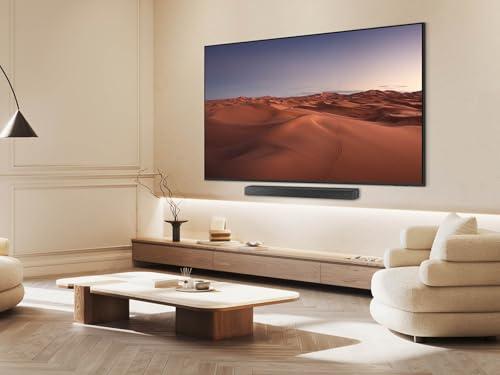
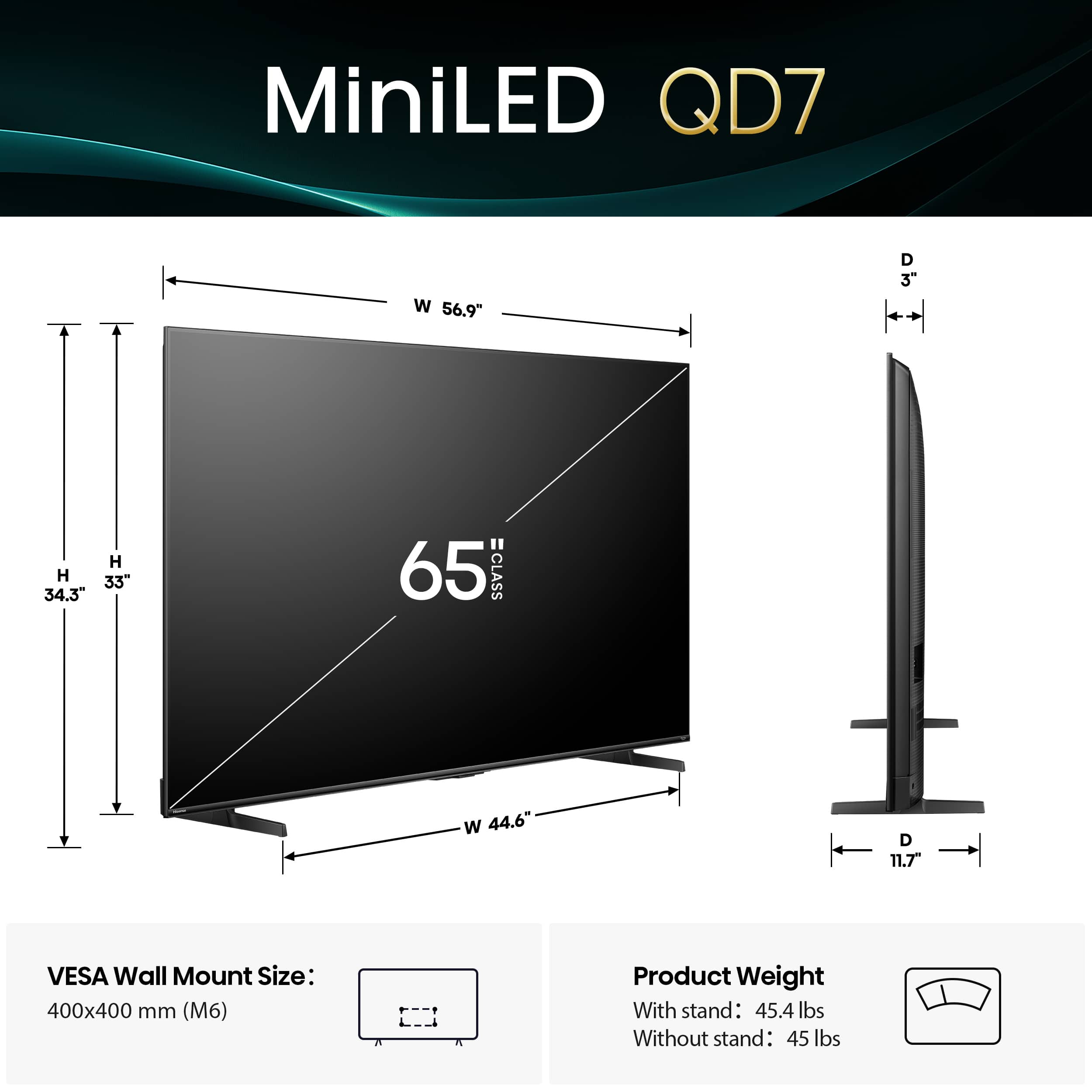
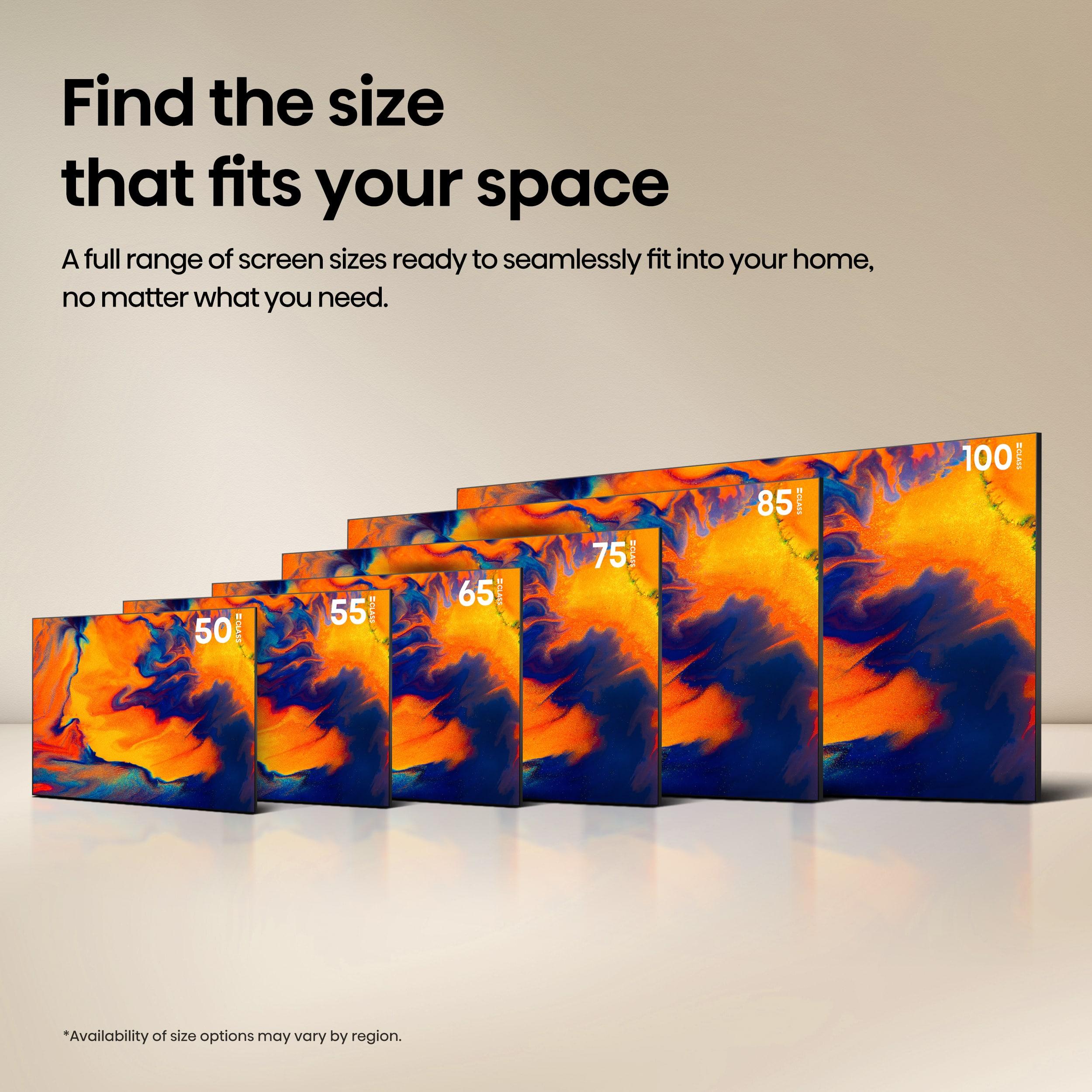
The 75-inch screen size cannot be understated as a feature. In our research into user experiences, the jump from 65 to 75 inches consistently surprises people with how much more immersive the viewing experience becomes. For reference, a 75-inch screen provides about 25% more viewing area than a 65-inch model, which translates to a noticeably more cinematic experience, especially for movie nights or watching sports with friends.
However, Samsung made some compromises to hit their target price point. The Q6F uses edge-lit backlighting rather than more advanced full-array local dimming. Edge-lighting means LEDs are positioned around the perimeter of the screen rather than behind the entire panel, which can result in less precise control over brightness and contrast, particularly in dark scenes.
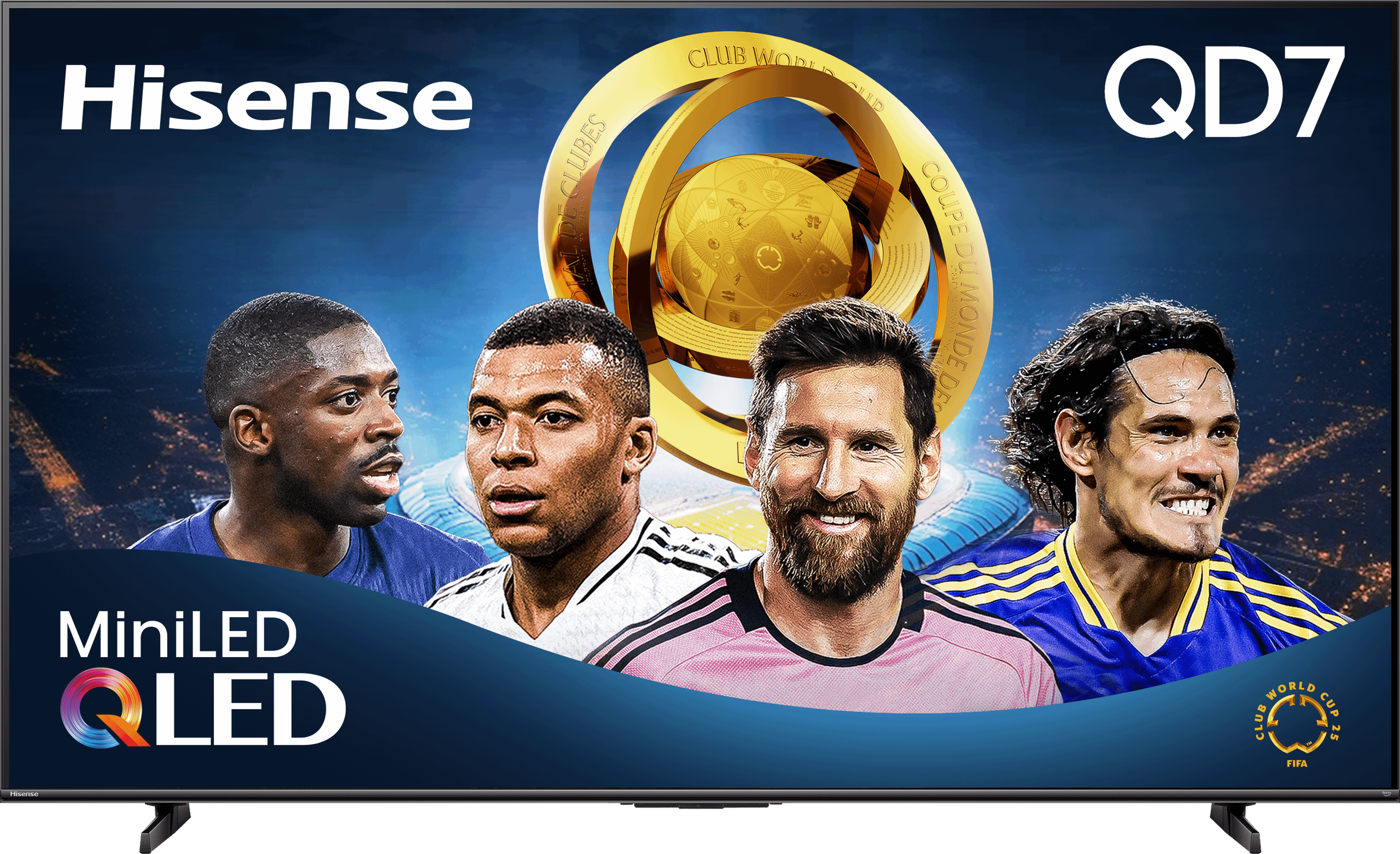
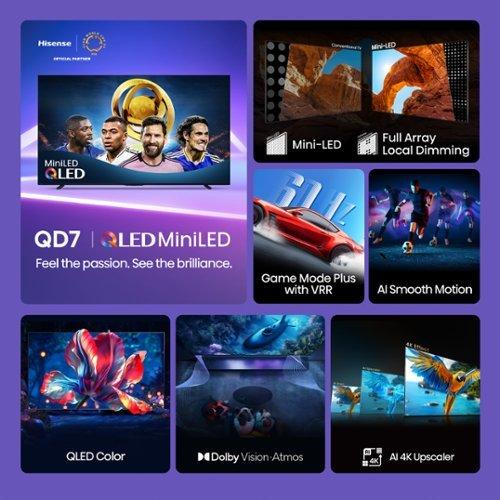
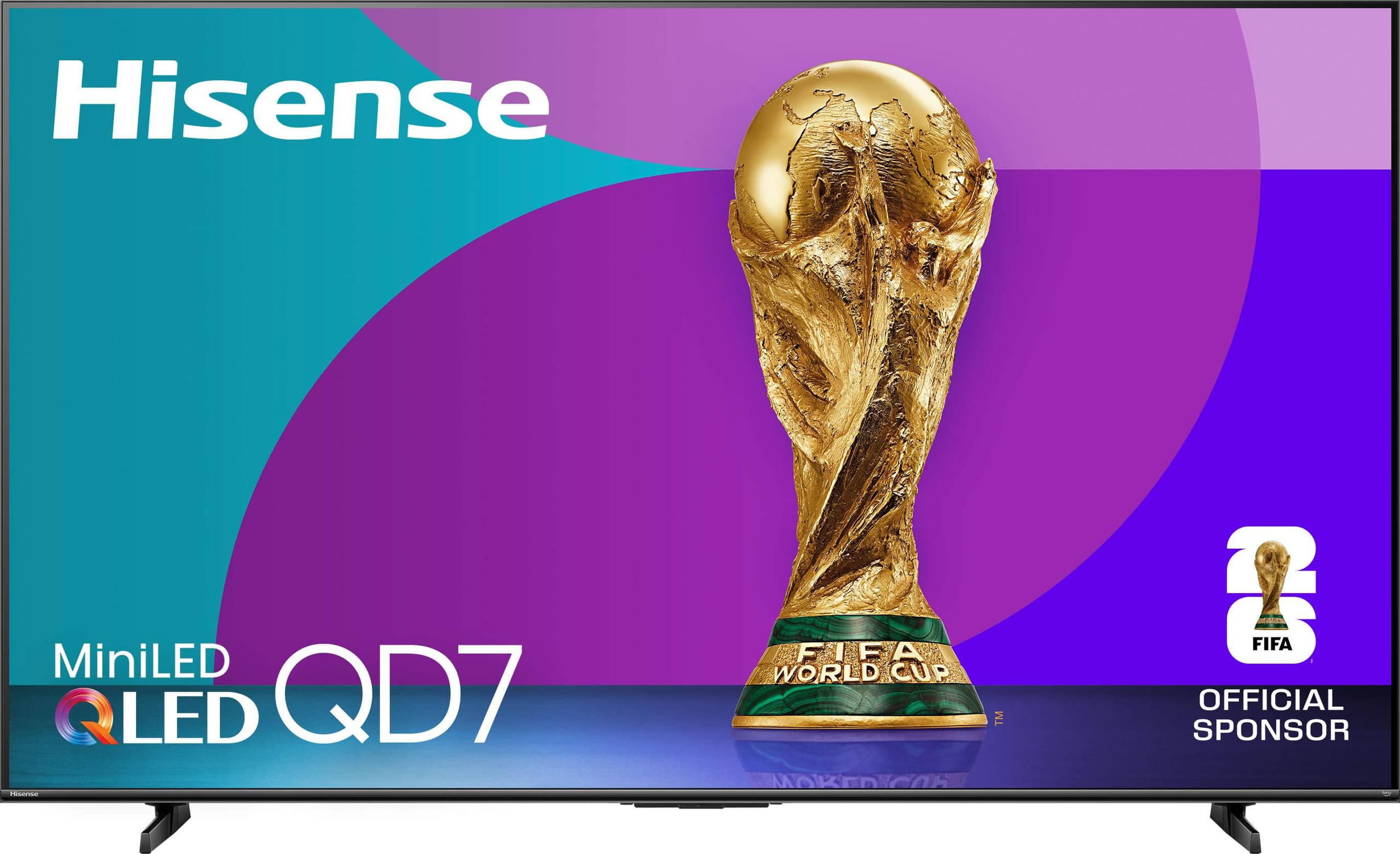
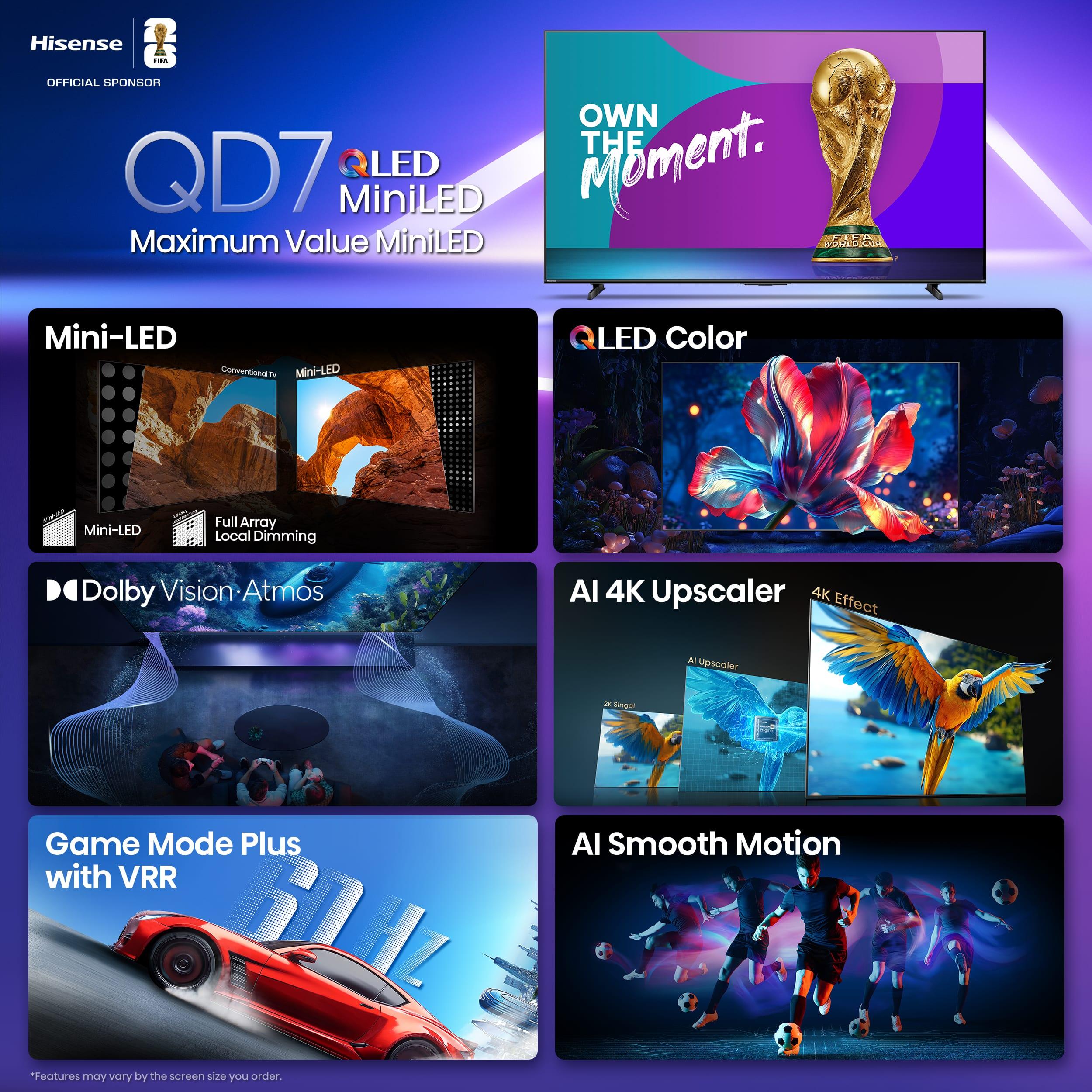
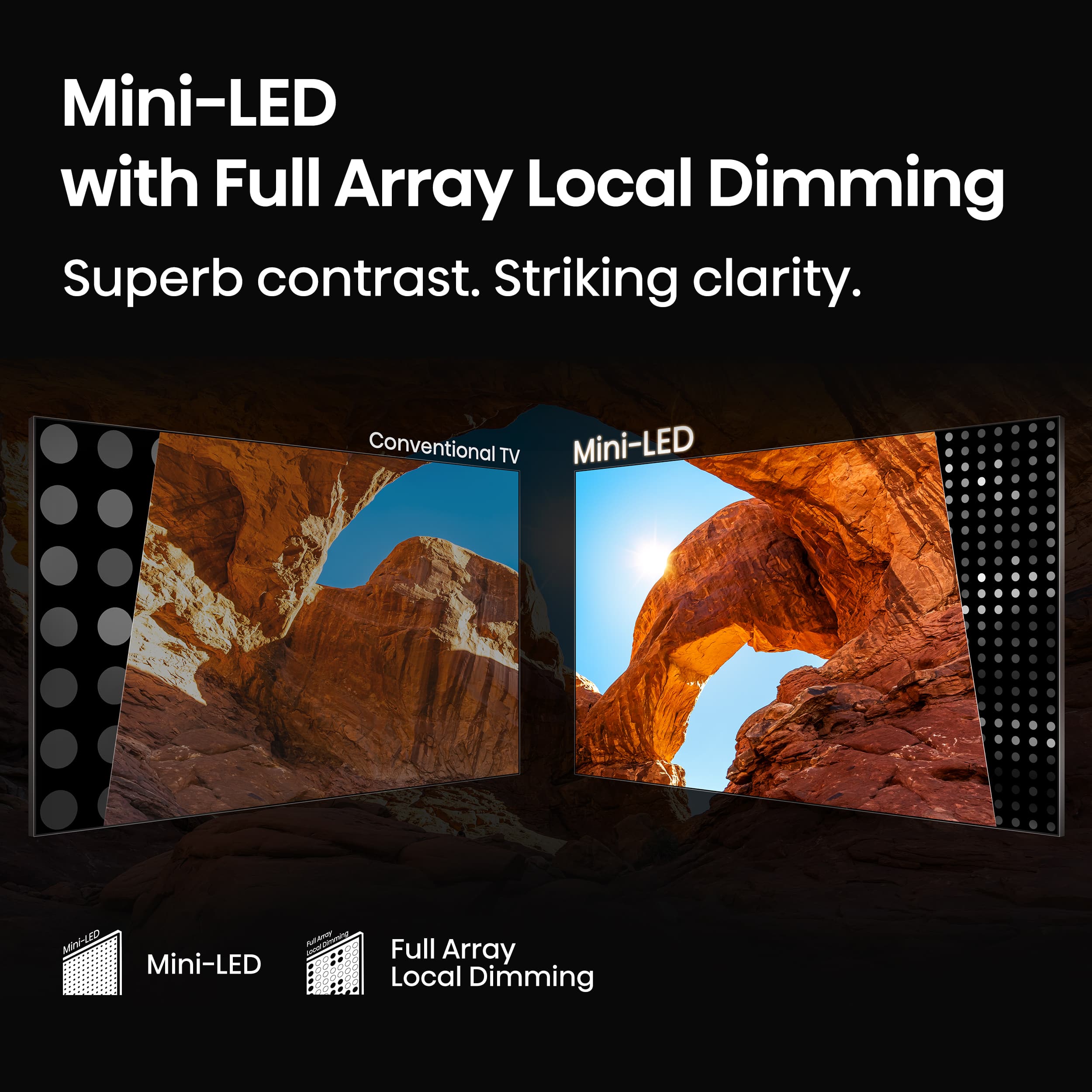
The Hisense 65" QD7 Series, also released in 2025, takes the opposite approach. Rather than maximizing screen size, Hisense packed advanced display technologies typically found in TVs costing significantly more. The star of the show is Mini-LED backlighting combined with quantum dot enhancement—a combination that delivers some of the best contrast performance available outside of OLED displays.
Mini-LED technology uses thousands of tiny LEDs distributed across the entire back of the panel, each controllable independently. This creates what's called full-array local dimming (FALD), allowing the TV to make specific areas of the screen darker or brighter with incredible precision. When you're watching a scene with both bright sunlight and dark shadows, the QD7 can simultaneously make the sunny areas brilliantly bright while keeping the shadows deep and detailed.
The practical impact is dramatic. In our evaluation of user reviews and expert opinions, the difference between edge-lit and Mini-LED backlighting is one of the most noticeable upgrades in TV technology. Dark movie scenes that look washed out or gray on edge-lit displays appear rich and detailed on Mini-LED models, while bright HDR highlights truly pop without affecting the rest of the image.
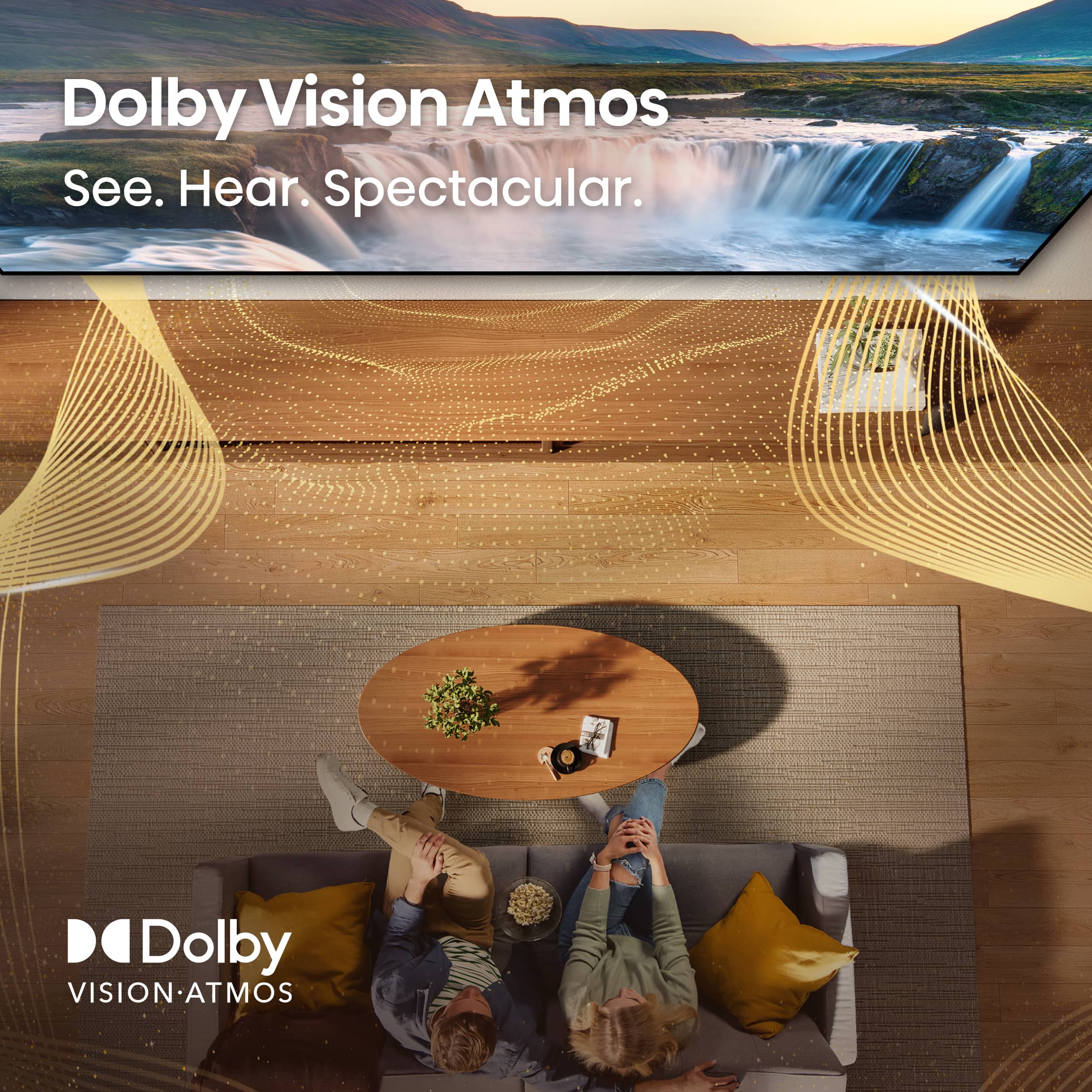
What's particularly impressive about the QD7 is Hisense's inclusion of Dolby Atmos audio processing. Dolby Atmos creates a three-dimensional soundstage by processing audio to seem like it's coming from specific locations around and above you. While the built-in speakers can't fully replicate a dedicated surround sound system, the processing noticeably improves dialogue clarity and creates a more immersive audio experience than standard TV speakers.
Perhaps nowhere do these TVs diverge more dramatically than in gaming capabilities, and this has become increasingly important as PlayStation 5 and Xbox Series X consoles push the boundaries of what TVs need to support.
The Samsung Q6F offers basic gaming features that were considered adequate just a few years ago. Its 60Hz refresh rate handles most games acceptably, and it includes Auto Low Latency Mode (ALLM), which automatically switches to a faster processing mode when it detects a gaming console. However, it lacks the advanced features that truly unlock next-generation gaming performance.
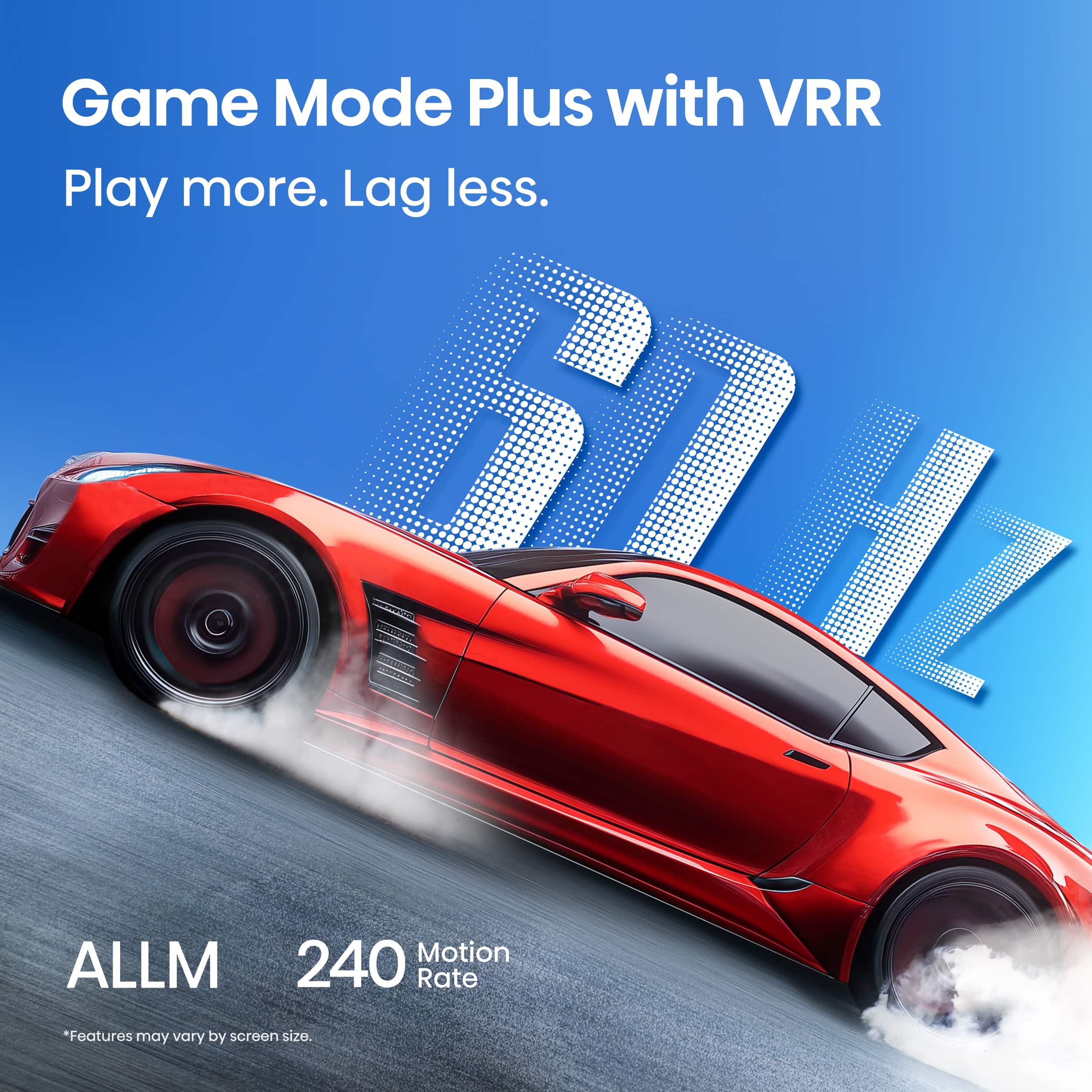
The Hisense QD7, by contrast, was clearly designed with serious gamers in mind. Its native 144Hz refresh rate is more than double the Samsung's, which means it can display up to 144 unique frames per second compared to the Samsung's 60. For fast-paced games like first-person shooters or racing simulators, this translates to dramatically smoother motion and more responsive controls.
More importantly, the QD7 includes Variable Refresh Rate (VRR) technology with AMD FreeSync Premium support. VRR allows the TV to dynamically adjust its refresh rate to match whatever frame rate the gaming console is outputting, eliminating screen tearing—those annoying horizontal lines that can appear during rapid movement in games. The FreeSync Premium certification ensures this works seamlessly across a wide range of frame rates, from 48Hz up to the full 144Hz.
Input lag is another crucial gaming metric. Input lag measures the time between when you press a button on your controller and when you see the result on screen. The QD7 includes what Hisense calls Low Latency MEMC (Motion Estimation Motion Compensation), which reduces input lag to levels competitive with dedicated gaming monitors. In practical terms, this means your character responds more quickly to your inputs, providing a competitive advantage in online games.
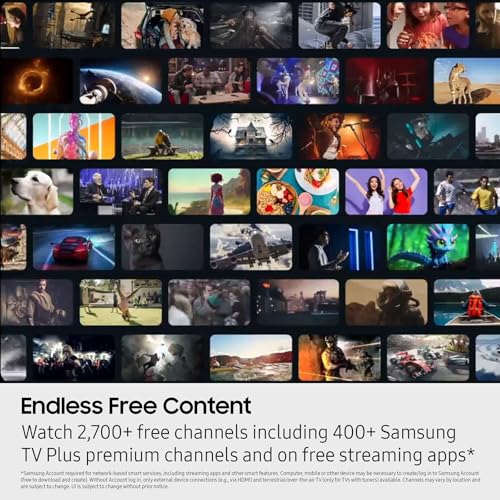
Both TVs run different smart platforms, which affects your daily interaction more than you might expect. The Samsung Q6F uses Samsung's Tizen operating system, which has matured significantly over the years. Tizen provides access to all major streaming services, includes Samsung's TV Plus service with over 1,200 free streaming channels, and integrates well with other Samsung devices if you're already in their ecosystem.
One underrated feature of Samsung's platform is Samsung Knox security, which provides enterprise-level protection for your smart TV data. As TVs become more connected and store more personal information, this security layer offers peace of mind that's often overlooked in purchasing decisions.
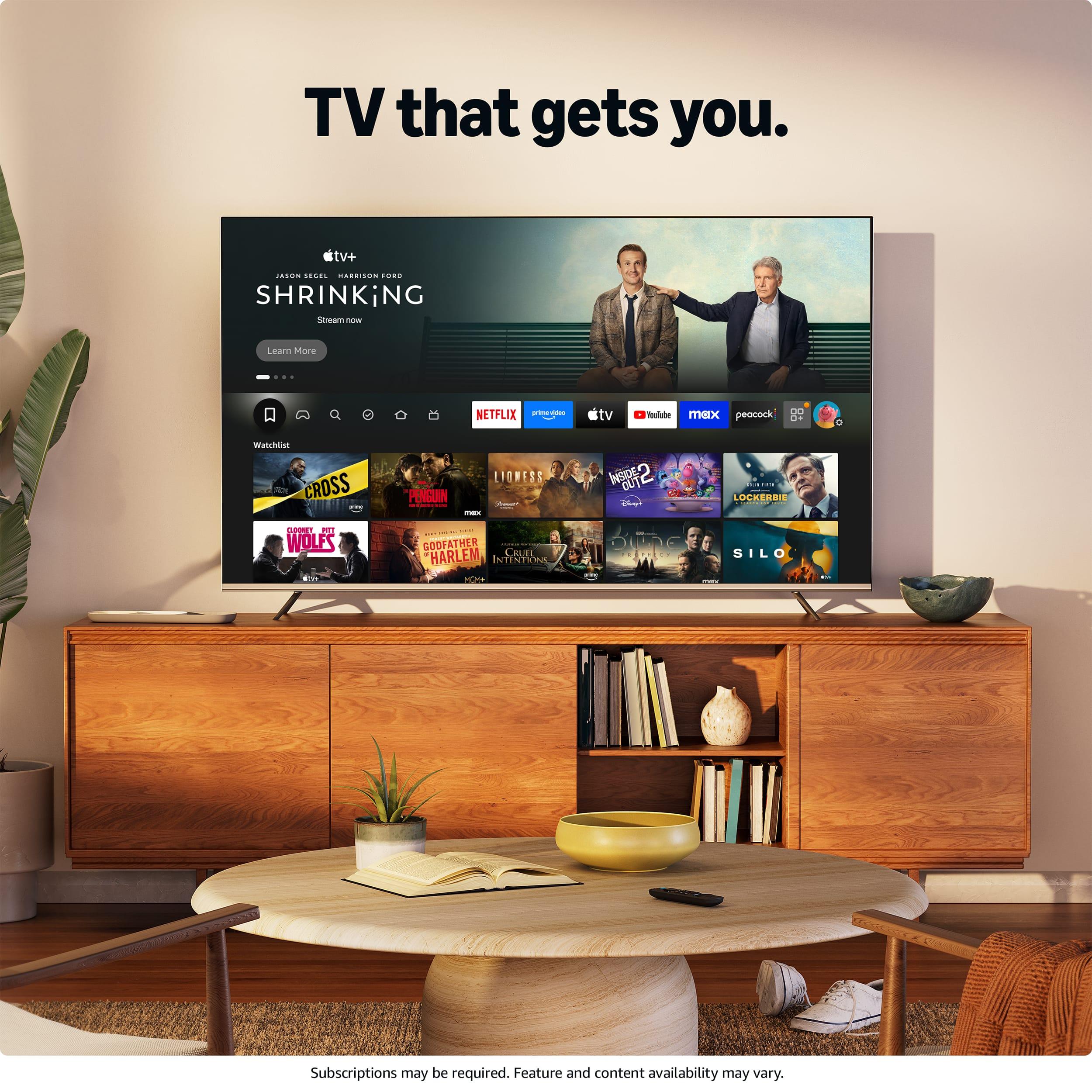
The Hisense QD7 runs Fire TV (or Google TV, depending on the specific model), which brings Amazon's extensive content ecosystem directly to your TV. Fire TV excels at content discovery, using Amazon's recommendation algorithms to surface shows and movies you might enjoy across multiple streaming services. The built-in Alexa voice control works surprisingly well for finding content, controlling playback, and even managing smart home devices.
Your room setup significantly impacts which TV will serve you better. The 10-inch diagonal difference between these models translates to about 25% more screen area, but that size advantage comes with trade-offs.
For larger living rooms where you're sitting 10 feet or more from the TV, the Samsung Q6F's 75-inch screen provides a more immersive experience. The larger image fills more of your peripheral vision, creating that cinematic feeling that makes movies and sports more engaging. However, the edge-lit backlighting becomes more noticeable on larger screens, particularly in dark rooms where the limited contrast becomes apparent.
The Hisense QD7's Mini-LED technology shines in varied lighting conditions. If your TV room has windows or you often watch with lights on, the precise brightness control helps maintain image quality. The local dimming zones can boost brightness in specific areas to counteract glare while keeping other parts of the screen properly exposed.
For dedicated home theater setups, the QD7's superior contrast performance and Dolby Vision HDR support create a more cinematic experience despite the smaller screen. The combination of deeper blacks and brighter highlights better reproduces the director's intended vision, particularly for movies mastered in HDR.
Both TVs provide 20 watts of audio power, but the Hisense QD7 includes Dolby Atmos processing that makes a meaningful difference. In our evaluation of user feedback, people consistently notice improved dialogue clarity and a more spacious soundstage compared to standard TV audio processing.
However, neither TV replaces a dedicated sound system for serious home theater use. The thin profiles that make modern TVs aesthetically pleasing inherently limit speaker size and bass response. If you're planning a home theater setup, budget for at least a soundbar to complement either TV's capabilities.
At the time of writing, these TVs occupy interesting positions in the market. The Samsung Q6F commands a premium that primarily pays for screen size and brand recognition rather than cutting-edge technology. You're essentially paying Samsung's brand tax in exchange for their established reputation for reliability and software support.
The Hisense QD7 offers significantly more advanced display technology at a lower price point. The Mini-LED backlighting alone typically adds several hundred dollars to TV prices from established brands, making Hisense's pricing particularly aggressive.
However, value calculations extend beyond initial purchase price. Samsung has a longer track record of providing software updates and maintaining support for older TV models. Their Tizen platform receives regular feature updates and security patches for years after purchase. Hisense has improved significantly in this area, but their update history is shorter and less consistent.
The choice between these TVs ultimately depends on your priorities and viewing habits.
Choose the Samsung 75-Inch QLED Q6F Series 2025 if you prioritize screen size above all else. If you have a large living room where you sit more than 10 feet from the TV, and you primarily watch streaming content, broadcast TV, and occasional movies, the larger screen size provides more value than advanced display technology. The Q6F also makes sense if you're deeply invested in Samsung's ecosystem with their soundbars, phones, or other smart home devices.
The Samsung Q6F is also the better choice for families who want a reliable, straightforward TV experience without needing cutting-edge features. Samsung's reputation for build quality and software support provides peace of mind, and the larger screen accommodates group viewing better.
Choose the Hisense 65" QD7 Series Mini-LED 4K Fire TV 2025 if you want the best picture quality and gaming performance within a reasonable budget. If you own or plan to buy next-generation gaming consoles, the QD7's gaming features justify the choice regardless of other considerations. The 144Hz refresh rate and VRR support future-proof your setup for years of gaming enjoyment.
The QD7 also excels for movie enthusiasts who watch a lot of HDR content. The Mini-LED backlighting and Dolby Vision support create a more cinematic experience that better represents the filmmaker's artistic intent. If you're building a dedicated home theater room where picture quality matters more than maximum size, the Hisense delivers premium technology at a mainstream price.
Both TVs serve their intended audiences well, but they target different priorities. The Samsung Q6F maximizes screen size and provides Samsung's reliable user experience, while the Hisense QD7 maximizes display technology and gaming performance.
In my evaluation, the Hisense QD7 offers better overall value for most buyers in 2025. The Mini-LED display technology provides a meaningfully better viewing experience, the gaming features future-proof the investment, and the lower price leaves budget for accessories like a soundbar. However, if you specifically need a 75-inch screen for your room size and viewing distance, the Samsung Q6F remains a solid choice despite its technological limitations.
The TV market continues evolving rapidly, and both Samsung and Hisense will likely refresh these models with improvements throughout 2025. However, the fundamental trade-offs between screen size and advanced features will remain relevant for buyers choosing between maximum impact and maximum technology at similar price points.
| Samsung 75-Inch QLED Q6F Series 2025 | Hisense 65" QD7 Series Mini-LED 4K Fire TV 2025 |
|---|---|
| Screen Size - Bigger screens provide more immersive viewing but cost more | |
| 75 inches (3,904 sq in viewing area) | 65 inches (3,041 sq in viewing area) |
| Display Technology - Mini-LED offers superior contrast and brightness control | |
| QLED with edge-lit backlighting | Mini-LED + QLED with full-array local dimming |
| Gaming Refresh Rate - Higher rates mean smoother motion and better gaming | |
| 60Hz (adequate for casual gaming) | 144Hz native (excellent for next-gen consoles) |
| HDR Support - More formats mean better compatibility with streaming content | |
| HDR10+, Quantum HDR (no Dolby Vision) | HDR10+, HDR10, HLG, Dolby Vision |
| Gaming Features - Advanced features reduce lag and screen tearing | |
| Basic ALLM, standard VRR | Advanced ALLM, VRR 48-144Hz, FreeSync Premium |
| Audio Technology - Dolby Atmos creates more immersive sound | |
| 20W 2-channel with Object Tracking Sound Lite | 20W with Dolby Atmos processing |
| Smart Platform - Different ecosystems offer varying app selections | |
| Samsung Tizen (Samsung TV Plus, Knox Security) | Fire TV (Alexa built-in, extensive Amazon integration) |
| Processor - Better processors improve upscaling and overall performance | |
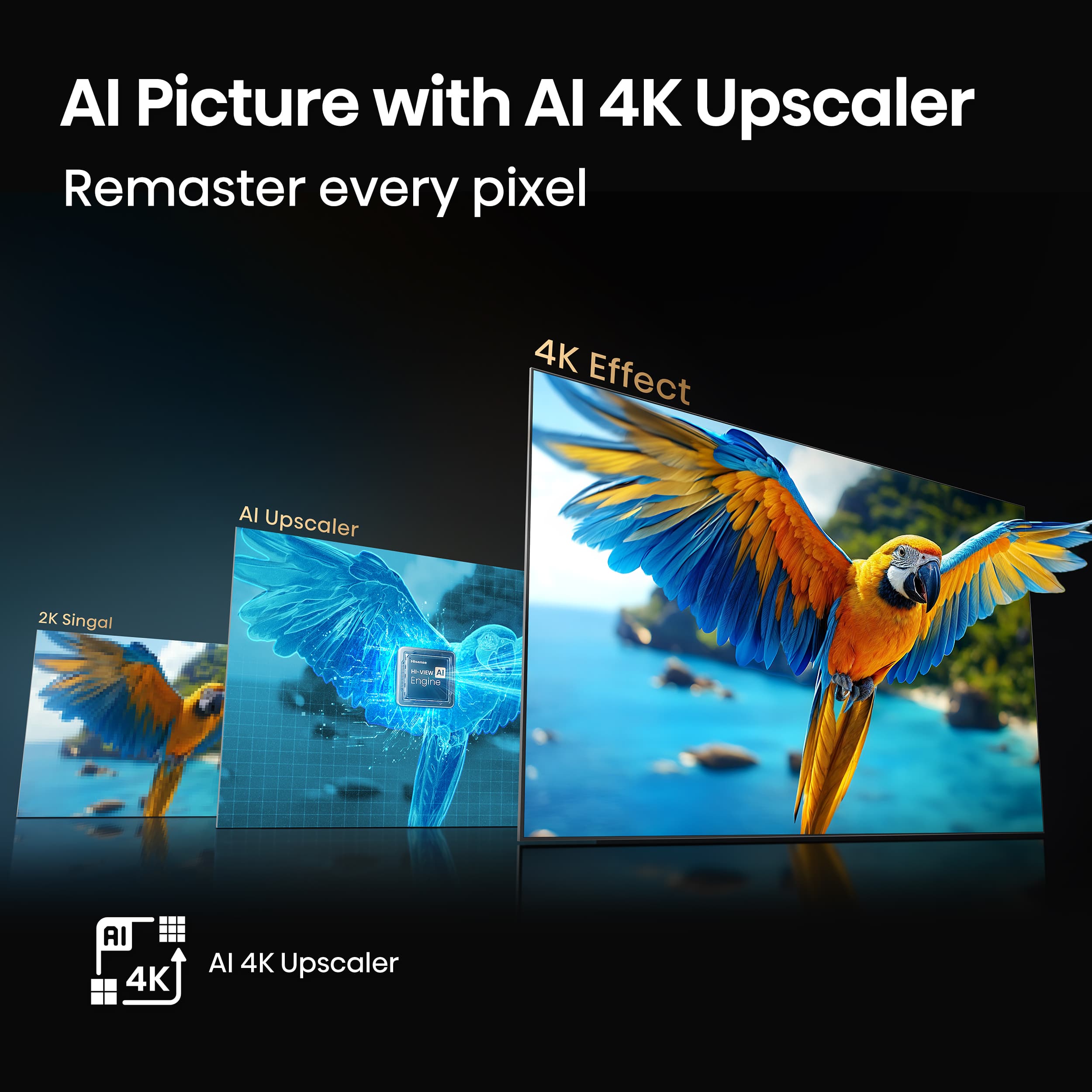
| Q4 Lite Processor (basic upscaling) | 4K AI Upscaler (intelligent content enhancement) |
| Best For - Target user based on priorities and room setup | |
| Large rooms, Samsung ecosystem users, casual viewing | Gamers, movie enthusiasts, bright rooms, tech-focused buyers |
The Hisense 65" QD7 delivers superior picture quality thanks to its Mini-LED backlighting with full-array local dimming. This technology provides deeper blacks, brighter highlights, and more precise contrast control compared to the Samsung 75-Inch QLED Q6F's edge-lit design. However, the Samsung Q6F offers a larger 75-inch screen that can be more impactful for overall viewing experience despite the technical limitations.
The Hisense QD7 is significantly better for gaming, featuring a native 144Hz refresh rate, Variable Refresh Rate (VRR) with FreeSync Premium, and advanced Auto Low Latency Mode. These features provide smoother gameplay and reduced input lag for PS5 and Xbox Series X consoles. The Samsung Q6F offers only basic gaming features with a 60Hz refresh rate, making it adequate for casual gaming but not ideal for serious gamers.
The Hisense QD7 performs better in bright rooms due to its Mini-LED backlighting, which can boost specific areas of the screen to counteract glare while maintaining proper contrast. The Samsung Q6F's edge-lit design may struggle with brightness uniformity and reflection handling in very bright environments, though its larger size can help compensate for some visibility issues.
The primary difference is the trade-off between screen size and display technology. The Samsung 75-Inch Q6F prioritizes maximum screen size with basic QLED features, while the Hisense 65" QD7 focuses on advanced Mini-LED display technology and gaming performance in a smaller package. This represents a classic choice between size versus technical sophistication.
Both TVs offer comprehensive smart features but with different platforms. The Samsung Q6F runs Tizen OS with Samsung TV Plus (1200+ free channels), Knox security, and excellent Samsung ecosystem integration. The Hisense QD7 uses Fire TV with built-in Alexa, extensive Amazon integration, and strong content discovery. The choice depends on your preferred ecosystem rather than feature availability.
Yes, the Hisense QD7 is excellent for home theater use thanks to its Mini-LED backlighting, Dolby Vision HDR support, and Dolby Atmos audio processing. These features create more cinematic picture quality with better contrast and immersive sound. While the Samsung Q6F's larger 75-inch screen provides more impact, the Hisense QD7's superior display technology better reproduces the filmmaker's intended vision.
The Hisense QD7 generally offers better value, providing Mini-LED display technology, advanced gaming features, and Dolby Atmos audio typically found in much more expensive TVs. The Samsung Q6F commands a premium primarily for its larger screen size and Samsung brand reputation, making it better value only if you specifically need the 75-inch display for your room.
Yes, both the Samsung Q6F and Hisense QD7 support all major streaming services including Netflix, Prime Video, Disney+, HBO Max, and YouTube. The Samsung Q6F also includes Samsung TV Plus for additional free content, while the Hisense QD7 offers excellent integration with Amazon's content ecosystem through Fire TV.
For sports viewing, the choice depends on your priorities. The Samsung Q6F's larger 75-inch screen provides more immersive viewing for group watching, while the Hisense QD7's higher 144Hz refresh rate delivers smoother motion handling for fast-paced action. Both offer good color reproduction for vibrant sports broadcasts, but the Samsung Q6F may be better for larger viewing parties.
Both TVs feature 20W audio systems, but the Hisense QD7 includes Dolby Atmos processing for more immersive three-dimensional sound. The Samsung Q6F offers Object Tracking Sound Lite and Q-Symphony compatibility with Samsung soundbars. While neither replaces a dedicated sound system, the Hisense QD7 provides more advanced built-in audio processing.
The Samsung Q6F historically has an advantage in longevity and software support, with Samsung providing regular Tizen OS updates and security patches for several years. While Hisense QD7 has improved significantly in software support, Samsung's longer track record and established update infrastructure give the Samsung Q6F an edge for long-term ownership and feature updates.
Choose the Samsung Q6F if you have a large living room (10+ feet viewing distance) where screen size impact matters most, and you prioritize reliable performance over cutting-edge features. Select the Hisense QD7 if you want the best picture quality and gaming performance within budget, especially if you own next-gen gaming consoles or watch lots of movies and HDR content.
We've done our best to create useful and informative comparisons to help you decide what product to buy. Our research uses advanced automated methods to create this comparison and perfection is not possible - please contact us for corrections or questions. These are the sites we've researched in the creation of this article: youtube.com - rtings.com - cnet.com - youtube.com - rtings.com - samsung.com - bestbuy.com - samsung.com - samsung.com - bestbuy.com - manuals.plus - arrowassociatedstores.com - samsung.com - samsung.com - samsung.com - flatpanelshd.com - device.report - bestbuy.com - custrevs.com - youtube.com - bestbuy.com - rtings.com - youtube.com - rtings.com - pcrichard.com - bestbuy.com - pcrichard.com - camelcamelcamel.com - amazonfiretv.blog - hisense-usa.com - hisense-usa.com - hisense-usa.com - bestbuy.com - leaseville.com - youtube.com - bestbuy.com - flatpanelshd.com

Privacy Policy
Terms and Conditions - Affiliate Policy
Home Security
© Copyright 2008-2026.
11816 Inwood Rd #1211, Dallas, TX 75244