

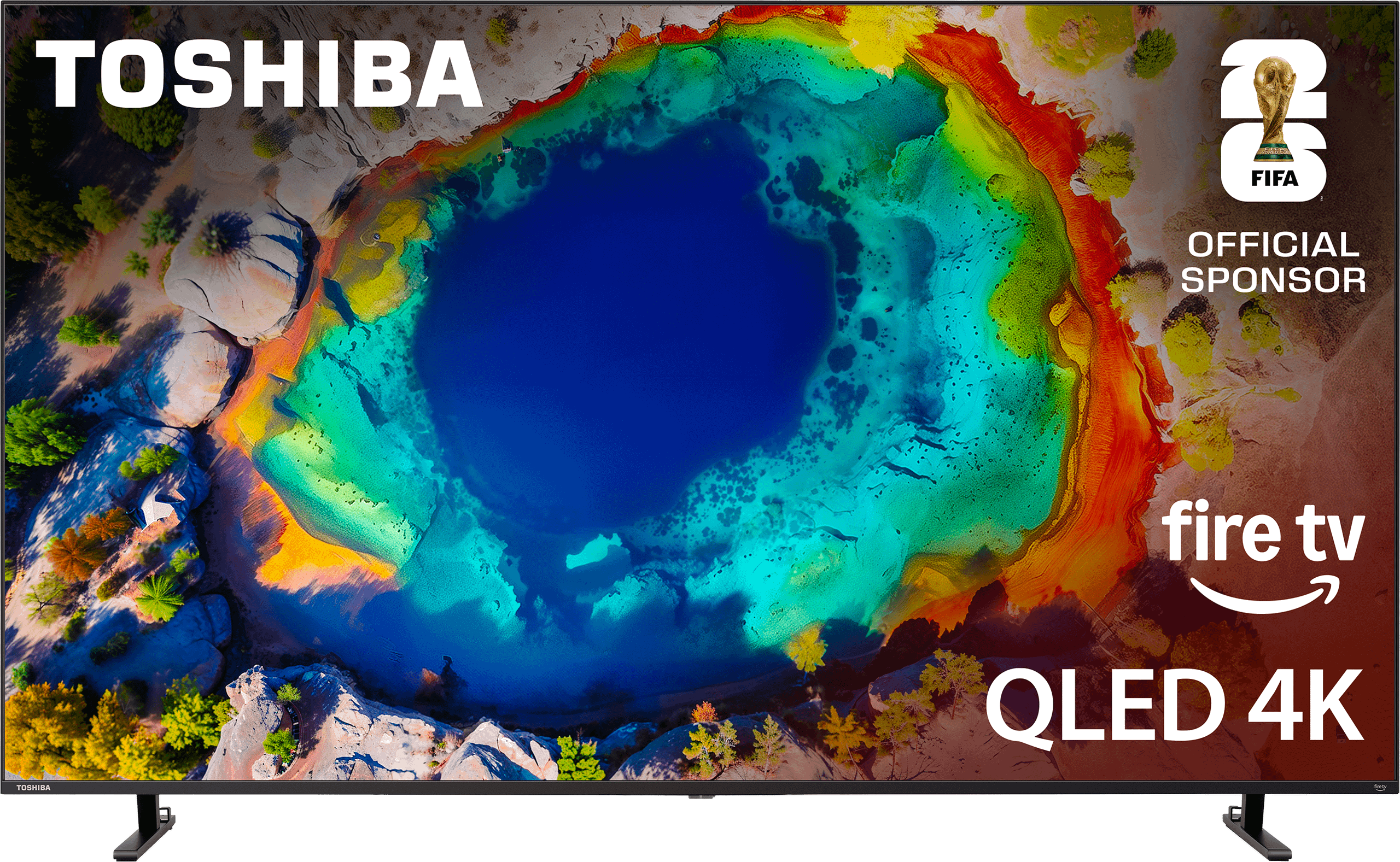
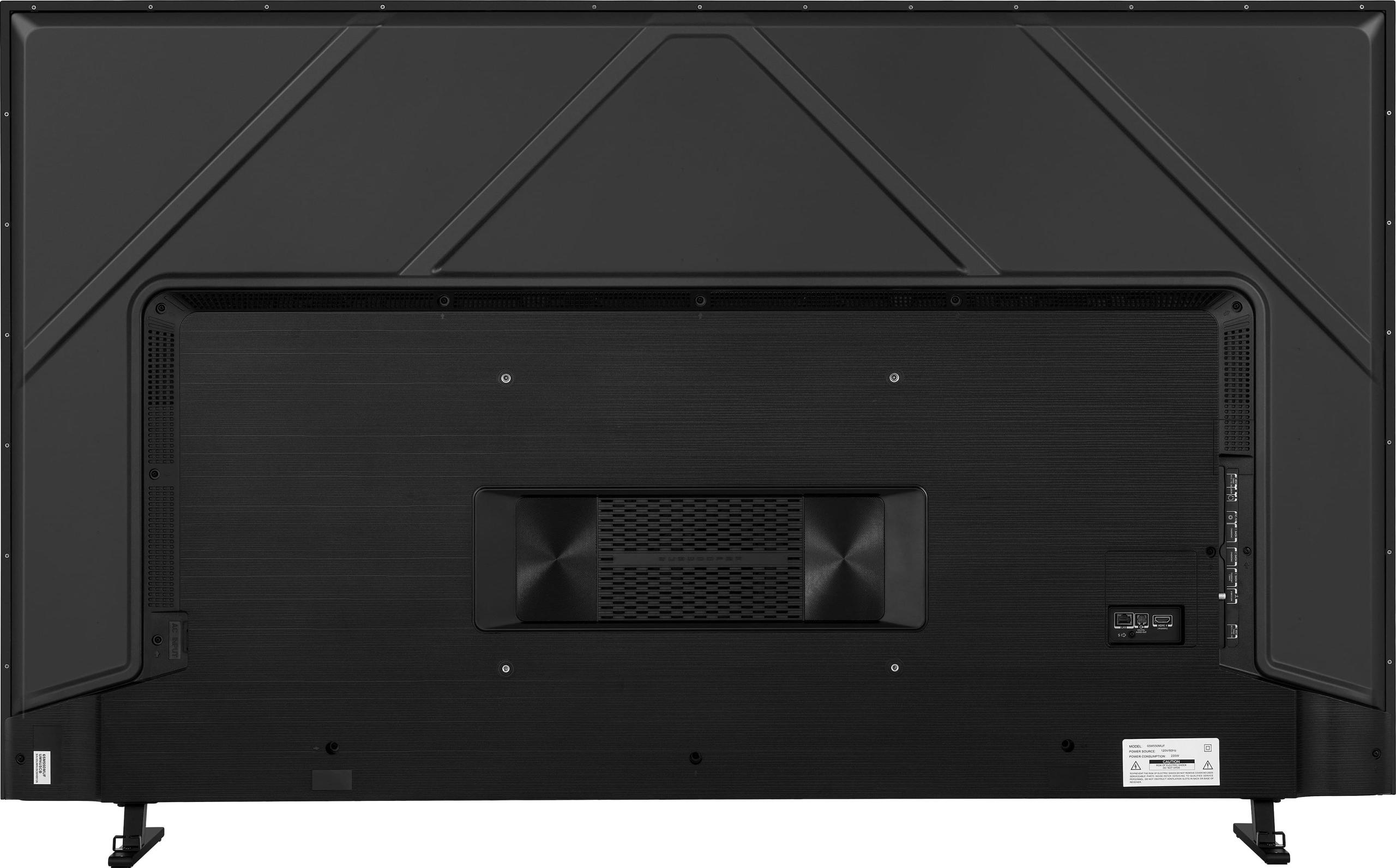
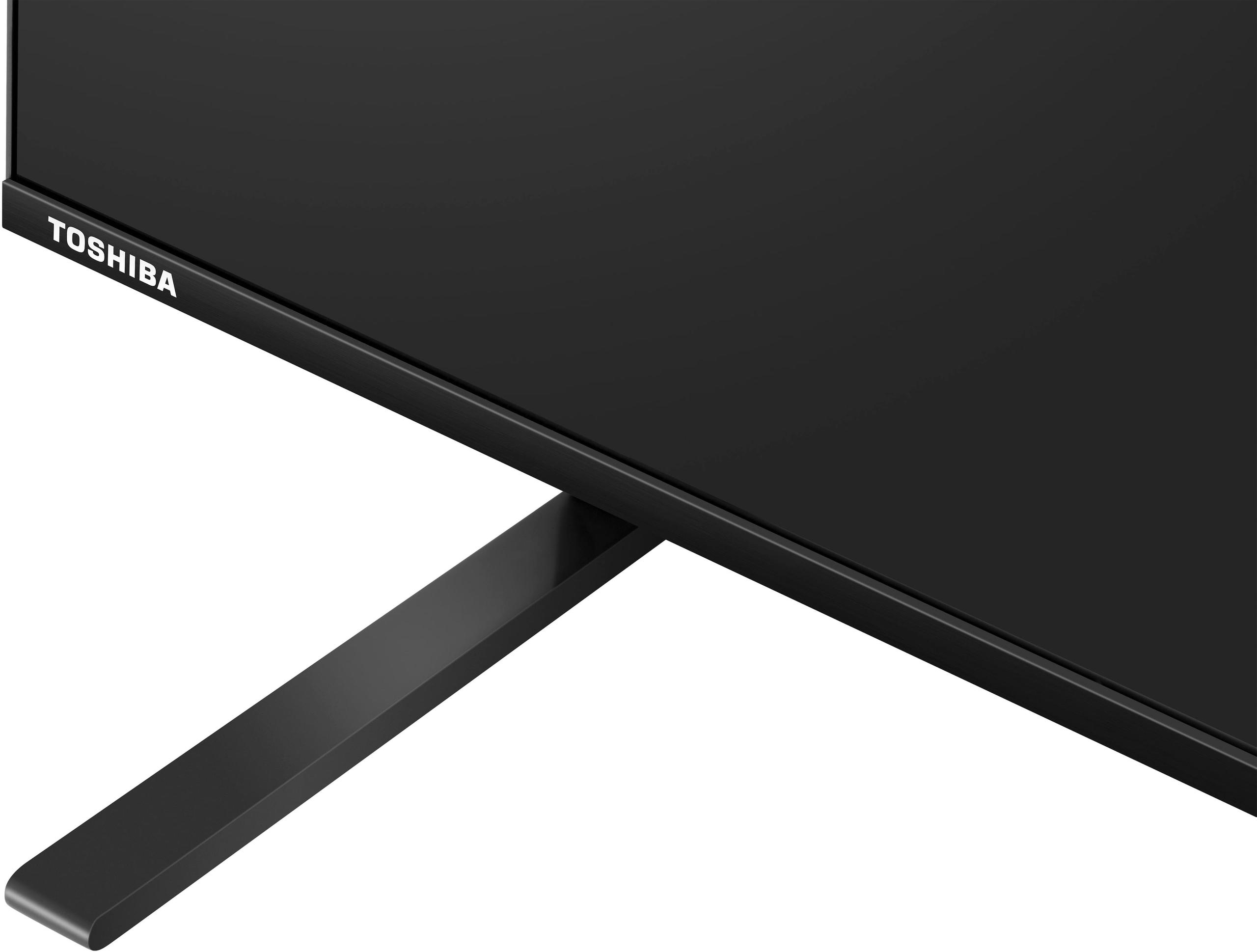
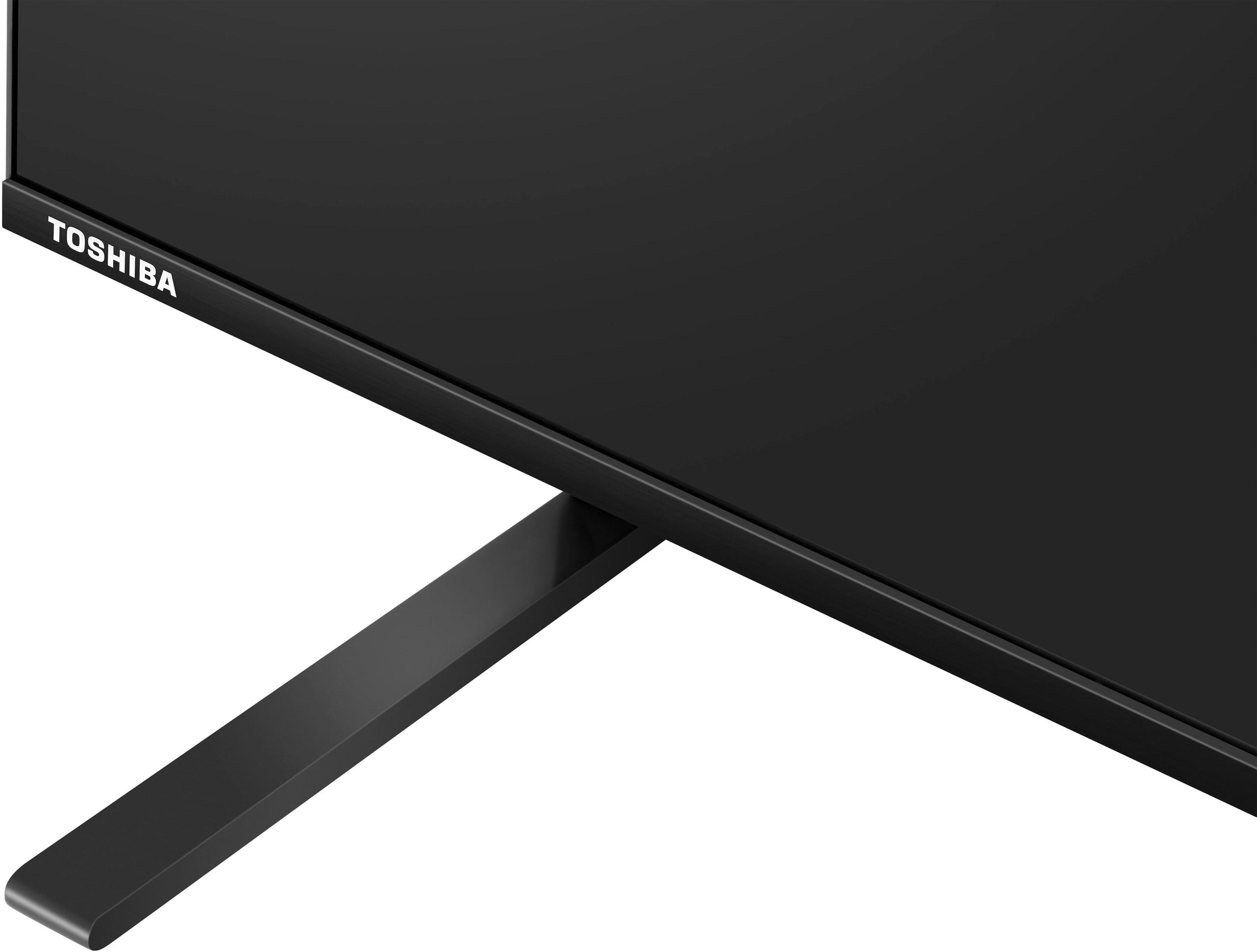
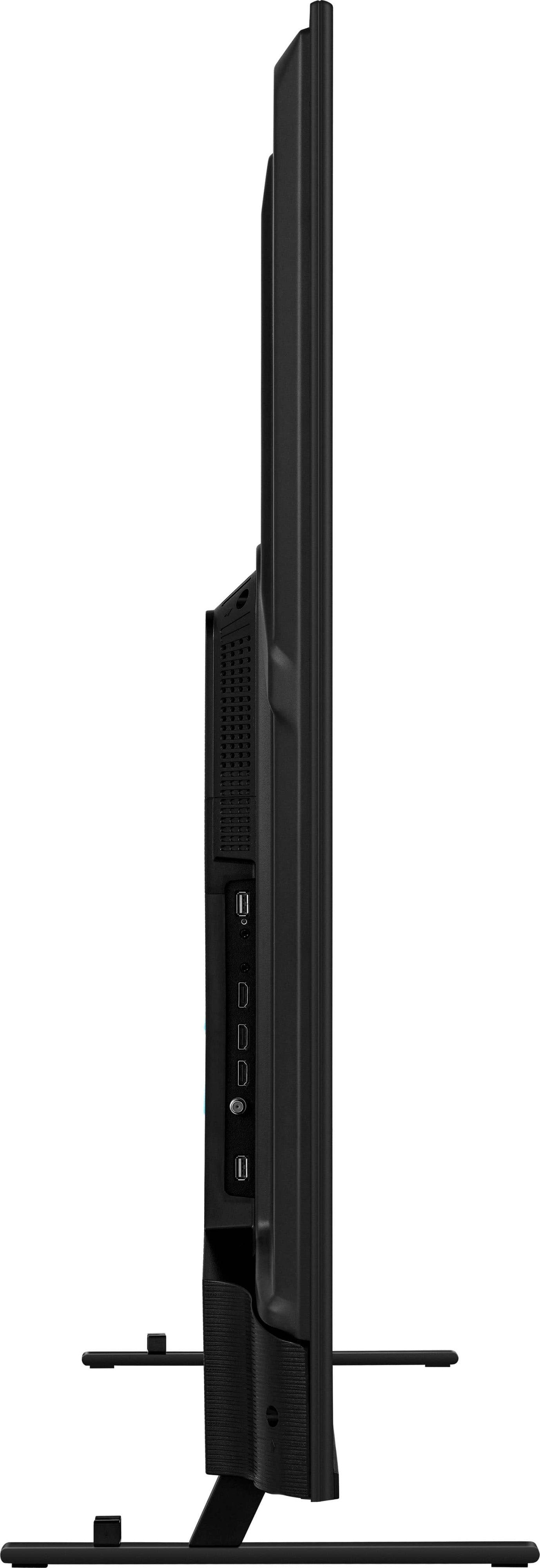
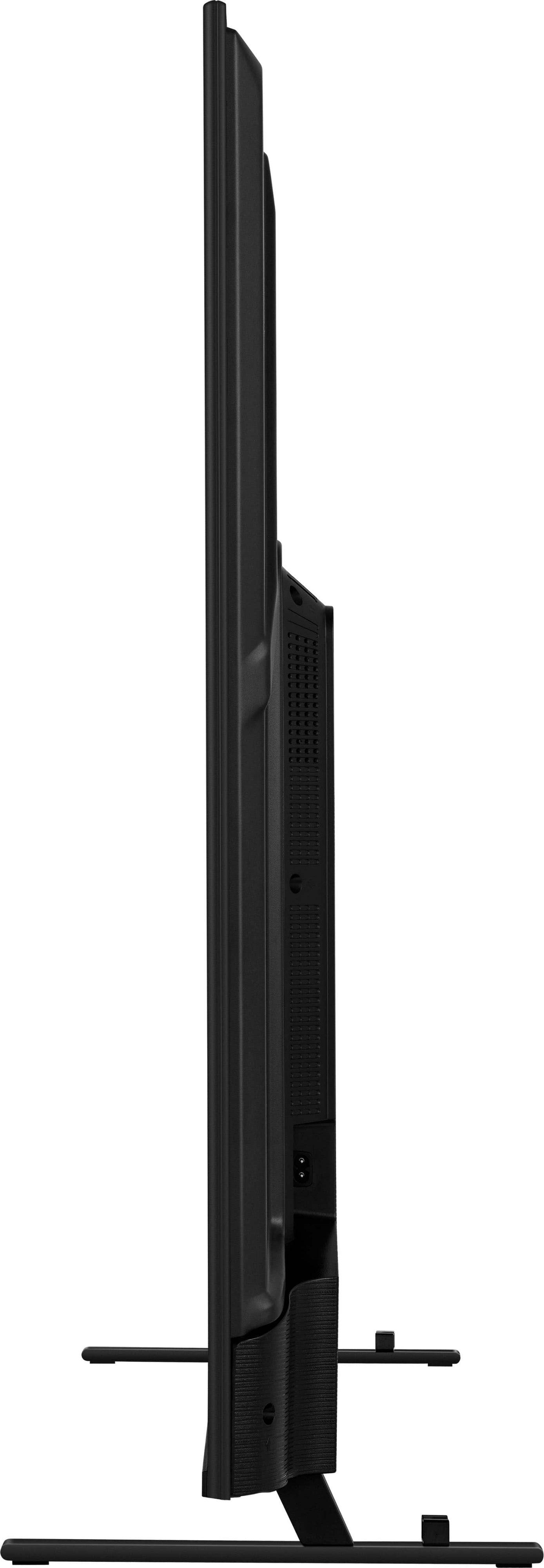
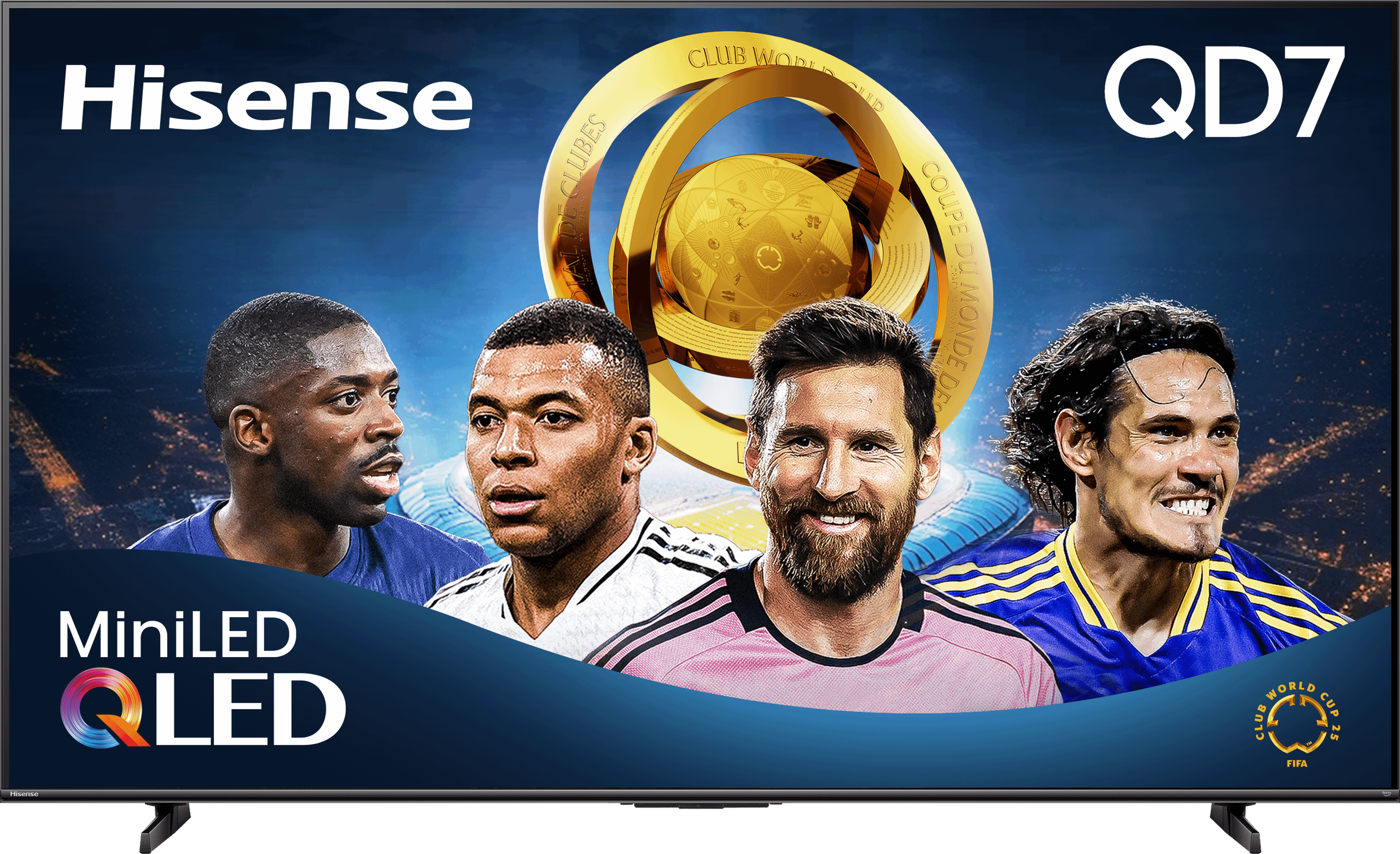
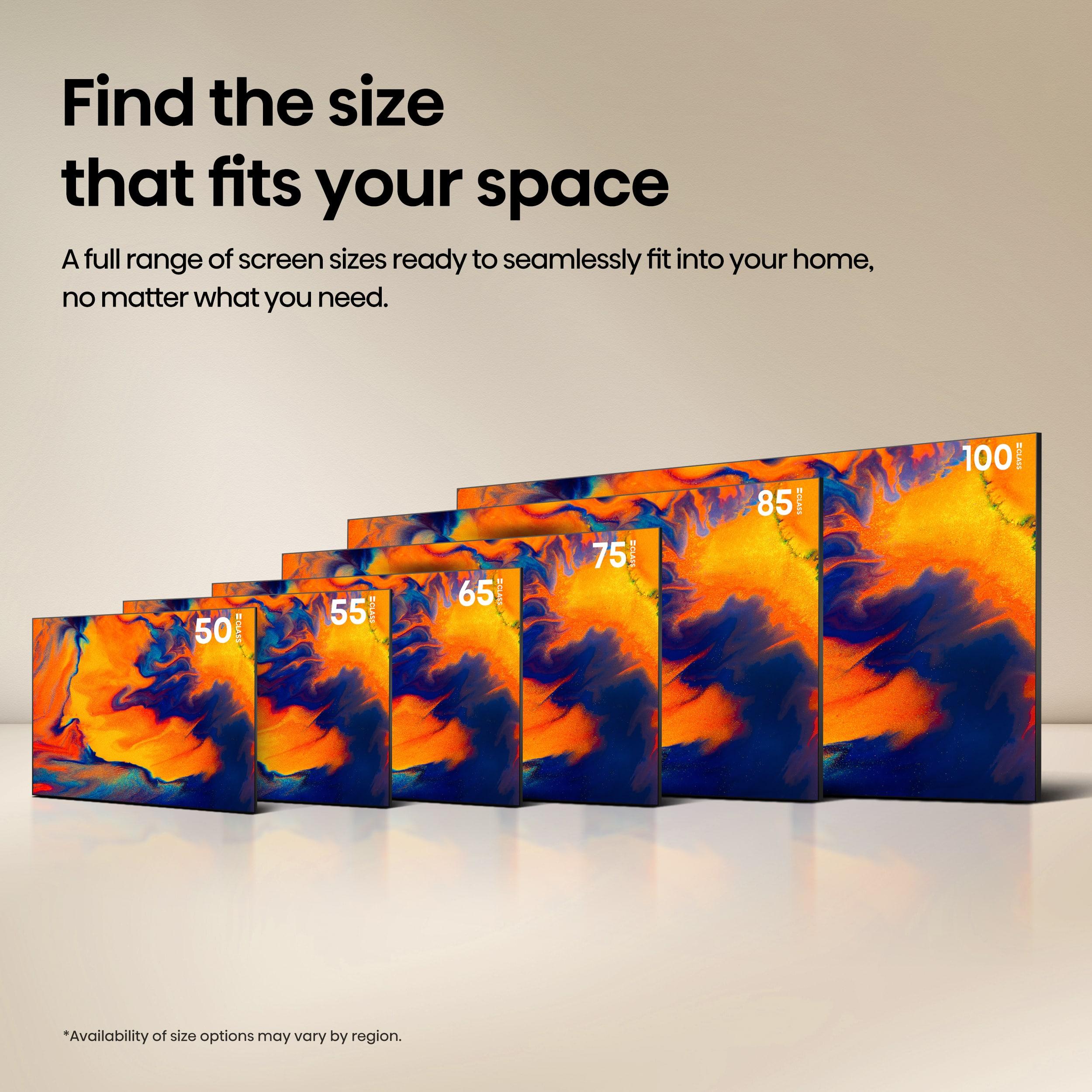
Choosing a 65-inch TV under $500 has never been more challenging—or exciting. Two standout contenders represent fundamentally different approaches to budget large-screen entertainment: the Toshiba M550 Series QLED Fire TV and the Hisense QD7 Series Mini-LED. Both deliver 4K resolution and smart features, but their underlying technologies create distinct viewing experiences that appeal to different priorities and budgets.
The budget 4K TV category has evolved dramatically since 2020. What once meant accepting mediocre picture quality for affordability now offers genuine performance thanks to quantum dot technology (QLED), local dimming, and improved processing. However, not all budget TVs are created equal.
Key performance factors include peak brightness (how bright whites can get, measured in nits), contrast ratio (the difference between darkest blacks and brightest whites), color gamut coverage (how many colors the TV can display), and motion handling (how well fast action appears without blur or stuttering). For large 65-inch screens, these factors become more noticeable since you're sitting closer to a bigger image.
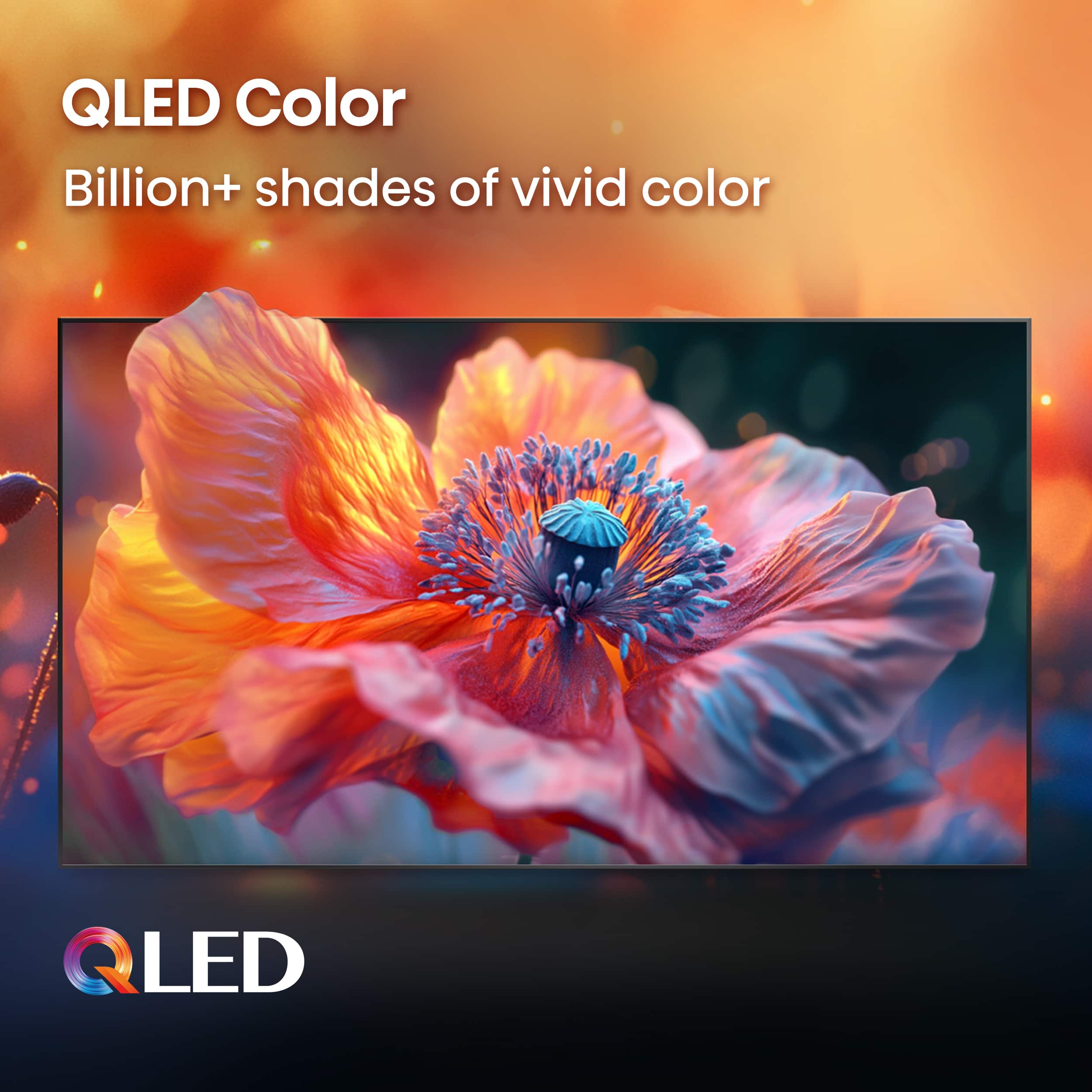
Both the Toshiba M550 and Hisense QD7 use quantum dot technology, which employs microscopic particles that emit pure colors when hit by light. This creates more vivid, accurate colors than traditional LED TVs. However, their backlighting approaches differ significantly, creating a performance gap worth understanding.
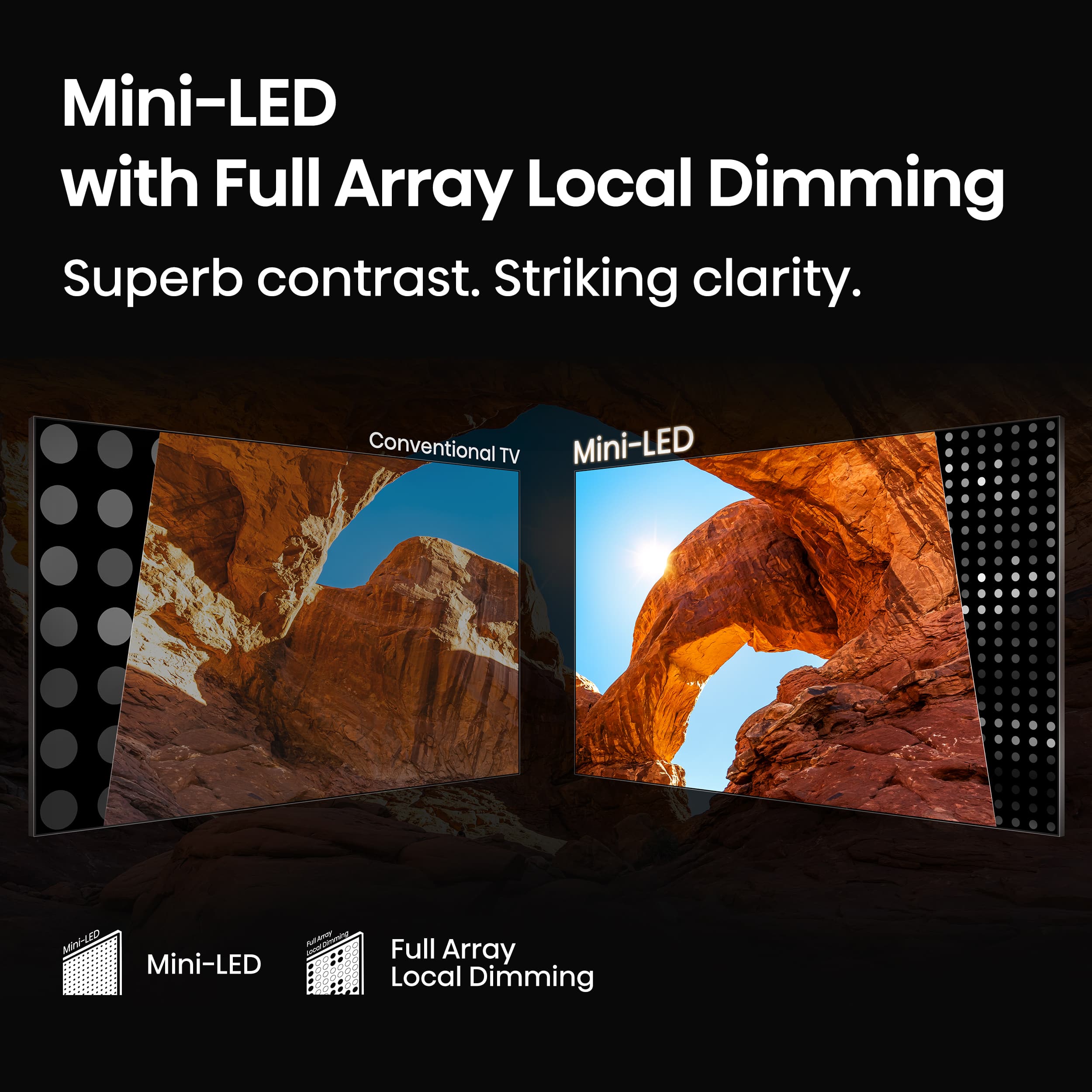
The most significant difference between these TVs lies in their backlighting technology. The Toshiba M550 uses traditional full-array local dimming (FALD), where LED zones behind the screen can brighten or dim independently. This is already superior to edge-lit TVs, but the zones are relatively large—typically 48 zones across the entire screen.
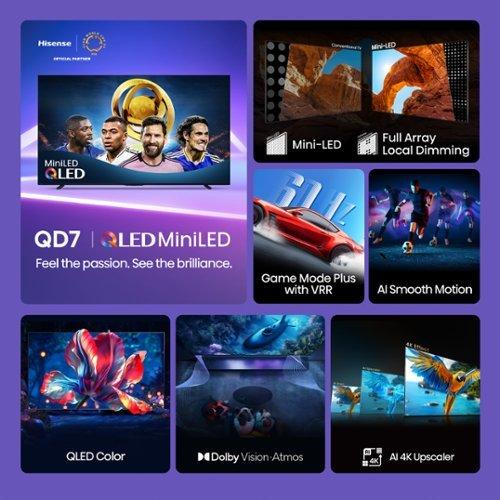
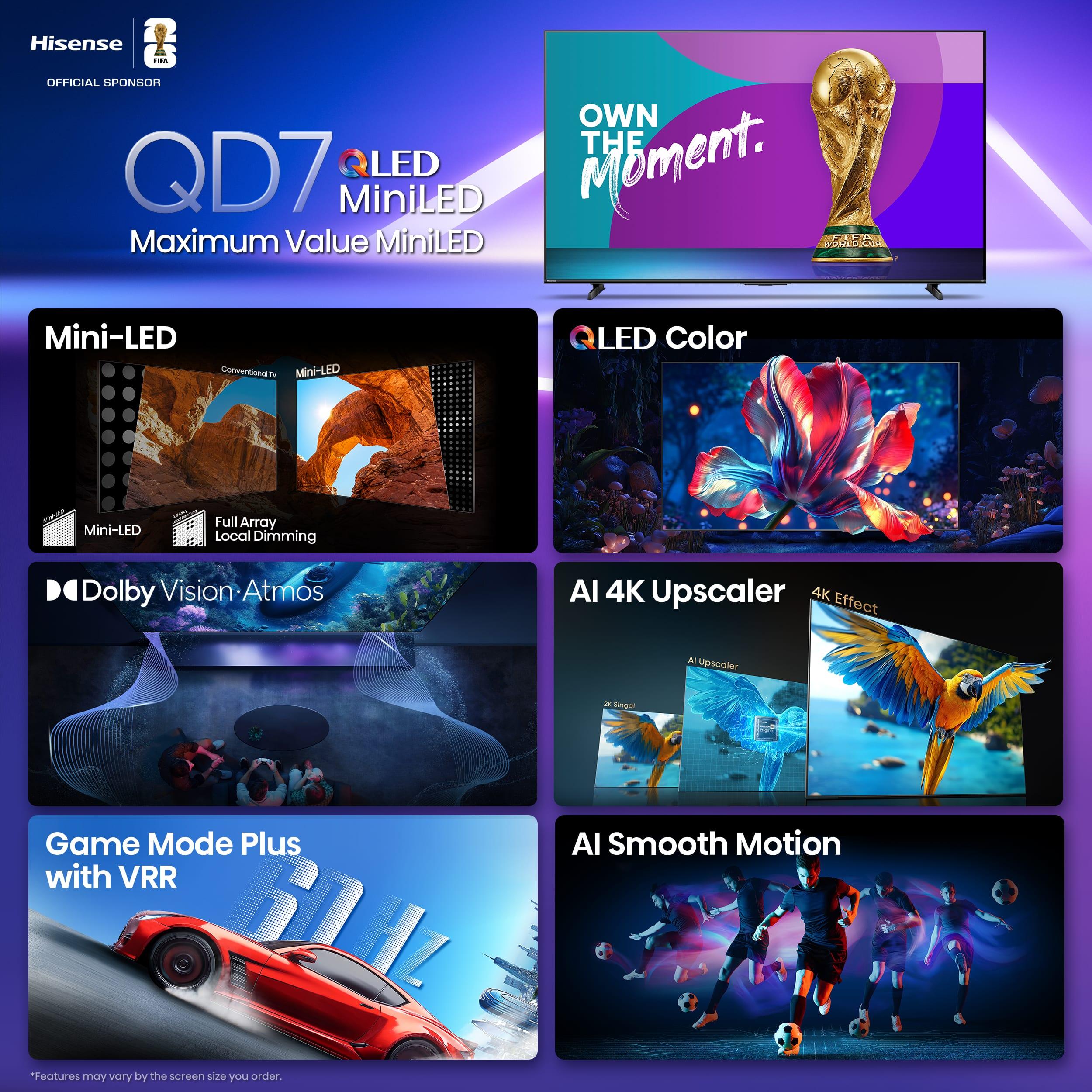
The Hisense QD7, released in 2025, employs Mini-LED technology. Instead of larger LED zones, it uses thousands of tiny LEDs, each smaller than a grain of rice. This allows for incredibly precise brightness control. Imagine trying to paint a detailed picture with a large brush versus a fine-tip pen—Mini-LED is the fine-tip pen of TV backlighting.
This precision translates to practical benefits. When watching a movie with bright stars against a dark sky, traditional FALD might create visible "blooming"—unwanted light spreading around bright objects. Mini-LED dramatically reduces this effect, creating cleaner, more realistic images. The QD7 achieves peak brightness around 600 nits, which provides sufficient punch for HDR content in most viewing environments.
Brightness and HDR Performance
High Dynamic Range (HDR) content contains brightness information that standard TVs can't fully display. Think of HDR as instructions telling the TV exactly how bright or dark each part of the image should be. The Hisense QD7's Mini-LED advantage becomes apparent here—it can follow these instructions more precisely.
Both TVs support Dolby Vision, HDR10, HDR10+, and HLG formats. Dolby Vision is particularly important because it adjusts brightness and color on a scene-by-scene basis, like having a professional colorist optimizing every moment of your movie. The QD7's superior brightness control makes these adjustments more noticeable and effective.
The Toshiba M550 includes AI Auto View Pro, which automatically adjusts picture settings based on room lighting. This practical feature helps maintain optimal viewing in changing light conditions, something the QD7 lacks.
Color Accuracy and Quantum Dot Implementation
Both TVs achieve over 90% coverage of the DCI-P3 color space—the standard used for digital cinema. This means they can display most colors you'd see in a movie theater. The quantum dot layers in both models filter light to create purer colors, but the QD7's Mini-LED backlighting provides more consistent color accuracy across different brightness levels.
Motion Handling and Sports Performance
For sports and action content, motion handling becomes critical. Both TVs feature motion enhancement technology—Motion Rate 240 on the Toshiba and AquoMotion 240 on the Hisense. These systems use frame interpolation to smooth motion, though the effectiveness varies.
Based on professional reviews, the Toshiba M550 struggles with busy action scenes, where moving objects can appear jerky with visible artifacts. The QD7 handles motion more competently, though neither matches the performance of premium TVs with true 120Hz panels.
Gaming capabilities have become increasingly important as PlayStation 5 and Xbox Series X consoles demand advanced TV features. This is where the generational gap between these models becomes most apparent.
Next-Gen Console Features
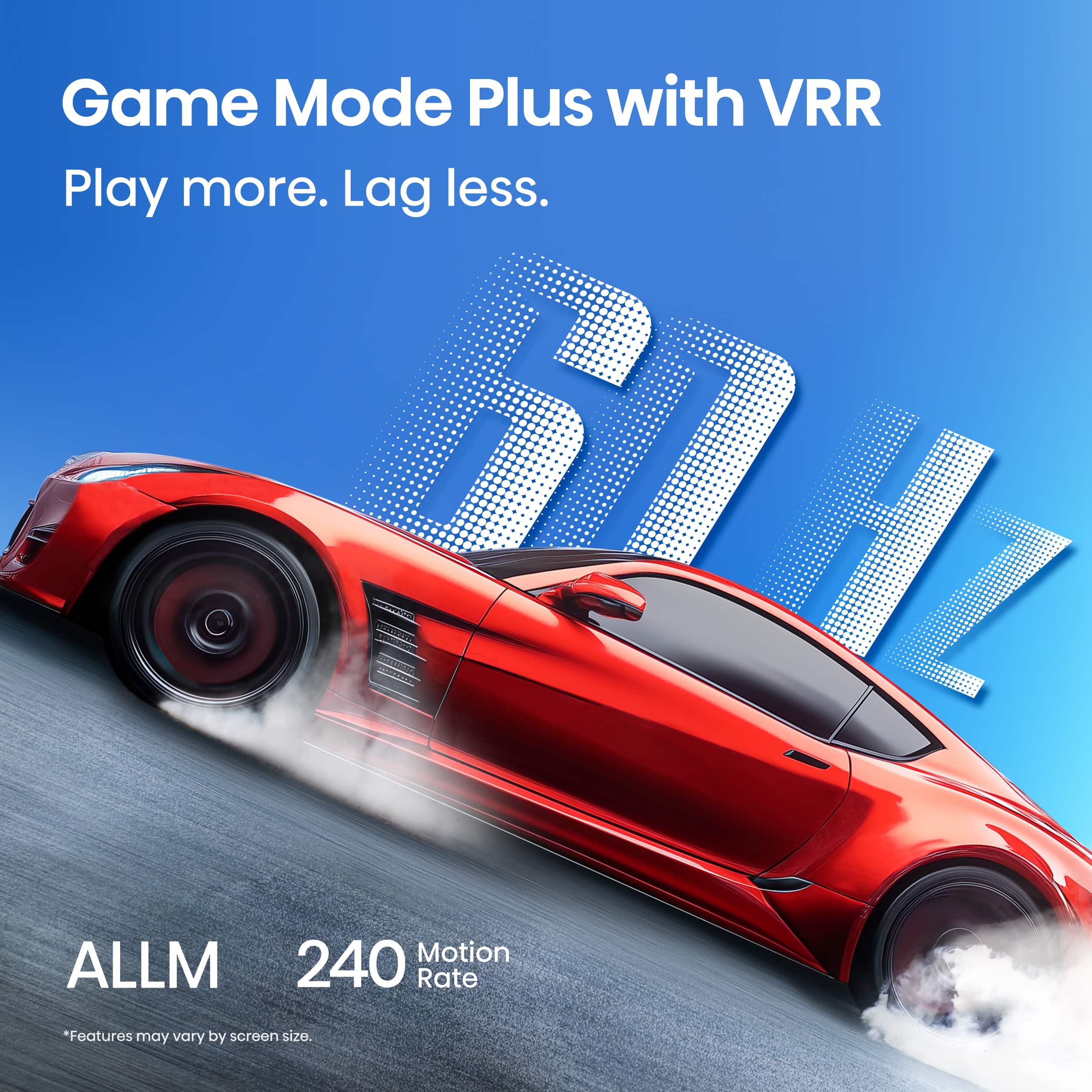
The Hisense QD7 includes Variable Refresh Rate (VRR) and Auto Low Latency Mode (ALLM)—features that weren't standard in budget TVs just a few years ago. VRR synchronizes the TV's refresh rate with the console's frame rate, eliminating screen tearing when games can't maintain consistent frame rates. ALLM automatically switches to gaming mode when it detects a console, minimizing input lag.
The Toshiba M550 lacks these features, offering only basic Game Mode Plus. While adequate for casual gaming, serious gamers with modern consoles will notice the difference during competitive play or fast-paced games.
Input Lag and Responsiveness
Input lag—the delay between pressing a controller button and seeing the action on screen—is crucial for gaming. Professional measurements suggest the QD7 achieves lower input lag in game mode, though both TVs are reasonable for most gaming scenarios. The Toshiba's processor limitations, however, can create noticeable delays in menu navigation and app switching, which affects overall gaming experience.
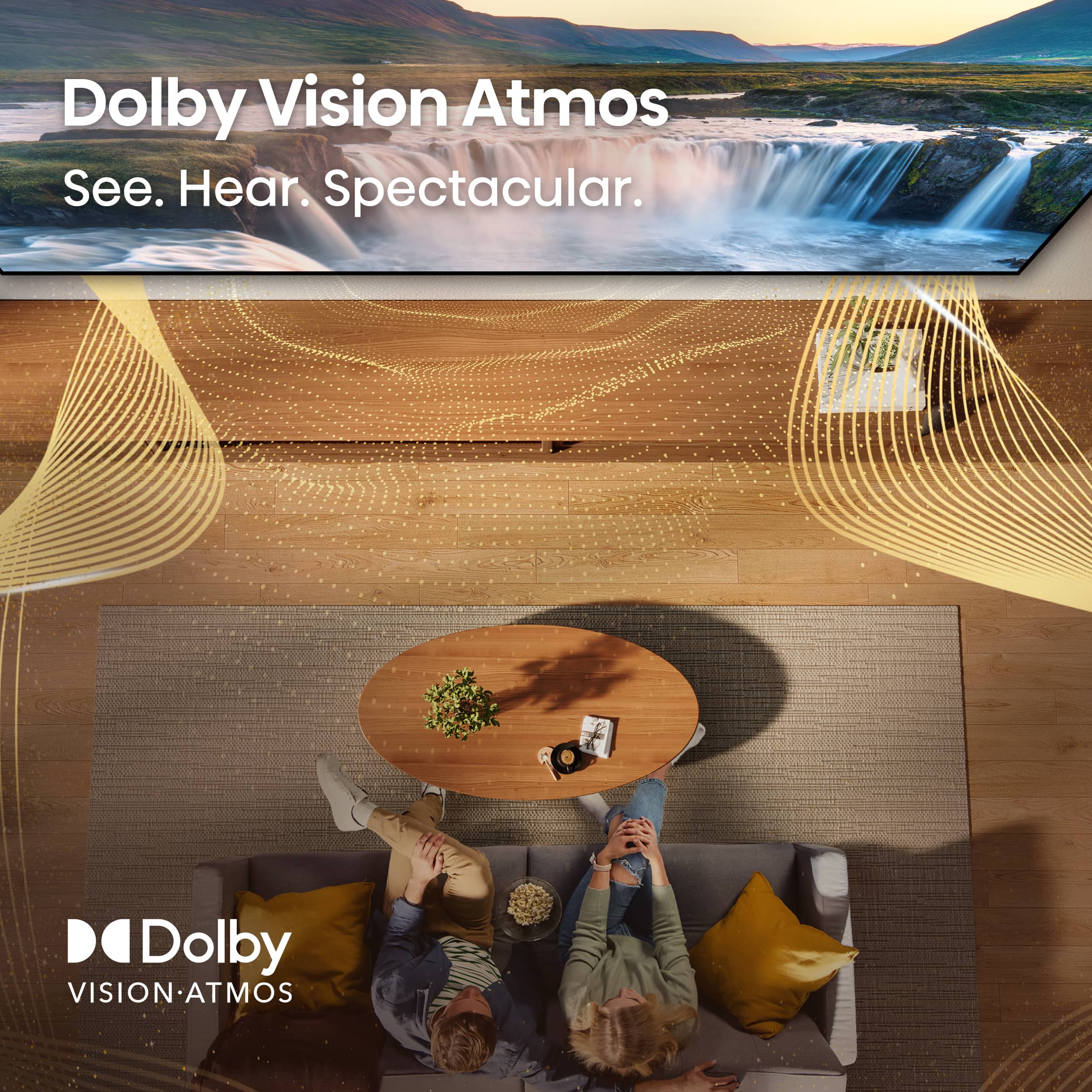
Built-in TV audio rarely impresses, but the Toshiba M550 surprises with genuinely capable sound. Its 40-watt, 2.1-channel system includes a dedicated subwoofer, creating fuller, more balanced audio than typical TV speakers. The inclusion of Dolby Atmos processing adds spatial effects, making dialogue clearer and action sequences more immersive.
The Hisense QD7 offers 30 watts through a 2.0-channel system with DTS Virtual:X processing. While it supports Dolby Atmos, the lack of a dedicated subwoofer limits bass response. Most users will eventually want a soundbar with the QD7, while the Toshiba's audio might satisfy casual viewers indefinitely.
This audio difference affects the total cost of ownership. If you're budgeting for a complete entertainment system, the Toshiba's superior audio could save $100-300 on immediate soundbar purchases.
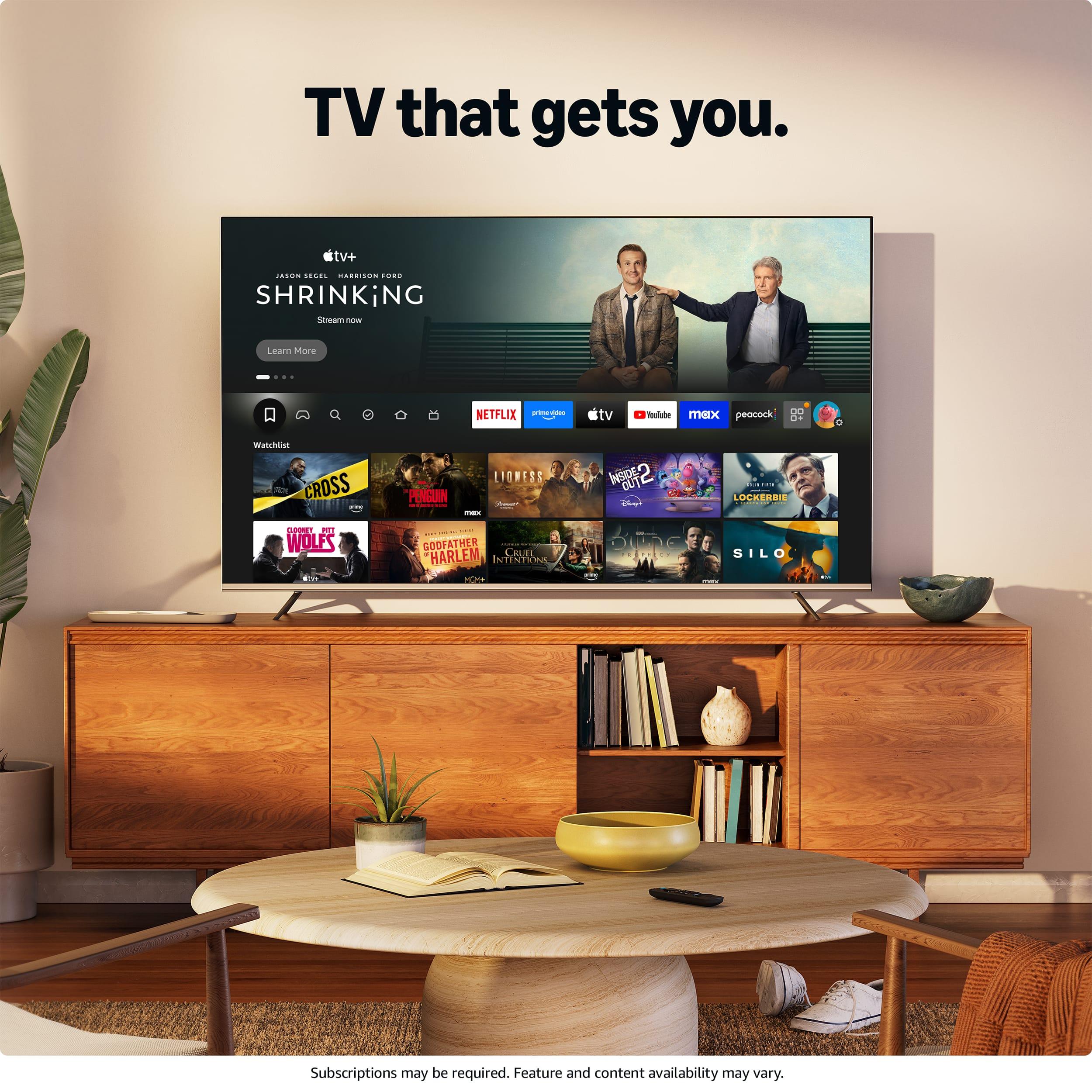
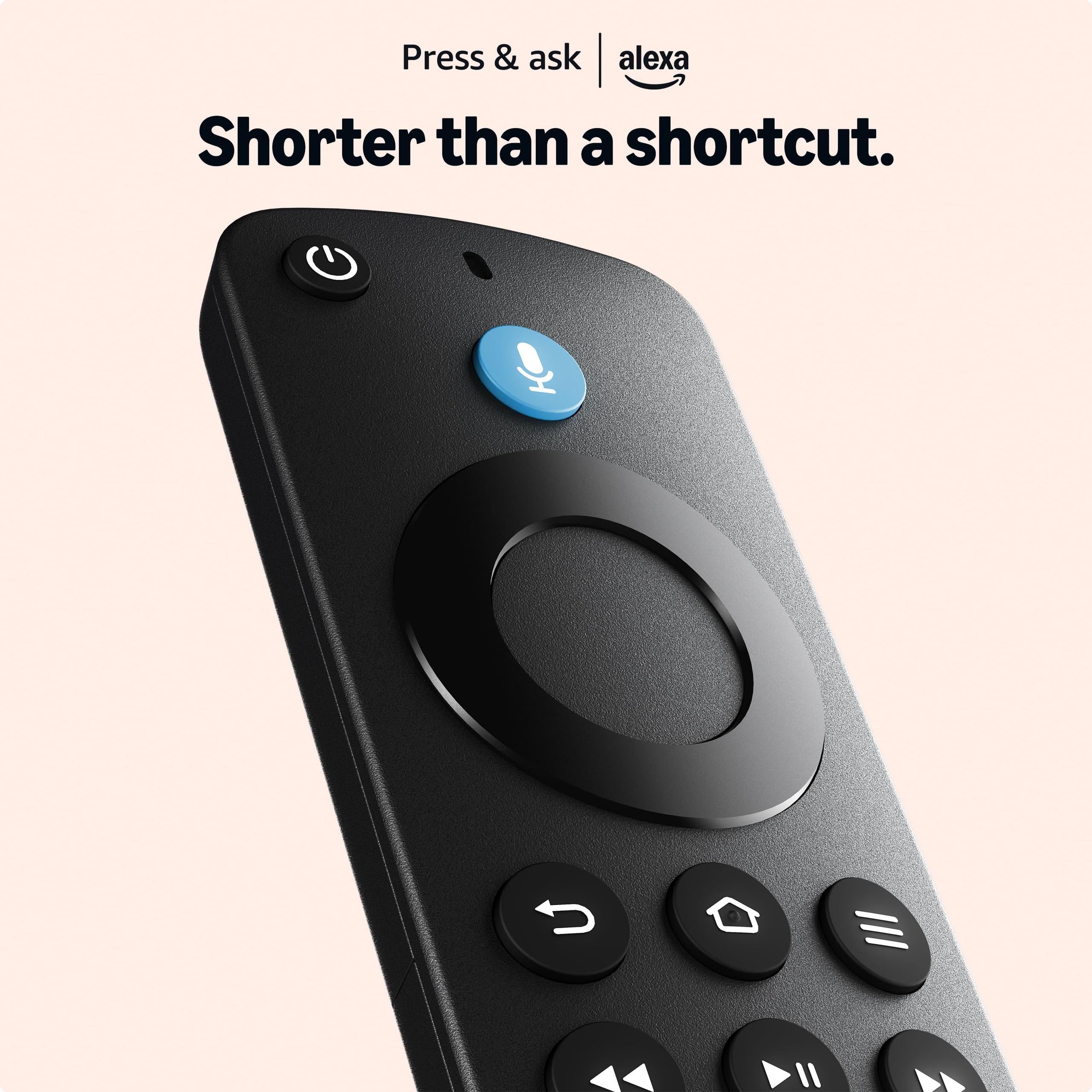
Both TVs run Amazon's Fire TV platform with built-in Alexa voice control, providing identical app selection and interface. However, the underlying hardware creates different user experiences.
Processing Power and Responsiveness
Professional reviews consistently highlight the Toshiba M550's underpowered processor as a significant limitation. Users report 30-60 second delays when opening apps, slow response to remote commands, and occasional system freezes requiring restarts. The Fire TV interface, designed for snappy performance, becomes frustrating when the hardware can't keep up.
The Hisense QD7 demonstrates better software optimization and processing power. While not perfect—some users report occasional remote lag—the overall experience is more responsive and stable. For a device you'll use daily, this difference compounds over time.
Long-term Software Support
The QD7, being a 2025 model, benefits from newer firmware and longer expected software support. TV manufacturers typically provide updates for 3-5 years, meaning the newer model should receive security patches and feature updates longer than the M550.
For dedicated home theater setups, several factors become more critical than casual viewing scenarios.
Dark Room Performance
In darkened rooms, contrast ratio dominates the viewing experience. The Hisense QD7's Mini-LED technology provides superior black levels and reduces blooming, creating more cinematic images. The difference is most noticeable in dark scenes with bright elements—think space movies or nighttime cityscapes.
Viewing Angles and Seating
Both TVs use different panel technologies that affect off-axis viewing. The QD7 reportedly uses an IPS-type panel, providing wider viewing angles but potentially sacrificing some contrast. The M550 likely uses a VA panel, offering better contrast but narrower optimal viewing angles. For home theaters with multiple seating positions, this trade-off matters.
HDR Movie Performance
Professional movie content increasingly uses Dolby Vision mastering, taking advantage of advanced brightness and color capabilities. The QD7's superior peak brightness and local dimming make HDR movies more impactful, displaying details in both shadows and highlights that the M550 might compress or lose.
At the time of writing, these TVs occupy different value segments despite similar base specifications. The Toshiba M550 typically costs significantly less—often 25-30% below the QD7's price—making it an attractive entry point for large-screen 4K viewing.
The Toshiba Value Case
The M550's appeal centers on maximizing screen size within tight budgets while providing surprisingly good audio. For families prioritizing streaming content, basic TV watching, and occasional casual gaming, its limitations may be acceptable trade-offs for the cost savings. The superior built-in audio also reduces total system costs.
However, the processor limitations create real usability issues that may worsen over time as apps become more demanding. The motion handling problems make it less suitable for sports enthusiasts or action movie fans.
The Hisense Premium Justification
The QD7's price premium buys genuinely advanced technology and better future-proofing. Mini-LED backlighting represents a legitimate upgrade over traditional FALD, delivering improvements you'll notice daily. The gaming features ensure compatibility with current-generation consoles, and the more responsive software creates a better overall experience.
For the premium, you're essentially buying the TV you'll want to keep longer versus the TV that meets immediate needs at minimum cost.
The TV industry has compressed premium features into budget prices remarkably quickly. Features like quantum dots, local dimming, and 4K upscaling were exclusive to expensive models just five years ago. The QD7's inclusion of Mini-LED at budget pricing represents this ongoing democratization of display technology.
However, cost pressures mean manufacturers must make trade-offs. Both TVs compromise on processing power compared to premium models, though the Hisense manages these limitations better. Understanding these compromises helps set appropriate expectations.
Choose the Toshiba M550 if:
Choose the Hisense QD7 if:
The Bottom Line
The Toshiba M550 excels at delivering big-screen entertainment at rock-bottom prices, with the bonus of surprisingly good audio. However, its processor limitations and motion handling issues create real constraints that may frustrate some users.
The Hisense QD7 represents what budget TVs can achieve when manufacturers prioritize performance over absolute minimum pricing. Its Mini-LED technology and gaming features create a more complete, future-ready viewing experience that justifies the premium for many buyers.
Neither TV competes directly with premium models from Samsung or LG, but both offer genuine value in their respective price tiers. The choice ultimately depends on whether you prioritize immediate affordability or are willing to invest slightly more for better technology and longer-term satisfaction. In my evaluation, the QD7 offers the better balance of features and performance for most users, while the M550 serves budget-conscious buyers who understand its limitations.
| Toshiba 65" M550 Series QLED Fire TV | Hisense 65" QD7 Series Mini-LED 4K Fire TV 2025 |
|---|---|
| Backlight Technology - The most significant performance differentiator | |
| Traditional Full Array Local Dimming with ~48 zones | Mini-LED with thousands of micro-LEDs for precise brightness control |
| Peak Brightness - Critical for HDR performance and bright room viewing | |
| Not specified, likely 300-400 nits (adequate for most rooms) | Up to 600 nits (excellent HDR impact and bright room performance) |
| Gaming Features - Essential for next-gen console compatibility | |
| Basic Game Mode Plus only | VRR, ALLM, and Game Mode Ultra (full PS5/Xbox Series X support) |
| Built-in Audio System - Affects total entertainment system cost | |
| 40W, 2.1-channel with subwoofer and Dolby Atmos (surprisingly good) | 30W, 2.0-channel with DTS Virtual:X (typical TV audio, likely needs soundbar) |
| Smart Platform Performance - Daily usability factor | |
| Fire TV with reported processor limitations and slow response times | Fire TV with better optimization and more responsive performance |
| Motion Handling - Important for sports and action content | |
| Motion Rate 240 with noted issues in busy action scenes | AquoMotion 240 with better overall motion processing |
| HDR Format Support - Modern content compatibility | |
| Dolby Vision, HDR10, HDR10+, HLG with AI Auto View Pro | Dolby Vision, HDR10, HDR10+, HLG with Filmmaker Mode |
| Refresh Rate - Smooth motion capability | |
| 60Hz native with motion enhancement | 60Hz native with motion enhancement |
| HDMI Connectivity - Device connection flexibility | |
| 4 HDMI ports with eARC support | 4 HDMI ports with eARC support (better HDMI 2.1 implementation) |
| Release Year - Software support and feature currency | |
| Earlier release (specific year not confirmed) | 2025 model with latest features and longer update support |
| Processor Performance - Overall system responsiveness | |
| Underpowered processor causes delays and occasional freezing | More capable processor with better Fire TV optimization |
| Picture Quality Advantages | |
| AI Auto View Pro automatically adjusts to room lighting | Mini-LED delivers superior contrast, reduced blooming, cleaner HDR |
| Target User Profile | |
| Budget-focused buyers wanting maximum screen size with good audio | Performance-oriented buyers willing to pay premium for Mini-LED technology |
The Hisense QD7 Series Mini-LED delivers superior picture quality thanks to its Mini-LED backlighting technology. This provides better contrast, reduced blooming around bright objects, and improved HDR performance with up to 600 nits peak brightness. The Toshiba M550 offers good picture quality for the price but uses traditional LED zones that can't match the precision of Mini-LED technology.
The primary difference is backlighting technology. The Hisense QD7 uses advanced Mini-LED with thousands of tiny LEDs for precise brightness control, while the Toshiba M550 uses traditional full-array local dimming with larger LED zones. This makes the Hisense QD7 better for contrast and HDR content, though the Toshiba M550 costs significantly less.
The Hisense QD7 Mini-LED is much better for next-gen gaming, featuring Variable Refresh Rate (VRR), Auto Low Latency Mode (ALLM), and optimized game modes that eliminate screen tearing. The Toshiba M550 only offers basic gaming mode without these advanced features, making it adequate for casual gaming but not ideal for competitive or next-gen console gaming.
The Toshiba M550 has surprisingly good built-in audio with a 40-watt, 2.1-channel system including a subwoofer and Dolby Atmos support. The Hisense QD7 has typical TV audio with a 30-watt, 2.0-channel system that will likely require a soundbar for optimal sound. For built-in audio, the Toshiba M550 is clearly superior.
Value depends on your priorities. The Toshiba M550 offers exceptional value for budget-conscious buyers, providing 65-inch 4K viewing with good built-in audio at a lower price. The Hisense QD7 provides better value for performance-focused buyers, offering Mini-LED technology and gaming features typically found in more expensive TVs.
The Hisense QD7 Series handles bright rooms better with its higher peak brightness of around 600 nits, making HDR content more visible in well-lit spaces. The Toshiba M550 has adequate brightness for most rooms but may struggle with HDR impact in very bright environments. Both include anti-glare features, but the Hisense QD7 has the edge for daytime viewing.
Both TVs use the same Fire TV platform with Alexa voice control, but the Hisense QD7 has better performance due to a more capable processor. Users report that the Toshiba M550 can be slow to respond and occasionally freezes, while the Hisense QD7 offers more responsive navigation and app loading. The Hisense QD7 also benefits from being a newer 2025 model with longer software support.
The Hisense QD7 provides better motion handling for sports and fast action content with its improved processing and AquoMotion 240 technology. The Toshiba M550 features Motion Rate 240 but struggles with busy action scenes, showing visible artifacts and stuttering during fast-paced content. Sports fans will prefer the Hisense QD7 for smoother motion.
For dedicated home theater use, the Hisense QD7 Mini-LED is the clear winner. Its Mini-LED backlighting provides superior contrast for dark room viewing, reduced blooming around bright objects, and better HDR performance for cinematic content. The Toshiba M550 can work in a home theater but lacks the contrast performance and motion handling needed for optimal movie experiences.
Yes, both the Toshiba M550 and Hisense QD7 support all major streaming services through the Fire TV platform, including Netflix, Amazon Prime Video, Disney+, HBO Max, Hulu, and Apple TV+. They also support screen mirroring via AirPlay and have built-in Alexa for voice control of content and smart home devices.
Both the Toshiba M550 and Hisense QD7 support the same HDR formats: Dolby Vision, HDR10, HDR10+, and HLG. However, the Hisense QD7 displays HDR content more effectively due to its higher peak brightness and better local dimming control. The Toshiba M550 includes AI Auto View Pro for automatic picture adjustments, while the Hisense QD7 offers Filmmaker Mode for director-intended viewing.
If budget is your primary concern, the Toshiba M550 offers excellent value with 65-inch 4K viewing, decent picture quality, and superior built-in audio at a lower price point. However, if you can stretch your budget, the Hisense QD7 provides significantly better picture technology, gaming features, and long-term performance that may justify the higher cost for many buyers.
We've done our best to create useful and informative comparisons to help you decide what product to buy. Our research uses advanced automated methods to create this comparison and perfection is not possible - please contact us for corrections or questions. These are the sites we've researched in the creation of this article: bestbuy.com - bestbuy.com - consumerreports.org - youtube.com - pcvarge.com - tomsguide.com - youtube.com - bestbuy.com - toshibatv-usa.com - marketplace-staging.paytomorrow.com - toshibatv-usa.com - productabout.com - leaseville.com - youtube.com - toshibatv-usa.com - bestbuy.com - custrevs.com - youtube.com - bestbuy.com - rtings.com - youtube.com - rtings.com - pcrichard.com - bestbuy.com - pcrichard.com - camelcamelcamel.com - amazonfiretv.blog - hisense-usa.com - hisense-usa.com - hisense-usa.com - bestbuy.com - leaseville.com - youtube.com - bestbuy.com - flatpanelshd.com

Privacy Policy
Terms and Conditions - Affiliate Policy
Home Security
© Copyright 2008-2026.
11816 Inwood Rd #1211, Dallas, TX 75244