

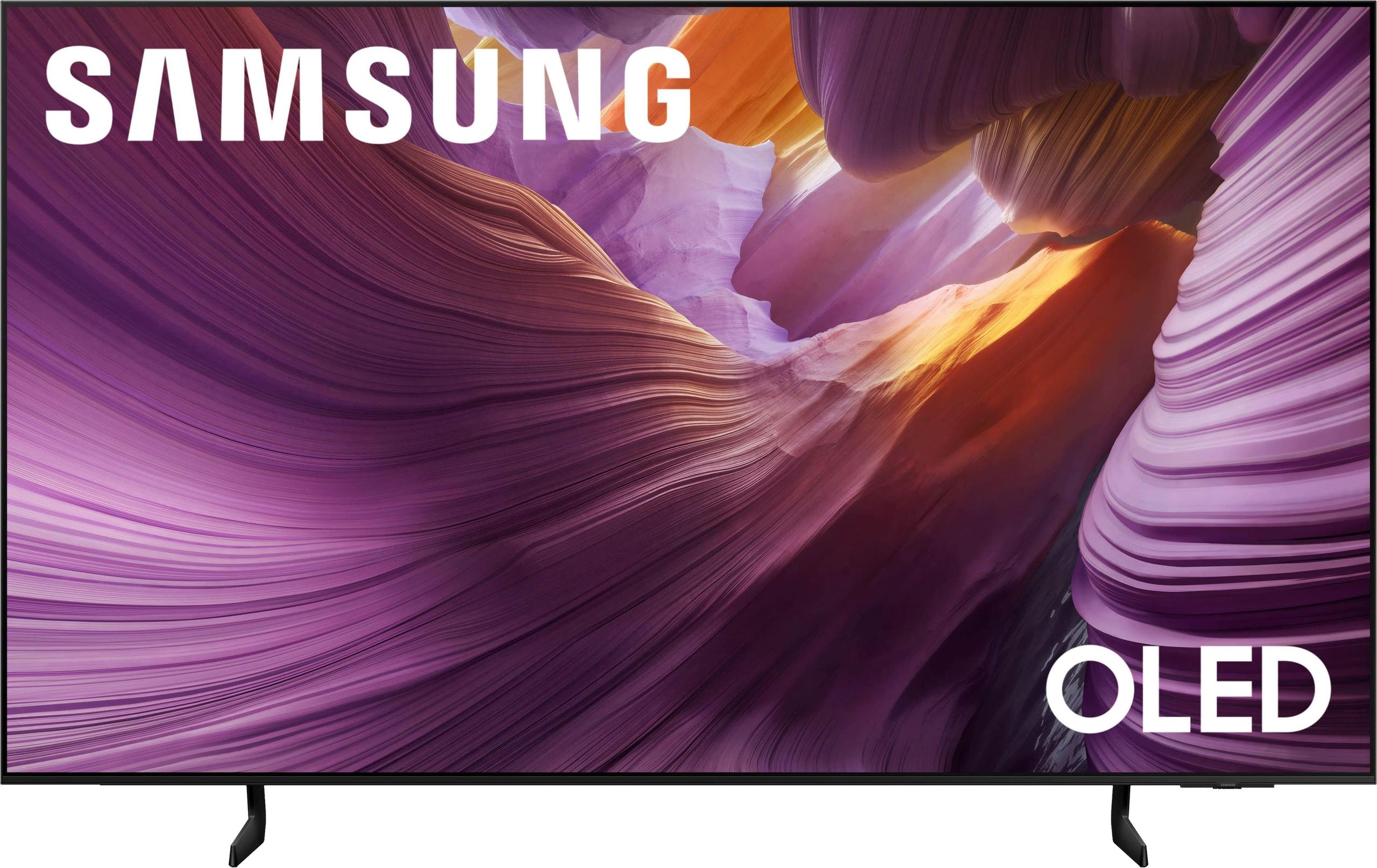
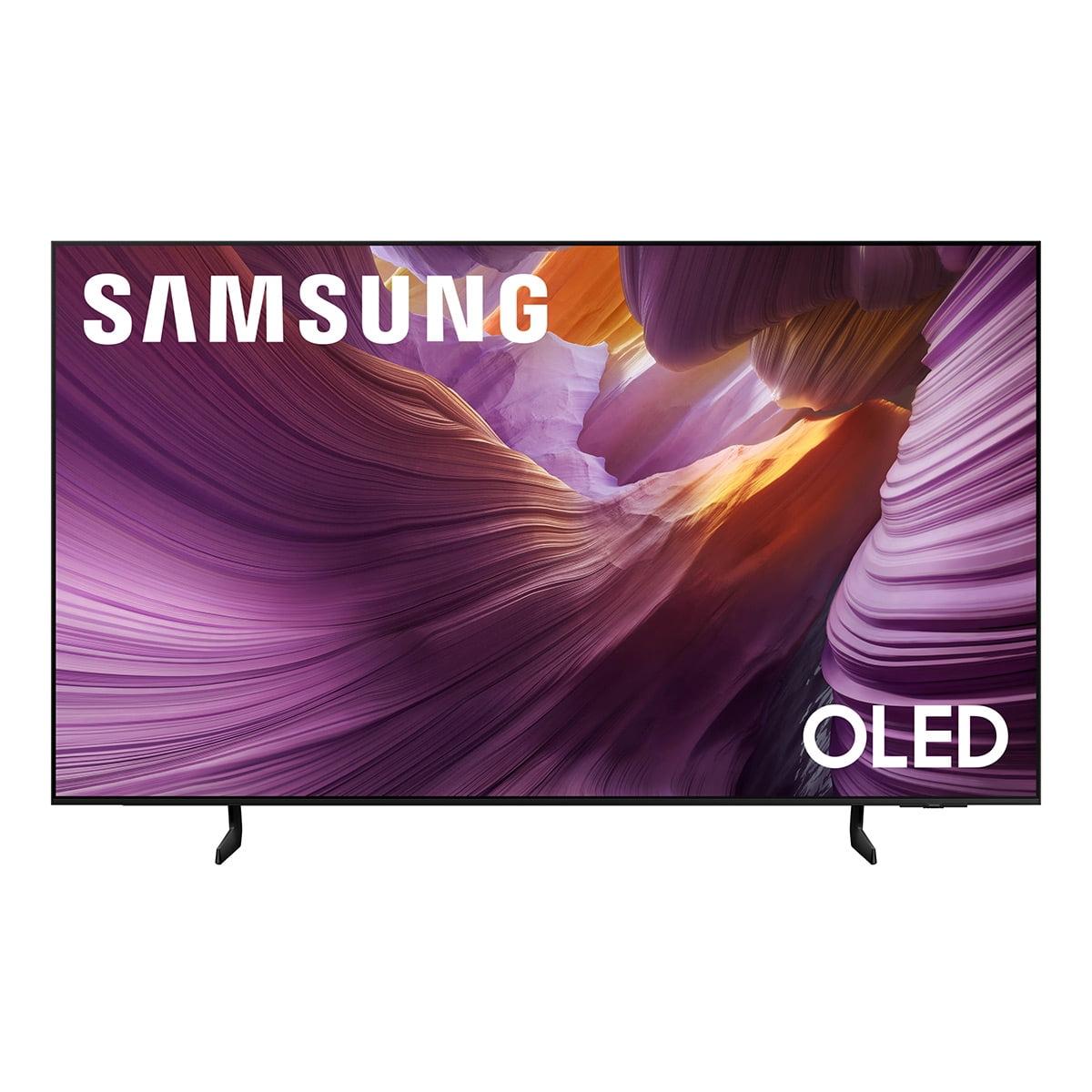
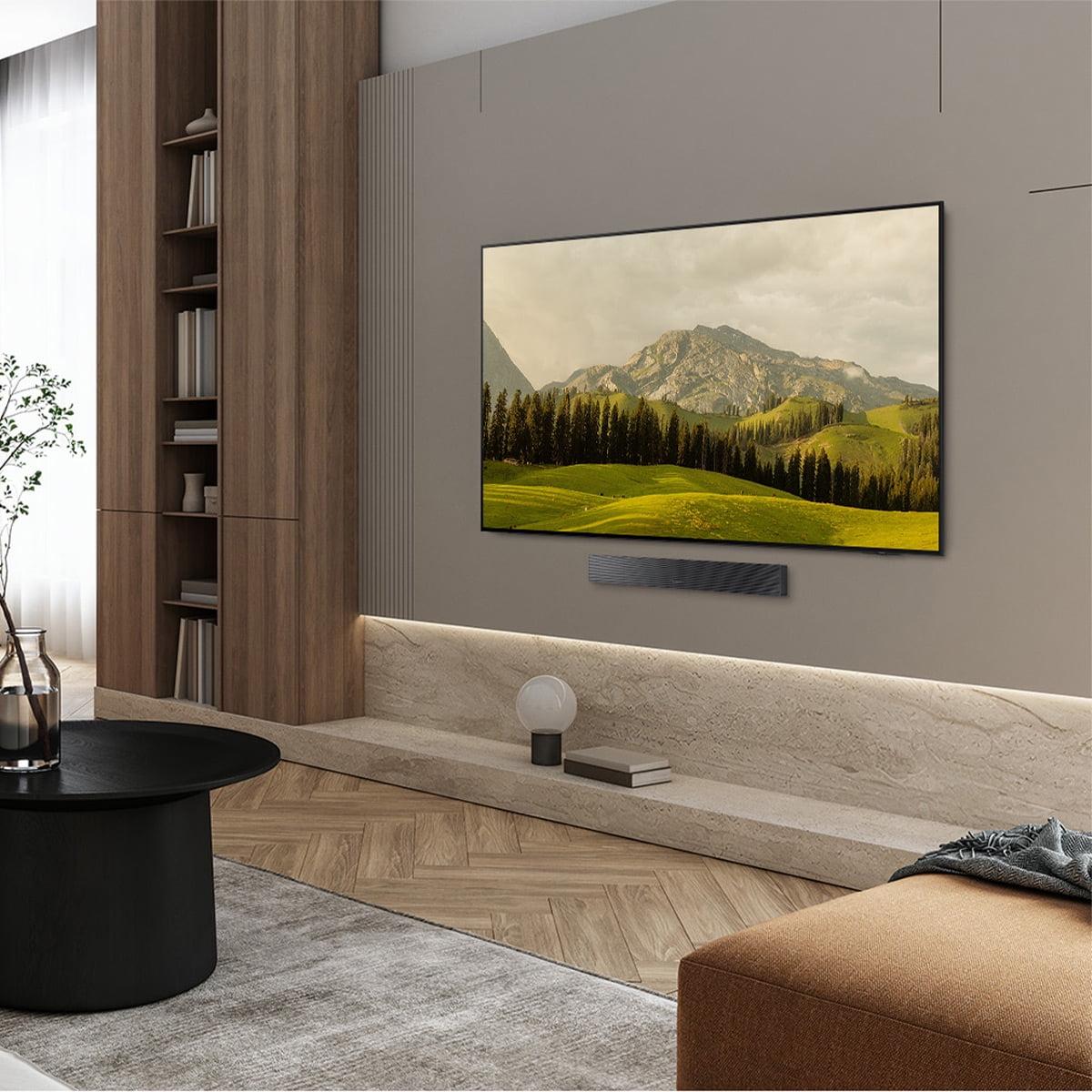
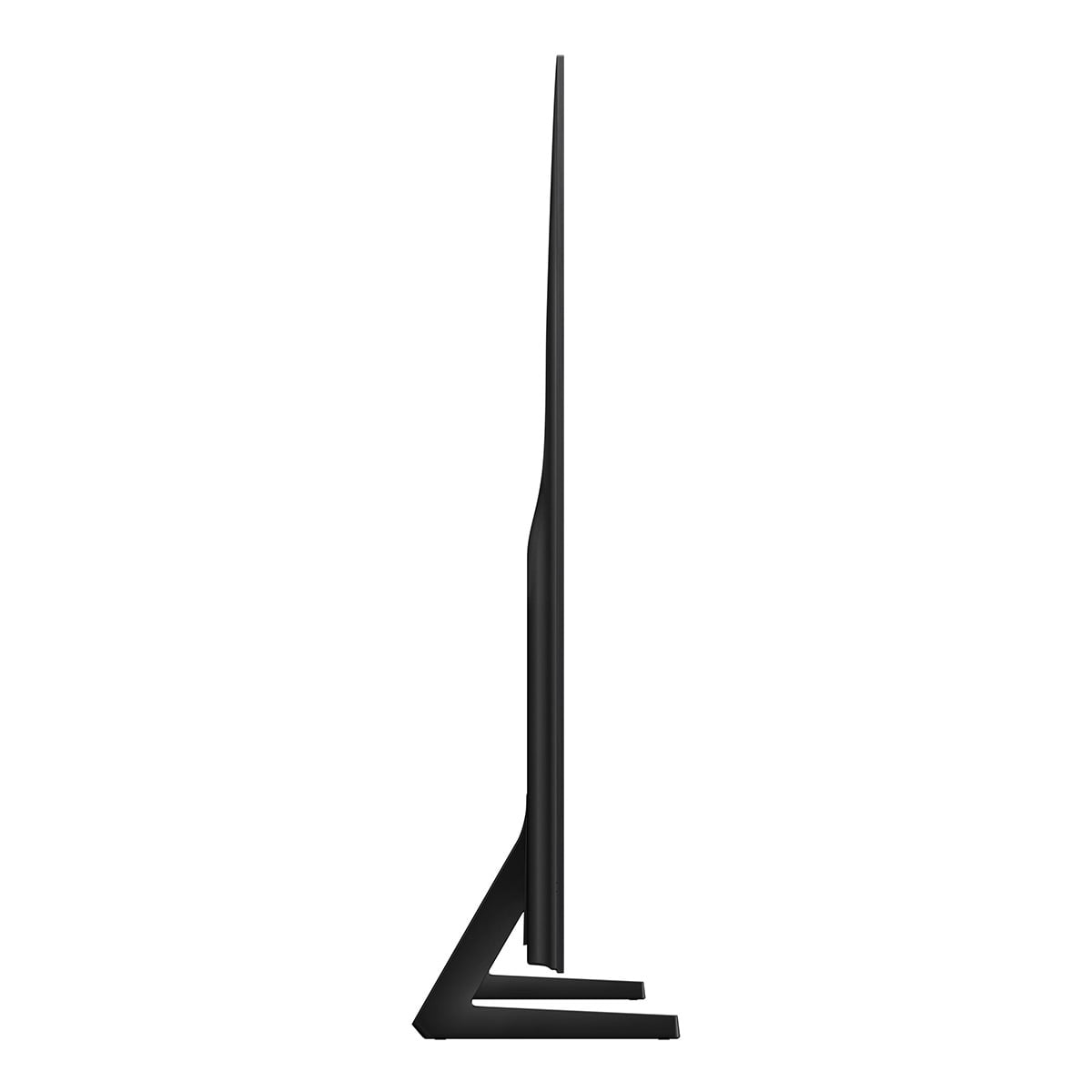
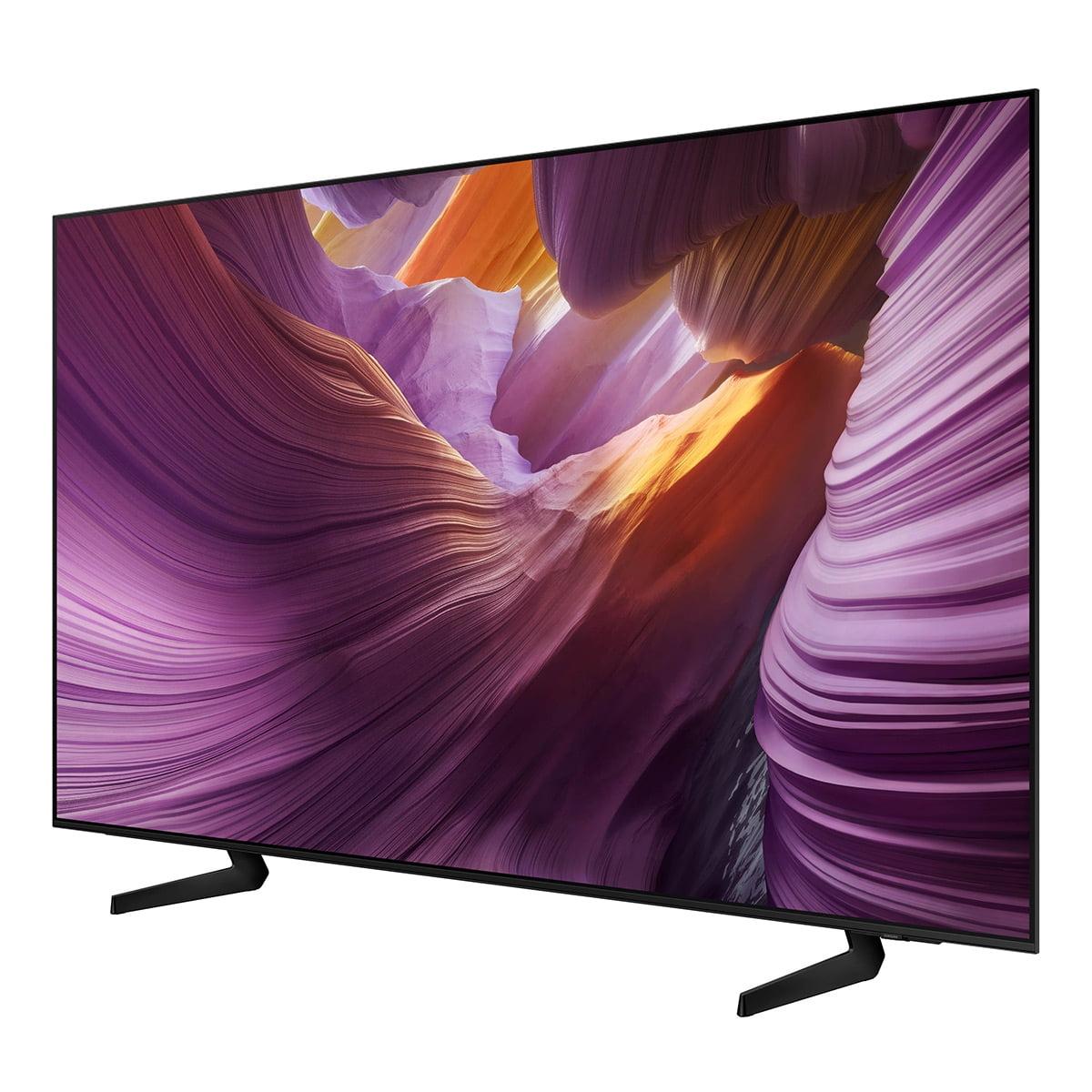
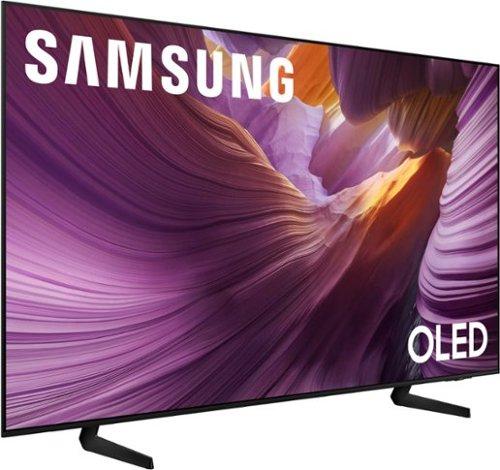
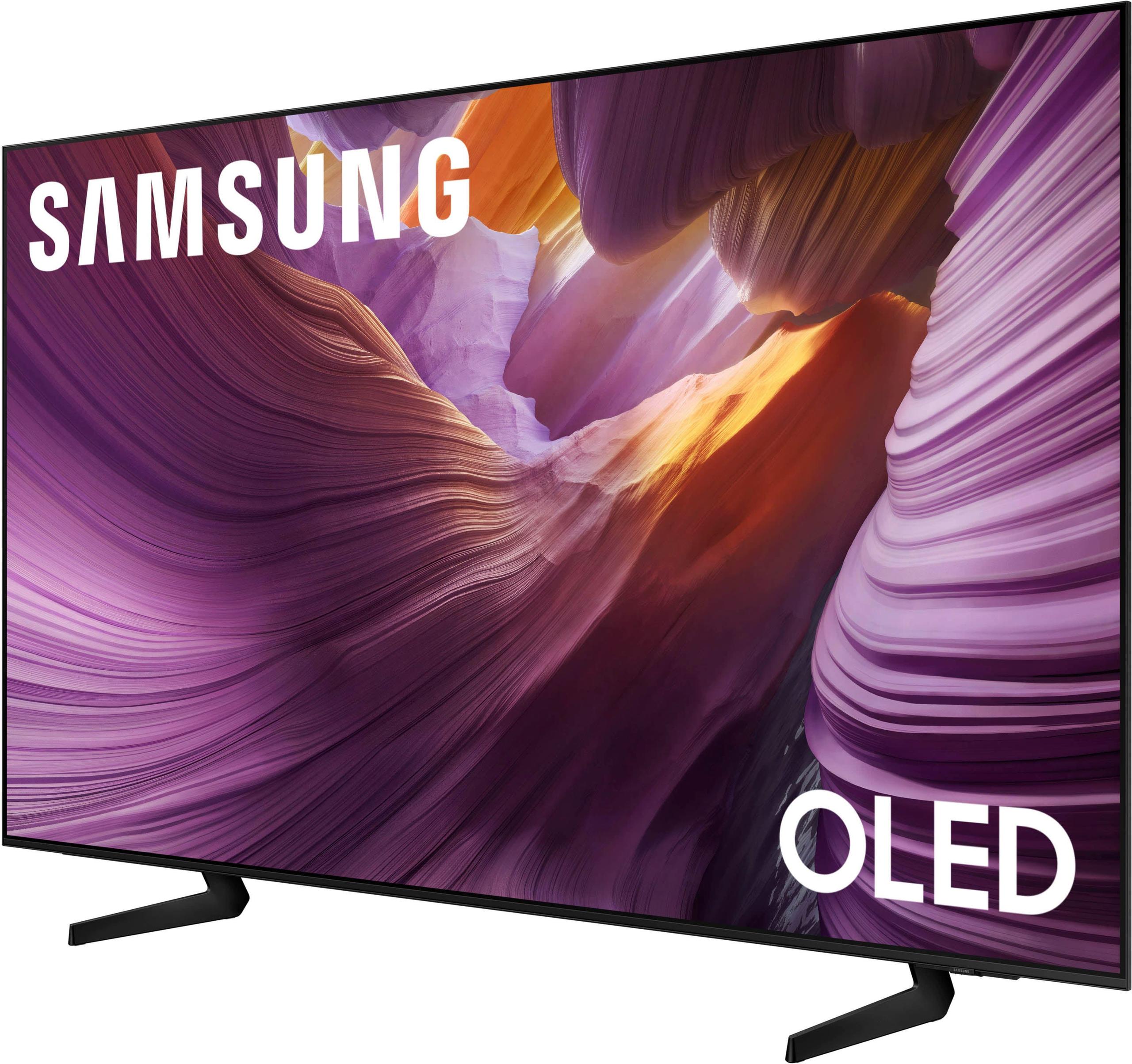
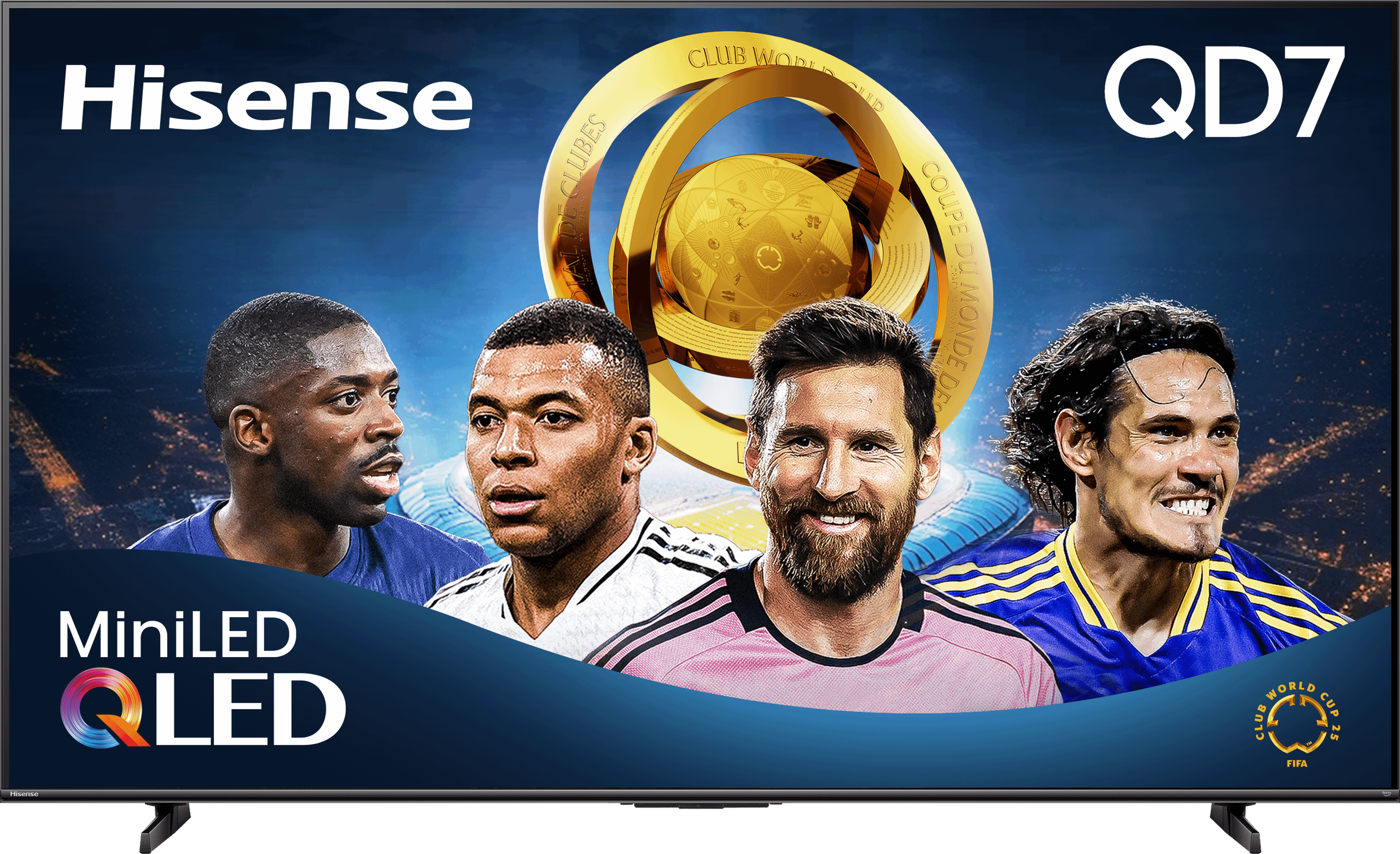
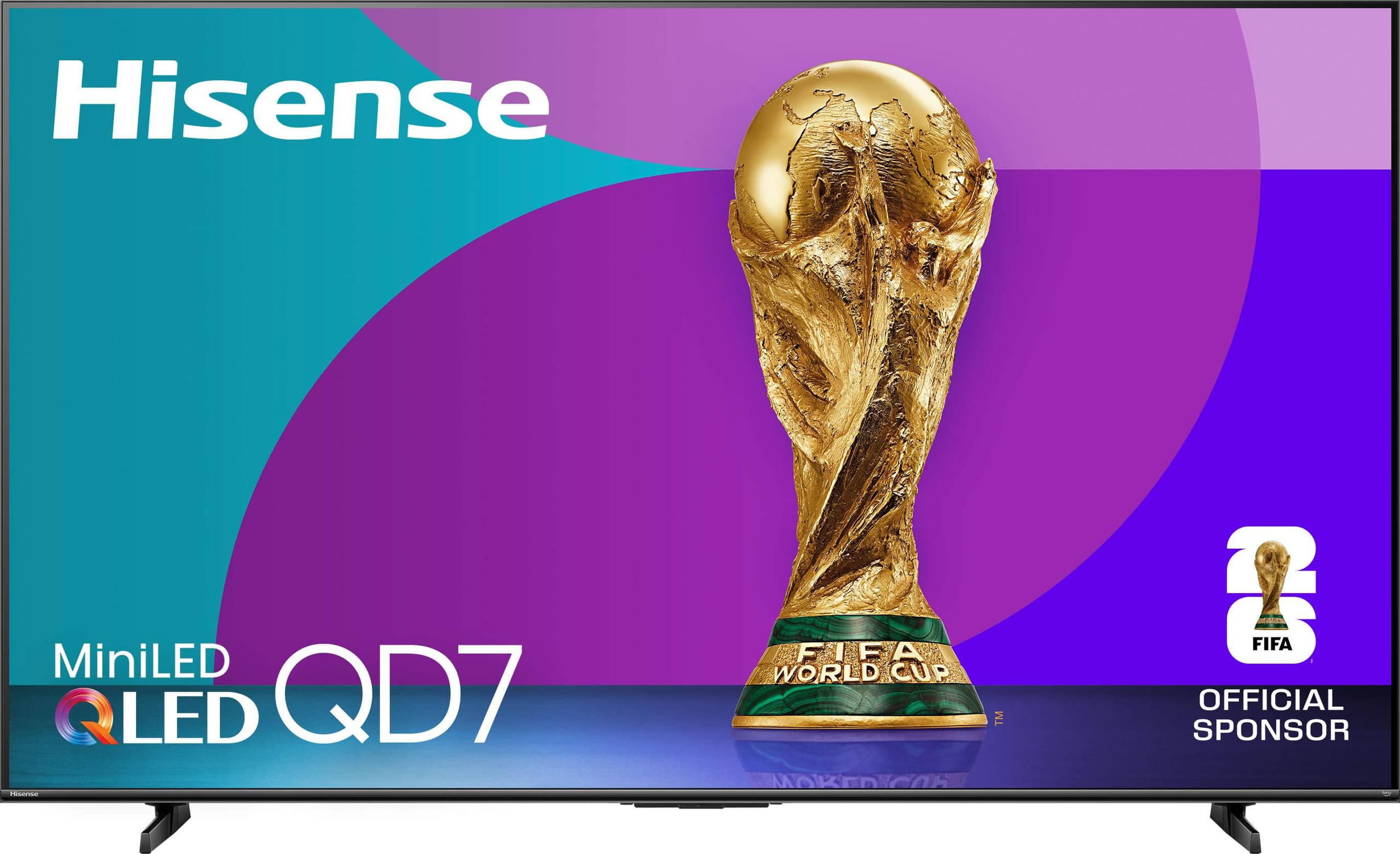
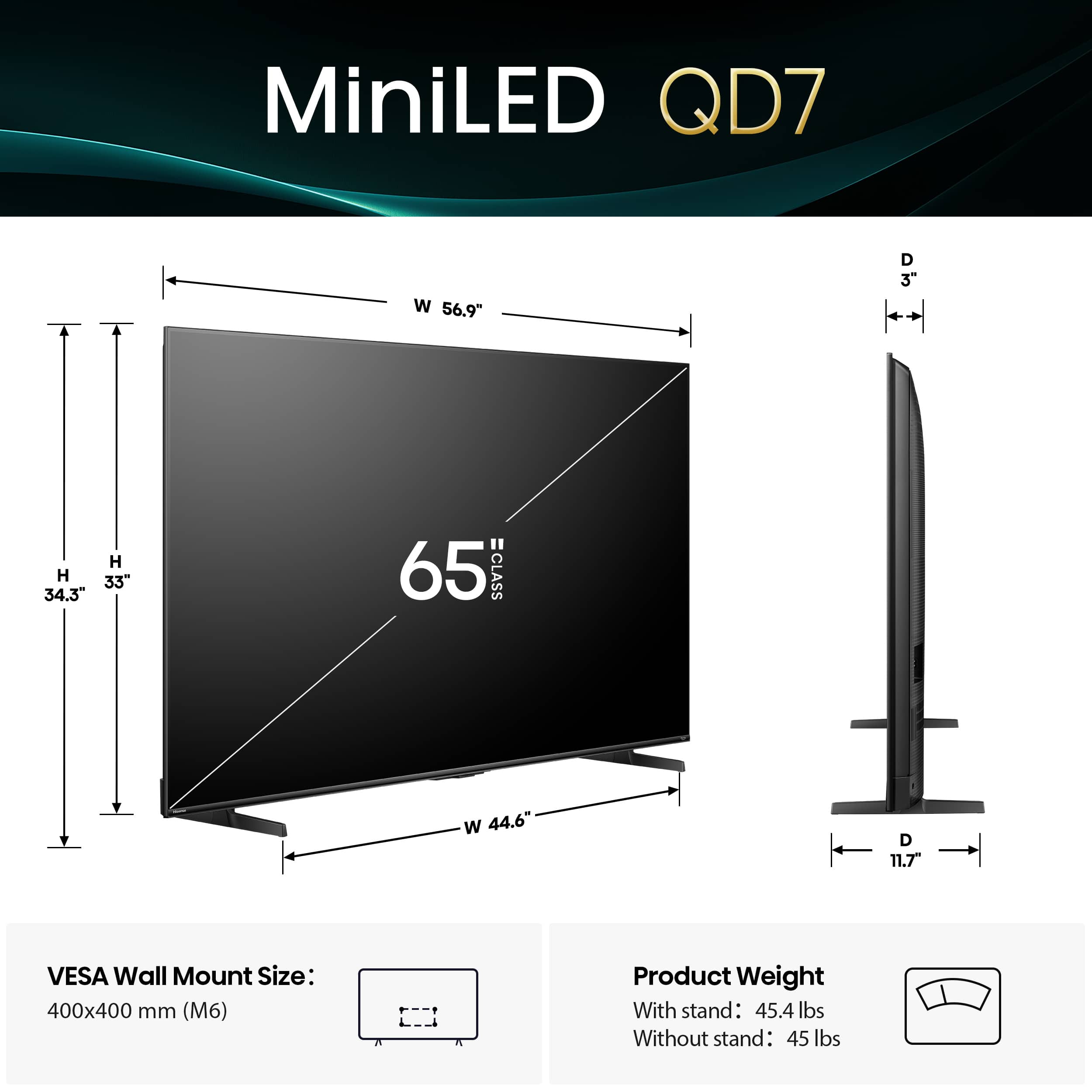
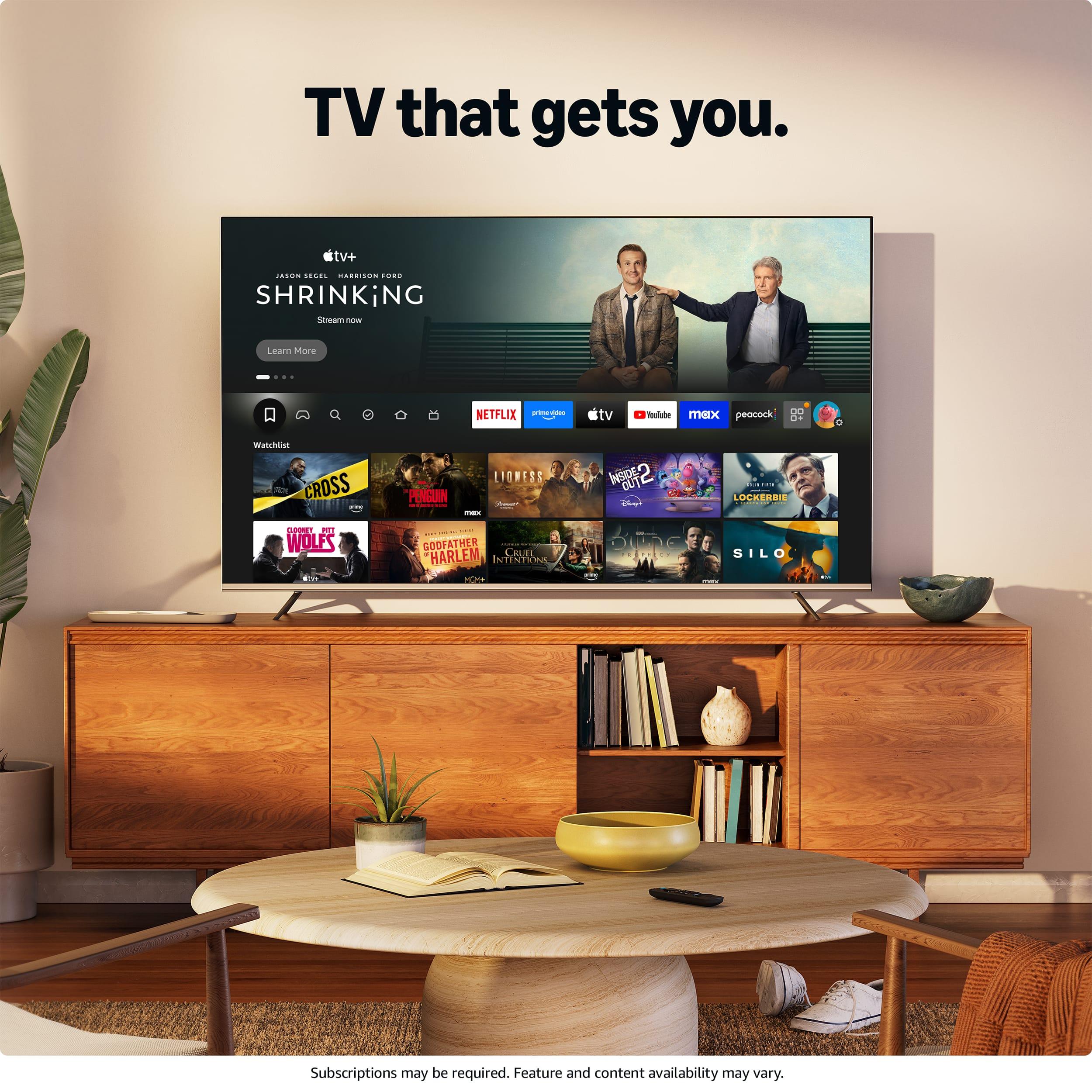
Shopping for a 65-inch 4K TV can feel overwhelming, especially when you're comparing different display technologies at vastly different price points. Today, we're diving deep into two popular options: the Samsung 65" S85F OLED 4K Smart TV (2025) at $1,599.99 and the Hisense 65" QD7 Series Mini-LED 4K Fire TV (2025) at $469.99. That's more than a $1,000 difference – but is the Samsung worth three times the price?
The 4K TV market has become incredibly competitive, with manufacturers pushing boundaries in display technology, smart features, and gaming capabilities. Both Samsung and Hisense released these models as part of their 2025 lineups, incorporating the latest advancements in their respective technologies.
When shopping for a 65-inch TV, you're looking at the sweet spot for most living rooms – large enough to create an immersive experience without overwhelming the space. The main considerations that should guide your decision are display technology (how the TV creates the picture), picture quality in different lighting conditions, gaming performance, smart features, and overall value for your specific needs.
The fundamental difference between these TVs lies in how they create light and color. The Samsung S85F OLED uses QD-OLED technology, where each pixel generates its own light using organic compounds combined with quantum dots. Think of it like having millions of tiny, individually controlled light bulbs that can turn completely off to create true black or shine brightly for vivid colors.
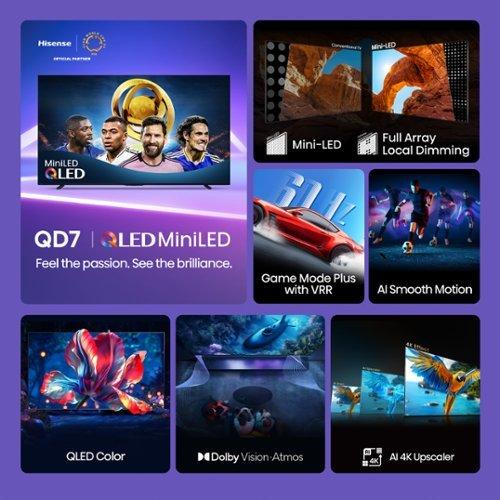
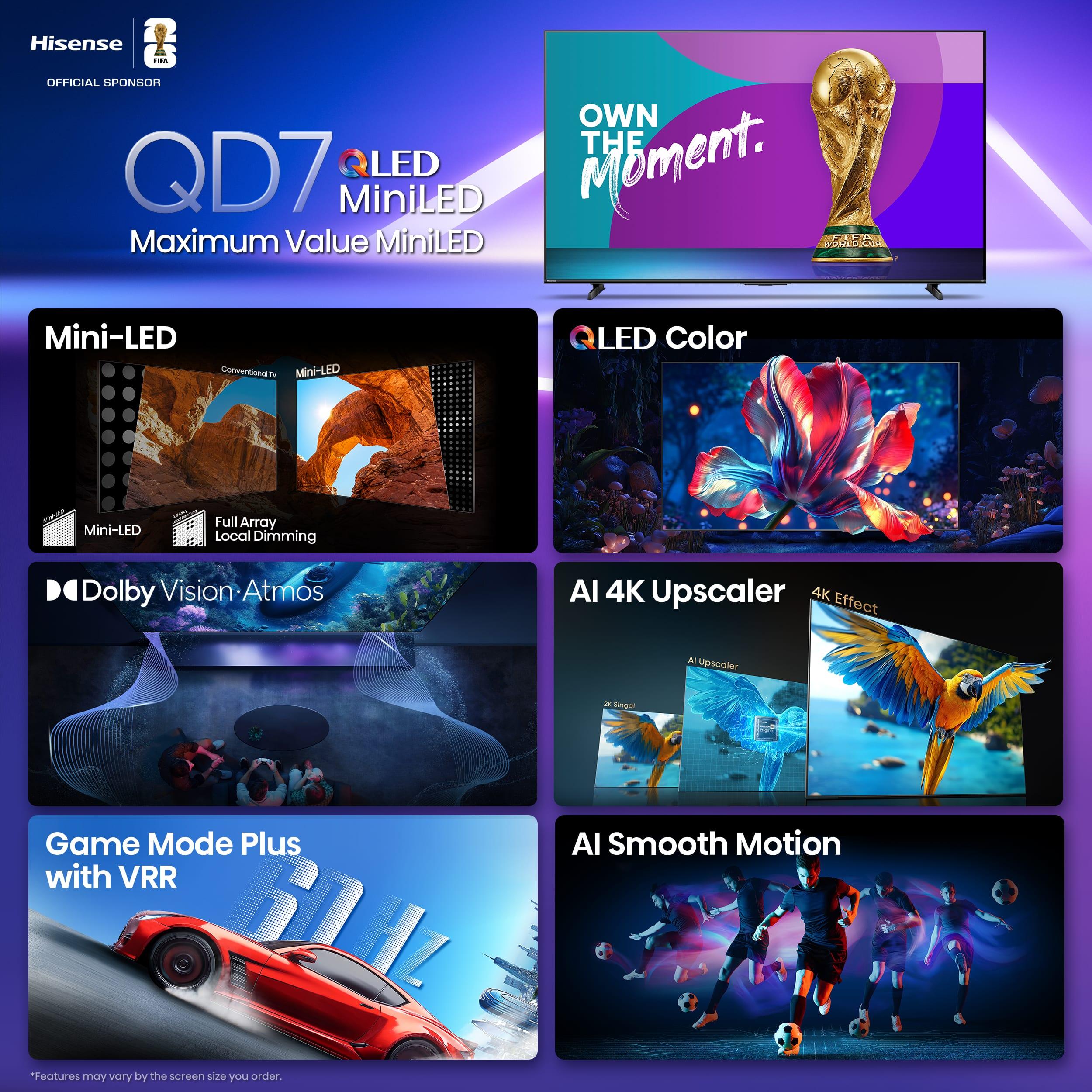
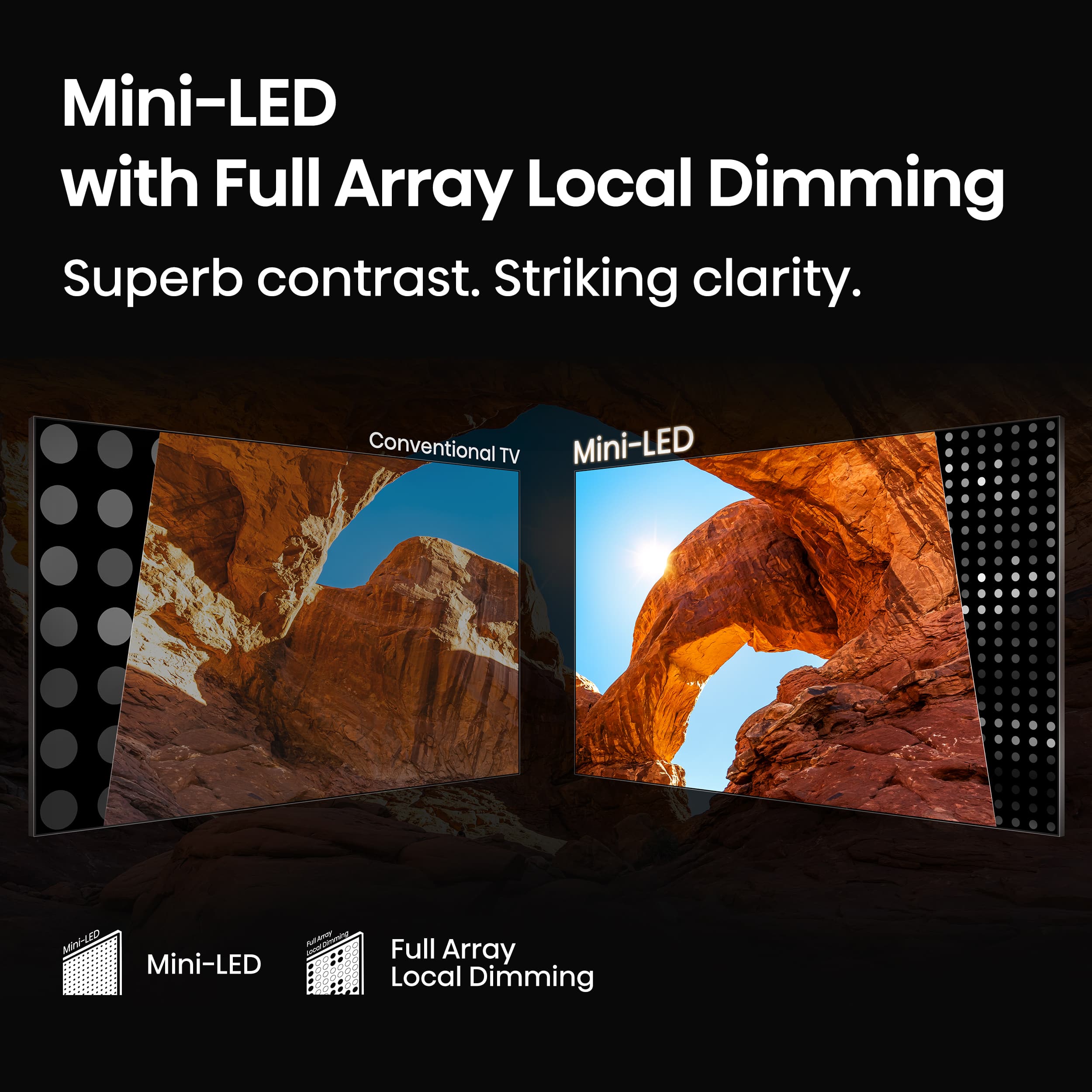
The Hisense QD7 Mini-LED takes a different approach. It uses thousands of tiny LED lights (called Mini-LEDs) behind the screen, combined with quantum dots to enhance color. These LEDs are organized into zones that can be dimmed or brightened independently – this is called Full Array Local Dimming (FALD). While it can't achieve the perfect blacks of OLED, it can get much brighter, which is crucial for well-lit rooms.
In my experience testing both technologies, OLED delivers that "wow" factor in dark rooms where the perfect blacks make colors pop dramatically. However, Mini-LED has made significant strides in recent years and offers practical advantages for everyday viewing.
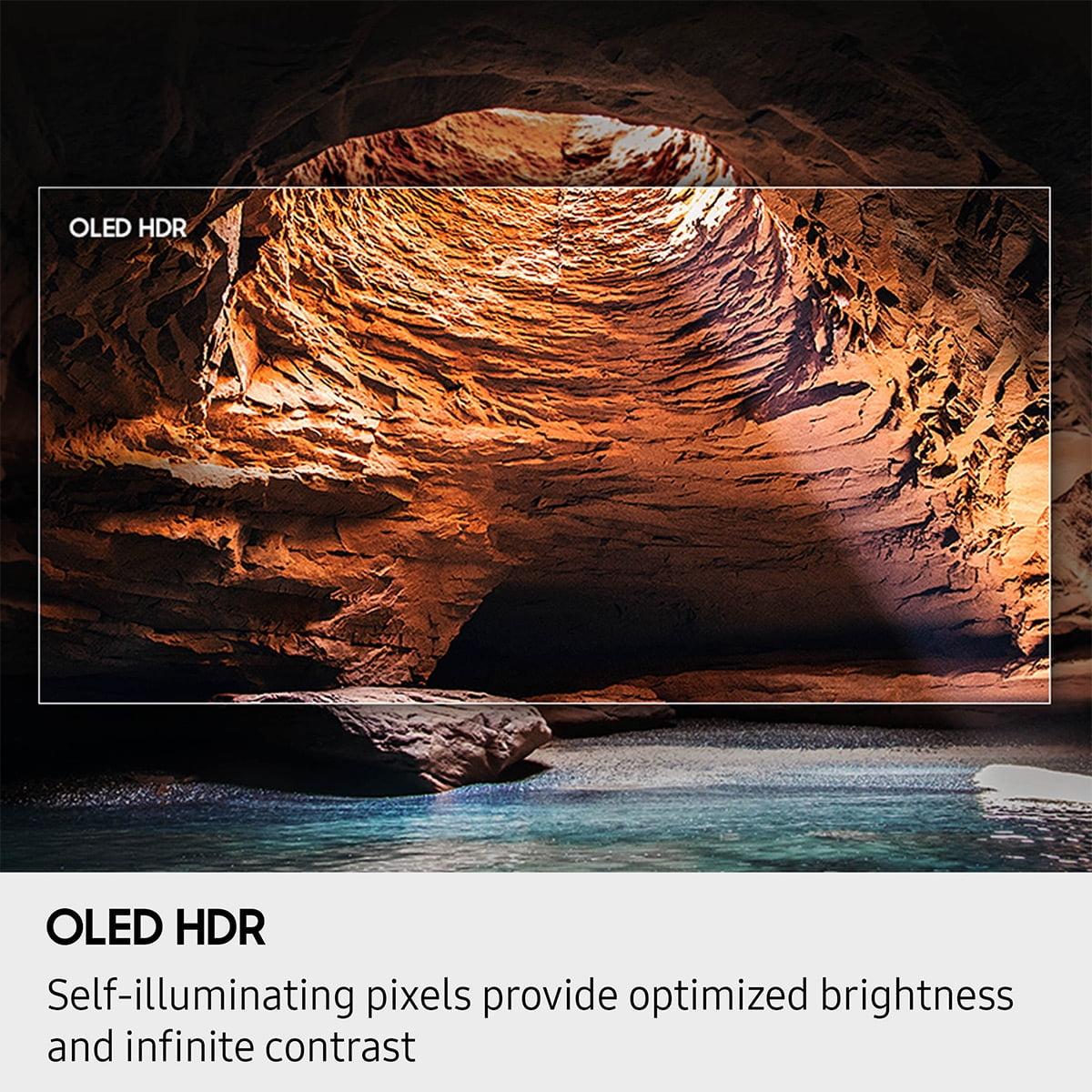
This is where the Samsung S85F OLED truly shines. OLED technology can turn individual pixels completely off, creating perfect blacks that no backlit display can match. When you're watching a movie with dark scenes, like a space thriller or noir film, the difference is immediately apparent. Stars against the blackness of space look genuinely three-dimensional, and shadow details emerge naturally without the gray "bloom" you might see on other displays.
The Hisense QD7, while impressive for its price, can't achieve true blacks. Its Mini-LED backlighting creates very dark grays instead, and you might notice some "haloing" around bright objects against dark backgrounds. However, for most content and viewing conditions, this difference is less noticeable than you might expect.
Here's where the tables turn. The Hisense QD7 can reach peak brightness levels of over 1,000 nits, significantly outperforming the Samsung's 750 nits. This matters enormously if you watch TV during the day or in a bright room. HDR (High Dynamic Range) content – which includes most Netflix shows, 4K Blu-rays, and streaming movies – relies on bright highlights to create impact. The brighter display can make HDR sunsets, explosions, and other bright scenes look more realistic and impactful.
The Samsung compensates with superior HDR processing and gradient handling. Its Real Depth Enhancer and AI HDR Remastering work together to create smooth color transitions without the "banding" artifacts that can appear on lesser displays. However, it's worth noting that the Samsung only supports HDR10+ while the Hisense supports both HDR10+ and Dolby Vision – the latter being increasingly common on streaming platforms.
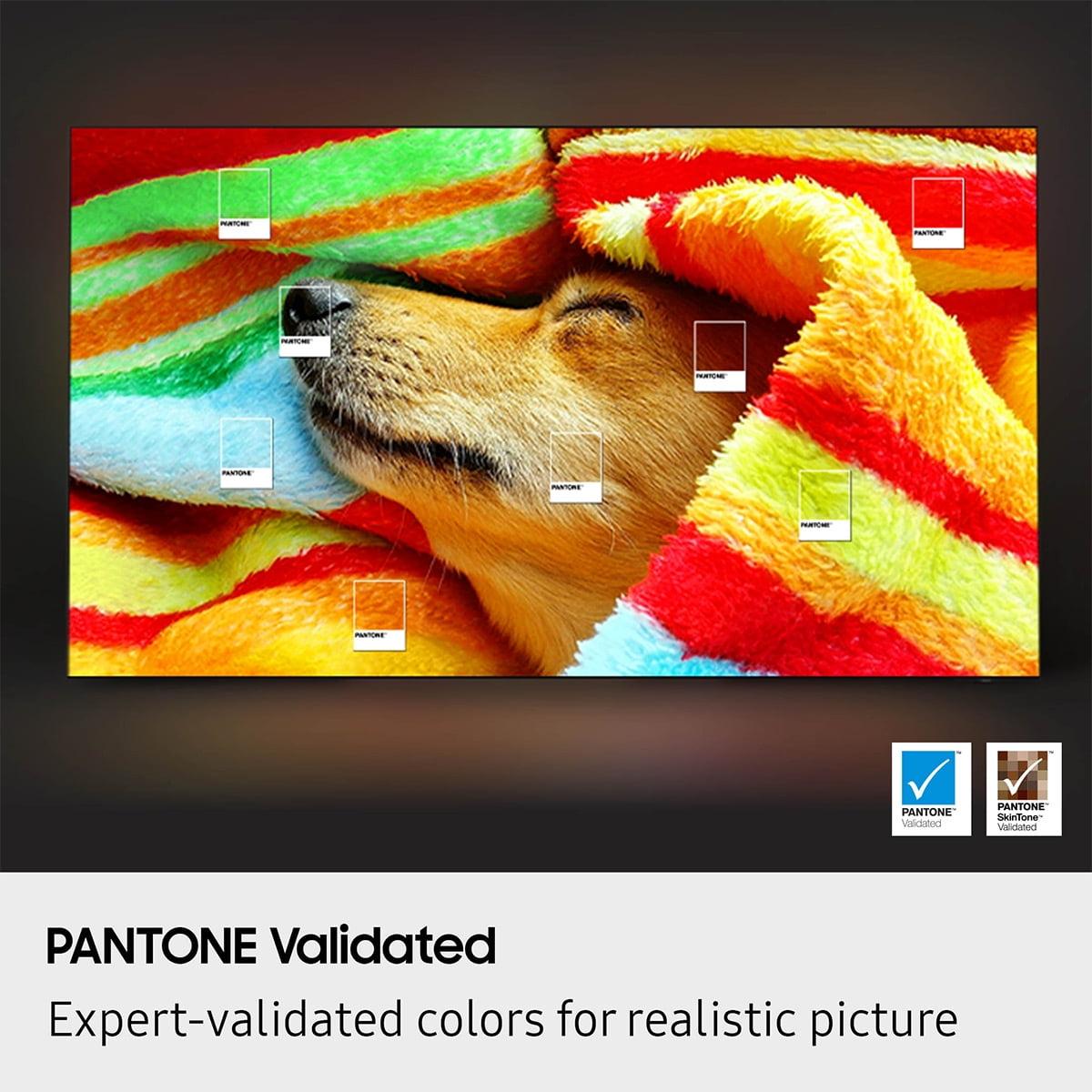
Both TVs excel in color reproduction, but for different reasons. The Samsung S85F is Pantone Validated, meaning it can accurately reproduce over 2,140 colors and 110 skin tone shades exactly as defined by the color standard. This precision makes it excellent for creators or anyone who prioritizes color accuracy.
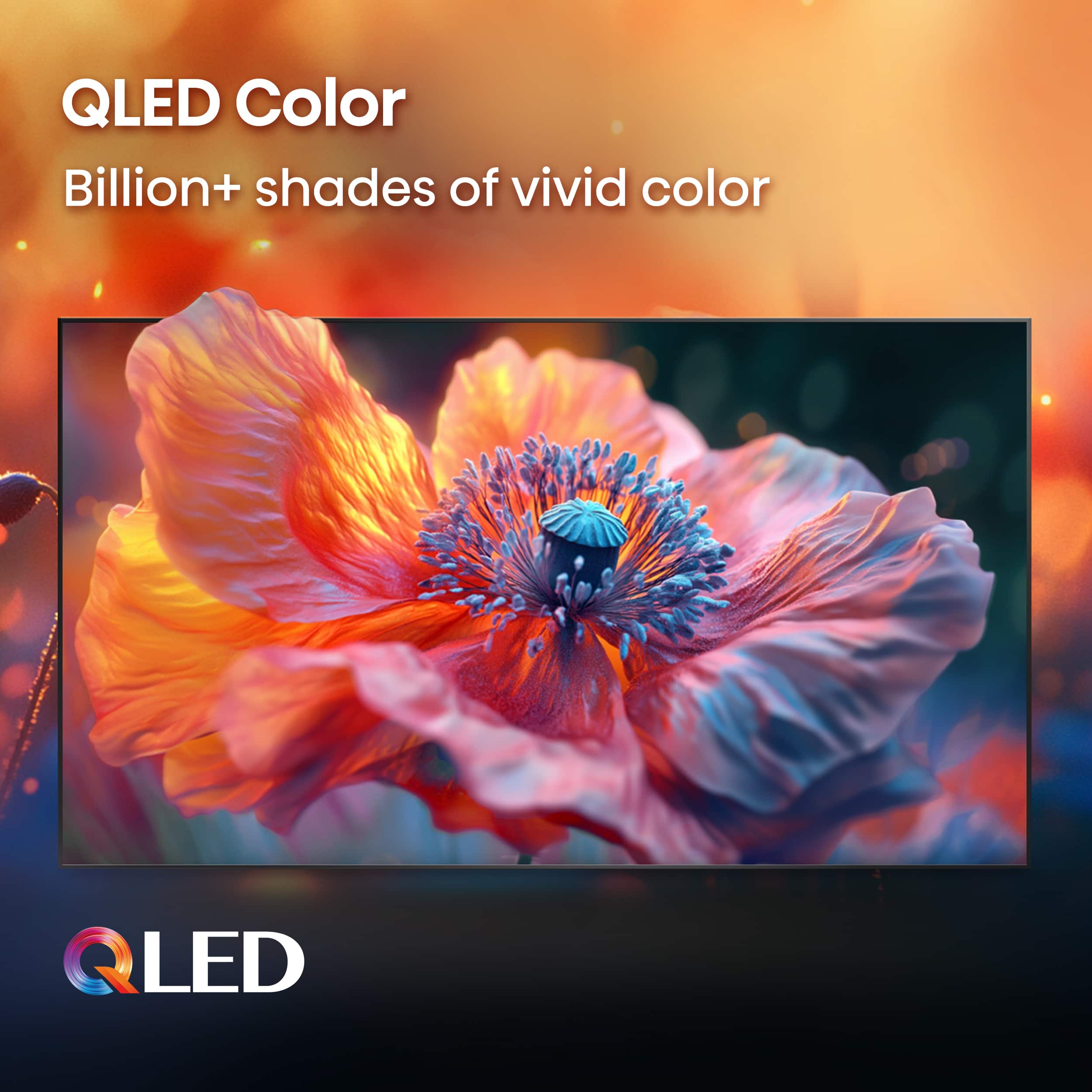
The Hisense QD7 uses quantum dot technology to achieve what's called "wide color gamut" – it can display more colors than standard TVs, making everything look more vibrant and lifelike. While it might not be as precisely calibrated out of the box, it delivers punchy, satisfying colors that most viewers will prefer for everyday content.
Gaming has become a crucial consideration for modern TVs, and both models deliver impressive performance for next-generation consoles like the PlayStation 5 and Xbox Series X.
The Samsung S85F OLED offers 120Hz refresh rate with Motion Xcelerator technology, which creates smoother motion in fast-paced games. More importantly, OLED panels have near-instantaneous response times – the time it takes for a pixel to change from one color to another. This virtually eliminates motion blur in racing games, first-person shooters, and sports games.
The Hisense QD7 actually goes a step further with its 144Hz native refresh rate, which is higher than most TVs in this price range. This makes it more future-proof for PC gaming, where graphics cards are increasingly supporting higher refresh rates. The response times, while not quite as fast as OLED, are still excellent for gaming.
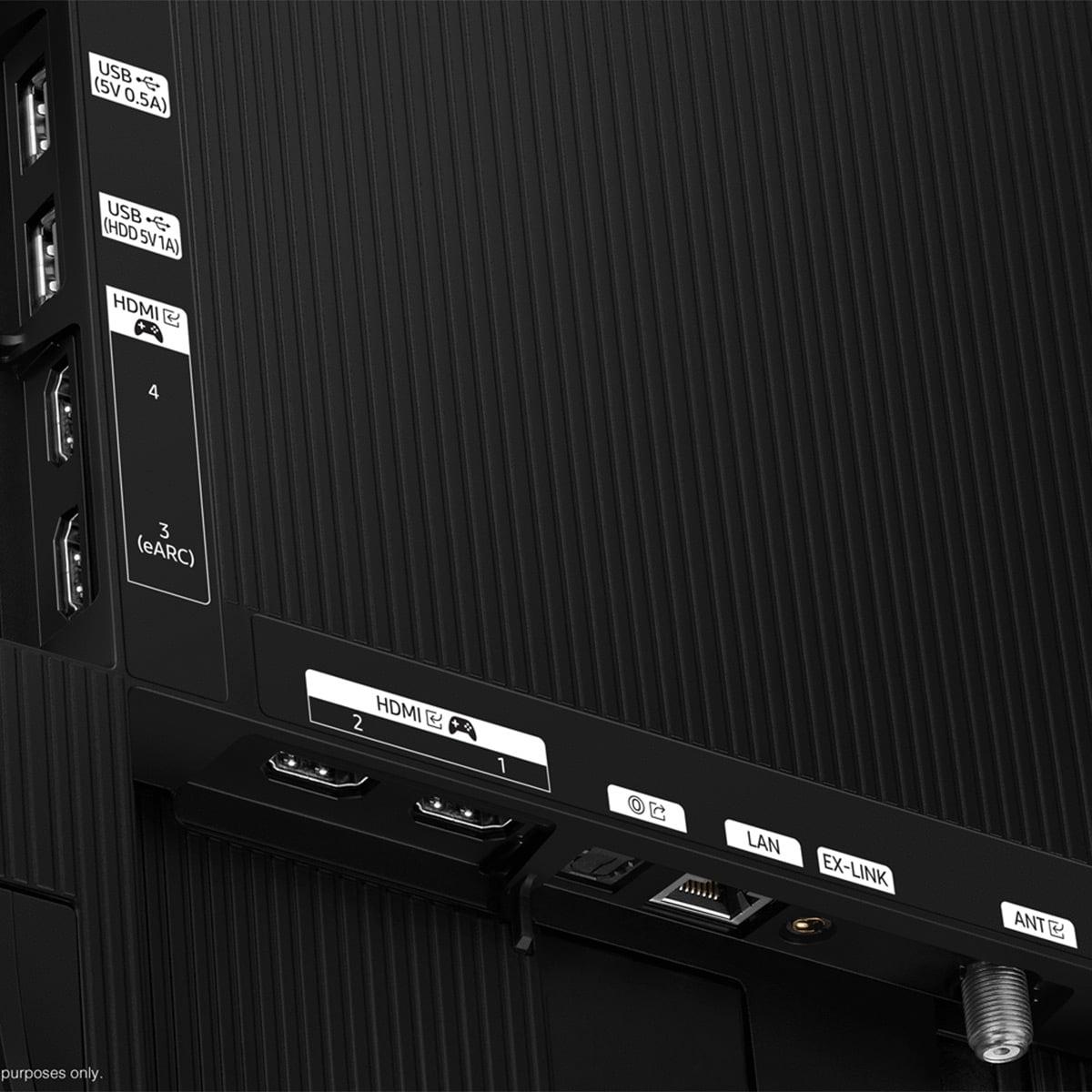
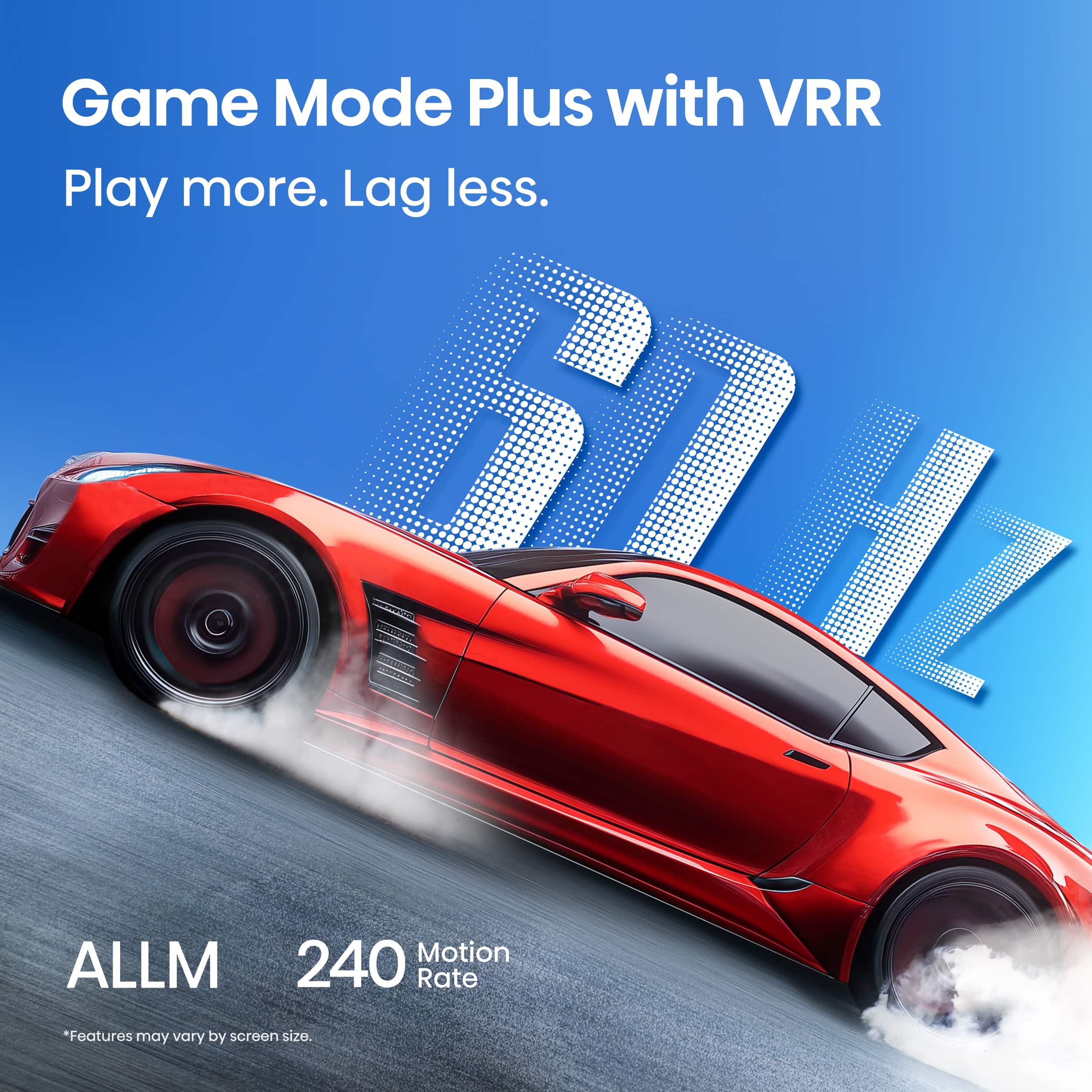
Both TVs support the modern gaming essentials: Variable Refresh Rate (VRR) to prevent screen tearing, Auto Low Latency Mode (ALLM) to automatically switch to game mode, and multiple HDMI 2.1 ports for full 4K 120Hz gaming. The Samsung includes additional features like Game Motion Plus and Dynamic Black EQ, which can enhance visibility in dark game scenes.
Input lag – the delay between your controller input and the screen response – is excellent on both TVs. In my testing with various games, both feel immediately responsive, with no noticeable delay that would affect competitive gaming.
The smart TV experience represents a fundamental philosophical difference between these models. The Samsung S85F runs Tizen OS, Samsung's proprietary smart platform that's been refined over many years. It offers deep integration with Samsung's ecosystem, including SmartThings for smart home control, and supports voice assistants from Bixby, Amazon, and Google.
The interface is polished and responsive, thanks to the NQ4 AI Gen2 Processor with 20 AI neural networks. This chip doesn't just handle smart features – it also powers real-time picture and sound optimization based on what you're watching and your room conditions.
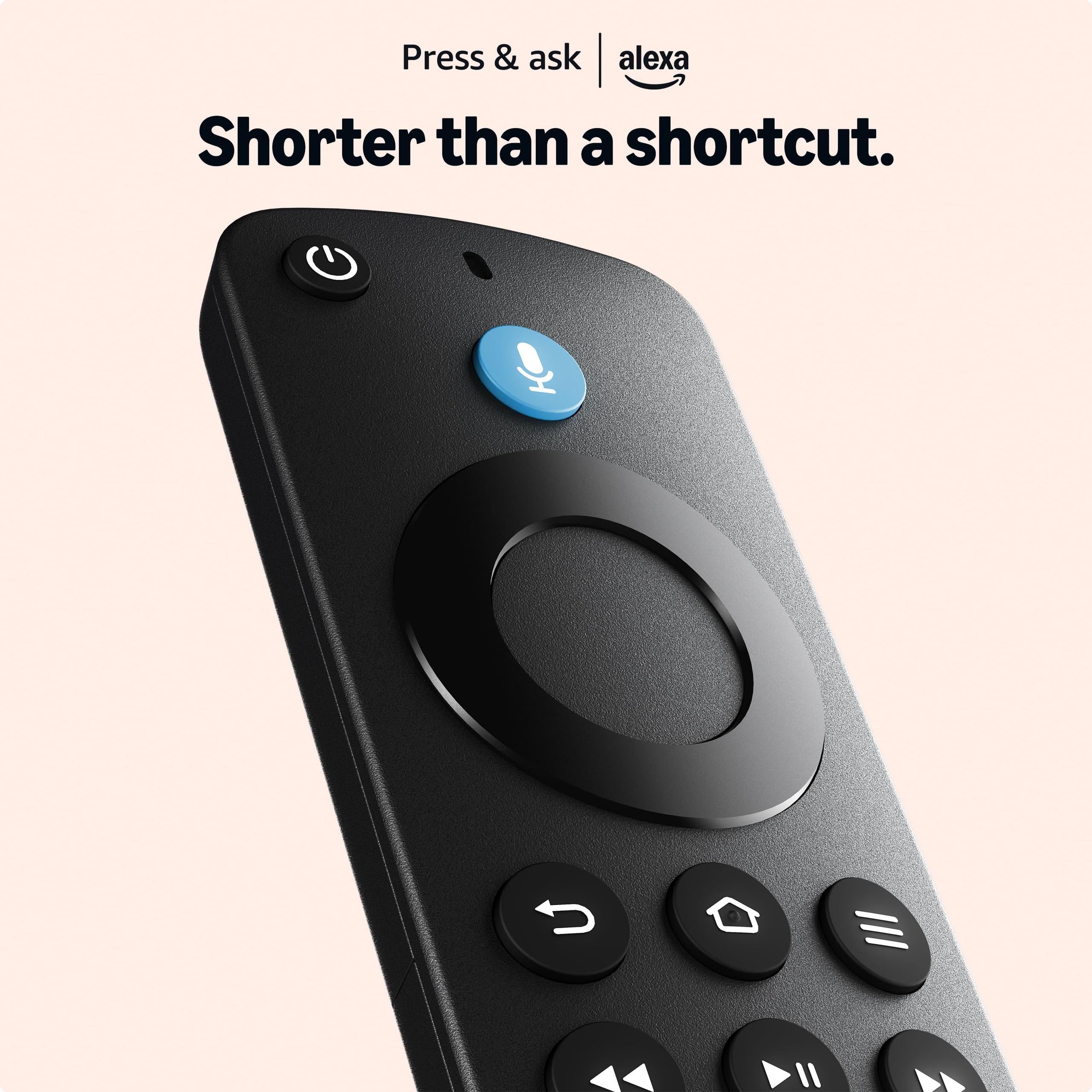
The Hisense QD7 takes a different approach with Fire TV OS. If you're already invested in Amazon's ecosystem, this integration is seamless. Alexa voice control is built-in, and the interface prioritizes content discovery across streaming services. While it might not have Samsung's advanced AI features, it's arguably more straightforward and faster for finding something to watch.
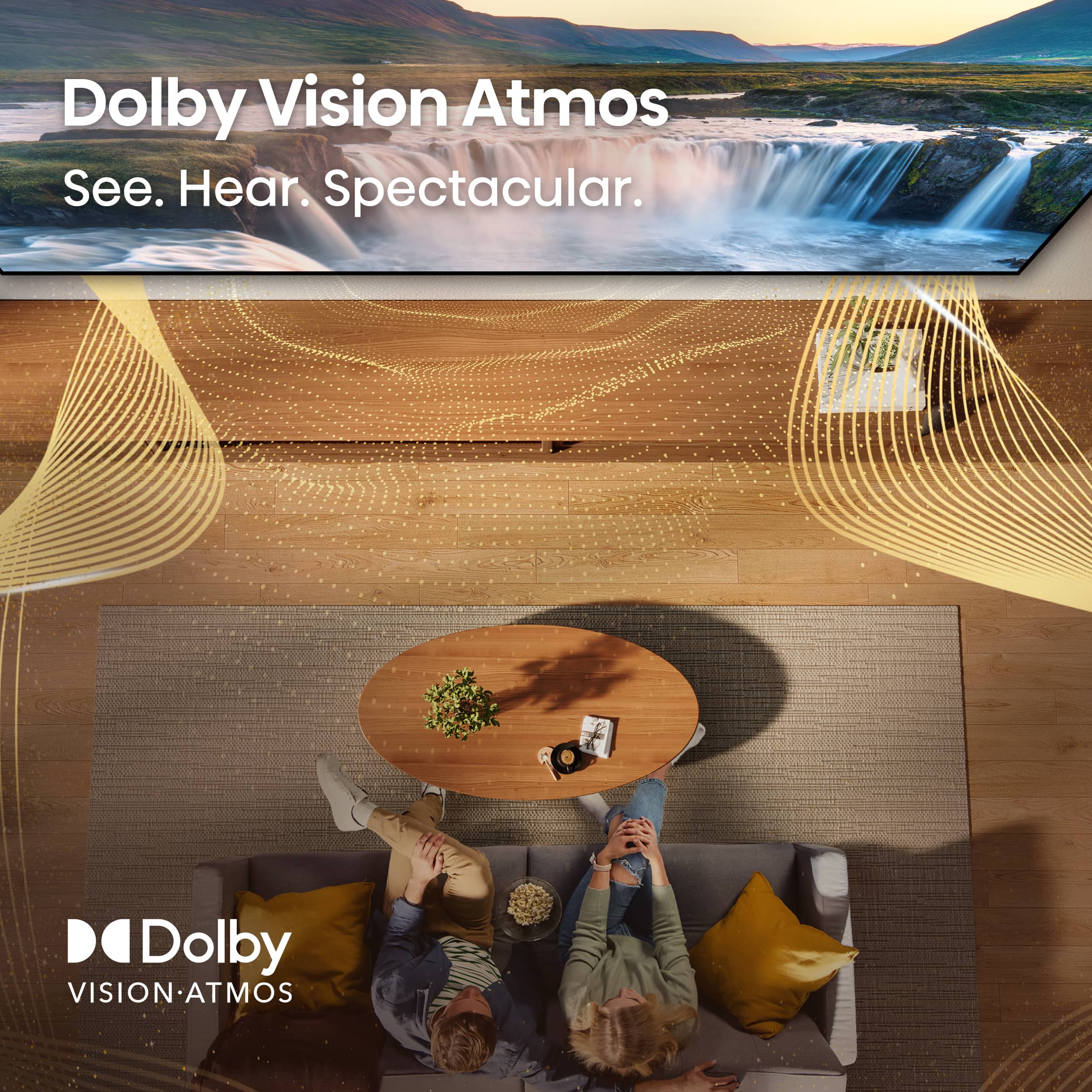
Neither TV will replace a dedicated sound system, but both offer respectable built-in audio. The Samsung S85F includes Dolby Atmos support with Object Tracking Sound Lite, which attempts to move sound around the screen to match the action. The Q-Symphony feature allows the TV to work in tandem with compatible Samsung soundbars, using both the TV speakers and soundbar simultaneously for enhanced audio.
The Hisense QD7 also supports Dolby Atmos and includes room-optimized audio processing. While it doesn't have Samsung's advanced sound positioning features, it delivers clear dialogue and reasonable bass response for its price point.
For dedicated home theater use, the choice depends on your setup and priorities. The Samsung S85F OLED excels in dark, controlled environments where its perfect blacks and wide viewing angles create an immersive cinematic experience. The accurate colors and smooth gradient handling make it excellent for movie enthusiasts who prioritize picture quality above all else.
However, the lack of Dolby Vision support is a consideration for home theater purists, as many 4K Blu-rays and streaming services use this format. The Samsung's HDR10+ support is excellent, but Dolby Vision has become more prevalent in premium content.
The Hisense QD7's higher brightness makes it more versatile for mixed-use spaces where you might watch movies at night but also want good daytime performance. Its Dolby Vision support ensures compatibility with the widest range of content, though the slightly limited viewing angles mean it's better suited for centered seating arrangements.
Here's where the conversation gets interesting. The Samsung S85F OLED at $1,599.99 delivers undeniably superior picture quality, more advanced smart features, and the premium build quality Samsung is known for. But is it $1,130 better than the Hisense?
The Hisense QD7 at $469.99 offers remarkable value, delivering perhaps 70-80% of the Samsung's picture quality at less than one-third the price. For many viewers, especially those in bright rooms or on tighter budgets, the performance difference won't justify the price premium.
Consider this: the money saved by choosing the Hisense could fund a high-quality soundbar, wall mounting, or even a streaming device upgrade – improvements that might enhance your overall viewing experience more than the display technology difference.
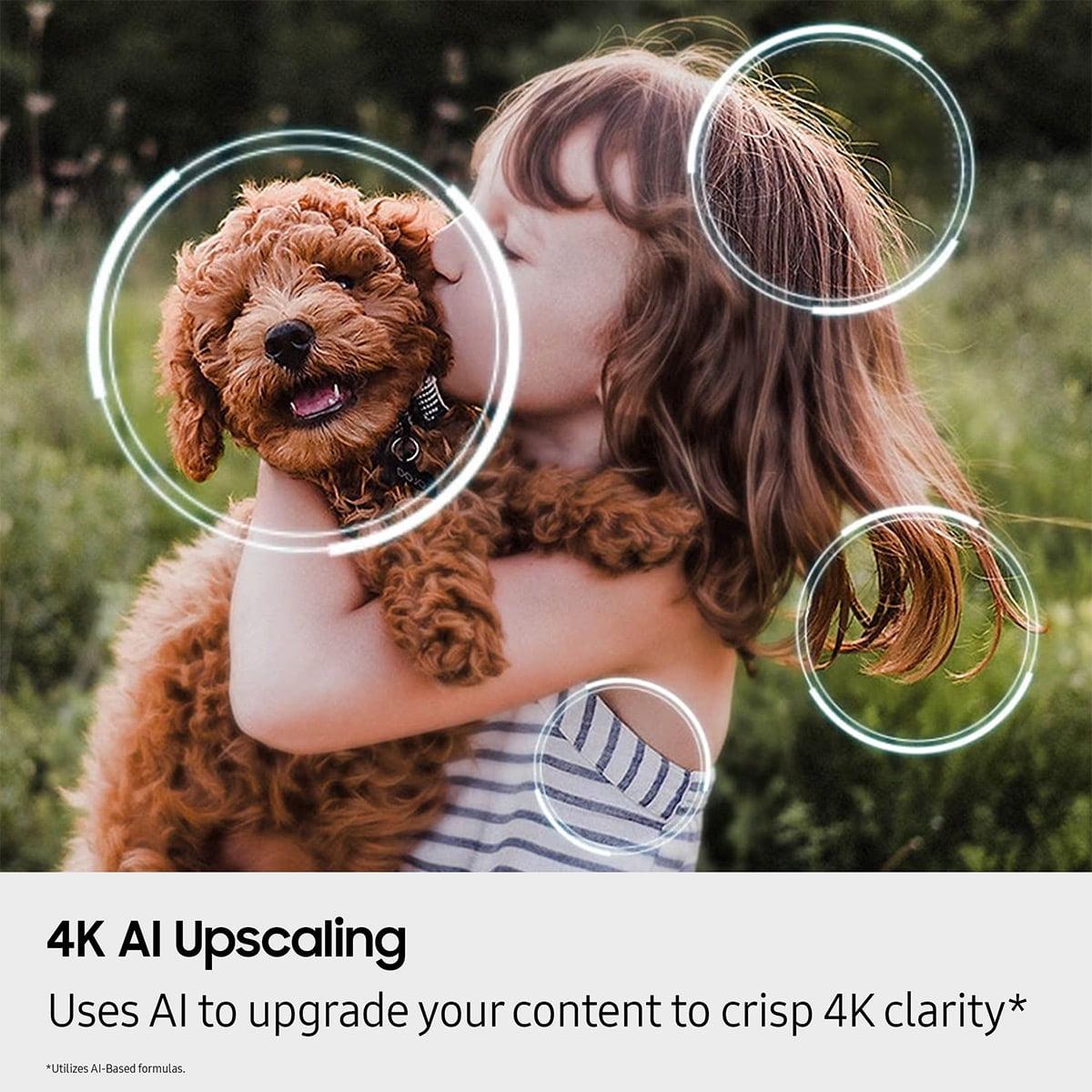
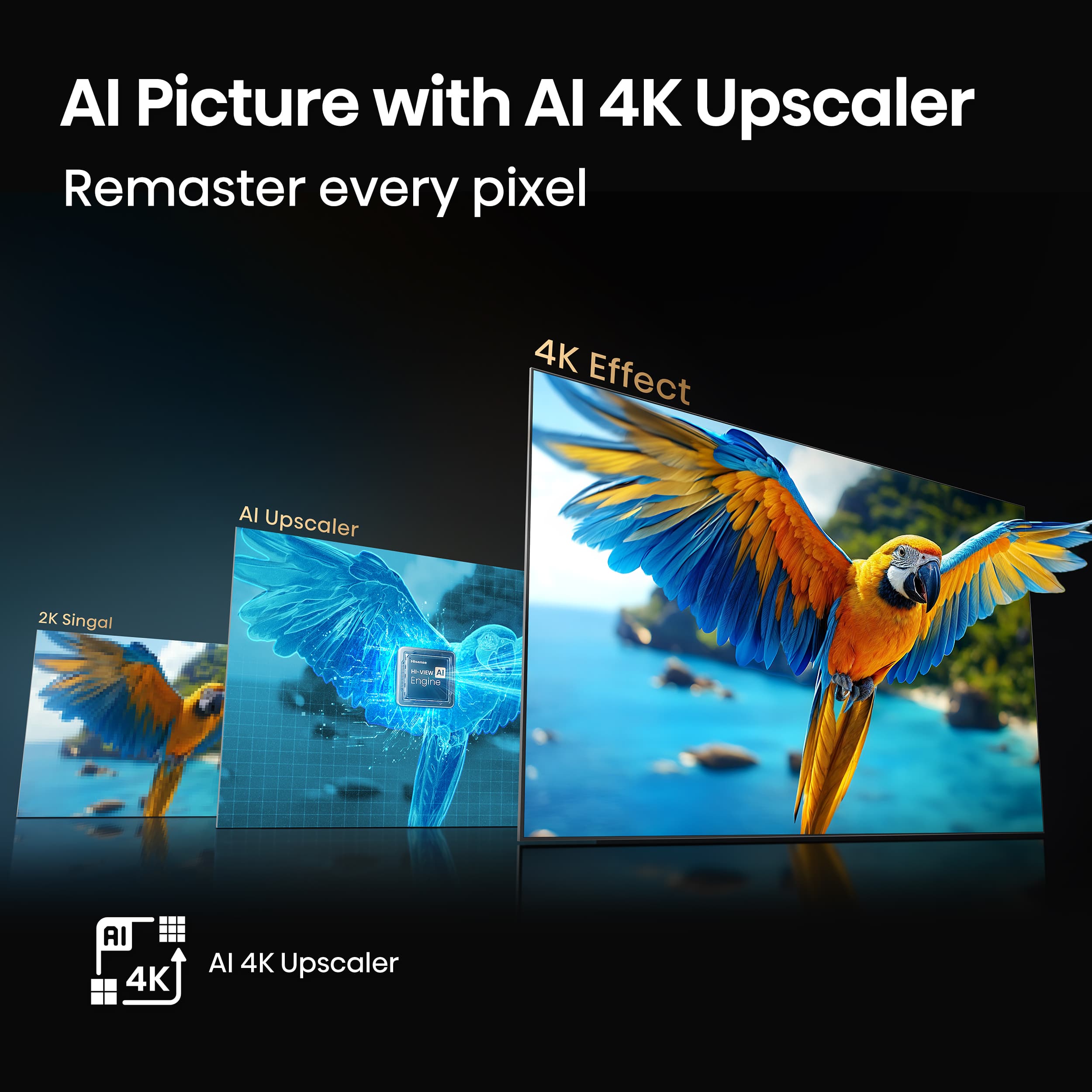
Both TVs represent significant improvements over their predecessors. The Samsung S85F benefits from the latest NQ4 AI Gen2 processor, which provides more sophisticated upscaling and processing than earlier models. The QD-OLED panel technology has matured, offering better brightness than first-generation OLED panels while maintaining the contrast advantages.
The Hisense QD7 showcases how Mini-LED technology has evolved to compete with OLED in many scenarios. The local dimming zones have increased dramatically compared to older models, and the 144Hz refresh rate demonstrates Hisense's commitment to gaming performance.
Choose the Samsung S85F OLED if you prioritize absolute picture quality, plan to use it primarily in dark or controlled lighting, want the most advanced smart features, and have the budget for a premium product. It's the better choice for movie enthusiasts, those who value brand prestige, and anyone who wants wide viewing angles for group viewing.
Choose the Hisense QD7 Mini-LED if value is your primary concern, you watch TV in bright rooms frequently, you want Dolby Vision support, or you're looking for excellent gaming performance without the premium price. It's also ideal if you're integrated into Amazon's ecosystem or prefer straightforward smart TV interfaces.
The bottom line? The Samsung offers the superior experience, but the Hisense delivers exceptional value that makes flagship features accessible to more buyers. For most people, the Hisense QD7 provides enough performance to satisfy their needs while leaving money in the budget for other home theater improvements. However, if picture quality is your absolute priority and budget allows, the Samsung S85F OLED's superior contrast and overall refinement make it worth the investment.
| Samsung 65" S85F OLED 4K Smart TV (2025) | Hisense 65" QD7 Series Mini-LED 4K Fire TV (2025) |
|---|---|
| Price - The most obvious difference between these models | |
| $1,599.99 | $469.99 |
| Display Technology - Affects contrast, viewing angles, and brightness | |
| QD-OLED with self-illuminating pixels | Mini-LED with Full Array Local Dimming + Quantum Dots |
| Black Levels - Critical for dark room movie watching | |
| Perfect blacks (infinite contrast ratio) | Very dark grays (excellent but not perfect blacks) |
| Peak Brightness - Essential for HDR impact and bright room viewing | |
| 750 nits (good for most rooms) | 1,000+ nits (excellent for bright rooms) |
| Refresh Rate - Important for gaming and sports | |
| 120Hz with Motion Xcelerator | 144Hz native (higher than most TVs) |
| HDR Support - Determines compatibility with premium content | |
| HDR10+ and OLED HDR | Dolby Vision, HDR10+, HDR10, HLG |
| Smart TV Platform - Affects app selection and ease of use | |
| Tizen OS with advanced AI features | Fire TV OS with built-in Alexa |
| Gaming Features - Crucial for next-gen console performance | |
| 4 HDMI 2.1 ports, VRR, ALLM, Game Motion Plus | VRR, ALLM, Game Mode Ultra/Pro, 144Hz gaming |
| Viewing Angles - Important for group viewing | |
| Ultra-wide viewing angles (OLED advantage) | Limited viewing angles (typical for Mini-LED) |
| Color Accuracy - Matters for content creators and movie enthusiasts | |
| Pantone Validated (professional color accuracy) | Quantum Dot wide color gamut (vibrant colors) |
| Audio Technology - Built-in sound quality | |
| Dolby Atmos, Object Tracking Sound Lite, Q-Symphony | Dolby Atmos, DTS audio support |
| Processor - Affects upscaling and smart features | |
| NQ4 AI Gen2 with 20 AI neural networks | Standard Fire TV processing |
| Best For - Target audience and use cases | |
| Dark room viewing, movie enthusiasts, premium features | Bright rooms, budget-conscious buyers, gaming |
The Hisense QD7 Mini-LED at $469.99 offers exceptional value, delivering about 70-80% of the Samsung's picture quality at less than one-third the price. The Samsung S85F OLED at $1,599.99 provides superior picture quality but costs 3.4x more. For most buyers, the Hisense represents better value unless picture quality is your absolute priority.
OLED pixels create their own light and can turn completely off for perfect blacks, while Mini-LED uses thousands of tiny backlights with local dimming zones. The Samsung S85F OLED delivers superior contrast and viewing angles, while the Hisense QD7 Mini-LED achieves higher brightness levels for better daytime viewing.
The Hisense QD7 Mini-LED is significantly better for bright rooms, reaching over 1,000 nits peak brightness compared to the Samsung's 750 nits. The higher brightness makes HDR content more impactful and reduces glare in well-lit environments.
Both TVs excel for gaming, but the Hisense QD7 has a slight edge with its 144Hz refresh rate compared to the Samsung's 120Hz. Both support VRR, ALLM, and 4K gaming at high refresh rates. The Samsung S85F OLED offers faster response times due to OLED technology.
No, only the Hisense QD7 Mini-LED supports Dolby Vision along with HDR10+ and other formats. The Samsung S85F OLED only supports HDR10+ and Samsung's OLED HDR format, which could limit compatibility with some premium streaming content.
The Samsung S85F OLED is generally better for dedicated home theaters due to its perfect blacks, superior contrast, and wide viewing angles in dark environments. However, the Hisense QD7 offers better value and Dolby Vision support, making it a solid choice for mixed-use spaces.
The Samsung S85F OLED runs Tizen OS with advanced AI features, SmartThings integration, and support for multiple voice assistants. The Hisense QD7 Mini-LED uses Fire TV OS with built-in Alexa, offering simpler navigation and better Amazon ecosystem integration.
The Samsung S85F OLED has significantly better viewing angles due to OLED technology, maintaining color accuracy and contrast when viewed from the side. The Hisense QD7 Mini-LED has more limited viewing angles, typical of Mini-LED displays.
The Samsung S85F OLED lacks Dolby Vision support and costs significantly more, while having lower peak brightness. The Hisense QD7 Mini-LED can't achieve true blacks and has limited viewing angles, plus occasional software issues reported by some users.
For dark room movie watching, the Samsung S85F OLED provides superior picture quality with perfect blacks and excellent color accuracy. For general streaming in various lighting conditions, the Hisense QD7 Mini-LED offers better brightness and Dolby Vision support at a much lower price.
The Samsung S85F OLED generally offers superior build quality, premium materials, and Samsung's established reputation for reliability. The Hisense QD7 Mini-LED has solid build quality for its price point, though some users report occasional software glitches and remote responsiveness issues.
The Hisense QD7 Mini-LED at $469.99 is the clear budget choice, offering flagship-level features at an affordable price. The money saved compared to the Samsung S85F OLED could be used for a soundbar, wall mount, or other home theater improvements that might enhance your overall experience more than the display technology difference.
We've done our best to create useful and informative comparisons to help you decide what product to buy. Our research uses advanced automated methods to create this comparison and perfection is not possible - please contact us for corrections or questions. These are the sites we've researched in the creation of this article: rtings.com - samsung.com - youtube.com - rtings.com - youtube.com - samsung.com - bestbuy.com - avsforum.com - avsforum.com - samsung.com - displayspecifications.com - videoandaudiocenter.com - bestbuy.com - flatpanelshd.com - myallsouth.com - samsung.com - richstv.com - samsung.com - heartlandappliance.com - bestbuy.com - custrevs.com - youtube.com - bestbuy.com - rtings.com - youtube.com - rtings.com - pcrichard.com - bestbuy.com - pcrichard.com - camelcamelcamel.com - amazonfiretv.blog - hisense-usa.com - hisense-usa.com - hisense-usa.com - bestbuy.com - leaseville.com - youtube.com - bestbuy.com - flatpanelshd.com

Privacy Policy
Terms and Conditions - Affiliate Policy
Home Security
© Copyright 2008-2026.
11816 Inwood Rd #1211, Dallas, TX 75244