

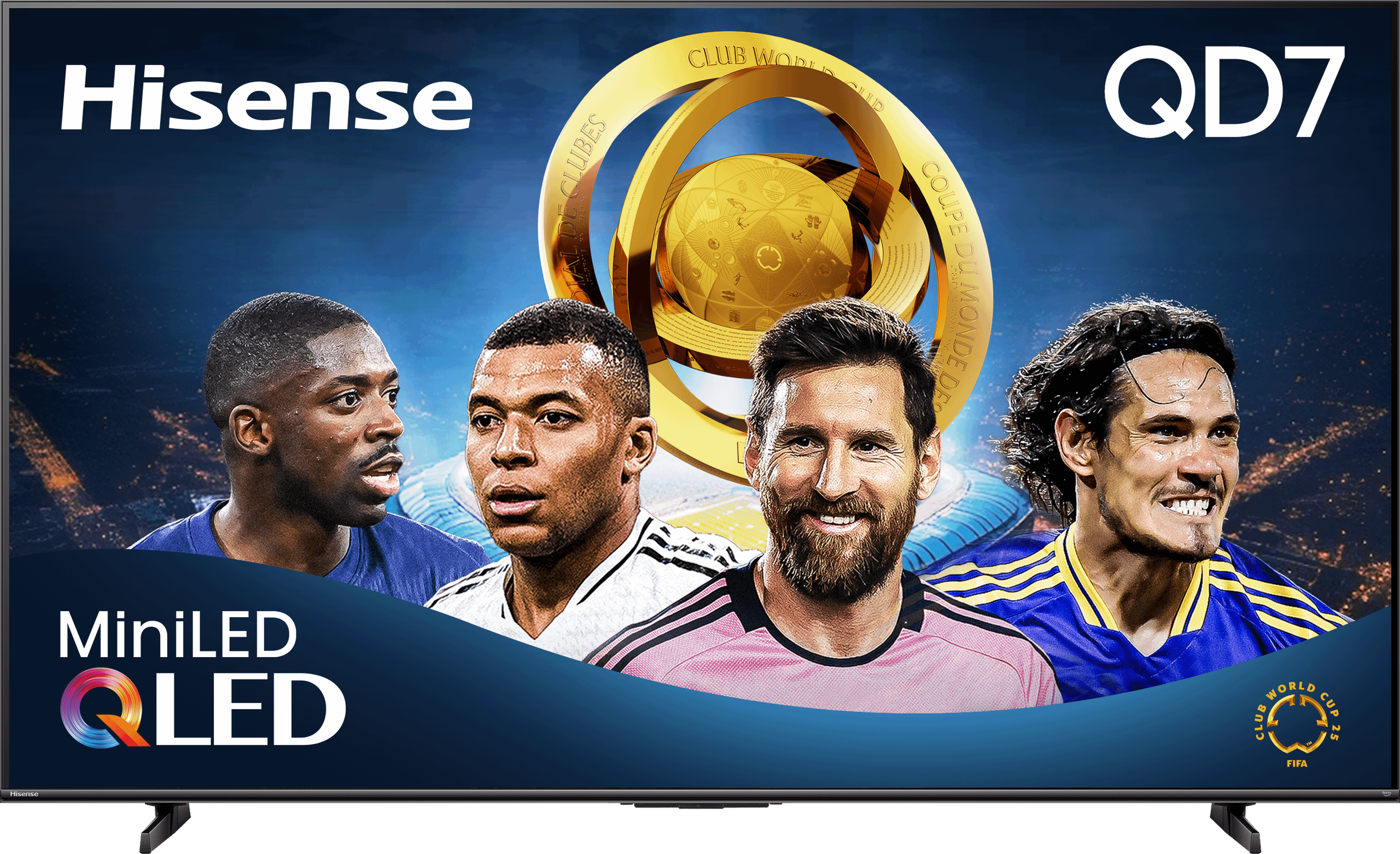
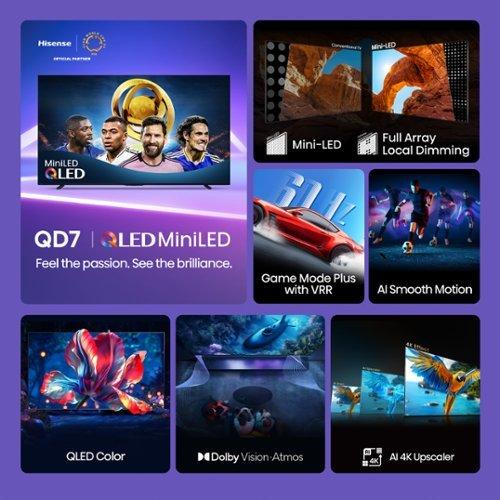
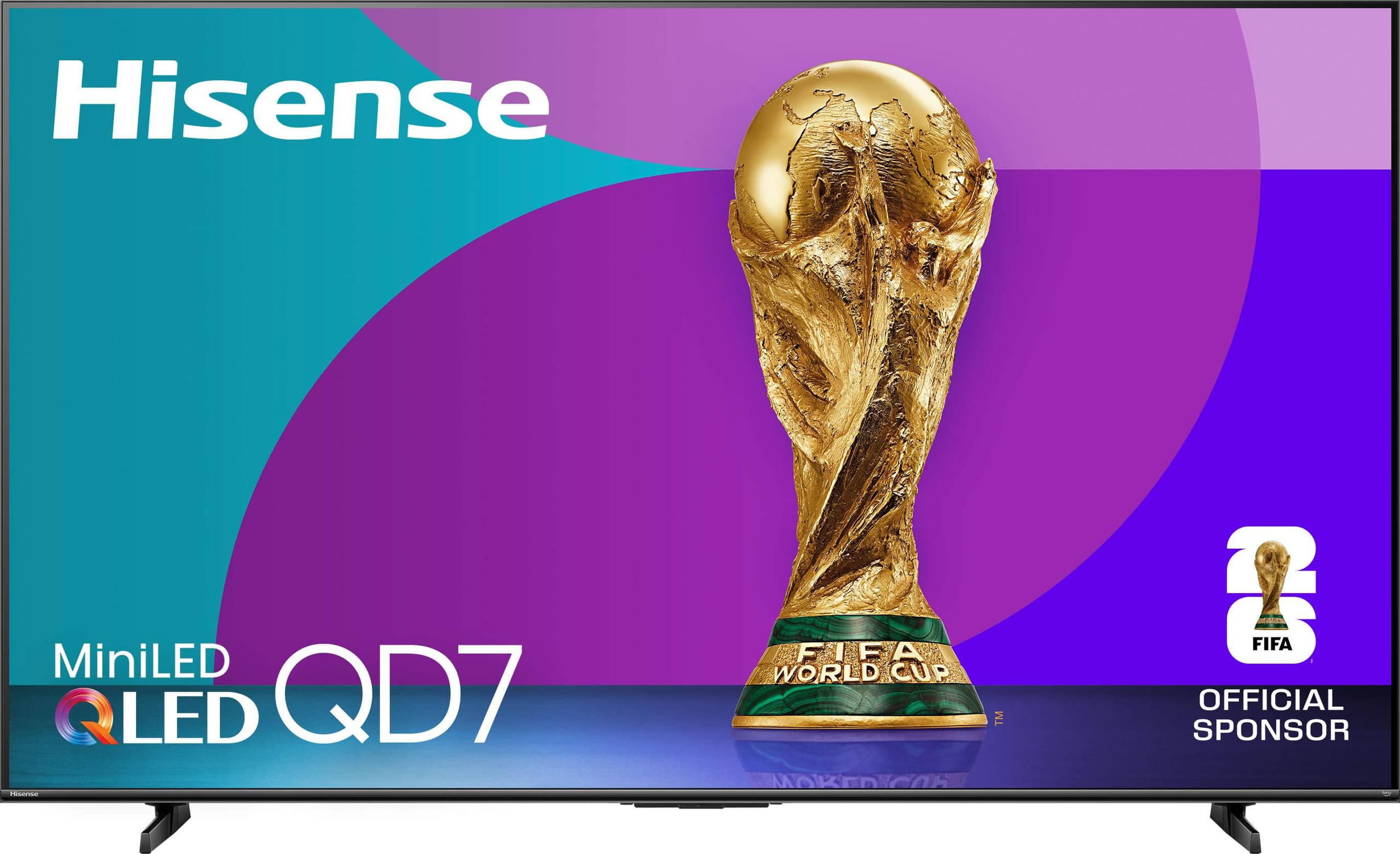
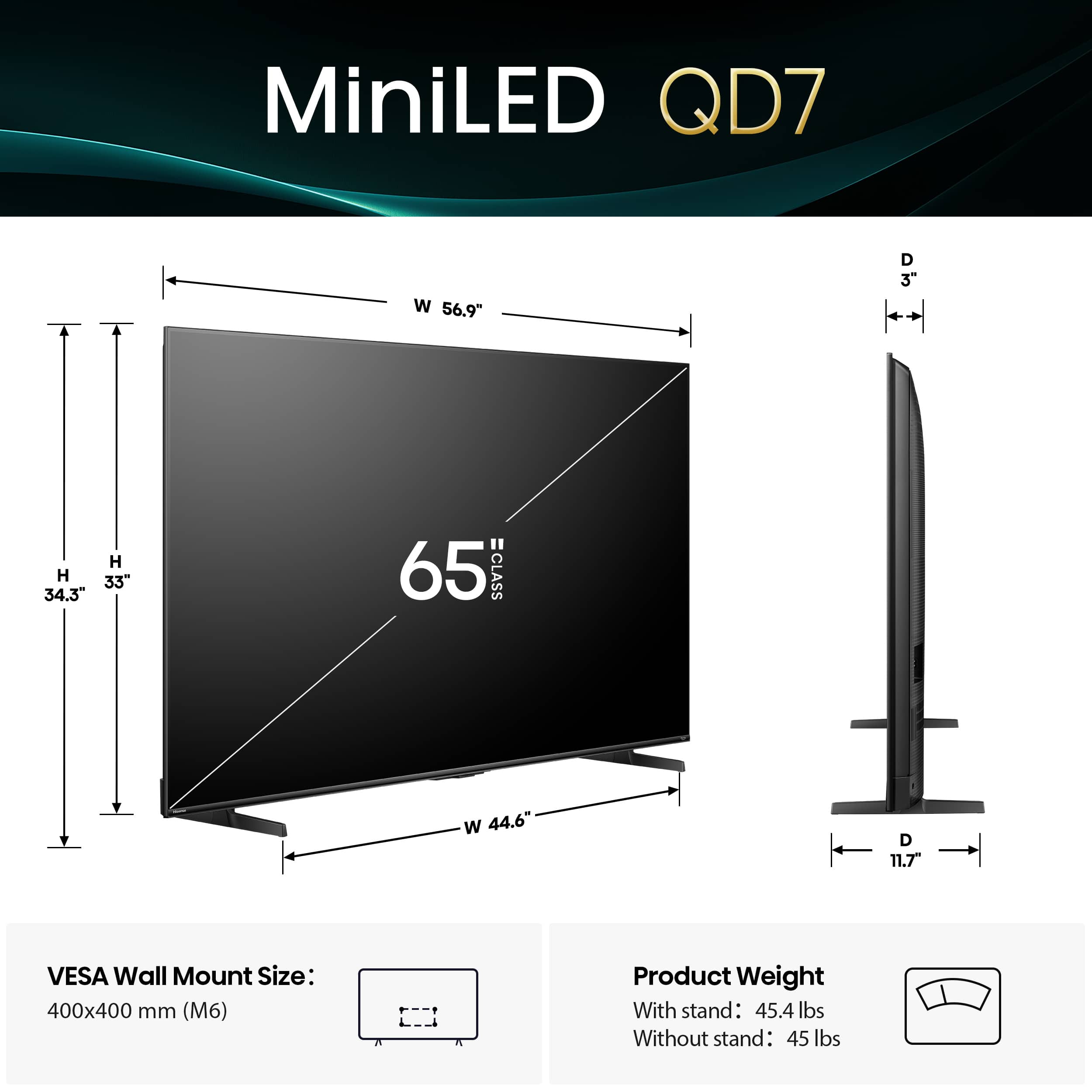
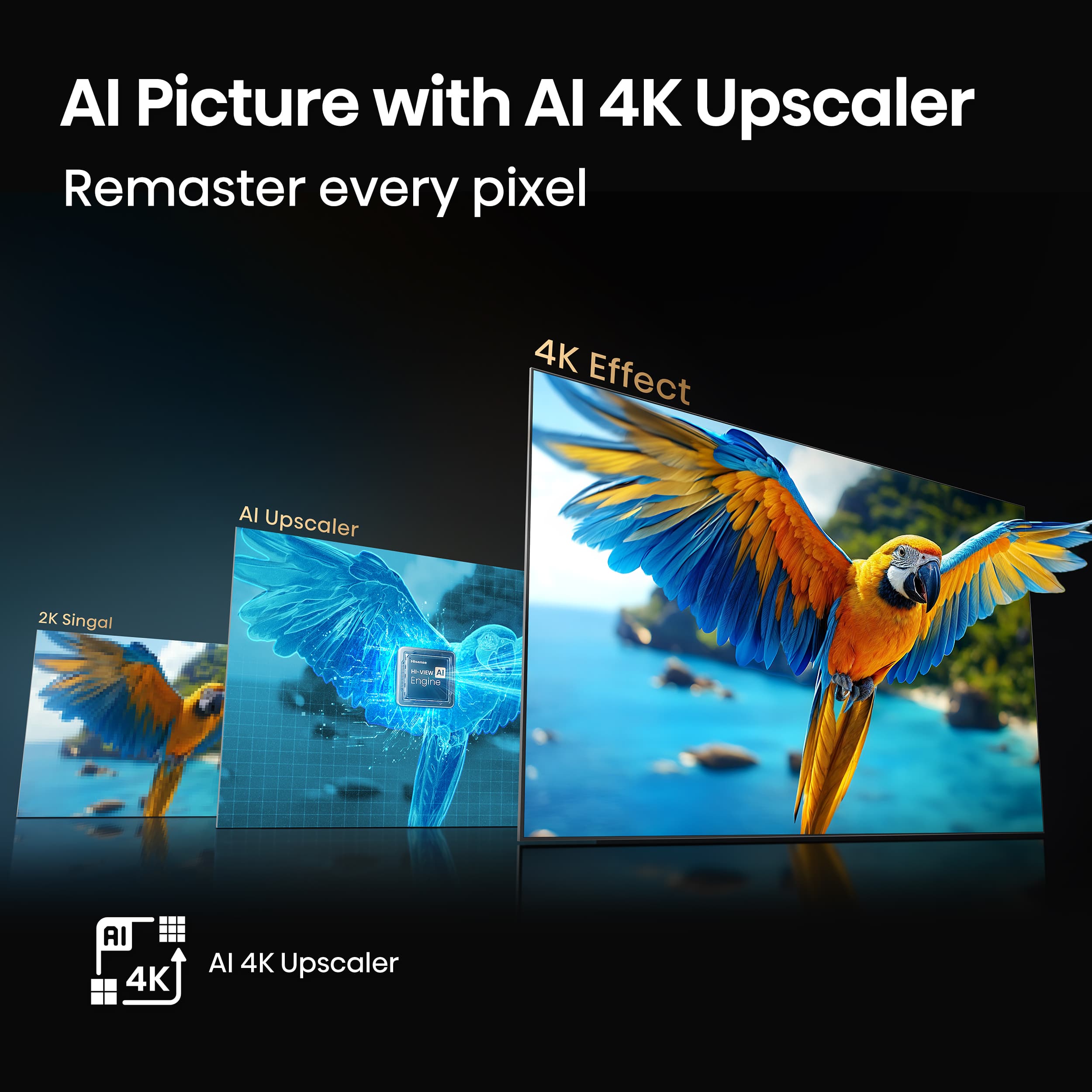
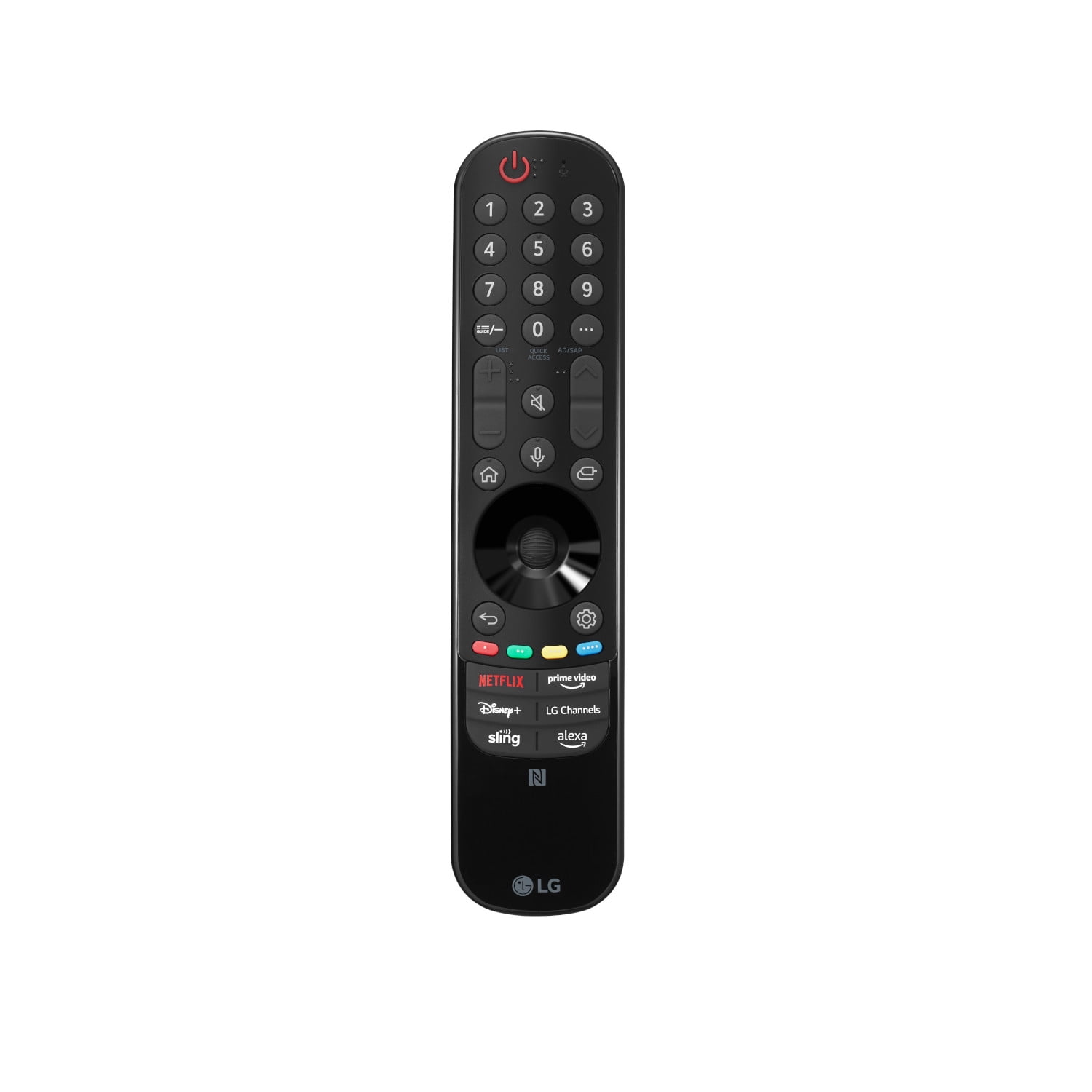
When I first started reviewing TVs a decade ago, the biggest decision was whether to go with LCD or plasma. Today's TV market is far more sophisticated, with technologies like Mini-LED and OLED offering picture quality that would have seemed impossible just a few years ago. But with great options comes great confusion—especially when comparing something like the budget-friendly Hisense 65" QD7 Series Mini-LED 4K Fire TV ($469.99) against the premium LG 65" G4 Series OLED evo 4K UHD Smart TV ($1,999.99).
These two TVs represent fundamentally different approaches to achieving excellent picture quality, and understanding their differences will help you make the right choice for your home and budget.
Before diving into specifics, let's talk about what makes these TVs tick. Traditional LED TVs use a backlight (usually edge-lit LEDs) behind an LCD panel to create the picture. This works, but it's hard to control brightness in specific areas of the screen.
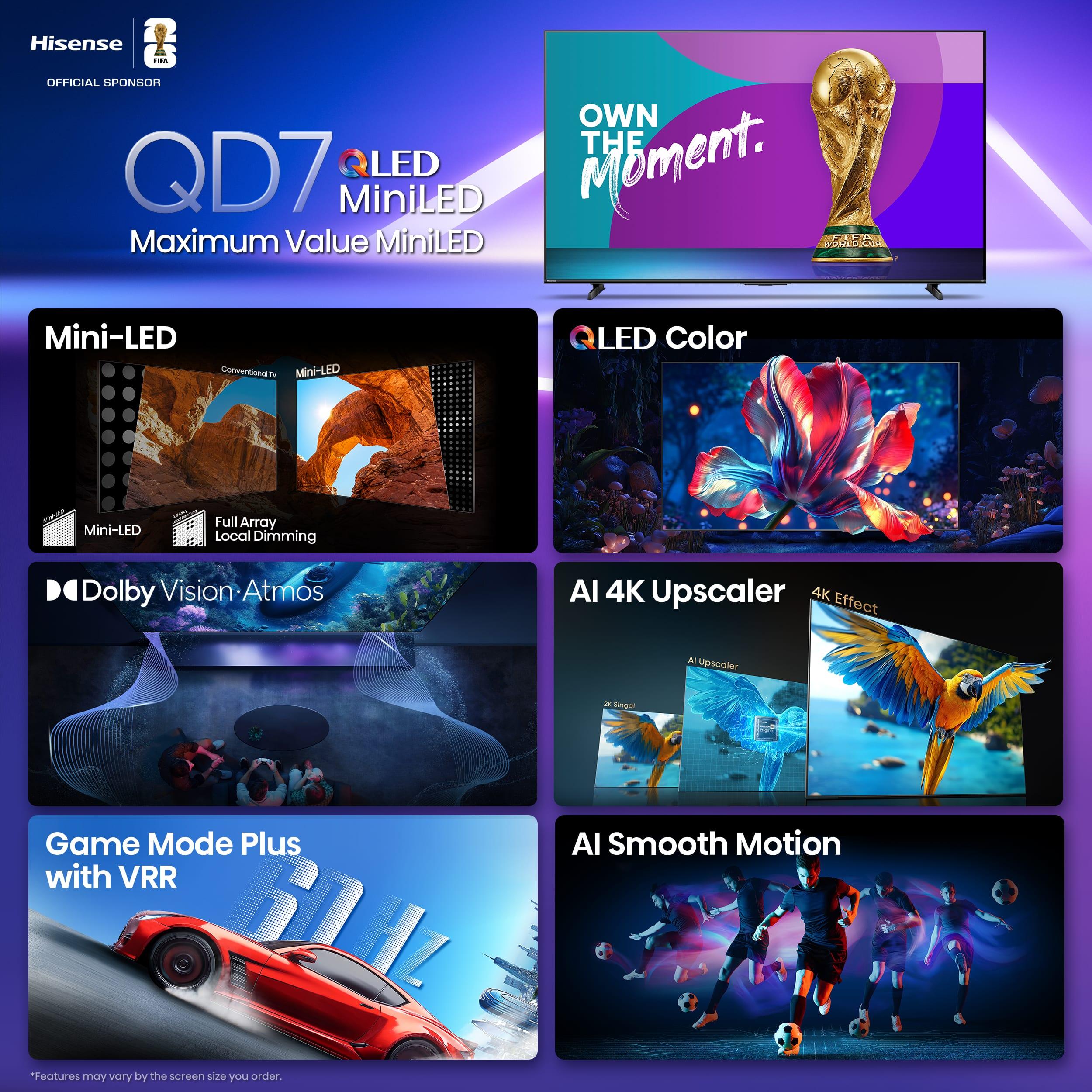
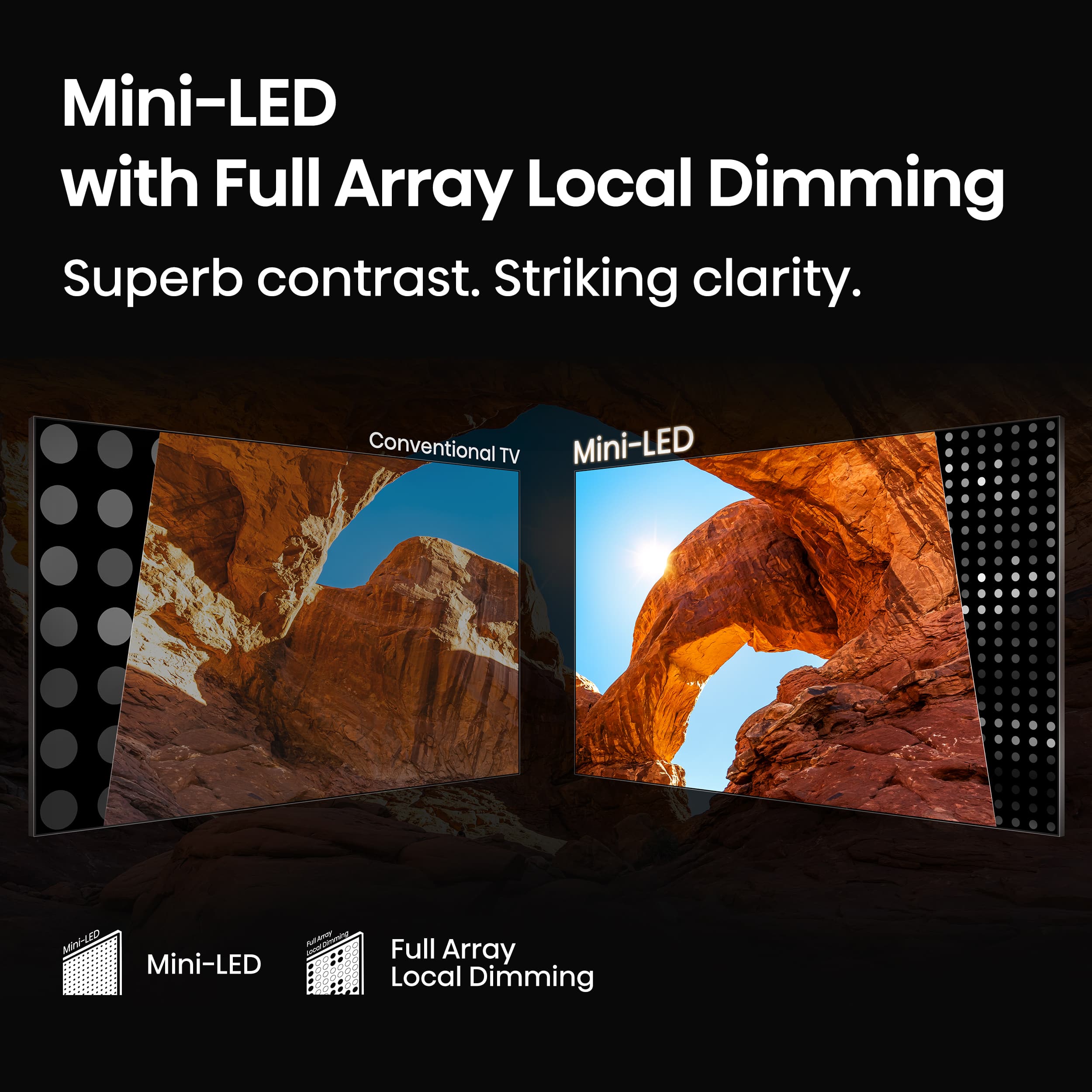
Mini-LED technology, found in the Hisense QD7, takes this concept much further. Instead of a few dozen LEDs around the edges, Mini-LED uses thousands of tiny LEDs spread across the entire back of the screen. These LEDs can be dimmed or brightened independently in small zones—a process called "local dimming"—allowing for much better contrast between bright and dark areas of the picture.
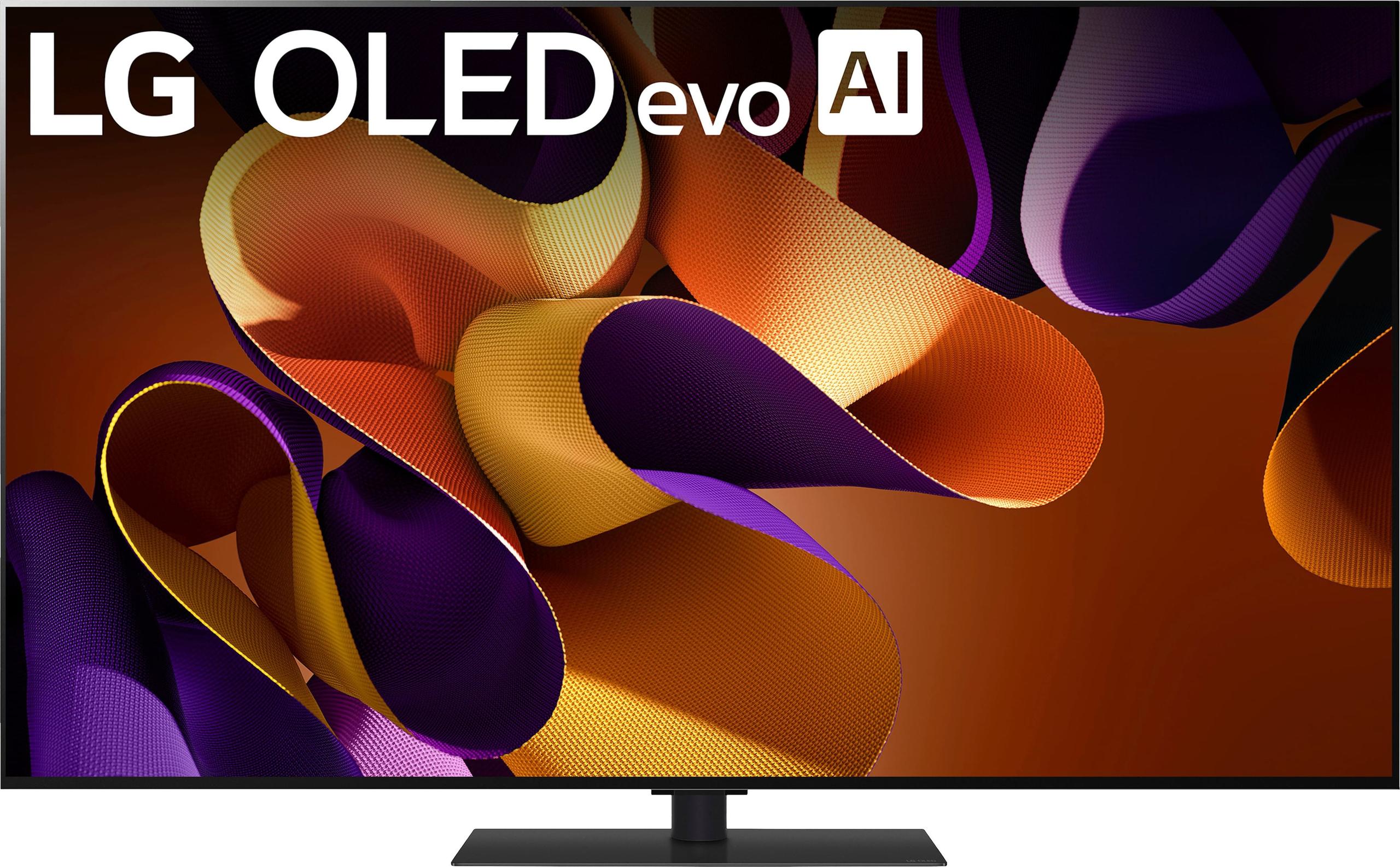
OLED technology in the LG G4 works completely differently. Each pixel actually creates its own light, meaning there's no backlight at all. When you want a black pixel, it simply turns off completely. This creates what's called "perfect blacks" and infinite contrast—something that's impossible with any backlight-based system.
The "evo" in OLED evo refers to LG's improved organic compounds that can get brighter than previous OLED generations, addressing one of the technology's traditional weaknesses.
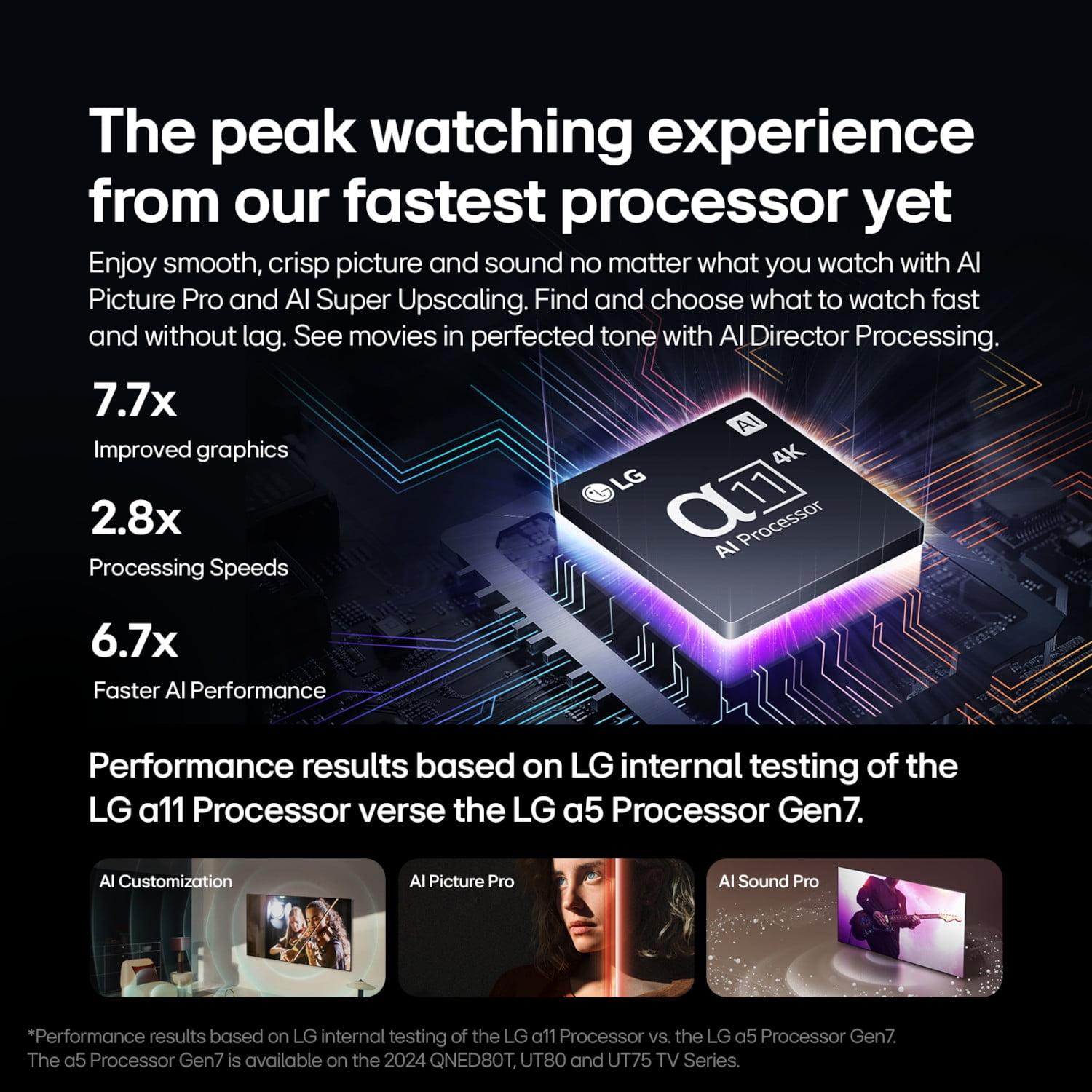
The LG G4 OLED launched in 2024 as part of LG's flagship lineup, representing the company's most advanced OLED technology to date. LG has been refining OLED for over a decade, and the G4 includes their latest Alpha 11 AI processor and improved brightness capabilities that push OLED performance to new heights.
The Hisense QD7 is brand new for 2025, showing how quickly the Mini-LED market is evolving. Hisense has been aggressively improving their Mini-LED implementation, and this latest model includes more dimming zones and better local dimming algorithms than previous generations. The fact that they're offering 144Hz refresh rates at this price point shows how competitive the market has become.
Since 2022, we've seen major improvements in both technologies. OLED panels have gotten significantly brighter (the G4 can hit nearly 1,500 nits compared to around 800 nits in 2022 OLEDs), while Mini-LED has become more affordable and refined. The QD7's sub-$500 price point would have been impossible for this feature set just two years ago.
This is where the two TVs show their most dramatic differences. The Hisense QD7 can reach peak brightness levels around 1,800 nits in bright highlights—that's absolutely stunning for HDR content like nature documentaries or action movies. When you're watching a scene with bright sunlight or explosions, the QD7 will make those highlights pop with an intensity that feels almost three-dimensional.
The LG G4, while improved over earlier OLEDs, reaches about 1,488 nits at peak brightness. That might sound like a significant disadvantage, but here's the thing: OLED's perfect blacks make that brightness feel more impactful. It's like the difference between a flashlight in a bright room versus a candle in complete darkness—the candle actually appears brighter because of the surrounding darkness.
For HDR content, both TVs support Dolby Vision (which dynamically adjusts brightness scene by scene) and HDR10+, but they deliver the experience differently. The QD7 will blow you away with bright, sunny scenes and works exceptionally well in rooms with lots of windows. The G4 creates a more cinematic experience with deeper shadows and more nuanced highlights.
Here's where OLED technology really shines—literally by not shining at all. When the LG G4 needs to display black, those pixels simply turn off. This creates what professionals call "infinite contrast" because you're dividing any amount of light by zero. In practical terms, this means watching a movie like "Dune" or "The Batman" becomes a much more immersive experience, with space scenes looking truly black and shadow details remaining visible without any grayish glow.
The Hisense QD7, despite its Mini-LED technology, struggles here. While it has impressive local dimming with hundreds of zones, there's still a backlight behind the LCD panel. This means blacks look more like dark gray, and you'll notice a subtle glow around bright objects against dark backgrounds—what we call "blooming" or "haloing."
I've spent hours watching dark movies on both types of displays, and the difference is immediately apparent. The OLED creates that "looking through a window" effect that makes you forget you're watching a TV, while the Mini-LED reminds you that you're looking at a lit screen.
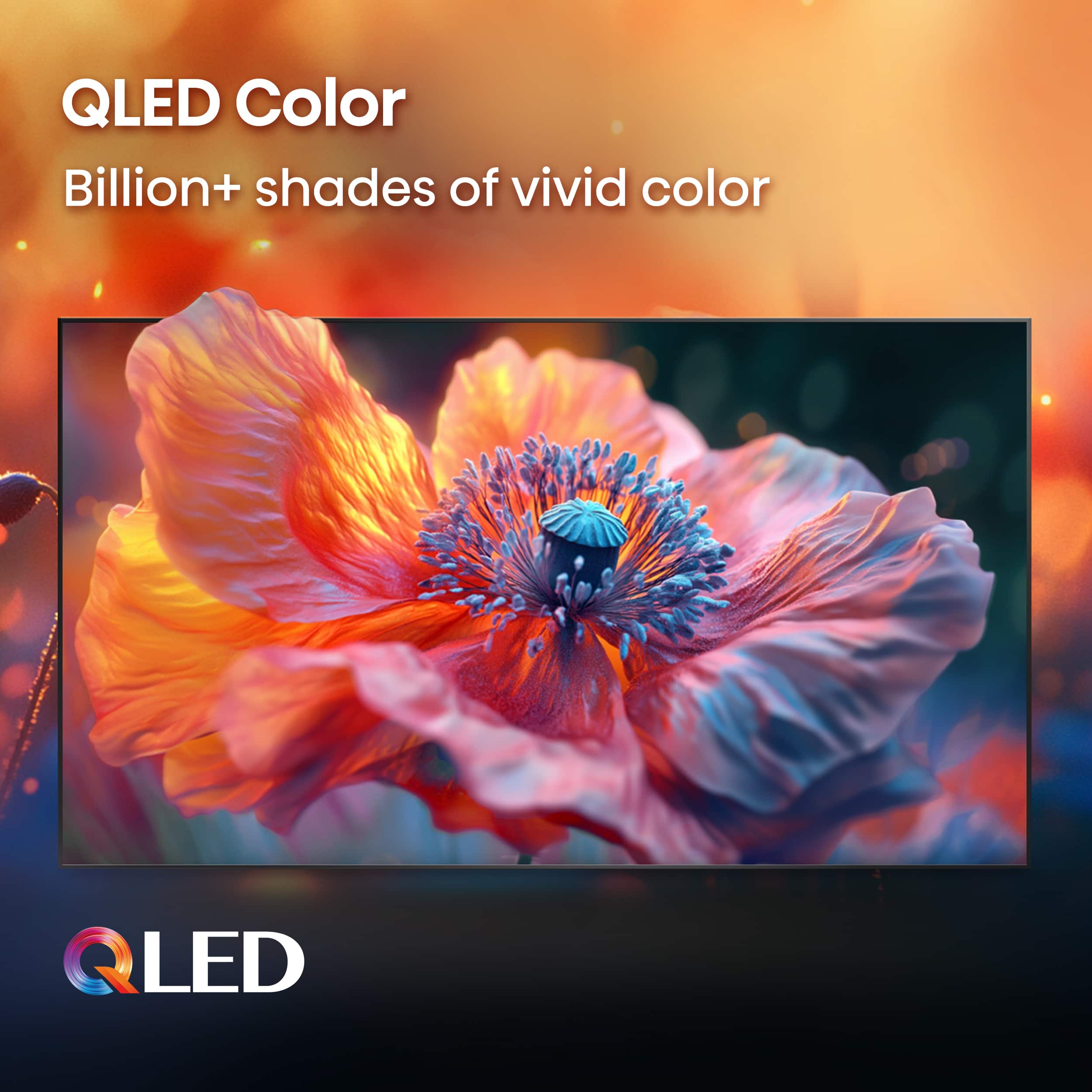
Both TVs use quantum dot technology for enhanced color reproduction, but they implement it differently. The QD7 uses quantum dots to filter the Mini-LED backlight, creating more pure colors than traditional LED TVs. However, it requires some calibration to look its best—out of the box, colors might appear slightly oversaturated or off-tone.
The LG G4 benefits from years of OLED refinement and comes calibrated to professional standards right out of the box. Colors look natural and accurate without any adjustment. The self-emissive nature of OLED also means it can display very dark colors (like deep reds or dark blues) that get lost in the backlight glow of LCD-based displays.
For content creators or anyone who cares about color accuracy, the G4 is clearly superior. For casual viewing, both will look great, though the QD7 might actually appear more vibrant to some viewers due to its higher brightness.
Modern gaming has pushed TV manufacturers to prioritize features that were once only found in computer monitors. Both the Hisense QD7 and LG G4 deliver excellent gaming experiences, but with different strengths.
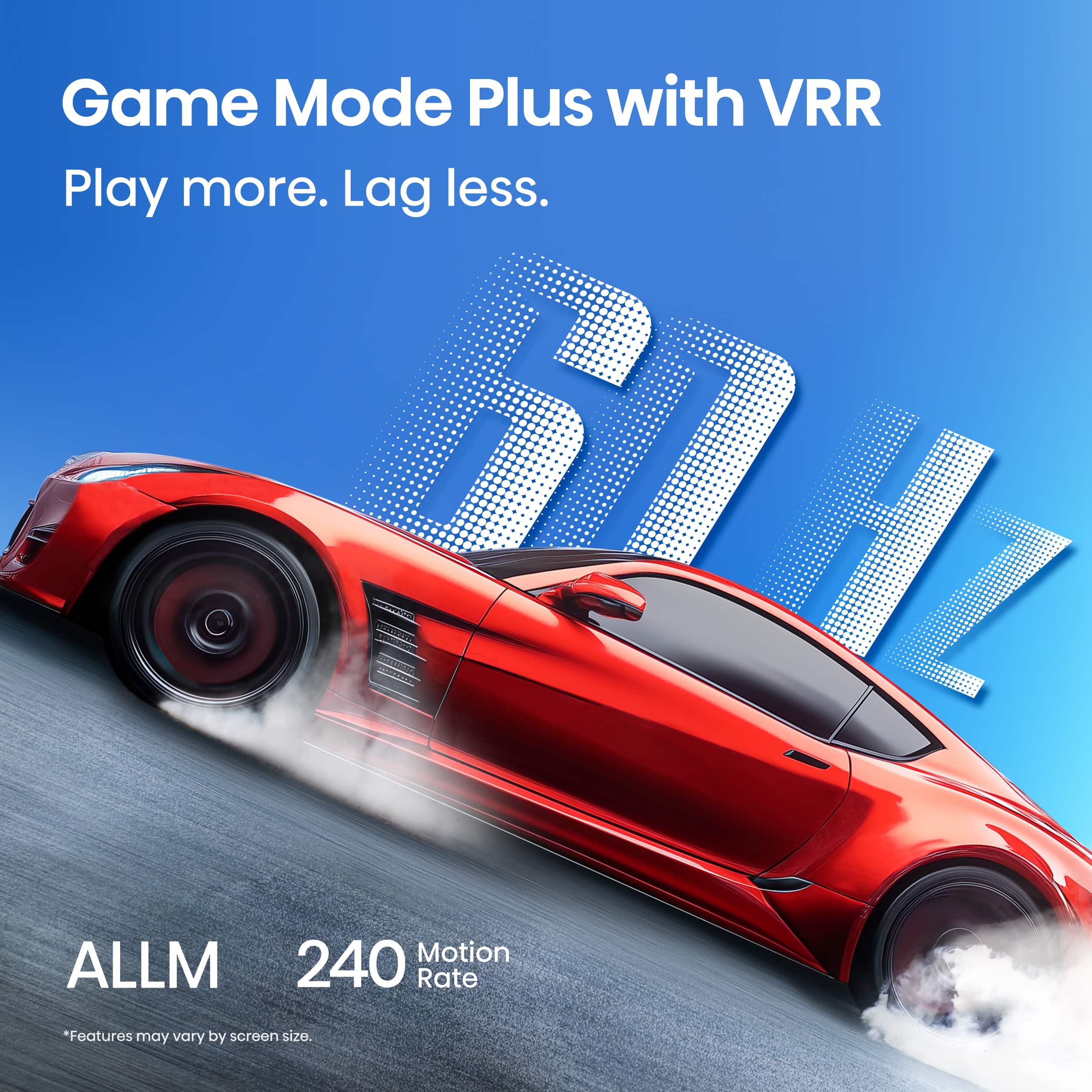
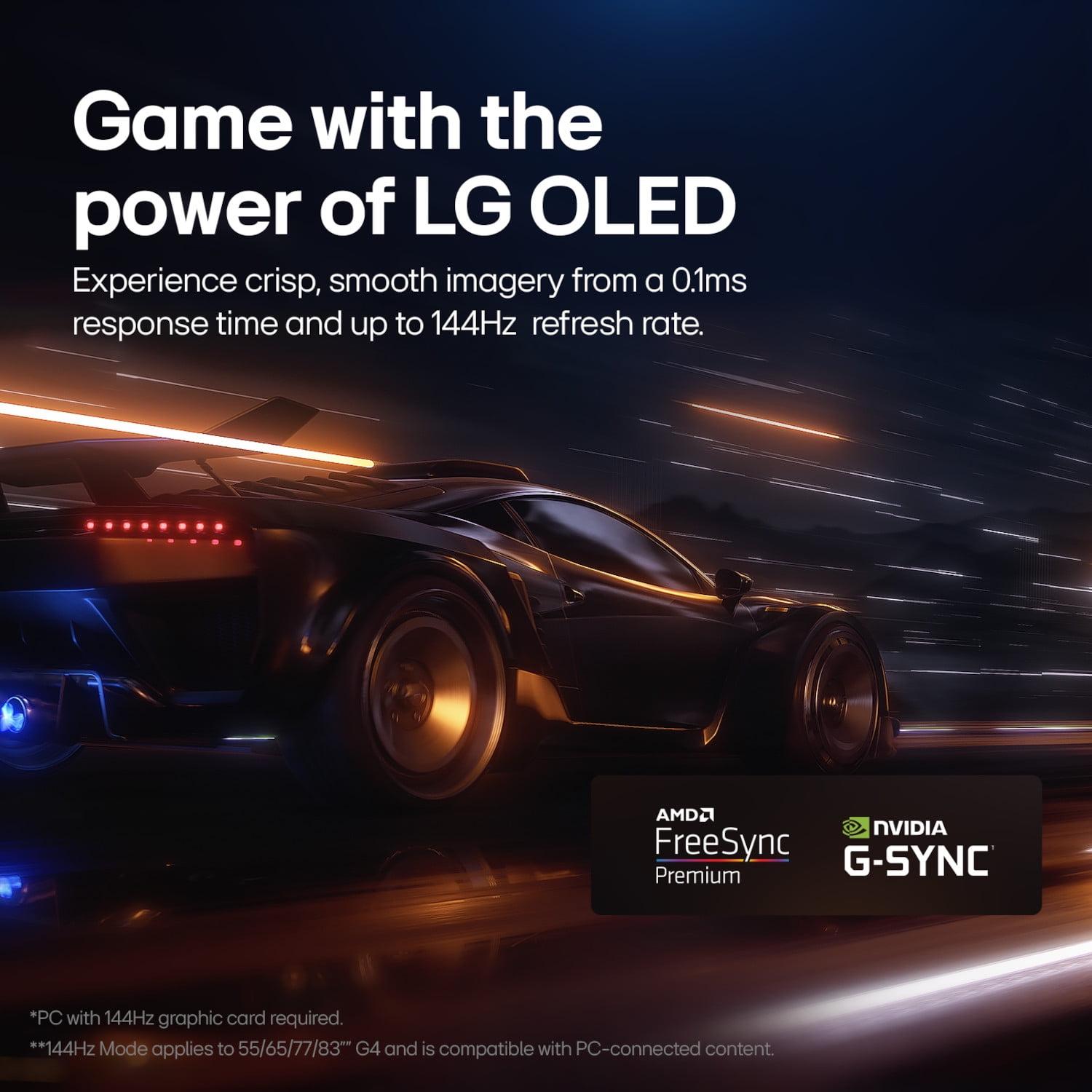
The QD7 supports 4K gaming at up to 144Hz, which is particularly impressive for PC gaming. This high refresh rate means incredibly smooth motion in fast-paced games, and the input lag (the delay between pressing a button and seeing the result on screen) is remarkably low at around 10 milliseconds.
The G4 caps out at 120Hz for 4K gaming, but what it lacks in maximum refresh rate, it makes up for in response time. OLED pixels can change color almost instantaneously, eliminating the motion blur that can affect LCD-based displays during fast gaming sequences. Input lag is even lower than the QD7 at around 5 milliseconds.
Both TVs include HDMI 2.1 ports with support for Variable Refresh Rate (VRR) and Auto Low Latency Mode (ALLM). VRR synchronizes the TV's refresh rate with your gaming console or PC, eliminating screen tearing and stuttering. ALLM automatically switches the TV to its lowest-latency mode when it detects a gaming signal.
The G4 includes four HDMI 2.1 ports compared to the QD7's implementation, giving you more flexibility for connecting multiple gaming devices. Both support the latest PlayStation 5 and Xbox Series X features, but the G4's superior motion handling gives it an edge for competitive gaming.
For PC gaming enthusiasts who want the highest refresh rates, the QD7 offers excellent value. For console gaming and competitive play where motion clarity matters most, the G4 is the better choice, though it costs significantly more.
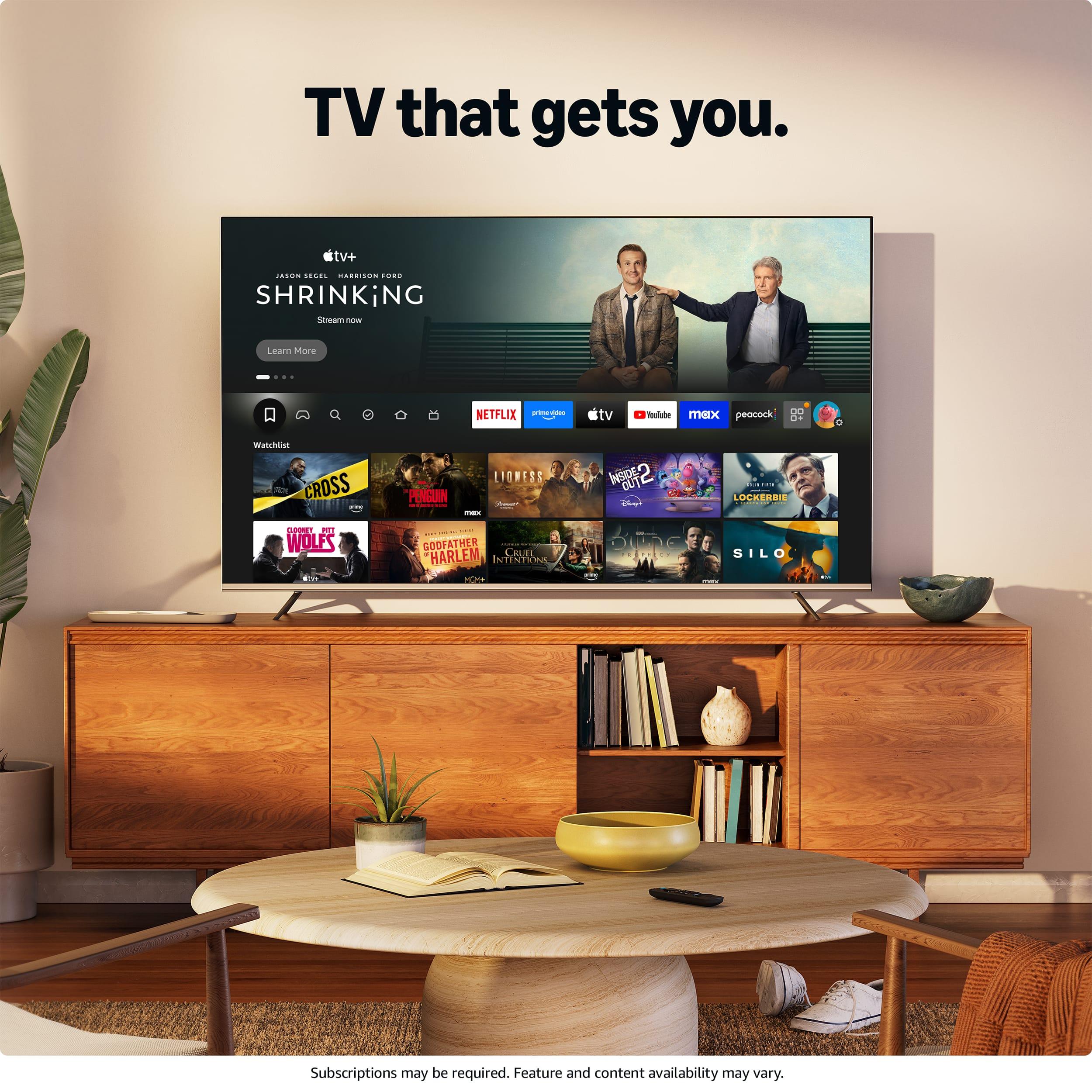
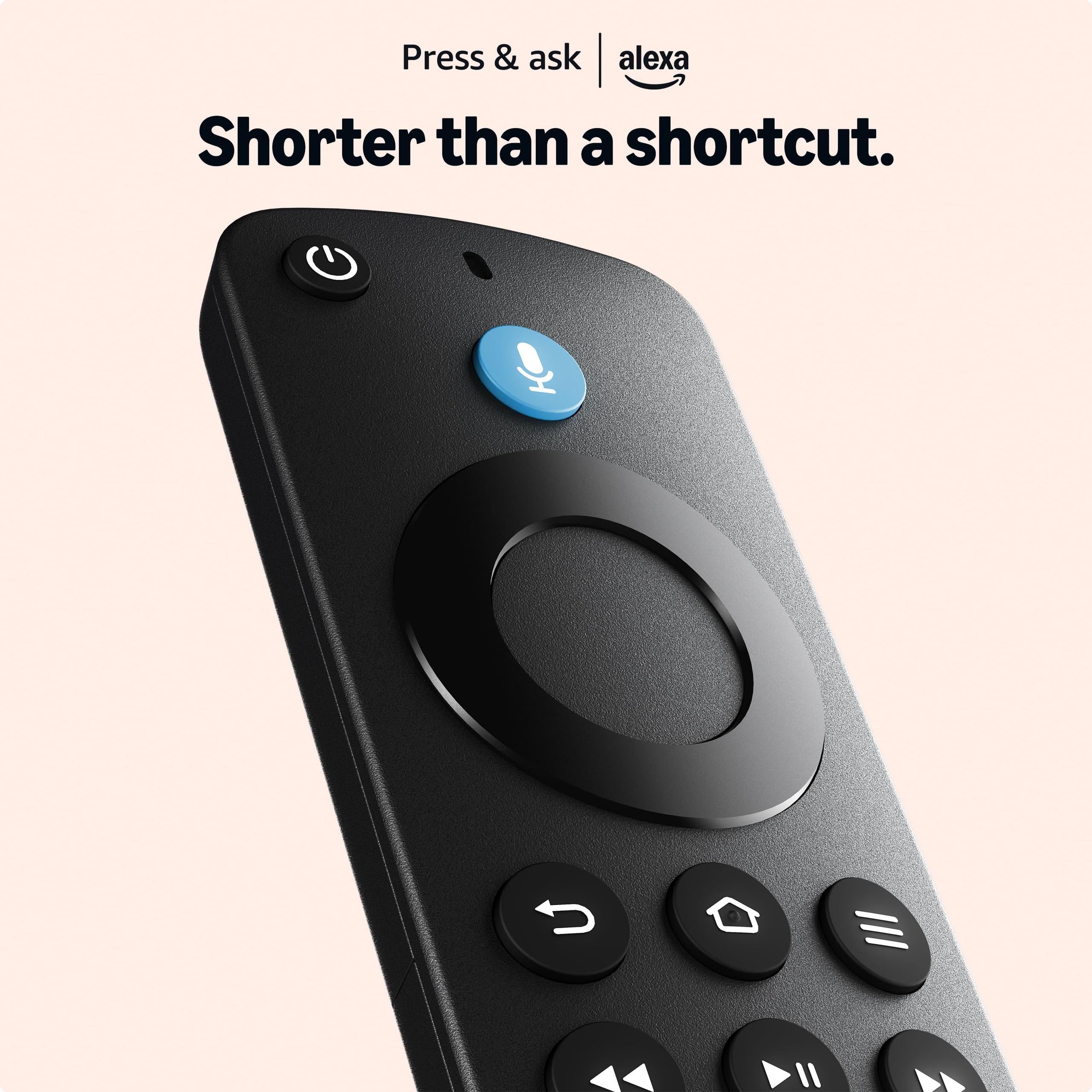
The software experience differs significantly between these TVs. The QD7 runs Amazon's Fire TV platform, which integrates deeply with Amazon's ecosystem. If you're already using Alexa smart home devices or Amazon Prime Video, the interface feels familiar and responsive. The platform includes most major streaming apps, though occasionally you might encounter minor compatibility issues or slower loading times.
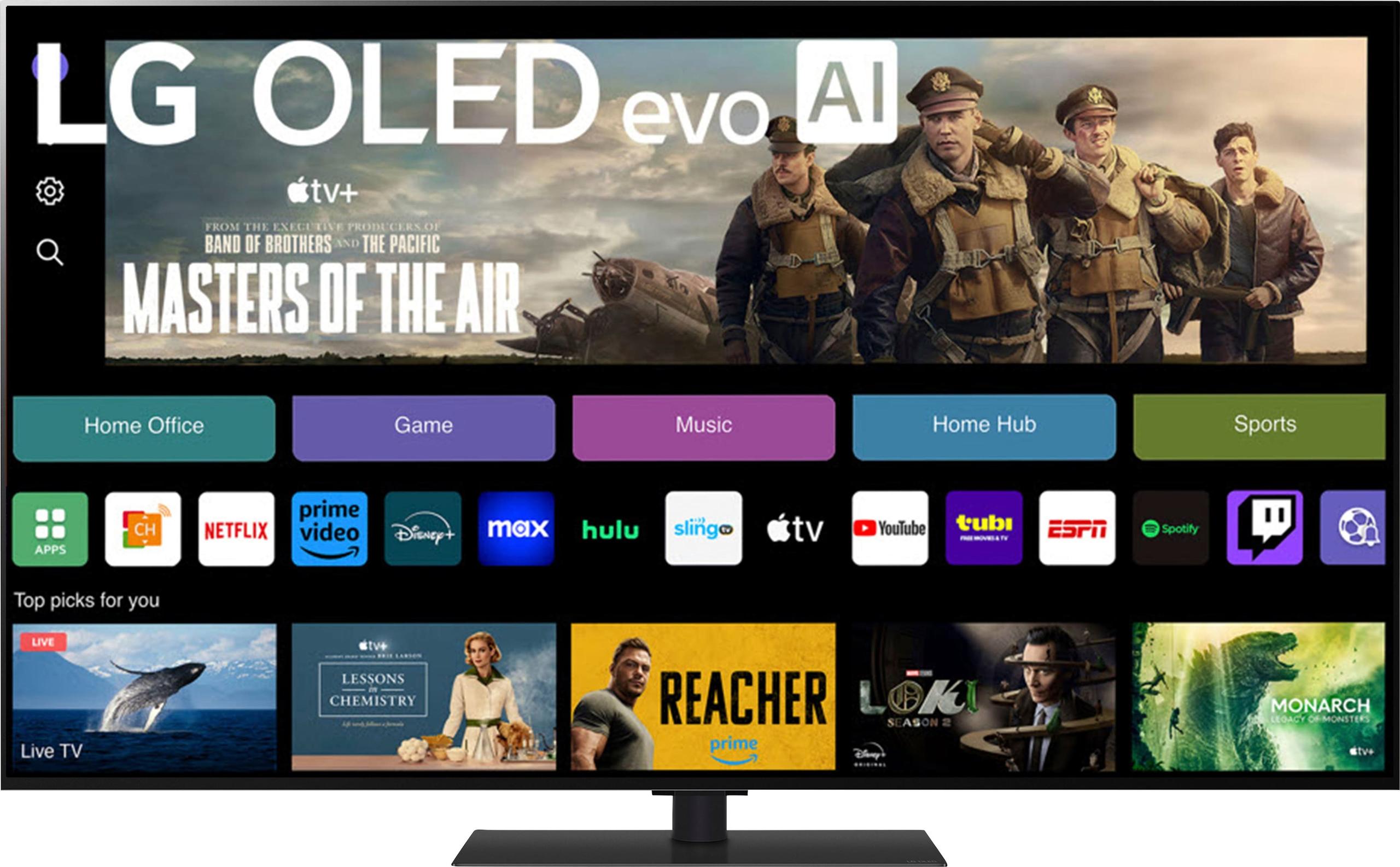
The G4 uses LG's webOS 24, which I've found to be one of the smoothest smart TV interfaces available. Navigation is quick and intuitive, with a ribbon-style menu that doesn't interrupt your viewing. The AI-powered recommendations actually get better over time, and the platform handles multiple user profiles elegantly.
Both support voice control, but the implementation feels more natural on the G4. The QD7's Alexa integration is comprehensive but sometimes feels like it's trying to sell you Amazon services.
Neither TV will replace a good soundbar or home theater system, but there are notable differences in their built-in audio. The QD7 includes a 2.1 channel system that's adequate for casual viewing but lacks the depth and clarity you'd want for movies or music.
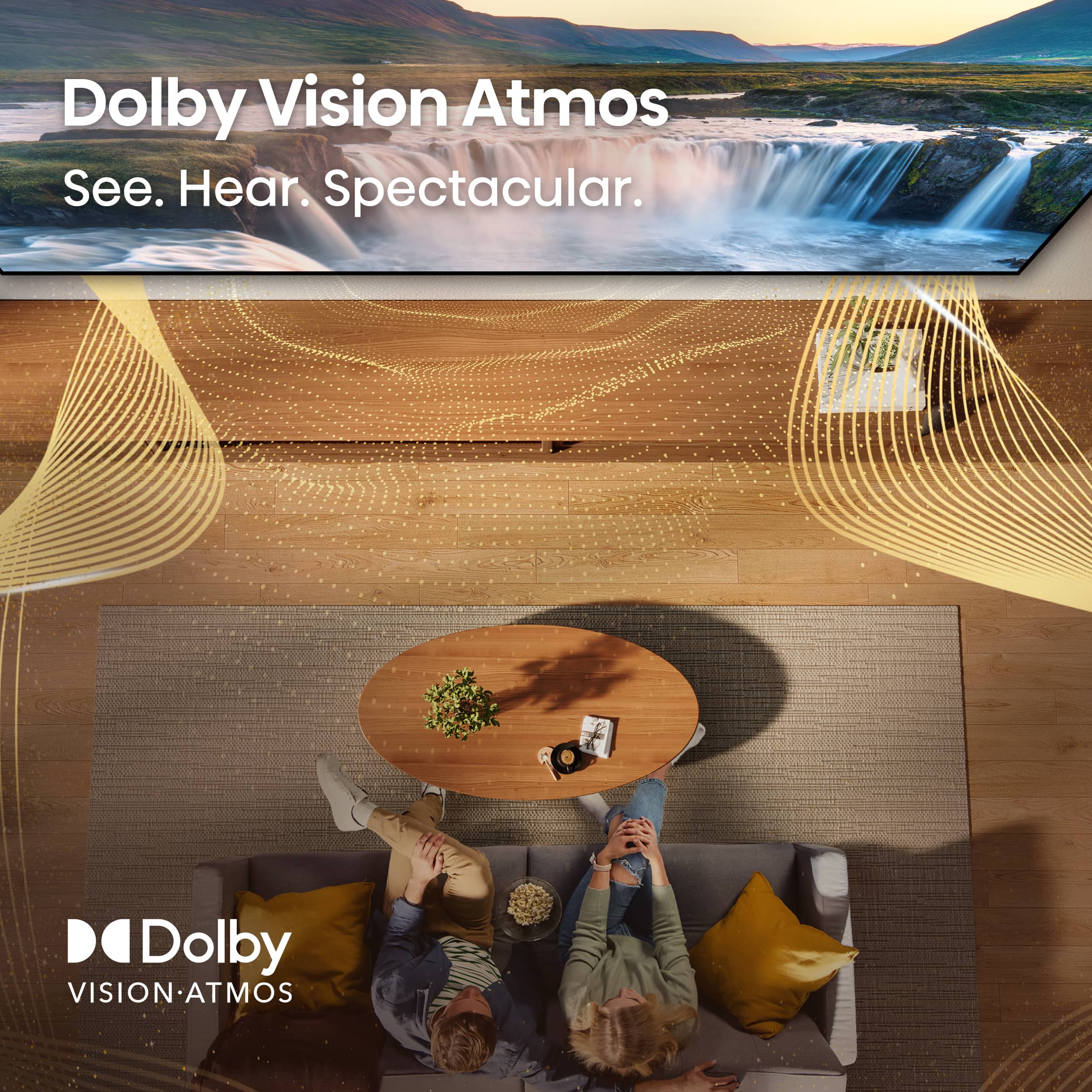
The G4 features a 4.2 channel, 60W system with Dolby Atmos processing. While it won't shake your walls, it provides surprisingly good dialogue clarity and a sense of spatial audio that enhances the viewing experience. The improved audio processing helps voices cut through background noise more effectively.
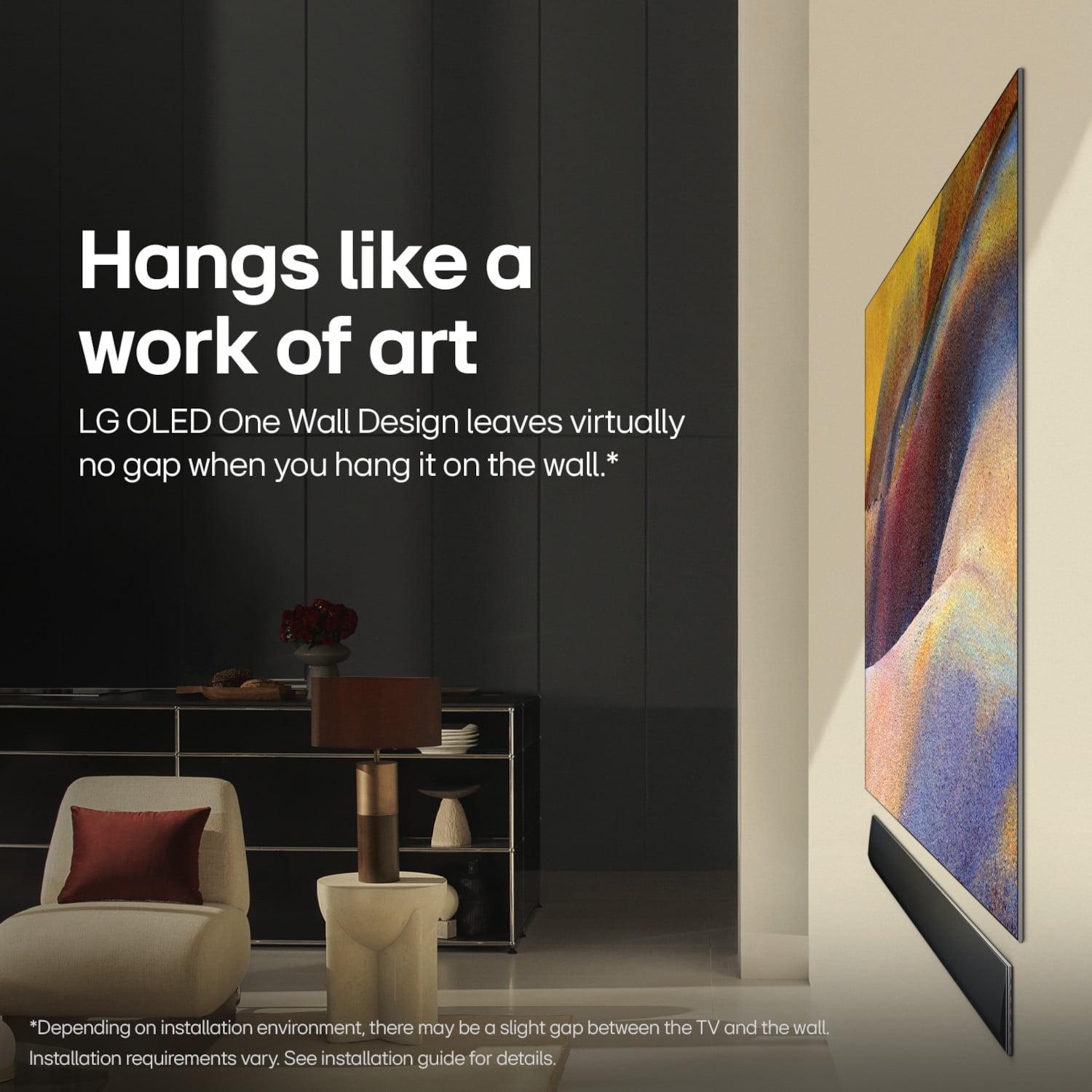
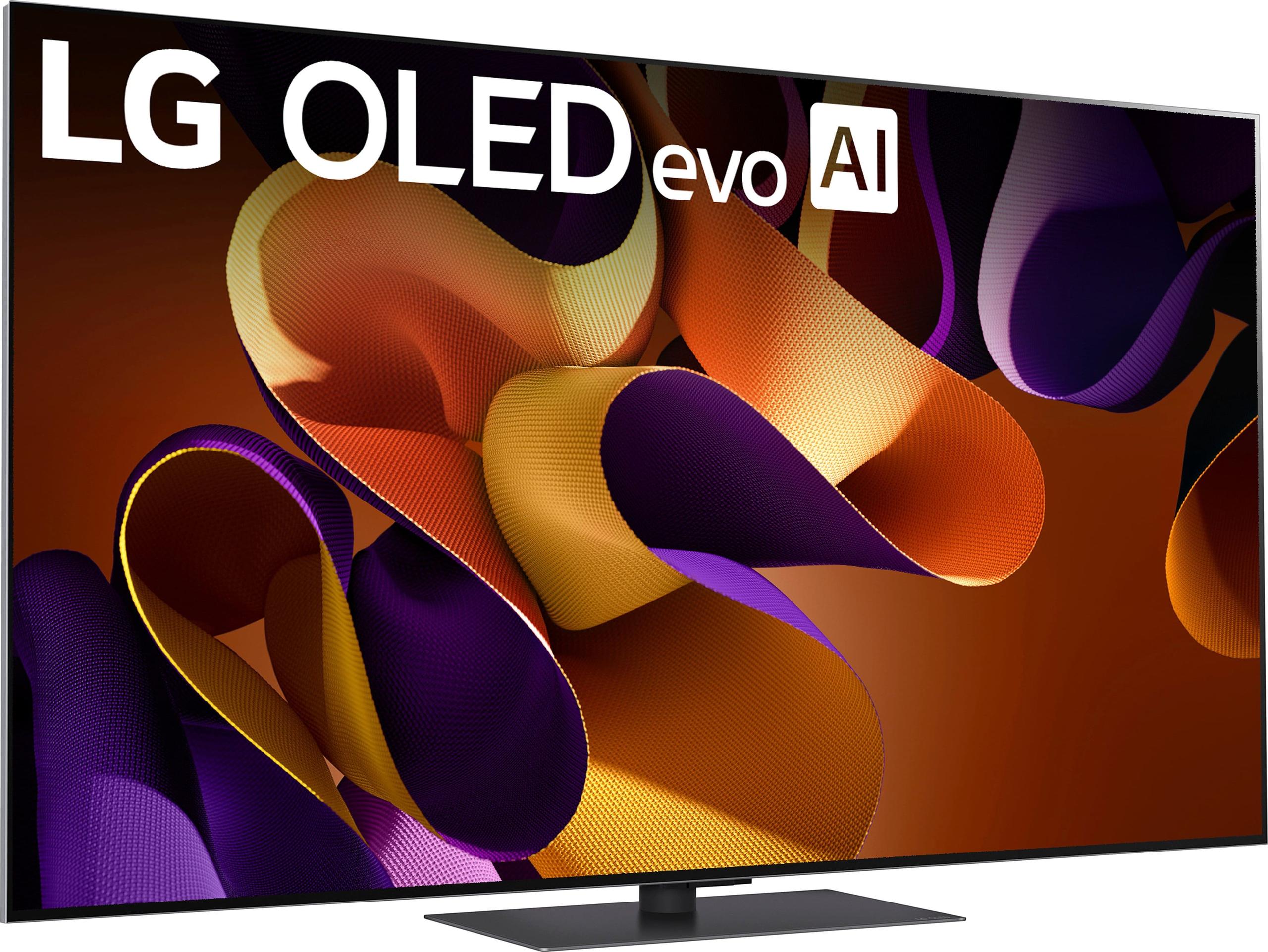
If you're building a dedicated home theater, the choice between these TVs depends heavily on your room setup. The LG G4 is designed for controlled lighting environments where you can appreciate its perfect blacks and accurate colors. Its ultra-thin profile makes it ideal for wall mounting, creating that "floating picture" aesthetic that many home theater enthusiasts prefer.
The QD7 works better in multipurpose living spaces where you might be watching TV during the day with windows open. Its higher brightness cuts through ambient light more effectively, though this comes at the cost of that cinematic dark room experience.
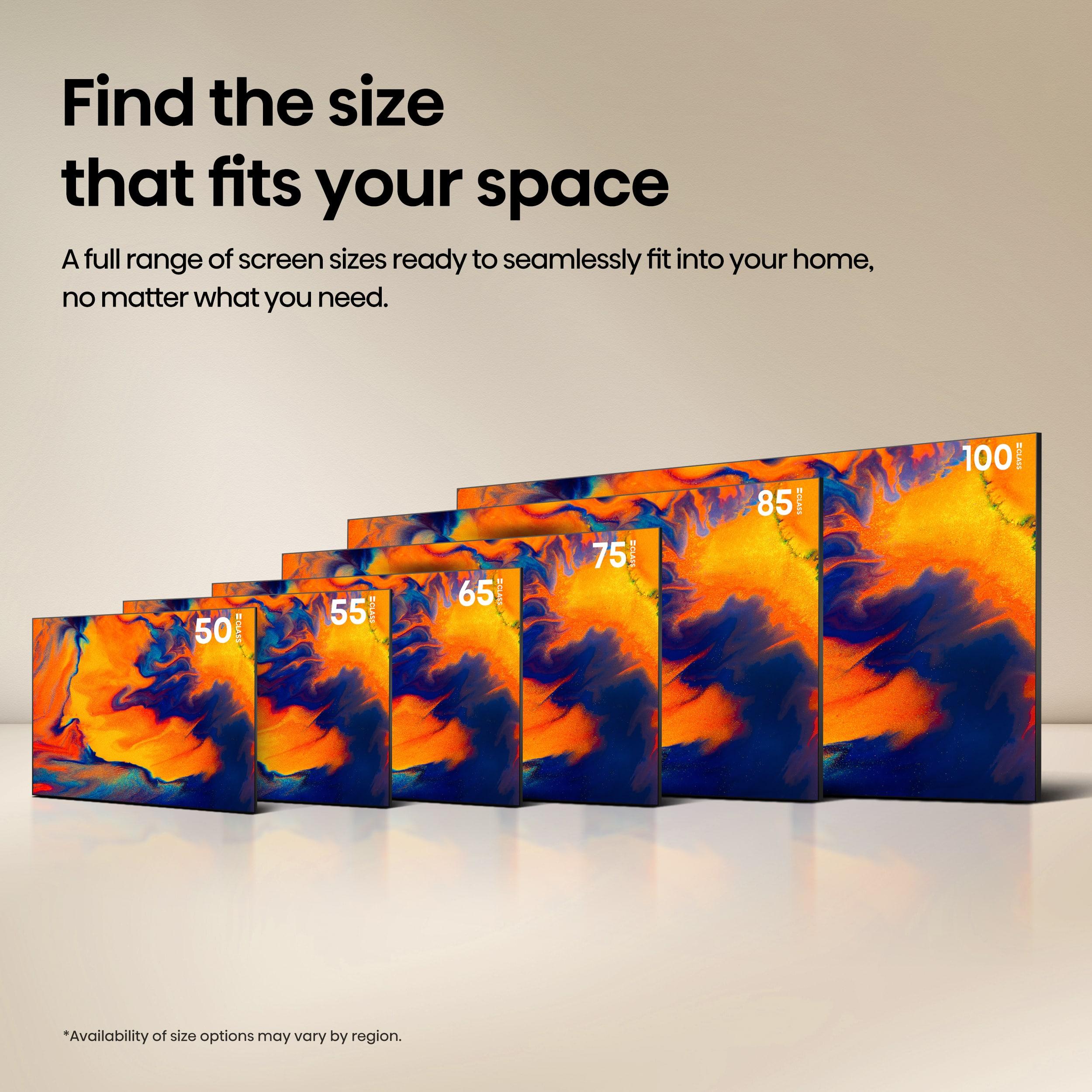
For screen size considerations, both 65-inch models work well in rooms where you're sitting 8-12 feet from the screen. The OLED's wide viewing angles make it better for rooms where people might be watching from the side, while the Mini-LED's brightness makes it suitable for larger, brighter spaces.
The price difference between these TVs—over $1,500—represents different approaches to value. The QD7 offers premium features at a budget price, making advanced TV technology accessible to more buyers. However, some users report quality control issues like panel uniformity problems or occasional software glitches.
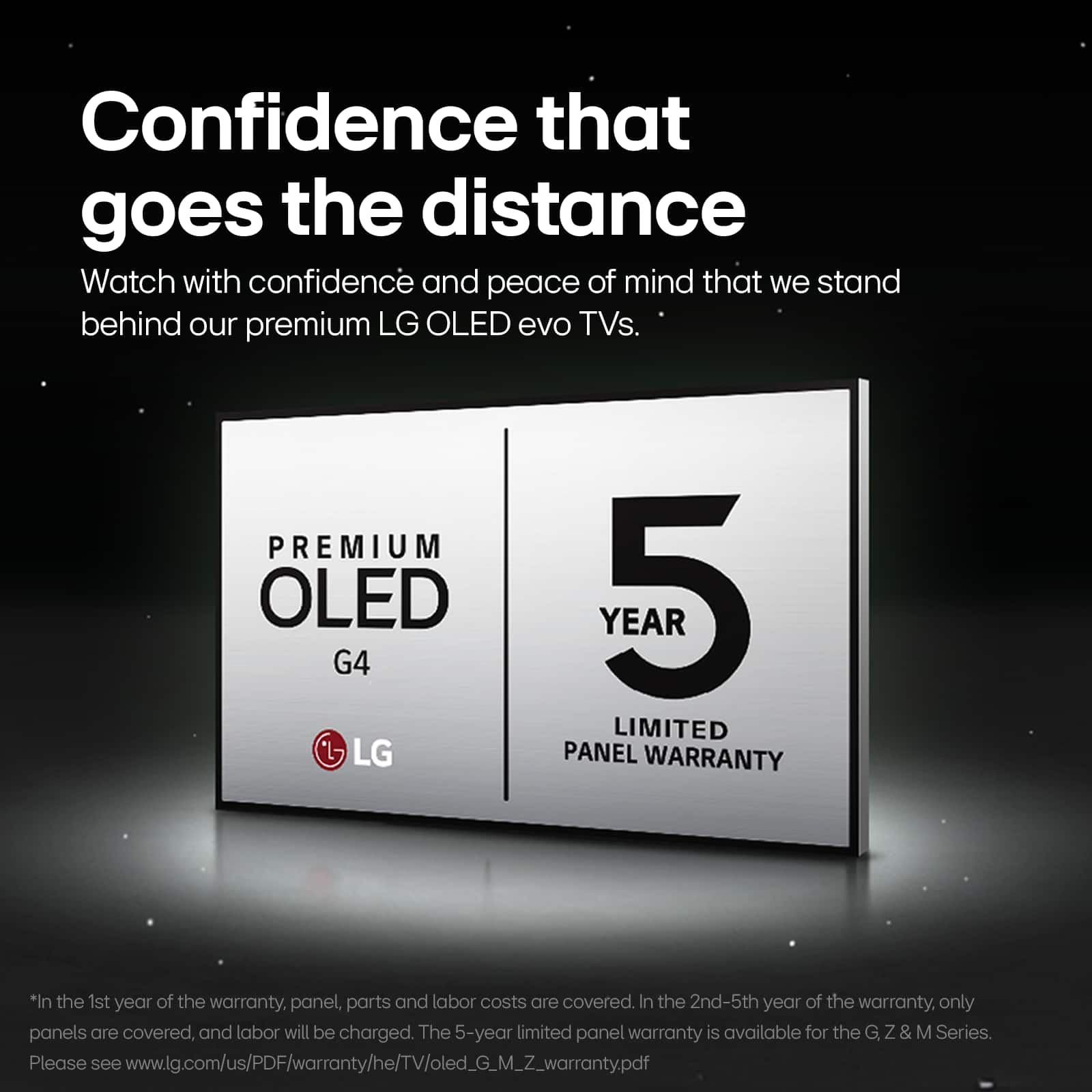
The G4 represents a premium investment with build quality to match. LG's 5-year warranty against OLED burn-in (permanent image retention) shows their confidence in the technology's longevity. The superior build quality and materials justify the higher price for buyers who plan to keep their TV for many years.
Choose the Hisense QD7 Mini-LED ($469.99) if you want excellent performance at an exceptional price. It's perfect for bright living rooms, offers great gaming features, and provides a taste of premium TV technology without breaking the bank. The high brightness makes it ideal for sports viewing and daytime use.
Choose the LG G4 OLED ($1,999.99) if picture quality is your top priority and budget allows. It's the better choice for movie enthusiasts, serious gamers who value motion clarity, and anyone setting up a dedicated home theater. The perfect blacks and color accuracy create an viewing experience that's hard to match.
Both TVs represent the current state of display technology, just aimed at different markets and use cases. The QD7 democratizes premium features, while the G4 pushes the boundaries of what's possible. Your choice depends on whether you prioritize exceptional value or exceptional performance—and fortunately, both options deliver on their respective promises.
| Hisense 65" QD7 Series Mini-LED 4K Fire TV 2025 | LG 65" G4 Series OLED evo 4K UHD Smart TV |
|---|---|
| Price - The biggest factor for most buyers | |
| $469.99 (exceptional value for premium features) | $1,999.99 (premium pricing for best-in-class quality) |
| Display Technology - Determines picture quality and room suitability | |
| Mini-LED with Quantum Dot (bright but limited contrast) | OLED evo (perfect blacks, infinite contrast) |
| Peak Brightness - Critical for bright rooms and HDR impact | |
| ~1,800 nits (excellent for daytime viewing) | 1,488 nits (good for OLED, best in dark rooms) |
| Black Levels - Makes or breaks dark scene viewing | |
| Grayish blacks due to backlight bleeding | Perfect blacks (pixels turn completely off) |
| Gaming Refresh Rate - Higher is better for smooth motion | |
| 144Hz (excellent for PC gaming) | 120Hz (more than enough for consoles) |
| Gaming Input Lag - Lower means more responsive controls | |
| ~10ms (very good for gaming) | ~5ms (excellent for competitive gaming) |
| HDMI 2.1 Ports - Needed for next-gen console features | |
| 4 ports (good connectivity) | 4 ports (excellent connectivity) |
| Viewing Angles - Important for wide seating arrangements | |
| Limited (colors fade from sides) | Excellent (maintains quality from any angle) |
| Smart TV Platform - Affects daily usability | |
| Fire TV (Amazon-focused, occasional slowdowns) | webOS 24 (smooth, refined interface) |
| Audio System - Built-in sound quality | |
| 2.1 channel (adequate, benefits from soundbar) | 4.2 channel 60W with Dolby Atmos (better built-in sound) |
| Build Quality - Long-term durability and premium feel | |
| Good for price (some QC issues reported) | Premium construction with 5-year OLED warranty |
| Best Use Case - Where each TV excels | |
| Bright rooms, budget gaming, casual viewing | Dark rooms, home theater, color-critical viewing |
The Hisense 65" QD7 Series Mini-LED 4K Fire TV 2025 ($469.99) offers exceptional value, providing premium features like Mini-LED backlighting, 144Hz gaming, and 4K resolution at under $500. The LG 65" G4 Series OLED evo 4K UHD Smart TV ($1,999.99) costs four times more but delivers reference-level picture quality with perfect blacks and superior color accuracy.
Mini-LED uses thousands of tiny LEDs behind an LCD panel for backlighting, offering high brightness but limited contrast. OLED pixels create their own light and can turn completely off, providing perfect blacks and infinite contrast. The Hisense QD7 excels in bright rooms, while the LG G4 delivers superior dark room performance.
Both TVs excel at gaming but differently. The Hisense QD7 supports 144Hz refresh rates ideal for PC gaming, while the LG G4 offers 120Hz with faster response times and better motion clarity. The G4 has lower input lag (5ms vs 10ms) making it slightly better for competitive gaming.
The Hisense QD7 reaches approximately 1,800 nits peak brightness, making it excellent for bright rooms and overcoming glare. The LG G4 achieves 1,488 nits, which is impressive for OLED but still lower than Mini-LED technology. For daytime viewing, the Hisense is the clear winner.
The LG G4 delivers perfect blacks since OLED pixels can turn completely off, creating infinite contrast. The Hisense QD7 struggles with contrast despite Mini-LED technology, producing grayish blacks due to backlight bleeding. For dark room viewing and movies, the LG G4 is significantly superior.
The LG G4 provides reference-level color accuracy out of the box, requiring minimal calibration. The Hisense QD7 offers decent color reproduction with Quantum Dot technology but needs adjustment for optimal results. Professional colorists and movie enthusiasts will prefer the LG's accuracy.
The LG G4 is designed for home theater with perfect blacks, accurate colors, and excellent dark room performance. Its ultra-thin design is ideal for wall mounting in dedicated theater rooms. The Hisense QD7 works better in multipurpose living spaces with ambient light but lacks the cinematic experience of OLED.
The LG G4 runs webOS 24, offering smooth navigation and refined interface design. The Hisense QD7 uses Fire TV, which integrates well with Amazon services but can experience occasional slowdowns. Both support major streaming apps, but webOS generally provides a more polished experience.
The LG G4 maintains excellent picture quality from virtually any angle, making it ideal for wide seating arrangements. The Hisense QD7 has limited viewing angles with color and contrast degradation when viewed from the side. For family rooms with multiple viewing positions, the LG is superior.
The LG G4 features premium construction with ultra-thin design and comes with a 5-year OLED burn-in warranty. The Hisense QD7 offers solid build quality for its price point but some users report panel uniformity issues. The LG justifies its higher price with superior materials and craftsmanship.
The Hisense QD7 excels in bright rooms with its high peak brightness effectively overcoming glare and ambient light. The LG G4 performs well in controlled lighting but can struggle with reflection and washout in very bright environments. For rooms with lots of windows, the Hisense is the better choice.
If you want premium features under $500, the Hisense QD7 offers incredible value with Mini-LED technology, gaming features, and 4K resolution. If budget allows and picture quality is your priority, the LG G4 provides best-in-class performance that justifies its premium price for serious home theater enthusiasts.
We've done our best to create useful and informative comparisons to help you decide what product to buy. Our research uses advanced automated methods to create this comparison and perfection is not possible - please contact us for corrections or questions. These are the sites we've researched in the creation of this article: bestbuy.com - custrevs.com - youtube.com - bestbuy.com - rtings.com - youtube.com - rtings.com - pcrichard.com - bestbuy.com - pcrichard.com - camelcamelcamel.com - amazonfiretv.blog - hisense-usa.com - hisense-usa.com - hisense-usa.com - bestbuy.com - leaseville.com - youtube.com - bestbuy.com - flatpanelshd.com - tomsguide.com - crutchfield.com - visions.ca - youtube.com - cnet.com - schaeferstv.com - rtings.com - costco.com - bhphotovideo.com - techradar.com - youtube.com - abcwarehouse.com - youtube.com

Privacy Policy
Terms and Conditions - Affiliate Policy
Home Security
© Copyright 2008-2026.
11816 Inwood Rd #1211, Dallas, TX 75244