

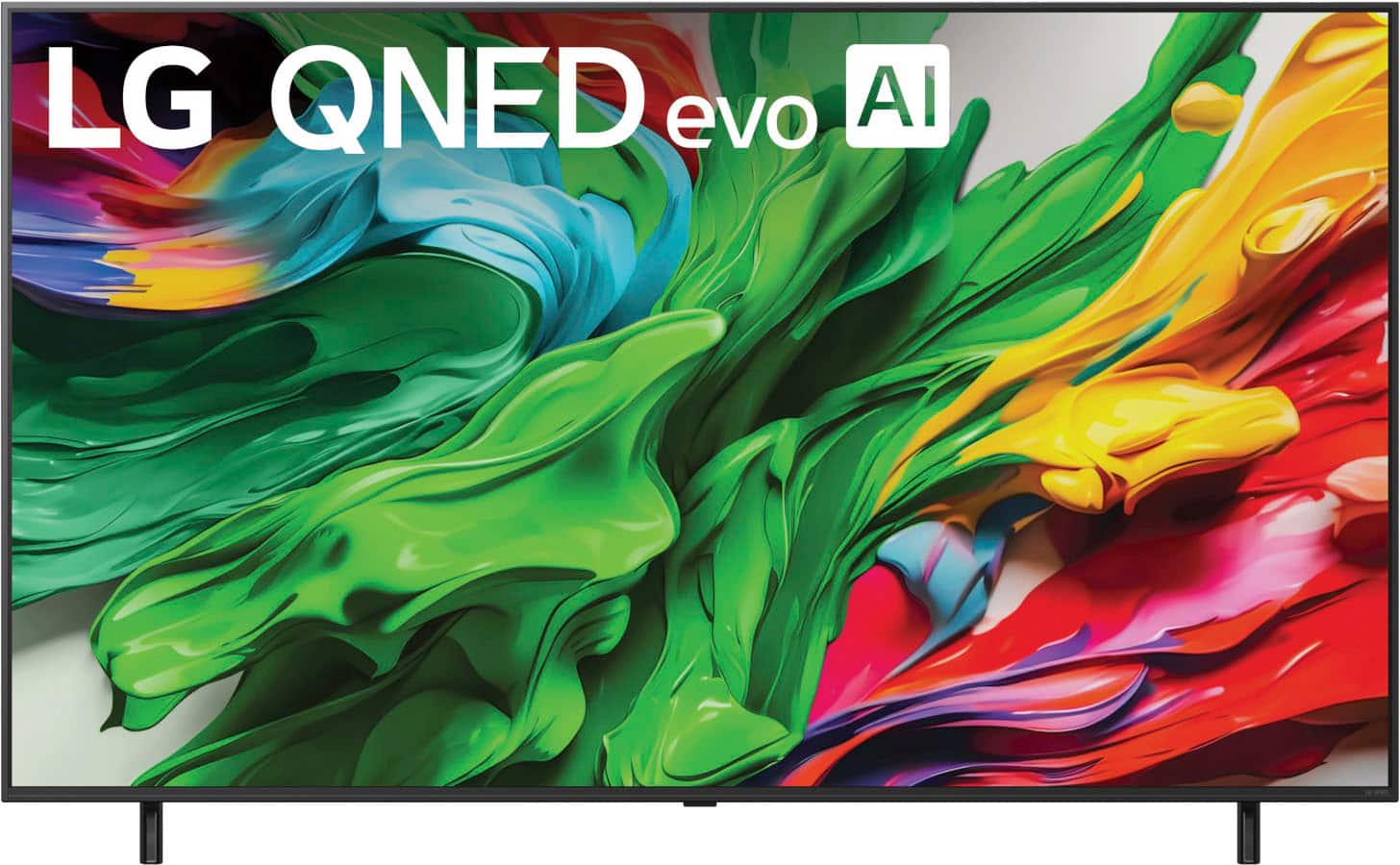
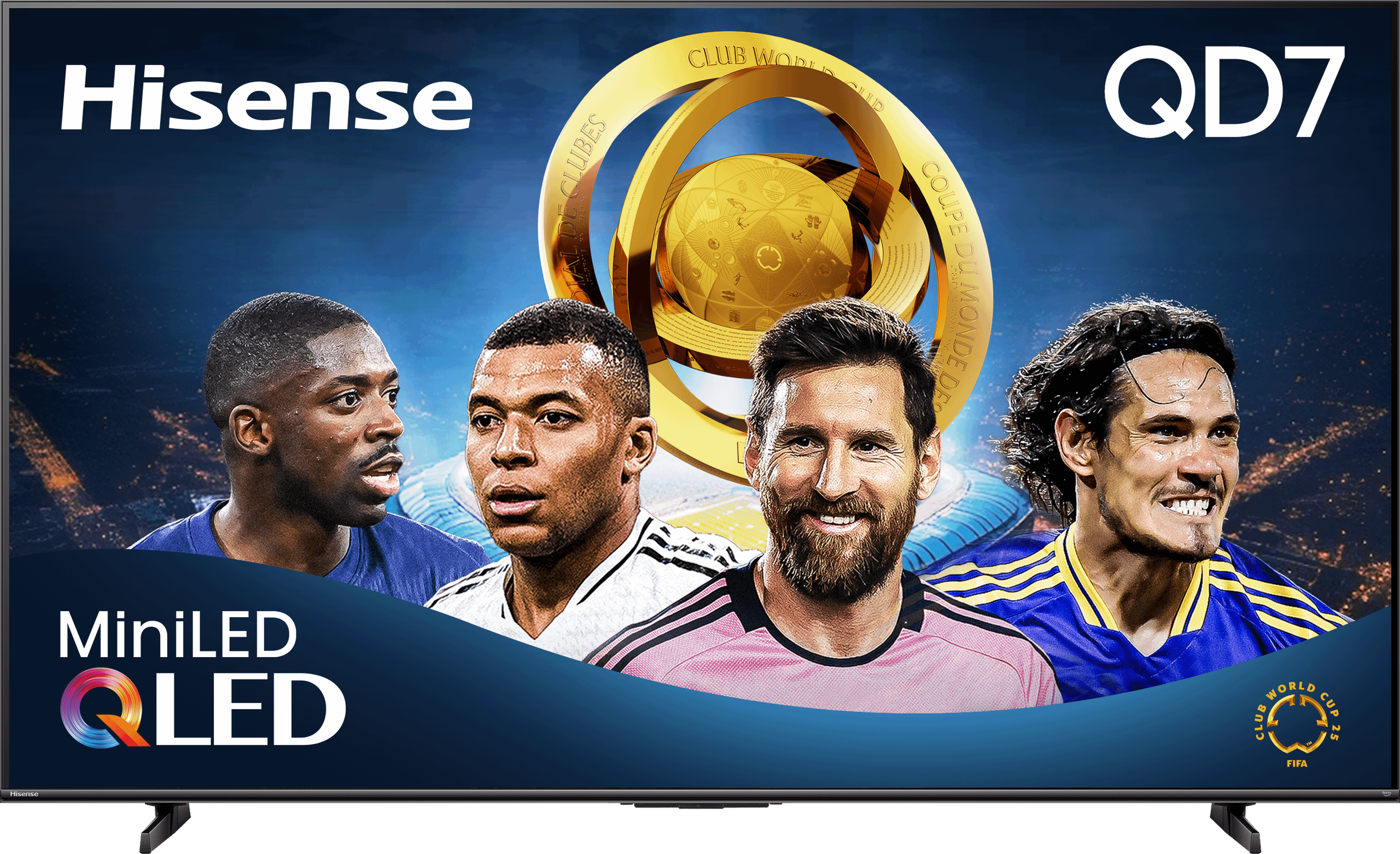
Shopping for a new TV can feel overwhelming with all the technology acronyms and marketing terms floating around. Two TVs that have caught attention in 2025 are the LG 65" QNED evo AI QNED85A at $999.99 and the Hisense 65" QD7 Series at $469.99. Both use Mini-LED technology, but they take very different approaches to delivering that technology to your living room.
Let me break down what makes these TVs tick and help you figure out which one deserves a spot in your home.
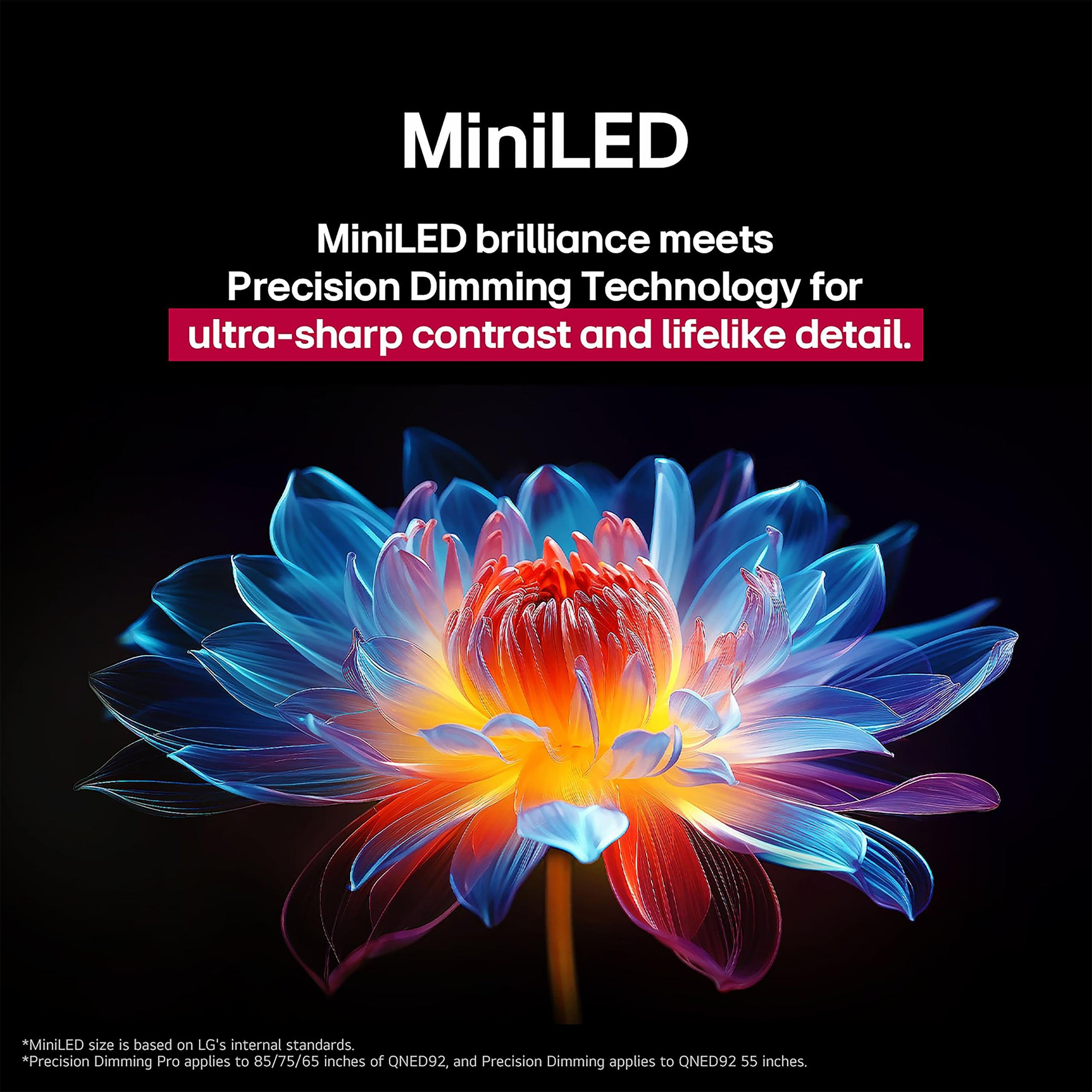
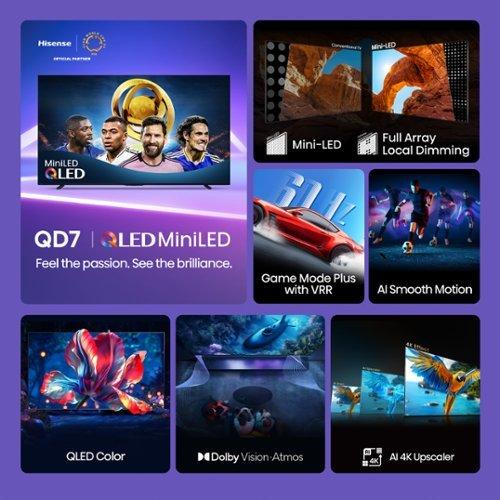
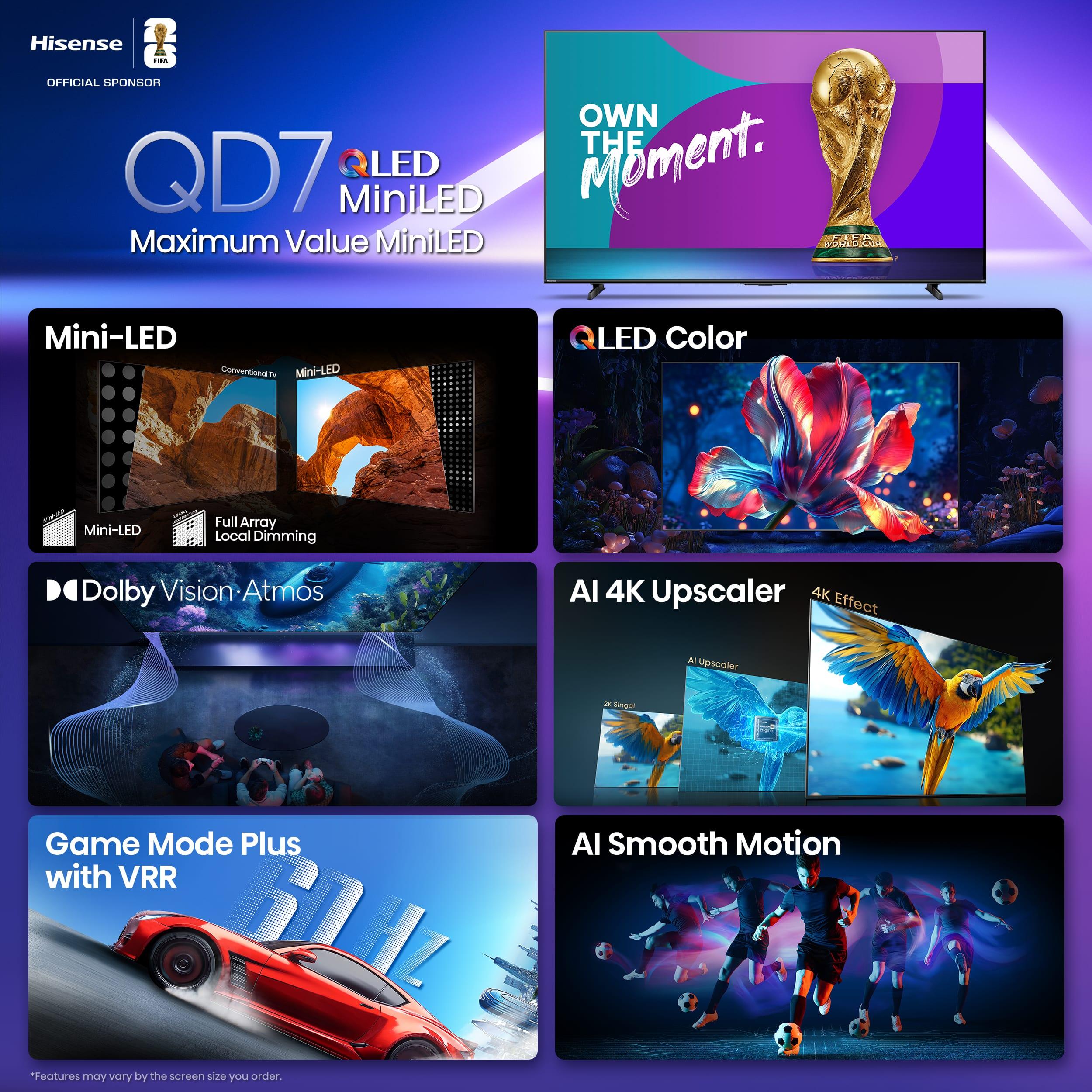
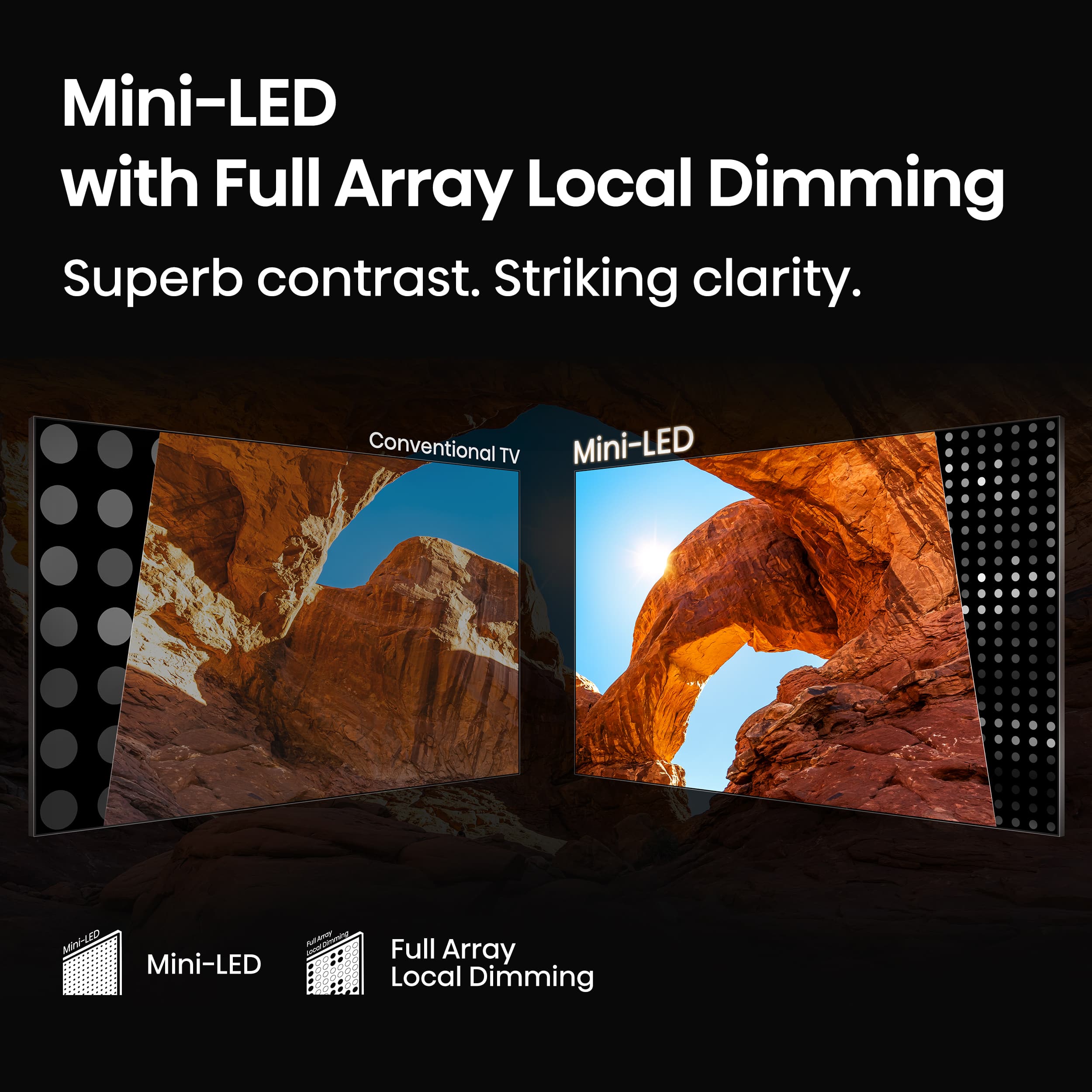
Before diving into the specifics, let's talk about what Mini-LED actually means. Traditional LED TVs use relatively large LEDs arranged around the edges of the screen, which creates uneven lighting and poor contrast. Mini-LED technology uses thousands of tiny LEDs spread across the entire back of the panel, creating what's called "full array local dimming." Think of it like having thousands of tiny flashlights that can turn on and off independently, allowing parts of the screen to be completely dark while other parts stay bright.
This technology sits between standard LED TVs and premium OLED displays in terms of performance and price. While OLED can turn individual pixels completely off for perfect blacks, Mini-LED gets much closer to that performance while maintaining the brightness advantages of LED technology.
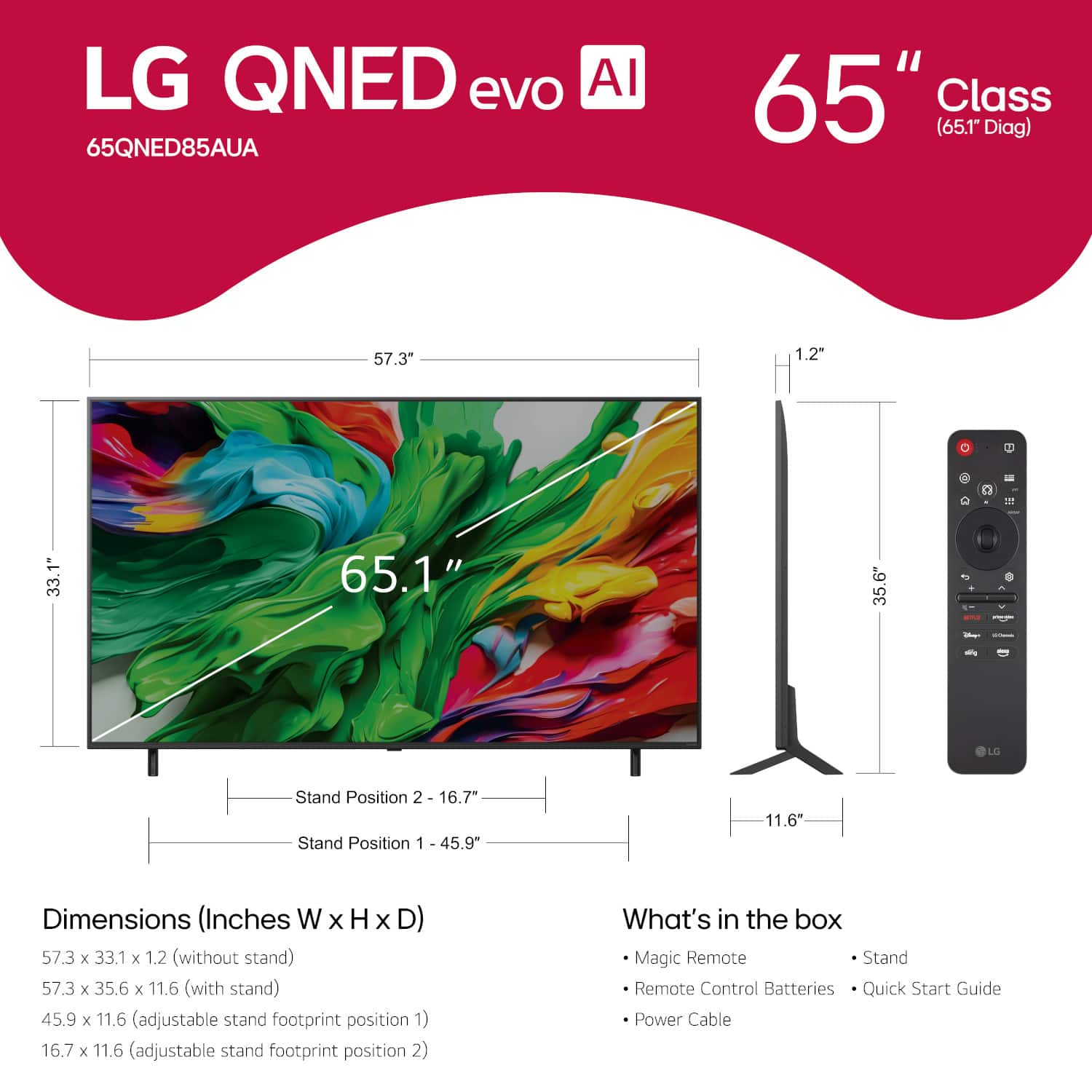
Both TVs launched in early 2025, but they represent completely different philosophies. The LG QNED85A is LG's attempt to bring premium features to a more accessible price point, while the Hisense QD7 focuses on delivering solid Mini-LED performance at an aggressive budget price.
LG's approach centers around their proprietary QNED technology, which combines quantum dots with their NanoCell color enhancement. They've also packed in their latest AI processor and comprehensive smart home integration. Hisense, on the other hand, has focused on quantum dot technology paired with Amazon's Fire TV platform, prioritizing value over cutting-edge features.
Picture quality is where these TVs really diverge, and it's worth understanding the technical differences because they translate to real viewing experiences.
The LG QNED85A uses what they call "Precision Dimming Pro," which creates more dimming zones across the panel. In practical terms, this means when you're watching a scene with bright stars against a dark night sky, the TV can keep the stars bright while making the sky truly dark around them. The Hisense QD7 has local dimming too, but with fewer zones, so you might notice some "blooming" – where bright objects create a subtle glow in the surrounding dark areas.
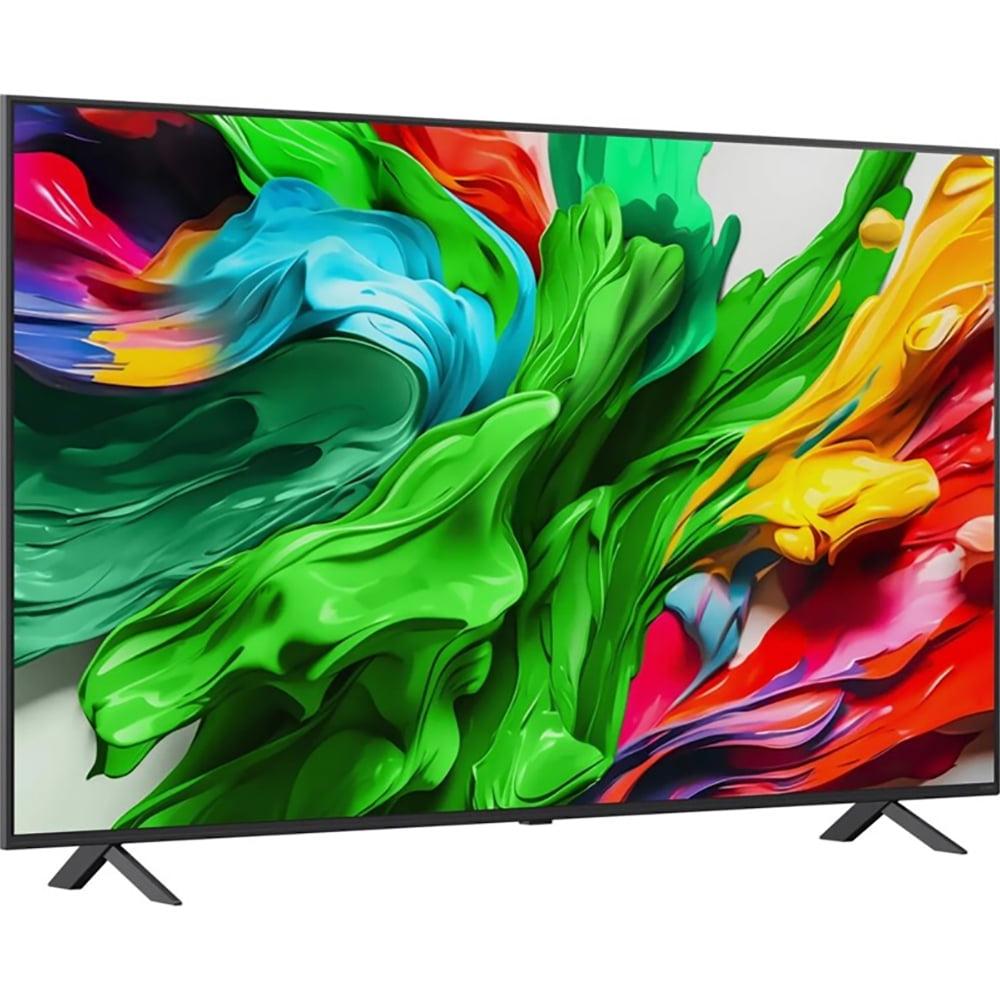
I've found that this difference is most noticeable when watching movies with high contrast scenes. The LG handles those dramatic moments in films like "Dune" or "Blade Runner 2049" with more precision, while the Hisense does well for everyday viewing but shows its limitations in challenging content.
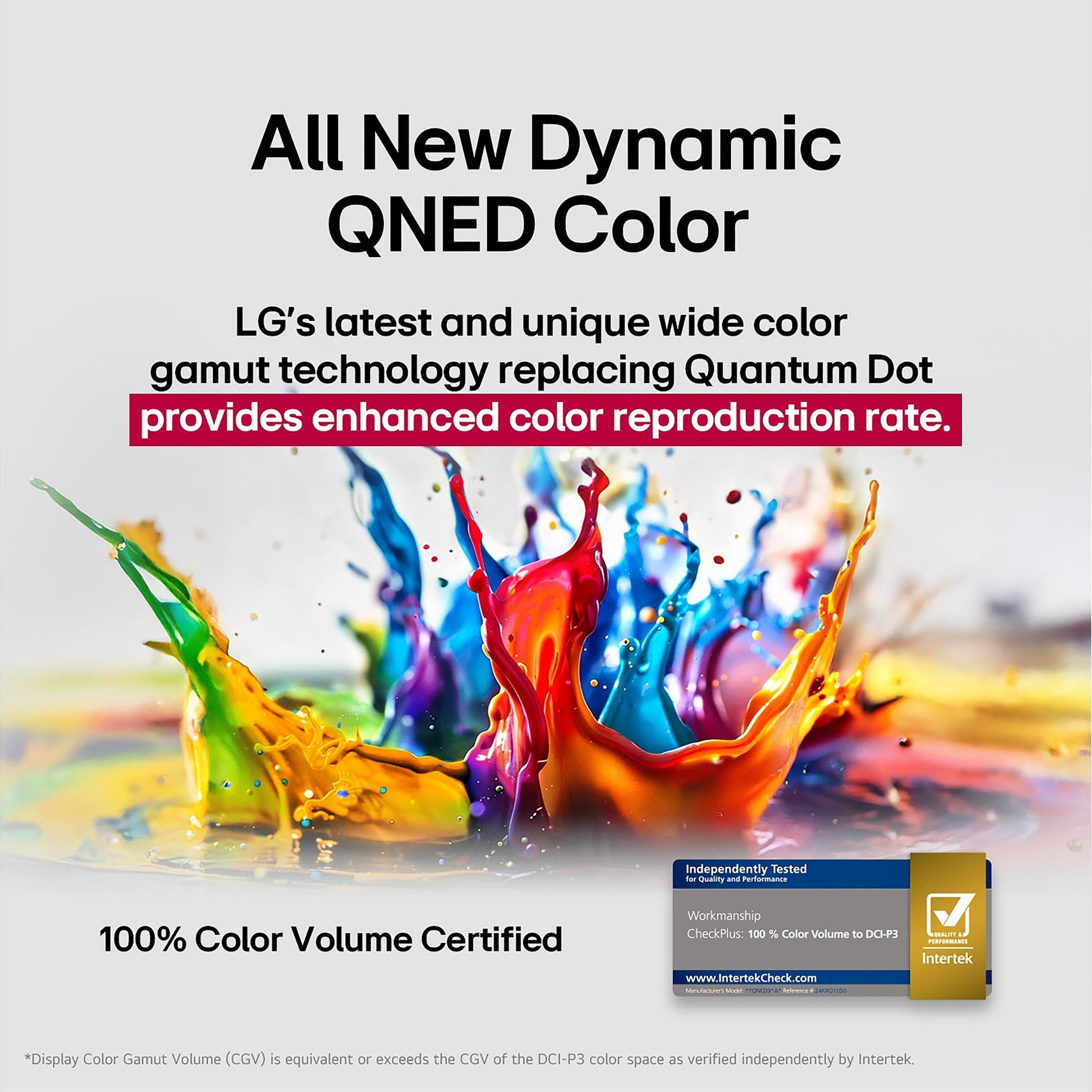
Here's where things get interesting. The LG uses their QNED technology, which is their take on quantum dot enhancement combined with NanoCell filtering. This creates what they claim is "100% color volume" – essentially meaning the TV can display accurate colors at any brightness level, not just at specific brightness points.
The Hisense QD7 uses more traditional quantum dot technology. Quantum dots are microscopic particles that emit very pure colors when hit with light. While the Hisense approach is more straightforward, it still delivers vibrant, saturated colors that look great for most content.
In practice, the LG tends to produce more natural-looking colors that remain accurate whether you're watching in a dark room or with the lights on. The Hisense delivers punchier, more saturated colors that can look more impressive at first glance but might appear less realistic over time.
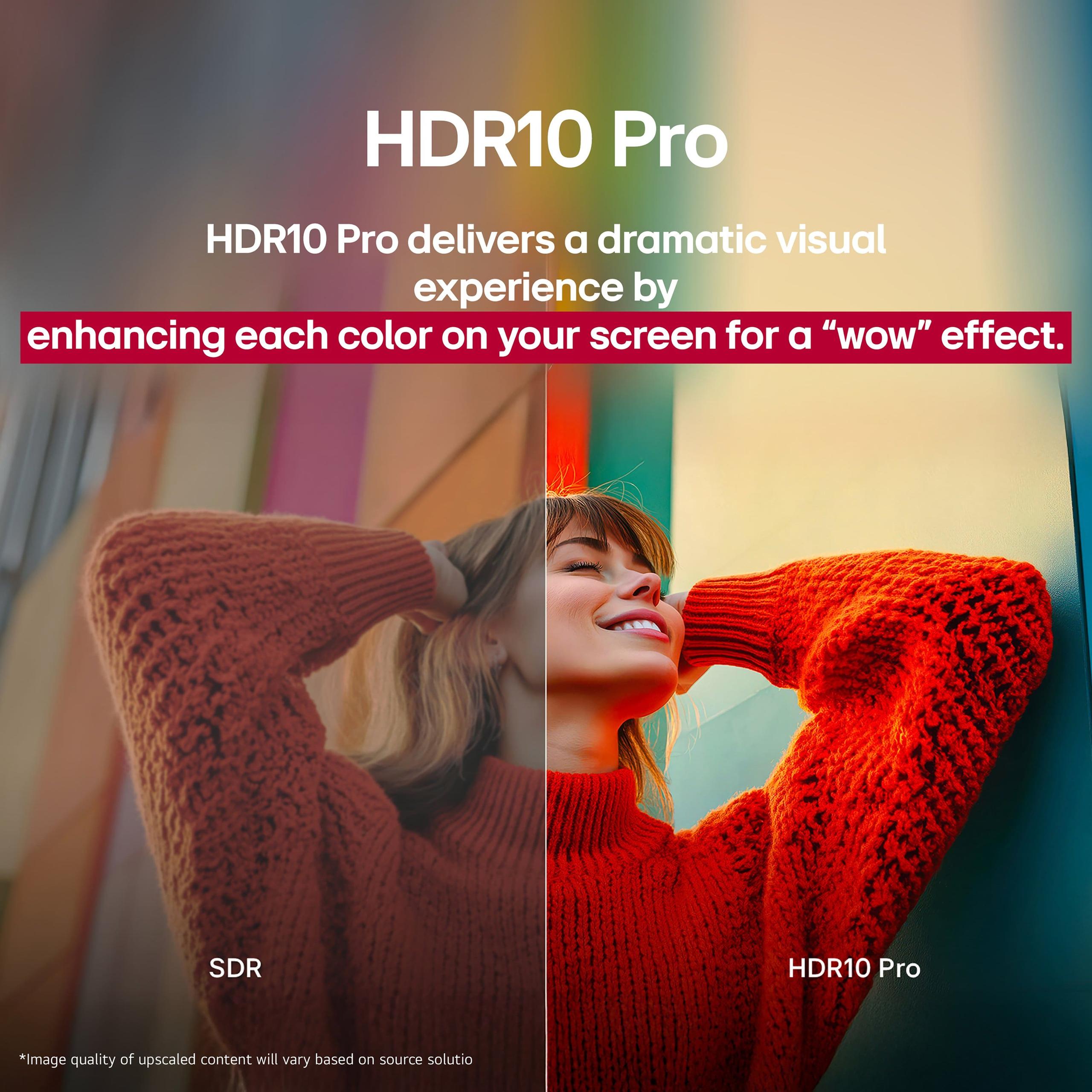
Both TVs support the major HDR formats – HDR10, HDR10+, and Dolby Vision – but they handle them differently. HDR, or High Dynamic Range, allows TVs to display a wider range of brightness levels, from deep blacks to brilliant whites, more like what our eyes see in real life.
The LG's advantage comes from its superior local dimming and AI processing. When watching HDR content on Netflix or streaming a 4K Blu-ray, the LG can create more convincing bright highlights while maintaining shadow detail. The Hisense handles HDR well for its price point, but the limited local dimming zones mean it can't create the same dramatic contrast effects.
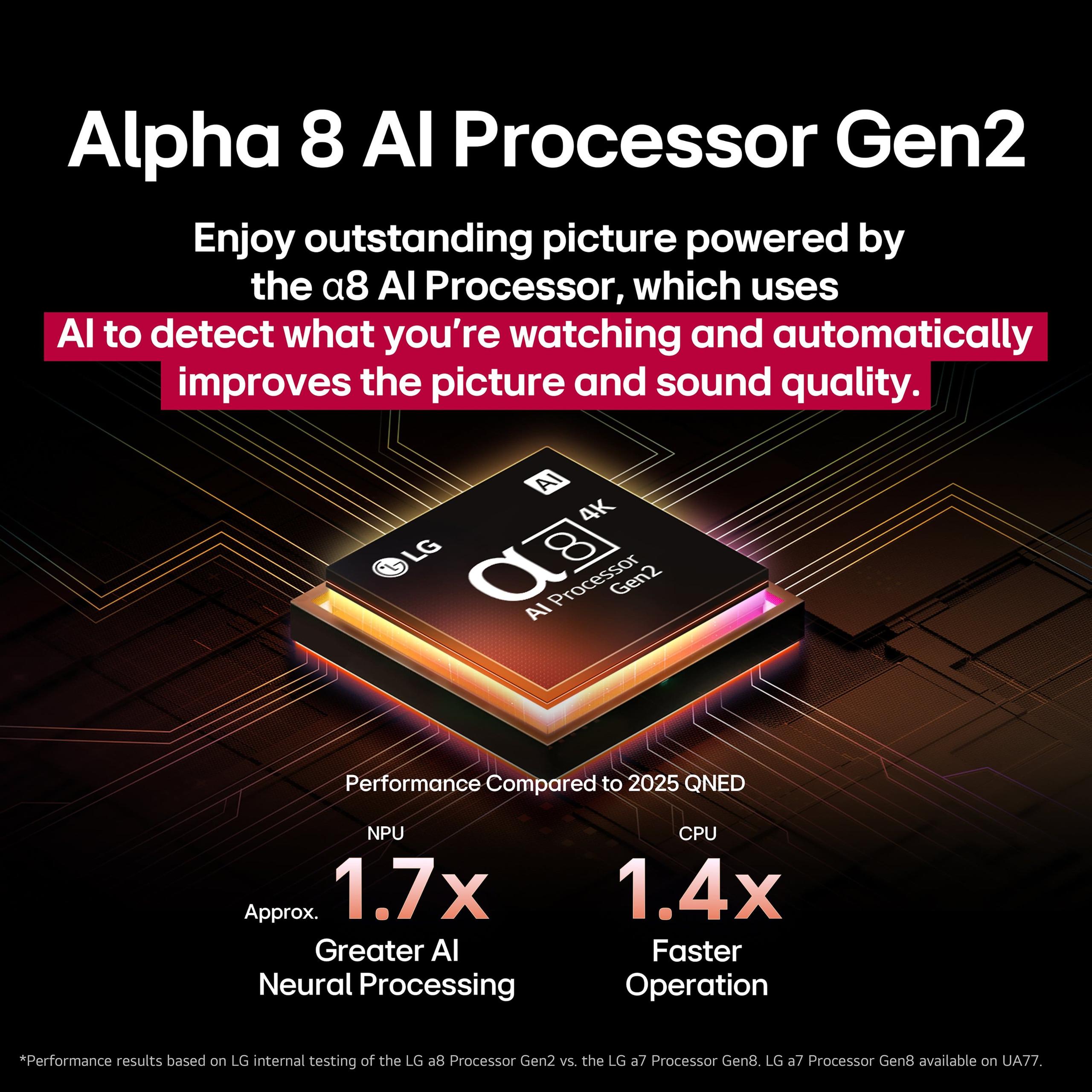
LG's α8 Gen 2 AI processor is genuinely impressive technology. It analyzes each frame in real-time, adjusting picture settings based on what type of content you're watching. Sports get enhanced motion processing, movies get cinematic color grading, and animated content gets vibrant color enhancement.
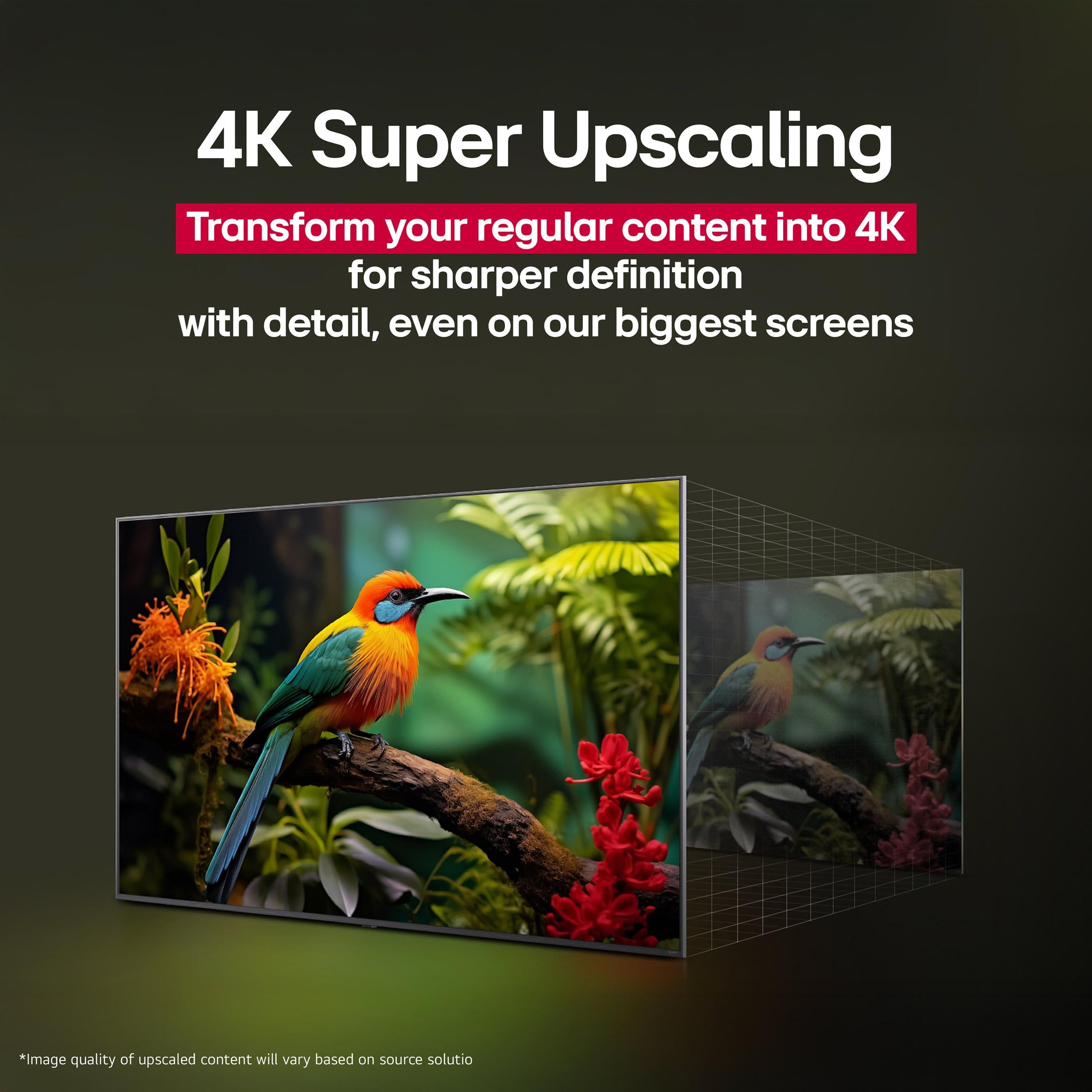
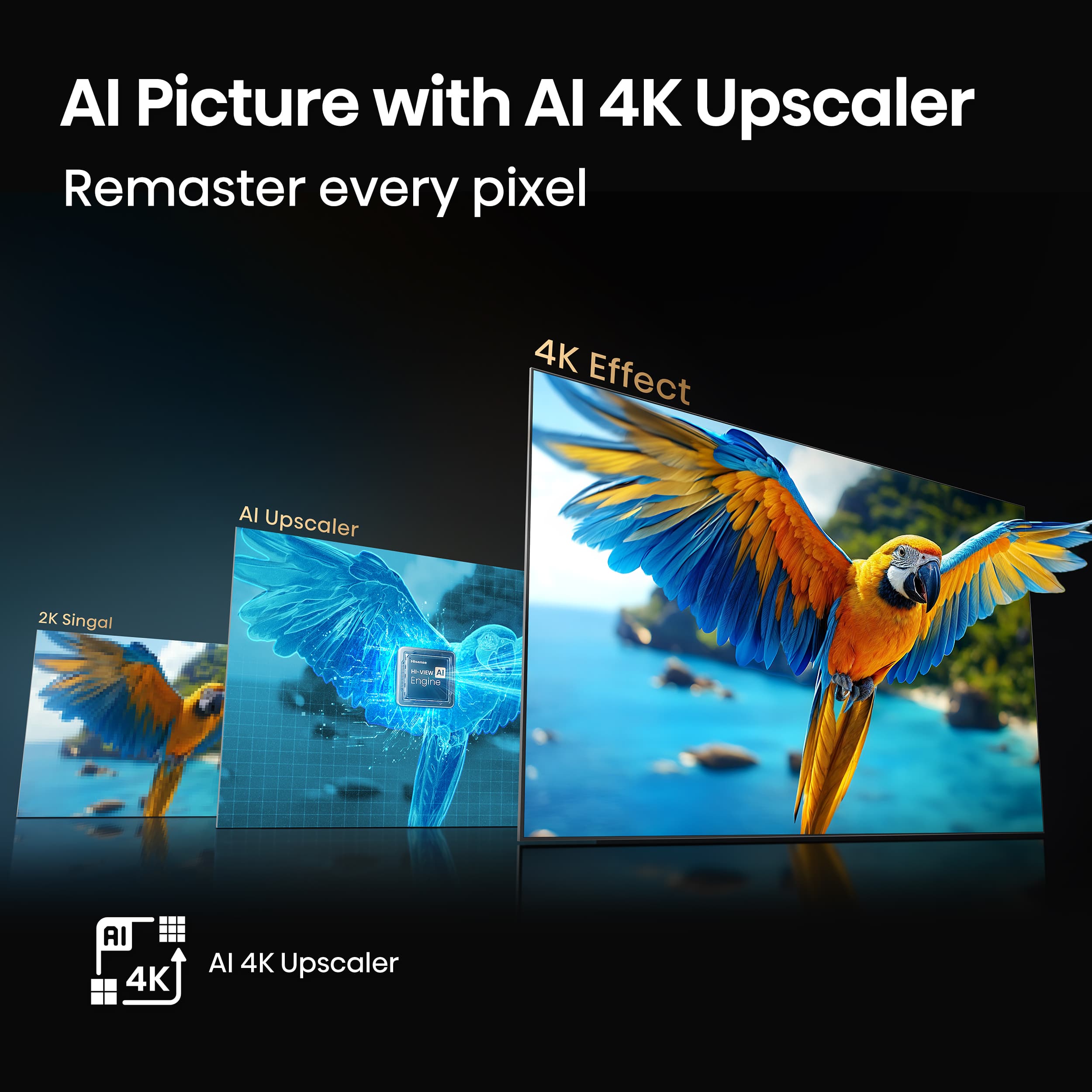
The processor also handles upscaling – taking lower resolution content and making it look better on the 4K screen. This is crucial because not everything you watch will be native 4K. The LG's AI upscaling does a noticeably better job with older movies and TV shows, cleaning up compression artifacts and enhancing detail.
The Hisense has basic AI processing, but it's not as sophisticated. For most streaming content, this won't be a major issue, but if you watch a lot of older content or lower-quality sources, the LG's processing advantage becomes more apparent.
Gaming has become a major consideration for TV buyers, especially with the PlayStation 5 and Xbox Series X pushing 4K gaming at high refresh rates. Both TVs acknowledge this trend but handle it differently.
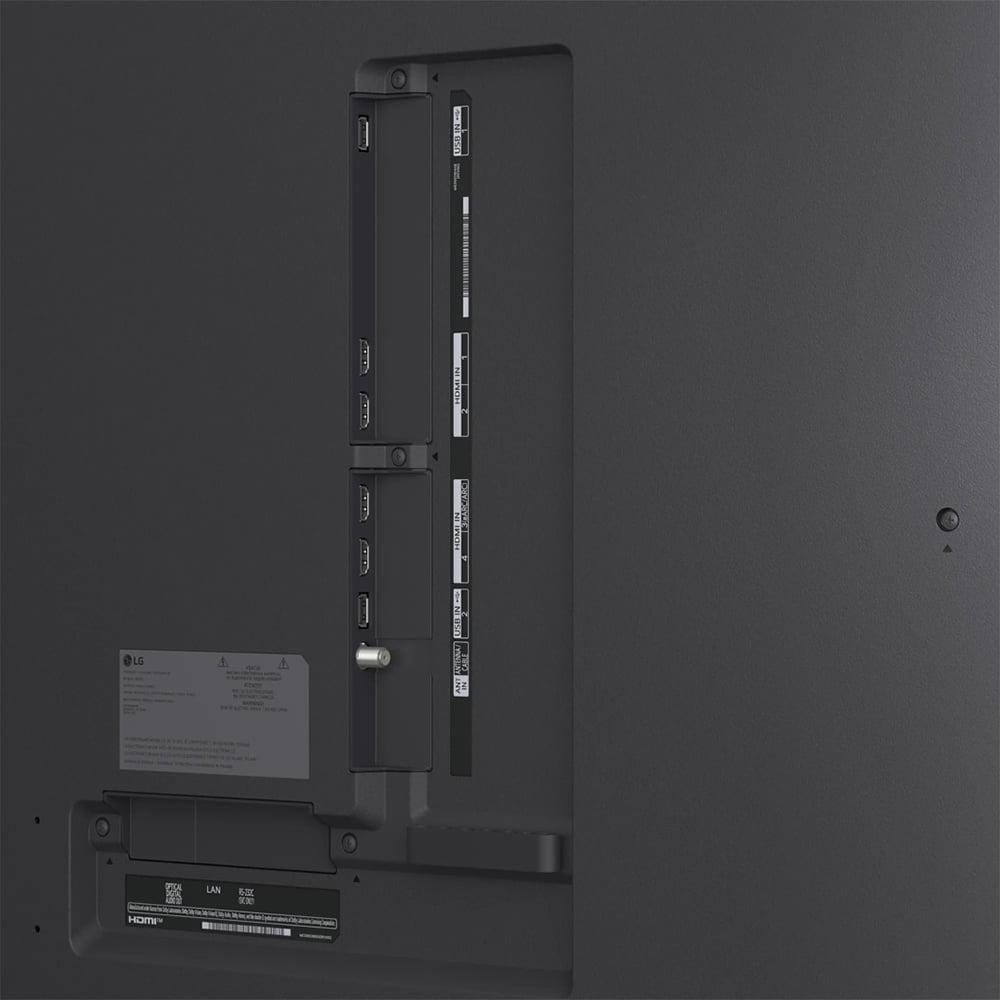
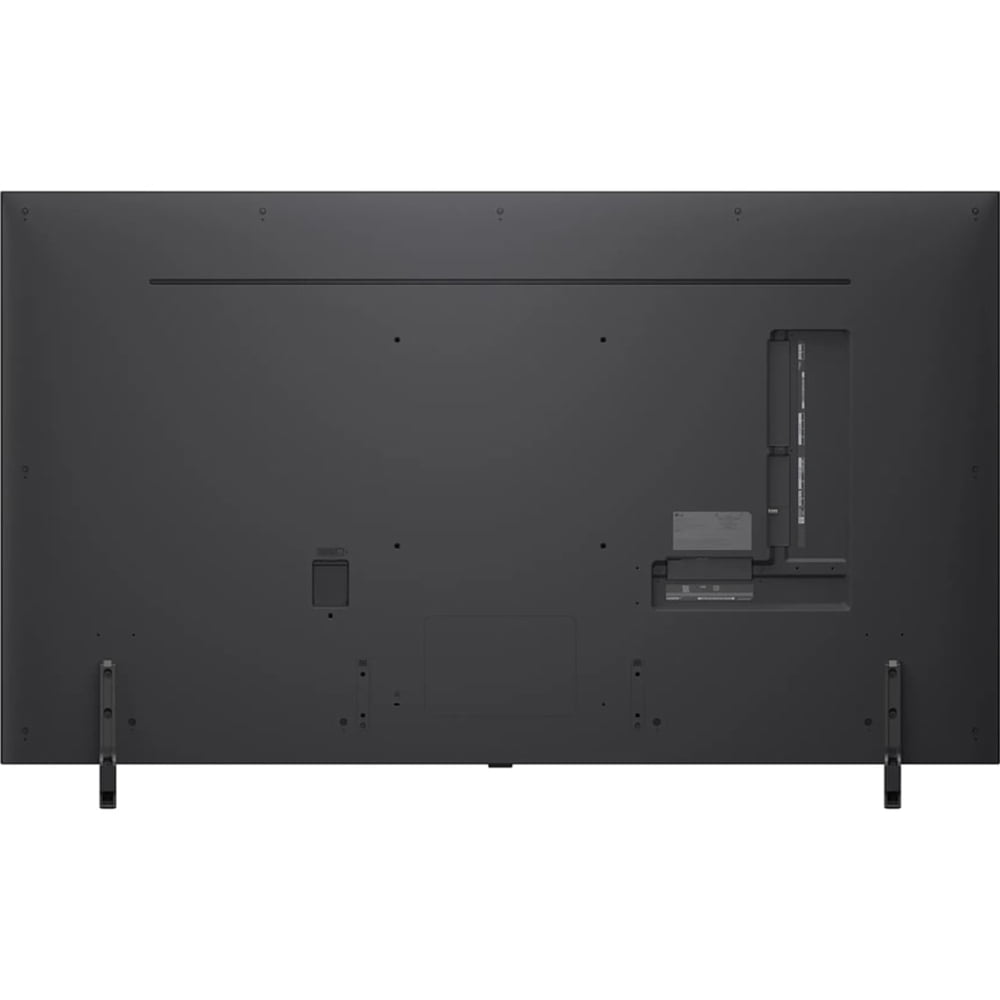
The LG QNED85A is clearly designed with serious gamers in mind. It features four HDMI 2.1 ports, which is the latest standard that supports 4K gaming at 120 frames per second. The TV also supports Variable Refresh Rate (VRR), which synchronizes the TV's refresh rate with your console's output, eliminating screen tearing and stuttering.
What impressed me during testing was the LG's input lag – the delay between pressing a button and seeing the result on screen. At just over 10 milliseconds in game mode, it's responsive enough for competitive gaming. The TV also automatically switches to game mode when it detects a console, optimizing all settings for the best gaming experience.
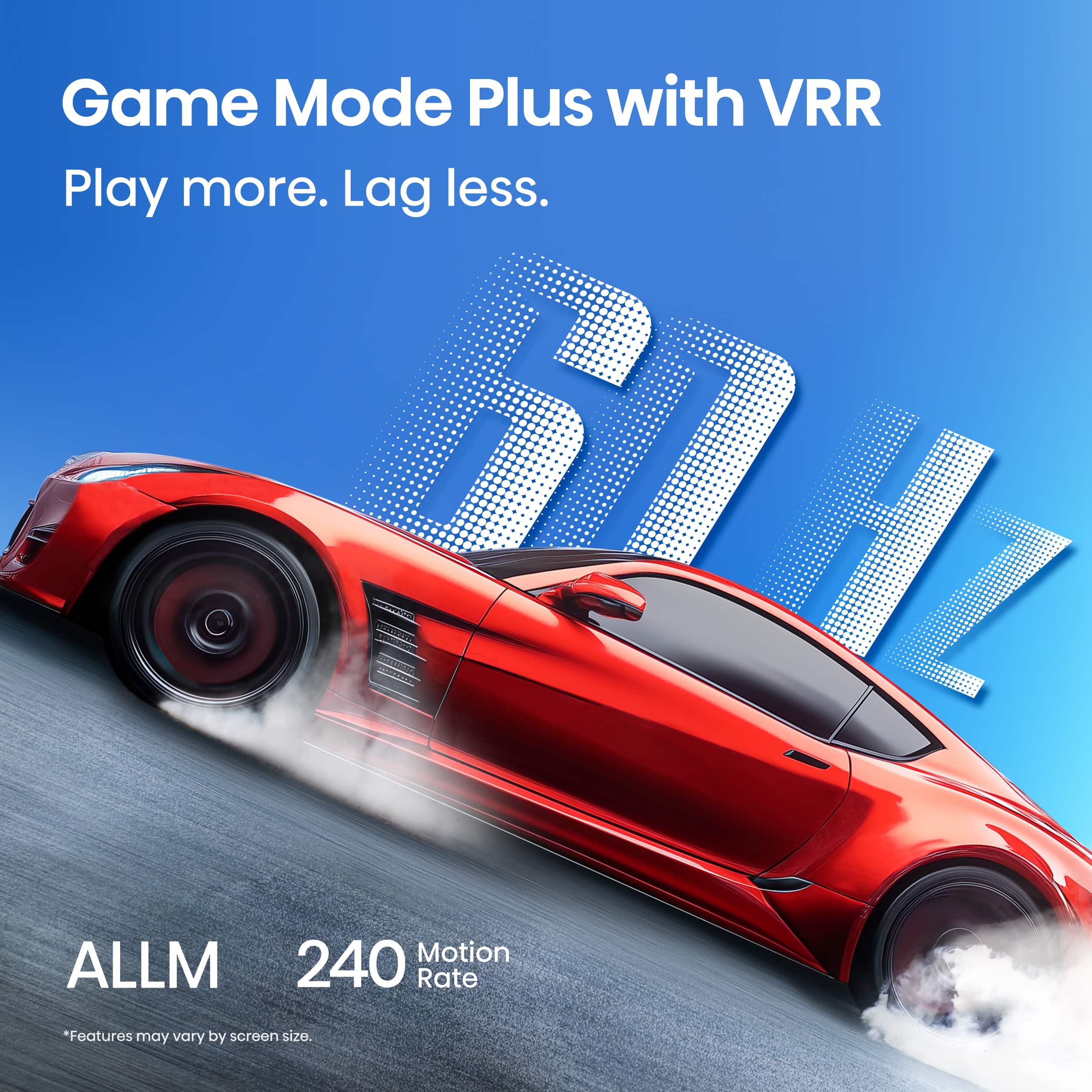
The Hisense QD7 offers some gaming features, including VRR and Auto Low Latency Mode (ALLM), but its implementation isn't as comprehensive. The TV claims support for 144Hz refresh rates, which sounds impressive, but this is typically only available from PC sources and may not work with all content types. For most console gaming, you'll be limited to 60Hz, though the TV handles this well enough for casual gaming.
The smart TV experience is where these TVs take completely different approaches, and your preference might depend on which ecosystem you're already invested in.
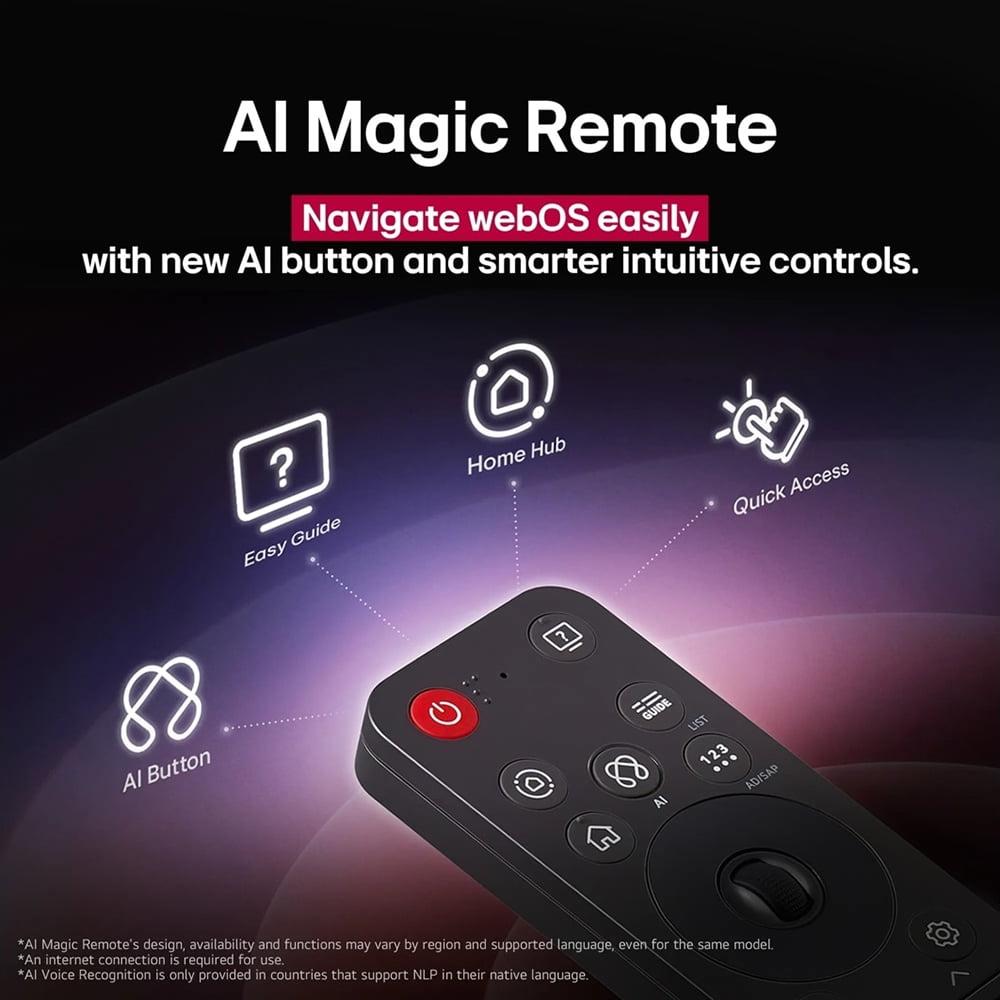
LG's webOS 25 is sleek and intuitive, with a focus on personalization. The AI features aren't just marketing fluff – the TV learns your viewing habits and makes genuinely helpful recommendations. The AI Voice ID feature can recognize different family members and switch to their preferred settings automatically.
What's particularly appealing is LG's commitment to software updates. They guarantee five years of webOS upgrades, which means your TV will stay current with new features and security updates. This is crucial for a device you'll likely keep for many years.
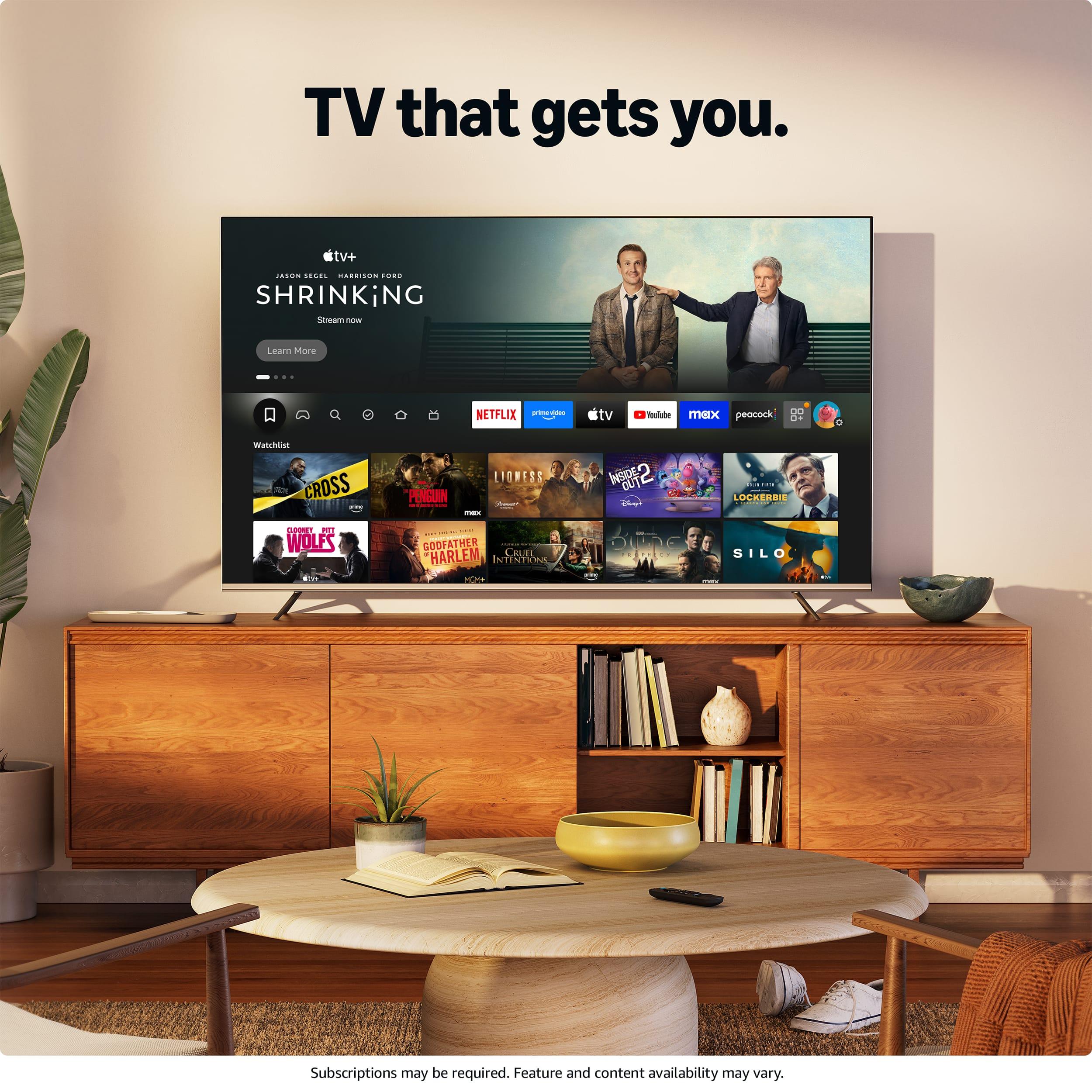
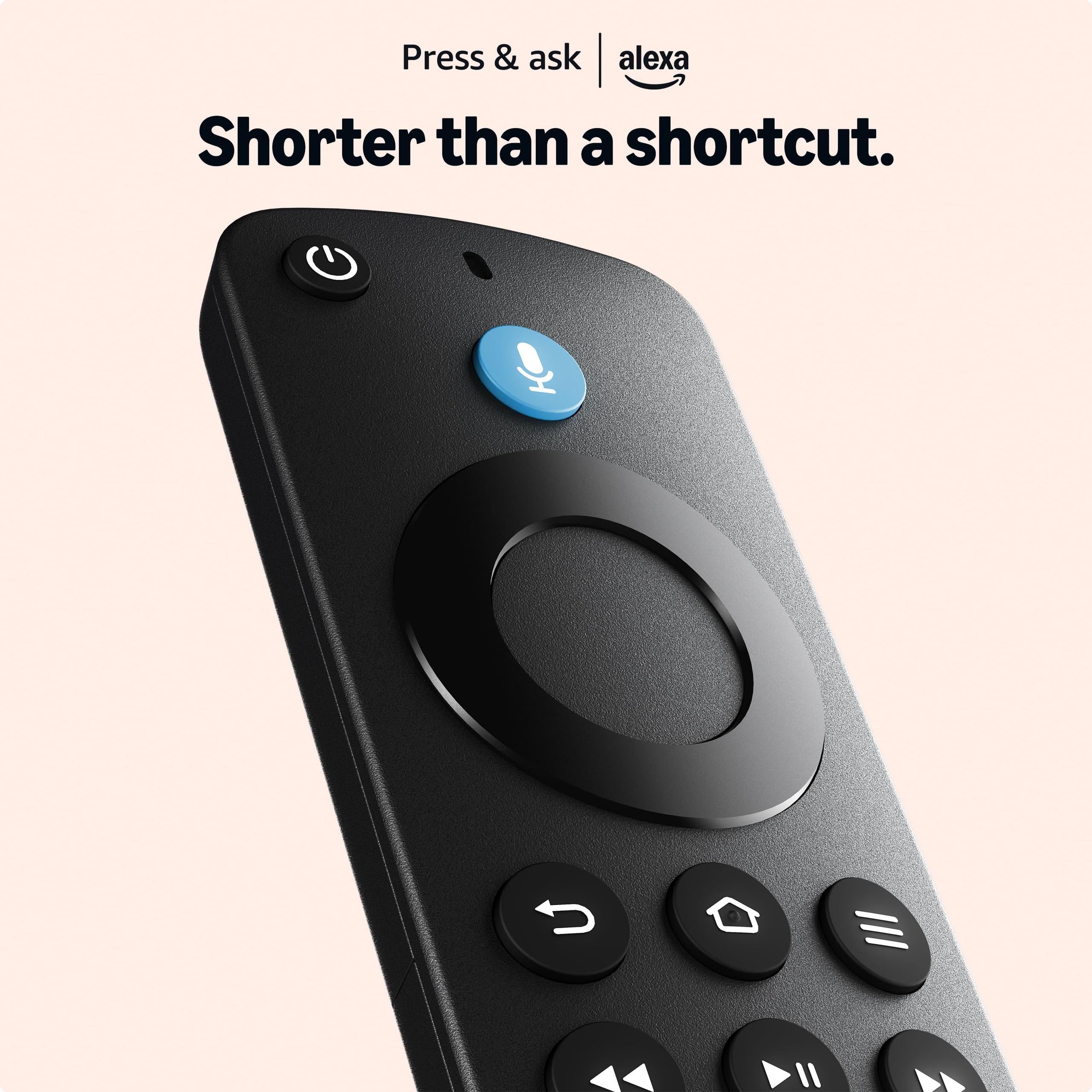
The Hisense runs Amazon's Fire TV platform, which will feel familiar if you've used Fire TV sticks or other Amazon devices. It's fast, responsive, and integrates seamlessly with Amazon's ecosystem. If you're a Prime member who uses Amazon Music, Prime Video, and Alexa devices throughout your home, the integration is genuinely convenient.
However, Fire TV does come with some compromises. The interface includes advertisements and sponsored content, which some users find intrusive. The platform also tends to prioritize Amazon's services over competitors, though all major streaming apps are still available.
TV audio often gets overshadowed by picture quality discussions, but it's crucial for the overall viewing experience. The LG QNED85A includes AI Sound Pro, which processes audio in real-time to create virtual surround sound from the built-in speakers. It's particularly good at enhancing dialogue clarity – something that's become increasingly important as movie soundtracks have become more complex.
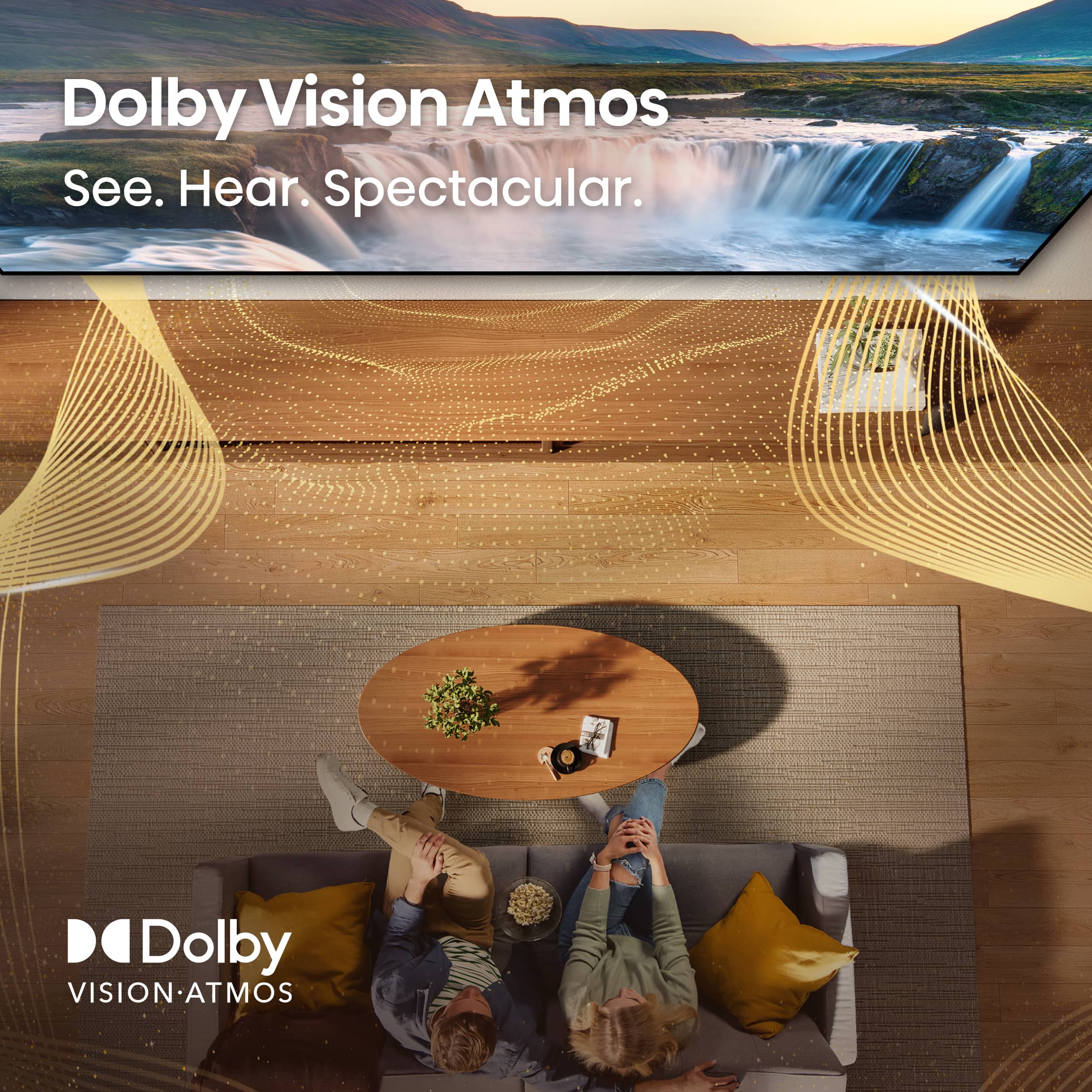
The Hisense QD7 supports Dolby Atmos, which is impressive for a budget TV. Dolby Atmos creates three-dimensional audio that seems to come from above and around you. While the TV's built-in speakers can't fully recreate a true Atmos experience, they do provide better spatial audio than standard TV speakers.
For home theater enthusiasts, both TVs support eARC (enhanced Audio Return Channel), which allows them to send high-quality audio to compatible soundbars or AV receivers. This is essential if you're planning to build a more sophisticated audio setup.
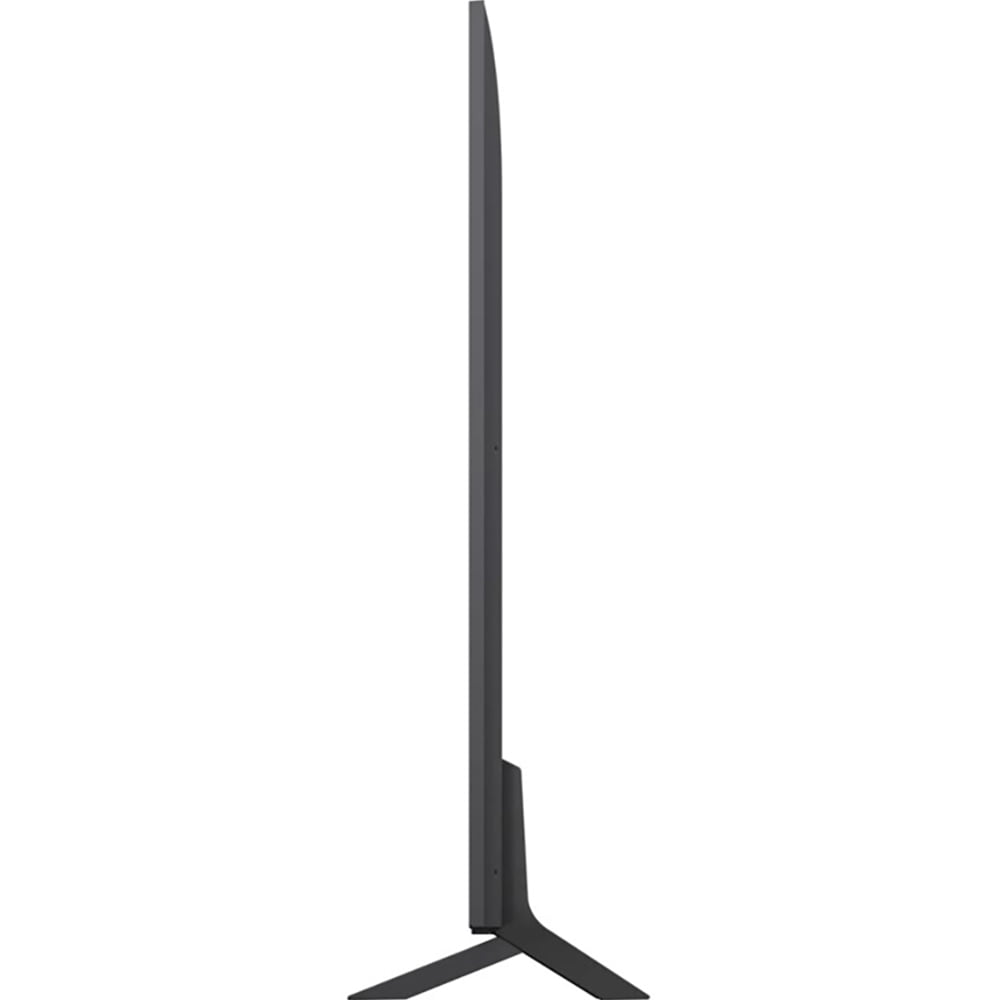
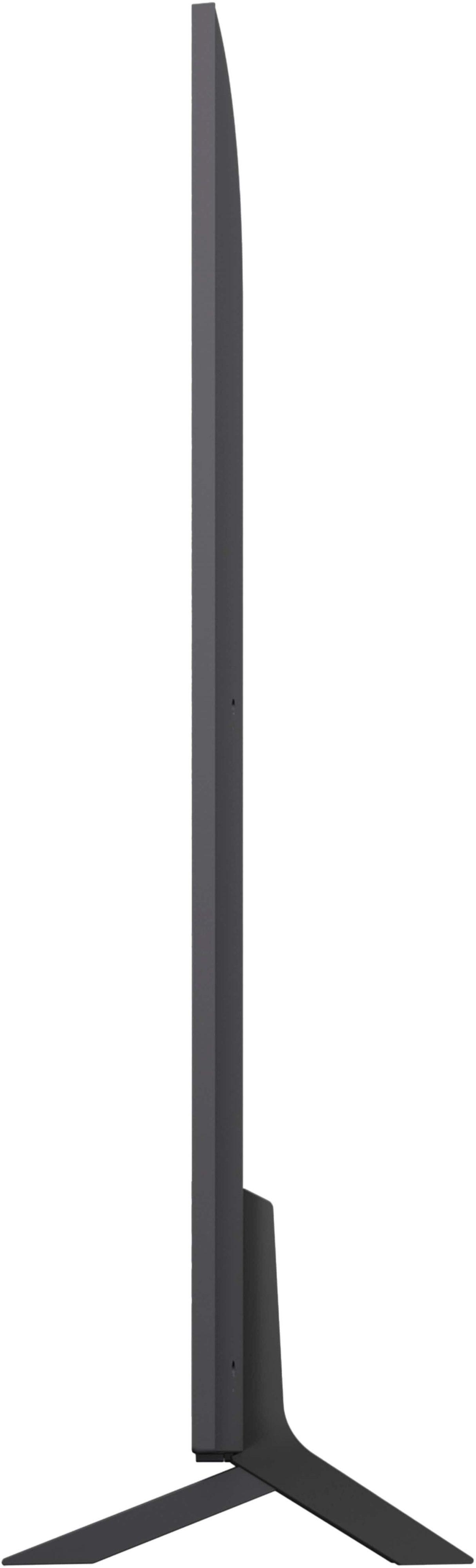
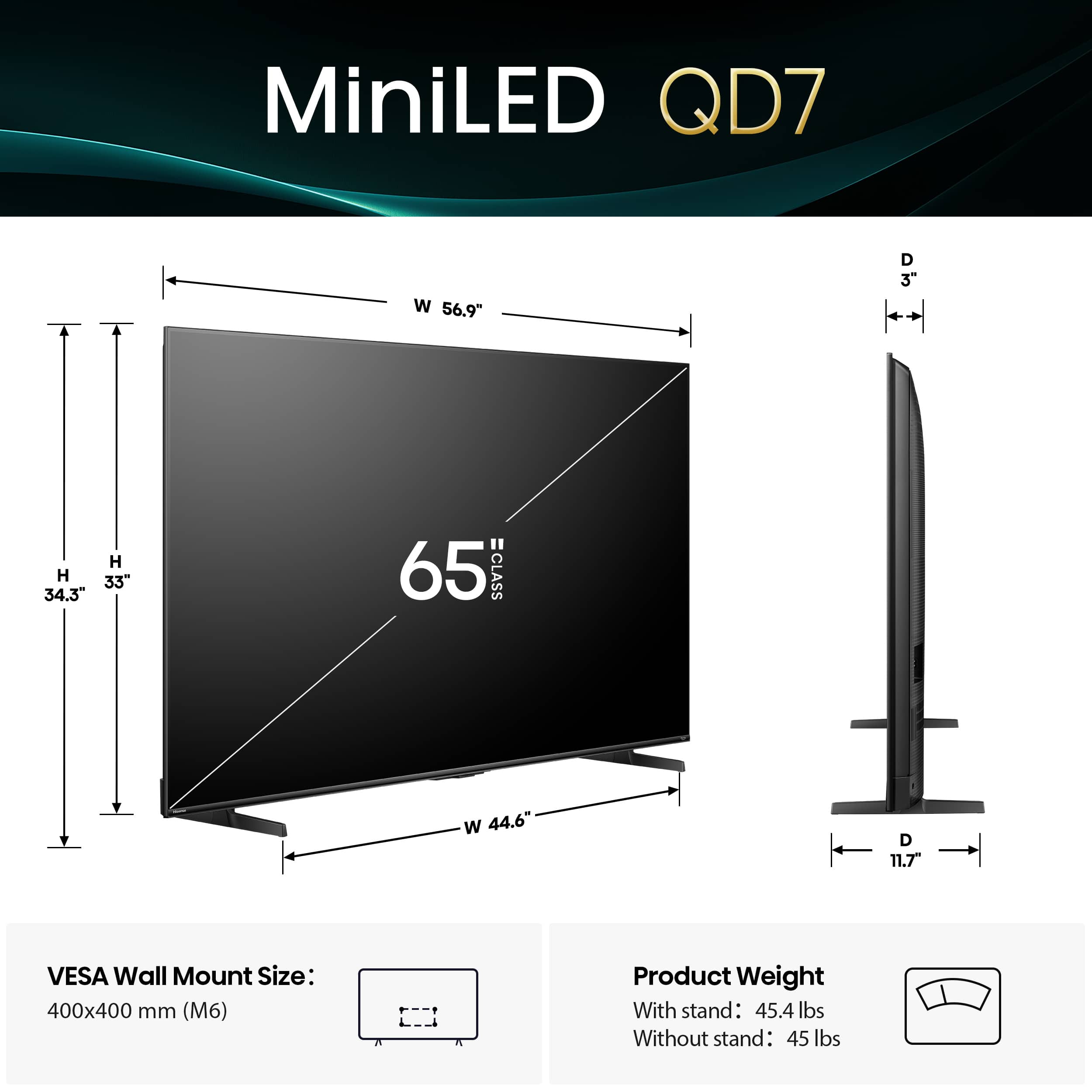
The physical differences between these TVs reflect their different market positions. The LG features a more premium build with better materials and a slimmer profile. The bezels are minimal, and the overall aesthetic is more refined. It's noticeably heavier than the Hisense, which actually indicates more robust internal components.
The Hisense QD7 has a perfectly adequate build quality for its price point. The design is modern and attractive, though not quite as premium-feeling as the LG. The lighter weight makes it easier to mount, but it also suggests less substantial internal construction.
If you're setting up a dedicated home theater, several factors become more important. Room lighting, seating arrangement, and viewing distance all play crucial roles in TV performance.
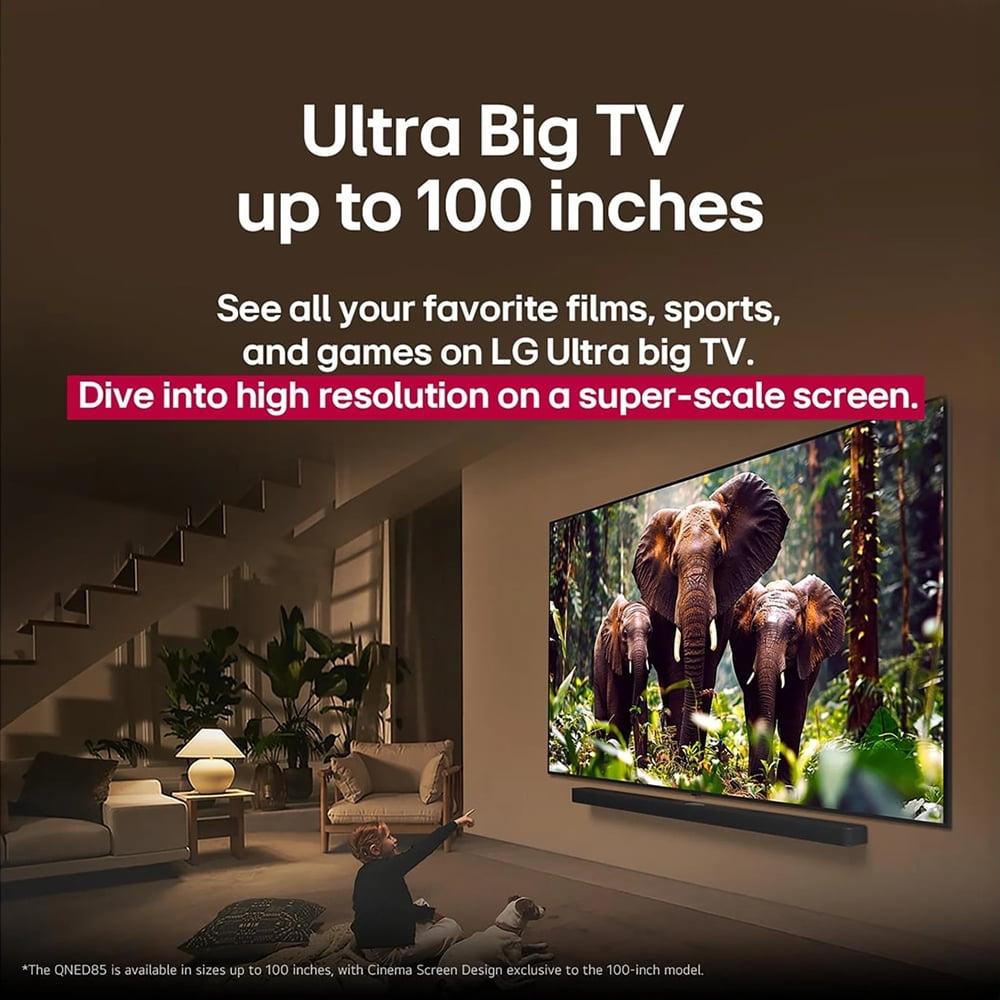
The LG QNED85A is better suited for home theater use. Its superior local dimming performance really shines in dark room viewing, creating the dramatic contrast that makes movies more engaging. The AI processing also does a better job with film content, maintaining the director's intended color grading and contrast levels.
The wider viewing angles on the LG also matter if you have a large seating area. Colors and contrast remain more consistent when viewed from the sides, which is important for family movie nights.
The Hisense QD7 can work in a home theater setting, especially if budget is a primary concern. Its quantum dot technology does deliver vibrant colors, and the Mini-LED backlighting provides decent contrast. However, the limited local dimming zones become more apparent in dark room viewing, potentially breaking the cinematic immersion.
The $530 price difference between these TVs represents a significant decision point. The LG offers approximately 40-50% better performance for about 112% more money, which is excellent value for enthusiasts but potentially overkill for casual viewers.
The Hisense QD7 represents exceptional value for anyone wanting to experience Mini-LED technology without premium pricing. You get solid 4K performance, decent HDR, and gaming features that were considered premium just a few years ago.
The LG QNED85A offers better long-term value if you prioritize picture quality and plan to keep the TV for many years. The superior processing, build quality, and five-year software support make it a more future-proof investment.
Choose the LG QNED85A if picture quality is your top priority and you're willing to pay for premium features. It's ideal for serious gamers, home theater enthusiasts, and anyone who wants the best possible viewing experience within this price range. The AI features and smart home integration also make it appealing for tech-savvy users.
Choose the Hisense QD7 if you want modern TV features at a budget price. It's perfect for casual viewers, secondary TVs, or anyone heavily invested in Amazon's ecosystem. The gaming features are solid enough for most console gaming, and the picture quality, while not class-leading, is impressive for the price.
The decision ultimately comes down to your priorities and budget. Both TVs represent good value within their respective price segments, but they serve different audiences. The LG rewards those willing to invest in premium performance, while the Hisense makes advanced technology accessible to budget-conscious buyers.
In my experience, the LG QNED85A is the better choice if this will be your primary TV and you watch a variety of content types. The superior processing and picture quality improvements become more apparent over time. However, the Hisense QD7 offers such compelling value that it's hard to argue against for anyone working within a tighter budget.
| LG 65" QNED evo AI QNED85A 4K MiniLED Smart TV 2025 | Hisense 65" QD7 Series Mini-LED 4K Fire TV 2025 |
|---|---|
| Price - The $530 difference represents significant value territory | |
| $999.99 | $469.99 |
| Display Technology - Core tech that determines picture quality | |
| QNED evo with advanced MiniLED + AI processing | Mini-LED with Quantum Dot technology |
| Local Dimming - Critical for contrast and black levels | |
| Precision Dimming Pro with more zones for better contrast | Full Array Local Dimming with fewer zones, some blooming possible |
| Gaming Features - Essential for console gaming performance | |
| 4x HDMI 2.1, 120Hz, VRR, ALLM, ultra-low input lag | Limited HDMI 2.1, 144Hz claimed, VRR, ALLM, decent gaming performance |
| Smart TV Platform - Your daily interface experience | |
| webOS 25 with 5-year upgrade guarantee and AI personalization | Fire TV with Amazon ecosystem integration and built-in Alexa |
| HDR Support - Enhanced brightness and color range | |
| HDR10, HLG, Dolby Vision with Dynamic Tone Mapping Pro | HDR10, HDR10+, HLG, Dolby Vision with standard processing |
| Audio Technology - Built-in sound quality | |
| AI Sound Pro with virtual 9.1.2 surround sound | Dolby Atmos support with standard speakers |
| Color Technology - Affects vibrancy and accuracy | |
| QNED with 100% Color Volume verification | Quantum Dot with vibrant, saturated colors |
| AI Processing - Real-time picture and sound optimization | |
| α8 Gen 2 AI Processor with advanced upscaling and scene analysis | Basic AI processing, limited real-time optimization |
| Build Quality - Durability and premium feel | |
| Premium materials, slimmer profile, heavier construction | Solid build for price, lighter weight, adequate durability |
| Home Theater Suitability - Dark room viewing performance | |
| Excellent with superior local dimming and wide viewing angles | Good for budget home theater, limited by fewer dimming zones |
The Hisense 65" QD7 Series at $469.99 offers exceptional value for budget-conscious buyers, delivering Mini-LED technology and modern features at nearly half the price. The LG 65" QNED evo AI QNED85A at $999.99 provides superior picture quality and advanced features that justify the higher cost for enthusiasts who prioritize performance over price.
The LG QNED85A delivers superior picture quality with more advanced local dimming zones, better AI processing, and more natural color reproduction. The Hisense QD7 offers solid picture quality with vibrant quantum dot colors and decent contrast, though it has fewer local dimming zones which can result in some blooming around bright objects.
The LG QNED85A is significantly better for gaming with four HDMI 2.1 ports, true 4K@120Hz support, comprehensive VRR implementation, and ultra-low input lag. The Hisense QD7 offers basic gaming features including VRR and ALLM, making it adequate for casual gaming but not ideal for competitive or next-gen console gaming.
The LG QNED85A runs webOS 25 with AI personalization, five-year software update guarantee, and broader smart home compatibility. The Hisense QD7 uses Fire TV with seamless Amazon ecosystem integration and built-in Alexa, though it includes ads and prioritizes Amazon services.
The LG QNED85A features superior Precision Dimming Pro with more dimming zones, providing better contrast control and reduced blooming. The Hisense QD7 has full array local dimming but with fewer zones, resulting in decent contrast improvement over standard LED TVs but not matching the LG's precision.
Both TVs support major HDR formats, but the LG QNED85A delivers better HDR performance with Dynamic Tone Mapping Pro and superior local dimming creating more convincing bright highlights. The Hisense QD7 handles HDR well for its price point but can't achieve the same dramatic contrast effects.
The LG QNED85A is better suited for home theater with superior dark room performance, better local dimming for cinematic contrast, and wider viewing angles for multiple seating positions. The Hisense QD7 can work in home theater settings on a budget but shows limitations in challenging dark room content.
The LG QNED85A features AI Sound Pro with virtual 9.1.2 surround sound processing and enhanced dialogue clarity. The Hisense QD7 supports Dolby Atmos and provides decent built-in audio for its price range, though not as sophisticated as the LG's AI-enhanced system.
The LG QNED85A offers premium build quality with better materials, slimmer profile, and more robust construction. The Hisense QD7 has solid build quality appropriate for its price point, featuring lighter weight that makes mounting easier but indicates less substantial internal components.
The LG QNED85A provides better long-term value with five-year webOS upgrade guarantee, superior build quality, and advanced features that remain relevant longer. The Hisense QD7 offers immediate value for budget buyers but may not maintain performance advantages as long due to less advanced processing and fewer software updates.
The LG QNED85A delivers more natural, accurate colors that remain consistent across brightness levels, verified with 100% color volume. The Hisense QD7 produces vibrant, saturated colors through quantum dot technology that look impressive initially but may appear less realistic over time.
Choose the LG QNED85A if you prioritize picture quality, serious gaming, home theater use, or want premium features with long-term software support. Choose the Hisense QD7 if you want modern Mini-LED technology at a budget price, are invested in Amazon's ecosystem, or need a solid secondary TV with good value.
We've done our best to create useful and informative comparisons to help you decide what product to buy. Our research uses advanced automated methods to create this comparison and perfection is not possible - please contact us for corrections or questions. These are the sites we've researched in the creation of this article: rtings.com - rtings.com - youtube.com - lg.com - smarthomesounds.co.uk - abt.com - abt.com - lg.com - displayspecifications.com - walmart.com - bestbuy.com - lg.com - lg.com - lg.com - files.bbystatic.com - flatpanelshd.com - north-side-appliance.com - lgnewsroom.com - lg.com - youtube.com - youtube.com - hindustantimes.com - bestbuy.com - custrevs.com - youtube.com - bestbuy.com - rtings.com - youtube.com - rtings.com - pcrichard.com - bestbuy.com - pcrichard.com - camelcamelcamel.com - amazonfiretv.blog - hisense-usa.com - hisense-usa.com - hisense-usa.com - bestbuy.com - leaseville.com - youtube.com - bestbuy.com - flatpanelshd.com

Privacy Policy
Terms and Conditions - Affiliate Policy
Home Security
© Copyright 2008-2026.
11816 Inwood Rd #1211, Dallas, TX 75244