

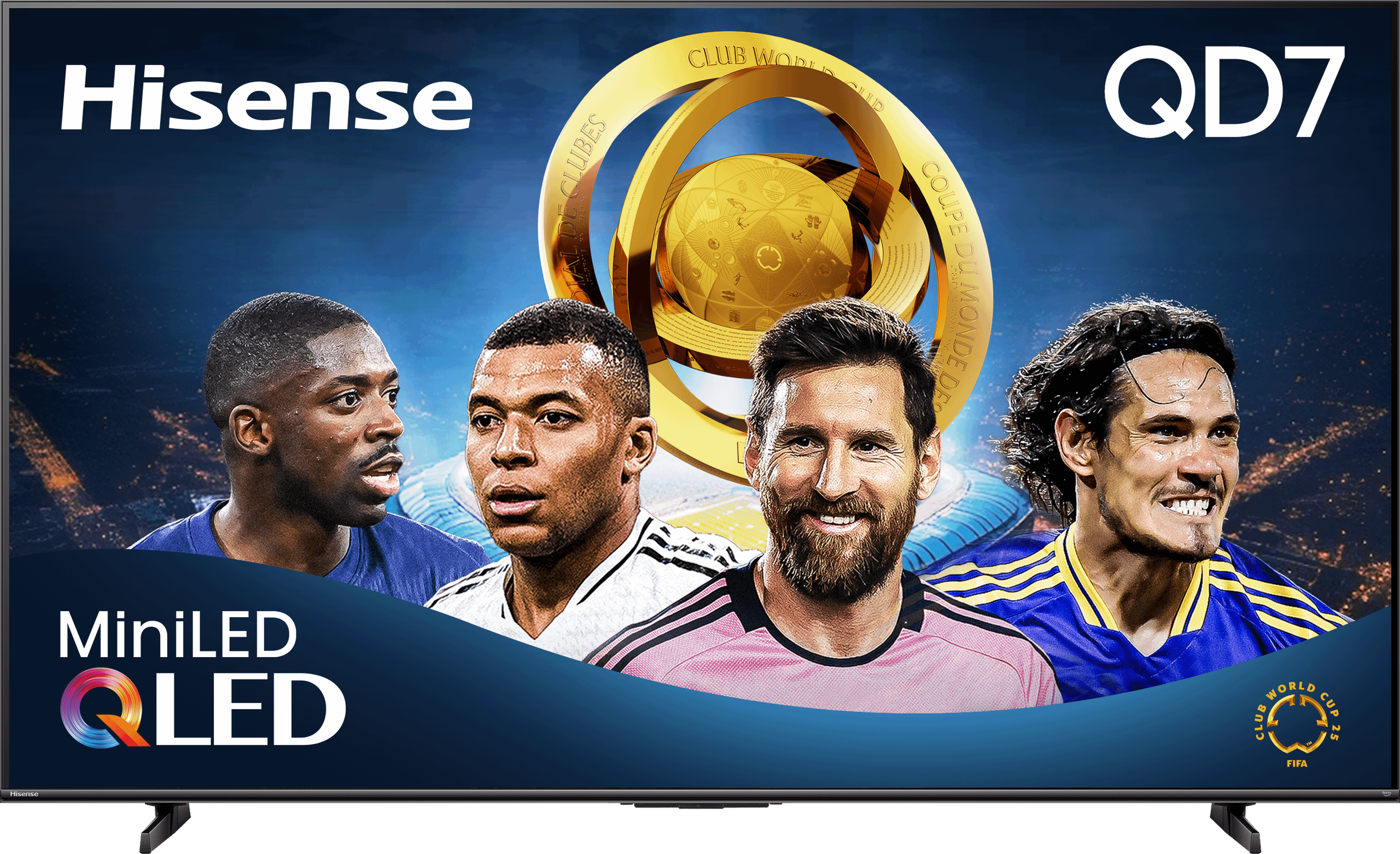
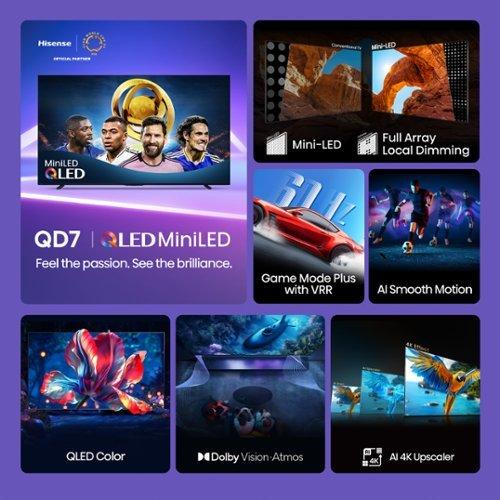
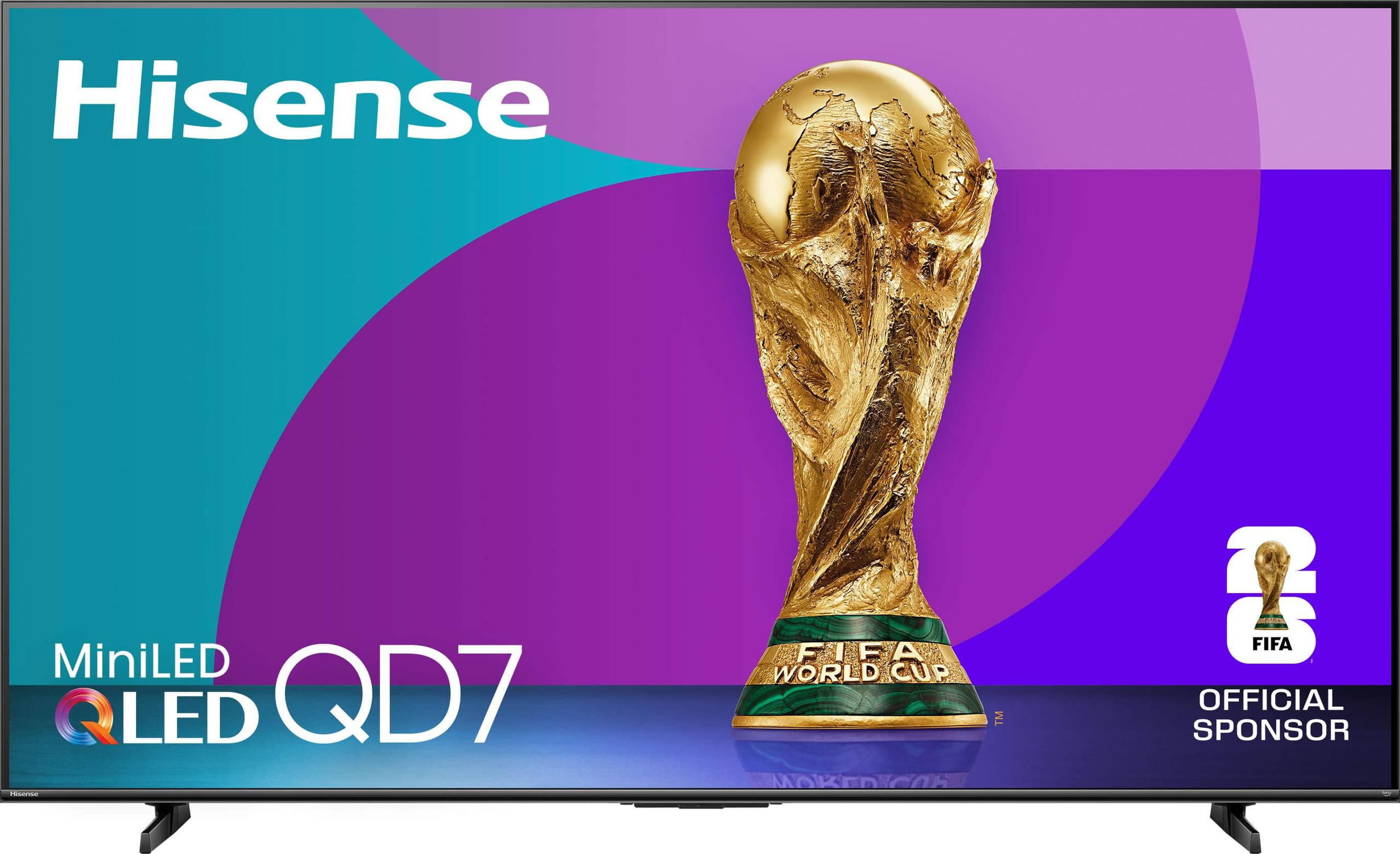
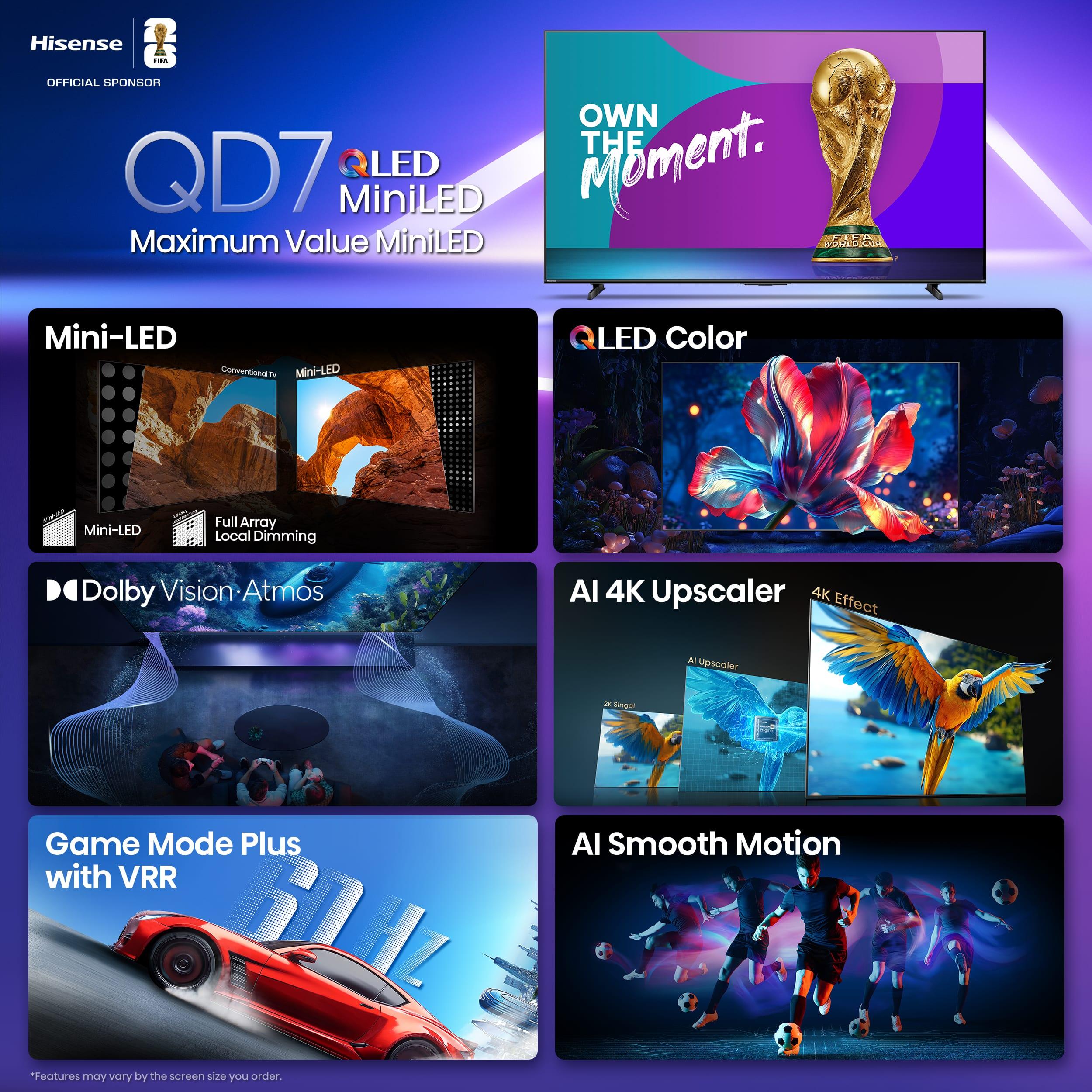
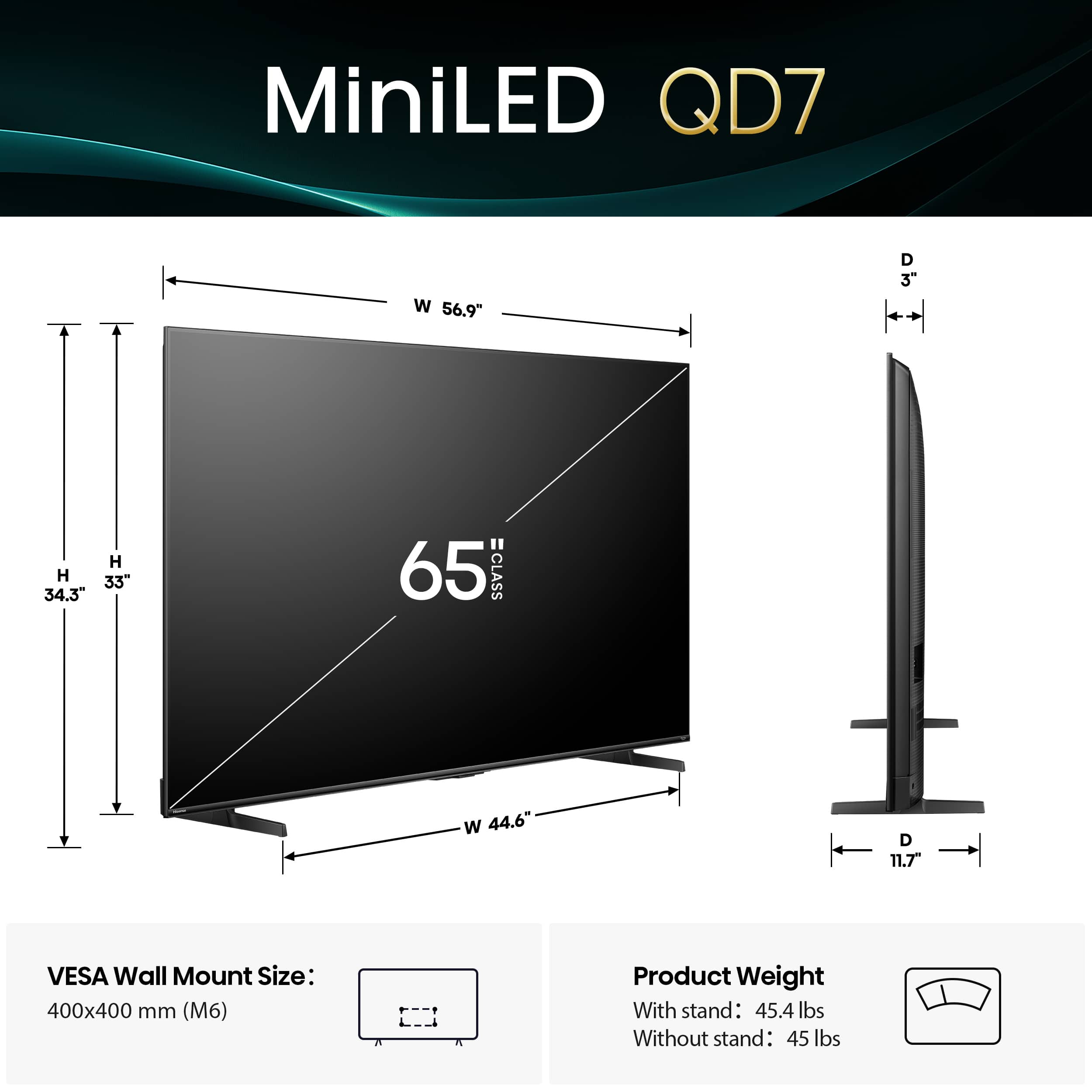
The TV market has reached an interesting crossroads in 2025. We're seeing incredible premium features trickle down to budget-friendly models, while flagship TVs push the boundaries of what's possible in home entertainment. Two perfect examples of this evolution are the Hisense 65" QD7 Series Mini-LED 4K Fire TV 2025 at $469.99 and the LG OLED evo C5 65" 4K TV 2025 at $2,196.99.
These TVs represent fundamentally different approaches to creating stunning picture quality, and understanding their differences will help you make the right choice for your home. Let's dive into what makes each special and how to decide between them.
Before we compare these specific models, it's worth understanding what's happening in the TV world. Traditional LED TVs use a backlight that illuminates the entire screen from behind, which limits how dark the blacks can get and how bright specific areas can become. The industry has developed two main solutions to this problem: Mini-LED and OLED.
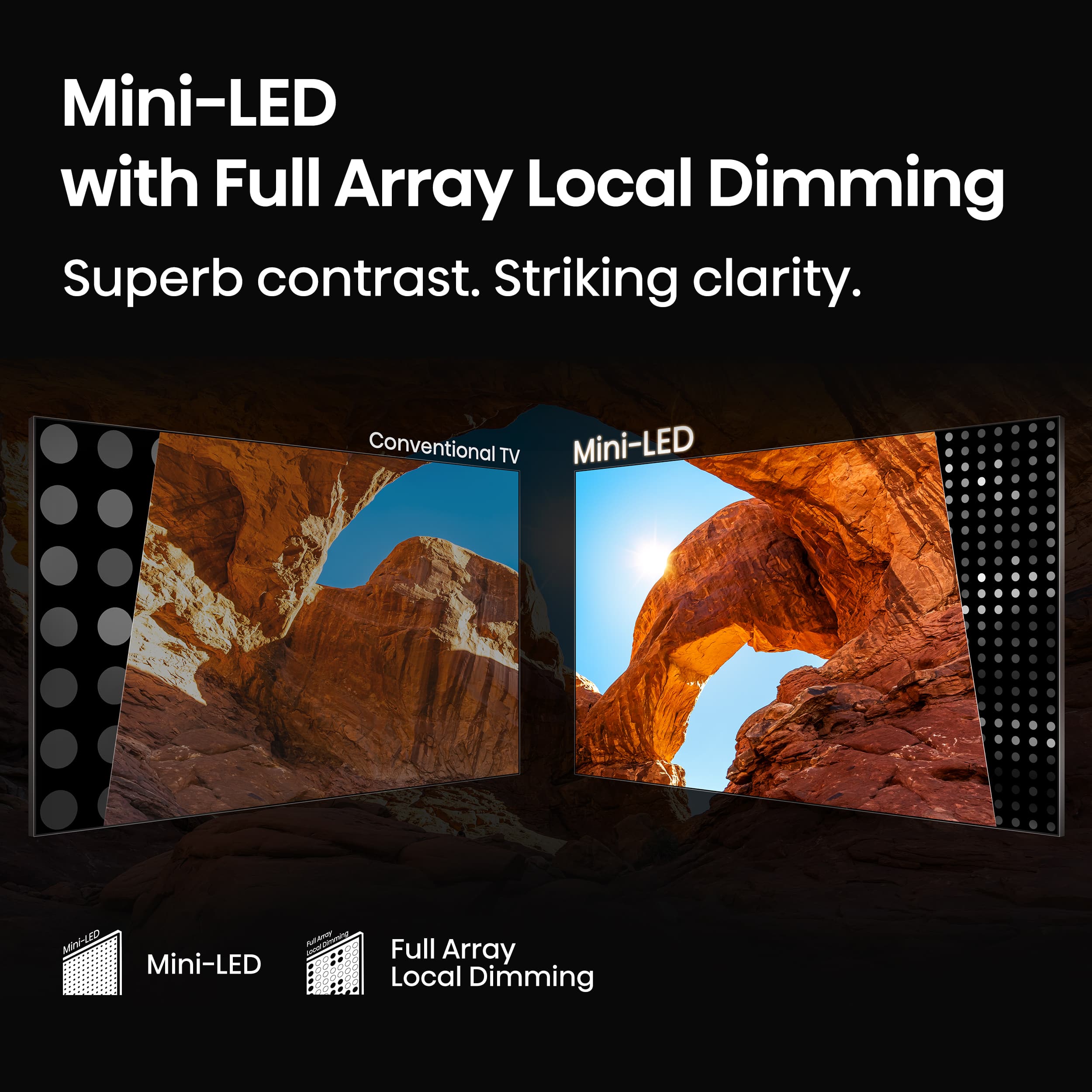
Mini-LED technology takes the traditional LED approach but uses thousands of tiny LEDs instead of a few large ones. These mini LEDs are arranged in zones behind the LCD panel, allowing much more precise control over brightness. Think of it like having thousands of tiny flashlights instead of one big one – you can light up specific areas while keeping others dark.
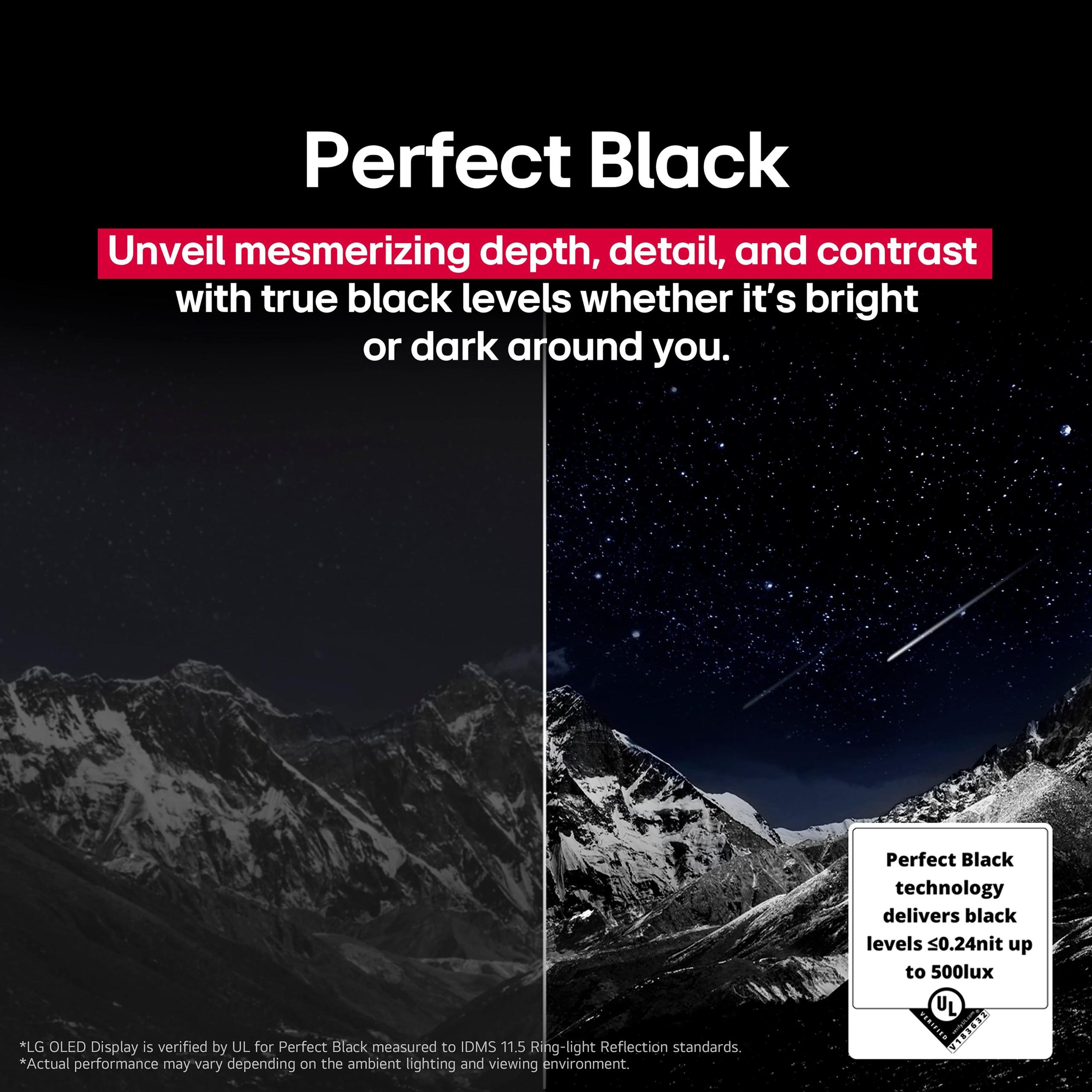
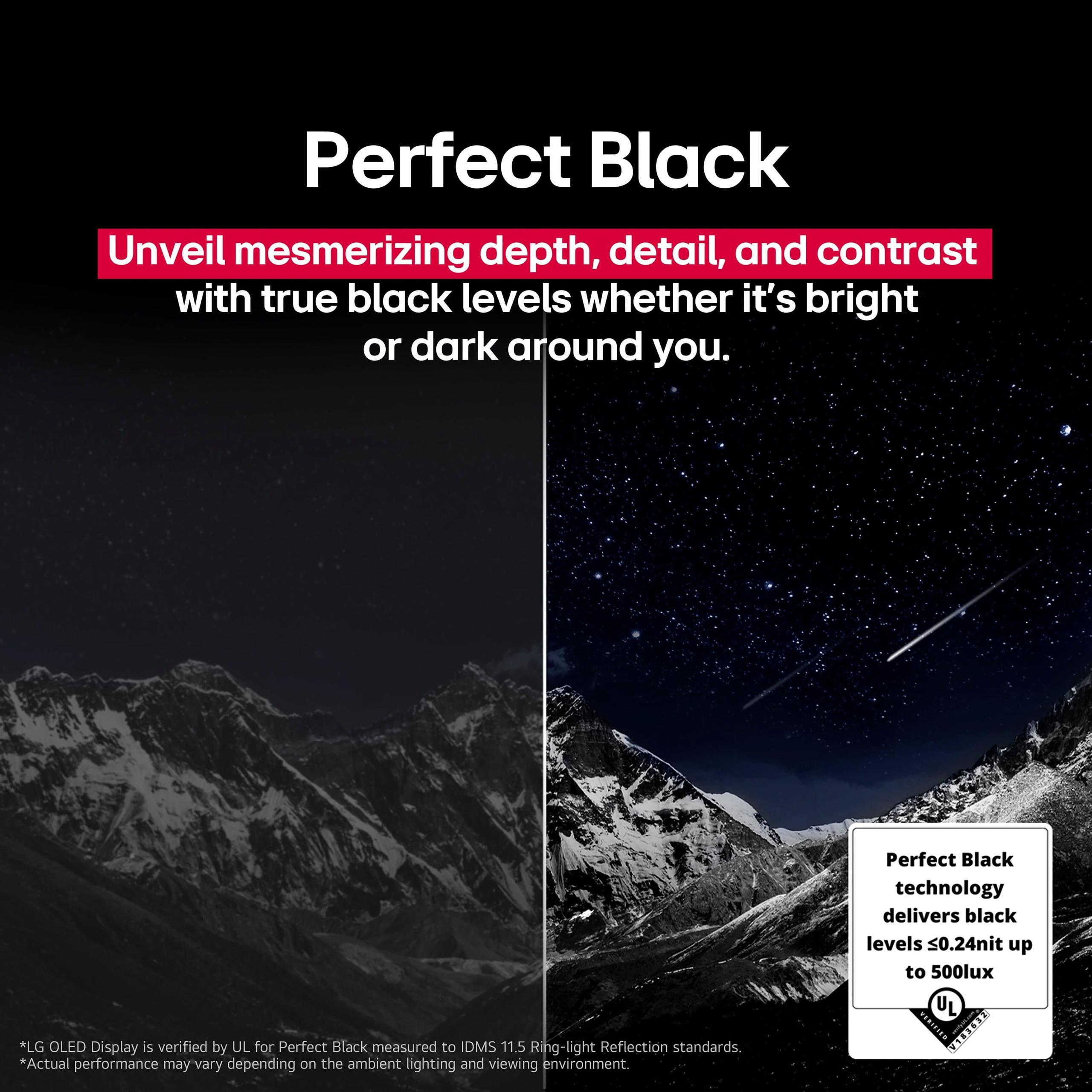
OLED (Organic Light-Emitting Diode) technology takes a completely different approach. Each pixel creates its own light, meaning there's no backlight at all. When an OLED pixel needs to show black, it simply turns off completely. This creates perfect blacks and infinite contrast ratios that LCD-based displays simply cannot match.
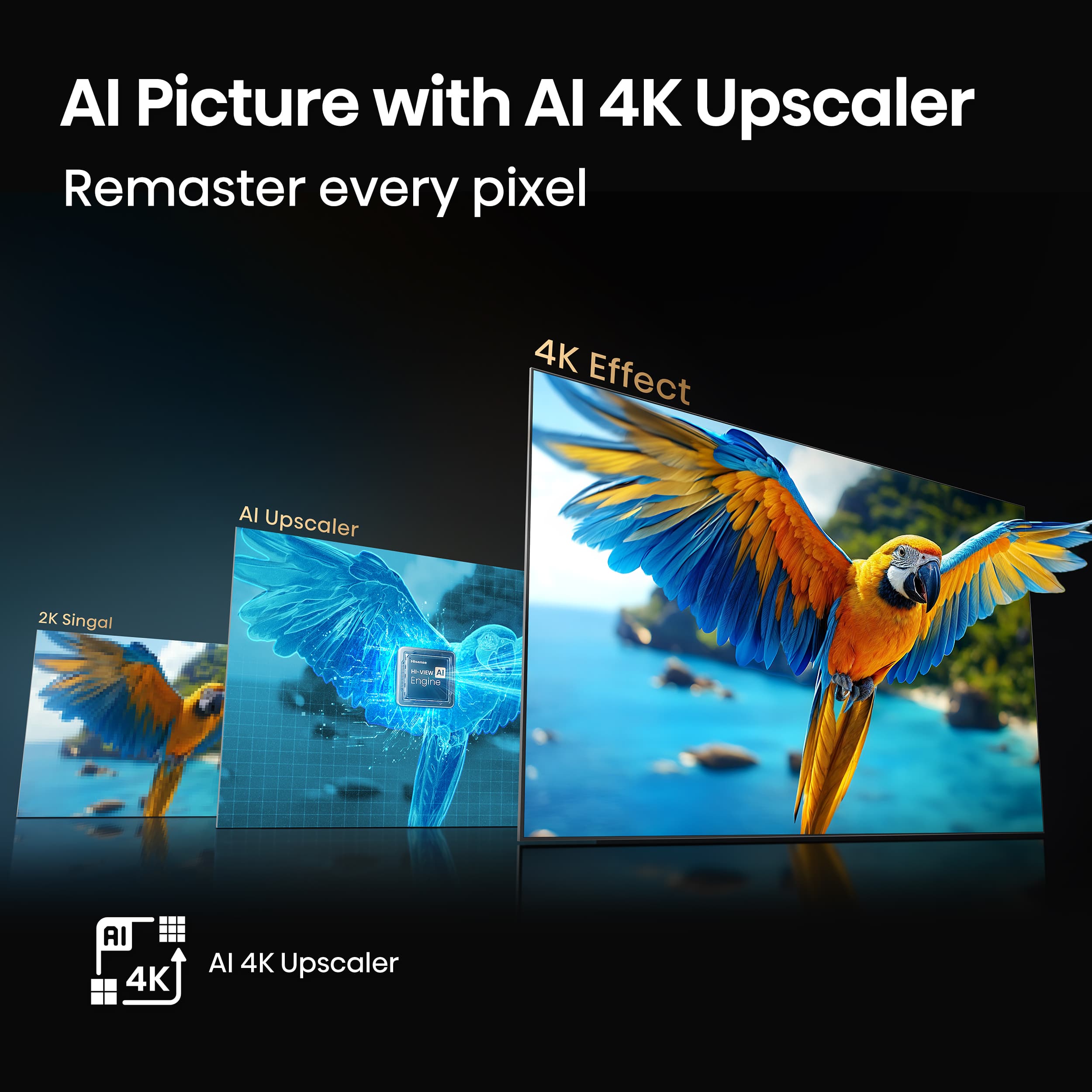
Both the Hisense QD7 and LG C5 represent significant improvements over their predecessors. The QD7 builds on Hisense's aggressive push into premium features at budget prices, something they've been perfecting over the past few years. What's remarkable is how they've managed to include genuine Mini-LED backlighting and Quantum Dot color enhancement (more on this later) at under $500.
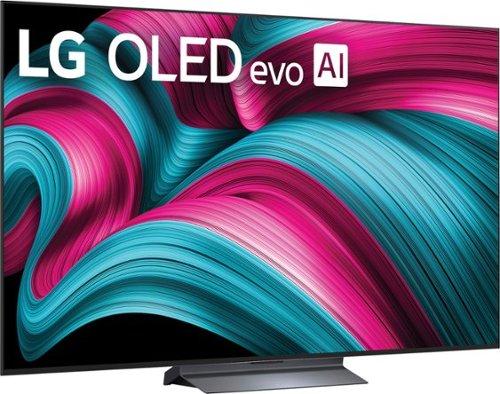
The LG C5, released in 2025, shows how OLED technology has matured. LG has addressed one of OLED's biggest weaknesses – brightness in well-lit rooms – with their "Bright Room Ready" improvements. The C5 is noticeably brighter than previous C-series models, making it more versatile for different viewing environments.
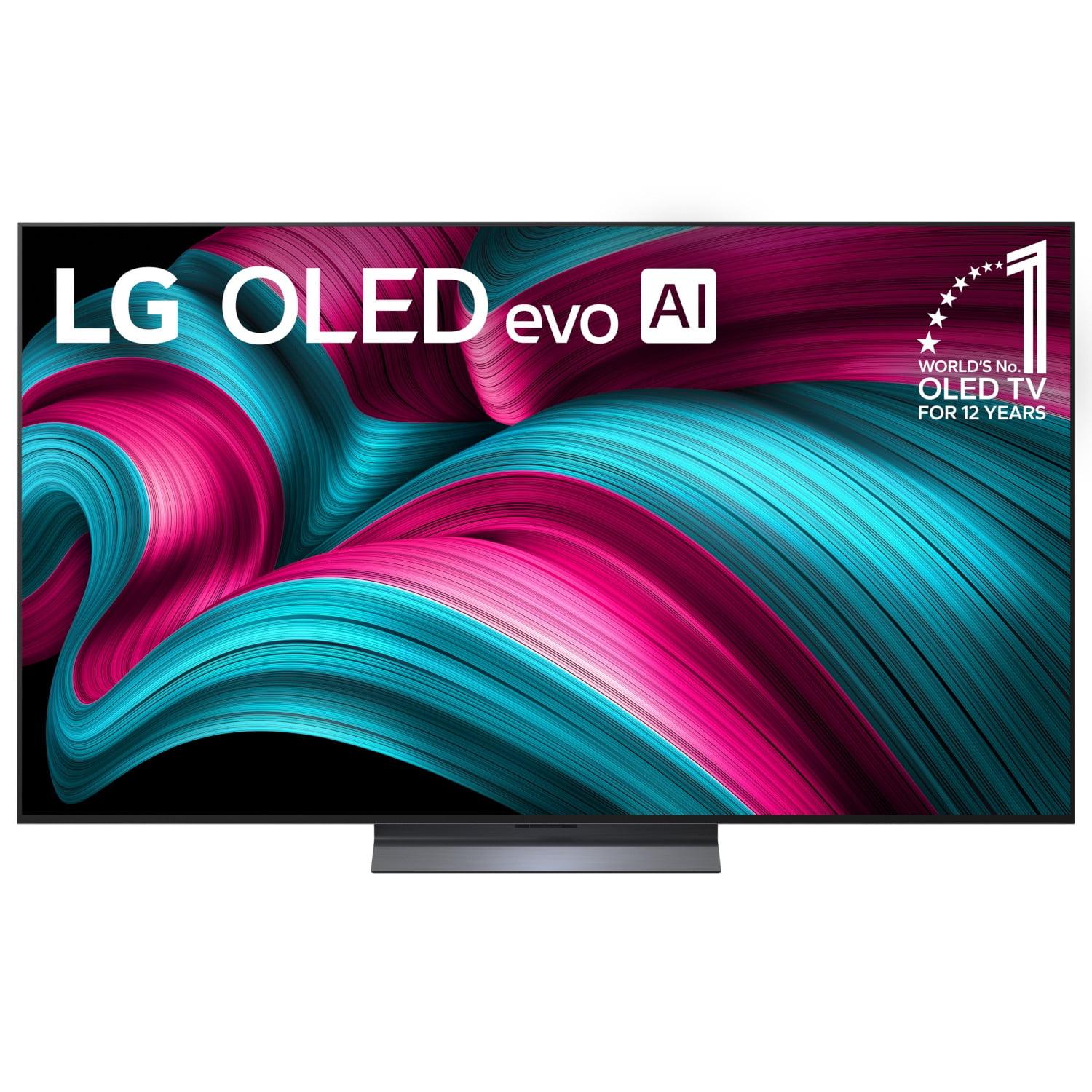
Let's address the obvious difference first: the Hisense QD7 costs $469.99 while the LG C5 costs $2,196.99. That's nearly a 5:1 price difference, which immediately tells us these TVs are targeting very different buyers.
The Hisense represents what I call "democratized premium features." You're getting Mini-LED backlighting, Quantum Dot color enhancement, Dolby Vision HDR, and a 65-inch screen for less than many people spend on a soundbar. This pricing strategy reflects Hisense's broader mission to make advanced TV technology accessible to mainstream buyers.
The LG C5's price reflects its position as a premium product with cutting-edge OLED technology, advanced gaming features, and superior build quality. When you're paying over $2,000, you're not just buying a TV – you're investing in a home theater centerpiece that should last for years.
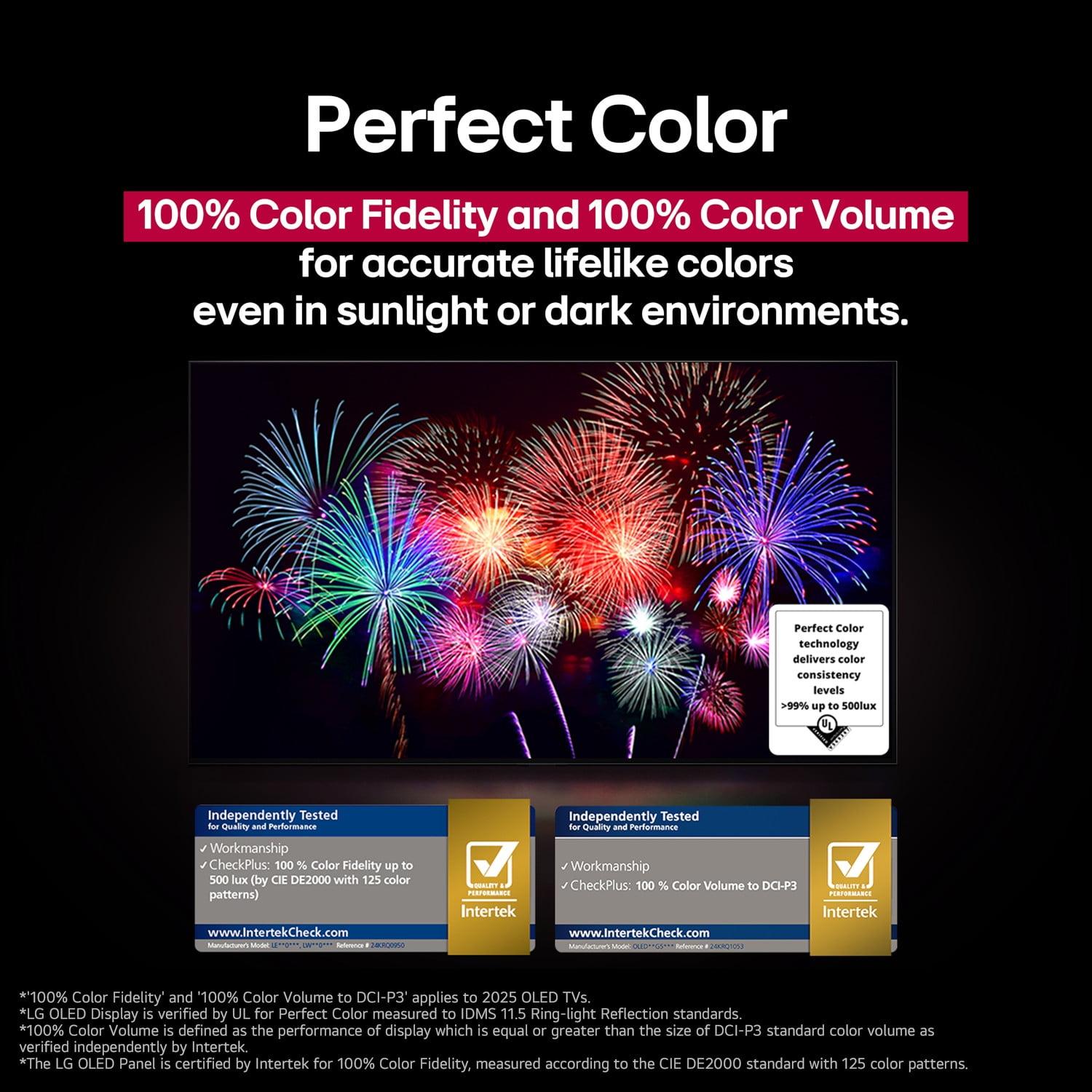
One of the most practical differences between these TVs is how they handle different lighting conditions. The Hisense QD7, with its Mini-LED backlighting, can likely achieve peak brightness levels well above 1,000 nits. While Hisense hasn't published exact specifications for the QD7, their similar U8N model hits an impressive 3,397 nits in testing.
This high brightness capability means the QD7 performs exceptionally well in bright rooms. If your TV is in a living room with large windows or bright overhead lighting, the QD7 will maintain good contrast and color saturation even during daytime viewing. The Mini-LED zones can boost brightness in specific areas of the screen while dimming others, creating a more dynamic picture than traditional LED TVs.
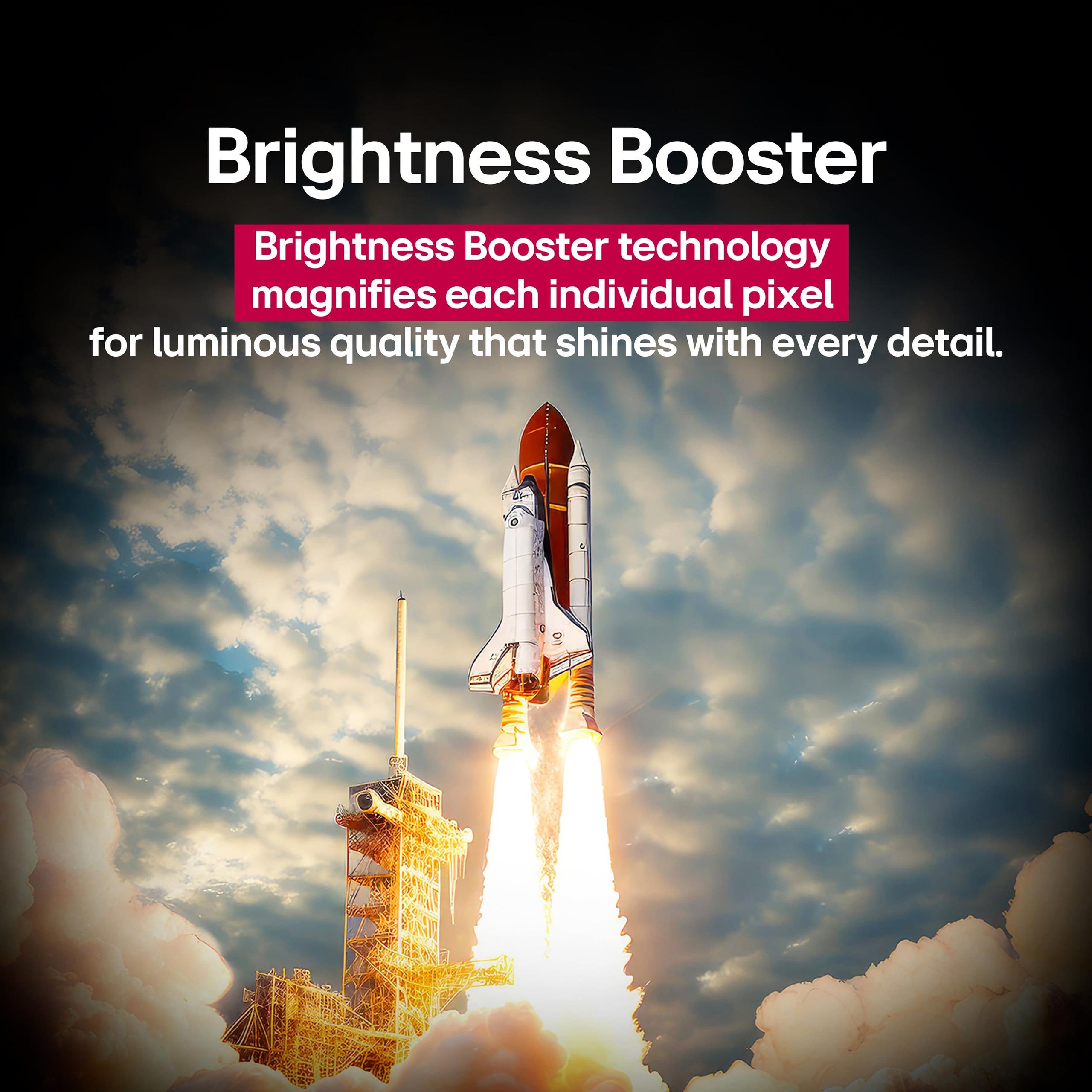
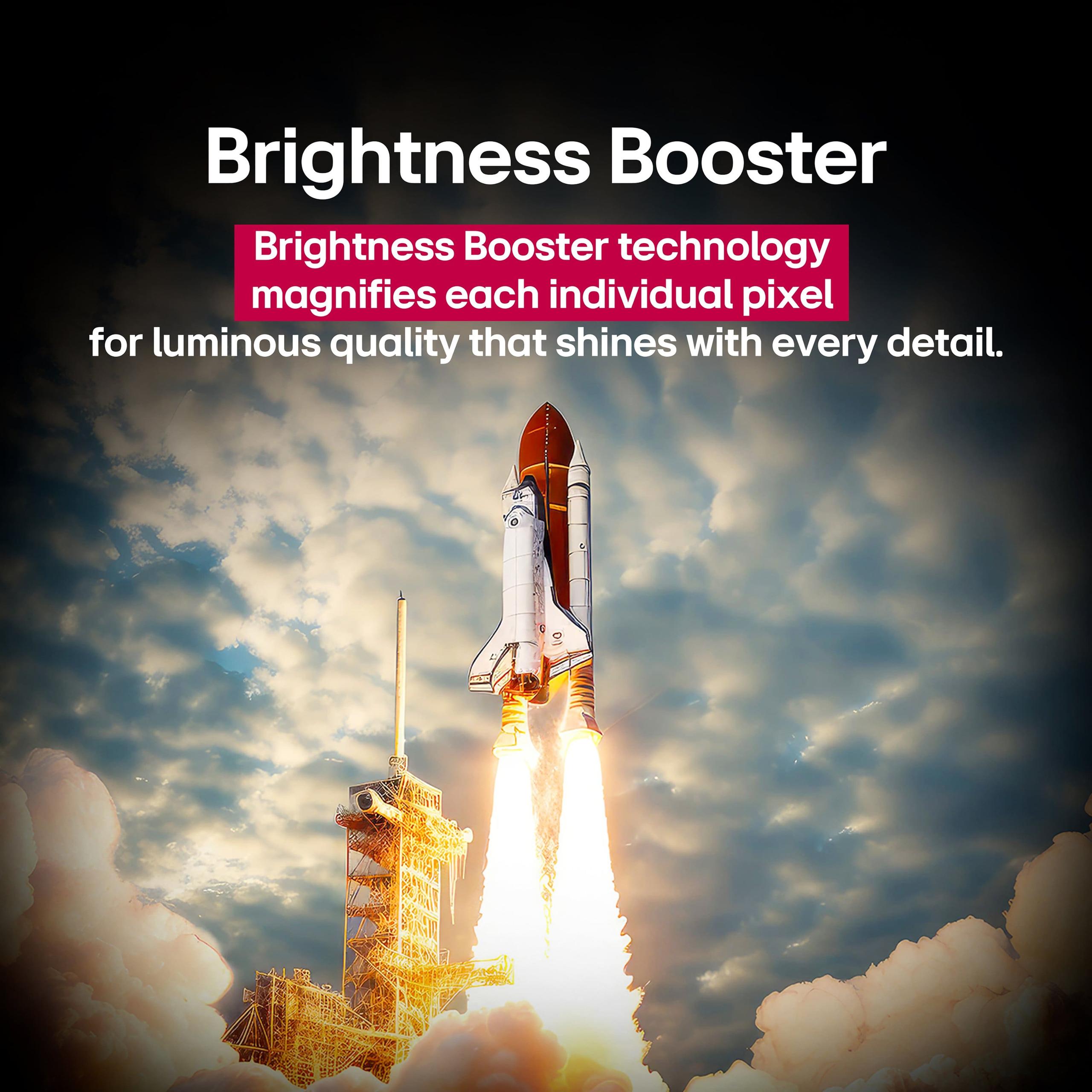
The LG C5, meanwhile, achieves around 1,165 nits peak brightness – a significant improvement over previous OLED models but still not as bright as the best Mini-LED displays. However, LG has implemented "Brightness Booster" technology that makes the C5 much more capable in bright rooms than older OLEDs. The improvement is substantial enough that LG markets it as "Bright Room Ready," addressing one of OLED's traditional weaknesses.
Here's where the fundamental technology differences become most apparent. The Hisense QD7, despite its Mini-LED improvements, still uses an LCD panel with a backlight. This means that even when displaying black, some light leaks through, creating what we call "grayish blacks." In a dark room, you might notice that black bars in movies don't look truly black but rather dark gray.
The LG C5's OLED technology delivers perfect blacks because each pixel can turn completely off. When you're watching a movie in a dark room, black areas of the screen are literally emitting no light. This creates an infinite contrast ratio – the difference between the brightest and darkest parts of the image – which is impossible for any backlit display to achieve.
This difference becomes most noticeable when watching movies with dark scenes, like space films or horror movies. The OLED's perfect blacks create a more immersive, cinematic experience that many enthusiasts consider essential for serious movie watching.
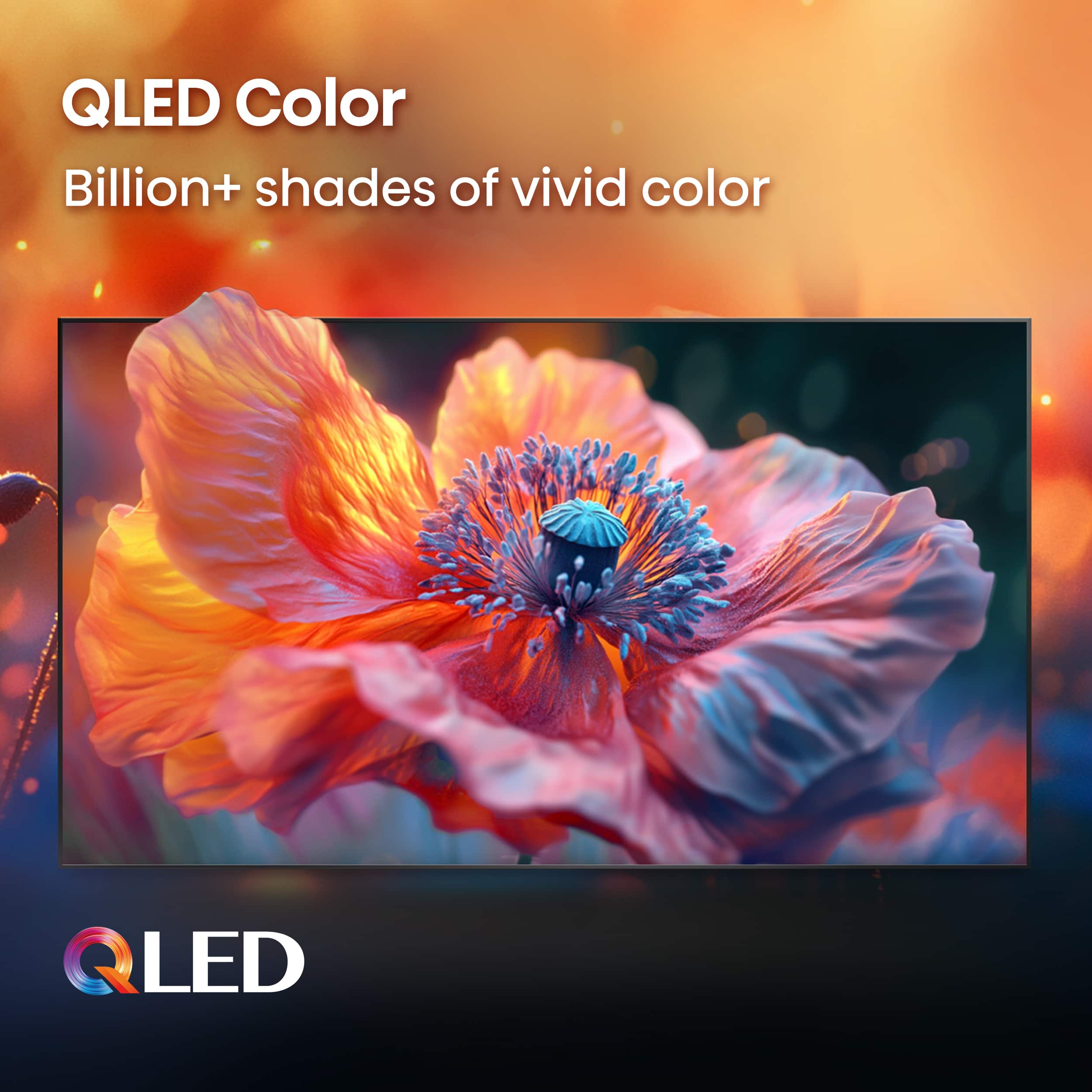
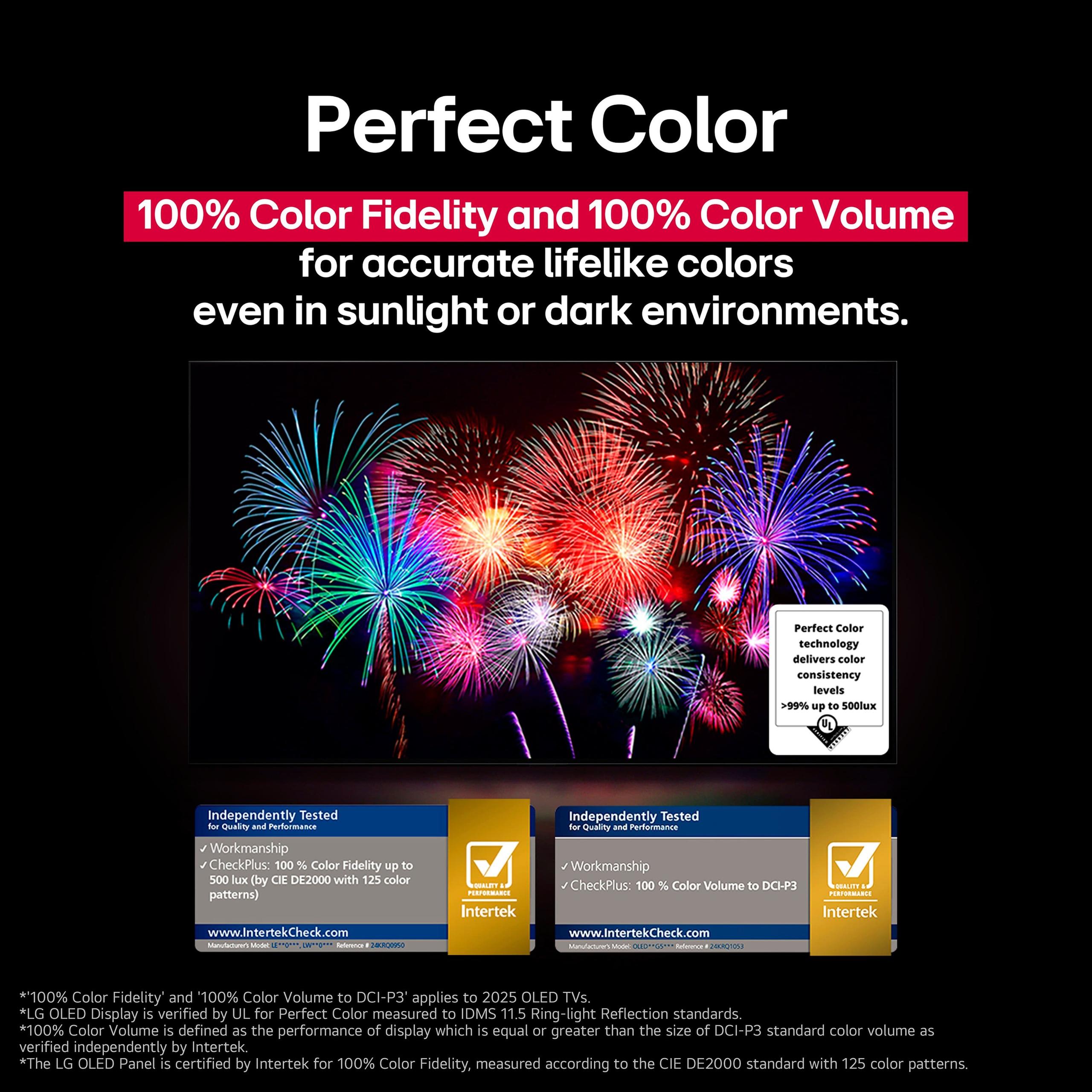
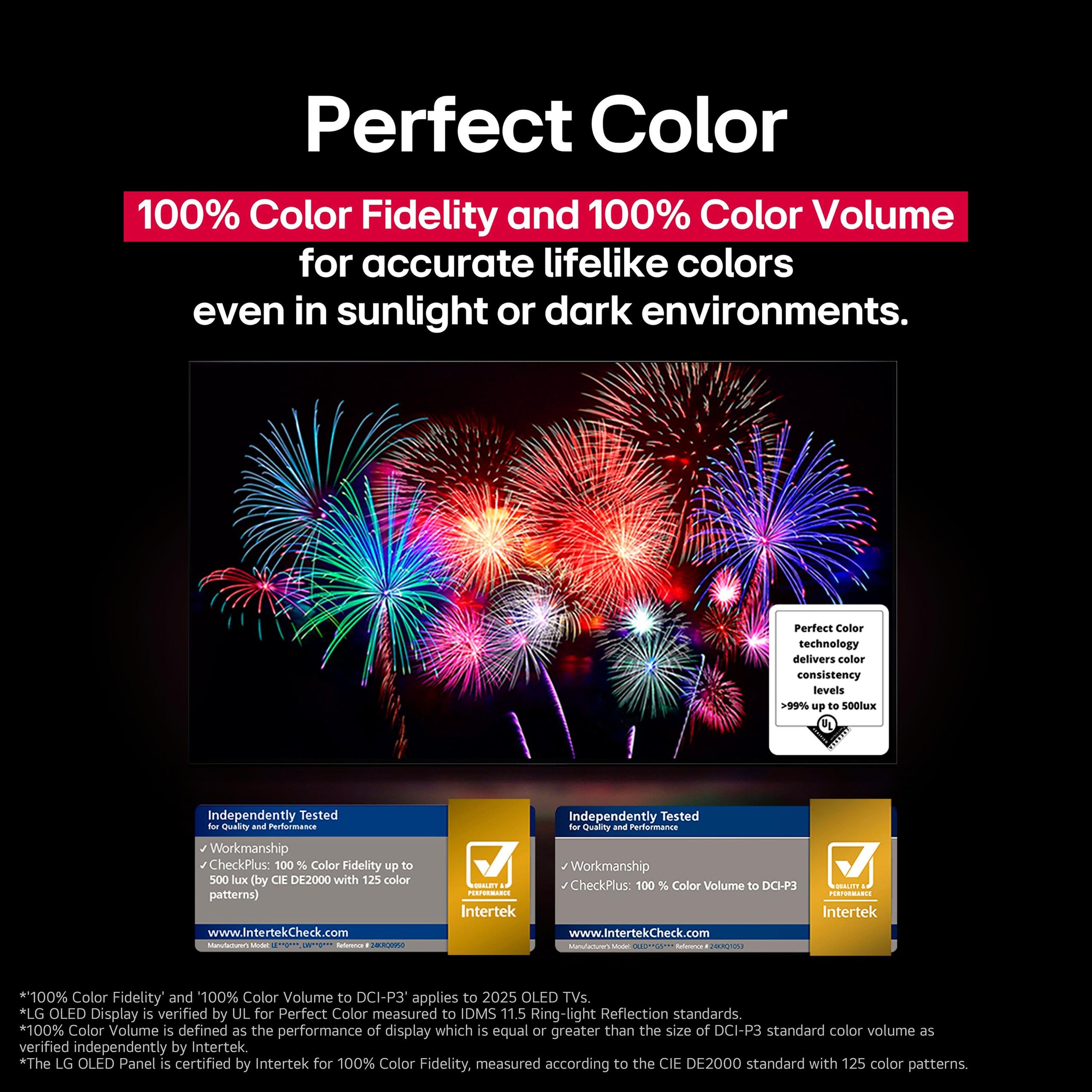
The Hisense QD7 uses Quantum Dot technology, which enhances color reproduction through microscopic particles that emit highly pure light when excited by the backlight. This results in more vibrant, accurate colors and better color volume – the ability to show bright, saturated colors simultaneously.
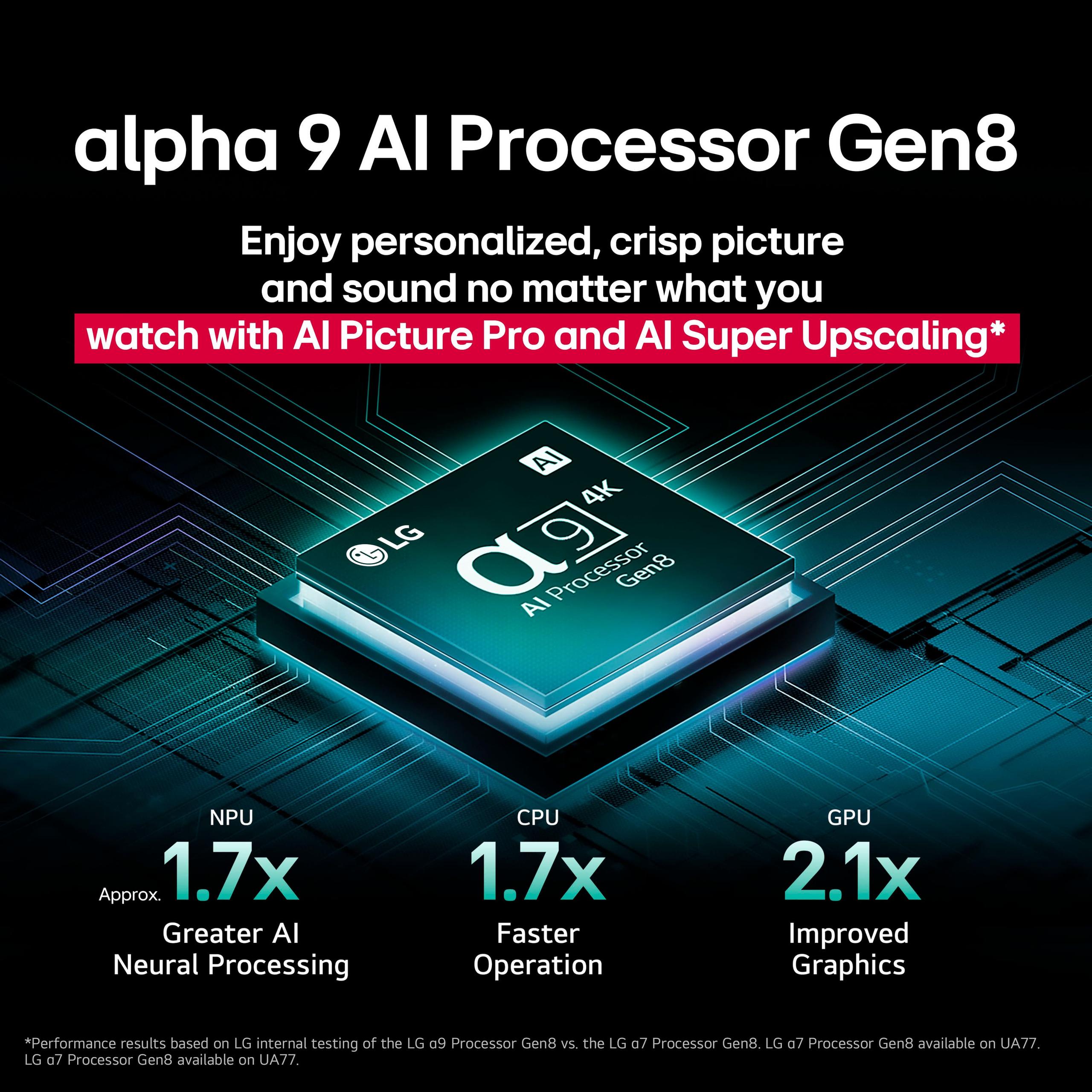
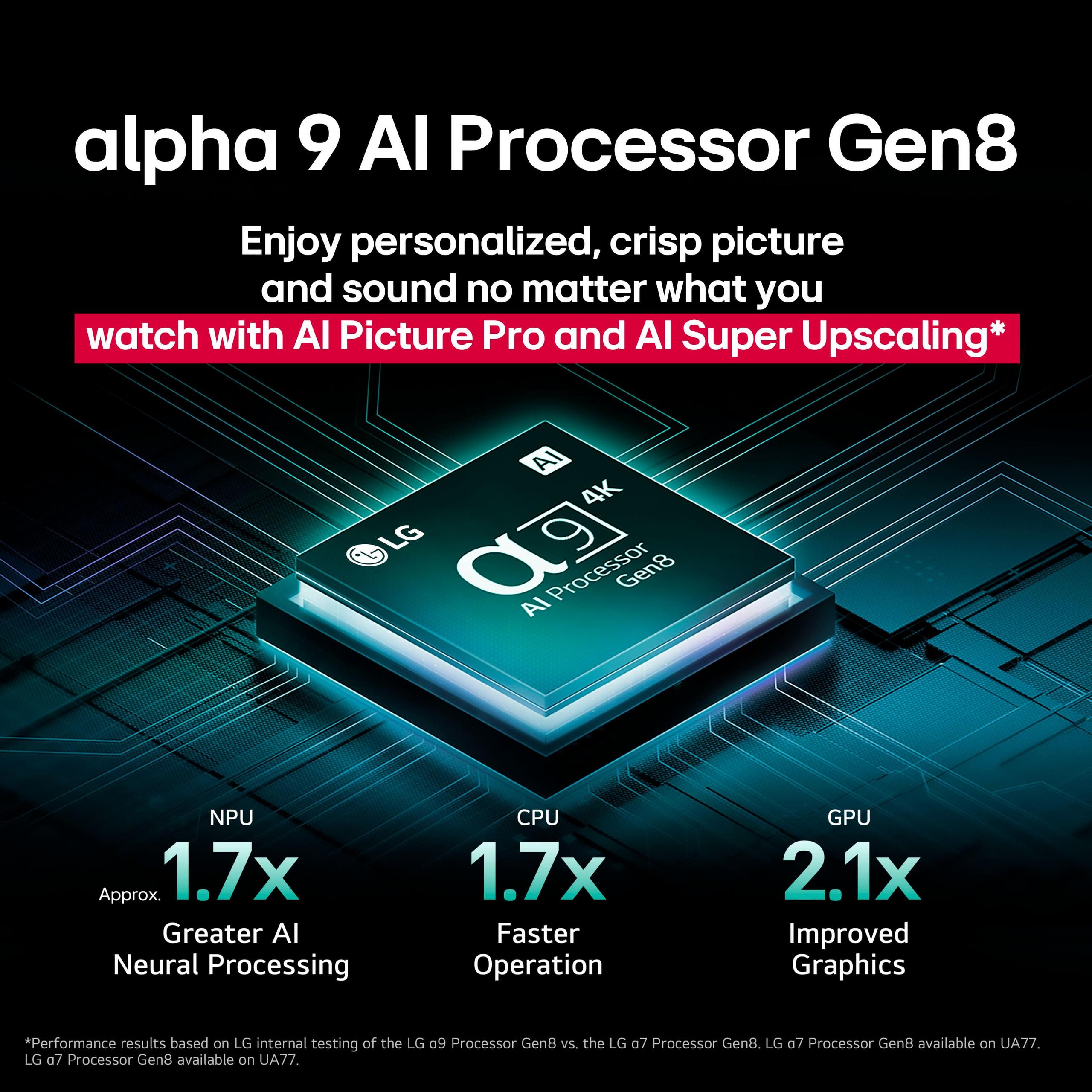
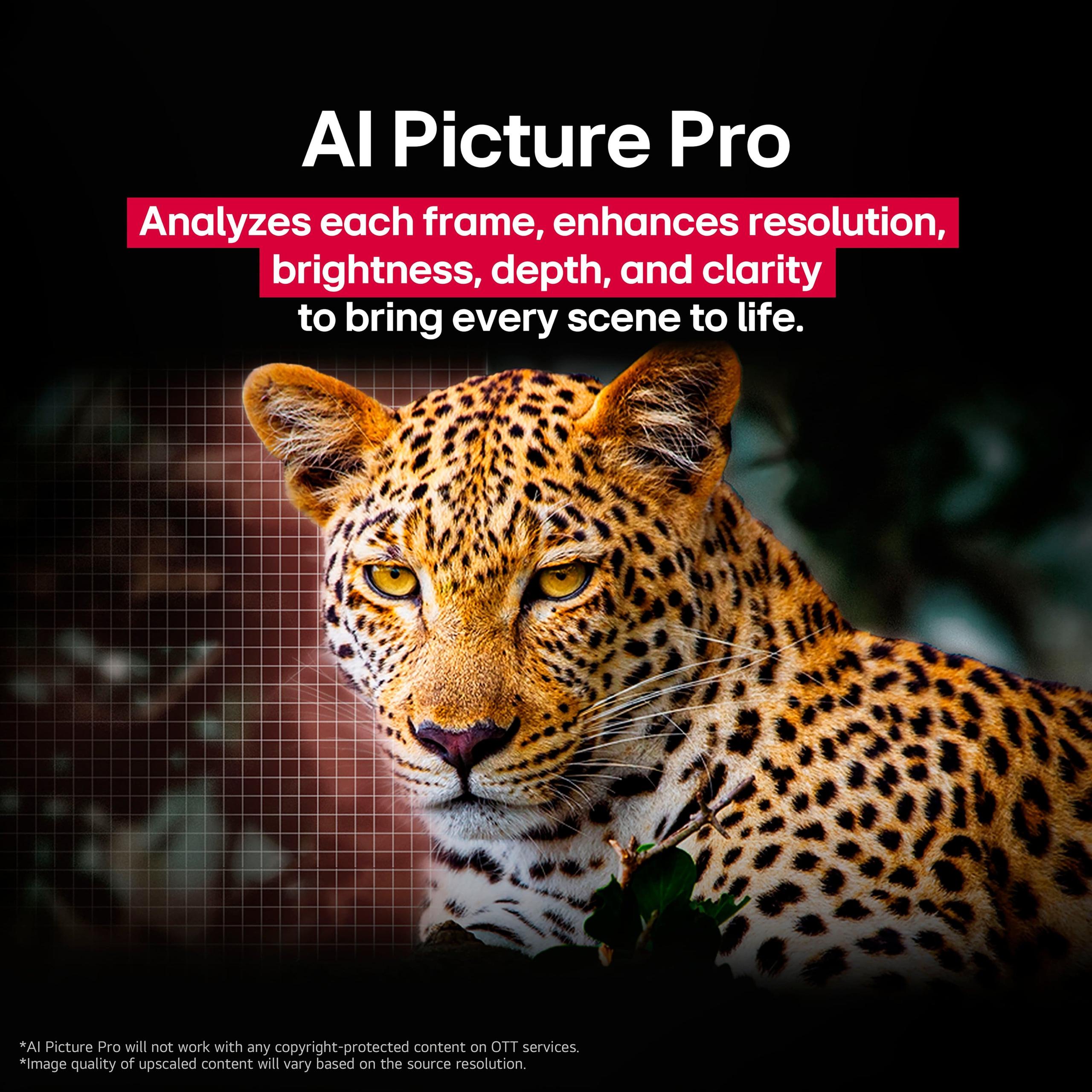
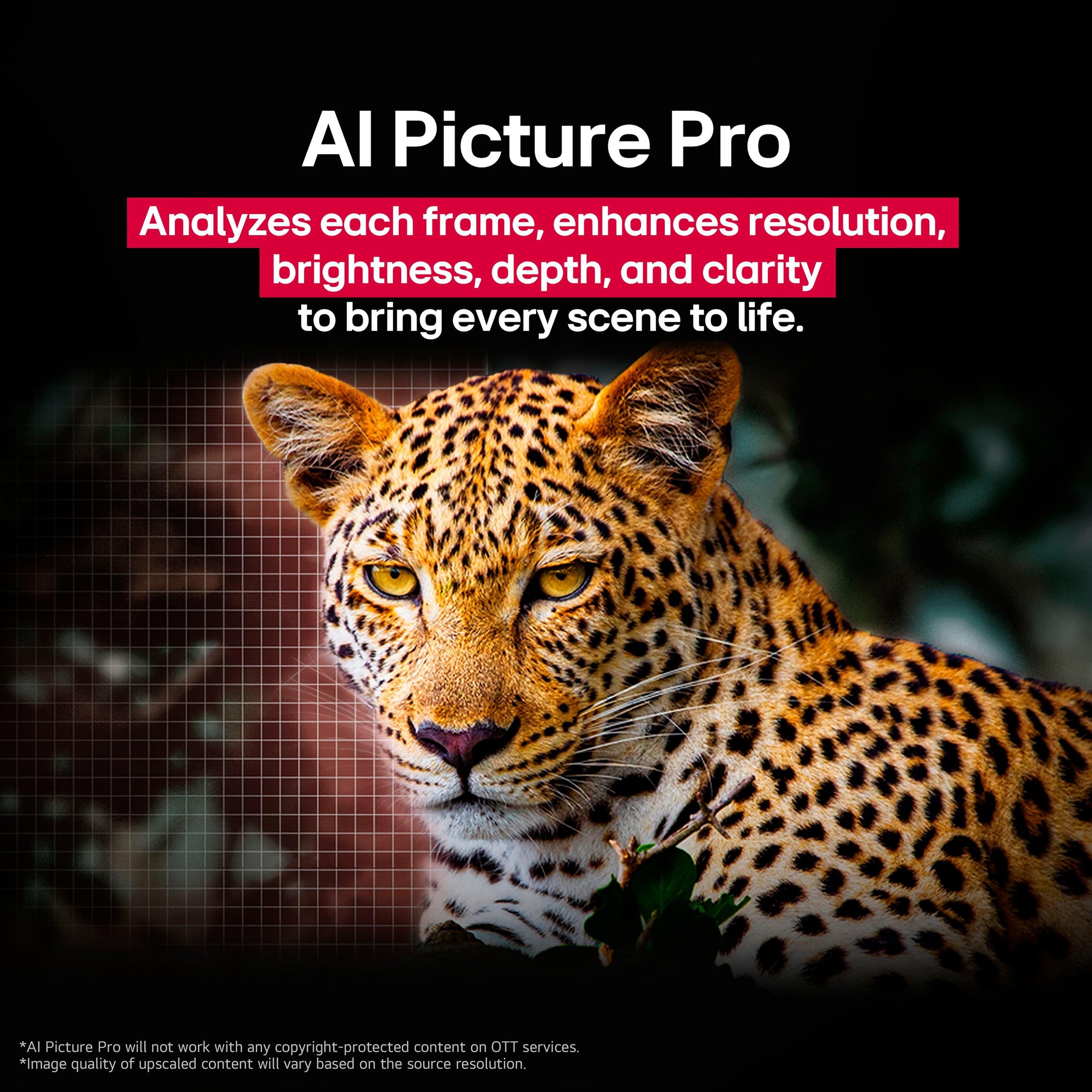
The LG C5 achieves excellent color performance through its OLED technology and advanced processing. While it doesn't use Quantum Dots, its color accuracy out of the box is exceptional, often surpassing much more expensive displays. The C5's Alpha 9 Gen8 AI Processor continuously analyzes content and optimizes color reproduction in real-time.
In practical terms, both TVs deliver excellent color, but in different ways. The Hisense might show slightly more vibrant colors in bright scenes, while the LG excels at color accuracy and consistency across all brightness levels.
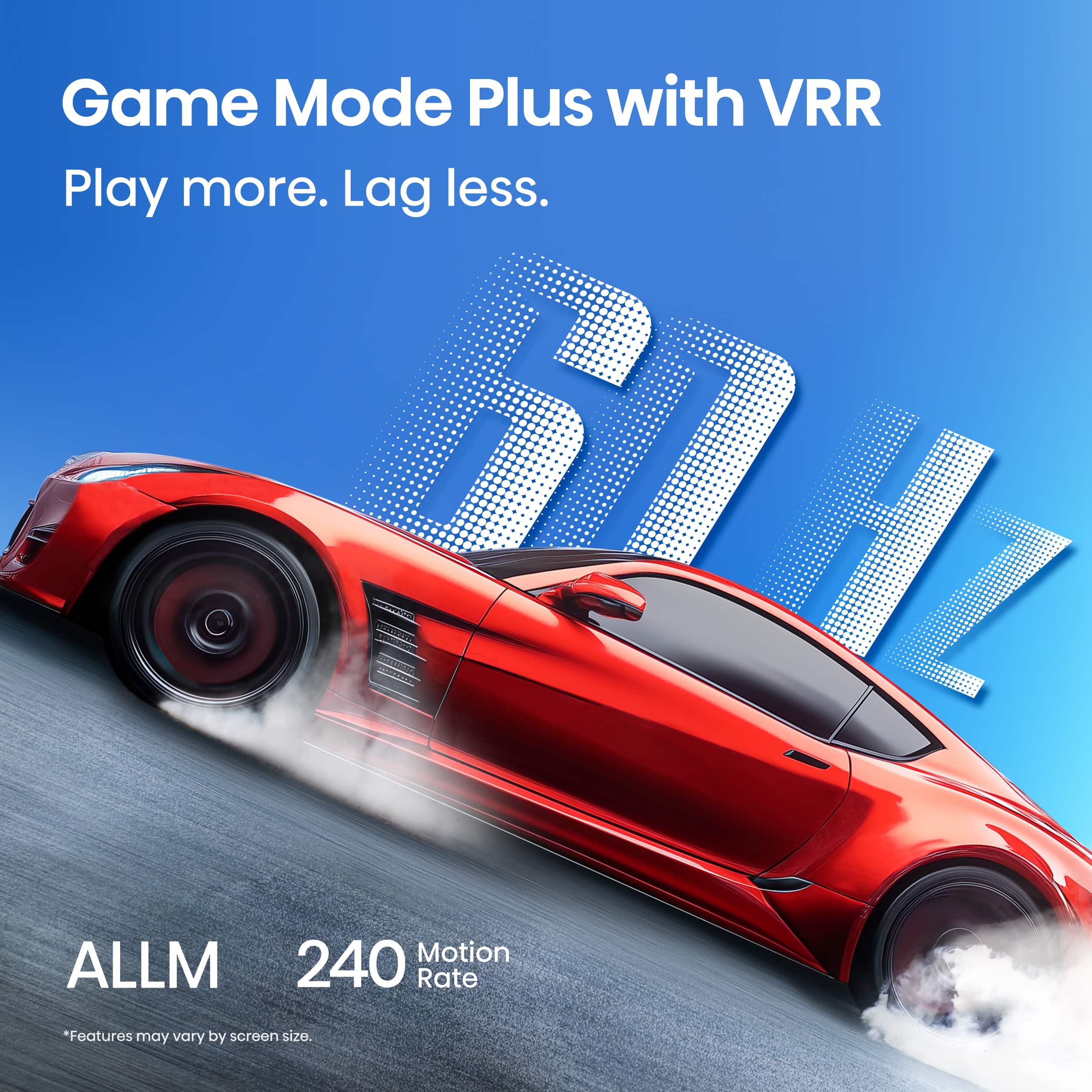
Gaming performance represents one of the starkest differences between these TVs. The Hisense QD7, despite its impressive picture quality, is designed for casual gaming. It offers a 60Hz refresh rate and basic Variable Refresh Rate (VRR) support, which is adequate for most gaming but not optimal for serious gamers with next-generation consoles.
The LG C5, however, is a gaming powerhouse. It supports 120Hz refresh rates natively and can handle up to 144Hz when connected to a PC. All four HDMI ports support full HDMI 2.1 bandwidth, enabling 4K gaming at 120 frames per second. The TV includes advanced gaming features like Auto Low Latency Mode (ALLM), which automatically switches to game mode when it detects a gaming console, and support for both NVIDIA G-Sync and AMD FreeSync Premium.
The input lag – the delay between when you press a controller button and when the action appears on screen – is crucial for competitive gaming. The LG C5 achieves an impressive 0.1ms response time, among the best available in any TV. This makes it suitable for fast-paced games where split-second reactions matter.
For perspective, if you're playing casual games or single-player adventures, the Hisense QD7 will serve you well. But if you're serious about gaming, especially with a PlayStation 5 or Xbox Series X, the LG C5's advanced features justify the price difference for many gamers.
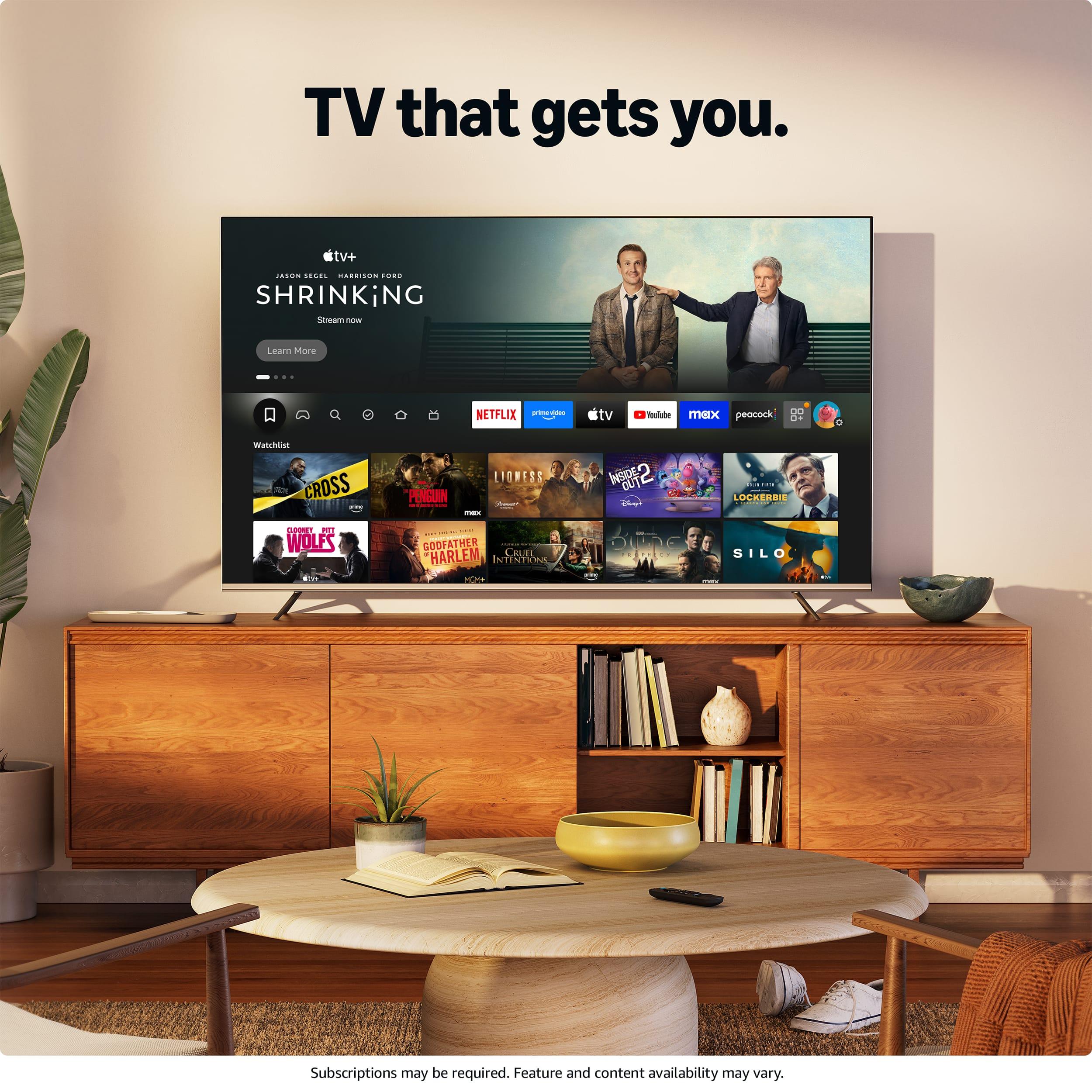
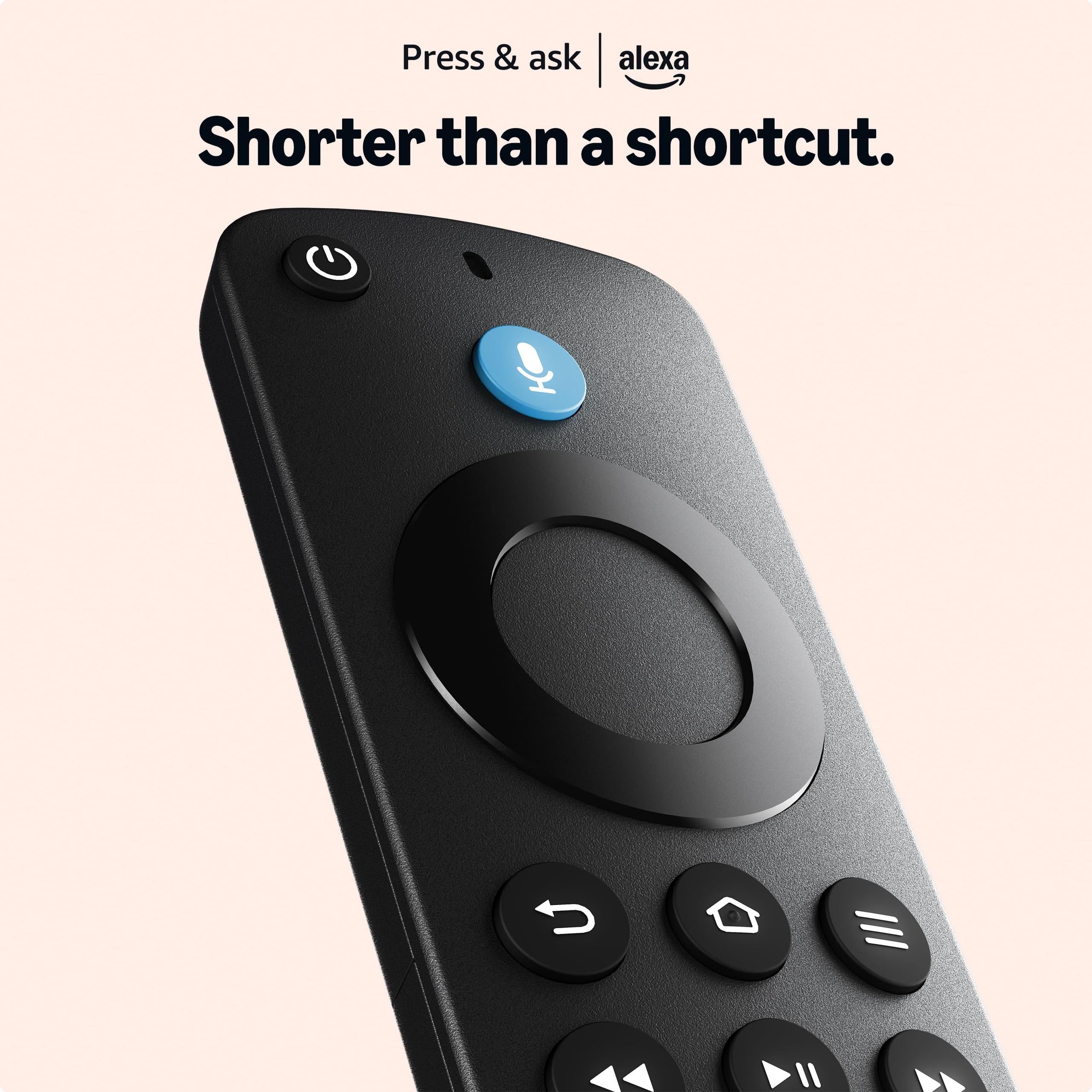
Both TVs offer solid smart TV experiences but with different approaches. The Hisense QD7 runs Amazon's Fire TV platform, which provides good app selection and seamless integration with Alexa voice control. The interface is straightforward and familiar to anyone who's used Amazon's Fire TV devices.
The LG C5 runs webOS 25, LG's proprietary smart TV platform that's widely regarded as one of the best in the industry. It's intuitive, responsive, and includes LG's Magic Remote, which acts like a cursor when you wave it around. The platform offers AI-powered recommendations and Quick Cards for easy app organization.
In daily use, both systems work well, but the LG's webOS feels more premium and responsive. It's also more likely to receive long-term software updates, with LG's Re:New Program promising five years of support.
The build quality differences reflect the price gap between these TVs. The Hisense QD7 offers solid construction for its price point, with a standard TV design that won't win any beauty contests but gets the job done. Some users report occasional quality control issues, which isn't uncommon in budget-friendly electronics.
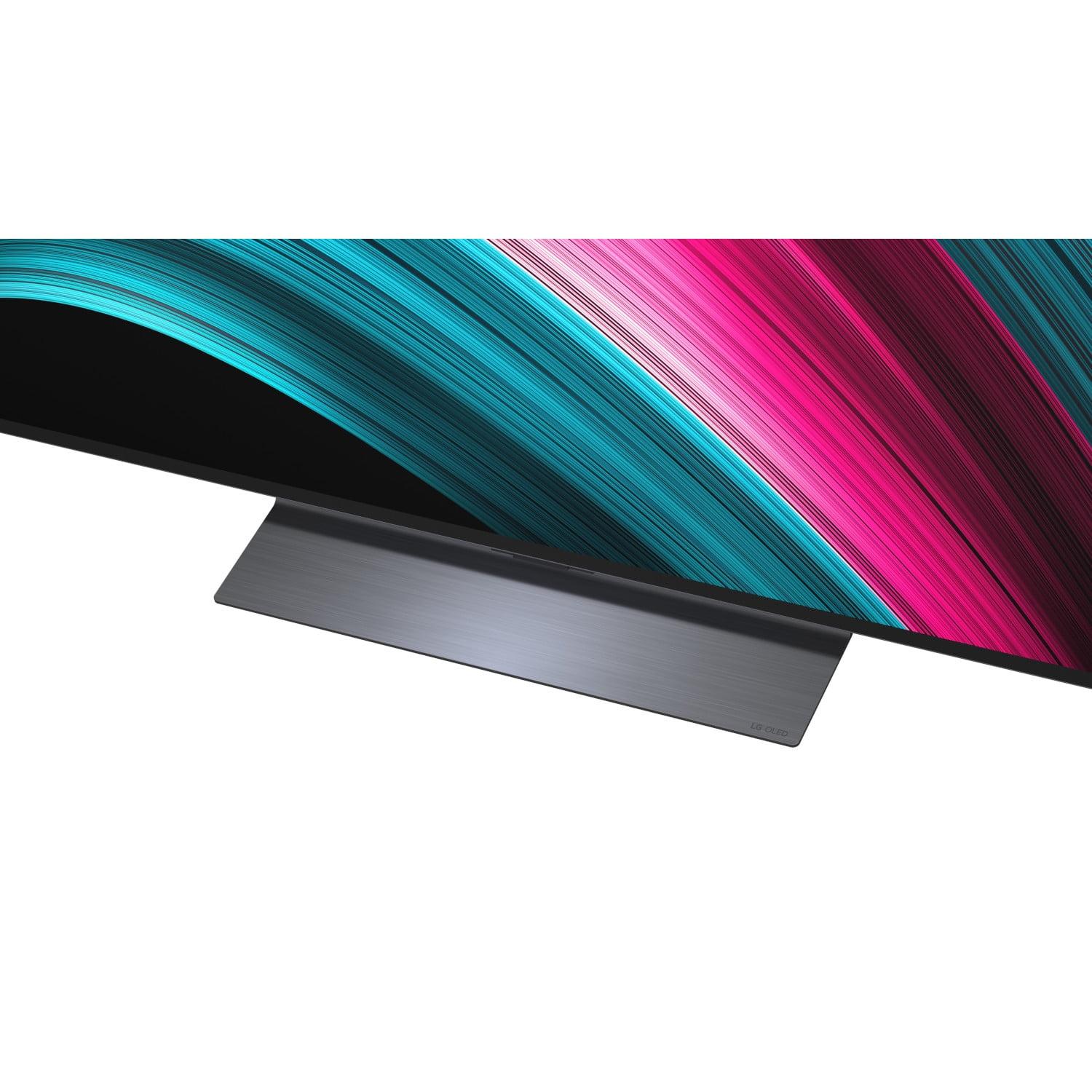
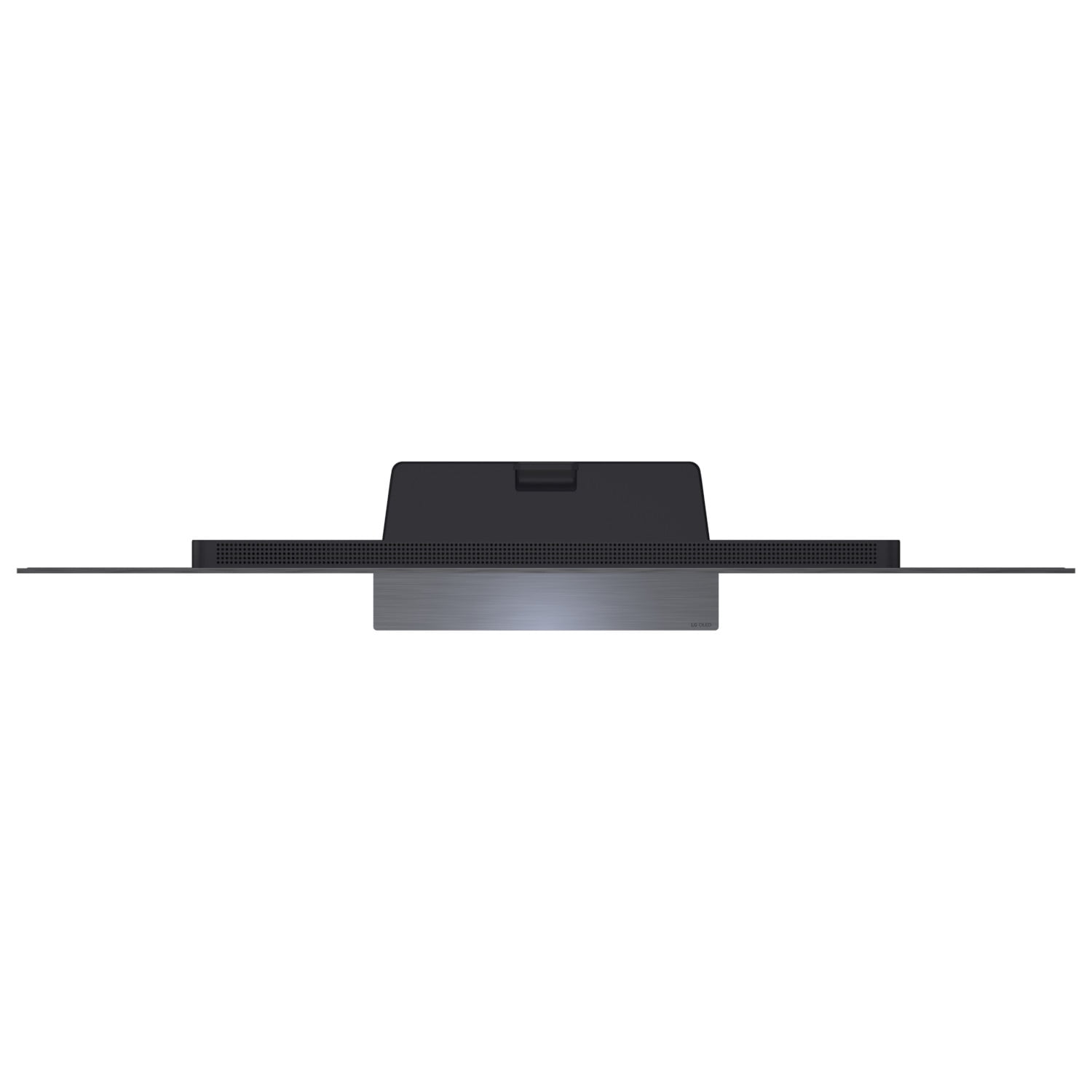
The LG C5 showcases premium build quality with an ultra-thin profile that's genuinely impressive. The top and sides are wafer-thin, while the back houses all the electronics and ports. It's the kind of TV that looks great whether wall-mounted or on a stand, and the build quality feels substantial and durable.
Viewing angles – how the picture looks when you're not sitting directly in front of the TV – differ significantly between these models. The Hisense QD7 uses what appears to be a VA-type LCD panel, which provides good contrast when viewed straight-on but can show color shifting and contrast loss when viewed from the sides.
The LG C5's OLED technology maintains excellent picture quality from wide viewing angles, making it better for group viewing or open-concept living spaces where people might be watching from different positions.
If you're building a dedicated home theater, the LG C5 is the clear winner. Its perfect blacks create the cinematic atmosphere that movie enthusiasts crave, especially in a dark room. The OLED technology eliminates the blooming effect that can occur with Mini-LED displays, where bright objects create a subtle halo effect against dark backgrounds.
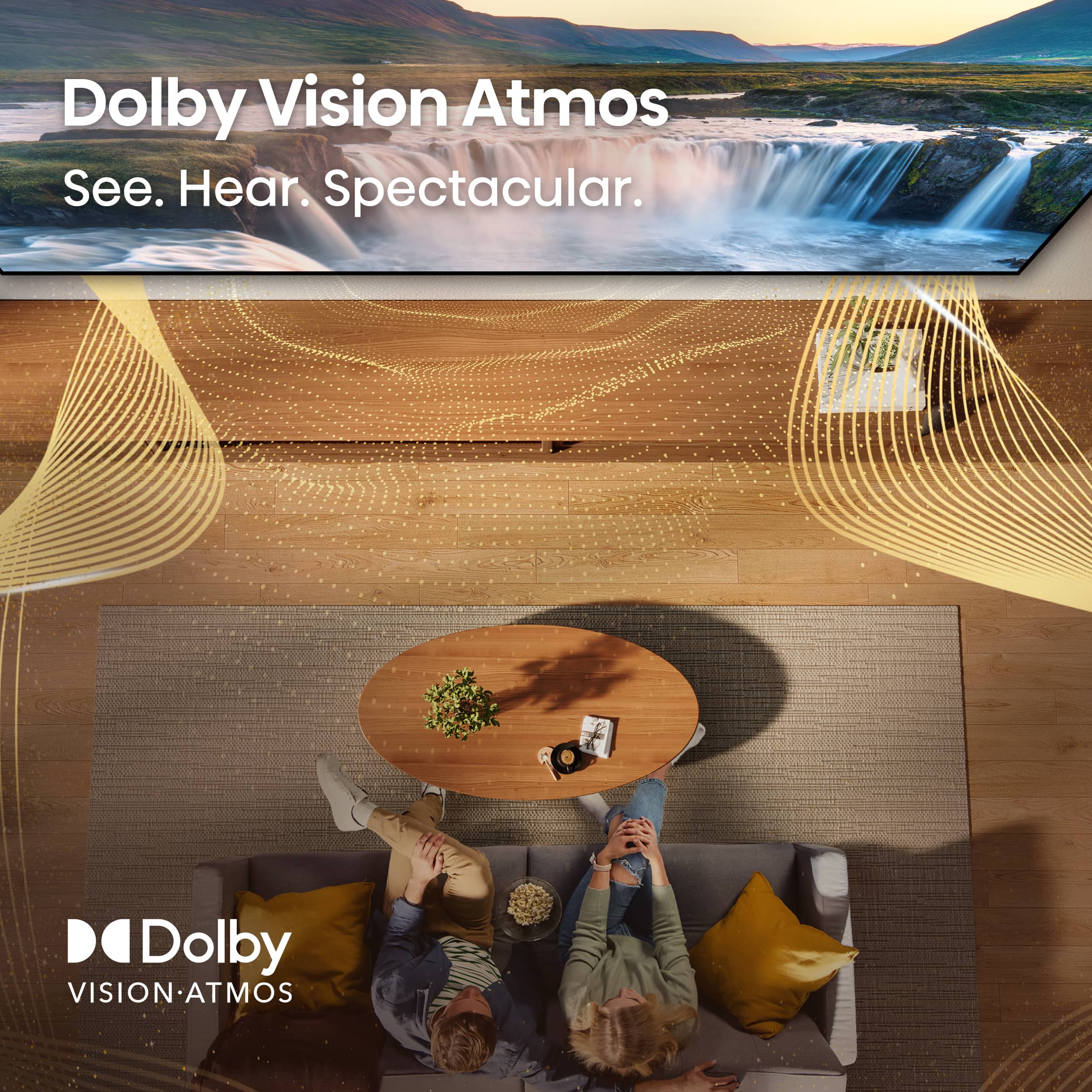
The C5's support for FILMMAKER MODE preserves the director's intended color and contrast settings, while Dolby Vision HDR provides the premium HDR experience that makes movies look more lifelike. The improved brightness over previous OLED models means you won't need to make your theater room completely dark to enjoy good contrast.
However, the Hisense QD7 shouldn't be dismissed for home theater use, especially if budget is a concern. Its Mini-LED backlighting and Dolby Vision support deliver a genuinely impressive movie-watching experience that surpasses standard LED TVs by a significant margin.
When considering long-term ownership, the LG C5 offers better future-proofing. Its four HDMI 2.1 ports ensure compatibility with future gaming consoles and devices, while the 120Hz refresh rate support will remain relevant for years to come. LG's commitment to software updates means the TV will continue receiving new features and improvements.
The Hisense QD7's 60Hz limitation and basic HDMI support might become more apparent as 120Hz content becomes more common. However, for many users, these limitations won't impact their viewing experience significantly.
After extensively comparing these TVs, here's how I'd recommend making your decision:
Choose the Hisense QD7 if you want premium features without premium pricing, primarily watch in bright rooms, are a casual gamer, or need a secondary TV for a bedroom or family room. It's an exceptional value that delivers 80% of premium TV performance at 20% of the cost.
Choose the LG C5 if you have a dedicated home theater or dark viewing room, are a serious gamer who wants 120Hz support, frequently watch movies and value perfect blacks, have the budget for premium pricing, or want the best possible picture quality regardless of cost.
The Hisense QD7 represents one of the best values in TV technology today, while the LG C5 offers a premium experience that justifies its higher price for the right buyer. Both are excellent TVs that push their respective technologies forward, making 2025 an exciting time to upgrade your home entertainment setup.
| Hisense 65" QD7 Series Mini-LED 4K Fire TV 2025 | LG OLED evo C5 65" 4K TV 2025 |
|---|---|
| Price - The most obvious difference between these TVs | |
| $469.99 (exceptional value for Mini-LED features) | $2,196.99 (premium pricing for OLED technology) |
| Display Technology - Fundamentally different approaches to picture quality | |
| Mini-LED with Quantum Dots (bright, colorful, good blacks) | OLED evo with self-lit pixels (perfect blacks, infinite contrast) |
| Peak Brightness - Critical for bright room viewing and HDR impact | |
| Likely 1,000+ nits (excellent for daytime viewing) | ~1,165 nits (improved over previous OLEDs, "Bright Room Ready") |
| Black Levels - Most noticeable difference in dark room movie watching | |
| Deep but not perfect (grayish blacks due to LCD backlight) | Perfect blacks (pixels turn completely off) |
| Refresh Rate - Essential for gaming and smooth motion | |
| 60Hz native (adequate for casual gaming) | 120Hz native, up to 144Hz for PC (excellent for serious gaming) |
| HDMI 2.1 Support - Future-proofing for next-gen consoles | |
| Limited or no full bandwidth support | 4x full bandwidth HDMI 2.1 ports |
| Gaming Features - Advanced capabilities for competitive gaming | |
| Basic VRR and ALLM support | Full VRR, ALLM, G-Sync, FreeSync Premium, 0.1ms response time |
| Smart TV Platform - Daily user experience and app ecosystem | |
| Fire TV OS with Alexa integration | webOS 25 with Magic Remote and AI recommendations |
| Viewing Angles - Important for group viewing and room layout | |
| Moderate (colors/contrast degrade off-center) | Wide (excellent picture quality from all angles) |
| Build Quality - Long-term durability and premium feel | |
| Solid for price point, occasional QC issues | Premium construction, ultra-thin design, 5-year software support |
| Best Use Case - Where each TV truly excels | |
| Bright rooms, budget buyers, casual gaming, secondary TV | Home theater, serious gaming, movie enthusiasts, primary TV |
The Hisense 65" QD7 Series Mini-LED 4K Fire TV 2025 at $469.99 offers exceptional value, delivering premium Mini-LED technology and Quantum Dot colors at a budget-friendly price. The LG OLED evo C5 65" 4K TV 2025 at $2,196.99 provides superior picture quality and gaming features but costs nearly 5 times more. For most buyers, the Hisense QD7 represents better value unless you specifically need OLED's perfect blacks or advanced gaming capabilities.
The Hisense QD7 Mini-LED is significantly better for bright rooms, with peak brightness likely exceeding 1,000 nits thanks to its Mini-LED backlighting. The LG OLED evo C5 has improved brightness over previous OLEDs at around 1,165 nits and features "Bright Room Ready" technology, but still can't match Mini-LED's sustained brightness performance in well-lit environments.
The LG OLED evo C5 delivers perfect black levels since each pixel can turn completely off, creating infinite contrast ratios. The Hisense QD7 Mini-LED offers deep blacks but they appear grayish in dark rooms due to LCD backlight limitations. For dark room movie watching, the OLED provides a significantly more cinematic experience.
The LG OLED evo C5 is far superior for gaming, offering 120Hz native refresh rate (up to 144Hz for PC), four HDMI 2.1 ports, VRR, ALLM, G-Sync, FreeSync Premium, and 0.1ms response time. The Hisense QD7 Mini-LED provides 60Hz refresh rate and basic VRR support, making it adequate for casual gaming but not optimal for serious gamers with next-gen consoles.
The LG OLED evo C5 excels in home theater applications with its perfect blacks, wide viewing angles, FILMMAKER MODE, and superior Dolby Vision processing. The Hisense QD7 Mini-LED still provides a good home theater experience with Mini-LED backlighting and Dolby Vision support, but the OLED's infinite contrast creates a more immersive cinematic atmosphere in dark rooms.
The LG OLED evo C5 offers exceptional color accuracy out of the box, often surpassing much more expensive displays thanks to its Alpha 9 Gen8 AI Processor. The Hisense QD7 Mini-LED uses Quantum Dot technology for enhanced color volume and vibrant colors, providing excellent color performance for its price point but not matching the OLED's precision.
The LG OLED evo C5 runs webOS 25, widely regarded as one of the best smart TV platforms, featuring the Magic Remote, AI recommendations, and premium responsiveness. The Hisense QD7 Mini-LED uses Fire TV OS with solid Alexa integration and good app selection, but the interface can be occasionally sluggish compared to LG's premium platform.
Both TVs handle sports well, but the Hisense QD7 Mini-LED may have a slight edge due to its higher peak brightness, making it better for bright room sports viewing. The LG OLED evo C5 offers smoother motion with its 120Hz refresh rate and wider viewing angles for group sports watching, but both provide excellent sports performance.
The LG OLED evo C5 features premium build quality with an ultra-thin profile, high-quality materials, and excellent long-term reliability backed by 5-year software support. The Hisense QD7 Mini-LED offers solid construction for its price point but may have occasional quality control issues and standard TV design aesthetics.
The LG OLED evo C5 likely offers better longevity with superior build quality, longer software support (5 years), and more future-proofing through HDMI 2.1 ports and 120Hz support. The Hisense QD7 Mini-LED provides standard LCD longevity but may become limited by its 60Hz refresh rate and basic HDMI support as technology advances.
The LG OLED evo C5 is superior for movie watching, especially in dark rooms, thanks to perfect blacks, infinite contrast, FILMMAKER MODE, and superior Dolby Vision processing. The Hisense QD7 Mini-LED still provides an impressive movie experience with Mini-LED backlighting and Dolby Vision support, but can't match the OLED's cinematic black levels.
Choose the Hisense QD7 Mini-LED if budget is your primary concern, you watch primarily in bright rooms, you're a casual gamer, or you want premium features at an affordable price. Choose the LG OLED evo C5 if you have a dedicated home theater, are a serious gamer, frequently watch movies in dark rooms, or want the absolute best picture quality regardless of cost.
We've done our best to create useful and informative comparisons to help you decide what product to buy. Our research uses advanced automated methods to create this comparison and perfection is not possible - please contact us for corrections or questions. These are the sites we've researched in the creation of this article: bestbuy.com - custrevs.com - youtube.com - bestbuy.com - rtings.com - youtube.com - rtings.com - pcrichard.com - bestbuy.com - pcrichard.com - camelcamelcamel.com - amazonfiretv.blog - hisense-usa.com - hisense-usa.com - hisense-usa.com - bestbuy.com - leaseville.com - youtube.com - bestbuy.com - flatpanelshd.com - bestbuy.com - rtings.com - youtube.com - businessinsider.com - youtube.com - bestbuy.com - lg.com - files.bbystatic.com - lg.com - flatpanelshd.com - lg.com - blvdhome.com - bhphotovideo.com - flanners.com - videopro.com.au

Privacy Policy
Terms and Conditions - Affiliate Policy
Home Security
© Copyright 2008-2026.
11816 Inwood Rd #1211, Dallas, TX 75244