

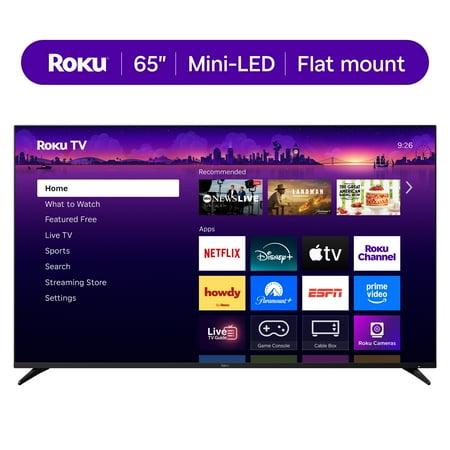
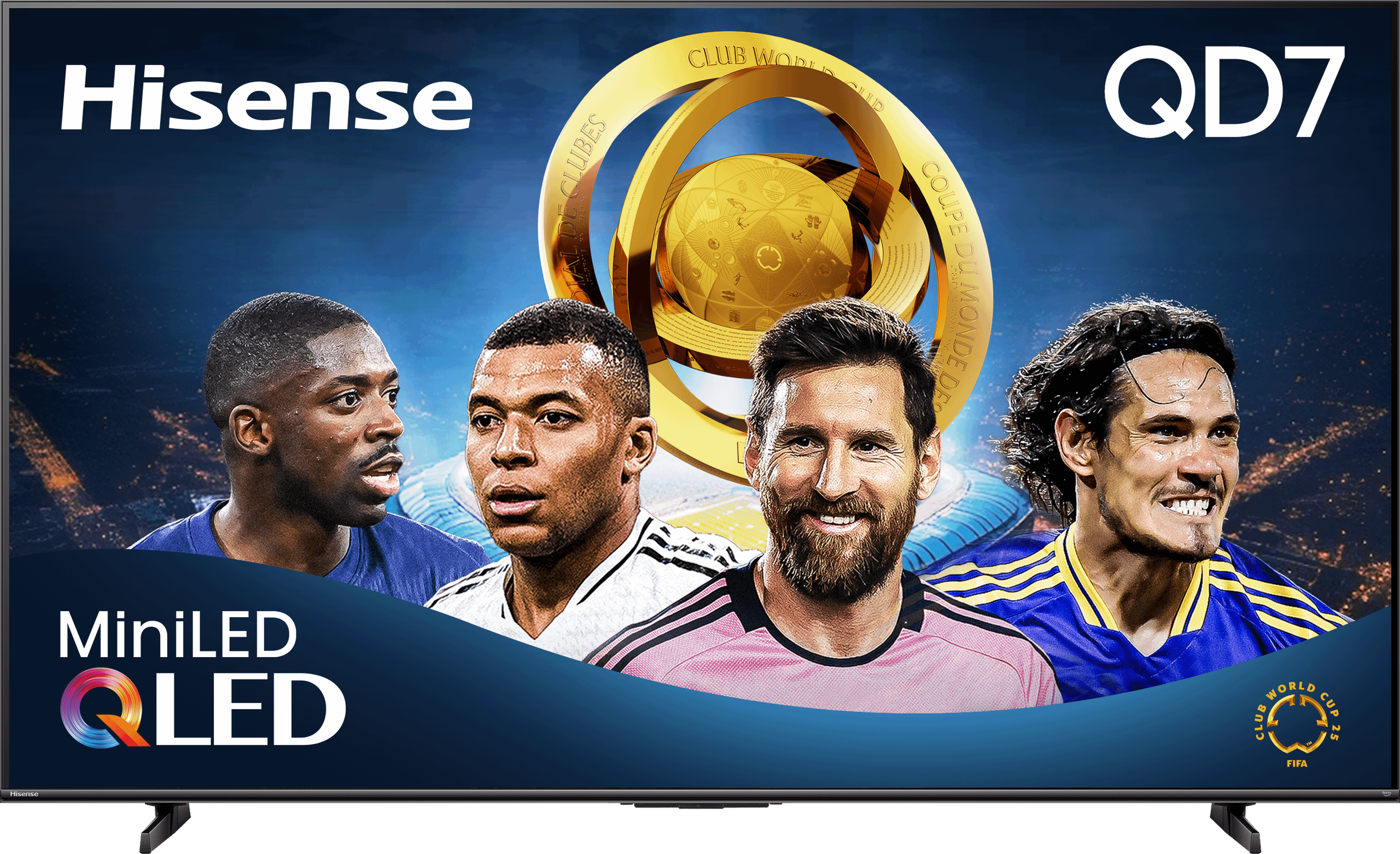
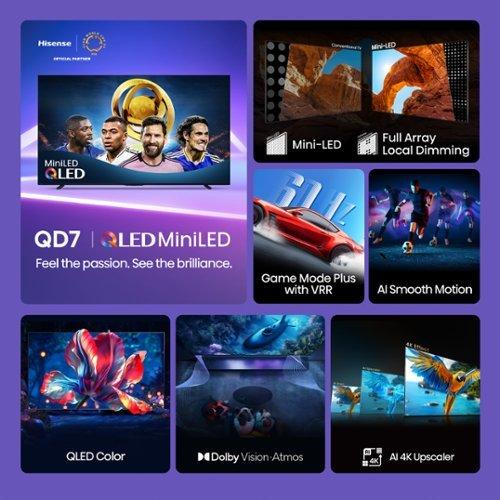
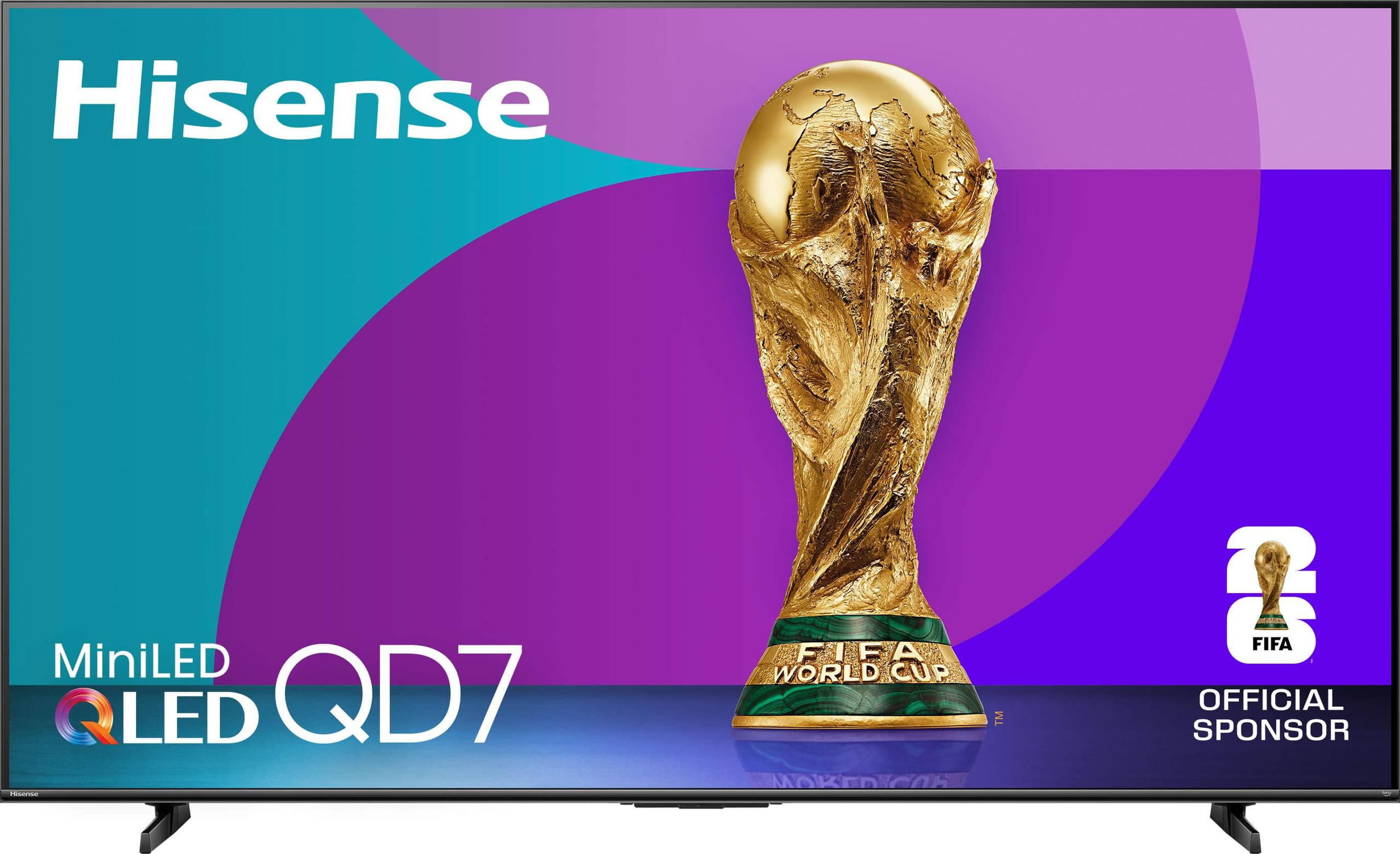
When shopping for a 65-inch TV in 2025, you're entering one of the most exciting periods in television technology. Mini-LED displays have finally matured to deliver stunning picture quality that rivals much more expensive OLED panels, while avoiding the burn-in concerns that still plague organic displays. Two standout options represent very different approaches: the premium Roku 65" Pro Series 2025 and the budget-friendly Hisense 65" QD7 Series.
Both TVs launched in 2025 with significant improvements over their predecessors. The Roku Pro Series refined its mini-LED backlighting system and introduced AI-powered picture processing, while the Hisense QD7 brought premium features to an incredibly accessible price point. Understanding which approach fits your needs requires diving into what makes these technologies tick.
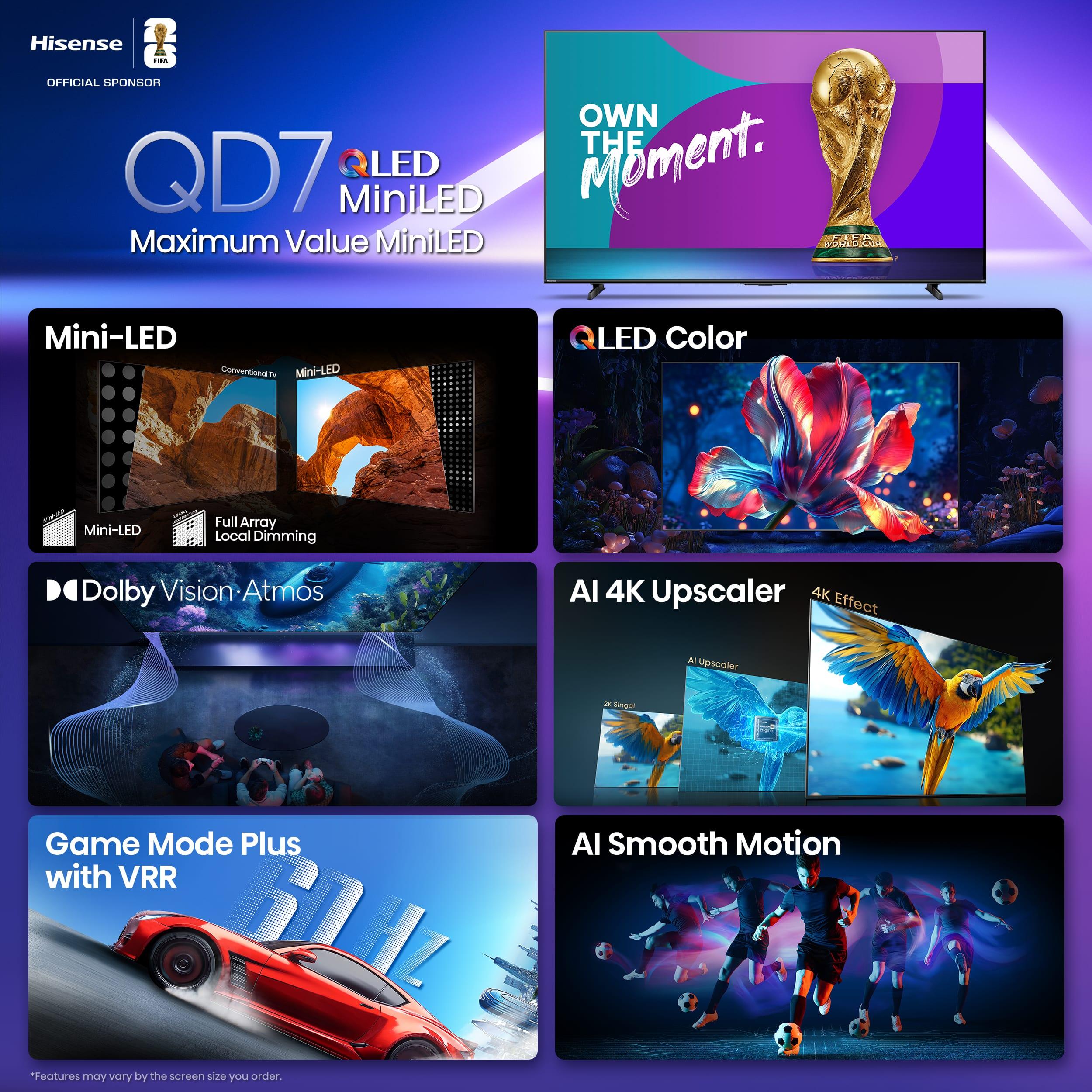
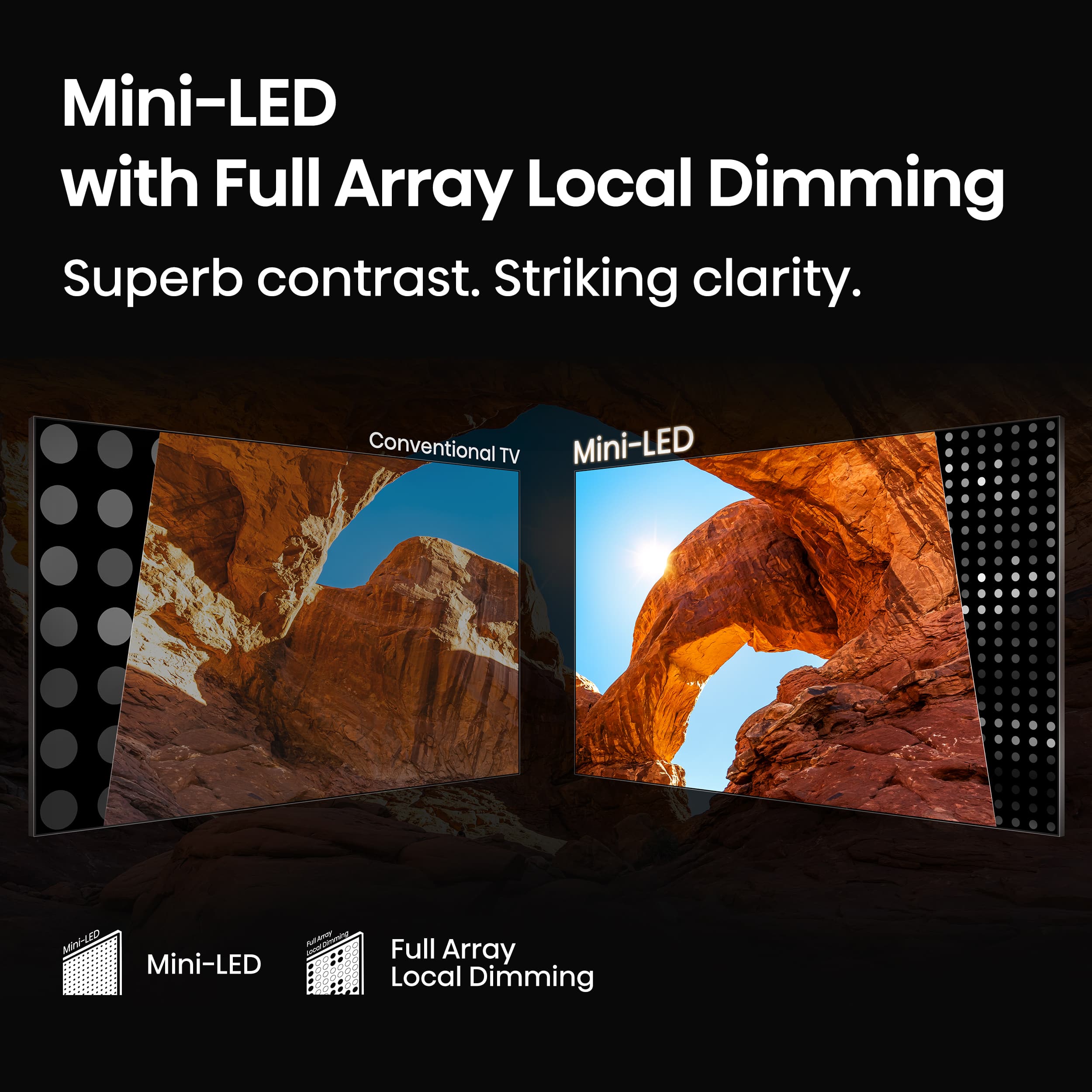
Mini-LED represents a major leap forward from traditional LED backlighting. Instead of using dozens of larger LEDs around the edges or behind the panel, mini-LED displays pack thousands of tiny LEDs across the entire back of the screen. This creates what's called "full array local dimming" – essentially giving the TV precise control over brightness in small zones across the entire picture.
Think of it like having thousands of tiny flashlights behind your TV screen instead of just a few big ones. When a scene shows stars in a dark sky, the TV can turn off the LEDs behind the dark areas while keeping the star zones bright. This creates much deeper blacks and brighter highlights than traditional TVs, approaching the contrast levels that make OLED displays so appealing.
The Roku Pro Series takes this concept further with what they call an "enhanced dynamic contrast" system that delivers 75% better contrast than previous generations. The Hisense QD7 implements mini-LED at a much lower cost, making this premium technology accessible to budget-conscious buyers.
HDR (High Dynamic Range) content requires serious brightness to look its best, and this is where the Roku Pro Series really flexes its muscles. Testing reveals peak brightness levels reaching over 1,750 nits – bright enough to make highlights in movies and games truly pop, even in well-lit rooms. This level of brightness means you can watch HDR content during the day without closing the curtains.
The Hisense QD7 offers respectable brightness for its price range, but it can't match the raw output of premium models. This matters most in bright rooms or when watching content with bright highlights like sports or action movies. If your TV will be in a room with lots of windows or ambient lighting, the brightness difference becomes significant.
Both TVs support the major HDR formats – Dolby Vision, HDR10+, and standard HDR10. Dolby Vision is particularly important because it adjusts the picture scene-by-scene based on how the content creator intended it to look. The Roku Pro Series goes further with Dolby Vision IQ, which also considers your room's lighting conditions to optimize the picture automatically.
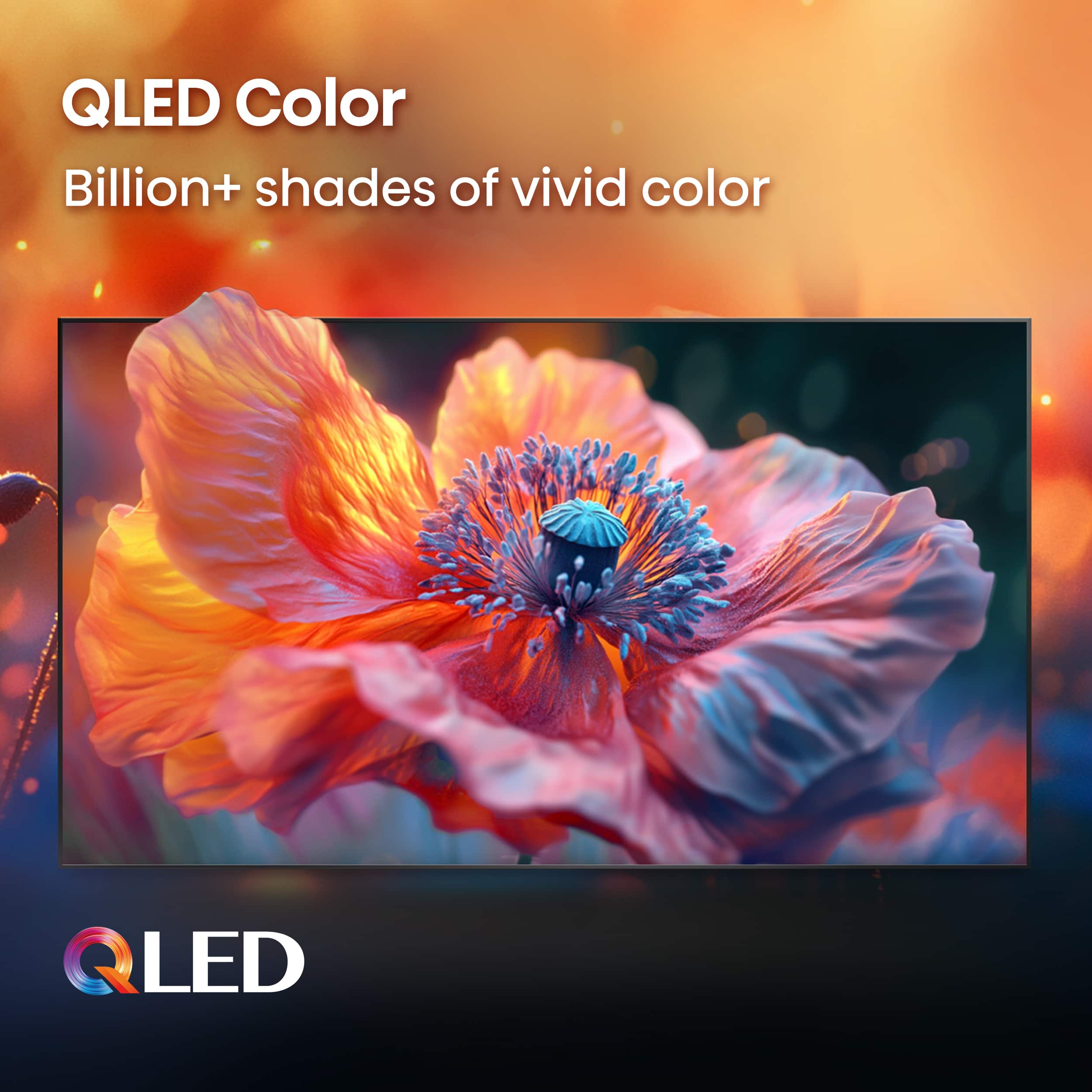
Both displays use QLED (Quantum Dot) technology, which sounds complicated but delivers real benefits. Quantum dots are microscopic particles that emit very pure colors when hit with light. This technology allows both TVs to display over a billion different color shades, far more than traditional LCD displays.
Our research into expert reviews shows the Roku Pro Series achieves exceptional color accuracy out of the box, covering 97% of the demanding UHDA-P3 color space that streaming services and UHD Blu-rays use. This means colors look exactly as content creators intended without needing professional calibration.
The Hisense QD7 also benefits from quantum dot technology, delivering vibrant and lifelike colors that represent a massive upgrade over basic LED TVs. While it may not match the absolute accuracy of the Roku, the color improvement over budget TVs is immediately noticeable.
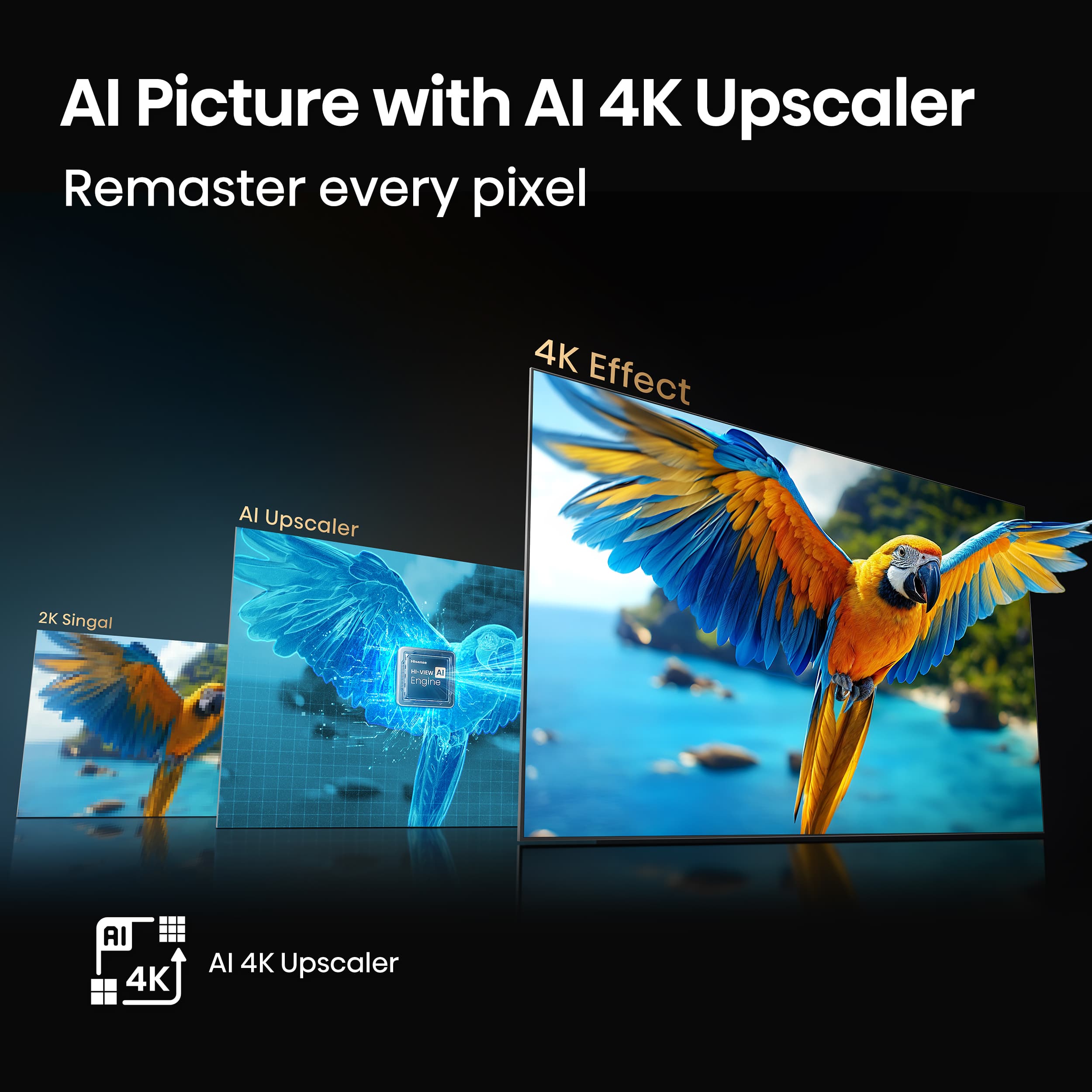
The Roku Pro Series introduced something called Smart Picture Max in 2025 – an AI system that analyzes incoming video signals and automatically optimizes them. This technology works behind the scenes to reduce compression artifacts (those blocky or fuzzy areas in streaming content), enhance sharpness, and adjust colors on a scene-by-scene basis.
This processing becomes particularly valuable with lower-quality content like older TV shows or heavily compressed streaming video. While the Hisense QD7 includes basic upscaling and enhancement features, it lacks this level of intelligent processing.
Gaming has become a major consideration for TV buyers, especially with PlayStation 5 and Xbox Series X pushing 4K gaming at high frame rates. Both TVs recognize this trend but take different approaches.
Input lag measures the delay between pressing a controller button and seeing the action on screen. For competitive gaming, anything under 20 milliseconds is acceptable, but serious gamers want single digits. The Roku Pro Series achieves an impressive 5.2 milliseconds at 120Hz – essentially instantaneous for human perception.
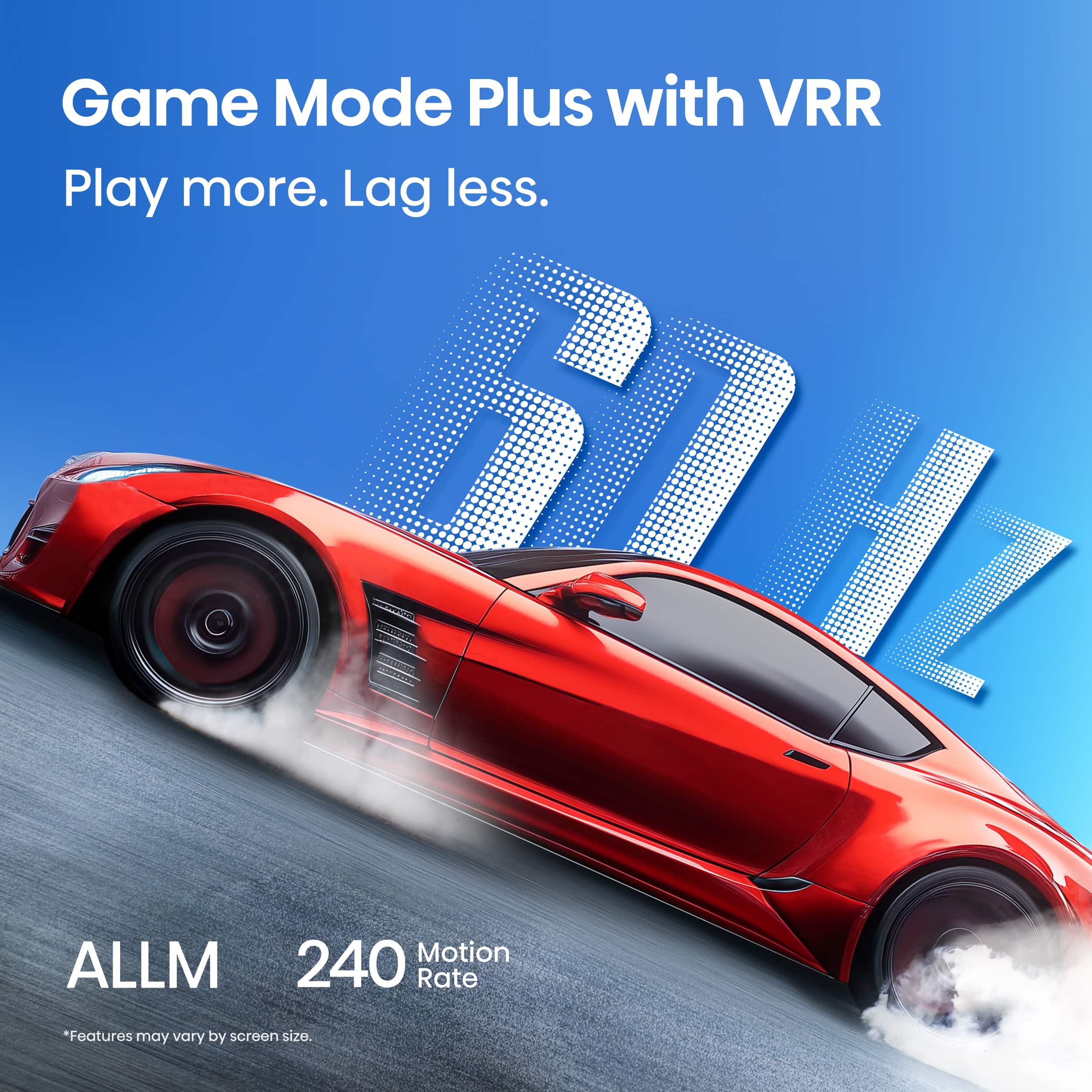
The Hisense QD7 offers solid gaming performance with support for up to 144Hz refresh rates (depending on the specific model), which actually exceeds the Roku's 120Hz maximum. However, specific input lag measurements weren't available in our research, though user feedback suggests good performance for console gaming.
Both TVs support the essential gaming features modern consoles require: Variable Refresh Rate (VRR) eliminates screen tearing, Auto Low Latency Mode (ALLM) automatically switches to game mode when it detects a console, and HDMI 2.1 ports provide the bandwidth needed for 4K gaming at high frame rates.
The Roku Pro Series includes AMD FreeSync Premium Pro, which provides particularly smooth gaming on compatible devices. It also dedicates two full-bandwidth HDMI 2.1 ports specifically for gaming, ensuring you won't run out of high-speed connections.
For home theater setups where the TV might serve dual duty as a gaming display, the Roku's lower input lag and more comprehensive gaming feature set provide a noticeable advantage, especially for fast-paced games where every millisecond matters.
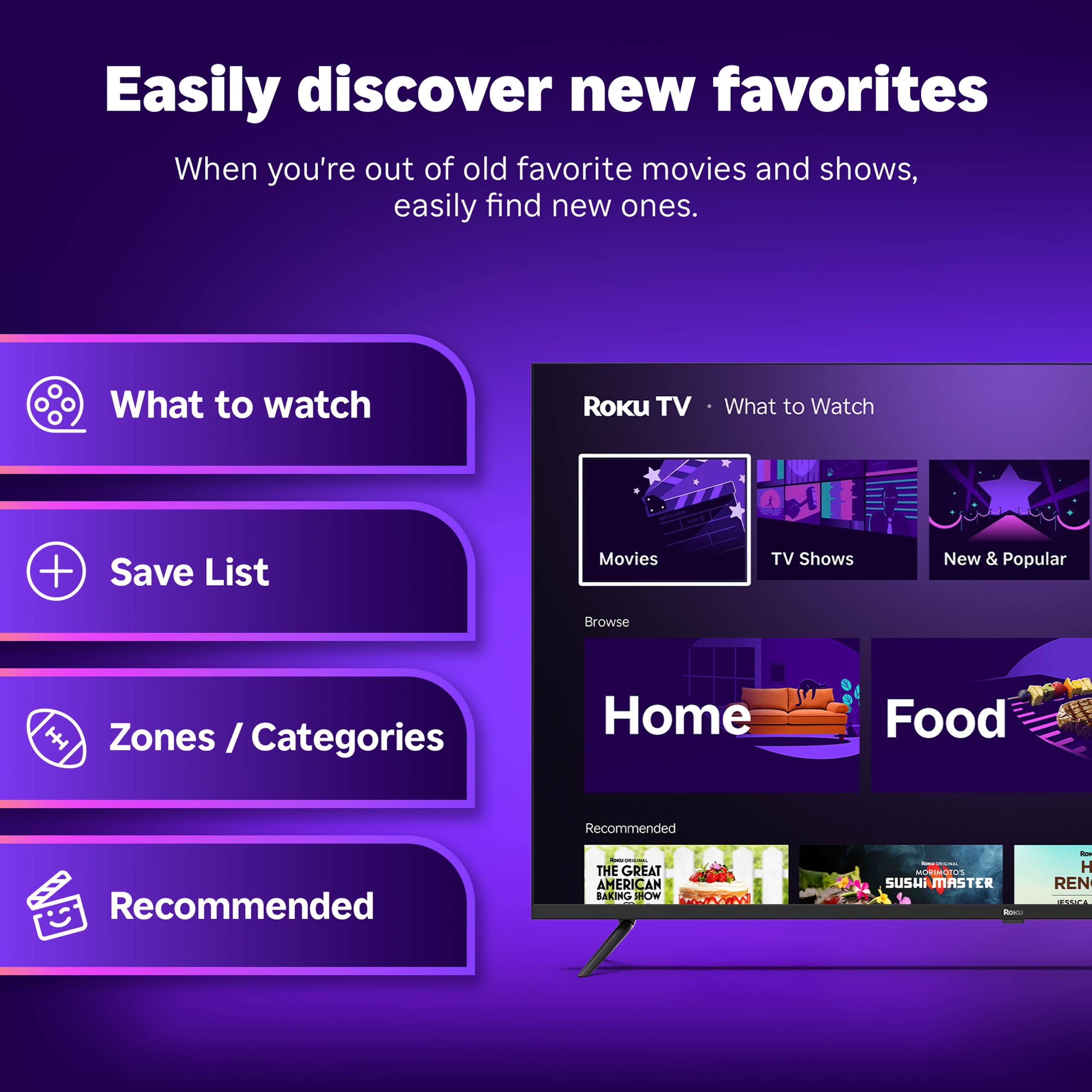
The choice between Roku OS and Fire TV represents fundamentally different approaches to smart TV interfaces.
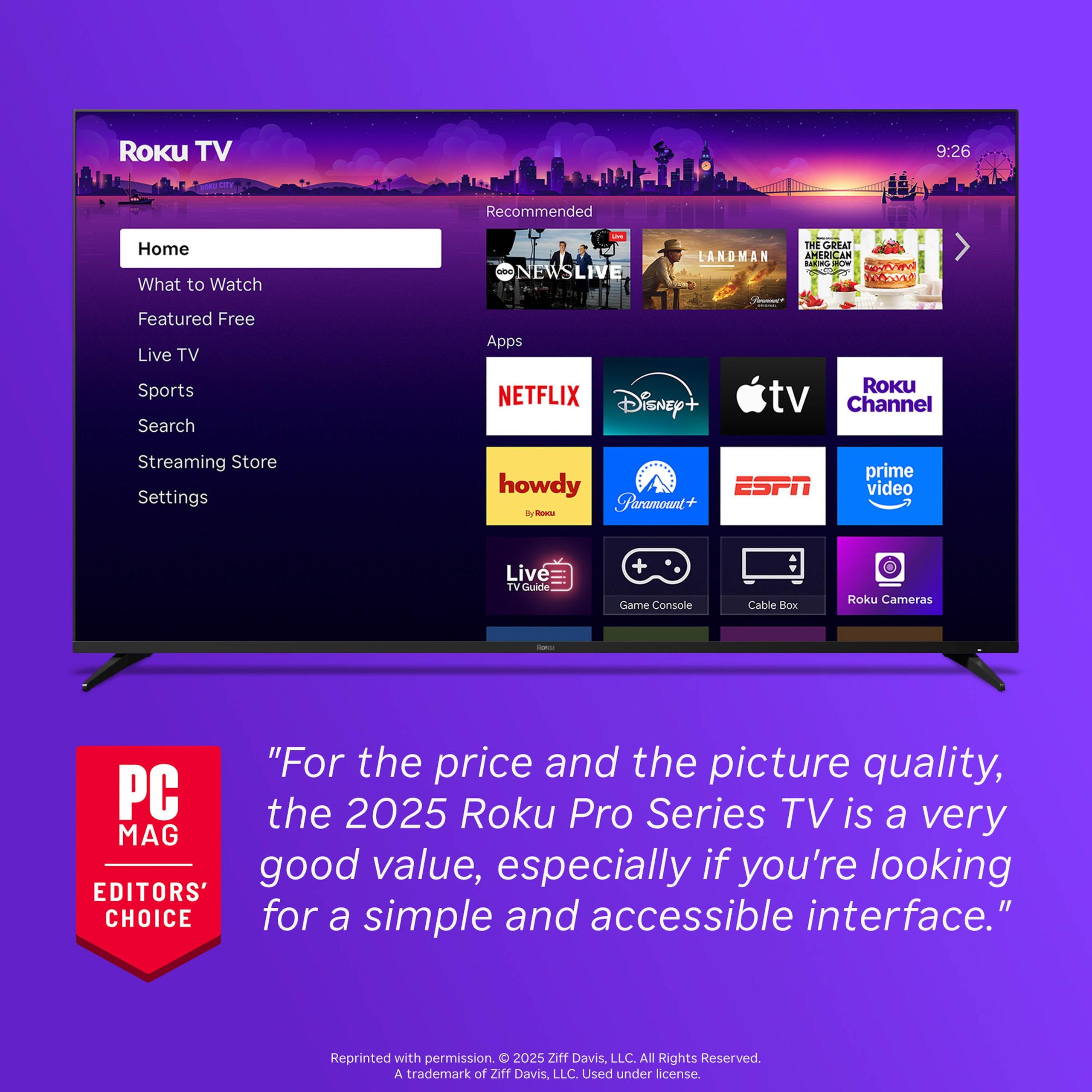
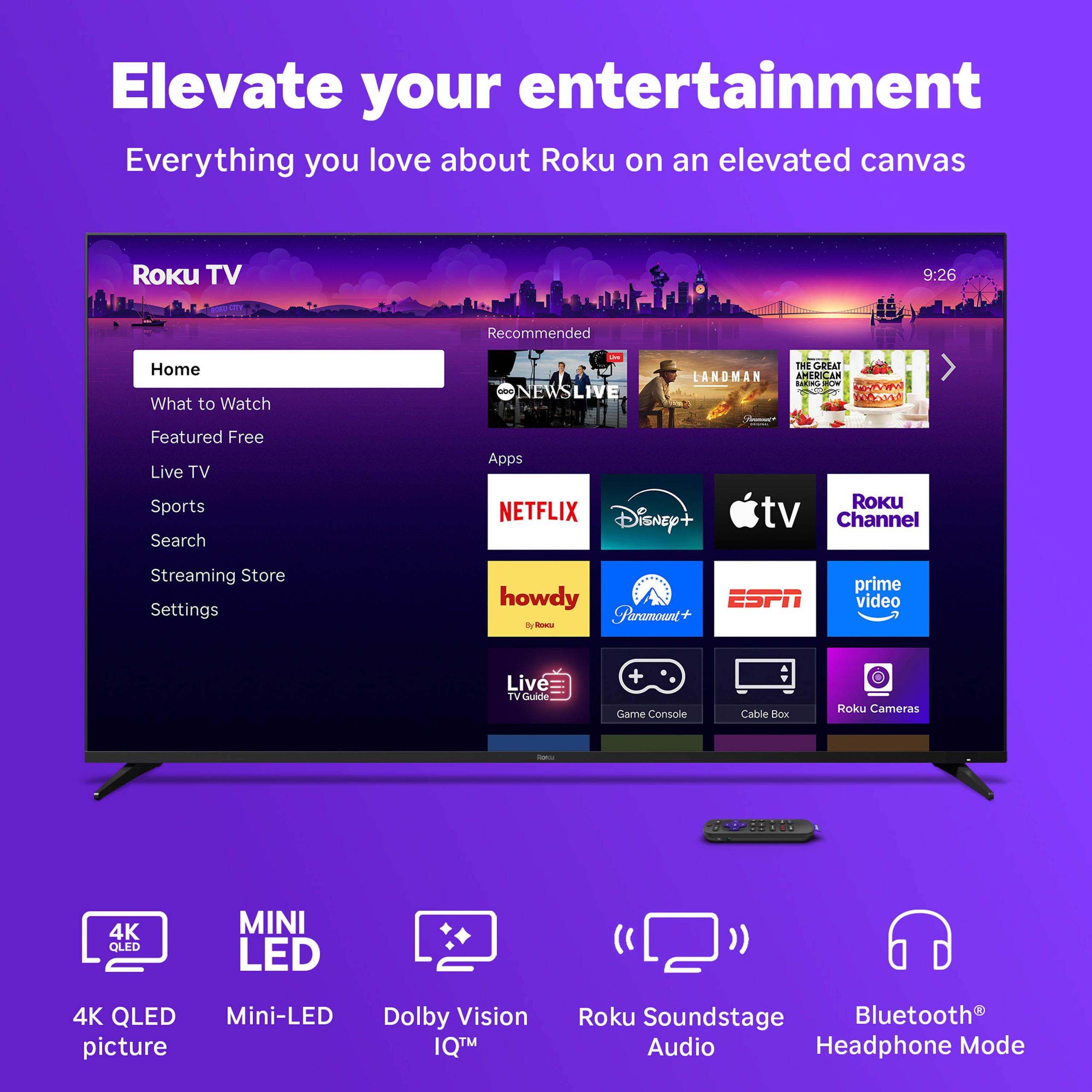
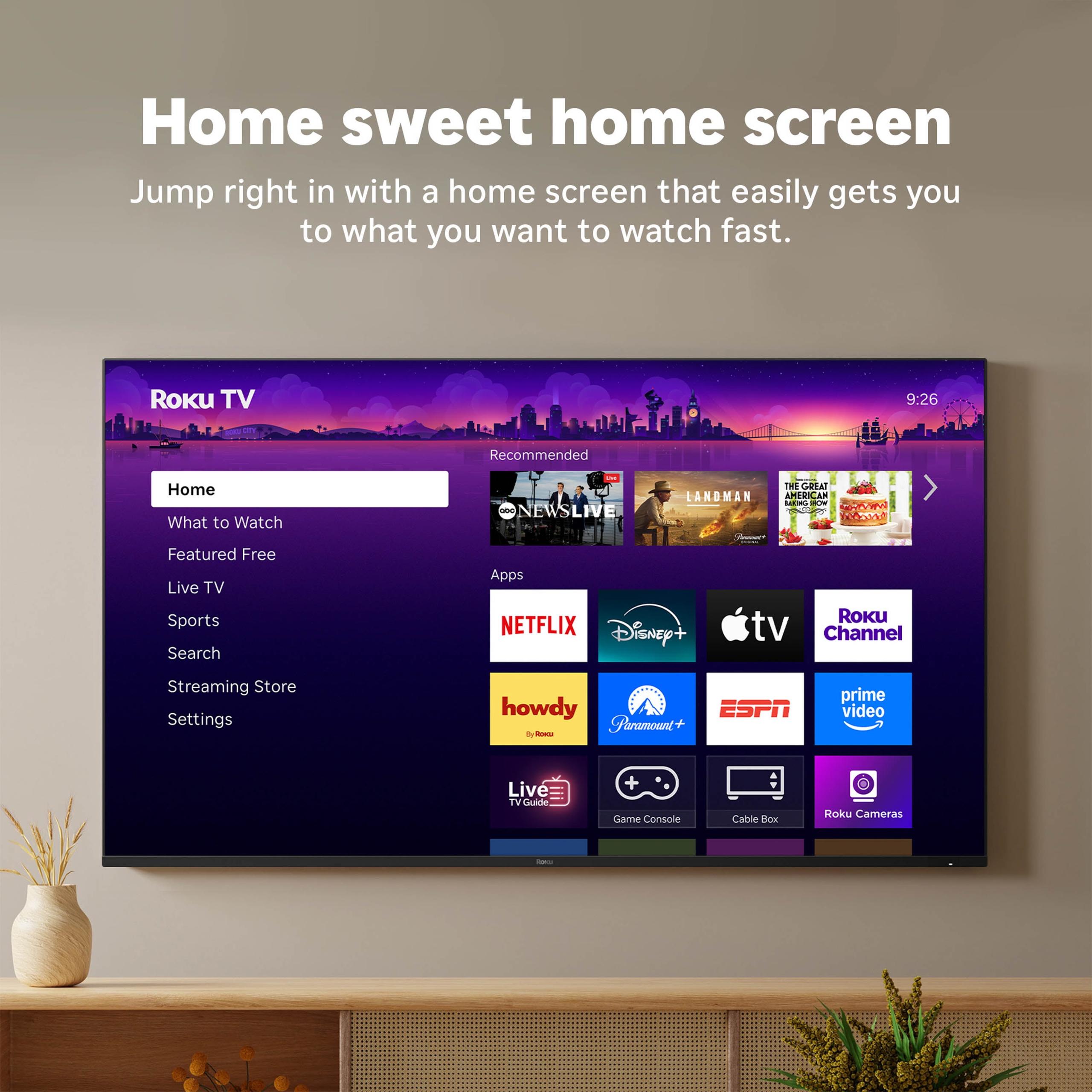
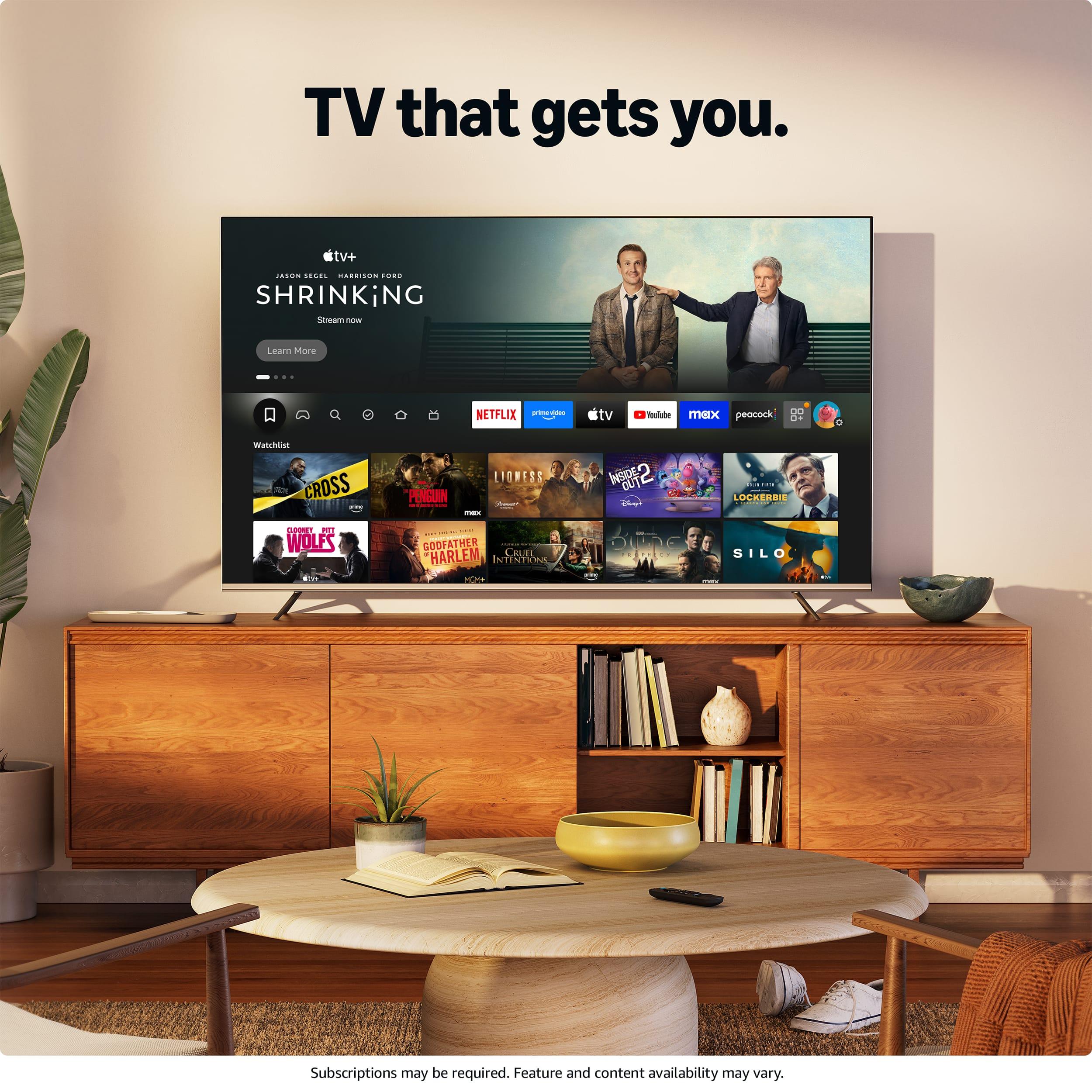
The Roku Pro Series runs Roku OS, which prioritizes simplicity and neutral content discovery. Instead of promoting one streaming service over others, Roku presents content from all your subscriptions equally. The interface feels clean and uncluttered, with minimal advertising compared to other platforms. For many users, this creates a less frustrating daily experience.
The Hisense QD7 uses Amazon's Fire TV platform, which offers broader app support and deeper integration with Alexa voice control. Fire TV excels at content discovery and provides excellent voice search capabilities. However, it does promote Amazon's own content and services more prominently than competitors.
Both platforms receive regular updates and support all major streaming services. Your preference likely depends on whether you value simplicity (Roku) or comprehensive features with voice integration (Fire TV).
Many buyers focus entirely on picture quality and overlook audio, but both TVs recognize that sound matters for the complete entertainment experience.
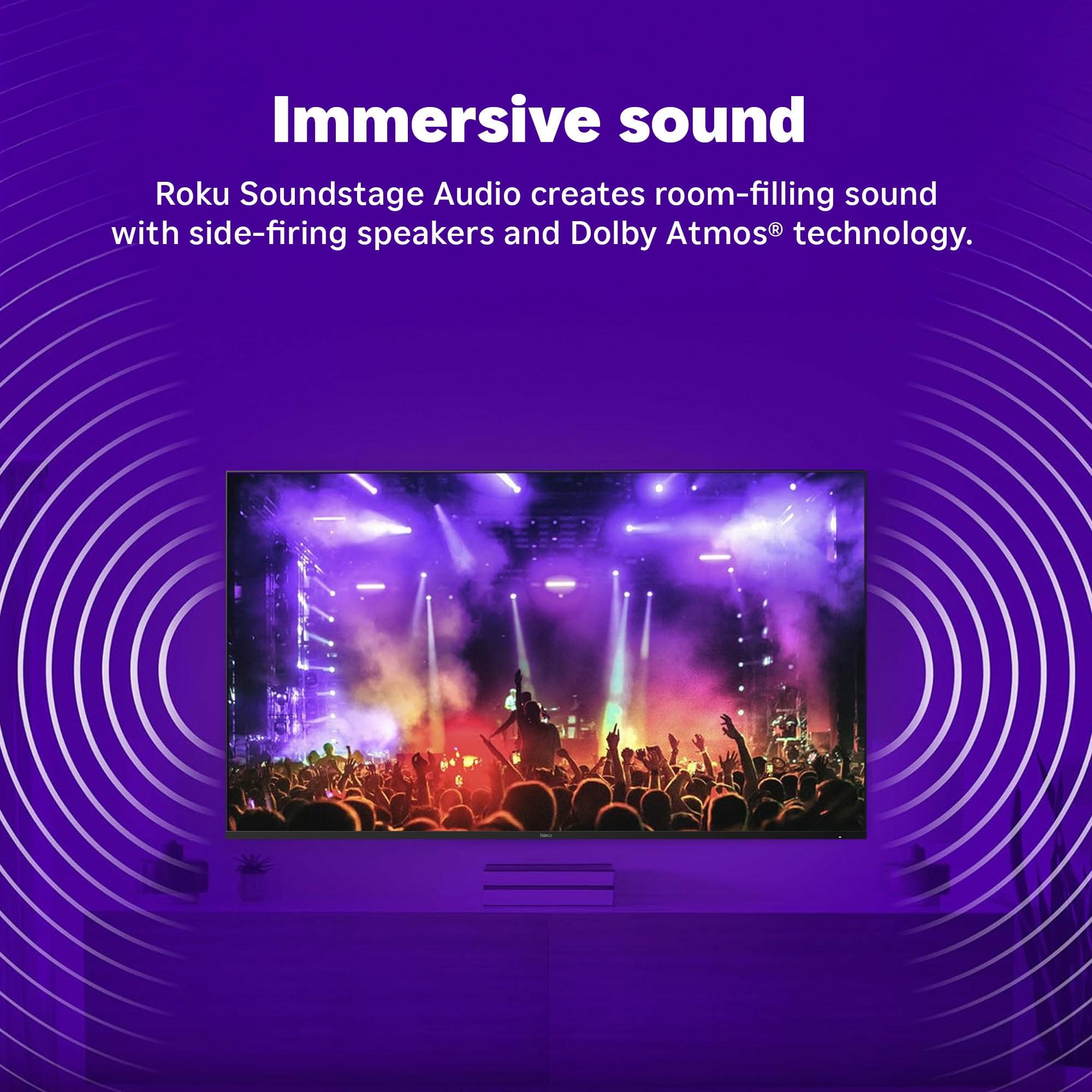
The Roku Pro Series surprised reviewers with its Sound Stage Audio system featuring side-firing speakers and Dolby Atmos support. Multiple reviews described it as having "shockingly good built-in sound" that rivals dedicated soundbars for many types of content. This matters because it potentially eliminates the need for additional audio equipment.
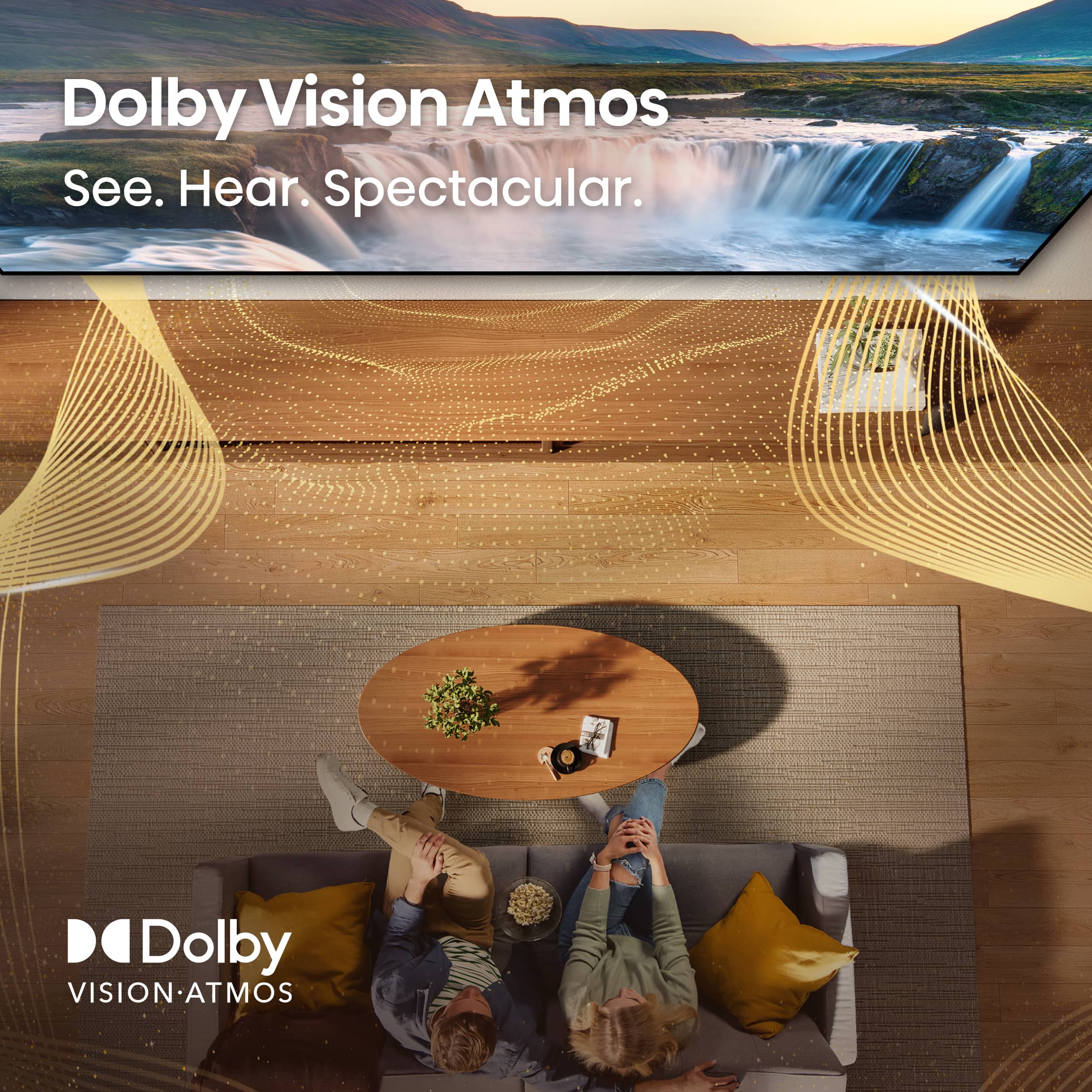
The Hisense QD7 includes Dolby Atmos support and decent built-in speakers, though it doesn't match the Roku's audio performance. For budget-conscious buyers, this might mean planning for a soundbar purchase down the road.
In a home theater setup, good built-in audio can serve as a stepping stone while you decide on dedicated audio equipment, or it might be sufficient if your room size and listening preferences don't demand high-end sound.
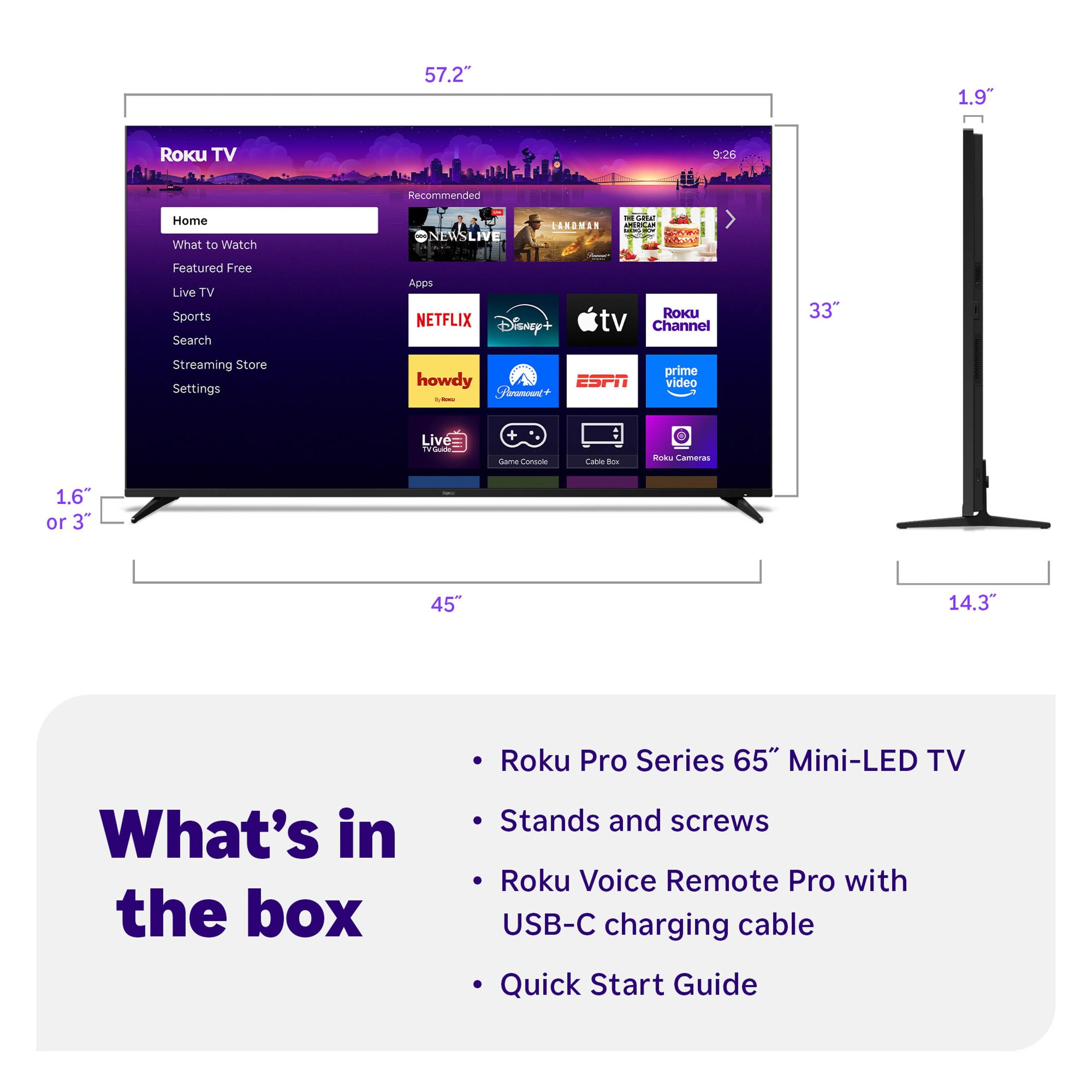
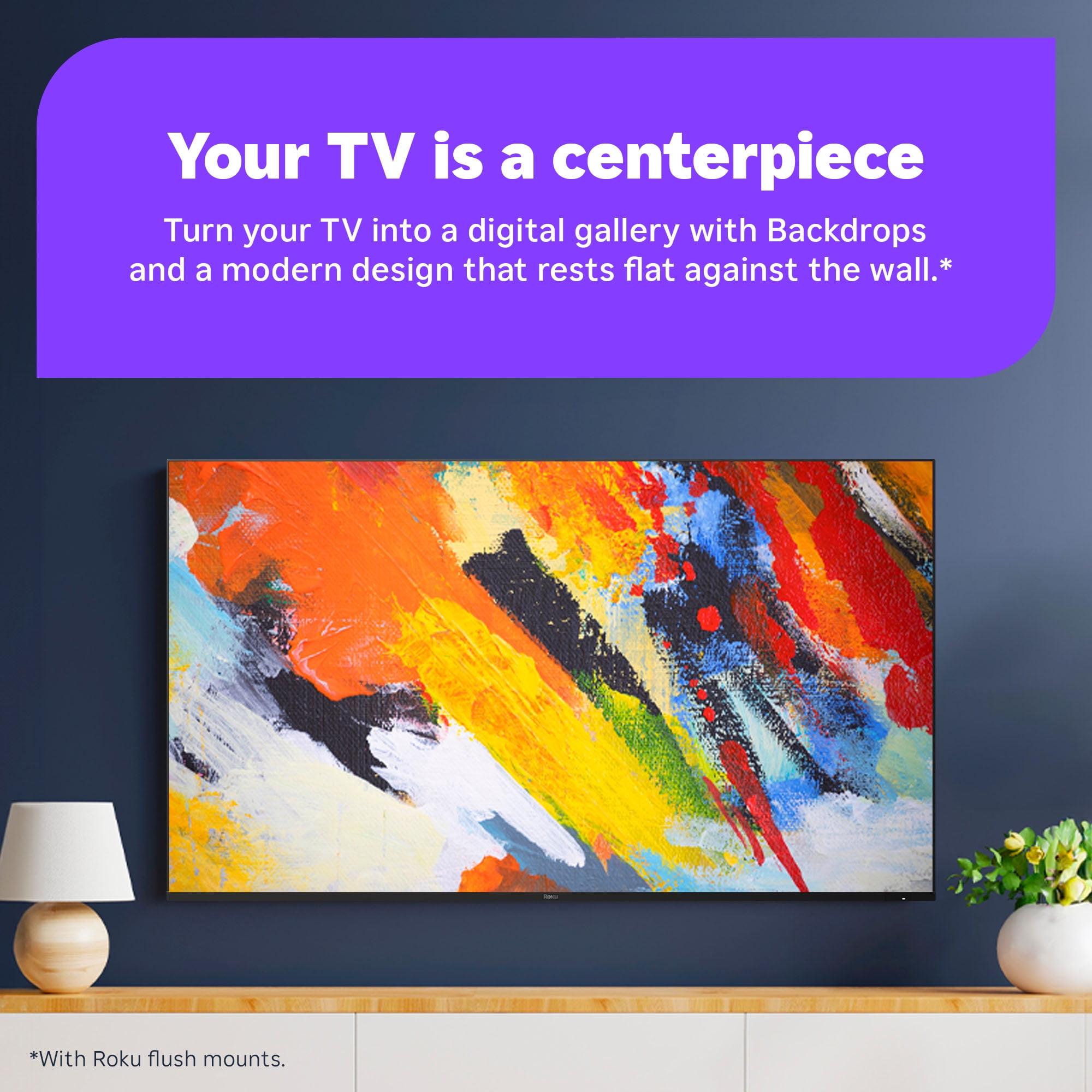
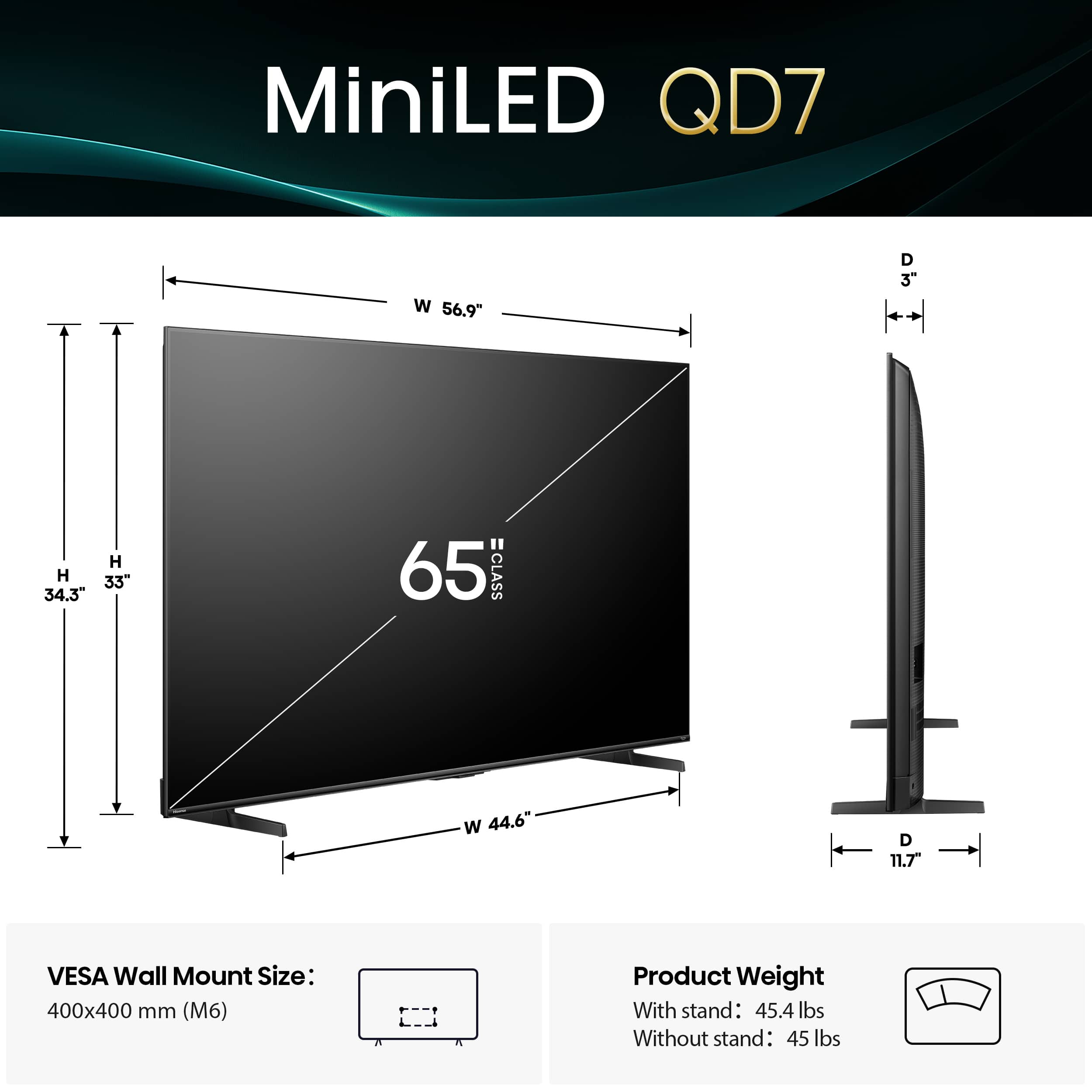
Premium pricing should deliver premium build quality, and the Roku Pro Series generally delivers on this expectation. The TV measures just 1.9 inches deep when wall-mounted and includes custom mounting hardware for a flush installation against the wall. This attention to design details reflects the premium positioning.
The Hisense QD7 offers solid construction for its price point, though some users report occasional quality control issues. This represents the trade-off inherent in budget pricing – you're more likely to encounter manufacturing variations or need more careful handling during setup.
At the time of writing, the Roku Pro Series costs roughly three times more than the Hisense QD7. This price gap reflects fundamentally different target markets and value propositions.
The Roku justifies its premium pricing through measurably superior performance in brightness, color accuracy, gaming features, audio quality, and build quality. If you're building a dedicated home theater or want the best possible performance, these improvements create real benefits you'll notice daily.
The Hisense QD7 offers remarkable value by bringing mini-LED technology and modern smart features to a budget price point. It represents a massive upgrade over basic LED TVs while leaving money in your budget for sound systems, streaming devices, or other home theater components.
For a dedicated home theater room, the Roku Pro Series makes more sense. The superior brightness and contrast help overcome ambient lighting, the built-in audio reduces equipment needs, and the premium build quality fits the investment level of a dedicated entertainment space.
For a living room or family room where the TV serves multiple purposes, both options work well, but your priorities determine the choice. If picture quality matters most and budget allows, the Roku provides a noticeably better experience. If you want modern features without premium pricing, the Hisense delivers impressive performance for the money.
Gamers will appreciate the Roku's lower input lag and comprehensive gaming features, especially for competitive gaming. However, the Hisense's higher refresh rate capabilities might appeal to PC gamers who can take advantage of frame rates above 120fps.
Choose the Roku Pro Series if you prioritize the best possible picture quality, want minimal input lag for gaming, prefer a simple smart TV interface, or are building a dedicated home theater where premium performance justifies the investment.
Choose the Hisense QD7 Series if you want to experience mini-LED technology without premium pricing, are upgrading from an older TV and want significant improvement at budget cost, or prefer the Fire TV ecosystem and comprehensive voice control features.
The decision ultimately comes down to whether the performance improvements of the Roku justify the significantly higher price for your specific situation. Both represent strong values within their respective market segments, but they serve different priorities and budgets. The Hisense makes premium TV technology accessible, while the Roku pushes performance boundaries for enthusiasts willing to pay for excellence.
| Roku 65" Pro Series 2025 4K QLED TV | Hisense 65" QD7 Series Mini-LED 4K Fire TV 2025 |
|---|---|
| Peak HDR Brightness - Critical for bright rooms and vibrant HDR content | |
| 1,752-1,818 nits (excellent for any lighting condition) | Good brightness for price range (adequate for most rooms) |
| Gaming Input Lag - Essential for competitive gaming performance | |
| 5.2ms at 120Hz (excellent for serious gamers) | Not specified, but user reports indicate solid console performance |
| Refresh Rate - Affects motion smoothness and gaming capability | |
| 120Hz native (perfect for current consoles) | Up to 144Hz (better for high-end PC gaming) |
| Color Accuracy - Determines how realistic colors appear | |
| 97% UHDA-P3 coverage, Delta E 2.6 (professional grade) | Strong quantum dot colors, specific measurements unavailable |
| Smart TV Platform - Daily user experience and app ecosystem | |
| Roku OS (simple, ad-light, neutral content discovery) | Fire TV (comprehensive features, Alexa integration, more ads) |
| Mini-LED Local Dimming - Controls contrast and reduces blooming | |
| Enhanced system with 75% better contrast vs previous gen | Full array local dimming with good contrast for price |
| Audio Quality - Built-in sound performance | |
| Sound Stage Audio with side-firing Dolby Atmos (excellent) | Dolby Atmos support with decent built-in speakers |
| Gaming Features - Support for next-gen console capabilities | |
| AMD FreeSync Premium Pro, VRR, ALLM, 2x HDMI 2.1 ports | VRR, ALLM, Game Mode Plus, HDMI 2.1 support |
| AI Picture Processing - Automatic optimization of content quality | |
| Smart Picture Max with scene-by-scene enhancement | Basic upscaling and enhancement features |
| Build Quality & Design - Premium feel and mounting options | |
| 1.9" depth when wall-mounted, custom flush mount hardware | Solid construction for price, occasional QC issues reported |
| HDR Format Support - Compatibility with premium content | |
| Dolby Vision IQ, HDR10+, HDR10, HLG (room-adaptive) | Dolby Vision, HDR10+, HDR10, HLG (standard support) |
| Voice Remote - Daily convenience features | |
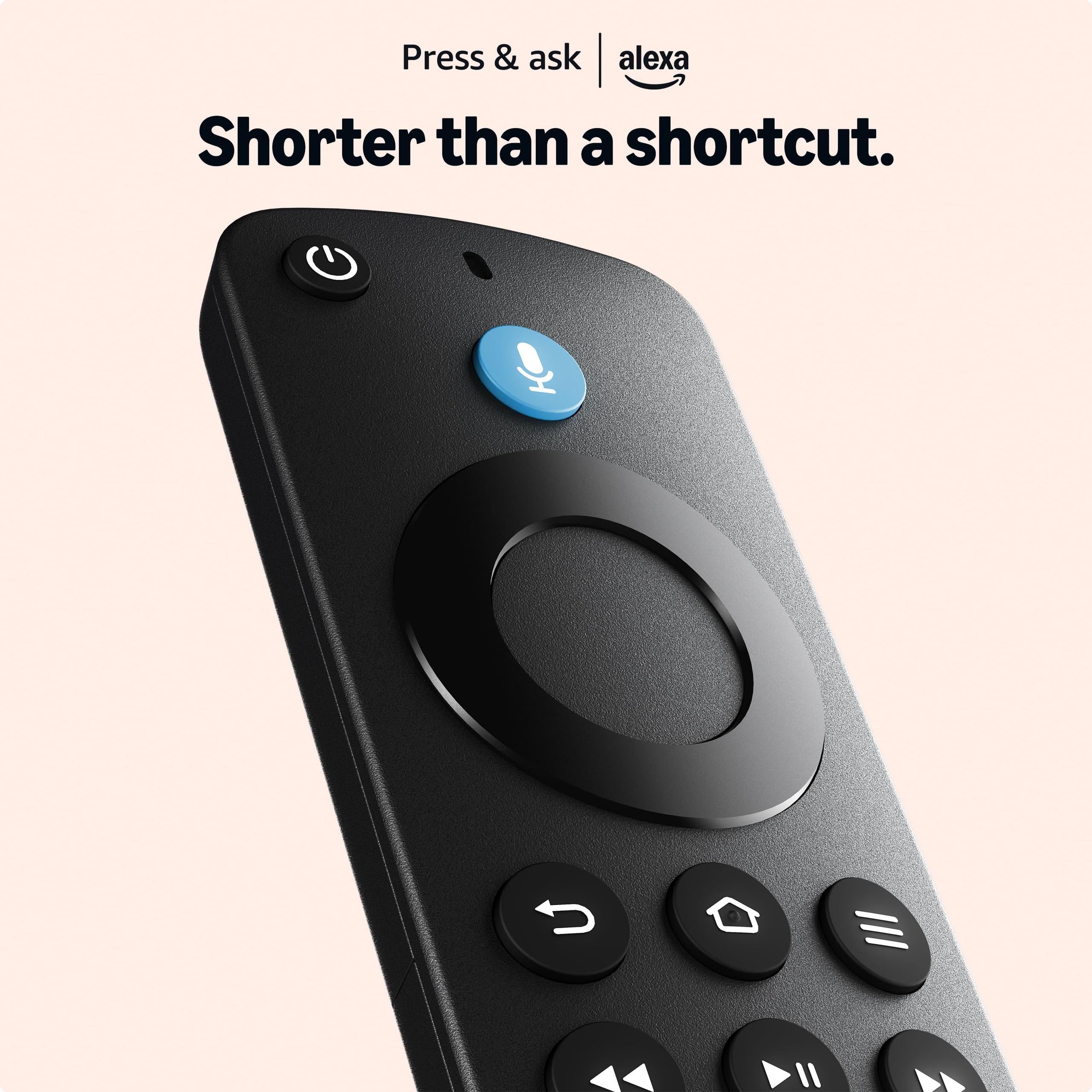
| Backlit rechargeable Voice Remote Pro with finder button | Standard Fire TV remote with Alexa voice control |
The Roku 65" Pro Series 2025 delivers superior picture quality with peak brightness reaching over 1,750 nits, professional-grade color accuracy covering 97% of the UHDA-P3 color space, and AI-powered Smart Picture Max processing. The Hisense 65" QD7 Series offers good picture quality for its price range with quantum dot colors and mini-LED backlighting, but can't match the brightness levels and color precision of the premium Roku model.
For gaming, the Roku Pro Series 2025 excels with 5.2ms input lag at 120Hz, AMD FreeSync Premium Pro, and dedicated HDMI 2.1 ports optimized for console gaming. The Hisense QD7 Series supports higher refresh rates up to 144Hz and includes VRR, ALLM, and Game Mode Plus features, making it potentially better for high-end PC gaming while still providing solid console performance.
The Roku 65" Pro Series runs Roku OS, which offers a simpler, ad-light interface with neutral content discovery across all streaming services. The Hisense QD7 Series uses Fire TV, providing broader app selection, deeper Alexa integration, and comprehensive voice features, though with more prominent advertising. Choose Roku OS for simplicity or Fire TV for advanced features and voice control.
The Roku Pro Series 2025 features Sound Stage Audio with side-firing Dolby Atmos speakers that reviewers praise as "shockingly good" built-in sound, potentially eliminating the need for external audio. The Hisense QD7 Series includes Dolby Atmos support with decent built-in speakers, though they don't match the audio performance of the Roku model.
Value depends on your priorities and budget. The Hisense QD7 Series offers exceptional value by bringing mini-LED technology and modern smart features to a budget-friendly price point. The Roku Pro Series 2025 justifies its premium pricing through superior brightness, color accuracy, gaming performance, and build quality - making it better value for those wanting top-tier performance.
The Roku 65" Pro Series 2025 excels in bright rooms with its peak brightness over 1,750 nits, easily overcoming ambient lighting and window glare. The Hisense QD7 Series provides adequate brightness for most rooms but may struggle in extremely bright environments. For rooms with significant natural lighting, the Roku model offers a noticeably better viewing experience.
Both TVs support major HDR formats including Dolby Vision, HDR10+, HDR10, and HLG. The Roku Pro Series 2025 goes further with Dolby Vision IQ, which automatically adjusts the picture based on your room's lighting conditions. The Hisense QD7 Series provides standard HDR format support without the room-adaptive features.
The Roku 65" Pro Series 2025 offers premium build quality with a sleek 1.9-inch depth when wall-mounted, custom flush mounting hardware, and consistent manufacturing quality. The Hisense QD7 Series provides solid construction for its price range, though some users report occasional quality control variations and the need for more careful handling during setup.
Both TVs support next-gen console features, but the Roku Pro Series 2025 provides superior gaming performance with lower input lag (5.2ms), AMD FreeSync Premium Pro, and two dedicated HDMI 2.1 ports. The Hisense QD7 Series offers good console compatibility with VRR, ALLM, and Game Mode Plus, making both TVs suitable for current-generation gaming.
For home theater use, the Roku 65" Pro Series 2025 is the better choice with its superior brightness and contrast for overcoming ambient lighting, exceptional built-in audio that may eliminate soundbar needs, and premium build quality fitting a dedicated entertainment space. The Hisense QD7 Series works well for casual home theater setups where budget is the primary concern.
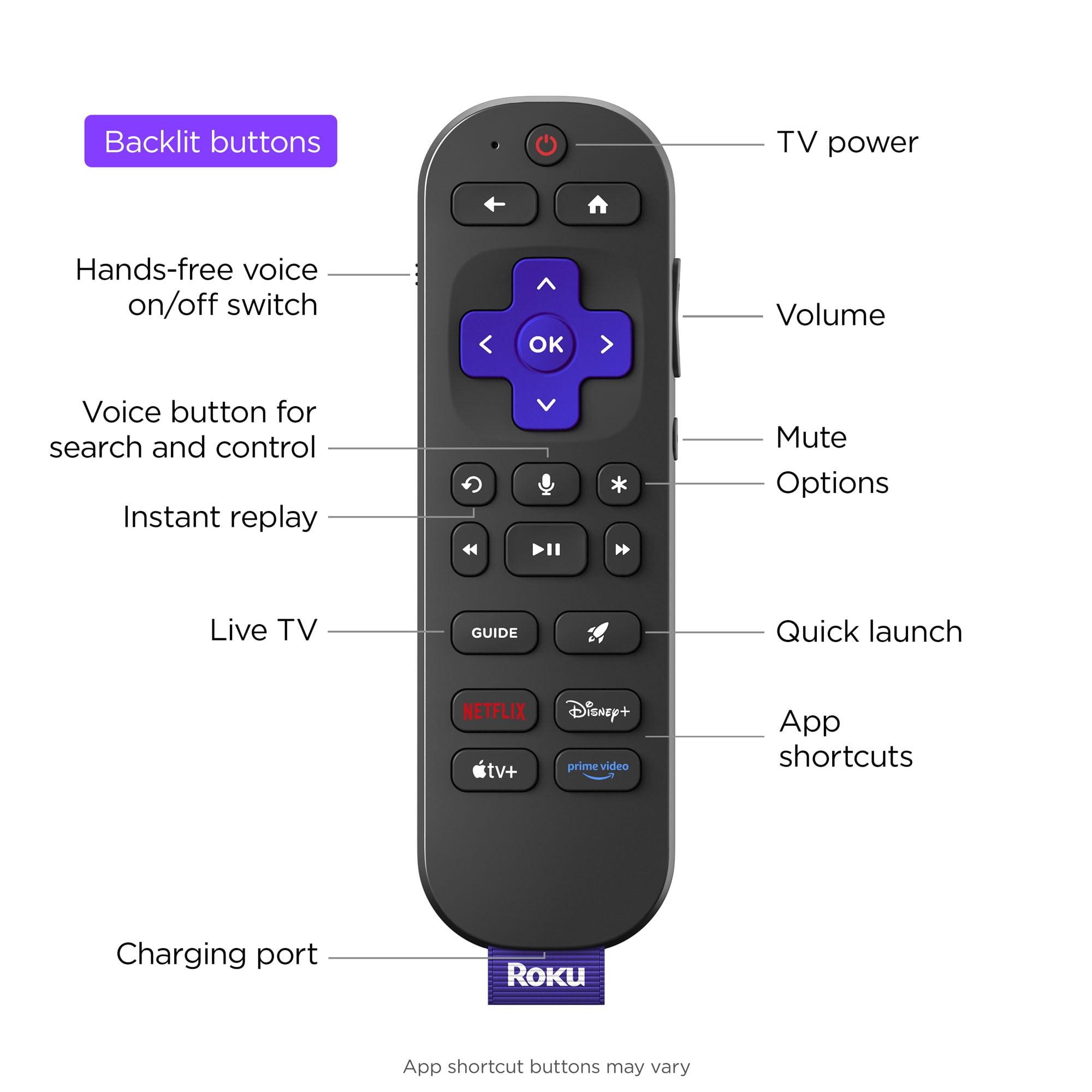
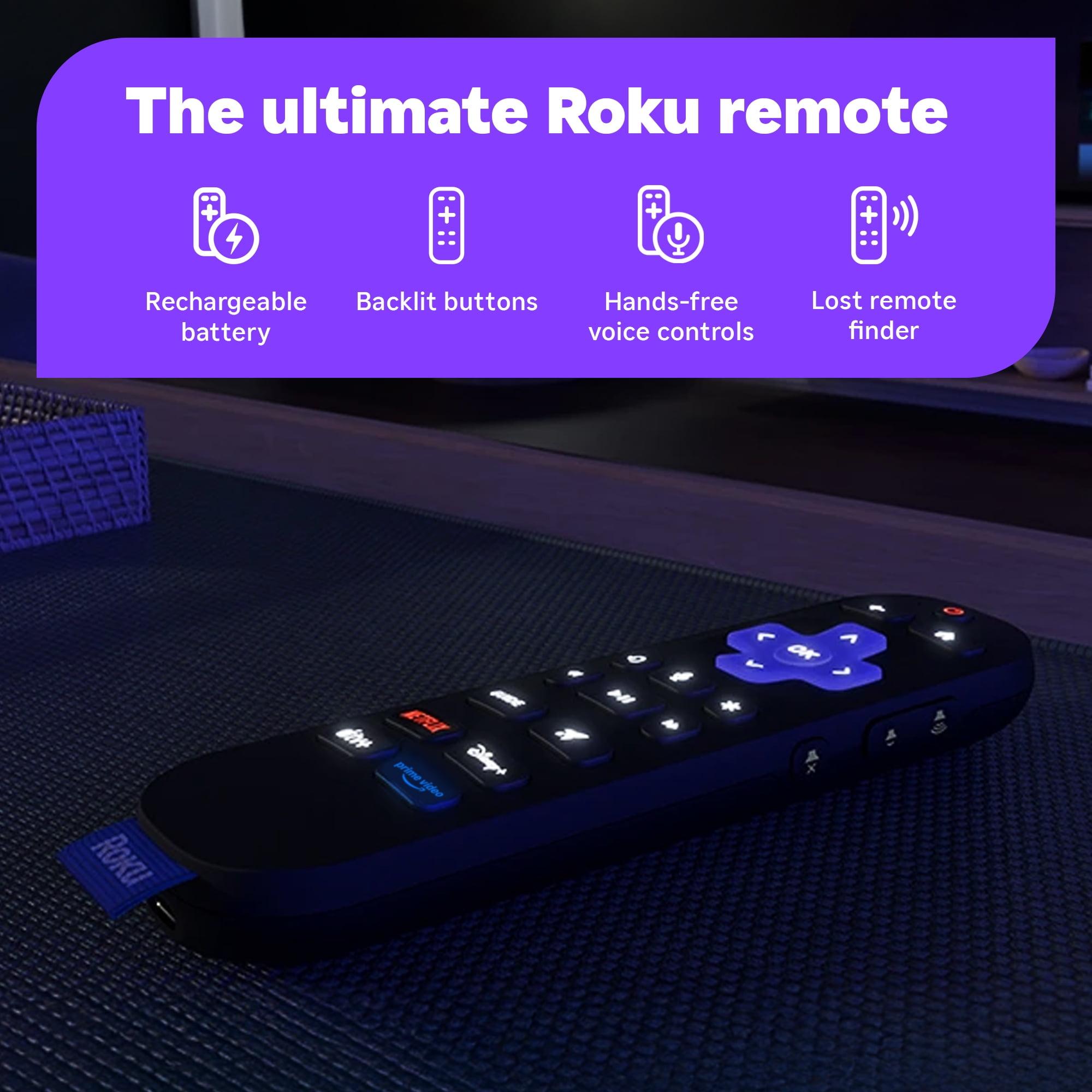
The Roku Pro Series 2025 includes a backlit, rechargeable Voice Remote Pro with hands-free voice control and a finder button built into the TV for locating lost remotes. The Hisense QD7 Series comes with a standard Fire TV remote featuring Alexa voice control, though without the premium features like backlighting or the finder function of the Roku remote.
If upgrading from an older TV, either option provides significant improvement, but your choice depends on budget and performance priorities. The Hisense QD7 Series offers an excellent upgrade path with mini-LED technology at an accessible price. The Roku Pro Series 2025 provides a more dramatic improvement in picture quality, gaming, and audio, justifying the higher investment for those wanting the best possible upgrade experience.
We've done our best to create useful and informative comparisons to help you decide what product to buy. Our research uses advanced automated methods to create this comparison and perfection is not possible - please contact us for corrections or questions. These are the sites we've researched in the creation of this article: bestbuy.com - rtings.com - techradar.com - youtube.com - roku.com - youtube.com - walmart.com - bestbuy.com - youtube.com - electronicexpress.com - roku.com - pcvarge.com - ecoustics.com - bestbuy.com - custrevs.com - youtube.com - bestbuy.com - rtings.com - youtube.com - rtings.com - pcrichard.com - bestbuy.com - pcrichard.com - camelcamelcamel.com - amazonfiretv.blog - hisense-usa.com - hisense-usa.com - hisense-usa.com - bestbuy.com - leaseville.com - youtube.com - bestbuy.com - flatpanelshd.com

Privacy Policy
Terms and Conditions - Affiliate Policy
Home Security
© Copyright 2008-2026.
11816 Inwood Rd #1211, Dallas, TX 75244