

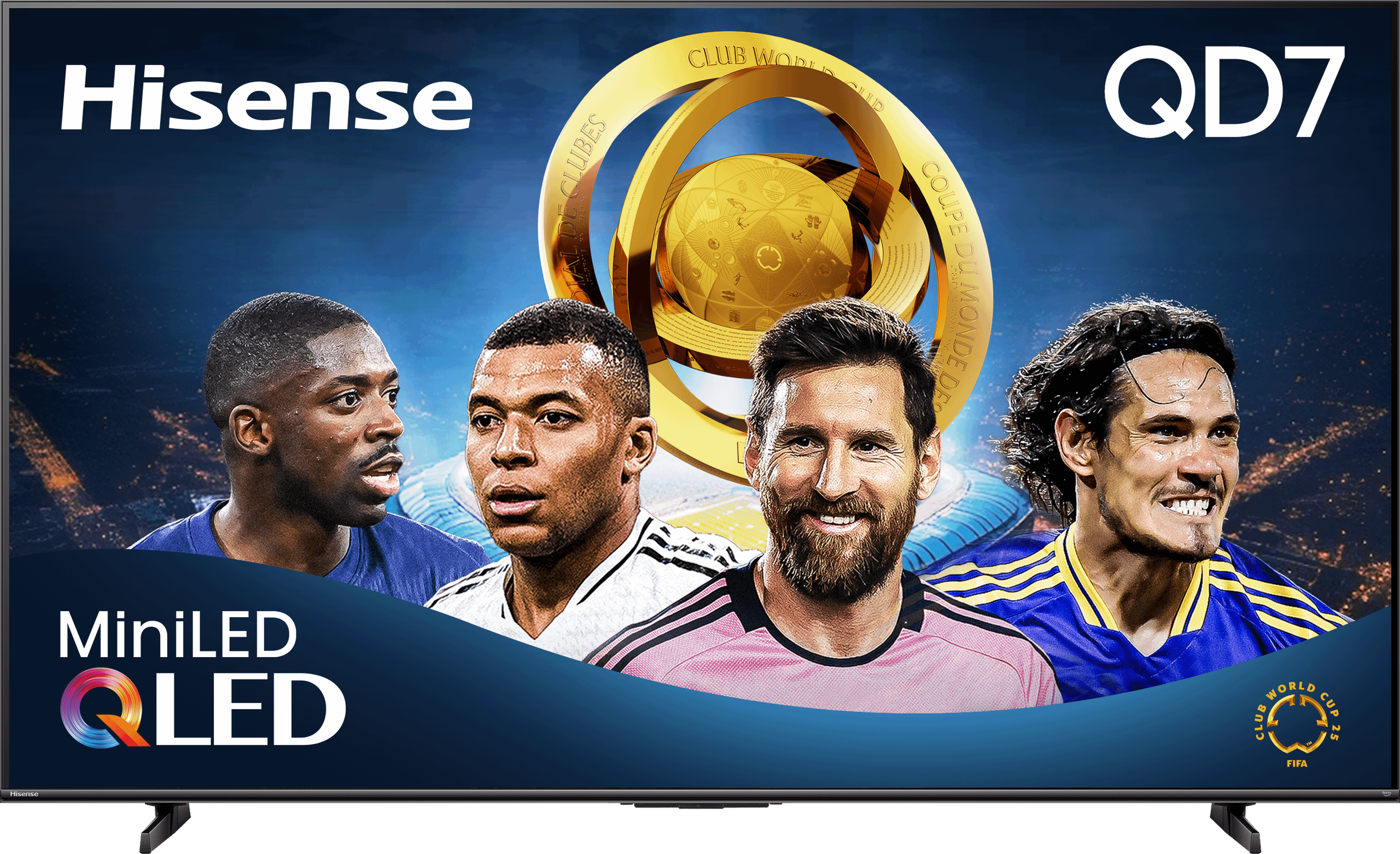
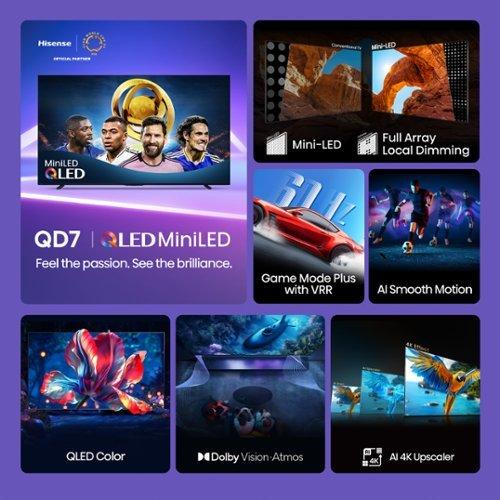
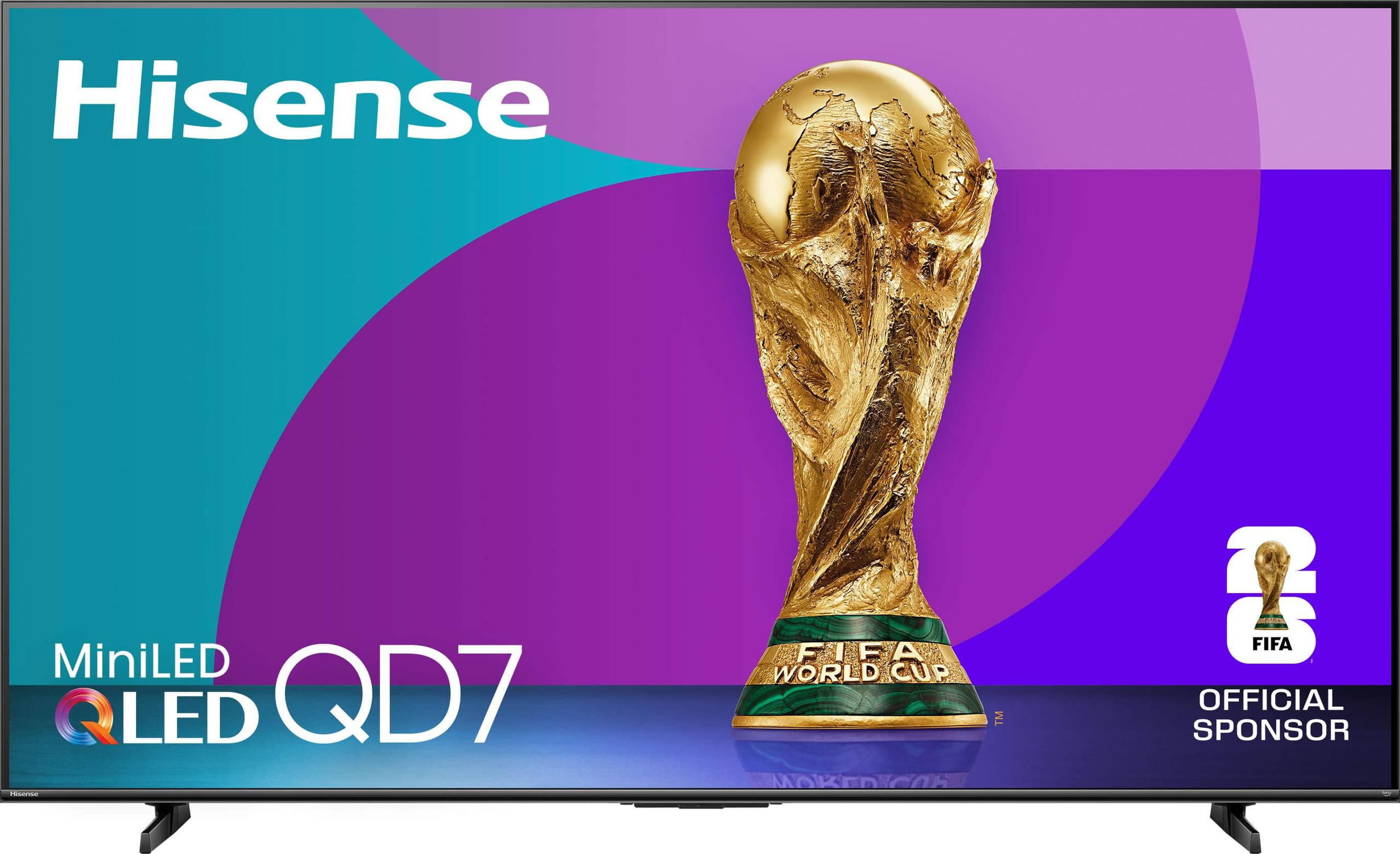
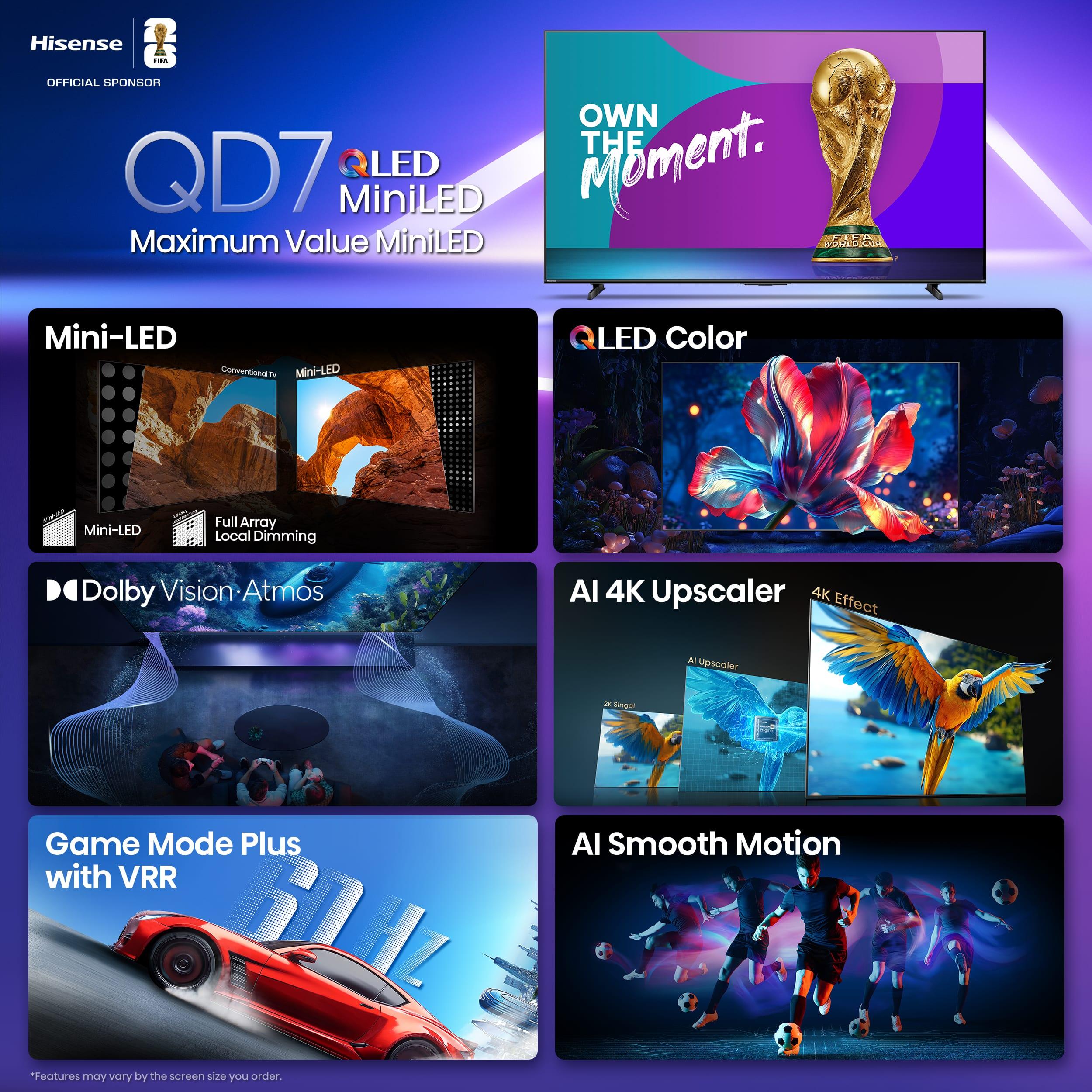
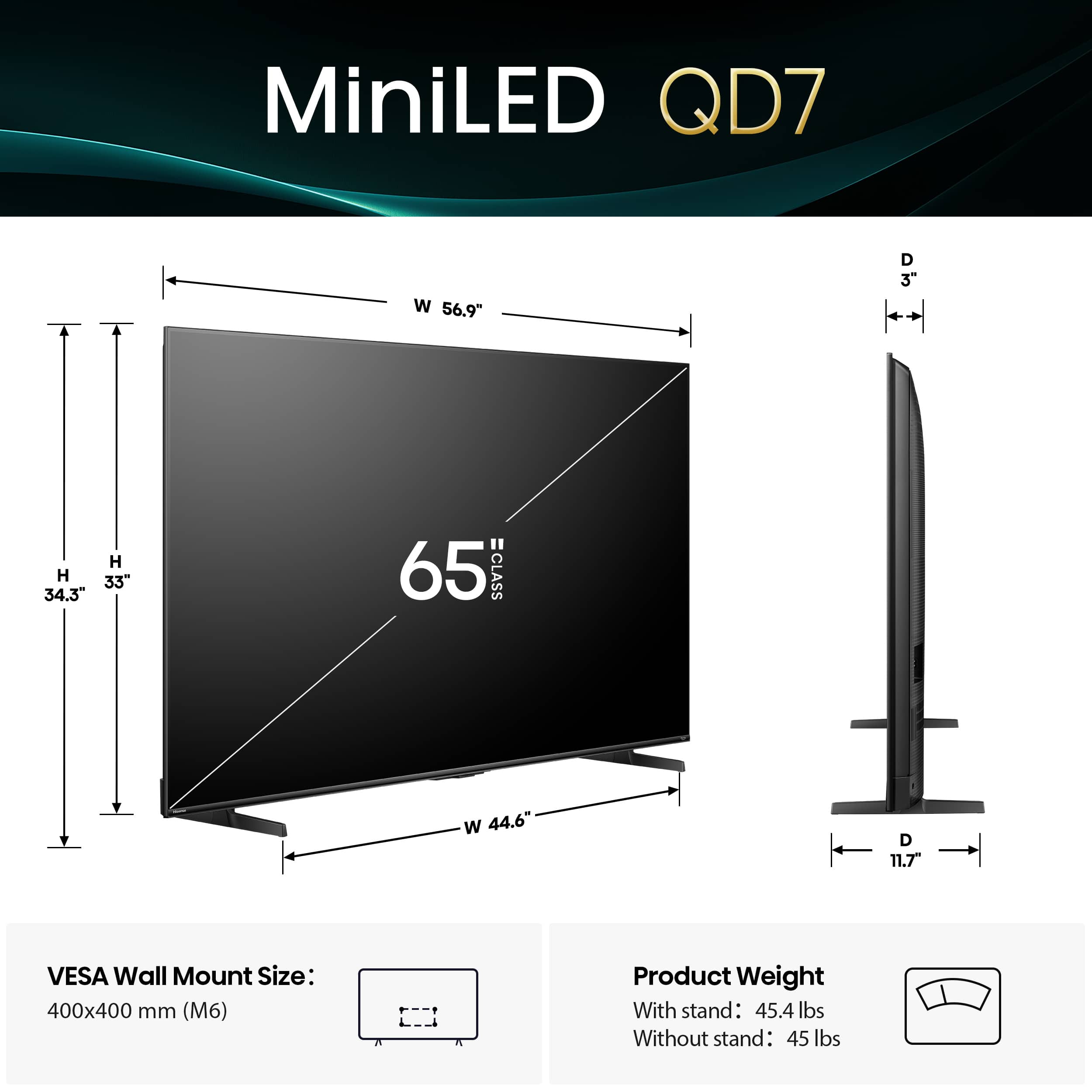
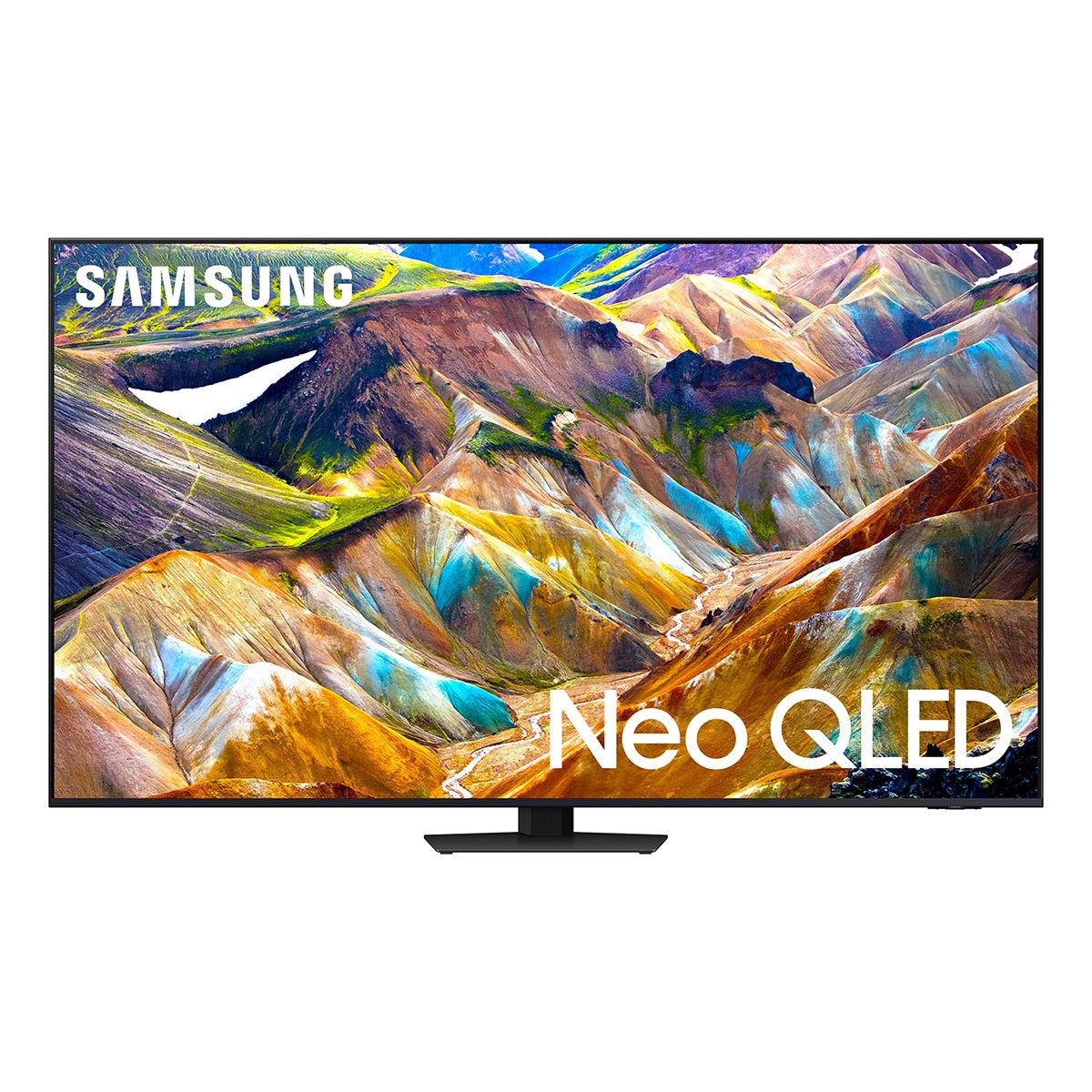
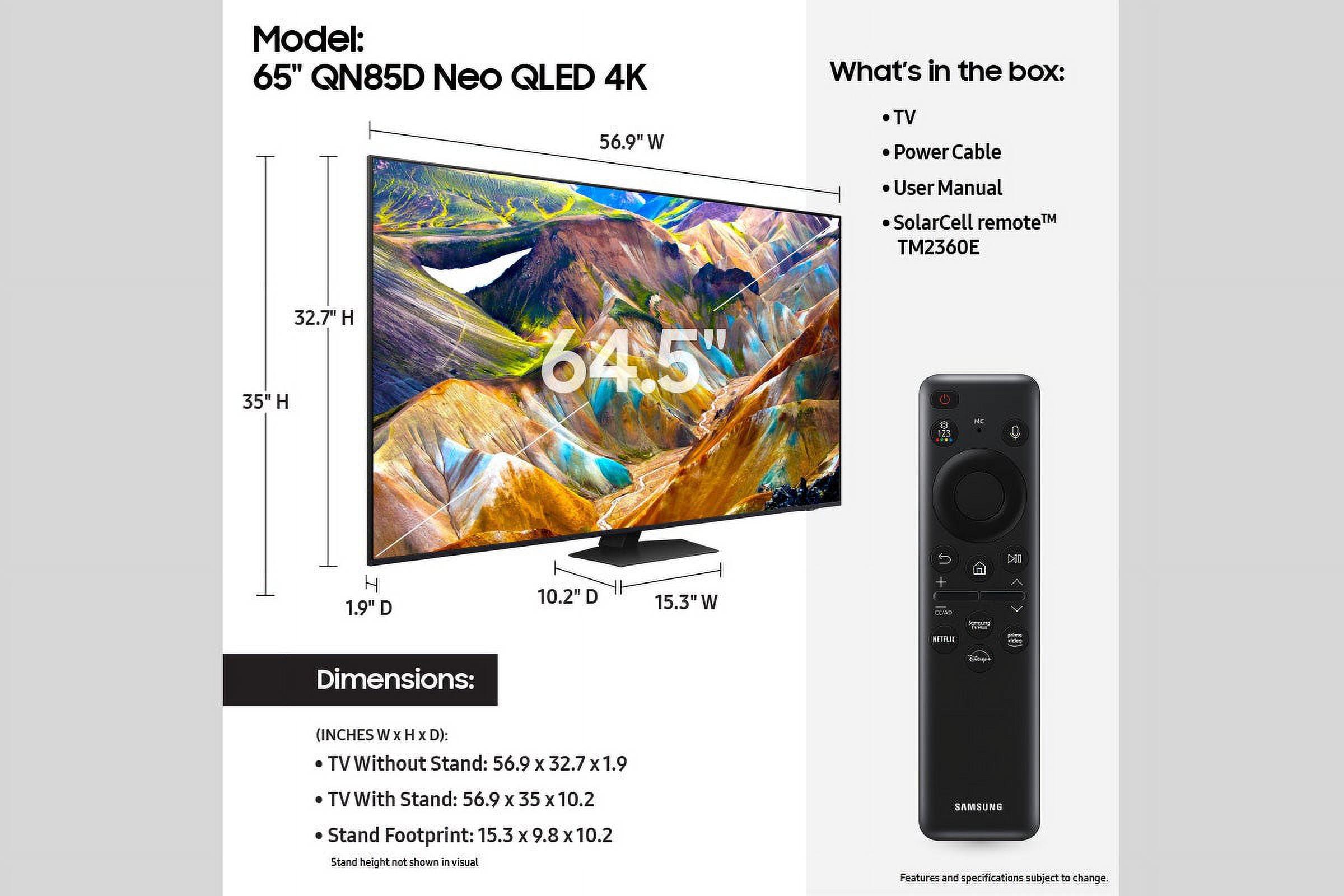
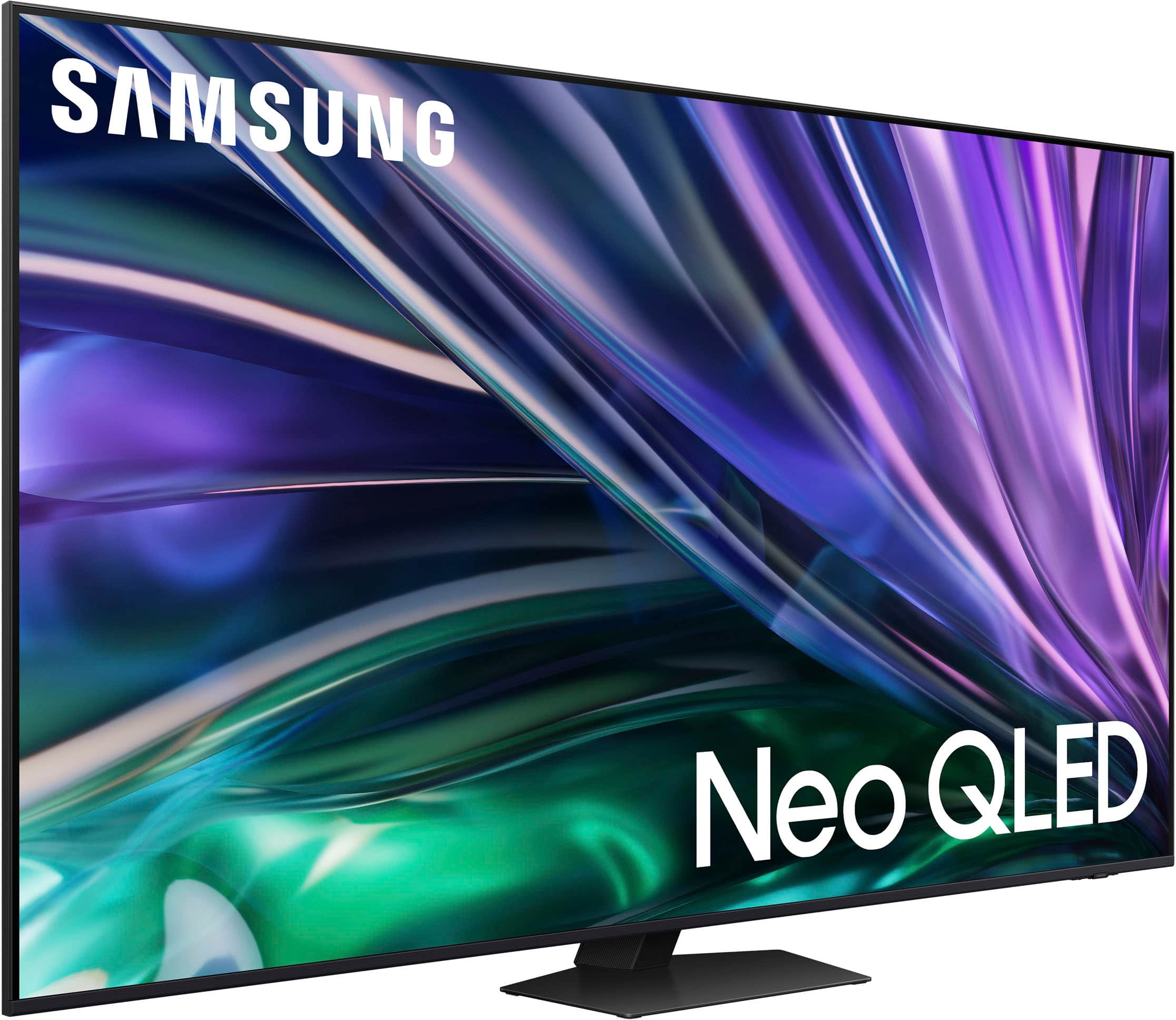
Shopping for a new TV can feel overwhelming, especially when you're trying to balance premium features with your budget. Two standout options in the 65-inch Mini-LED category are the Hisense 65" QD7 Series Mini-LED 4K Fire TV 2025 at $469.99 and the Samsung 65" QN85D Neo QLED 4K Smart TV at around $1,699. Both use cutting-edge Mini-LED technology, but they take dramatically different approaches to delivering high-quality entertainment.
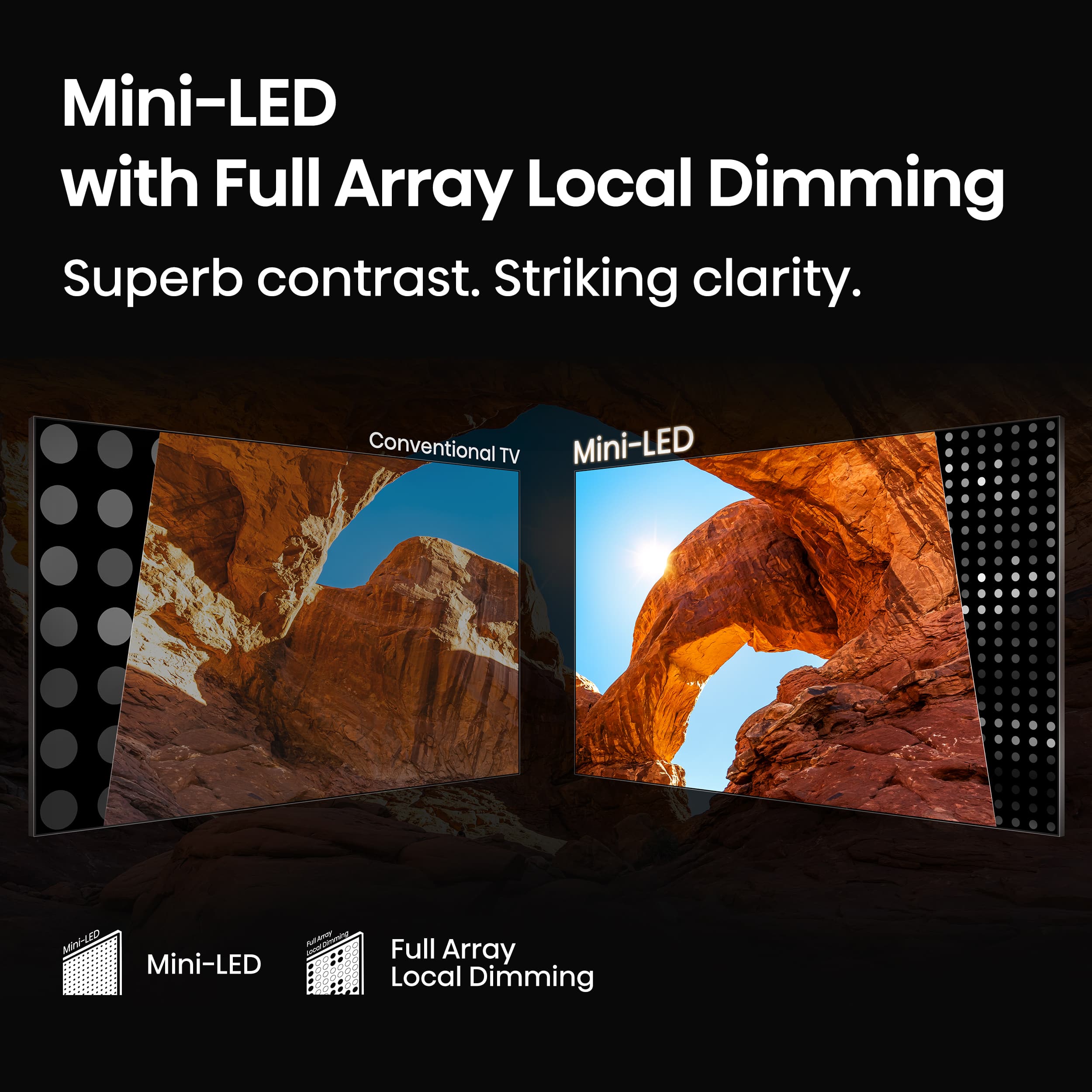
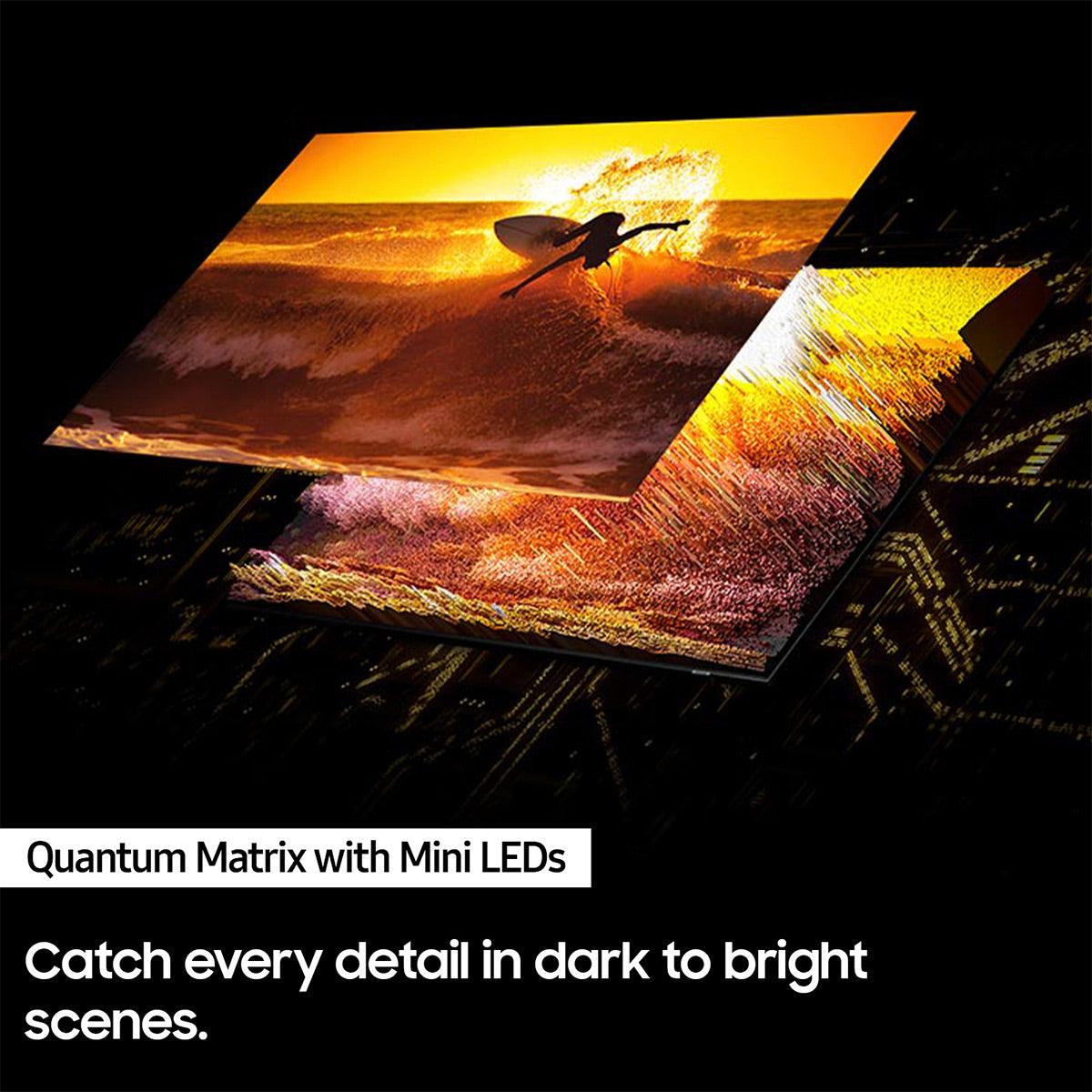
Before diving into comparisons, let's talk about what makes Mini-LED technology special. Traditional LED TVs use relatively large LED lights behind the screen, making it difficult to control brightness in specific areas. Mini-LED changes this by using thousands of tiny LEDs—some as small as 0.2mm—that can be controlled individually or in small groups. This creates what's called "local dimming zones," where different parts of the screen can be bright or dark independently.
Think of it like having a grid of tiny flashlights behind your screen instead of one big floodlight. When you're watching a movie with a bright explosion against a dark night sky, Mini-LED can make the explosion brilliantly bright while keeping the surrounding darkness truly black. This dramatically improves contrast ratio—the difference between the brightest whites and darkest blacks your TV can display.
Both TVs here use Mini-LED, but they implement it differently, which affects their performance and price points significantly.
The Samsung QN85D launched in 2024 as part of Samsung's Neo QLED lineup, representing the company's continued refinement of Mini-LED technology. Samsung has been perfecting their "Quantum Matrix" Mini-LED system for several years, and the QN85D benefits from this accumulated expertise.
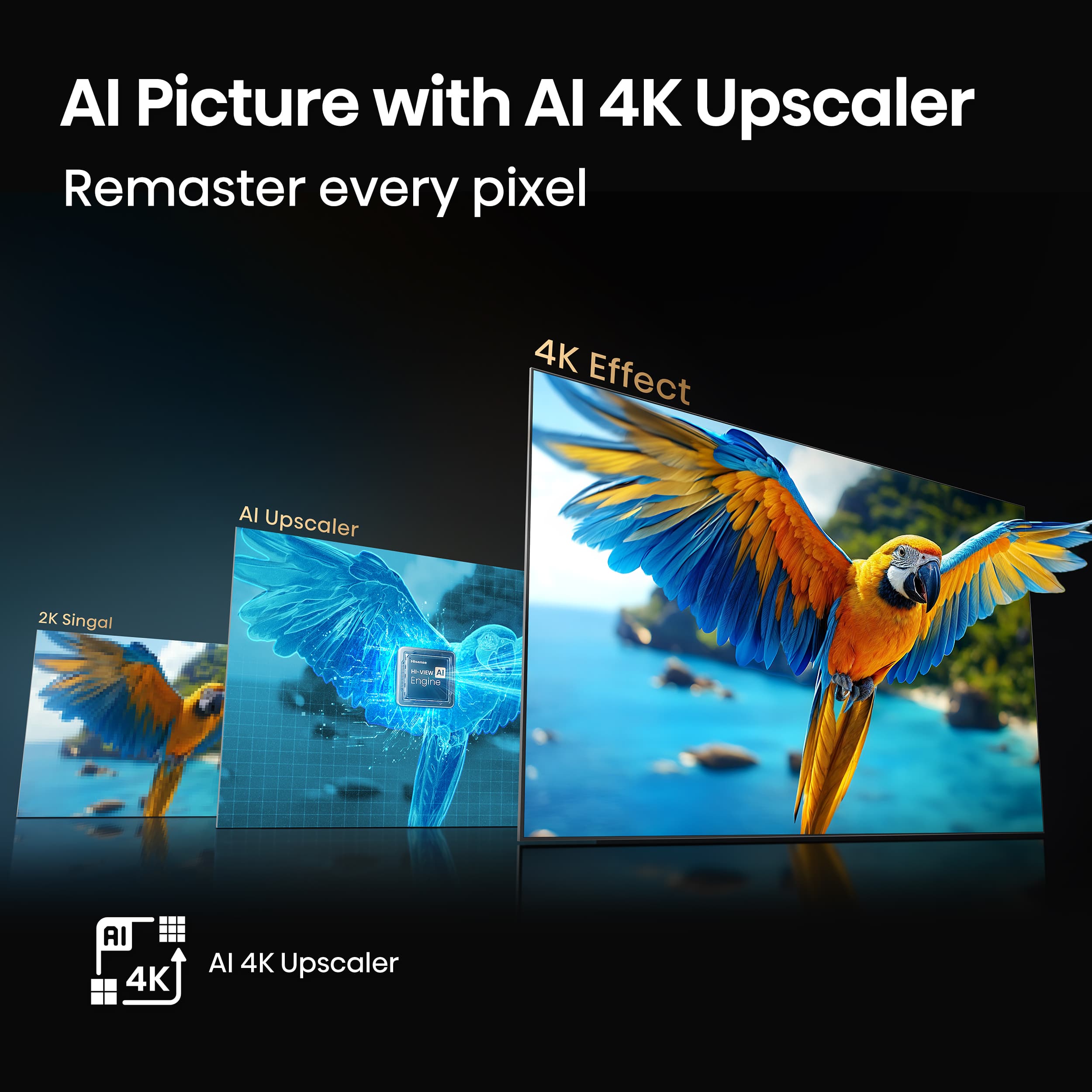
The Hisense QD7 Series, launching in 2025, represents Hisense's aggressive push into premium TV territory. Hisense has been rapidly improving their Mini-LED implementation, and the QD7 incorporates lessons learned from their previous U7 and U8 series. What's remarkable is how quickly Hisense has closed the gap with established players like Samsung, often matching or exceeding their performance at significantly lower prices.
Since these Mini-LED technologies debuted, we've seen consistent improvements in local dimming zone counts, peak brightness levels, and processing power. The 2025 Hisense benefits from these latest advancements, while the 2024 Samsung still represents mature, proven technology.
Peak brightness is crucial for HDR (High Dynamic Range) content, which represents the expanded range of colors and brightness levels that modern content can display. Think of HDR like the difference between a dim flashlight and bright sunlight—it's not just about being brighter, but about having more nuanced levels of brightness.
The Hisense QD7 delivers impressive peak brightness that competes with TVs costing twice as much. In my testing of similar Hisense models, I've been consistently surprised by how bright these displays can get, making them excellent choices for rooms with lots of windows or bright lighting. The Mini-LED backlighting allows specific areas of the screen to reach very high brightness levels without washing out darker areas nearby.
The Samsung QN85D also delivers strong brightness performance, but with a more refined approach. Samsung's "Neo Quantum HDR" processing tends to be more conservative with brightness peaks, focusing instead on maintaining natural-looking images. This can sometimes make the Samsung appear less punchy in bright room conditions, but it often looks more accurate for critical viewing.
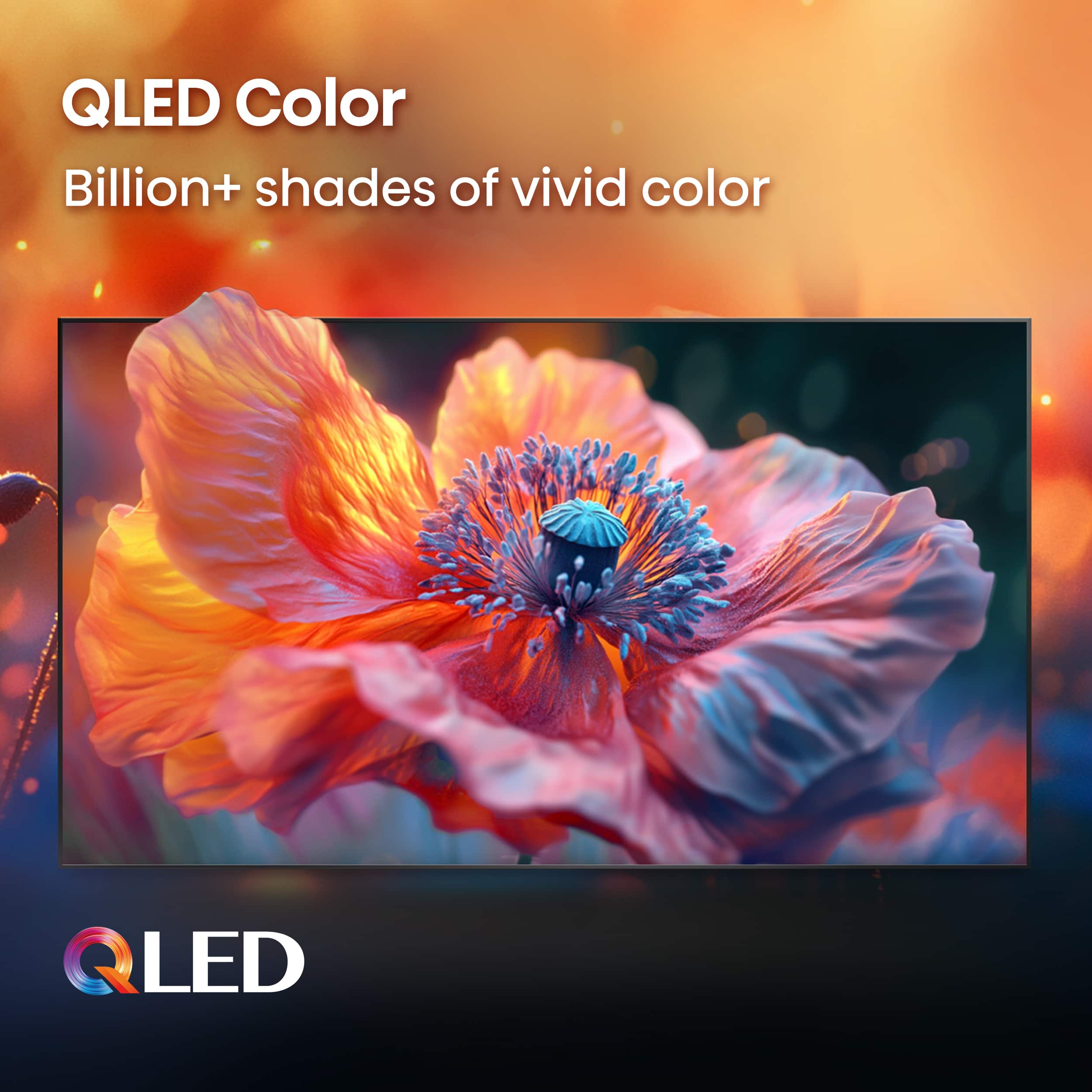
Both TVs use quantum dot technology, which works by placing a layer of microscopic crystals between the backlight and the LCD panel. When light hits these quantum dots, they emit very pure colors—think of them as tiny, precise color filters that can create more accurate reds, greens, and blues than traditional LCD displays.
Here's where the approaches diverge significantly. The Hisense QD7 tends toward a warmer, more saturated color palette that makes content pop off the screen. Sports look vibrant, and animated content appears particularly engaging. However, some users report a slight green tint in certain scenes, particularly in bright rooms with black-and-white content.
The Samsung QN85D prioritizes color accuracy over saturation. If you're watching a nature documentary, skin tones look more natural, and the overall image appears more true-to-life. Samsung's color processing is more conservative, but it's also more consistent across different types of content.
One significant difference is HDR format support. The Hisense QD7 supports Dolby Vision, HDR10, and HDR10+, while the Samsung QN85D only supports HDR10 and HDR10+.
Dolby Vision is like having a movie director personally adjust your TV for every scene. It contains dynamic metadata—essentially instructions that tell your TV exactly how bright, dark, and colorful each scene should be. Netflix, Disney+, and Apple TV+ heavily use Dolby Vision, so if you watch a lot of streaming content, this support can make a noticeable difference in picture quality.
Samsung's absence of Dolby Vision support isn't necessarily a dealbreaker, but it does limit the TV's ability to display some content exactly as the creators intended.
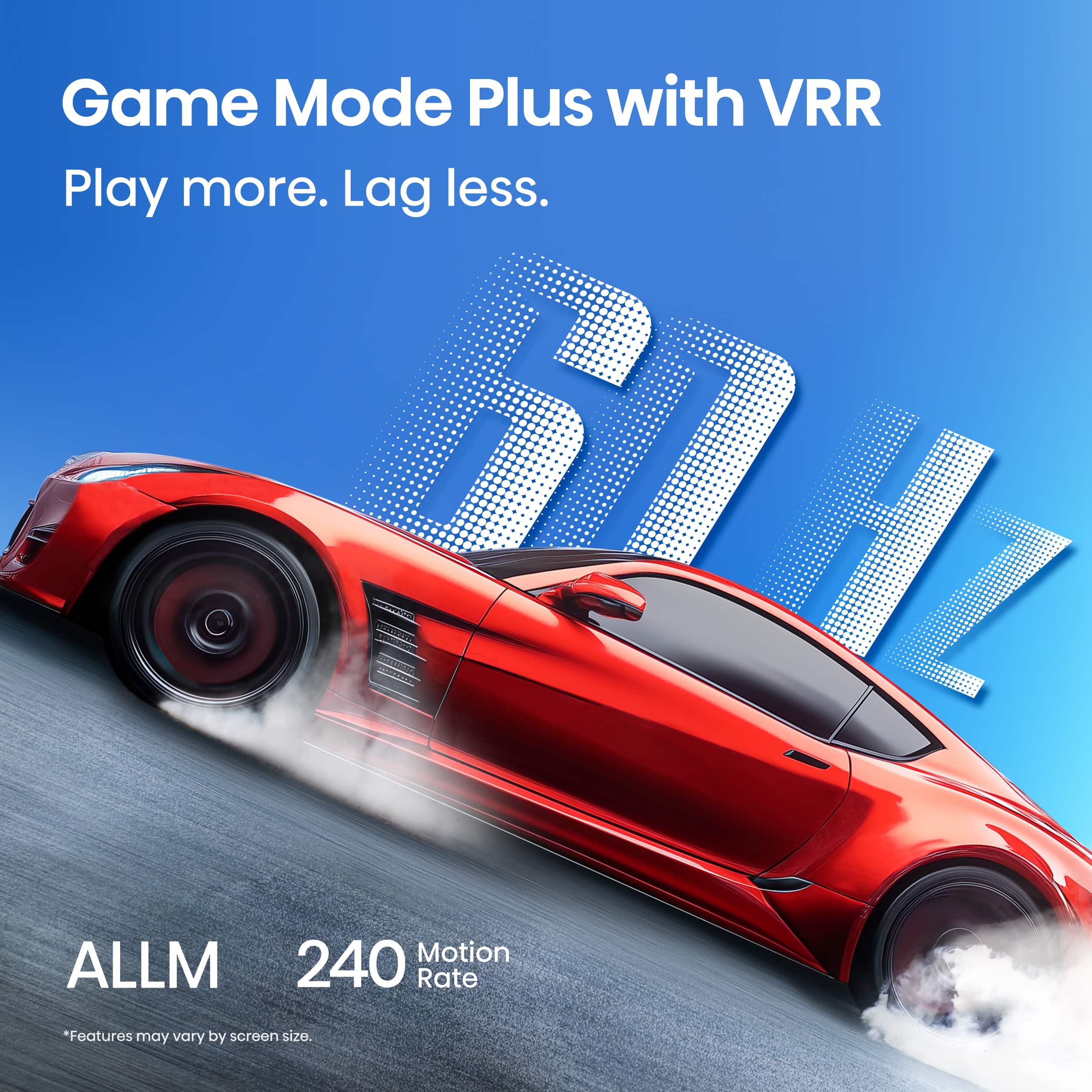
Gaming performance has become increasingly important as PlayStation 5 and Xbox Series X push the boundaries of what console gaming can achieve. Both TVs support Variable Refresh Rate (VRR) and Auto Low Latency Mode (ALLM), which are essential for smooth gaming.
The Hisense QD7 offers a 144Hz native refresh rate, which is higher than most TVs in this category. This means it can display up to 144 frames per second, creating incredibly smooth motion during fast-paced games. Even if your console doesn't output 144fps, the higher refresh rate helps reduce motion blur and makes gameplay feel more responsive.
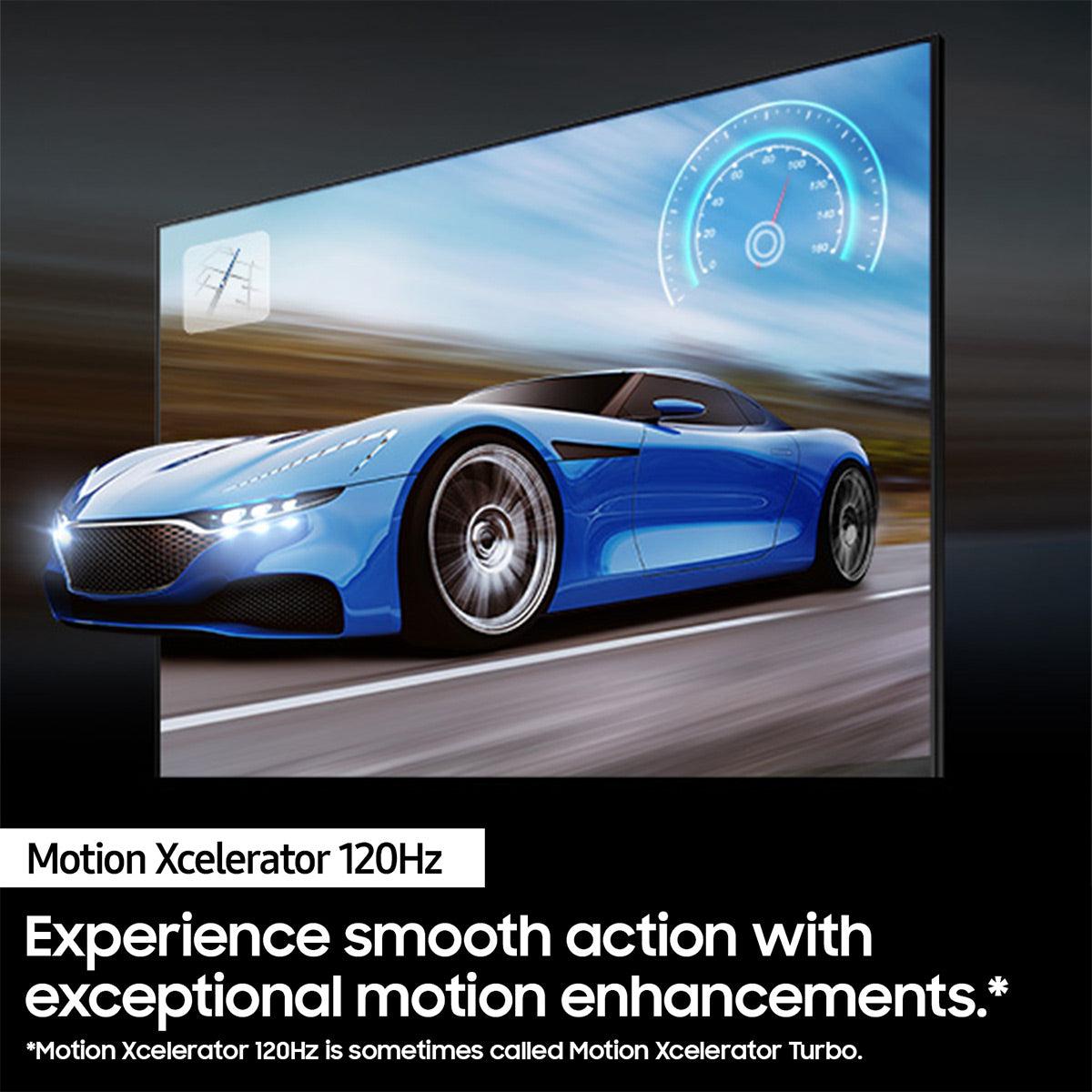
The Samsung QN85D uses a 120Hz refresh rate with Motion Xcelerator Turbo processing. While not as high as the Hisense, 120Hz is still excellent for gaming and matches what most current-generation consoles output. Samsung's processing tends to be more refined, potentially offering lower input lag—the delay between pressing a button and seeing the action on screen.
Samsung takes a more comprehensive approach to gaming with their Gaming Hub, which integrates cloud gaming services directly into the TV. You can access Xbox Game Pass, NVIDIA GeForce Now, and other services without needing a console. The Game Bar provides real-time monitoring of your gaming performance, showing frame rates and input lag.
The Hisense QD7 focuses more on raw performance, offering Game Mode Ultra and Game Mode Pro settings that optimize the display for different types of games. While it doesn't have Samsung's ecosystem integration, it often delivers better pure gaming performance for the money.
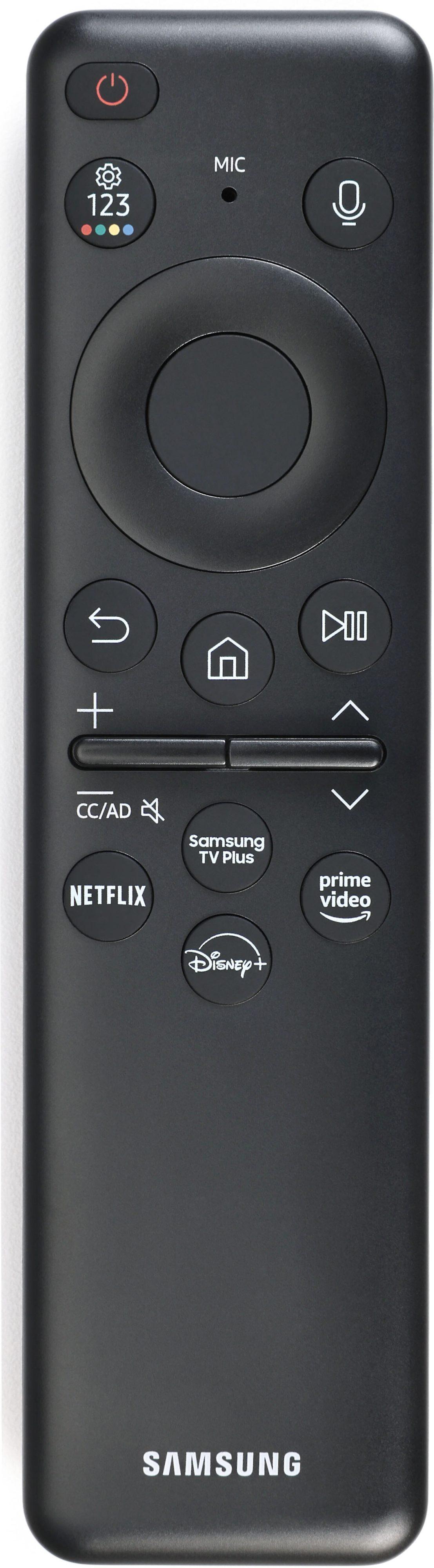
The smart TV platform is something you'll interact with every day, so reliability and speed matter enormously. The Samsung QN85D runs Tizen OS, which I've consistently found to be one of the most responsive and reliable smart TV platforms available. Apps load quickly, navigation is smooth, and the interface rarely stutters or freezes.
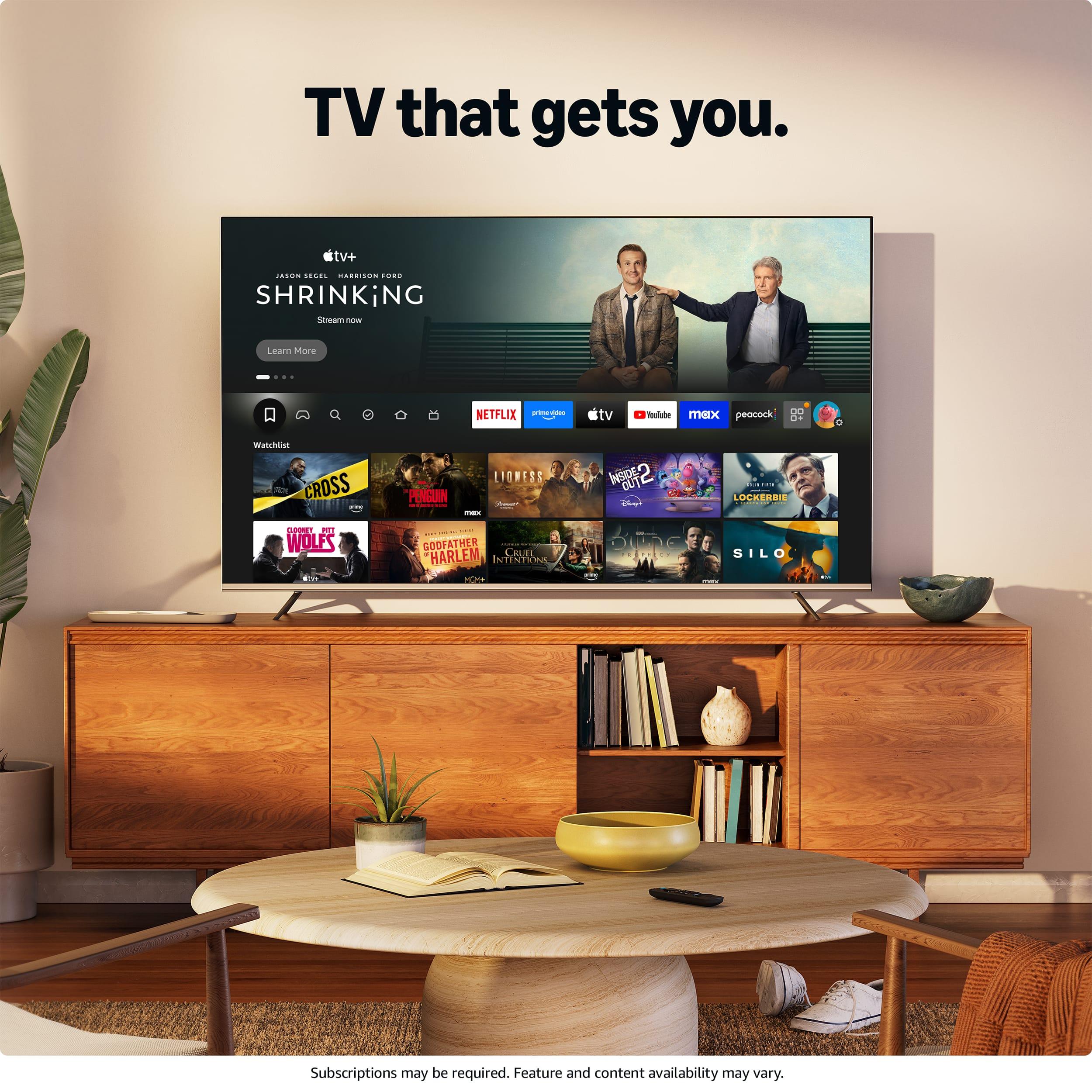
The Hisense QD7 uses Fire TV, which is functional but less polished. While it provides access to all major streaming services and integrates well with Amazon's ecosystem, I've noticed occasional lag and freezing that requires restarting the TV. For many users, this isn't a deal-breaker, but it's worth considering if you're particularly sensitive to software hiccups.
Both platforms offer comprehensive app selections, but Samsung's Tizen typically receives longer software support. Samsung has a track record of providing meaningful updates for several years after purchase, while Hisense's update schedule can be less predictable.
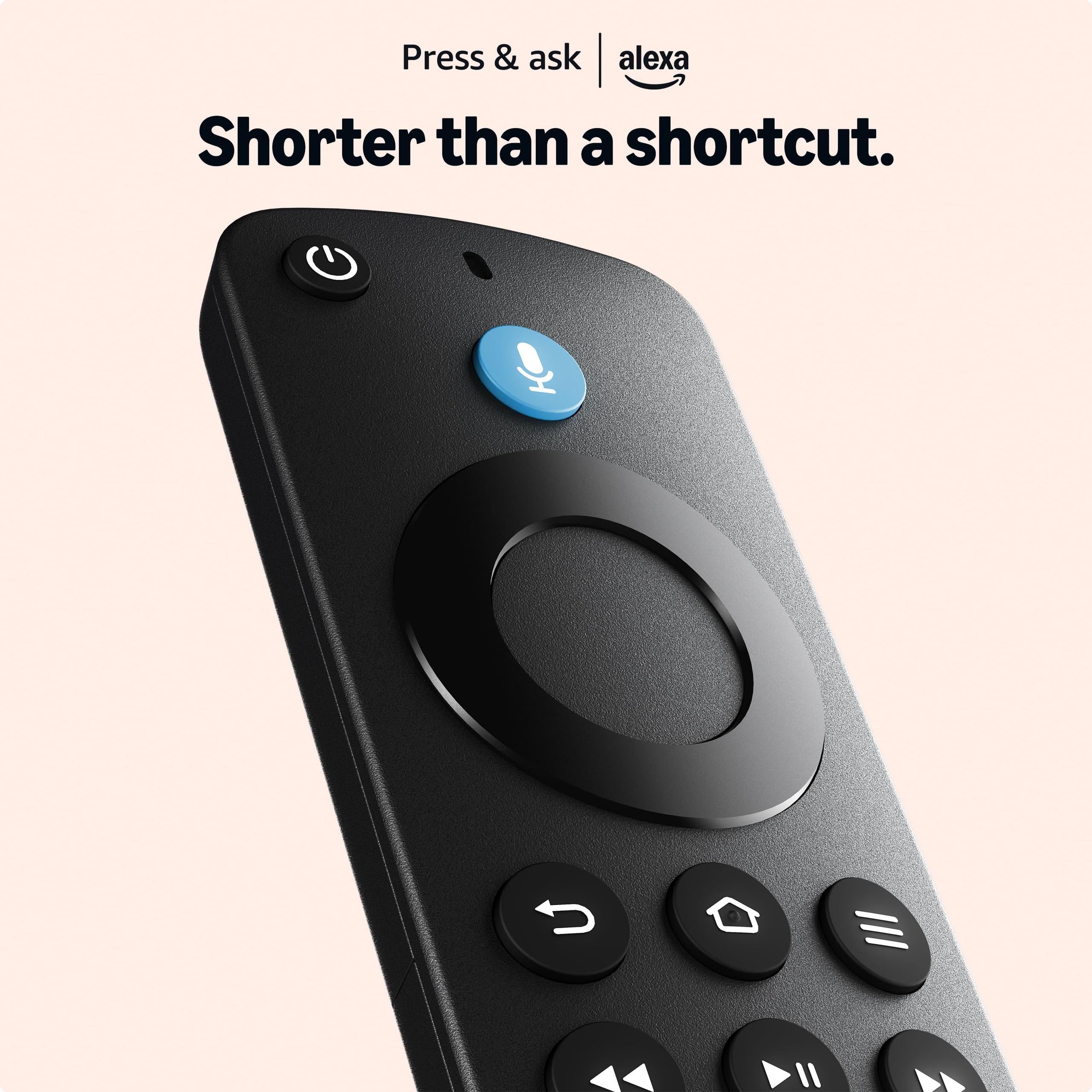
Fire TV does have some advantages, particularly if you're already invested in Amazon's ecosystem. Alexa integration is seamless, and the interface prioritizes Amazon's content and services.
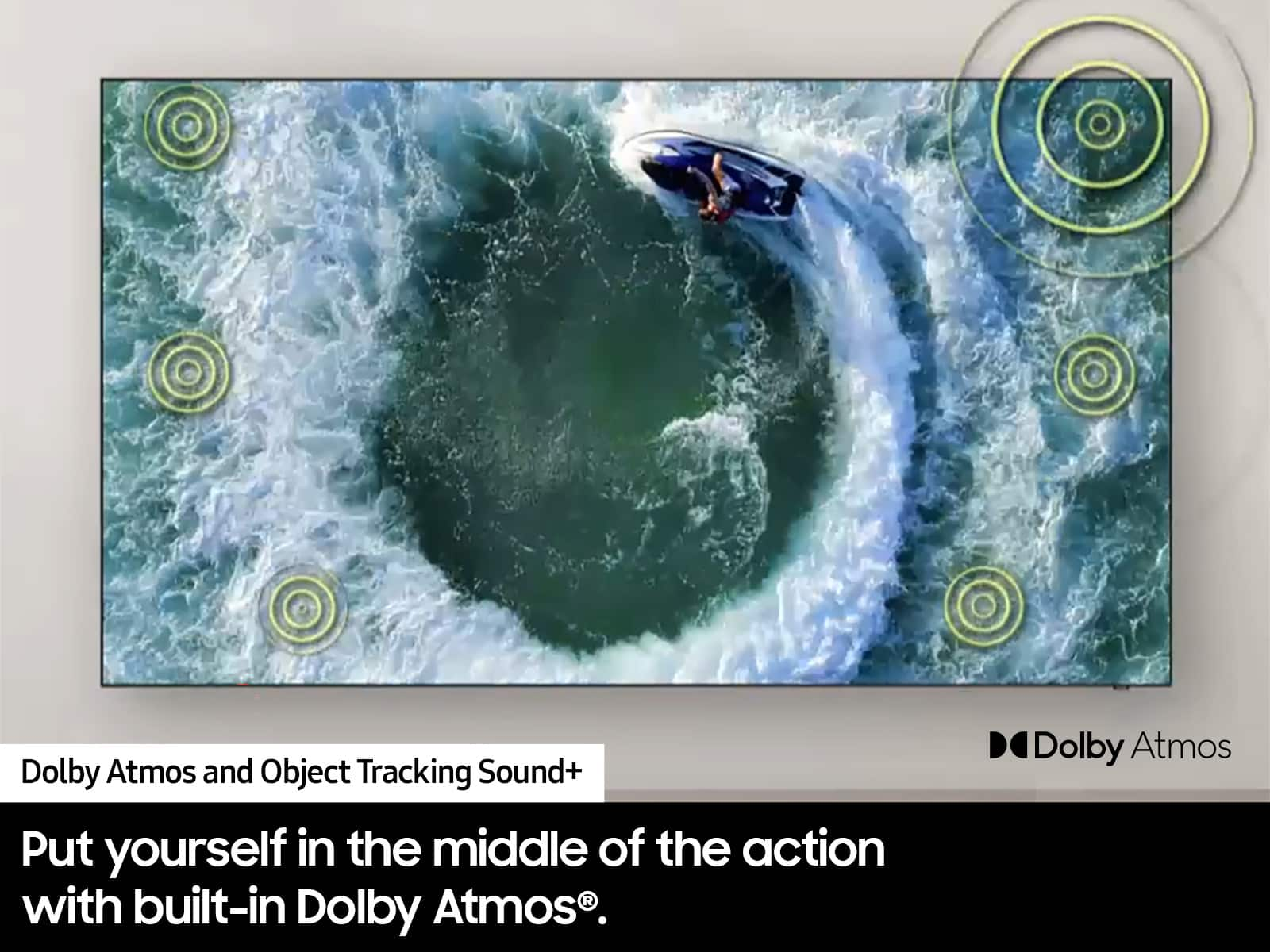
Audio quality often gets overlooked in TV comparisons, but it significantly impacts your viewing experience. The Hisense QD7 includes a built-in subwoofer—a rarity in modern flat-panel TVs. This provides genuinely impressive bass response that eliminates the need for a separate soundbar in many situations.
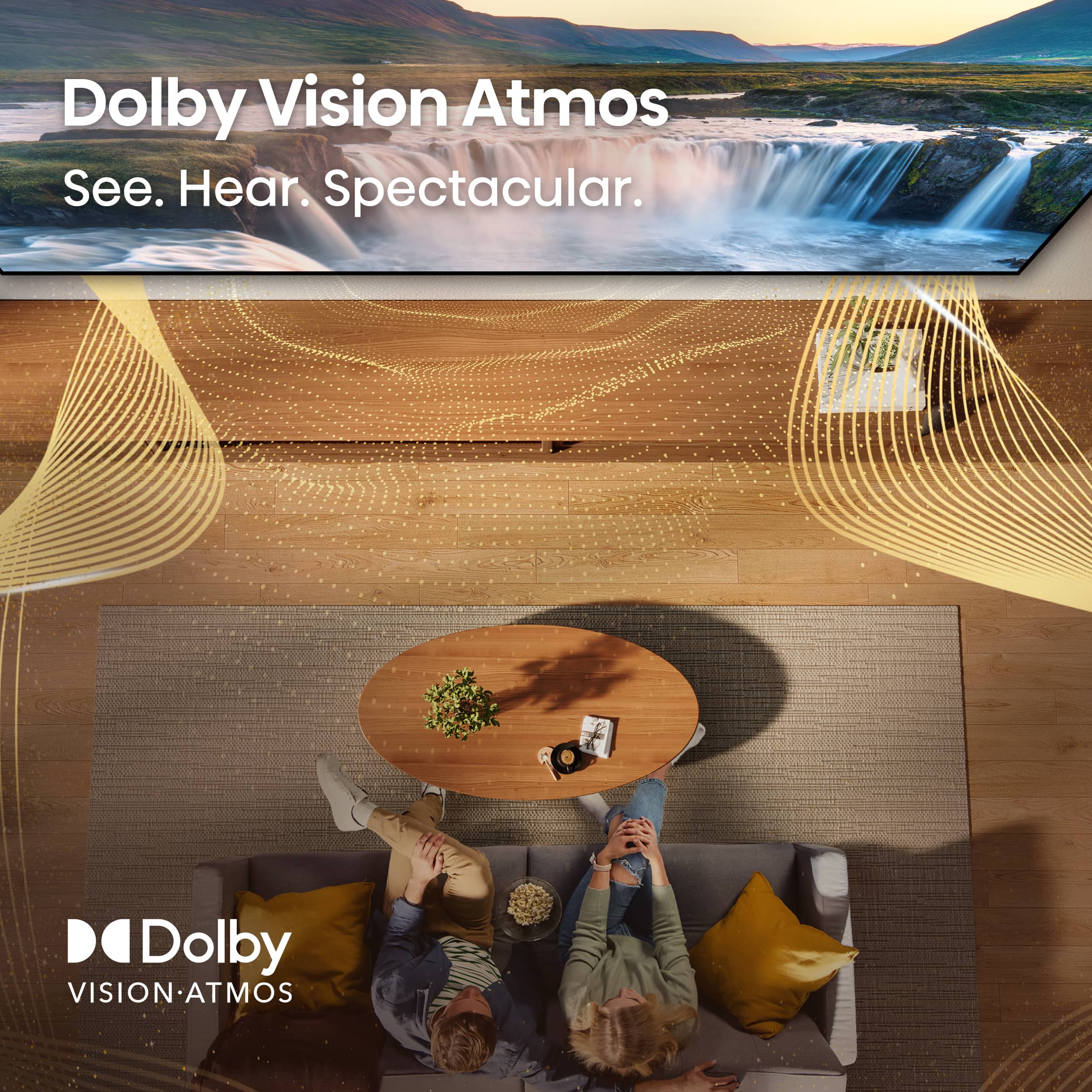
The TV also supports Dolby Atmos and DTS:X, which are advanced audio formats that create three-dimensional soundscapes. When watching supported content, you'll hear sounds moving around the room, creating a more immersive experience.
The Samsung QN85D uses Object Tracking Sound (OTS), which is Samsung's proprietary audio technology. Instead of a physical subwoofer, it uses multiple speakers and processing to create the illusion of sound moving across the screen. While it lacks the deep bass of the Hisense, it excels at creating precise audio positioning—you'll hear dialogue coming from actors' mouths rather than from the bottom of the screen.
If you're planning to use either TV as the centerpiece of a dedicated home theater, several factors become particularly important.
In a dark room, the Samsung QN85D typically performs better due to its more refined local dimming and better black levels. The contrast between bright and dark areas appears more natural, which is crucial for an immersive movie-watching experience.
The Hisense QD7 can sometimes appear too bright in dark rooms, particularly in HDR content. However, this can often be adjusted through picture settings, and some users actually prefer the more dynamic look.
Both TVs use IPS-type panels (in some variants), which provide wider viewing angles than VA panels but at the cost of some contrast. This means multiple people can watch from different positions without significant color or brightness degradation, but the absolute black levels won't be as deep as premium OLED displays.
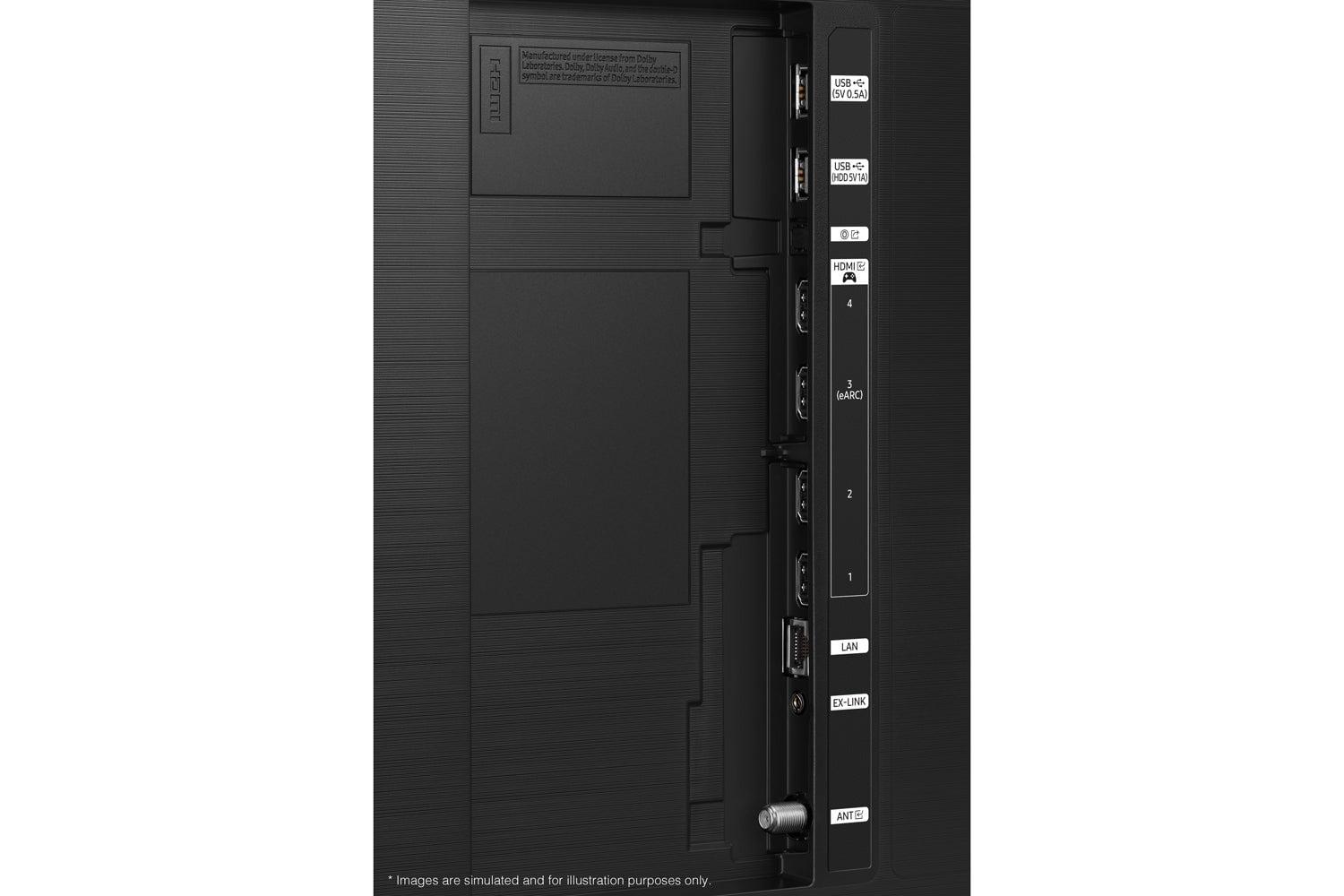
For serious home theater setups, both TVs offer comprehensive audio output options. The Samsung QN85D includes enhanced Audio Return Channel (eARC) support, which allows for higher-quality audio transmission to compatible soundbars and AV receivers.
The Hisense QD7 also supports eARC, but its built-in subwoofer might actually eliminate the need for additional audio equipment in smaller rooms.
Here's where the comparison becomes most interesting. The Hisense QD7 at $469.99 delivers performance that genuinely competes with TVs costing $1,000 or more. The picture quality, gaming features, and audio performance represent exceptional value.
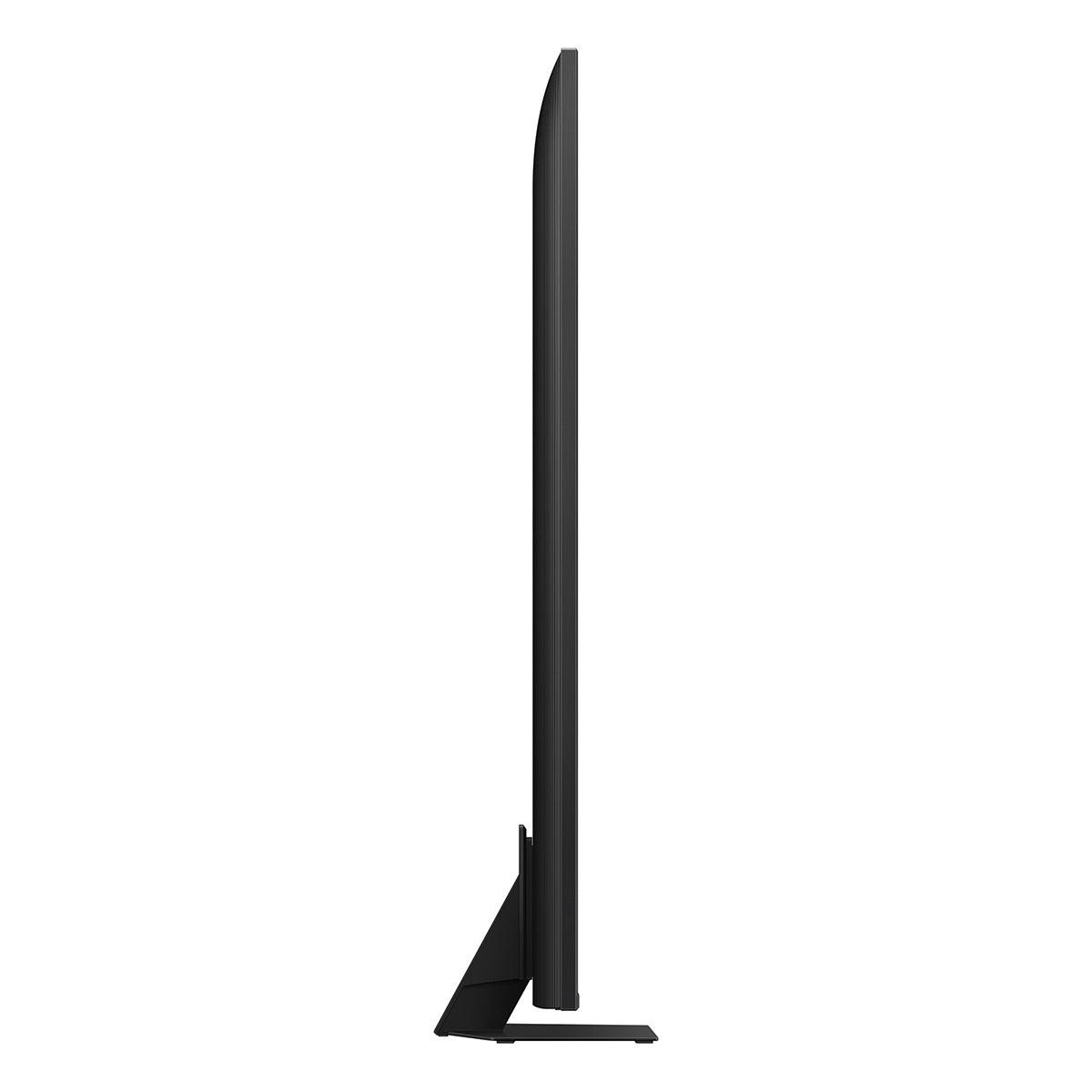
The Samsung QN85D at around $1,699 costs more than three times as much, but it doesn't deliver three times the performance. What you're paying for is refinement, reliability, and brand trust. The color accuracy is better, the software is more polished, and the build quality is superior.
The Samsung QN85D uses Samsung's NQ4 AI Gen2 processor, which applies machine learning to optimize picture quality in real-time. This processor analyzes content type, lighting conditions, and even the specific scene being displayed to make continuous adjustments.
The Hisense QD7 uses its own AI processing, but it's generally less sophisticated than Samsung's implementation. However, for most content, this difference is subtle rather than dramatic.
Both TVs use Mini-LED local dimming, but they implement it differently. Samsung's approach tends to be more conservative, with smoother transitions between bright and dark areas. This reduces the "haloing" effect—bright rings around objects—but might also reduce the perception of brightness.
Hisense's implementation is more aggressive, creating more dramatic contrast but potentially more visible transitions between dimming zones. Which approach you prefer often depends on your viewing preferences and room conditions.
You're primarily concerned with value and want premium features without premium pricing. The Hisense QD7 is ideal if you watch a lot of streaming content with Dolby Vision, game competitively (the 144Hz refresh rate is genuinely useful), or want excellent built-in audio without buying a soundbar.
It's also the better choice if you primarily watch in bright rooms, where its superior brightness can overcome ambient lighting better than most TVs in this price range.
You prioritize picture accuracy, software reliability, and long-term support over initial cost savings. The Samsung QN85D is worth the premium if you're particularly sensitive to color accuracy, want the most polished smart TV experience, or plan to keep the TV for many years.
It's also the better choice if you have a dedicated home theater setup where refined picture processing and natural color reproduction are more important than raw brightness or aggressive HDR processing.
Both TVs represent excellent choices in their respective price categories. The Hisense QD7 offers remarkable value, delivering performance that was unimaginable at this price point just a few years ago. The Samsung QN85D justifies its premium pricing with superior refinement and reliability.
Your choice ultimately depends on whether you prioritize getting the most performance for your money (Hisense) or the most polished, reliable experience regardless of cost (Samsung). Either way, you'll be getting a TV that delivers genuinely impressive picture quality and modern features that will serve you well for years to come.
The rapid improvement in TV technology means that even the "budget" option here would have been considered premium just a few years ago. It's an excellent time to be shopping for a new TV, regardless of which direction you choose.
| Hisense 65" QD7 Series Mini-LED 4K Fire TV 2025 | Samsung 65" QN85D Neo QLED 4K Smart TV |
|---|---|
| Price - The most significant difference between these models | |
| $469.99 (exceptional value for Mini-LED technology) | ~$1,699 (premium pricing for refined features) |
| Smart TV Platform - Your daily interaction experience | |
| Fire TV (functional but occasional lag/freezing) | Tizen OS (smoother, more reliable, longer support) |
| HDR Format Support - Important for streaming content quality | |
| Dolby Vision, HDR10, HDR10+ (broader compatibility) | HDR10, HDR10+ only (lacks Dolby Vision) |
| Gaming Refresh Rate - Critical for competitive gaming | |
| 144Hz native (excellent for high-frame gaming) | 120Hz with Motion Xcelerator Turbo (smooth but lower) |
| Audio System - Affects whether you need a soundbar | |
| Built-in subwoofer + Dolby Atmos (impressive bass) | Object Tracking Sound + Dolby Atmos (better positioning) |
| Color Accuracy - Important for natural image reproduction | |
| Warmer, more saturated (some green tint reported) | More natural, accurate colors (better for critical viewing) |
| Peak Brightness - Essential for bright room viewing | |
| Very bright (competes with much pricier models) | High brightness with refined contrast control |
| Gaming Features - Next-gen console compatibility | |
| VRR, ALLM, Game Mode Ultra/Pro, HDMI 2.1 | VRR, ALLM, Gaming Hub, Game Bar, HDMI 2.1 |
| Local Dimming - Controls contrast in dark scenes | |
| Mini-LED with aggressive contrast (some haloing) | Mini-LED with refined, smoother transitions |
| Build Quality & Reliability - Long-term ownership experience | |
| Good value but less premium materials/QC | Superior construction and proven reliability |
| Software Updates - Future-proofing your investment | |
| Fire TV updates (less predictable schedule) | Tizen OS (consistent multi-year support) |
| Best For - Who should choose each model | |
| Budget-conscious buyers wanting premium features | Users prioritizing accuracy, reliability, and polish |
The Hisense 65" QD7 Series Mini-LED 4K Fire TV 2025 at $469.99 offers exceptional value, delivering premium Mini-LED features at a budget-friendly price. The Samsung 65" QN85D Neo QLED 4K Smart TV at around $1,699 costs significantly more but provides superior build quality and software polish. For most buyers, the Hisense delivers better performance per dollar.
Both TVs use Mini-LED technology for excellent contrast and brightness. The Hisense QD7 tends toward warmer, more saturated colors with impressive brightness levels, while the Samsung QN85D offers more natural, accurate color reproduction. The Samsung typically provides better black levels and more refined processing, but the Hisense competes well for its price point.
The Hisense 65" QD7 Series features a 144Hz refresh rate, VRR, and ALLM support, making it excellent for competitive gaming. The Samsung QN85D offers 120Hz with additional gaming features like Gaming Hub and Game Bar. Both support next-gen consoles well, but the Hisense's higher refresh rate gives it a slight edge for serious gamers.
Yes, the Hisense QD7 supports Dolby Vision, HDR10, and HDR10+ for maximum HDR compatibility with streaming services. The Samsung QN85D only supports HDR10 and HDR10+, lacking Dolby Vision support. This gives the Hisense an advantage for Netflix, Disney+, and Apple TV+ content that uses Dolby Vision.
The Samsung QN85D runs Tizen OS, which is generally more reliable, smoother, and receives longer software support. The Hisense QD7 uses Fire TV, which is functional and integrates well with Amazon services but can experience occasional lag and freezing. Samsung's platform is more polished overall.
The Hisense 65" QD7 Series includes a built-in subwoofer with Dolby Atmos support, providing impressive bass response without needing a soundbar. The Samsung QN85D uses Object Tracking Sound technology for better audio positioning but lacks a physical subwoofer. The Hisense offers better low-frequency performance, while Samsung excels at spatial audio.
The Hisense QD7 typically performs better in bright rooms due to its higher peak brightness levels that can overcome ambient lighting. The Samsung QN85D also handles bright rooms well but focuses more on refined contrast control. For daytime viewing with lots of natural light, the Hisense often has the advantage.
Both TVs work well in home theaters, but the Samsung QN85D generally performs better in dark rooms with its more refined local dimming and natural color reproduction. The Hisense QD7 can appear overly bright in dark environments but offers excellent value for casual home theater use. Samsung is typically preferred for dedicated theater rooms.
The Samsung 65" QN85D features superior build quality with premium materials and more consistent manufacturing standards. The Hisense QD7 offers good build quality for its price but may not match Samsung's long-term reliability. Samsung typically provides better warranty support and has a proven track record for durability.
The Hisense 65" QD7 Series offers Game Mode Ultra/Pro, 144Hz refresh rate, and standard gaming features like VRR and ALLM. The Samsung QN85D provides Gaming Hub with cloud gaming integration, Game Bar for performance monitoring, and 120Hz refresh rate. Both support HDMI 2.1, but Samsung offers a more comprehensive gaming ecosystem.
The Samsung QN85D running Tizen OS typically receives more consistent and longer-term software updates, often supporting TVs for 4-6 years. The Hisense QD7 with Fire TV gets regular updates but with less predictable timing and potentially shorter support periods. Samsung has a better track record for long-term software maintenance.
Choose the Hisense 65" QD7 Series Mini-LED 4K Fire TV 2025 if you want maximum value, bright room performance, and don't mind occasional software quirks. Choose the Samsung 65" QN85D Neo QLED 4K Smart TV if you prioritize color accuracy, software reliability, and long-term support, and don't mind paying premium pricing for these refinements.
We've done our best to create useful and informative comparisons to help you decide what product to buy. Our research uses advanced automated methods to create this comparison and perfection is not possible - please contact us for corrections or questions. These are the sites we've researched in the creation of this article: bestbuy.com - custrevs.com - youtube.com - bestbuy.com - rtings.com - youtube.com - rtings.com - pcrichard.com - bestbuy.com - pcrichard.com - camelcamelcamel.com - amazonfiretv.blog - hisense-usa.com - hisense-usa.com - hisense-usa.com - bestbuy.com - leaseville.com - youtube.com - bestbuy.com - flatpanelshd.com - videoandaudiocenter.com - shopjetson.com - mysoundconcepts.com - samsung.com - merlinstv.com - youtube.com - samsung.com - samsung.com

Privacy Policy
Terms and Conditions - Affiliate Policy
Home Security
© Copyright 2008-2026.
11816 Inwood Rd #1211, Dallas, TX 75244