



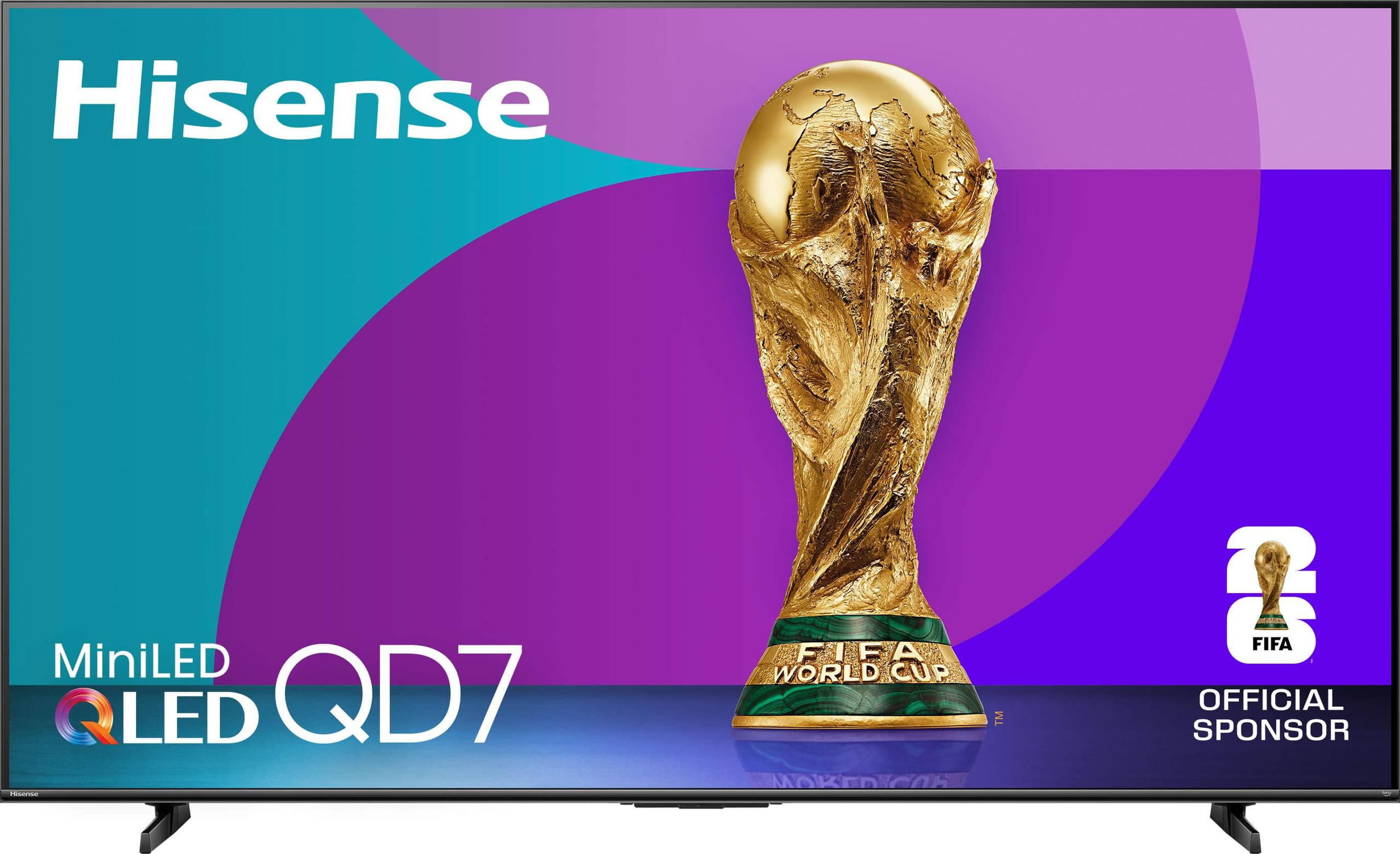
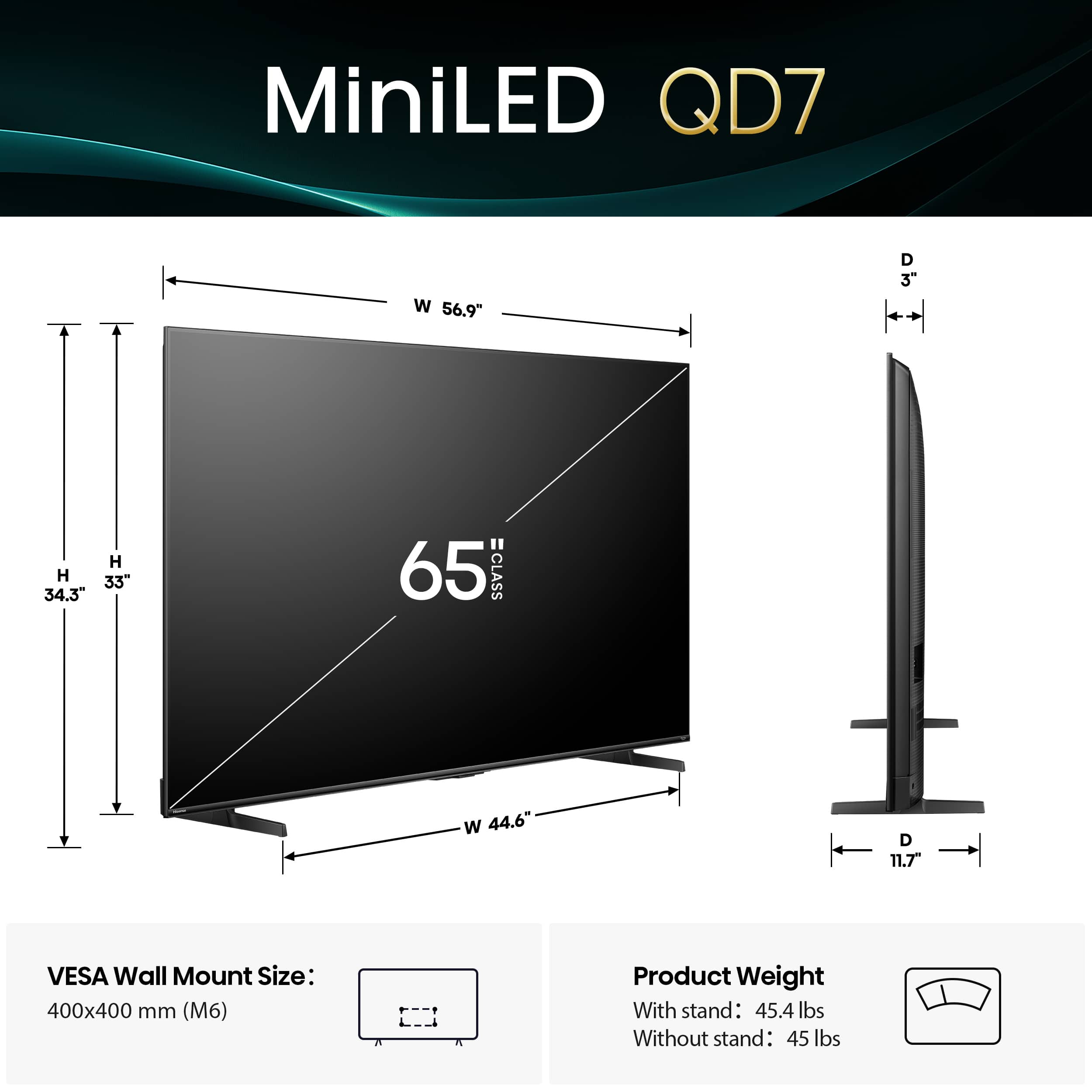
When you're shopping for a premium 65-inch TV in 2025, you'll quickly discover that the landscape has changed dramatically from just a few years ago. Two standout options that keep appearing in recommendations are the Samsung 65" Q7F QLED 4K Vision AI Smart TV and the Hisense 65" QD7 Series Mini-LED 4K Fire TV. Both represent significant technological leaps from their predecessors, but they take surprisingly different approaches to delivering that cinematic experience we all crave.
The 65-inch size has become the new standard for living rooms, offering that immersive experience without completely dominating your space. What's fascinating about 2025's premium TV market is how manufacturers are pushing different technologies to solve the same fundamental challenge: how do you create the perfect balance of brightness, contrast, and color accuracy that makes movies pop and games feel responsive?
The key considerations haven't changed much—picture quality remains king, followed closely by smart features and gaming capabilities. What has changed is how manufacturers achieve these goals. Some stick with proven technologies and refine them (like Samsung), while others embrace newer approaches that promise better performance at lower costs (like Hisense).
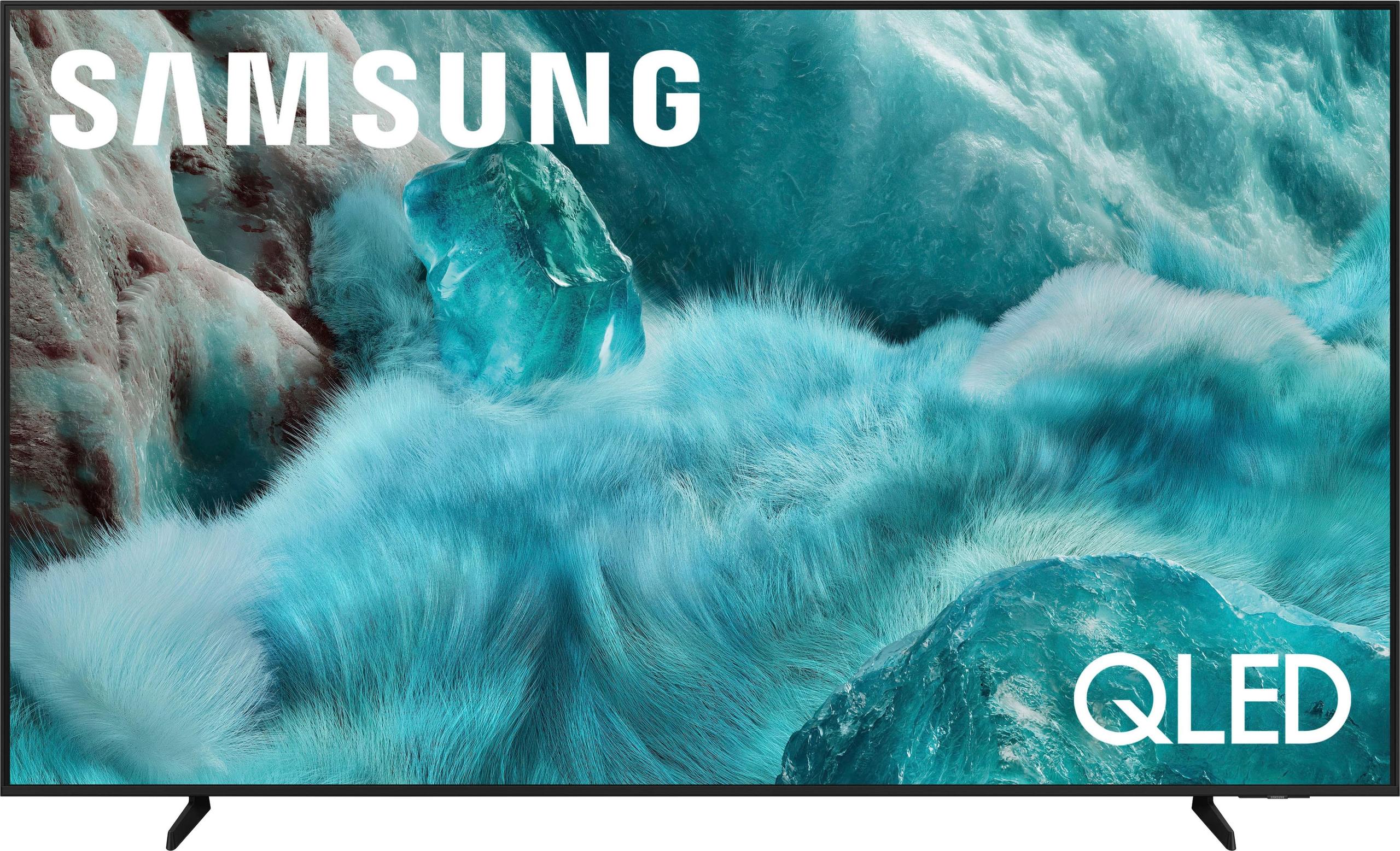
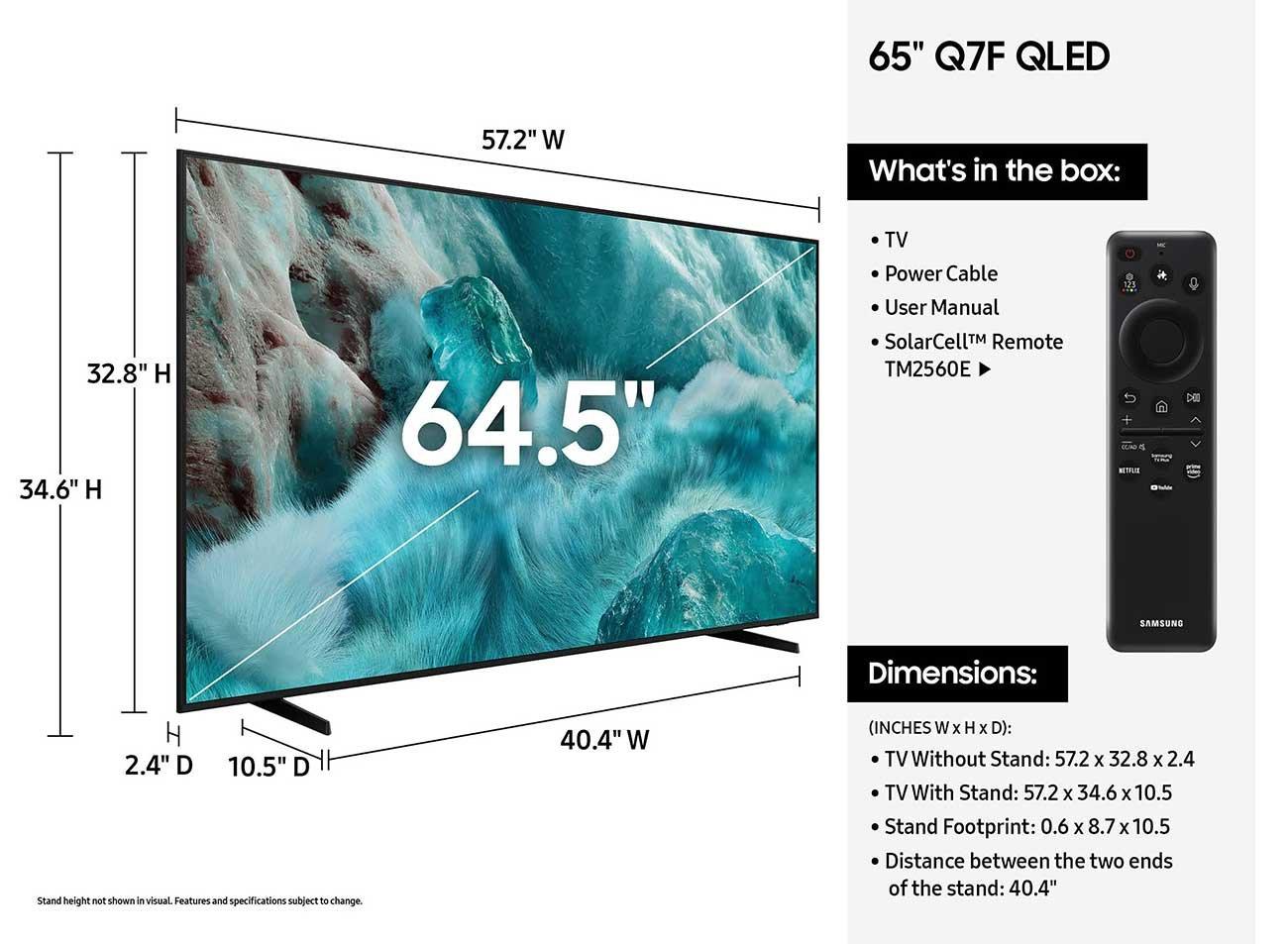
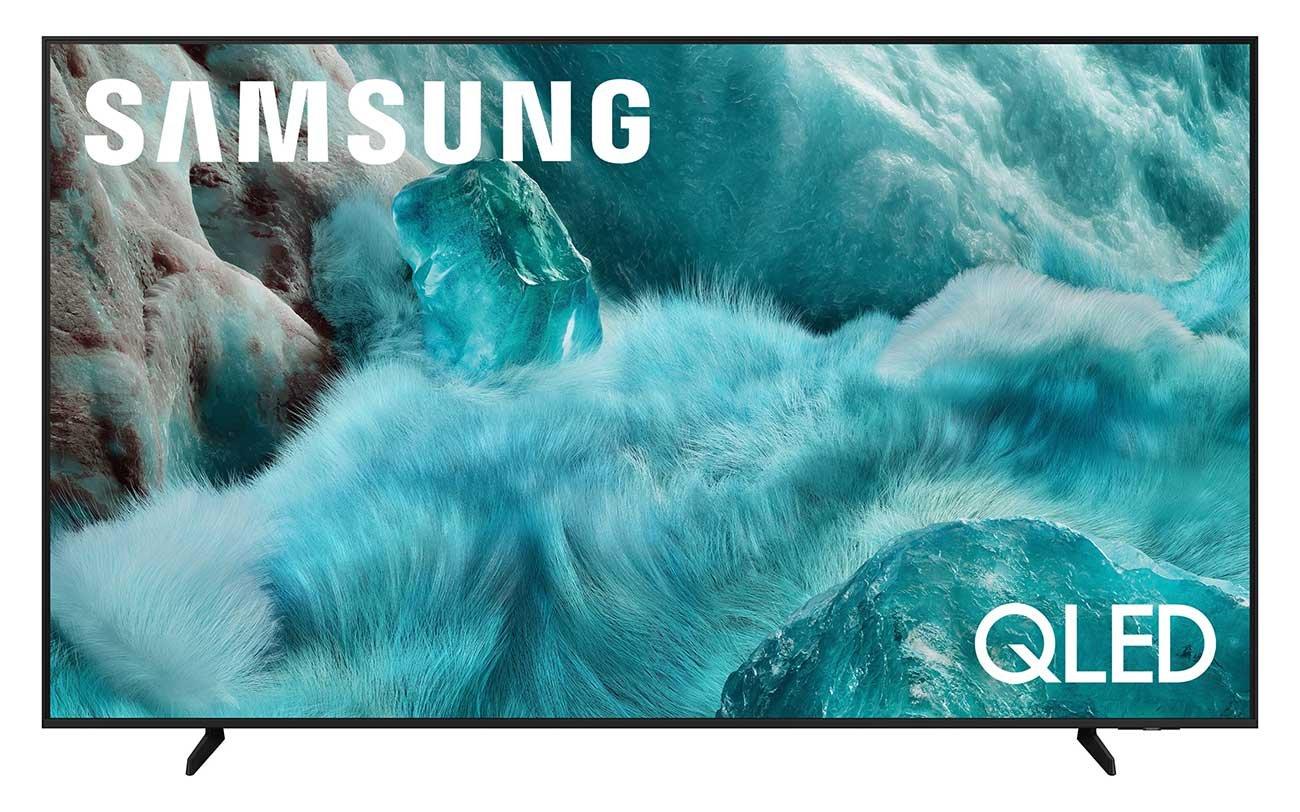
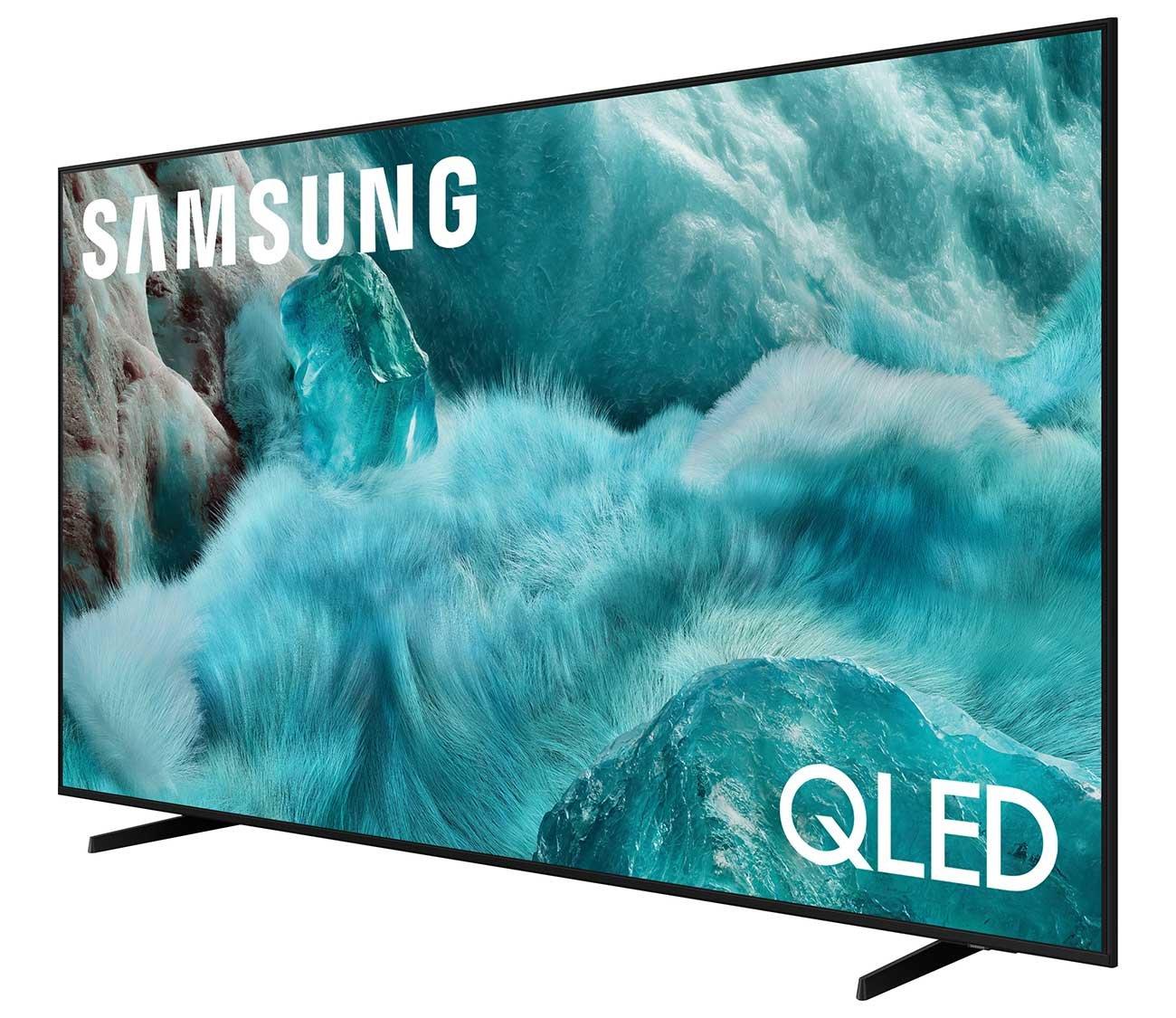
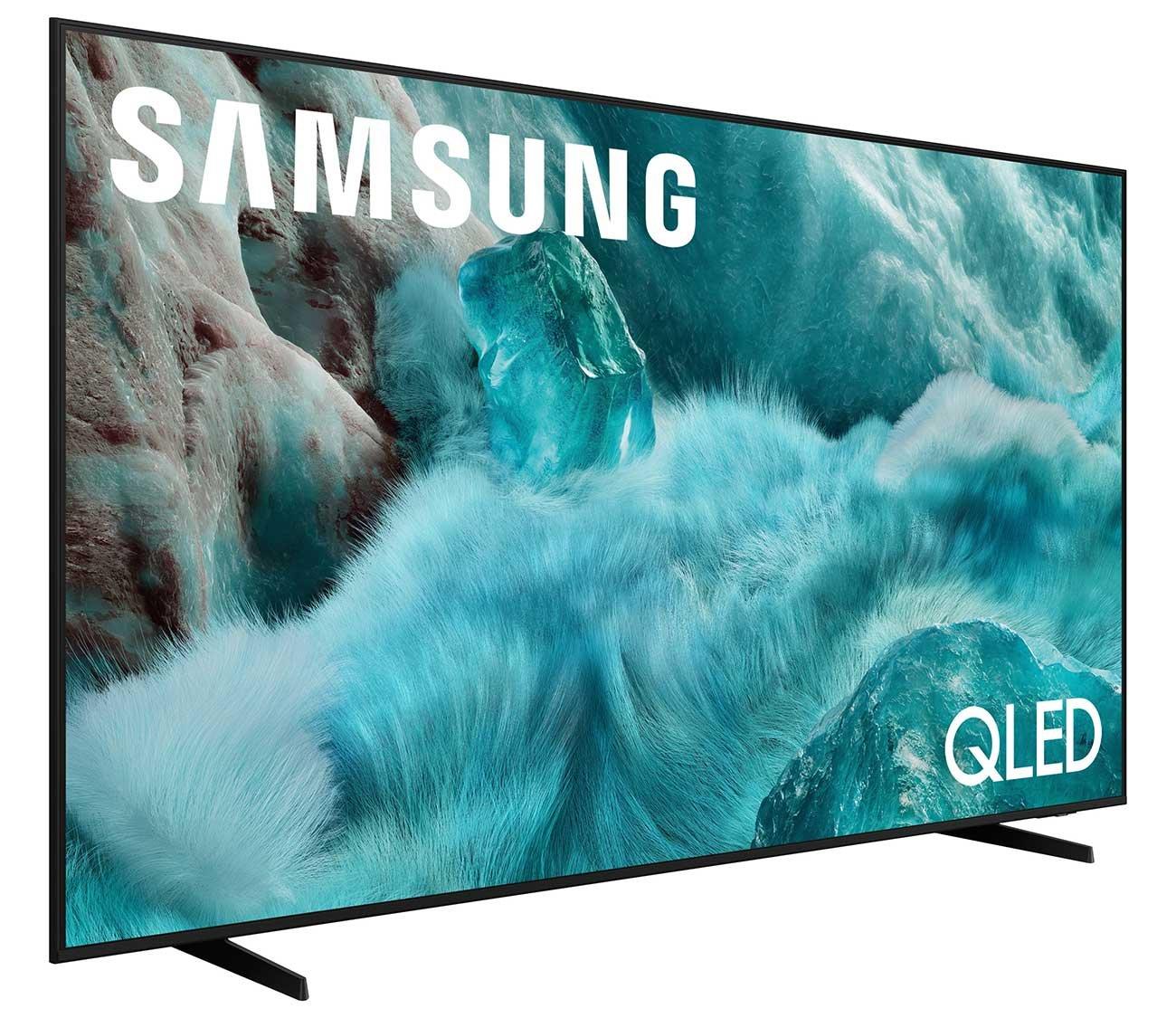
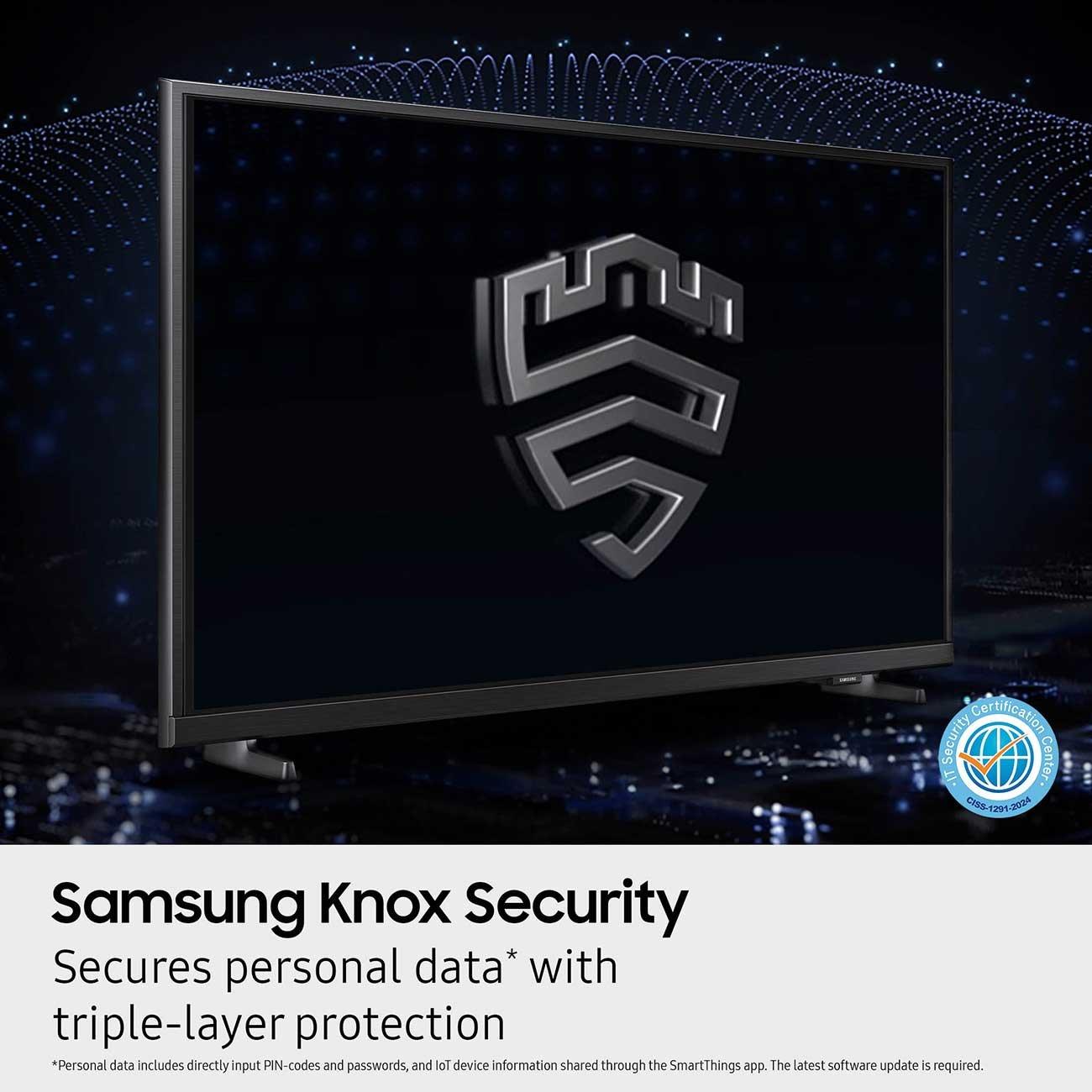
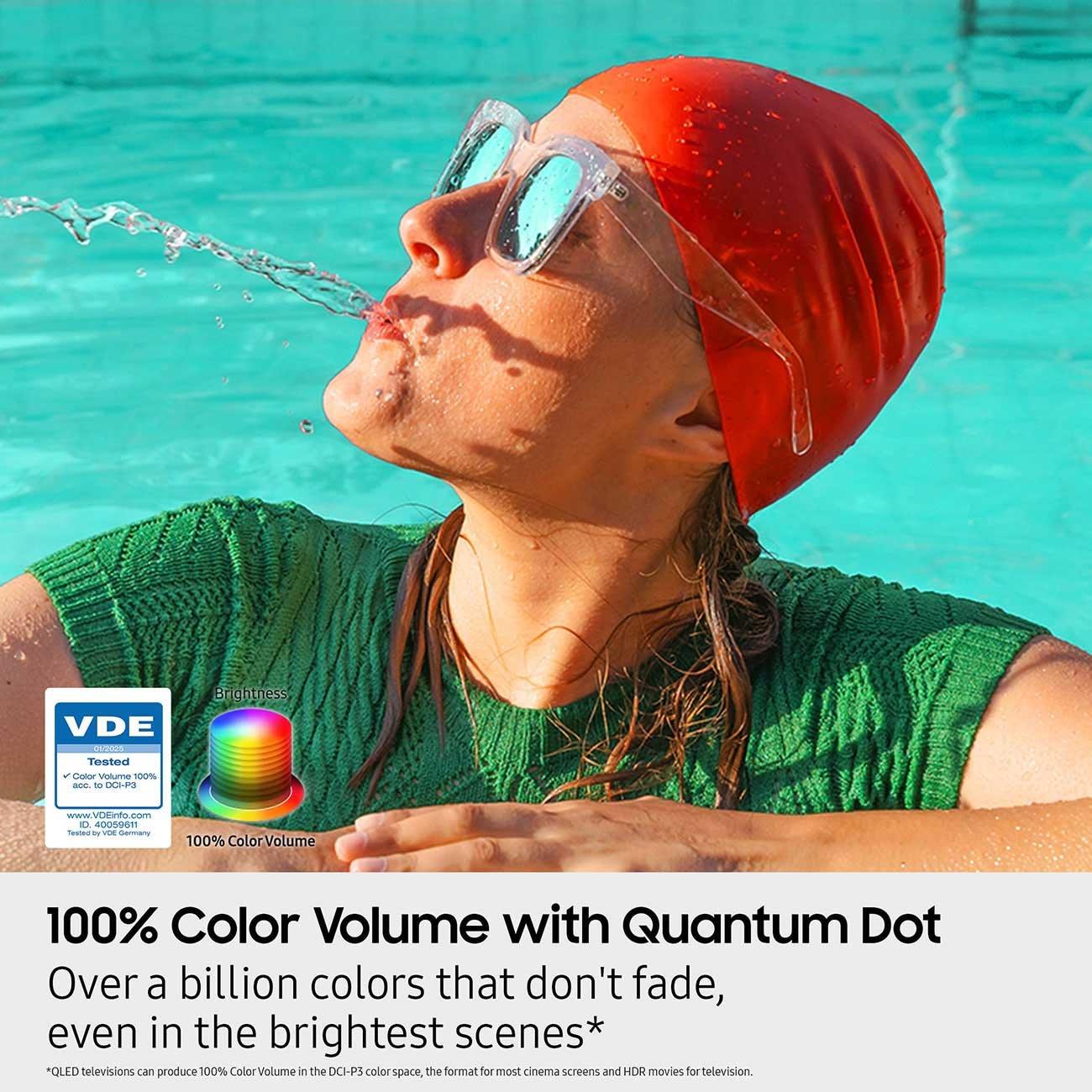
The Samsung Q7F represents Samsung's continued refinement of QLED technology, which has been their flagship approach since around 2017. QLED stands for Quantum Dot Light-Emitting Diode, and it's essentially a way of using microscopic particles called quantum dots to create more precise colors. Think of quantum dots as tiny color filters that can produce incredibly pure reds, greens, and blues when light hits them.
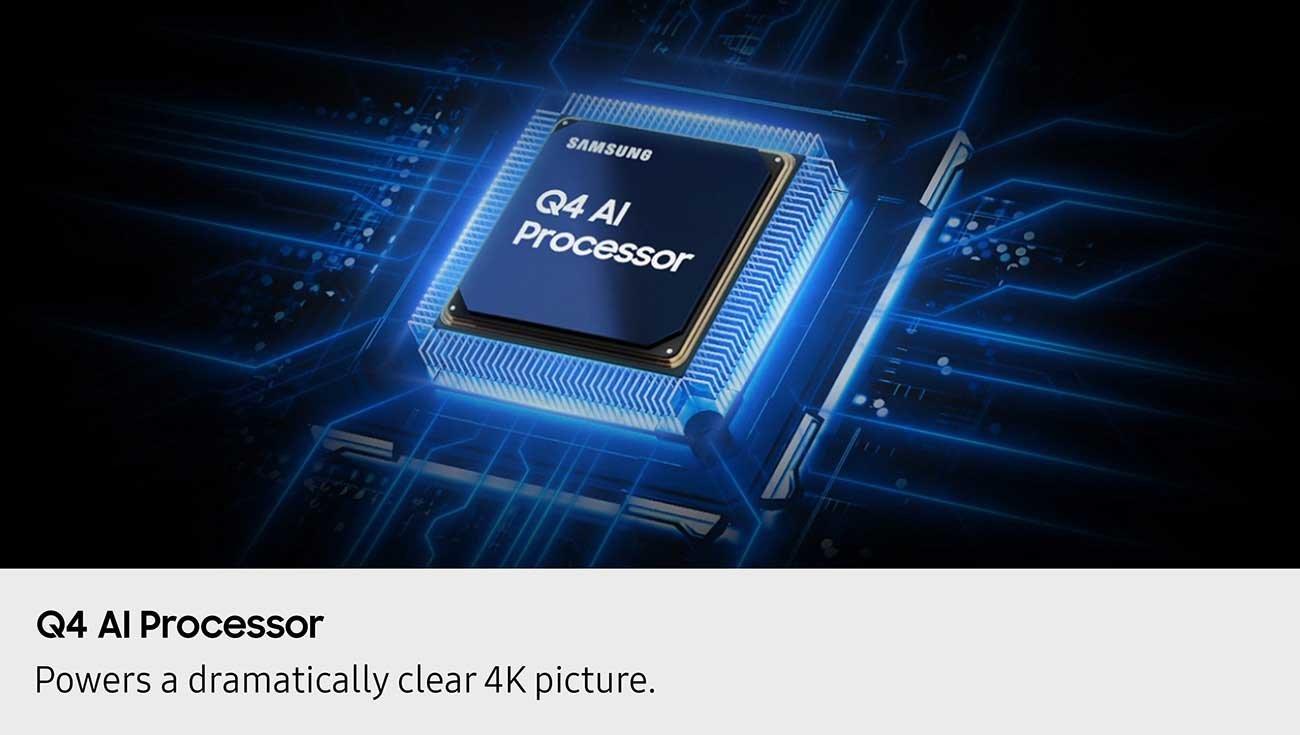
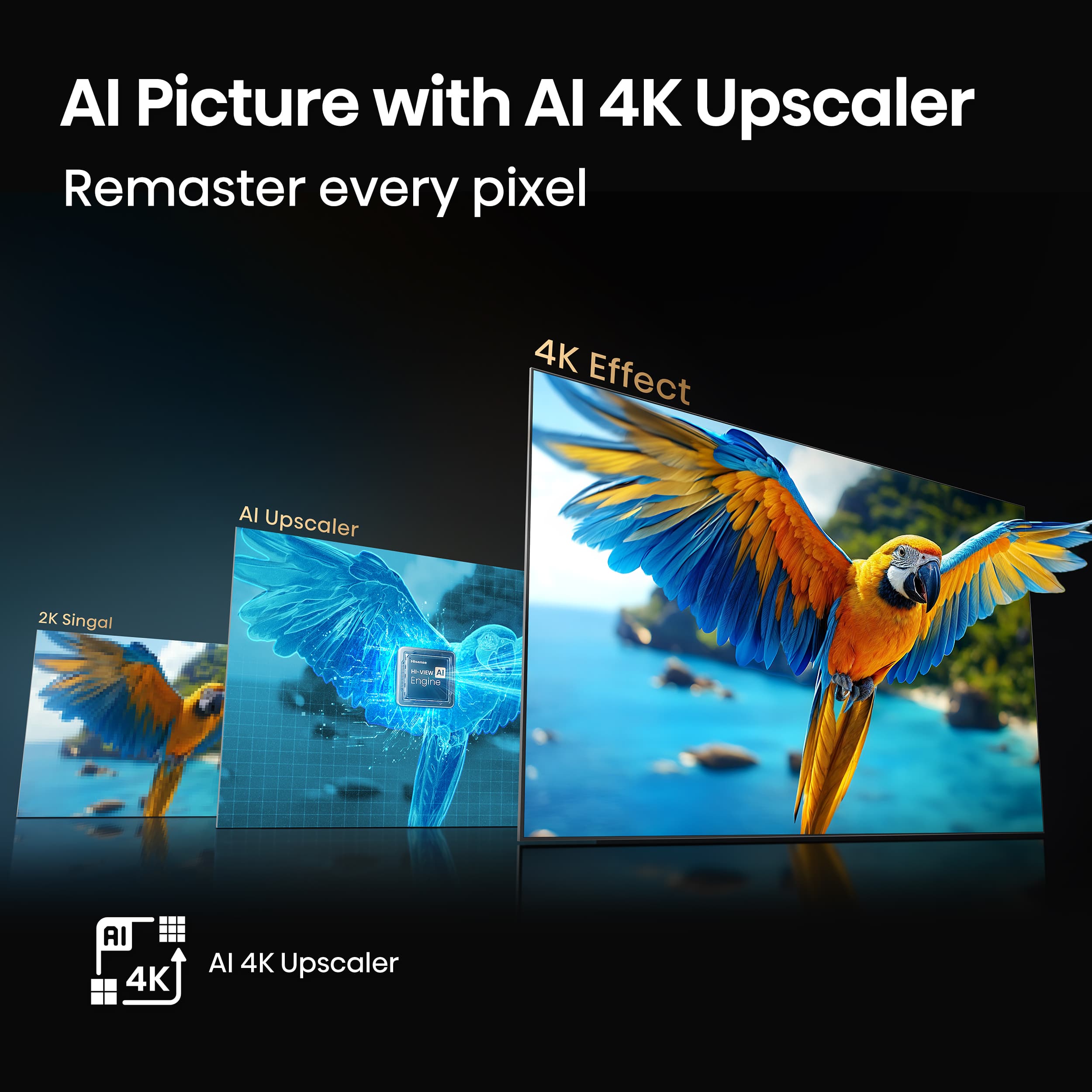
Samsung's 2025 Q7F uses what they call their Q4 AI Processor, which is their fourth-generation chip designed to upscale content and optimize picture settings automatically. The "Vision AI" branding refers to how this processor can analyze what you're watching—whether it's a dark horror movie or a bright sports game—and adjust the picture accordingly. It's paired with direct LED backlighting, which means the LEDs are positioned directly behind the screen rather than around the edges.
The interesting thing about Samsung's approach is their focus on consistency. They've been perfecting this QLED formula for nearly eight years now, and the Q7F benefits from all that accumulated knowledge. The Pantone color certification they tout isn't just marketing—it means the TV can reproduce colors that match professional color standards, which is particularly important for content creators or anyone who values color accuracy.
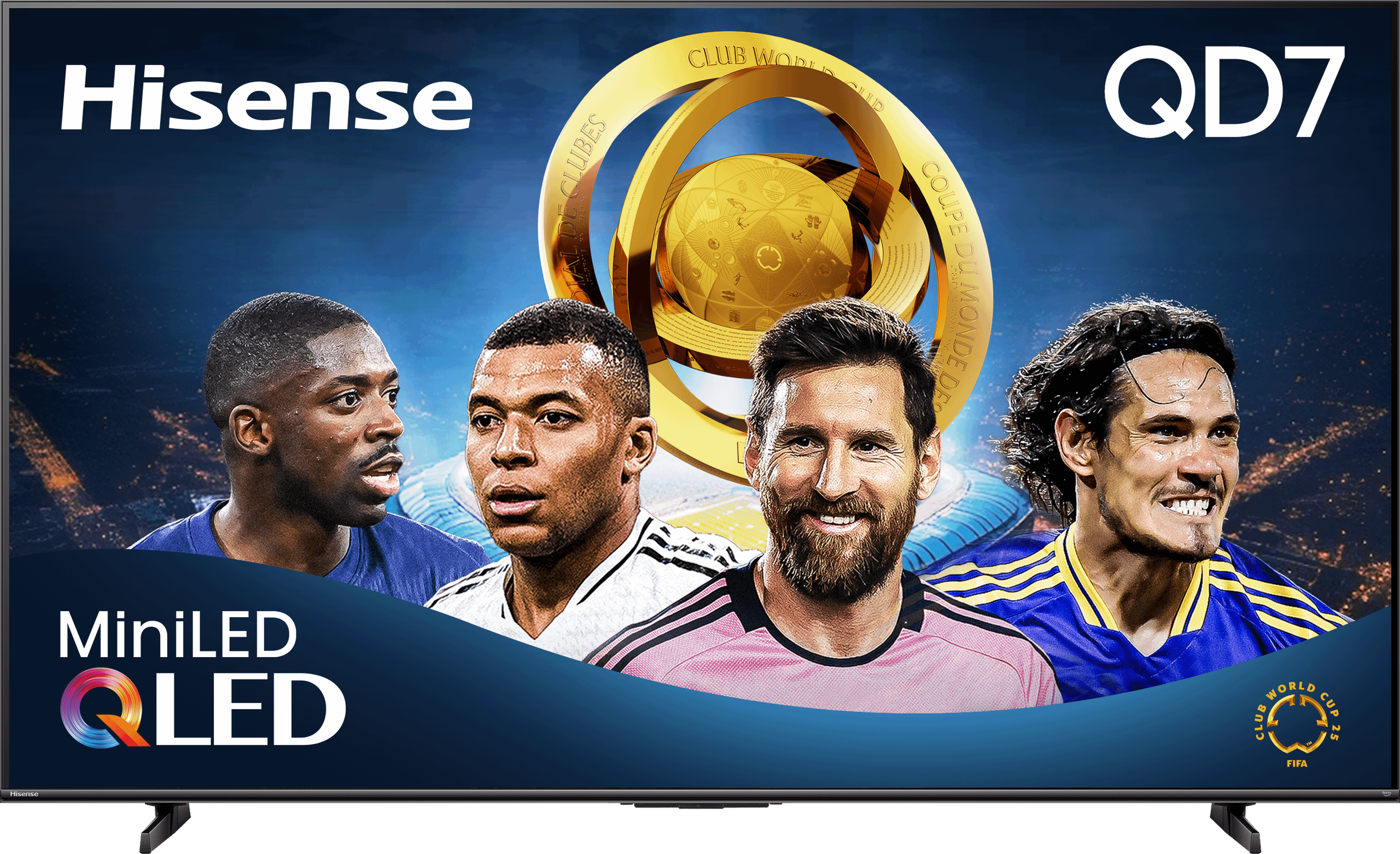
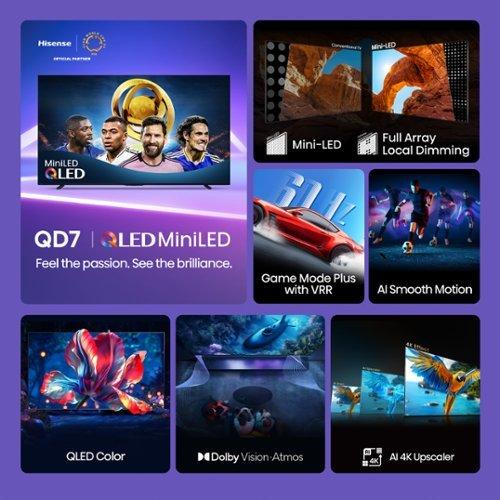
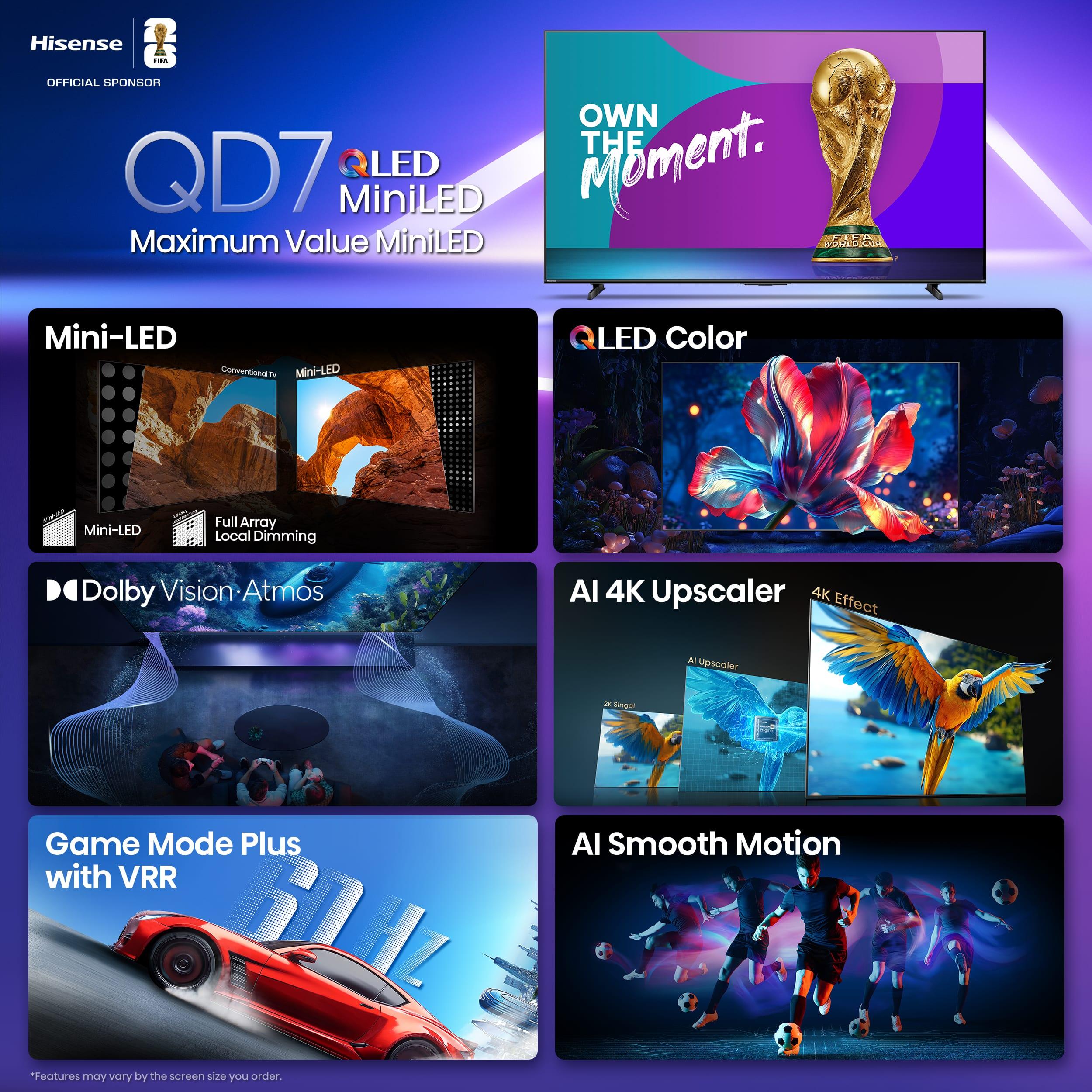
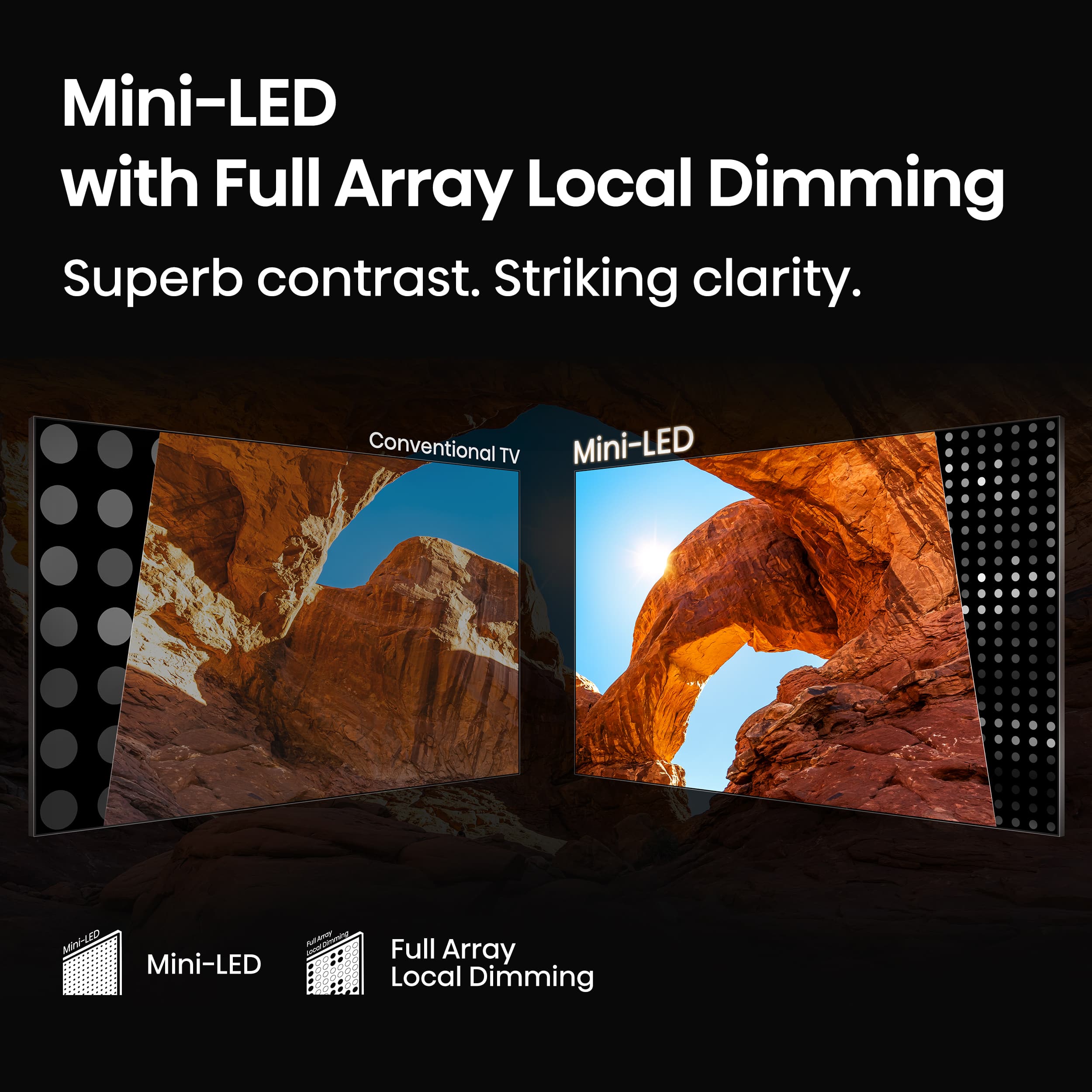
The Hisense QD7, released in early 2025, represents a newer approach that's gained significant traction over the past two years. Mini-LED technology uses thousands of tiny LEDs (much smaller than traditional LEDs) distributed across the entire back of the screen. Each group of these mini LEDs can be controlled independently through what's called Full Array Local Dimming (FALD).
Here's why this matters: imagine you're watching a scene with bright stars in a dark sky. Traditional TVs struggle with this because they can't make one part of the screen very bright while keeping adjacent areas very dark. Mini-LED solves this by having hundreds or even thousands of dimming zones that can turn on and off independently. The result is much better contrast—deeper blacks next to brighter whites.
What makes the Hisense QD7 particularly interesting is that it combines this Mini-LED backlighting with quantum dot technology, essentially giving you the color benefits of QLED with the contrast advantages of Mini-LED. This hybrid approach was virtually impossible to achieve at mainstream prices just two years ago.
Contrast ratio—the difference between the brightest white and darkest black a TV can display—is arguably the most important factor in picture quality. It's what makes explosions feel dramatic and night scenes look realistic rather than washed out.
Based on our research into professional reviews and user feedback, the Hisense QD7 has a significant advantage here. The Mini-LED backlighting allows it to achieve much deeper blacks than the Samsung Q7F, which relies on traditional direct LED backlighting. While Samsung's implementation is solid, it can't compete with the zone-by-zone control that Mini-LED provides.
In practical terms, this means the Hisense will make your Netflix movies look more cinematic, especially in darker scenes. However, it's not perfect—some users report occasional "haloing" effects, where bright objects can create subtle light blooms around their edges. This is a common trade-off with aggressive local dimming, though most viewers find it far less distracting than the gray, washed-out blacks of older TVs.
Peak brightness has become increasingly important as more content gets produced in High Dynamic Range (HDR). HDR content is mastered to display brightness levels that far exceed what older TVs could handle, creating more realistic lighting effects. The sun actually looks bright, explosions have impact, and specular highlights (like reflections on water) truly sparkle.
The Hisense QD7 can reach over 1,000 nits of peak brightness, while the Samsung Q7F tops out around 500 nits. This isn't just a numbers game—that extra brightness makes HDR content significantly more impactful. If you've ever been disappointed by HDR looking "not that different" from regular content, insufficient brightness is often the culprit.
This brightness advantage makes the Hisense particularly well-suited for bright living rooms or spaces with lots of windows. The Samsung, while perfectly adequate for most environments, may struggle to overcome bright ambient lighting during daytime viewing.
Both TVs use quantum dot technology, but they implement it differently. The Samsung Q7F benefits from Samsung's years of experience tuning quantum dot performance, and their Pantone certification means colors should be accurate right out of the box. Samsung has traditionally excelled at natural, pleasing color reproduction that doesn't look oversaturated or artificial.
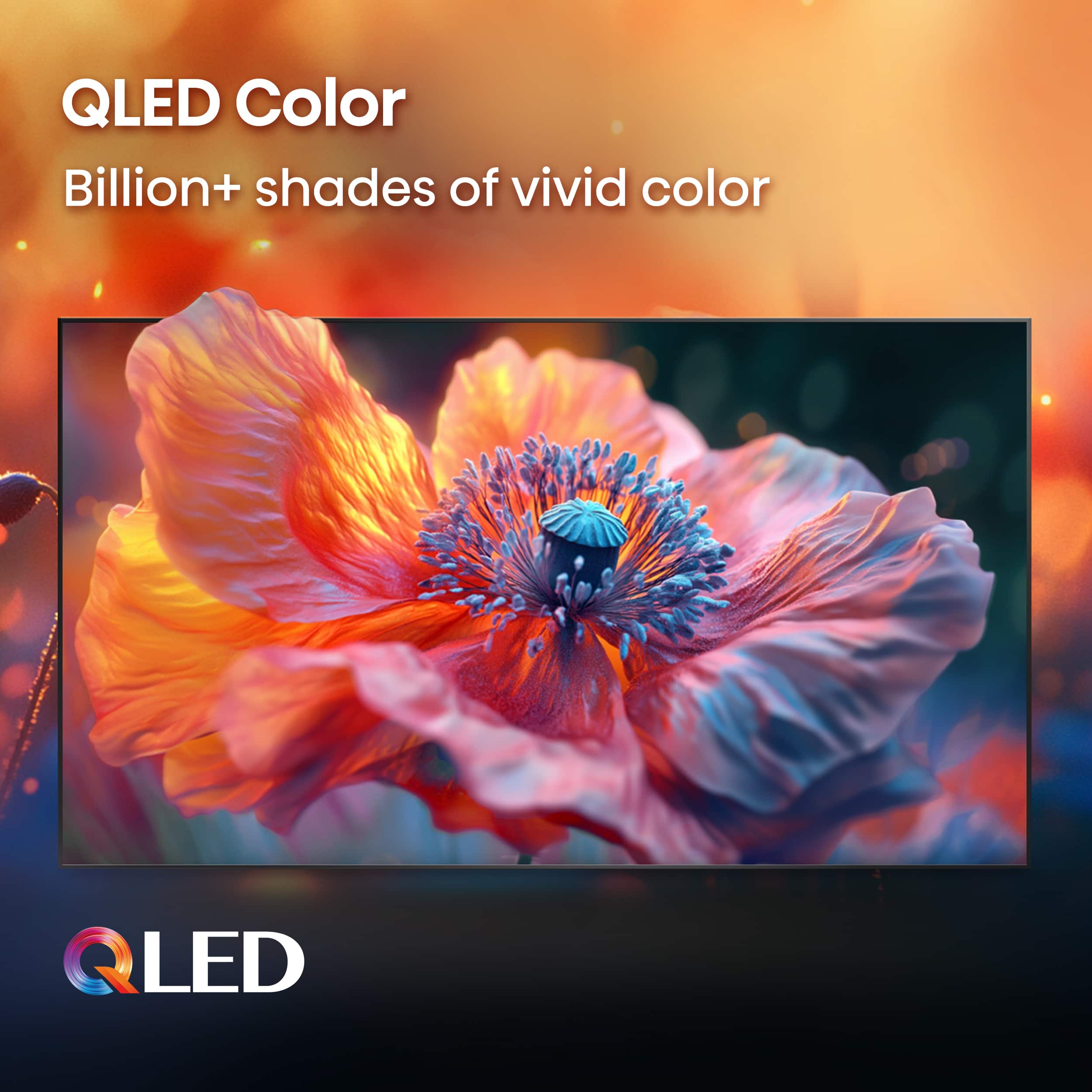
The Hisense QD7 takes a more aggressive approach, producing over one billion individual color shades with typically more saturated, vibrant colors. In side-by-side comparisons that users have shared online, many prefer the Hisense's more dynamic, "pop-off-the-screen" color reproduction, especially for HDR content where those extra colors can really shine.
Your preference will likely depend on your viewing habits. If you watch a lot of movies and want accurate colors that match the director's intent, the Samsung might appeal to you. If you want colors that grab your attention and make content feel more vivid and exciting, the Hisense could be your pick.
HDR support has become a maze of competing formats, and the two TVs take different approaches. The Samsung Q7F supports HDR10+, which uses dynamic metadata to optimize brightness and color on a scene-by-scene basis. The Hisense QD7 supports this plus Dolby Vision, HDR10, and HLG, covering virtually every HDR format you'll encounter.
Dolby Vision, in particular, has become increasingly important as Netflix, Disney+, and Apple TV+ use it extensively. It's considered superior to HDR10+ by many because it can be mastered with up to 12-bit color depth and 10,000 nits of brightness, even though no current TV can display those extremes. The Hisense's broader format support means you'll get the best possible HDR experience regardless of what you're watching.
Gaming has become a major consideration for TV buyers, especially with the PlayStation 5 and Xbox Series X pushing higher frame rates and more demanding graphics. The gaming performance gap between these two TVs is substantial.
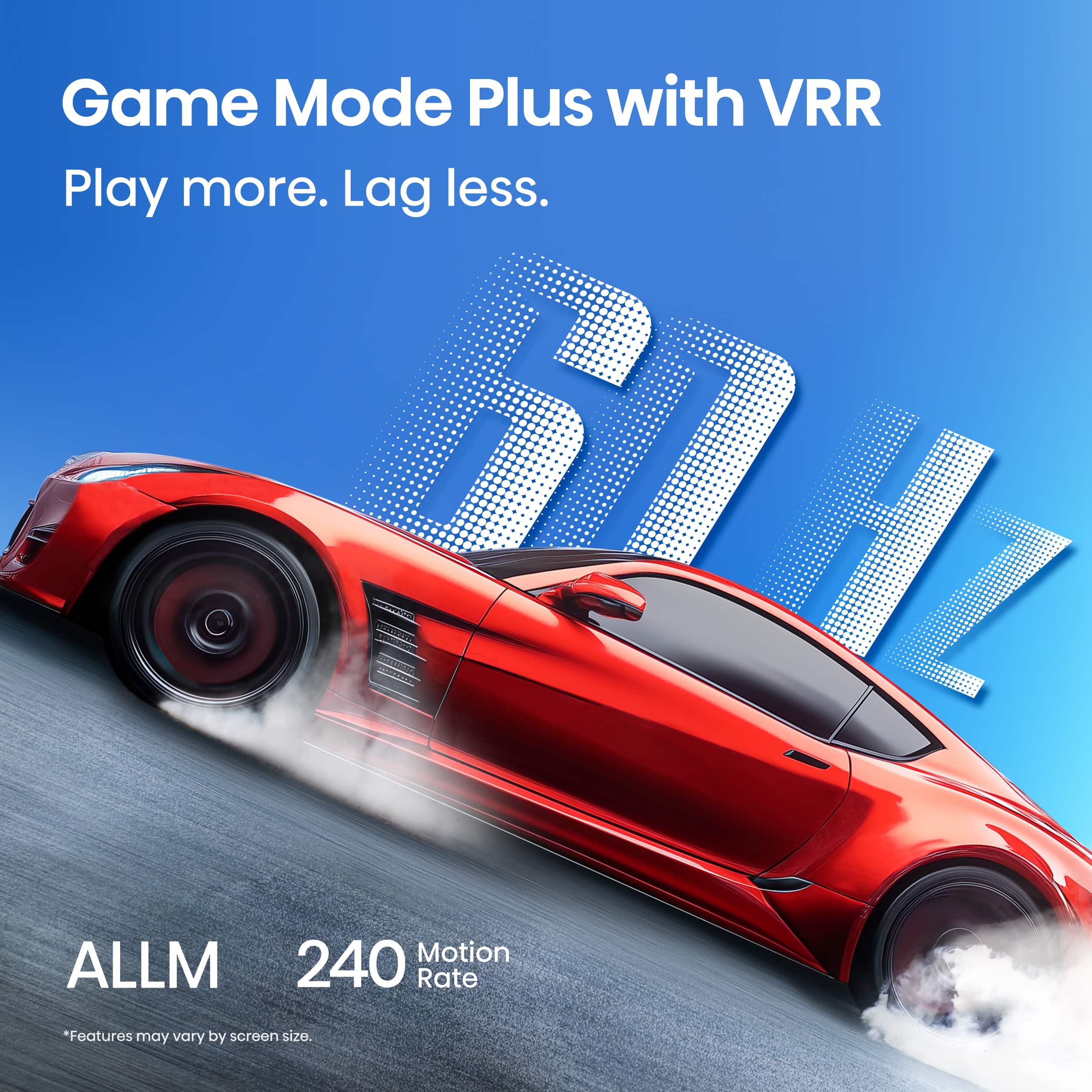
The Hisense QD7 offers a native 144Hz refresh rate, which means it can display up to 144 frames per second smoothly. This is paired with Variable Refresh Rate (VRR) support, which synchronizes the TV's refresh rate with your gaming console or PC's output frame rate, eliminating the stuttering and screen tearing that can make games feel choppy.
Auto Low Latency Mode (ALLM) automatically detects when you're gaming and switches to the TV's lowest latency setting, reducing input lag—the delay between pressing a button and seeing the action on screen. The Hisense also includes AMD FreeSync Premium support, which is particularly beneficial for PC gamers.
The Samsung Q7F includes gaming features like ALLM and Motion Xcelerator technology, but with a 60Hz refresh rate, it's more suited to casual gaming rather than competitive play. If gaming is a priority, especially on PC or if you're playing fast-paced competitive titles, the Hisense is the clear winner.
The smart TV platform you choose affects your daily experience more than many people realize. The Samsung Q7F runs Tizen OS with Samsung's Vision AI integration. Tizen has matured significantly over the past few years and now offers excellent app support, fast performance, and integration with Samsung's broader ecosystem of devices. If you have Samsung phones, tablets, or other smart home devices, the integration can be quite seamless.
Samsung's Vision AI brings some interesting capabilities, like automatically adjusting picture settings based on content type and ambient lighting conditions. The TV also works as a SmartThings hub, potentially controlling other smart home devices.
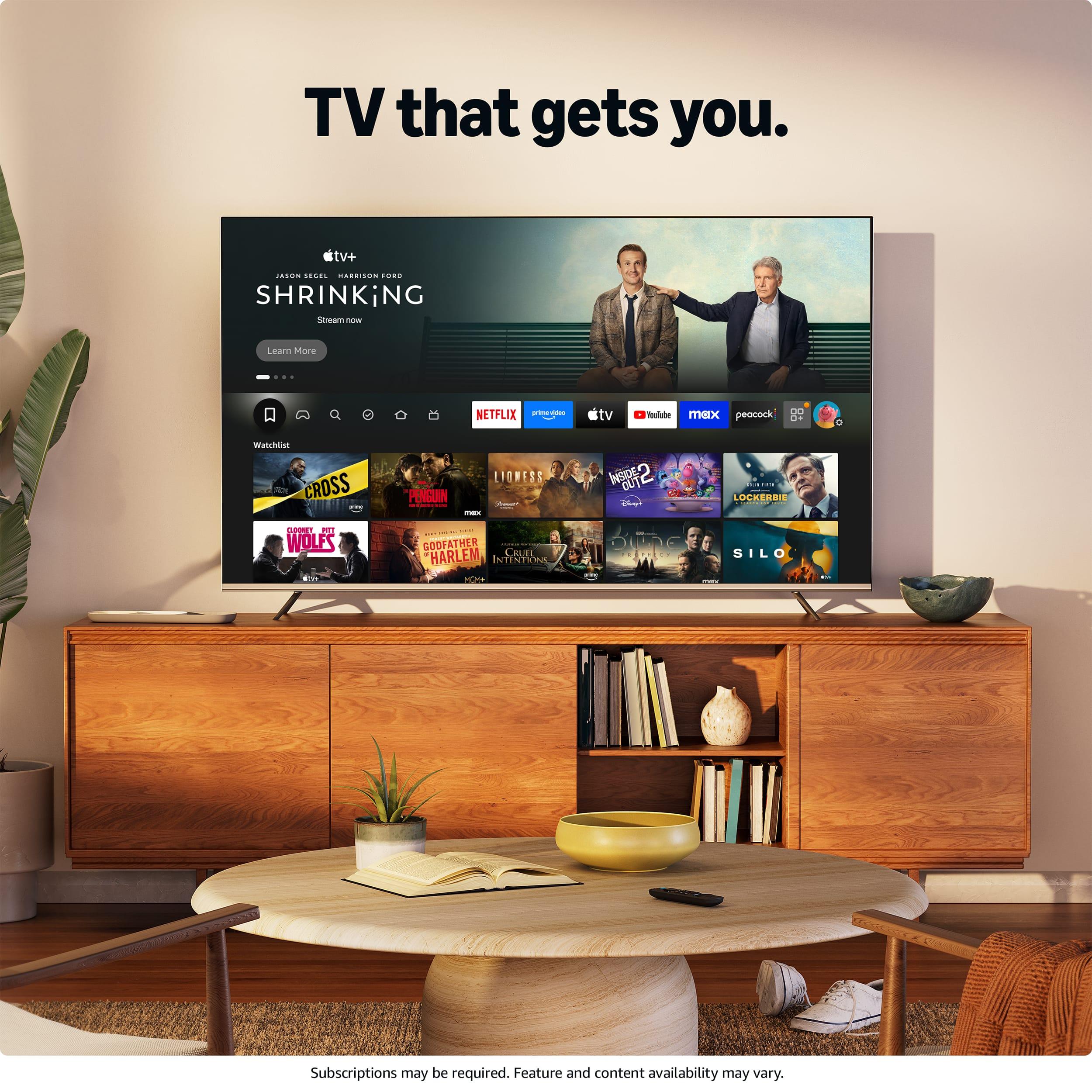
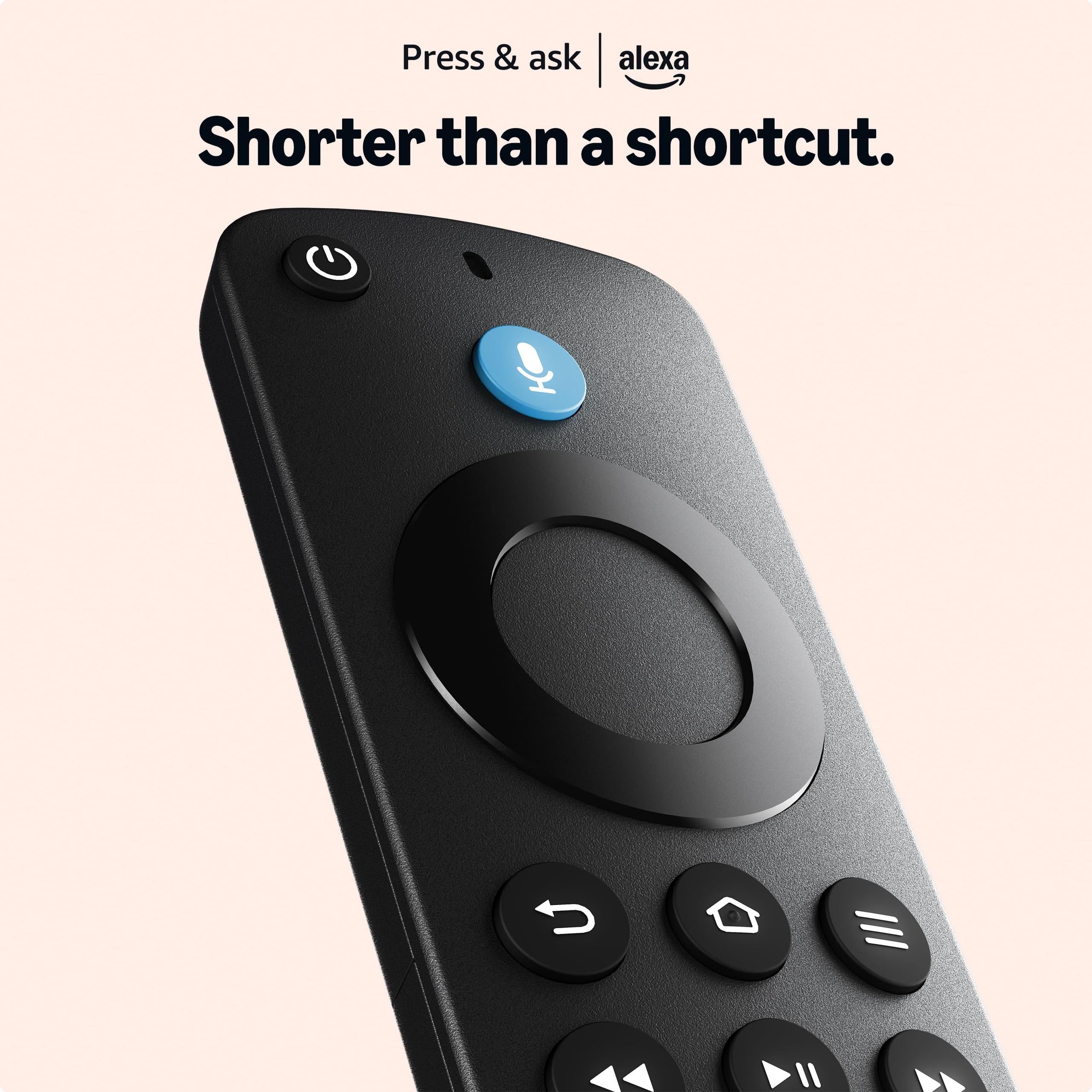
The Hisense QD7 uses Fire TV, Amazon's streaming platform. This offers deep integration with Amazon's ecosystem, including Alexa voice control built right into the remote. Fire TV has excellent content discovery features and fast navigation, though the interface can feel Amazon-centric if you don't use their services heavily.
Both platforms support the major streaming services, but your choice might come down to which ecosystem you're already invested in. Amazon users will appreciate Fire TV's seamless integration, while Samsung device owners might prefer Tizen's broader device compatibility.
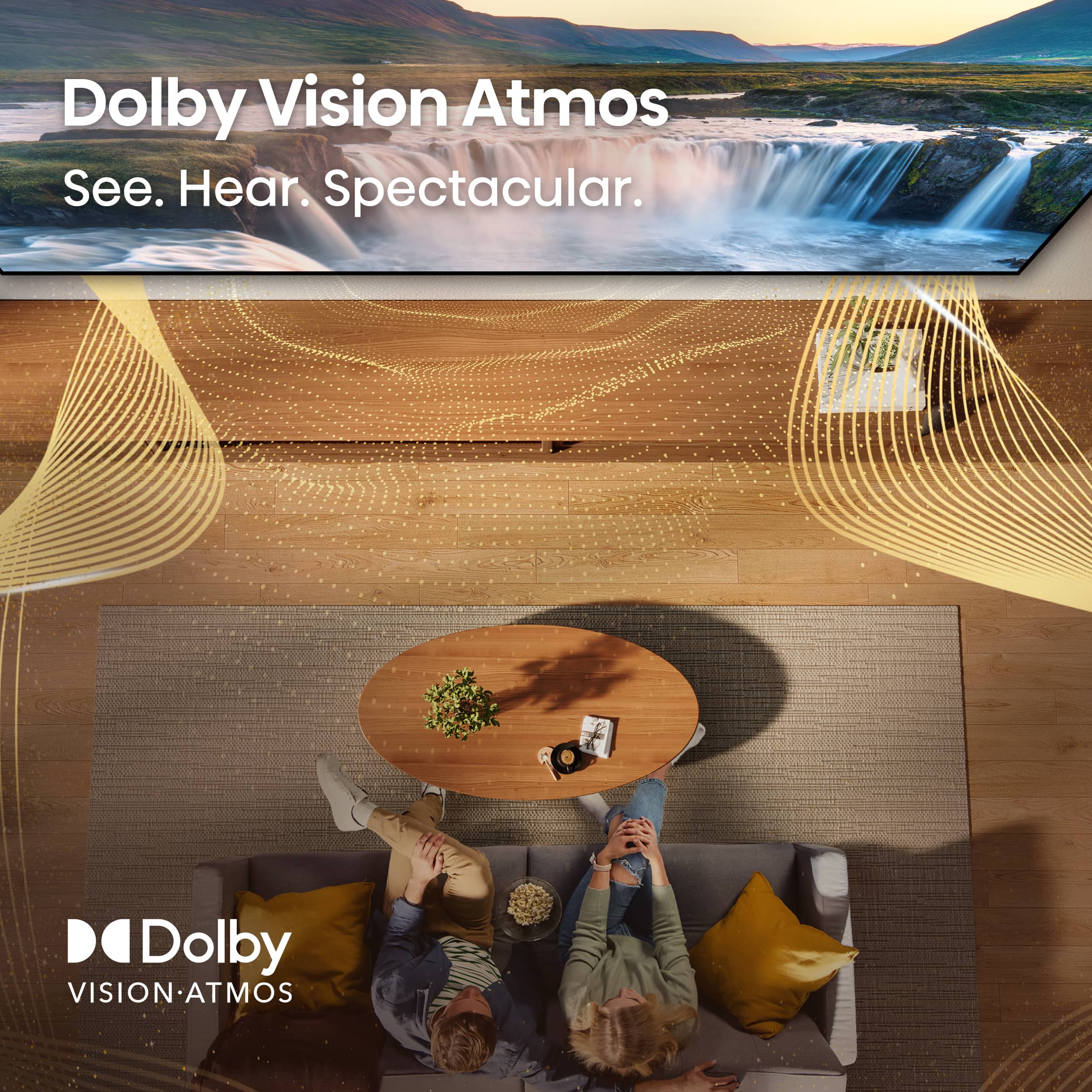
Neither TV will replace a dedicated sound system, but there are differences worth noting. The Hisense QD7 includes Dolby Atmos support, which can create a more immersive soundstage that appears to come from around and above you, even with the TV's built-in speakers. This is particularly noticeable with action movies or games with spatial audio.
The Samsung Q7F focuses on clear dialogue and balanced audio, which many users find perfectly adequate for casual viewing. However, if you're planning to use the TV's built-in audio as your primary sound system, the Hisense's Dolby Atmos support provides a more engaging experience.
That said, both TVs work excellently with external sound systems, and if you're serious about audio quality, a dedicated soundbar or home theater system will provide far better performance than any TV's built-in speakers.
At the time of writing, the Hisense QD7 typically costs significantly less than the Samsung Q7F, making the value equation quite compelling. The Hisense offers superior display technology (Mini-LED), better gaming features, broader HDR support, and higher peak brightness at a lower price point.
This represents a significant shift in the TV market over the past few years. Previously, premium display technologies were limited to high-end models from established brands. The Hisense QD7 demonstrates how newer manufacturers can leverage technological advances to offer premium features at mainstream prices.
The Samsung Q7F commands a premium for Samsung's brand reputation, refined software experience, and proven reliability. Samsung TVs typically receive software updates for longer periods, and their customer service network is more established. These factors matter if you plan to keep your TV for many years.
For dedicated home theater setups, picture quality in dark rooms becomes paramount. The Hisense QD7's superior contrast performance gives it a significant advantage here. The deeper blacks and better shadow detail create a more cinematic experience that's particularly noticeable when watching movies in dimmed lighting.
The broader HDR support also matters more in home theater contexts, where you're likely watching premium content that takes advantage of Dolby Vision's advanced capabilities. The higher peak brightness helps HDR highlights pop even in controlled lighting environments.
However, the Samsung Q7F shouldn't be dismissed entirely. Its more conservative color tuning can be preferable for viewers who want accuracy over impact, and Samsung's motion processing tends to handle film content smoothly without introducing artifacts.
The Hisense QD7 emerges as the better choice for most buyers. Its Mini-LED technology delivers superior picture quality, the 144Hz refresh rate future-proofs your gaming, and the broader HDR support ensures compatibility with all content. The lower price makes this an easy recommendation for anyone prioritizing performance value.
Choose the Hisense QD7 if you want the best picture quality, plan to game frequently, watch lots of streaming content with HDR, or simply want maximum bang for your buck. It's particularly appealing for bright rooms where its high peak brightness shines.
The Samsung Q7F makes sense for buyers who prioritize brand reliability, prefer Samsung's ecosystem integration, or want the most natural color reproduction possible. If you value long-term software support and established customer service over cutting-edge display technology, Samsung's reputation might justify the premium.
However, based on pure performance metrics and value proposition, the Hisense QD7 represents the smarter purchase for most people shopping in this category. It delivers premium display technology that was exclusive to much more expensive TVs just two years ago, wrapped in a package that excels at both movies and gaming.
The TV market moves fast, but the Hisense QD7 positions itself well for the future with technology that should remain competitive for years to come. It's a compelling example of how competition and technological advancement can benefit consumers, delivering high-end features at previously unthinkable prices.
| Samsung 65" Q7F QLED 4K Vision AI Smart TV 2025 | Hisense 65" QD7 Series Mini-LED 4K Fire TV 2025 |
|---|---|
| Display Technology - Determines contrast performance and black levels | |
| Traditional QLED with Direct LED backlighting | Mini-LED with Full Array Local Dimming + Quantum Dot |
| Peak Brightness - Critical for HDR impact and bright room viewing | |
| 500 nits (adequate for most rooms) | 1,000+ nits (excellent for bright spaces and HDR) |
| Refresh Rate - Essential for smooth gaming and sports | |
| 60Hz (fine for casual gaming) | 144Hz native (excellent for competitive gaming) |
| HDR Format Support - Affects streaming content quality | |
| HDR10+ (good Netflix/Amazon compatibility) | Dolby Vision, HDR10+, HDR10, HLG (universal compatibility) |
| Smart TV Platform - Daily user experience and app ecosystem | |
| Tizen OS with Vision AI (Samsung ecosystem integration) | Fire TV with Alexa built-in (Amazon ecosystem focus) |
| Gaming Features - Important for console and PC gaming | |
| ALLM, Motion Xcelerator (basic gaming support) | 144Hz, VRR, ALLM, AMD FreeSync Premium (premium gaming) |
| Audio Technology - Built-in sound quality | |
| Standard stereo processing (clear dialogue focus) | Dolby Atmos support (immersive 3D soundstage) |
| Contrast Performance - Most noticeable picture quality difference | |
| Good blacks for direct LED (some light bleed possible) | Excellent blacks with Mini-LED zones (minimal haloing) |
| Color Gamut - Affects vibrancy and accuracy | |
| Pantone certified accuracy (natural, film-like colors) | Quantum Dot wide gamut (vibrant, pop-off-screen colors) |
| Voice Assistant Support - Smart home and search convenience | |
| Alexa, Bixby, Google Assistant (multiple options) | Amazon Alexa built-in (seamless Amazon integration) |
| HDMI Ports - Connection flexibility for devices | |
| 3 HDMI inputs (may limit device connections) | 4 HDMI inputs (better for multiple gaming consoles) |
| Brand Reputation - Long-term support and reliability | |
| Established premium brand (longer software support) | Emerging value leader (aggressive feature pricing) |
The Hisense 65" QD7 Series Mini-LED 4K Fire TV 2025 delivers superior picture quality thanks to its Mini-LED technology with Full Array Local Dimming. This provides deeper blacks and better contrast compared to the Samsung 65" Q7F QLED 4K Vision AI Smart TV 2025, which uses traditional direct LED backlighting. The Hisense QD7 also reaches over 1,000 nits peak brightness versus 500 nits on the Samsung Q7F, making HDR content more impactful.
The Hisense QD7 is significantly better for gaming with its 144Hz native refresh rate, Variable Refresh Rate (VRR), and AMD FreeSync Premium support. These features eliminate screen tearing and provide smoother gameplay. The Samsung Q7F offers basic gaming features like ALLM but is limited to 60Hz refresh rate, making it more suitable for casual gaming rather than competitive play.
The Samsung Q7F uses traditional QLED technology, which combines quantum dots for color enhancement with direct LED backlighting. The Hisense QD7 uses Mini-LED technology that employs thousands of tiny LEDs with local dimming zones for precise brightness control, combined with quantum dot color. This gives the Hisense better contrast and black levels while maintaining vibrant colors.
The Samsung Q7F runs Tizen OS with Samsung Vision AI integration, offering broad app compatibility and Samsung ecosystem benefits. The Hisense QD7 uses Fire TV with built-in Alexa, providing excellent Amazon ecosystem integration and content discovery. Fire TV generally offers faster navigation, while Tizen provides more comprehensive smart home hub functionality.
The Hisense QD7 offers superior HDR support with Dolby Vision, HDR10+, HDR10, and HLG compatibility, covering virtually every HDR format available. The Samsung Q7F supports HDR10+ but lacks Dolby Vision, which is increasingly used by Netflix, Disney+, and Apple TV+. This makes the Hisense more future-proof for streaming content.
The Hisense QD7 is significantly brighter with over 1,000 nits peak brightness, making it excellent for bright rooms and daytime viewing. The Samsung Q7F reaches approximately 500 nits, which is adequate for most lighting conditions but may struggle in very bright rooms with lots of windows. For bright living spaces, the Hisense is the clear winner.
The Hisense QD7 includes Dolby Atmos support, creating a more immersive soundstage that appears to come from around and above you. The Samsung Q7F focuses on clear dialogue and balanced audio but lacks advanced spatial audio features. While both benefit from external sound systems, the Hisense provides better built-in audio for those not using a soundbar.
The Hisense QD7 typically offers superior value, delivering Mini-LED technology, 144Hz gaming capabilities, broader HDR support, and higher peak brightness at a lower price point than the Samsung Q7F. The Samsung commands a premium for brand reputation and ecosystem integration, but the Hisense provides more advanced display technology for less money.
For home theater use, the Hisense QD7 excels with its superior contrast performance and deeper blacks, creating a more cinematic experience in dark rooms. The broader HDR format support, including Dolby Vision, ensures compatibility with premium content. While the Samsung Q7F offers accurate colors, the Hisense's Mini-LED technology provides the dramatic contrast that makes movies truly pop in dedicated theater environments.
Both TVs use quantum dot technology but with different approaches. The Samsung Q7F emphasizes color accuracy with Pantone certification, producing natural, film-like colors that match professional standards. The Hisense QD7 delivers more vibrant, saturated colors that create a "pop-off-the-screen" effect, particularly noticeable with HDR content. Choose Samsung for accuracy or Hisense for visual impact.
The Hisense QD7 offers 4 HDMI inputs compared to 3 on the Samsung Q7F, providing better flexibility for connecting multiple gaming consoles, streaming devices, and other equipment. Both include USB ports and wireless connectivity, but the extra HDMI port on the Hisense makes it more practical for households with multiple devices.
The Samsung Q7F benefits from Samsung's established reputation for longer software update cycles and comprehensive customer service network. Samsung typically provides security updates and new features for several years after purchase. The Hisense QD7 represents excellent current value but may have shorter support cycles as a newer market entrant, though Hisense has been improving their long-term support in recent years.
We've done our best to create useful and informative comparisons to help you decide what product to buy. Our research uses advanced automated methods to create this comparison and perfection is not possible - please contact us for corrections or questions. These are the sites we've researched in the creation of this article: bestbuy.com - youtube.com - samsung.com - samsung.com - pcrichard.com - samsung.com - samsung.com - videoandaudiocenter.com - displayspecifications.com - bestbuy.com - samsung.com - samsung.com - samsung.com - samsung.com - news.samsung.com - bestbuy.com - custrevs.com - youtube.com - bestbuy.com - rtings.com - youtube.com - rtings.com - pcrichard.com - bestbuy.com - pcrichard.com - camelcamelcamel.com - amazonfiretv.blog - hisense-usa.com - hisense-usa.com - hisense-usa.com - bestbuy.com - leaseville.com - youtube.com - bestbuy.com - flatpanelshd.com

Privacy Policy
Terms and Conditions - Affiliate Policy
Home Security
© Copyright 2008-2026.
11816 Inwood Rd #1211, Dallas, TX 75244