

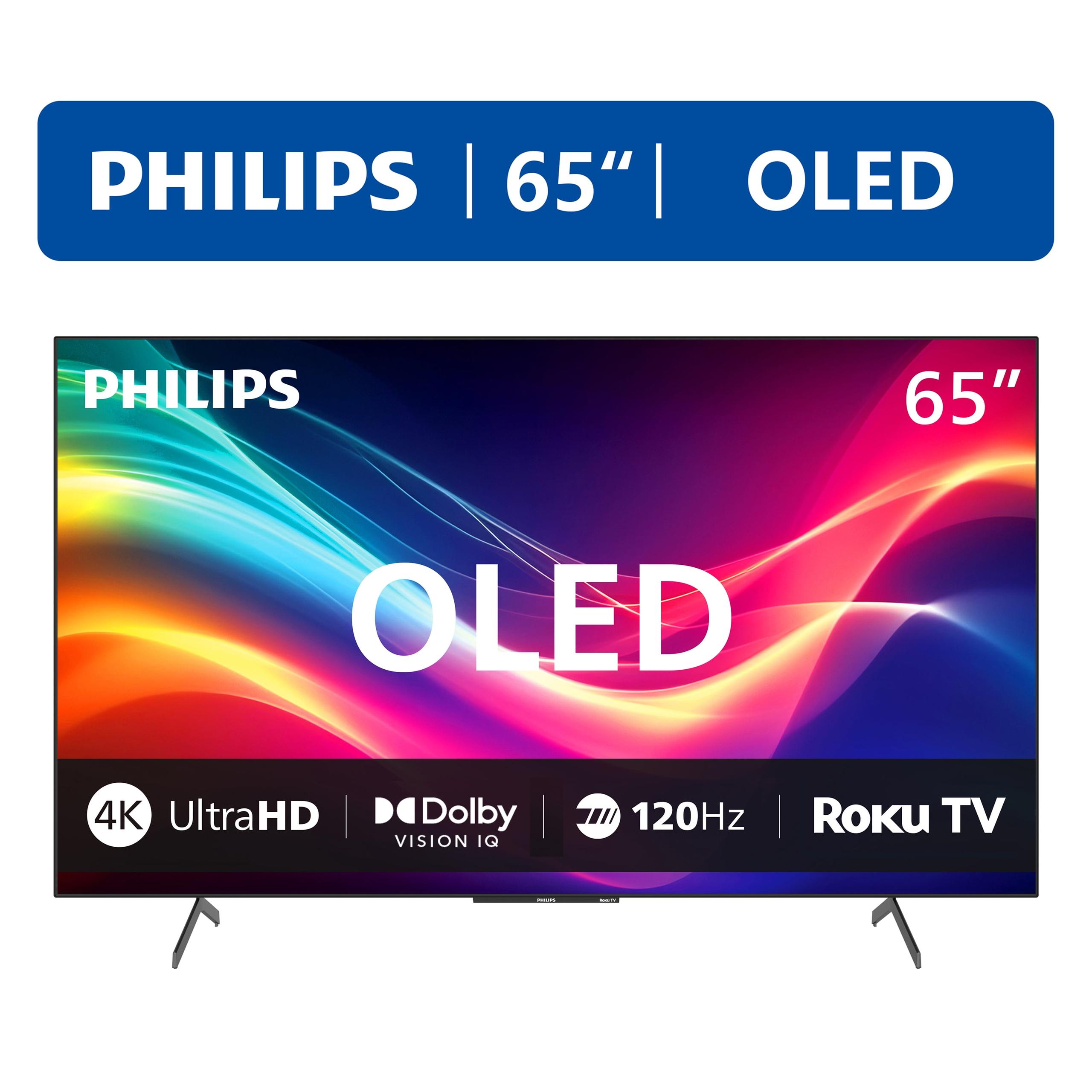
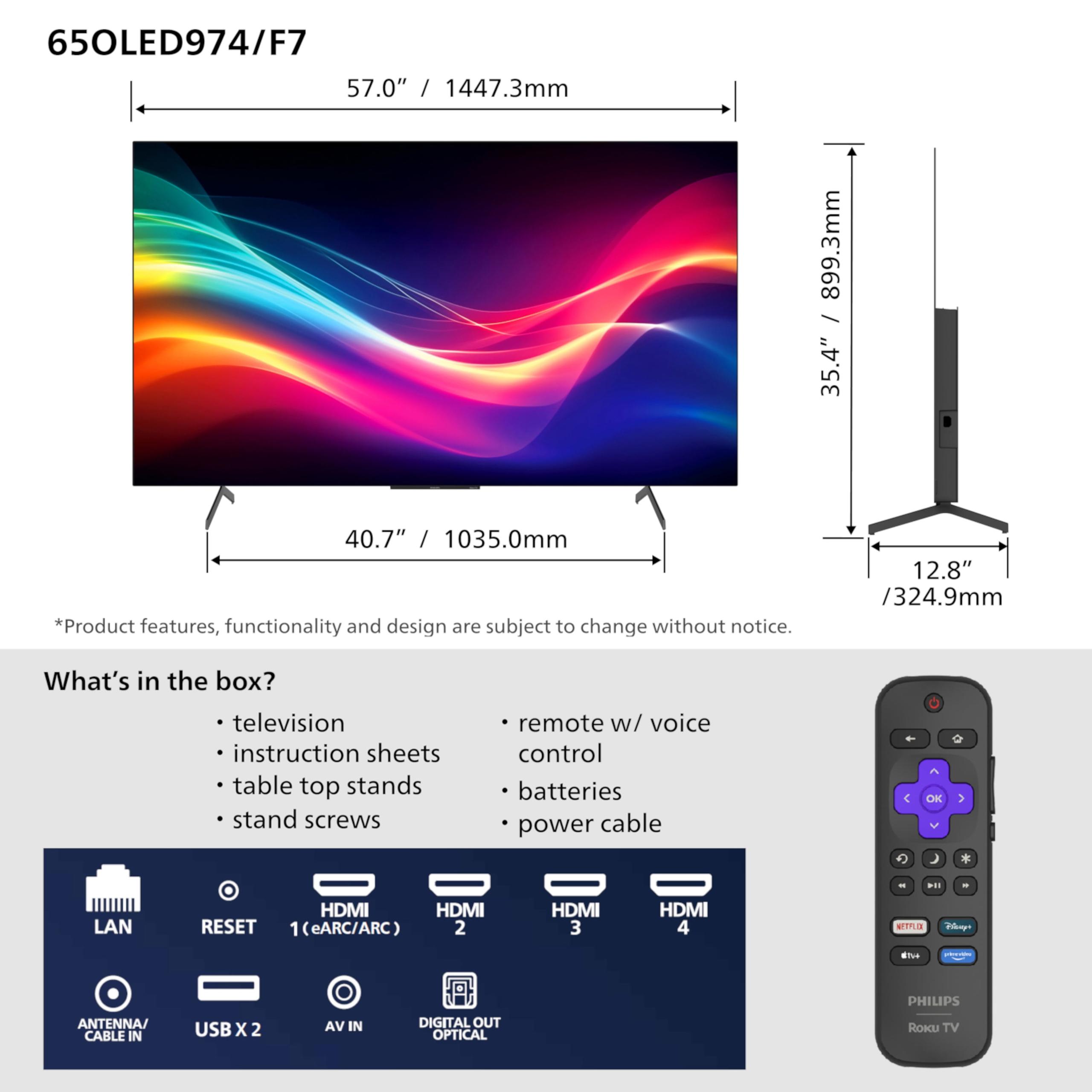
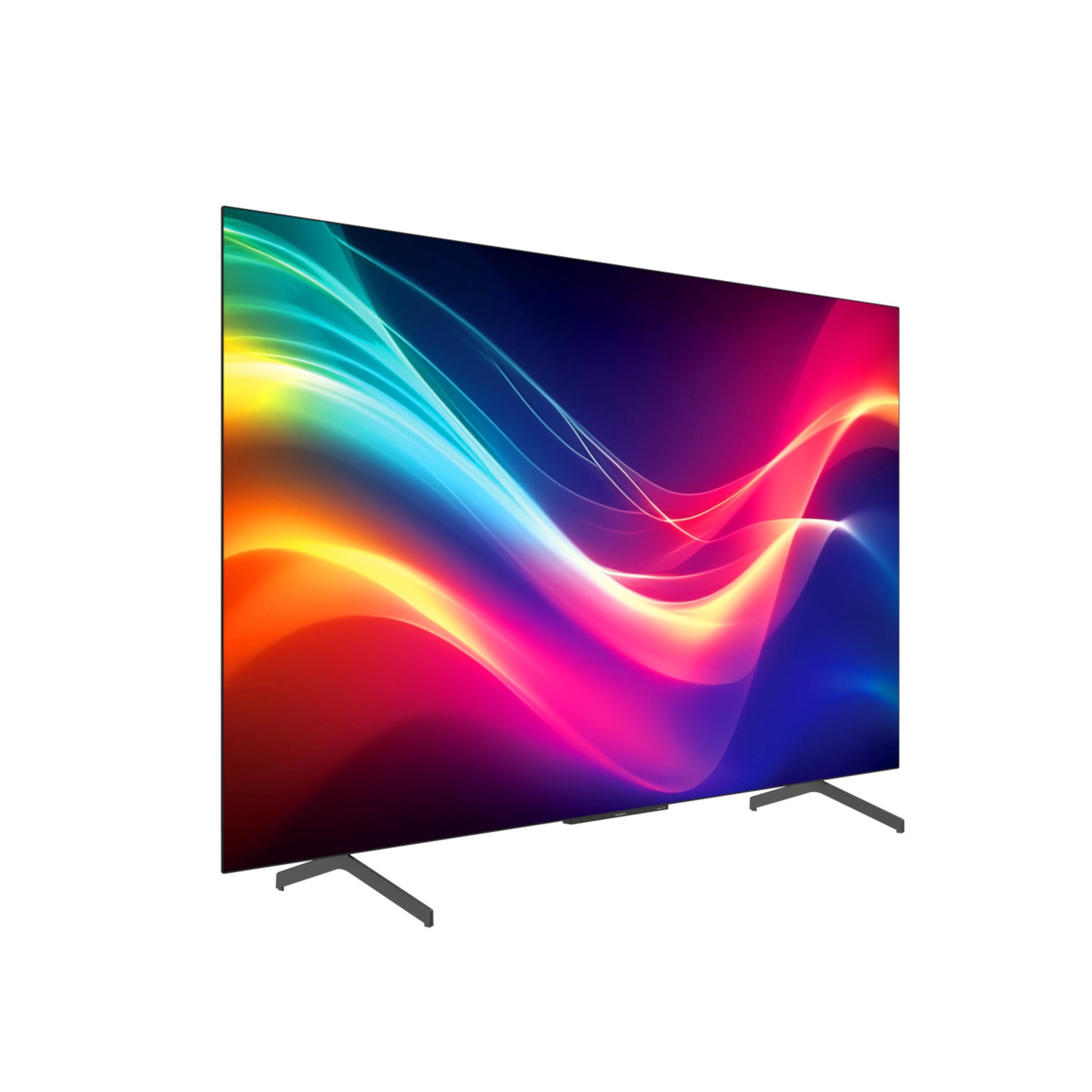
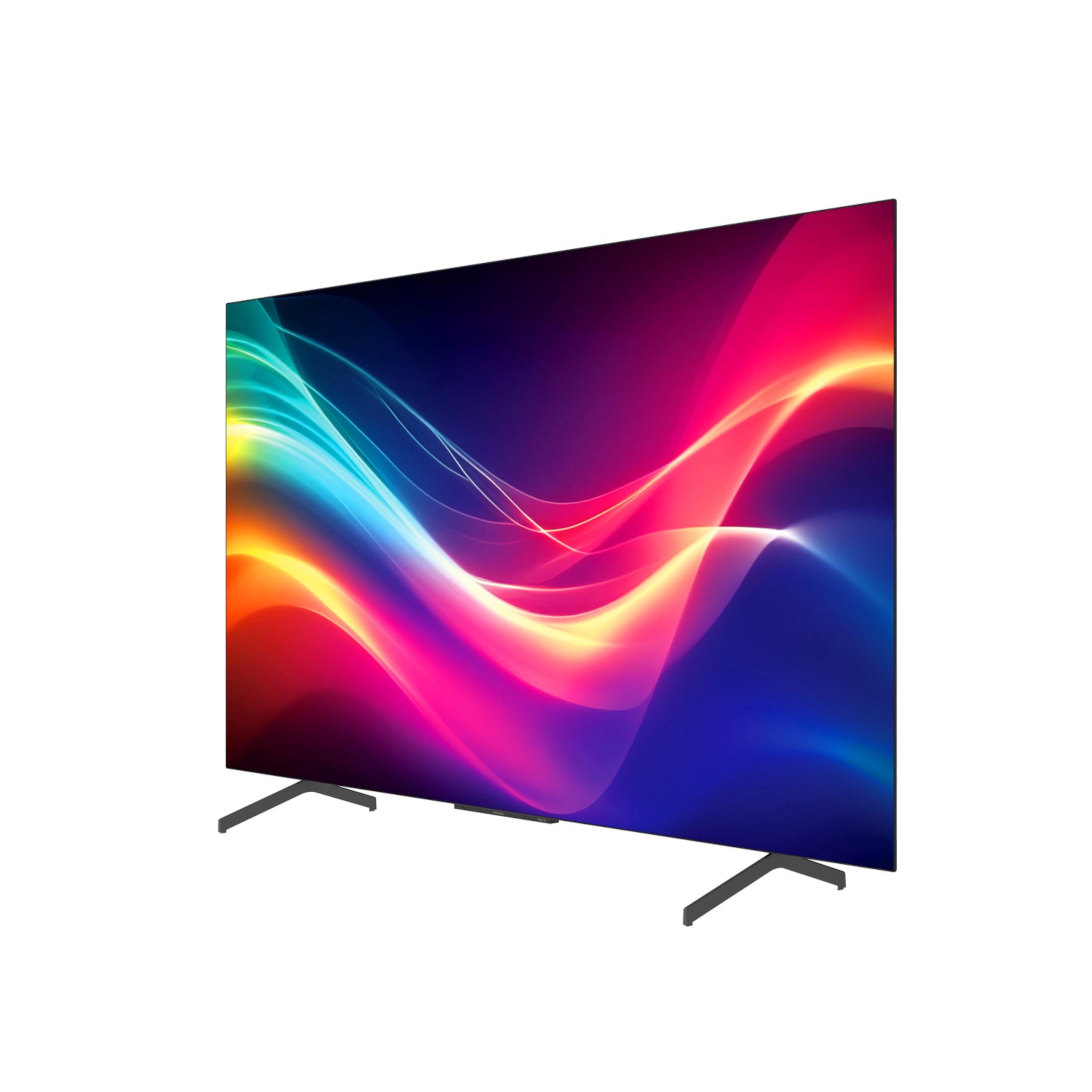
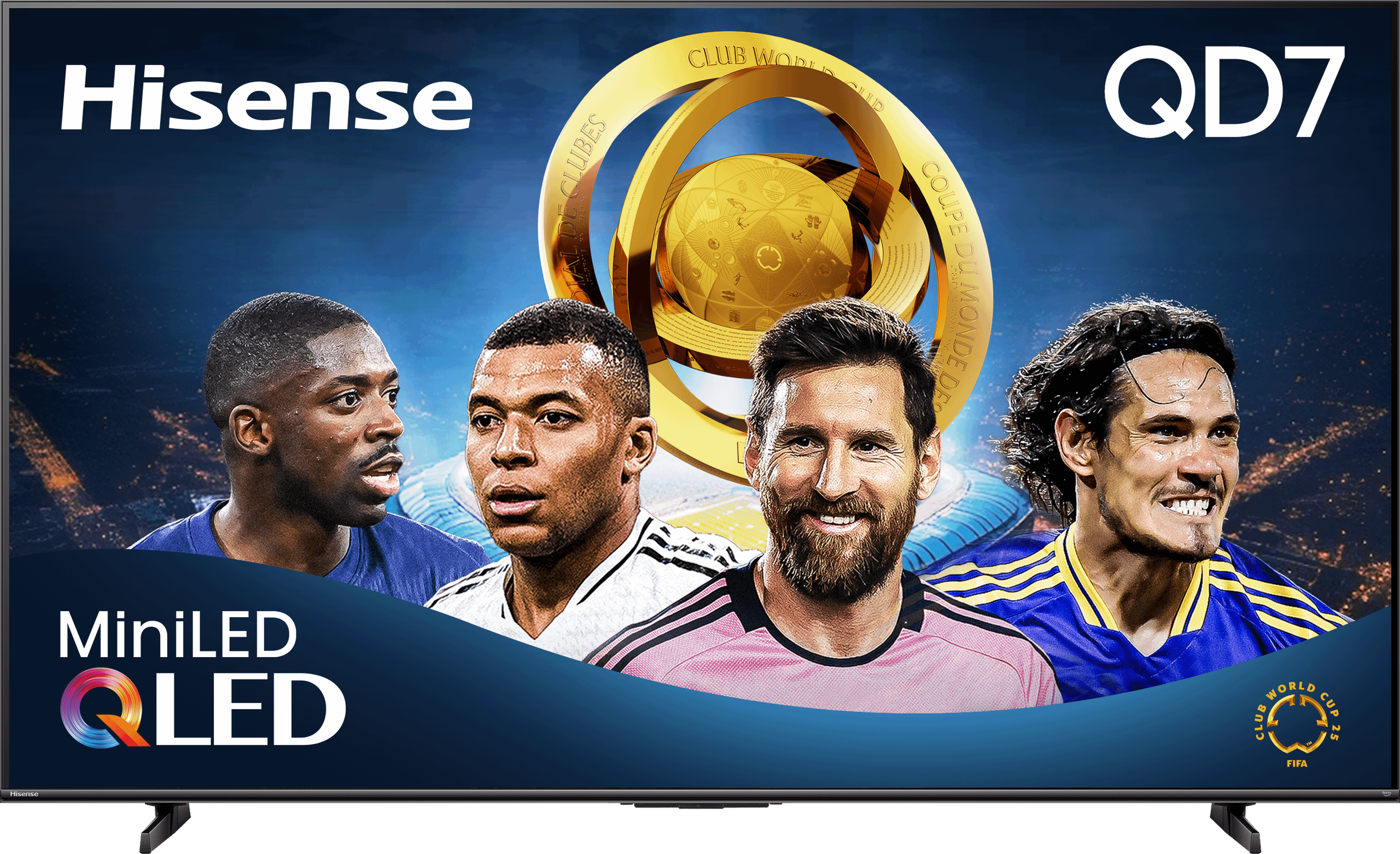
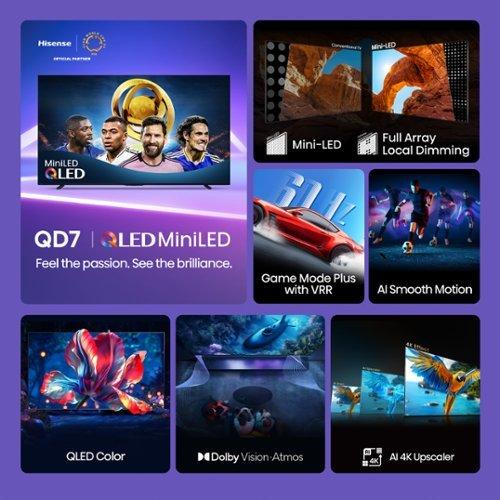
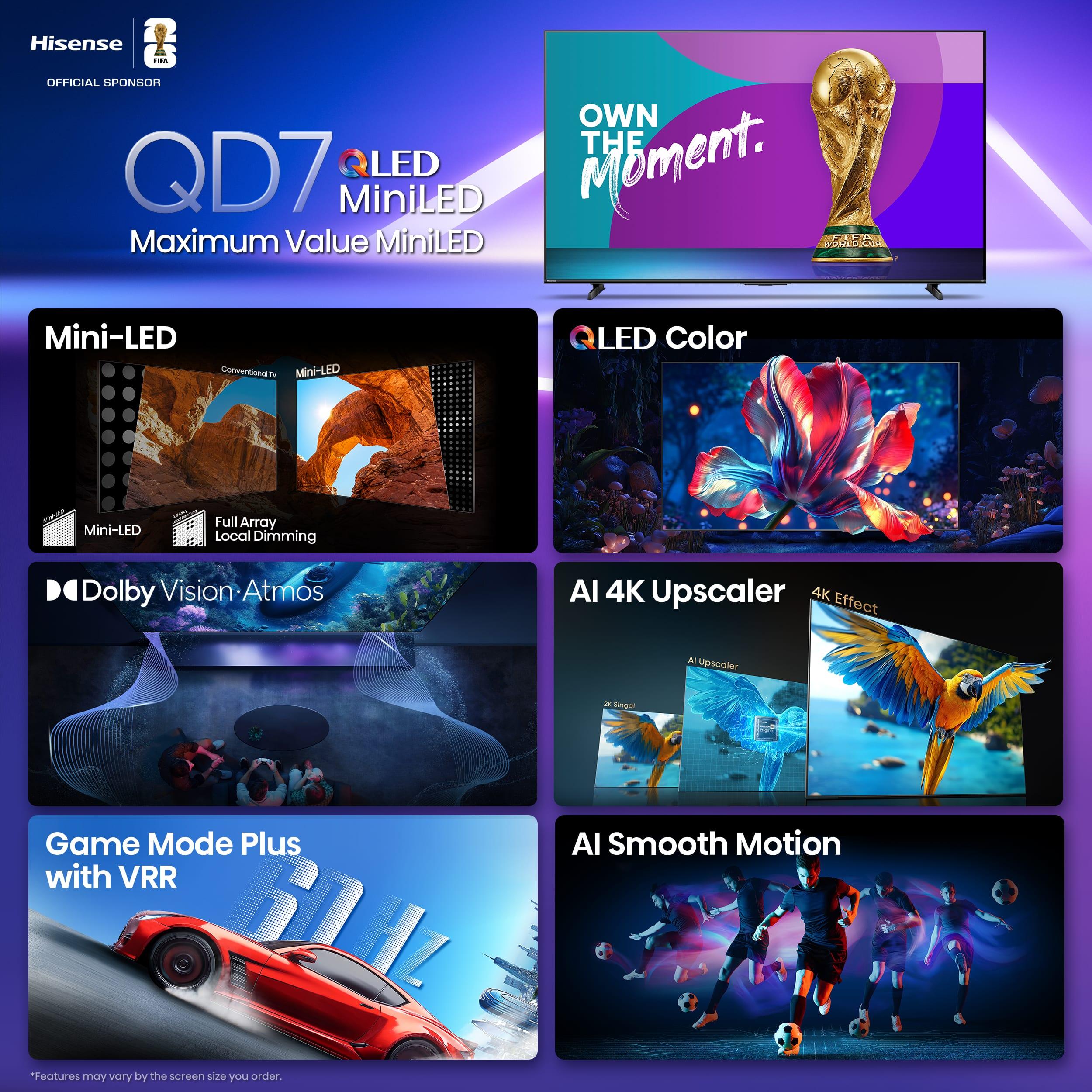
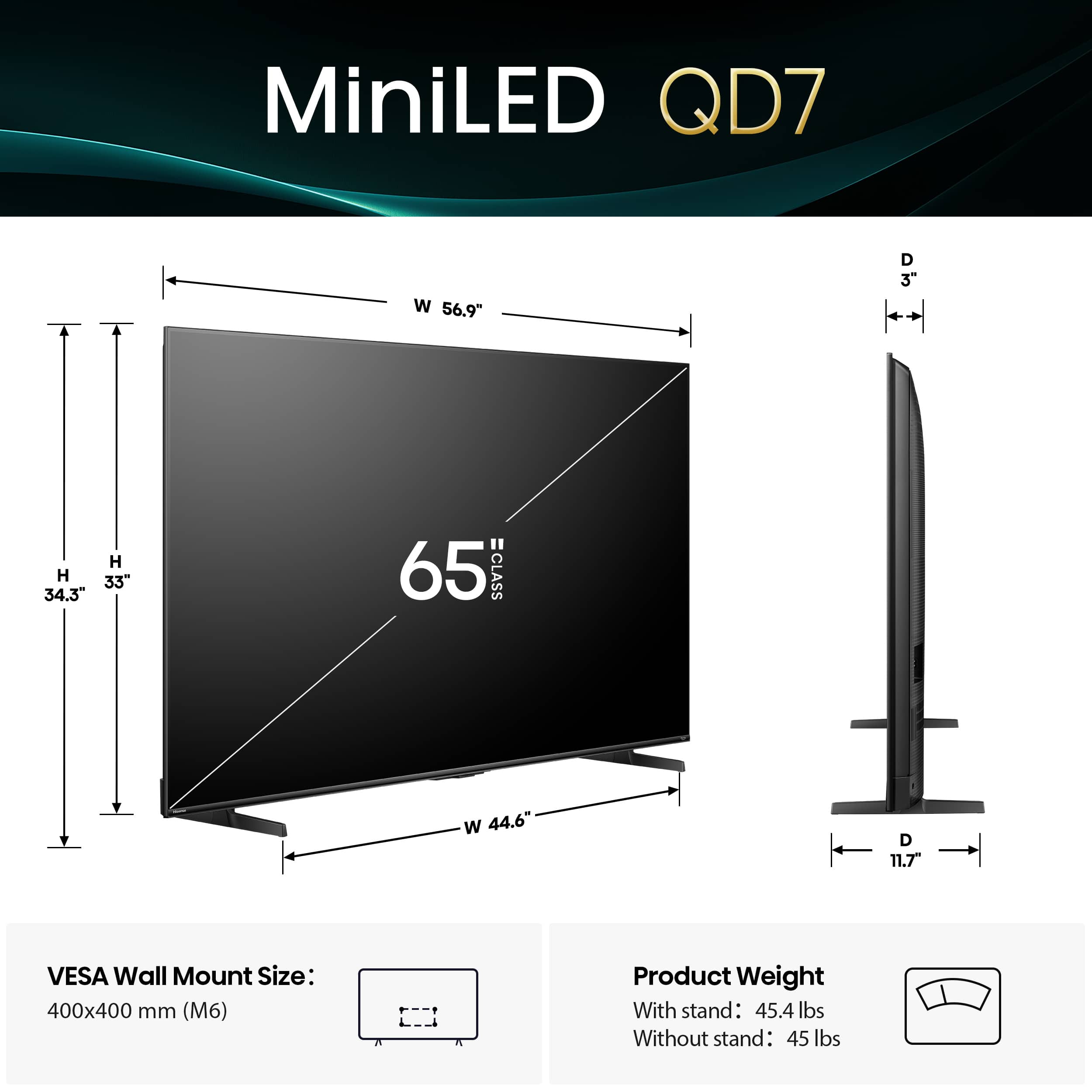


When shopping for a premium 65-inch TV, you'll quickly encounter two very different technologies competing for your attention: OLED and Mini-LED. The Philips 65OLED974/F7 represents the OLED camp with its self-illuminating pixels, while the Hisense 65" QD7 Series showcases what Mini-LED can achieve at a more accessible price point. Both arrived in 2025, but they take fundamentally different approaches to delivering exceptional picture quality.
Understanding these technologies isn't just about specs—it's about how they'll perform in your actual living space. OLED technology has matured significantly since its consumer debut around 2013, with modern panels like the one in the Philips OLED974 eliminating early concerns about burn-in while maintaining the technology's core advantage: perfect blacks. Meanwhile, Mini-LED represents a more recent evolution of traditional LCD technology, with TVs like the Hisense QD7 using thousands of tiny LEDs to dramatically improve contrast and brightness compared to older LCD displays.
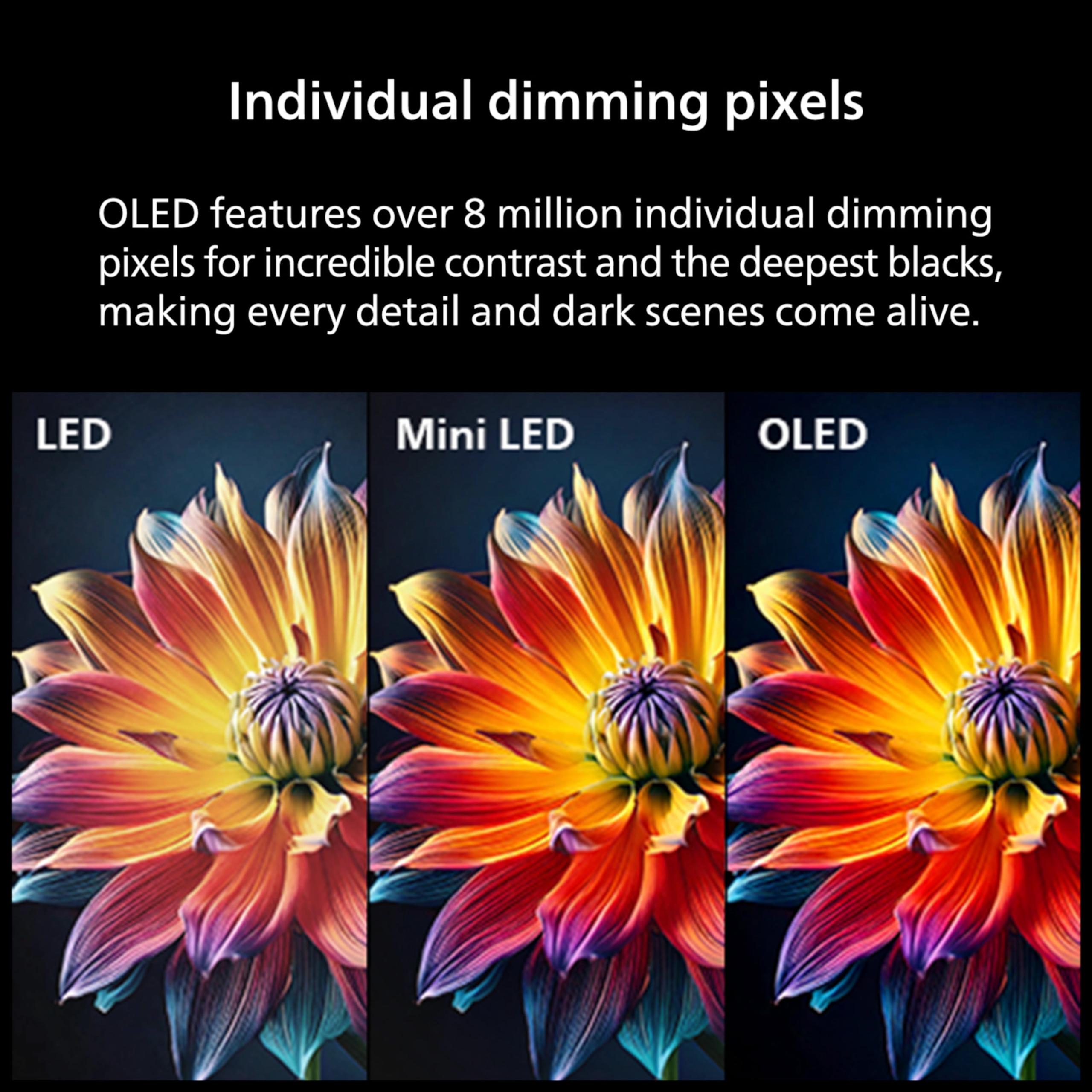
The difference between OLED and Mini-LED goes deeper than marketing buzzwords. In the Philips OLED974, each of the 8.3 million pixels generates its own light using organic compounds that glow when electricity passes through them. When a pixel needs to be black, it simply turns off completely—no light leaks through because there's no backlight to block. This creates what's called an "infinite contrast ratio," meaning the difference between the brightest white and the darkest black is theoretically unlimited.
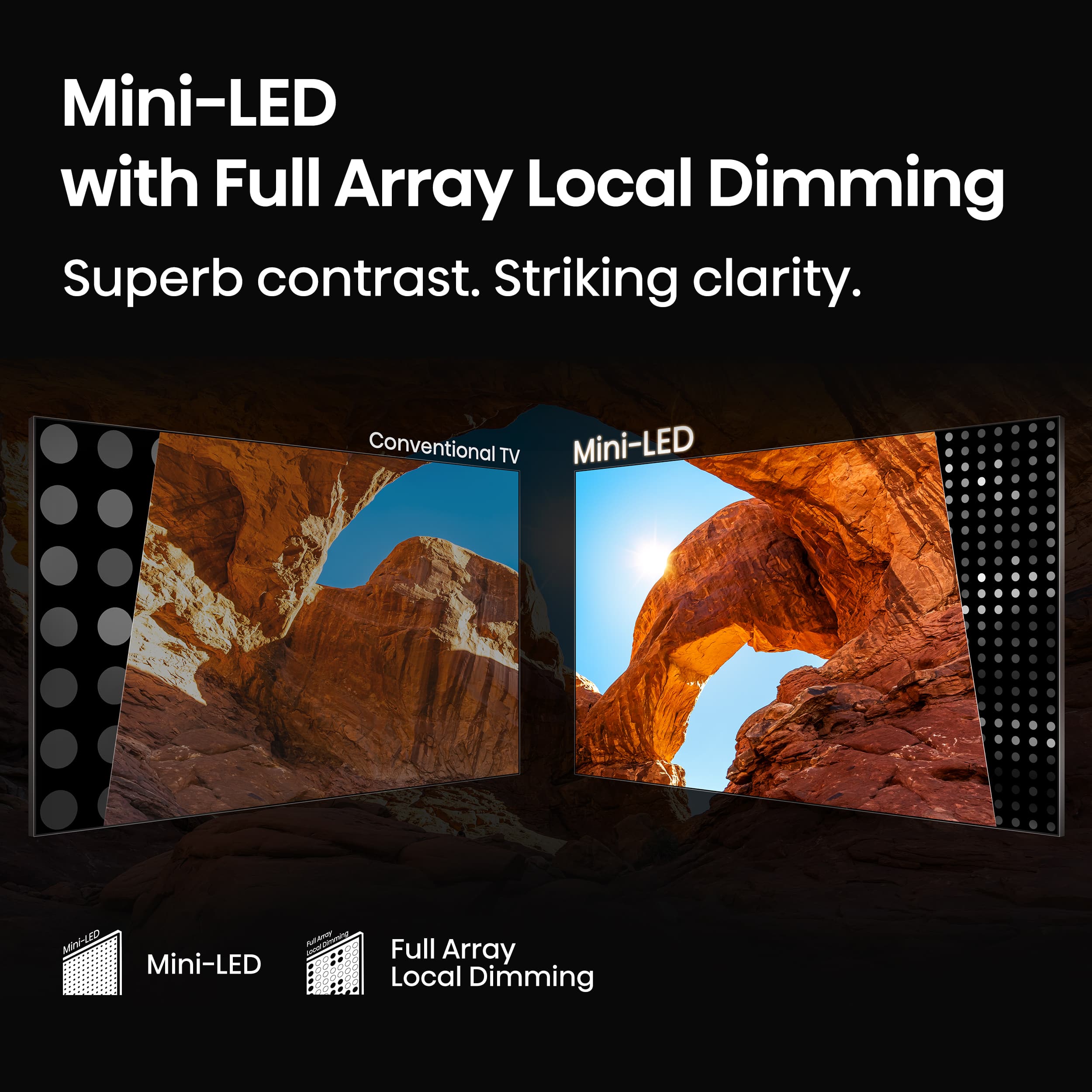
The Hisense QD7 takes a different approach. It uses an LCD panel (think of it as a sophisticated color filter) placed in front of thousands of mini LEDs arranged in precise zones across the back of the screen. These LEDs can dim or brighten independently to create "local dimming zones"—areas that can be darker or brighter than their neighbors. Quantum dots, which are microscopic particles that emit pure colors when hit by light, enhance the color output to compete with OLED's naturally vibrant colors.
This fundamental difference affects everything from how dark a room needs to be for optimal viewing to how much you'll pay for the privilege. At the time of writing, OLED technology commands a premium, with the Philips OLED974 typically costing significantly more than the Hisense QD7, though both represent solid value propositions within their respective categories.
In a dark or dimly lit room, the Philips OLED974 delivers an experience that's tough to beat. When you're watching a movie with deep space scenes or shadowy thriller moments, the perfect blacks create a sense of depth that makes the screen seem to disappear. Each star in a galaxy shot appears to float in truly dark space, not the slightly gray space you get with most TVs.
This advantage extends beyond just looking pretty. In dark scenes, you can actually see more detail because there's no backlight washing out shadow details. The OLED panel's response time of less than 0.1 milliseconds (that's impossibly fast) means motion appears crystal clear without the blur that can plague other display types during action sequences.
The Hisense QD7 performs admirably in dark rooms, especially considering its more accessible pricing, but it can't achieve true blacks. Even with its sophisticated local dimming, there's still some light leakage around bright objects—what reviewers call "haloing" or "blooming." Think of it like a streetlight creating a slight glow in fog; you'll notice it most in movies with bright text on black backgrounds or when bright objects move across dark scenes.
Here's where the tables turn dramatically. The Philips OLED974 struggles in bright rooms because it simply can't get bright enough to overcome window glare or overhead lighting. With peak brightness hovering around 400-500 nits (a unit measuring brightness), even moderately bright rooms can wash out the image. HDR content, which is designed to showcase bright highlights, loses much of its impact because the TV can't display those bright moments with the intensity they deserve.
The Hisense QD7 excels in these challenging conditions. With peak brightness capabilities exceeding 1000 nits, it can maintain image quality even with sunlight streaming through windows. This higher brightness also means HDR content displays with the punch it was designed for—bright explosions actually look bright, sunny scenes have that slightly uncomfortable intensity that mimics real sunlight, and neon signs in night scenes pop off the screen.
This brightness advantage isn't just about fighting glare. Colors maintain their vibrancy under bright conditions with the Hisense QD7, while the Philips OLED974 can appear washed out and muted when competing with ambient light.
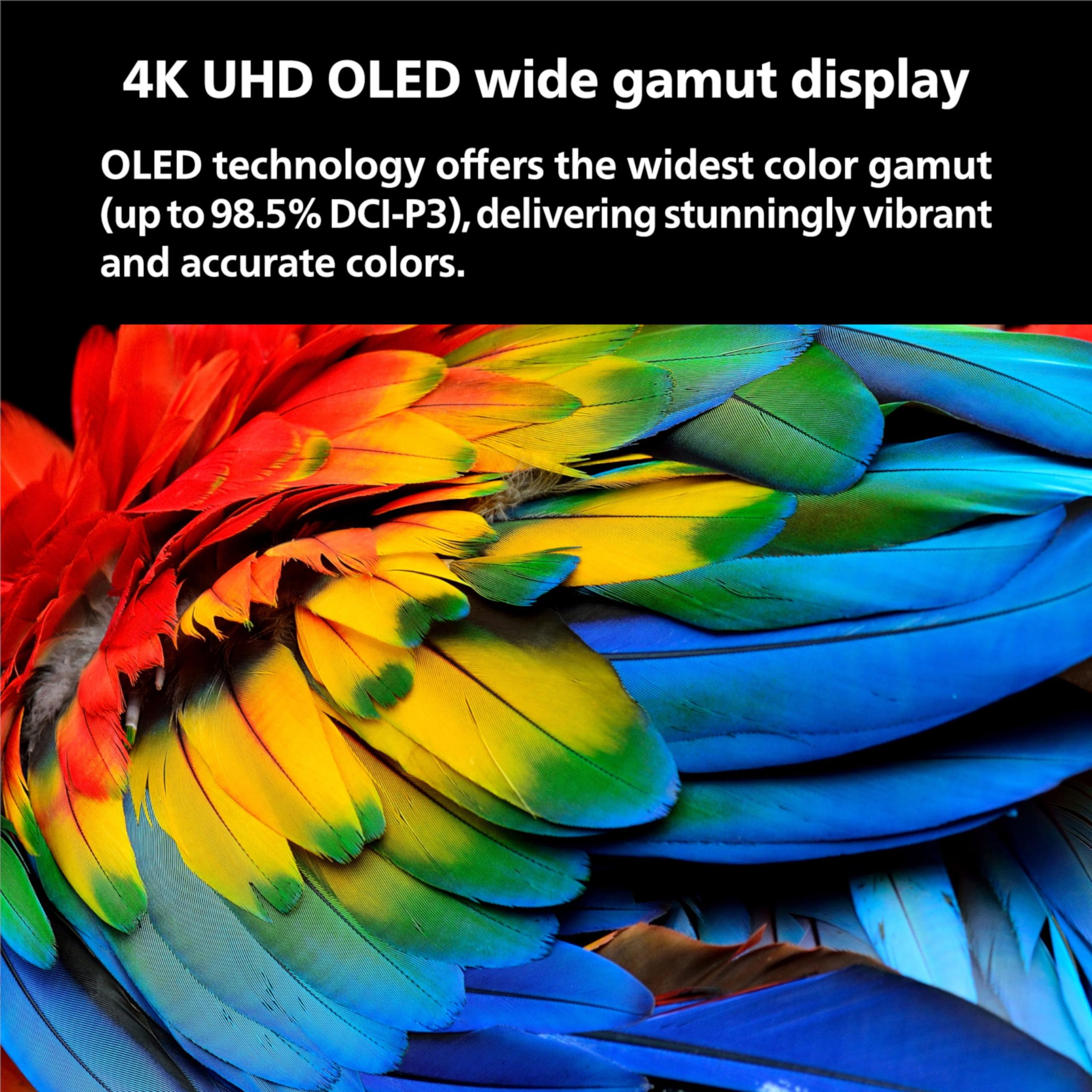
Both TVs deliver excellent color performance, but through different mechanisms. The Philips OLED974 covers 98.5% of the DCI-P3 color gamut (the standard used for digital cinema) and delivers excellent color accuracy straight out of the box in standard dynamic range content. The colors feel natural and film-like, which appeals to viewers who want content to appear as the director intended.
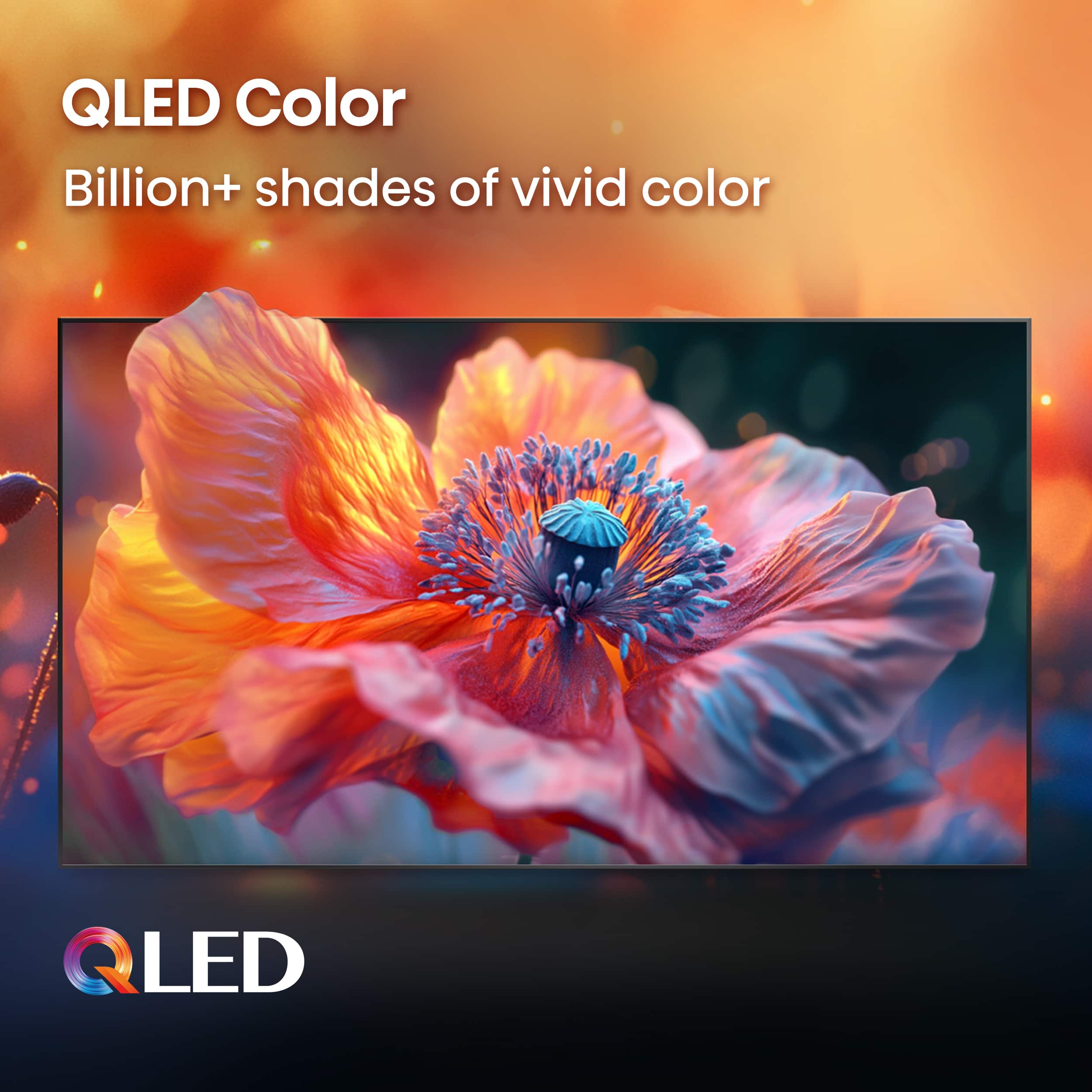
The Hisense QD7 uses quantum dot technology to achieve over one billion color shades, creating particularly vibrant and saturated colors that can appear more "wow-factor" impressive, especially to viewers coming from older TVs. The trade-off is that colors might appear slightly more artificial or oversaturated compared to the more natural presentation of the Philips OLED974.
For HDR content, the Hisense QD7 maintains color vibrancy better because it can display the bright, saturated colors that HDR formats demand. The Philips OLED974's limited brightness means bright colors in HDR content appear muted, reducing the format's visual impact.
Gaming represents one of the most demanding use cases for modern TVs, and both models deliver strong performance with important differences. The Philips OLED974 offers gaming nirvana for competitive players with its near-instantaneous pixel response time. This means fast-moving objects appear razor-sharp without the motion blur that can affect tracking opponents in first-person shooters or following the ball in sports games.
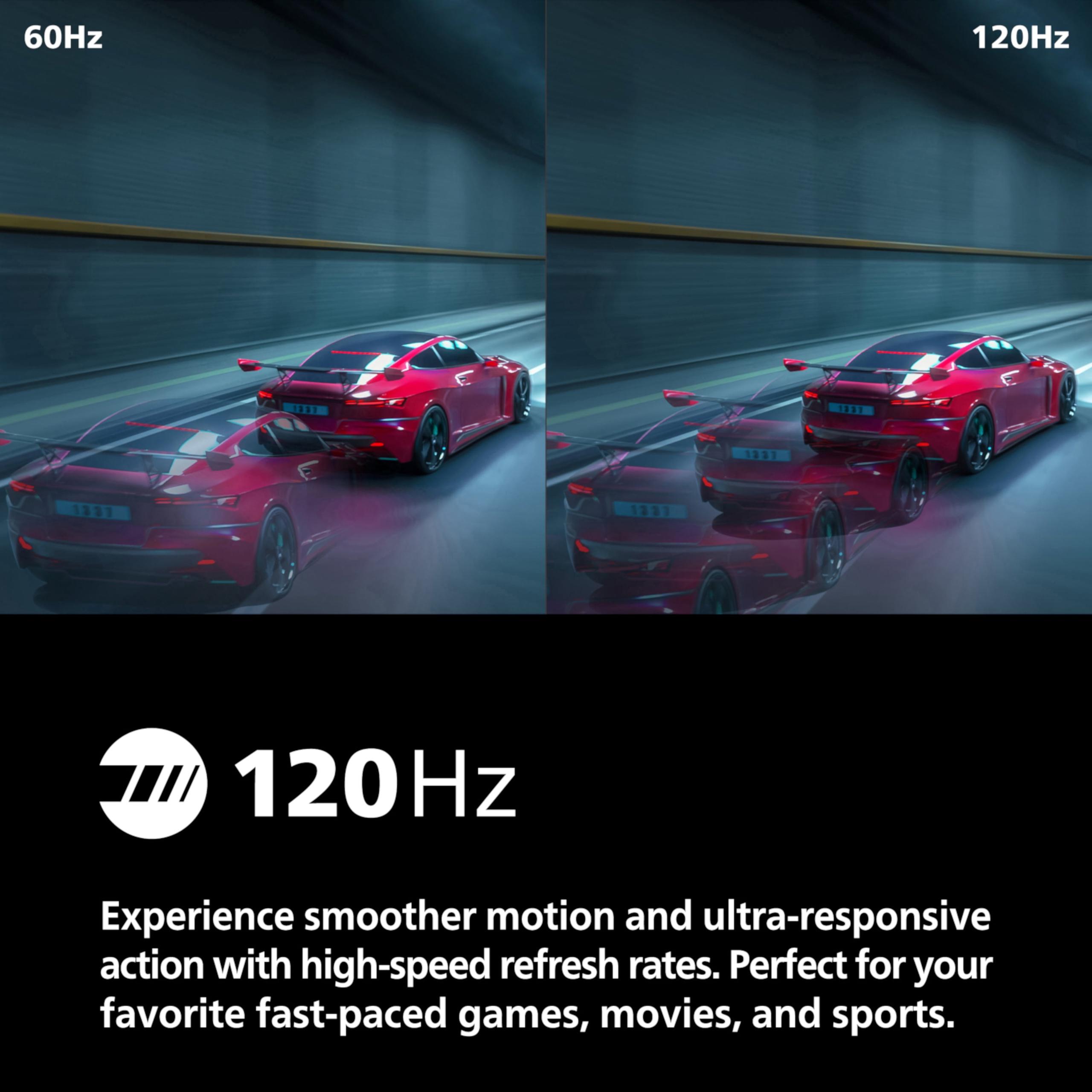
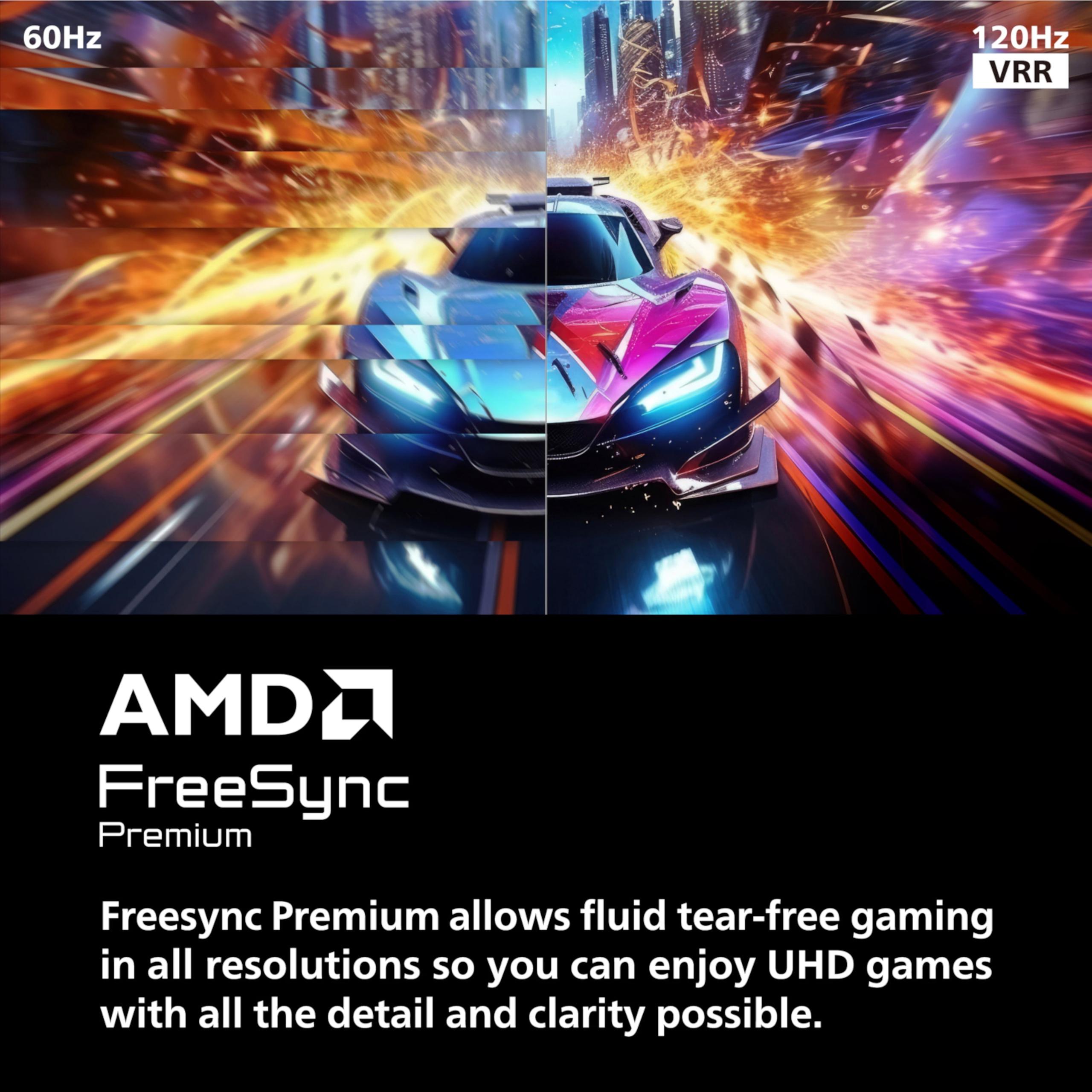
The 120Hz native panel refresh rate eliminates judder in games running at 24, 30, 60, or 120 frames per second, while AMD FreeSync Premium synchronizes the display refresh rate with your console's output to eliminate screen tearing. HDMI 2.1 support on two ports ensures compatibility with PlayStation 5, Xbox Series X, and future consoles, with features like Auto Low Latency Mode automatically optimizing settings when gaming is detected.
The Hisense QD7 counters with a 144Hz native refresh rate, though this drops to 60Hz when displaying full 4K resolution—still perfectly adequate for console gaming. The Game Mode Ultra and Game Mode Pro settings provide excellent input lag performance, and Variable Refresh Rate support ensures smooth gameplay. While it can't match OLED's instantaneous response times, the difference matters most to highly competitive gamers.
For the vast majority of gaming scenarios, both TVs deliver excellent experiences. The Philips OLED974 has the edge for competitive gaming and dark room play sessions, while the Hisense QD7 provides better gaming in bright rooms and offers strong performance at a more accessible price point.
The smart TV platforms represent another significant difference. The Philips OLED974 runs Roku TV, widely considered the most neutral and user-friendly smart TV platform. Roku doesn't favor any particular streaming service, provides excellent app support, and offers intuitive navigation with a responsive Bluetooth voice remote. The interface remains fast and reliable even years after purchase, a crucial consideration for long-term satisfaction.
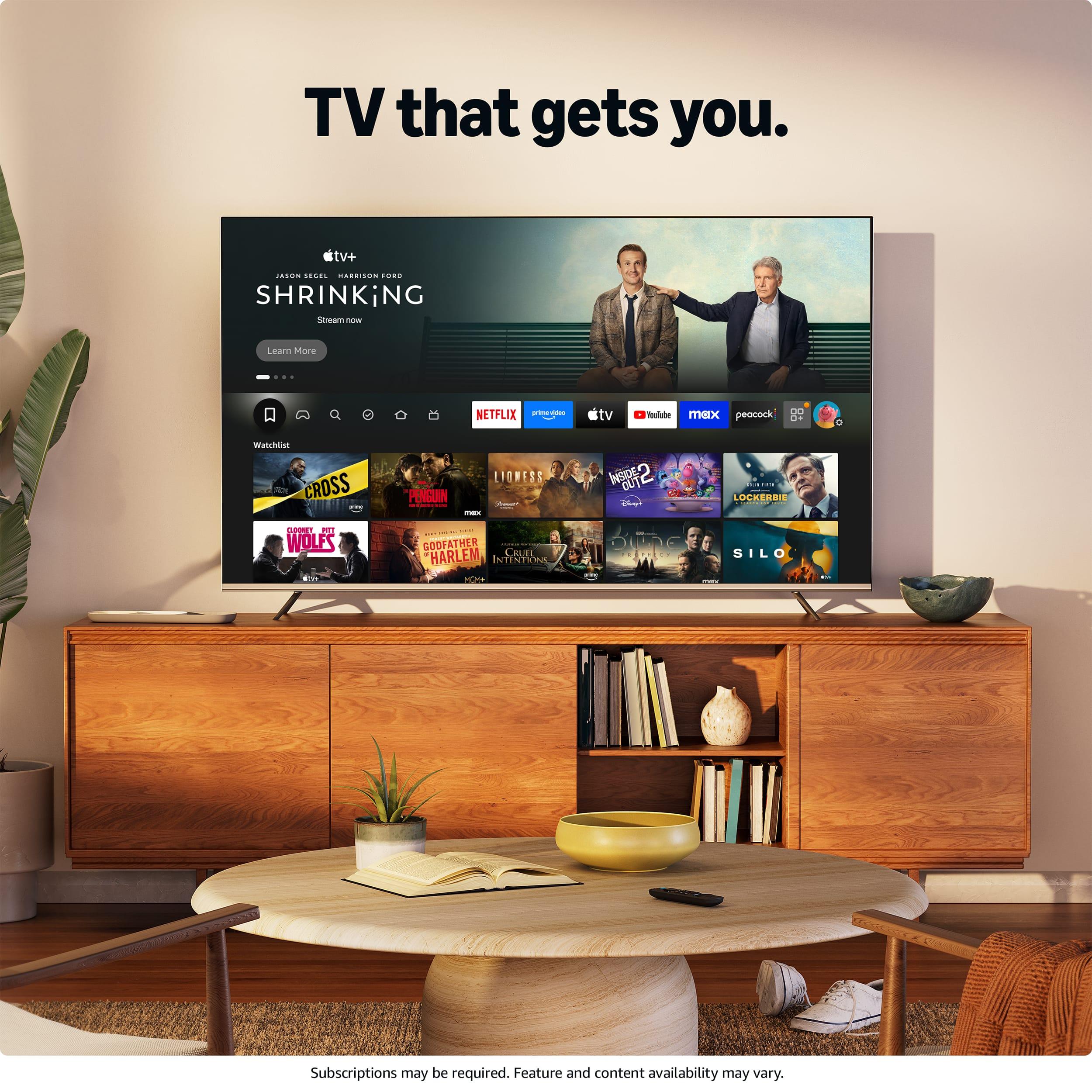
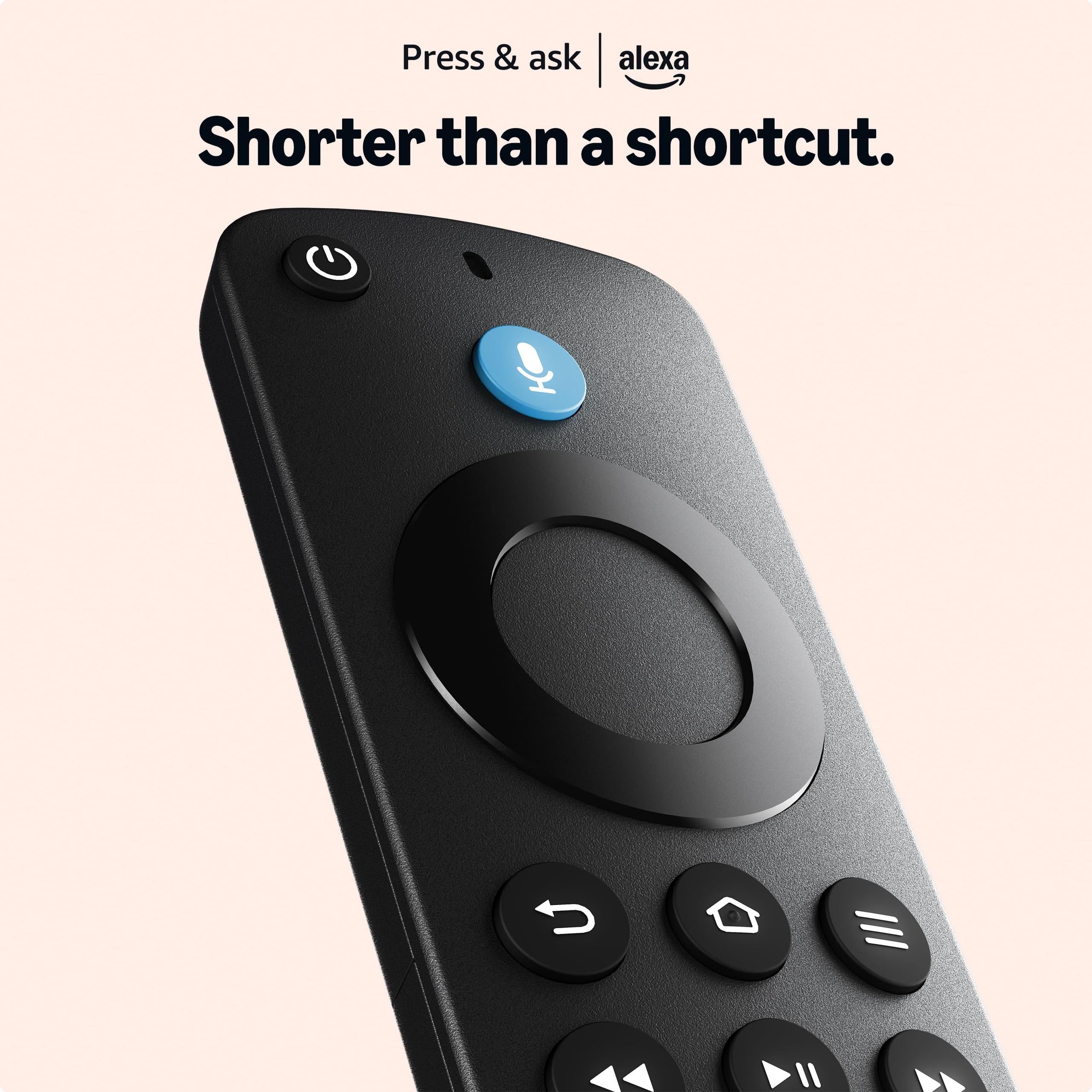
The Hisense QD7 uses Amazon's Fire TV platform with built-in Alexa voice control. This integration works beautifully if you're already invested in Amazon's ecosystem—you can control smart home devices, make purchases, and access Amazon Prime content seamlessly. However, Fire TV can feel slightly biased toward Amazon's services, and some users report occasional interface lag compared to Roku's consistently smooth performance.
Both platforms support major streaming apps, screen mirroring from phones and computers, and voice control, so your choice might depend on your existing smart home setup and platform preferences.
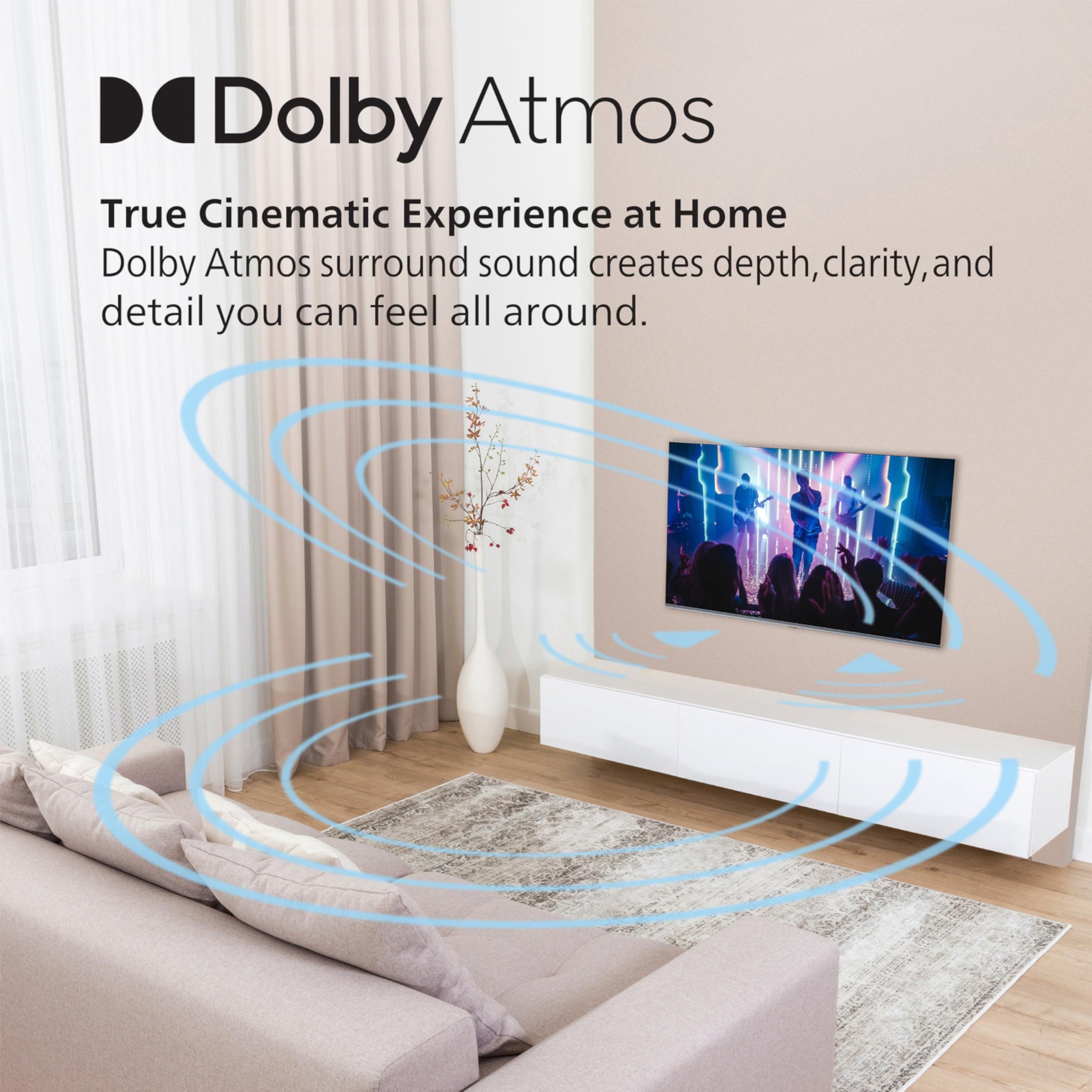
The Philips OLED974 includes a Dolby 2.1 speaker system with dedicated subwoofer and Dolby Atmos support, delivering surprisingly robust sound for built-in TV speakers. The system provides clear dialogue, decent bass response, and spatial audio effects that enhance the viewing experience without immediately demanding an external sound system.
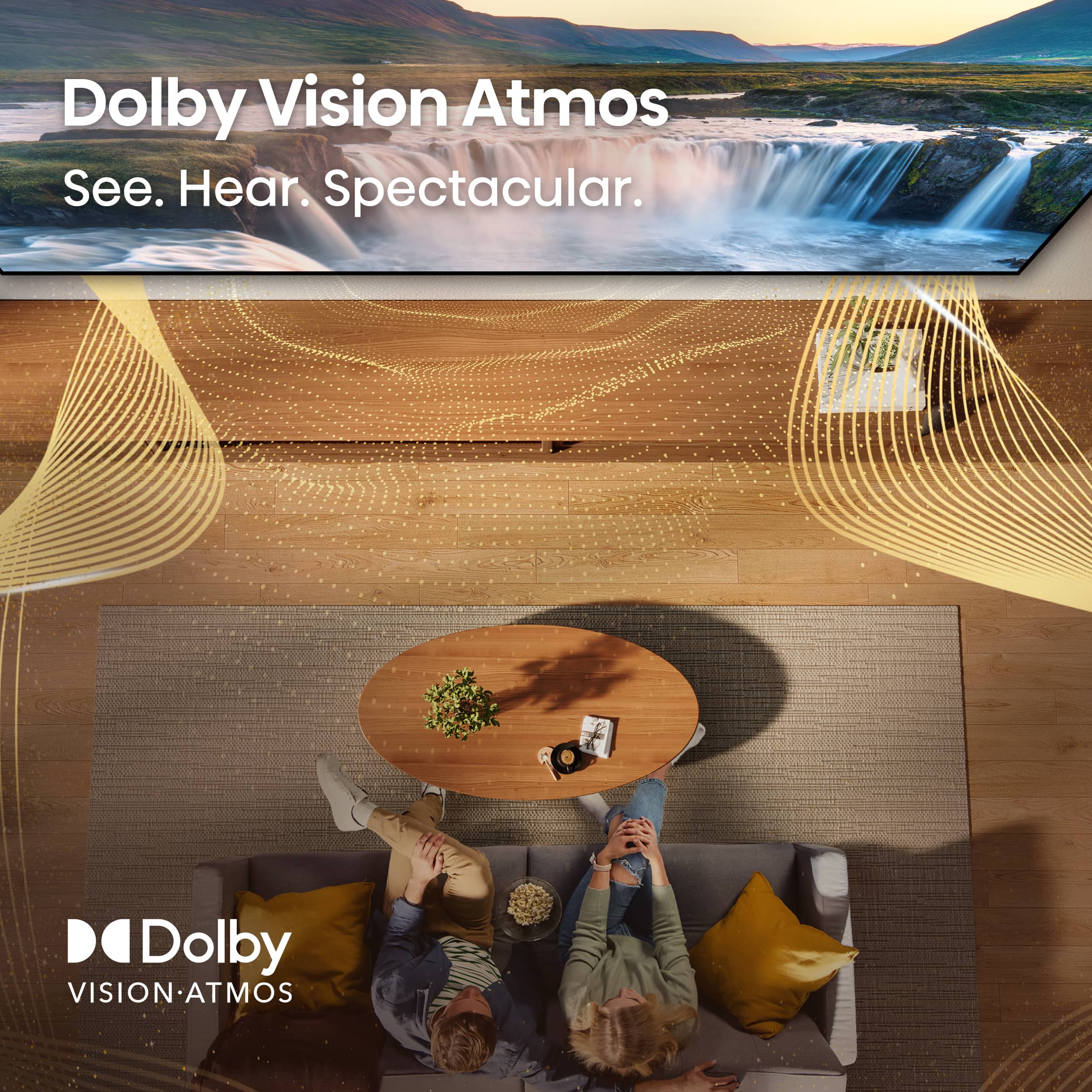
The Hisense QD7 also supports Dolby Atmos through its built-in speakers, though specific details about driver configuration aren't as clearly specified. User reviews suggest adequate performance for casual viewing, but serious audio enthusiasts will likely want to pair either TV with a dedicated soundbar or home theater system.
At the time of writing, the Hisense QD7 offers compelling value, delivering roughly 65% of OLED benefits at approximately 66% of OLED pricing. This makes it particularly attractive for buyers who want premium features like advanced local dimming, quantum dot colors, and gaming capabilities without paying OLED premiums.
The Philips OLED974 justifies its higher cost through superior dark room performance, faster gaming response times, and the prestige of OLED technology. For viewers who primarily watch in controlled lighting conditions and value absolute picture quality, the premium feels justified.
Both technologies have proven reliable in recent years. Modern OLED panels like the one in the Philips OLED974 have essentially eliminated burn-in concerns with automatic pixel refreshing and improved materials. Mini-LED displays like the Hisense QD7 typically offer longer lifespans and lower power consumption, making them practical choices for family room TVs that see heavy daily use.
Your room's lighting conditions should drive your decision more than any other factor. If you have a dedicated home theater or can control ambient lighting during viewing, the Philips OLED974 delivers an unmatched cinematic experience with perfect blacks and natural colors that make movies appear as intended.
Choose the Philips OLED974 if you're a serious cinephile who primarily watches in dark rooms, a competitive gamer who demands the fastest response times, or someone who values having the latest display technology regardless of cost. The Roku TV platform also makes it ideal for users who want a neutral, reliable smart TV experience.
The Hisense QD7 makes more sense for typical family rooms with windows, overhead lighting, and varied viewing conditions throughout the day. Its superior brightness, strong gaming features, and attractive pricing make it the practical choice for most buyers who want premium TV features without premium pricing.
Choose the Hisense QD7 if you watch TV in bright or mixed lighting conditions, want excellent performance without breaking the bank, prefer Amazon's ecosystem, or need a versatile TV that performs well regardless of room conditions. It's particularly suited for sports viewing, where bright, vibrant colors and excellent motion handling matter more than perfect blacks.
Both TVs represent solid investments that should provide years of excellent viewing experiences. The choice ultimately comes down to your room, your budget, and whether you prioritize the perfection of OLED technology or the versatility and value of advanced Mini-LED displays.
| Philips 65OLED974/F7 65" OLED Roku TV | Hisense 65" QD7 Series Mini-LED 4K Fire TV 2025 |
|---|---|
| Display Technology - Fundamentally different approaches to picture quality | |
| OLED with 8.3 million self-illuminating pixels | Mini-LED LCD with thousands of local dimming zones |
| Peak Brightness - Critical for bright room viewing and HDR impact | |
| ~400-500 nits (poor for bright rooms, limited HDR) | 1000+ nits (excellent for any lighting, impactful HDR) |
| Black Levels - Determines contrast and dark scene detail | |
| Perfect blacks with infinite contrast ratio | Very good blacks but some light leakage around bright objects |
| Refresh Rate - Affects motion smoothness and gaming | |
| 120Hz native panel | 144Hz native (60Hz at 4K resolution) |
| Response Time - Critical for gaming and fast motion | |
| <0.1ms (virtually instantaneous, best-in-class) | Good but cannot match OLED speed |
| Color Coverage - Determines color accuracy and vibrancy | |
| 98.5% DCI-P3 with natural, film-like colors | Quantum Dot technology with over 1 billion colors, more saturated |
| HDR Support - Enhanced contrast and brightness in compatible content | |
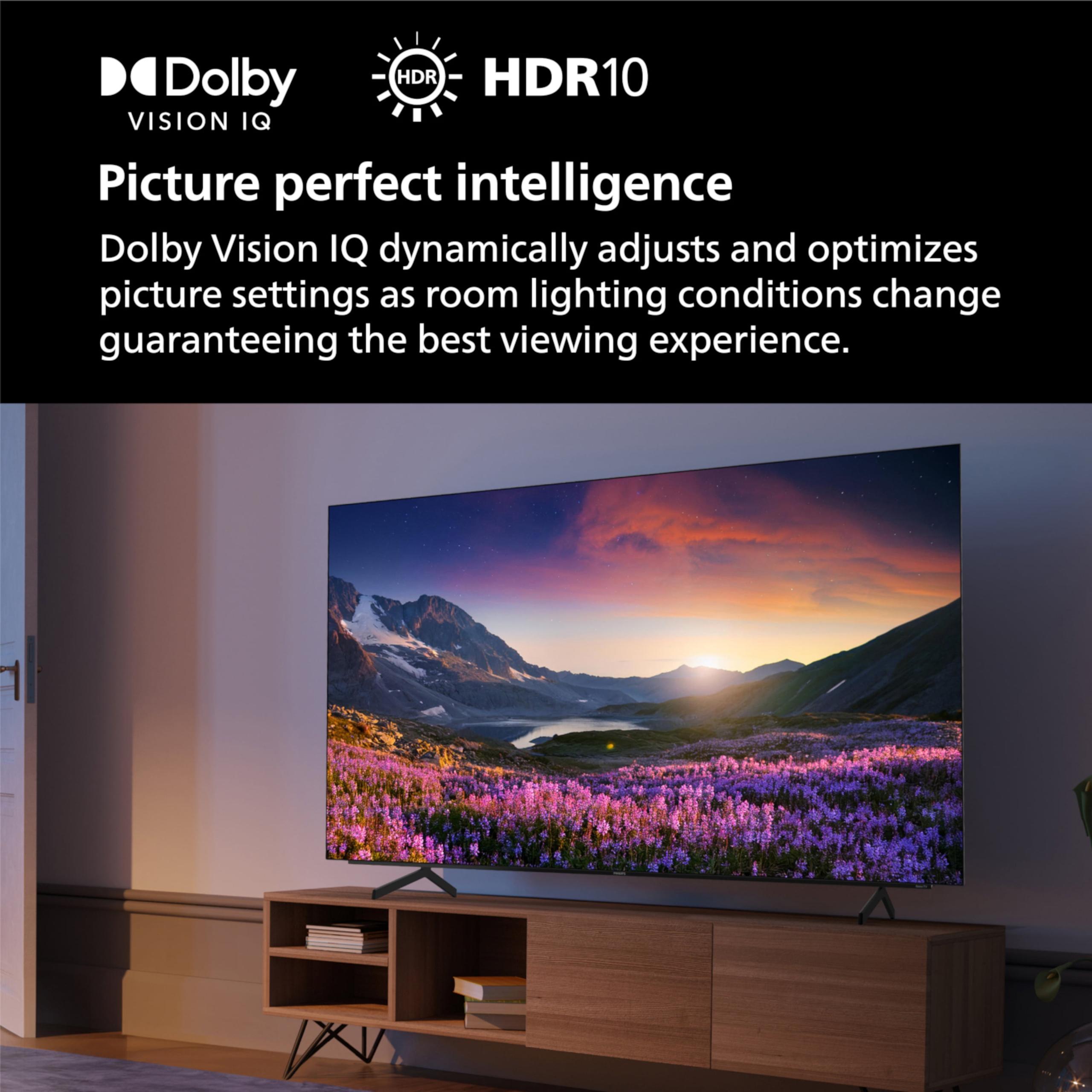
| Dolby Vision IQ, Dolby Vision, HDR10, HLG | Dolby Vision, HDR10+, HDR10, HLG |
| Gaming Features - Performance optimization for consoles | |
| AMD FreeSync Premium, VRR, ALLM, 2x HDMI 2.1 | Game Mode Ultra/Pro, VRR, ALLM, multiple HDMI 2.1 |
| Smart TV Platform - Interface and app ecosystem | |
| Roku TV (neutral, reliable, excellent app support) | Fire TV with Alexa (Amazon ecosystem integration) |
| Audio System - Built-in sound quality | |
| Dolby 2.1 system with dedicated subwoofer | Dolby Atmos support with standard speakers |
| Best Use Cases - Where each TV excels | |
| Dark rooms, home theaters, competitive gaming | Bright rooms, family use, value-conscious buyers |
| Power Consumption - Operating efficiency | |
| 240W (higher consumption typical of OLED) | Lower consumption typical of LED technology |
The Philips 65OLED974/F7 is significantly better for dark room viewing. Its OLED technology delivers perfect blacks with infinite contrast, creating exceptional depth and detail in shadow areas. The Hisense QD7 performs well in dark rooms but cannot achieve true blacks due to its LCD panel, resulting in some light leakage around bright objects.
The Hisense 65" QD7 Series excels in bright rooms with peak brightness exceeding 1000 nits, easily overcoming window glare and ambient lighting. The Philips OLED974 struggles in bright conditions with only 400-500 nits peak brightness, making it unsuitable for well-lit spaces where the image appears washed out.
OLED in the Philips 65OLED974/F7 uses self-illuminating pixels that turn completely off for perfect blacks, while Mini-LED in the Hisense QD7 uses thousands of tiny LEDs behind an LCD panel for enhanced brightness and contrast. OLED offers superior contrast, while Mini-LED provides higher peak brightness.
Both TVs offer excellent gaming performance. The Philips OLED974 has advantages with <0.1ms response time and 120Hz native refresh rate, making it ideal for competitive gaming. The Hisense QD7 features 144Hz refresh rate (60Hz at 4K) with strong gaming modes, offering great performance at a more accessible price point.
The Philips 65OLED974/F7 uses Roku TV, known for its neutral interface, excellent app support, and reliable performance. The Hisense 65" QD7 Series runs Fire TV with Alexa integration, providing seamless Amazon ecosystem connectivity but with potential bias toward Amazon services.
The Hisense QD7 typically offers superior value, delivering premium features like quantum dot colors, local dimming, and gaming capabilities at a more accessible price point. The Philips OLED974 commands a premium for OLED technology but justifies the cost with perfect blacks and superior dark room performance.
For dedicated home theaters with controlled lighting, the Philips 65OLED974/F7 provides an unmatched cinematic experience with perfect blacks and natural colors. The Hisense QD7 works better for multi-purpose rooms where ambient lighting varies, offering bright, vibrant images regardless of viewing conditions.
HDR performance depends on viewing conditions. The Hisense 65" QD7 Series delivers more impactful HDR with higher peak brightness that makes highlights truly bright. The Philips OLED974 offers excellent HDR color accuracy but limited brightness reduces the format's visual impact compared to brighter displays.
The Philips 65OLED974/F7 includes a Dolby 2.1 speaker system with dedicated subwoofer, providing robust sound quality for built-in TV speakers. The Hisense QD7 supports Dolby Atmos through standard speakers, offering decent performance but potentially requiring external audio for the best experience.
Both technologies have proven reliable in recent years. Modern OLED panels like the Philips OLED974 have eliminated burn-in concerns with automatic maintenance features. Mini-LED displays like the Hisense 65" QD7 Series typically offer longer lifespans and lower power consumption, making them practical for heavy daily use.
The Philips 65OLED974/F7 performs best in dark or dimly lit rooms where its perfect blacks and contrast shine. The Hisense QD7 excels in any lighting condition, from bright family rooms with windows to dark evening viewing, making it more versatile for typical home environments.
Choose the Philips OLED974 if you primarily watch in dark rooms, value absolute picture quality, or are a competitive gamer requiring fastest response times. Select the Hisense 65" QD7 Series if you watch in bright or mixed lighting, want premium features at accessible pricing, or need a versatile TV for varied viewing conditions.
We've done our best to create useful and informative comparisons to help you decide what product to buy. Our research uses advanced automated methods to create this comparison and perfection is not possible - please contact us for corrections or questions. These are the sites we've researched in the creation of this article: rtings.com - versus.com - versus.com - rtings.com - samsclub.com - versus.com - youtube.com - usa.philips.com - bestbuy.com - usa.philips.com - consumerreports.org - usa.philips.com - documents.philips.com - tvoutlet.ca - displayspecifications.com - business.walmart.com - displayspecifications.com - ecoustics.com - walmart.com - bestbuy.com - custrevs.com - youtube.com - bestbuy.com - rtings.com - youtube.com - rtings.com - pcrichard.com - bestbuy.com - pcrichard.com - camelcamelcamel.com - amazonfiretv.blog - hisense-usa.com - hisense-usa.com - hisense-usa.com - bestbuy.com - leaseville.com - youtube.com - bestbuy.com - flatpanelshd.com

Privacy Policy
Terms and Conditions - Affiliate Policy
Home Security
© Copyright 2008-2026.
11816 Inwood Rd #1211, Dallas, TX 75244