










The smart TV landscape has evolved dramatically over the past few years, moving beyond simple entertainment devices to become integral parts of our home design and lifestyle. Two fascinating examples of this evolution are Hisense's contrasting approaches: the S7N CanvasTV, released in 2024, and the QD7 Series Mini-LED, launched in 2025. These models represent fundamentally different philosophies about what a modern television should be.
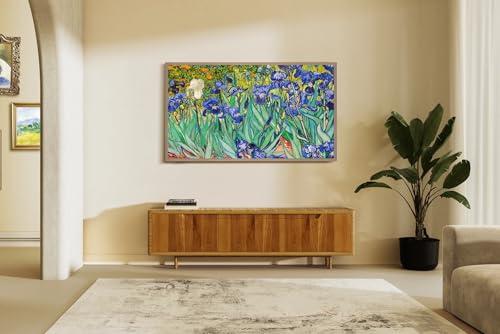
While both are 65-inch 4K smart TVs from the same manufacturer, they couldn't be more different in their target audience and design priorities. The CanvasTV treats your wall like a gallery space, seamlessly switching between art display and entertainment center. Meanwhile, the QD7 focuses purely on delivering premium display technology at an accessible price point. Understanding which approach suits your lifestyle and viewing habits will determine which offers better value for your specific needs.
Today's TV market has fragmented into specialized niches that serve different lifestyle priorities. Traditional performance-focused TVs compete alongside aesthetic-first models, gaming-optimized displays, and even outdoor-rated screens. The key considerations when choosing have expanded beyond simple picture quality to include:
Display technology remains crucial—whether you're getting OLED's perfect blacks, Mini-LED's bright highlights, or QLED's vibrant colors affects your daily viewing experience. Smart platform integration determines how smoothly you'll navigate Netflix, adjust settings, or control smart home devices. Gaming capabilities have become essential as consoles like the PlayStation 5 and Xbox Series X demand higher refresh rates and lower input lag.
Most importantly, aesthetic integration has emerged as a major factor. Many buyers now consider how a TV looks when turned off, whether it complements their décor, and if it can serve multiple functions beyond entertainment. This shift reflects how televisions have grown larger and more prominent in our living spaces.
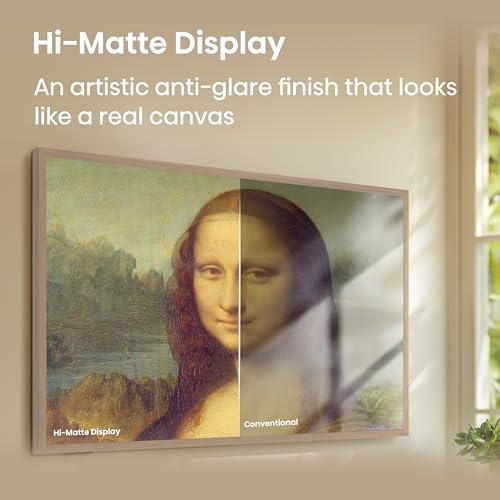
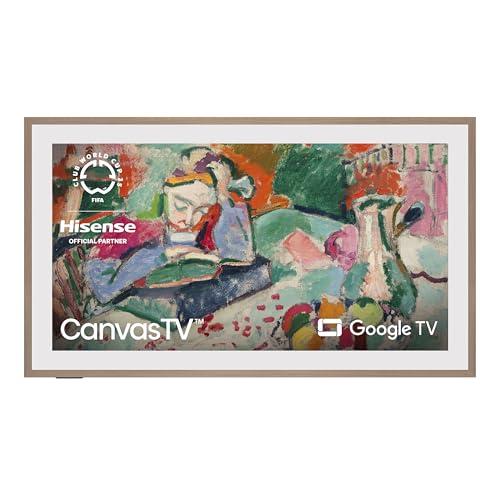
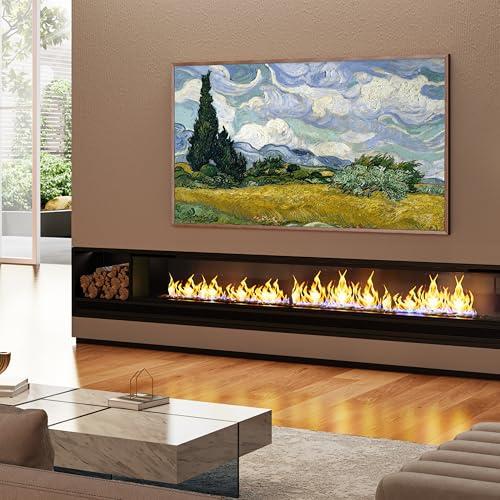
The Hisense S7N CanvasTV represents a direct challenge to Samsung's Frame TV, which popularized the art-display concept but comes with significant compromises and ongoing costs. Released in 2024, the CanvasTV uses a Hi-Matte Display that reduces reflections to just 5%—a remarkable achievement that makes it viewable even in bright, sun-filled rooms where traditional glossy TVs become unwatchable mirrors.
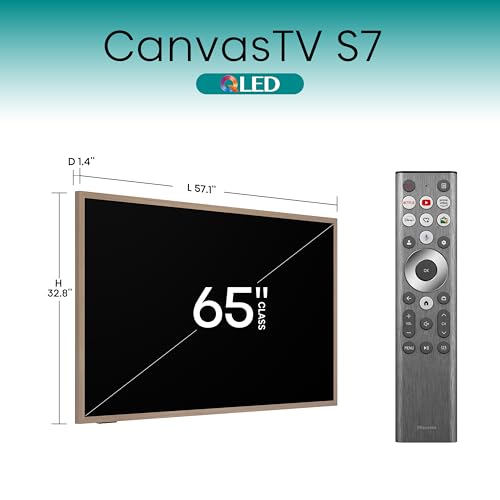
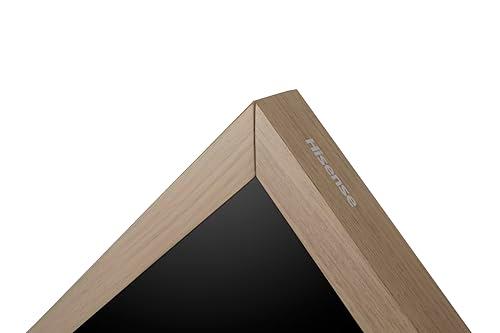
This matte coating serves dual purposes. Beyond eliminating glare, it creates a texture that mimics real canvas paintings, making displayed artwork look genuinely authentic rather than obviously digital. When combined with the magnetic frame system (teak comes standard, with white and walnut options available separately), the transformation is striking. The included UltraSlim Wall Mount positions the TV just 3mm from the wall, creating that crucial floating-artwork aesthetic.
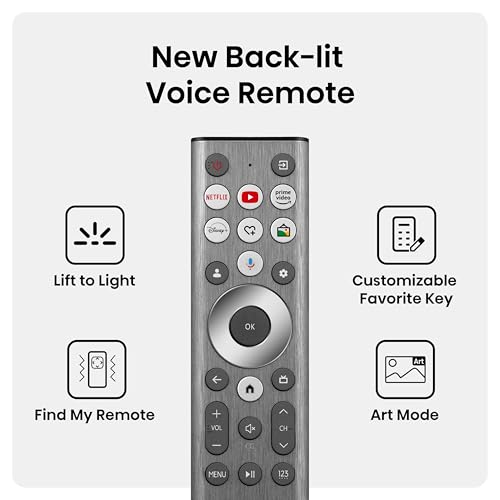
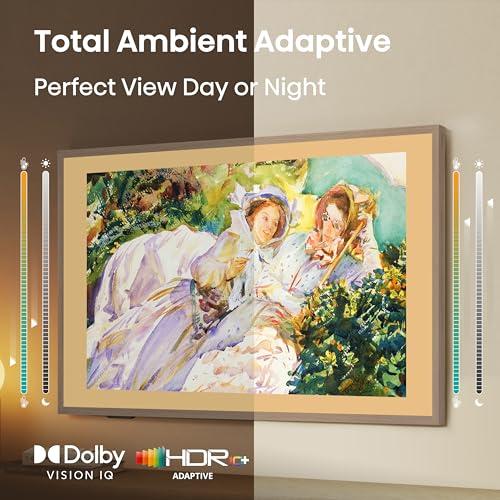
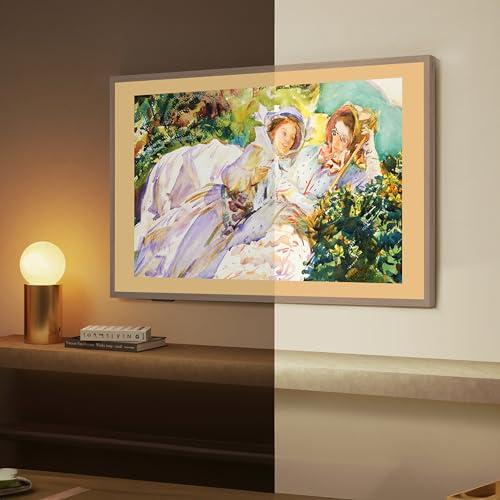
The Art Mode functionality goes beyond simple photo display. Motion sensors detect when someone enters the room and automatically switch from power-saving mode to art display. Ambient light sensors adjust brightness throughout the day, ensuring artwork remains visible without wasting energy. Unlike Samsung's approach, there are no subscription fees for accessing curated artwork—a significant long-term value advantage.
However, this aesthetic focus comes with trade-offs. The matte coating, while excellent for reducing glare, slightly diminishes peak brightness compared to glossy alternatives. The CanvasTV reaches about 450 cd/m² at peak, which is adequate for most content but won't deliver the eye-searing highlights that make HDR content truly spectacular in dark rooms.
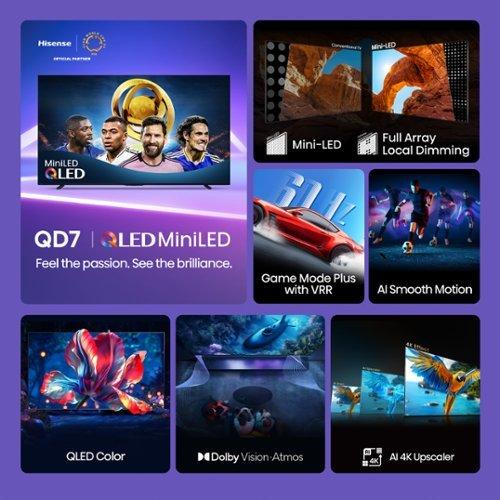
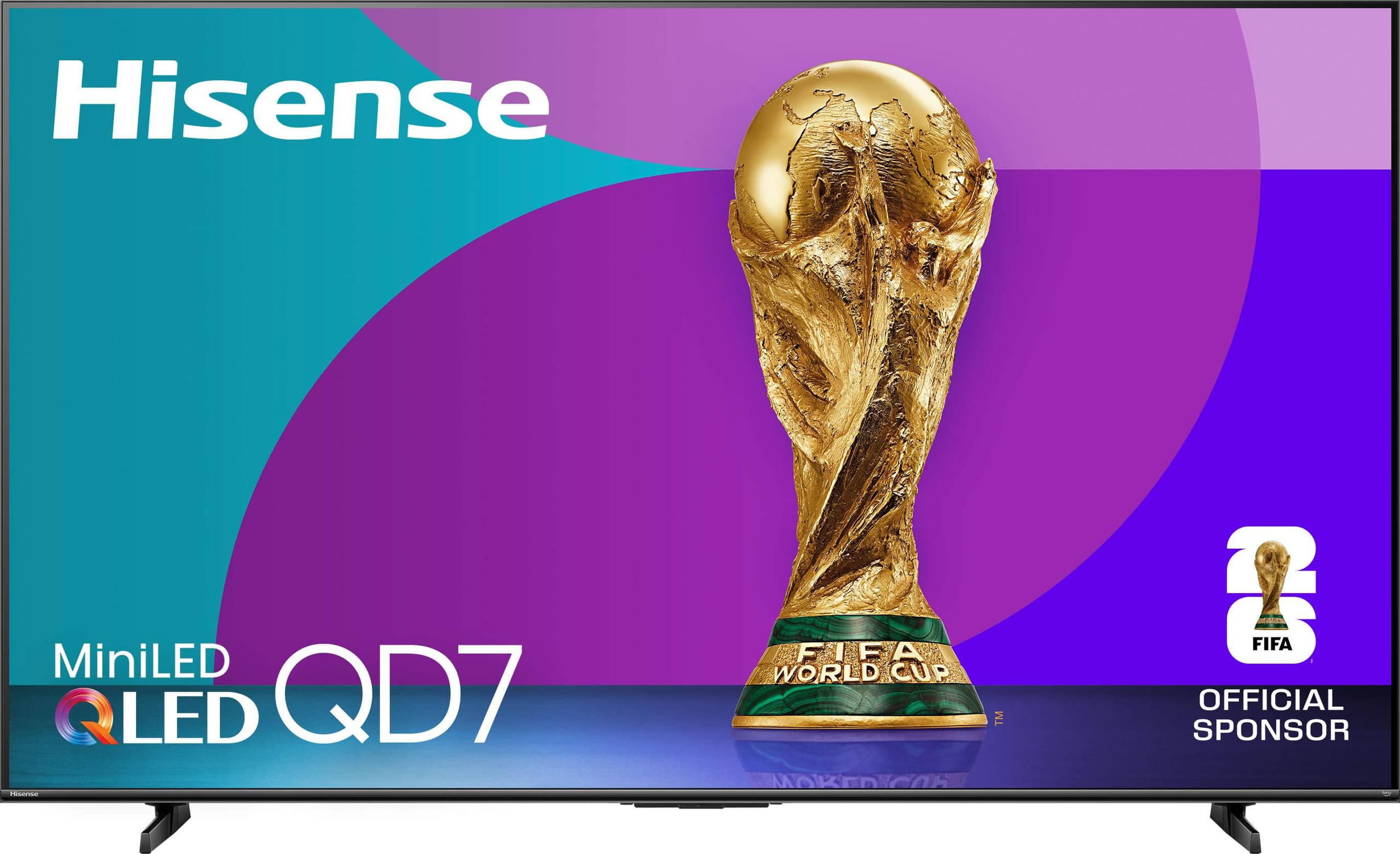
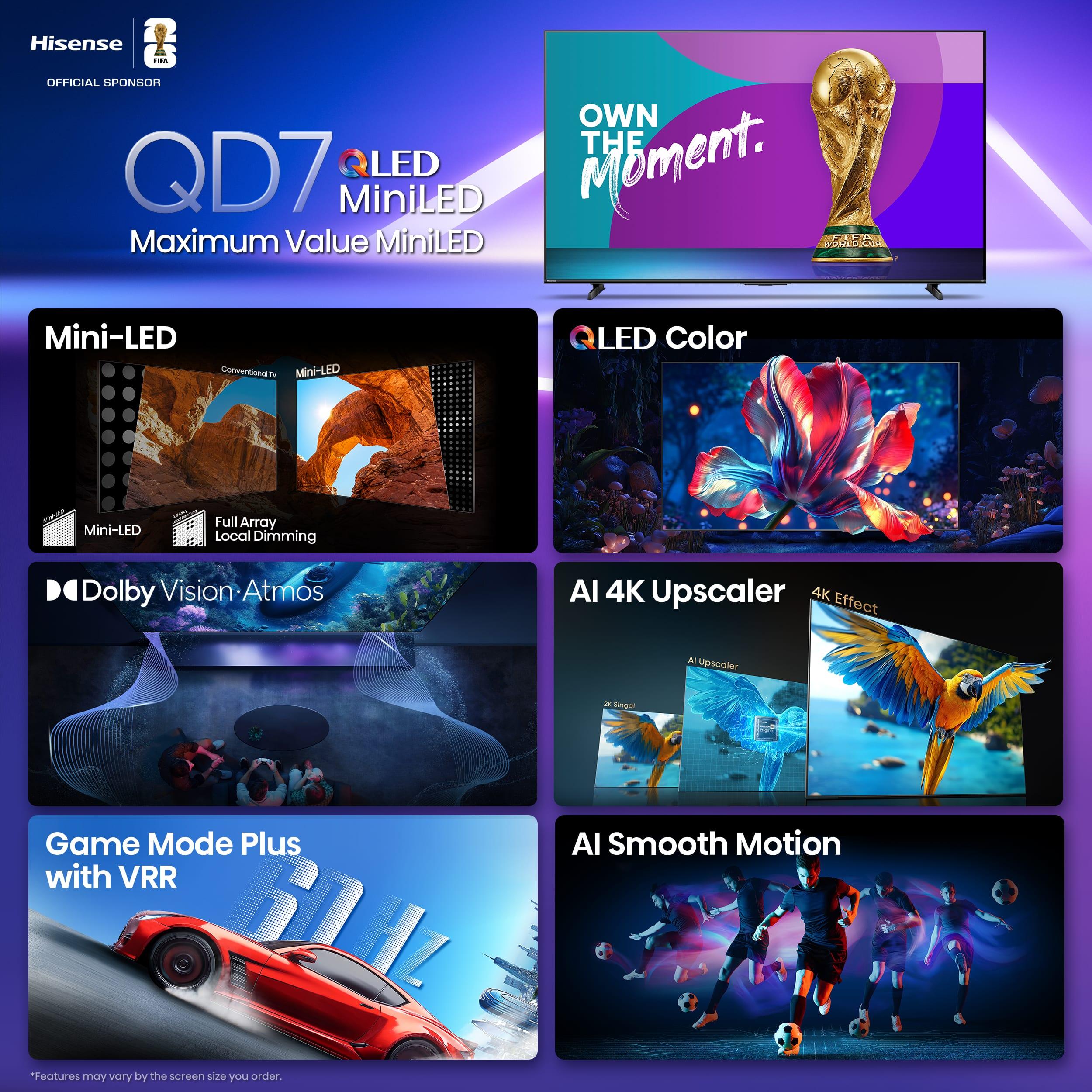
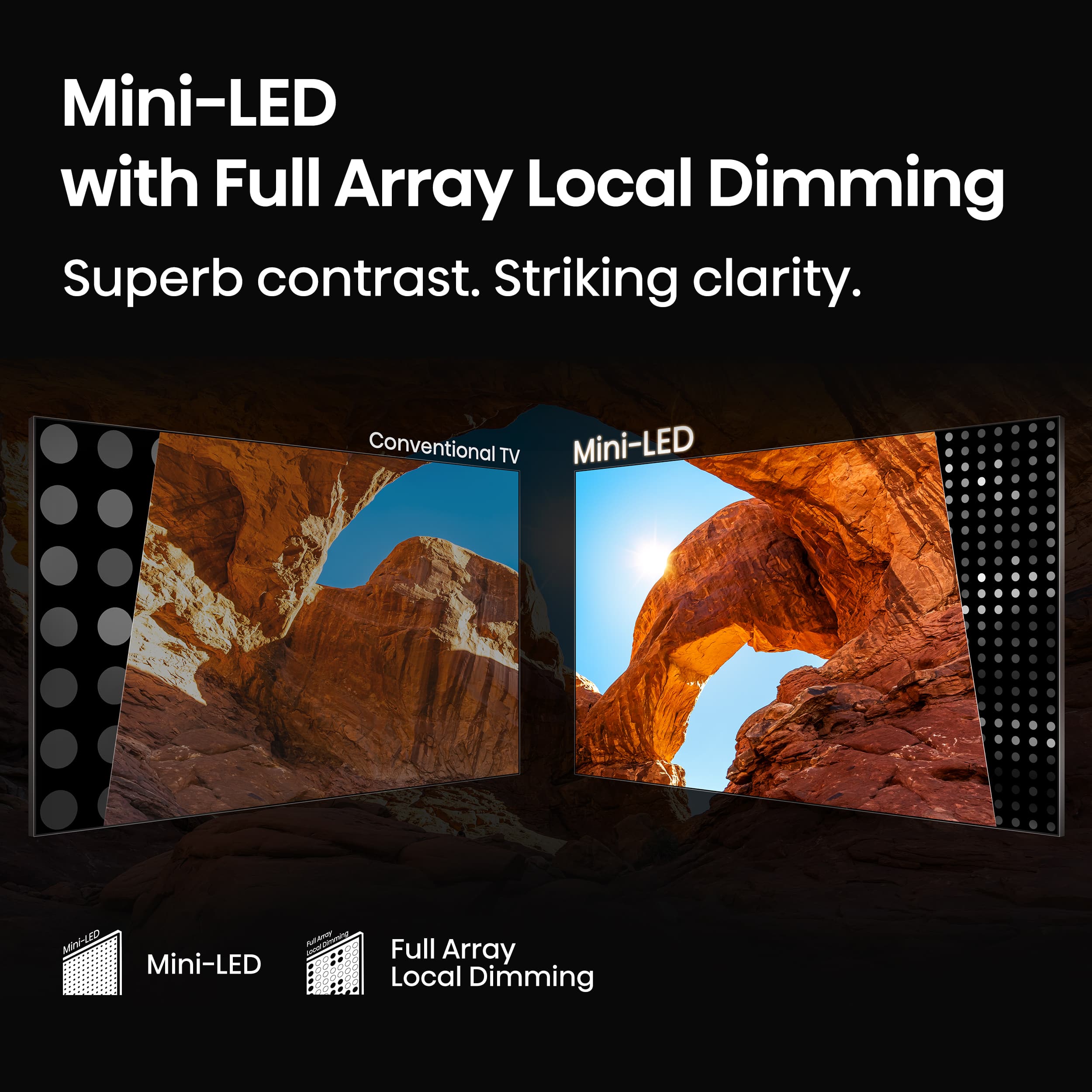
The QD7 Series, launched in 2025, takes the opposite approach by maximizing display performance per dollar. Mini-LED technology represents a significant leap forward from traditional LED backlighting, using thousands of tiny LEDs instead of dozens of larger ones. This allows for Full Array Local Dimming (FALD) with hundreds of dimming zones that can independently control brightness across the screen.
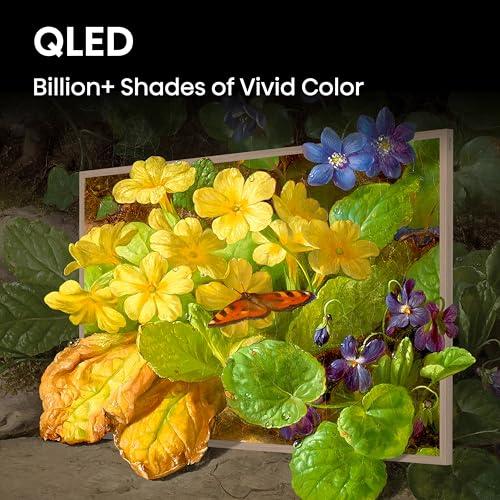
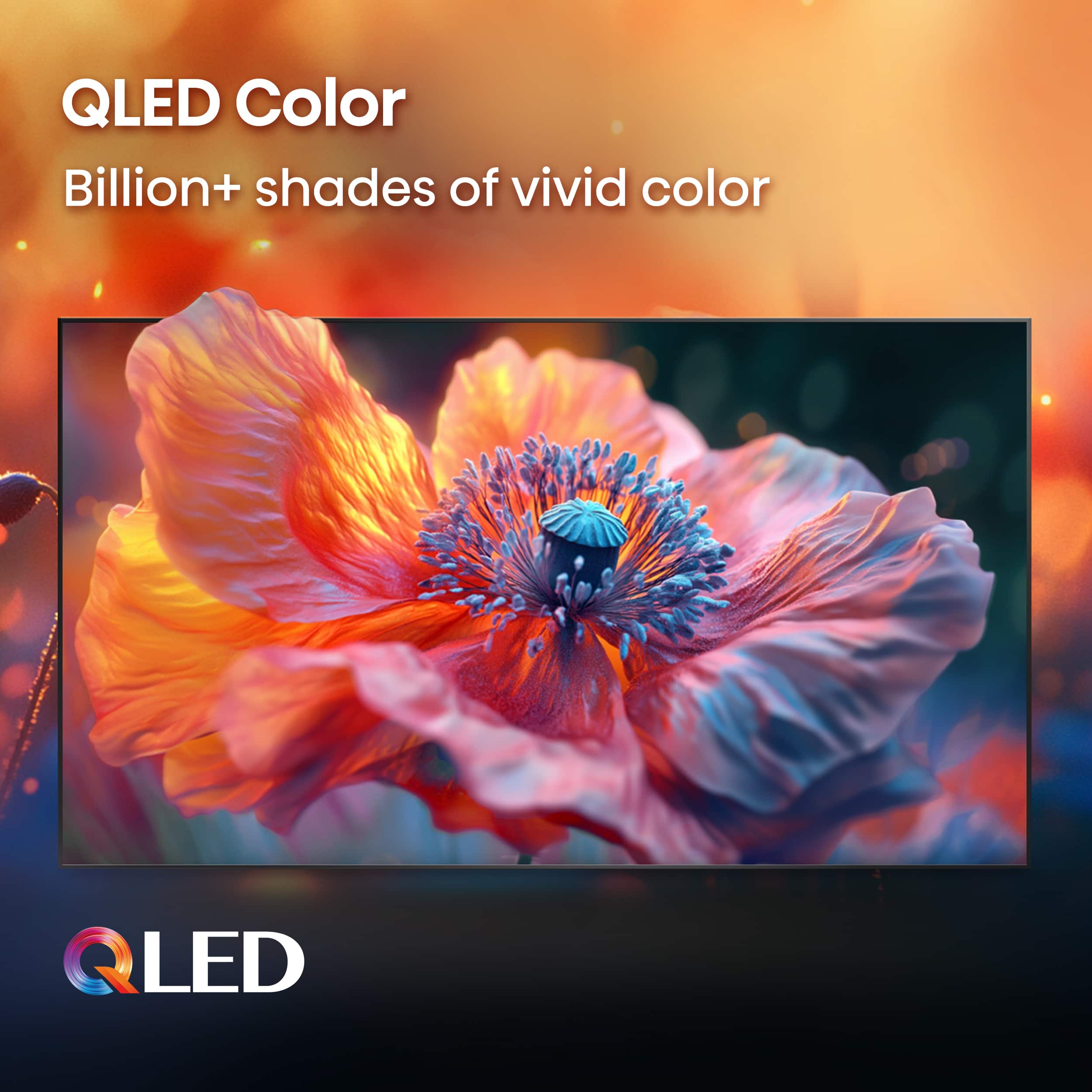
The practical benefit is dramatic: dark scenes show true blacks without the gray wash that plagues cheaper TVs, while bright elements like explosions or sunlit scenes can reach much higher peak brightness levels. This creates the contrast ratio that makes HDR content look genuinely three-dimensional and lifelike. The quantum dot enhancement adds another layer, producing over a billion color shades with remarkable purity, especially in reds and greens that standard LED TVs struggle to reproduce accurately.
What makes the QD7 particularly compelling is its pricing position. At the time of writing, it delivers Mini-LED performance at roughly half the cost of equivalent Sony or Samsung models. This democratization of premium display technology has been a game-changer, making features previously reserved for $2,000+ TVs accessible to mainstream buyers.
The trade-off here is purely aesthetic. The QD7 looks like a traditional TV when turned off—a black rectangle that doesn't contribute to your room's décor. For buyers focused purely on entertainment value, this isn't a drawback, but it limits the TV's role in your living space.
Gaming capabilities have become a crucial differentiator as next-generation consoles push TVs to their limits. Here, the CanvasTV delivers a surprising advantage despite its art-focused marketing. With a native 144Hz refresh rate, it can display 4K content at 144 frames per second or 1080p at an incredible 240fps—specifications typically found only in dedicated gaming monitors.
Input lag, measured as the delay between pressing a controller button and seeing the action on screen, sits at just 5.4ms for the CanvasTV. For context, anything under 20ms is considered good for gaming, and under 10ms is excellent. This near-instantaneous response makes competitive gaming feel immediate and responsive.
The QD7 takes a more conservative approach with 60Hz refresh rate on the 65-inch model (larger sizes offer higher refresh rates) and approximately 13ms input lag. While still very good for casual gaming, serious gamers will notice the difference in fast-paced shooters or racing games. Both models support Variable Refresh Rate (VRR) and Auto Low Latency Mode (ALLM), which eliminate screen tearing and automatically optimize settings when a game console is detected.
For home theater gaming setups, the CanvasTV's superior gaming performance comes with an unexpected bonus: the matte display eliminates reflections from room lighting that can be distracting during dark game scenes. Traditional glossy TVs often require careful light control for optimal gaming, while the CanvasTV remains playable even with lamps or windows behind the seating area.
Peak brightness numbers often dominate TV marketing, but real-world picture quality depends on much more nuanced factors. The QD7's Mini-LED backlighting excels in dark room viewing, where its superior contrast ratio makes movies feel more cinematic. Dark scenes in films like "The Batman" or "Blade Runner 2049" maintain detail in shadows while preserving bright highlights—the hallmark of good HDR performance.
However, the CanvasTV's Hi-Matte display offers a different kind of excellence. In bright living rooms with large windows or overhead lighting, glossy TVs become nearly unwatchable during daytime viewing. The CanvasTV maintains color saturation and detail visibility regardless of ambient light conditions. This makes it superior for households where TV viewing happens throughout the day in naturally lit spaces.
Color accuracy represents another crucial consideration. Both models use quantum dot technology for wide color gamut reproduction, but they're tuned differently. The CanvasTV prioritizes natural, art-appropriate color rendering that makes photographs and artwork look authentic. The QD7 leans toward more vivid, punchy colors that make movies and sports content more exciting.
For HDR performance, both support Dolby Vision, HDR10+, and other formats, but the QD7's higher peak brightness and better local dimming create more dramatic HDR effects. If you primarily watch movies in a darkened room, the Mini-LED advantage becomes significant. For mixed-lighting viewing, the CanvasTV's consistent performance across lighting conditions often provides a better overall experience.
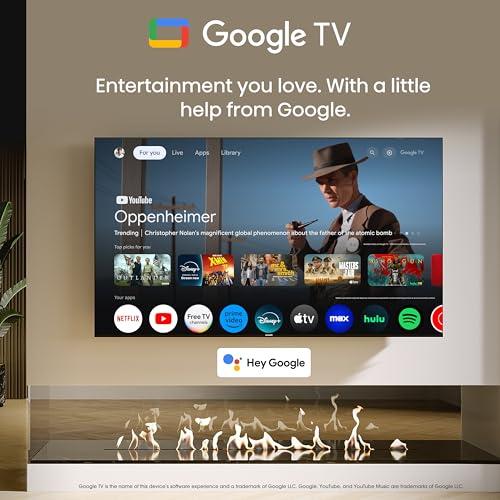
The platform choice between Google TV on the CanvasTV and Fire TV on the QD7 affects daily usability more than many buyers realize. Google TV provides a more polished, responsive interface with better search functionality and content recommendations across services. The integration with Chromecast makes sharing content from phones or tablets seamless.
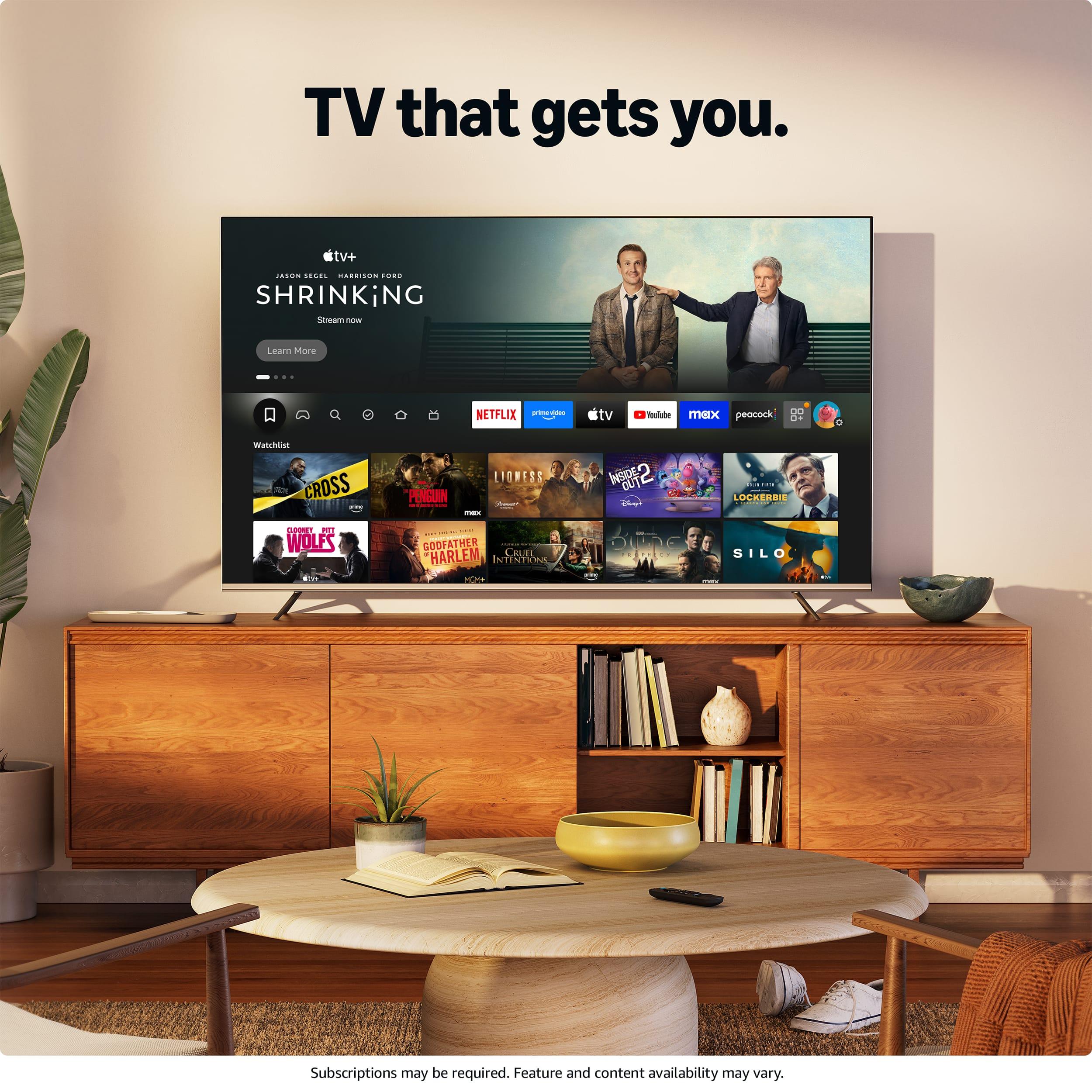
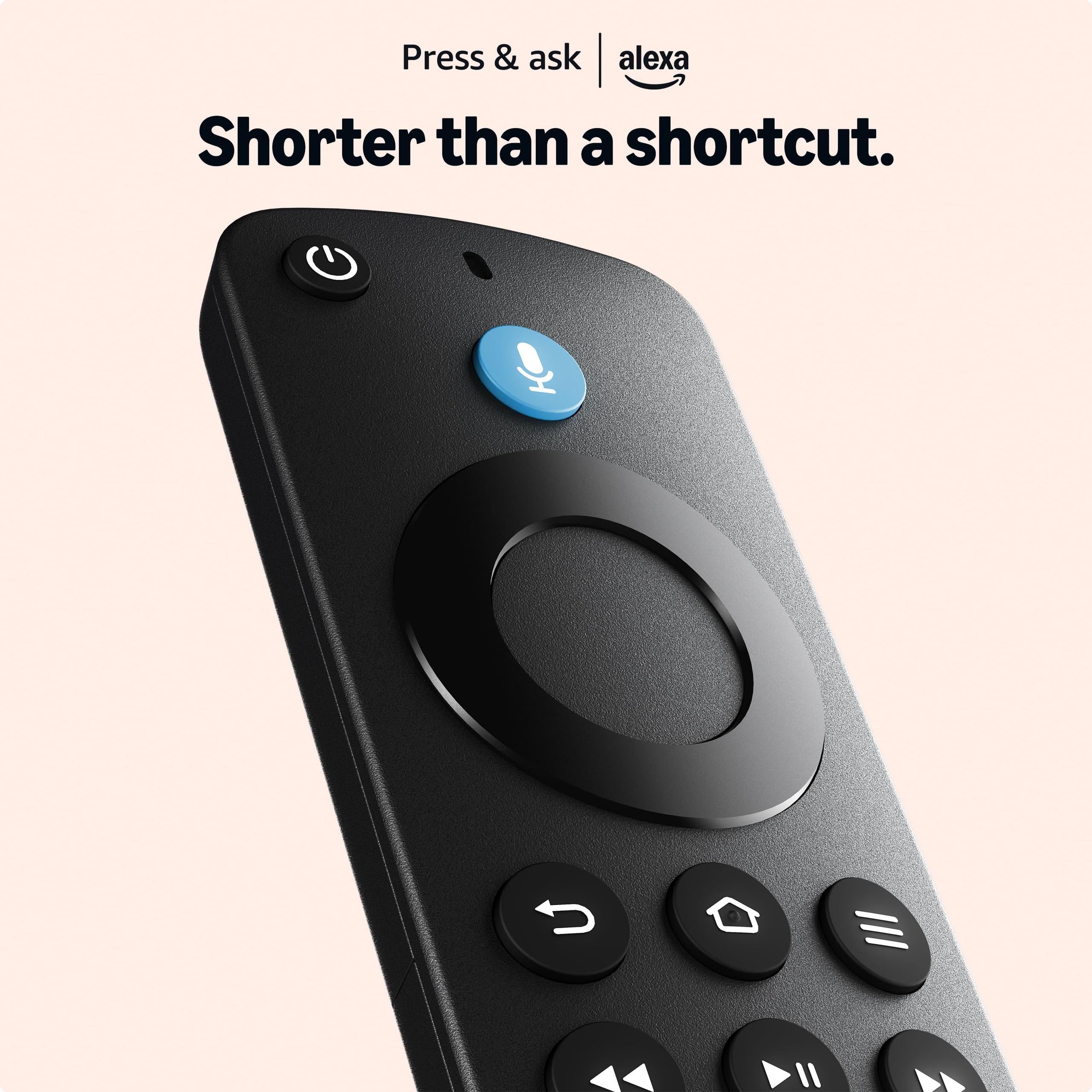
Fire TV offers tighter Amazon ecosystem integration, with Prime Video content prominently featured and Alexa voice control deeply embedded. If you're already invested in Amazon's smart home ecosystem or frequently use Prime Video, the QD7's platform provides better integration.
Both platforms support all major streaming services, but the user experience differs. Google TV feels more neutral and service-agnostic, while Fire TV clearly prioritizes Amazon's content and services. Neither approach is inherently better—it depends on your existing digital ecosystem and content preferences.
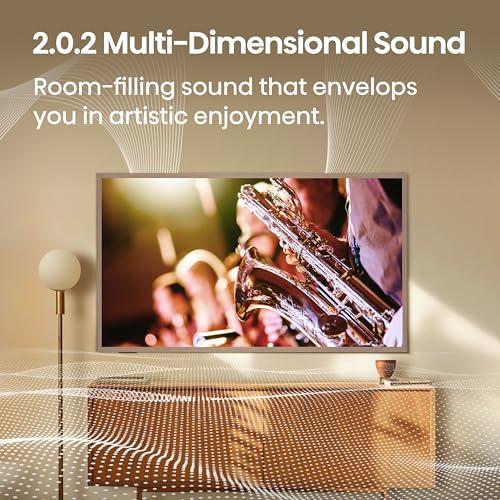
TV speakers have improved dramatically in recent years, and both models exceed expectations for their form factors. The CanvasTV's 2.0.2 channel system includes upward-firing speakers that create a sense of height and space despite the ultra-thin design required for wall mounting. The DTS Virtual:X processing does an impressive job creating surround sound effects from just four speakers.
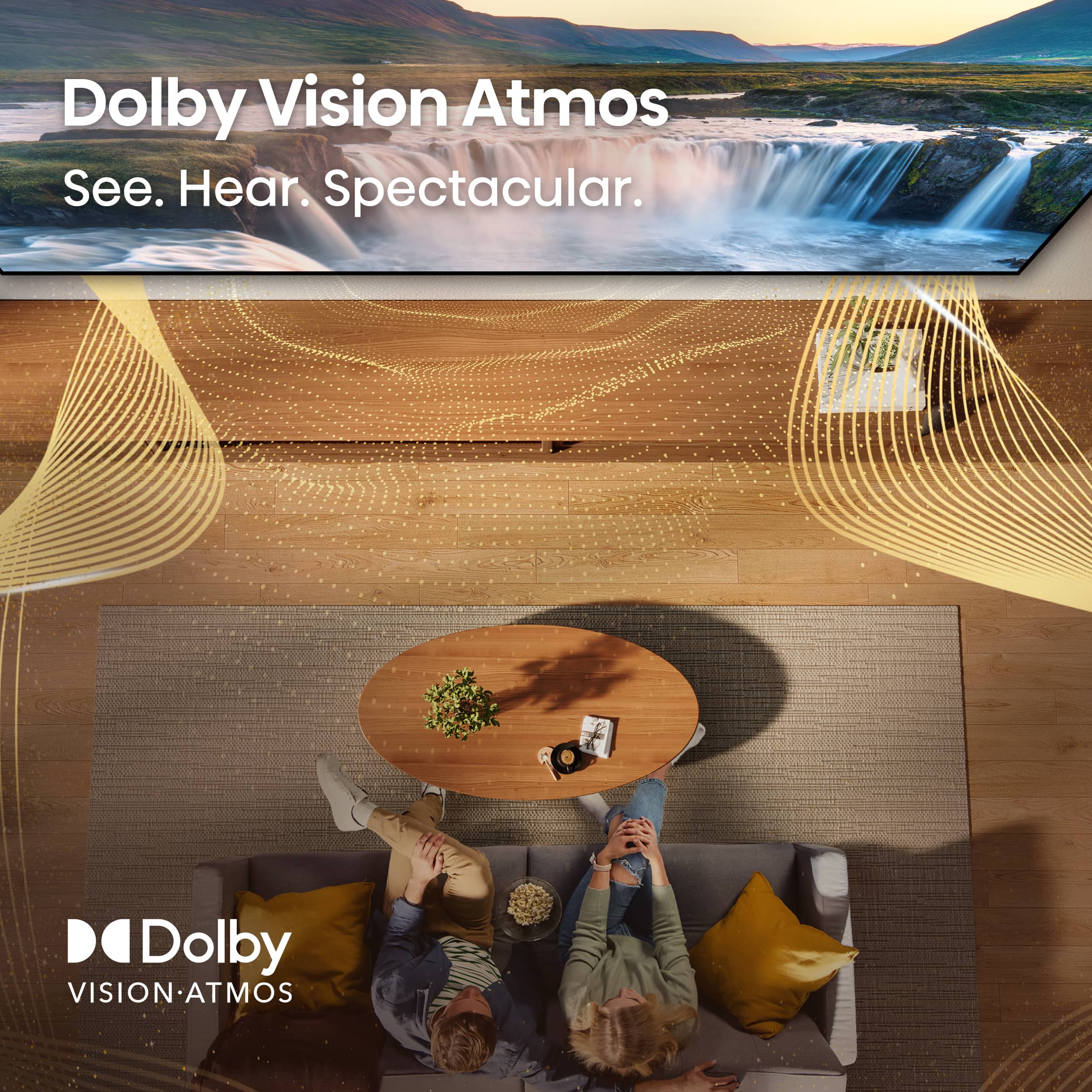
The QD7's 2.1 system includes a dedicated subwoofer, providing better bass response for action movies and music. While still not matching a dedicated soundbar system, it's surprisingly capable for casual viewing and even music playback.
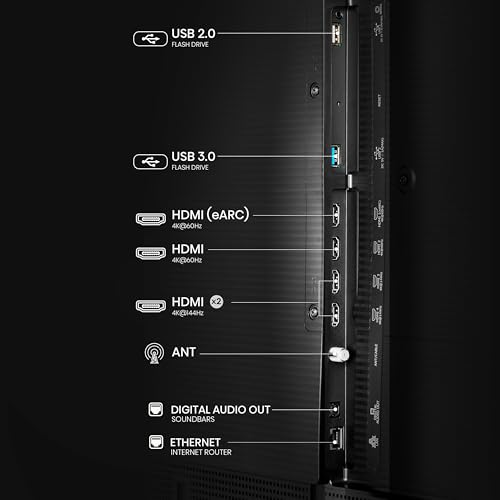
For home theater enthusiasts, both models support eARC (enhanced Audio Return Channel) for connecting high-end soundbars or receivers. The CanvasTV includes Dolby Atmos pass-through, ensuring you won't lose audio quality when connecting external audio systems.
At the time of writing, the CanvasTV commands a premium over the QD7, reflecting its specialized art display functionality and superior gaming performance. This price difference represents more than just features—it's the cost of versatility and aesthetic integration.
The CanvasTV effectively replaces both a TV and wall art, potentially saving money if you were planning to purchase artwork for the space anyway. The lack of subscription fees for art content (unlike Samsung's Frame TV) improves the long-term value proposition. For households prioritizing décor integration and gaming performance, the premium often justifies itself.
The QD7 represents exceptional value for pure entertainment performance. Its Mini-LED technology typically costs significantly more from premium brands like Sony or Samsung. For buyers focused on picture quality per dollar spent, particularly for movie watching in controlled lighting conditions, it's hard to beat.
The decision between these models ultimately depends on your lifestyle and viewing priorities rather than pure specifications. Choose the CanvasTV if you value aesthetic integration, have a bright living space, or prioritize gaming performance. Its ability to disappear into your décor when not in use and remain watchable in any lighting condition makes it ideal for open-plan living spaces or rooms with challenging lighting.
The QD7 suits buyers focused on entertainment performance and value. If you primarily watch TV in controlled lighting conditions and want the best possible picture quality for your budget, the Mini-LED technology delivers exceptional results. It's particularly compelling for dedicated home theater setups or households where the TV's appearance when turned off isn't a consideration.
For most buyers, I lean toward recommending the QD7 purely on value grounds—it delivers premium display technology at an accessible price point. However, the CanvasTV serves a unique niche that no other TV truly addresses, making it the better choice for buyers who value that aesthetic versatility and don't mind paying extra for it.
Both represent intelligent approaches to modern TV design, just serving different lifestyle priorities. The key is honestly assessing which set of compromises aligns better with your actual usage patterns and room constraints.
| Hisense 65" S7N CanvasTV QLED 4K Smart Display | Hisense 65" QD7 Series Mini-LED 4K Fire TV 2025 |
|---|---|
| Display Technology - Determines contrast, brightness, and viewing experience | |
| QLED with Hi-Matte anti-glare coating | Mini-LED with Full Array Local Dimming (FALD) |
| Peak Brightness - Critical for HDR performance and daytime viewing | |
| 450 cd/m² (good for bright rooms, limited HDR impact) | Higher peak brightness with Mini-LED (excellent HDR performance) |
| Refresh Rate - Essential for gaming and smooth motion | |
| 144Hz native (4K@144Hz, 1080p@240Hz) | 60Hz on 65" model (adequate for most content) |
| Input Lag - Gaming responsiveness measurement | |
| 5.4ms (excellent for competitive gaming) | ~13ms (good for casual gaming) |
| Anti-Glare Properties - Viewing comfort in bright spaces | |
| Hi-Matte reduces reflections to 5% (exceptional) | Standard glossy finish (requires controlled lighting) |
| Art Display Mode - Aesthetic functionality when TV is off | |
| Full art mode with motion sensors and curated content | Traditional black screen when off |
| Frame Options - Physical appearance customization | |
| Magnetic swappable frames (teak, white, walnut options) | Standard TV bezel design |
| Wall Mounting - Installation and aesthetic integration | |
| UltraSlim 3mm from wall mount included | Standard wall mount compatibility |
| Smart Platform - Daily user interface experience | |
| Google TV (neutral, responsive, Chromecast built-in) | Fire TV (Amazon ecosystem integration, Alexa built-in) |
| HDMI 2.1 Ports - Next-gen console compatibility | |
| 2 ports supporting 4K@144Hz | Multiple ports with VRR and ALLM support |
| Audio System - Built-in sound quality | |
| 2.0.2 with upward-firing speakers, DTS Virtual:X | 2.1 with dedicated subwoofer, Dolby Atmos |
| HDR Support - Premium content compatibility | |
| Dolby Vision, HDR10, HDR10+, HLG | Dolby Vision, HDR10+, HLG |
| Target Use Case - Best suited for | |
| Bright rooms, art display, serious gaming, aesthetic integration | Dark room viewing, budget Mini-LED performance, traditional TV use |
| Key Advantage - What this model does best | |
| Dual-purpose TV/art display with superior gaming specs | Premium display technology at accessible pricing |
The Hisense 65" S7N CanvasTV is significantly better for bright rooms due to its Hi-Matte anti-glare coating that reduces reflections to just 5%. This makes it viewable even in direct sunlight, while the Hisense 65" QD7 Series Mini-LED has a traditional glossy screen that can become unwatchable with excessive ambient light.
The CanvasTV is designed as a dual-purpose TV and art display with a matte screen and customizable frames, while the QD7 Series focuses purely on display performance using Mini-LED technology for superior contrast and brightness in dark rooms.
The Hisense S7N CanvasTV offers superior gaming performance with 144Hz refresh rate, 5.4ms input lag, and support for 4K@144Hz gaming. The QD7 Mini-LED provides good gaming with 60Hz refresh rate and 13ms input lag, but isn't as competitive for serious gamers.
Yes, both the CanvasTV and QD7 Series support HDMI 2.1, VRR (Variable Refresh Rate), and ALLM (Auto Low Latency Mode) for next-gen console compatibility. However, the CanvasTV can take full advantage of higher frame rate games.
The Hisense QD7 Mini-LED typically provides better movie picture quality in dark rooms due to its Mini-LED backlighting with Full Array Local Dimming, offering deeper blacks and brighter highlights. The CanvasTV excels in mixed lighting conditions but has lower peak brightness.
Only the Hisense CanvasTV has dedicated Art Mode that displays curated artwork or personal photos with motion sensors and ambient light adjustment. The QD7 Series shows a standard black screen when turned off.
The QD7 Mini-LED typically offers better value for pure entertainment, delivering premium Mini-LED technology at a budget-friendly price. The CanvasTV provides better value if you want dual TV/art functionality and don't mind paying extra for aesthetic features.
The Hisense S7N CanvasTV runs Google TV with Chromecast built-in, while the QD7 Series uses Fire TV with Amazon Alexa integration. Both support major streaming apps, but the choice depends on your preferred ecosystem.
For dedicated dark home theaters, the QD7 Mini-LED provides superior contrast and HDR performance. For multi-purpose living spaces with ambient light, the CanvasTV maintains better picture quality across different lighting conditions and doubles as room décor.
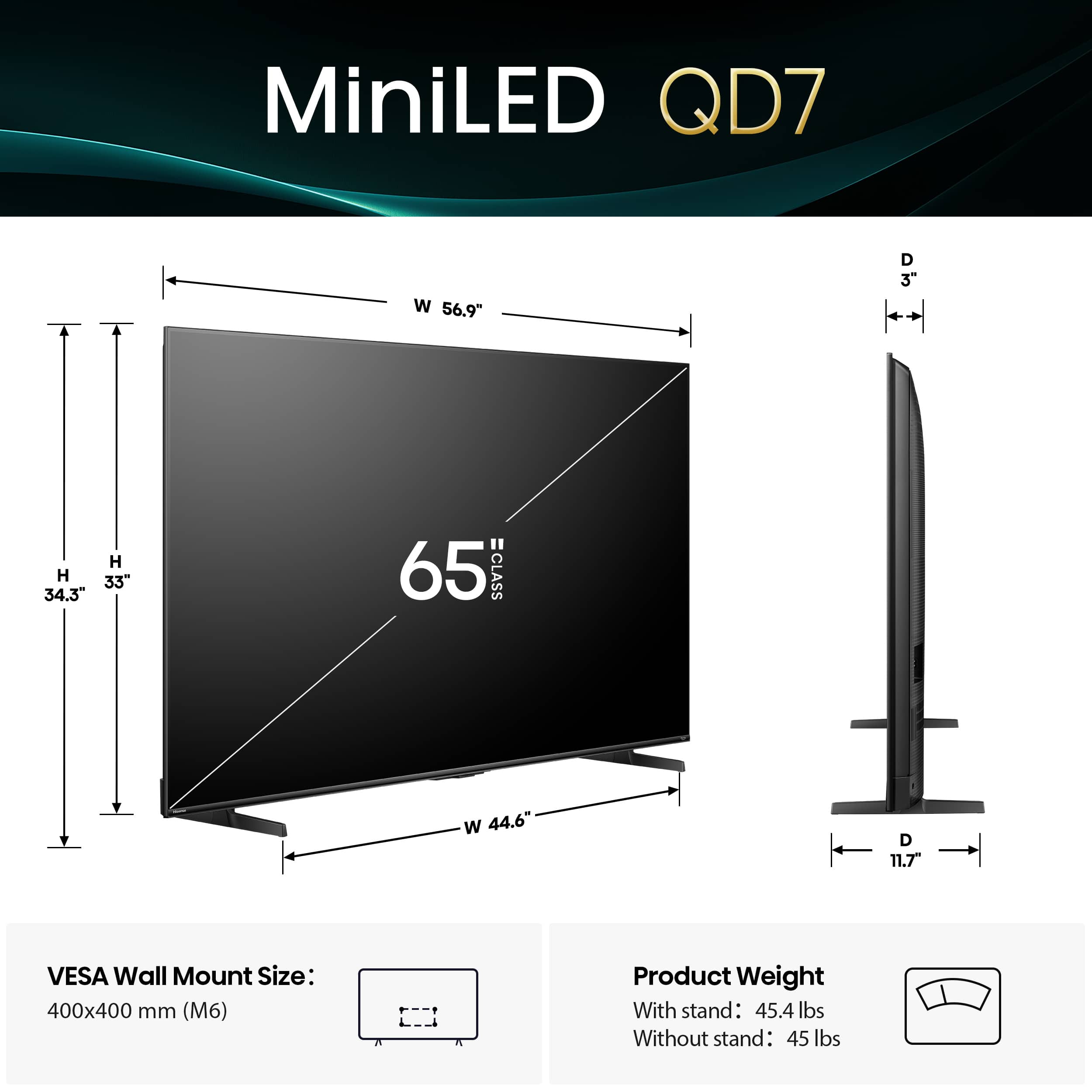
The CanvasTV includes an UltraSlim wall mount for flush installation but is heavier and may benefit from professional mounting. The QD7 Series can use standard TV stands or wall mounts and is more straightforward for DIY installation.
The QD7 Mini-LED has a slight audio advantage with its 2.1 system including a dedicated subwoofer. The CanvasTV features a 2.0.2 system with upward-firing speakers. Both exceed expectations for built-in TV audio, but serious home theater users should consider external sound systems.
Yes, the Hisense CanvasTV uses magnetic swappable frames available in teak (included), white, and walnut finishes. The QD7 Series has a standard fixed TV bezel that cannot be customized.
We've done our best to create useful and informative comparisons to help you decide what product to buy. Our research uses advanced automated methods to create this comparison and perfection is not possible - please contact us for corrections or questions. These are the sites we've researched in the creation of this article: bestbuy.com - hisense.sg - tomsguide.com - content.syndigo.com - rtings.com - hisense-usa.com - youtube.com - bestbuy.com - youtube.com - displayspecifications.com - displayspecifications.com - manuals.plus - displayspecifications.com - bestbuy.com - hisense-canada.com - manuals.plus - bargainoutletandmore.com - bestbuy.com - device.report - bestbuy.com - custrevs.com - youtube.com - bestbuy.com - rtings.com - youtube.com - rtings.com - pcrichard.com - bestbuy.com - pcrichard.com - camelcamelcamel.com - amazonfiretv.blog - hisense-usa.com - hisense-usa.com - hisense-usa.com - bestbuy.com - leaseville.com - youtube.com - bestbuy.com - flatpanelshd.com

Privacy Policy
Terms and Conditions - Affiliate Policy
Home Security
© Copyright 2008-2026.
11816 Inwood Rd #1211, Dallas, TX 75244