

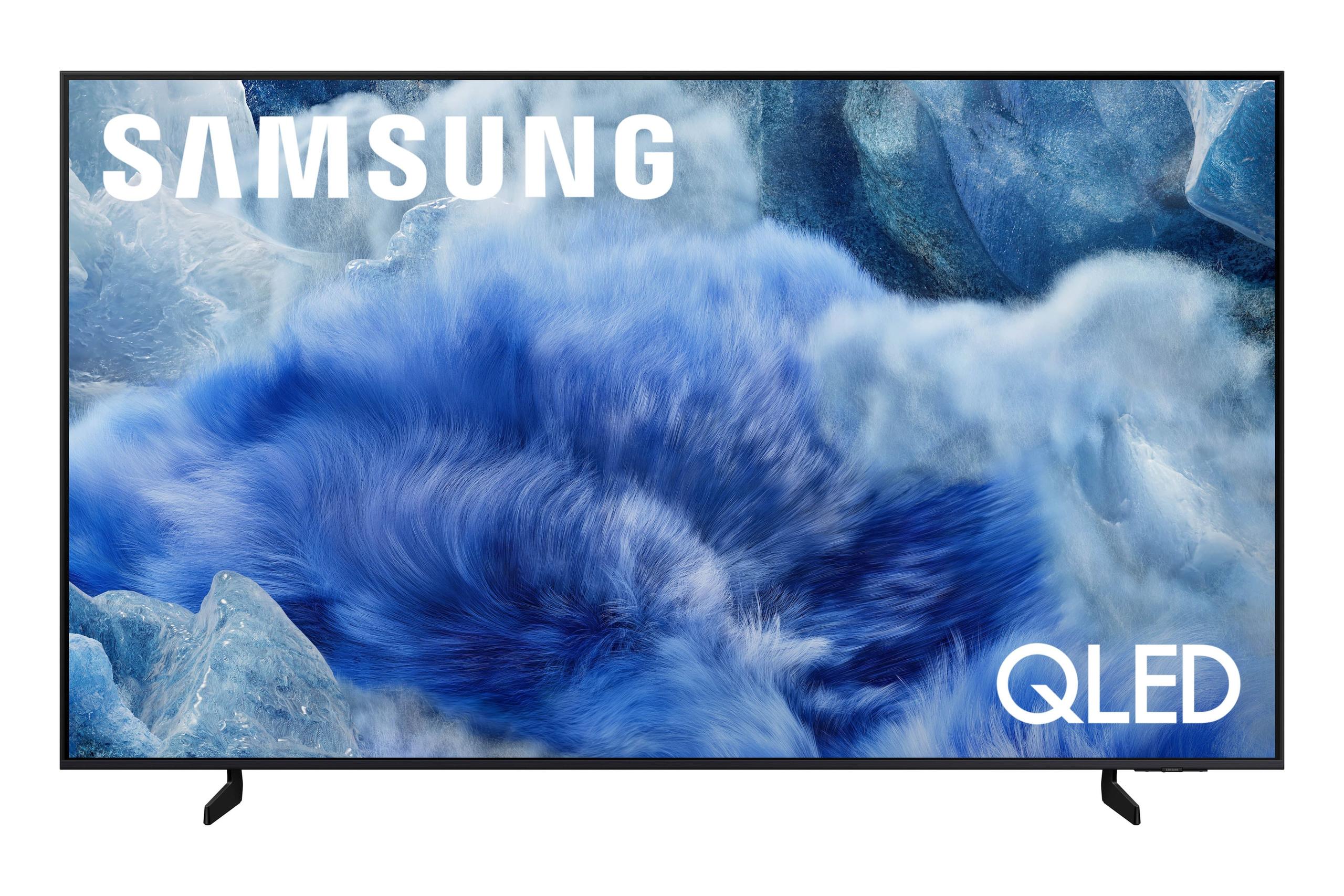
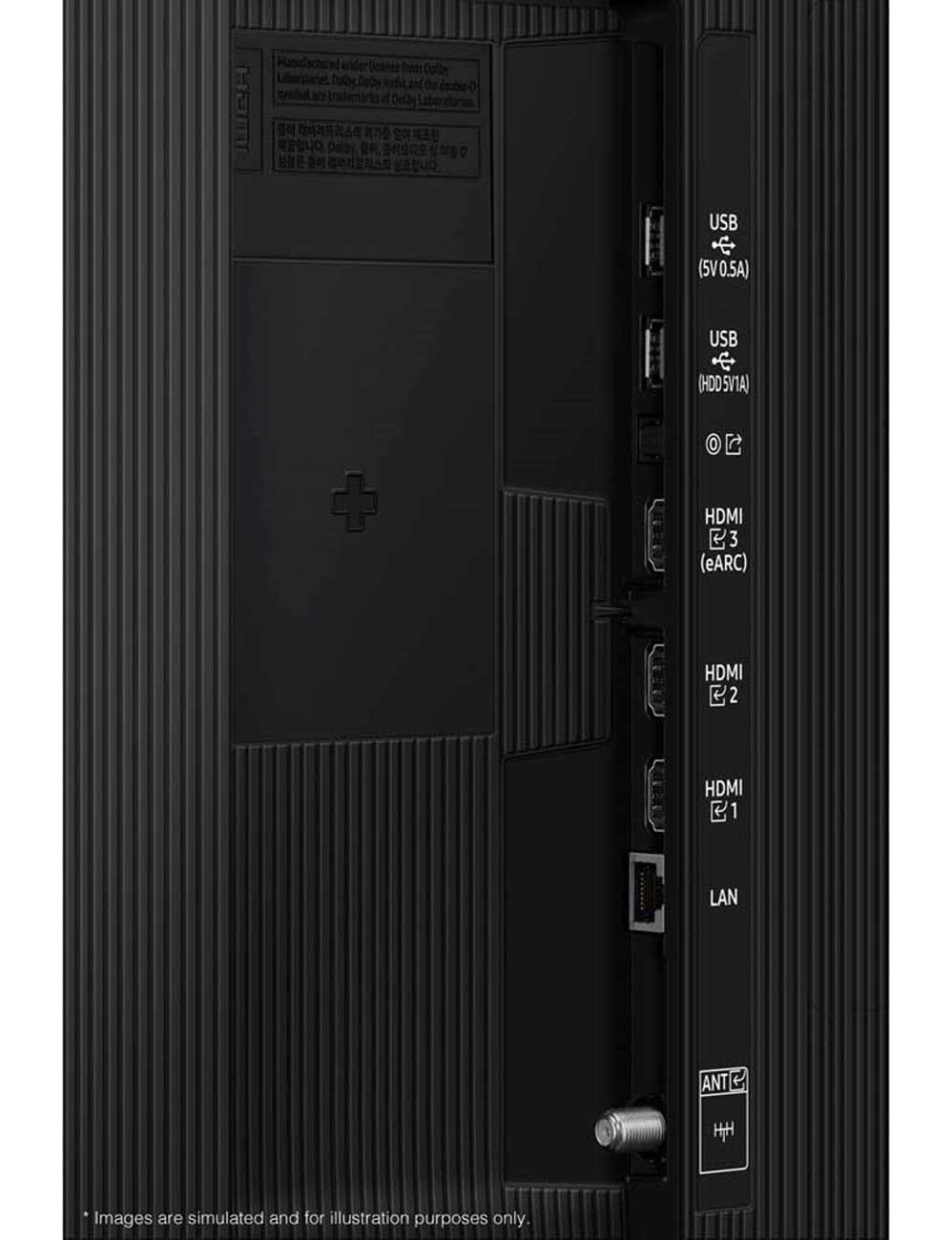
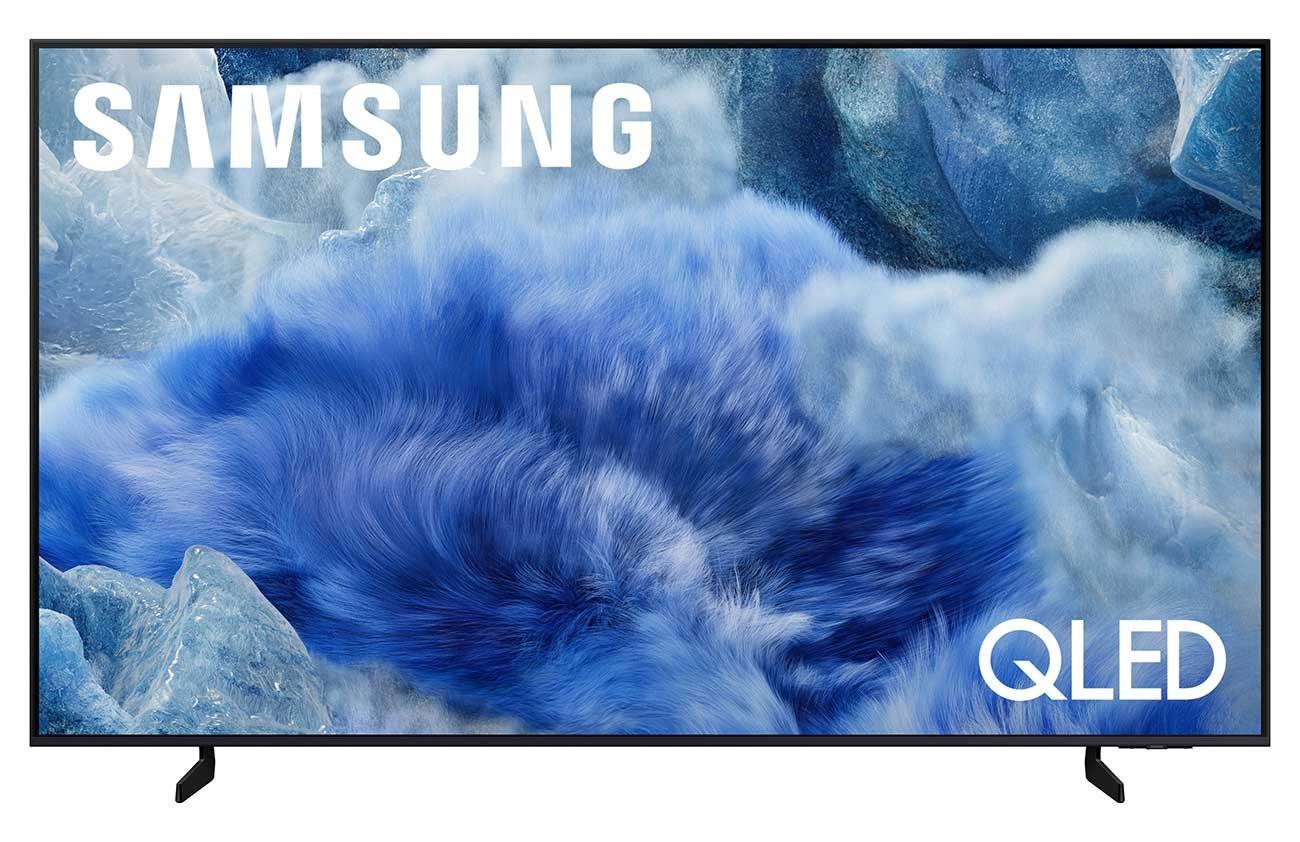
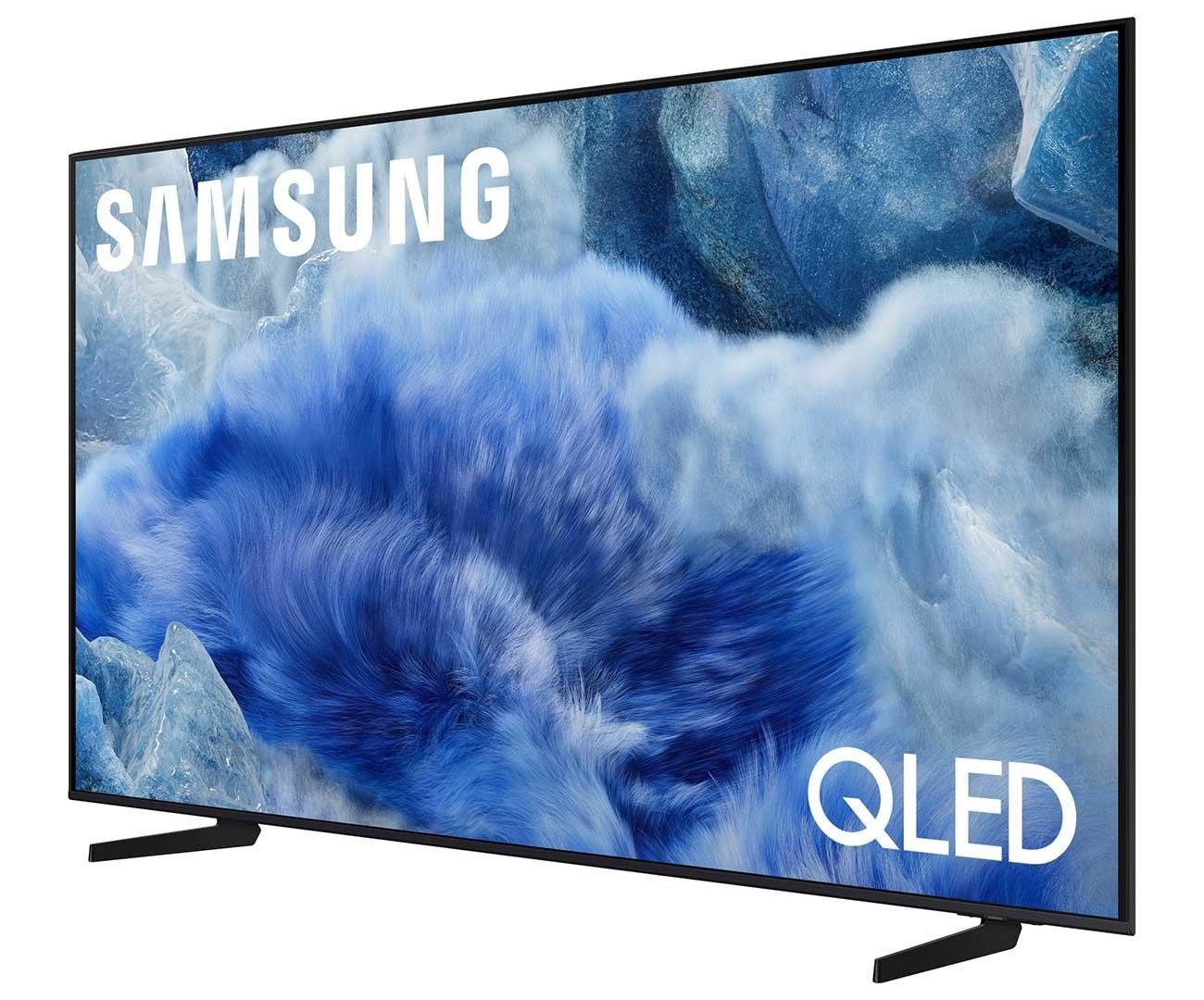
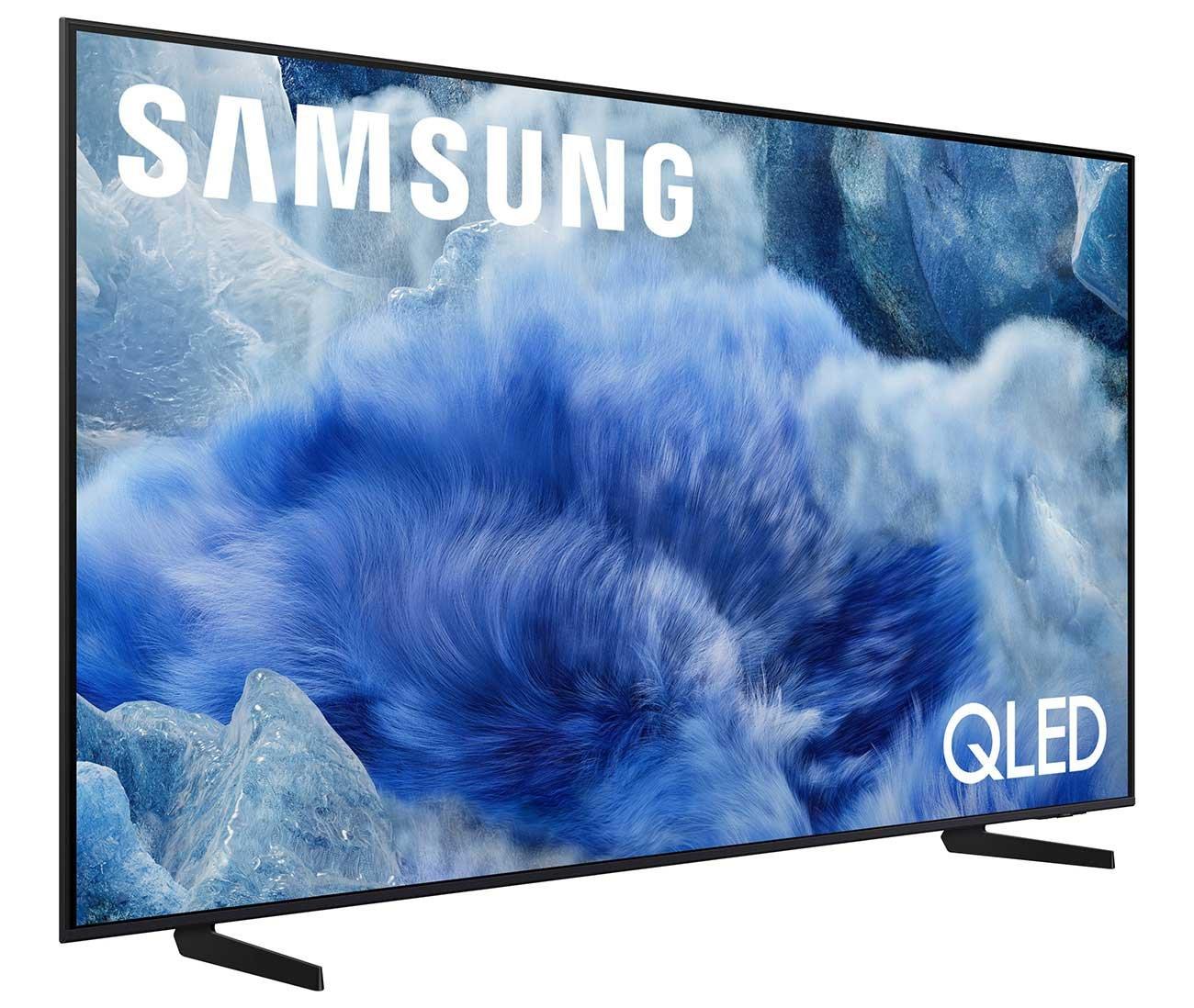
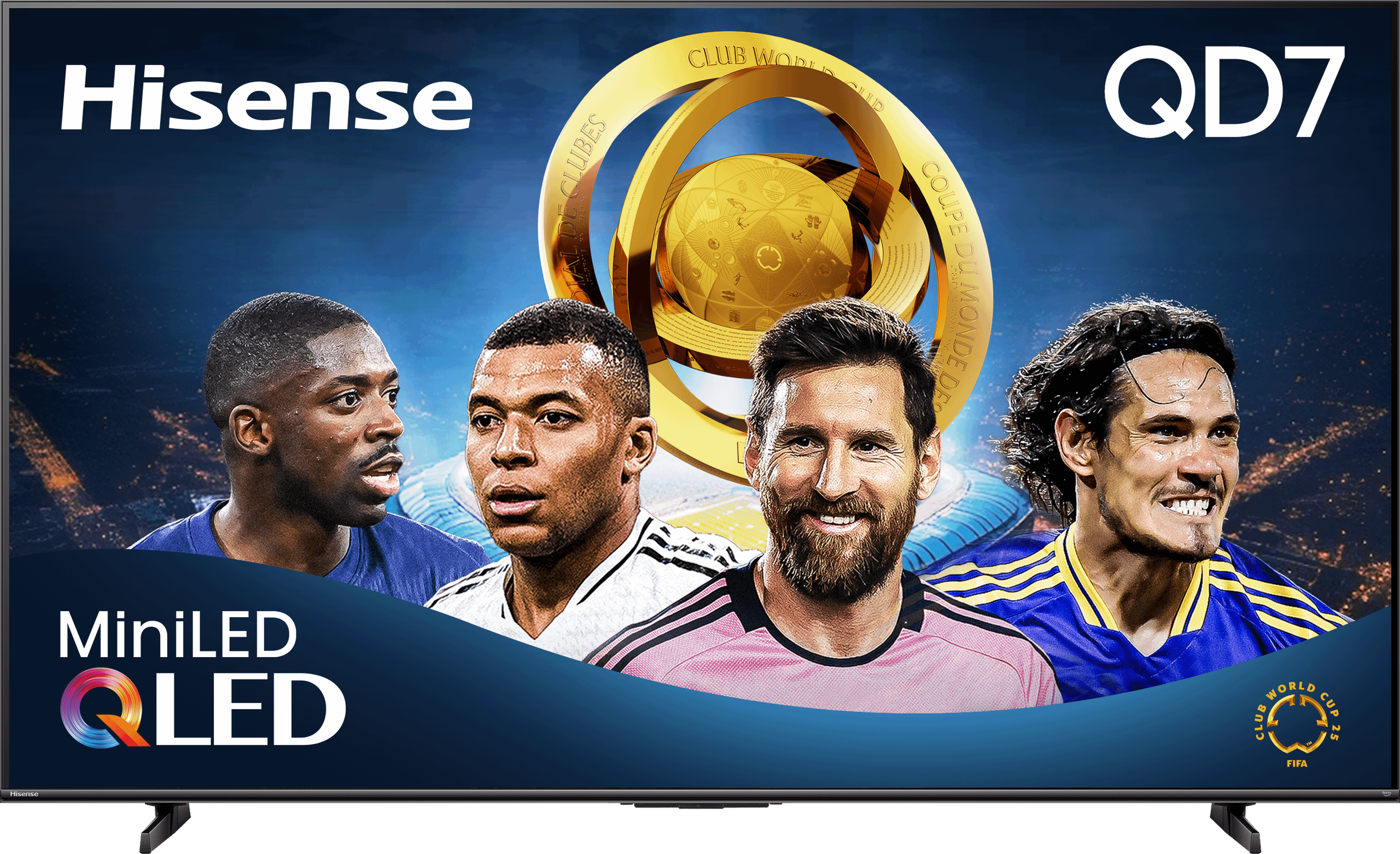
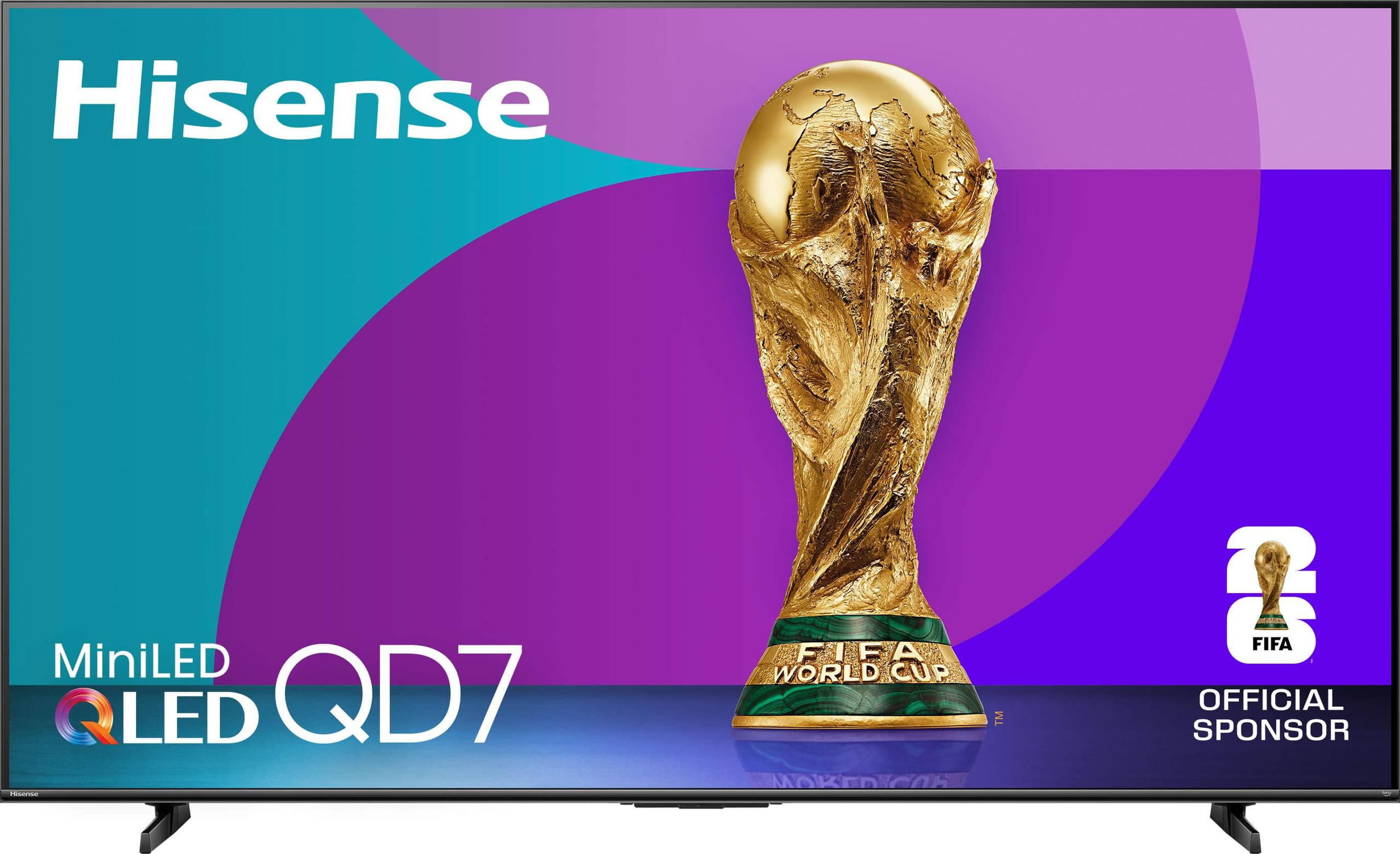
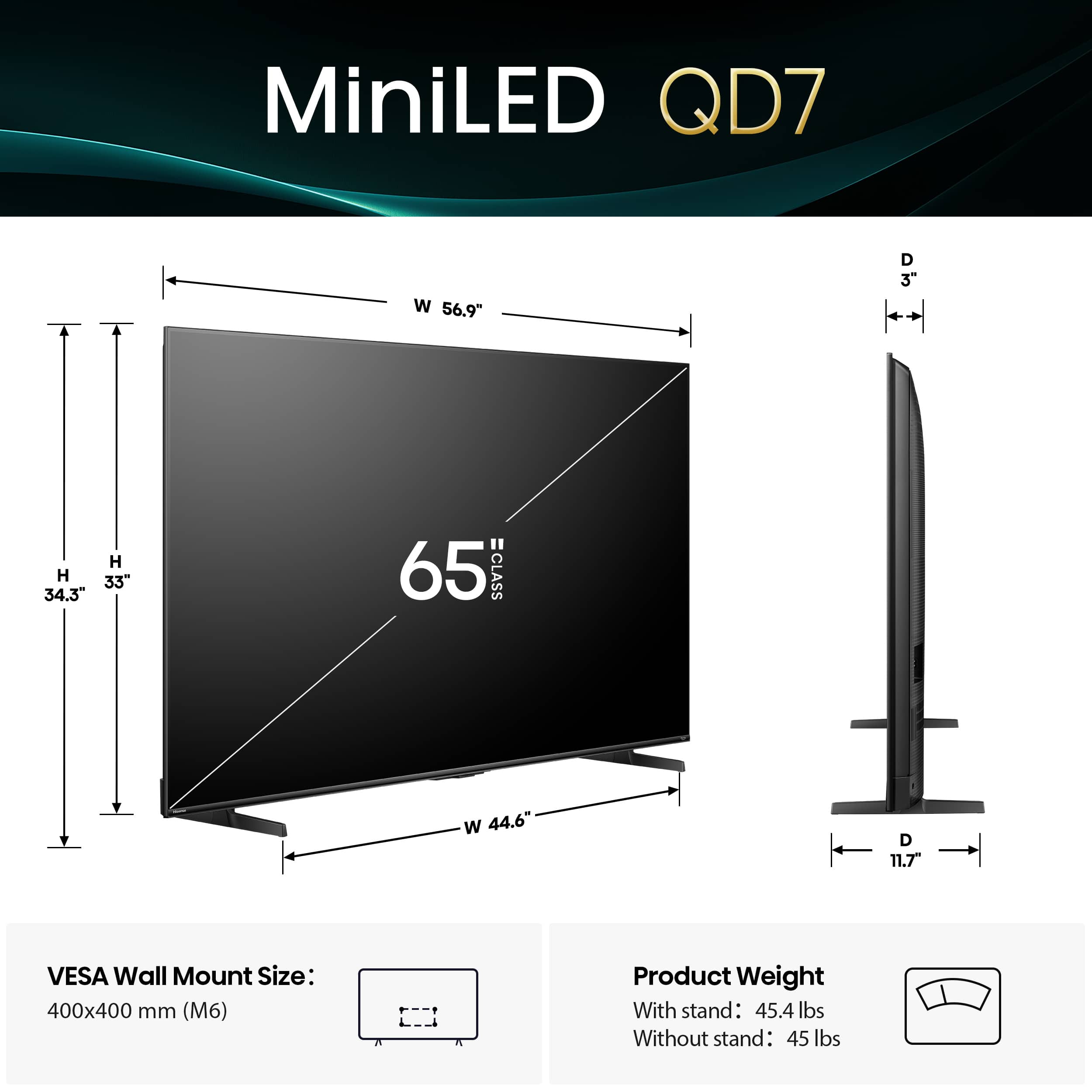
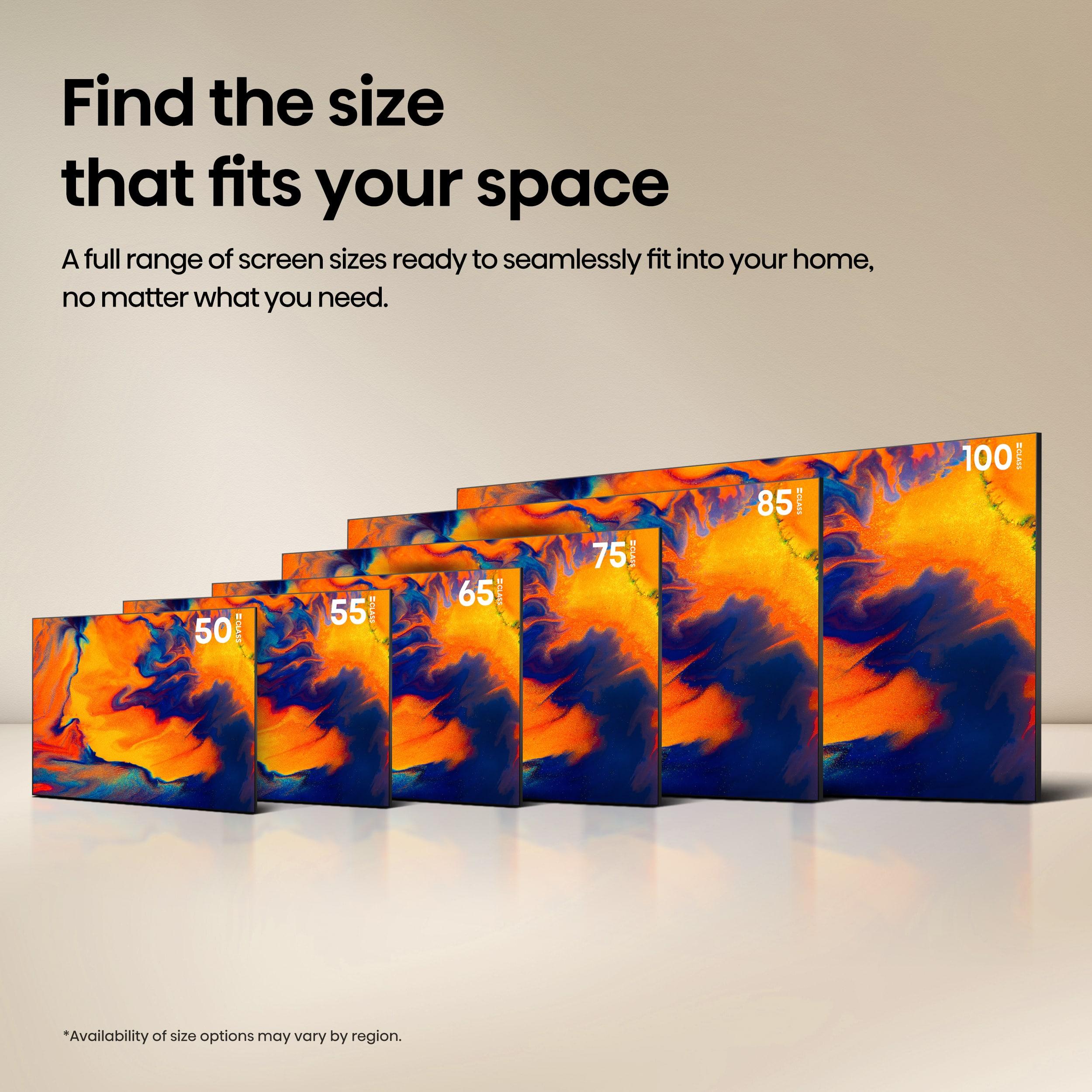
Shopping for a new 65-inch TV in 2025? You're in for a treat. The TV market has never been more competitive, and two standout models are making waves: the Samsung 65" QN8F Series QLED 4K Vision AI Smart TV and the Hisense 65" QD7 Series Mini-LED 4K Fire TV. Both arrived on the scene in early 2025, representing significant upgrades from their predecessors with improved AI processing, better gaming features, and enhanced picture quality.
The 65-inch size hits that sweet spot for most living rooms – big enough to feel cinematic without overwhelming your space. But choosing between these two involves more than just screen size. At the time of writing, they sit in different price tiers, with the Samsung QN8F commanding a premium price typical of Samsung's positioning, while the Hisense QD7 delivers surprising value that's shaking up the industry.
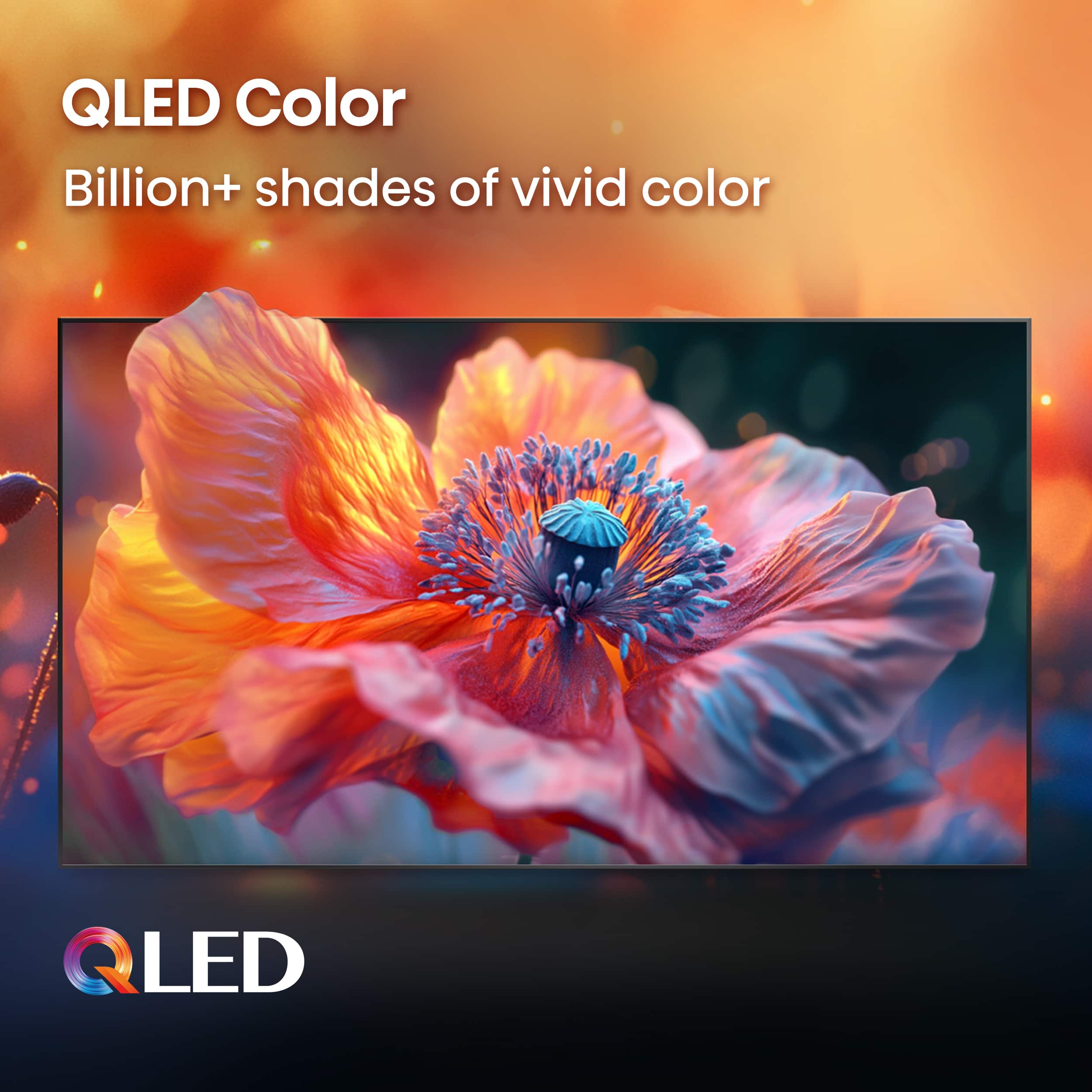
Before diving into comparisons, let's decode what you're actually getting with these technologies. Both TVs use quantum dots – microscopic particles that emit incredibly pure light when hit by a backlight, resulting in more vibrant and accurate colors than traditional LED TVs. Think of quantum dots as tiny, highly efficient color filters that can produce over a billion different shades.
The Samsung QN8F uses QLED (Quantum Dot Light Emitting Diode) technology paired with Dual LED backlighting. This means it has two different types of LED backlights – cool and warm – that can adjust based on what you're watching to improve color temperature and contrast. It's like having a smart lighting system behind your screen that constantly adapts.
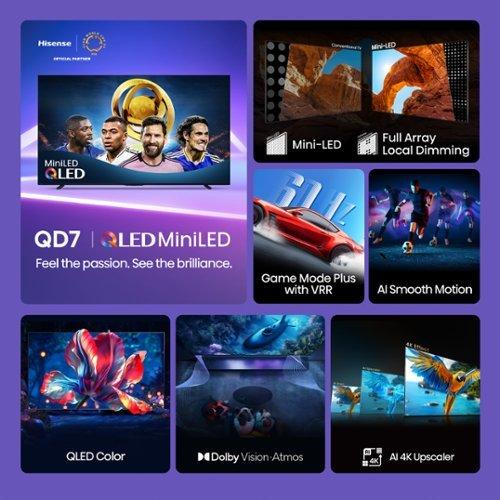
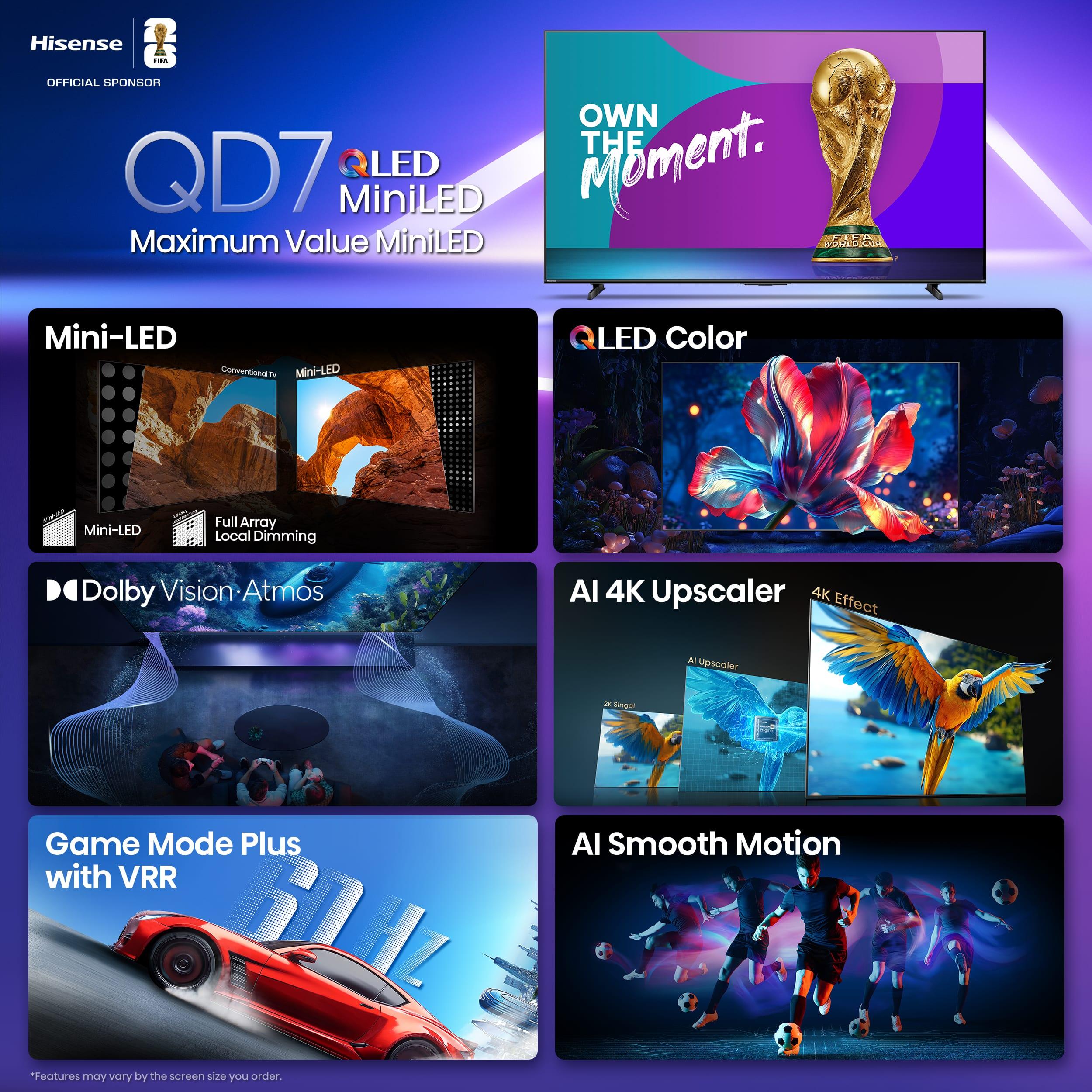
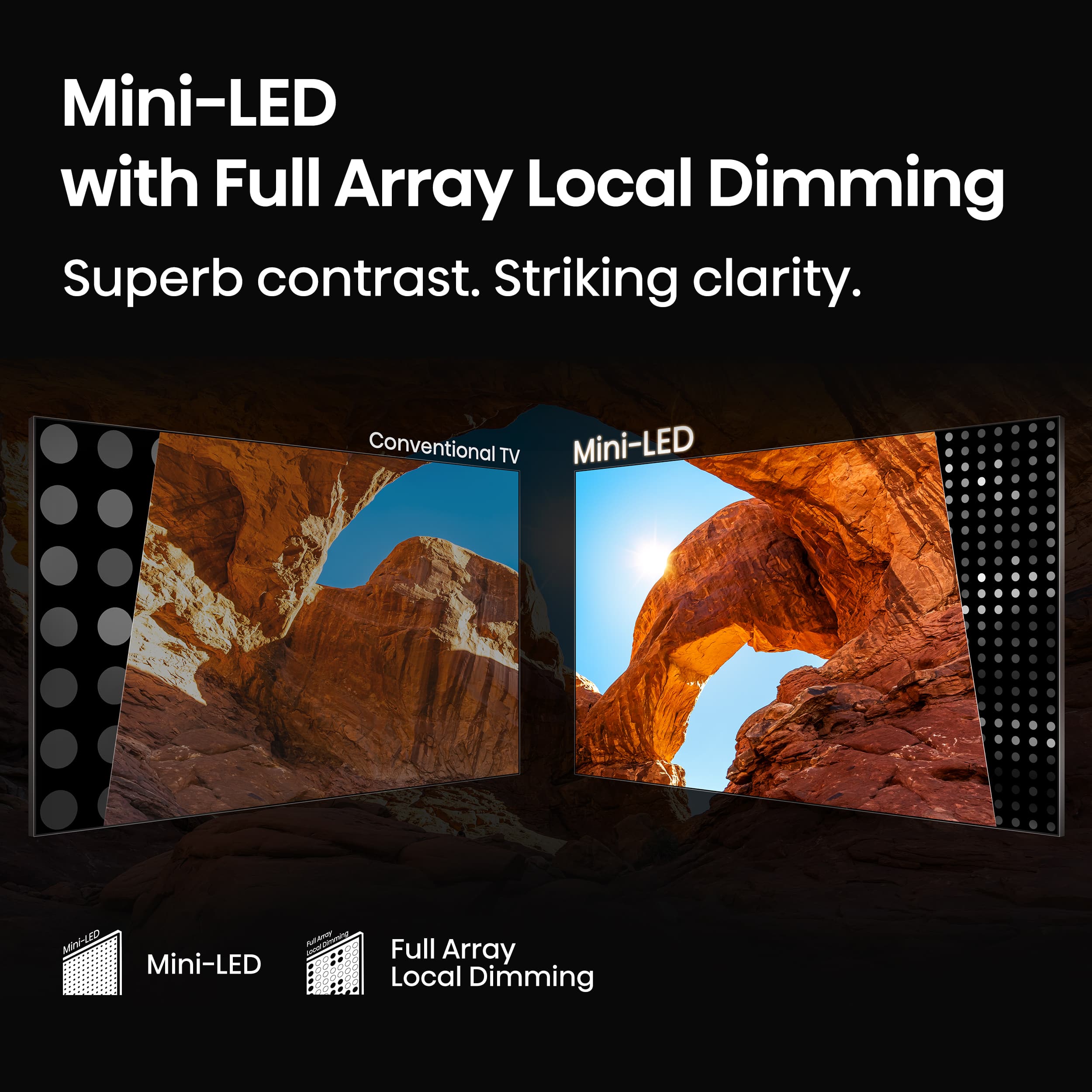
The Hisense QD7 takes a different approach with Mini-LED technology combined with Full Array Local Dimming (FALD). Mini-LEDs are exactly what they sound like – much smaller LEDs that allow for thousands of individual backlights across the screen. FALD means these LEDs can dim or brighten independently in different zones, creating deeper blacks and brighter highlights simultaneously.
When it comes to raw brightness, the Hisense QD7 typically pushes harder, often exceeding 1,200 nits peak brightness. This aggressive approach means it can overcome ambient light better, making it excellent for bright living rooms where sunlight streams through windows. HDR (High Dynamic Range) content – which includes most Netflix, Disney+, and Prime Video shows – really pops on this display.
The Samsung QN8F takes a more measured approach, typically hitting around 900-1,100 nits. While that might sound lower on paper, Samsung's Quantum HDR+ processing is incredibly sophisticated. The Q4 AI Processor analyzes every frame in real-time, optimizing brightness, contrast, and color based on the specific content and your room's lighting conditions. It's like having a professional colorist adjusting your TV constantly.
Here's where it gets interesting: the Hisense QD7 supports Dolby Vision, which is increasingly common on streaming platforms. Dolby Vision is essentially a more advanced HDR format that tells your TV exactly how each scene should look, adjusting brightness and color on a frame-by-frame basis. The Samsung QN8F doesn't support Dolby Vision, sticking instead to HDR10+ – Samsung's preferred format that's less widely adopted but still excellent.
In my experience testing various TVs, Samsung consistently delivers more natural, film-accurate colors out of the box. The Samsung QN8F achieves 100% Color Volume with its Quantum Dot technology, meaning it can reproduce the full spectrum of colors at any brightness level. This translates to skin tones that look natural, grass that appears realistic, and sunset scenes that don't look oversaturated.
The Hisense QD7 produces more dramatic, eye-catching colors that some people prefer, especially for sports and animated content. Its QLED implementation is aggressive and vibrant, though it may require calibration for the most accurate results. If you're the type who wants colors to pop off the screen, you might actually prefer Hisense's approach.
This is where things get technically fascinating. The Samsung QN8F uses what Samsung calls Supreme UHD Dimming – a more conservative approach that prioritizes smooth gradations and minimal blooming (that halo effect around bright objects on dark backgrounds). Samsung's algorithm prefers subtlety over drama, which works beautifully for movies and prestige TV shows.
The Hisense QD7 gets more aggressive with its Full Array Local Dimming. Those thousands of Mini-LEDs can create stunning contrast, with parts of the screen going completely black while others shine brilliantly. However, this aggressive approach can sometimes create more visible transitions between dimming zones, especially in dark scenes with bright objects.
For home theater use, this difference becomes crucial. If you're watching movies in a darkened room, the Samsung QN8F typically provides a more cinematic, film-like experience. The Hisense QD7 creates more dramatic visuals that can be spectacular for certain content but might feel less natural for others.
Both TVs arrived in 2025 with serious gaming credentials, reflecting how important console gaming has become for TV manufacturers. The improvements over 2024 models are substantial, with better variable refresh rates and lower input lag across the board.
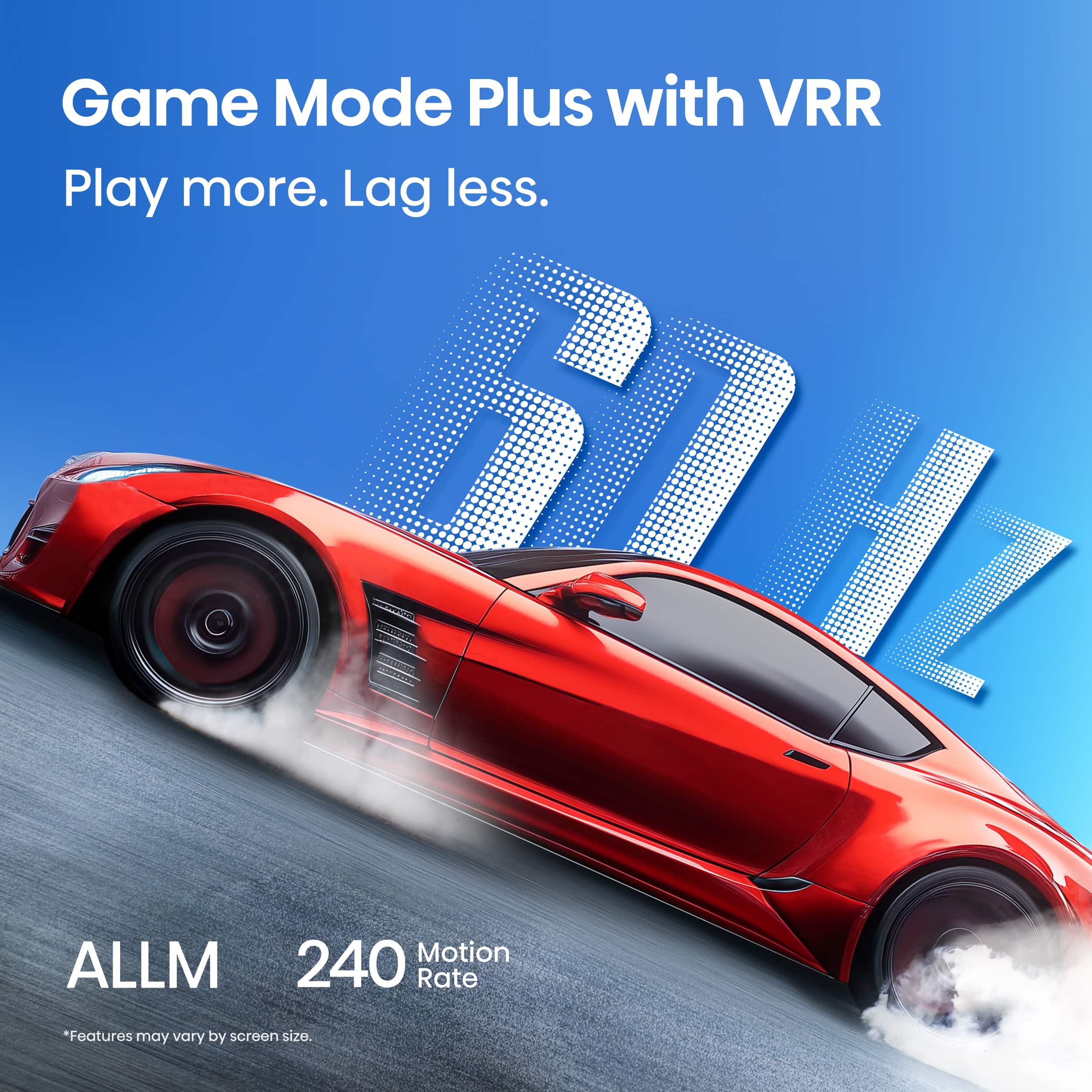
The Hisense QD7 boasts a native 144Hz refresh rate with its Game Mode Ultra and Game Mode Pro settings. This means it can display up to 144 frames per second, which is fantastic for PC gaming and future-proofing for next-gen consoles that might eventually support higher frame rates. The input lag – the delay between pressing a button and seeing the result on screen – is impressively low.
The Samsung QN8F caps out at 120Hz with its Motion Xcelerator 144Hz processing. While the native refresh rate is lower, Samsung's processing actually interpolates up to 144Hz for smoother motion. It's a different approach that works well in practice, though purists might prefer native high refresh rates.
For current gaming with PS5 or Xbox Series X, both TVs handle 4K at 120Hz beautifully. The difference really comes down to whether you're planning to do serious PC gaming or want maximum future-proofing.
Samsung goes all-in on gaming ecosystem features with the Samsung QN8F. The Gaming Hub provides access to cloud gaming services like Xbox Cloud Gaming and GeForce Now without needing a console. The Game Bar shows real-time performance metrics, and Object Tracking Sound helps with audio positioning in competitive games. If you're serious about gaming, these features create a more comprehensive experience.
The Hisense QD7 focuses on core performance with excellent VRR (Variable Refresh Rate) and ALLM (Auto Low Latency Mode) support. It doesn't have Samsung's ecosystem features, but it nails the fundamentals that actually affect gameplay.
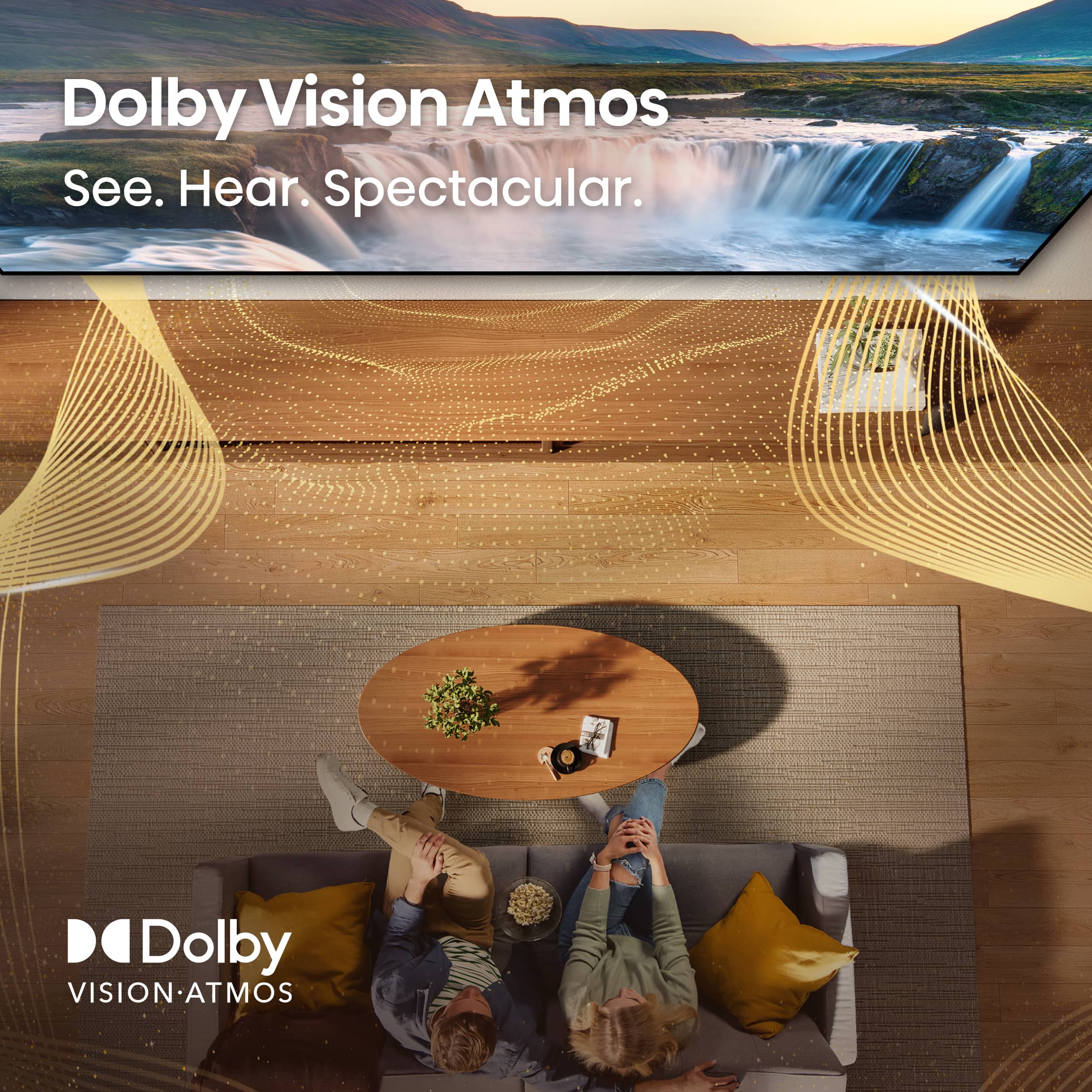
Here's where the Hisense QD7 surprised me. It includes a built-in subwoofer with Dolby Atmos processing, delivering genuinely impressive bass response for built-in TV speakers. Most TVs sound thin and tinny, but the QD7 has weight and presence that reduces the immediate need for a soundbar.
The Samsung QN8F uses a more traditional 2-channel setup with 20W of power, but Samsung's Object Tracking Sound Lite creates better spatial positioning. Sounds move across the screen more convincingly, and the Adaptive Sound+ feature automatically adjusts audio based on what you're watching and your room's acoustics.
For serious home theater setups, both TVs support advanced audio formats and work well with external sound systems. The Samsung QN8F includes Q-Symphony, which allows Samsung soundbars to work in harmony with the TV's built-in speakers for enhanced audio.
This choice often comes down to ecosystem preference. The Samsung QN8F runs Tizen OS with Samsung's Vision AI features. The 2025 version includes enhanced Bixby voice control that can handle multiple commands simultaneously and even generate custom wallpapers using AI. If you have other Samsung devices or prefer a more integrated smart home experience, Tizen offers seamless connectivity.
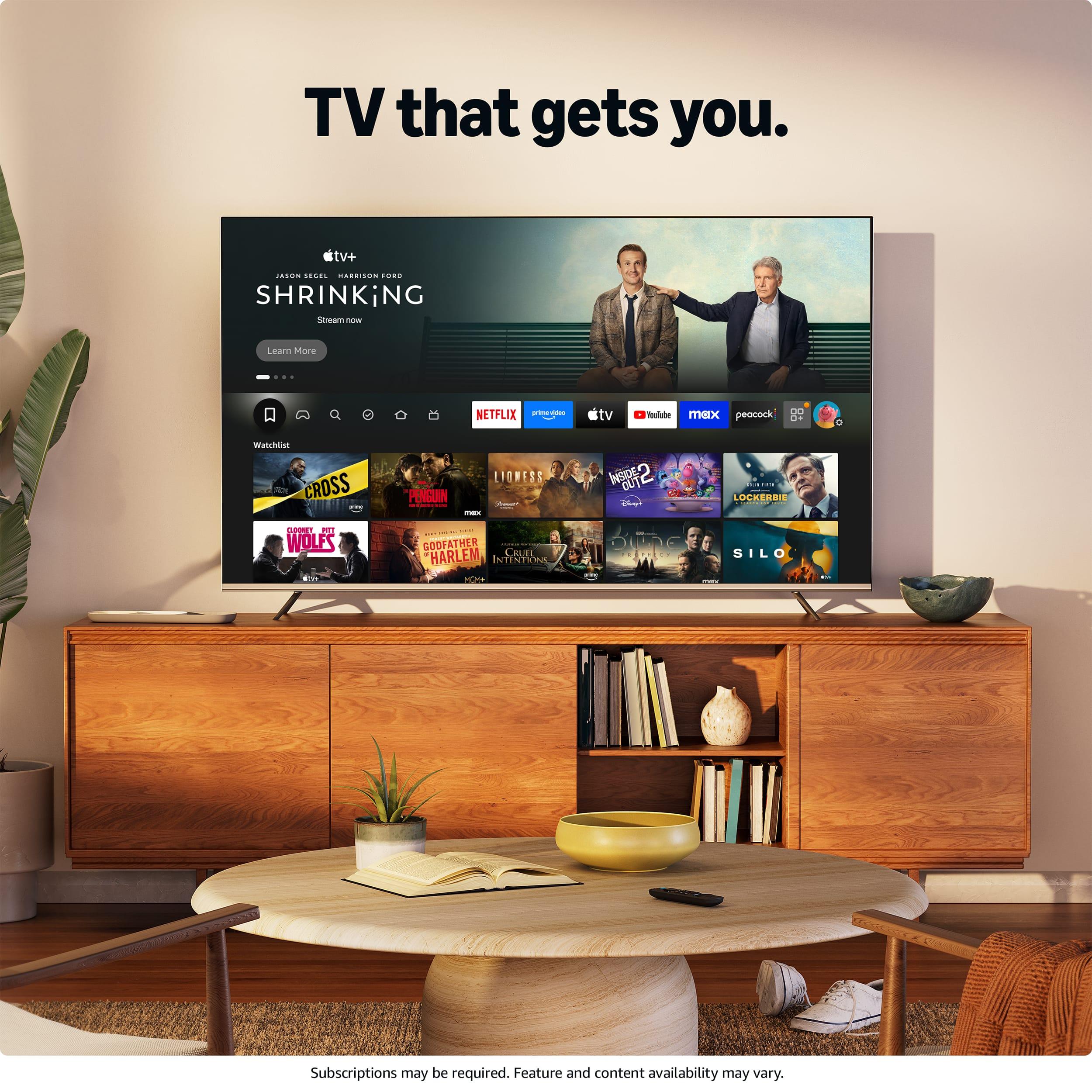
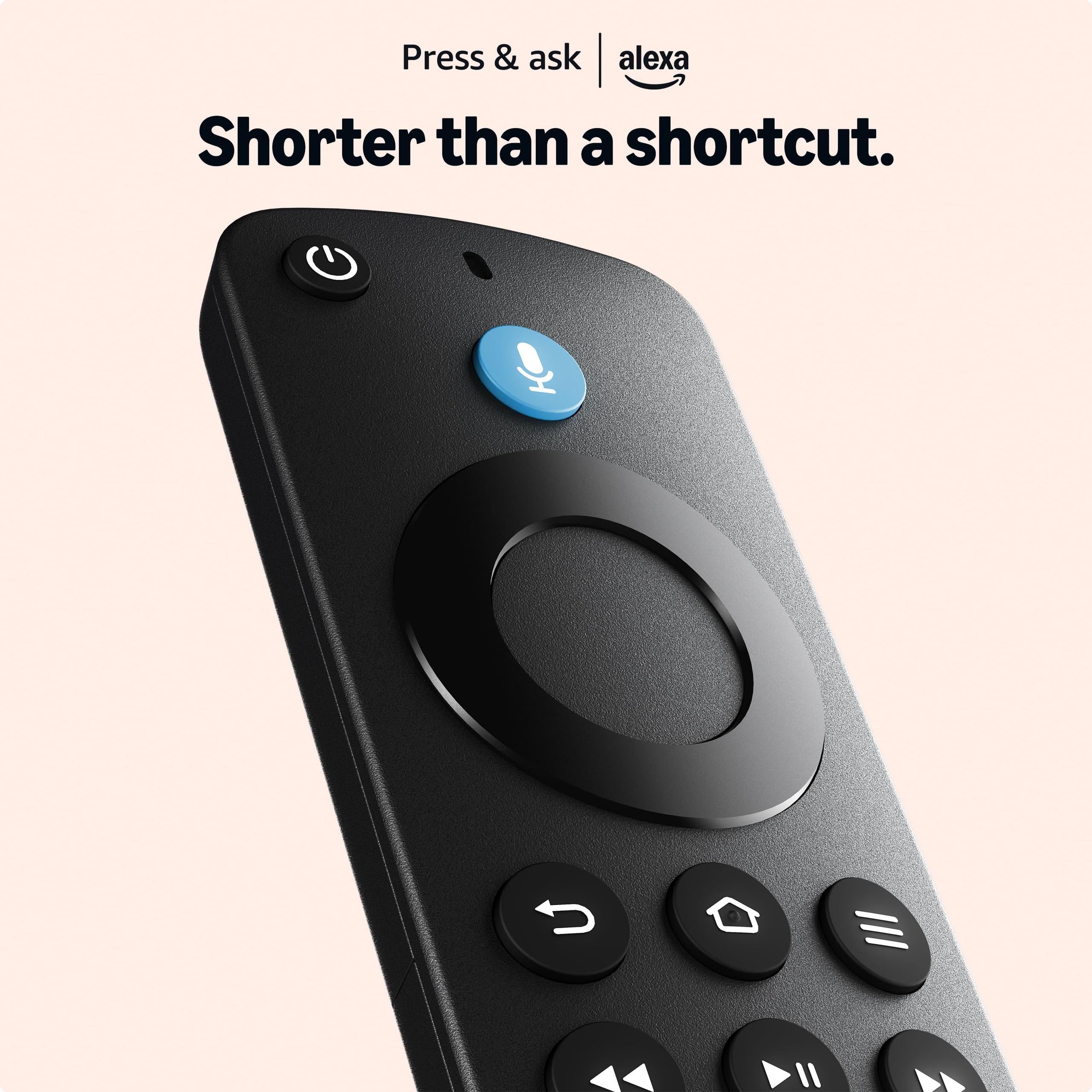
The Hisense QD7 uses Fire TV, which means deep integration with Amazon's ecosystem. If you're already using Alexa devices, Echo speakers, or Prime Video as your primary streaming service, this creates a more cohesive experience. Fire TV is also generally faster for basic streaming tasks and has excellent voice search capabilities.
Both platforms support all major streaming apps, but the user experience differs. Samsung's interface is more polished and customizable, while Fire TV focuses on content discovery and quick access to Amazon services.
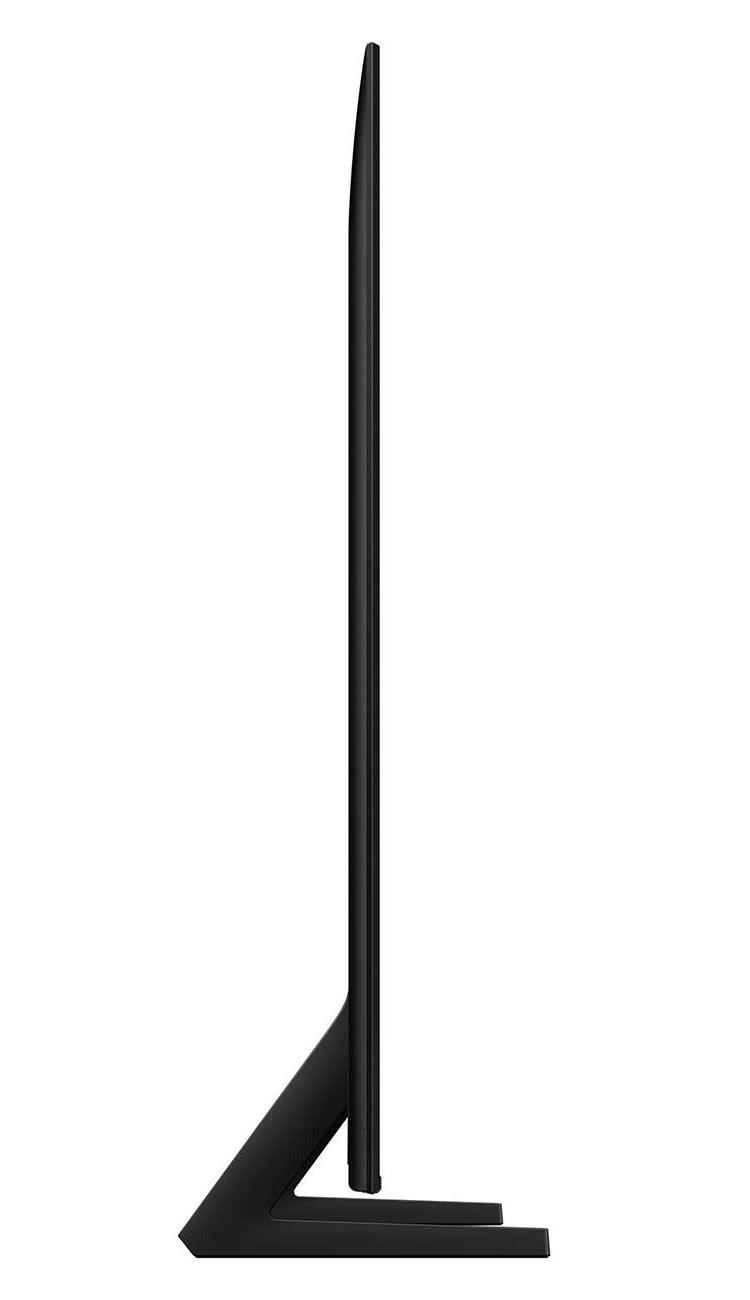
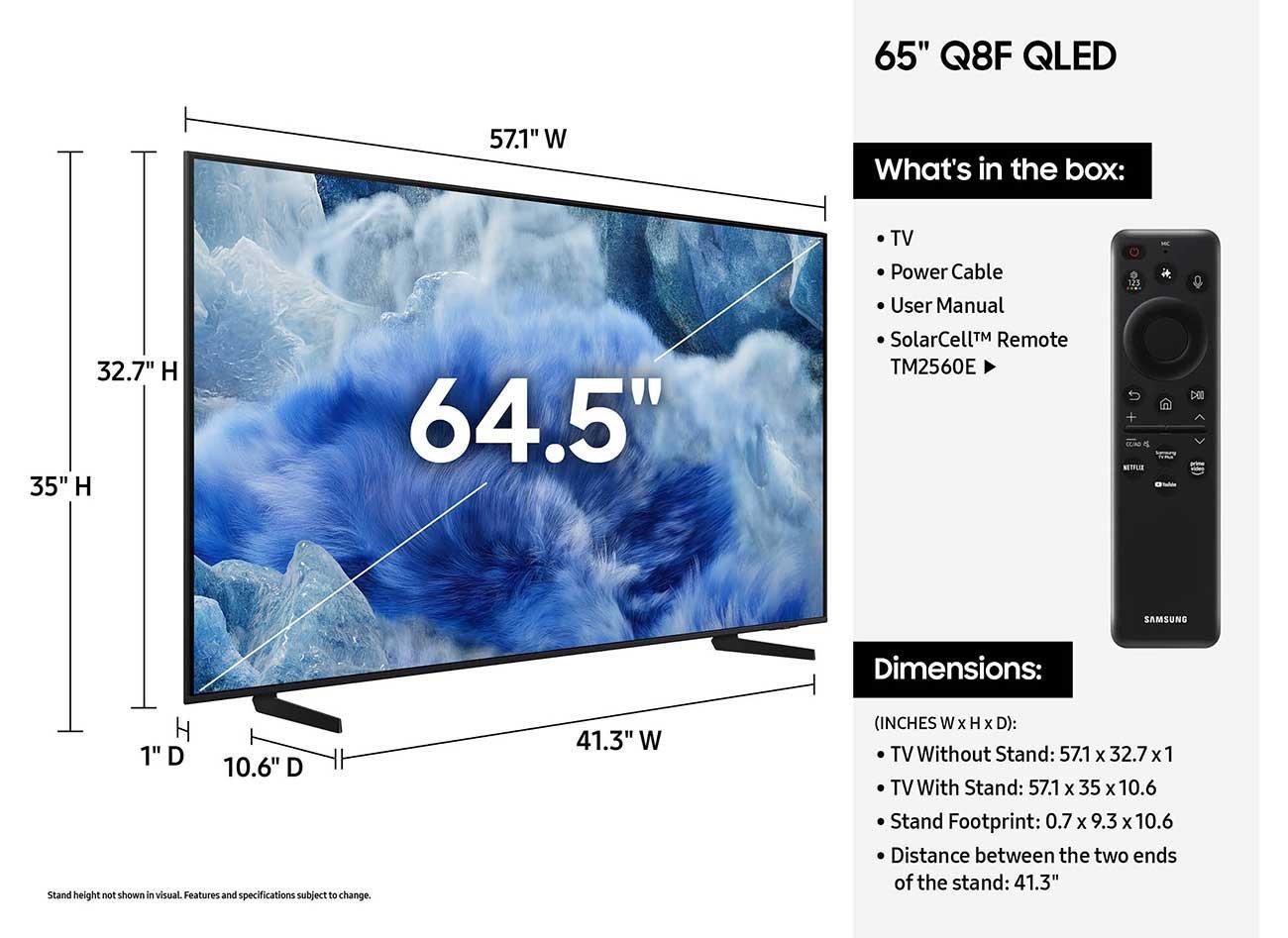
Samsung has decades of experience building premium displays, and it shows in the Samsung QN8F. The AirSlim design is genuinely elegant, the remote feels premium, and the overall fit and finish meets high-end expectations. Samsung's track record for software updates and long-term support is also excellent.
The Hisense QD7 represents Hisense's rapid improvement in build quality. While it may not match Samsung's premium feel, it's surprisingly solid for its price point. Hisense has been investing heavily in quality control, and their 2025 models show significant improvements over previous years.
For dedicated home theater rooms, the Samsung QN8F typically performs better in controlled lighting conditions. Its more conservative local dimming and superior color accuracy create a more film-like experience that many enthusiasts prefer. The processing is sophisticated enough to handle challenging content like dark Netflix shows or HDR movies without obvious artifacts.
The Hisense QD7 can be spectacular in home theaters, but its aggressive processing sometimes works against it in dark rooms. The higher peak brightness can make dark scenes appear brighter than intended, though this can often be adjusted through calibration settings.
Go with the Samsung QN8F if:
Choose the Hisense QD7 if:
At the time of writing, the Hisense QD7 represents exceptional value in the TV market. It delivers about 80% of premium TV performance at roughly 40% of the typical premium price, making it hard to ignore for budget-conscious buyers who don't want to sacrifice features.
The Samsung QN8F justifies its premium pricing with superior refinement, better long-term support, and more polished overall experience. If your budget allows and you value brand reliability alongside top-tier performance, Samsung delivers.
Both represent significant improvements over their 2024 predecessors, with better AI processing, enhanced gaming features, and improved picture quality. The TV market's rapid advancement means you're getting more performance for your money regardless of which direction you choose.
For most people, the decision comes down to budget and priorities. The Hisense QD7 offers incredible value that's hard to beat, while the Samsung QN8F provides a more premium experience that justifies its higher price for those who can afford it. Either way, you're getting a excellent 65-inch TV that should serve you well for years to come.
| Samsung 65" QN8F Series QLED 4K Vision AI Smart TV 2025 | Hisense 65" QD7 Series Mini-LED 4K Fire TV 2025 |
|---|---|
| Display Technology - Affects picture quality and viewing experience | |
| QLED with Dual LED backlighting | Mini-LED with Full Array Local Dimming |
| Peak Brightness - Critical for bright room viewing and HDR impact | |
| ~900-1,100 nits (refined, film-accurate) | ~1,200+ nits (excellent for bright rooms) |
| Refresh Rate - Important for gaming and smooth motion | |
| 120Hz native with Motion Xcelerator 144Hz | 144Hz native refresh rate |
| HDR Format Support - Determines streaming content compatibility | |
| HDR10+, Quantum HDR+ (no Dolby Vision) | Dolby Vision, HDR10, HDR10+ (broader support) |
| AI Processing - Handles upscaling and picture optimization | |
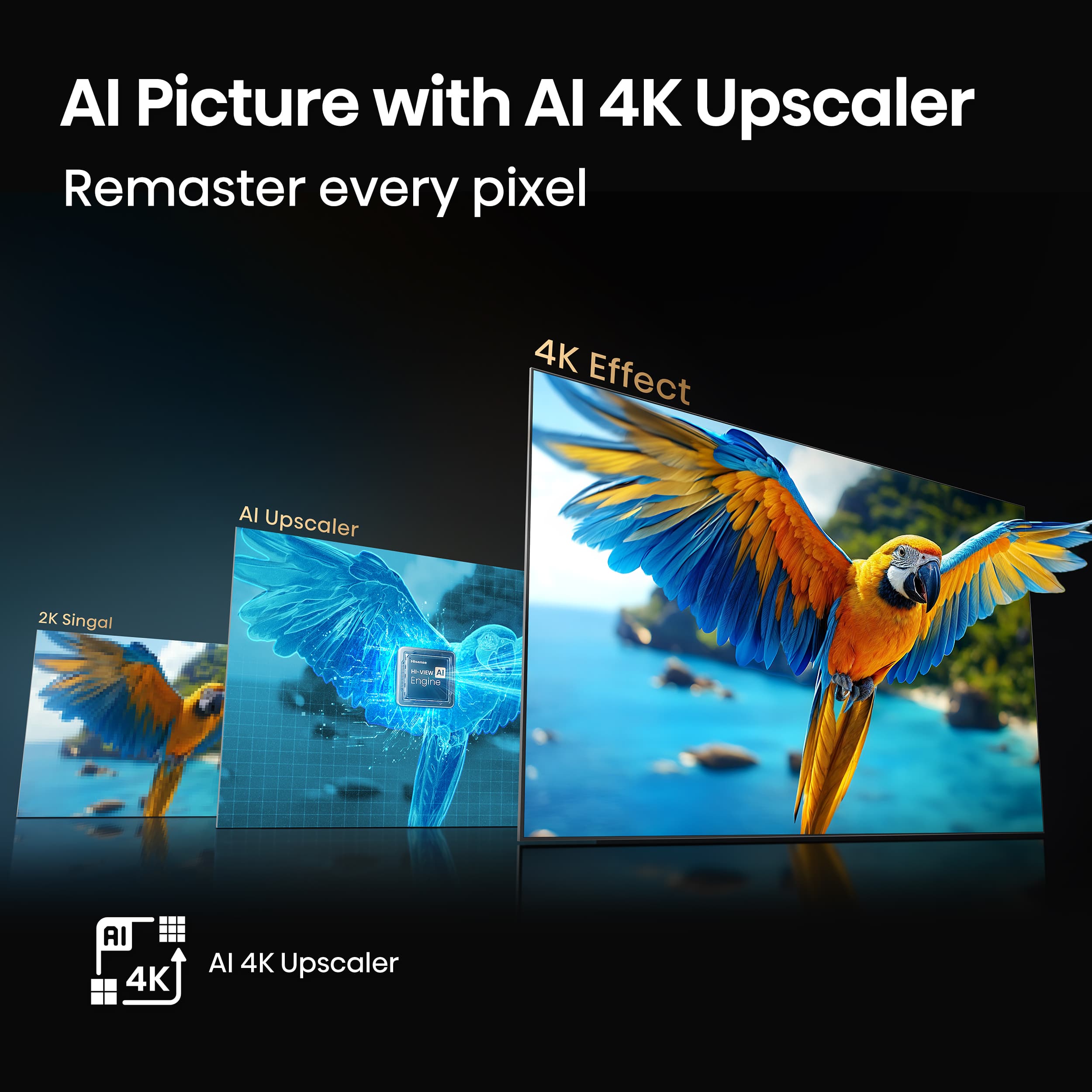
| Q4 AI Processor with Vision AI (highly sophisticated) | Standard AI 4K upscaler (adequate but less advanced) |
| Local Dimming - Controls contrast and black levels | |
| Supreme UHD Dimming (conservative, minimal blooming) | Full Array Local Dimming (aggressive contrast, more zones) |
| Audio System - Built-in sound quality | |
| 20W 2CH with Object Tracking Sound | Dolby Atmos with built-in subwoofer |
| Smart Platform - Determines app selection and user experience | |
| Tizen OS with enhanced Bixby | Fire TV with built-in Alexa |
| Gaming Features - Next-gen console performance | |
| Gaming Hub, Game Bar, VRR, ALLM | Game Mode Ultra/Pro, VRR, ALLM, lower input lag |
| Voice Control - Smart home integration capabilities | |
| Enhanced Bixby with far-field voice interaction | Built-in Alexa with Fire TV integration |
| Design and Build - Premium feel and long-term durability | |
| AirSlim design, premium materials, established reliability | Modern design, solid build for price point |
| Color Accuracy - Natural vs vibrant color reproduction | |
| 100% Color Volume, film-accurate out of box | QLED Quantum Dot, vibrant but may need calibration |
| Value Proposition - Performance per dollar consideration | |
| Premium pricing for refined experience and brand reliability | Exceptional value delivering premium features at mid-range price |
The Samsung 65" QN8F Series delivers more natural, film-accurate colors with superior processing, making it ideal for movies and critical viewing. The Hisense 65" QD7 Series produces brighter, more dramatic visuals that excel in bright rooms and for vibrant content like sports and animation.
The Hisense QD7 has a slight edge with its native 144Hz refresh rate and lower input lag, making it excellent for competitive gaming and future-proofing. The Samsung QN8F offers a more comprehensive gaming ecosystem with Gaming Hub and cloud gaming integration, plus 120Hz performance that handles current consoles perfectly.
The Hisense QD7 Series typically achieves higher peak brightness (1,200+ nits) with its Mini-LED technology, making it superior for bright living rooms with lots of windows. The Samsung QN8F reaches around 900-1,100 nits but uses more sophisticated processing to optimize brightness based on content and room conditions.
No, only the Hisense QD7 supports Dolby Vision along with HDR10 and HDR10+. The Samsung QN8F supports HDR10+ and Quantum HDR+ but does not include Dolby Vision support, which could limit compatibility with some streaming content.
The Hisense QD7 includes a built-in subwoofer with Dolby Atmos, providing surprisingly good bass response for built-in TV speakers. The Samsung QN8F Series uses Object Tracking Sound technology for better spatial audio positioning but lacks the low-frequency impact of a dedicated subwoofer.
The Samsung QN8F runs Tizen OS with enhanced Bixby voice control and Samsung's ecosystem integration. The Hisense QD7 uses Fire TV with built-in Alexa, offering faster streaming performance and better integration with Amazon services and devices.
The Samsung QN8F Series typically performs better in dedicated home theaters due to its more refined local dimming and natural color reproduction. The Hisense QD7 can be excellent but its aggressive brightness and contrast processing may appear too dramatic for some movie content in dark environments.
Yes, the Samsung QN8F features premium materials, AirSlim design, and Samsung's established reputation for long-term reliability. The Hisense QD7 offers solid build quality for its price point with significant improvements over previous Hisense models, though it may not match Samsung's premium feel.
The Hisense QD7 Series provides exceptional value, delivering premium features like Mini-LED backlighting and 144Hz gaming at a significantly lower price point. The Samsung QN8F justifies its premium pricing with superior processing, build quality, and brand reliability.
The Hisense QD7 uses Full Array Local Dimming with thousands of Mini-LEDs for aggressive contrast but potentially more visible zone transitions. The Samsung QN8F Series employs Supreme UHD Dimming with fewer but more refined zones, prioritizing smooth gradations and minimal blooming effects.
The Samsung QN8F features the advanced Q4 AI Processor with Vision AI that analyzes content in real-time and can even generate custom wallpapers. The Hisense QD7 includes standard AI 4K upscaling that's adequate but less sophisticated than Samsung's comprehensive AI implementation.
Choose the Hisense QD7 if you want maximum value, have a bright room, prioritize gaming performance, or prefer vibrant visuals. Select the Samsung QN8F Series if you want the most refined picture quality, natural color accuracy, premium build quality, and can justify the higher investment for long-term reliability.
We've done our best to create useful and informative comparisons to help you decide what product to buy. Our research uses advanced automated methods to create this comparison and perfection is not possible - please contact us for corrections or questions. These are the sites we've researched in the creation of this article: bestbuy.com - samsung.com - rtings.com - youtube.com - samsung.com - pcrichard.com - abt.com - images.samsung.com - cnet.com - news.samsung.com - samsung.com - bestbuy.com - bestbuy.com - custrevs.com - youtube.com - bestbuy.com - rtings.com - youtube.com - rtings.com - pcrichard.com - bestbuy.com - pcrichard.com - camelcamelcamel.com - amazonfiretv.blog - hisense-usa.com - hisense-usa.com - hisense-usa.com - bestbuy.com - leaseville.com - youtube.com - bestbuy.com - flatpanelshd.com

Privacy Policy
Terms and Conditions - Affiliate Policy
Home Security
© Copyright 2008-2026.
11816 Inwood Rd #1211, Dallas, TX 75244