


The TV market in 2025 presents an interesting paradox. While streaming services continue to push 4K HDR content as the gold standard, manufacturers are simultaneously betting big on 8K displays and AI-powered upscaling. At the same time, budget-focused brands are bringing previously premium technologies like Mini-LED backlighting to surprisingly affordable price points. This creates a fascinating landscape where buyers can choose between cutting-edge technology at premium prices or exceptional value with proven performance.
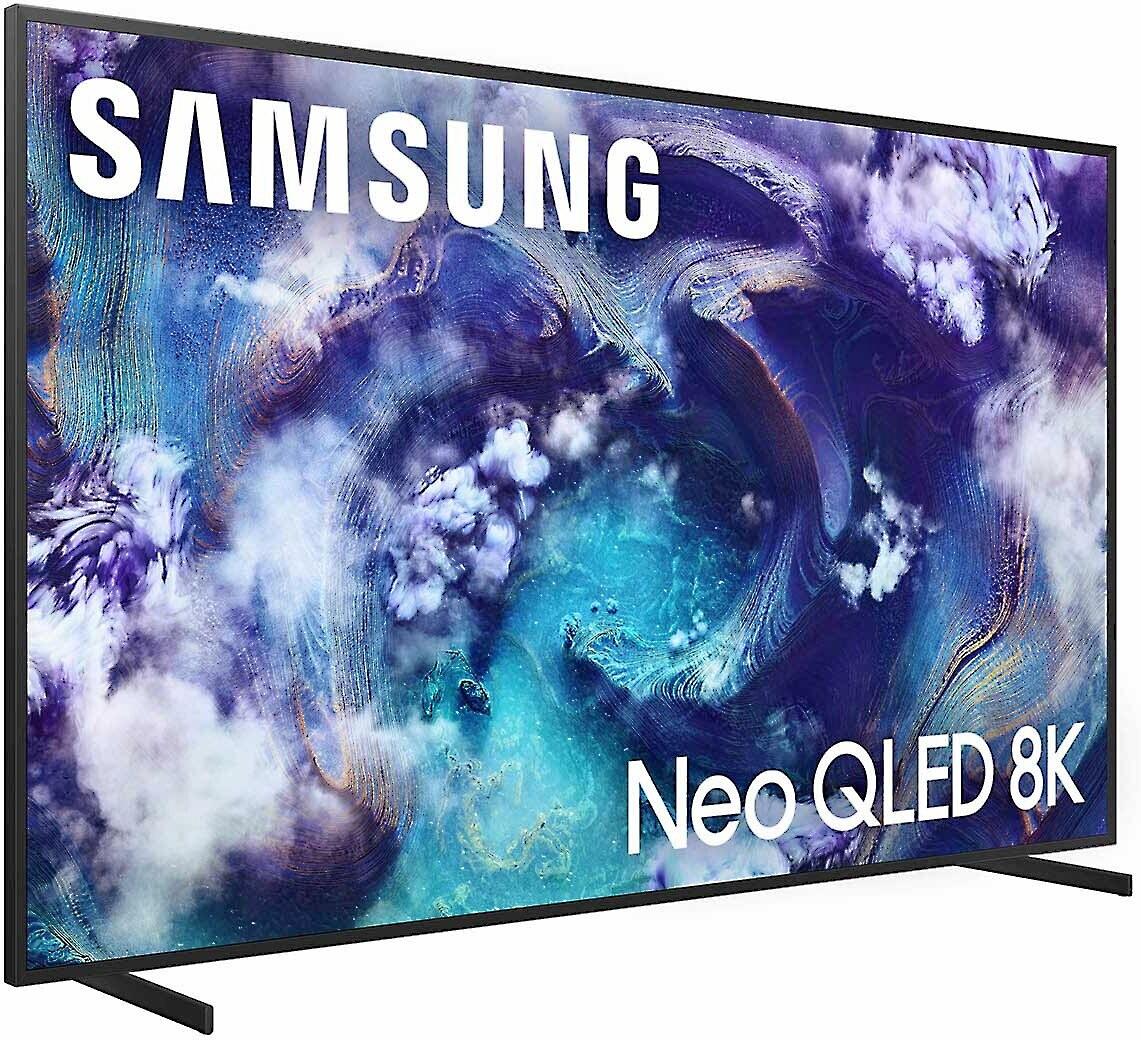
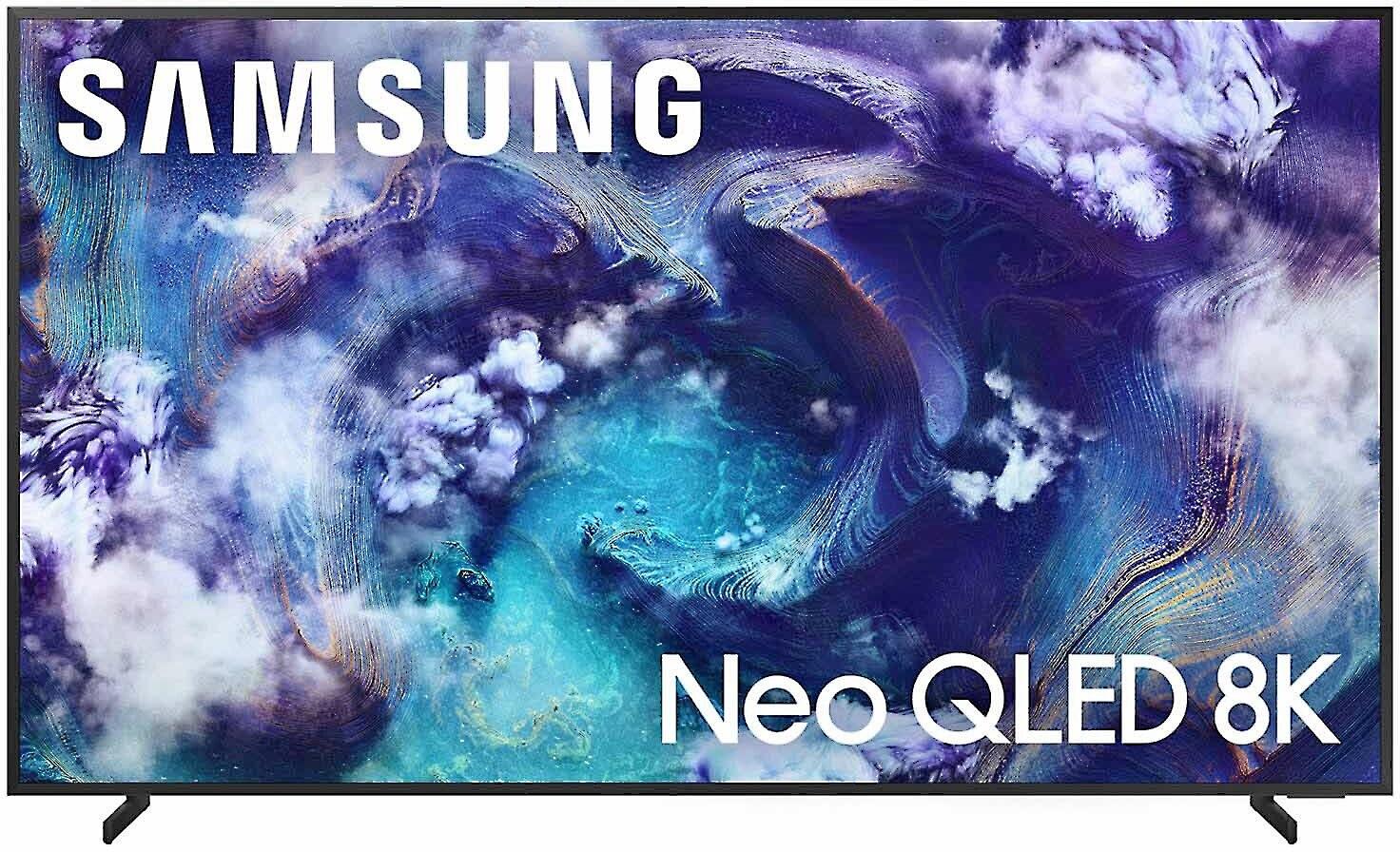
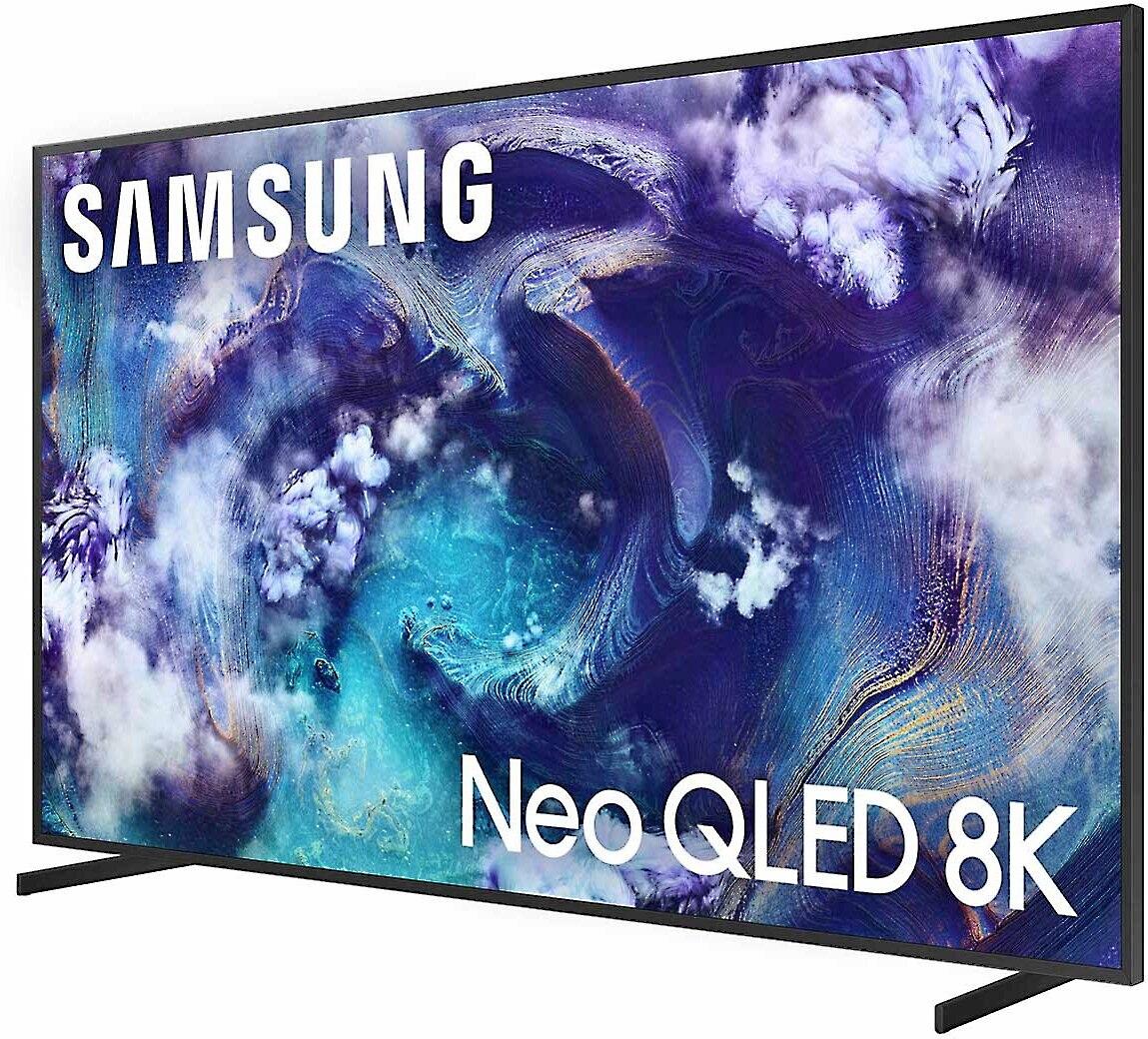
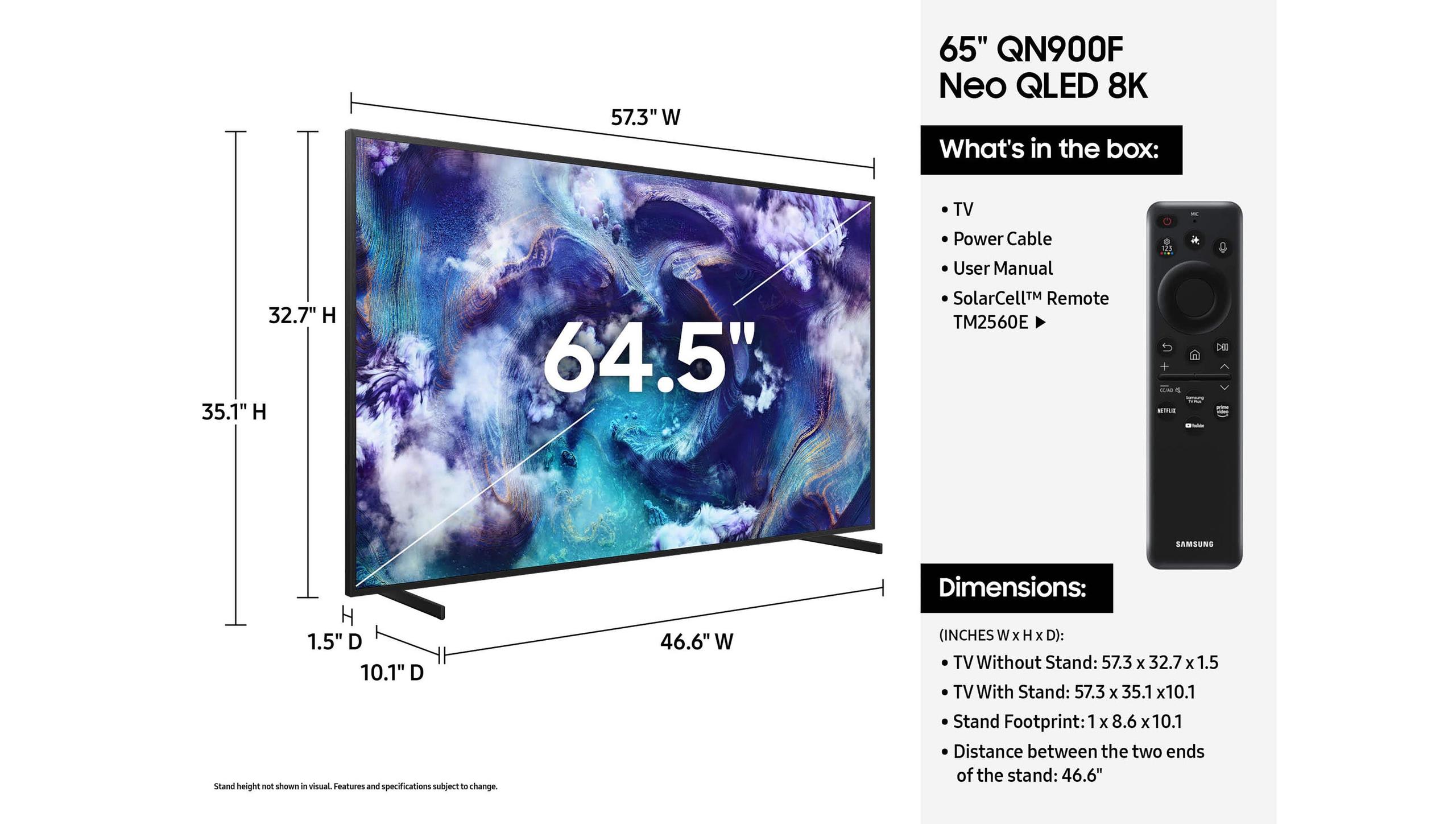
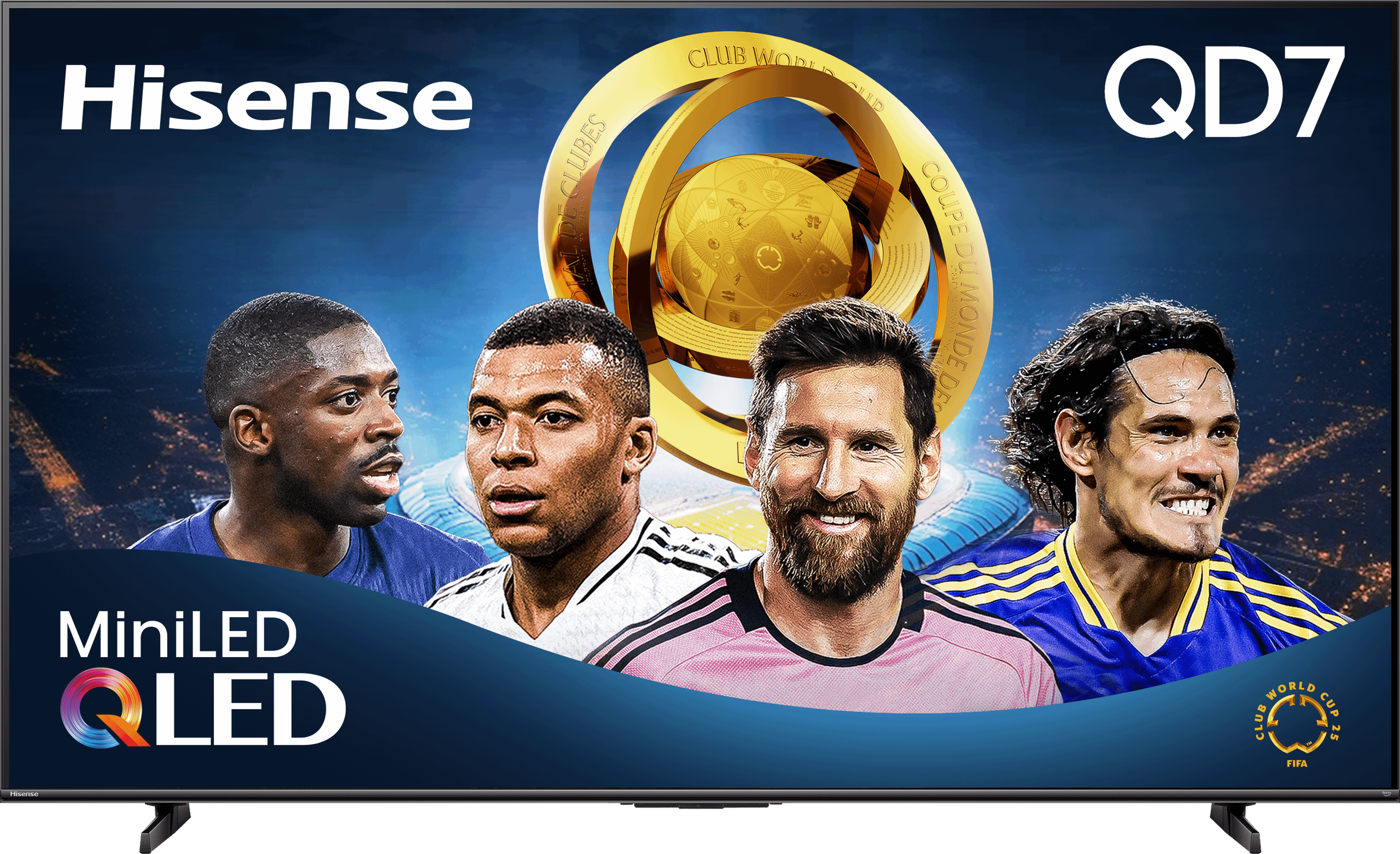
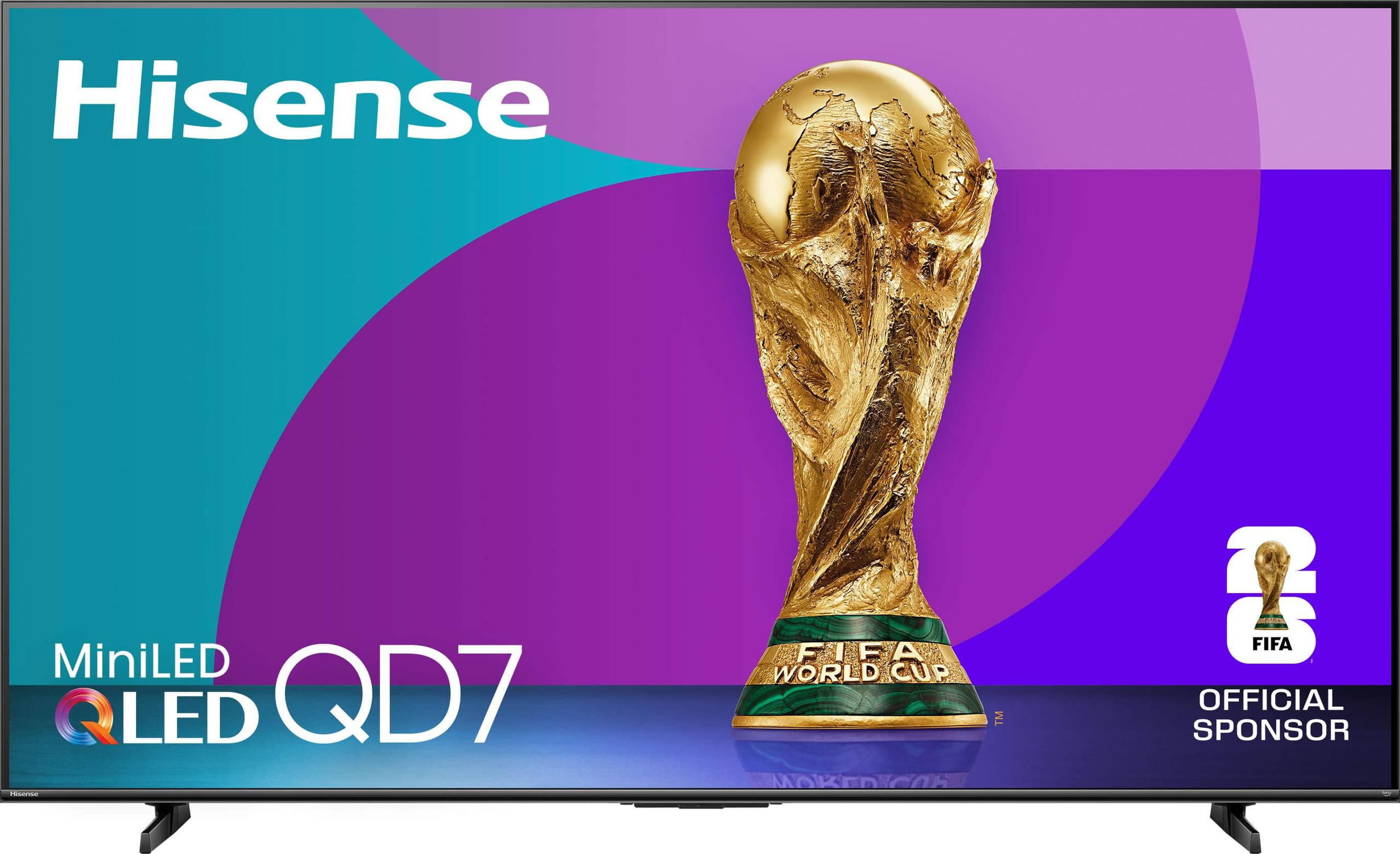
Today's comparison highlights this divide perfectly: the Samsung 65" Neo QLED 8K QN900F Vision AI Smart TV 2025 represents the pinnacle of current display technology, while the Hisense 65" QD7 Series Mini-LED 4K Fire TV 2025 demonstrates how much premium performance you can get without breaking the bank. At the time of writing, these TVs sit at opposite ends of the price spectrum, with the Samsung commanding a premium that's roughly six times higher than the Hisense.
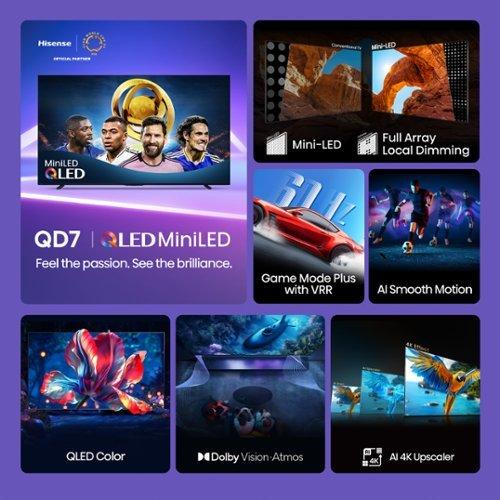
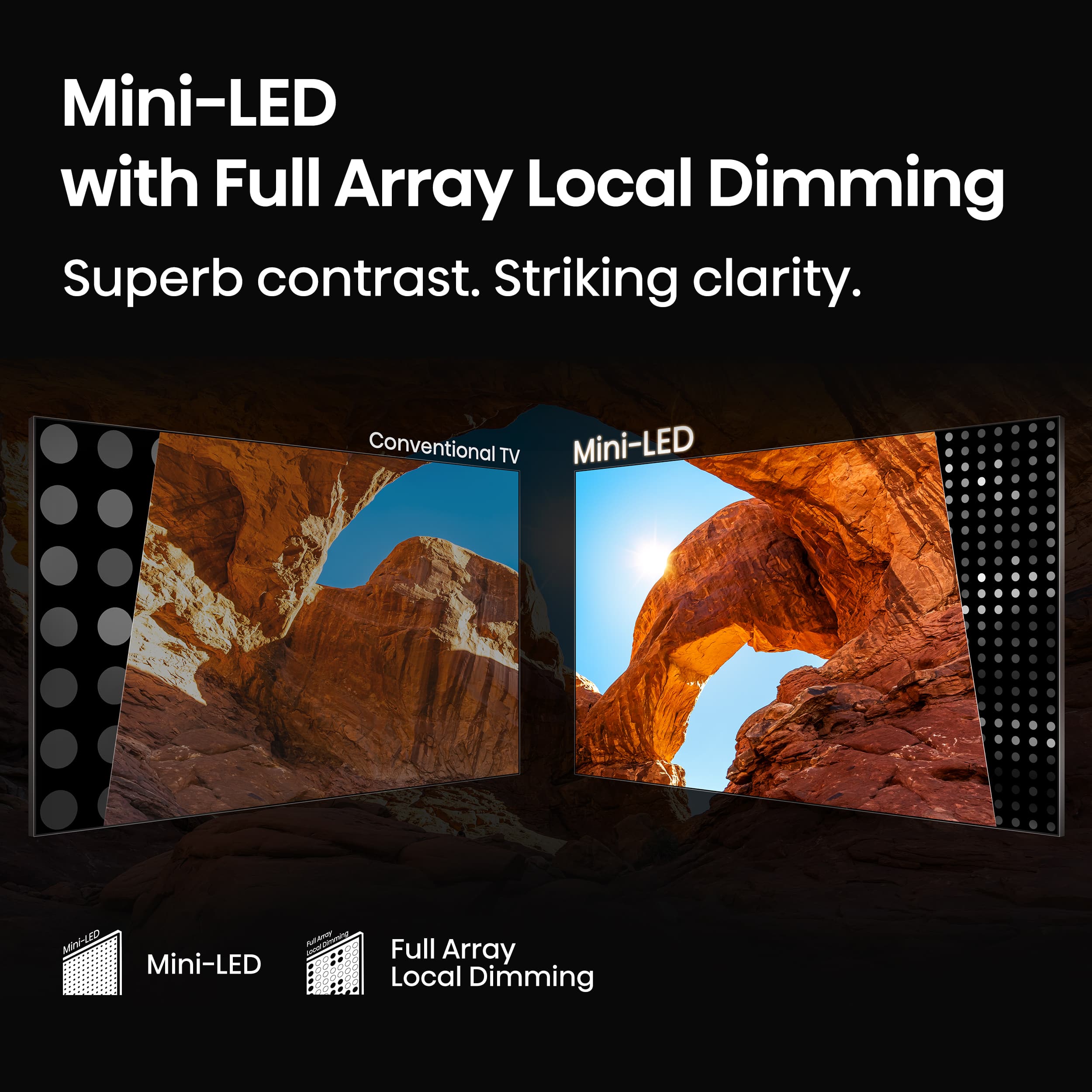
Premium TVs have evolved dramatically since the early days of LCD panels with basic LED backlighting. The current battleground focuses on Mini-LED technology, which uses thousands of tiny LEDs behind the screen instead of the traditional edge-lit approach. This allows for much more precise control over brightness and darkness in different parts of the image—a technique called Full Array Local Dimming (FALD).
Both TVs in our comparison use Mini-LED technology, but they implement it differently. The key considerations when shopping for premium TVs today include display resolution capabilities, HDR (High Dynamic Range) performance which makes images more lifelike with better contrast, gaming features for next-generation consoles, smart platform ecosystems, and overall value proposition.
What matters most depends on your priorities. Movie enthusiasts typically prioritize HDR performance and color accuracy, gamers focus on refresh rates and input lag, while budget-conscious buyers want the best combination of features at a reasonable price point.
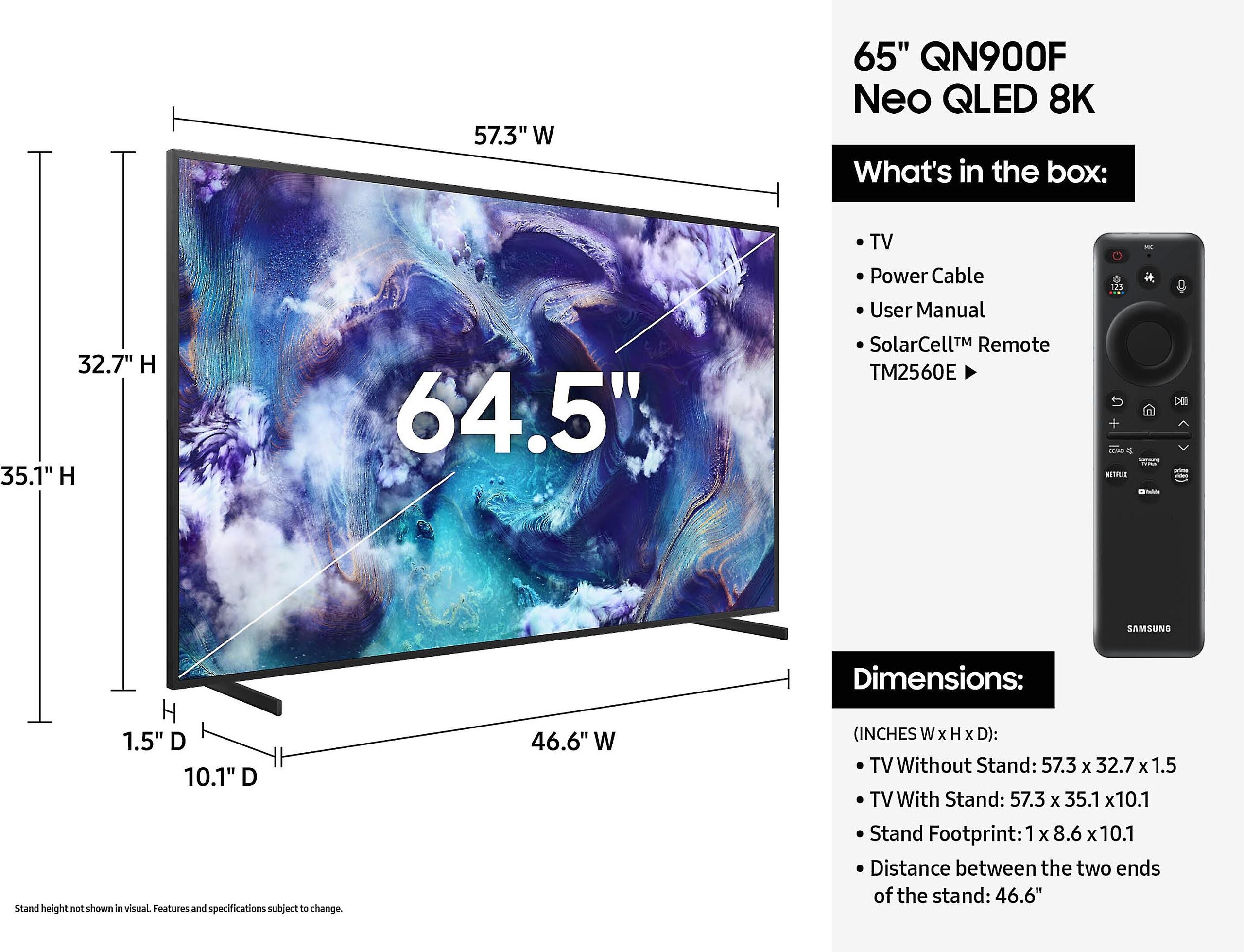
The Samsung QN900F, released in 2025, represents Samsung's continued push toward 8K adoption. It builds on years of Mini-LED refinement, incorporating their most advanced NQ8 AI Gen3 Processor and introducing what they call Vision AI—a system that optimizes picture quality based on content analysis and ambient conditions.
Samsung's approach with the QN900F is fundamentally about future-proofing and premium performance. The company argues that 8K displays provide benefits even with 4K content through superior upscaling and processing. Their Glare-Free technology, which nearly eliminates reflections through advanced anti-reflective coatings, addresses one of the most common complaints about living room TVs.
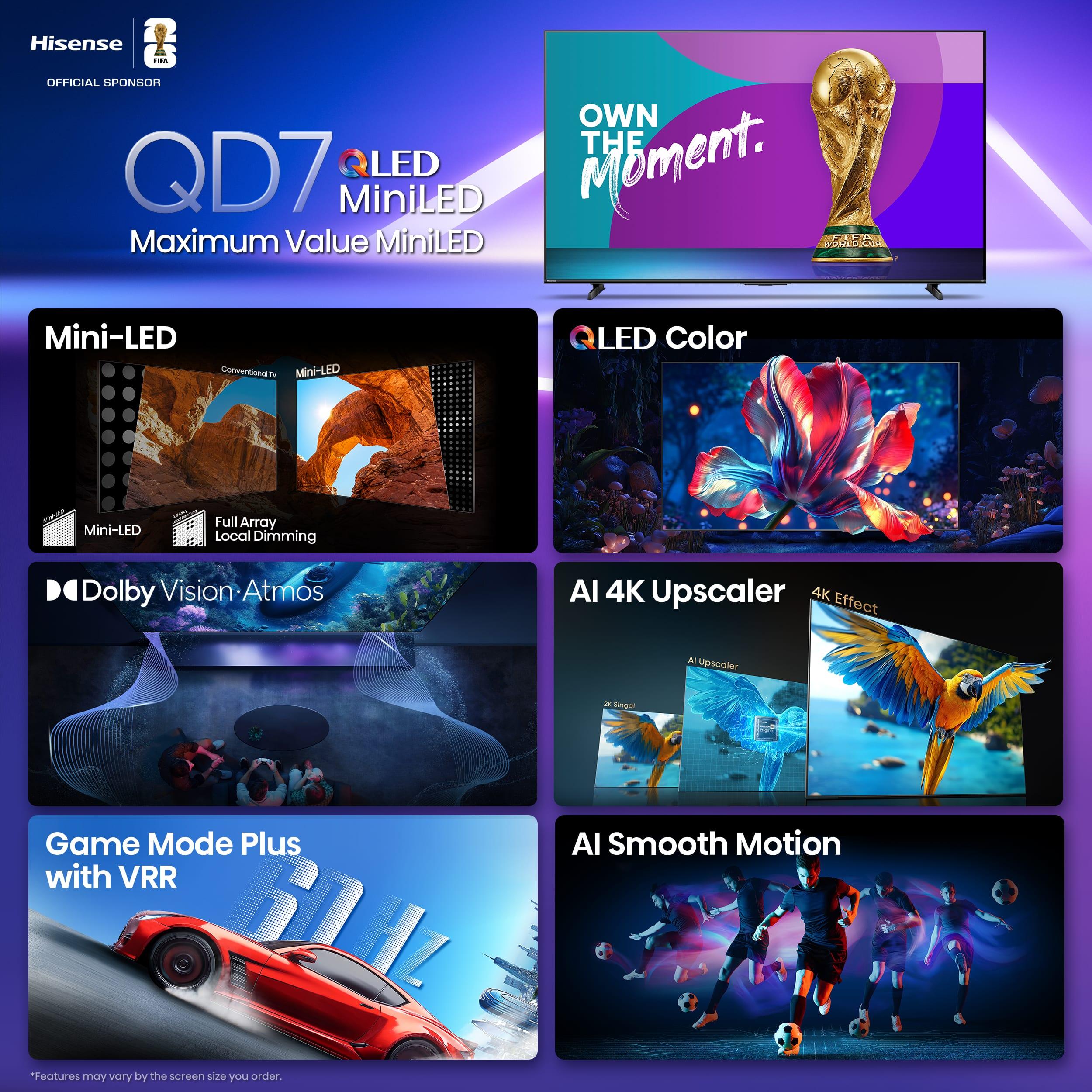
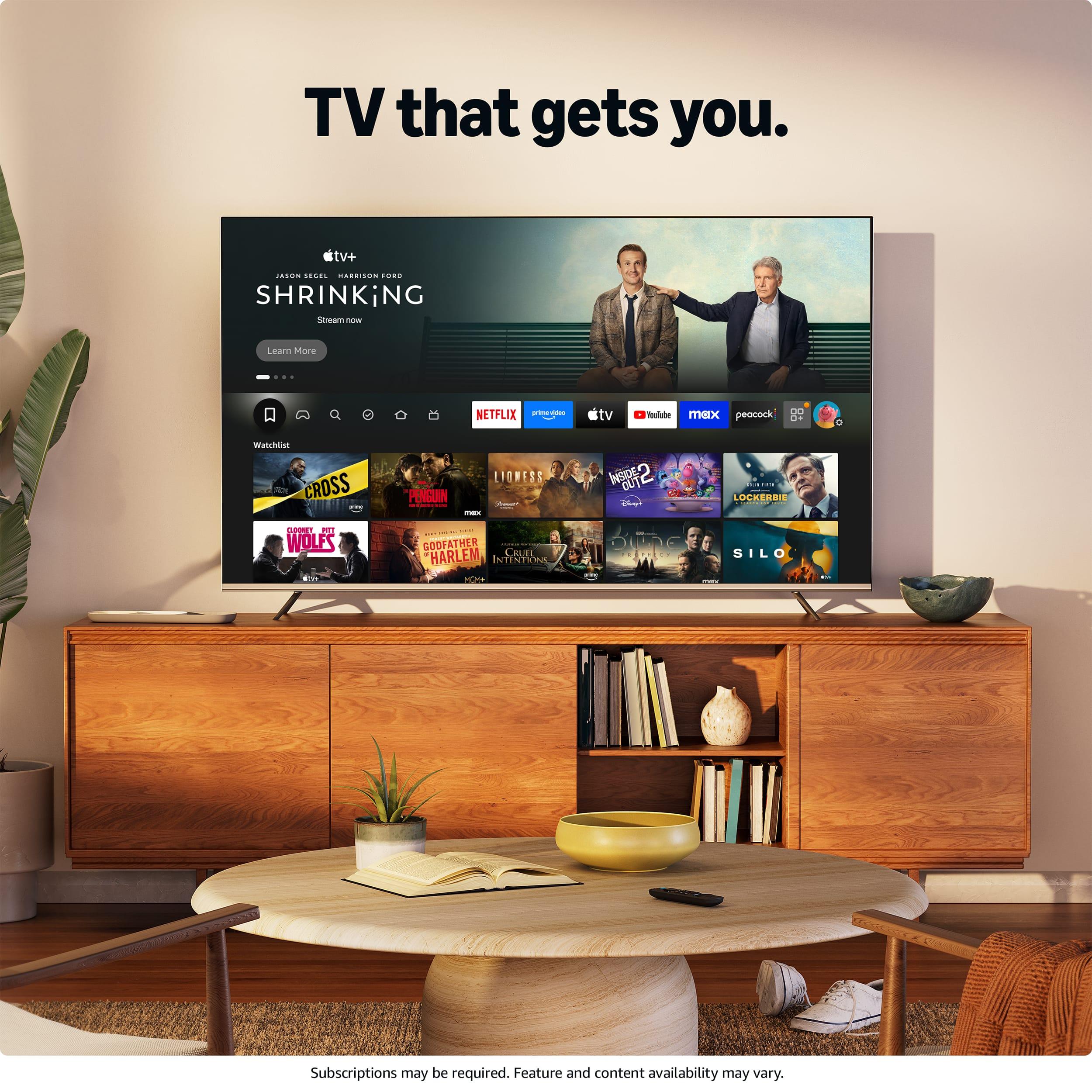
The Hisense QD7, also launched in 2025, takes a dramatically different approach. Hisense has focused on bringing technologies that were previously exclusive to high-end models—Mini-LED backlighting, QLED color technology, and robust gaming features—to mainstream price points. Their strategy acknowledges that most consumers are perfectly satisfied with excellent 4K performance if they can get premium features without premium pricing.
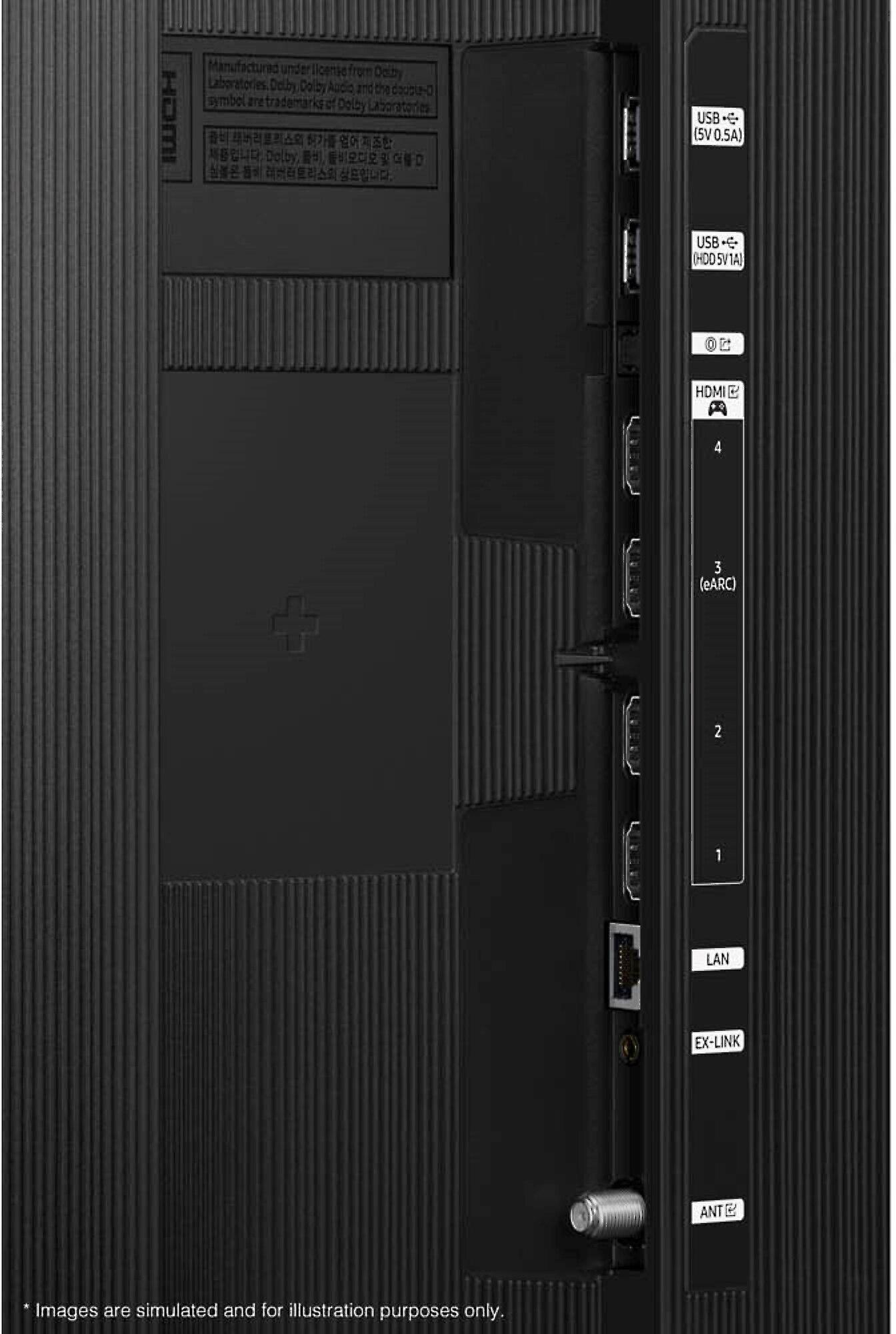
This philosophical difference extends to their smart platforms as well. The Samsung runs Tizen OS with deep integration into Samsung's ecosystem, while the Hisense uses Fire TV, which provides straightforward access to streaming content with Amazon's ecosystem integration.
The most fundamental difference between these TVs lies in their native resolution capabilities. The Samsung QN900F delivers true 8K resolution at 7680 x 4320 pixels, which represents four times the pixel density of 4K displays. This isn't just a marketing number—the difference is genuinely visible, particularly on larger screens and when viewing high-quality content.
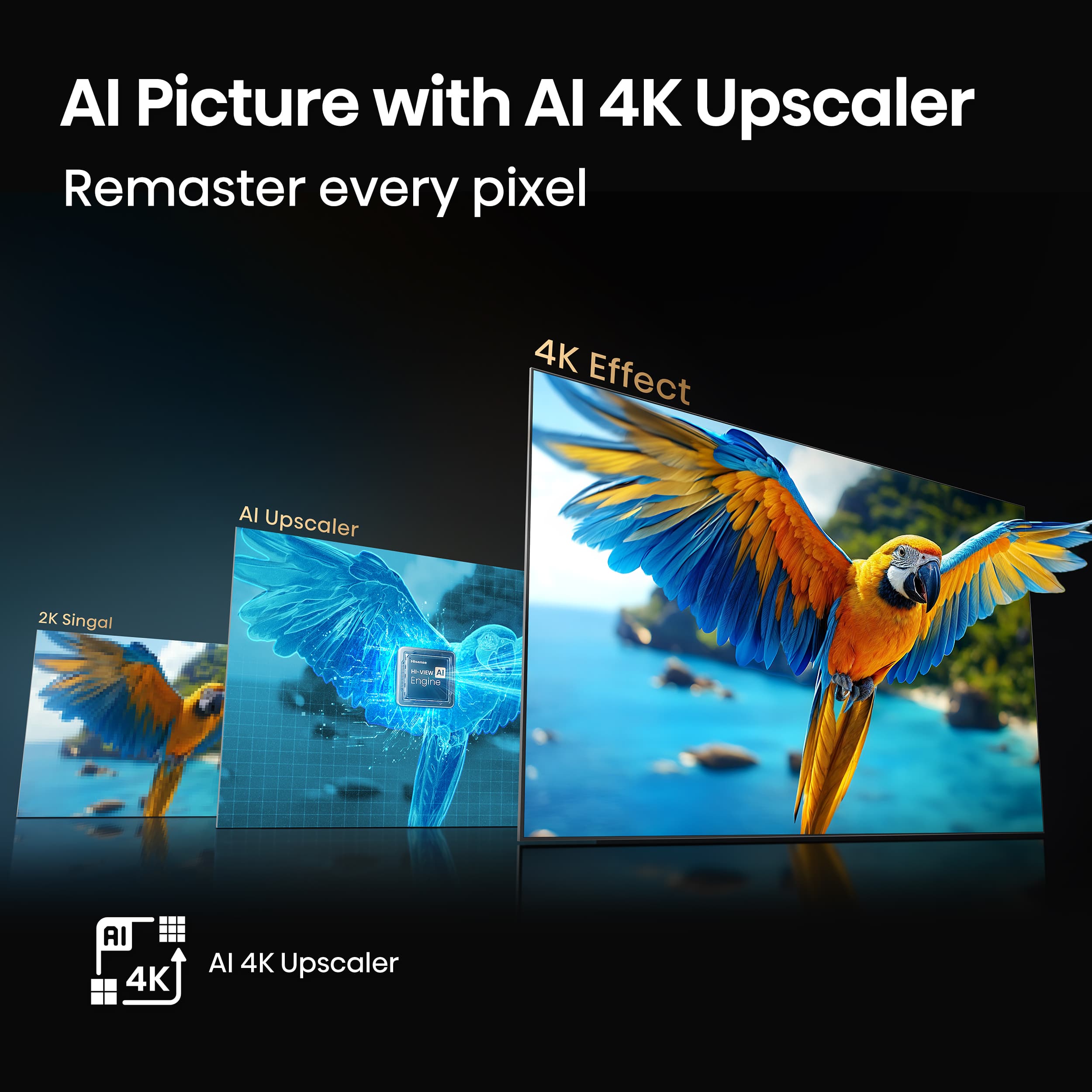
However, the 8K advantage comes with important caveats. Native 8K content remains extremely limited, mostly restricted to some YouTube videos and specialized demo content. The real benefit comes from Samsung's AI upscaling technology, which analyzes lower-resolution content and intelligently fills in additional detail. Based on expert reviews, this upscaling is genuinely impressive, often making 4K content appear noticeably sharper than on native 4K displays.
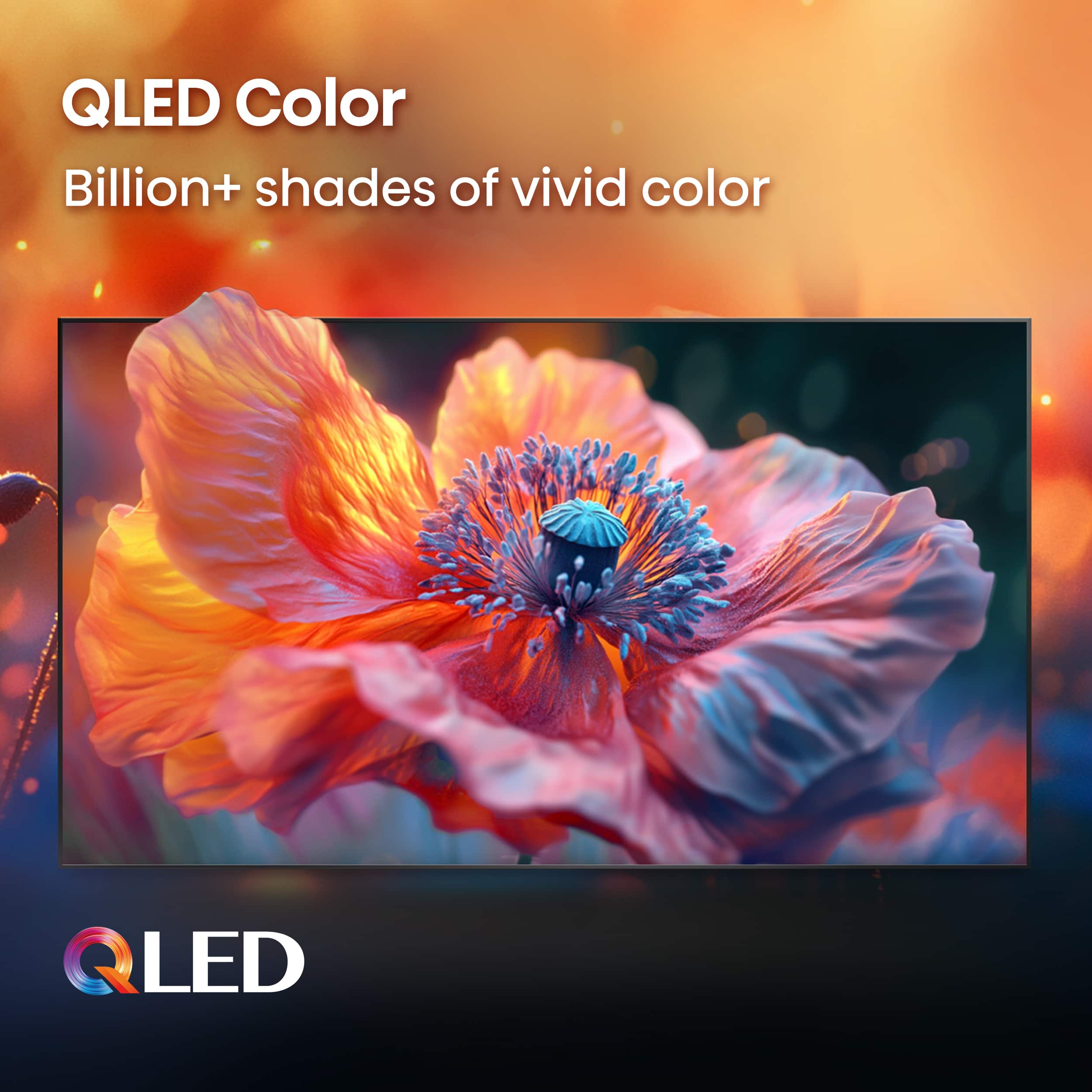
The Hisense QD7 sticks with 4K resolution but implements it exceptionally well. Its Mini-LED backlighting provides excellent contrast control, and the QLED (Quantum Dot Light Emitting Diode) technology ensures vibrant, accurate colors. Quantum dots are microscopic particles that emit pure light when excited, resulting in more accurate color reproduction than traditional LCD panels.
Where the Hisense actually surpasses the Samsung is in HDR format support. The QD7 supports Dolby Vision HDR, which is widely considered the premium HDR standard and is used extensively by Netflix, Disney+, and other major streaming services. Dolby Vision analyzes each scene individually to optimize brightness and color, often resulting in more dramatic and lifelike images.
Surprisingly, the Samsung QN900F lacks Dolby Vision support, instead relying on HDR10+ technology. While HDR10+ provides similar dynamic optimization, it has less industry adoption than Dolby Vision. For users with extensive streaming libraries, this represents a genuine limitation of the premium Samsung model.
Both TVs excel in brightness capabilities, crucial for viewing in well-lit rooms. The Samsung achieves exceptional peak brightness thanks to its Quantum Matrix Pro technology, while the Hisense delivers solid brightness performance that surpasses many TVs in its price range.
Gaming performance represents perhaps the starkest difference between these TVs. The Samsung QN900F is engineered specifically for next-generation console gaming and high-end PC gaming, while the Hisense QD7 provides solid gaming features at a more accessible price point.
The Samsung supports refresh rates up to 240Hz for motion enhancement, though practical gaming typically maxes out at 165Hz for 4K content. More importantly, it maintains extremely low input lag across all supported formats—the delay between pressing a button and seeing the result on screen. For competitive gaming, especially fast-paced shooters or racing games, this responsiveness can make a noticeable difference.
The TV also includes AMD FreeSync Premium Pro certification, which eliminates screen tearing (when parts of different frames appear simultaneously) and provides smooth variable refresh rate performance. Its Auto Game Mode automatically switches to optimized settings when it detects gaming content, and advanced features like Super Ultrawide Game View allow for customized aspect ratios.
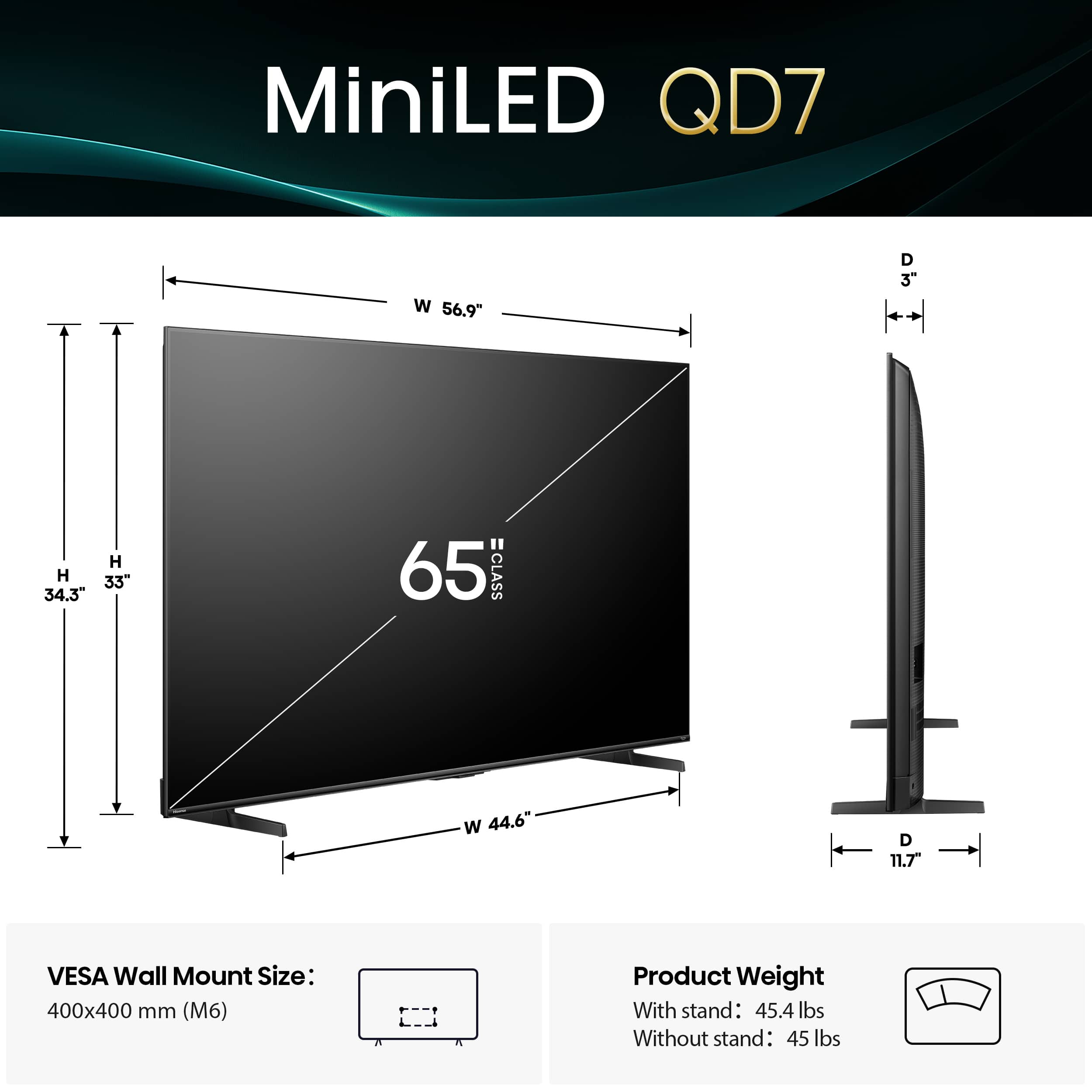
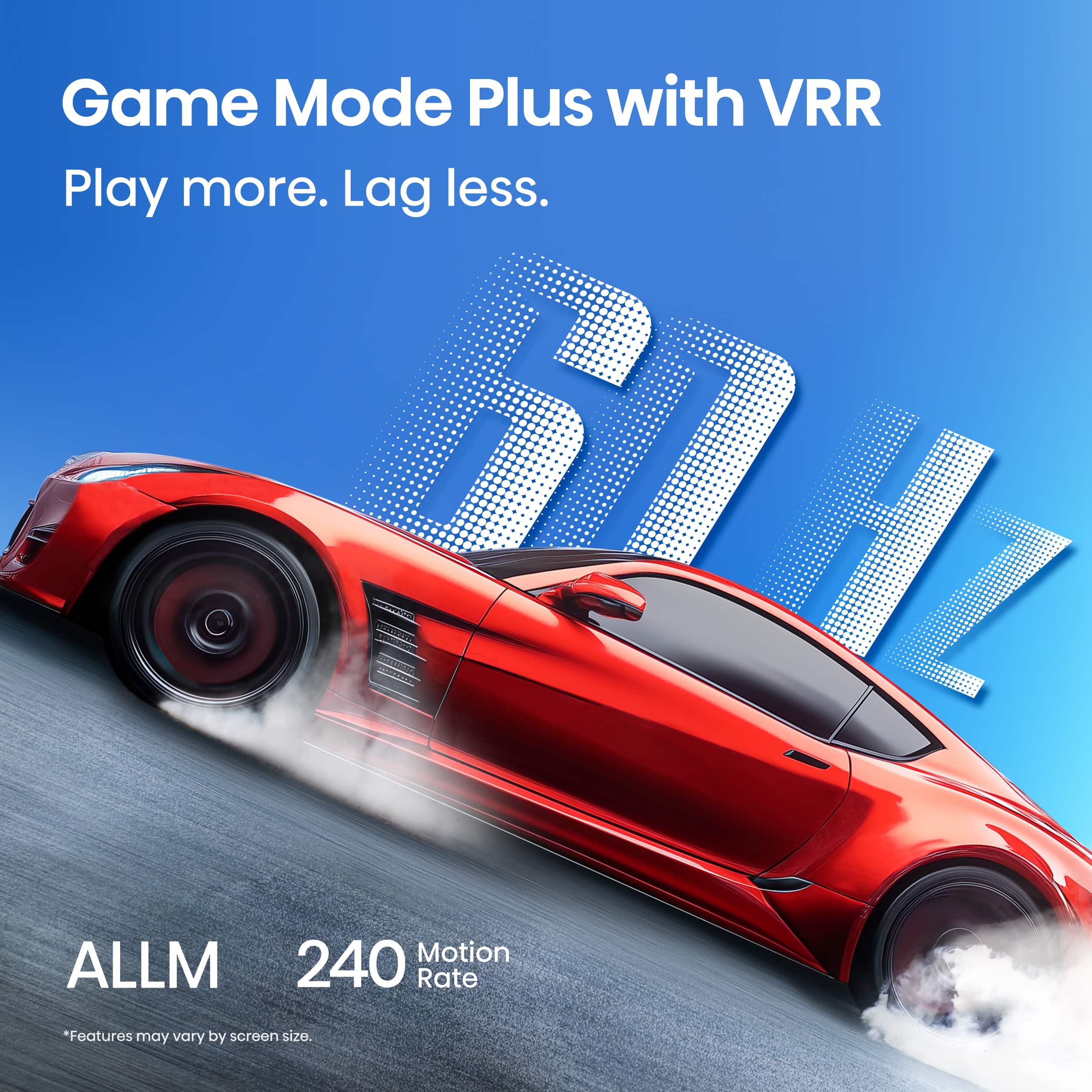
The Hisense QD7 offers respectable gaming performance with its Game Mode Plus feature, which reduces input lag and optimizes picture settings for gaming. It supports Variable Refresh Rate (VRR) and Auto Low Latency Mode (ALLM), ensuring compatibility with PlayStation 5 and Xbox Series X features. However, its refresh rate capabilities vary by model size, with the 65" version potentially limited to 60Hz compared to higher refresh rates available on larger sizes.
For casual gaming and most console gaming scenarios, the Hisense provides perfectly adequate performance. The difference becomes more apparent for PC gaming, competitive esports, or users who prioritize the absolute highest performance gaming experience.
Smart TV platforms have become increasingly important as streaming content dominates how most people watch television. Both TVs offer robust smart features, but with different approaches and ecosystems.
The Samsung QN900F runs Samsung's latest Tizen OS, which has evolved into a sophisticated platform with deep AI integration. The Vision AI system learns viewing habits and optimizes content accordingly, while far-field microphones enable voice control without needing the remote. The platform integrates seamlessly with Samsung's SmartThings ecosystem, allowing control of compatible smart home devices directly from the TV.
Samsung's Gaming Hub provides access to cloud gaming services like Xbox Game Pass and Nvidia GeForce Now, essentially turning the TV into a gaming console for users with adequate internet connections. The interface tends to be more feature-rich but potentially more complex than simpler alternatives.
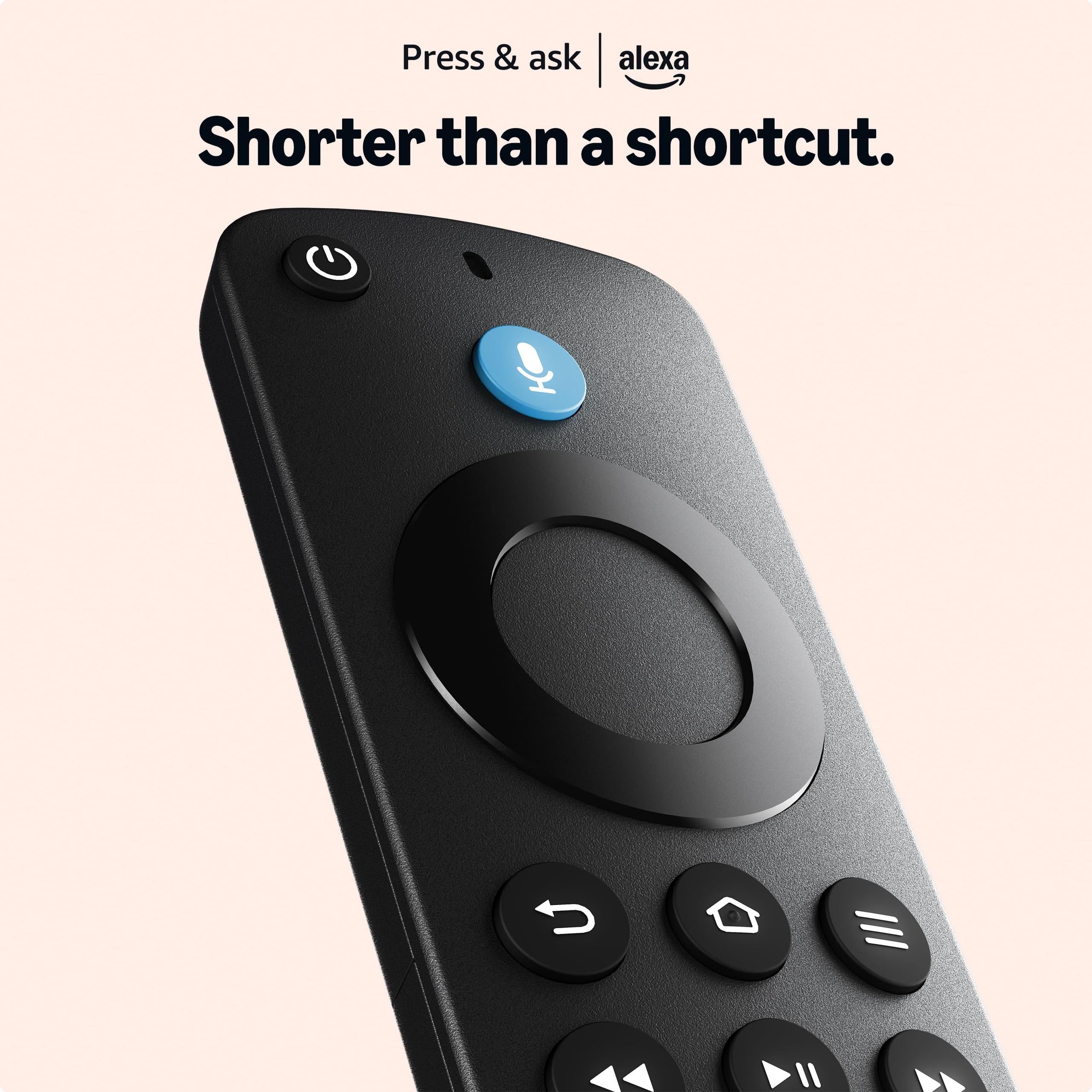
The Hisense QD7 uses Amazon's Fire TV platform, which prioritizes simplicity and content discovery. The interface is intuitive and fast, with excellent integration of major streaming services. Built-in Alexa provides voice control capabilities, and the platform supports Apple HomeKit for smart home integration.
Fire TV's strength lies in its straightforward approach to content consumption. It excels at surfacing relevant shows and movies across different streaming services, making it easy to find something to watch. The platform feels less cluttered than more feature-heavy alternatives, which many users prefer.
Audio performance reveals another significant difference between these TVs. The Samsung QN900F incorporates a sophisticated 4.2.2 channel speaker system with 70W total power output. More impressive than the raw power is the implementation of Object Tracking Sound Pro, which moves audio around the screen to match on-screen action. When a car drives across the screen, the sound genuinely follows it from left to right.
The TV also supports Q-Symphony, Samsung's technology that allows compatible soundbars to work in harmony with the TV's built-in speakers rather than replacing them entirely. This creates a more immersive soundstage without requiring users to completely abandon the TV's audio capabilities.
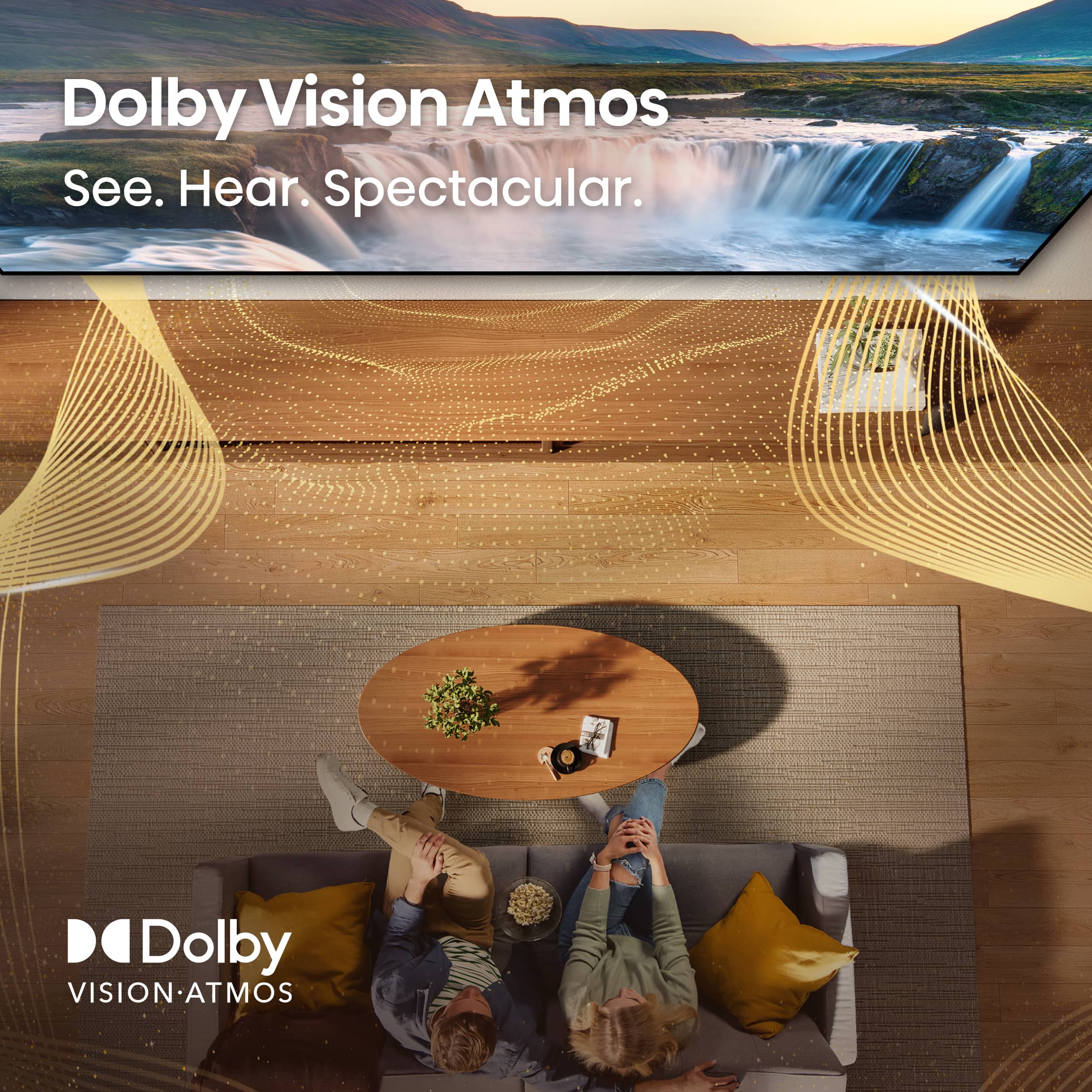
The Hisense QD7 provides adequate audio quality for its price range, with Dolby Atmos support that creates some sense of height and dimension in the soundstage. However, it lacks the power and sophistication of the Samsung's audio system. For casual viewing, the built-in speakers are perfectly functional, but users seeking immersive audio experiences would benefit from adding a soundbar.
Both TVs support advanced audio formats and can pass through high-quality audio to external sound systems, though the Samsung provides more comprehensive audio processing and enhancement features.
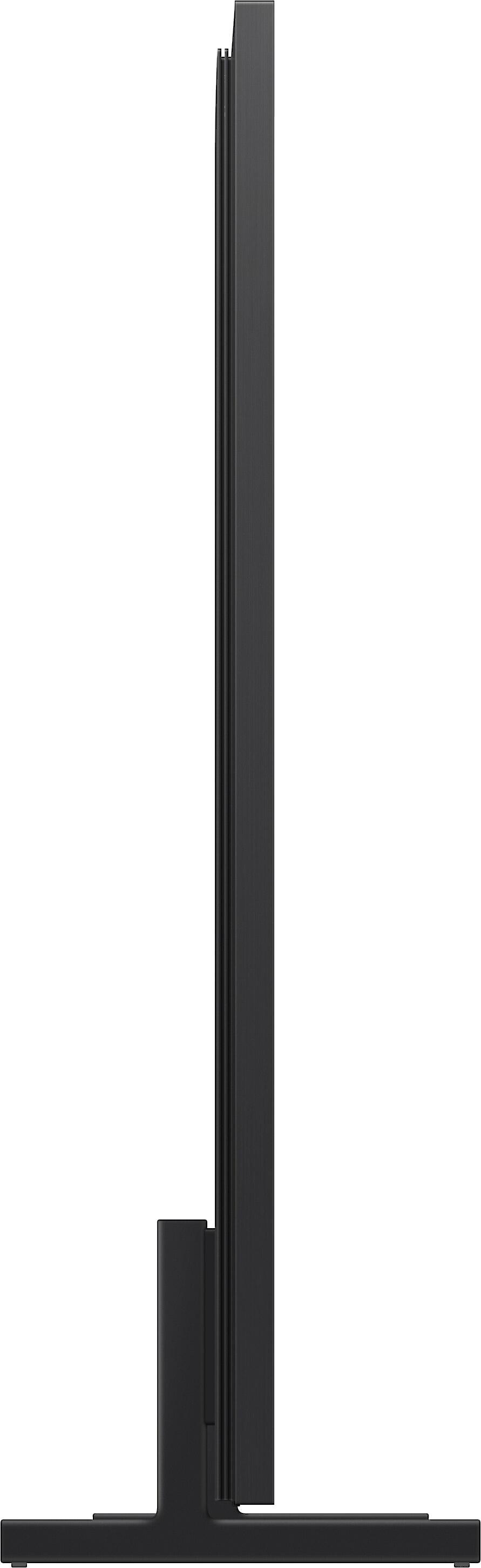
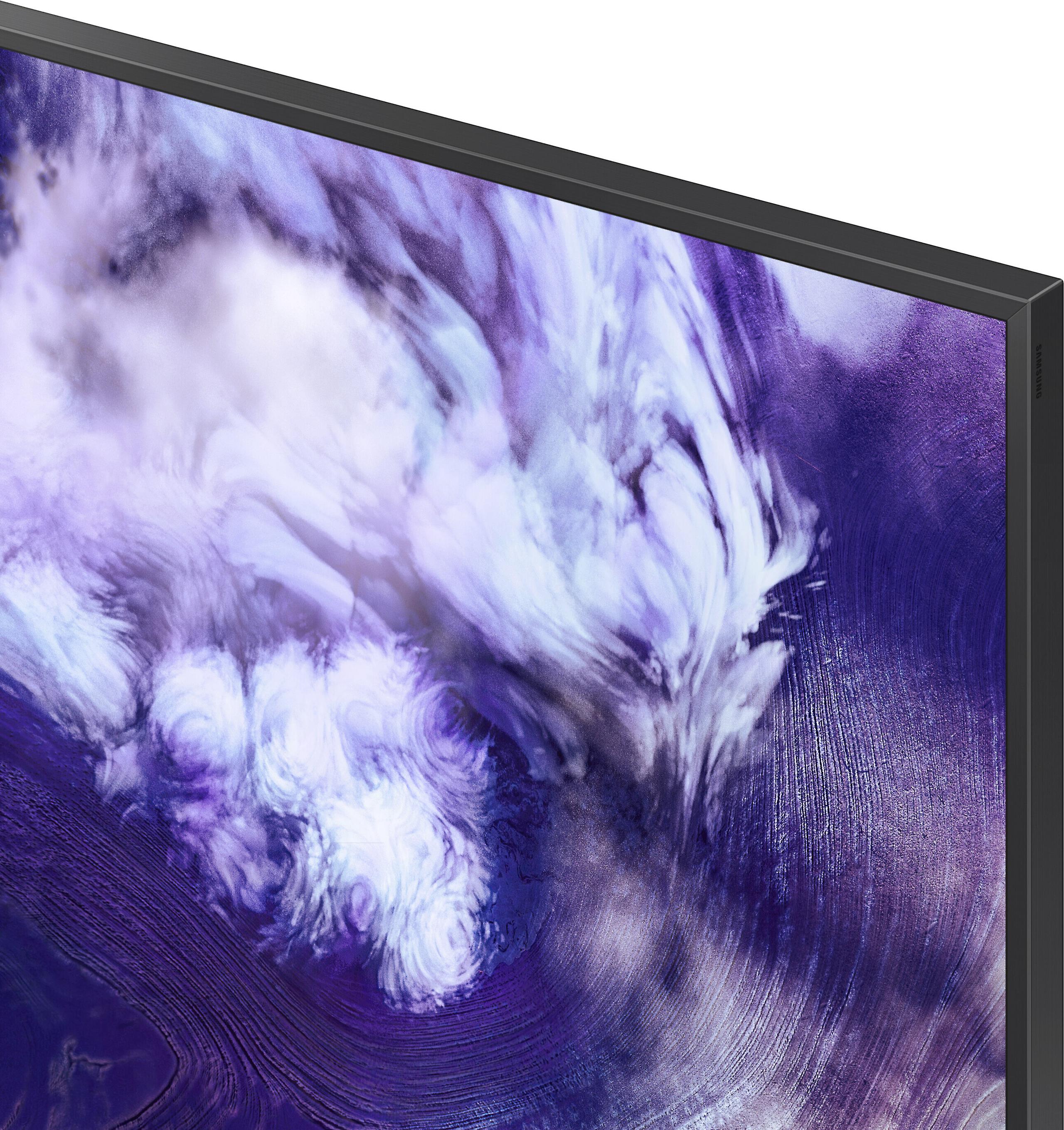
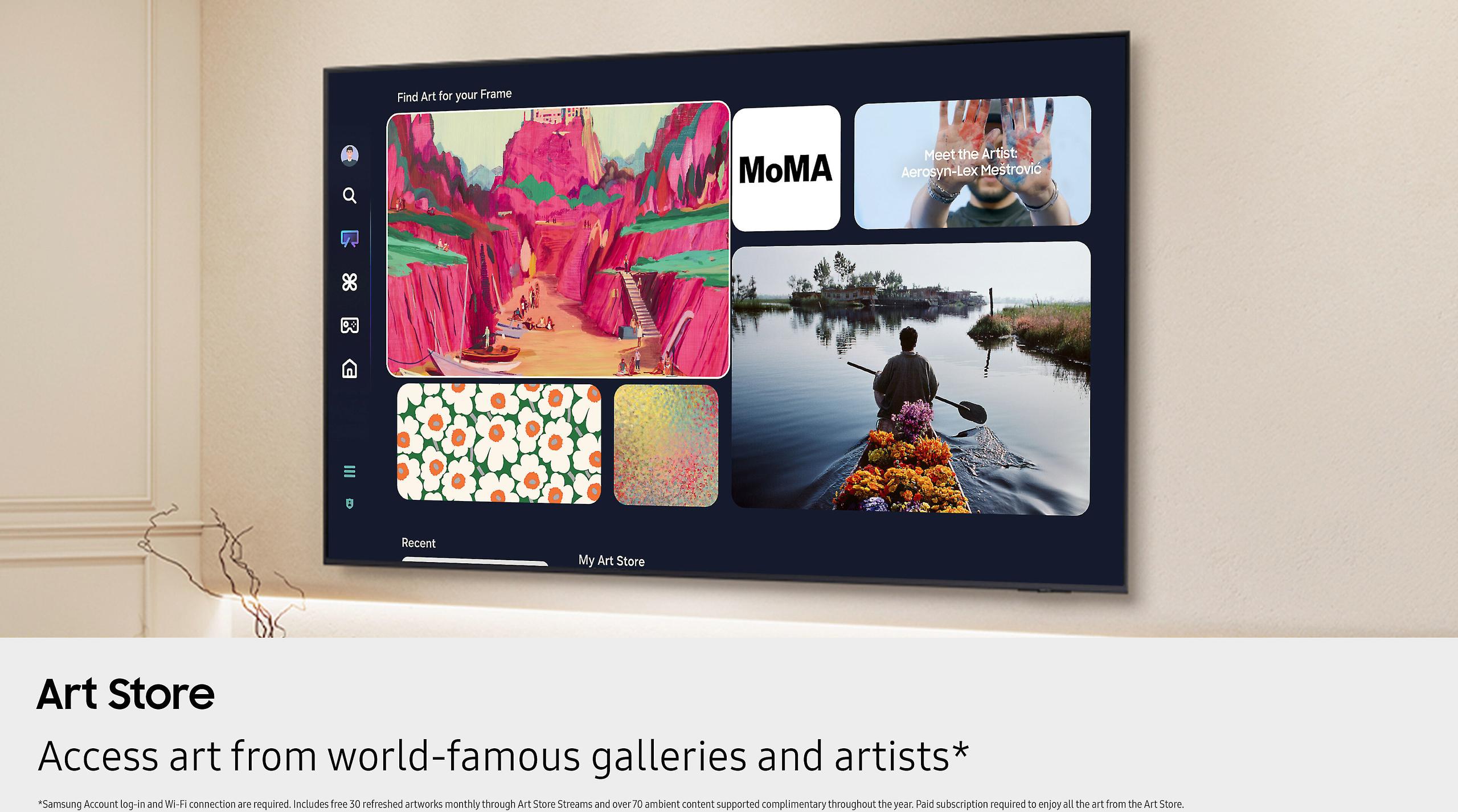
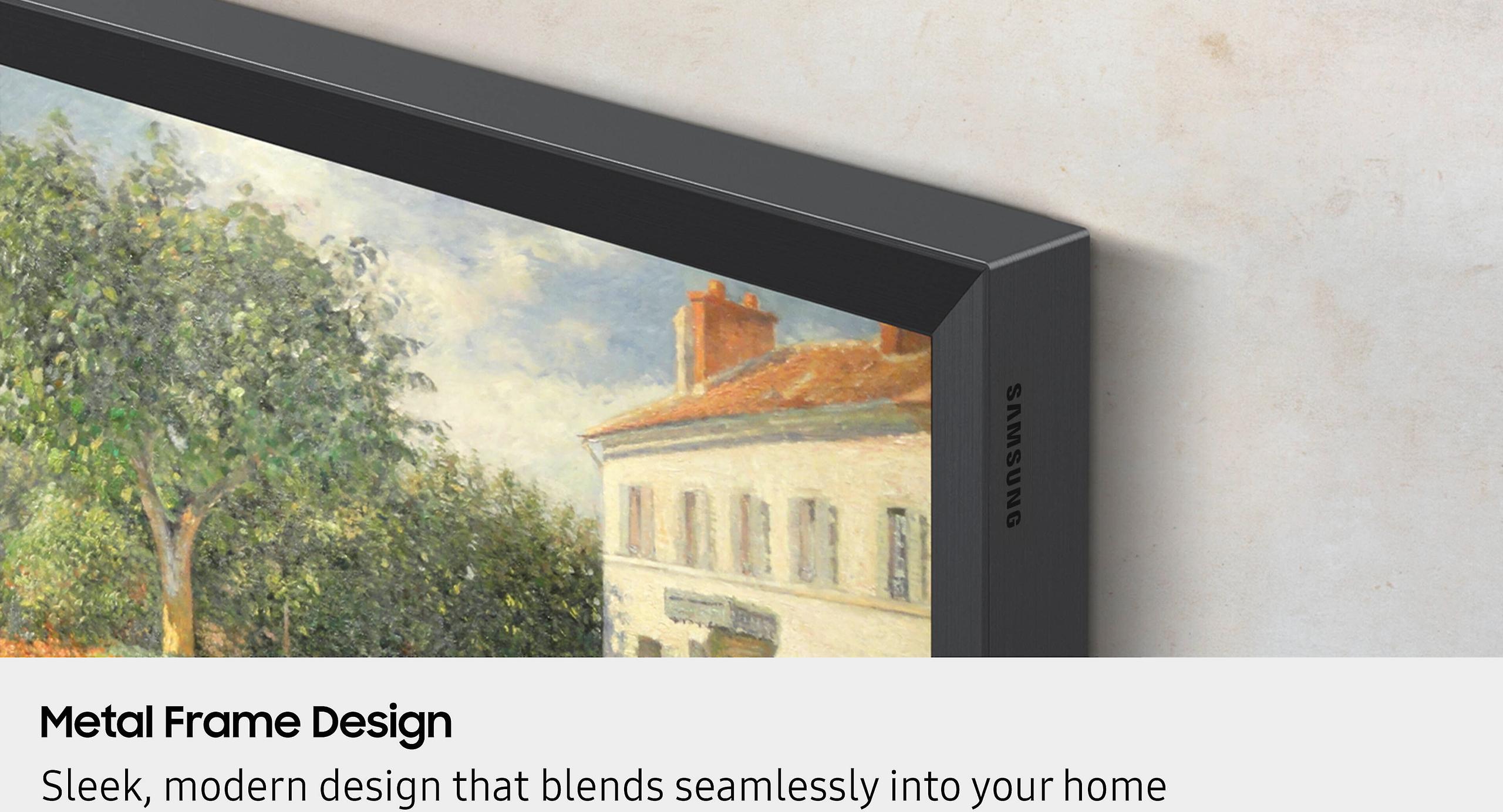
The design philosophy of each TV reflects their target markets. The Samsung QN900F features a metal frame design with precise fit and finish that befits its premium positioning. The nearly edgeless display creates an impressive "art frame" aesthetic when displaying content or artwork through Ambient Mode.
Samsung's Glare-Free technology deserves special mention here, as it addresses one of the most common complaints about living room TVs. The advanced anti-reflective coating virtually eliminates reflections from windows, lamps, and other light sources. This feature alone can dramatically improve the viewing experience in bright rooms or spaces with challenging lighting conditions.
The Hisense QD7 opts for a more conventional but still attractive design approach. The build quality is solid for the price range, with a modern aesthetic that fits well in most home environments. While it lacks the premium materials and finish of the Samsung, it doesn't feel cheap or flimsy.
For dedicated home theater setups, both TVs offer advantages depending on priorities and budget constraints. The Samsung QN900F provides the ultimate in image quality and detail, particularly beneficial for larger viewing distances where 8K resolution advantages become more apparent. Its superior brightness and glare resistance make it suitable for rooms that can't achieve complete darkness.
However, the lack of Dolby Vision support represents a significant limitation for home theater enthusiasts who prioritize compatibility with premium streaming content. Many home theater purists consider Dolby Vision essential for the optimal viewing experience with modern content.
The Hisense QD7 actually offers some advantages for home theater use, particularly its comprehensive HDR support including Dolby Vision. For users building a theater around streaming content, this compatibility can be more important than 8K resolution. The significant cost savings also leave budget available for other home theater components like better audio systems or room treatments.
When evaluating TV performance, certain metrics carry more weight than others. Peak brightness capability affects how well the TV performs in various lighting conditions and how impactful HDR content appears. Both TVs excel here, though the Samsung achieves higher peak brightness levels.
Color accuracy and gamut coverage determine how lifelike images appear. Both TVs use QLED technology for excellent color reproduction, though the Samsung's more advanced processing may provide slight advantages in color accuracy and tone mapping.
Motion handling becomes crucial for sports and gaming. The Samsung clearly dominates with its higher refresh rates and more sophisticated motion processing, while the Hisense provides adequate performance for most content.
Input lag matters primarily for gaming, where the Samsung provides measurably better performance. For movie and TV viewing, both TVs offer acceptable response times.
The decision between these TVs ultimately comes down to priorities and budget. The Samsung QN900F makes sense for buyers who want the absolute best performance and have the budget to support it. This includes serious gamers who need high refresh rates, users with challenging lighting environments who benefit from glare-free technology, and tech enthusiasts who value cutting-edge features like 8K resolution and advanced AI processing.
The Samsung is also ideal for users building around Samsung's ecosystem, those who prioritize premium build quality and design, and buyers who view their TV purchase as a long-term investment in future-proofing technology.
The Hisense QD7 represents the better choice for the majority of buyers. It delivers excellent picture quality with Mini-LED technology, solid gaming performance for console gaming, comprehensive HDR support including Dolby Vision, and a user-friendly smart platform. The dramatic cost savings make it possible to invest in other home entertainment components or simply enjoy premium TV technology without the premium price tag.
The Hisense is particularly appealing for streaming-focused users who prioritize HDR compatibility, budget-conscious buyers who still want premium features, and users who prefer straightforward smart TV platforms over feature-heavy alternatives.
Both the Samsung QN900F and Hisense QD7 represent excellent televisions, but they serve different segments of the market. The Samsung offers genuinely superior technology and performance, particularly in gaming, processing power, and future-proofing features. However, the Hisense delivers approximately 80% of the performance at roughly 15% of the cost, making it an exceptional value proposition.
For most consumers, the Hisense QD7 provides the better overall package. Its combination of Mini-LED technology, QLED color, comprehensive HDR support, and solid gaming features at an accessible price point makes it hard to beat. The money saved compared to the Samsung could fund a premium soundbar, streaming device upgrades, or simply stay in your wallet.
The Samsung QN900F justifies its premium primarily for users who genuinely need its advanced capabilities or who prioritize having the latest technology regardless of cost. Its 8K resolution, superior gaming performance, and premium build quality make it the better choice for demanding users with appropriate budgets.
Ultimately, both TVs succeed in their respective market segments, proving that today's TV market offers excellent options whether you're seeking cutting-edge technology or exceptional value.
| Samsung 65" Neo QLED 8K QN900F Vision AI Smart TV 2025 | Hisense 65" QD7 Series Mini-LED 4K Fire TV 2025 |
|---|---|
| Native Resolution - Higher resolution provides more detail, especially on large screens | |
| True 8K (7680 x 4320) with AI upscaling for all content | 4K Ultra HD (3840 x 2160) - current content standard |
| HDR Format Support - Determines compatibility with premium streaming content | |
| HDR10+, HDR10, HLG (lacks Dolby Vision) | Dolby Vision, HDR10+, HDR10, HLG (full compatibility) |
| Gaming Refresh Rate - Higher rates provide smoother motion for competitive gaming | |
| Up to 240Hz motion enhancement, 165Hz for 4K gaming | 144Hz (varies by model size), 60Hz for 65" model |
| Display Technology - Both use premium Mini-LED for superior contrast | |
| Quantum Matrix Pro Mini-LED with advanced local dimming | Mini-LED with Full Array Local Dimming (FALD) |
| Smart TV Platform - Affects user experience and app availability | |
| Tizen OS with Vision AI and Samsung ecosystem integration | Fire TV with Alexa built-in and Amazon ecosystem |
| Audio System - Built-in sound quality and immersive features | |
| 4.2.2 channel, 70W with Object Tracking Sound Pro | Standard speakers with Dolby Atmos support |
| Gaming Features - Advanced capabilities for console and PC gaming | |
| AMD FreeSync Premium Pro, Auto Game Mode, ultra-low input lag | Game Mode Plus, VRR, ALLM - solid console gaming support |
| Anti-Glare Technology - Critical for bright room viewing | |
| Advanced Glare-Free coating eliminates reflections | Standard anti-reflective treatment |
| Processor - Affects upscaling quality and AI features | |
| NQ8 AI Gen3 with advanced 8K upscaling and Vision AI | Standard 4K processor with basic AI enhancement |
| Price Positioning - Value consideration at time of writing | |
| Premium flagship pricing - 6x more expensive | Exceptional value - premium features at mainstream price |
The Samsung 65" Neo QLED 8K QN900F delivers superior overall picture quality with its true 8K resolution and advanced AI upscaling that makes even 4K content look sharper. However, the Hisense 65" QD7 Series Mini-LED 4K Fire TV actually has better HDR compatibility since it supports Dolby Vision, which is used by Netflix, Disney+, and other major streaming services. Both use Mini-LED technology for excellent contrast and brightness.
The 8K resolution on the Samsung QN900F provides genuinely sharper images, especially noticeable on larger screens and when viewing high-quality content. The TV's AI upscaling also improves 4K content significantly. However, native 8K content is extremely limited, and the Hisense QD7 delivers excellent 4K performance at a fraction of the cost. For most viewers, the 4K quality is more than sufficient.
The Samsung 65" Neo QLED 8K QN900F is significantly better for serious gaming, offering up to 165Hz refresh rates for 4K gaming, ultra-low input lag, and AMD FreeSync Premium Pro support. The Hisense QD7 provides solid gaming performance with Game Mode Plus, VRR, and ALLM support that works well with consoles, but it's limited to 60Hz on the 65" model versus the Samsung's much higher refresh rates.
The Samsung QN900F excels in bright rooms thanks to its advanced Glare-Free technology that virtually eliminates reflections from windows and lights. Both TVs achieve good brightness levels, but the Hisense QD7 uses standard anti-reflective treatment. If you have a very bright living room or challenging lighting conditions, the Samsung's glare resistance provides a noticeable advantage.
The Hisense 65" QD7 uses Fire TV, which is generally considered more straightforward and intuitive for streaming-focused users. It integrates well with Amazon services and provides simple content discovery. The Samsung QN900F runs Tizen OS with more advanced AI features and Samsung ecosystem integration, but it can feel more complex. Fire TV tends to be preferred by users who want simplicity.
The Samsung 65" Neo QLED 8K QN900F has significantly better audio with its 4.2.2 channel system, 70W power output, and Object Tracking Sound Pro that moves audio across the screen. The Hisense QD7 offers adequate built-in audio with Dolby Atmos support but lacks the power and sophistication of the Samsung system. Both benefit from adding a soundbar, but the Samsung performs much better on its own.
Both work well for home theaters but with different strengths. The Samsung QN900F offers superior image quality and brightness, making it excellent for rooms that can't achieve complete darkness. However, the Hisense 65" QD7 actually has an advantage for streaming-focused home theaters since it supports Dolby Vision HDR, which many enthusiasts consider essential. The significant cost savings with the Hisense also leaves budget for better audio equipment.
The Hisense 65" QD7 Series Mini-LED 4K Fire TV offers exceptional value, delivering premium Mini-LED and QLED technology at a mainstream price point. While the Samsung QN900F provides superior performance and cutting-edge features, it costs significantly more. For most buyers, the Hisense delivers about 80% of the Samsung's performance at roughly 15% of the cost.
Both TVs support all major streaming services, but with different approaches. The Hisense QD7 with Fire TV provides excellent integration with Amazon Prime Video, Netflix, Disney+, and other services. The Samsung 65" Neo QLED 8K QN900F with Tizen OS also supports all major apps and adds Samsung TV Plus free streaming channels. Both platforms are well-supported by streaming services.
The Samsung QN900F is better for sports viewing due to its superior motion handling with up to 240Hz motion enhancement and advanced processing that keeps fast action smooth and clear. The Hisense 65" QD7 provides good sports viewing with adequate motion processing, but the Samsung's higher refresh rates and better motion technology make it the clear winner for sports enthusiasts.
The Samsung 65" Neo QLED 8K QN900F excels at upscaling with its advanced NQ8 AI Gen3 processor that can transform HD and 4K content to near-8K quality. The AI analyzes content in real-time to add detail and reduce artifacts. The Hisense QD7 provides standard 4K upscaling that works well for HD content but isn't as sophisticated as Samsung's AI-powered system.
The Samsung QN900F offers better future-proofing with its 8K resolution, advanced AI processing, and cutting-edge gaming features that will remain relevant longer. However, the Hisense 65" QD7 Series Mini-LED 4K Fire TV provides excellent future-proofing for its price point with Mini-LED technology, comprehensive HDR support, and solid gaming features. The Samsung is more future-proof, but the Hisense offers better value-oriented future-proofing.
We've done our best to create useful and informative comparisons to help you decide what product to buy. Our research uses advanced automated methods to create this comparison and perfection is not possible - please contact us for corrections or questions. These are the sites we've researched in the creation of this article: rtings.com - samsung.com - techradar.com - dolby.com - youtube.com - samsung.com - youtube.com - samsung.com - samsung.com - samsung.com - samsung.com - displayspecifications.com - samsung.com - rtings.com - bestbuy.com - merlinstv.com - news.samsung.com - bestbuy.com - bestbuy.com - custrevs.com - youtube.com - bestbuy.com - rtings.com - youtube.com - rtings.com - pcrichard.com - bestbuy.com - pcrichard.com - camelcamelcamel.com - amazonfiretv.blog - hisense-usa.com - hisense-usa.com - hisense-usa.com - bestbuy.com - leaseville.com - youtube.com - bestbuy.com - flatpanelshd.com

Privacy Policy
Terms and Conditions - Affiliate Policy
Home Security
© Copyright 2008-2026.
11816 Inwood Rd #1211, Dallas, TX 75244