

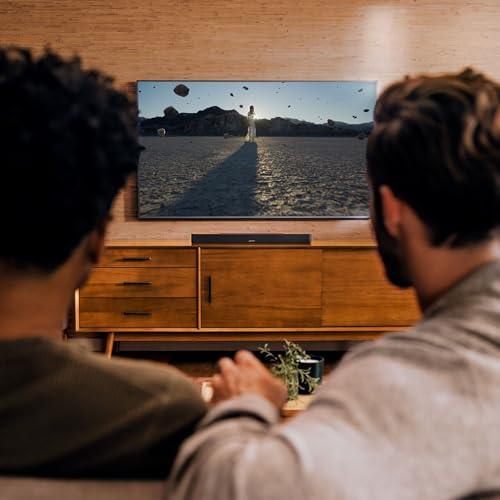






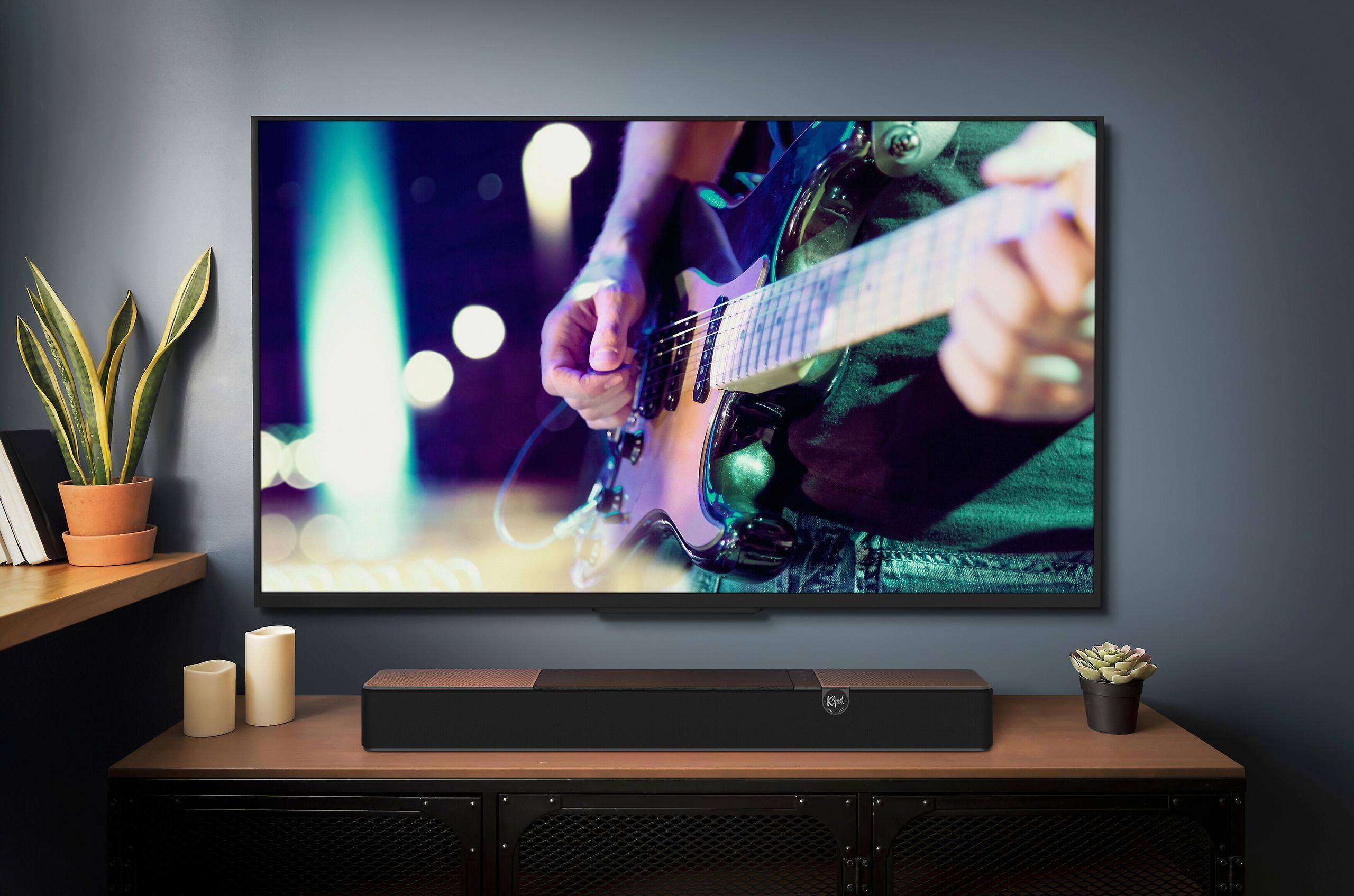
If you've ever tried watching a movie with your TV's built-in speakers, you know the struggle. Dialogue gets lost, explosions sound flat, and music lacks any real impact. Soundbars solve this problem by packing multiple speakers into a sleek bar that sits under your TV, dramatically improving your audio experience without the complexity of a full surround sound system.
But with so many options available, choosing the right soundbar can feel overwhelming. Today, we're comparing two excellent mid-range options that take different approaches to delivering great sound: the Bose Smart Soundbar 1100 and the Klipsch Flexus Core 100. Both launched in recent years (Bose in 2023, Klipsch in 2024) and represent their manufacturers' latest thinking on what makes a great soundbar.
Before diving into specifics, it's worth understanding what you should look for in a soundbar. The most important factor is audio performance—how well it reproduces dialogue, music, and movie effects. This includes frequency response (the range of sounds it can produce), power handling (how loud it can get without distortion), and bass extension (how deep the low notes go).
Smart features have become increasingly important too. Modern soundbars often include built-in voice assistants like Alexa, wireless connectivity for streaming music directly from your phone, and apps that let you customize the sound. Some can even control your TV and other devices through voice commands.
Expandability matters if you think you might want to upgrade later. Many soundbars can connect wirelessly to additional subwoofers (dedicated bass speakers) and surround speakers to create a full home theater system. The ability to start small and grow your system over time can be much more budget-friendly than buying everything at once.
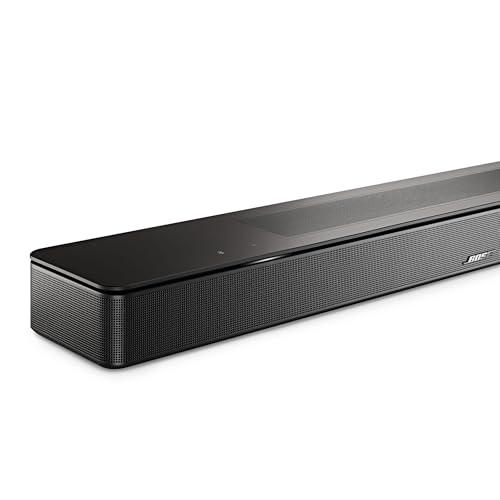
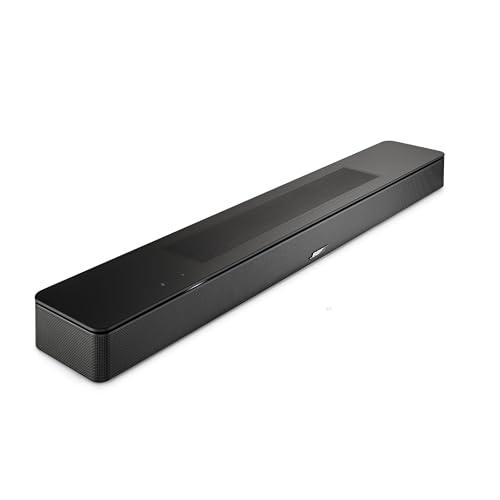
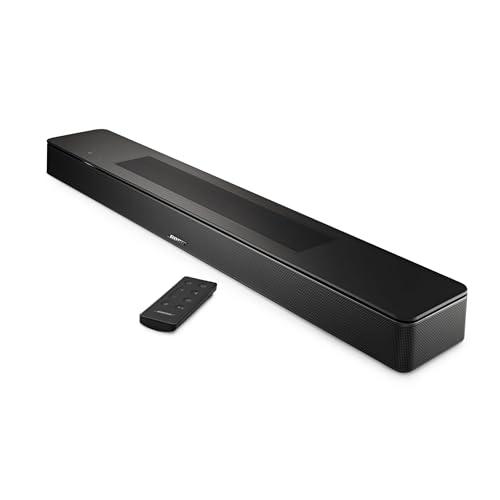
The Bose Smart Soundbar 1100 represents Bose's philosophy of using advanced processing and clever engineering to get maximum performance from a compact package. At roughly 27 inches wide and just over 2 inches tall, it's remarkably slim yet packs in some impressive technology.
The standout feature is true Dolby Atmos support with dedicated up-firing drivers. Dolby Atmos is an audio format that adds height to sound—imagine hearing a helicopter pass overhead in a movie, and actually feeling like it's moving above you rather than just left to right. Most soundbars fake this effect through processing, but the Bose Smart Soundbar 1100 includes actual speakers that fire sound upward to bounce off your ceiling, creating genuine overhead effects.
This soundbar also includes Bose's TrueSpace technology, which takes regular stereo or surround sound and processes it to create a more immersive experience. Think of it as an audio upscaler—like how your TV can make older shows look better on a 4K screen, TrueSpace makes regular audio content sound more spacious and engaging.
One of Bose's most practical innovations is A.I. Dialogue Mode. This feature uses artificial intelligence to detect when people are speaking and automatically adjusts the sound to make voices clearer. If you've ever had to constantly adjust volume during a movie—turning it up to hear dialogue, then down when the action gets loud—you'll appreciate this feature.
The smart features are comprehensive. Built-in Alexa means you can control the soundbar, your smart home devices, and even your TV using voice commands. The Voice4Video feature extends Alexa's capabilities to control cable boxes and streaming devices, essentially making your soundbar a smart home hub. Wi-Fi connectivity supports all major streaming services, including Spotify Connect, Apple AirPlay 2, and Google Chromecast.
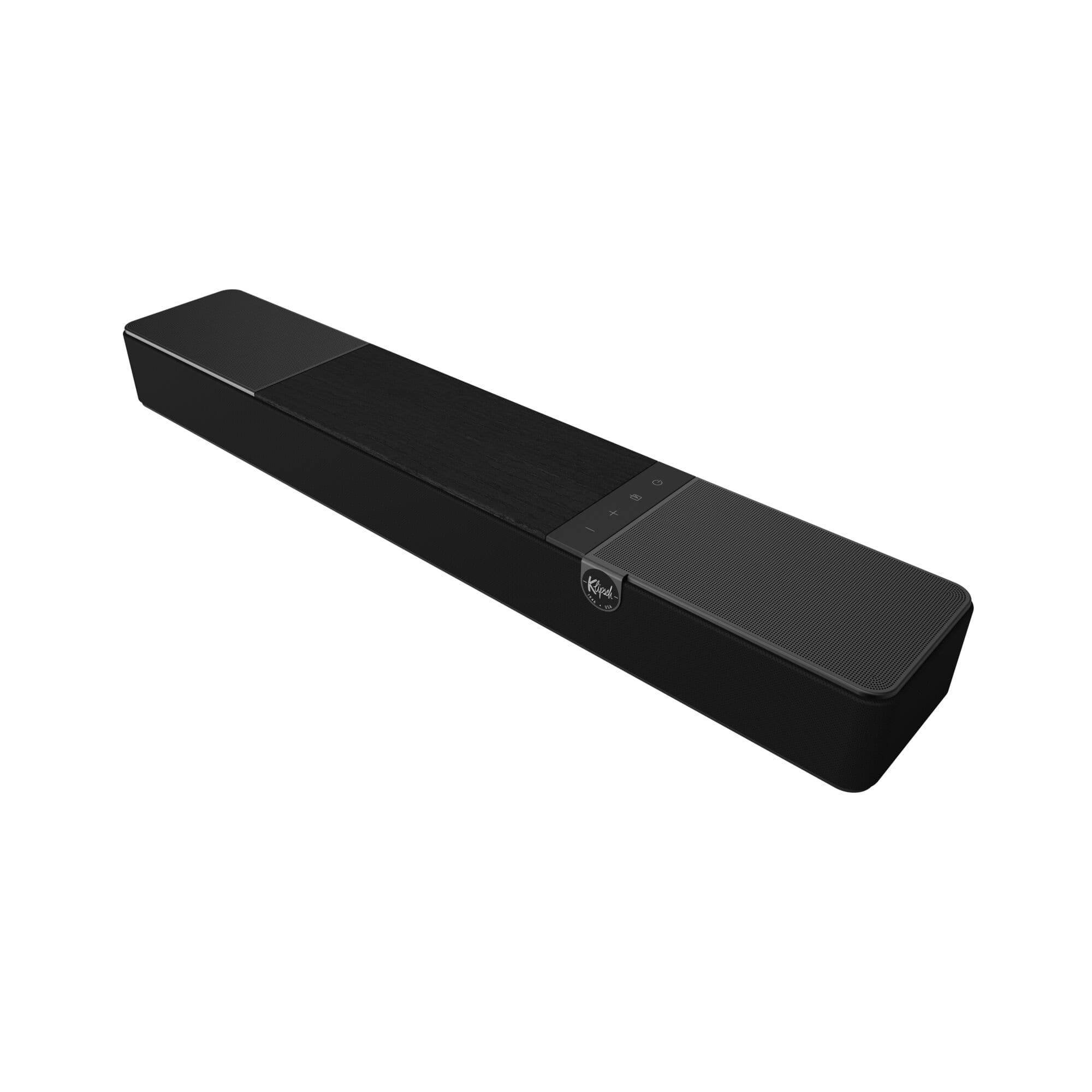
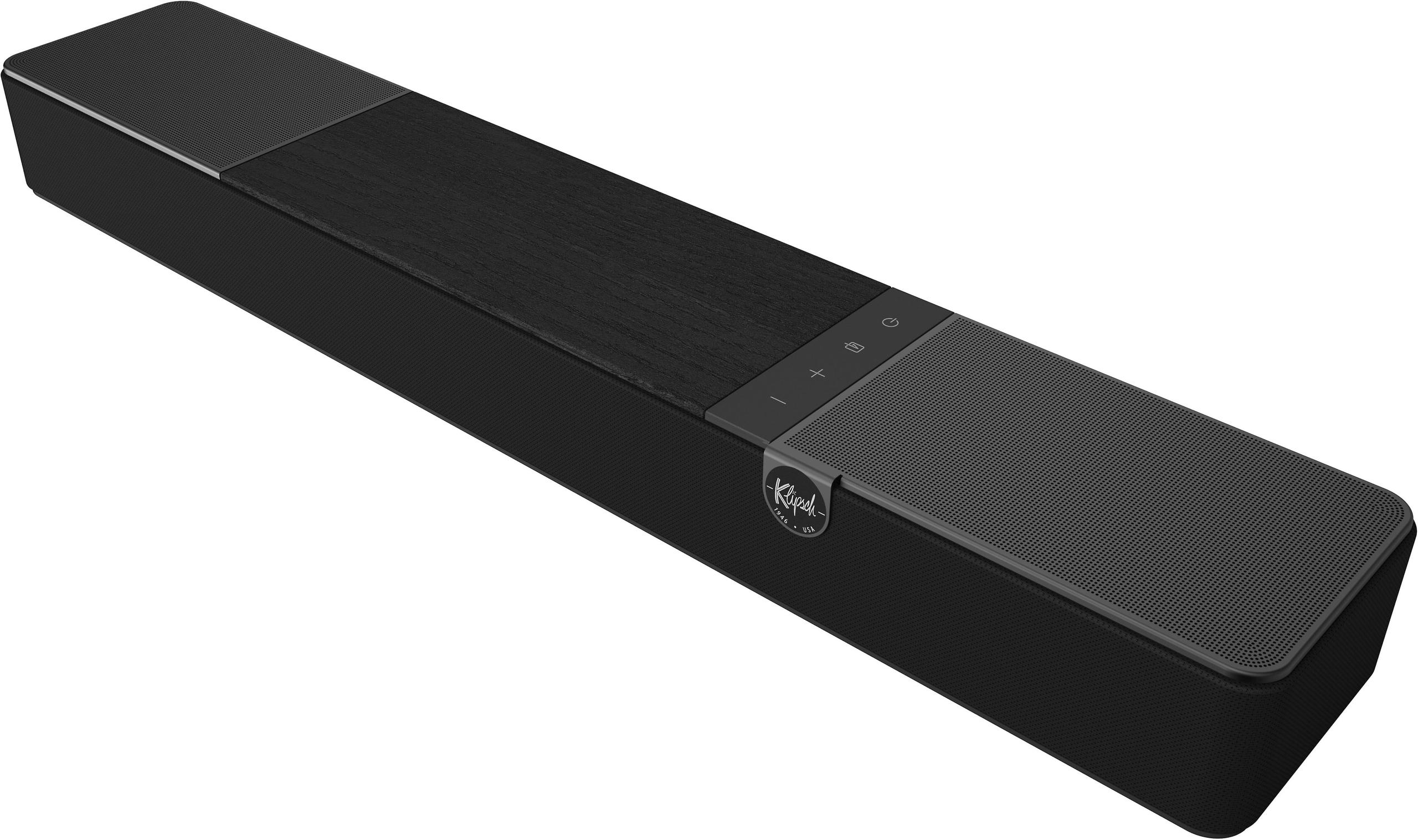
The Klipsch Flexus Core 100 takes a different approach, prioritizing raw audio performance and bass impact over extensive smart features. Released in 2024, it represents Klipsch's entry into the modern soundbar market with their signature focus on dynamic, powerful sound.
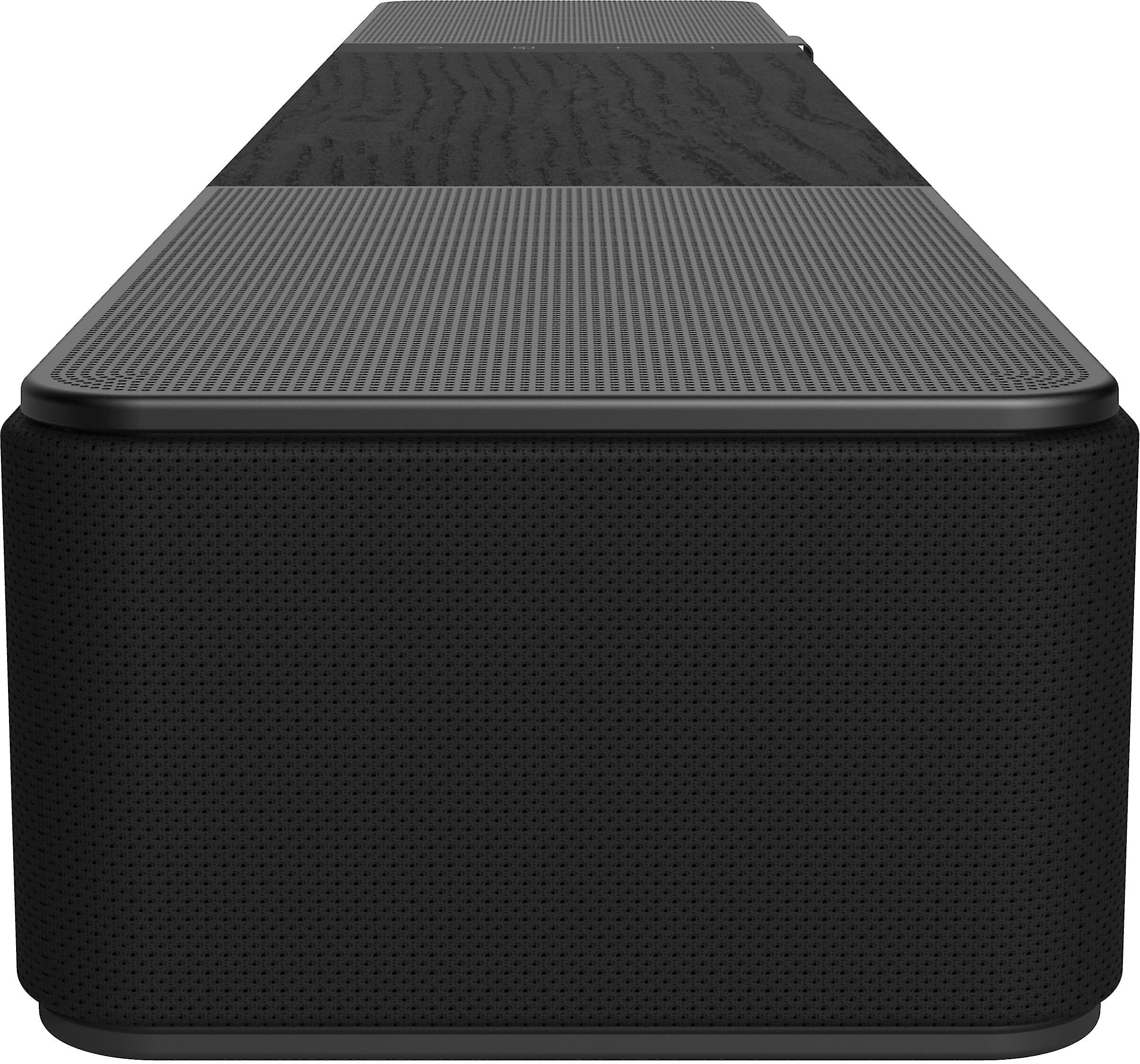
The key differentiator is the dual built-in 4-inch subwoofers. While most soundbars this size struggle with bass response, forcing you to buy a separate subwoofer for full-range sound, the Klipsch Flexus Core 100 includes substantial bass drivers right in the main unit. This 2.1-channel configuration (two main channels plus a dedicated bass channel) delivers satisfying low-end response that many competitors simply can't match without additional components.
The main drivers are 2.25-inch aluminum cone speakers, tuned specifically by Klipsch's acousticians. Aluminum cones are lighter and stiffer than typical plastic or paper cones, allowing them to move more precisely and reproduce detail better. Combined with 100 watts of total power, this setup can get surprisingly loud while maintaining clarity.
Klipsch includes Dolby Atmos processing, but takes a virtual approach rather than using physical up-firing speakers like the Bose Smart Soundbar 1100. The processing analyzes incoming audio and uses psychoacoustic tricks to create the impression of height and surround sound from the forward-firing speakers. While not as convincing as true Atmos hardware, it's still effective for creating a more immersive experience.
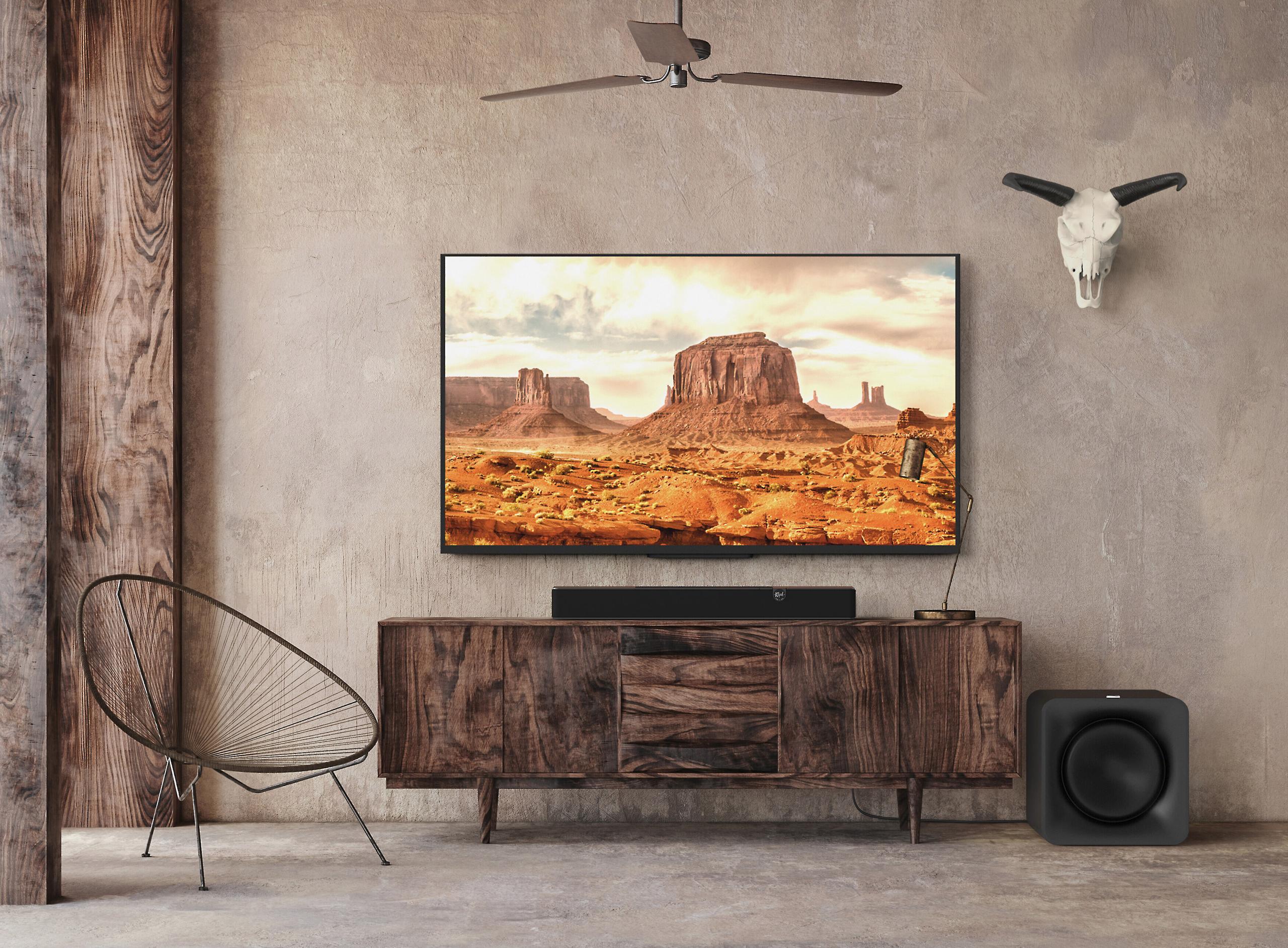
The Flexus Core 100's secret weapon is its expandability through Klipsch Transport technology. This proprietary 2.4GHz wireless system allows you to add matching surround speakers and a larger subwoofer later, all connecting wirelessly to create a full 5.1 home theater system. The expansion path is designed to be more affordable than Bose's premium add-ons, making it easier to build a complete system over time.
Our research into professional reviews and user feedback reveals distinct performance personalities. The Bose Smart Soundbar 1100 consistently earns praise for its balanced, refined sound signature. Dialogue clarity is exceptional—voices sound natural and remain intelligible even during complex action scenes. The soundstage (how wide and spacious the audio sounds) impressively extends beyond the physical dimensions of the soundbar, thanks to Bose's PhaseGuide technology that precisely directs sound beams throughout the room.
The Klipsch Flexus Core 100, true to Klipsch's heritage, delivers a more exciting, dynamic sound. Reviews consistently highlight its superior bass response and punch. Where the Bose might sound polite and balanced, the Klipsch sounds muscular and engaging. This makes it particularly compelling for action movies, gaming, and music listening where you want that extra impact and energy.
Bass performance represents the clearest difference between these soundbars. The Klipsch Flexus Core 100 wins decisively here, with its dual 4-inch subwoofers providing substantially more low-end extension and impact. You'll feel the rumble of explosions, the thump of music, and the subtle low-frequency effects that add realism to movie soundtracks.
The Bose Smart Soundbar 1100, despite Bose's QuietPort technology that reduces distortion from its smaller drivers, simply cannot match this bass performance without adding an optional subwoofer. However, Bose's bass is cleaner and more controlled within its limitations—it won't boom or sound muddy, but it lacks the physical impact that many listeners crave.
The Atmos implementation differs significantly between these models. The Bose Smart Soundbar 1100 includes actual up-firing drivers that bounce sound off your ceiling to create height effects. When properly set up in a room with a reasonably flat ceiling, this creates convincing overhead sound placement. You'll hear rain falling from above, aircraft passing overhead, or ambient effects that seem to surround you vertically as well as horizontally.
The Klipsch Flexus Core 100 uses virtual Atmos processing instead. While this can create a sense of height and space, it's not as convincing as the physical approach. However, Klipsch's implementation focuses on creating a wider, more enveloping soundstage at ear level, which many users find more immediately impressive than subtle overhead effects.
For gaming, the Klipsch Flexus Core 100 edges ahead due to its more dynamic sound signature and superior bass response. Gunshots have more impact, explosions feel more visceral, and the enhanced low-end helps with directional audio cues that can give you a competitive edge. The USB-C connectivity also provides a direct, low-latency connection for gaming devices.
Music listening favors the Klipsch as well, particularly for genres like rock, hip-hop, and electronic music where bass and dynamics matter. The Bose Smart Soundbar 1100 handles vocals and acoustic music beautifully but may leave bass-heads wanting more impact.
The smart feature gap between these soundbars is substantial. The Bose Smart Soundbar 1100 essentially functions as a smart speaker that happens to be excellent at TV audio. Built-in Alexa responds to voice commands even when music is playing loudly, thanks to sophisticated noise-canceling microphones. You can ask it to adjust volume, change inputs, control smart home devices, or even operate your TV and cable box through Voice4Video.
Wi-Fi connectivity enables direct streaming from virtually any service without needing your phone or another device. The Bose Music app provides extensive customization options and makes setup straightforward. Multi-room audio lets you group the soundbar with other Bose speakers throughout your home for synchronized music playback.
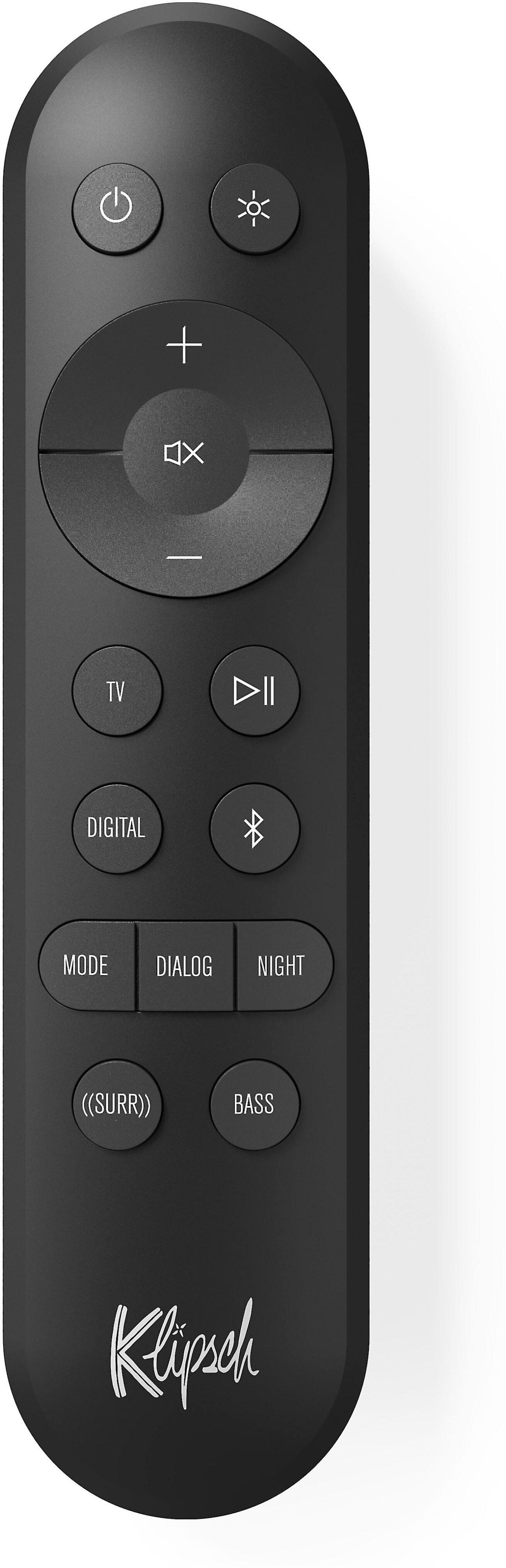
The Klipsch Flexus Core 100 keeps things simpler, focusing on core audio functionality. Bluetooth connectivity handles wireless music streaming, while the Klipsch Connect Plus app provides basic EQ adjustments. Some users prefer this streamlined approach—fewer features mean fewer things to go wrong, and you're not paying for smart capabilities you might not use.
Both soundbars support expansion, but with different philosophies and price points. The Bose Smart Soundbar 1100 can add Bose Bass Modules and Surround Speakers wirelessly, creating a sophisticated home theater system. However, Bose's expansion components carry premium pricing, making a full system quite expensive. The unique Personal Surround feature lets you pair Bose Ultra Open Earbuds as wireless rear speakers for private listening—a clever solution for apartment dwellers or late-night viewing.
The Klipsch Flexus Core 100 expansion path appears more budget-friendly, though pricing wasn't finalized at the time of writing. Klipsch Transport technology promises seamless wireless connection to matching surrounds and a larger subwoofer. Given Klipsch's traditional positioning as a performance-focused but value-oriented brand, the expansion costs should be more accessible than Bose's premium approach.
At the time of writing, these soundbars compete closely on price, with the Bose Smart Soundbar 1100 commanding a slight premium over the Klipsch Flexus Core 100. However, value goes beyond just the initial purchase price.
The Bose Smart Soundbar 1100 delivers more features and refinement for your money. If you value smart home integration, voice control, and the convenience of built-in streaming, Bose provides substantially more functionality. The audio quality is excellent, though you'll likely want to budget for a subwoofer eventually if bass is important to you.
The Klipsch Flexus Core 100 offers more immediate audio satisfaction, particularly in the bass department that most people find lacking in TV audio. You're getting more powerful drivers and satisfying low-end response right out of the box. The smart features are limited, but the core mission—making your TV sound dramatically better—is accomplished more completely without additional purchases.
In a dedicated home theater setting, both soundbars can serve as the foundation for a larger system, but with different strengths. The Bose Smart Soundbar 1100 excels in rooms where dialogue clarity and spatial audio matter most. Its true Dolby Atmos implementation works best in properly designed spaces with appropriate ceiling height and surfaces for sound reflection.
The Klipsch Flexus Core 100 suits home theaters where dynamic range and impact take priority. Its powerful bass response and room-filling sound work well in larger spaces where you need more acoustic energy. The expansion path also seems better suited to building a complete surround system over time.
Choose the Bose Smart Soundbar 1100 if you're looking for a premium, feature-rich experience. It's ideal for people who watch a lot of dialogue-heavy content like TV shows and news, appreciate cutting-edge audio processing, and want smart home integration. If you already own other Bose products or prioritize refined, balanced sound over pure impact, Bose delivers exceptional value despite the higher price.
The Klipsch Flexus Core 100 makes more sense for users who prioritize immediate audio satisfaction and plan to expand their system gradually. It's perfect for music lovers, gamers, and anyone who finds typical soundbar bass response disappointing. If you prefer straightforward functionality over smart features and want the most powerful sound for your money, Klipsch offers compelling value.
Both soundbars excel in their respective approaches to improving your TV audio experience. The Bose Smart Soundbar 1100 represents sophisticated engineering and smart features wrapped in a premium package. The Klipsch Flexus Core 100 focuses on core audio performance and expansion value with less emphasis on smart capabilities.
Your choice should align with your priorities: refined, feature-rich experience (Bose) or powerful, dynamic sound with expansion potential (Klipsch). Either way, you'll enjoy a dramatic improvement over built-in TV speakers and have a solid foundation for future system growth.
| Bose Smart Soundbar 1100 | Klipsch Flexus Core 100 |
|---|---|
| Channel Configuration - Determines audio capabilities and expansion potential | |
| 3.0.2 channels with dedicated up-firing drivers | 2.1 channels with dual built-in subwoofers |
| Dolby Atmos Implementation - Critical for immersive movie experiences | |
| True Dolby Atmos with physical up-firing speakers | Virtual Dolby Atmos processing (no up-firing drivers) |
| Built-in Bass Performance - Most noticeable upgrade from TV speakers | |
| Limited bass, requires optional subwoofer for full impact | Dual 4" subwoofers provide substantial bass without add-ons |
| Total Power Output - Affects maximum volume and dynamic range | |
| Not specified (estimated ~80W based on driver configuration) | 100W RMS for louder, more dynamic sound |
| Voice Assistant Integration - Convenience for smart home users | |
| Built-in Alexa with Voice4Video TV control | No built-in voice assistant |
| Streaming Connectivity - Important for wireless music playback | |
| Wi-Fi, Bluetooth 5.0, AirPlay 2, Chromecast, Spotify Connect | Bluetooth and USB-C (more limited wireless options) |
| Unique Audio Technologies - Manufacturer's signature sound enhancements | |
| TrueSpace, A.I. Dialogue Mode, PhaseGuide, QuietPort | Aluminum cone drivers, custom Klipsch acoustic tuning |
| Dimensions - Critical for TV compatibility and room aesthetics | |
| 27.3" W × 2.2" H × 4.6" D (ultra-slim profile) | 28" W × 3" H × 5" D (larger to accommodate subwoofers) |
| Expansion System - Future upgrade path and total cost considerations | |
| Premium Bose ecosystem (Bass Modules, Surrounds, Personal Surround) | Klipsch Transport wireless system (more affordable expansion) |
| App Control and Customization - Setup ease and ongoing adjustments | |
| Comprehensive Bose Music app with extensive features | Basic Klipsch Connect Plus app with EQ presets |
| Best Use Cases - Who each product serves best | |
| TV/dialogue focus, smart home integration, balanced sound | Music/gaming emphasis, immediate bass satisfaction, system building |
The Bose Smart Soundbar 1100 excels at dialogue clarity thanks to its A.I. Dialogue Mode technology, which automatically adjusts audio frequencies to make voices clearer. This feature is particularly helpful for TV shows, news, and movies where understanding speech is crucial. While the Klipsch Flexus Core 100 delivers clear dialogue, it doesn't have specialized voice enhancement technology.
Both the Bose Smart Soundbar 1100 and Klipsch Flexus Core 100 support Dolby Atmos, but they implement it differently. The Bose Smart Soundbar 1100 uses true Dolby Atmos with physical up-firing drivers that bounce sound off your ceiling for authentic overhead effects. The Klipsch Flexus Core 100 uses virtual Dolby Atmos processing to simulate height effects without dedicated up-firing speakers.
The Klipsch Flexus Core 100 significantly outperforms the Bose Smart Soundbar 1100 in bass response. The Klipsch includes dual 4-inch built-in subwoofers that deliver substantial low-end impact right out of the box. The Bose Smart Soundbar 1100 has more limited bass and typically requires an optional subwoofer for satisfying low-frequency performance.
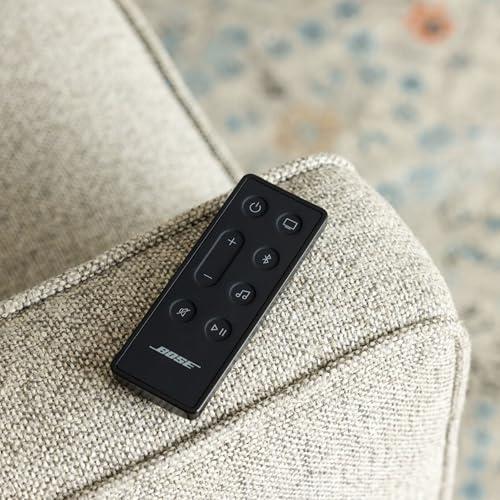
The Bose Smart Soundbar 1100 has built-in Amazon Alexa, allowing you to control the soundbar, smart home devices, and even your TV using voice commands. It also features Voice4Video technology for controlling cable boxes and streaming devices. The Klipsch Flexus Core 100 does not include built-in voice assistants and relies on traditional remote control or app-based operation.
The Klipsch Flexus Core 100 generally performs better for music, especially genres that benefit from strong bass and dynamic sound like rock, hip-hop, and electronic music. Its dual subwoofers and 100W power output create a more engaging musical experience. The Bose Smart Soundbar 1100 offers excellent clarity for vocals and acoustic music but may lack the impact that music lovers prefer.
Both soundbars offer wireless expansion options. The Bose Smart Soundbar 1100 can add Bose Bass Modules and Surround Speakers through its proprietary wireless system, though these tend to be premium-priced additions. The Klipsch Flexus Core 100 uses Klipsch Transport technology to wirelessly connect matching surround speakers and subwoofers, typically at more affordable price points for building a complete home theater system.
The Bose Smart Soundbar 1100 offers superior streaming options with built-in Wi-Fi supporting AirPlay 2, Chromecast, Spotify Connect, and direct streaming from major music services. The Klipsch Flexus Core 100 provides more basic connectivity through Bluetooth and USB-C, making it less versatile for wireless music streaming but simpler to operate.
The Bose Smart Soundbar 1100 is more compact at 27.3 inches wide and 2.2 inches tall, making it easier to fit under most TVs without blocking the screen or remote sensor. The Klipsch Flexus Core 100 is slightly larger at 28 inches wide and 3 inches tall to accommodate its dual built-in subwoofers, but still fits under most modern TVs.
The Klipsch Flexus Core 100 typically performs better for gaming due to its more dynamic sound signature, superior bass response, and USB-C connectivity for direct, low-latency connections. The enhanced bass helps with directional audio cues and makes explosions and gunshots more impactful. The Bose Smart Soundbar 1100 still provides good gaming audio but focuses more on balanced sound than the excitement gamers often prefer.
Both soundbars work excellently as home theater foundations but serve different priorities. The Bose Smart Soundbar 1100 excels in home theaters focused on dialogue clarity and spatial audio effects, particularly in rooms with good ceiling acoustics for Dolby Atmos. The Klipsch Flexus Core 100 suits home theaters where dynamic sound and bass impact take priority, and where you plan to expand the system with additional speakers over time.
Value depends on your priorities. The Klipsch Flexus Core 100 offers better immediate audio satisfaction with its superior bass performance and doesn't require additional purchases for full-range sound. The Bose Smart Soundbar 1100 provides more features and smart capabilities, making it better value if you want voice control, comprehensive streaming, and advanced audio processing technologies.
Both the Bose Smart Soundbar 1100 and Klipsch Flexus Core 100 offer straightforward setup through their respective mobile apps. The Bose Smart Soundbar 1100 has more initial setup steps due to its extensive smart features and Wi-Fi configuration, while the Klipsch Flexus Core 100 focuses on simpler, more direct setup. Both connect easily via HDMI eARC or optical cables to most modern TVs.
We've done our best to create useful and informative comparisons to help you decide what product to buy. Our research uses advanced automated methods to create this comparison and perfection is not possible - please contact us for corrections or questions. These are the sites we've researched in the creation of this article: bestbuy.com - rtings.com - rtings.com - youtube.com - staples.com - youtube.com - soundguys.com - businessinsider.com - youtube.com - rtings.com - crutchfield.com - youtube.com - youtube.com - smart.dhgate.com - dolby.com - bose.com - assets.bose.com - bose.com - connection.com - bestbuy.com - cdw.com - dell.com - device.report - cnet.com - klipsch.com - klipsch.com - bestbuy.com - sweetwater.com - assets.onkyo-av.com - youtube.com - worldwidestereo.com - avnirvana.com - target.com

Privacy Policy
Terms and Conditions - Affiliate Policy
Home Security
© Copyright 2008-2026.
11816 Inwood Rd #1211, Dallas, TX 75244