









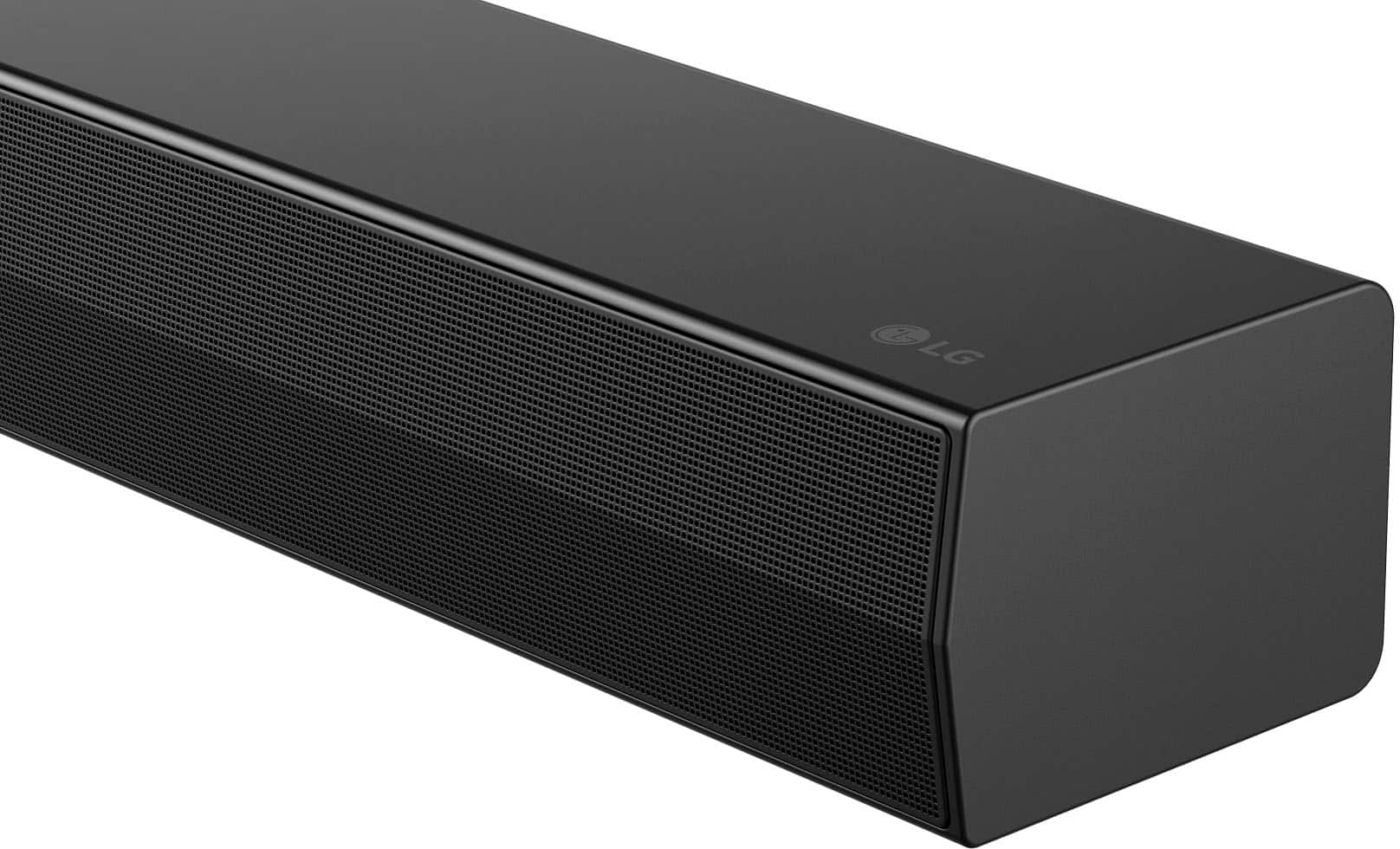
When your TV's built-in speakers leave you cranking the volume just to hear dialogue clearly, it's time to consider a soundbar upgrade. The 2.1 channel soundbar category has become the sweet spot for most people—offering significantly better audio than TV speakers without the complexity of a full surround sound system. But with so many options available, choosing between different approaches can feel overwhelming.
Today we're comparing two popular 2.1 soundbars that take distinctly different paths: the Klipsch Flexus Core 100 ($227.90) and the LG S40T ($155.95). While both aim to enhance your TV audio experience, they represent fundamentally different philosophies in soundbar design. Understanding these differences will help you choose the right system for your space and needs.
Before diving into the comparison, let's clarify what "2.1 channel" actually means. The "2" represents the left and right stereo channels that handle most of your audio—dialogue, music, and sound effects. The ".1" refers to a dedicated bass channel, typically handled by a subwoofer, that reproduces low-frequency sounds like explosions, musical bass lines, and rumbling effects.
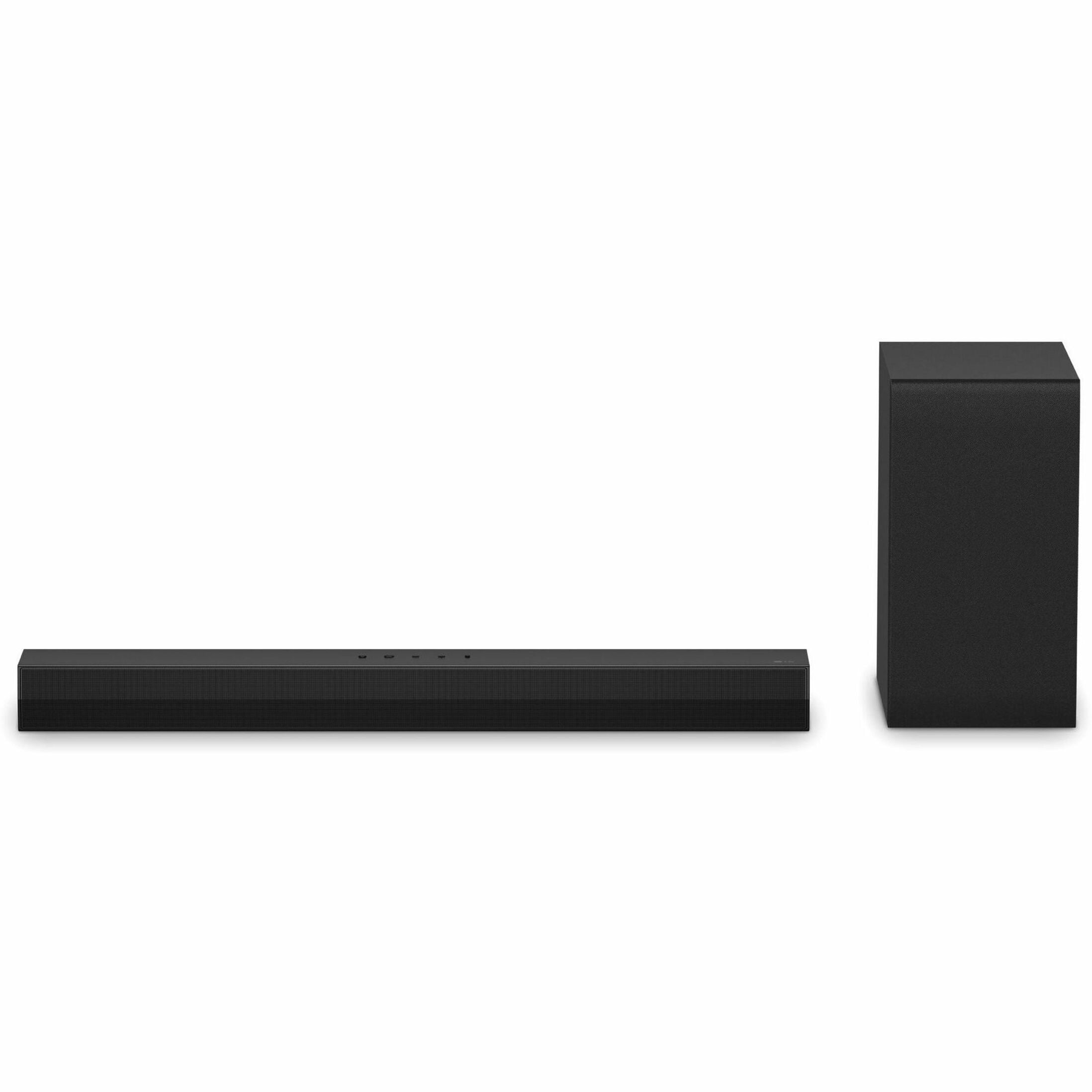
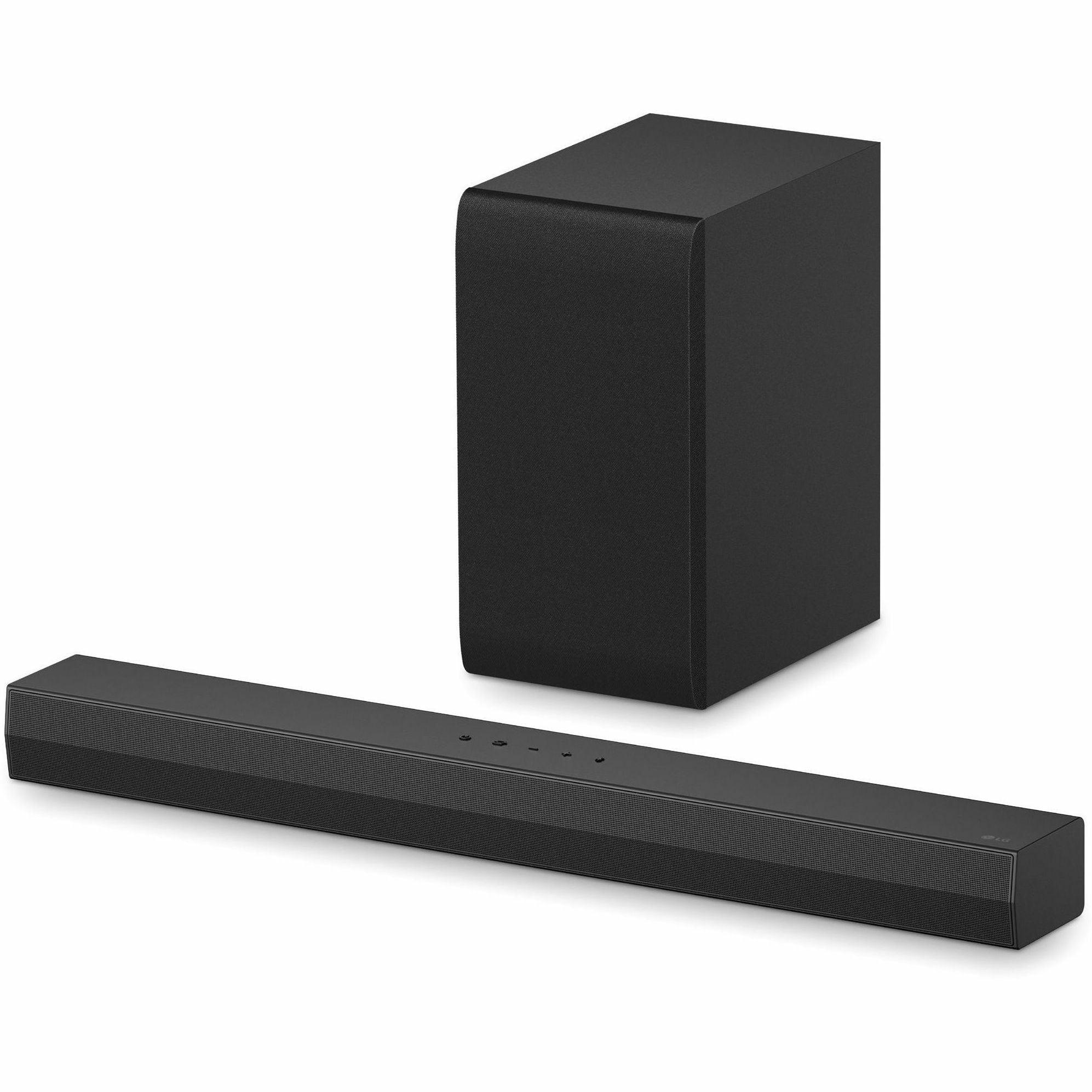
What makes modern 2.1 soundbars interesting is how they handle this bass channel. Some systems, like the Klipsch, build subwoofer drivers directly into the main soundbar unit. Others, like the LG, use a separate subwoofer box that sits on your floor. Each approach has distinct advantages and trade-offs that affect everything from sound quality to room placement flexibility.
The key considerations when shopping for a 2.1 soundbar include bass implementation, audio processing capabilities, connectivity options, room integration requirements, and potential for future expansion. These factors ultimately determine not just how your system sounds today, but how well it will serve your needs as your setup evolves.
The Klipsch Flexus Core 100 launched in early 2025 as part of Klipsch's new Flexus ecosystem, developed in partnership with Onkyo. This timing is significant because it incorporates several years of refinement in soundbar technology, particularly in wireless connectivity and Dolby Atmos processing. Klipsch has been building speakers since 1946, and their expertise in horn-loaded drivers and acoustic engineering shows in this latest offering.
The LG S40T represents LG's more traditional approach to 2.1 soundbars, becoming widely available by mid-2025. LG has been refining their soundbar lineup for over a decade, focusing on value-oriented solutions that pair well with their TV ecosystem. While the S40T doesn't push technological boundaries, it benefits from years of manufacturing optimization and cost reduction.
Since these products launched, we've seen the soundbar market mature significantly. Early 2.1 systems often struggled with muddy dialogue or weak bass response. Modern systems like these two have largely solved those basic issues, allowing manufacturers to focus on more advanced features like spatial audio processing and wireless expandability.
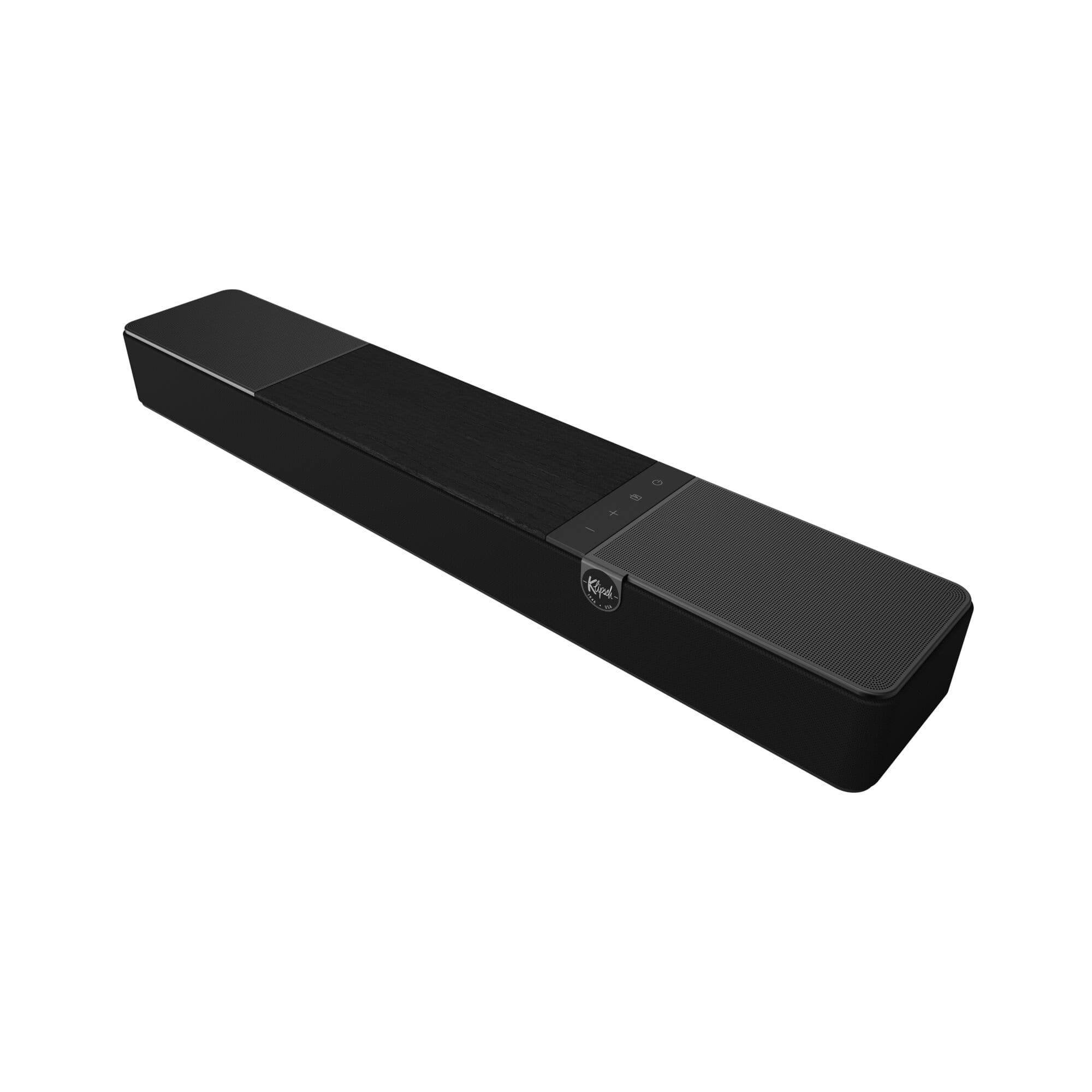
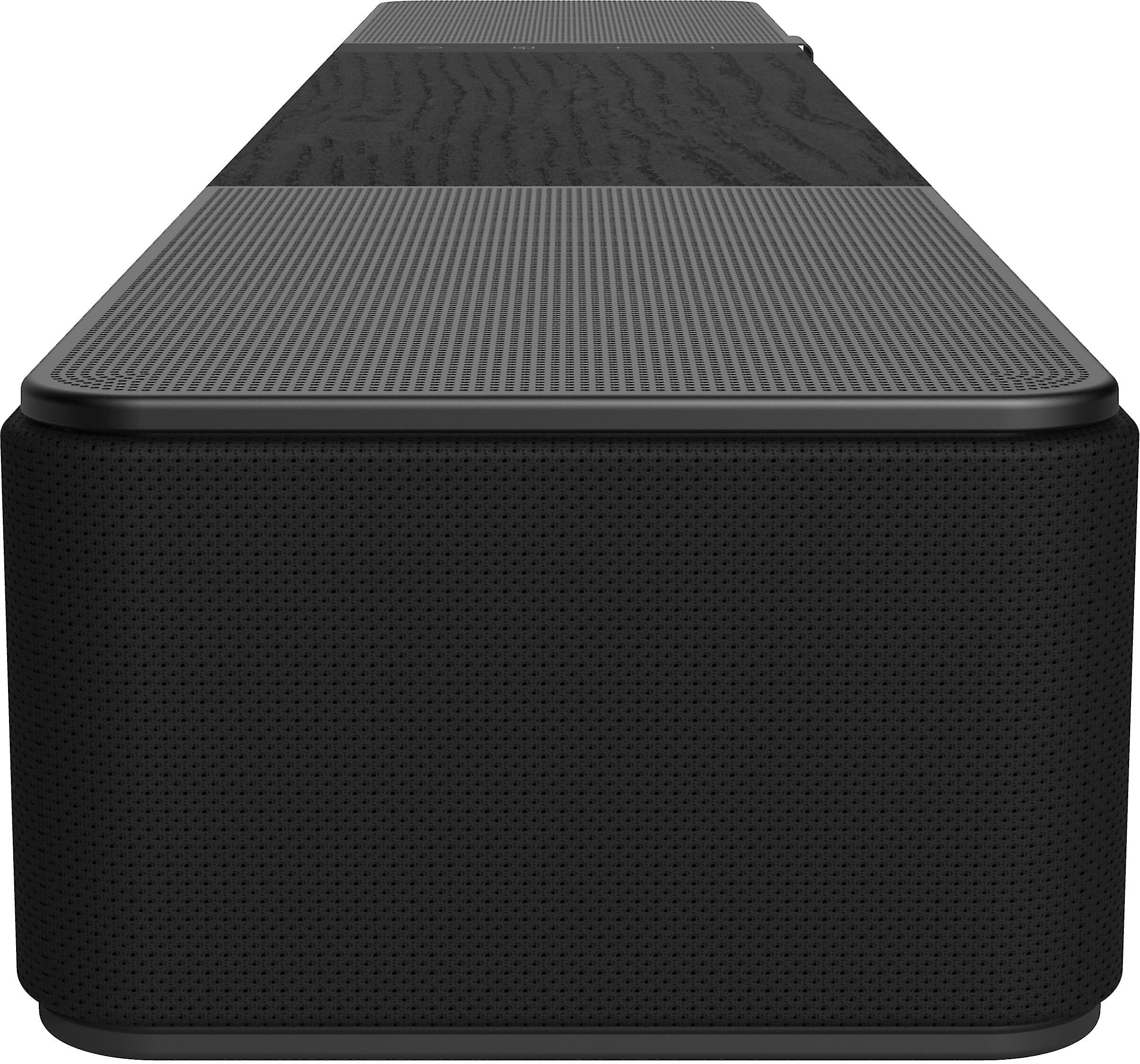
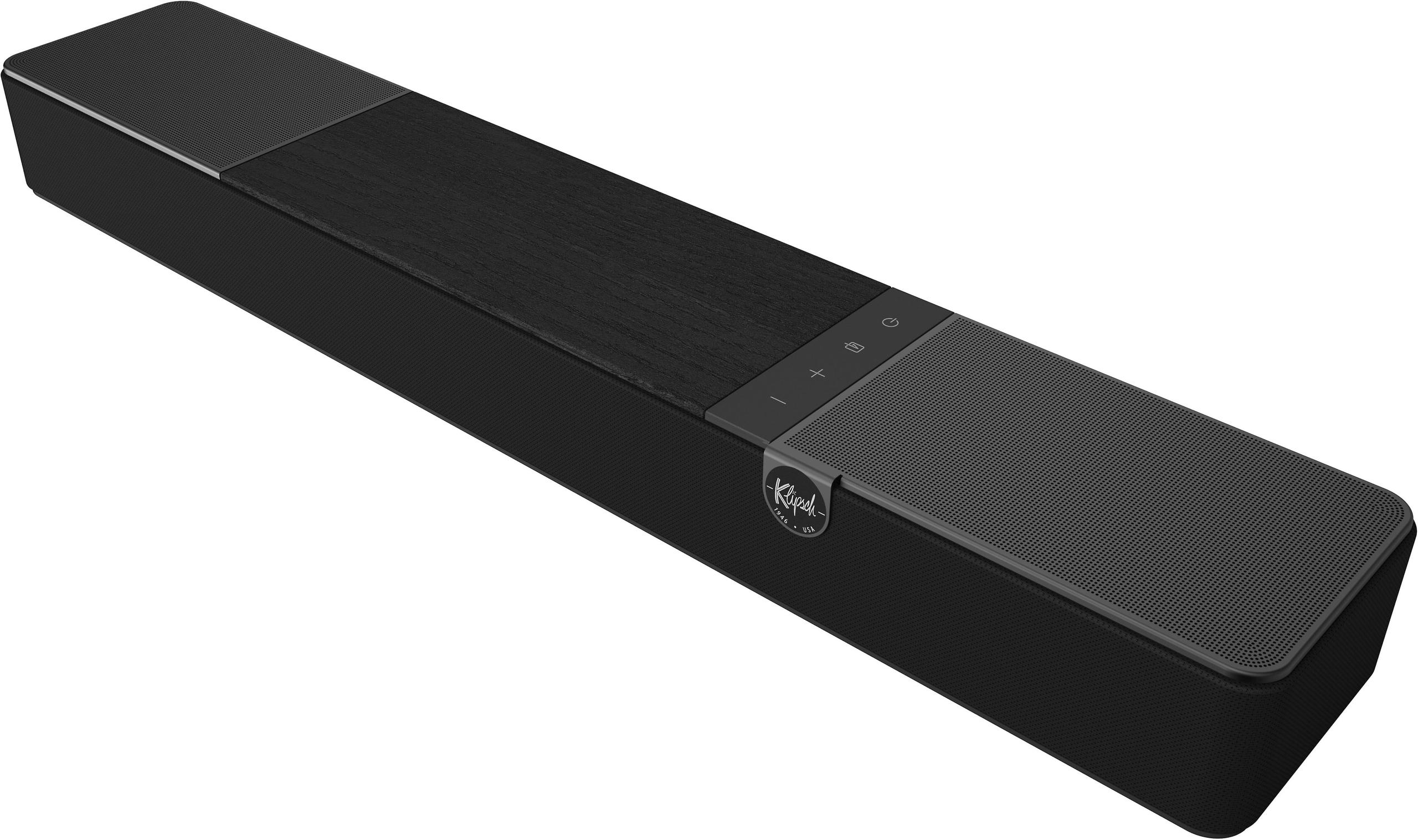
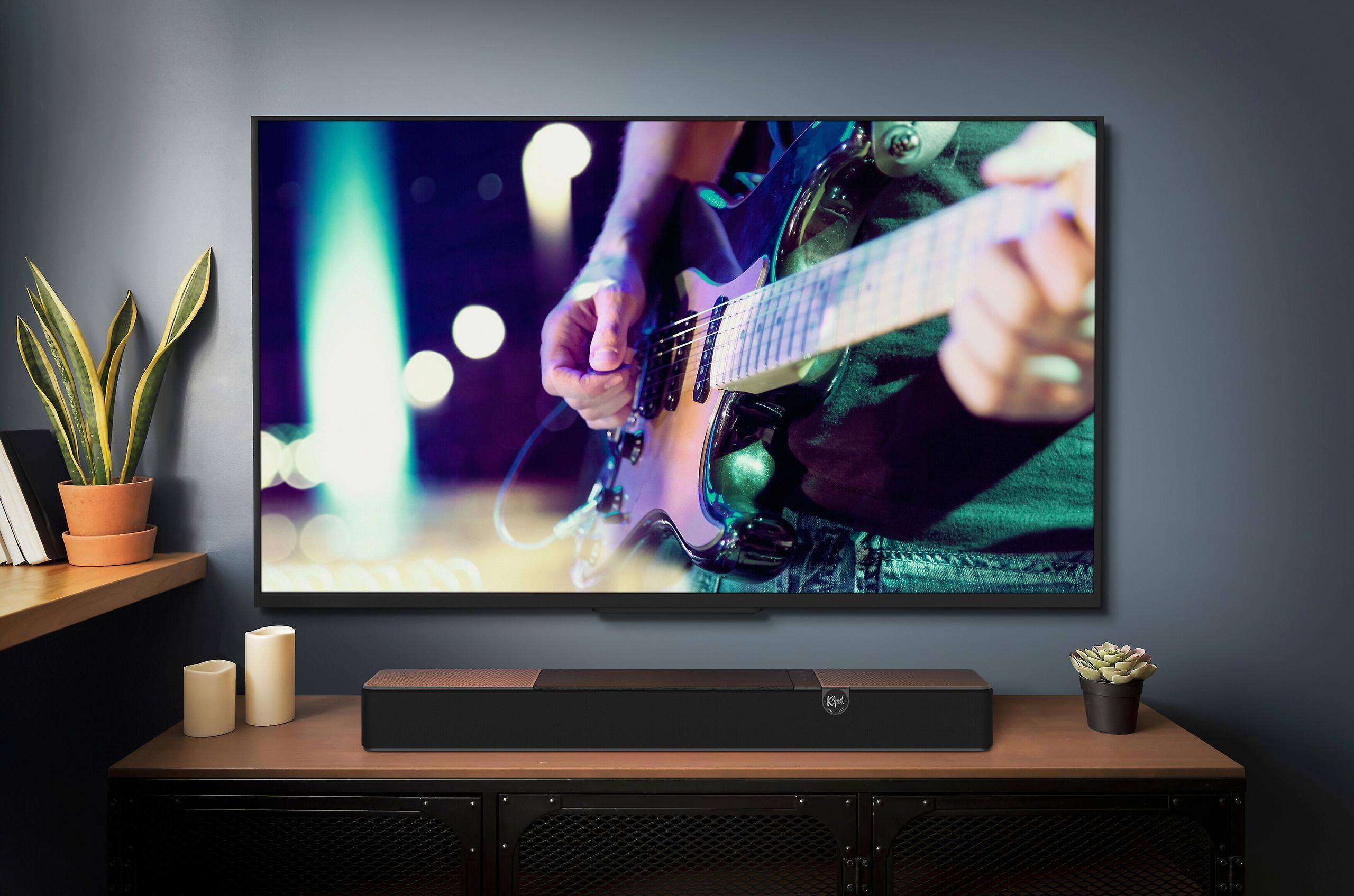
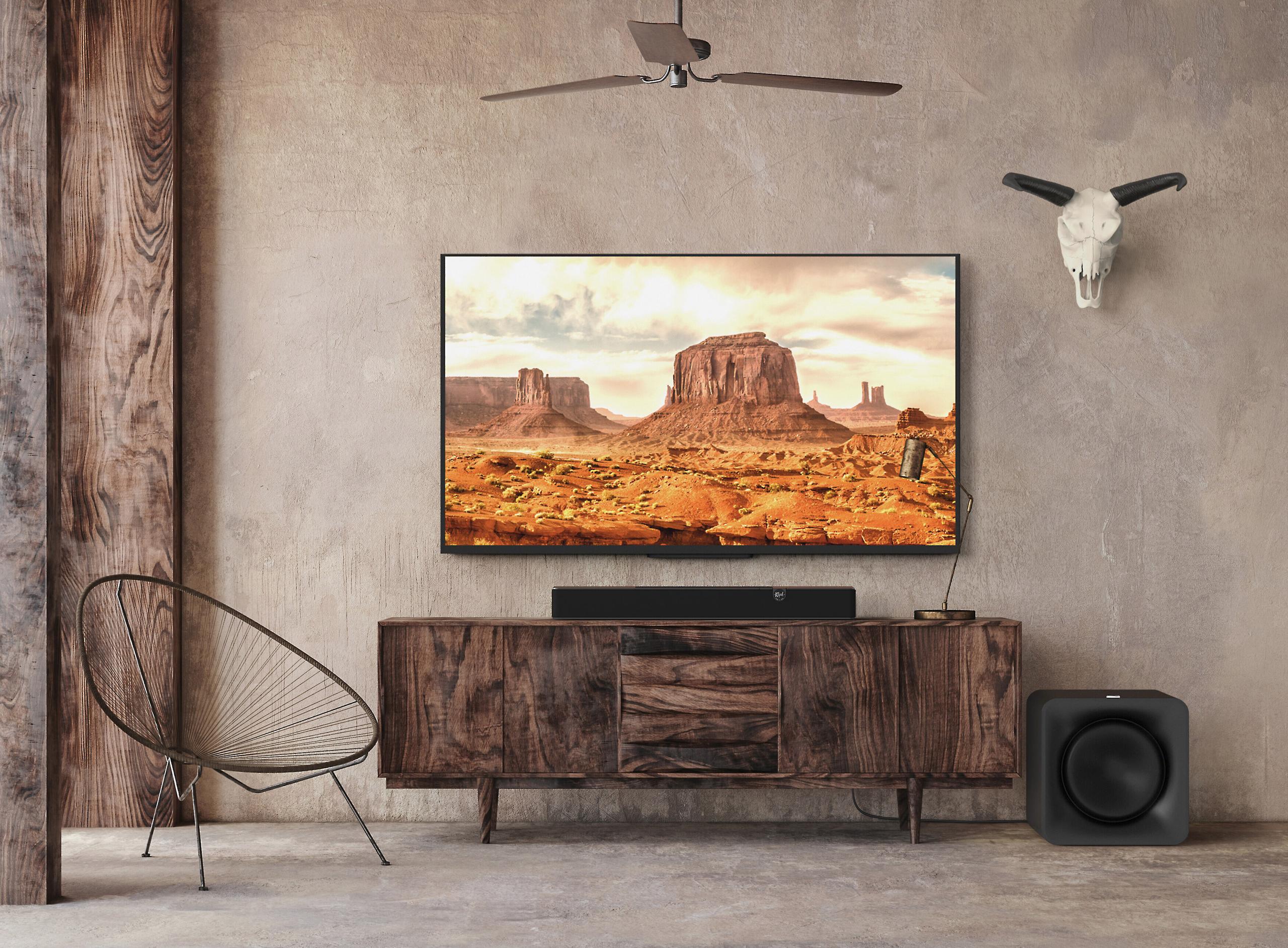
The most immediately obvious difference between these soundbars is their physical approach to bass reproduction. The Klipsch Flexus Core 100 measures 28 inches wide by 3 inches tall by 5 inches deep, weighing 10 pounds. It's built with a combination of wood, metal, and plastic in a sealed enclosure design. This construction approach, borrowed from traditional hi-fi speakers, helps control resonances and delivers cleaner sound.
Inside the Klipsch, you'll find dual 4-inch subwoofer drivers alongside two 2.25-inch aluminum cone drivers. The aluminum cones are particularly noteworthy—they're lighter and more rigid than typical plastic drivers, allowing for better transient response. That means drums hit harder and dialogue sounds clearer. The sealed enclosure design trades some maximum bass output for tighter, more controlled low-end response.
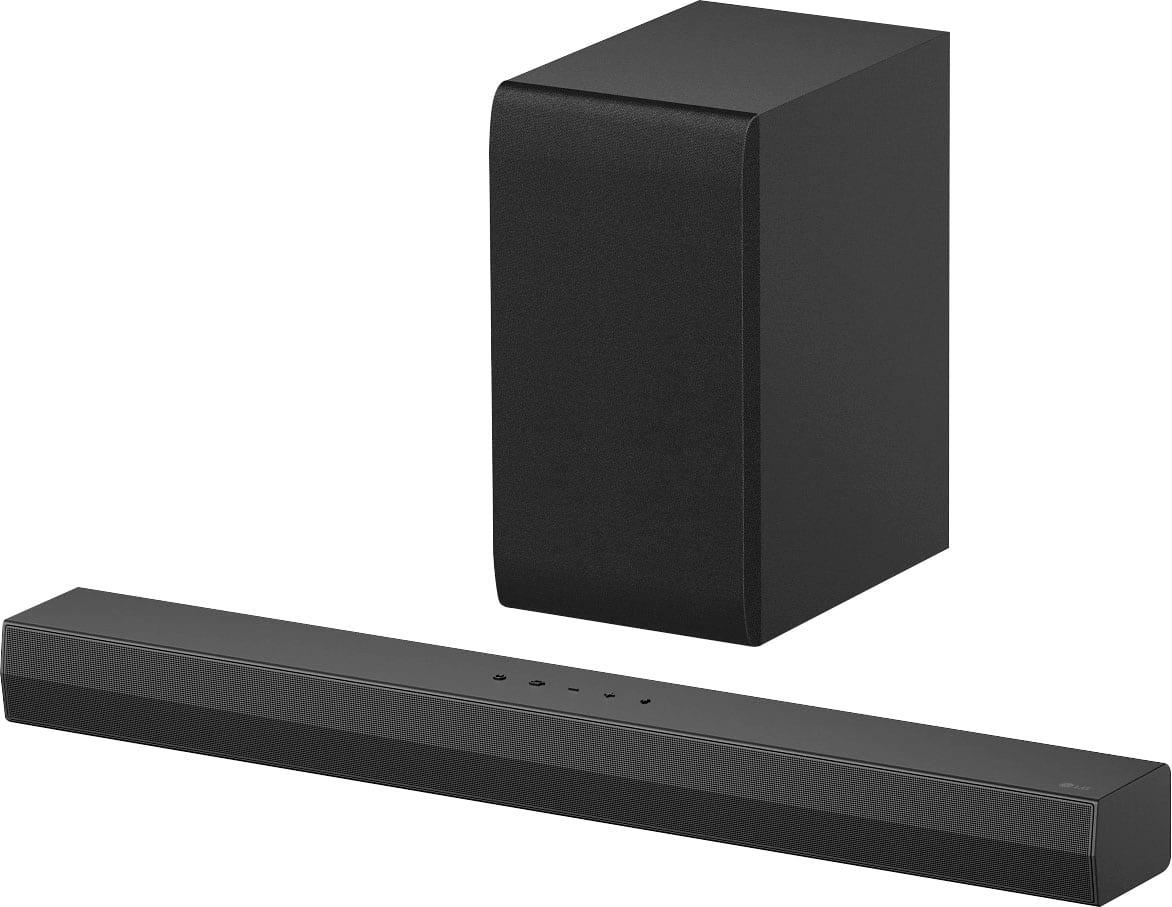
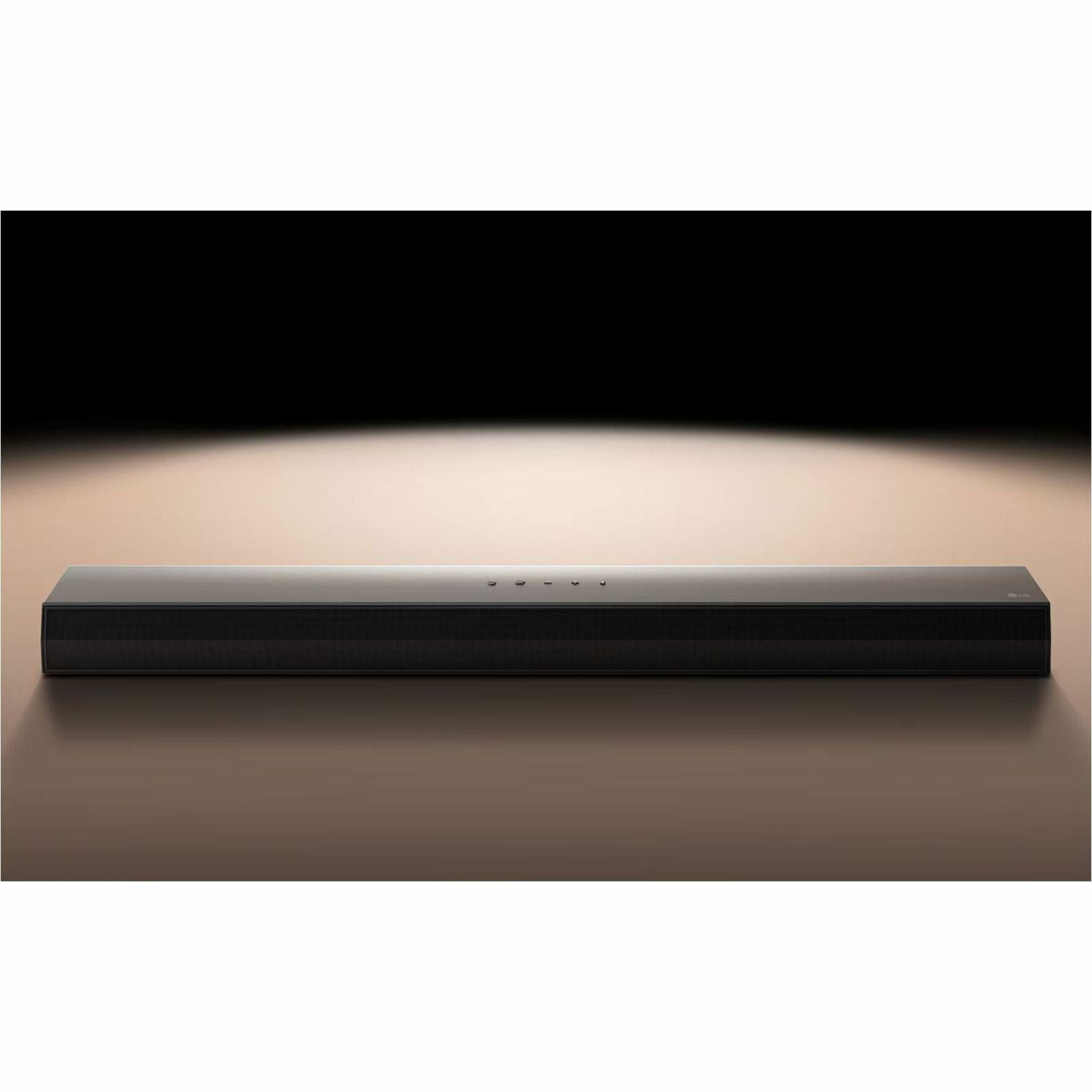
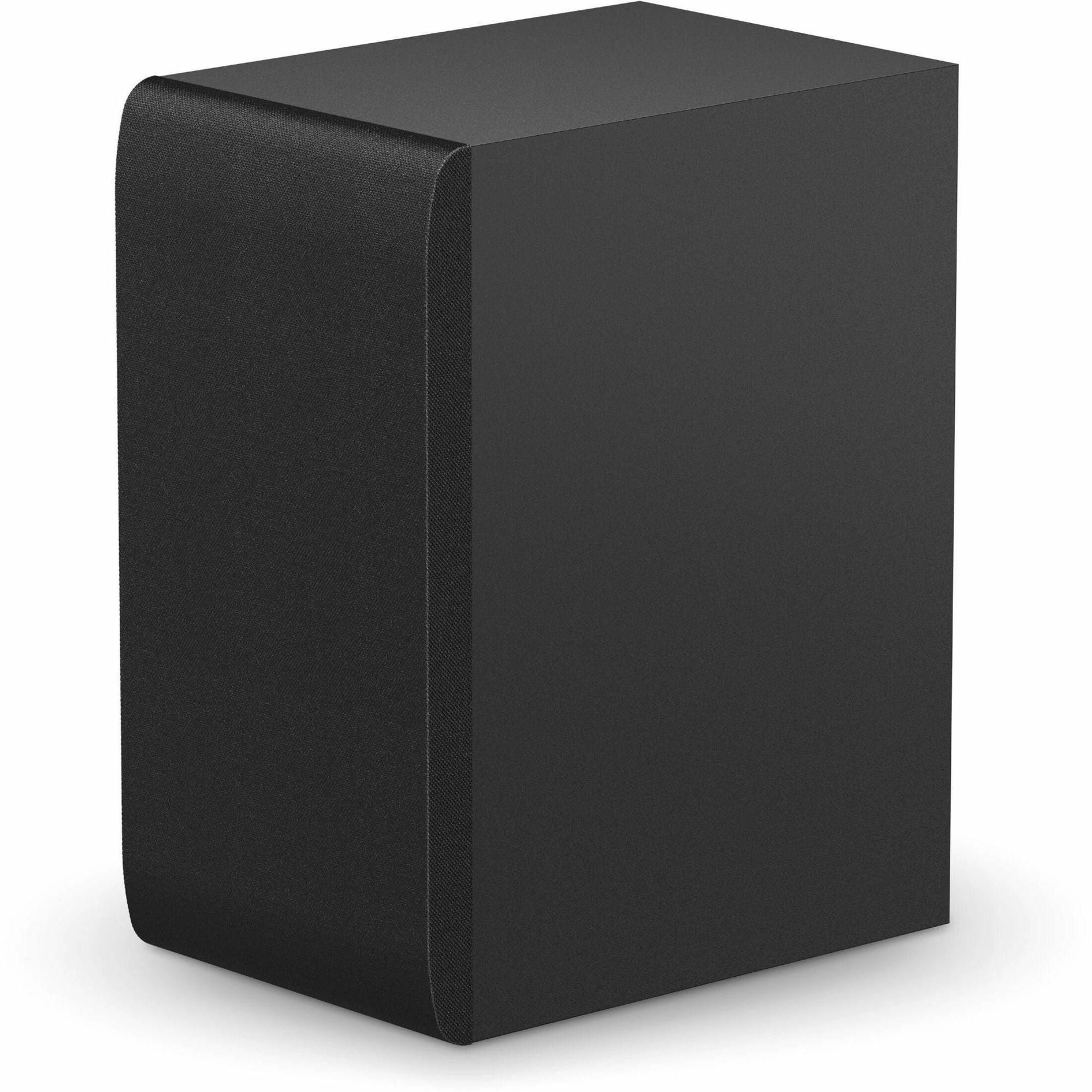
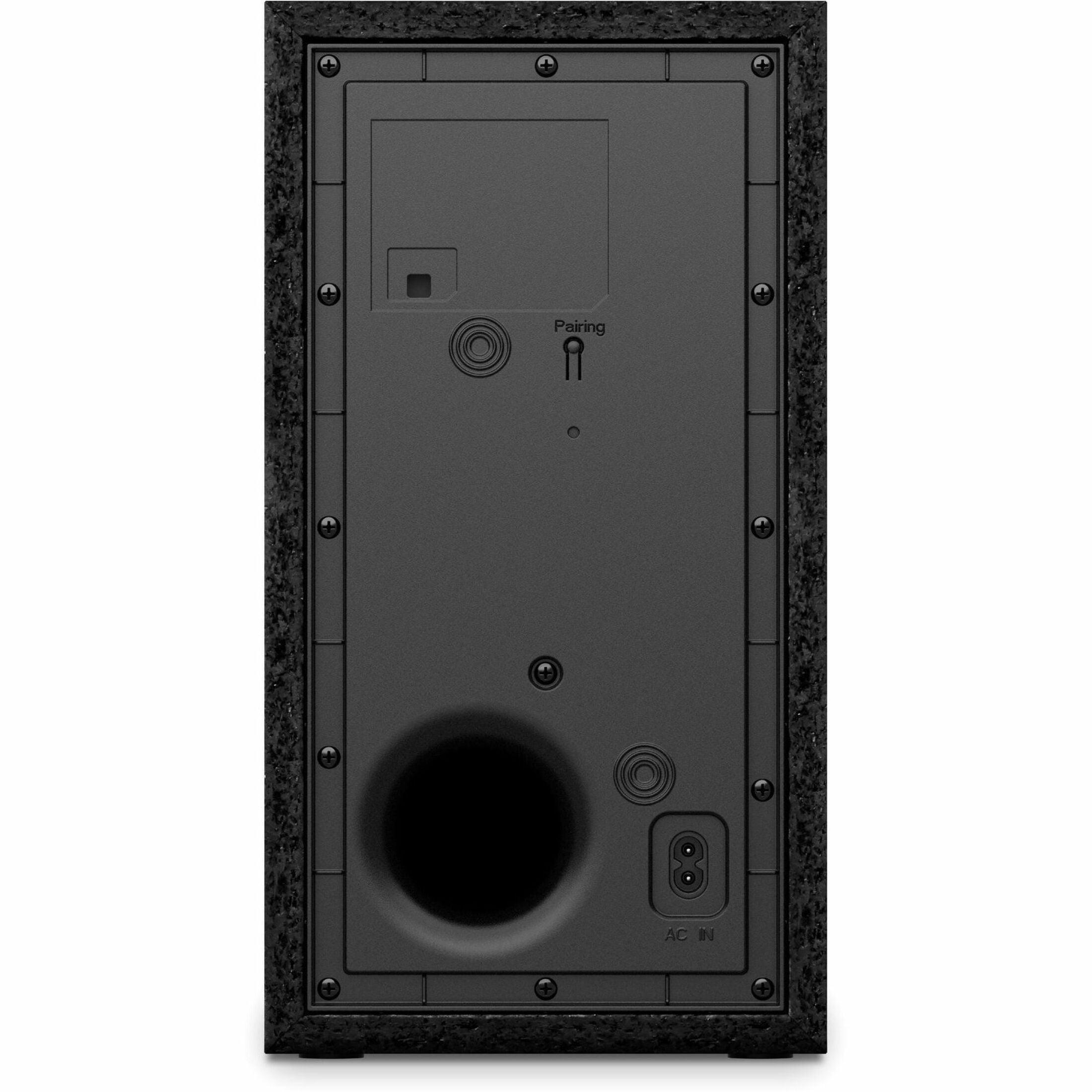
The LG S40T takes a different approach entirely. Its main soundbar is more compact, but the system includes a separate wireless subwoofer measuring roughly 6.7 inches wide by 12.6 inches tall by 9.9 inches deep. This dedicated subwoofer houses a larger driver that can move more air than the Klipsch's built-in units. The trade-off is that you need floor space for the subwoofer, and you're dealing with two separate components instead of one.
From a build quality perspective, the Klipsch feels more premium with its mixed-material construction and ebony vinyl finish. The LG uses more conventional plastic construction, which helps keep costs down but may not feel as substantial. However, both are well-built for their respective price points.
This is where the fundamental design differences become most apparent. The Klipsch Flexus Core 100's dual 4-inch built-in subwoofers deliver surprisingly robust bass for an all-in-one unit. With a frequency response extending down to 45Hz, it can reproduce most of the bass content in movies and music. However, physics imposes limits—smaller drivers in a compact enclosure simply can't move as much air as a larger, dedicated subwoofer.
The LG S40T's separate subwoofer, while specific driver size isn't detailed in available specs, likely uses a larger driver that can reproduce lower frequencies with more authority. Separate subwoofers can also be positioned for optimal bass response in your room, something impossible with an integrated design.
In practical terms, the Klipsch provides bass that's more than adequate for most content and rooms. It won't rattle your walls, but it adds the weight and impact missing from TV speakers. The LG's approach delivers more visceral bass impact—you'll feel explosions and musical bass lines more prominently.
Both systems excel in the critical mid-range frequencies where dialogue lives, but they achieve clarity through different means. The Klipsch's aluminum cone drivers are specifically tuned for clear speech reproduction. Klipsch has decades of experience with horn-loaded designs that emphasize clarity and presence, and while the Flexus Core 100 doesn't use horns, that acoustic philosophy influences its tuning.
The system includes dialogue enhancement modes that boost vocal frequencies and compress dynamic range for late-night viewing. These features prove genuinely useful—I've found that modern movie mixes often bury dialogue under effects and music, making these processing modes essential for comfortable viewing.
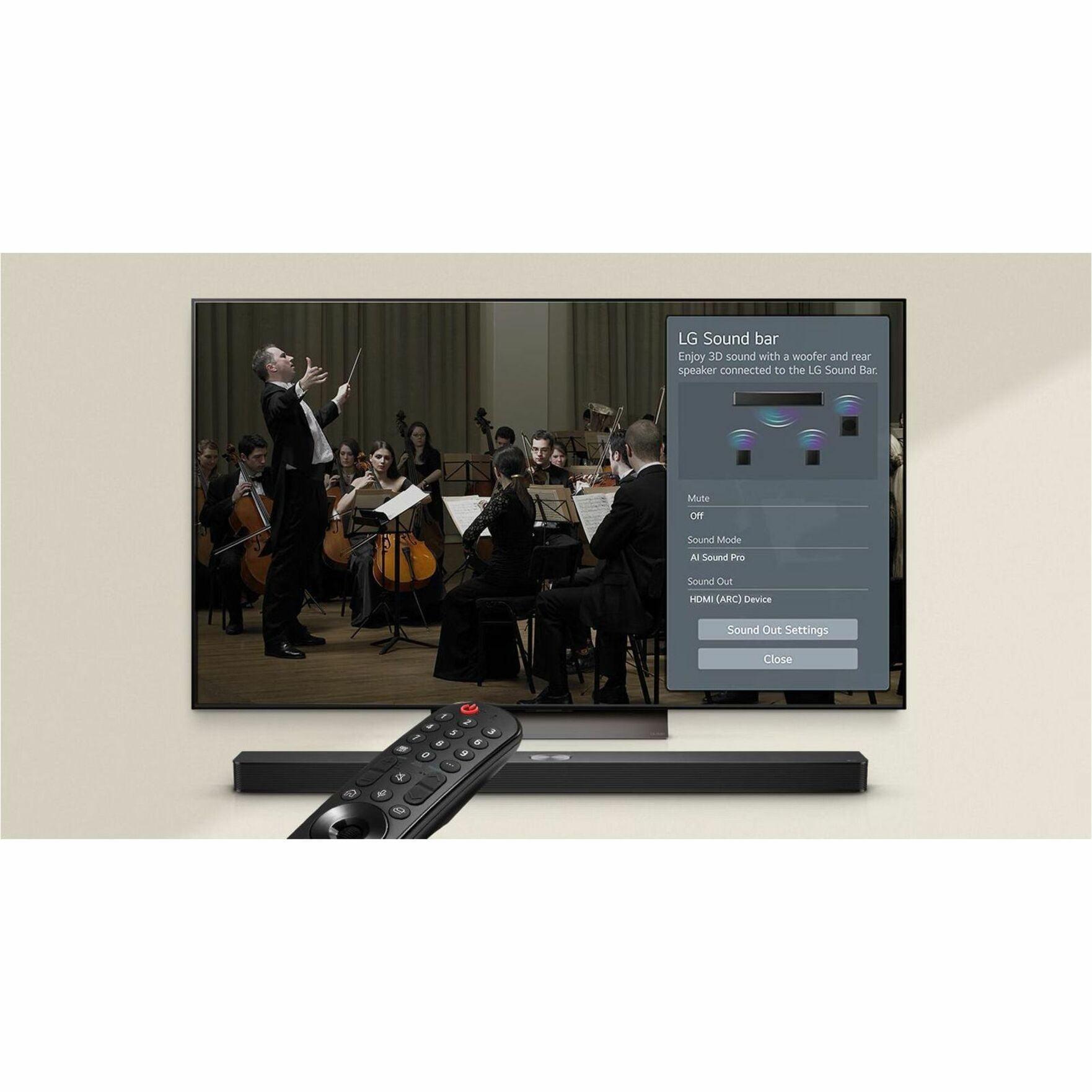
The LG S40T focuses on basic stereo enhancement with AI Room Calibration that automatically adjusts the sound based on your room's acoustics. While less sophisticated than the Klipsch's processing options, this approach works well for users who want simple, effective improvement without tweaking settings.
Here's where the Klipsch Flexus Core 100 pulls significantly ahead. Its Dolby Atmos processing creates virtual height channels that make sound appear to come from above and around you, not just from the soundbar itself. This isn't "true" Atmos with physical height speakers, but the psychoacoustic processing is convincing enough to enhance immersion noticeably.
When watching movies with Atmos soundtracks, the difference is immediately apparent. Rain seems to fall from above, helicopters pass overhead convincingly, and musical instruments gain more precise positioning in the soundstage. For gaming, this spatial processing can even provide competitive advantages by making directional audio cues more distinct.
The LG S40T lacks Atmos processing entirely, focusing instead on stereo enhancement. While it does a good job spreading sound wider than your TV speakers, it can't create the sense of height and dimensionality that Atmos provides.
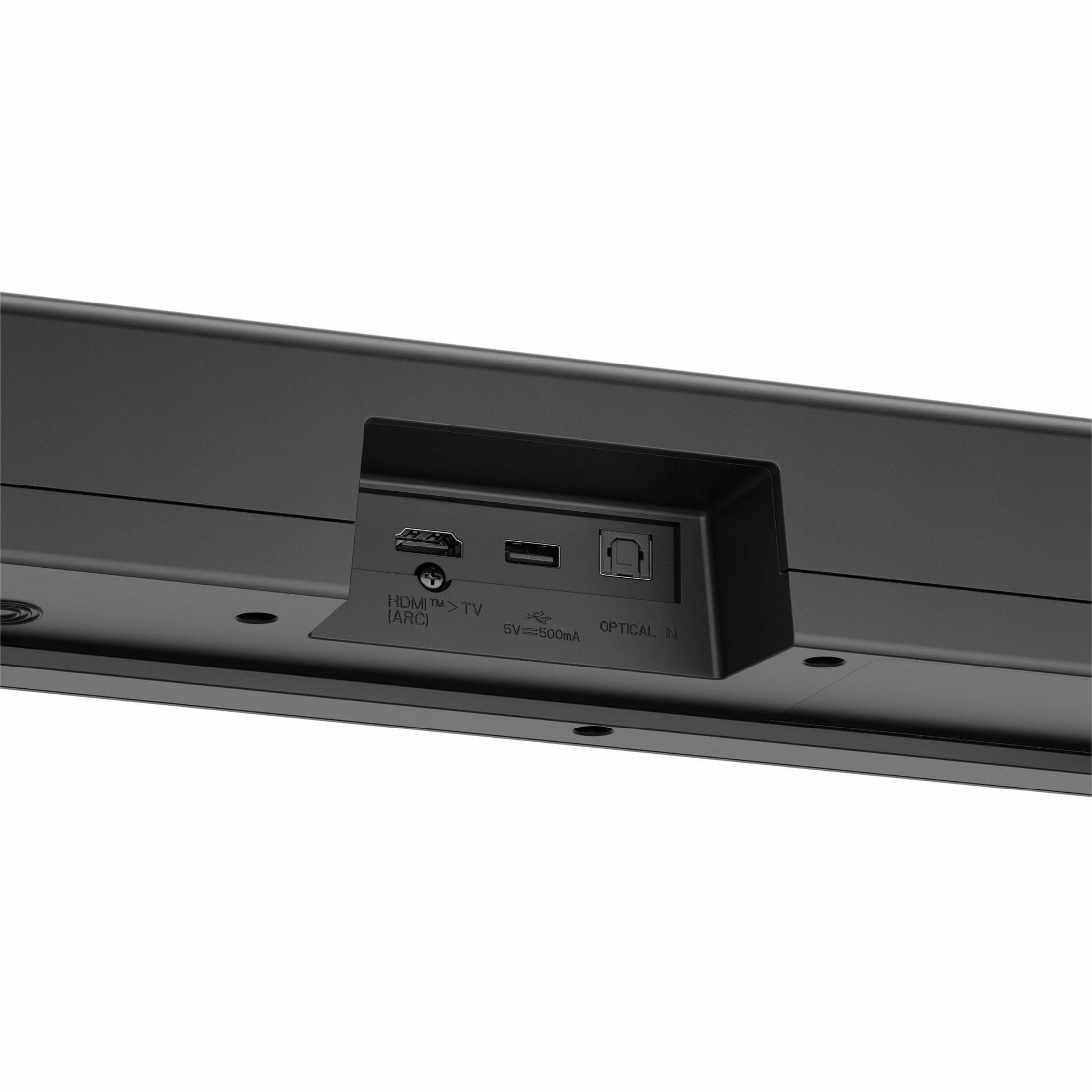
Modern soundbars need to connect seamlessly with multiple devices, and both systems handle this well, though with different levels of sophistication. The Klipsch Flexus Core 100 offers HDMI eARC (enhanced Audio Return Channel), which allows two-way communication with your TV for simplified control and support for high-quality audio formats. It also includes USB-C input—unusual for soundbars but useful for direct connection to laptops or gaming devices.
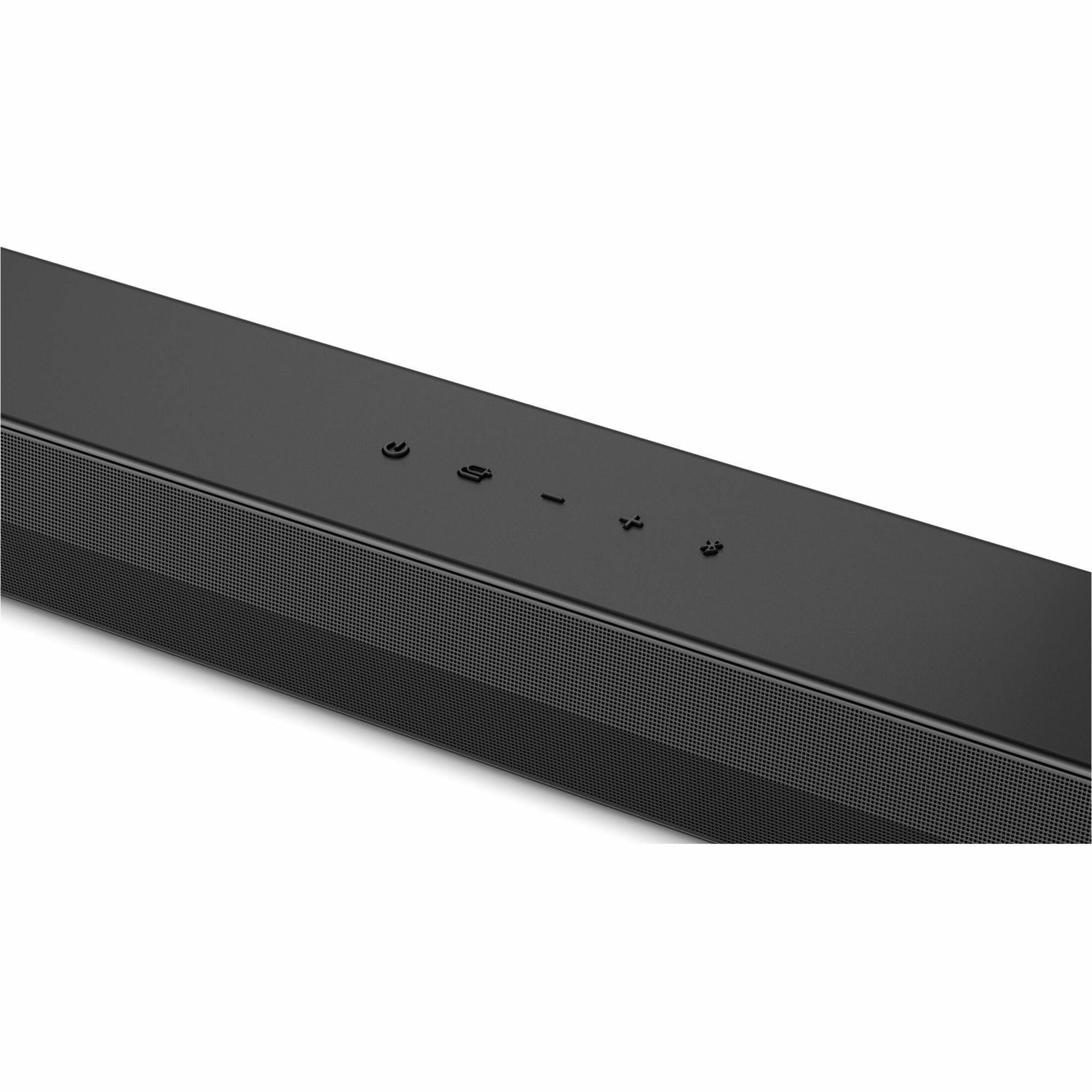
The Klipsch Connect Plus app deserves special mention. It provides custom EQ controls, preset sound modes, and system management features that genuinely improve the user experience. You can fine-tune the sound to your preferences or room acoustics, something the LG system can't match.
Bluetooth connectivity on both systems works reliably for music streaming from phones and tablets. The Klipsch uses Bluetooth 5.0 or newer protocols for better range and stability, while the LG S40T also includes modern Bluetooth with good performance.
The LG S40T keeps connectivity simpler with HDMI eARC and Bluetooth. It supports 4K video passthrough, ensuring your TV receives the full resolution signal from connected devices. The lack of app control means fewer customization options, but also means less complexity for users who prefer plug-and-play simplicity.
This is perhaps the most significant differentiator between these systems. The Klipsch Flexus Core 100 is designed as the foundation of an expandable home theater system. Using Klipsch's Transport technology—a proprietary 2.4GHz wireless system—you can add Flexus Surrounds and additional Flexus Subwoofers to create a complete 5.1 or even larger system.
This expandability matters more than it might initially seem. Many people start with a simple soundbar upgrade, then realize they want more immersive audio for their favorite movies. With the Klipsch system, you can add components gradually as budget and space allow, without replacing your initial investment.
The wireless nature of the expansion system is particularly appealing. Traditional surround systems require running speaker wires to rear channels, which can be challenging in finished rooms. The Klipsch system handles all inter-component communication wirelessly, though each component still needs power.
The LG S40T offers no expansion options. What you buy is what you get, which keeps things simple but limits future flexibility. For some users, this isn't a concern—they want better TV audio and nothing more. But for those who might develop more sophisticated audio preferences over time, the lack of upgradeability could become frustrating.
Both soundbars work well as the audio foundation for a home theater setup, but they serve different user needs. The Klipsch Flexus Core 100 suits users building a dedicated home theater space where aesthetics and performance both matter. Its premium build quality and expansion options make it a natural choice for theater rooms where the audio system might grow over time.
The single-unit design simplifies installation and reduces visual clutter—important considerations in living rooms where the entertainment system needs to blend with existing décor. Wall-mounting brackets are included, and the relatively compact size means it works well with TVs from 50 inches up to much larger sizes.
The LG S40T works better for casual viewing environments where maximum bass impact matters more than future expansion or premium features. The separate subwoofer can be tucked into a corner or behind furniture, and its wireless connection means you have flexibility in placement for optimal bass response.
For actual home theater use, both systems handle movie soundtracks well, but the Klipsch's Dolby Atmos processing provides a more cinematic experience. Action movies benefit significantly from the spatial audio processing, while dialogue-heavy content remains clear and intelligible on both systems.
At $227.90, the Klipsch Flexus Core 100 commands a $70 premium over the LG S40T's $155.95 price point. This price difference reflects genuine feature and performance advantages, not just brand markup.
The Klipsch delivers Dolby Atmos processing, premium build quality, app-based customization, and expansion capabilities that the LG lacks entirely. For users who value these features, the price premium is justified. However, the LG provides excellent basic 2.1 performance at a more accessible price point.
In my experience, the $70 difference becomes more significant over time. Users who start with the LG and later want more advanced features face replacing their entire system. Those who choose the Klipsch can expand gradually, making the initial premium an investment rather than just an expense.
Power efficiency also favors the Klipsch slightly. Its 100W RMS consumption compares well to the LG's 300W total system power. While both are reasonably efficient, the Klipsch's more controlled power consumption might appeal to environmentally conscious users.
Room size significantly affects soundbar performance, and these systems suit different spaces. The Klipsch Flexus Core 100 works well in small to medium rooms up to about 200 square feet. Its integrated bass drivers provide adequate low-end response without overwhelming smaller spaces, and the spatial audio processing enhances the sense of immersion even in compact rooms.
The LG S40T handles larger rooms more effectively due to its separate subwoofer and higher total power output. The dedicated sub can be positioned for optimal bass response, and the 300W total power fills larger spaces more authoritatively than the Klipsch's 100W output.
However, the Klipsch's expansion options level this playing field. Adding a Flexus Subwoofer transforms its room-filling capability significantly, though this requires additional investment.
Looking ahead, the Klipsch Flexus Core 100 appears better positioned for evolving audio standards and user needs. Its expansion ecosystem and app-based updates provide pathways for enhanced functionality over time. The premium build quality also suggests better long-term durability.
The LG S40T represents a more static investment—excellent value today but with limited adaptation to changing needs or preferences. For users confident in their requirements, this simplicity can actually be preferable.
Both systems should provide years of reliable service, but the Klipsch offers more flexibility as viewing habits and room configurations change.
Choose the Klipsch Flexus Core 100 if you want Dolby Atmos processing, plan to expand your system over time, prefer single-unit simplicity, or value app-based customization. The $70 premium buys genuine performance and feature advantages that justify the additional cost for many users.
Choose the LG S40T if you prioritize immediate bass impact, want the most affordable path to quality 2.1 audio, have adequate space for a separate subwoofer, or prefer simple plug-and-play operation without app configuration.
Both soundbars deliver substantial improvements over TV speakers, but they serve different user priorities. The Klipsch emphasizes advanced features and future flexibility, while the LG focuses on straightforward performance at an accessible price. Understanding these different approaches will help you choose the system that best matches your needs and budget.
| Klipsch Flexus Core 100 Soundbar | LG S40T 2.1 Channel Soundbar |
|---|---|
| Price - Upfront investment for quality audio upgrade | |
| $227.90 | $155.95 |
| Bass Implementation - Affects sound quality and room requirements | |
| Dual 4" built-in subwoofers (space-saving, controlled bass) | Separate wireless subwoofer (deeper bass, requires floor space) |
| Dolby Atmos Support - Creates immersive spatial audio for movies/gaming | |
| Yes (virtual height channels for 3D sound experience) | No (basic stereo enhancement only) |
| Total System Power - Determines volume capability and room filling | |
| 100W RMS (efficient, suitable for small-medium rooms) | 300W total (higher output for larger spaces) |
| Expandability - Future upgrade potential without replacing entire system | |
| Full ecosystem: add wireless surrounds and subwoofers | None (fixed 2.1 configuration) |
| Connectivity Options - Determines device compatibility and control features | |
| HDMI eARC, USB-C, Bluetooth, Optical | HDMI eARC, Bluetooth (simpler but adequate) |
| App Control - Customization and sound tuning capabilities | |
| Klipsch Connect Plus (custom EQ, presets, system management) | No app control (plug-and-play simplicity) |
| Physical Dimensions - Space requirements and aesthetic integration | |
| Single unit: 28" × 3" × 5" (10 lbs, wall-mountable) | Soundbar + separate subwoofer (6.7" × 12.6" × 9.9") |
| Frequency Response - Range of audio frequencies reproduced | |
| 45Hz - 20kHz (extends reasonably low without external sub) | Not specified (likely similar range with deeper bass from dedicated sub) |
| Build Quality - Long-term durability and premium feel | |
| Mixed materials: wood, metal, plastic with ebony vinyl finish | Standard plastic construction (cost-effective but less premium) |
| Dialogue Enhancement - Critical for clear speech in movies/shows | |
| Dedicated dialogue modes and night listening options | Basic AI Room Calibration only |
The LG S40T ($155.95) provides excellent basic 2.1 audio at a budget-friendly price, while the Klipsch Flexus Core 100 ($227.90) offers premium features like Dolby Atmos and expandability for $70 more. The Klipsch delivers better long-term value if you want advanced features or plan to expand your system.
The Klipsch Flexus Core 100 has dual 4-inch subwoofers built-in, so no separate subwoofer is required. The LG S40T comes with a dedicated wireless subwoofer that provides deeper bass but requires floor space. Both approaches work well, depending on your room layout preferences.
The Klipsch Flexus Core 100 is ideal for small spaces since it's a single compact unit that won't overwhelm the room with bass. The LG S40T requires space for its separate subwoofer, making it better suited for larger rooms where you have adequate floor space.
Yes, the Klipsch Flexus Core 100 can be expanded with wireless surround speakers and additional subwoofers using Klipsch Transport technology. The LG S40T cannot be expanded—what you buy is the complete system. This makes the Klipsch better for users who might want a full surround setup eventually.
Both soundbars handle dialogue well, but the Klipsch Flexus Core 100 has dedicated dialogue enhancement modes and aluminum cone drivers specifically tuned for speech clarity. The LG S40T offers basic AI room calibration but lacks specialized dialogue processing features.
The Klipsch Flexus Core 100 supports Dolby Atmos processing to create virtual height channels for immersive 3D audio. The LG S40T does not support Dolby Atmos, focusing instead on stereo enhancement. For movies and gaming, the Klipsch provides a more cinematic experience.
The LG S40T offers simpler plug-and-play setup with basic controls and no app configuration required. The Klipsch Flexus Core 100 includes more advanced features through the Klipsch Connect Plus app, offering greater customization but slightly more complex initial setup.
The LG S40T typically delivers deeper, more impactful bass due to its dedicated wireless subwoofer with a larger driver. The Klipsch Flexus Core 100 provides controlled, tight bass from its built-in drivers that's adequate for most content but won't rattle walls like a separate subwoofer.
The Klipsch Flexus Core 100 is superior for gaming due to its Dolby Atmos processing that creates spatial audio cues and directional sound positioning. It also includes USB-C input for direct laptop/console connection. The LG S40T provides good stereo audio but lacks the immersive positioning that benefits competitive gaming.
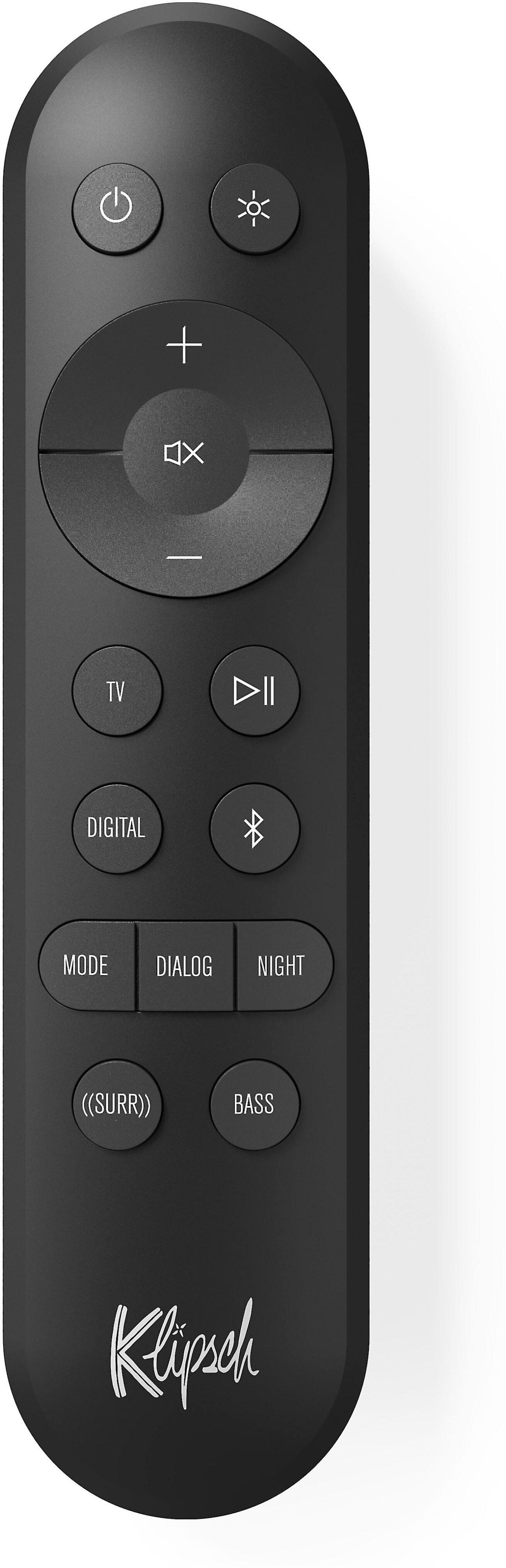
The Klipsch Flexus Core 100 includes the Klipsch Connect Plus app with custom EQ settings, sound presets, and system management features. The LG S40T does not offer app control, relying on the included remote and TV integration for operation.
For dedicated home theater setups, the Klipsch Flexus Core 100 excels with Dolby Atmos processing, expansion capabilities, and premium build quality. The LG S40T works well for casual movie watching but lacks the immersive audio processing and upgradeability that serious home theater enthusiasts prefer.
The key difference is approach: the Klipsch Flexus Core 100 is a premium, expandable system with advanced processing features, while the LG S40T is a straightforward, budget-friendly solution focused on immediate audio improvement. Choose based on whether you want basic enhancement (LG) or a foundation for a more sophisticated audio system (Klipsch).
We've done our best to create useful and informative comparisons to help you decide what product to buy. Our research uses advanced automated methods to create this comparison and perfection is not possible - please contact us for corrections or questions. These are the sites we've researched in the creation of this article: cnet.com - klipsch.com - klipsch.com - bestbuy.com - sweetwater.com - assets.onkyo-av.com - youtube.com - worldwidestereo.com - avnirvana.com - target.com - bestbuy.com - bestbuy.com - rtings.com - pcrichard.com - lg.com - lg.com - lg.com - lg.com - microcenter.com - flanners.com - bestbuy.com - microcenter.com

Privacy Policy
Terms and Conditions - Affiliate Policy
Home Security
© Copyright 2008-2026.
11816 Inwood Rd #1211, Dallas, TX 75244