

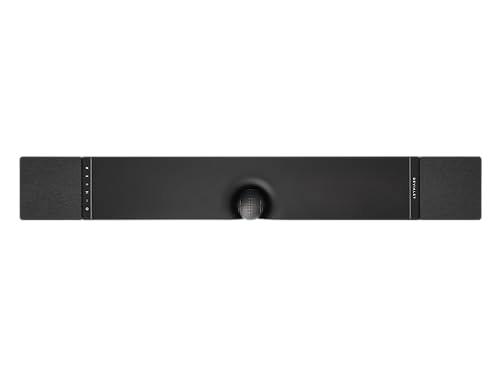
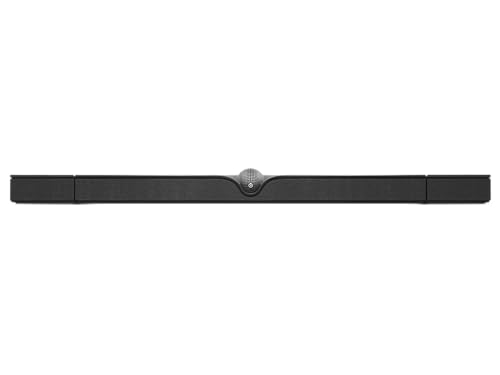
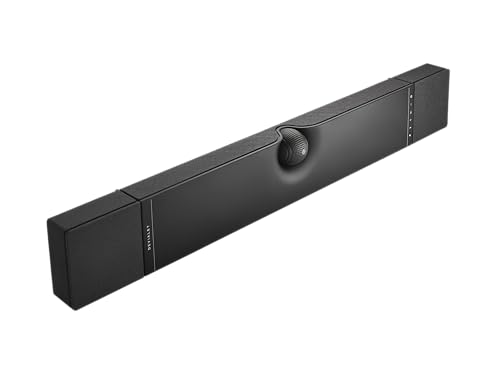
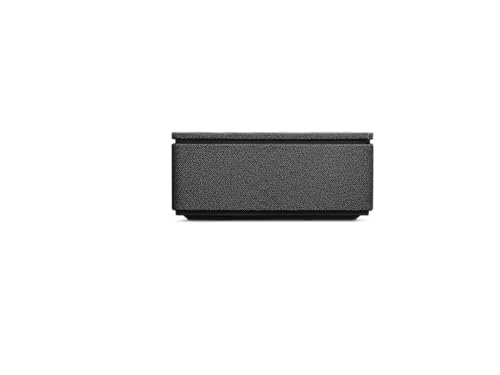
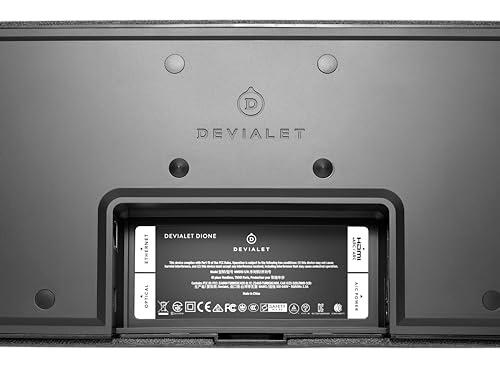
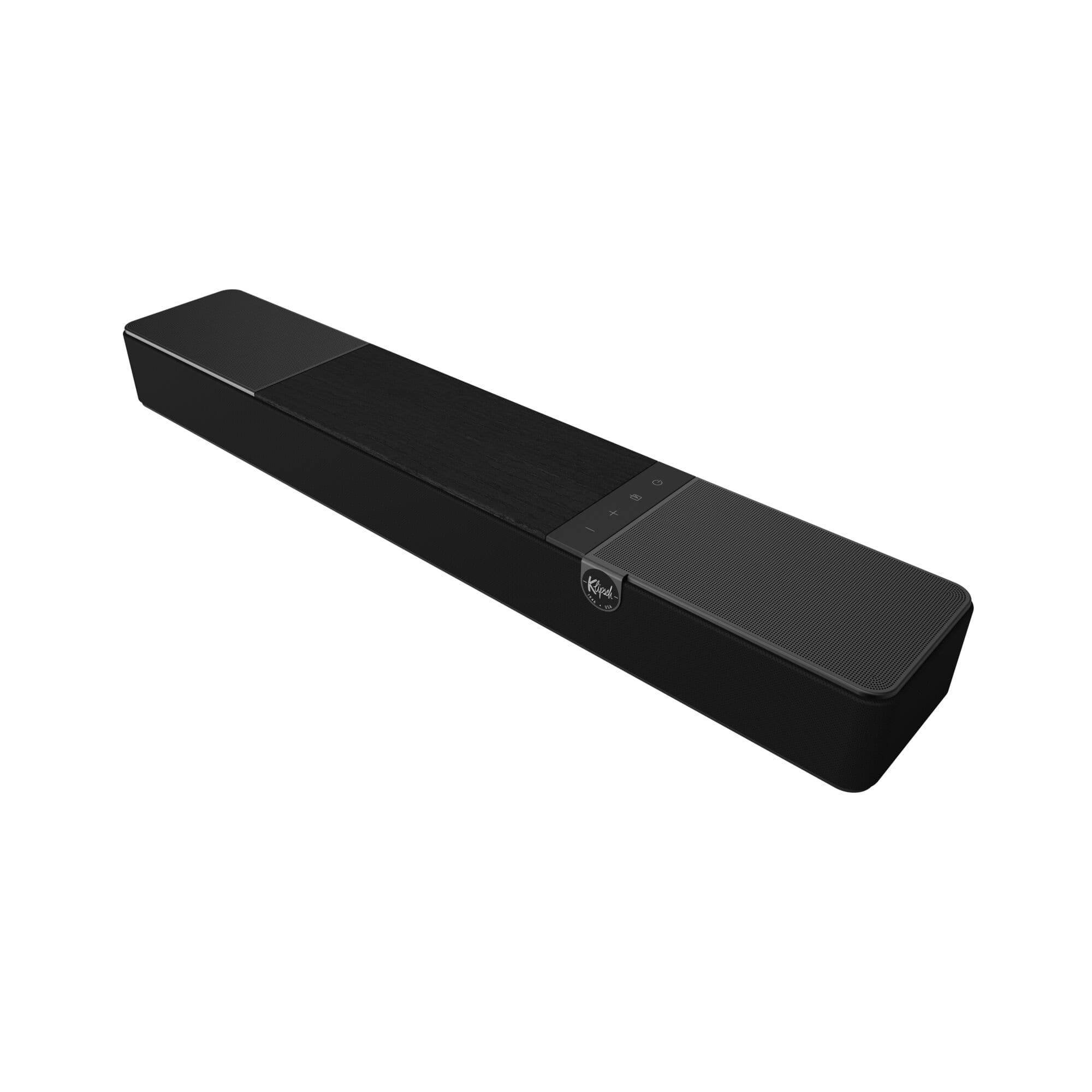
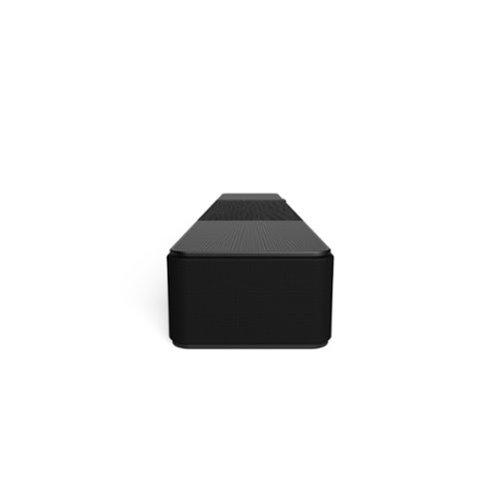






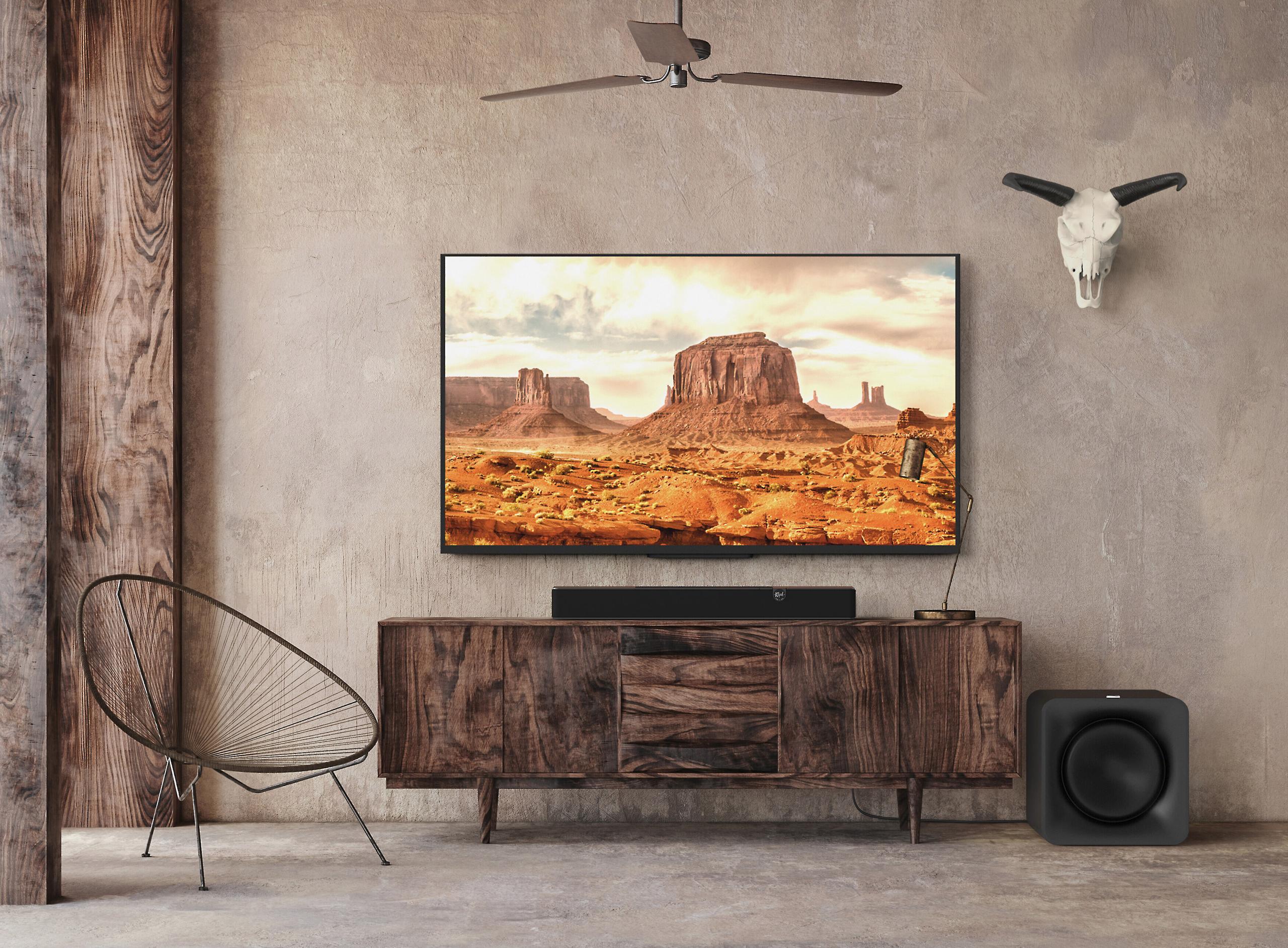
When it comes to upgrading your TV's audio, the soundbar market can feel overwhelming. At one end, you have budget-friendly options that promise big improvements over tinny TV speakers. At the other extreme sit premium models that cost more than many people's entire entertainment setup. Today we're diving deep into two soundbars that represent these different philosophies: the flagship Devialet Dione and the value-oriented Klipsch Flexus Core 100.
Released in 2021, the Devialet Dione positioned itself as the ultimate all-in-one soundbar solution, while the Klipsch Flexus Core 100, arriving in 2024, takes a more accessible approach to home theater audio. At the time of writing, these products sit at vastly different price points – the Dione commands premium pricing typical of luxury audio equipment, while the Klipsch falls into the budget-friendly category that most consumers actually shop in.
Before diving into specifics, it's worth understanding what separates good soundbars from great ones. The fundamental challenge any soundbar faces is physics: you're trying to create an immersive, room-filling sound experience from a single horizontal box. This requires clever engineering in several key areas.
Driver configuration determines how many individual speakers (called drivers) work together inside the soundbar. More drivers typically mean better sound separation and the ability to create distinct audio "channels" – think of channels as different audio streams for left, right, center, and surround effects. However, the quality of those drivers matters just as much as quantity.
Amplification refers to how much electrical power the soundbar can convert into acoustic energy. Higher wattage generally means louder maximum volume and better control over the drivers, but the quality of that amplification affects everything from clarity to distortion levels.
Digital signal processing (DSP) is the "brain" that takes incoming audio and optimizes it for the soundbar's specific driver layout. Advanced DSP can create convincing surround sound effects, adjust for room acoustics, and even simulate height channels for technologies like Dolby Atmos – a format that adds overhead sound effects for more realistic movie experiences.
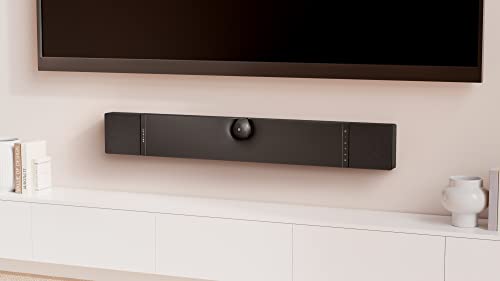
The Devialet Dione represents what happens when a company known for high-end audio equipment decides to tackle the soundbar category. Since its 2021 launch, it has remained largely unchanged – a testament to Devialet's confidence in their initial engineering choices, though firmware updates have refined its performance.
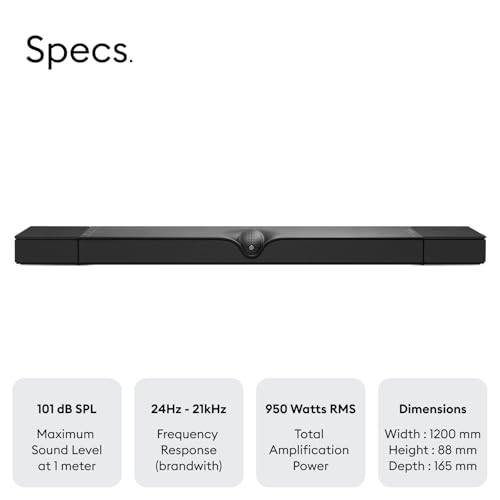
At the heart of the Dione lies an impressive 17-driver array powered by 950 watts RMS of amplification. To put that in perspective, many full-sized home theater receivers provide similar power levels. The driver configuration breaks down into 9 full-range aluminum dome drivers handling midrange and treble, plus 8 dedicated subwoofers for bass. This isn't marketing fluff – these are genuine 5.25-inch aluminum cone woofers designed specifically for low-frequency reproduction.
The key innovation here is Devialet's push-push woofer configuration. Traditional speakers create vibrations that can rattle the cabinet and muddy the sound. By mounting woofers in opposing pairs, their mechanical vibrations cancel each other out while their acoustic output combines constructively. This allows the Dione to produce genuinely deep bass – extending down to 24Hz – without the cabinet resonances that typically plague all-in-one designs.
What makes this particularly impressive is the frequency response range of 24Hz to 21kHz. For context, the lowest note on a standard piano is about 27Hz, and most people can't hear above 18kHz. The Dione essentially covers the entire range of human hearing with authority.
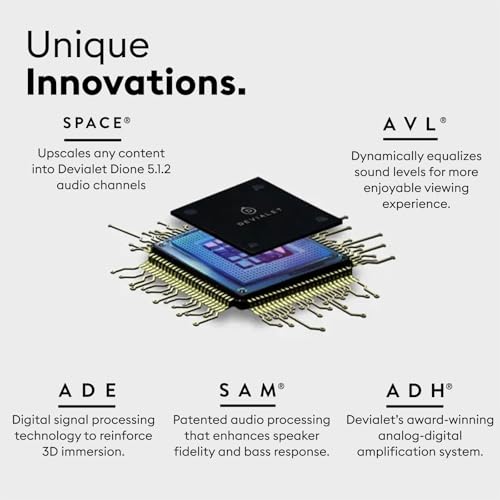
Devialet built their reputation on proprietary amplification technology called ADH (Analog Digital Hybrid). Think of it as getting the best of both worlds: the warmth and linearity of traditional analog amplifiers combined with the efficiency and power of modern digital amplification. The result is extremely low distortion – around 0.001% total harmonic distortion – which translates to cleaner, more accurate sound reproduction.
The Speaker Active Matching (SAM) technology deserves special attention because it addresses a fundamental problem in speaker design. Every speaker has physical limitations that cause non-linear behavior – the cone might flex differently at high volumes, or the voice coil might heat up and change its electrical properties. SAM continuously monitors and corrects for these imperfections in real-time, allowing the drivers to operate closer to their theoretical limits without audible distortion.
For spatial audio, the Dione employs something called Advanced Dimensional Experience (ADE). This isn't just upscaling stereo to surround sound – it's a sophisticated beamforming system that steers specific frequencies through different drivers to create convincing phantom sound sources. When watching a Dolby Atmos movie, helicopters genuinely seem to pass overhead, and ambient effects feel like they're coming from beside and behind you.
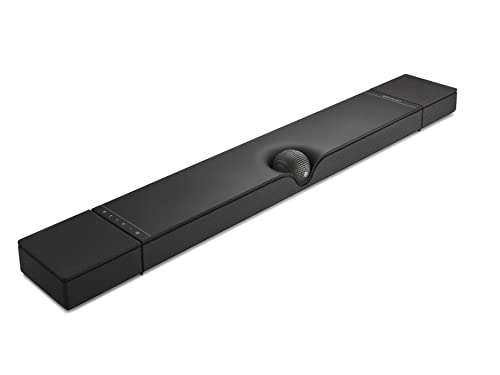
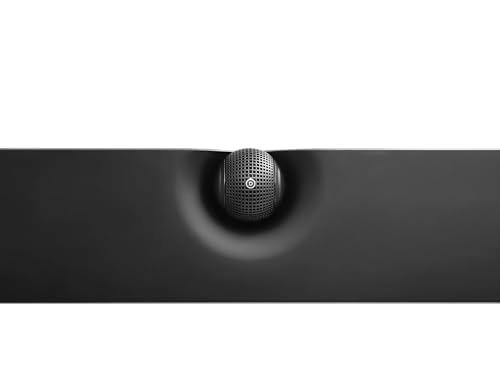
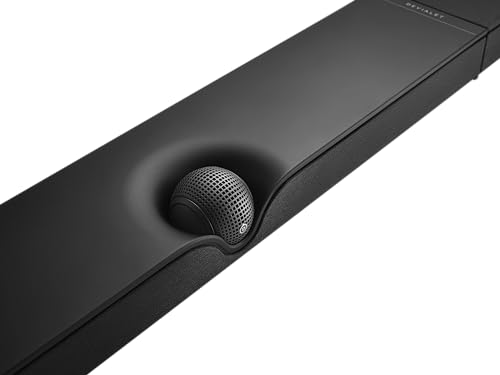
The most visually distinctive element of the Dione is its spherical center channel, which Devialet calls the ORB. This isn't just aesthetic flair – it serves a crucial acoustic function. Center channels handle dialogue and on-screen action, making their positioning critical for maintaining the illusion that voices come from actors' mouths rather than from the soundbar below the screen.
The ORB rotates 180 degrees, allowing it to point directly at listeners whether the soundbar is placed on a TV stand or wall-mounted. This mechanical solution ensures optimal center channel dispersion regardless of installation, maintaining dialogue clarity and localization across different room setups.
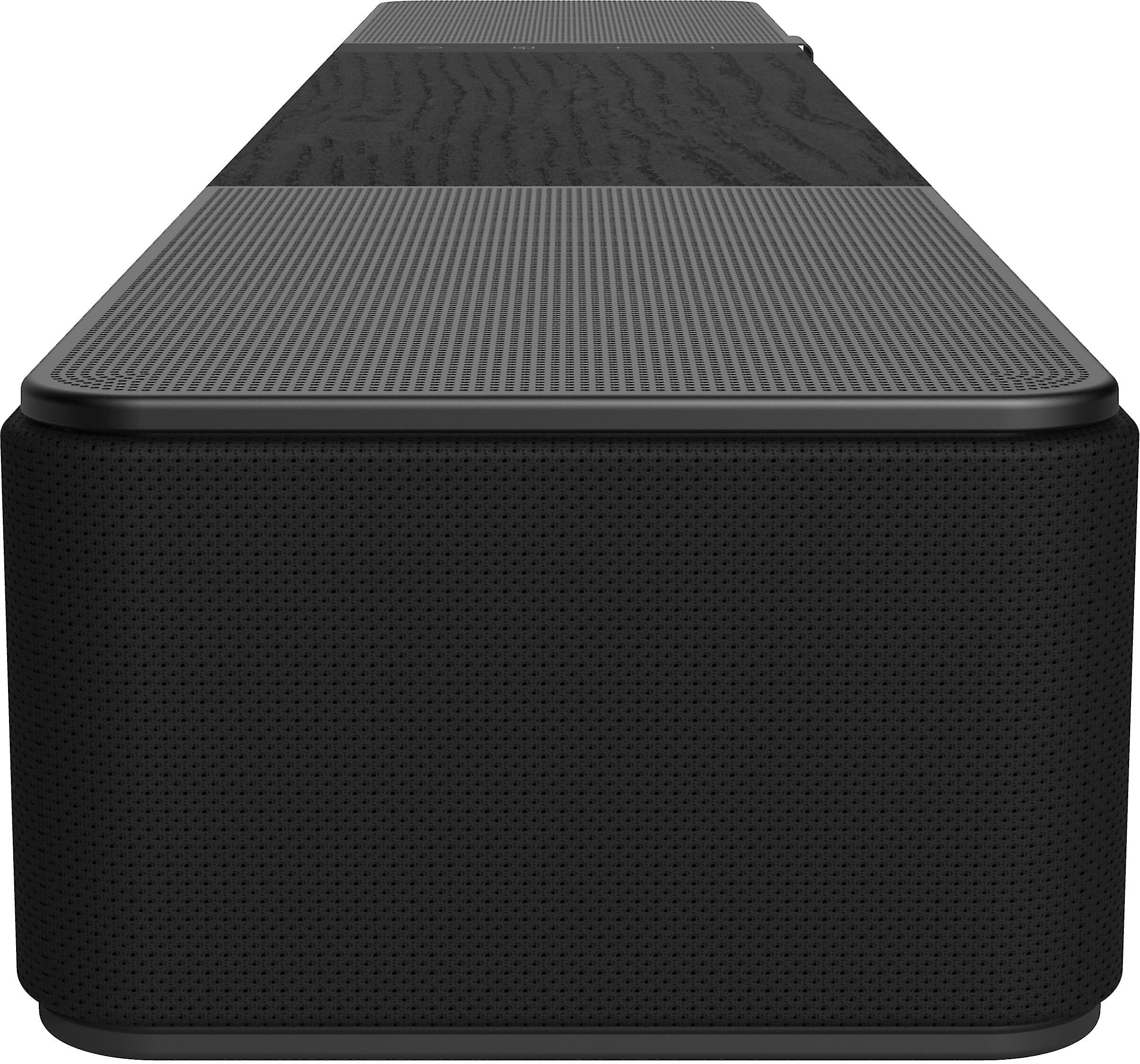
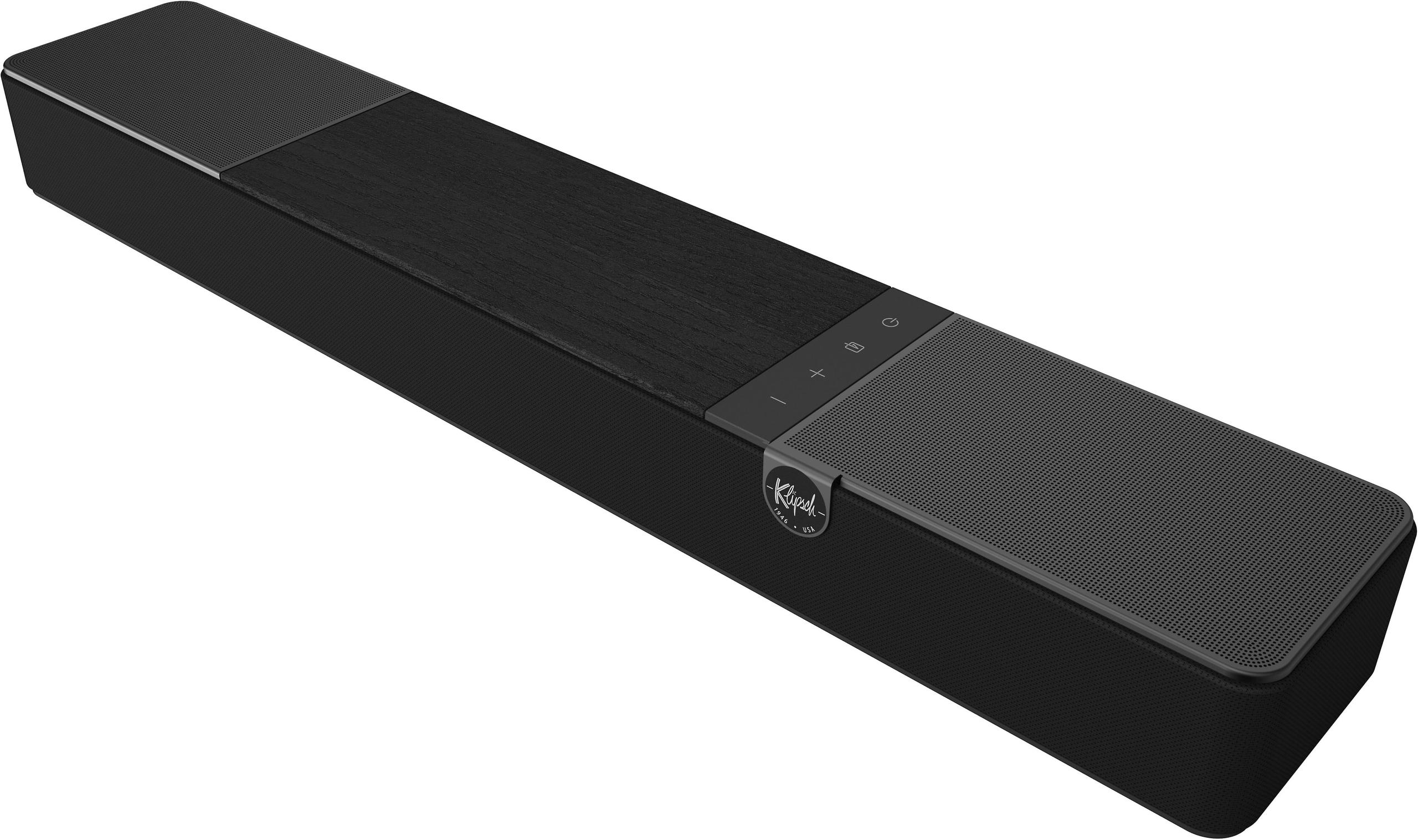
The Klipsch Flexus Core 100, introduced in 2024, represents a fundamentally different philosophy. Rather than cramming every possible feature into a single expensive unit, Klipsch designed an expandable foundation that delivers solid performance at an accessible price point.
With 100 watts RMS and a 2.1 configuration, the Flexus Core 100 operates on a much smaller scale than the Dione. Its driver complement consists of two 2.25-inch aluminum cone drivers for midrange and treble, plus dual 4-inch subwoofers for bass duties. While this might sound modest compared to premium alternatives, it's important to remember that good engineering can achieve impressive results even with modest hardware.
The frequency response of 45Hz to 20kHz covers most important audio content, though it rolls off earlier in the bass compared to the Dione. That 45Hz lower limit means you'll feel the impact of explosions and music bass lines, but the very deepest subsonic effects might lack the visceral impact that premium systems provide.
What's particularly clever about the Flexus Core 100 is how Klipsch engineered meaningful bass response into such a compact form factor. Those dual 4-inch subwoofers are specifically tuned to maximize output in their operating range, and user reviews consistently praise the bass performance as exceeding expectations for the price point.
The real genius of the Flexus Core 100 lies in its Klipsch Transport technology – a proprietary wireless system operating at 2.4GHz that enables seamless expansion. Unlike many "expandable" soundbars that use standard Bluetooth (which introduces latency and compression), Transport provides dedicated wireless connectivity optimized for multi-speaker synchronization.
This means you can start with just the Core 100 and later add Flexus Surrounds for true rear channel effects, or a Flexus Subwoofer for enhanced low-frequency performance. The modular approach lets you spread the cost over time while building toward a more complete system. For many buyers, this upgrade path provides better long-term value than purchasing a single expensive unit upfront.
The 2024 release timing is significant because it incorporates lessons learned from earlier wireless surround implementations. Many first-generation wireless speaker systems suffered from synchronization issues or dropouts, but current 2.4GHz technologies have matured to provide reliable, low-latency connections.
Bass performance often determines whether a soundbar feels like a meaningful upgrade over TV speakers. Here, the difference between our two contenders is dramatic.
The Dione's eight dedicated subwoofers, combined with SAM processing, deliver bass that consistently surprises reviewers accustomed to soundbar limitations. That 24Hz extension means you'll feel the rumble of thunder, the thump of explosions, and the fundamental notes of pipe organs and synthesizers. More importantly, the push-push woofer configuration maintains clarity and control even at high volumes, avoiding the "one-note" bass that plagues many all-in-one systems.
Expert measurements consistently show the Dione competing with dedicated subwoofer systems in terms of both extension and output capability. At maximum volume of 101dB SPL, it can fill even large rooms with authority, though some compression becomes audible at the highest levels.
The Flexus Core 100 takes a more pragmatic approach. Its dual 4-inch subwoofers provide solid impact within their 45Hz limitation, handling movie soundtracks and music with more authority than most TV speakers or entry-level soundbars. However, the deepest special effects and organ pedal tones that showcase the Dione simply aren't present. For most content, though, this limitation isn't deal-breaking – it's the difference between "good" and "exceptional" rather than "adequate" versus "good."
Nothing ruins a movie night faster than struggling to understand dialogue. Both soundbars address this crucial area, but through different approaches.
The Dione's dedicated center channel, housed in the rotating ORB, provides excellent dialogue localization and clarity. Reviews consistently praise its ability to maintain vocal presence even during complex action sequences. The Adaptive Volume Level (AVL) technology dynamically adjusts levels to prevent whispered conversations from disappearing during loud scenes – a feature that proves invaluable for late-night viewing.
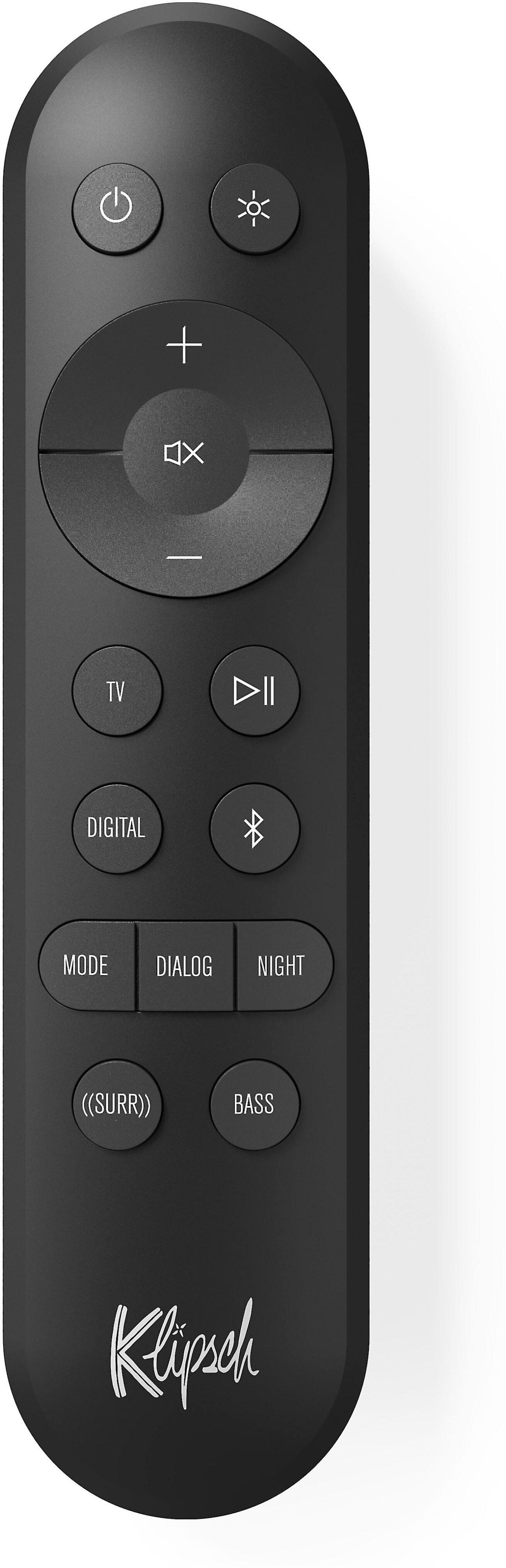
The Flexus Core 100 relies more heavily on DSP to enhance dialogue clarity. While it lacks a discrete center channel, its Voice mode emphasizes midrange frequencies where most speech occurs. User feedback suggests this approach works well for typical TV content, though it may struggle with particularly dense mixes or heavily accented dialogue.
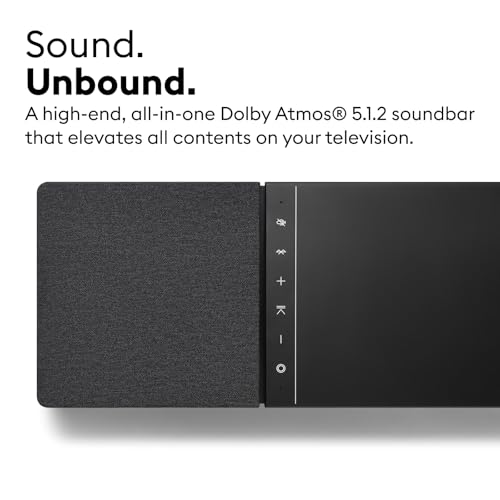
This category reveals the largest performance gap between our contenders. The Dione's true 5.1.2 configuration, combined with ADE beamforming technology, creates genuinely convincing surround effects. When properly calibrated, ambient effects and discrete surround moments feel like they're coming from beside and behind the listener. The height channels add another dimension, making Dolby Atmos content feel more three-dimensional.
The Flexus Core 100 processes Dolby Atmos content but relies entirely on psychoacoustic processing to create spatial effects. While this can widen the soundstage compared to stereo playback, it doesn't approach the immersion level of true multichannel systems. However, the expandability factor comes into play here – adding Flexus Surrounds transforms the system into a more competitive surround solution.
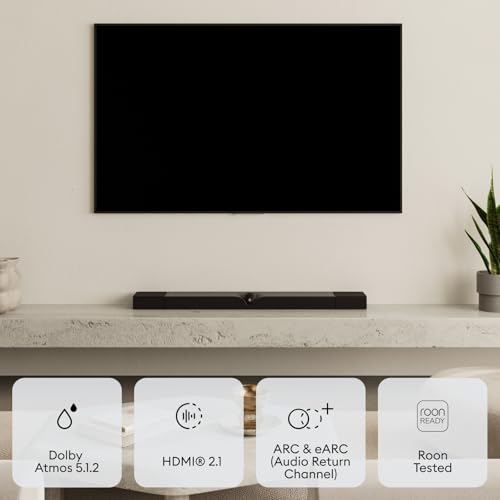
Both soundbars acknowledge that modern usage extends beyond just TV watching. The Dione includes comprehensive connectivity: HDMI 2.1 with eARC for high-bandwidth audio, optical input for older devices, and extensive wireless options including AirPlay 2, Spotify Connect, and Bluetooth 5.0. The high-resolution audio support up to 24-bit/96kHz makes it genuinely suitable for critical music listening.
The Flexus Core 100 covers the essentials with HDMI eARC, optical input, and Bluetooth connectivity. While it lacks some of the premium streaming options, it includes USB-C input – a forward-thinking addition that accommodates direct connection from laptops and mobile devices.
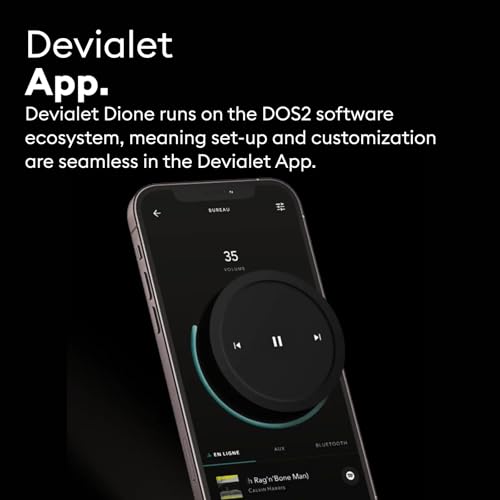
Both support smartphone app control, though the experiences differ significantly. The Devialet app focuses on precise calibration and listening mode selection, while the Klipsch Connect Plus app emphasizes EQ customization and system expansion management.
The Dione makes sense for buyers who prioritize audio quality above all else and have the budget to achieve it. If you're someone who notices the difference between good and great audio equipment, appreciates the engineering behind proprietary technologies like ADH and SAM, and wants maximum performance from a single purchase, the premium pricing becomes easier to justify.
This soundbar particularly excels in larger rooms where its 950-watt amplification and deep bass extension provide meaningful advantages. It's also ideal for users who listen to high-quality music regularly – the combination of low distortion, wide frequency response, and sophisticated DSP makes it genuinely suitable for stereo music reproduction, not just movie soundtracks.
The all-in-one nature appeals to minimalists who prefer a single premium component over multiple boxes. However, this same design philosophy becomes a limitation for users who might want to customize their setup or upgrade incrementally.
The Flexus Core 100 targets buyers who understand that great home theater audio often develops over time. If you're working with a constrained budget but want to avoid purchasing twice, starting with this expandable foundation makes considerable sense.
This approach particularly benefits renters or frequent movers who might face different room configurations over time. The modular design adapts to various spaces more flexibly than fixed all-in-one systems. It's also perfect for buyers who want to test their commitment to enhanced audio before investing heavily.
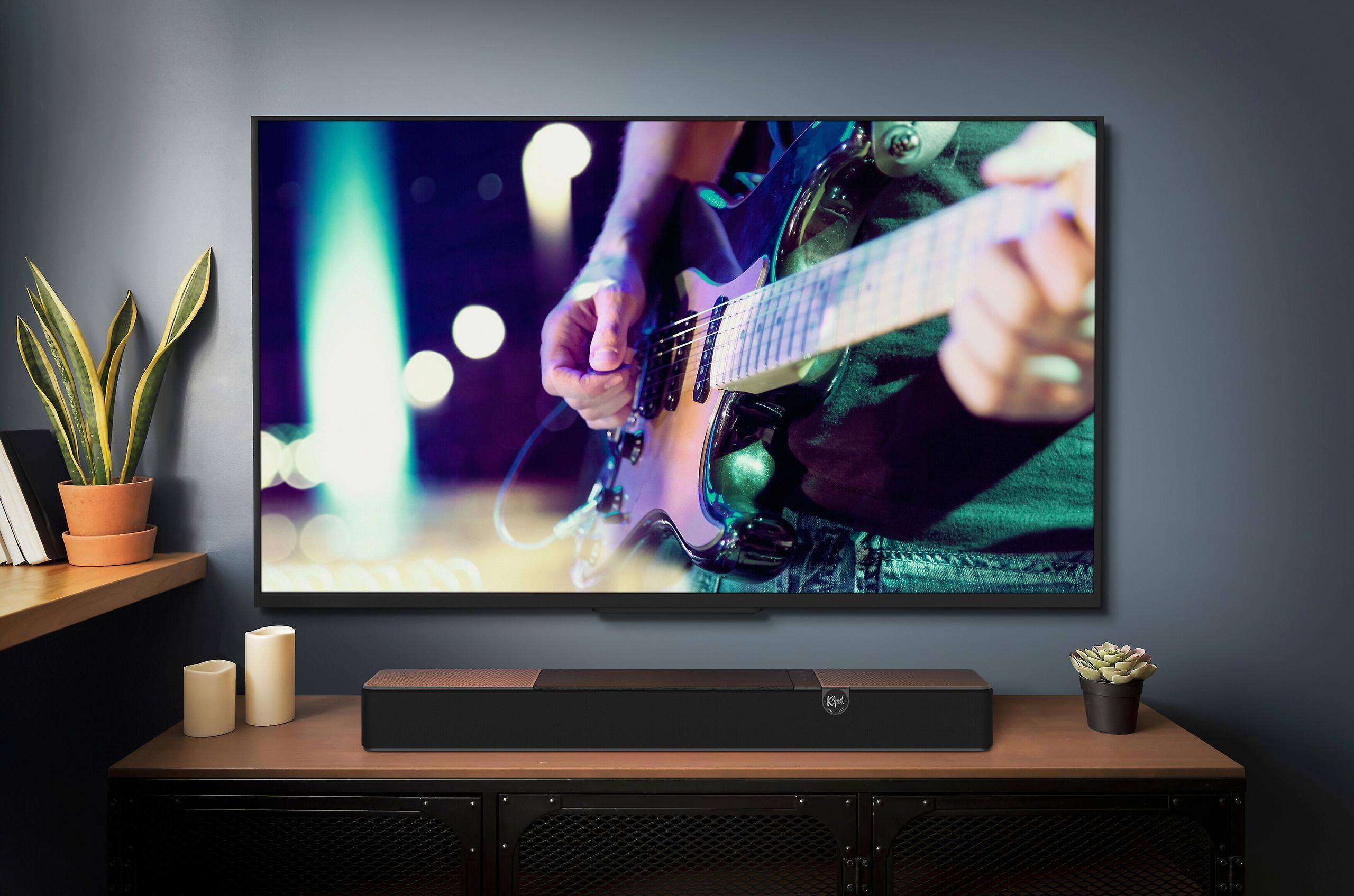
For smaller rooms and typical TV viewing distances, the performance difference between the Core 100 and premium alternatives becomes less pronounced. In a 12×15 foot living room, the Klipsch can provide satisfying volume levels and bass impact without approaching its limits.
Since 2021, the soundbar market has seen significant developments in wireless connectivity, room correction algorithms, and content processing. The Dione's continued relevance speaks to the quality of its initial engineering, though newer competitors have incorporated features like built-in voice assistants and more sophisticated streaming capabilities.
The Flexus Core 100's 2024 release timing allowed Klipsch to incorporate these market learnings, particularly in wireless reliability and smartphone integration. The Klipsch Transport technology benefits from years of refinement in 2.4GHz wireless protocols, providing more stable connections than earlier wireless speaker implementations.
At the time of writing, these soundbars represent fundamentally different value propositions rather than direct competitors. The decision often comes down to budget constraints, upgrade timeline preferences, and performance expectations.
Choose the Dione if you want maximum performance immediately, have a larger room that benefits from its power and bass extension, regularly listen to high-quality music, and prefer the simplicity of a single premium component.
Opt for the Flexus Core 100 if you're building a system gradually, want flexibility for future room changes, prioritize value over ultimate performance, or prefer to spread costs over time while maintaining upgrade options.
Both approaches have merit, but understanding your priorities and constraints will guide you toward the right choice for your specific situation. The beauty of today's soundbar market is that both philosophies can deliver meaningful improvements over basic TV audio – the question is which path better matches your goals and timeline.
| Devialet Dione | Klipsch Flexus Core 100 |
|---|---|
| Total Power Output - Determines maximum volume and driver control | |
| 950W RMS (premium amplification for large rooms) | 100W RMS (adequate for small-medium rooms) |
| Driver Configuration - Affects sound separation and channel accuracy | |
| 17 drivers: 9 full-range + 8 subwoofers (true multichannel) | 4 drivers: 2 main + 2 subwoofers (basic stereo plus bass) |
| Channel Configuration - Determines surround sound capability | |
| 5.1.2 Dolby Atmos with dedicated height channels | 2.1 with Dolby Atmos processing (virtual surround) |
| Frequency Response - Shows bass extension and treble reach | |
| 24Hz - 21kHz (deep bass without external subwoofer) | 45Hz - 20kHz (good bass for size, limited deep extension) |
| Maximum Volume - Important for large rooms and dynamic content | |
| 101 dB SPL at 1 meter (cinema-level loudness) | Not specified (likely 85-90 dB range for price point) |
| Expandability - Ability to add components later | |
| None (all-in-one design, cannot add speakers) | Full expansion via wireless surrounds and subwoofer |
| Amplification Technology - Affects sound quality and distortion | |
| ADH (Analog Digital Hybrid) with 0.001% THD | Standard Class D amplification |
| Connectivity Options - Determines source compatibility | |
| HDMI 2.1 eARC, optical, Wi-Fi, Bluetooth 5.0, AirPlay 2, Spotify Connect | HDMI eARC, optical, Bluetooth, USB-C |
| Audio Processing - Advanced features for optimization | |
| SAM, SPACE upmixing, AVL, room correction, ADE beamforming | Basic Dolby processing, app-based EQ |
| Physical Design - Affects placement and room integration | |
| Rotating ORB center channel, wall-mount adapts orientation | Standard bar design, slim profile with mounting brackets |
| High-Resolution Audio Support - Important for music listening | |
| 24-bit/96kHz DAC with premium streaming protocols | Standard resolution with basic streaming |
| Release Year - Indicates technology generation | |
| 2021 (mature flagship with proven performance) | 2024 (modern entry-level with current features) |
The Klipsch Flexus Core 100 is better suited for small rooms due to its 100W power output and compact design. The Devialet Dione with its 950W amplification may be overkill in tight spaces and could overwhelm smaller listening areas with its powerful bass response.
Only the Klipsch Flexus Core 100 offers expandability through its Transport wireless technology, allowing you to add surround speakers and a subwoofer later. The Devialet Dione is a complete all-in-one system that cannot be expanded with additional components.
The Devialet Dione delivers superior bass performance with its eight built-in subwoofers extending down to 24Hz, compared to the Klipsch Flexus Core 100 which reaches 45Hz with its dual 4-inch woofers. The Dione provides deeper, more impactful bass for movie sound effects.
Yes, both the Devialet Dione and Klipsch Flexus Core 100 support Dolby Atmos. However, the Dione offers true 5.1.2 Atmos with dedicated height channels, while the Flexus Core 100 uses virtual processing to simulate overhead effects.
The Devialet Dione excels for music with its high-resolution 24-bit/96kHz DAC, premium ADH amplification, and full-range frequency response. The Klipsch Flexus Core 100 handles music adequately but lacks the audiophile-grade components and processing of the Dione.
The primary advantage of the Klipsch Flexus Core 100 is its expandable design and significantly lower entry cost. You can start with the basic soundbar and gradually build a complete surround system, while the Devialet Dione requires a large upfront investment.
The Devialet Dione is designed for large rooms with its 950W amplification reaching 101 dB SPL, easily filling spacious areas with powerful, clear audio. The Klipsch Flexus Core 100 may struggle to provide adequate volume and bass impact in very large spaces.
Both soundbars offer wireless connectivity, but the Devialet Dione provides more premium options including AirPlay 2, Spotify Connect, and Bluetooth 5.0. The Klipsch Flexus Core 100 includes Bluetooth and USB-C connectivity for mobile devices.
The Devialet Dione offers superior dialogue clarity with its dedicated rotating center channel and AVL technology that automatically balances voice levels. The Klipsch Flexus Core 100 provides good dialogue enhancement through its Voice mode but lacks a discrete center channel.
Yes, both the Devialet Dione and Klipsch Flexus Core 100 include wall-mounting hardware. The Dione features a unique rotating center channel that adapts to wall-mounted orientation, while the Flexus Core 100 uses standard mounting brackets.
The Klipsch Flexus Core 100 provides excellent value as an entry point with expansion possibilities, making it ideal for budget-conscious buyers. The Devialet Dione offers premium value for those seeking top-tier performance and willing to invest in a flagship all-in-one solution.
The biggest difference is their approach: the Devialet Dione is a premium all-in-one system with exceptional built-in performance, while the Klipsch Flexus Core 100 is an expandable foundation that grows over time. This fundamental philosophy affects everything from sound quality to upgrade options.
We've done our best to create useful and informative comparisons to help you decide what product to buy. Our research uses advanced automated methods to create this comparison and perfection is not possible - please contact us for corrections or questions. These are the sites we've researched in the creation of this article: rtings.com - crutchfield.com - devialet.com - ooberpad.com - bhphotovideo.com - kjwestone.co.uk - whathifi.com - devialet.com - devialet.com - sound-advice.online - kjwestone.co.uk - device.report - tmraudio.com - devialet.com - devialetchat.com - projectorscreen.com - soundandvision.com - bestbuy.com - youtube.com - av.com - audiofi.ca - devialet.com - blog.son-video.com - audioconnection.com.au - baybloorradio.com - cdn.abicart.com - smarthomesounds.co.uk - e-piphany.co.za - cloneyaudio.com - devialet.com - catalog.asbis.ee - av.com - soundandvision.com - youtube.com - comparisontabl.es - cnet.com - klipsch.com - klipsch.com - bestbuy.com - sweetwater.com - assets.onkyo-av.com - youtube.com - worldwidestereo.com - avnirvana.com - target.com

Privacy Policy
Terms and Conditions - Affiliate Policy
Home Security
© Copyright 2008-2026.
11816 Inwood Rd #1211, Dallas, TX 75244