





If you're tired of cranking up your TV volume just to hear dialogue clearly, you're not alone. Most built-in TV speakers sound thin and lifeless, which is why budget soundbars have become one of the most popular home theater upgrades. Today we're diving deep into two popular options that take completely different approaches: the Samsung HW-C450 with its traditional separate subwoofer setup, and the Klipsch Flexus Core 100 with its all-in-one premium design.
Before we dig into these specific models, let's talk about what "2.1 channel" actually means. The "2" refers to two main speakers handling left and right stereo sound, while the ".1" represents a dedicated subwoofer for bass frequencies. This setup gives you much better sound separation and bass response than your TV's built-in speakers, which are often just tiny drivers firing downward or backward.
The key decision in this price range comes down to design philosophy: do you want a traditional setup with a separate wireless subwoofer that you can position anywhere in your room, or would you prefer everything integrated into one sleek bar that sits under your TV? Each approach has distinct advantages depending on your space, listening habits, and future plans.
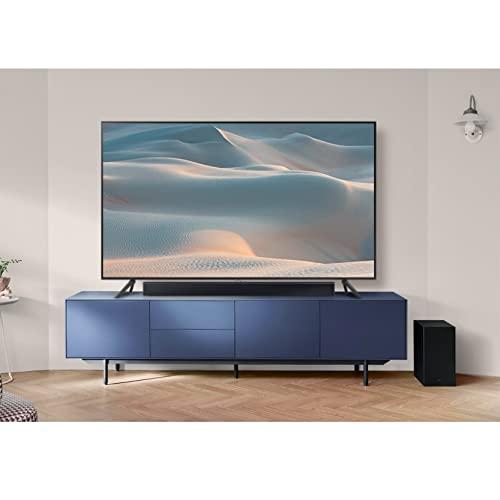
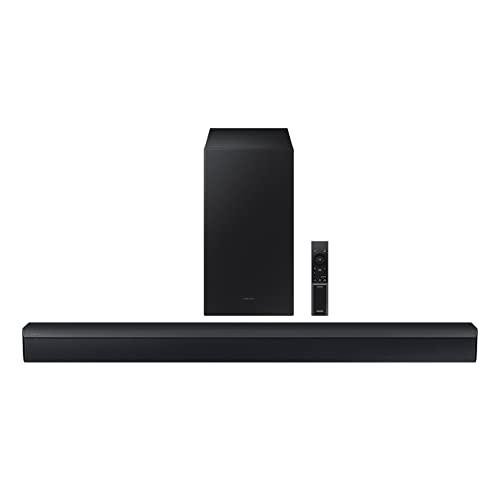
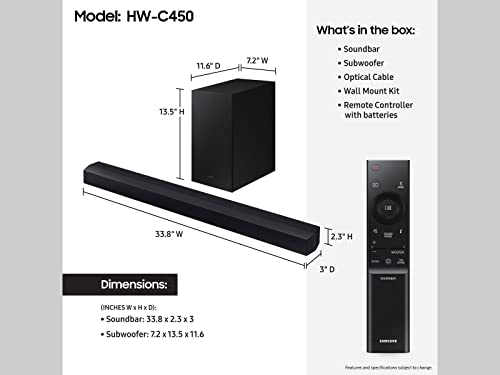
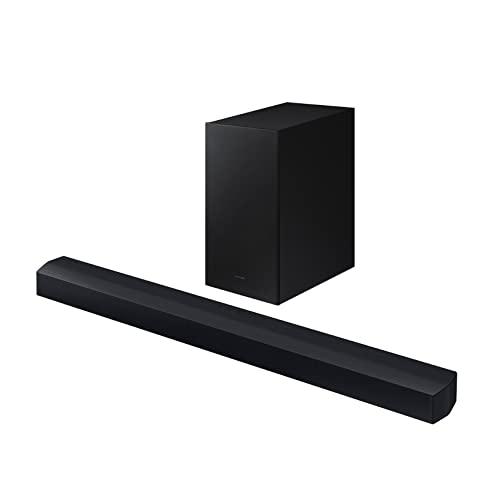
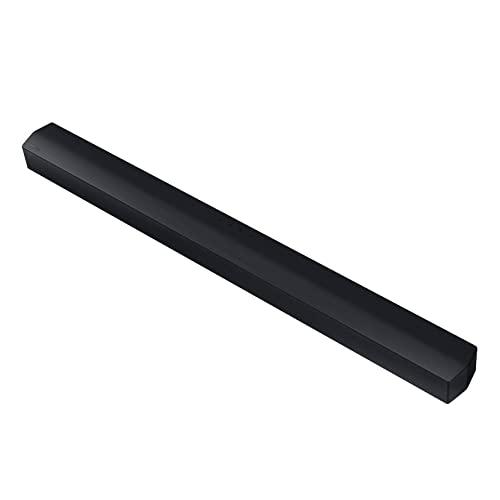
The Samsung HW-C450, released in 2023, represents the classic soundbar approach. You get a slim 34-inch bar that houses the main stereo drivers, paired with a separate wireless subwoofer about the size of a small end table. This subwoofer connects automatically when you power on the system – no cables required – but you'll need to find a good spot for it in your room.
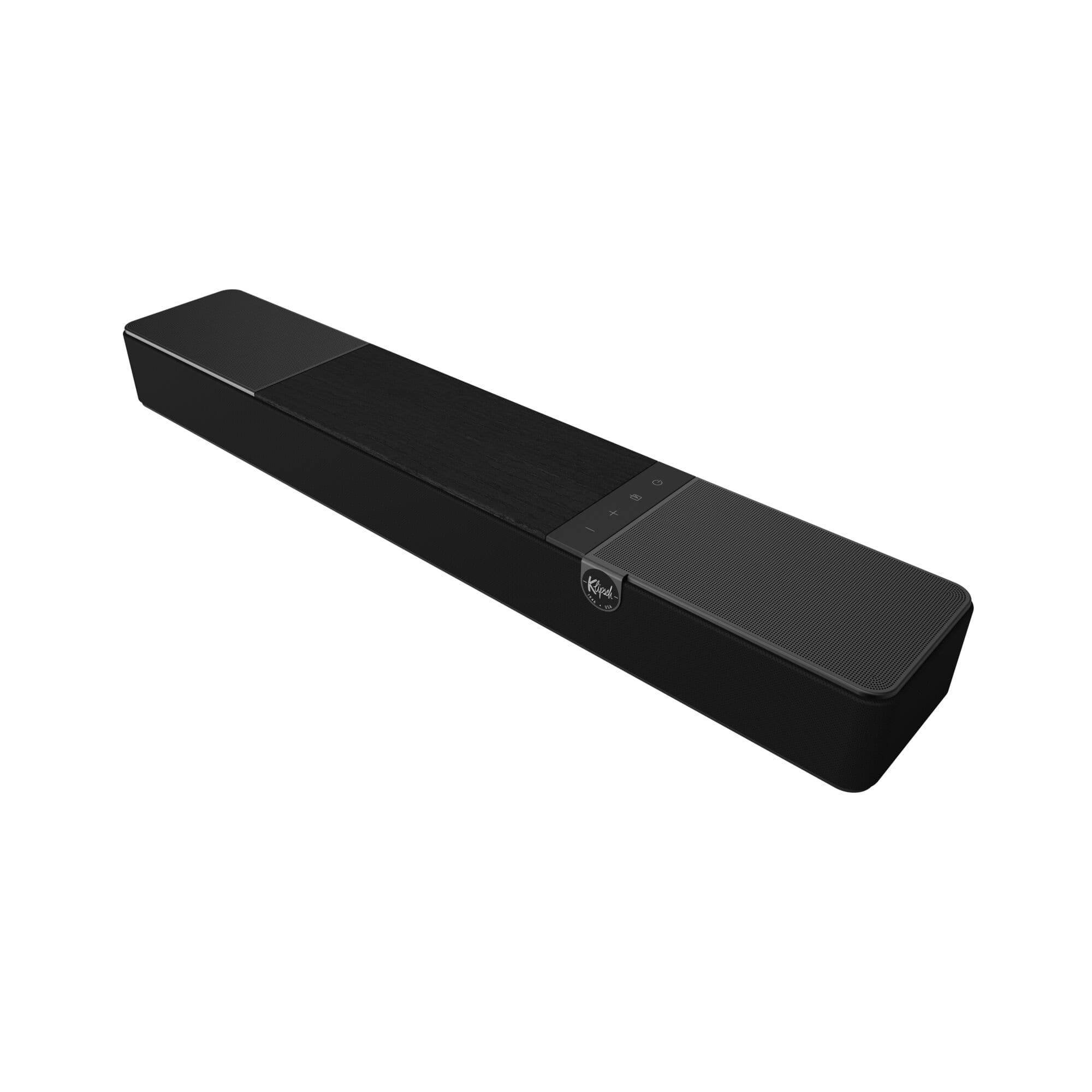
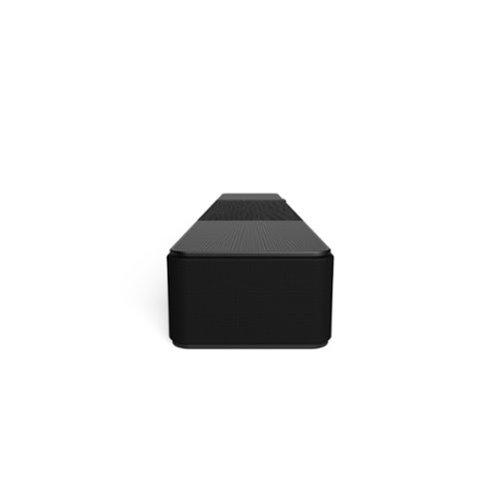
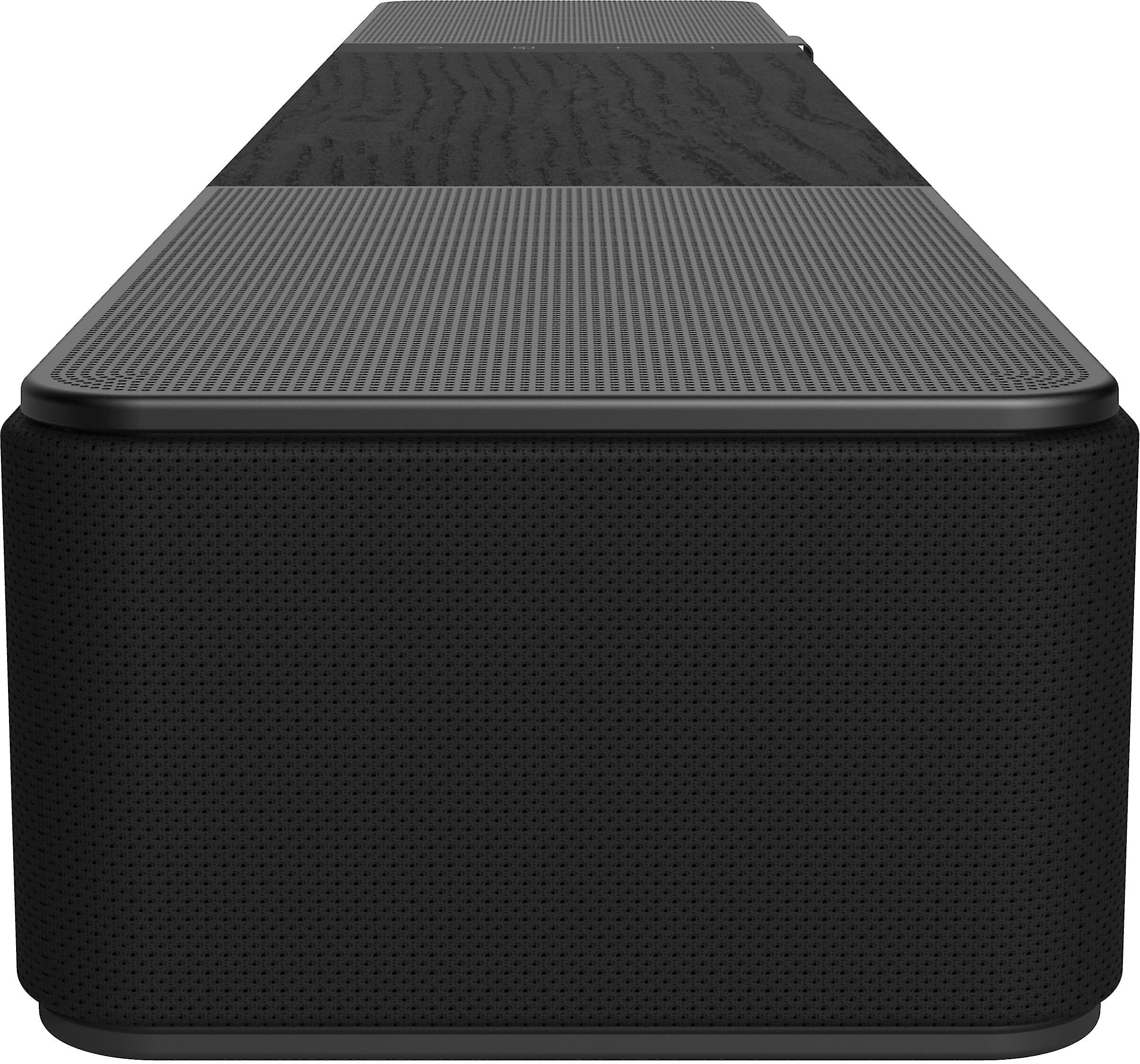
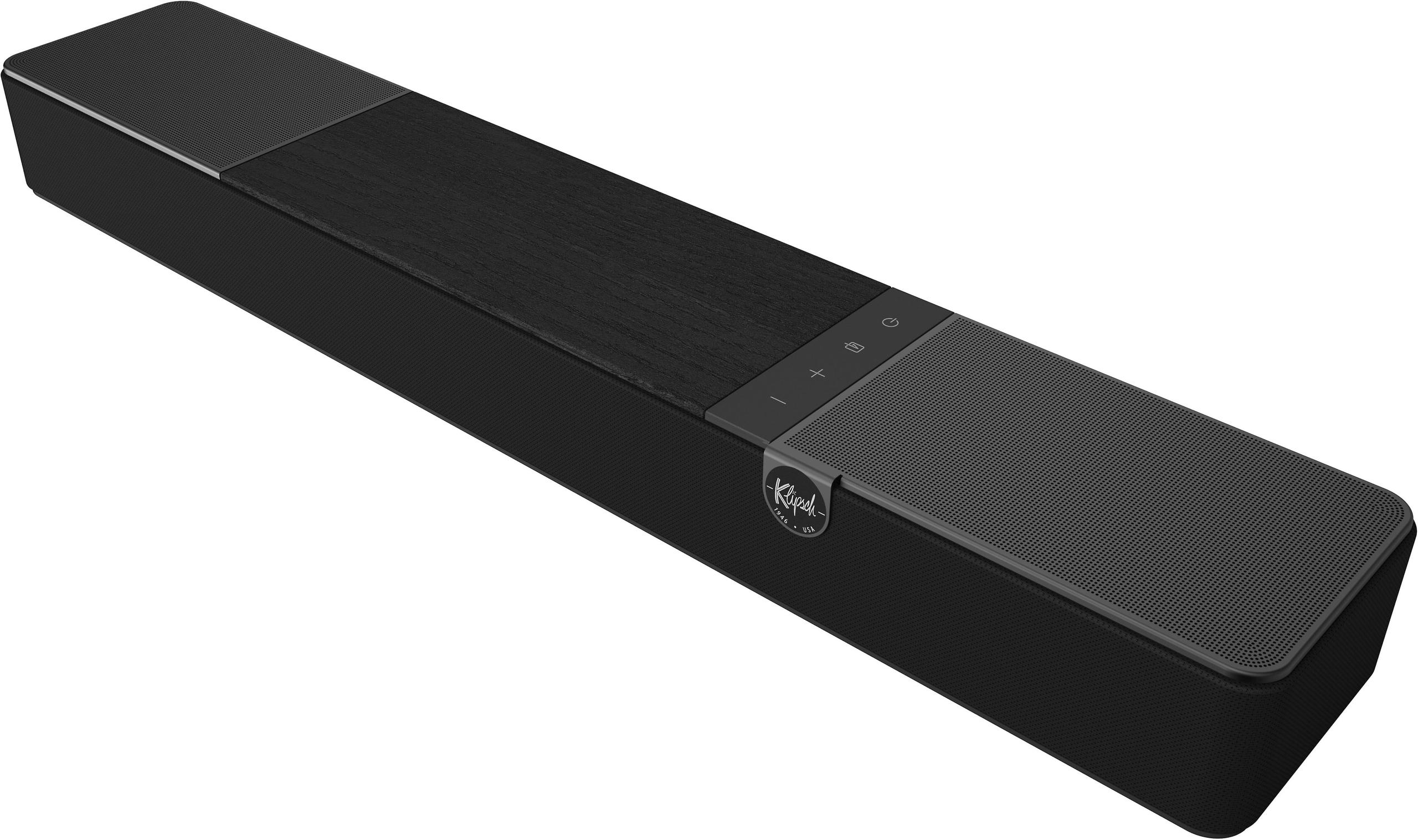
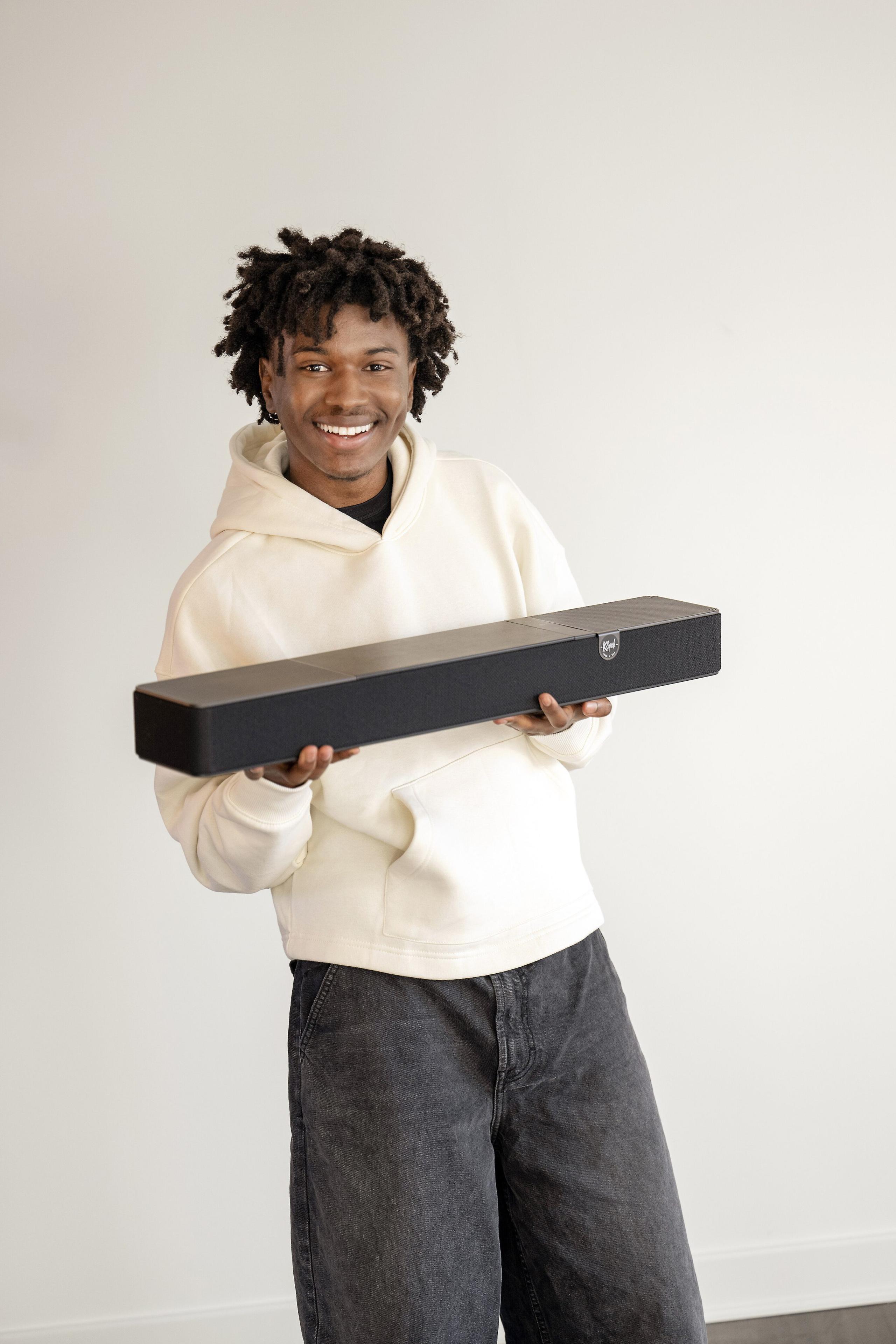
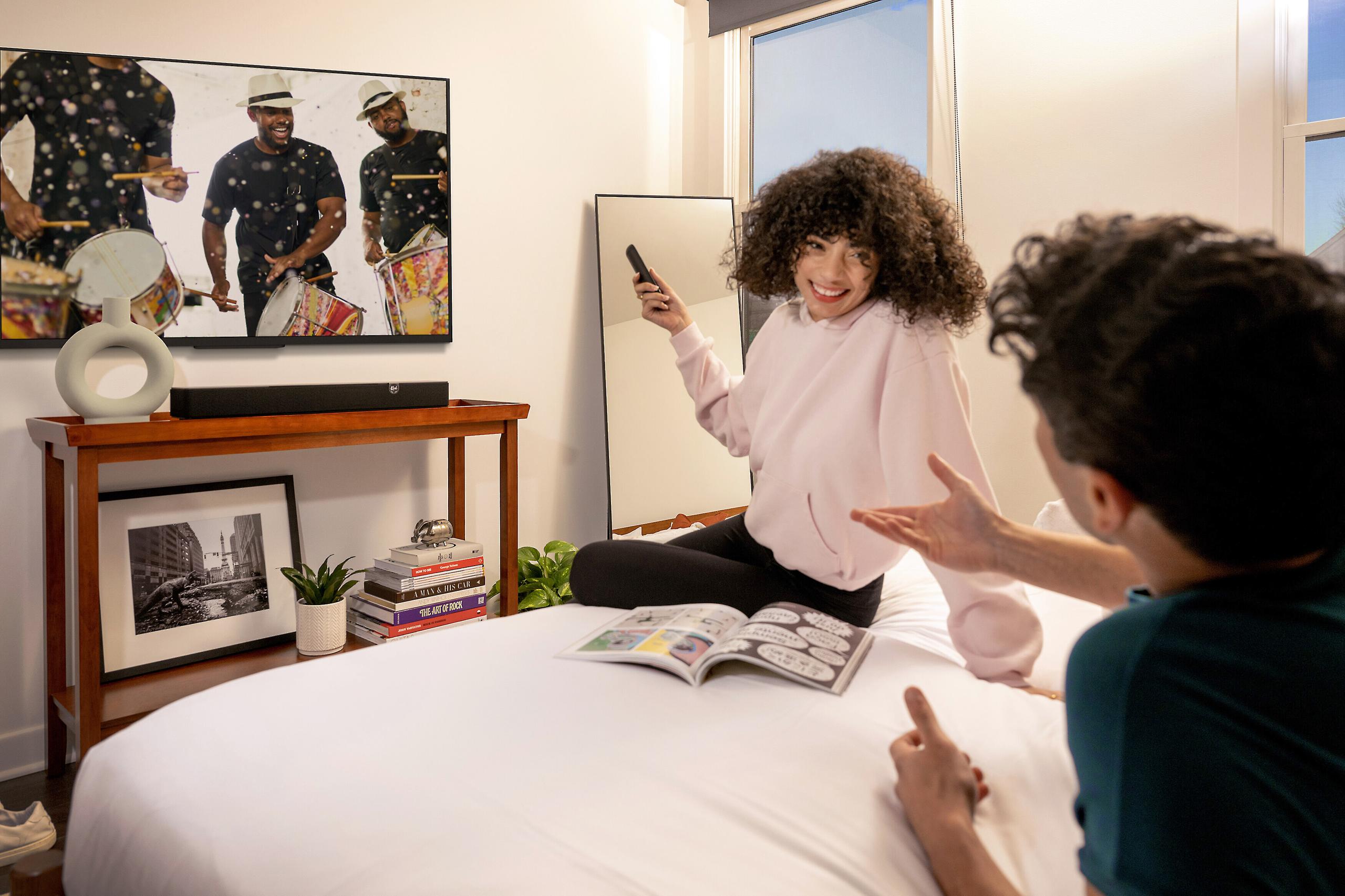
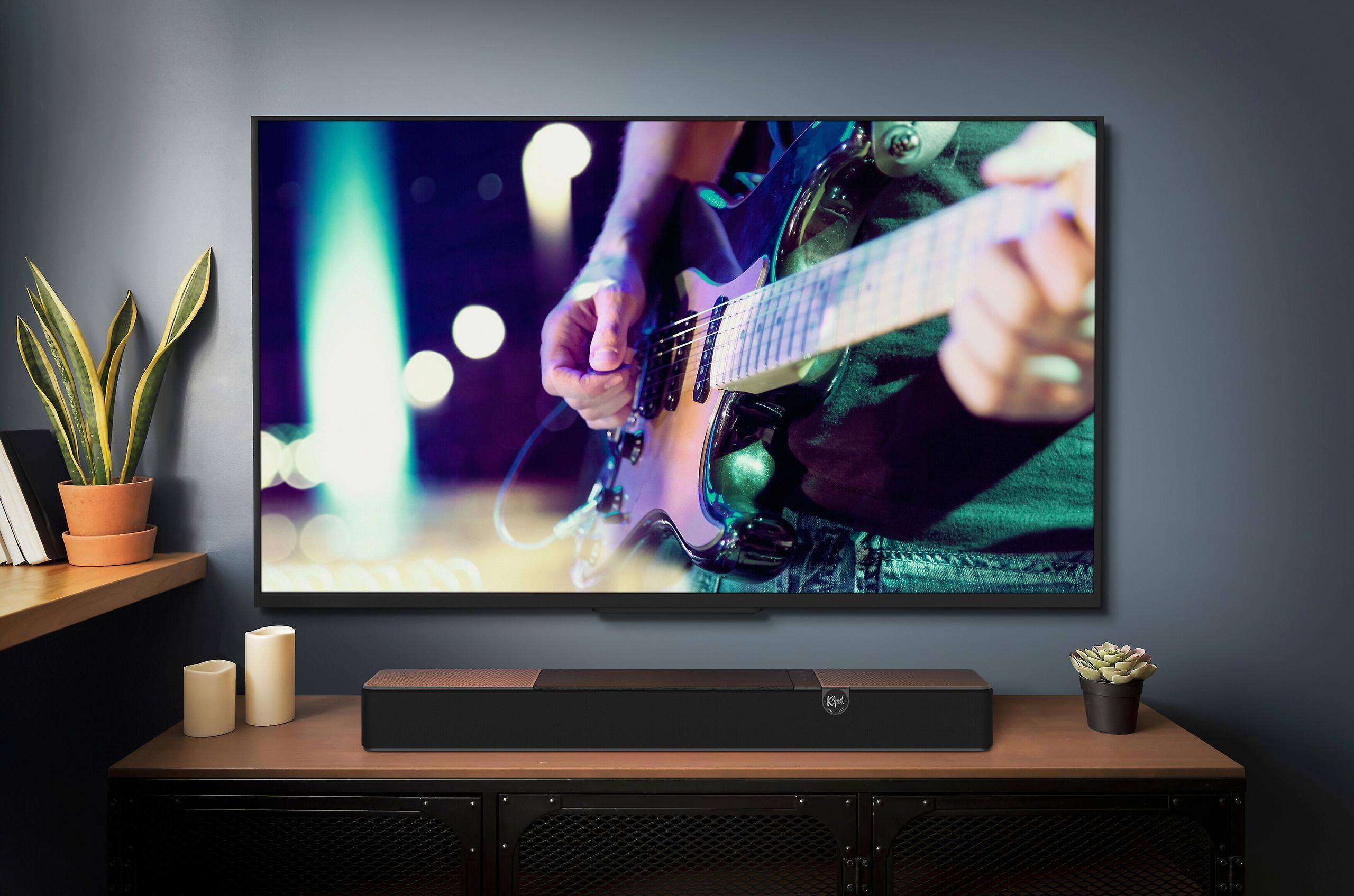
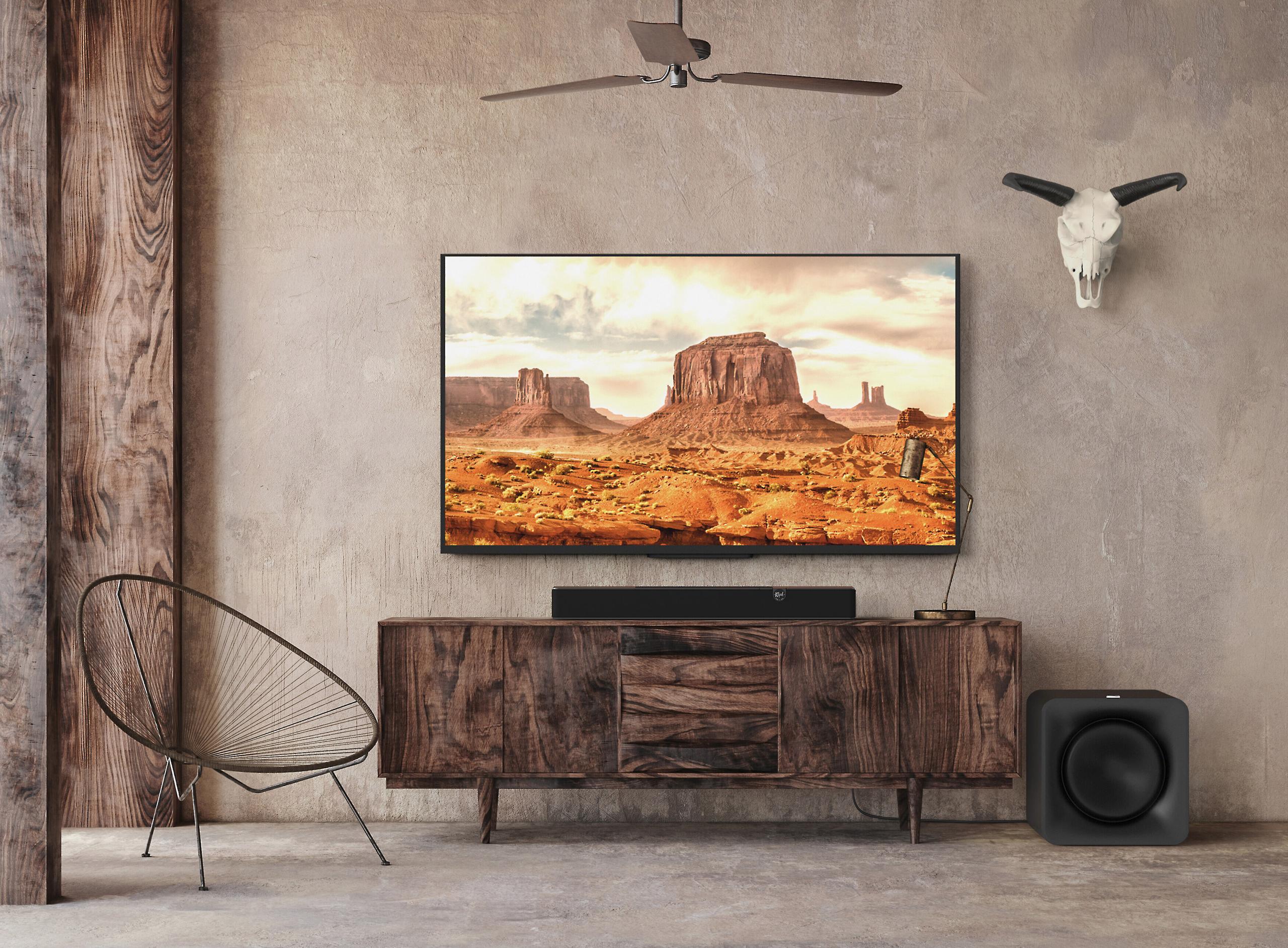
The Klipsch Flexus Core 100, launched in 2024, takes a radically different approach by cramming everything into a single 28-inch bar. Inside that compact enclosure, Klipsch has managed to fit two 2.25-inch aluminum cone drivers for midrange and treble, plus dual 4-inch subwoofers for bass. It's an engineering feat that eliminates the need for a separate subwoofer while maintaining serious audio performance.
What's particularly interesting about the Klipsch is its collaboration with Onkyo, the respected Japanese audio company. This partnership brings decades of amplifier and signal processing expertise to what could have been just another plastic soundbar. The result is a wooden cabinet construction – unusual in this price range – that adds acoustic warmth and reduces the hollow resonance you get from all-plastic enclosures.
Here's where things get interesting from a technical standpoint. The Samsung HW-C450 delivers 65 watts total – 25 watts for the main bar and 40 watts for its wireless subwoofer. That might sound reasonable, but in practice, this power limitation becomes apparent when you're trying to fill a larger room or watch action movies at realistic volume levels.
The Klipsch Flexus Core 100 pushes out 100 watts RMS (Root Mean Square – the actual continuous power, not peak), with a maximum sound pressure level of 96.4 decibels. To put that in perspective, 96 dB is about as loud as a motorcycle at 25 feet. That's genuinely room-filling volume with headroom to spare for dynamic movie soundtracks.
This power difference isn't just about getting louder – it's about maintaining clean, undistorted sound even during complex passages. When explosions, dialogue, and background music all hit at once, the Klipsch has the electrical headroom to reproduce everything clearly, while the Samsung might start to compress or distort those peak moments.
This is where the fundamental design difference really shows up in your listening experience. The Samsung HW-C450's separate subwoofer uses what appears to be an 8-inch driver in a dedicated enclosure. Because bass frequencies are omnidirectional (meaning you can't easily tell where they're coming from), you can place this subwoofer anywhere that sounds good – beside your couch, in a corner, or tucked under a side table.
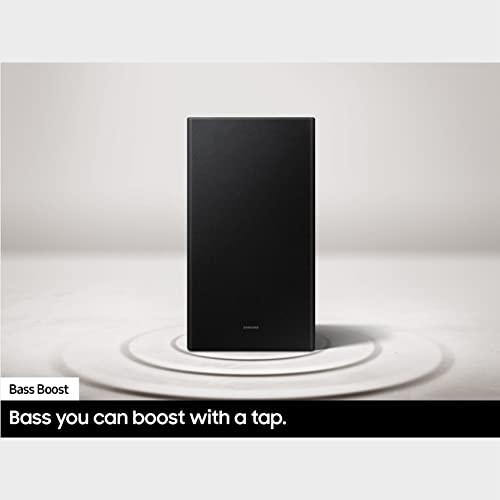
This placement flexibility is huge for bass impact. Corner placement can amplify low frequencies through boundary reinforcement, while placement near your seating position delivers more direct bass impact. The Samsung also includes a Bass Boost mode that emphasizes these low frequencies even further, making action movies and bass-heavy music more visceral.
The Klipsch Flexus Core 100's dual 4-inch subwoofers are impressive for their size, but physics is physics – smaller drivers in a smaller enclosure simply can't move as much air as a dedicated 8-inch subwoofer. However, what the Klipsch loses in raw bass depth, it makes up for in integration and accuracy.
Because all the drivers are in one enclosure and engineered together, the bass blends seamlessly with the midrange frequencies. There's no phase timing issues between separate components, and no risk of the subwoofer overpowering or lagging behind the main speakers. For music listening, this integration creates a more cohesive soundstage where instruments sound naturally positioned rather than artificially separated between "bass over there" and "everything else up front."
The Klipsch Flexus Core 100 is clearly the superior choice for music reproduction, and it's not particularly close. Those aluminum cone drivers provide excellent midrange clarity where vocals and most instruments live, while the wooden cabinet adds acoustic warmth that makes digital music sources sound less harsh. The Onkyo collaboration shows up here too – the signal processing and amplifier tuning create impressive stereo imaging that places instruments across a wide soundstage rather than just "left" and "right."
If you regularly stream music through Spotify, Apple Music, or play vinyl records, the difference is immediately apparent. Acoustic guitars have proper body and resonance, vocals sit naturally in the mix without being artificially boosted, and complex orchestral pieces maintain their layering and separation.
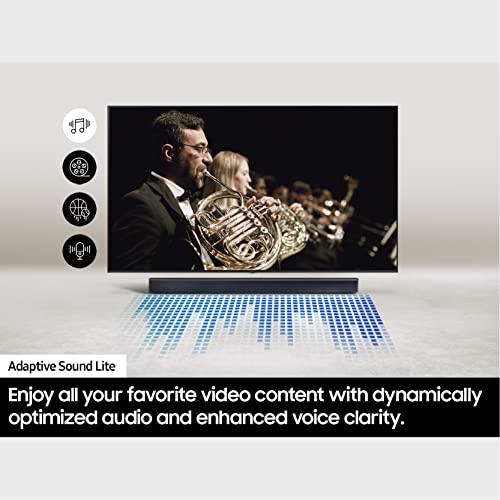
The Samsung HW-C450, by contrast, is optimized for cinematic content. Its tuning emphasizes the frequency ranges where movie sound effects live, and features like DTS Virtual:X processing create the illusion of surround sound from just the front-facing speakers. Virtual surround processing analyzes stereo or surround sound mixes and uses psychoacoustic tricks – essentially fooling your brain about where sounds are coming from – to create a wider, more enveloping soundfield.
For dialogue clarity, both systems perform well, but they achieve it differently. The Samsung includes a dedicated Voice Enhance mode that specifically boosts the frequency range where human speech sits (roughly 1-4 kHz), making conversations cut through background music and effects. The Klipsch achieves dialogue clarity through overall accuracy and proper frequency balance rather than artificial boosting.
Gaming audio is where the Samsung HW-C450 pulls ahead significantly. Its dedicated Game Mode isn't just marketing – it actually adjusts the frequency response and processing to emphasize directional audio cues that competitive gamers rely on. Footsteps, gunshots, and environmental sounds become more precisely positioned, helping you react faster to audio information.
The Samsung also supports low-latency connections through its optical input, minimizing the delay between on-screen action and the sound you hear. Audio latency might only be 20-40 milliseconds, but in fast-paced games, that difference between seeing a muzzle flash and hearing the gunshot can affect your competitive performance.
The Klipsch Flexus Core 100 doesn't include gaming-specific features, though its overall audio quality benefits all content types. For single-player, story-driven games where audio immersion matters more than competitive advantage, the Klipsch's superior dynamics and clarity create a more engaging experience. But for online multiplayer gaming, the Samsung's targeted optimizations give it a clear edge.
Here's where the 2024 Klipsch Flexus Core 100 shows its more recent design. HDMI eARC (enhanced Audio Return Channel) support means you can connect it to your TV with a single HDMI cable that handles both audio transmission and basic control functions. When you adjust volume with your TV remote, the soundbar responds automatically. This is the kind of seamless integration that makes daily use more convenient.
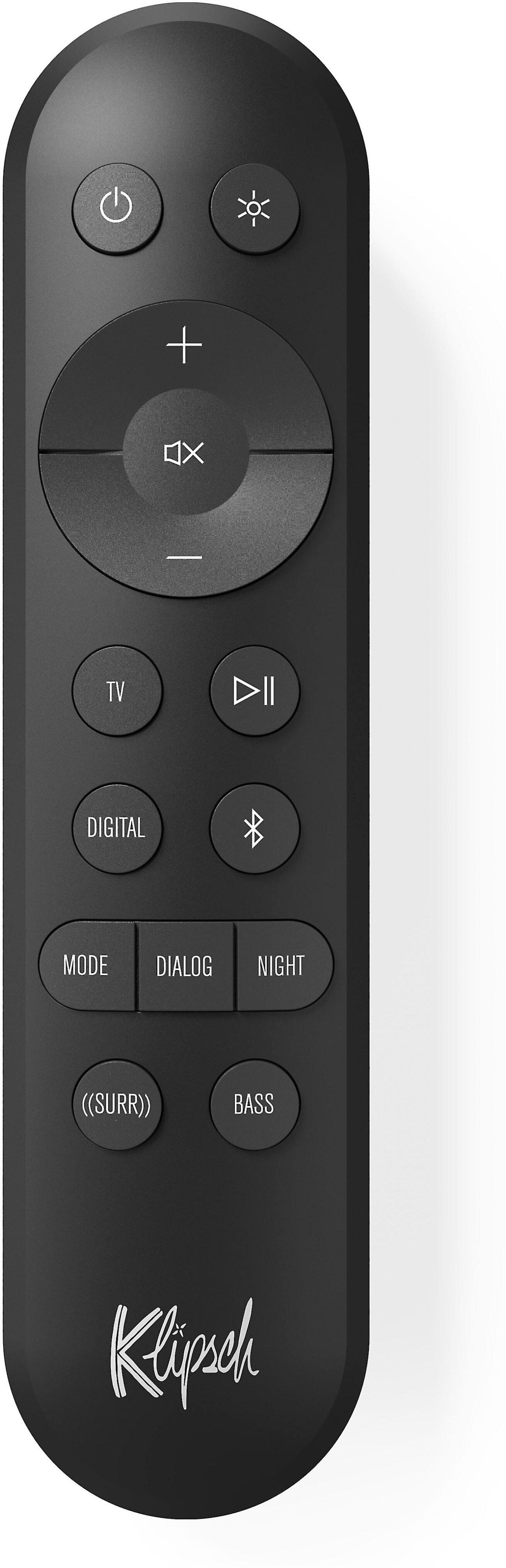
The Klipsch also includes the Klipsch Connect Plus app, which lets you customize EQ settings from your phone. Instead of cycling through preset sound modes with a remote, you can fine-tune bass, treble, and midrange to your exact preferences. The backlit remote control is another nice touch for dark room viewing.
The Samsung HW-C450 uses more traditional connectivity – primarily optical digital input and Bluetooth. While this works fine for basic TV connection, it doesn't offer the advanced integration features of HDMI eARC. However, Samsung does include their One Remote Control compatibility, which lets you control the soundbar with compatible Samsung TV remotes.
One area where both systems fall short of more expensive alternatives is network connectivity. Neither includes Wi-Fi, which means no Spotify Connect, Apple AirPlay, or voice assistant integration. At this price point, manufacturers focus budget on audio performance rather than smart features.
This is where the Klipsch Flexus Core 100 reveals its long-term value proposition. Klipsch's Transport technology – their proprietary 2.4GHz wireless system – allows you to add matching surround speakers and even an external subwoofer later. This modular approach means your initial investment isn't wasted if you want to upgrade to true surround sound down the road.
The wireless surround speakers connect automatically and don't require separate power cords or complicated setup procedures. If you move to a larger space or decide you want more immersive audio for movies, you're not starting over with a completely new system.
The Samsung HW-C450 is what you get – a complete 2.1 system with no expansion options. While this isn't necessarily a limitation if you're satisfied with stereo sound, it does mean any future upgrades require replacing the entire system.
Based on extensive user feedback and professional reviews, the performance differences play out predictably in real-world use. Samsung HW-C450 owners consistently praise the bass impact for movies and the gaming features, but note that the system can sound compressed at higher volumes. The wireless subwoofer connection is reliable, though some users report occasional dropouts if there's significant Wi-Fi interference in their area.
Klipsch Flexus Core 100 users are almost universally impressed with music performance and overall build quality. The wooden cabinet feels substantial compared to all-plastic alternatives, and the sound quality upgrade over TV speakers is immediately apparent. However, users in larger rooms sometimes find themselves wanting more bass impact, which speaks to the physical limitations of the integrated subwoofer design.
One interesting pattern in user feedback is that Samsung buyers tend to be satisfied with their purchase as long as they're primarily watching TV and movies in smaller to medium-sized rooms. Klipsch buyers more often mention eventually expanding their system with additional components, suggesting the modular design successfully encourages ecosystem building.
For dedicated home theater use, both systems have clear limitations compared to true multi-channel setups, but they serve as excellent stepping stones. The Samsung HW-C450 creates a more cinematic experience through its separate subwoofer placement and virtual surround processing. In a dedicated media room, you can position the subwoofer optimally for your primary seating position and use the Bass Boost mode for maximum impact during action sequences.
The Klipsch Flexus Core 100's expandability makes it more future-proof for growing home theater ambitions. Starting with the soundbar and adding wireless surrounds later creates a legitimate 4.1 system that approaches the immersion of dedicated home theater speakers, while maintaining the convenience of wireless connectivity and unified control.
Neither system supports advanced surround formats like Dolby Atmos in their full glory – they're limited to virtual processing that simulates height effects rather than delivering true object-based audio. For that level of performance, you'd need to step up to more expensive soundbars with dedicated height drivers or a full component system.
After extensive research and evaluation of user experiences, these two soundbars serve distinctly different audiences despite occupying similar price territory at the time of writing.
Choose the Samsung HW-C450 if you're primarily focused on movies and gaming, have a small to medium-sized room, and want the most complete system for the lowest investment. The separate subwoofer delivers genuinely impressive bass impact for the price, and the gaming optimizations make it particularly appealing for console or PC gamers. If you're satisfied with stereo sound and don't anticipate expanding your system, the Samsung offers excellent immediate value.
The Klipsch Flexus Core 100 justifies its premium through superior build quality, significantly better music performance, and genuine expandability. If you listen to music regularly, have aesthetic preferences that favor premium materials, or think you might want to add surround speakers eventually, the Klipsch is the smarter long-term investment. The single-unit design is also ideal for apartments or spaces where multiple speaker placement isn't practical.
Both systems represent significant upgrades over TV speakers and deliver satisfying performance within their design parameters. The key is matching those parameters to your actual listening habits, room characteristics, and future ambitions. In the budget soundbar category, that alignment between product strengths and user needs matters more than absolute performance metrics – and both the Samsung HW-C450 and Klipsch Flexus Core 100 succeed brilliantly when properly matched to their ideal use cases.
| Samsung HW-C450 2.1ch Soundbar | Klipsch Flexus Core 100 Soundbar |
|---|---|
| System Design - Affects setup complexity and bass performance | |
| Traditional 2-piece: slim soundbar + separate wireless subwoofer | All-in-one: single bar with integrated dual subwoofers |
| Total Power Output - Determines maximum volume and dynamic range | |
| 65W total (25W main + 40W sub) | 100W RMS with 96.4 dB max SPL |
| Bass Solution - Impacts low-frequency depth and flexibility | |
| Dedicated 8" wireless subwoofer with flexible room placement | Dual built-in 4" subwoofers with tighter integration |
| Build Materials - Affects durability and acoustic performance | |
| Plastic construction with fabric grille | Premium wooden cabinet with aluminum drivers |
| Connectivity - Determines compatibility and ease of setup | |
| Optical, Bluetooth 4.2, USB-A (no HDMI) | HDMI eARC, Optical, Bluetooth, USB-C |
| Gaming Features - Important for console and PC gamers | |
| Dedicated Game Mode with directional audio enhancement | No gaming-specific optimizations |
| Music Performance - Critical for regular music listening | |
| Basic stereo separation, movie-focused tuning | Superior stereo imaging with Onkyo collaboration |
| Sound Processing - Creates immersive effects from stereo speakers | |
| DTS Virtual:X, Adaptive Sound Lite, Voice Enhance | Dolby Atmos processing, custom EQ via app |
| Expandability - Future upgrade potential | |
| Complete system with no expansion options | Klipsch Transport wireless system for adding surrounds/sub |
| Ideal Room Size - Based on power output and bass capabilities | |
| Small to medium rooms (power limitations at high volumes) | Medium to large rooms (higher power headroom) |
| Primary Strengths - What each does best | |
| Movie/gaming optimization, deep bass impact, complete value | Music quality, premium build, modular expansion |
The Samsung HW-C450 uses a traditional 2-piece design with a slim soundbar and separate wireless subwoofer, while the Klipsch Flexus Core 100 integrates everything into a single premium wooden bar with built-in dual subwoofers. This fundamental difference affects setup complexity, bass performance, and room placement flexibility.
Both excel at TV content, but the Samsung HW-C450 is specifically optimized for cinematic experiences with DTS Virtual:X surround processing, dedicated Voice Enhance mode for dialogue, and deeper bass impact from its separate subwoofer. The Klipsch Flexus Core 100 offers excellent clarity and Dolby Atmos processing but focuses more on overall audio accuracy.
The Klipsch Flexus Core 100 is significantly superior for music reproduction, featuring aluminum cone drivers, wooden cabinet construction, and engineering collaboration with Onkyo. It delivers better stereo imaging, more natural instrument placement, and warmer sound compared to the movie-focused tuning of the Samsung HW-C450.
The Samsung HW-C450 includes a dedicated wireless subwoofer that provides deeper bass extension, while the Klipsch Flexus Core 100 has dual built-in subwoofers that eliminate the need for a separate unit. However, the Klipsch can connect an external subwoofer later if you want more bass in larger rooms.
The Samsung HW-C450 is clearly better for gaming with its dedicated Game Mode that enhances directional audio cues and low-latency connections. This helps with competitive gaming where positioning audio matters. The Klipsch Flexus Core 100 lacks gaming-specific features but offers superior overall audio quality for single-player cinematic games.
The Klipsch Flexus Core 100 offers more modern connectivity with HDMI eARC, optical, Bluetooth, and USB-C, plus app-based EQ control. The Samsung HW-C450 uses more basic connections including optical and Bluetooth but lacks HDMI connectivity, limiting some advanced TV integration features.
The Klipsch Flexus Core 100 can be expanded with wireless surround speakers and additional subwoofers using Klipsch's Transport technology, making it a modular system that grows with your needs. The Samsung HW-C450 is a complete system with no expansion options.
The Klipsch Flexus Core 100 is simpler to set up as a single unit with HDMI eARC for one-cable TV connection. The Samsung HW-C450 requires positioning both the soundbar and wireless subwoofer, though the subwoofer connects automatically without cables.
The Klipsch Flexus Core 100 is ideal for apartments with its single-unit design, premium aesthetics, and no need for subwoofer placement. The Samsung HW-C450 requires space for both components but might provide better bass impact if you can position the subwoofer properly.
The Klipsch Flexus Core 100 produces significantly more power at 100W RMS with a maximum of 96.4 dB, compared to the Samsung HW-C450's 65W total output. This means the Klipsch can fill larger rooms and maintain cleaner sound at higher volumes.
For dedicated home theaters, the Samsung HW-C450 provides more cinematic bass impact and virtual surround processing optimized for movies. However, the Klipsch Flexus Core 100's expandability makes it more future-proof, allowing you to add wireless surround speakers for a true multi-channel home theater experience.
The Samsung HW-C450 offers excellent immediate value as a complete 2.1 system with impressive bass for movies and gaming. The Klipsch Flexus Core 100 costs more but justifies the premium through superior build quality, better music performance, modern connectivity, and expansion capabilities that protect your long-term investment.
We've done our best to create useful and informative comparisons to help you decide what product to buy. Our research uses advanced automated methods to create this comparison and perfection is not possible - please contact us for corrections or questions. These are the sites we've researched in the creation of this article: e-catalog.com - alibaba.com - smart.dhgate.com - greentoe.com - requiremints.com - versus.com - bhphotovideo.com - rtings.com - soundmachine.com.mt - samsung.com - samsung.com - youtube.com - bhphotovideo.com - newegg.com - images.samsung.com - bestbuy.com - samsung.com - youtube.com - jsappliance.com - gadgetsleo.com - youtube.com - saraappliance.com - walmart.com - cnet.com - klipsch.com - klipsch.com - bestbuy.com - sweetwater.com - assets.onkyo-av.com - youtube.com - worldwidestereo.com - avnirvana.com - target.com

Privacy Policy
Terms and Conditions - Affiliate Policy
Home Security
© Copyright 2008-2026.
11816 Inwood Rd #1211, Dallas, TX 75244