

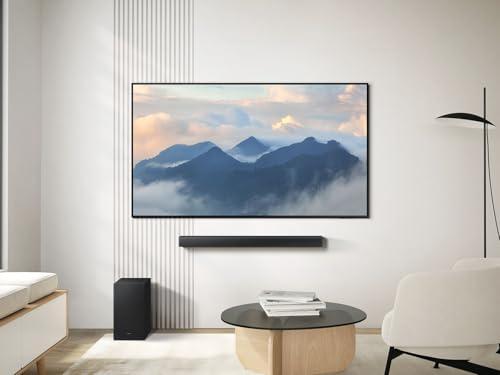



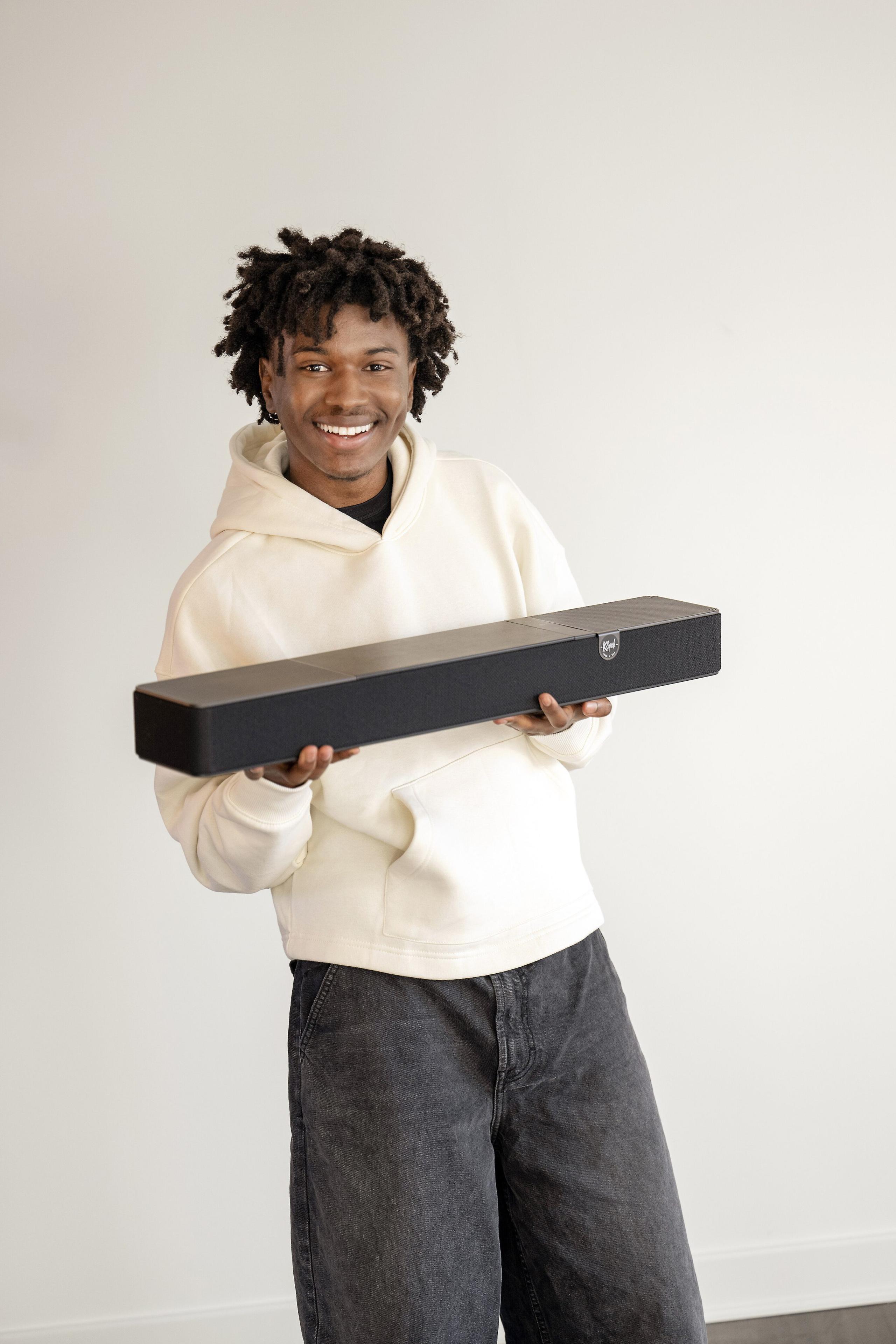


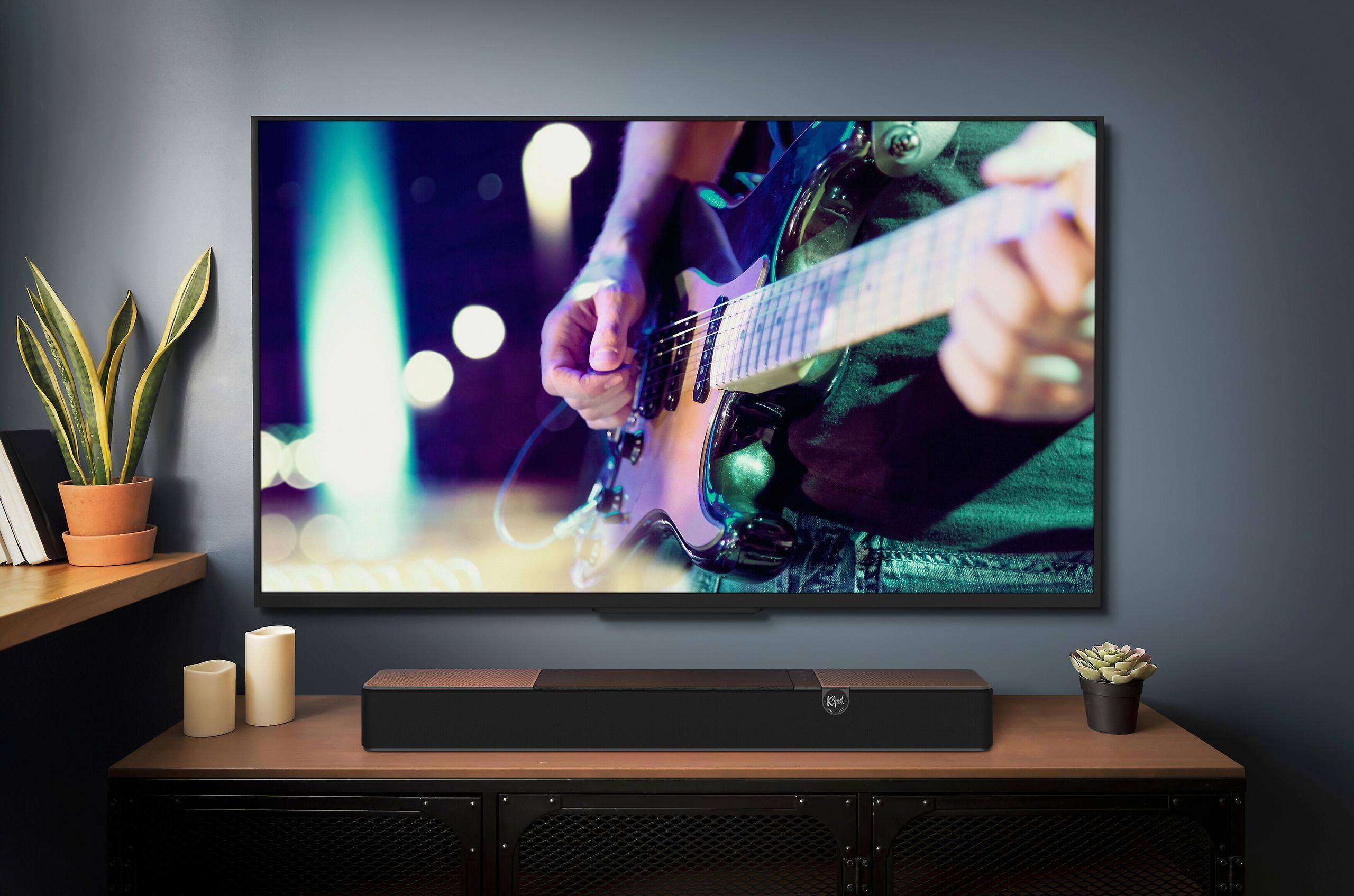
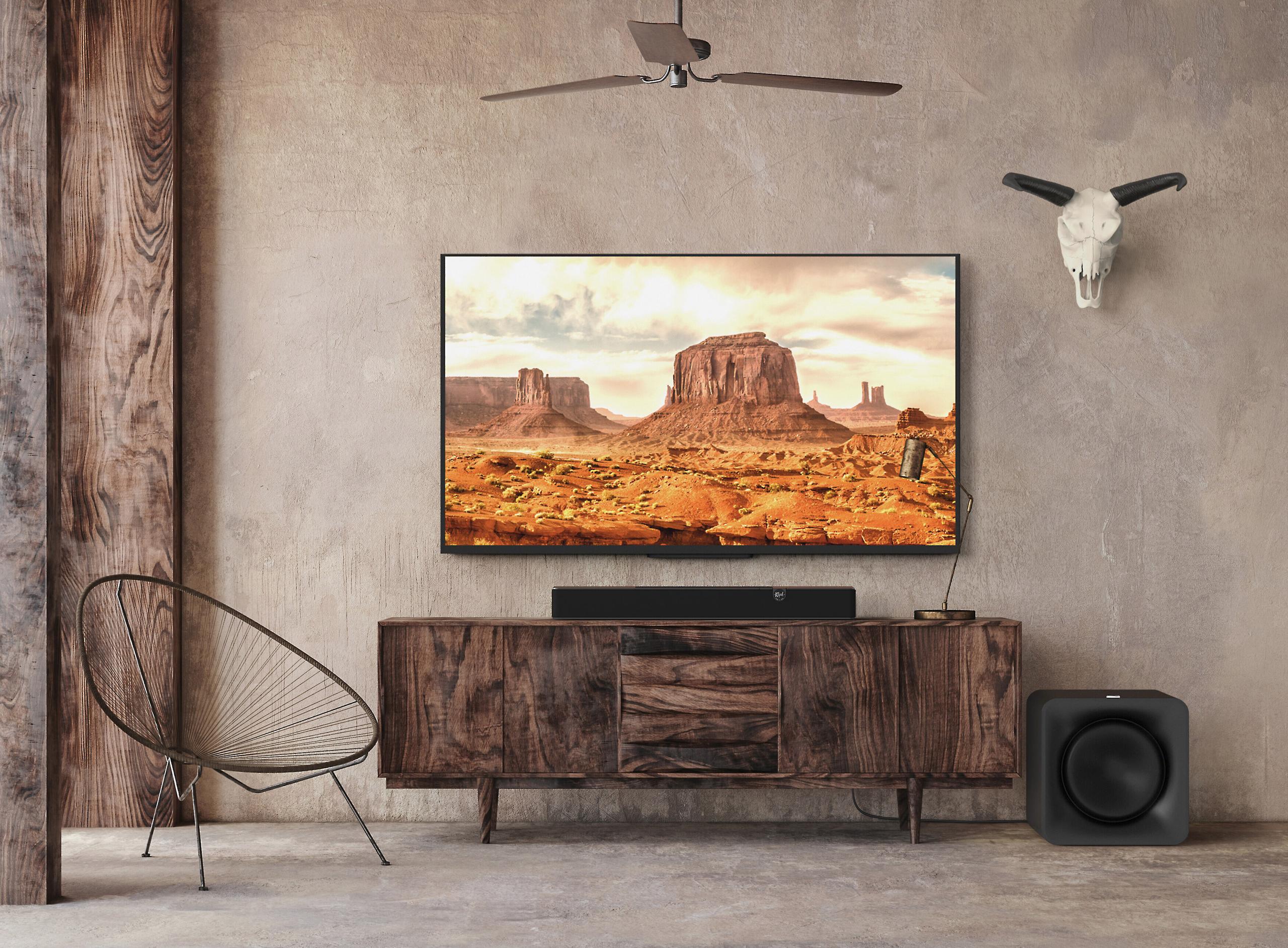
When your TV's built-in speakers make dialogue sound like it's coming from inside a tin can, it's time for a soundbar upgrade. But with hundreds of options flooding the market in 2024 and 2025, choosing the right one can feel overwhelming. Two soundbars that consistently appear on "best value" lists are the Samsung HW-B630F and the Klipsch Flexus Core 100 – both priced competitively in the mid-range category at the time of writing.
These represent fundamentally different approaches to solving the same problem: how to dramatically improve your TV's audio without breaking the bank or cluttering your living room with speakers. The Samsung HW-B630F follows the traditional path with a separate wireless subwoofer, while the Klipsch Flexus Core 100 takes the all-in-one route with built-in bass drivers. Understanding which approach works better for your specific situation could save you from buyer's remorse down the road.
Before diving into specifics, it's worth understanding what separates good soundbars from mediocre ones in this price range. The most important factors aren't always what manufacturers emphasize in their marketing materials.
Audio performance sits at the top of the priority list, but it's more nuanced than "louder equals better." What you're really looking for is clarity across different types of content – can you hear every word of dialogue in a Christopher Nolan film without cranking the volume? Does music sound natural rather than harsh or muffled? When explosions happen in action movies, do they have weight and impact without drowning out other sounds?
Bass response deserves special attention because it's where many soundbars fall short. Your TV speakers probably produce almost no meaningful bass below 200Hz, which means you're missing the rumble of thunder, the thump of footsteps, and the low-frequency content that makes movies feel cinematic. How a soundbar handles bass – whether through built-in drivers or an external subwoofer – significantly impacts your overall experience.
Virtual surround processing has become increasingly sophisticated in recent years. These are digital algorithms that trick your ears into perceiving sound coming from directions where no speakers actually exist. The quality of this processing varies dramatically between manufacturers and can make the difference between a soundbar that sounds wide and immersive versus one that feels cramped and artificial.
Finally, value proposition in this category isn't just about the lowest price – it's about getting the most performance and features for your money, including potential future expandability.
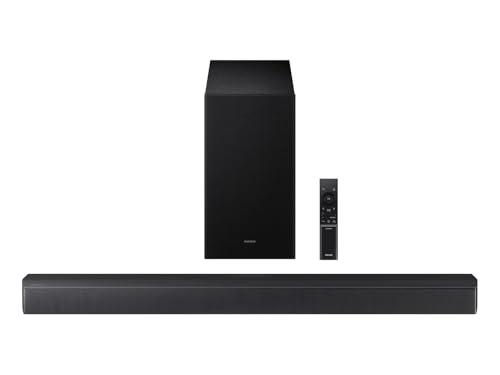
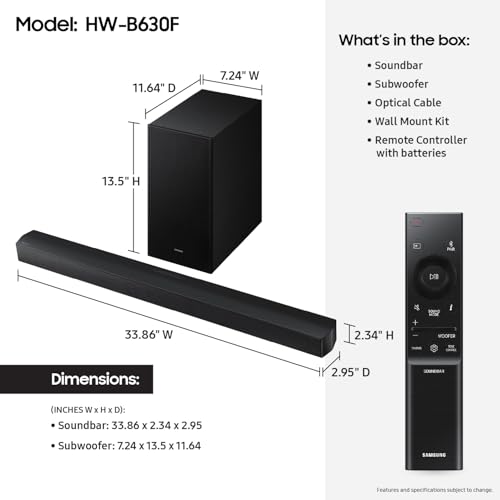
Released in 2024, the Samsung HW-B630F represents Samsung's commitment to the tried-and-true soundbar formula that has worked for over a decade. This 3.1-channel system includes a main soundbar housing three discrete speakers (left, center, and right channels) plus a separate wireless subwoofer with a 6-inch driver.
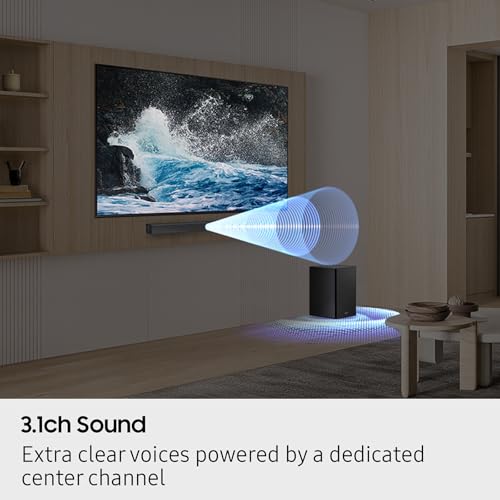
The "3.1" designation tells you exactly what you're getting – three front channels for stereo and center dialogue, plus one dedicated subwoofer channel (the ".1" in 3.1). This configuration has dominated the soundbar market because it works: having a dedicated center channel dramatically improves dialogue clarity compared to systems that try to create a virtual center image.
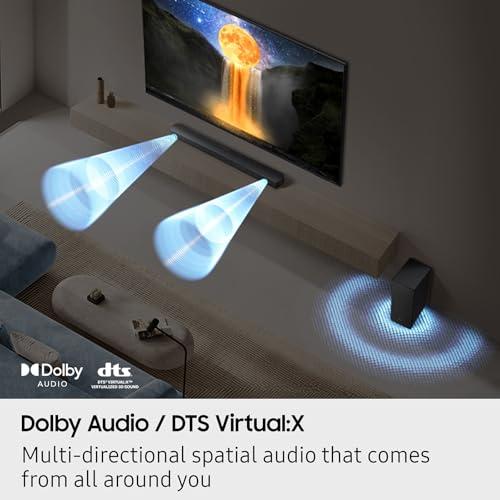
What makes the Samsung HW-B630F particularly interesting is its implementation of DTS Virtual:X processing. DTS Virtual:X is a sophisticated algorithm that takes any audio signal – whether it's stereo music or 5.1 surround sound – and processes it to create the illusion of sounds coming from above and beside you, even though all the speakers are in front. It's not magic, but when done well, it can make a three-speaker soundbar sound much larger than its physical dimensions suggest.
Samsung has also packed this system with features that reflect lessons learned from years of soundbar development. The Adaptive Sound mode automatically adjusts the audio processing based on what type of content you're watching – it might emphasize dialogue clarity during a drama or boost bass impact during action sequences. Game Mode applies specific processing to reduce audio latency and enhance directional cues that can give you a competitive edge in first-person shooters.
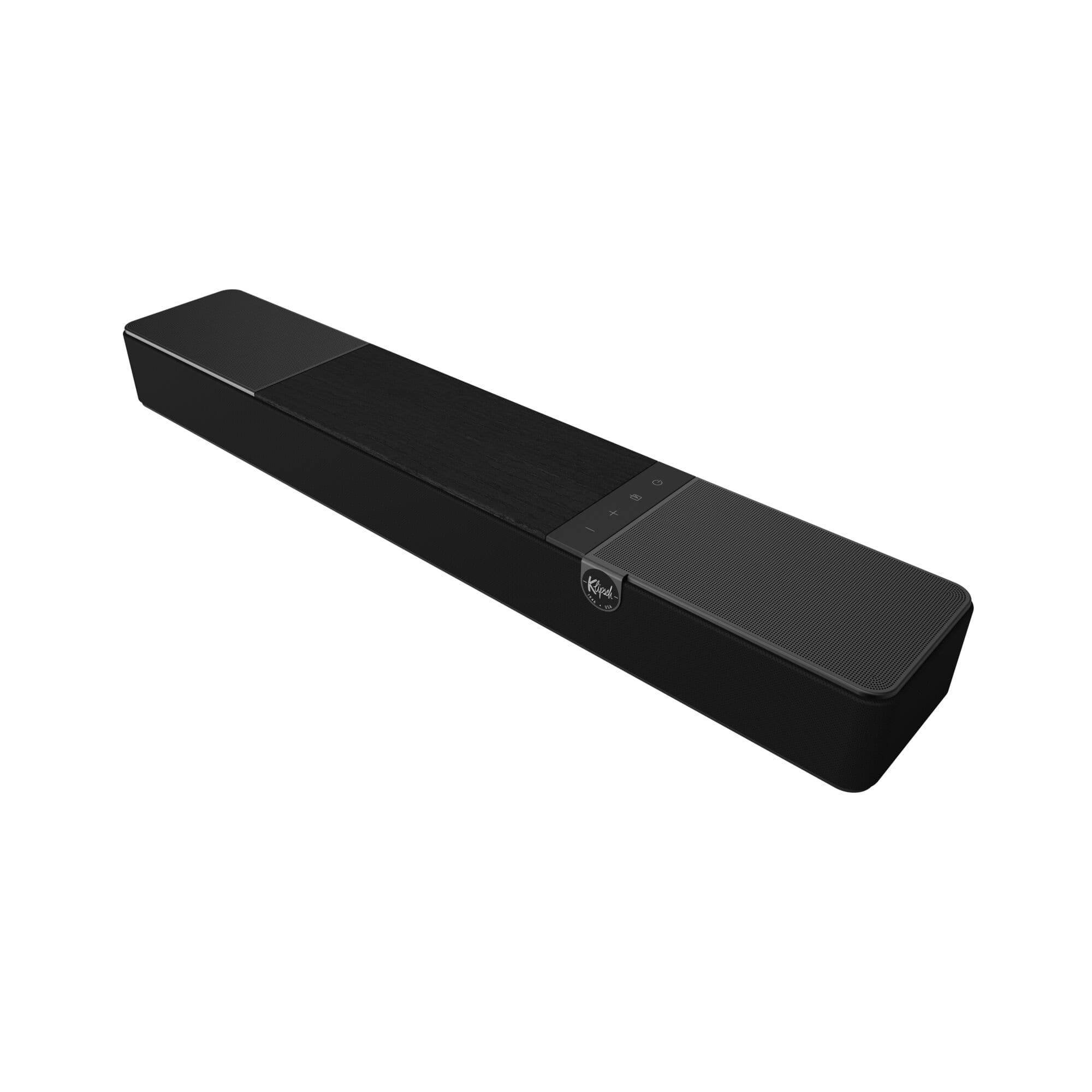
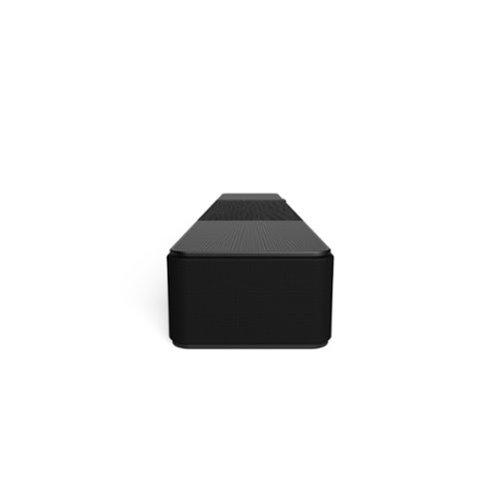
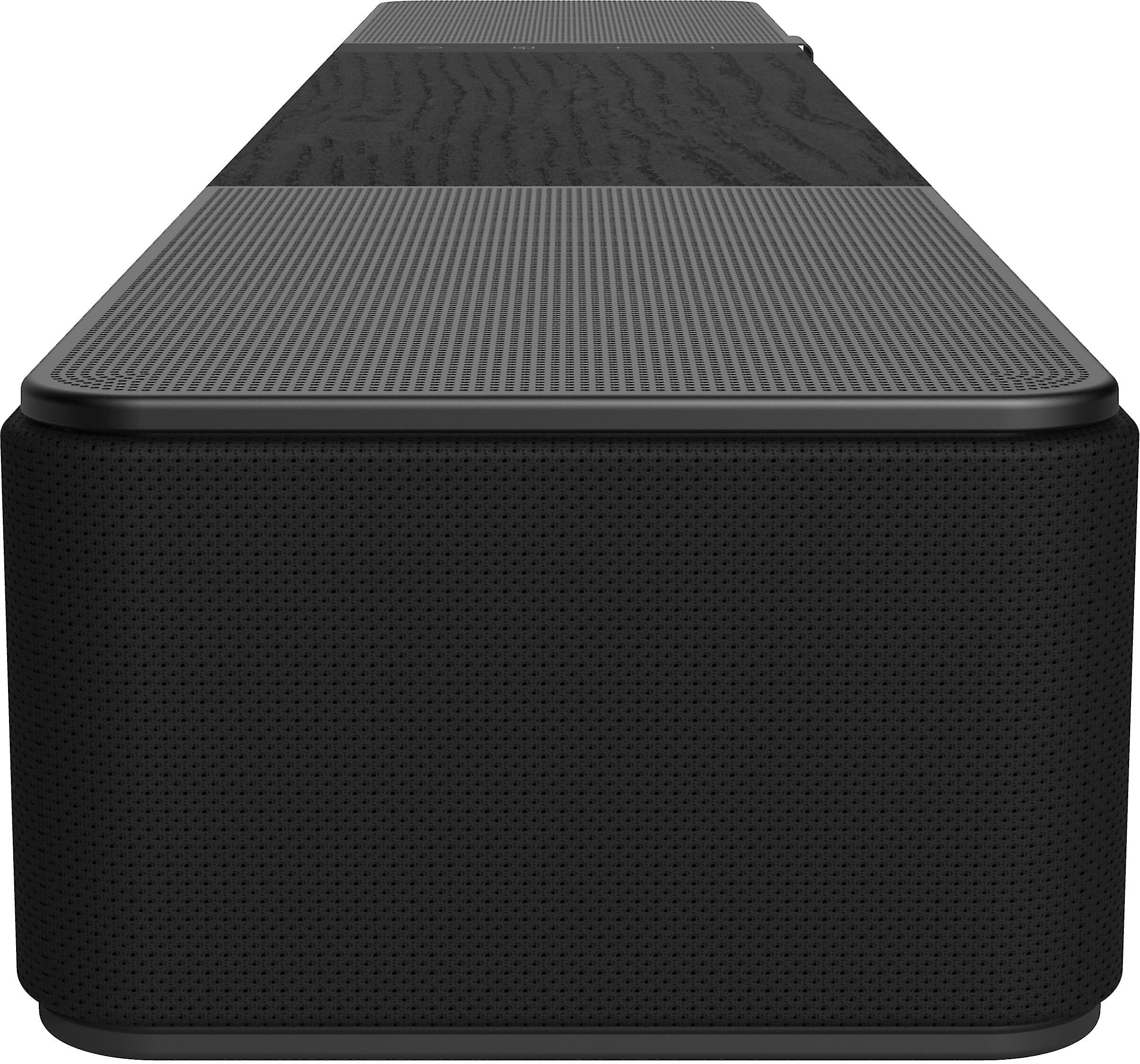
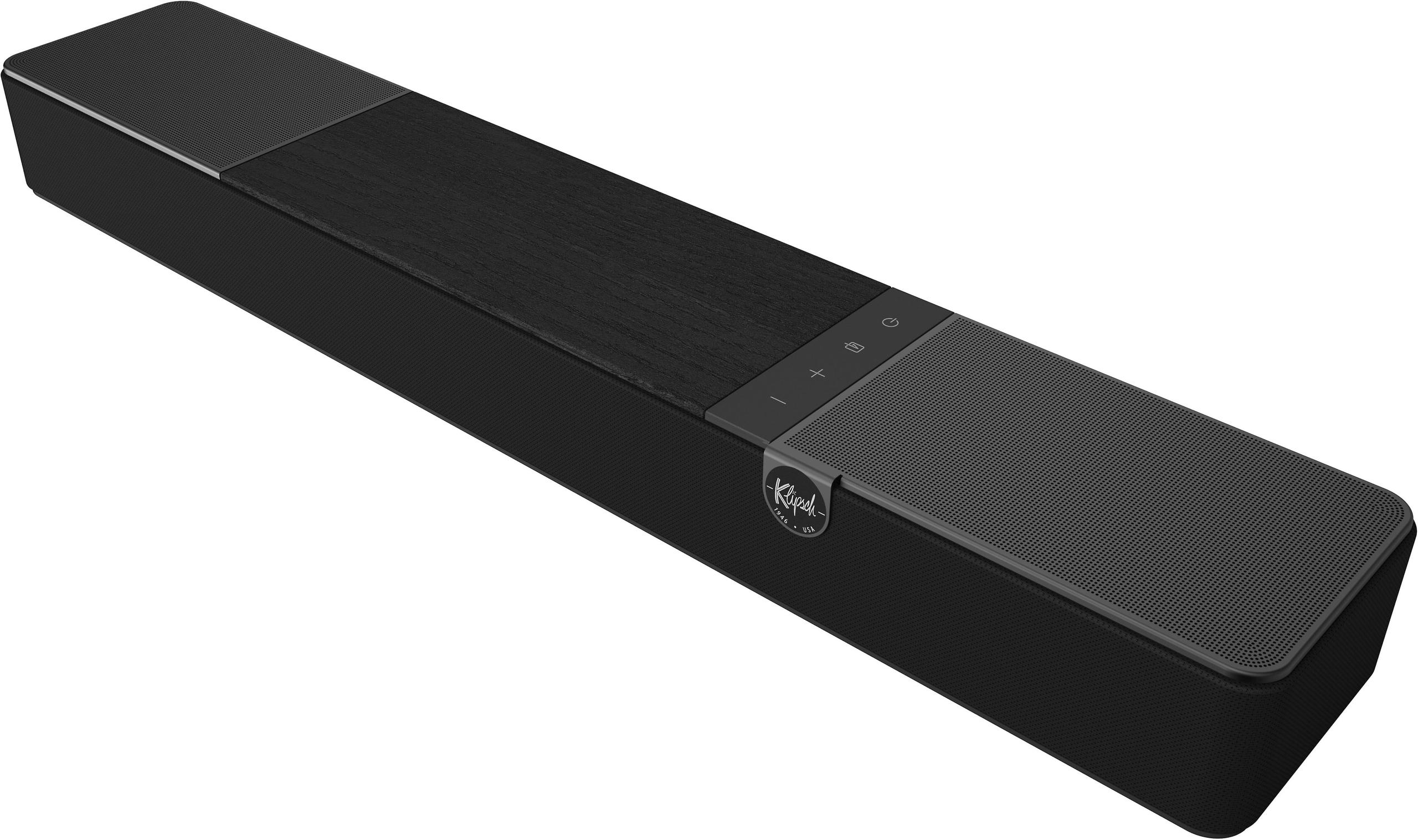
The Klipsch Flexus Core 100, also launched in 2024, takes a different approach entirely. Instead of splitting the audio system between a soundbar and separate subwoofer, Klipsch has engineered everything into a single, premium-built enclosure. This 2.1 system features two main drivers for stereo content plus dual 4-inch subwoofers built right into the soundbar itself.
Klipsch brings serious audio engineering pedigree to this design. The company has been building speakers since 1946, and their signature sound – often described as detailed, dynamic, and slightly warm – has earned them a devoted following among music enthusiasts. The Flexus Core 100 uses aluminum cone drivers, which typically provide better rigidity and lower distortion than the plastic or paper cones found in many competing soundbars.
The real innovation here is Klipsch's approach to bass reproduction. Rather than asking you to find floor space for a separate subwoofer, they've integrated dual 4-inch woofers directly into the main unit. These aren't tiny drivers trying to fake bass response – they're properly sized woofers in their own internal chambers within the soundbar cabinet.
For surround processing, the Klipsch Flexus Core 100 relies on virtual Dolby Atmos technology. Dolby Atmos was originally designed for movie theaters with speakers mounted on the ceiling, but the virtual version uses psychoacoustic processing to create the impression of overhead sound effects. When done well, you might hear a helicopter seem to fly over your head or rain that appears to fall from above, all from speakers sitting below your TV.
Based on extensive research into professional reviews and user feedback, these two soundbars have distinctly different sonic personalities that suit different types of content and listening preferences.
The Samsung HW-B630F shines brightest with movies and TV shows. That dedicated center channel makes an enormous difference for dialogue intelligibility – instead of voices seeming to come from a general area around your TV, they appear to emanate directly from characters on screen. This becomes especially noticeable during complex scenes where multiple people are talking, background music is playing, and sound effects are competing for your attention.
The system's overall sound signature leans toward what audio engineers call "entertainment tuning" – it's designed to make movies and TV shows sound exciting rather than clinically accurate. This means slightly boosted bass for more impact during action sequences, enhanced clarity in the frequency ranges where dialogue lives, and processing that emphasizes the dramatic elements that make content engaging.
The Klipsch Flexus Core 100, by contrast, brings more of an audiophile sensibility to the soundbar format. Klipsch's reputation was built on speakers that could reproduce music with exceptional detail and natural tonality, and those qualities shine through in their soundbar design. Music sounds more accurate and lifelike – instruments have better separation, vocals sound more natural, and the overall tonal balance feels less artificially enhanced.
This difference becomes particularly apparent when streaming music through Bluetooth or playing audio from USB sources. The Klipsch handles jazz, classical, and acoustic music with a refinement that the Samsung can't quite match, while the Samsung might make pop and electronic music sound more exciting with its more aggressive processing.
The bass comparison between these systems highlights one of the most fundamental decisions you'll make when choosing a soundbar: do you want the flexibility and power of an external subwoofer, or the convenience and space-saving design of built-in bass drivers?
The Samsung HW-B630F's wireless subwoofer uses a 6-inch driver in a bass-reflex enclosure (a design with a port that allows air to move in and out, extending low-frequency response). This driver is significantly larger than what you'll find built into most soundbars, and it's housed in its own optimized cabinet. The result is bass that can reach deeper into the low frequencies and produce more physical impact.
More importantly, this subwoofer can be positioned anywhere within about 30 feet of the main soundbar. Bass frequencies interact heavily with room acoustics – the same subwoofer can sound boomy in one corner and perfectly balanced in another spot just a few feet away. Having positioning flexibility means you can optimize the bass response for your specific room layout.
The Klipsch Flexus Core 100's built-in bass approach sacrifices some of this flexibility and ultimate output capability, but it delivers surprising performance for its constraints. Dual 4-inch woofers can move a substantial amount of air when properly designed, and Klipsch has engineered dedicated internal chambers for these drivers to prevent interference with the main speakers.
User reports consistently indicate that the Klipsch's bass is adequate for most content and room sizes, but it can't match the physical impact of the Samsung's external subwoofer during intense action sequences or bass-heavy music. However, the Klipsch completely eliminates the hassle of subwoofer placement, cable management, and the potential for the wireless connection hiccups that occasionally affect the Samsung system.
Both systems use virtual surround processing, but they employ different technologies that produce noticeably different results.
The Samsung HW-B630F's DTS Virtual:X processing is content-agnostic – it works with any audio signal, from stereo music to full 5.1 surround mixes. The algorithm analyzes the incoming audio and redistributes certain elements to create width and height cues. In practice, this means action sequences feel more expansive, with effects seeming to extend well beyond the physical boundaries of the soundbar.
What's particularly effective about DTS Virtual:X is how it handles ambient sound and background effects. Environmental audio like crowd noise at sporting events, rainfall, or the general atmosphere in movie scenes gets processed to create a more enveloping soundfield. It's not dramatically obvious processing – it just makes everything sound bigger and more immersive without calling attention to itself.
The Klipsch Flexus Core 100's virtual Dolby Atmos takes a different approach. It specifically looks for Dolby Atmos metadata – special information encoded in certain movies and TV shows that tells the system where sounds should be positioned in three-dimensional space. When this metadata is present, the processing can create convincing overhead effects.
The limitation is that virtual Dolby Atmos works best with content specifically mixed for Atmos, which represents a growing but still limited portion of available content. With standard stereo or 5.1 content, the processing is less transformative than the Samsung's DTS Virtual:X.
Both soundbars offer the essential connections you need, but with some important differences that could influence your decision.
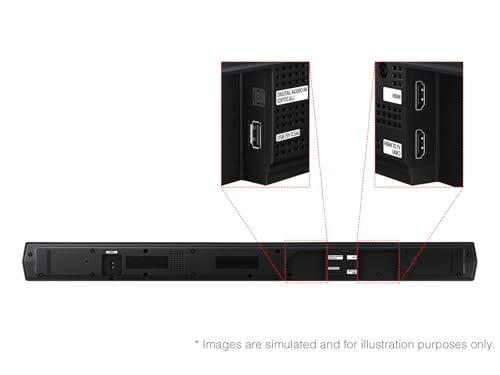
The Samsung HW-B630F includes HDMI ARC (Audio Return Channel), which allows audio to flow from your TV back to the soundbar through the same HDMI cable that carries video from the soundbar to the TV. However, it uses the older HDMI ARC standard rather than the newer eARC (enhanced Audio Return Channel), which means it's limited to compressed audio formats like Dolby Digital rather than uncompressed or high-quality formats.
This limitation primarily affects users who have high-end source devices capable of outputting uncompressed audio or newer formats like Dolby Atmos from streaming services. For most users watching cable TV, streaming Netflix, or playing games, the audio quality difference is minimal.
The Klipsch Flexus Core 100 includes HDMI eARC, which supports the full bandwidth needed for uncompressed audio and advanced formats. This future-proofs the system somewhat and ensures compatibility with high-end source devices.
Both systems include optical digital inputs (a standard connection found on virtually all TVs), Bluetooth for wireless streaming from phones and tablets, and USB ports for playing music files directly. The Samsung uses USB-A while the Klipsch uses the newer USB-C standard.
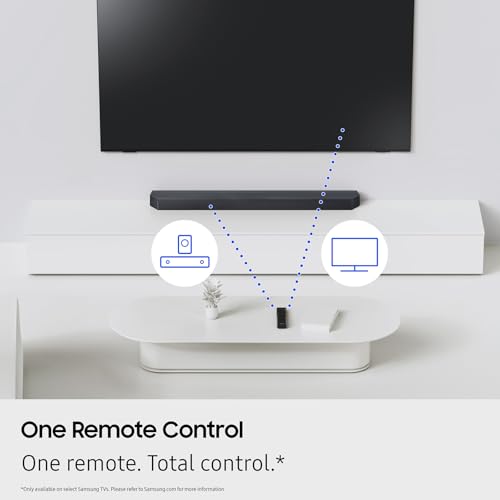
An often-overlooked advantage of the Samsung is its tight integration with Samsung TVs. If you own a Samsung television, the soundbar can be controlled using your existing TV remote, eliminating the need to juggle multiple remotes for basic functions like volume control.
At the time of writing, both systems are priced competitively in the mid-range soundbar category, but they deliver value in different ways that suit different priorities and use cases.
The Samsung HW-B630F represents exceptional value for users who prioritize maximum performance per dollar spent. You're getting a complete 3.1 system with a substantial wireless subwoofer, comprehensive sound processing, and a feature set that rivals more expensive systems. For movie watching and TV consumption – which represents the primary use case for most soundbar buyers – this system delivers performance that punches well above its price point.
The Klipsch Flexus Core 100 takes a different approach to value by emphasizing build quality, materials, and long-term satisfaction. The wooden cabinet construction, metal driver materials, and overall fit and finish feel more premium than typical soundbars in this price range. You're paying slightly more for refinement and the confidence that comes with Klipsch's audio engineering reputation.
More importantly, the Klipsch is designed as part of a modular system. You can add a dedicated Klipsch subwoofer later if you decide you need more bass impact, or wireless rear speakers for true surround sound. This expandability means your initial purchase can grow into a more comprehensive system over time without starting over completely.
For dedicated home theater use, several factors become particularly important that might not matter as much for casual TV watching.
If your primary goal is recreating the cinematic experience at home – with impactful bass during action sequences, crystal-clear dialogue during dramatic scenes, and immersive surround effects – the Samsung HW-B630F has distinct advantages. The external subwoofer can produce the physical bass impact that makes explosions and music feel realistic, while the dedicated center channel ensures that dialogue remains intelligible even when other sounds are competing for attention.
The Samsung's DTS Virtual:X processing also works particularly well with movie content, creating a sense of space and immersion that makes action sequences more engaging. The system's various sound modes – including a dedicated Game Mode for console gaming – show that Samsung has optimized this soundbar specifically for entertainment content.
The Klipsch Flexus Core 100 can certainly handle movie content effectively, but its strengths lean more toward accuracy and refinement than maximum impact. If your home theater doubles as a music listening space, or if you value subtle detail reproduction over dramatic effect, the Klipsch might be the better choice.
After researching extensive user feedback and professional reviews, clear patterns emerge about who benefits most from each approach.
Choose the Samsung HW-B630F if you:
The Samsung excels in situations where you want your soundbar to disappear into the entertainment experience and just make everything sound bigger, more impactful, and more engaging. It's the choice for people who want their movies to sound like movies and their games to have the audio punch that enhances the action.
Choose the Klipsch Flexus Core 100 if you:
The Klipsch is the better choice for users who see their soundbar as a long-term investment in audio quality rather than just a TV speaker replacement. It's particularly appealing if your living room serves multiple purposes and you don't want audio equipment to dominate the space.
Both the Samsung HW-B630F and Klipsch Flexus Core 100 represent solid value propositions in the mid-range soundbar market, but they succeed in different ways that reflect their manufacturers' different philosophies about home audio.
The Samsung delivers more dramatic improvement over TV speakers, particularly for movie and TV content, thanks to its powerful external subwoofer and entertainment-focused tuning. It's the choice that will make the biggest immediate impact on your viewing experience.
The Klipsch offers a more refined, future-focused approach with superior build quality, better music reproduction, and expansion possibilities that could serve you well for years to come. It's the choice for users who value subtle excellence over immediate wow factor.
Neither choice is wrong, but understanding these fundamental differences will help ensure that your investment delivers the specific benefits you're looking for. In a market flooded with soundbar options, both of these systems stand out for delivering genuine value in their respective approaches to solving the universal problem of inadequate TV audio.
| Samsung HW-B630F B-Series 3.1ch Soundbar System | Klipsch Flexus Core 100 Soundbar |
|---|---|
| Channel Configuration - Determines dialogue clarity and soundstage width | |
| 3.1 channels (dedicated center channel for dialogue) | 2.1 channels (virtualized center imaging) |
| Bass System - Affects impact and room placement flexibility | |
| External 6" wireless subwoofer (more power, flexible placement) | Dual 4" built-in subwoofers (space-saving, no placement optimization) |
| Virtual Surround Technology - Creates immersive sound from front speakers | |
| DTS Virtual:X (works with all content types) | Virtual Dolby Atmos (optimized for Atmos-encoded content only) |
| Power Output - Indicates maximum volume and dynamic range | |
| Not specified by manufacturer | 100W RMS total system power |
| HDMI Support - Affects audio quality from modern sources | |
| HDMI ARC (compressed audio formats only) | HDMI eARC (uncompressed and high-quality formats) |
| Build Materials - Impacts durability and premium feel | |
| Plastic construction with fabric grille | Wooden cabinet with aluminum drivers and metal accents |
| Dimensions - Soundbar width compatibility with TV sizes | |
| 33.9" W × 2.3" H × 3" D (fits 40"+ TVs) | 28" W × 3" H × 5" D (fits 32"+ TVs, deeper profile) |
| Total System Weight - Indicates build quality and driver size | |
| 15.9 lbs (soundbar + subwoofer) | 10 lbs (all-in-one design) |
| Expandability - Future upgrade potential | |
| Optional wireless rear speakers for 5.1 setup | Modular Klipsch ecosystem (sub, surrounds, additional components) |
| Smart TV Integration - Simplifies daily use | |
| Samsung One Remote compatibility, HDMI-CEC | Standard HDMI-CEC, Klipsch Connect app for EQ |
| Connectivity Options - Determines source device compatibility | |
| HDMI ARC, Optical, USB-A, Bluetooth 4.2 | HDMI eARC, Optical, USB-C, Bluetooth, subwoofer output |
| Sound Modes - Optimizes audio for different content types | |
| 7 modes (Adaptive Sound, Game Mode, Voice Enhance, Night Mode, etc.) | 3 modes (Movie, Music, Dialogue) plus app-based EQ |
| Release Year - Indicates current technology level | |
| 2024 (Samsung B-series refresh) | 2024 (Klipsch Flexus line debut) |
The Samsung HW-B630F is better for movies and TV shows due to its dedicated center channel that makes dialogue clearer and its external subwoofer that delivers more impactful bass during action scenes. The Klipsch Flexus Core 100 can handle movies well, but the Samsung HW-B630F is specifically tuned for cinematic content with DTS Virtual:X processing that works with all types of movie audio.
This depends on your room size and bass preferences. The Samsung HW-B630F includes a separate 6-inch wireless subwoofer that delivers deeper, more powerful bass and can be positioned optimally in your room. The Klipsch Flexus Core 100 has dual 4-inch built-in subwoofers that save space and eliminate extra components, but won't match the bass impact of the Samsung's dedicated subwoofer for large rooms or bass-heavy content.
The Klipsch Flexus Core 100 is better for music thanks to its aluminum cone drivers and more natural, accurate sound signature that Klipsch is known for. While the Samsung HW-B630F can play music, it's tuned more for movies and TV shows. If you listen to music as much as watching movies, the Klipsch Flexus Core 100 will provide better musical detail and tonal balance.
The Samsung HW-B630F is a 3.1 system with three front speakers (left, center, right) plus a subwoofer, providing a dedicated center channel for clearer dialogue. The Klipsch Flexus Core 100 is a 2.1 system with two main speakers plus built-in subwoofers, creating a virtual center image. The Samsung's dedicated center channel typically provides better dialogue clarity and more precise sound placement.
The Klipsch Flexus Core 100 takes up less space since it's an all-in-one design with no separate subwoofer to place on the floor. The Samsung HW-B630F requires floor space for its wireless subwoofer, though you have flexibility in where to position it. If minimizing components and floor space is important, the Klipsch Flexus Core 100 is the more compact solution.
Yes, both can be expanded but in different ways. The Samsung HW-B630F supports optional wireless rear speakers to create a 5.1 surround system. The Klipsch Flexus Core 100 is part of a modular ecosystem where you can add a separate Klipsch subwoofer, wireless surrounds, and other Flexus components. The Klipsch offers more comprehensive expansion options for building a complete home theater system.
The Samsung HW-B630F is better for gaming due to its dedicated Game Mode that enhances directional audio cues and reduces latency. The separate subwoofer also provides more impactful bass for explosions and effects. While the Klipsch Flexus Core 100 can handle gaming audio well, the Samsung's specific gaming optimizations and more powerful bass make it the better choice for console gaming.
Yes, both the Samsung HW-B630F and Klipsch Flexus Core 100 work with any TV brand through HDMI ARC/eARC or optical connections. However, the Samsung HW-B630F offers enhanced integration with Samsung TVs, allowing control through your Samsung TV remote. The Klipsch Flexus Core 100 works equally well with all TV brands without special integration features.
The Samsung HW-B630F uses HDMI ARC, which supports compressed audio formats like Dolby Digital. The Klipsch Flexus Core 100 features HDMI eARC, which supports uncompressed and higher-quality audio formats. For most users, this difference is minimal, but if you have high-end source devices or want future-proofing, the Klipsch's eARC provides better audio quality potential.
The Klipsch Flexus Core 100 offers superior build quality with its wooden cabinet construction, aluminum drivers, and premium materials. The Samsung HW-B630F uses plastic construction that's functional but less premium feeling. If build quality and materials are important to you, the Klipsch Flexus Core 100 provides a more substantial, premium experience.
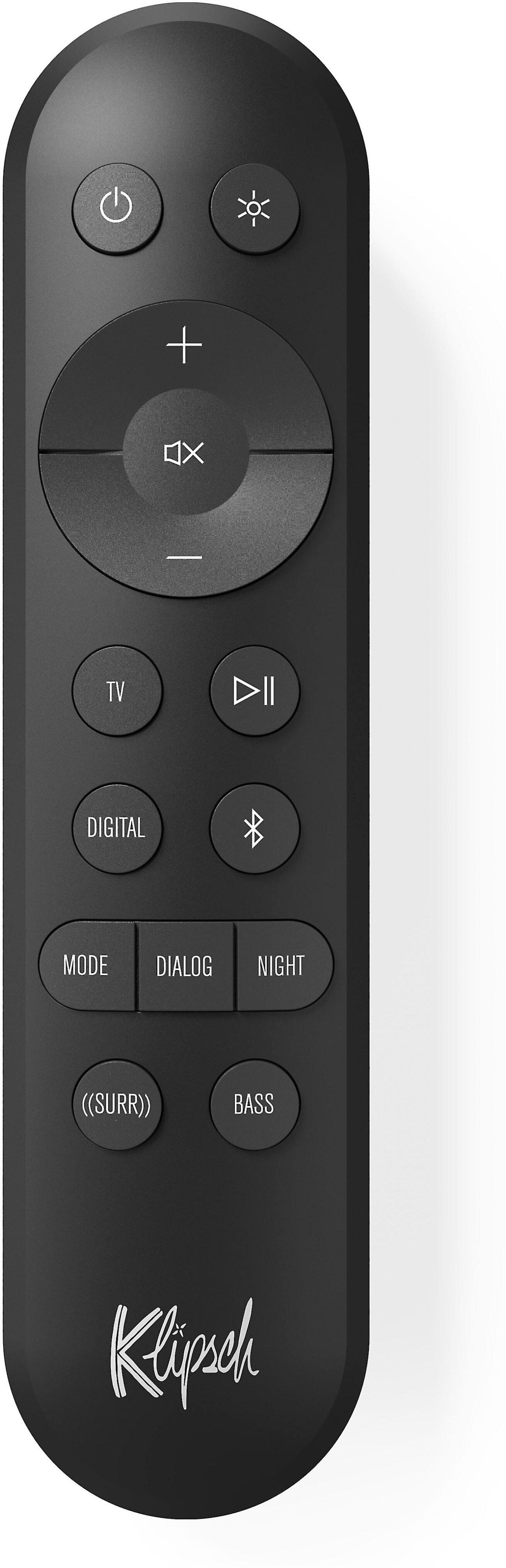
The Klipsch Flexus Core 100 offers the Klipsch Connect app for EQ customization and control features. The Samsung HW-B630F doesn't have a dedicated app but can be controlled through Samsung TV remotes if you have a compatible Samsung TV. Both soundbars come with their own remote controls for basic functions. The Klipsch provides more smartphone integration options.
The Samsung HW-B630F typically offers better value for movie and TV watching, providing a complete 3.1 system with powerful bass at a competitive price point. The Klipsch Flexus Core 100 offers better value for users prioritizing build quality, music performance, and long-term expandability. Choose the Samsung for maximum performance per dollar, or the Klipsch for premium materials and future flexibility.
We've done our best to create useful and informative comparisons to help you decide what product to buy. Our research uses advanced automated methods to create this comparison and perfection is not possible - please contact us for corrections or questions. These are the sites we've researched in the creation of this article: samsung.com - bhphotovideo.com - crutchfield.com - youtube.com - bestproducts.com - videoandaudiocenter.com - pcrichard.com - bhphotovideo.com - samsung.com - youtube.com - requiremints.com - karlsonline.com - crutchfield.com - youtube.com - donstv.com - samsung.com - bhphotovideo.com - youtube.com - youtube.com - crutchfield.com - costco.ca - rtings.com - crutchfield.com - accio.com - bhphotovideo.com - manuals.plus - samsung.com - saraappliance.com - cnet.com - klipsch.com - klipsch.com - bestbuy.com - sweetwater.com - assets.onkyo-av.com - youtube.com - worldwidestereo.com - avnirvana.com - target.com

Privacy Policy
Terms and Conditions - Affiliate Policy
Home Security
© Copyright 2008-2026.
11816 Inwood Rd #1211, Dallas, TX 75244