

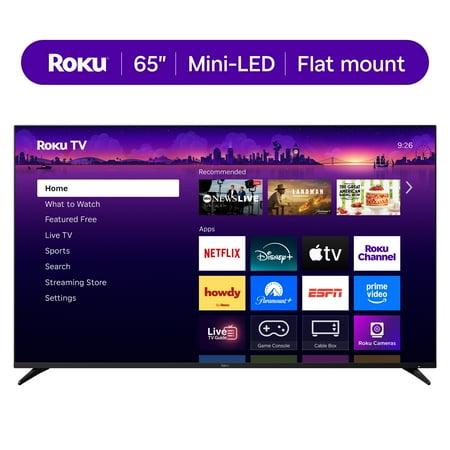
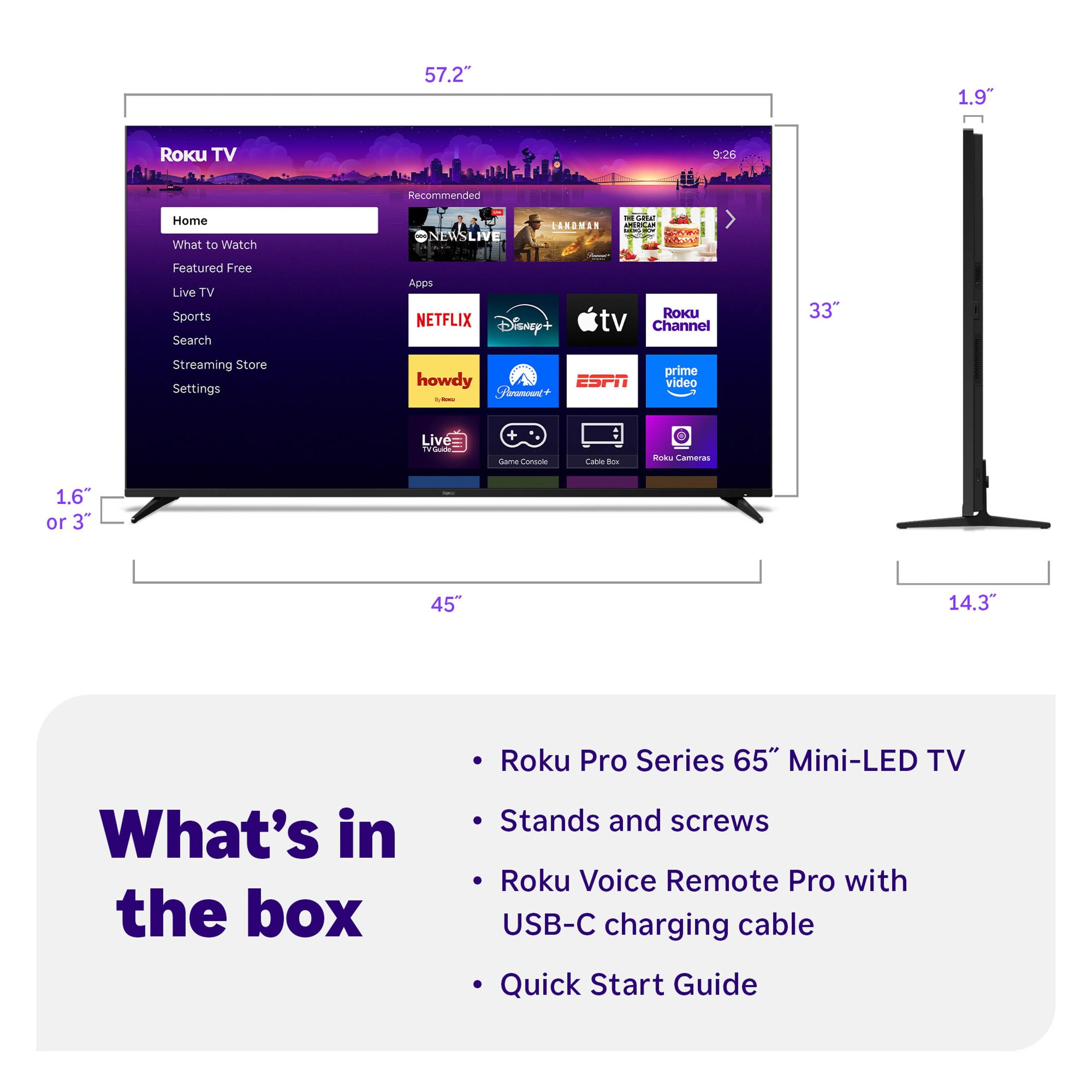
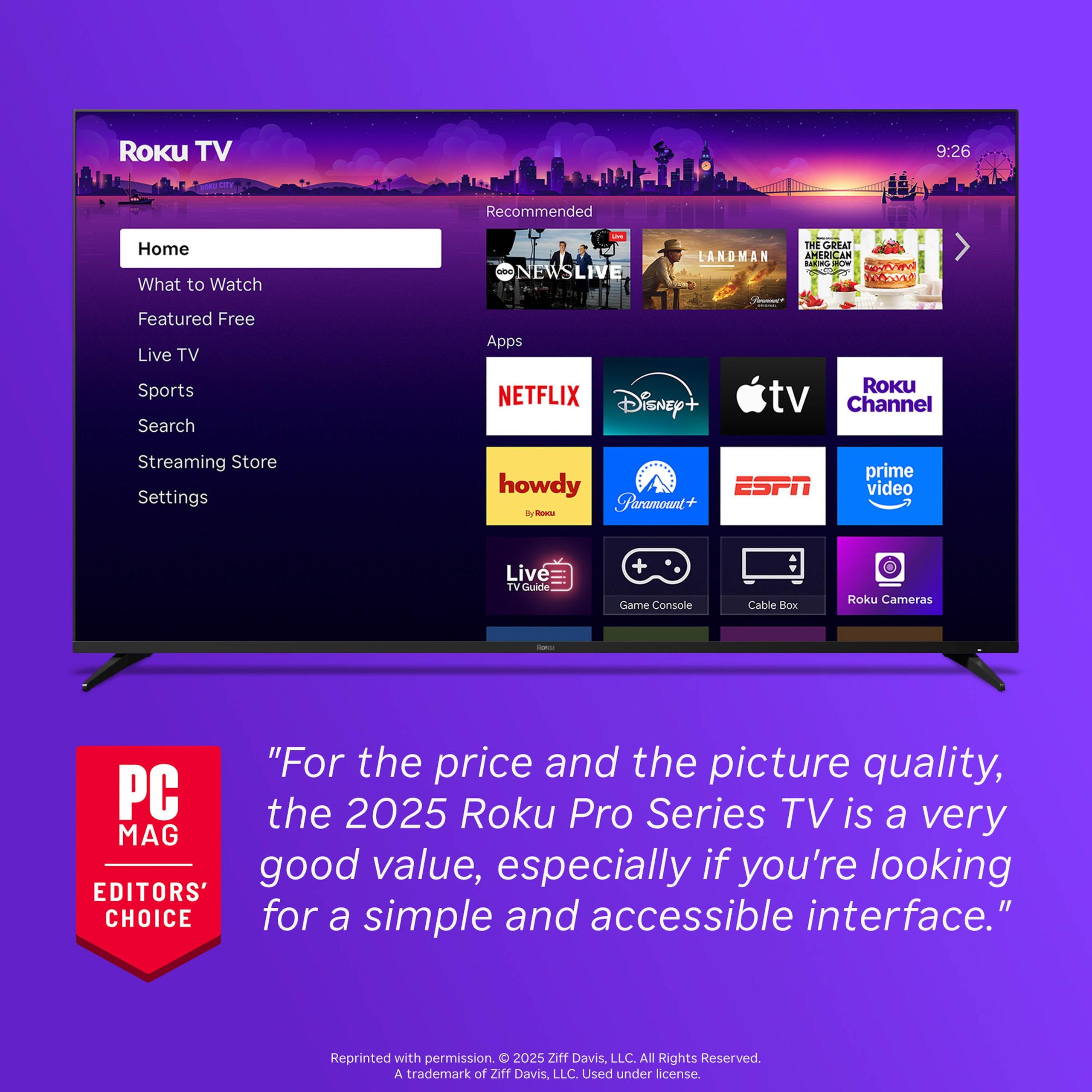
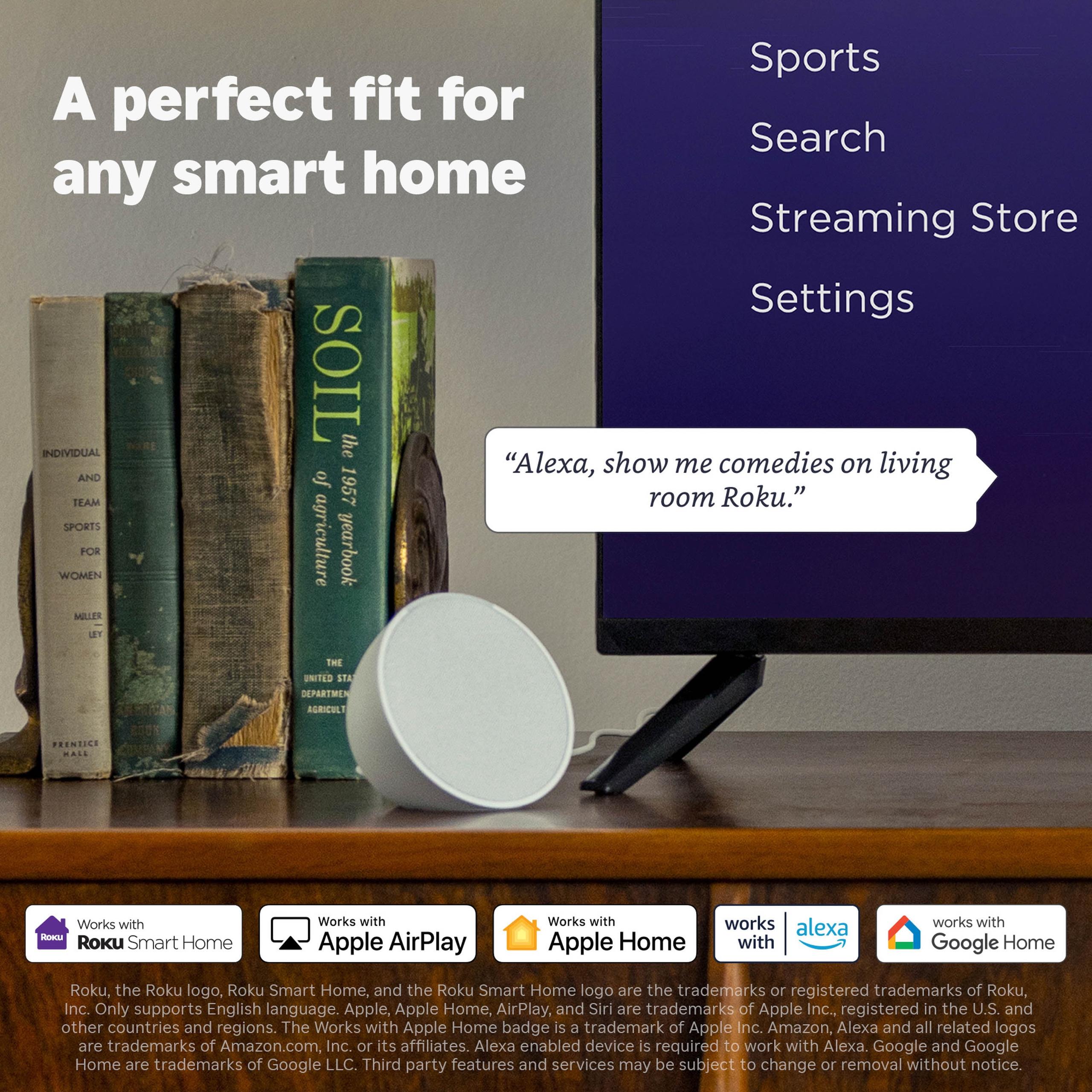

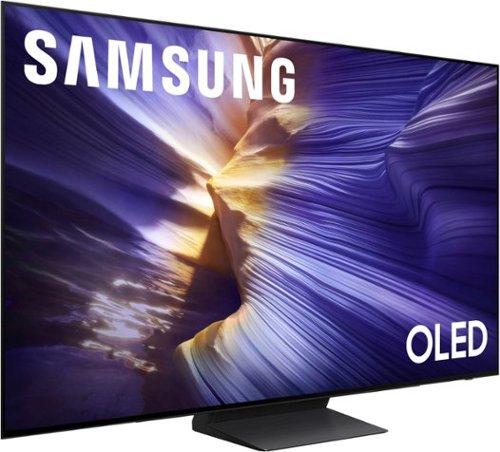
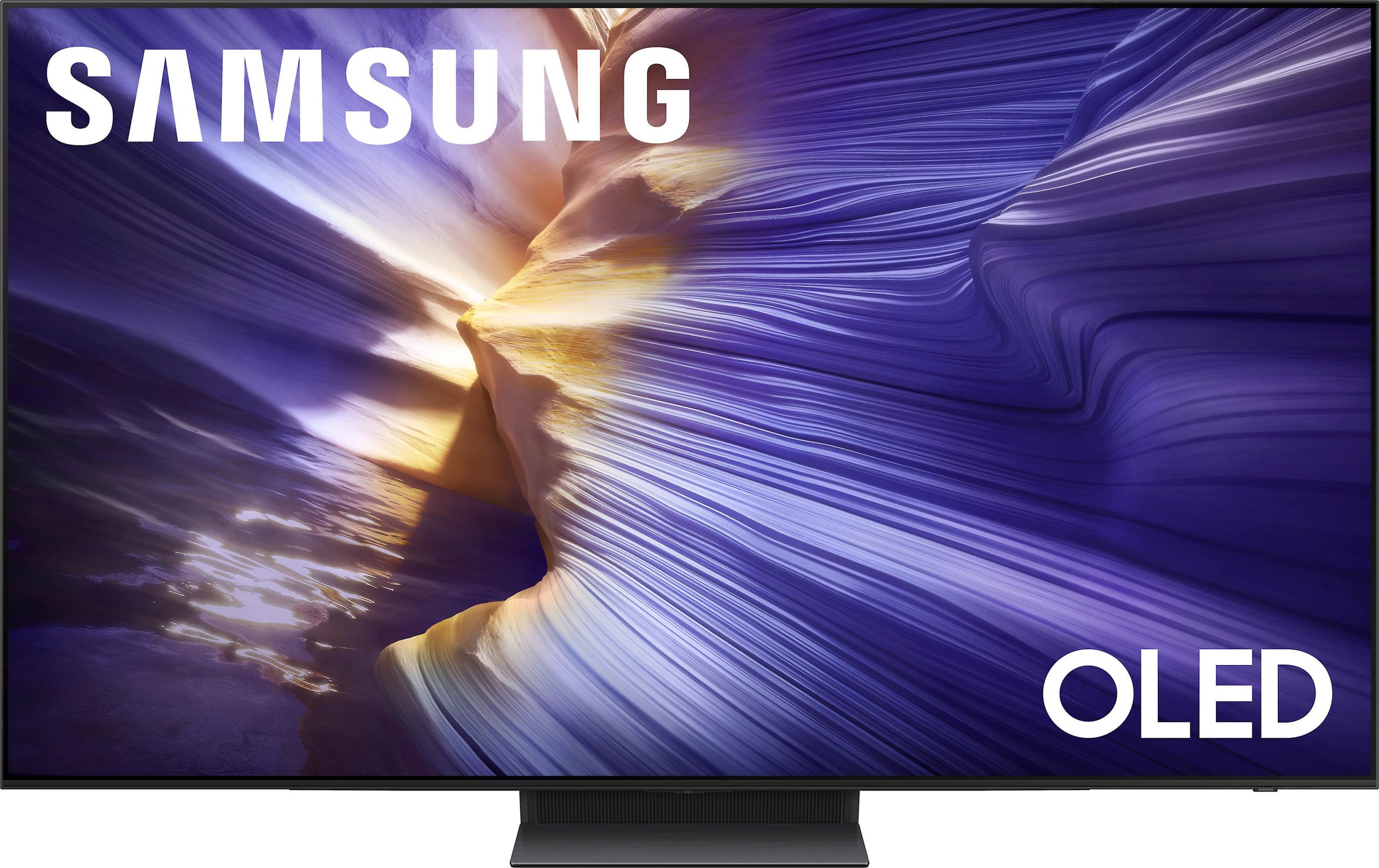
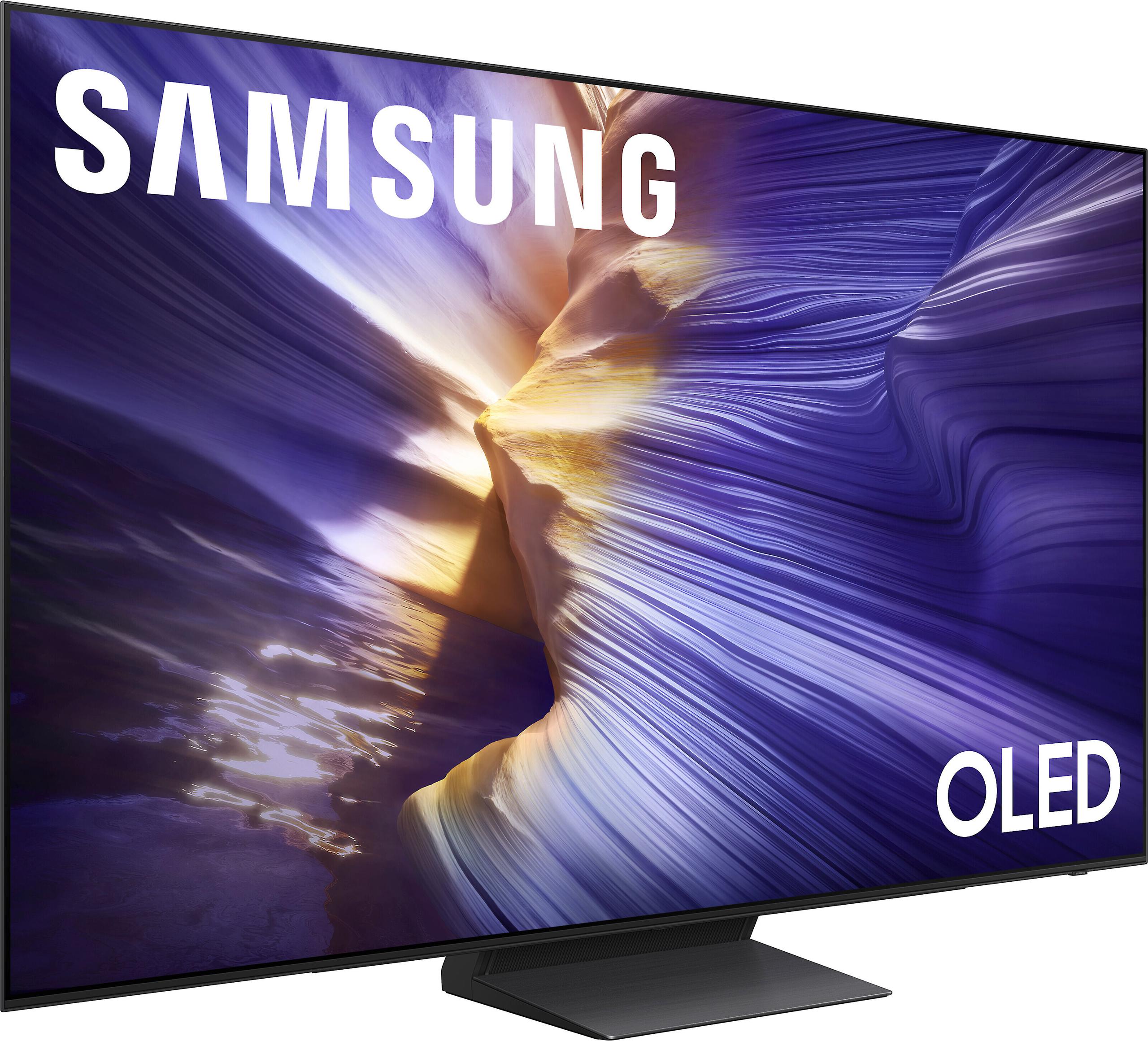
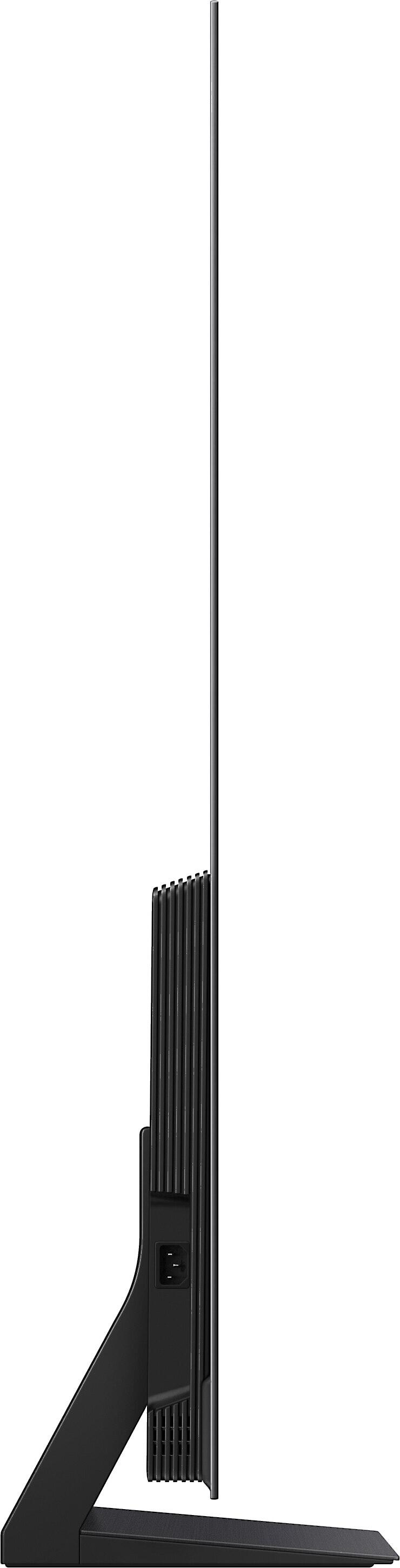


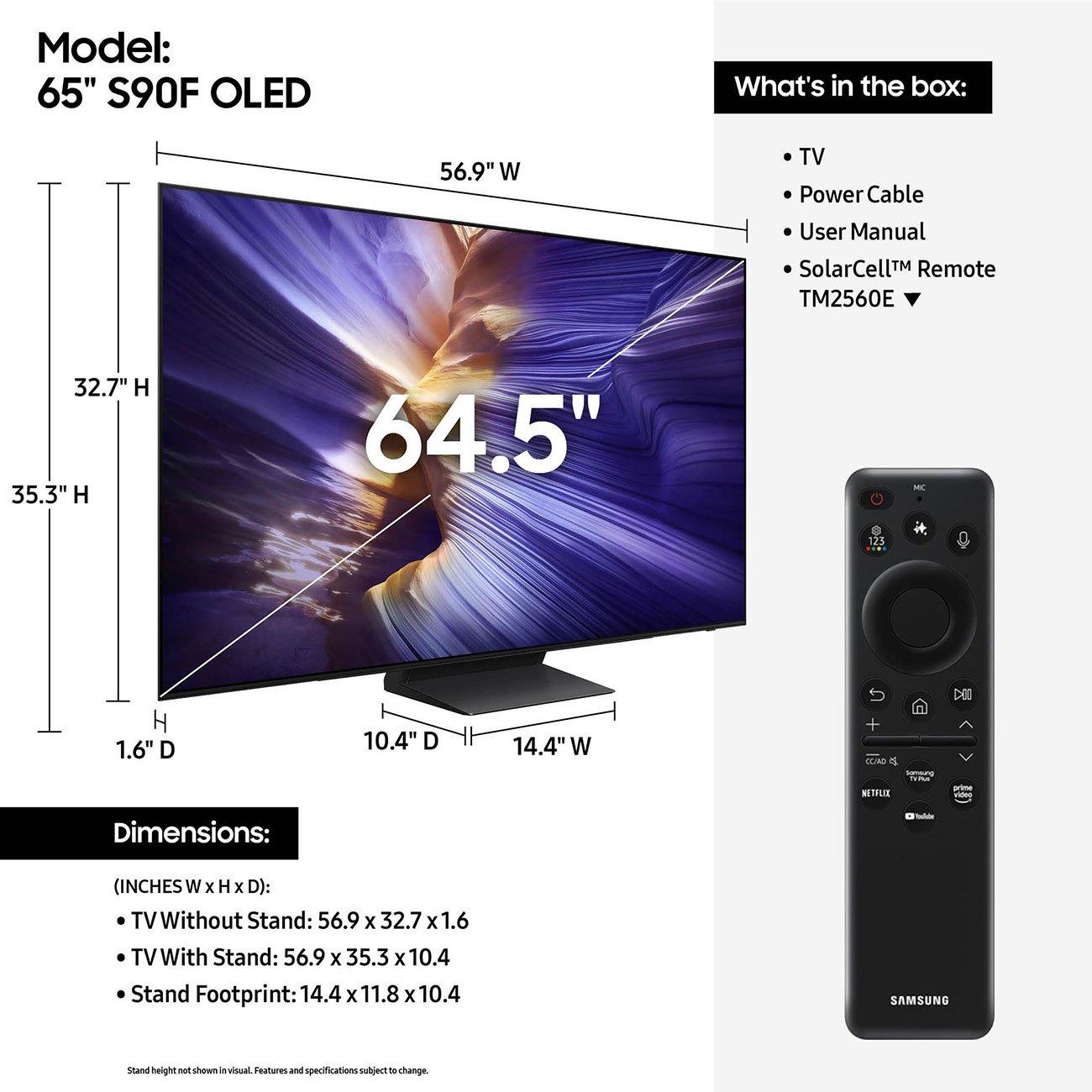

When you're ready to upgrade to a premium 65-inch TV, the choice often comes down to two competing technologies that take completely different approaches to creating an exceptional picture. The Roku Pro Series 2025 represents the pinnacle of Mini-LED technology, while the Samsung S90F OLED showcases what self-illuminating pixels can achieve. Both TVs launched in 2025 with significant improvements over their predecessors, but they excel in different scenarios.
At the time of writing, these TVs are priced competitively in the premium segment, with the Samsung typically offering better value for pure picture quality, while the Roku commands a slight premium for its bright-room performance and superior smart platform. The real question isn't which is more expensive, but which technology better fits your viewing environment and preferences.
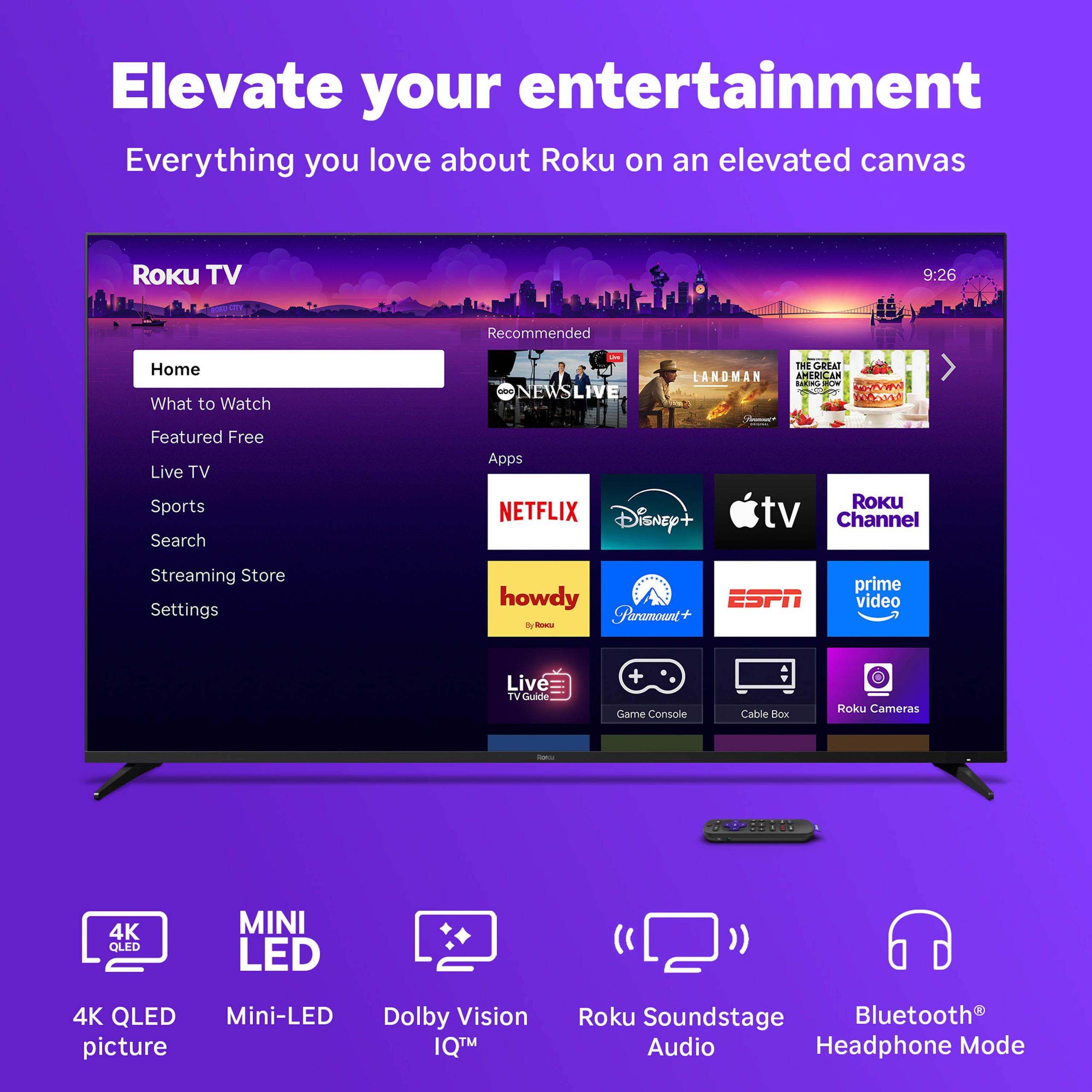
The fundamental difference between these TVs lies in how they create light and color. The Roku Pro Series 2025 uses thousands of tiny LEDs (called Mini-LEDs) arranged behind the screen in zones that can dim or brighten independently. Think of it like a grid of flashlights behind a stained glass window – when you want a dark area, you dim that section's flashlights while keeping others bright. This is called "local dimming," and it's what allows the Roku to achieve deep blacks while maintaining brilliant highlights.
The quantum dot layer (the "Q" in QLED) acts like a color filter that takes the LED light and converts it into more precise, vibrant colors. Roku has re-engineered this system for 2025 to deliver 75% higher dynamic contrast than the previous generation, which means the difference between the darkest and brightest parts of the image is much more dramatic.
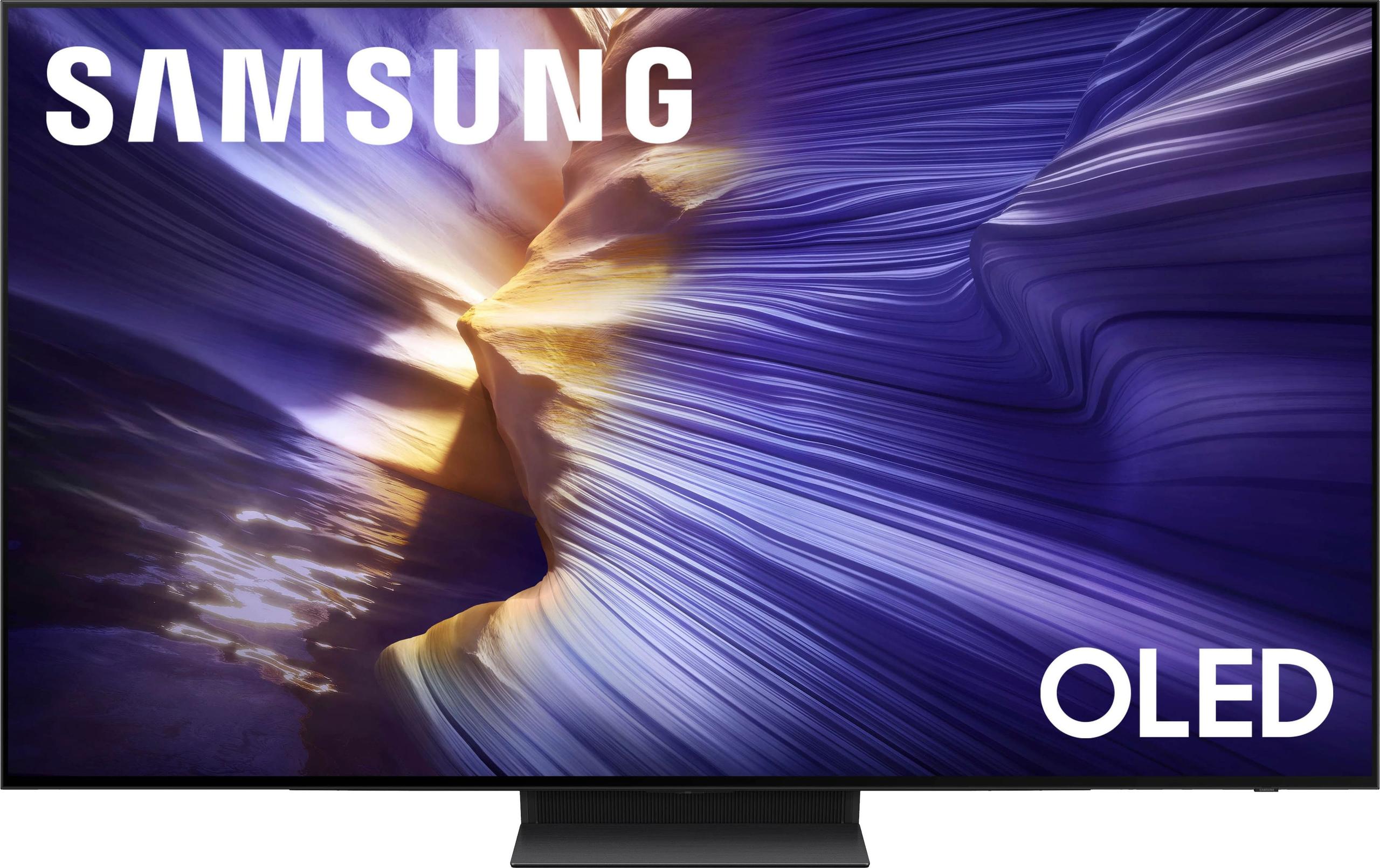
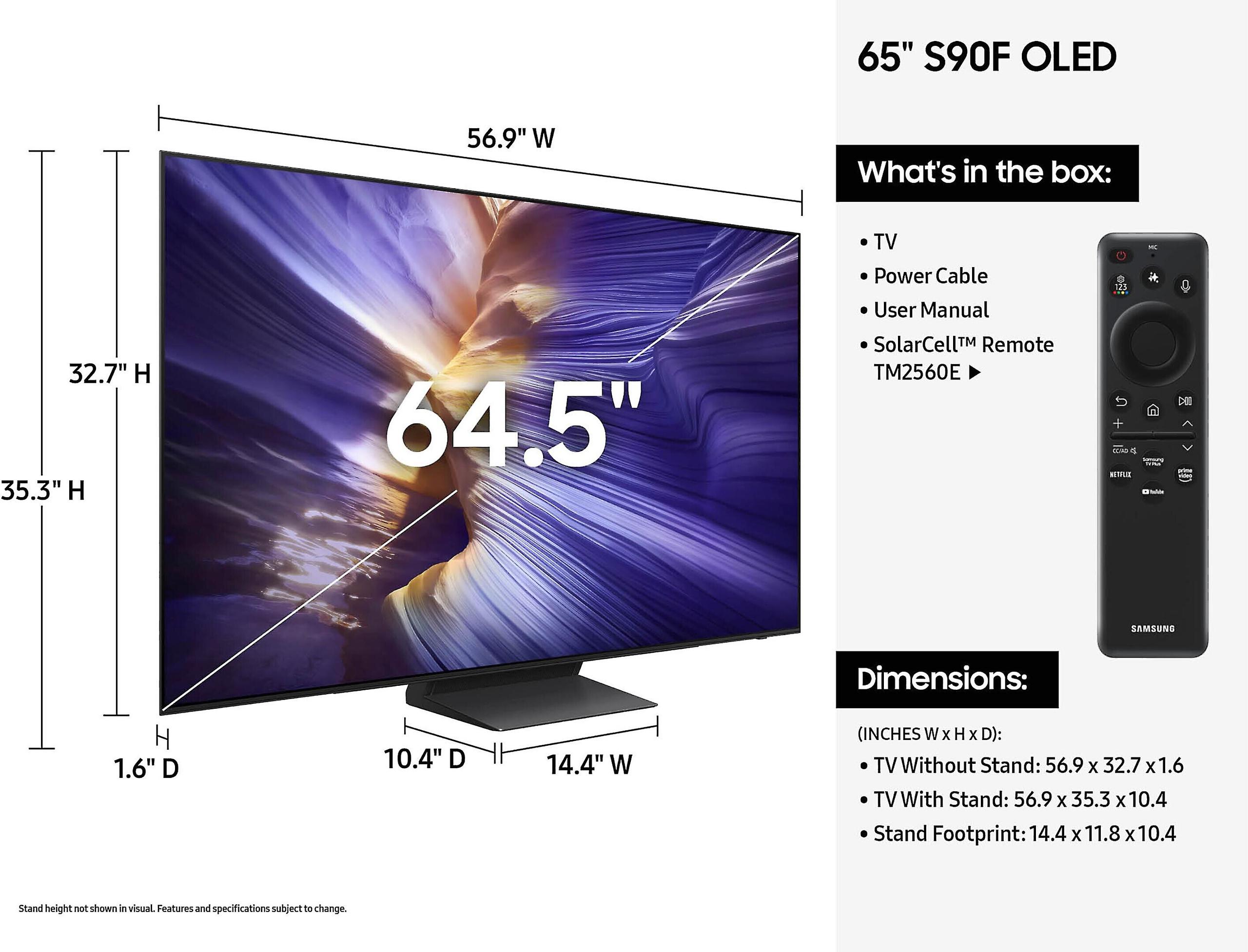
The Samsung S90F OLED, on the other hand, doesn't need any backlighting system at all. Each individual pixel generates its own light and can turn completely off to create perfect black, or shine brightly for highlights. It's like having 8.3 million tiny light bulbs that you can control individually. This OLED (Organic Light-Emitting Diode) technology has been refined significantly since its early days, and Samsung's 2025 models are notably brighter and more efficient than previous generations.
Here's where these TVs really separate themselves, and it's probably the most important factor in your decision. The Roku Pro Series 2025 achieves what experts call "amazing SDR brightness" – SDR refers to Standard Dynamic Range content, which includes most TV shows, news, and older movies. This exceptional brightness makes the Roku ideal for rooms with lots of windows, overhead lighting, or daytime viewing. When sunlight hits the screen, the Roku can overpower that ambient light and maintain vibrant colors and sharp contrast.
In testing, the Roku reaches peak brightness levels of 1,750-1,800 nits in HDR mode (nits measure brightness – think of it like lumens for light bulbs). For context, a typical living room has about 100-300 nits of ambient light during the day, so this TV can easily cut through that glare.
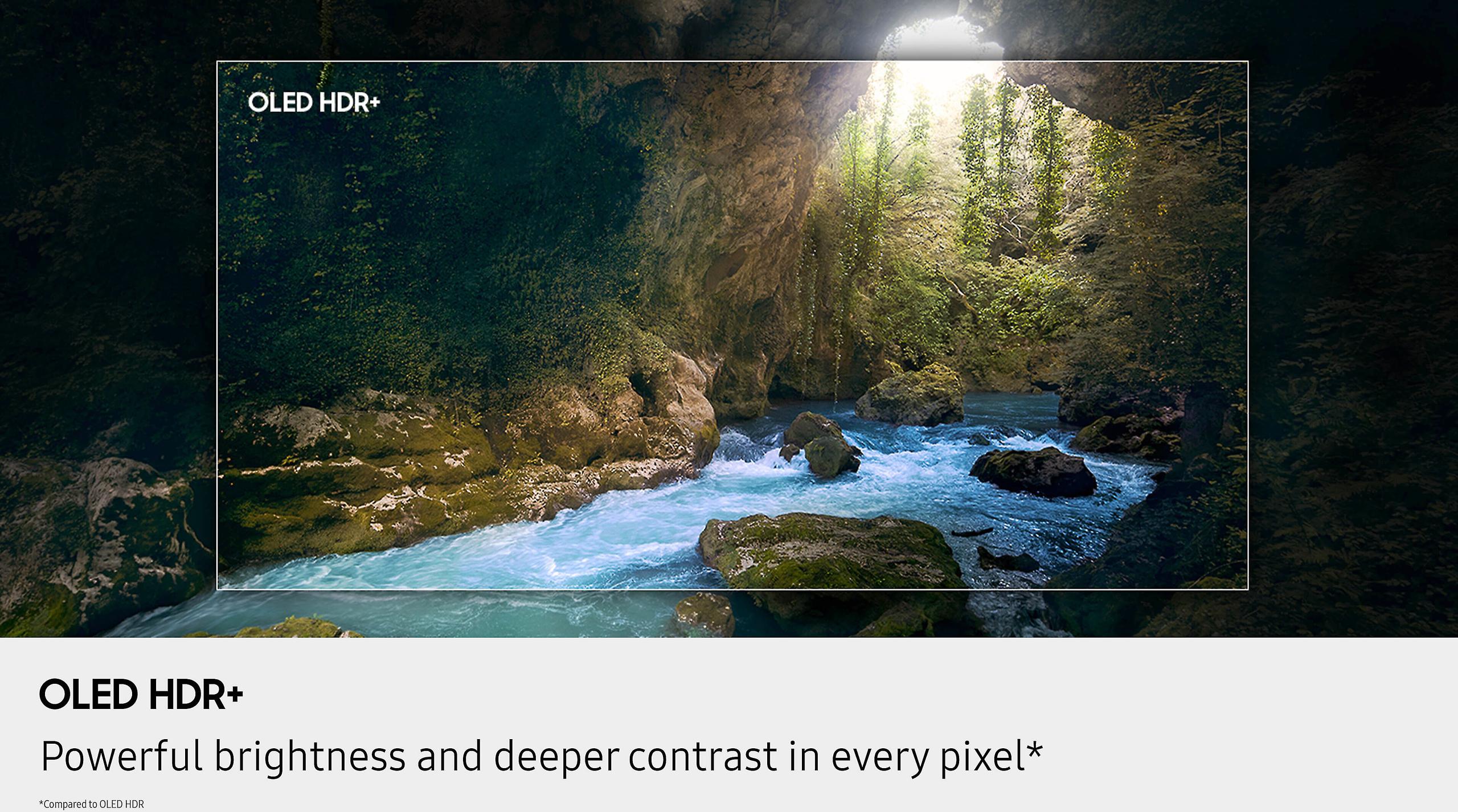
The Samsung S90F OLED represents a significant brightness improvement for OLED technology in 2025, but it's still better suited for controlled lighting environments. While it can get plenty bright for most viewing scenarios, it won't overpower a sun-drenched living room the way the Roku can. However, what the Samsung lacks in raw brightness, it makes up for in precision – those perfect blacks create a contrast ratio that makes images appear more three-dimensional and lifelike.
When evaluating picture quality, both TVs excel but in different ways. The Samsung S90F OLED delivers what many consider the gold standard for home theater viewing. Those perfect blacks mean that dark movie scenes reveal every detail without the gray haze that can plague other display technologies. When you're watching a space thriller or a moody drama, the Samsung creates an almost window-like viewing experience where you feel like you're looking into another world rather than at a screen.
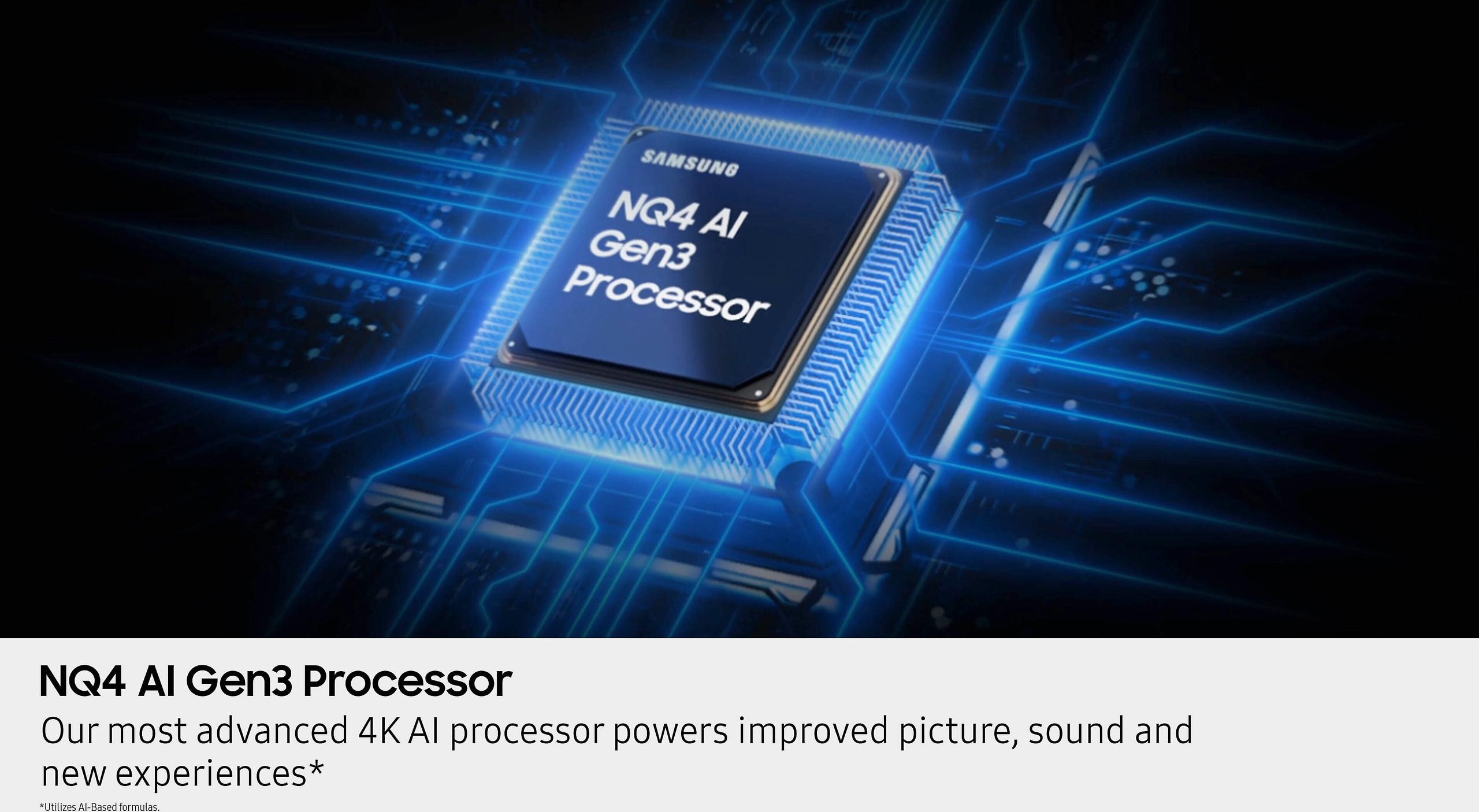
The Samsung's NQ4 AI Gen3 processor, powered by 128 neural networks, is particularly impressive for upscaling. This matters more than you might think – most of what we watch isn't true 4K content. Cable TV, older movies, and even some streaming content comes to your TV at lower resolutions. The Samsung's AI analyzes this incoming signal and intelligently adds detail, sharpens textures, and reduces compression artifacts. If you watch a lot of cable TV or have an extensive collection of older movies, this upscaling advantage is significant.
The Roku Pro Series 2025 takes a different approach with its Smart Picture Max AI system. Instead of just upscaling, it continuously analyzes every scene and adjusts color, contrast, and sharpness automatically. This scene-by-scene optimization works similarly to Dolby Vision (a premium HDR format), constantly tweaking the picture for optimal viewing. The result is content that looks more vibrant and detailed than the source material, though some videophiles prefer a more hands-off approach to preserve the filmmaker's original intent.
Color accuracy varies between the two TVs depending on what you're watching. The Roku Pro Series 2025 excels with SDR content – regular TV shows, news, and non-HDR movies look exceptionally accurate right out of the box. However, its HDR color accuracy is less impressive, sometimes making HDR movies look oversaturated or unnatural. The Samsung S90F OLED shows the opposite pattern: excellent HDR color accuracy that makes premium content look stunning, but it requires some calibration for optimal SDR viewing.
Both TVs deliver strong gaming performance, but with different strengths. The Samsung S90F OLED is particularly impressive for gaming, with ultra-low input lag that makes controller responses feel instantaneous. It supports all the latest gaming features: Variable Refresh Rate (VRR) to eliminate screen tearing, Auto Low Latency Mode (ALLM) that automatically switches to game mode, and it can handle up to 144Hz refresh rates when connected to a gaming PC.
The Motion Xcelerator 144Hz technology is where Samsung really shines for gaming. Fast-moving objects in games stay sharp and clear, with minimal motion blur or ghosting. If you're serious about competitive gaming or want the smoothest possible experience with your PlayStation 5 or Xbox Series X, the Samsung has a slight edge.
The Roku Pro Series 2025 offers solid gaming performance with two HDMI 2.1 ports supporting 4K at 120Hz, plus VRR and ALLM support. However, its average pixel response time means you might notice some motion blur in extremely fast-paced games. For most console gaming, this difference is minimal, but competitive gamers who prioritize response time might prefer the Samsung.
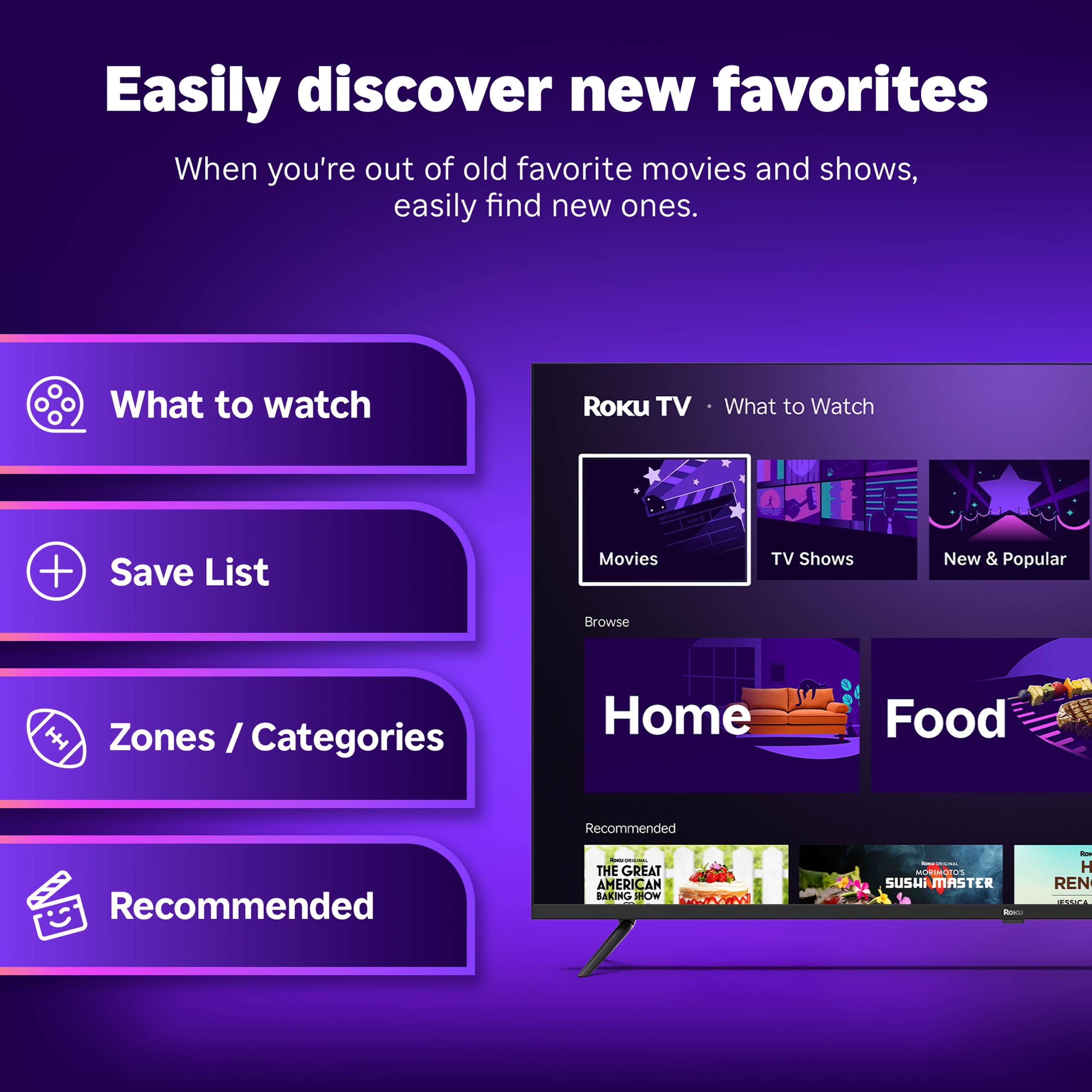
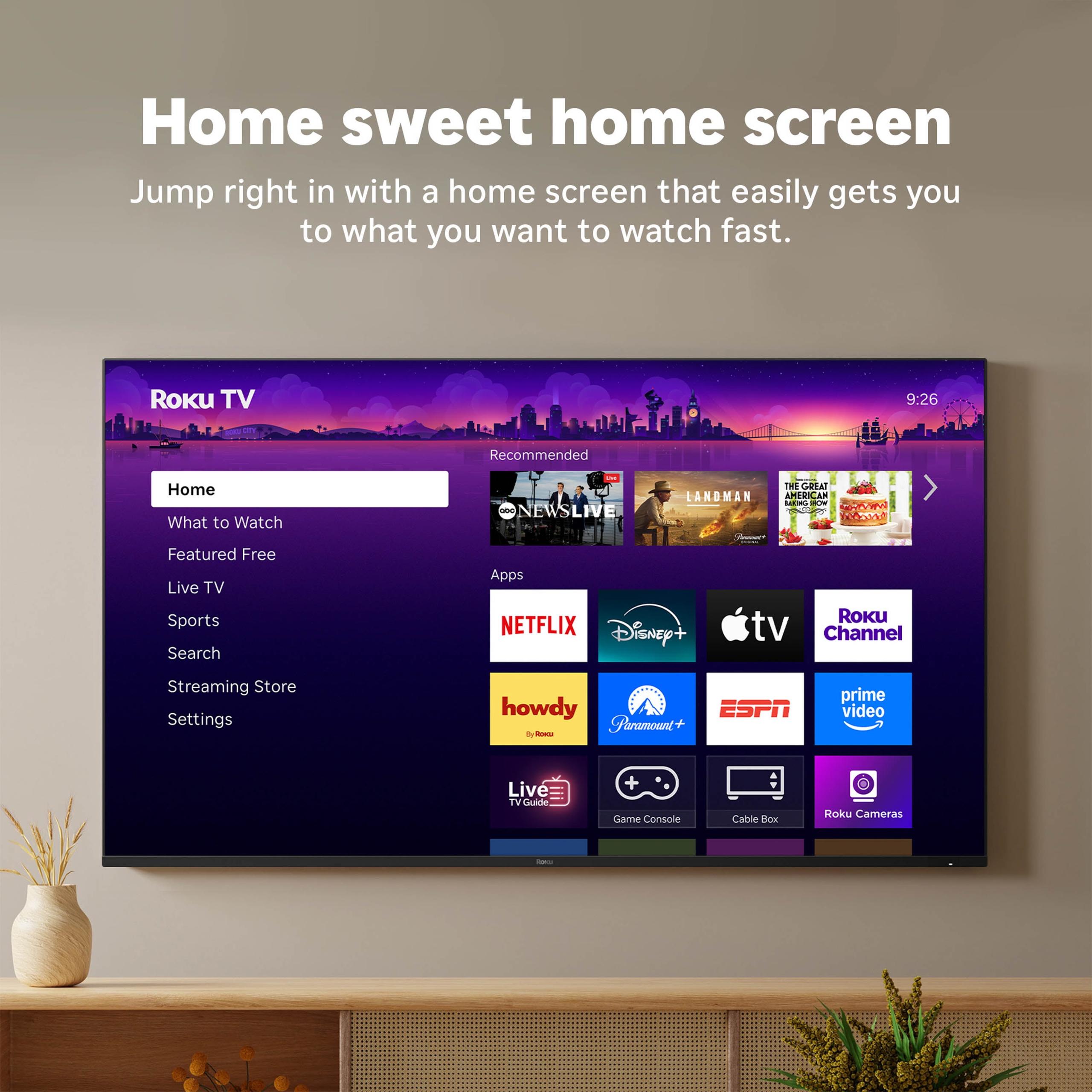
This is where the Roku Pro Series 2025 really distinguishes itself. Roku's platform has been refined over years of dedicated streaming device development, and it shows. The interface is clean, intuitive, and focused entirely on helping you find something to watch. There are no ads cluttering the home screen, no sponsored content pushing specific shows, and the universal search function works across virtually every streaming app.
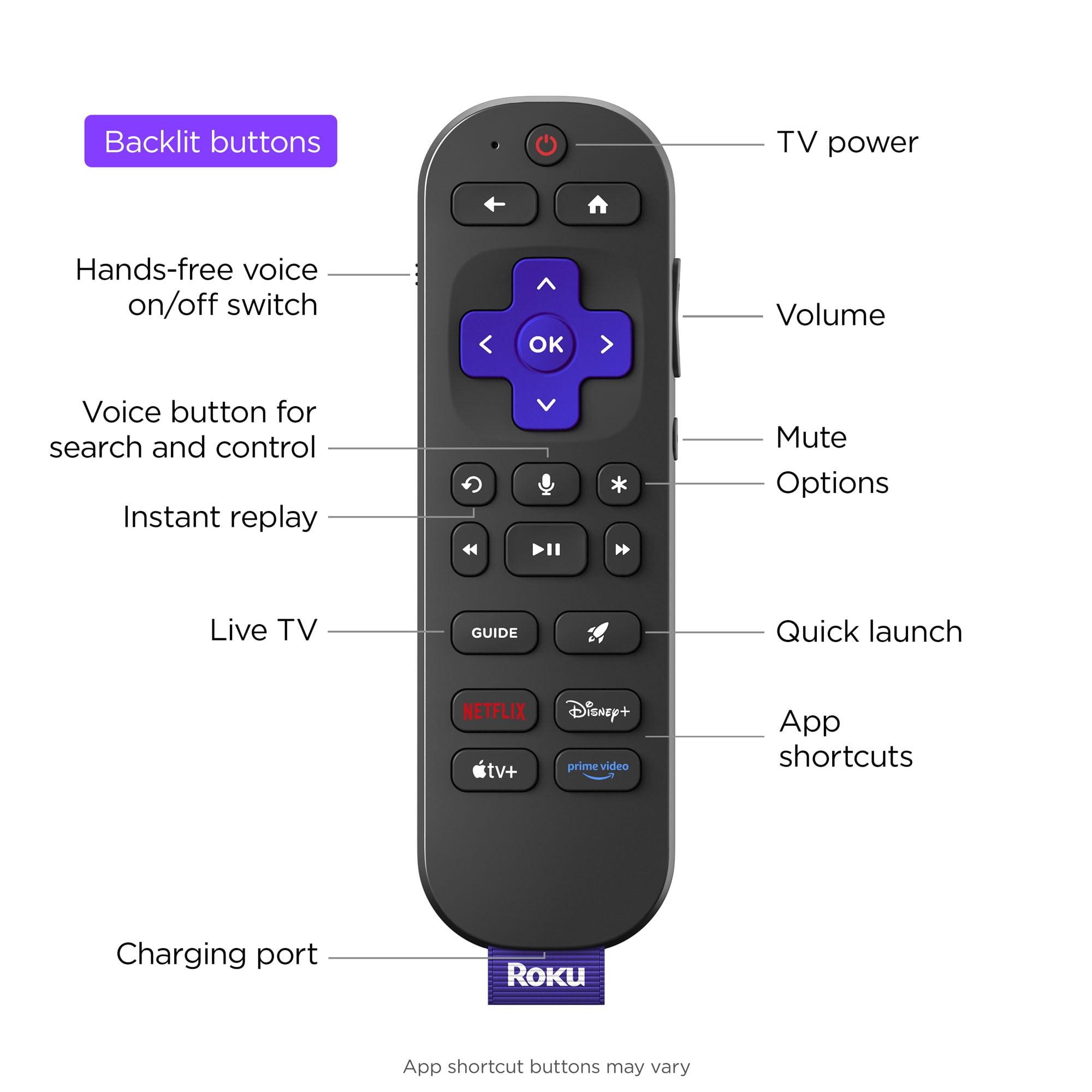
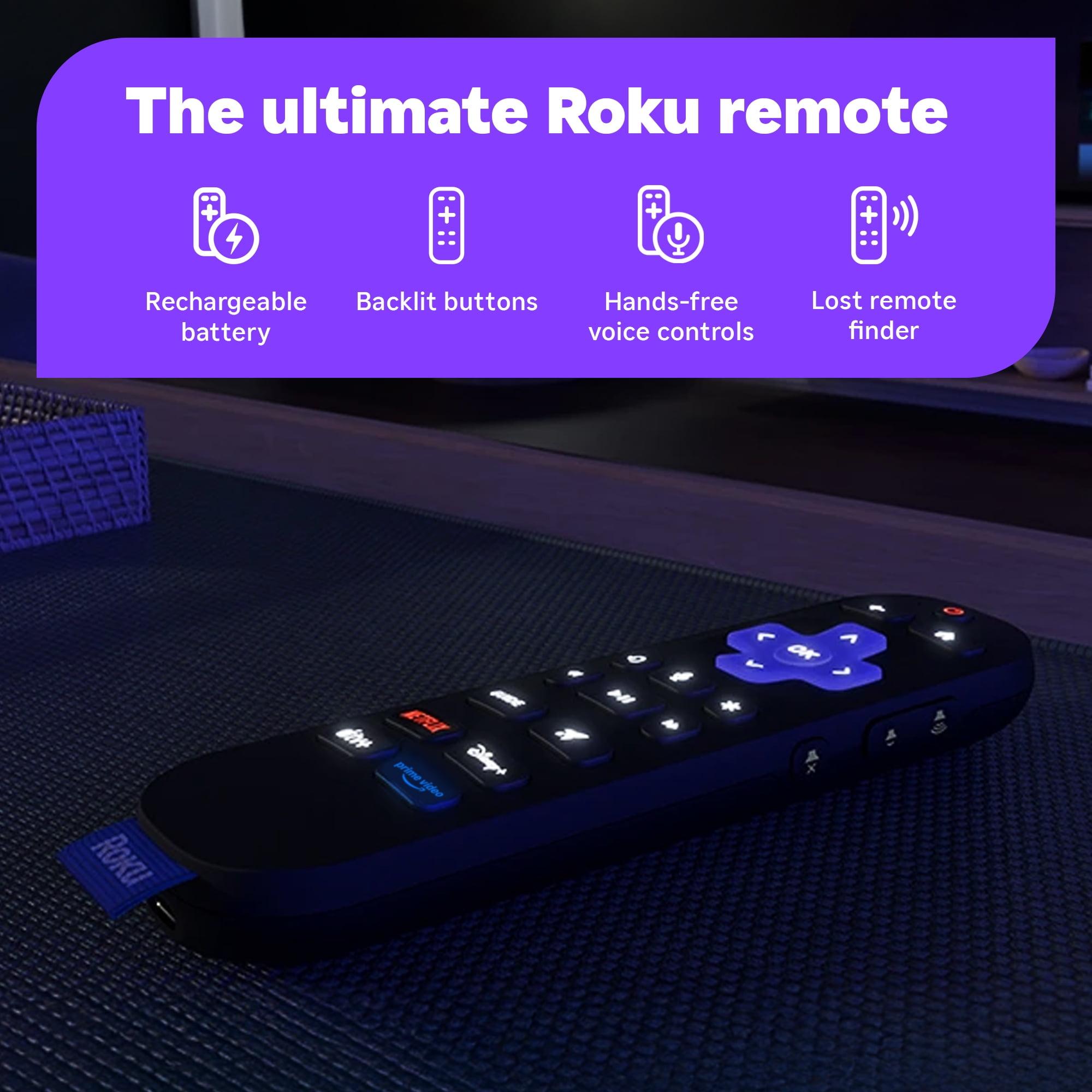
The Voice Remote Pro that comes with the Roku deserves special mention – it's backlit for dark room viewing, fully rechargeable, and includes a "find my remote" button built into the TV. If you've ever spent 20 minutes searching couch cushions for a lost remote, this feature alone might sell you on the Roku.
The Samsung S90F OLED uses Samsung's Tizen operating system, which has improved significantly in recent years. The Samsung Vision AI feature is genuinely useful – it can recognize what type of content you're watching and automatically optimize picture and sound settings. The updated Bixby voice assistant can handle more complex commands and better understands context, making it easier to find specific content or control smart home devices.
However, Samsung's interface can feel more commercial, with sponsored content and ads integrated into the home screen. Some users appreciate the content discovery features, while others find them intrusive. The trade-off is that Samsung often gets streaming apps updated more quickly and supports more niche services.
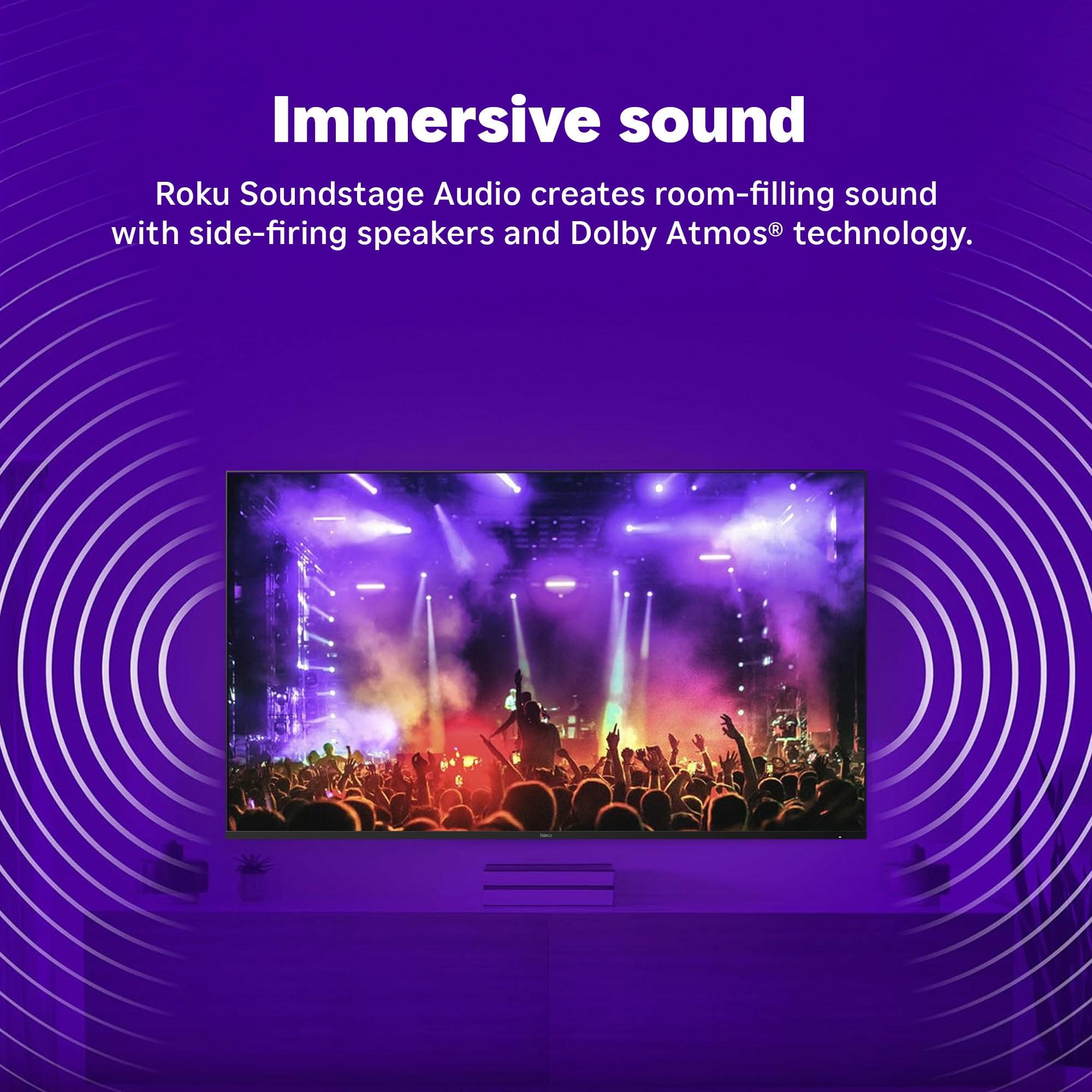
Both TVs deliver surprisingly good audio for built-in speakers, though they take different approaches. The Roku Pro Series 2025 features Sound Stage Audio with Dolby Atmos support and side-firing speakers. Users consistently praise it as some of the best TV audio they've experienced, with several reviews mentioning that the bass can actually "rattle walls" – impressive for a flat-screen TV. The volume levels are sufficient to fill most rooms without needing external speakers.
The Samsung S90F OLED uses Adaptive Sound Pro, which analyzes both the content and your room's acoustics to optimize audio. It's particularly good at enhancing dialogue clarity and separating different sound elements. While it may not have the raw power of the Roku's audio system, it's more refined and better at adapting to different types of content.
For serious home theater setups, both TVs work well with external sound systems, but the built-in audio quality might influence your decision if you prefer to avoid the complexity and cost of additional speakers.
This is a crucial differentiator that affects what premium content you can fully enjoy. The Roku Pro Series 2025 supports both Dolby Vision and HDR10+, the two main premium HDR formats. Dolby Vision is more widely adopted – you'll find it on Netflix, Disney+, Apple TV+, and most 4K Blu-rays. HDR10+ is primarily used by Amazon Prime Video and some Samsung-produced content.
The Samsung S90F OLED only supports HDR10+, missing Dolby Vision entirely. This is a significant limitation since Dolby Vision content is more common and generally offers better optimization. While Samsung's Auto HDR Remastering can transform regular HDR10 content to look more impressive, you'll miss the filmmaker's specific grading choices available in Dolby Vision.
If you're building a serious home theater and plan to collect 4K movies or subscribe to multiple streaming services, the Roku's broader HDR support gives it a clear advantage for accessing premium content as intended.
Your room setup should heavily influence this decision. The Roku Pro Series 2025 excels in challenging lighting situations – bright living rooms, family rooms with lots of windows, or spaces where you can't control ambient light. The Mini-LED backlighting can overpower reflections and maintain vibrant colors even in daylight conditions.
However, the Roku has narrow viewing angles, meaning colors and brightness degrade noticeably when viewed from the side. This makes it less ideal for wide seating arrangements or open floor plans where people might watch from various angles.
The Samsung S90F OLED maintains consistent picture quality from wider viewing angles, making it excellent for family rooms or spaces where people sit spread across a wide area. The anti-reflective coating helps manage glare, though direct light sources can still create noticeable reflections.
For dedicated home theater rooms with controlled lighting, the Samsung's perfect blacks and infinite contrast ratio create a more cinematic experience. The self-illuminating pixels can display the subtle details in dark scenes that other technologies might crush into solid black.
Both technologies have matured significantly, but they face different long-term considerations. The Roku Pro Series 2025 uses traditional LED technology that's extremely reliable and has no risk of permanent image retention or burn-in. If you plan to use the TV for gaming, news channels with static logos, or as a computer monitor, this reliability advantage is significant.
Modern OLEDs like the Samsung S90F OLED are much more resistant to burn-in than early generations, but the risk isn't zero. Heavy gaming, news watching, or using the TV as a computer monitor can potentially cause permanent image retention over time. For typical mixed-use viewing, this risk is minimal, but it's worth considering for specific use cases.
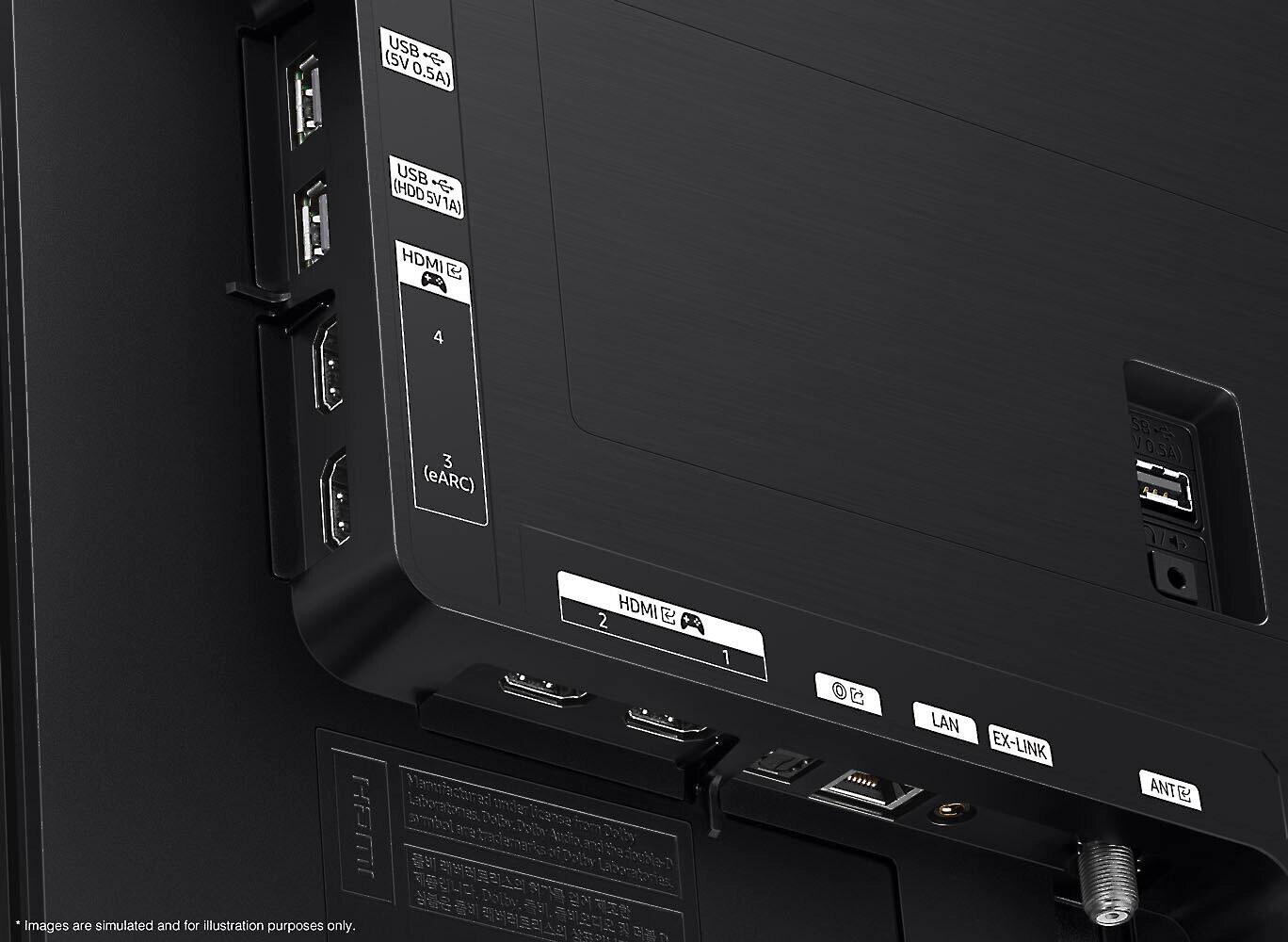
Both TVs support all current gaming and streaming standards, so they should remain relevant for years to come. The Samsung's four HDMI 2.1 ports give it more connectivity flexibility than the Roku's two HDMI 2.1 ports, which might matter if you have multiple gaming consoles and other high-bandwidth devices.
The Samsung S90F OLED represents the better overall value for most buyers at the time of writing. It delivers superior picture quality for movies and TV shows, better gaming performance, and comes at a more attractive price point. If you have a reasonably controlled viewing environment and prioritize the best possible picture quality, the Samsung is hard to beat.
Choose the Samsung if you're setting up a home theater, have multiple viewing positions in your room, watch a lot of movies and premium TV shows, or want the most gaming features. It's particularly compelling if you can control your room's lighting reasonably well.
The Roku Pro Series 2025 justifies its premium pricing for specific scenarios where its advantages matter most. If you have a bright room that you can't darken, prefer the simplest and most reliable smart TV experience, or want maximum HDR format compatibility, the Roku delivers value where it counts.
Choose the Roku if you watch TV primarily during daytime hours, have large windows in your viewing room, prioritize ease of use over absolute picture quality, or want to avoid any potential burn-in concerns with static content.
Both represent excellent choices in the premium TV category, but the Samsung offers better picture quality per dollar, while the Roku solves specific problems that matter enormously if they apply to your situation. Consider your room, viewing habits, and priorities carefully – the right choice depends entirely on how and where you'll be watching.
| Roku 65" Pro Series 2025 4K QLED TV | Samsung 65" S90F OLED 4K Vision AI Smart TV 2025 |
|---|---|
| Display Technology - Fundamentally affects picture quality and performance | |
| Mini-LED backlight with QLED quantum dot color | Self-illuminating OLED pixels |
| Peak Brightness - Critical for bright room viewing and HDR impact | |
| 1,750-1,800 nits (exceptional for overcoming ambient light) | High brightness for OLED but better suited for controlled lighting |
| Black Levels and Contrast - Determines image depth and realism | |
| Deep blacks with local dimming zones (minimal blooming) | Perfect pixel-level blacks with infinite contrast ratio |
| Refresh Rate - Important for gaming and smooth motion | |
| 120Hz native refresh rate | 144Hz (supports up to 144Hz on PC gaming) |
| HDR Format Support - Affects premium content compatibility | |
| Dolby Vision, HDR10+, HDR10, HLG (maximum compatibility) | HDR10+, HDR10, HLG (missing widely-used Dolby Vision) |
| Gaming Features - Console and PC gaming capabilities | |
| 2x HDMI 2.1, VRR, ALLM, FreeSync Premium Pro, 5.2ms input lag | 4x HDMI 2.1, VRR, ALLM, Motion Xcelerator 144Hz, ultra-low input lag |
| Smart TV Platform - Daily usability and app experience | |
| Roku OS with unified interface, no ads, superior search | Samsung Tizen with Vision AI, faster app updates, integrated ads |
| Viewing Angles - Important for wide seating arrangements | |
| Narrow viewing angles with color/brightness degradation | Wide viewing angles maintaining consistent picture quality |
| Audio System - Built-in sound quality without external speakers | |
| Sound Stage Audio with Dolby Atmos, side-firing speakers | Adaptive Sound Pro with AI room optimization |
| Burn-in Risk - Long-term reliability consideration | |
| No burn-in risk with LED technology | Minimal but present burn-in risk with heavy static content use |
| Room Lighting Suitability - Optimal viewing environment | |
| Excellent for bright rooms with windows and ambient light | Best for controlled lighting, home theater environments |
| Upscaling Quality - How well it improves lower-resolution content | |
| Smart Picture Max AI with scene-by-scene optimization | NQ4 AI Gen3 with 128 neural networks (superior cable/streaming upscaling) |
The Roku 65" Pro Series 2025 4K QLED TV is significantly better for bright rooms. Its Mini-LED backlighting can reach exceptional brightness levels that overpower ambient light and reflections from windows. The Samsung S90F OLED, while bright for an OLED, is better suited for controlled lighting environments and may appear washed out in very bright rooms.
The Samsung S90F OLED uses self-illuminating pixels that can turn completely off for perfect blacks, while the Roku Pro Series 2025 uses Mini-LED backlighting with local dimming zones behind a quantum dot layer. OLED provides superior contrast and viewing angles, while QLED offers higher peak brightness and no burn-in risk.
The Samsung S90F OLED has a slight gaming advantage with ultra-low input lag, 144Hz support for PC gaming, and four HDMI 2.1 ports. The Roku Pro Series 2025 offers solid gaming with 120Hz, VRR, and low input lag, but only has two HDMI 2.1 ports and may show motion blur in extremely fast games.
Only the Roku 65" Pro Series 2025 4K QLED TV supports Dolby Vision, along with HDR10+ and other HDR formats. The Samsung S90F OLED supports HDR10+ but lacks Dolby Vision, which limits access to premium content on Netflix, Disney+, and Apple TV+ that uses this format.
The Samsung S90F OLED excels in dedicated home theaters with its perfect blacks, infinite contrast ratio, and wide viewing angles. However, the Roku Pro Series 2025 may be preferable if your home theater has ambient light or if you want maximum HDR format compatibility for your movie collection.
The Roku 65" Pro Series 2025 4K QLED TV has impressive Sound Stage Audio with Dolby Atmos that users praise for its powerful bass and room-filling sound. The Samsung S90F OLED uses Adaptive Sound Pro with AI optimization for better dialogue clarity and content-specific adjustments, though it's less powerful overall.
The Roku Pro Series 2025 offers a cleaner, more intuitive interface with no ads, superior universal search, and the excellent Voice Remote Pro with backlit buttons. The Samsung S90F OLED has Samsung's Tizen OS with AI features and faster app updates, but includes sponsored content and ads in the interface.
The Roku 65" Pro Series 2025 4K QLED TV has no burn-in risk due to its LED technology, making it safe for gaming, news channels, or computer use. The Samsung S90F OLED has minimal burn-in risk with modern OLED technology, but heavy use of static content like news tickers or game HUDs could potentially cause permanent image retention over time.
At current pricing, the Samsung S90F OLED typically offers better value with superior picture quality, more gaming features, and a lower price point. The Roku Pro Series 2025 commands a premium but justifies it for specific use cases like bright room viewing and superior smart TV experience.
The Samsung S90F OLED maintains consistent brightness and colors when viewed from the side, making it ideal for wide seating arrangements or open floor plans. The Roku 65" Pro Series 2025 4K QLED TV has narrower viewing angles with noticeable color and brightness degradation from side positions.
The Samsung S90F OLED has superior upscaling with its NQ4 AI Gen3 processor and 128 neural networks, making cable TV and lower-resolution streaming content look noticeably sharper. The Roku Pro Series 2025 offers decent upscaling with Smart Picture Max AI, but it's less impressive with heavily compressed sources.
Choose the Roku 65" Pro Series 2025 4K QLED TV for bright rooms, maximum HDR compatibility, superior smart platform, and no burn-in concerns. Choose the Samsung S90F OLED for the best picture quality, home theater use, gaming performance, and better value. Your room lighting and viewing priorities should guide the decision between these excellent premium TVs.
We've done our best to create useful and informative comparisons to help you decide what product to buy. Our research uses advanced automated methods to create this comparison and perfection is not possible - please contact us for corrections or questions. These are the sites we've researched in the creation of this article: bestbuy.com - rtings.com - techradar.com - youtube.com - roku.com - youtube.com - walmart.com - bestbuy.com - youtube.com - electronicexpress.com - roku.com - pcvarge.com - ecoustics.com - youtube.com - t3.com - rtings.com - bestbuy.com - stereonet.com - samsung.com - bestbuy.com - flatpanelshd.com - myallsouth.com - pcrichard.com - samsung.com - bestbuy.com - samsung.com - samsung.com - samsung.com

Privacy Policy
Terms and Conditions - Affiliate Policy
Home Security
© Copyright 2008-2026.
11816 Inwood Rd #1211, Dallas, TX 75244