







When you're shopping for a 65-inch QLED TV, you'll quickly discover that not all premium televisions are created equal. The Roku 65" Pro Series 2025 and Samsung 65" The Frame 2024 perfectly illustrate this point—they're both excellent TVs that use quantum dot technology to enhance colors, but they serve completely different priorities and lifestyles.
At the time of writing, both TVs fall into the premium category but with different value propositions. The Roku Pro Series positions itself as a performance-first option that delivers flagship features without the flagship price tag, while Samsung's The Frame commands a premium for its unique aesthetic approach and dual functionality as both a TV and art display.
Before diving into the comparison, it's worth understanding what QLED actually means and why it matters. QLED stands for Quantum Dot Light Emitting Diode—essentially, these are TVs that use tiny semiconductor particles called quantum dots to enhance color reproduction and brightness. Think of quantum dots as microscopic color filters that can produce more accurate and vibrant colors than traditional LED TVs.
However, not all QLED implementations are equal. The most important factors that separate good QLED TVs from great ones are the backlighting system, peak brightness capabilities, and how well the TV controls contrast between bright and dark areas of the screen. This is where our two contenders take dramatically different approaches.
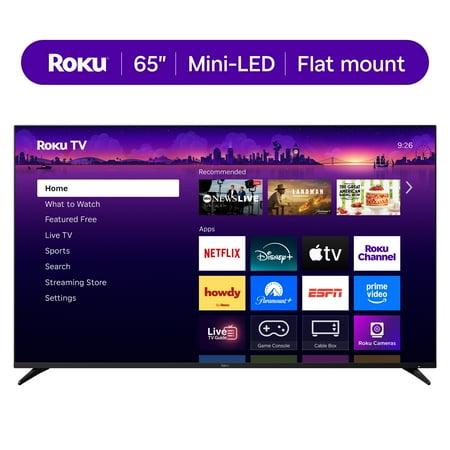
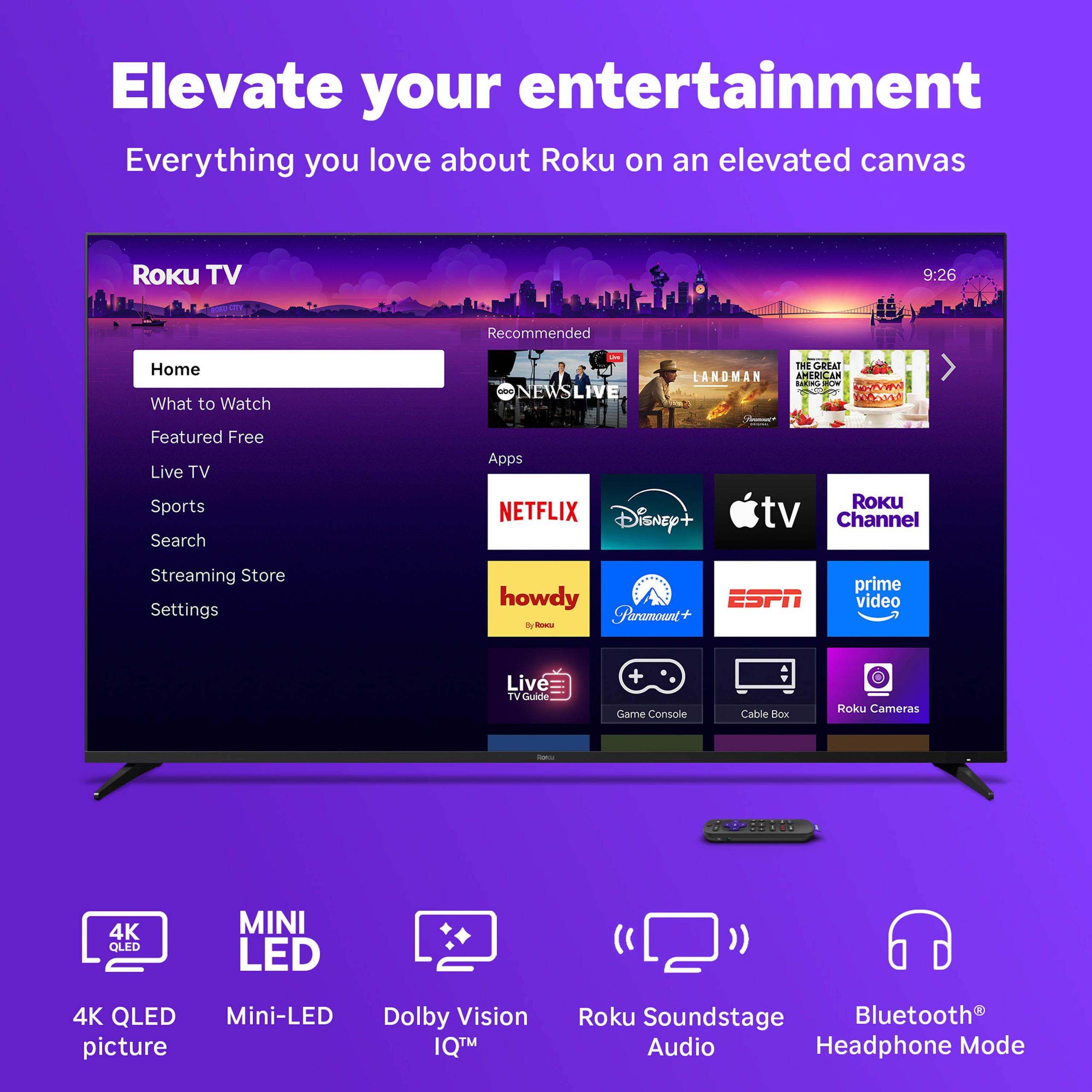
The Roku Pro Series 2025, released in mid-2024, represents a significant evolution in TV technology that addresses one of the biggest weaknesses in traditional LCD displays: contrast control. The key innovation here is Mini-LED backlighting with full array local dimming—a mouthful of technical terms that translate to dramatically better picture quality.
Here's how it works: instead of having a few dozen LED lights around the edges of the screen (like cheaper TVs) or even a few hundred LEDs behind the screen (like mid-range TVs), the Roku Pro Series uses thousands of tiny Mini-LEDs arranged in zones behind the display. Each zone can be independently controlled, meaning the TV can make specific areas of the screen brighter or darker without affecting neighboring areas.
The practical result? When you're watching a movie scene with bright stars against a dark night sky, the stars can be brilliantly bright while the surrounding darkness stays truly dark. Traditional TVs struggle with this scenario, often making the entire area around bright objects appear grayish—a problem called "blooming" or "haloing."
Our research into user and expert reviews consistently highlights this contrast performance as the Roku Pro Series's strongest advantage. Real-world brightness measurements show the TV reaching peaks of 1,750-1,800 nits in HDR mode—that's more than three times brighter than many competitors and bright enough to make HDR (High Dynamic Range) content truly pop, even in well-lit rooms.
The Roku Pro Series 2025 also includes what Roku calls "Smart Picture Max"—an AI-powered system that analyzes incoming video signals and automatically optimizes picture settings on a scene-by-scene basis. Unlike the heavy-handed "enhancement" modes found on many TVs that make everything look artificial, this system focuses on cleaning up compression artifacts and restoring detail that gets lost when content is compressed for streaming.
This matters more than you might think. Most of what we watch comes from streaming services like Netflix, Disney+, or YouTube, and these services compress video files to make them stream faster. This compression can introduce unwanted artifacts—things like banding in gradients, softened details, or blocky areas in dark scenes. The Smart Picture Max system works to minimize these issues without creating the over-processed, "soap opera" look that many TV enhancement features produce.
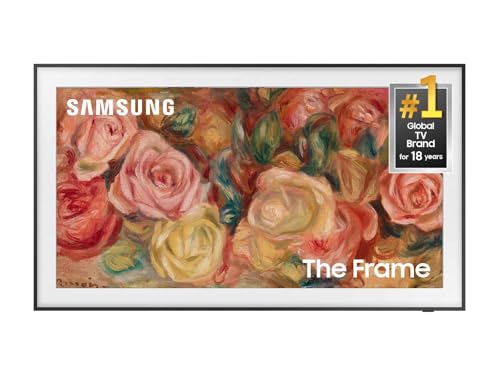
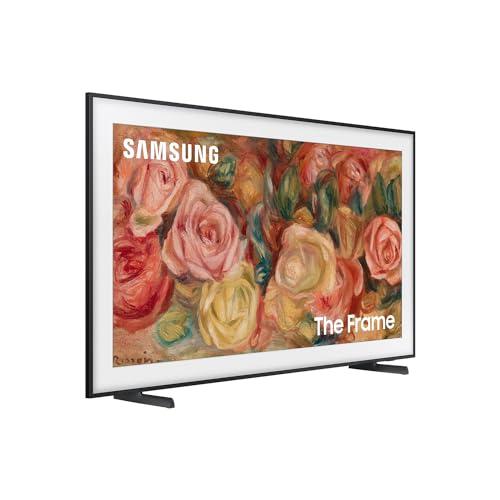
Samsung's The Frame 2024, updated from its 2023 predecessor, takes a completely different approach. Rather than maximizing picture quality above all else, Samsung designed this TV around the idea that your television shouldn't look like a television when you're not watching it.
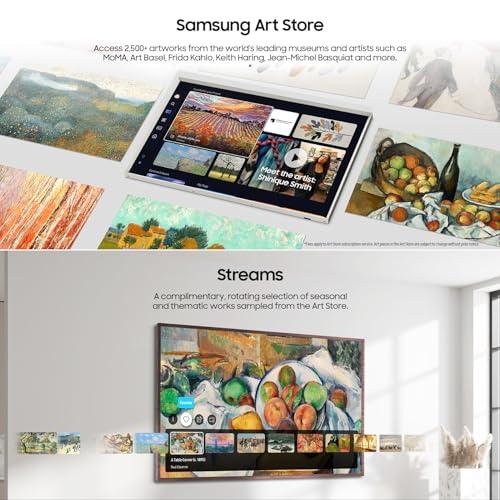
The signature feature is Art Mode, which transforms the screen into a digital art gallery. When the TV detects that you've been away for a few minutes (using a built-in motion sensor), it automatically switches to display artwork, personal photos, or other images with the same brightness and color characteristics you'd expect from a real piece of art.
The technical implementation is quite clever. The TV includes an anti-glare matte display finish that scatters ambient light rather than reflecting it directly back at you—similar to how a real painting or photograph would behave under room lighting. This matte treatment dramatically reduces reflections, making the displayed art look more authentic and the TV more comfortable to view in bright rooms.
However, this design choice comes with trade-offs. The matte finish that makes reflections nearly disappear also slightly reduces the perceived contrast and color vibrancy compared to glossy screens. It's a classic example of engineering compromise—you gain something valuable (reflection control) but give up something else (maximum contrast).
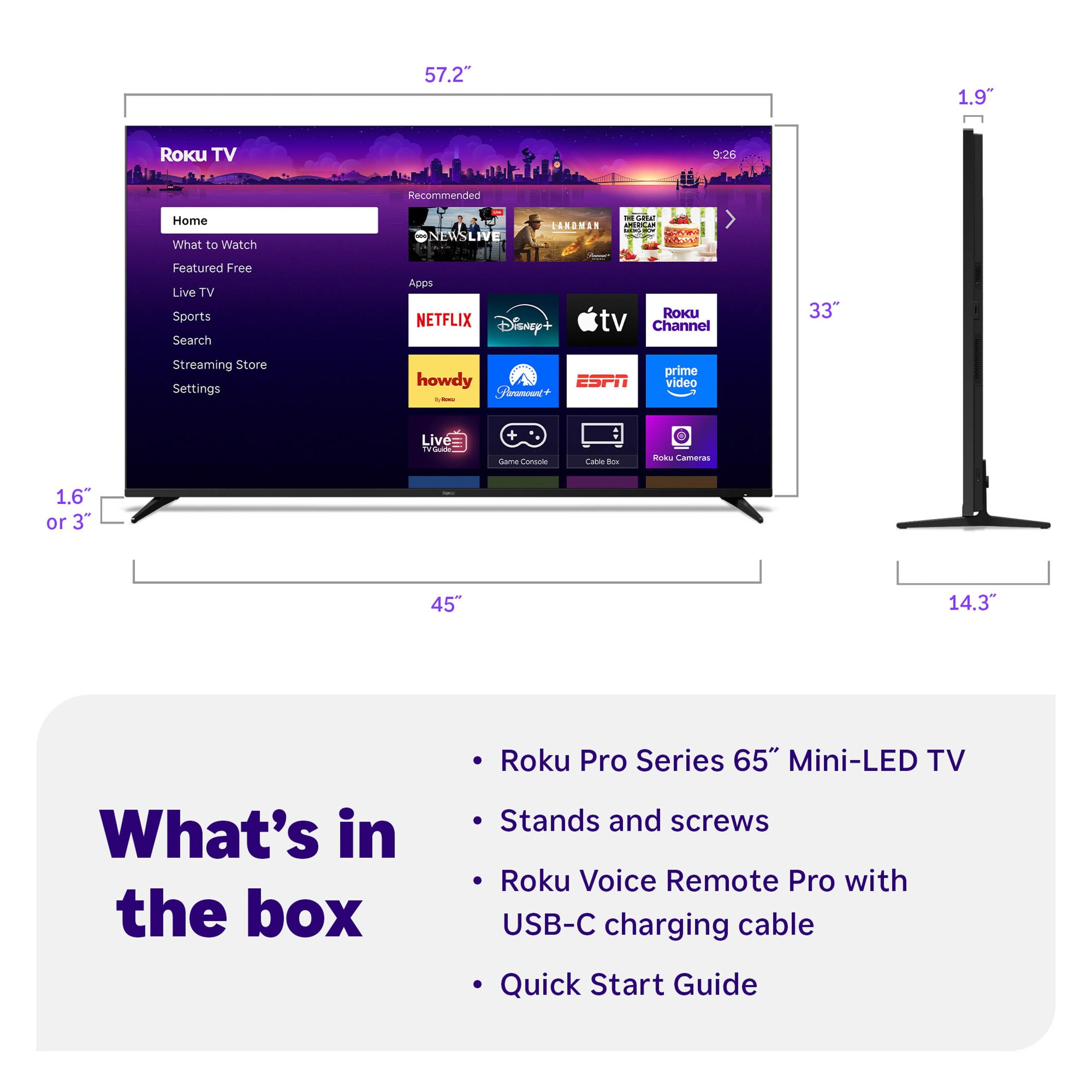
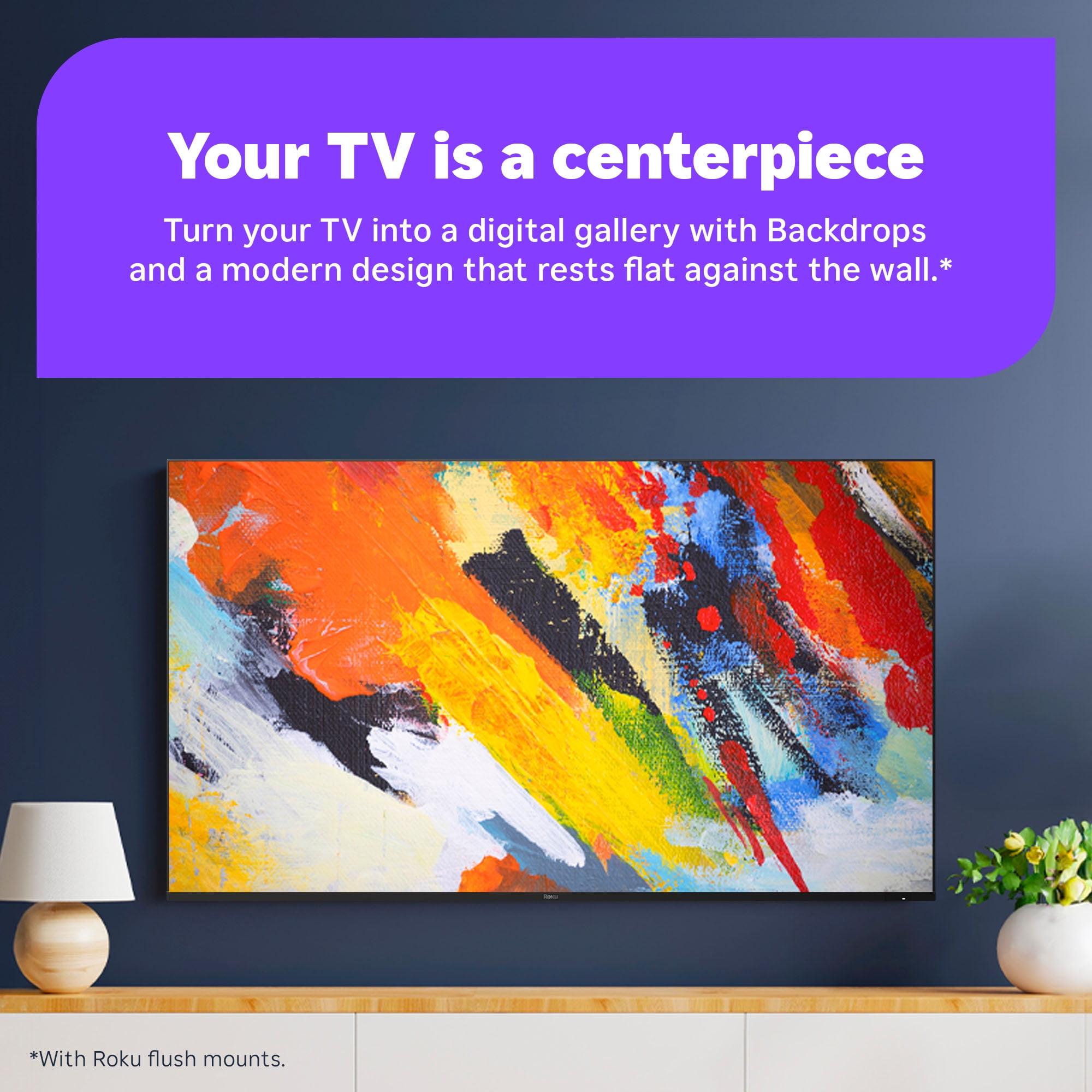
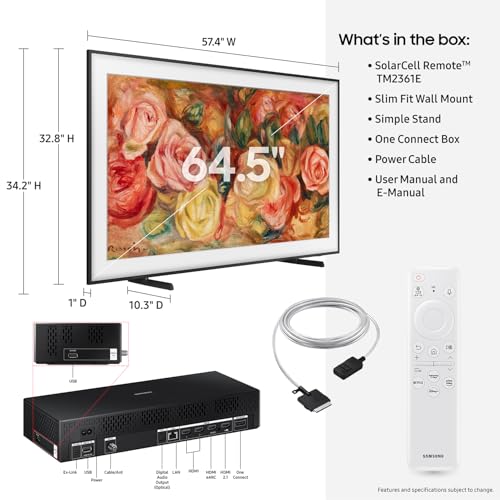
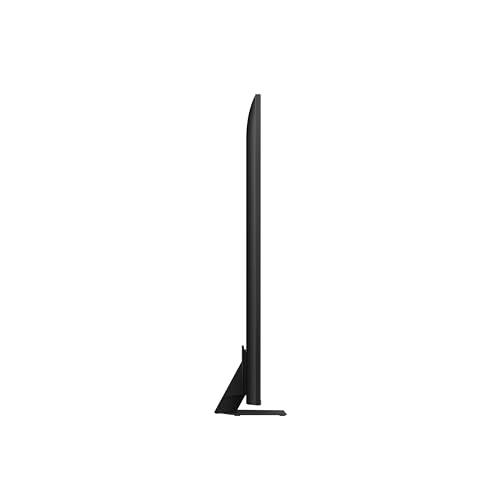
What sets The Frame apart from any other TV is its customization options. Samsung offers dozens of different magnetic bezels that snap onto the TV's edges, allowing you to match your room's décor—whether you prefer modern minimalist frames, ornate traditional styles, or something in between. The TV is also incredibly thin at just one inch deep, designed specifically for flush wall mounting that makes it look like a real framed artwork.
The lifestyle integration extends beyond just aesthetics. The TV includes adaptive brightness sensors that automatically adjust both the screen's brightness and color temperature based on your room's lighting throughout the day. This ensures that displayed artwork always looks natural and that regular TV content remains comfortable to watch as lighting conditions change.
For gamers, especially those with modern consoles like the PlayStation 5 or Xbox Series X, the performance gap between these TVs becomes quite pronounced. The Roku Pro Series 2025 was clearly designed with gaming in mind, offering native 120Hz refresh rates (meaning it can display 120 frames per second), two HDMI 2.1 ports capable of handling 4K gaming at 120fps, and input lag as low as 5.2 milliseconds.
Input lag is the delay between when you press a controller button and when that action appears on screen. For competitive gaming, every millisecond counts, and anything under 10ms is considered excellent. The Roku's 5.2ms performance puts it in the same league as gaming-focused monitors.
The TV also supports advanced gaming features like FreeSync Premium Pro and Variable Refresh Rate (VRR), which eliminate screen tearing and stuttering when frame rates fluctuate. Having two HDMI 2.1 ports means you can connect both a PlayStation 5 and Xbox Series X simultaneously while maintaining full 4K 120Hz performance on both—a significant convenience for multi-console gamers.
Samsung's The Frame, by contrast, offers more basic gaming support. While it does include HDMI 2.1 connectivity and VRR support, it has only one HDMI 2.1 port, and its focus clearly lies elsewhere. The gaming performance is adequate for casual players, but serious gamers will find the Roku significantly more capable.
One area where both TVs exceed expectations is audio quality, though again with different approaches. The Roku Pro Series includes what the company calls "Sound Stage Audio"—a system with side-firing speakers and Dolby Atmos support that creates a surprisingly room-filling sound experience.
Dolby Atmos is a surround sound format that places audio objects in a three-dimensional space around you, rather than just left and right channels. When properly implemented, it can create the illusion of sound coming from above, behind, and around you, even from a TV's built-in speakers.
User feedback consistently highlights the Roku's audio performance as exceptional for a built-in TV speaker system, with several reviews mentioning "theater-like bass" and sound quality that eliminates the immediate need for a separate soundbar. This is particularly impressive given that most modern TVs have terrible audio due to their thin designs.
The Frame also includes Dolby Atmos support through its 2.0.2 speaker configuration (two main speakers plus two up-firing speakers), along with Samsung's Object Tracking Sound technology, which attempts to make audio follow the action on screen. While good for a slim TV, it doesn't match the Roku's audio impact or room-filling capability.
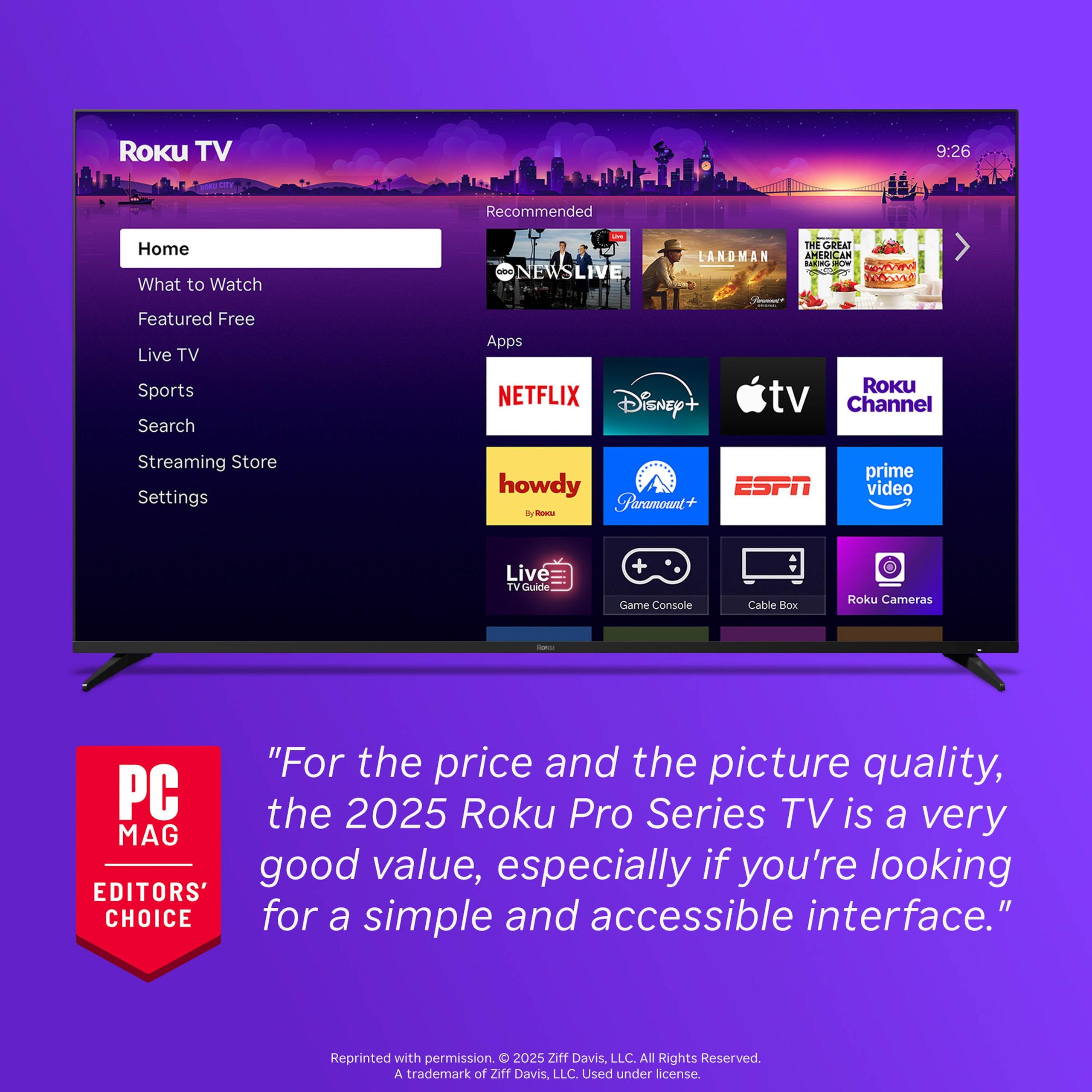
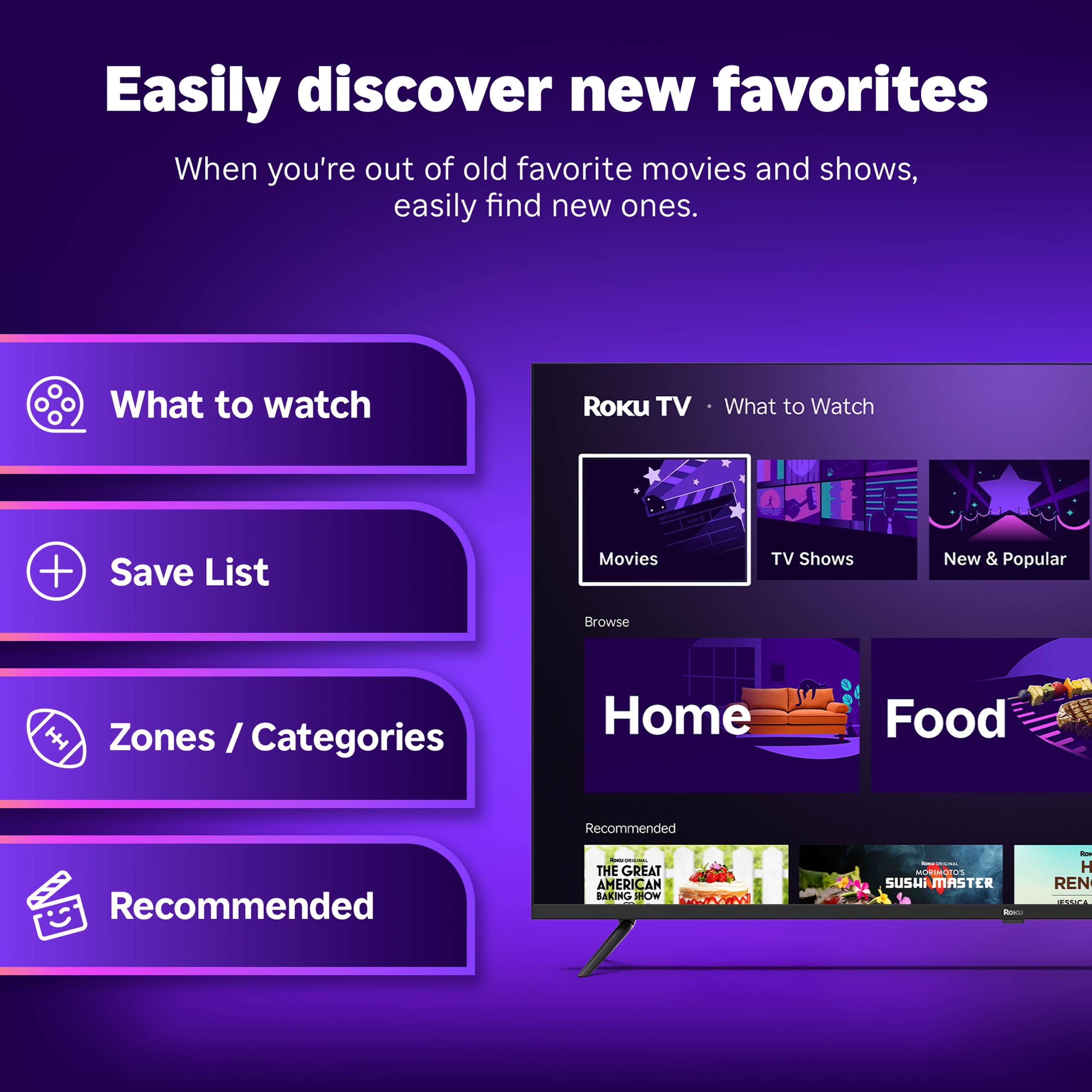
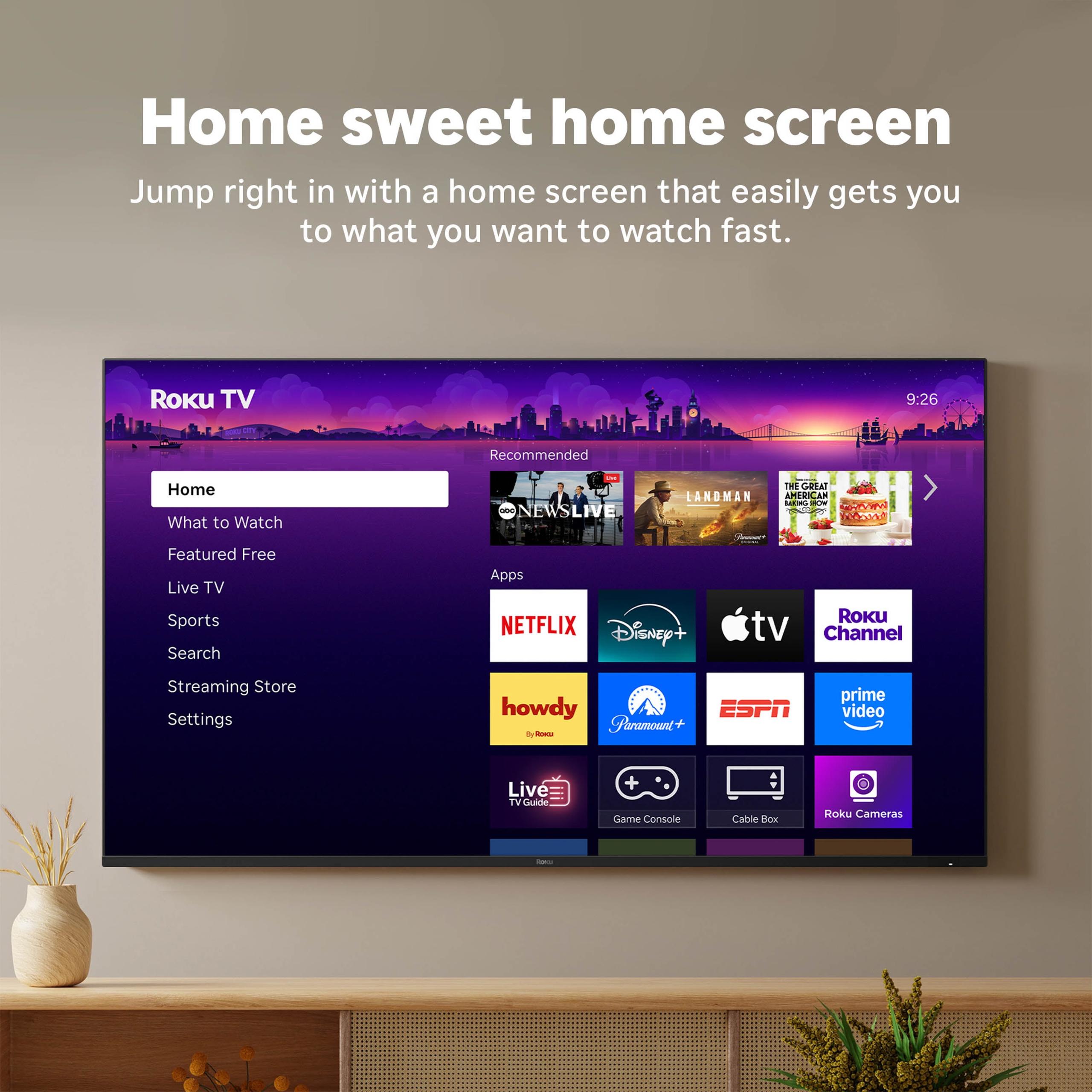
The smart TV experience represents another area where these TVs diverge philosophically. The Roku Pro Series 2025 runs Roku's proprietary operating system, which has earned widespread praise for its simplicity and user-friendly interface. The home screen presents all your streaming apps, inputs, and content in a unified, easy-to-navigate format without the clutter or advertisements that plague some other platforms.
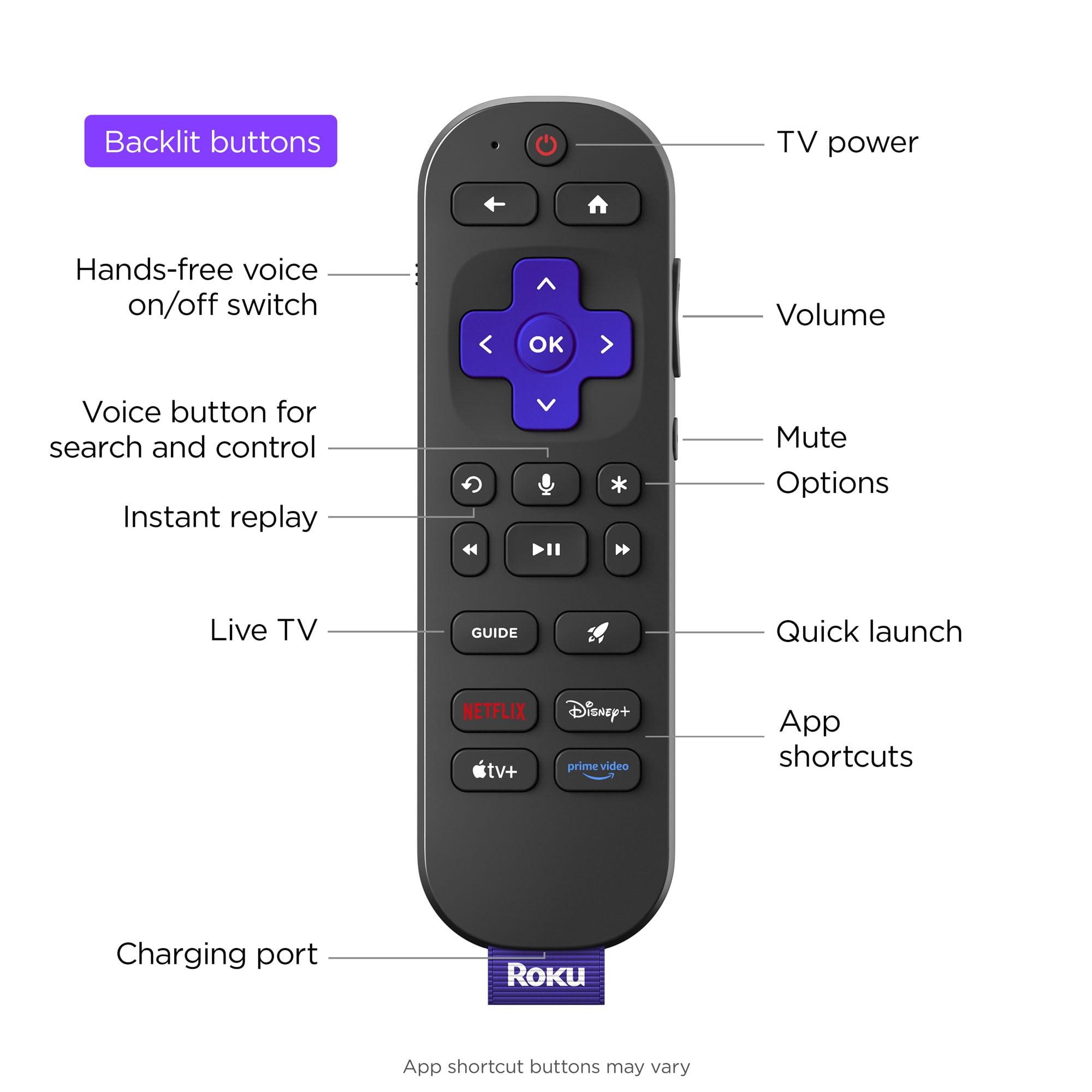
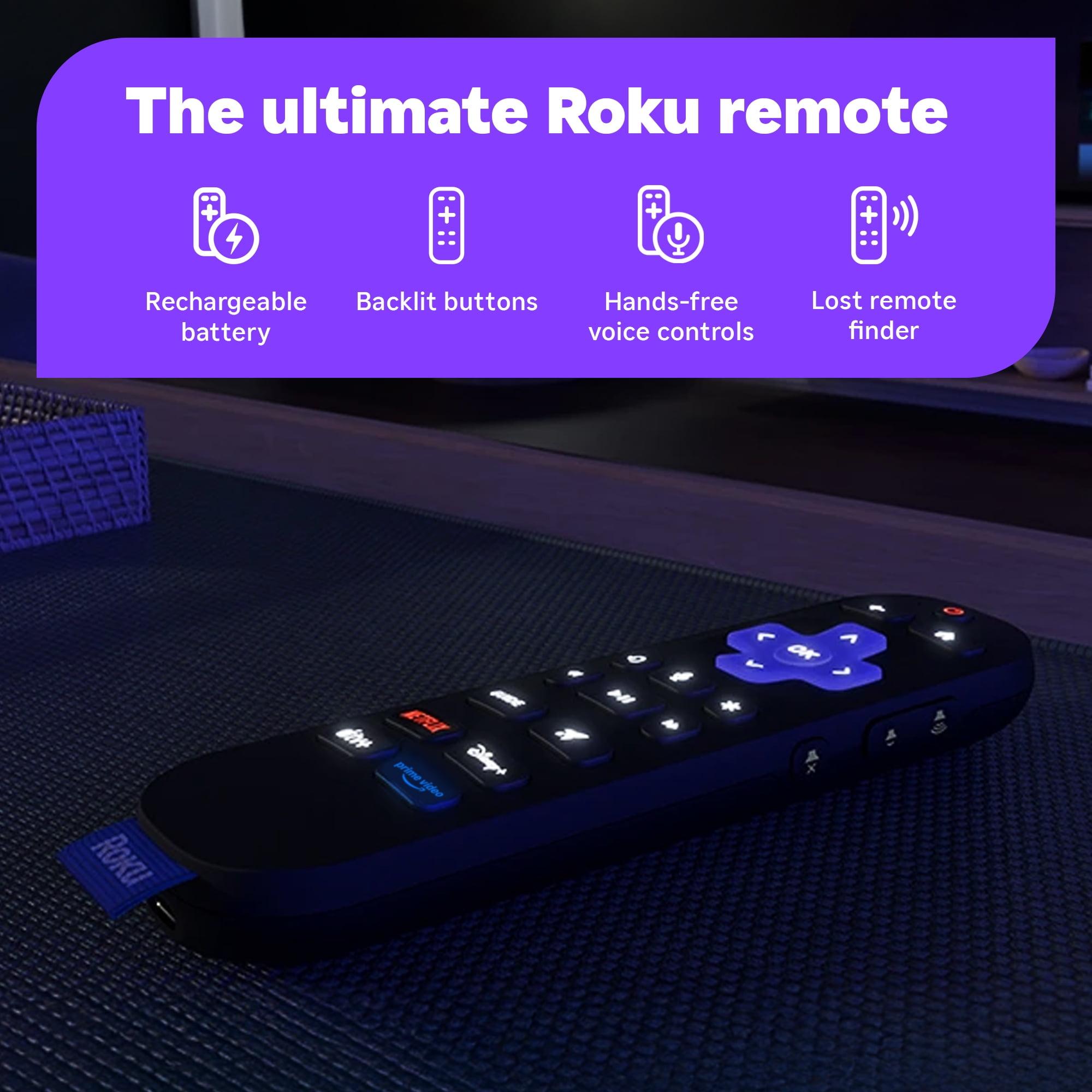
Roku's strength lies in its neutrality—the company doesn't prioritize its own content or services, instead focusing on giving you quick access to whatever you want to watch. The included Voice Remote Pro adds backlit buttons (helpful in dark rooms) and is fully rechargeable, eliminating the ongoing cost and annoyance of replacing batteries.
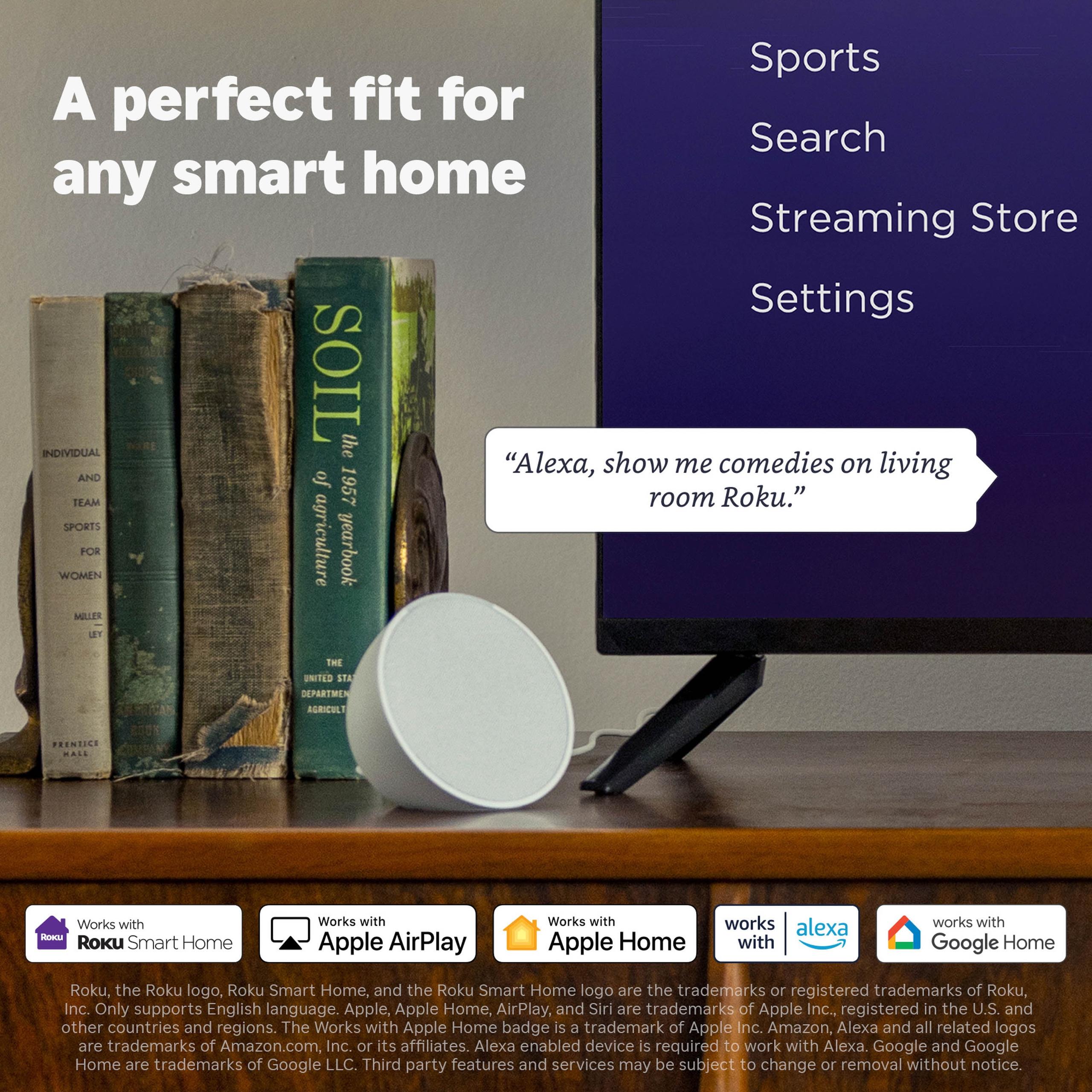
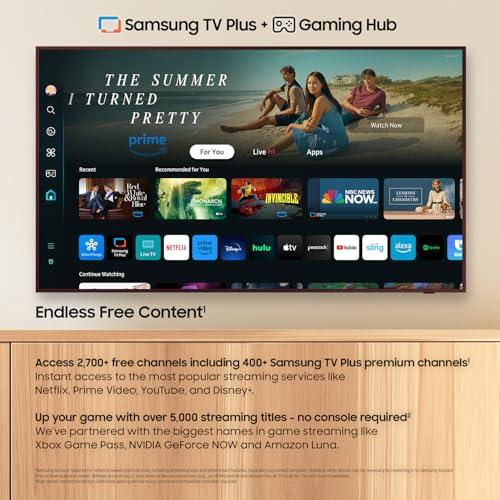
Samsung's The Frame runs the company's Tizen operating system, which offers more smart home integration through Samsung's SmartThings platform but with a more complex interface. If you're already invested in Samsung's ecosystem of devices, this integration can be valuable. However, for pure TV watching simplicity, most users find Roku's approach more intuitive.
For dedicated home theater setups, the performance advantages of the Roku Pro Series become even more pronounced. The superior contrast control and peak brightness make HDR content significantly more impactful, especially in the controlled lighting conditions typical of home theaters.
The Mini-LED backlighting system excels in dark room viewing, where the improved black levels and reduced blooming create a more cinematic experience. The enhanced audio system also means you might be able to delay or avoid purchasing a separate sound system, reducing overall setup complexity and cost.
The Frame, while capable, is better suited for living room environments where aesthetics matter more than ultimate performance. Its anti-glare properties actually work against you in dark rooms, where you want maximum contrast and don't need reflection control.
At the time of writing, both TVs occupy different value propositions that reflect their design priorities. The Roku Pro Series delivers premium performance features—Mini-LED backlighting, 120Hz gaming, advanced audio—that typically cost significantly more when found in other brands' flagship models.
This makes it an excellent choice for buyers who want high-end performance without paying flagship prices. The inclusion of future-ready features like multiple HDMI 2.1 ports and advanced gaming support also provides good long-term value as game consoles and streaming technology continue to evolve.
Samsung's The Frame commands a premium for its unique aesthetic functionality, but potential buyers should consider the total cost of ownership. While the base TV price may seem competitive, Samsung charges extra for access to its full art library (through a subscription service) and for the custom bezels that make the TV truly look like artwork. These additional costs can add up over time.
Choose the Roku Pro Series 2025 if you prioritize performance above all else. This TV excels for serious movie watchers, gamers with multiple consoles, sports fans who appreciate bright, clear motion, and anyone setting up a dedicated home theater. The superior contrast, brightness, and audio quality make it the clear winner for pure viewing experience, while the comprehensive gaming features provide excellent future-proofing.
The Roku also makes sense for buyers who want flagship performance without paying flagship prices—it's genuinely difficult to find this combination of features at this price point from other manufacturers.
Choose Samsung's The Frame 2024 if aesthetics and lifestyle integration matter more than ultimate performance. This TV is perfect for design-conscious homeowners who want their technology to blend seamlessly with their décor, art enthusiasts who will actually use the digital gallery features, and anyone with a bright living room where the anti-glare properties provide real benefits.
The Frame also works well for minimalists who prefer furniture that serves dual purposes and for those who prioritize having an ultra-slim, virtually invisible TV installation over maximum picture quality.
Both TVs represent excellent engineering, but they solve different problems. The Roku Pro Series 2025 maximizes performance and value for serious viewing, while Samsung's The Frame 2024 prioritizes aesthetics and lifestyle integration over raw capability.
For most buyers focused on watching movies, playing games, or simply getting the best picture quality for their money, the Roku is the clear choice. Its Mini-LED technology, superior brightness, enhanced audio, and gaming features provide tangible benefits that you'll notice every time you use it.
However, if you genuinely value the unique aesthetic experience that The Frame offers—and you're willing to accept some performance compromises for those lifestyle benefits—Samsung's approach can be compelling. Just be realistic about the additional costs involved in fully realizing the TV's potential as an art display.
The decision ultimately comes down to what you value more: maximum performance per dollar, or a unique aesthetic experience that doubles as home décor. Both approaches have merit, but they serve distinctly different priorities and lifestyles.
| Roku 65" Pro Series 2025 4K QLED TV | Samsung 65" The Frame QLED 4K 2024 TV |
|---|---|
| Display Technology - Determines contrast and picture quality | |
| QLED with Mini-LED backlighting and full array local dimming | QLED with edge-lit LED backlighting |
| Peak HDR Brightness - Critical for HDR content impact | |
| 1,750-1,800 nits (excellent for bright rooms and HDR) | ~590 nits (adequate but less impactful HDR) |
| Refresh Rate - Important for gaming and sports | |
| 120Hz native (smooth gaming and sports) | 60Hz standard, 120Hz in gaming modes |
| Gaming Features - Essential for console gamers | |
| 2x HDMI 2.1 ports, 5.2ms input lag, FreeSync Premium Pro | 1x HDMI 2.1 port, 9.2ms input lag, basic VRR |
| Audio System - Determines if you need a soundbar | |
| Sound Stage Audio with side-firing speakers, 40W+ system | 40W 2.0.2 system with up/down-firing drivers |
| Smart Platform - Daily usability and app performance | |
| Roku OS with Wi-Fi 6 (universally praised for simplicity) | Tizen OS (functional but more complex) |
| Design Philosophy - Aesthetic vs performance focus | |
| Traditional TV optimized for picture quality | Ultra-slim art display with customizable bezels |
| Anti-Glare Properties - Important for bright rooms | |
| Standard glossy screen (better contrast in dark rooms) | Matte anti-glare display (excellent for bright rooms) |
| Art Display Features - Unique lifestyle functionality | |
| None (traditional TV when off) | Art Mode with motion sensor and customizable frames |
| Remote Control - Daily convenience features | |
| Backlit Voice Remote Pro with rechargeable battery | Standard Samsung OneRemote |
| Wall Mounting - Installation flexibility | |
| Standard mounting (some depth from wall) | Slim-Fit mount included (flush 1-inch profile) |
| Value Proposition - Performance vs lifestyle focus | |
| Maximum performance per dollar with flagship features | Premium for unique aesthetics and dual functionality |
The Roku 65" Pro Series 2025 delivers superior picture quality with its Mini-LED backlighting system that reaches 1,750-1,800 nits peak brightness compared to Samsung's The Frame 2024 at around 590 nits. The Roku Pro Series provides deeper blacks, better contrast control, and more impactful HDR performance, making it the clear winner for home theater enthusiasts and movie watching.
The Roku 65" Pro Series 2025 is significantly better for gaming, featuring two HDMI 2.1 ports, native 120Hz refresh rate, 5.2ms input lag, and FreeSync Premium Pro support. Samsung's The Frame 2024 offers basic gaming features with only one HDMI 2.1 port and higher input lag, making the Roku the superior choice for serious gamers.
Samsung's The Frame 2024 excels in bright rooms thanks to its anti-glare matte display that reduces reflections like real artwork. While the Roku Pro Series 2025 is brighter overall, its glossy screen can be more prone to reflections. For bright living spaces, The Frame provides better viewing comfort despite lower peak brightness.
The Roku 65" Pro Series 2025 offers superior audio with its Sound Stage Audio system featuring side-firing speakers and enhanced bass response. Users consistently report "theater-like" sound quality that can eliminate the immediate need for a soundbar. Samsung's The Frame has decent audio but doesn't match the Roku's room-filling sound performance.
Yes, Samsung's The Frame 2024 transforms into a digital art display using Art Mode, which activates when motion sensors detect you've left the room. Combined with customizable magnetic bezels and ultra-slim 1-inch profile, it genuinely resembles framed artwork. The Roku Pro Series looks like a traditional TV when off and doesn't offer this aesthetic functionality.
The Roku 65" Pro Series 2025 provides exceptional value by delivering flagship-level features like Mini-LED backlighting, 120Hz gaming, and premium audio at a competitive price point. Samsung's The Frame 2024 commands a premium for its unique aesthetic features, with additional costs for art subscriptions and custom bezels, making the Roku better for performance-focused buyers.
The Roku 65" Pro Series 2025 runs Roku OS, widely praised for its simple, unified interface that makes finding content effortless. Samsung's The Frame 2024 uses Tizen OS, which offers more smart home integration but with a more complex interface. Most users find the Roku platform more intuitive for daily TV watching.
The Roku 65" Pro Series 2025 is superior for home theater setups due to its Mini-LED technology providing better contrast in dark rooms, higher peak brightness for HDR impact, and enhanced audio system. Samsung's The Frame is designed more for living room environments where aesthetics matter more than ultimate performance.
Both TVs support all major streaming platforms including Netflix, Disney+, Prime Video, Apple TV+, and YouTube. The Roku Pro Series 2025 offers slightly faster app performance with Wi-Fi 6 connectivity, while Samsung's The Frame 2024 provides good streaming performance through its Tizen platform with additional smart home integration capabilities.
Samsung's The Frame 2024 is specifically designed for wall mounting with its included Slim-Fit mount that creates a flush 1-inch profile against the wall. The Roku 65" Pro Series 2025 can be wall-mounted but will extend further from the wall due to its traditional design, making The Frame better for minimalist wall installations.
The Roku 65" Pro Series 2025 includes a superior Voice Remote Pro with backlit buttons, rechargeable battery, and a finder function activated from the TV. Samsung's The Frame 2024 comes with a standard OneRemote that's functional but lacks premium features like backlighting or recharging, making the Roku remote more convenient for daily use.
The Roku 65" Pro Series 2025 offers better future-proofing with two HDMI 2.1 ports supporting next-gen gaming, Wi-Fi 6 connectivity, and advanced processing that handles emerging content formats. While both TVs will receive software updates, the Roku's superior hardware specifications and gaming features provide better long-term value as technology evolves.
We've done our best to create useful and informative comparisons to help you decide what product to buy. Our research uses advanced automated methods to create this comparison and perfection is not possible - please contact us for corrections or questions. These are the sites we've researched in the creation of this article: bestbuy.com - rtings.com - techradar.com - youtube.com - roku.com - youtube.com - walmart.com - bestbuy.com - youtube.com - electronicexpress.com - roku.com - pcvarge.com - ecoustics.com - tomsguide.com - rtings.com - rtings.com - youtube.com - bestbuy.com - techlicious.com - youtube.com - smalllilystudio.com - theeverymom.com - livingetc.com - pcrichard.com - image-us.samsung.com - samsung.com - images.samsung.com - samsung.com - buydig.com - tvsbook.com - bestbuy.com - samsung.com - samsung.com - flatpanelshd.com

Privacy Policy
Terms and Conditions - Affiliate Policy
Home Security
© Copyright 2008-2026.
11816 Inwood Rd #1211, Dallas, TX 75244