

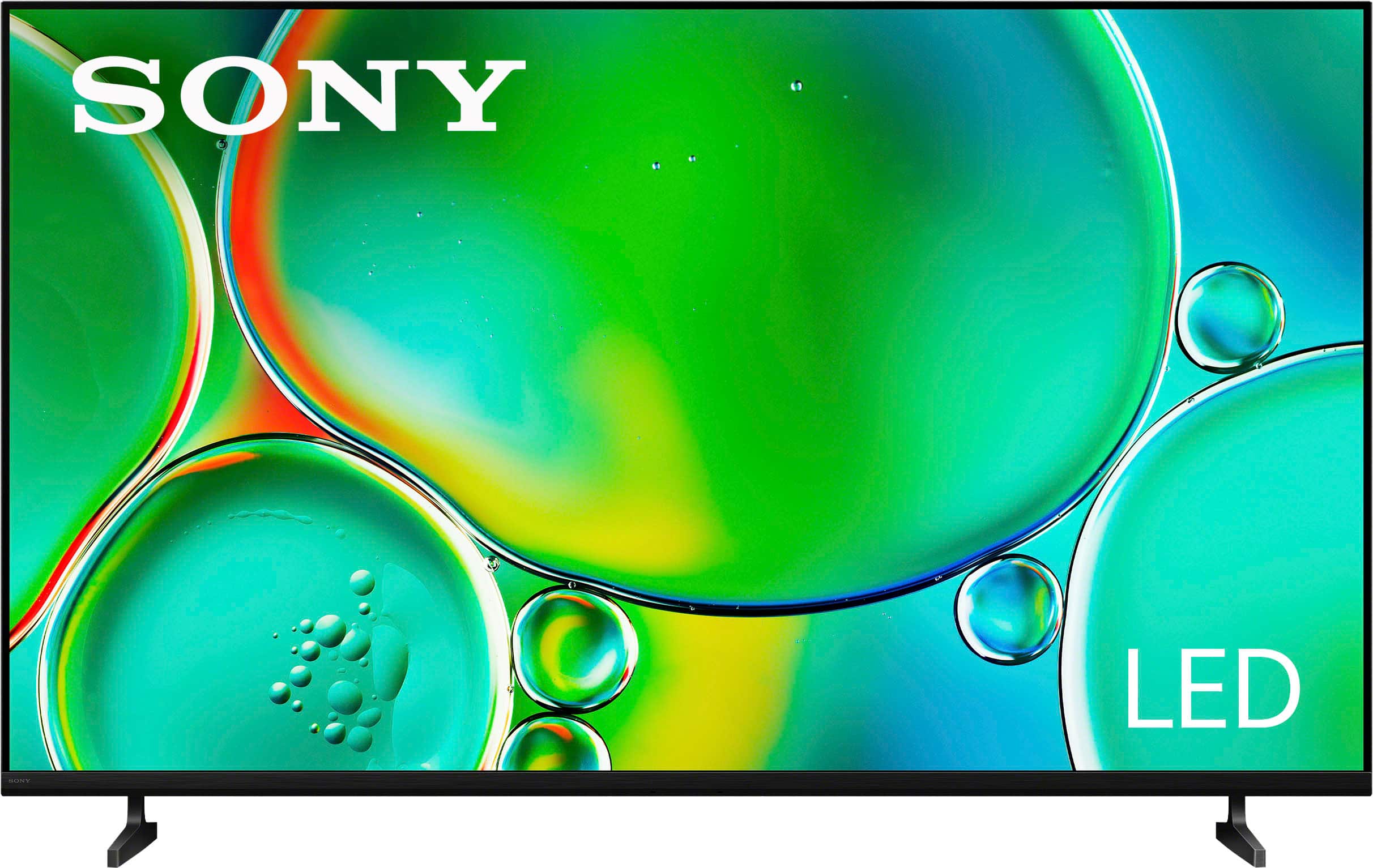
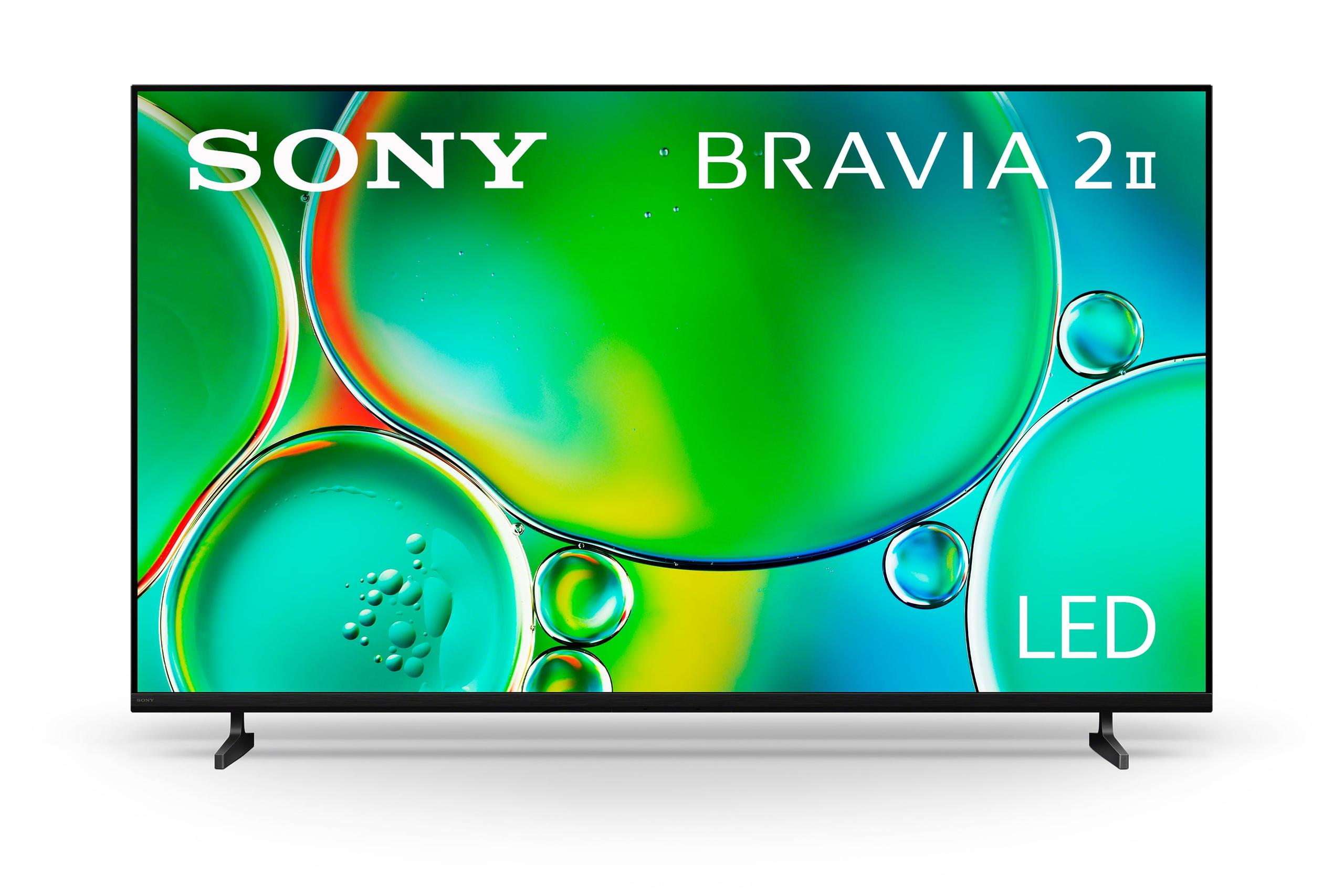


The 65-inch 4K TV market has become a battlefield between premium gaming displays and budget-friendly streaming TVs. This year's face-off between the Roku Pro Series 2025 and Sony BRAVIA 2 II perfectly illustrates this divide—one targeting serious gamers and sports fans, the other serving casual viewers who prioritize smart features over cutting-edge performance.
Before diving into the specifics, it's crucial to understand what separates a good TV from a great one in 2025. The most important factors include display technology (how the screen creates light and color), refresh rate (how many times per second the image updates), smart platform capabilities, and gaming features for console compatibility.
Display technology has evolved dramatically since basic LED TVs dominated the market. Today's premium TVs use Mini-LED backlighting—thousands of tiny LEDs that can dim or brighten independently to create precise contrast between dark and bright areas of the screen. This is called "local dimming," and it's the difference between seeing murky gray areas in dark movie scenes versus true, deep blacks.
QLED technology adds another layer by using quantum dots—microscopic particles that produce purer, more vibrant colors when hit by light. Think of it as a filter that makes reds redder and blues bluer without looking artificial. Standard LED TVs, while perfectly functional, can't match this color vibrancy or contrast precision.
Refresh rate determines how smooth motion appears on screen. Most content plays at 24-30 frames per second, but modern gaming consoles and sports broadcasts can display up to 120 frames per second. A 60Hz TV can only show 60 updates per second, potentially causing motion blur or stuttering in fast-paced content. A 120Hz display doubles that smoothness—particularly noticeable in sports and gaming.
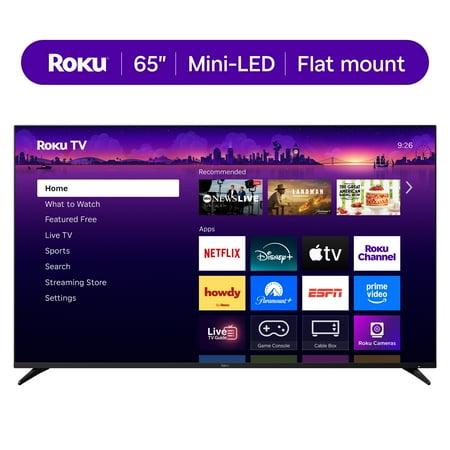
The Roku Pro Series launched in 2025 as Roku's flagship premium TV, featuring significant upgrades over their previous generation including improved Mini-LED technology and enhanced AI-powered picture processing. At the time of writing, it commands a premium price reflecting its flagship positioning.
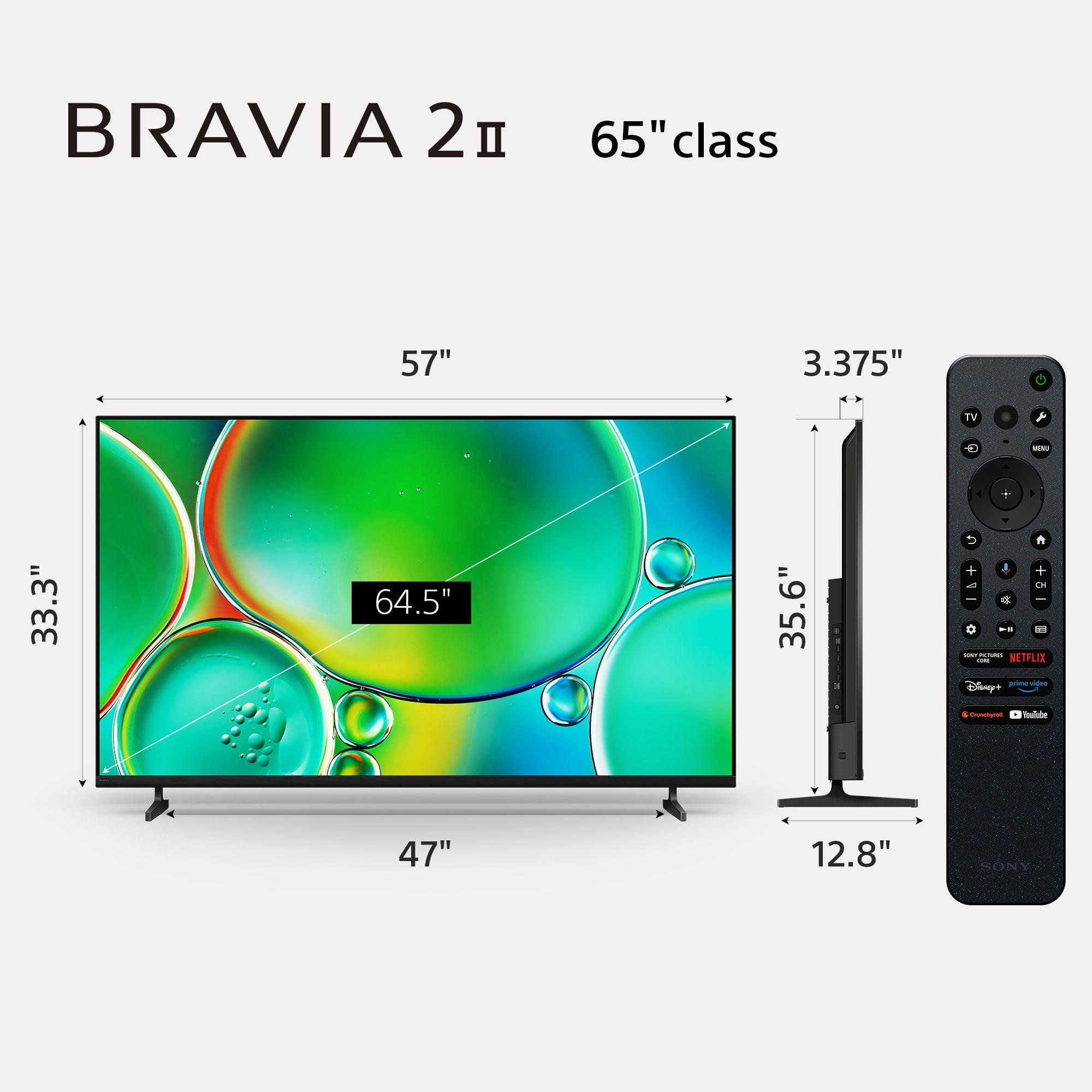
The Sony BRAVIA 2 II, also released in 2025, represents Sony's entry-level 4K offering—a complete redesign of their budget tier with modern Google TV integration and PlayStation 5 compatibility features. It's positioned as Sony's most affordable 2025 model, typically priced several hundred dollars below the Roku.
These TVs target completely different audiences. The Roku Pro Series chases gaming enthusiasts and home theater buffs who want flagship picture quality. The Sony BRAVIA 2 II serves budget-conscious buyers prioritizing smart features and brand reliability over cutting-edge performance.
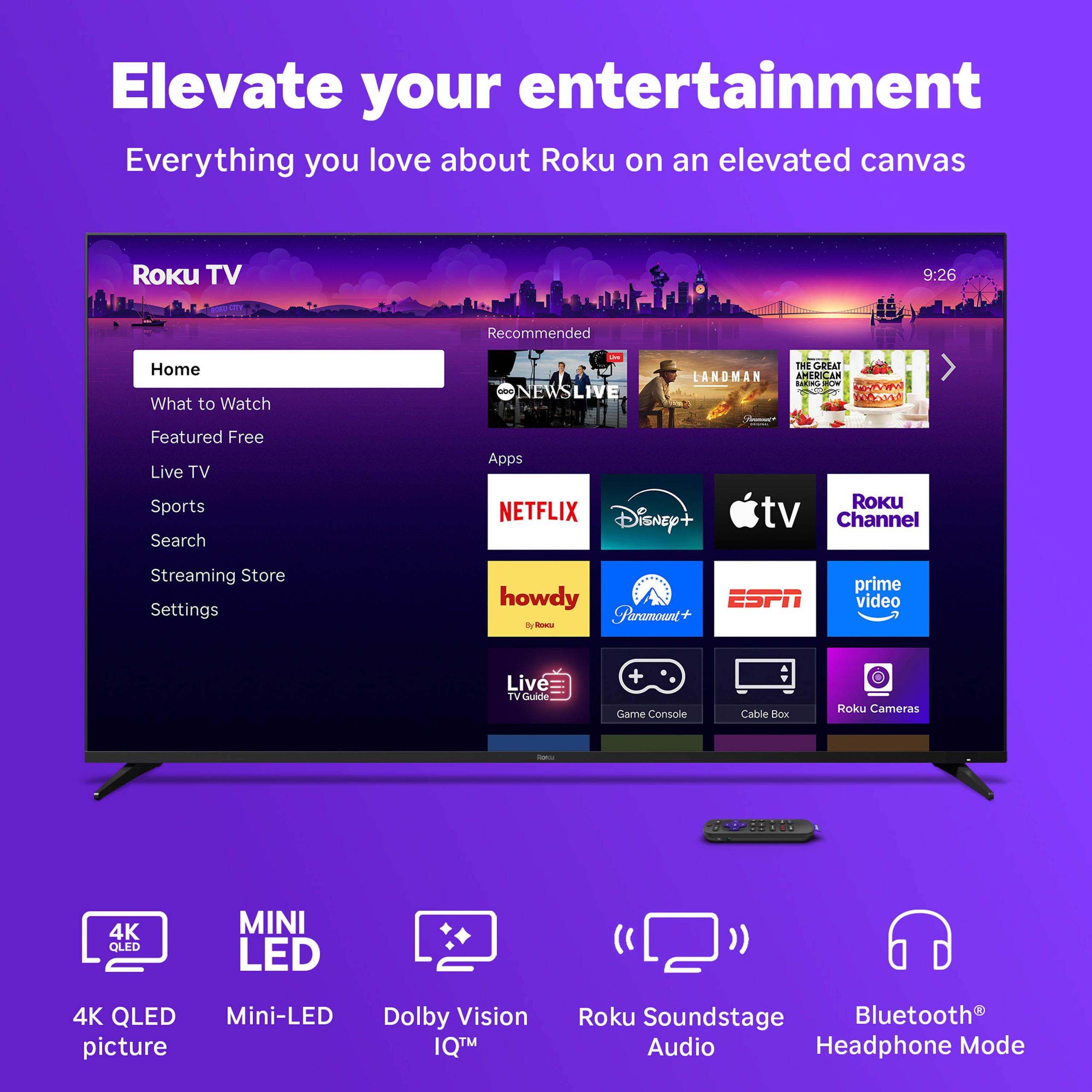
The Roku Pro Series employs Mini-LED QLED with full array local dimming—a mouthful of technical terms that translate to dramatically better picture quality. Imagine your TV screen divided into thousands of zones, each controlled by clusters of tiny LEDs. When watching a movie with a starfield, the Roku can keep the black space around stars completely dark while making the stars themselves brilliantly bright. This creates a three-dimensional, lifelike image that jumps off the screen.
The Sony BRAVIA 2 II uses standard direct-lit LED backlighting—essentially one large backlight behind the entire screen. While Sony's engineers have optimized this approach, it fundamentally cannot create the precise contrast control of local dimming. Dark scenes appear more gray than black, and bright highlights don't pop as dramatically.
Based on professional measurements and user feedback, the difference is immediately noticeable. The Roku Pro Series delivers peak brightness levels exceeding 1,700 nits in HDR content—bright enough to overcome glare in sunny living rooms while maintaining deep blacks in dark theaters. The Sony BRAVIA 2 II offers adequate brightness for moderate lighting but struggles in very bright or very dark environments.
The Roku Pro Series's QLED quantum dot technology produces a wider color gamut—technical speak for more vivid, accurate colors. Professional reviews consistently praise its color vibrancy, particularly in animated content like Pixar films where the enhanced saturation makes colors appear almost three-dimensional.
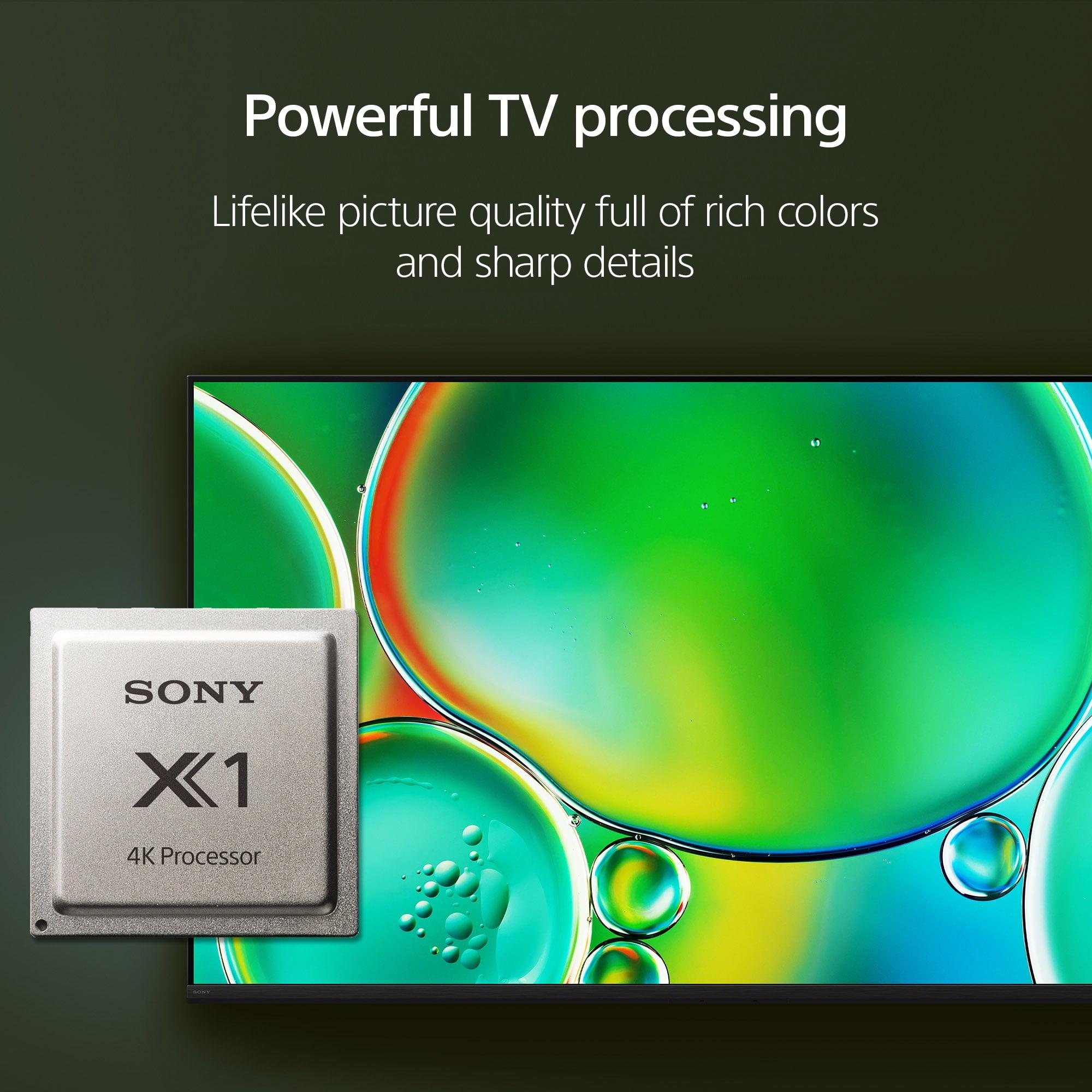
Sony counters with decades of color science expertise. Their 4K Processor X1 and Live Color technology prioritize natural, film-like reproduction over pure vibrancy. Many viewers prefer Sony's approach for dramatic films and documentaries, finding the colors more believable even if less spectacular.
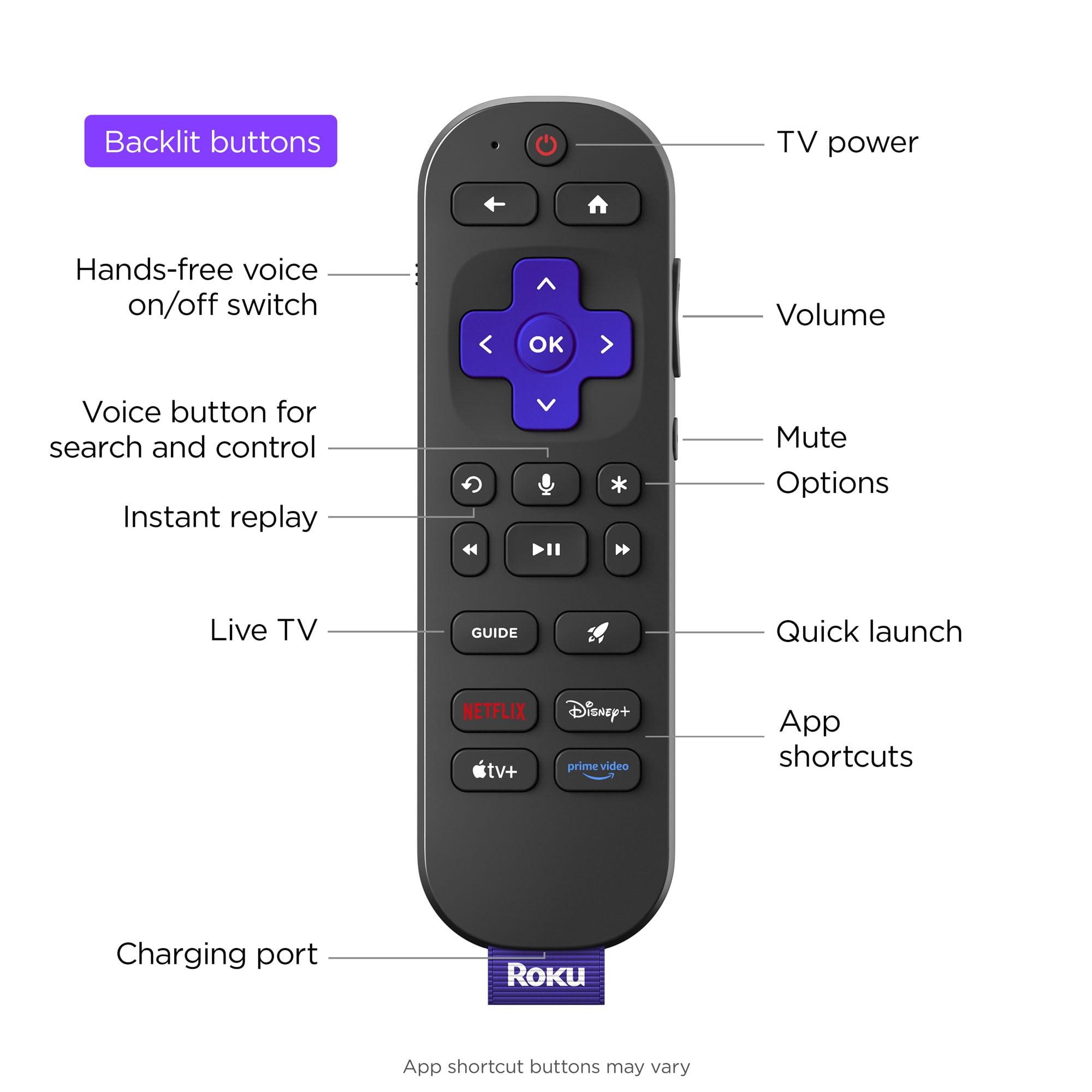
The Roku Pro Series also features Smart Picture Max, an AI system that automatically adjusts color, contrast, and sharpness for every scene. This eliminates the need to constantly tweak picture settings—the TV essentially calibrates itself in real-time. The Sony BRAVIA 2 II relies more on traditional processing and manual picture mode selection.
HDR (High Dynamic Range) content contains more color and brightness information than standard video, but only if your TV can decode it properly. The Roku Pro Series supports Dolby Vision, HDR10+, and HLG—essentially every HDR format available. This ensures compatibility with Netflix's Dolby Vision content, Amazon Prime's HDR10+ shows, and broadcast HDR programming.
The Sony BRAVIA 2 II supports only HDR10 and HLG, missing Dolby Vision entirely. This matters because many streaming services use Dolby Vision for their premium content. While you'll still get HDR, you're not getting the full experience the content creators intended.
This is where these TVs diverge most dramatically. The Roku Pro Series offers true 120Hz refresh rate capability, while the Sony BRAVIA 2 II is locked to 60Hz. For gaming, this difference is game-changing—literally.
Modern gaming consoles like PlayStation 5 and Xbox Series X can output games at 120 frames per second, but only if your TV can display them. With a 60Hz TV like the Sony BRAVIA 2 II, you're immediately limiting your console's capabilities. Fast-paced shooters, racing games, and sports titles benefit enormously from 120Hz smoothness—the difference feels like switching from choppy video to silk-smooth motion.
Even for sports viewing, 120Hz provides noticeably smoother motion during rapid camera pans or fast player movements. NFL games look dramatically more fluid on the Roku Pro Series compared to the Sony BRAVIA 2 II.
The Roku Pro Series includes a full suite of gaming technologies: AMD FreeSync Premium Pro eliminates screen tearing by synchronizing the TV's refresh rate with your console's output. Auto Low Latency Mode (ALLM) automatically reduces input lag when gaming. Variable Refresh Rate (VRR) prevents stuttering when frame rates fluctuate.
These features combine to create input lag as low as 5.2 milliseconds—essentially instantaneous response between your controller input and on-screen action. Competitive gamers will appreciate this responsiveness, while casual players will notice smoother, more enjoyable gameplay.
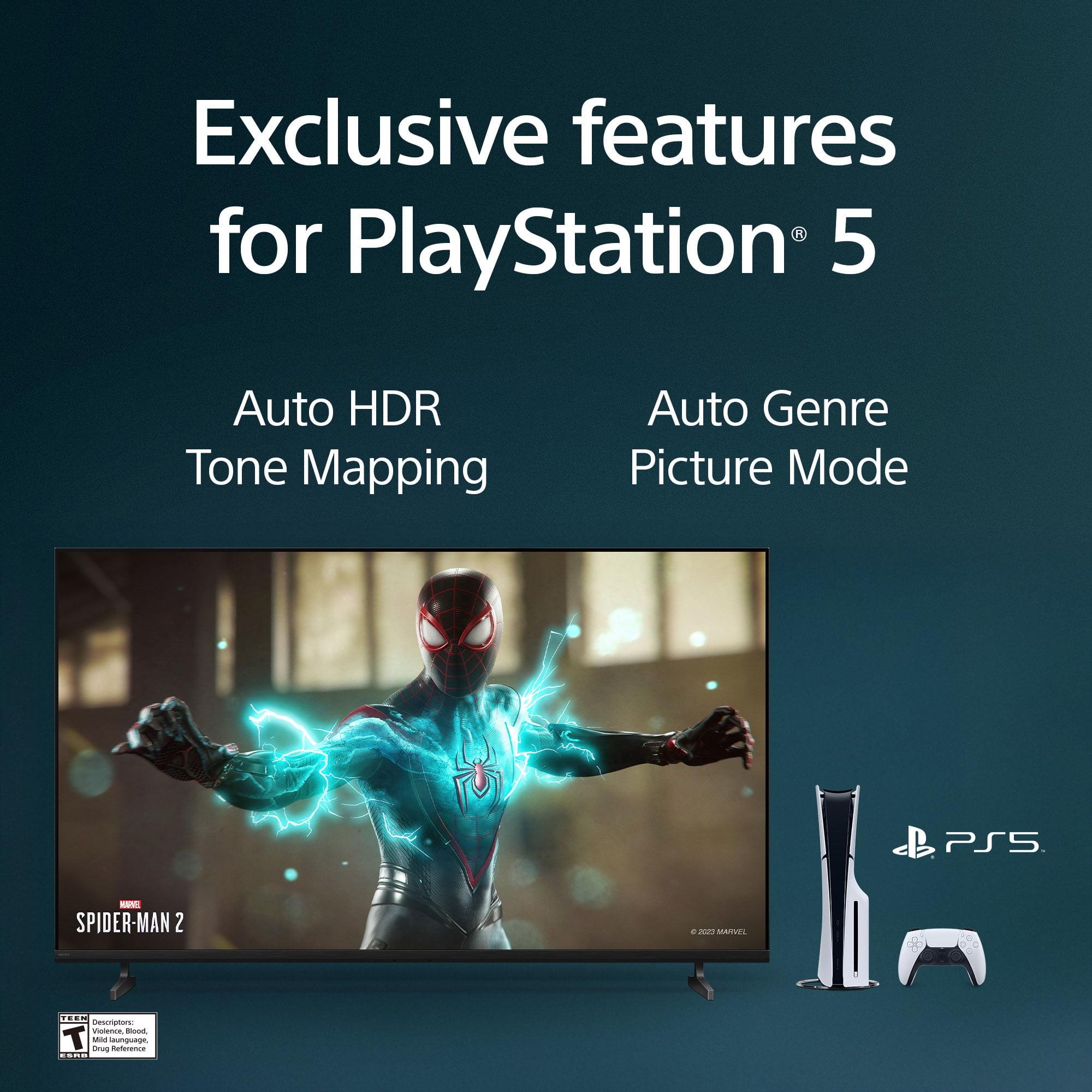
The Sony BRAVIA 2 II offers basic ALLM but lacks VRR entirely. Its 60Hz limitation means it cannot access next-generation console features like 4K gaming at 120Hz. While Sony includes PlayStation 5-specific optimizations like Auto HDR Tone Mapping, these don't compensate for the fundamental refresh rate limitation.
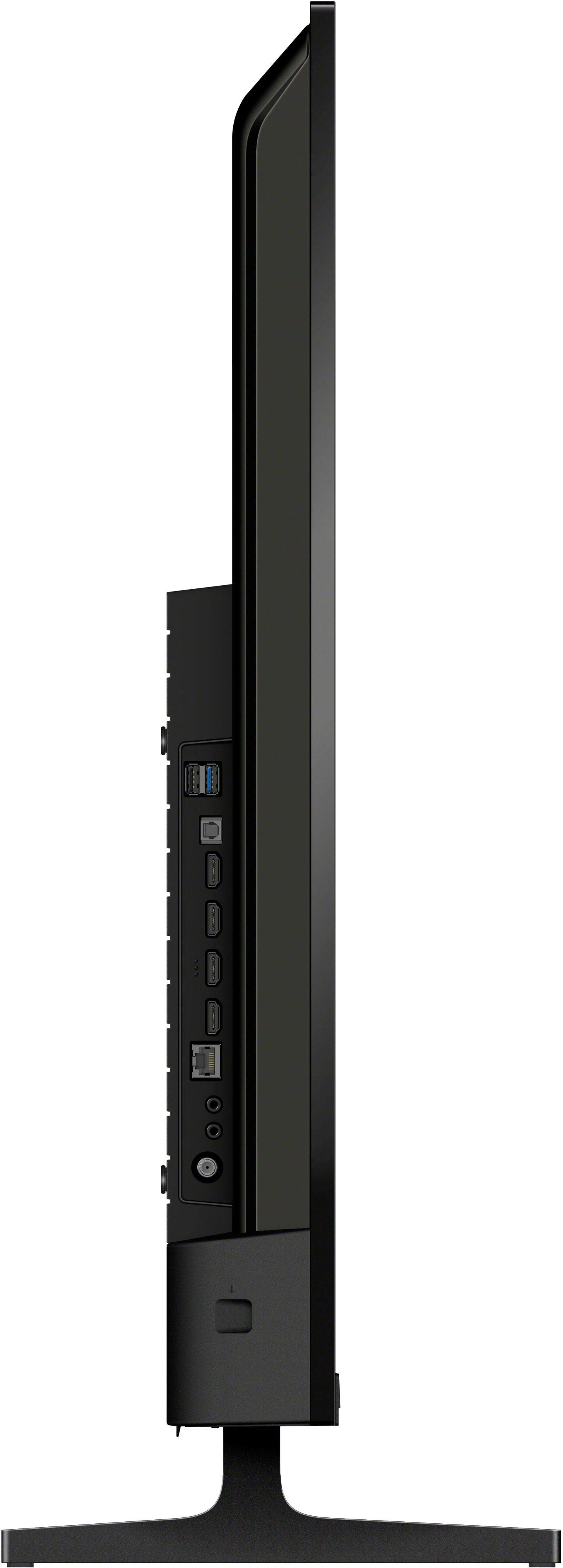
The Roku Pro Series features two full HDMI 2.1 ports supporting 4K at 120Hz with full 4:4:4 chroma sampling—technical requirements for maximum gaming quality. The Sony BRAVIA 2 II is limited to HDMI 2.0 bandwidth, preventing true next-gen gaming capability.
This bandwidth limitation becomes increasingly important as gaming evolves. New console games targeting 120fps and streaming services experimenting with high frame rate content require HDMI 2.1 capability. The Sony BRAVIA 2 II is essentially locked out of this future.
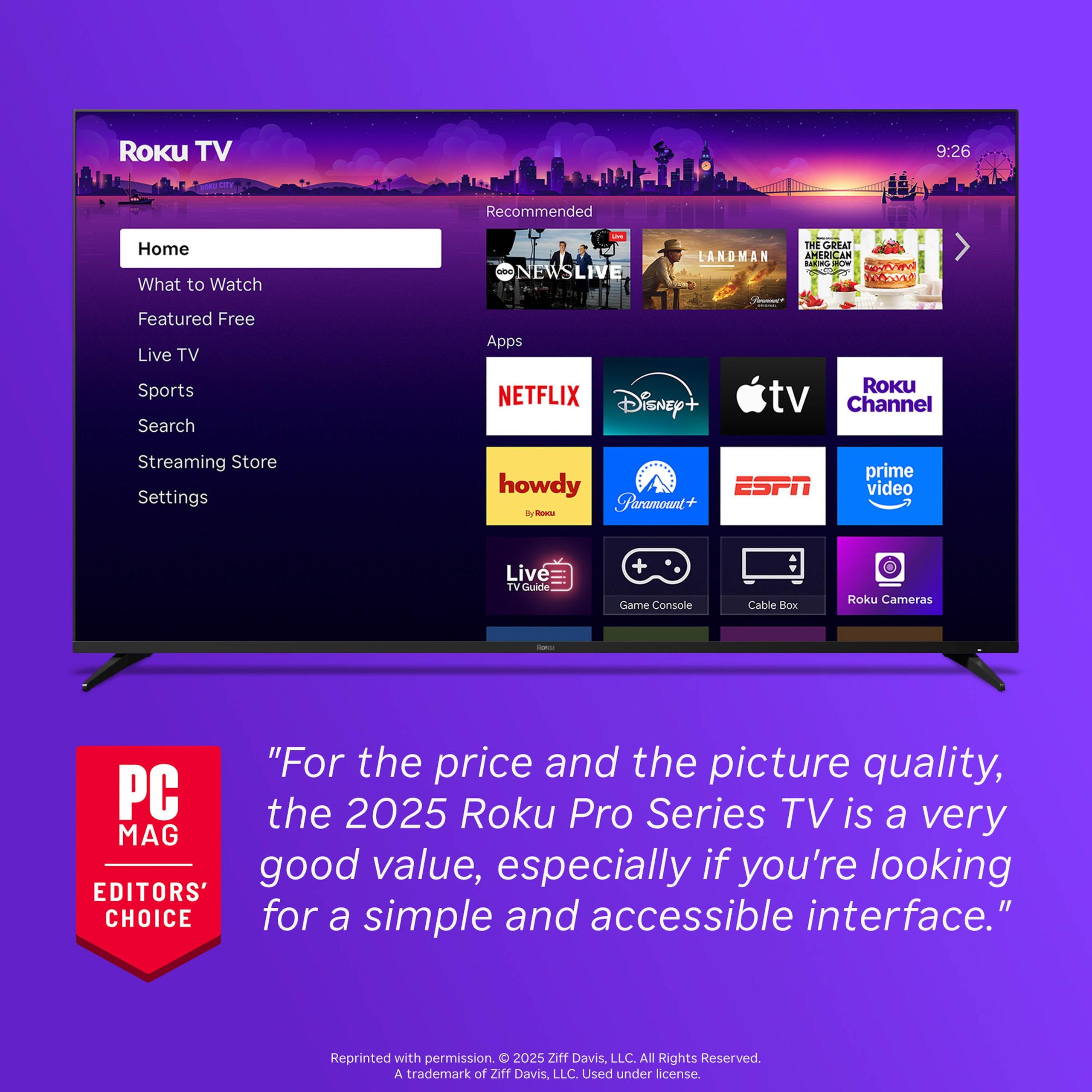
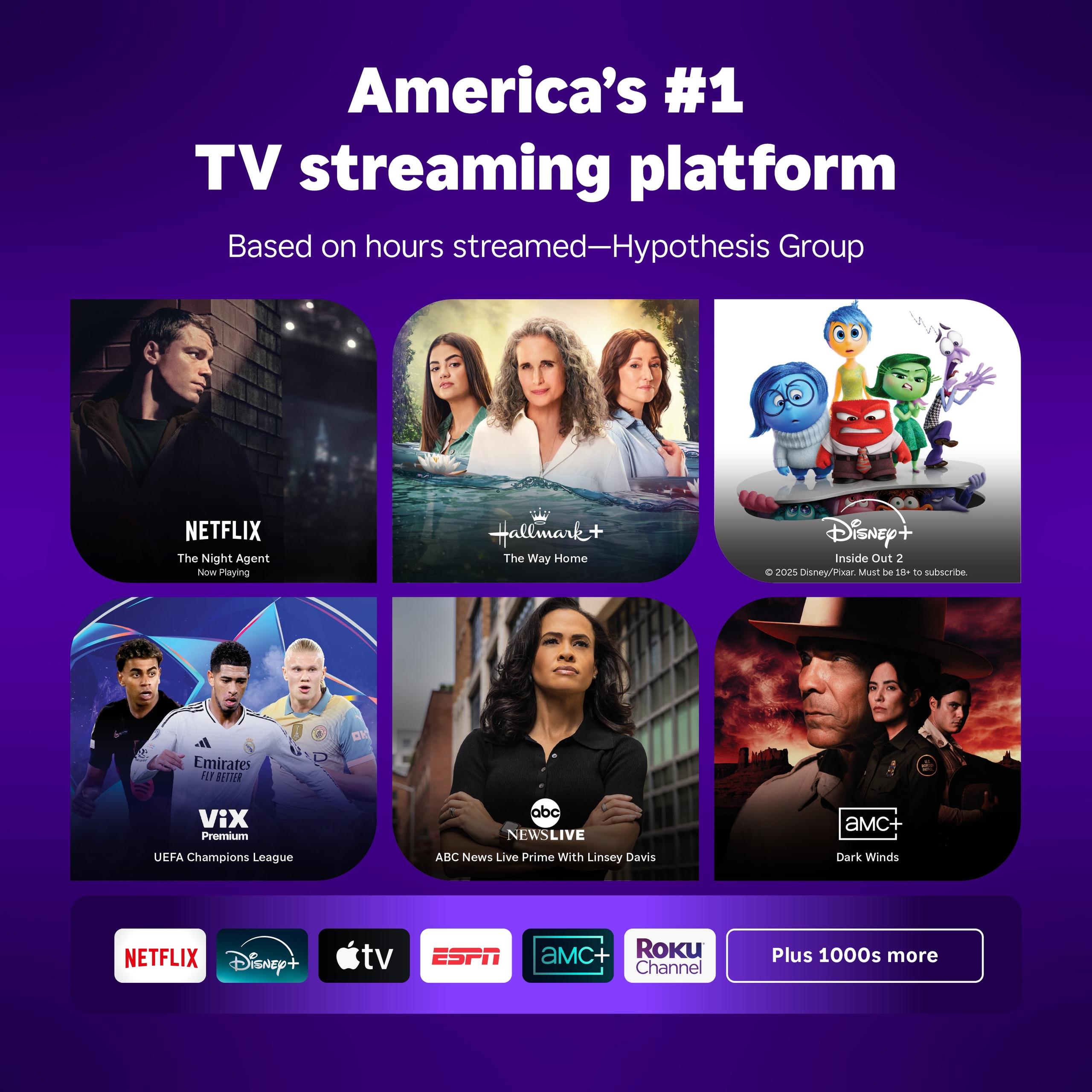
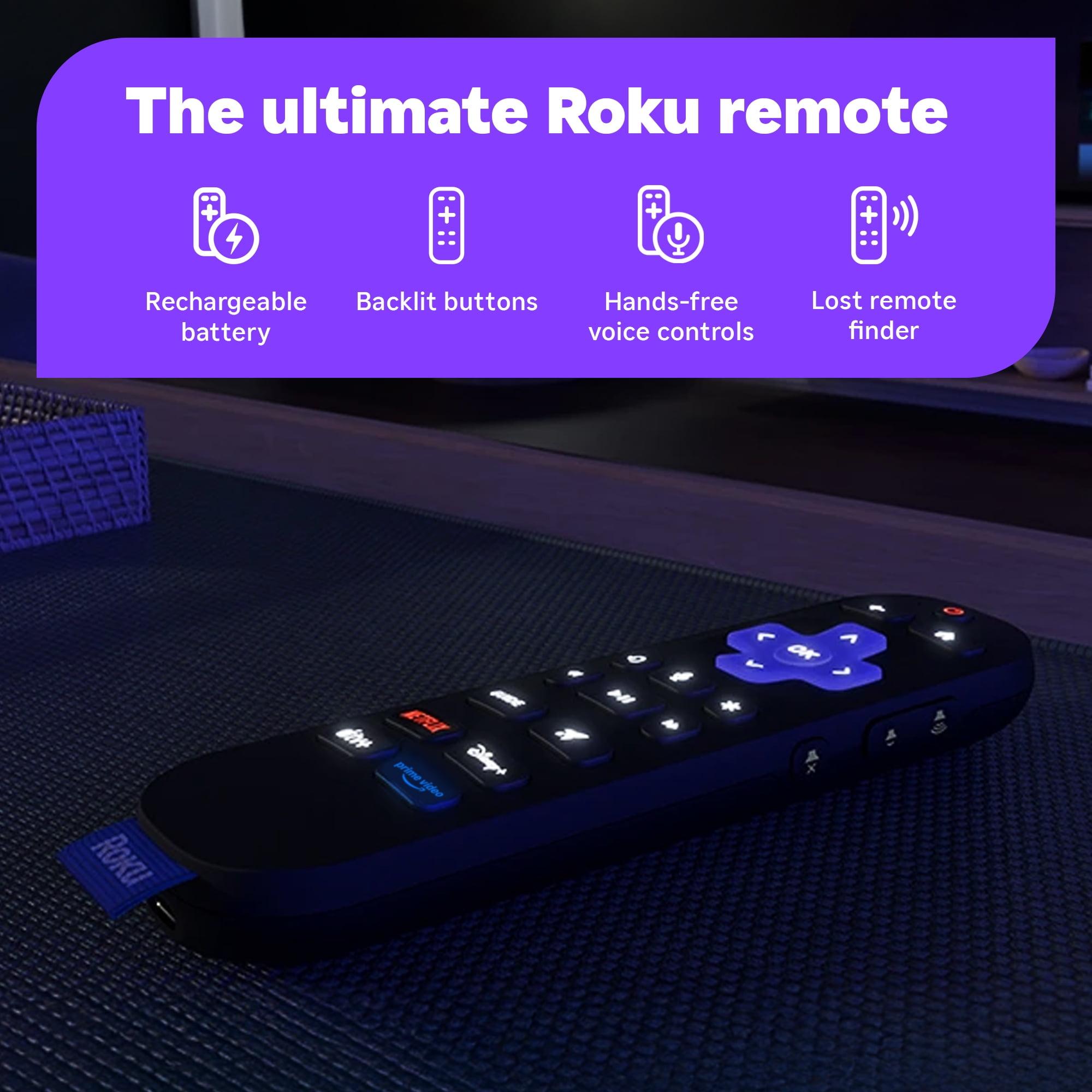
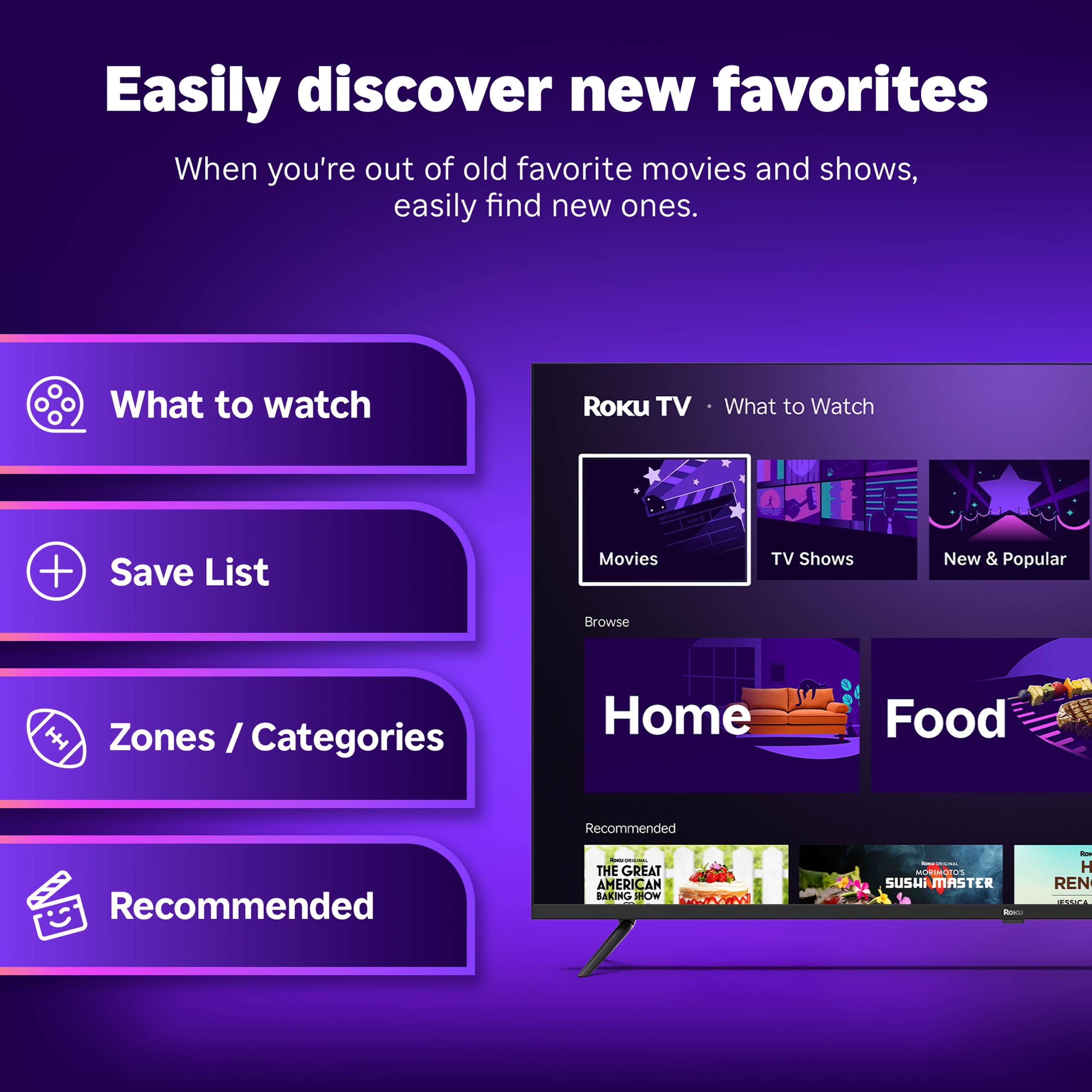
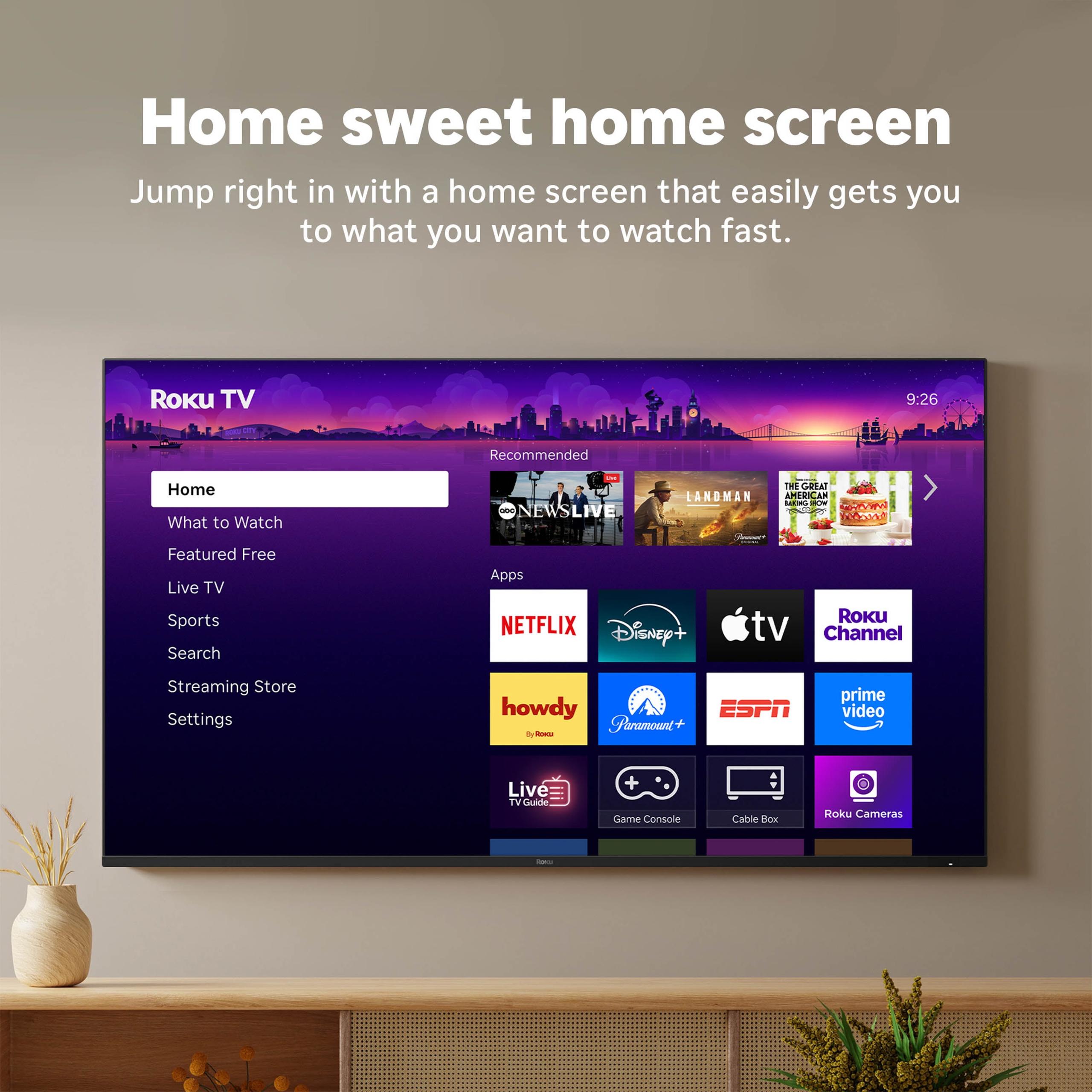
The Roku Pro Series runs Roku TV OS, renowned for its simplicity and content discovery. The interface prioritizes showing you what to watch rather than overwhelming you with app icons. Universal search works across all installed apps, and The Roku Channel provides thousands of free movies and shows.
Roku's strength lies in its platform neutrality—it doesn't favor any particular streaming service, instead presenting everything equally. This makes content discovery intuitive, especially for viewers who subscribe to multiple services.
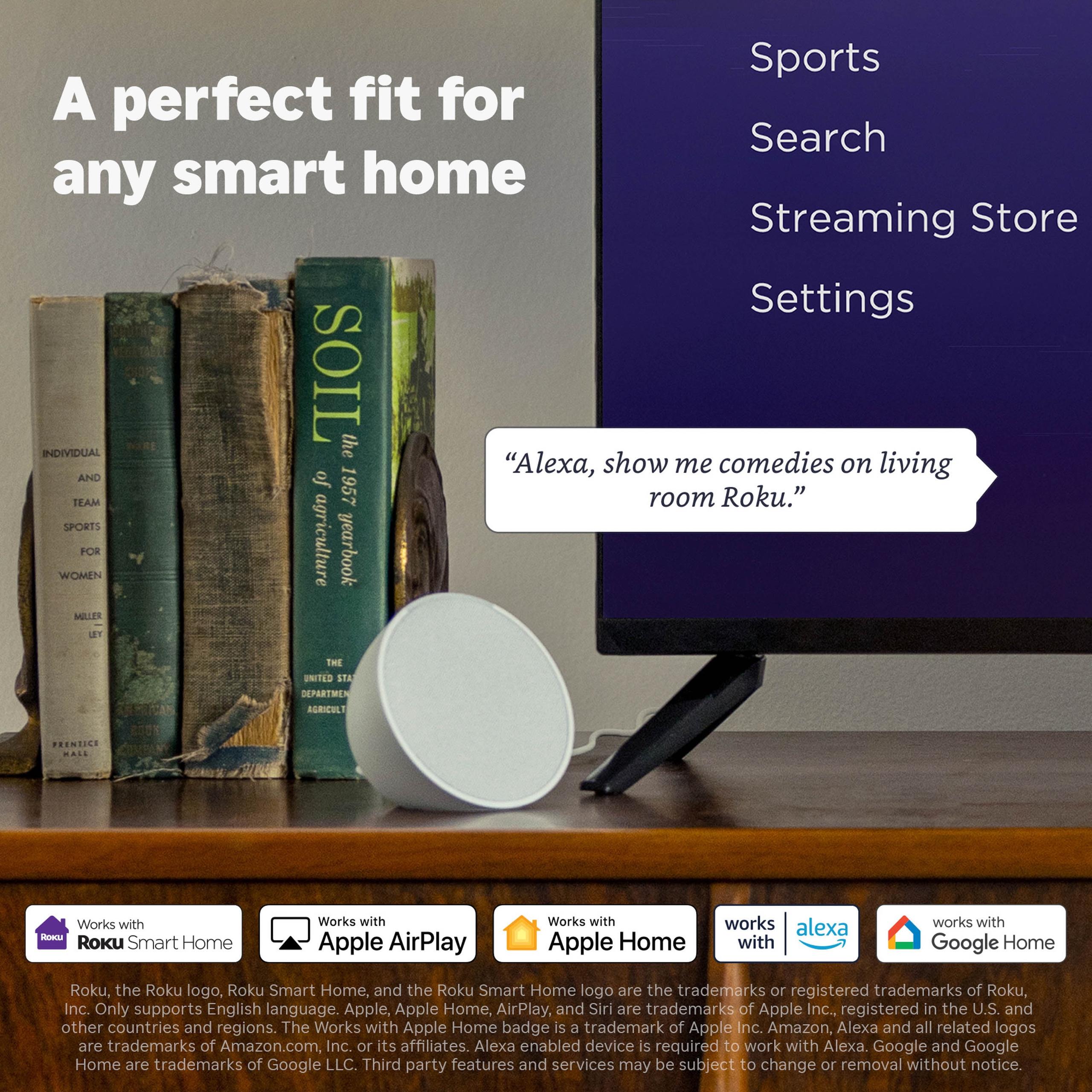
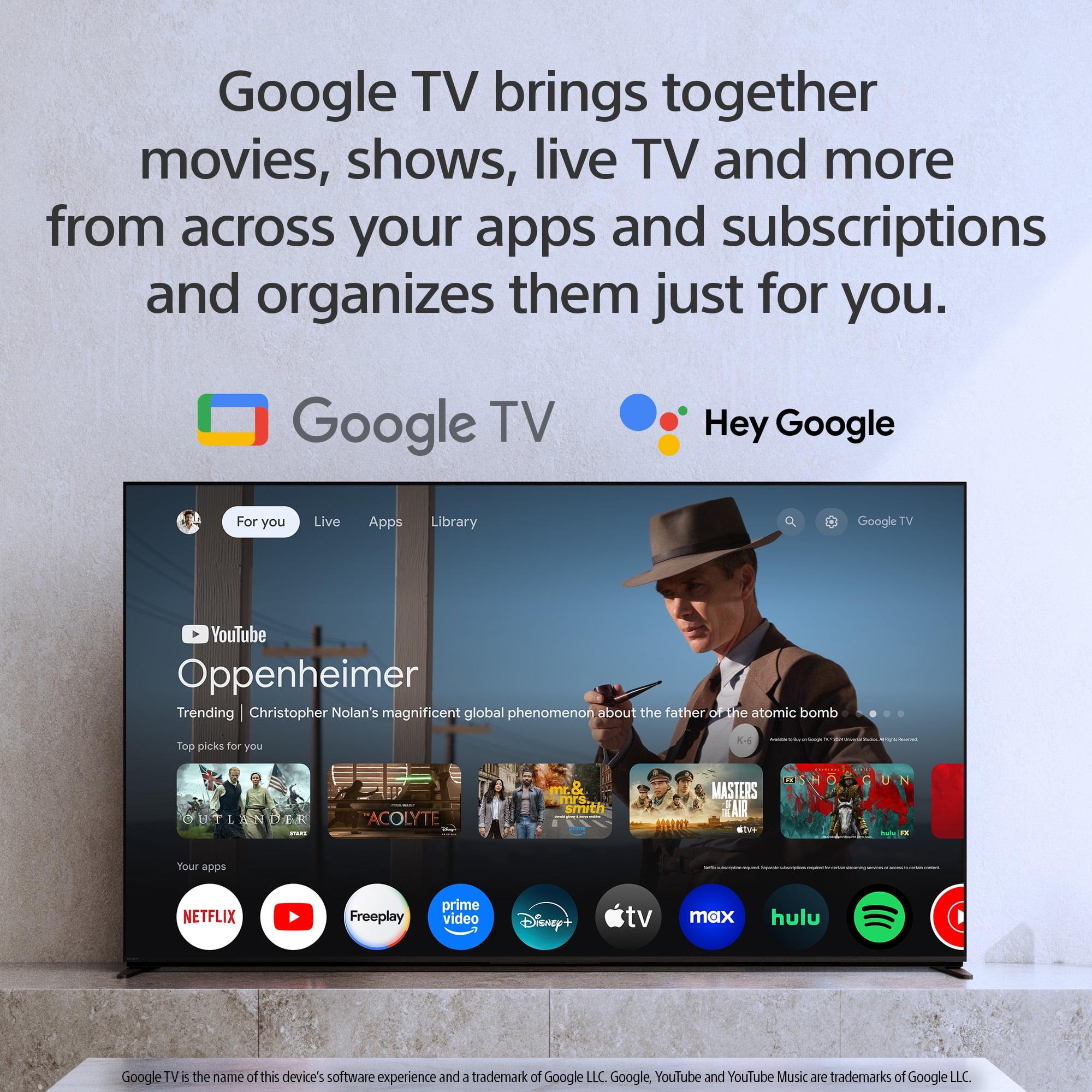
Google TV on the Sony BRAVIA 2 II offers deeper ecosystem integration for Android users. Google Assistant voice control is more sophisticated than Roku's voice features, and the platform supports a broader range of apps including some niche streaming services unavailable on Roku.
However, Google TV can feel cluttered with recommendations and advertisements. Some users find Roku's cleaner interface more appealing for daily use, while tech-savvy viewers prefer Google TV's customization options.
Both smart platforms have evolved significantly since their early versions, but the Roku Pro Series includes Wi-Fi 6 connectivity and optimized processing that delivers notably faster app launches and menu navigation. The Sony BRAVIA 2 II offers adequate performance but occasionally stutters during heavy multitasking.
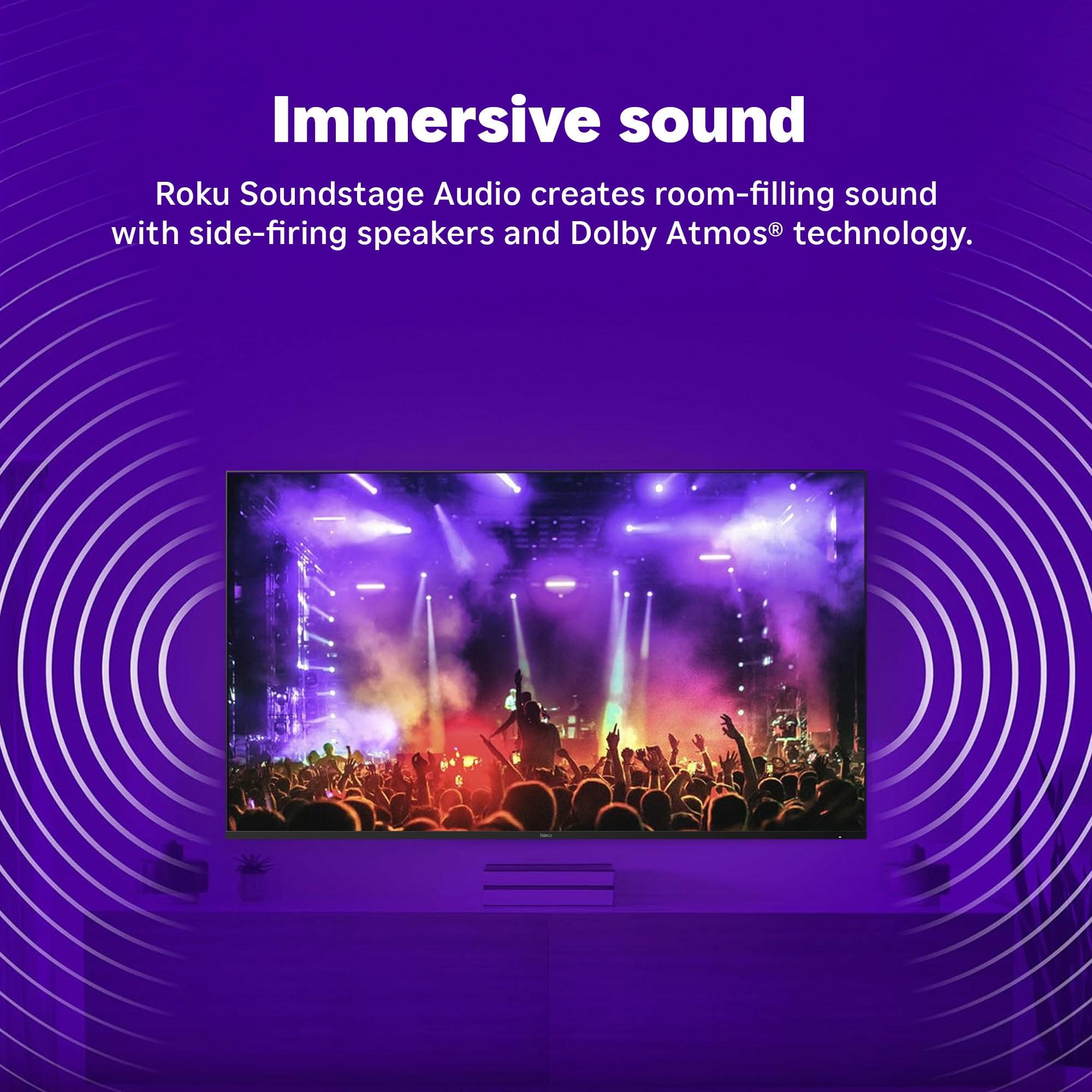
The Roku Pro Series features enhanced Sound Stage audio with side-firing Dolby Atmos speakers. This configuration creates more immersive sound than traditional downward-firing speakers, particularly noticeable during action movies where effects seem to surround you.
The Sony BRAVIA 2 II includes Dolby Atmos support through its Open Baffle Speaker system, but the implementation is more basic. While adequate for casual viewing, serious home theater enthusiasts will likely want to add a soundbar regardless of which TV they choose.
Both TVs support Bluetooth headphone connectivity for private listening—a surprisingly useful feature for late-night viewing or apartment living.
The Roku Pro Series excels in challenging lighting conditions. Its Mini-LED backlighting produces enough brightness to overcome glare in sunny living rooms while maintaining contrast in darkened home theaters. The quantum dot color technology keeps colors vivid even under ambient lighting.
The Sony BRAVIA 2 II works best in controlled lighting environments. Direct sunlight or bright overhead lighting can wash out the image, making it less suitable for rooms with large windows or bright ceiling fixtures.
Both TVs use LCD panels with inherent viewing angle limitations. Colors and contrast degrade when viewed from the sides, making them less ideal for wide seating arrangements. For families or groups who watch from various positions, OLED TVs offer better off-angle viewing, though at significantly higher prices.
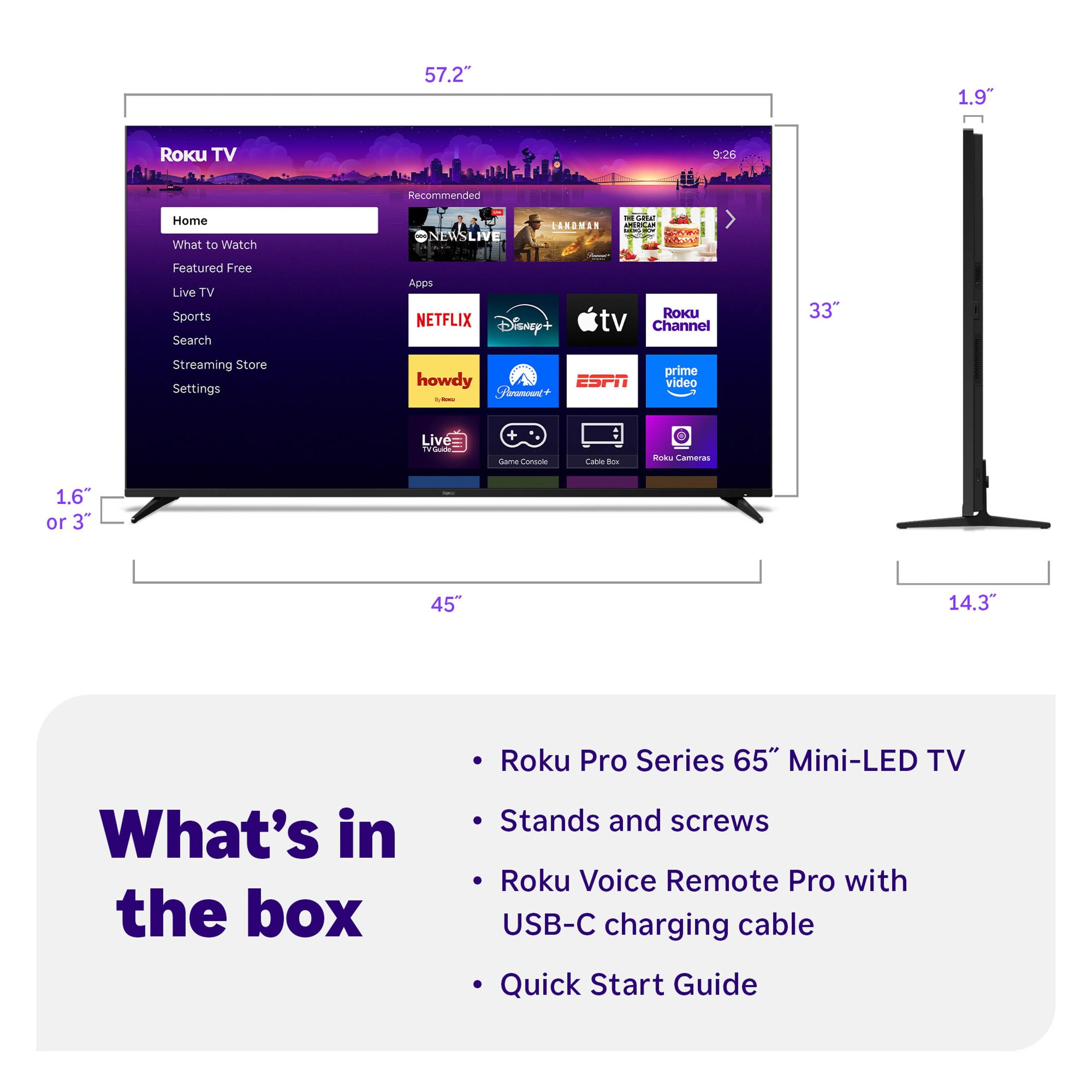
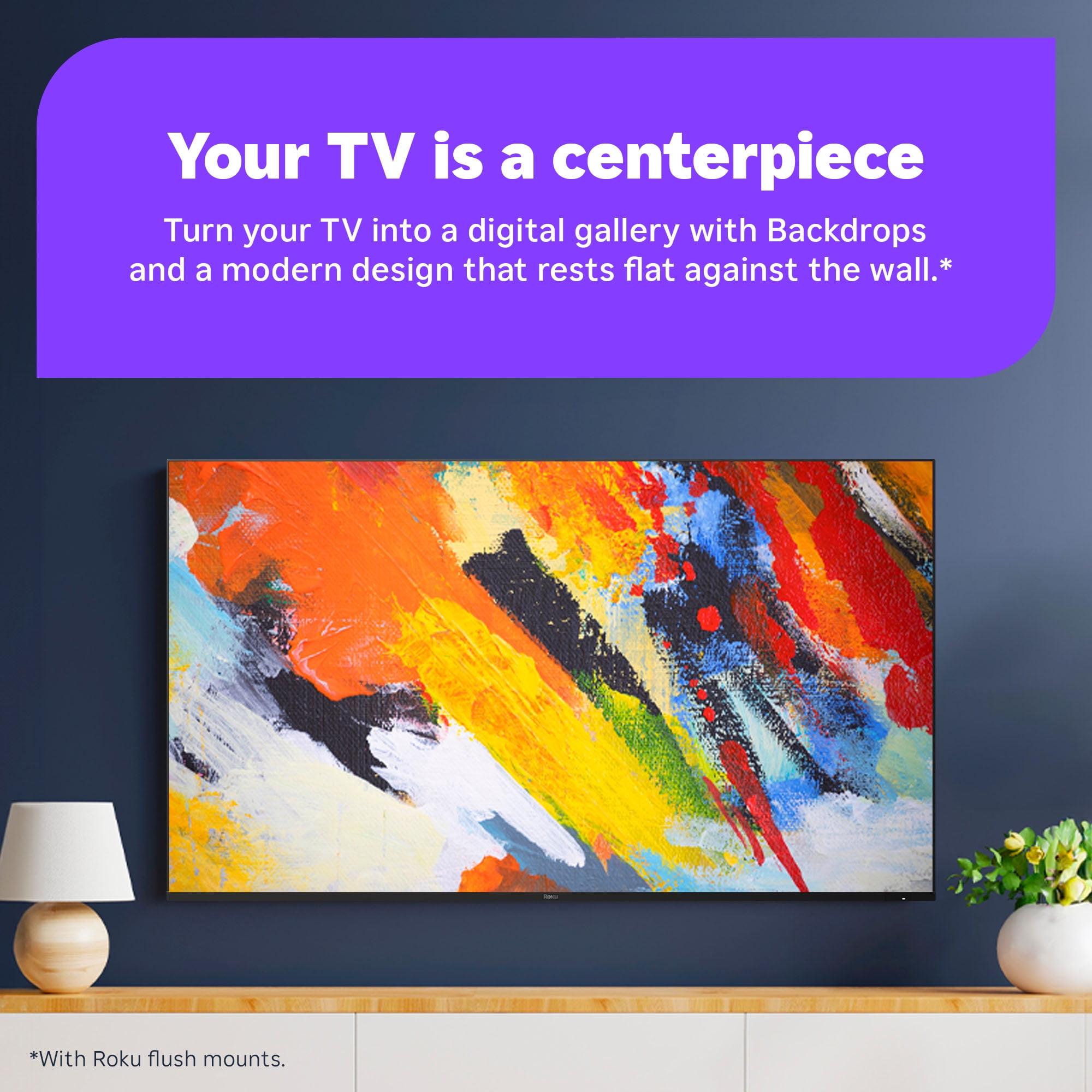
The Roku Pro Series includes a custom wall mount designed to position the TV nearly flush against the wall, creating a clean, modern look. Its build quality feels premium with minimal flex and solid construction.
The Sony BRAVIA 2 II features Sony's refined design language with thin bezels and a stable table stand. While attractive, it lacks the premium materials and construction details of higher-end models.
At the time of writing, the Roku Pro Series commands a significant premium over the Sony BRAVIA 2 II—typically several hundred dollars difference. However, this premium buys genuinely flagship features: Mini-LED backlighting, 120Hz gaming capability, QLED color technology, and enhanced audio processing.
Compared to similar Mini-LED TVs from Samsung or LG, the Roku Pro Series often provides better value with comparable features at lower prices. Its premium over the Sony reflects real technological differences, not just brand markup.
The Sony BRAVIA 2 II offers solid value for budget-conscious buyers who prioritize streaming over gaming. Its Google TV platform and Sony brand reliability appeal to viewers seeking a simple, dependable experience without premium features.
The Roku Pro Series's 120Hz capability and HDMI 2.1 ports provide future-proofing as content evolves toward higher frame rates. Gaming console generations typically last 7-8 years, making this TV's advanced capabilities worthwhile for anyone planning to keep it long-term.
The Sony BRAVIA 2 II's 60Hz limitation becomes increasingly restrictive as gaming and content standards advance. While perfectly adequate for current streaming, it may feel outdated within a few years as 120Hz content becomes more common.
The Roku Pro Series represents excellent value for performance-oriented buyers. Its Mini-LED technology and gaming features typically cost significantly more from other manufacturers. Anyone serious about gaming or sports viewing will appreciate the 120Hz smoothness immediately.
The Sony BRAVIA 2 II serves budget-conscious buyers well, providing solid 4K streaming performance with modern smart features. However, its limitations become apparent quickly if your viewing habits expand beyond basic streaming.
These TVs serve fundamentally different audiences despite their similar sizes. The Roku Pro Series is a legitimate gaming and sports TV that happens to stream well, while the Sony BRAVIA 2 II is a streaming TV with basic gaming capability.
For most buyers, the Roku Pro Series offers better long-term value despite its higher upfront cost. Its advanced features remain relevant longer, and the Mini-LED picture quality provides a noticeably superior viewing experience across all content types.
The Sony BRAVIA 2 II makes sense only for strictly budget-focused buyers who will never game and don't watch sports regularly. Even then, saving a bit more for the Roku's premium features often proves worthwhile once you experience the difference in picture quality and smoothness.
The TV market has evolved beyond simple size and resolution comparisons. Today's buying decision centers on whether you want a premium entertainment display or a basic streaming screen—and these two TVs represent those philosophies perfectly.
| Roku 65" Pro Series 2025 4K QLED TV | Sony BRAVIA 2 II 65" 4K LED Google TV 2025 |
|---|---|
| Display Technology - Determines picture quality, contrast, and brightness | |
| Mini-LED QLED with full array local dimming | Standard LED with direct backlighting |
| Refresh Rate - Critical for gaming and sports viewing | |
| 120Hz (smooth motion for gaming/sports) | 60Hz (basic viewing only) |
| Peak Brightness - Important for HDR and bright room viewing | |
| 1,700+ nits (excellent for bright rooms) | Moderate brightness (best in controlled lighting) |
| Gaming Features - Essential for console gaming | |
| AMD FreeSync Premium Pro, VRR, ALLM, 5.2ms input lag | ALLM only, no VRR, limited to 60Hz |
| HDMI Ports - Affects console and device connectivity | |
| 2x HDMI 2.1 (4K@120Hz), 2x HDMI 2.0 | 4x HDMI 2.0 (no 4K@120Hz support) |
| HDR Support - Better color and brightness in compatible content | |
| Dolby Vision, HDR10+, HLG | HDR10, HLG (no Dolby Vision) |
| Smart Platform - Affects app selection and user experience | |
| Roku TV OS (simple, fast, content-focused) | Google TV (feature-rich, Google ecosystem) |
| Audio Technology - Built-in sound quality | |
| Sound Stage with side-firing Dolby Atmos speakers | Open Baffle Speaker system with Dolby Atmos |
| AI Picture Processing - Automatic optimization features | |
| Smart Picture Max (scene-by-scene optimization) | 4K Processor X1 with traditional processing |
| Connectivity - Modern wireless standards | |
| Wi-Fi 6, Bluetooth 5.0+ | Standard Wi-Fi, Bluetooth 5.0+ |
| Target User - Who each TV is designed for | |
| Gamers, sports fans, home theater enthusiasts | Budget-conscious streamers, casual viewers |
The Roku 65" Pro Series 2025 is significantly better for gaming with its 120Hz refresh rate, AMD FreeSync Premium Pro, Variable Refresh Rate (VRR), and HDMI 2.1 ports supporting 4K at 120Hz. The Sony BRAVIA 2 II is limited to 60Hz with basic ALLM support, making it unsuitable for serious gaming with PS5 or Xbox Series X consoles.
The Roku Pro Series uses Mini-LED QLED technology with full array local dimming, delivering superior contrast, brightness (1,700+ nits), and more vibrant colors. The Sony BRAVIA 2 II uses standard LED backlighting, which provides decent picture quality but can't match the contrast precision or peak brightness of the Roku's advanced display technology.
Both offer excellent streaming experiences but with different approaches. The Roku Pro Series features Roku TV OS, which is simpler and faster with excellent content discovery across all streaming services. The Sony BRAVIA 2 II runs Google TV, offering deeper ecosystem integration, more apps, and sophisticated Google Assistant voice control for Android users.
The Roku Pro Series excels in bright rooms thanks to its Mini-LED backlighting achieving over 1,700 nits peak brightness, easily overcoming glare and maintaining vibrant colors. The Sony BRAVIA 2 II works adequately in moderate lighting but may struggle with direct sunlight or very bright overhead lighting washing out the image.
The Roku Pro Series offers better long-term value despite its higher cost, providing premium Mini-LED technology, 120Hz gaming capability, and future-proofing features typically found in much more expensive TVs. The Sony BRAVIA 2 II provides good value for budget-conscious buyers who only need basic 4K streaming without gaming features.
The Roku Pro Series supports all major HDR formats including Dolby Vision, HDR10+, and HLG, ensuring compatibility with premium streaming content from Netflix and other services. The Sony BRAVIA 2 II only supports HDR10 and HLG, missing Dolby Vision which is increasingly used for high-quality streaming content.
The Roku Pro Series features enhanced Sound Stage audio with side-firing Dolby Atmos speakers that provide more immersive surround sound. The Sony BRAVIA 2 II includes Dolby Atmos through its Open Baffle Speaker system, offering decent audio but less impressive than the Roku's implementation. Both TVs benefit from adding a soundbar for optimal home theater audio.
The Roku Pro Series is superior for sports viewing due to its 120Hz refresh rate, which delivers noticeably smoother motion during fast camera pans and player movements. The 60Hz limitation of the Sony BRAVIA 2 II can cause motion blur during rapid action, making sports less enjoyable to watch.
Yes, both TVs are wall mountable, but the Roku Pro Series includes a custom wall mount designed to position the TV nearly flush against the wall for a sleek appearance. The Sony BRAVIA 2 II uses standard VESA mounting and comes with a stable table stand, offering flexibility for different room setups.
The Roku Pro Series is more future-proof with its 120Hz capability, HDMI 2.1 ports, Wi-Fi 6 connectivity, and support for emerging gaming and streaming standards. The Sony BRAVIA 2 II's 60Hz limitation and HDMI 2.0 ports may become restrictive as content evolves toward higher frame rates over the next few years.
The Roku Pro Series features premium construction with solid materials and minimal flex, reflecting its flagship positioning. The Sony BRAVIA 2 II offers good build quality for its price point with Sony's refined design language, though it lacks the premium materials and construction details of higher-end models like the Roku.
For pure streaming without gaming, both TVs work well, but your choice depends on budget and desired features. Choose the Sony BRAVIA 2 II if you prefer Google TV's interface and want to save money on a reliable streaming experience. Choose the Roku Pro Series if you want superior picture quality with Mini-LED technology and don't mind paying extra for a premium viewing experience that will remain impressive for years.
We've done our best to create useful and informative comparisons to help you decide what product to buy. Our research uses advanced automated methods to create this comparison and perfection is not possible - please contact us for corrections or questions. These are the sites we've researched in the creation of this article: bestbuy.com - rtings.com - techradar.com - youtube.com - roku.com - youtube.com - walmart.com - bestbuy.com - youtube.com - electronicexpress.com - roku.com - pcvarge.com - ecoustics.com - bestbuy.com - notebookcheck.net - rtings.com - youtube.com - youtube.com - rtings.com - avsforum.com - croma.com - totonstv.com - electronics.sony.com - listenup.com - pcrichard.com - youtube.com - flanners.com - brandsmartusa.com - displayspecifications.com - pioneertvandappliance.com - donstv.com

Privacy Policy
Terms and Conditions - Affiliate Policy
Home Security
© Copyright 2008-2026.
11816 Inwood Rd #1211, Dallas, TX 75244