

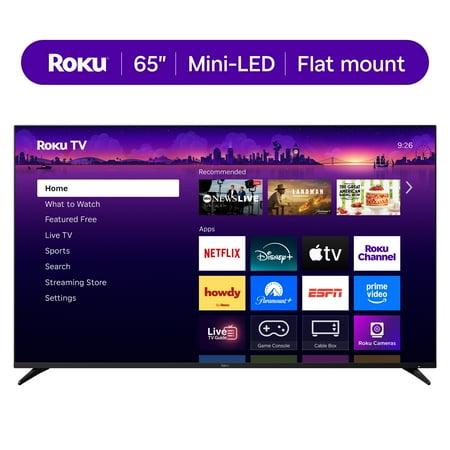
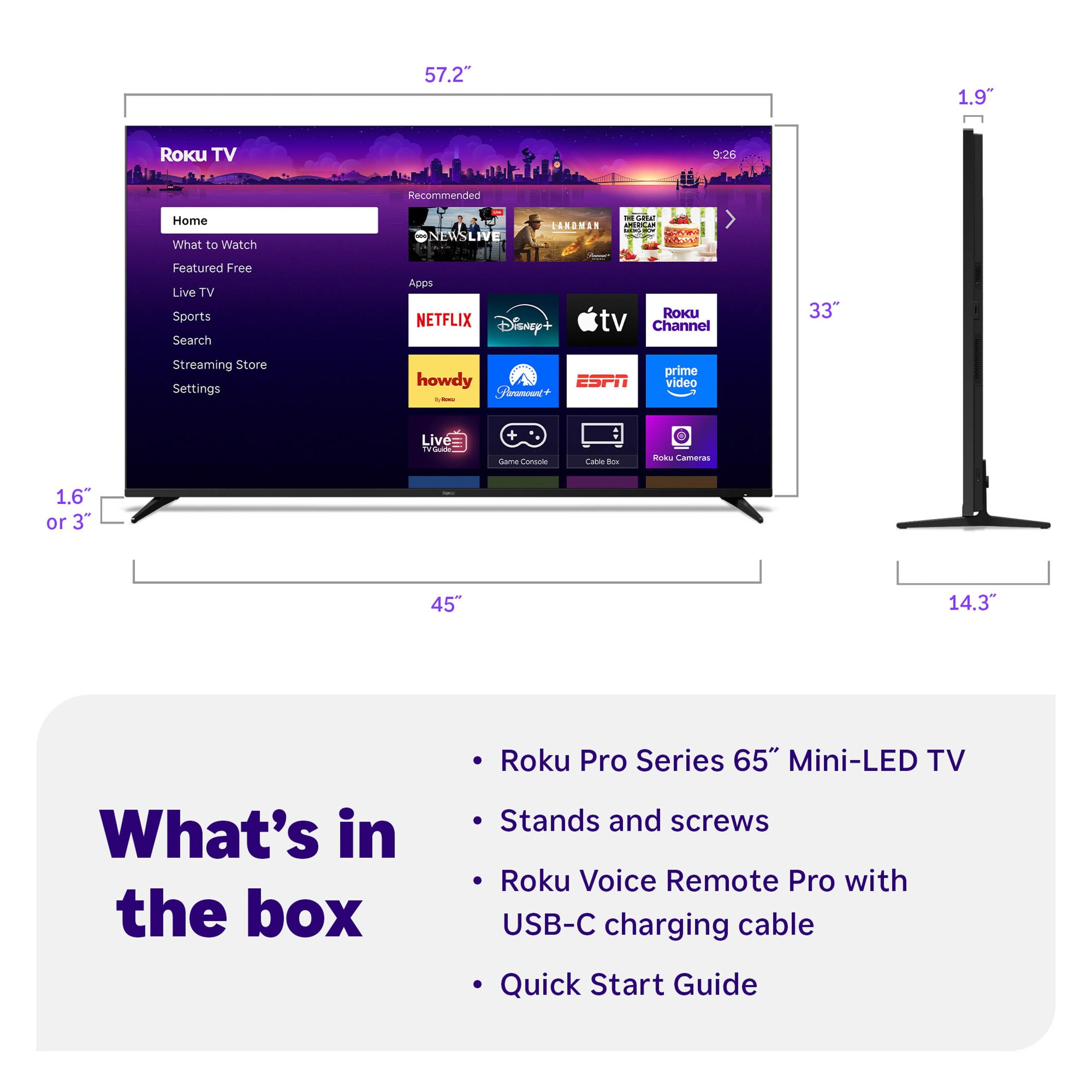
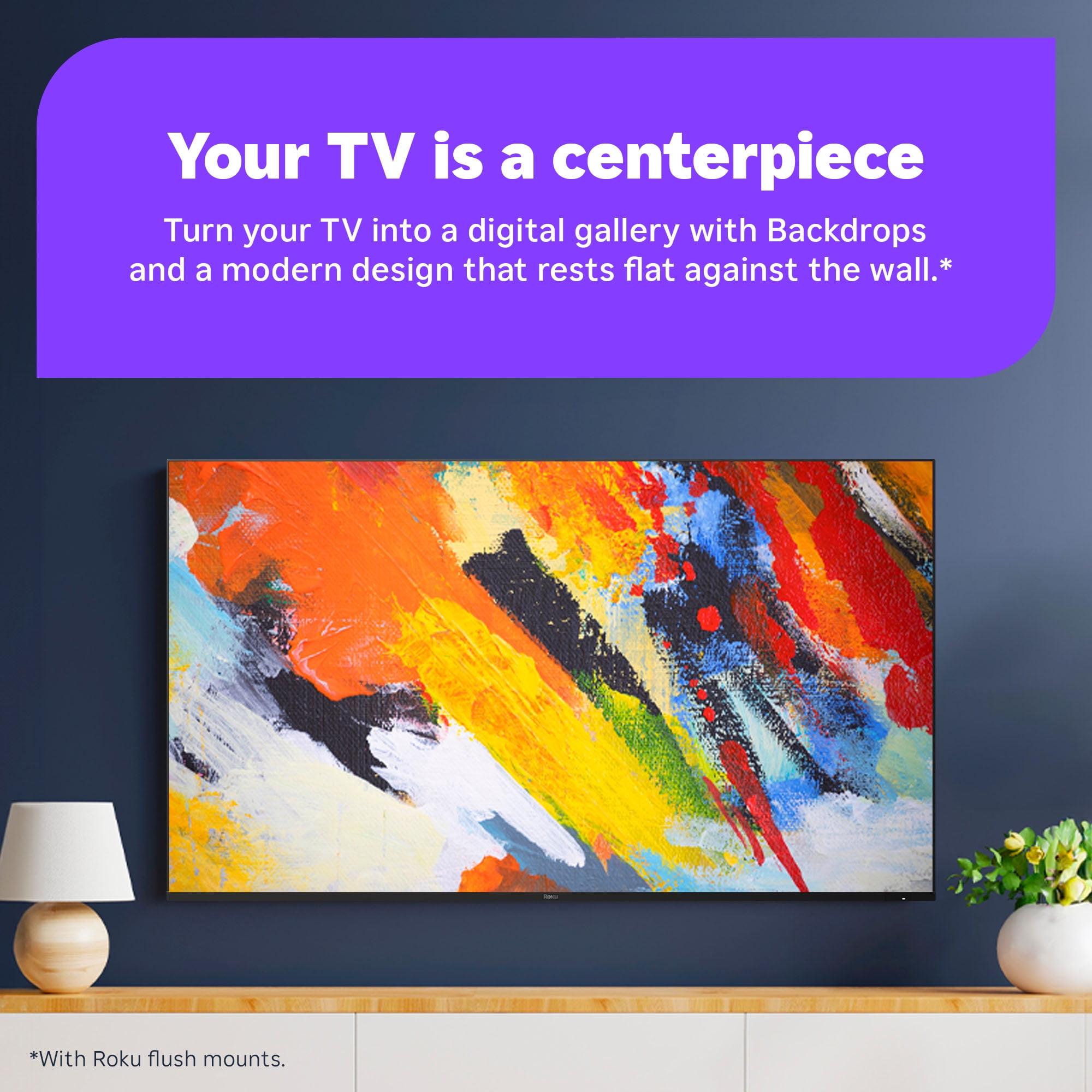

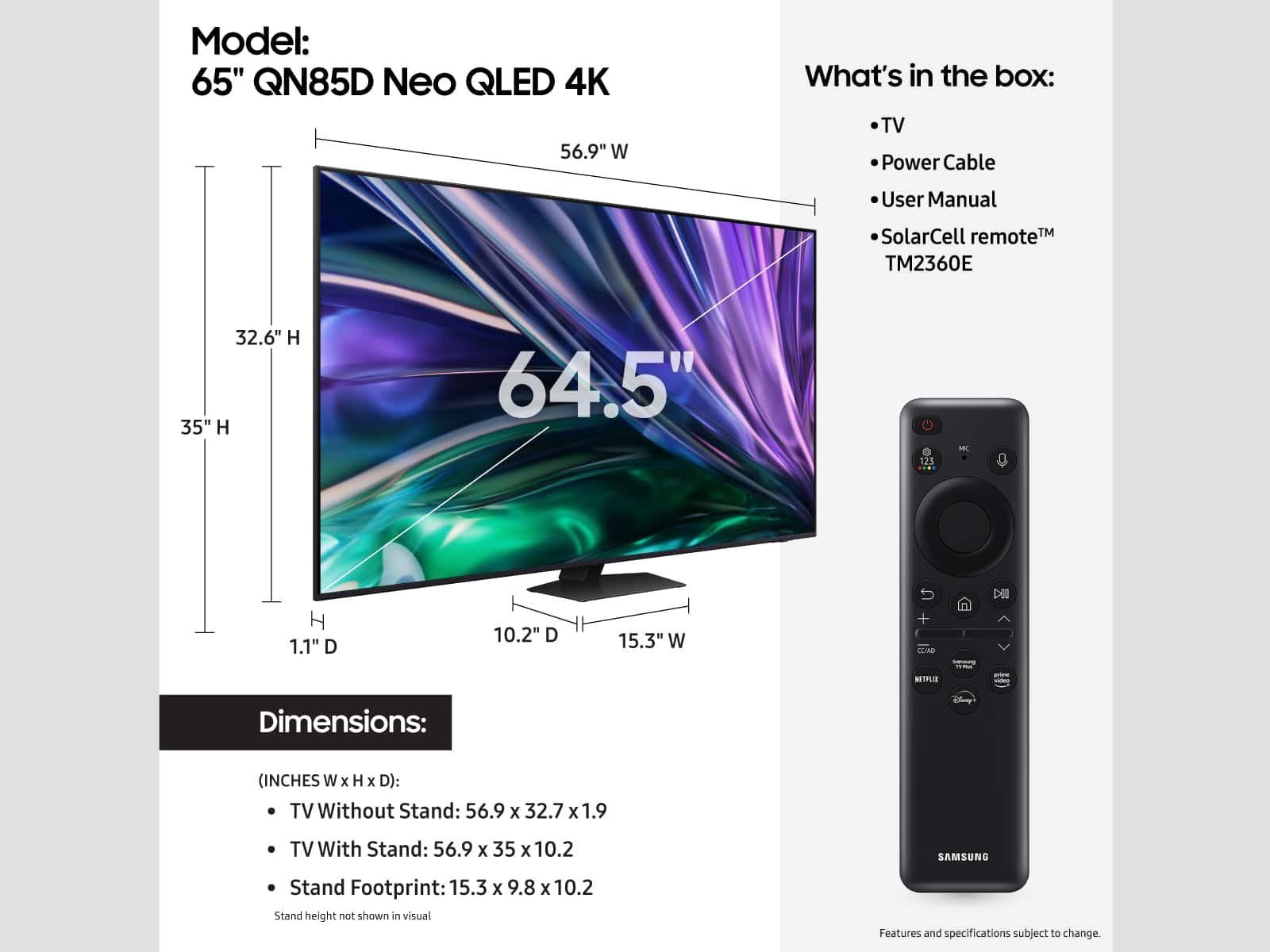
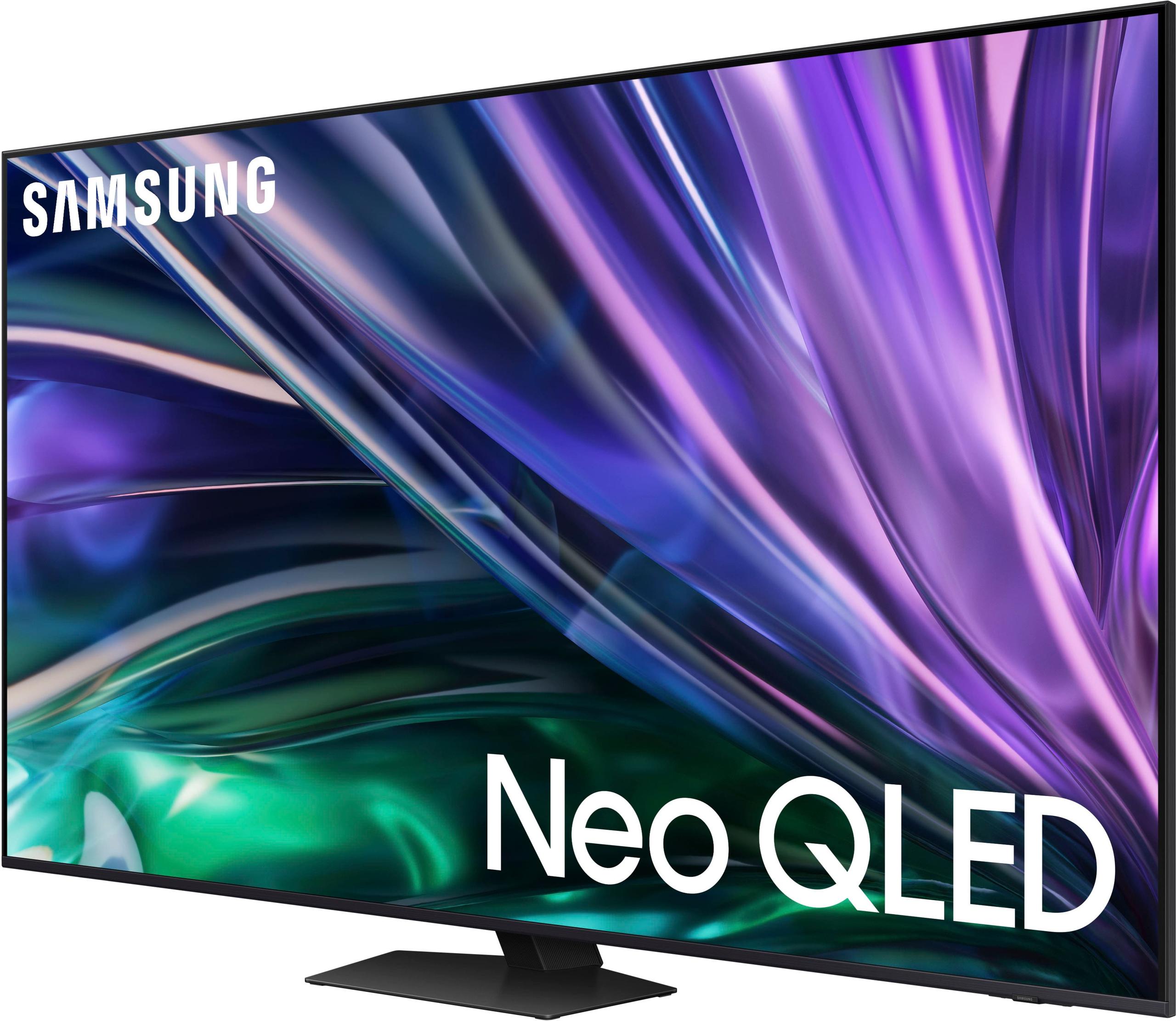
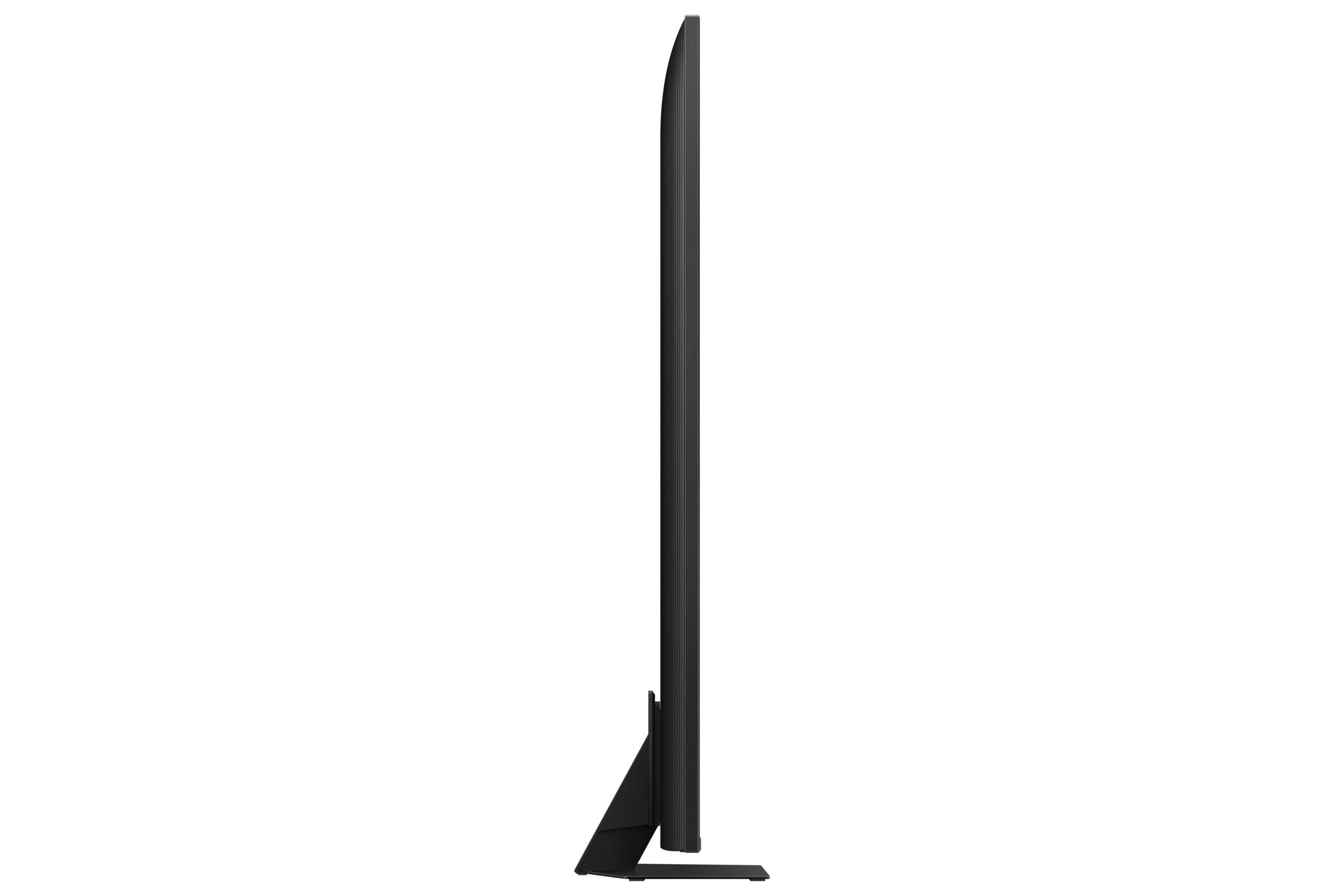
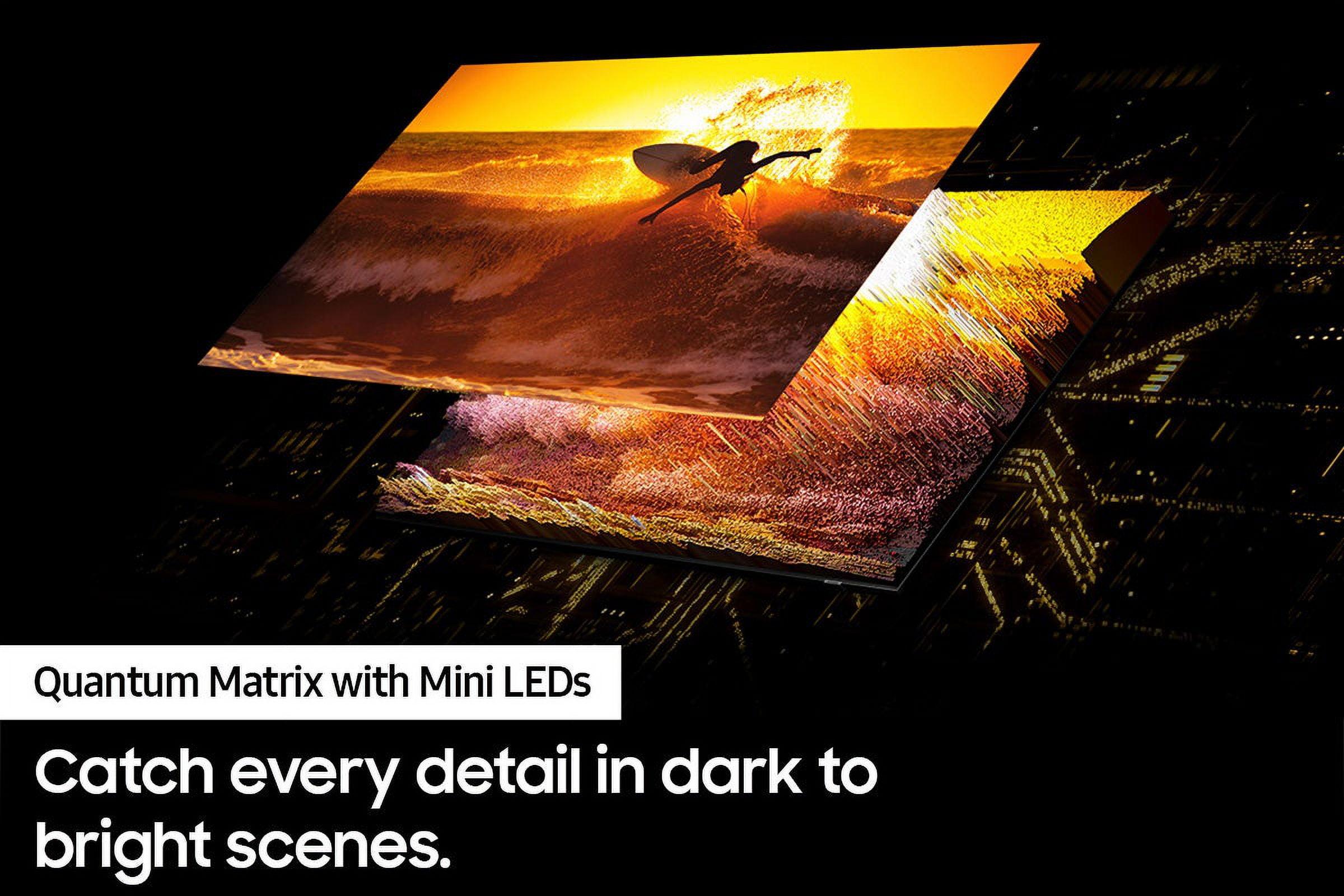

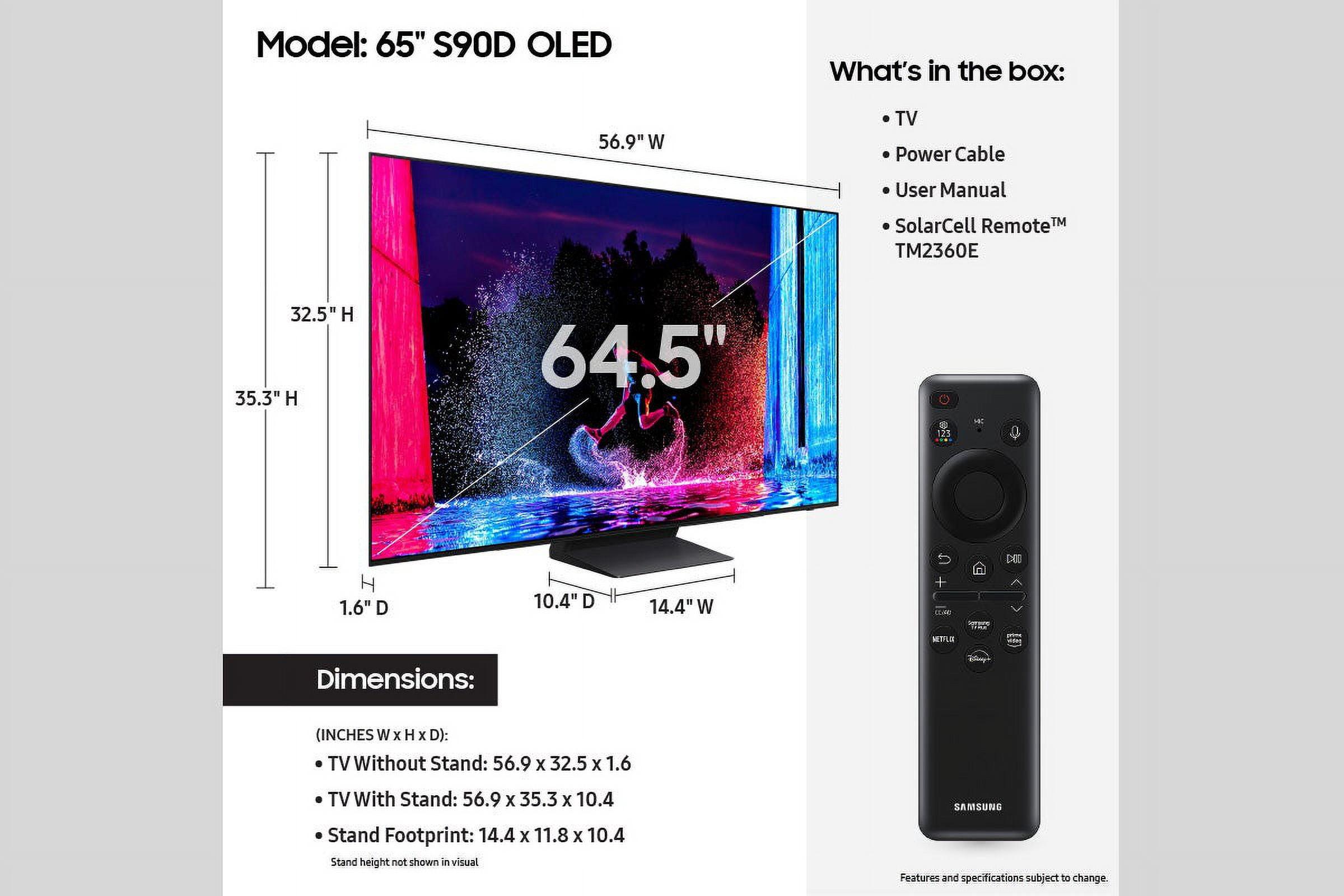
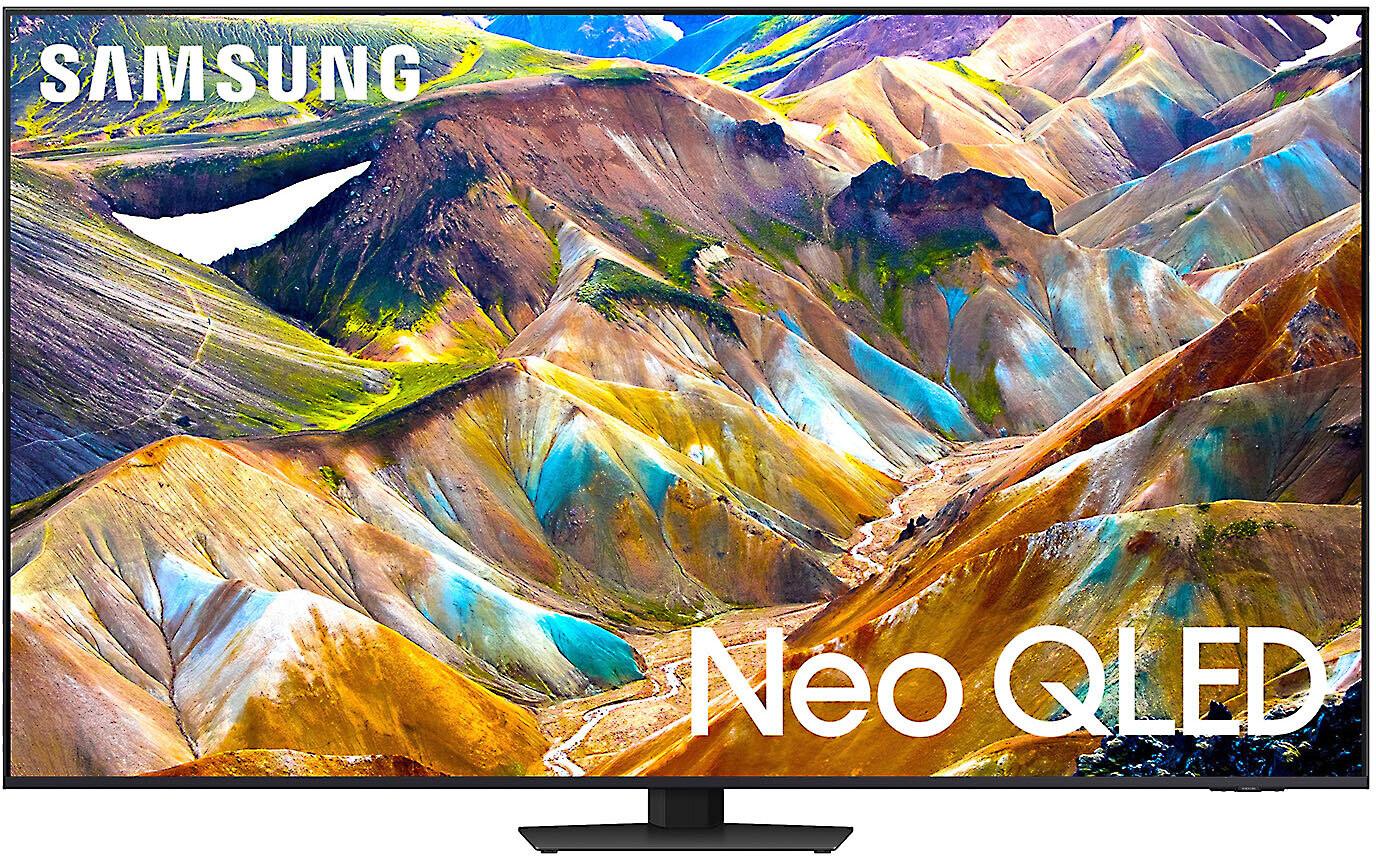
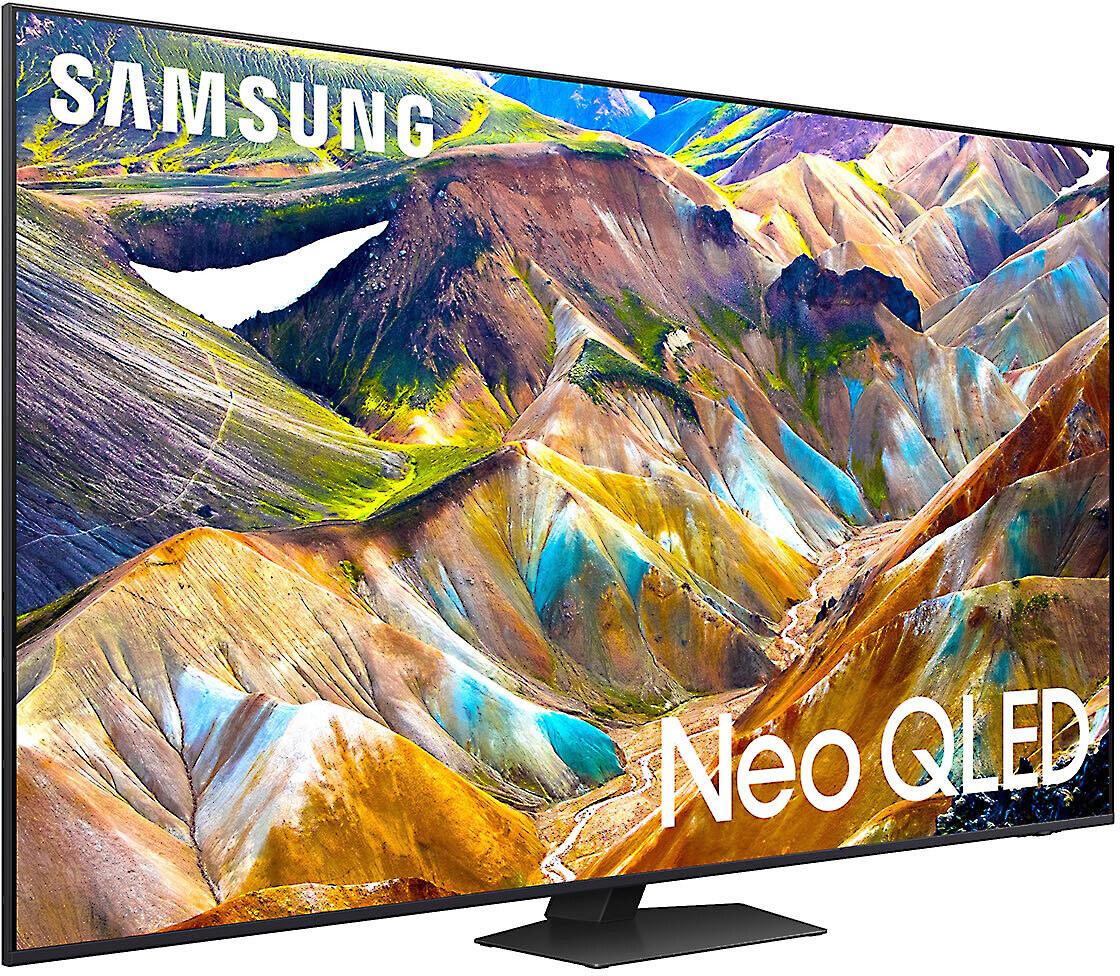
Finding the right premium TV can feel overwhelming with so many technical specifications and marketing claims to sort through. Two excellent options that represent different approaches to high-end television technology are the Roku 65" Pro Series 2025 and the Samsung 65" OLED S90D. At the time of writing, these TVs are priced within about $50 of each other, making the decision less about budget and more about which technology better fits your viewing habits and room setup.
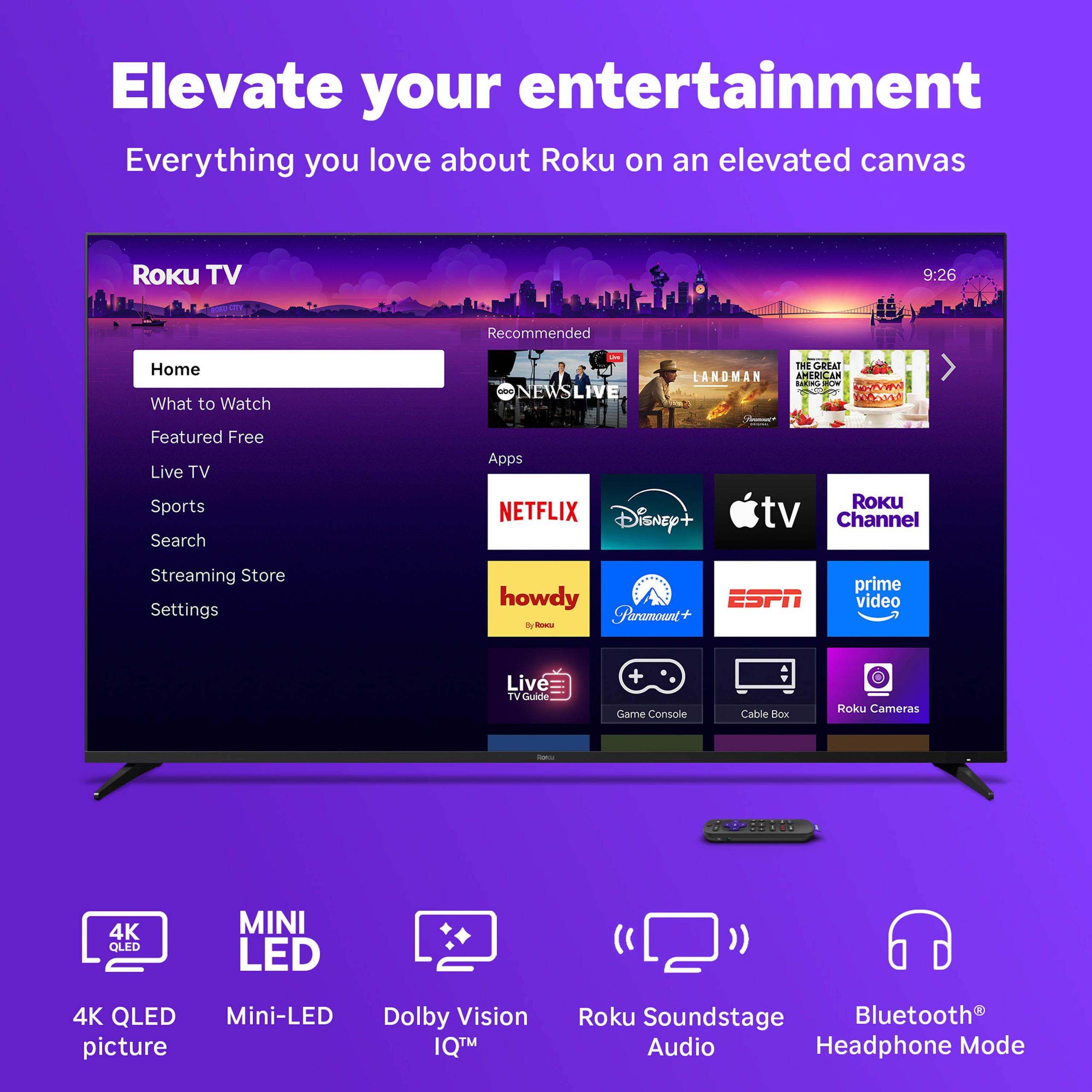
Both TVs deliver exceptional 4K picture quality, but they achieve it through fundamentally different display technologies. The Roku Pro Series 2025 uses advanced Mini-LED backlighting with quantum dot color enhancement, while the Samsung S90D employs OLED technology where each pixel produces its own light. Understanding these differences is crucial because they directly impact how these TVs perform in your specific viewing environment.
The TV landscape has evolved significantly over the past few years. The Roku Pro Series 2025, being a 2025 model, represents Roku's latest refinement of Mini-LED technology, offering 75% higher dynamic contrast than previous generations. This improvement comes from thousands of tiny LED backlights arranged in precise zones behind the screen, allowing for much better control over brightness and darkness in different parts of the image.
The Samsung S90D, released in 2024, showcases Samsung's mature OLED technology with their NQ4 AI Gen2 processor. OLED stands for Organic Light-Emitting Diode, which means each pixel can turn completely on or off independently. This creates perfect blacks because truly dark areas of the screen emit no light at all – something traditional LED TVs with backlights cannot achieve.
What makes these technologies particularly interesting is how they solve the same problem – creating stunning contrast between bright and dark areas – through completely different approaches. The Roku uses thousands of precisely controlled backlights, while the Samsung eliminates the backlight entirely by making each pixel self-illuminating.
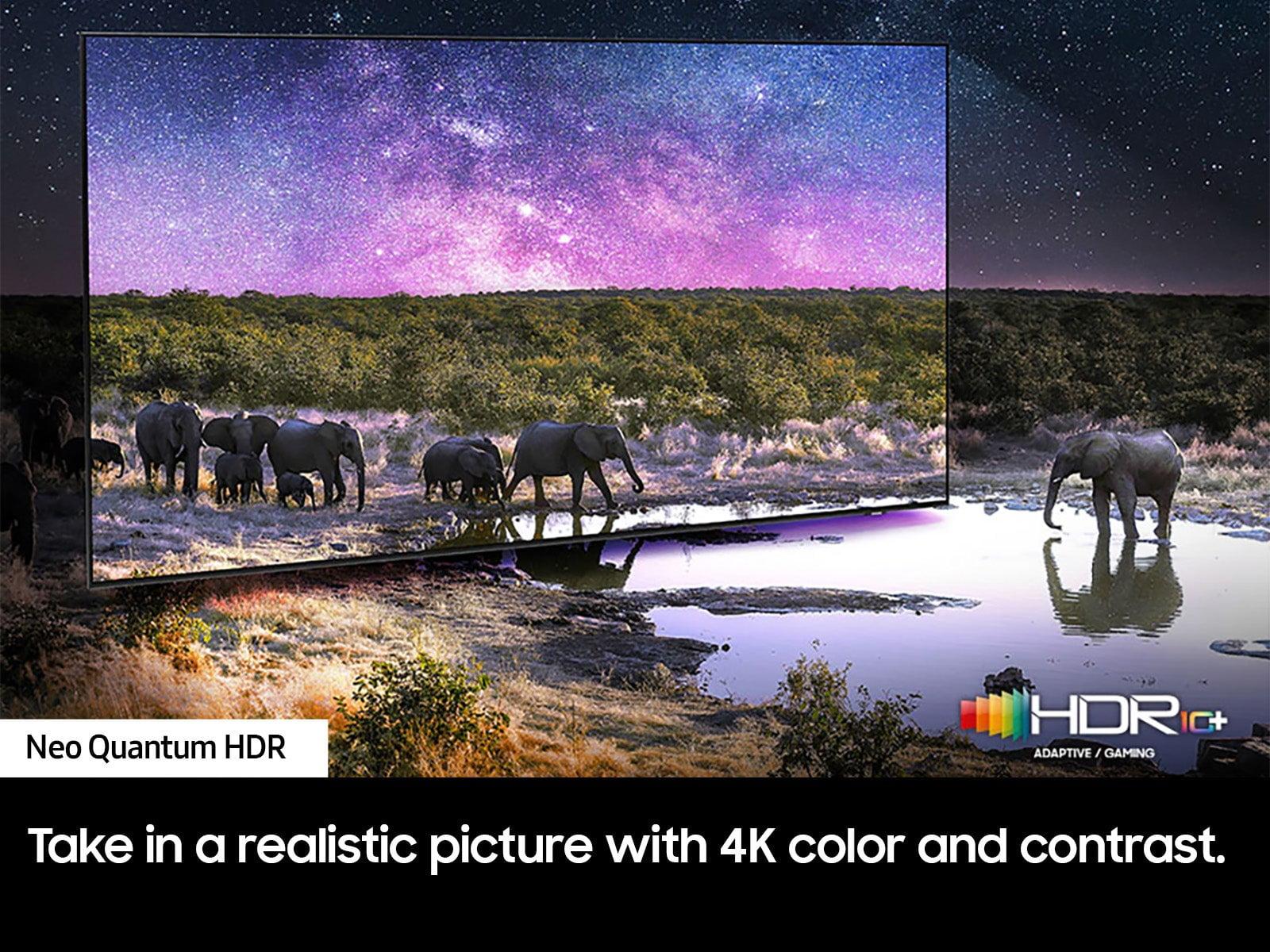
Contrast ratio – the difference between the brightest whites and darkest blacks a TV can display – fundamentally determines how realistic and immersive your viewing experience feels. This is where the technology differences between these TVs become most apparent.
The Samsung OLED S90D achieves perfect blacks because OLED pixels can turn completely off. When you're watching a movie with a night scene, those dark areas produce absolutely no light, creating an infinite contrast ratio that makes stars pop against the black sky or shadows feel genuinely deep and mysterious.
The Roku Pro Series 2025 takes a different approach with its Mini-LED system. Instead of individual pixels controlling their own light, thousands of tiny LEDs behind the screen illuminate different zones. While this doesn't achieve the perfect blacks of OLED, the 2025 model's improved local dimming significantly reduces the "blooming" effect where bright objects create unwanted halos in dark scenes. Reviews consistently mention minimal haloing around subtitles and highlights, making it much cleaner than budget TVs with fewer dimming zones.
Here's where the Roku Pro Series 2025 shows its strength. Peak brightness measurements reach between 1,752 and 1,818 nits depending on the picture mode, which is exceptionally bright for any TV. This brightness advantage becomes crucial in rooms with windows or ambient lighting.
OLED technology, including the Samsung S90D, inherently produces less peak brightness – typically maxing out around 800-1000 nits. While Samsung has added an anti-glare matte coating to help with reflections, physics limits how bright OLED pixels can get before they degrade over time.
In practical terms, if your TV room has windows or lights that can't be controlled, the Roku will maintain vibrant colors and good contrast even with ambient light. The Samsung may look washed out in bright conditions, despite its anti-glare coating helping with direct reflections.
Both TVs excel at color reproduction but through different methods. The Samsung S90D features Pantone validation, meaning its colors meet professional standards used in content creation. This ensures what you see matches what filmmakers and content creators intended.
The Roku Pro Series 2025 uses quantum dot technology, which enhances color by filtering backlight through nano-sized particles that produce very pure colors. Testing shows it covers 96.9% of the UHDA-P3 color space and 80.6% of the BT.2020 standard – impressive numbers that translate to vibrant, lifelike colors in everything from animated movies to nature documentaries.
The practical difference is subtle but meaningful. The Samsung tends toward more accurate, film-like colors that please enthusiasts who want content as directors intended. The Roku produces slightly more vibrant, eye-catching colors that many find more immediately impressive and engaging.
Modern gaming demands have pushed TV manufacturers to optimize for low input lag (the delay between your controller input and seeing the action on screen), high refresh rates, and variable refresh rate support to eliminate screen tearing.
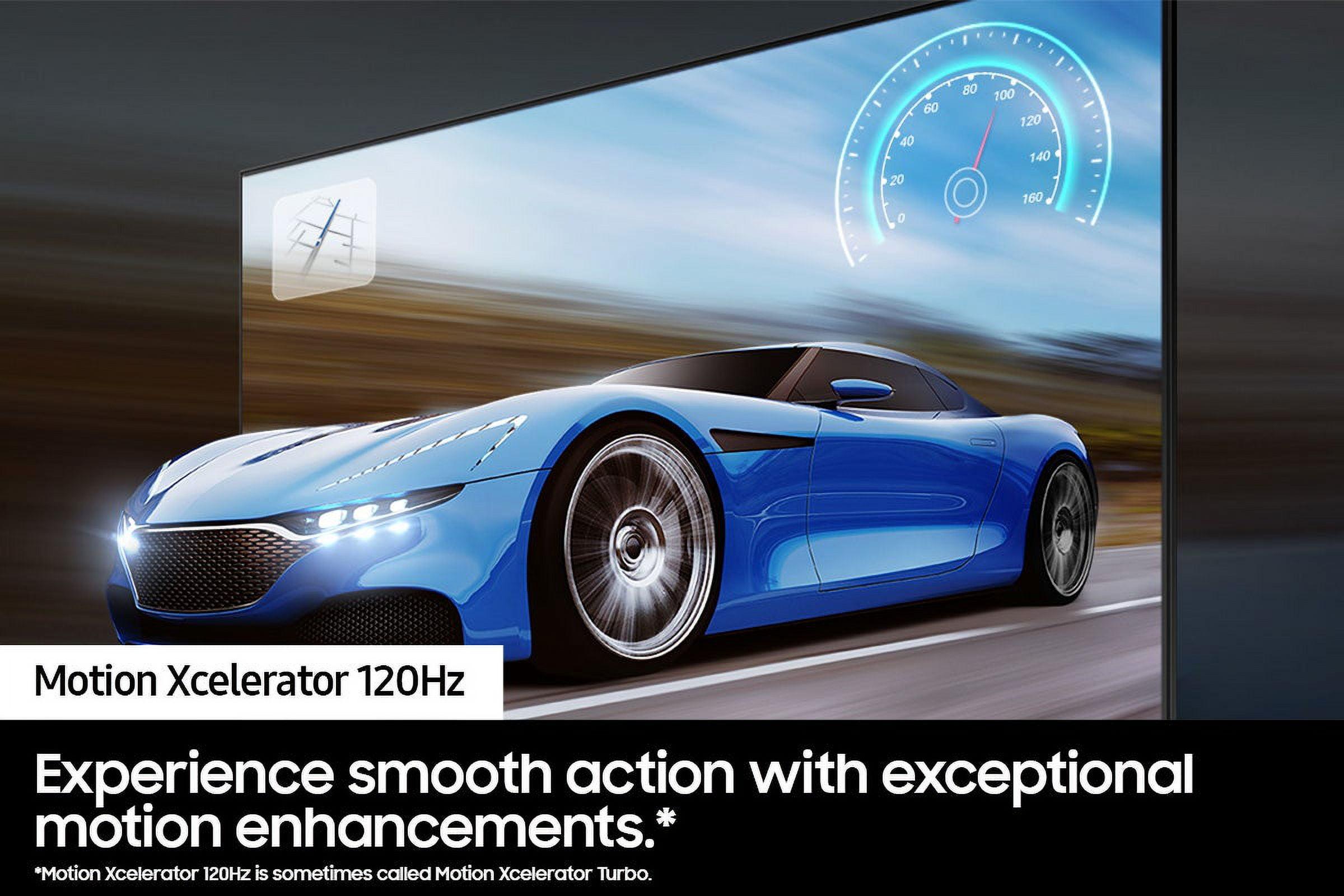
Both the Roku Pro Series 2025 and Samsung S90D deliver 120Hz native refresh rates, which is essential for smooth motion in fast-paced games and sports. The Roku achieves input lag as low as 5.2 milliseconds at 120Hz, which is excellent for competitive gaming. The Samsung can boost to 144Hz in gaming mode, potentially offering even smoother motion for PC gaming.
Both TVs support the important gaming features modern consoles require: HDMI 2.1 ports for 4K at 120 frames per second, Variable Refresh Rate (VRR) to match the console's output, and Auto Low Latency Mode (ALLM) that automatically switches to game mode when it detects a console.
The Roku includes FreeSync Premium Pro, which specifically optimizes the gaming experience for AMD graphics cards and consoles. For PlayStation 5 and Xbox Series X owners, both TVs will deliver excellent gaming performance, but the Roku's consistently low input lag might give it a slight edge for competitive gaming.
The smart TV experience has become as important as picture quality for many users. These TVs represent two distinct approaches to organizing your entertainment.
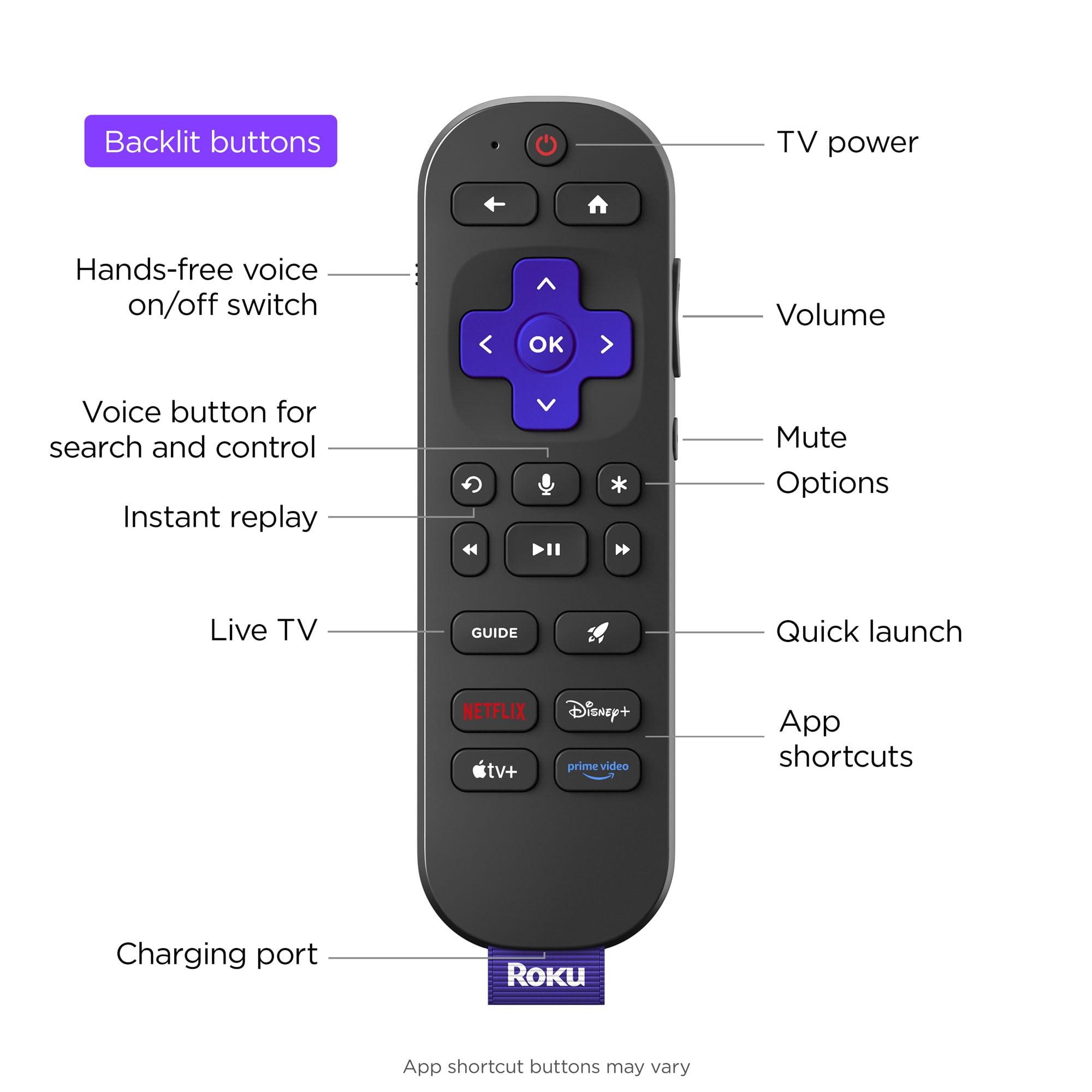
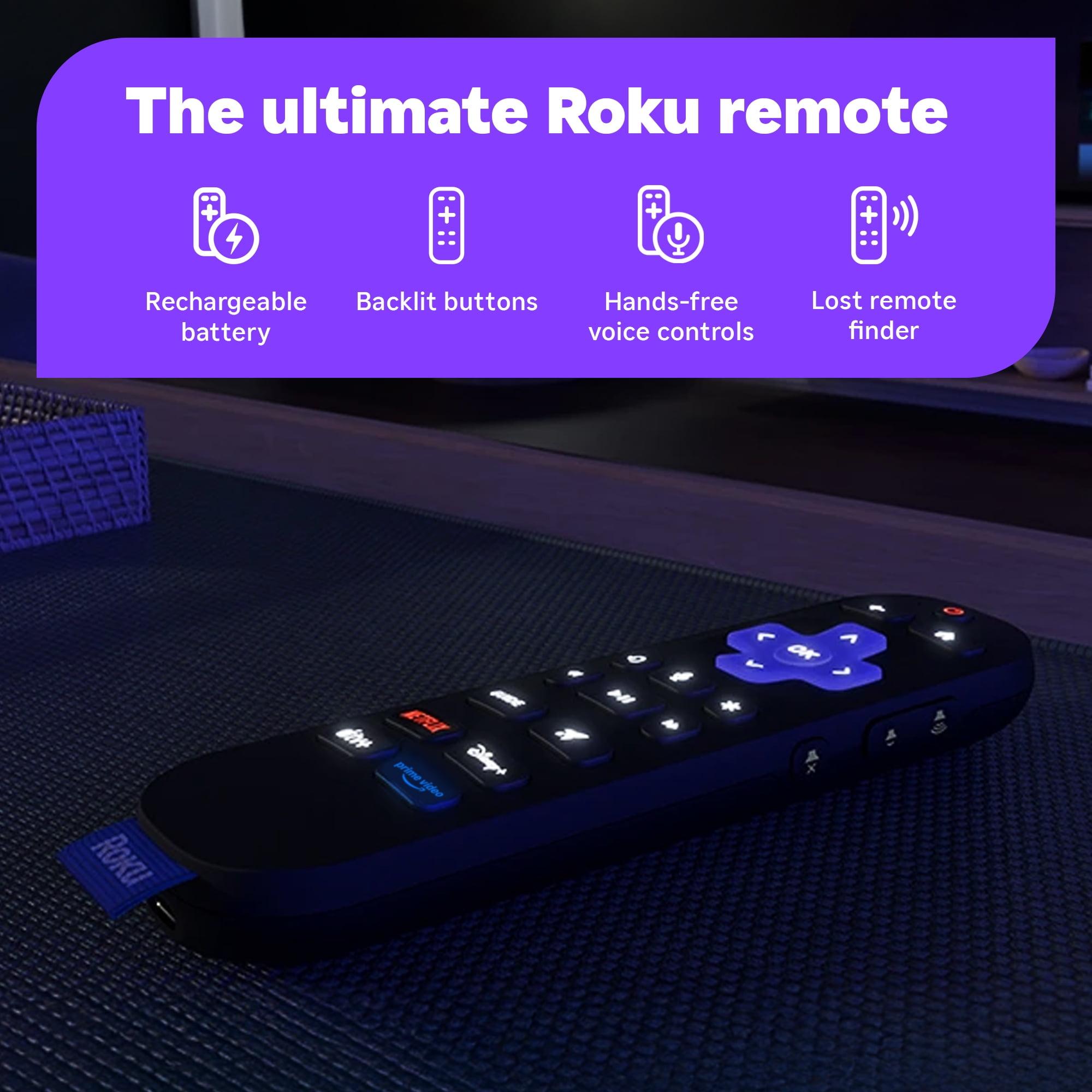
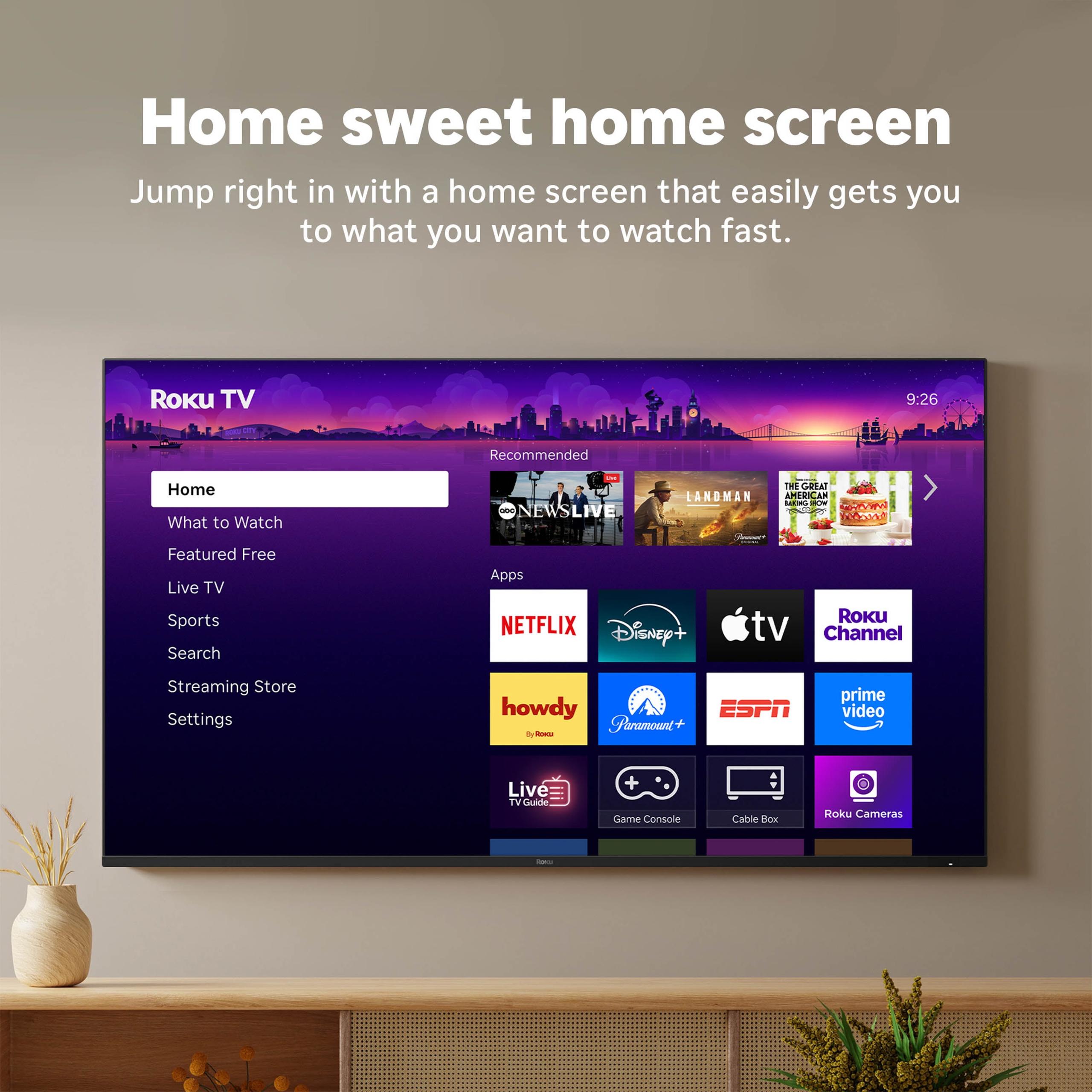
The Roku Pro Series 2025 runs Roku's streaming-focused operating system, which has earned praise for its simplicity and comprehensive app support. Roku's interface treats all content sources equally, whether you're switching between Netflix, cable TV, or gaming consoles. The included Voice Remote Pro is rechargeable with backlit buttons and includes a clever "find my remote" feature – press a button on the TV itself to make the remote beep and light up.
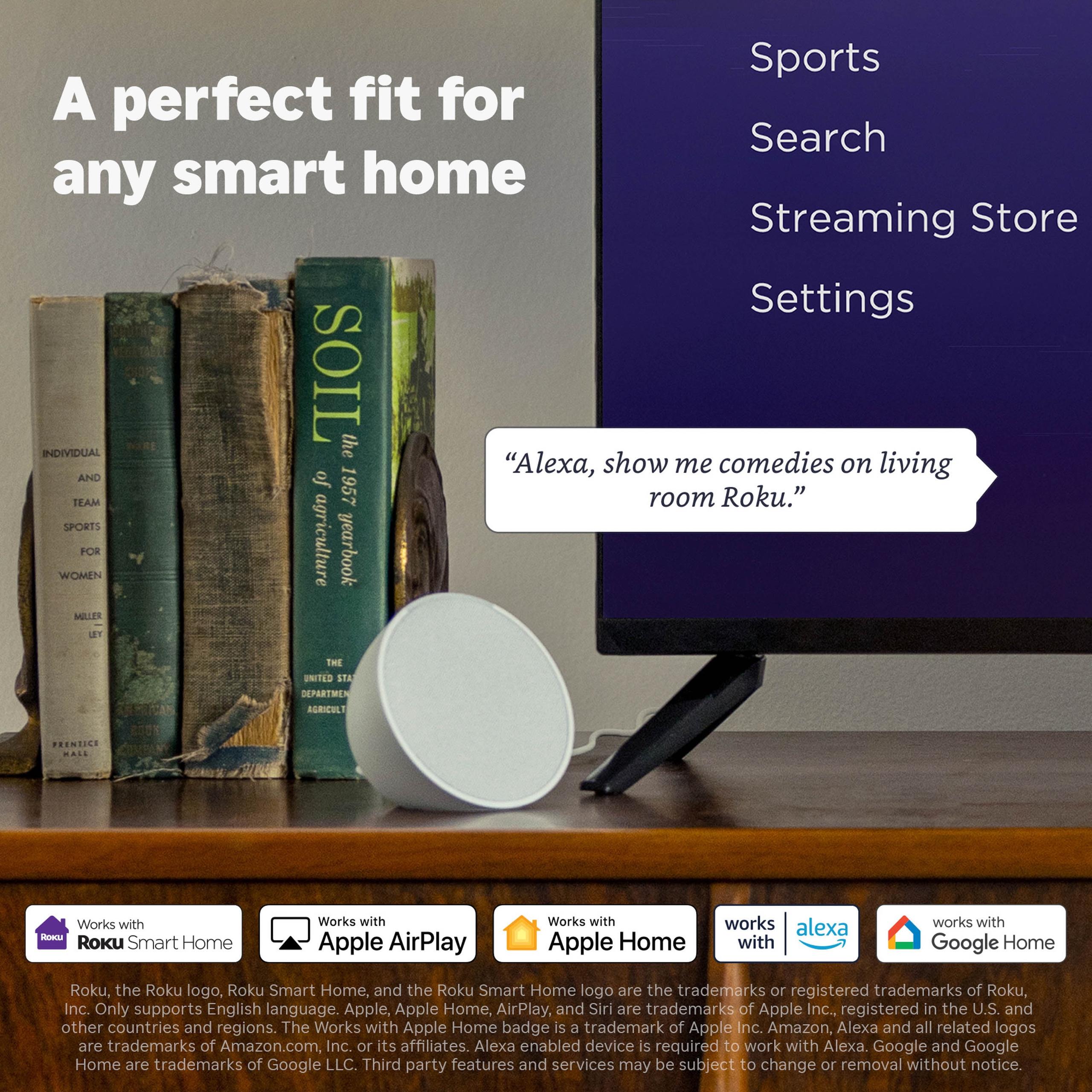
The Samsung S90D uses Samsung's Tizen operating system with built-in Amazon Alexa and Bixby voice assistants. It integrates with Samsung's SmartThings ecosystem, so you can control smart home devices directly from your TV. The AI-powered interface learns your viewing habits and makes content recommendations.
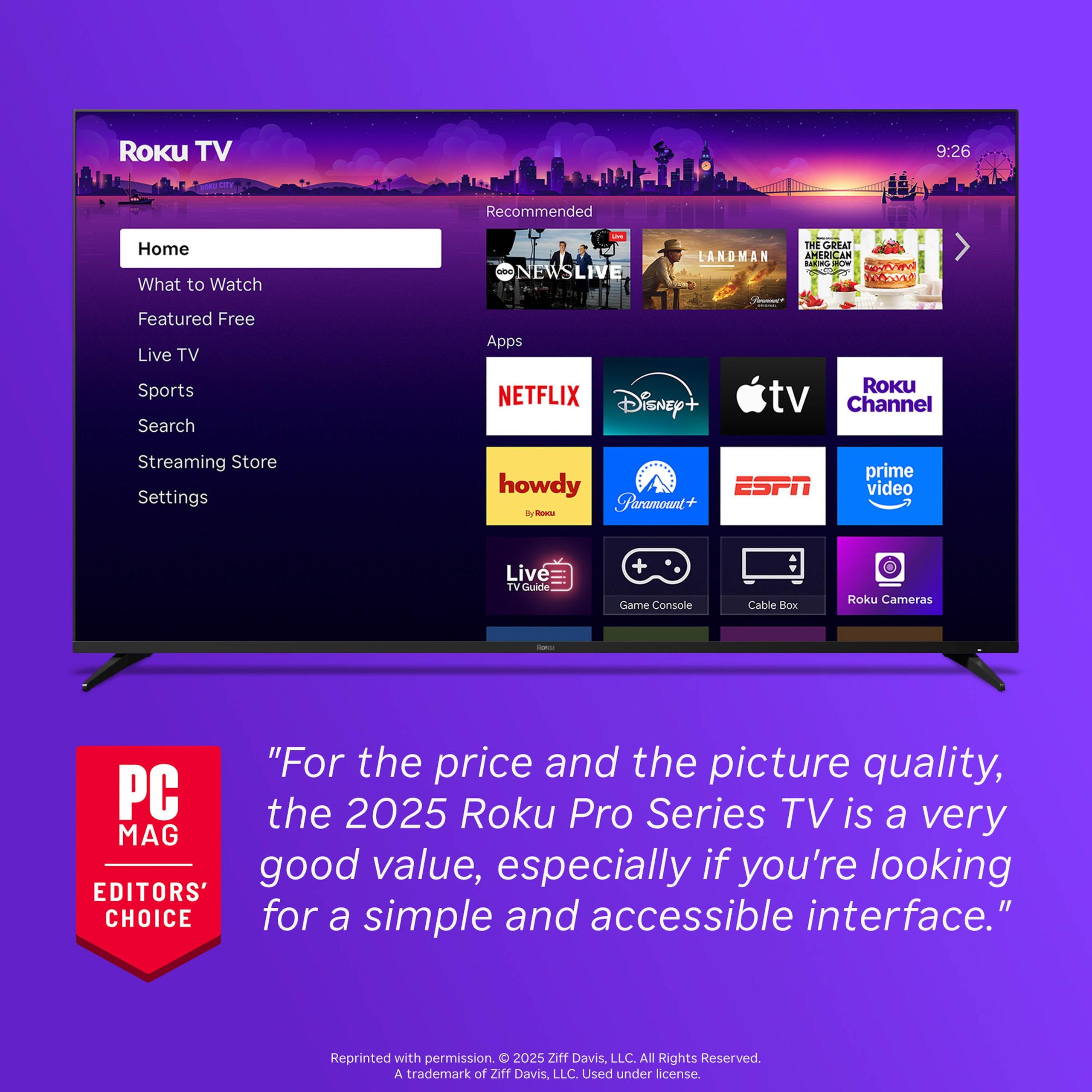
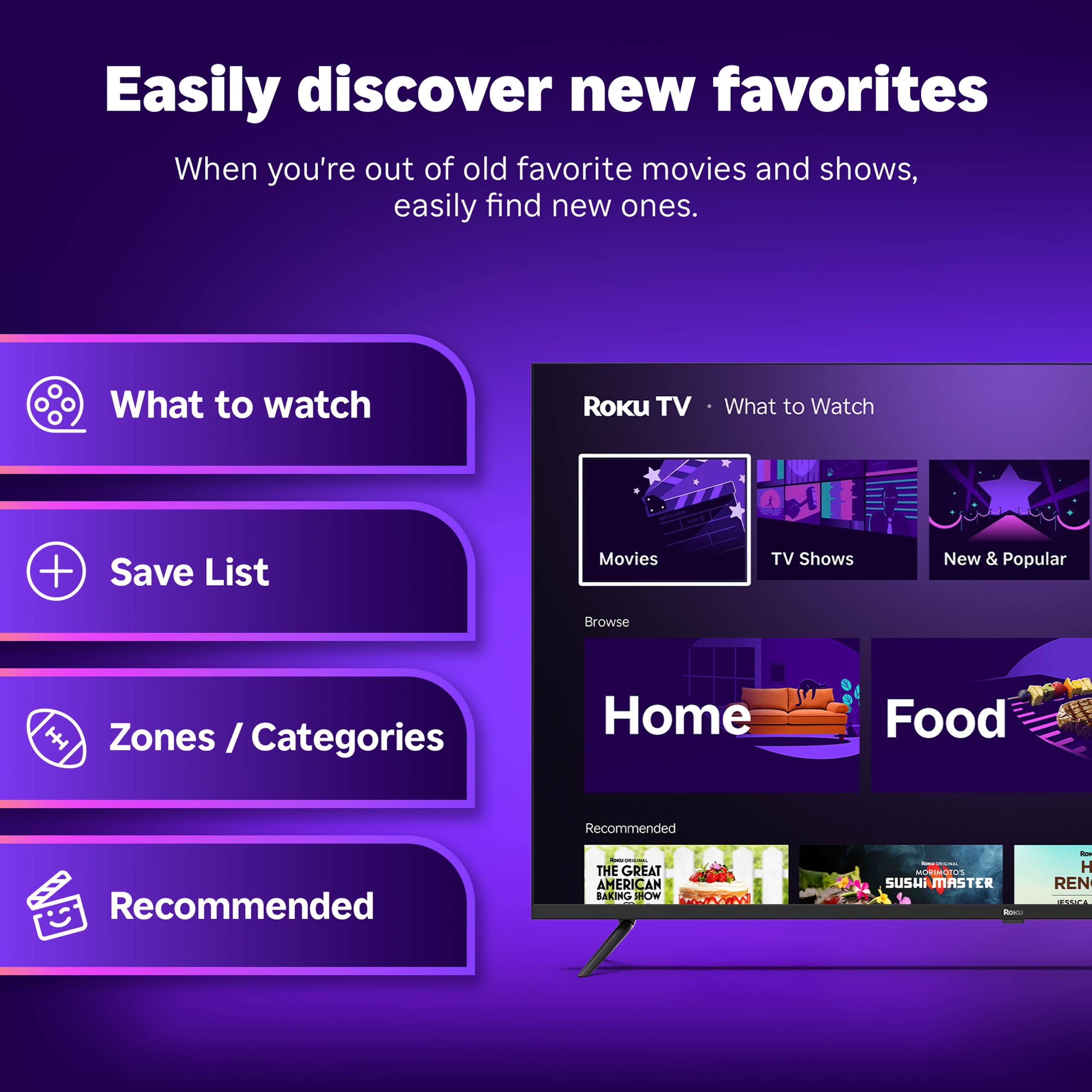
From our research into user experiences, Roku's platform consistently receives praise for being intuitive and fast, while Samsung's offers more advanced features for users invested in smart home technology. The choice often comes down to whether you want simplicity (Roku) or integration with a broader smart home ecosystem (Samsung).
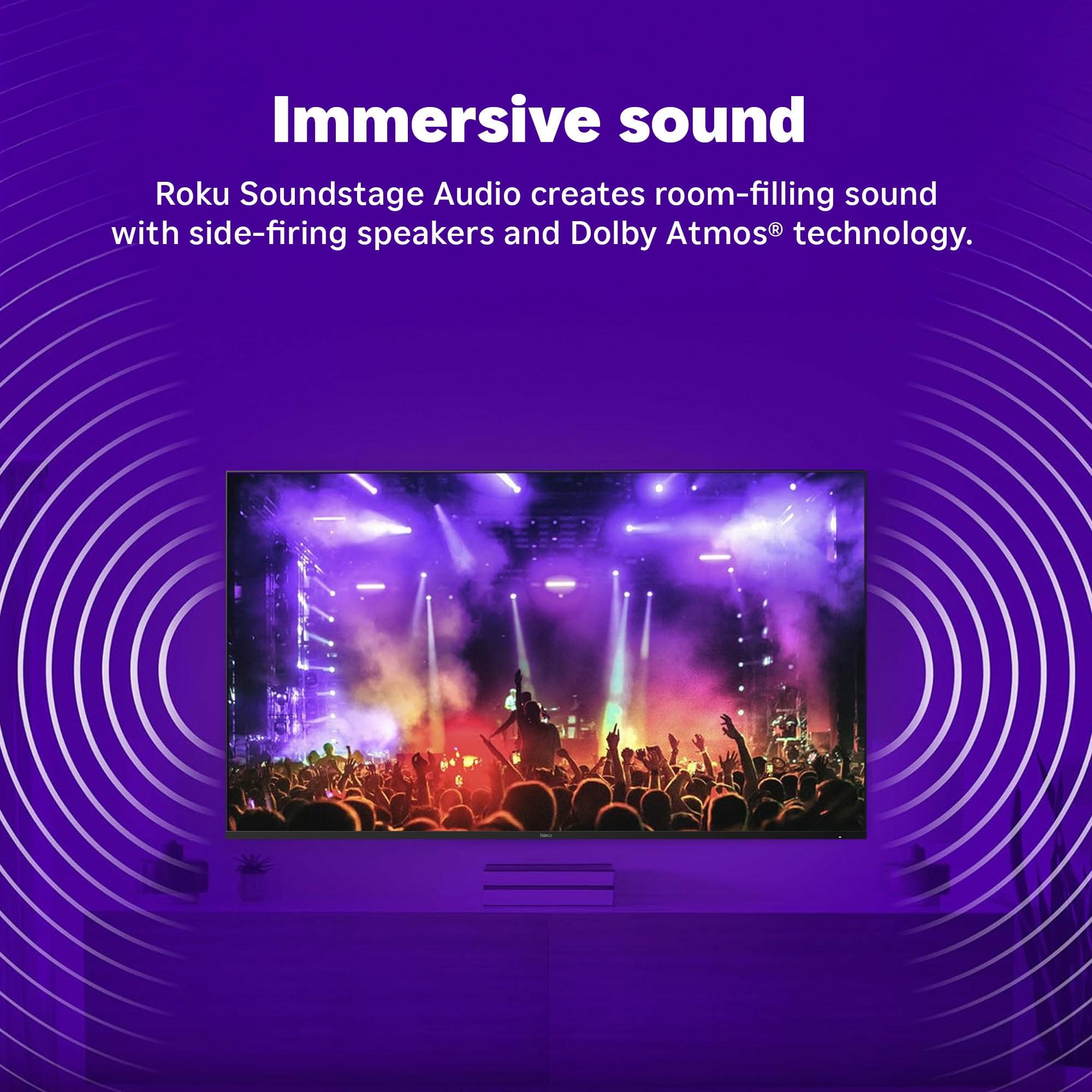
TV audio often gets overlooked until you experience truly good built-in speakers. The Roku Pro Series 2025 has earned particular praise for its Sound Stage Audio system with side-firing Dolby Atmos speakers. Multiple reviews describe "theater-like bass that rattles walls" and sound quality that eliminates the immediate need for a soundbar.
The Samsung S90D features Object Tracking Sound Lite, which attempts to move audio across the screen to match on-screen action, plus Active Voice Amplifier Pro that uses AI to boost dialogue clarity against background noise. While these are impressive features, the consensus from reviews suggests the Roku delivers more impactful overall sound quality.
For most users, the Roku's superior built-in audio represents real value since it can delay or eliminate the need for additional audio equipment. However, both TVs support Dolby Atmos and will work excellently with dedicated sound systems when you're ready to upgrade.
Your room setup significantly impacts which TV will perform better. The Roku Pro Series 2025 excels in bright rooms with its exceptional peak brightness, making it ideal for living rooms with large windows or rooms where lights stay on during viewing. The Mini-LED backlighting effectively counters ambient light while maintaining color vibrancy.
The Samsung OLED S90D shines in darker, more controlled environments. Its perfect blacks create an incredibly immersive cinematic experience in dedicated home theaters or media rooms where you can control lighting. However, the viewing angle advantage of OLED technology makes it better for families or groups with varied seating positions.
For home theater enthusiasts, the choice becomes particularly interesting. The Samsung's perfect blacks and infinite contrast create the most film-like experience possible, especially for movie content mastered in darker environments. However, the Roku's superior brightness can make HDR content more impactful, and its excellent audio system reduces the complexity of a dedicated theater setup.
OLED technology, while producing superior contrast, has theoretical concerns about burn-in – permanent image retention from static content like news tickers or gaming HUDs displayed for extended periods. Modern OLED TVs include various protections against this, and burn-in is less common than in early OLED generations, but it remains a consideration for users with specific viewing habits.
The Roku Pro Series 2025's Mini-LED technology doesn't face burn-in risks, and multiple user reviews mention owning several generations of Roku TVs with consistent reliability. The platform also receives regular software updates that keep the smart TV features current longer than many competitors.
From a value perspective, both TVs offer excellent price-to-performance ratios at the time of writing, but they achieve it differently. The Samsung provides premium OLED technology at a price point that makes it accessible, while the Roku delivers Mini-LED performance that competes with TVs costing significantly more.
After extensive research into expert reviews and user experiences, here's how to choose between these excellent TVs:
Choose the Roku Pro Series 2025 if you watch TV in bright rooms, prioritize gaming performance, or want the best built-in audio without additional equipment. Its superior brightness, consistent low input lag, and impressive sound system make it ideal for typical living room setups where lighting can't always be controlled. The reliable Roku platform and lack of burn-in concerns also make it a safe long-term investment.
Choose the Samsung OLED S90D if you have a dedicated darker viewing environment, prioritize the most cinematic picture quality possible, or want advanced smart home integration. Its perfect blacks, accurate colors, and wide viewing angles create an unmatched experience for movie enthusiasts and provide excellent value for premium OLED technology.
Both TVs represent excellent choices that will deliver years of exceptional viewing experiences. The decision ultimately comes down to your room environment and viewing priorities rather than one being definitively better than the other. Consider your specific use case, room lighting, and whether you value brightness performance or perfect contrast more highly.
The TV market continues evolving rapidly, but both the Roku Pro Series 2025 and Samsung OLED S90D incorporate the latest technologies in their respective approaches, ensuring they'll remain competitive and enjoyable for years to come.
| Roku 65" Pro Series 2025 4K QLED TV | Samsung 65" OLED S90D TV |
|---|---|
| Display Technology - Fundamentally affects picture quality and room suitability | |
| Mini-LED QLED with quantum dot color and full array local dimming | Self-illuminating OLED pixels with perfect blacks |
| Peak Brightness - Critical for bright room viewing and HDR impact | |
| 1,818 nits (excellent for rooms with ambient light) | ~800-1,000 nits (best in darker environments) |
| Black Level Performance - Determines contrast and cinematic feel | |
| Excellent with minimal blooming (local dimming zones) | Perfect blacks (pixels turn completely off) |
| Refresh Rate - Important for gaming and sports | |
| 120Hz native | 120Hz native, boosts to 144Hz in gaming mode |
| Gaming Input Lag - Essential for competitive gaming | |
| 5.2ms at 120Hz with FreeSync Premium Pro | Low lag with Motion Xcelerator Turbo+ |
| Color Coverage - Affects vibrancy and accuracy | |
| 96.9% UHDA-P3, quantum dot enhanced (vibrant) | Pantone validated (professional accuracy) |
| HDR Format Support - Ensures compatibility with premium content | |
| Dolby Vision IQ, HDR10+, HLG | Dolby Vision IQ, HDR10+, HLG |
| Smart Platform - Daily user experience and app ecosystem | |
| Roku OS (streaming-focused, simple interface) | Samsung Tizen with SmartThings integration |
| Built-in Audio Quality - Reduces need for soundbar | |
| Sound Stage Audio with side-firing Dolby Atmos (highly praised) | Object Tracking Sound Lite with Dolby Atmos |
| Voice Control - Convenience and smart home integration | |
| Roku voice commands, works with Alexa/Google | Built-in Alexa and Bixby assistants |
| Viewing Angle - Important for wide seating arrangements | |
| Narrow (typical of QLED technology) | Wide (OLED advantage for family viewing) |
| Burn-in Risk - Long-term durability consideration | |
| None (Mini-LED has no burn-in concerns) | Low but possible with static content (OLED characteristic) |
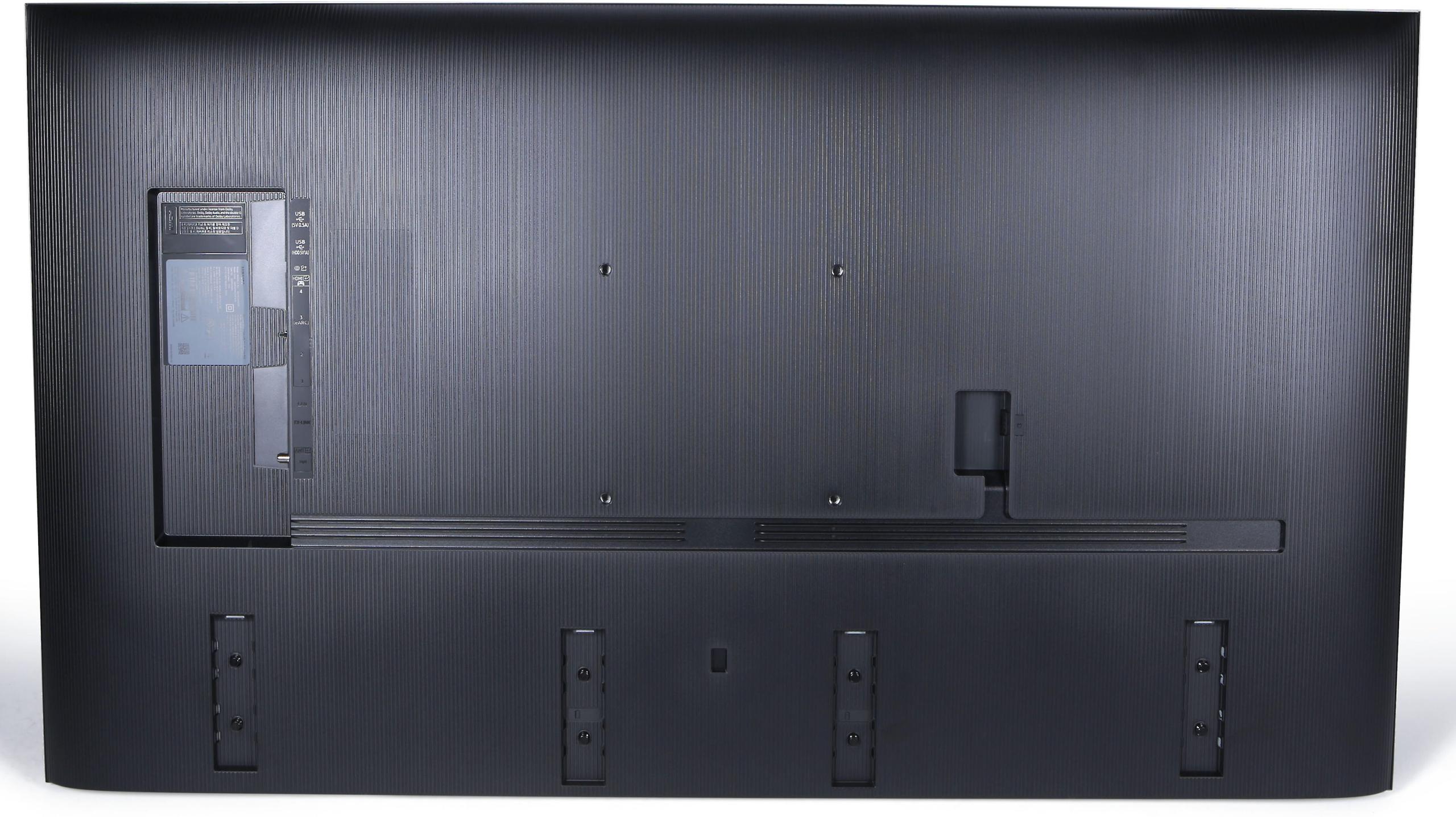
| HDMI 2.1 Ports - Next-gen console compatibility | |
| 2 ports supporting 4K@120Hz | 4 ports with full HDMI 2.1 support |
| Remote Features - Daily convenience factors | |
| Rechargeable Voice Remote Pro with backlit buttons and finder function | Standard remote with voice control |
| Best Use Case - Who should choose this TV | |
| Bright rooms, gaming focus, superior built-in audio | Dark rooms, movie enthusiasts, smart home users |
The Roku 65" Pro Series 2025 4K QLED TV performs significantly better in bright rooms due to its exceptional peak brightness of up to 1,818 nits. This Mini-LED technology overcomes ambient light and maintains vibrant colors even with windows or lights on. The Samsung 65" OLED S90D TV may appear washed out in bright conditions despite its anti-glare coating, as OLED technology is inherently limited to lower peak brightness levels.
OLED technology in the Samsung 65" OLED S90D TV uses self-illuminating pixels that can turn completely off for perfect blacks and infinite contrast. Mini-LED QLED in the Roku 65" Pro Series 2025 4K QLED TV uses thousands of tiny LED backlights with quantum dot color enhancement, providing exceptional brightness and vibrant colors. OLED excels in dark rooms while Mini-LED performs better in bright environments.
Both TVs support next-gen gaming features, but the Roku 65" Pro Series 2025 4K QLED TV has a slight edge with input lag as low as 5.2ms at 120Hz and FreeSync Premium Pro support. The Samsung 65" OLED S90D TV can boost to 144Hz in gaming mode and offers excellent response times. Both feature HDMI 2.1, VRR, and ALLM for optimal console gaming performance.
The Roku 65" Pro Series 2025 4K QLED TV receives exceptional praise for its Sound Stage Audio with side-firing Dolby Atmos speakers, with many users describing "theater-like bass" that eliminates the immediate need for a soundbar. The Samsung 65" OLED S90D TV features Object Tracking Sound Lite with Dolby Atmos but generally requires a soundbar for the best audio experience.
For dedicated home theaters with controlled lighting, the Samsung 65" OLED S90D TV provides the ultimate cinematic experience with perfect blacks and infinite contrast that makes movies look exactly as directors intended. However, the Roku 65" Pro Series 2025 4K QLED TV offers superior HDR brightness and excellent built-in audio, making it ideal for home theaters where some ambient light is present.
The Roku 65" Pro Series 2025 4K QLED TV runs the highly-praised Roku OS, known for its simple, streaming-focused interface that treats all content sources equally. The Samsung 65" OLED S90D TV uses Samsung's Tizen platform with built-in Alexa and Bixby, offering more smart home integration but with a more complex interface. Roku is generally considered more user-friendly for basic streaming.
The Samsung 65" OLED S90D TV features Pantone-validated colors for professional accuracy that matches filmmaker intentions. The Roku 65" Pro Series 2025 4K QLED TV uses quantum dot technology covering 96.9% UHDA-P3 color space for exceptionally vibrant, eye-catching colors. Samsung prioritizes accuracy while Roku emphasizes vibrancy - both deliver excellent color performance.
The Roku 65" Pro Series 2025 4K QLED TV has no burn-in risk and users report excellent long-term reliability across multiple Roku TV generations. The Samsung 65" OLED S90D TV has low but possible burn-in risk with static content like news tickers or gaming HUDs, though modern OLED panels include protections and burn-in is less common than in earlier generations.
Both the Roku 65" Pro Series 2025 4K QLED TV and Samsung 65" OLED S90D TV feature 120Hz refresh rates for smooth sports viewing. The Roku's Mini-LED technology provides consistent brightness during fast action, while the Samsung's OLED offers superior motion clarity with its Motion Xcelerator Turbo+ technology. Both handle sports content excellently with minimal motion blur.
The Samsung 65" OLED S90D TV offers significantly better viewing angles, making it ideal for family rooms with varied seating positions. The Roku 65" Pro Series 2025 4K QLED TV has narrower viewing angles typical of QLED technology, with some dimming and color shifting when viewed from the sides. For wide seating arrangements, the Samsung performs better.
Both TVs offer excellent value in different ways. The Samsung 65" OLED S90D TV provides premium OLED technology at an accessible price point, delivering performance that typically costs significantly more. The Roku 65" Pro Series 2025 4K QLED TV offers Mini-LED performance that competes with much more expensive TVs, plus superior built-in audio that saves money on additional equipment.
Choose the Samsung 65" OLED S90D TV if you have a darker viewing environment, prioritize perfect blacks and cinematic picture quality, or need wide viewing angles for family viewing. Choose the Roku 65" Pro Series 2025 4K QLED TV if you watch in bright rooms, prioritize gaming performance, want excellent built-in audio, or prefer worry-free long-term reliability without burn-in concerns.
We've done our best to create useful and informative comparisons to help you decide what product to buy. Our research uses advanced automated methods to create this comparison and perfection is not possible - please contact us for corrections or questions. These are the sites we've researched in the creation of this article: bestbuy.com - rtings.com - techradar.com - youtube.com - roku.com - youtube.com - walmart.com - bestbuy.com - youtube.com - electronicexpress.com - roku.com - pcvarge.com - ecoustics.com - bestbuy.com - valueelectronics.com - youtube.com - cnet.com - bestbuy.com - videoandaudiocenter.com - youtube.com - samsung.com - samsung.com - pcrichard.com - samsung.com

Privacy Policy
Terms and Conditions - Affiliate Policy
Home Security
© Copyright 2008-2026.
11816 Inwood Rd #1211, Dallas, TX 75244