

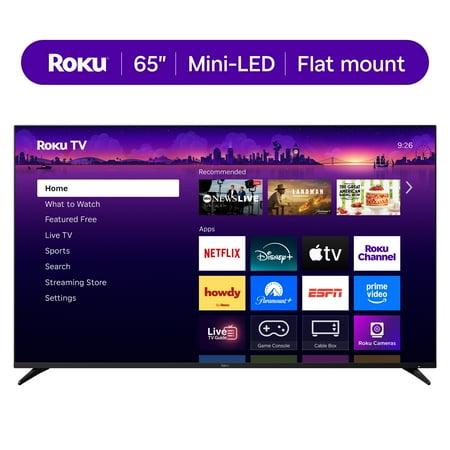
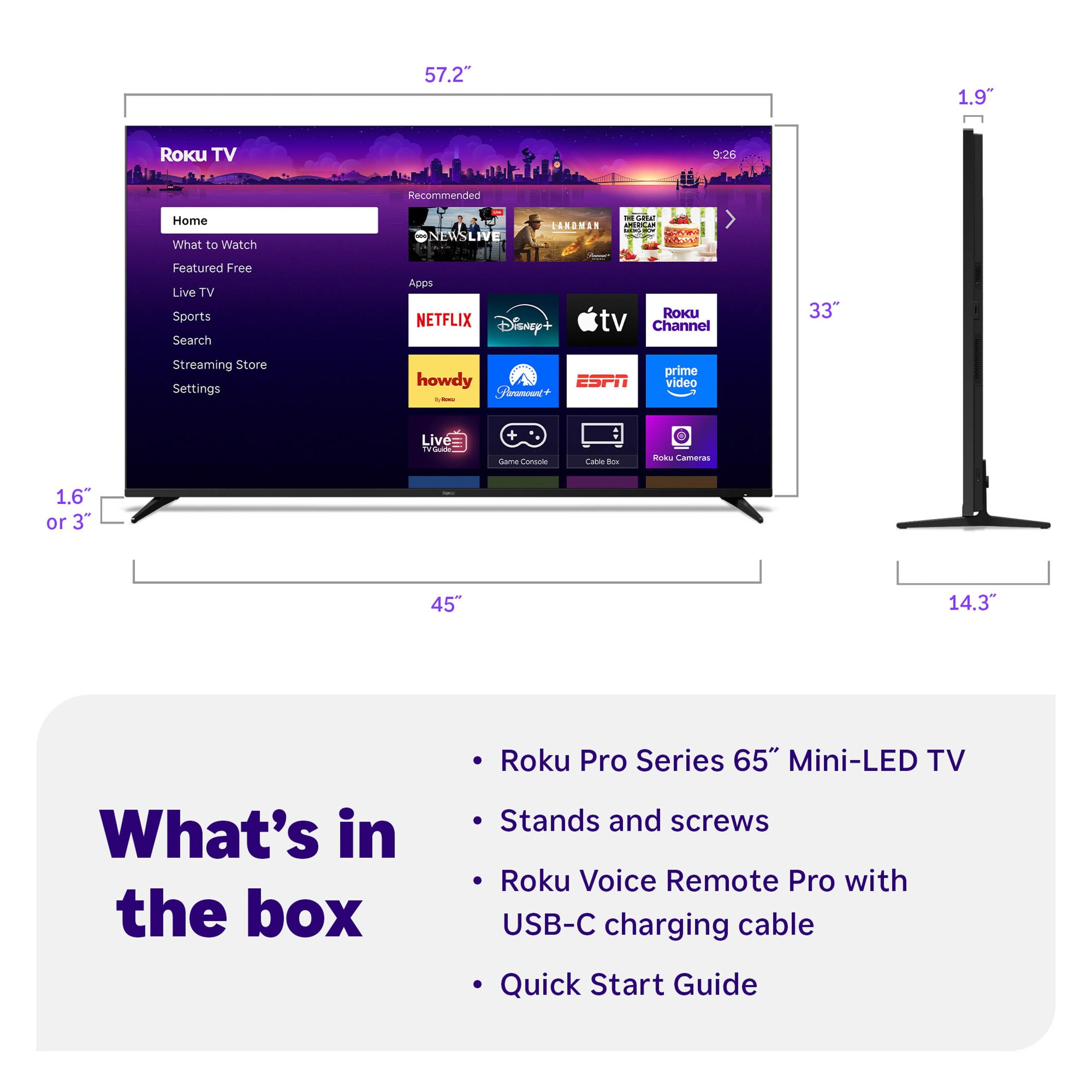
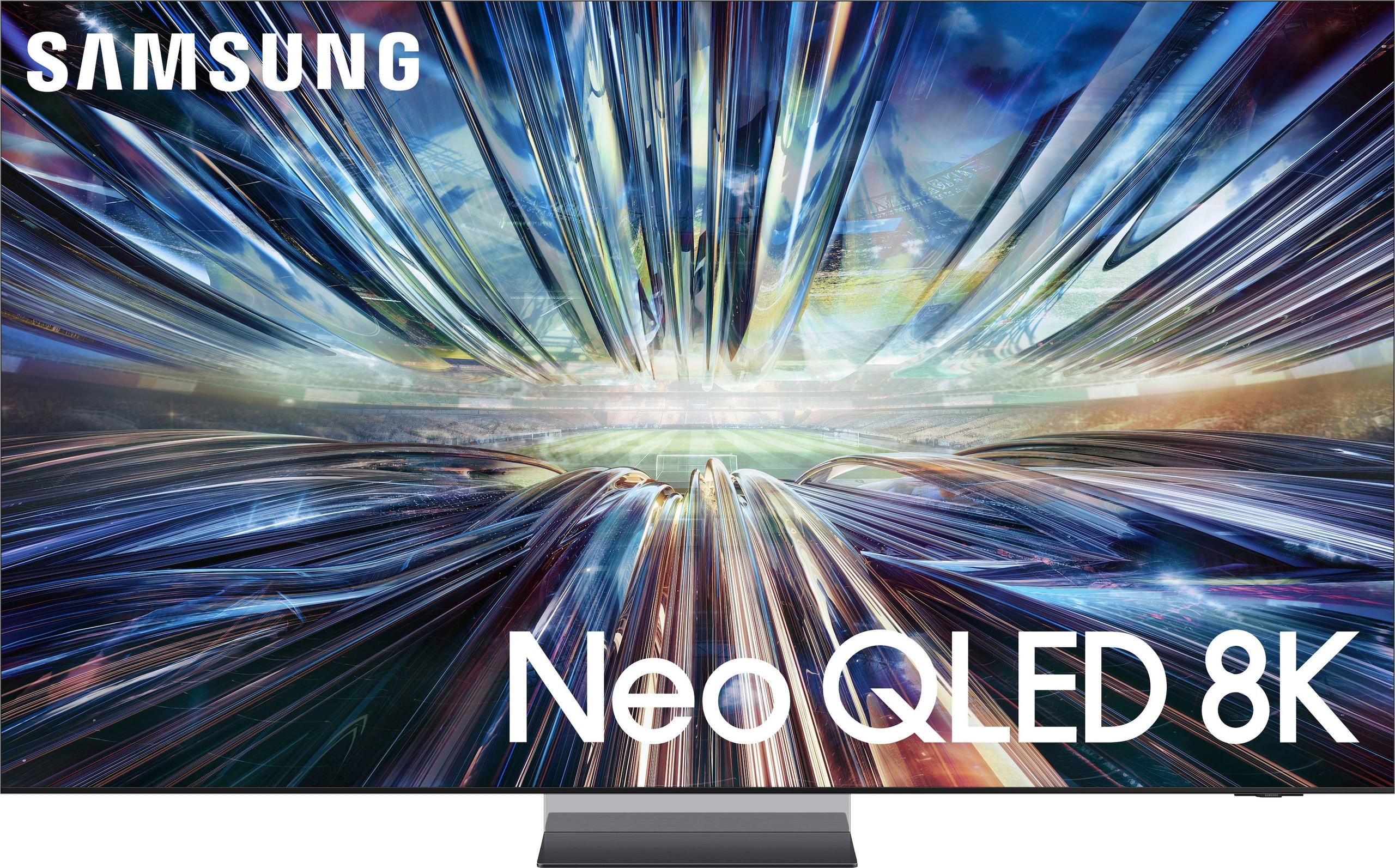
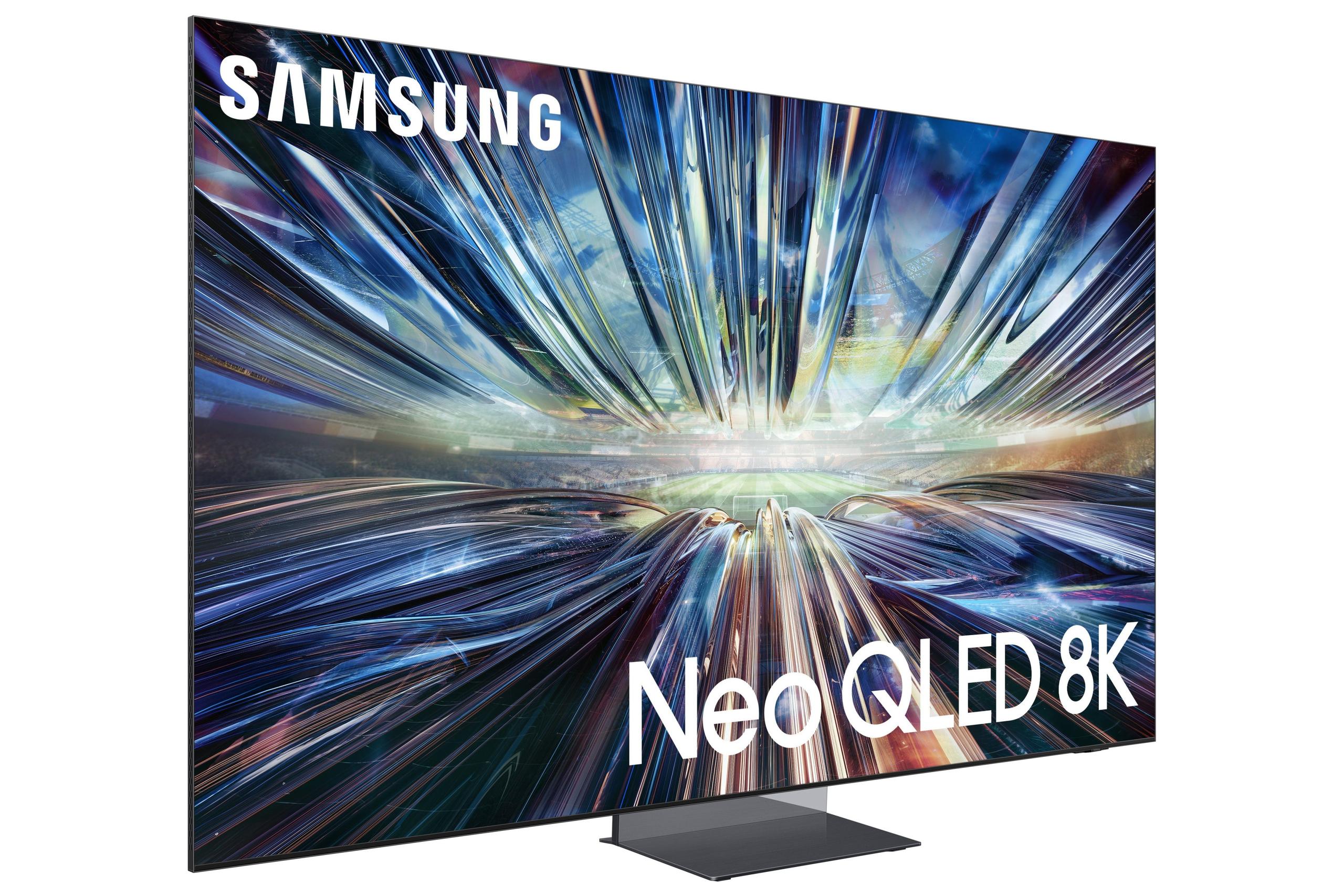
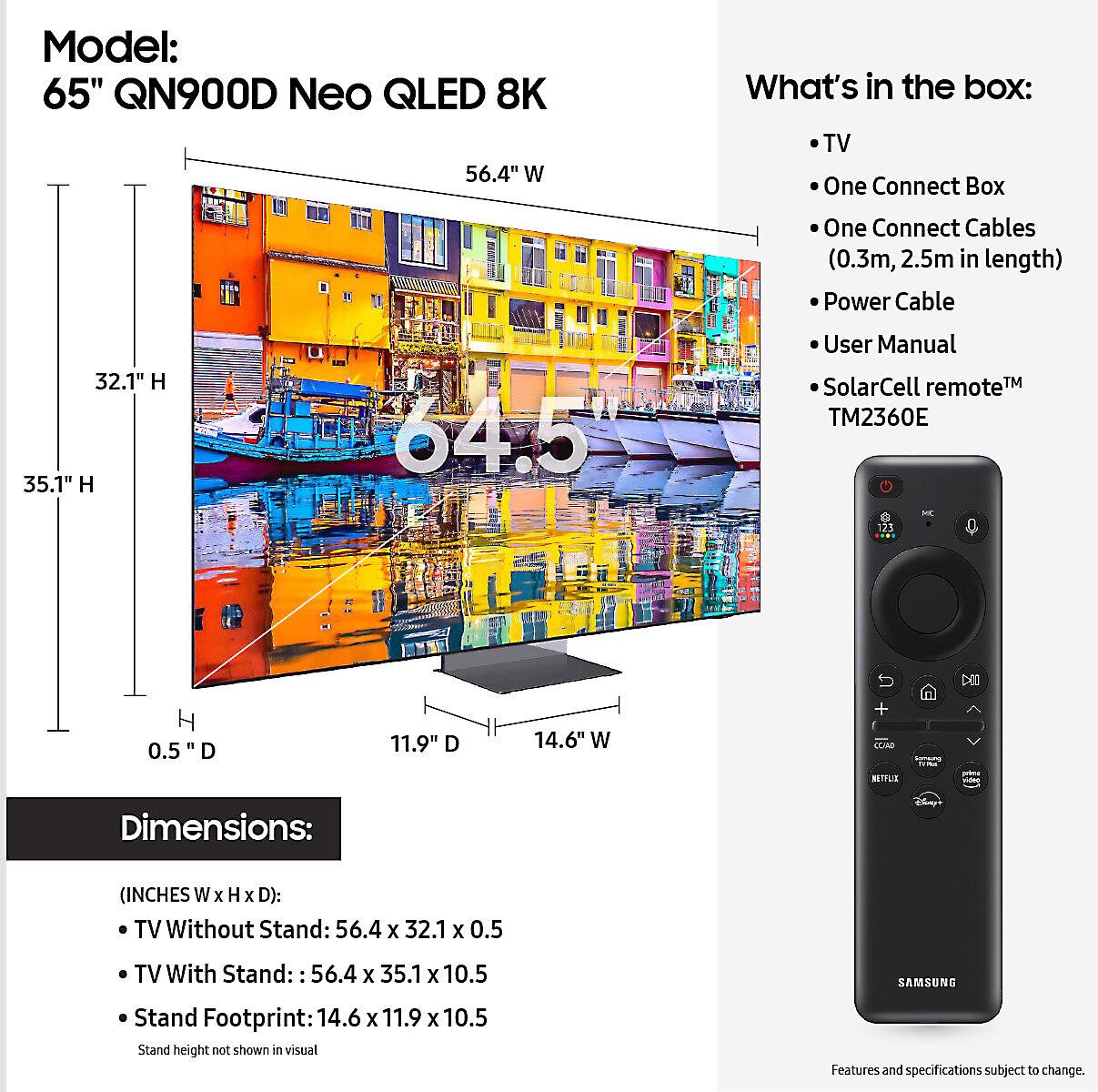
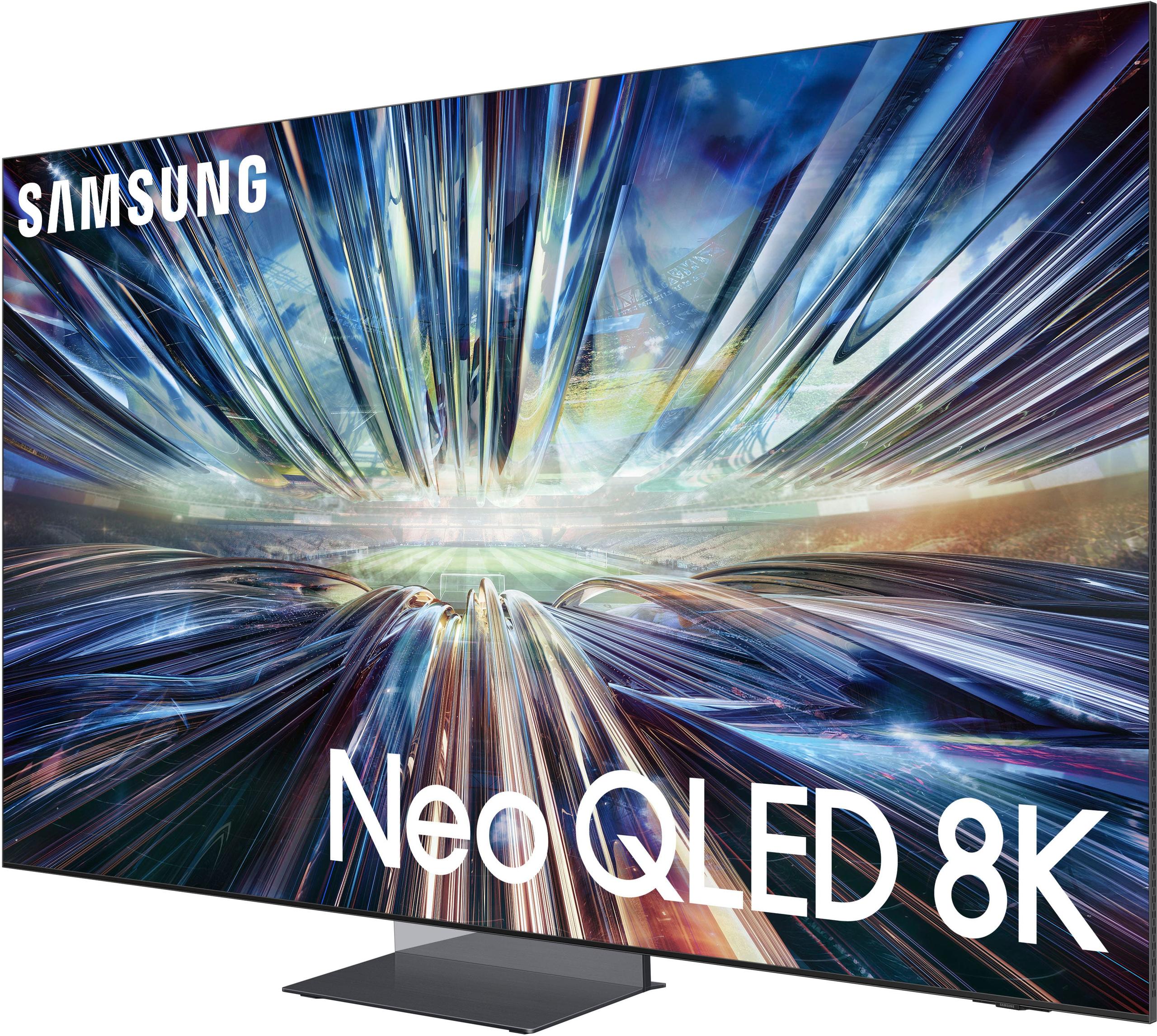
Shopping for a premium TV has never been more complex. Two standout options represent completely different philosophies: the Roku 65" Pro Series 2025, which launched earlier this year as a value-focused premium TV, and Samsung's flagship QN900D Series 65" Neo QLED 8K from 2024, which pushes the absolute boundaries of TV technology. Understanding which approach suits your needs requires diving deep into what makes each tick.
Premium TVs today revolve around three core technologies that separate them from budget models: advanced backlighting systems, quantum dot color enhancement, and sophisticated processing chips. These aren't just marketing buzzwords—they fundamentally change how your content looks and sounds.
Backlighting systems like Mini-LED use thousands of tiny LEDs to illuminate specific zones of the screen independently. This creates deeper blacks and brighter highlights simultaneously, something impossible with older edge-lit displays. Quantum dots are microscopic crystals that convert light into pure colors, delivering the vivid reds and deep blues that make modern content pop. Finally, processing power determines how well your TV can enhance lower-quality content and adapt to different viewing conditions.
The challenge isn't just picking good specs—it's finding the right balance between cutting-edge features and practical value. Some buyers want every possible advancement regardless of cost, while others prefer proven technology that maximizes picture quality per dollar spent.
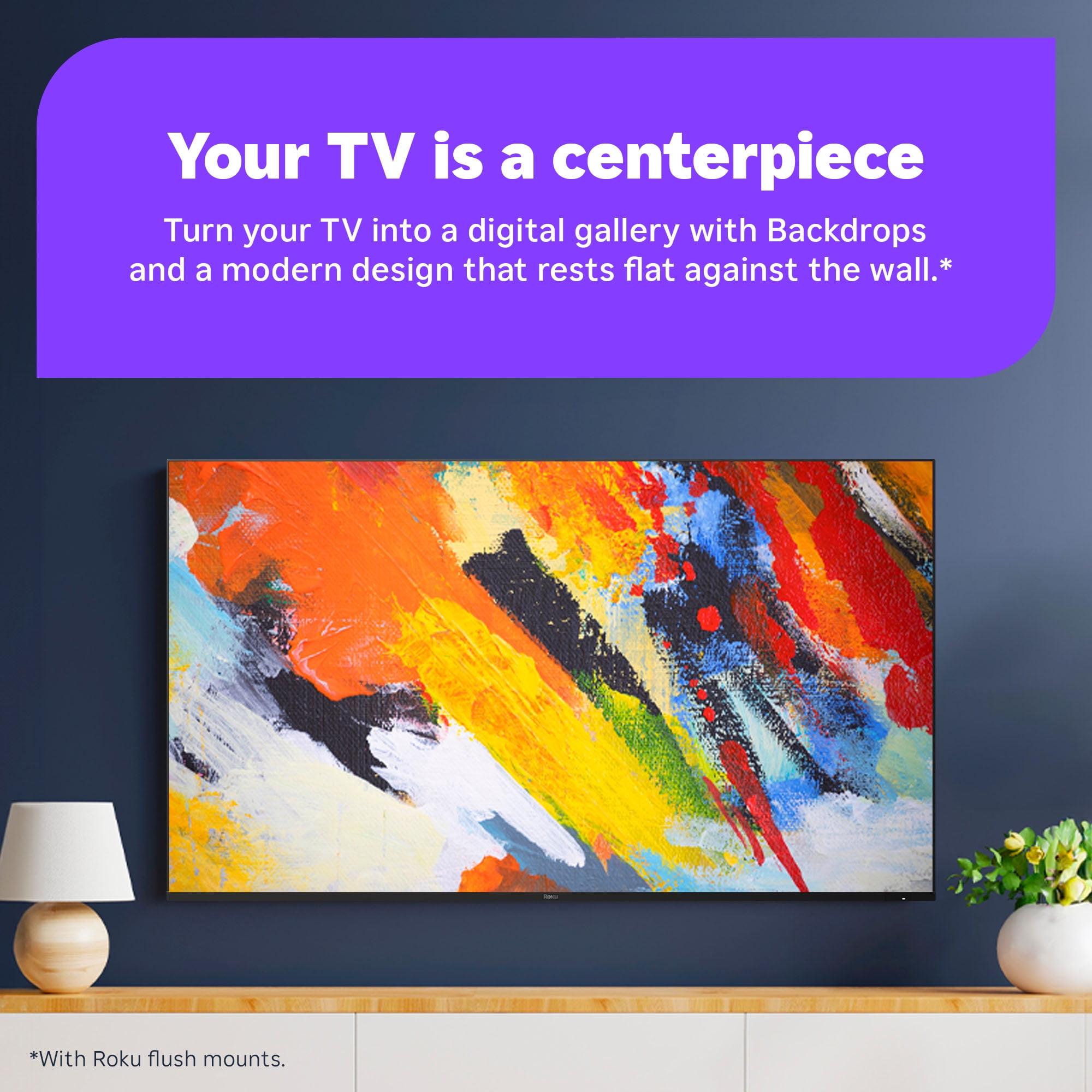
The Roku 65" Pro Series 2025 and Samsung QN900D represent fundamentally different design philosophies, despite both being premium TVs.
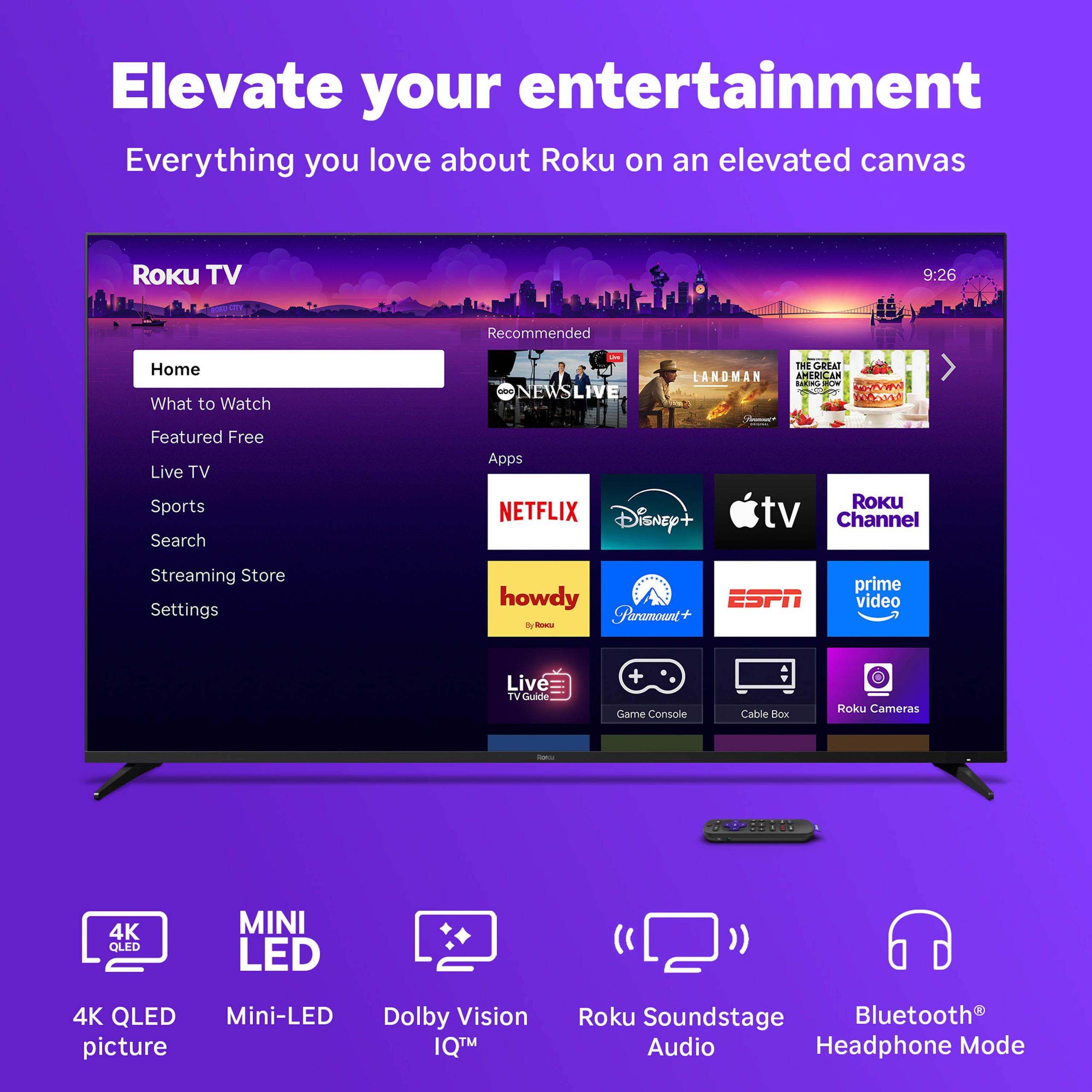
Roku's approach focuses on perfecting 4K technology while integrating the industry's best streaming platform. At roughly one-third the price of Samsung's flagship (at time of writing), the Roku Pro Series uses Mini-LED backlighting with thousands of dimming zones, quantum dot color enhancement, and AI-powered picture optimization. The strategy is clear: deliver 90% of a flagship TV's performance at a mainstream price point.
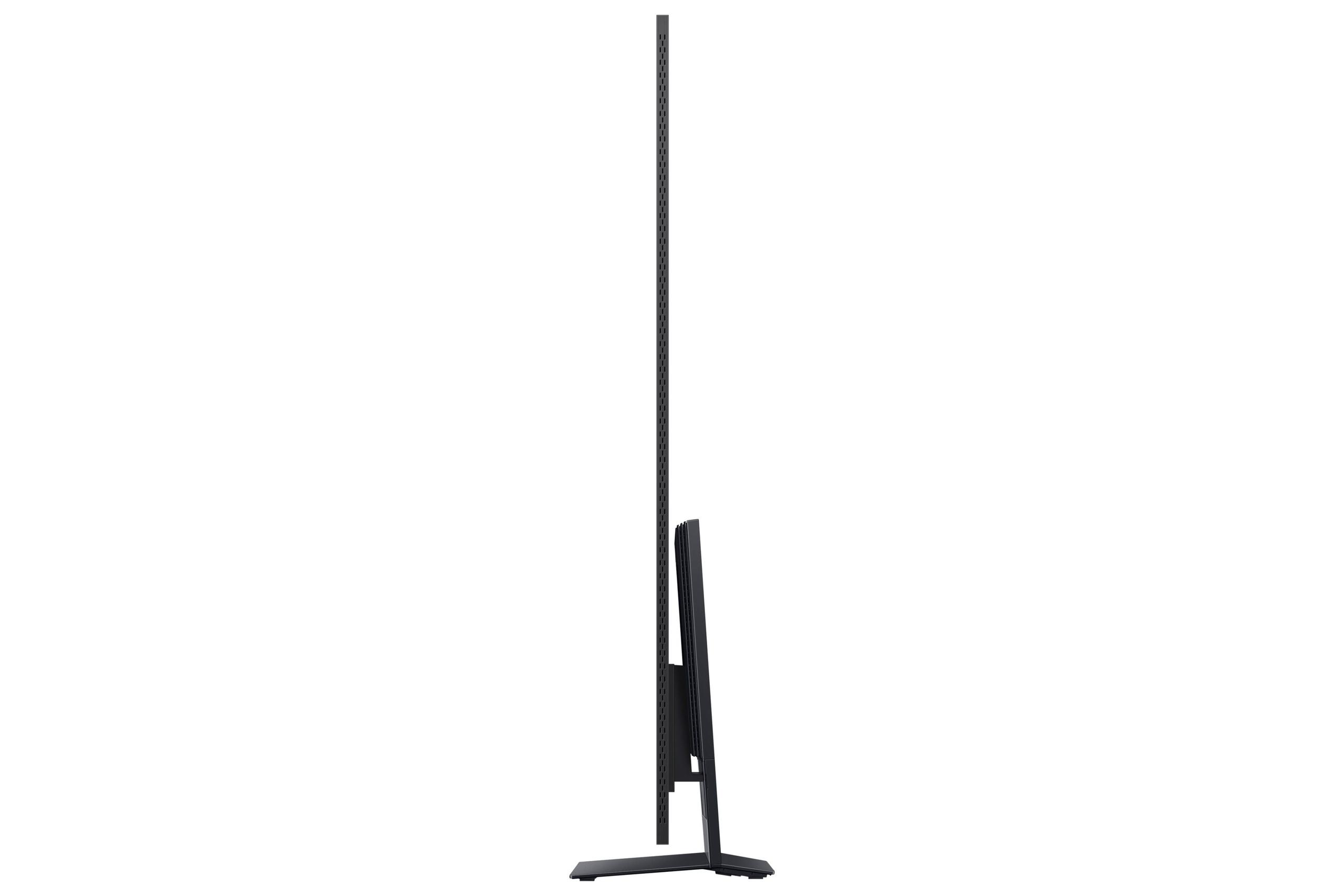
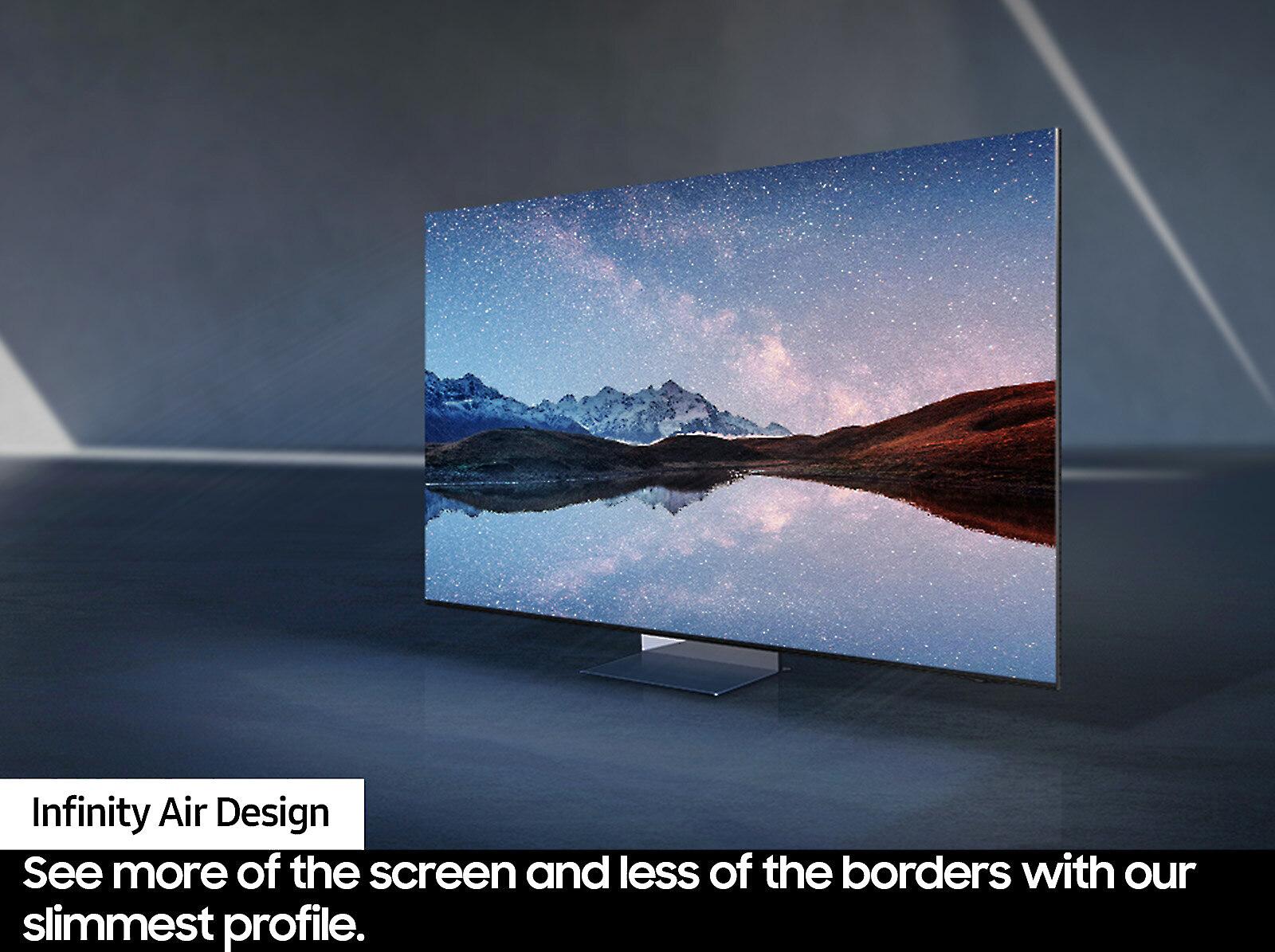
Samsung takes the opposite approach with the QN900D. This is their "cost-no-object" flagship featuring native 8K resolution, Neo QLED technology (Samsung's premium quantum dot implementation), and their most powerful NQ8 AI Gen3 processor. The premium approaches three times the Roku's price, but Samsung argues the advanced features justify the cost through superior performance and future-proofing.
Both strategies have merit, but they serve different user priorities. The Roku optimizes for today's content landscape, while the Samsung bets on tomorrow's possibilities.
The most obvious difference between these TVs is resolution: 4K versus 8K. But this spec tells only part of the story.
The Samsung QN900D delivers true 8K resolution with 7,680 × 4,320 pixels—four times more than 4K. In theory, this should provide dramatically sharper images. In practice, native 8K content barely exists outside of some YouTube videos and specialty demos. No streaming service offers 8K content, and 8K gaming remains extremely limited even on the latest consoles.
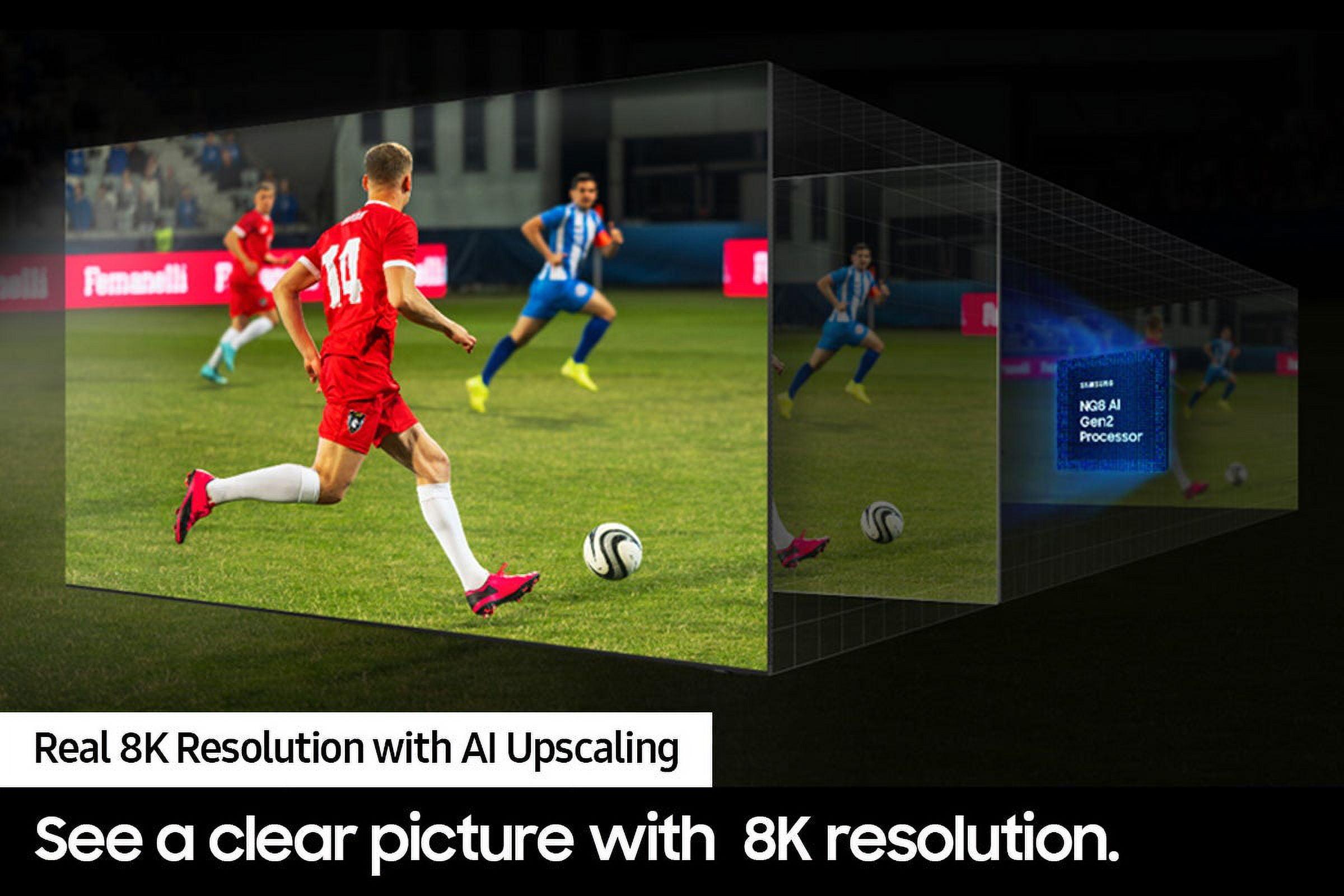
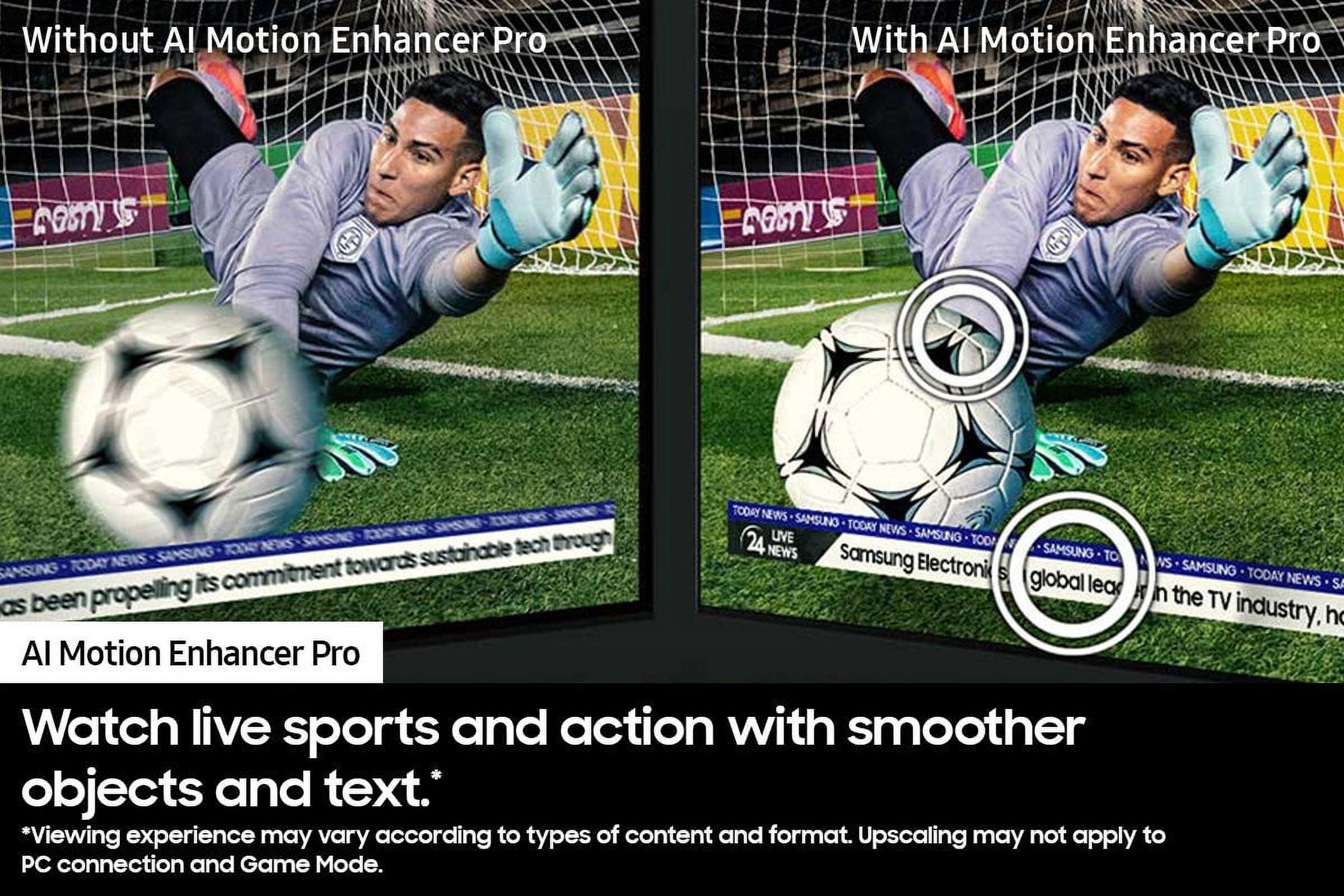
What makes the Samsung's 8K capability valuable isn't the resolution itself—it's the upscaling technology. The NQ8 AI Gen3 processor analyzes incoming 4K, 1080p, and even lower-resolution content frame by frame, using neural networks to predict and fill in missing detail. This creates noticeably sharper images from regular content, though you're paying a significant premium for this enhancement.
The Roku Pro Series, meanwhile, focuses on perfecting 4K presentation. Its Smart Picture Max AI engine optimizes contrast, color, and sharpness for each scene automatically. While it can't create the ultra-fine detail of Samsung's upscaling, it delivers excellent 4K performance that perfectly matches current content availability.
For most users, 4K resolution provides all the sharpness benefits you can actually see from typical viewing distances. The Roku's approach makes more practical sense, though tech enthusiasts might appreciate the Samsung's cutting-edge upscaling capabilities.
Peak brightness determines how well HDR (High Dynamic Range) content displays its intended impact. HDR allows TVs to show much brighter highlights and deeper shadows simultaneously, creating more lifelike images. But this only works if your TV can actually produce the brightness levels HDR content demands.
The Samsung QN900D excels here with peak brightness exceeding 2,000 nits. This exceptional brightness makes HDR highlights truly spectacular—think sunlight reflecting off water or explosions in action movies. The high brightness also helps the TV maintain vibrant colors and deep blacks even in bright rooms with lots of ambient light.
The Roku Pro Series produces lower peak brightness, but its Mini-LED backlighting system still delivers impressive HDR performance through precise local dimming. The key difference lies in viewing environment: the Samsung dominates in bright rooms, while the Roku performs excellently in normal to moderately bright conditions.
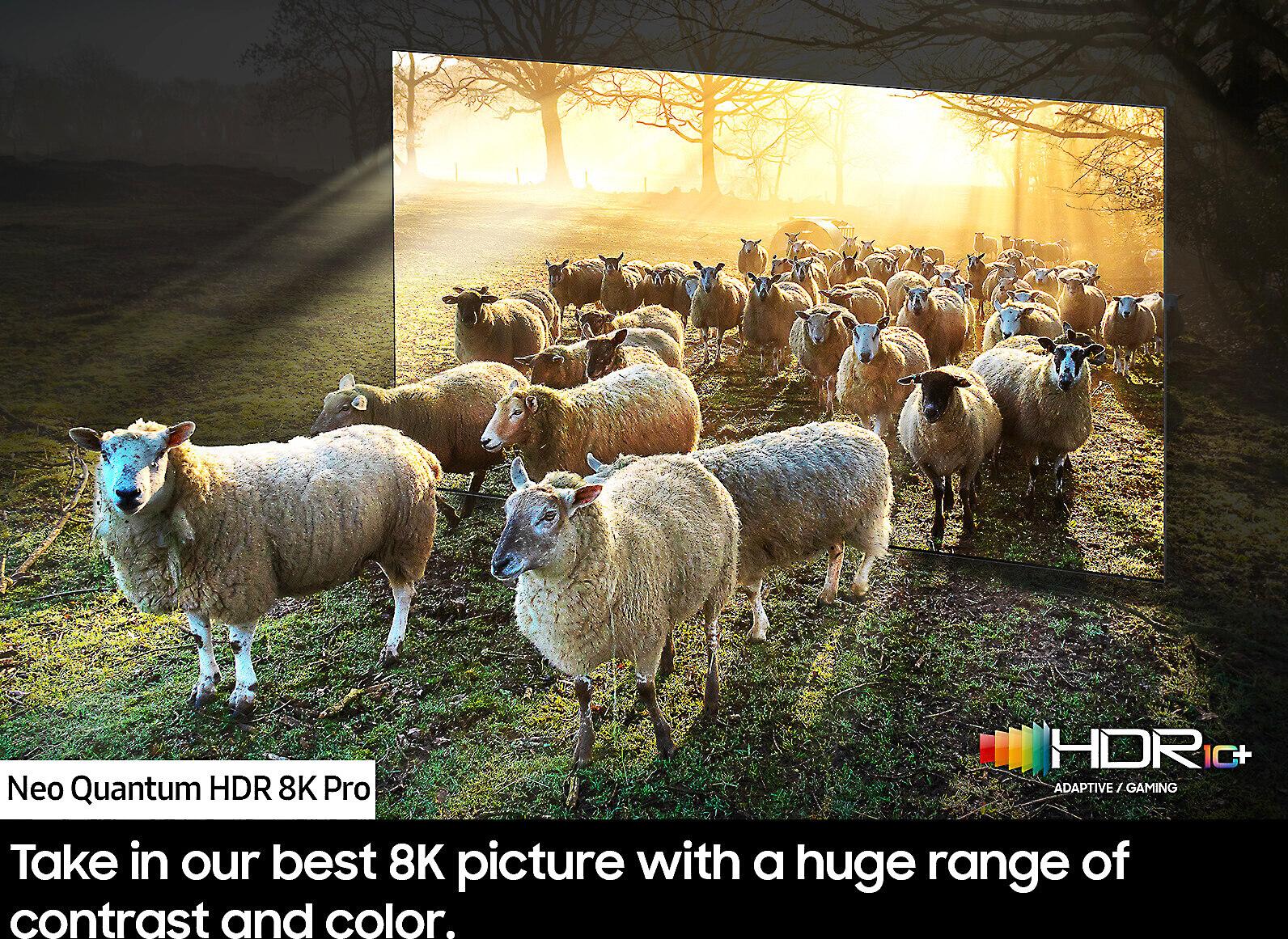
Both TVs support advanced HDR formats. The Roku includes Dolby Vision IQ, which automatically adjusts picture settings based on your room's ambient light throughout the day. The Samsung focuses on HDR10+ Adaptive and its own Neo Quantum HDR 8K+ processing for dynamic optimization.
Modern premium TVs use local dimming to independently control different zones of the backlight. This allows bright objects and dark objects in the same scene to display with proper contrast—something impossible on older TVs.
The Samsung QN900D uses Quantum Matrix Technology Pro with thousands of precise dimming zones. This creates minimal "blooming" (unwanted light spill around bright objects) and excellent black levels. The precision helps HDR content display exactly as intended by directors and content creators.
The Roku Pro Series implements full-array local dimming with its Mini-LED system, delivering what reviews indicate is 75% higher dynamic contrast than previous generations. While not quite matching the Samsung's zone precision, it provides excellent contrast performance that significantly outperforms budget TVs.
Color accuracy has improved substantially on both TVs compared to their predecessors. The Roku shows particular improvement in color precision over earlier Roku models, while the Samsung maintains Samsung's traditionally strong color performance with enhanced quantum dot implementation.
Gaming has become a crucial TV specification as modern consoles and graphics cards push higher frame rates and resolutions. Both TVs support the essential gaming features, but with different performance ceilings.
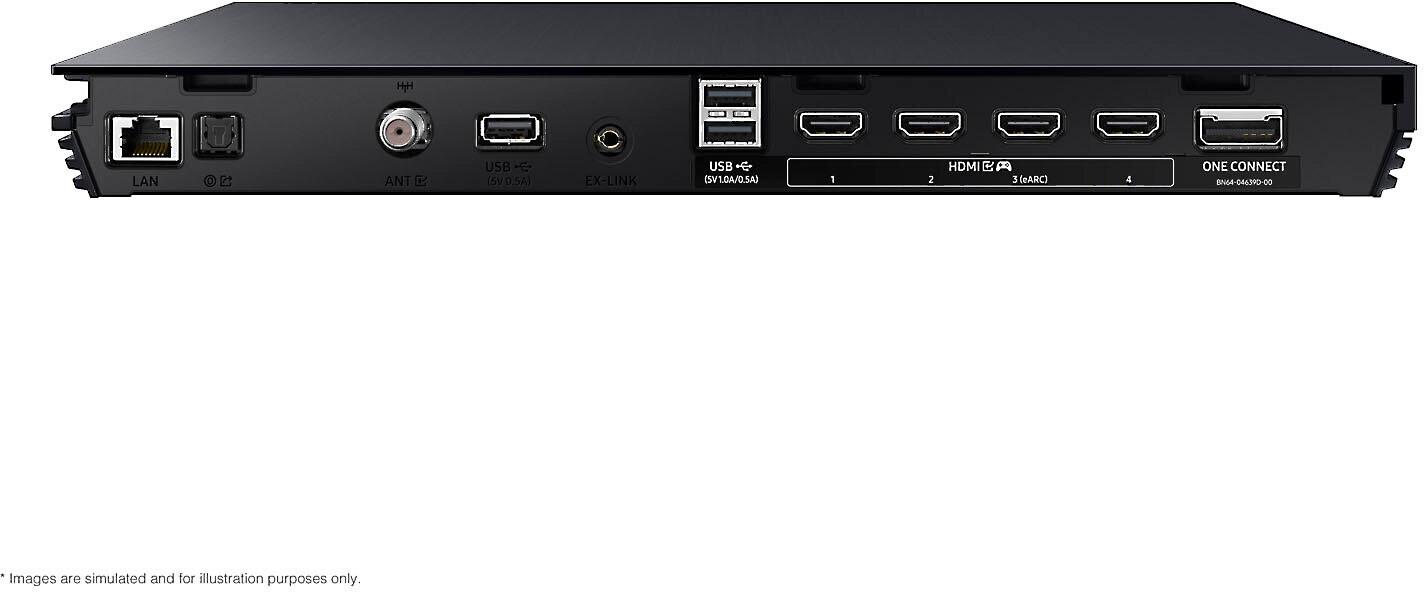
The Samsung QN900D provides the ultimate gaming specification sheet: 4K at 240Hz, 8K at 60Hz, and all four HDMI ports supporting full HDMI 2.1 bandwidth. This future-proofs the TV for next-generation consoles and high-end PC gaming. Input lag in Game Mode drops to imperceptible levels, making controller response feel immediate.
The Roku Pro Series targets current gaming needs with 4K at 120Hz capability on two HDMI 2.1 ports. Input lag measures just 5.2 milliseconds at 120Hz—fast enough for competitive gaming. The TV includes AMD FreeSync Premium Pro, which eliminates screen tearing by synchronizing the display refresh with graphics card output.
For most gamers, the Roku's gaming performance fully satisfies current console capabilities. PlayStation 5 and Xbox Series X rarely exceed 120Hz even at 4K resolution, making the Samsung's higher frame rate capabilities more about future-proofing than immediate benefits.
Both TVs implement VRR (Variable Refresh Rate) technology, but the Samsung supports a wider range of refresh rates and more VRR standards. This provides smoother gameplay when frame rates fluctuate, particularly important for demanding games that can't maintain consistent frame rates.
Auto Low Latency Mode (ALLM) automatically switches both TVs to their fastest gaming settings when they detect a console or gaming PC. This eliminates the need to manually adjust settings for gaming sessions.
The Samsung QN900D includes additional gaming optimizations like AI Auto Game Mode for specific console games, providing automatically optimized settings for popular titles. While convenient, these features represent refinements rather than essential gaming capabilities.
TV audio has dramatically improved in recent premium models, reducing the need for immediate soundbar purchases.
The Samsung QN900D features a comprehensive 90-watt, 6.2.4-channel audio system with Object Tracking Sound technology. This system actually follows action across the screen—when a car drives from left to right, the sound follows. True Dolby Atmos support creates convincing surround effects for movies and games.
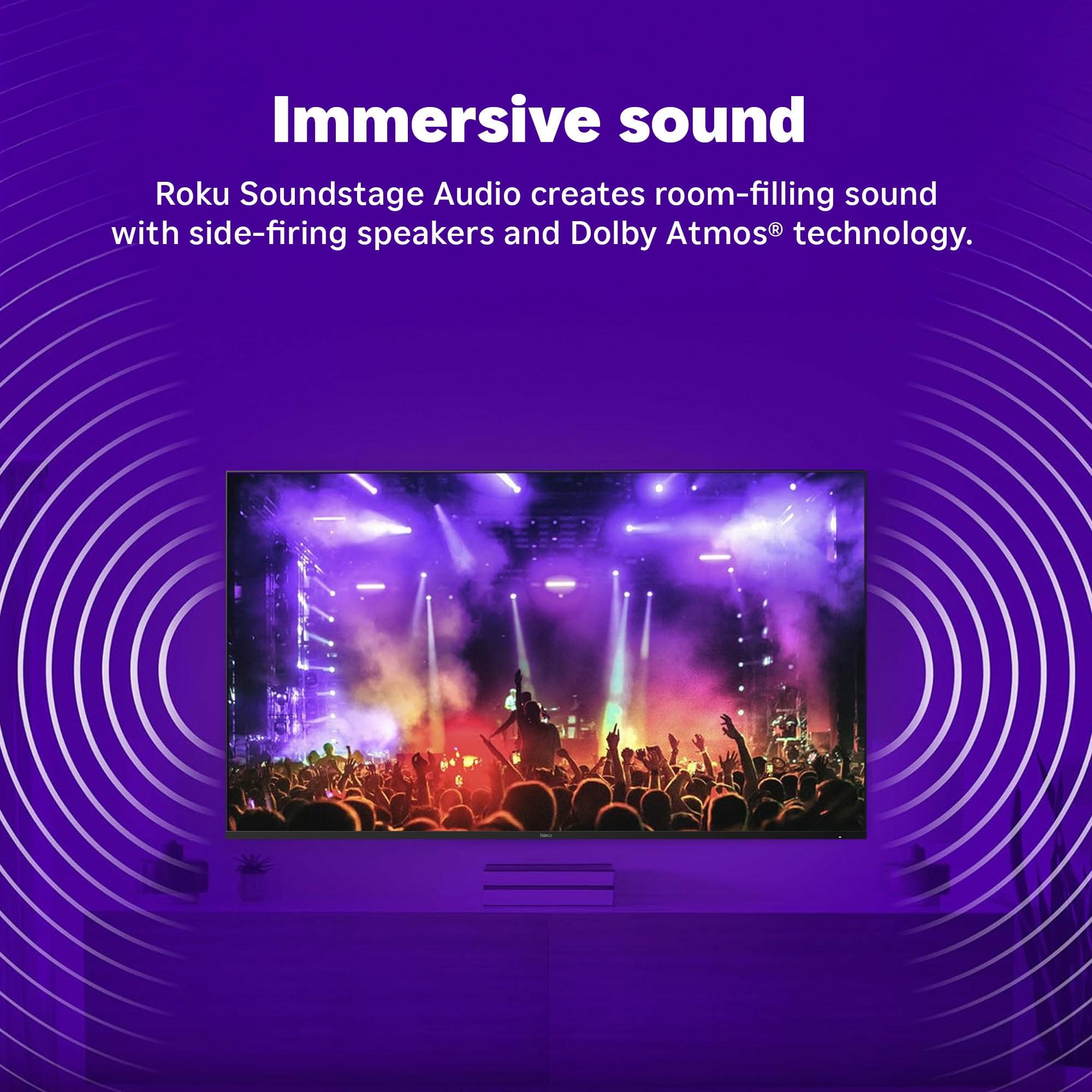
The Roku Pro Series uses Sound Stage Audio with side-firing Dolby Atmos speakers. While lacking the Samsung's multi-channel sophistication, reviews consistently praise it as exceptional for a built-in TV audio system. Some reviews call it "the best-sounding LCD TV tested," with bass that "rattles walls."
Both TVs provide good enough audio for casual viewing, but dedicated home theater setups benefit from external sound systems. The Samsung's more sophisticated built-in audio might delay soundbar purchases longer than the Roku.
Smart TV platforms determine how you actually interact with your TV daily—launching apps, browsing content, and controlling settings.
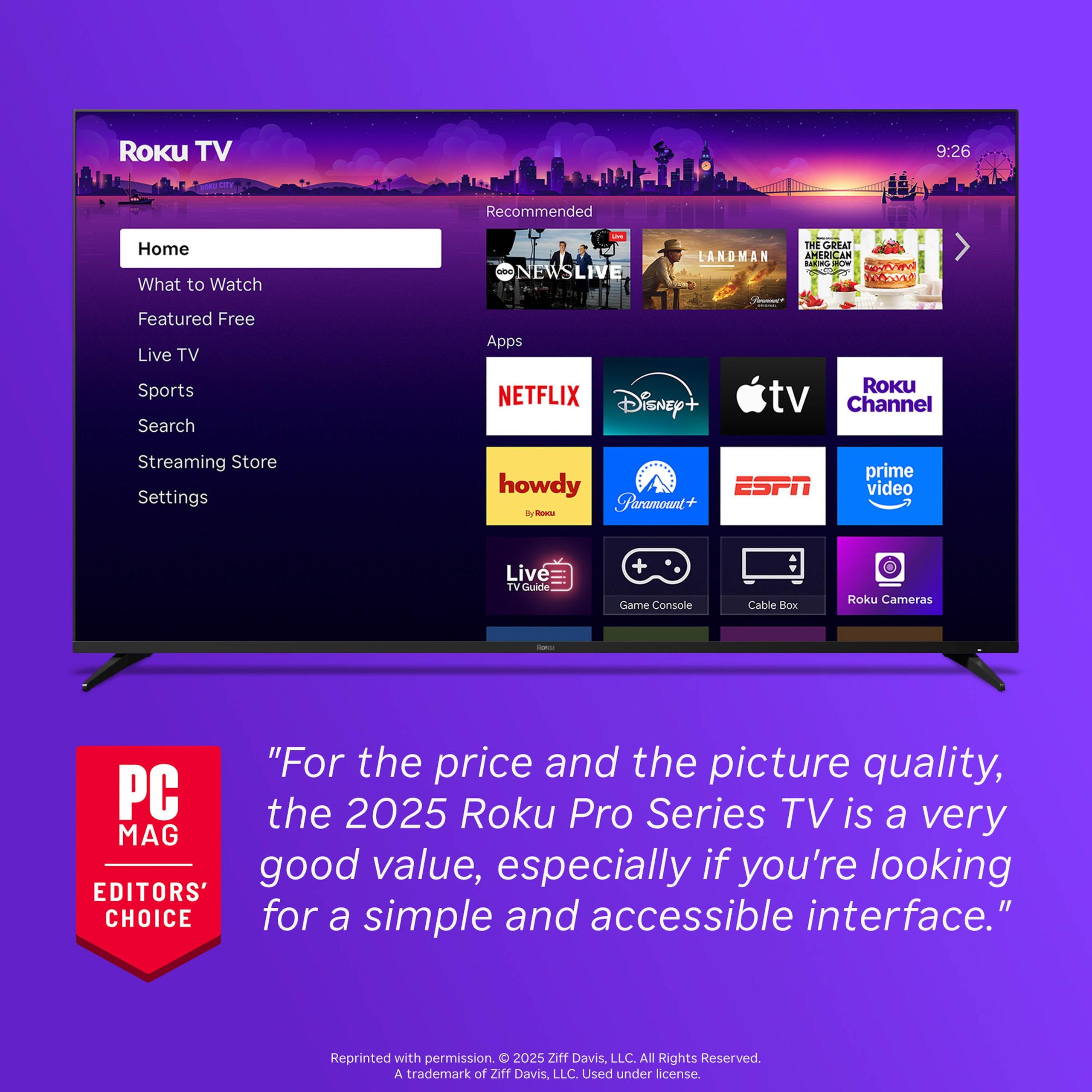
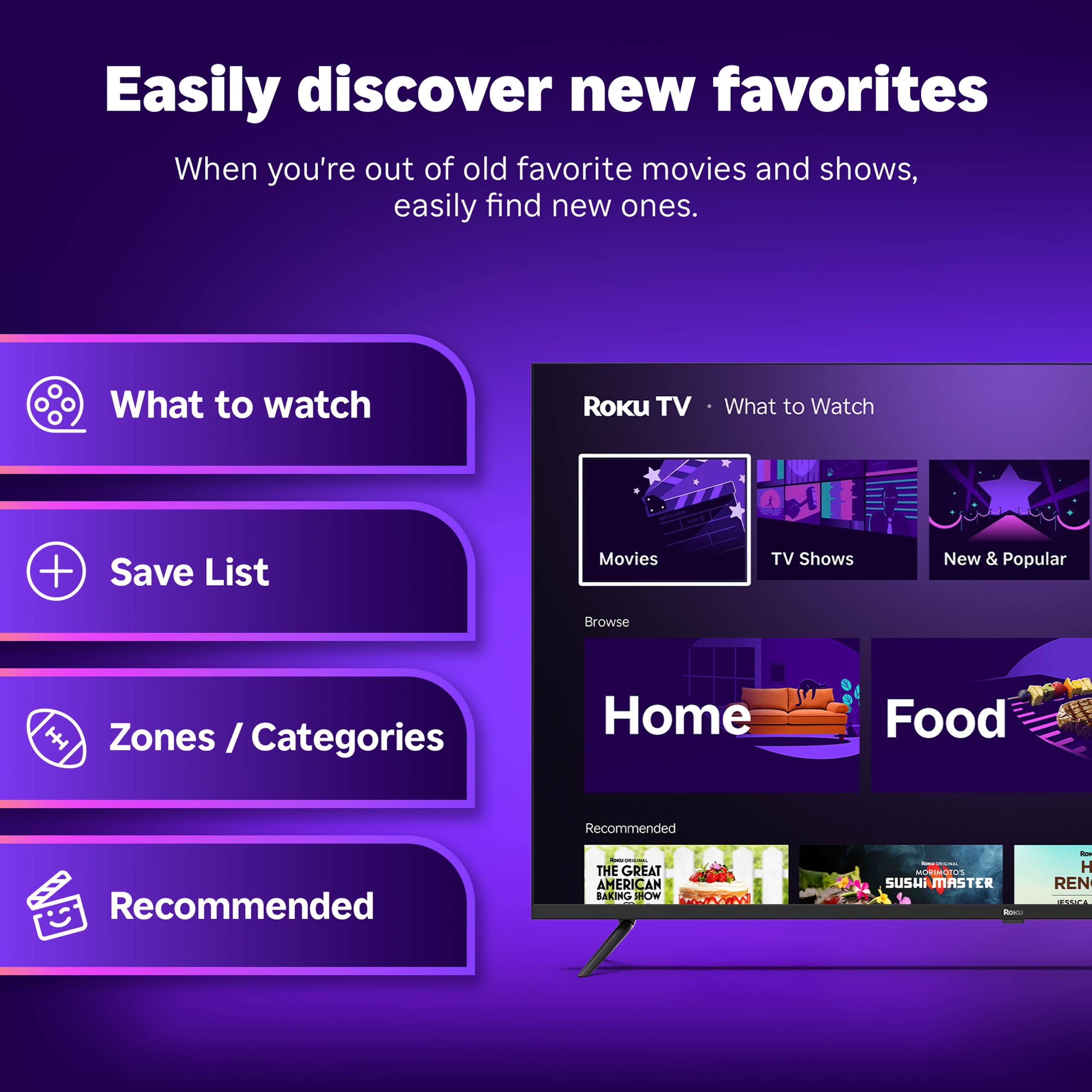
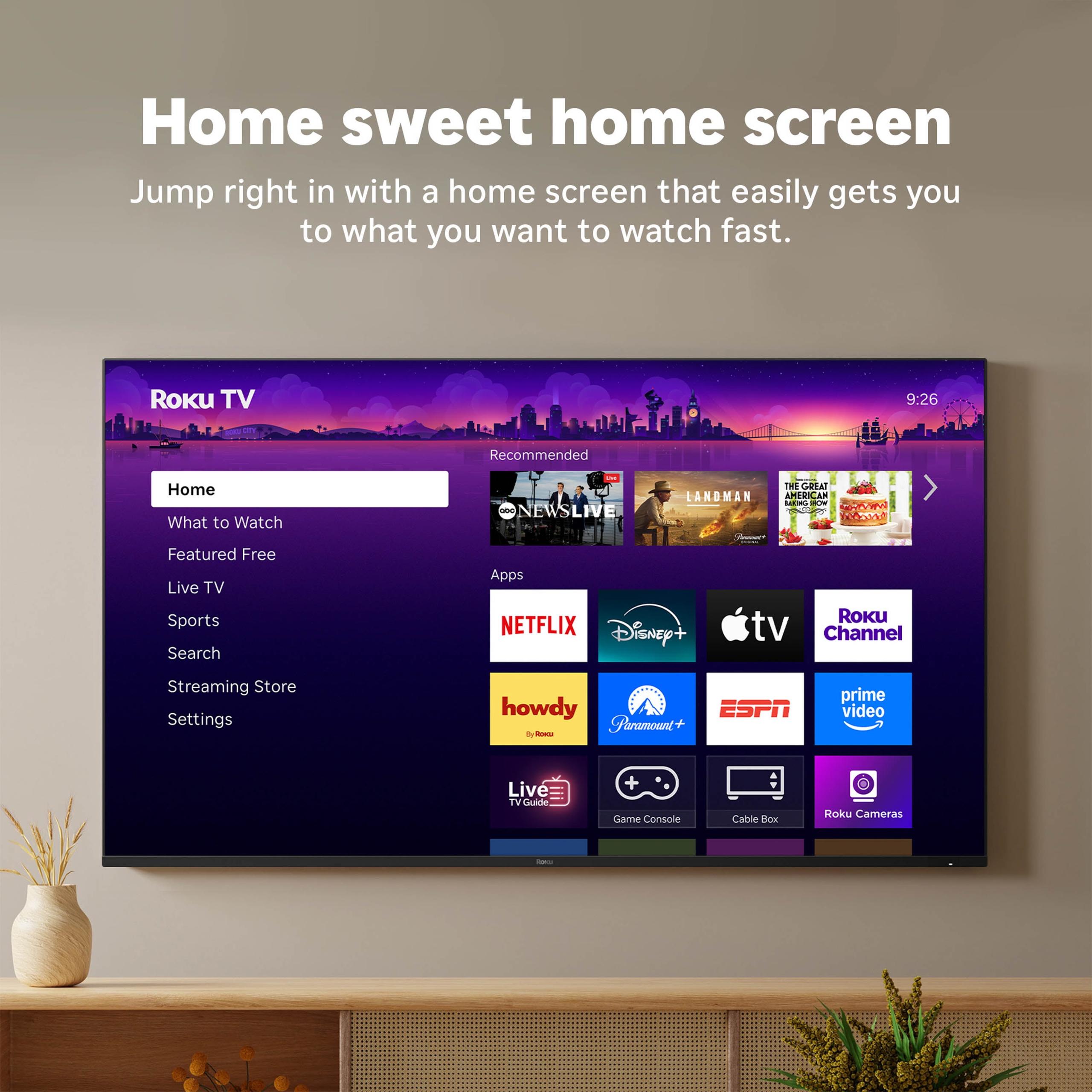
The Roku Pro Series runs Roku TV OS, widely considered the best streaming platform available. The interface prioritizes content discovery across all your streaming services rather than pushing specific apps or services. App launches happen almost instantly, and the platform includes virtually every streaming service available.
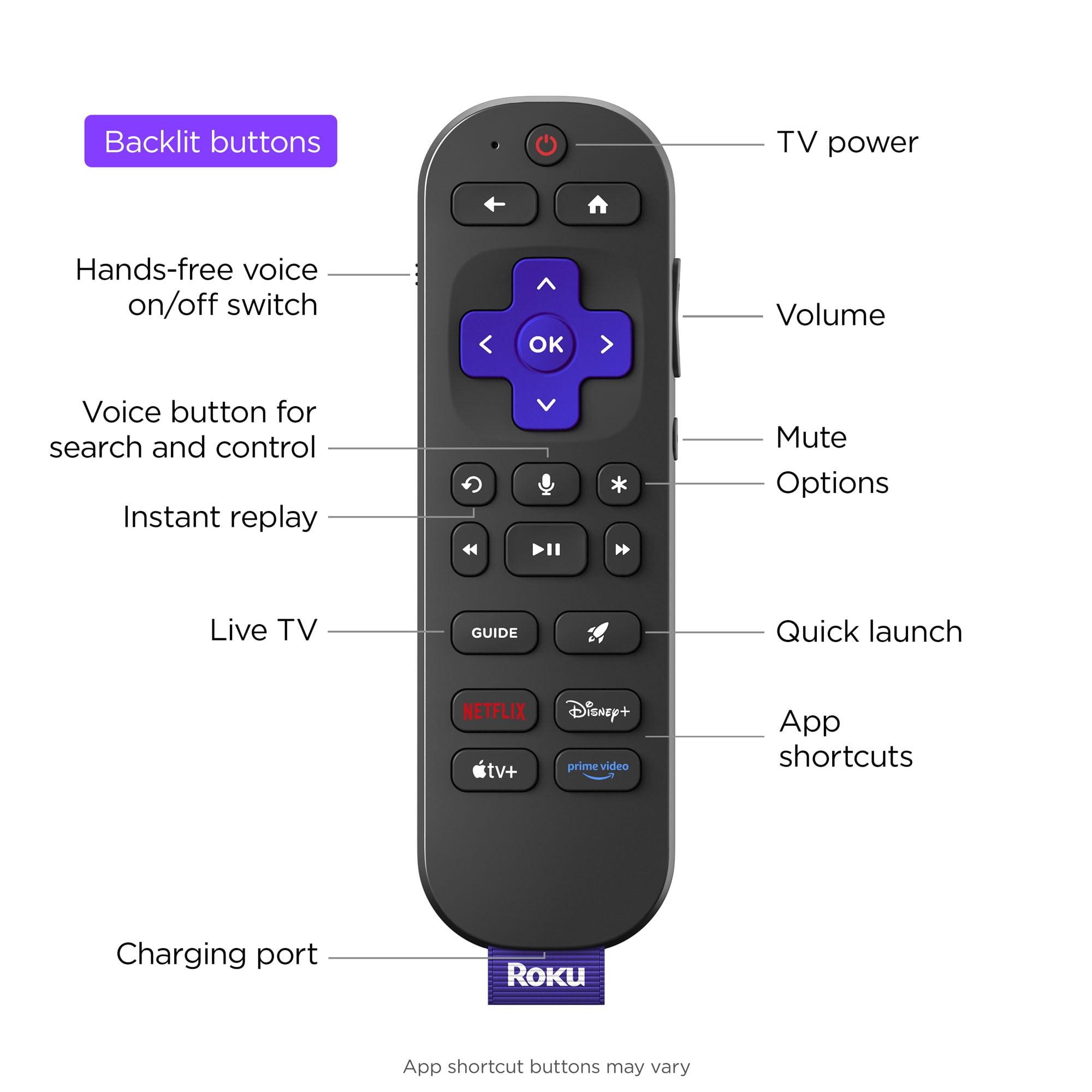
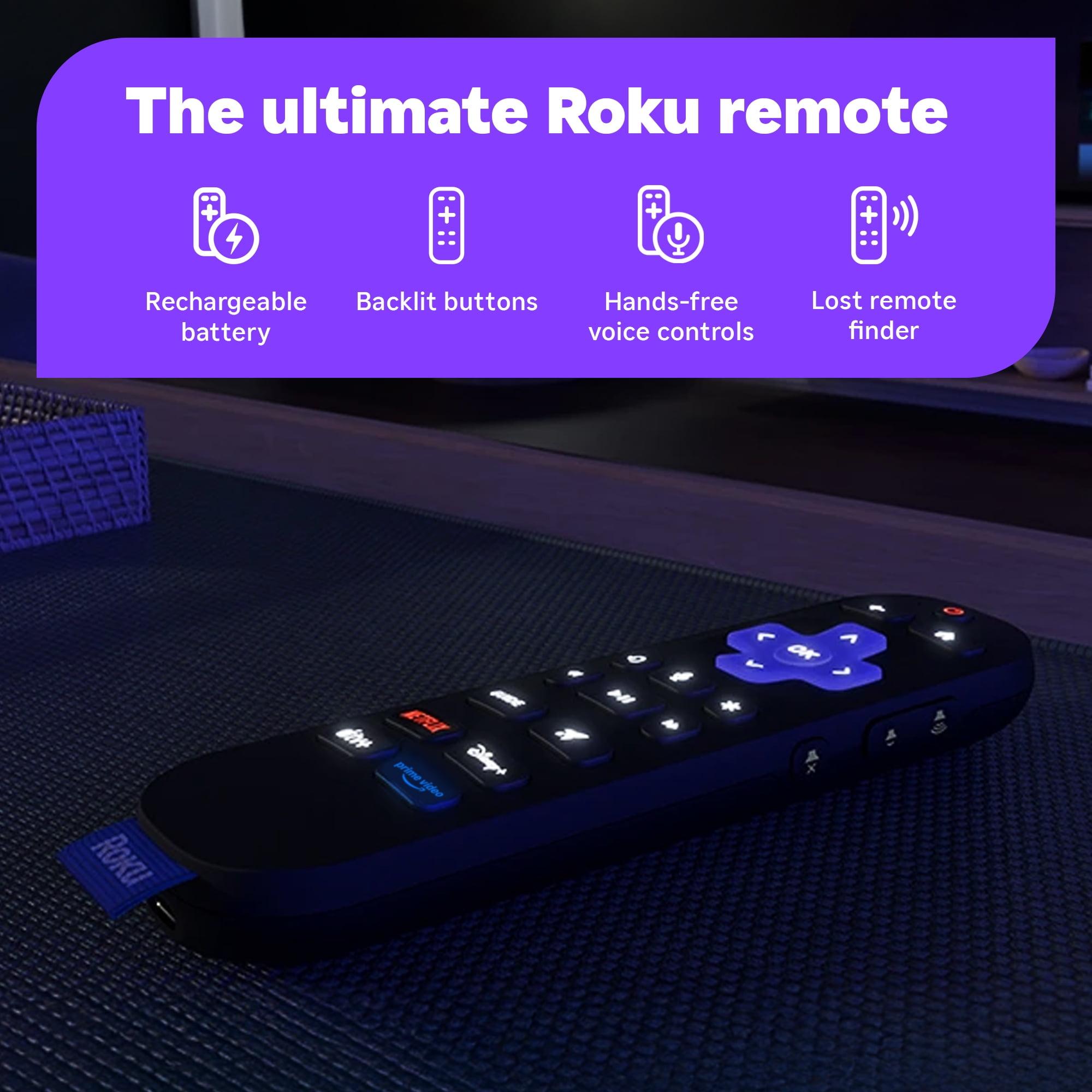
The rechargeable Voice Remote Pro deserves special mention. It features backlit buttons for dark room use, hands-free voice control, and a "find the remote" button on the TV itself—solving one of modern life's most annoying problems. The remote includes a headphone jack for private listening, a thoughtful touch for late-night viewing.
The Samsung QN900D runs Samsung's Tizen platform, which emphasizes integration with Samsung's broader ecosystem. If you own Samsung smartphones, tablets, or smart home devices, the integration creates seamless device interaction.
Tizen includes SmartThings hub functionality, allowing the TV to control compatible smart home devices directly. The platform also supports more advanced features like web browsing and productivity apps, though these see limited use on TVs.
For pure streaming experience, Roku maintains the advantage. For smart home integration and Samsung ecosystem users, Tizen provides superior connectivity.
Premium TVs often serve as home theater centerpieces, where performance characteristics matter most.
The Samsung QN900D's exceptional brightness makes it ideal for bright home theater rooms or spaces with challenging ambient lighting. The TV maintains vibrant colors and deep blacks even with significant ambient light, something crucial for daytime viewing or rooms with large windows.
The Roku Pro Series performs excellently in controlled lighting but may struggle in very bright environments. For dedicated home theater rooms with light control, both TVs deliver excellent performance.
Viewing angle limitations affect both TVs, as QLED technology inherently provides narrower optimal viewing compared to OLED displays. This matters for wide seating arrangements where viewers sit significantly off-center.
Sports viewing demands excellent motion handling to prevent blur during fast action. Both TVs provide strong motion performance, with the Samsung QN900D offering slight advantages through more sophisticated motion processing algorithms.
The Roku Pro Series handles sports well with minimal motion blur and judder-free playback from most sources. Reviews specifically praise football game performance, where players move clearly across the field without trailing or artifacts.
At time of writing, these TVs occupy completely different price segments, with the Samsung QN900D commanding roughly three times the Roku Pro Series price. This price gap fundamentally shapes their value propositions.
The Roku Pro Series delivers approximately 90% of flagship TV performance at one-third the price. For most users, this represents exceptional value—you get Mini-LED backlighting, quantum dot color, AI picture optimization, excellent gaming performance, and the industry's best streaming platform.
The trade-offs mainly involve peak brightness and future-proofing features rather than core picture quality. For typical viewing distances and content consumption patterns, these compromises rarely impact actual viewing experience.
The Samsung QN900D targets buyers who want absolutely the best performance regardless of cost. The premium buys cutting-edge upscaling, maximum brightness, comprehensive gaming capabilities, and advanced audio systems.
Whether this premium provides proportional value depends entirely on your priorities and viewing habits. Enthusiasts who notice and appreciate the additional performance may find the cost justified, while mainstream users might not perceive enough benefit to warrant the price difference.
You want premium TV performance without premium pricing. The Roku suits users who prioritize value and practical performance over cutting-edge specifications. It's ideal for streaming-focused households, casual to moderate gamers, and anyone who wants excellent picture quality without paying for features they won't use.
The Roku also makes sense for buyers who prefer proven, mature technology over bleeding-edge features. Its 4K focus aligns perfectly with current content availability, and Roku's platform provides the best streaming experience available.
You want the absolute best TV technology available and can justify the premium cost. The Samsung suits enthusiasts who appreciate maximum brightness, cutting-edge upscaling, and comprehensive gaming capabilities.
It's particularly valuable for bright room environments where the exceptional brightness provides clear advantages. Future-conscious buyers might also appreciate the 8K capability and advanced processing as insurance against rapid technology changes.
The Samsung makes the most sense for dedicated home theater setups where picture quality takes priority over value considerations, and for users already invested in Samsung's ecosystem.
These TVs represent different philosophies rather than simply different price points. The Roku 65" Pro Series 2025 optimizes proven technology to deliver excellent performance at accessible pricing. The Samsung QN900D pushes technological boundaries regardless of cost, betting that advanced features justify premium pricing.
For most buyers, the Roku provides the better balance of performance and value. Its focus on perfecting 4K presentation aligns with current content reality, while its integrated streaming platform delivers superior daily usability. The significant cost savings can fund other home theater components or simply represent smart budget management.
The Samsung QN900D serves a specific audience: enthusiasts who want cutting-edge technology and can appreciate its advantages. Its 8K upscaling, exceptional brightness, and comprehensive features provide real benefits, but mainly for users who will notice and value these improvements.
Both represent excellent TVs within their intended market segments. The choice ultimately depends on whether you prioritize practical performance and value, or prefer maximum technology and future-proofing capabilities. Either way, you'll end up with a significantly better viewing experience than budget alternatives can provide.
| Roku 65" Pro Series 2025 4K QLED TV | Samsung QN900D Series 65" Neo QLED 8K Smart TV |
|---|---|
| Resolution - Higher resolution provides sharper images, but 8K content is extremely limited | |
| 4K (3,840 × 2,160) - Perfect match for all current streaming content | 8K (7,680 × 4,320) - Future-proof but relies on upscaling for current content |
| Peak Brightness - Critical for HDR performance and bright room viewing | |
| ~1,800 nits - Excellent HDR in normal lighting conditions | 2,000+ nits - Superior performance in very bright rooms |
| Display Technology - Affects color accuracy, contrast, and overall picture quality | |
| Mini-LED QLED with full array local dimming | Neo QLED with Quantum Matrix Technology Pro |
| Refresh Rate - Important for gaming and smooth motion in sports | |
| 120Hz native with 4K@120Hz gaming capability | 100Hz native with 4K@240Hz and 8K@60Hz gaming |
| HDMI 2.1 Ports - Needed for next-gen gaming consoles at full performance | |
| 2 ports supporting 4K@120Hz with VRR and ALLM | 4 ports supporting full HDMI 2.1 bandwidth |
| Smart Platform - Your daily interface for streaming and apps | |
| Roku TV OS - Industry-leading streaming platform | Samsung Tizen - Advanced features with smart home integration |
| Audio System - Determines if you need a soundbar immediately | |
| Sound Stage Audio with side-firing Dolby Atmos speakers | 90W 6.2.4-channel system with Object Tracking Sound |
| AI Processing - Enhances picture quality automatically | |
| Smart Picture Max - Scene-by-scene optimization | NQ8 AI Gen3 - Advanced 8K upscaling and real-time enhancement |
| Gaming Features - Essential for console and PC gaming | |
| AMD FreeSync Premium Pro, 5.2ms input lag at 120Hz | Comprehensive VRR support, AI Auto Game Mode, <1ms input lag |
| Remote Control - Affects daily usability and convenience | |
| Rechargeable Voice Remote Pro with backlit keys and find function | SolarCell remote with voice control |
| Value Proposition - Price-to-performance consideration | |
| Excellent premium features at mainstream pricing | Flagship technology with premium pricing |
The Roku 65" Pro Series 2025 offers significantly better value for most buyers. It delivers premium features like Mini-LED backlighting, quantum dot color, and excellent gaming performance at roughly one-third the price of the Samsung QN900D. While the Samsung offers cutting-edge 8K technology and maximum brightness, the Roku provides 90% of flagship TV performance for mainstream pricing, making it the clear winner for value-conscious buyers.
Currently, 8K is not worth the premium for most users. The Samsung QN900D offers 8K resolution, but virtually no native 8K content exists on streaming platforms or gaming consoles. The Roku Pro Series 2025 focuses on perfecting 4K presentation, which perfectly matches all current content availability. The Samsung's 8K advantage mainly comes through upscaling technology rather than true resolution benefits.
Both TVs excel at gaming, but serve different needs. The Samsung QN900D offers superior future-proofing with 4K@240Hz and 8K@60Hz capability, plus all four HDMI 2.1 ports. The Roku Pro Series 2025 provides excellent current-generation gaming with 4K@120Hz, AMD FreeSync Premium Pro, and 5.2ms input lag. For most gamers, the Roku fully satisfies PlayStation 5 and Xbox Series X requirements at a much lower cost.
The Samsung QN900D delivers superior peak brightness (2,000+ nits) and more precise local dimming through Quantum Matrix Technology Pro. The Roku Pro Series 2025 offers excellent picture quality with Mini-LED backlighting and Smart Picture Max AI optimization. While the Samsung has technical advantages, the picture quality difference may not justify the significant price premium for typical viewing environments.
The Roku Pro Series 2025 features the superior streaming platform. Roku TV OS is widely considered the industry's best streaming interface, offering faster app launches, more comprehensive service selection, and better content discovery. The Samsung QN900D runs Tizen, which provides better smart home integration but falls short of Roku's streaming-focused experience.
The Samsung QN900D significantly outperforms in bright rooms due to its exceptional peak brightness exceeding 2,000 nits. This allows the TV to maintain vibrant colors and deep blacks even with substantial ambient lighting. The Roku Pro Series 2025 performs well in normal lighting conditions but may struggle in very bright environments with lots of windows or lighting.
The Samsung QN900D features superior built-in audio with a 90W 6.2.4-channel system including Object Tracking Sound and True Dolby Atmos. However, the Roku Pro Series 2025 also impresses with Sound Stage Audio that reviewers consistently praise as exceptional for built-in TV speakers. Both TVs provide good enough audio for casual viewing, though dedicated home theater setups benefit from external sound systems.
Both TVs work well in home theaters, but with different strengths. The Samsung QN900D excels in bright home theater rooms due to superior brightness and handles the widest range of content through advanced upscaling. The Roku Pro Series 2025 provides excellent home theater performance in controlled lighting environments at a much more accessible price point, making it ideal for budget-conscious home theater builders.
The Samsung QN900D offers better future-proofing through 8K capability and more advanced processing power. However, the Roku Pro Series 2025 may actually stay relevant longer due to Roku's excellent track record for long-term software updates and the fact that 4K will remain the dominant resolution for years to come.
The Roku Pro Series 2025 has lower peak brightness than flagship models and fewer HDMI 2.1 ports, potentially limiting bright room performance and future gaming capabilities. The Samsung QN900D carries a significant price premium for features that provide limited current benefit, and its 8K advantage is largely theoretical given content availability.
The Roku Pro Series 2025 includes the superior remote control. The rechargeable Voice Remote Pro features backlit buttons for dark viewing, hands-free voice control, a headphone jack for private listening, and a find-the-remote button on the TV itself. The Samsung QN900D includes a capable remote but lacks these convenience features that improve daily usability.
Choose the Roku Pro Series 2025 if you want premium TV performance without premium pricing, prioritize streaming experience, or prefer proven 4K technology that matches current content. Choose the Samsung QN900D if you want cutting-edge technology regardless of cost, have very bright viewing environments, need maximum gaming capabilities, or appreciate having the latest flagship features for future-proofing.
We've done our best to create useful and informative comparisons to help you decide what product to buy. Our research uses advanced automated methods to create this comparison and perfection is not possible - please contact us for corrections or questions. These are the sites we've researched in the creation of this article: bestbuy.com - rtings.com - techradar.com - youtube.com - roku.com - youtube.com - walmart.com - bestbuy.com - youtube.com - electronicexpress.com - roku.com - pcvarge.com - ecoustics.com - rtings.com - videoandaudiocenter.com - bestbuy.com - avsforum.com - bestbuy.com - walts.com - images.samsung.com - samsung.com - merlinstv.com - samsung.com - avsforum.com - samsung.com

Privacy Policy
Terms and Conditions - Affiliate Policy
Home Security
© Copyright 2008-2026.
11816 Inwood Rd #1211, Dallas, TX 75244