

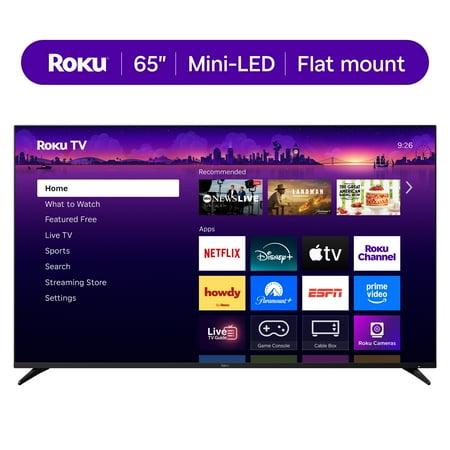
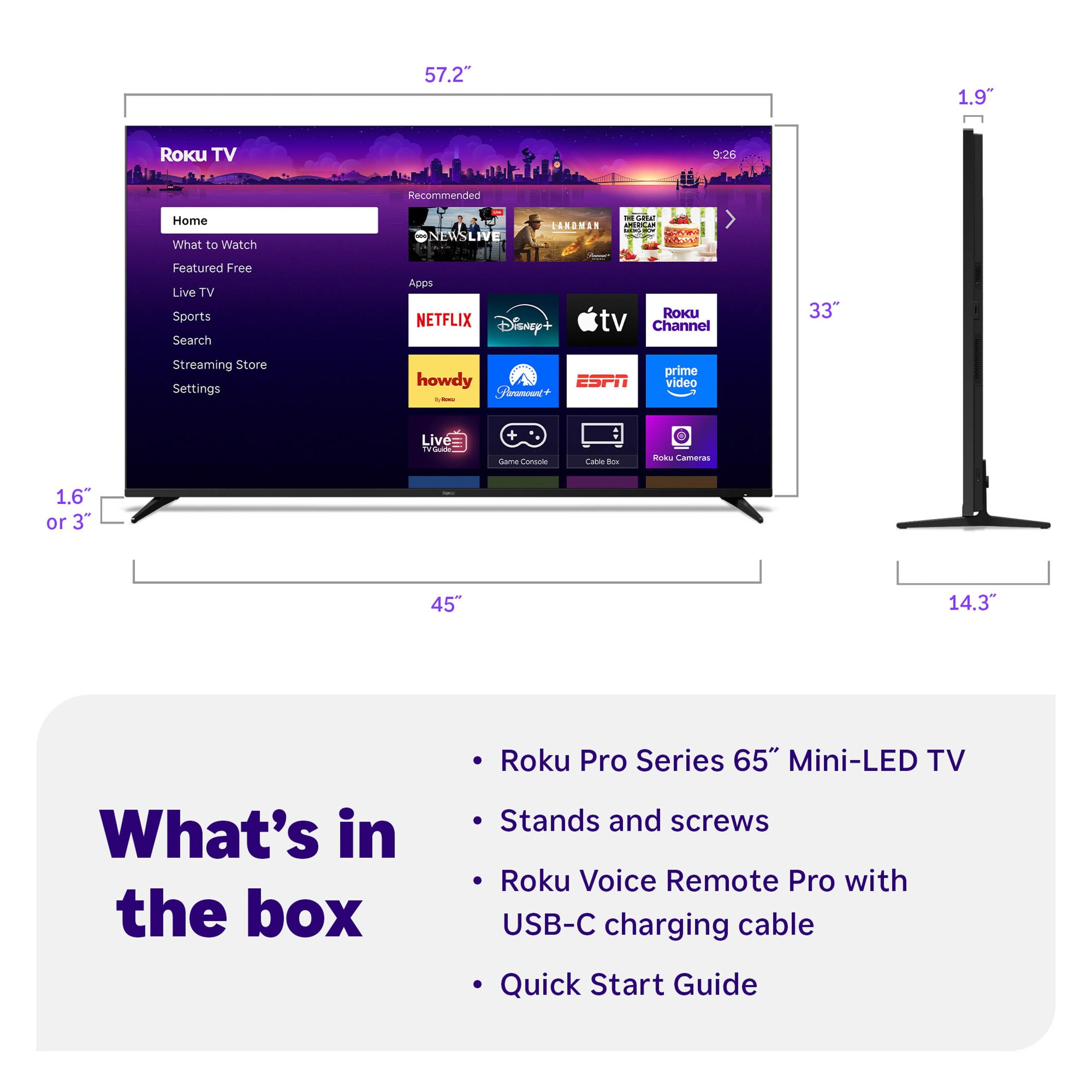
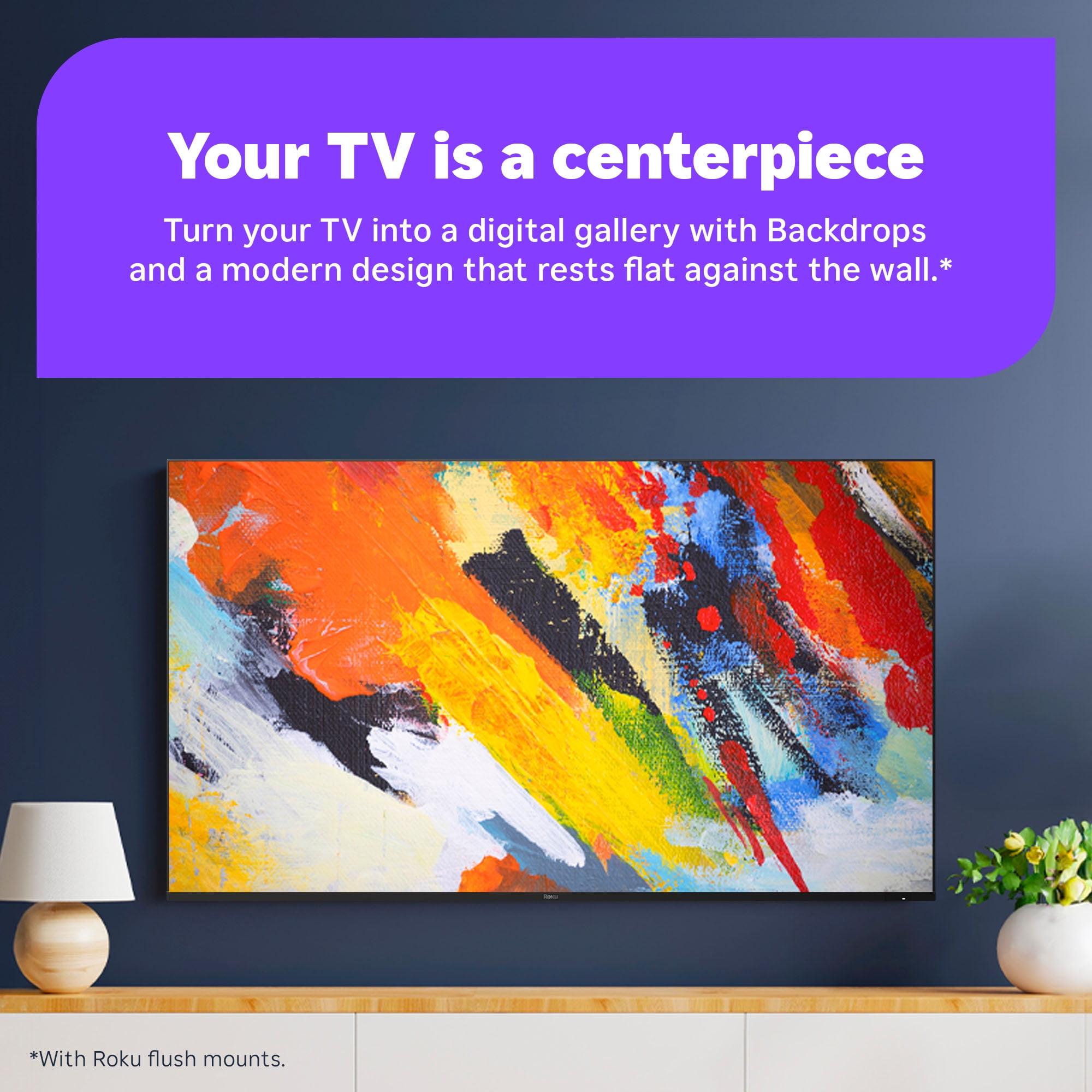
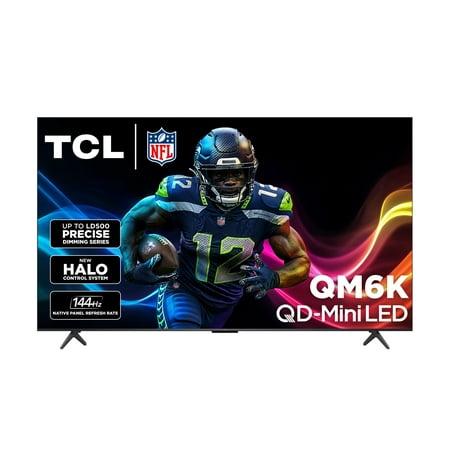
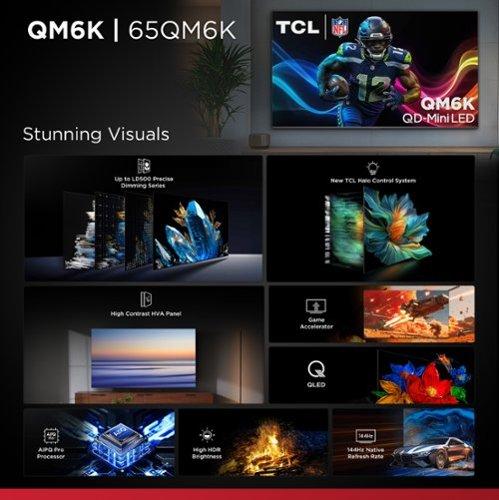
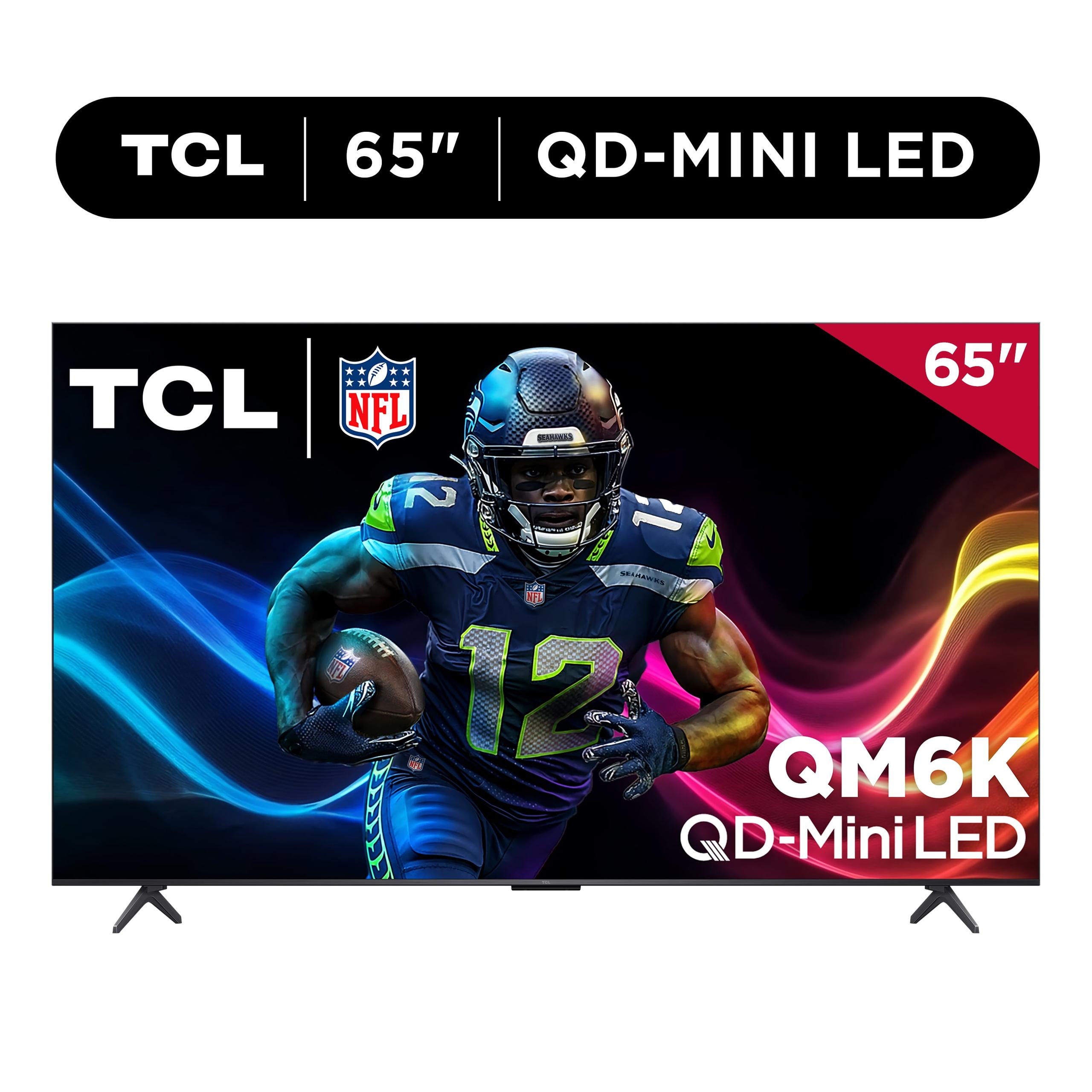
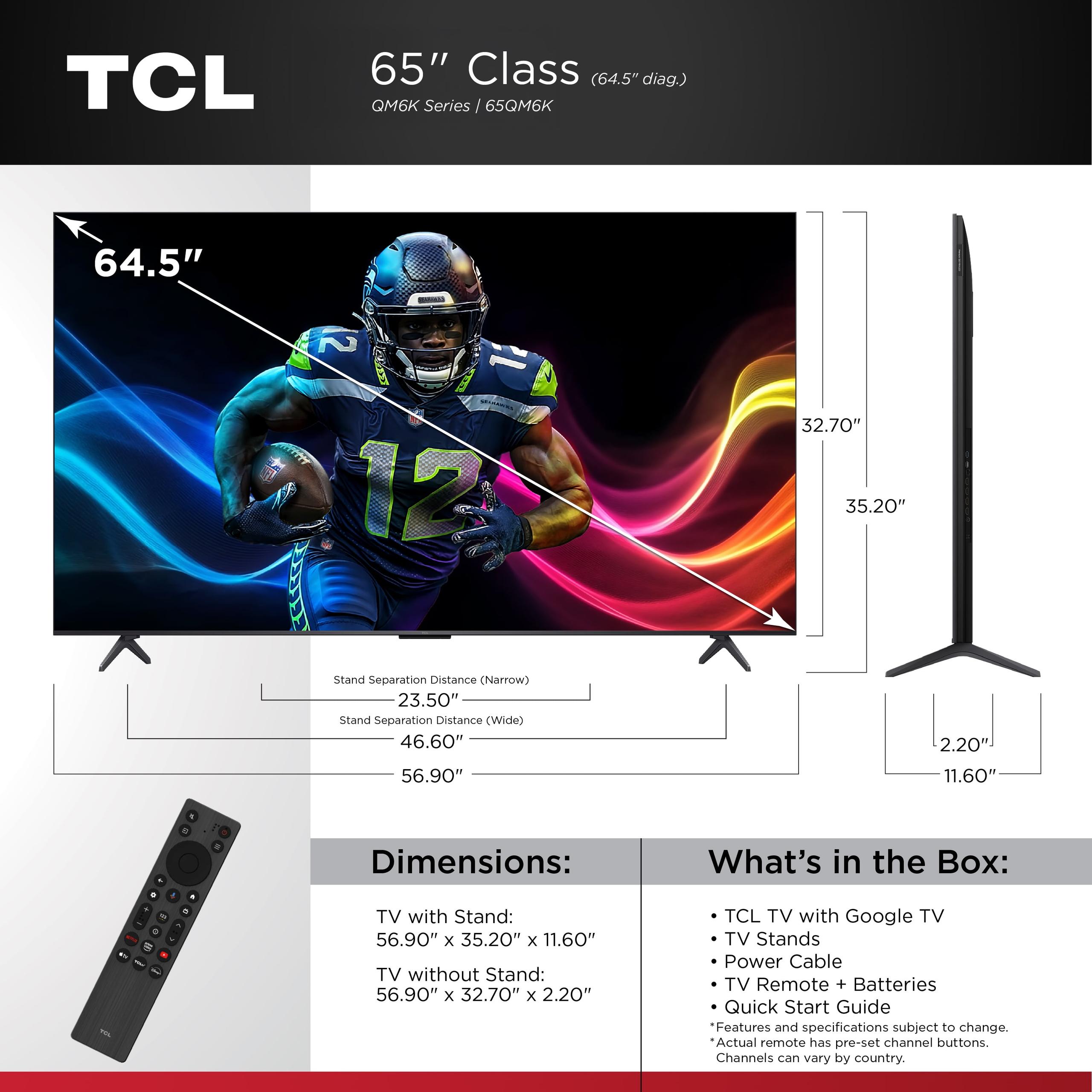
Choosing between premium 65-inch TVs can feel overwhelming, especially when both options promise stunning 4K visuals and gaming-ready performance. The Roku 65" Pro Series 2025 and TCL 65" QM6K represent two distinct philosophies in TV design—one prioritizing premium features and user experience, the other focusing on delivering high-end performance at a more accessible price point.
At the time of writing, these TVs sit in different price brackets, with the Roku Pro Series commanding roughly double the cost of the TCL QM6K. This price difference isn't arbitrary—it reflects meaningful differences in performance, build quality, and features that could significantly impact your viewing experience.
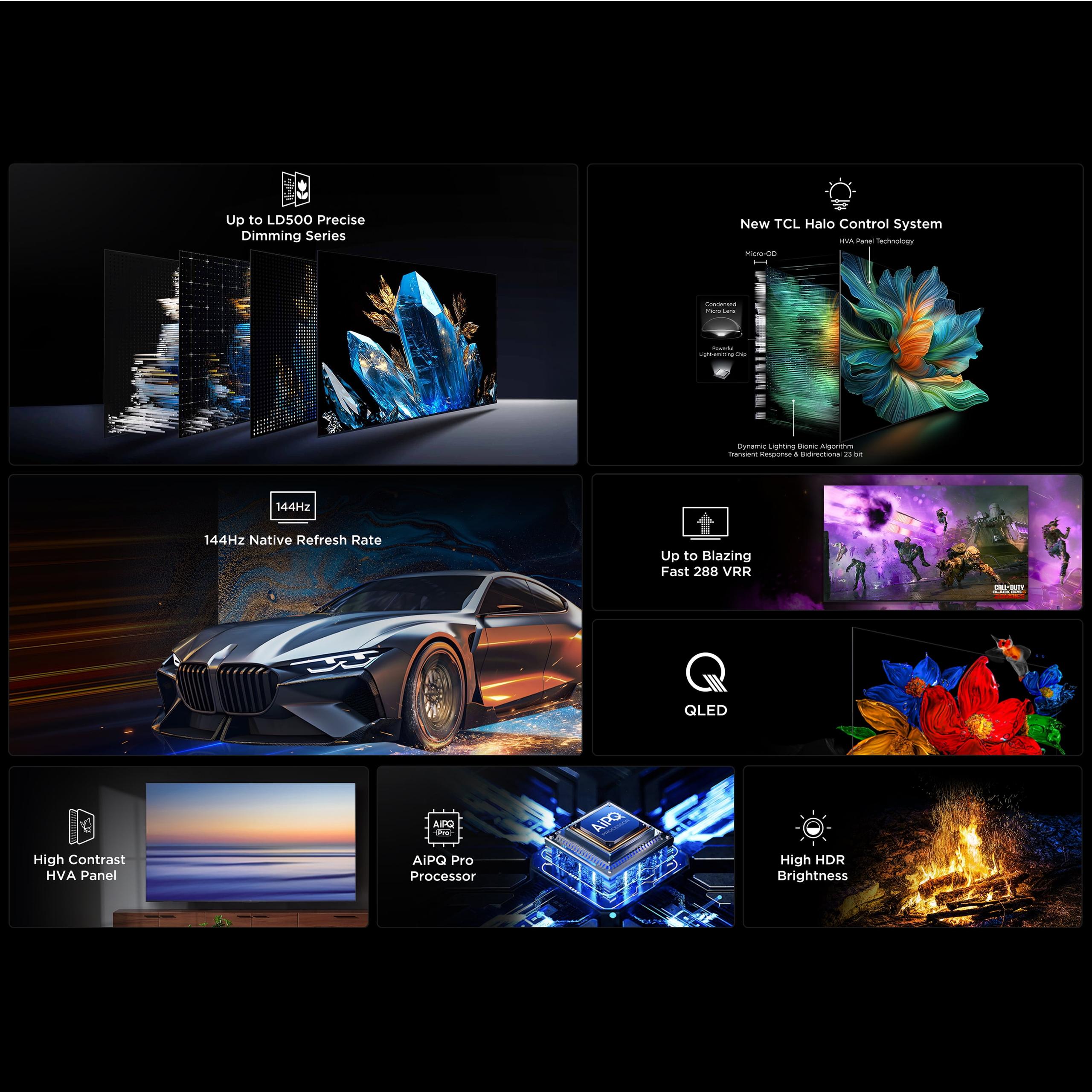
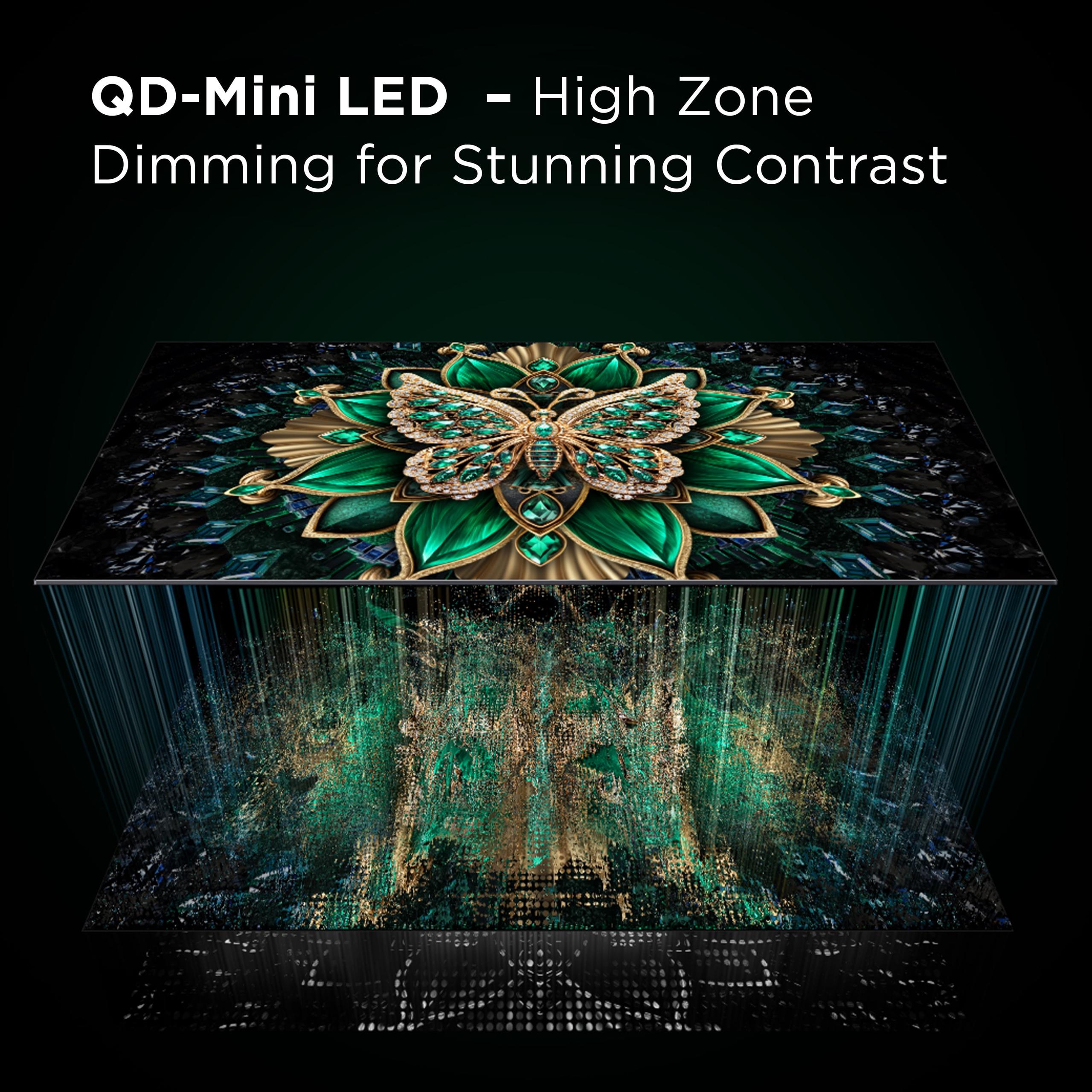
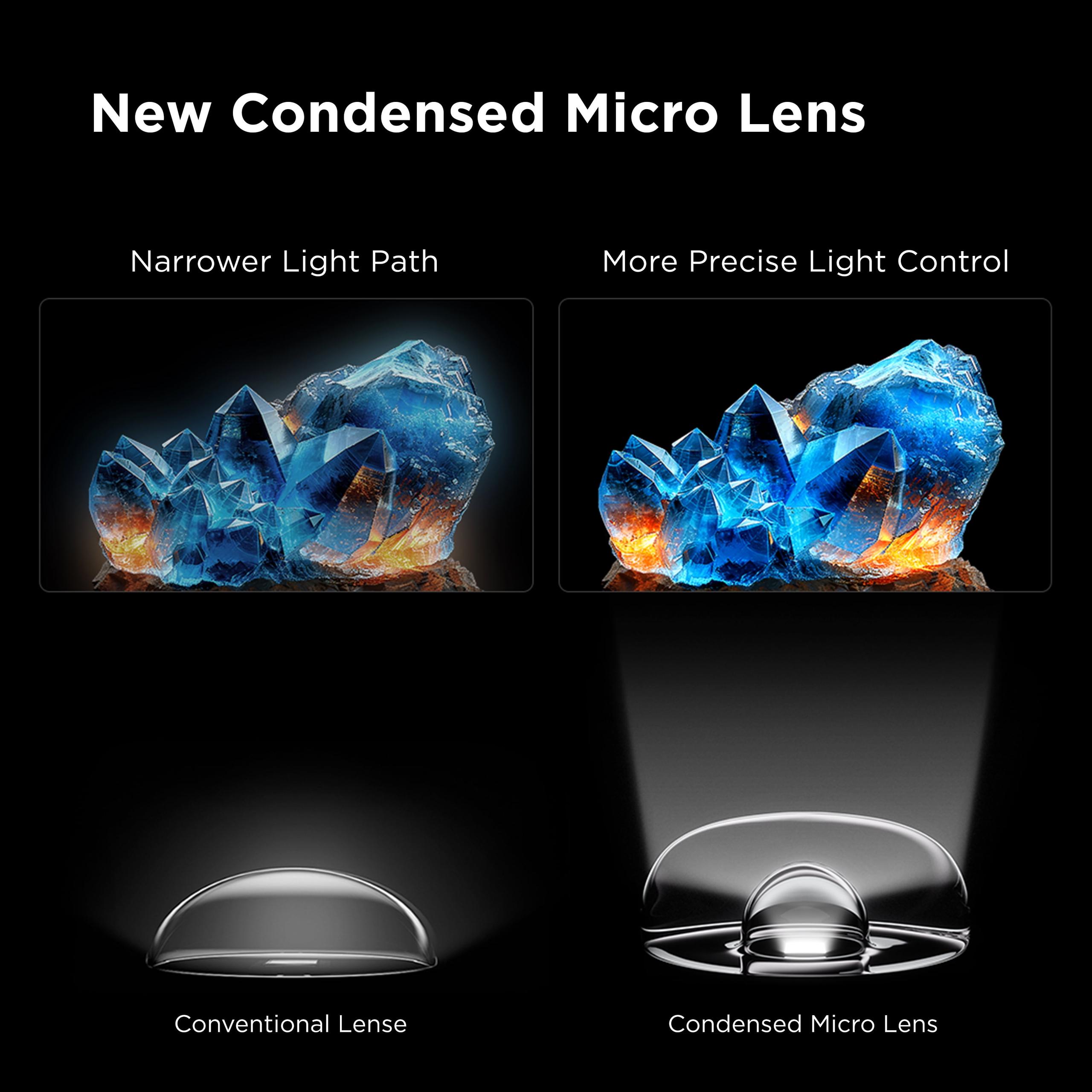
Before diving into specifics, it's worth understanding what makes these TVs "premium" compared to basic 4K models. Both use mini-LED backlighting, which employs thousands of tiny LEDs behind the screen instead of the few dozen found in standard TVs. This allows for precise local dimming—the ability to brighten or darken specific areas of the screen independently, creating deeper blacks and brighter highlights.
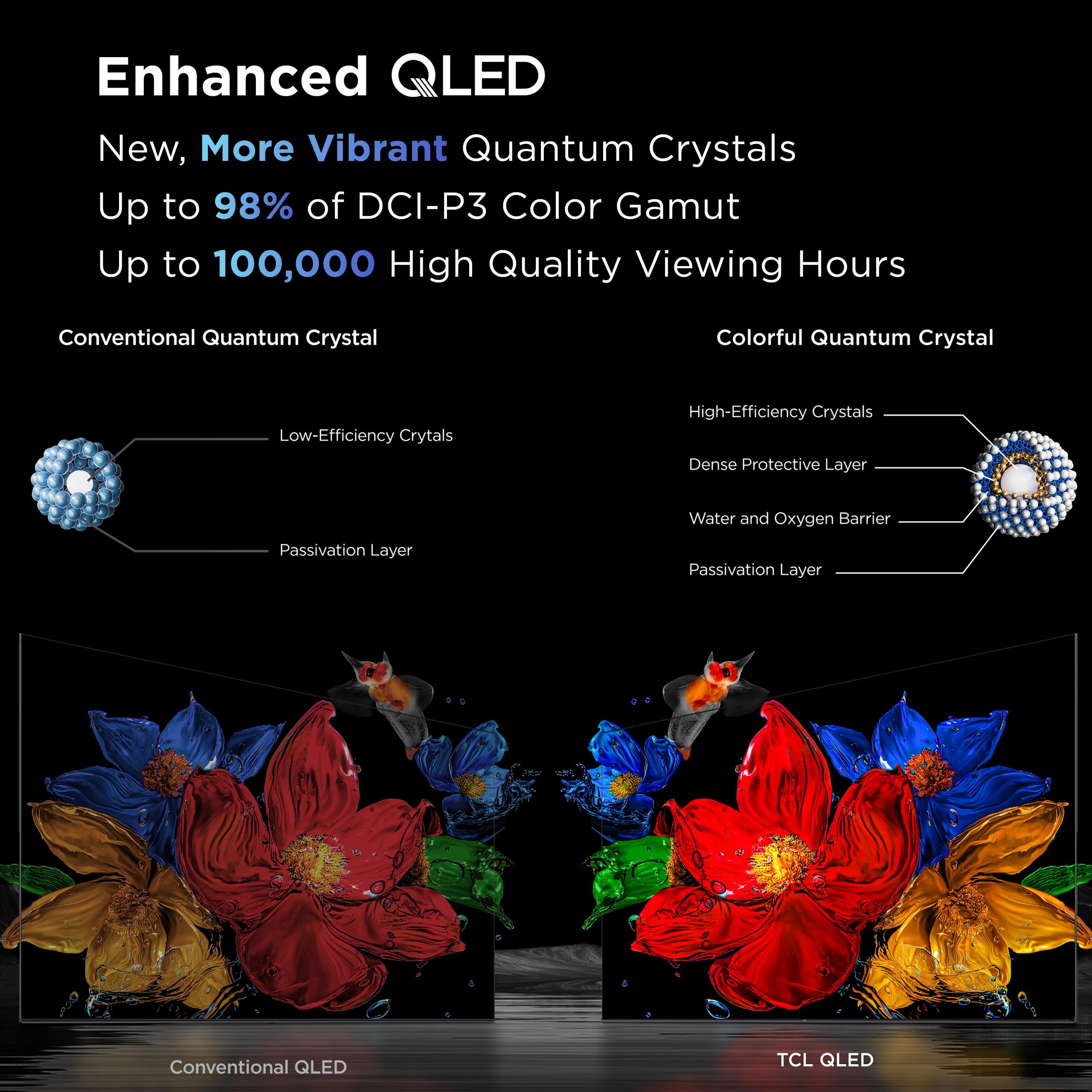
Quantum dot technology, present in both models, adds another layer of performance. These microscopic particles enhance color accuracy and brightness, producing more vibrant reds and greens than traditional LED displays. Think of quantum dots as tiny color filters that help the TV display a wider range of colors more accurately.
The main considerations when evaluating TVs in this category include picture quality (how good the image looks), gaming capabilities (input lag and refresh rates), smart platform performance (how fast and intuitive the interface is), audio quality (built-in speaker performance), and overall value proposition.
Picture quality represents the most crucial battleground between these TVs, and each excels in different environments. The Roku Pro Series 2025 prioritizes peak brightness, reaching over 1,800 nits in HDR mode—bright enough to overcome glare from windows or lamps. This makes it ideal for living rooms with mixed lighting conditions where many families actually watch TV.
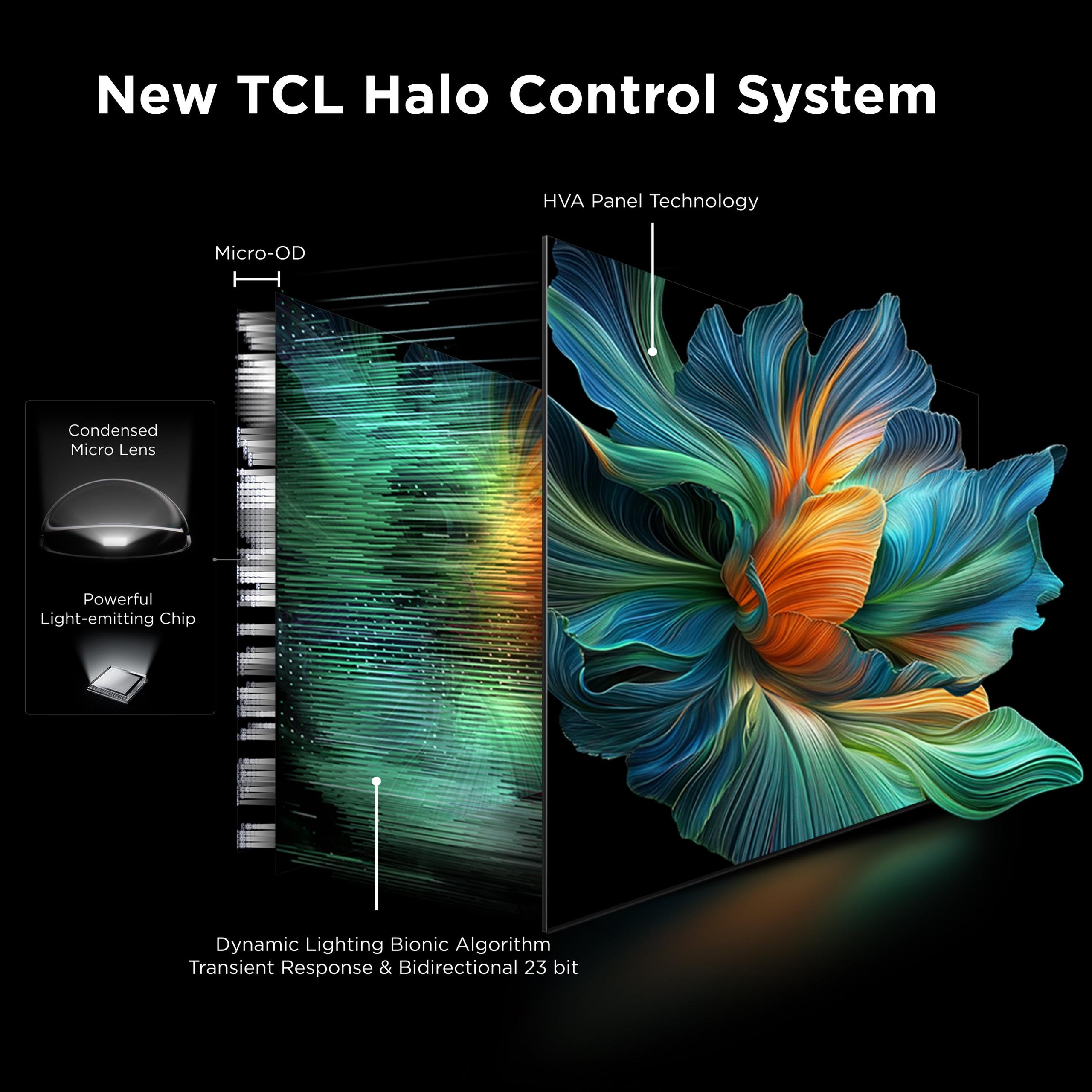
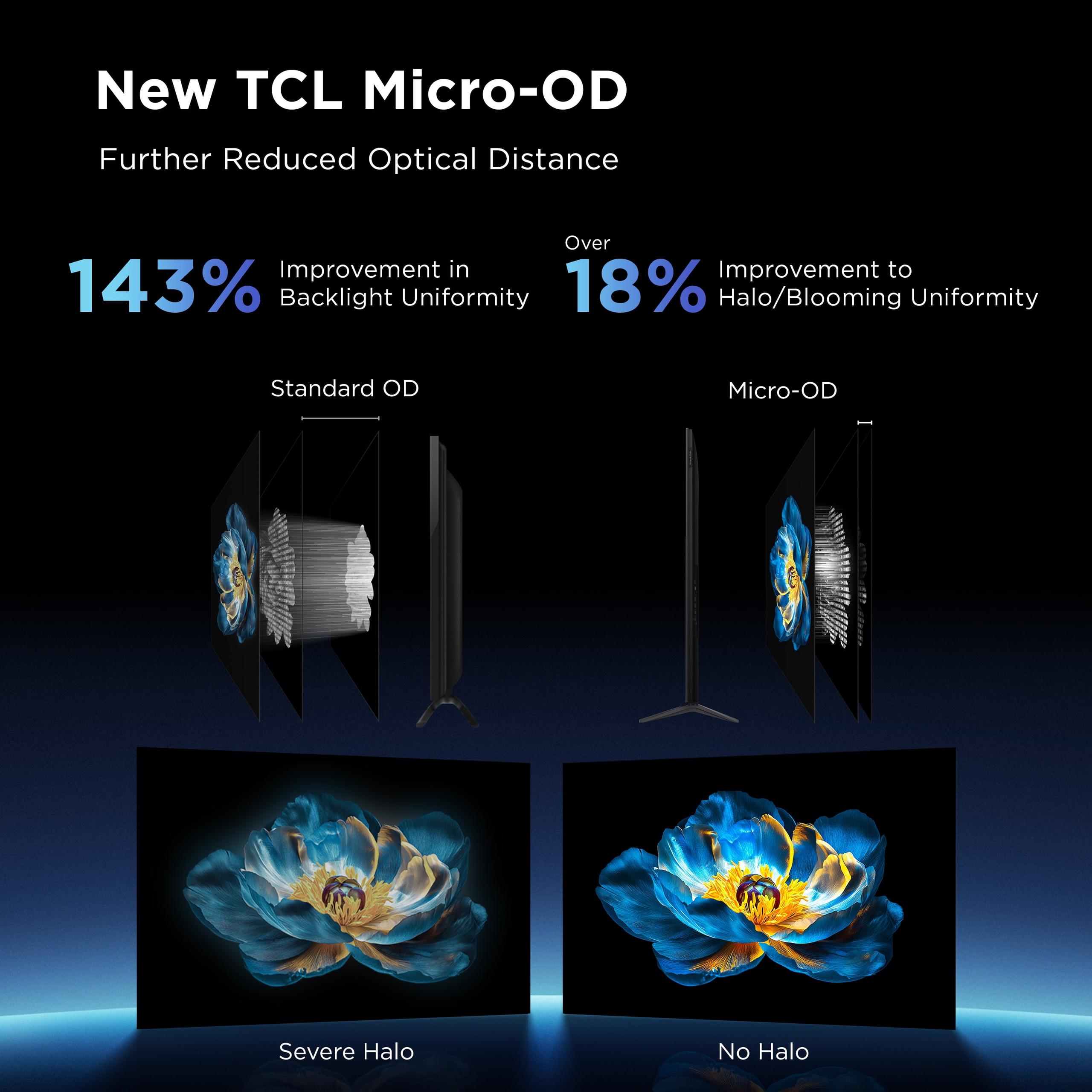
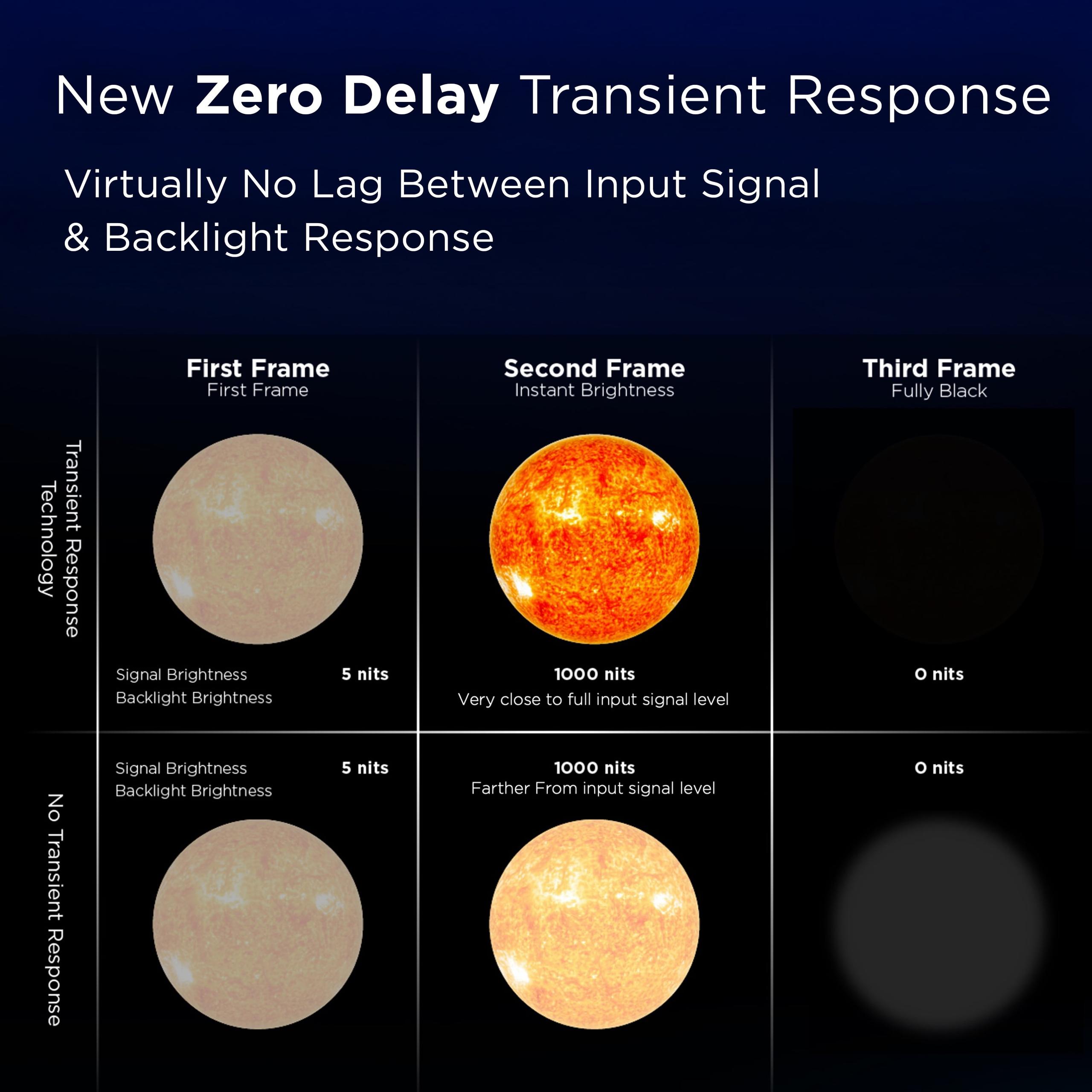
The enhanced mini-LED backlighting system in the Roku delivers 75% higher dynamic contrast compared to previous generations, thanks to improved halo control technology. Halo control minimizes the light bleeding that occurs around bright objects on dark backgrounds—imagine watching a movie with bright subtitles and seeing unwanted glow around the text. The Roku's system does an excellent job keeping this blooming effect minimal.
Roku's Smart Picture Max AI processing represents another significant advantage. This system automatically adjusts picture settings on a scene-by-scene basis, similar to how Dolby Vision works but extending beyond just HDR content. When you're watching a dark thriller followed by a bright sports game, the TV adapts contrast, color, and sharpness without manual intervention.
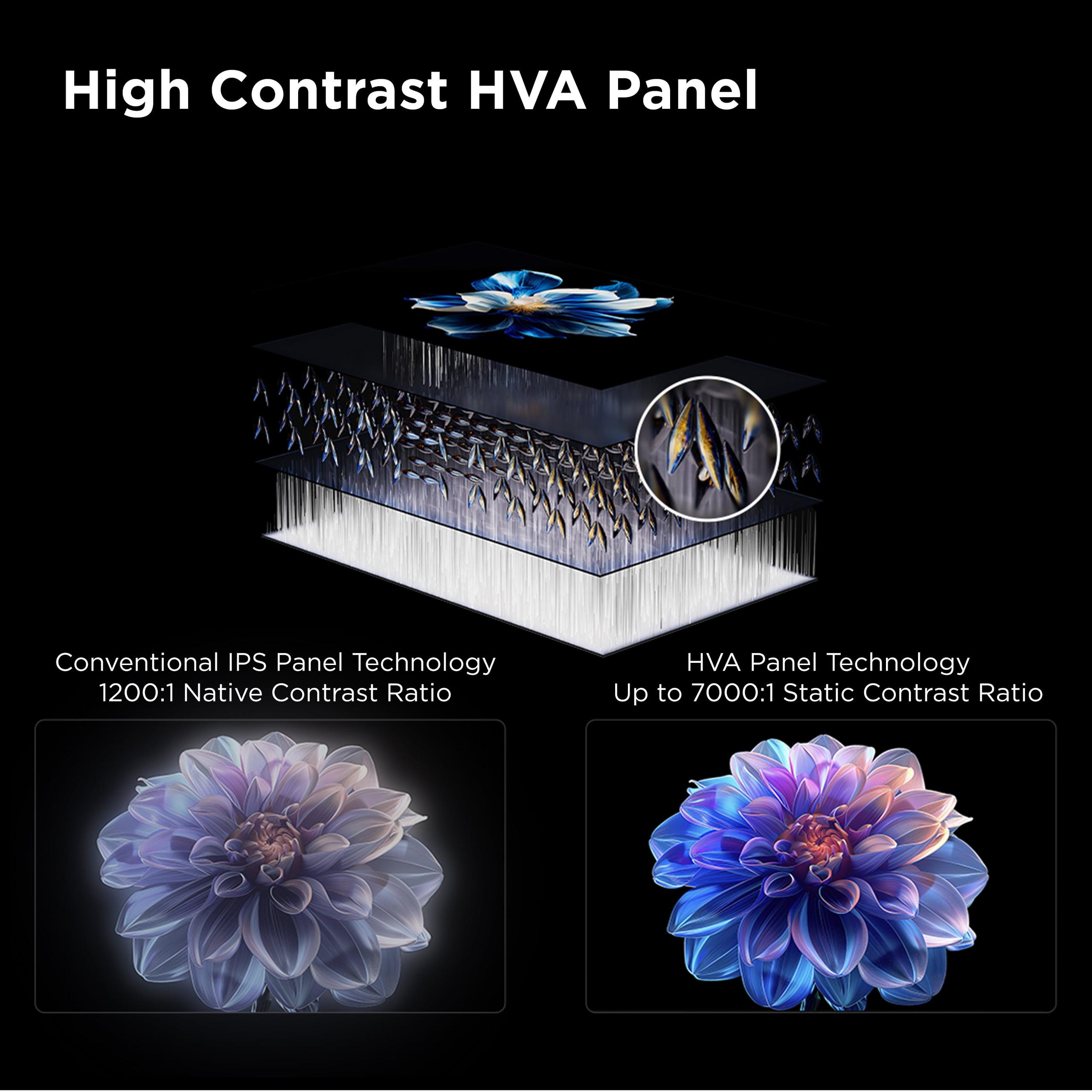
The TCL QM6K, while not as bright, excels in contrast performance. With over 11,000:1 contrast ratios and up to 500 local dimming zones, it delivers exceptional black levels that make the Roku appear slightly washed out in comparison during dark scenes. Color accuracy on the TCL reaches professional monitor levels, with Delta E measurements around 1.2 in Filmmaker Mode—a technical measurement where lower numbers indicate more accurate colors.
For dedicated home theaters with controlled lighting, the TCL's superior contrast and color accuracy create a more cinematic experience. However, in bright rooms, its lower peak brightness means HDR highlights won't pop as dramatically, and the overall image may appear dim during daytime viewing.
Gaming capabilities have become increasingly important as more people use TVs for both console and PC gaming. The Roku Pro Series 2025 clearly targets console gamers with two HDMI 2.1 ports supporting 4K resolution at 120Hz refresh rates. This matters for PlayStation 5 and Xbox Series X owners who want to experience games like "Spider-Man 2" or "Forza Horizon 5" at their highest visual settings.
Input lag—the delay between pressing a controller button and seeing the action on screen—measures just 5.2 milliseconds on the Roku at 120Hz. For competitive gaming, anything under 20 milliseconds feels responsive, making this exceptionally fast. Variable Refresh Rate (VRR) and Auto Low Latency Mode (ALLM) further enhance the gaming experience by eliminating screen tearing and automatically switching to game mode when a console is detected.
The TCL QM6K takes a different approach, supporting 144Hz native refresh rates and Game Accelerator technology that pushes variable refresh rates up to 288Hz at 1080p resolution. This configuration benefits PC gamers more than console users, as high-refresh competitive games like "Counter-Strike 2" or "Valorant" typically run at 1080p for maximum frame rates.
While the TCL supports VRR and offers low input lag in game mode, it appears limited to a single HDMI 2.1 port, which could be restrictive if you own multiple next-gen consoles. For most console gamers, the Roku's 4K @ 120Hz capability across two ports provides more flexibility and future-proofing.
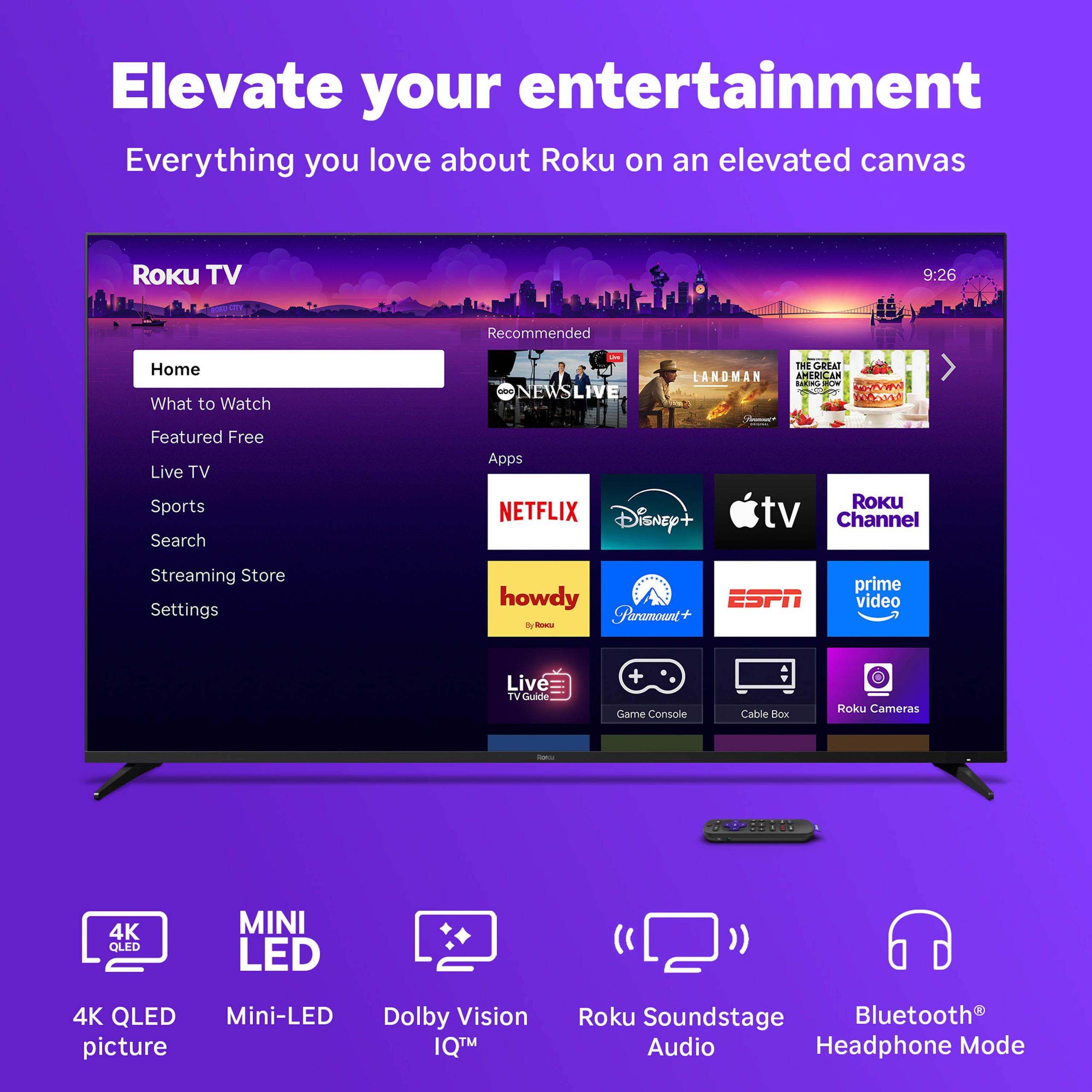
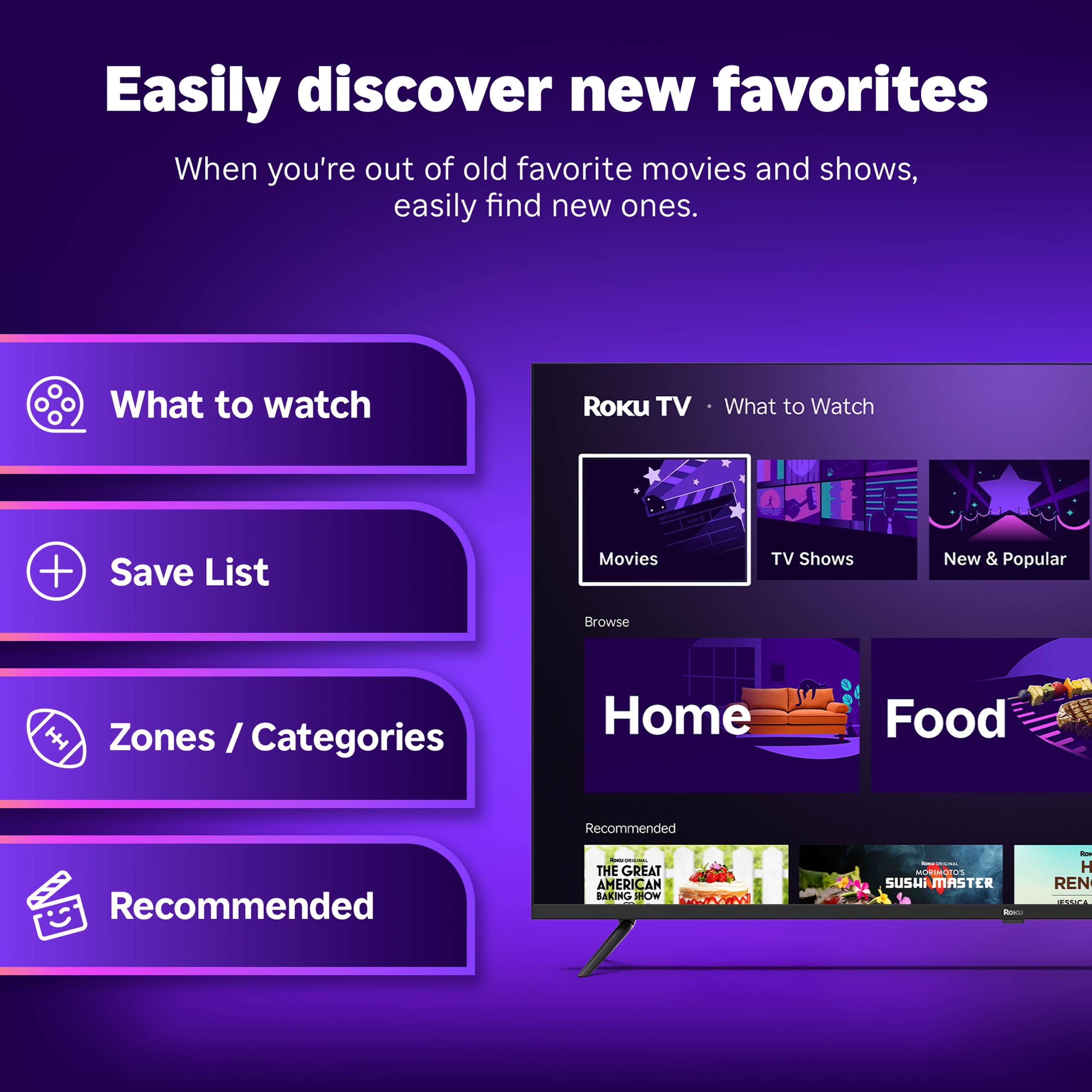
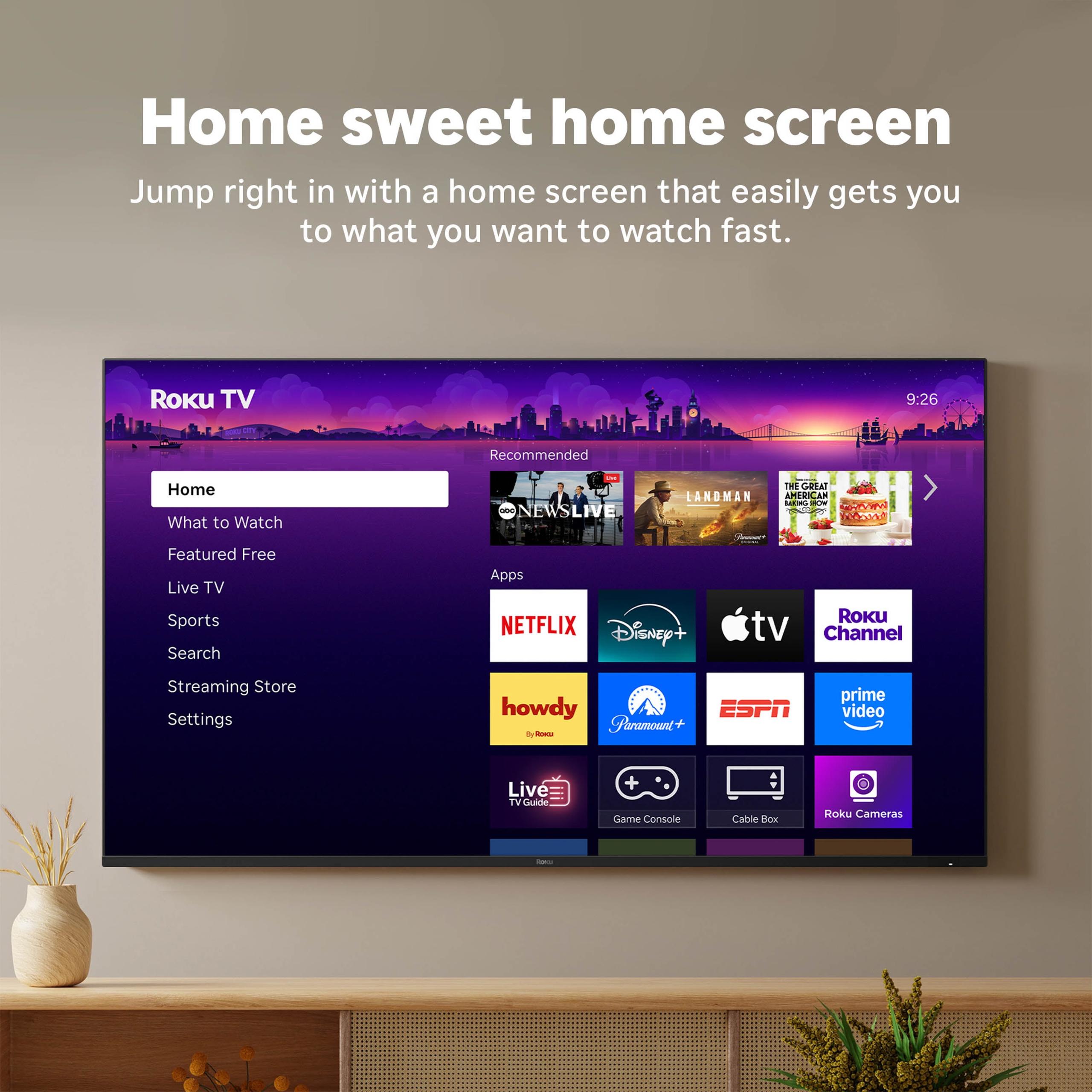
The smart TV platform significantly impacts daily usability, and these models represent fundamentally different approaches. The Roku Pro Series 2025 runs Roku TV OS 15, which prioritizes speed and simplicity. Apps launch faster, navigation feels more responsive, and the unified home screen presents content from multiple streaming services in one place.
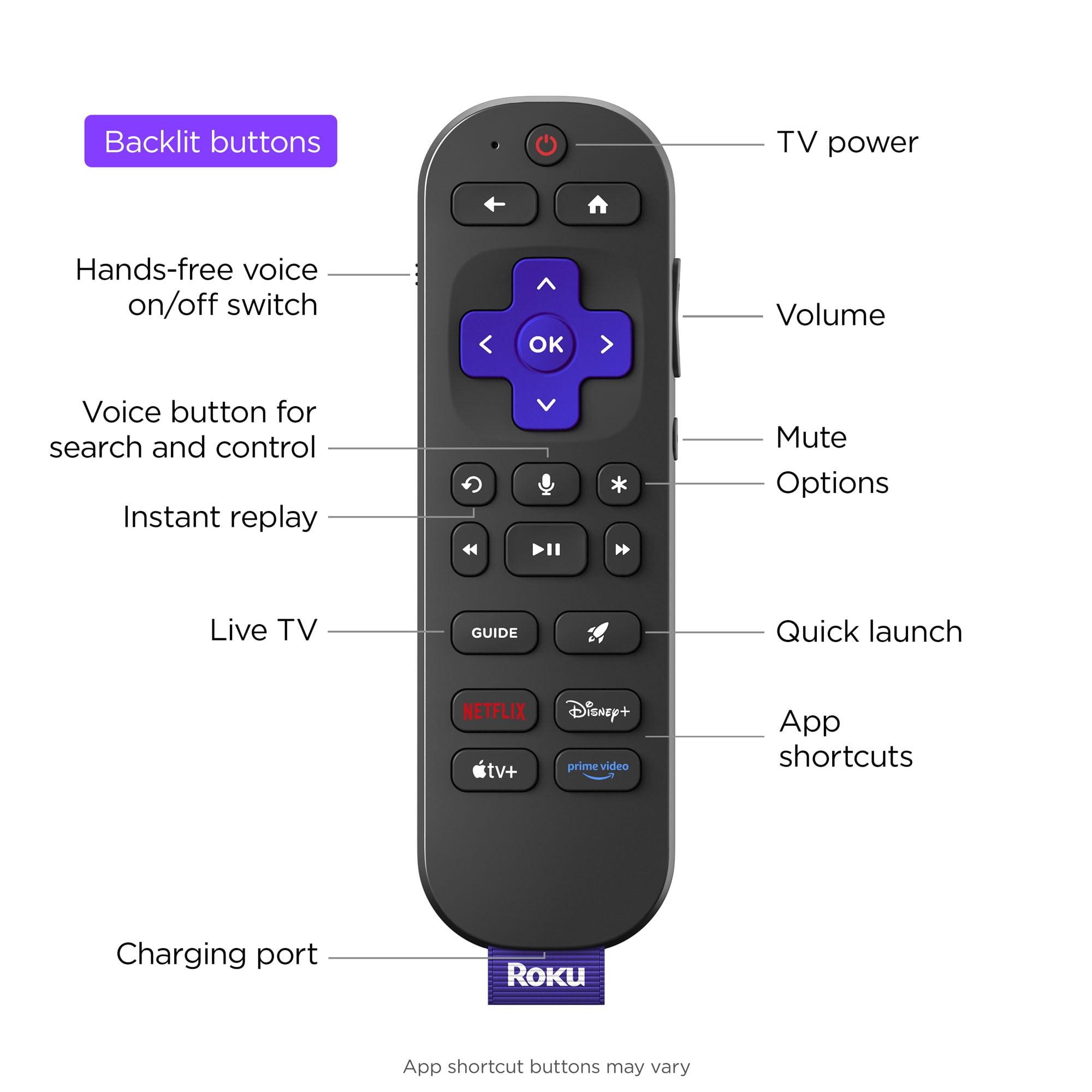
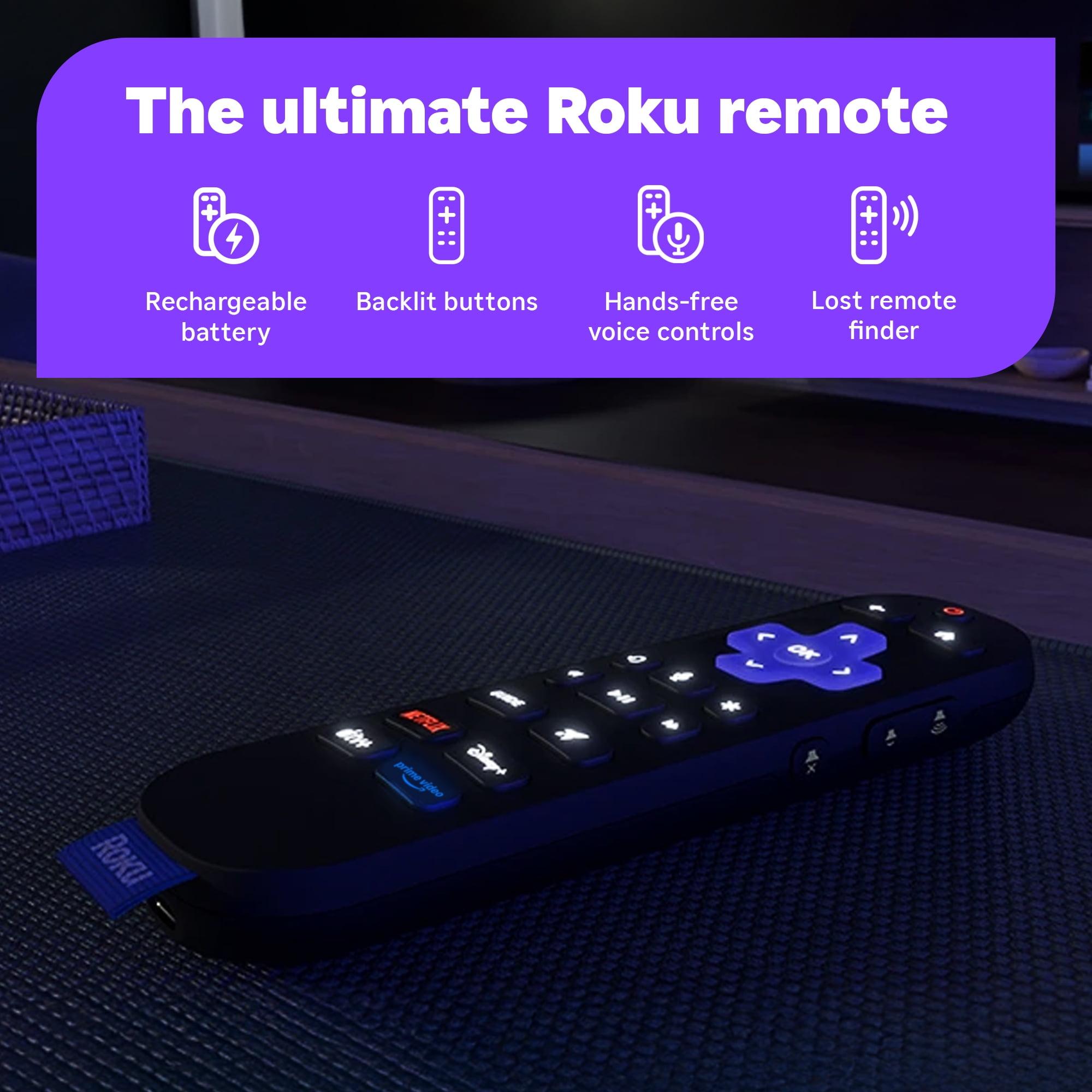
Roku's approach eliminates the need for external streaming devices—something I particularly appreciate given how cluttered entertainment centers can become. The included Voice Remote Pro features rechargeable batteries, backlit buttons, and a finder function accessed by pressing a button on the TV itself. These premium touches matter during daily use, especially in dimly lit rooms.
Google TV on the TCL QM6K offers more customization options and deeper integration with Google services. If you use Google Assistant throughout your smart home, the TCL provides seamless voice control and content recommendations based on your viewing history. However, Google TV can feel more complex, with multiple menu layers and occasionally slower performance compared to Roku's streamlined interface.
For families who want simplicity and reliability, Roku's platform wins. For tech enthusiasts who enjoy customizing their experience and integrating with Google's ecosystem, the TCL offers more flexibility.
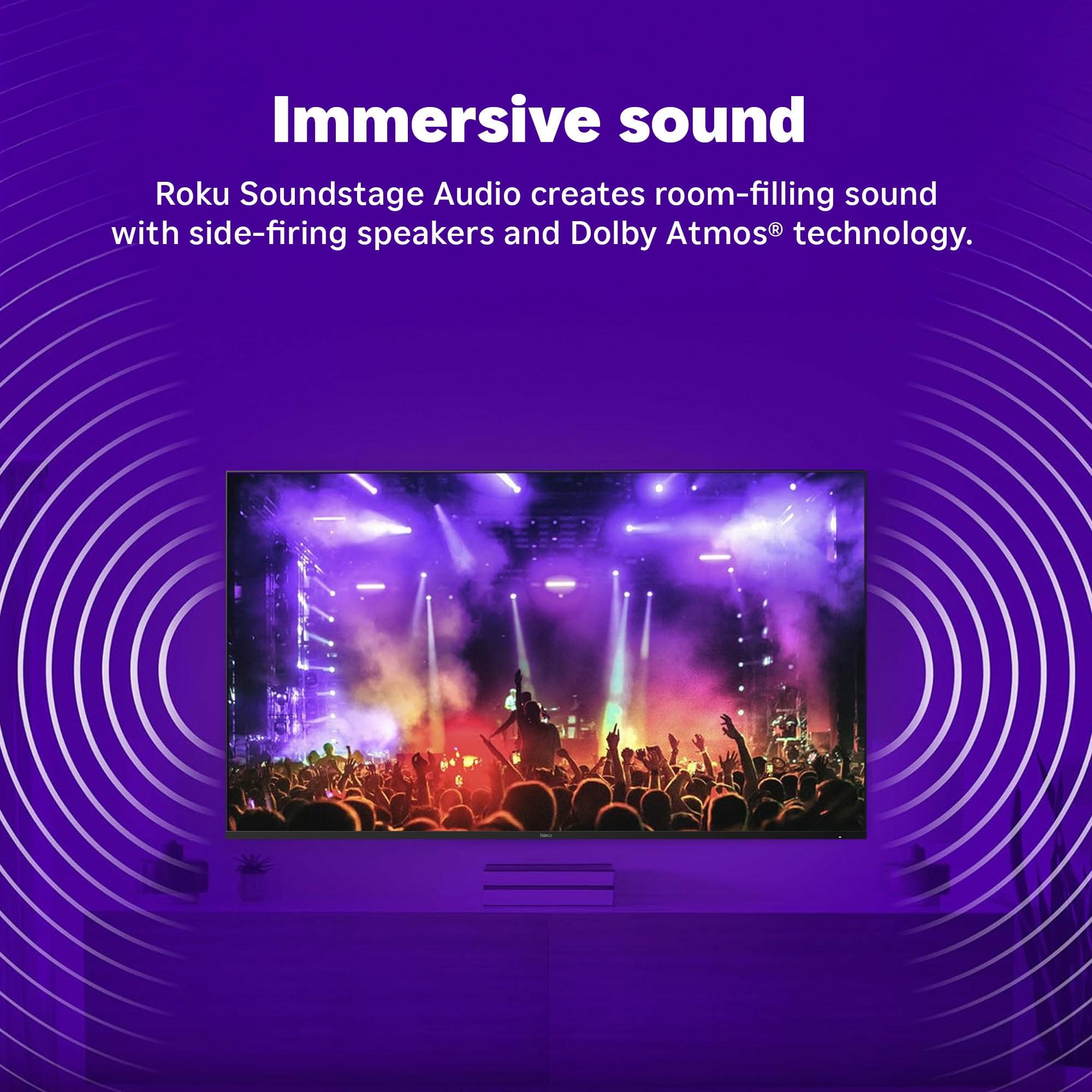
Audio quality often gets overlooked when comparing TVs, but it significantly impacts the viewing experience. The Roku Pro Series 2025 includes Roku Soundstage Audio with side-firing speakers and Dolby Atmos support, creating genuinely impressive sound for a flat-panel TV. Users consistently rate the audio performance 4.9 out of 5, with several reviews mentioning "theater-like bass that rattles walls."
This level of audio performance matters because many people never add soundbars to their TVs. If you plan to use the built-in speakers, the Roku delivers dialogue clarity and bass response that reduces the immediate need for external audio equipment.
The TCL QM6K features a 2.1 channel Onkyo speaker system with built-in subwoofer and Dolby Atmos support, but the consensus suggests it's adequate rather than impressive. For casual viewing, it performs well, but movie enthusiasts will likely want to add a soundbar sooner rather than later.
At the time of writing, the TCL QM6K costs roughly half as much as the Roku Pro Series 2025, making value comparison crucial. The TCL delivers approximately 80% of the Roku's performance at 50% of the cost, representing exceptional price-to-performance ratio in the premium TV market.
The TCL's color accuracy rivals displays costing three times more, and its contrast performance in dark rooms actually surpasses the more expensive Roku. For budget-conscious buyers who primarily watch content in controlled lighting conditions, the TCL provides flagship-level picture quality without the premium price.
However, the Roku justifies its higher cost through several key advantages: superior brightness for mixed lighting conditions, better gaming support for modern consoles, significantly better audio quality, and premium user experience features. The included Voice Remote Pro alone costs $30-40 when purchased separately, and the faster, more refined smart platform adds daily convenience that's difficult to quantify but easy to appreciate.
For dedicated home theater setups, room lighting and viewing habits dramatically influence the optimal choice. The TCL QM6K excels in dark, controlled environments where its superior contrast and color accuracy create more cinematic experiences. The deeper blacks and precise local dimming make horror movies genuinely atmospheric and space scenes convincingly dark.
In contrast, the Roku Pro Series 2025 handles mixed lighting conditions better, maintaining vibrant colors and clear details even with ambient light present. For family rooms or spaces where you can't always control lighting, this brightness advantage becomes crucial for consistent viewing quality.
Viewing angles represent another consideration for home theaters. Both TVs use VA panels (Vertical Alignment), which provide excellent contrast when viewed directly but show color shifting and reduced brightness from side angles. If your seating arrangement spreads wide across the room, consider this limitation regardless of which model you choose.
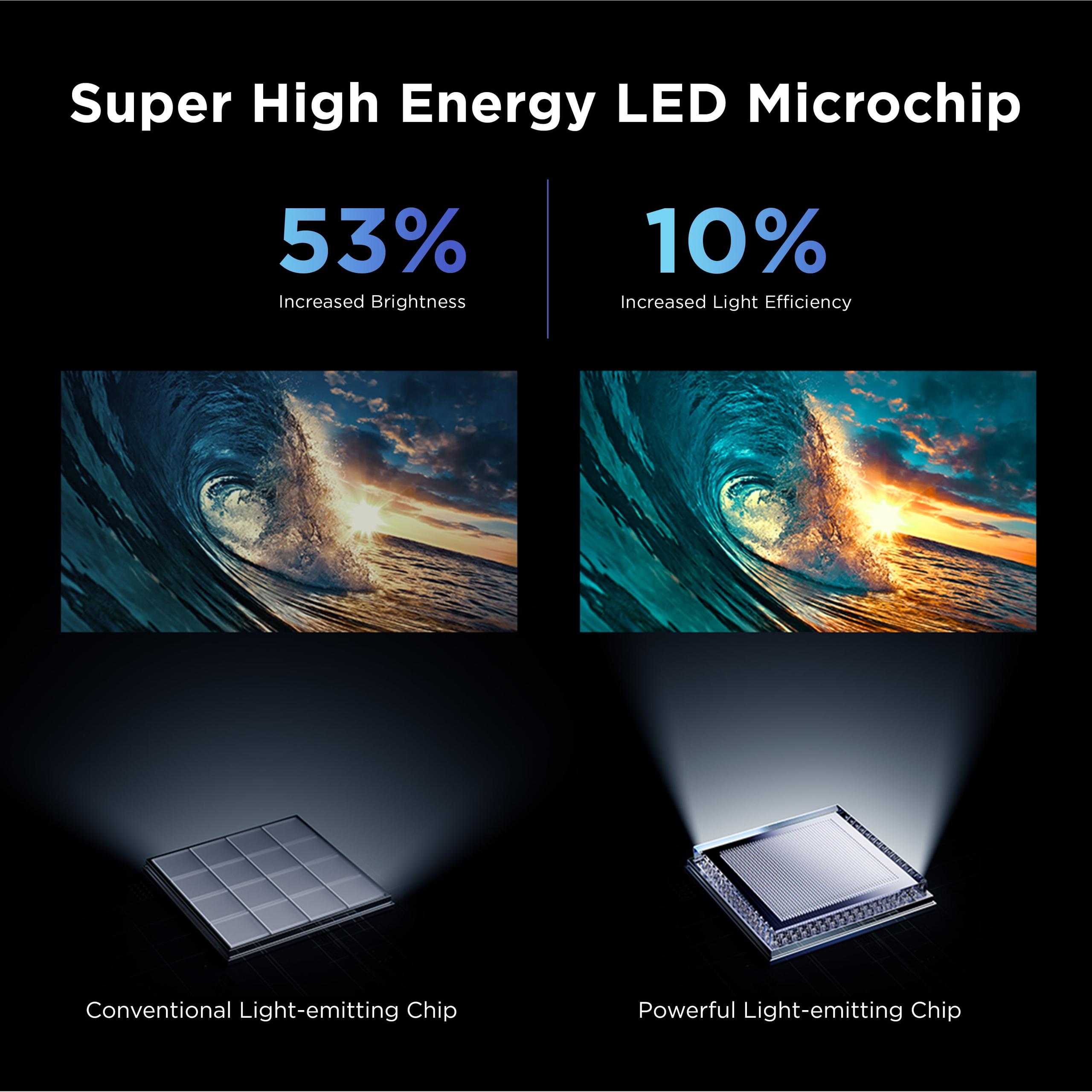
The TCL QM6K arrived in early 2025 as one of the first new TVs to market, incorporating TCL's latest Super High Energy LED Chip technology that's 53% brighter than previous generations while improving energy efficiency by 10%. This represents meaningful progress in mini-LED technology, allowing for higher peak brightness without increased power consumption.
The Roku Pro Series 2025 launched mid-2025 with refined mini-LED backlighting and enhanced AI processing compared to previous Roku TVs. While Roku partners with different manufacturers for hardware production, they've clearly focused on improving picture processing and user experience rather than pursuing maximum specifications.
Since 2024, mini-LED technology has matured significantly, with better zone precision and reduced manufacturing costs making high-end features more accessible. Both TVs benefit from this evolution, offering local dimming performance that previously required much more expensive displays.
Choose the Roku Pro Series 2025 if you have a bright living room, prioritize console gaming at 4K resolution, want exceptional built-in audio quality, or value premium user experience features. The higher cost delivers meaningful improvements in daily usability and performance in challenging lighting conditions.
The TCL QM6K makes more sense for dedicated dark home theaters, budget-conscious buyers who still want premium performance, PC gamers who benefit from high refresh rates at 1080p, or anyone planning to add external audio equipment anyway. Its exceptional color accuracy and contrast performance rival much more expensive displays.
Both TVs represent solid choices within their respective market positions. The Roku provides a more premium experience that justifies its higher cost through superior brightness, gaming features, and audio quality. The TCL offers outstanding value by delivering flagship-level picture quality at a more accessible price point.
For most buyers, the decision comes down to budget and primary use case. If you're building a dedicated home theater and have external audio equipment, the TCL's superior contrast and color accuracy create a more cinematic experience. If you need a TV for a bright family room with mixed usage including console gaming, the Roku's additional features and performance characteristics provide better overall value despite the higher initial cost.
| Roku 65" Pro Series 2025 4K QLED TV | TCL 65" QM6K QD-Mini LED 4K TV |
|---|---|
| Peak Brightness - Critical for bright rooms and HDR impact | |
| Up to 1,818 nits HDR (excellent for mixed lighting) | Lower peak brightness (better for dark rooms) |
| Contrast Performance - Determines black levels and overall picture depth | |
| Good contrast with mini-LED local dimming | Superior 11,000:1+ contrast ratio with deeper blacks |
| 4K Gaming Support - Essential for PS5/Xbox Series X owners | |
| 4K @ 120Hz on 2 HDMI 2.1 ports, 5.2ms input lag | Limited to 1 HDMI 2.1 port, focuses on high refresh 1080p |
| Refresh Rate - Affects motion smoothness in sports and gaming | |
| 120Hz native (ideal for console gaming) | 144Hz native with up to 288Hz VRR (better for PC gaming) |
| Color Accuracy - How true-to-life colors appear | |
| Good out-of-box accuracy with AI processing | Exceptional accuracy (Delta E ~1.2) rivals pro monitors |
| Audio Quality - Determines if you need a soundbar immediately | |
| Roku Soundstage Audio with impressive bass, highly rated | Onkyo 2.1 system adequate but may need soundbar upgrade |
| Smart Platform - Daily usability and app performance | |
| Roku TV OS with fast performance and premium remote | Google TV with more customization but slower navigation |
| Local Dimming Zones - Controls blooming and halo effects | |
| Enhanced mini-LED with improved halo control | Up to 500 zones with precise backlight control |
| HDR Support - Compatibility with premium content formats | |
| Dolby Vision IQ, HDR10+, HLG with scene optimization | Dolby Vision IQ, HDR10+, HDR10, HLG support |
| Best Use Case - Where each TV excels most | |
| Bright living rooms, console gaming, premium experience | Dark home theaters, value seekers, color-critical viewing |
The Roku 65" Pro Series 2025 is significantly better for bright rooms, reaching up to 1,818 nits peak brightness compared to the TCL QM6K's lower brightness output. The Roku maintains vibrant colors and clear details even with windows or lamps creating glare, making it ideal for living rooms with mixed lighting conditions.
Picture quality depends on your viewing environment. The TCL QM6K delivers superior contrast with deeper blacks and more accurate colors (Delta E ~1.2), making it excellent for dark rooms. The Roku Pro Series 2025 offers better overall brightness and AI-enhanced processing, performing better in varied lighting conditions.
For console gaming, the Roku 65" Pro Series 2025 is superior with two HDMI 2.1 ports supporting 4K @ 120Hz and extremely low 5.2ms input lag. The TCL QM6K excels for PC gaming with 144Hz native refresh rate and up to 288Hz variable refresh rate at 1080p resolution.
The TCL QM6K provides exceptional value, delivering roughly 80% of premium TV performance at a significantly lower cost. However, the Roku Pro Series 2025 justifies its higher price through superior brightness, better gaming features, and premium audio quality that may eliminate the need for additional equipment.
The Roku 65" Pro Series 2025 has significantly better built-in audio with Roku Soundstage technology and impressive bass response that users rate 4.9/5. The TCL QM6K includes an Onkyo 2.1 system that's adequate for casual viewing but will likely require a soundbar upgrade for movie enthusiasts.
For dedicated dark home theaters, the TCL QM6K excels with superior contrast ratios exceeding 11,000:1 and exceptional color accuracy that creates more cinematic experiences. The Roku Pro Series 2025 works better for multi-purpose rooms where lighting can't always be controlled.
The Roku 65" Pro Series 2025 offers a faster, more streamlined smart TV experience with quicker app launches and an intuitive interface. The TCL QM6K runs Google TV, which provides more customization options and better integration with Google services but can feel more complex to navigate.
Both TVs handle sports well, but the Roku Pro Series 2025 has advantages for bright room viewing and superior motion processing. The TCL QM6K's higher 144Hz refresh rate provides smoother motion, but the Roku's brightness and Smart Picture Max processing deliver better overall sports viewing in typical living room conditions.
The TCL QM6K achieves professional-grade color accuracy with Delta E measurements around 1.2 in Filmmaker Mode, rivaling displays costing much more. The Roku 65" Pro Series 2025 offers good color performance enhanced by AI processing, but doesn't match the TCL's precision out of the box.
HDR performance varies by environment. The Roku Pro Series 2025 delivers more impactful HDR in bright rooms due to higher peak brightness, making highlights pop dramatically. The TCL QM6K provides more accurate HDR reproduction in dark environments with better contrast and color precision.
The Roku 65" Pro Series 2025 offers more comprehensive gaming features including two HDMI 2.1 ports, VRR, ALLM, and FreeSync Premium Pro support optimized for next-gen consoles. The TCL QM6K focuses on high refresh rate gaming with Game Accelerator technology but has fewer premium gaming features overall.
Choose the Roku Pro Series 2025 if you have a bright room, prioritize console gaming, want premium audio without a soundbar, or value a refined user experience. Select the TCL QM6K if you have a dark viewing environment, want exceptional value, prioritize color accuracy, or plan to add external audio equipment anyway.
We've done our best to create useful and informative comparisons to help you decide what product to buy. Our research uses advanced automated methods to create this comparison and perfection is not possible - please contact us for corrections or questions. These are the sites we've researched in the creation of this article: bestbuy.com - rtings.com - techradar.com - youtube.com - roku.com - youtube.com - walmart.com - bestbuy.com - youtube.com - electronicexpress.com - roku.com - pcvarge.com - ecoustics.com - youtube.com - tomsguide.com - youtube.com - tcl.com - tomsguide.com - youtube.com - youtube.com - hometechnologyreview.com - rtings.com - bestbuy.com - tcl.com - youtube.com - youtube.com - bestbuy.com - youtube.com - youtube.com - youtube.com - tcl.com - youtube.com - walmart.com - tcl.com - displayspecifications.com - kitele.com - displayspecifications.com - flatpanelshd.com - woodruffappliance.com - displayspecifications.com - prnewswire.com - tcl.com - youtube.com - abt.com - youtube.com - tclkenya.co.ke - budgethomefurn.com

Privacy Policy
Terms and Conditions - Affiliate Policy
Home Security
© Copyright 2008-2026.
11816 Inwood Rd #1211, Dallas, TX 75244