

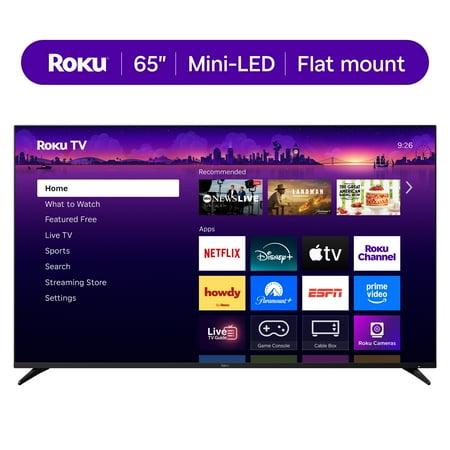
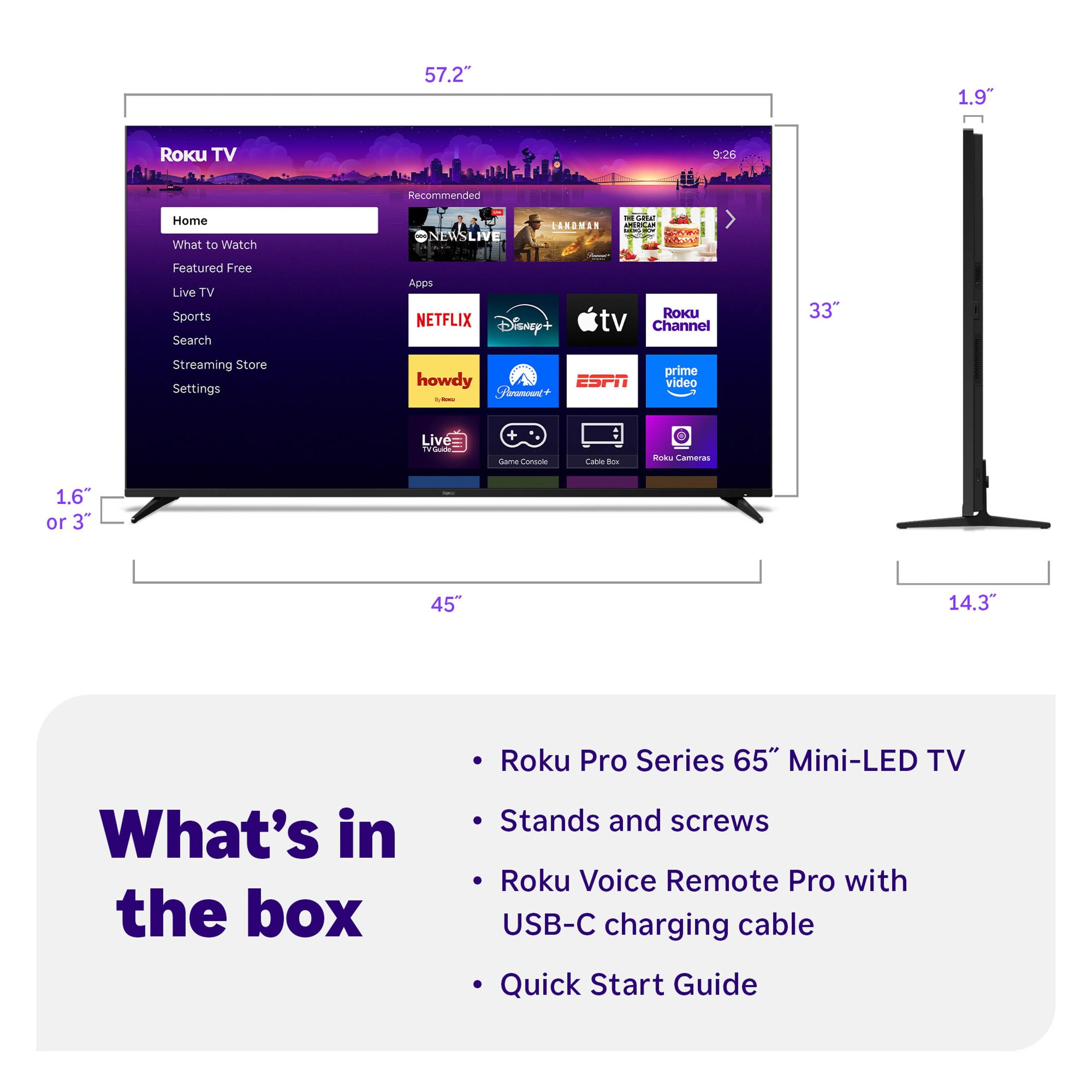
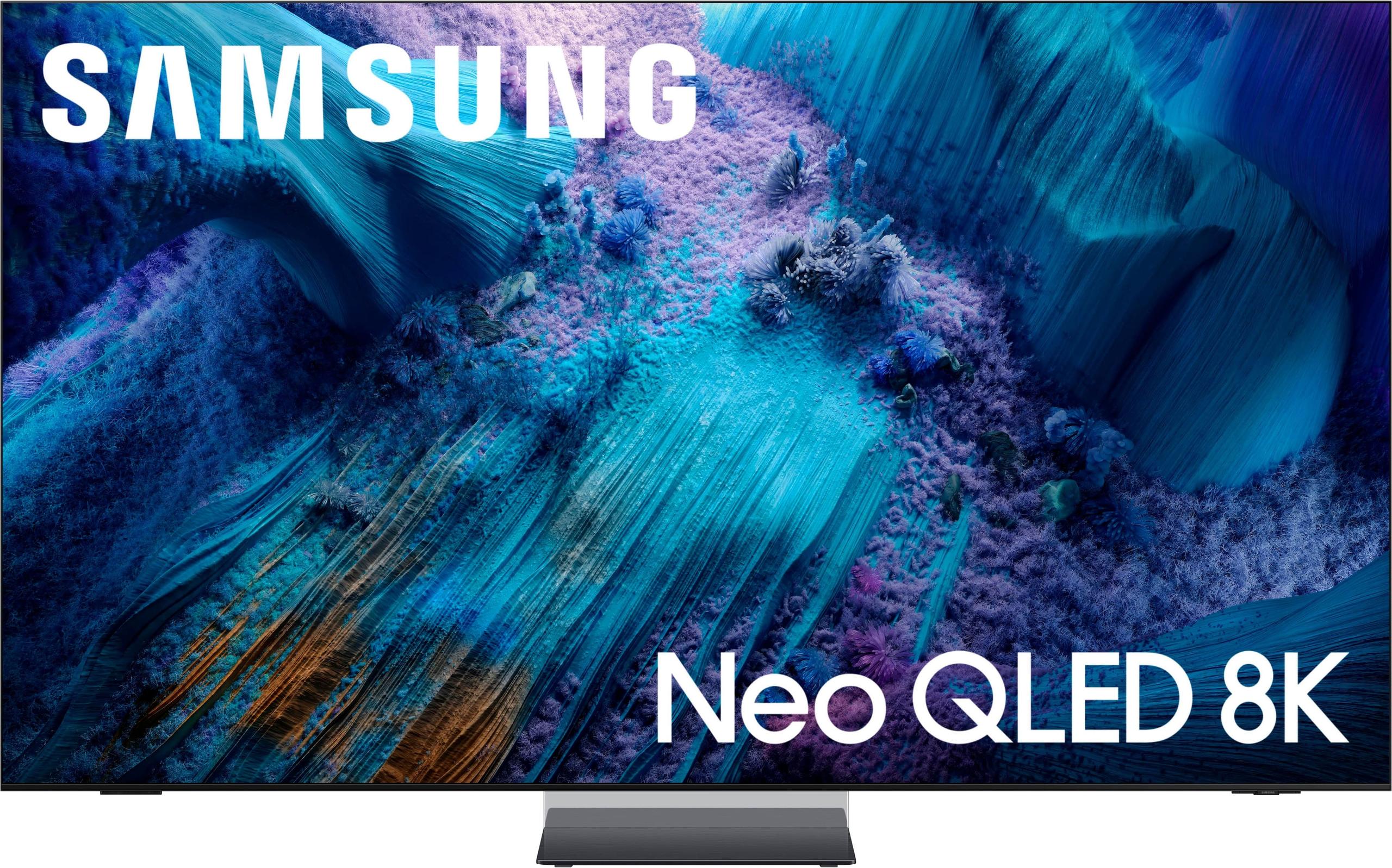
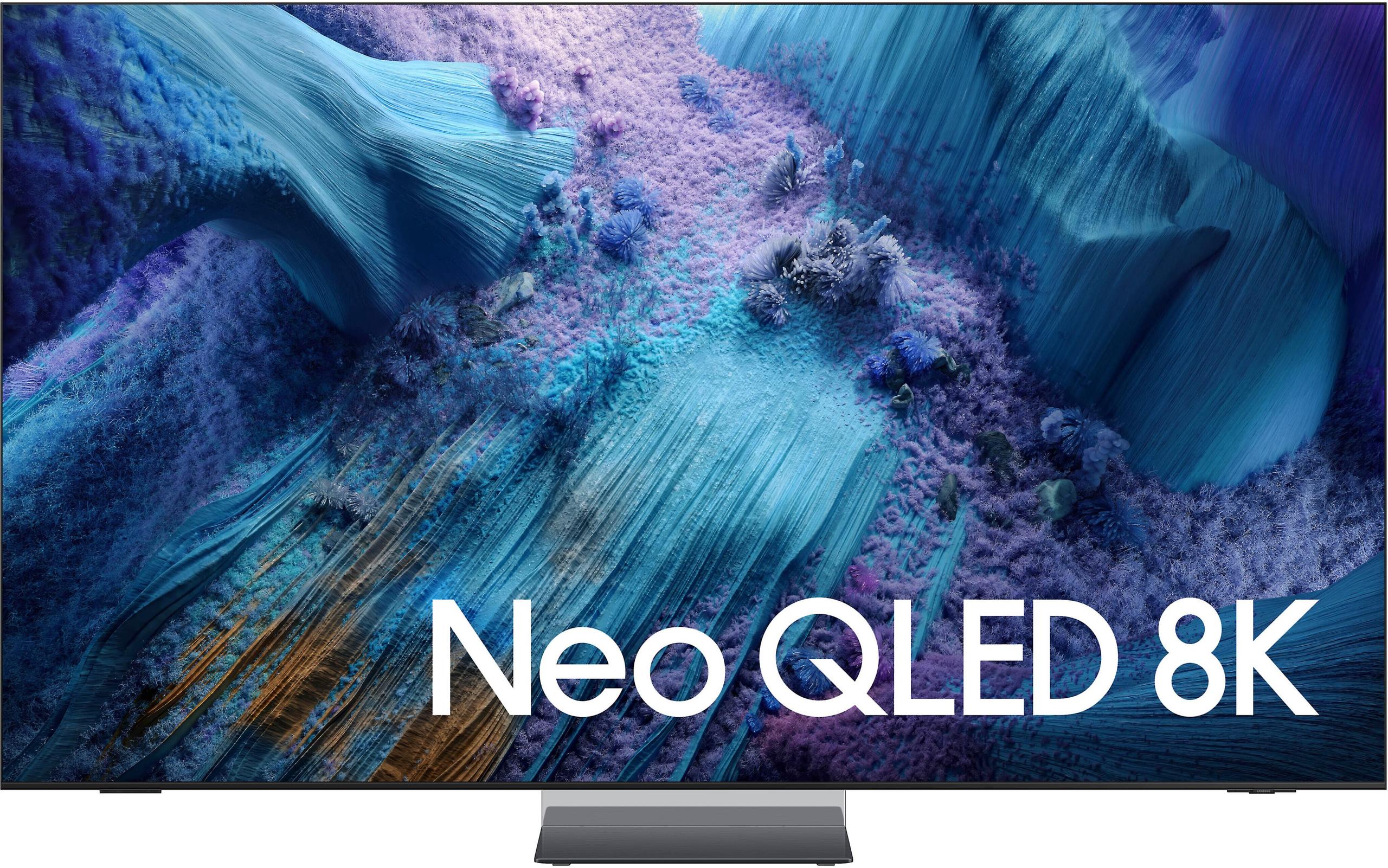
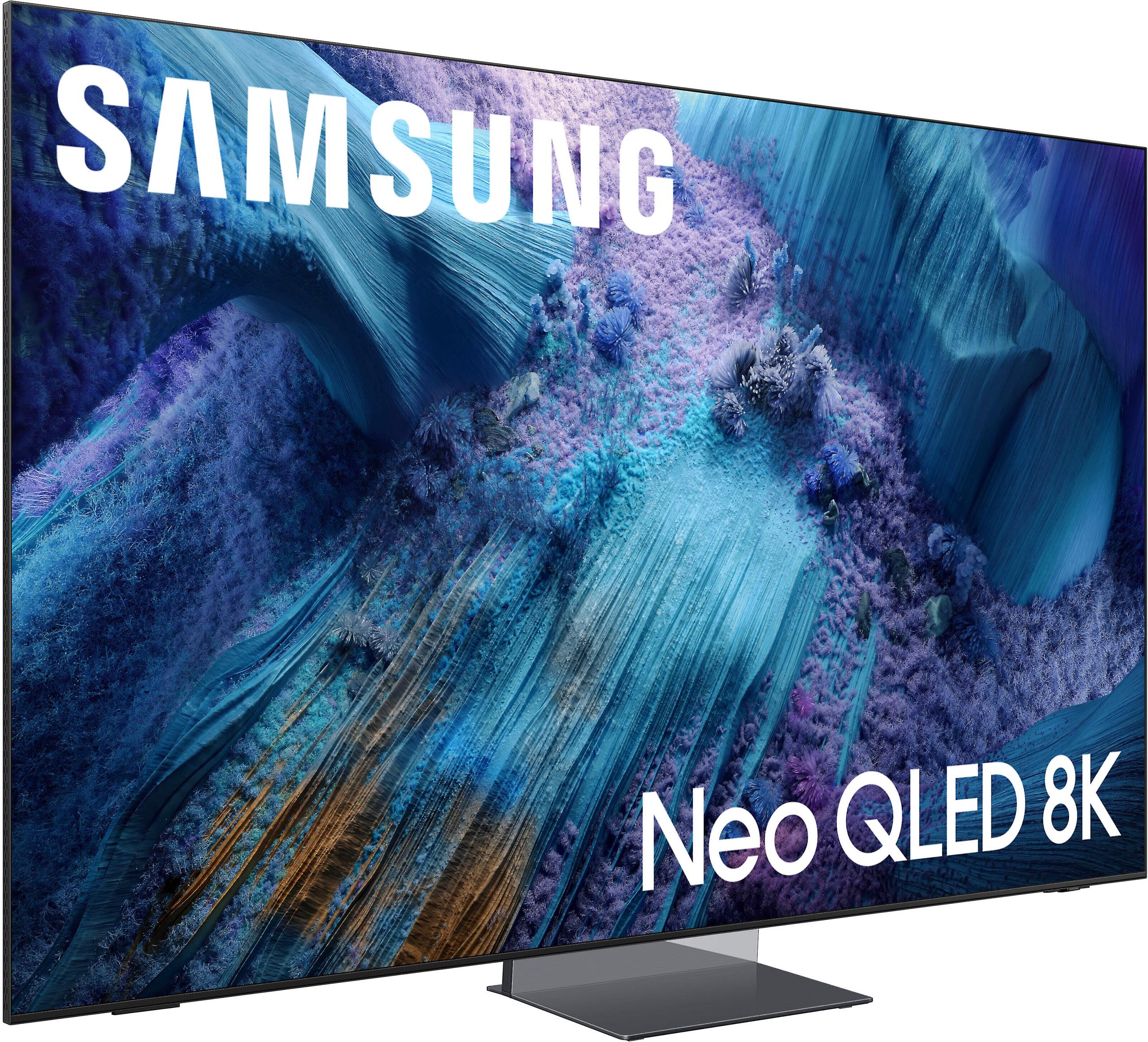
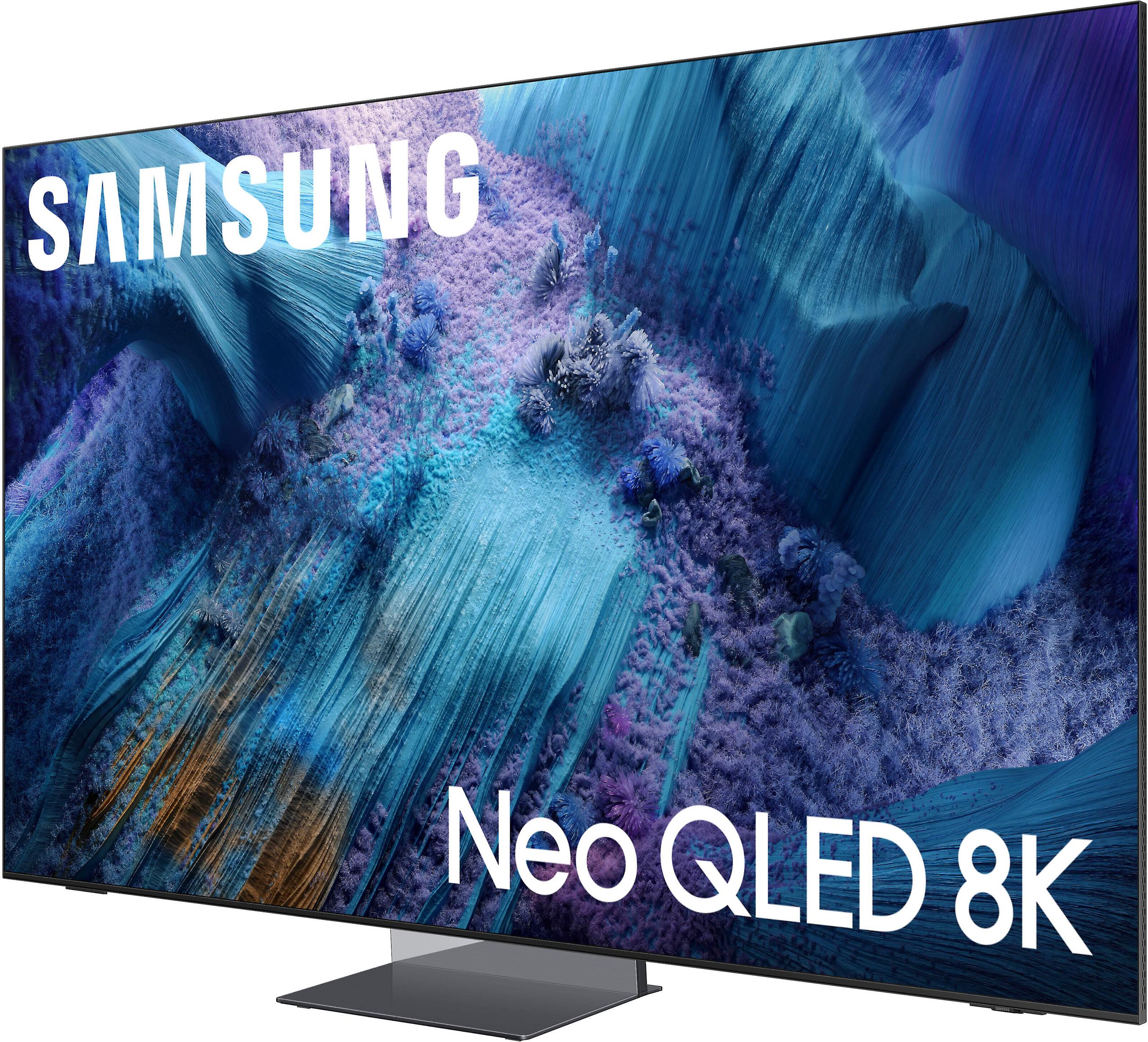


The world of premium televisions has become increasingly complex, with manufacturers pushing both technical boundaries and marketing claims in directions that don't always benefit everyday viewers. Two TVs that perfectly illustrate this tension are the Roku 65" Pro Series 2025 and the Samsung QN990F 8K Neo QLED 2025—both excellent displays that take fundamentally different approaches to delivering exceptional home entertainment.
Released in 2025, these TVs represent the latest evolution in display technology, but they're aimed at completely different buyers. The Roku Pro Series focuses on delivering outstanding 4K performance with gaming-optimized features at a reasonable price point. Meanwhile, the Samsung QN990F pushes into 8K territory with Samsung's most advanced processing technology, commanding a premium that's roughly three times higher at the time of writing.
Understanding which approach makes sense for your situation requires diving into what actually matters for picture quality, gaming performance, and long-term value—not just what sounds impressive in marketing materials.
Both TVs use mini-LED backlighting, but the implementation reveals important differences in philosophy and performance. Mini-LEDs are tiny light-emitting diodes that are much smaller than traditional LED backlights, allowing for more precise control over brightness zones across the screen. Think of it like having thousands of tiny flashlights behind your TV instead of a few large floodlights.
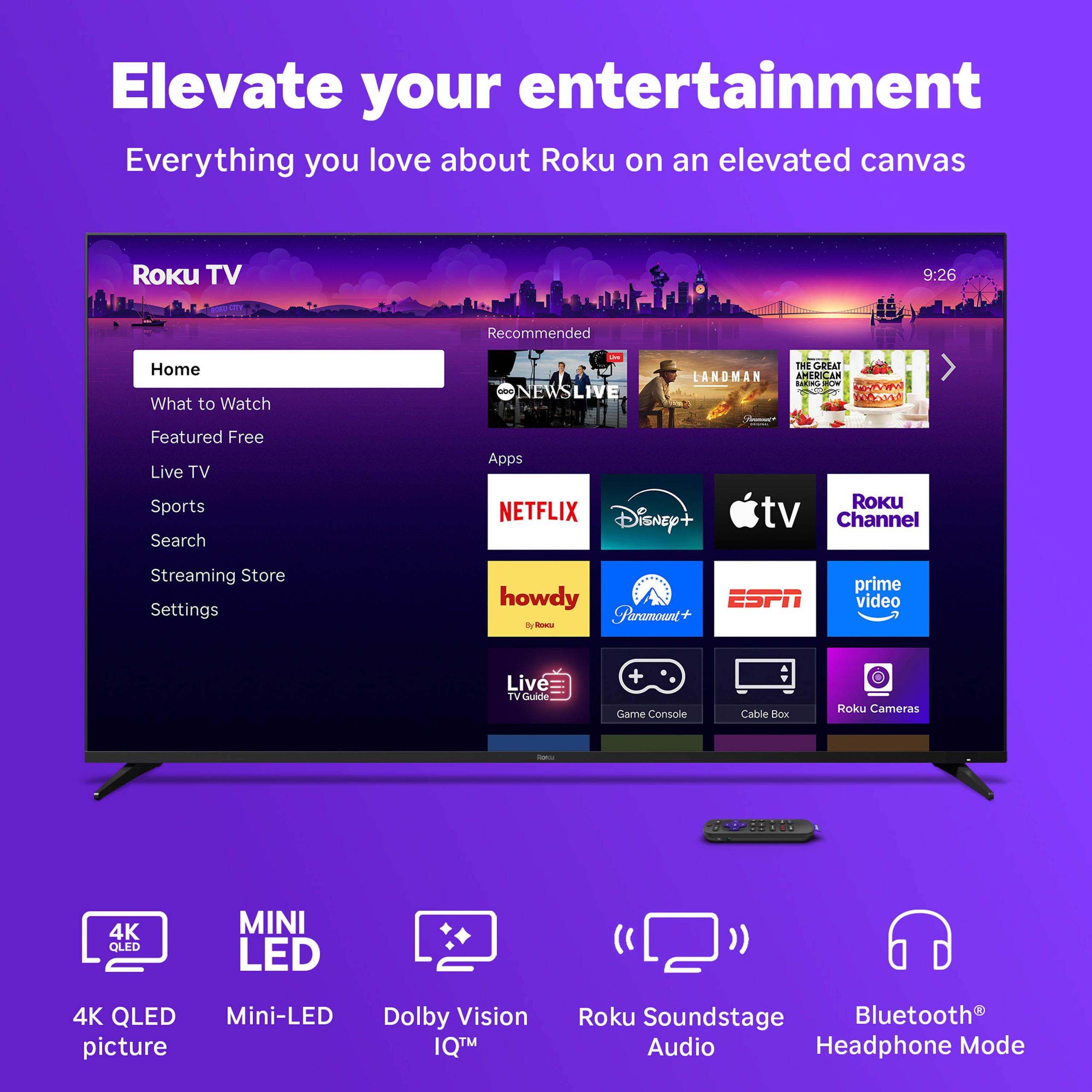
The Roku Pro Series uses what they call "re-engineered mini-LED backlighting" with full array local dimming. This system delivers 75% higher dynamic contrast compared to previous Roku generations, which translates to deeper blacks and brighter highlights in the same scene. The local dimming feature means different areas of the screen can be independently controlled—when you're watching a movie with a bright explosion against a dark night sky, the TV can make the explosion brilliant while keeping the surrounding darkness truly black.
Samsung's approach with the QN990F takes this concept further with their Quantum Matrix Mini LED technology. The "quantum matrix" isn't marketing speak—it refers to their more sophisticated algorithm for controlling individual lighting zones with greater precision. This helps reduce "blooming," the halo effect you sometimes see around bright objects on dark backgrounds, particularly noticeable with subtitles or small bright elements.
However, our research into expert reviews reveals something interesting: despite Samsung's more advanced processing, the Roku Pro Series actually achieves higher peak brightness in HDR content, reaching up to 1,818 nits in Standard mode. This matters tremendously for daytime viewing in rooms with windows, where many TVs struggle to maintain vibrant colors and contrast when competing with ambient light.
The most obvious difference between these TVs is resolution, but this is where marketing claims diverge sharply from viewing reality. The Samsung QN990F delivers 8K resolution—7,680 × 4,320 pixels—which sounds impressive until you consider what content actually exists to take advantage of it.
As of 2025, virtually no streaming services offer native 8K content. Netflix, Disney+, Amazon Prime Video, and others max out at 4K, and most broadcast television still operates at 1080p or lower. YouTube has some 8K videos, but they're primarily tech demos rather than entertainment content. Gaming consoles like the PlayStation 5 and Xbox Series X focus on delivering exceptional 4K performance rather than pushing 8K resolution.
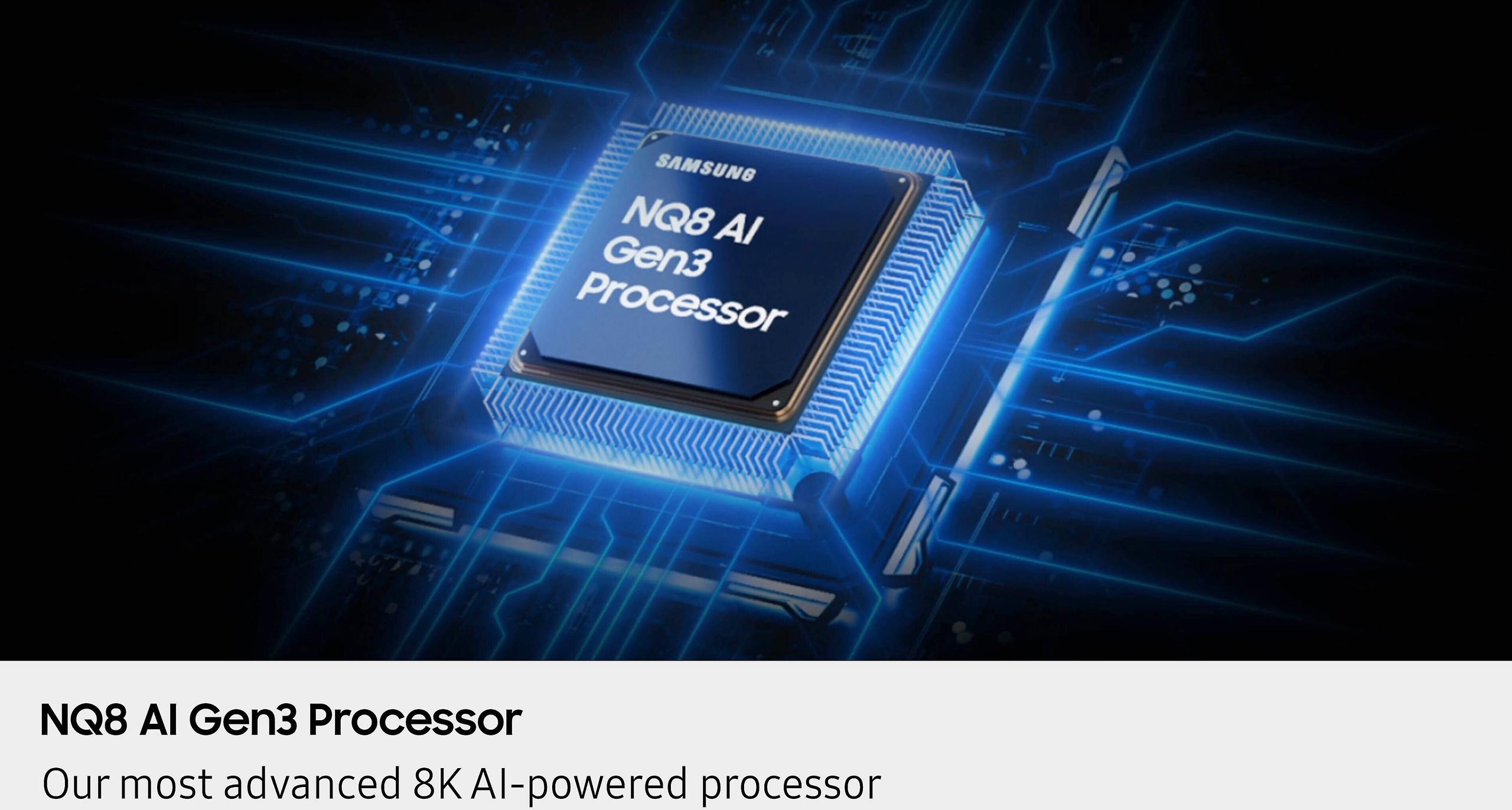
This means the Samsung's 8K display primarily relies on upscaling—using artificial intelligence to interpolate additional pixels from lower-resolution source material. Samsung's NQ8 AI Gen3 processor uses 768 neural networks to analyze and enhance incoming signals, and the results are genuinely impressive for a mathematical approximation of detail that doesn't actually exist in the source material.
But here's the practical reality: the Roku's 4K resolution is perfectly matched to virtually all content you'll actually watch. Its Smart Picture Max AI processing cleans up compression artifacts and optimizes color and sharpness automatically, delivering excellent results with the content that's actually available to stream, broadcast, or game with.
For most viewing distances—sitting 8-12 feet from a 65-inch screen—the difference between well-processed 4K and upscaled 8K content is subtle at best. You'd need to sit unusually close or have exceptionally sharp vision to consistently notice the resolution difference with typical content.
Gaming performance has become a crucial differentiator in premium TVs, particularly as PlayStation 5 and Xbox Series X buyers seek displays that can handle 4K gaming at high refresh rates. This is where the Roku Pro Series demonstrates clear advantages despite being the less expensive option.
Input lag—the delay between pressing a controller button and seeing the result on screen—is critical for competitive gaming. The Roku achieves input lag as low as 5.2 milliseconds at 120Hz with its automatic game mode engaged. This rivals dedicated gaming monitors and makes fast-paced games feel responsive and precise.
The TV includes AMD FreeSync Premium Pro, which synchronizes the display's refresh rate with your gaming console or PC's graphics output. This eliminates screen tearing (when the display shows parts of multiple frames simultaneously) and reduces stuttering during gameplay. Variable refresh rate (VRR) and Auto Low Latency Mode (ALLM) work automatically with modern consoles, switching to optimal gaming settings without manual intervention.
The Samsung QN990F offers higher theoretical refresh rates—up to 240Hz at 4K resolution—but gaming performance becomes more complex at 8K resolution. While the TV can theoretically handle 8K gaming at 120Hz, no current gaming consoles output 8K signals, and PC gaming at 8K requires extremely expensive graphics cards for playable frame rates.
More importantly, the additional processing required for 8K and Samsung's advanced AI features typically introduces slightly higher input lag. While still excellent for casual gaming, competitive players often notice the difference compared to the Roku's more direct signal path.
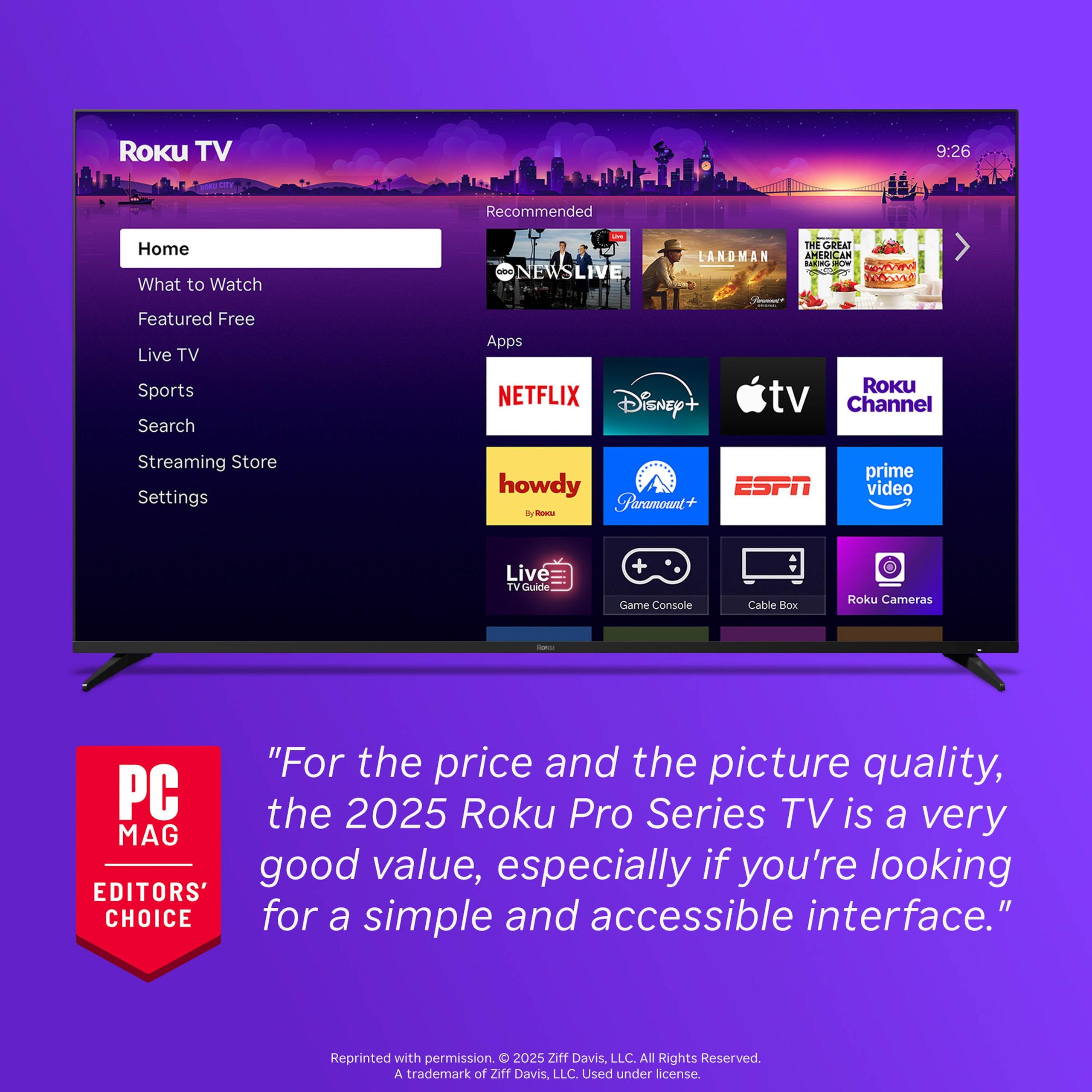
The smart TV platform significantly impacts daily usability, and these two TVs take notably different approaches. The Roku Pro Series runs Roku OS, which has earned recognition as one of the most user-friendly smart TV interfaces available.
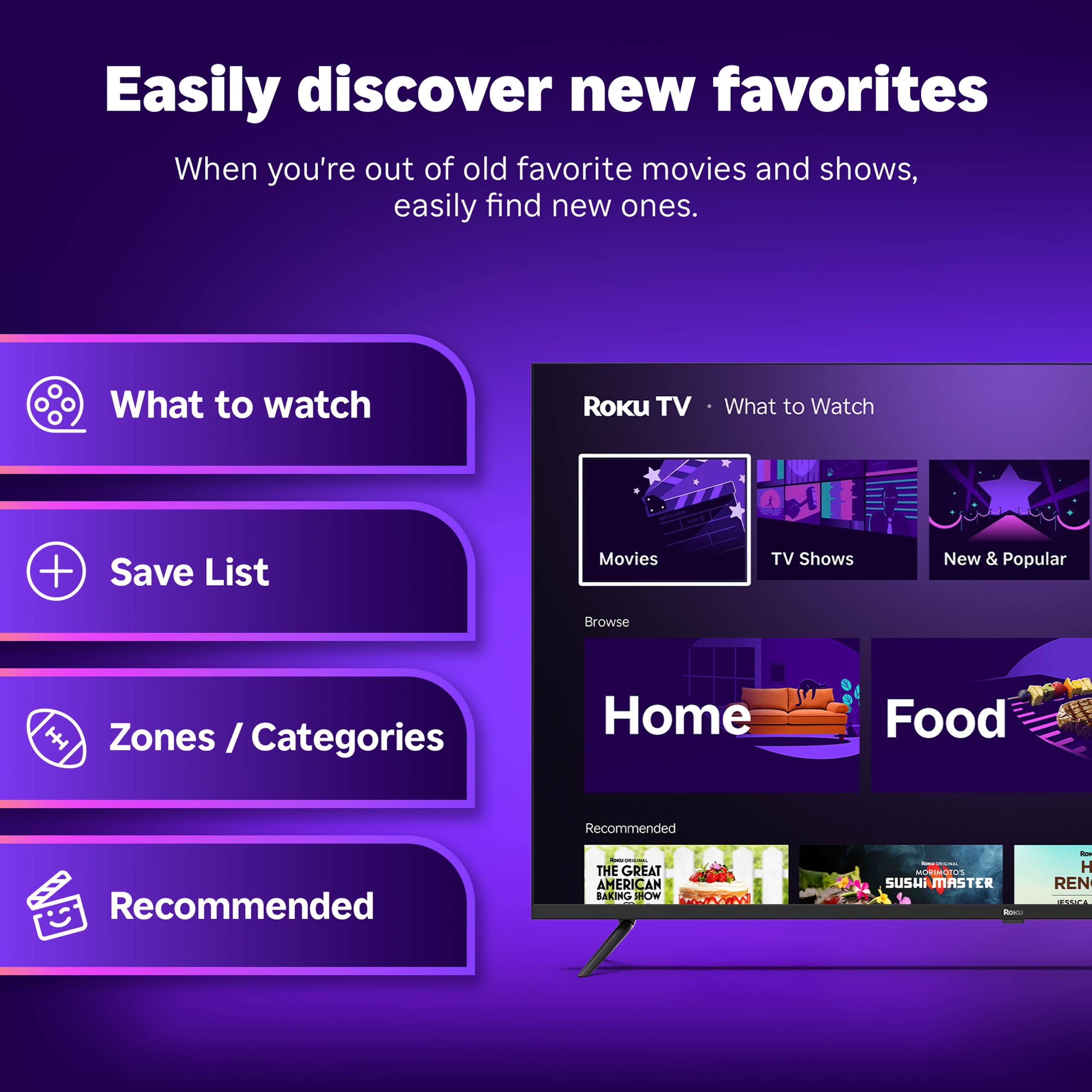
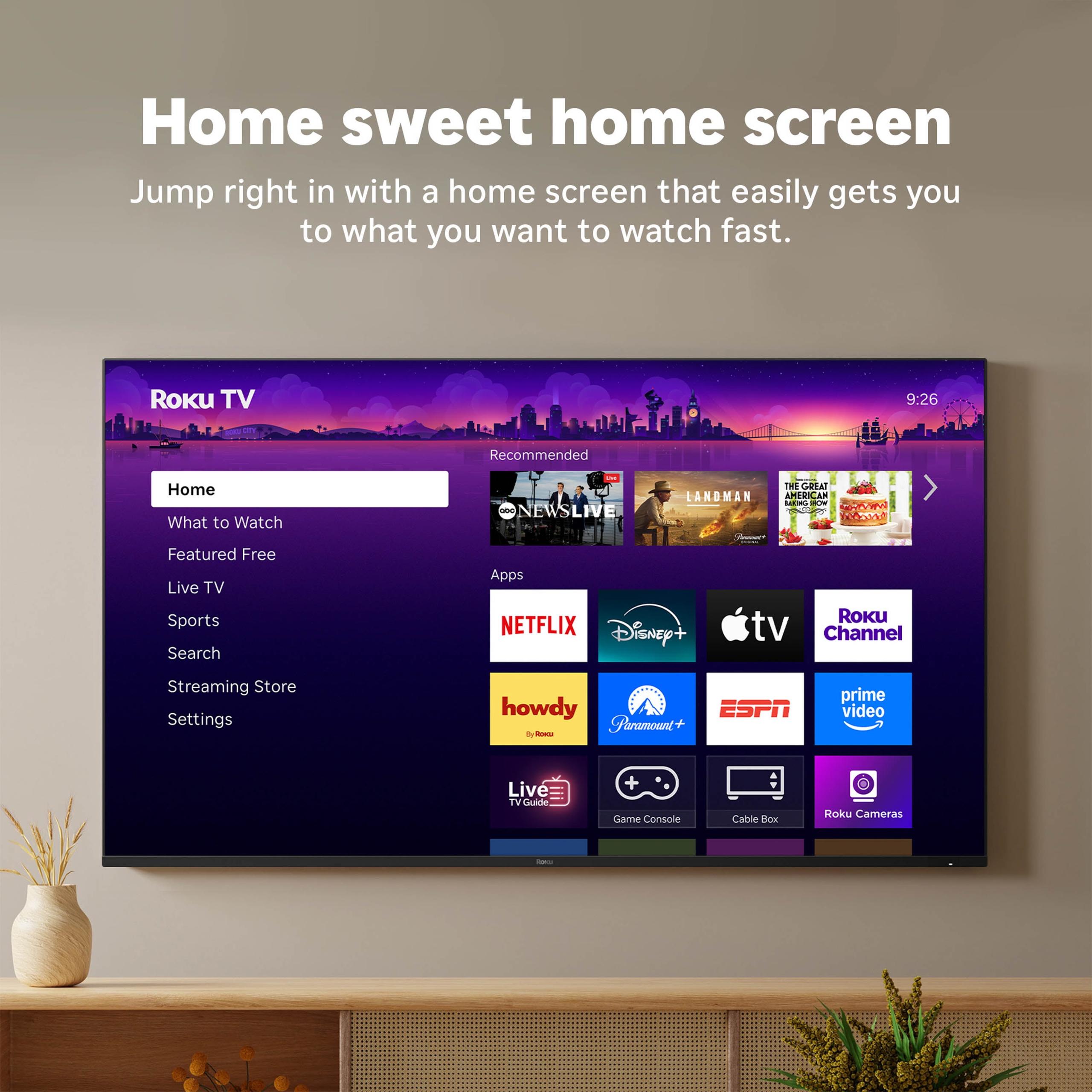
Roku's strength lies in its simplicity and universal approach to content discovery. The home screen presents a unified view of movies and shows across all your streaming services, making it easy to find something to watch without remembering which app has which content. The interface loads quickly, apps launch promptly, and the overall experience feels responsive rather than sluggish.
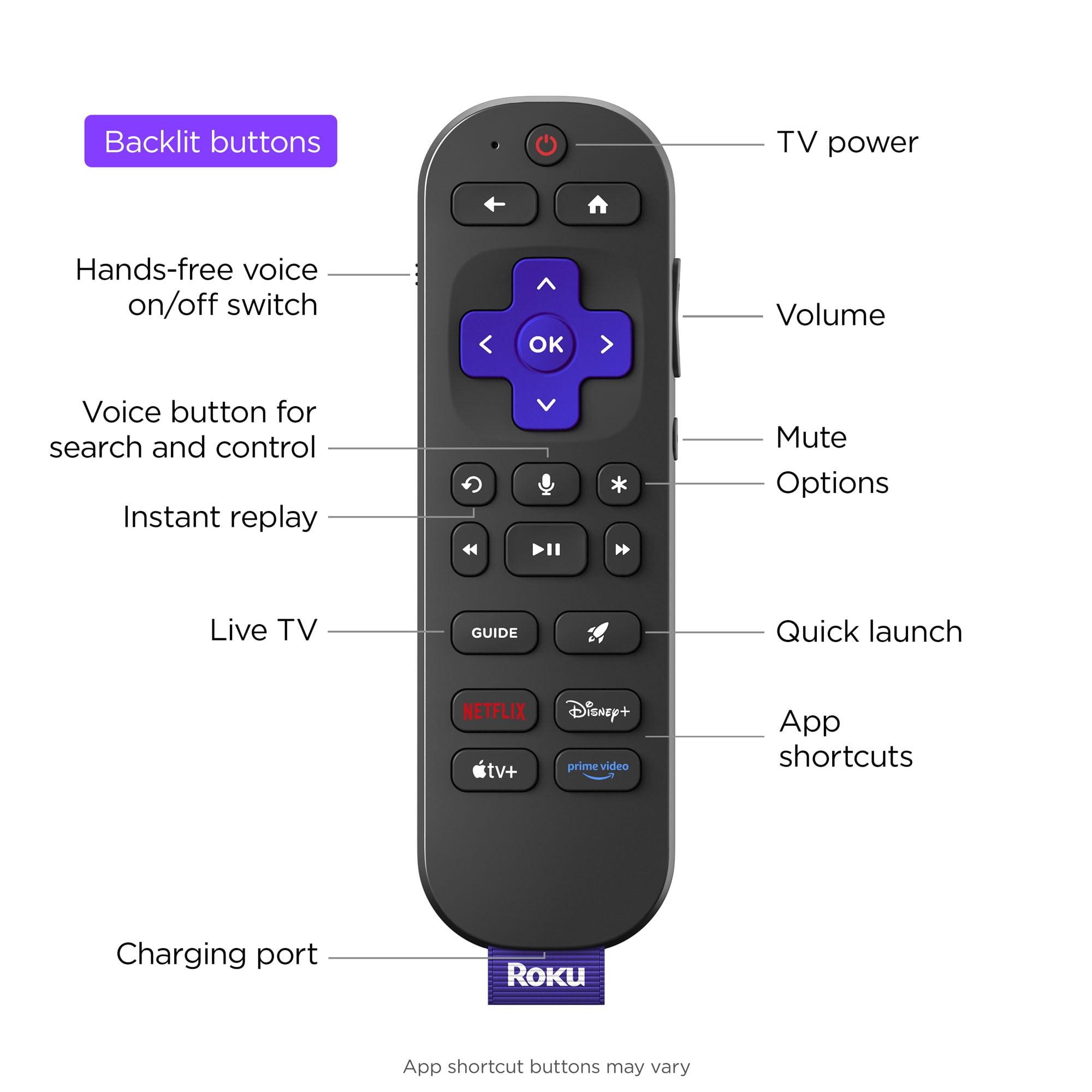
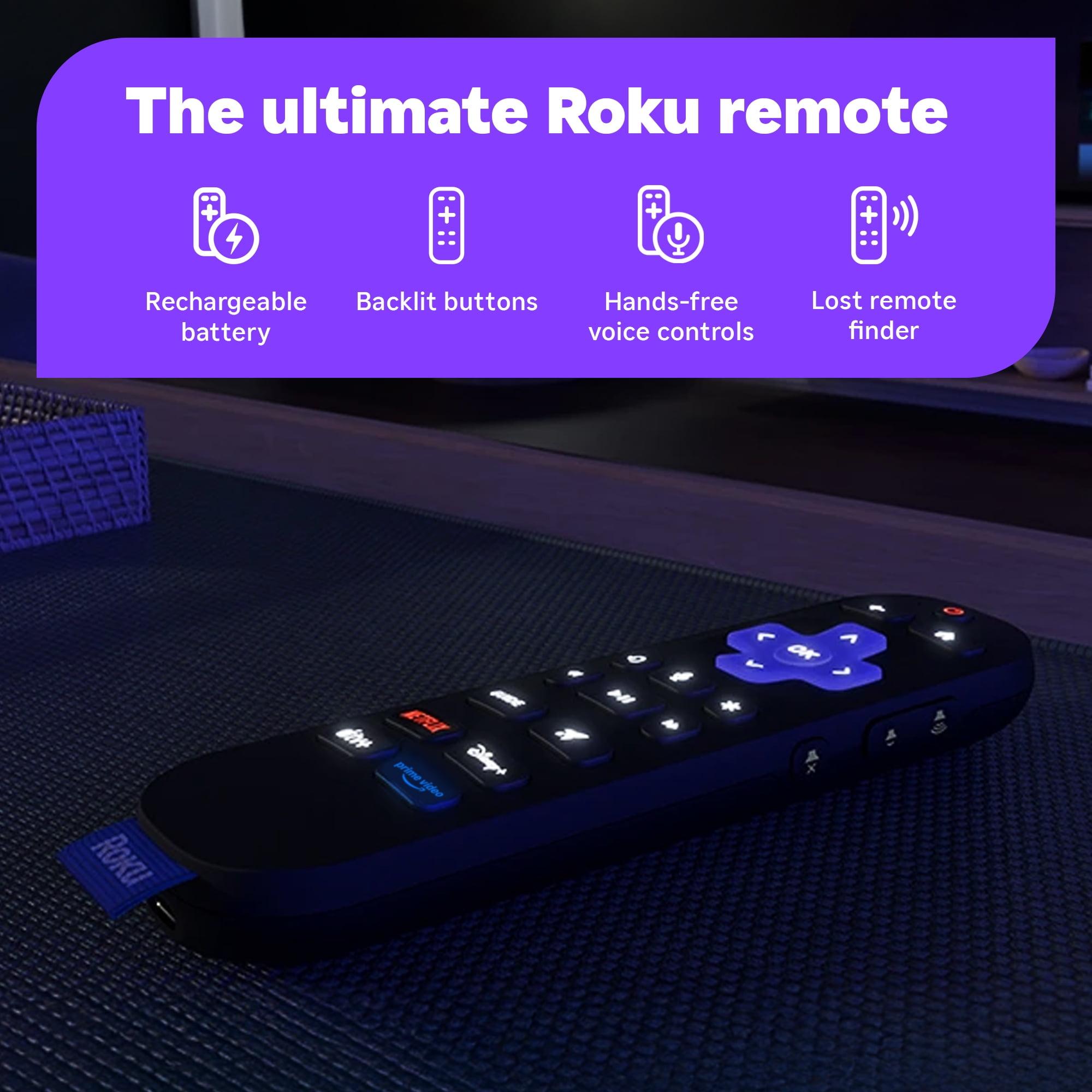
The included Voice Remote Pro deserves special mention—it's fully rechargeable with backlit buttons for dark room use, includes a headphone jack for private listening, and features a remote finder button on the TV itself for when it inevitably disappears between couch cushions. These practical touches demonstrate attention to real-world usability.
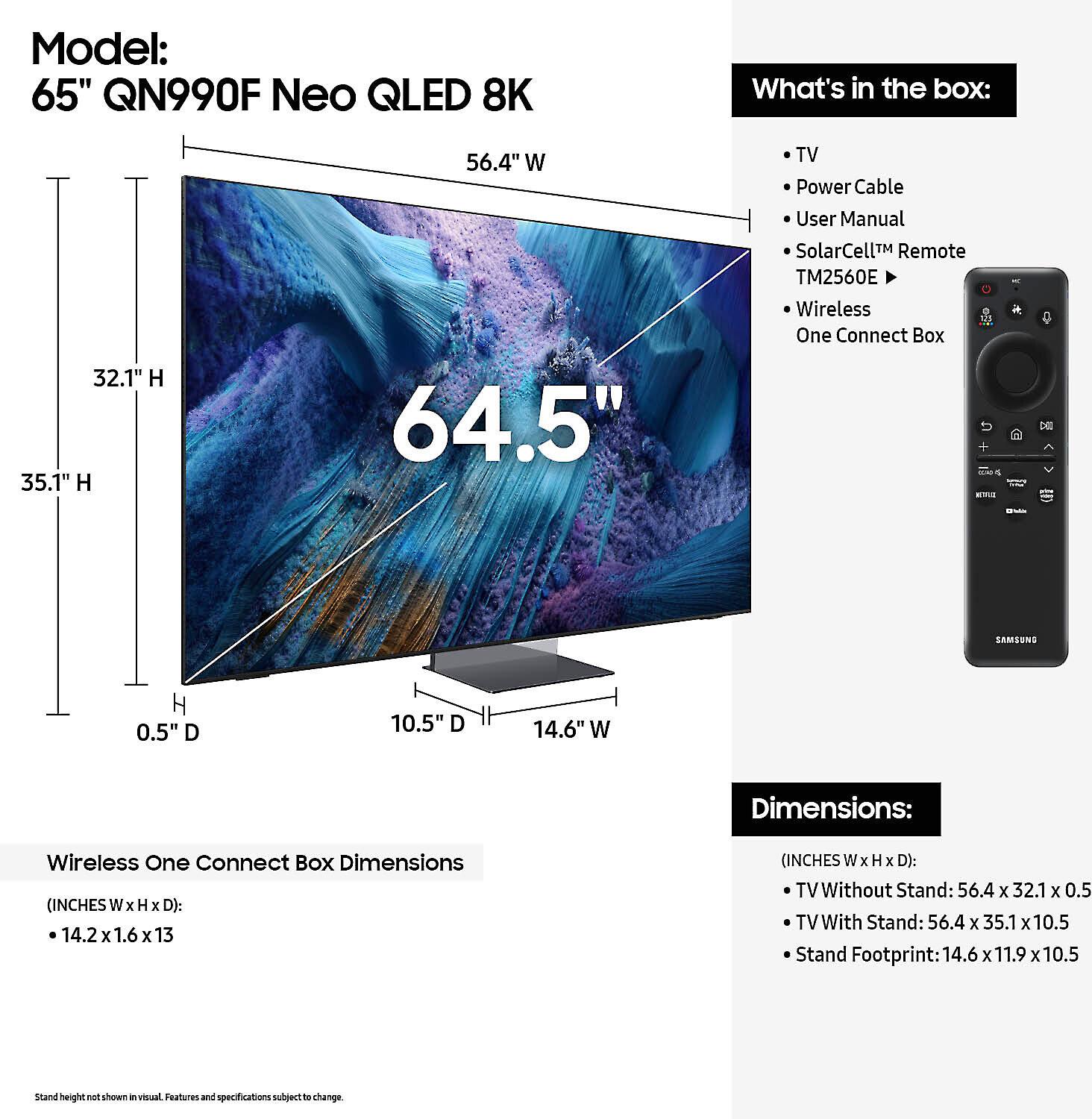
Samsung's Tizen platform on the QN990F offers more features and customization options, but with added complexity. The interface integrates well with other Samsung devices, and the included Solar Cell Remote charges itself from ambient light, eliminating battery concerns. However, navigation can feel less intuitive, and the abundance of features sometimes makes simple tasks more complicated than necessary.
Both platforms receive regular software updates, but Roku has demonstrated exceptional long-term support, with TVs from several years ago still receiving new features and security updates. Samsung typically provides strong support for flagship models but focuses updates on newer products after 4-5 years.
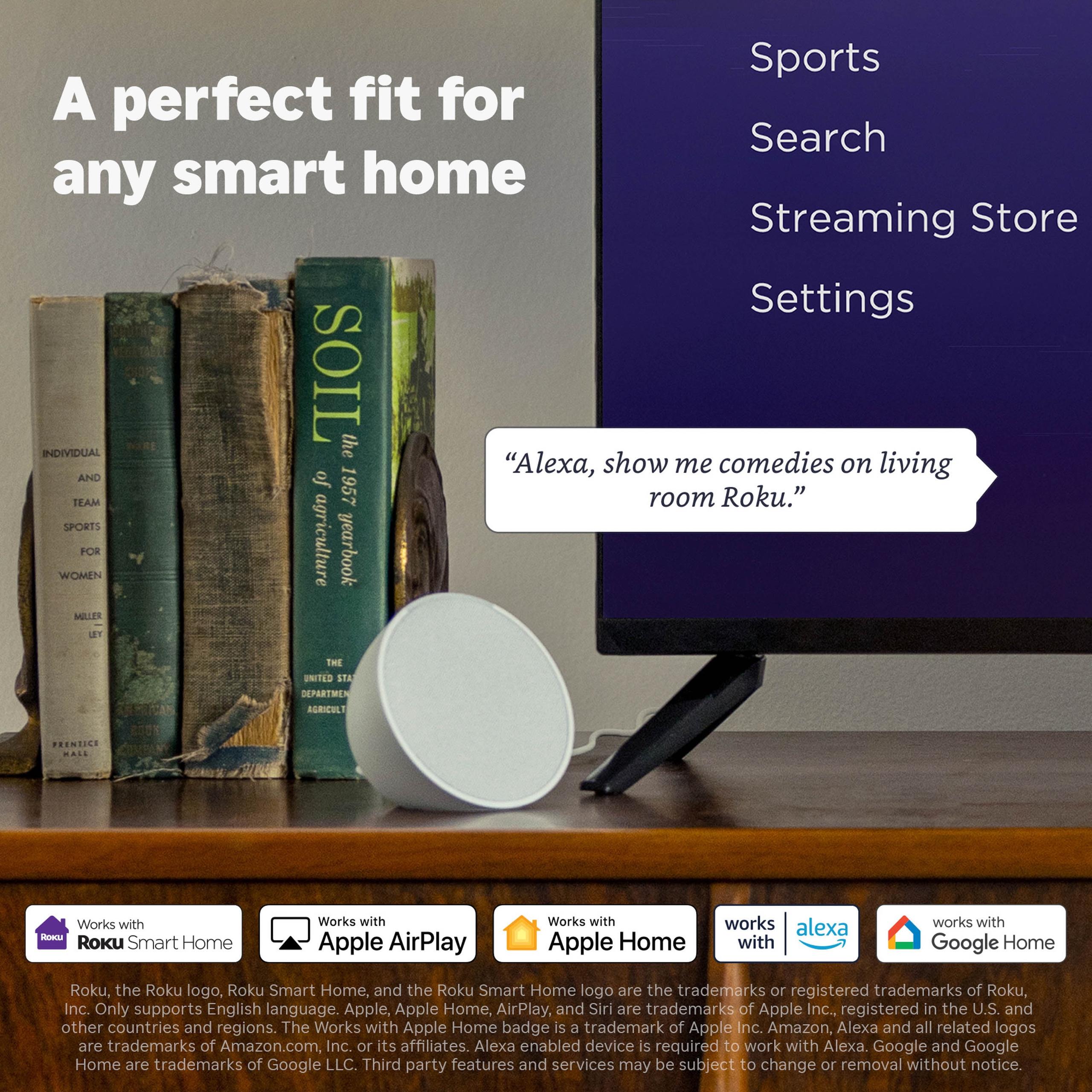
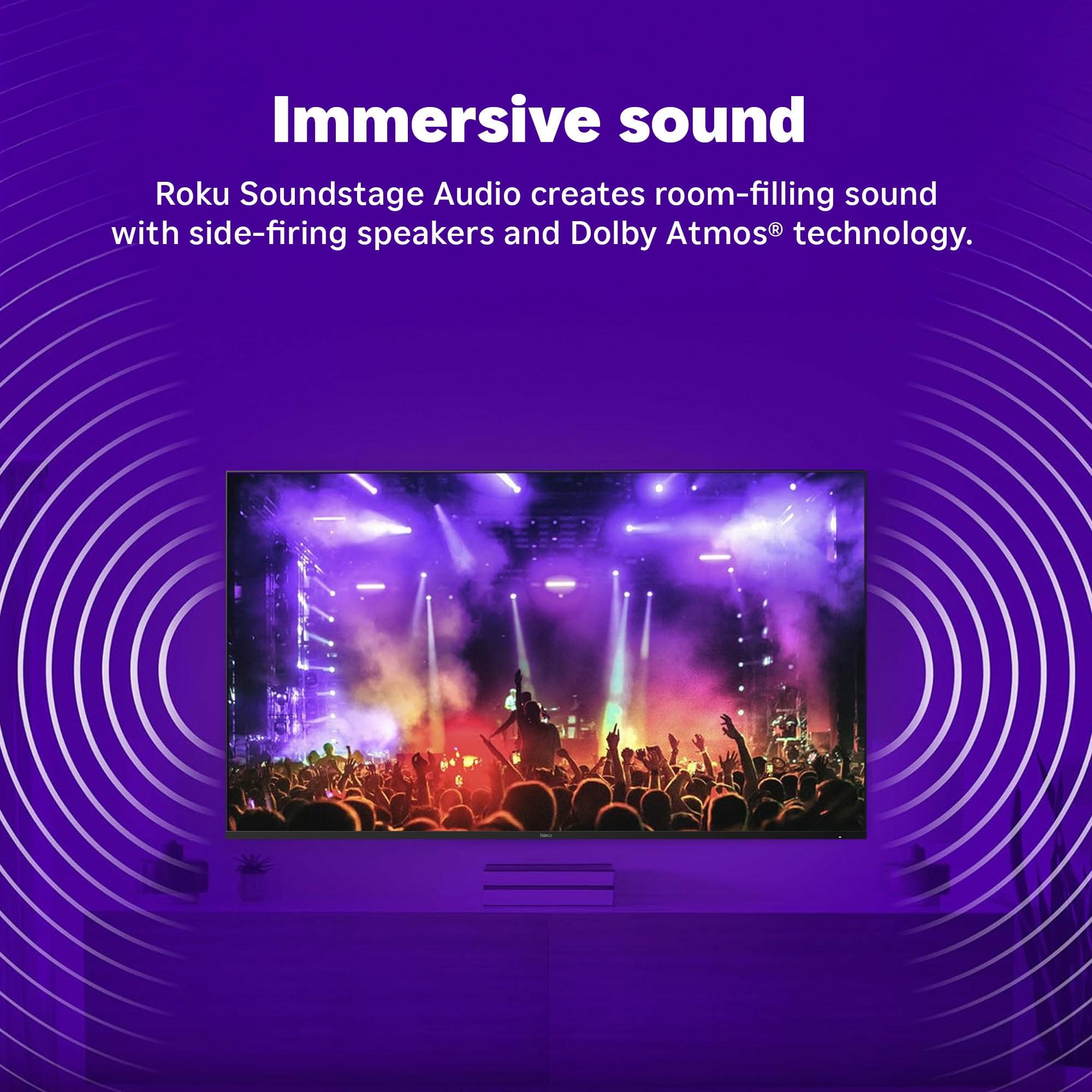
Television audio often gets overlooked in reviews, but both of these TVs deliver surprisingly capable built-in sound that challenges the conventional wisdom about needing a separate soundbar. The Roku Pro Series includes Dolby Atmos support with side-firing speakers that create a more enveloping soundstage than typical downward-firing TV speakers.
User reviews consistently praise the Roku's audio quality, with many noting bass response that's genuinely impressive for a flat-screen TV. The system produces enough volume and clarity that dialogue remains intelligible during action scenes, and music and sound effects have actual depth and impact.
The Samsung QN990F takes audio more seriously with a 6.2.4 channel system delivering 90 watts of power. The Object Tracking Sound Pro technology attempts to position audio elements to match on-screen action—when a car drives across the screen, the engine sound follows its movement. This creates a more immersive experience, particularly for movies and shows with sophisticated audio mixing.
For home theater enthusiasts who prefer controlling their audio setup, both TVs include multiple digital audio outputs and support for external sound systems. However, the quality of built-in audio means many users won't feel pressured to immediately invest in additional equipment.
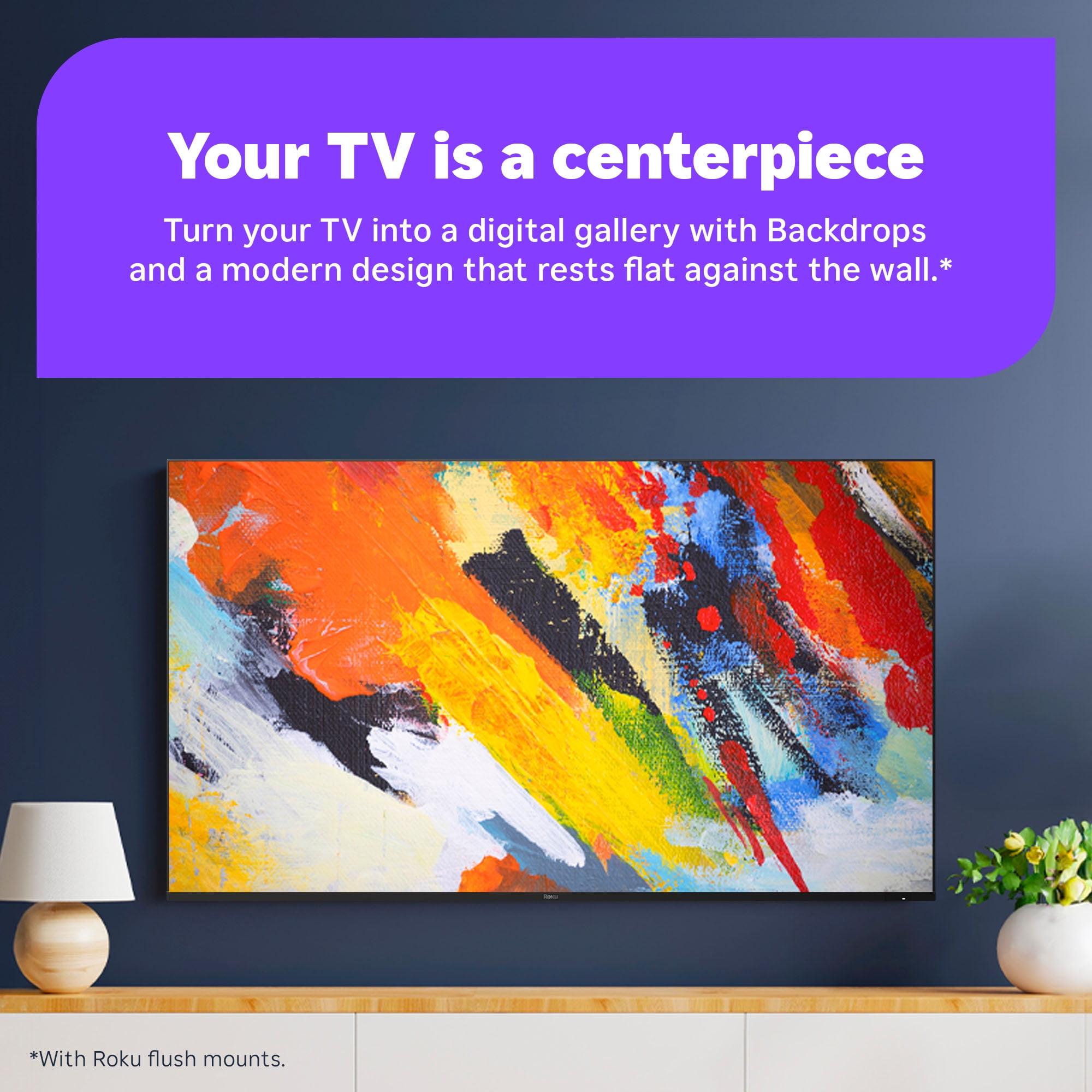
Physical design reflects each TV's target market and price positioning. The Roku Pro Series embraces a minimalist aesthetic with clean lines and a slim profile that mounts virtually flush against the wall using the included custom mount. The design disappears into your room rather than dominating it, which many buyers prefer.
An interesting feature is the Backdrops functionality, which displays artwork, photography, or personal images when the TV isn't in use, effectively turning it into a large digital picture frame. This addresses the common complaint about large black rectangles dominating living spaces when TVs are turned off.
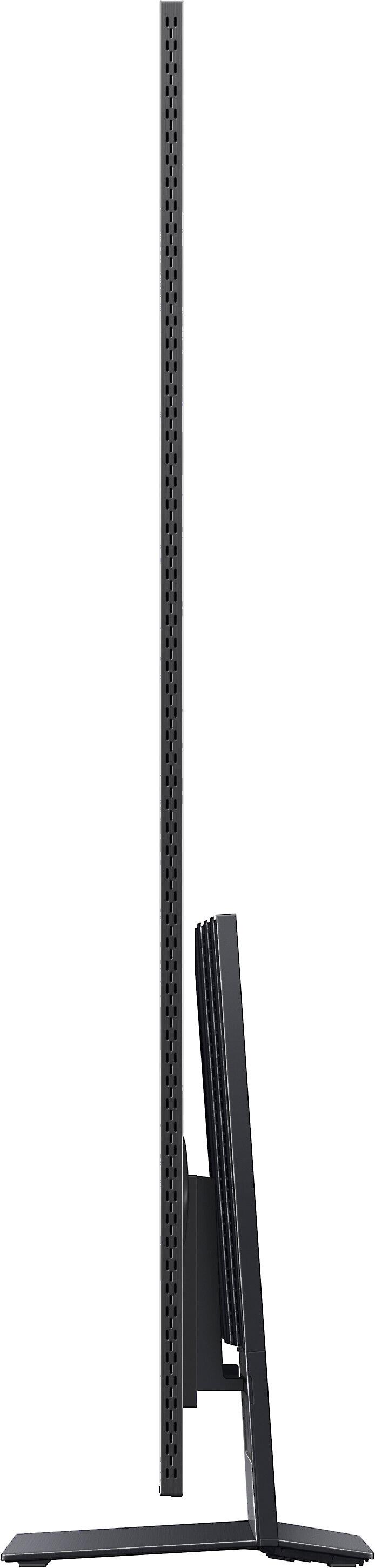
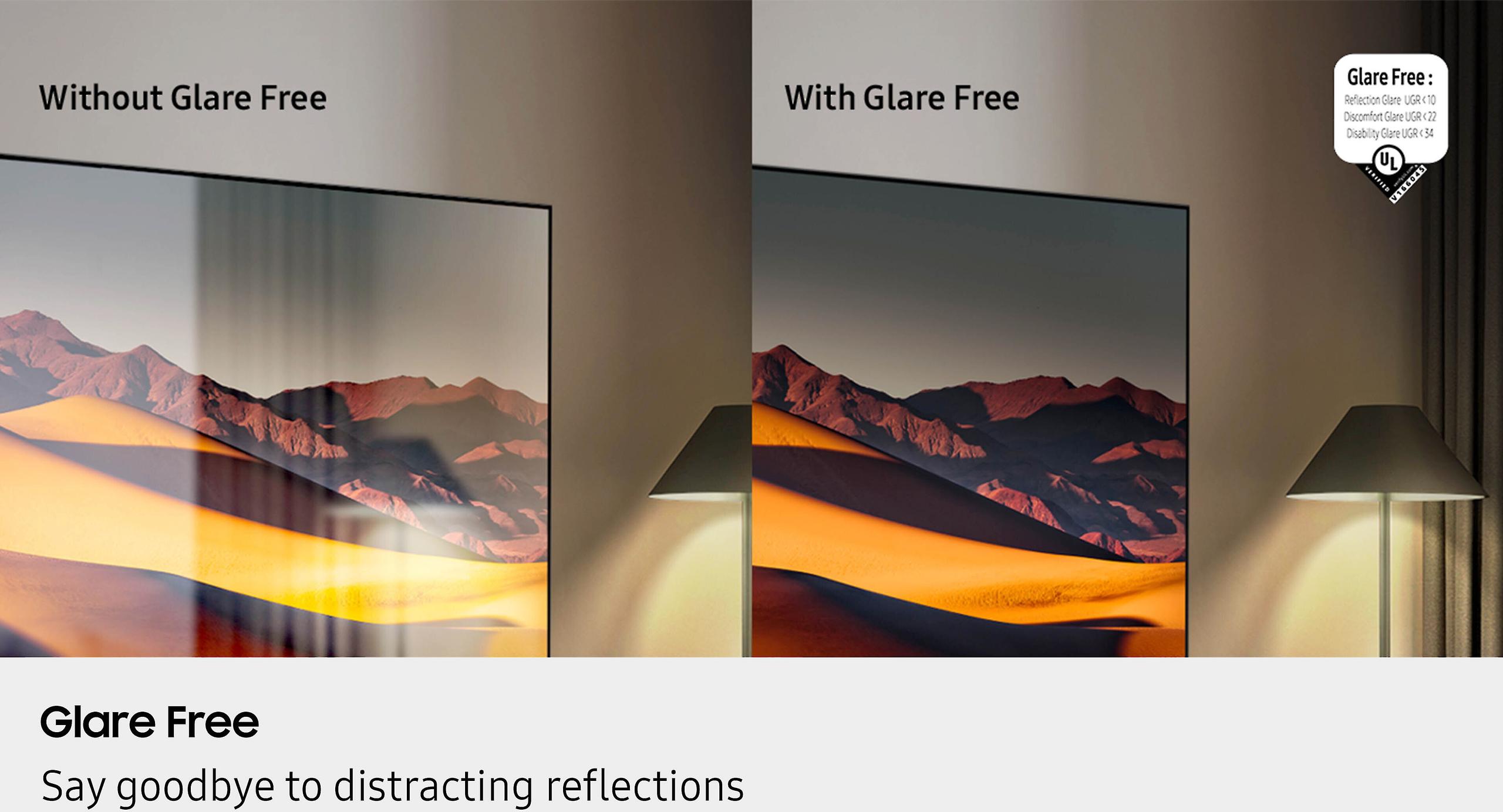
The Samsung QN990F represents Samsung's premium design language with an nearly edgeless metal frame that emphasizes build quality and sophisticated engineering. The Glare-Free screen coating is particularly impressive, virtually eliminating reflections that typically plague TVs in bright rooms with windows or overhead lighting.
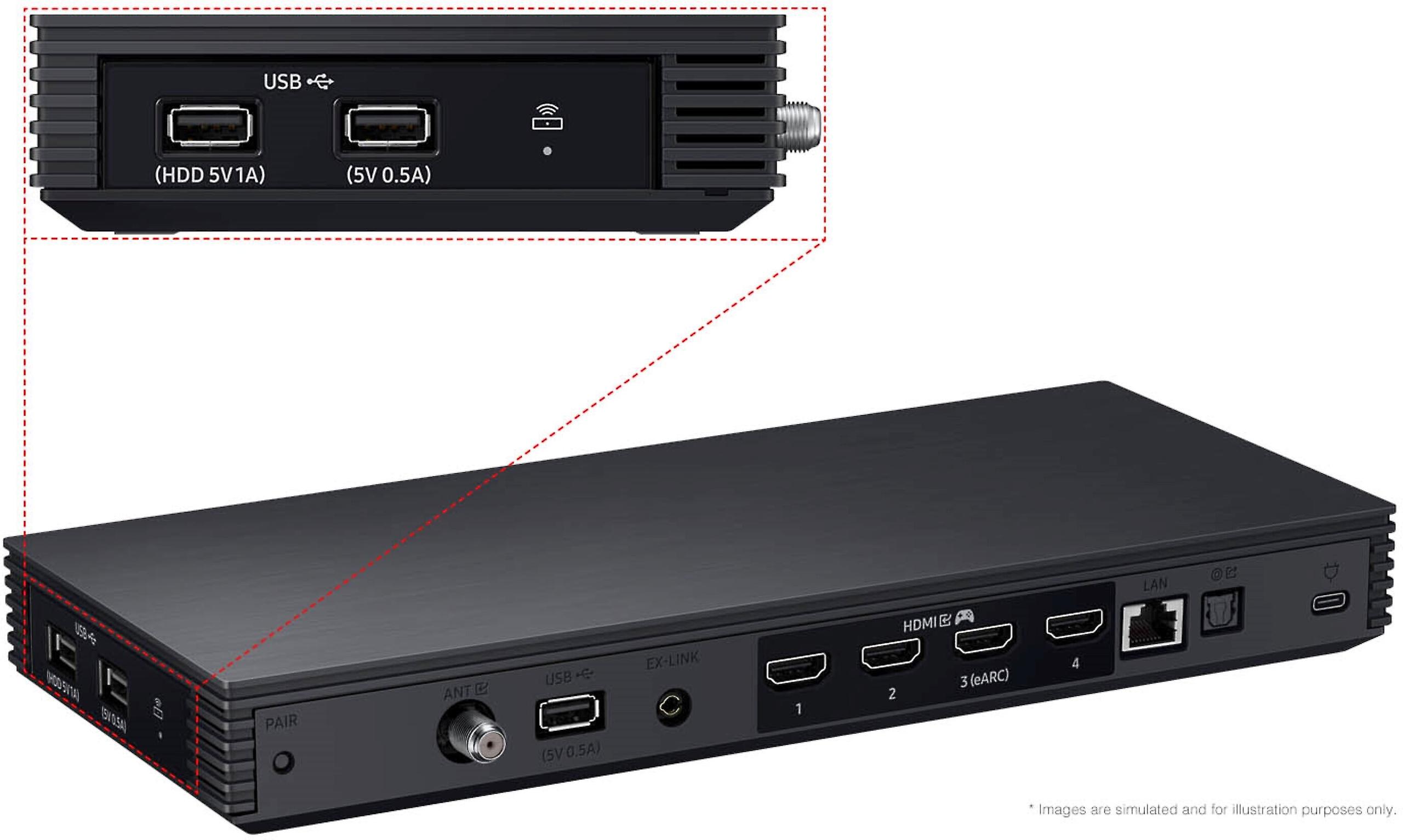
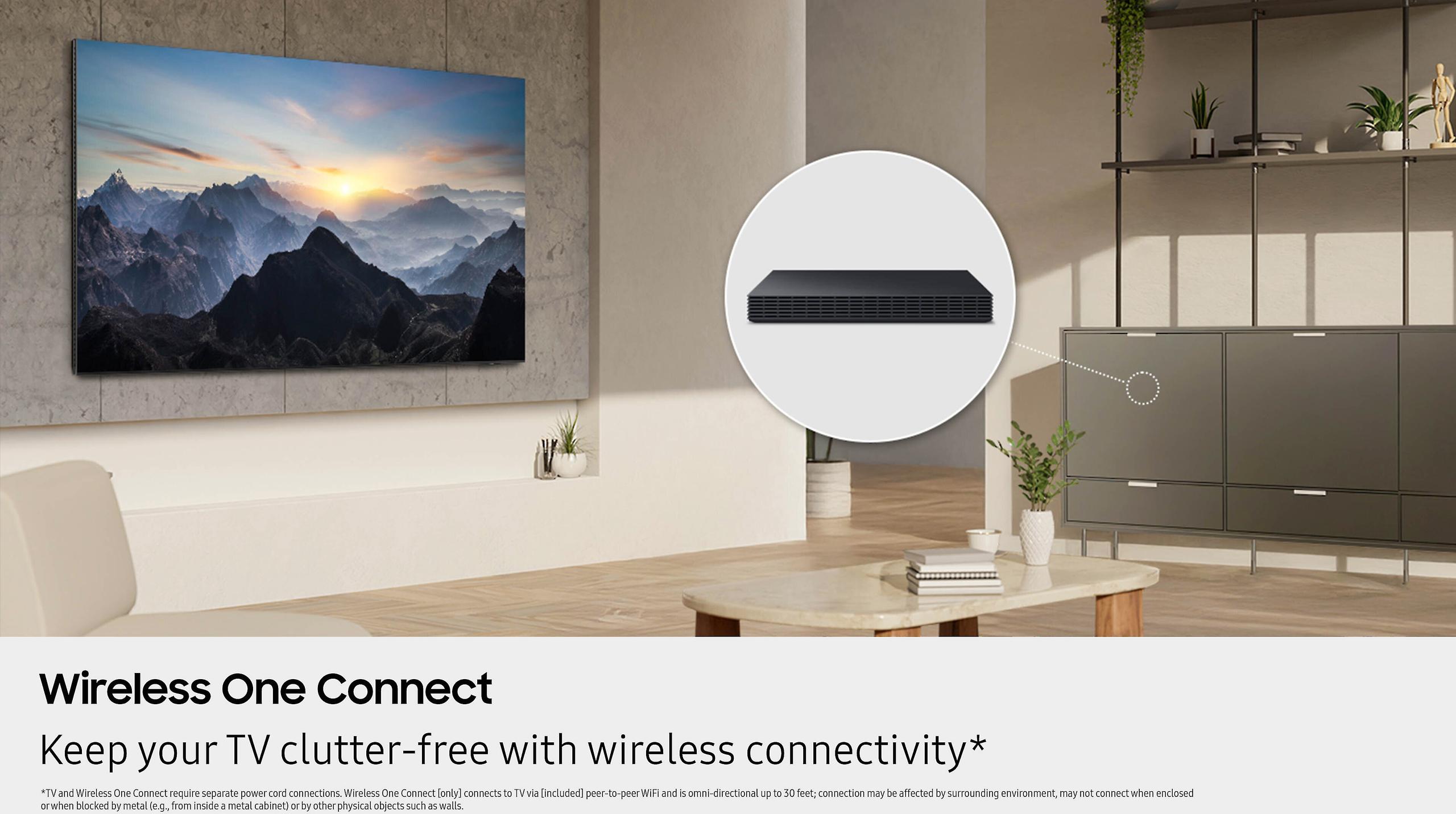
Samsung's Wireless One Connect box deserves special attention as a genuinely innovative feature. This wireless hub connects all your external devices—cable boxes, gaming consoles, streaming devices—and transmits signals wirelessly to the TV from up to 30 feet away. This eliminates the cable management challenges that typically accompany wall-mounted TVs and makes it easier to upgrade components without rewiring your entertainment center.
When evaluating TV performance, certain measurements matter more than others for real-world viewing. Peak brightness in HDR content determines how well the TV handles challenging lighting conditions. The Roku's advantage here is significant—reaching over 1,800 nits means vibrant colors and strong contrast even in rooms with windows or bright lighting.
Color accuracy and gamut coverage affect how realistic images appear. Both TVs cover over 95% of the UHDA-P3 color space used by modern HDR content, ensuring colors appear as content creators intended. However, the Roku demonstrates better color accuracy in testing, with lower Delta-E measurements indicating more precise color reproduction.
Black level performance and contrast ratios determine how well dark scenes render. Mini-LED backlighting helps both TVs achieve deeper blacks than traditional LED TVs, though OLED displays still hold advantages in pure black levels. The trade-off is brightness—these mini-LED TVs get much brighter than OLEDs, making them better choices for bright viewing environments.
Motion handling becomes crucial for sports and action content. The Roku's 120Hz refresh rate handles fast motion smoothly, while the Samsung's higher refresh rates provide even smoother motion, though the benefit depends on source material that can actually supply high frame rate content.
For dedicated home theater setups, several factors become particularly important. Room lighting control often determines whether you prioritize peak brightness or pure black levels. If you can control ambient light effectively, the Samsung's more sophisticated processing and glare-free coating provide advantages for cinematic viewing.
However, most home theaters aren't perfectly light-controlled environments, making the Roku's superior brightness more practical for rooms with some ambient light. The excellent built-in audio also simplifies setup for users who want great performance without the complexity and expense of separate audio components.
Viewing angles matter for seating arrangements wider than a single couch. Both TVs use VA panels with similar viewing angle characteristics—colors and contrast remain good when viewed from moderate angles, but extreme side viewing shows some degradation compared to OLED displays.
The 8K vs 4K decision ultimately comes down to future-proofing versus present value. The Samsung QN990F bets on 8K content becoming widely available within the TV's useful lifespan, while the Roku Pro Series optimizes for content that's available today.
Based on industry trends and content production realities, 4K appears likely to remain the standard resolution for streaming and broadcast content for several more years. The bandwidth, storage, and processing requirements for widespread 8K distribution remain substantial barriers, particularly for live content like sports and news.
The Roku's approach focuses resources on delivering exceptional 4K performance with gaming optimization, superior brightness, and practical features rather than speculative 8K capability. For most buyers, this represents better value allocation.
The decision between these TVs depends heavily on your priorities, budget, and viewing habits. The Roku 65" Pro Series makes sense for buyers who want excellent performance with current content, prioritize gaming responsiveness, prefer straightforward smart TV functionality, and value getting outstanding results without premium pricing.
The Samsung QN990F appeals to enthusiasts willing to pay significantly more for cutting-edge processing technology, premium build quality, sophisticated audio, and potential 8K future-proofing. It's the choice for buyers who want the most advanced display technology available and don't mind paying premium prices for incremental improvements and features they may not use for several years.
At the time of writing, the price difference between these TVs is substantial—roughly three times higher for the Samsung. For most buyers, the Roku delivers 90% of the performance at one-third the cost, making it an exceptional value. The Samsung justifies its premium primarily for enthusiasts who prioritize having the latest technology regardless of immediate practical benefits.
Both represent excellent TVs that will deliver years of entertainment, but they're designed for fundamentally different buyers with different priorities and budgets. Understanding which category you fall into makes the decision straightforward.
| Roku 65" Pro Series 2025 4K QLED TV | Samsung QN990F 8K Neo QLED 2025 |
|---|---|
| Resolution - Higher numbers don't always mean better value | |
| 4K (3840 x 2160) - matches all current streaming content | 8K (7680 x 4320) - future-proofing with limited current content |
| Peak HDR Brightness - Critical for bright room viewing | |
| 1,818 nits - excellent for daytime watching | Lower peak brightness but superior glare-free coating |
| Gaming Input Lag - Essential for competitive gaming | |
| 5.2ms at 120Hz - rivals dedicated gaming monitors | Higher input lag due to 8K processing overhead |
| Refresh Rate - Smoothness for sports and gaming | |
| 120Hz native - perfect for current consoles | Up to 240Hz at 4K - overkill for most content |
| Smart TV Platform - Daily usability matters most | |
| Roku OS - consistently rated most user-friendly | Samsung Tizen - feature-rich but more complex |
| Audio System - Determines if you need a soundbar | |
| Dolby Atmos with side-firing speakers - surprisingly good | 6.2.4 channel Object Tracking Sound Pro - premium audio |
| AI Processing - Picture optimization technology | |
| Smart Picture Max - scene-by-scene optimization | NQ8 AI Gen3 with 768 neural networks - advanced upscaling |
| Mini-LED Implementation - Contrast and black levels | |
| Full array local dimming with 75% better contrast vs previous gen | Quantum Matrix Mini LED - more precise zone control |
| Gaming Features - Modern console compatibility | |
| AMD FreeSync Premium Pro, VRR, ALLM, 2x HDMI 2.1 | Higher refresh rates but less gaming-optimized |
| Design Innovation - Cable management and aesthetics | |
| Custom wall mount, Backdrops mode, minimal design | Wireless One Connect box, nearly edgeless metal frame |
| Remote Control - Daily convenience features | |
| Rechargeable Voice Remote Pro with backlit buttons and finder | Solar Cell Remote with advanced voice features |
| Value Proposition - Performance per dollar spent | |
| Exceptional 4K performance at mid-range pricing | Premium 8K technology at flagship pricing |
The Samsung QN990F 8K TV costs roughly three times more than the Roku 65" Pro Series but delivers limited practical benefits for most users. Since virtually no streaming services offer native 8K content as of 2025, you're primarily paying for upscaling technology and future-proofing that may not be relevant for years. The Roku Pro Series delivers exceptional 4K performance that matches all current content at a much better value.
The Roku 65" Pro Series is significantly better for gaming, offering 5.2ms input lag, AMD FreeSync Premium Pro, and automatic game mode optimization. The Samsung QN990F has higher refresh rate capabilities but suffers from increased input lag due to its 8K processing overhead. For PlayStation 5, Xbox Series X, or PC gaming, the Roku provides more responsive performance.
No, 8K resolution provides minimal benefits for most 65-inch TV viewing. At typical viewing distances of 8-12 feet, the difference between good 4K and upscaled 8K content is barely noticeable. The Roku's 4K resolution is perfectly matched to all current streaming, gaming, and broadcast content, while the Samsung's 8K is primarily future-proofing for content that doesn't yet exist.
The Roku Pro Series performs better in bright rooms due to its superior peak brightness of 1,818 nits, allowing colors and contrast to remain vibrant even with windows or overhead lighting. The Samsung QN990F compensates with excellent glare-free coating technology that reduces reflections, but the Roku's brightness advantage is more universally beneficial for daytime viewing.
Roku OS on the Roku Pro Series is consistently rated as the most user-friendly smart TV platform, with intuitive navigation and unified content discovery across streaming services. Samsung's Tizen platform on the QN990F offers more features and customization but with added complexity. The Roku platform focuses on simplicity and ease of use for everyday viewing.
Both TVs offer surprisingly good built-in audio, but the Samsung QN990F has superior sound with its 6.2.4 channel system and Object Tracking Sound Pro technology that positions audio to match on-screen action. The Roku Pro Series delivers excellent Dolby Atmos performance with side-firing speakers that many users find adequate without a soundbar, making it better value for audio quality.
Both work well for home theaters, but serve different needs. The Samsung QN990F excels in controlled lighting environments with its advanced processing and premium audio system. The Roku Pro Series is more versatile for mixed-lighting situations due to superior brightness, while offering excellent gaming performance and simpler setup for users who want great results without complexity.
The Roku 65" Pro Series is specifically optimized for gaming with low input lag, variable refresh rate, and automatic game mode switching. It includes two HDMI 2.1 ports perfect for current gaming consoles. The Samsung QN990F offers higher theoretical refresh rates but prioritizes 8K processing over gaming responsiveness, making the Roku the better choice for serious gamers.
Both manufacturers provide good software support, but Roku has an exceptional track record for long-term updates across multiple TV generations. The Roku Pro Series focuses on perfecting current technology rather than bleeding-edge features, potentially offering better longevity. The Samsung QN990F represents cutting-edge technology but may become obsolete faster as newer 8K processing emerges.
The Samsung QN990F's NQ8 AI Gen3 processor uses 768 neural networks to enhance lower-resolution content, creating impressive results from 4K and HD sources. However, this primarily benefits users who watch a lot of older or compressed content. For most streaming and gaming, the Roku's native 4K optimization provides equal or better results without the processing complexity.
The Roku Pro Series includes a superior Voice Remote Pro with rechargeable battery, backlit buttons for dark viewing, and a remote finder button on the TV itself. The Samsung QN990F includes a Solar Cell Remote that charges from ambient light, eliminating battery concerns. The Roku remote offers more practical daily conveniences for most users.
The Roku's 4K approach is actually better future-proofing for most buyers, focusing resources on excellent HDR, gaming features, and smart platform longevity rather than speculative 8K content. The Samsung's 8K resolution bets on content availability that may not arrive during the TV's useful lifespan, making the Roku a more practical long-term investment for current and near-future content.
We've done our best to create useful and informative comparisons to help you decide what product to buy. Our research uses advanced automated methods to create this comparison and perfection is not possible - please contact us for corrections or questions. These are the sites we've researched in the creation of this article: bestbuy.com - rtings.com - techradar.com - youtube.com - roku.com - youtube.com - walmart.com - bestbuy.com - youtube.com - electronicexpress.com - roku.com - pcvarge.com - ecoustics.com - samsung.com - abt.com - bestbuy.com - pcnation.com - samsung.com - videoandaudiocenter.com - exertisalmo.com - displayspecifications.com - theapplianceplug.com - news.samsung.com

Privacy Policy
Terms and Conditions - Affiliate Policy
Home Security
© Copyright 2008-2026.
11816 Inwood Rd #1211, Dallas, TX 75244