

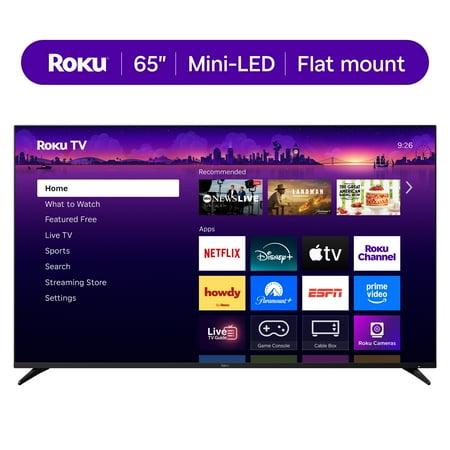
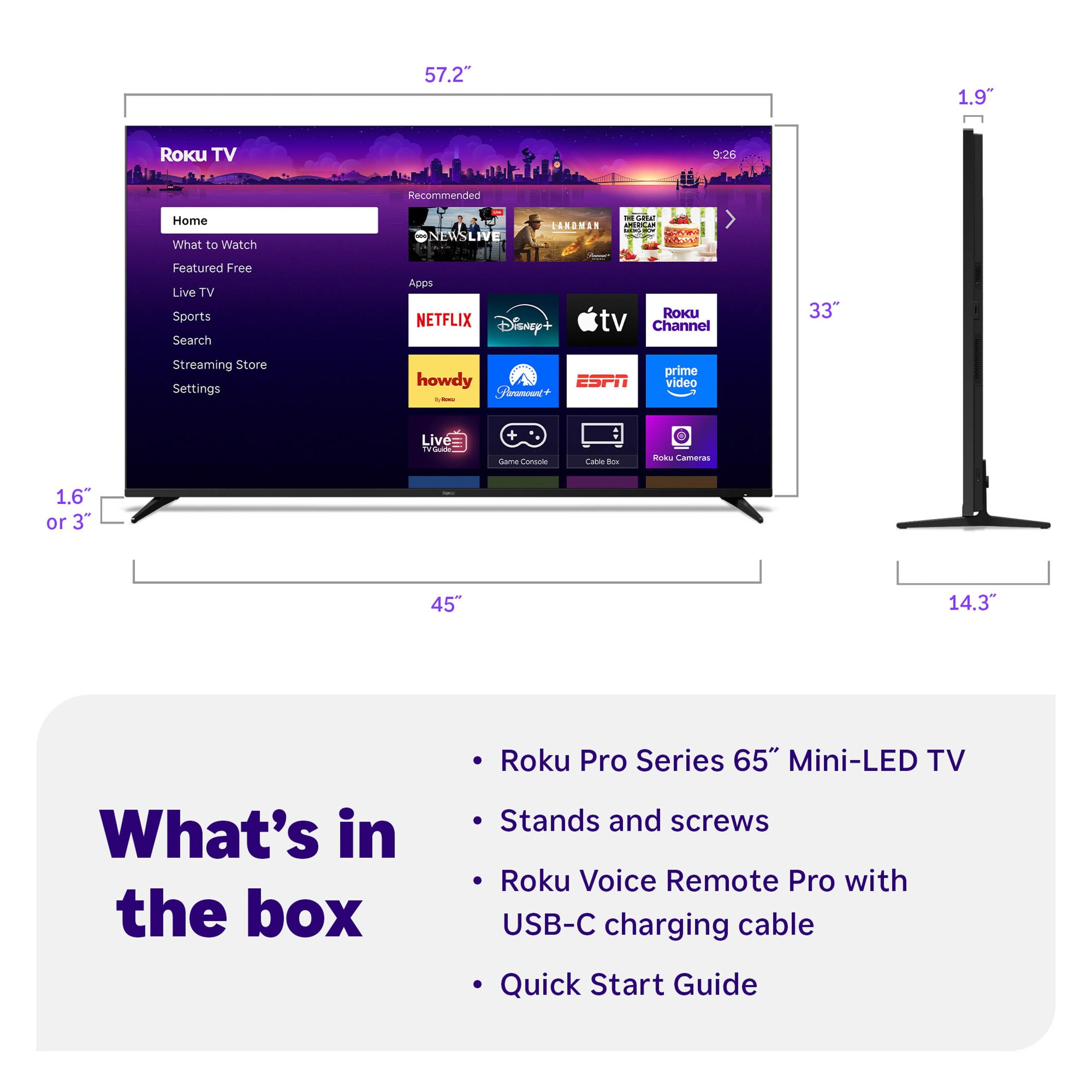
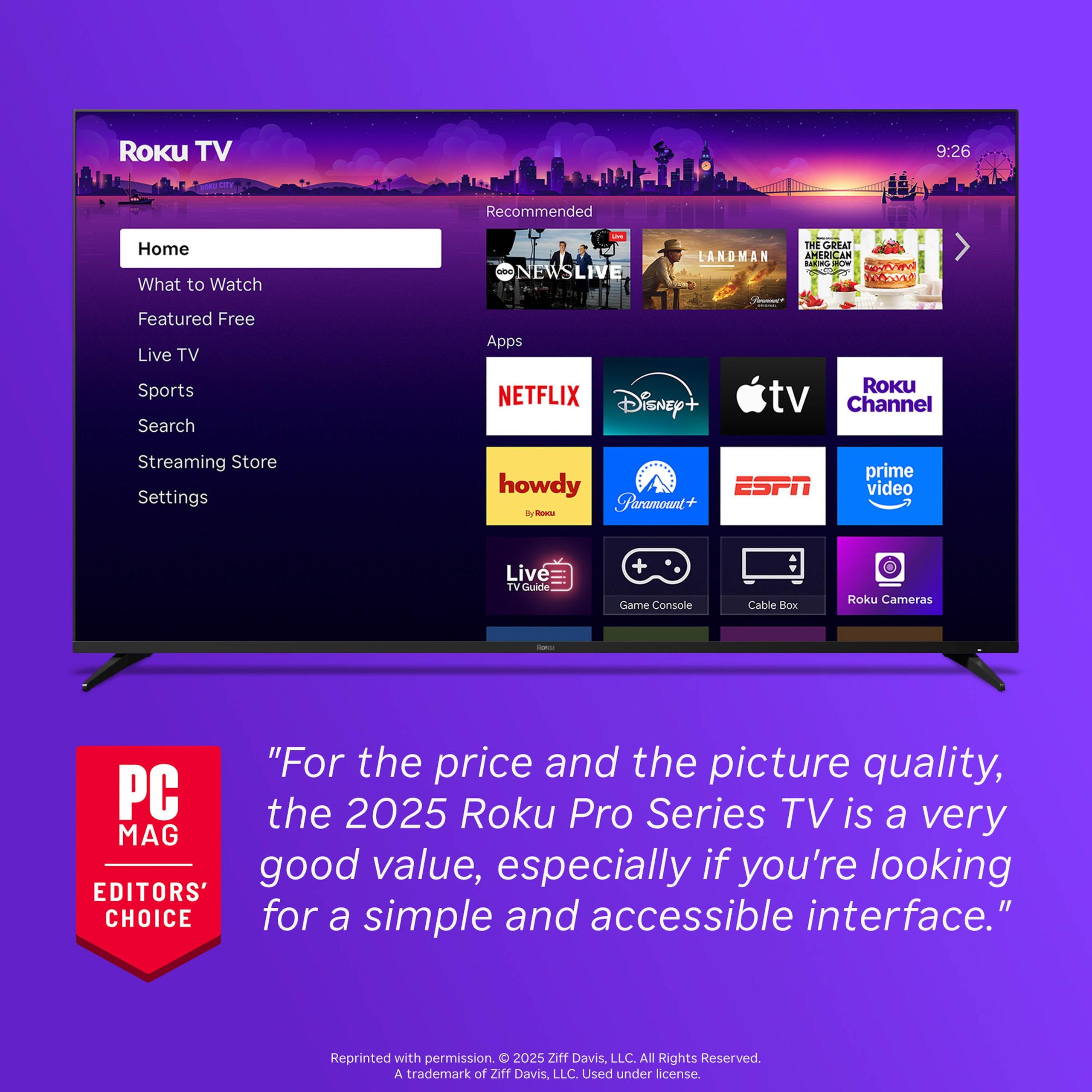
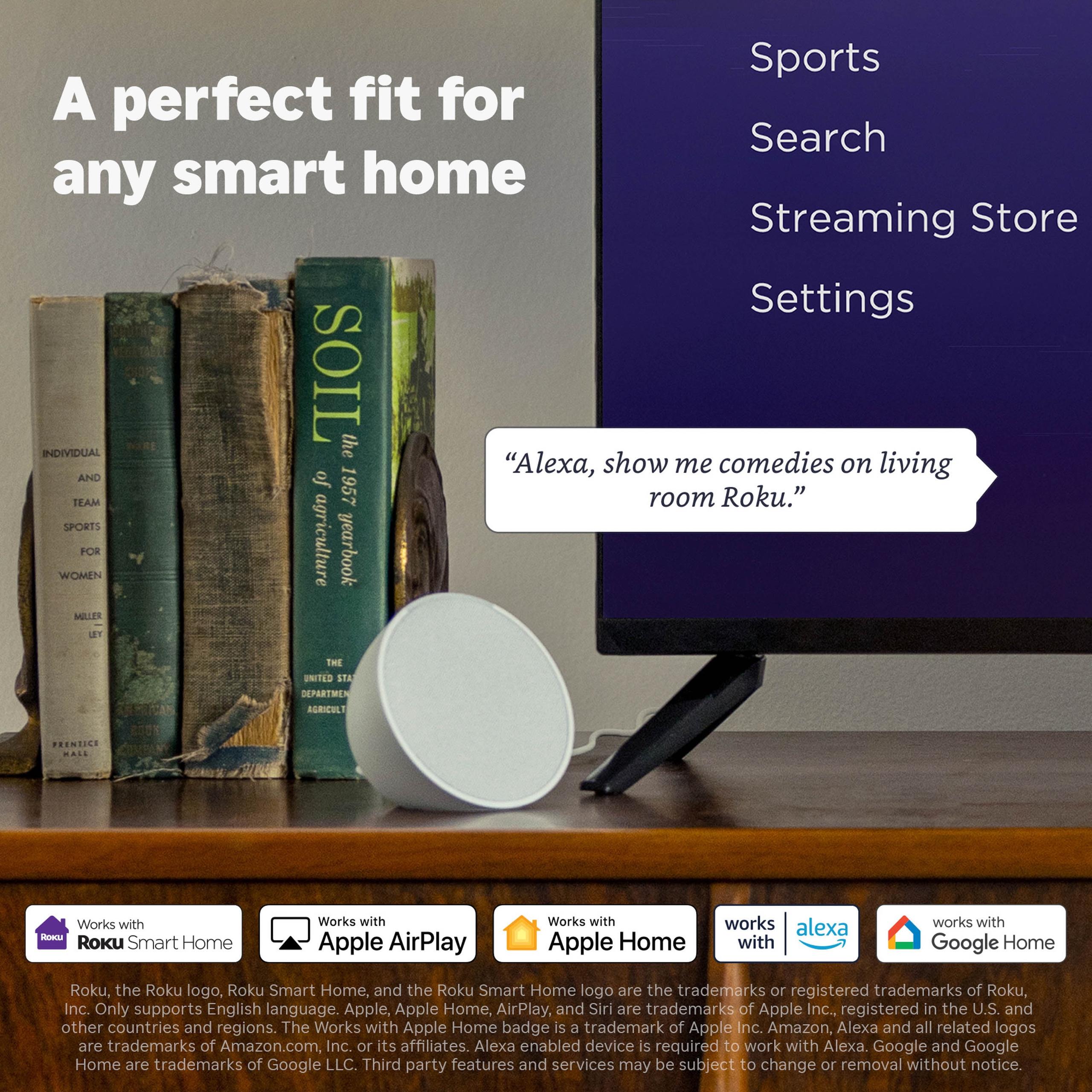
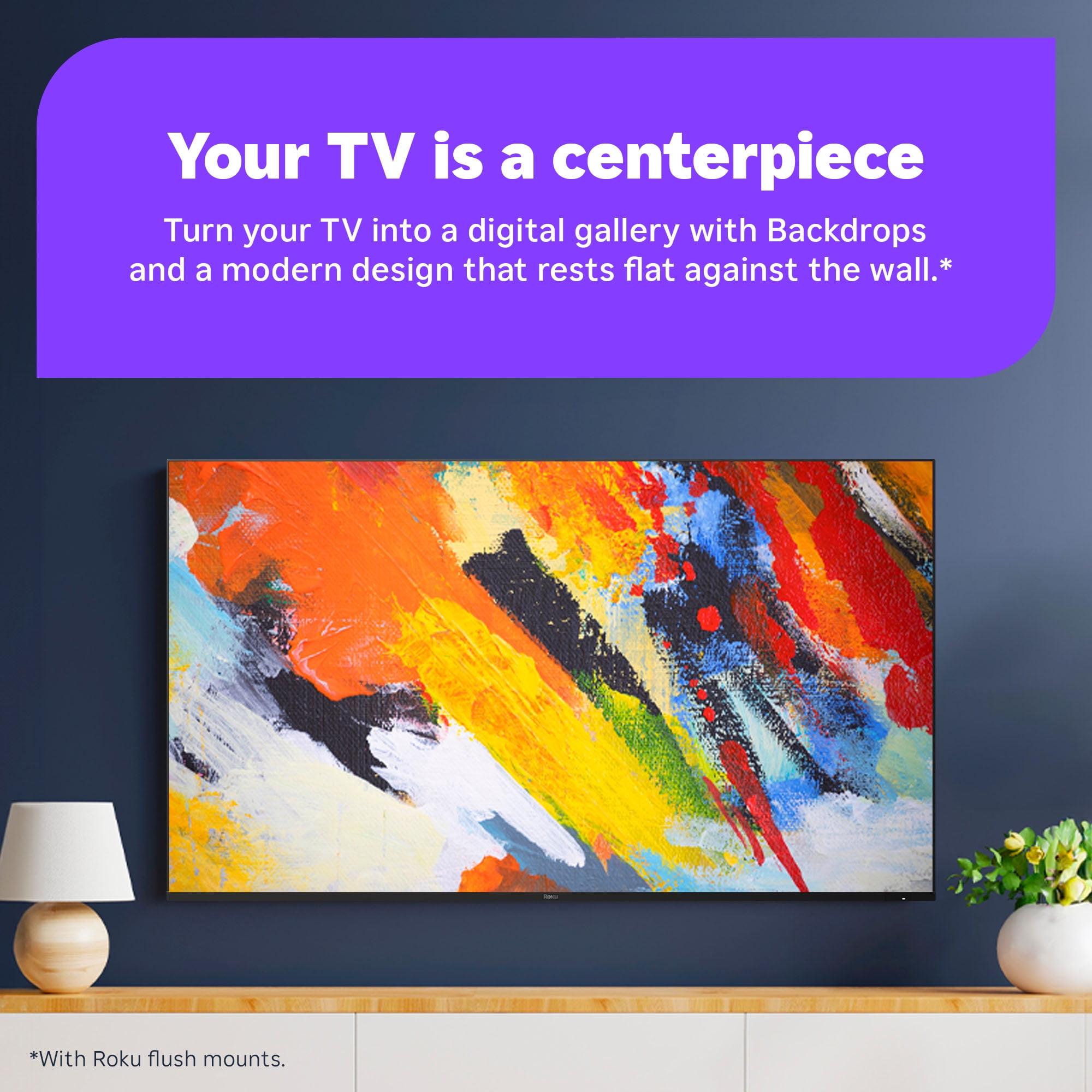
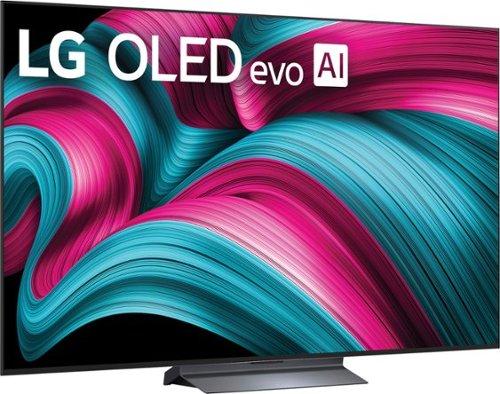


Shopping for a 65-inch premium TV in 2025 means choosing between two fundamentally different technologies that take entirely opposite approaches to creating stunning picture quality. The Roku 65" Pro Series 2025 represents the Mini-LED approach—using thousands of tiny LEDs behind a quantum dot display to create bright, vibrant images. Meanwhile, the LG OLED evo C5 65" uses self-emitting pixels that can turn completely off, delivering perfect blacks and infinite contrast.
Both TVs landed in stores during 2025, bringing significant improvements over their predecessors. The Roku Pro Series introduced a re-engineered Mini-LED system with 75% higher dynamic contrast, while the LG C5 arrived with enhanced brightness technology that makes OLED more practical for bright rooms than ever before.
At the time of writing, these TVs are priced within about $40 of each other in the premium 65-inch category, making the choice less about budget and more about which technology better suits your viewing environment and preferences. This price similarity makes the decision particularly interesting—you're essentially choosing between two different philosophies of TV engineering at the same cost.
The fundamental difference between these TVs lies in how they produce light and color. The Roku Pro Series uses a traditional LCD panel with a quantum dot color layer, backlit by thousands of Mini-LEDs arranged in zones. These zones can dim independently—a technology called full array local dimming—to create contrast between bright and dark areas of the image.
The LG C5 OLED takes a completely different approach. Each pixel produces its own light using organic compounds that glow when electricity passes through them. This means dark pixels can turn completely off, creating true black rather than the dark gray you get with backlit displays.
This technical difference creates the primary trade-off: Mini-LED TVs like the Roku Pro Series can get significantly brighter, making them better for well-lit rooms. OLED TVs like the LG C5 deliver perfect contrast and more accurate colors, making them superior for controlled lighting environments like dedicated home theaters.
The Roku Pro Series dominates in brightness, which matters more than many people realize. High peak brightness isn't just about overpowering room lighting—it's essential for HDR (High Dynamic Range) content to display properly. HDR works by using a wider range of brightness levels, from deep blacks to brilliant whites, to create more lifelike images.
Our research shows the Roku Pro Series can reach significantly higher peak brightness levels than the LG C5, particularly in SDR (Standard Dynamic Range) content like regular TV shows and non-HDR streaming. This makes the Roku more versatile for daytime viewing or rooms with large windows.
The LG C5 still delivers impressive brightness for an OLED—about 1,180 nits at peak—which represents a substantial improvement over older OLED technology. LG's Brightness Booster technology has made their 2025 OLED lineup much more "bright room ready" than previous generations. However, physics still favors the Mini-LED approach for pure brightness output.
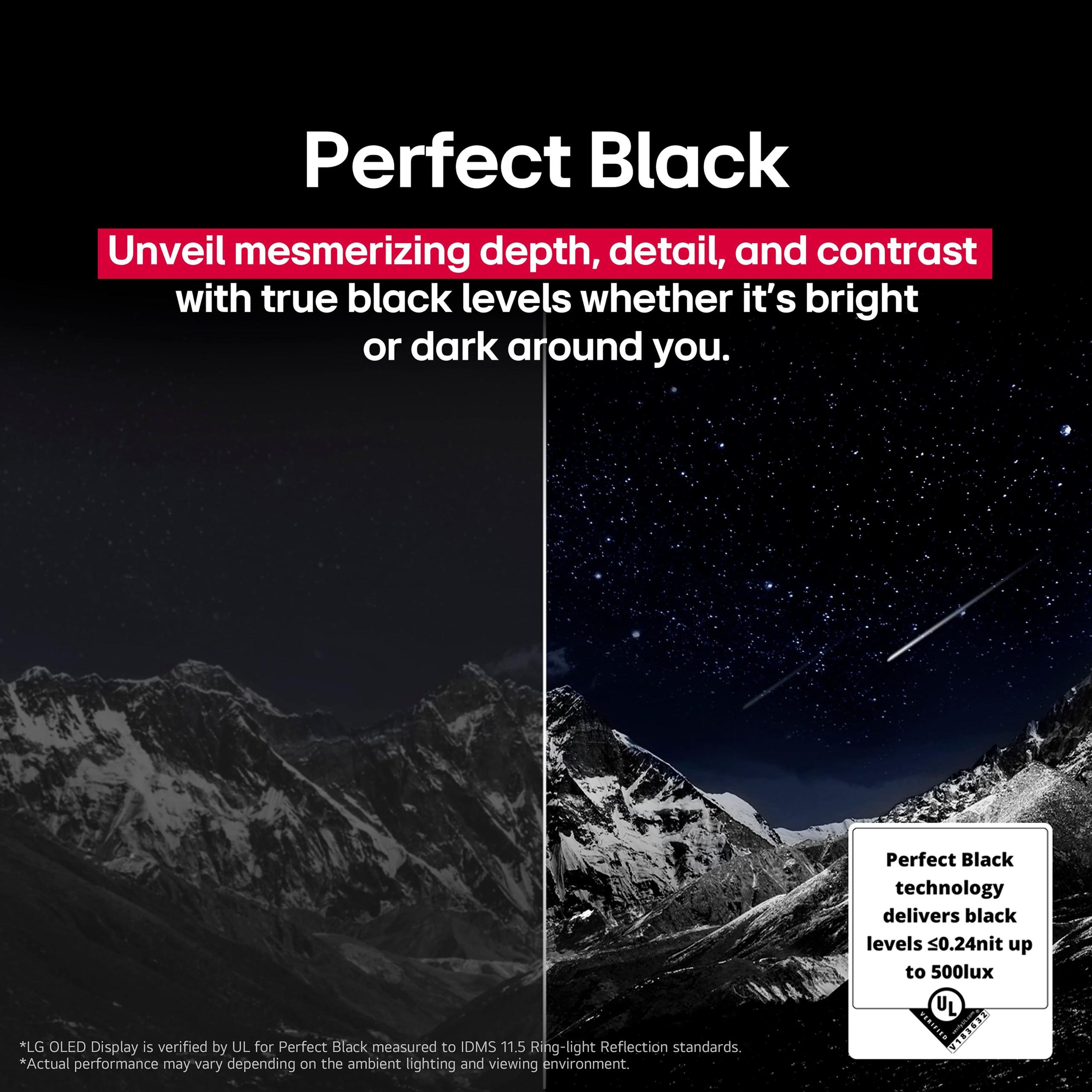
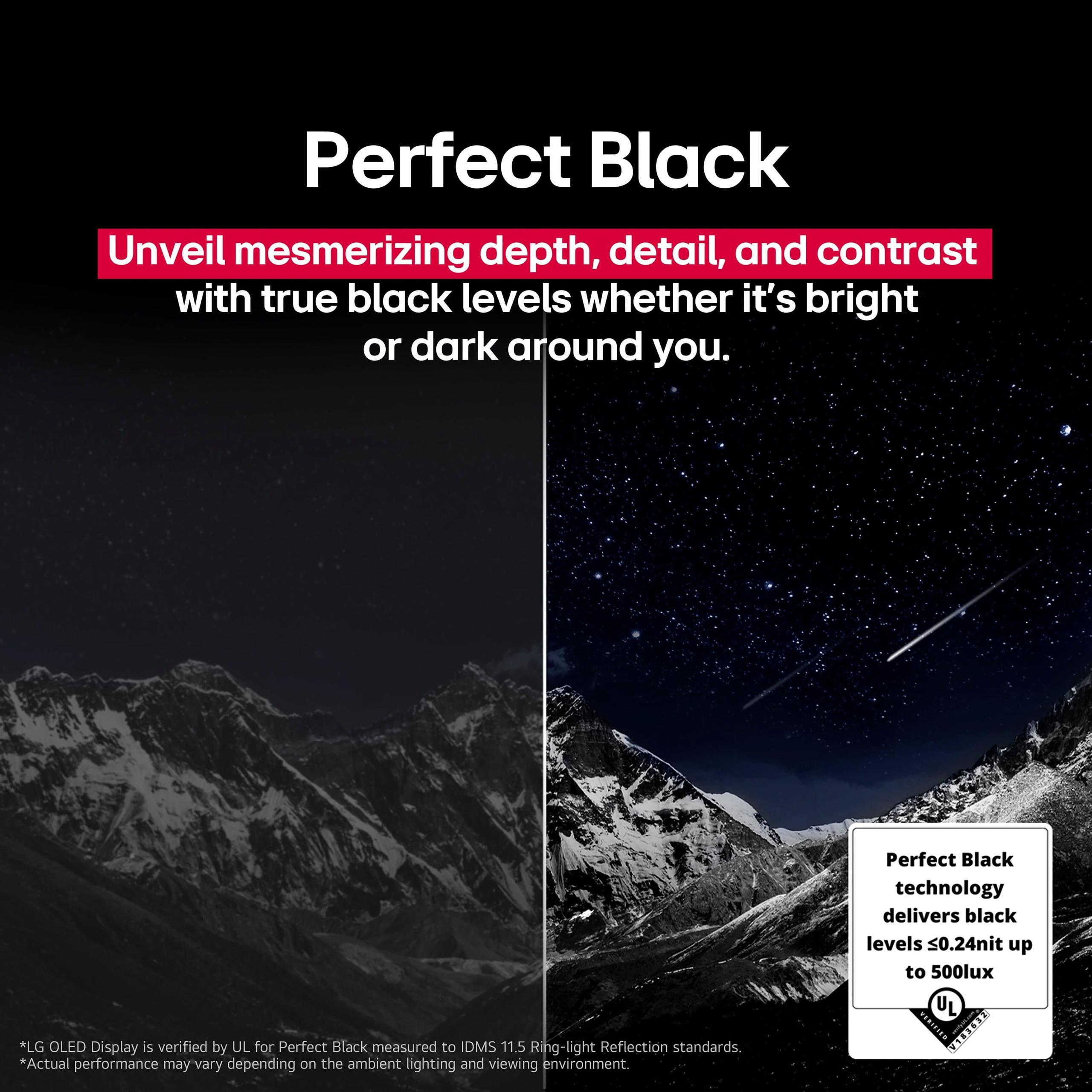
Here's where the LG C5 OLED completely reverses the advantage. OLED's ability to turn pixels completely off creates what's called infinite contrast ratio—the mathematical difference between the brightest whites and the darkest blacks is theoretically infinite because true black has zero luminance.
This creates several practical benefits. Dark scenes in movies maintain detail in shadows while keeping blacks truly black, rather than the dark gray you see with backlit displays. Bright objects against dark backgrounds—like stars in space or car headlights at night—appear to pop off the screen without any haloing or blooming around them.
The Roku Pro Series has made significant improvements in this area. Its re-engineered Mini-LED system with enhanced local dimming reduces blooming considerably compared to cheaper LED TVs. However, it still can't match the pixel-level precision of OLED technology.
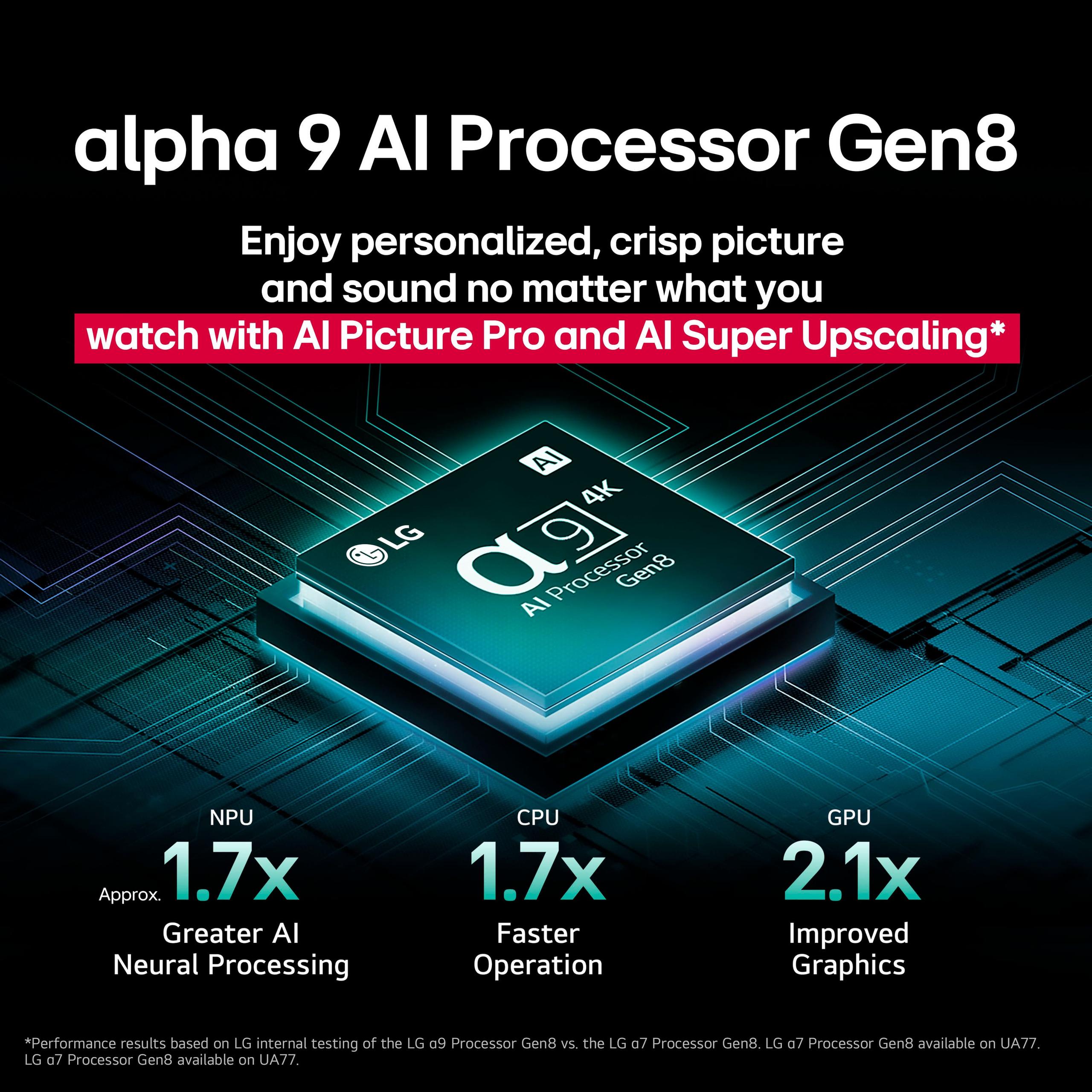
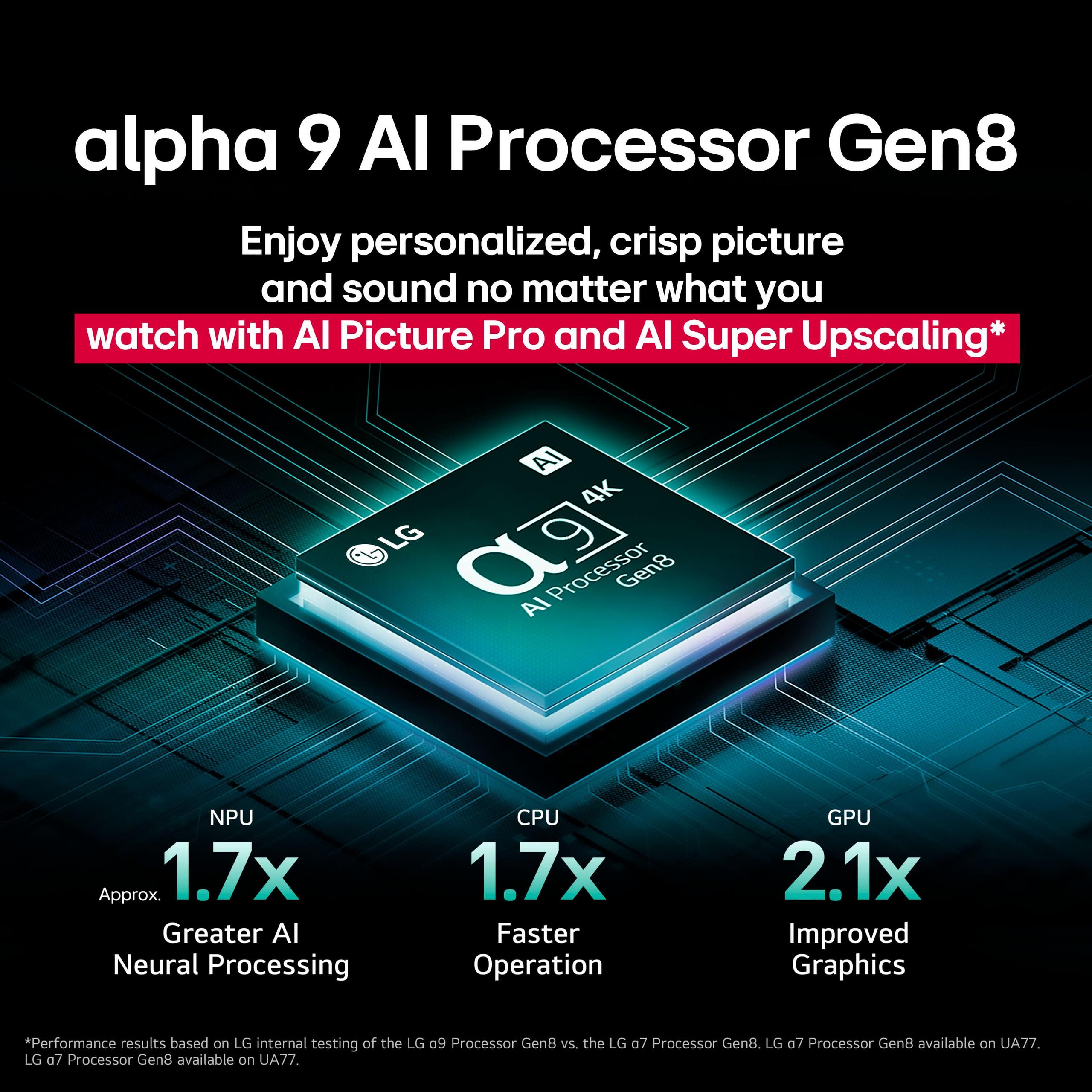
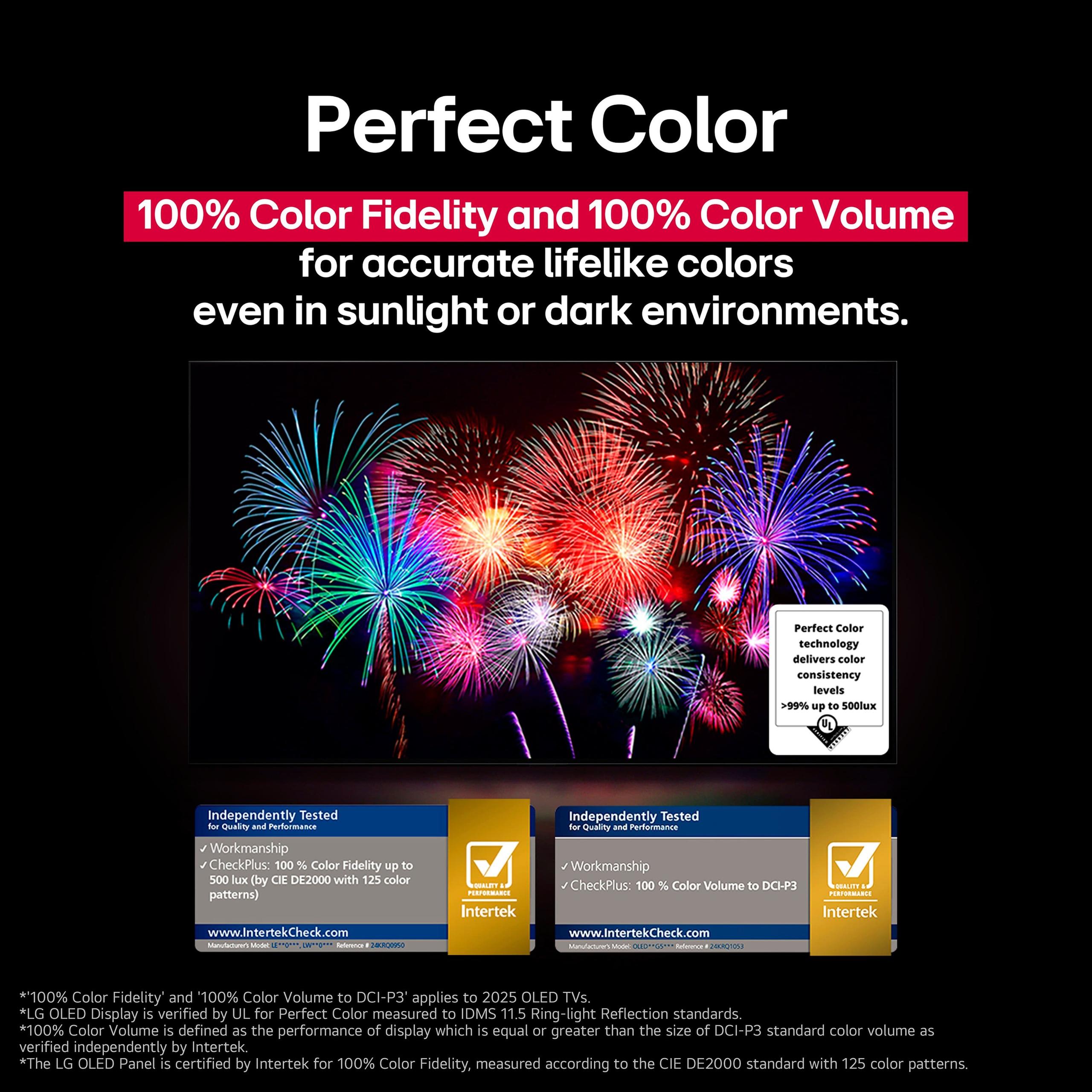
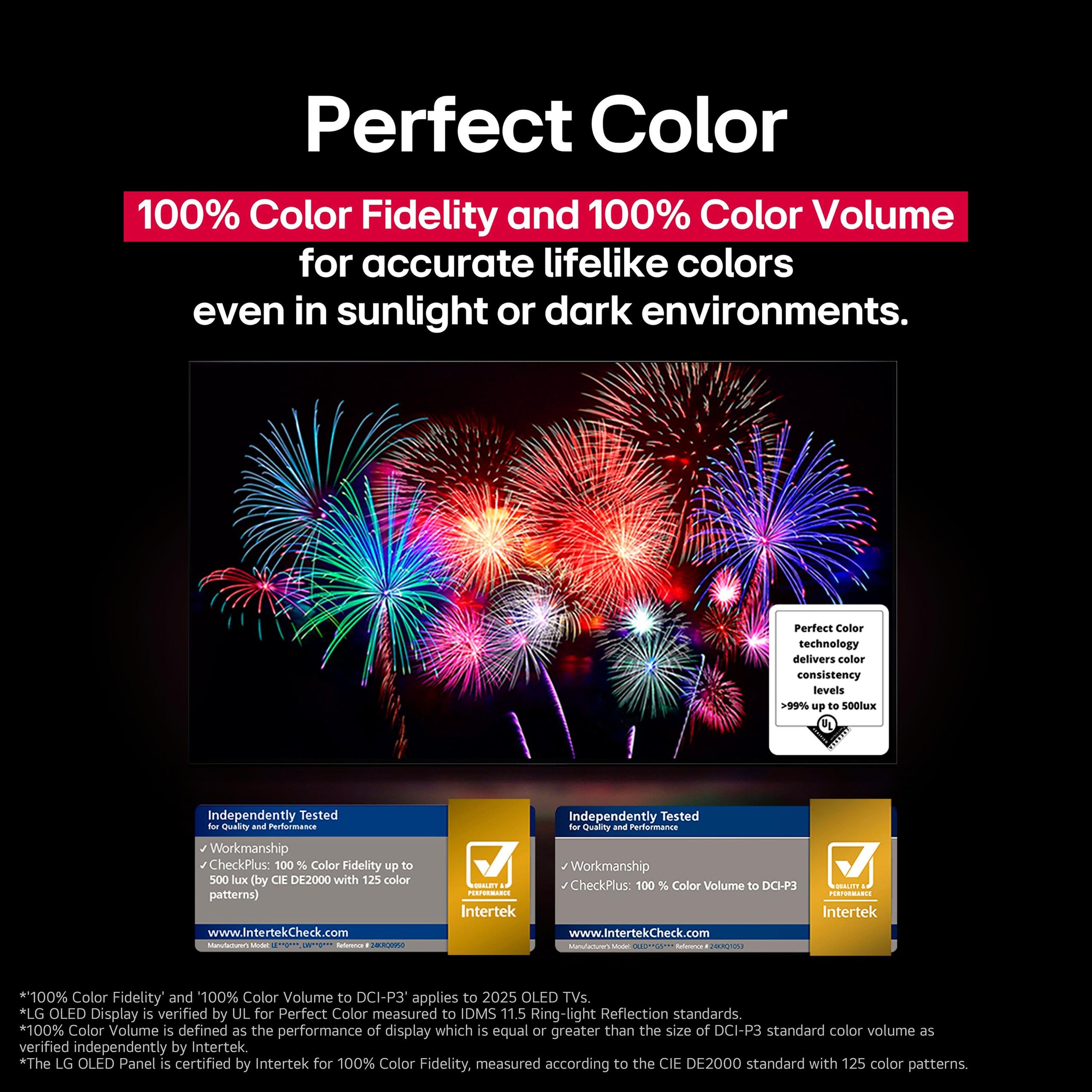
Color reproduction reveals another split between these technologies. The LG C5 OLED delivers exceptional out-of-the-box color accuracy that rivals professional monitors. OLED's inherent color properties, combined with LG's Alpha 9 AI Processor Gen8, create natural-looking colors that don't require extensive calibration.
The Roku Pro Series uses quantum dot technology to enhance color vibrancy and coverage. While it doesn't match OLED's natural accuracy, it produces satisfying, vibrant colors that most viewers will find appealing. Roku's Smart Picture Max AI system continuously adjusts color and sharpness scene-by-scene, similar to how Dolby Vision works automatically.
Both TVs support the major HDR formats—Dolby Vision, HDR10, and HLG—but they handle them differently. The LG C5 supports standard HDR10, while the Roku Pro Series supports HDR10+ Adaptive, which provides dynamic metadata for better scene optimization.
Gaming has become a crucial consideration for modern TVs, and both models deliver excellent performance with different strengths. The LG C5 OLED offers the fastest possible gaming experience with 0.1ms pixel response time—essentially instantaneous by gaming standards. This eliminates motion blur in fast-paced games and provides the most responsive feel for competitive gaming.
The Roku Pro Series delivers very respectable gaming performance with input lag as low as 5.2ms at 120Hz, which is excellent though not quite matching OLED speed. For most gamers, this difference won't be noticeable, but competitive players might prefer the OLED's instantaneous response.
Both TVs support the full suite of modern gaming features: 4K resolution at 120Hz refresh rates, Variable Refresh Rate (VRR) to eliminate screen tearing, and Auto Low Latency Mode (ALLM) that automatically switches to game mode when consoles are detected. The LG C5 goes a step further by supporting refresh rates up to 144Hz and includes both NVIDIA G-SYNC and AMD FreeSync compatibility.
For home theater gaming setups, the LG C5 OLED provides a more immersive experience thanks to its perfect blacks and superior contrast. Playing atmospheric games in a darkened room showcases OLED's strengths—you'll see details in dark environments that get lost on backlit displays.
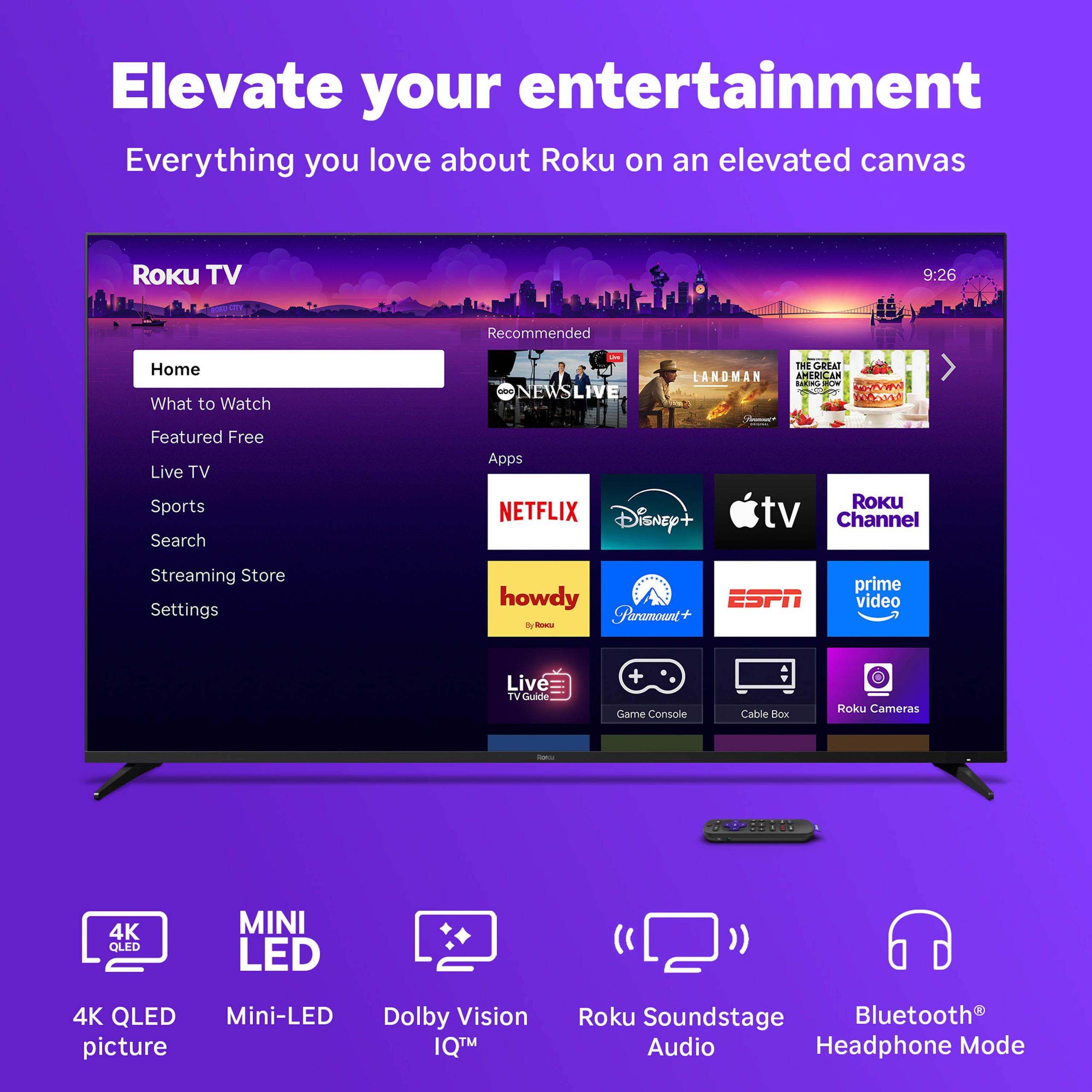
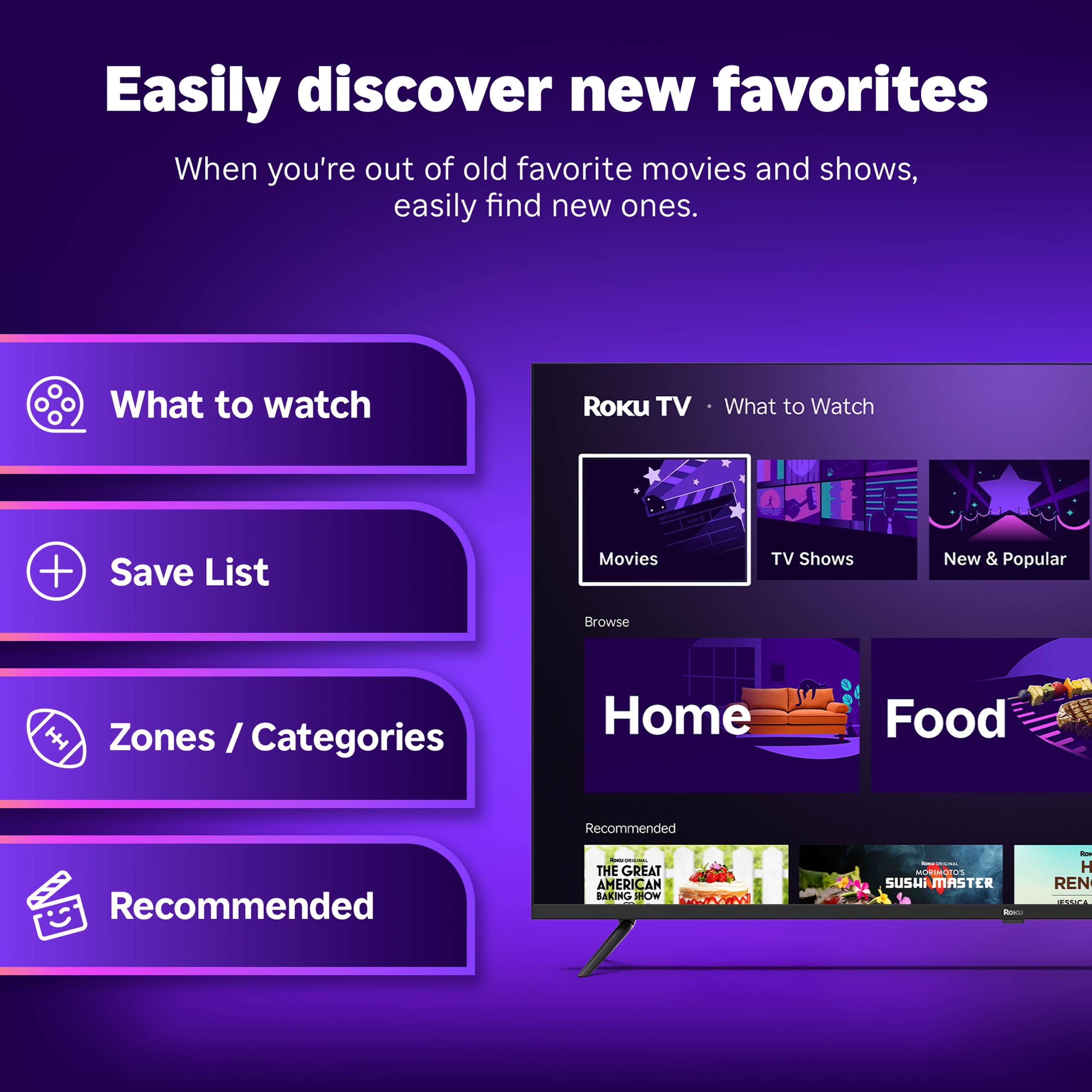
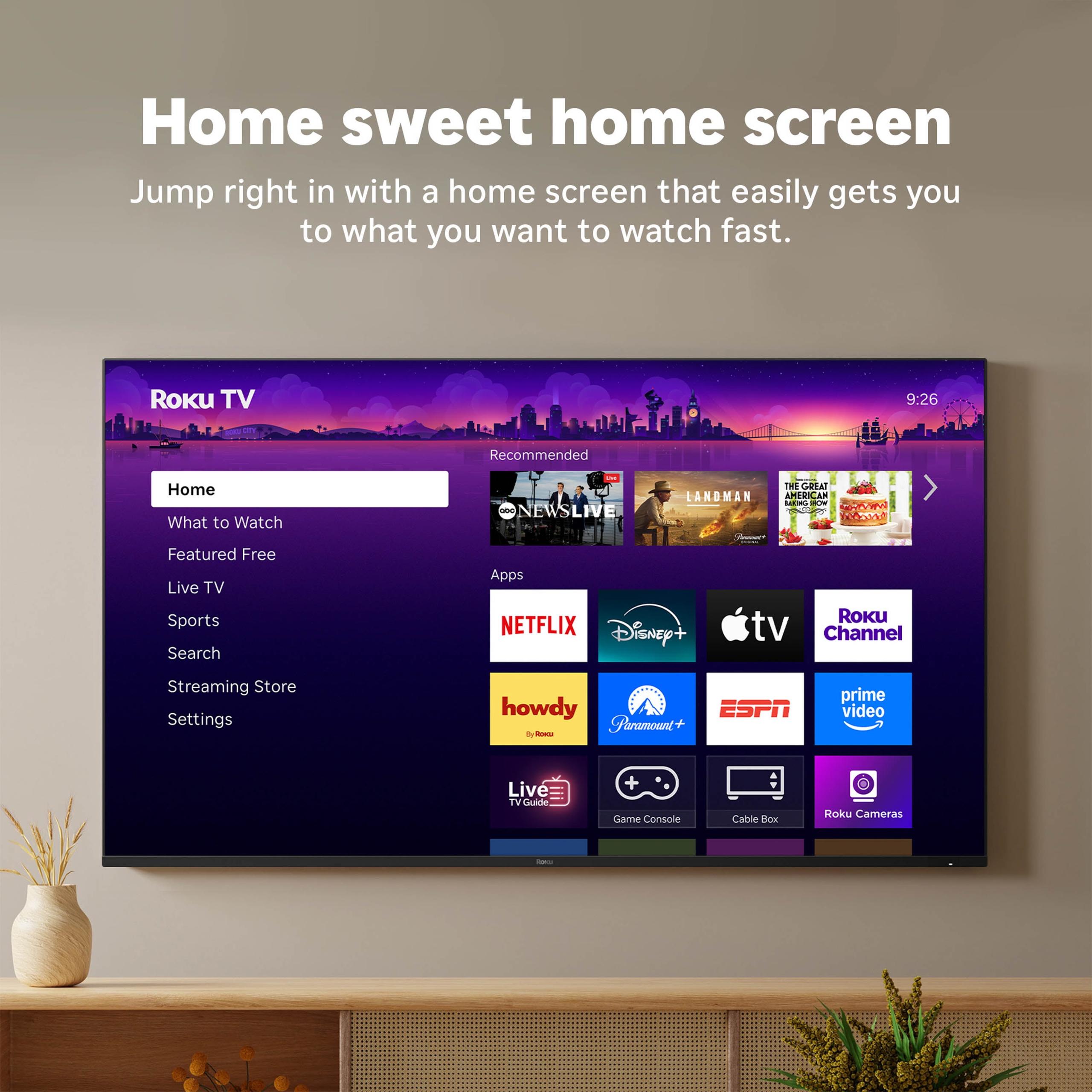
The choice between these TVs extends beyond picture quality to how you interact with them daily. The Roku Pro Series runs Roku OS, widely considered the most user-friendly smart TV platform available. Its unified home screen aggregates content from all your streaming services, making it easy to find shows regardless of which app they're on.
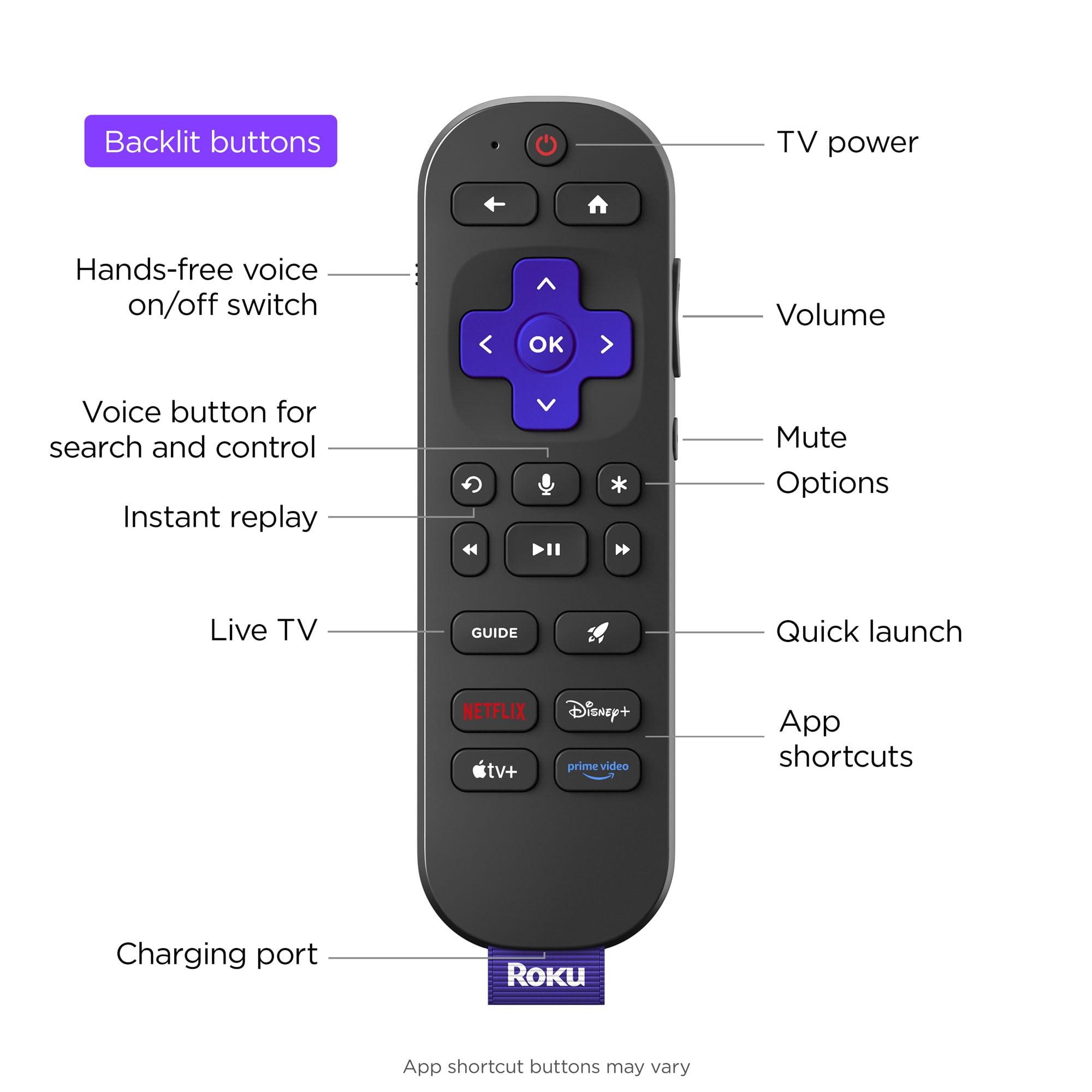
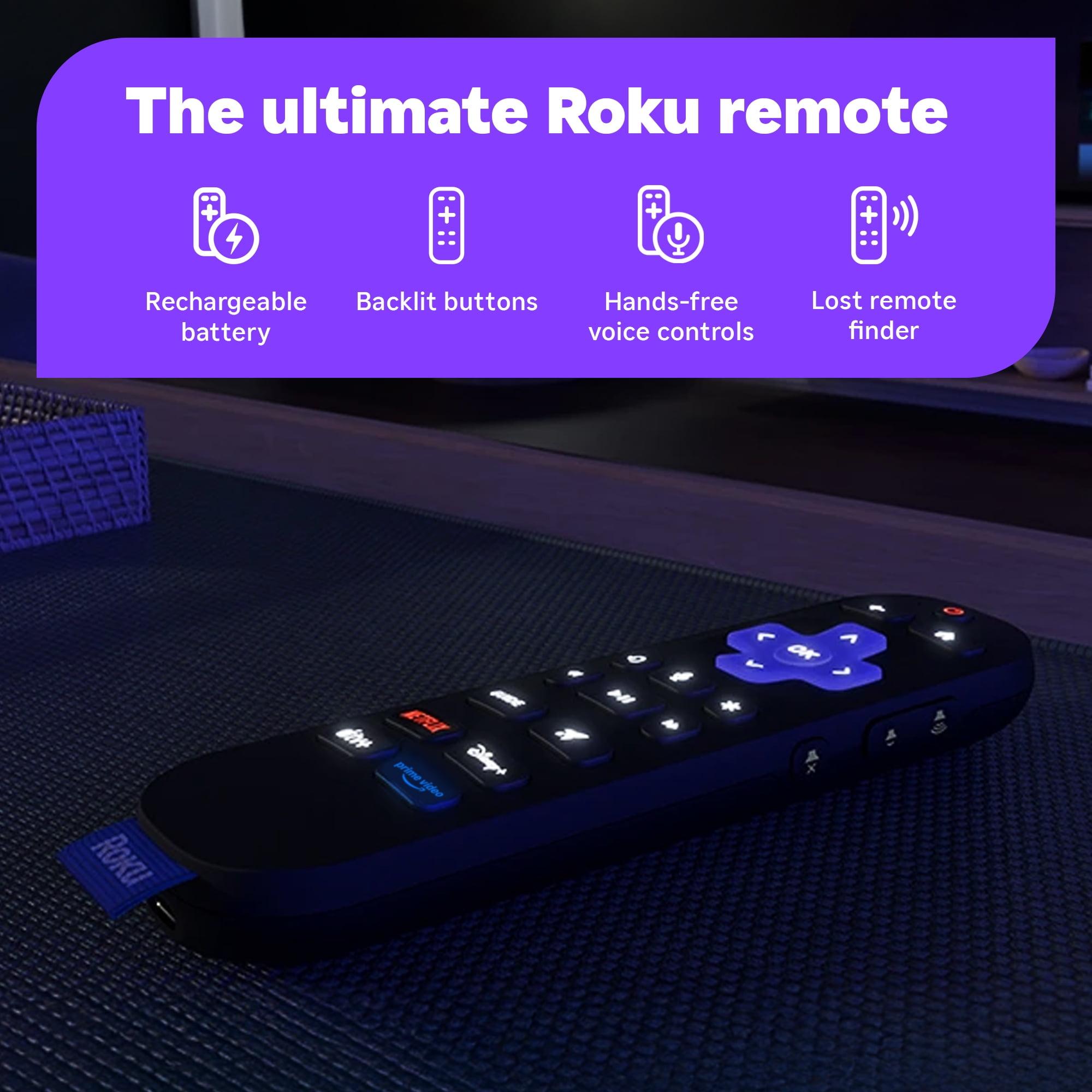
Roku's interface prioritizes content discovery over flashy features. The platform includes access to hundreds of free channels through the Roku Channel, and its search function works across all installed apps simultaneously. The included Voice Remote Pro features a rechargeable battery, backlit buttons, and a remote finder function—practical touches that improve daily use.
The LG C5 OLED runs webOS 25, which takes a more sophisticated approach with AI-powered personalization. The Alpha 9 AI Processor analyzes your viewing habits to provide customized picture and sound settings, and the AI Concierge feature offers intelligent content recommendations based on your preferences.
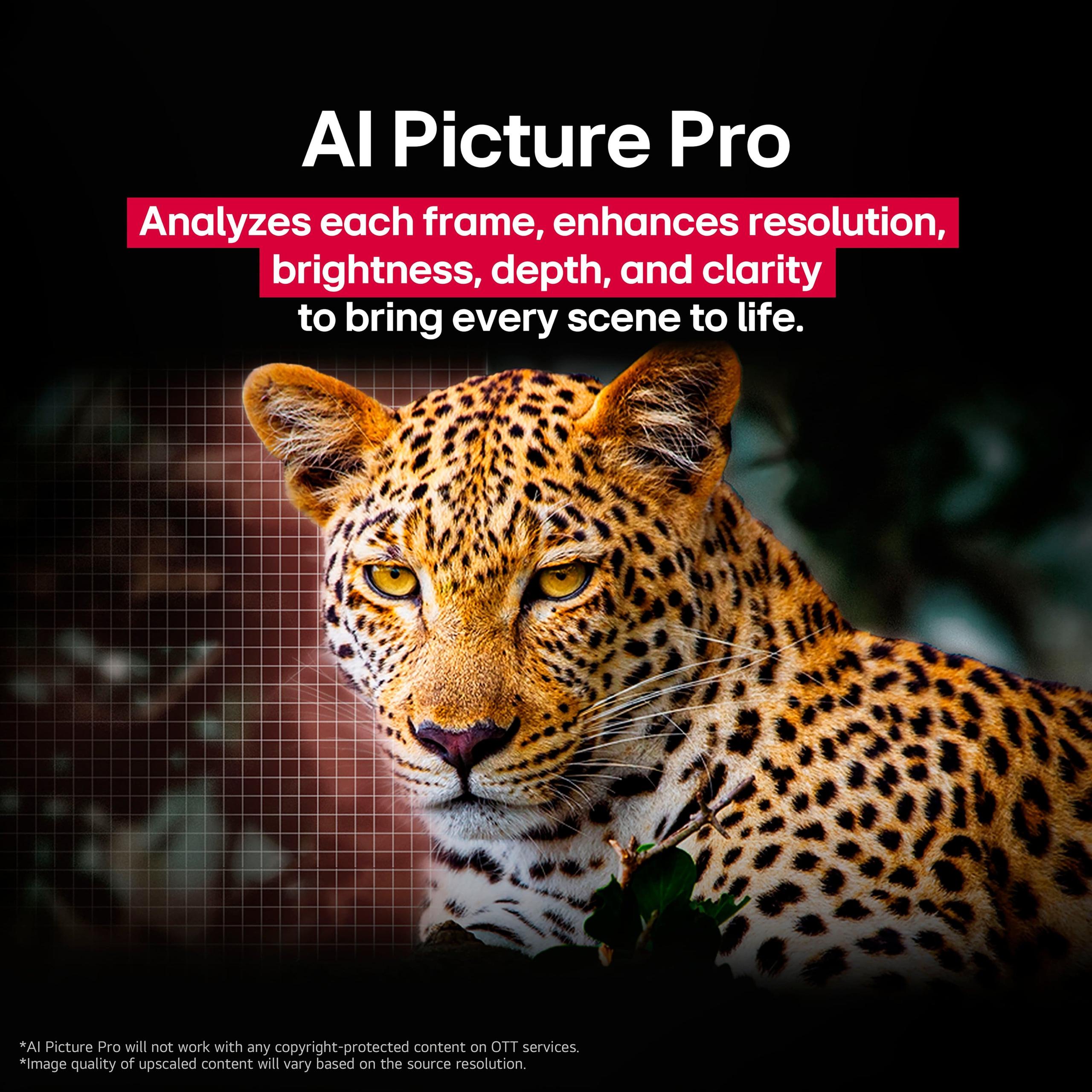
WebOS includes unique features like AI Picture Pro for enhanced upscaling and AI Sound Pro for optimized audio. LG commits to five years of software updates through their webOS Re:New program, ensuring the TV stays current longer than most competitors.
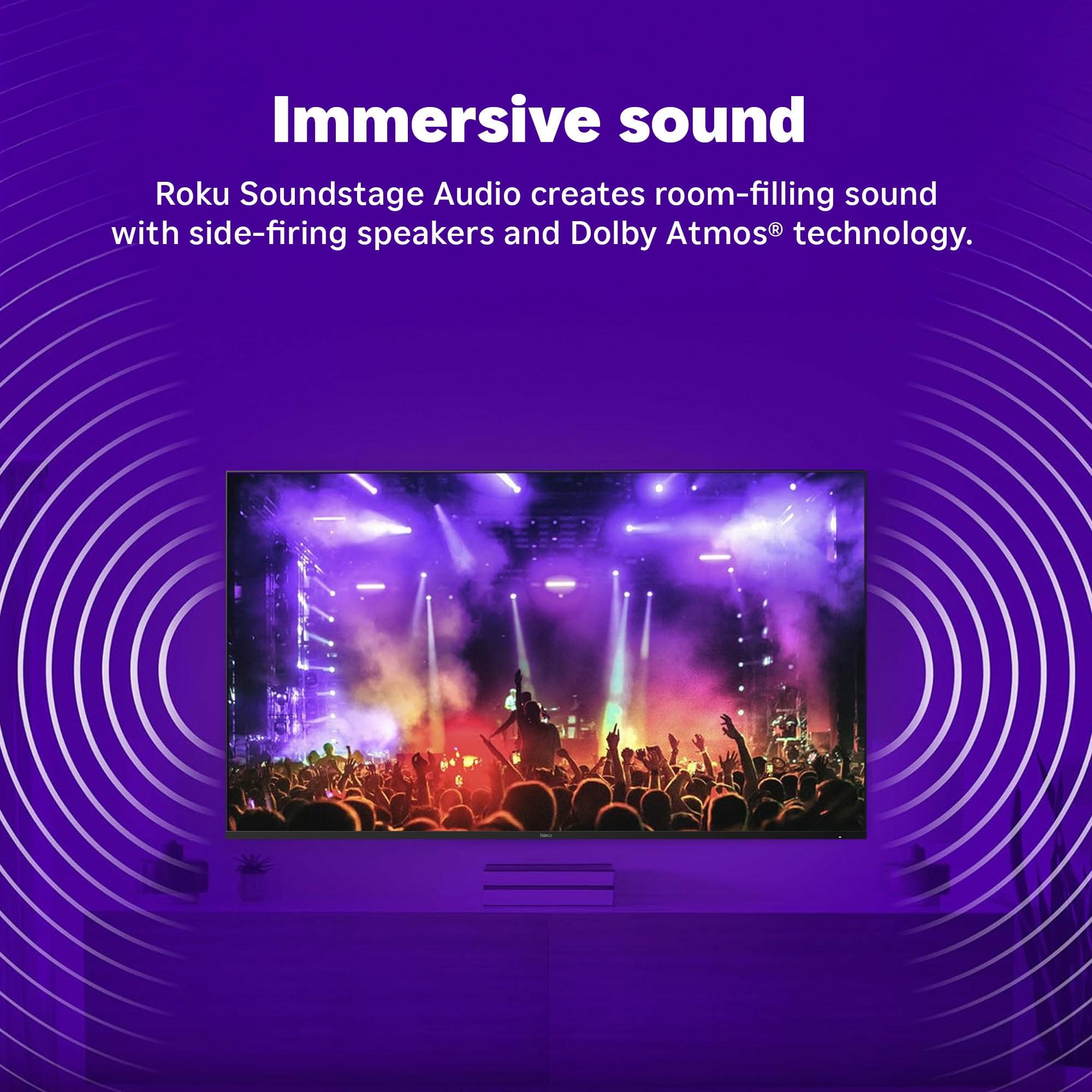
Both TVs deliver surprisingly good built-in audio, though they approach sound differently. The Roku Pro Series features Sound Stage Audio with side-firing speakers and Dolby Atmos support. User reviews consistently praise its audio quality, with some describing bass response that "rattles walls"—impressive for built-in speakers.
The LG C5 OLED integrates Dolby Atmos with AI Sound Pro processing that automatically optimizes audio based on content type and room characteristics. While OLED TVs traditionally struggle with speaker placement due to their thin profile, LG has engineered effective sound solutions for the C5.
For serious home theater setups, both TVs support eARC (enhanced Audio Return Channel) for connecting high-end soundbars or surround sound systems. The LG C5 slightly edges ahead here with more sophisticated audio processing, but either TV will benefit significantly from a dedicated audio system.
Your viewing environment ultimately determines which TV will serve you better. The Roku Pro Series excels in bright rooms with lots of natural light. Its superior brightness helps overcome glare and maintains color saturation even with ambient lighting. This makes it ideal for family rooms, kitchens, or any space where you can't completely control lighting.
The LG C5 OLED performs best in rooms where you can manage lighting conditions. In a dedicated home theater or living room with blackout curtains, OLED's perfect contrast creates an immersive viewing experience that's hard to match. However, both TVs have glossy screens that create mirror-like reflections from direct light sources like windows or lamps.
Consider your viewing habits: if you watch TV throughout the day in varying lighting conditions, the Roku Pro Series offers more versatility. If you primarily watch in the evening or can control room lighting, the LG C5 provides superior picture quality.
At similar price points (at the time of writing), these TVs represent different approaches to premium value. The Roku Pro Series offers exceptional brightness, gaming features, and the best smart platform available, making it a complete package for most users. Its Mini-LED technology should maintain performance consistently over time without concerns about burn-in.
The LG C5 OLED provides superior picture quality and color accuracy that justifies its premium positioning. LG's five-year software support commitment adds long-term value, and modern OLED panels have largely resolved historical concerns about burn-in through improved pixel management.
Choose the Roku 65" Pro Series 2025 if you prioritize versatility and bright room performance. It's ideal for mixed-use spaces, daytime viewing, and families who want excellent picture quality without worrying about room lighting. The Roku platform's simplicity and content aggregation make it particularly appealing for households with multiple streaming services.
Choose the LG OLED evo C5 65" if picture quality is your primary concern and you can control viewing conditions. It's perfect for movie enthusiasts, dedicated home theaters, and viewers who prioritize color accuracy and contrast over peak brightness. The faster gaming response and premium processing make it appealing to serious gamers and videophiles.
Both TVs represent excellent choices in the premium 65-inch category. The Roku Pro Series delivers outstanding value with broad appeal, while the LG C5 offers superior picture quality for those willing to optimize their viewing environment. Your room's lighting characteristics and viewing preferences should guide your final decision more than the modest price difference between them.
| Roku 65" Pro Series 2025 4K QLED TV | LG OLED evo C5 65" 4K TV 2025 |
|---|---|
| Display Technology - Determines contrast, brightness, and picture quality fundamentals | |
| Mini-LED QLED with full array local dimming zones | OLED evo with pixel-level dimming and self-emissive pixels |
| Peak Brightness - Critical for HDR performance and bright room viewing | |
| Superior SDR and HDR brightness, excellent for bright rooms | ~1,180 nits peak, 30% brighter than standard OLED but dimmer than Mini-LED |
| Contrast Ratio - Affects picture depth and cinematic experience | |
| Enhanced contrast with 75% improvement over previous generation | Infinite contrast ratio with perfect blacks and no blooming |
| Gaming Response Time - Essential for competitive gaming and input lag | |
| 5.2ms input lag at 120Hz (excellent for most gamers) | 0.1ms pixel response time (fastest possible for competitive gaming) |
| Gaming Features - Modern console and PC gaming compatibility | |
| 4K@120Hz, VRR, ALLM, FreeSync Premium Pro, 2x HDMI 2.1 ports | 4K@144Hz, VRR, ALLM, G-SYNC, FreeSync Premium, 4x HDMI 2.1 ports |
| Smart Platform - Daily user experience and long-term updates | |
| Roku OS - industry-leading simplicity and content aggregation | webOS 25 with AI features and guaranteed 5-year software updates |
| Processor - Picture quality optimization and upscaling performance | |
| Smart Picture Max AI for scene-by-scene optimization | Alpha 9 AI Processor Gen8 with superior upscaling and processing |
| HDR Format Support - Premium content compatibility | |
| Dolby Vision IQ, HDR10+ Adaptive, HLG | Dolby Vision, HDR10, HLG |
| Audio Quality - Built-in sound performance before adding soundbar | |
| Sound Stage Audio with side-firing speakers, highly rated by users | Dolby Atmos with AI Sound Pro processing |
| Viewing Angles - Picture quality when not sitting directly centered | |
| Limited viewing angles typical of QLED technology | Wide viewing angles with consistent picture quality |
| Reflection Handling - Performance in rooms with ambient lighting | |
| Glossy screen with moderate reflection issues in bright rooms | Better anti-glare properties but still glossy finish |
| Burn-in Risk - Long-term durability with static content | |
| No burn-in risk with LCD technology | Minimal risk with modern OLED pixel management |
| Best Use Case - Optimal viewing scenarios for each technology | |
| Bright rooms, mixed lighting, daytime viewing, value-focused buyers | Dark rooms, home theaters, movie enthusiasts, picture quality purists |
The Roku 65" Pro Series 2025 is significantly better for bright rooms due to its superior peak brightness and Mini-LED technology. It can overcome ambient light and maintain color saturation throughout the day, while the LG OLED evo C5 performs best in controlled lighting environments despite its improved brightness over previous OLED models.
The Roku Pro Series uses QLED Mini-LED technology with a backlight system that dims in zones, while the LG C5 OLED uses self-emitting pixels that can turn completely off. This means the Roku gets brighter but the LG achieves perfect blacks and infinite contrast ratio.
The LG OLED evo C5 offers superior gaming performance with 0.1ms pixel response time, support for up to 144Hz refresh rates, and four HDMI 2.1 ports. The Roku Pro Series 2025 still provides excellent gaming with 5.2ms input lag and modern gaming features, but the LG edges ahead for competitive gaming.
Yes, both the Roku 65" Pro Series and LG C5 OLED support 4K resolution and major HDR formats. The Roku supports Dolby Vision IQ and HDR10+ Adaptive, while the LG supports Dolby Vision and HDR10. Both deliver excellent HDR performance with different strengths.
The Roku Pro Series runs the widely-praised Roku OS with superior content aggregation and user-friendly interface, while the LG C5 features webOS 25 with advanced AI personalization and guaranteed 5-year software updates. Both platforms offer comprehensive app selection and modern smart features.
For dedicated home theaters with controlled lighting, the LG OLED evo C5 provides superior picture quality with perfect blacks and infinite contrast that creates a more cinematic experience. The Roku Pro Series works better for multipurpose rooms where you can't control ambient lighting.
Both TVs offer surprisingly good built-in audio. The Roku Pro Series features Sound Stage Audio that users consistently rate highly for bass and overall quality, while the LG C5 OLED includes Dolby Atmos with AI Sound Pro processing for more sophisticated audio optimization.
The Roku 65" Pro Series has no burn-in risk due to its LCD technology, while the LG C5 OLED has minimal burn-in risk thanks to modern OLED pixel management and protective features. Burn-in is rarely an issue with normal viewing habits on current OLED TVs.
At similar price points, the Roku Pro Series offers exceptional value with bright room performance and the best smart platform, while the LG OLED evo C5 provides superior picture quality and longer software support. Value depends on your priorities: versatility versus premium picture quality.
The LG C5 OLED offers much better viewing angles with consistent picture quality from the sides, making it better for group viewing. The Roku Pro Series has more limited viewing angles typical of QLED technology, with some color and brightness degradation when viewed off-center.
For movie enthusiasts who can control room lighting, the LG OLED evo C5 delivers superior cinematic quality with perfect contrast and color accuracy. The Roku Pro Series excels for general streaming and mixed content viewing, especially in brighter environments where you watch TV throughout the day.
Yes, both the Roku 65" Pro Series and LG C5 OLED support eARC for high-quality audio passthrough to soundbars and surround sound systems. The LG C5 has slightly more advanced audio processing capabilities, but both integrate well with external audio equipment for enhanced home theater setups.
We've done our best to create useful and informative comparisons to help you decide what product to buy. Our research uses advanced automated methods to create this comparison and perfection is not possible - please contact us for corrections or questions. These are the sites we've researched in the creation of this article: bestbuy.com - rtings.com - techradar.com - youtube.com - roku.com - youtube.com - walmart.com - bestbuy.com - youtube.com - electronicexpress.com - roku.com - pcvarge.com - ecoustics.com - bestbuy.com - rtings.com - youtube.com - businessinsider.com - youtube.com - bestbuy.com - lg.com - files.bbystatic.com - lg.com - flatpanelshd.com - lg.com - blvdhome.com - bhphotovideo.com - flanners.com - videopro.com.au

Privacy Policy
Terms and Conditions - Affiliate Policy
Home Security
© Copyright 2008-2026.
11816 Inwood Rd #1211, Dallas, TX 75244