

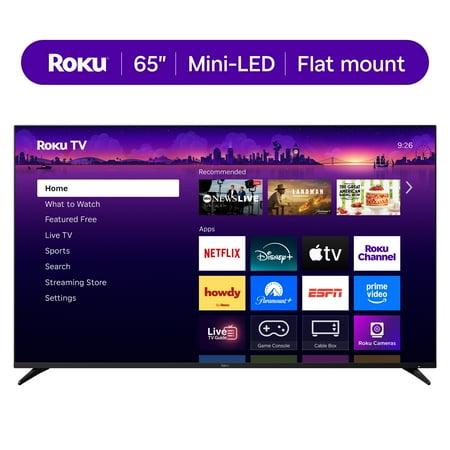
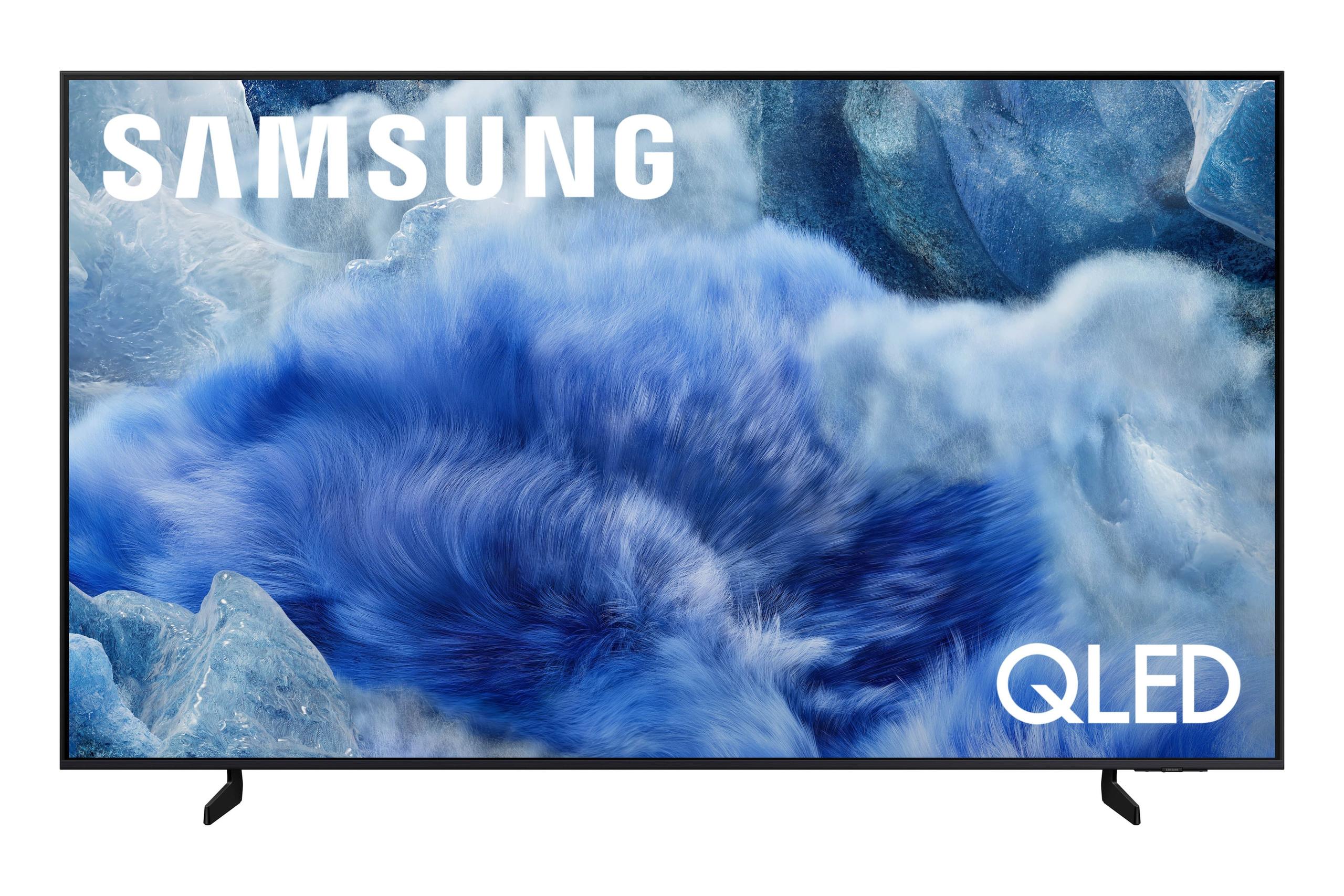
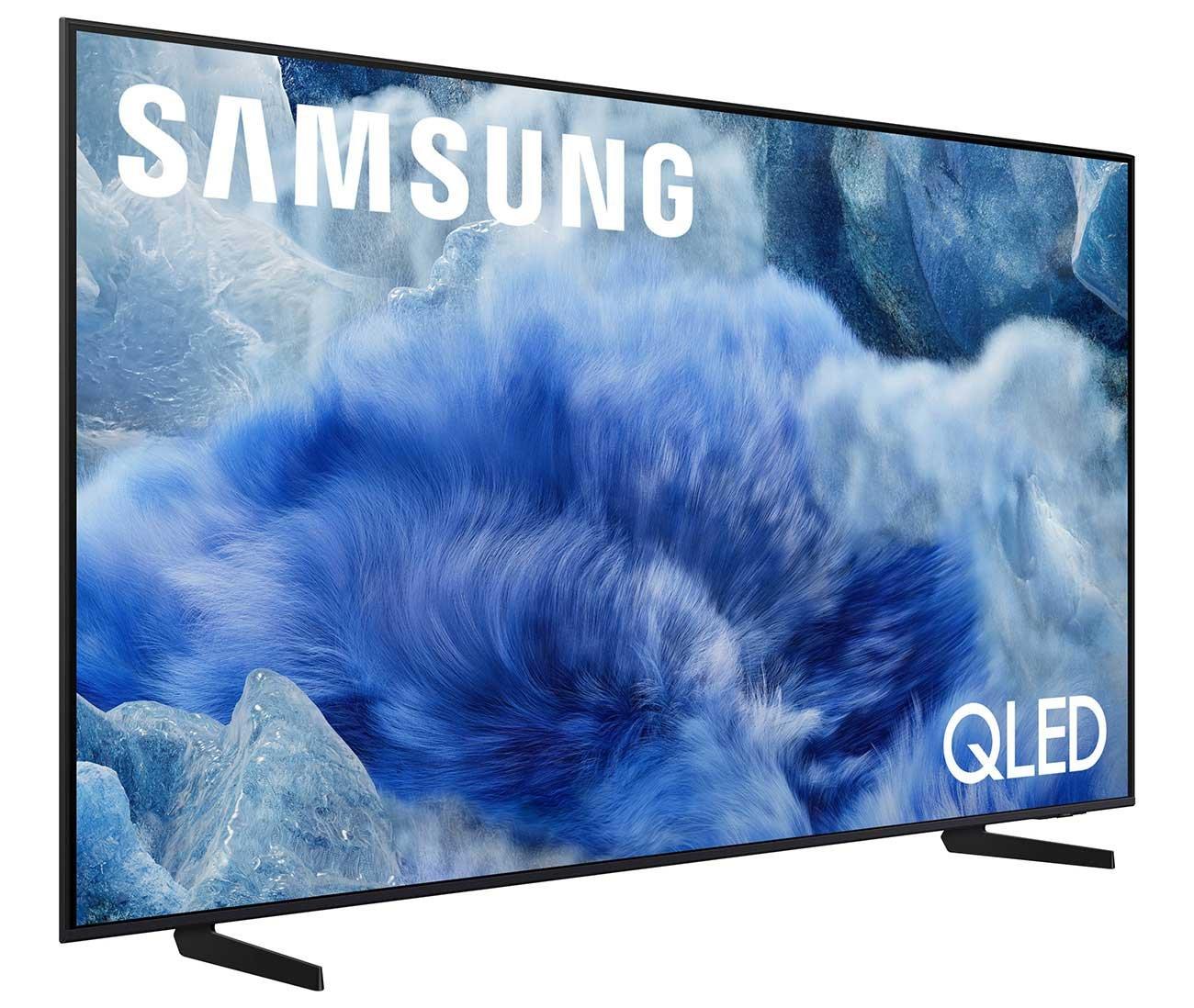
Shopping for a premium 65-inch TV can feel overwhelming, especially when you're comparing two strong contenders like the Roku 65" Pro Series 2025 and the Samsung 65" QN8F Series. Both hit the market in 2025 as flagship QLED models, but they take surprisingly different approaches to delivering an excellent viewing experience. After diving deep into user reviews, expert testing, and technical specifications, I'll help you understand which TV makes the most sense for your specific needs.
Before we jump into the comparison, let's establish what you're getting with these premium QLED televisions. QLED stands for "Quantum Dot Light Emitting Diode" – essentially a technology that uses microscopic particles to produce more vibrant colors than traditional LED TVs. Both the Roku Pro Series and Samsung QN8F use this technology, but they implement it differently.
The main factors that separate good TVs from great ones boil down to: how bright and colorful the picture looks, how well the smart features work, whether gaming feels responsive, and how good the built-in audio sounds. Premium TVs should excel in bright rooms, handle fast-moving content smoothly, and provide a user-friendly smart platform without lag or frustration.
The most significant difference between these TVs is how they handle HDR (High Dynamic Range) content. HDR is what makes modern streaming shows and movies look more lifelike by displaying a wider range of brightness levels – from deep blacks to brilliant whites.
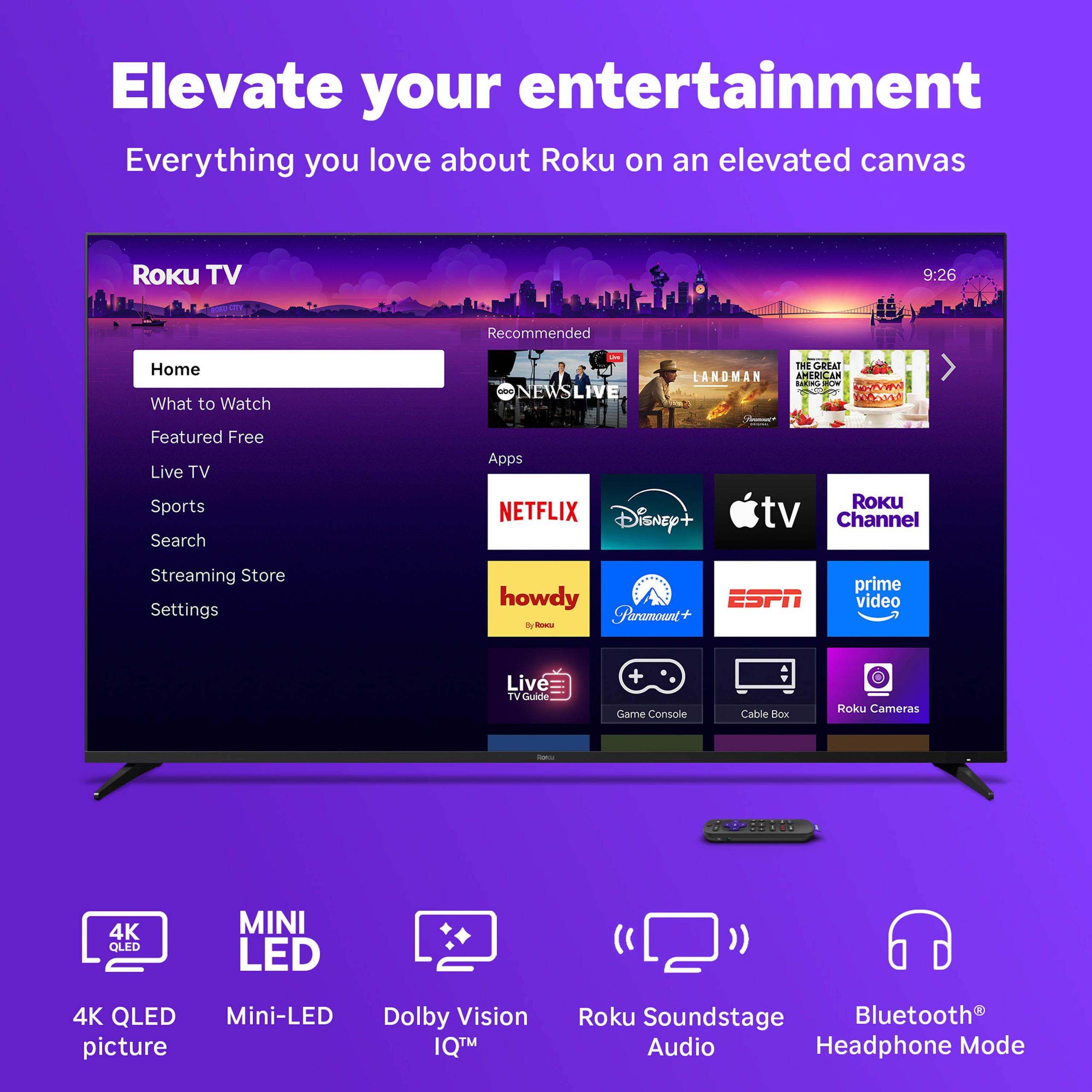
The Roku Pro Series 2025 absolutely dominates in HDR brightness, reaching an impressive 1,818 nits in Standard mode. To put this in perspective, most mid-range TVs max out around 600-800 nits. This extra brightness translates to highlights that genuinely pop off the screen, making explosions in action movies or bright sunny scenes look dramatically more realistic.
What makes the Roku's brightness even more impressive is its Mini-LED backlighting system. Mini-LEDs are exactly what they sound like – thousands of tiny LED lights behind the screen that can turn on and off independently. This creates what's called "full array local dimming," allowing the TV to make one part of the screen bright while keeping another part dark. The result is better contrast and less of that annoying "blooming" effect where bright objects create halos of light around them.
The Samsung QN8F, while still bright for a QLED TV, focuses more on color accuracy than raw brightness. Samsung's approach makes sense for darker viewing environments where you don't need to compete with sunlight streaming through windows.
Both TVs use quantum dot technology, but they prioritize different aspects of color performance. The Roku Pro Series covers 96.9% of the UHDA-P3 color space (the standard for 4K content) with notably improved accuracy compared to previous Roku TVs. Users consistently report that colors look vibrant without appearing oversaturated or artificial.
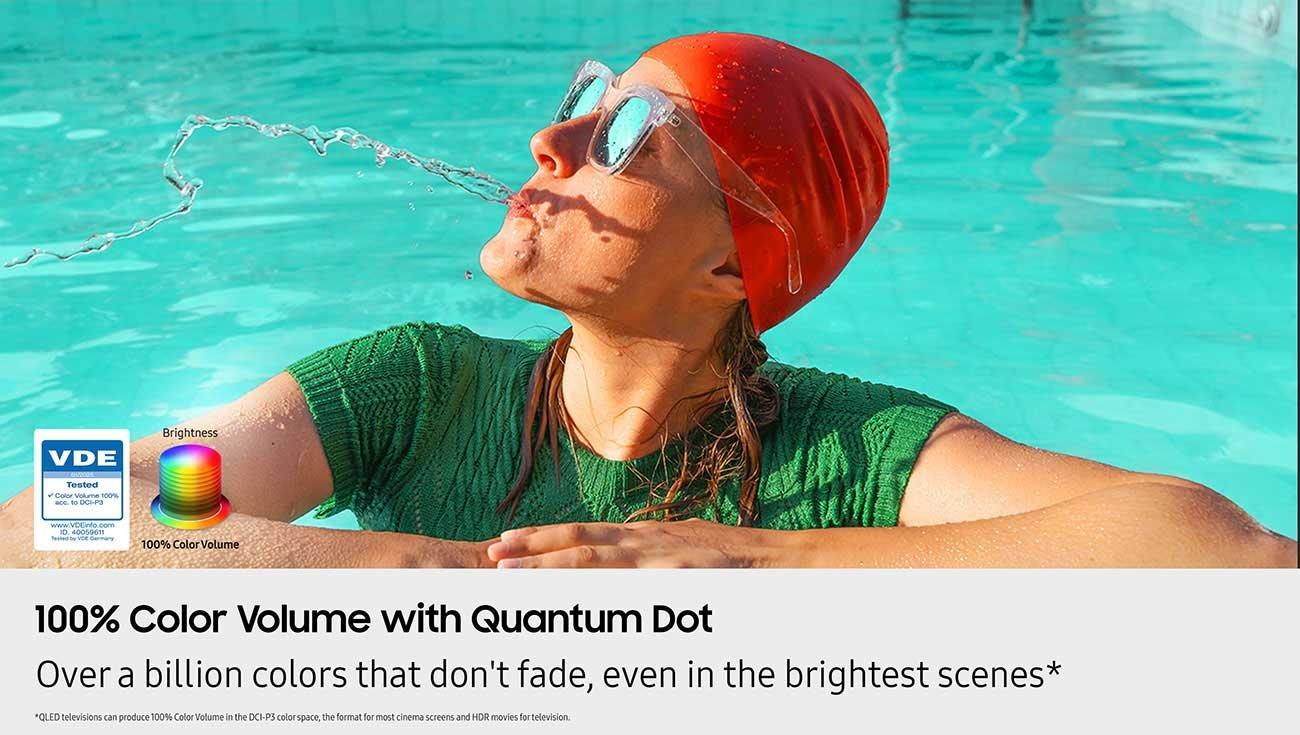
Samsung takes a different approach with their "100% Color Volume" claim, meaning their QN8F model can reproduce over one billion different color shades. While this sounds impressive, what matters more in real-world viewing is how accurate those colors look compared to what directors intended. Samsung tends to make colors slightly more vivid than natural, which some viewers love for its "wow factor" but can appear oversaturated during extended viewing.
For sports fans and gamers, how well a TV displays fast-moving content is crucial. The Samsung QN8F officially supports refresh rates up to 144Hz with its Motion Xcelerator technology, which should theoretically provide smoother motion than the Roku's capabilities.
However, real-world performance tells a different story. The Roku Pro Series achieves exceptionally low input lag – as little as 5.2 milliseconds at 120Hz – making gaming feel incredibly responsive. Input lag is the delay between when you press a controller button and when you see the action on screen. Anything under 20ms is considered good for gaming, so the Roku's 5.2ms is outstanding.
Both TVs support modern gaming features like Variable Refresh Rate (VRR) and Auto Low Latency Mode (ALLM), which automatically optimize settings when you connect a PlayStation 5 or Xbox Series X. The difference comes down to the Roku feeling more responsive during actual gameplay, while the Samsung offers potentially smoother motion in ideal conditions.
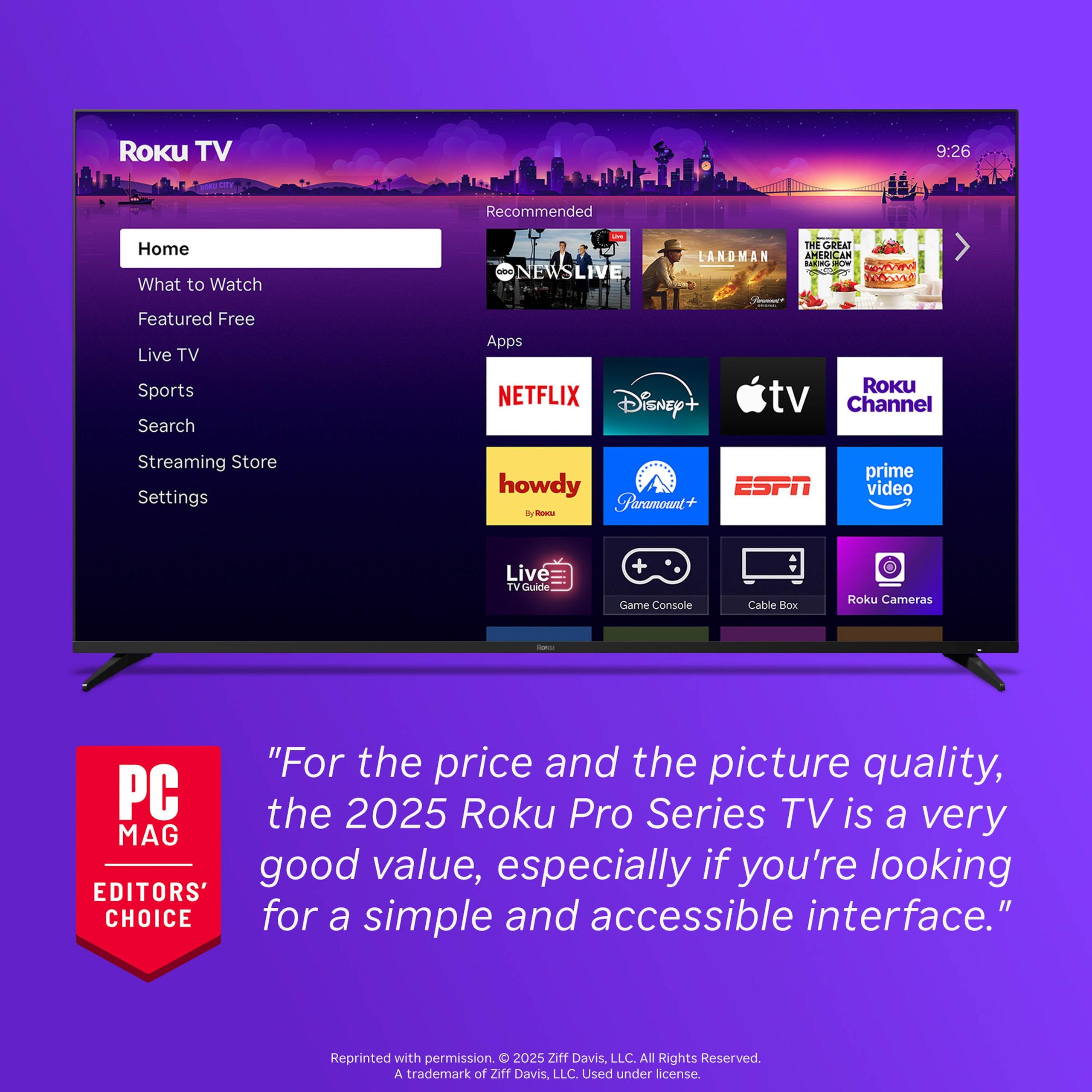
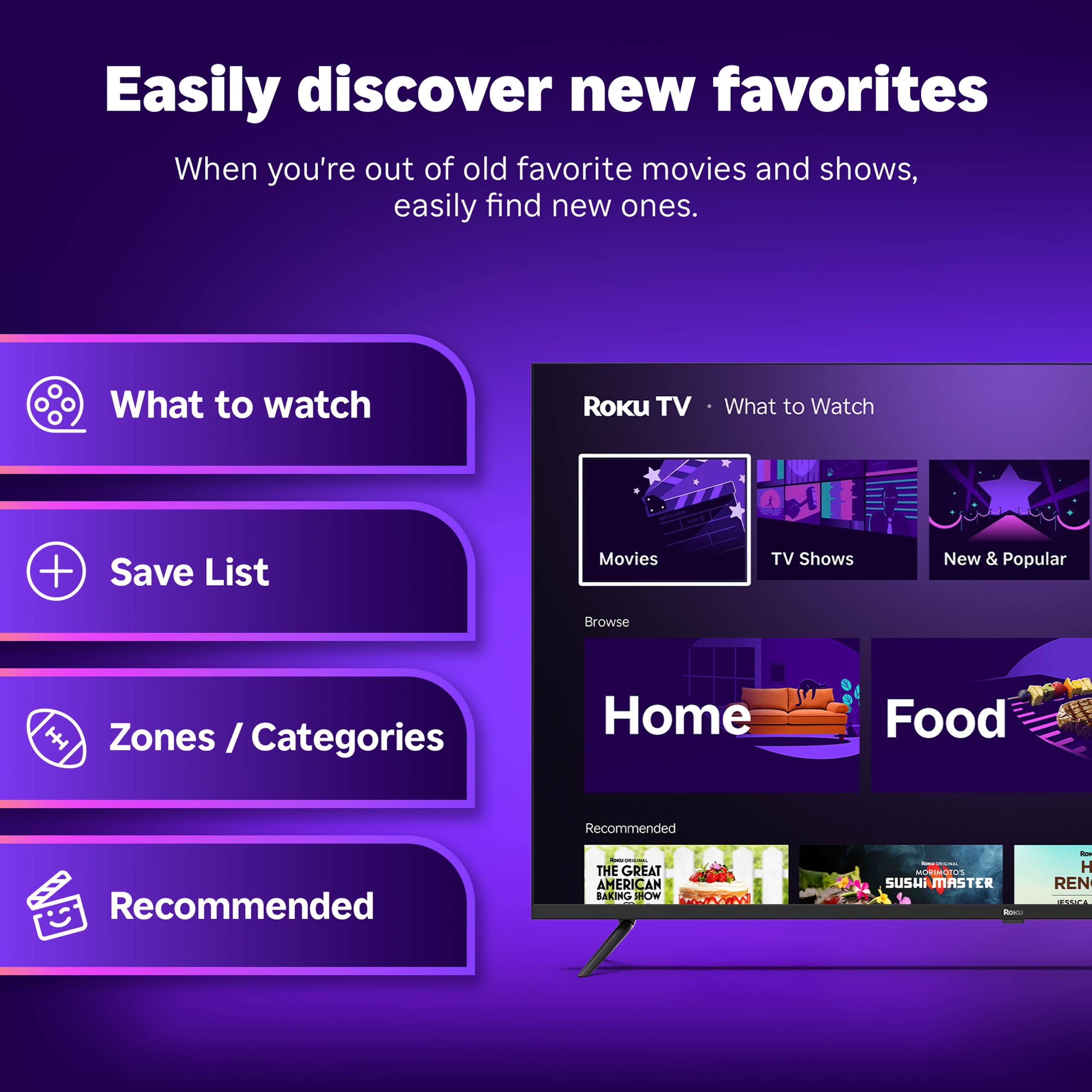
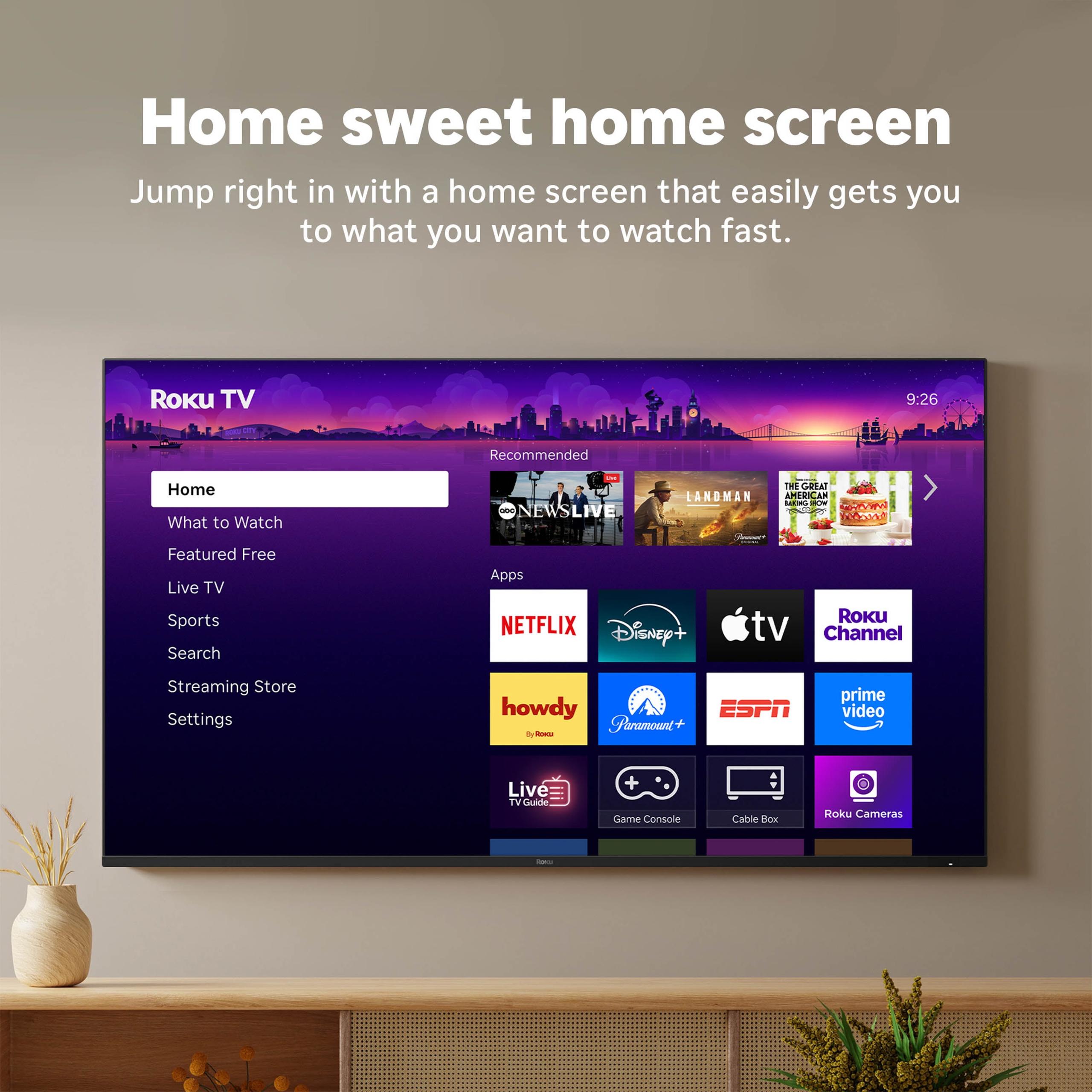
The Roku Pro Series 2025 runs on Roku TV OS, which has become synonymous with simplicity and reliability. The interface presents all your streaming apps, live TV, and free channels in one unified home screen. No hunting through multiple menus or dealing with complex settings – everything is right there.
What sets Roku apart is its massive collection of free content. We're talking over 1,000 channels of movies, TV shows, news, and specialty content that you can watch without any subscription. For cord-cutters, this represents serious value.
The platform also benefits from Wi-Fi 6 connectivity, which means faster app loading and more stable streaming, especially if you have multiple devices connected to your home network. Users consistently report that the Roku system feels snappier and more responsive than previous generations.
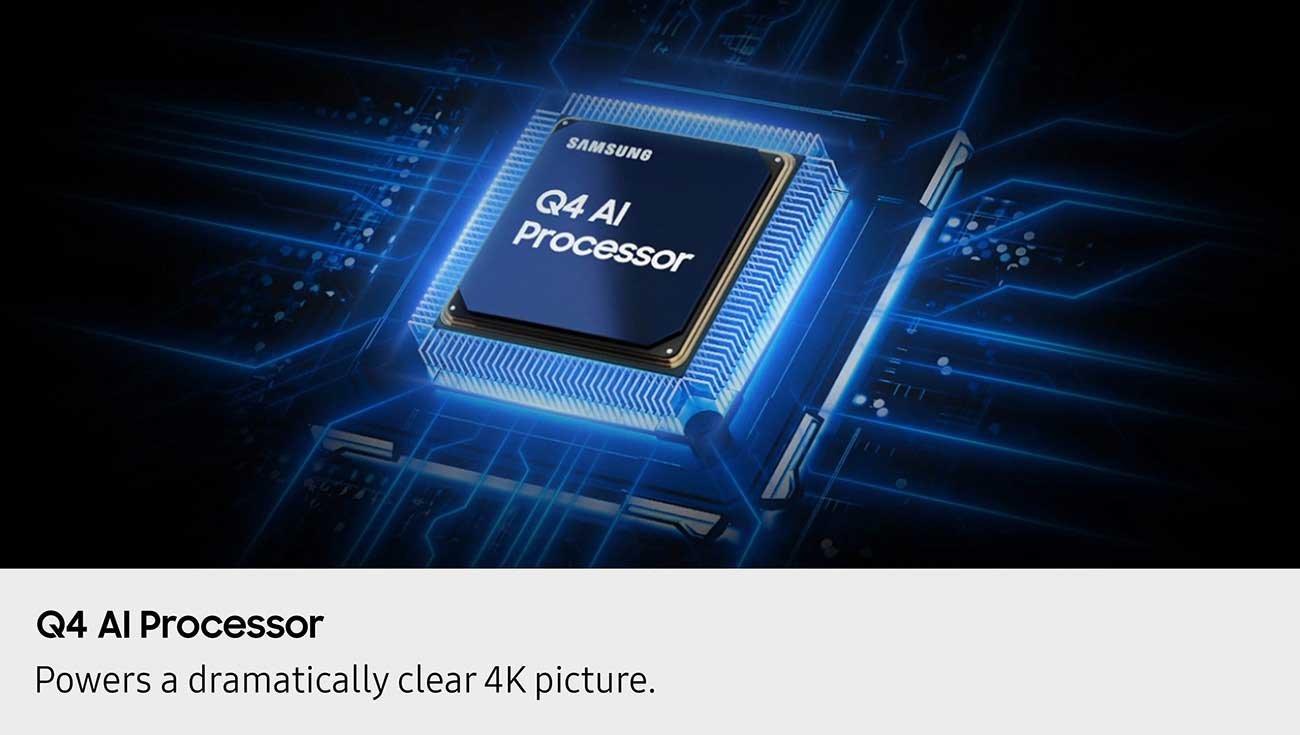
The Samsung QN8F runs on Tizen OS with Samsung Vision AI, representing a more sophisticated but complex approach to smart TV functionality. The Q4 AI Processor analyzes what you're watching and automatically adjusts picture and audio settings for optimal viewing. This sounds great in theory, and many users appreciate not having to manually tweak settings.
Samsung's AI features extend beyond basic optimization. The TV can generate custom wallpapers using AI based on keywords you provide – type "mountain sunset" and get a unique artistic interpretation for when the TV is idle. While this might seem gimmicky, it's actually quite impressive and adds personality to your living space.
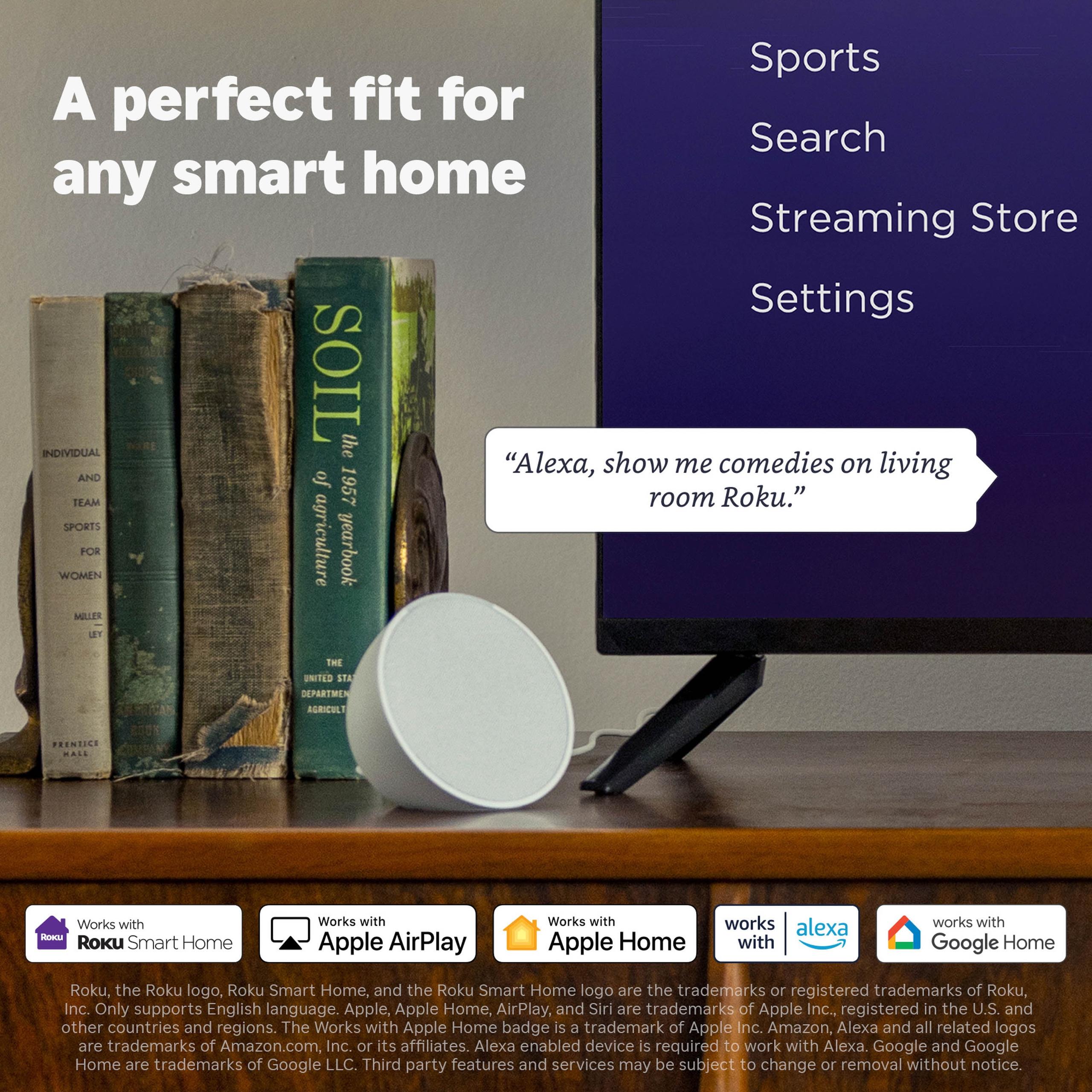
The Samsung also integrates more deeply with smart home systems, especially if you already own Samsung devices. Bixby voice control lets you control connected devices, search for content, and adjust settings using natural language commands.
The choice between these platforms often comes down to what you value more: Roku's proven simplicity and extensive free content, or Samsung's advanced AI features and ecosystem integration. Neither approach is objectively better – it depends on your preference for straightforward functionality versus cutting-edge features.
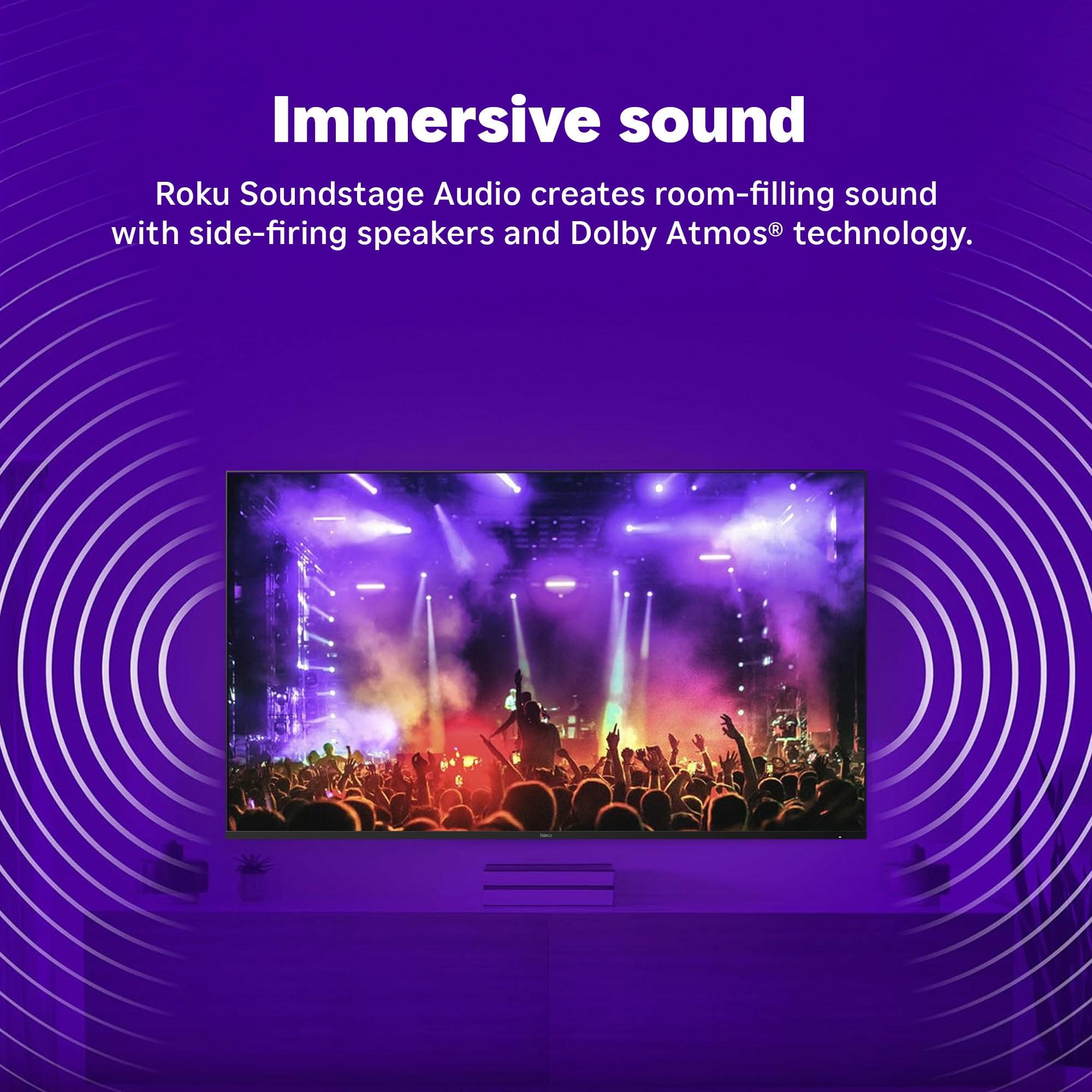
This is where the comparison becomes less competitive. The Roku Pro Series 2025 includes what they call "Sound Stage Audio" with side-firing Dolby Atmos speakers, and the difference is immediately noticeable.
User reviews consistently describe the Roku's audio as "incredible for a standalone TV" with "theater-like bass that rattles walls." Multiple reviewers mention being surprised by how good it sounds without a soundbar – something you rarely hear about built-in TV speakers.
The Samsung QN8F features 20W 2-channel speakers with Adaptive Sound+ technology that adjusts audio based on content and room acoustics. While adequate, it doesn't match the Roku's impact or clarity. The Samsung's approach is more technically sophisticated with its real-time audio analysis, but the actual listening experience falls short of the Roku's more straightforward but better-tuned implementation.
For most people, good built-in audio matters more than you might think. Even if you plan to eventually add a soundbar, you'll likely spend months using the TV's internal speakers first. The Roku's superior audio means you might not feel the immediate pressure to buy additional equipment.
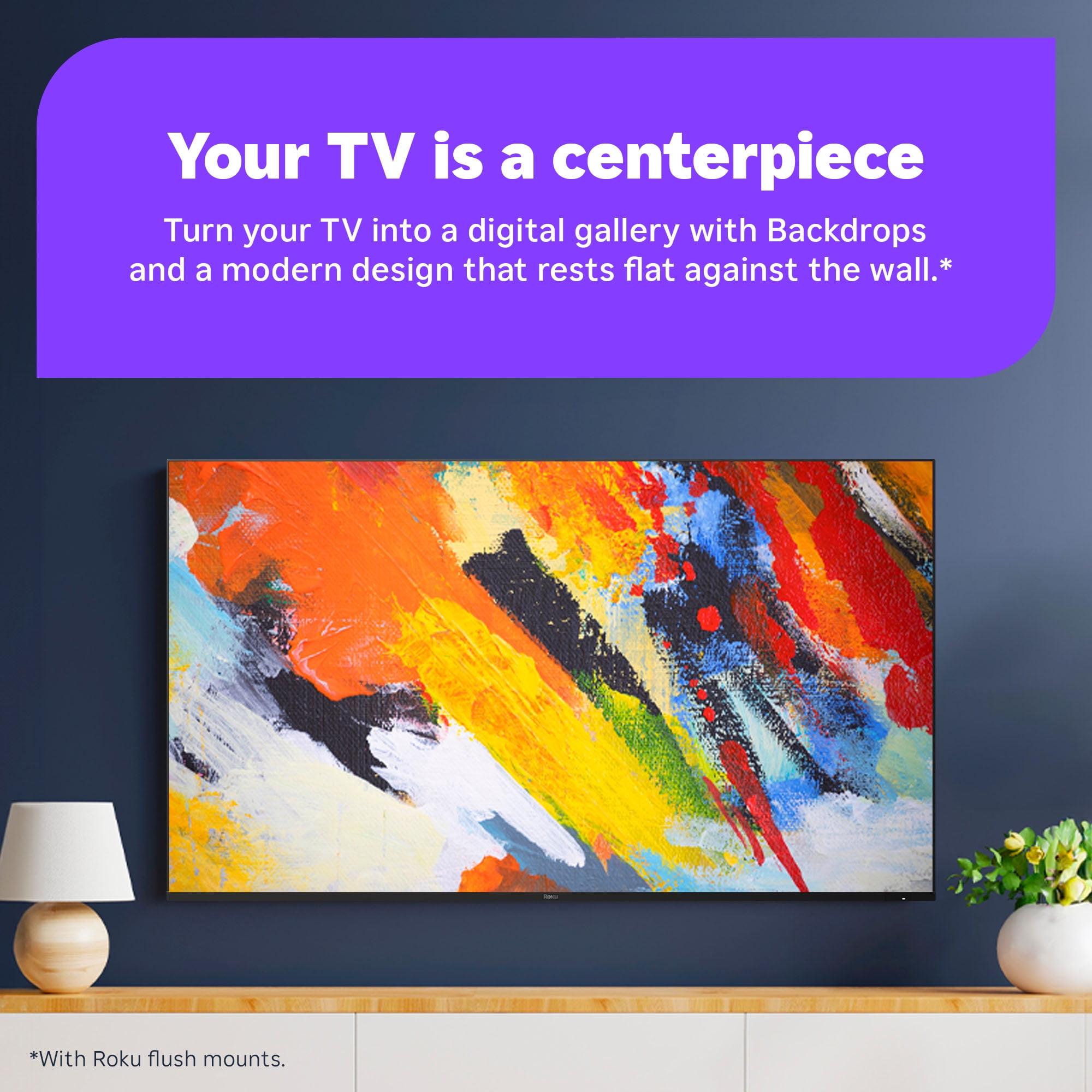
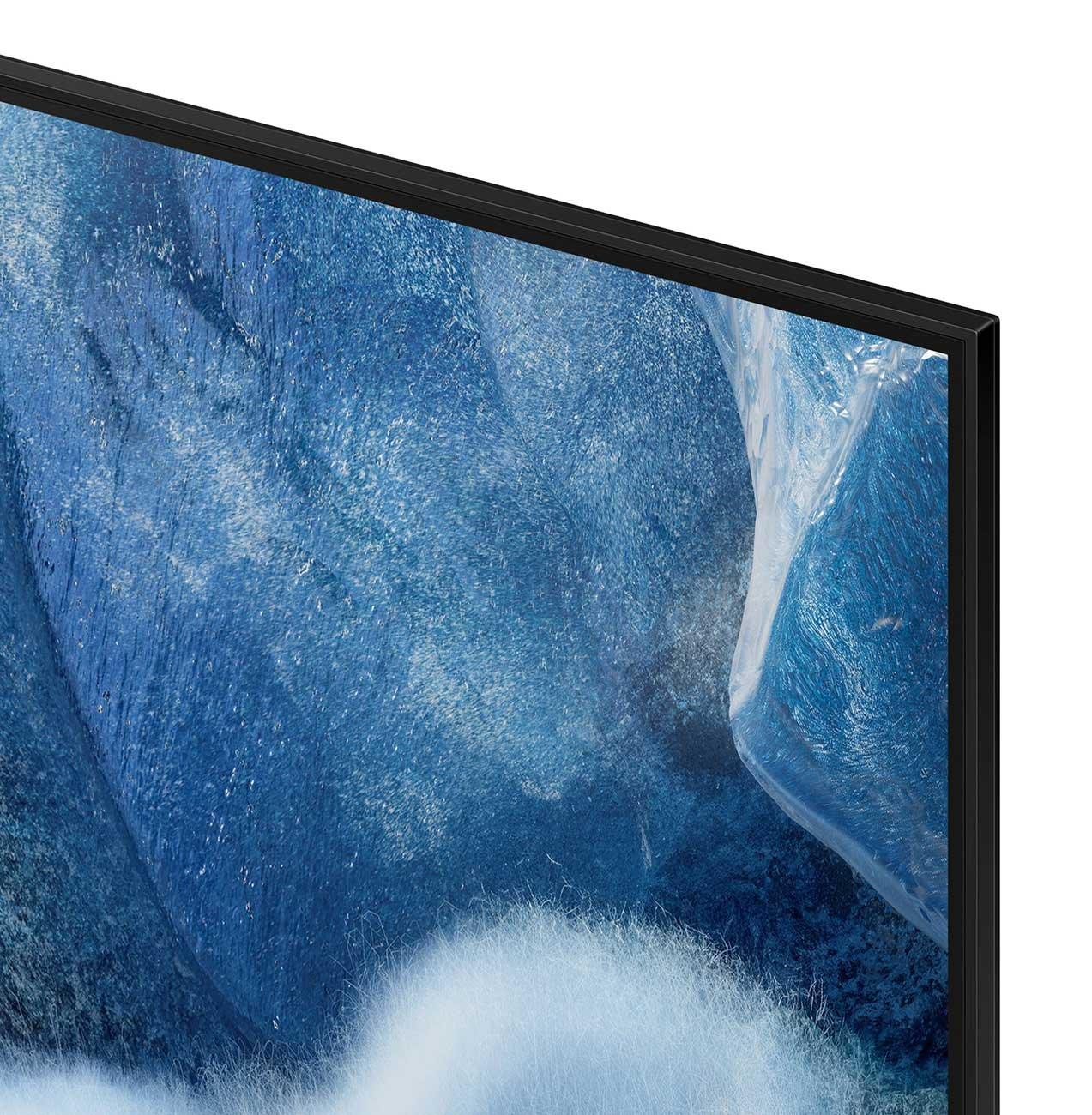
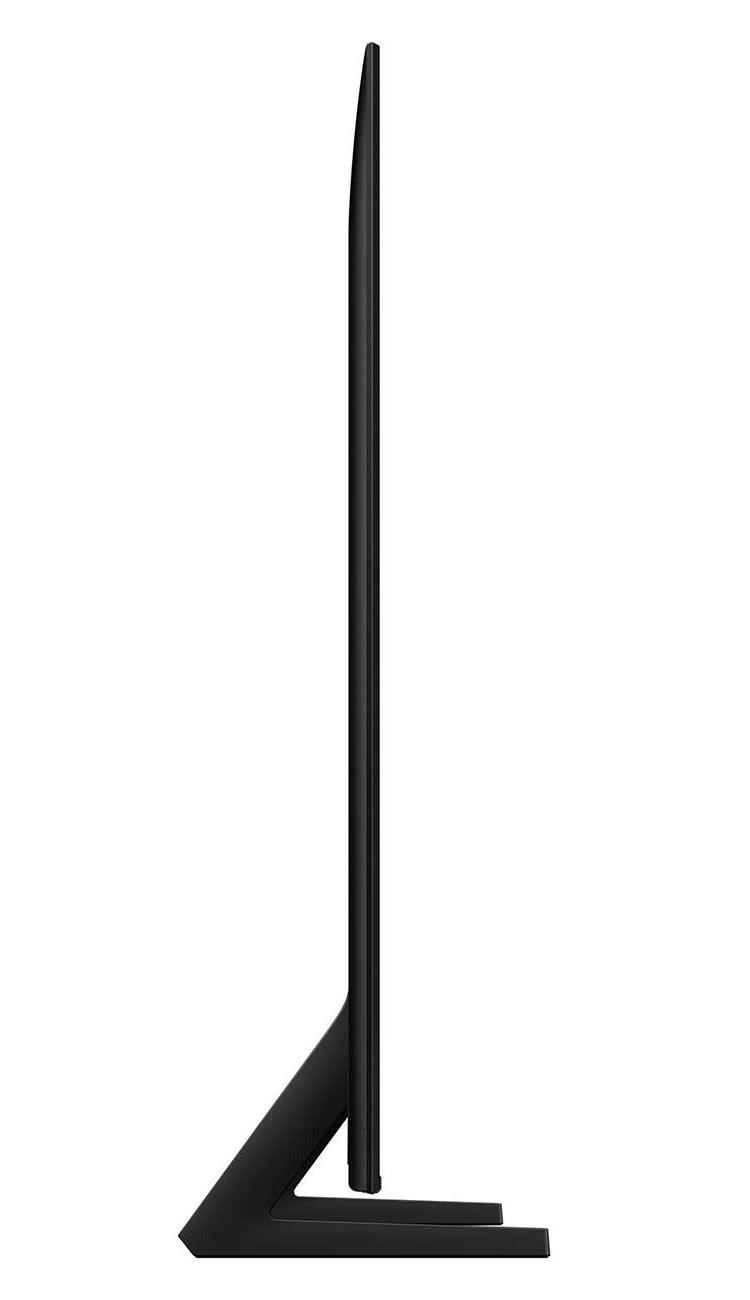
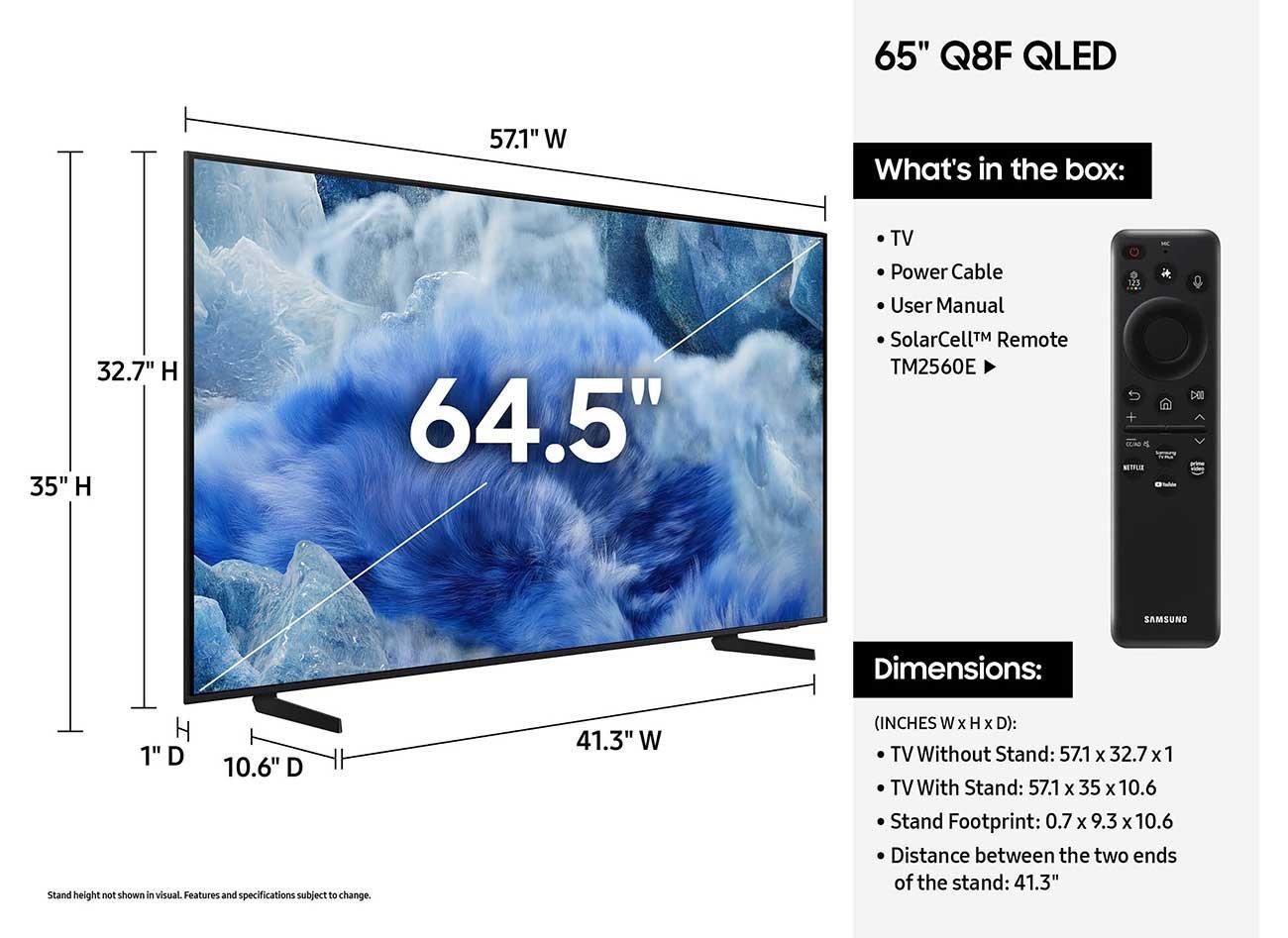
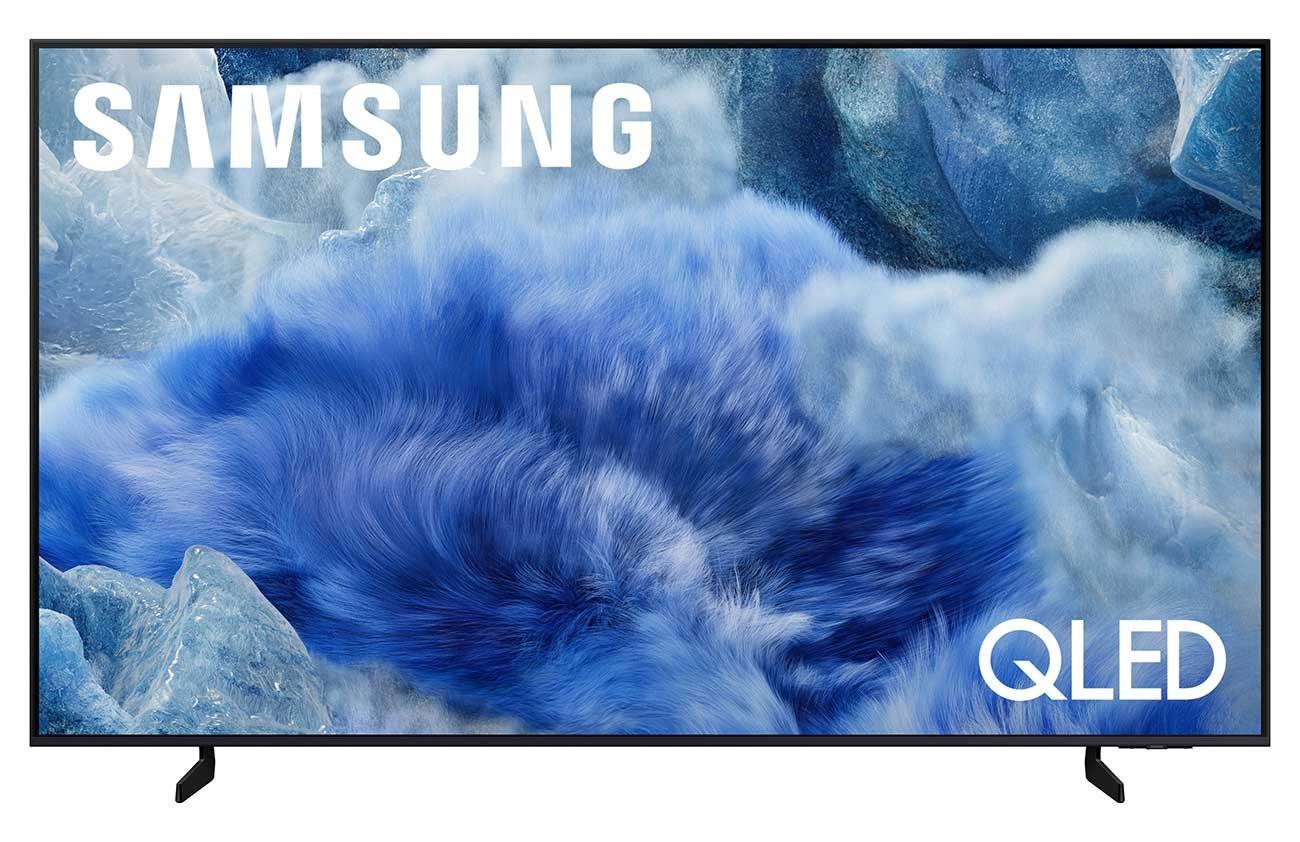
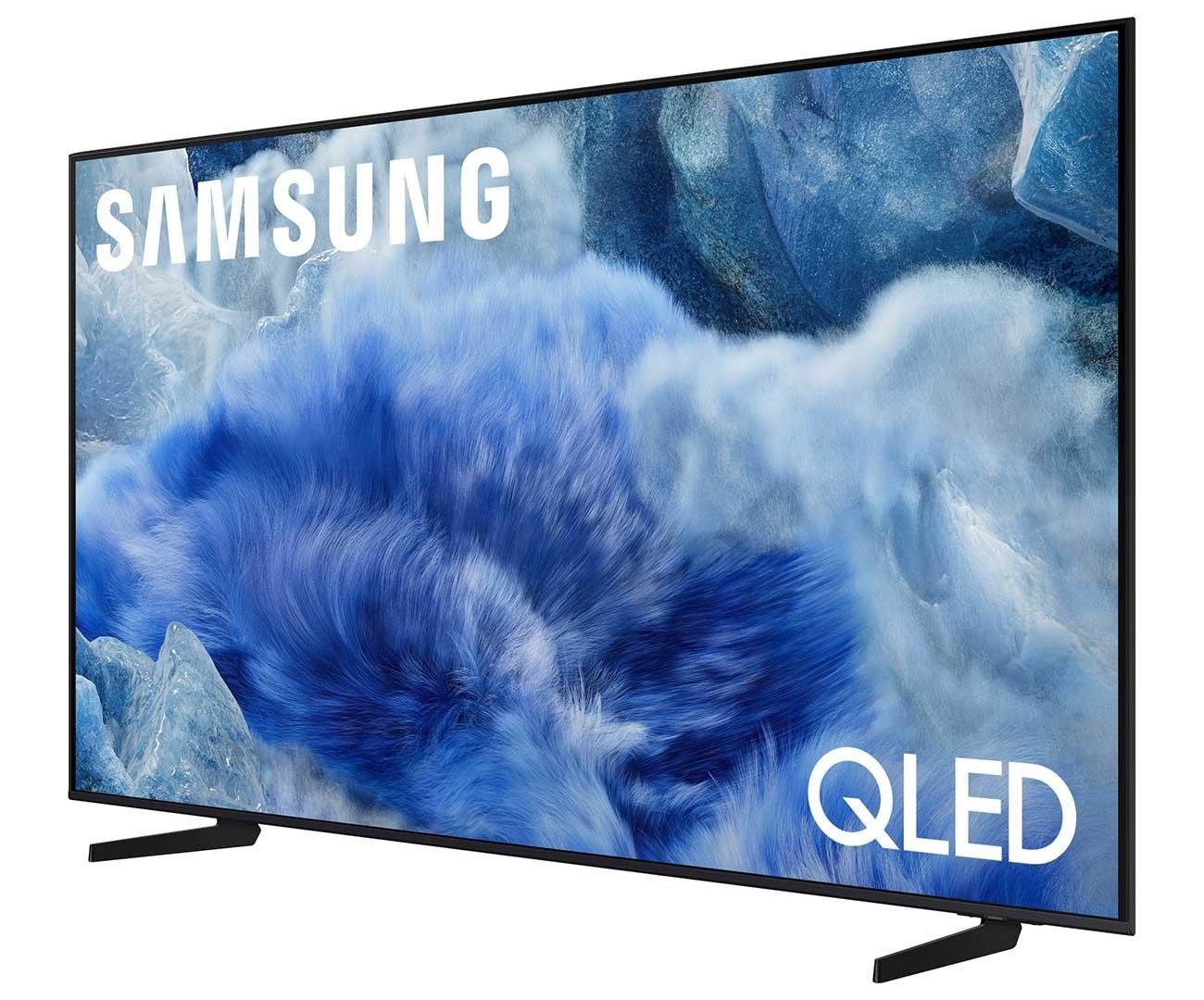
Both TVs embody modern flat-screen aesthetics, but with different priorities. The Samsung QN8F features Samsung's "AirSlim" design philosophy, creating an incredibly thin profile that looks striking when wall-mounted. Samsung has always prioritized sleek industrial design, and this model continues that tradition.
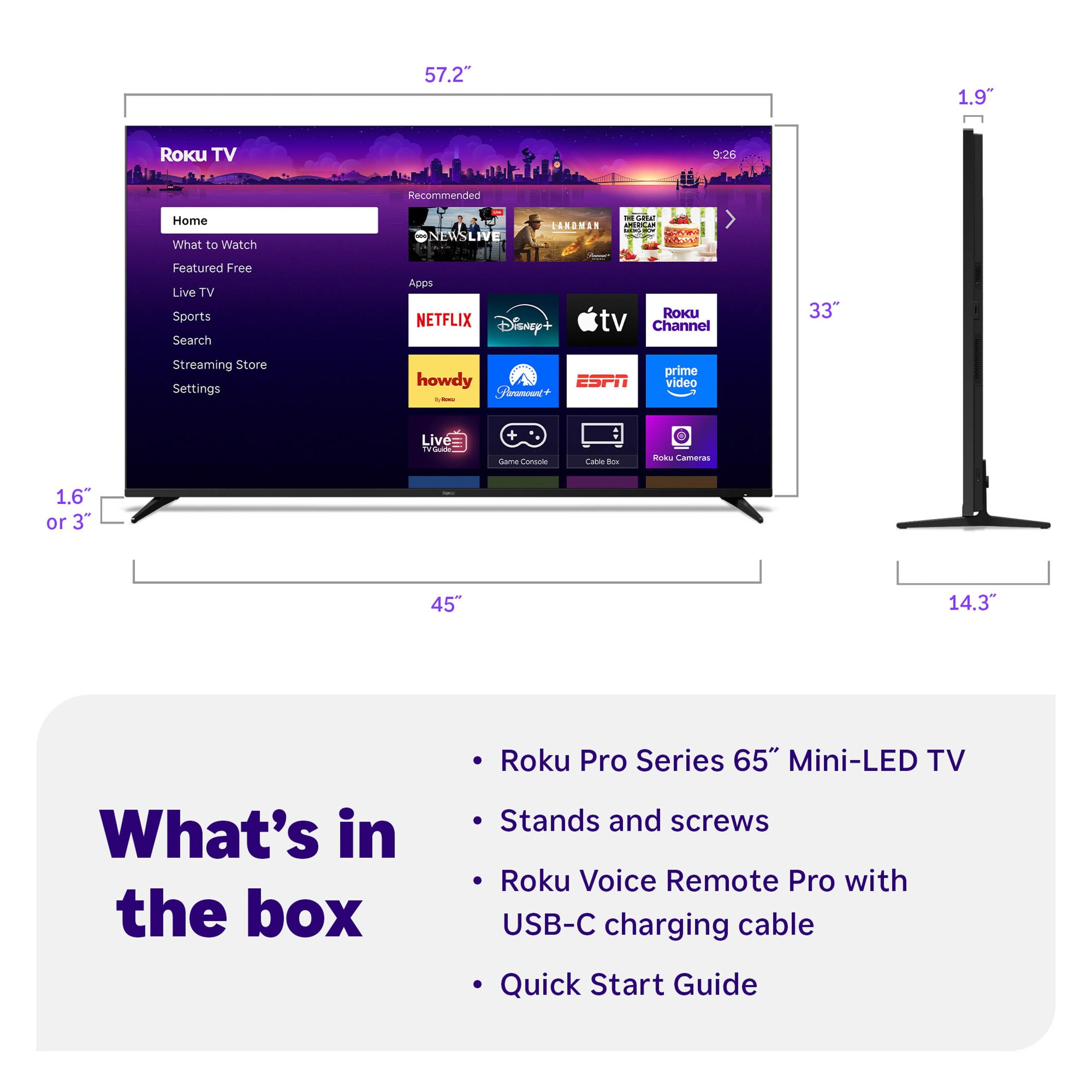
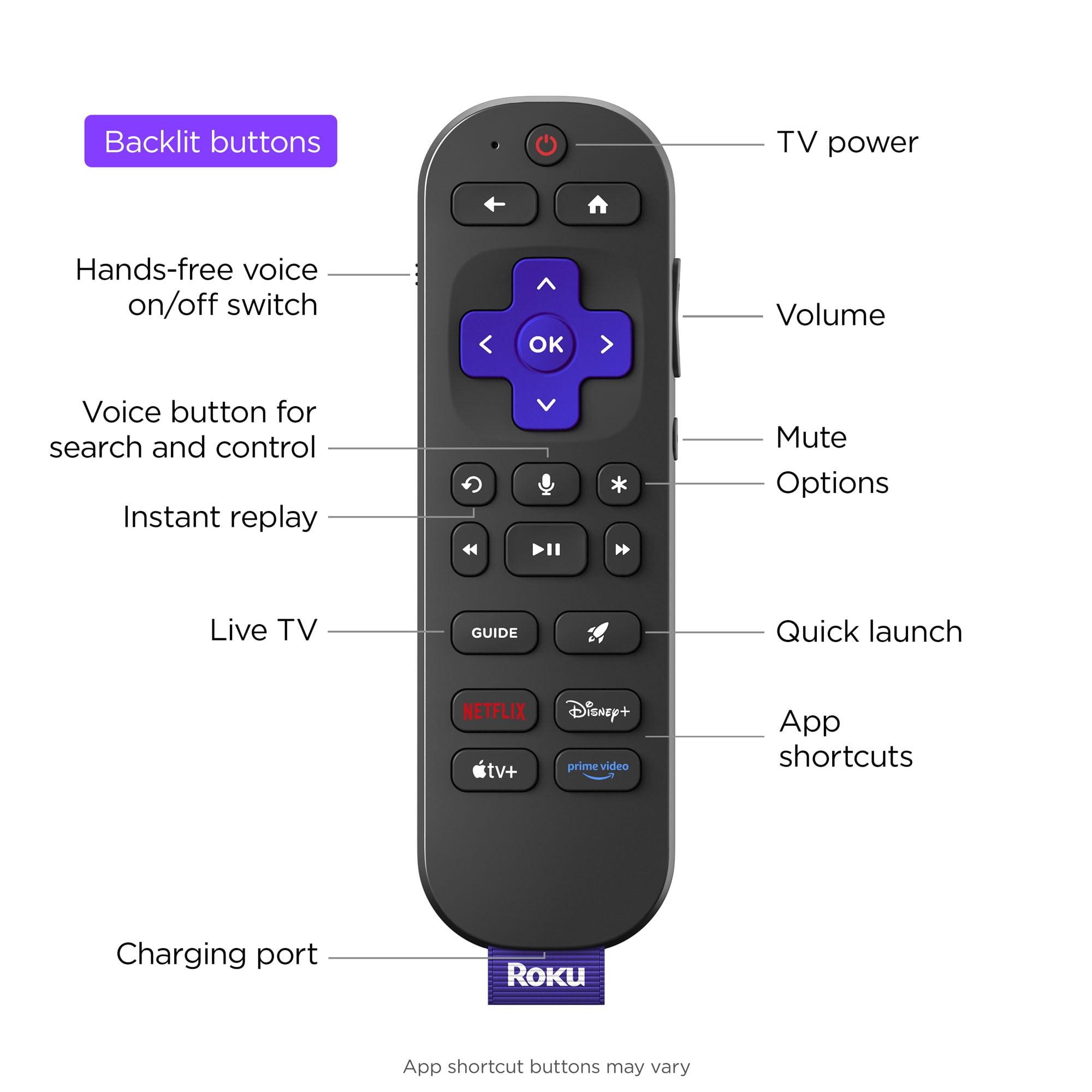
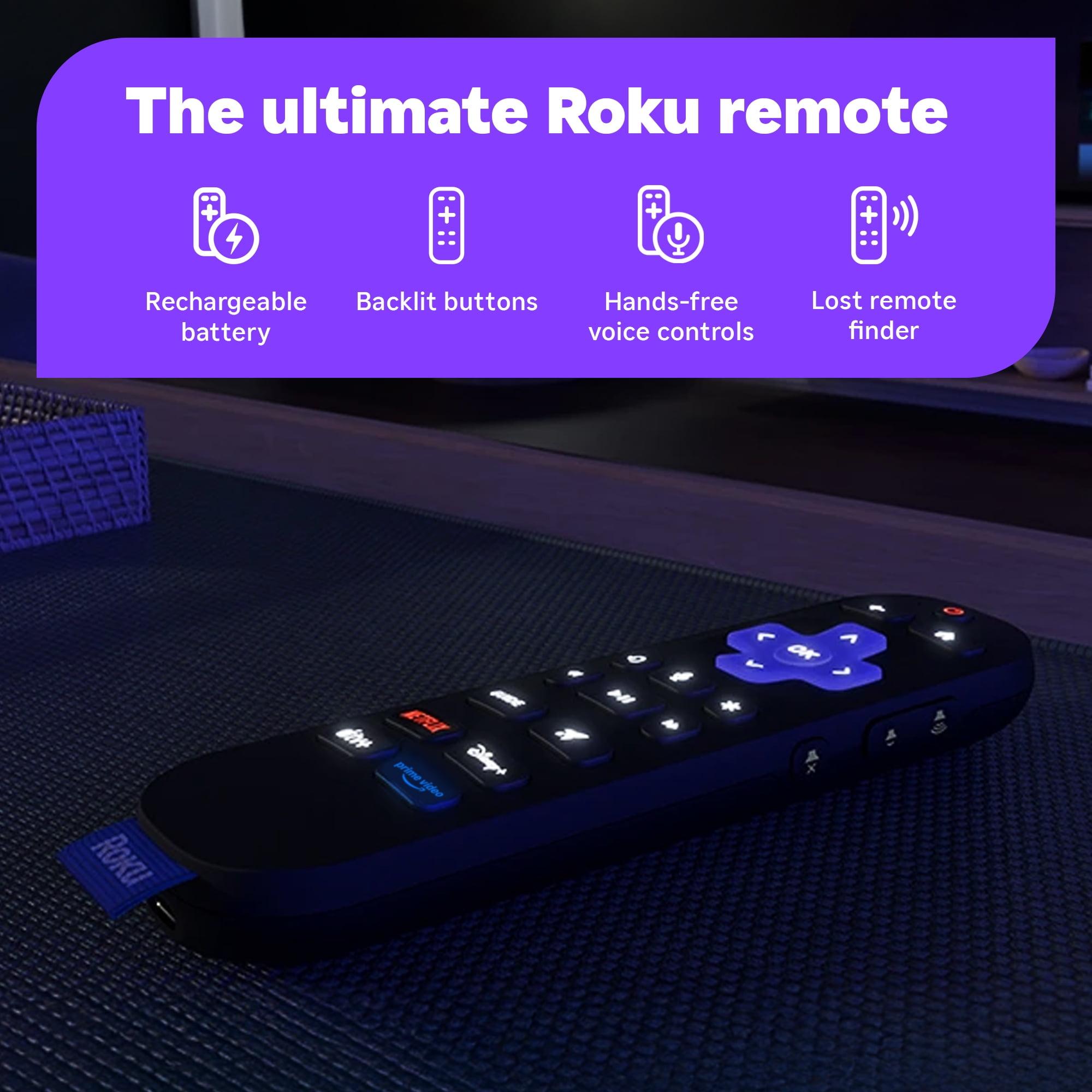
The Roku Pro Series focuses more on functional design elements. The included stand is robust and well-engineered, and the TV includes thoughtful touches like a remote finder button built into the side panel. When you inevitably lose the remote (and you will), just press this button and the remote beeps and lights up.
Both TVs support standard VESA wall mounting, though the Samsung's thinner profile might appeal more to those planning a flush wall installation.
At the time of writing, both TVs position themselves in the premium 65-inch segment, but they offer different value propositions. The Roku Pro Series 2025 typically carries a more aggressive price point while delivering superior HDR performance and audio quality – aspects that directly impact your daily viewing experience.
The Samsung QN8F commands a premium for its advanced AI processing, sophisticated upscaling, and brand recognition. Samsung's pricing reflects their market position as a premium electronics manufacturer, but you're paying partly for features that might not improve your actual viewing experience as much as the Roku's superior brightness and audio.
From a pure performance-per-dollar perspective, the Roku offers better value for most buyers. However, if you're deeply invested in Samsung's ecosystem or prioritize having the latest AI features, the price premium might feel justified.
For dedicated home theater setups, the choice becomes more nuanced. The Roku Pro Series 2025 excels in mixed-lighting situations where you might have some ambient light from hallways or adjacent rooms. Its superior brightness ensures the picture doesn't wash out, and the excellent built-in audio works well for mid-size theater rooms.
The Samsung QN8F might actually perform better in perfectly controlled theater environments where brightness isn't as critical. Samsung's superior HDR color accuracy shines when you can control all the lighting variables, and their AI processing can better optimize the varied content quality you might encounter with different streaming services and physical media.
However, many home theater enthusiasts will add a dedicated sound system regardless of built-in TV audio quality, which diminishes one of the Roku's key advantages.
You have a bright living room where the TV will compete with natural light throughout the day. The superior HDR brightness isn't just a spec sheet number – it makes a real difference in how vibrant and engaging content looks. Gaming enthusiasts will appreciate the exceptionally low input lag, making competitive gaming more responsive. The excellent built-in audio means you can enjoy movies and shows without immediately needing additional equipment.
The Roku Pro Series also makes sense if you value reliability and simplicity over cutting-edge features. Roku's platform has proven itself over many years, and their approach to smart TV functionality prioritizes what actually matters for daily use.
You're setting up a more controlled viewing environment where brightness isn't the primary concern. The advanced AI processing and superior upscaling benefit viewers who watch a lot of varied content quality – from pristine 4K streams to lower-resolution broadcasts. If you're already invested in Samsung's ecosystem with phones, tablets, or other smart home devices, the integration benefits are genuinely useful.
The Samsung also appeals to users who enjoy having the latest technology features, even if they don't always translate to better day-to-day performance. The generative AI wallpapers and advanced voice control represent the cutting edge of TV technology, which has value beyond pure functional benefit.
Based on our research and analysis of user feedback, the Roku Pro Series 2025 offers better overall value and performance for most buyers. The superior HDR brightness makes a noticeable difference in real-world viewing conditions, the exceptional built-in audio reduces the need for additional equipment, and the proven smart platform delivers reliable performance without complexity.
The Samsung QN8F isn't a bad choice – it offers sophisticated features and excellent build quality. However, its advantages are more subtle and situational, while the Roku's strengths address fundamental aspects of TV performance that matter every time you turn it on.
For most people shopping for a premium 65-inch QLED TV in 2025, the Roku Pro Series represents the better combination of performance, features, and value. It excels where it matters most while avoiding the premium pricing that doesn't always translate to better real-world experience.
| Roku 65" Pro Series 2025 | Samsung 65" QN8F Series QLED 4K Vision AI Smart TV 2025 |
|---|---|
| HDR Peak Brightness - Critical for bright room viewing and impactful HDR content | |
| 1,818 nits (excellent for competing with ambient light) | Not specified, typical QLED performance (~800-1000 nits) |
| Backlighting Technology - Affects contrast and blooming control | |
| Mini-LED with full array local dimming (superior contrast, minimal blooming) | Dual LED backlighting (good but less precise than Mini-LED) |
| Color Coverage - Determines how vibrant and accurate colors appear | |
| 96.9% UHDA-P3, improved accuracy over previous models | 100% Color Volume with Quantum Dot (over 1 billion colors) |
| Gaming Input Lag - Essential for responsive gaming performance | |
| 5.2ms at 120Hz (exceptional for competitive gaming) | Not specified, likely 10-15ms (still good for gaming) |
| Refresh Rate - Important for smooth motion in sports and gaming | |
| 120Hz native with gaming features | Up to 144Hz with Motion Xcelerator technology |
| Audio System - Built-in sound quality affects immediate usability | |
| Dolby Atmos with side-firing speakers ("theater-like bass") | 20W 2CH with Adaptive Sound+ (adequate but not exceptional) |
| Smart Platform - Daily user experience and app performance | |
| Roku TV OS with 1,000+ free channels, Wi-Fi 6 | Tizen OS with Samsung Vision AI, Q4 AI Processor, 1,200+ free channels |
| AI Processing - Content optimization and upscaling quality | |
| Smart Picture Max (scene-by-scene optimization) | Samsung Vision AI with Q4 processor (advanced upscaling and optimization) |
| Voice Control - Hands-free operation and smart home integration | |
| Roku Voice Remote Pro with rechargeable battery | Enhanced Bixby with far-field interaction and smart home control |
| Design Profile - Aesthetic appeal and wall-mounting considerations | |
| Standard thickness with remote finder button | AirSlim design (ultra-thin profile for sleek wall mounting) |
| HDMI 2.1 Support - Future-proofing for next-gen gaming consoles | |
| 2 ports supporting 4K@120Hz with VRR, ALLM, FreeSync Premium Pro | 4 ports with HDMI 2.1, supports up to 4K@144Hz |
| HDR Formats - Compatibility with different streaming and disc content | |
| Dolby Vision IQ, HDR10+ Adaptive, HLG | Quantum HDR+, HDR10+ Adaptive/Gaming |
The Roku 65" Pro Series 2025 delivers superior performance in bright rooms with its exceptional HDR brightness reaching 1,818 nits. This Mini-LED backlighting system maintains vibrant colors and deep contrast even when competing with sunlight or ambient lighting. The Samsung QN8F Series offers good picture quality but doesn't match the Roku's brightness levels for challenging lighting conditions.
The Roku Pro Series 2025 runs Roku TV OS, known for its simple interface and over 1,000 free content channels. It prioritizes ease of use and fast performance. The Samsung QN8F features Tizen OS with Samsung Vision AI, offering more advanced features like AI-powered content optimization and deeper smart home integration, but with added complexity.
The Roku 65" Pro Series 2025 excels for gaming with exceptionally low input lag of just 5.2ms at 120Hz, making it highly responsive for competitive gaming. Both TVs support modern gaming features like VRR and ALLM, but the Samsung QN8F offers higher refresh rates up to 144Hz while typically having slightly higher input lag.
The Roku Pro Series 2025 significantly outperforms in audio quality with Dolby Atmos side-firing speakers that users describe as "theater-like" with impressive bass. The Samsung QN8F Series includes 20W 2-channel speakers with Adaptive Sound+ technology, which is adequate but doesn't match the Roku's audio impact or clarity.
The Roku 65" Pro Series 2025 typically provides better value with superior HDR brightness, excellent built-in audio, and reliable smart features at a more competitive price point. The Samsung QN8F commands a premium for its advanced AI processing and brand recognition, but the performance gains may not justify the higher cost for most buyers.
The Samsung QN8F Series features Samsung's AirSlim design with an ultra-thin profile that looks sleek when wall-mounted. The Roku Pro Series 2025 has a more standard thickness but includes practical features like a remote finder button built into the TV's side panel and a well-engineered stand.
For home theaters, the choice depends on your environment. The Roku Pro Series 2025 works better in mixed-lighting situations with its superior brightness and excellent built-in audio. The Samsung QN8F may perform better in perfectly controlled dark theaters where its superior HDR color accuracy can shine, though most home theater enthusiasts will add external audio regardless.
The Samsung QN8F Series offers more advanced AI processing with its Q4 AI Processor and Vision AI, providing superior upscaling and automatic content optimization. The Roku Pro Series 2025 uses Smart Picture Max for scene-by-scene optimization, which is effective but less sophisticated than Samsung's AI implementation.
Both TVs handle sports well, but with different strengths. The Samsung QN8F supports higher refresh rates up to 144Hz with Motion Xcelerator technology for potentially smoother motion. The Roku Pro Series 2025 provides strong motion handling with quick response times and excellent brightness that maintains picture quality during fast action sequences.
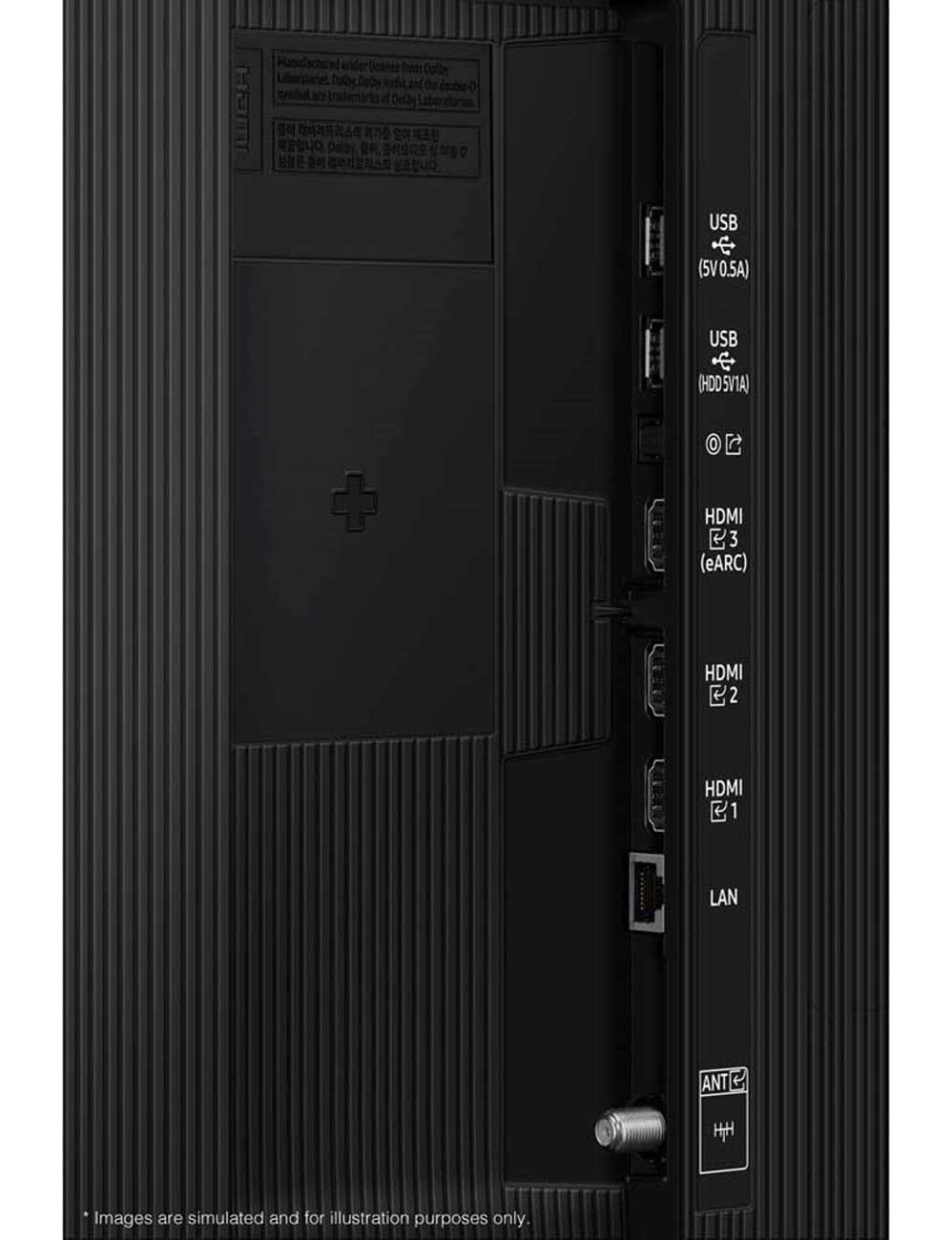
The Samsung QN8F Series offers 4 HDMI ports with HDMI 2.1 support for maximum connectivity flexibility. The Roku Pro Series 2025 includes 2 HDMI 2.1 ports supporting 4K@120Hz along with USB-A, USB-C, optical audio, and 3.5mm audio outputs, which covers most users' needs effectively.
The Roku 65" Pro Series 2025 wins for simplicity with its straightforward setup process and intuitive interface that puts all content in one unified home screen. The Samsung QN8F offers more features but requires more initial configuration and has a steeper learning curve for accessing all its AI-powered capabilities.
Choose the Roku Pro Series 2025 if you have a bright living room, prioritize gaming, want excellent built-in audio, and prefer simple operation. Select the Samsung QN8F Series if you have controlled lighting, are invested in Samsung's ecosystem, want cutting-edge AI features, and don't mind paying extra for advanced processing capabilities.
We've done our best to create useful and informative comparisons to help you decide what product to buy. Our research uses advanced automated methods to create this comparison and perfection is not possible - please contact us for corrections or questions. These are the sites we've researched in the creation of this article: bestbuy.com - rtings.com - techradar.com - youtube.com - roku.com - youtube.com - walmart.com - bestbuy.com - youtube.com - electronicexpress.com - roku.com - pcvarge.com - ecoustics.com - bestbuy.com - samsung.com - rtings.com - youtube.com - samsung.com - pcrichard.com - abt.com - images.samsung.com - cnet.com - news.samsung.com - samsung.com - bestbuy.com

Privacy Policy
Terms and Conditions - Affiliate Policy
Home Security
© Copyright 2008-2026.
11816 Inwood Rd #1211, Dallas, TX 75244