

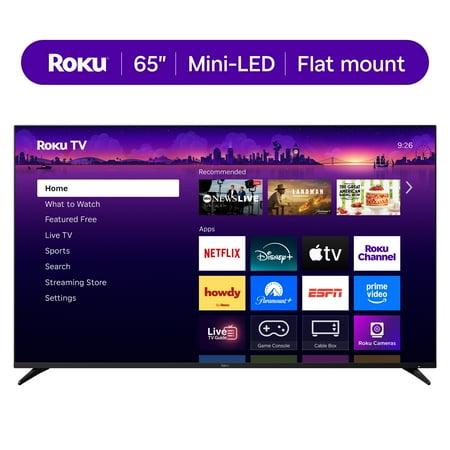
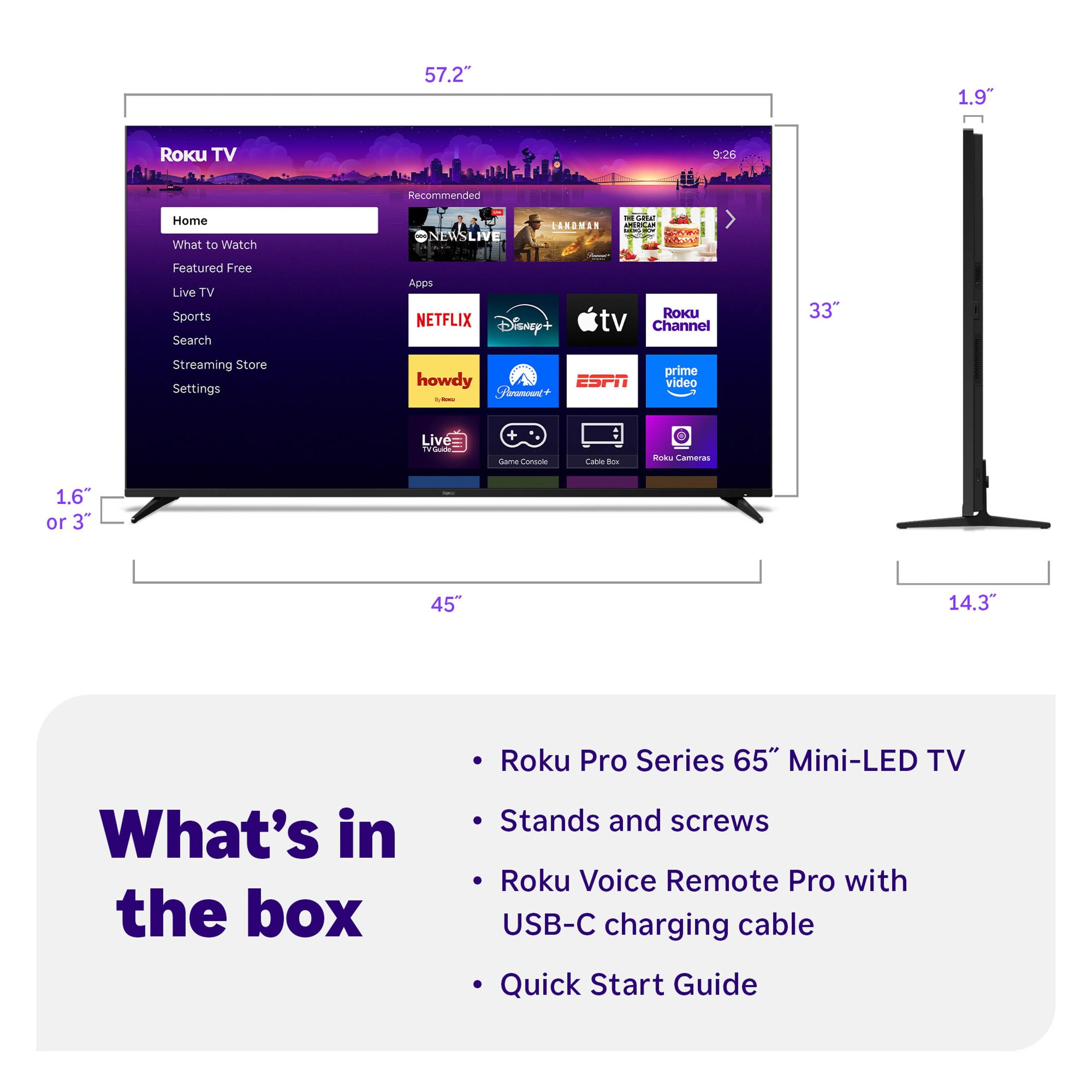
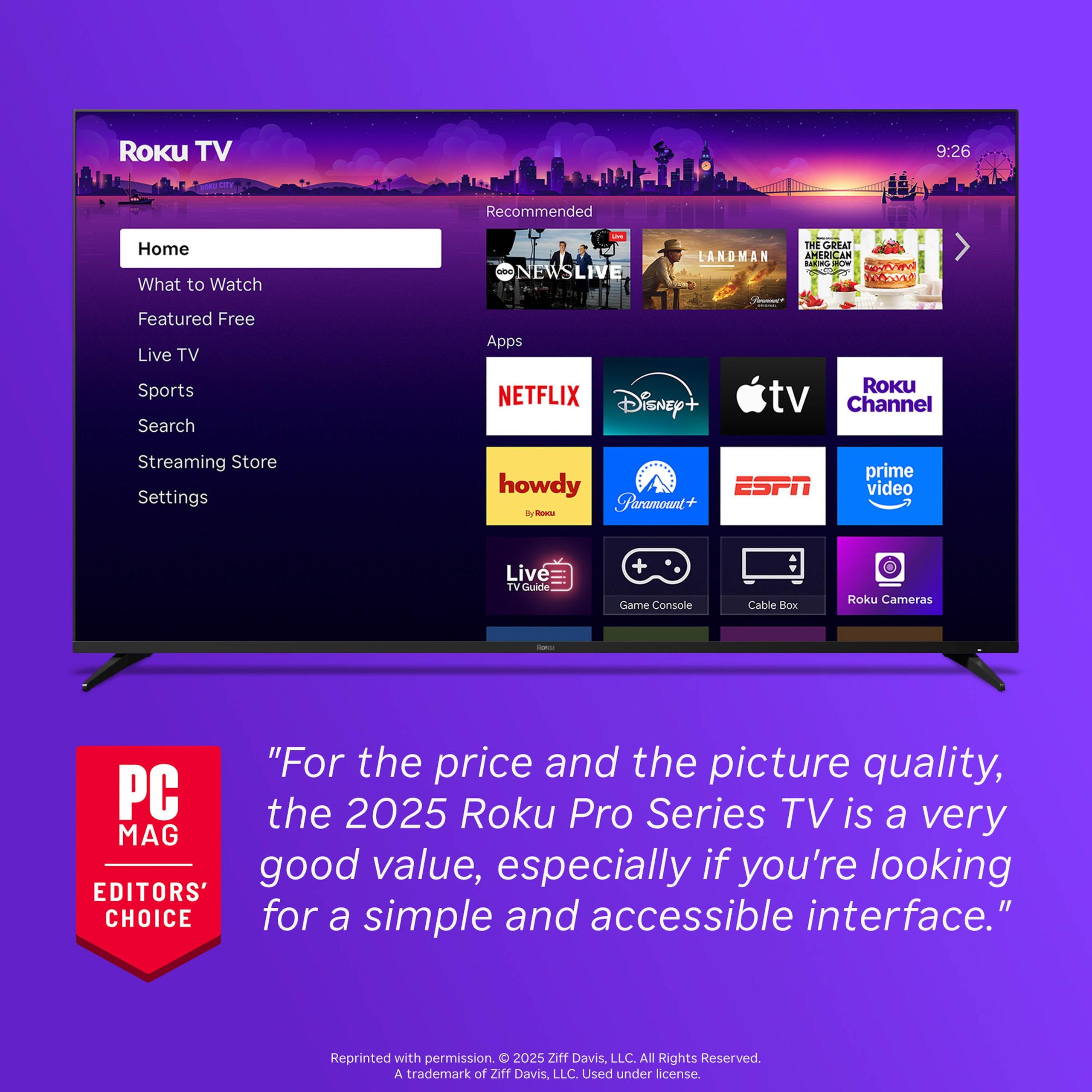
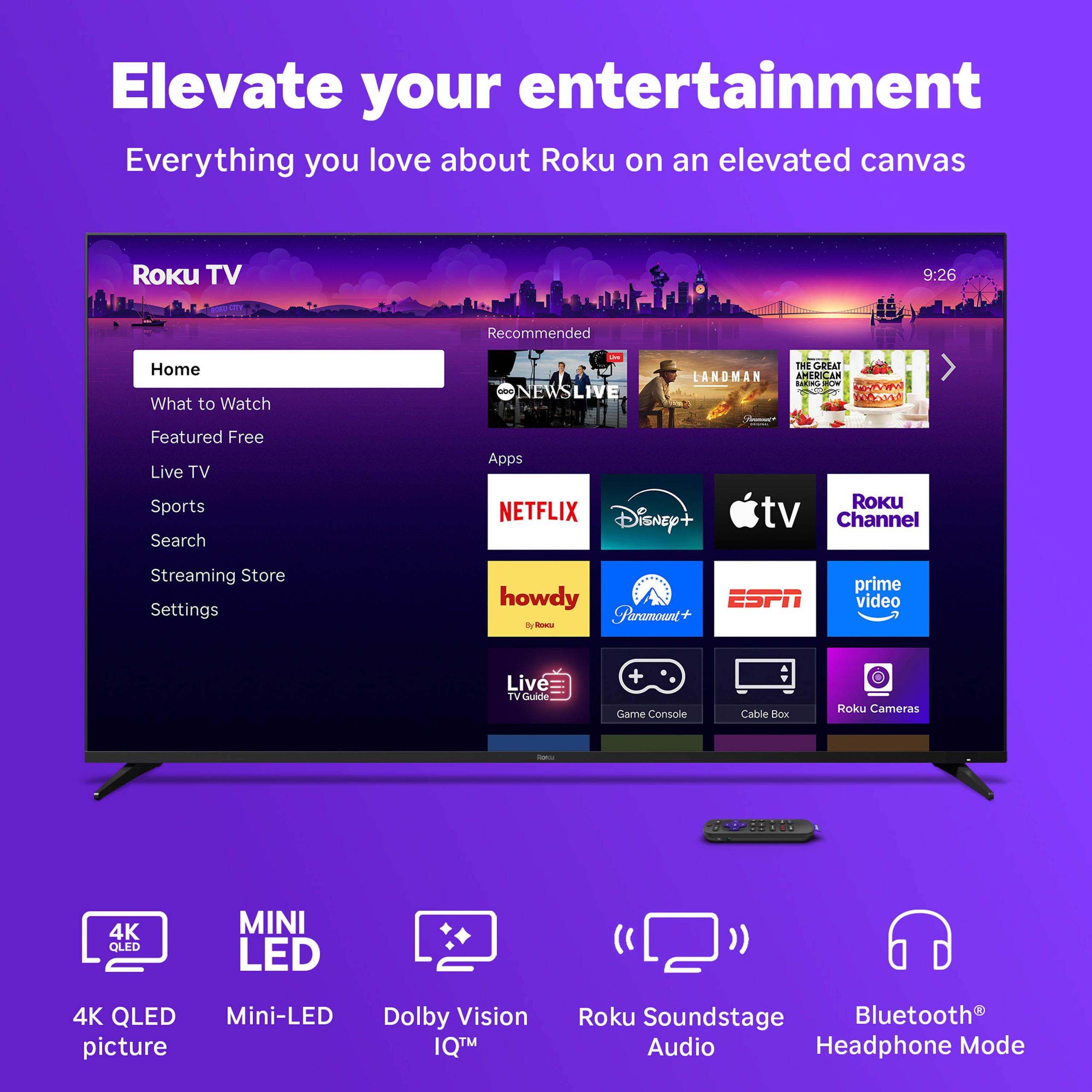
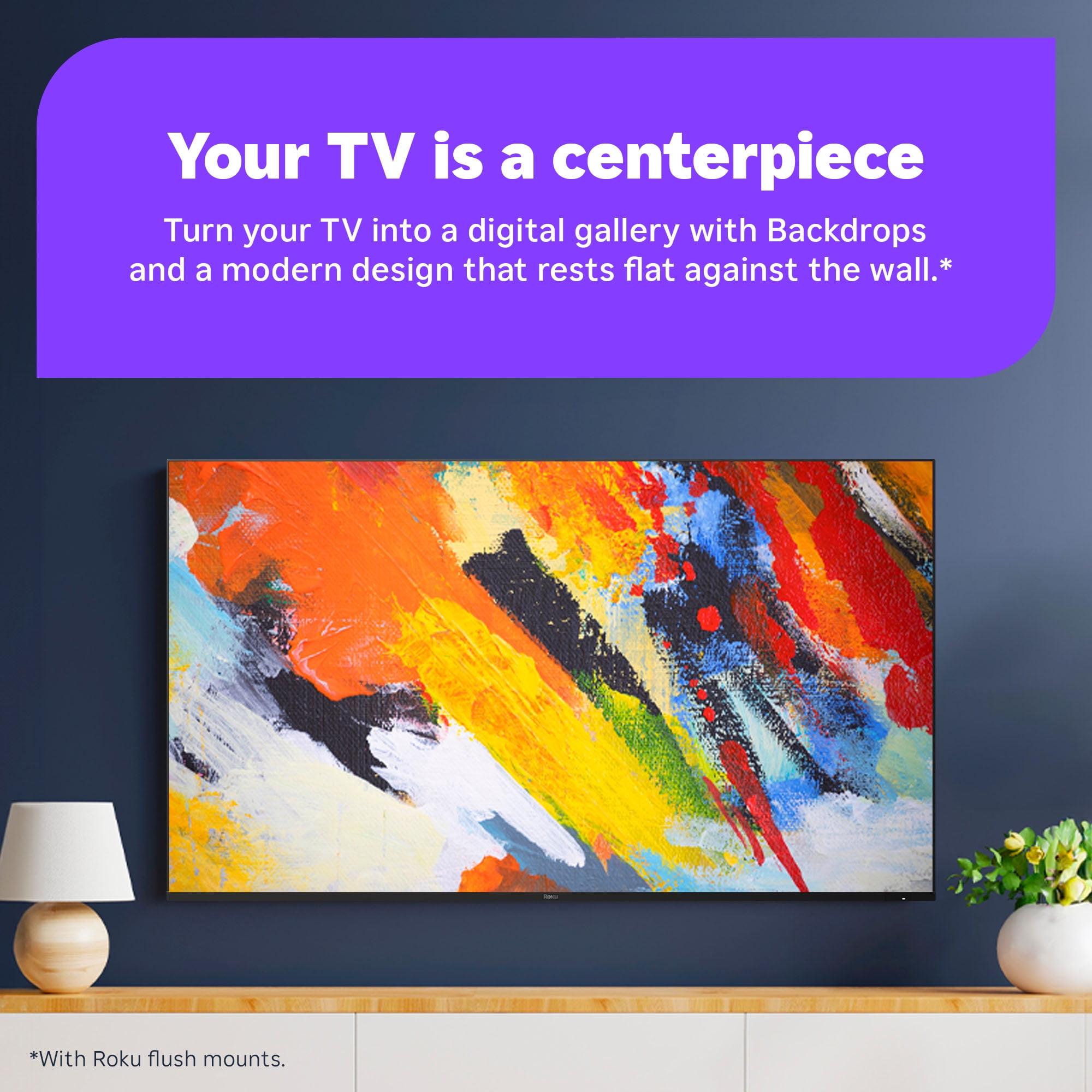
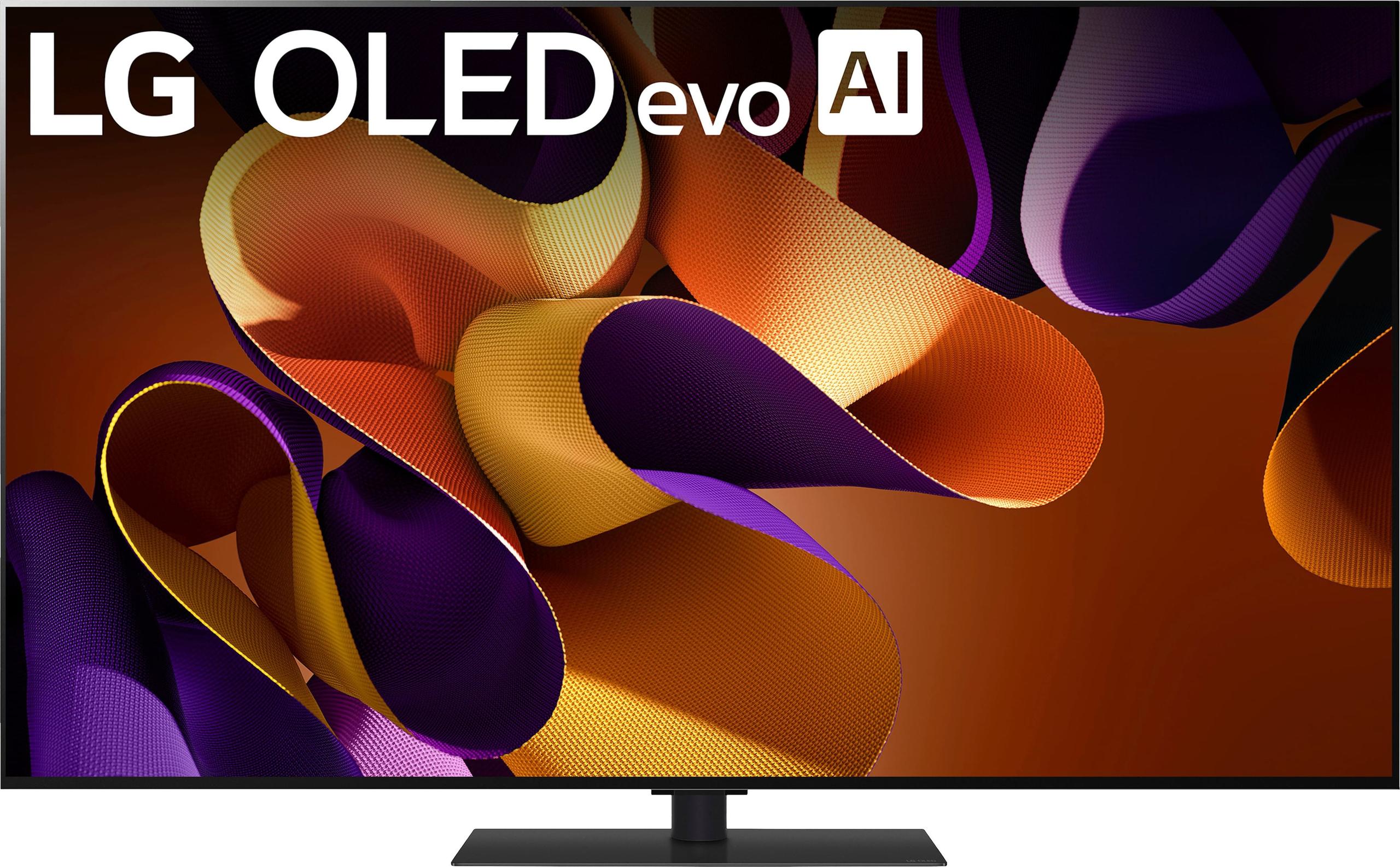
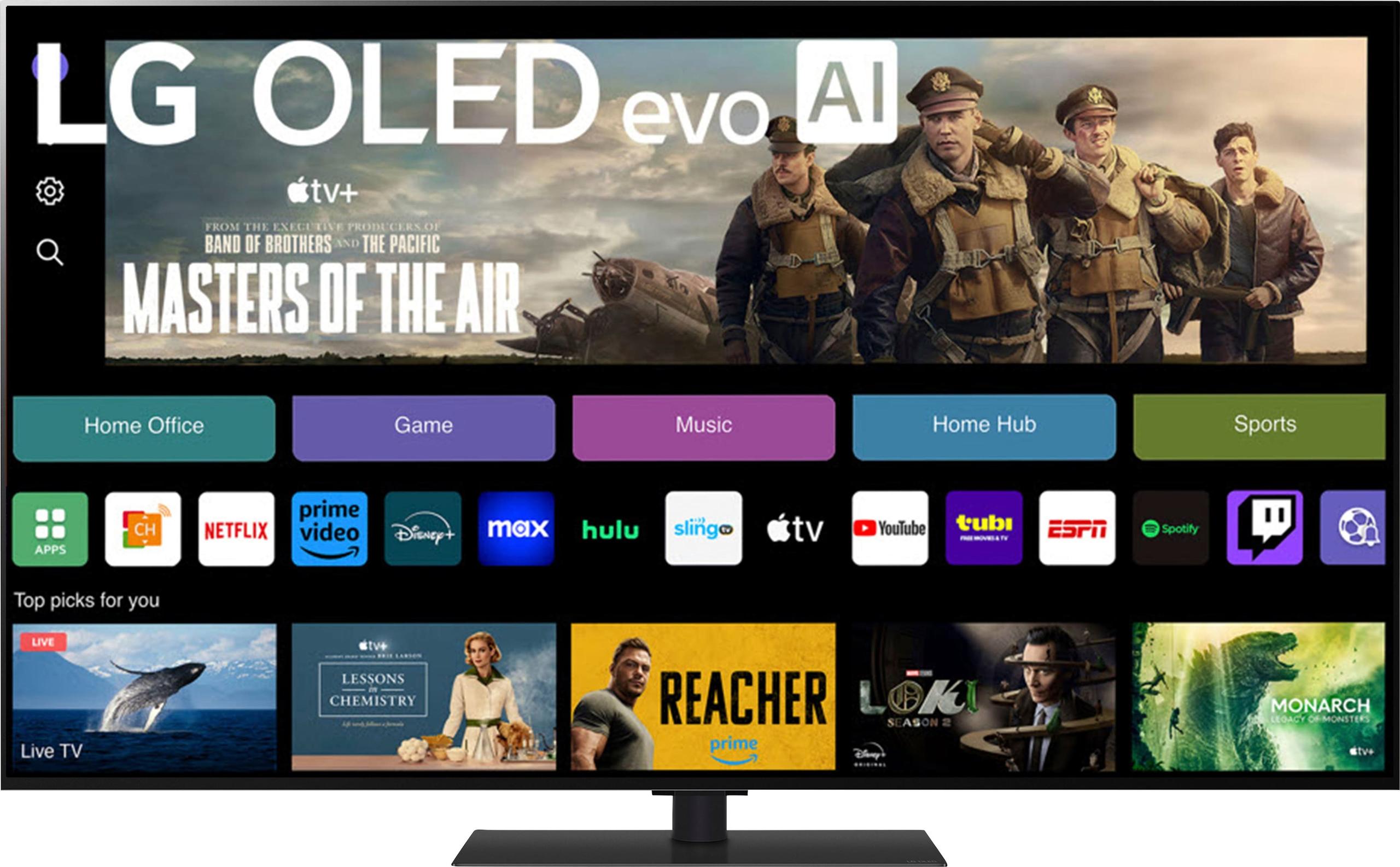
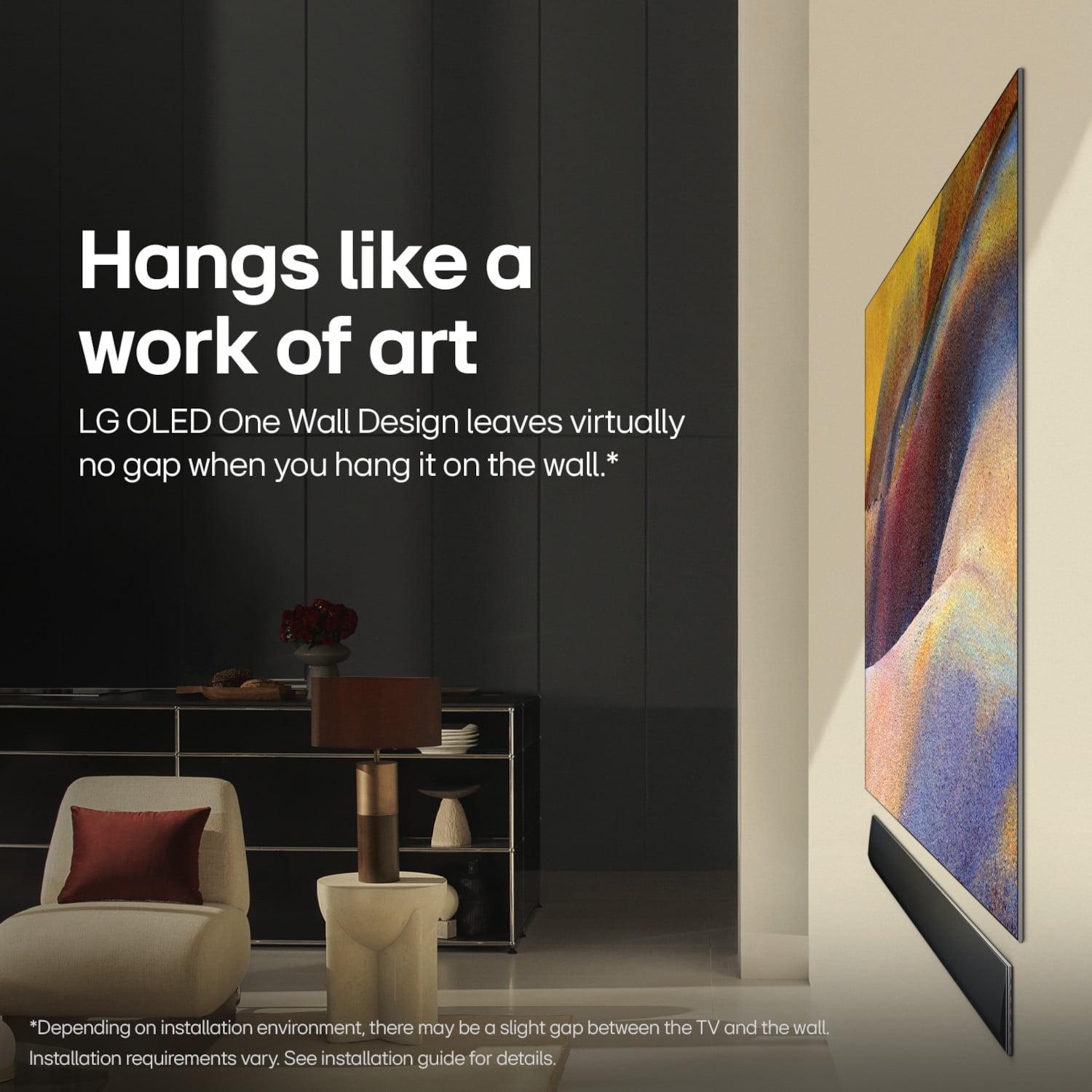
When you're ready to upgrade to a premium 65-inch TV, you're essentially choosing between two fundamentally different approaches to creating an exceptional picture. The Roku Pro Series 2025, released in 2025, represents the pinnacle of Mini-LED QLED technology focused on brightness and value. The LG G4 OLED, launched in 2024, showcases the latest evolution in OLED display technology with enhanced brightness capabilities that address traditional OLED weaknesses.
At the time of writing, these TVs sit in dramatically different price brackets - the Roku Pro Series positioned as a premium value option while the LG G4 commands a significant premium for its cutting-edge technology. Understanding which approach better suits your viewing environment and priorities will help you make the right choice for your home theater setup.
The television landscape has evolved rapidly, with two dominant premium technologies emerging: Mini-LED QLED and OLED. Each approach solves the challenge of creating bright, colorful images with deep blacks in completely different ways.
Mini-LED QLED technology, used in the Roku Pro Series, places thousands of tiny LEDs behind a quantum dot layer. These mini-LEDs are much smaller than traditional LED backlights, allowing for more precise control of which areas of the screen are lit up. The quantum dot layer then converts this light into more accurate colors. This approach excels at producing extremely bright images that can compete with sunlight streaming through windows.
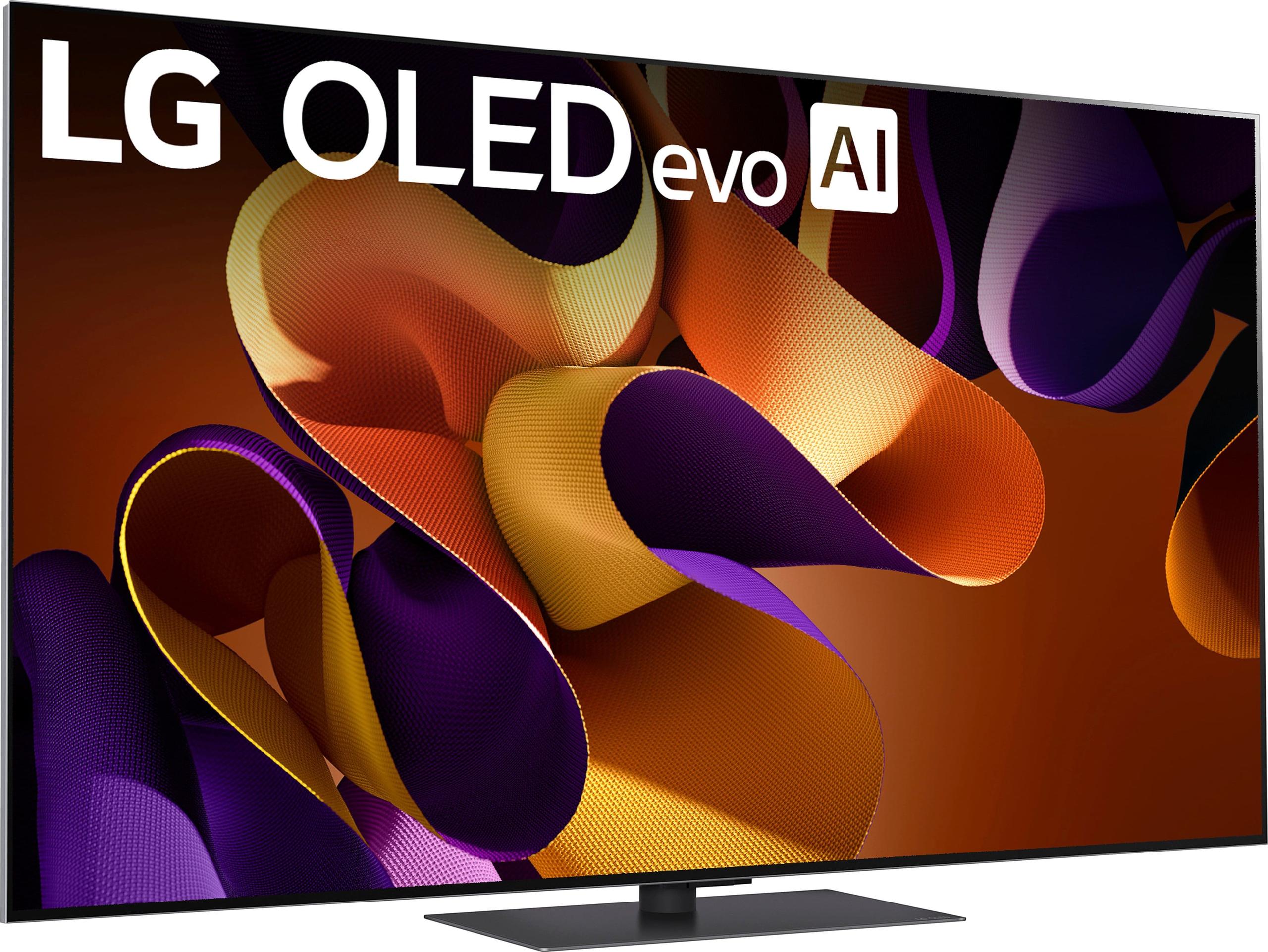
OLED technology in the LG G4 takes a radically different approach - each of the 8.3 million pixels produces its own light and can turn completely off to create perfect blacks. When an OLED pixel is off, it's truly black, not just dimmed like LED-backlit displays. This creates what's called an "infinite contrast ratio" - the mathematical difference between the brightest whites and darkest blacks.
The fundamental tradeoff has traditionally been brightness versus contrast. OLEDs deliver unmatched contrast but struggled in bright rooms, while LED-based displays could get much brighter but couldn't match OLED's perfect blacks. Recent advances have begun to blur these lines.
The Roku Pro Series 2025 excels in what many consider the most challenging viewing environment - a bright living room with windows and ambient lighting. Its Mini-LED backlight can push peak brightness well beyond what most OLEDs achieve, maintaining color vibrancy even when competing with afternoon sunlight. The full array local dimming system uses over 100 zones to control which parts of the screen are bright and which stay dim, creating impressive contrast for an LED-based display.
What makes this particularly impressive is how the Roku maintains color accuracy at high brightness levels. Many LED TVs wash out or shift color when pushed to maximum brightness, but the quantum dot layer helps maintain color purity even at peak output. For families who primarily watch TV during daytime hours or in rooms with large windows, this brightness advantage becomes a daily quality-of-life improvement.
The LG G4 OLED represents a significant evolution in OLED brightness capability. LG's Brightness Booster Max technology, combined with their Micro Lens Array (MLA) system, delivers up to 150% brighter images compared to previous OLED generations. In practical terms, this means the G4 can now hold its own in moderately lit rooms where older OLEDs would appear dim or washed out.
However, the physics of OLED technology still impose limitations. While the LG G4 has dramatically improved bright-room performance, it still can't match the raw brightness output of premium Mini-LED displays like the Roku Pro Series. The advantage comes in how OLEDs handle this brightness - since each pixel controls its own light output, there's no blooming or haloing around bright objects against dark backgrounds.
This is where the fundamental technology differences become most apparent. The LG G4 OLED delivers what many consider the gold standard for contrast performance. When a scene calls for deep blacks - think of a starfield in a space movie or shadows in a dark thriller - OLED pixels simply turn off completely. This creates blacks that are indistinguishable from the TV being turned off entirely.
The Roku Pro Series 2025, despite its advanced Mini-LED backlighting, still relies on blocking light rather than eliminating it. Even with over 100 dimming zones, some light leakage is inevitable when bright and dark elements appear close together on screen. This manifests as subtle "blooming" - a slight glow around bright objects against dark backgrounds. While the Roku's local dimming system minimizes this effect better than most LED TVs, it can't completely eliminate it.
In a dedicated home theater with controlled lighting, this difference becomes immediately apparent. The LG G4 creates an almost three-dimensional viewing experience where bright objects seem to float against the perfect black background. However, in brighter viewing environments, this advantage diminishes significantly as ambient light reflects off the screen and raises the black level regardless of the display technology.
Both TVs support modern HDR (High Dynamic Range) formats, but they implement them differently. HDR content contains information about both very bright highlights and very dark shadows, along with a wider range of colors than traditional TV content.
The Roku Pro Series 2025 supports Dolby Vision IQ, HDR10+ Adaptive, and HLG. The "IQ" and "Adaptive" parts are crucial - these formats adjust the picture based on your room's ambient lighting conditions. The TV's sensors detect how bright your room is and modify the HDR presentation accordingly, preventing washed-out daytime viewing or overly dim nighttime presentation.
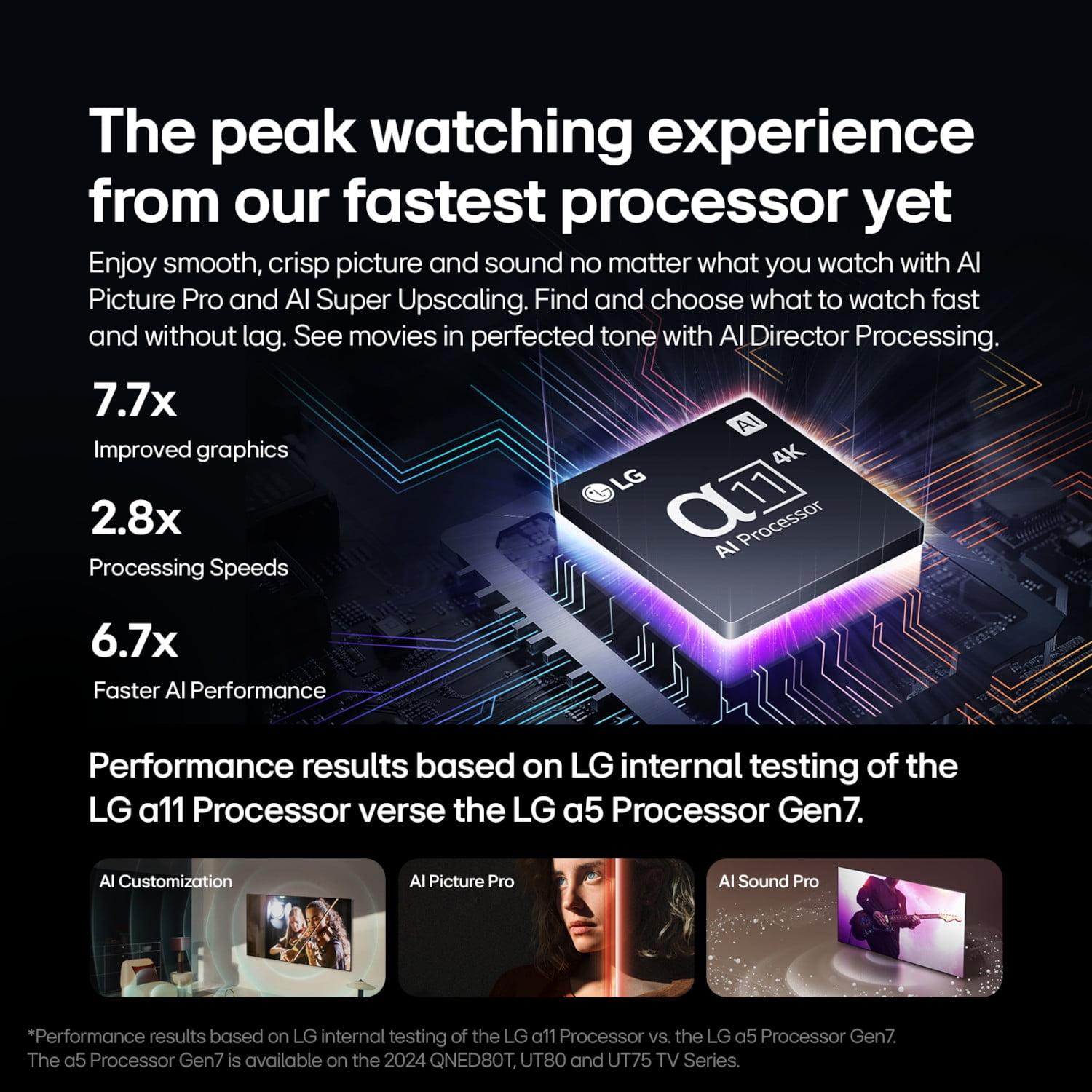
The LG G4 OLED focuses on filmmaker accuracy with its HDR implementation. Supporting Dolby Vision, HDR10, and HLG, it aims to reproduce the creator's intended vision as precisely as possible. The α11 (Alpha 11) AI processor analyzes each scene and applies the appropriate tone mapping - essentially translating the HDR information into the best possible image for the display's capabilities.
For color accuracy, both TVs perform well but with different strengths. The Roku covers 96.9% of the UHDA-P3 color space with improved accuracy compared to previous generations. The LG G4 is certified for 100% color volume and fidelity, meaning it can reproduce the full range of colors at all brightness levels - a traditional OLED advantage that's been enhanced in this generation.
Gaming has become a crucial consideration for premium TV buyers, with modern consoles like the PlayStation 5 and Xbox Series X demanding displays that can keep up with fast-paced action.
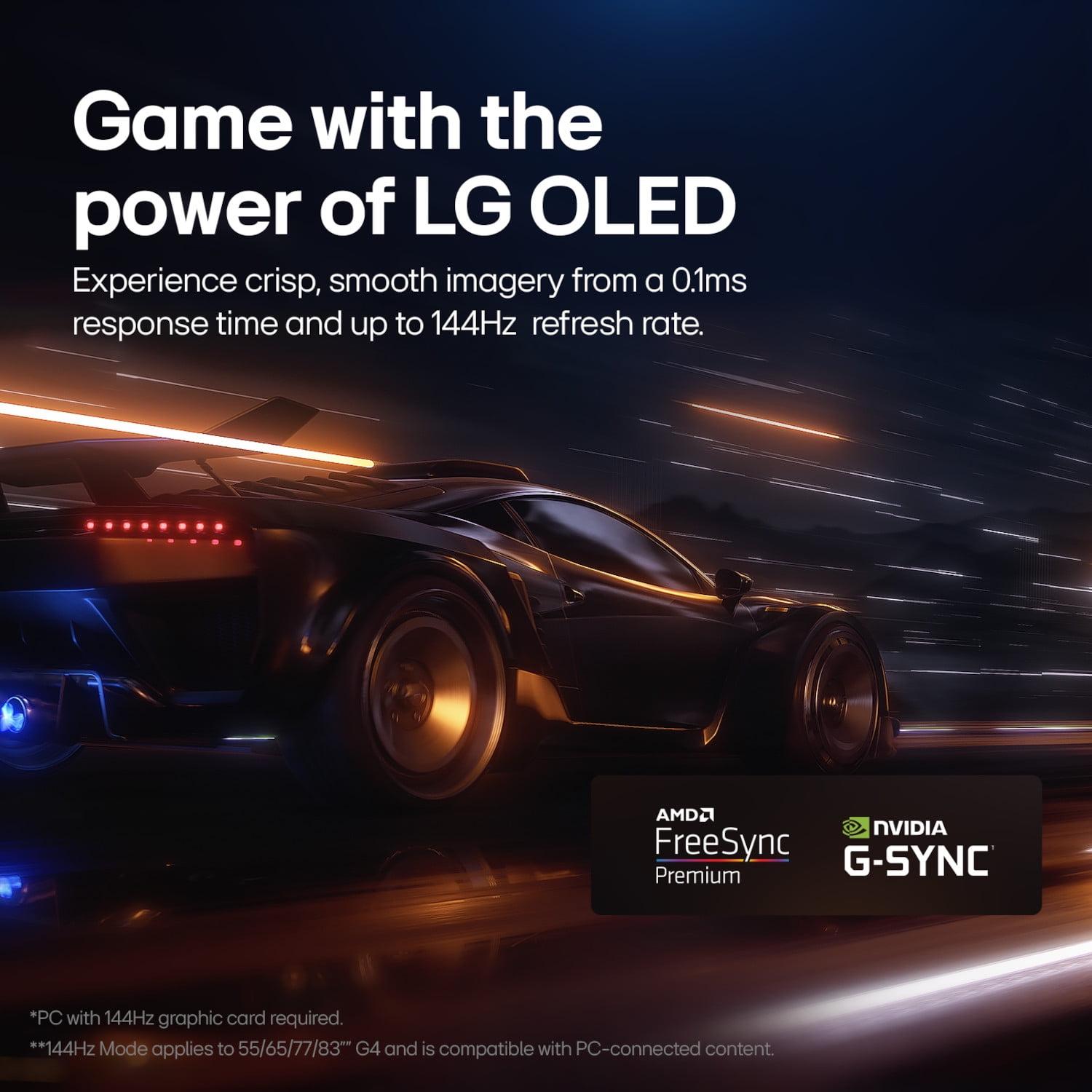
The LG G4 OLED sets the standard here with an almost unbelievable 0.1 millisecond response time - essentially instantaneous pixel transitions. This eliminates motion blur in fast-paced games and provides the most responsive gaming experience possible. Combined with support for variable refresh rates up to 144Hz and four full HDMI 2.1 ports, it's designed for serious gamers who want competitive advantages.
The Roku Pro Series 2025 takes a more practical approach to gaming. With input lag as low as 5.2 milliseconds at 120Hz and support for FreeSync Premium Pro, it provides excellent gaming performance for most players. While not quite matching the LG's response times, the difference is only noticeable to the most demanding competitive gamers.
What sets these apart is port availability. The LG G4 includes four HDMI 2.1 ports capable of full 4K at 120Hz, while the Roku Pro Series provides two HDMI 2.1 ports with the same capabilities. For households with multiple gaming consoles, a gaming PC, and other high-bandwidth devices, this difference matters significantly.
The smart TV experience has become as important as picture quality for many users, affecting everything from initial setup to daily app launching speeds.
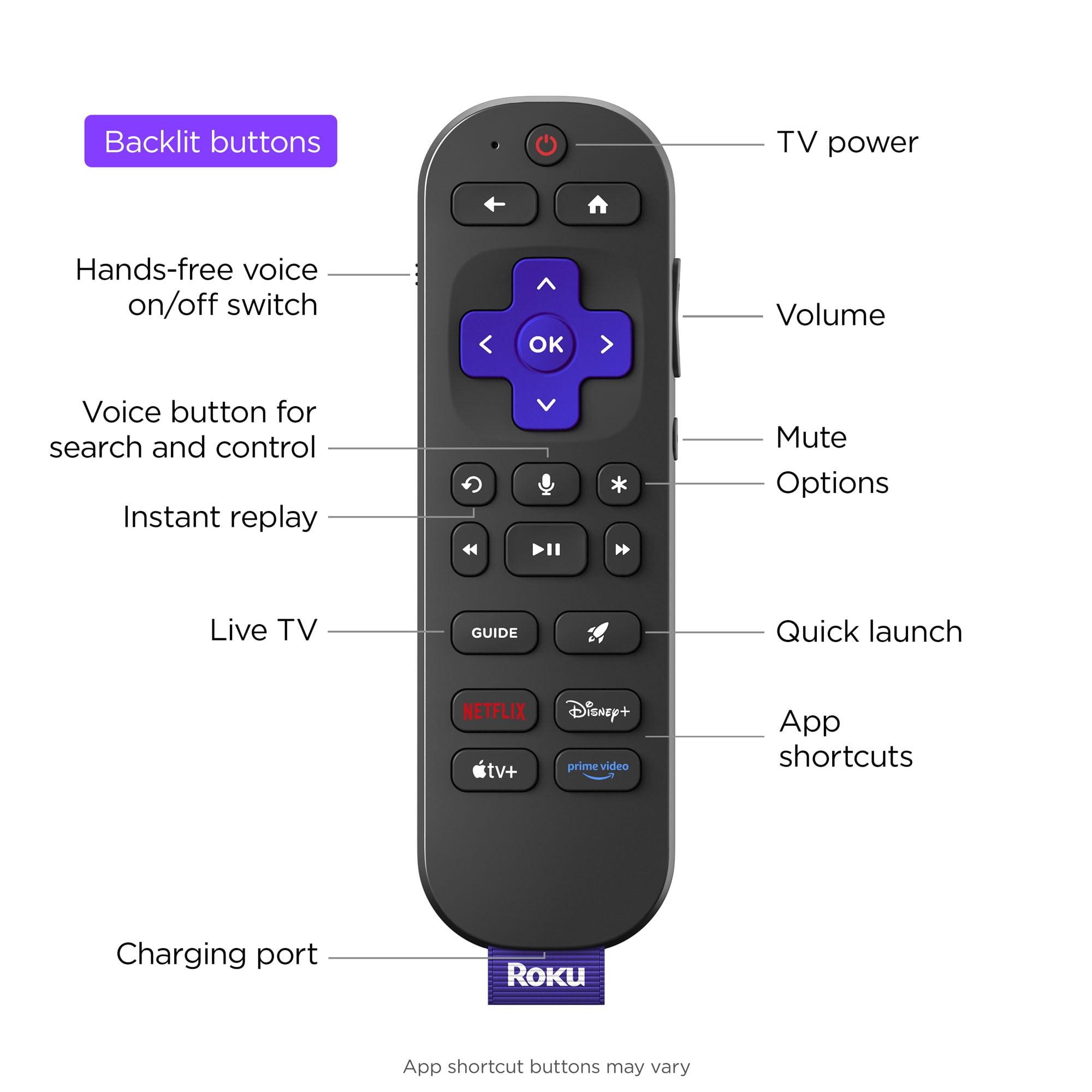
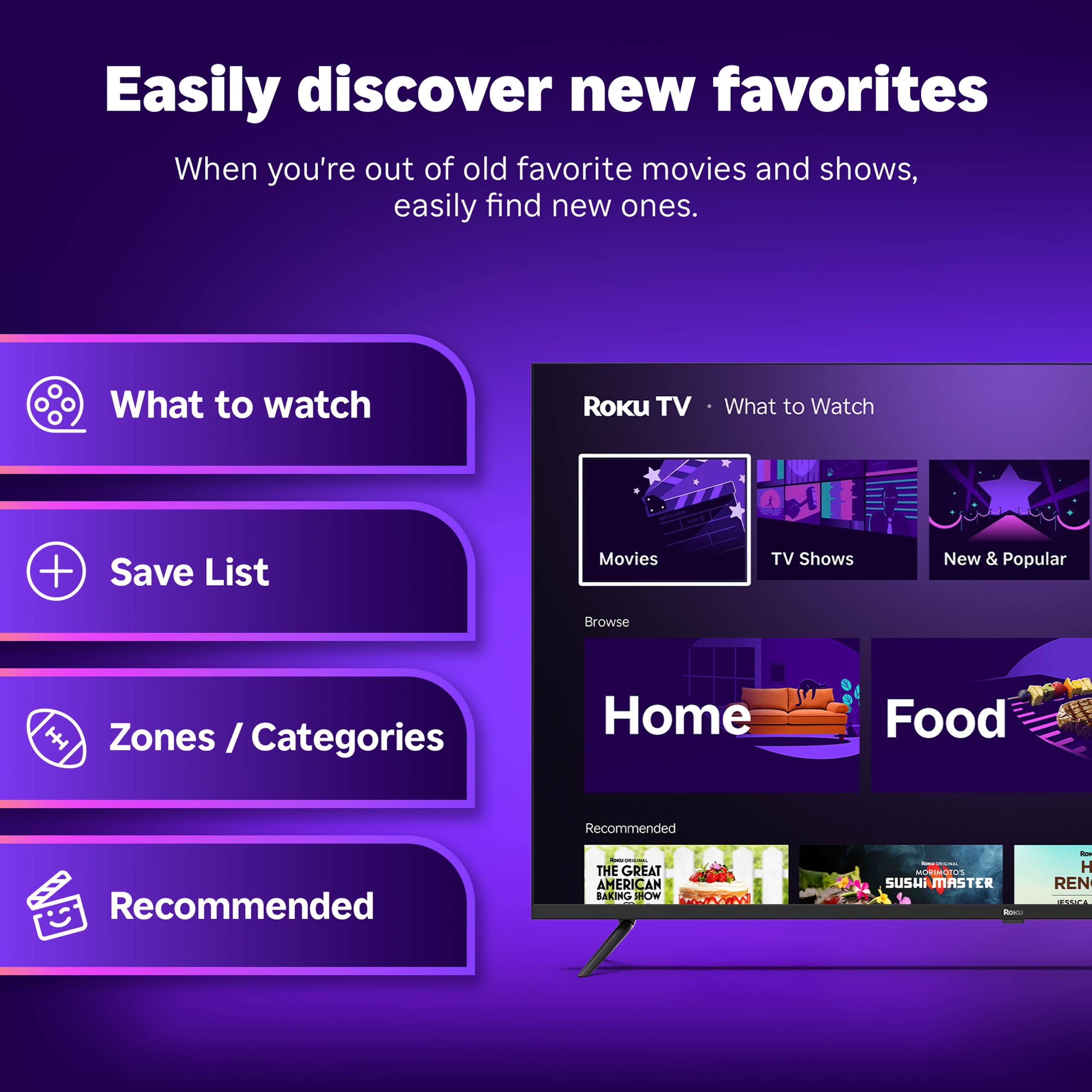
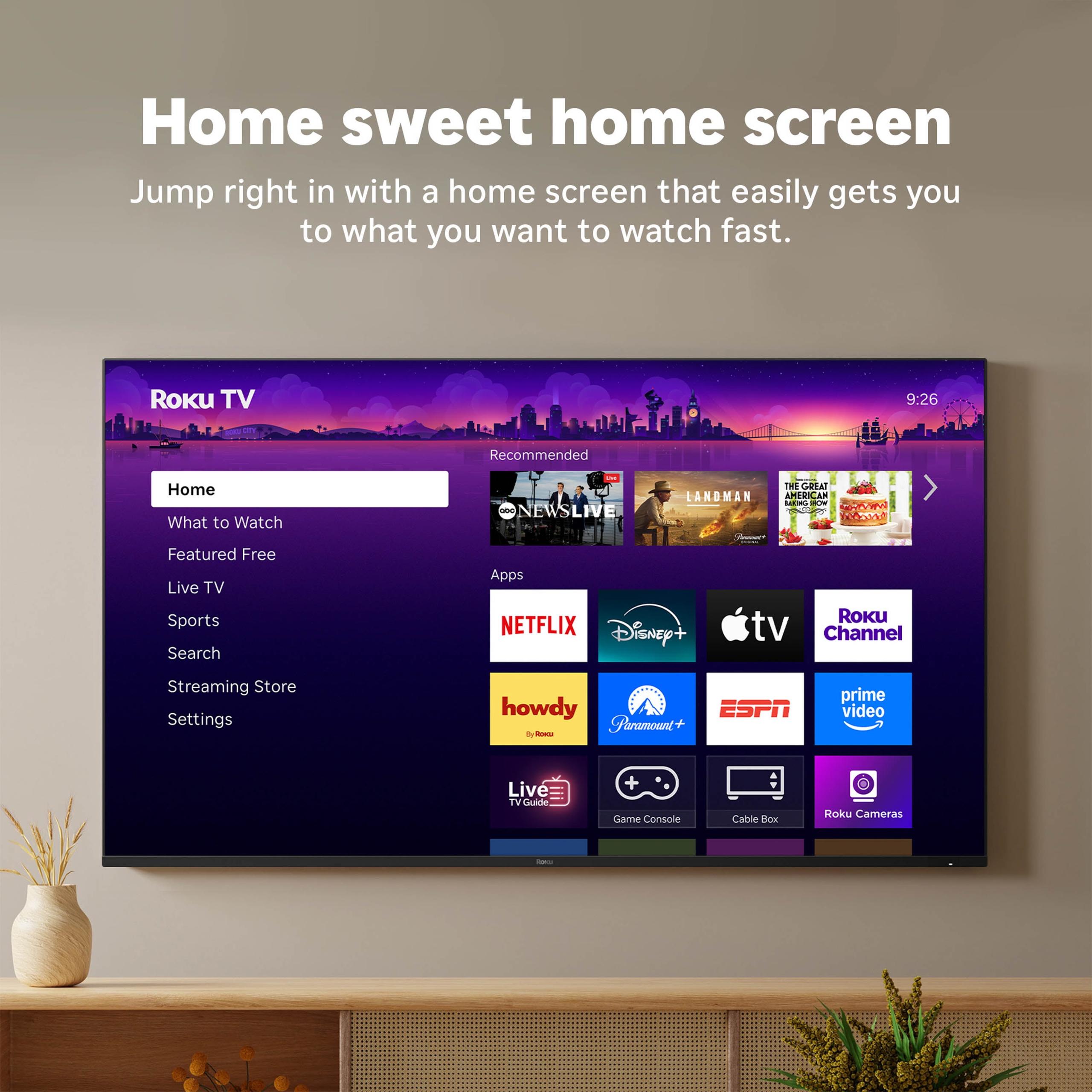
The Roku Pro Series 2025 runs Roku TV OS 15, which prioritizes simplicity and content discovery. Roku's interface focuses on what you want to watch rather than which app contains it, using universal search across all your subscribed services. The platform's strength lies in its straightforward approach - you're not navigating complex menus or dealing with feature bloat.
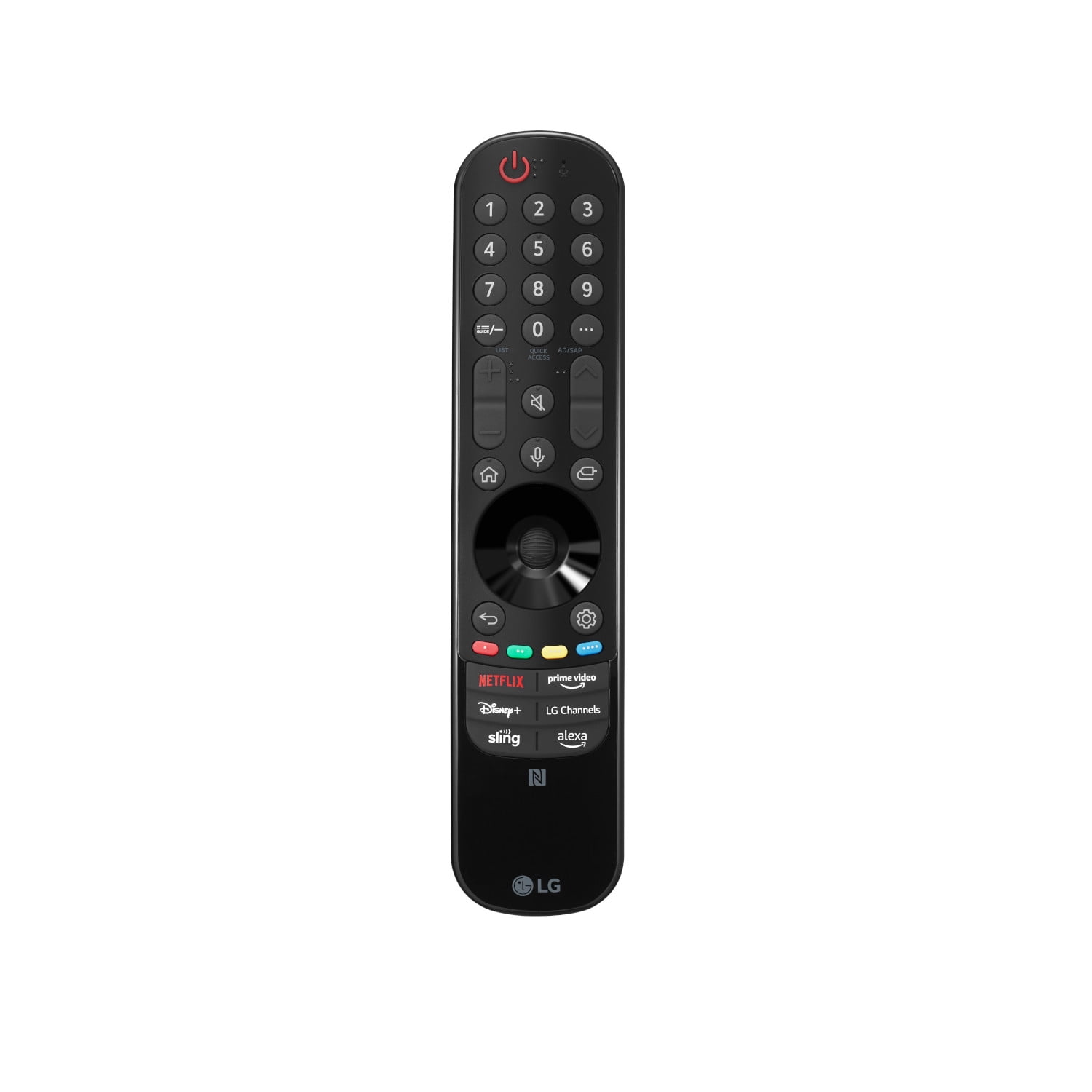
The LG G4 OLED uses webOS 24, LG's latest smart TV platform that emphasizes customization and AI-powered features. Quick Cards allow you to organize favorite apps and content, while AI Concierge learns your viewing habits to provide personalized recommendations. The Magic Remote with NFC (Near Field Communication) enables features like smartphone screen sharing through simple tapping.
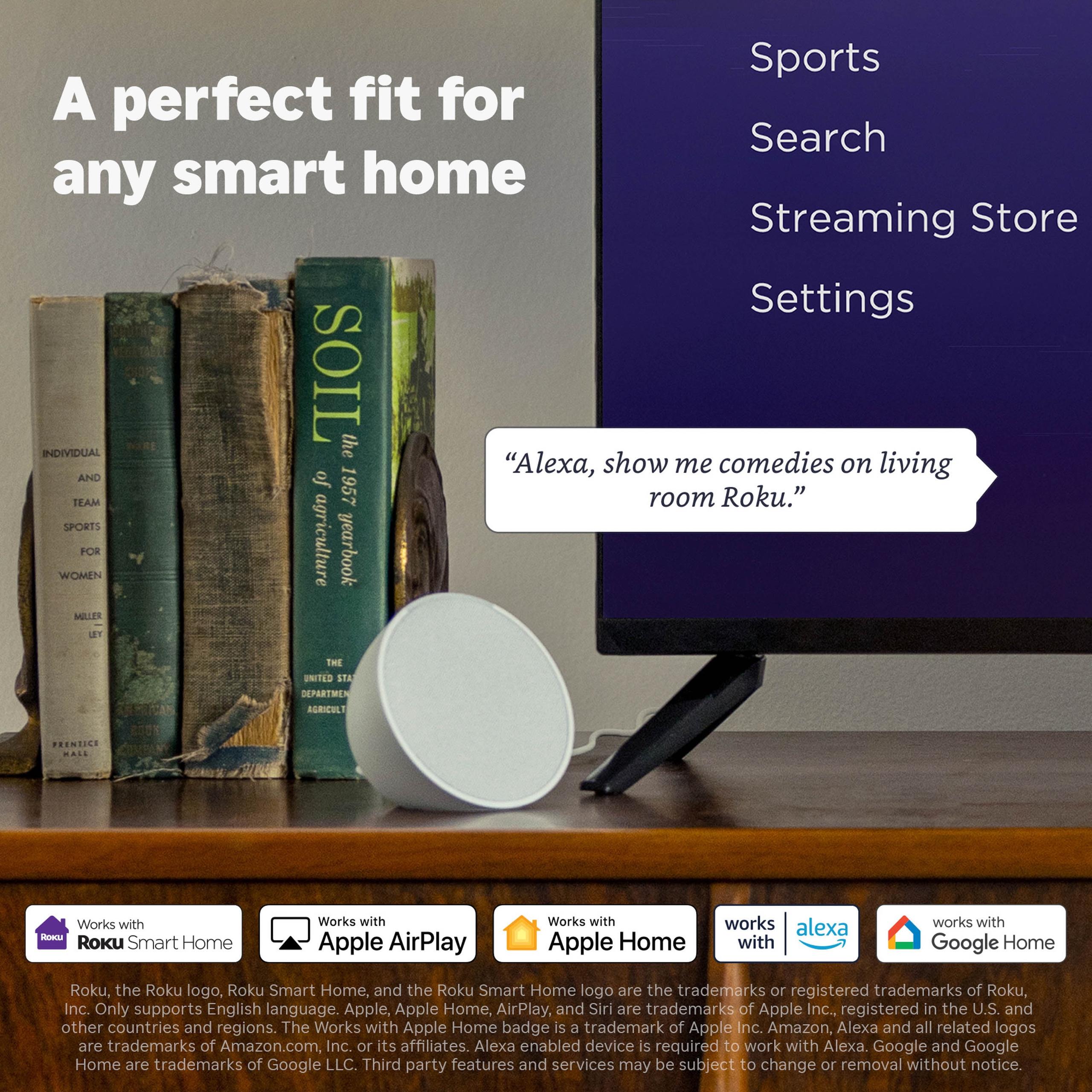
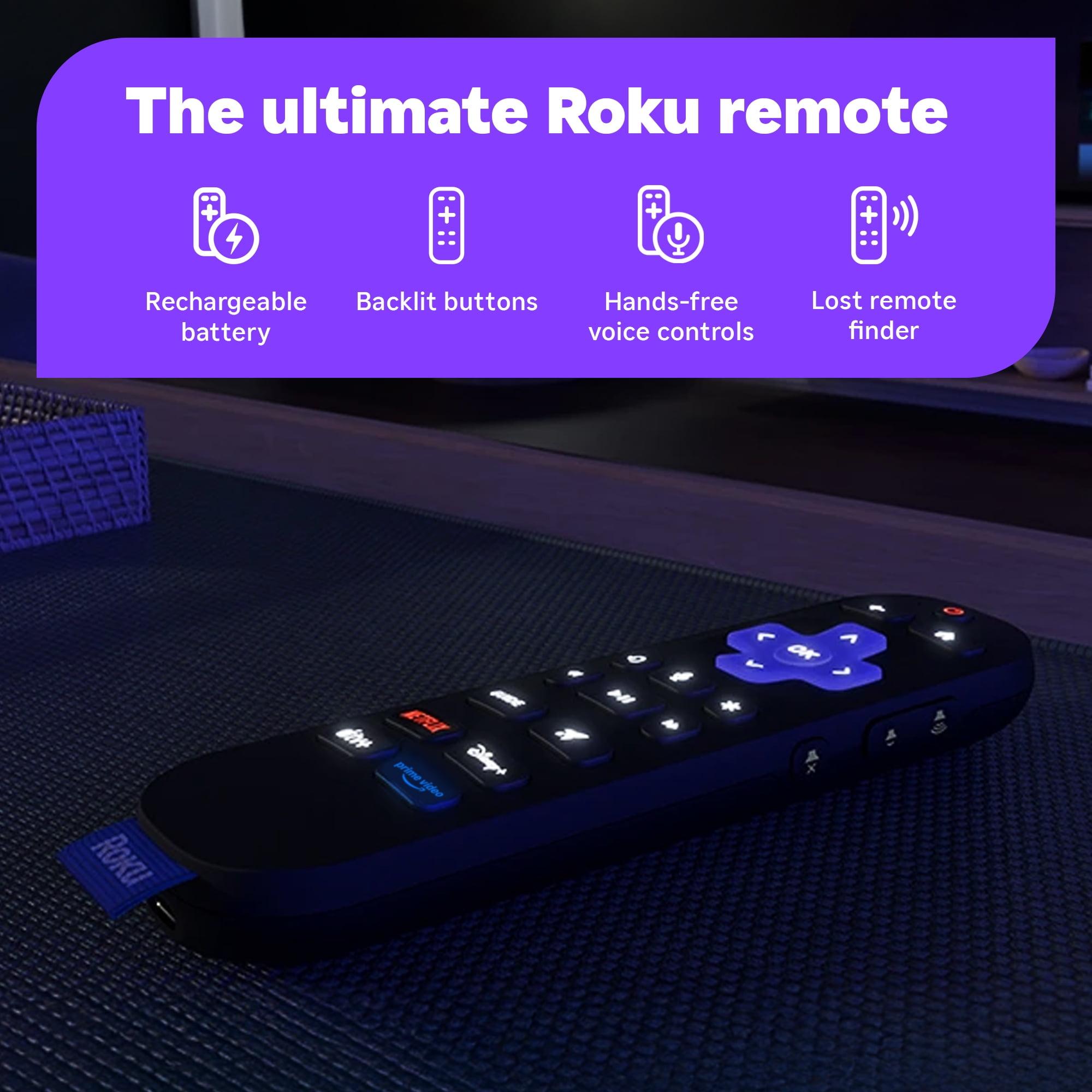
Both platforms provide access to all major streaming services, but they differ in philosophy. Roku focuses on content aggregation and discovery, while webOS emphasizes customization and smart home integration. The LG G4 includes built-in Amazon Alexa with far-field microphones, allowing voice control without additional devices. The Roku requires external smart speakers for voice control but integrates well with existing Alexa, Google Assistant, or Apple HomeKit setups.
Neither TV will replace a dedicated sound system for serious home theater enthusiasts, but their built-in audio capabilities vary significantly.
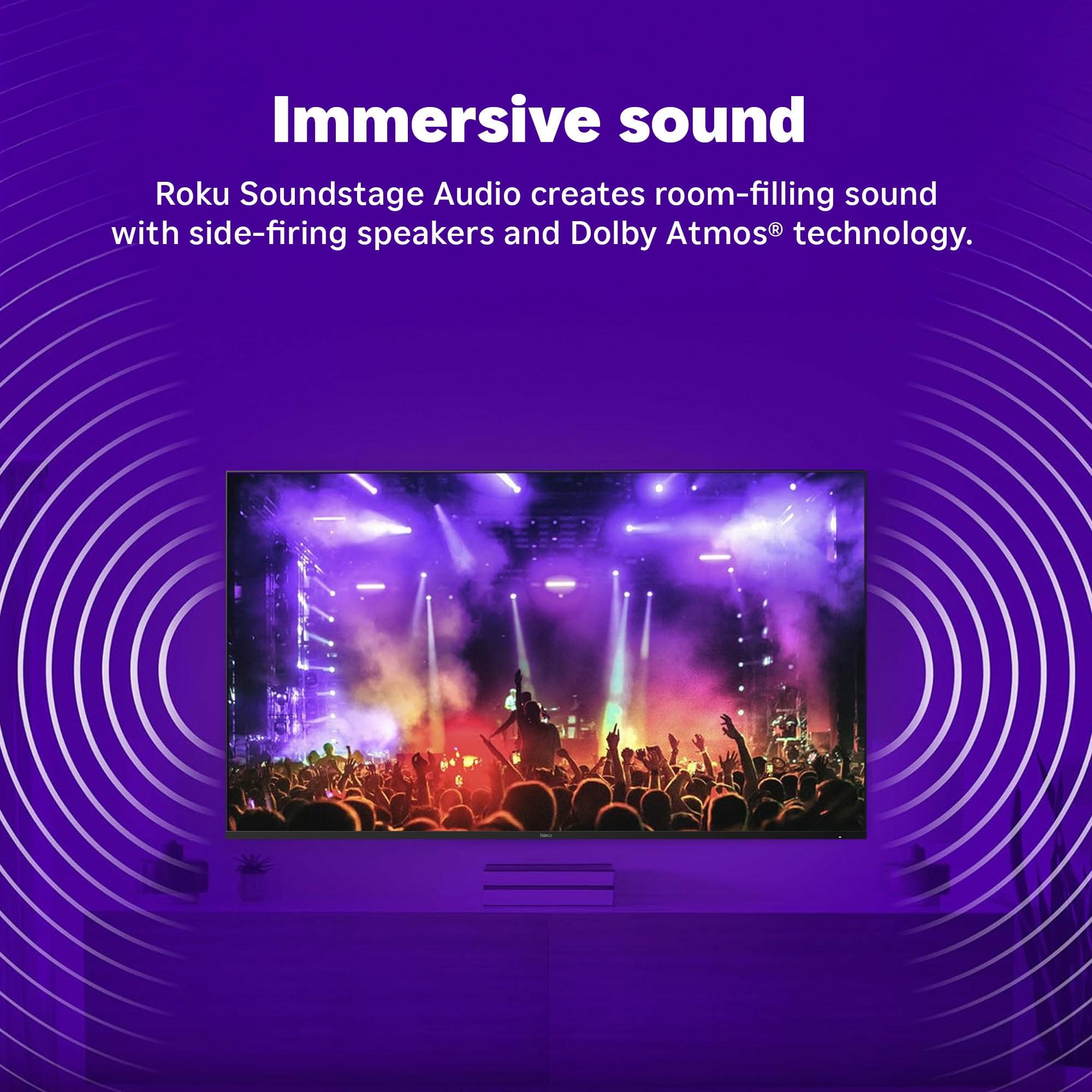
The Roku Pro Series 2025 features side-firing Dolby Atmos speakers designed to create a more immersive soundstage than traditional downward-firing TV speakers. User feedback suggests impressive bass response for a TV of this price range, with sound that "rattles walls" according to some reviews. However, it lacks detailed audio adjustments like separate bass, treble, and midrange controls.
The LG G4 OLED includes a 60W 4.2 channel system with AI Sound Pro technology that can virtually up-mix audio to simulate an 11.1.2 surround sound setup. While this creates a more spacious audio presentation, the reality is that built-in TV speakers face physical limitations regardless of processing sophistication.
For dedicated home theater use, both TVs benefit significantly from external audio systems. The LG G4 supports eARC (Enhanced Audio Return Channel) for high-quality audio passthrough to compatible soundbars or receivers, while the Roku Pro Series provides standard ARC functionality.
At the time of writing, these TVs represent different value propositions entirely. The Roku Pro Series 2025 delivers approximately 80% of premium TV performance at roughly half the cost of comparable OLED displays. This makes it an exceptional choice for buyers who want premium features without premium pricing.
The LG G4 OLED commands a significant premium but justifies it with cutting-edge technology and superior performance in controlled viewing environments. The price difference represents the cost of OLED technology and the research investment required to achieve the brightness improvements in this generation.
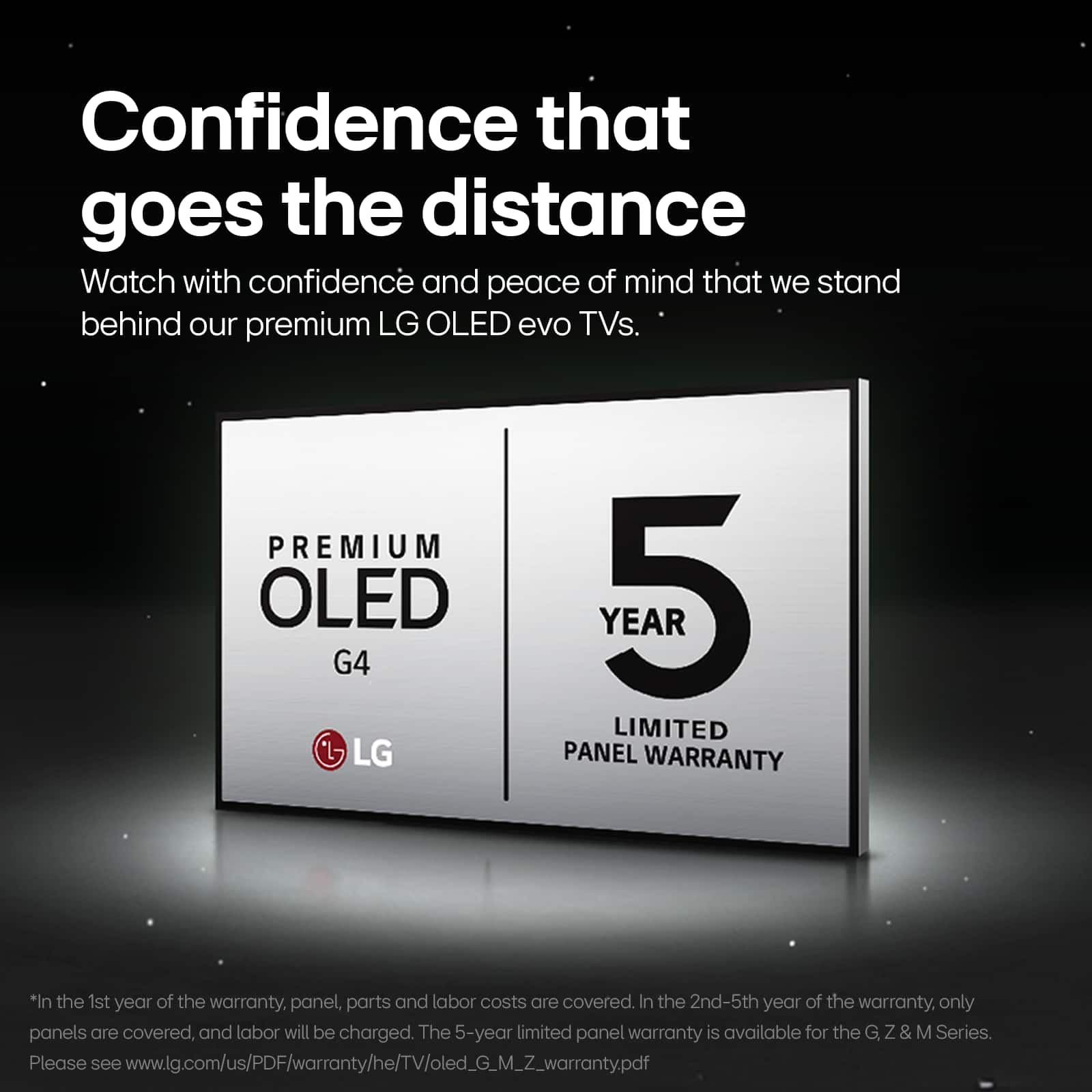
Long-term considerations differ between technologies. LED-based displays like the Roku Pro Series have no burn-in risk - you can leave static images on screen indefinitely without permanent damage. OLED displays, including the LG G4, can develop burn-in if static elements (like news tickers or gaming HUDs) remain on screen for extended periods. However, LG addresses this concern with a five-year panel warranty that covers burn-in - unprecedented confidence in OLED durability.
For dedicated home theater setups with controlled lighting, the LG G4 OLED provides the more cinematic experience. Its perfect blacks and infinite contrast ratio create the immersive experience that home theater enthusiasts seek. Movies appear more three-dimensional, with bright elements seeming to float against the perfectly black background.
However, many "home theaters" are actually multipurpose family rooms that serve various functions throughout the day. In these environments, the Roku Pro Series 2025 often provides better practical performance. Its superior brightness maintains picture quality during daytime viewing, sports watching, and casual content consumption.
The seating arrangement also matters significantly. OLED displays maintain color accuracy and contrast from wide viewing angles, making the LG G4 better for rooms where viewers sit off to the sides. Mini-LED displays like the Roku Pro Series can show some color shifting and brightness reduction when viewed from extreme angles.
Choose the Roku Pro Series 2025 if you prioritize value and bright-room performance. It's ideal for families who watch TV throughout the day, sports enthusiasts who want vibrant daytime viewing, and budget-conscious buyers who still want premium features. The lack of burn-in risk makes it worry-free for households with gaming consoles or cable boxes that display static elements.
Choose the LG G4 OLED if picture quality is your absolute priority and you can control viewing environment lighting. It's the better choice for movie enthusiasts, serious gamers who want competitive advantages, and buyers who want the latest display technology regardless of cost. The five-year panel warranty helps justify the premium pricing.
The decision often comes down to your primary viewing habits and room setup. If you find yourself mainly watching TV in the evening with dimmed lights, the LG G4's superior contrast will enhance every viewing session. If you watch during the day or in bright rooms, the Roku Pro Series will provide better practical performance while saving significant money that could be invested in audio equipment or other home theater components.
Both represent excellent choices within their respective target markets - the key is honestly assessing your viewing environment, budget, and priorities to determine which approach better matches your needs.
| Roku 65" Pro Series 2025 4K QLED TV | LG 65" G4 Series OLED evo 4K UHD Smart TV 2024 |
|---|---|
| Display Technology - Fundamental difference affecting contrast and brightness | |
| Mini-LED QLED with 100+ local dimming zones | OLED evo with 8.3 million self-lit pixels |
| Peak Brightness - Critical for bright room viewing and HDR impact | |
| Excellent bright room performance, superior anti-glare | 150% brighter than previous OLEDs, but still below Mini-LED |
| Black Levels - Determines contrast and dark scene detail | |
| Very good with minimal blooming from local dimming | Perfect blacks with infinite contrast ratio |
| Best Viewing Environment - Where each TV performs optimally | |
| Bright living rooms with ambient light | Dark or controlled lighting environments |
| Gaming Performance - Response time and refresh rate capabilities | |
| 5.2ms input lag, 120Hz, FreeSync Premium Pro | 0.1ms response time, 144Hz VRR, G-Sync/FreeSync |
| HDMI 2.1 Ports - Important for multiple next-gen consoles | |
| 2 ports supporting 4K@120Hz | 4 ports supporting 4K@120Hz |
| HDR Format Support - Affects color and brightness in premium content | |
| Dolby Vision IQ, HDR10+ Adaptive, HLG | Dolby Vision, HDR10, HLG with filmmaker accuracy |
| Smart Platform - Daily user experience and app performance | |
| Roku TV OS 15 (content-focused, simple interface) | webOS 24 (AI features, customizable, built-in Alexa) |
| Audio System - Built-in sound quality | |
| Side-firing Dolby Atmos speakers | 60W 4.2 channel with AI Sound Pro virtual 11.1.2 |
| Burn-in Risk - Long-term reliability consideration | |
| No burn-in risk (LED technology) | Potential burn-in (mitigated by 5-year panel warranty) |
| Value Proposition - Performance per dollar at time of writing | |
| Exceptional value for bright room performance | Premium pricing for cutting-edge OLED technology |
| Warranty Coverage - Protection for your investment | |
| Standard 1-year manufacturer warranty | 5-year panel warranty including burn-in coverage |
| Best For - Ideal buyer and use case | |
| Budget-conscious families, bright rooms, sports viewing | Movie enthusiasts, gamers, dark room home theaters |
The Roku 65" Pro Series 2025 performs significantly better in bright rooms due to its Mini-LED QLED technology that produces higher peak brightness and better anti-glare properties. While the LG G4 OLED has improved brightness compared to previous OLEDs, it still can't match the raw brightness output needed to compete with sunlight and ambient lighting that the Roku Pro Series delivers.
OLED technology in the LG G4 uses 8.3 million self-lit pixels that can turn completely off to create perfect blacks and infinite contrast. QLED technology in the Roku Pro Series 2025 uses quantum dots with Mini-LED backlighting and local dimming zones to produce brighter images with very good contrast. The LG G4 excels in dark rooms while the Roku performs better in bright environments.
The LG G4 OLED is superior for serious gaming with its 0.1ms response time, 144Hz refresh rate, and four HDMI 2.1 ports supporting full 4K at 120Hz. The Roku Pro Series 2025 offers good gaming performance with 5.2ms input lag and two HDMI 2.1 ports, making it suitable for casual gamers but not quite matching the competitive gaming capabilities of the LG G4.
The Roku Pro Series 2025 has no burn-in risk since it uses LED technology. The LG G4 OLED can potentially develop burn-in from static images displayed for extended periods, but LG provides a 5-year panel warranty that covers burn-in damage, showing confidence in their OLED durability improvements.
The Roku Pro Series 2025 provides exceptional value, delivering about 80% of premium TV performance at roughly half the cost of comparable OLED displays. The LG G4 OLED commands a premium price but justifies it with cutting-edge technology and superior dark room performance. The Roku is the clear winner for budget-conscious buyers.
The Roku Pro Series 2025 uses Roku TV OS 15, which focuses on simple content discovery across all your streaming services with a straightforward interface. The LG G4 OLED runs webOS 24 with AI-powered features, customizable Quick Cards, and built-in Alexa voice control. Both platforms support all major streaming apps, but the LG offers more advanced smart home integration.
For dedicated home theaters with controlled lighting, the LG G4 OLED provides the superior cinematic experience with perfect blacks and infinite contrast that creates a more immersive, three-dimensional viewing experience. However, for multipurpose family rooms that serve various functions throughout the day, the Roku Pro Series 2025 often provides better practical performance due to its superior brightness.
The Roku Pro Series 2025 supports Dolby Vision IQ, HDR10+ Adaptive, and HLG with automatic room lighting adjustments. The LG G4 OLED supports Dolby Vision, HDR10, and HLG with focus on filmmaker accuracy and precise tone mapping. Both provide excellent HDR performance, but the Roku adapts better to changing room conditions while the LG prioritizes creator intent.
The Roku Pro Series 2025 features side-firing Dolby Atmos speakers with impressive bass response for its price range. The LG G4 OLED includes a 60W 4.2 channel system with AI Sound Pro that can virtually simulate 11.1.2 surround sound. Both benefit from external sound systems for serious home theater use, but the Roku receives better user feedback for standalone audio performance.
The LG G4 OLED maintains excellent color accuracy and contrast from wide viewing angles, making it ideal for rooms where viewers sit off to the sides. The Roku Pro Series 2025 can show some color shifting and brightness reduction when viewed from extreme angles, which is typical for LED-based displays. For large families or wide seating arrangements, the LG G4 provides more consistent performance.
The Roku Pro Series 2025 comes with a standard 1-year manufacturer warranty and has no technology-related reliability concerns like burn-in. The LG G4 OLED includes an unprecedented 5-year panel warranty that covers burn-in damage, demonstrating LG's confidence in their OLED longevity improvements. Both represent solid long-term investments with different risk profiles.
Choose the Roku Pro Series 2025 if you have a bright living room with windows, prioritize value, watch TV during daytime hours, or want worry-free operation without burn-in concerns. Choose the LG G4 OLED if you can control lighting, prioritize absolute picture quality, are a serious gamer, or want the latest premium display technology regardless of cost. The Roku suits most families while the LG serves enthusiasts and dedicated home theaters.
We've done our best to create useful and informative comparisons to help you decide what product to buy. Our research uses advanced automated methods to create this comparison and perfection is not possible - please contact us for corrections or questions. These are the sites we've researched in the creation of this article: bestbuy.com - rtings.com - techradar.com - youtube.com - roku.com - youtube.com - walmart.com - bestbuy.com - youtube.com - electronicexpress.com - roku.com - pcvarge.com - ecoustics.com - hometechnologyreview.com - hometechnologyreview.com - whathifi.com - hometechnologyreview.com - youtube.com - tomsguide.com - tomsguide.com - smarthomesounds.co.uk - rtings.com - rtings.com - bhphotovideo.com - youtube.com - schaeferstv.com - bestbuy.com - costco.com - lg.com - lg.com - shopsilica.com - bestbuy.com - techradar.com - bestbuy.com - bestbuy.com - lg.com - lgnewsroom.com

Privacy Policy
Terms and Conditions - Affiliate Policy
Home Security
© Copyright 2008-2026.
11816 Inwood Rd #1211, Dallas, TX 75244