

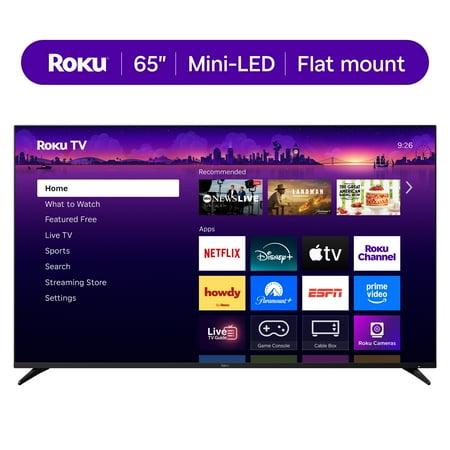
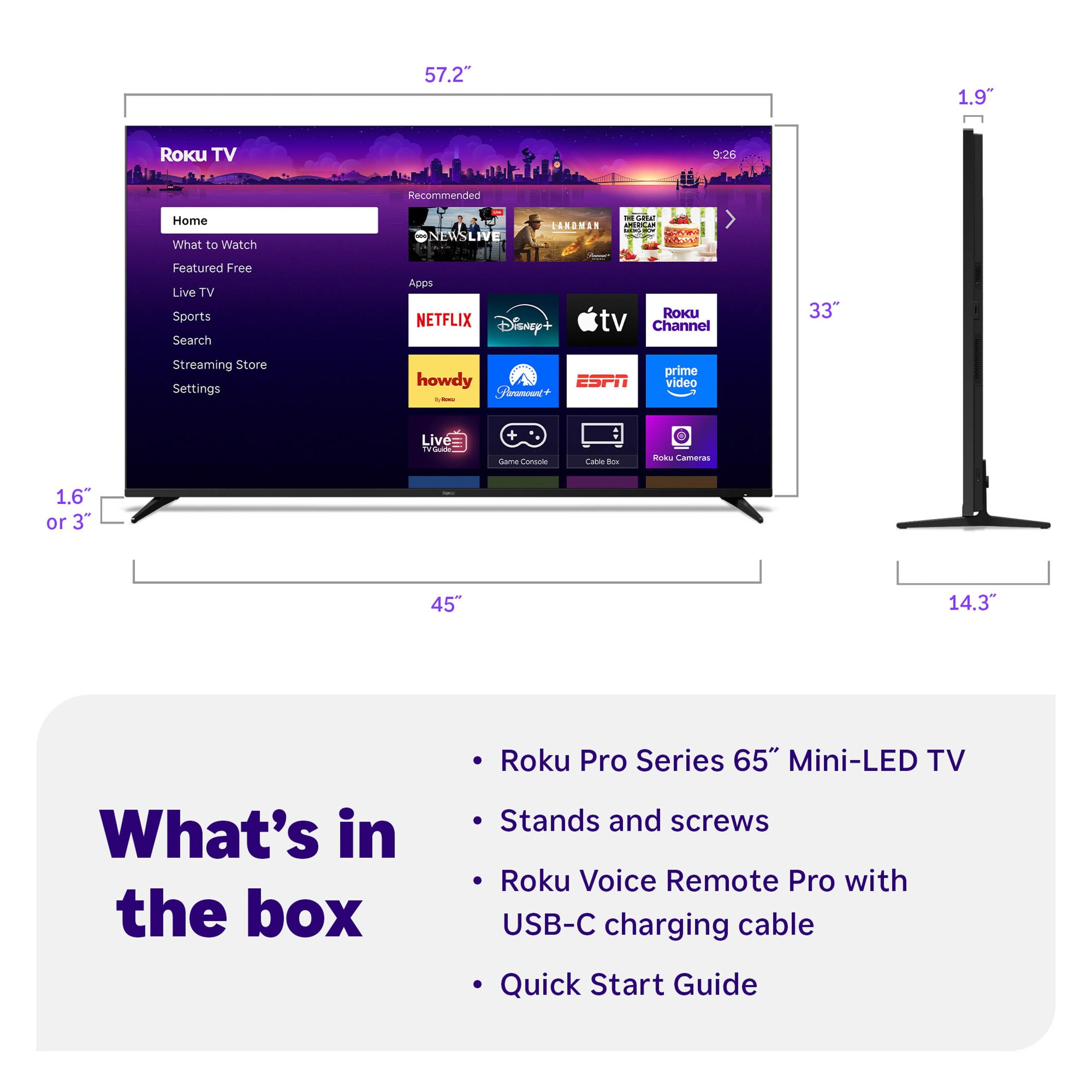
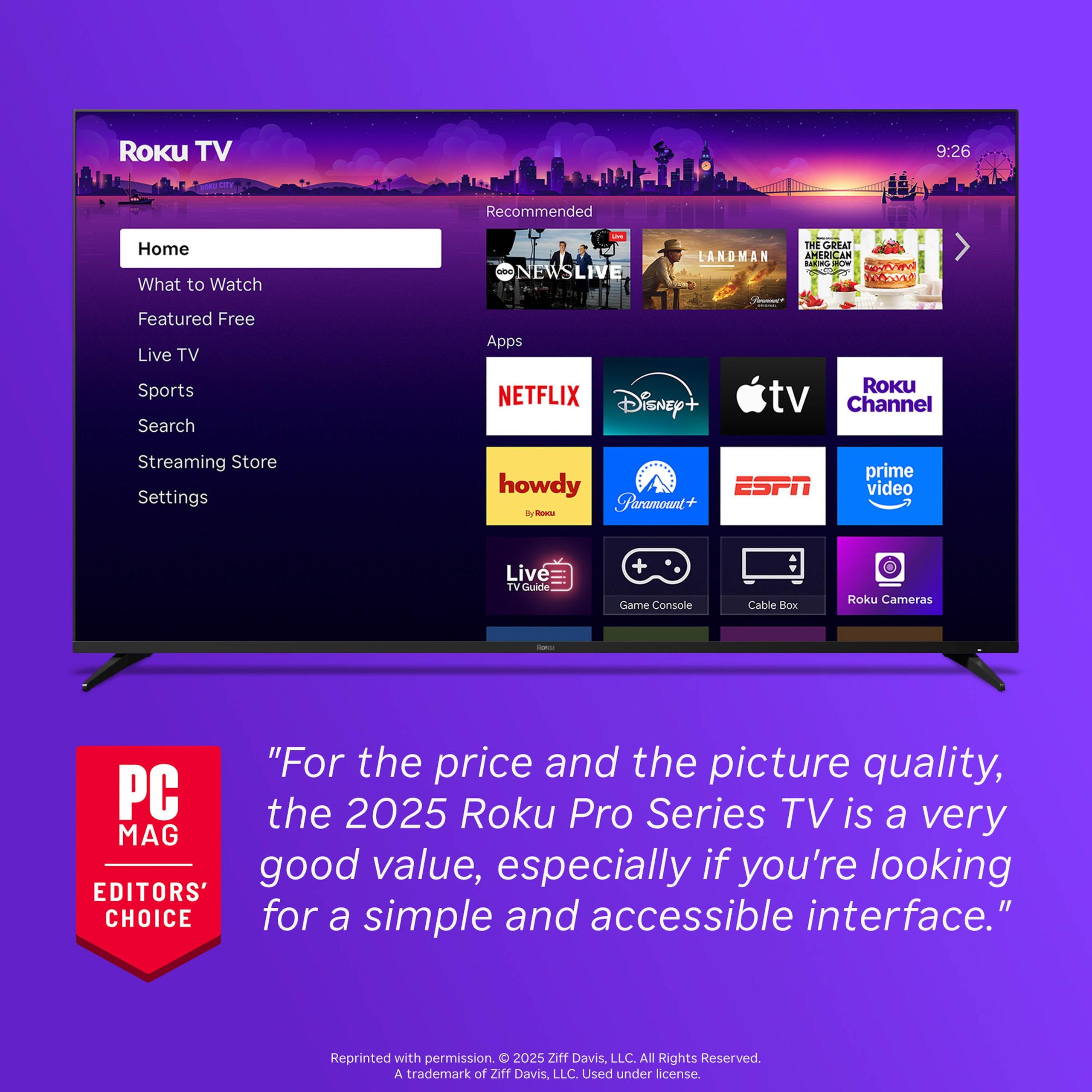
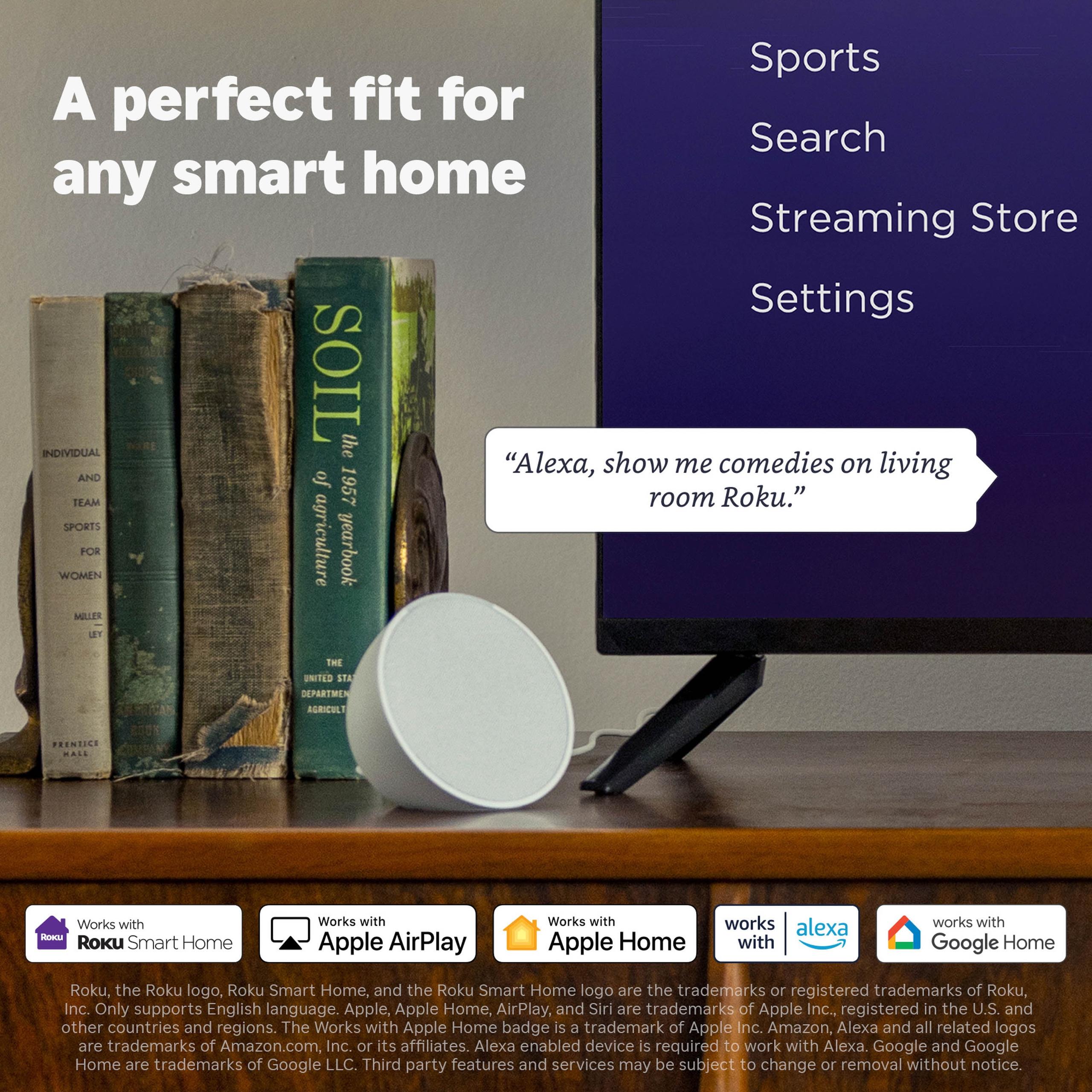
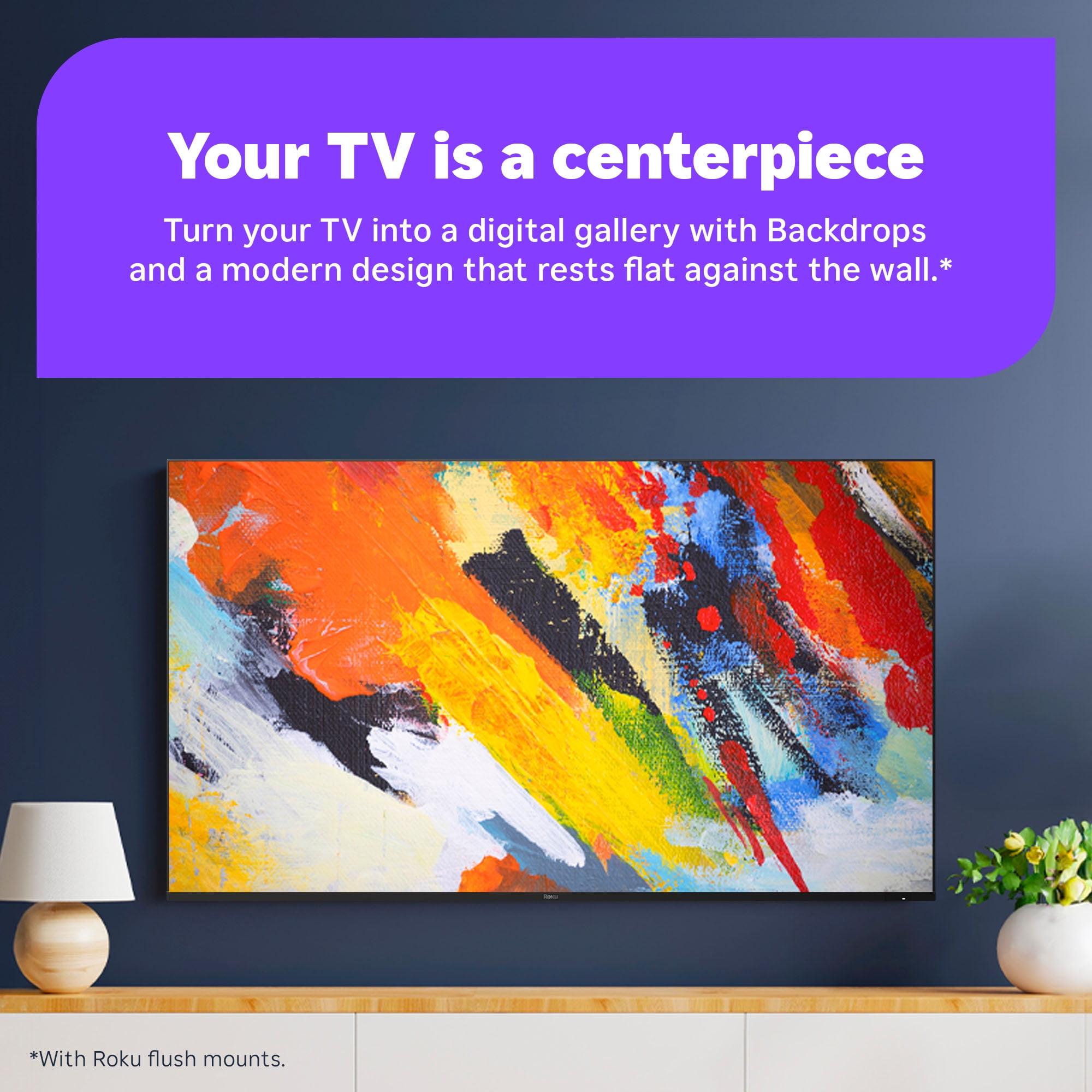

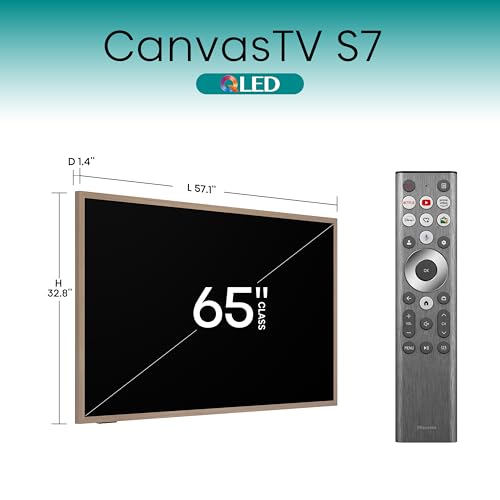





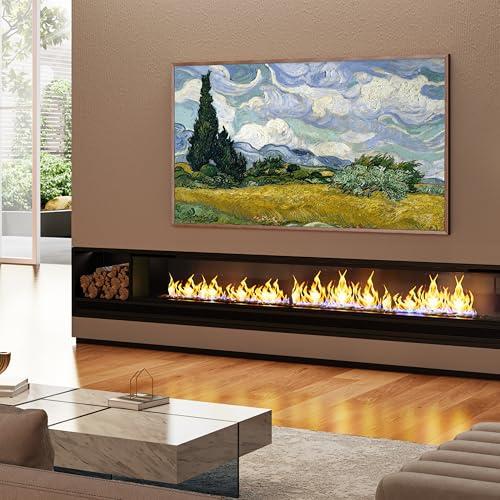
When shopping for a premium 65-inch TV in 2025, you're likely weighing two very different philosophies. The Roku Pro Series 2025 represents the traditional approach—squeeze every ounce of picture quality from cutting-edge display technology. The Hisense S7N CanvasTV, released in 2024, takes a revolutionary approach by asking: what if your TV could disappear when you're not watching it?
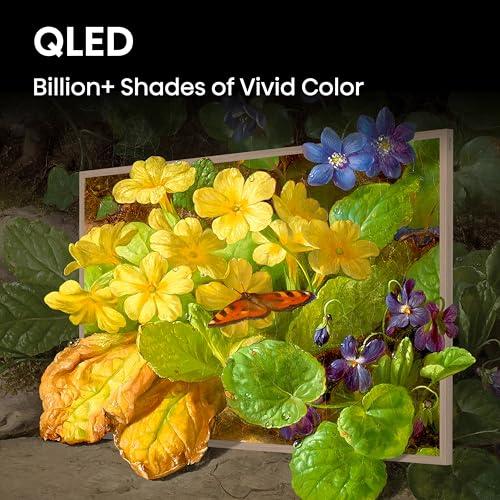
Both use QLED technology (Quantum Dot Light Emitting Diode), which enhances color reproduction by using tiny semiconductor particles to create more accurate and vibrant colors than standard LED TVs. But that's where the similarities end. At the time of writing, the Roku Pro Series commands a premium price for its performance-focused approach, while the Hisense CanvasTV offers compelling value with its unique art display features.
The premium TV market has evolved dramatically over the past few years. After OLED (Organic Light Emitting Diode) technology dominated the high-end space with perfect blacks, manufacturers have responded with Mini-LED backlighting and improved QLED panels that can compete on brightness while avoiding OLED's burn-in risks.
The most critical factors when evaluating premium TVs include peak brightness (measured in nits), local dimming zones (how precisely the backlight can be controlled), color gamut coverage (how many colors the TV can display), and input lag (the delay between pressing a controller button and seeing the result on screen). Gaming has become increasingly important, with features like Variable Refresh Rate (VRR) eliminating screen tearing and Auto Low Latency Mode (ALLM) automatically optimizing settings for responsive gameplay.
The Roku Pro Series 2025 absolutely dominates in raw brightness output. Our research into professional reviews reveals peak HDR brightness reaching over 800 nits in both Filmmaker Mode and Standard picture settings—nearly double what the Hisense CanvasTV can achieve at around 450 nits. This isn't just a numbers game; it translates to dramatically more impactful HDR (High Dynamic Range) content.
When you're watching a movie like "Dune" with its desert sun scenes, the Roku Pro Series can deliver that eye-searing brightness that makes you squint, just like the characters on screen. The Hisense CanvasTV simply can't match that visceral impact, though it's still perfectly adequate for most content.
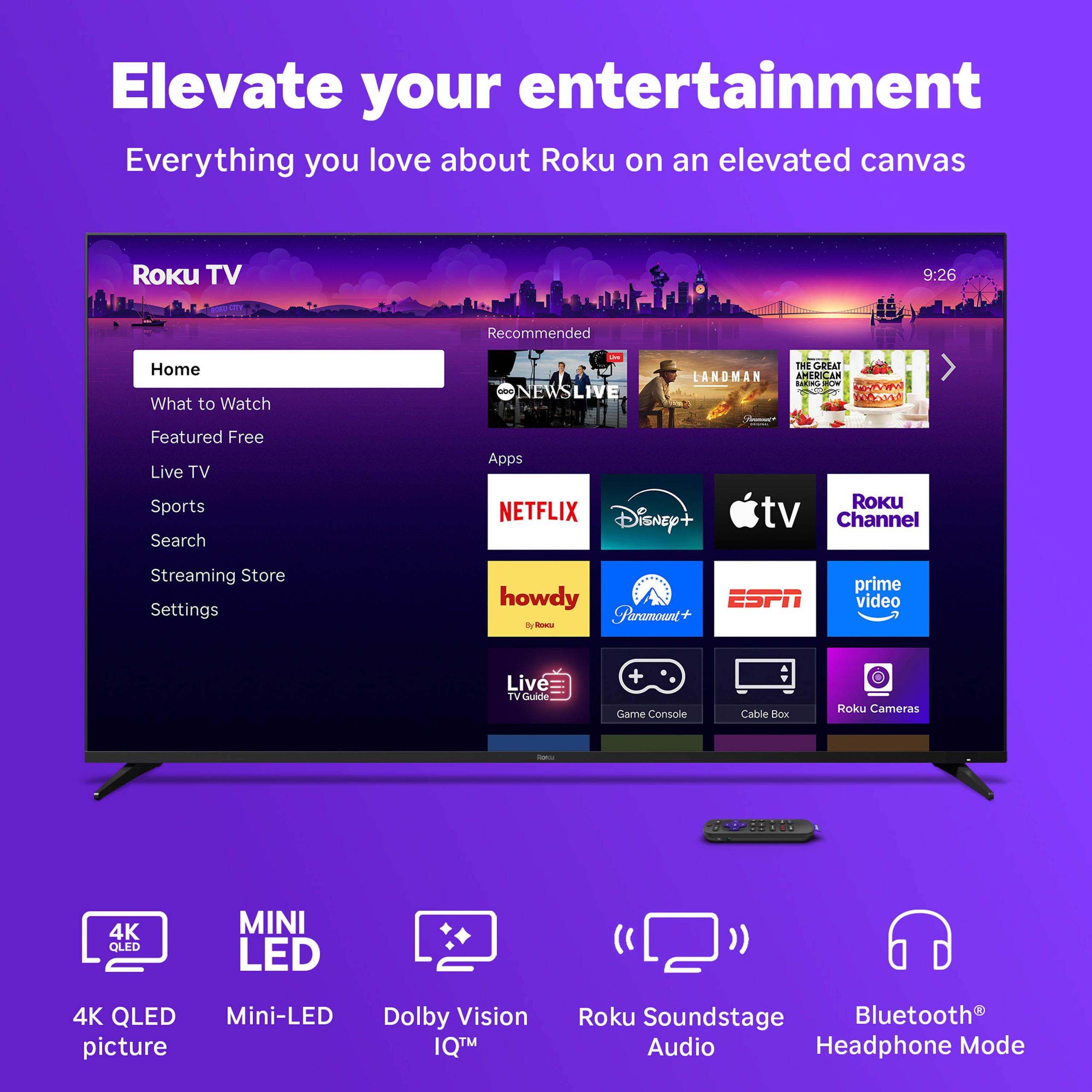
The Roku's Mini-LED backlighting system represents the latest evolution in LCD technology. Instead of using large LED lights behind the screen, Mini-LEDs use thousands of tiny lights that can be controlled independently through local dimming. This creates incredibly precise contrast—bright objects can shine brilliantly while dark areas remain truly black, with minimal "blooming" (unwanted light spilling into dark areas).
Both TVs use quantum dot technology, but implement it differently. The Roku Pro Series achieves impressive color accuracy with a Delta E measurement of 2.6 (lower is better, with anything under 3.0 considered excellent for home use). It covers 96.9% of the UHDA-P3 color space, which is the standard for 4K HDR content.
The Hisense CanvasTV also delivers excellent quantum dot color, though specific measurements weren't available in our research. Quantum dots work by converting blue LED light into pure red and green wavelengths, creating more saturated and accurate colors than traditional LED phosphors.
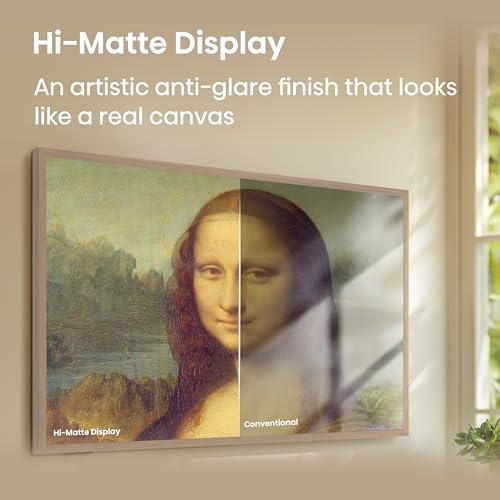
Here's where the Hisense CanvasTV flips the script entirely. Its Hi-Matte anti-glare coating reduces reflections to just 5%—a game-changer for bright rooms. If you've ever struggled to see your TV during a sunny afternoon, you'll appreciate this technology. The matte finish not only eliminates glare but gives the screen a texture that genuinely resembles a painting canvas.
The Roku Pro Series uses a traditional glossy screen that, while providing slightly better contrast in dark rooms, becomes a mirror in bright environments. This is the fundamental trade-off: the Roku excels in controlled lighting, while the Hisense thrives in challenging conditions.
Gaming has become a major battleground for TV manufacturers, and these two TVs take notably different approaches.
The Hisense CanvasTV pushes ahead with a native 144Hz refresh rate, compared to the Roku's 120Hz. For PC gamers with high-end graphics cards, that extra 24Hz can make competitive games feel noticeably smoother. The Hisense also supports 1080p gaming at an incredible 240Hz—perfect for esports titles like Counter-Strike where every millisecond matters.
More importantly for responsive gaming, the Hisense CanvasTV achieves an impressive 5.4ms input lag, while the Roku Pro Series measures around 9.4ms. That 4ms difference might not sound like much, but it's the difference between landing a perfect combo in fighting games or missing it entirely.
Both TVs support Variable Refresh Rate technology, which synchronizes the TV's refresh rate with your gaming device to eliminate screen tearing. The Hisense CanvasTV goes further by supporting both AMD FreeSync Premium and NVIDIA G-Sync, making it compatible with virtually any gaming PC setup.
The Hisense also includes a Game Bar interface that provides quick access to gaming settings without diving into complex menus. This attention to gaming convenience reflects the growing importance of the PC gaming market.
However, the Roku Pro Series might actually be better for console gaming. While it has higher input lag on paper, our research suggests it's better optimized for PS5 and Xbox Series X, with more consistent frame delivery and fewer compatibility issues.
TV speakers have historically been terrible, but both manufacturers have made serious investments in audio quality.
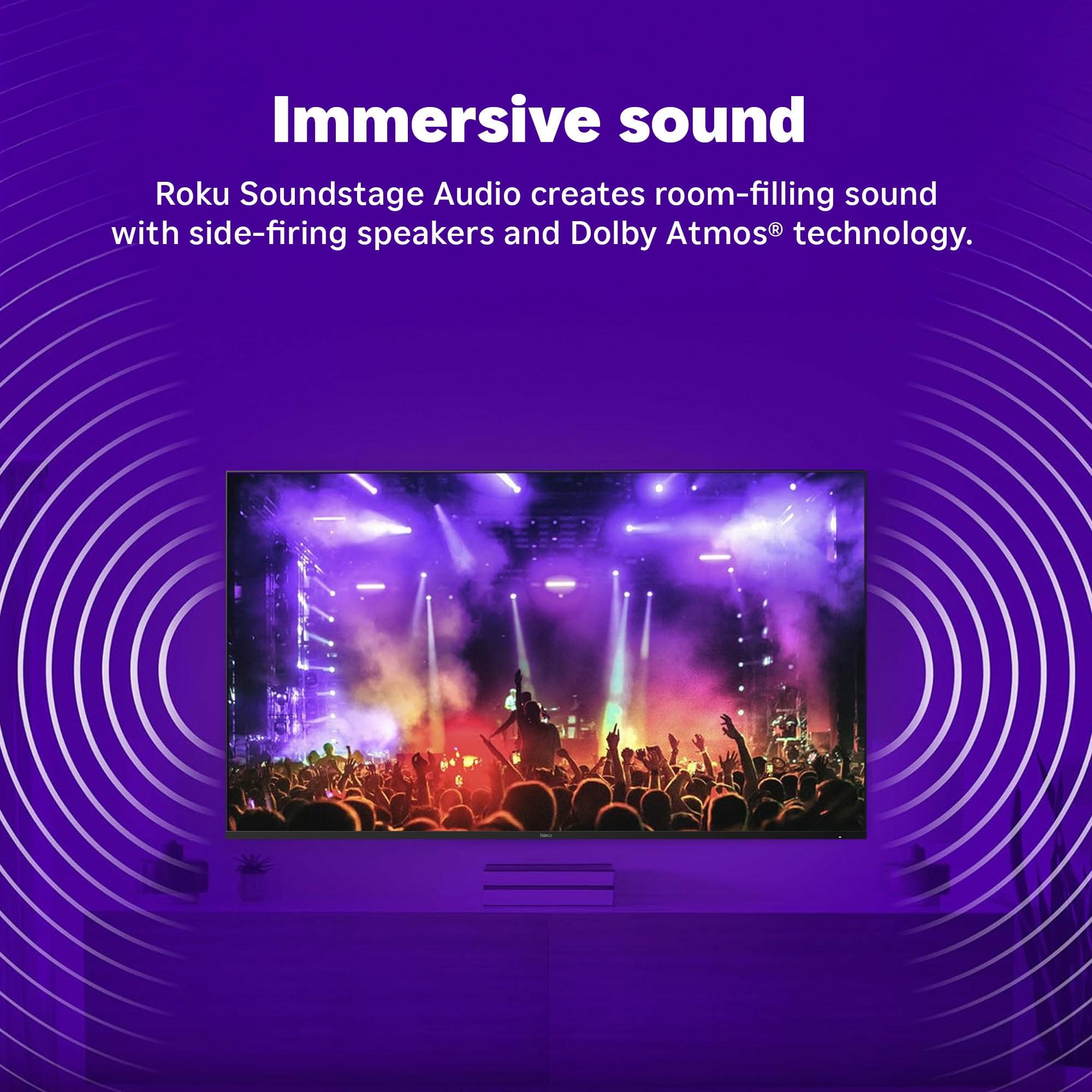
The Roku Pro Series 2025 features what they call Sound Stage Audio with side-firing speakers and Dolby Atmos support. User reviews consistently praise its bass response—some describing it as "wall-rattling" performance that eliminates the immediate need for a soundbar. The system includes enhanced dialogue clarity, which is crucial since poor dialogue is the main reason people buy soundbars.
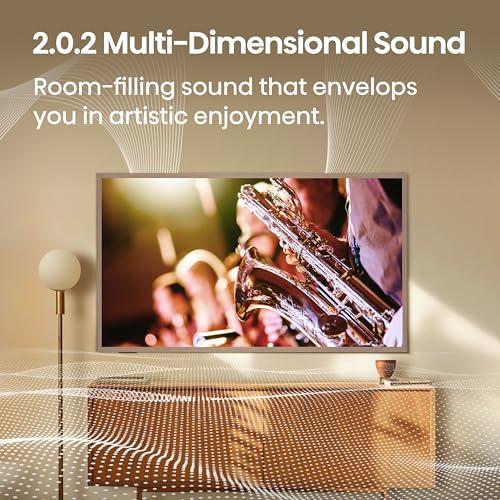
The Hisense CanvasTV uses a 2.0.2 channel system with upward-firing speakers to create height effects for Dolby Atmos content. While it doesn't match the Roku's bass impact, it creates impressive spatial audio that makes movies feel more immersive.
Based on our review research, the Roku Pro Series wins the audio battle for overall impact and room-filling sound, while the Hisense provides more sophisticated surround processing.
This is where the Hisense CanvasTV becomes something entirely different from every other TV on the market.
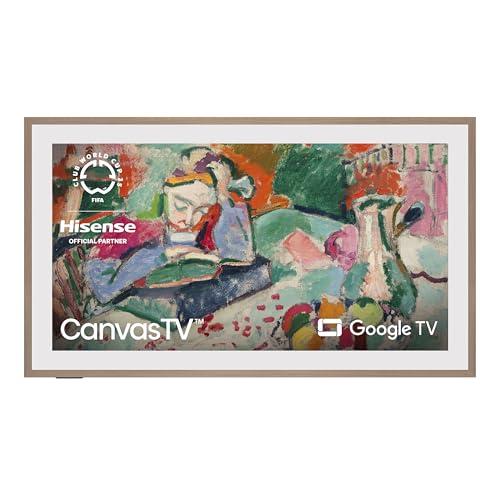
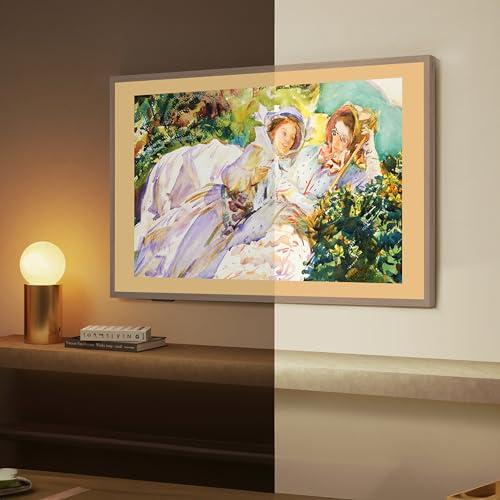
When the TV is off, the Hisense CanvasTV can display over 120 pre-loaded artworks or your personal photos, transforming into a digital art gallery. Motion sensors detect when someone enters the room and can automatically activate the display. The Hi-Matte coating doesn't just reduce glare—it creates the texture and depth of real canvas paintings.
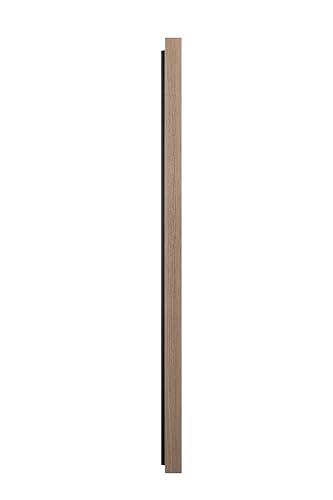
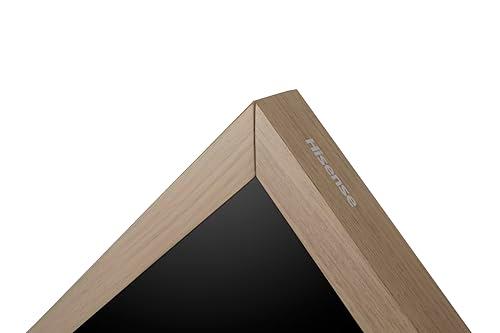
The customizable magnetic frame system lets you swap between teak, white, or walnut frames to match your décor. The ultra-slim wall mount positions the TV just 3mm from the wall, creating an authentic painting-like appearance.
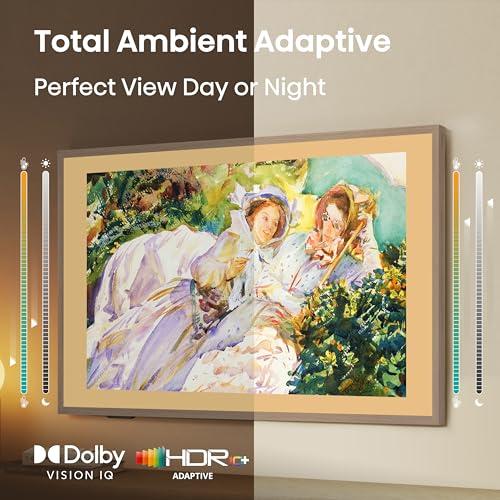
Smart sensors automatically adjust brightness based on ambient light and can turn off the display when no one is in the room. This thoughtful approach to energy management means you can leave art displayed without worrying about electricity costs.
The Roku Pro Series offers no equivalent functionality—it's purely a traditional television focused on performance when actively watching content.
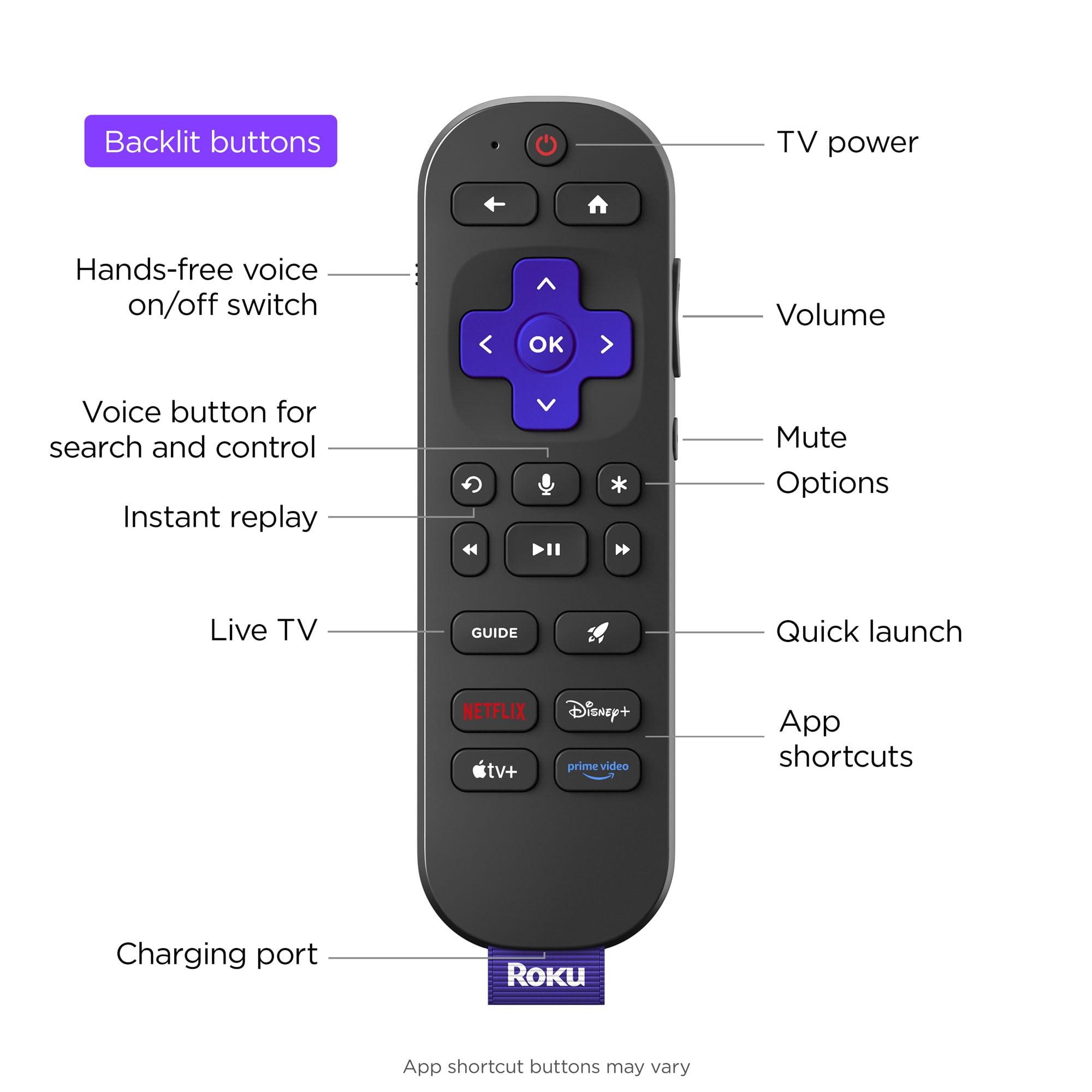
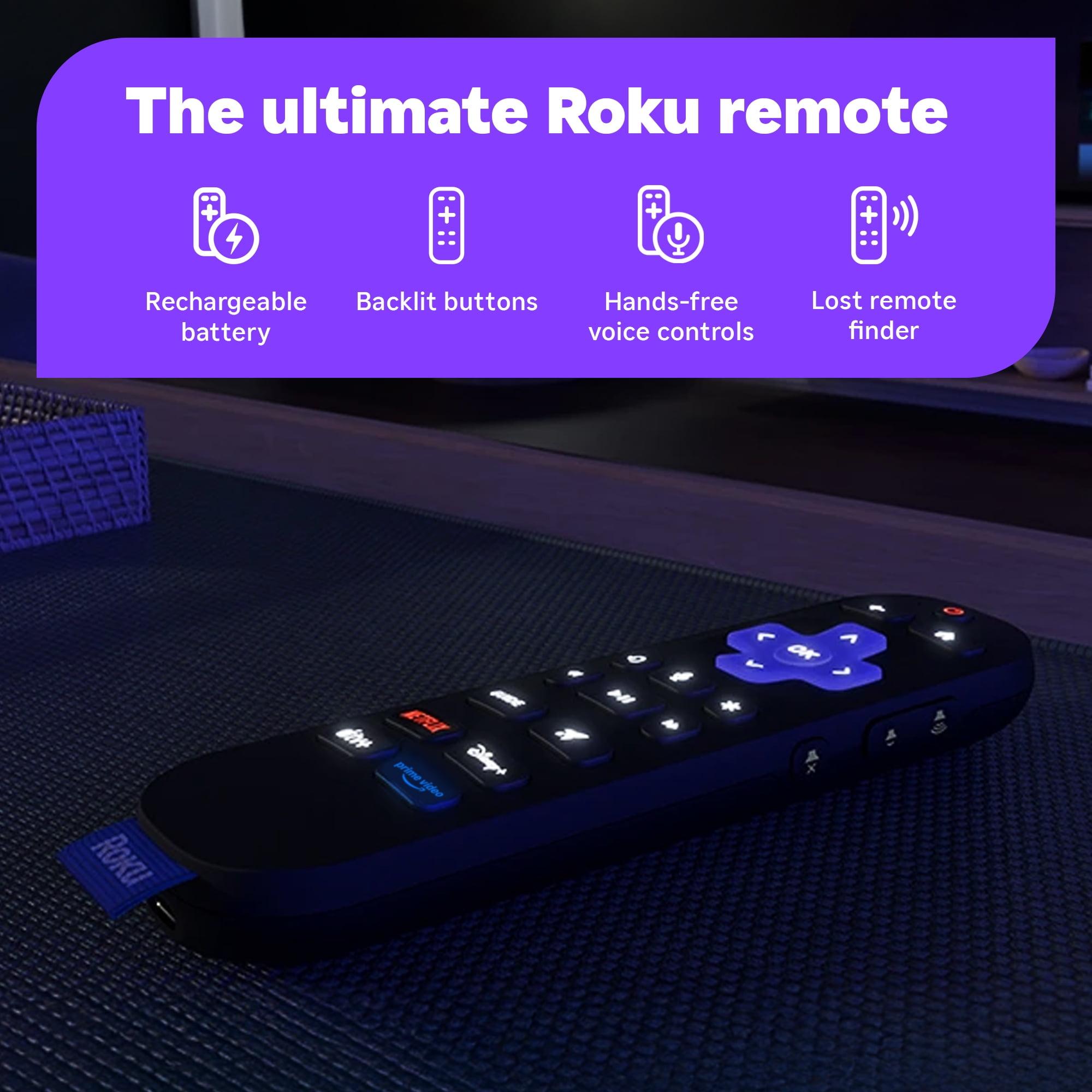
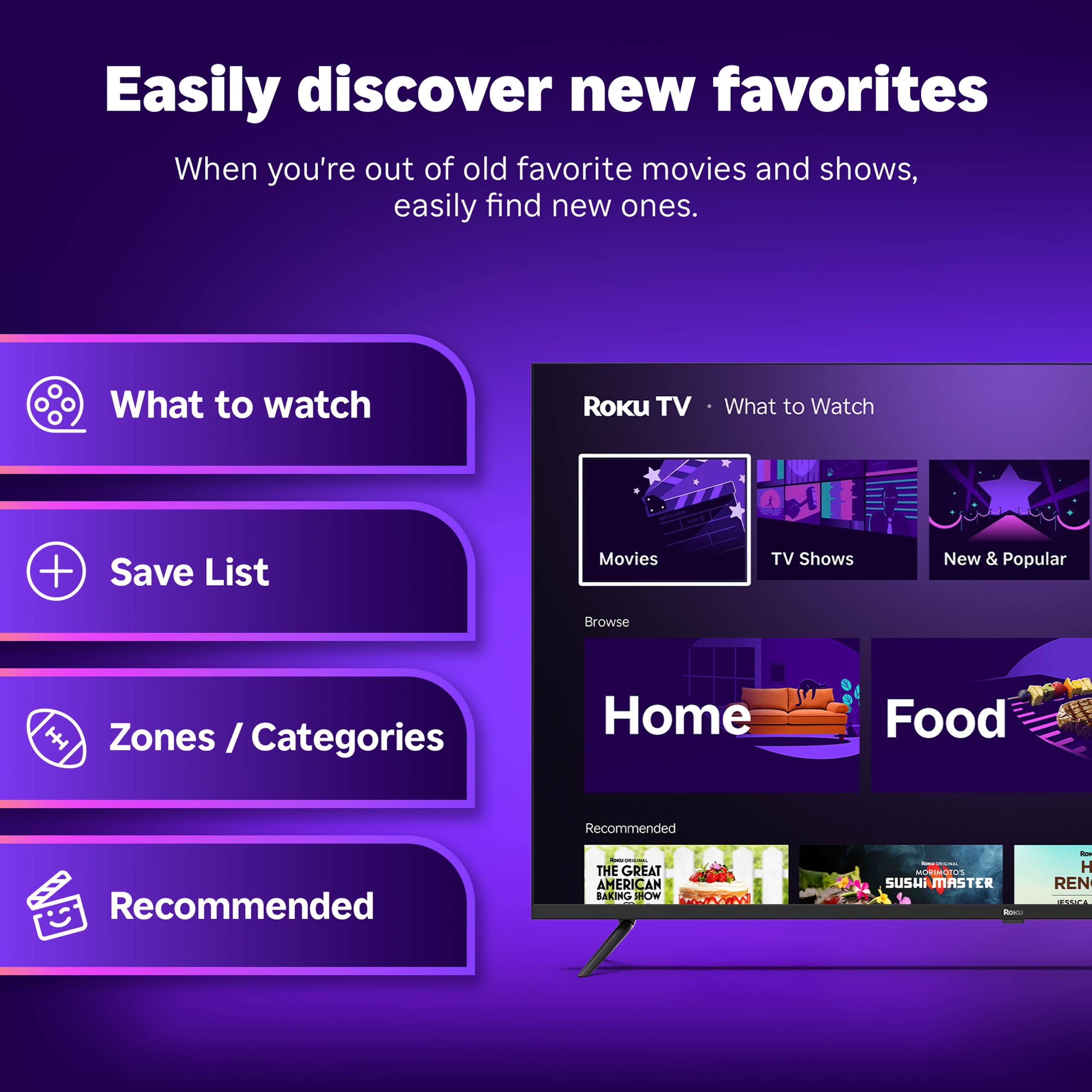
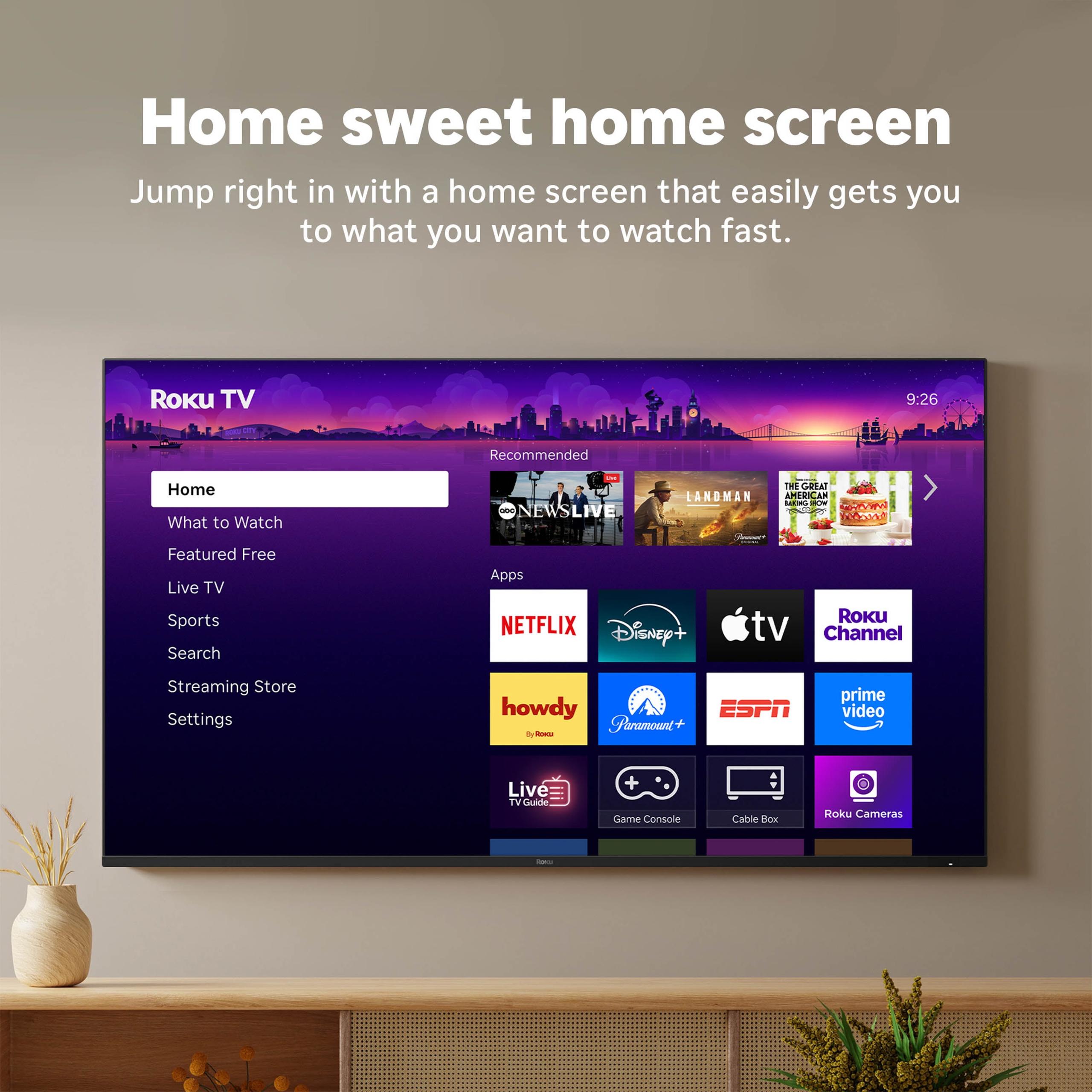
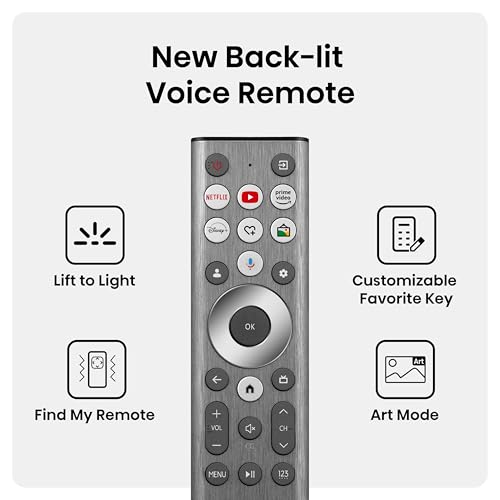
The Roku Pro Series runs Roku TV OS, which has evolved significantly since its early days. The platform prioritizes simplicity with a unified home screen that aggregates content from all your streaming services. The included Voice Remote Pro features backlit buttons and a finder function—press a button on the TV and the remote beeps and lights up.
Roku's strength lies in its neutrality. Unlike manufacturer-specific platforms that might prioritize certain services, Roku treats all content sources equally. The interface feels fast and responsive, without the complexity that can bog down other smart TV platforms.
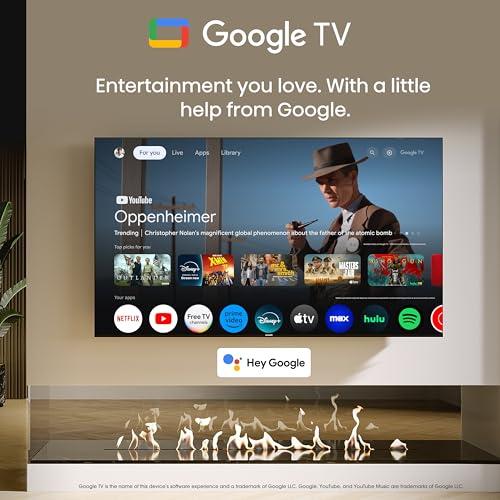
The Hisense CanvasTV uses Google TV, which offers more sophisticated content recommendations by analyzing your viewing habits across different services. Google Assistant integration provides voice control, and Chromecast built-in lets you easily cast content from mobile devices.
Google TV can feel more complex, but it's also more capable if you want features like smart home integration or advanced search functionality.
At the time of writing, the Roku Pro Series commands a premium price that reflects its performance focus. You're paying for Mini-LED backlighting, superior brightness, enhanced audio, and refined picture processing. For pure television performance, it delivers more capability per dollar than most competitors.
The Hisense CanvasTV costs significantly less while offering unique features no other TV provides. The art display functionality adds genuine value—if you were considering both a high-end TV and wall art for your space, the Hisense could serve both purposes.
For dedicated home theater rooms with controlled lighting, the Roku Pro Series is the clear choice. Its superior brightness and Mini-LED precision create the dramatic contrast that makes movies feel cinematic. The enhanced audio means you might not need a soundbar immediately, simplifying your setup.
The Hisense CanvasTV works better in multi-purpose living spaces where the TV needs to look good when off and perform well despite ambient light. Its anti-glare technology maintains visibility even with windows nearby, while the art display feature helps it blend into your décor rather than dominate it.
These TVs represent fundamentally different approaches to premium television. The Roku Pro Series 2025 is an engineering showcase that maximizes traditional TV performance—it's brighter, more accurate, and sounds better than most TVs at any price. It's the choice for serious home theater enthusiasts who want their TV to disappear into the content.
The Hisense S7N CanvasTV is something genuinely new—a TV that acknowledges it's also a piece of furniture in your living space. Its art display capabilities, anti-glare technology, and gaming-focused features create value beyond pure picture quality.
Neither approach is inherently better; they're solving different problems. Your choice should reflect how you live with your TV, not just how you watch it. In my experience reviewing TVs, the most satisfying purchases happen when the TV matches your actual usage patterns, not just the specifications that look best on paper.
The TV market continues evolving rapidly, with manufacturers pushing both performance boundaries and innovative features. Both the Roku Pro Series and Hisense CanvasTV represent this evolution in their own ways—one through relentless optimization of traditional metrics, the other through reimagining what a TV can be in modern homes.
| Roku 65" Pro Series 2025 4K QLED TV | Hisense 65" S7N CanvasTV QLED 4K Smart Display |
|---|---|
| Peak HDR Brightness - Critical for impactful HDR content and bright room viewing | |
| 821-841 nits (excellent for dark rooms, very good for bright rooms) | 450 nits (adequate for most content, limited HDR impact) |
| Backlight Technology - Determines contrast quality and blooming control | |
| Mini-LED with full array local dimming (thousands of zones for precise control) | Edge-lit QLED with direct LED backlighting (fewer dimming zones) |
| Anti-Glare Performance - Essential for bright rooms with windows | |
| Standard glossy screen (reflective in bright conditions) | Hi-Matte anti-glare coating reduces reflections to 5% (excellent for sunlit rooms) |
| Gaming Refresh Rate - Higher rates provide smoother motion for gaming | |
| 120Hz native (excellent for console gaming) | 144Hz native (superior for PC gaming, supports 1080p @ 240Hz) |
| Input Lag - Lower is better for responsive gaming | |
| 9.4ms (very good for console gaming) | 5.4ms (excellent for competitive PC gaming) |
| VRR Gaming Support - Eliminates screen tearing during gameplay | |
| AMD FreeSync Premium Pro, ALLM, VRR | AMD FreeSync Premium + NVIDIA G-Sync, ALLM, VRR (broader compatibility) |
| Color Accuracy - Affects how realistic colors appear | |
| 2.6 Delta E, 96.9% UHDA-P3 coverage (professional-grade accuracy) | QLED quantum dot technology (excellent but specific measurements not available) |
| Audio System - Better built-in sound reduces need for soundbar | |
| Sound Stage Audio with side-firing speakers, Dolby Atmos (described as "wall-rattling" bass) | 2.0.2 channel with upward-firing speakers, DTS Virtual:X (good spatial audio) |
| Art Display Feature - Unique functionality when TV is off | |
| None (traditional TV only) | Art Mode with 120+ artworks, motion sensors, customizable magnetic frames |
| Wall Mounting - Affects room aesthetics and installation | |
| Standard TV mounting (typical depth from wall) | UltraSlim mount positions TV 3mm from wall (painting-like appearance) |
| Smart Platform - Affects ease of use and app selection | |
| Roku TV OS (simple, fast, unified content discovery) | Google TV (sophisticated recommendations, Google Assistant, Chromecast built-in) |
| Remote Control - Daily usability factor | |
| Voice Remote Pro with backlit buttons, rechargeable, finder function | Standard remote (backlit remote not specified in available specs) |
| HDMI 2.1 Ports - Important for 4K gaming and future devices | |
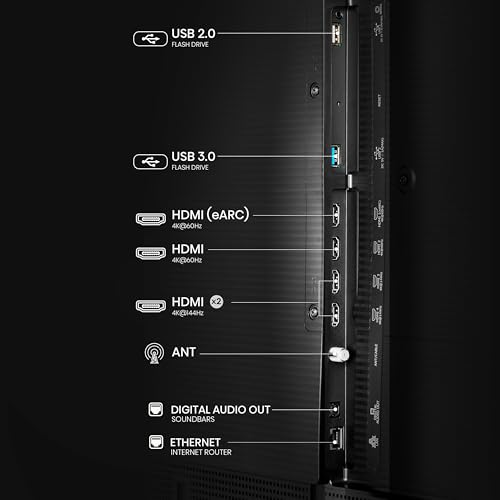
| 2 ports supporting 4K @ 120Hz | 2 ports supporting 4K @ 144Hz |
| Best Use Case - Who should choose this TV | |
| Home theater enthusiasts wanting maximum picture quality and audio performance | Design-conscious buyers wanting dual TV/art display functionality with excellent bright room performance |
The Roku 65" Pro Series 2025 delivers superior picture quality for movies with its Mini-LED backlighting and peak brightness of over 800 nits. This creates more impactful HDR scenes with deeper blacks and brighter highlights. The Hisense S7N CanvasTV offers good picture quality but peaks at 450 nits, limiting its HDR performance in dramatic movie scenes.
Both are 65-inch QLED TVs, but the Roku Pro Series 2025 focuses on maximum performance with Mini-LED backlighting and superior brightness. The Hisense CanvasTV emphasizes design versatility with its unique art display mode, anti-glare coating, and customizable frames that make it look like wall art when not watching TV.
The Hisense S7N CanvasTV excels for PC gaming with its 144Hz refresh rate, 5.4ms input lag, and support for both AMD FreeSync and NVIDIA G-Sync. The Roku Pro Series 2025 is better optimized for console gaming with its 120Hz rate and stable performance for PS5 and Xbox Series X.
Only the Hisense CanvasTV offers art display functionality, showing over 120 artworks or personal photos when off. It includes motion sensors, customizable magnetic frames, and mounts just 3mm from the wall for a painting-like appearance. The Roku Pro Series 2025 is a traditional TV without art display features.
The Hisense S7N CanvasTV is specifically designed for bright rooms with its Hi-Matte anti-glare coating that reduces reflections to just 5%. The Roku Pro Series 2025 uses a glossy screen that can be reflective in bright conditions, though its higher brightness helps overcome some ambient light.
The Roku 65" Pro Series 2025 delivers superior built-in audio with its Sound Stage system featuring side-firing speakers that users describe as having "wall-rattling" bass. The Hisense CanvasTV offers good spatial audio with its 2.0.2 channel system and upward-firing speakers, but doesn't match the Roku's overall audio impact.
The Roku Pro Series 2025 uses Roku TV OS, known for its simple, fast interface and unified content discovery across all streaming services. The Hisense S7N CanvasTV runs Google TV, offering more sophisticated recommendations and Google Assistant integration, but with a more complex interface.
The Roku Pro Series 2025 is better suited for dedicated home theater rooms with its superior brightness, Mini-LED precision, and enhanced audio that may eliminate the need for additional speakers. The Hisense CanvasTV works well in multi-purpose living spaces but lacks the peak performance for serious home theater enthusiasts.
The Hisense S7N CanvasTV offers compelling value with its unique art display features, excellent gaming performance, and anti-glare technology at a lower cost. The Roku 65" Pro Series 2025 commands a premium for its superior picture quality and audio, delivering more traditional TV performance per dollar.
The Hisense CanvasTV offers a higher 144Hz native refresh rate for smoother motion, while the Roku Pro Series 2025 provides 120Hz. Both handle sports and action content well, though the Hisense's higher rate can provide slightly smoother motion in fast-paced scenes.
Both the Roku Pro Series 2025 and Hisense S7N CanvasTV offer 4 HDMI ports total, with 2 HDMI 2.1 ports each for high-bandwidth gaming. The Roku supports 4K at 120Hz while the Hisense can handle 4K at 144Hz through its HDMI 2.1 connections.
Choose the Roku 65" Pro Series 2025 if you prioritize picture quality, built-in audio, and traditional TV performance in controlled lighting. Select the Hisense S7N CanvasTV if you want a TV that doubles as wall art, have a bright room with challenging lighting, or prefer PC gaming with high refresh rates.
We've done our best to create useful and informative comparisons to help you decide what product to buy. Our research uses advanced automated methods to create this comparison and perfection is not possible - please contact us for corrections or questions. These are the sites we've researched in the creation of this article: bestbuy.com - rtings.com - techradar.com - youtube.com - roku.com - youtube.com - walmart.com - bestbuy.com - youtube.com - electronicexpress.com - roku.com - pcvarge.com - ecoustics.com - bestbuy.com - hisense.sg - tomsguide.com - content.syndigo.com - rtings.com - hisense-usa.com - youtube.com - bestbuy.com - youtube.com - displayspecifications.com - displayspecifications.com - manuals.plus - displayspecifications.com - bestbuy.com - hisense-canada.com - manuals.plus - bargainoutletandmore.com - bestbuy.com - device.report

Privacy Policy
Terms and Conditions - Affiliate Policy
Home Security
© Copyright 2008-2026.
11816 Inwood Rd #1211, Dallas, TX 75244