

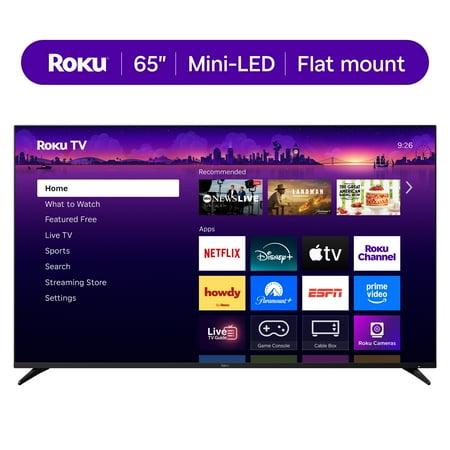
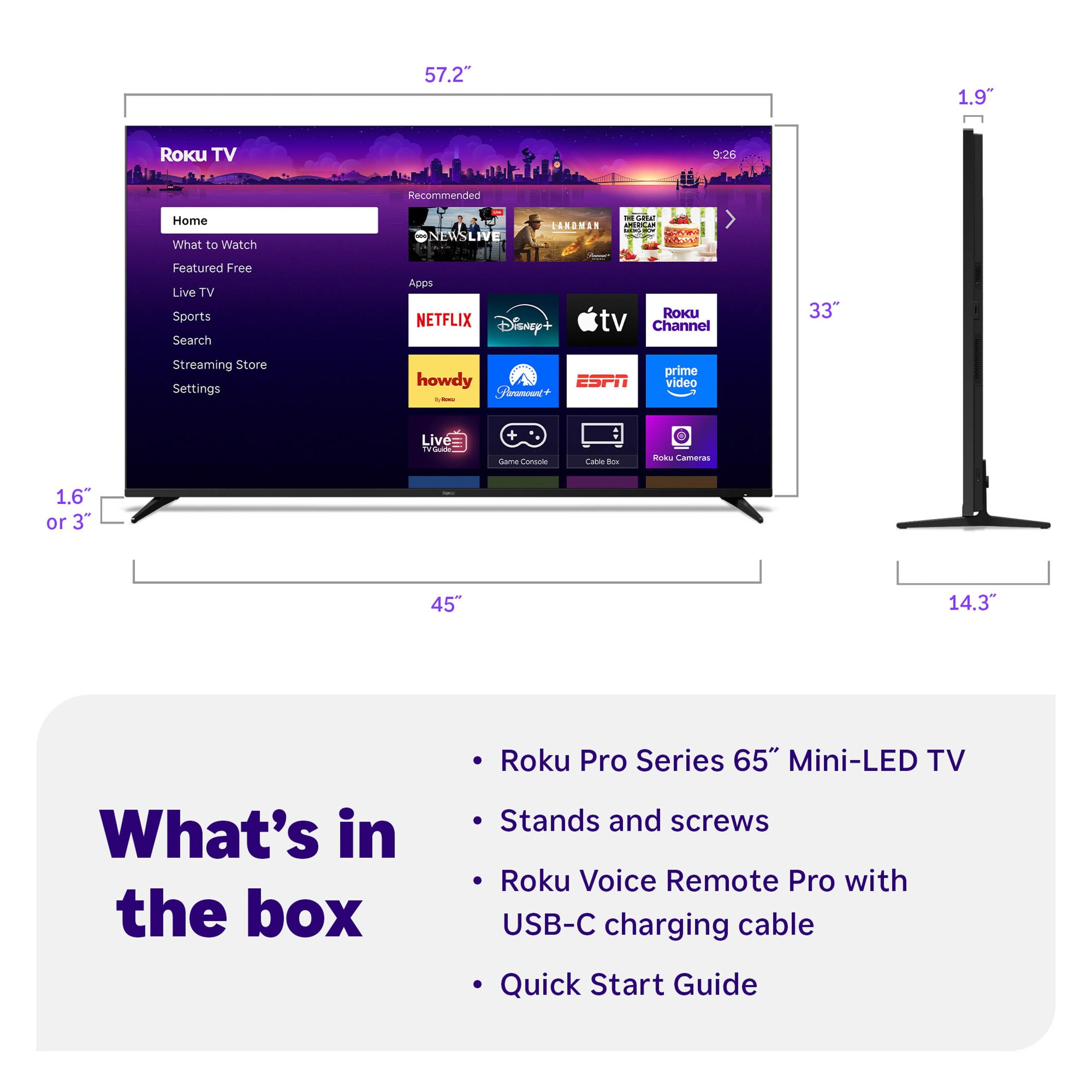
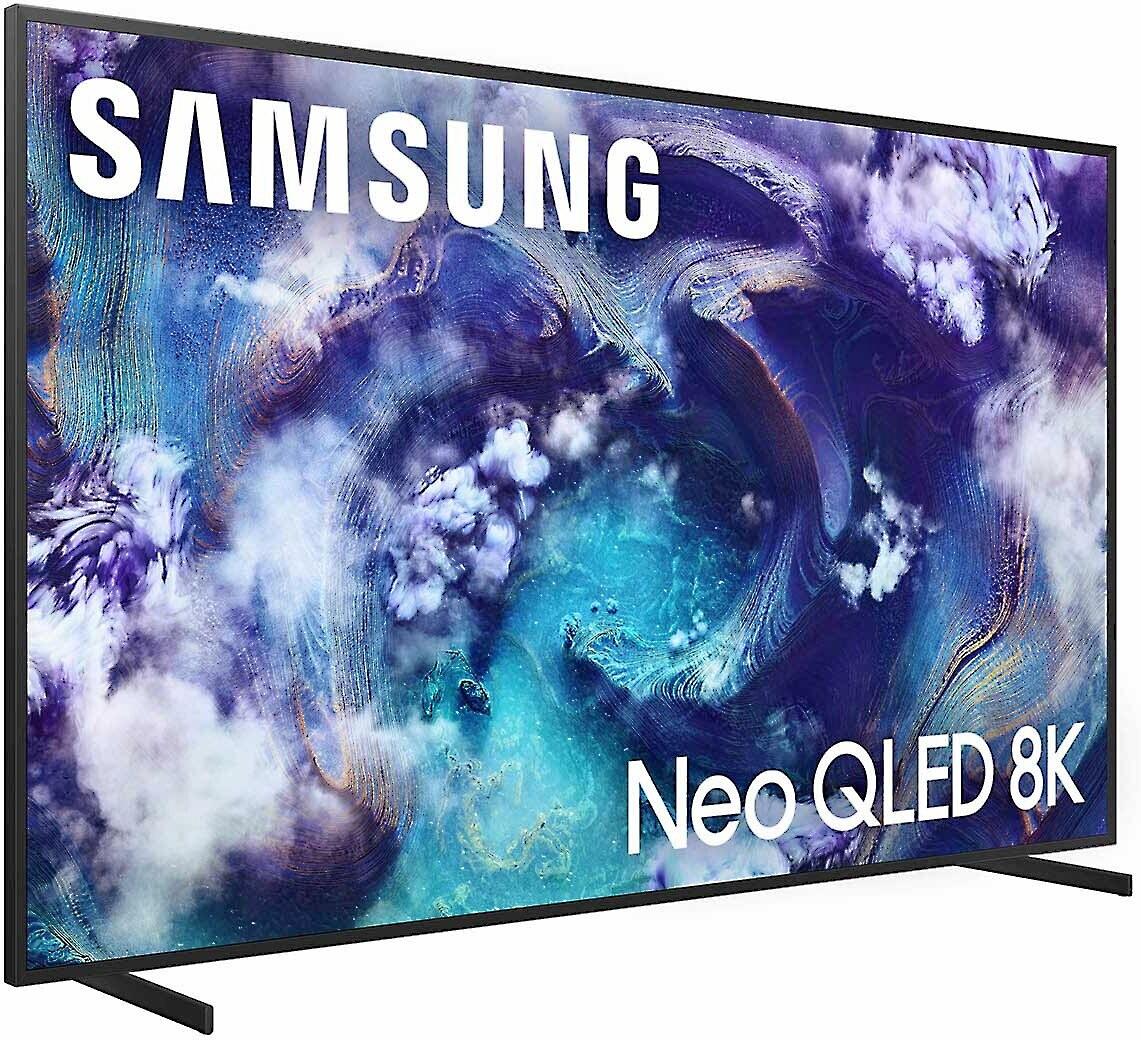
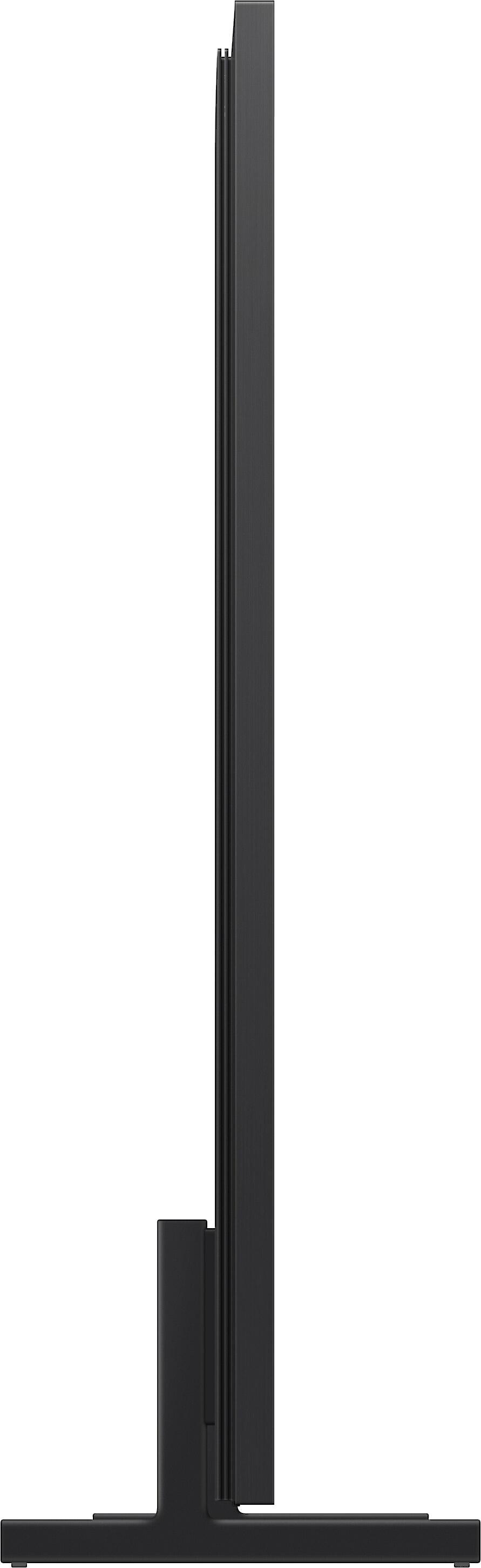
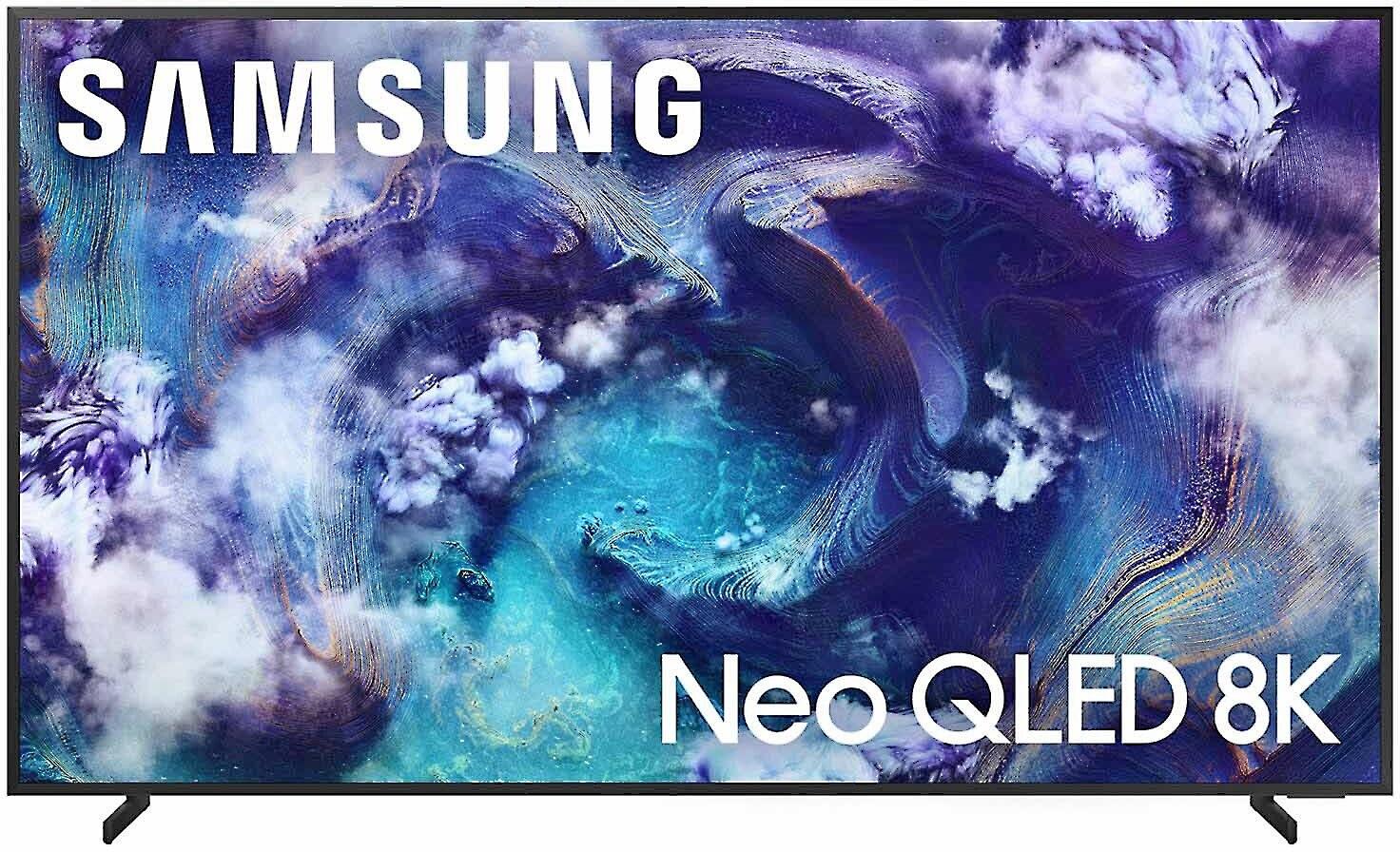
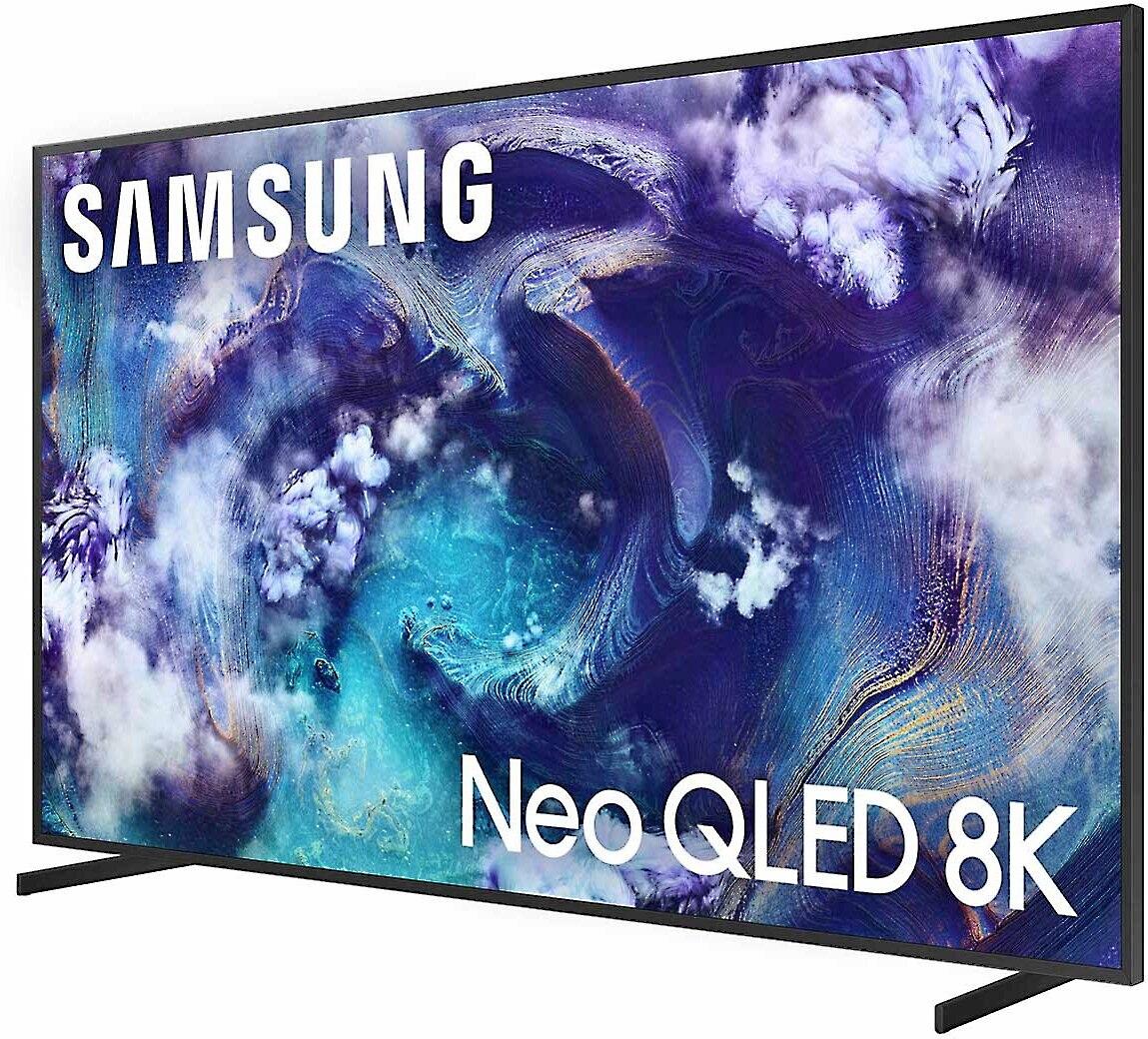

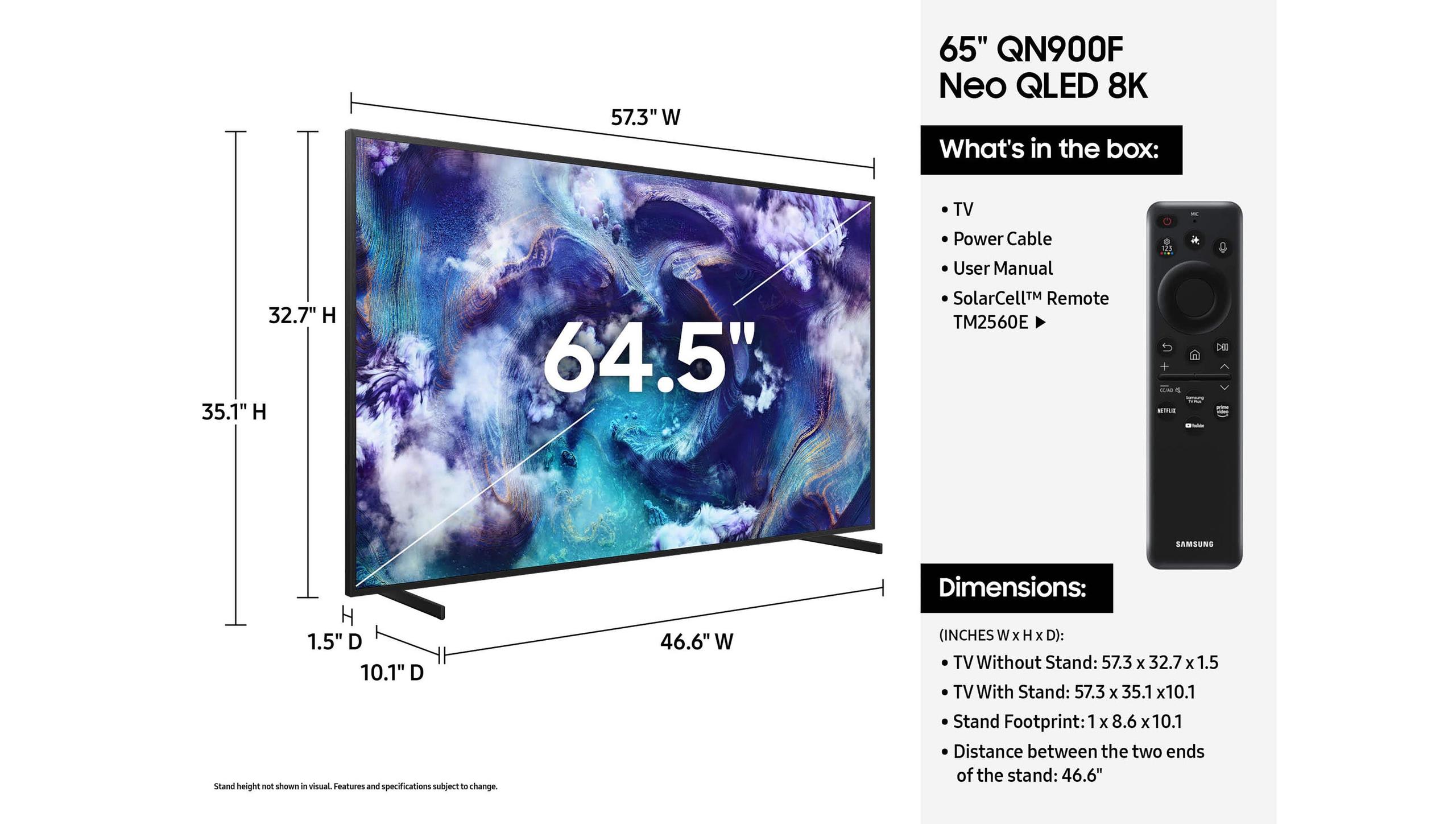
When you're shopping for a premium 65-inch TV in 2025, you're essentially choosing between two very different philosophies about what makes a great television. The Roku 65" Pro Series 2025 represents the "perfected mainstream" approach—delivering exceptional 4K performance with thoughtful features at a price that won't require a second mortgage. Meanwhile, the Samsung 65" Neo QLED 8K QN900F embodies the "future-forward flagship" mentality, packing cutting-edge 8K resolution and AI processing that pushes the boundaries of what's possible.
Both TVs arrived in 2025 with significant improvements over their predecessors, but they've evolved in distinctly different directions. Understanding these differences—and what they mean for your actual viewing experience—is crucial to making the right choice for your home theater setup.
Premium 65-inch TVs have reached a fascinating inflection point. We're no longer debating whether LED TVs can compete with OLED (they absolutely can), or whether smart TV platforms matter (they're everything). Instead, we're looking at fundamental questions about resolution, AI processing, and how much cutting-edge technology you actually need versus want.
The most important factors when choosing a premium TV today are display technology and brightness (which determine how good everything looks), gaming capabilities (essential even if you don't game much), smart platform quality (your daily interface), built-in audio performance (before you add a soundbar), and overall value proposition.
Both the Roku Pro Series and Samsung QN900F excel in these areas but take markedly different approaches to achieving excellence.
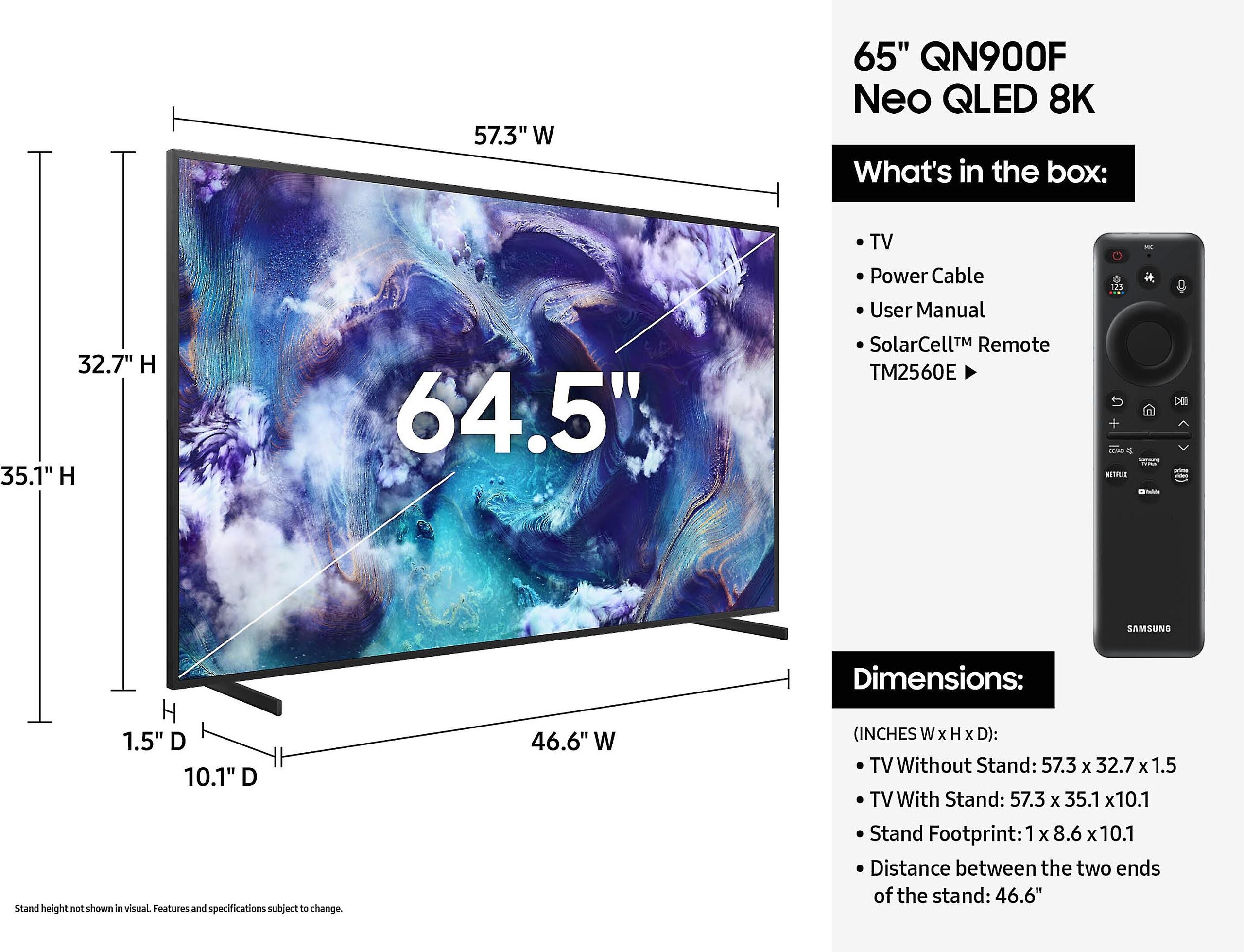
The most obvious difference between these TVs is resolution, and it's more significant than you might expect. The Samsung QN900F delivers true 8K resolution at 7,680 × 4,320 pixels—that's four times the detail of 4K and sixteen times more than 1080p. When you're sitting at normal viewing distances (8-12 feet for a 65" screen), this extra resolution creates noticeably sharper text, more defined textures, and an almost three-dimensional depth to images.
The Roku Pro Series focuses on perfecting 4K at 3,840 × 2,160 pixels. While that's "only" quarter the resolution of 8K, Roku's Smart Picture Max AI processing works scene-by-scene to optimize color, sharpness, and contrast. This AI system cleans up compression artifacts—those blocky, fuzzy areas you see with heavily compressed streaming content—and enhances detail without the computational overhead of 8K upscaling.
Here's what this means practically: if you primarily watch Netflix, Disney+, or other streaming services, both TVs will look exceptional. The Samsung will show slightly more detail in facial textures and background elements, while the Roku will deliver cleaner, more natural-looking images with less processing artifacts.
Both TVs use Mini-LED backlighting, which represents a massive leap over traditional LED TVs. Instead of a few dozen LED zones, Mini-LED uses thousands of tiny LEDs arranged behind the screen, each controllable independently. This creates precise local dimming—bright areas can be brilliantly lit while dark areas stay truly black, all within the same scene.
The Samsung QN900F employs Quantum Matrix Pro technology, which combines Mini-LEDs with quantum dot color filters. This setup delivers exceptional peak brightness (often exceeding 1,500 nits) and maintains color accuracy even at high brightness levels. Samsung's Ultimate 8K Dimming Pro provides incredibly precise backlight control, minimizing the "blooming" effect where bright objects create unwanted halos.
The Roku Pro Series uses a re-engineered Mini-LED system that delivers 75% higher dynamic contrast than previous generations. While it may not reach Samsung's absolute peak brightness, reviews consistently praise its natural color reproduction and minimal blooming. The full-array local dimming works seamlessly with the QLED quantum dots to produce images that many reviewers describe as more lifelike than some OLED TVs.
High Dynamic Range (HDR) is what makes modern content look dramatically better than older TV shows and movies. It expands the range between the darkest blacks and brightest whites, revealing details that were previously invisible.
This is where things get interesting. The Roku Pro Series supports virtually every HDR format: Dolby Vision IQ (which adjusts based on room lighting), HDR10+ Adaptive, HDR10, and HLG. This broad compatibility means you'll get optimal HDR performance whether you're watching Netflix (Dolby Vision), Amazon Prime (HDR10+), or broadcast TV (HLG).
The Samsung QN900F, despite its premium positioning, notably lacks Dolby Vision support. It handles HDR10+ and HLG exceptionally well, and Samsung's own Neo Quantum HDR 8K Pro processing often produces more vibrant results than standard Dolby Vision. However, if you have a large library of Dolby Vision content or use streaming services that heavily favor the format, this omission is worth considering.
Gaming performance has become crucial even for people who don't consider themselves serious gamers. Modern game consoles, streaming services, and even sports broadcasts benefit from higher refresh rates and lower input lag.
The Samsung QN900F leads here with Motion Xcelerator technology supporting up to 165Hz at 4K resolution. This means incredibly smooth motion whether you're playing fast-paced shooters, watching sports, or navigating menus. The TV's response time is excellent, and input lag stays below 10ms in game mode—imperceptible for virtually any gaming scenario.
The Roku Pro Series offers solid 120Hz performance with input lag as low as 5.2ms at 120Hz, which is actually faster than the Samsung in some scenarios. It supports FreeSync Premium Pro, Auto Low Latency Mode (ALLM), and Variable Refresh Rate (VRR)—all the essential gaming technologies that prevent screen tearing and ensure responsive gameplay.
Both TVs handle HDMI 2.1 properly, supporting 4K at high refresh rates from PlayStation 5, Xbox Series X, and modern gaming PCs. The Samsung's additional gaming features like Game Bar, Mini Map Zoom, and Super Ultra Wide Game View provide more customization options, but the Roku covers the fundamentals that matter most.
Based on extensive user feedback, both TVs excel for gaming but in different ways. The Samsung QN900F feels slightly more responsive for competitive gaming, with its higher refresh rates providing an edge in fast-paced scenarios. The additional gaming features create a more console-like experience with on-screen performance metrics and customizable display options.
The Roku Pro Series delivers excellent gaming performance without the complexity. Games look vibrant and respond quickly, but you won't find as many gaming-specific customization options. For most console gamers, this approach works perfectly—the TV gets out of the way and lets you focus on playing.
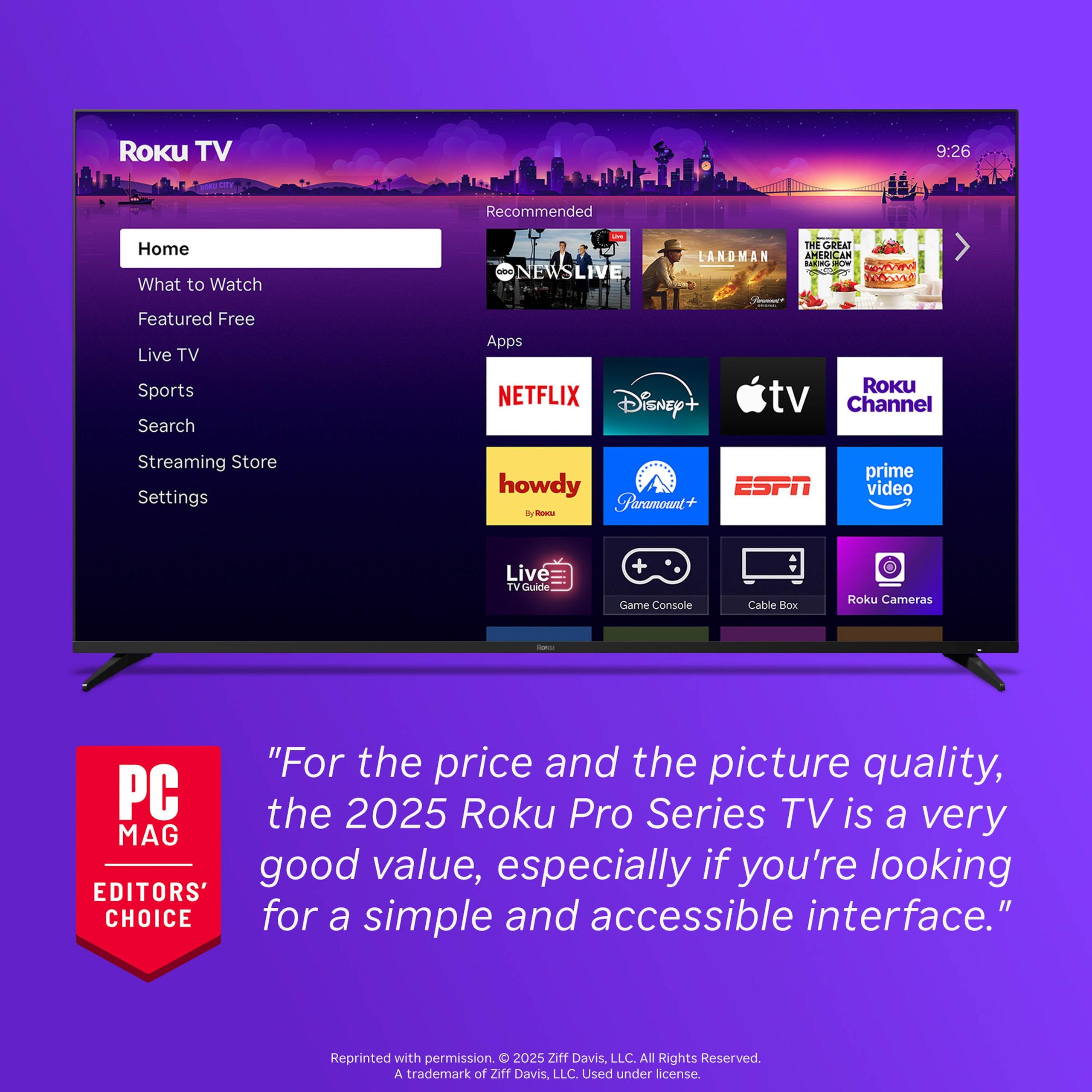
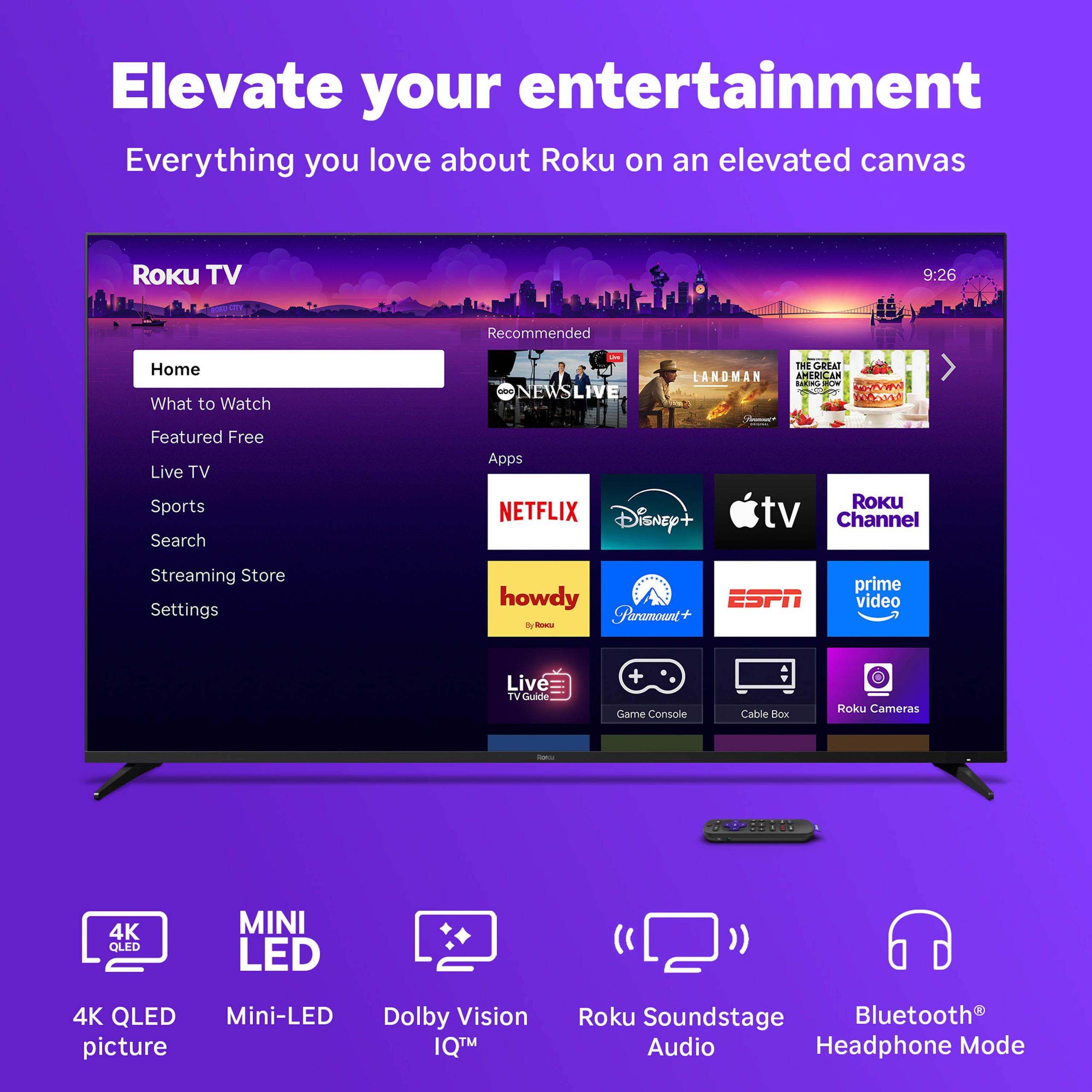
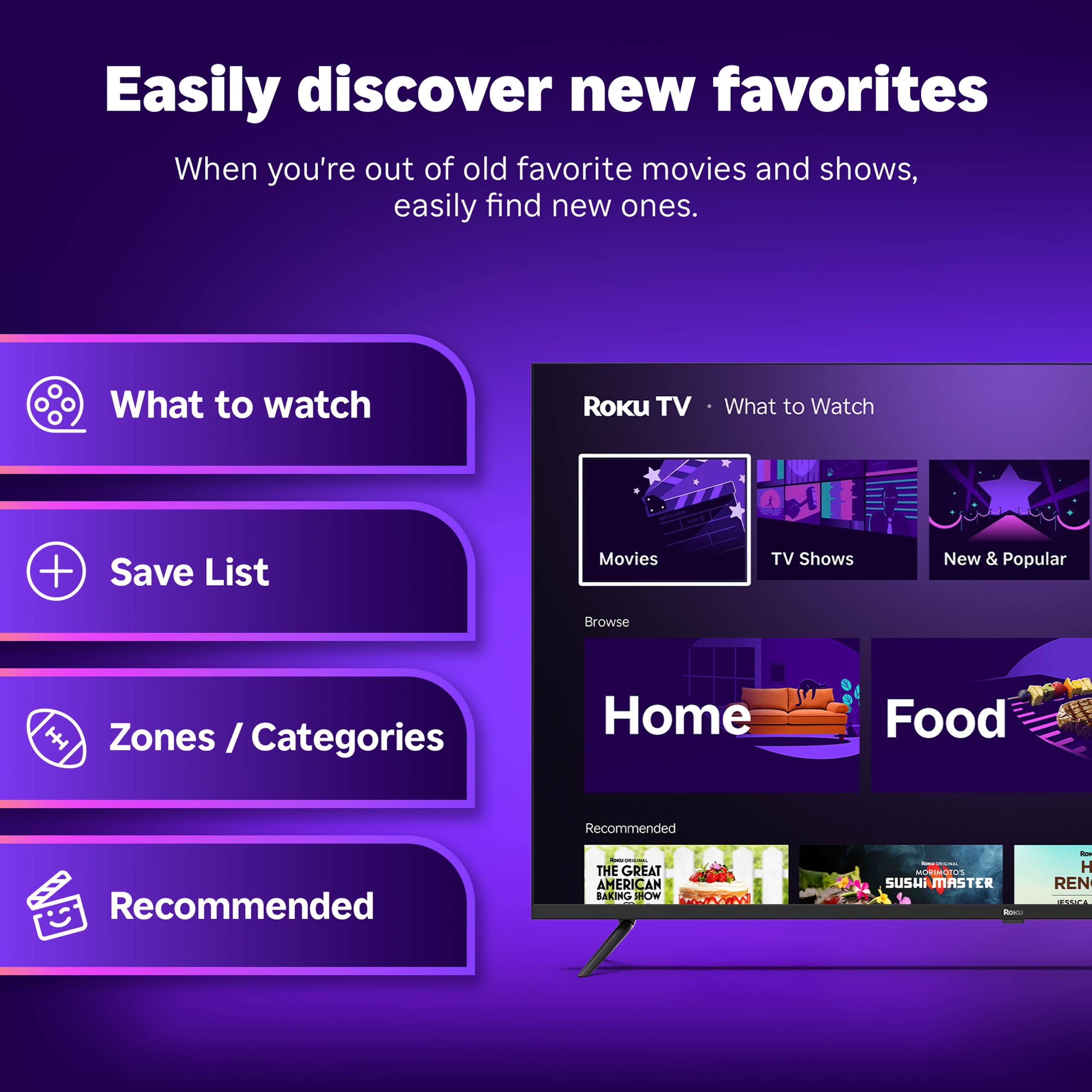
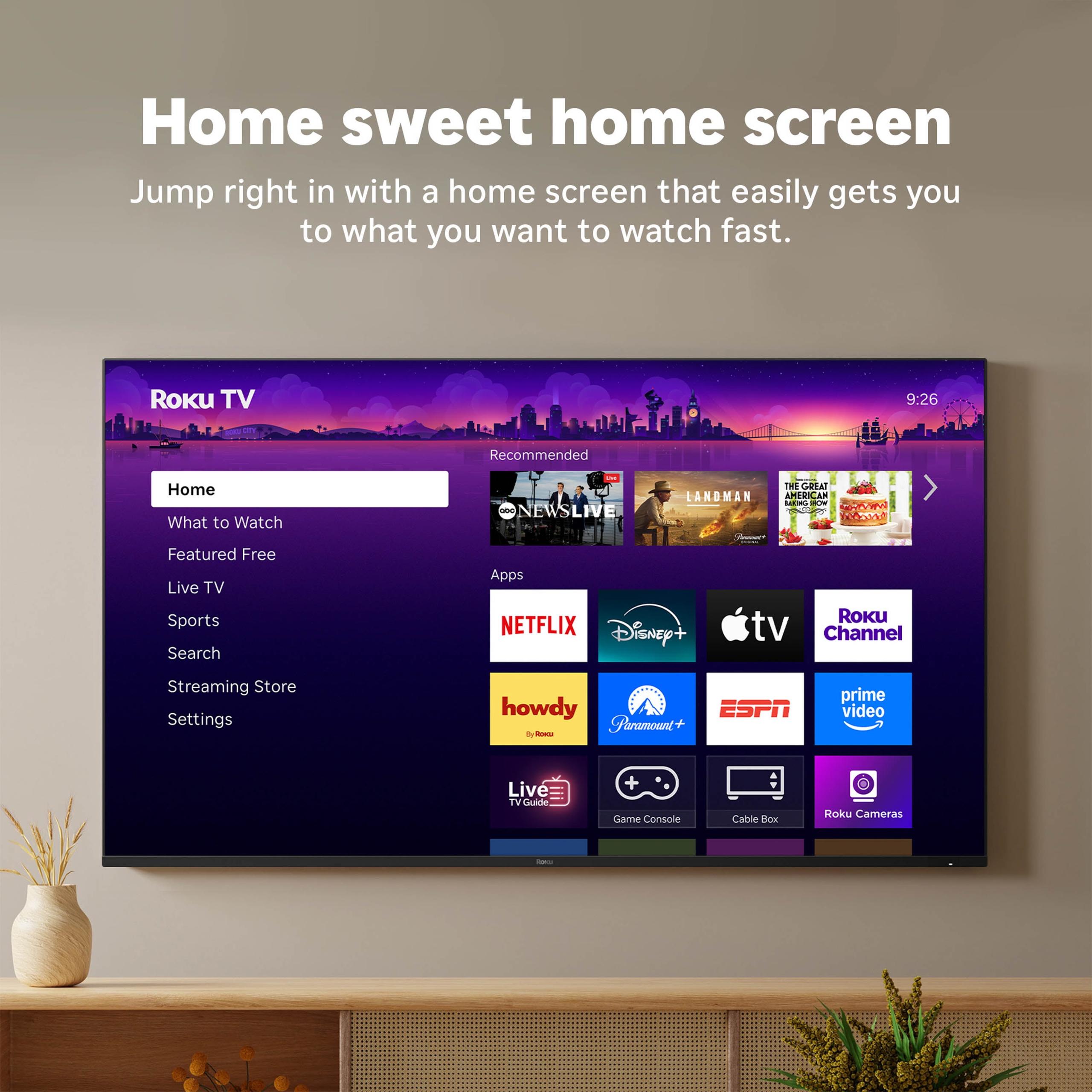
The Roku Pro Series runs Roku OS, which has earned a reputation as the most user-friendly smart TV platform. The interface consolidates all your streaming apps, live TV inputs, and recommendations into a single, intuitive home screen. You don't need to remember which app has which show—everything appears together based on what you actually want to watch.
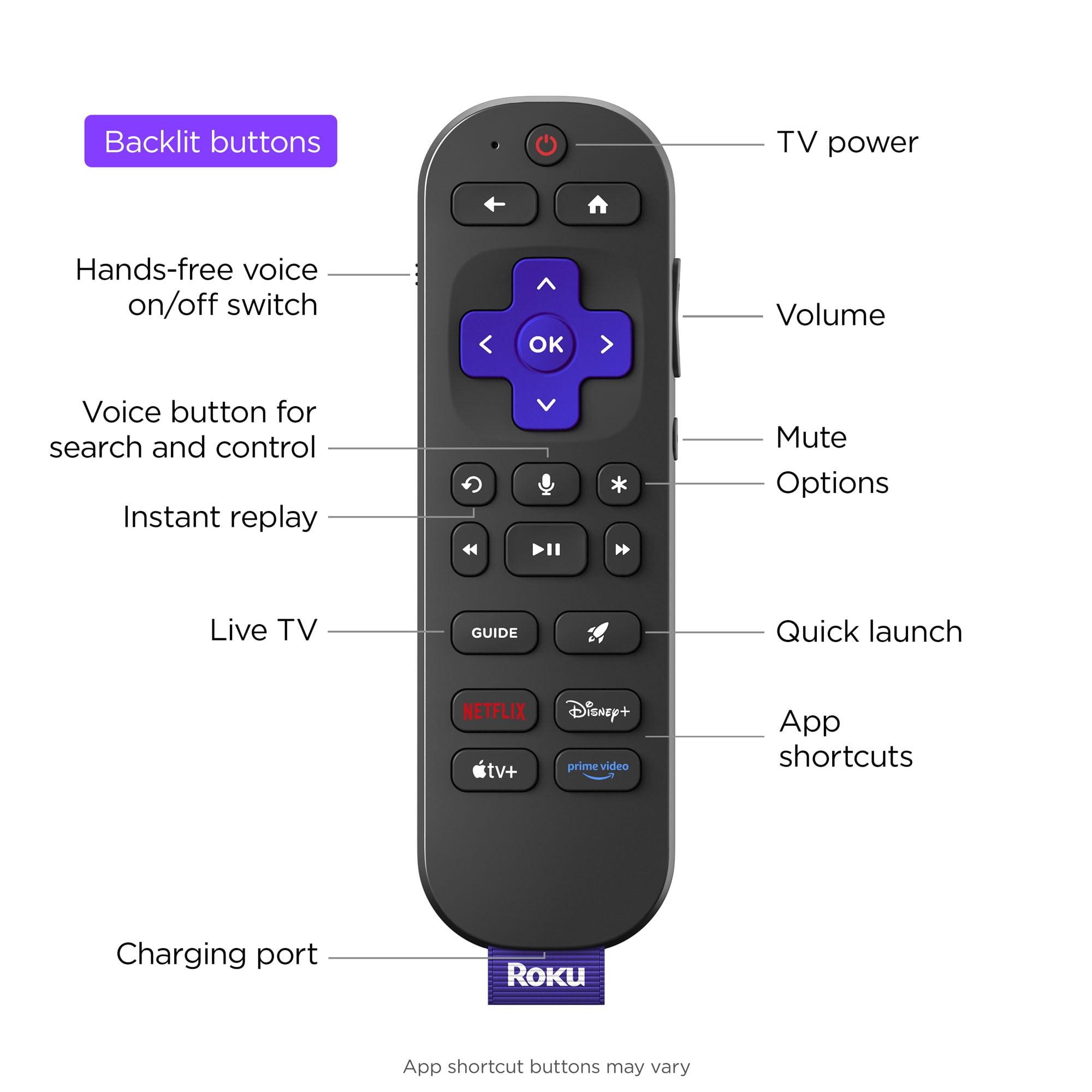
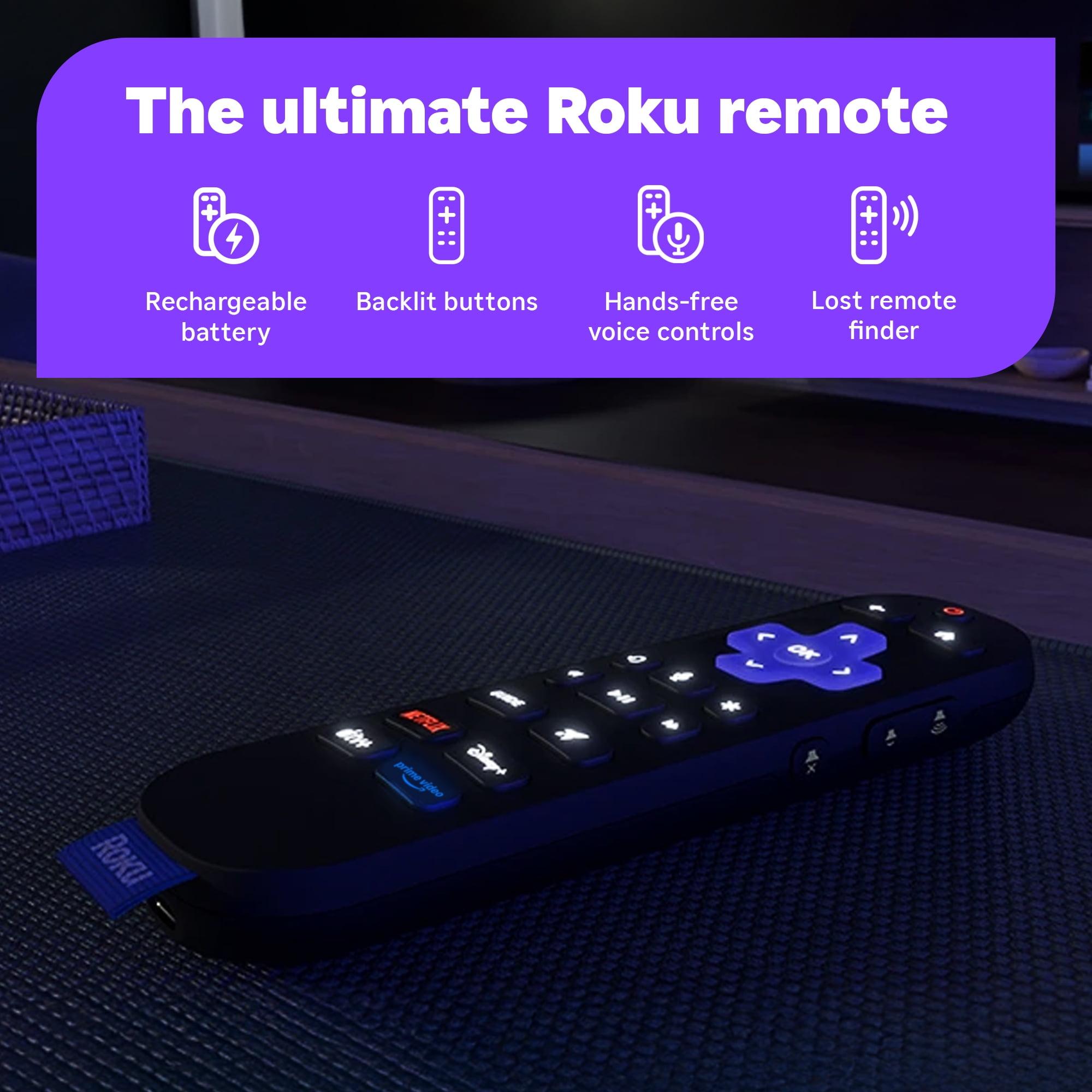
Roku's platform strength lies in its neutrality. Unlike TV manufacturers that push their own content services, Roku treats all streaming platforms equally. The search function works across all installed apps, and the recommendation system isn't biased toward any particular service. The included Voice Remote Pro features backlit buttons, rechargeable battery, and a "find my remote" button on the TV itself—small touches that eliminate daily frustrations.
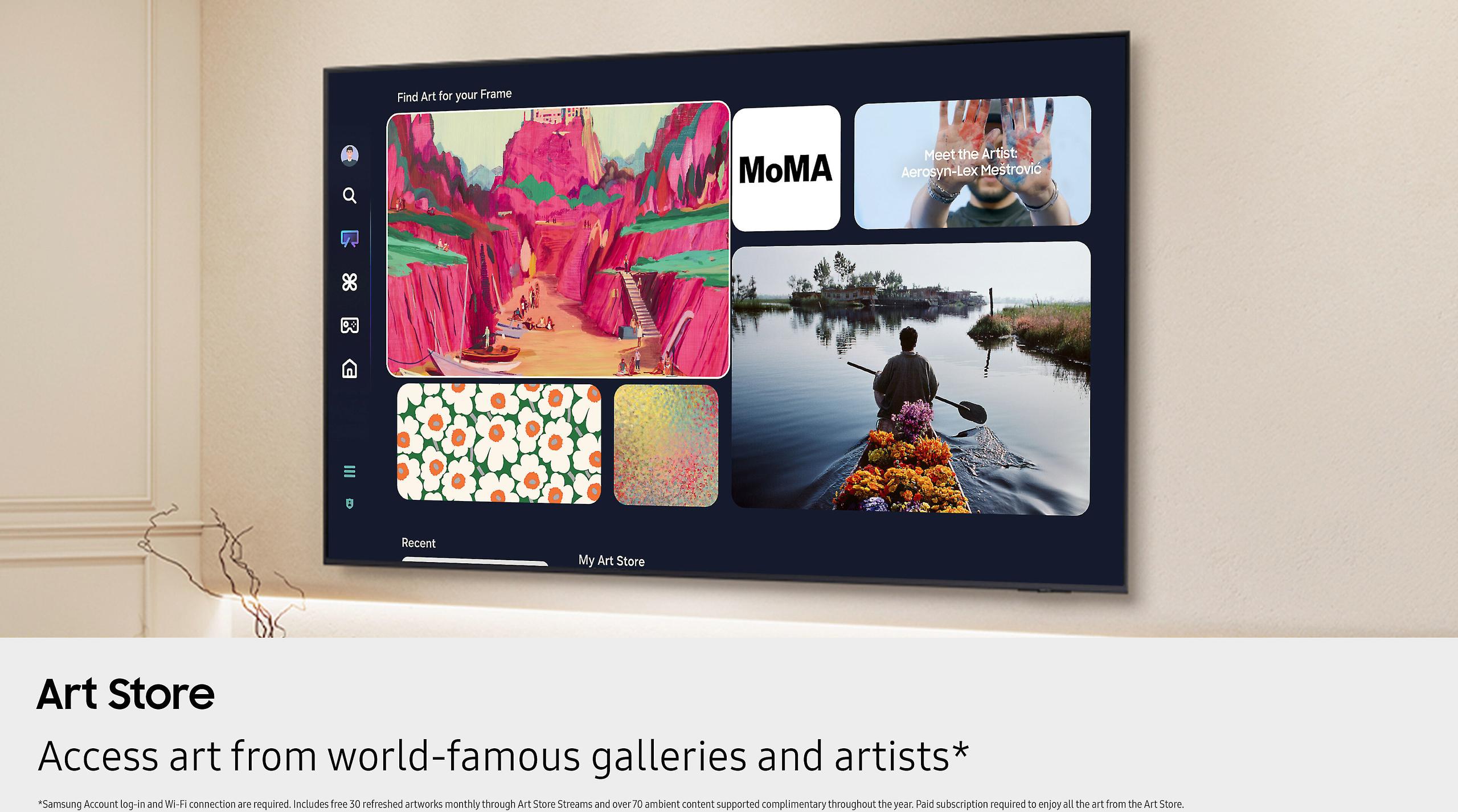
The Samsung QN900F runs Tizen OS with Samsung Vision AI, creating a more sophisticated but complex smart TV experience. The AI learns your viewing habits and automatically adjusts picture settings based on content type, room lighting, and personal preferences. Features like Live Translate can provide real-time subtitles for content in foreign languages, while Generative Wallpaper creates custom artwork for ambient mode.
Samsung's platform excels at smart home integration. The built-in SmartThings hub can control compatible devices, the far-field microphone enables hands-free voice control, and Matter support ensures compatibility with most smart home ecosystems. For tech enthusiasts who want their TV to be the center of a connected home, Samsung's approach offers compelling advantages.
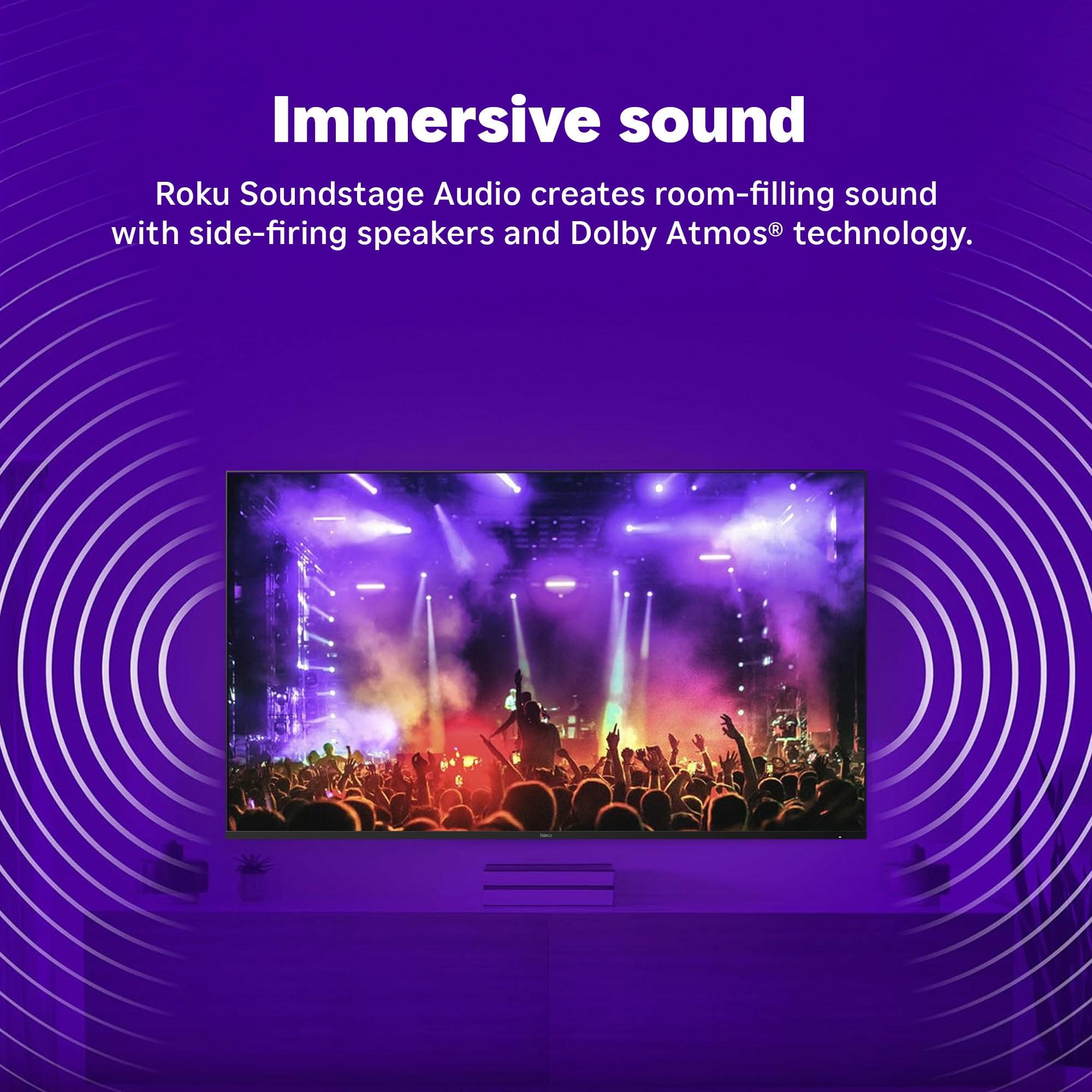
One of the Roku Pro Series most surprising strengths is its built-in audio system. The Roku Soundstage Audio implementation uses side-firing speakers with Dolby Atmos processing to create genuine room-filling sound. User reviews consistently describe the audio as "incredible for a standalone TV" with "theater-like bass that rattles walls."
This isn't marketing hyperbole—the Roku's audio design prioritizes practical performance over technical specifications. The speaker configuration delivers clear dialogue, impactful sound effects, and surprisingly deep bass. Many reviewers noted they postponed soundbar purchases because the TV's built-in audio exceeded expectations.
The Samsung QN900F takes a more technically sophisticated approach with its 4.2.2-channel speaker system producing 70W of total output. Object Tracking Sound+ technology synchronizes audio movement with on-screen action—when a car drives across the screen, the sound follows. Combined with Dolby Atmos support, this creates a genuinely immersive audio experience.
While both TVs deliver excellent built-in audio, they serve different priorities. The Roku focuses on delivering great sound for movies and TV shows, while the Samsung's more complex system excels at creating spatial audio effects that enhance the viewing experience.
At the time of writing, the Roku Pro Series represents exceptional value in the premium TV market. It delivers roughly 90% of the Samsung QN900F's practical performance at approximately half the price. For most viewers, the differences in daily use are subtle—both deliver stunning 4K HDR content, excellent gaming performance, and robust smart TV features.
The Roku's value proposition becomes even stronger when you consider longevity. 4K content is abundant and will remain the standard for years to come. The TV's focus on perfecting 4K performance rather than chasing cutting-edge specs means you're buying proven technology that will satisfy for many years.
The Samsung QN900F commands a significant premium, but it delivers genuine technological advancement. The 8K resolution isn't just about higher numbers—the improved clarity is noticeable, especially with upscaled content. The advanced AI processing, superior gaming features, and comprehensive smart home integration justify the higher price for enthusiasts who want the absolute best available technology.
This TV makes sense for early adopters, serious gamers who want every possible advantage, and home theater enthusiasts who prioritize having the latest technology. The premium also buys you superior brightness for challenging lighting conditions and more sophisticated AI features that adapt to your preferences.
For dedicated home theater setups, both TVs excel but serve different scenarios. The Roku Pro Series works beautifully in most home theater environments, delivering cinema-quality images with excellent built-in audio that may eliminate the need for immediate soundbar upgrades.
The Samsung QN900F truly shines in bright rooms or unconventional setups. Its Glare-Free technology virtually eliminates reflections, making it suitable for rooms with large windows or multiple light sources. The 8K resolution becomes more apparent at closer viewing distances, making it ideal for larger rooms where you might sit closer to the screen.
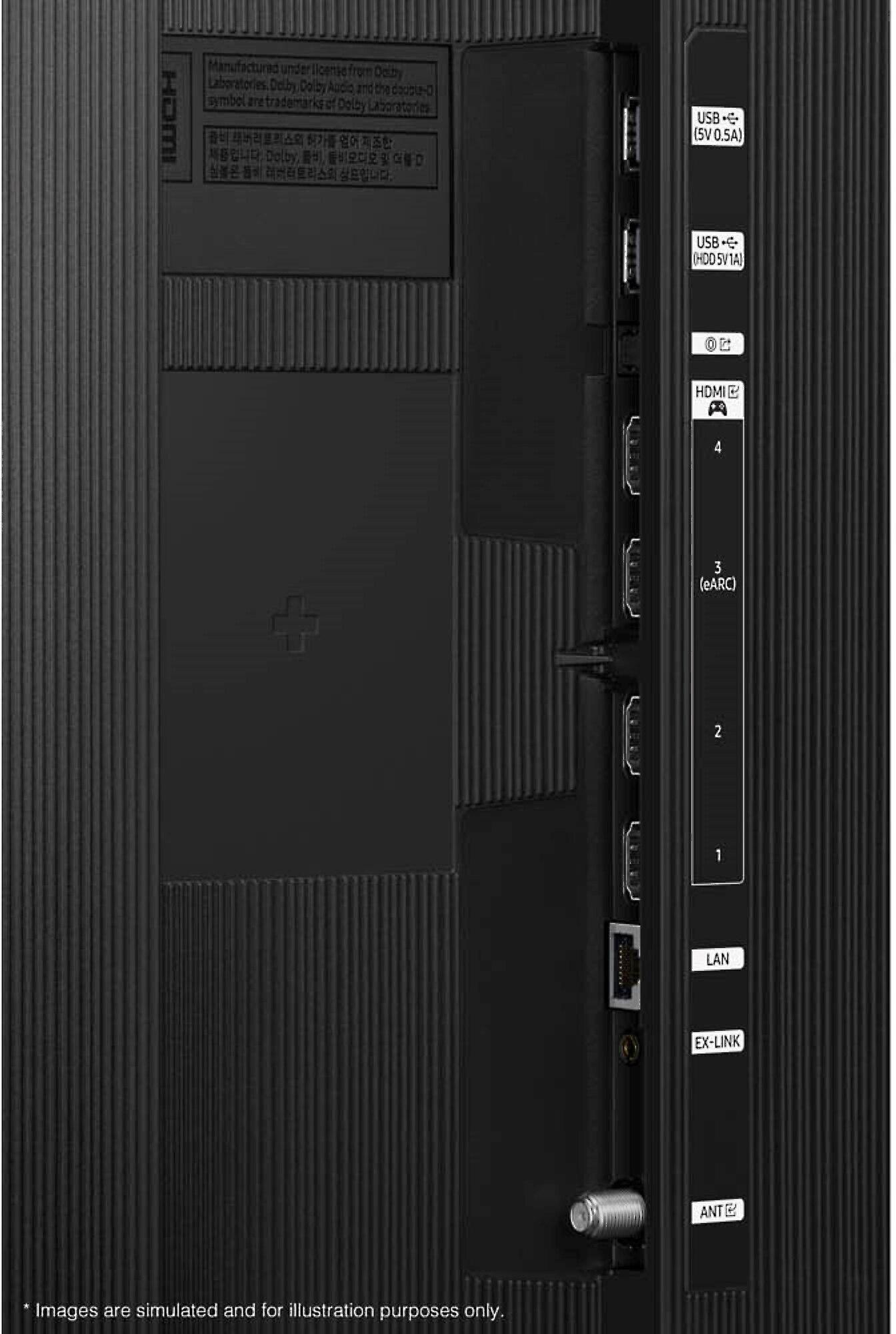
Both TVs handle HDMI connectivity well, but there are subtle differences. The Roku Pro Series focuses on simplicity—everything works as expected with minimal configuration. The Samsung QN900F offers more advanced features like enhanced ARC support and sophisticated picture calibration options that appeal to enthusiasts with complex setups.
The Roku Pro Series makes the most sense for buyers who want exceptional performance without paying for bleeding-edge technology they may not fully utilize. It's perfect for families who prioritize ease of use, movie enthusiasts who want theater-quality images and sound, and gamers who want solid performance without needing every possible feature.
This TV excels for buyers who want to "set it and forget it"—the AI processing handles optimization automatically, the interface stays intuitive, and the performance remains consistently excellent across all content types. If you're upgrading from an older TV and want a significant improvement without complexity, the Roku delivers exactly that.
The Samsung QN900F appeals to enthusiasts who want the absolute latest technology and don't mind paying for it. It's ideal for serious gamers who want every possible advantage, tech enthusiasts who enjoy sophisticated AI features, and buyers who want future-proofing with 8K capability.
This TV makes sense if you have a bright viewing room that challenges other displays, if you want advanced smart home integration, or if you're the type of person who wants to own the best available technology regardless of incremental cost differences.
Both TVs represent excellent choices within their respective market positions. The Roku Pro Series delivers flagship-quality performance at a more accessible price point, focusing on perfecting the fundamentals that matter most for daily viewing. The Samsung QN900F pushes technological boundaries with 8K resolution and advanced AI processing, justifying its premium for buyers who want cutting-edge capabilities.
For most buyers, the Roku provides the better balance of performance, features, and value. However, if budget isn't a primary concern and you want the absolute latest technology, Samsung's approach offers genuine advantages that become more apparent over time.
The decision ultimately comes down to your priorities: exceptional 4K performance and value, or cutting-edge 8K technology and premium features. Both will deliver years of satisfaction, but they'll get you there through very different approaches to what makes a great television.
| Roku 65" Pro Series 2025 4K QLED TV | Samsung 65" Neo QLED 8K QN900F Vision AI Smart TV 2025 |
|---|---|
| Display Resolution - Higher resolution means sharper text and more detailed images | |
| 4K (3,840 × 2,160) with AI upscaling | 8K (7,680 × 4,320) with advanced AI upscaling |
| Mini-LED Backlight Technology - Controls brightness and contrast in thousands of zones | |
| Full Array Local Dimming with 75% higher contrast than previous generation | Quantum Matrix Pro with Ultimate 8K Dimming Pro |
| Peak Brightness - Critical for HDR content and bright room viewing | |
| Excellent HDR brightness, performs well in bright rooms | Exceptional peak brightness (1,500+ nits), superior for very bright environments |
| HDR Format Support - Determines compatibility with streaming content | |
| Dolby Vision IQ, HDR10+ Adaptive, HDR10, HLG (comprehensive support) | HDR10+, HLG, Neo Quantum HDR 8K Pro (lacks Dolby Vision) |
| Gaming Performance - Refresh rate and input lag for smooth gaming | |
| 120Hz, 5.2ms input lag, FreeSync Premium Pro, VRR, ALLM | 165Hz at 4K, Motion Xcelerator, comprehensive gaming features |
| Smart TV Platform - Your daily interface for apps and streaming | |
| Roku OS - Simple, unified interface with neutral app treatment | Tizen OS with Samsung Vision AI - Advanced features and smart home integration |
| Built-in Audio System - Sound quality before adding external speakers | |
| Roku Soundstage Audio with side-firing speakers, Dolby Atmos | 4.2.2-channel system (70W), Object Tracking Sound+, Dolby Atmos |
| Anti-Glare Technology - Reduces reflections from windows and lights | |
| Standard screen coating | Glare-Free technology with advanced anti-reflection coating |
| AI Processing Features - Automatic picture optimization and smart features | |
| Roku Smart Picture Max - Scene-by-scene optimization | NQ8 AI Gen3 Processor with 256 neural networks, comprehensive AI features |
| Voice Control and Remote | |
| Rechargeable Voice Remote Pro with backlit buttons and remote finder | Far-field microphone, BT SolarCell Remote with advanced voice features |
| Gaming-Specific Features - Additional tools for serious gamers | |
| Auto Game Mode, basic gaming optimization | Game Bar, Mini Map Zoom, Super Ultra Wide Game View, Game Motion Plus |
| Smart Home Integration - Compatibility with connected devices | |
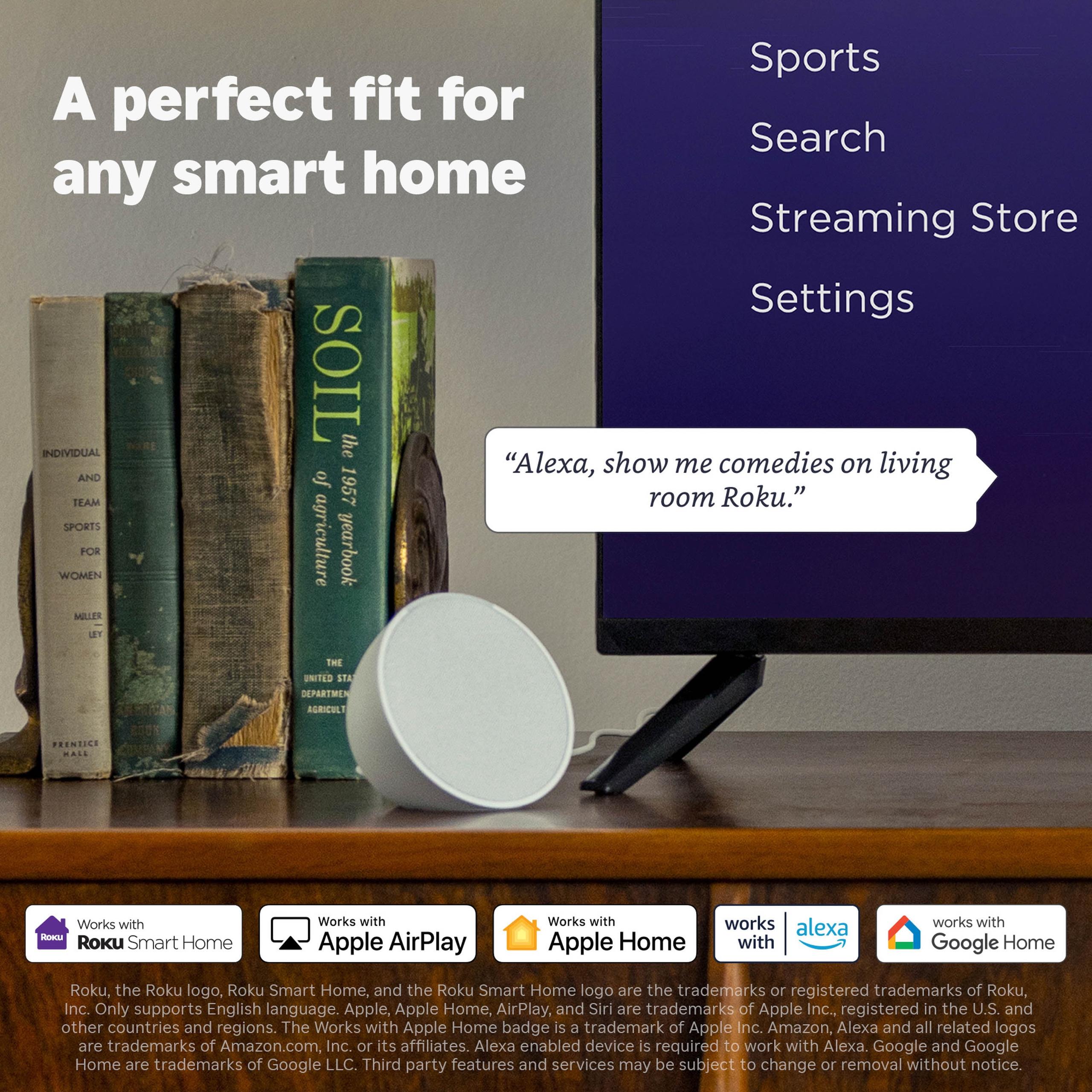
| Apple HomeKit, Alexa, Google Assistant compatibility | Built-in SmartThings Hub, Matter support, comprehensive smart home control |
| Value Positioning - Performance and features relative to price point | |
| Exceptional 4K performance at mid-premium pricing | Cutting-edge 8K technology and AI at flagship pricing |
Both TVs deliver exceptional picture quality, but in different ways. The Samsung 65" Neo QLED 8K QN900F offers higher resolution with true 8K display and advanced AI upscaling that makes even 4K content look sharper. However, the Roku 65" Pro Series 2025 focuses on perfecting 4K performance with excellent color accuracy and supports more HDR formats including Dolby Vision, which many streaming services use. For most viewers, both will look stunning, but the Roku's broader HDR support gives it an edge for streaming content compatibility.
The Roku 65" Pro Series 2025 displays 4K resolution (3,840 × 2,160 pixels), while the Samsung QN900F offers 8K resolution (7,680 × 4,320 pixels) - four times more detail than 4K. In practical terms, 8K provides noticeably sharper text, more defined textures, and better detail when sitting closer to the screen. However, most streaming content is still 4K or lower, so both TVs rely on AI upscaling to enhance lower-resolution sources.
Both TVs support modern gaming consoles excellently, but the Samsung 65" Neo QLED 8K QN900F has a slight edge with 165Hz refresh rate support and more gaming-specific features like Game Bar and Mini Map Zoom. The Roku 65" Pro Series 2025 offers solid 120Hz gaming with very low input lag (5.2ms) and supports all essential gaming technologies like VRR and ALLM. For casual to moderate gaming, the Roku performs excellently, while serious competitive gamers might prefer Samsung's additional features.
The Roku 65" Pro Series 2025 runs Roku OS, known for its simple, unified interface that treats all streaming apps equally and makes finding content easy. The Samsung QN900F uses Tizen OS with advanced AI features, smart home integration, and more sophisticated customization options. Roku's platform is more user-friendly for everyday use, while Samsung offers more advanced features for tech enthusiasts who want comprehensive smart home control.
Both TVs deliver impressive built-in audio that exceeds most TVs. The Roku 65" Pro Series 2025 features Roku Soundstage Audio with side-firing speakers that reviewers consistently praise for "theater-like bass" and clear dialogue. The Samsung QN900F offers a more sophisticated 4.2.2-channel system with Object Tracking Sound+ that moves audio across the screen with on-screen action. Both support Dolby Atmos, but the Roku's simpler approach often sounds more natural for movies and TV shows.
The Samsung 65" Neo QLED 8K QN900F excels in bright rooms thanks to its Glare-Free technology that virtually eliminates reflections and exceptional peak brightness. The Roku 65" Pro Series 2025 also performs well in bright environments with good brightness levels and maintains color accuracy under ambient lighting. However, if your room has challenging lighting conditions with direct sunlight or multiple light sources, the Samsung's anti-glare technology provides superior performance.
The Roku 65" Pro Series 2025 delivers exceptional value by focusing on perfecting 4K performance with premium features at a more accessible price point. The Samsung QN900F commands a significant premium for cutting-edge 8K technology and advanced AI processing. For most buyers, the Roku provides roughly 90% of Samsung's practical performance at approximately half the cost, making it the better value unless you specifically want the latest 8K technology.
Both TVs excel at improving lower-resolution content through AI processing. The Samsung 65" Neo QLED 8K QN900F uses its NQ8 AI Gen3 processor with 256 neural networks to upscale content to near-8K quality, creating noticeably sharper results. The Roku 65" Pro Series 2025 employs Smart Picture Max AI that cleans up compression artifacts and optimizes color scene-by-scene. Both make old shows and compressed streaming content look significantly better than on basic TVs.
Both TVs work excellently in dedicated home theater environments. The Roku 65" Pro Series 2025 delivers cinema-quality images with built-in audio that may eliminate the need for immediate soundbar upgrades. The Samsung QN900F offers superior performance in challenging lighting conditions and provides more sophisticated calibration options for enthusiasts. For most home theaters, the Roku provides exceptional performance, while the Samsung appeals to enthusiasts who want cutting-edge technology and advanced features.
Both TVs support all major streaming services including Netflix, Disney+, Prime Video, HBO Max, and YouTube. The Roku 65" Pro Series 2025 platform is known for having the broadest app selection and treating all services equally in search and recommendations. The Samsung QN900F supports the same major apps but may prioritize Samsung's own services in some interface elements. In practice, both provide access to virtually any streaming service you'd want to use.
The Roku 65" Pro Series 2025 supports a comprehensive range of HDR formats including Dolby Vision IQ, HDR10+ Adaptive, HDR10, and HLG, ensuring compatibility with virtually any HDR content. The Samsung QN900F supports HDR10+, HLG, and its own Neo Quantum HDR 8K Pro processing but notably lacks Dolby Vision support. While Samsung's HDR processing often produces excellent results, Roku's broader format support provides better compatibility with streaming services that heavily use Dolby Vision.
Both TVs are built for longevity but take different approaches to future-proofing. The Roku 65" Pro Series 2025 focuses on perfecting current 4K technology that will remain relevant for many years, with a proven track record of software updates and reliability. The Samsung QN900F offers 8K capability and advanced AI processing that may become more valuable as 8K content becomes available. The Roku provides proven technology that satisfies today's needs, while the Samsung offers potential advantages as technology evolves.
We've done our best to create useful and informative comparisons to help you decide what product to buy. Our research uses advanced automated methods to create this comparison and perfection is not possible - please contact us for corrections or questions. These are the sites we've researched in the creation of this article: bestbuy.com - rtings.com - techradar.com - youtube.com - roku.com - youtube.com - walmart.com - bestbuy.com - youtube.com - electronicexpress.com - roku.com - pcvarge.com - ecoustics.com - rtings.com - samsung.com - techradar.com - dolby.com - youtube.com - samsung.com - youtube.com - samsung.com - samsung.com - samsung.com - samsung.com - displayspecifications.com - samsung.com - rtings.com - bestbuy.com - merlinstv.com - news.samsung.com - bestbuy.com

Privacy Policy
Terms and Conditions - Affiliate Policy
Home Security
© Copyright 2008-2026.
11816 Inwood Rd #1211, Dallas, TX 75244