

![LG B5 Series OLED 65" 4K Smart TV 2025[1][7][9]](https://images.hometheaterreview.com/htr-stateless/2025/07/31238cd0-lg-b5-series-oled-65-4k-smart-tv-2025179.jpg)
![LG B5 Series OLED 65" 4K Smart TV 2025[1][7][9]](https://images.hometheaterreview.com/htr-stateless/2025/07/3368ce40-25ef-4d07-b442-bb0af89e3a29.jpg)
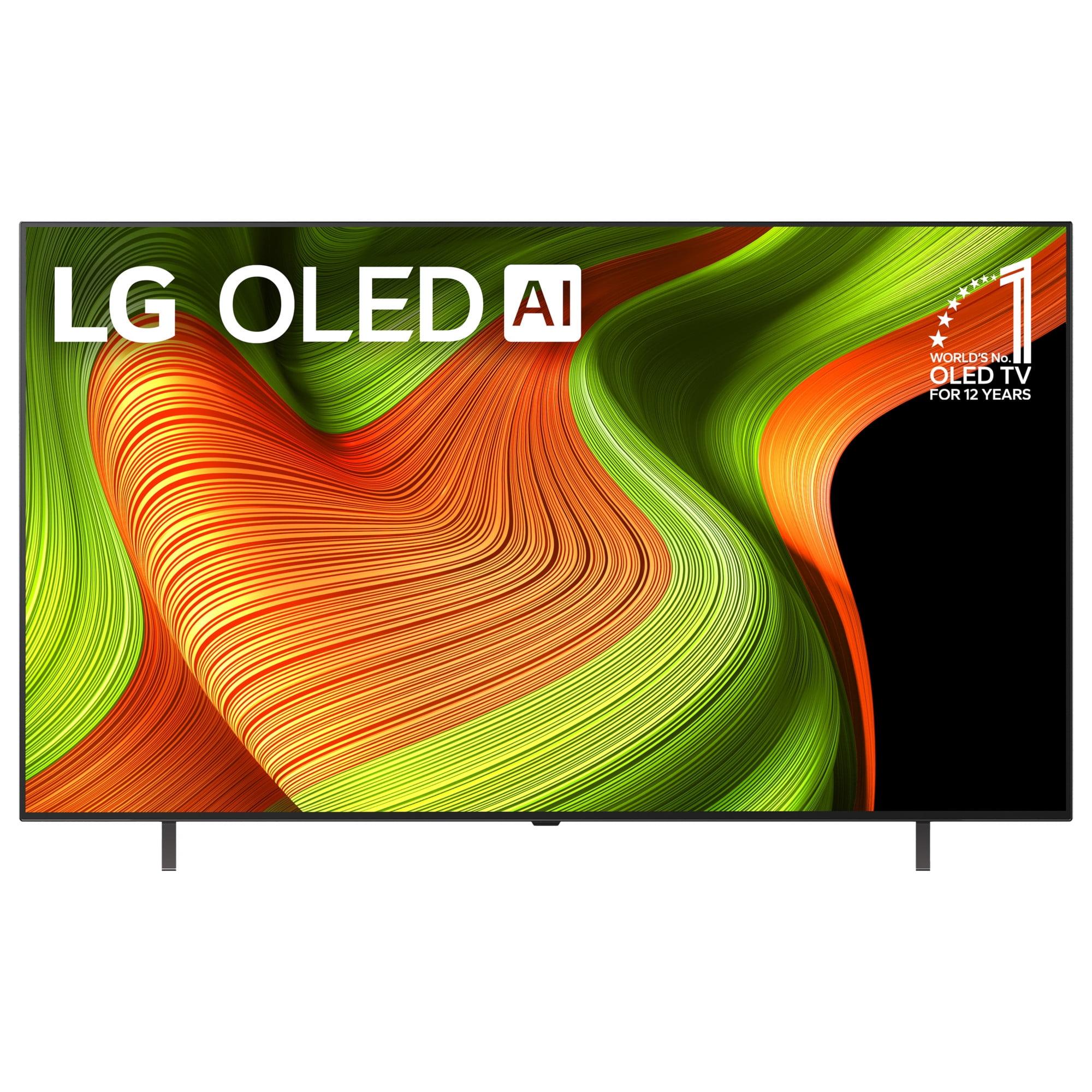
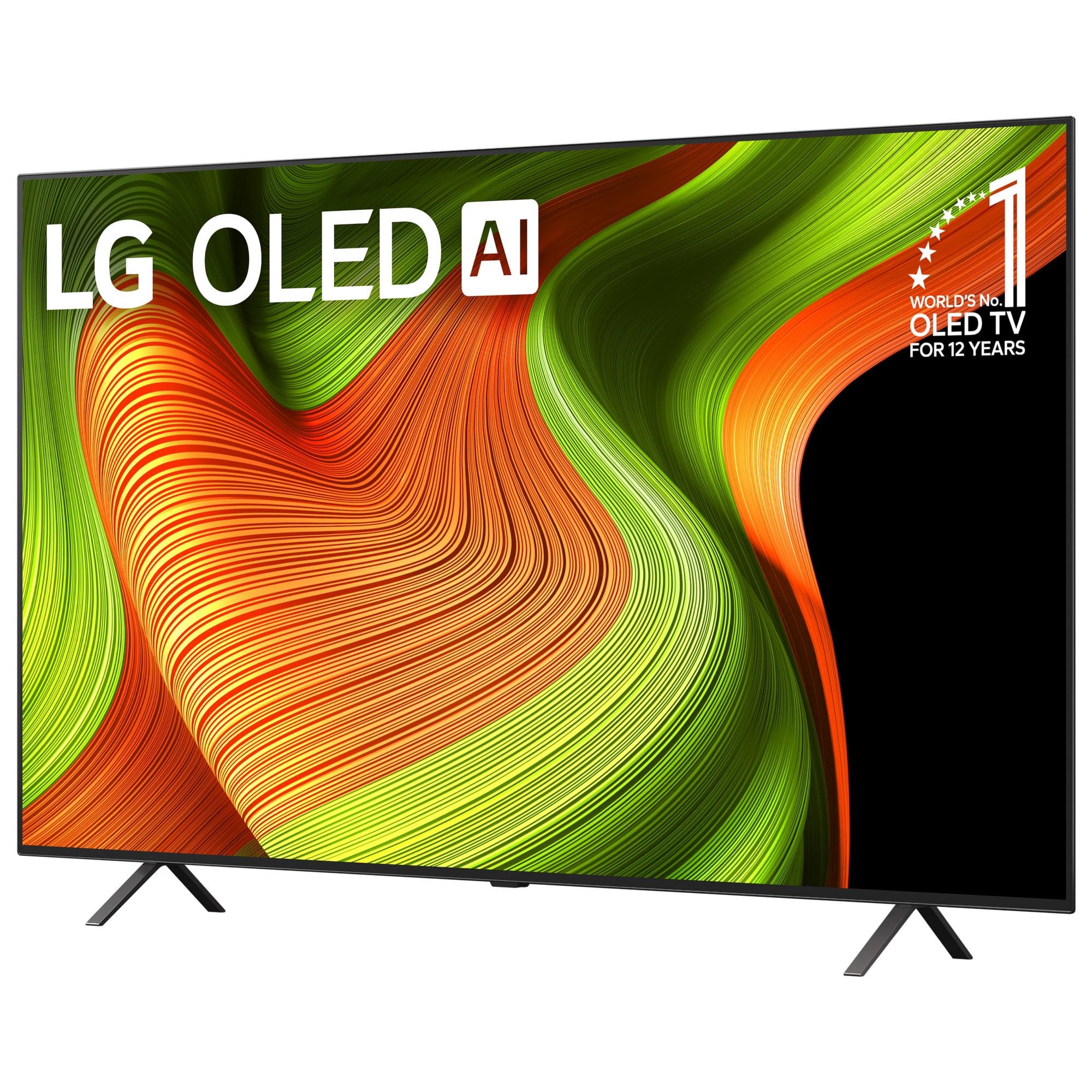
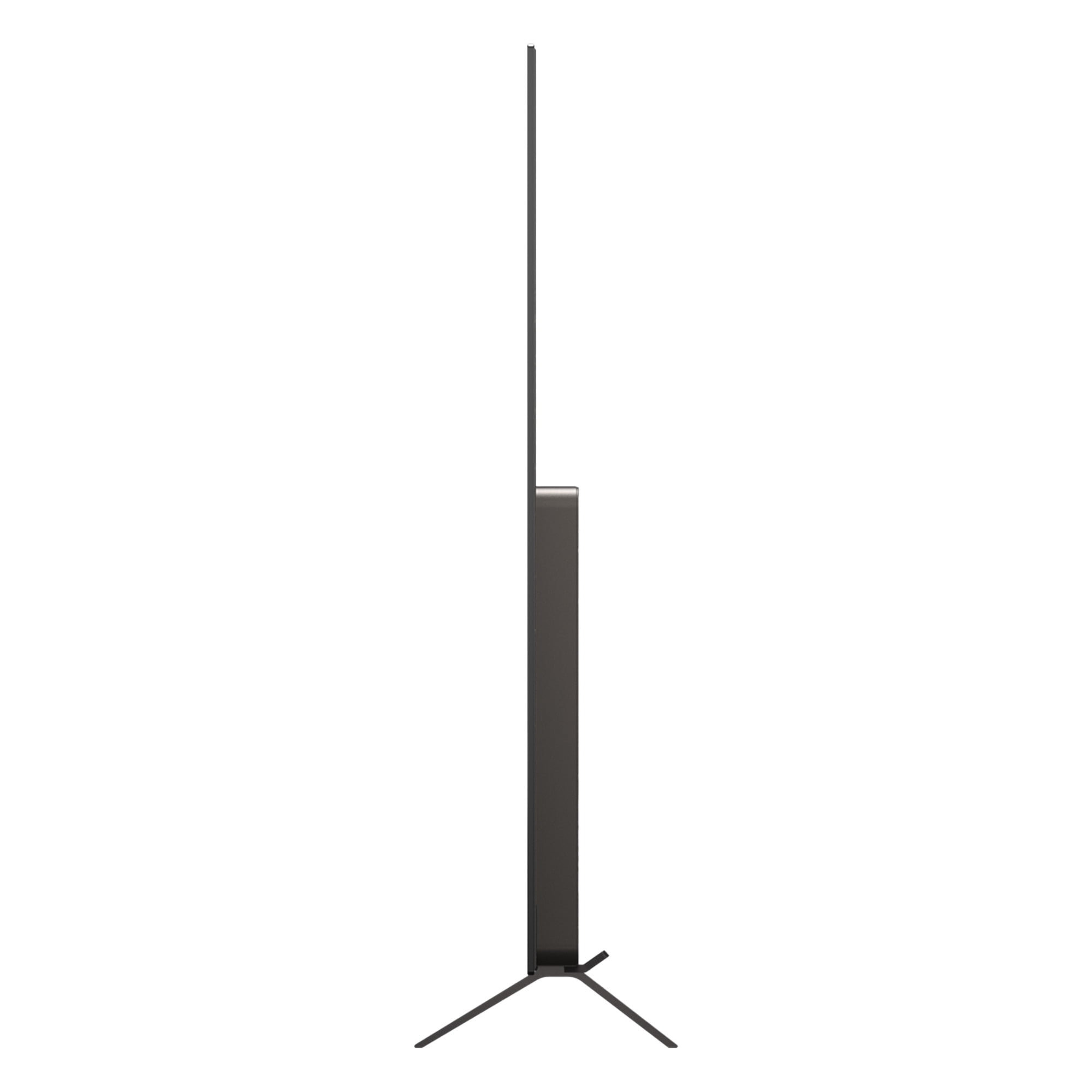
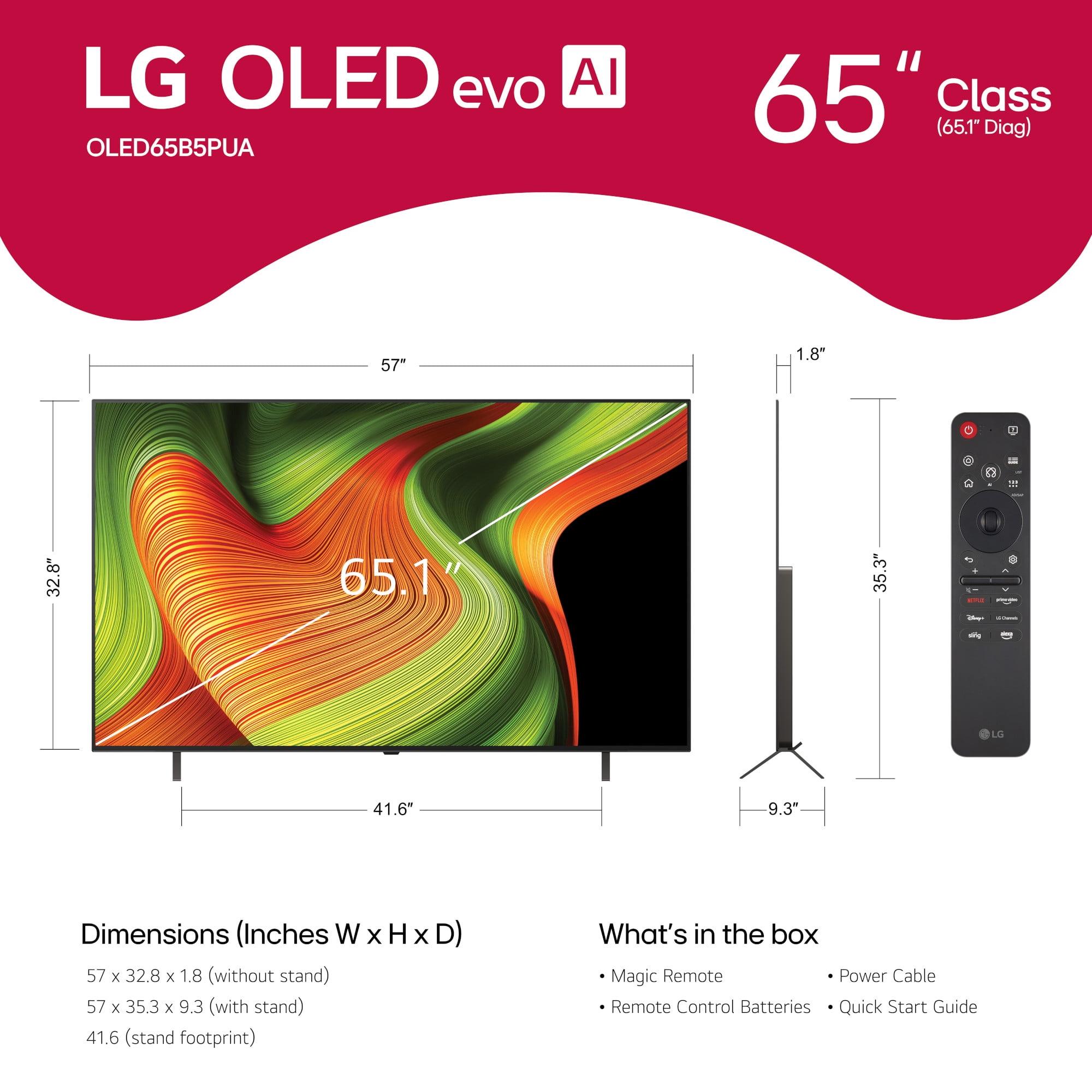
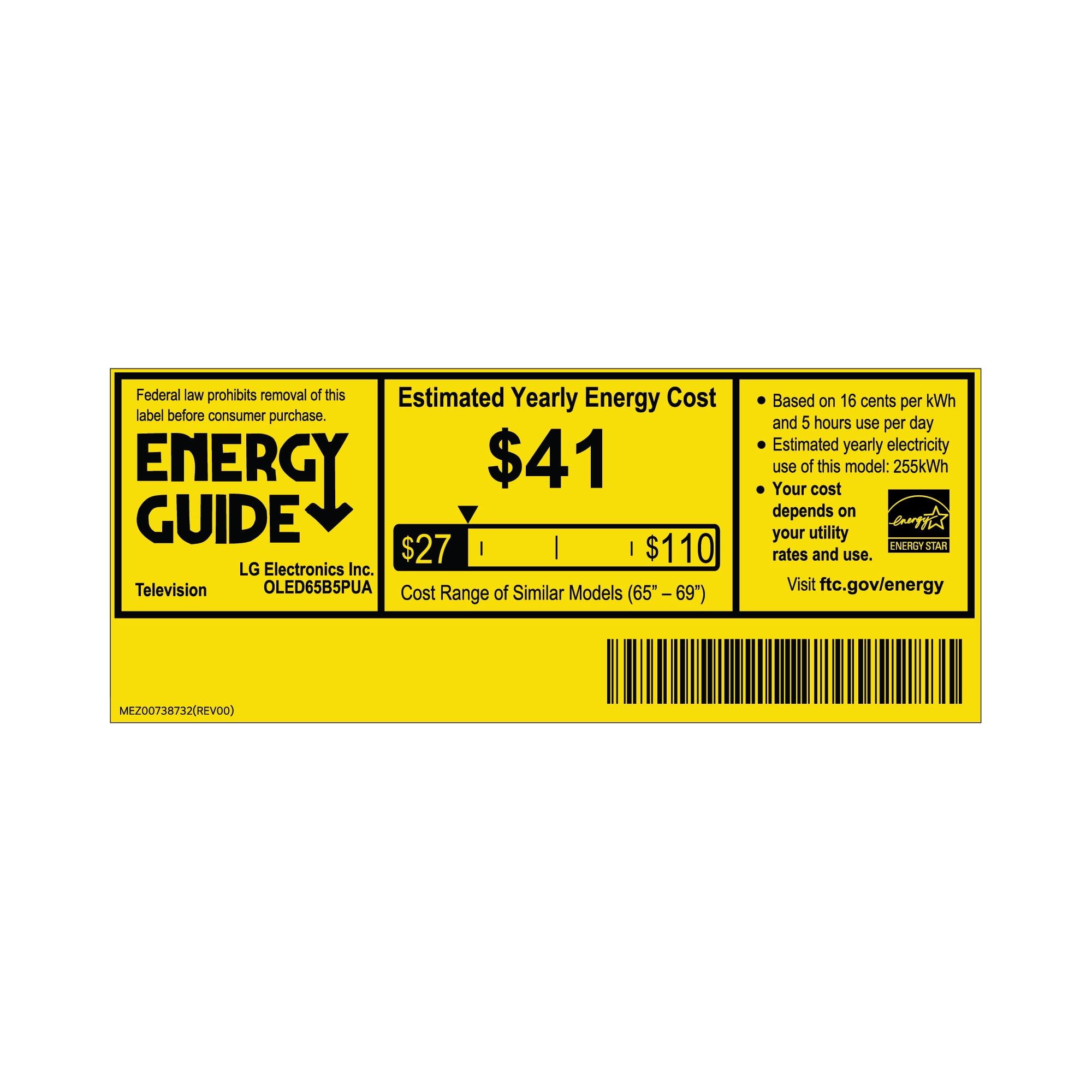
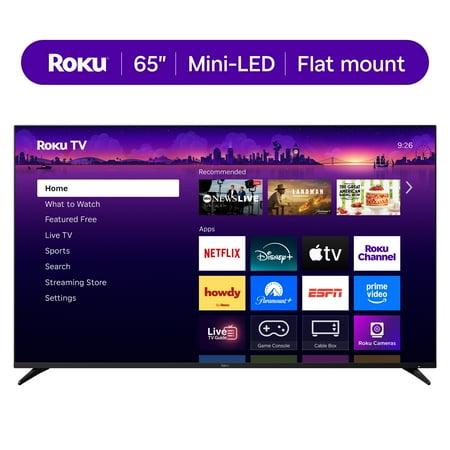
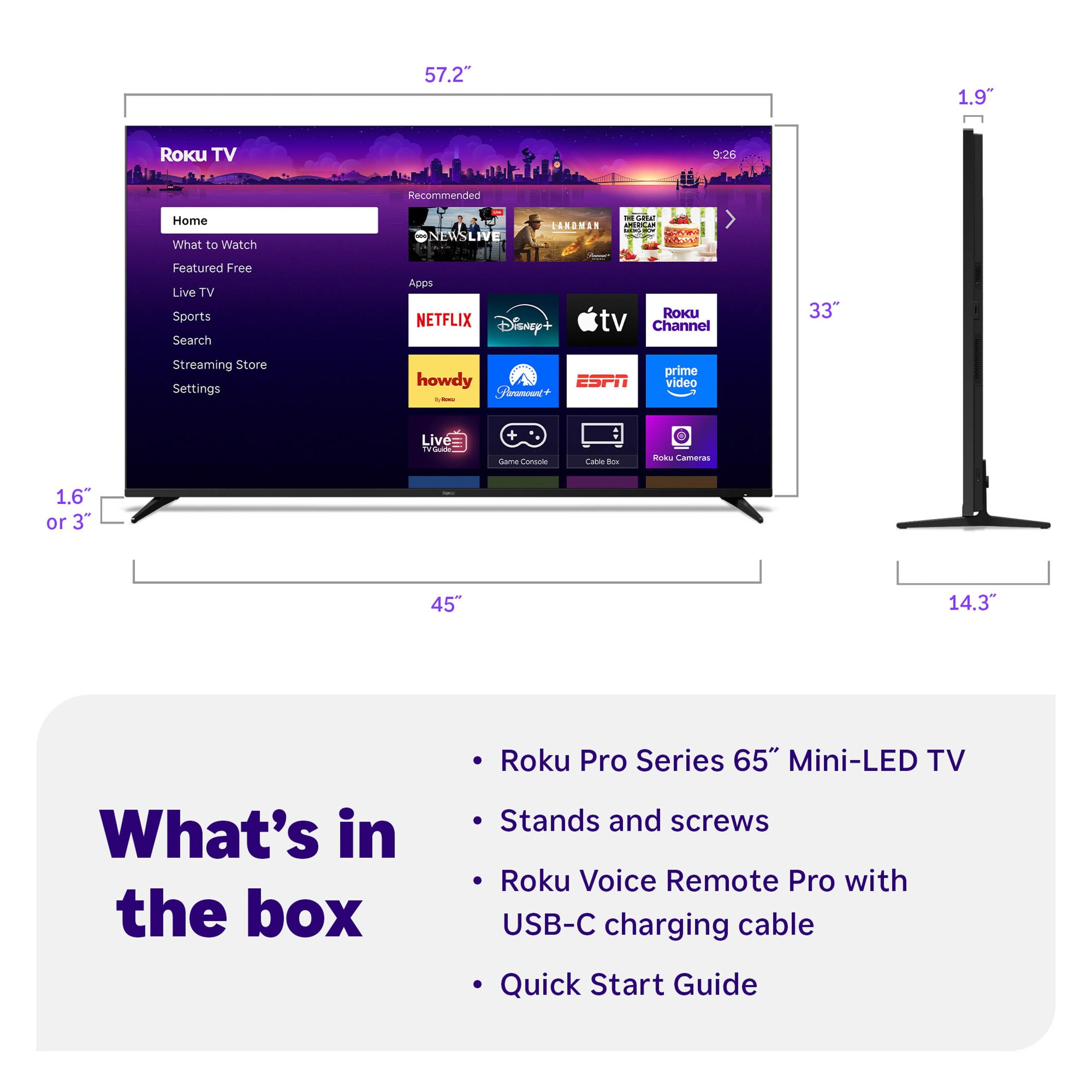
When shopping for a premium 65-inch 4K TV in 2025, you'll likely encounter two fundamentally different display technologies that both promise exceptional picture quality. The Roku 65" Pro Series 2025 represents the latest in Mini-LED QLED technology, while the LG B5 Series OLED showcases what many consider the gold standard in contrast performance. At the time of writing, these TVs are priced within a few hundred dollars of each other, making the choice between them particularly challenging for consumers who want the best value in premium viewing.
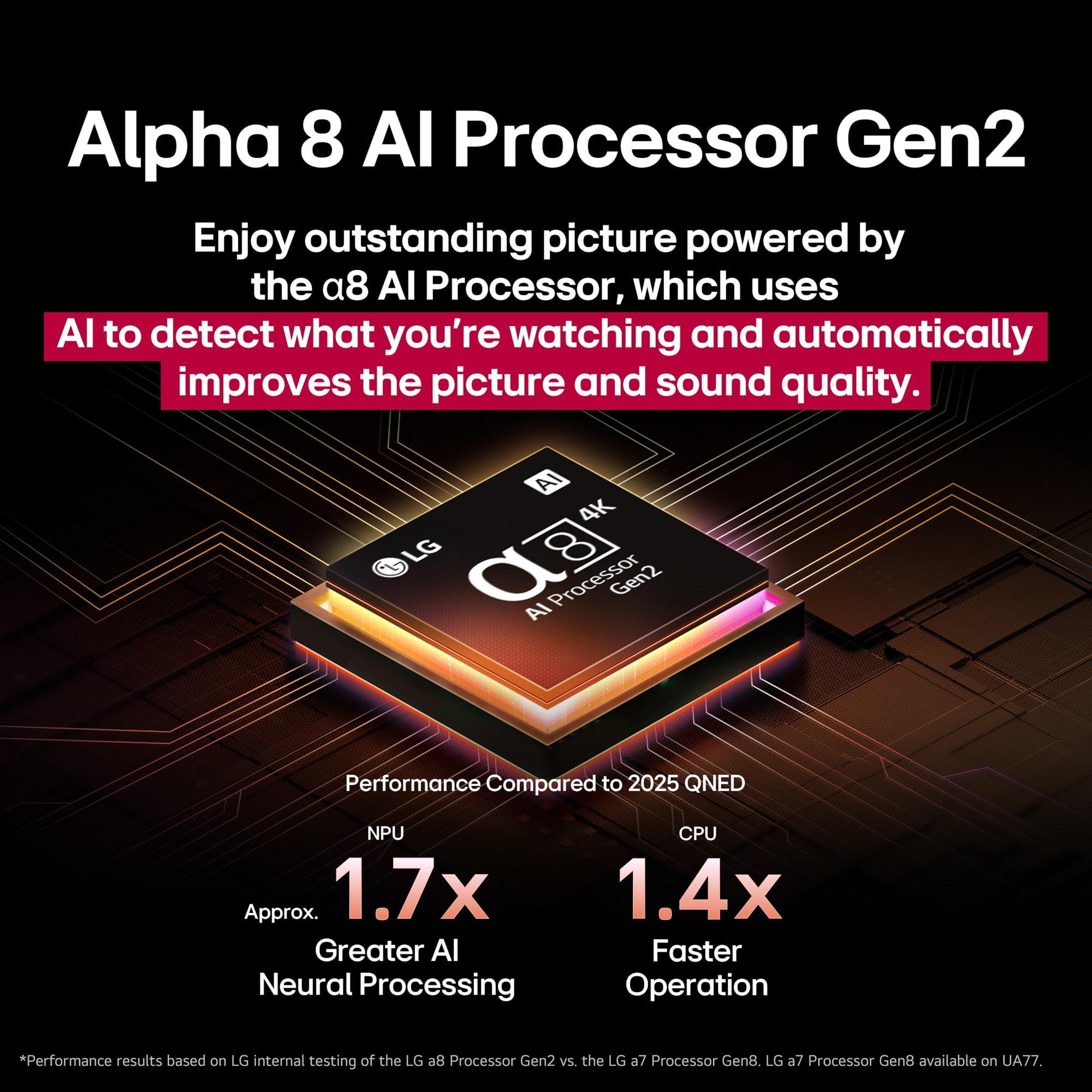
Both televisions launched in 2025, representing significant technological advances from their predecessors. The Roku Pro Series introduced a redesigned Mini-LED backlight system that delivers 75% higher dynamic contrast than previous generations, while the LG B5 features LG's new α8 AI Processor Gen2 with 1.4 times faster operation and enhanced AI capabilities. Understanding these improvements and how they translate to real-world performance is crucial for making an informed decision.
The core difference between these TVs lies in how they produce light and create images. The Roku Pro Series uses Mini-LED QLED technology, where thousands of tiny LEDs behind the screen work together to illuminate quantum dots that create colors. This system includes full array local dimming, meaning different zones of the backlight can dim or brighten independently to improve contrast. Think of it like having thousands of tiny flashlights behind your TV that can adjust their brightness based on what's happening in different parts of the picture.
The LG B5 OLED takes a completely different approach. OLED stands for Organic Light Emitting Diode, which means each of the 8.3 million pixels produces its own light. When a pixel needs to be black, it simply turns off completely. There's no backlight at all – each pixel is essentially its own tiny light bulb that can display any color or turn completely off.
This fundamental difference shapes everything about how these TVs perform. The Mini-LED system in the Roku Pro Series can get much brighter because it has dedicated LED backlights, but it can struggle with perfect blacks because those backlights always produce some light. The OLED in the LG B5 delivers true black levels that no backlit TV can match, but it can't get as bright because each pixel has physical limitations on light output.
The Roku Pro Series absolutely dominates in bright room performance. Our research shows it achieves peak HDR brightness levels of 1,752-1,818 nits – that's roughly three times brighter than the LG B5's 688 nits. This difference is immediately noticeable when watching HDR (High Dynamic Range) content, which uses extra brightness information to make highlights like explosions, sunlight, or fire look more realistic.
In practical terms, this means the Roku Pro Series can overcome glare from windows and room lighting in ways that would wash out the LG B5. If your TV sits in a living room with large windows or bright overhead lights, the Roku's superior brightness ensures colors stay vibrant and HDR effects remain impactful throughout the day. The quantum dot color technology also helps here, covering 96.9% of the UHDA-P3 color space – a technical measurement that essentially means it can display nearly all the colors in premium movie content.
The Mini-LED local dimming system has also improved significantly in 2025. With thousands of individual zones that can dim or brighten independently, the Roku Pro Series minimizes "blooming" – that annoying halo effect you sometimes see around bright objects on dark backgrounds. While it can't completely eliminate this issue like an OLED can, the improved zone precision keeps it subtle enough that most viewers won't find it distracting.
Where the LG B5 OLED absolutely excels is in dark room viewing, particularly for movies and TV shows with dramatic lighting. Because each pixel can turn completely off, black levels are literally perfect – measuring zero nits of light output. This creates an infinite contrast ratio, which is the difference between the brightest and darkest parts of an image.
In practice, this translates to movie scenes where you can see into deep shadows while bright elements still pop with detail. Think of a scene in a dark hallway with sunlight streaming through a window – the LG B5 can show you details in both the shadowy corners and the bright sunbeam simultaneously without either washing out the other. This is where OLED technology truly shines and why many home theater enthusiasts consider it the ultimate display technology for cinematic content.
The pixel-level control also means there's absolutely no blooming around subtitles, bright logos, or other high-contrast elements. Each pixel displays exactly what it should with no interference from neighboring areas.
Both TVs target serious gamers, but they approach gaming excellence differently. The LG B5 OLED offers superior raw performance specs with pixel response times under 0.1 milliseconds – essentially instantaneous. This means fast-moving objects in games appear crisp without motion blur, crucial for competitive gaming where split-second reactions matter.
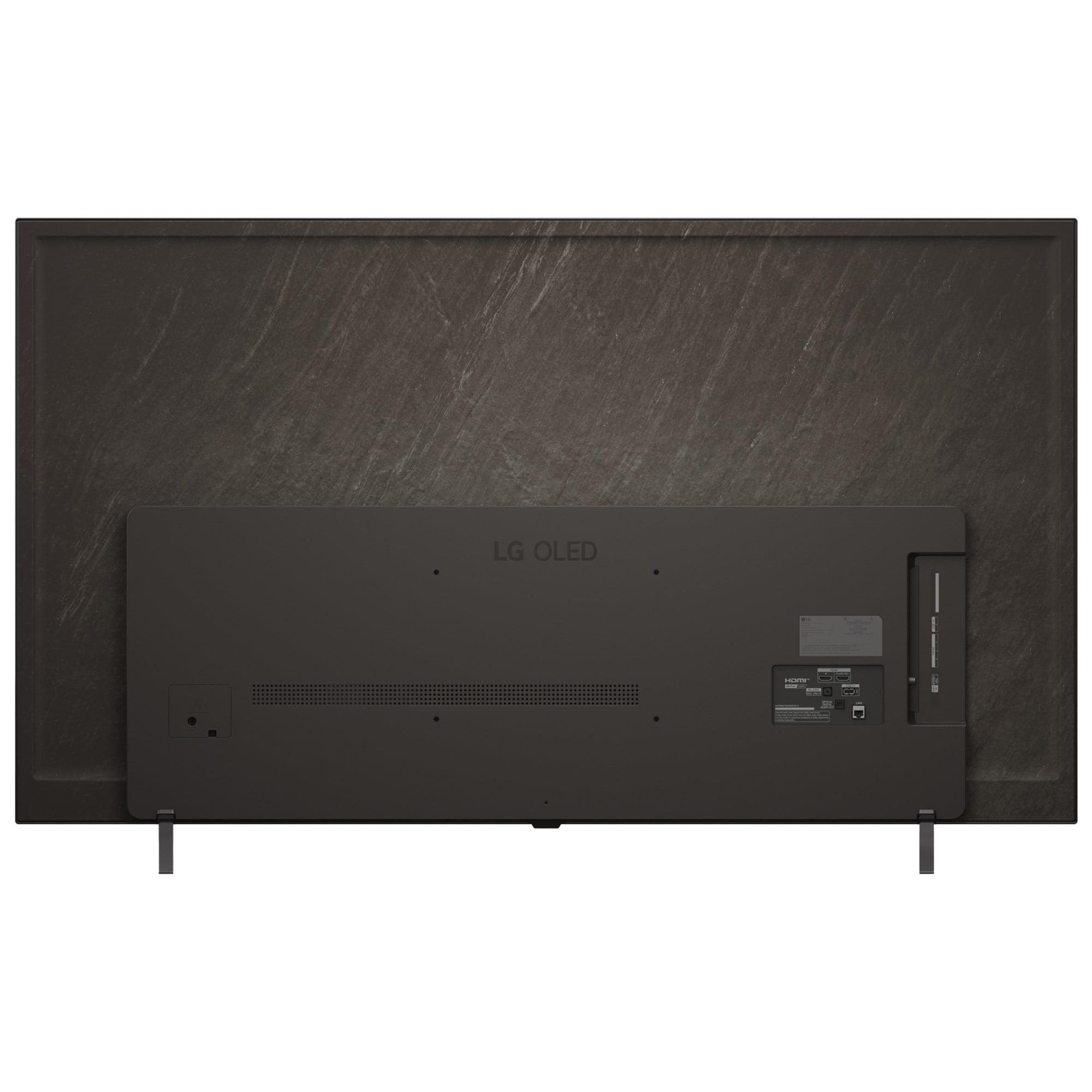
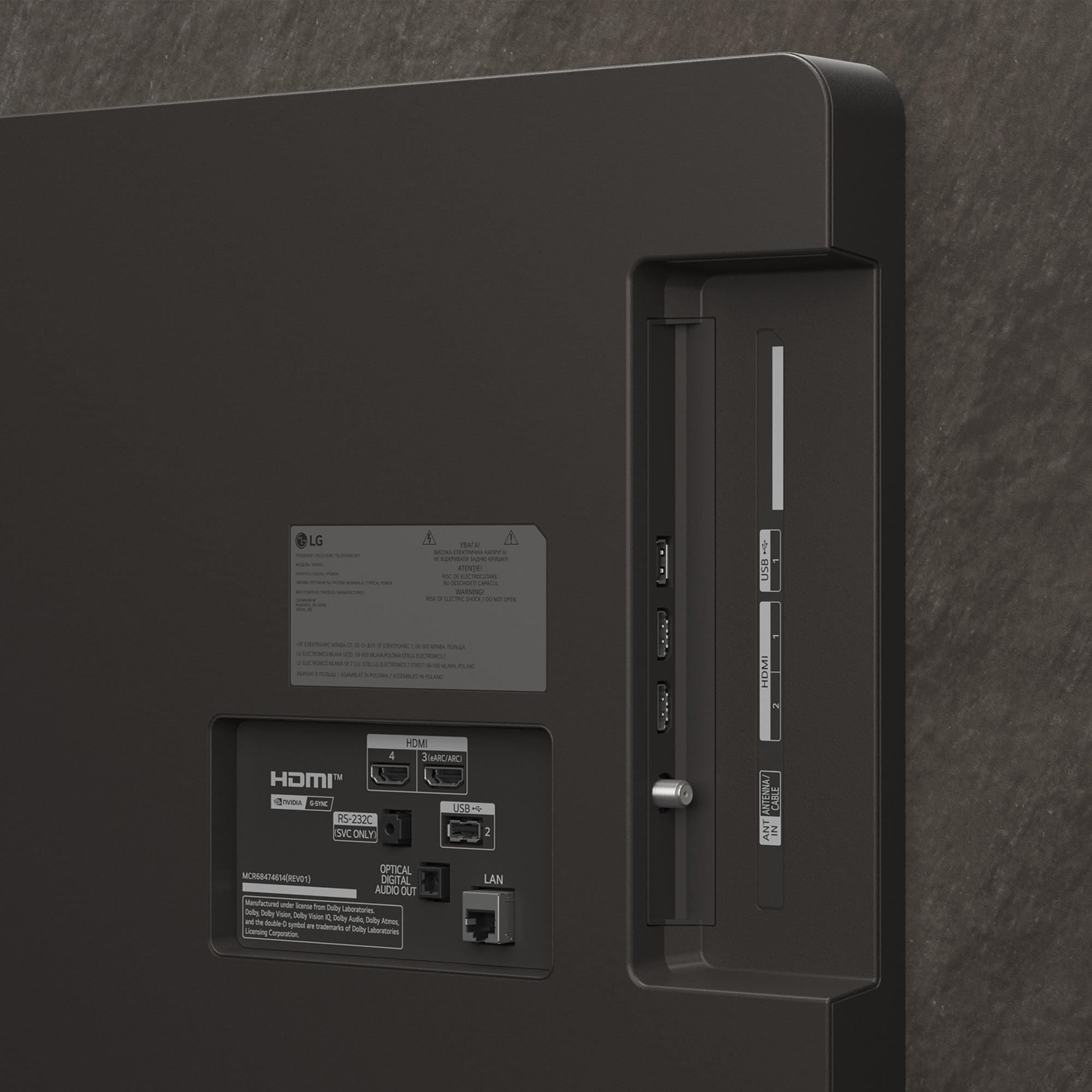
The LG B5 also provides four HDMI 2.1 ports that all support 4K gaming at 120 frames per second, plus NVIDIA G-Sync and AMD FreeSync Premium for tear-free gaming. This extensive connectivity means you can hook up multiple current-generation consoles, a gaming PC, and other high-bandwidth devices without compromise.
The Roku Pro Series counters with solid gaming performance including input lag as low as 5.2 milliseconds and support for FreeSync Premium Pro, but it only provides two HDMI 2.1 ports. For most gamers with one or two consoles, this isn't limiting, but enthusiasts with multiple gaming devices might find it restrictive. The Roku does show some visible motion blur in extremely fast-paced games due to average pixel response times, though this is primarily noticeable in competitive esports titles.
Both support Variable Refresh Rate (VRR) and Auto Low Latency Mode (ALLM), which automatically optimize settings when gaming devices are detected. These features eliminate screen tearing and reduce input delay without requiring manual adjustment.
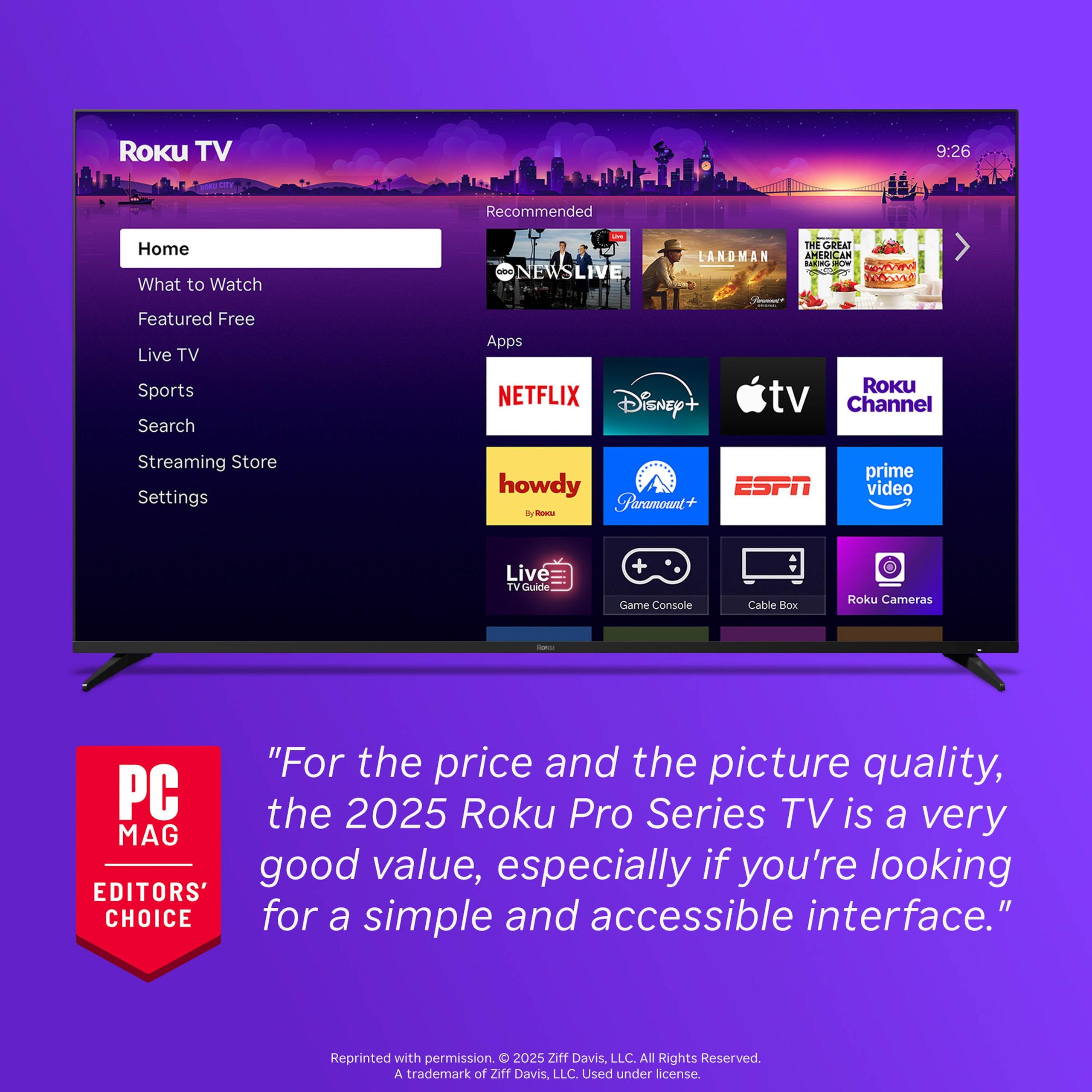
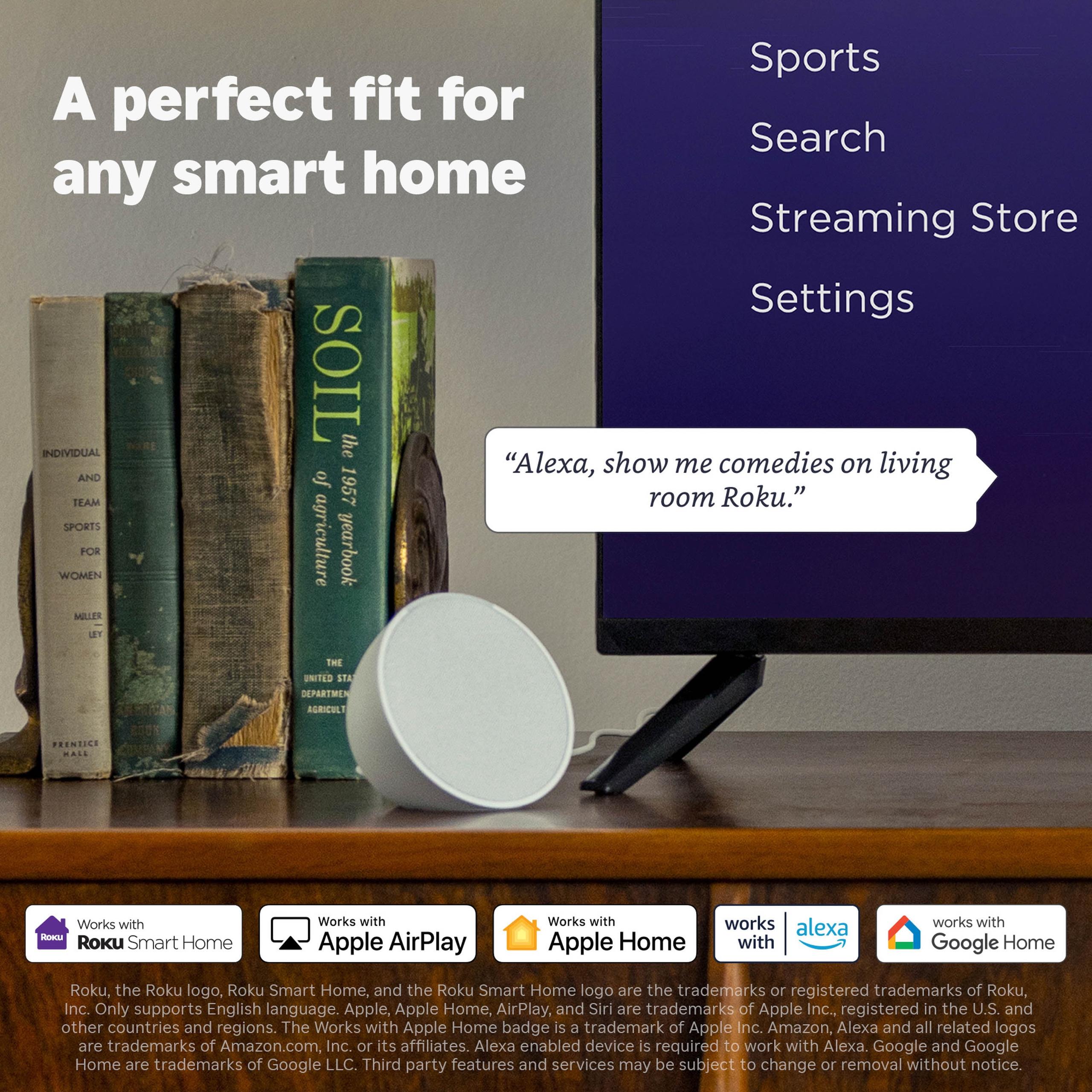
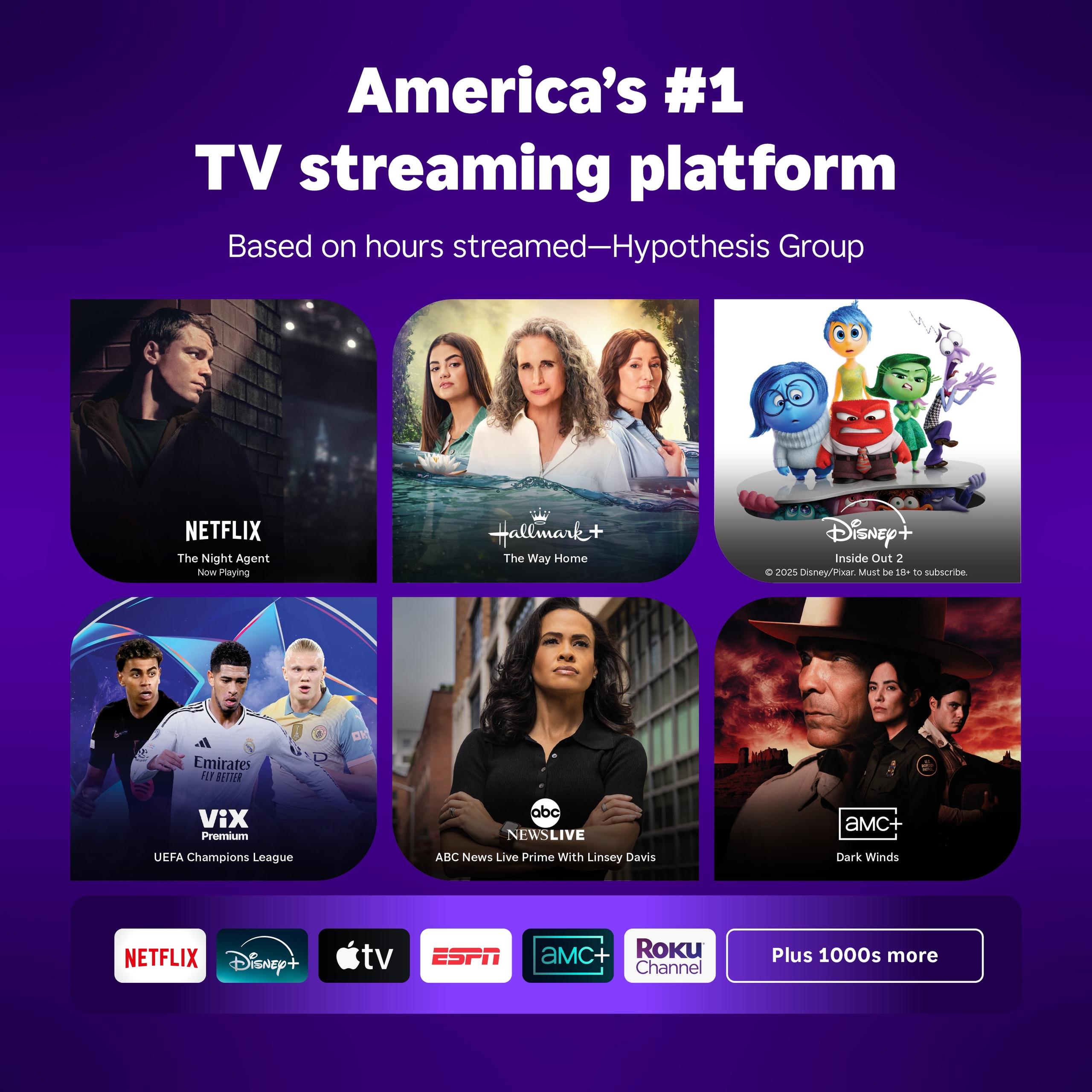
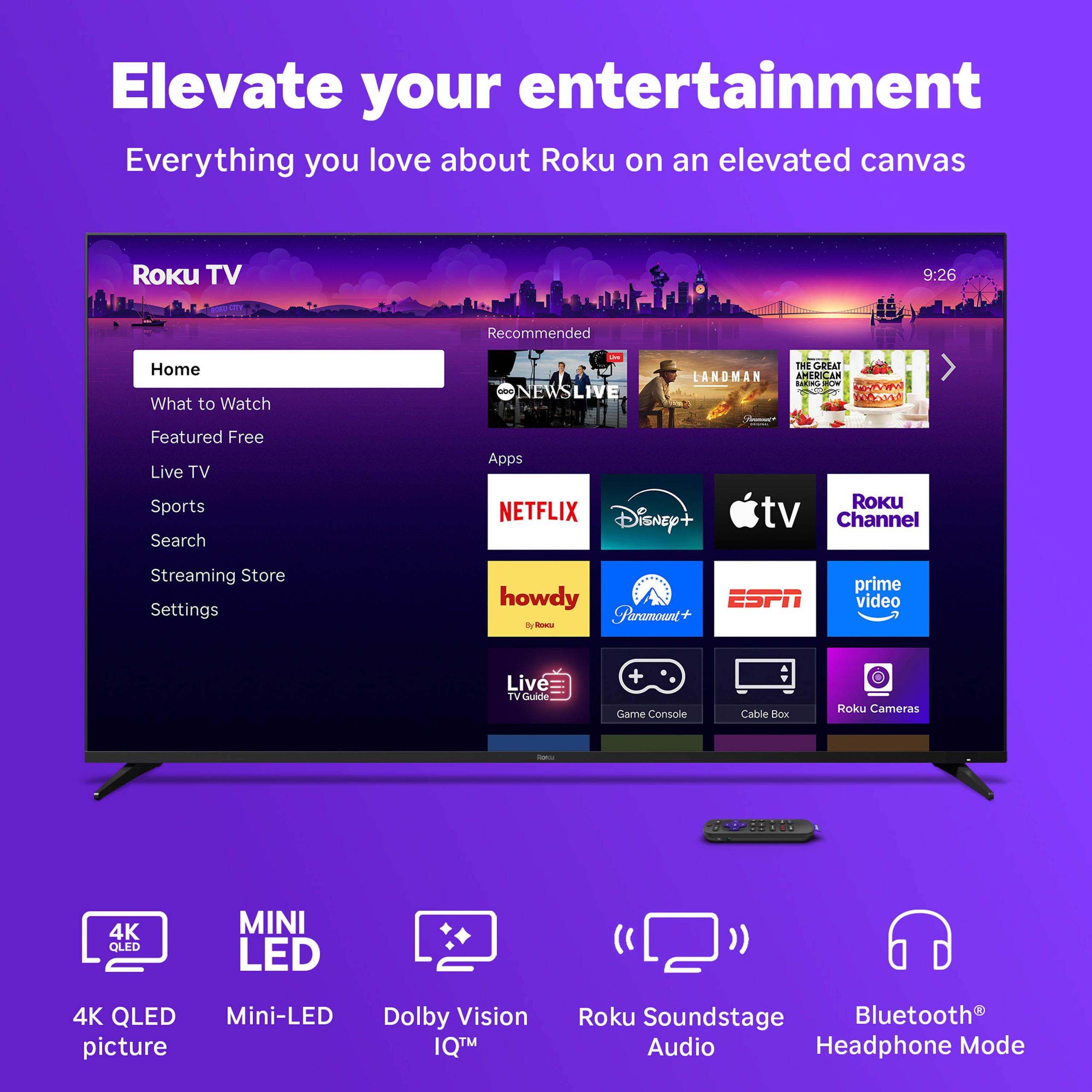
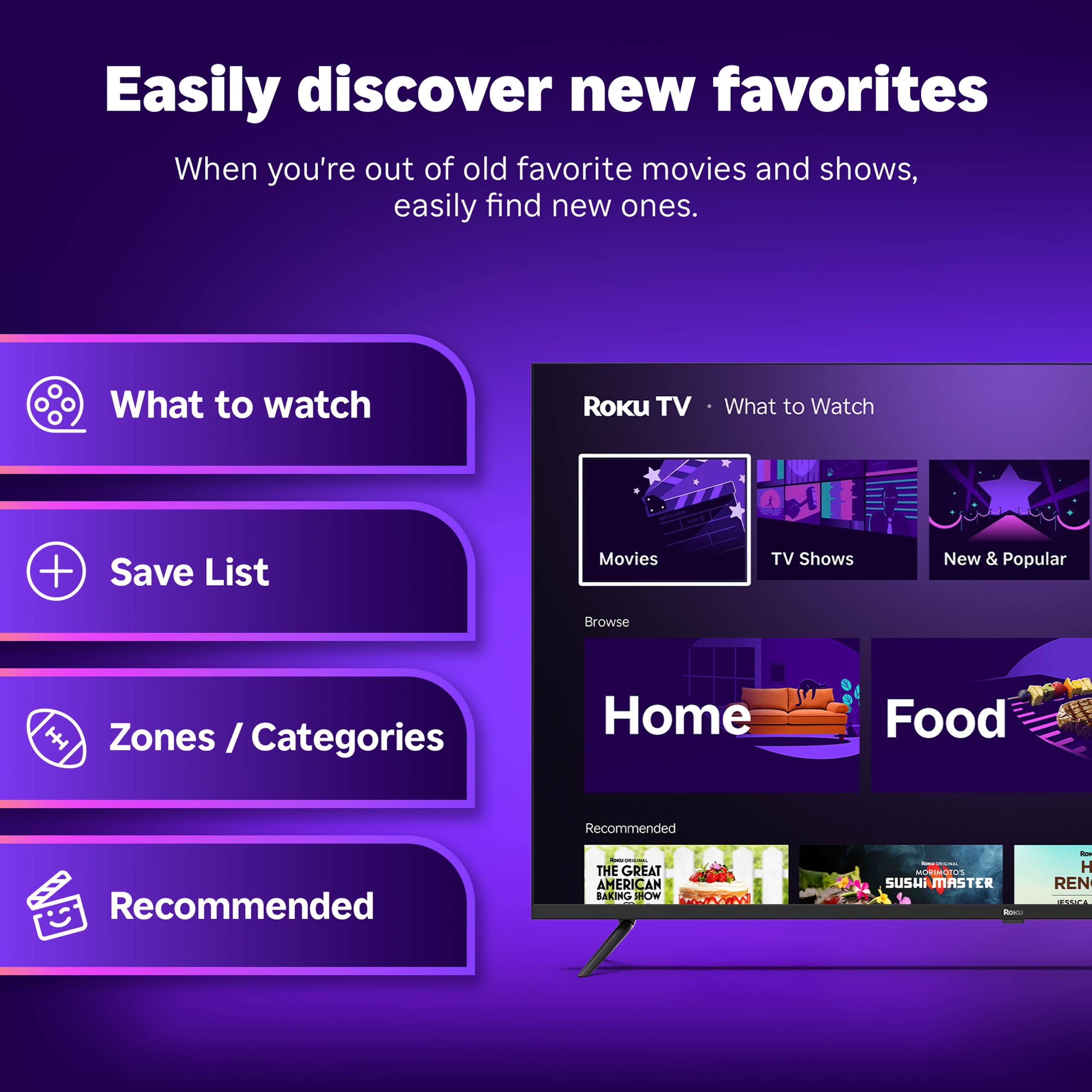
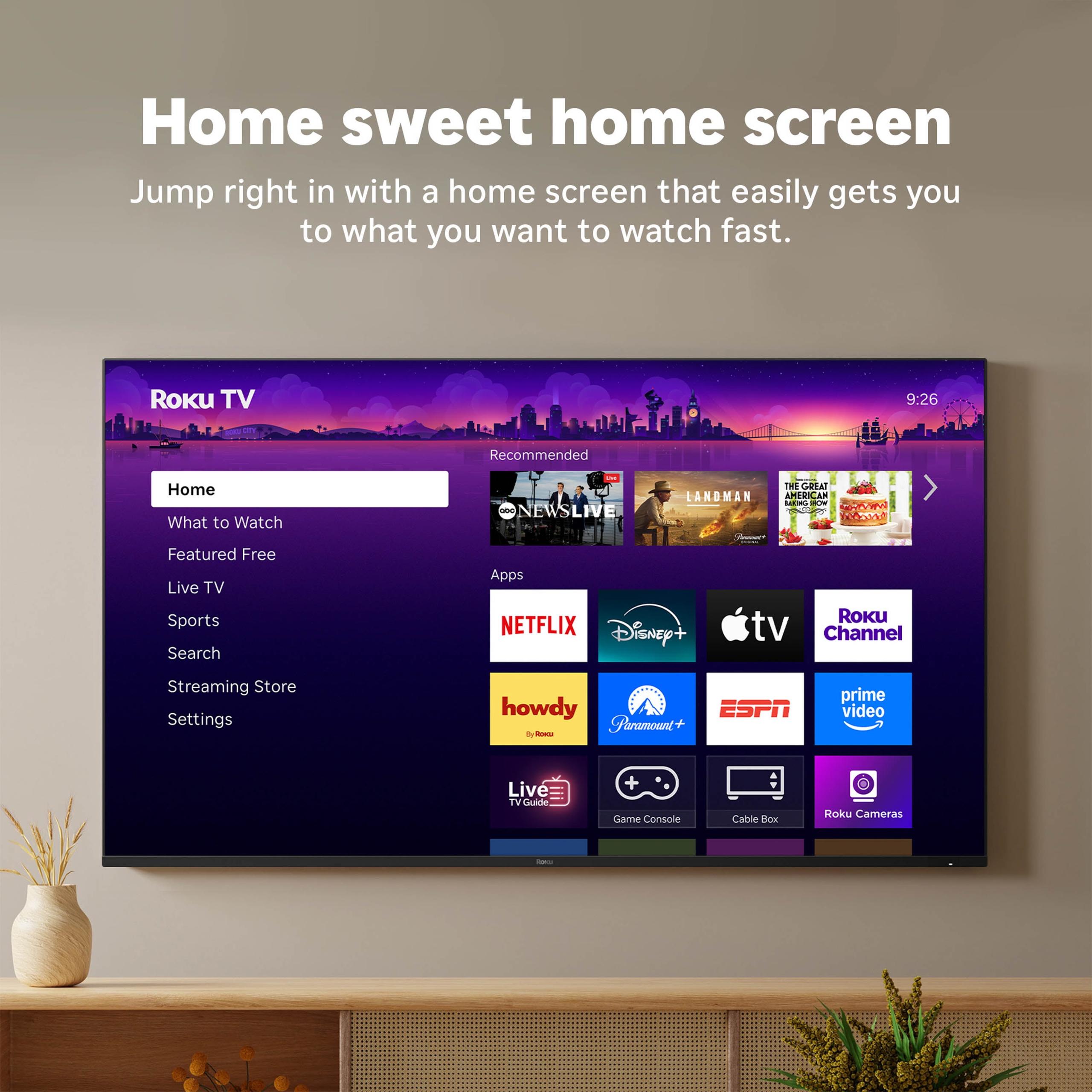
The smart TV experience differs significantly between these models. The Roku Pro Series runs Roku TV OS 15, which prioritizes simplicity and speed. The interface combines all your apps, streaming services, and live TV into one unified home screen, making content discovery straightforward. The system boots almost instantly – often under one second – and navigates quickly thanks to Wi-Fi 6 support.
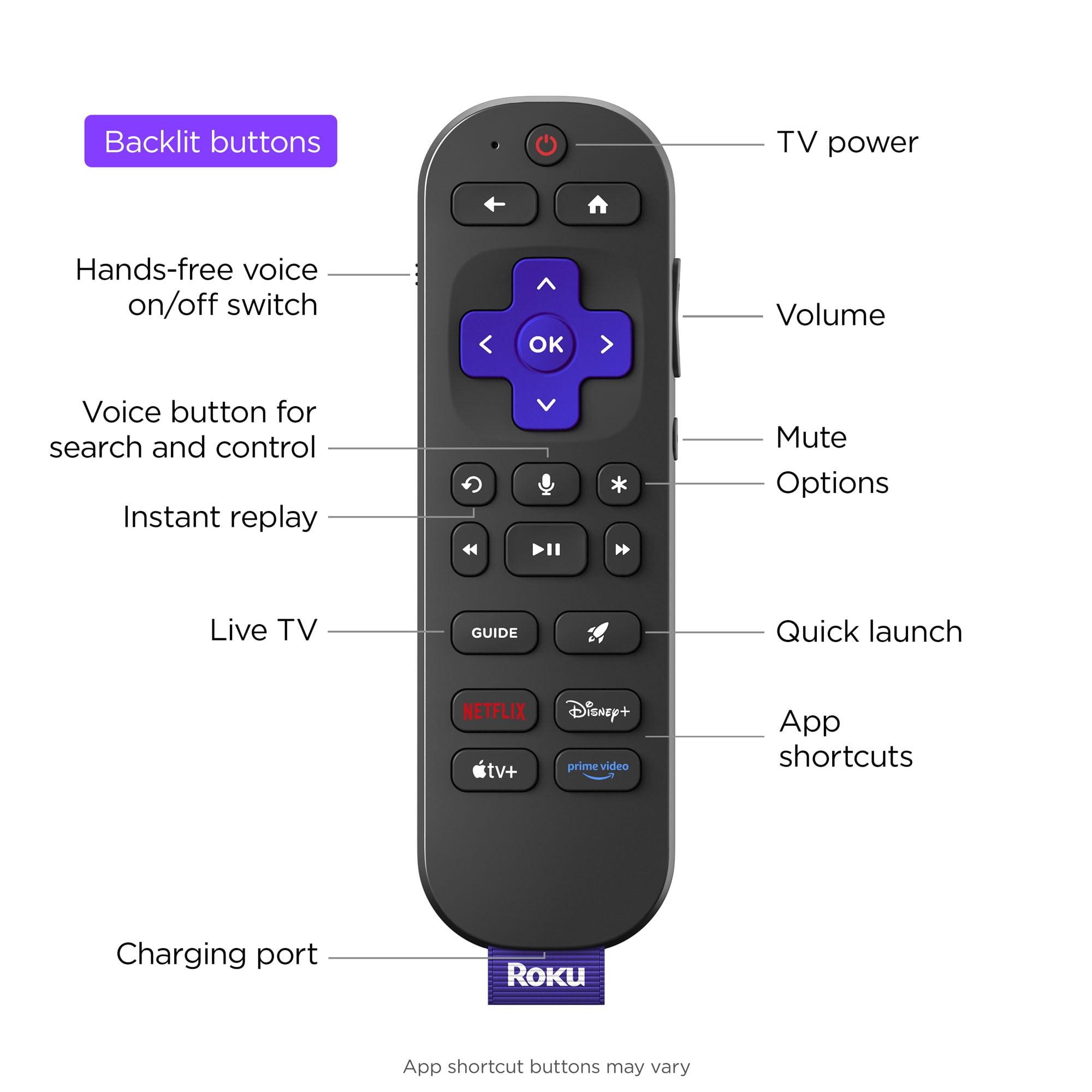
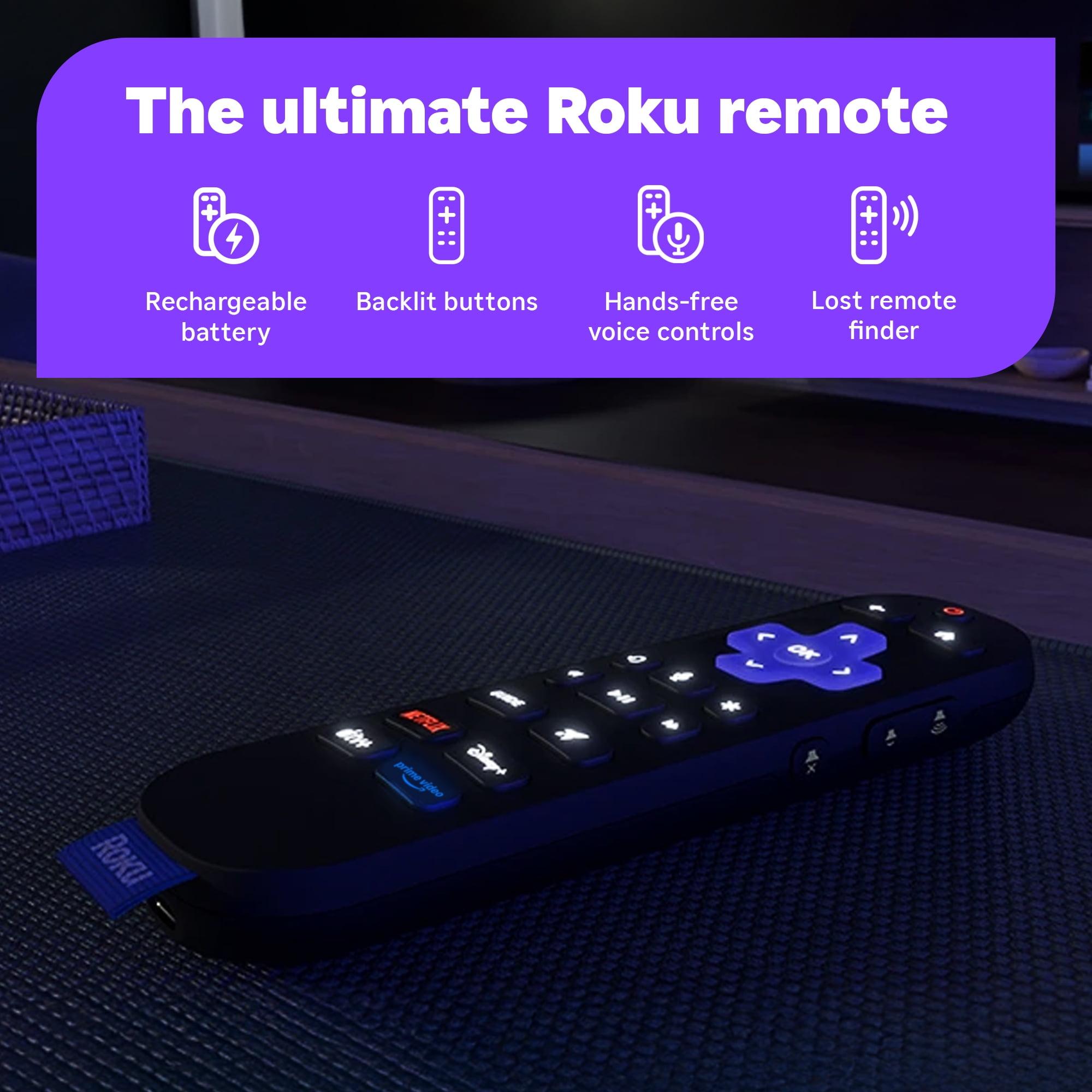
Roku's Voice Remote Pro deserves special mention. It's fully rechargeable with backlit buttons that glow in dark rooms, includes a headphone jack for private listening, and features a find-my-remote button on the TV itself. These practical touches make daily use more convenient.
The LG B5 OLED runs webOS 25, which offers more sophisticated AI-powered features. The α8 AI Processor Gen2 doesn't just handle picture processing – it also powers AI search, personalized recommendations, and automatic picture/sound optimization based on content type and viewing conditions. The Quick Cards feature lets you organize apps into custom categories, while AI voice commands can control smart home devices and answer complex queries.
However, this advanced functionality comes with slightly more complexity. The webOS interface, while polished, has more menus and options that can feel overwhelming compared to Roku's streamlined approach. For tech-savvy users who want cutting-edge smart features, the LG system offers more capabilities. For those who prefer simplicity and reliability, Roku's approach is more appealing.
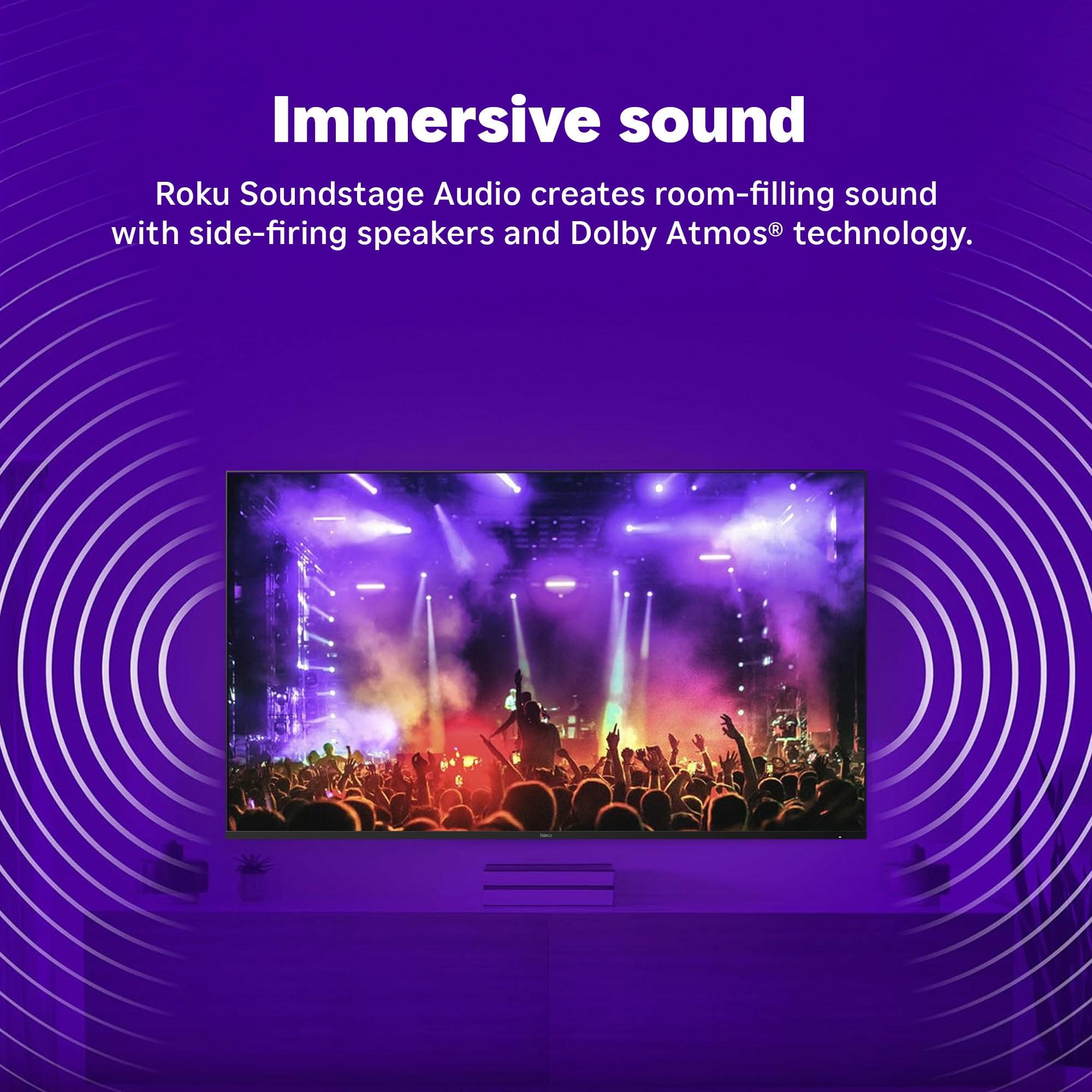
Audio performance reveals a clear winner. The Roku Pro Series features Roku Soundstage Audio with side-firing speakers and Dolby Atmos support that genuinely impresses for a standalone TV. User feedback consistently rates the audio quality at 4.9 out of 5, with many noting "theater-like bass" that eliminates the immediate need for a soundbar.
The LG B5 OLED struggles here. Despite Dolby Atmos support and AI Sound Pro virtual processing that simulates a 9.1.2 surround setup, the reality is disappointing. The 2.0 channel down-firing speakers simply can't match the picture quality for movie watching. Professional reviews consistently identify audio as the B5's weak point, noting that while it's adequate for casual viewing, it doesn't deliver the cinematic experience that matches the exceptional visuals.
This difference becomes crucial for budget-conscious buyers. The Roku Pro Series delivers a complete entertainment experience out of the box, while the LG B5 really needs a soundbar investment to reach its full potential – adding several hundred dollars to the total cost.
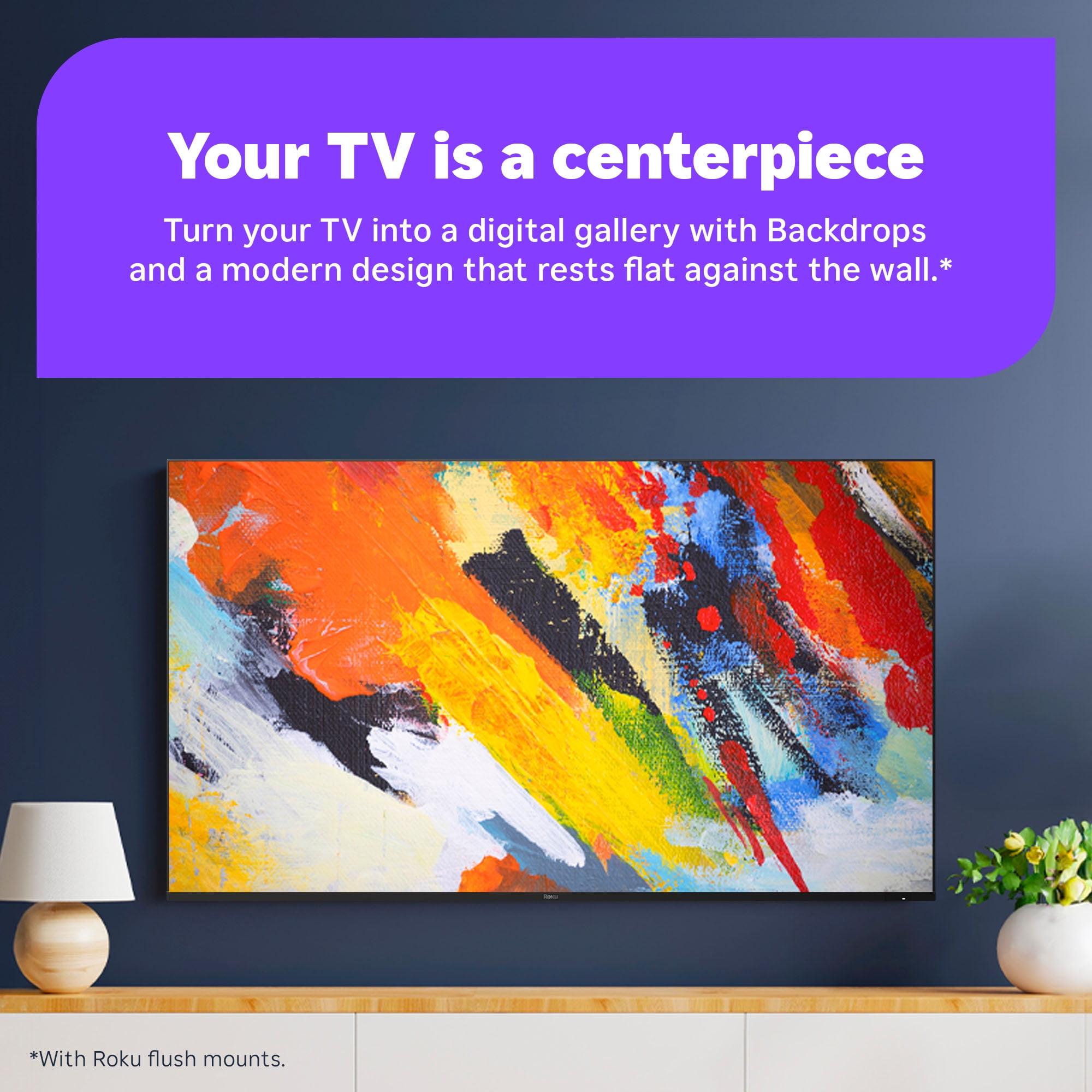
Your viewing environment often determines which TV will serve you better. The Roku Pro Series excels in typical living room setups with ambient lighting, windows, or bright overhead fixtures. Its superior brightness and anti-glare performance mean colors stay vibrant and HDR content remains impactful regardless of room lighting. This makes it ideal for families who watch TV throughout the day or homes with open floor plans where controlling lighting is difficult.
The glossy screen surface on both TVs can cause reflections, but the Roku's higher brightness helps overcome this issue more effectively than the dimmer OLED panel.
The LG B5 OLED transforms dark room viewing into something special. In a dedicated home theater or basement setup where you can control lighting, the perfect blacks and infinite contrast create an almost three-dimensional image quality that makes movies feel more immersive. The wider viewing angles also benefit rooms where people sit off to the sides, maintaining color accuracy and contrast from various seating positions.
At the time of writing, the LG B5 OLED typically costs a few hundred dollars less than the Roku Pro Series, making it attractive from a pure price perspective. However, value calculations extend beyond initial cost.
The Roku Pro Series offers better standalone value with its superior built-in audio, eliminating the need for immediate soundbar investment. It also carries no risk of burn-in, a potential long-term issue with OLED displays where static images can permanently mark the screen. While modern OLEDs have largely mitigated this risk through various protective technologies, it remains a consideration for users who display static content like news tickers or gaming HUDs for extended periods.
The LG B5 provides premium OLED technology at entry-level pricing within LG's 2025 lineup. LG's webOS Renew program promises annual software updates to keep the smart features current, potentially extending the TV's useful life. However, the audio limitations mean most users will eventually invest in external speakers, affecting the total cost of ownership.
Choose the Roku 65" Pro Series 2025 if you have a bright living room, prioritize excellent built-in audio, want maximum HDR brightness impact, prefer simple smart TV operation, or are concerned about OLED burn-in risks. It's particularly well-suited for families with mixed viewing habits throughout the day and users who want a complete entertainment solution without additional purchases.
The LG B5 Series OLED makes sense for dark room viewing, home theater setups, users who plan to add a soundbar anyway, serious gamers who need multiple HDMI 2.1 ports, or anyone who values perfect black levels and contrast above all else. It's the better choice for movie enthusiasts with dedicated viewing spaces and tech users who appreciate advanced AI features.
The decision often comes down to your primary viewing environment and priorities. If you watch TV mainly in bright conditions with family and friends, the Roku Pro Series delivers better practical performance. If you're building a dedicated home theater or primarily watch in dark rooms, the LG B5's superior contrast and gaming features make it the clear choice despite its audio limitations.
Both represent excellent value in the premium TV market, just optimized for different viewing scenarios and user preferences.
| Roku 65" Pro Series 2025 | LG B5 Series OLED 65" 2025 |
|---|---|
| Display Technology - Determines brightness capability and black level performance | |
| Mini-LED QLED with full array local dimming | OLED with 8.3 million self-lit pixels |
| Peak HDR Brightness - Critical for bright rooms and HDR impact | |
| 1,752-1,818 nits (excellent for overcoming glare) | 688 nits (best for dark room viewing) |
| Black Level Performance - Affects contrast and dark scene detail | |
| Deep blacks with minimal blooming from local dimming | Perfect blacks with infinite contrast ratio |
| Gaming Refresh Rate - Important for smooth motion and competitive gaming | |
| 120Hz native with 4K @ 120Hz support | 120Hz native with 4K @ 120Hz support |
| HDMI 2.1 Ports - Needed for next-gen gaming consoles and high bandwidth devices | |
| 2 ports supporting 4K @ 120Hz | 4 ports supporting 4K @ 120Hz |
| Gaming Response Time - Affects motion clarity in fast-paced games | |
| 5.2ms input lag (good for most gaming) | <0.1ms pixel response (excellent for competitive gaming) |
| Built-in Audio Quality - Determines if you need a soundbar immediately | |
| Excellent Soundstage Audio with side-firing speakers | Weak 2.0 channel system (soundbar recommended) |
| Smart TV Platform - Affects ease of use and feature availability | |
| Roku TV OS 15 (simple, fast, unified interface) | webOS 25 (advanced AI features, more complex) |
| Color Gamut Coverage - Impacts color vibrancy and accuracy | |
| 96.9% UHDA-P3, 80.6% BT.2020 (excellent QLED colors) | Good OLED color accuracy with slight green tint |
| Burn-in Risk - Long-term reliability consideration | |
| No burn-in risk with Mini-LED technology | Potential OLED burn-in with static content |
| Viewing Angle Performance - Important for wide seating arrangements | |
| Narrow viewing angle typical of QLED | Wide viewing angles maintain color accuracy |
| Room Lighting Suitability - Determines optimal viewing environment | |
| Excellent for bright rooms with ambient lighting | Best for dark rooms and home theaters |
| Voice Remote Features - Daily usability convenience | |
| Rechargeable with backlit buttons and find-my-remote | Standard remote with AI button for voice commands |
The Roku 65" Pro Series 2025 is significantly better for bright rooms. It reaches peak brightness levels of 1,752-1,818 nits, which is nearly three times brighter than the LG B5 Series OLED at 688 nits. This superior brightness helps the Roku Pro Series overcome glare from windows and maintain vibrant colors even with ambient lighting, while the LG B5 OLED can appear washed out in bright conditions.
The LG B5 Series OLED delivers superior black levels and contrast. With OLED technology, each pixel can turn completely off to produce perfect blacks and infinite contrast ratio. The Roku 65" Pro Series 2025 uses Mini-LED local dimming which produces very good blacks but cannot match OLED's pixel-level control, though it minimizes blooming better than previous generations.
Both TVs offer excellent gaming features, but the LG B5 Series OLED has slight advantages for serious gamers. It provides four HDMI 2.1 ports versus two on the Roku Pro Series, plus ultra-fast <0.1ms pixel response times compared to the Roku's 5.2ms input lag. Both support 4K @ 120Hz, VRR, and ALLM, making either suitable for console gaming.
The Roku 65" Pro Series 2025 has significantly better built-in audio. It features Roku Soundstage Audio with side-firing speakers that users consistently rate highly, often eliminating the immediate need for a soundbar. The LG B5 Series OLED has weak 2.0 channel speakers that reviewers identify as the TV's main weakness, making a soundbar purchase nearly essential.
The Roku 65" Pro Series 2025 offers a simpler, more intuitive smart TV experience. Roku TV OS provides a unified home screen that combines all apps and content in one place with instant boot times. The LG B5 Series OLED runs webOS 25 with more advanced AI features but can feel more complex for users who prefer straightforward navigation.
For dedicated home theaters with controlled lighting, the LG B5 Series OLED is the better choice. Its perfect black levels and infinite contrast create a more cinematic experience in dark rooms, though you'll need to add a quality soundbar. The Roku Pro Series works well in multipurpose rooms but doesn't achieve the same contrast performance that home theater enthusiasts prefer.
Value depends on your needs and setup costs. The LG B5 Series OLED typically costs less upfront and delivers premium OLED technology at an entry-level price point. However, the Roku 65" Pro Series 2025 may offer better overall value when you factor in its excellent built-in audio, eliminating the need for immediate soundbar investment that the LG B5 requires.
The Roku 65" Pro Series 2025 delivers more vibrant colors with its QLED quantum dot technology, covering 96.9% of the UHDA-P3 color space. The LG B5 Series OLED offers good color accuracy overall but has a slight green tint in some scenes. For punchy, vibrant colors that pop in bright rooms, the Roku Pro Series has the advantage.
The Roku 65" Pro Series 2025 has no risk of burn-in, making it more reliable for varied content viewing including news, sports, and gaming with static elements. The LG B5 Series OLED has potential burn-in risk with prolonged static image display, though modern OLED panels have significantly reduced this concern through protective technologies.
The Roku 65" Pro Series 2025 generally performs better for sports viewing in typical living room settings. Its superior brightness ensures the action remains clear during daytime games, and its excellent motion handling works well for fast-paced sports. The LG B5 Series OLED offers faster pixel response but is better suited for sports viewing in darker environments.
The LG B5 Series OLED offers more comprehensive connectivity with four HDMI 2.1 ports that all support 4K @ 120Hz, making it better for users with multiple gaming consoles or high-bandwidth devices. The Roku 65" Pro Series 2025 provides two HDMI 2.1 ports, which is sufficient for most users but may be limiting for enthusiasts with extensive setups.
For all-day viewing in typical living rooms, the Roku 65" Pro Series 2025 is the better choice. Its superior brightness performance maintains picture quality regardless of ambient lighting conditions, while its excellent built-in audio provides a complete entertainment experience. The LG B5 Series OLED excels primarily during evening viewing in darker conditions, making the Roku Pro Series more versatile for mixed lighting situations.
We've done our best to create useful and informative comparisons to help you decide what product to buy. Our research uses advanced automated methods to create this comparison and perfection is not possible - please contact us for corrections or questions. These are the sites we've researched in the creation of this article: bestbuy.com - rtings.com - techradar.com - youtube.com - roku.com - youtube.com - walmart.com - bestbuy.com - youtube.com - electronicexpress.com - roku.com - pcvarge.com - ecoustics.com - eftm.com - bestbuy.com - rtings.com - youtube.com - rtings.com - tomsguide.com - youtube.com - nationalproductreview.com.au - lg.com - manchesterbrothers.com - avsforum.com - lg.com - lg.com - lg.com - lg.com - retailspecs.com - american-homeappliance.com - perpichtv.com

Privacy Policy
Terms and Conditions - Affiliate Policy
Home Security
© Copyright 2008-2026.
11816 Inwood Rd #1211, Dallas, TX 75244