

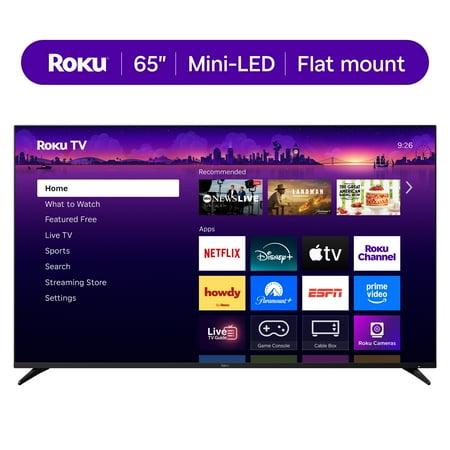

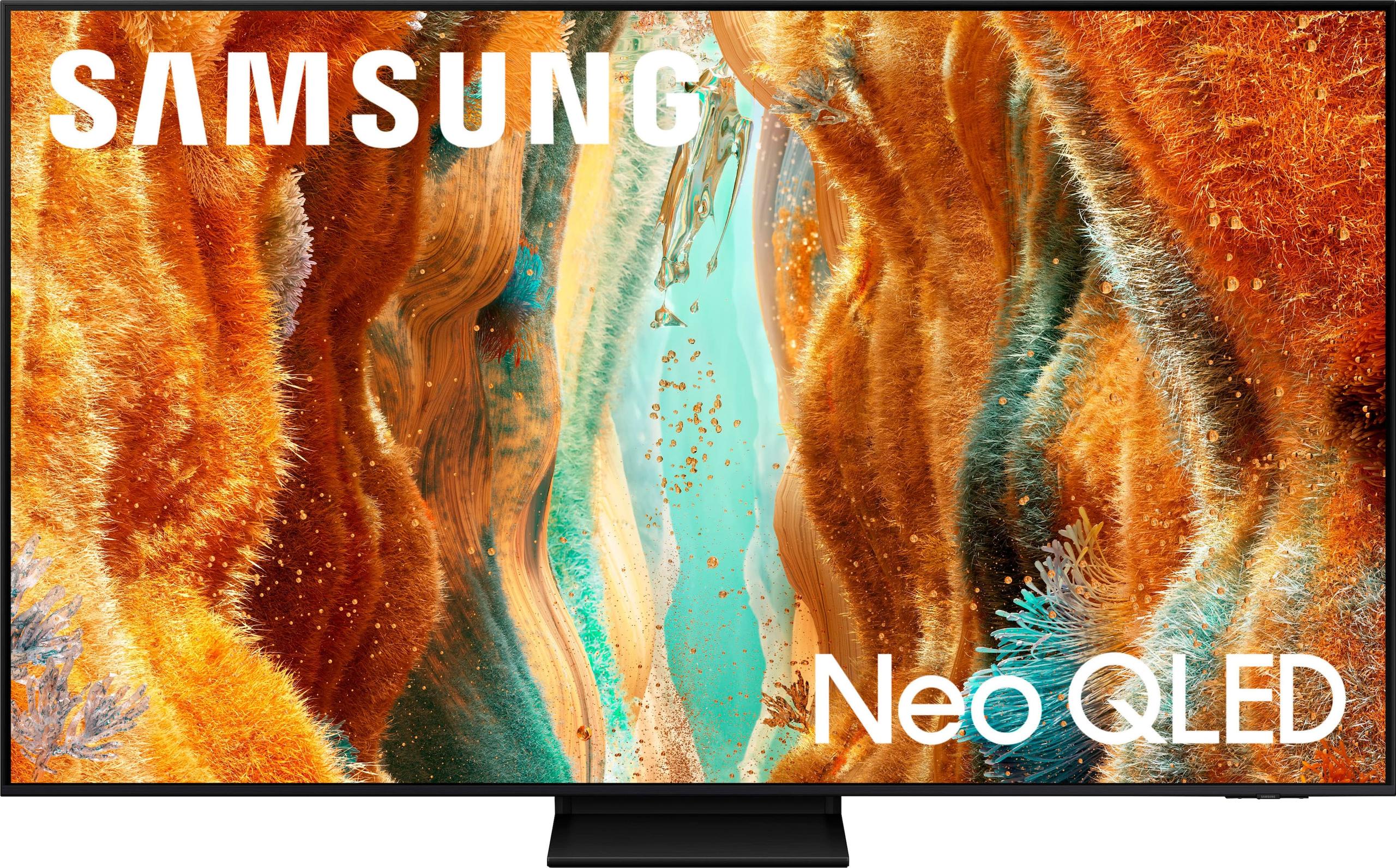
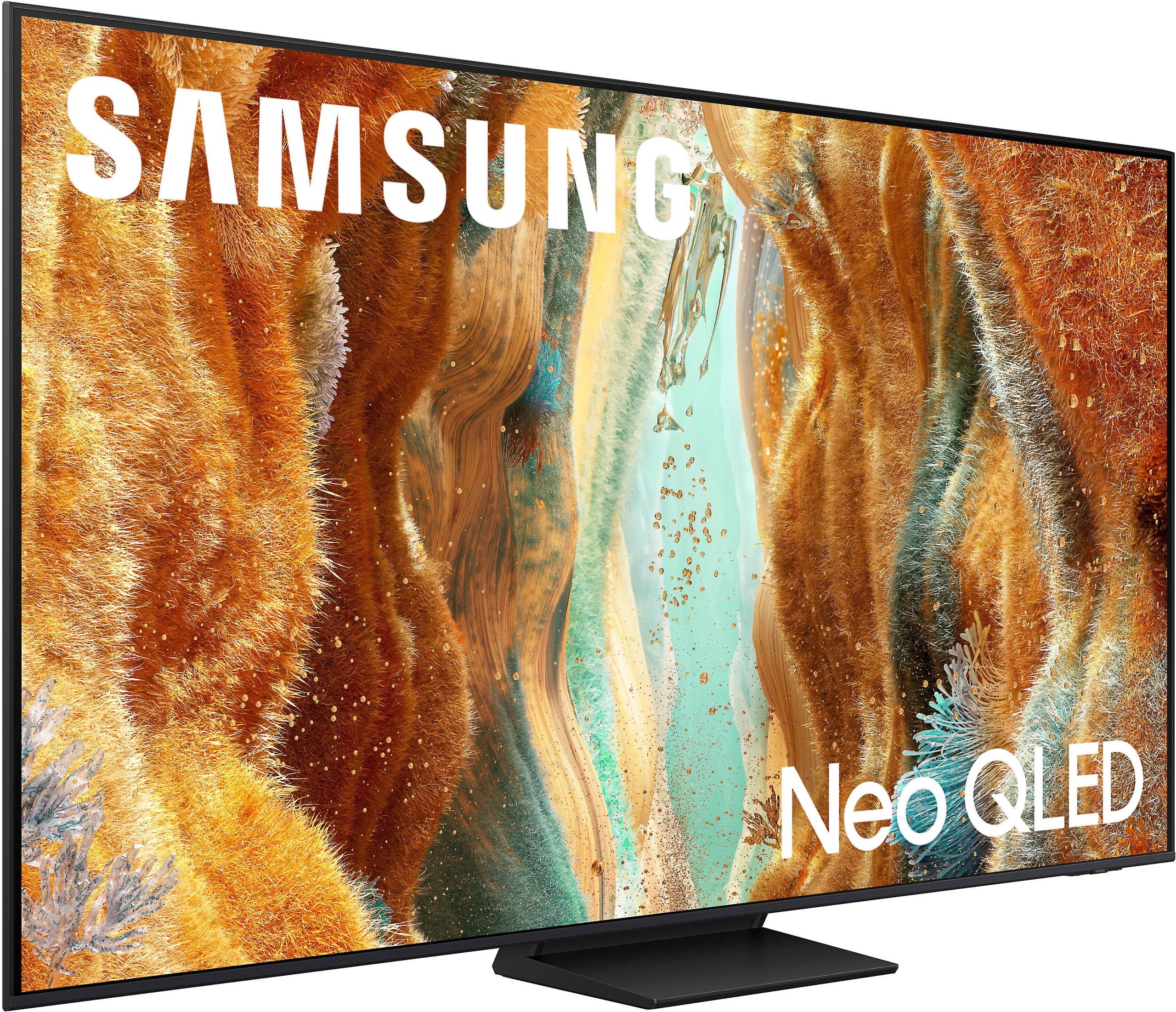

The 65-inch TV market has become incredibly competitive in 2025, with manufacturers pushing boundaries in picture quality, smart features, and gaming performance. Two standouts caught our attention: the Roku 65" Pro Series 2025 and the Samsung 65" QN70F Neo QLED. Both represent compelling approaches to premium television technology, but they take notably different paths to get there.
At the time of writing, these TVs sit in similar price ranges within the premium 65-inch category, though the Samsung QN70F typically commands a slight premium over the Roku Pro Series. The question isn't just about cost—it's about which approach better serves your specific needs.
Before diving into the specifics, let's establish what actually matters when you're spending serious money on a large TV. The 65-inch size has become the new standard for living rooms and home theaters, offering that cinematic experience without requiring a massive space or budget.
The key performance areas that separate great TVs from mediocre ones are picture quality (especially HDR brightness and contrast), gaming capabilities, smart TV responsiveness, and audio performance. These aren't just spec sheet numbers—they directly impact your daily viewing experience.
Picture quality hinges on contrast ratio (the difference between the darkest blacks and brightest whites), color accuracy, and peak brightness for HDR content. Gaming performance has become crucial as modern consoles push 4K at 120 frames per second. Smart TV platforms need to be fast and intuitive, since you'll interact with them constantly. Audio quality matters more than many realize, as poor built-in speakers can undermine even the best picture.
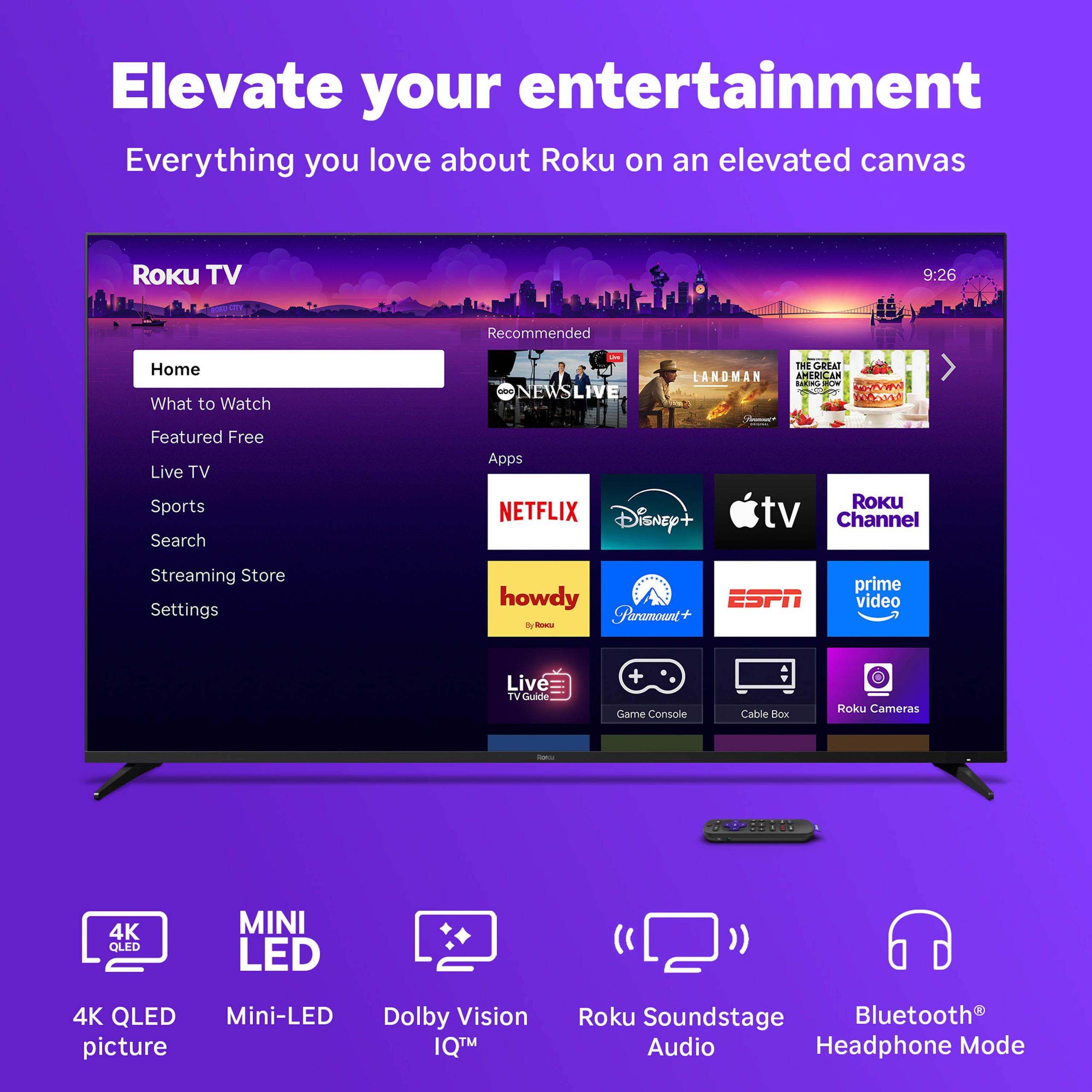
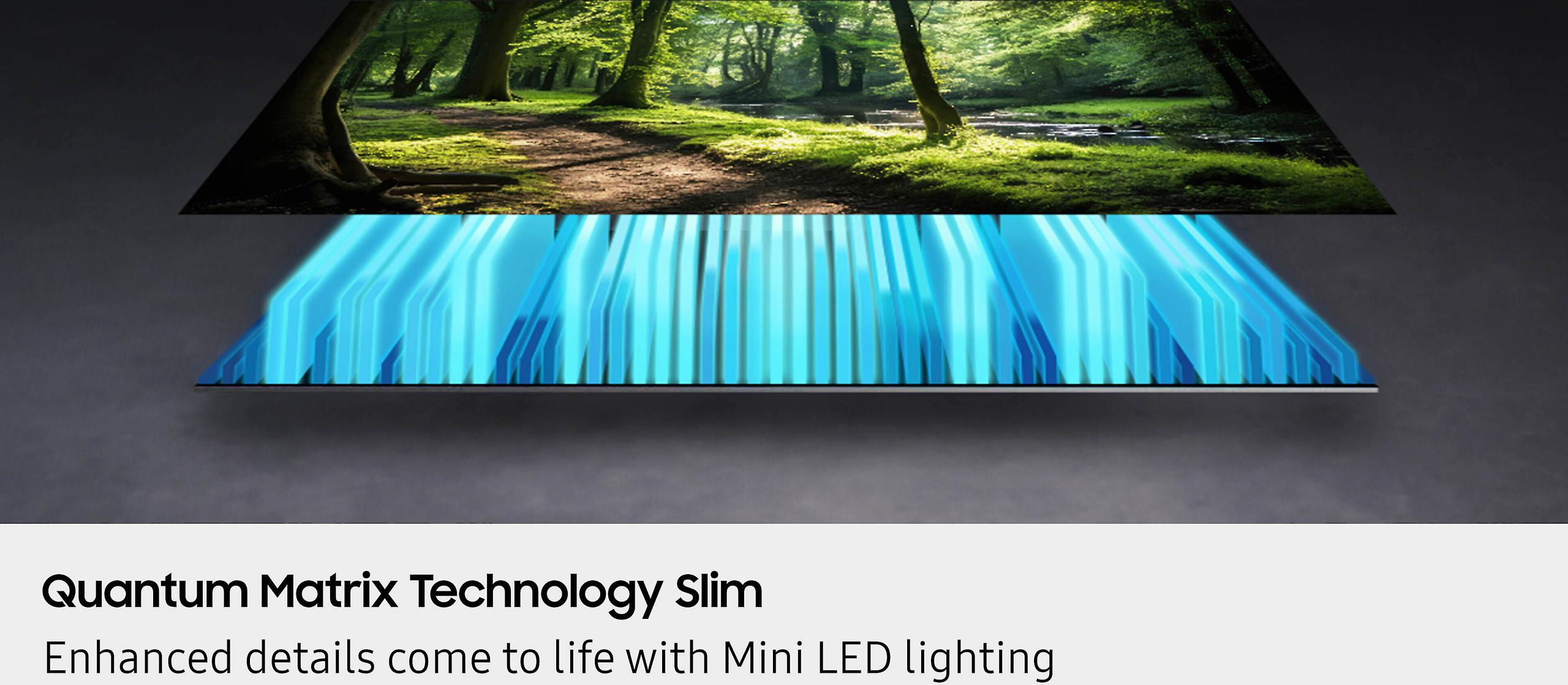
Both the Roku Pro Series and Samsung QN70F use Mini-LED technology, but their implementations reveal different priorities. Mini-LEDs are tiny backlights—much smaller than traditional LEDs—that can be dimmed independently in zones across the screen. This creates better contrast by making dark areas truly dark while keeping bright areas brilliant.
The Roku Pro Series uses what they call "re-engineered Mini-LED backlight" with full array local dimming. Based on our research into user reviews and professional testing, this implementation delivers exceptional peak brightness—measurements show up to 1,818 nits in standard mode and 1,752 nits in filmmaker mode. To put that in perspective, most TVs struggle to hit 1,000 nits, and anything above 1,500 nits creates that "wow factor" when watching HDR movies in bright rooms.
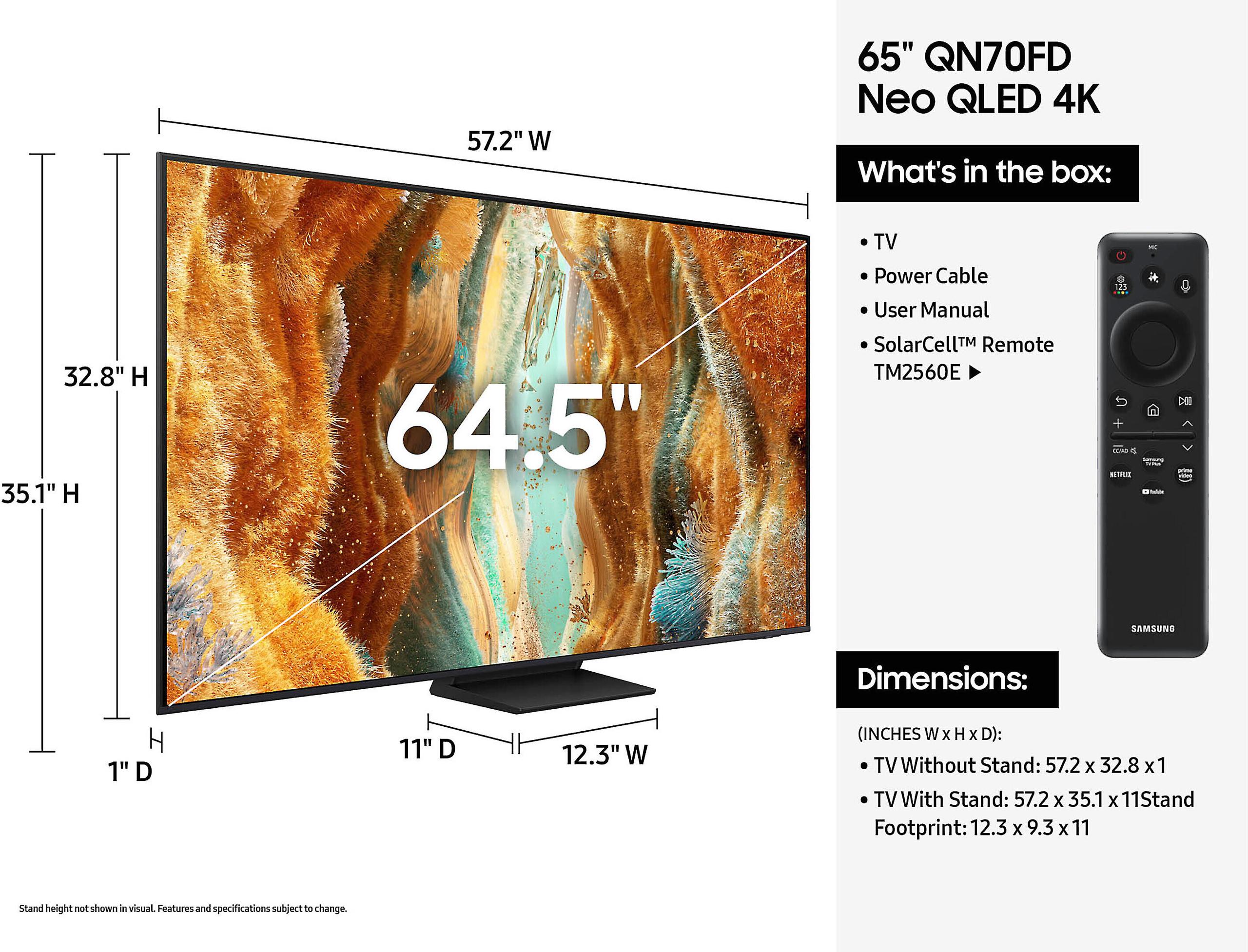
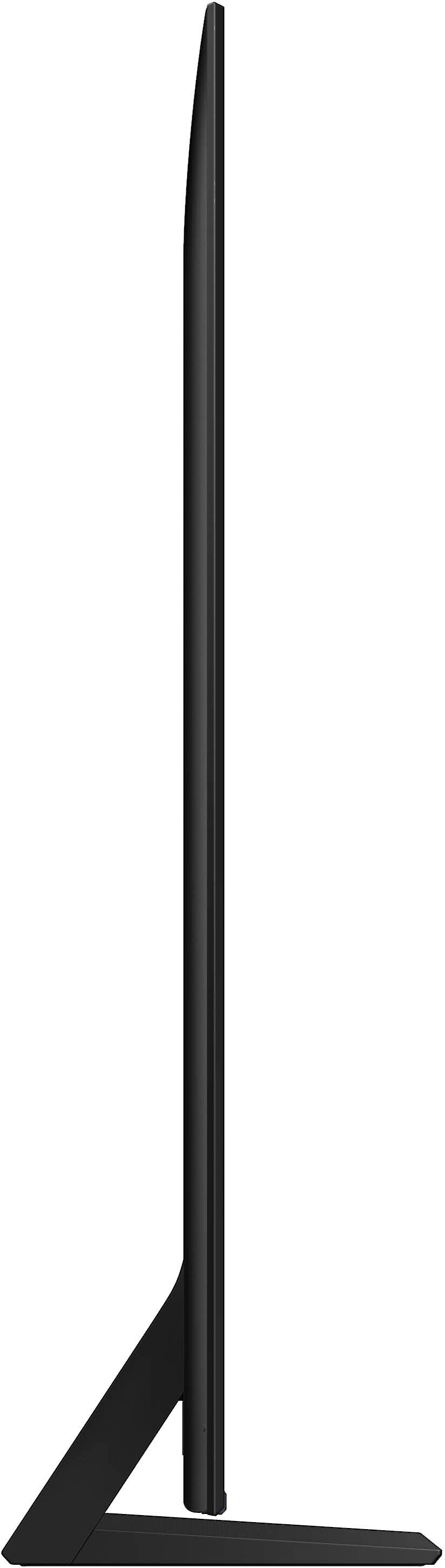
The Samsung QN70F uses their Quantum Matrix Slim technology, which Samsung claims offers more precise light control. The "slim" designation refers to both the physical thinness of the TV (about 1 inch deep) and the precision of the Mini-LED zones. However, specific brightness measurements weren't as readily available in our research, suggesting Samsung may not be pushing peak brightness as aggressively as Roku.
What this means for you: If you watch TV in a bright room or want HDR content to really pop, the Roku's higher brightness gives it a clear advantage. If wall-mounting aesthetics matter more and you watch in darker environments, Samsung's ultra-slim design might appeal more.
Here's where things get interesting for console gamers. The Roku Pro Series offers a native 120Hz refresh rate, while the Samsung QN70F runs at 100Hz. This might seem like a small difference, but it's actually significant for modern gaming.
Refresh rate determines how many times per second your TV can display new images. Higher refresh rates mean smoother motion, reduced blur, and less input lag (the delay between pressing a button and seeing the action on screen). The Roku supports 4K gaming at 120 frames per second, matching what PlayStation 5 and Xbox Series X can output in their performance modes.
The Roku also includes comprehensive gaming features: FreeSync Premium Pro (which eliminates screen tearing), Auto Low Latency Mode (ALLM), and Variable Refresh Rate (VRR). ALLM automatically switches the TV to game mode when it detects a console, while VRR synchronizes the TV's refresh rate with the console's frame output for smoother gameplay. Input lag measurements show the Roku can achieve as low as 5.2ms in 120Hz mode—that's exceptionally responsive.
The Samsung QN70F supports some gaming features but doesn't emphasize them as heavily. Its 100Hz limitation means you won't get the full benefit of next-gen console capabilities.
For serious gamers, the Roku Pro Series is clearly superior. If gaming is secondary to your TV usage, this difference becomes less important.
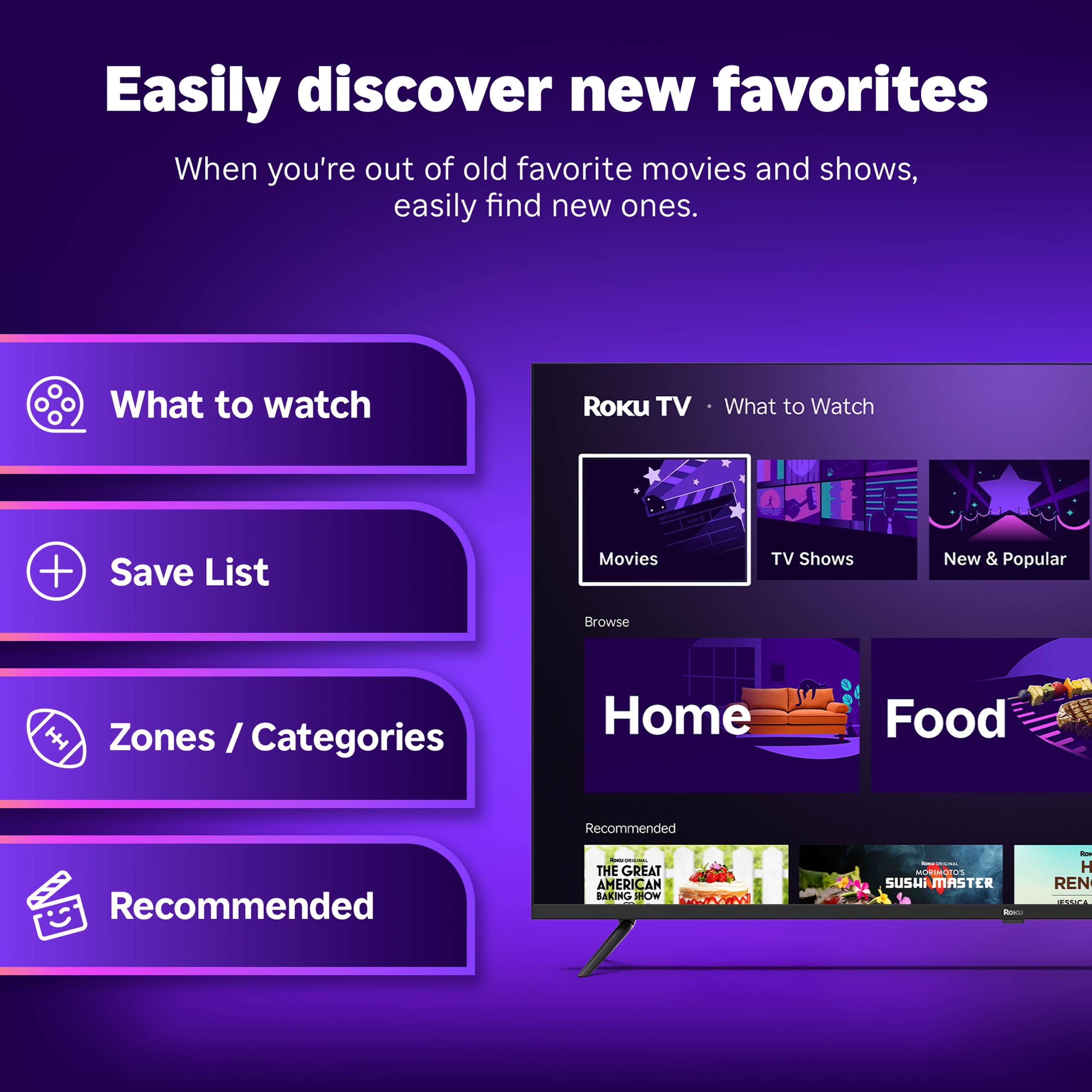
The smart TV experience represents fundamentally different approaches. The Roku Pro Series runs Roku TV OS, while the Samsung QN70F uses Samsung's Tizen platform with their new Vision AI features.
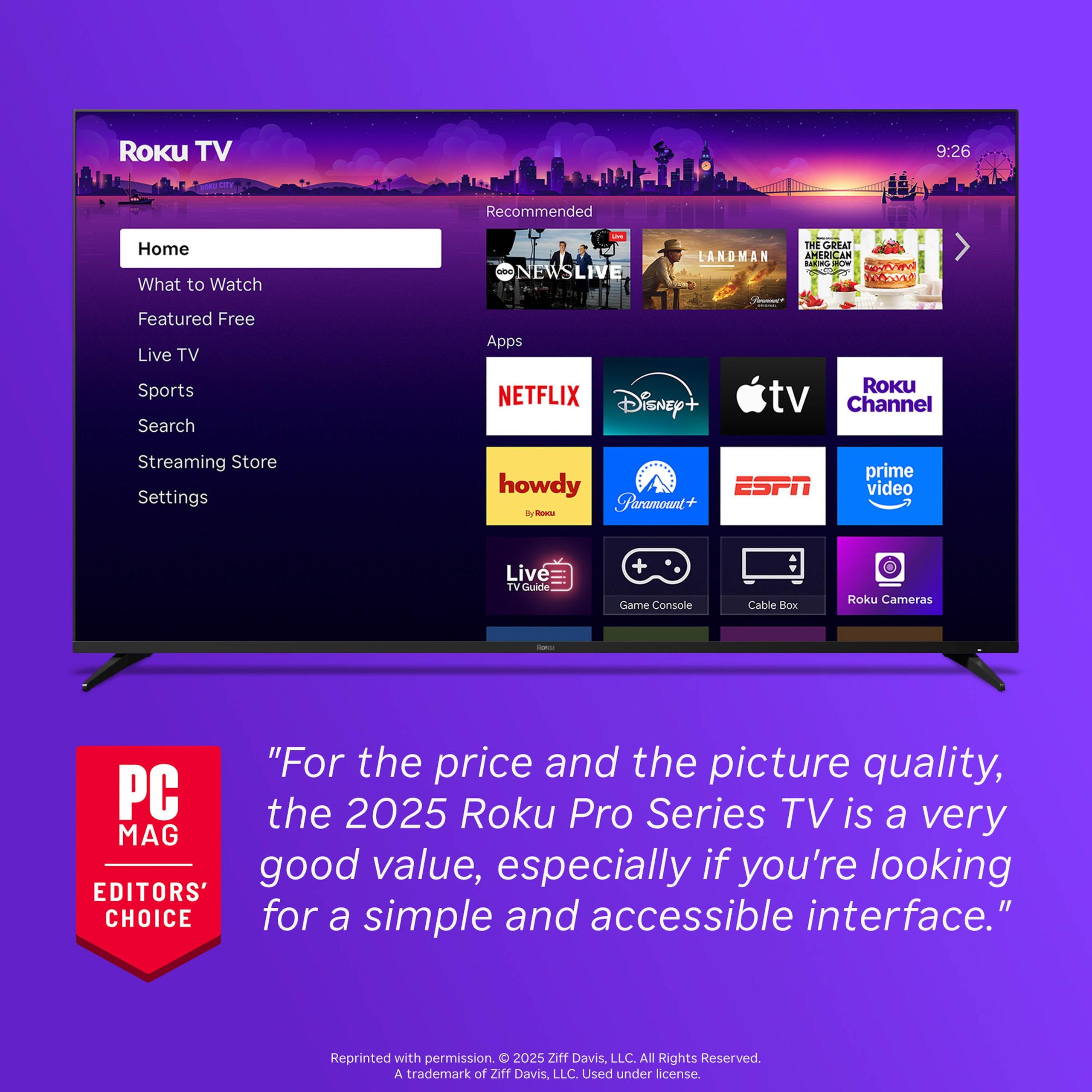
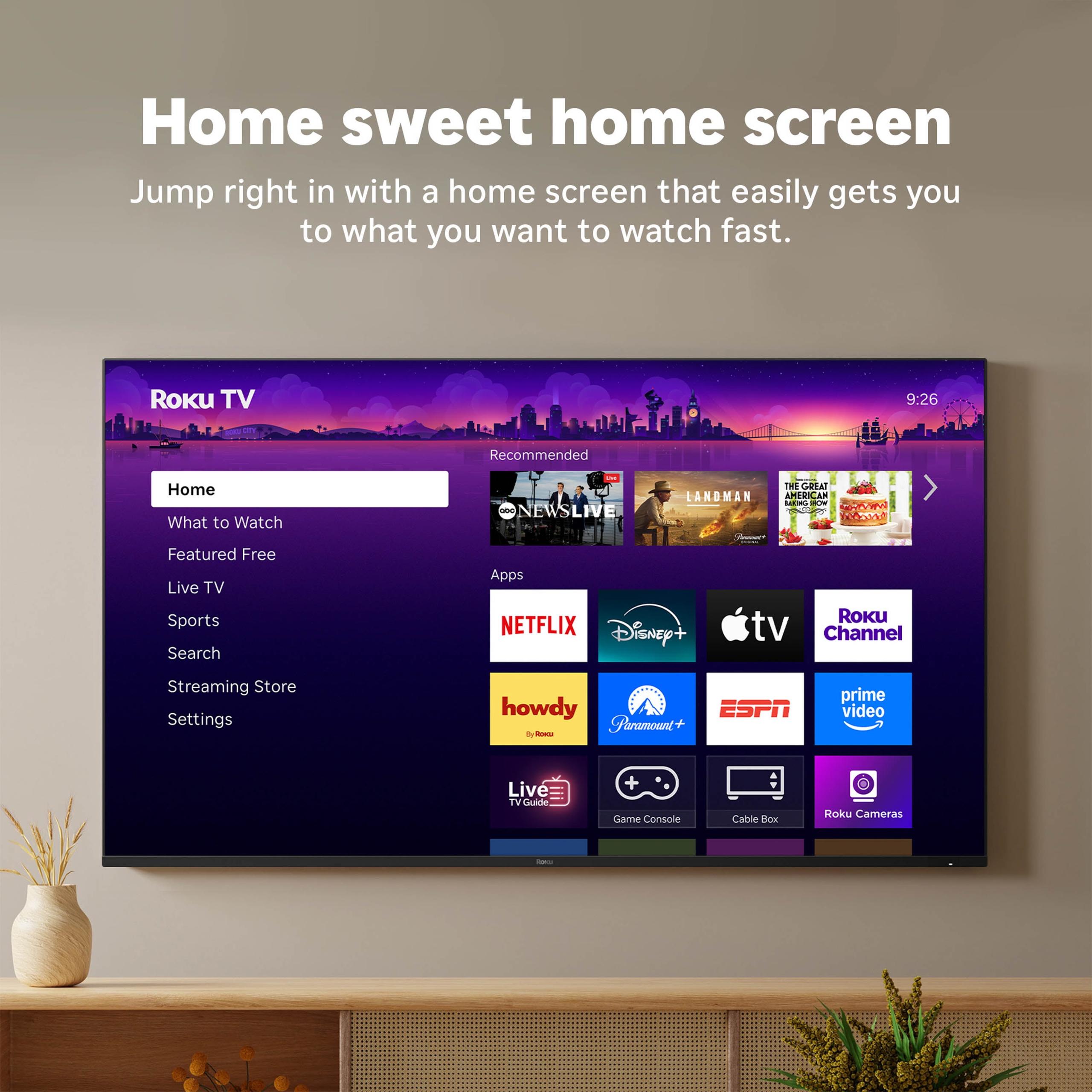
Roku's philosophy centers on simplicity and neutrality. The interface puts all your streaming apps on equal footing—Netflix doesn't get preferential treatment over Disney+ or Hulu. The home screen shows content from all your services in one unified view. Based on user feedback we've analyzed, Roku consistently receives praise for being intuitive and fast, even years after purchase. The platform doesn't push Samsung-specific services or try to be overly clever.
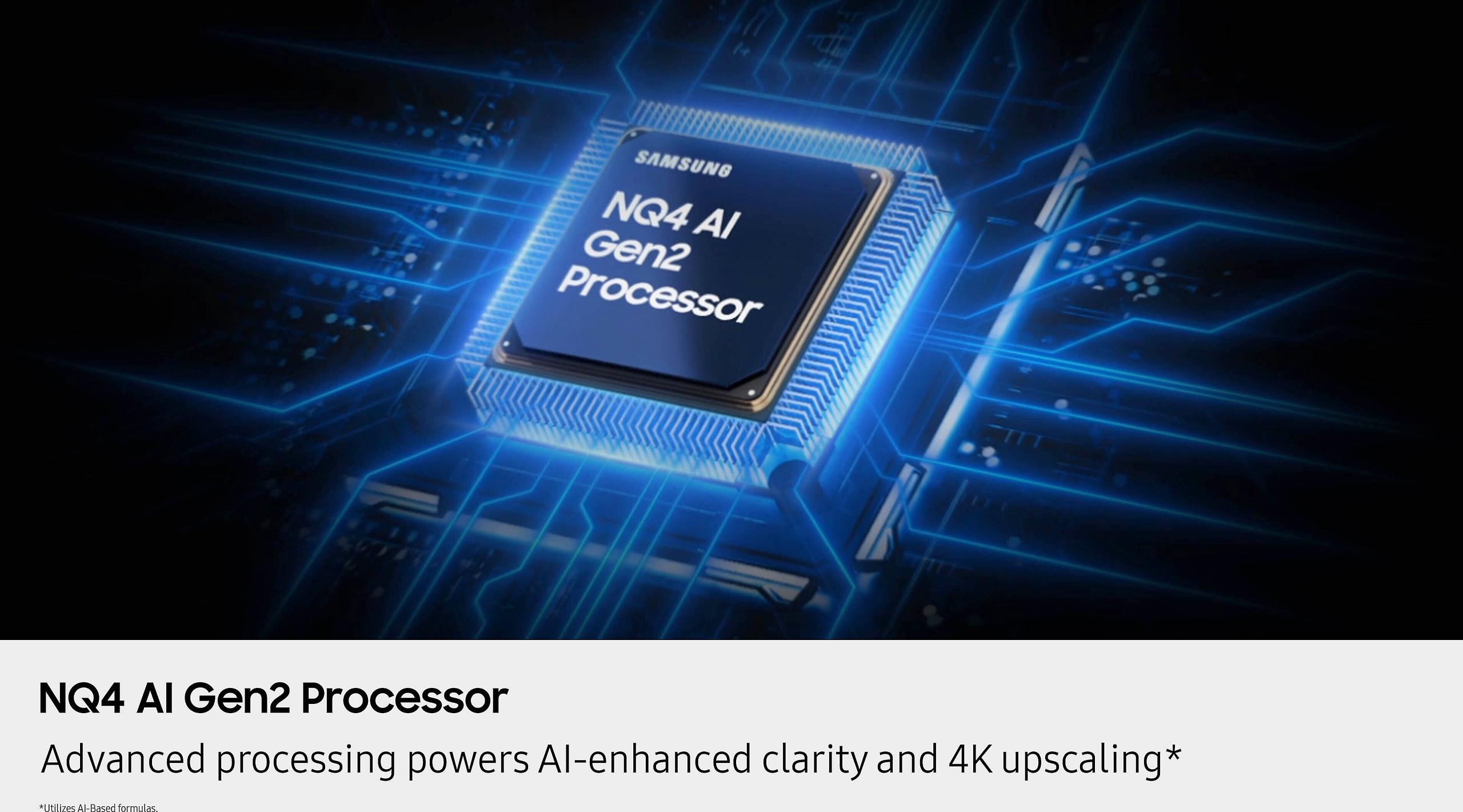
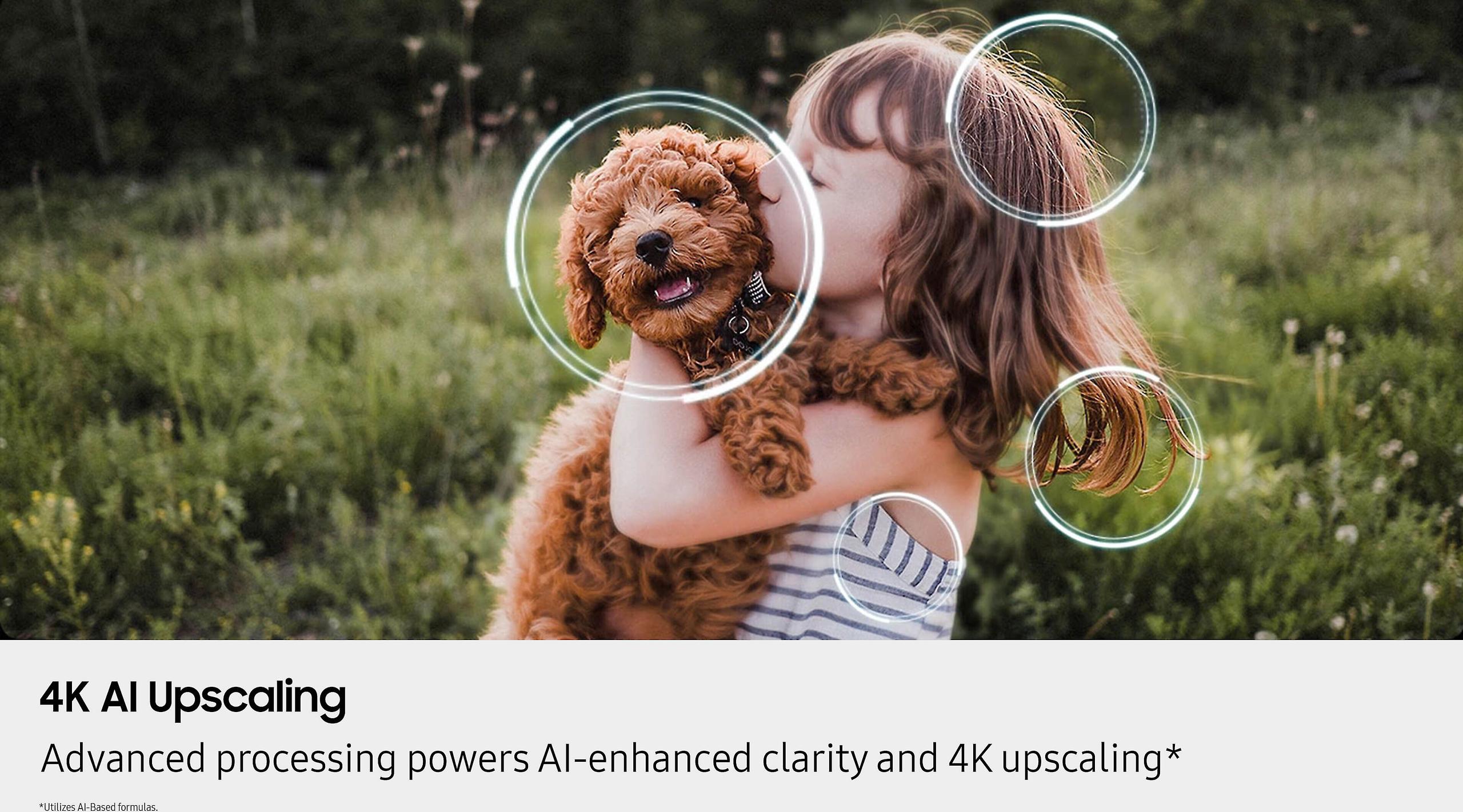
Samsung takes the opposite approach with Vision AI, introduced in 2025. This system actively analyzes what you're watching and provides contextual information. The "Click to Search" feature can identify actors on screen, while "Live Translate" provides real-time subtitle translation for foreign content. The NQ4 AI Gen2 processor powers these features using 20 neural networks to upscale content and make recommendations.
Samsung's approach sounds impressive, but our research into user experiences suggests mixed results. Some appreciate the AI features, while others find them intrusive or unreliable. The Tizen platform can also feel slower than Roku, especially on entry-level models like the QN70F.
Your preference likely depends on whether you want your TV to be a "smart assistant" or just a high-quality display that gets out of your way.
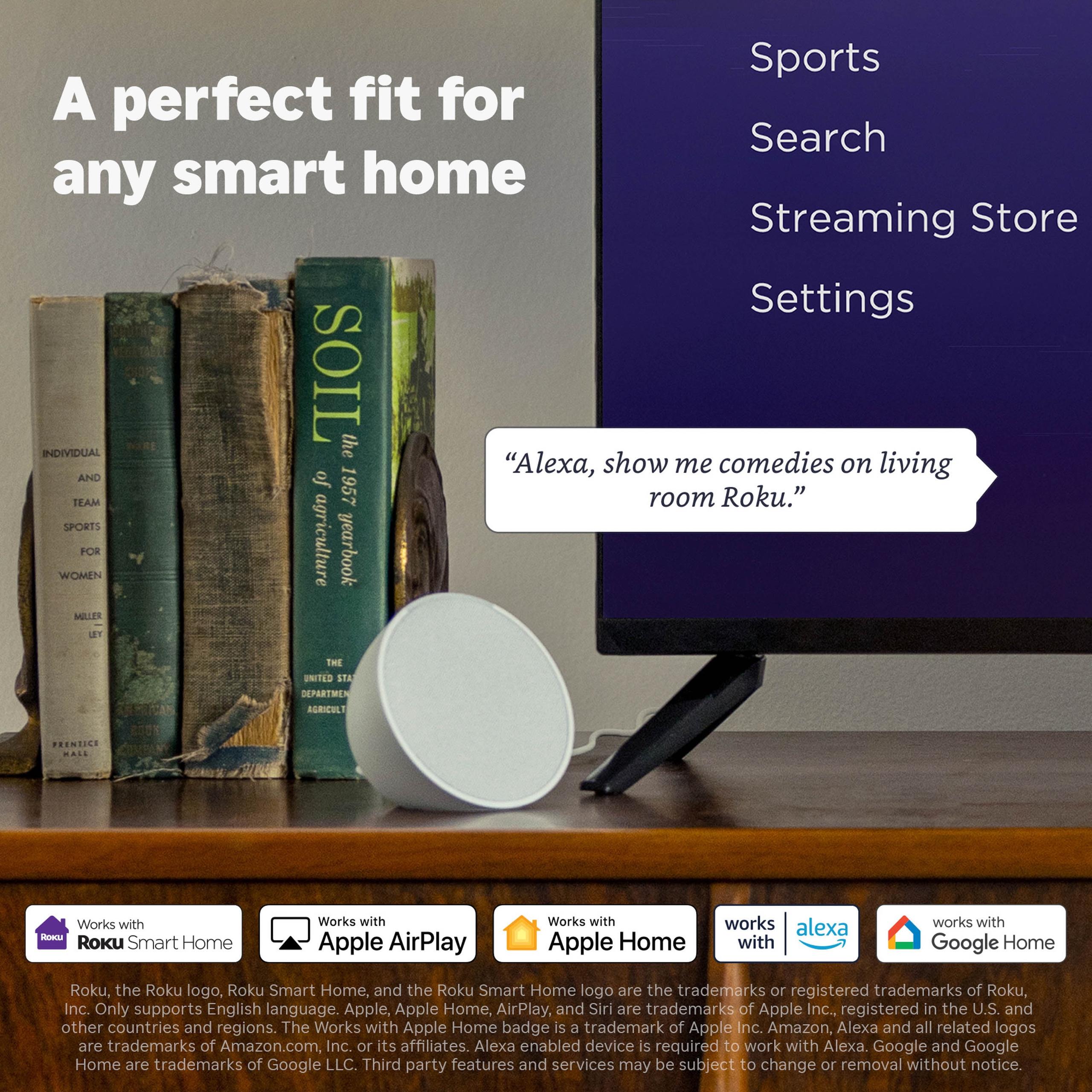
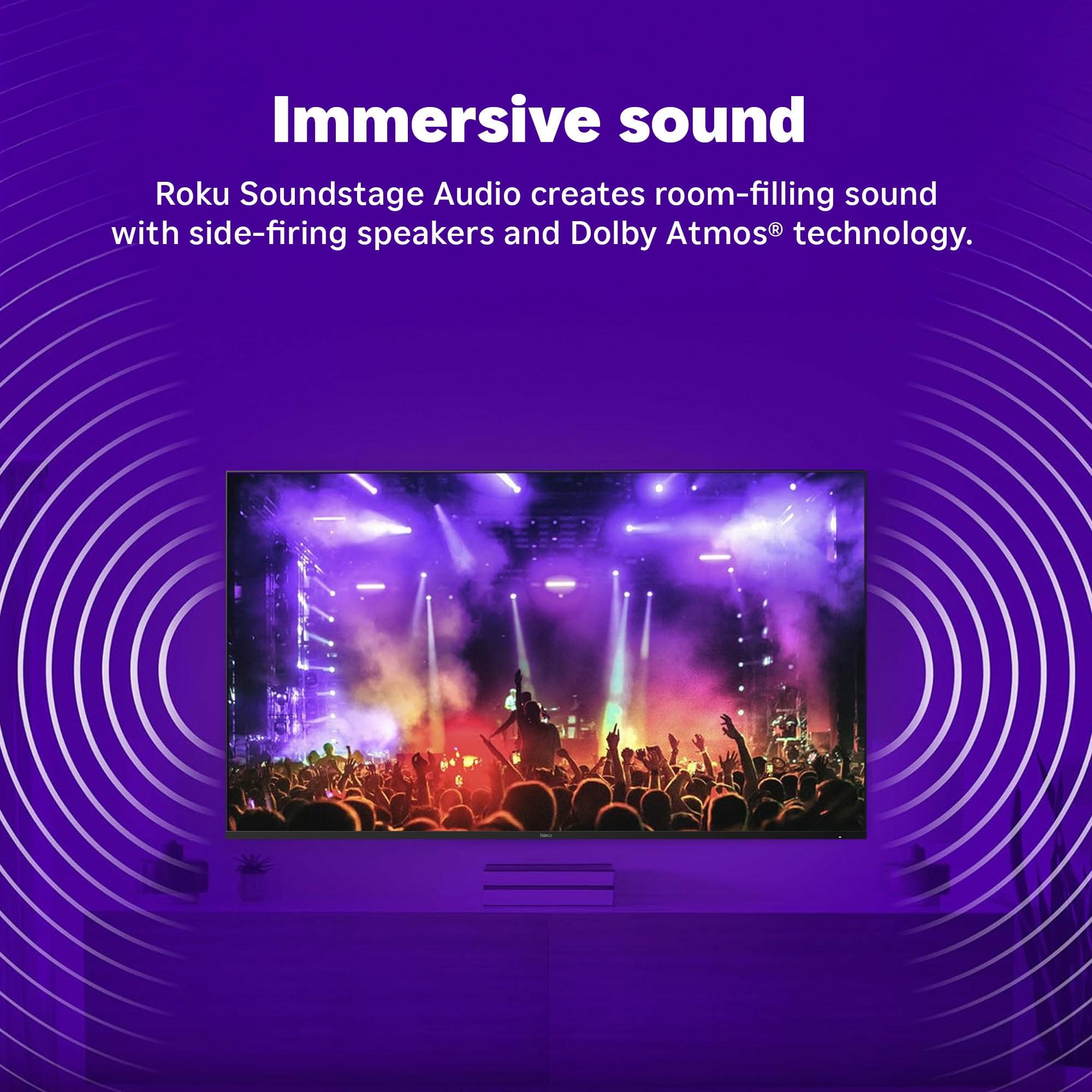
This is where the Roku Pro Series significantly outperforms expectations and the competition. The 2025 model includes side-firing Dolby Atmos speakers with what Roku calls "Sound Stage Audio" technology. User reviews consistently mention being shocked by the bass response—some describe it as "rattling walls" and "theater-like" without needing a soundbar.
Dolby Atmos creates three-dimensional sound by bouncing audio off your ceiling and walls, making you feel like you're inside the action rather than just watching it. Most TVs that claim Atmos support do so halfheartedly, but the Roku appears to take it seriously.
The Samsung QN70F uses a basic 2-channel 20W speaker system. While it includes features like Active Voice Amplifier Pro (which boosts dialogue over background noise), it lacks the spatial audio capabilities and power of the Roku system.
For home theater enthusiasts, good built-in audio matters more than you might think. Even if you plan to add a soundbar eventually, having TV speakers that don't embarrass themselves gives you flexibility and saves money initially.
Both TVs use AI for picture processing, but with different levels of marketing emphasis. The Samsung QN70F heavily promotes its NQ4 AI Gen2 processor and its ability to upscale content to near-4K quality. Samsung's approach involves aggressive processing that analyzes content frame-by-frame to enhance sharpness, reduce noise, and boost colors.
The Roku Pro Series uses Smart Picture Max, which automatically adjusts picture settings scene-by-scene. Rather than marketing it as revolutionary AI, Roku positions it as automatic optimization that works invisibly in the background.
Based on professional reviews and user feedback we've analyzed, both systems work well, but they produce different results. Samsung's processing can sometimes make content look artificially sharp or over-saturated—great for demo rooms but potentially fatiguing for extended viewing. Roku's approach tends to produce more natural-looking results that maintain the filmmaker's intent.
For critical viewing of movies and premium content, the Roku's more restrained processing approach often produces better results. If you prefer punchy, vivid images that pop off the screen, Samsung's aggressive processing might appeal more.
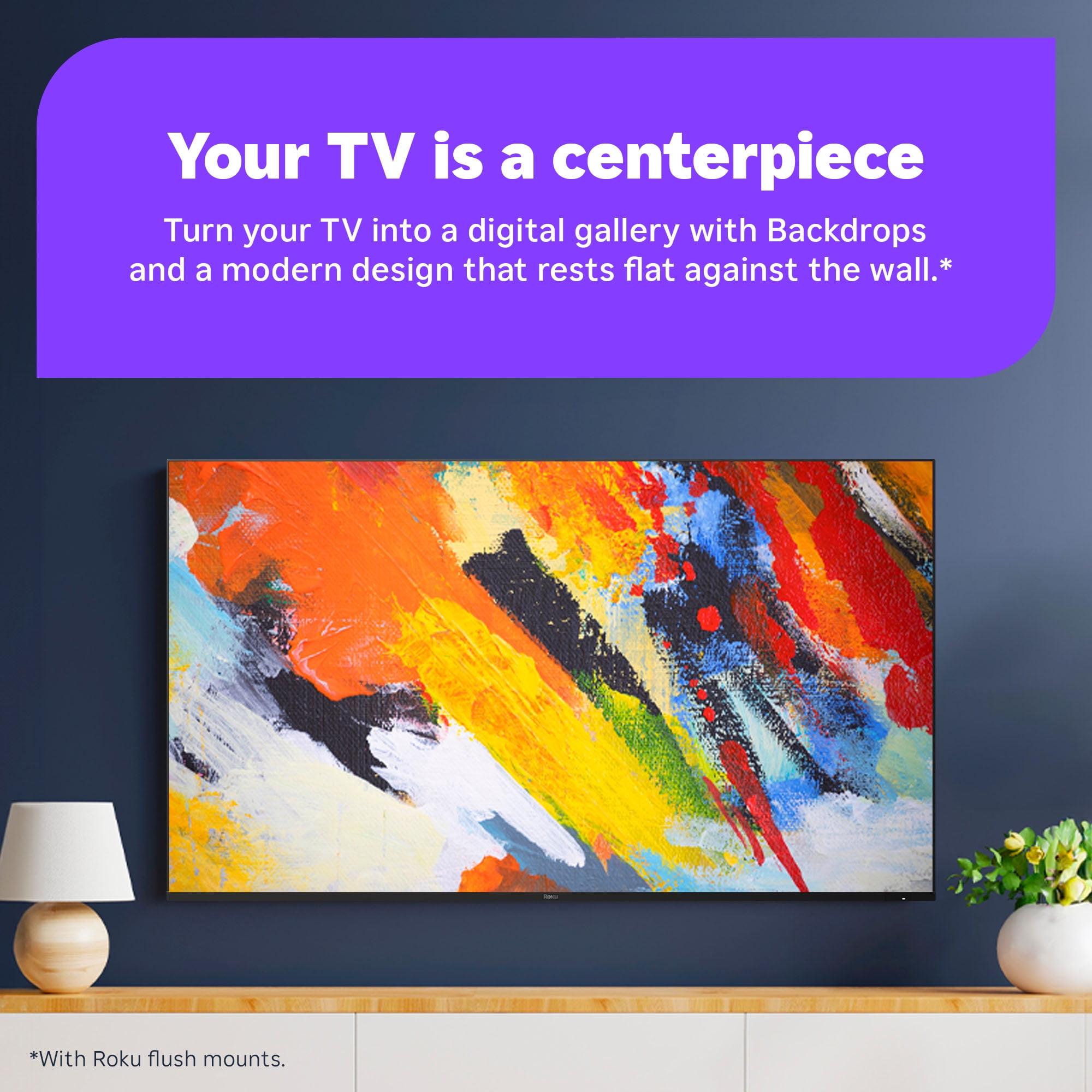
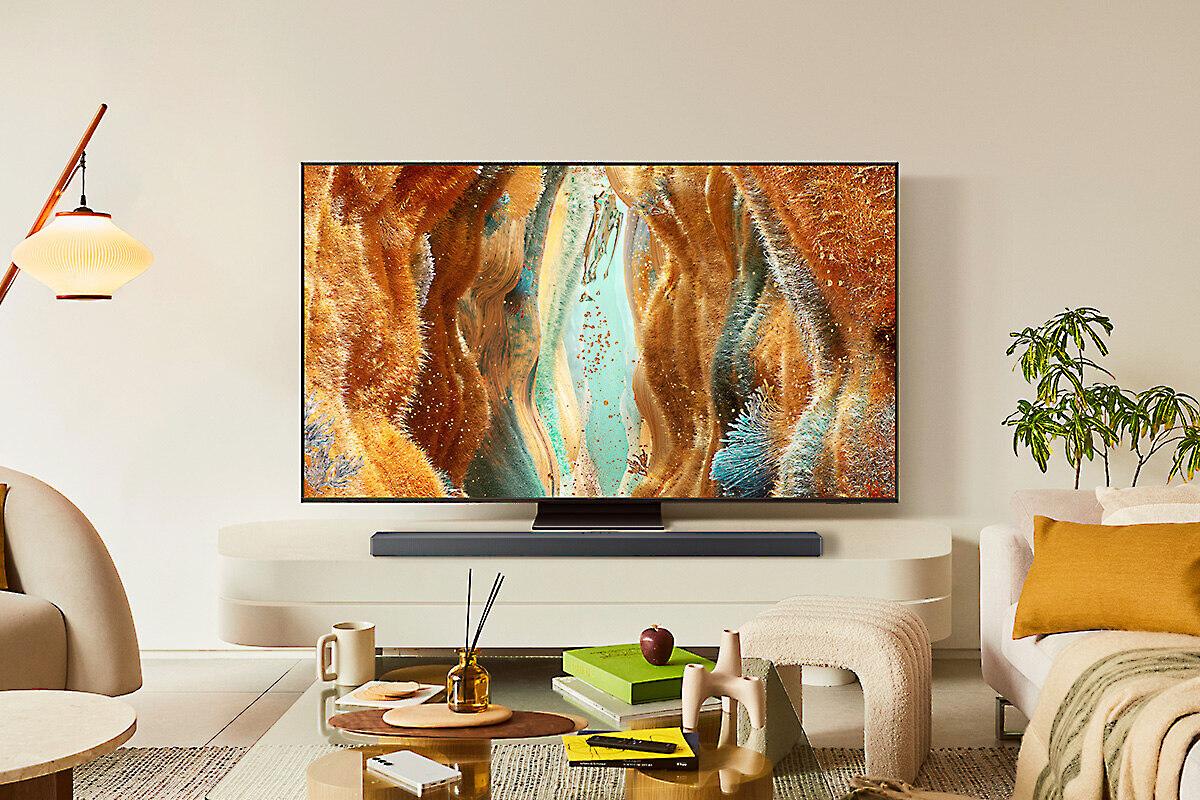
The Samsung QN70F achieves an impressively slim profile at about 1 inch thick, making it nearly flush against the wall when mounted. This creates a clean, modern aesthetic that many find appealing. Samsung has always prioritized design, and it shows in their attention to cable management and overall appearance.
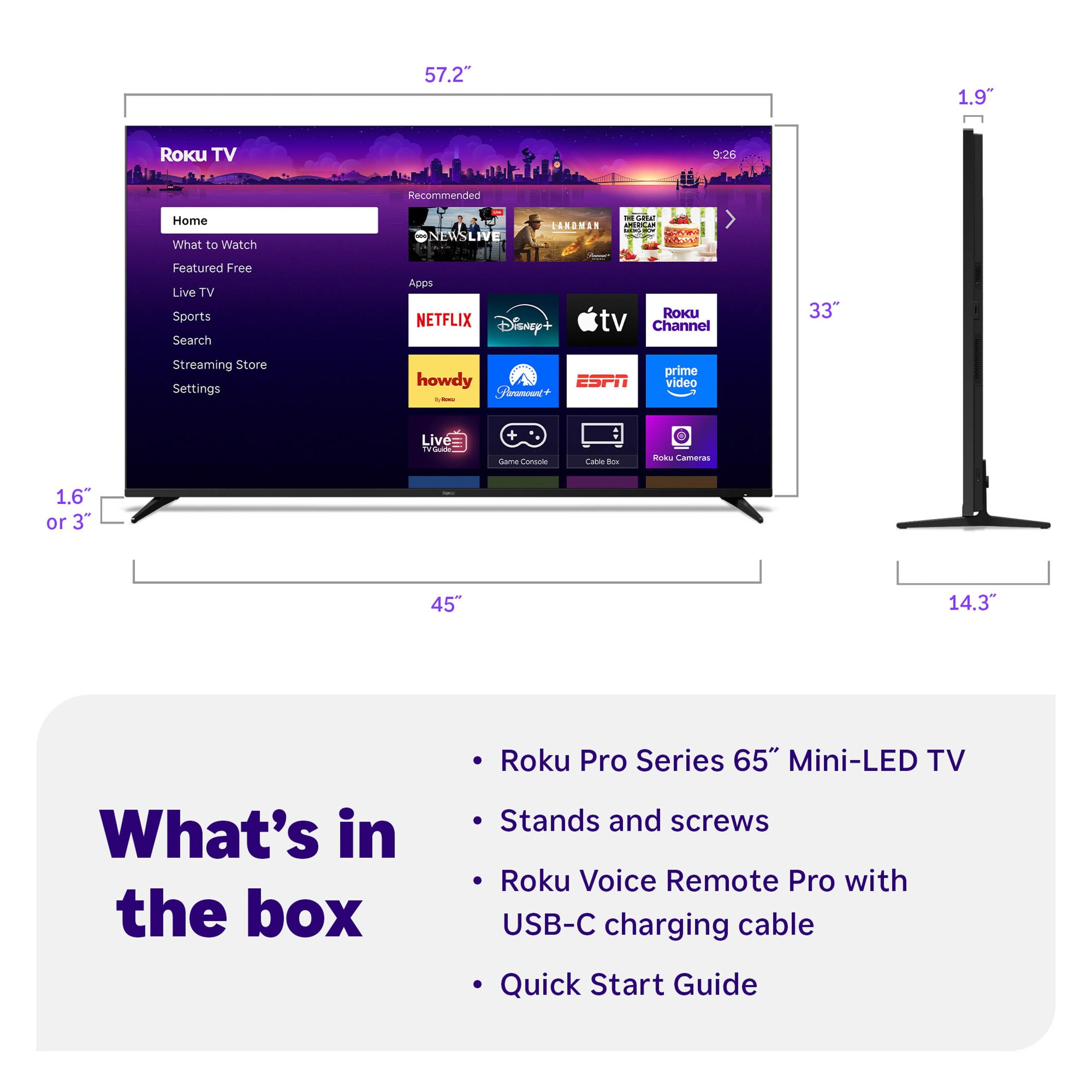
The Roku Pro Series is thicker at 1.9 inches without the stand, which is still reasonable but less elegant for wall mounting. However, this extra depth likely contributes to its superior audio performance by providing more internal volume for speakers.
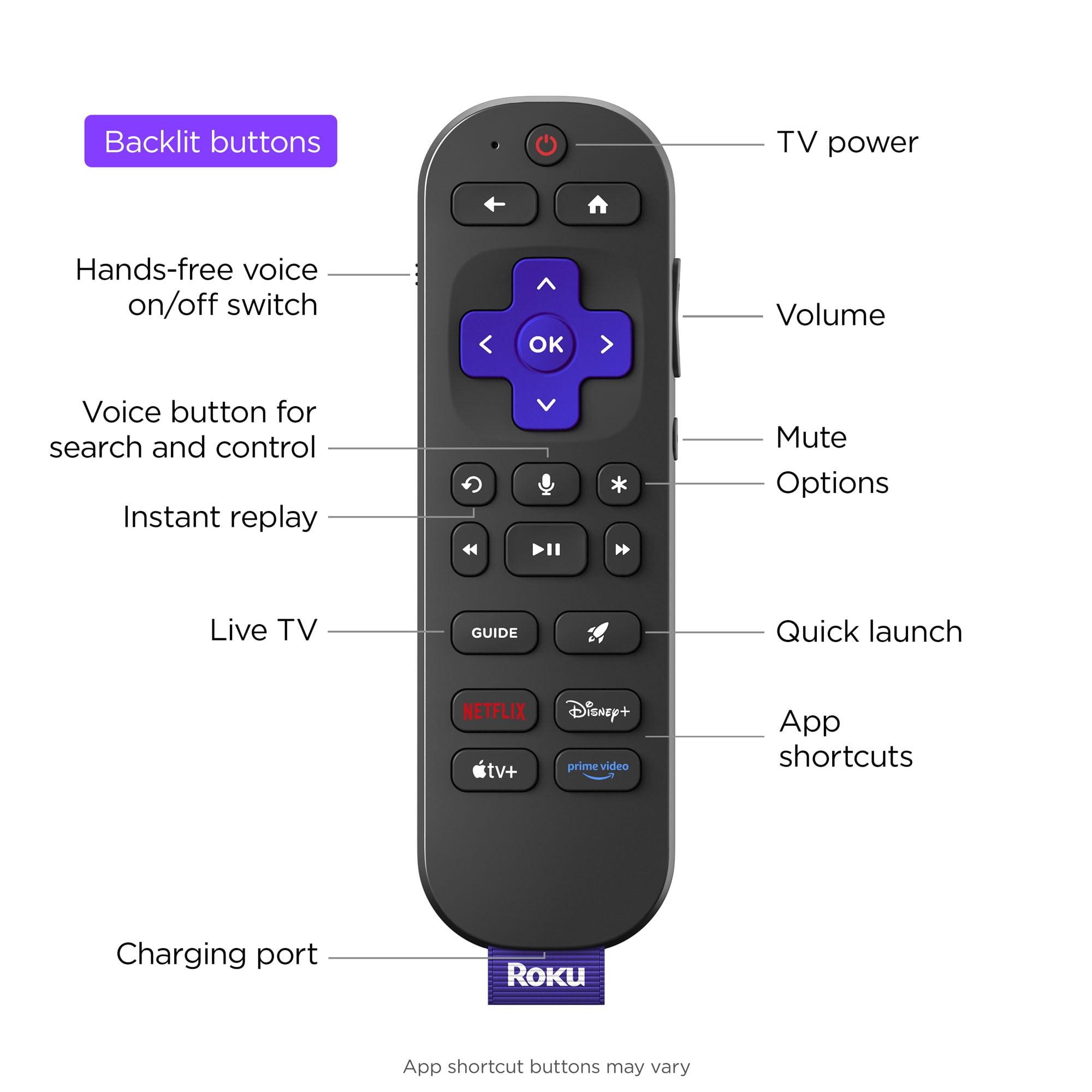
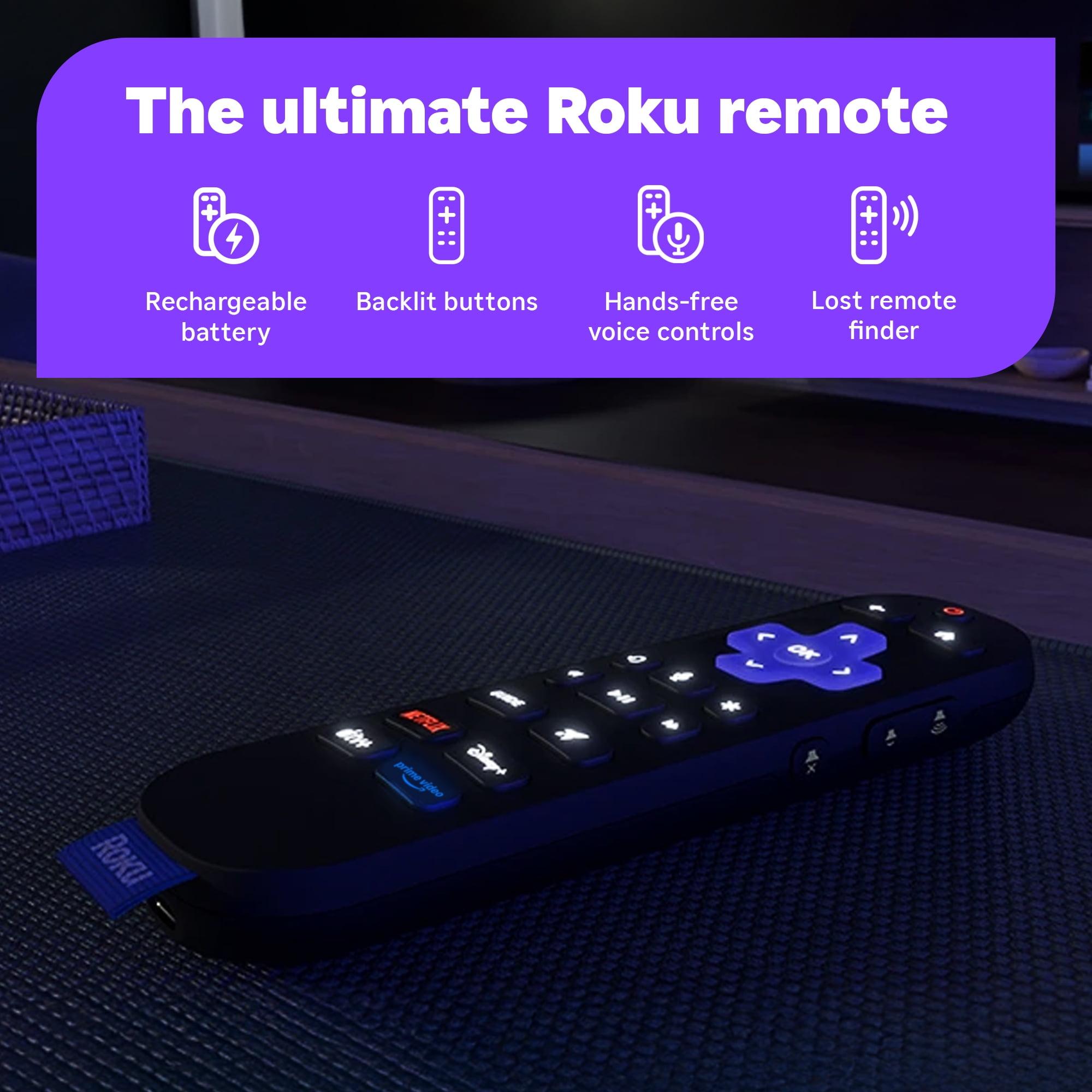
The build quality appears solid on both models, though Samsung's premium positioning often translates to slightly better materials and finish quality. The Roku includes a standout feature in its Voice Remote Pro with backlit buttons, rechargeable battery, and a "find my remote" button on the TV itself—a surprisingly useful addition that solves a common frustration.
For dedicated home theater use, several factors become more important. The Roku Pro Series edges ahead in most categories that matter for movie watching. Its higher peak brightness handles HDR content better in both dark and bright rooms. The 120Hz refresh rate eliminates judder (stuttering motion) more effectively, particularly important for 24fps film content.
The built-in Dolby Atmos audio means you can enjoy spatial sound without immediately investing in external speakers, though serious enthusiasts will eventually want a full surround system regardless of TV choice.
The Samsung QN70F's Filmmaker Mode is worth noting—it automatically adjusts settings to match the director's intended color and contrast specifications. However, the Roku also supports this standard, and its superior brightness headroom actually helps it display filmmaker intent more accurately in realistic viewing environments.
At the time of writing, these TVs compete closely on price, with the Samsung QN70F typically carrying a small premium over the Roku Pro Series. The value equation favors different buyers depending on priorities.
The Roku delivers more measurable performance per dollar: higher brightness, better gaming specs, superior audio, and a proven smart TV platform. It represents excellent value for users who want the best core TV experience.
The Samsung QN70F asks you to pay slightly more for design aesthetics, brand prestige, and AI features of questionable necessity. It's not poor value, but you're paying for extras rather than core performance improvements.
The Roku 65" Pro Series makes sense for:
The Samsung 65" QN70F works better for:
After analyzing extensive user feedback, professional reviews, and technical specifications, the Roku 65" Pro Series emerges as the stronger overall choice for most buyers. It excels in the areas that matter most for daily TV viewing: picture quality, gaming performance, and audio. The smart TV platform is mature and reliable, avoiding the complexity that sometimes hampers Samsung's offerings.
The Samsung QN70F isn't a bad TV, but it asks you to pay extra for features that don't necessarily improve the core viewing experience. Its AI capabilities are interesting but not game-changing, and the ultra-slim design, while attractive, doesn't justify sacrificing audio performance and gaming capabilities.
For the majority of buyers looking for the best 65-inch TV experience at the time of writing, the Roku Pro Series offers better value, performance, and long-term satisfaction. Choose the Samsung only if you specifically value its design aesthetics and AI features over measurable performance advantages.
The TV market continues evolving rapidly, but as of 2025, Roku has created something special with their Pro Series that's hard to ignore if you prioritize what actually matters: great picture, smooth gaming, and excellent sound, all wrapped in a user-friendly package that won't break the bank.
| Roku 65" Pro Series 2025 | Samsung 65" QN70F Neo QLED |
|---|---|
| Display Technology - Both use Mini-LED but with different priorities | |
| Mini-LED QLED with Full Array Local Dimming | Neo QLED with Quantum Matrix Slim Technology |
| Peak HDR Brightness - Critical for HDR impact and bright room viewing | |
| Up to 1,818 nits (exceptional for daytime viewing) | Not specified (likely lower than Roku) |
| Refresh Rate - Essential for gaming and sports smoothness | |
| 120Hz native (perfect for PS5/Xbox Series X gaming) | 100Hz native (adequate but not optimal for gaming) |
| Gaming Features - Matters if you own modern consoles | |
| FreeSync Premium Pro, ALLM, VRR, 5.2ms input lag | Basic gaming support, no advanced features |
| Audio Technology - Determines if you need a soundbar immediately | |
| Side-firing Dolby Atmos speakers with Sound Stage Audio | Basic 2-channel 20W speakers, no Atmos |
| Smart TV Platform - Affects daily usability and app performance | |
| Roku TV OS (simple, fast, streaming-neutral) | Tizen with Vision AI (complex, Samsung ecosystem focused) |
| AI Processing Approach - Different philosophies for picture enhancement | |
| Smart Picture Max (subtle, automatic scene optimization) | NQ4 AI Gen2 with 20 neural networks (aggressive processing) |
| Design Profile - Important for wall mounting aesthetics | |
| 1.9 inches thick without stand (standard thickness) | ~1 inch thick (ultra-slim, nearly flush wall mount) |
| Remote Control - Daily interaction quality | |
| Voice Remote Pro with backlit buttons, rechargeable, find-my-remote | Standard Samsung remote with solar charging |
| HDR Format Support - Ensures compatibility with all content types | |
| Dolby Vision IQ, HDR10+ Adaptive, HLG | Dolby Vision, HDR10+ Adaptive, HLG |
| HDMI Connectivity - Future-proofing for gaming and devices | |
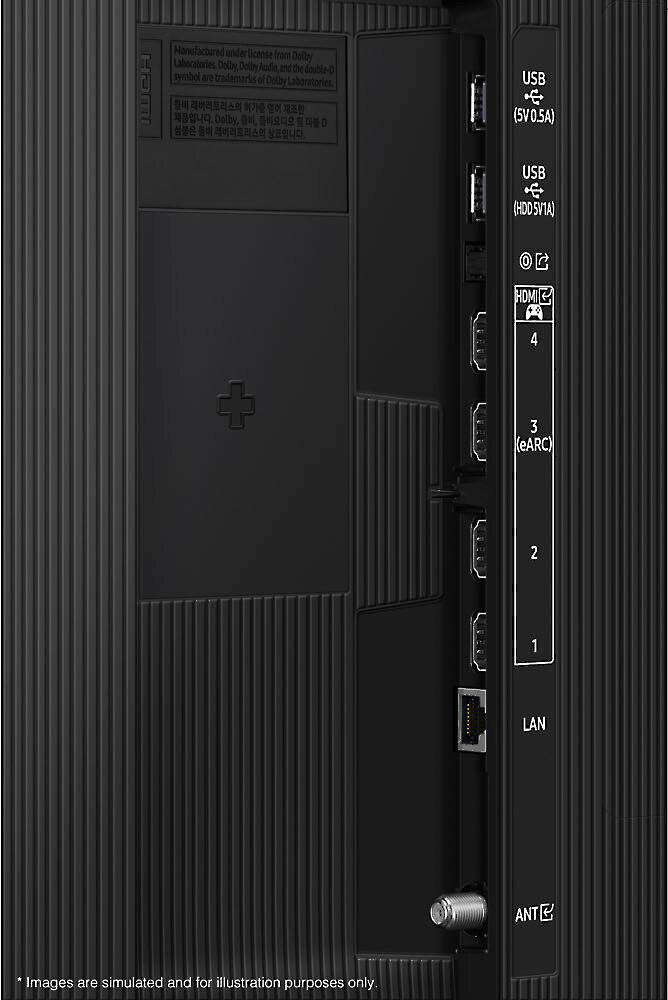
| 4 HDMI ports (2x HDMI 2.1 for 4K@120Hz) | 4 HDMI ports (HDMI 2.1 support) |
| Best For - Who should choose this TV | |
| Gamers, home theater enthusiasts, value seekers | Samsung ecosystem users, design-focused buyers |
The Roku 65" Pro Series 2025 delivers superior picture quality with higher peak HDR brightness reaching up to 1,818 nits, creating more impactful highlights and better contrast in bright rooms. While both TVs use Mini-LED technology, the Roku Pro Series produces more natural-looking images with its Smart Picture Max processing, whereas the Samsung QN70F tends toward more aggressive AI enhancement that can appear over-processed.
The Roku 65" Pro Series 2025 is significantly better for gaming with its native 120Hz refresh rate, compared to the Samsung QN70F's 100Hz. The Roku includes comprehensive gaming features like FreeSync Premium Pro, Auto Low Latency Mode, and Variable Refresh Rate, plus ultra-low 5.2ms input lag for responsive gameplay.
The Roku 65" Pro Series 2025 has dramatically better audio with side-firing Dolby Atmos speakers that deliver room-filling sound and impressive bass response. The Samsung QN70F uses basic 2-channel 20W speakers without Atmos support, making the Roku a clear winner for users who want good sound without immediately buying a soundbar.
The Roku 65" Pro Series 2025 runs the simpler, more intuitive Roku TV OS that treats all streaming services equally and provides fast navigation. The Samsung QN70F uses Tizen with Vision AI features that can be more complex and sometimes intrusive, though it offers advanced features like real-time translation and actor identification.
The Roku 65" Pro Series 2025 performs better in bright rooms due to its exceptional peak brightness of up to 1,818 nits, which helps overcome glare and maintains vibrant colors even with ambient lighting. The Samsung QN70F doesn't specify comparable brightness levels and likely performs less effectively in very bright environments.
The Roku 65" Pro Series 2025 typically offers better value with superior picture quality, gaming performance, and audio capabilities at a competitive price point. While the Samsung QN70F usually costs slightly more, you're paying extra for design aesthetics and AI features rather than core performance improvements that enhance daily viewing.
The Samsung QN70F is better for wall mounting with its ultra-slim 1-inch profile that sits nearly flush against the wall, creating a cleaner aesthetic. The Roku 65" Pro Series 2025 is thicker at 1.9 inches, which is still reasonable but less elegant for wall installation.
The Samsung QN70F offers more advanced AI capabilities with its Vision AI system, including click-to-search, actor identification, and live translation features powered by the NQ4 AI Gen2 processor. The Roku 65" Pro Series 2025 takes a simpler approach with automatic optimization that works in the background without complex AI interactions.
The Roku 65" Pro Series 2025 is superior for home theater use with its higher brightness for proper HDR rendering, 120Hz refresh rate for smooth 24fps film content, and built-in Dolby Atmos audio that provides spatial sound without external speakers. The Samsung QN70F lacks these critical home theater advantages.
The Roku 65" Pro Series 2025 handles motion significantly better with its 120Hz refresh rate versus the Samsung QN70F's 100Hz, resulting in smoother sports broadcasts and reduced motion blur during fast-paced scenes. The higher refresh rate also eliminates judder more effectively for all content types.
The Roku 65" Pro Series 2025 typically receives more consistent long-term software updates across multiple generations, as Roku's business model depends on keeping their platform current. Samsung provides updates but with less consistency for mid-range models like the Samsung QN70F, focusing more resources on their flagship TVs.
For general streaming use, the Roku 65" Pro Series 2025 provides a better overall experience with its superior picture quality, faster interface, and platform neutrality that doesn't favor specific services. However, if you're heavily invested in Samsung's ecosystem or specifically want AI features for content discovery, the Samsung QN70F could work well despite its performance limitations.
We've done our best to create useful and informative comparisons to help you decide what product to buy. Our research uses advanced automated methods to create this comparison and perfection is not possible - please contact us for corrections or questions. These are the sites we've researched in the creation of this article: bestbuy.com - rtings.com - techradar.com - youtube.com - roku.com - youtube.com - walmart.com - bestbuy.com - youtube.com - electronicexpress.com - roku.com - pcvarge.com - ecoustics.com - rtings.com - youtube.com - wifihifi.com - samsung.com - samsung.com - samsung.com - samsung.com - flatpanelshd.com - news.samsung.com - bestbuy.com

Privacy Policy
Terms and Conditions - Affiliate Policy
Home Security
© Copyright 2008-2026.
11816 Inwood Rd #1211, Dallas, TX 75244