

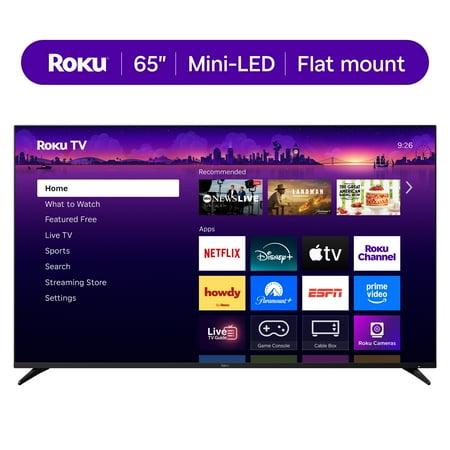
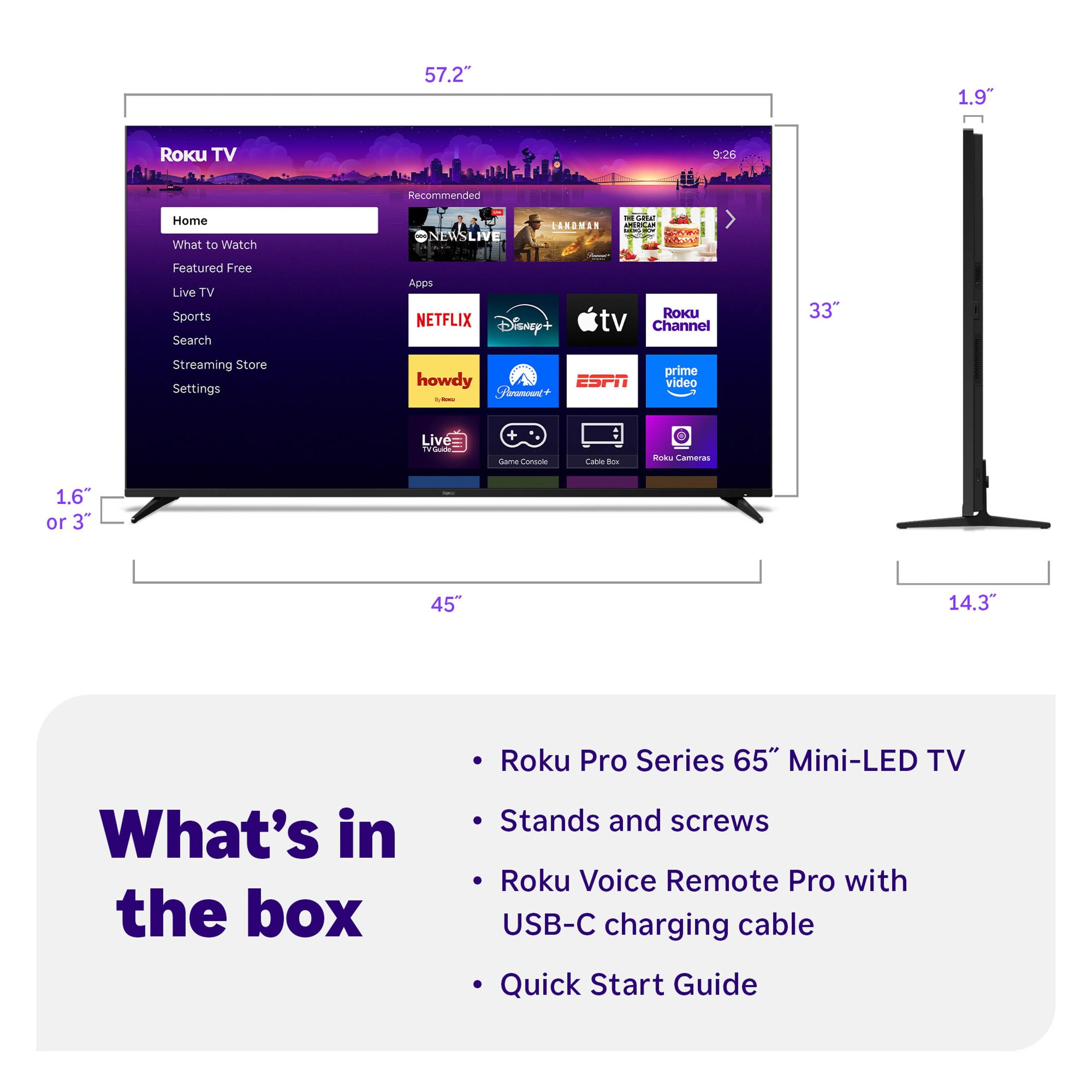
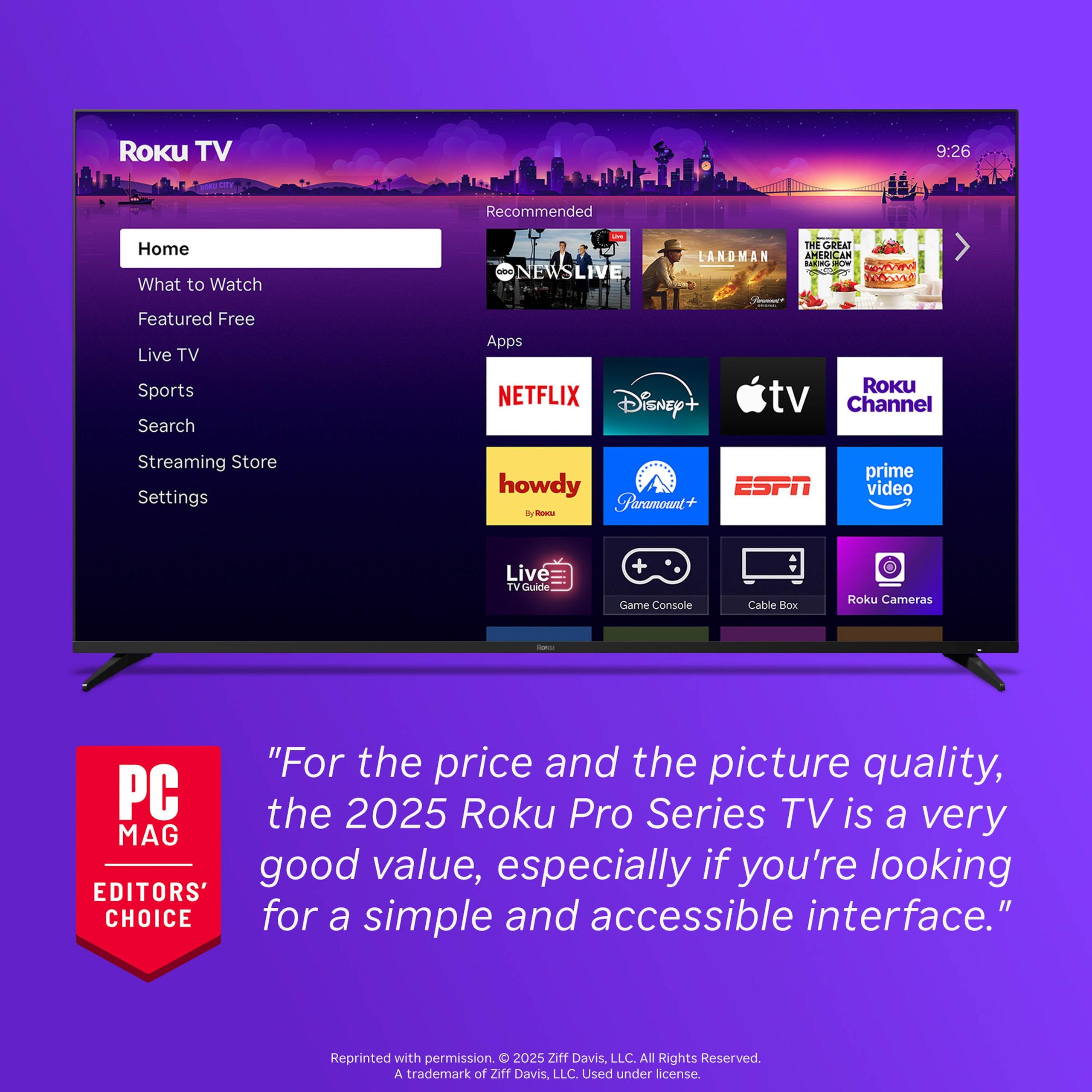
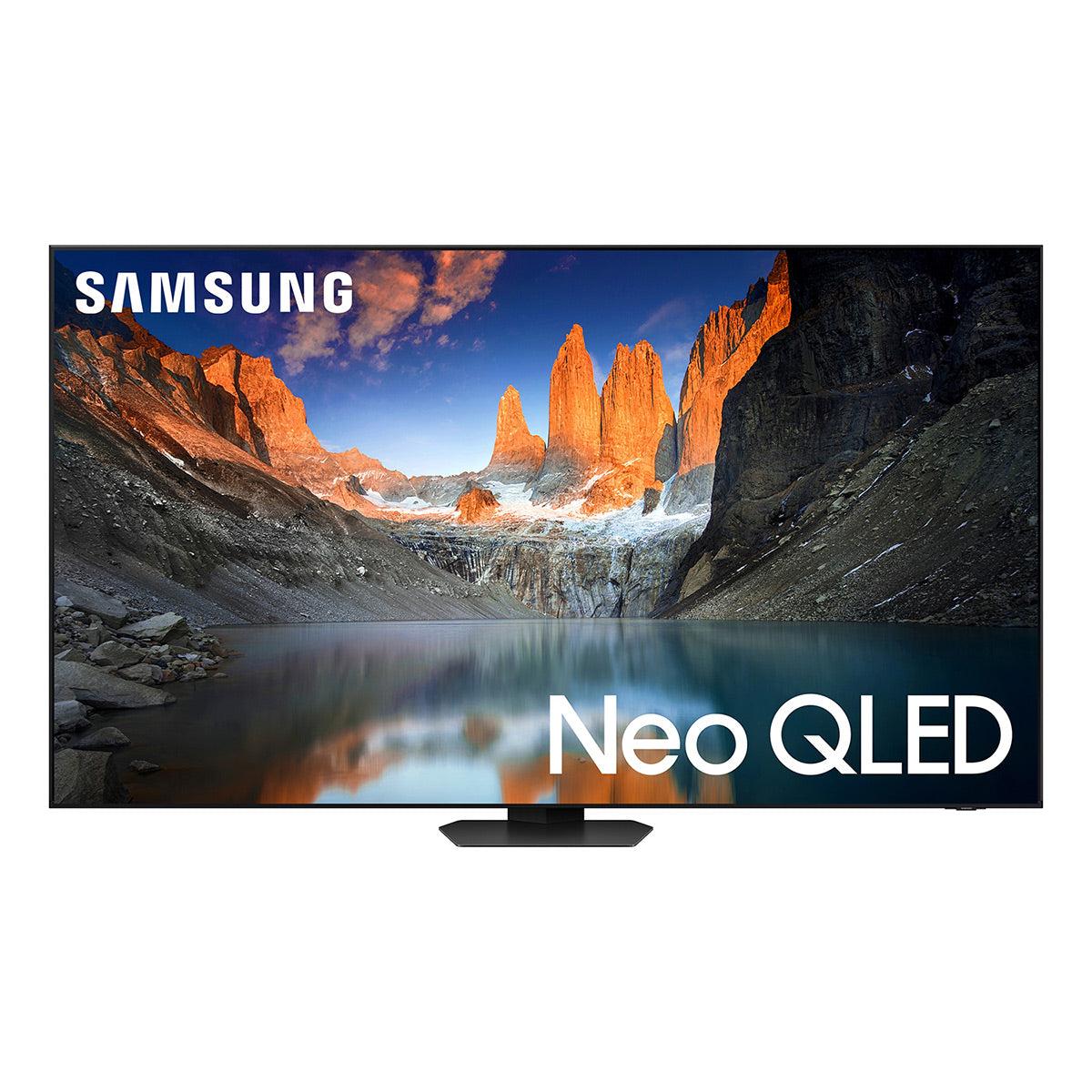
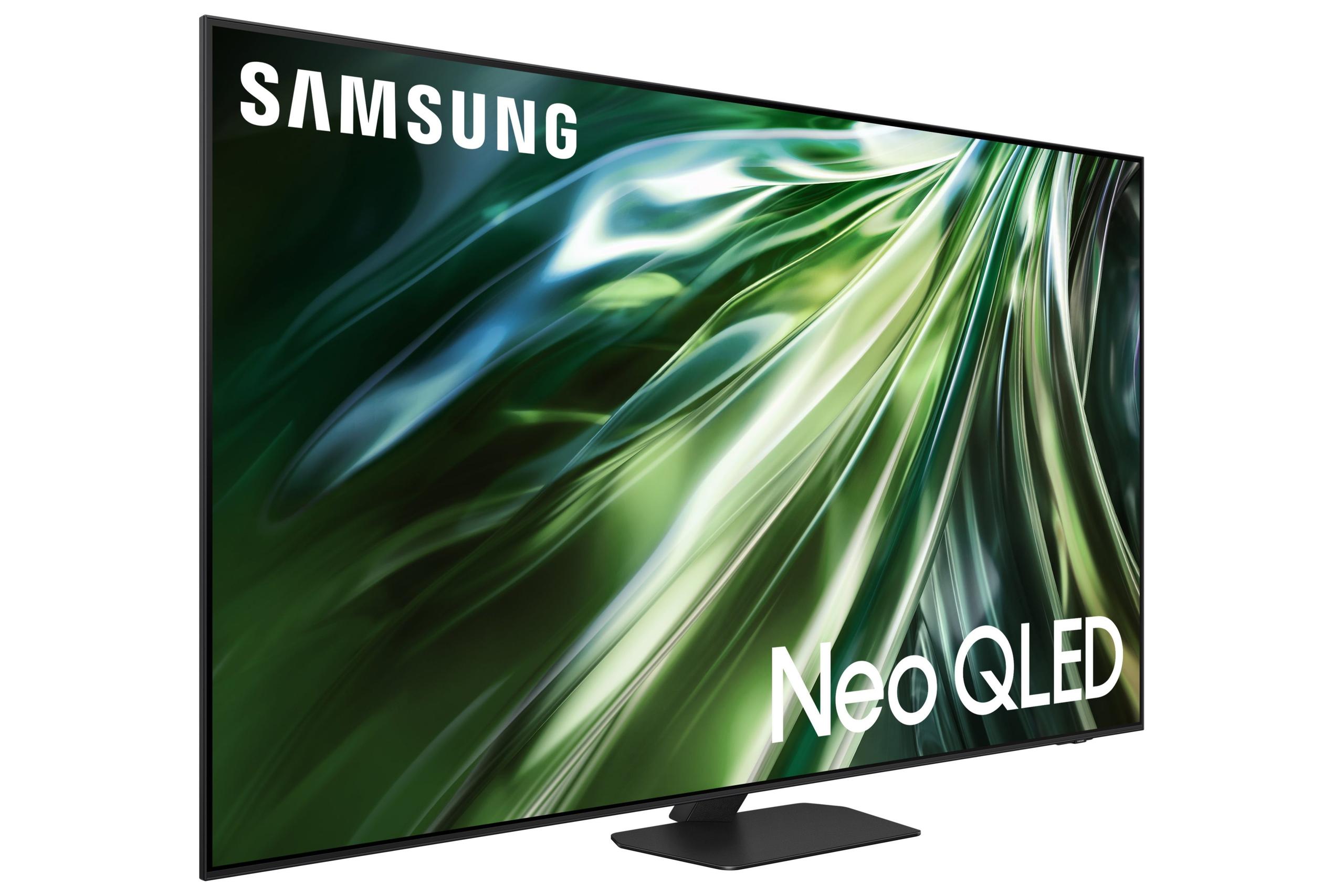
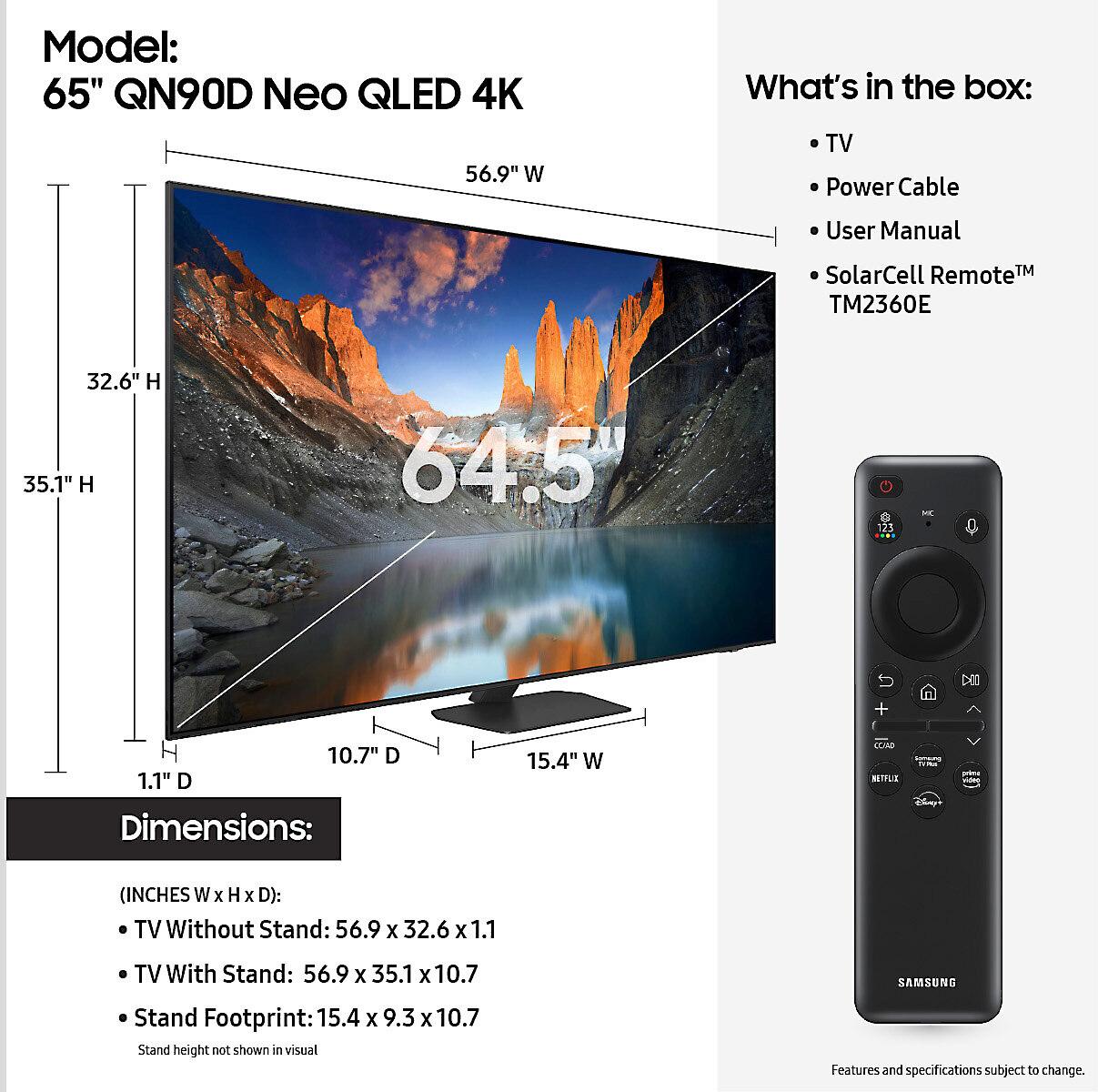
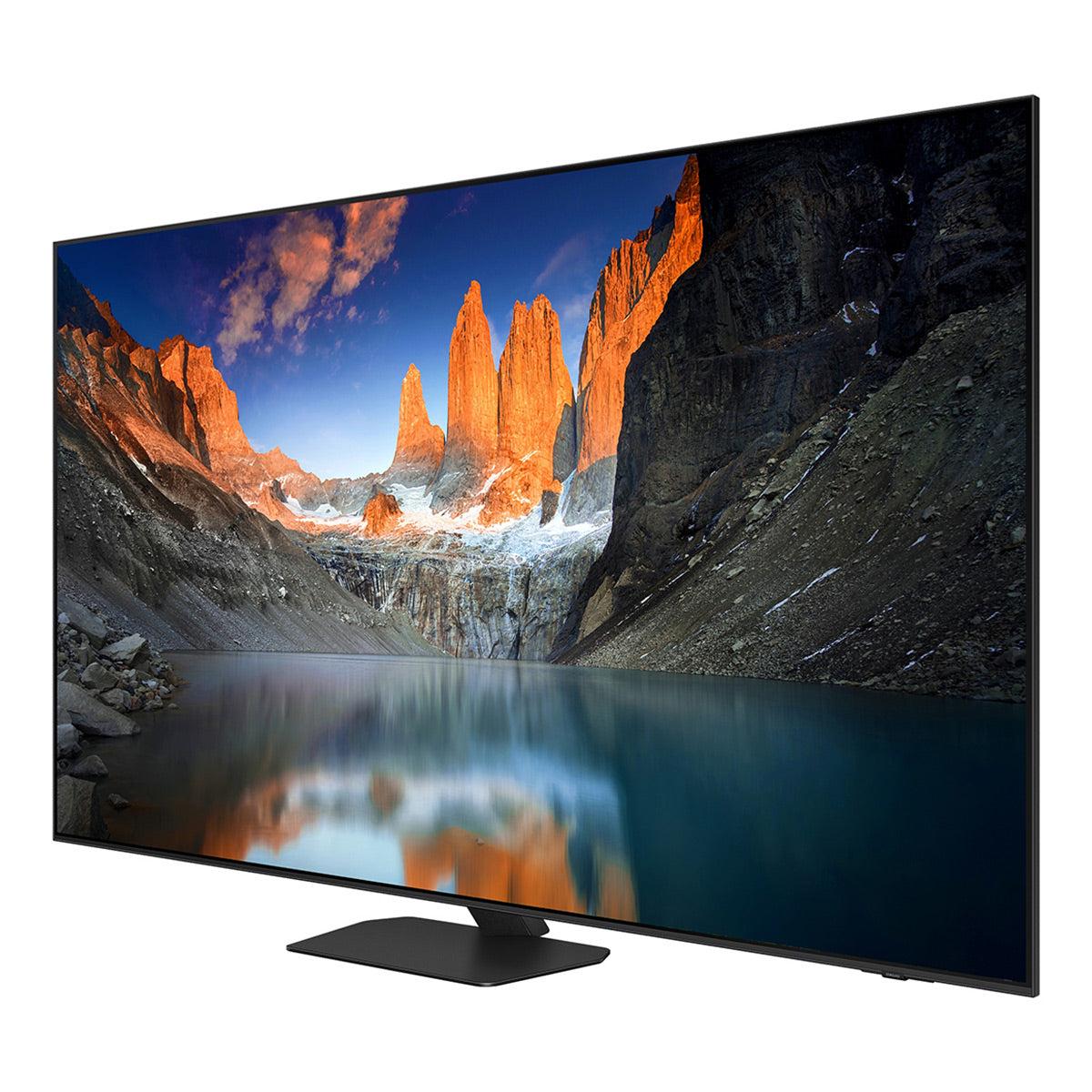

The premium 65-inch TV market has become incredibly competitive, with manufacturers pushing the boundaries of what's possible with LED technology. Two standout models that caught our attention are the Roku 65" Pro Series 2025 and the Samsung 65" QN90D Series. Both represent significant technological achievements, but they take notably different approaches to delivering premium picture quality and smart TV features.
After extensive research into professional reviews and user feedback, we've found these TVs target slightly different audiences despite competing in the same premium segment. The choice between them often comes down to what you prioritize: exceptional value with outstanding smart features, or maximum performance regardless of cost.
Before diving into comparisons, it's worth understanding what makes these TVs special. Both use Mini-LED backlighting, a technology that places thousands of tiny LEDs behind the screen instead of the traditional larger LEDs. Think of it like switching from floodlights to precision spotlights – Mini-LEDs can illuminate specific areas of the screen while keeping others dark, dramatically improving contrast.
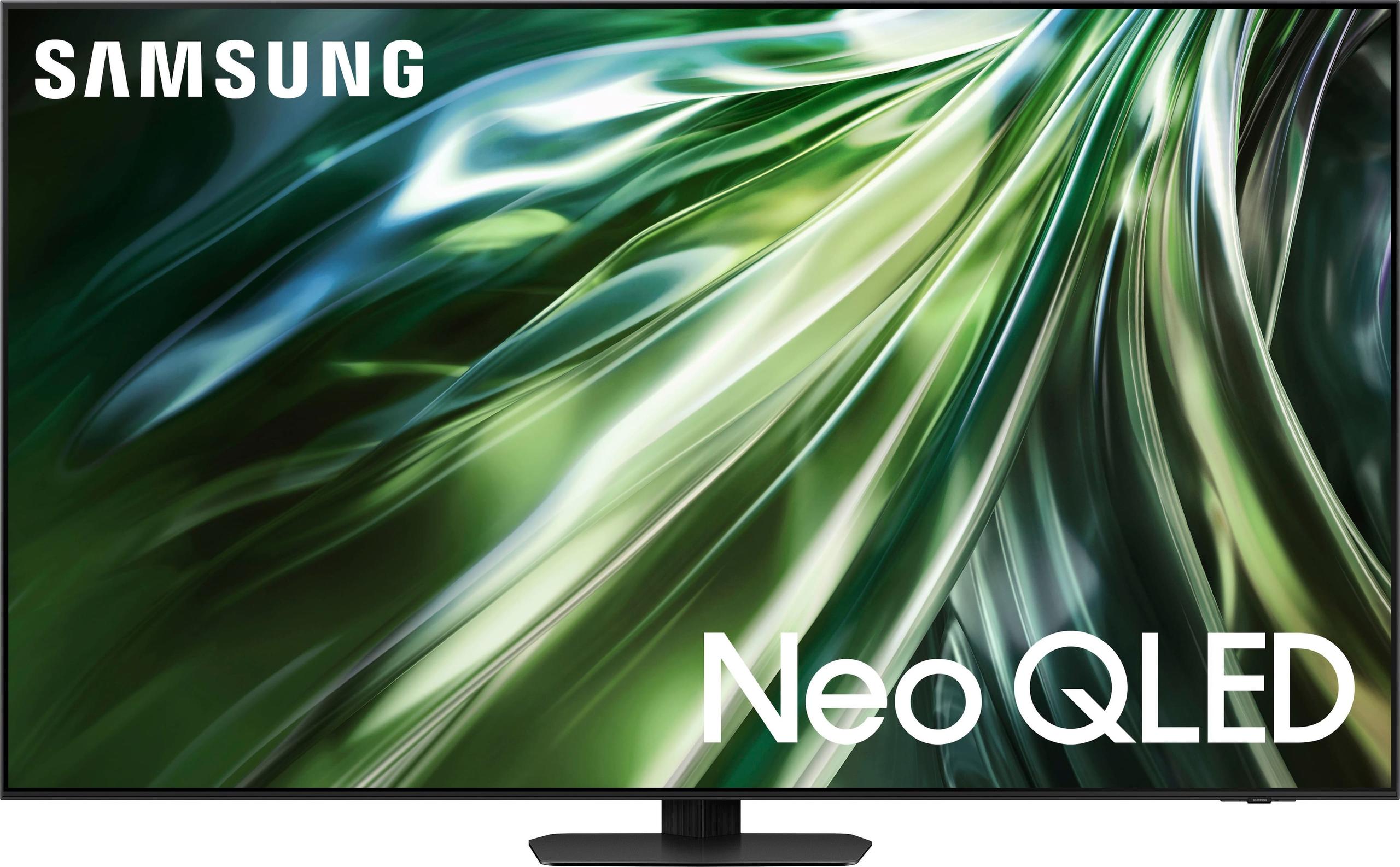
The Samsung QN90D combines this with Neo QLED technology, Samsung's term for their quantum dot enhancement. Quantum dots are microscopic particles that convert light into pure, vibrant colors. When blue LED light hits them, they emit precise red and green wavelengths, creating more accurate and saturated colors than traditional LCD panels can achieve.
Meanwhile, the Roku Pro Series 2025 uses a re-engineered Mini-LED system that delivers 75% higher dynamic contrast than its predecessor. This improvement means deeper blacks and brighter highlights, though the implementation differs from Samsung's approach.
High Dynamic Range (HDR) represents the difference between the darkest and brightest parts of an image – essentially how "lifelike" the contrast appears. Our research consistently shows the Samsung QN90D leading in peak brightness, reaching over 2,000 nits in short bursts and sustaining around 1,000 nits for extended highlights. This exceptional brightness makes HDR content truly pop, especially in bright viewing environments.
The Roku Pro Series 2025 achieves impressive brightness levels too, peaking at 1,818 nits in Standard mode when set to maximum brightness – more than doubling its default levels. While not quite matching Samsung's peaks, this performance easily handles most HDR content and performs excellently in typical home lighting conditions.
For context, most older TVs struggled to reach 400-500 nits, so both these models represent massive improvements. The practical difference means that bright scenes in movies like explosions, sunlight, or fire will appear more realistic and impactful on both TVs, with Samsung having a slight edge in the most demanding content.
Color performance involves two key metrics: how much of the visible color spectrum the TV can display (color gamut), and how accurately it reproduces intended colors. The Samsung QN90D excels here with professional-grade color accuracy and wide color gamut coverage, thanks to its quantum dot technology and extensive calibration.
The Roku Pro Series 2025 covers 96.9% of the UHDA-P3 color space and 80.6% of BT.2020, with improved color accuracy rated at 2.6 (lower numbers indicate better accuracy). While these specifications sound technical, they translate to vibrant, lifelike colors that don't appear oversaturated or artificial.
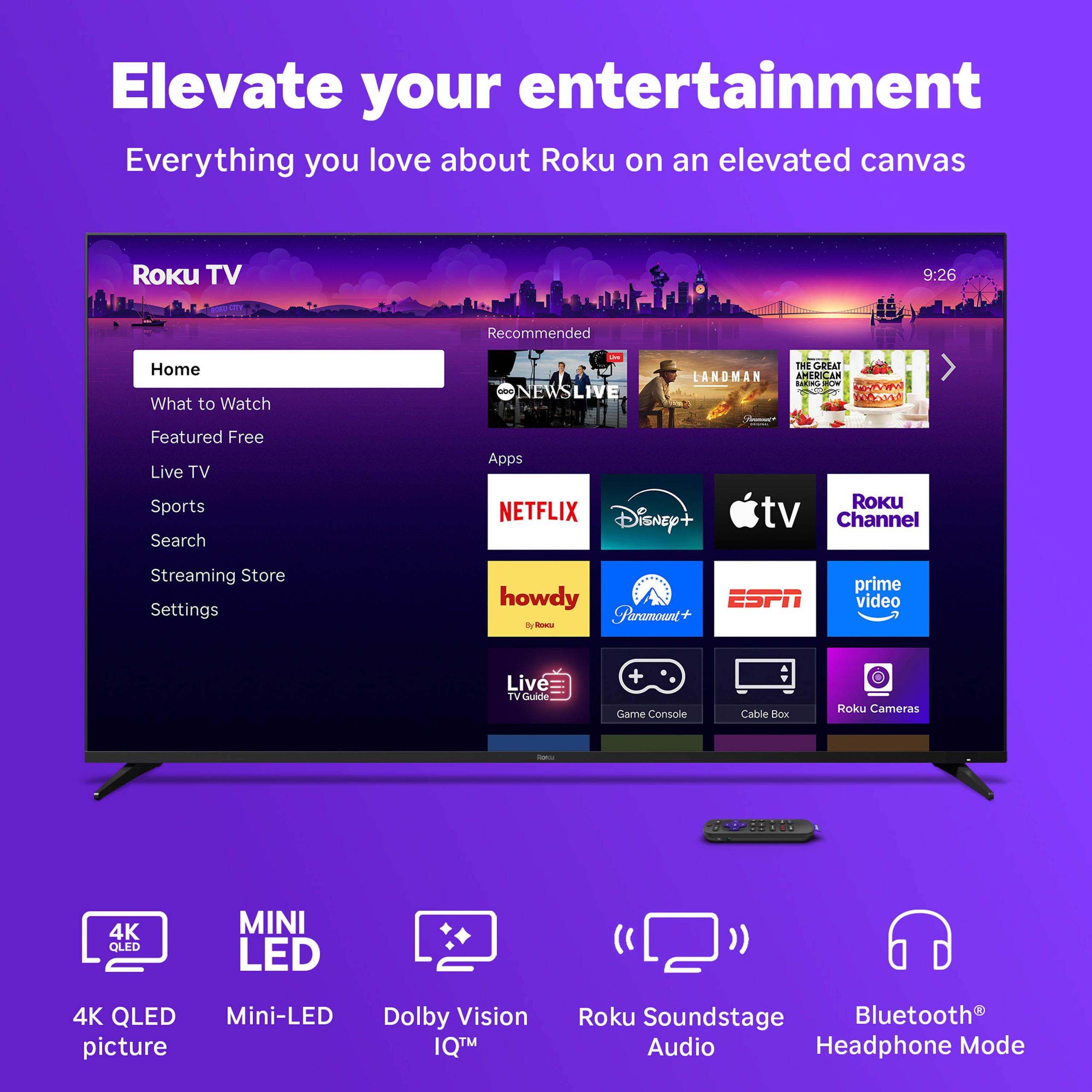
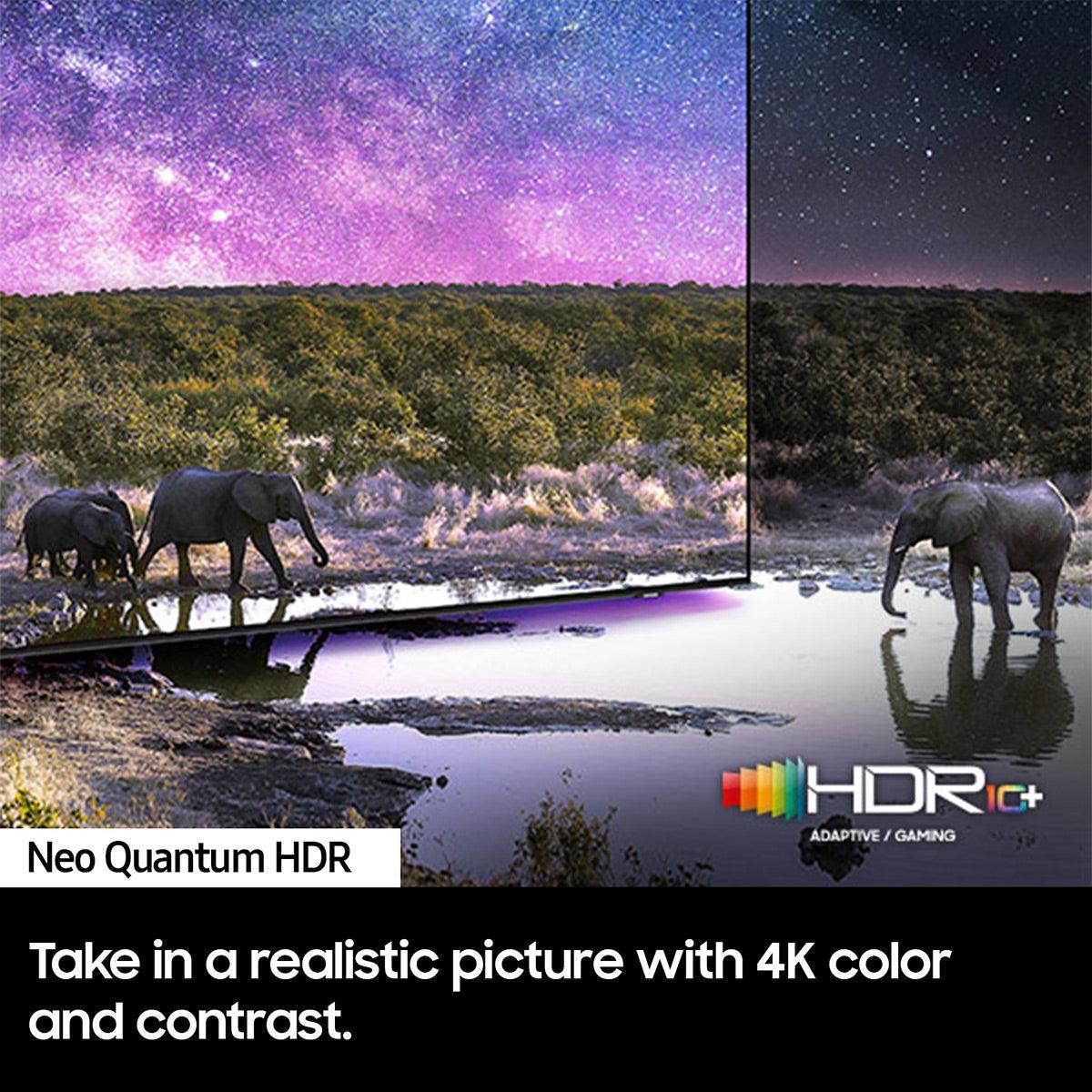
Both TVs support multiple HDR formats, but there's an important distinction: the Samsung QN90D supports HDR10+ but lacks Dolby Vision, while the Roku Pro Series 2025 supports both Dolby Vision IQ and HDR10+ Adaptive. Dolby Vision typically provides superior HDR performance because it includes scene-by-scene metadata that tells the TV exactly how to display each moment.
Local dimming zones allow specific areas of the backlight to dim or brighten independently. More zones generally mean better contrast control, though the implementation quality matters more than raw numbers.
The Samsung QN90D features advanced Mini-LED implementation with precise local dimming that achieves near-OLED black levels with minimal blooming (unwanted light spill around bright objects). Expert reviews consistently praise its ability to maintain deep blacks even with bright highlights in the same scene.
The Roku Pro Series 2025 uses its re-engineered Mini-LED system effectively, delivering good black levels with minor haloing around subtitles and highlights. While not quite matching Samsung's precision, the difference is subtle in most content, and many users find the performance completely satisfactory for their viewing needs.
Modern TVs must excel at gaming to remain competitive, and both models deliver, though with different strengths.
Input lag measures the delay between pressing a controller button and seeing the action on screen. The Samsung QN90D achieves exceptional gaming performance with ultra-low input lag and fast pixel response times, making it ideal for competitive gaming where every millisecond matters.
The Roku Pro Series 2025 offers solid gaming performance with input lag as low as 5.2ms at 120Hz, which is excellent for most gaming scenarios. However, its average pixel response time can cause some motion blur in fast-paced games – not deal-breaking, but noticeable to sensitive players.
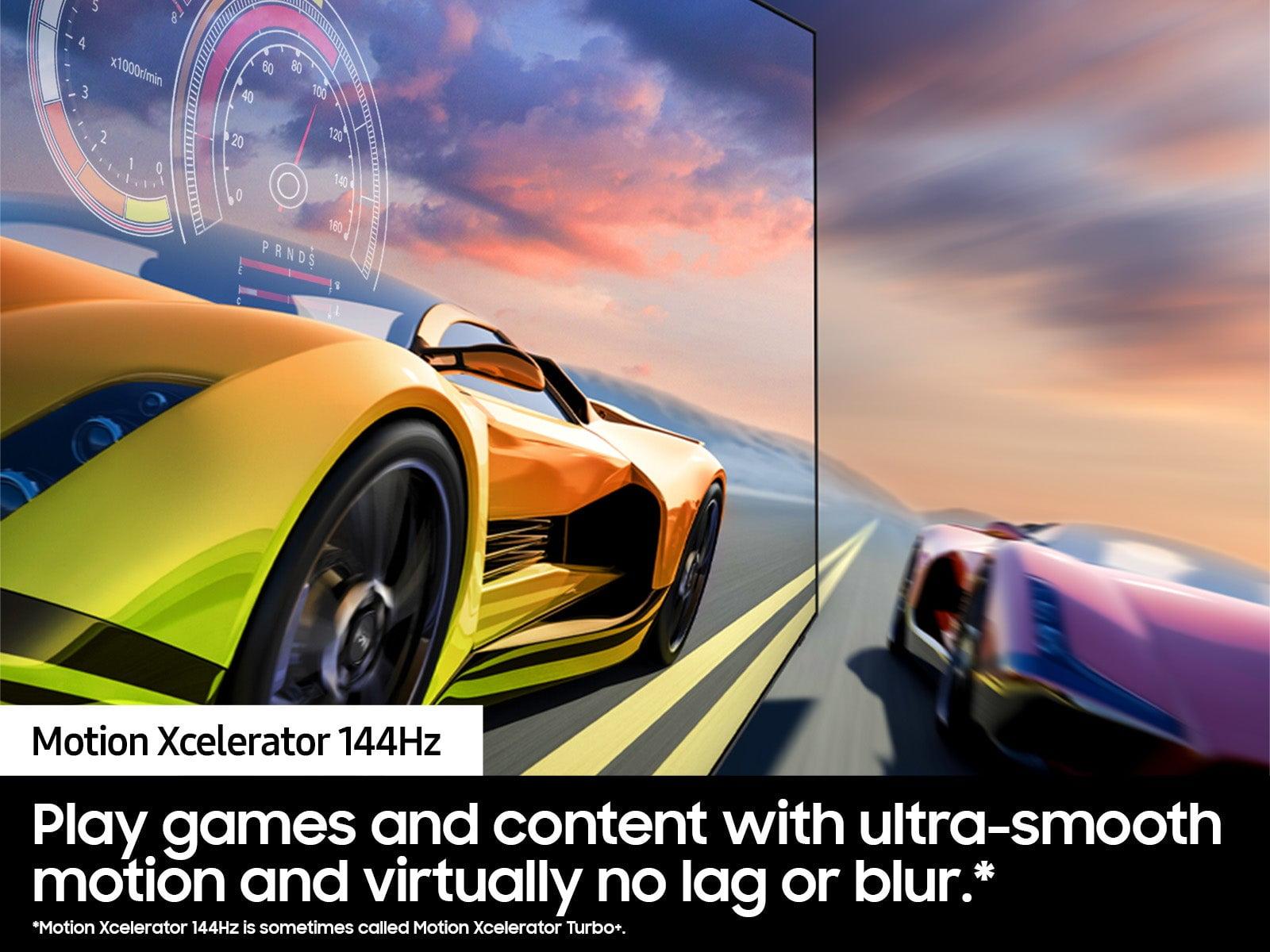
The Samsung QN90D includes an extensive gaming feature set: Game Bar 3.0 for quick settings access, support for up to 4K at 144Hz for PC gaming, Mini Map Zoom for better visibility, and FreeSync Premium Pro for smooth gameplay without screen tearing.
The Roku Pro Series 2025 covers the essential gaming bases with FreeSync Premium Pro, Auto Low Latency Mode (ALLM), Variable Refresh Rate (VRR), and two HDMI 2.1 ports supporting 4K at 120Hz. While less comprehensive than Samsung's offering, these features satisfy most console and PC gamers' needs.
Both TVs automatically switch to optimized gaming modes when they detect game consoles, reducing input lag and adjusting picture settings for the best gaming experience.
This category reveals perhaps the most significant difference between these TVs.
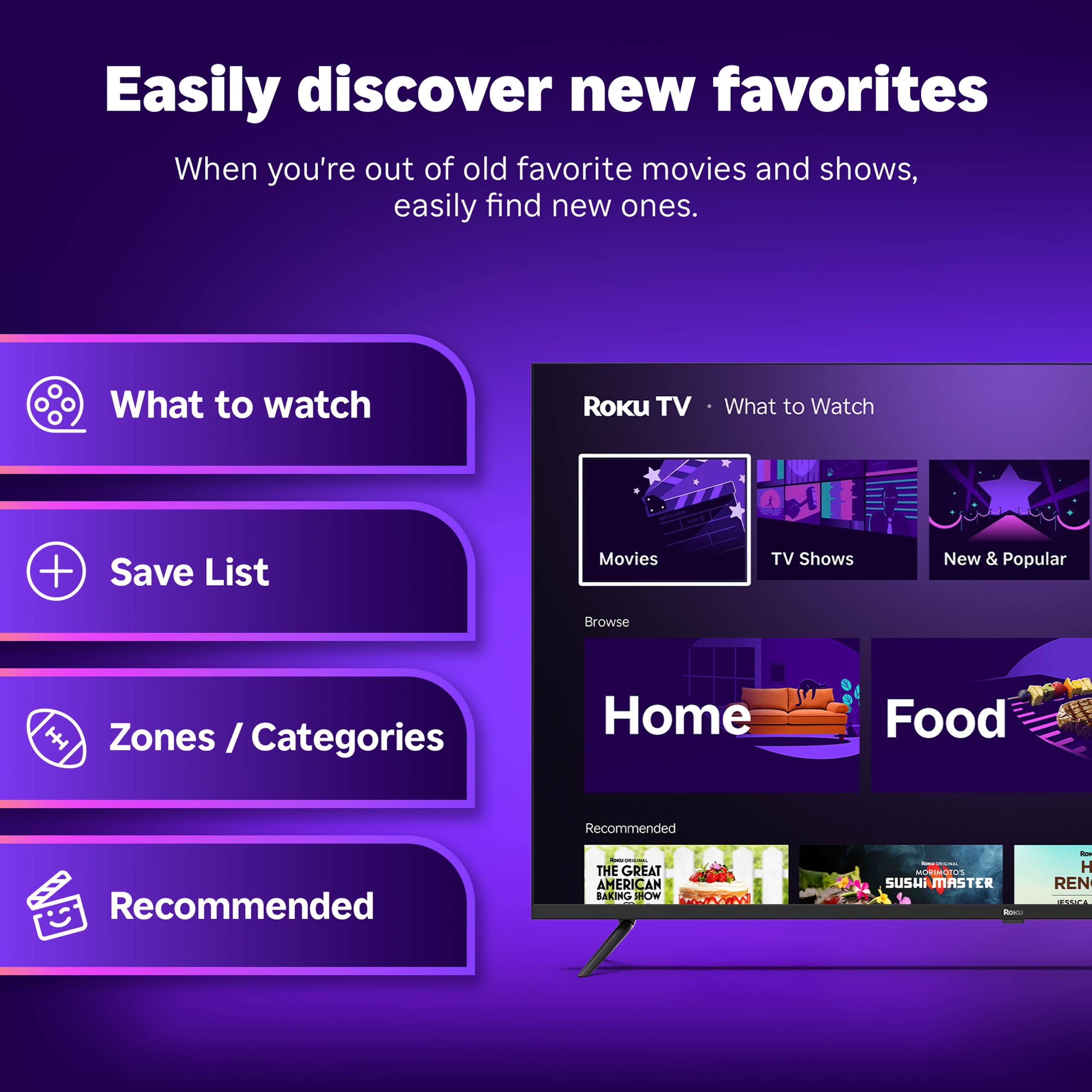
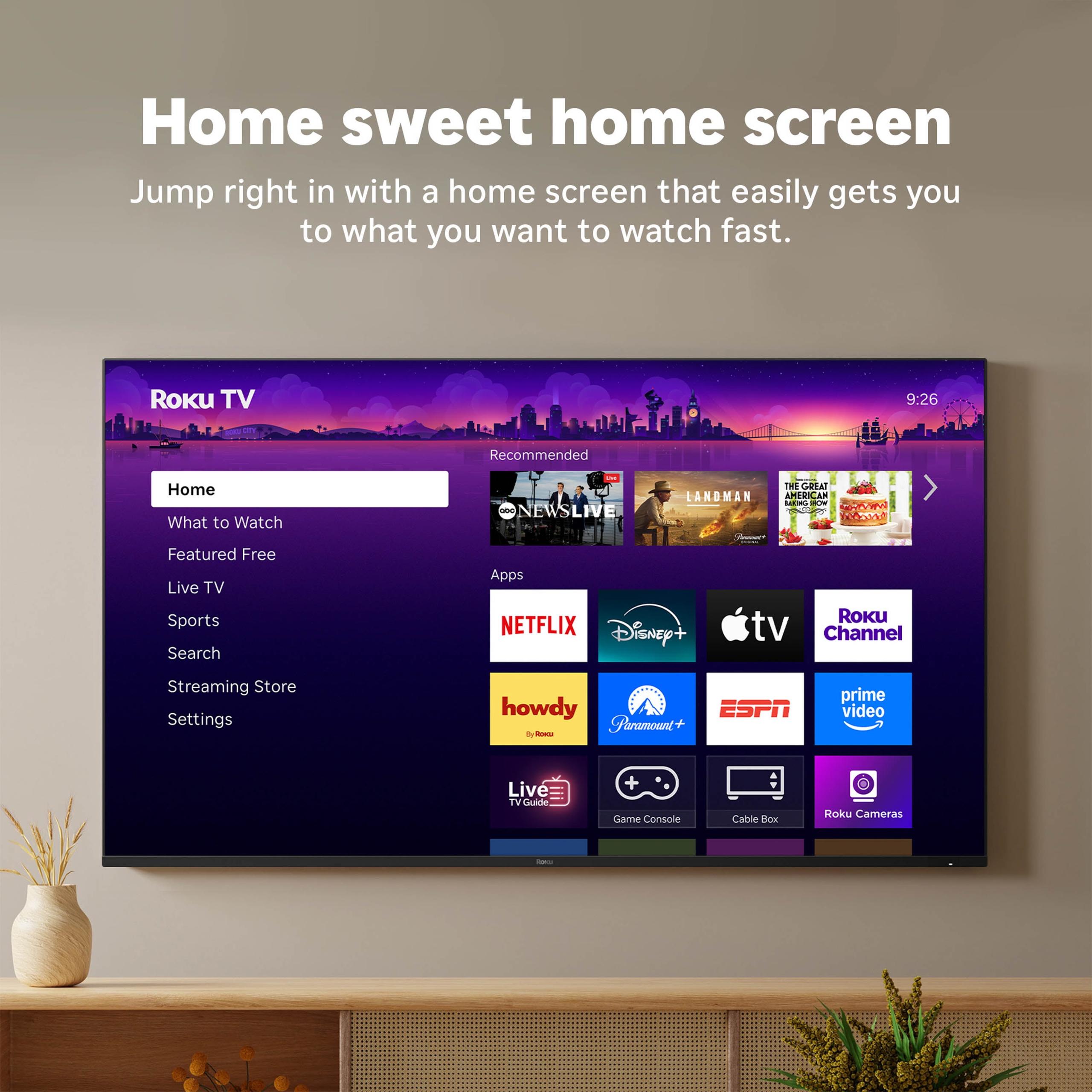
The Roku Pro Series 2025 runs Roku OS, widely considered the gold standard for smart TV platforms. Its unified home screen aggregates content from all your streaming services, making it easy to find something to watch regardless of which app it's on. The interface is intuitive, fast, and regularly updated with new features.
Wi-Fi 6 integration ensures smooth streaming performance, and the platform's streaming-first design means app launches are consistently quick. Having used various smart TV platforms, Roku's approach feels most natural – it gets out of your way and lets you focus on content.
The Samsung QN90D runs the refined Tizen OS, which has improved significantly in recent years. While not as streamlined as Roku's platform, it offers comprehensive features including Gaming Hub, workspace functionality, and integration with Samsung's broader ecosystem.
Tizen includes useful features like Multi View (displaying two sources simultaneously) and Ambient Mode+ (displaying art or information when not actively watching), though these additions can make the interface feel busier than Roku's simplified approach.
Both TVs recognize that many users prefer not to purchase separate sound systems, investing significantly in their built-in audio.
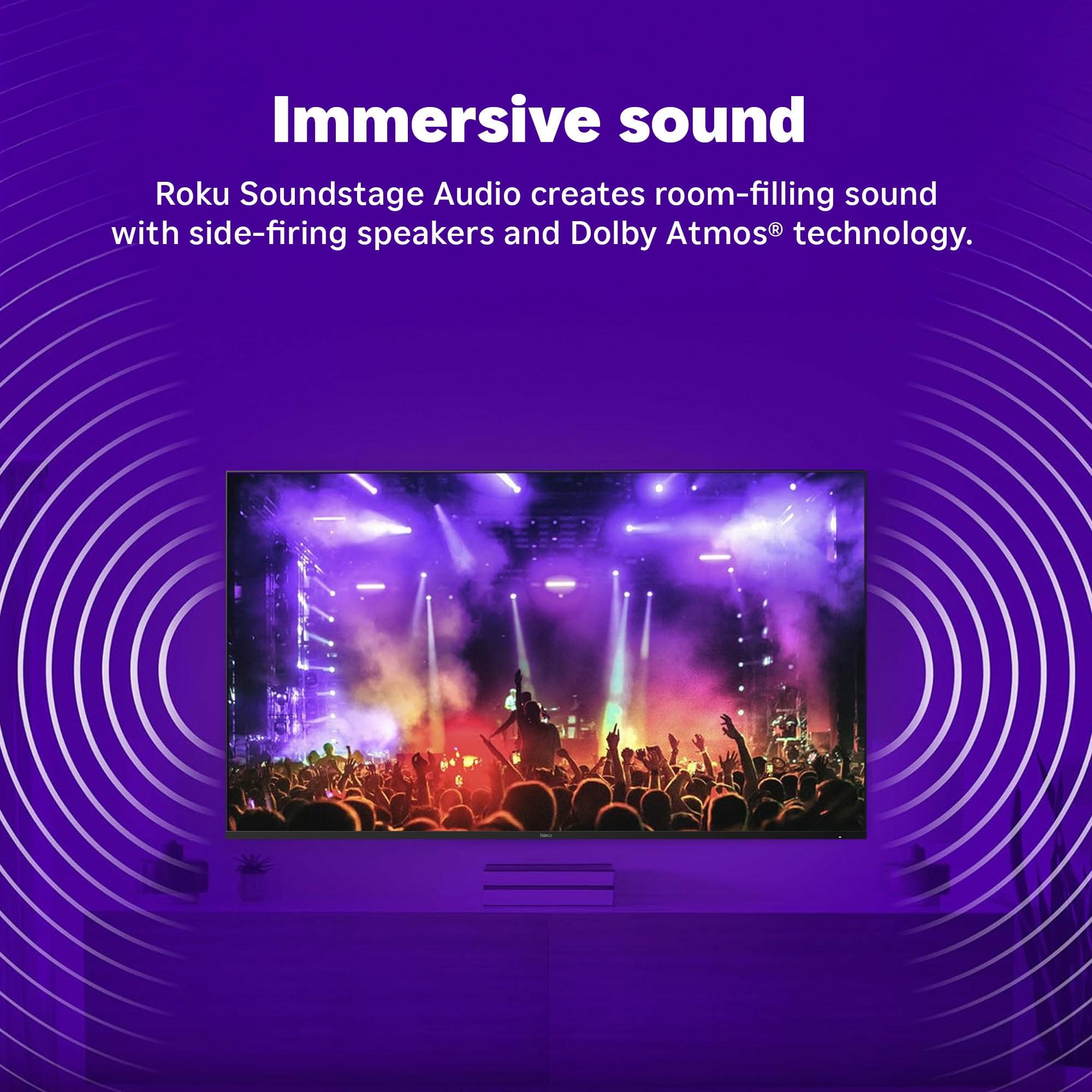
The Roku Pro Series 2025 features Sound Stage Audio with side-firing Dolby Atmos speakers and refined tuning. User reports consistently praise the audio quality, describing "theater-like bass" that can "rattle walls" – impressive for built-in TV speakers. The dialogue clarity and bass impact exceed expectations, though it won't replace a dedicated home theater system.
The Samsung QN90D includes Dolby Atmos with Object Tracking Sound+, which moves audio around the screen to match on-screen action. While technically impressive, user feedback suggests the Roku's more straightforward approach often delivers better overall sound quality for most content.
Both TVs include Bluetooth connectivity for headphones, though Roku's implementation feels more user-friendly with its dedicated Bluetooth Headphone Mode.
At the time of writing, these TVs occupy different price tiers within the premium segment, making value comparison crucial.
The Samsung QN90D commands premium pricing that approaches OLED territory. This positioning reflects its flagship Mini-LED status and comprehensive feature set. For buyers seeking maximum brightness, professional-grade color accuracy, and cutting-edge gaming features, the price premium may be justified.
The Roku Pro Series 2025 delivers approximately 90% of premium TV performance at a significantly lower price point. When you consider the superior smart platform, better built-in audio, and comprehensive HDR support including Dolby Vision, the value proposition becomes compelling.
The price difference could easily cover a good soundbar or other home theater upgrades, making the Roku particularly attractive for budget-conscious buyers seeking premium features.
For dedicated home theater setups, several factors become particularly important.
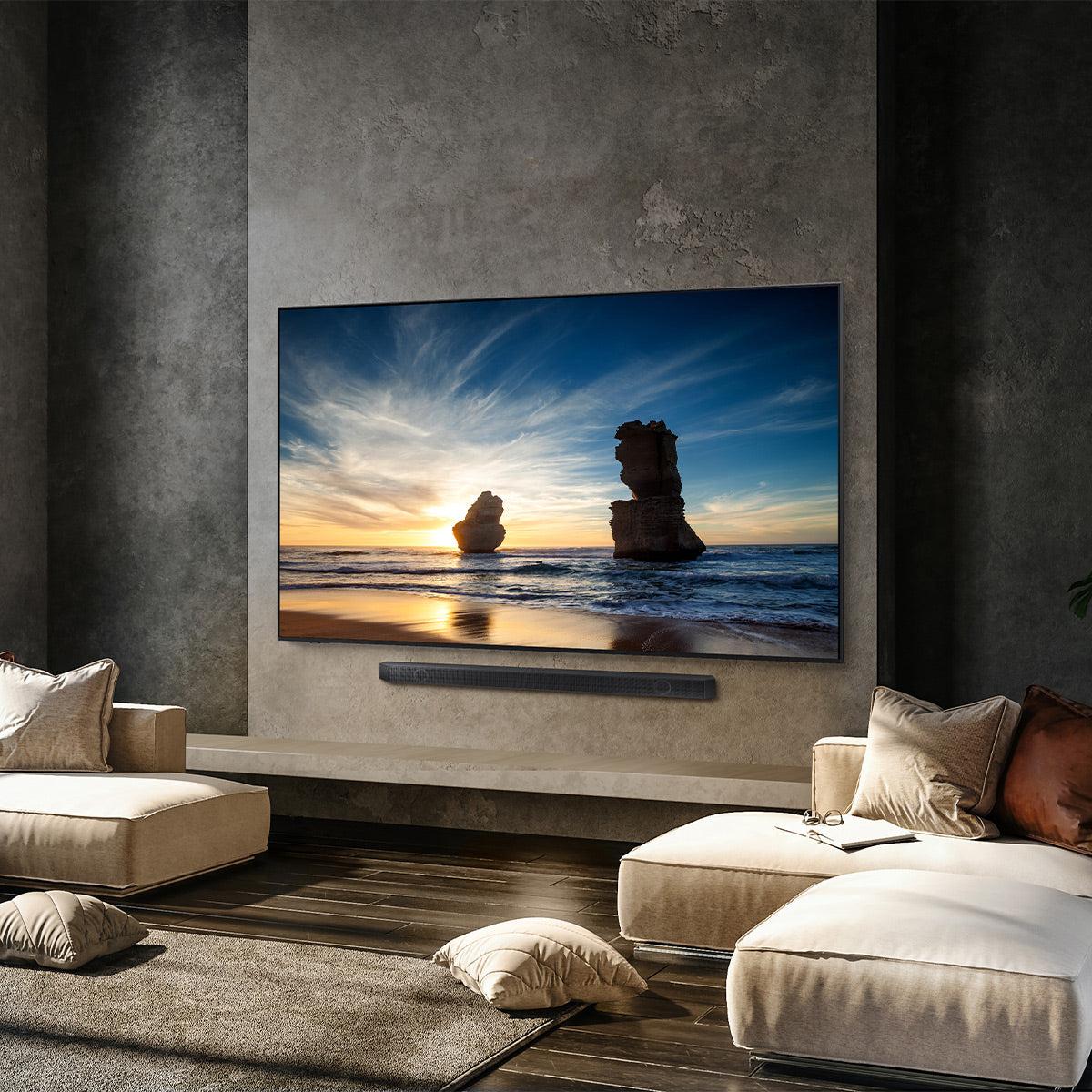
The Samsung QN90D's superior peak brightness makes it exceptional for rooms with significant ambient light or windows. Its wide viewing angles also accommodate larger seating arrangements better than many LCD TVs.
The Roku Pro Series 2025 handles bright rooms well, though not quite to Samsung's level. However, its excellent black uniformity and minimal blooming make it outstanding for darker theater environments where contrast matters more than peak brightness.
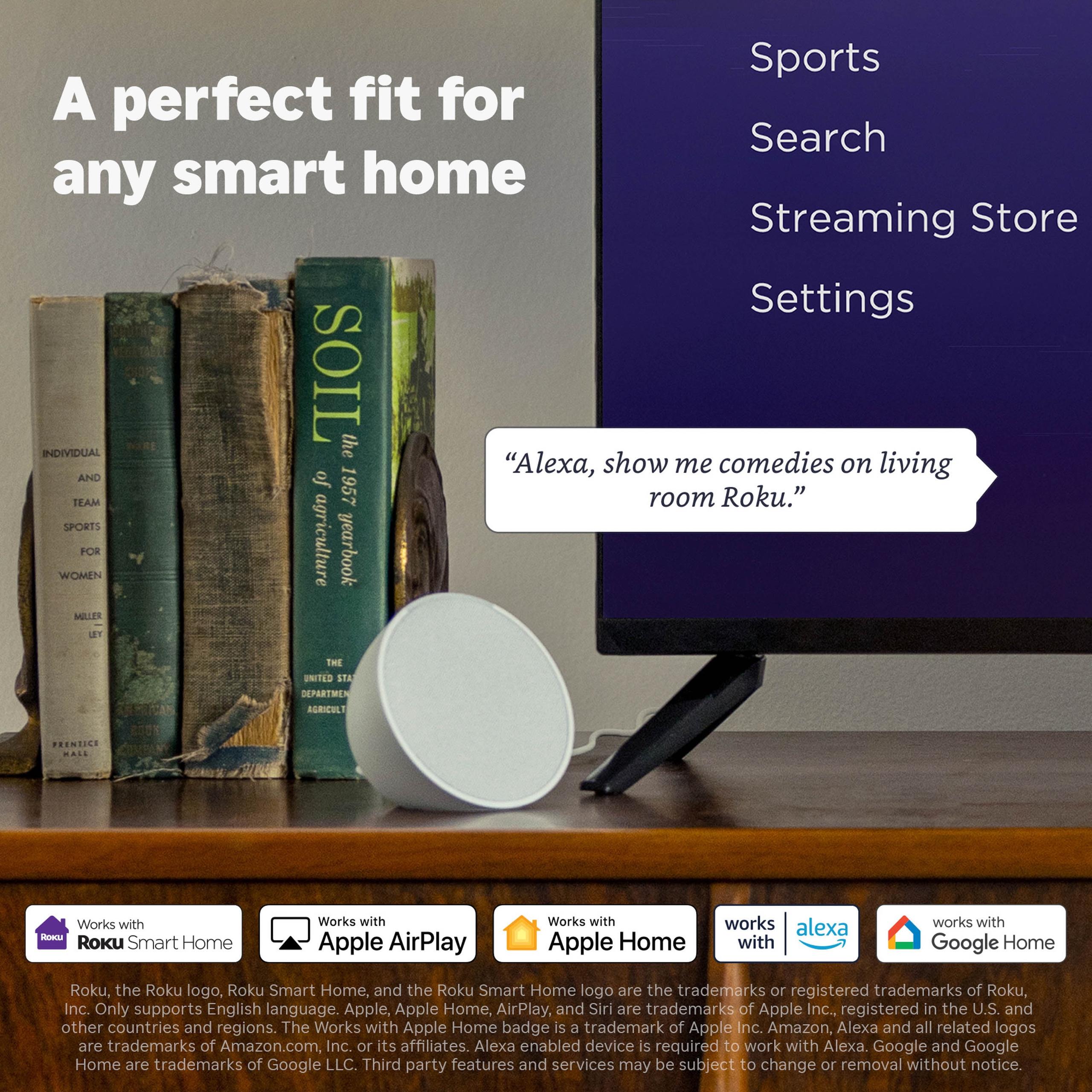
Both TVs work with major voice assistants and home automation systems. The Roku's simpler interface and streaming-focused design often integrate more seamlessly with typical home theater setups, while Samsung's broader feature set may appeal to tech enthusiasts wanting maximum customization.
Both TVs represent 2024-2025 technology generations with significant improvements over previous years. The Samsung QN90D benefits from Samsung's continued Mini-LED refinement and quantum dot advancement, while the Roku Pro Series 2025 showcases dramatic improvements in contrast performance and smart platform optimization.
Both include comprehensive HDMI 2.1 support for future gaming and content standards, though Samsung's additional gaming features may provide longer relevance for serious gamers.
After extensive research into expert reviews and user feedback, we see clear scenarios where each TV excels.
Choose the Samsung QN90D if you want absolute maximum performance and don't mind paying premium prices. It's ideal for bright rooms, serious gaming, and situations where you need the ultimate in picture quality regardless of cost. The wide viewing angles also make it perfect for large family rooms or entertainment spaces.
Choose the Roku Pro Series 2025 if you want exceptional performance at a more reasonable price. It's perfect for most home theater setups, offers superior built-in audio, and provides the best smart TV experience available. The comprehensive HDR support including Dolby Vision gives it an edge for movie enthusiasts.
For most buyers, the Roku Pro Series 2025 offers better overall value. Unless you specifically need Samsung's maximum brightness or cutting-edge gaming features, Roku's combination of excellent picture quality, superior smart platform, and better built-in audio creates a more compelling package.
The Samsung QN90D remains the choice for enthusiasts seeking the absolute best performance, but the Roku delivers a more balanced experience that satisfies the vast majority of premium TV buyers while leaving money in your budget for other home theater improvements.
| Roku 65" Pro Series 2025 4K QLED TV | Samsung 65" QN90D Series 4K Neo QLED Smart TV |
|---|---|
| Peak HDR Brightness - Critical for vivid HDR content and bright room viewing | |
| 1,818 nits (excellent for most viewing conditions) | 2,000+ nits peak (class-leading for bright rooms) |
| Local Dimming Technology - Determines contrast and black level performance | |
| Re-engineered Mini-LED with 75% better contrast than previous gen | Advanced Mini-LED with precise zone control, near-OLED blacks |
| HDR Format Support - Affects compatibility with streaming content | |
| Dolby Vision IQ, HDR10+ Adaptive, HDR10, HLG (comprehensive) | HDR10+, HDR10, HLG (no Dolby Vision support) |
| Gaming Input Lag - Essential for responsive gaming performance | |
| 5.2ms at 120Hz (very good for most gaming) | Ultra-low lag (exceptional for competitive gaming) |
| Smart TV Platform - Determines daily usability and streaming experience | |
| Roku OS with Wi-Fi 6 (industry-leading interface) | Tizen OS (improved but more complex than Roku) |
| Maximum Refresh Rate - Important for gaming and sports | |
| 120Hz with VRR, ALLM, FreeSync Premium Pro | 120Hz with advanced gaming features, up to 144Hz for PC |
| Built-in Audio Quality - Affects whether you need a soundbar | |
| Sound Stage Audio with side-firing Dolby Atmos (exceptional for TV speakers) | Dolby Atmos with Object Tracking Sound+ (good but not outstanding) |
| Color Accuracy - Determines how realistic colors appear | |
| 2.6 rating, 96.9% UHDA-P3 coverage (very good accuracy) | Professional-grade accuracy with quantum dot enhancement (excellent) |
| HDMI 2.1 Ports - Needed for 4K@120Hz gaming | |
| 2 ports supporting 4K@120Hz (adequate for most setups) | 4 ports with full HDMI 2.1 bandwidth (future-proof) |
| Viewing Angles - Important for wide seating arrangements | |
| Limited off-angle performance (best for centered viewing) | Wide viewing angles unusual for LCD (good for large rooms) |
| AI Picture Processing - Automatically optimizes image quality | |
| Smart Picture Max scene-by-scene optimization | NQ4 AI Gen2 Processor with Real Depth Enhancer Pro |
| Remote Control Features - Daily convenience factors | |
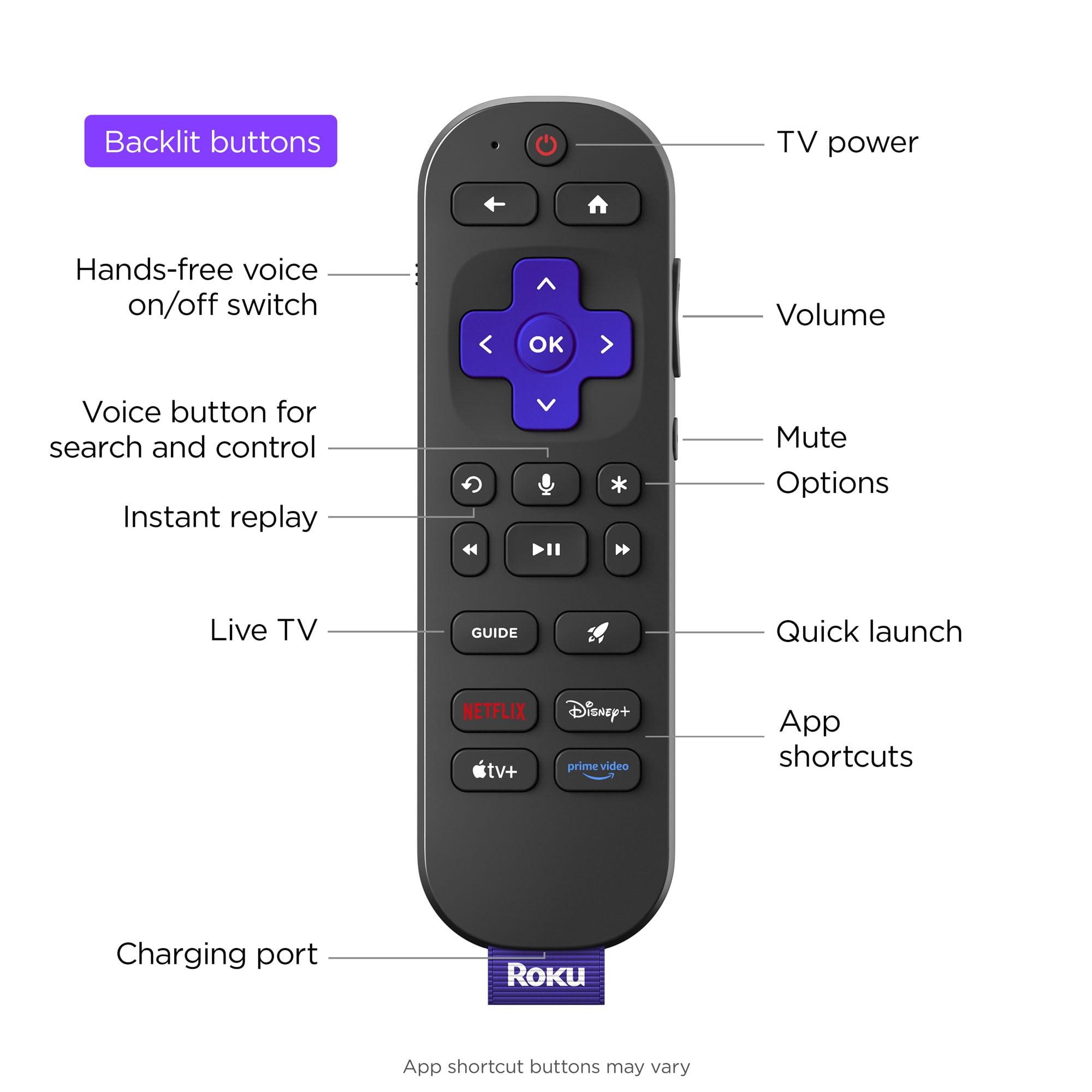
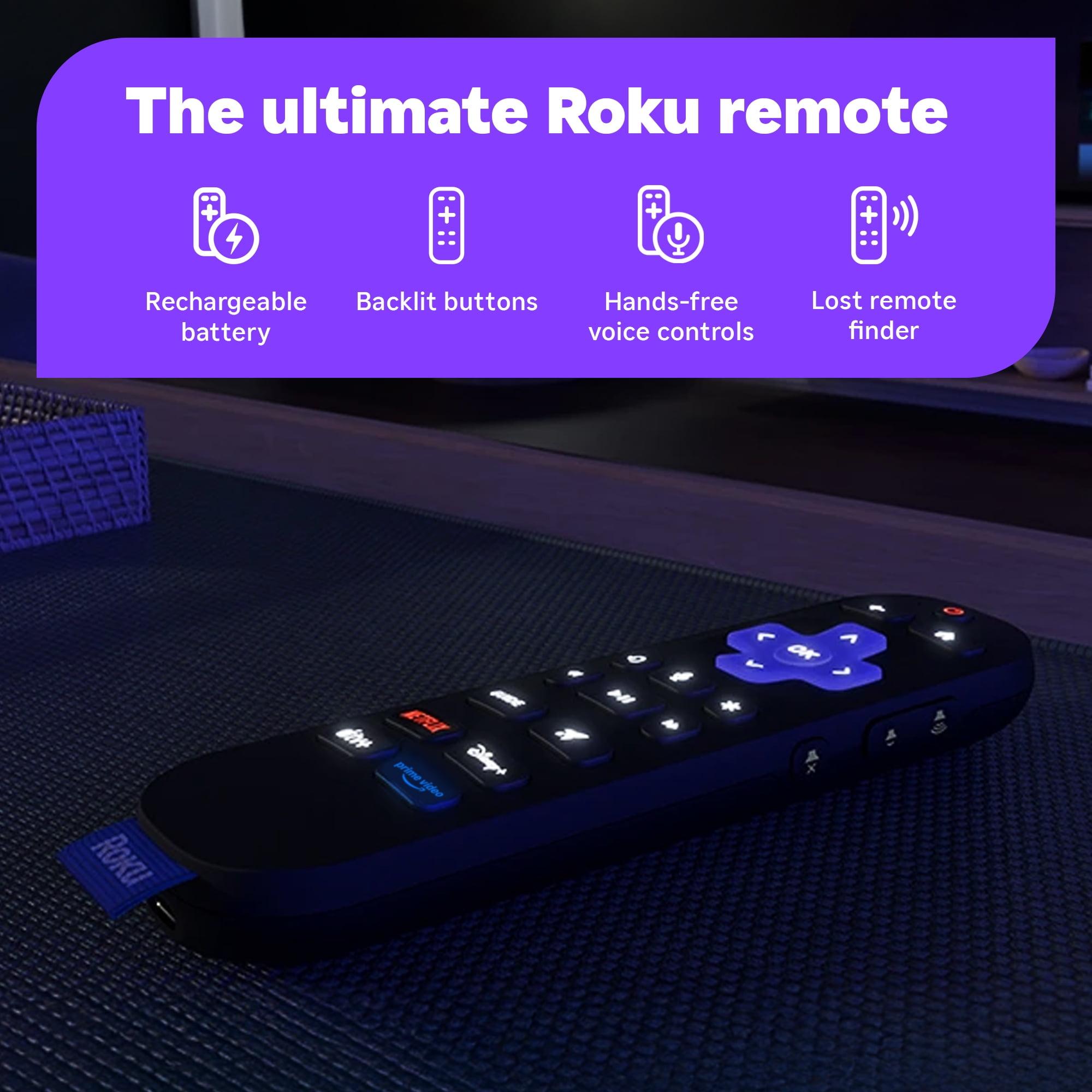
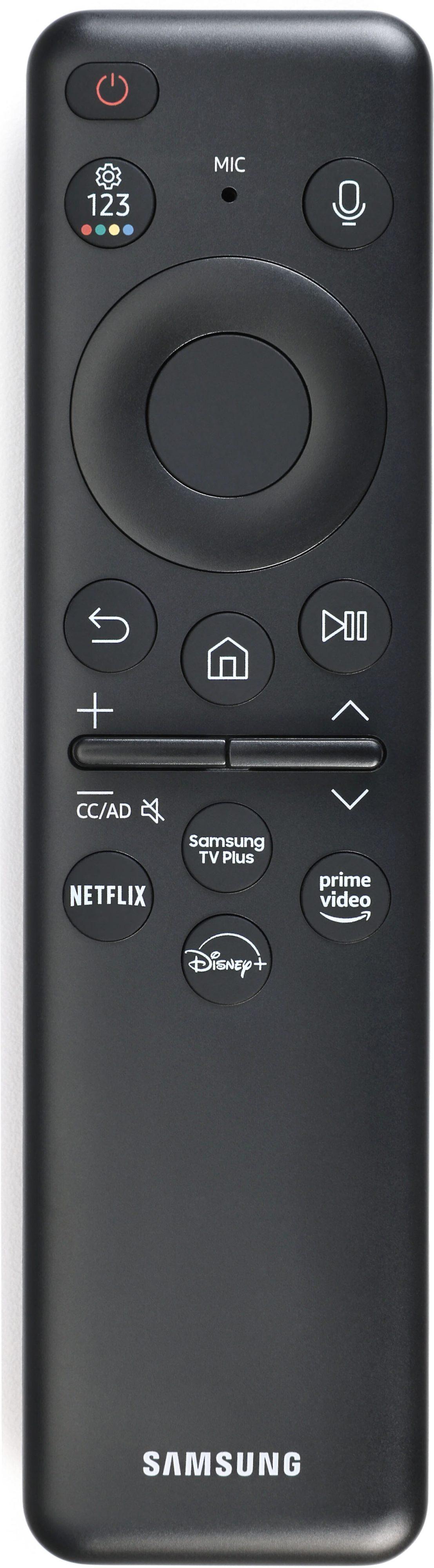
| Rechargeable Voice Remote Pro with backlit buttons, finder button | SolarCell TM2360E Remote with voice control |
| Energy Efficiency - Long-term operating costs | |
| Standard efficiency with auto brightness adjustment | ENERGY STAR Certified with Eco Sensor |
| Value Proposition - Performance relative to typical pricing | |
| Exceptional value with 90% of premium performance | Premium pricing for maximum performance |
Both the Roku 65" Pro Series 2025 and Samsung 65" QN90D deliver excellent picture quality, but with different strengths. The Samsung QN90D offers superior peak brightness reaching over 2,000 nits and more precise local dimming for near-OLED black levels. However, the Roku Pro Series 2025 provides comprehensive HDR support including Dolby Vision IQ, which the Samsung lacks, and delivers 75% better contrast than previous generations. For most viewers, both provide exceptional picture quality, with Samsung having a slight edge in bright rooms.
The Samsung QN90D is the superior gaming TV with ultra-low input lag, support for up to 4K@144Hz PC gaming, Game Bar 3.0, and comprehensive gaming features. The Roku Pro Series 2025 offers solid gaming performance with 5.2ms input lag at 120Hz and essential features like VRR and ALLM, but the Samsung's faster pixel response and advanced gaming tools make it better for competitive gaming. Casual gamers will be satisfied with either TV.
The Roku 65" Pro Series 2025 provides exceptional value, delivering approximately 90% of premium TV performance at a significantly lower cost than the Samsung QN90D. The Roku includes superior built-in audio, comprehensive HDR support, and the best smart TV platform available. While the Samsung offers maximum performance, the price difference could fund additional home theater upgrades, making the Roku the better value choice for most buyers.
The Roku Pro Series 2025 runs the industry-leading Roku OS, known for its intuitive interface, fast performance, and unified content discovery across streaming services. The Samsung QN90D uses Samsung's Tizen OS, which offers more features but can feel complex compared to Roku's streamlined approach. Roku's platform consistently receives updates and provides the most user-friendly streaming experience, while Samsung's platform integrates well with the broader Samsung ecosystem.
The Samsung QN90D achieves superior brightness levels, reaching over 2,000 nits peak and sustaining around 1,000 nits for extended highlights, making it exceptional for bright rooms or rooms with lots of windows. The Roku Pro Series 2025 reaches impressive 1,818 nits peak brightness, which handles bright rooms very well but doesn't quite match Samsung's class-leading performance. Both significantly outperform older TVs in bright viewing conditions.
The Roku Pro Series 2025 delivers superior built-in audio with Sound Stage Audio featuring side-firing Dolby Atmos speakers that users describe as providing "theater-like bass" and exceptional dialogue clarity. The Samsung QN90D includes Dolby Atmos with Object Tracking Sound+ but doesn't match the Roku's overall sound quality. Both are above average for TV speakers, but the Roku may reduce your need for an immediate soundbar upgrade.
The Roku Pro Series 2025 offers comprehensive HDR support including Dolby Vision IQ, HDR10+ Adaptive, HDR10, and HLG, providing optimal compatibility with streaming content. The Samsung QN90D supports HDR10+, HDR10, and HLG but notably lacks Dolby Vision support, which is common on Samsung TVs. For maximum HDR compatibility, especially with streaming services that use Dolby Vision, the Roku has the advantage.
The Samsung QN90D offers notably wide viewing angles that are unusual for LCD technology, maintaining good picture quality even from off-center positions, making it ideal for larger rooms or group viewing. The Roku Pro Series 2025 has more limited off-angle performance typical of most LCD TVs, performing best when viewed from directly in front. For family rooms with wide seating arrangements, the Samsung provides better flexibility.
For dedicated home theaters, both TVs excel but in different scenarios. The Roku Pro Series 2025 offers excellent black uniformity and minimal blooming ideal for darker theater environments, plus superior built-in audio and comprehensive HDR including Dolby Vision. The Samsung QN90D provides maximum brightness for rooms that can't be fully darkened and professional-grade color accuracy. The Roku often integrates more seamlessly with typical home theater setups.
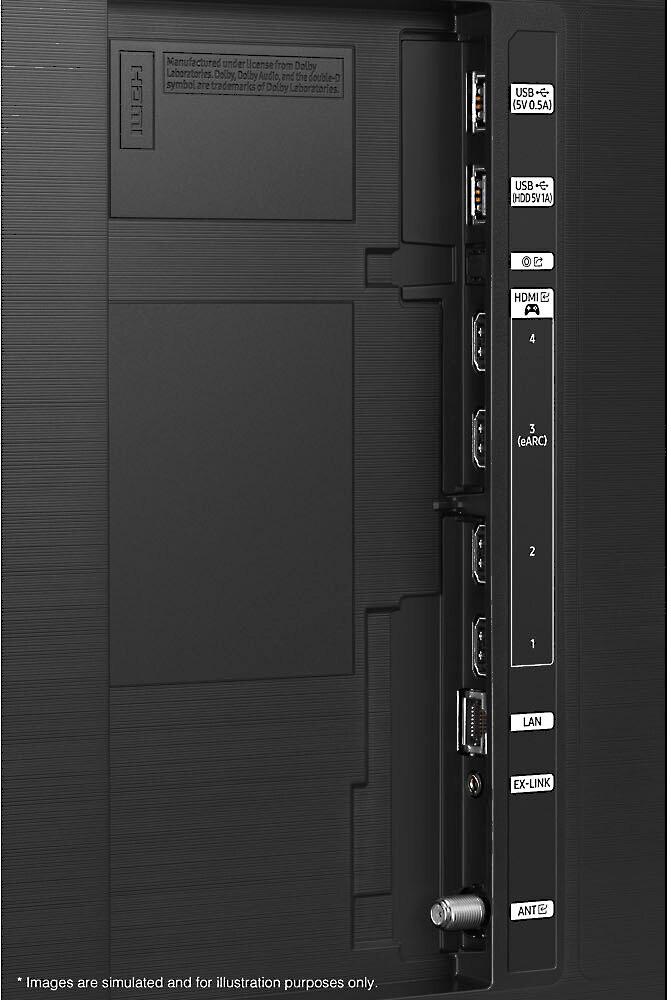
The Samsung QN90D includes 4 HDMI ports with full HDMI 2.1 bandwidth support across all ports, providing excellent future-proofing for multiple gaming consoles and devices. The Roku Pro Series 2025 offers 4 HDMI ports with 2 supporting HDMI 2.1 for 4K@120Hz gaming, which is adequate for most home setups. Both TVs handle modern gaming consoles and streaming devices well, with Samsung offering slightly more connectivity flexibility.
The Roku Pro Series 2025 benefits from Roku's excellent track record of regular software updates and long-term platform support, with consistent feature additions and security updates. Samsung provides regular updates for the QN90D through Tizen OS, though historically Roku has been more consistent with update frequency and duration of support. For long-term software support reliability, Roku typically maintains an edge in the industry.
For most main living room setups, the Roku Pro Series 2025 offers the better overall package with exceptional picture quality, superior smart platform, better built-in audio, and outstanding value. Choose the Samsung QN90D if you have a very bright room requiring maximum brightness, need cutting-edge gaming features, or prefer wide viewing angles for large seating arrangements. The Roku delivers a more balanced experience that satisfies most premium TV needs while leaving budget for other upgrades.
We've done our best to create useful and informative comparisons to help you decide what product to buy. Our research uses advanced automated methods to create this comparison and perfection is not possible - please contact us for corrections or questions. These are the sites we've researched in the creation of this article: bestbuy.com - rtings.com - techradar.com - youtube.com - roku.com - youtube.com - walmart.com - bestbuy.com - youtube.com - electronicexpress.com - roku.com - pcvarge.com - ecoustics.com - tomsguide.com - abt.com - youtube.com - youtube.com - rtings.com - samsung.com - samsung.com - standardtvandappliance.com - gerhardsappliance.com - bestbuy.com - image-us.samsung.com - youtube.com - images.samsung.com

Privacy Policy
Terms and Conditions - Affiliate Policy
Home Security
© Copyright 2008-2026.
11816 Inwood Rd #1211, Dallas, TX 75244