

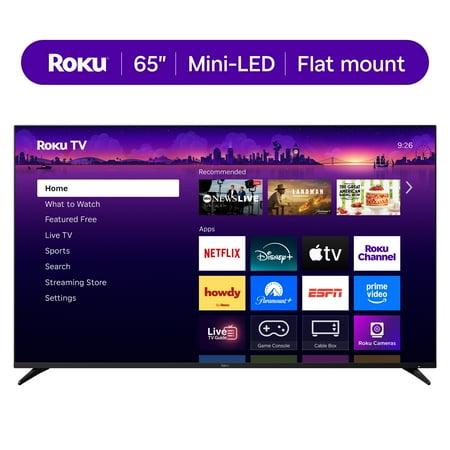
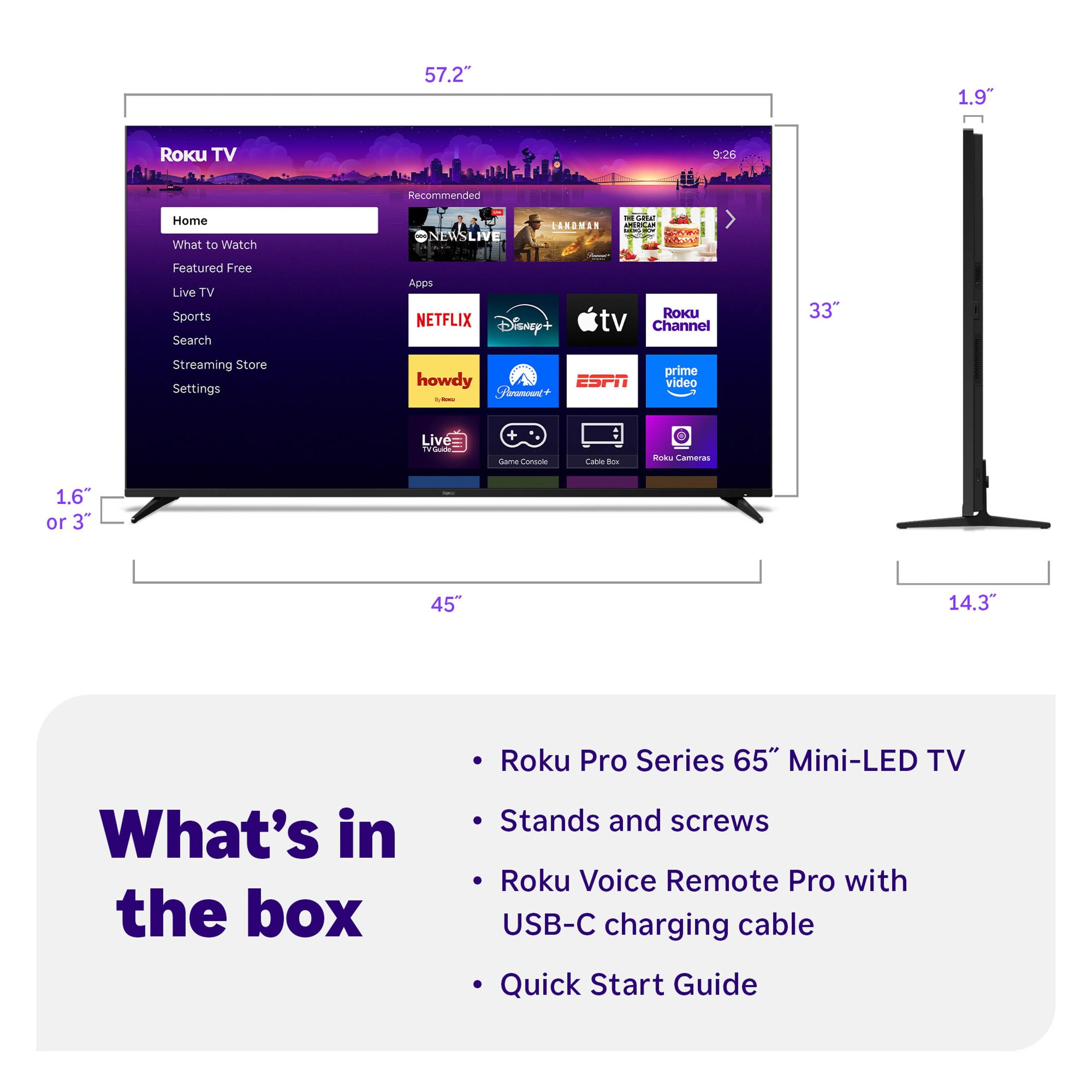

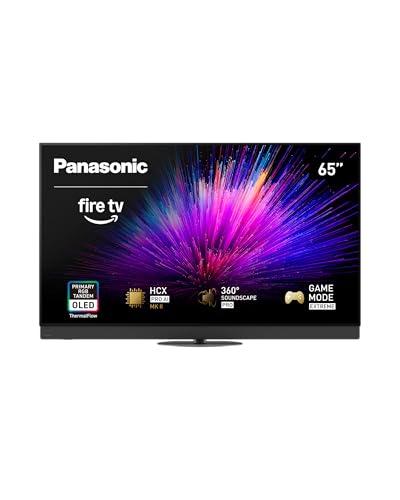
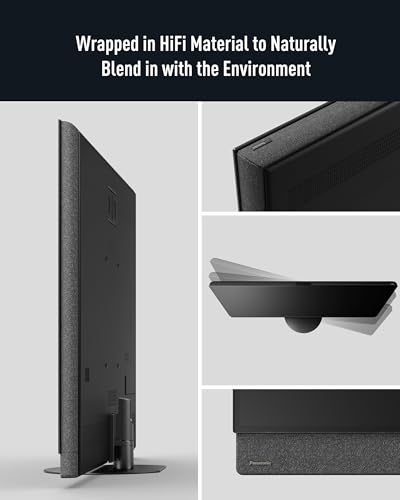
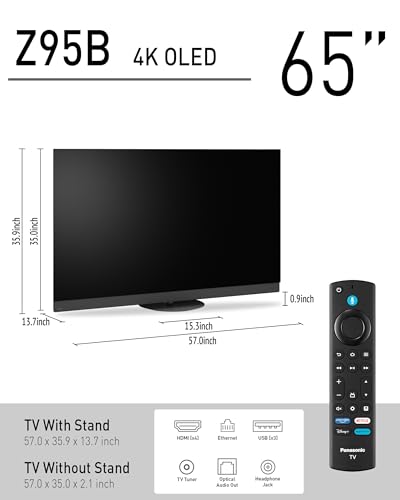
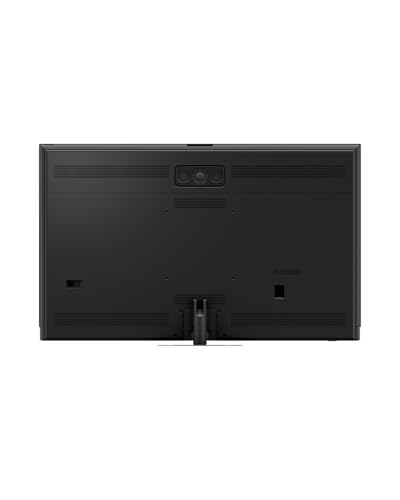

When you're in the market for a premium 65-inch 4K TV, you're essentially choosing between two fundamentally different approaches to creating stunning visuals. The Roku 65" Pro Series 2025 4K QLED TV and Panasonic Z95B Series 65" OLED 4K Smart Fire TV represent the best of both worlds—QLED technology that prioritizes brightness and durability against OLED's perfect contrast and color accuracy.
Both TVs launched in 2025, making them current-generation models with the latest smart features and gaming capabilities. However, they take completely different paths to deliver premium picture quality, and understanding these differences is crucial to making the right choice for your living room or home theater.
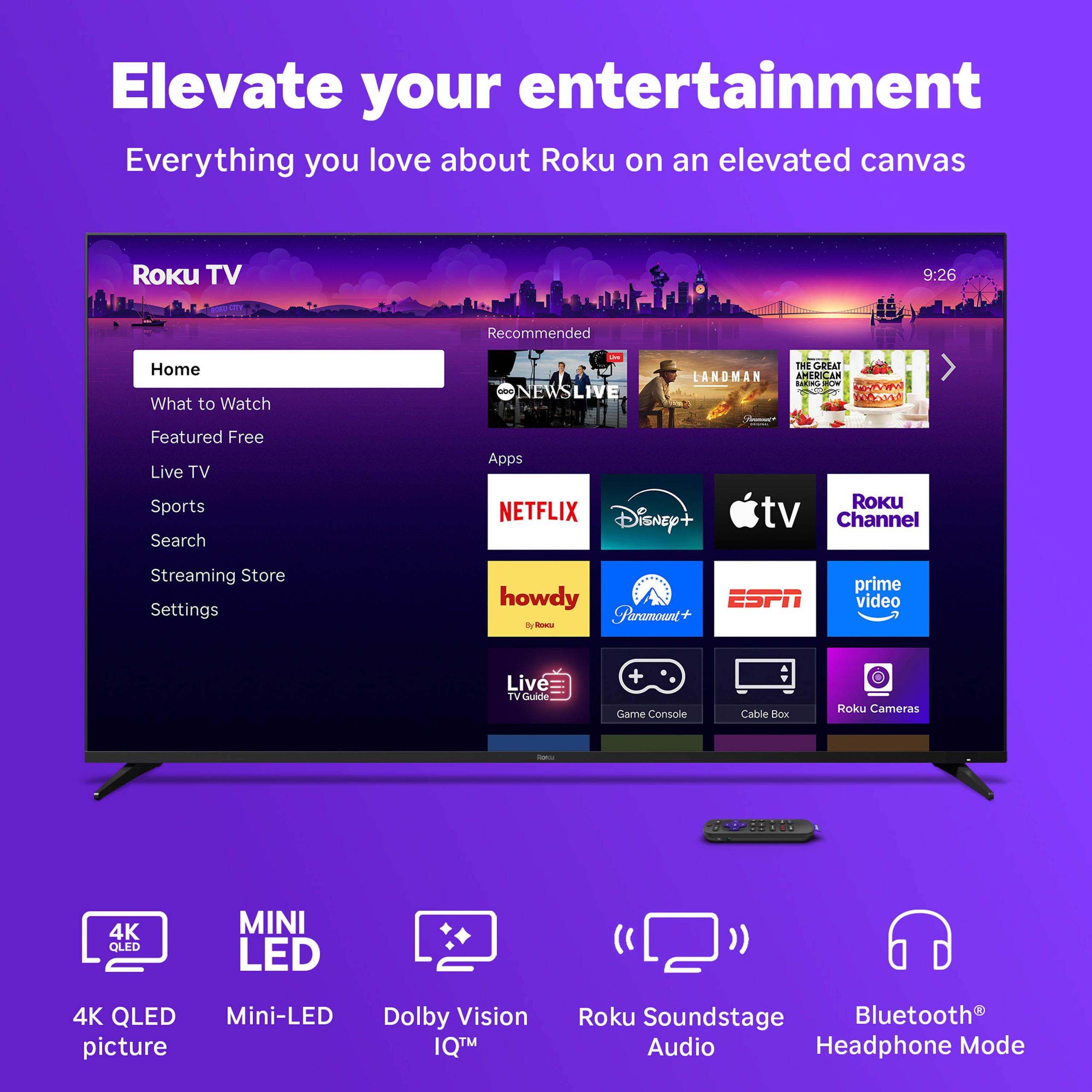
The most fundamental difference between these TVs lies in how they create the images you see. The Roku Pro Series uses QLED (Quantum Dot LED) technology, which is essentially an advanced form of LCD display. Behind the screen, thousands of tiny LEDs (called Mini-LEDs in this case) shine light through quantum dot filters and liquid crystal panels to create colors and brightness levels. Think of it like a sophisticated backlight system that can dim or brighten different zones independently—this is called "local dimming."
The Panasonic Z95B, on the other hand, uses OLED (Organic Light-Emitting Diode) technology. Each pixel is essentially a tiny light that can turn completely on, completely off, or anywhere in between. When a pixel needs to show black, it simply turns off entirely, creating what's called "perfect black" since no light is being emitted at all.
This fundamental difference creates cascading effects throughout the viewing experience. QLED displays like the Roku excel at getting extremely bright—important for HDR content and bright room viewing—but they can't achieve true blacks because there's always some backlight bleeding through. OLED displays like the Panasonic deliver perfect contrast with infinite difference between the darkest blacks and brightest whites, but they're traditionally limited in how bright they can get overall.
If you're planning to use your TV in a bright living room with large windows or lots of ambient lighting, brightness becomes the most critical performance metric. The Roku Pro Series dominates here, reaching peak HDR brightness levels of around 1,750-1,800 nits (nits are units of brightness measurement). For context, a typical sunny day outdoors measures about 100,000 nits, while a well-lit room might be 50-100 nits, so these TV brightness levels represent serious light output.
This exceptional brightness means HDR (High Dynamic Range) content—think the gleam of sunlight on water or the glow of fire in a dark scene—really pops even when you're watching during the day. The quantum dot technology also helps maintain color saturation at these high brightness levels, so the picture doesn't wash out like older LCD TVs might.
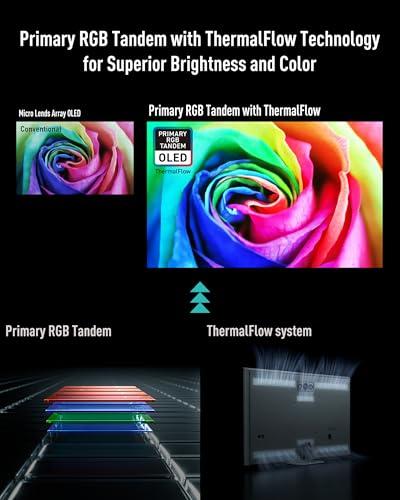
The Panasonic Z95B represents a significant breakthrough for OLED technology in brightness. While previous OLED TVs typically maxed out around 800-1000 nits, Panasonic's new Primary RGB Tandem OLED panel pushes nearly 2,400 nits peak brightness in small highlights. This four-layer panel design essentially stacks OLED layers to achieve higher light output while maintaining the perfect blacks that make OLED special. However, this peak brightness only applies to small portions of the screen—full-screen brightness is still more limited at around 300 nits.
For most people watching in moderately lit rooms, the Panasonic provides plenty of brightness. But if your TV will be competing with afternoon sunlight streaming through windows, the Roku offers a clearer advantage.
Here's where OLED technology traditionally shines, and the Panasonic Z95B delivers what many consider the holy grail of display performance. When you're watching a movie with dark scenes—think space scenes, nighttime exteriors, or moody interiors—OLED's ability to turn pixels completely off creates an almost three-dimensional depth to the image. Stars against space look like pinpricks of light against true void, not the slightly gray background you might see on LCD displays.
The Roku Pro Series fights back with its Mini-LED backlighting system, which uses thousands of tiny LEDs arranged in zones that can dim independently. This represents a massive improvement over traditional LCD TVs, and Roku claims 75% higher dynamic contrast than their previous generation. However, physics still limits what's possible—when a zone needs to display both bright and dark elements, some light inevitably bleeds into the darker areas, creating subtle "haloing" or "blooming" effects around bright objects in dark scenes.
In our research of user and expert reviews, this difference becomes most apparent in content like sci-fi movies, dark dramas, or video games with nighttime scenes. The Panasonic renders these with reference-quality precision, while the Roku delivers impressive but not perfect performance.
Both TVs excel at color reproduction, but they achieve it differently. The Panasonic Z95B leverages its Primary RGB OLED technology to deliver what reviewers consistently describe as vibrant, lifelike, and accurate colors straight out of the box. The HCX Pro AI Processor MK II uses advanced algorithms to automatically optimize picture settings based on content type, essentially acting like a smart calibration system that works in real-time.
The Roku Pro Series covers an impressive 96.9% of the UHDA-P3 color space and 80.6% of BT.2020 (technical standards for color range in HDR content). Its Smart Picture Max AI processing adjusts color, sharpness, and contrast scene-by-scene, similar to how Dolby Vision works, but applied to all content. This helps overcome compression artifacts in streaming content—those blocky or washed-out moments you sometimes see when your internet connection struggles.
For home theater enthusiasts who care about seeing movies exactly as directors intended, the Panasonic offers professional calibration support through Calman and ISFccc standards. This means professional calibrators can fine-tune the display to reference standards used in movie studios. The Roku focuses more on delivering great images automatically without requiring professional intervention.
Both TVs arrived in 2025 with full next-generation gaming support, but subtle differences matter for serious gamers. Input lag—the delay between when you press a controller button and see the action on screen—measures just 4.5 milliseconds on the Panasonic Z95B compared to 5.2 milliseconds on the Roku Pro Series. While both qualify as excellent for gaming, competitive players notice every millisecond.
The OLED advantage becomes more apparent in motion handling. The Panasonic's near-instantaneous pixel response times mean fast-moving objects in games appear sharp and clear without motion blur. The Roku handles motion well but shows some blur during rapid sequences due to the inherent limitations of liquid crystal technology.
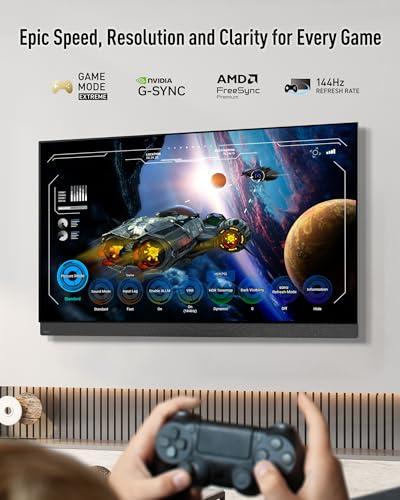
Both TVs support HDMI 2.1, 4K gaming at 120Hz, Variable Refresh Rate (VRR) to eliminate screen tearing, and Auto Low Latency Mode (ALLM) that automatically switches to game mode when it detects a console. The Panasonic goes further with support for refresh rates up to 144Hz and broader compatibility with both AMD FreeSync and NVIDIA G-SYNC technologies.
For most gamers, either TV delivers excellent performance. But if you're serious about competitive gaming or want the absolute best motion clarity, the Panasonic has a measurable edge.
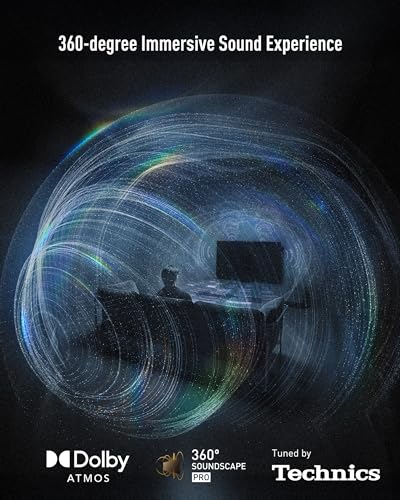
This is where both TVs surprise compared to typical premium displays, which often sacrifice audio for thin designs. The Panasonic Z95B features what might be the best built-in TV audio system available. Its 360° Soundscape Pro system, tuned by Technics (Panasonic's premium audio brand), includes a true 5.1.2 channel setup with dedicated up-firing speakers for Dolby Atmos height effects.
The system's 170 watts of total power come from line array speakers, side-firing drivers, and a 30-watt subwoofer with passive radiators. In practical terms, this means dialogue stays clear at any volume, action scenes deliver room-filling sound, and you actually get some overhead audio effects without a soundbar. While it won't replace a dedicated home theater system, it significantly reduces the pressure to buy additional audio equipment immediately.
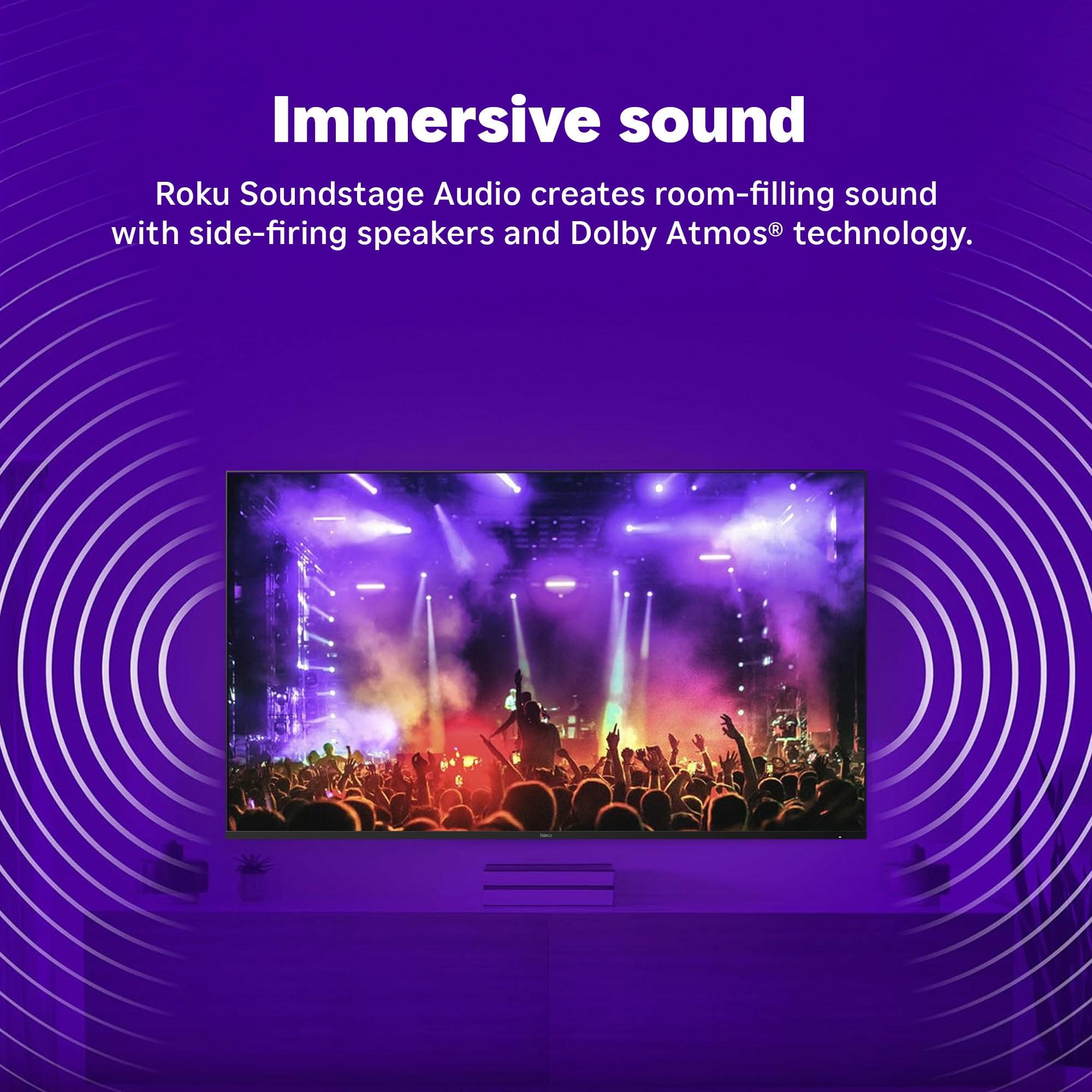
The Roku Pro Series also impresses with its Soundstage Audio system. Reviews consistently praise it as delivering "theater-like bass" and surprisingly impactful sound for a TV. Users report being able to watch action movies at moderate volume levels (6-7 out of 10) and fill rooms with sound, though it lacks the sophisticated multi-channel processing of the Panasonic system.
Both TVs support Dolby Atmos, but the Panasonic implements it more completely with dedicated height channels, while the Roku uses virtualization to simulate overhead effects.
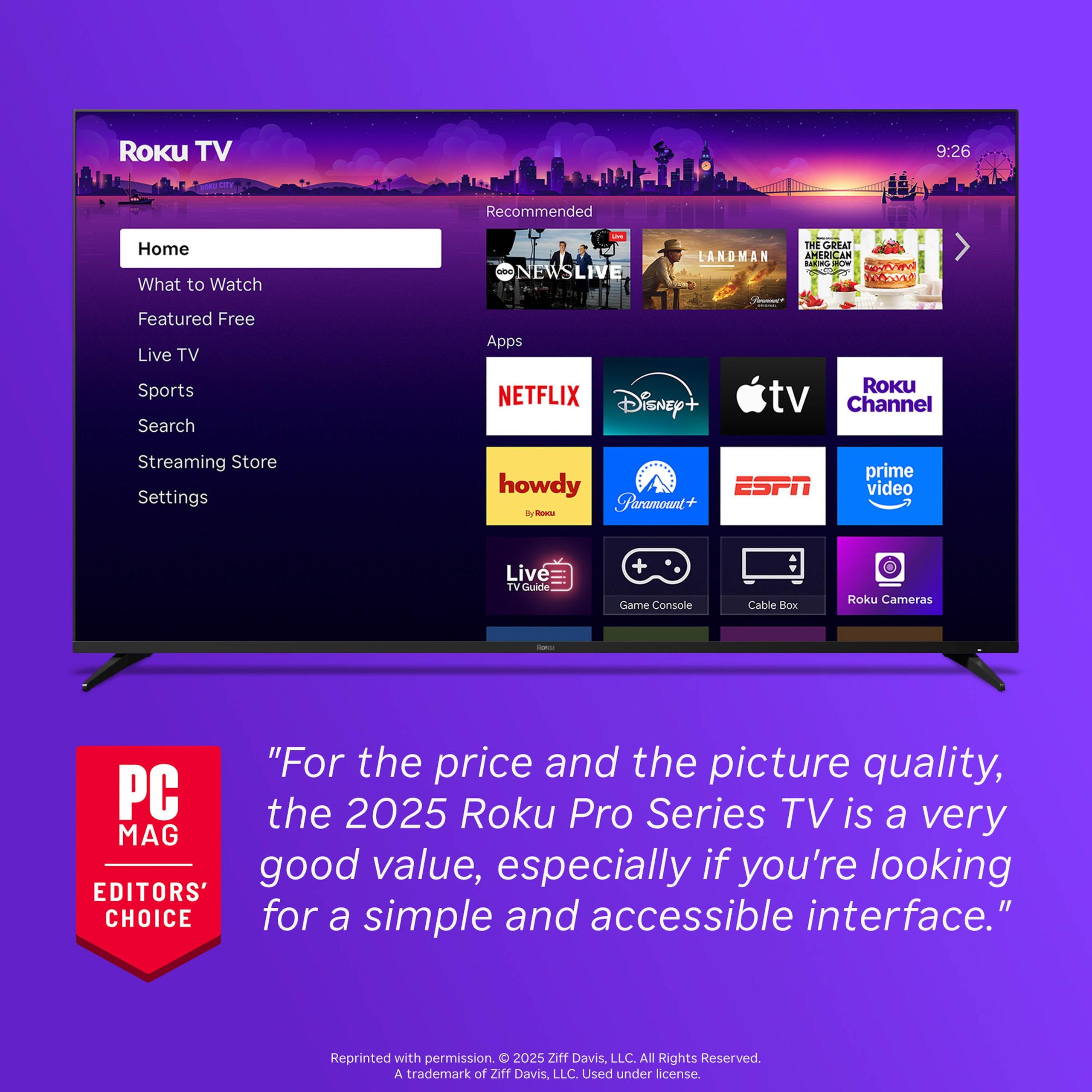
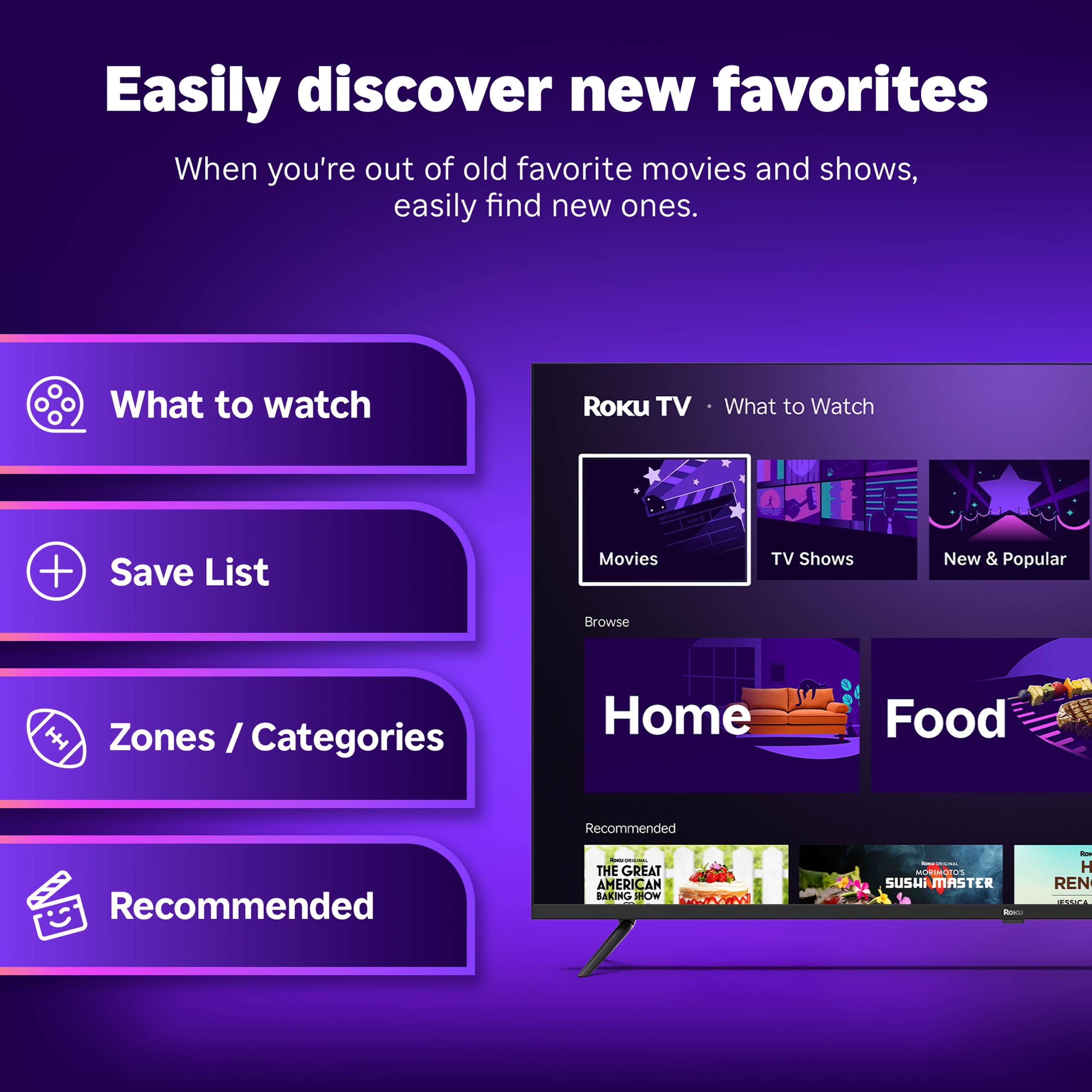
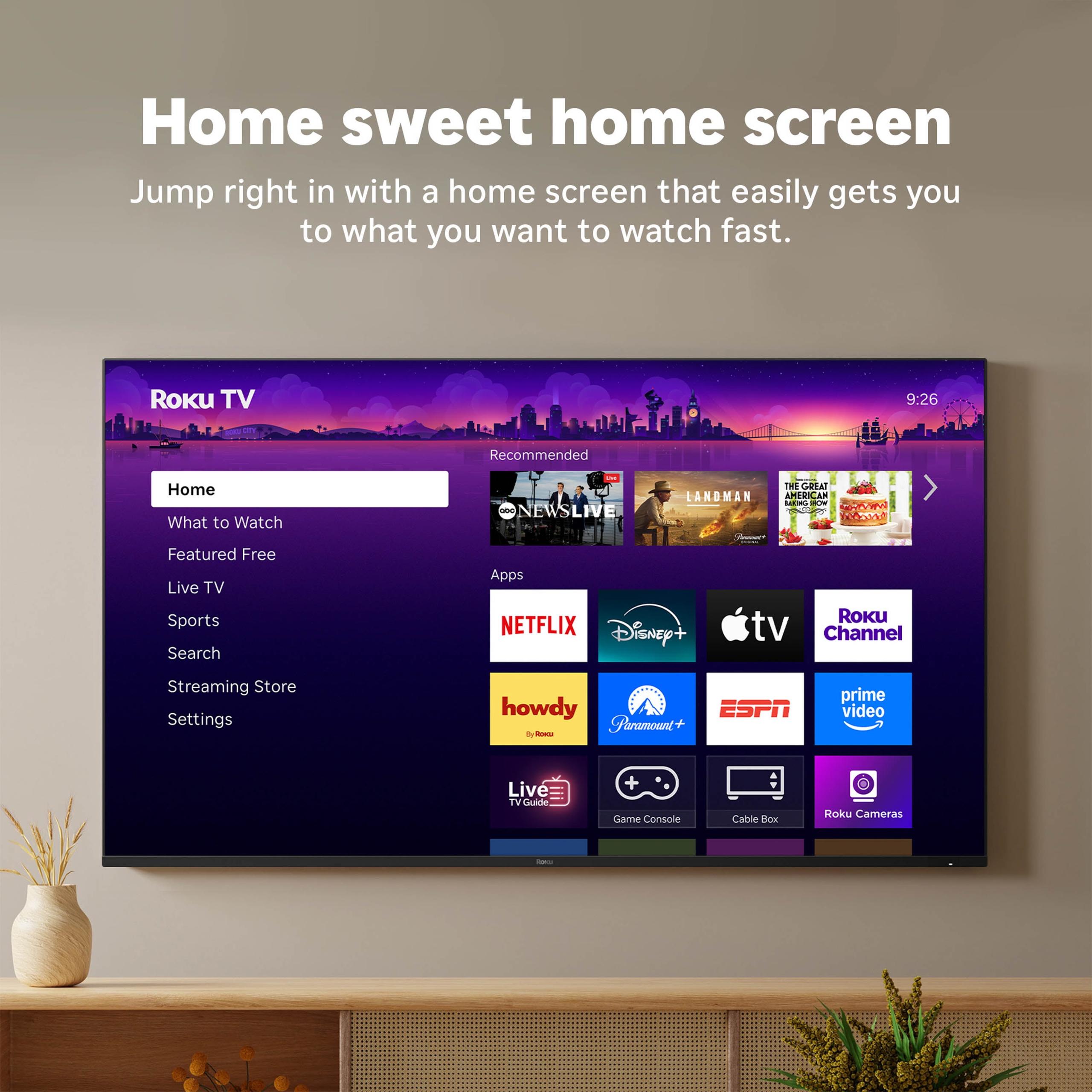
The smart TV experience represents another fundamental difference in approach. The Roku Pro Series runs Roku OS, which has built a reputation over multiple generations for simplicity, reliability, and consistent updates. The interface presents a clean, unified home screen that aggregates content from all your streaming services, live TV, and apps in one place.
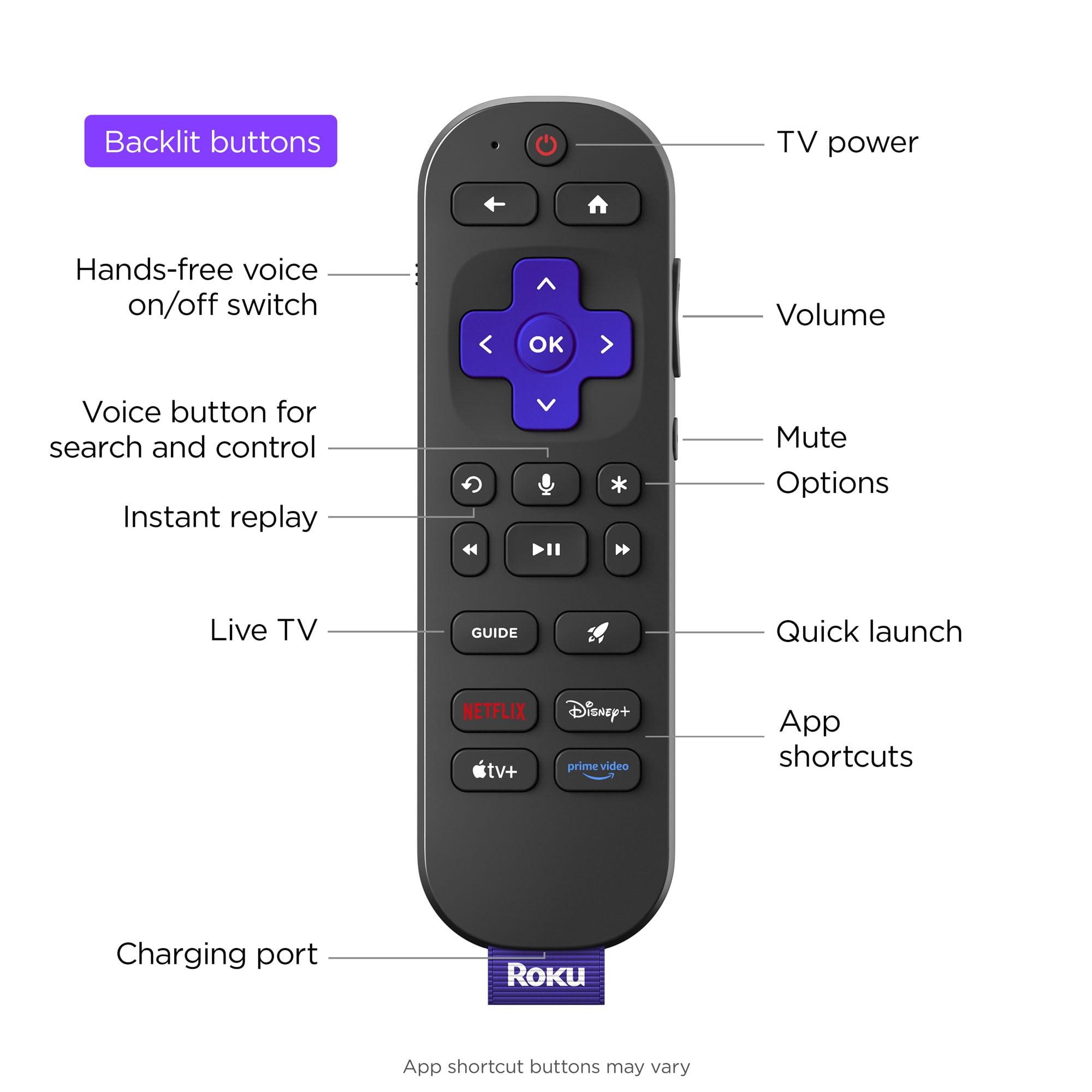
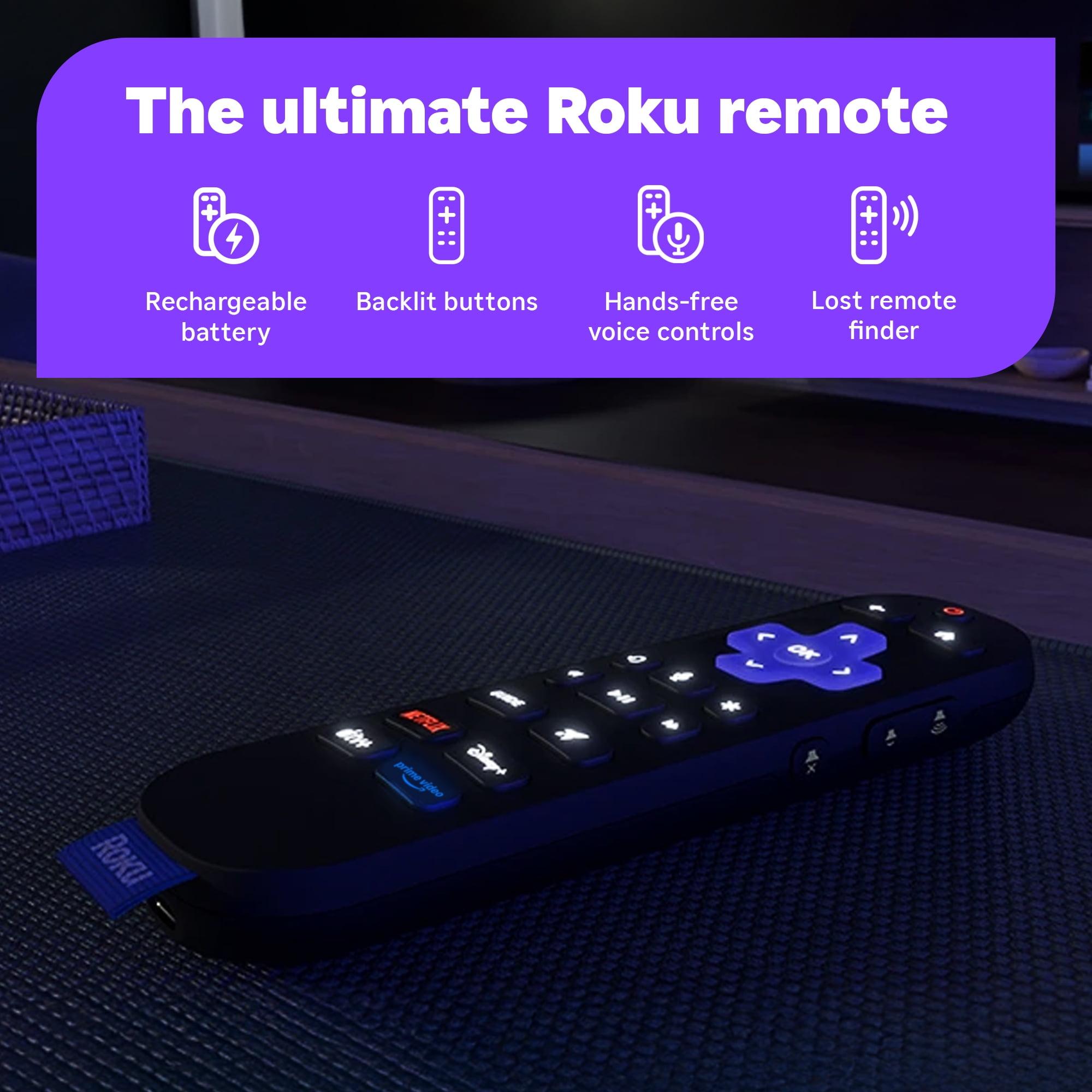
The included Voice Remote Pro deserves special mention—it's rechargeable, backlit, and includes a "find my remote" button on the TV itself. After years of dealing with constantly dying remote batteries and searching couch cushions, these practical improvements matter more than they might initially seem.
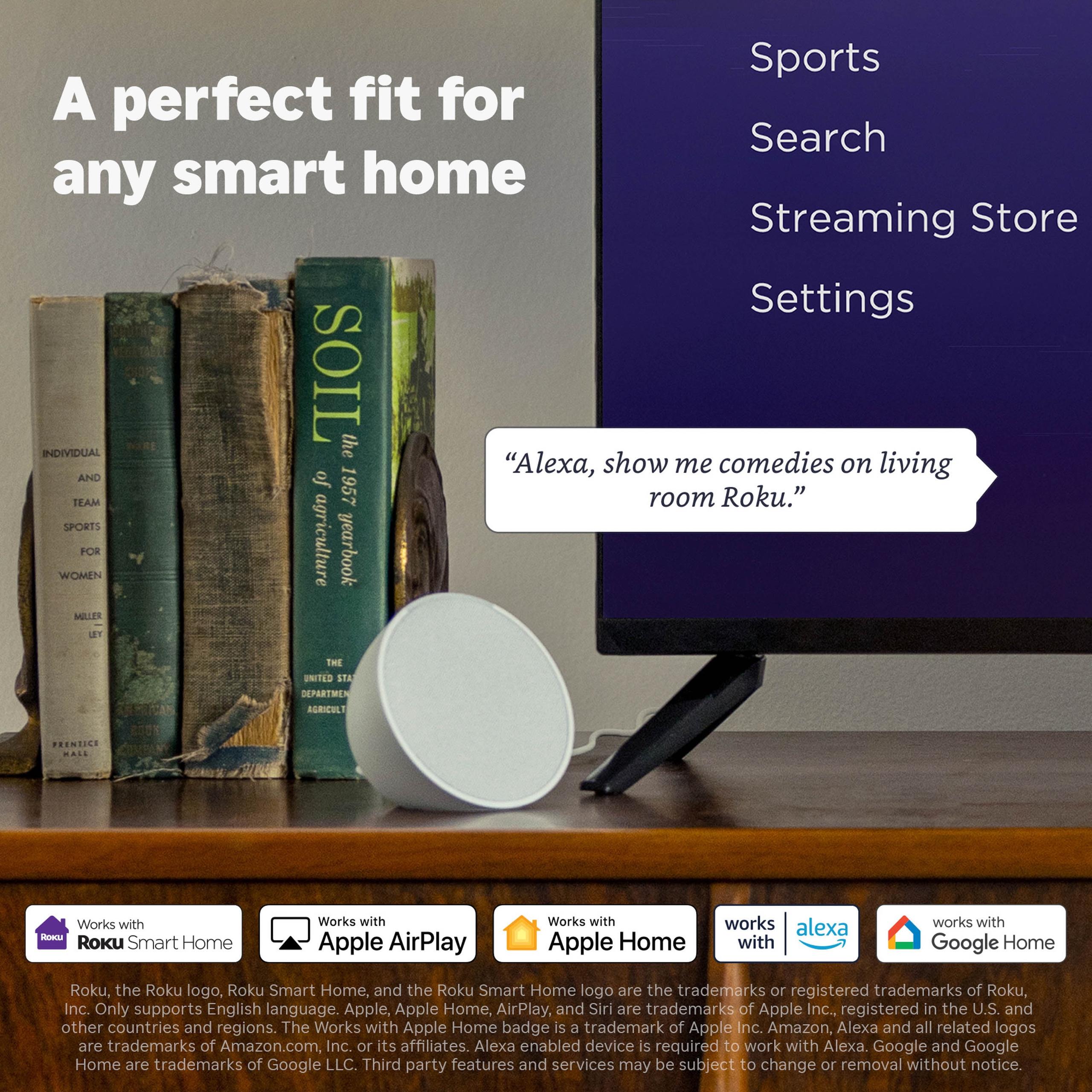
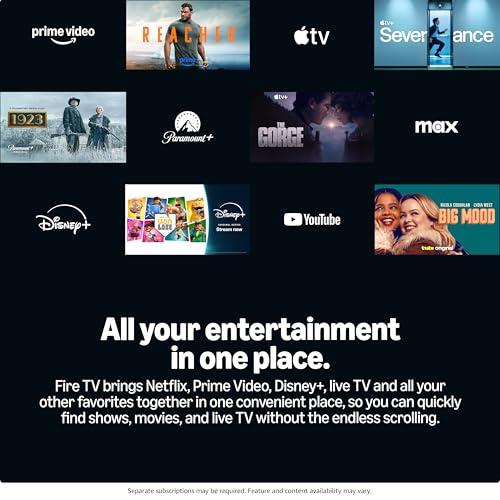
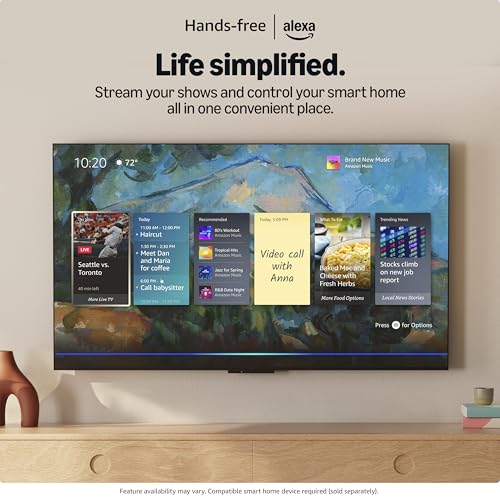
The Panasonic Z95B uses Amazon's Fire TV OS, which offers a content-forward experience with strong Alexa integration and access to Amazon's ecosystem. While feature-rich, some users find Fire TV less intuitive than Roku's approach, and the interface can occasionally feel cluttered with Amazon's content recommendations taking precedence over your preferences.
Long-term software support also differs. Roku has an excellent track record of updating their TVs for years, while Fire TV updates depend on Amazon's priorities, which may shift over time.
At the time of writing, these TVs occupy different value propositions despite both being premium 65-inch models. The Roku Pro Series positions itself as flagship performance at accessible pricing, targeting consumers who want advanced features without ultra-premium costs. It delivers Mini-LED backlighting, quantum dot color, gaming features, and impressive audio at a price point that would have seemed impossible for this level of technology just a few years ago.
The Panasonic Z95B occupies true flagship territory with corresponding pricing. However, when you factor in the cost of a good soundbar (which you'll likely need with most premium TVs), the audio system alone provides significant value. Professional calibration support and reference-quality picture performance justify the premium for enthusiasts who prioritize absolute quality.
If you're building a dedicated home theater or media room, display technology choice becomes even more critical. In a controlled lighting environment, OLED's perfect blacks create that cinematic experience that draws you into movies. The Panasonic Z95B excels here, delivering reference-quality images that match professional monitors used in movie studios.
However, even dedicated theaters sometimes need to handle ambient light from hallways, accent lighting, or daytime viewing. The Roku Pro Series offers more flexibility, maintaining picture quality across varying lighting conditions while delivering impressive performance that satisfies most viewers.
For home theaters with good acoustic treatment, the Panasonic's superior built-in audio system becomes less relevant since you'll likely invest in dedicated surround sound equipment anyway. But for living room setups where a full surround system isn't practical, the audio advantage becomes more significant.
Choose the Roku Pro Series 2025 if you need a TV that excels in bright rooms, want proven smart TV reliability, and prefer excellent performance at accessible pricing. It's ideal for family rooms, open-concept living spaces, and viewers who watch a mix of content types throughout the day.
Choose the Panasonic Z95B if picture quality is your top priority, you can control room lighting, and you value premium features like superior built-in audio and professional calibration options. It's perfect for movie enthusiasts, serious gamers, and anyone building a dedicated viewing environment.
Both represent excellent choices in 2025's competitive premium TV market. The Roku democratizes flagship features, while the Panasonic pushes the boundaries of what's possible in home display technology. Your specific viewing environment and priorities should guide your decision more than pure specifications.
| Roku 65" Pro Series 2025 4K QLED TV | Panasonic Z95B Series 65" OLED 4K Smart Fire TV |
|---|---|
| Display Technology - Fundamental difference in how images are created | |
| QLED with Mini-LED backlighting and local dimming zones | Primary RGB Tandem OLED (4-layer) with ThermalFlow cooling |
| Peak Brightness - Critical for HDR content and bright room viewing | |
| 1,750-1,818 nits (excellent for very bright rooms) | 2,400 nits peak, 300+ nits sustained (good for moderate lighting) |
| Contrast Ratio - Determines depth and realism in dark scenes | |
| High contrast with local dimming (some light blooming) | Near-infinite contrast with perfect blacks (no blooming) |
| Refresh Rate - Important for gaming and sports | |
| 120Hz native | Up to 144Hz |
| Gaming Input Lag - Lower is better for competitive gaming | |
| 5.2ms at 120Hz (excellent) | 4.5ms (exceptional) |
| HDMI 2.1 Ports - Needed for 4K@120Hz gaming | |
| 2 ports supporting 4K@120Hz, VRR, ALLM | 2 ports supporting 4K@144Hz, VRR, ALLM, G-SYNC Compatible |
| Built-in Audio System - Reduces need for external soundbar | |
| Soundstage Audio with Dolby Atmos (very good) | 360° Soundscape Pro 5.1.2 system, 170W, Technics-tuned (exceptional) |
| Smart TV Platform - Affects long-term usability and updates | |
| Roku OS 15 (highly praised for simplicity and reliability) | Fire TV OS (feature-rich but can feel cluttered) |
| Voice Remote Features - Daily convenience factors | |
| Rechargeable, backlit, find-my-remote button | Standard remote included |
| Color Gamut Coverage - Determines color richness in HDR content | |
| 96.9% UHDA-P3, 80.6% BT.2020 (very good) | Outstanding color accuracy with Primary RGB technology |
| HDR Format Support - Compatibility with different content types | |
| Dolby Vision IQ, HDR10+, HDR10, HLG | Dolby Vision IQ, HDR10+ Adaptive, HDR10, HLG (supports both major formats) |
| Professional Calibration Support - Important for home theater enthusiasts | |
| Basic calibration options | Full Calman and ISFccc support for professional calibration |
| Viewing Angle - Affects picture quality when not centered | |
| Narrow (typical for QLED) | Excellent (typical for OLED) |
| Best Use Cases - Where each TV excels | |
| Bright rooms, family viewing, excellent value | Dark rooms, home theaters, premium audio needs |
The Roku 65" Pro Series 2025 4K QLED TV is significantly better for bright rooms. Its Mini-LED backlighting can reach peak brightness levels of 1,750-1,818 nits, making it excellent for competing with sunlight and ambient lighting. The Panasonic Z95B Series 65" OLED 4K Smart Fire TV maxes out around 300 nits for full-screen brightness, which can appear dim in very bright environments.
QLED technology in the Roku Pro Series 2025 uses a backlight system with quantum dots to create colors, offering exceptional brightness but some light bleeding in dark scenes. OLED technology in the Panasonic Z95B has pixels that can turn completely off, creating perfect blacks and infinite contrast, but with lower peak brightness levels.
Both TVs offer excellent gaming features, but the Panasonic Z95B OLED has a slight edge with 4.5ms input lag compared to 5.2ms on the Roku QLED TV. The Panasonic also supports up to 144Hz refresh rates and has near-instantaneous pixel response times for sharper motion during fast-paced gaming.
The Panasonic Z95B has exceptional built-in audio with a 360° Soundscape Pro system featuring true 5.1.2 Dolby Atmos speakers tuned by Technics. The Roku Pro Series also has impressive sound with its Soundstage Audio system. Both significantly reduce the immediate need for an external soundbar compared to most premium TVs.
The Roku Pro Series 2025 runs Roku OS, which is widely praised for its simple, intuitive interface and excellent long-term software support. The Panasonic Z95B uses Fire TV OS, which offers more features and Alexa integration but can feel cluttered with Amazon content recommendations.
The Panasonic Z95B OLED is superior for dark room movie watching due to its perfect blacks and infinite contrast ratio, creating a true cinematic experience. While the Roku QLED TV offers impressive picture quality, it can't achieve the same level of contrast in completely dark environments due to its backlighting system.
The Panasonic Z95B supports both major HDR formats (Dolby Vision IQ and HDR10+ Adaptive) plus HDR10 and HLG, making it compatible with virtually all HDR content. The Roku Pro Series 2025 supports Dolby Vision IQ, HDR10+, HDR10, and HLG, covering all major streaming services and content types.
The Roku Pro Series offers 120Hz native refresh rate, which is excellent for sports and fast motion. The Panasonic Z95B supports up to 144Hz and has superior motion handling due to OLED's instantaneous pixel response, making it slightly better for capturing every detail in fast-moving sports content.
The Roku 65" Pro Series 2025 offers exceptional value by delivering flagship features like Mini-LED backlighting, quantum dot color, and impressive audio at a more accessible price point. The Panasonic Z95B commands premium pricing but justifies it with reference-quality OLED performance and professional-grade audio that could eliminate the need for additional equipment.
Yes, both the Roku QLED TV and Panasonic OLED TV fully support next-gen gaming with HDMI 2.1 ports, 4K@120Hz capability, Variable Refresh Rate (VRR), and Auto Low Latency Mode (ALLM). The Panasonic offers slightly better performance with broader format support including G-SYNC compatibility.
The Panasonic Z95B delivers superior color accuracy straight from the box, with reviewers consistently praising its vibrant, lifelike colors and professional-grade processing. The Roku Pro Series 2025 offers very good color coverage of 96.9% UHDA-P3 with improved accuracy over previous generations, enhanced by AI-powered Smart Picture Max processing.
The Roku Pro Series has narrow viewing angles typical of QLED displays and some light blooming in high-contrast scenes, plus direct reflection handling could be better. The Panasonic Z95B costs significantly more upfront, has lower sustained brightness for very bright rooms, and Fire TV OS can occasionally feel sluggish compared to Roku's streamlined interface.
We've done our best to create useful and informative comparisons to help you decide what product to buy. Our research uses advanced automated methods to create this comparison and perfection is not possible - please contact us for corrections or questions. These are the sites we've researched in the creation of this article: bestbuy.com - rtings.com - techradar.com - youtube.com - roku.com - youtube.com - walmart.com - bestbuy.com - youtube.com - electronicexpress.com - roku.com - pcvarge.com - ecoustics.com - rtings.com - whathifi.com - techradar.com - tomsguide.com - youtube.com - youtube.com - youtube.com - avsforum.com - bestbuy.com - manuals.plus - na.panasonic.com - panasonic.com - displayspecifications.com - valueelectronics.com - flatpanelshd.com - valueelectronics.com - displayspecifications.com - flatpanelshd.com

Privacy Policy
Terms and Conditions - Affiliate Policy
Home Security
© Copyright 2008-2026.
11816 Inwood Rd #1211, Dallas, TX 75244