



Shopping for a premium 65-inch TV in 2025 feels more complicated than ever. You've got OLED, QLED, Mini-LED, and a dozen acronyms promising the best picture quality. The reality is simpler: most people are choosing between two fundamentally different display technologies, each with distinct strengths.
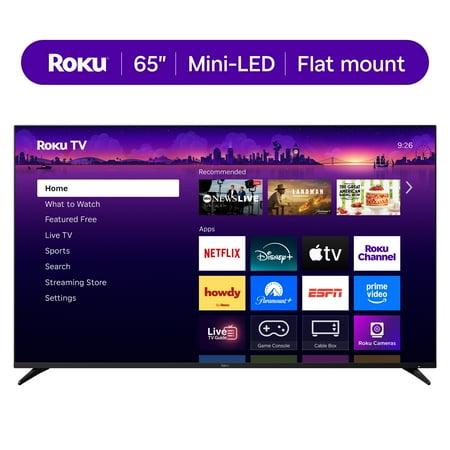
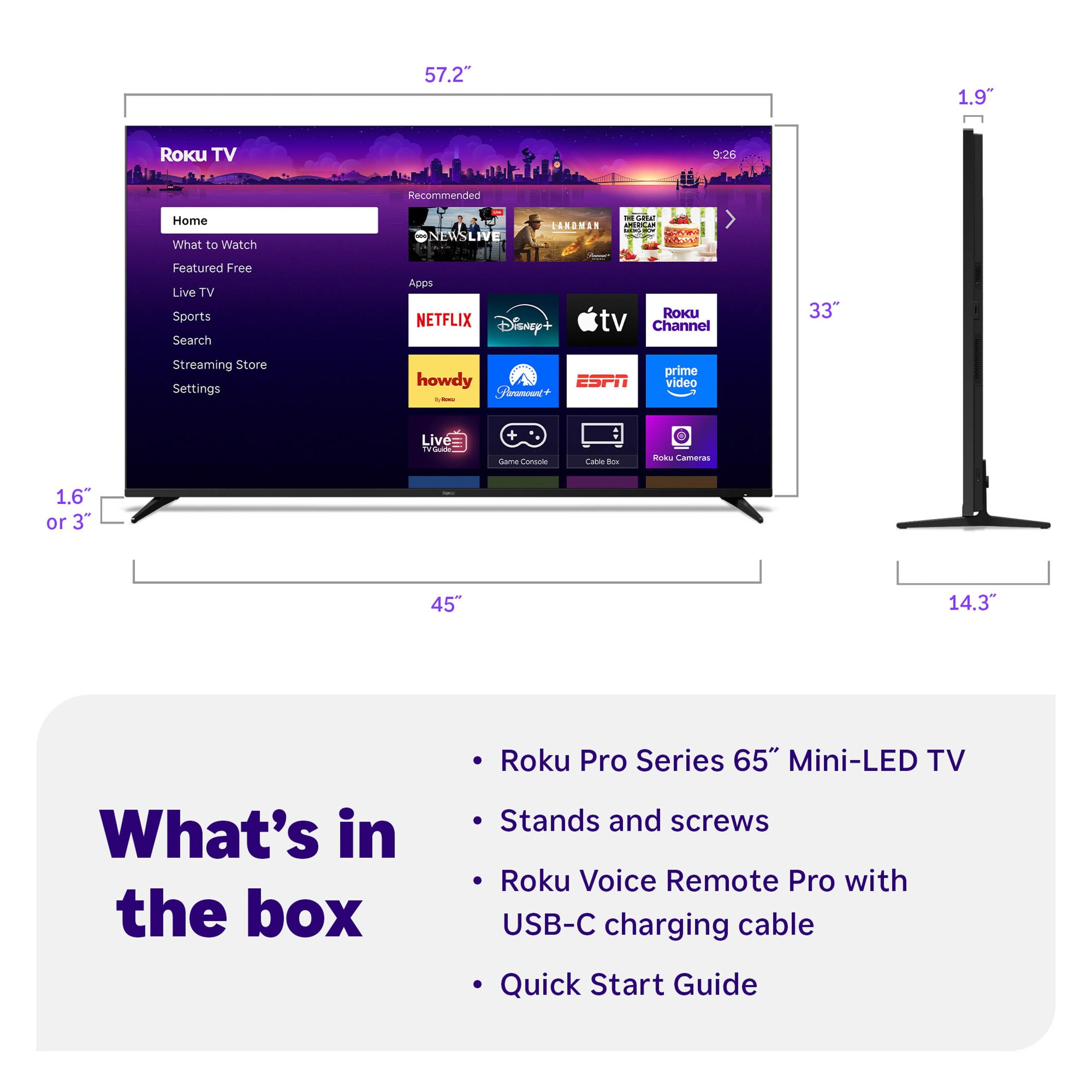
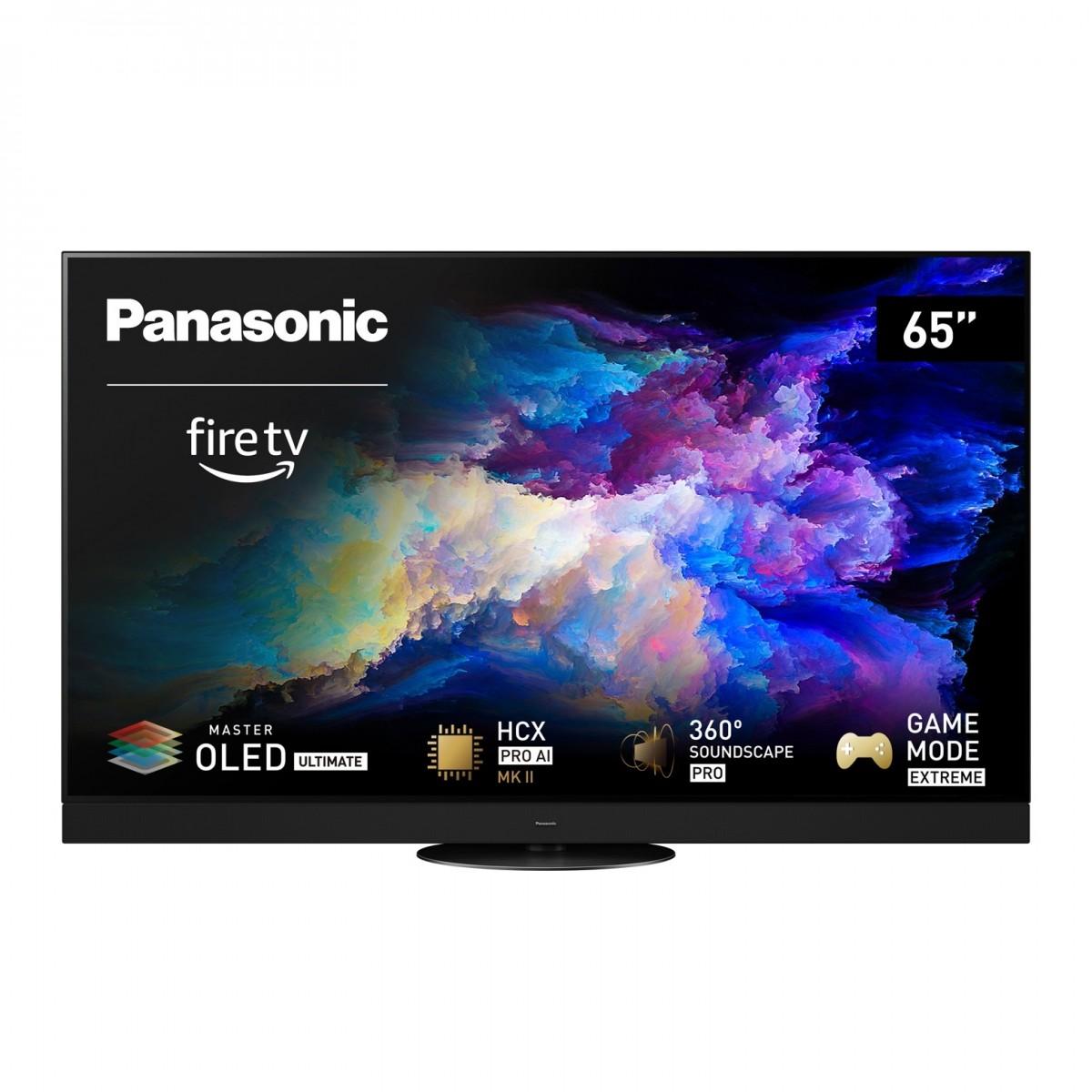
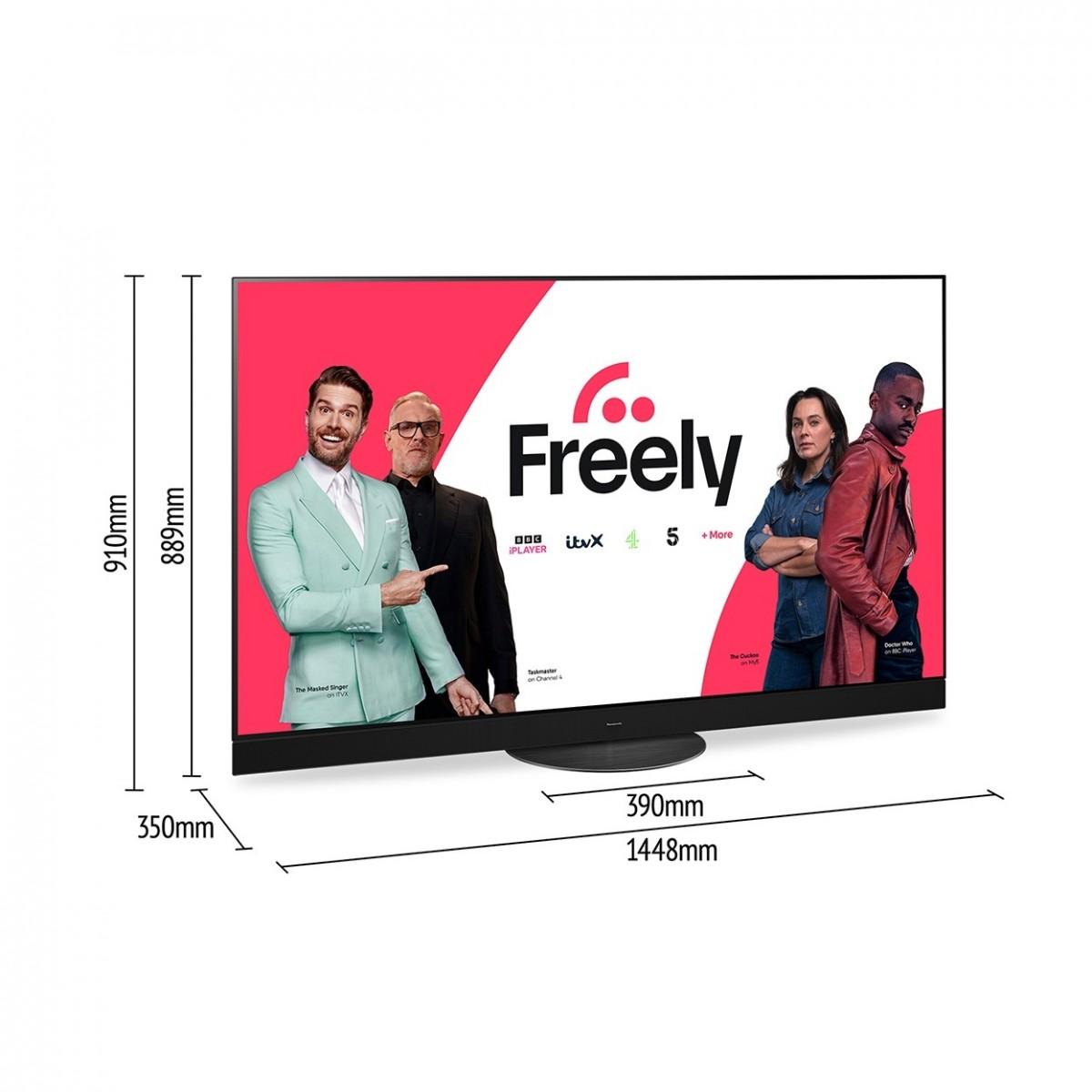
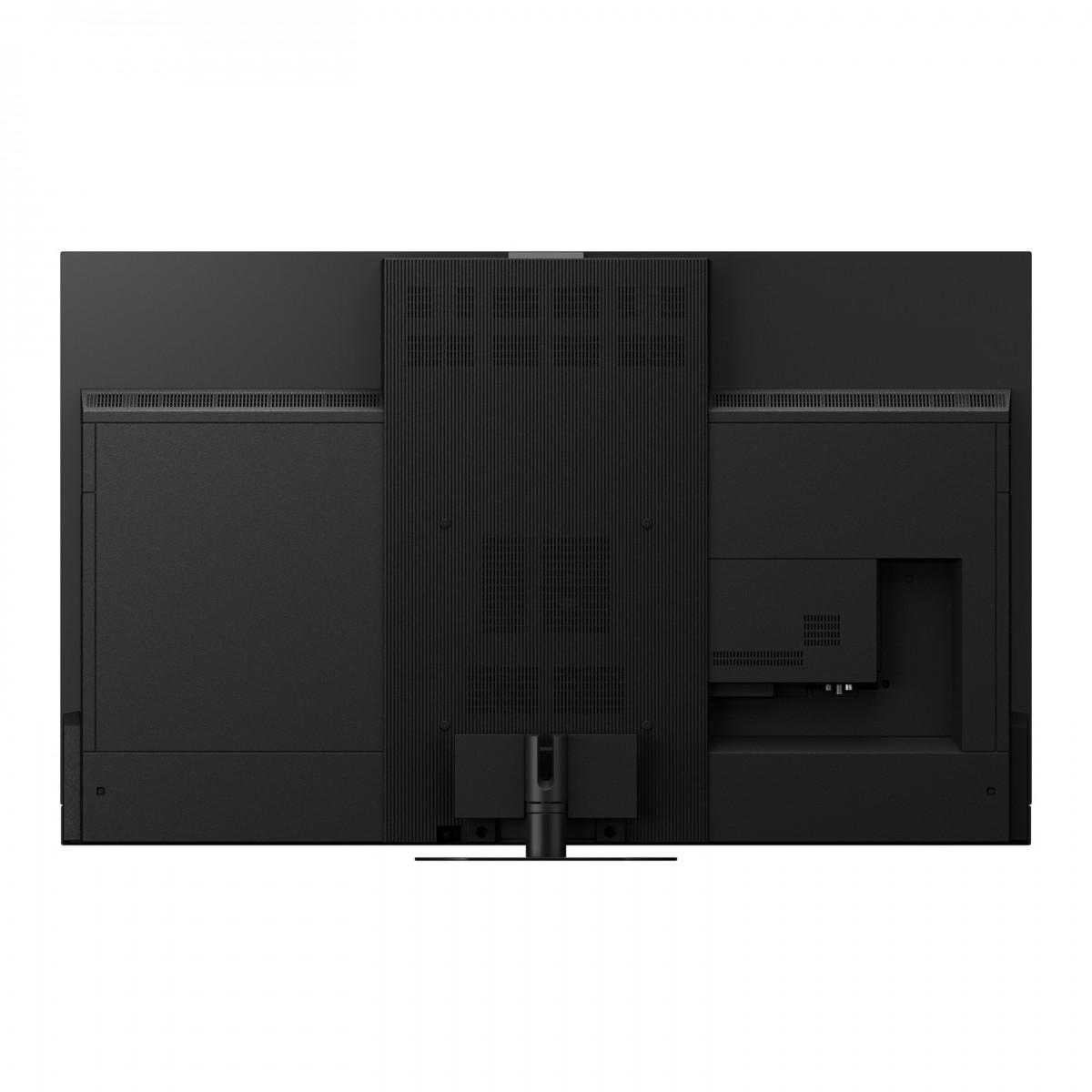
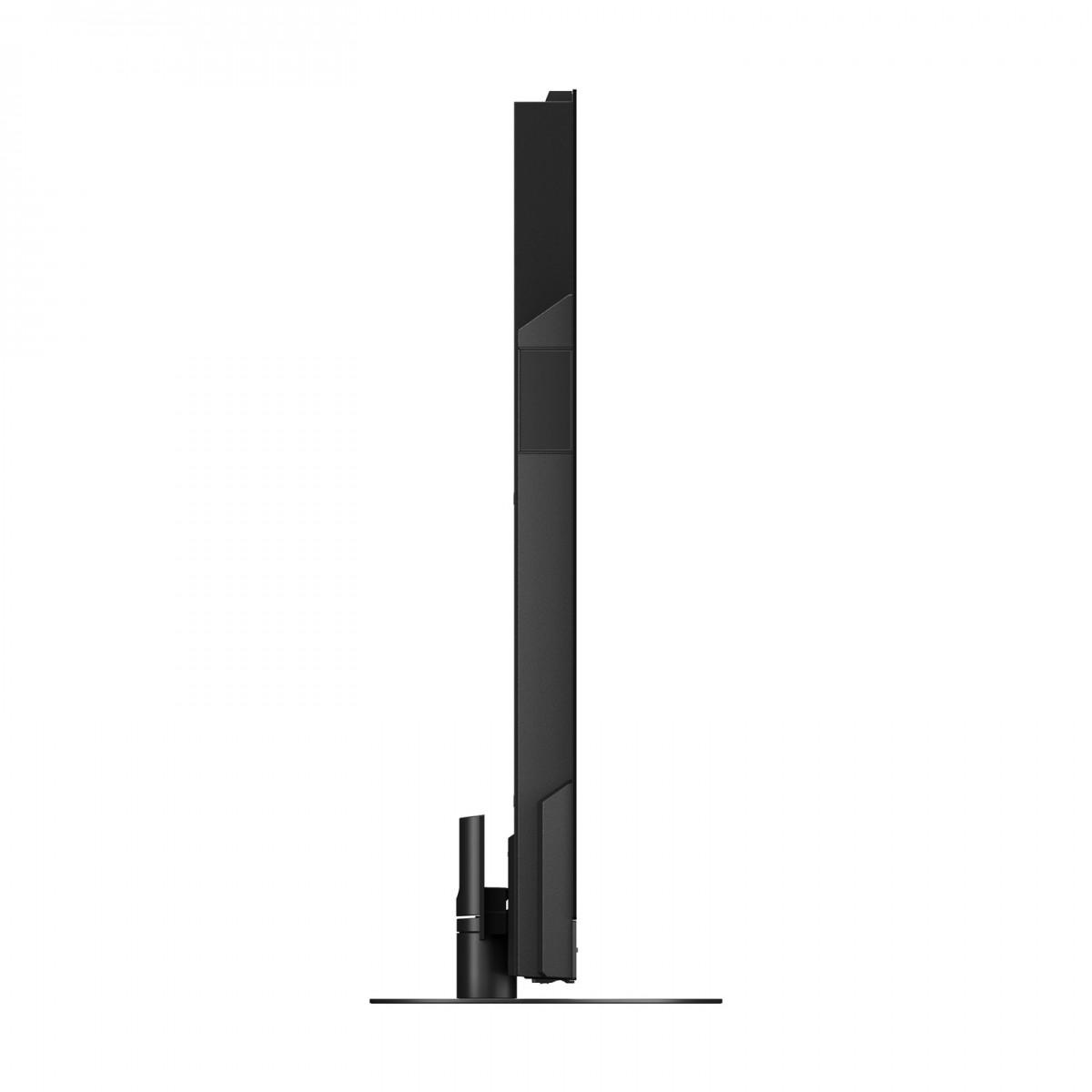
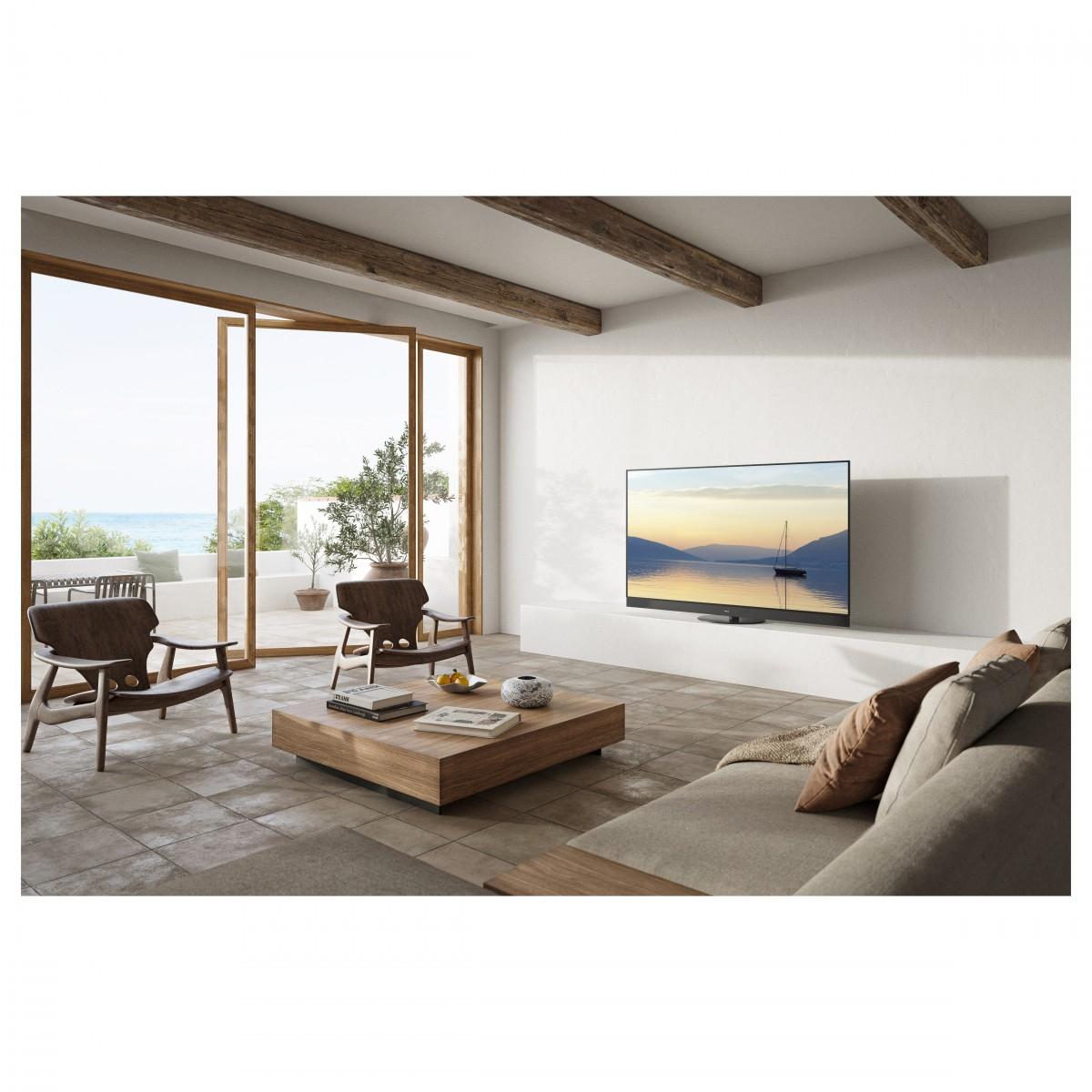
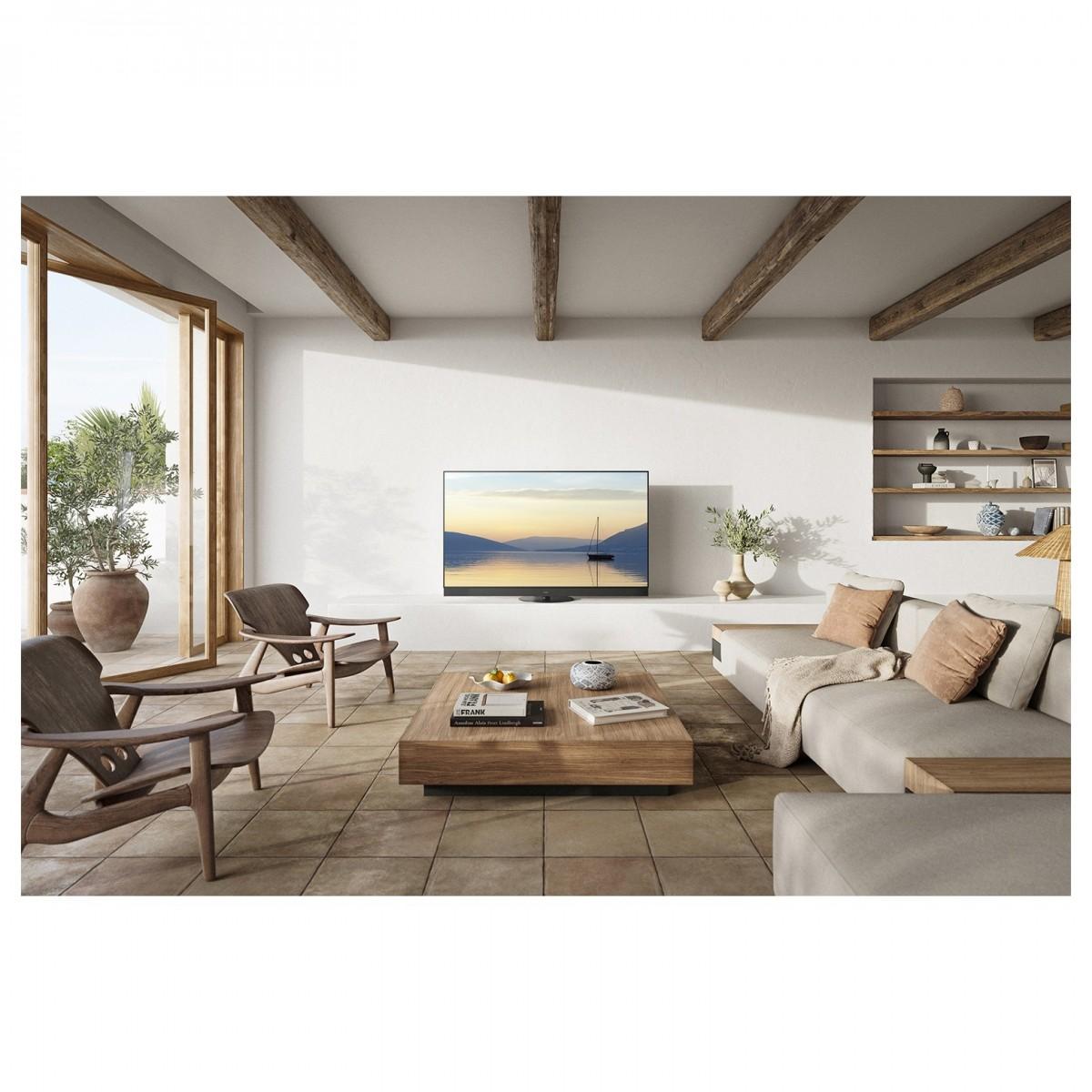
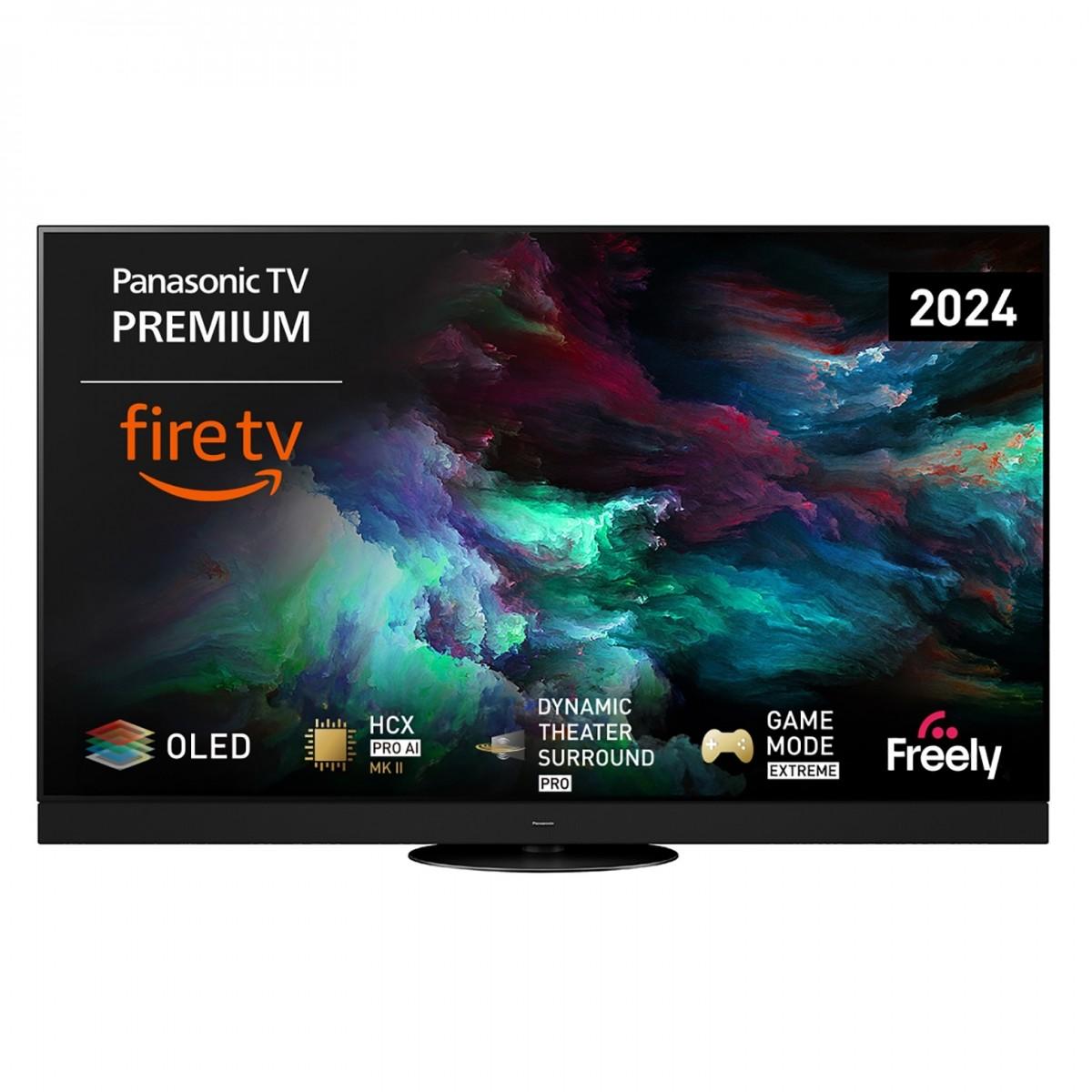
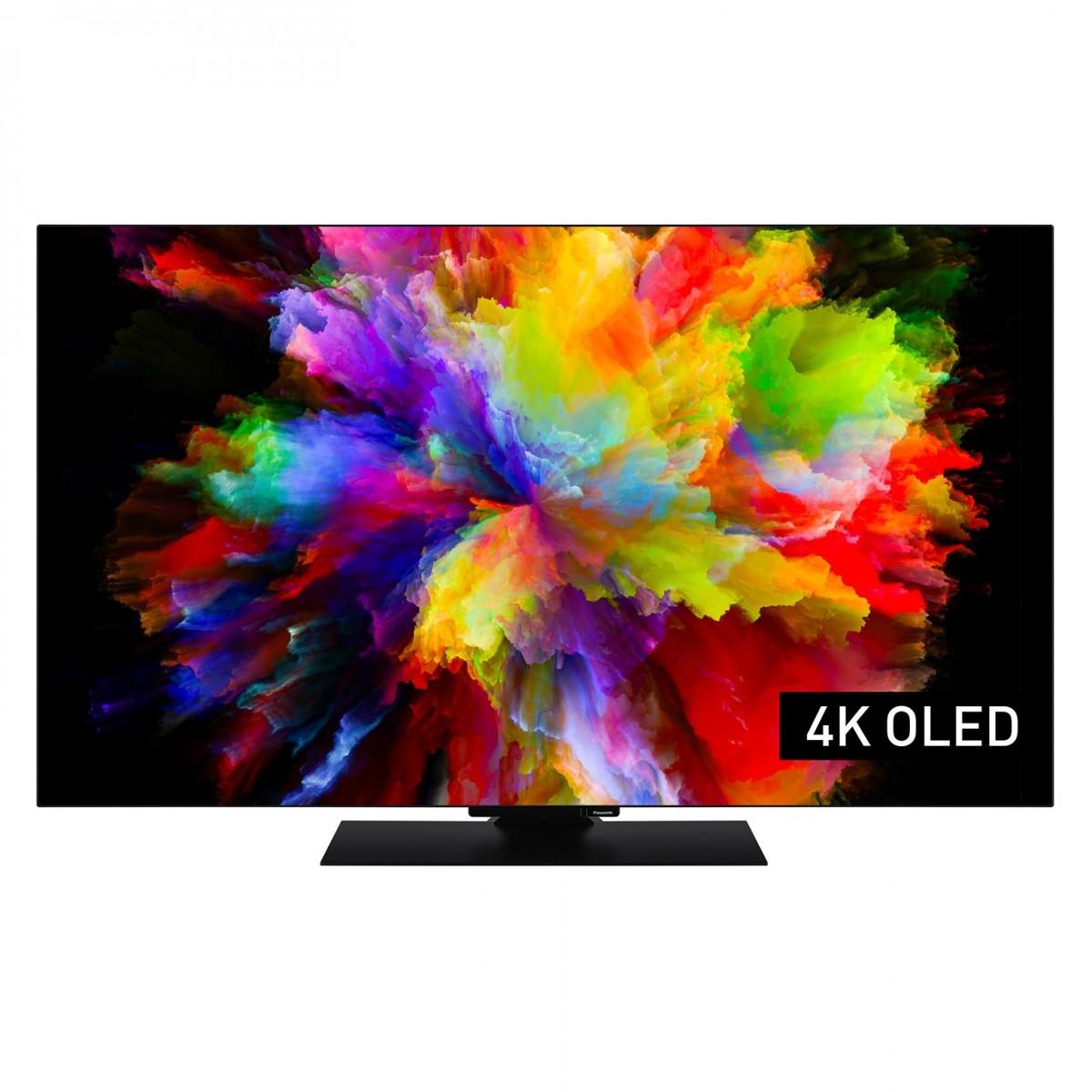
The Roku 65" Pro Series 2025 represents the new generation of Mini-LED QLED TVs – brighter than ever and surprisingly affordable. Meanwhile, the Panasonic Z95A showcases OLED technology's continued evolution toward higher brightness while maintaining those perfect black levels OLED is famous for.
At the time of writing, these TVs are priced about $300 apart, which raises an important question: is OLED technology worth the premium, or has Mini-LED QLED closed the gap enough to make it the smarter choice? After researching extensive user reviews and expert testing, the answer depends heavily on your viewing environment and priorities.
The 65-inch TV market has evolved dramatically since 2020. Mini-LED technology has matured to the point where it can challenge OLED in many scenarios, while OLED panels have become significantly brighter than earlier generations. Both the Roku Pro Series 2025 and Panasonic Z95A represent this technological advancement.
Mini-LED QLED technology, used in the Roku, employs thousands of tiny LEDs behind the screen that can dim independently (called "local dimming zones"). Quantum dots – microscopic particles that emit pure colors when hit by light – enhance color vibrancy. This combination delivers exceptional brightness and color while avoiding the burn-in risk that can affect OLED displays.
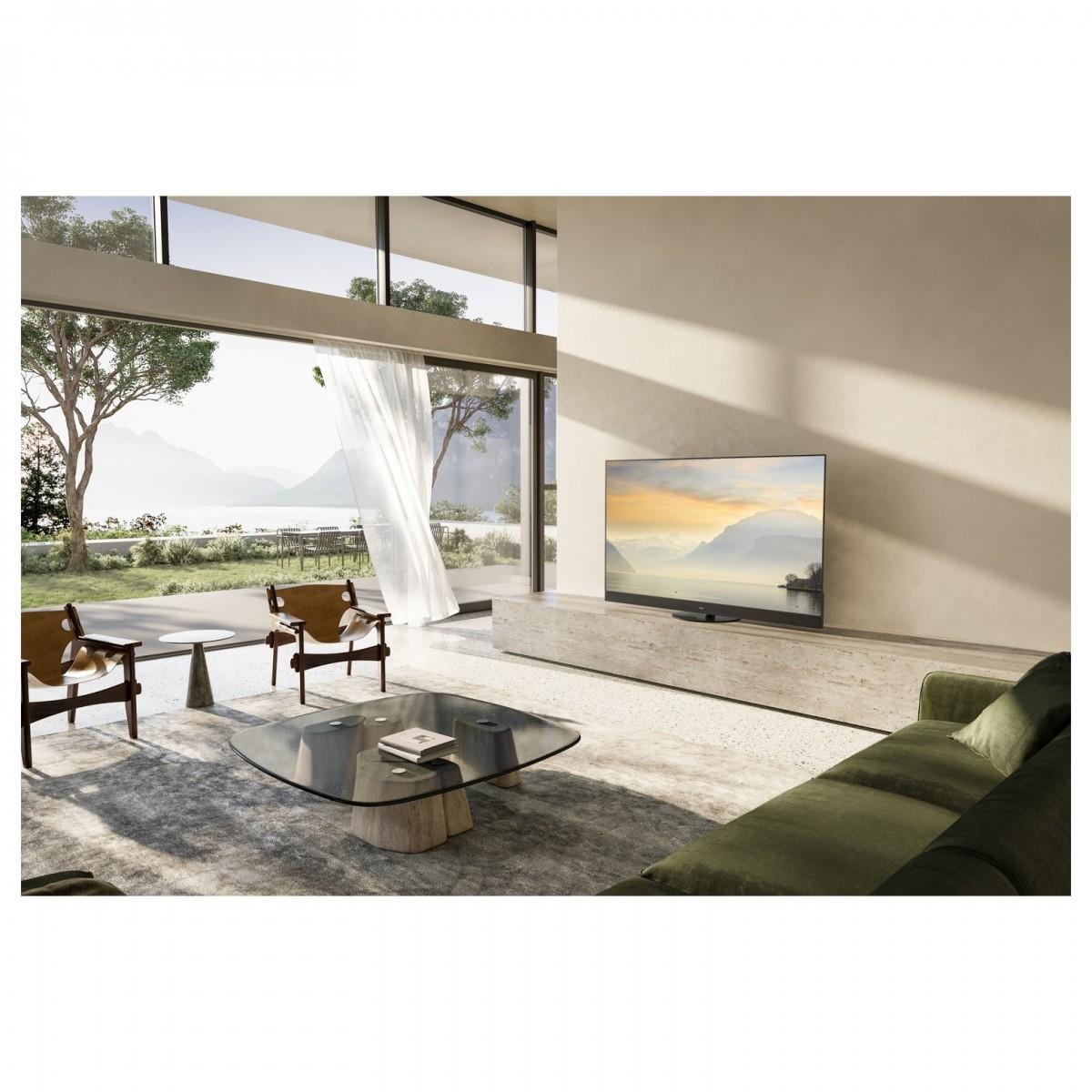
OLED technology in the Panasonic works completely differently. Each pixel produces its own light and can turn completely off, creating true black levels impossible with backlit displays. The Z95A uses advanced "micro lens array" technology to boost brightness efficiency, addressing OLED's traditional weakness in bright rooms.
The fundamental trade-off remains: Mini-LED excels in bright environments and offers worry-free operation, while OLED provides superior contrast and viewing angles but requires more consideration of room lighting and usage patterns.
Brightness capability might be the most important factor determining which TV works best in your space. The Roku Pro Series 2025 achieves remarkable peak HDR brightness levels of around 1,750-1,800 nits. To put this in perspective, that's bright enough to create eye-catching highlights even in rooms with large windows and afternoon sun streaming in.
This brightness advantage is real and noticeable. In our research of user experiences, people consistently report that the Roku maintains vibrant colors and sharp contrast even when competing with table lamps, ceiling lights, and natural daylight. One reviewer noted switching from a high-end OLED and being surprised how much brighter the Roku appeared in their bright living room.
The Panasonic Z95A, while significantly brighter than older OLED TVs, still can't match these peak brightness levels. However, its micro lens array technology does improve light efficiency compared to standard OLED panels. In controlled lighting – think curtains drawn for movie night – the Panasonic's superior contrast often creates more impactful HDR than raw brightness alone.
Here's where OLED technology still reigns supreme. When the Panasonic Z95A needs to display black, those pixels simply turn off completely. No light leaks through, creating infinite contrast ratios that make space scenes look genuinely inky and text appear to float on nothingness.
The Roku Pro Series 2025, despite its advanced Mini-LED array with full local dimming, still uses a backlight. This means some light can "bloom" around bright objects against dark backgrounds – though Roku has minimized this effect significantly compared to budget TVs. Most users won't notice blooming during normal viewing, but it's visible during specific scenarios like white subtitles on black backgrounds.
User reviews consistently praise the Panasonic's deep blacks and how they enhance the perceived depth of HDR content. One viewer described watching "Dune" and feeling like they could "fall into" the desert night scenes. The Roku, while excellent, can't quite achieve this three-dimensional quality.
Both TVs employ sophisticated AI-driven picture processing, but with different philosophies. The Roku Pro Series 2025 uses "Smart Picture Max," which analyzes incoming video signals frame-by-frame to reduce compression artifacts (those blocky or blurry areas you sometimes see in streaming video) and optimize color and sharpness automatically.
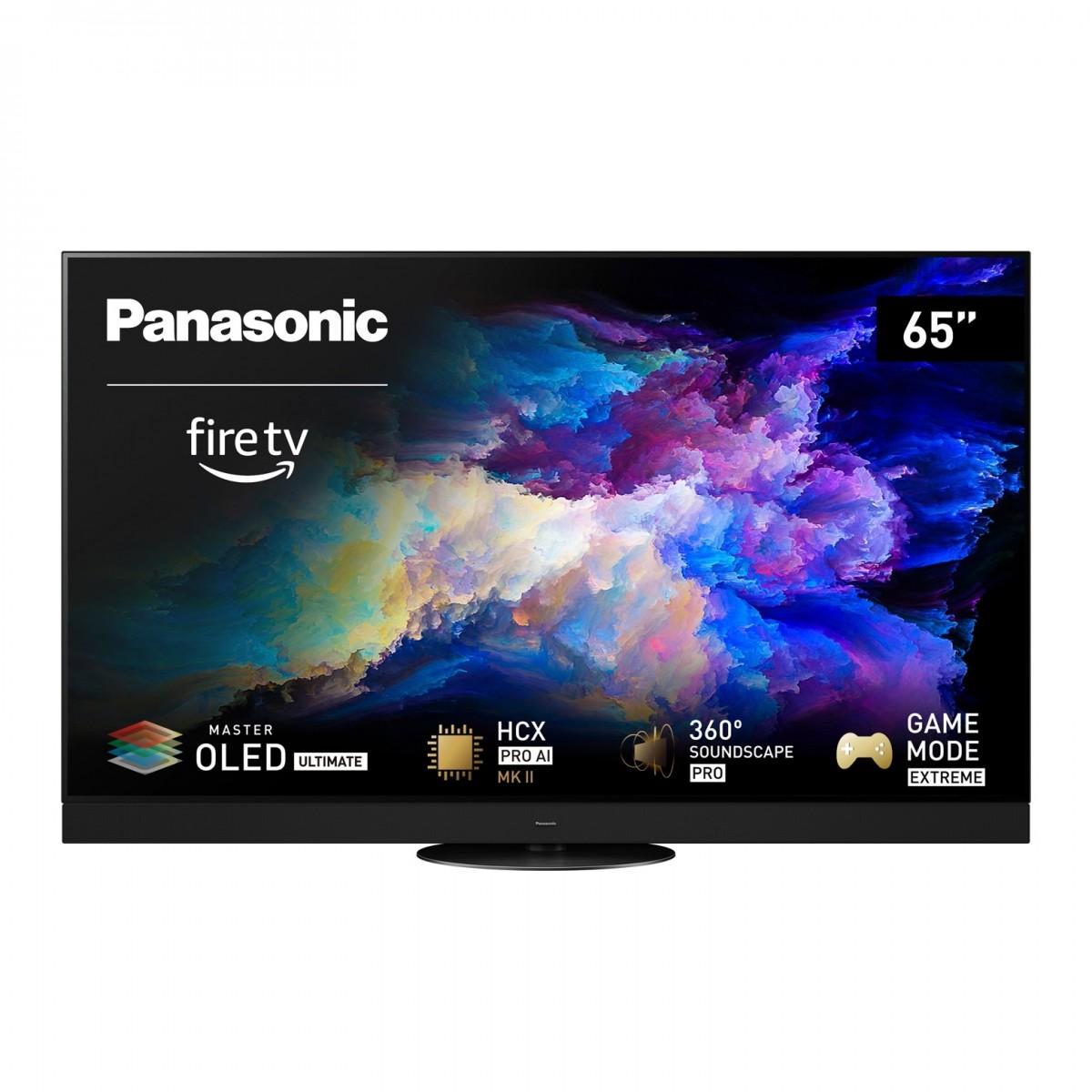
The Panasonic Z95A takes a more content-aware approach with its "HCX Pro AI Processor MK II." This system recognizes different content types – sports, movies, live concerts – and adjusts picture settings accordingly. It's like having a professional calibrator constantly tweaking your TV for optimal viewing.
In terms of color gamut (the range of colors a TV can display), both cover similar ground with around 97% of the UHDA-P3 color space that most HDR content uses. The Panasonic edges ahead slightly in color accuracy, particularly for viewers who want exactly what the content creators intended.
Gaming capabilities have become crucial TV features, and both models deliver impressive performance. The Panasonic Z95A leads with 144Hz refresh rate support, making it future-ready for high-frame-rate PC gaming and next-generation consoles. This higher refresh rate creates smoother motion during fast-paced games and reduces motion blur.
The Roku Pro Series 2025 offers 120Hz refresh rate, which handles current PlayStation 5 and Xbox Series X games perfectly. Its input lag drops to just 5.2 milliseconds at 120Hz – essentially instantaneous response that competitive gamers demand.
Both TVs support Variable Refresh Rate (VRR) technology, which synchronizes the TV's refresh rate with your gaming device to eliminate screen tearing. The Panasonic supports both AMD FreeSync Premium and NVIDIA G-SYNC, while the Roku focuses on AMD FreeSync Premium Pro. Both include Auto Low Latency Mode (ALLM), which automatically switches to game mode when it detects a gaming device.
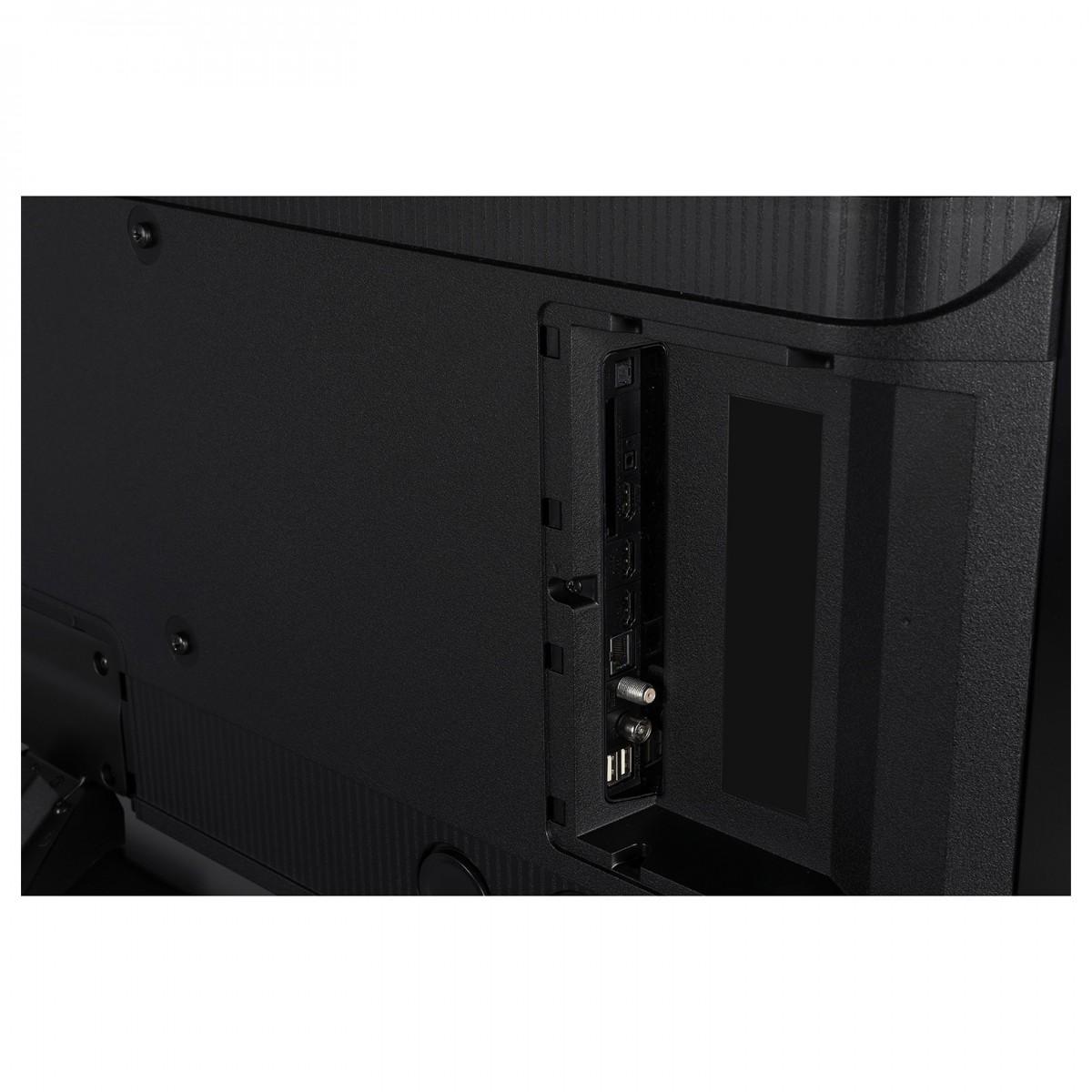
OLED's faster pixel response time gives the Panasonic Z95A an edge for motion clarity during gaming, though the Roku Pro Series 2025 handles motion well enough that most gamers won't notice the difference. Both include two HDMI 2.1 ports capable of 4K at 120Hz, sufficient for modern gaming setups.
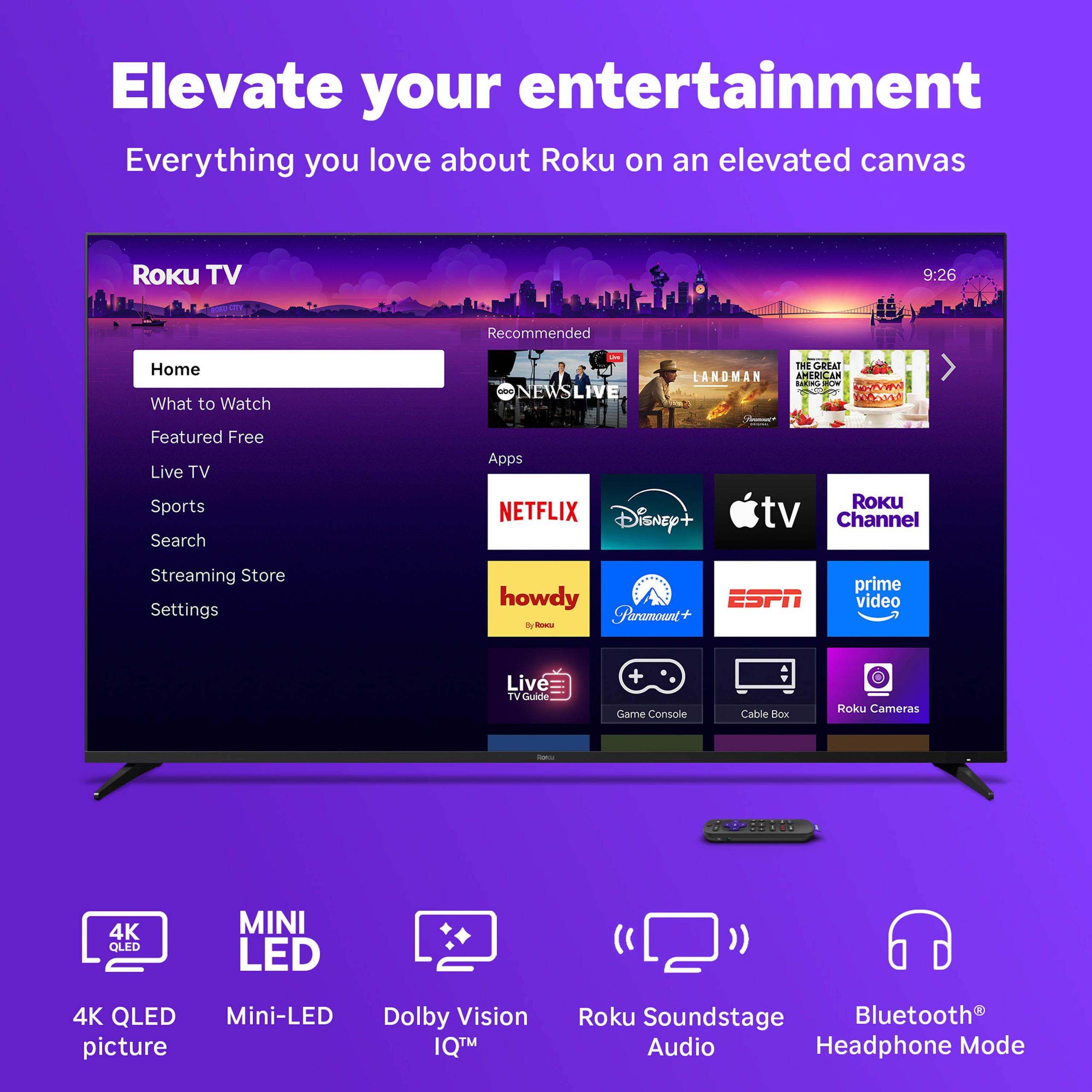
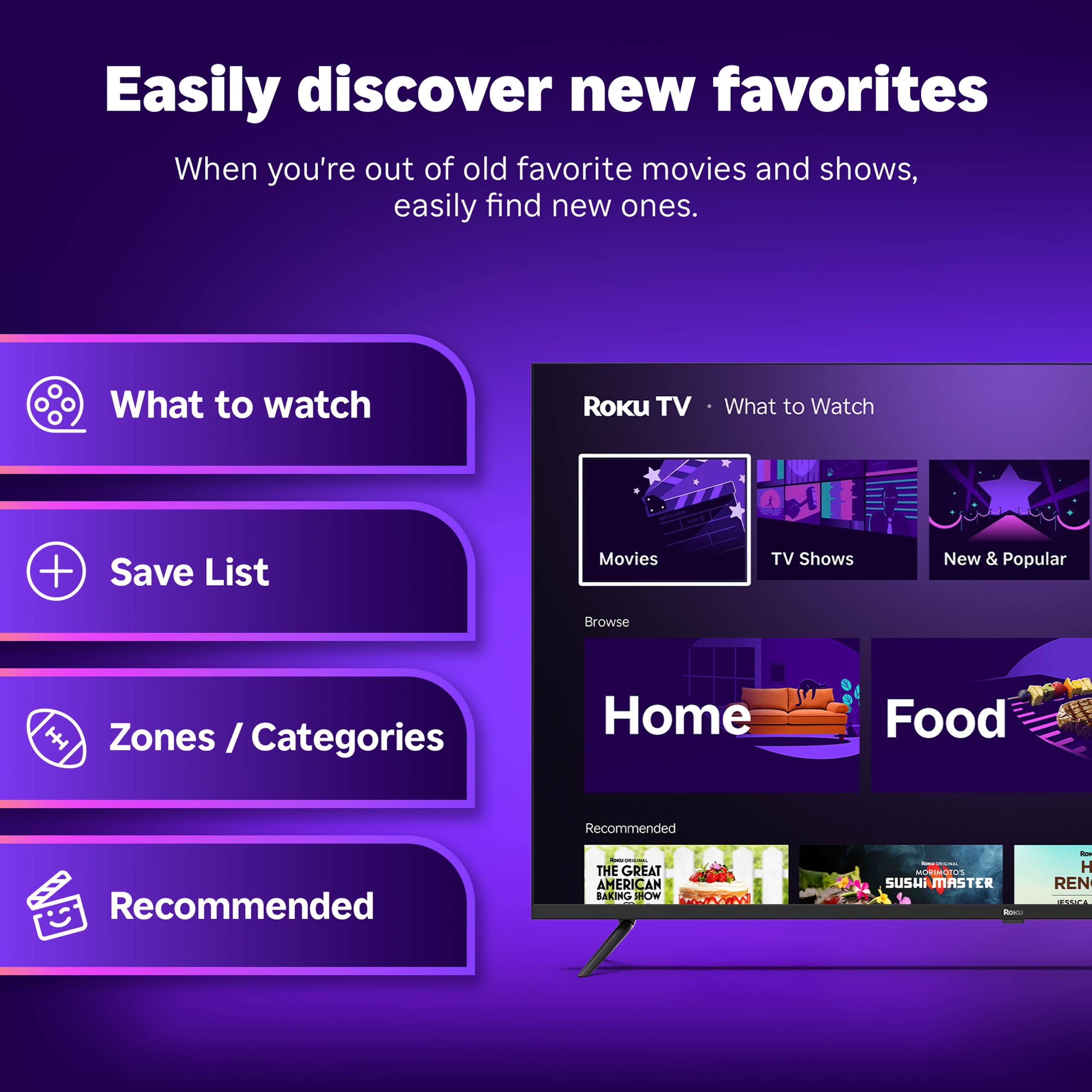
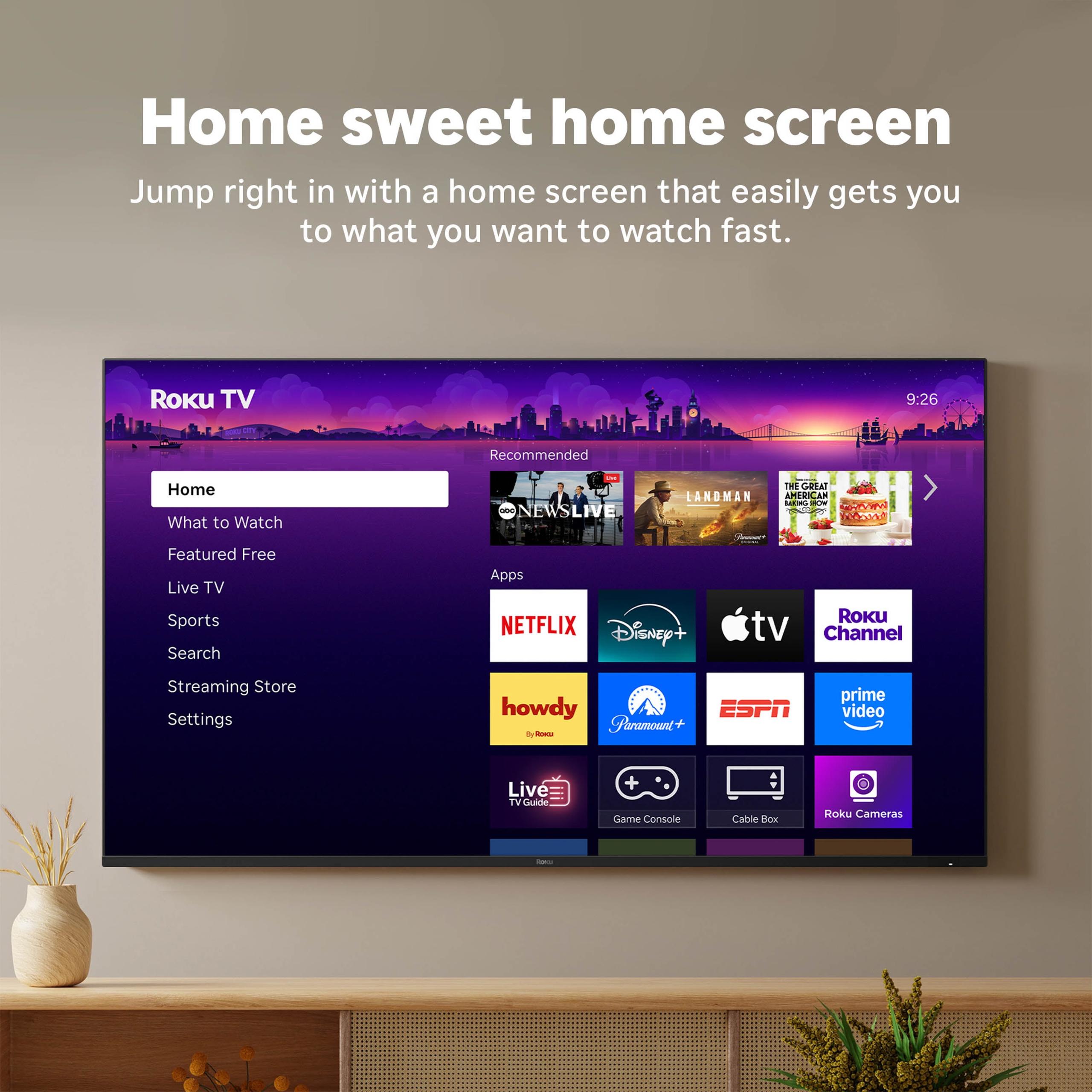
The smart TV platform choice significantly impacts daily usability. The Roku Pro Series 2025 runs Roku TV OS, widely considered the most user-friendly interface available. It aggregates content from all your streaming services onto one home screen, making it easy to find something to watch without remembering which app has which show.
Roku's strength lies in its content-agnostic approach. It doesn't favor any particular streaming service, instead presenting options from Netflix, Disney+, HBO Max, and others equally. The search function works across all platforms, and the interface remains consistent regardless of content source.
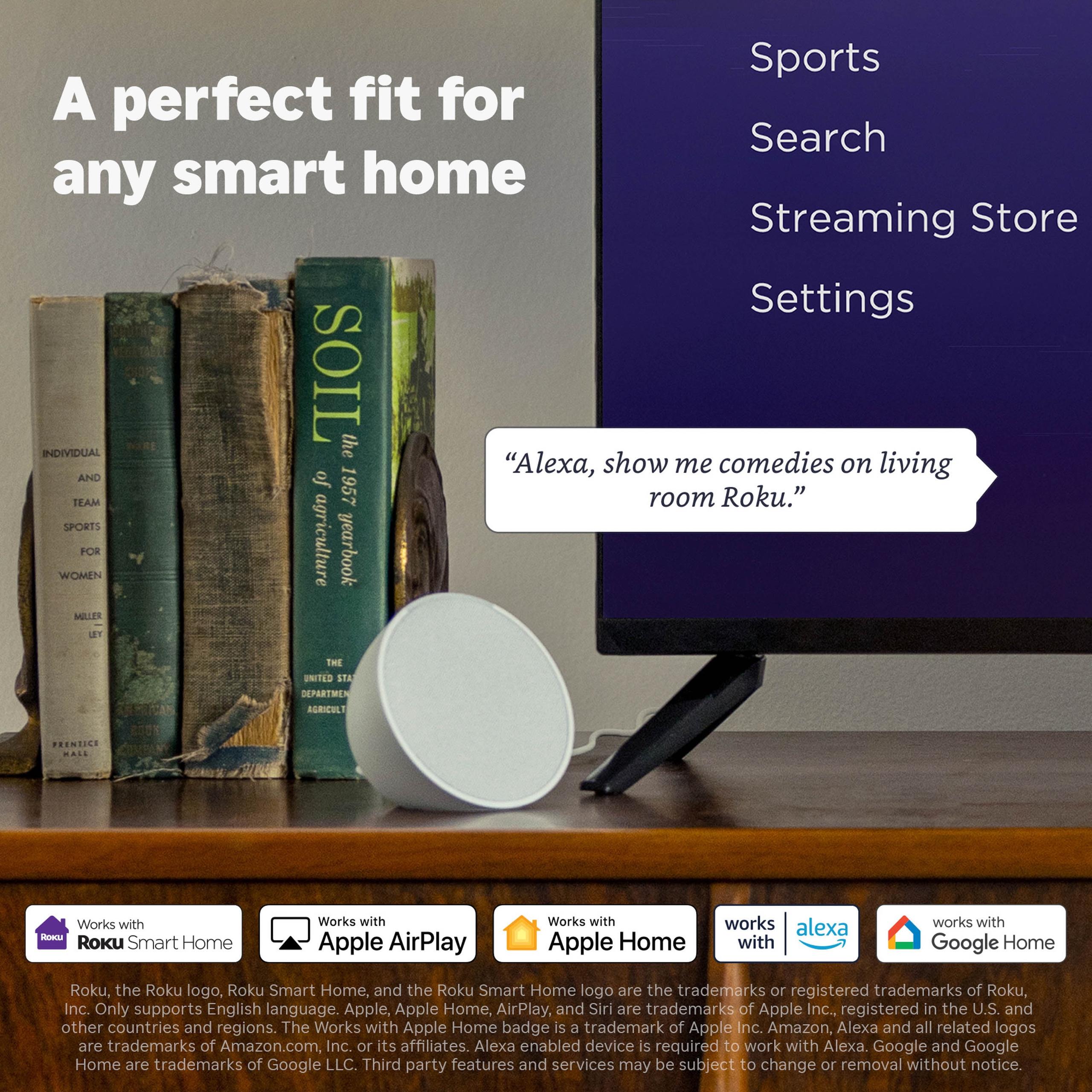
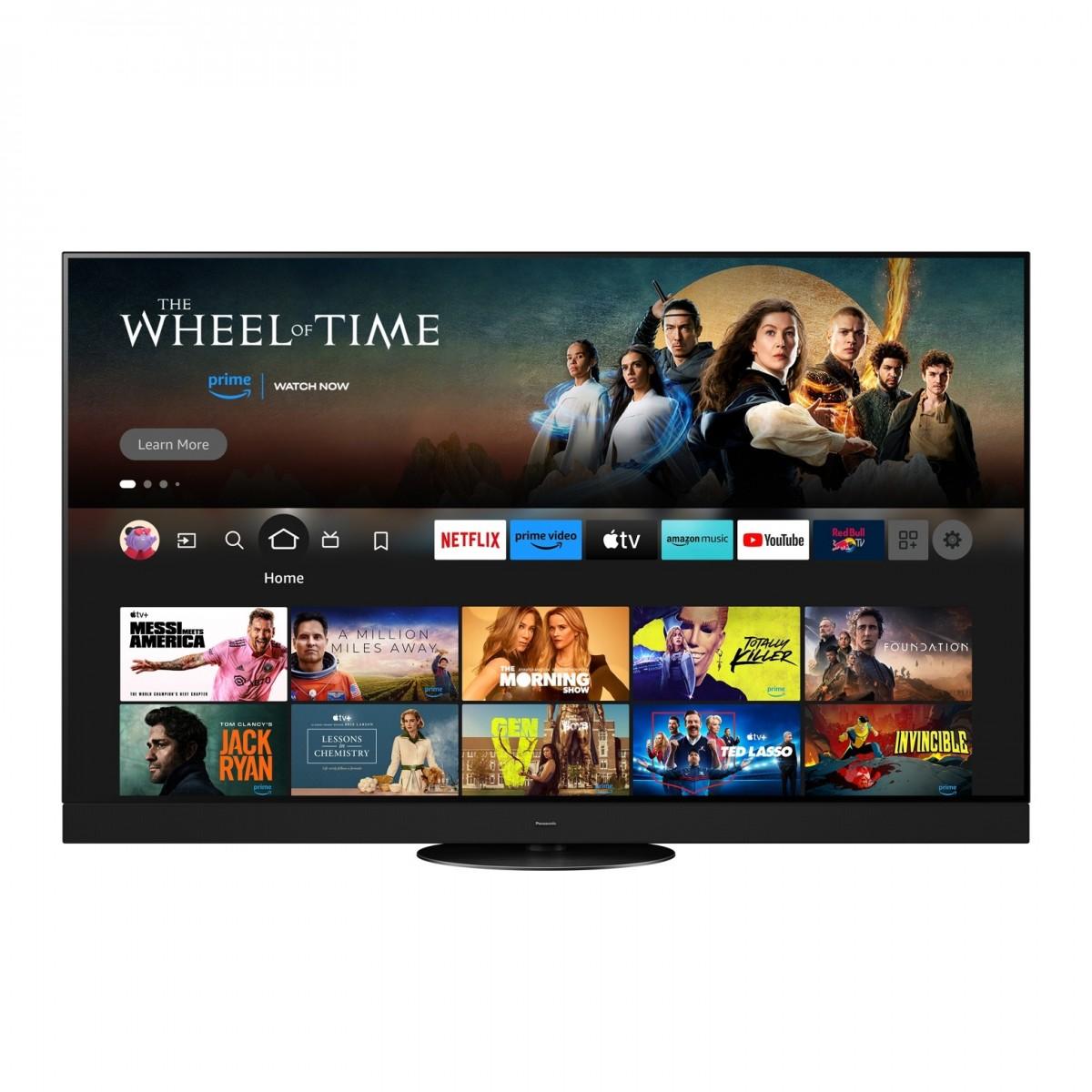
The Panasonic Z95A uses Fire TV built-in, which provides excellent integration with Amazon's ecosystem. If you use Alexa smart home devices or Prime Video regularly, the integration feels seamless. However, some users report that Fire TV can feel Amazon-centric in its recommendations and interface design.
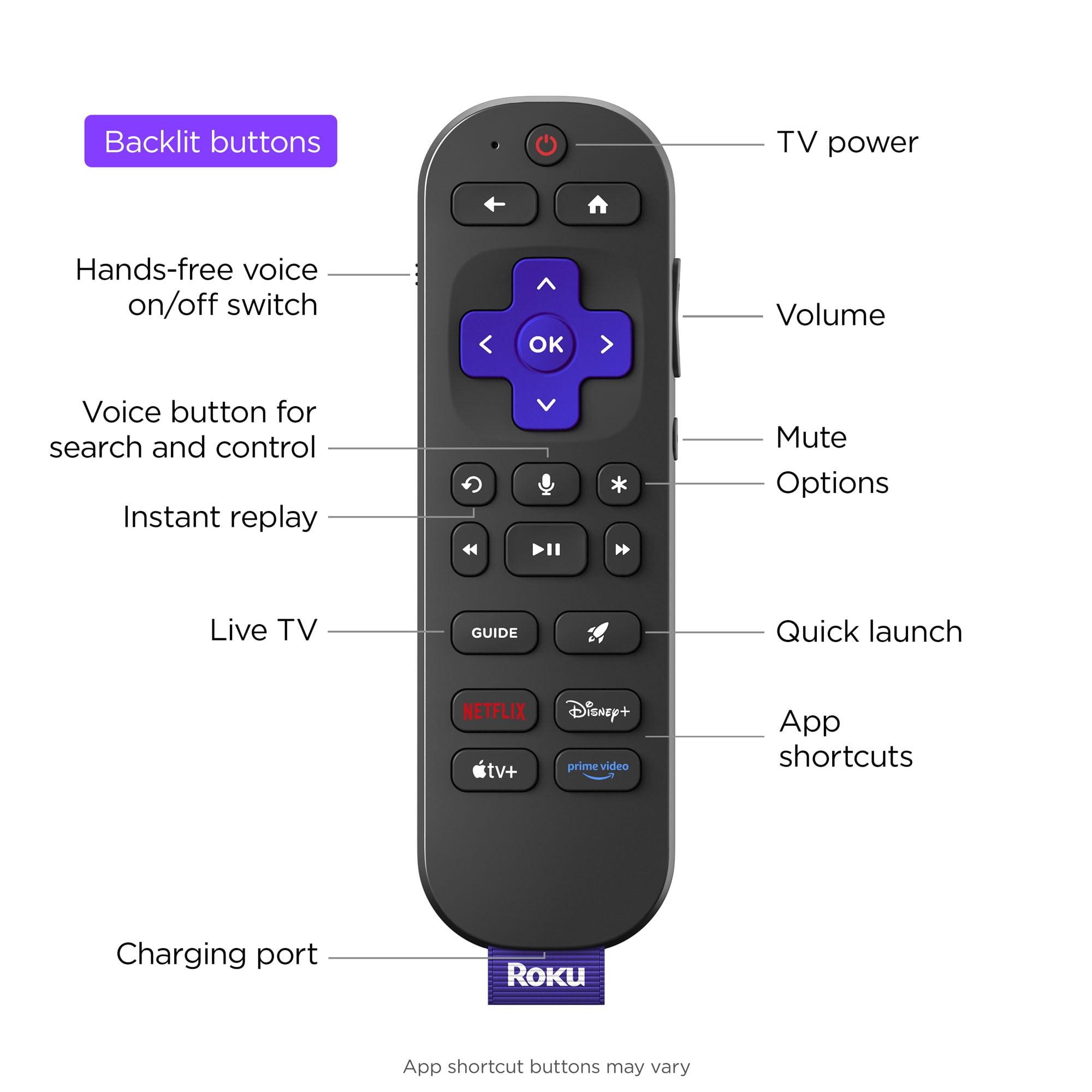
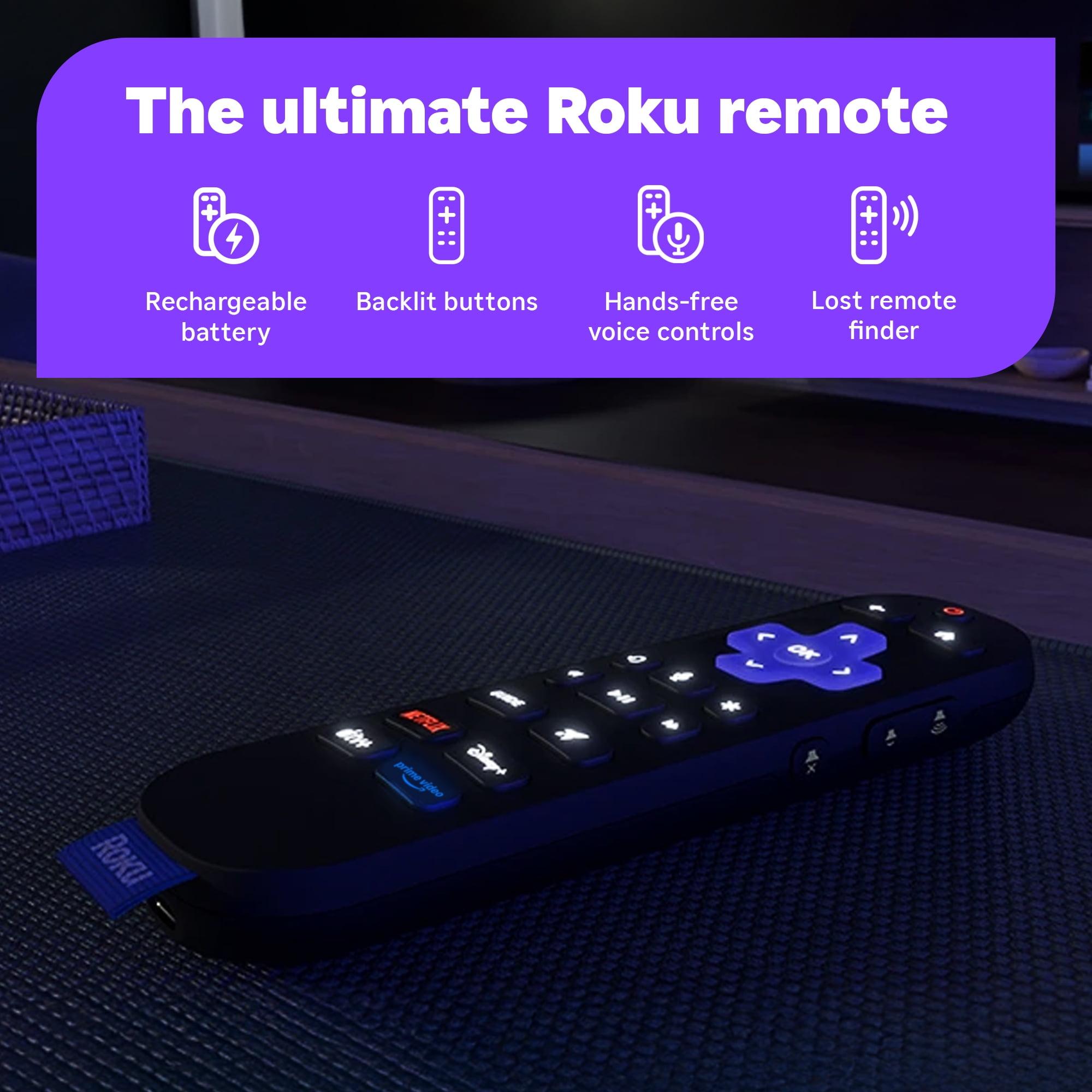
The Roku includes a standout Voice Remote Pro with backlighting, rechargeable battery, and a "find my remote" button on the TV itself – a game-changer for households where remotes mysteriously disappear. The Panasonic's Fire TV remote offers standard voice search and Alexa integration but lacks these premium touches.
Built-in TV audio has improved dramatically, and both models reflect this trend. The Roku Pro Series 2025 has garnered particular praise for its audio performance, with reviewers calling it "the best sounding LCD TV" they've tested. Its side-firing Dolby Atmos speakers create room-filling sound that users describe as having "theater-like bass."
Multiple user reviews mention being surprised by the Roku's audio quality, with some delaying soundbar purchases because the built-in speakers exceeded expectations. The sound remains clear at high volumes and provides adequate bass for most content types.
The Panasonic Z95A features "360° Soundscape Pro" tuned by Technics, with front-array, upward, and side-firing speakers designed to create spatial audio. While sophisticated in design, user feedback suggests it doesn't quite match the Roku's surprising audio performance, though it's still respectable for built-in TV speakers.
Both TVs support Dolby Atmos passthrough for external sound systems, so serious home theater enthusiasts can add dedicated audio equipment later.
For dedicated home theater setups, the choice between these TVs depends heavily on your room's lighting control. The Panasonic Z95A excels in dark or controlled lighting environments where its superior contrast creates the most cinematic experience. The perfect black levels make space movies, nighttime scenes, and high-contrast content more immersive.
The TV's cinema-focused picture processing aligns with filmmaker intent, making it ideal for movie enthusiasts who want exactly what directors intended. Its professional calibration support (ISFccc certification) allows custom installers to achieve reference-level accuracy.
The Roku Pro Series 2025 works better for multi-purpose rooms where you watch TV during various times of day with different lighting conditions. Its exceptional brightness maintains picture quality regardless of ambient light, making it more versatile for families who don't always dim the lights for viewing.
For home theaters with multiple seating positions, the Panasonic's OLED technology provides better viewing angles, ensuring everyone gets a good picture. However, the Roku's viewing angles are adequate for most family rooms.
Reliability considerations favor different aspects of each technology. Mini-LED QLED in the Roku Pro Series 2025 eliminates burn-in risk entirely – you can leave static images on screen without worry. The LED backlights typically maintain consistent brightness for many years.
OLED technology in the Panasonic Z95A has improved significantly regarding burn-in susceptibility, but some risk remains with static content like video game HUDs or news channel logos. Modern OLED panels include protective features, but cautious usage patterns are still recommended.
Roku has established an excellent reputation for software updates and platform longevity. Many users report Roku TVs remaining current and responsive for years beyond purchase. Panasonic's Fire TV implementation benefits from Amazon's continued platform development.
The Roku Pro Series 2025 represents the better choice for most buyers, particularly those with bright living rooms or multi-purpose spaces. Its combination of excellent picture quality, outstanding built-in audio, intuitive smart platform, and worry-free operation delivers tremendous value. The superior brightness performance ensures consistent picture quality regardless of viewing conditions.
Choose the Roku if you have large windows, prefer simple operation, want impressive built-in audio, or prioritize value without sacrificing modern features. It's particularly excellent for families with varied viewing preferences and gaming needs.
The Panasonic Z95A justifies its premium pricing for viewers who prioritize ultimate picture quality and have appropriate viewing environments. Its OLED technology delivers superior contrast and cinema-accurate reproduction that videophiles will appreciate.
Choose the Panasonic if you have a dedicated viewing room or can control ambient lighting, want the absolute best contrast performance, need 144Hz gaming capability, or prefer Fire TV's ecosystem integration. It's the better choice for serious movie enthusiasts and hardcore gamers.
Both TVs represent excellent options in 2025's competitive premium TV market. The Roku offers exceptional mainstream value, while the Panasonic targets enthusiasts willing to pay for OLED's unique advantages. Your viewing environment and priorities should guide the final decision, but either choice will deliver a significant upgrade over older TV technology.
| Roku 65" Pro Series 2025 4K QLED TV | Panasonic Z95A 65" OLED 4K Ultra HD Smart TV |
|---|---|
| Display Technology - Determines picture quality fundamentals and long-term reliability | |
| Mini-LED QLED with full array local dimming (no burn-in risk, exceptional brightness) | OLED with micro lens array (perfect blacks, superior contrast, minimal burn-in risk) |
| Peak HDR Brightness - Critical for bright room viewing and HDR impact | |
| 1,752-1,818 nits (excellent for bright living rooms) | Lower than Mini-LED but improved over standard OLED (best for controlled lighting) |
| Refresh Rate - Important for gaming and sports viewing | |
| 120Hz (handles all current gaming perfectly) | 144Hz (future-ready for high-frame PC gaming) |
| Gaming Features - Essential for console and PC gaming performance | |
| AMD FreeSync Premium Pro, VRR, ALLM, 5.2ms input lag, 2x HDMI 2.1 ports | AMD FreeSync Premium + NVIDIA G-SYNC, VRR up to 144Hz, ALLM, 2x HDMI 2.1 ports |
| Smart TV Platform - Affects daily usability and content discovery | |
| Roku TV OS (most user-friendly, content-agnostic interface) | Fire TV built-in with Alexa (Amazon ecosystem integration) |
| Audio System - Determines if you need immediate soundbar investment | |
| Side-firing Dolby Atmos speakers (surprisingly excellent, "best LCD TV sound tested") | 360° Soundscape Pro tuned by Technics (good but not exceptional) |
| Remote Control - Daily convenience factor often overlooked | |
| Voice Remote Pro with backlighting, rechargeable battery, find-my-remote button | Standard Fire TV remote with Alexa voice control |
| Viewing Angles - Important for family seating arrangements | |
| Good for Mini-LED but limited compared to OLED | Excellent OLED viewing angles from all positions |
| HDR Format Support - Ensures compatibility with premium content | |
| Dolby Vision IQ, HDR10+, HDR10, HLG | Dolby Vision IQ, HDR10+ Adaptive, HDR10, HLG |
| Picture Processing - Affects content optimization and upscaling | |
| Smart Picture Max AI (cleans compression artifacts, optimizes scene-by-scene) | HCX Pro AI Processor MK II (content-aware adjustments for sports/movies/music) |
| Best Use Cases - Who should choose this TV | |
| Bright rooms, families, gaming, value-focused buyers, worry-free operation | Dark rooms, videophiles, premium gaming, cinema accuracy enthusiasts |
The Roku 65" Pro Series 2025 4K QLED TV is significantly better for bright rooms. Its Mini-LED technology delivers peak brightness of 1,750-1,800 nits, maintaining vibrant colors and sharp contrast even with windows open during the day. The Panasonic Z95A 65" OLED 4K Ultra HD Smart TV, while brighter than older OLEDs, still works best in controlled lighting environments where its superior contrast can shine.
The Roku 65" Pro Series 2025 uses QLED (Quantum Dot LED) technology with Mini-LED backlighting, offering exceptional brightness and zero burn-in risk. The Panasonic Z95A uses OLED (Organic LED) where each pixel produces its own light and can turn completely off for perfect blacks and infinite contrast. QLED excels in bright rooms, while OLED provides superior contrast in darker environments.
The Panasonic Z95A 65" OLED has a slight gaming advantage with 144Hz refresh rate versus the Roku's 120Hz, plus support for both AMD FreeSync and NVIDIA G-SYNC. However, the Roku 65" Pro Series 2025 offers excellent gaming with 5.2ms input lag and handles all current console gaming perfectly. Both include two HDMI 2.1 ports for 4K@120Hz gaming.
The Roku 65" Pro Series 2025 4K QLED TV uses Roku TV OS, widely considered the most user-friendly smart TV platform with content-agnostic recommendations across all streaming services. The Panasonic Z95A runs Fire TV with excellent Alexa integration but can feel Amazon-centric. Roku's interface is simpler for finding content across multiple streaming platforms.
The Roku 65" Pro Series 2025 surprisingly delivers exceptional built-in audio, with reviewers calling it "the best sounding LCD TV" tested. Its side-firing Dolby Atmos speakers provide room-filling sound that often delays soundbar purchases. The Panasonic Z95A 65" OLED features 360° Soundscape Pro tuned by Technics, which is good but doesn't match the Roku's impressive audio performance.
The Panasonic Z95A 65" OLED Ultra HD Smart TV justifies its premium for viewers who prioritize perfect black levels, superior contrast, and cinema accuracy in controlled lighting. The Roku 65" Pro Series 2025 offers exceptional value with worry-free operation, better bright room performance, and outstanding built-in audio. OLED is worth it for videophiles with appropriate viewing environments.
For dedicated home theaters with controlled lighting, the Panasonic Z95A 65" OLED excels with perfect black levels, superior contrast, and cinema-accurate picture processing. The Roku 65" Pro Series 2025 4K QLED TV works better for multi-purpose rooms where viewing happens at various times with different lighting conditions, thanks to its exceptional brightness capability.
The Roku 65" Pro Series 2025 has zero burn-in risk due to its Mini-LED QLED technology, allowing worry-free use with static content like gaming HUDs or news channels. The Panasonic Z95A OLED has minimal burn-in risk with modern protective features, but cautious usage patterns are still recommended for static images over extended periods.
The Panasonic Z95A 65" OLED Ultra HD Smart TV provides excellent viewing angles from all seating positions, typical of OLED technology. The Roku 65" Pro Series 2025 offers adequate viewing angles for most family rooms but can't match OLED's wide-angle performance. For multiple seating positions, the Panasonic maintains better picture quality from the sides.
The Panasonic Z95A offers 144Hz refresh rate compared to the Roku's 120Hz. This difference mainly benefits high-frame-rate PC gaming and future console capabilities. For current PlayStation 5 and Xbox Series X gaming, the Roku 65" Pro Series 2025 4K QLED TV handles everything perfectly at 120Hz.
The Roku 65" Pro Series 2025 provides exceptional value with modern features, outstanding brightness, impressive built-in audio, and user-friendly smart platform at a more accessible price point. The Panasonic Z95A 65" OLED targets enthusiasts willing to pay premium pricing for OLED's unique picture quality advantages and professional-grade processing.
The Roku 65" Pro Series 2025 4K QLED TV offers worry-free reliability with no burn-in concerns and consistent LED backlight performance over many years. Roku also has an excellent reputation for long-term software support. The Panasonic Z95A OLED features improved OLED reliability but still requires more careful consideration of usage patterns to maximize panel lifespan.
We've done our best to create useful and informative comparisons to help you decide what product to buy. Our research uses advanced automated methods to create this comparison and perfection is not possible - please contact us for corrections or questions. These are the sites we've researched in the creation of this article: bestbuy.com - rtings.com - techradar.com - youtube.com - roku.com - youtube.com - walmart.com - bestbuy.com - youtube.com - electronicexpress.com - roku.com - pcvarge.com - ecoustics.com - youtube.com - youtube.com - whathifi.com - tomsguide.com - shop.panasonic.com - store.in.panasonic.com - rtings.com - applianceplus.co.nz - rtings.com - store.in.panasonic.com - samsung.com

Privacy Policy
Terms and Conditions - Affiliate Policy
Home Security
© Copyright 2008-2026.
11816 Inwood Rd #1211, Dallas, TX 75244