

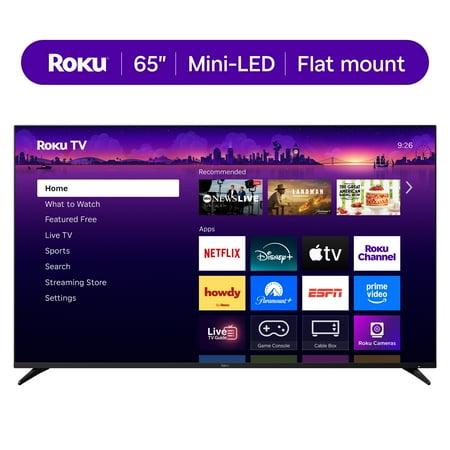
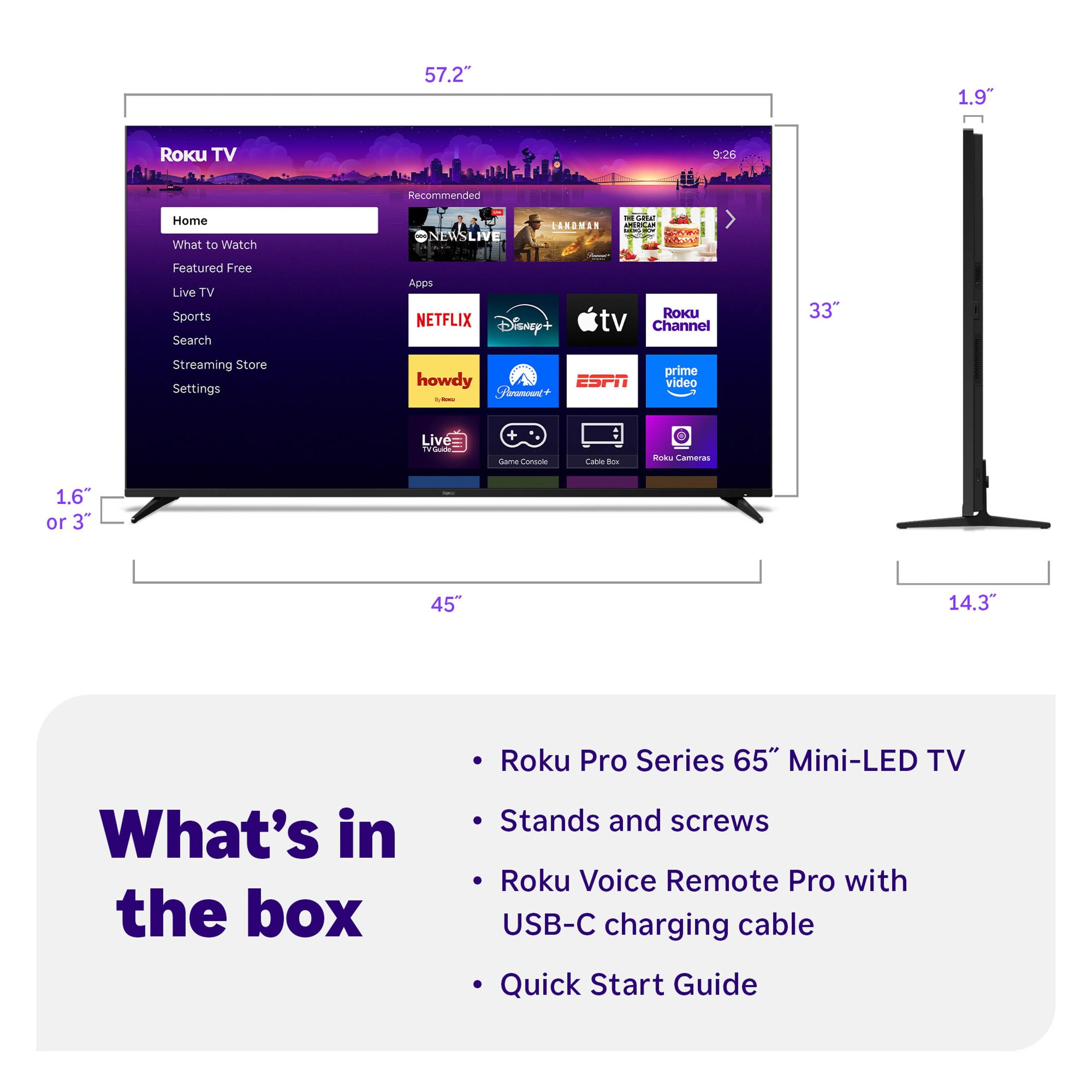
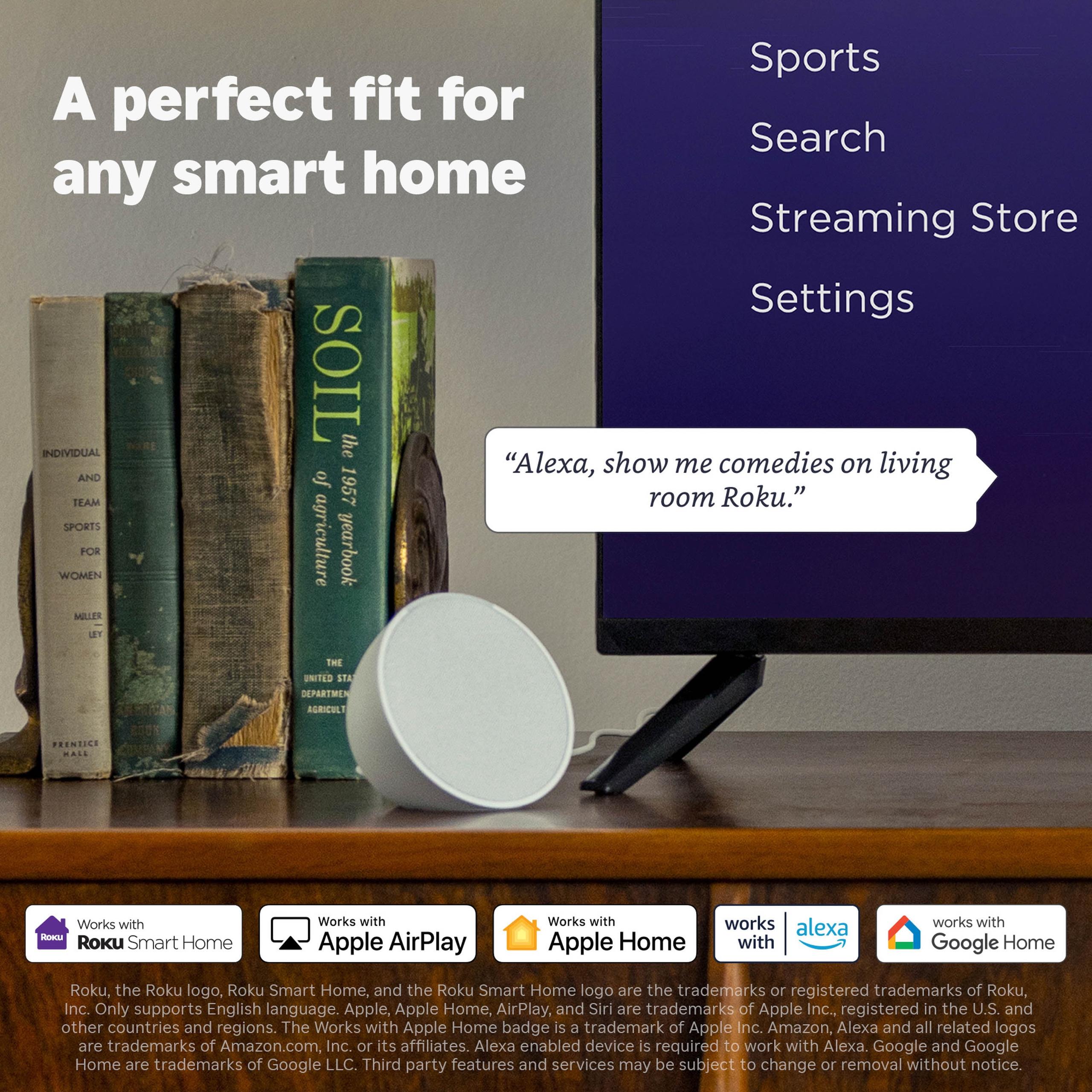
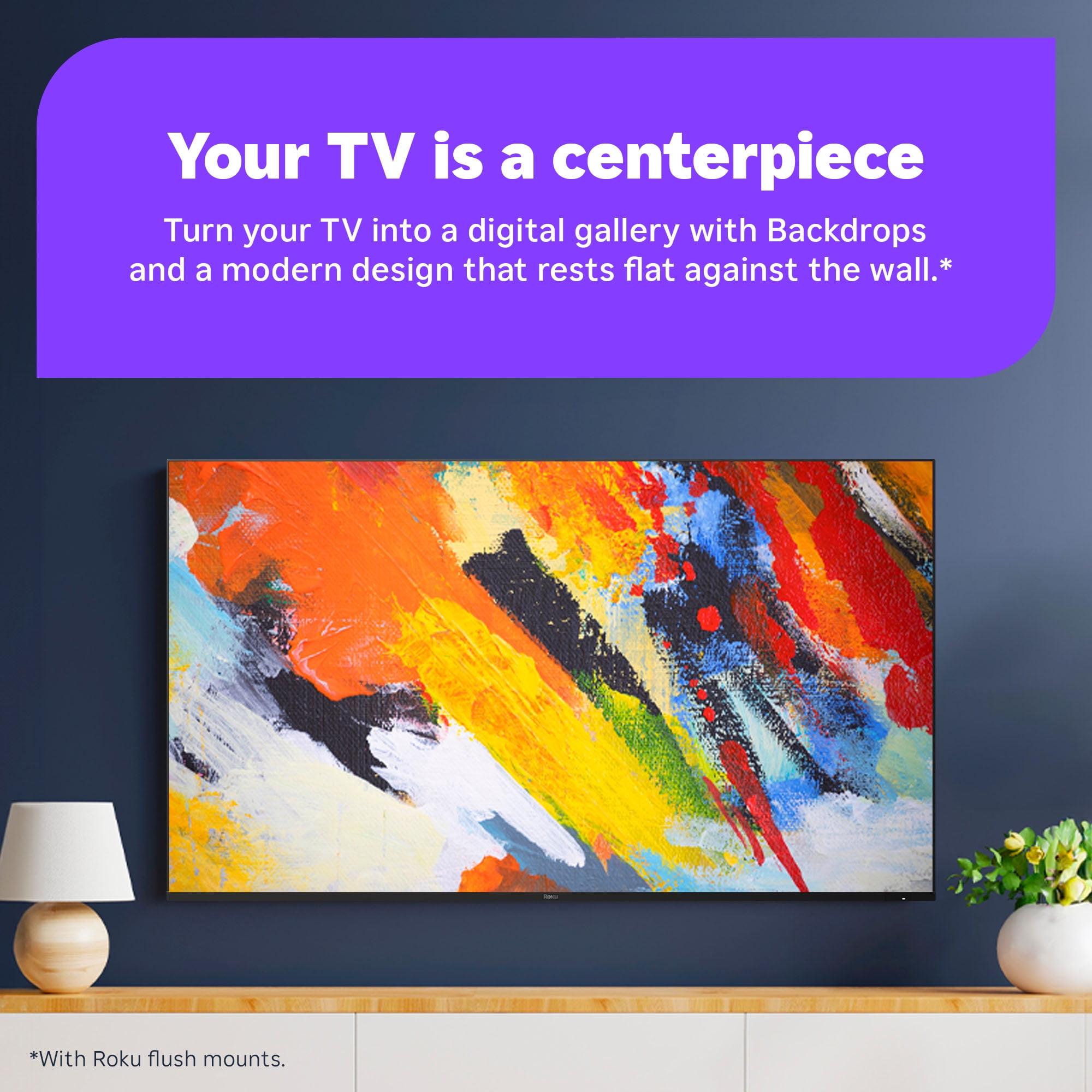

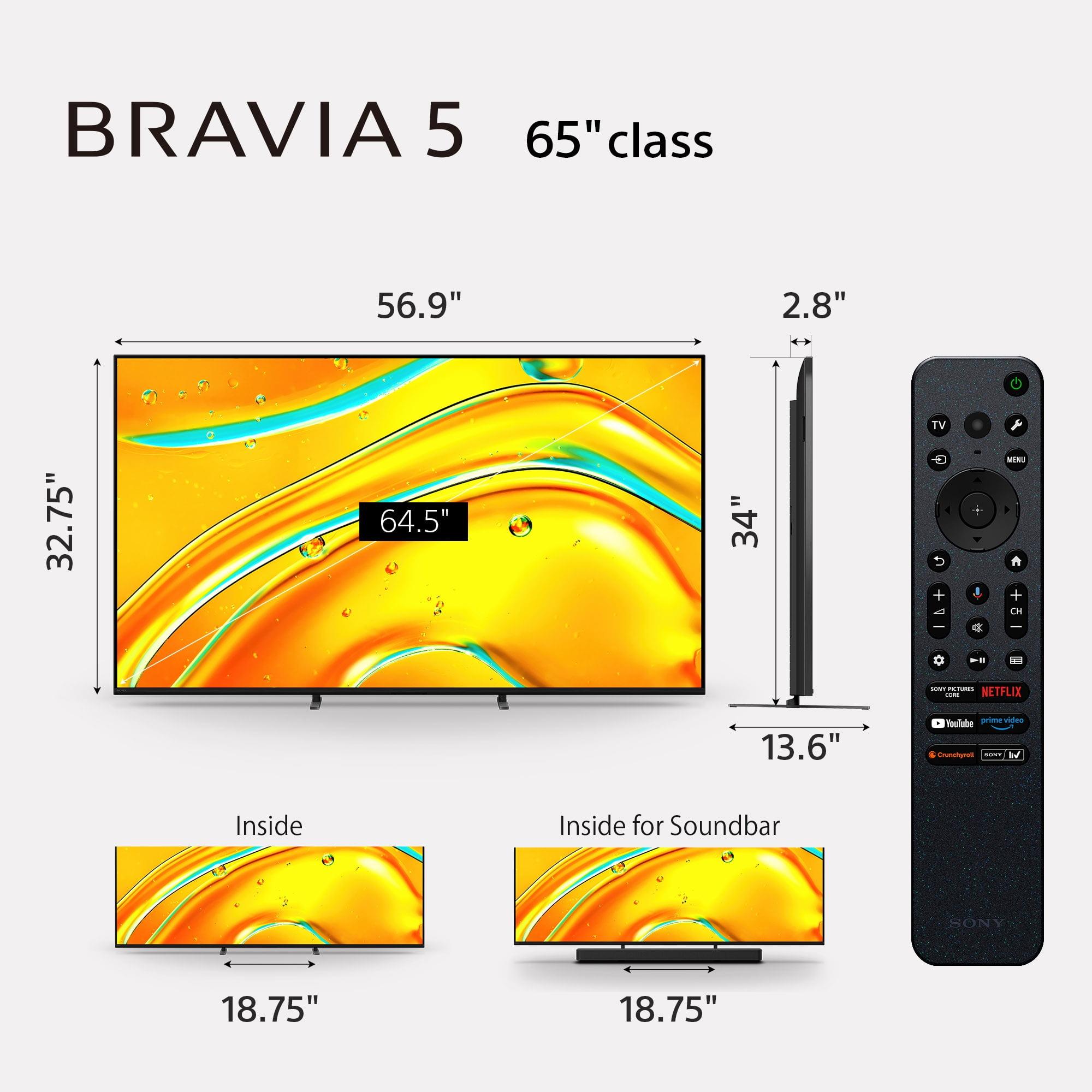
Shopping for a 65-inch TV in 2025 means navigating a landscape where "good enough" picture quality is table stakes, and the real differences lie in how each brand approaches smart features, gaming, and overall user experience. The Roku 65" Pro Series 2025 and Sony BRAVIA 5 65" represent two compelling but distinctly different philosophies in premium TV design.
Both TVs launched in 2025 with significant upgrades over their predecessors. The Roku Pro Series marked a major leap from Roku's previous efforts, introducing Mini-LED backlighting and gaming-focused features that transformed it from a basic smart TV into a legitimate premium contender. Meanwhile, Sony's BRAVIA 5 continued the company's tradition of cinema-grade picture processing while adding Mini-LED technology to compete with the brightness wars that have dominated the TV market.
At the time of writing, these models occupy similar price territories in the premium mid-range segment, making the choice between them particularly interesting for buyers who want flagship features without ultra-premium pricing.
The 65-inch premium TV market has evolved dramatically since the early days of 4K. Today's buyers can expect certain baseline features: 4K resolution, HDR support, smart TV platforms, and decent build quality are no longer differentiators. What separates the good from the great comes down to more subtle but important factors.
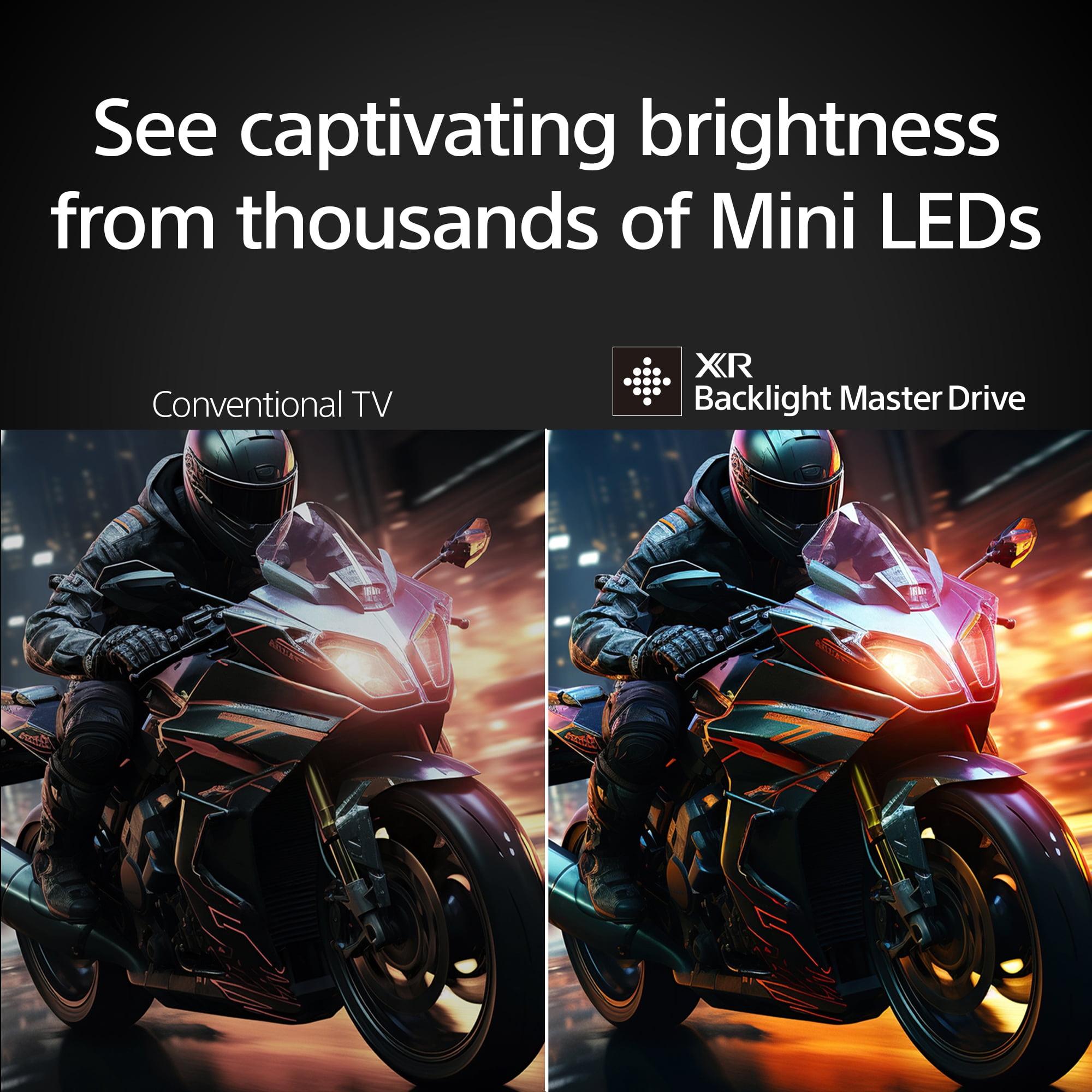
Display technology forms the foundation. Both TVs use Mini-LED backlighting, which sits between traditional LED and OLED technology. Mini-LEDs are much smaller than regular LEDs – think hundreds or thousands of tiny lights instead of dozens of larger ones – allowing for precise local dimming. This means the TV can make specific areas of the screen darker or brighter independently, creating better contrast than standard LED TVs while avoiding the burn-in risks of OLED displays.
Smart TV platforms have become equally important as picture quality. Your TV's operating system determines how you'll interact with streaming services, search for content, and integrate with other devices. A clunky interface can turn daily TV watching into a frustrating experience, regardless of how good the picture looks.
Gaming performance has emerged as a crucial differentiator as console gaming has embraced 4K at high refresh rates. Features like Variable Refresh Rate (VRR) eliminate screen tearing, Auto Low Latency Mode (ALLM) reduces input delay automatically, and HDMI 2.1 provides the bandwidth for 4K at 120Hz gaming.
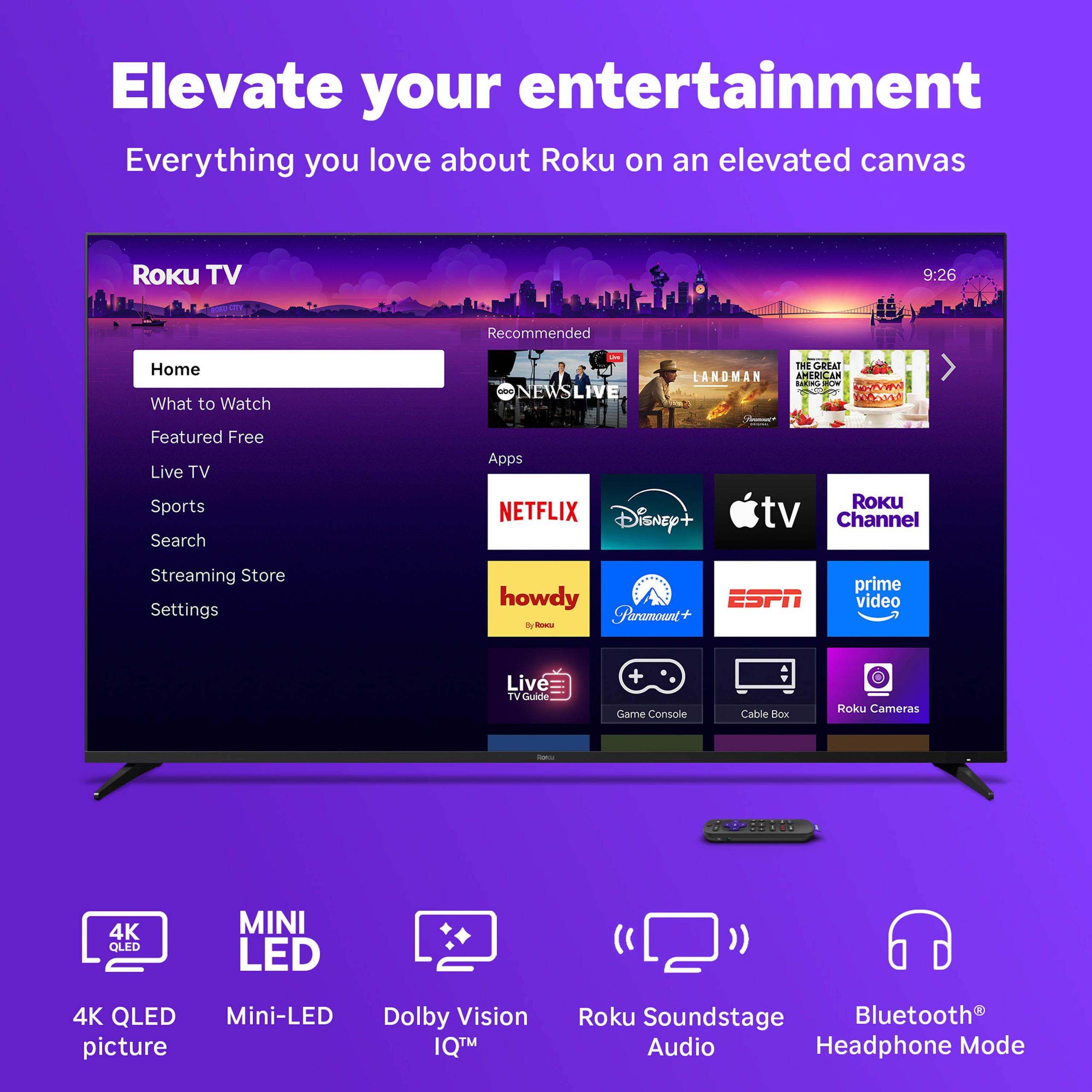
The Roku Pro Series employs QLED (Quantum Dot Light Emitting Diode) technology combined with Mini-LED backlighting. Quantum dots are microscopic particles that emit specific colors when hit with blue light, creating more accurate and vibrant colors than traditional LCD panels. Roku has re-engineered their Mini-LED system for 2025, delivering what they claim is 75% higher dynamic contrast than the previous generation.
The Sony BRAVIA 5 takes a different approach with their XR Backlight Master Drive system. Rather than focusing primarily on quantum dots, Sony emphasizes precision control of their Mini-LED zones. Their system targets 1,000 nits of peak brightness – a measurement of how bright the whitest whites can get – which is crucial for HDR content and viewing in bright rooms.
In practical terms, both approaches work well, but they excel in different scenarios. The Roku's quantum dot technology produces more saturated, eye-catching colors that many viewers prefer, especially for animated content and bright, colorful shows. The Sony's approach prioritizes accuracy and cinema-like presentation, which film enthusiasts often prefer.
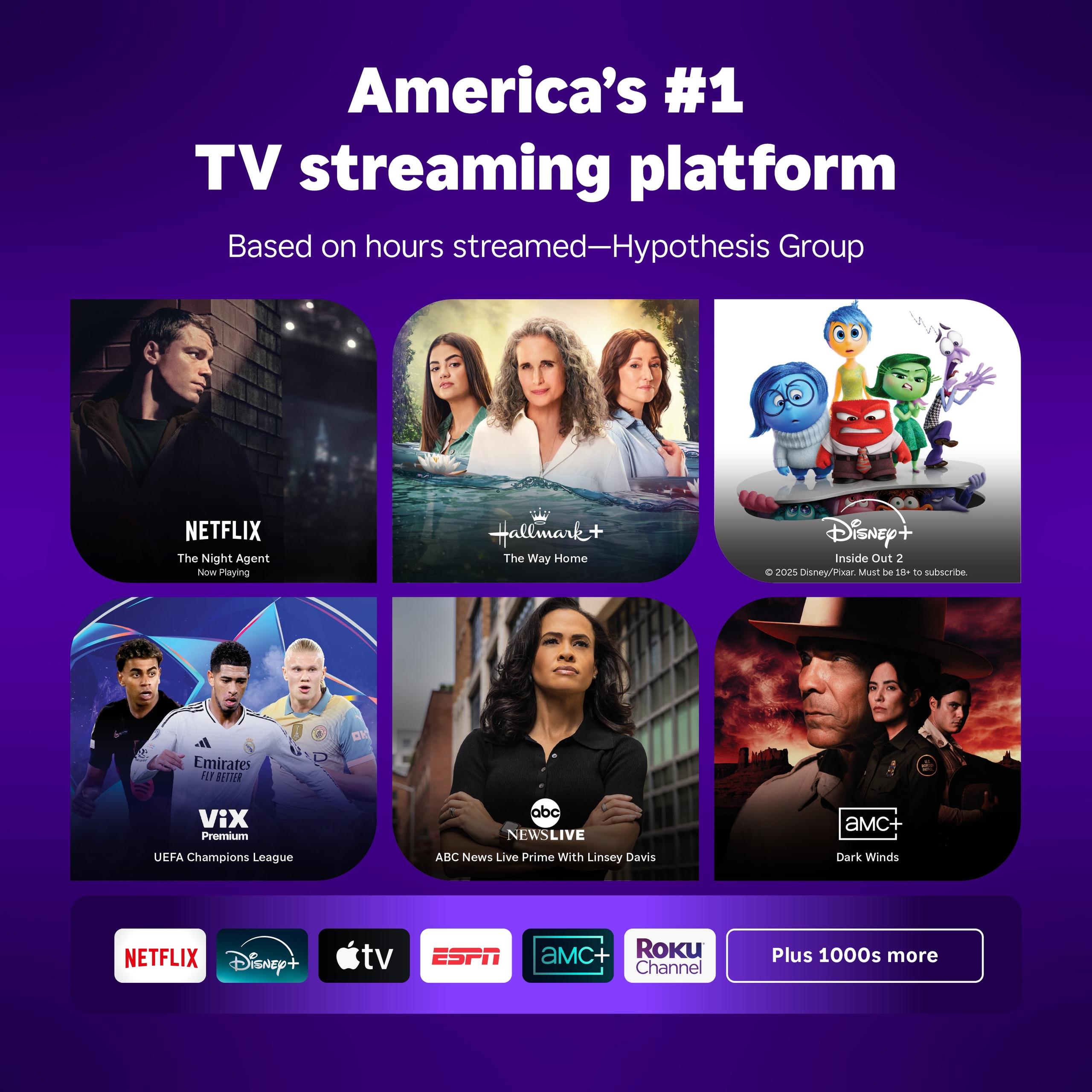
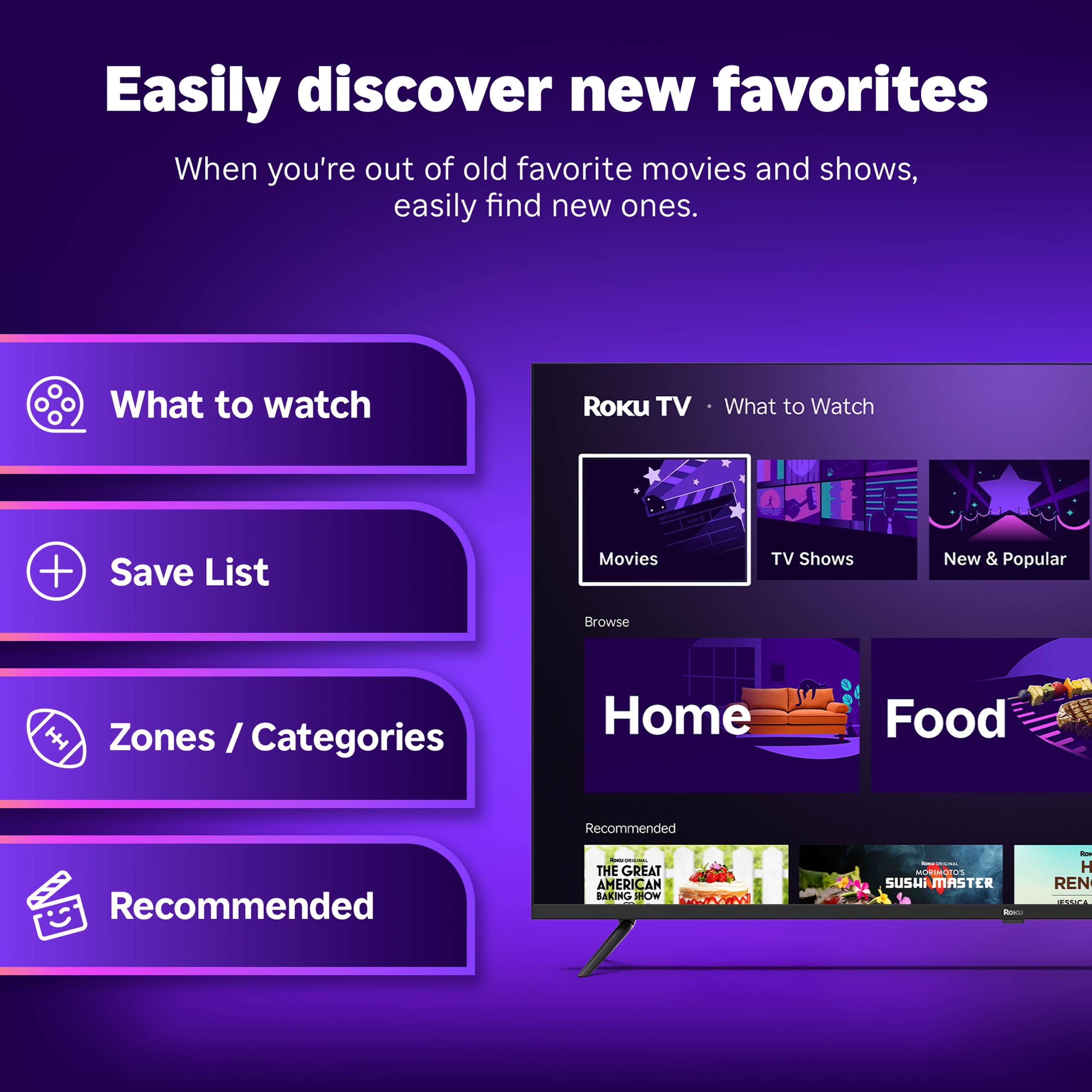
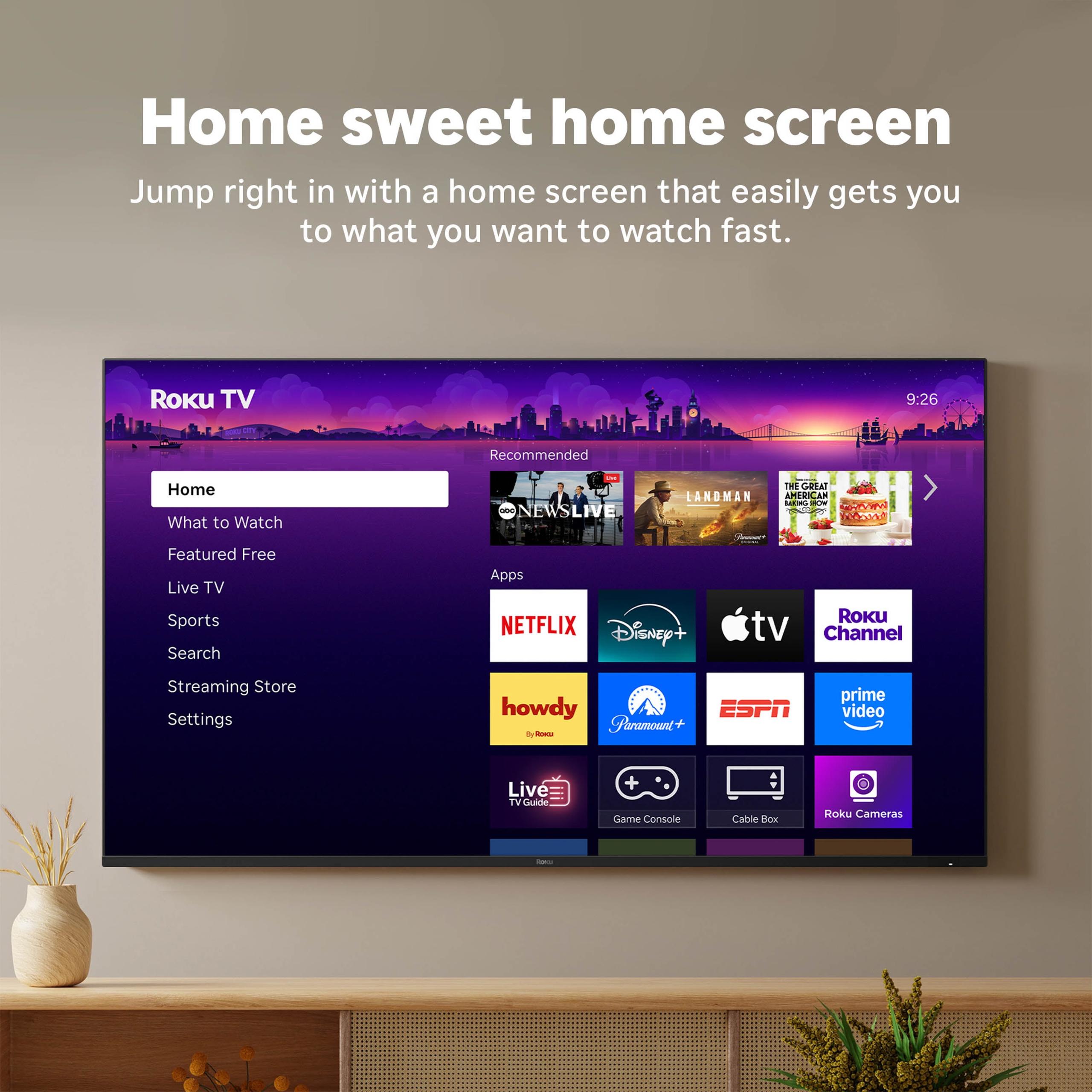
Here's where these TVs diverge most dramatically. The Roku Pro Series runs Roku OS, which has built its reputation on simplicity and content-agnostic design. The home screen presents a unified view of content from all your streaming services, making it easy to discover what to watch next without diving into individual apps. Roku's search function works across all installed services, so searching for "The Office" will show you every platform where it's available.
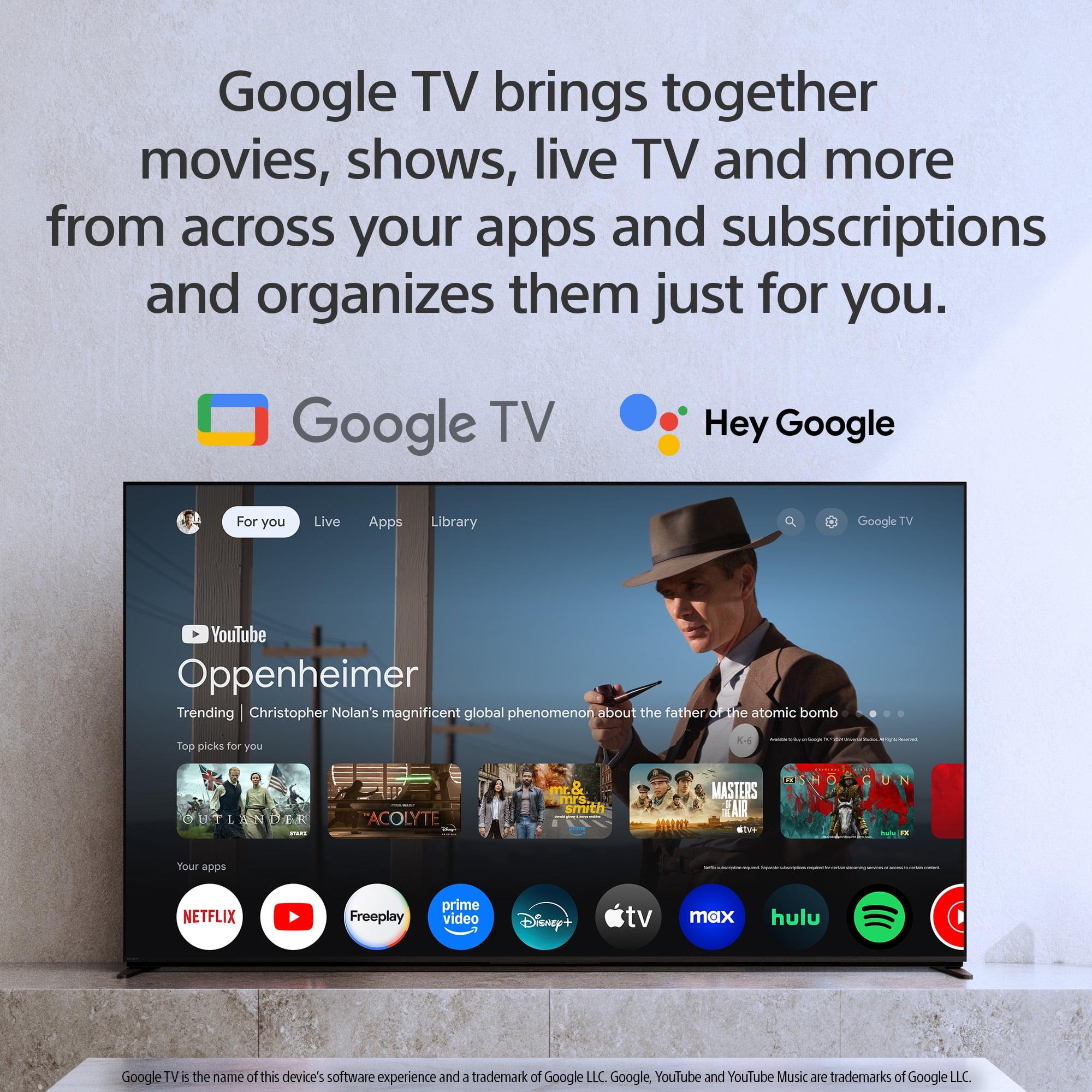
The Sony BRAVIA 5 runs Google TV, which offers deeper integration with Google's ecosystem. If you use Google Assistant, Chromecast, or Android devices, the experience feels seamless. Google TV also provides personalized recommendations based on your viewing history across all apps, though some users find this approach more cluttered than Roku's clean interface.
From a performance standpoint, the Roku includes Wi-Fi 6 support, which provides faster app loading and more stable streaming, especially in households with many connected devices. Sony's Google TV platform is robust but doesn't specifically highlight Wi-Fi 6 capabilities.
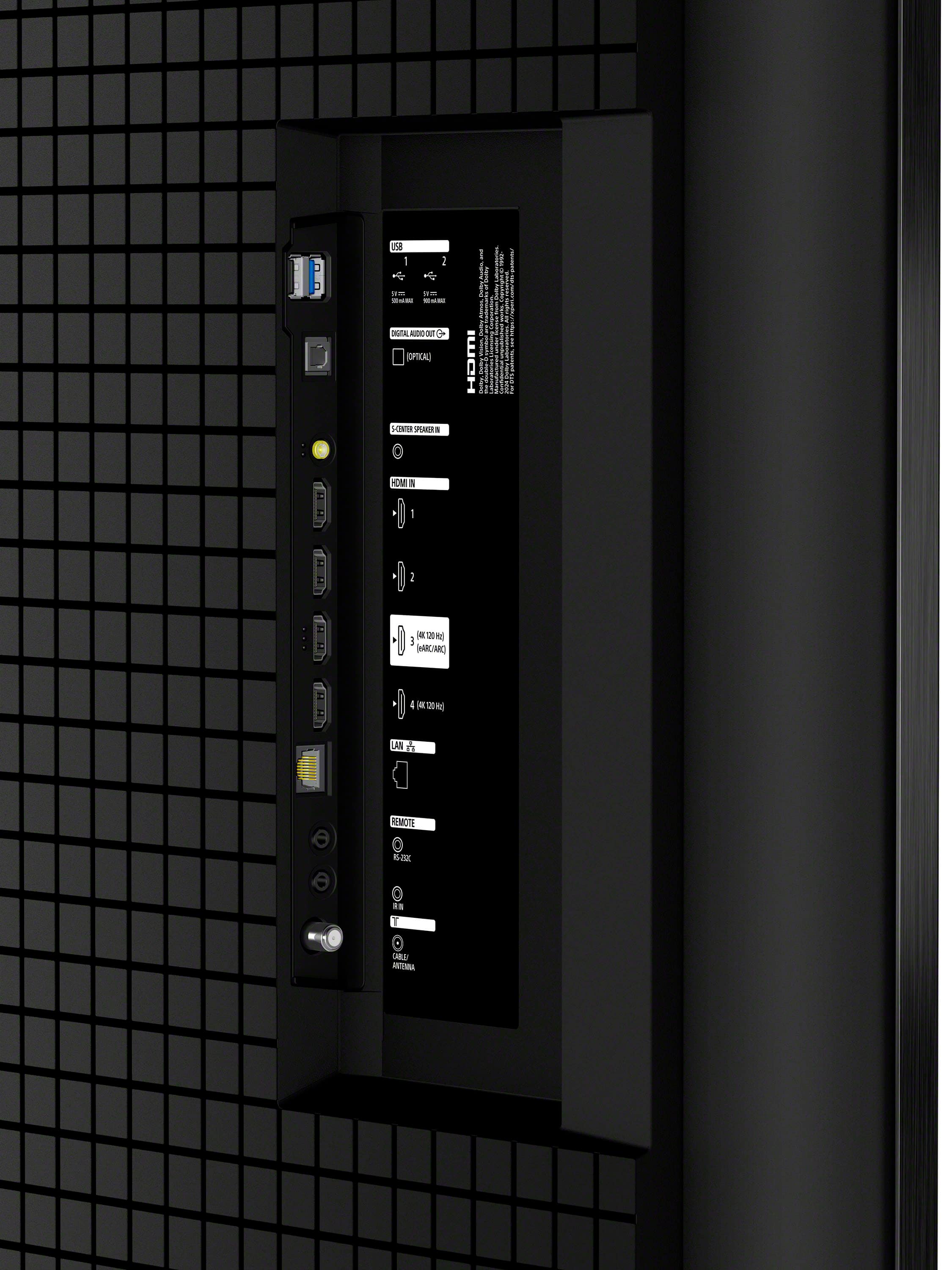
The most significant performance gap between these TVs appears in gaming. The Roku Pro Series was clearly designed with gaming as a priority, featuring FreeSync Premium Pro (which prevents screen tearing when gaming), input lag as low as 5.2 milliseconds at 120Hz, and two full-bandwidth HDMI 2.1 ports for 4K gaming at 120 frames per second.
To put this in perspective, competitive gamers typically want input lag below 20 milliseconds, with the best gaming TVs achieving under 10ms. The Roku's 5.2ms performance puts it in elite territory, while the Sony BRAVIA 5 has slower pixel response times that can create motion blur during fast-paced games.
However, the Sony offers special integration with PlayStation 5, including Auto HDR Tone Mapping that optimizes the picture specifically for Sony's console. If you're primarily a PS5 gamer who values picture quality over competitive performance, this integration might matter more than raw speed numbers.
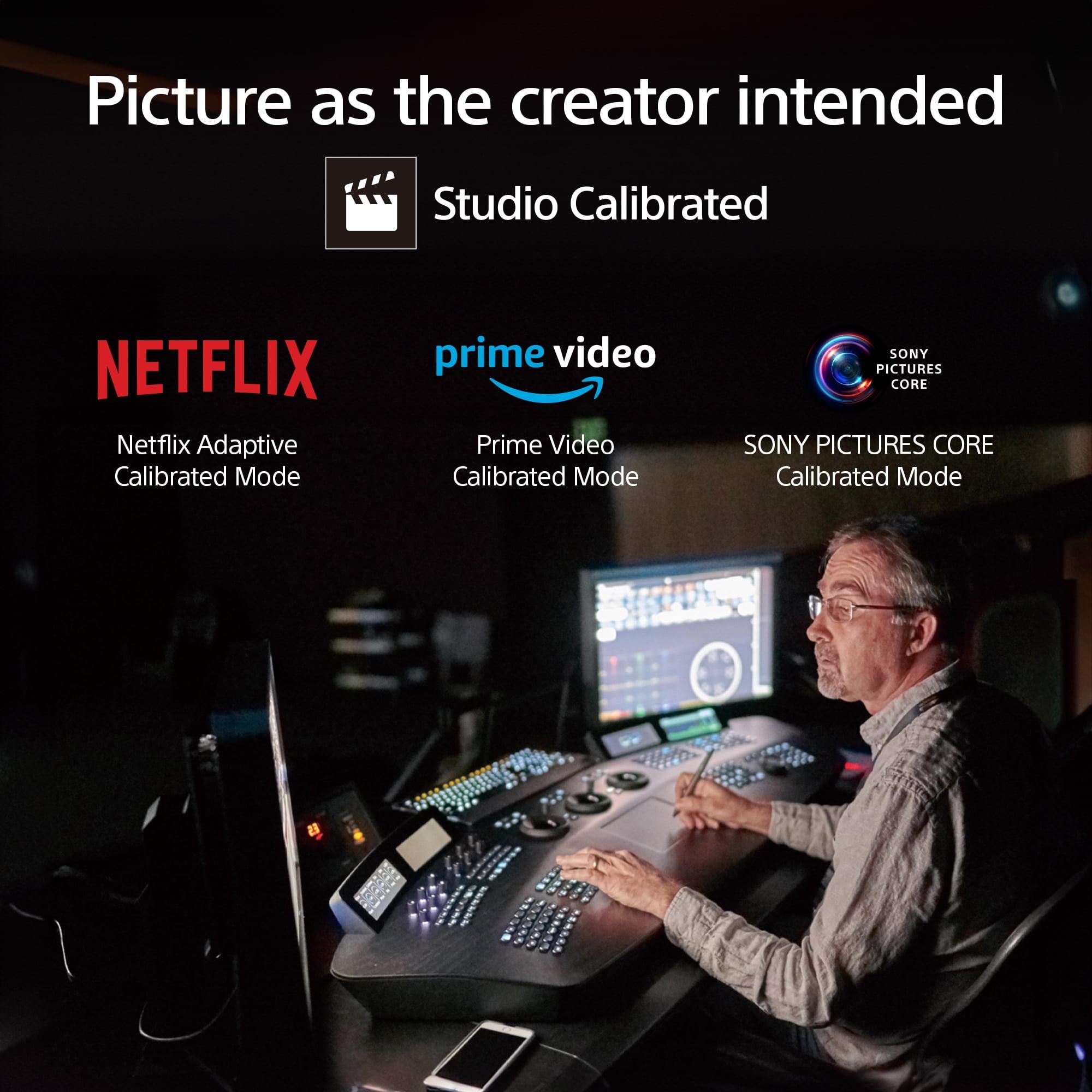
Based on expert reviews and user feedback, these TVs approach picture quality from different angles. The Sony BRAVIA 5 leverages the company's professional broadcast and cinema experience with their XR Processor. This chip uses AI to analyze content and optimize color, contrast, and clarity in real-time, but with an emphasis on maintaining filmmaker intent.
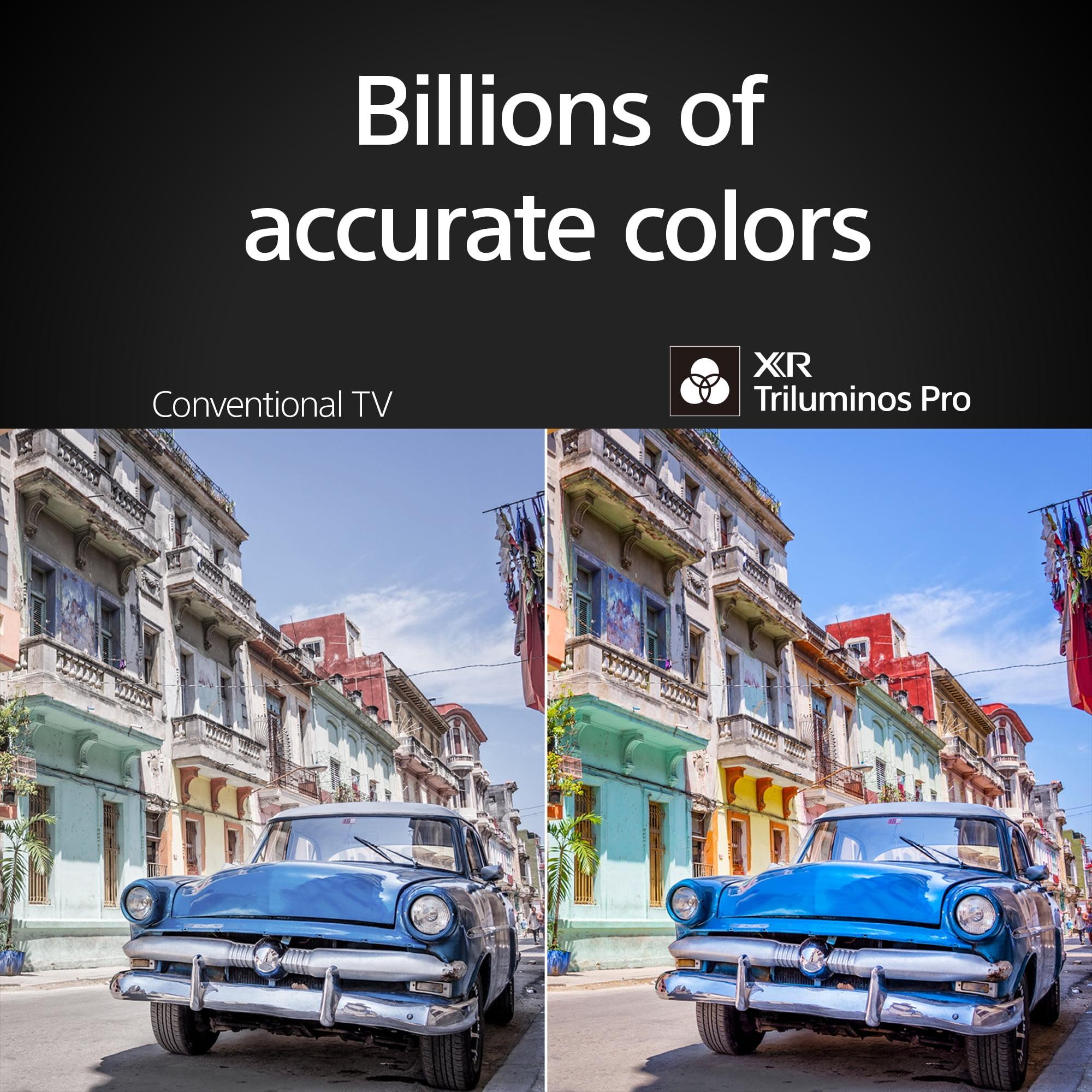
Sony's XR Triluminos Pro technology can display over a billion colors with what the company calls "natural gradation." In practice, this means skin tones look realistic, sunset scenes have smooth color transitions, and dark movie scenes retain detail without looking artificial.
The Roku Pro Series uses Smart Picture Max, their own AI processing system that optimizes picture quality scene by scene. However, Roku's approach seems more consumer-friendly, boosting vibrancy and sharpness in ways that make content pop on screen. This can make streaming content with heavy compression look cleaner and more detailed than it actually is.
User reviews consistently praise the Roku for making everyday viewing more engaging, while the Sony receives acclaim from home theater enthusiasts who want cinema-accurate reproduction.
High Dynamic Range (HDR) content contains a wider range of brightness levels than standard video, from very dark shadows to extremely bright highlights. To display HDR properly, a TV needs sufficient peak brightness and precise local dimming control.
The Sony BRAVIA 5 targets 1,000 nits peak brightness, which provides adequate HDR performance for most content. However, some premium HDR content is mastered for up to 4,000 nits, so brighter TVs can display more of the intended range.
While Roku doesn't specify exact brightness numbers for the Pro Series, user reviews suggest it achieves impressive HDR performance in bright rooms. The combination of Mini-LED backlighting with full array local dimming allows both TVs to create deep blacks alongside bright highlights, though the implementation details differ.
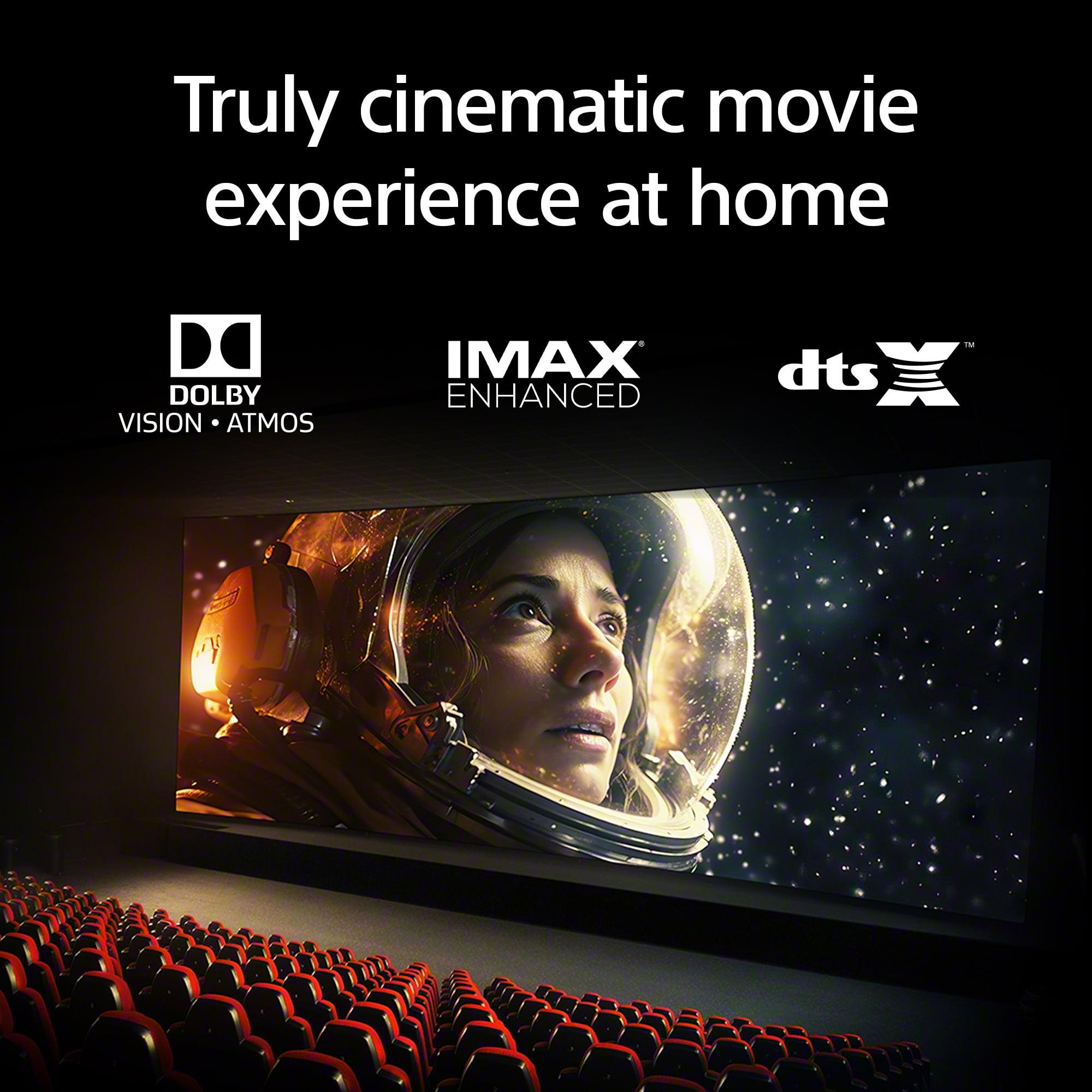
For HDR format support, the Roku includes Dolby Vision IQ (which adjusts based on room lighting), HDR10+ Adaptive, and standard HDR10. The Sony supports Dolby Vision, HDR10, and HLG, covering all major HDR standards.
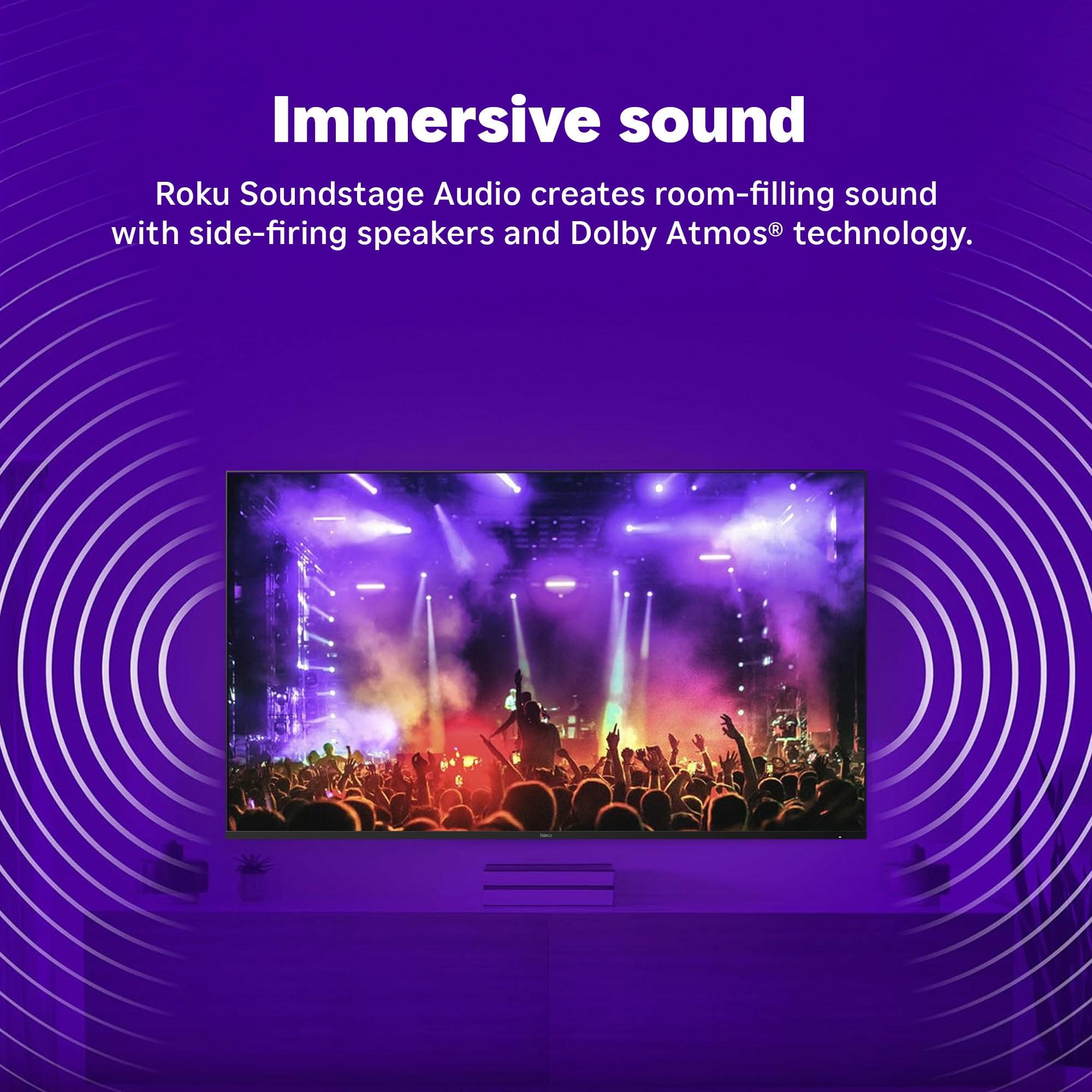
Audio performance represents another area where these TVs take different approaches. The Roku Pro Series includes what they call Roku Soundstage Audio with side-firing speakers and Dolby Atmos support. User reviews consistently rate the built-in audio highly, with some describing it as "theater-like" and noting that external speakers aren't necessary for most content.
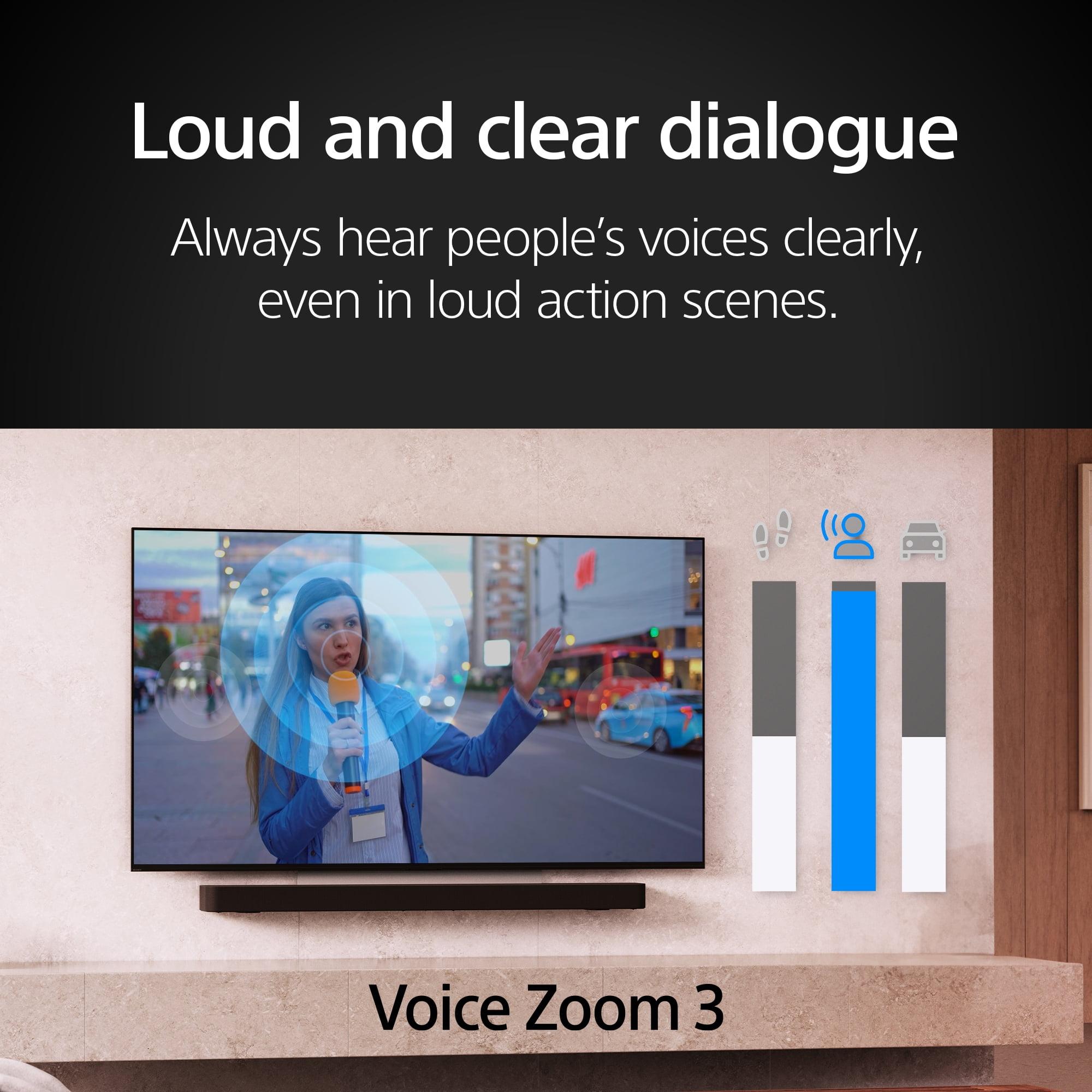
The Sony BRAVIA 5 features Acoustic Multi-Audio with Voice Zoom 3, which uses AI to enhance dialogue clarity during action scenes. Sony also offers Acoustic Center Sync, allowing the TV to work as a center channel speaker when paired with compatible Sony soundbars.
If you plan to use the TV's built-in speakers, the Roku appears to offer superior performance. If you're building a home theater system with external audio equipment, the Sony's integration features provide more sophisticated options.
Both TVs include AI-powered upscaling to improve lower-resolution content, but they approach this challenge differently. The Sony BRAVIA 5 uses XR Clear Image with AI Super Resolution, drawing from Sony's professional video processing expertise. This system analyzes content frame by frame and applies appropriate sharpening and noise reduction.
The Roku Pro Series employs Smart Picture Max to clean up compression artifacts and enhance detail in streaming content. Given that most viewers watch heavily compressed streaming video rather than pristine 4K Blu-rays, this everyday upscaling performance matters significantly.
Expert reviews suggest both systems work well, though Sony's approach may have a slight edge for particularly low-quality sources, while Roku's system seems optimized for typical streaming quality levels.
For gaming enthusiasts, the performance gap between these TVs is substantial. The Roku Pro Series supports the full suite of modern gaming features: HDMI 2.1 bandwidth on two ports, 4K gaming at 120Hz, Variable Refresh Rate to eliminate screen tearing, and Auto Low Latency Mode that automatically switches to game mode when it detects a console.
The 5.2ms input lag measurement puts the Roku in the top tier of gaming TVs. For context, many gamers can perceive input lag above 30-40ms as sluggish controls, while competitive players prefer sub-20ms performance. The Roku's measurement approaches gaming monitor levels.
The Sony BRAVIA 5 includes basic gaming features but falls short in pixel response time, creating motion blur that can affect fast-paced games. However, its special PlayStation 5 integration includes features like Auto HDR Tone Mapping that optimizes picture settings specifically for Sony's console.
If you're a serious gamer who plays across multiple platforms, the Roku provides superior performance. If you primarily use a PS5 and care more about picture quality than competitive performance, the Sony's optimization might prove more valuable.
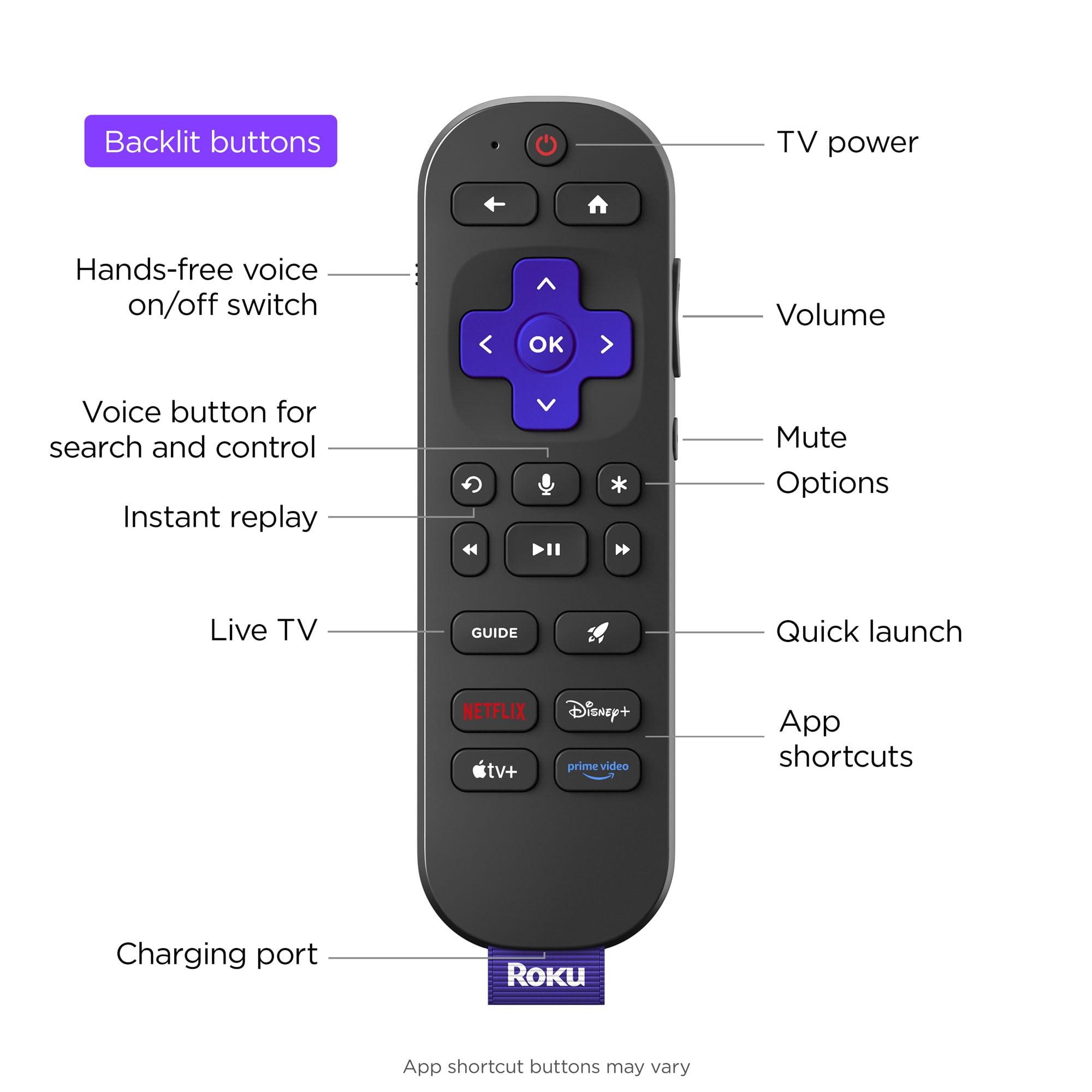
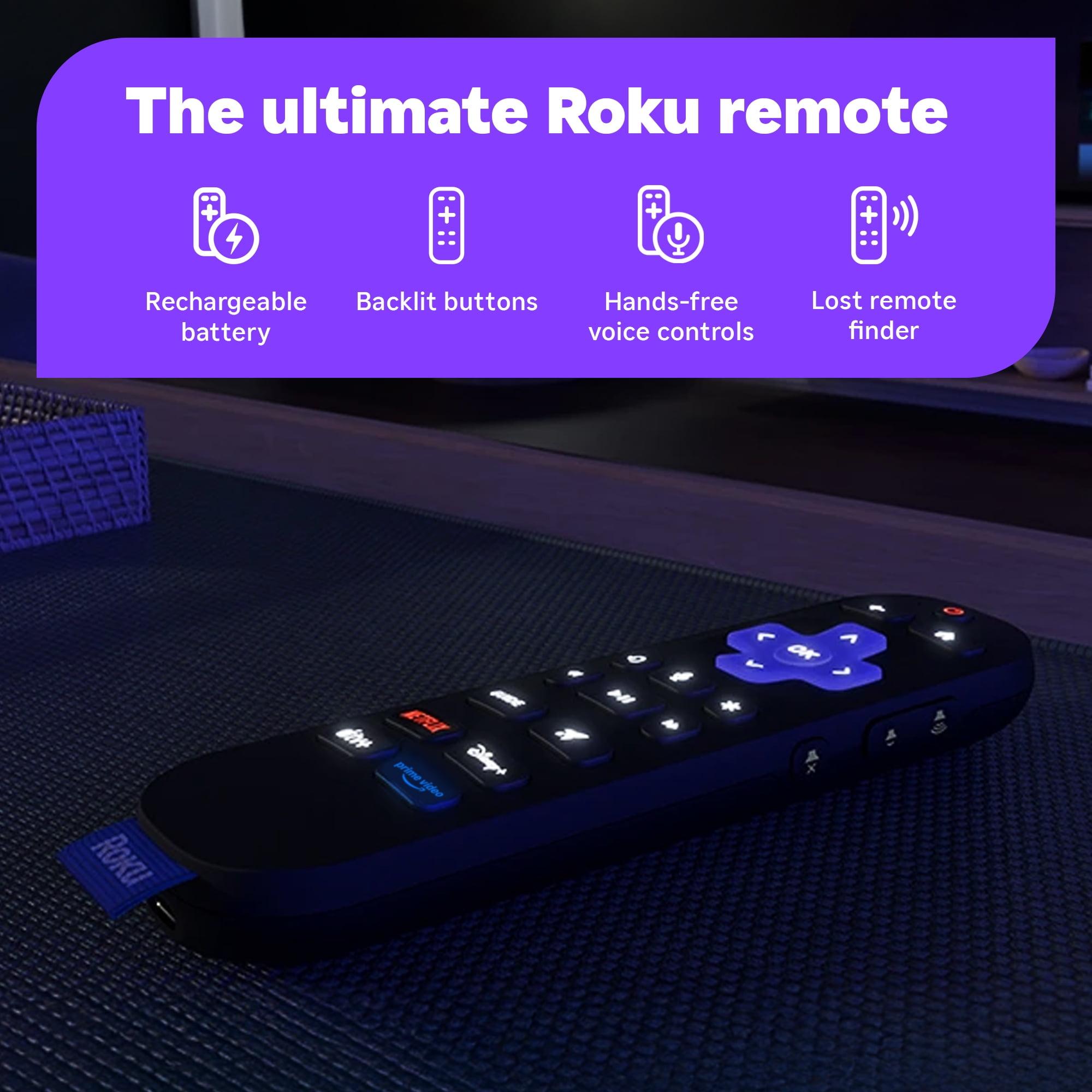
The smart TV experience extends beyond app selection to daily usability. The Roku Pro Series includes a rechargeable Voice Remote Pro with backlit buttons and a remote finder feature – you press a button on the TV to make the remote beep when it's lost in couch cushions. This attention to practical details reflects Roku's focus on user experience.
Roku's platform philosophy centers on content discovery across all services. The home screen displays recommendations from Netflix, Disney+, HBO Max, and other services in a unified interface, making it easy to find something to watch without remembering which service has what content.
Google TV on the Sony BRAVIA 5 takes a more personalized approach, learning your viewing habits and suggesting content accordingly. The integration with Google services means voice commands work seamlessly if you're already using Google Assistant elsewhere in your home.
Both platforms receive regular updates, but Roku has built their reputation on long-term support for older devices, suggesting the Pro Series may receive updates longer than typical Android TV implementations.
In a dedicated home theater setup, several factors become more important than in casual viewing scenarios. The Sony BRAVIA 5 offers cinema-accurate color reproduction that film enthusiasts prefer, especially for carefully graded content like 4K Blu-rays. The XR Processor maintains filmmaker intent rather than artificially boosting colors or contrast.
However, the Roku Pro Series provides superior built-in audio, which matters in home theater setups where you might not want to invest immediately in a full surround sound system. The side-firing speakers and Dolby Atmos support create a more immersive experience than typical TV speakers.
For projection setup considerations, both TVs work well as sources, but the Sony's color accuracy advantages become more pronounced when the signal is further processed through a projector.
The decision between the Roku Pro Series and Sony BRAVIA 5 ultimately depends on your priorities and usage patterns.
Choose the Roku Pro Series if you:
Choose the Sony BRAVIA 5 if you:
Both TVs represent solid value in the premium mid-range segment at the time of writing, offering features that were exclusive to flagship models just a few years ago. The Roku feels more like an all-around entertainment device that happens to excel at gaming, while the Sony maintains a clear focus on picture quality and ecosystem integration.
For most buyers, the Roku Pro Series provides a more well-rounded experience with superior gaming performance and daily usability features. However, if picture accuracy and Google integration are your top priorities, the Sony BRAVIA 5 delivers professional-grade processing in a consumer-friendly package.
The choice reflects broader preferences about TV usage: do you want a device that makes everything look as good as possible, or one that reproduces content exactly as creators intended? Both approaches have merit, and both TVs execute their respective visions exceptionally well.
| Roku 65" Pro Series 2025 | Sony BRAVIA 5 65" Mini LED |
|---|---|
| Display Technology - Affects color vibrancy and contrast performance | |
| QLED with Mini-LED backlighting, 75% higher dynamic contrast vs previous generation | Mini-LED LCD with XR Backlight Master Drive, targets 1,000 nits peak brightness |
| Smart TV Platform - Your daily interface for streaming and apps | |
| Roku OS with unified content discovery, Wi-Fi 6 support | Google TV with personalized recommendations, Google Assistant integration |
| Gaming Performance - Critical for console gaming and competitive play | |
| 5.2ms input lag, FreeSync Premium Pro, VRR, ALLM, dual HDMI 2.1 ports | Standard gaming features, slower pixel response, special PS5 integration |
| Built-in Audio Quality - Important if you won't buy a soundbar immediately | |
| Roku Soundstage Audio with side-firing speakers, Dolby Atmos, highly rated by users | Acoustic Multi-Audio with Voice Zoom 3, designed for soundbar integration |
| HDR Format Support - Determines compatibility with premium streaming content | |
| Dolby Vision IQ, HDR10+ Adaptive, HDR10, HLG | Dolby Vision, HDR10, HLG, IMAX Enhanced |
| Picture Processing - How the TV enhances and optimizes incoming video | |
| Smart Picture Max AI with scene-by-scene optimization, consumer-friendly tuning | XR Processor with cinema-accurate color reproduction, professional broadcast heritage |
| Remote Control - Daily usability factor often overlooked | |
| Rechargeable Voice Remote Pro with backlit buttons, remote finder function | Standard remote with voice control capabilities |
| Refresh Rate - Smooth motion for sports and gaming | |
| 120Hz native refresh rate | 120Hz native refresh rate |
| Gaming-Specific Features - Modern console compatibility | |
| 4K @ 120Hz on 2 ports, Variable Refresh Rate, Auto Low Latency Mode | Basic HDMI 2.1 features, Auto HDR Tone Mapping for PlayStation 5 |
| Upscaling Technology - How well it improves lower-quality streaming content | |
| Smart Picture Max cleans compression artifacts, optimized for streaming quality | XR Clear Image with AI Super Resolution, professional-grade processing |
| Voice Assistant Integration - Smart home and search capabilities | |
| Roku voice controls, works with Alexa and Google Assistant | Google Assistant built-in, seamless Google ecosystem integration |
| Audio Enhancement Features - Advanced sound processing | |
| Bluetooth Headphone Mode for private listening | 3D Surround Upscaling, Acoustic Center Sync with compatible Sony soundbars |
The Roku 65" Pro Series 2025 is significantly better for gaming with 5.2ms input lag, FreeSync Premium Pro, Variable Refresh Rate, and dual HDMI 2.1 ports supporting 4K at 120Hz. The Sony BRAVIA 5 has slower pixel response times that can cause motion blur, though it offers special PlayStation 5 integration features. For competitive gaming across multiple consoles, the Roku Pro Series is the clear winner.
Roku OS focuses on simplicity with a unified home screen that displays content from all streaming services together, making discovery easy across platforms. Google TV provides personalized recommendations and deep integration with Google services like Assistant and Chromecast. The Roku is more straightforward for casual users, while the Sony BRAVIA 5 works better if you're invested in Google's ecosystem.
The Sony BRAVIA 5 delivers more cinema-accurate picture quality with its XR Processor and professional color grading, making it ideal for film enthusiasts who want content displayed as filmmakers intended. The Roku Pro Series produces more vibrant, consumer-friendly colors that many viewers prefer for everyday content. For serious home theater setups, the Sony has the edge in accuracy.
The Roku Pro Series has exceptionally good built-in speakers with Roku Soundstage Audio and side-firing Dolby Atmos that users consistently rate highly. The Sony BRAVIA 5 has decent speakers but is designed to work with external Sony soundbars through Acoustic Center Sync. If you want great sound without buying additional equipment, choose the Roku.
The Sony BRAVIA 5 targets 1,000 nits peak brightness, making it better suited for very bright rooms with direct sunlight. Both TVs use Mini-LED technology for good contrast, but the Sony has an advantage in peak brightness for combating glare. However, both struggle with direct reflections from windows or lamps.
Yes, both TVs excel at streaming. The Roku Pro Series offers Wi-Fi 6 for faster loading and a unified interface that searches across all services simultaneously. The Sony BRAVIA 5 runs Google TV with all major streaming apps and personalized recommendations. The Roku is slightly better for content discovery, while the Sony offers better personalization.
The Sony BRAVIA 5 has a slight edge in upscaling with XR Clear Image and AI Super Resolution, drawing from Sony's professional broadcast experience. The Roku Pro Series uses Smart Picture Max to clean up streaming compression artifacts effectively. Both handle typical streaming quality well, but the Sony may perform better with very low-quality sources.
Yes, both support major HDR formats. The Roku Pro Series includes Dolby Vision IQ (which adjusts for room lighting), HDR10+ Adaptive, and standard HDR10. The Sony BRAVIA 5 supports Dolby Vision, HDR10, HLG, and IMAX Enhanced. The Roku has slight advantages with adaptive technologies that automatically optimize based on your viewing environment.
For home theater use, the Sony BRAVIA 5 offers cinema-accurate colors and professional picture processing that film enthusiasts prefer. However, the Roku Pro Series provides superior built-in audio that's important if you're not immediately adding a surround sound system. The choice depends on whether you prioritize picture accuracy (Sony) or complete audio/visual performance (Roku).
The Roku Pro Series includes a premium rechargeable Voice Remote Pro with backlit buttons and a remote finder function (press a button on the TV to make the remote beep). The Sony BRAVIA 5 comes with a standard remote that has voice control capabilities. The Roku clearly wins on remote quality and daily usability features.
Roku has built their reputation on long-term support, with some Roku TVs receiving updates for 6+ years. The Sony BRAVIA 5 runs Google TV, which typically receives 2-3 years of major updates. Based on track record, the Roku Pro Series is more likely to receive longer software support, though both should stay current for several years.
Both the Roku Pro Series and Sony BRAVIA 5 offer significant upgrades over budget TVs, including Mini-LED backlighting, 120Hz refresh rates, and premium smart TV features. The Roku provides exceptional value for gamers and those wanting great built-in audio, while the Sony justifies its cost with professional-grade picture processing and Google ecosystem integration.
We've done our best to create useful and informative comparisons to help you decide what product to buy. Our research uses advanced automated methods to create this comparison and perfection is not possible - please contact us for corrections or questions. These are the sites we've researched in the creation of this article: bestbuy.com - rtings.com - techradar.com - youtube.com - roku.com - youtube.com - walmart.com - bestbuy.com - youtube.com - electronicexpress.com - roku.com - pcvarge.com - ecoustics.com - rtings.com - pro.sony - youtube.com - electronics.sony.com - electronics.sony.com - electronics.sony.com - bestbuy.com - electronics.sony.com - youtube.com - bestbuy.com - videoandaudiocenter.com - valueelectronics.com - youtube.com - sony.ca - perpichtv.com - sony.com - displayspecifications.com - pioneertvandappliance.com - flatpanelshd.com

Privacy Policy
Terms and Conditions - Affiliate Policy
Home Security
© Copyright 2008-2026.
11816 Inwood Rd #1211, Dallas, TX 75244