

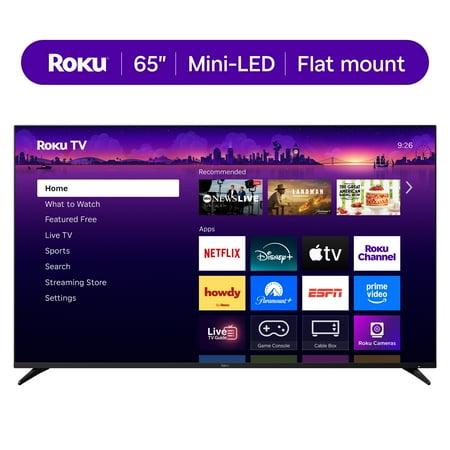
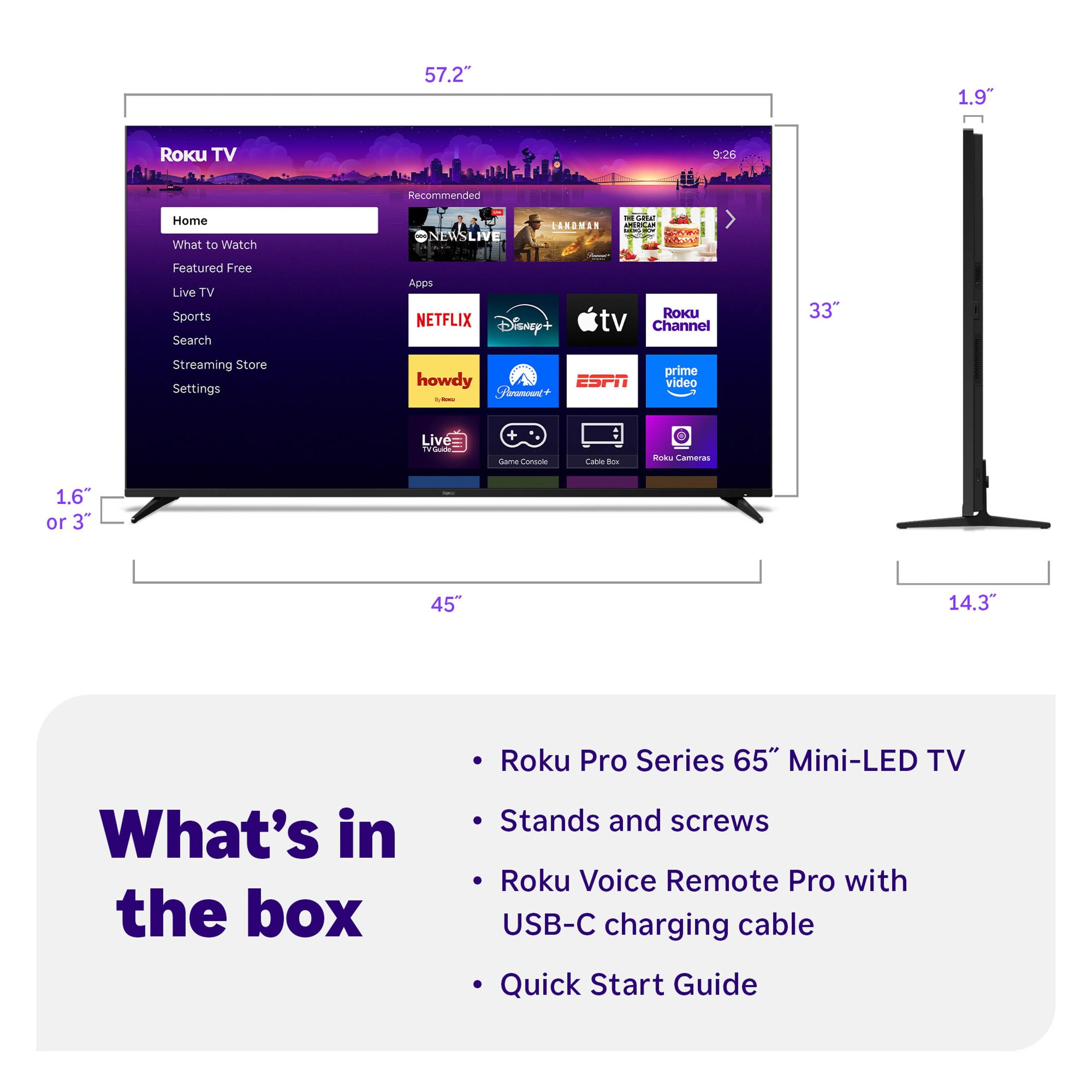



The premium 65" TV market has exploded with options in recent years, creating both opportunity and confusion for buyers. At the time of writing, these TVs typically range from around $1,200 to $1,400, putting them squarely in the sweet spot where you get flagship features without the eye-watering prices of the absolute top-tier models. Today, we're comparing two standout options from 2025: the Roku 65" Pro Series and the Samsung 65" The Frame Pro.
Both TVs represent significant upgrades from their predecessors, but they take dramatically different approaches to what a premium TV should be. The Roku Pro Series focuses purely on delivering the best possible picture and gaming performance for your money, while the Samsung Frame Pro tries to revolutionize how a TV fits into your living space. Understanding which philosophy matches your needs is key to making the right choice.
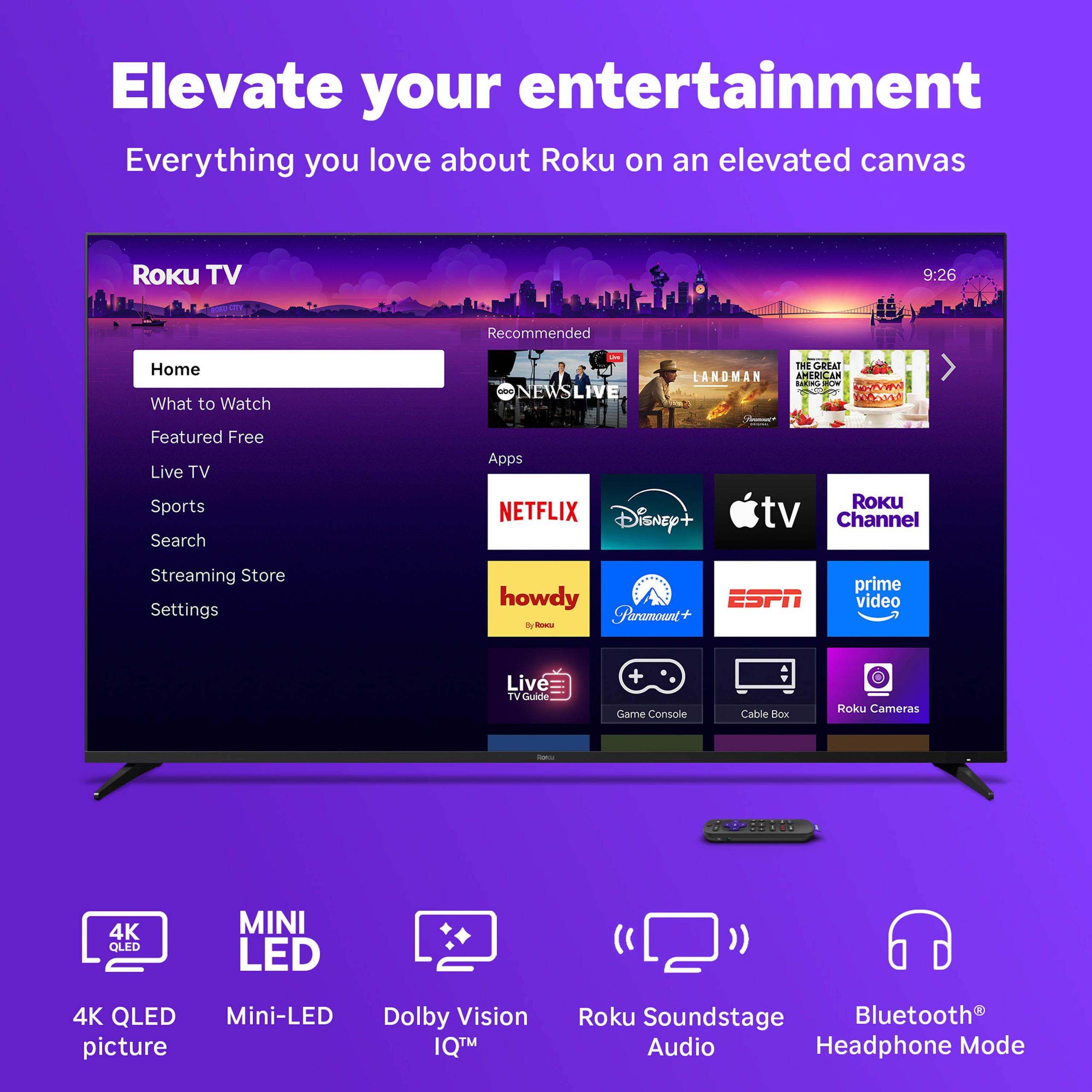
Before diving into specifics, it's worth understanding what makes these TVs "premium." Both models use Mini-LED backlighting, which is a step up from regular LED TVs. Think of Mini-LEDs as thousands of tiny light bulbs behind your screen that can turn on and off independently. This creates much better contrast—brighter bright parts and darker dark parts—compared to older LED TVs where the entire backlight was always on.
The other key technology is quantum dots, marketed as QLED by Samsung and simply called quantum dot color by Roku. These microscopic crystals enhance color accuracy and brightness, making reds redder and blues bluer without looking artificial. It's like having a more vibrant paint palette for your TV to work with.
This is where things get interesting. The Samsung Frame Pro achieves over 1,000 nits of peak brightness—that's the measurement of how bright your screen can get. To put this in perspective, most older TVs topped out around 400-500 nits. This extra brightness isn't just about making everything blindingly bright; it's about creating more realistic images. When you watch a sunrise scene, those 1,000 nits let the sun actually look bright compared to the rest of the image.
The Roku Pro Series, while not quite as bright in absolute terms, still delivers what our research shows is "amazing SDR brightness" that's perfect for bright rooms. SDR (Standard Dynamic Range) is your regular TV content—cable, streaming shows, and most movies. The Roku particularly excels here because it can overcome glare from windows or lamps better than many competitors.
For HDR (High Dynamic Range) content—think Netflix's premium shows and 4K Blu-rays—the Samsung pulls ahead with more impactful highlights. HDR is like having a wider range of brightness levels available, from deeper blacks to brighter whites. The Samsung Frame Pro simply has more range to work with, making HDR movies more dramatic and lifelike.
Here's where things flip. The Roku Pro Series nails color accuracy right out of the box for regular content, meaning you won't need to spend hours tweaking settings to get natural-looking skin tones and realistic colors. However, our research indicates its HDR color accuracy is "sub-par," requiring some calibration to look its best with premium content.
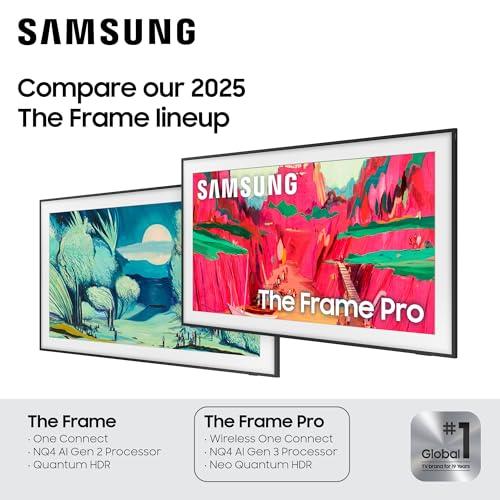
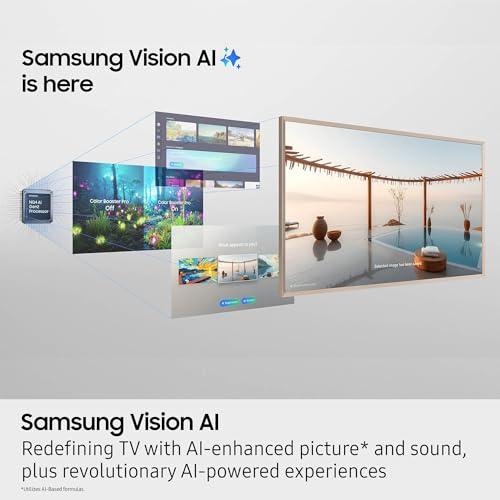
The Samsung Frame Pro brings Samsung's NQ4 AI Gen3 processor—the same chip found in their flagship $3,000+ TVs. This processor is constantly analyzing what you're watching and making micro-adjustments to optimize the image. It's particularly good at upscaling lower-quality content, so your old DVDs or compressed streaming video will look sharper and cleaner than they would on lesser TVs.
In terms of raw color coverage, the Samsung achieves 93.4% of the UHDA-P3 color space and 70.3% of Rec. 2020. Those are technical standards that essentially mean "how many colors can this TV actually display?" The Samsung can show more colors, particularly in the green and red spectrum, making nature documentaries and animated movies more vibrant.
Both TVs use Mini-LED technology, but they implement it differently. The Roku Pro Series uses full-array local dimming, meaning the Mini-LEDs are spread evenly across the entire back of the screen. This creates excellent contrast with deep blacks and minimal "blooming"—that annoying halo effect around bright objects on dark backgrounds.
The Samsung Frame Pro uses what Samsung calls vertical local dimming zones. While this sounds technical, the practical result is that it doesn't achieve quite the same black depth as the Roku. In dark movie scenes, you might notice the blacks look more gray than true black. This isn't a dealbreaker, but it's worth noting if you do a lot of movie watching in dark rooms.
Gaming has become a major consideration for TV buyers, even if you don't consider yourself a serious gamer. Modern game consoles like the PlayStation 5 and Xbox Series X can output incredibly detailed graphics, but only if your TV can keep up.
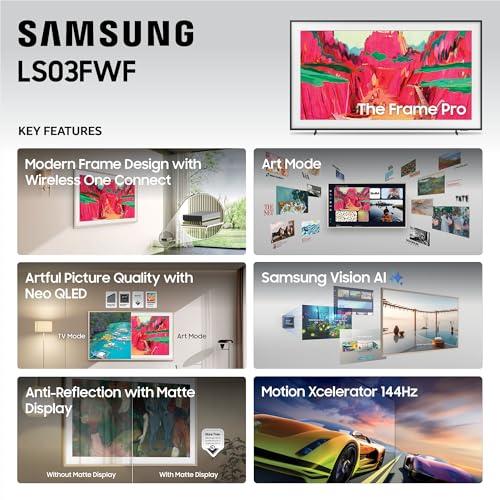
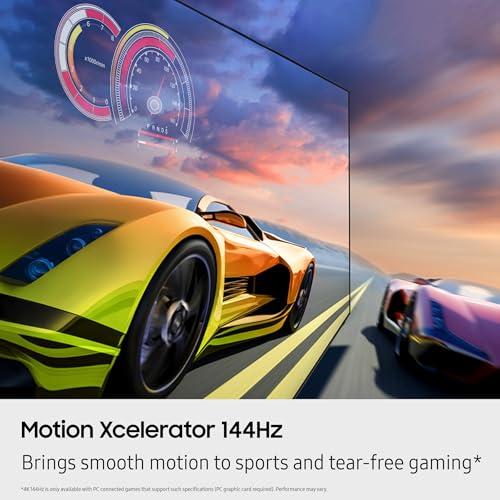
The Samsung Frame Pro technically wins the specification war with its 144Hz refresh rate compared to the Roku's 120Hz. Refresh rate is how many times per second your TV can display a new image—higher is generally better for smooth motion and gaming. However, this is where specifications don't tell the whole story.
The Roku Pro Series achieves input lag as low as 5.2 milliseconds at 120Hz. Input lag is the delay between when you press a button on your controller and when you see the action happen on screen. For context, anything under 20ms is considered good for gaming, and under 10ms is excellent. The Roku's 5.2ms puts it in elite territory.
The Samsung Frame Pro, despite its higher refresh rate, suffers from significantly higher input lag—over 30ms in some modes. This is primarily due to its wireless One Connect Box, which we'll discuss more later. For casual gaming, this might not matter, but for competitive online games where every millisecond counts, it's a significant disadvantage.
Both TVs support the modern gaming standards you need: Variable Refresh Rate (VRR), which eliminates screen tearing, and Auto Low Latency Mode (ALLM), which automatically switches to game mode when it detects a console. The Roku Pro Series includes AMD FreeSync Premium Pro, while the Samsung Frame Pro supports HDMI Forum VRR and FreeSync Premium Pro.
The practical difference is that the Roku Pro Series provides a more consistent gaming experience across all its HDMI ports, while the Samsung's wireless connectivity can introduce variability in performance depending on your setup.
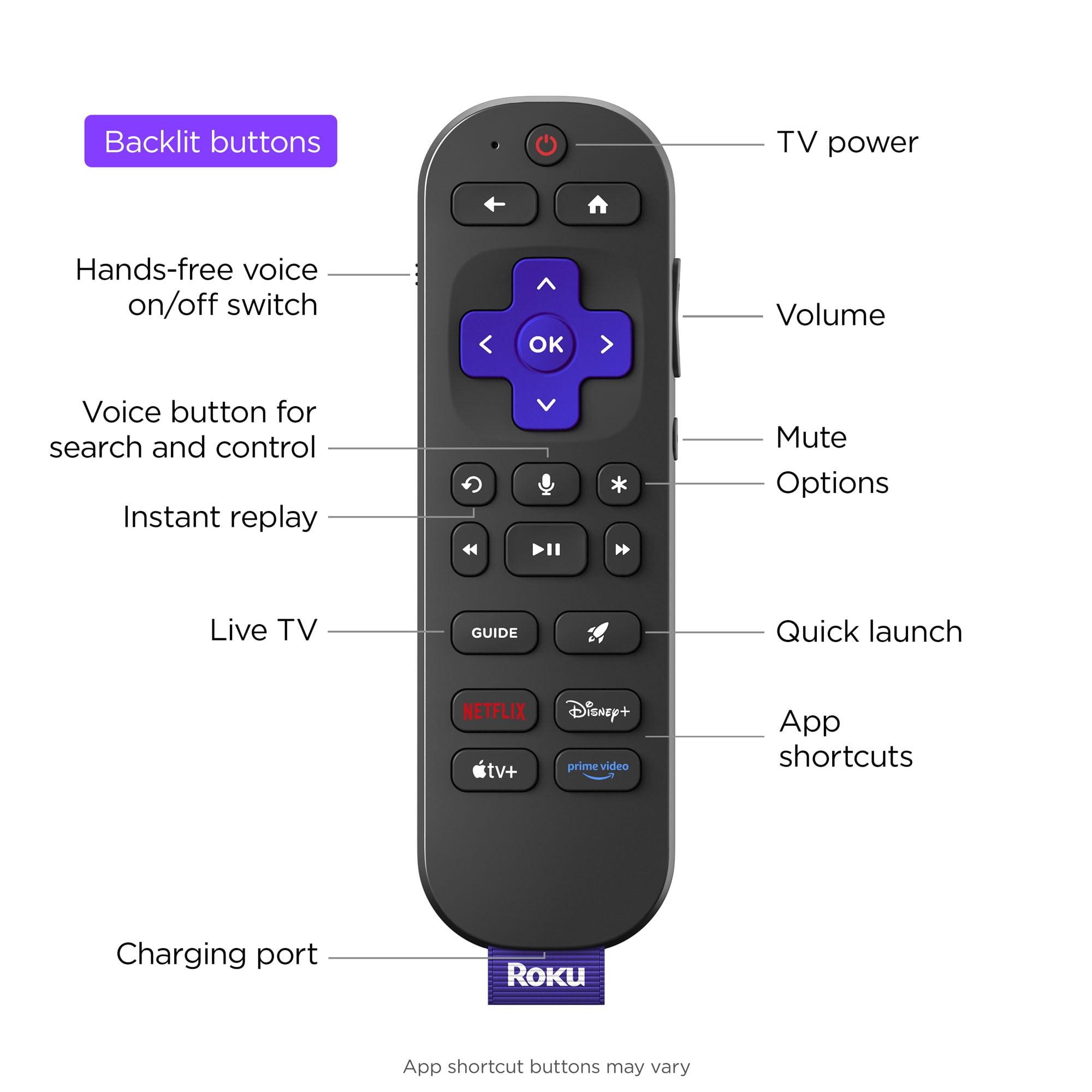
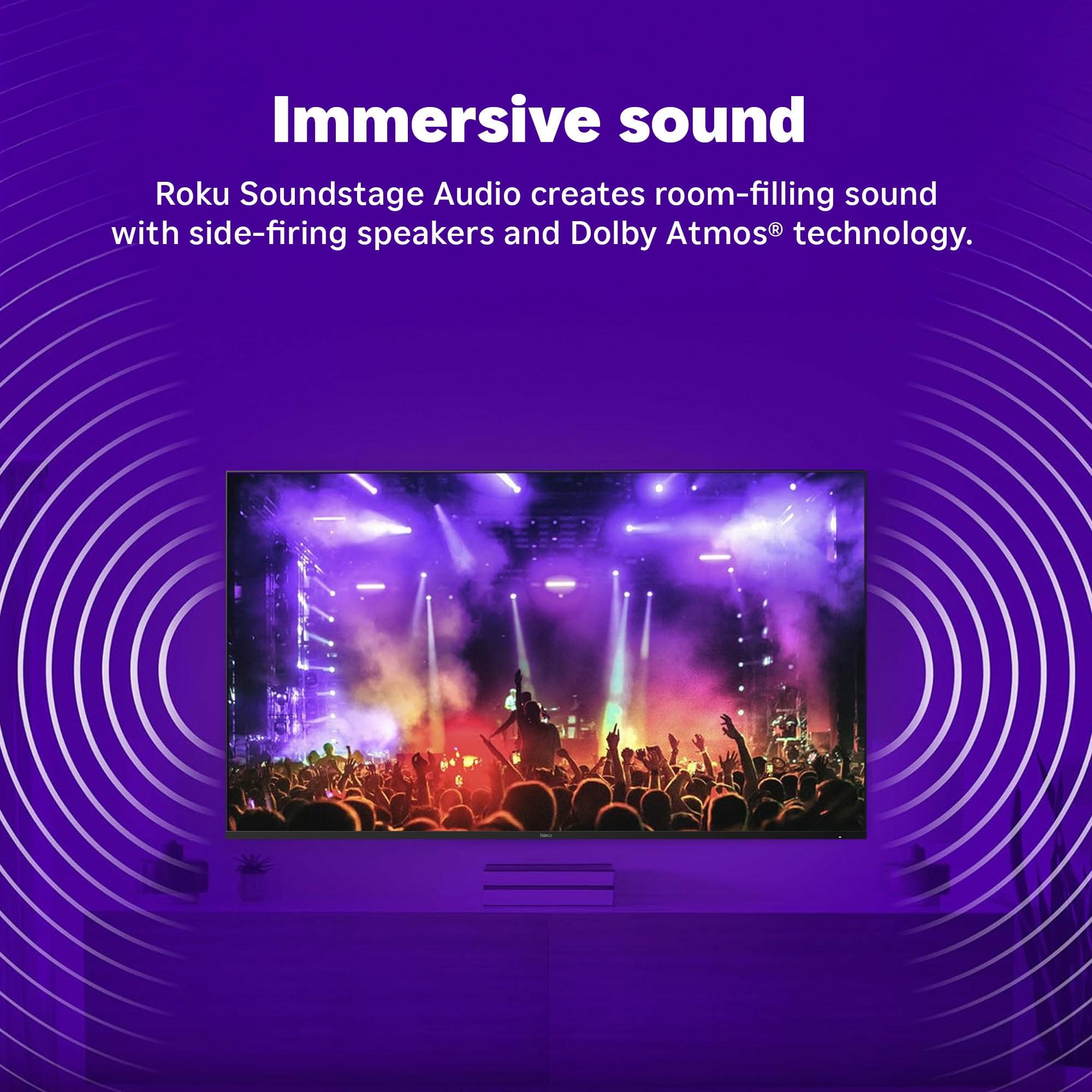
TV speakers have historically been an afterthought, but both these models take audio seriously. The Roku Pro Series features what Roku calls Soundstage Audio with side-firing speakers and Dolby Atmos support. User reviews consistently praise its audio as "incredible for a standalone TV" with "theater-like bass that rattles walls." This is genuinely surprising for a TV at this price point—most require a separate soundbar for decent audio.
The Samsung Frame Pro includes a 40W 2.0.2 channel system with Object Tracking Sound (OTS), which tries to make audio follow the action across your screen. It also features Q-Symphony Pro, which can coordinate with Samsung soundbars for enhanced audio. While competent, it doesn't match the Roku's standalone audio impact based on user feedback.
For most buyers, the Roku's superior built-in audio represents real value. You might be able to skip purchasing a $200-400 soundbar, which effectively makes the TV an even better deal.
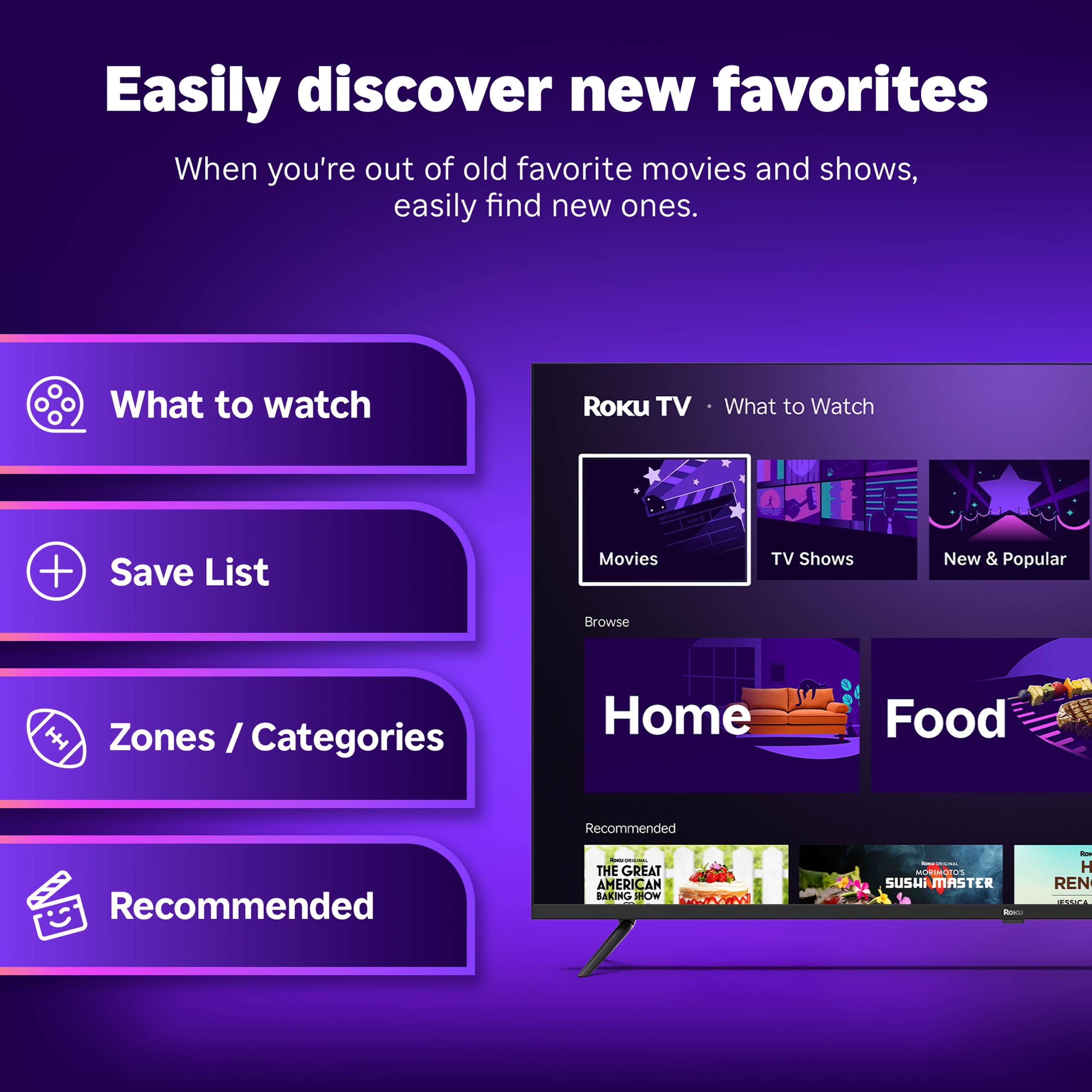
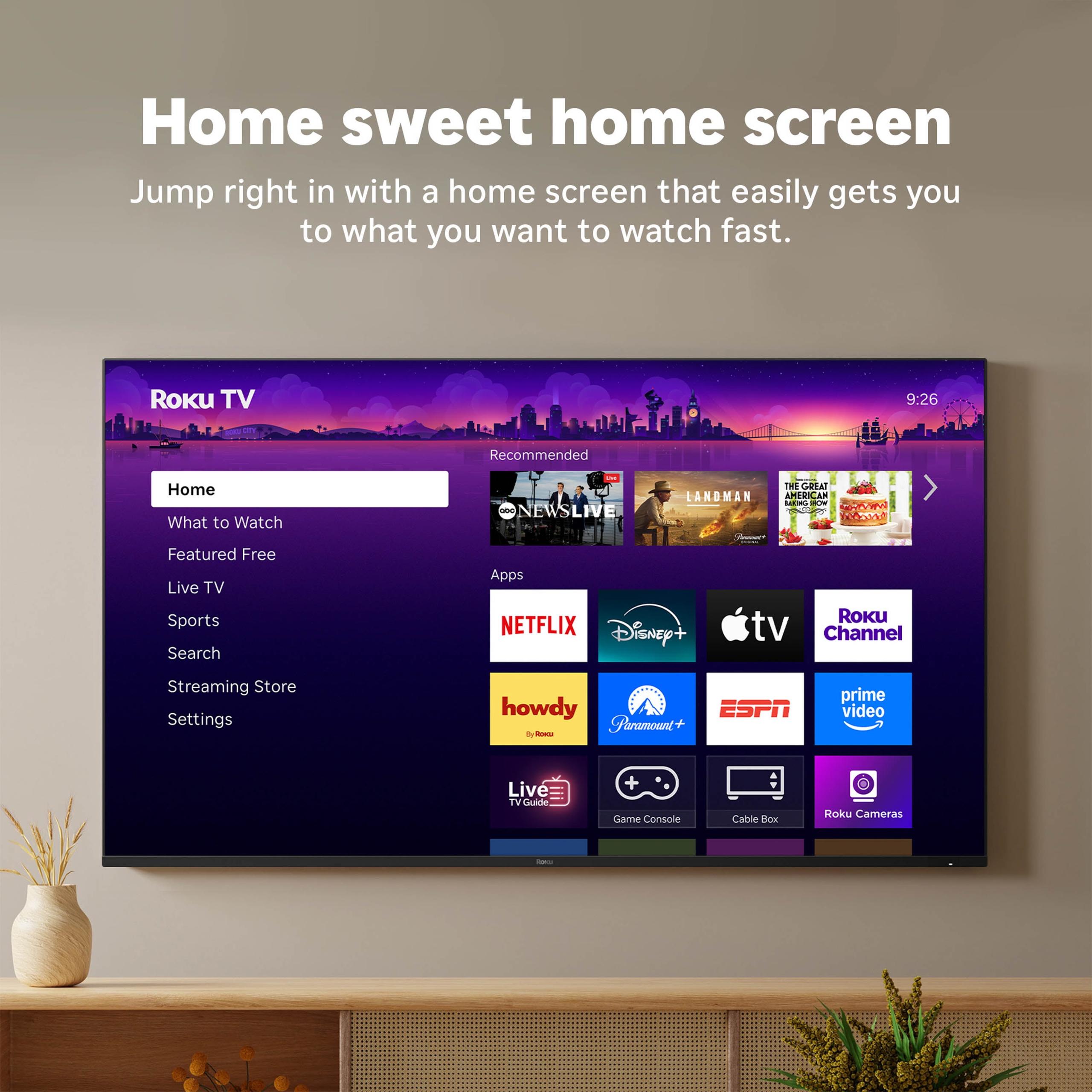
This is where personal preference plays a huge role. The Roku Pro Series runs Roku OS 15, widely considered one of the most intuitive smart TV platforms available. It provides a unified home screen that aggregates content from all your streaming services, making it easy to find something to watch without jumping between apps. The interface is fast, simple, and reliable.
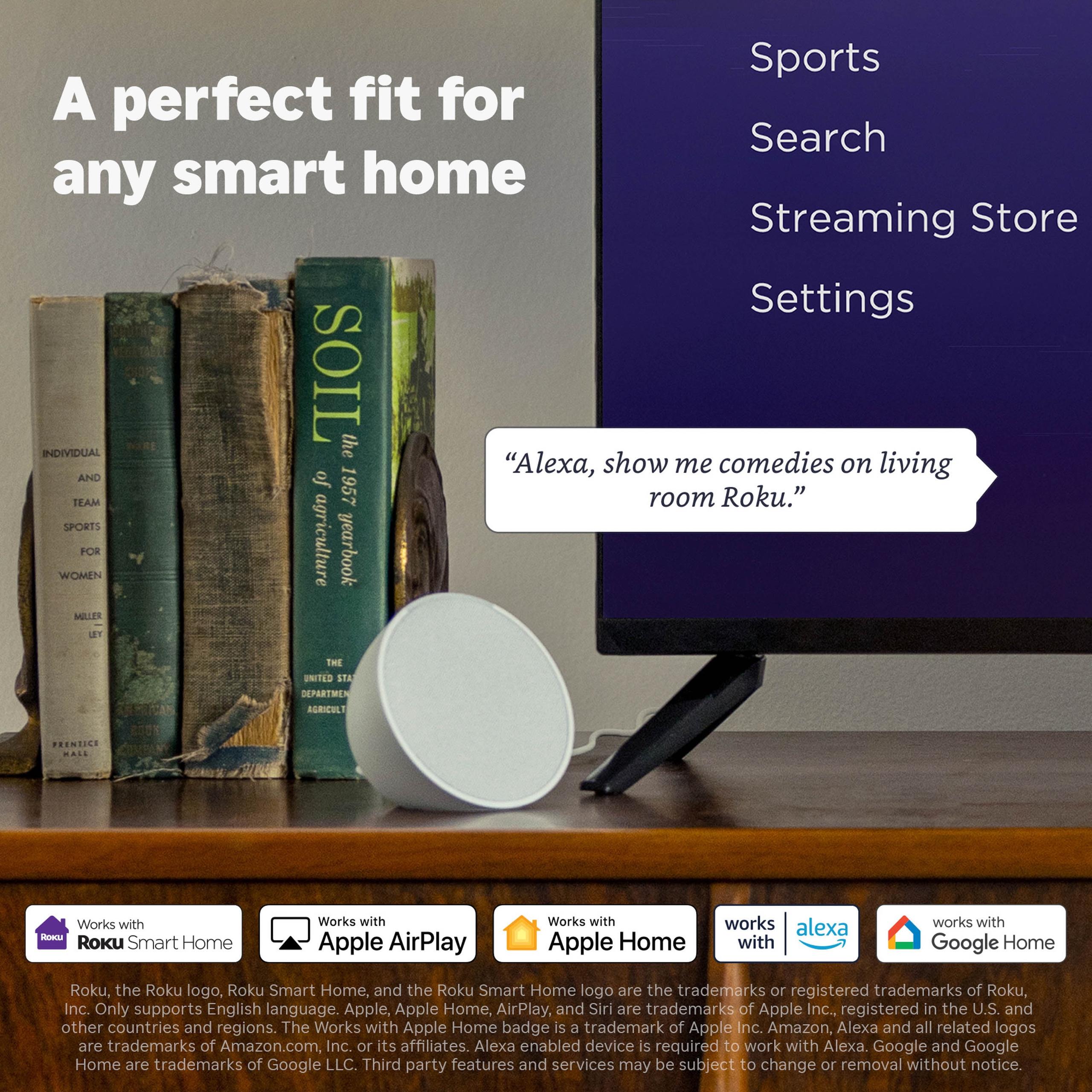
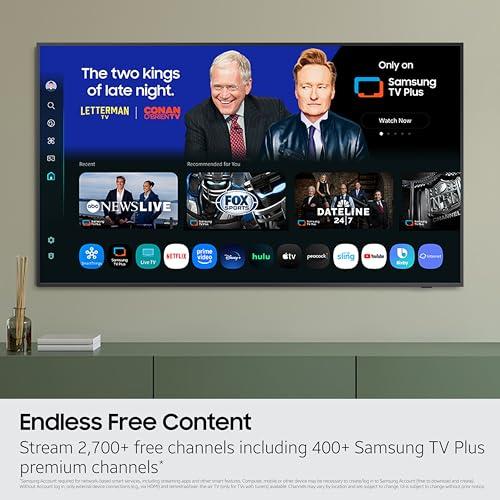
The Samsung Frame Pro uses Samsung's Tizen platform with built-in Alexa and Bixby voice assistants. While more feature-rich on paper, it's generally considered less user-friendly than Roku's approach. However, it offers deeper integration with smart home systems if that's important to your setup.
Both platforms support all major streaming services, but Roku has historically been better at remaining neutral and not promoting its own content over others. Samsung sometimes prioritizes its own services or paid promotions in the interface.
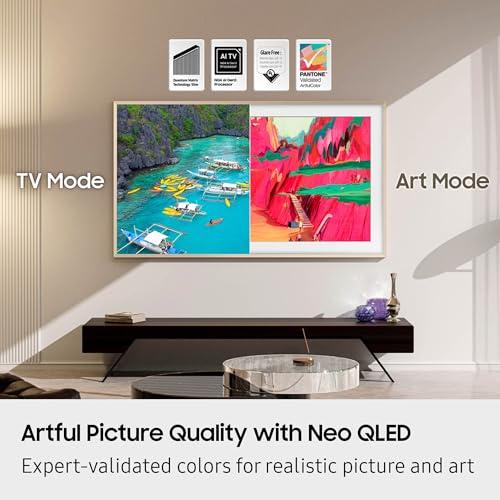
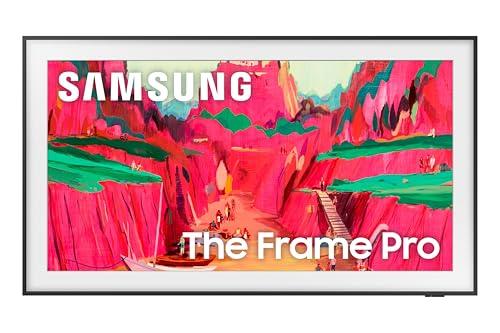
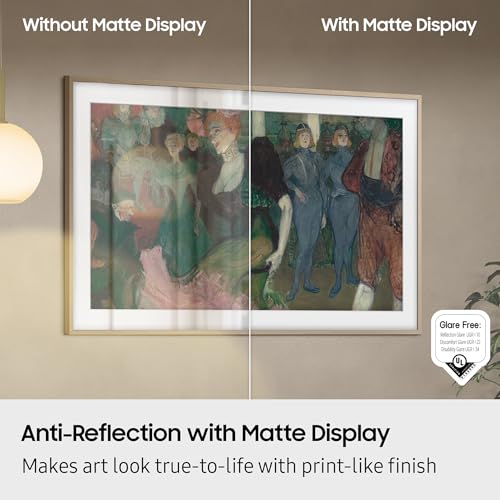
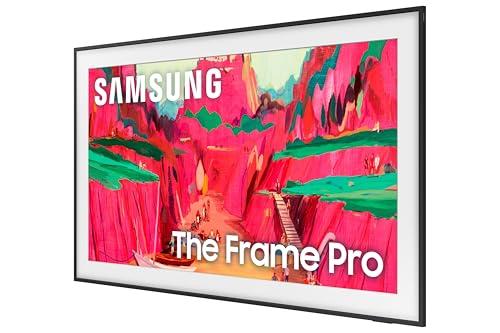
Here's where the Samsung Frame Pro truly differentiates itself. When turned off, it displays artwork from Samsung's Art Store, transforming from a TV into what looks like a framed painting on your wall. The matte anti-glare screen enhances this effect, making the displayed art look remarkably like real prints rather than digital displays.
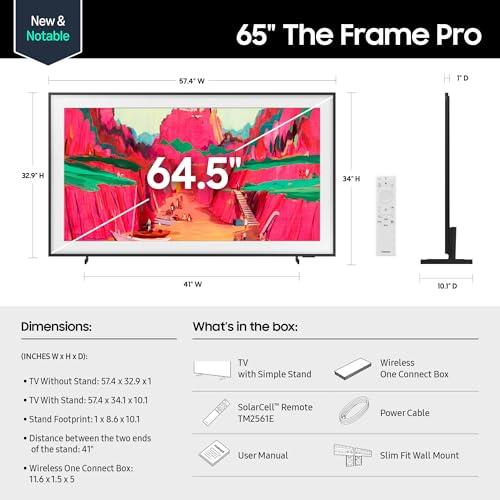
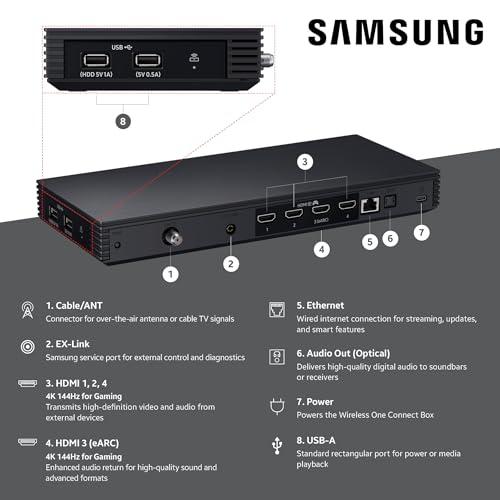
But the real innovation is the Wireless One Connect Box. All your devices—cable box, game console, streaming stick—connect to this separate box that can be placed up to 33 feet away from the TV. The TV receives everything wirelessly, meaning you can mount it flush against your wall with absolutely no visible cables. For design-conscious buyers, this is revolutionary.
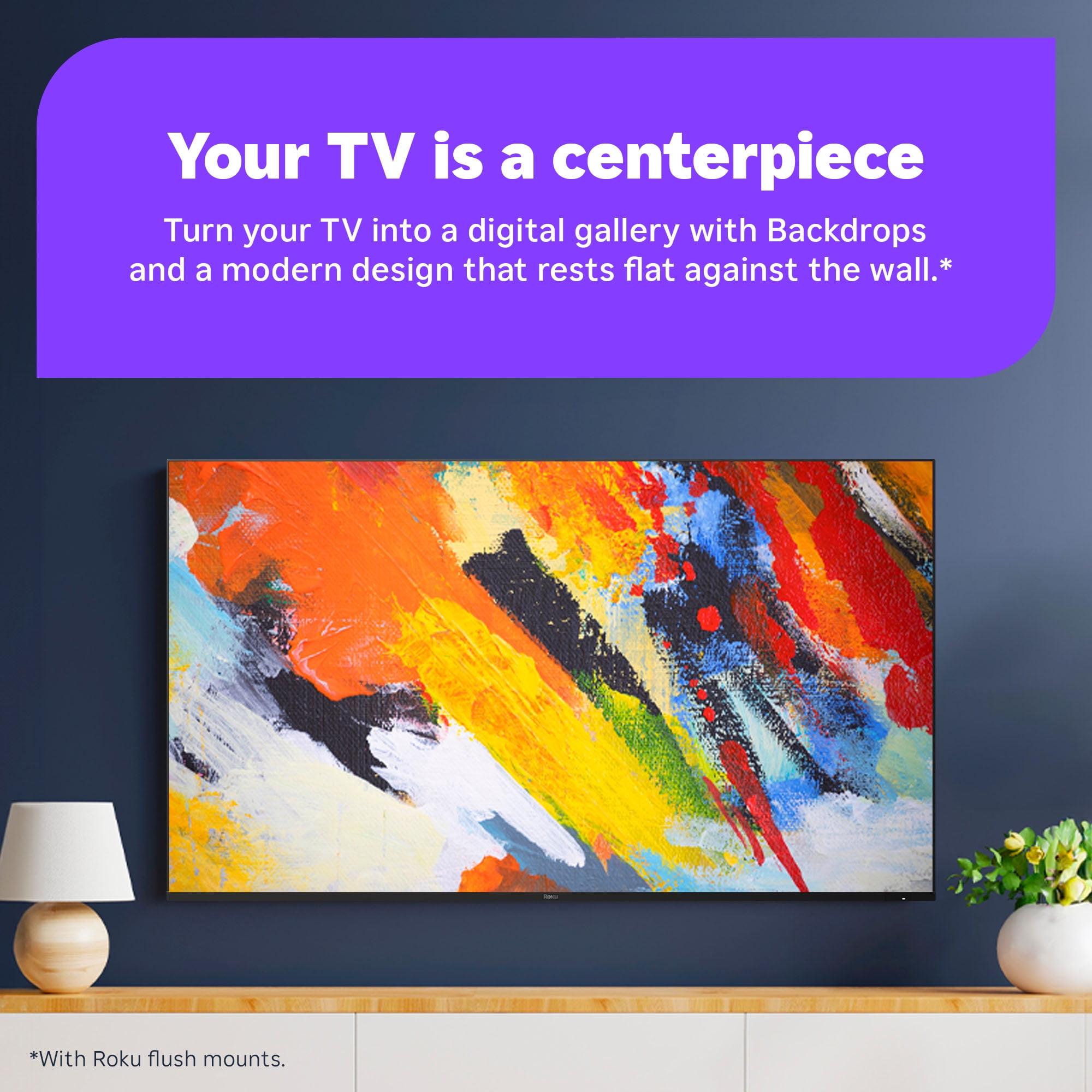
The Roku Pro Series follows traditional TV design philosophy. It's a good-looking TV, but it's clearly a TV. You'll need to manage cable runs and deal with the usual installation challenges.
The Samsung's approach isn't without trade-offs. You're entirely dependent on the wireless connection (except for one micro HDMI port on the TV itself), and there's no wired backup. In environments with significant wireless interference, this could be problematic.
At the time of writing, the Roku Pro Series typically costs about $100 less than the Samsung Frame Pro. When you factor in the Roku's superior gaming performance and better built-in audio, it offers more pure entertainment value per dollar spent.
However, value isn't just about specifications. The Samsung Frame Pro solves real problems for many buyers. If you've ever struggled with cable management or wanted a TV that doesn't dominate your living room when turned off, Samsung's approach has genuine merit. The wireless connectivity alone could save you hundreds in professional installation costs or hours of DIY cable management.
The brightness advantage of the Samsung is also significant in real-world use. If your TV will be in a room with lots of windows or ambient lighting, that extra brightness capability translates to a noticeably better viewing experience during daytime hours.
For dedicated home theater use, the Roku Pro Series edges ahead. Its superior black levels and contrast, combined with lower input lag for gaming, make it better suited for dark room viewing where you want to focus purely on the content. The excellent built-in audio also means one less component to worry about in your setup.
The Samsung Frame Pro works well in home theaters but shines more in living room environments where the TV needs to serve multiple roles. Its brightness advantage helps in rooms that aren't completely light-controlled, and the art mode means it doesn't look like a big black rectangle when not in use.
Neither TV supports Dolby Vision, which is somewhat disappointing at this price level, though both handle HDR10+ admirably. For serious home theater enthusiasts who prioritize every technical specification, both TVs represent compromises compared to flagship OLED models, but they're still very capable performers.
The Roku Pro Series is the clear choice if you prioritize pure performance per dollar. It's ideal for gamers who need low input lag, movie enthusiasts who want the best contrast for dark room viewing, and anyone who values straightforward reliability over flashy features. The superior built-in audio is a significant bonus that adds real value to the package.
The Samsung Frame Pro makes sense for design-conscious buyers who want a TV that integrates seamlessly into their living space. If you're someone who's always been bothered by the idea of a big black rectangle on your wall, or if cable management has been a nightmare in your setup, Samsung's approach solves these problems elegantly. The brighter display also makes it better for rooms with lots of ambient light.
The Samsung is also the better choice if you're already invested in Samsung's ecosystem of smart home devices or if you frequently host gatherings where the TV's appearance when turned off matters to you.
Both the Roku Pro Series and Samsung Frame Pro represent excellent value in the premium TV market, but they serve different priorities. The Roku delivers more traditional TV performance per dollar, while the Samsung reimagines what a TV can be in your living space.
For most buyers focused on getting the best entertainment experience, the Roku Pro Series offers superior gaming performance, better built-in audio, and excellent picture quality at a slightly lower price. For buyers who want their TV to disappear into their decor when not in use and don't mind paying a premium for innovative features, the Samsung Frame Pro offers something genuinely unique in the market.
The decision ultimately comes down to whether you want a high-performance TV that happens to look good, or a design-forward TV that also performs well. Both approaches have merit, and both TVs execute their respective visions successfully.
| Roku 65" Pro Series 2025 | Samsung 65" The Frame Pro 2025 |
|---|---|
| Display Technology - Determines picture quality and brightness capabilities | |
| Mini-LED with full-array local dimming | Neo QLED Mini-LED with vertical local dimming |
| Peak Brightness - Critical for HDR impact and bright room viewing | |
| Very good SDR, good HDR performance | Over 1,000 nits peak brightness |
| Refresh Rate - Higher is better for gaming and sports | |
| 120Hz native | 144Hz native |
| Input Lag - Lower is crucial for competitive gaming | |
| As low as 5.2ms at 120Hz (excellent) | Over 30ms (poor for serious gaming) |
| Color Accuracy - Affects how realistic content looks | |
| Excellent SDR out-of-box, sub-par HDR | Good overall with NQ4 AI Gen3 processing |
| Smart Platform - Your daily interface experience | |
| Roku OS 15 (highly intuitive) | Samsung Tizen with Alexa/Bixby |
| Built-in Audio - Quality affects need for soundbar | |
| Roku Soundstage with "theater-like bass" | 40W 2.0.2CH with Object Tracking Sound |
| Gaming Features - Modern console compatibility | |
| FreeSync Premium Pro, VRR, ALLM, 2x HDMI 2.1 | HDMI Forum VRR, FreeSync Premium Pro, 5x HDMI |
| Installation Design - How it fits in your space | |
| Traditional wired setup | Wireless One Connect Box (cable-free mounting) |
| Art Mode - TV doubles as wall art when off | |
| Not available | Samsung Art Store with matte anti-glare display |
| Black Level Performance - Important for dark room viewing | |
| Deep blacks with minimal blooming | Good but not as deep due to vertical dimming |
| HDR Format Support - Compatibility with premium content | |
| Dolby Vision IQ, HDR10+, HLG | Neo Quantum HDR, HDR10+ (no Dolby Vision) |
| Processor - Affects upscaling and smart features | |
| Standard Roku processing with Smart Picture Max | NQ4 AI Gen3 (flagship-level chip) |
| Best Use Case - Who should choose this TV | |
| Gaming, home theater, performance per dollar | Design-conscious buyers, bright rooms, lifestyle integration |
The Samsung Frame Pro delivers brighter, more vibrant images with over 1,000 nits of peak brightness, making HDR content more impactful. However, the Roku Pro Series offers better black levels and contrast for dark room viewing, with excellent color accuracy right out of the box for regular content.
The Roku Pro Series is significantly better for gaming, with input lag as low as 5.2ms compared to the Samsung Frame Pro's 30ms+ lag. While the Samsung offers 144Hz vs 120Hz, the Roku's responsiveness makes it the clear choice for serious gamers.
The Samsung Frame Pro excels in bright rooms with its superior peak brightness and matte anti-glare screen that minimizes reflections. The Roku Pro Series also handles bright rooms well but doesn't match Samsung's brightness levels for overcoming daytime glare.
The Roku Pro Series has exceptionally good built-in audio that many users describe as "theater-like" with impressive bass, potentially eliminating the need for a soundbar. The Samsung Frame Pro has decent audio but isn't as impressive standalone.
The Roku Pro Series uses Roku OS, widely considered one of the most intuitive and user-friendly smart TV platforms available. The Samsung Frame Pro uses Samsung's Tizen platform, which is more feature-rich but less straightforward to navigate.
Yes, the Samsung Frame Pro transforms into a digital art display when turned off, with access to thousands of curated artworks and a matte screen that makes images look like real paintings. The Roku Pro Series doesn't offer this lifestyle feature.
The Roku Pro Series typically costs less and delivers superior gaming performance, better built-in audio, and excellent picture quality, making it better pure entertainment value. The Samsung Frame Pro costs more but offers unique design features that justify the premium for style-conscious buyers.
The Samsung Frame Pro features a revolutionary Wireless One Connect Box that eliminates all visible cables, allowing completely flush wall mounting. The Roku Pro Series uses traditional wired connections requiring standard cable management solutions.
The Roku Pro Series is better suited for dedicated home theaters due to its superior black levels, lower input lag for gaming, and excellent built-in audio. The Samsung Frame Pro works well but is optimized more for living room environments with ambient lighting.
Both TVs support PlayStation 5 and Xbox Series X features, but the Roku Pro Series provides a better gaming experience with its low input lag and reliable performance across all HDMI ports. The Samsung Frame Pro supports the features but with higher latency that affects competitive gaming.
The Roku Pro Series excels with fast app launches and Roku's superior content discovery that aggregates shows from all services. The Samsung Frame Pro runs all major apps well but with a less intuitive interface for content browsing.
Choose the Samsung Frame Pro if you prioritize design aesthetics, need maximum brightness for a bright room, and want the TV to blend into your decor as artwork. Pick the Roku Pro Series if you want the best performance per dollar, superior gaming capabilities, and don't need the lifestyle features.
We've done our best to create useful and informative comparisons to help you decide what product to buy. Our research uses advanced automated methods to create this comparison and perfection is not possible - please contact us for corrections or questions. These are the sites we've researched in the creation of this article: bestbuy.com - rtings.com - techradar.com - youtube.com - roku.com - youtube.com - walmart.com - bestbuy.com - youtube.com - electronicexpress.com - roku.com - pcvarge.com - ecoustics.com - tomsguide.com - youtube.com - smarthomesounds.co.uk - images.samsung.com - rtings.com - samsung.com - bestbuy.com - bestbuy.com - businessinsider.com - dentonstv.com - samsung.com - flatpanelshd.com - samsung.com - jefflynch.com - youtube.com - costco.com

Privacy Policy
Terms and Conditions - Affiliate Policy
Home Security
© Copyright 2008-2026.
11816 Inwood Rd #1211, Dallas, TX 75244