

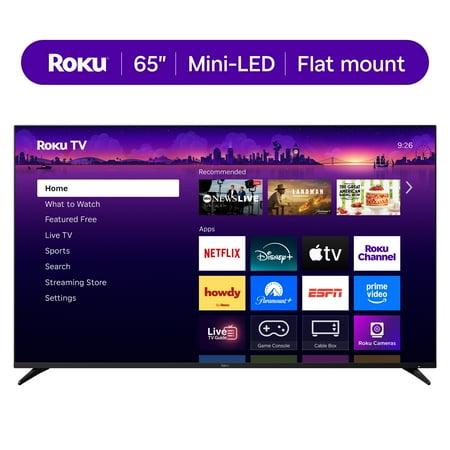
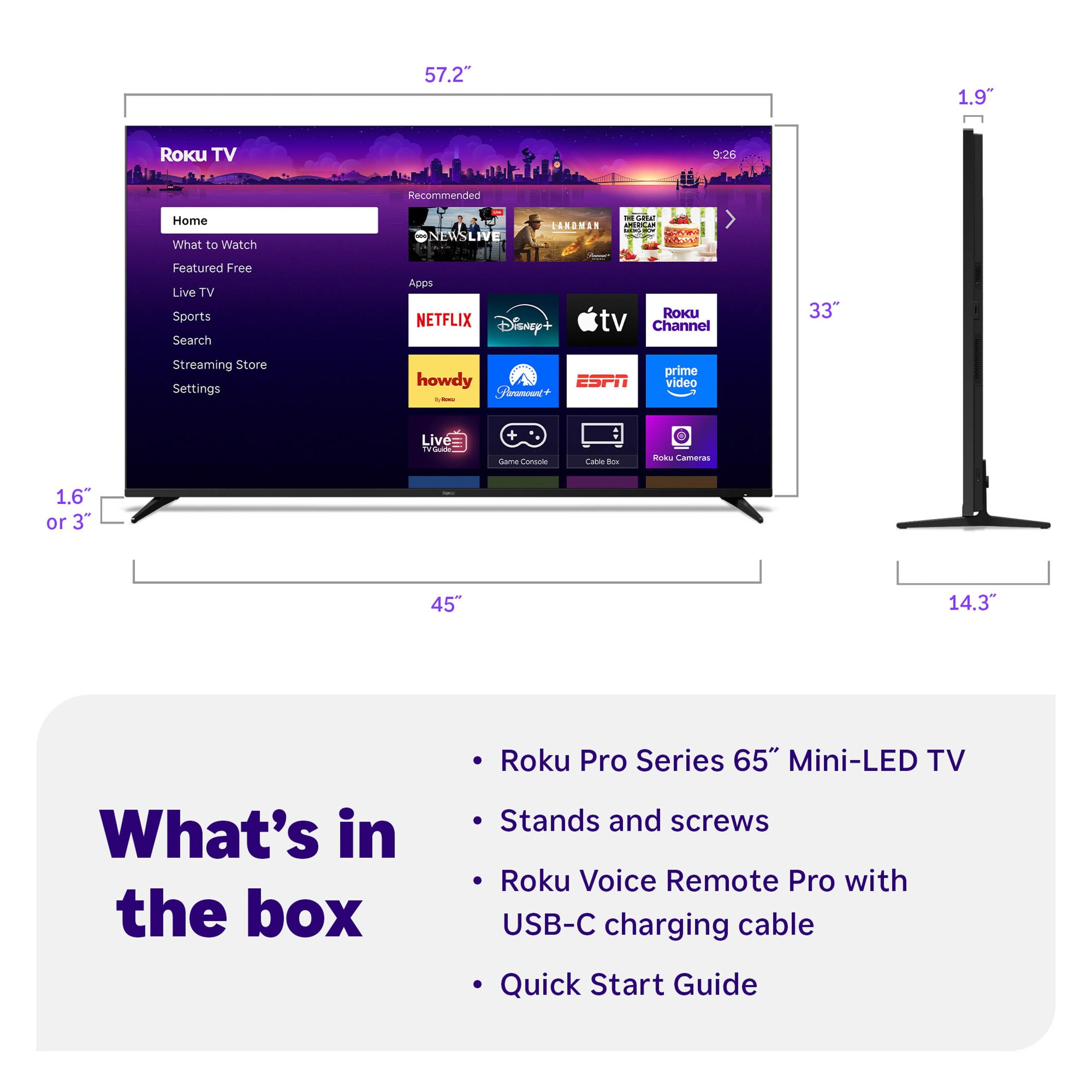
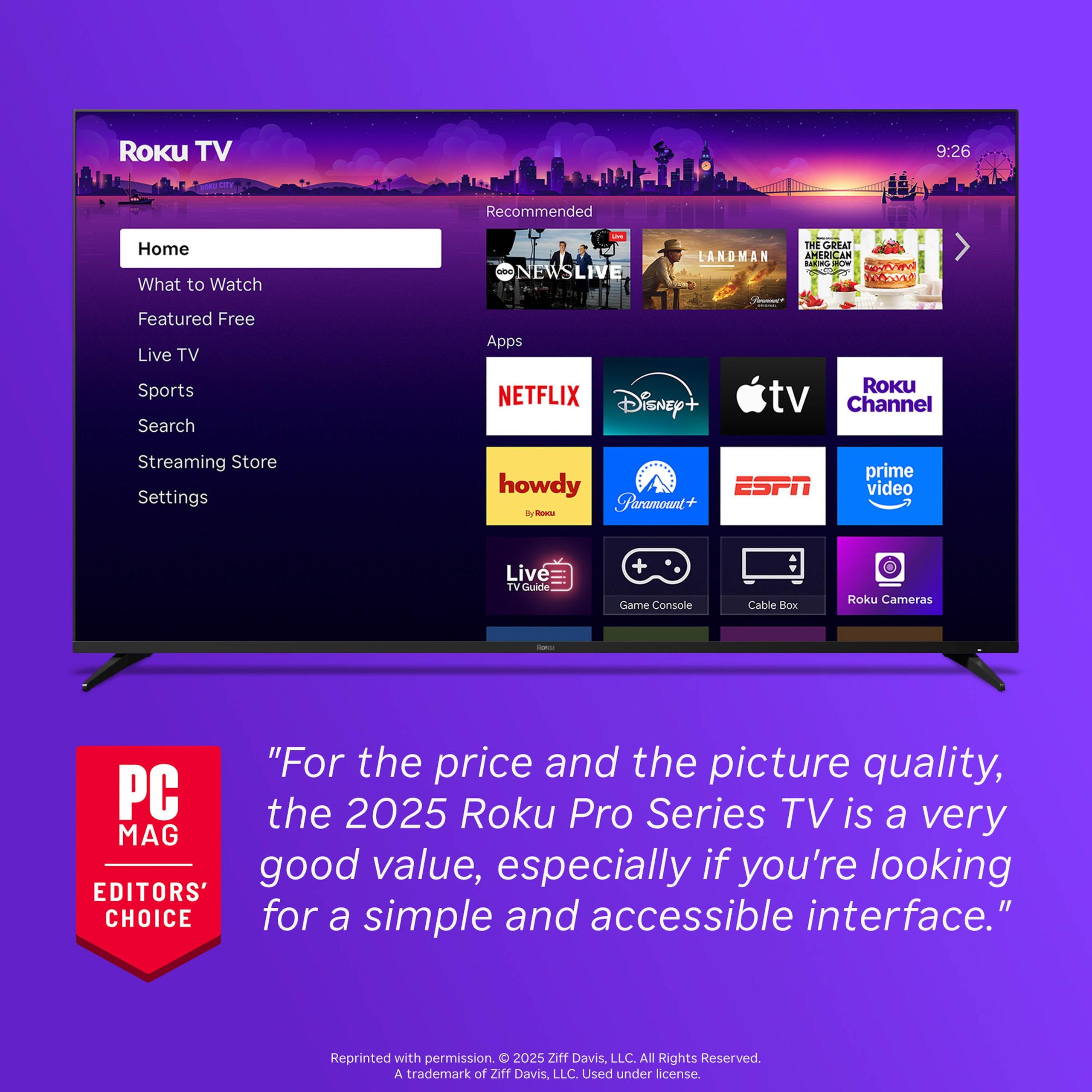
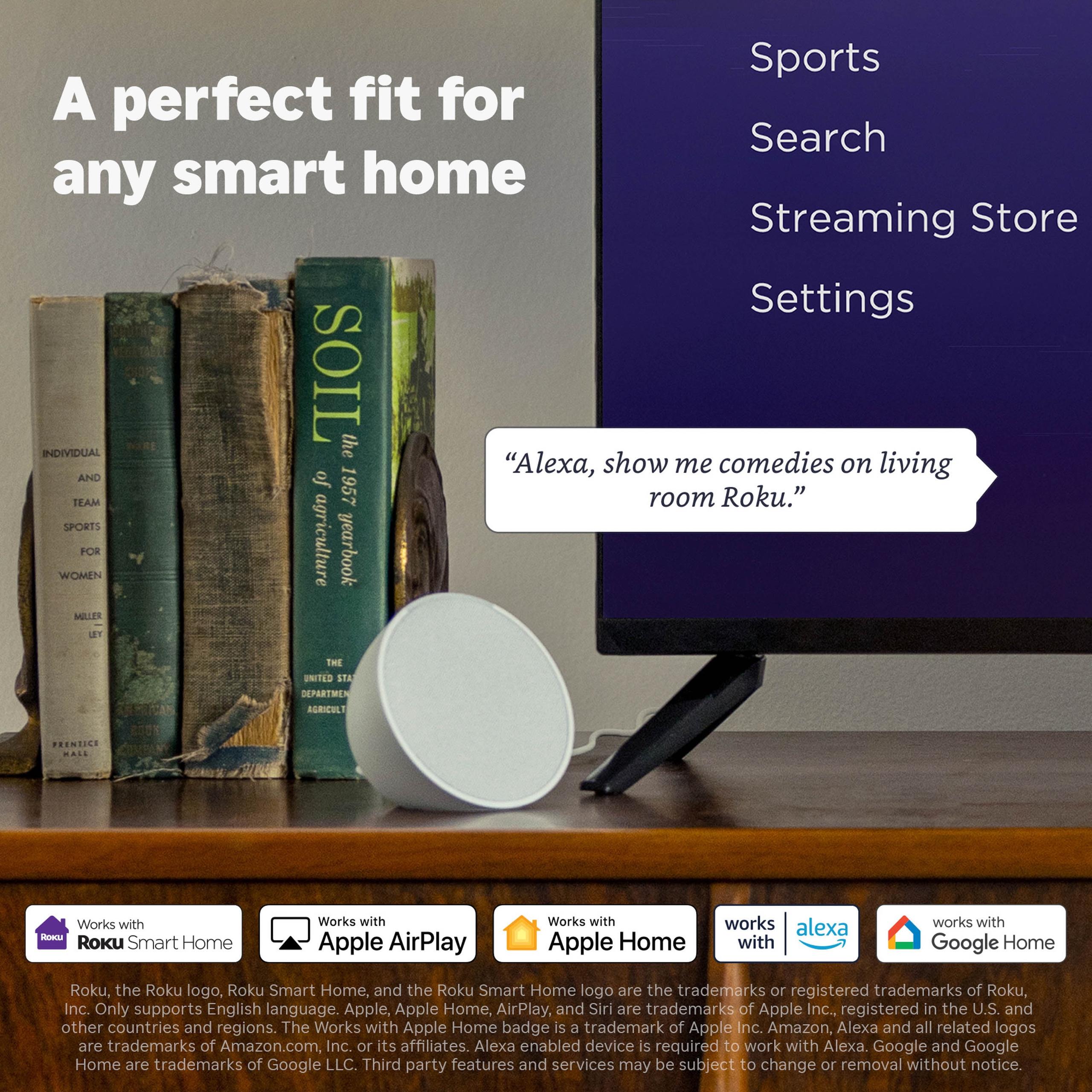
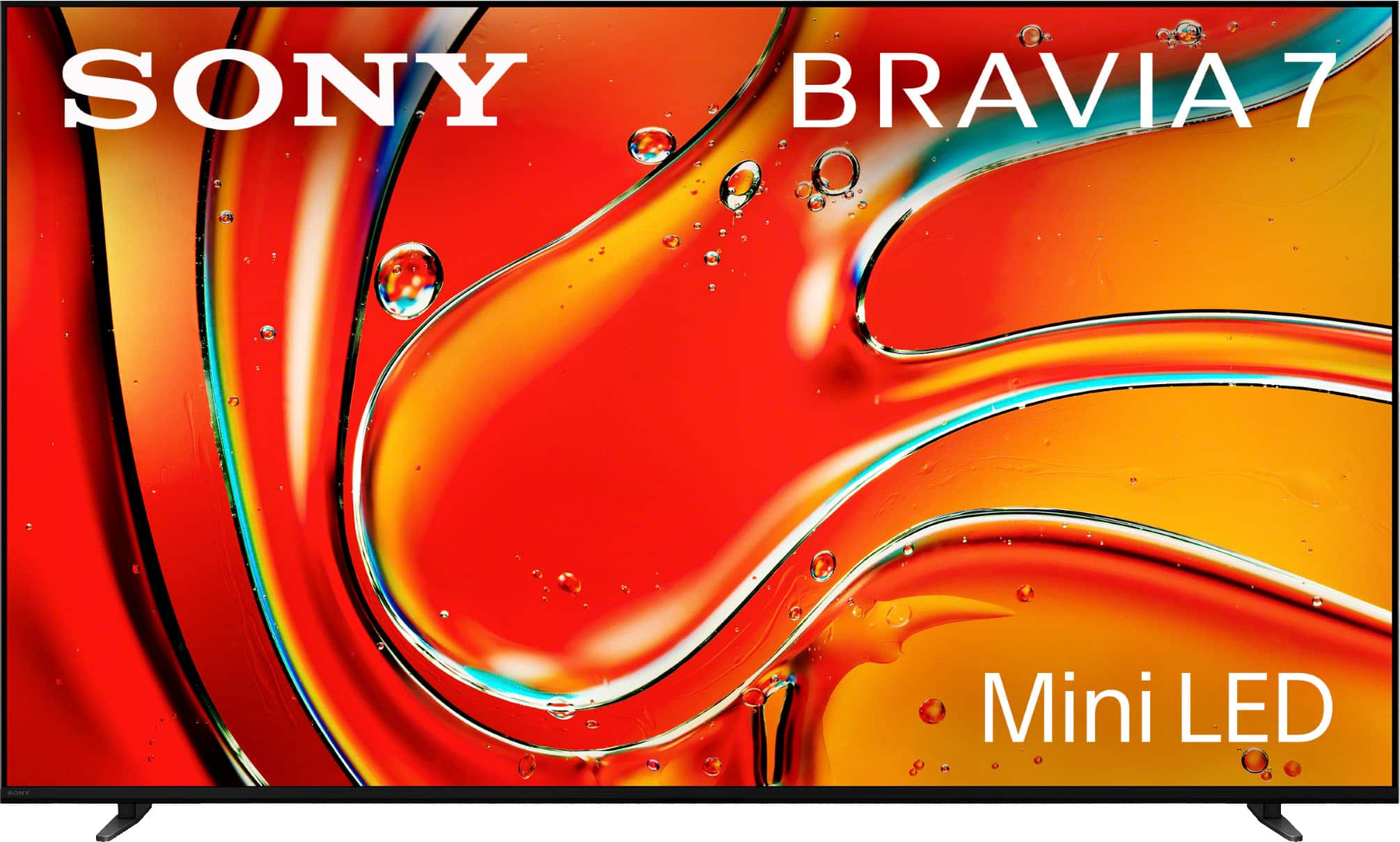
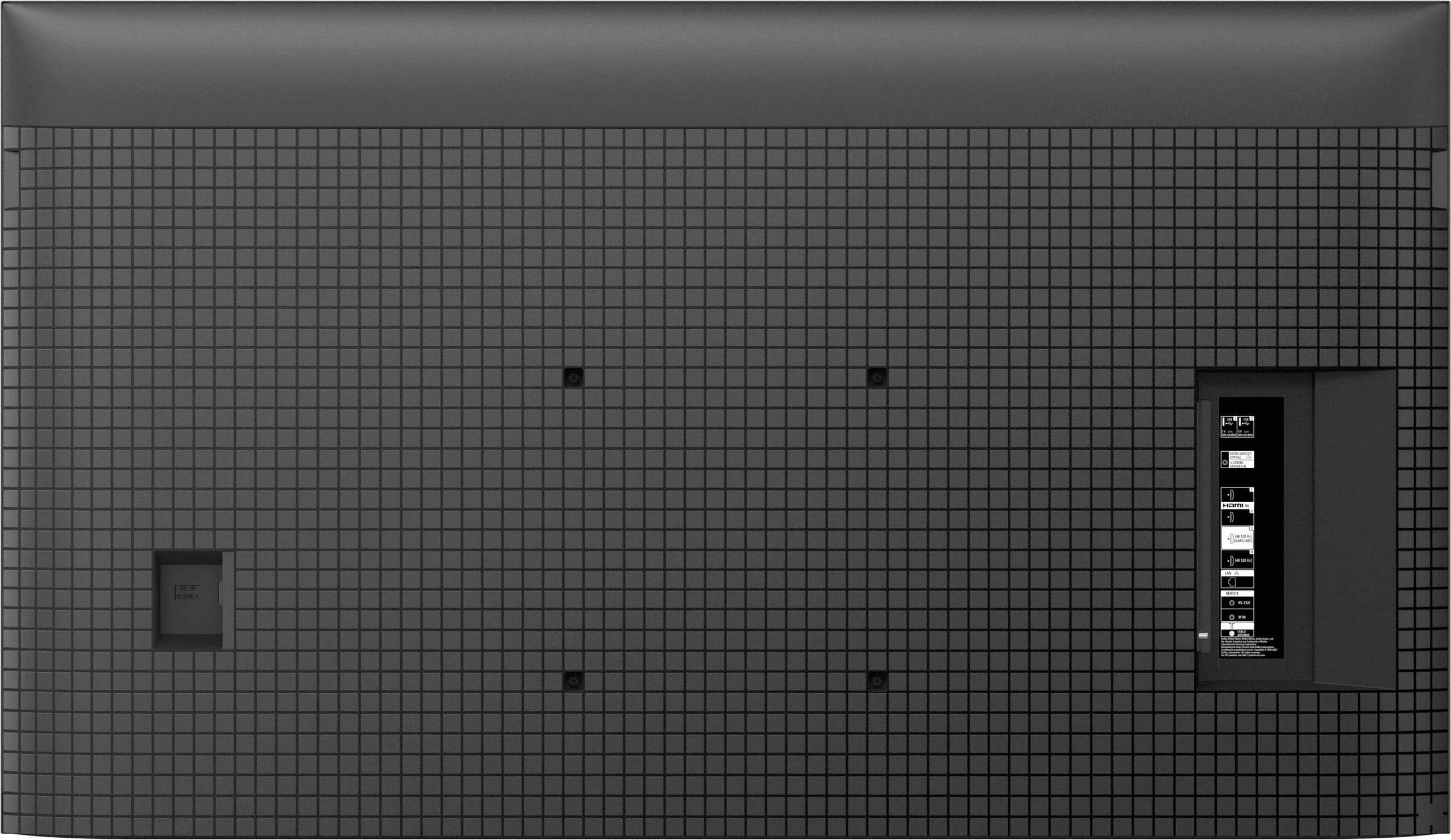
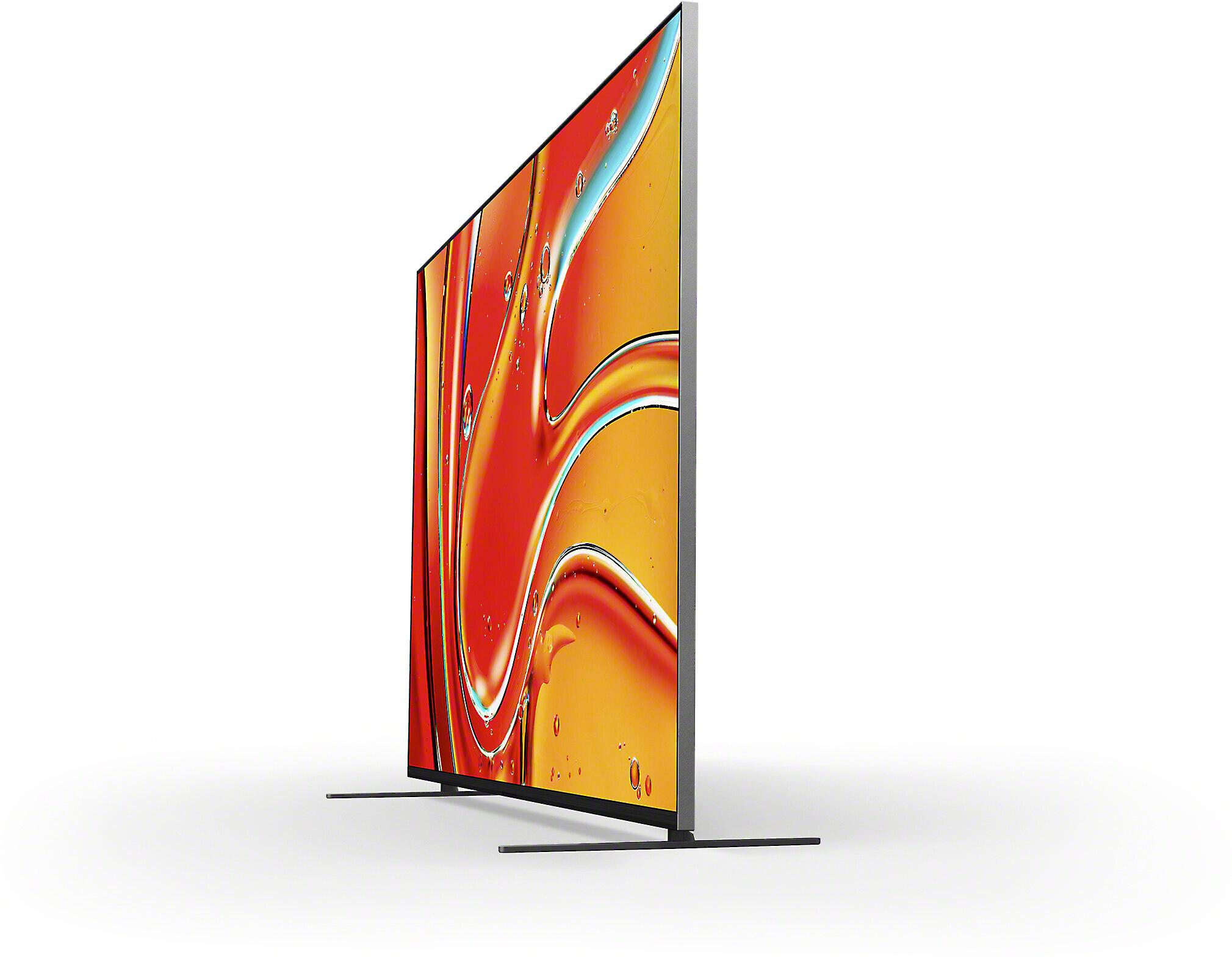
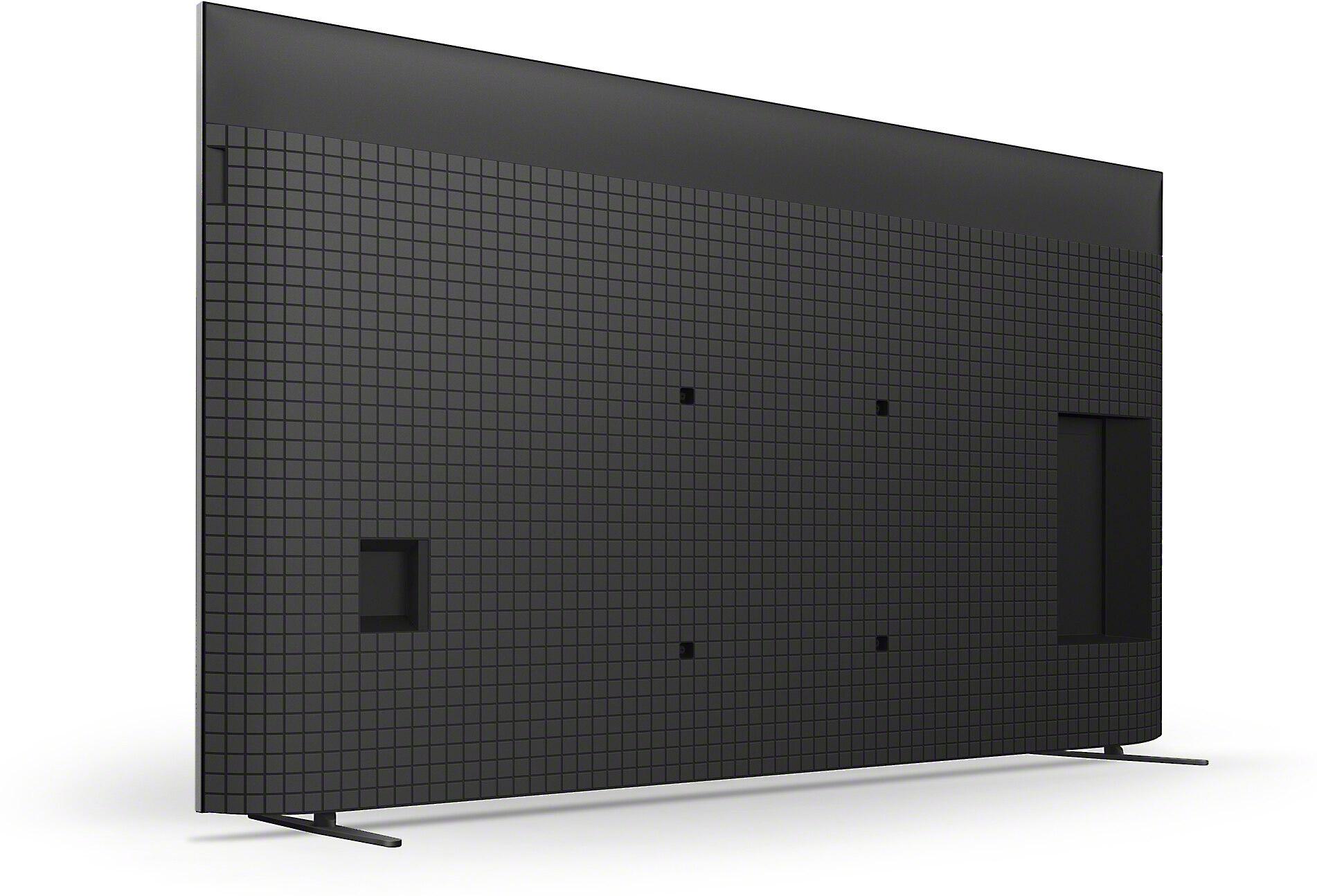
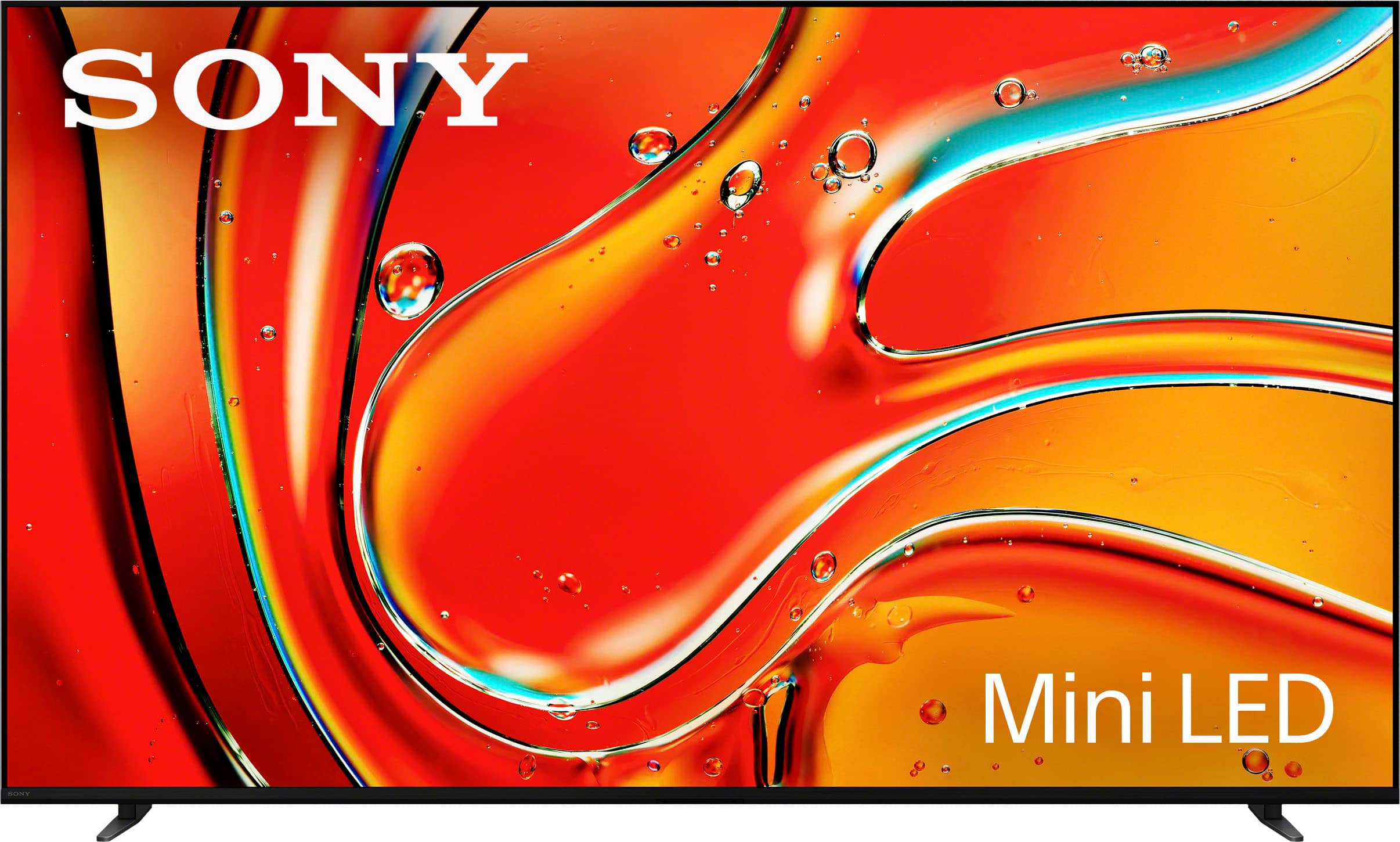
When shopping for a premium 65-inch TV in 2024 and 2025, you're entering the sweet spot of home theater technology. This size category offers the perfect balance of cinematic immersion without overwhelming most living rooms, and both the Roku Pro Series 2025 and Sony BRAVIA 7 represent compelling approaches to premium Mini-LED technology.
Mini-LED displays use thousands of tiny LEDs behind the screen instead of the few dozen found in regular LED TVs. Think of it like upgrading from a flashlight to a stadium lighting system – you get much more precise control over brightness and darkness in different parts of your picture. This technology bridges the gap between affordable LCD displays and expensive OLED screens, delivering most of the contrast benefits without the premium price tag.
The premium 65-inch TV market has evolved dramatically since 2020. Mini-LED technology has matured from experimental to mainstream, while streaming platforms now demand TVs that can handle everything from compressed Netflix shows to pristine 4K HDR movies. At the time of writing, both TVs sit in the premium category, with the Roku Pro Series 2025 positioned as the value champion and the Sony BRAVIA 7 carrying a moderate premium for its advanced processing technology.
What makes this comparison particularly interesting is the philosophical difference in approach. Roku has built a reputation for making complex technology accessible and affordable, while Sony continues to target enthusiasts who want professional-grade picture processing. The Roku Pro Series 2025 launched in 2025 with AI-powered picture optimization as its standout feature, while the Sony BRAVIA 7 arrived in 2024 emphasizing studio-calibrated accuracy and Google ecosystem integration.
Picture quality remains the most critical factor when choosing a premium TV, and both models deliver impressive results through different approaches. The Roku Pro Series 2025 implements what they call "Smart Picture Max," an AI-powered processing engine that automatically optimizes every scene without requiring manual adjustment. This technology analyzes incoming video signals in real-time, reducing compression artifacts (those blocky distortions you sometimes see in streaming content) and enhancing color and sharpness on a scene-by-scene basis.
Based on our research of expert reviews and user feedback, this automated approach works exceptionally well for everyday viewing. Users consistently praise how the Roku Pro Series 2025 makes mediocre content look better without the artificial over-processing that plagues many budget TVs. The system is particularly effective at cleaning up compressed streaming content, which represents the majority of what most people watch.
The Sony BRAVIA 7 takes a more traditional but refined approach with its XR Processor suite. This includes XR Backlight Master Drive for precise Mini-LED control, XR Triluminos Pro for expanded color reproduction, and XR Contrast Booster 20 for enhanced brightness distribution. These technologies work together to deliver what Sony calls "cognitive processing" – essentially mimicking how human vision perceives contrast and color.
High Dynamic Range (HDR) content – which includes most modern movies and shows on Netflix, Disney+, and other streaming services – reveals significant differences between these models. HDR expands the range between the darkest blacks and brightest whites, creating more lifelike images with greater depth and detail.
The Roku Pro Series 2025 achieves impressive peak HDR brightness levels, reaching over 1,800 nits in optimal settings according to expert measurements. This exceptional brightness makes it ideal for bright living rooms where ambient light can wash out darker TVs. The Mini-LED backlighting with full array local dimming (FALD) provides excellent contrast, with thousands of zones that can independently control brightness levels across the screen.
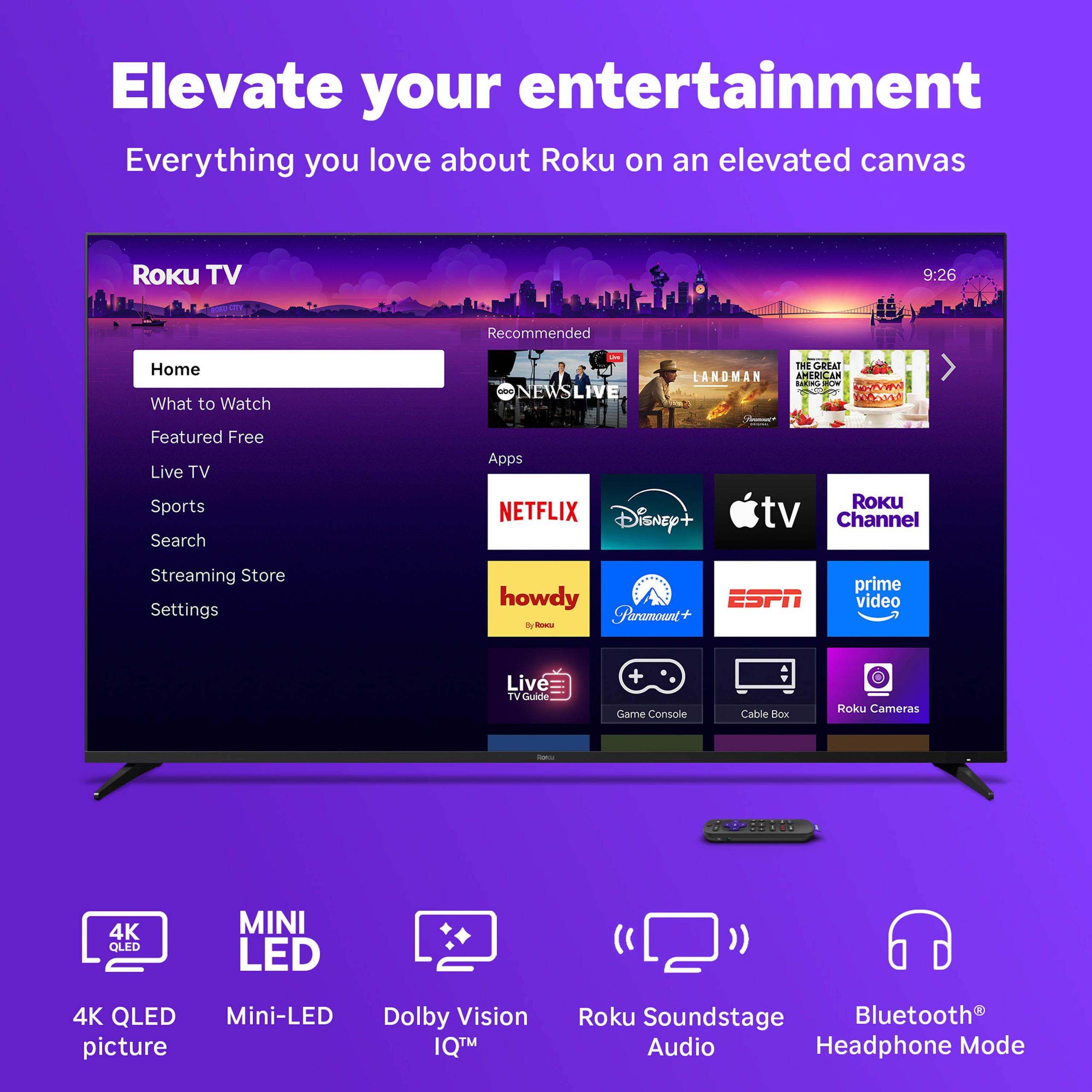
Equally important is the Roku Pro Series 2025's support for Dolby Vision IQ, which automatically adjusts HDR settings based on your room's lighting conditions. This means you won't experience washed-out daytime viewing or overly dim nighttime scenes – the TV adapts continuously without manual intervention.
The Sony BRAVIA 7 focuses more on HDR accuracy than raw brightness, though it still delivers impressive luminance levels. Sony's strength lies in its color processing and studio-calibrated picture modes specifically designed for Netflix, Prime Video, and Sony Pictures content. These modes ensure that what you see matches the filmmaker's original intent, which matters significantly for movie enthusiasts and anyone who cares about authentic color reproduction.
Color performance represents another key differentiator between these models. The Roku Pro Series 2025 covers an impressive 96.9% of the UHDA-P3 color space (the standard used for premium HDR content), delivering vibrant, punchy colors that pop off the screen. User reviews consistently mention the TV's ability to make animated content like Pixar movies look spectacular, with rich, saturated colors that remain stable even in bright rooms.
Sony's approach with the BRAVIA 7 emphasizes natural color reproduction over saturation. The XR Triluminos Pro technology expands the color palette while maintaining accuracy, particularly important for skin tones and natural scenery. Professional reviews note that the Sony delivers more nuanced color gradations – subtle differences in similar shades that create more realistic-looking images.
From our analysis of expert reviews, both approaches have merit depending on your preferences. The Roku Pro Series 2025 excels at making content visually impactful and engaging, while the Sony BRAVIA 7 focuses on authentic reproduction that matches professional standards.
Modern gaming has transformed TV requirements, with PlayStation 5 and Xbox Series X demanding high refresh rates, low input lag, and advanced display technologies. Both TVs deliver excellent gaming performance, though with different strengths.
The Roku Pro Series 2025 achieves remarkably low input lag – as low as 5.2 milliseconds at 120Hz refresh rates. To put this in perspective, that's faster than many dedicated gaming monitors from just a few years ago. Input lag measures the delay between when you press a button and when the action appears on screen, and anything under 20ms is considered excellent for gaming.
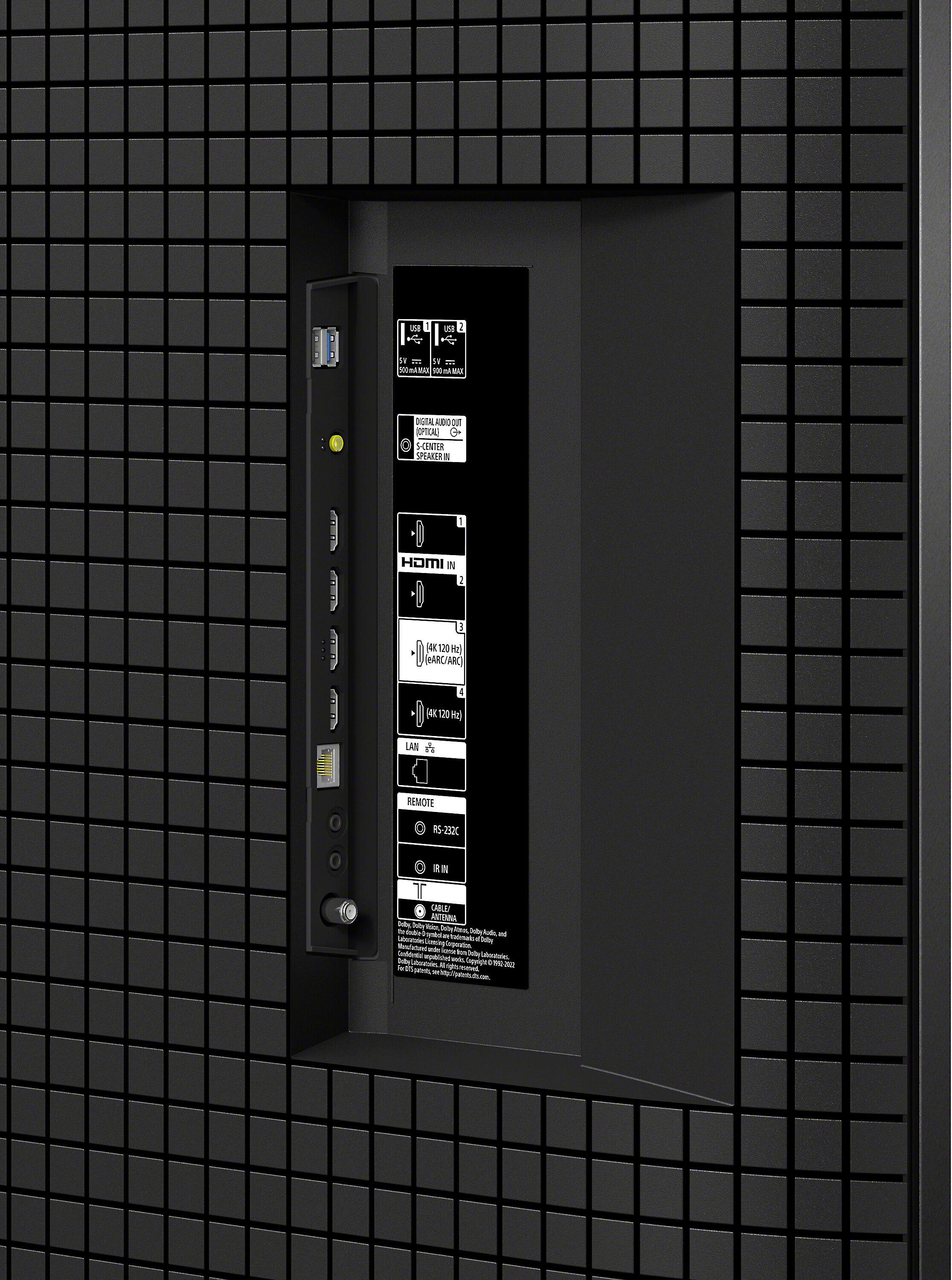
The TV also supports FreeSync Premium Pro, AMD's technology for eliminating screen tearing (those horizontal lines that appear during fast movement in games). Combined with Variable Refresh Rate (VRR) and Auto Low Latency Mode (ALLM), the Roku Pro Series 2025 provides a smooth, responsive gaming experience across both HDMI 2.1 ports that support 4K gaming at 120Hz.
The Sony BRAVIA 7 delivers sub-8.5ms input lag, which is still excellent though slightly higher than the Roku. Where Sony differentiates itself is through PlayStation 5 optimization features, including Auto HDR Tone Mapping that automatically adjusts HDR settings for optimal gaming visuals. The XR Motion Clarity technology also reduces motion blur during fast-paced gaming, particularly beneficial for competitive online games.
Sony's Source-based Tone Mapping (SBTM) represents advanced gaming technology that adjusts contrast and brightness based on the specific game being played. This ensures consistent visual quality across different game engines and art styles, from dark horror games to bright cartoon adventures.
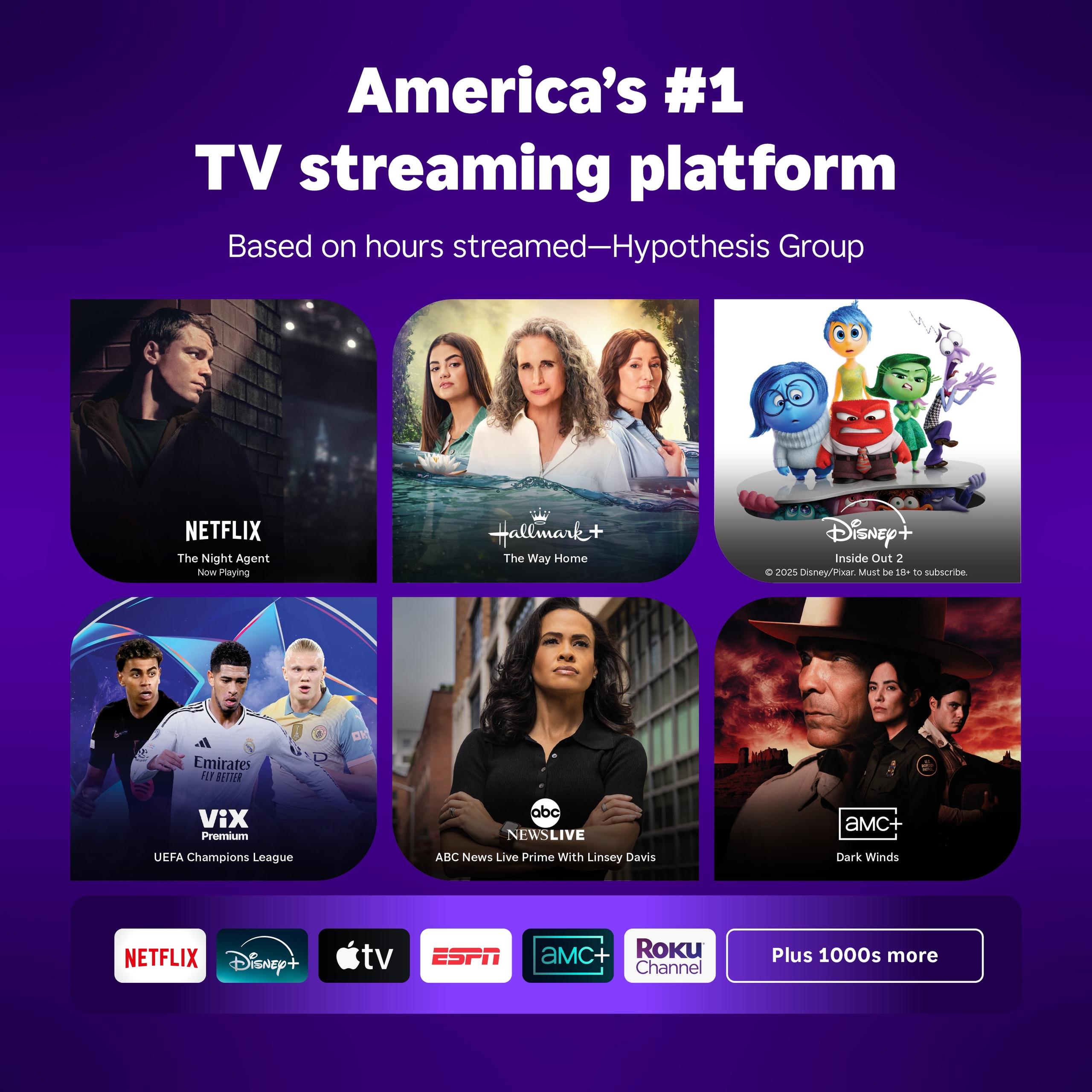
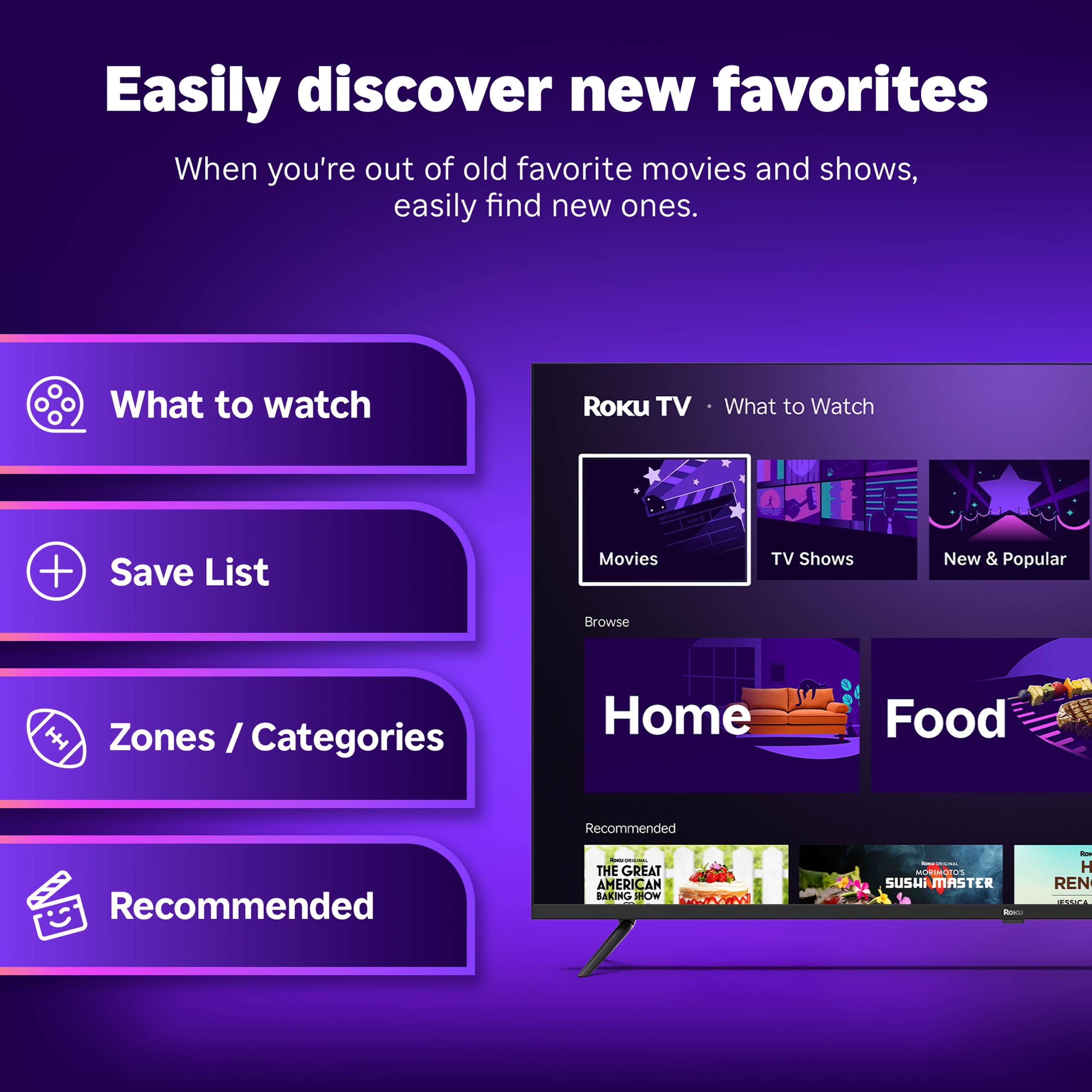
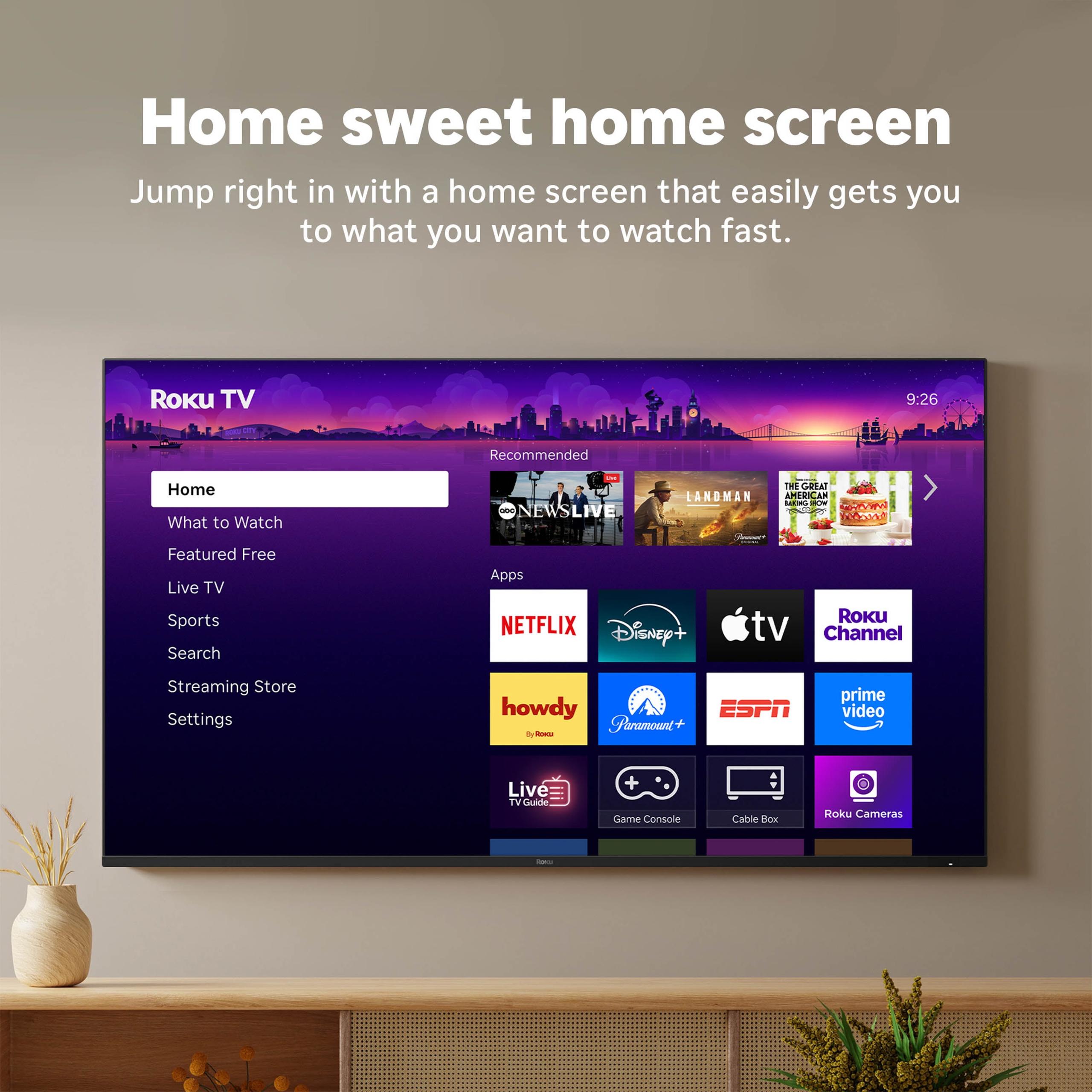
The choice between Roku TV and Google TV platforms often comes down to personal preference and existing device ecosystems. The Roku Pro Series 2025 runs Roku's interface, which has earned widespread praise for its simplicity and speed. The unified home screen combines streaming apps, live TV, and personal content in an intuitive layout that even tech-averse family members can navigate easily.
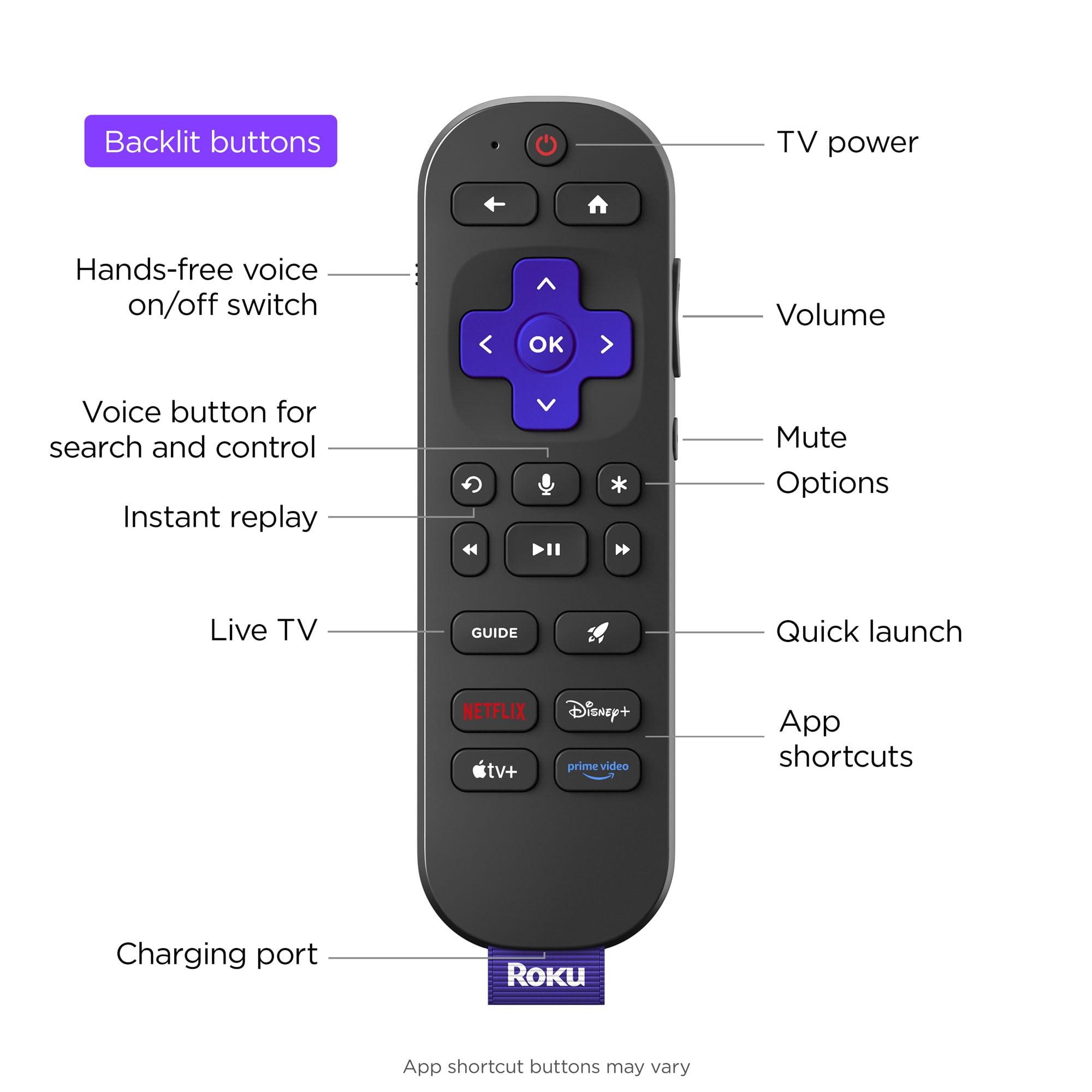
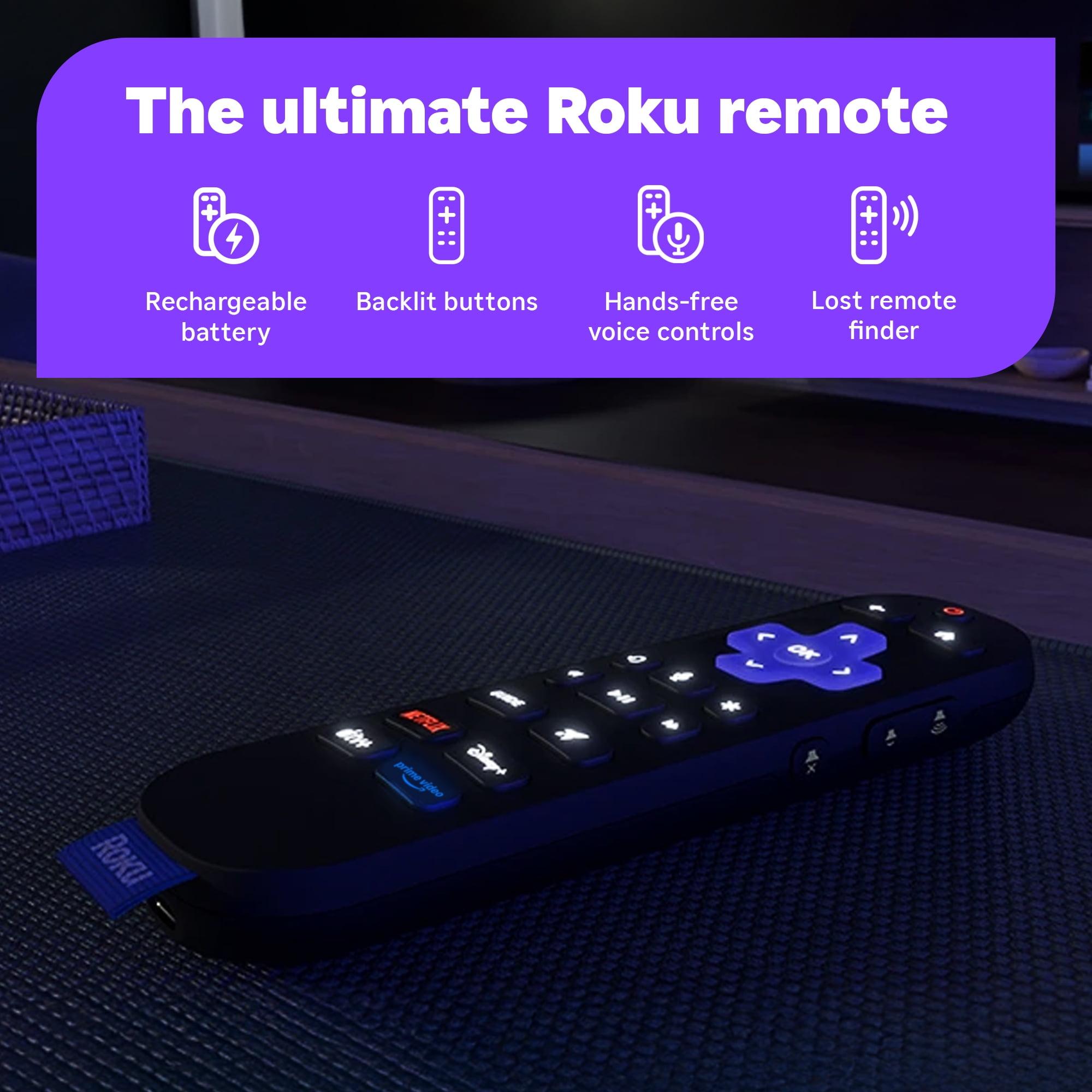
Roku's platform strength lies in its neutrality – it doesn't favor any particular streaming service and provides equal access to all major platforms. The included backlit Voice Remote Pro adds convenience with hands-free voice commands and a find-my-remote feature that's genuinely useful for families with remote-hiding tendencies.
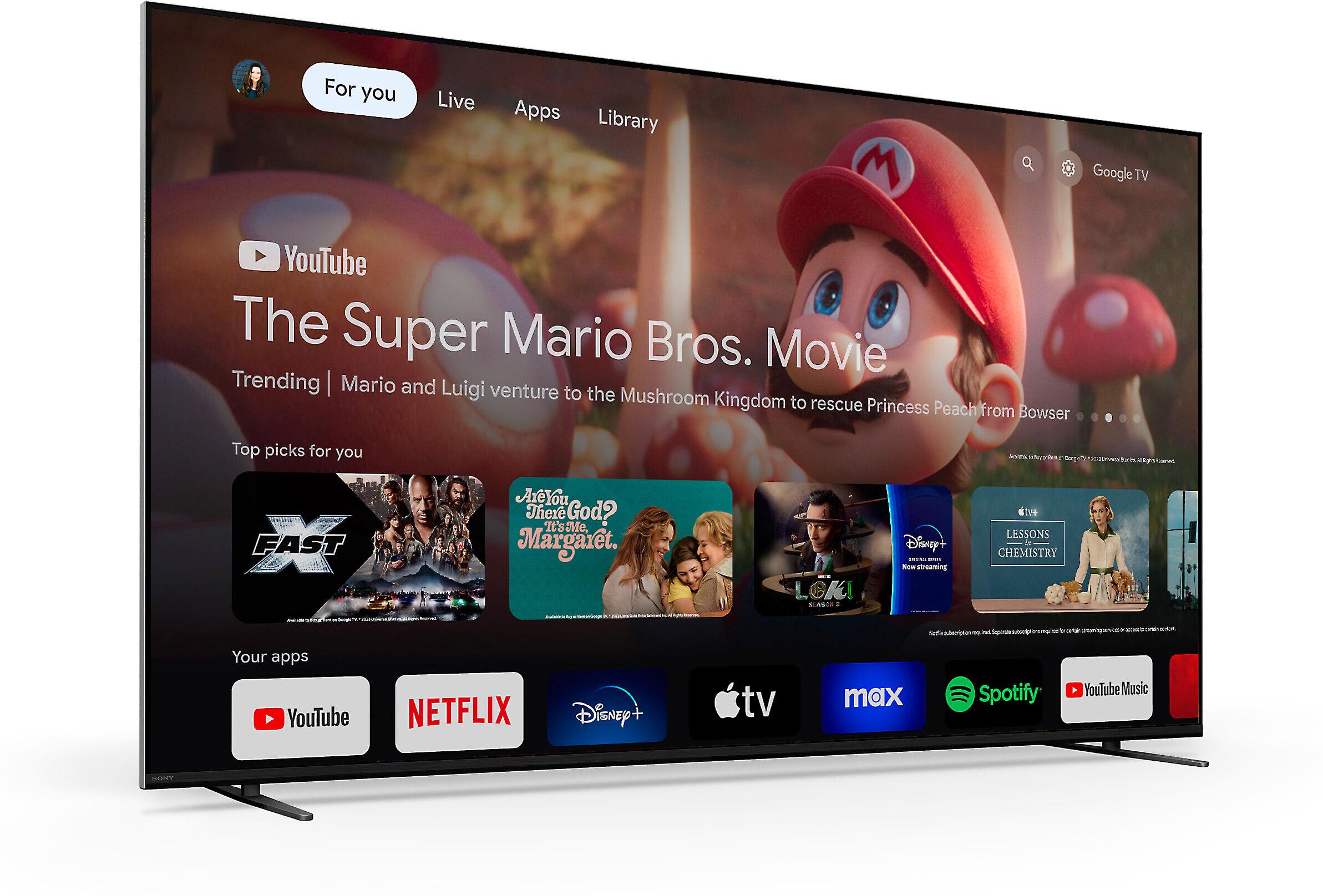
The Sony BRAVIA 7 utilizes Google TV, which offers deeper integration with Google's ecosystem including Gmail, Calendar, and smart home devices. The built-in Google Assistant provides more sophisticated voice control capabilities, allowing natural language queries about weather, sports scores, or content recommendations.
Google TV's strength lies in its personalized content recommendations that span multiple streaming services. Instead of opening individual apps, you can browse a unified interface that suggests content based on your viewing history across platforms. However, some users find this approach overwhelming compared to Roku's straightforward app-based organization.
Audio performance often gets overlooked in TV purchases, but both models deliver surprisingly capable built-in sound systems that may eliminate the need for additional speakers in smaller rooms.
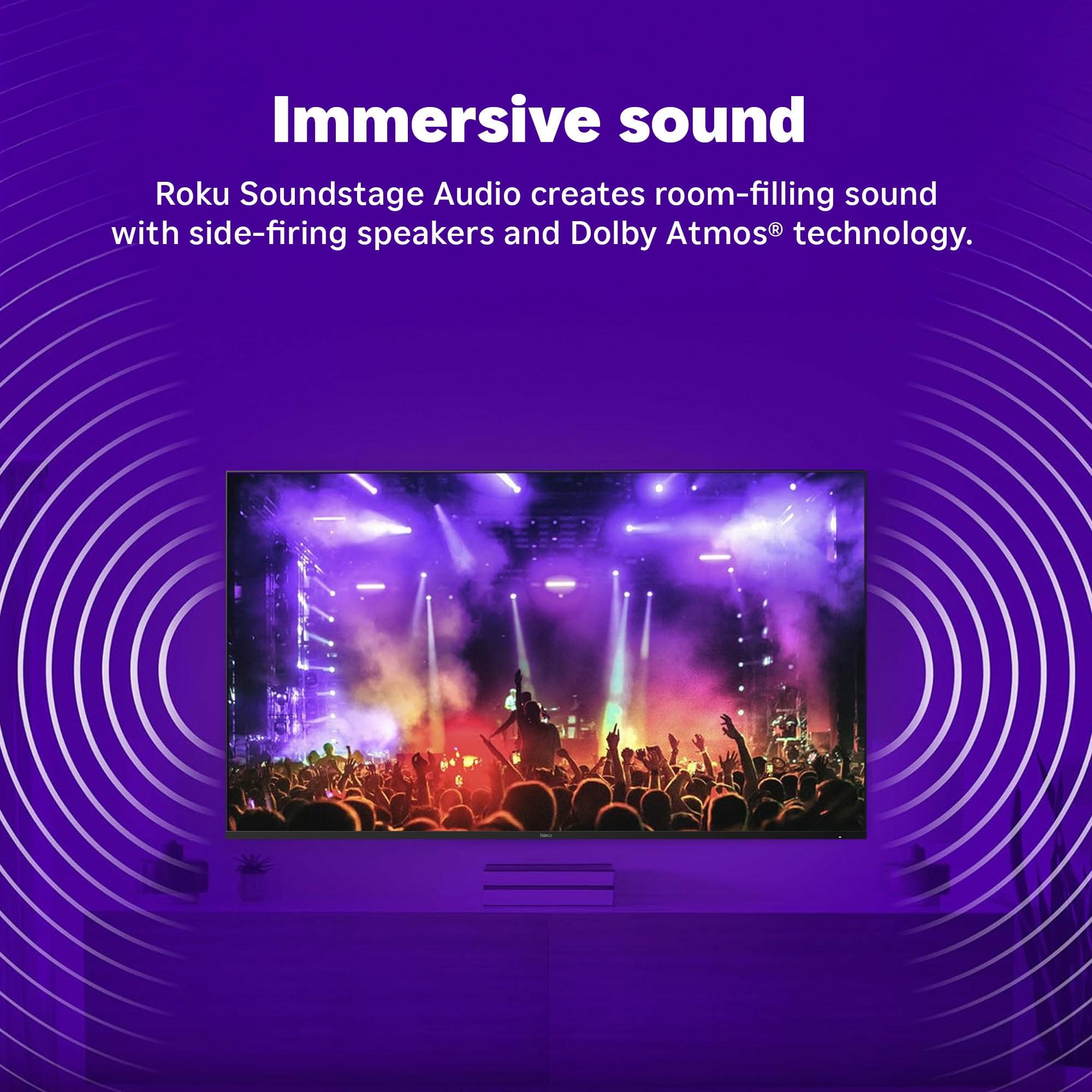
The Roku Pro Series 2025 features Roku Soundstage Audio with side-firing speakers and Dolby Atmos support. User reviews consistently rate the audio quality at 4.9/5, with many commenting that the bass response actually rattles walls – impressive for any TV's built-in speakers. The system includes a Bluetooth Headphone Mode for private listening, which has become increasingly valuable for late-night viewing.
Sony takes a more sophisticated approach with the BRAVIA 7's Acoustic Multi-Audio system, which includes positioning tweeters that help create a wider soundstage. The 40-watt two-channel system supports both Dolby Atmos and DTS:X, providing more immersive spatial audio than typical TV speakers.
Sony's Voice Zoom 3 technology deserves special mention for its ability to enhance dialogue clarity during action scenes – a common problem with modern movie soundtracks that bury conversation under explosions and music. The Acoustic Center Sync feature allows the TV to work seamlessly with BRAVIA Theater soundbars, using the TV's speakers as a center channel for enhanced dialogue reproduction.
For dedicated home theater setups, both TVs offer features that cater to serious movie enthusiasts, though with different strengths. The Sony BRAVIA 7 provides studio-calibrated picture modes that ensure accurate color reproduction as intended by content creators. The IMAX Enhanced certification guarantees optimal performance with premium content, while DTS:X audio support provides theater-quality surround sound through compatible systems.
The Roku Pro Series 2025 excels in bright home theaters where ambient light control isn't perfect. Its exceptional peak brightness ensures HDR content remains impactful even with some room lighting, while the AI-powered picture processing automatically optimizes content without requiring manual calibration adjustments.
Both TVs handle motion well for movie content, with the Sony's XR Motion Clarity providing slightly better performance for eliminating judder (the stuttering effect in slow camera pans). However, the difference is subtle and unlikely to bother casual viewers.
At the time of writing, both TVs occupy the premium segment with the Roku Pro Series 2025 positioned as the value champion and the Sony BRAVIA 7 commanding a moderate premium for its advanced processing technology.
The Roku Pro Series 2025 represents exceptional value for mainstream users who want flagship-level performance without flagship pricing. Its AI-powered picture processing, exceptional brightness, comprehensive gaming features, and superior built-in audio create a compelling package for most households. The automated optimization approach means you get great results without needing technical expertise or spending hours adjusting settings.
The Sony BRAVIA 7 justifies its premium through superior color accuracy, professional calibration options, and more sophisticated audio processing. It appeals to enthusiasts who prioritize authentic content reproduction and don't mind paying extra for Sony's refined approach to premium TV technology.
Choose the Roku Pro Series 2025 if you want the brightest possible HDR performance for well-lit rooms, prefer automated picture optimization over manual controls, game frequently and want the absolute lowest input lag, or value simplicity in smart TV interfaces. It's particularly well-suited for families who want premium performance without complexity, sports fans who need bright, clear images, and gamers who demand responsive performance.
Choose the Sony BRAVIA 7 if you prioritize color accuracy and authentic content reproduction, want professional-grade picture processing that may age better over time, prefer Google's ecosystem and advanced voice controls, or value sophisticated audio processing that reduces the need for external speakers. It's ideal for movie enthusiasts who care about filmmaker intent, Google ecosystem users, and anyone who appreciates refined engineering over aggressive pricing.
Both TVs represent excellent choices in the premium 65-inch category, with the decision ultimately coming down to whether you prioritize value and automated optimization (Roku Pro Series 2025) or premium processing and authentic color reproduction (Sony BRAVIA 7). Either choice will deliver a significantly upgraded viewing experience compared to older or budget TV technology.
| Roku 65" Pro Series 2025 | Sony BRAVIA 7 |
|---|---|
| Display Technology - Core picture quality foundation | |
| Mini-LED QLED with Smart Picture Max AI processing | Mini-LED QLED with XR Backlight Master Drive |
| Peak HDR Brightness - Critical for bright room viewing | |
| 1,818 nits (exceptional for daytime viewing) | ~1,400 nits (very good but lower than Roku) |
| HDR Format Support - Determines premium content compatibility | |
| Dolby Vision IQ, HDR10+, HLG (comprehensive coverage) | Dolby Vision, HDR10, HLG (solid but lacks HDR10+) |
| Color Gamut Coverage - How vibrant and accurate colors appear | |
| 96.9% UHDA-P3 (wide color range, punchy visuals) | XR Triluminos Pro (natural accuracy over saturation) |
| Gaming Input Lag - Essential for responsive gaming | |
| 5.2ms at 120Hz (among the lowest available) | Sub-8.5ms (excellent but slightly higher) |
| Gaming Features - Modern console compatibility | |
| FreeSync Premium Pro, VRR, ALLM, 4K@120Hz | VRR, ALLM, PlayStation 5 optimization, 4K@120Hz |
| Smart TV Platform - Daily user experience | |
| Roku TV (simple, fast, universal app support) | Google TV (advanced AI, Google ecosystem integration) |
| Voice Remote - Convenience and functionality | |
| Backlit Voice Remote Pro with find-my-remote button | Standard remote with built-in Google Assistant |
| Audio System - Built-in speaker quality | |
| Roku Soundstage with side-firing speakers, Dolby Atmos | Acoustic Multi-Audio with positioning tweeters, DTS:X |
| Picture Processing Approach - How content is optimized | |
| AI-powered automatic scene optimization | Studio-calibrated modes for Netflix, Prime Video |
| Professional Features - Content creator accuracy | |
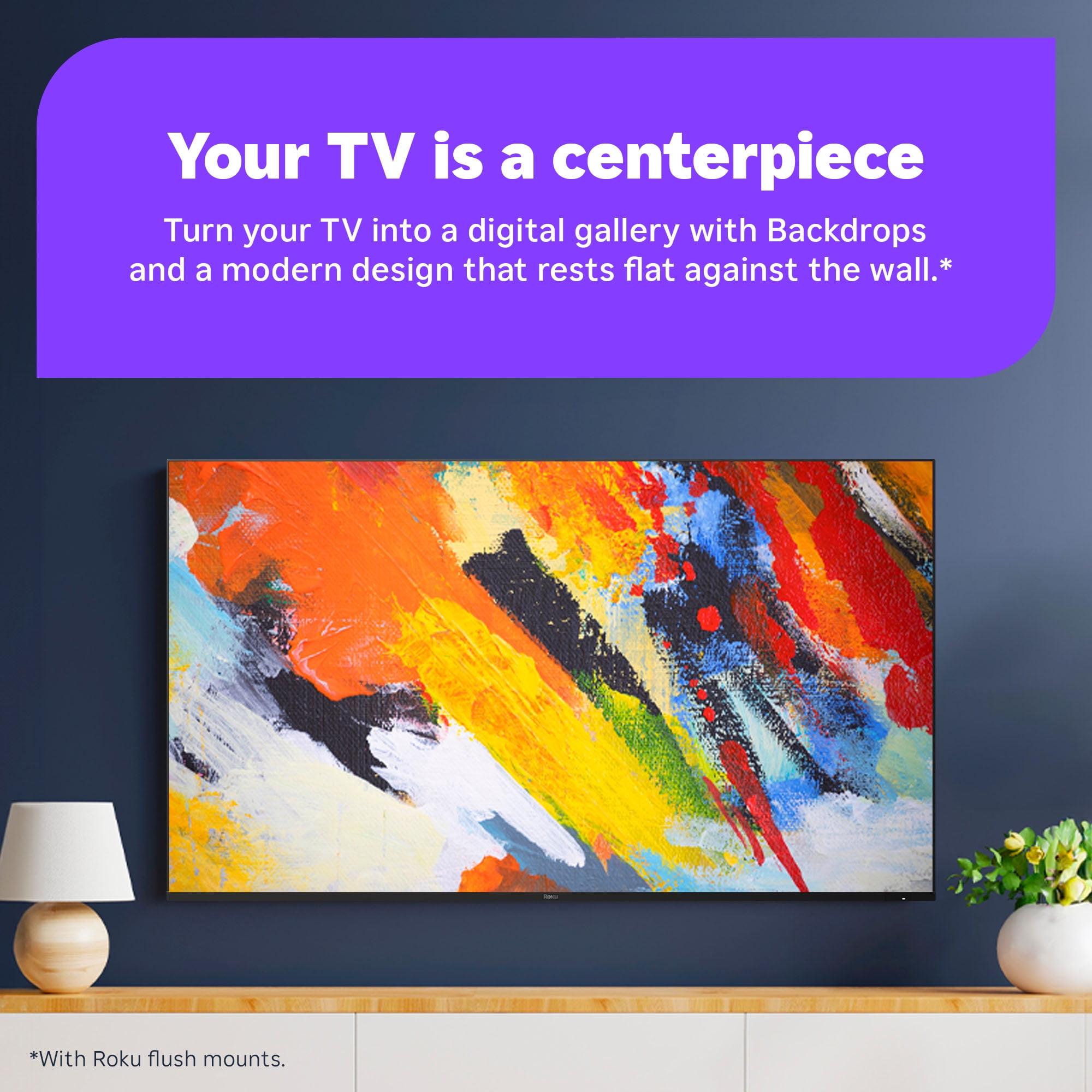
| Backdrops art mode, automated optimization | IMAX Enhanced, studio calibration, filmmaker modes |
| Release Year - Technology generation | |
| 2025 (latest Mini-LED innovations) | 2024 (proven but slightly older processing) |
| Best For - Primary use case strengths | |
| Bright rooms, gaming, automated simplicity, value seekers | Movie enthusiasts, Google users, audio quality, color accuracy |
Both TVs deliver excellent picture quality through Mini-LED technology, but with different strengths. The Roku Pro Series 2025 excels in brightness with peak HDR levels reaching 1,818 nits, making it ideal for bright rooms. It uses AI-powered Smart Picture Max processing to automatically optimize every scene. The Sony BRAVIA 7 focuses more on color accuracy with its XR Processor suite and studio-calibrated picture modes for Netflix and Prime Video, delivering more natural and filmmaker-intended visuals.
The Roku Pro Series 2025 runs Roku TV, which offers a simple, fast interface with equal access to all streaming services and universal compatibility with smart home systems. The Sony BRAVIA 7 uses Google TV, providing deeper Google ecosystem integration, built-in Google Assistant, and personalized content recommendations across multiple streaming platforms. Roku TV is generally considered more user-friendly for families, while Google TV offers more advanced features for tech-savvy users.
For pure gaming performance, the Roku Pro Series 2025 has a slight edge with input lag as low as 5.2ms at 120Hz and FreeSync Premium Pro support for tear-free gaming. The Sony BRAVIA 7 offers sub-8.5ms input lag and includes PlayStation 5 optimization features like Auto HDR Tone Mapping. Both support 4K@120Hz gaming, VRR, and ALLM, making either excellent for modern consoles, but the Roku Pro Series 2025 provides the most responsive experience.
The Sony BRAVIA 7 delivers superior audio with its Acoustic Multi-Audio system featuring positioning tweeters, Voice Zoom 3 for dialogue clarity, and support for both Dolby Atmos and DTS:X. The Roku Pro Series 2025 includes Roku Soundstage Audio with side-firing speakers and Dolby Atmos, which users rate highly for TV speakers, but Sony's more sophisticated audio processing gives it the advantage for built-in sound quality.
The Roku Pro Series 2025 generally offers better value, providing flagship-level features like AI picture processing, exceptional brightness, and premium gaming performance at a more accessible price point. The Sony BRAVIA 7 commands a premium for its advanced XR processing, studio calibration, and superior audio system. Your choice depends on whether you prioritize maximum features per dollar or are willing to pay more for Sony's refined technology.
Yes, both the Roku Pro Series 2025 and Sony BRAVIA 7 support all major streaming services including Netflix, Prime Video, Disney+, Hulu, HBO Max, YouTube, and Apple TV+. The Roku platform is known for having the widest app selection and fastest access to new streaming services, while Google TV offers deeper integration with Google services and more personalized recommendations across platforms.
The Roku Pro Series 2025 achieves significantly higher peak brightness levels, reaching over 1,800 nits in HDR content, making it exceptional for bright living rooms with lots of ambient light. The Sony BRAVIA 7 offers good brightness levels but doesn't match the Roku's peak output. If you have a bright room with windows or prefer watching TV during daytime hours, the Roku Pro Series 2025 will deliver more vibrant HDR content.
The Roku Pro Series 2025 supports Dolby Vision IQ (which adapts to room lighting), HDR10+, and HLG for comprehensive HDR coverage. The Sony BRAVIA 7 supports Dolby Vision, HDR10, and HLG but lacks HDR10+ support. However, Sony's implementation focuses on accuracy with studio-calibrated modes, while Roku emphasizes automated optimization. Both deliver excellent HDR performance, but the Roku Pro Series 2025 offers broader format compatibility.
Both TVs feature 120Hz refresh rates for smooth motion, but they handle it differently. The Sony BRAVIA 7 includes XR Motion Clarity technology that specifically reduces motion blur in fast-moving content like sports. The Roku Pro Series 2025 delivers excellent motion handling through its high refresh rate and processing, with users reporting clear action during NFL games. Both perform well for sports, but Sony's dedicated motion technology gives it a slight edge for motion-heavy content.
Both TVs excel in home theater environments but serve different priorities. The Sony BRAVIA 7 is ideal for dedicated home theaters with its studio-calibrated picture modes, IMAX Enhanced support, and superior audio system that may eliminate the need for external speakers. The Roku Pro Series 2025 works better in multi-purpose rooms where you can't control lighting perfectly, thanks to its exceptional brightness and automated picture optimization that adapts to viewing conditions.
The Roku Pro Series 2025 includes a backlit Voice Remote Pro with rechargeable battery, hands-free voice controls, and a find-my-remote button on the TV itself - a genuinely useful feature for families. The Sony BRAVIA 7 comes with a standard remote but offers built-in Google Assistant for voice control through the TV. The Roku remote is generally considered more premium and user-friendly, especially the find-remote feature.
Both manufacturers provide regular software updates, but they have different approaches. The Roku Pro Series 2025 benefits from Roku's established track record of long-term platform support and frequent feature additions across their TV lineup. The Sony BRAVIA 7 runs on Google TV, which receives regular Android TV updates directly from Google. Both should remain current for many years, but Roku has historically provided more consistent long-term support for their TV platform.
We've done our best to create useful and informative comparisons to help you decide what product to buy. Our research uses advanced automated methods to create this comparison and perfection is not possible - please contact us for corrections or questions. These are the sites we've researched in the creation of this article: bestbuy.com - rtings.com - techradar.com - youtube.com - roku.com - youtube.com - walmart.com - bestbuy.com - youtube.com - electronicexpress.com - roku.com - pcvarge.com - ecoustics.com - bestbuy.com - bestbuy.com - avsforum.com - avsforum.com - crutchfield.com - sony.com - rtings.com - schaeferstv.com - youtube.com - displayspecifications.com

Privacy Policy
Terms and Conditions - Affiliate Policy
Home Security
© Copyright 2008-2026.
11816 Inwood Rd #1211, Dallas, TX 75244