

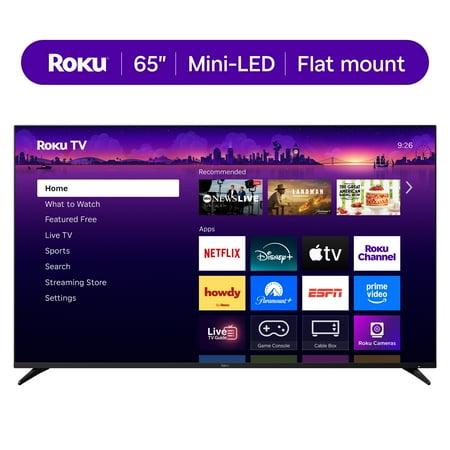
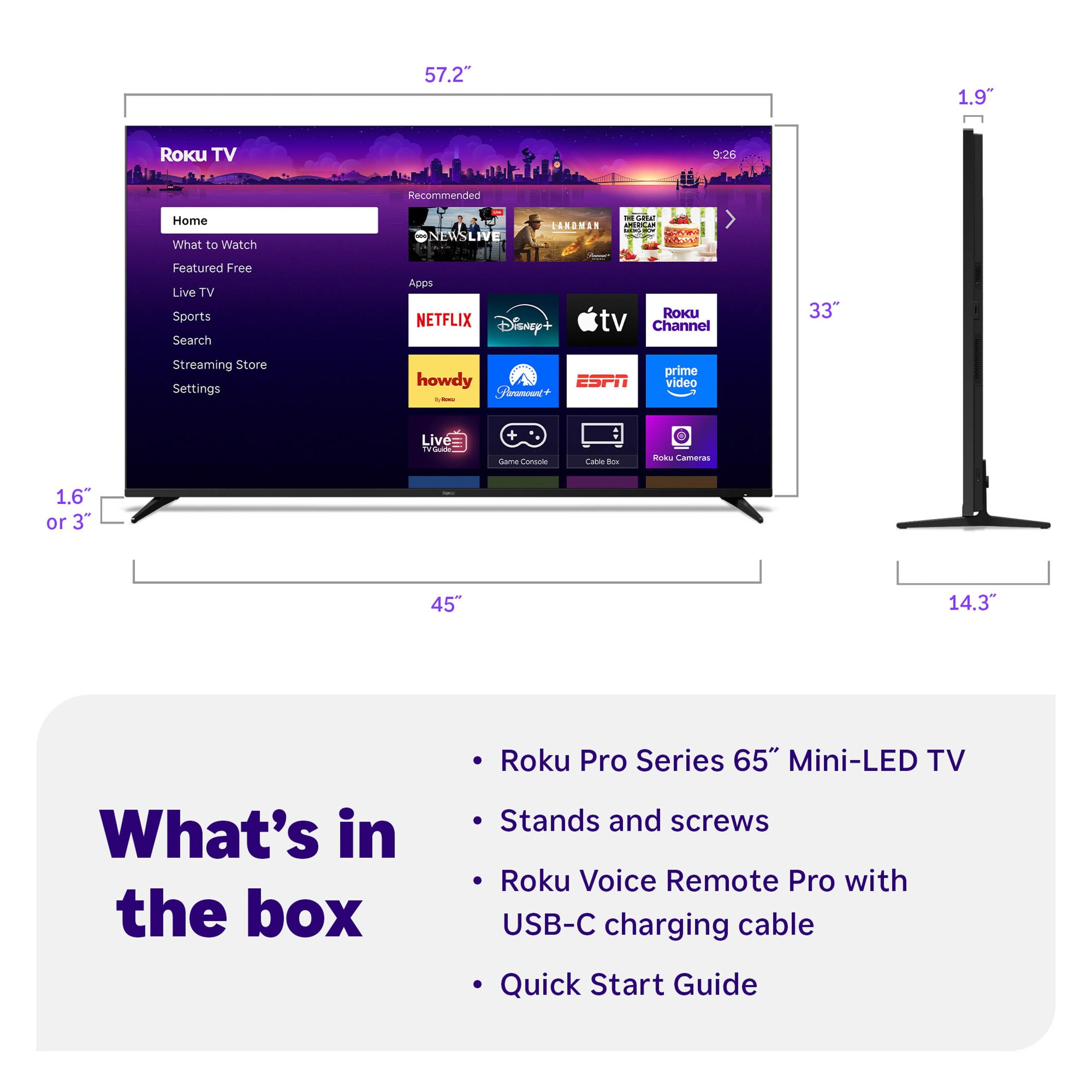
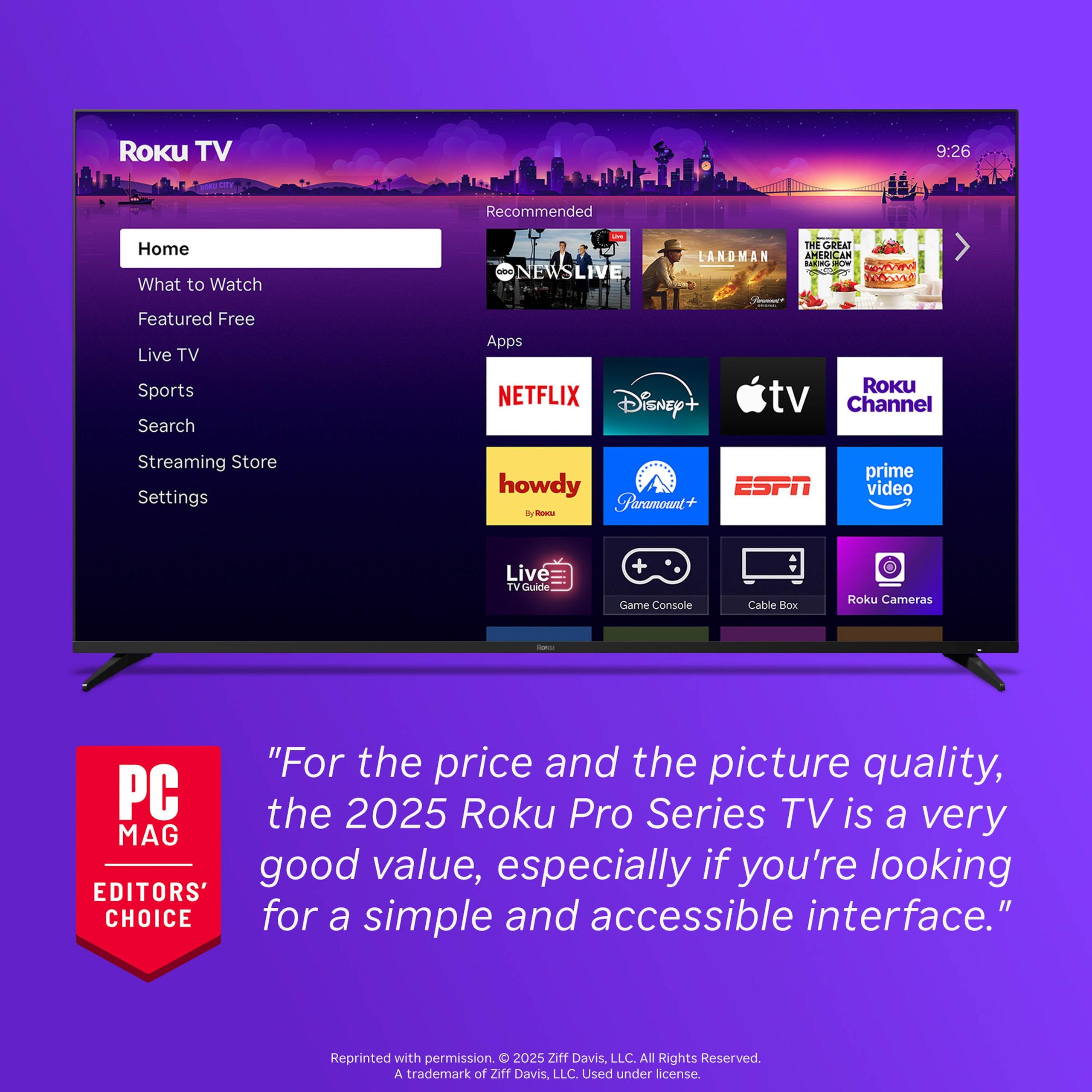
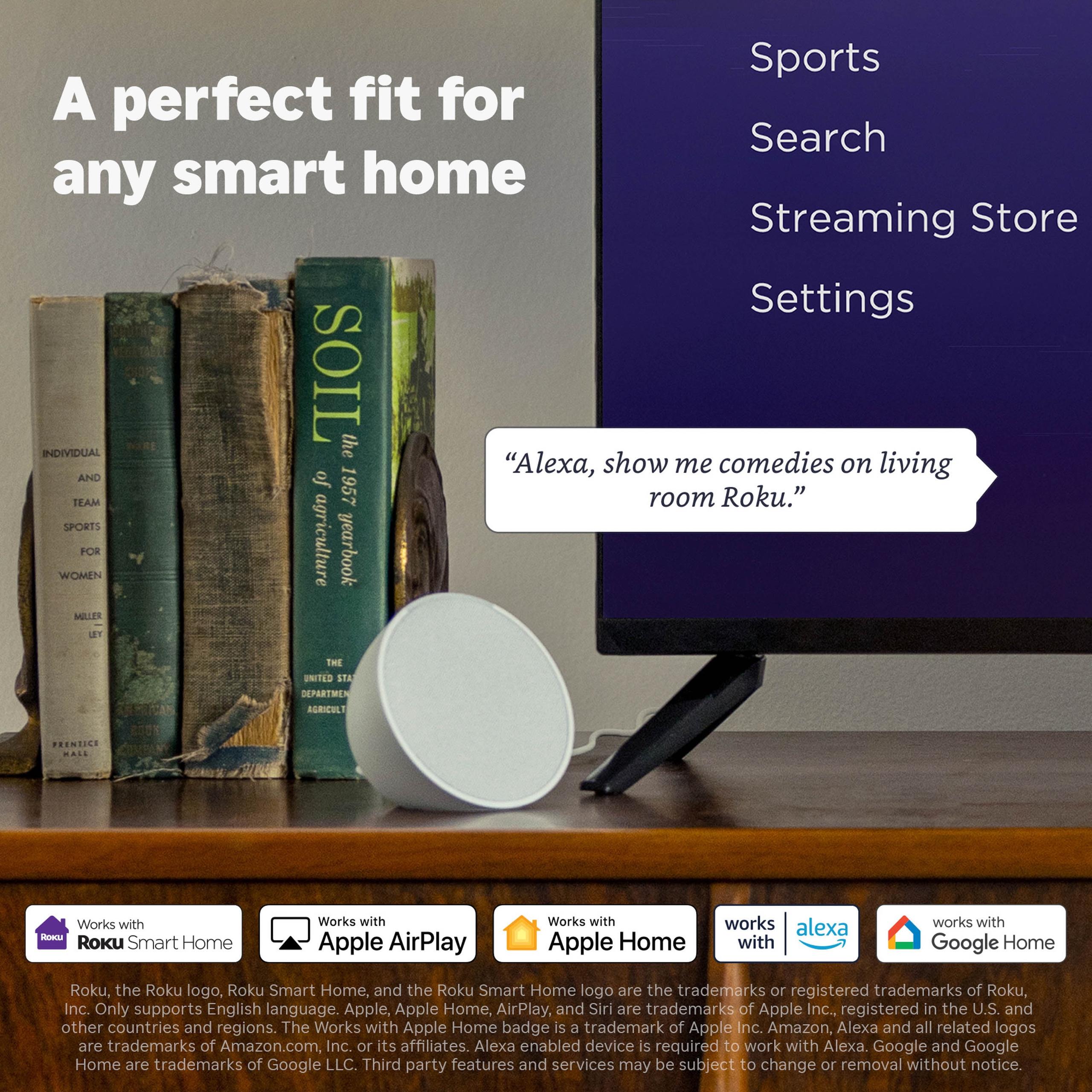
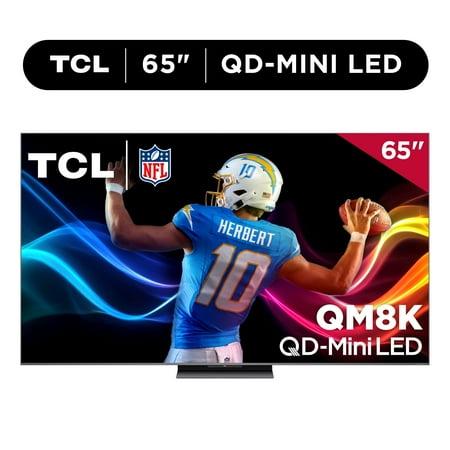


The premium TV market has gotten incredibly competitive in 2025, especially in the Mini-LED category where manufacturers are pushing the boundaries of what's possible without jumping to OLED prices. Two standout models have caught our attention: the Roku 65" Pro Series 2025 and the TCL 65" QM8K Series. Both represent significant technological leaps from their predecessors, but they take notably different approaches to achieving premium performance.
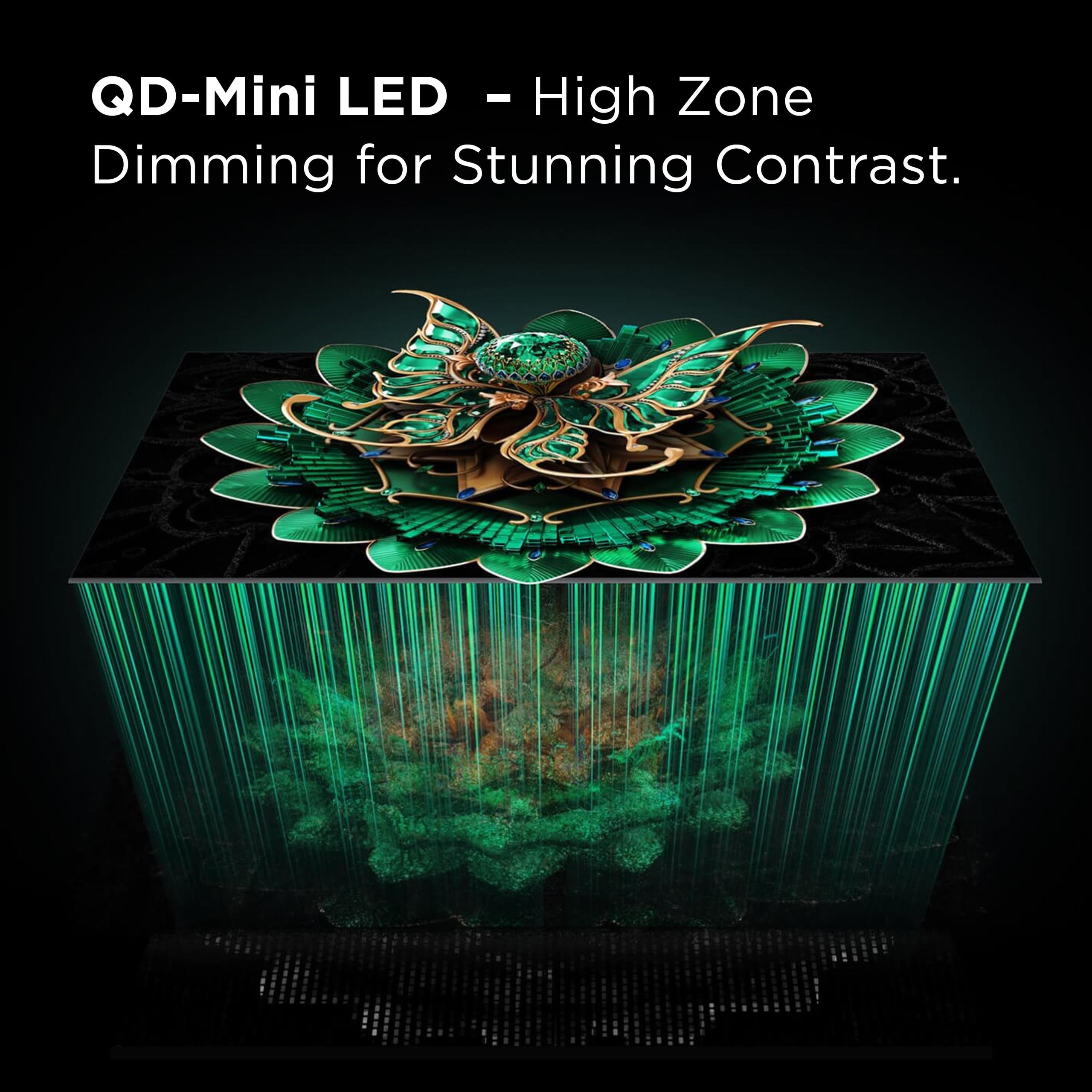
Mini-LED technology sits in that sweet spot between traditional LED-backlit TVs and expensive OLEDs. Think of it as using thousands of tiny LEDs behind the screen instead of a few dozen larger ones - this creates much more precise control over brightness and darkness in different parts of the picture. The result? You get the deep blacks and high contrast that make OLED famous, but with much brighter highlights that can really make HDR content pop.
Both the Roku Pro Series 2025 and TCL QM8K launched in 2025, representing major upgrades over their 2024 predecessors. The timing matters because 2025 has been a breakthrough year for Mini-LED technology, with manufacturers finally solving many of the "blooming" issues (those annoying halos around bright objects) that plagued earlier generations.
The Roku Pro Series 2025 builds on the solid foundation of previous Roku TVs but adds significant improvements in color accuracy and AI processing. Meanwhile, the TCL QM8K represents TCL's push into truly flagship territory, competing directly with much more expensive models from Sony and Samsung.
At the time of writing, these TVs are priced competitively within the premium Mini-LED segment, with the TCL typically running about $200 less than the Roku. That price difference becomes crucial when you consider what you're getting for your money.
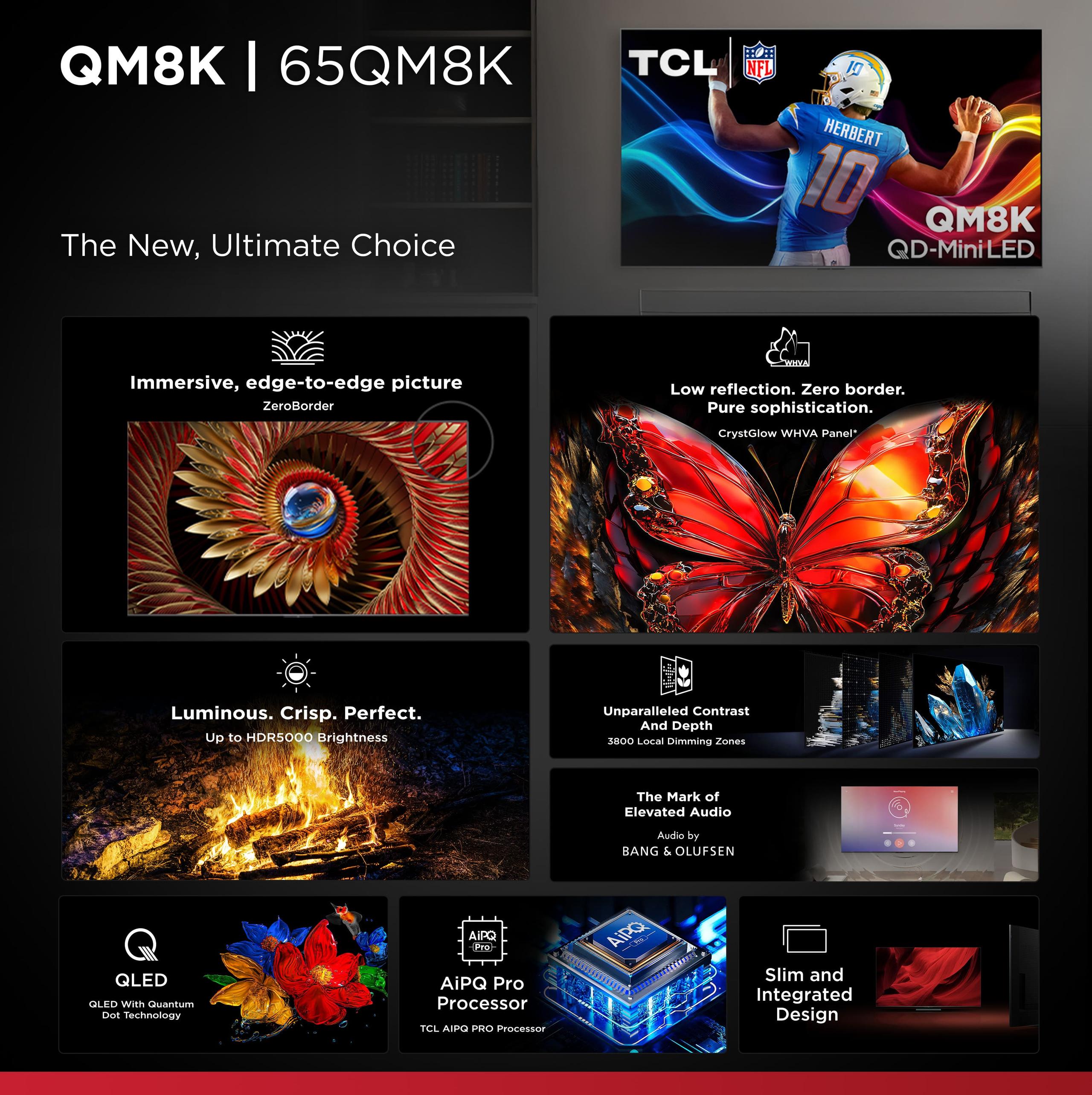
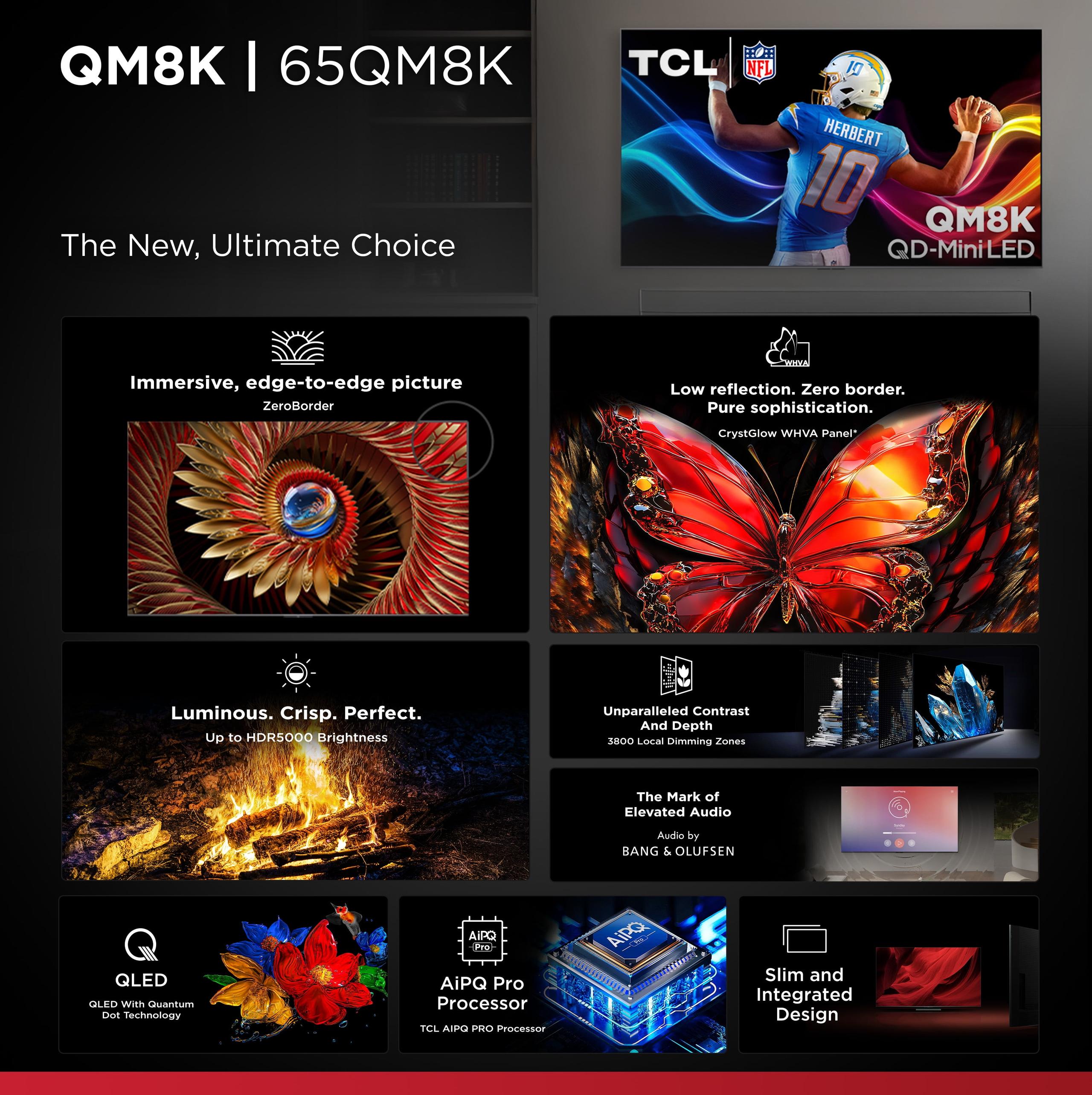
Here's where the TCL QM8K absolutely shines - literally. Our research shows it can hit around 3,605 nits of peak brightness in HDR content, which is frankly incredible for a consumer TV. To put that in perspective, most premium TVs struggle to exceed 1,500 nits, and even high-end OLEDs typically max out around 800-1000 nits.
Why does this matter? When you're watching a movie with bright explosions, sunlight reflecting off water, or any scene with dramatic lighting, those extra nits translate directly into more realistic, impactful visuals. The sun actually looks like the sun, not just a bright white blob.
The Roku Pro Series 2025 offers what reviewers consistently describe as "very good brightness" with particularly strong performance in bright rooms. While it can't match the TCL's raw numbers, it's still bright enough to overcome most lighting conditions in your living room.
Brightness is only half the story. The TCL QM8K achieves an impressive 7,415:1 native contrast ratio, meaning the difference between its darkest blacks and brightest whites is substantial. More importantly, reviewers consistently praise its "almost OLED-like" black uniformity with minimal clouding or unevenness across dark scenes.
The Roku Pro Series 2025 delivers what's described as "good contrast for deep blacks," which is respectable but not quite at the TCL's level. In practical terms, this means the TCL will show more detail in dark movie scenes and make starfields look more convincing.
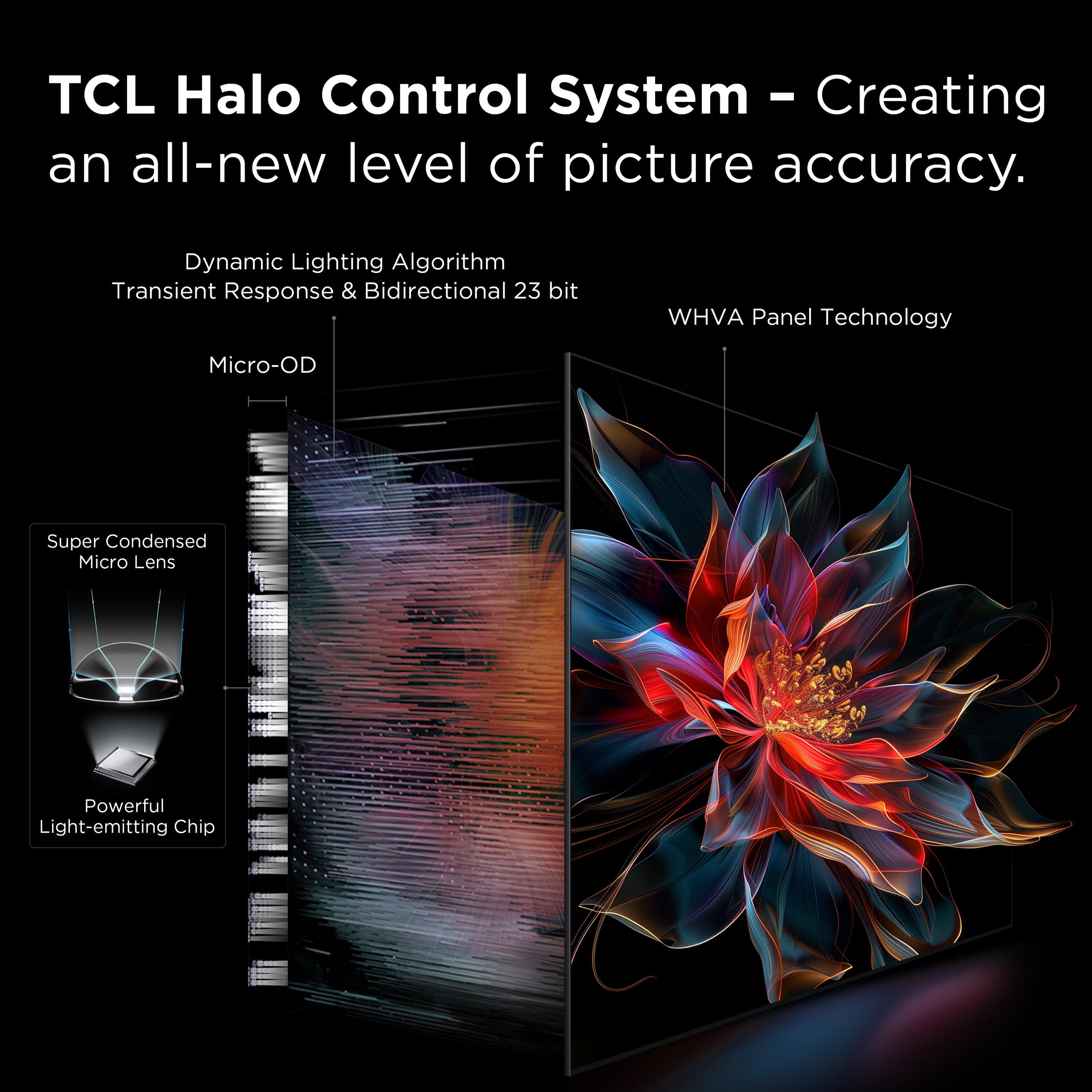
Blooming - those unwanted halos around bright objects against dark backgrounds - has been Mini-LED's Achilles' heel. The TCL QM8K has made significant strides here, with reviewers noting that blooming is "nearly impossible to spot" even in challenging scenes like white subtitles on black backgrounds.
The Roku Pro Series 2025 also controls blooming well, though not quite to the TCL's level. Both represent major improvements over older Mini-LED TVs, making either a viable choice for home theater use where you'll notice these issues most.
This is where the Roku Pro Series 2025 pulls ahead. Roku significantly improved color accuracy from their 2024 model, bringing the measurement down from 3.9 to 2.6 (lower is better, with 0 being perfect). This improvement comes courtesy of their Smart Picture Max AI processing, which automatically adjusts color and sharpness on a scene-by-scene basis.
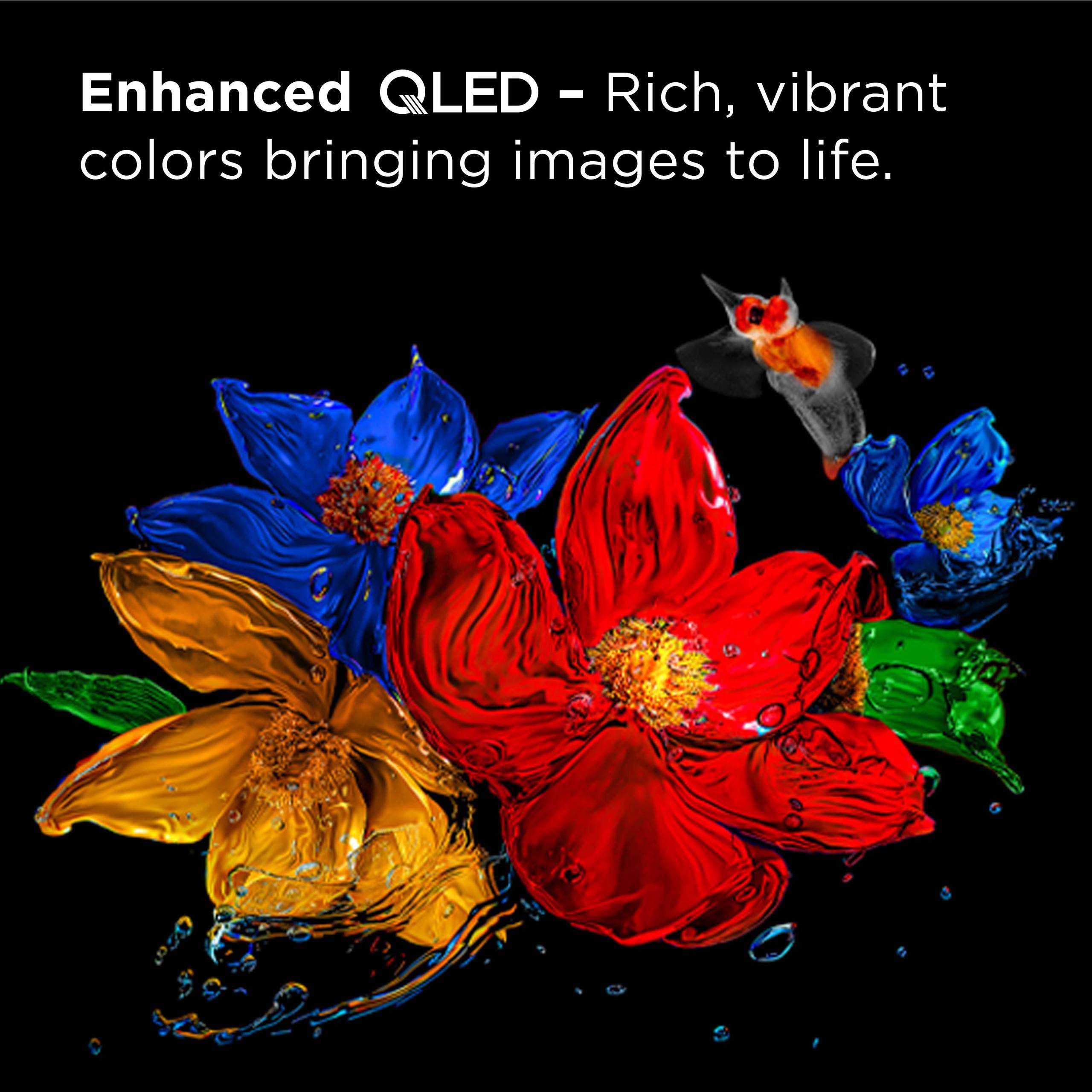
The TCL QM8K covers an impressive 93.6% of the DCI-P3 color space (the standard for HDR content), but some users report a slight warm color shift in standard definition content. It's not a deal-breaker, but side-by-side, the Roku often looks more natural out of the box.
The TCL QM8K is clearly the gaming powerhouse here. Its native 144Hz panel can handle 4K at 144Hz and even 1080p at an incredible 288Hz through its "Game Accelerator 288" feature. For PC gamers or those with high-end consoles, this translates to incredibly smooth motion and reduced input lag.
The Roku Pro Series 2025 supports 4K at 120Hz with AMD FreeSync Premium Pro, which covers most gaming scenarios perfectly well. Its input lag drops to just 5.2ms at 120Hz, which is excellent for competitive gaming.
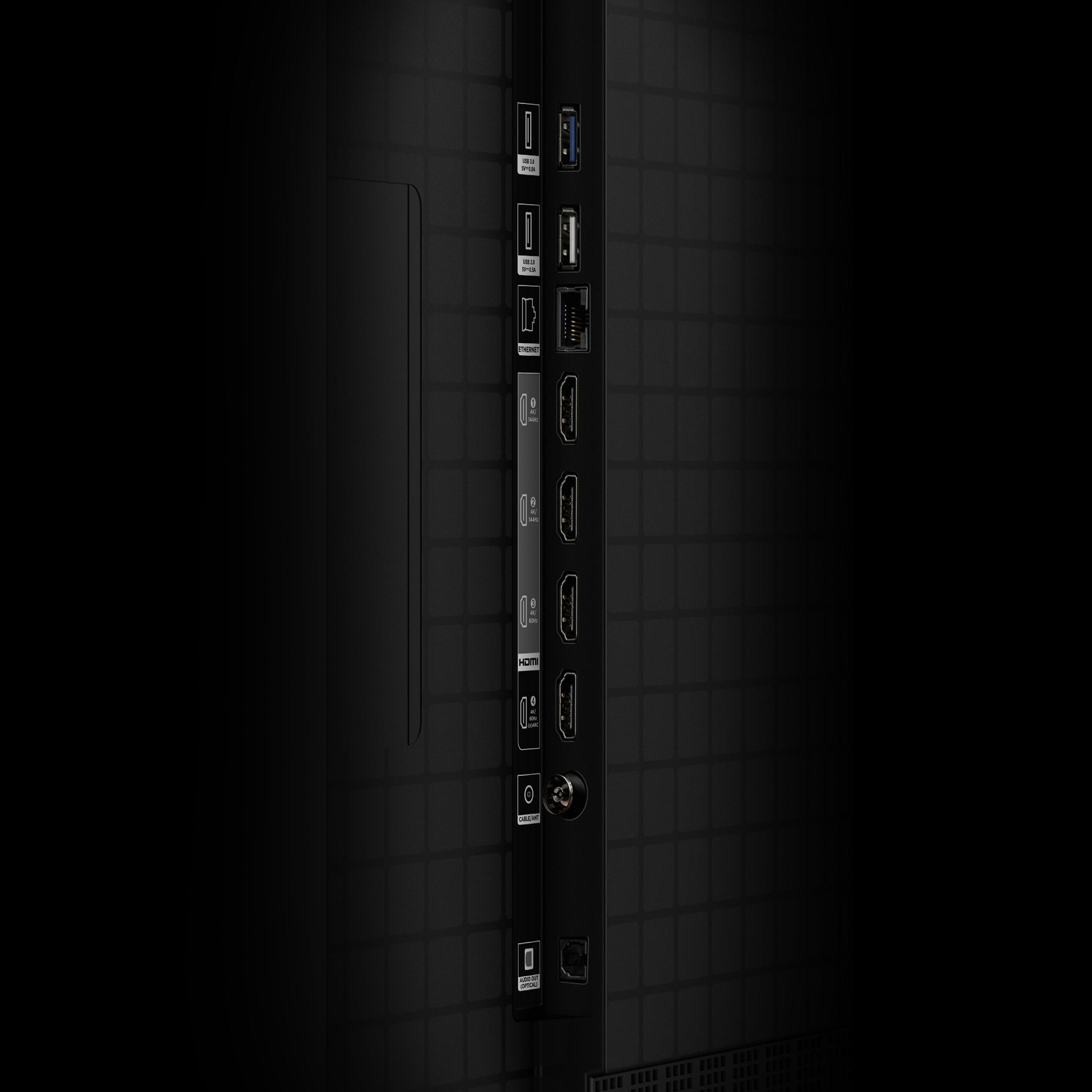
Both TVs include two HDMI 2.1 ports, but the TCL QM8K supports the full 144Hz bandwidth while the Roku caps out at 120Hz. For most gamers, this difference won't matter, but if you're running a high-end PC through your TV, those extra frames can make a difference.
Both support Variable Refresh Rate (VRR), which synchronizes the TV's refresh rate with your gaming device to eliminate screen tearing, and Auto Low Latency Mode (ALLM), which automatically switches to gaming mode when it detects a console.
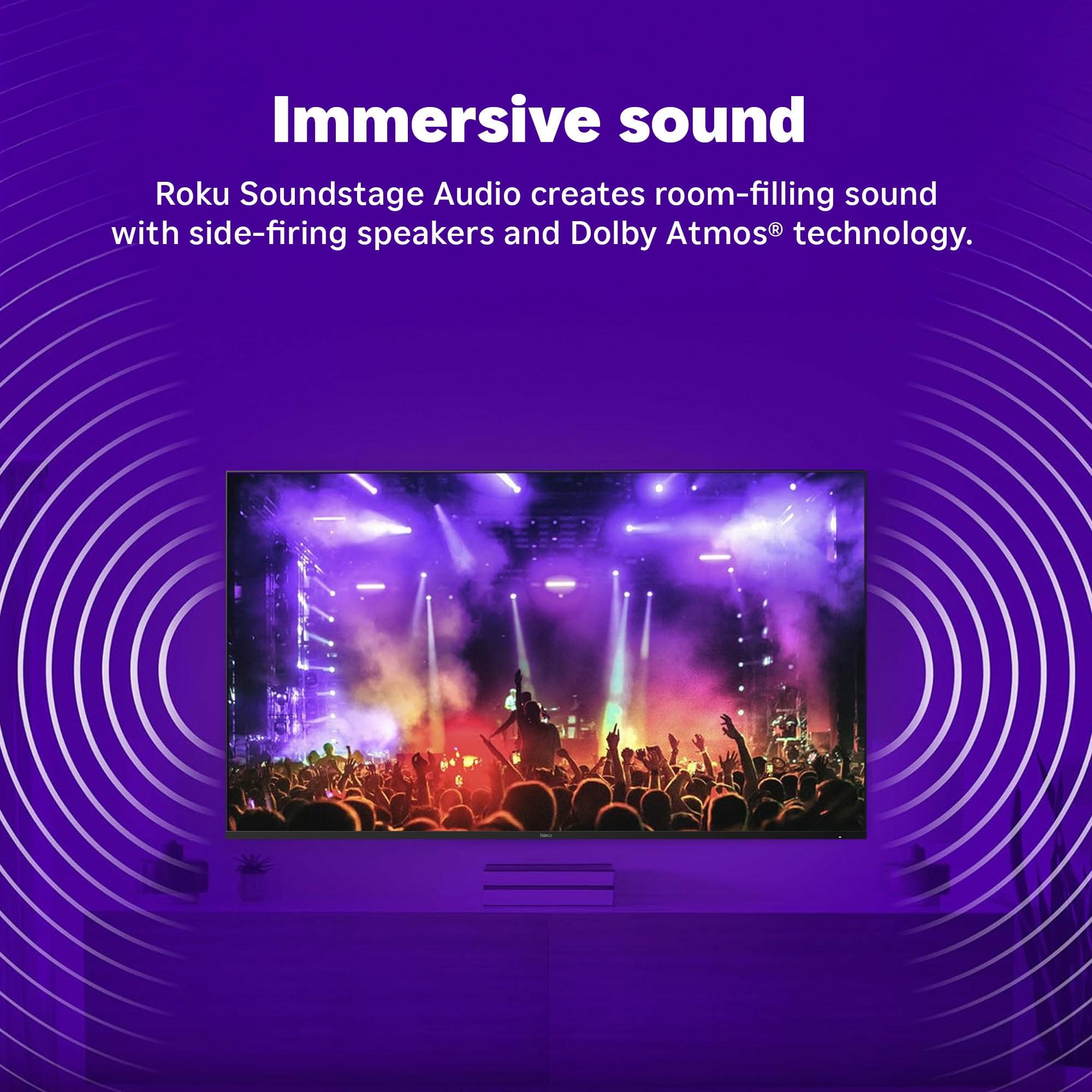
The Roku Pro Series 2025 takes audio seriously with side-firing Dolby Atmos speakers and what Roku calls "Sound Stage Audio." User reviews consistently rate the sound quality at 4.9/5, with many noting they don't feel the need for a separate soundbar. The dialogue clarity is particularly impressive, and there's enough bass to rattle walls during action scenes.
The TCL QM8K features audio tuned by Bang & Olufsen with built-in ONKYO subwoofer support. While it supports Dolby Atmos and sounds good at moderate volumes, reviewers note it becomes unbalanced at maximum volume. It's still better than most TV speakers, but not quite at the Roku's level.
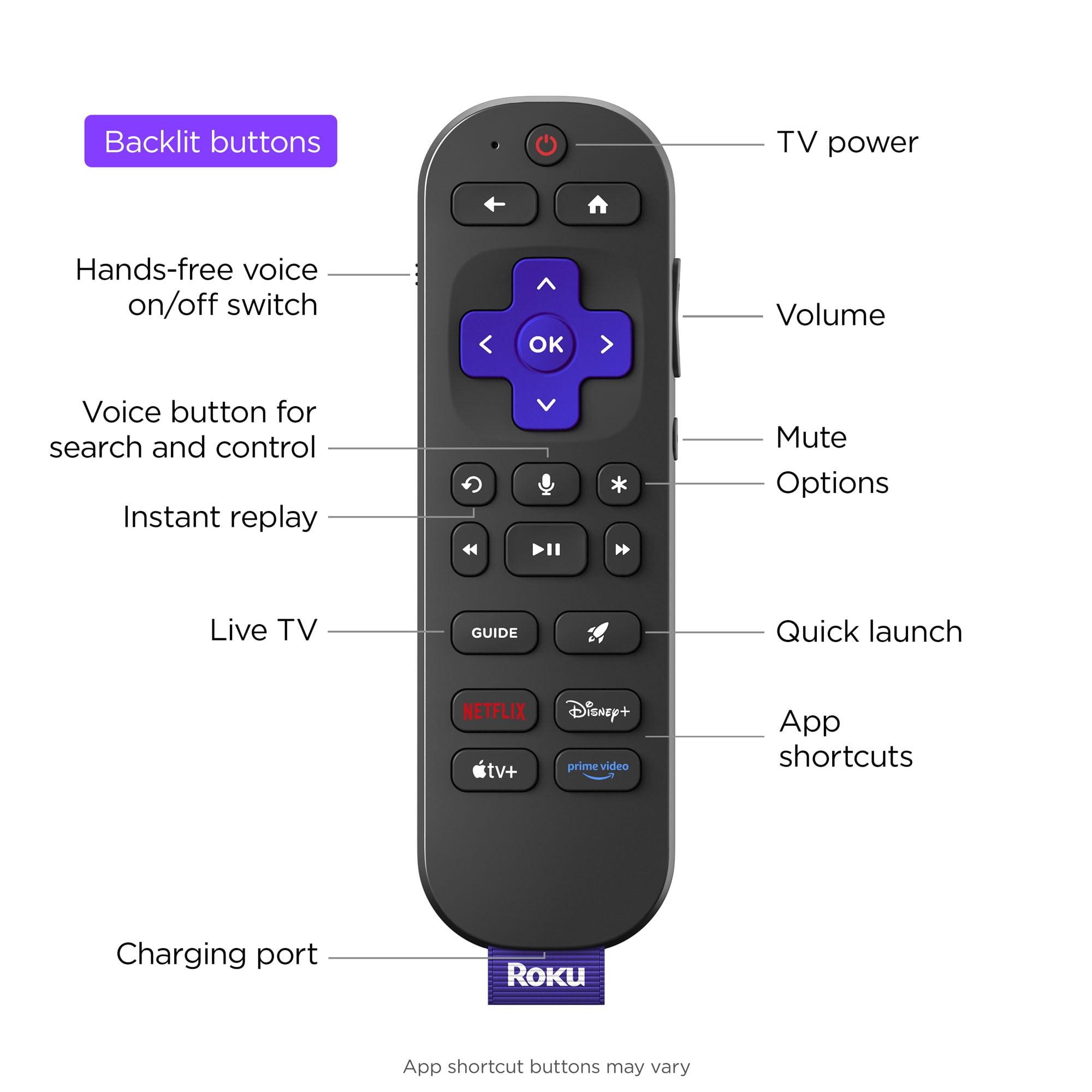
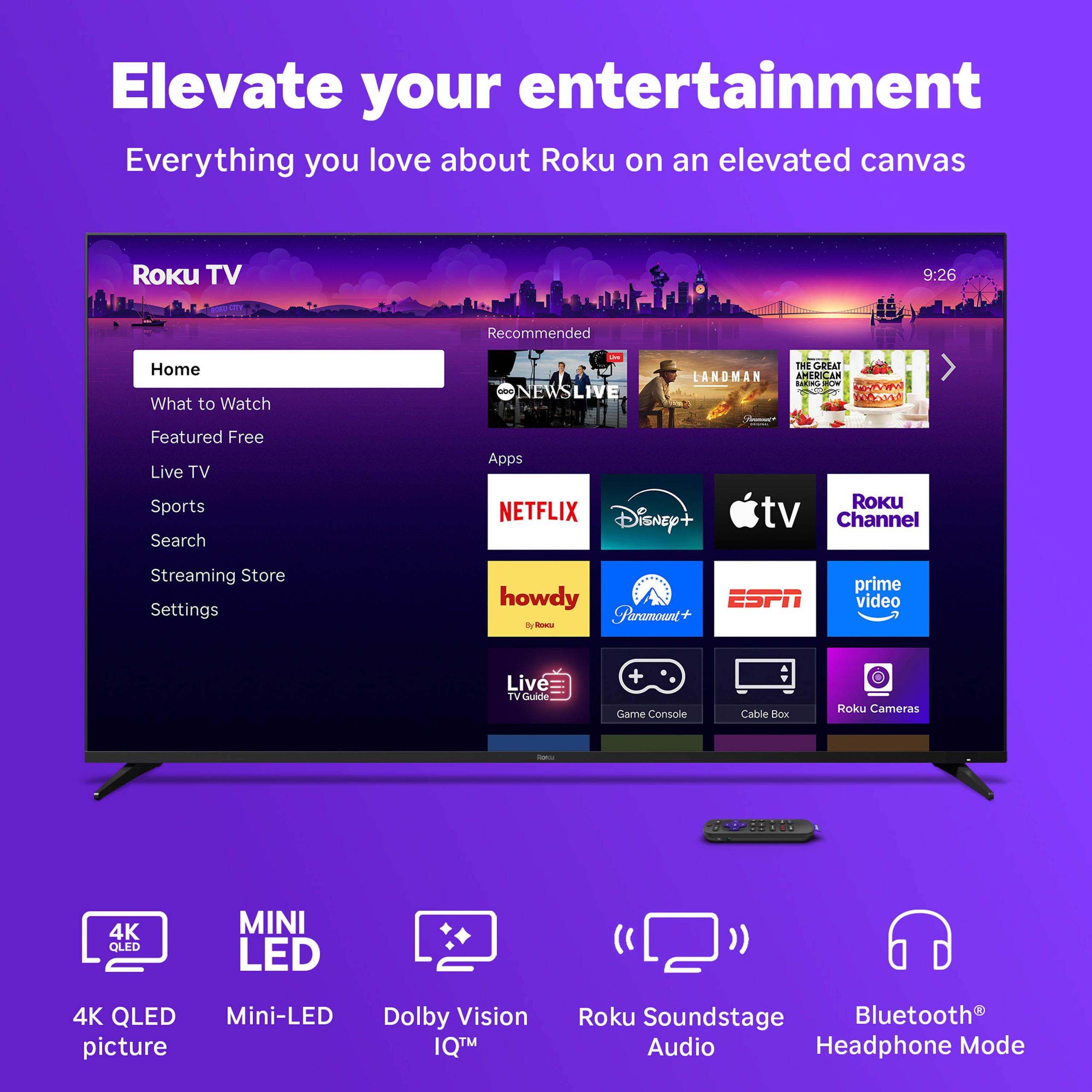
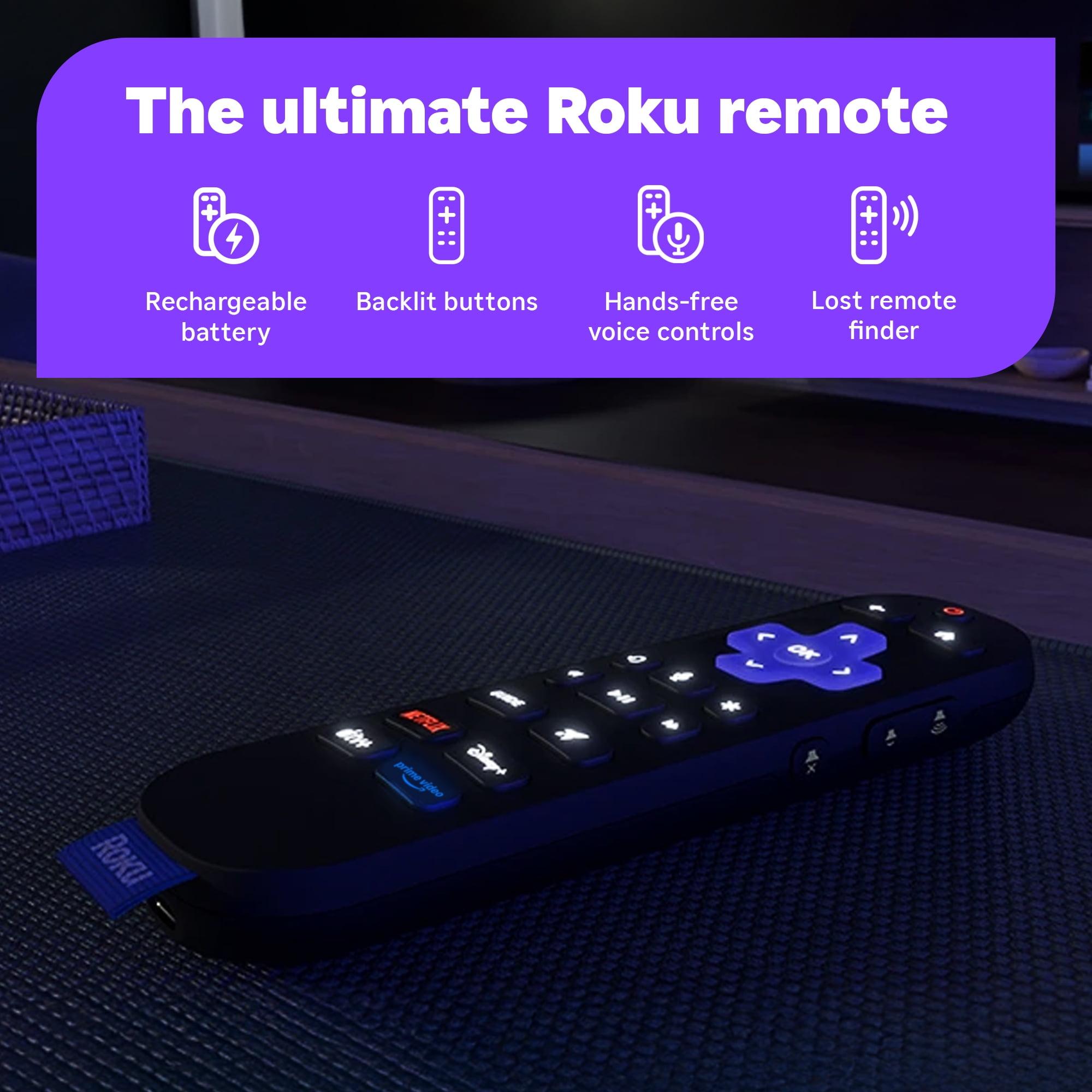
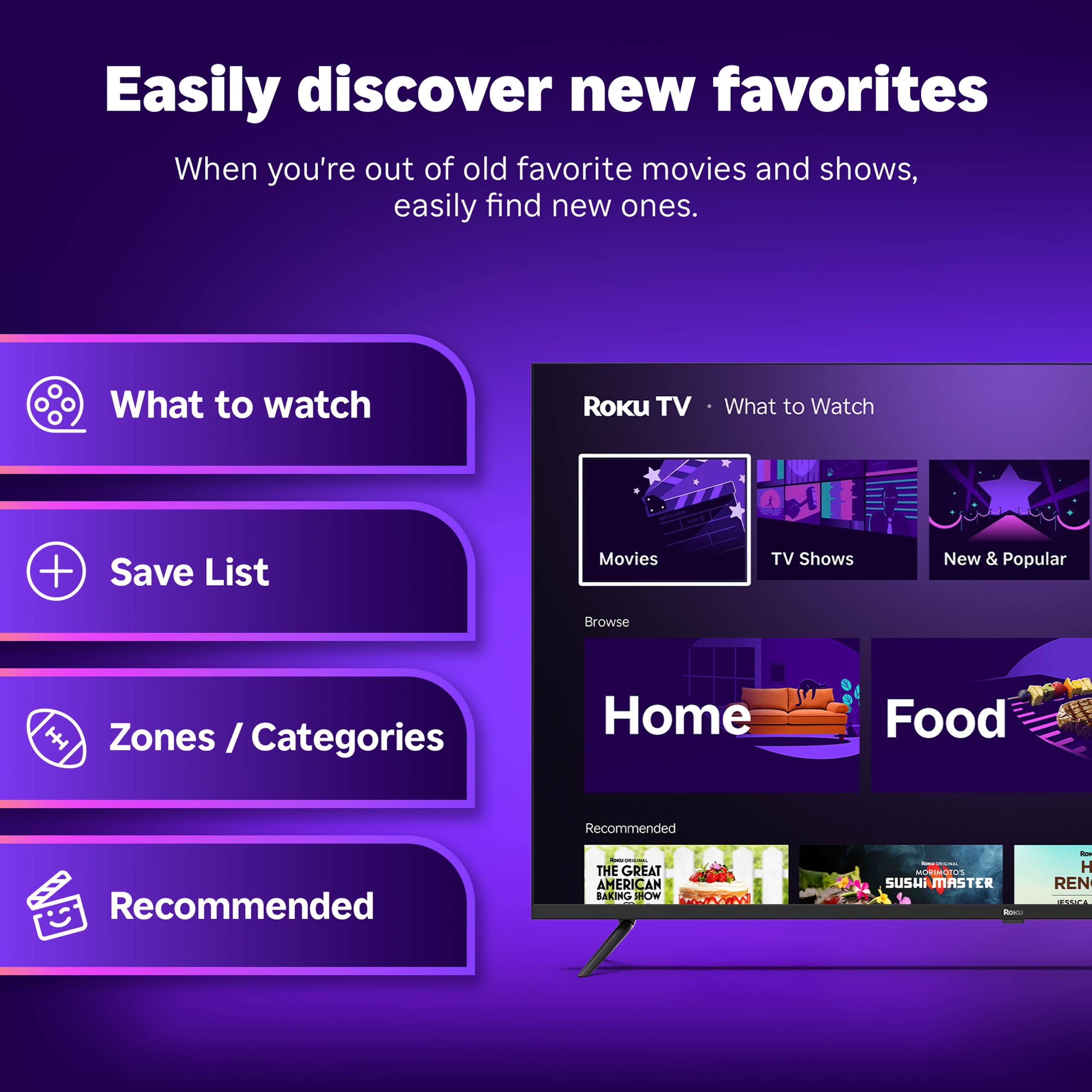
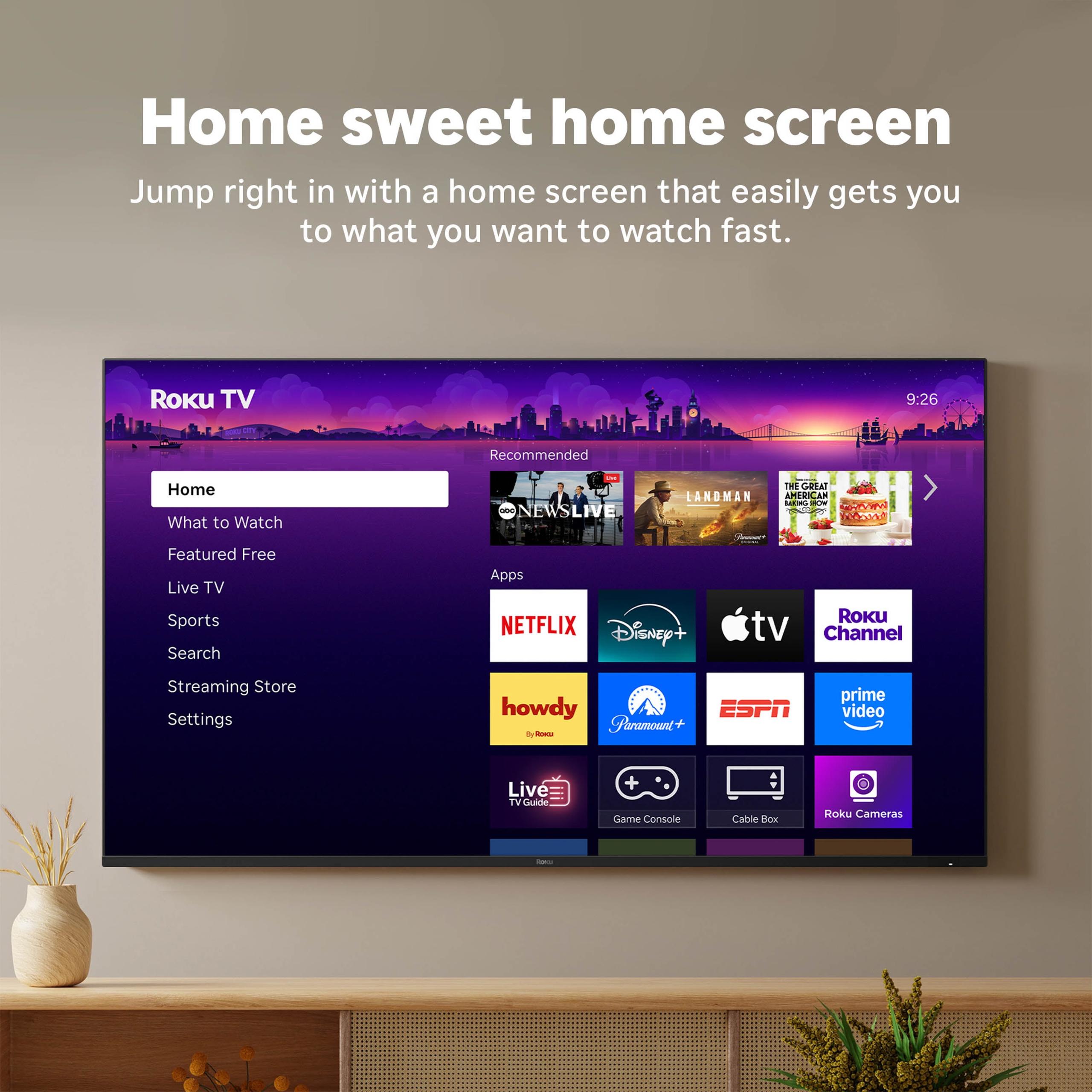
The Roku Pro Series 2025 runs Roku's latest TV OS, which has built its reputation on simplicity and comprehensiveness. The unified home screen aggregates content from all your streaming services, and the Voice Remote Pro includes thoughtful touches like backlit buttons and a finder function (press a button on the TV to make the remote beep).
The TCL QM8K uses Google TV, which offers fast navigation and a robust app ecosystem. While both platforms work well, Roku has a slight edge in user-friendliness and long-term software support, while Google TV offers more customization and integration with Google services.
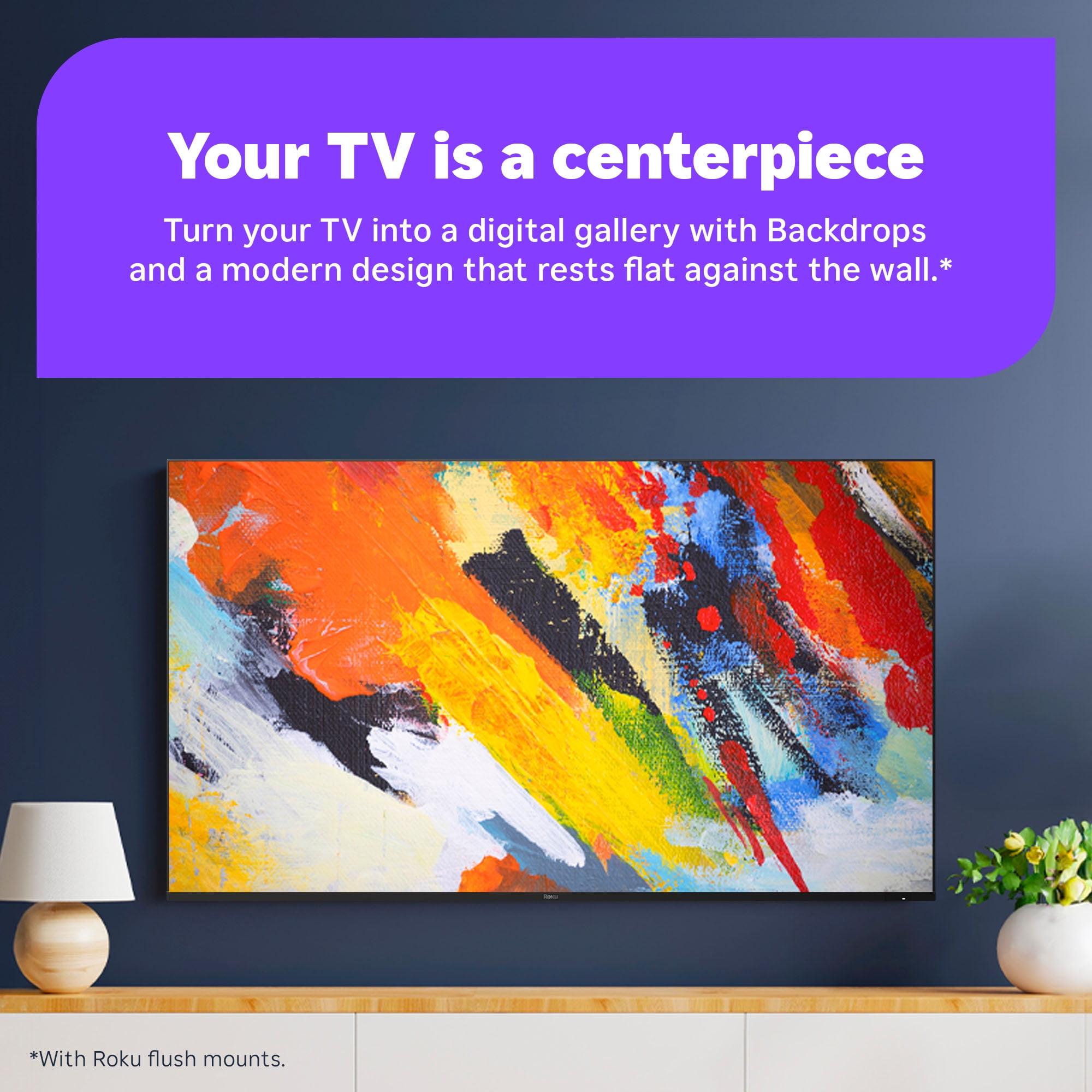
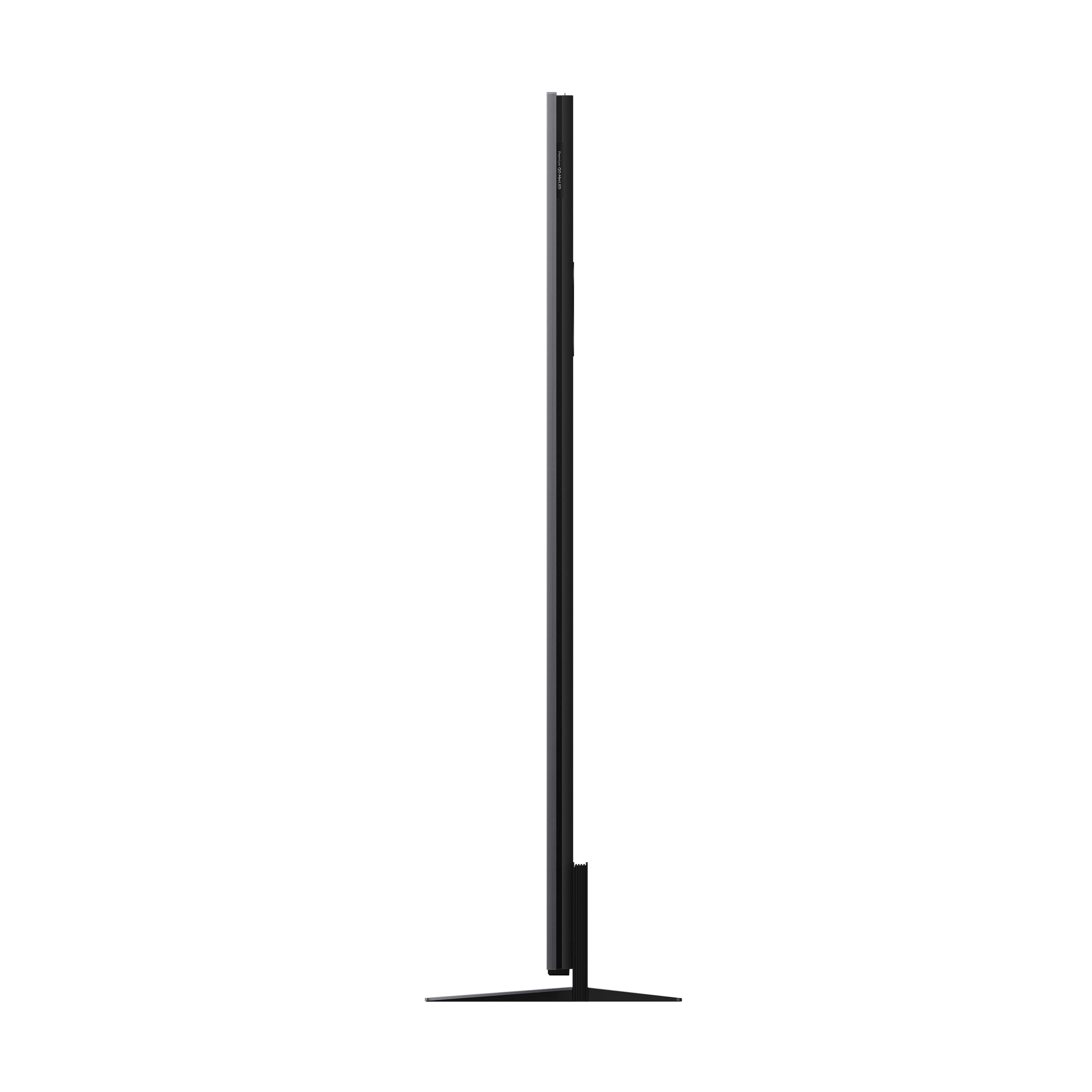
The Roku Pro Series 2025 emphasizes minimalist design that can serve as wall art when turned off, thanks to its Backdrop gallery mode featuring over 350 artworks. The custom wall mount allows it to sit nearly flush against the wall, making it a true centerpiece.
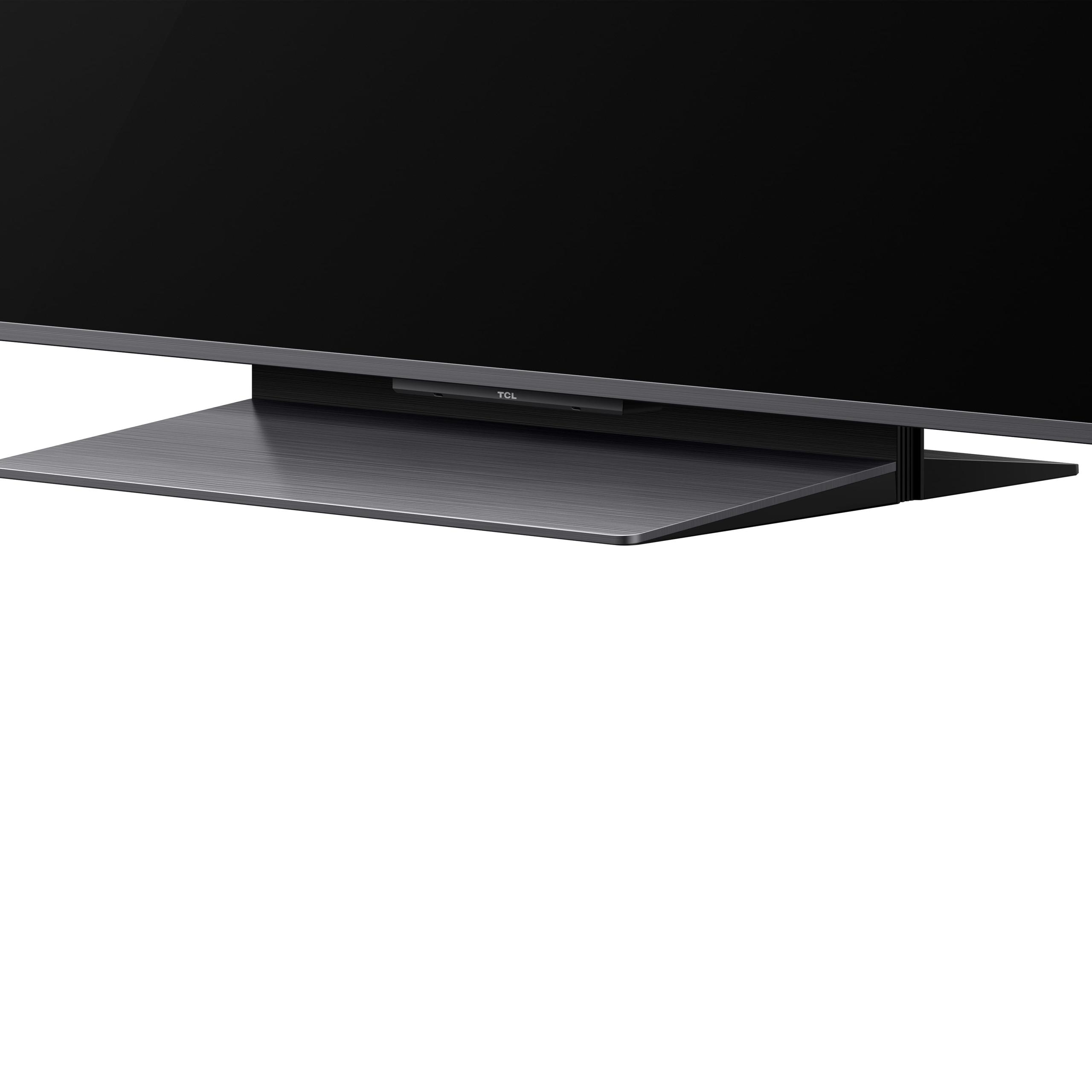
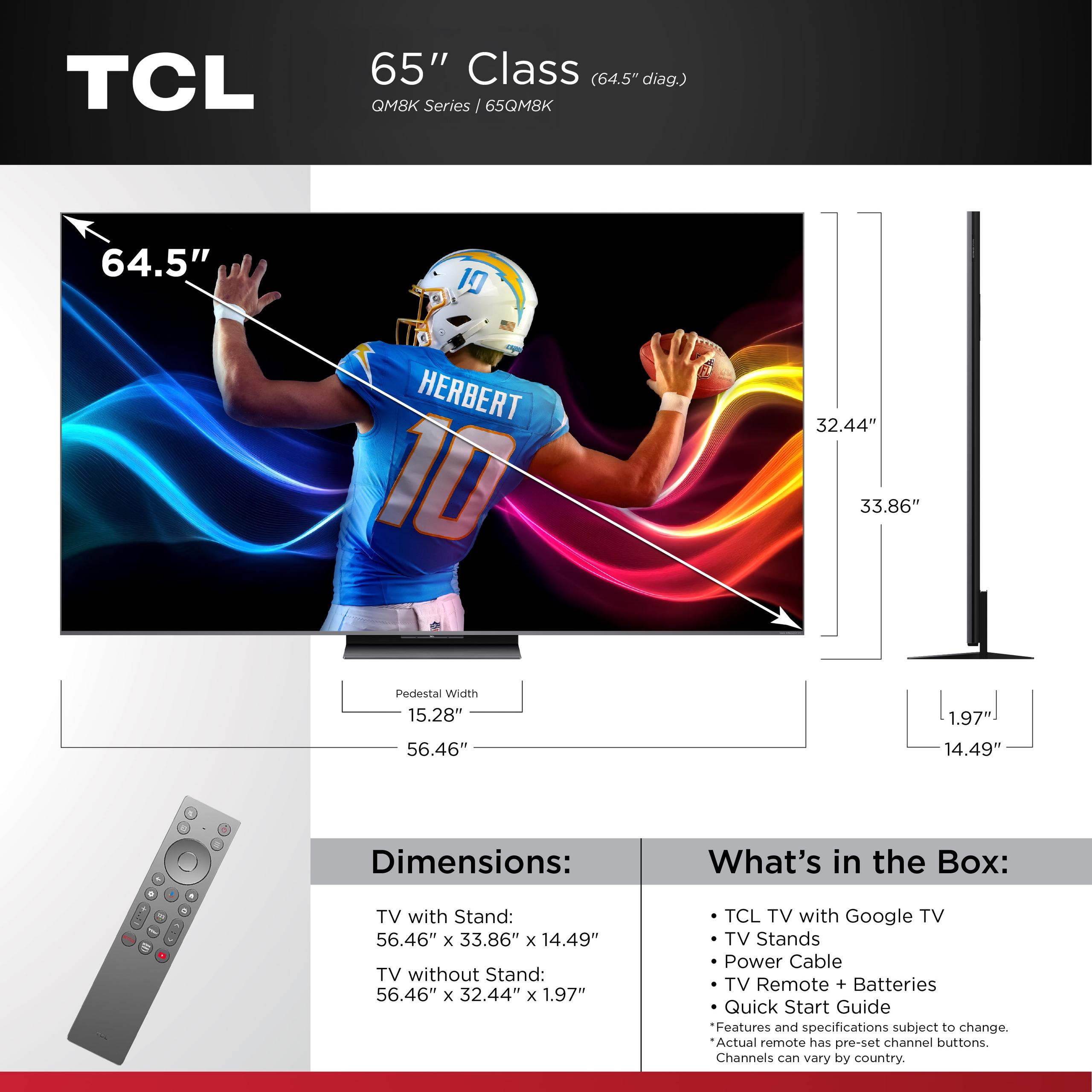
The TCL QM8K features a "ZeroBorder" design with virtually invisible bezels and a height-adjustable pedestal stand. It's a more traditional approach but executed very well, with solid build quality throughout.
For dedicated home theater use, the TCL QM8K has several advantages. Its superior brightness makes HDR content more impactful, even in rooms with some ambient light. The exceptional black uniformity means dark movie scenes retain detail without the grayish lift that plagues many LED TVs.
However, the Roku Pro Series 2025 shouldn't be dismissed for theater use. Its improved color accuracy means skin tones look more natural, and the superior audio system reduces the immediate need for a soundbar upgrade.
Both TVs handle motion well enough for movies, though the TCL's higher refresh rate gives it an edge with fast-paced content like sports or action films.
At the time of writing, the TCL QM8K typically costs about $200 less than the Roku Pro Series 2025 while delivering superior raw performance in most measurable categories. For buyers focused purely on picture quality metrics, the TCL represents exceptional value.
However, the Roku justifies its premium through refinement. The better color accuracy, superior audio system, mature software platform, and thoughtful design details like the backlit remote add up to a more polished overall experience.
Pick the TCL QM8K if you:
Pick the Roku Pro Series 2025 if you:
Both TVs represent excellent value in the premium Mini-LED segment, but for different reasons. The TCL QM8K delivers flagship-level performance at a competitive price, making it hard to beat for buyers who prioritize raw picture quality and gaming capabilities.
The Roku Pro Series 2025 costs more but delivers a more refined, complete package with better color accuracy, superior audio, and a more mature software platform.
For most buyers, I lean toward the TCL QM8K because the performance advantages are significant and visible in daily use, while the $200 savings could go toward a soundbar if audio becomes a concern later. However, if you value simplicity and polish over peak performance, the Roku won't disappoint.
Either way, you're getting Mini-LED technology that was unimaginable at these price points just a few years ago. Both represent the sweet spot where premium performance meets reasonable pricing - you really can't go wrong with either choice.
| Roku 65" Pro Series 2025 4K QLED TV | TCL 65" QM8K Series QD-Mini LED 4K Smart TV |
|---|---|
| Peak HDR Brightness - Critical for vibrant highlights and bright room viewing | |
| Very good brightness, excellent for overcoming glare | Up to 5,000 nits peak (3,605 nits measured) - exceptional HDR impact |
| Native Contrast Ratio - Determines depth of blacks and overall picture depth | |
| Good contrast with deep blacks | 7,415:1 native contrast with OLED-like black uniformity |
| Color Accuracy - How natural skin tones and colors appear out-of-box | |
| Significantly improved 2.6 rating (lower is better) | Acceptable accuracy with slight warm shift in SDR content |
| Gaming Refresh Rate - Higher rates mean smoother motion for gaming | |
| 120Hz native with 4K@120Hz support | 144Hz native with 4K@144Hz and 1080p@288Hz capability |
| Local Dimming Zones - More zones mean better blooming control | |
| Mini-LED with full array local dimming | Up to LD3800 Precise Dimming zones with superior halo control |
| Smart TV Platform - Affects ease of use and app availability | |
| Roku TV OS 15 - unified interface, excellent remote | Google TV - fast navigation, robust app ecosystem |
| Audio System - Impacts whether you need a separate soundbar | |
| Side-firing Dolby Atmos with excellent dialogue clarity (4.9/5 user rating) | Bang & Olufsen tuning with ONKYO subwoofer, unbalanced at high volume |
| HDMI 2.1 Ports - Essential for next-gen gaming consoles | |
| 2 ports supporting 4K@120Hz with VRR and ALLM | 2 ports supporting full 4K@144Hz bandwidth |
| AI Picture Processing - Automatic optimization vs manual tweaking | |
| Smart Picture Max - scene-by-scene automatic adjustment | AiPQ Pro Processor with pixel-level AI optimization |
| Build Quality & Design - Aesthetic appeal and wall-mounting capability | |
| Minimalist design, custom wall mount, Backdrop gallery mode | ZeroBorder design, height-adjustable stand, thinner profile |
| Value Positioning - Performance per dollar consideration | |
| Premium pricing justified by refinement and color accuracy | Flagship performance at competitive price point |
The TCL QM8K is the superior gaming TV with its native 144Hz refresh rate supporting 4K@144Hz and 1080p@288Hz through Game Accelerator 288. It offers better motion handling and pixel response times. The Roku Pro Series 2025 supports 4K@120Hz with AMD FreeSync Premium Pro and has excellent 5.2ms input lag, which covers most gaming needs but can't match the TCL's gaming versatility.
The TCL QM8K delivers exceptional brightness with up to 5,000 nits peak (3,605 nits measured), making it one of the brightest consumer TVs available. The Roku Pro Series 2025 offers very good brightness that's excellent for overcoming glare in bright rooms, but significantly lower than the TCL's peak HDR performance.
The Roku Pro Series 2025 has superior color accuracy with a significantly improved 2.6 rating (lower is better) thanks to Smart Picture Max AI processing. The TCL QM8K covers 93.6% of the DCI-P3 color space but has acceptable accuracy with some users noting a slight warm color shift in SDR content.
The Roku Pro Series 2025 runs Roku TV OS 15 with a unified interface that aggregates content from all streaming services, plus an excellent Voice Remote Pro with backlit buttons and finder function. The TCL QM8K uses Google TV with fast navigation and robust app ecosystem. Roku offers better user-friendliness while Google TV provides more customization options.
For dedicated home theater use, the TCL QM8K has advantages with superior brightness for impactful HDR content and exceptional black uniformity that retains detail in dark movie scenes. However, the Roku Pro Series 2025 shouldn't be dismissed - its improved color accuracy makes skin tones more natural, and the superior audio system reduces the immediate need for a soundbar upgrade.
The Roku Pro Series 2025 excels in audio with side-firing Dolby Atmos speakers and Sound Stage Audio technology, earning 4.9/5 user ratings with excellent dialogue clarity. The TCL QM8K features Bang & Olufsen tuning with built-in ONKYO subwoofer but becomes unbalanced at maximum volume, though it's still better than most TV speakers.
Both the Roku Pro Series 2025 and TCL QM8K include two HDMI 2.1 ports. The key difference is bandwidth - the TCL supports full 4K@144Hz while the Roku caps at 4K@120Hz. Both support VRR (Variable Refresh Rate) and ALLM (Auto Low Latency Mode) for gaming.
The TCL QM8K achieves superior black levels with a 7,415:1 native contrast ratio and "almost OLED-like" black uniformity with minimal clouding. The Roku Pro Series 2025 delivers good contrast for deep blacks but cannot match the TCL's exceptional black level performance and local dimming capabilities.
Both TVs have made significant improvements in blooming control compared to older Mini-LED models. The TCL QM8K excels here with blooming that's "nearly impossible to spot" even in challenging scenes like white subtitles on black backgrounds. The Roku Pro Series 2025 also controls blooming well, though not quite to the TCL's level.
The TCL QM8K typically costs about $200 less while delivering superior raw performance in most measurable categories, making it excellent value for performance-focused buyers. The Roku Pro Series 2025 justifies its premium through refinement - better color accuracy, superior audio, mature software platform, and thoughtful design details.
The Roku Pro Series 2025 emphasizes minimalist design that can serve as wall art when off, with Backdrop gallery mode and custom wall mount for flush mounting. The TCL QM8K features ZeroBorder design with virtually invisible bezels and a height-adjustable pedestal stand with solid build quality throughout.
Choose the TCL QM8K if you want maximum picture quality performance, are a serious gamer, watch lots of HDR content, and prefer Google's ecosystem. Choose the Roku Pro Series 2025 if you value out-of-box color accuracy, want excellent built-in audio, prefer user-friendly streaming experience, and appreciate premium design touches.
We've done our best to create useful and informative comparisons to help you decide what product to buy. Our research uses advanced automated methods to create this comparison and perfection is not possible - please contact us for corrections or questions. These are the sites we've researched in the creation of this article: bestbuy.com - rtings.com - techradar.com - youtube.com - roku.com - youtube.com - walmart.com - bestbuy.com - youtube.com - electronicexpress.com - roku.com - pcvarge.com - ecoustics.com - tomsguide.com - youtube.com - businessinsider.com - rtings.com - youtube.com - avsforum.com - avsforum.com - bestbuy.com - tcl.com - tcl.com - tcl.com - flatpanelshd.com - romomattressfurniture.com - brandsmartusa.com - pcrichard.com - tvsbook.com - tcl.com - youtube.com - prnewswire.com - tcl.com - tcl.com

Privacy Policy
Terms and Conditions - Affiliate Policy
Home Security
© Copyright 2008-2026.
11816 Inwood Rd #1211, Dallas, TX 75244