

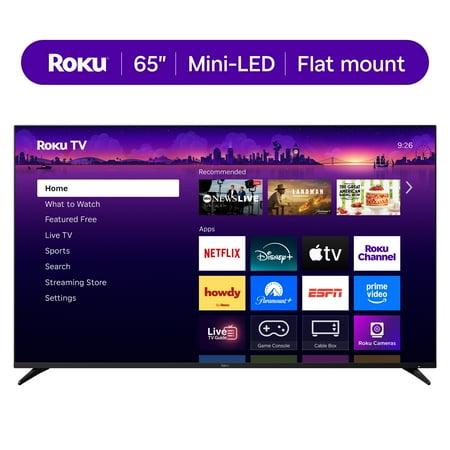
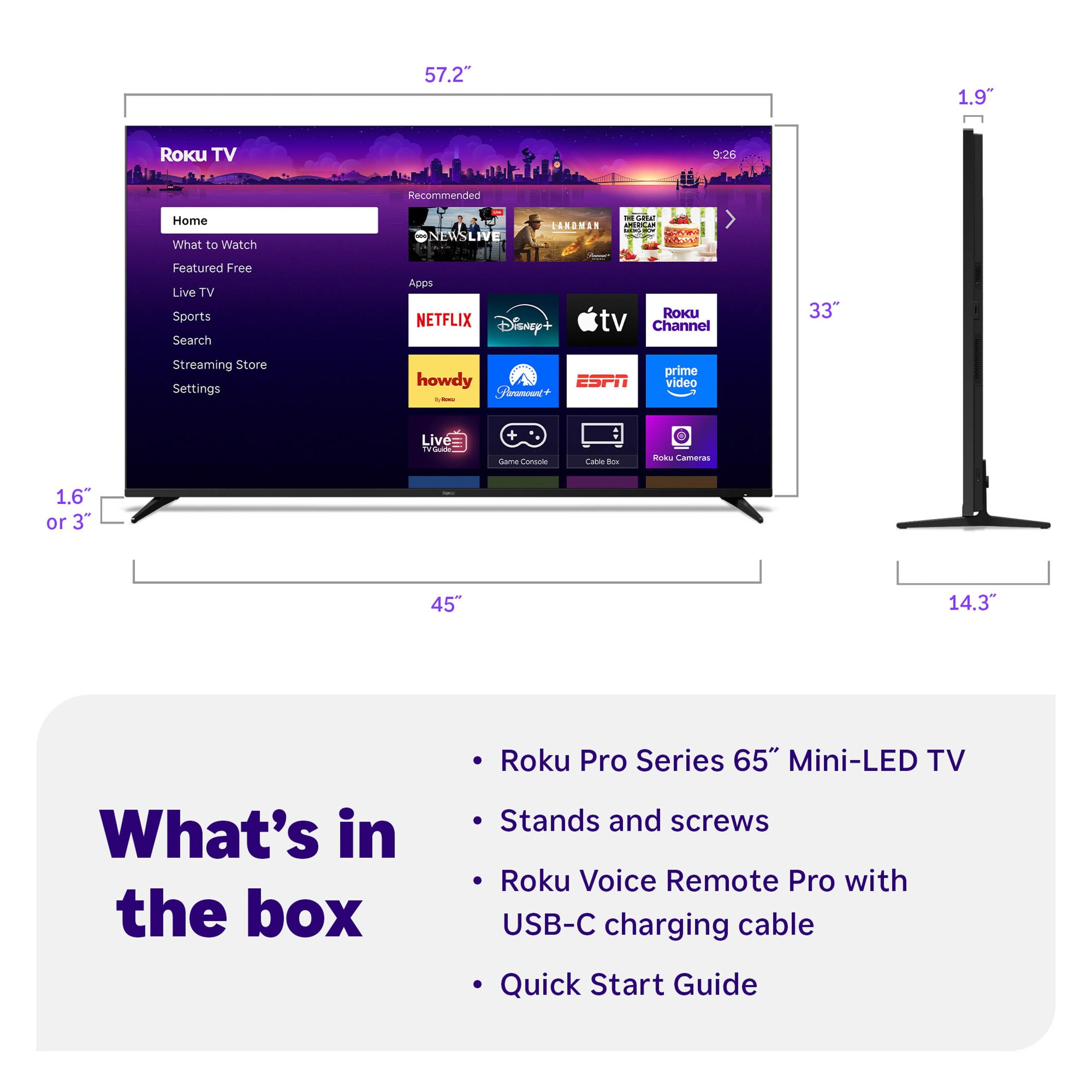
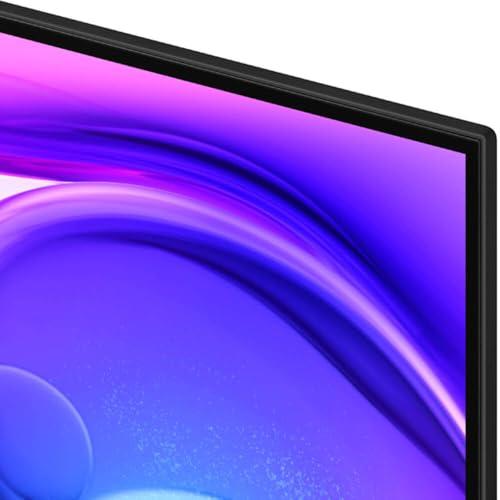
When you're shopping for a new 65-inch TV, the sheer number of options can feel overwhelming. Two models that frequently come up in searches are the Roku 65" Pro Series 2025 and the Samsung 65" QLED Q6F. At first glance, both are 4K QLED TVs with smart features, but they couldn't be more different in their approach to delivering entertainment. One targets serious gamers and movie enthusiasts with premium features, while the other focuses on delivering solid basics at an accessible price point.
Understanding these differences matters because choosing the wrong TV for your needs means either overpaying for features you won't use or missing out on capabilities that could transform your viewing experience. Let's dive deep into what makes each TV tick and help you figure out which one deserves a spot in your living room.
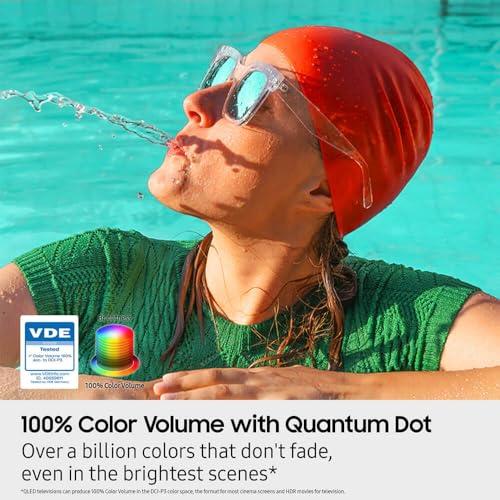
Both TVs use QLED technology, which stands for Quantum Dot Light Emitting Diode. Think of quantum dots as microscopic crystals that act like color filters, making reds redder and blues bluer while maintaining brightness levels that would wash out colors on older LCD TVs. This technology has become the mainstream alternative to OLED displays, offering brighter images that work better in rooms with lots of windows or overhead lighting.
The big considerations when choosing any 65-inch QLED TV come down to picture quality, gaming capabilities, smart platform performance, audio quality, and overall value. However, not all QLEDs are created equal. The backlighting system, processing power, refresh rate, and smart platform implementation can vary dramatically even within the same brand's lineup.
What's particularly interesting about 2025 is how much the TV landscape has evolved since these technologies first appeared. QLED has matured significantly, with improvements in local dimming (where different sections of the backlight can dim independently), color accuracy, and motion handling. Meanwhile, gaming has become a major battleground for TV manufacturers as PlayStation 5 and Xbox Series X owners demand features like 120Hz refresh rates and variable refresh rate support.
The Roku Pro Series and Samsung Q6F represent dramatically different philosophies in TV design. At the time of writing, you're looking at roughly a 3.5x price difference between these models, which immediately tells you they're not really competing for the same buyers.
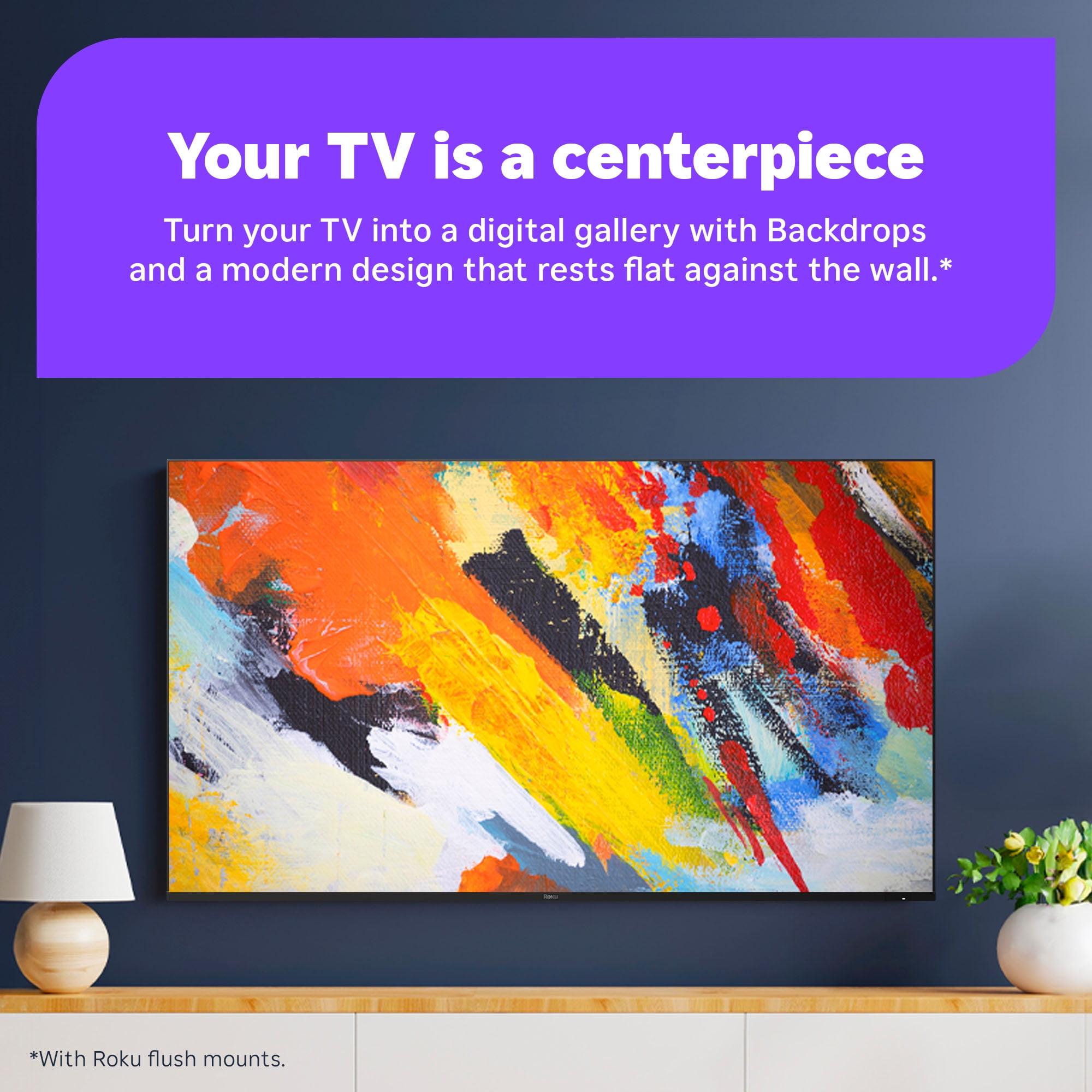
The Roku Pro Series launched in 2025 as Roku's flagship TV offering, designed to compete with premium models from Samsung, Sony, and LG. It's positioned as a "no compromises" entertainment display that doesn't require you to buy additional streaming devices or audio equipment to get a complete experience.
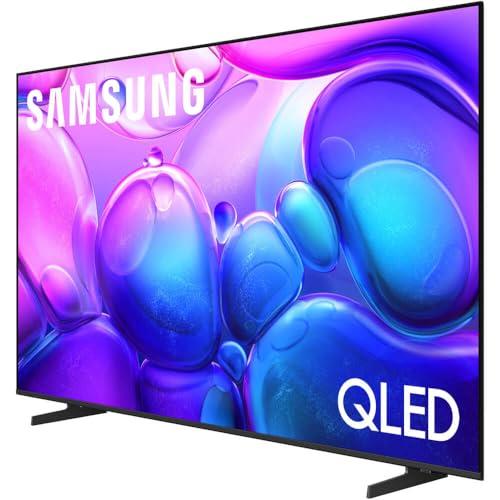
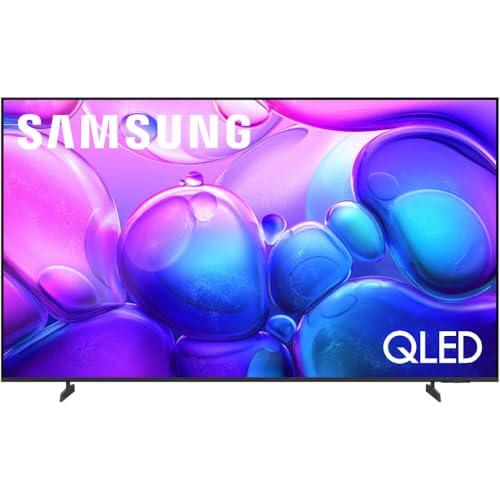
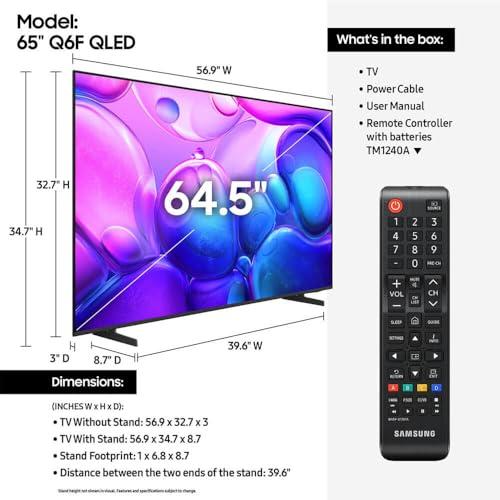
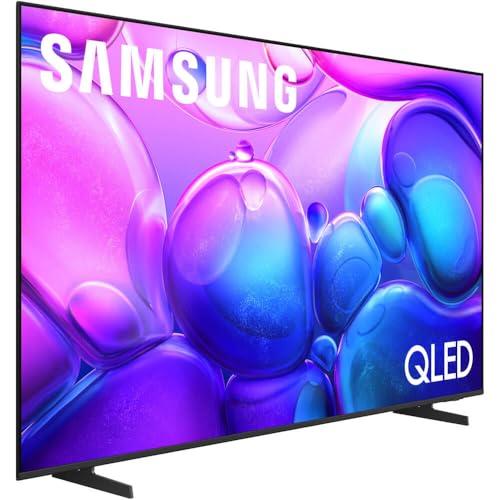
Samsung's Q6F, on the other hand, represents the entry point into Samsung's QLED lineup. It's designed for families upgrading from older 1080p TVs or buyers who want quantum dot color technology without paying flagship prices. Samsung has been refining this budget-friendly approach for years, and the 2025 model benefits from trickle-down technology from their more expensive TVs.
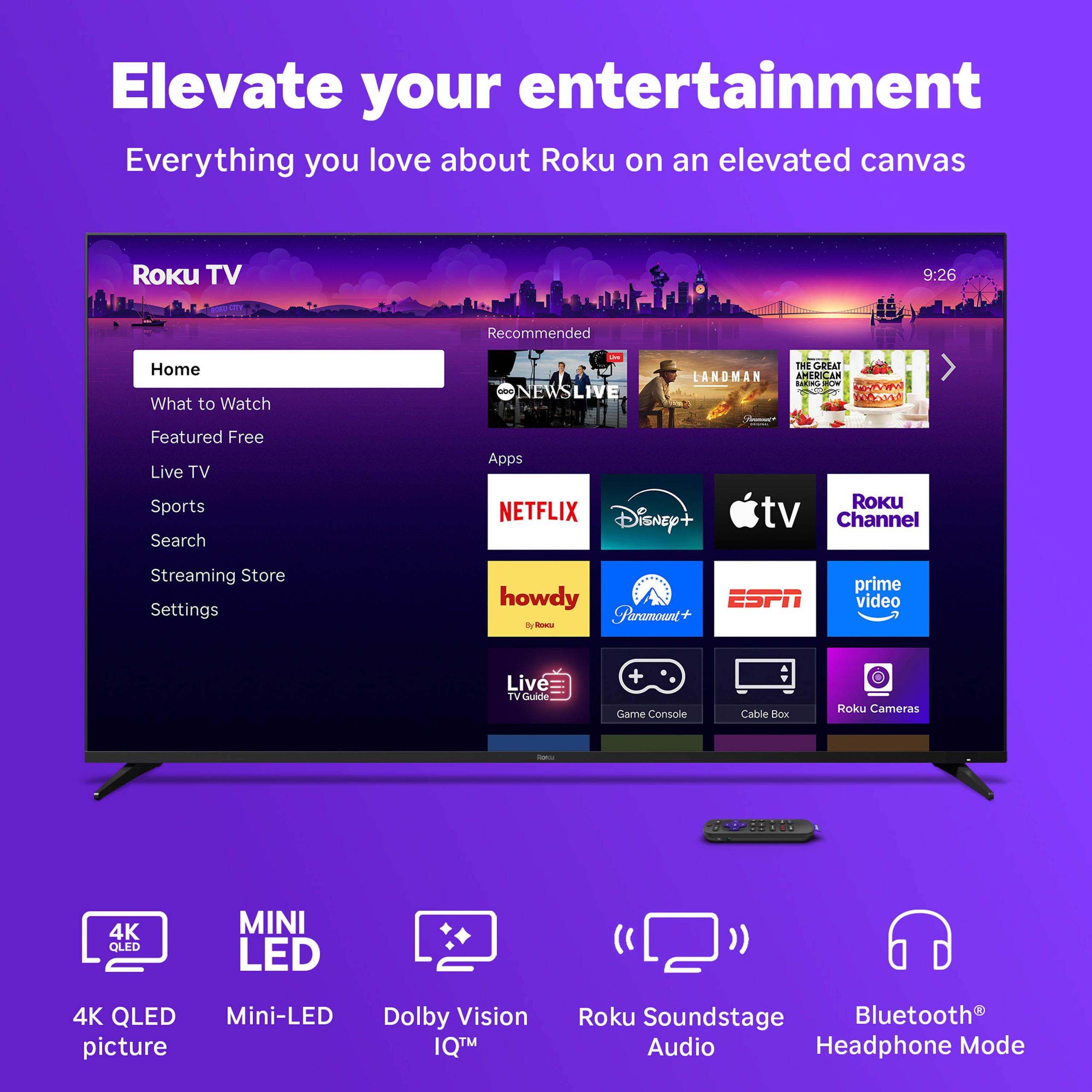
This is where the fundamental differences between these TVs become crystal clear. The Roku Pro Series uses Mini-LED backlighting with full array local dimming, while the Samsung Q6F uses a more traditional LED backlight system.
Mini-LED technology deserves some explanation because it's genuinely transformative. Instead of having a few dozen LED zones behind the screen, Mini-LED uses thousands of tiny LEDs that can be controlled independently. When you're watching a scene with a bright explosion against a dark sky, the Mini-LEDs behind the explosion can blast at full brightness while the LEDs behind the dark sky stay dimmed. This creates the deep blacks and bright highlights that make HDR content look three-dimensional rather than flat.
Our research into professional reviews reveals that the Roku Pro Series delivers 75% higher dynamic contrast than previous generations, and users consistently praise its ability to handle challenging content like dark movie scenes with bright subtitles. The Mini-LED implementation minimizes the "blooming" effect where bright objects create a halo of light in dark surroundings.
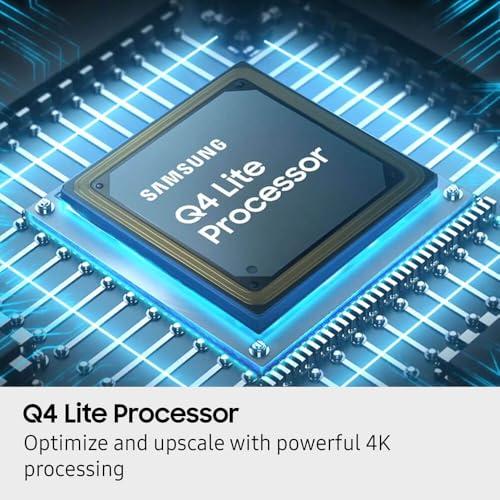
The Samsung Q6F uses Samsung's established quantum dot technology with what appears to be either edge-lighting or basic direct-lighting. While it can produce vibrant colors and decent brightness levels, it can't match the contrast performance of Mini-LED. Professional reviewers note that dark scenes can appear washed out compared to higher-end models, and you might notice some uniformity issues across the screen.
HDR performance is another crucial differentiator. The Roku Pro Series supports Dolby Vision IQ, HDR10+, and standard HDR10, giving it compatibility with virtually any HDR content you'll encounter. Dolby Vision IQ is particularly clever – it adjusts the HDR presentation based on your room's lighting conditions, so you don't get washed-out images during the day or overly dim pictures at night.
The Samsung Q6F supports HDR10+ and standard HDR formats but notably lacks Dolby Vision support. This isn't necessarily a deal-breaker, but it means you won't get the optimal experience from Netflix's Dolby Vision content or 4K Blu-rays that use this format.
For home theater enthusiasts, the Roku Pro Series is the clear winner. Its Mini-LED backlighting and comprehensive HDR support create a more cinematic experience, especially in darkened rooms where contrast becomes paramount. However, if you primarily watch content during the day in a bright room, both TVs will deliver colorful, sharp images that represent a significant upgrade from older LCD technology.
Gaming performance has become increasingly important as more people use their TVs with PlayStation 5, Xbox Series X, and gaming PCs. The differences between these two TVs in gaming capability are stark.
The Roku Pro Series is genuinely designed for serious gaming. Its 120Hz refresh rate means it can display 120 frames per second from supported games, creating smoother motion than the standard 60Hz displays most people are used to. More importantly, it includes AMD FreeSync Premium Pro, Variable Refresh Rate (VRR), and Auto Low Latency Mode (ALLM).
VRR deserves special attention because it solves one of gaming's most annoying problems: screen tearing. When your console generates frames at inconsistent rates, VRR allows the TV to adjust its refresh timing to match, eliminating the visual stutters and tears that can break immersion during fast-paced games.
The TV's input lag – the delay between pressing a button and seeing the result on screen – measures as low as 5.2 milliseconds at 120Hz according to technical reviews. For context, anything under 20ms is considered excellent for gaming, so 5.2ms puts this TV in the top tier for responsiveness.
Two HDMI 2.1 ports support full 4K gaming at 120Hz, meaning you can connect both a PlayStation 5 and Xbox Series X without compromising performance on either. This future-proofs your setup as more games begin supporting these higher frame rates.
The Samsung Q6F takes a much more basic approach to gaming. While it includes Auto Game Mode to reduce input lag and has some VRR support (depending on your region), it's limited to 60Hz refresh rates and lacks HDMI 2.1 ports. For casual gaming or older consoles, this is perfectly adequate. But if you've invested in next-generation gaming hardware, you won't be able to take full advantage of its capabilities.
For home theater gaming setups, the Roku Pro Series is the obvious choice. The combination of Mini-LED contrast and high-refresh gaming creates an experience that rivals dedicated gaming monitors while maintaining the cinematic qualities needed for movies and TV shows.
Both TVs run different smart platforms, and the choice between them often comes down to personal preference and existing ecosystem investments.
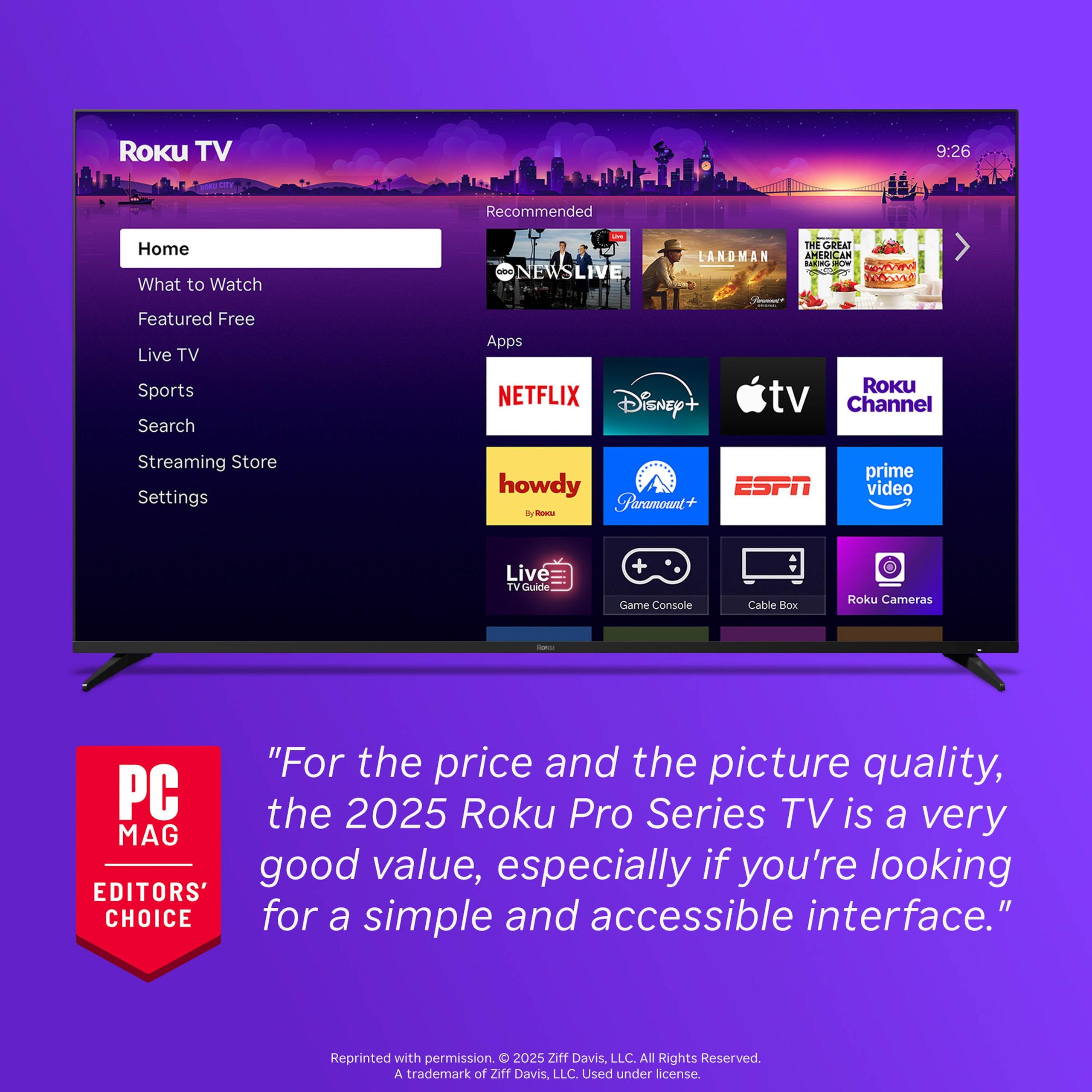
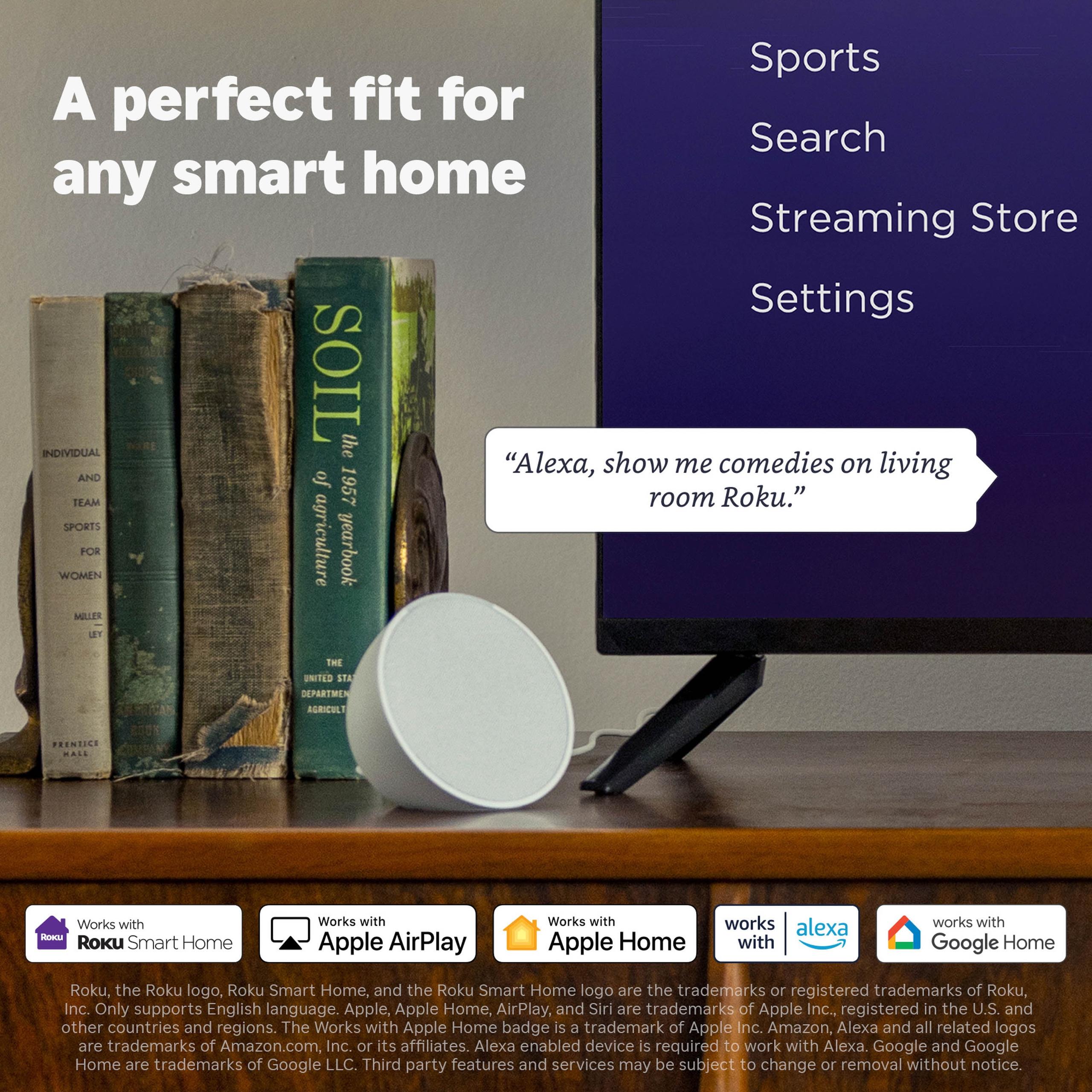
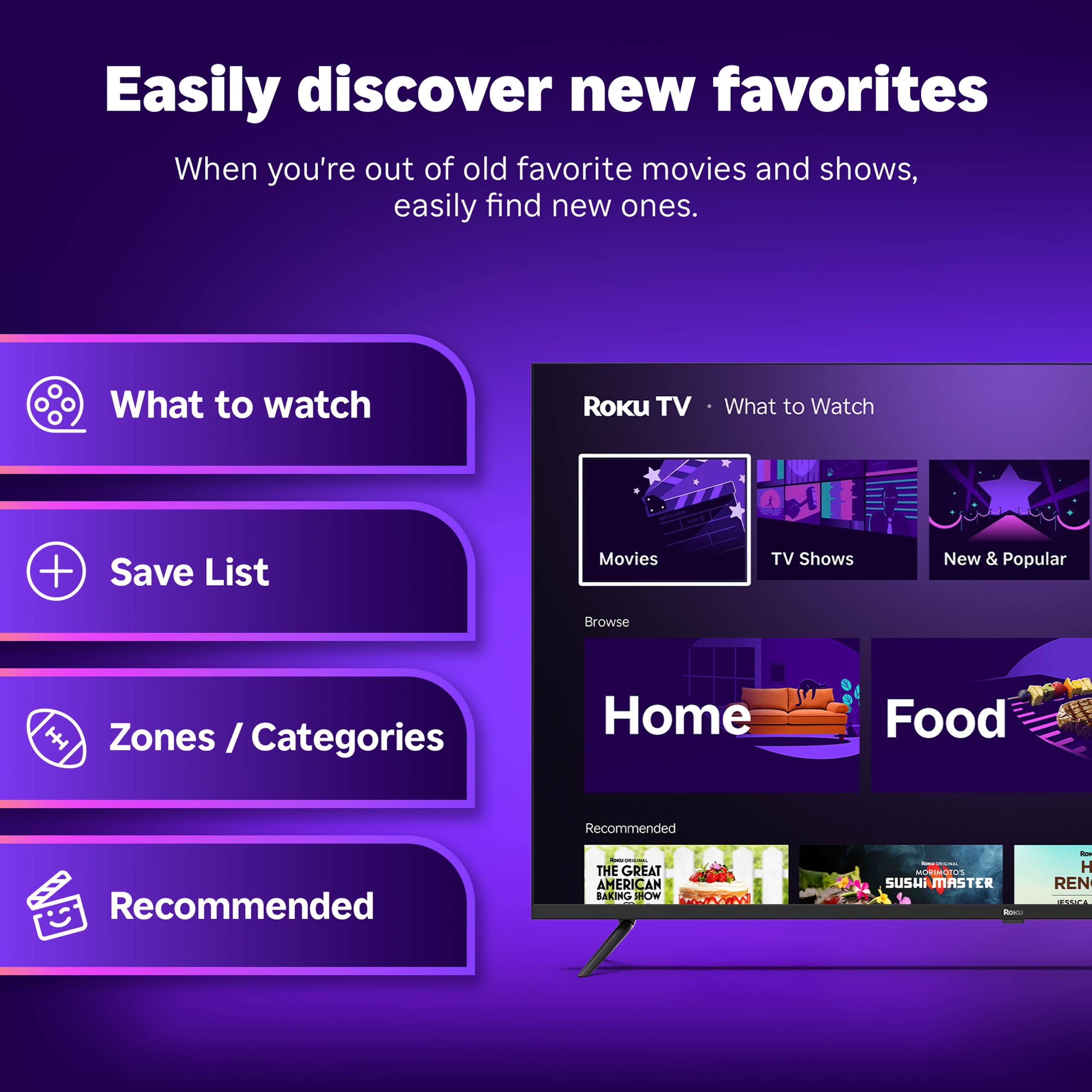
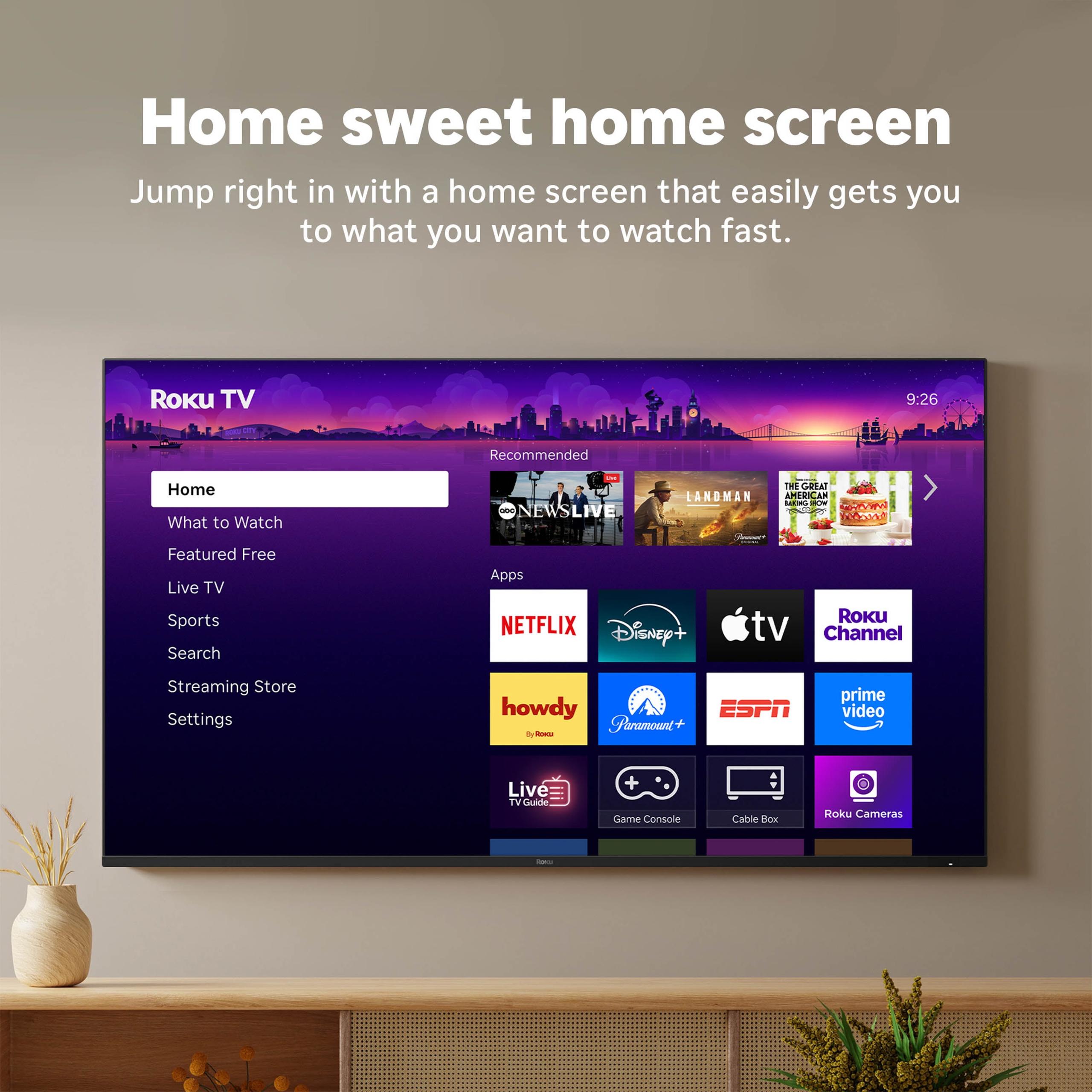
The Roku Pro Series runs Roku TV OS, which has evolved significantly since Roku first entered the TV market. The 2025 version includes Wi-Fi 6 support for faster streaming and more responsive navigation. What makes Roku's approach special is its content-agnostic design – instead of pushing you toward specific services, it aggregates content from all your subscriptions into a unified interface.
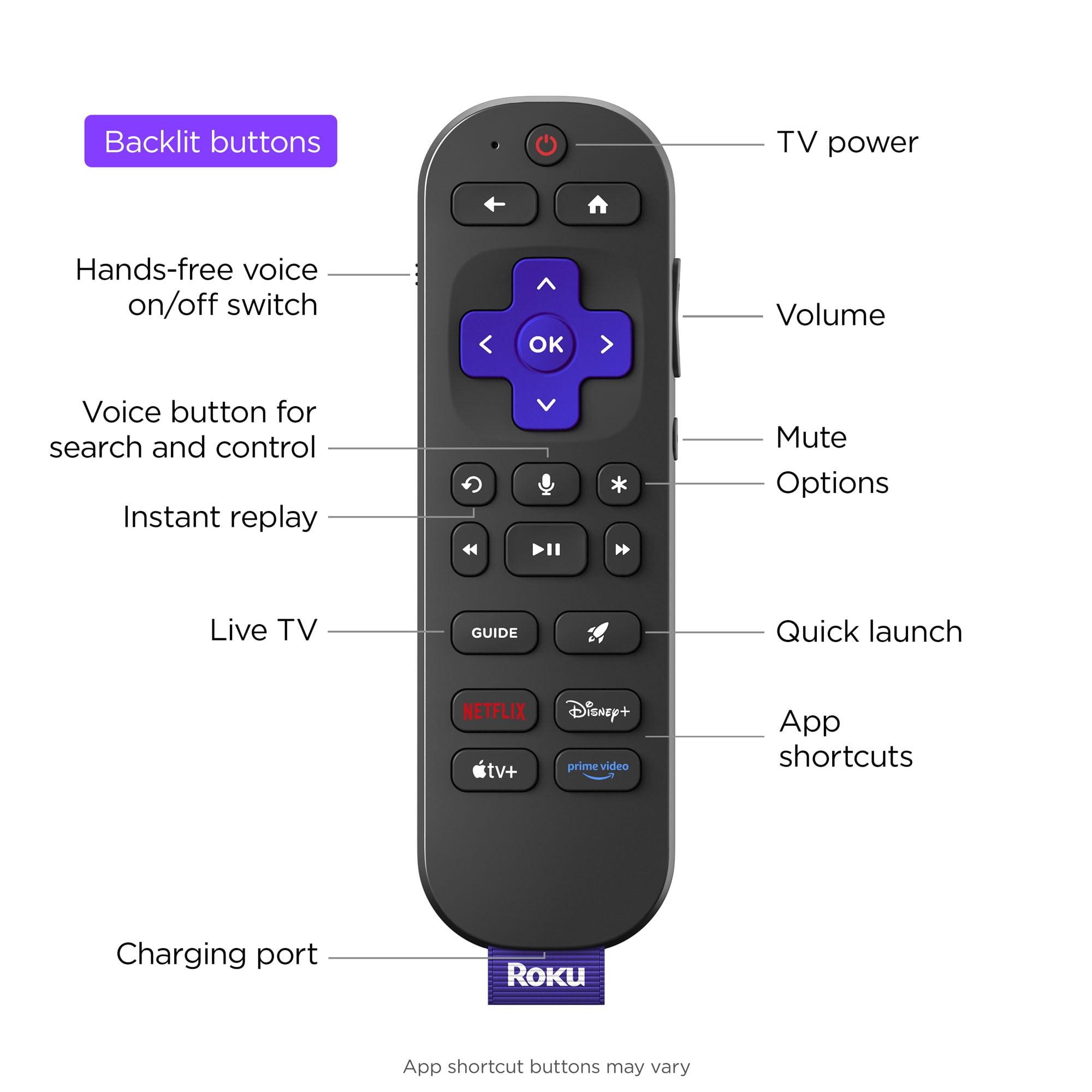
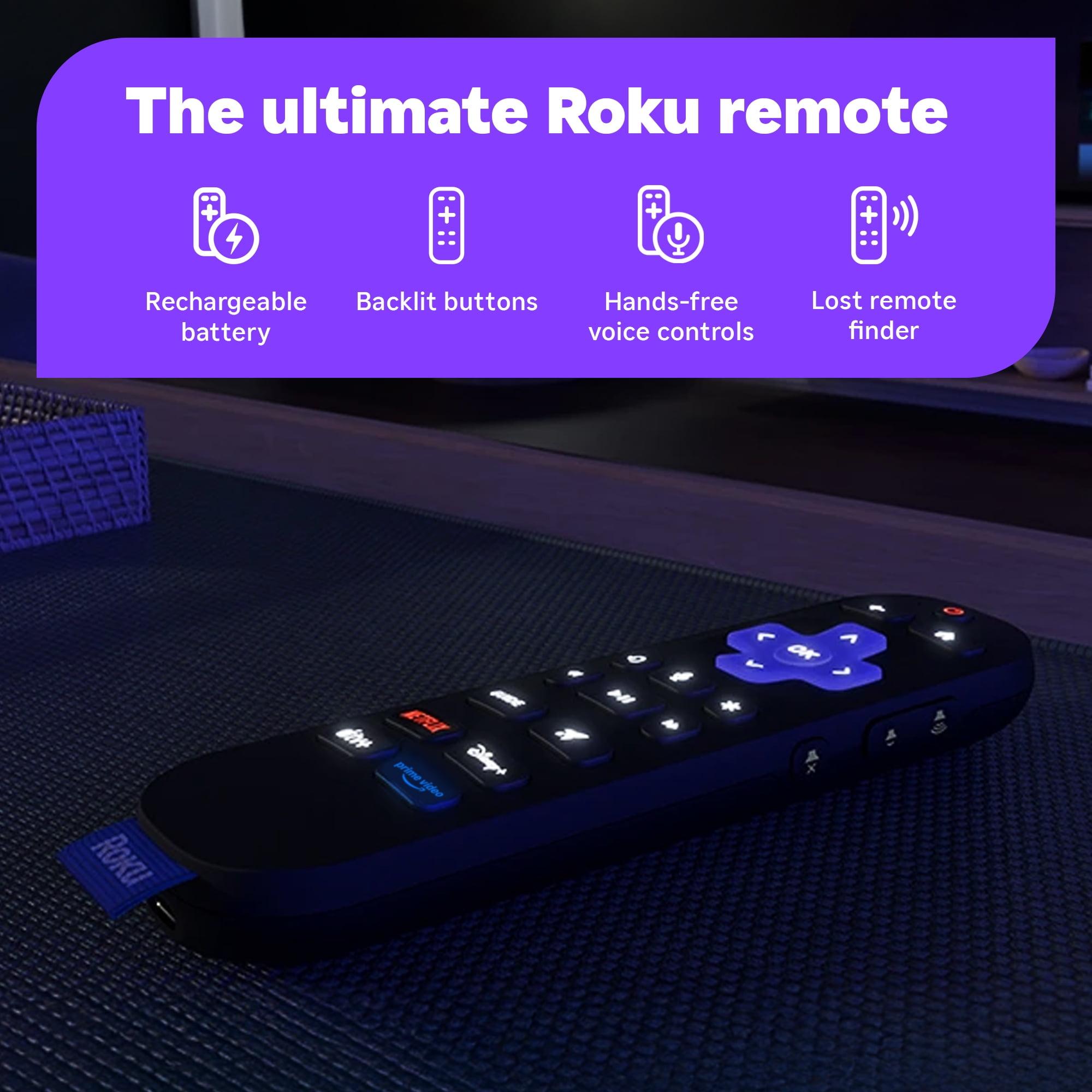
The included Voice Remote Pro deserves mention because it addresses one of TV ownership's most common frustrations: losing the remote. A button on the TV's side makes the remote beep and light up, which sounds trivial until you're frantically searching couch cushions at 10 PM.
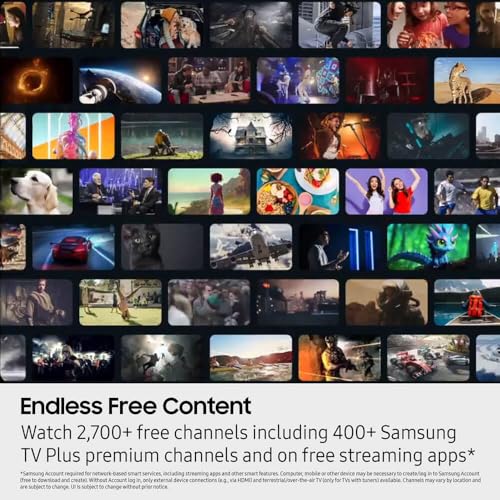
Samsung's Q6F runs Tizen OS, which offers deeper integration with Samsung's broader ecosystem. If you own Galaxy phones, Samsung appliances, or use SmartThings for home automation, the TV becomes a natural hub for controlling everything. Samsung TV Plus provides over 1,200 free streaming channels, which can significantly reduce your monthly streaming costs.
For cord-cutters and streaming-focused users, Roku's platform typically feels more intuitive. For users already invested in Samsung's ecosystem or those who want extensive smart home integration, the Samsung Q6F offers more comprehensive features.
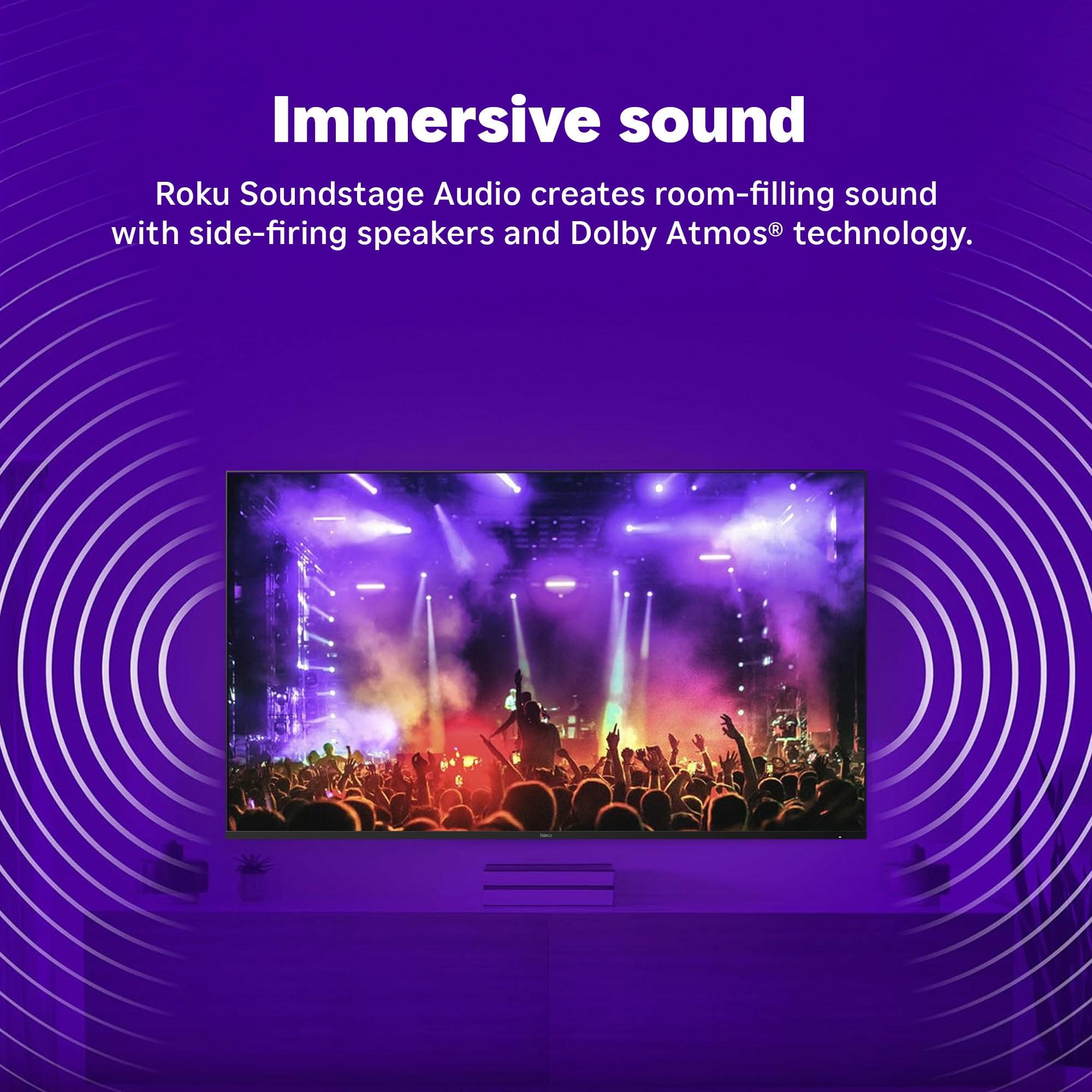
Audio performance reveals another philosophical difference between these TVs. The Roku Pro Series includes Dolby Atmos support with side-firing speakers designed to create room-filling sound without requiring an immediate soundbar purchase. User reviews consistently praise the audio quality, with several noting that the built-in speakers provide "theater-like bass" that exceeds expectations for a TV.
This matters more than you might think. A decent soundbar costs several hundred dollars, so built-in audio that eliminates this immediate expense adds real value to the TV's overall proposition.
The Samsung Q6F includes Object Tracking Sound Lite (OTS Lite) and Q-Symphony compatibility for Samsung soundbars. While the audio quality is decent for its price class, most users will eventually want to add external audio for a more immersive experience.
For home theater installations, the Roku Pro Series gives you a more complete out-of-the-box experience, while the Samsung Q6F assumes you'll build out your audio system over time.
Understanding some key technical specifications helps explain the performance differences between these TVs.
Local dimming zones make an enormous difference in picture quality. The Roku Pro Series uses thousands of Mini-LED zones that can be controlled independently. More zones mean more precise control over contrast, reducing the blooming effects that plague cheaper TVs. The Samsung Q6F lacks advanced local dimming, which limits its ability to produce deep blacks alongside bright highlights.
Color gamut coverage measures how much of the visible color spectrum a TV can display. Both TVs use quantum dot technology, but the Roku Pro Series achieves broader color coverage due to its more advanced processing and backlighting system. This translates to more lifelike skin tones and more vibrant natural colors.
Peak brightness levels determine how well a TV performs in bright rooms and how impactful HDR content appears. Professional measurements show the Roku Pro Series reaching over 1,800 nits in certain modes, while the Samsung Q6F achieves more modest brightness levels. For rooms with lots of natural light, this difference is immediately noticeable.
Choose the Roku Pro Series if you:
Choose the Samsung Q6F if you:
Based on our analysis of user reviews and professional testing, the Roku Pro Series consistently delivers on its premium promises. Users upgrading from older TVs or competing brands frequently comment on the immediate visual improvement, particularly in HDR content and gaming scenarios. The AI-powered Smart Picture Max processing adapts to different content types automatically, which users appreciate for its hands-off approach.
However, the TV isn't perfect. Some professional reviews note that HDR color accuracy, while good, doesn't quite match the absolute best displays on the market. The narrow viewing angles mean that people sitting far to the sides won't get optimal picture quality.
The Samsung Q6F earns praise for delivering solid performance at its price point. Users consistently note good color reproduction and the intuitive smart platform. However, limitations become apparent when comparing directly to higher-end models – dark scene performance and gaming capabilities clearly reflect the budget positioning.
These two TVs succeed in their respective market segments, but they're designed for fundamentally different users. The Roku Pro Series delivers premium features at a price that undercuts traditional flagship TVs from Sony and LG while providing everything most users need for gaming and entertainment. It's a "buy once, use for years" proposition that justifies its higher cost through comprehensive features and future-proofing.
The Samsung Q6F represents exceptional value for users who want quantum dot color technology and Samsung's smart platform without paying premium prices. It's perfect for families upgrading from much older TVs or users who plan to enhance their setup gradually.
For home theater enthusiasts and gamers, the Roku Pro Series is the clear choice. Its Mini-LED backlighting, comprehensive HDR support, and gaming features create an experience that rivals much more expensive TVs.
For budget-conscious buyers who want reliable performance and room to grow, the Samsung Q6F offers an excellent foundation that can be enhanced with soundbars and other accessories over time.
The key is honest self-assessment: if you'll use the advanced features and can appreciate the picture quality differences, the Roku Pro Series provides excellent value despite its higher cost. If you need a solid upgrade that covers the basics well, the Samsung Q6F delivers exactly what it promises without pretending to be something it's not.
Both represent smart choices within their respective categories – just make sure you're choosing the category that matches your actual needs and usage patterns.
| Roku 65" Pro Series 2025 | Samsung 65" QLED Q6F 2025 |
|---|---|
| Display Technology - Critical for picture quality and contrast | |
| QLED with Mini-LED full array local dimming (thousands of zones) | QLED with standard LED backlighting (limited local dimming) |
| Gaming Performance - Essential for console and PC gaming | |
| 120Hz, HDMI 2.1, VRR, FreeSync Premium Pro, 5.2ms input lag | 60Hz, basic VRR, Auto Game Mode, standard input lag |
| HDR Support - Determines streaming and 4K Blu-ray quality | |
| Dolby Vision IQ, HDR10+, HDR10, HLG (comprehensive support) | HDR10+, HDR10, HLG (lacks Dolby Vision) |
| Audio System - Affects whether you need a soundbar immediately | |
| Dolby Atmos with side-firing speakers, room-filling sound | 2CH 20W speakers with OTS Lite (soundbar recommended) |
| Smart Platform - Daily interface and app performance | |
| Roku TV OS with Wi-Fi 6, unified content discovery | Samsung Tizen with SmartThings integration, 1200+ free channels |
| Peak Brightness - How well it performs in bright rooms | |
| Over 1,800 nits (excellent for daytime viewing and HDR) | Moderate brightness levels (good for controlled lighting) |
| Remote Control - Daily usability features | |
| Rechargeable Voice Remote Pro with backlit keys and finder button | Standard remote with voice control |
| HDMI Ports - Connectivity for gaming and devices | |
| 4 ports (2x HDMI 2.1 for 4K@120Hz gaming) | 3 ports (standard HDMI, no 2.1 support) |
| Target User - Who this TV is designed for | |
| Gamers, movie enthusiasts, premium feature seekers | Budget-conscious families, Samsung ecosystem users |
| Value Proposition - Cost vs features at time of writing | |
| Premium features at competitive flagship pricing | Entry-level QLED at exceptional budget pricing |
The Roku 65" Pro Series 2025 delivers superior picture quality thanks to its Mini-LED backlighting with thousands of local dimming zones. This creates deeper blacks and brighter highlights essential for HDR movies. The Samsung Q6F 2025 offers good color reproduction with quantum dot technology but lacks the advanced contrast control of Mini-LED. For home theater enthusiasts, the Roku Pro Series provides a more cinematic experience.
The Roku 65" Pro Series 2025 is significantly better for gaming with its 120Hz refresh rate, HDMI 2.1 ports, and 5.2ms input lag. It supports 4K gaming at 120fps with VRR and FreeSync Premium Pro for PlayStation 5 and Xbox Series X. The Samsung Q6F 2025 is limited to 60Hz gaming with basic features, making it suitable only for casual gaming or older consoles.
Both platforms are user-friendly but serve different needs. The Roku Pro Series 2025 offers a simpler, content-focused interface that aggregates all your streaming services. The Samsung Q6F 2025 provides more smart home integration through Samsung's ecosystem and includes over 1,200 free TV channels. Choose Roku for streaming simplicity or Samsung for comprehensive smart home control.
The Roku 65" Pro Series 2025 performs much better in bright rooms with peak brightness exceeding 1,800 nits, effectively overcoming glare and maintaining vibrant colors. The Samsung Q6F 2025 has moderate brightness levels that work adequately in controlled lighting but may appear washed out in very bright environments. For sunny living rooms, the Roku Pro Series is the clear winner.
The Roku 65" Pro Series 2025 includes Dolby Atmos support with side-firing speakers that deliver room-filling sound, often eliminating the immediate need for a soundbar. The Samsung Q6F 2025 has basic 2CH speakers with Object Tracking Sound Lite that provide decent audio but typically require a soundbar upgrade for optimal performance. For built-in audio quality, the Roku Pro Series is superior.
At the time of writing, the Samsung Q6F 2025 costs significantly less than the Roku 65" Pro Series 2025 - roughly one-third the price. The Samsung offers excellent value for basic 4K QLED viewing, while the Roku provides premium features like Mini-LED, 120Hz gaming, and Dolby Atmos that justify its higher cost for enthusiasts who will use these capabilities.
The Roku 65" Pro Series 2025 handles sports better with its 120Hz refresh rate for smoother motion, brighter display for daytime viewing, and superior motion processing. The TV's high brightness cuts through glare during afternoon games. The Samsung Q6F 2025 provides adequate sports viewing with good colors and basic motion handling, but may show more blur during fast action sequences compared to the higher-refresh Roku Pro Series.
The Samsung Q6F 2025 lacks several premium features found in the Roku Pro Series 2025: no Mini-LED backlighting, no 120Hz gaming, no HDMI 2.1 ports, no Dolby Vision support, and basic audio output. However, it includes Samsung's smart ecosystem integration and TV Plus free channels that the Roku lacks. The missing features mainly affect gaming and premium movie watching.
The Roku 65" Pro Series 2025 is more future-proof with HDMI 2.1 ports for next-gen gaming, Wi-Fi 6 connectivity, and comprehensive HDR format support. These features ensure compatibility with upcoming gaming consoles and streaming advances. The Samsung Q6F 2025 covers current needs well but may require earlier replacement as gaming and streaming technology advances, though Samsung's established update support is reliable.
Both the Roku 65" Pro Series 2025 and Samsung Q6F 2025 typically include one-year manufacturer warranties. Samsung offers more extensive service network coverage with authorized repair centers nationwide, while Roku provides support primarily through retail partners. Samsung's longer market presence generally means easier parts availability and repair services, though both brands offer reliable customer support channels.
For dedicated home theater use, the Roku 65" Pro Series 2025 is superior due to its Mini-LED backlighting that excels in dark rooms, comprehensive HDR support including Dolby Vision, and built-in Dolby Atmos audio. These features create a more cinematic experience without additional equipment. The Samsung Q6F 2025 can work in home theaters but lacks the contrast performance and audio capabilities that make the Roku Pro Series ideal for movie enthusiasts.
Choose the Samsung Q6F 2025 if you're heavily invested in Samsung devices (Galaxy phones, appliances, SmartThings) and want seamless integration. Choose the Roku 65" Pro Series 2025 if you prioritize TV performance features like gaming, picture quality, and audio over ecosystem integration. The Roku works well with any devices and focuses purely on entertainment excellence rather than smart home connectivity.
We've done our best to create useful and informative comparisons to help you decide what product to buy. Our research uses advanced automated methods to create this comparison and perfection is not possible - please contact us for corrections or questions. These are the sites we've researched in the creation of this article: bestbuy.com - rtings.com - techradar.com - youtube.com - roku.com - youtube.com - walmart.com - bestbuy.com - youtube.com - electronicexpress.com - roku.com - pcvarge.com - ecoustics.com - tomsguide.com - bestbuy.com - samsung.com - rtings.com - youtube.com - rtings.com - bestbuy.com - samsung.com - samsung.com - samsung.com - manuals.plus - shopjetson.com - samsung.com - samsung.com - samsung.com - samsung.com - bestbuy.com - jefflynch.com

Privacy Policy
Terms and Conditions - Affiliate Policy
Home Security
© Copyright 2008-2026.
11816 Inwood Rd #1211, Dallas, TX 75244