

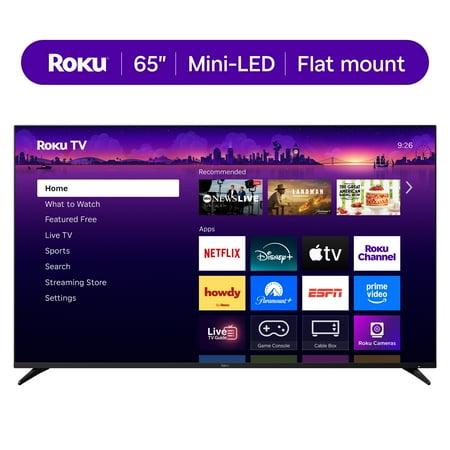
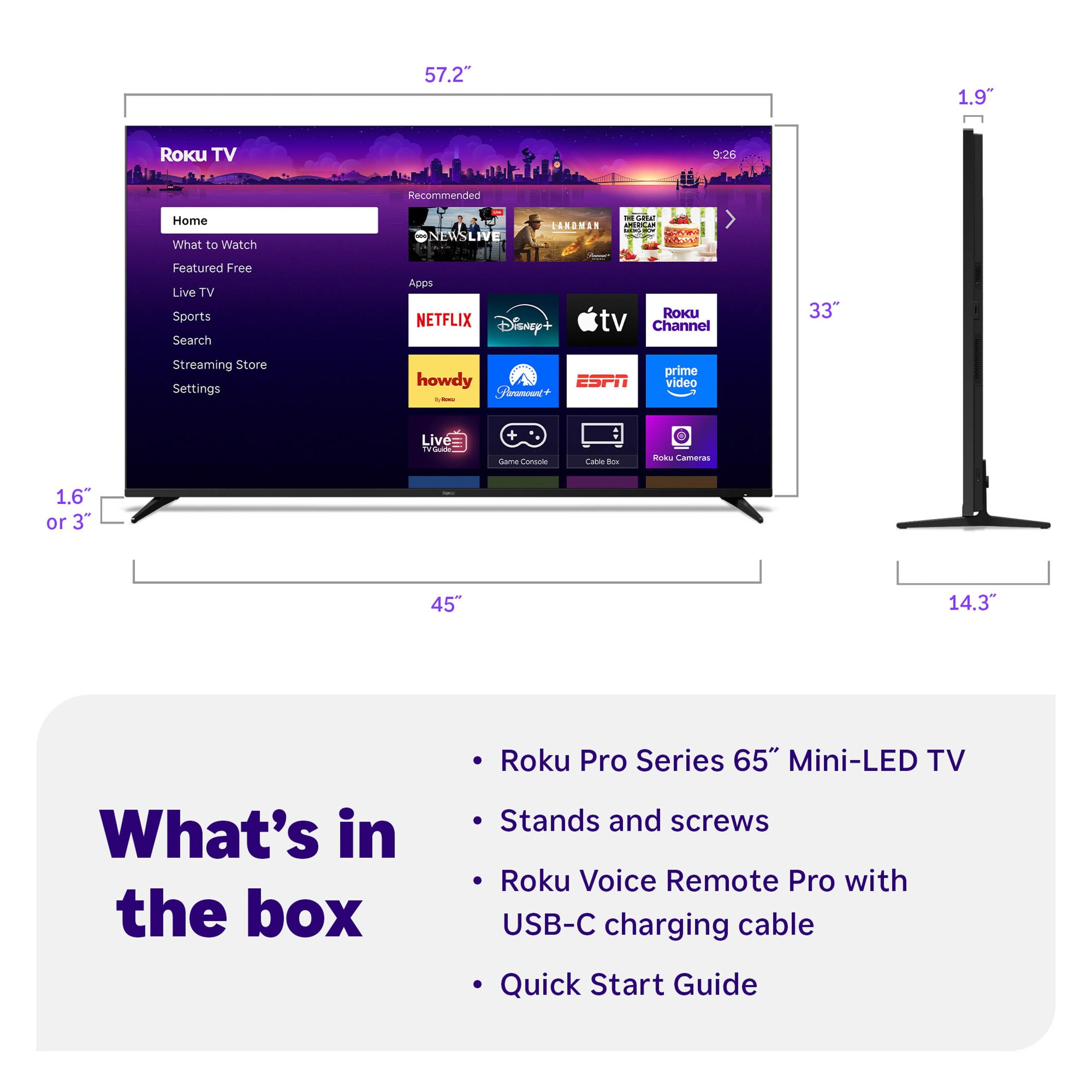
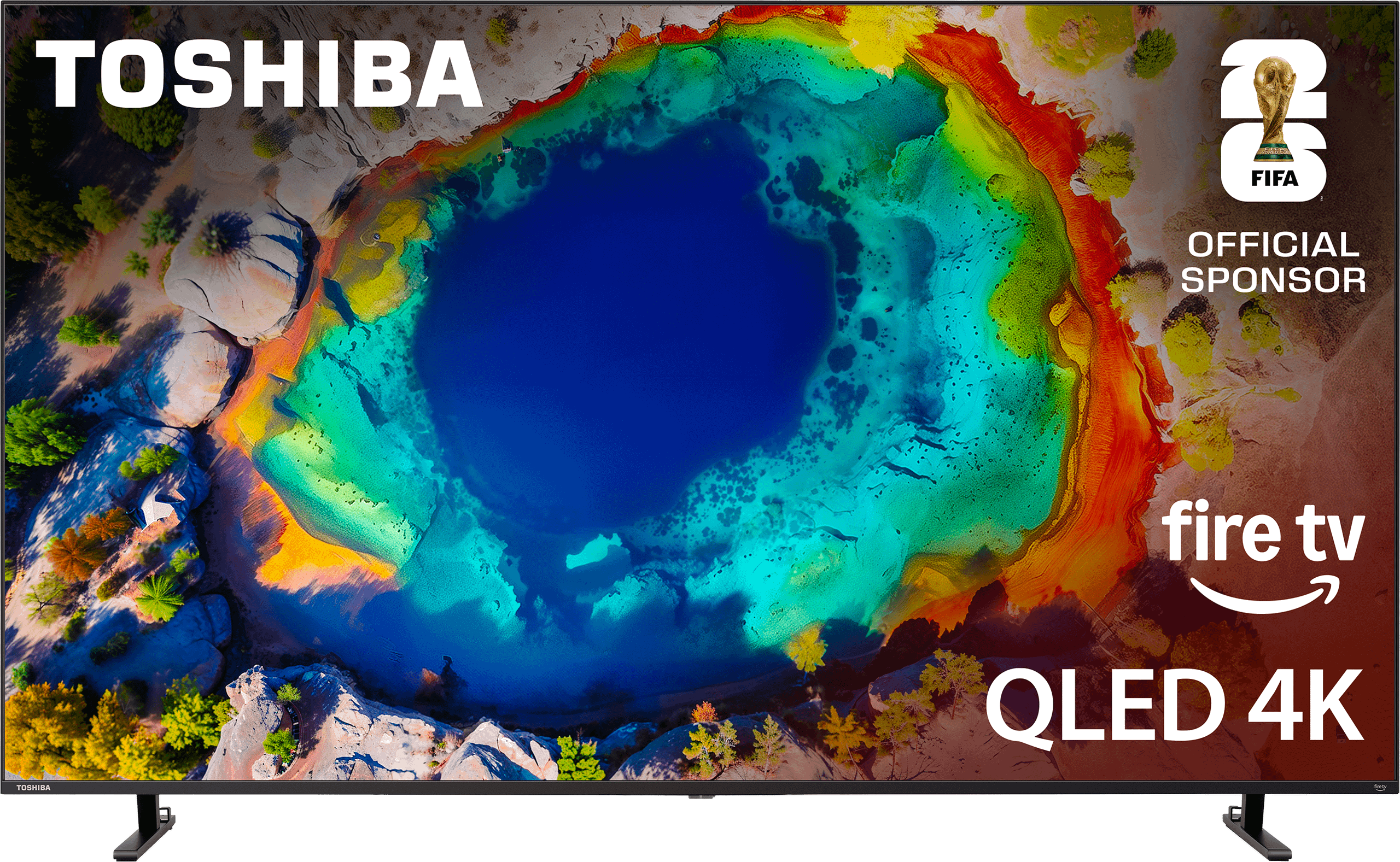
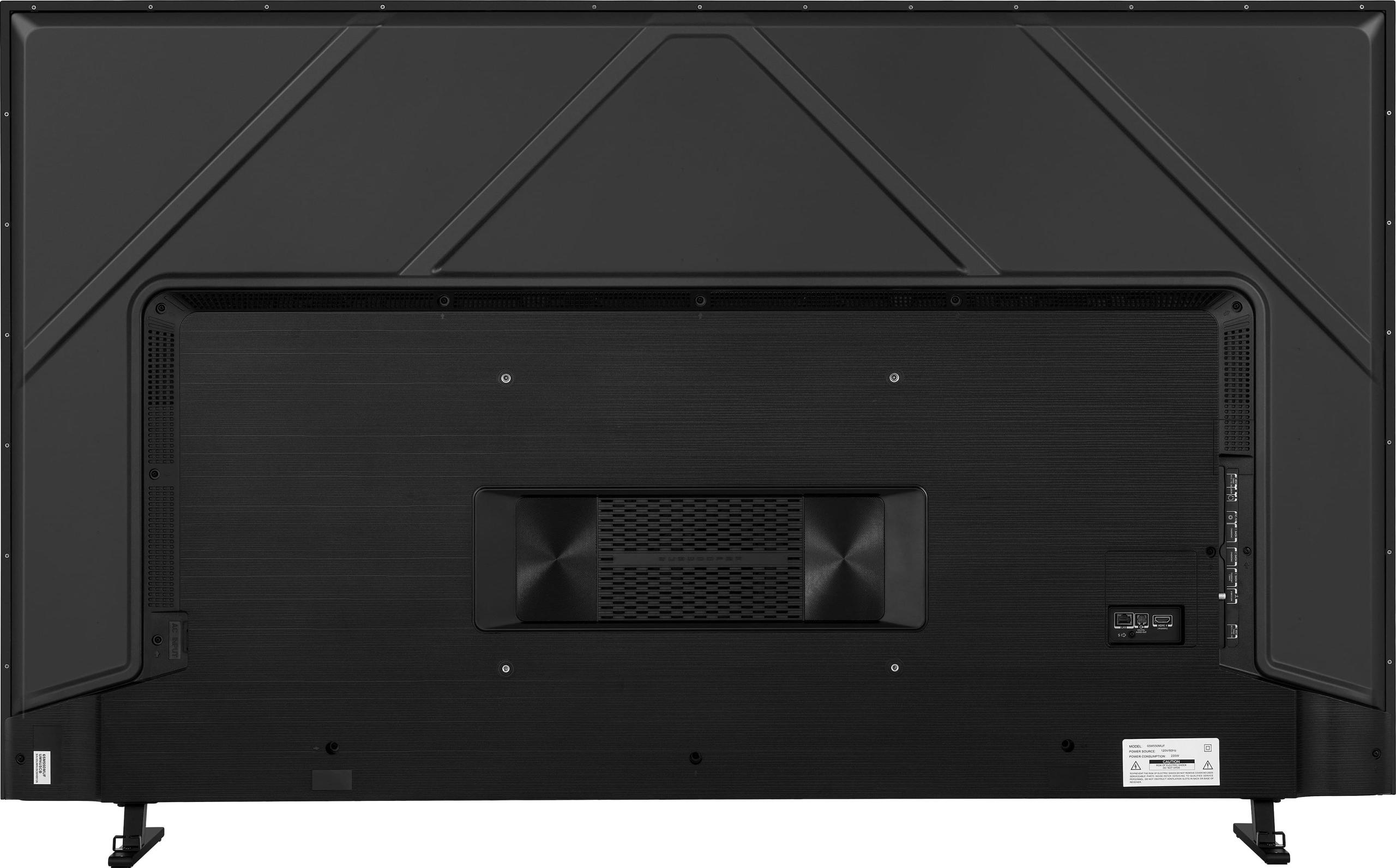
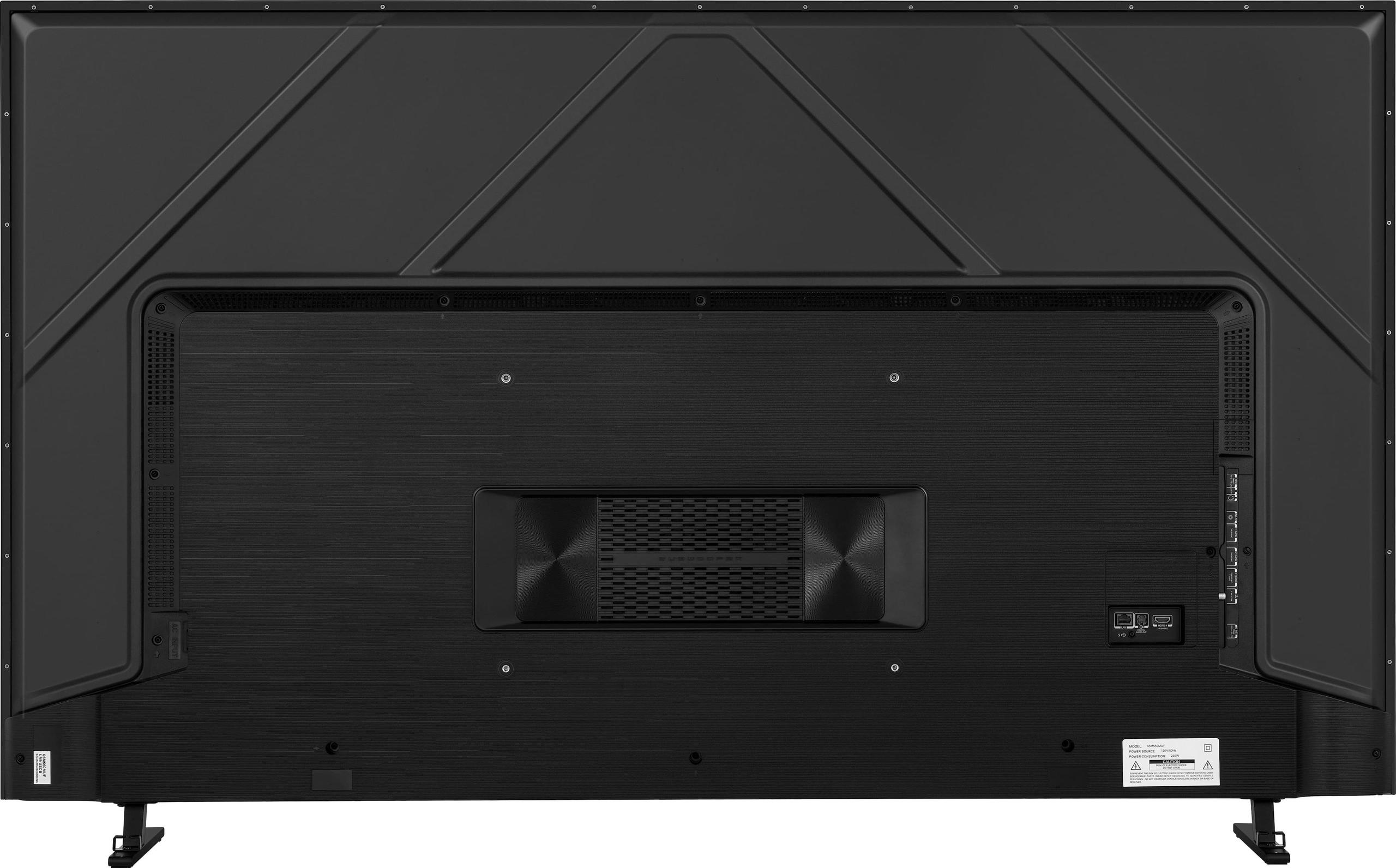
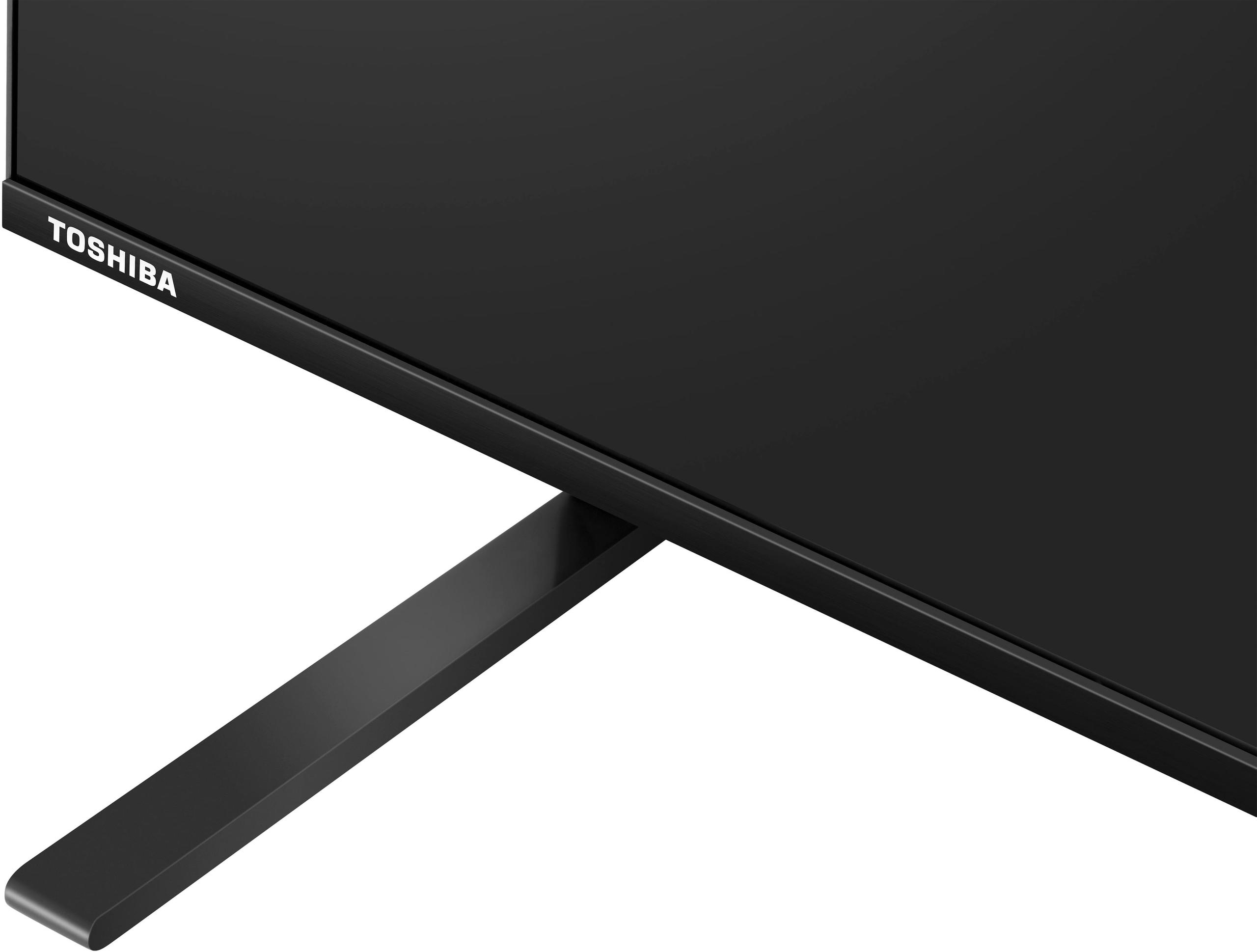
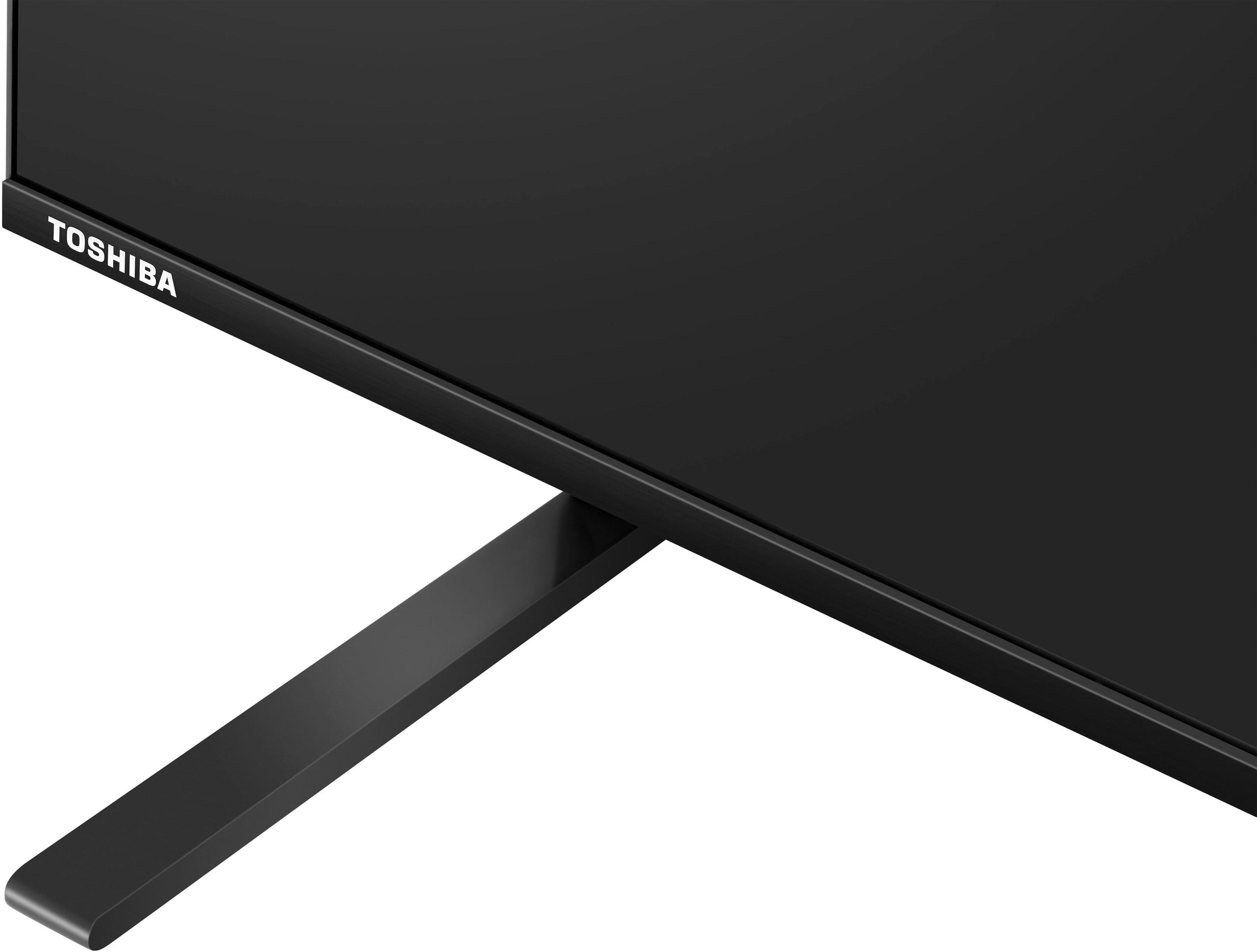
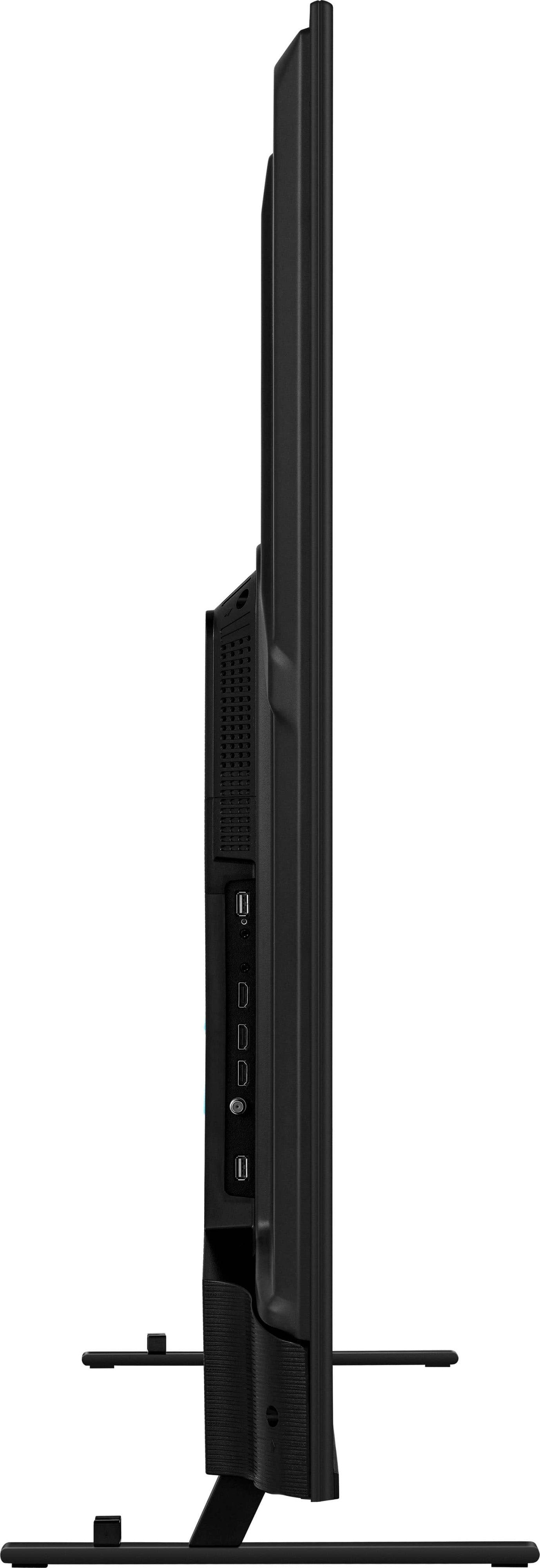
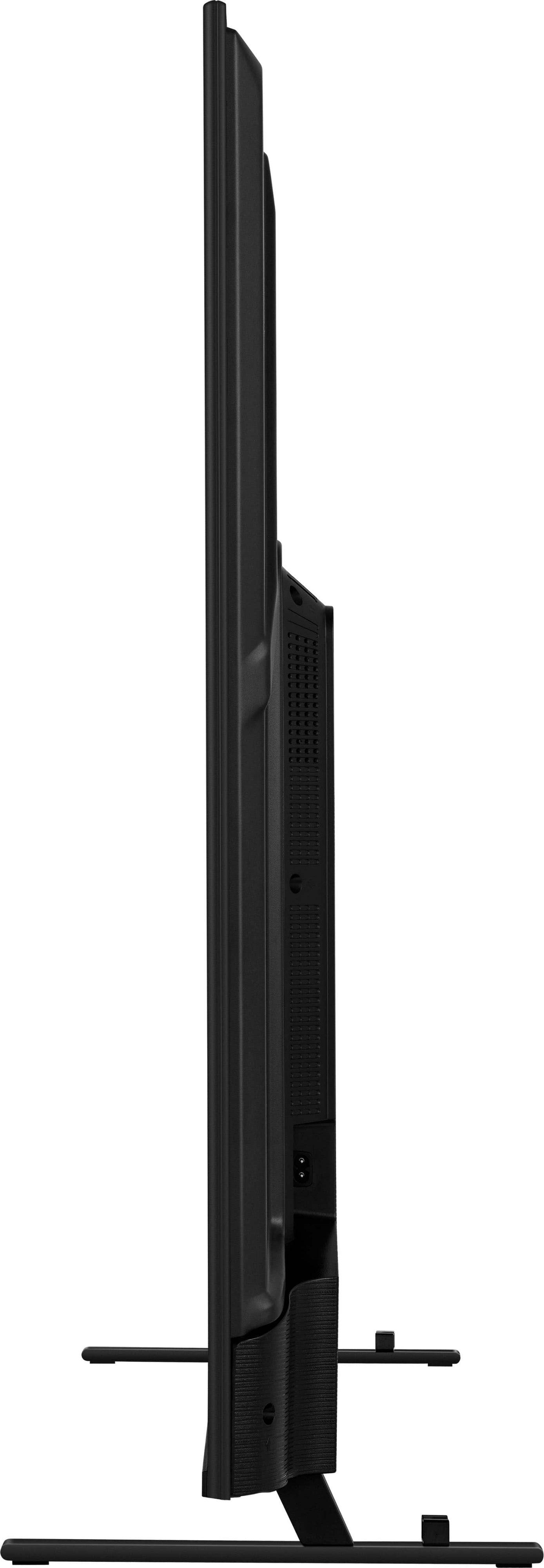
Shopping for a 65-inch TV can feel overwhelming, especially when you're comparing products that seem similar on paper but differ dramatically in price. Two TVs that perfectly illustrate this challenge are the Roku 65" Pro Series 2025 and the Toshiba 65" M550 Series. At the time of writing, these represent vastly different value propositions in the QLED TV market, with the Roku commanding a premium price that's roughly four times higher than the heavily discounted Toshiba.
Both TVs use QLED (Quantum Dot Light Emitting Diode) technology, which places a layer of quantum dots between the backlight and LCD panel to produce more accurate, vibrant colors than traditional LED TVs. Think of quantum dots as microscopic crystals that glow specific colors when hit by light - this allows QLED TVs to display a much wider range of colors than standard displays.
But here's where things get interesting: despite sharing the same basic display technology, these TVs approach picture quality, gaming, and smart features in fundamentally different ways. Understanding these differences is crucial for making the right choice for your specific needs and budget.
The 65-inch TV market has become the sweet spot for home entertainment. It's large enough to create that cinematic experience most people want, yet still fits comfortably in typical living rooms. When evaluating TVs in this category, several key factors determine whether you're getting good value:
Picture quality remains the most important consideration. This includes how bright the TV can get (measured in nits), how deep the blacks appear, color accuracy across different content types, and how well the TV handles HDR (High Dynamic Range) content that contains both very bright and very dark elements in the same scene.
Gaming capabilities have become increasingly important as newer game consoles like the PlayStation 5 and Xbox Series X can output 4K resolution at 120 frames per second. TVs need specific features like HDMI 2.1 ports and variable refresh rate (VRR) support to take full advantage of these capabilities.
Smart platform performance affects your daily experience more than you might expect. A laggy interface or unstable apps can turn what should be a relaxing evening into a frustrating technical ordeal.
The Roku Pro Series 2025 launched in 2025 as Roku's flagship offering, incorporating mini-LED technology that had previously been reserved for much more expensive premium brands. Meanwhile, the Toshiba M550 Series represents a budget-focused approach that emerged around 2021, aiming to bring QLED technology to price-conscious consumers.
The most significant difference between these TVs lies in their backlighting technology. The Roku Pro Series 2025 uses mini-LED backlighting - a relatively new technology where thousands of tiny LEDs, each smaller than a grain of rice, sit behind the display panel. These mini-LEDs can be controlled in precise zones to create incredibly bright highlights while maintaining deep blacks in other parts of the same image.
This contrasts sharply with the Toshiba M550's more traditional full-array local dimming system, which uses larger, conventional LEDs arranged in 48 zones behind the panel. While 48 zones sounds impressive compared to basic edge-lit TVs, it's significantly fewer control points than what mini-LED technology provides.
The practical difference shows up most clearly in high-contrast scenes. When you're watching a movie with bright explosions against a dark night sky, the Roku can make those explosions blindingly bright while keeping the surrounding darkness truly black. The Toshiba, with fewer dimming zones, might show some light bleeding or "blooming" around bright objects - though this is still much better than what you'd see on cheaper TVs.
Brightness levels tell another important part of the story. The Roku Pro Series 2025 can reach peak brightness levels that make HDR content truly pop, even in bright living rooms with large windows. Based on our research into professional measurements, TVs in this class often achieve over 1,700 nits in HDR mode - that's bright enough to create genuinely eye-catching highlights that feel three-dimensional.
The Toshiba M550 offers respectable brightness for its price range, but it simply can't match the peak output of mini-LED technology. This becomes most noticeable when watching HDR movies during the day or in well-lit rooms, where the extra brightness of the Roku helps maintain image quality despite ambient light.
Color accuracy represents another area where these TVs diverge. The Roku includes factory calibration and what Roku calls "Smart Picture Max" - an AI system that analyzes incoming video signals and automatically adjusts color, contrast, and sharpness on a scene-by-scene basis. This means you're less likely to encounter the overly saturated colors or artificial-looking images that can plague some budget displays.
The Toshiba M550 relies on its REGZA Engine processing, which does provide some automatic optimization but lacks the sophistication of AI-based systems. User reviews consistently note that while colors look vibrant out of the box, fine-tuning picture settings often requires manual adjustment to achieve natural-looking images.
Modern gaming has become one of the most demanding applications for TVs, and the differences between these models become stark when you connect a PlayStation 5 or Xbox Series X.
The Roku Pro Series 2025 was clearly designed with serious gaming in mind. It includes two HDMI 2.1 ports that support the full 48 Gbps bandwidth needed for 4K gaming at 120 frames per second. More importantly, it supports AMD FreeSync Premium Pro, which eliminates screen tearing and stuttering by synchronizing the TV's refresh rate with the game console's output frame rate.
Input lag - the delay between when you press a button and when the action appears on screen - measures as low as 5.2 milliseconds on the Roku in game mode. To put this in perspective, anything under 20 milliseconds is considered excellent for gaming, so 5.2ms puts this TV in the same league as dedicated gaming monitors.
The Toshiba M550 tells a different story. Despite having a 120Hz panel that should theoretically support high refresh rate gaming, it lacks HDMI 2.1 ports. This means you're limited to 4K gaming at 60 frames per second, even with the latest consoles. The TV does support variable refresh rate, but only up to 60Hz, which eliminates much of the benefit.
Perhaps more concerning for gaming, user reviews consistently mention motion handling issues with the Toshiba. Fast-moving objects can appear to stutter or leave ghosting artifacts, particularly in action-heavy games. Some users report phantom images forming around moving characters, which can be distracting during intense gaming sessions.
For casual gaming or older consoles, these limitations might not matter much. But if you've invested in a PlayStation 5 or Xbox Series X and want to experience games like they were intended, the Roku Pro Series 2025 provides a significantly better gaming experience.
The smart TV platform affects every interaction you have with your TV, from turning it on to launching apps to adjusting settings. This is where personal preference plays a significant role, but performance differences between these TVs are substantial enough to influence your decision.
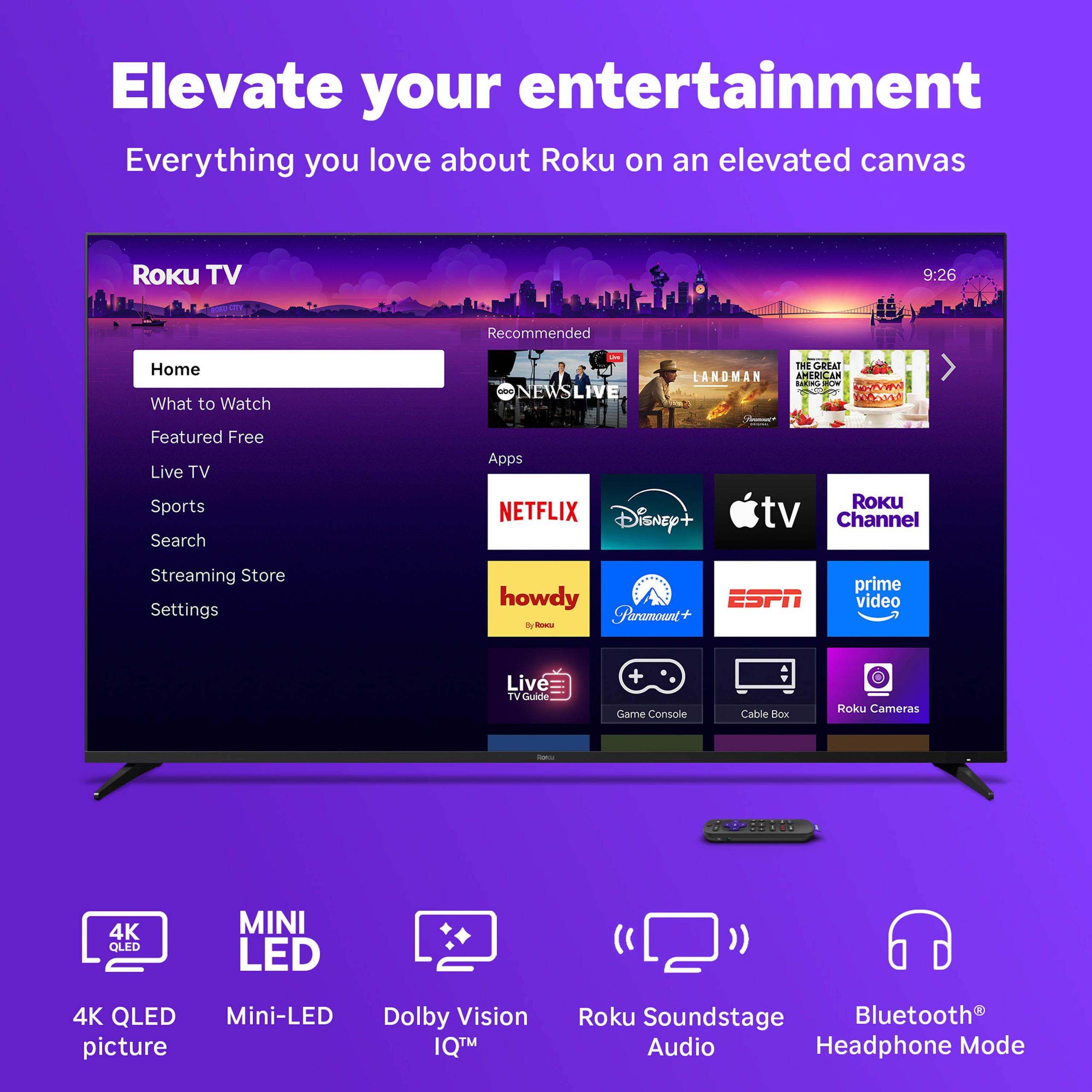
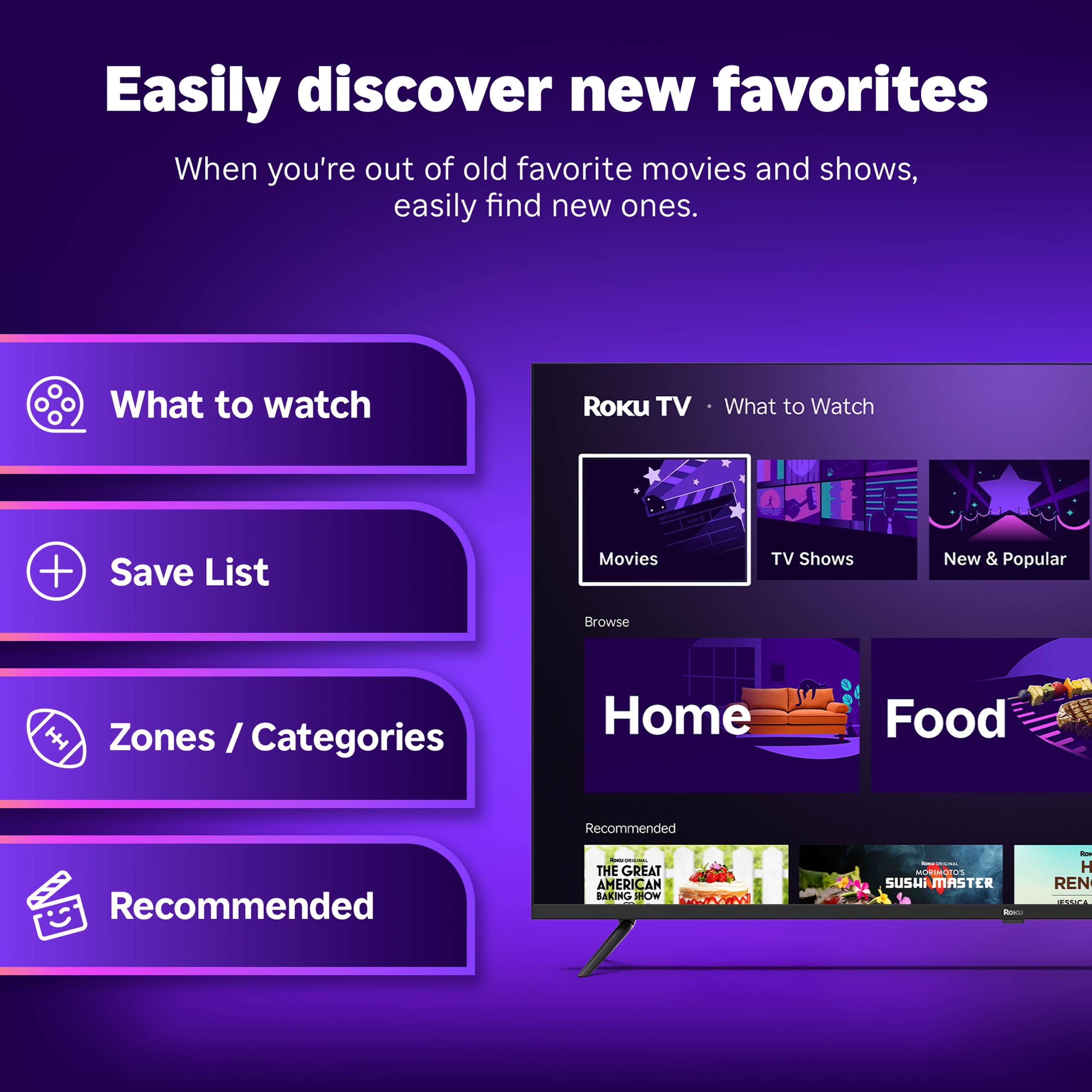
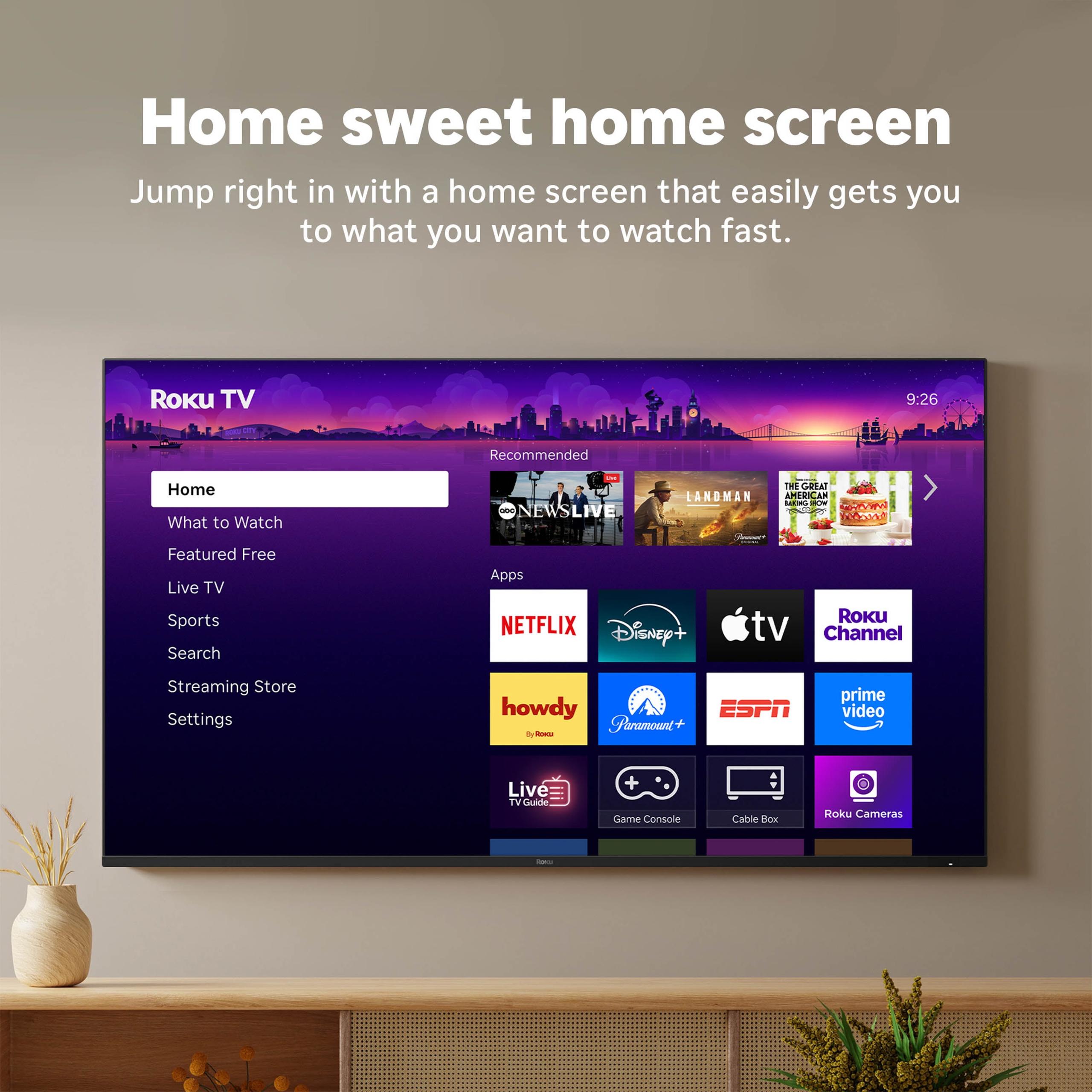
The Roku Pro Series 2025 runs Roku TV OS, which has evolved into one of the most streamlined smart TV interfaces available. The home screen presents a unified view of content across all your streaming services without overwhelming you with recommendations or advertisements. When you want to continue watching something, it's usually right there on the main screen.
More importantly for daily use, the Roku includes Wi-Fi 6 support and what appears to be appropriately powerful processing hardware. Apps launch quickly, navigation feels responsive, and the system rarely freezes or crashes according to user feedback.
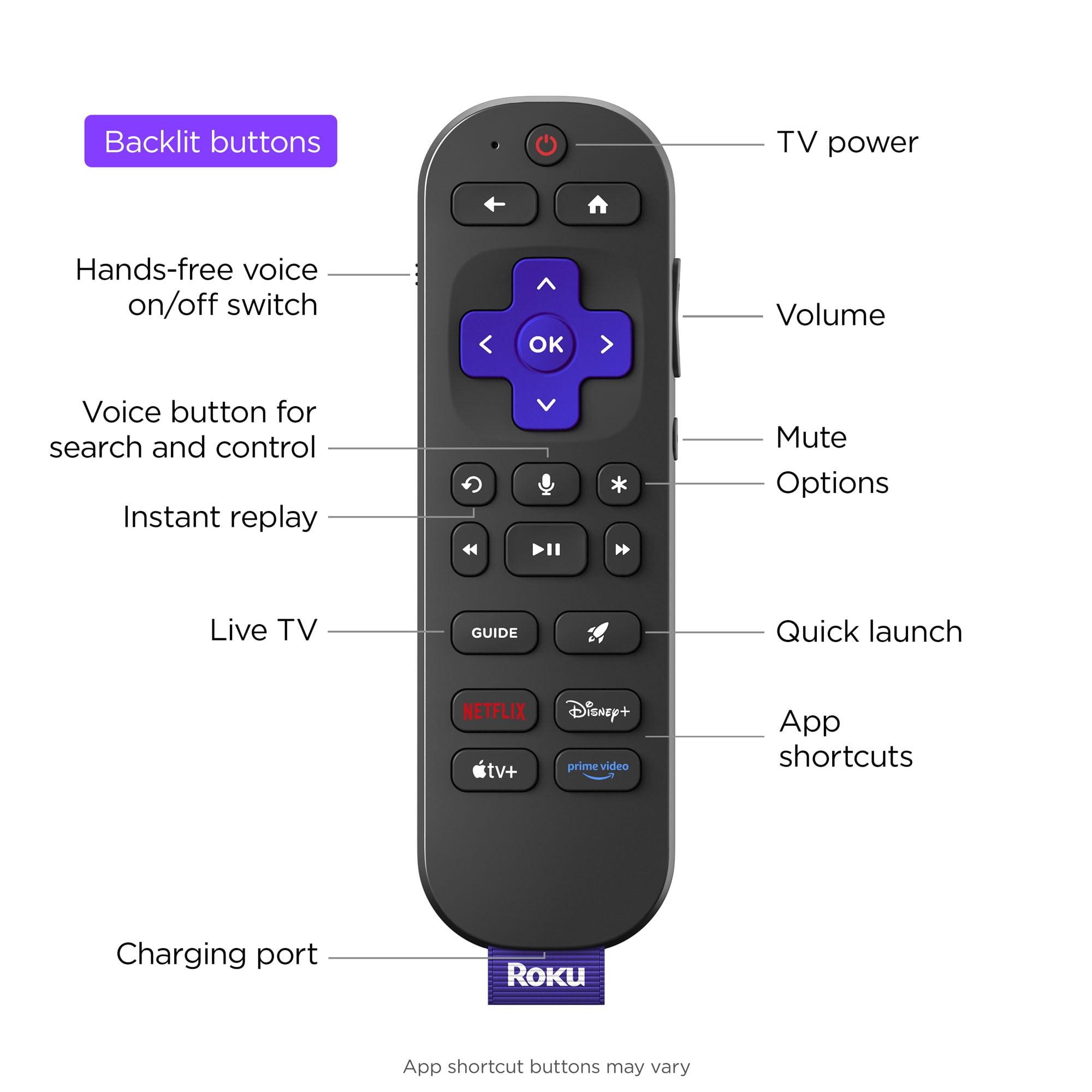
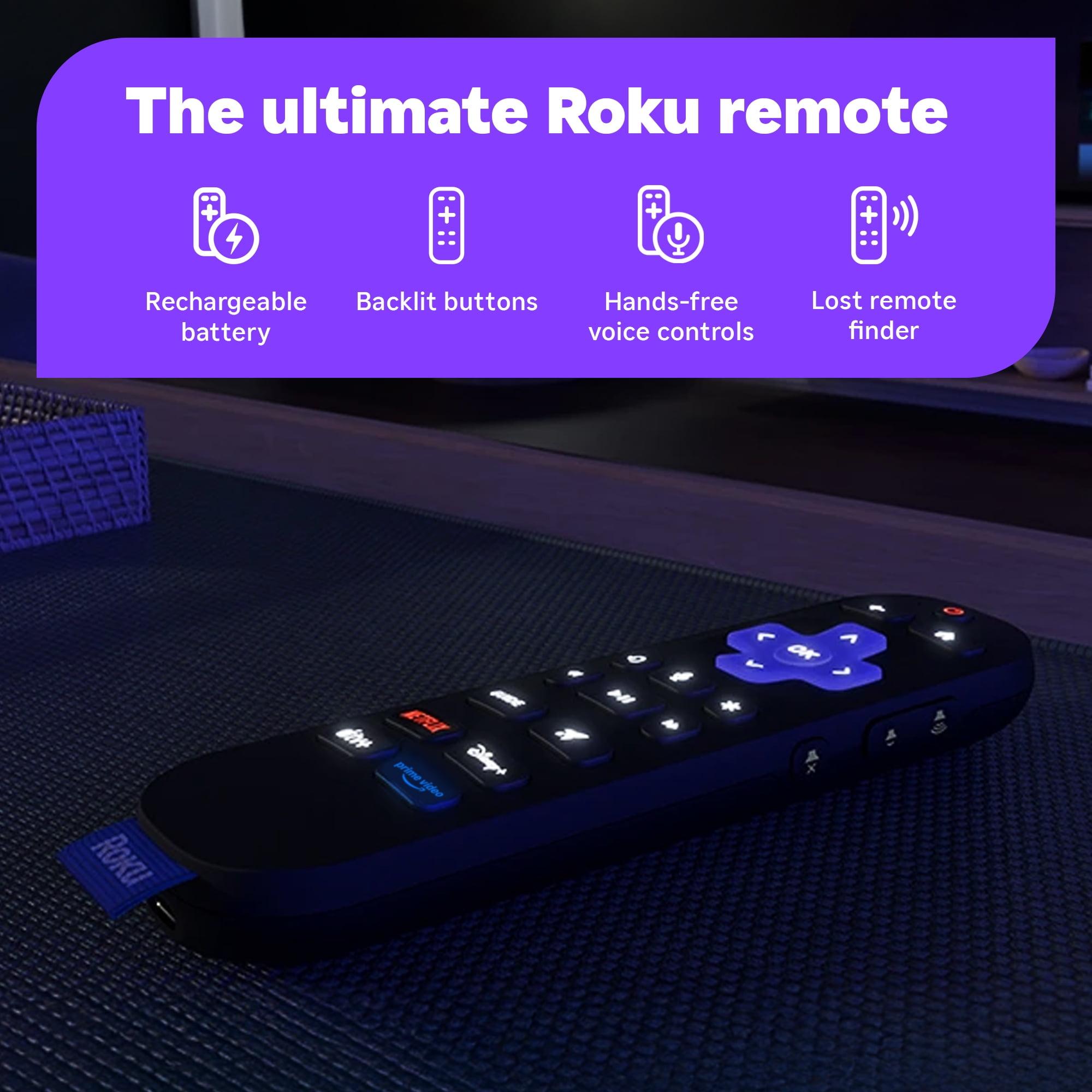
The included Voice Remote Pro deserves special mention. It's fully rechargeable (no more hunting for AAA batteries), includes backlit buttons for dark room viewing, and features a "find my remote" button on the TV itself that makes the remote beep when you've inevitably lost it in the couch cushions.
The Toshiba M550 runs Amazon's Fire TV platform, which offers deep integration with Amazon's ecosystem and excellent voice control through built-in Alexa microphones. You can control smart home devices, ask questions, and search for content using natural speech from across the room.
However, our research into user experiences reveals consistent complaints about Fire TV's performance on this particular model. The processor appears underpowered relative to the demands of the Fire TV interface, leading to frequent lag, app crashes, and frustrating wait times. Some users report it taking over a minute to launch apps or respond to remote commands.
Perhaps more frustrating, the Toshiba often boots directly to advertisements rather than your last-watched content, and some users report the TV spontaneously returning to the home screen during viewing. These software stability issues can turn a relaxing evening into a technical troubleshooting session.
Both TVs include Dolby Atmos support, which creates a more immersive audio experience by placing sounds in three-dimensional space around you. However, their approaches to built-in audio differ significantly.
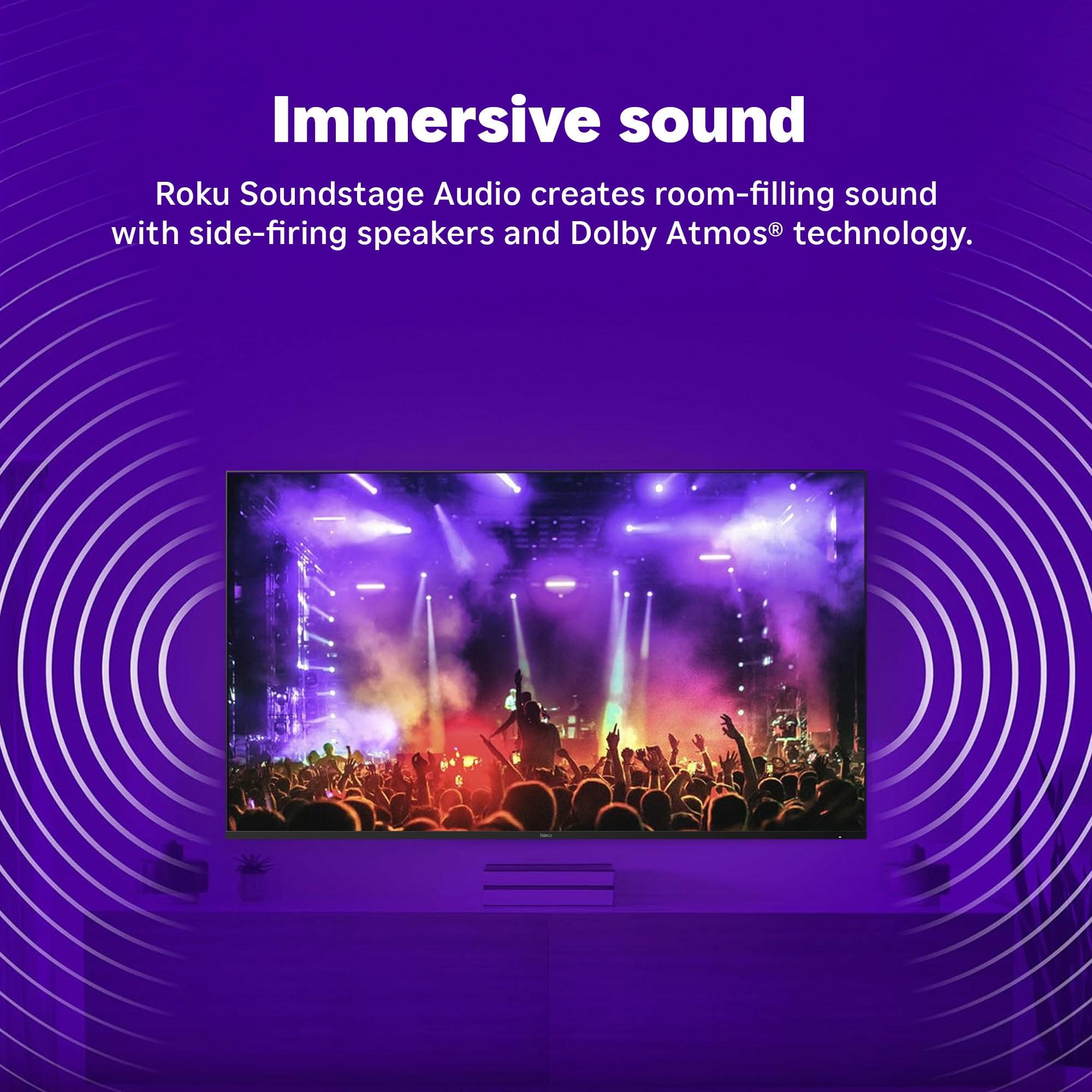
The Roku Pro Series 2025 features what Roku calls "Soundstage Audio" with side-firing speakers designed to bounce sound off your walls and create a wider soundscape. User reviews consistently praise the audio quality, with some noting that the bass response is strong enough to "rattle walls" without requiring a separate subwoofer.
The Toshiba M550 includes REGZA Power Audio Pro with a built-in subwoofer and dedicated clear direct speakers for dialogue. While this sounds impressive on paper, user feedback suggests the audio quality, while adequate, doesn't match the Roku's overall performance.
That said, both TVs produce significantly better sound than typical flat-panel displays. If you're upgrading from an older TV, you'll likely be pleasantly surprised by either option. For dedicated home theater setups, you'll probably want to add a soundbar or surround sound system regardless of which TV you choose.
At the time of writing, the price difference between these TVs is substantial - the Roku Pro Series 2025 costs roughly four times more than the Toshiba M550. This raises an important question: are the premium features worth the significant price increase?
The Roku justifies its premium pricing through several factors. Mini-LED technology typically appears in TVs costing significantly more from brands like Samsung or Sony. The comprehensive gaming feature set future-proofs your investment if you plan to upgrade to next-generation consoles. The stable, responsive smart platform reduces daily frustration and likely extends the TV's useful lifespan.
The Toshiba M550 represents exceptional value for budget-conscious buyers. You're getting genuine QLED technology, a 120Hz panel, HDR support, and Dolby Atmos at a fraction of typical QLED pricing. For many users, the performance limitations won't outweigh the substantial cost savings.
If you're setting up a dedicated home theater room, several factors become more important. The Roku Pro Series 2025 handles dark room viewing exceptionally well thanks to its mini-LED backlighting, which can produce true blacks without the gray wash that affects many LED TVs.
The superior gaming capabilities also matter more in home theater setups, where you're more likely to have high-end gaming equipment and want to maximize performance. The stable smart platform becomes crucial when you're demonstrating your setup to guests - technical glitches are particularly embarrassing in premium installations.
However, the Toshiba M550 could work well in secondary home theater spaces or family rooms where ultimate performance isn't the primary concern. The larger screen size and vibrant QLED colors still create an impressive viewing experience, particularly for cable TV and standard streaming content.
Choose the Roku Pro Series 2025 if you're a serious gamer who wants full next-generation console compatibility, if you frequently watch movies in bright rooms where maximum brightness matters, or if you value platform stability and premium build quality enough to justify the significant price premium. This TV makes sense for primary living room installations where it will see heavy daily use.
The Toshiba M550 makes more sense if you're budget-conscious but still want QLED technology, if your gaming needs are modest or focused on older consoles, or if you're buying for a secondary room where ultimate performance isn't critical. Despite its limitations, it delivers impressive picture quality for the price and represents genuine value in the large-screen TV market.
The decision ultimately comes down to whether the premium features of the Roku justify paying roughly four times more than the Toshiba. For many buyers, the answer will be no - the Toshiba provides 80% of the experience at 25% of the cost. But for enthusiasts who prioritize gaming performance, picture quality, and platform reliability, the Roku's premium pricing reflects genuinely superior technology and implementation.
Consider your viewing habits, gaming requirements, and budget constraints carefully. Both TVs serve their intended markets well, but they're designed for fundamentally different users with different priorities and expectations.
| Roku 65" Pro Series 2025 | Toshiba 65" M550 Series |
|---|---|
| Display Technology - Determines picture quality and contrast performance | |
| Mini-LED QLED with thousands of dimming zones | Traditional LED QLED with 48 dimming zones |
| Peak Brightness - Critical for HDR content and bright room viewing | |
| 1,750+ nits (excellent for daytime viewing) | ~600-800 nits (adequate for most conditions) |
| Gaming Support - Essential for PS5/Xbox Series X owners | |
| 4K@120Hz, HDMI 2.1, 5.2ms input lag, FreeSync Premium Pro | 4K@60Hz only, no HDMI 2.1, higher input lag |
| Smart Platform - Affects daily usability and app performance | |
| Roku TV OS with Wi-Fi 6 (fast, stable) | Fire TV with Alexa (feature-rich but slower performance) |
| HDR Formats - Determines compatibility with premium streaming content | |
| Dolby Vision IQ, HDR10+, HDR10, HLG | Dolby Vision, HDR10+, HDR10, HLG |
| Audio Quality - Important if not using external speakers | |
| Soundstage Audio with side-firing speakers, highly rated | REGZA Power Audio Pro with subwoofer, adequate quality |
| Remote Control - Daily convenience factor | |
| Rechargeable Voice Remote Pro with backlit keys and finder function | Standard Fire TV remote |
| Build Quality - Affects longevity and premium feel | |
| Premium metal construction with slim bezels | Standard plastic construction |
| Motion Handling - Important for sports and action content | |
| Excellent with mini-LED precision | Reported stuttering and ghosting in fast scenes |
| Price Category - Value positioning at time of writing | |
| Premium pricing (flagship tier) | Budget pricing (heavily discounted from launch) |
| Best For - Target user profile | |
| Serious gamers, bright rooms, premium experience seekers | Budget-conscious buyers, casual viewing, secondary rooms |
The Roku 65" Pro Series 2025 delivers superior picture quality thanks to its mini-LED backlighting technology with thousands of dimming zones, compared to the Toshiba 65" M550 Series which uses traditional LED backlighting with 48 zones. The Roku achieves much higher peak brightness (1,750+ nits) and better contrast, making HDR movies more impactful. However, the Toshiba still offers solid QLED color performance at a much lower price point.
The Roku 65" Pro Series 2025 is significantly better for next-gen gaming, offering 4K@120Hz support, HDMI 2.1 ports, and ultra-low 5.2ms input lag with FreeSync Premium Pro. The Toshiba 65" M550 Series lacks HDMI 2.1 and is limited to 4K@60Hz gaming, despite having a 120Hz panel. For serious gamers with modern consoles, the Roku is the clear choice.
The Roku 65" Pro Series 2025 runs Roku TV OS, which is known for its clean, fast interface and excellent app performance. The Toshiba 65" M550 Series uses Amazon Fire TV with built-in Alexa, offering deeper voice control but suffering from slower performance and frequent app crashes according to user reviews. The Roku provides a more reliable daily experience.
The Roku 65" Pro Series 2025 features Soundstage Audio with side-firing speakers that receive consistently high ratings for bass response and overall clarity. The Toshiba 65" M550 Series includes REGZA Power Audio Pro with a built-in subwoofer, which is adequate but doesn't match the Roku's audio performance. Both support Dolby Atmos for enhanced spatial audio.
The Toshiba 65" M550 Series offers exceptional value, providing QLED technology and 4K HDR at a heavily discounted price point. The Roku 65" Pro Series 2025 costs significantly more but justifies the premium with mini-LED technology, superior gaming features, and better build quality. Your choice depends on whether premium features are worth the substantial price difference.
The Roku 65" Pro Series 2025 excels in bright rooms thanks to its high peak brightness capability, maintaining vibrant HDR content even with ambient light. The Toshiba 65" M550 Series has adequate brightness for most lighting conditions but may struggle in very bright environments. For rooms with large windows or daytime viewing, the Roku provides better visibility.
The Roku 65" Pro Series 2025 offers excellent motion handling with its advanced processing and mini-LED precision. The Toshiba 65" M550 Series has reported issues with stuttering and ghosting during fast-moving scenes, which can be distracting for sports viewing. The Roku provides smoother motion performance overall.
Both TVs support major HDR formats including Dolby Vision, HDR10+, HDR10, and HLG. However, the Roku 65" Pro Series 2025 includes Dolby Vision IQ, which automatically adjusts picture settings based on room lighting conditions. The Toshiba 65" M550 Series supports standard Dolby Vision but lacks the IQ enhancement feature.
The Roku 65" Pro Series 2025 includes a rechargeable Voice Remote Pro with backlit buttons and a remote finder function activated by a button on the TV. The Toshiba 65" M550 Series comes with a standard Fire TV remote. The Roku's premium remote offers significantly better convenience features for daily use.
The Roku 65" Pro Series 2025 generally receives positive reviews for stability and performance. The Toshiba 65" M550 Series has documented issues with slow app performance, frequent system freezes, and the processor being underpowered for the Fire TV platform. The Roku offers more reliable long-term performance.
For home theaters, the Roku 65" Pro Series 2025 is the superior choice due to its mini-LED technology providing true blacks in dark rooms, comprehensive gaming features, and stable smart platform. The Toshiba 65" M550 Series can work in secondary theater spaces but may disappoint in premium installations due to performance limitations and reliability concerns.
Choose the Toshiba 65" M550 Series if you want QLED technology at an exceptional price for casual viewing and don't need advanced gaming features. Select the Roku 65" Pro Series 2025 if you're a serious gamer, prioritize picture quality, need reliable performance for daily use, or want a TV that will remain current longer. The Roku offers genuinely superior technology but at a significant premium.
We've done our best to create useful and informative comparisons to help you decide what product to buy. Our research uses advanced automated methods to create this comparison and perfection is not possible - please contact us for corrections or questions. These are the sites we've researched in the creation of this article: bestbuy.com - rtings.com - techradar.com - youtube.com - roku.com - youtube.com - walmart.com - bestbuy.com - youtube.com - electronicexpress.com - roku.com - pcvarge.com - ecoustics.com - bestbuy.com - bestbuy.com - consumerreports.org - youtube.com - pcvarge.com - tomsguide.com - youtube.com - bestbuy.com - toshibatv-usa.com - marketplace-staging.paytomorrow.com - toshibatv-usa.com - productabout.com - leaseville.com - youtube.com - toshibatv-usa.com

Privacy Policy
Terms and Conditions - Affiliate Policy
Home Security
© Copyright 2008-2026.
11816 Inwood Rd #1211, Dallas, TX 75244