

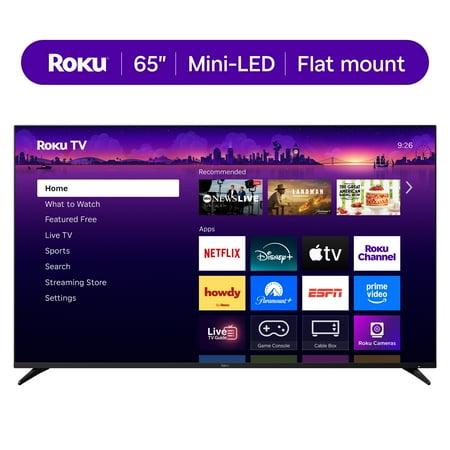
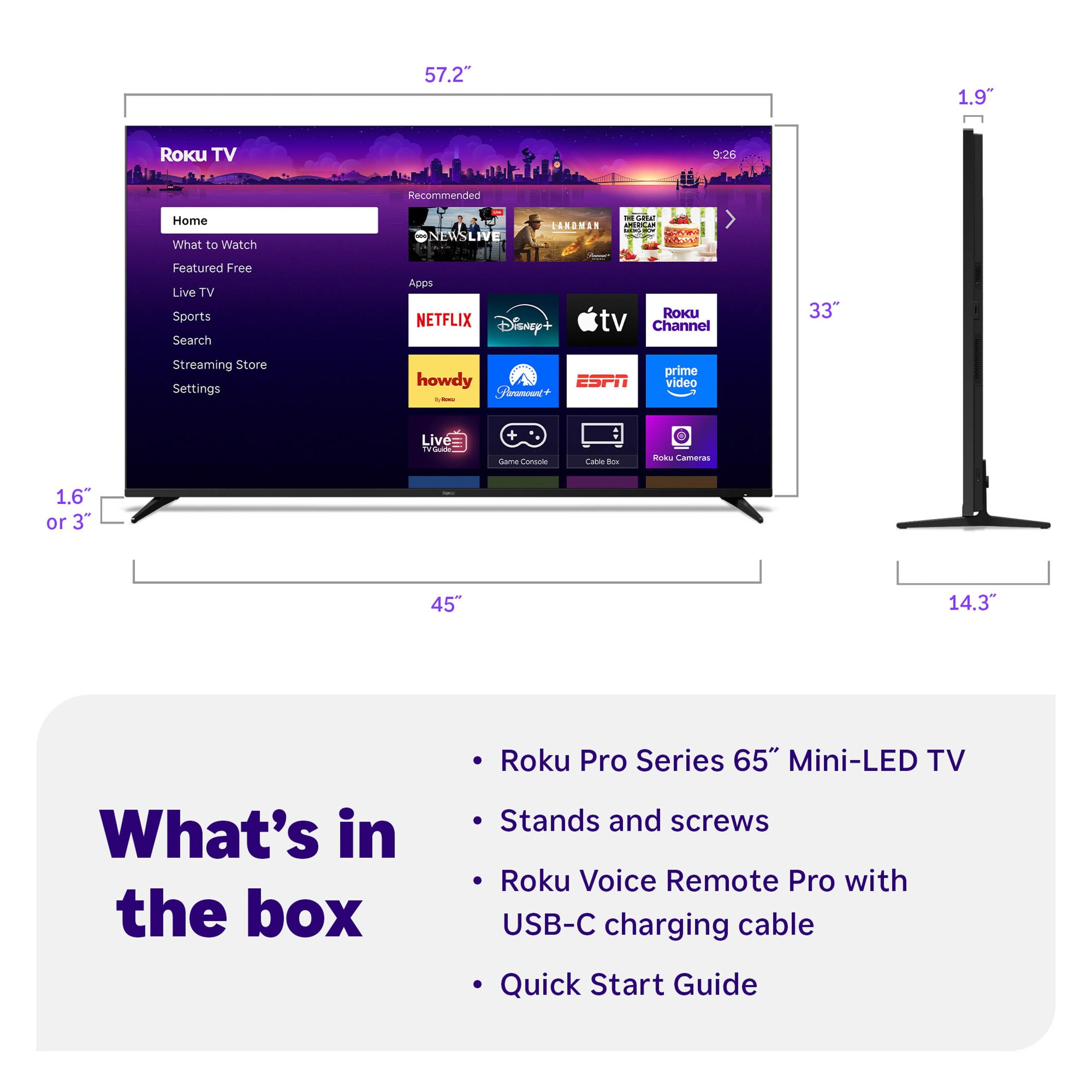
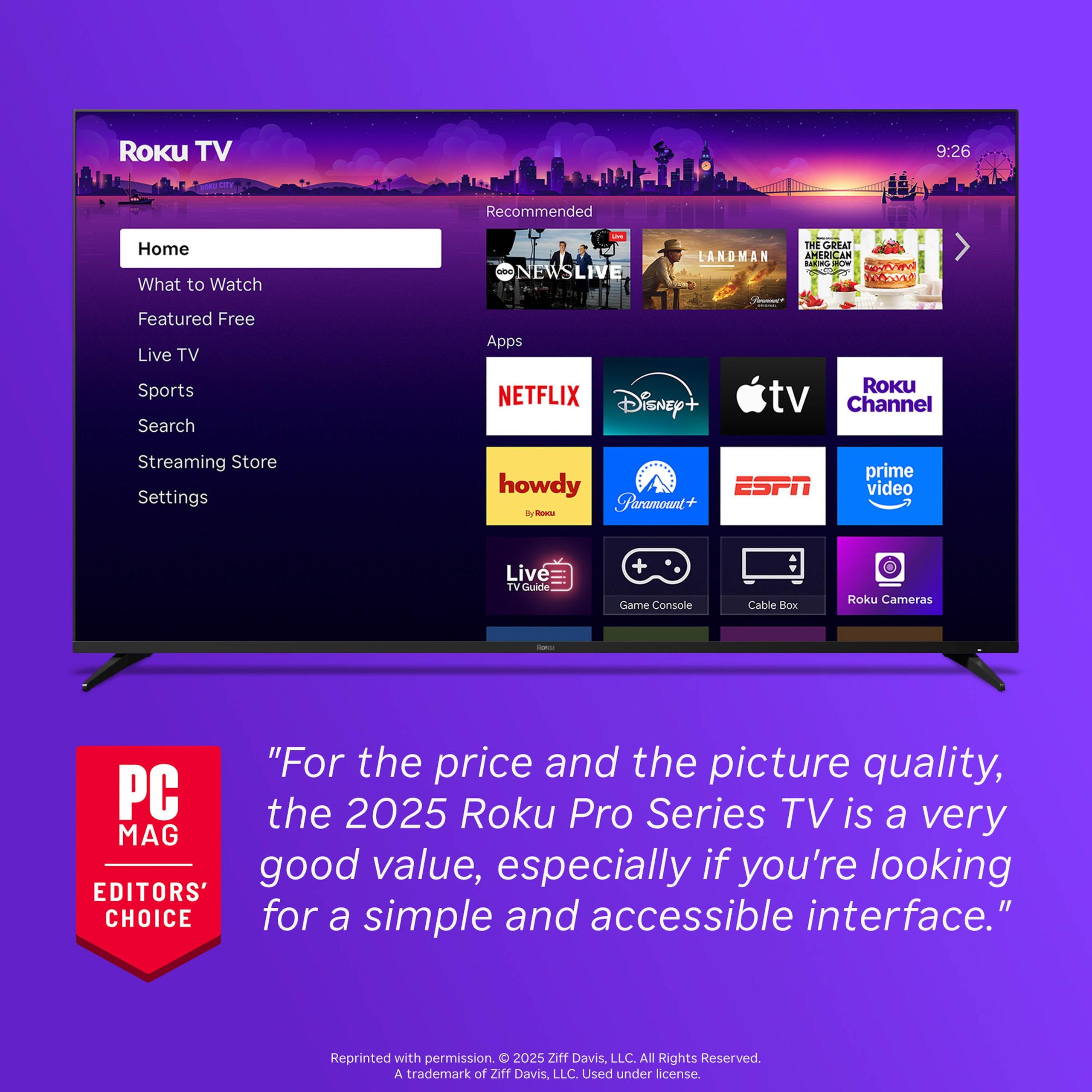
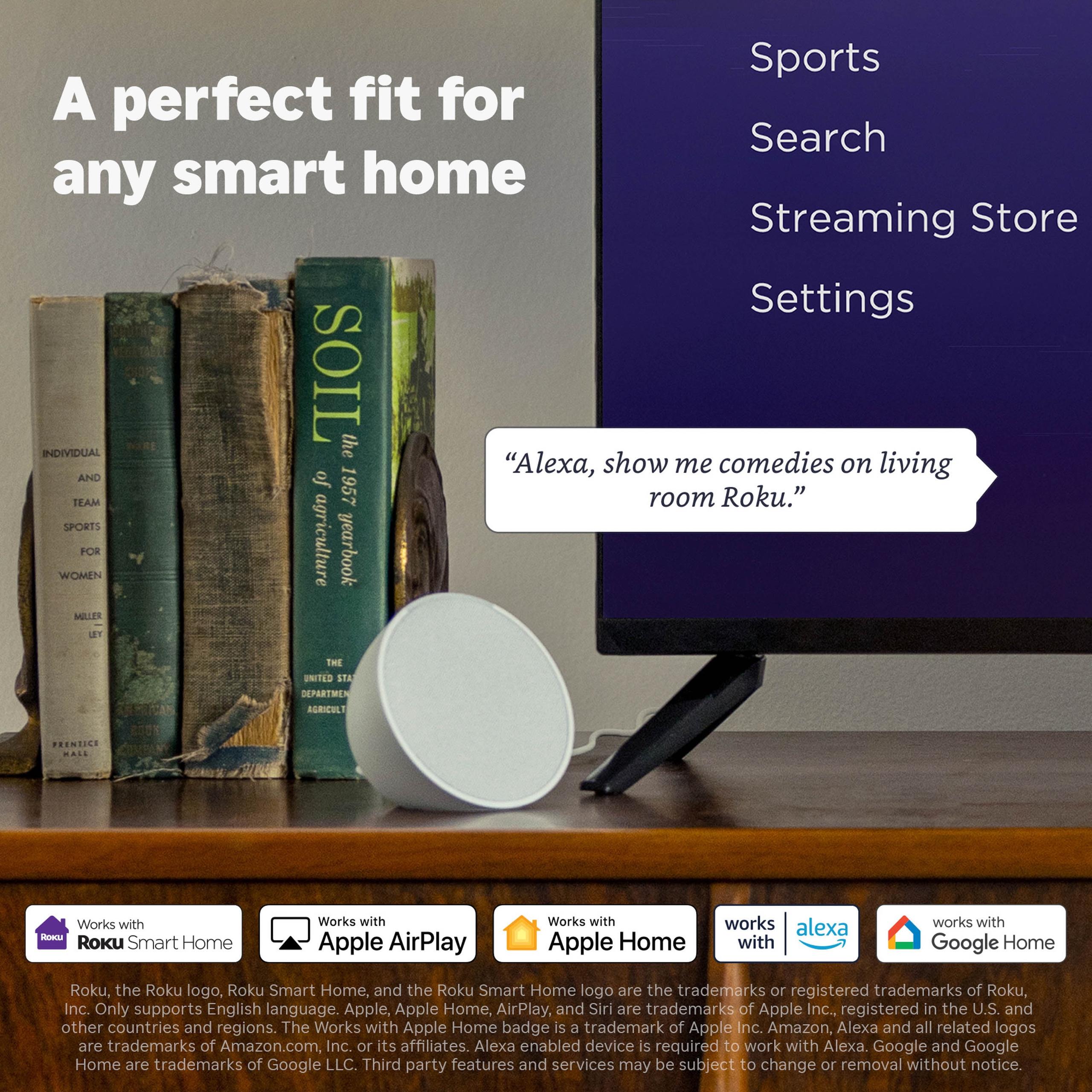
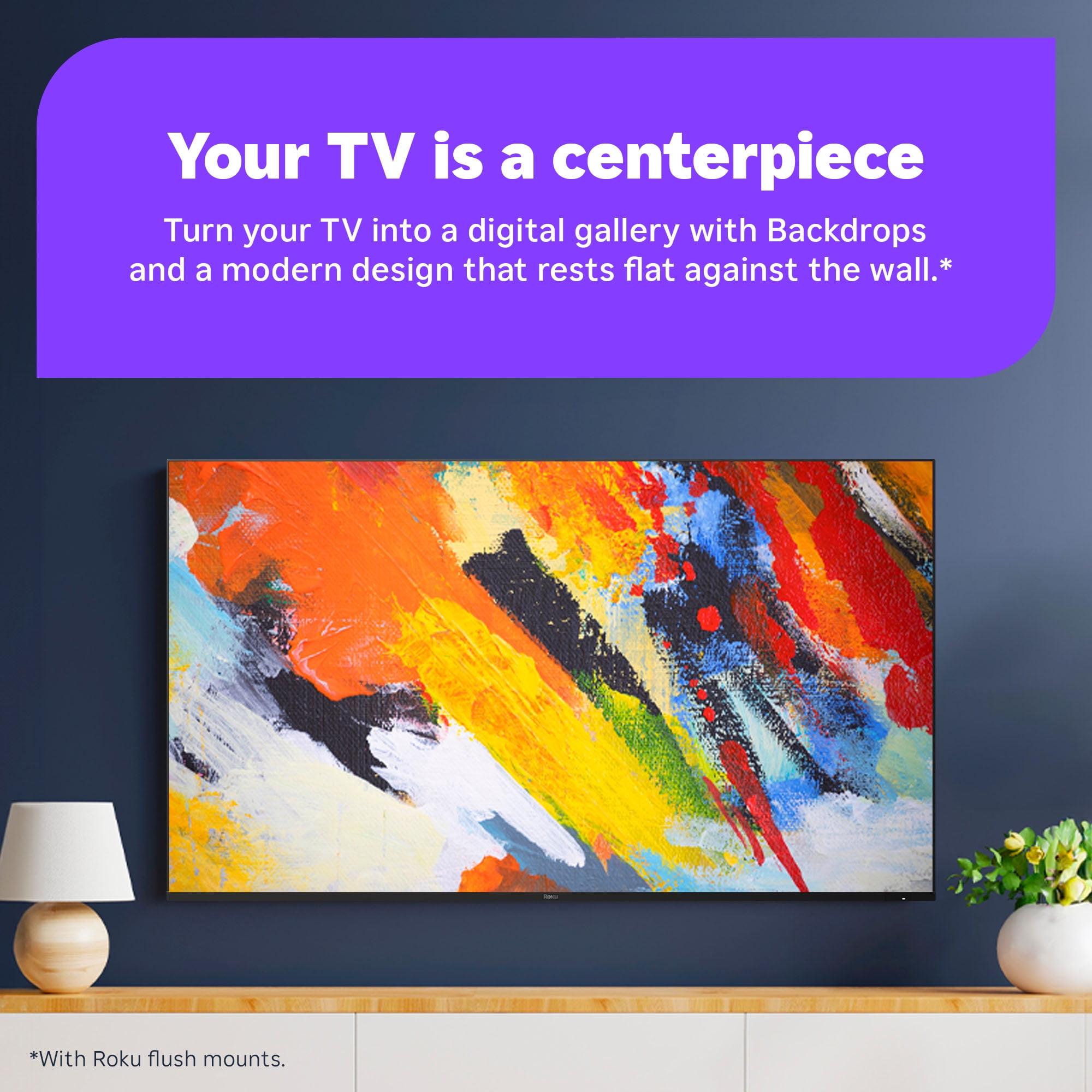
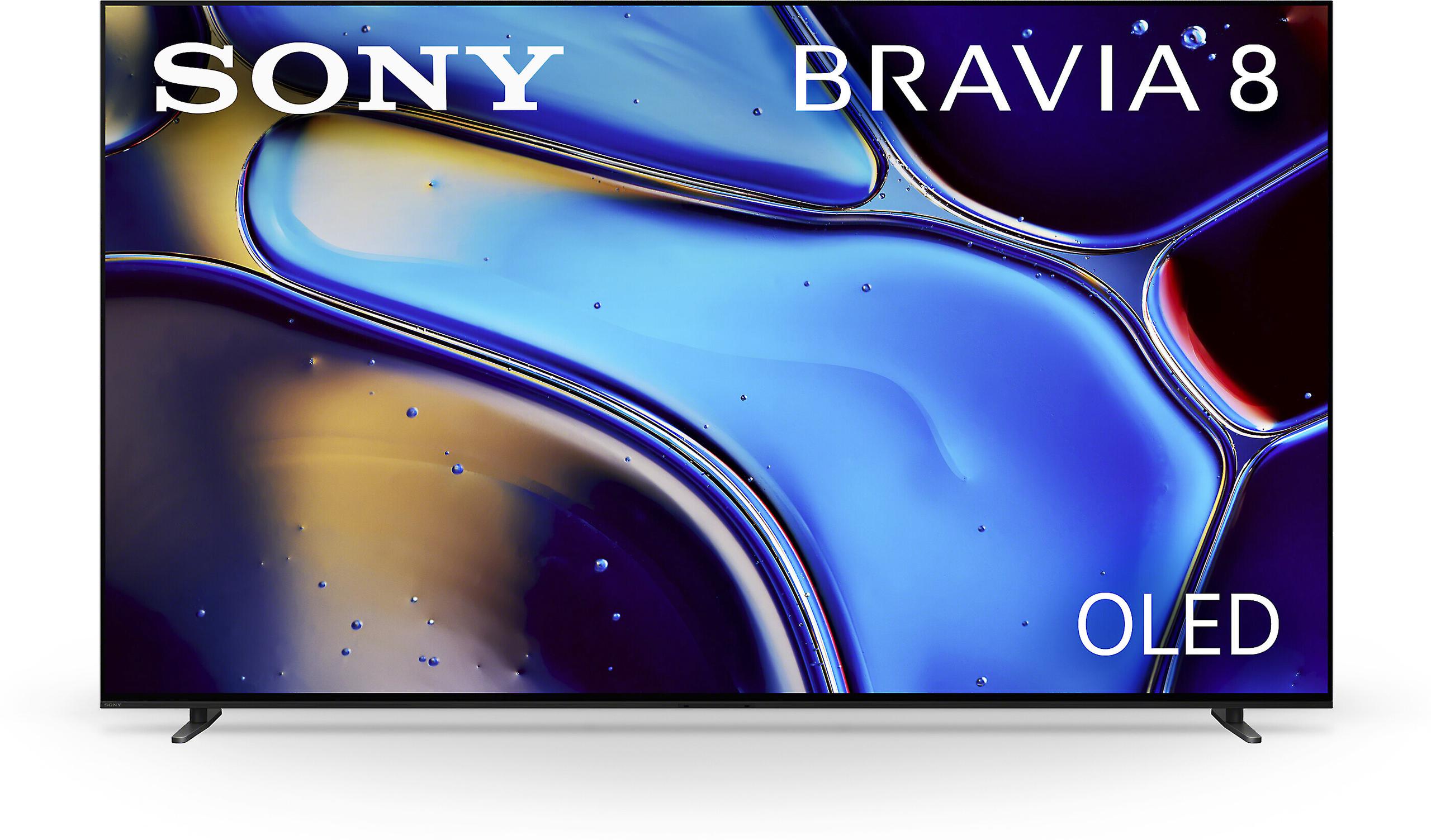
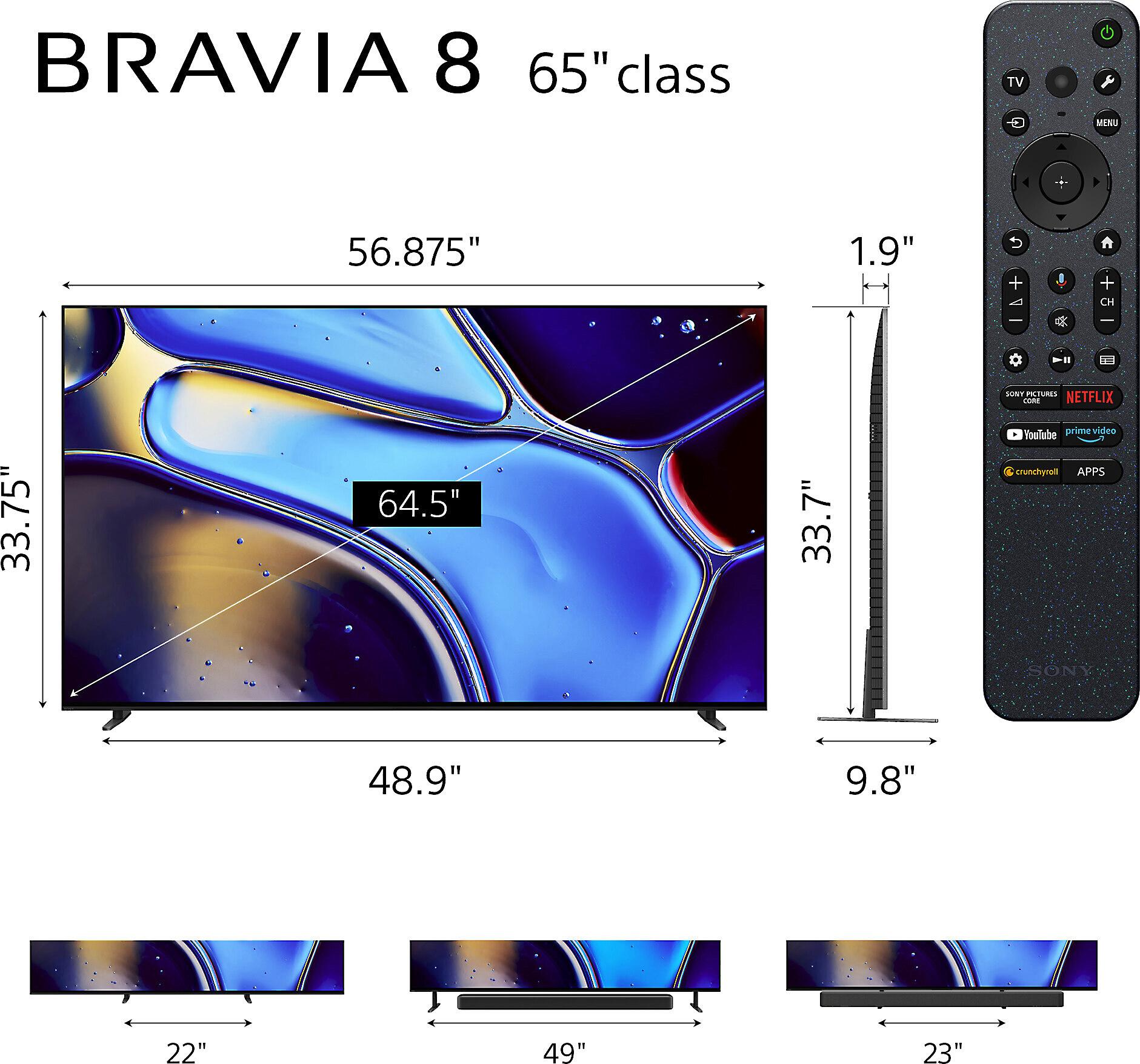
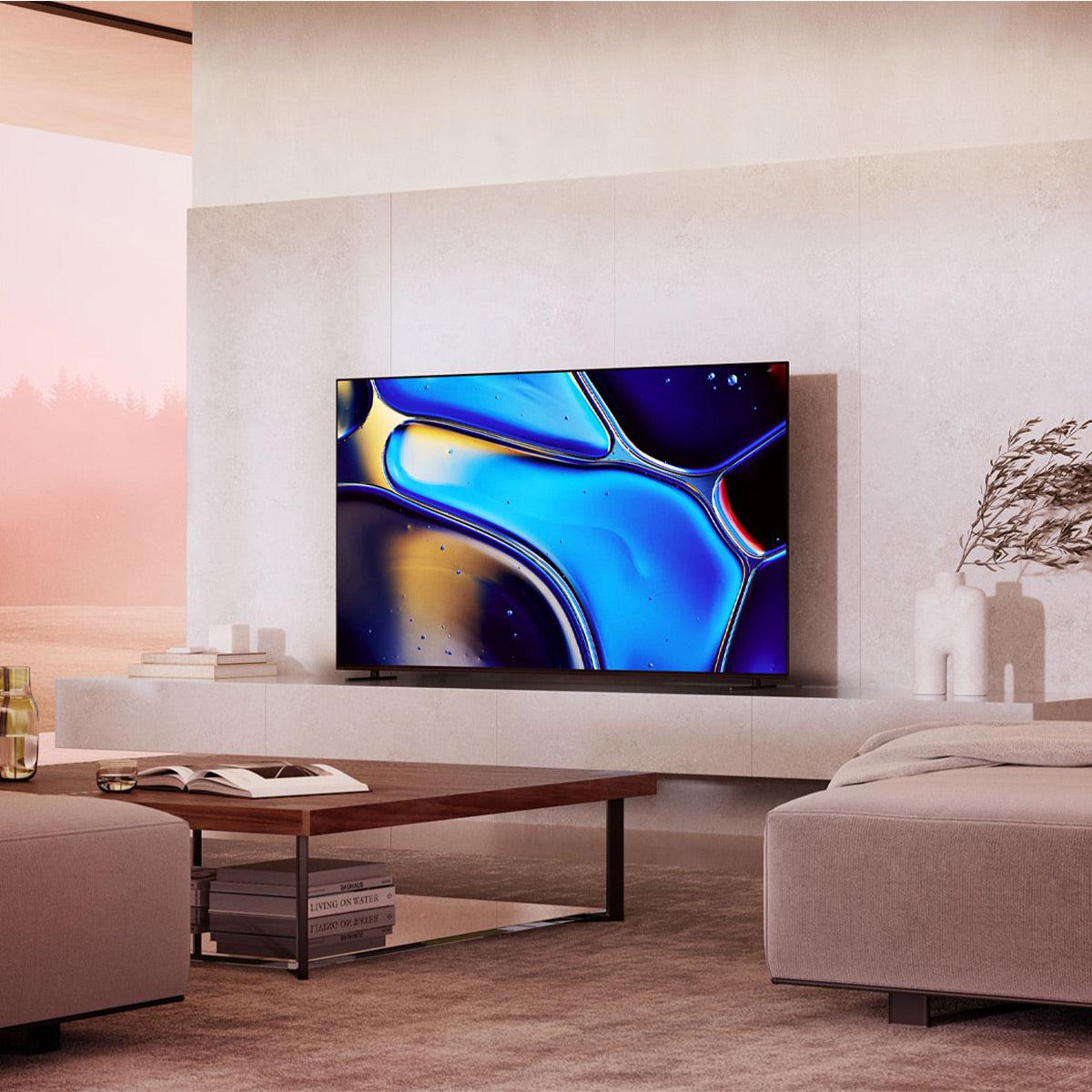
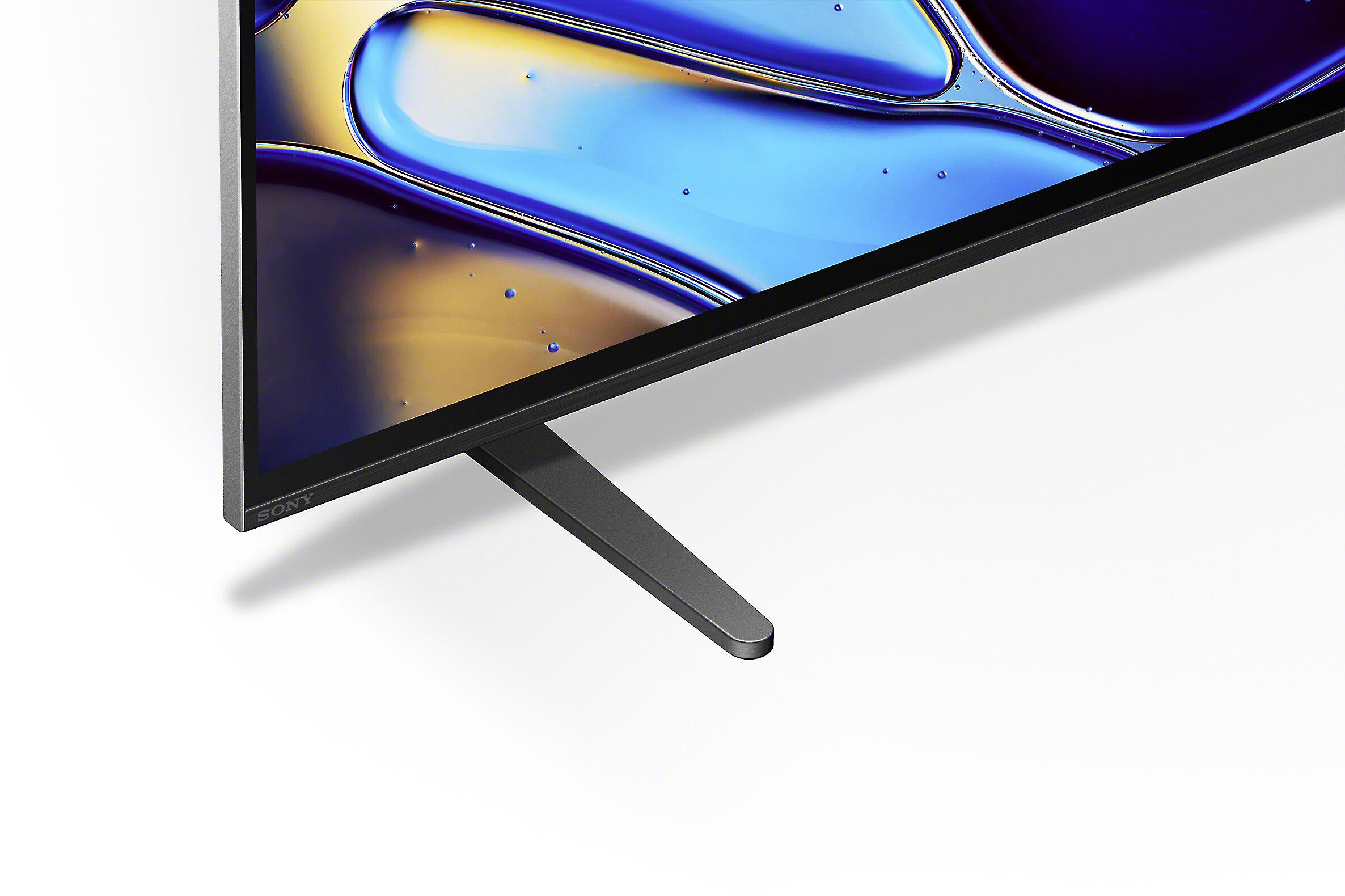
If you're shopping for a premium 65-inch TV, you've probably noticed two compelling options that represent very different approaches to picture quality: the Roku 65" Pro Series 2025 with its Mini-LED QLED technology, and the Sony BRAVIA 8 65" 4K OLED with its self-lit OLED display. Both launched in their respective years as flagship models—the Roku Pro Series arriving in 2025 with significant improvements over previous generations, while the Sony BRAVIA 8 debuted in 2024 as Sony's answer to the competitive OLED market.
At the time of writing, these TVs sit in similar price ranges but offer distinctly different experiences. The Roku Pro Series typically costs several hundred dollars less while packing in more gaming features and superior built-in audio. The Sony BRAVIA 8 commands a premium for its OLED technology and Sony's renowned picture processing. Understanding which approach works better for your specific situation can save you money and ensure you get the viewing experience you actually want.
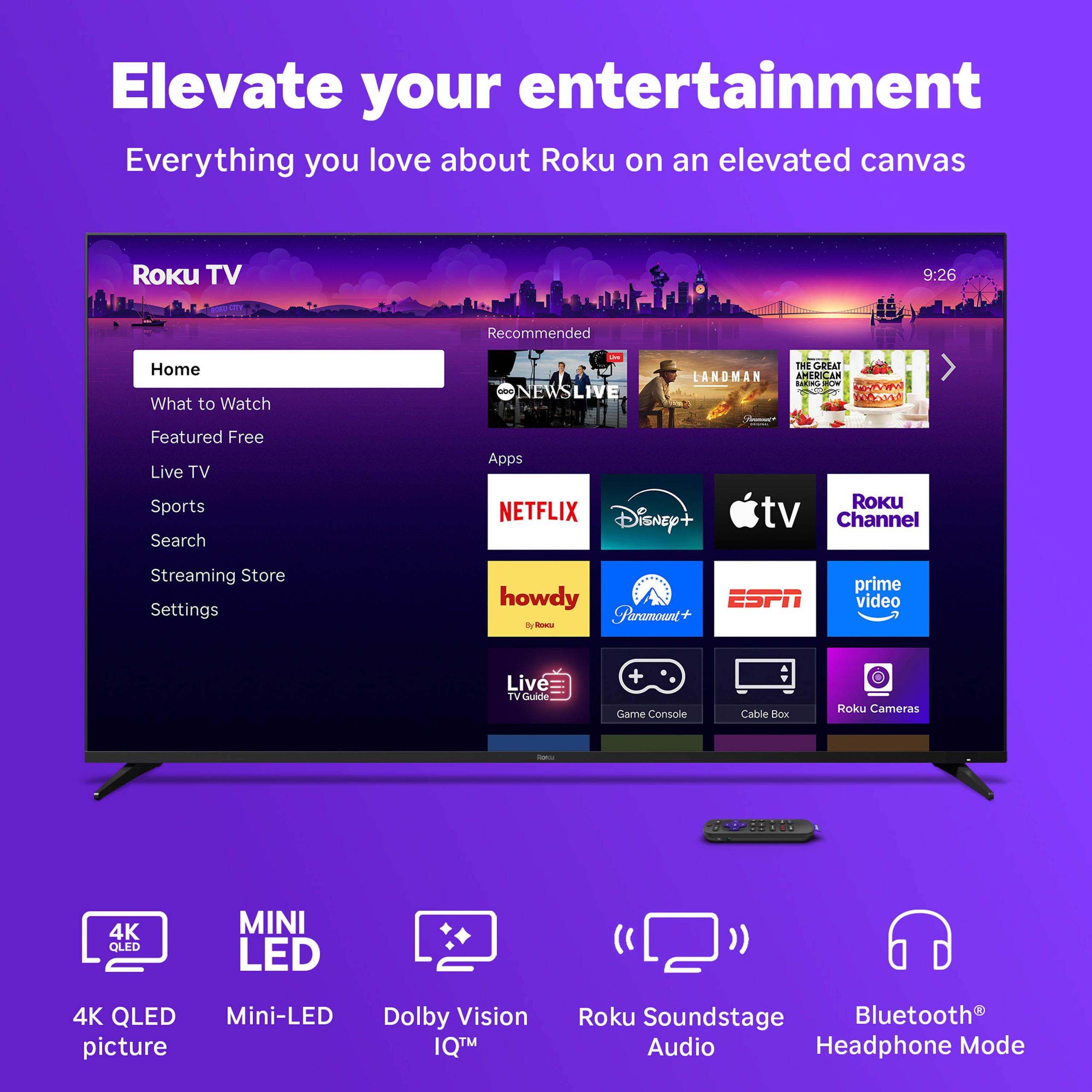
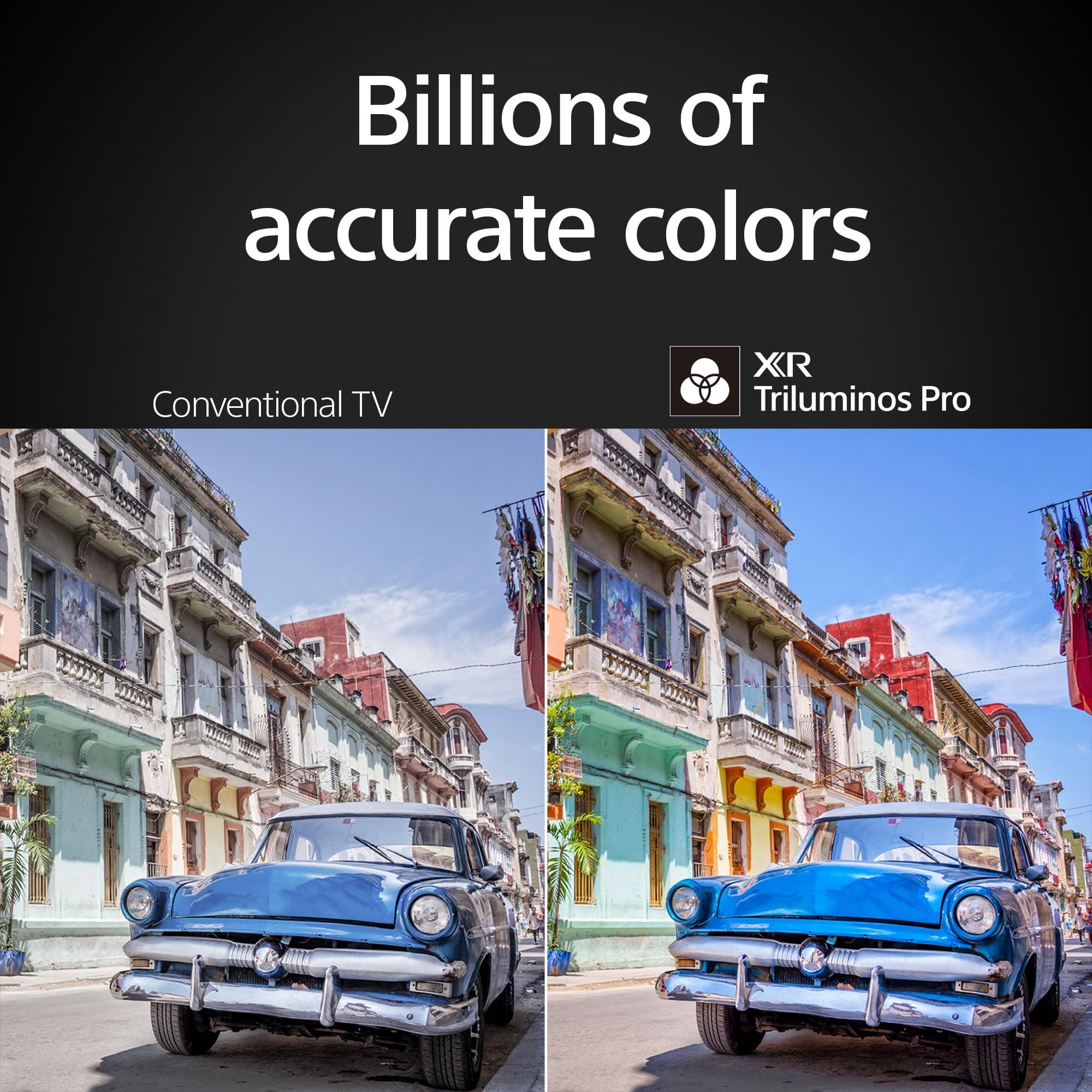
The fundamental difference between these TVs lies in how they create light and color. The Roku Pro Series 2025 uses Mini-LED backlighting combined with QLED (Quantum Dot Light Emitting Diode) technology. Think of this as thousands of tiny LED lights behind the screen that can dim or brighten in specific zones, while quantum dots—microscopic particles that glow when hit by light—enhance color reproduction. This system delivers exceptional brightness, with peak levels reaching over 1,800 nits, which is roughly three times brighter than most standard TVs.
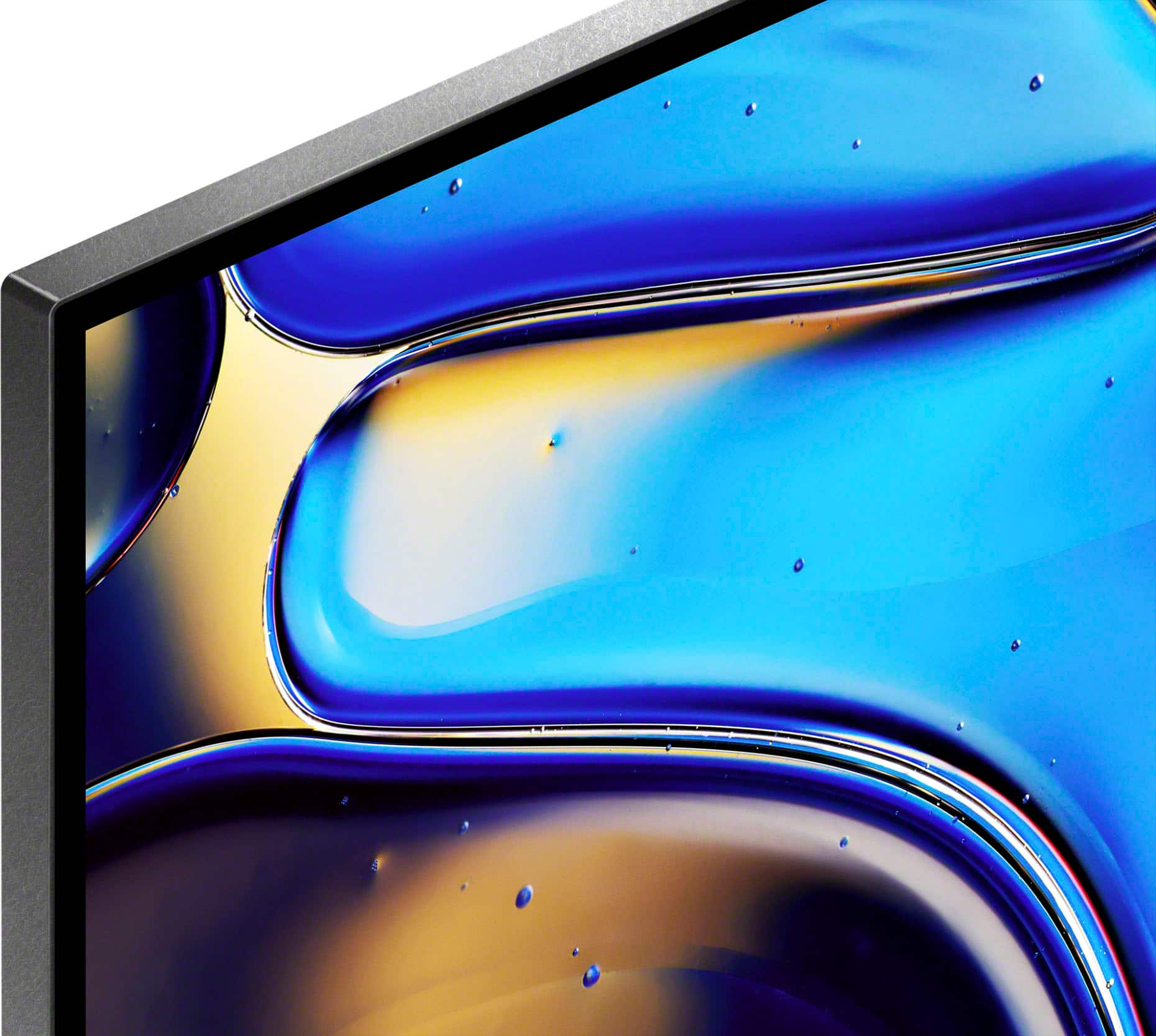
The Sony BRAVIA 8, meanwhile, uses OLED (Organic Light Emitting Diode) technology where each of the 8.3 million pixels generates its own light. When a pixel needs to be black, it simply turns off completely, creating what's called "infinite contrast"—the difference between the brightest whites and darkest blacks. This is why OLED TVs are famous for their inky black levels that make dark movie scenes look incredibly realistic.
Both approaches have clear advantages. The Roku's Mini-LED system excels in bright rooms where sunlight or lamps might wash out darker displays. Our research into user experiences consistently shows the Roku maintaining vibrant colors and deep blacks even under ambient lighting, while many competitors struggle in these conditions. The OLED in the Sony BRAVIA 8 shines in darker environments where its perfect blacks and precise contrast create an almost three-dimensional viewing experience.
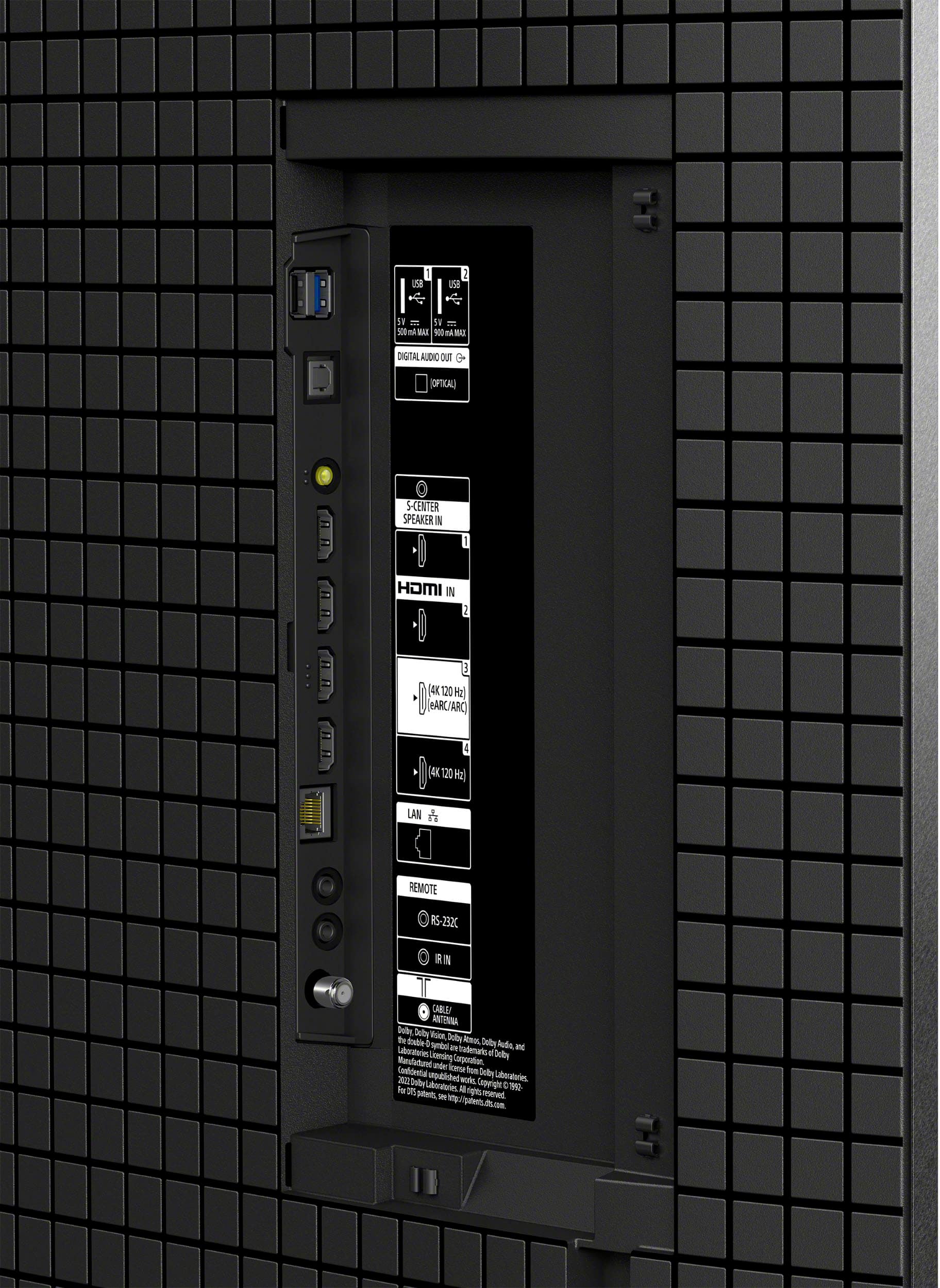
For gaming enthusiasts, the technical specifications reveal significant differences. The Roku Pro Series 2025 includes two HDMI 2.1 ports capable of 4K resolution at 120Hz refresh rate—essential for getting the most out of PlayStation 5 and Xbox Series X consoles. More importantly, it supports AMD FreeSync Premium Pro, which synchronizes the TV's refresh rate with your console's frame rate to eliminate screen tearing (those annoying horizontal lines that appear during fast motion).
The gaming advantages extend to input lag, which measures the delay between pressing a button and seeing the action on screen. The Roku achieves input lag as low as 5.2 milliseconds at 120Hz, which is exceptional for competitive gaming. Most gamers won't notice input lag below 20ms, so the Roku's performance puts it in the professional gaming category.
The Sony BRAVIA 8 offers solid gaming features including 4K at 120Hz and Variable Refresh Rate (VRR) support, plus special optimization for PlayStation 5 with Auto HDR Tone Mapping. However, it lacks FreeSync support and typically has higher input lag than the Roku. For casual gaming, these differences matter less, but competitive gamers and those who game several hours daily will appreciate the Roku's superior responsiveness.
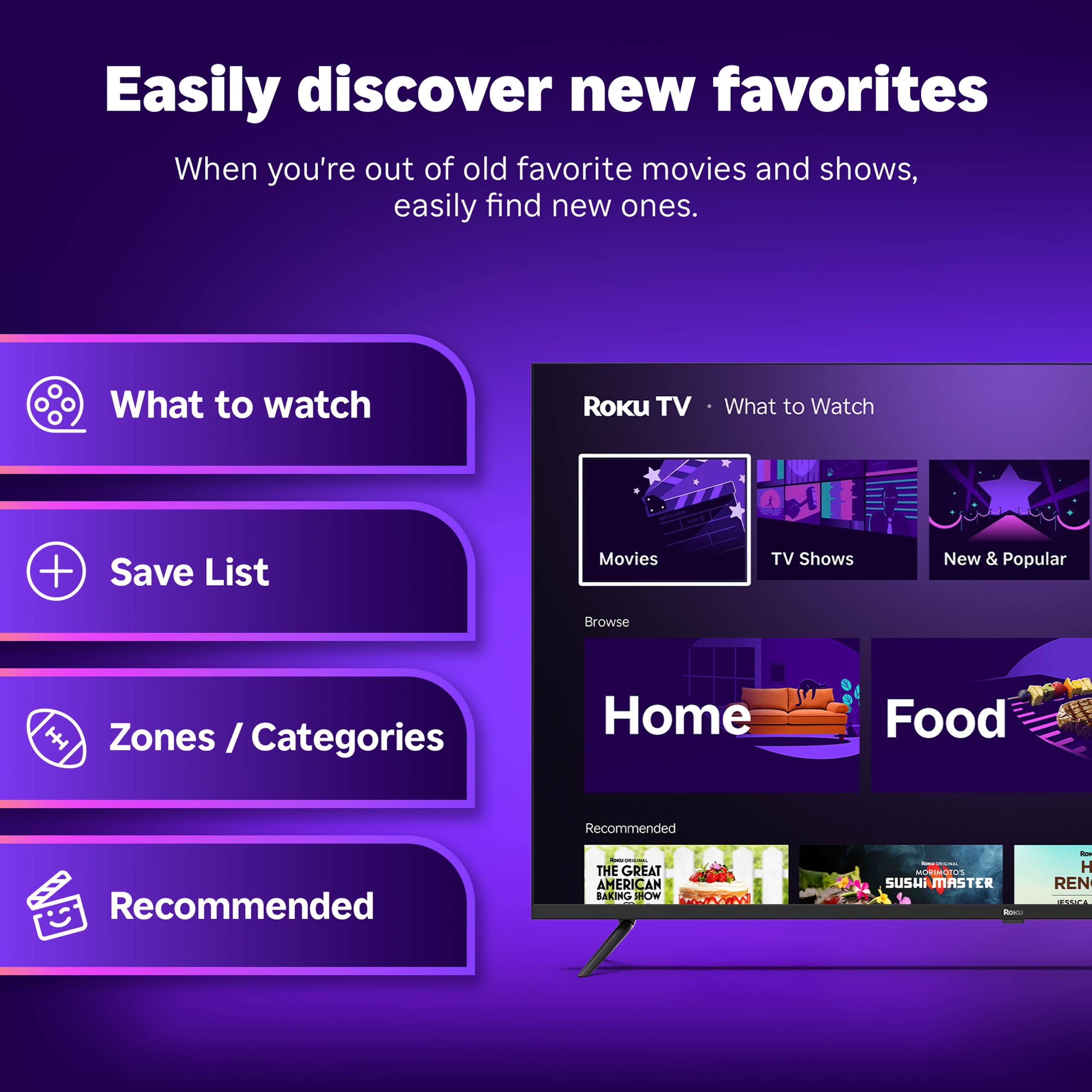
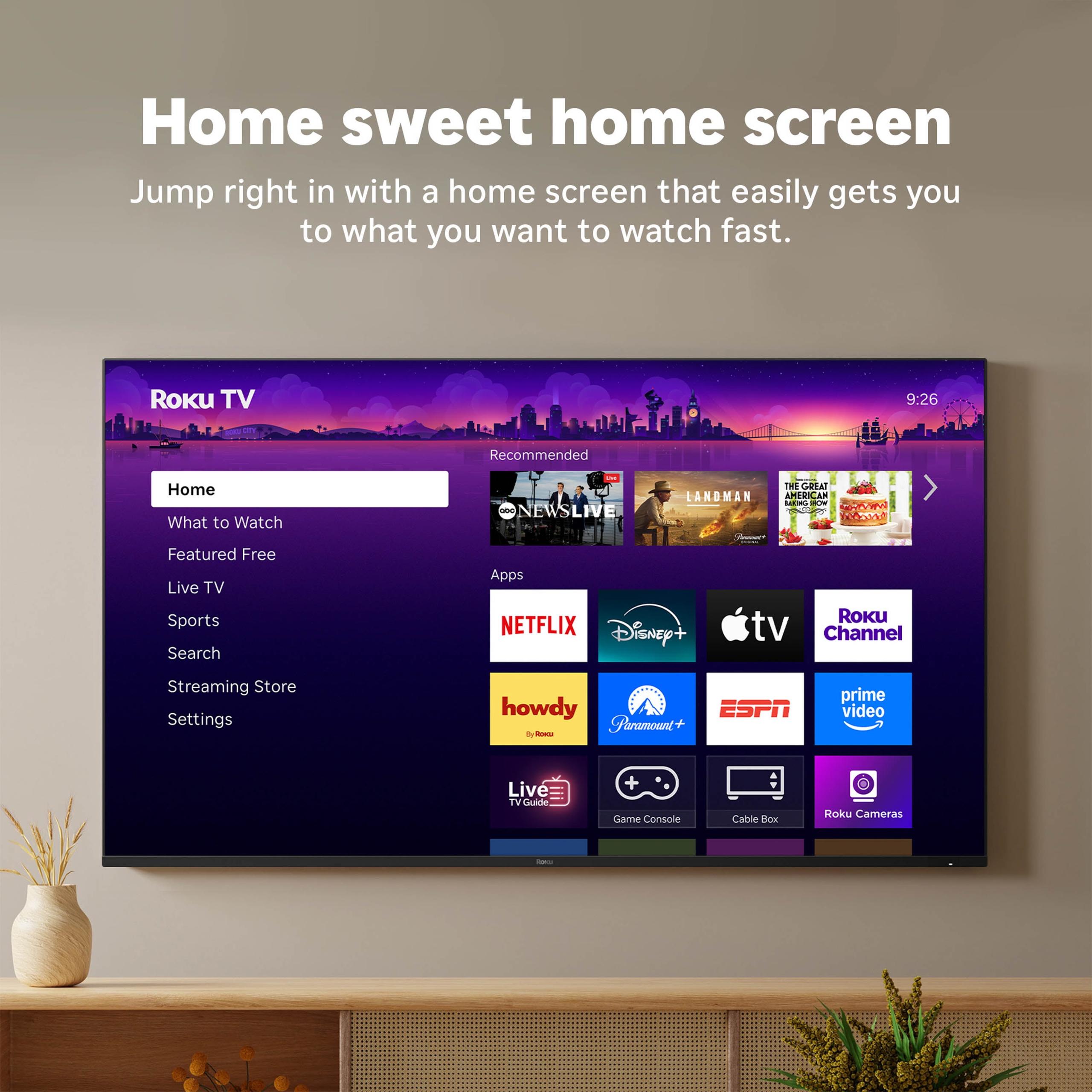
The smart TV experience differs dramatically between these models. The Roku Pro Series runs Roku TV OS, which has built a reputation for reliability and simplicity over nearly a decade. The interface presents all your streaming apps, live TV, and content recommendations in a clean, unified home screen. Roku's platform rarely crashes or requires restarts, and with Wi-Fi 6 connectivity, app launches are notably faster than previous generations.
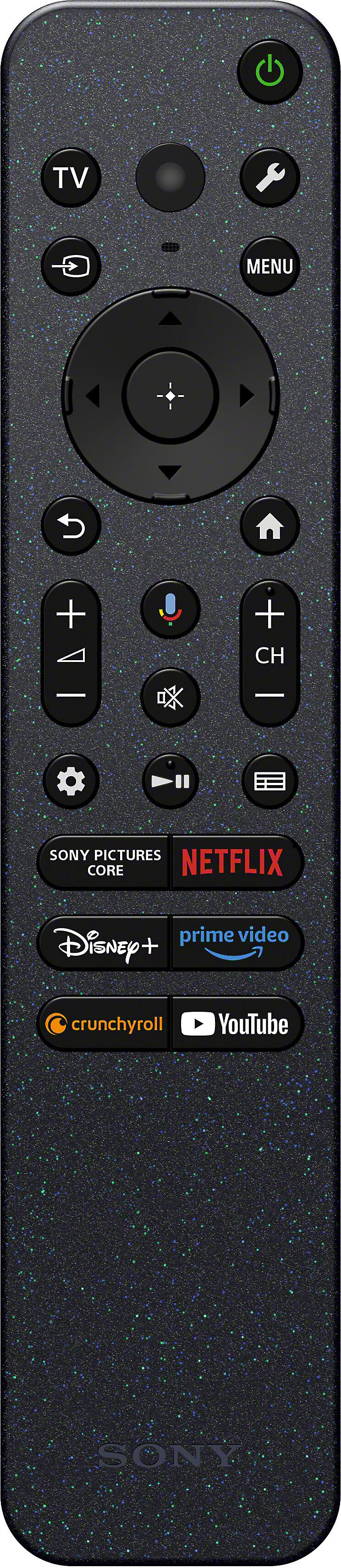
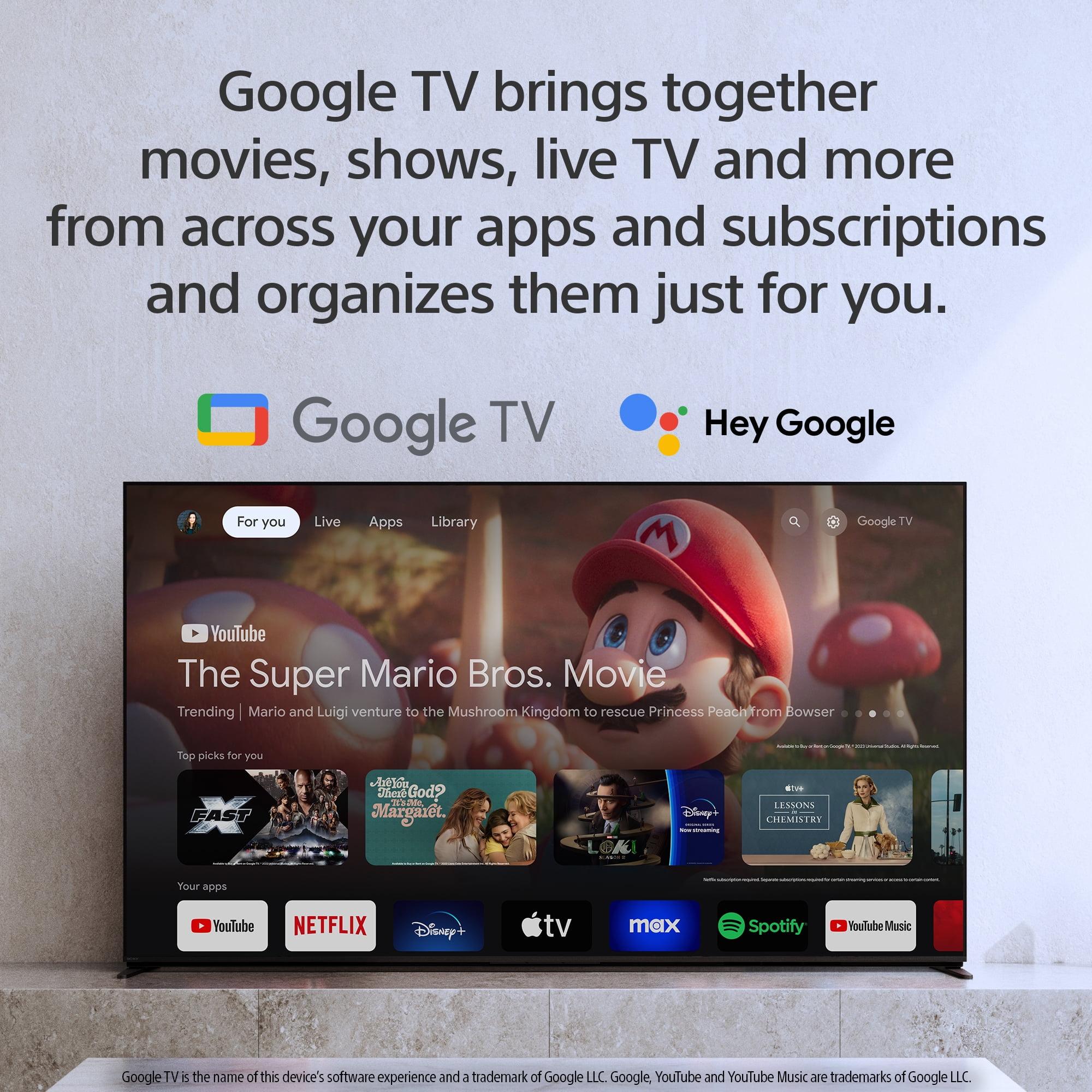
The Sony BRAVIA 8 uses Google TV, which offers deeper integration with Google services and more sophisticated content recommendations based on your viewing habits. It includes built-in Chromecast for seamless streaming from phones and tablets, plus Apple AirPlay 2 support. However, Google TV can feel more complex to navigate, especially for users who prefer straightforward interfaces.
From a long-term perspective, Roku's track record for platform updates and continued support gives it an edge. Many users report their Roku TVs receiving meaningful feature updates years after purchase, while some smart TV platforms become sluggish or outdated over time.
The picture quality debate centers on two different philosophies. The Roku Pro Series 2025 prioritizes brightness and vibrant colors that work well in various lighting conditions. Its Mini-LED system with full array local dimming (FALD) can brighten or dim specific areas of the screen independently, creating impressive contrast while maintaining the ability to display HDR content with real pop. The quantum dot layer enhances color saturation, making everything from nature documentaries to animated movies look vivid and engaging.
Our analysis of user feedback reveals the Roku consistently outperforms expectations in bright rooms, maintaining color vibrancy where other TVs appear washed out. The trade-off is some blooming around bright objects in dark scenes—you might notice subtle halos around white text on black backgrounds, though the 2025 model minimizes this significantly compared to previous generations.
The Sony BRAVIA 8 takes the opposite approach, prioritizing perfect blacks and natural color reproduction. In dark scenes, the OLED technology creates depth that LCD-based displays simply cannot match. Each pixel's ability to turn completely off means stars in space scenes appear to float against true black backgrounds, not the dark gray you see on most TVs.
Sony's XR Processor adds sophisticated picture processing that analyzes content in real-time, optimizing brightness, color, and sharpness based on what you're watching. This processing particularly benefits lower-quality content, making compressed streaming video or older movies look cleaner and more detailed than they actually are.
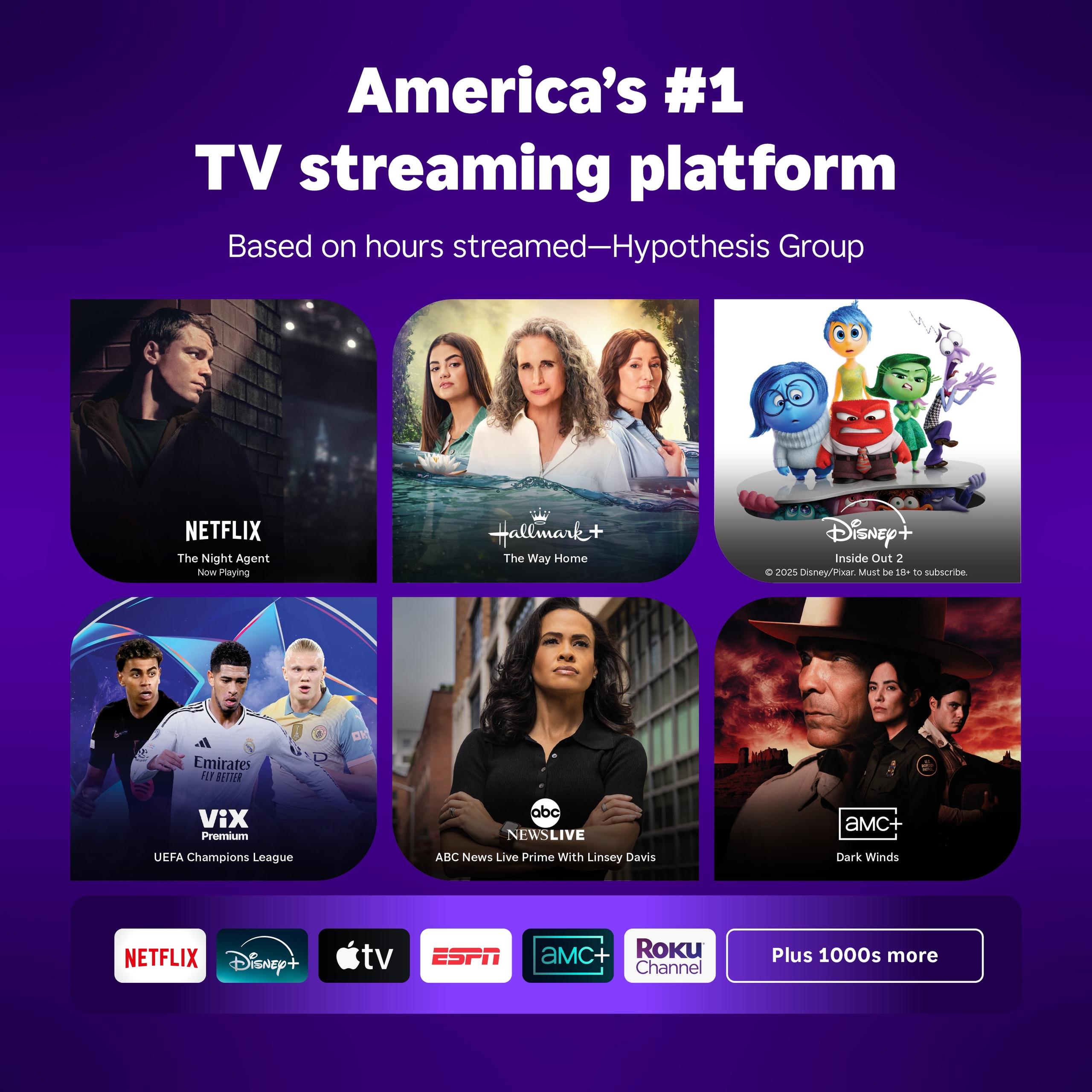
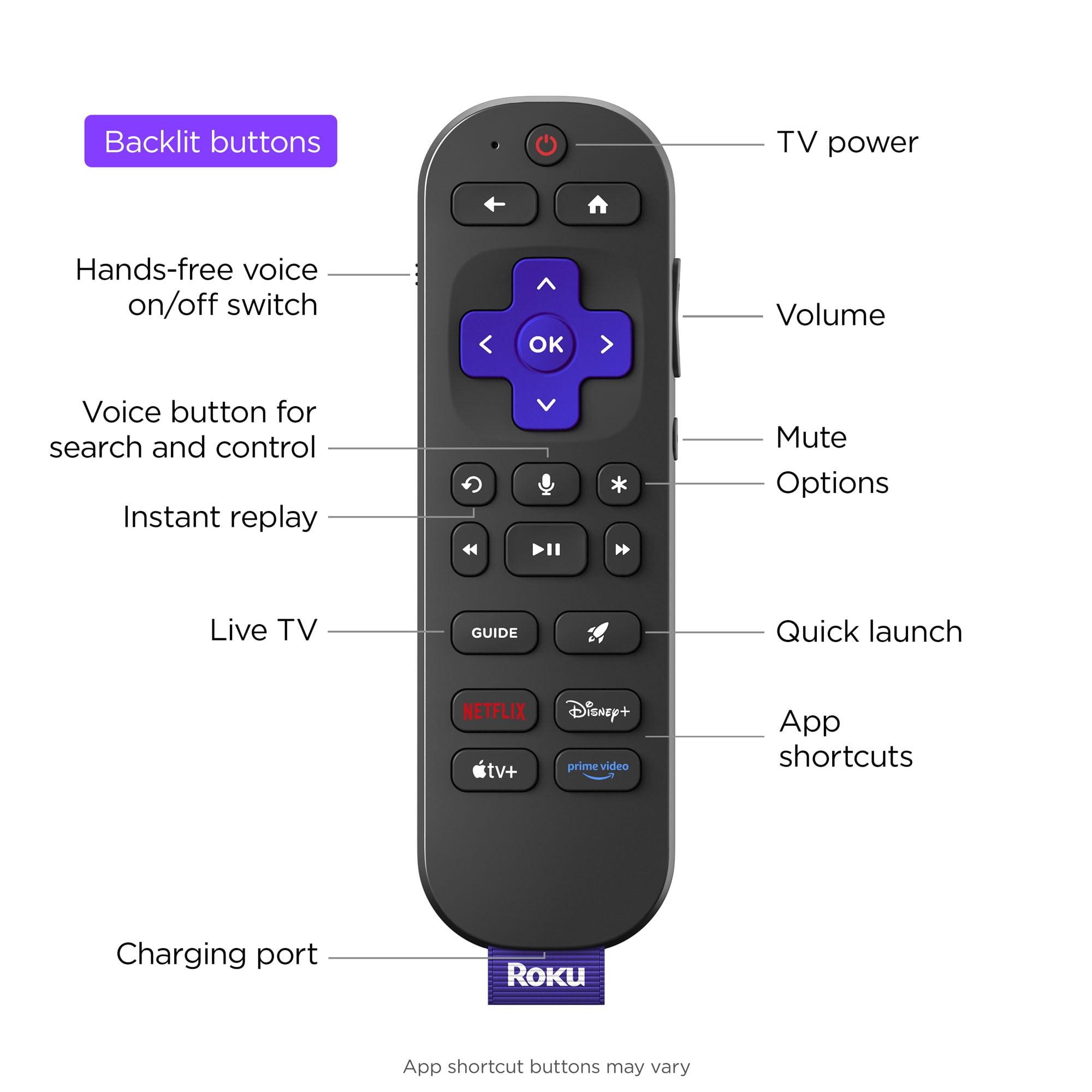
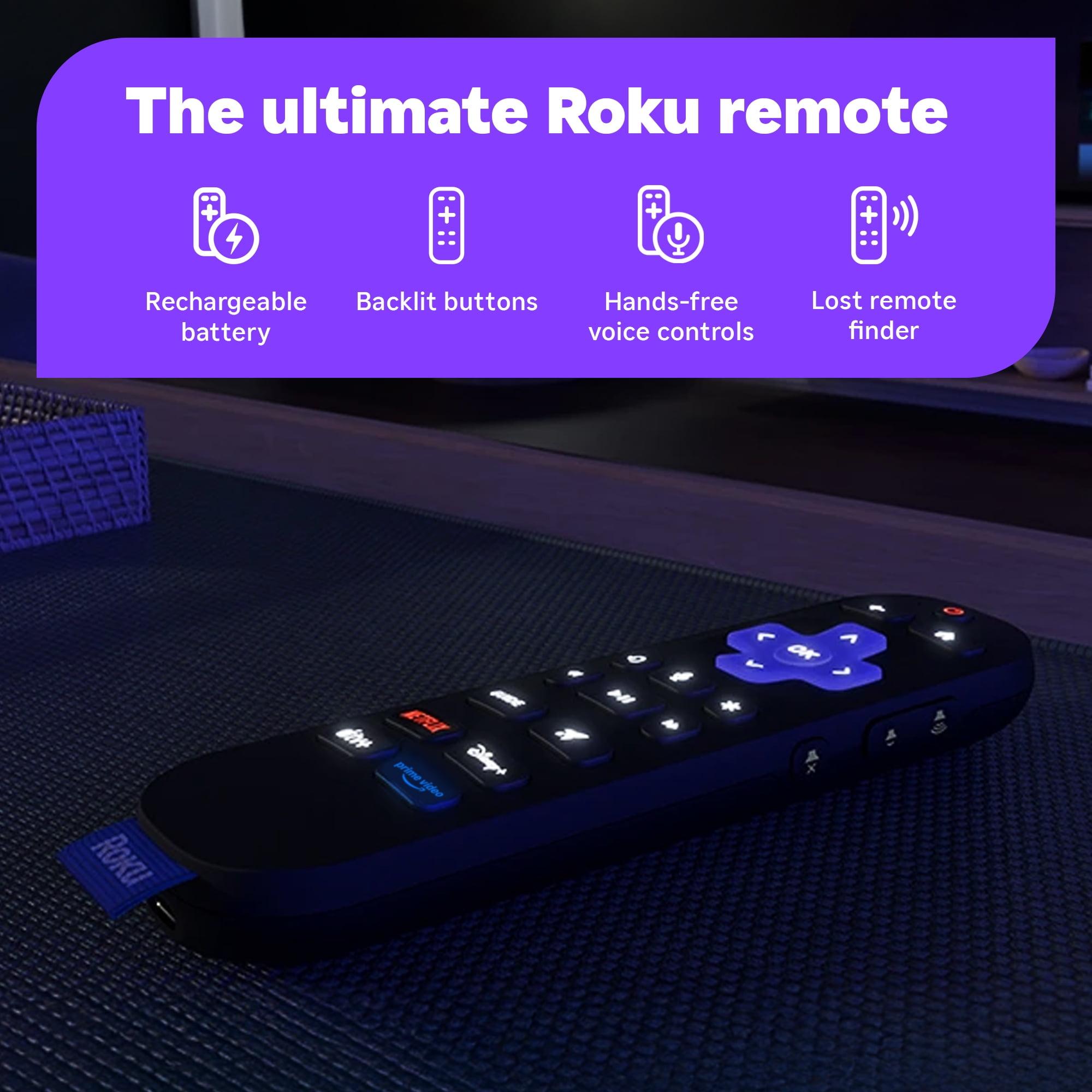
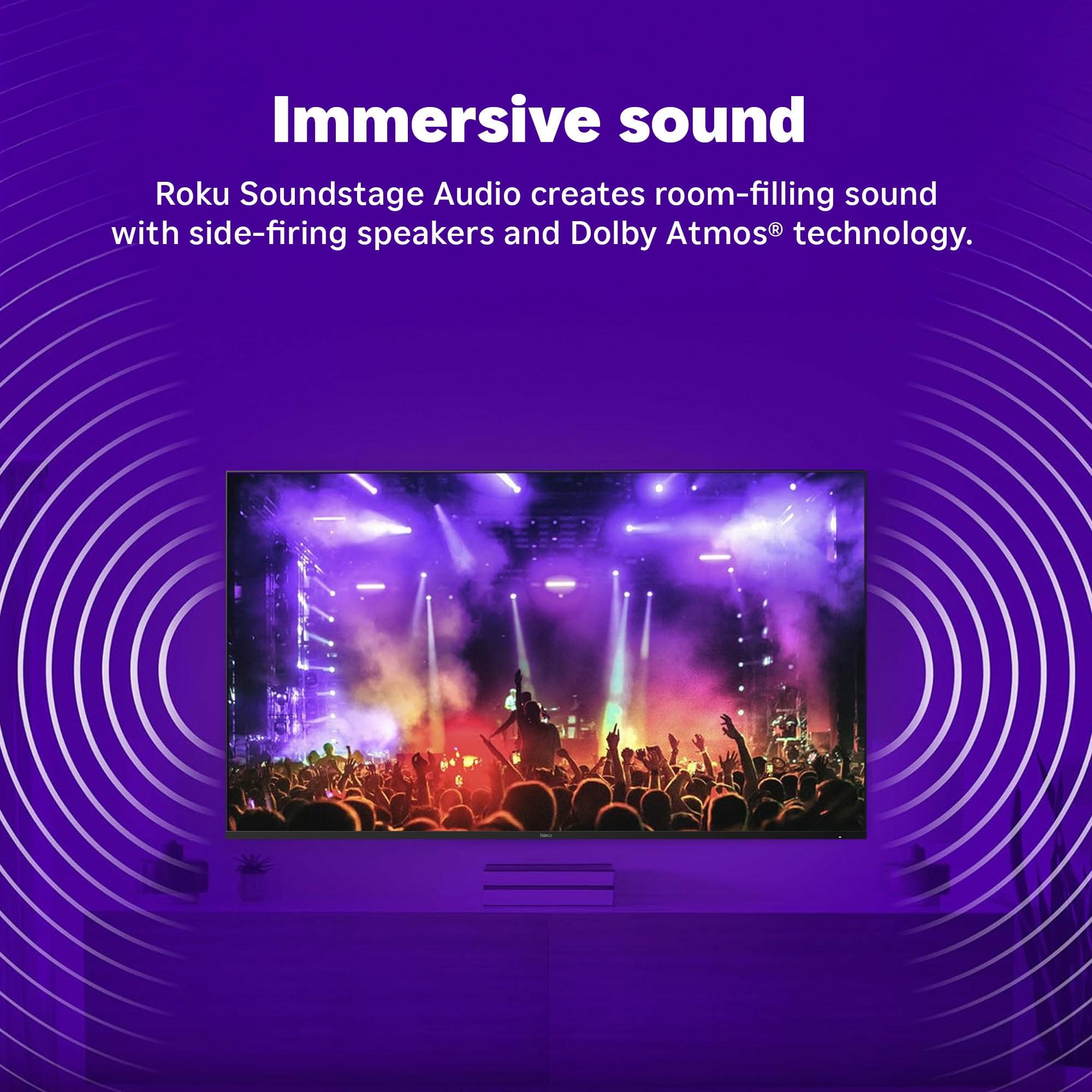
Audio represents one of the Roku Pro Series 2025's strongest advantages. User reviews consistently praise its built-in sound quality, with many describing "theater-like bass that rattles walls" and volume levels that fill rooms without external speakers. The Roku Soundstage Audio system uses side-firing speakers combined with Dolby Atmos processing to create surprisingly immersive sound for a flat-panel TV.
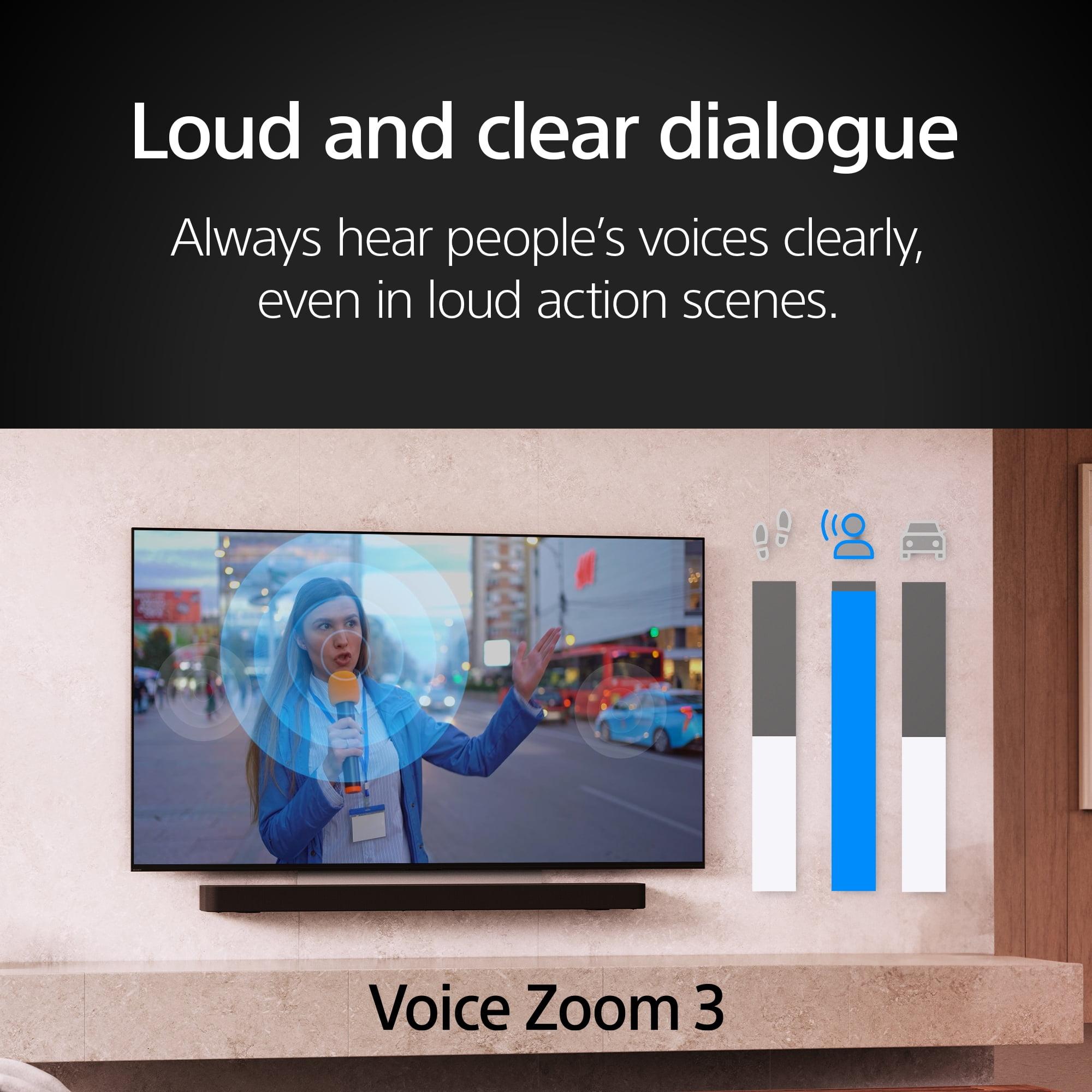
The Sony BRAVIA 8 uses Acoustic Surface Audio+ technology, where the screen itself acts as a speaker. While innovative, this approach receives mixed reviews, with users noting it works well for dialogue clarity but lacks the bass impact and overall volume of traditional speaker systems. Sony designed this TV expecting most buyers to add a soundbar, which explains the modest 50-watt total power output.
For buyers planning to use the TV's built-in audio—whether due to space constraints, budget considerations, or preference for simplicity—the Roku offers significantly better performance. However, if you're planning a dedicated home theater setup with external audio equipment, the Sony's screen-as-speaker technology won't be a significant factor in your decision.
Both TVs support the major HDR (High Dynamic Range) formats that make modern content look more realistic by expanding the range between bright and dark areas. The Roku Pro Series supports Dolby Vision IQ, HDR10+, and HLG (Hybrid Log-Gamma), with Dolby Vision IQ being particularly useful as it automatically adjusts the picture based on your room's lighting conditions.
The Sony BRAVIA 8 also supports Dolby Vision and HDR10, with Sony's processing adding scene-by-scene optimization that can enhance HDR content beyond the original specifications. However, some technical reviews note the Sony tends to over-brighten HDR content compared to filmmaker intentions, which may or may not align with your preferences.
The Roku's superior peak brightness means HDR content truly pops, with highlights like reflections on water or bright explosions displaying with impressive intensity. The Sony's approach emphasizes accuracy and natural color reproduction, making HDR content look more like what filmmakers intended, albeit sometimes at lower brightness levels.
For dedicated home theater setups, both TVs offer compelling but different advantages. The Sony BRAVIA 8 excels in dark, controlled environments where its perfect blacks create an almost cinematic experience. OLED technology eliminates the subtle gray haze that appears in dark scenes on most TVs, making movie nights feel more immersive.
However, the Roku Pro Series 2025 better handles the reality of most home theaters—spaces that aren't perfectly dark and may have some ambient lighting from nearby rooms or windows. Its superior brightness ensures the picture remains vibrant and detailed even with some light present. The built-in audio quality also means you can create an impressive home theater experience without immediately investing in additional speakers.
For movie enthusiasts who watch primarily in complete darkness and plan to invest in quality external audio, the Sony BRAVIA 8 offers that reference-quality OLED experience. For families who want excellent performance across various lighting conditions with great built-in audio, the Roku provides more versatility.
Consider the long-term ownership experience when making this investment. The Roku Pro Series benefits from Roku's strong track record of platform updates and feature additions over time. The company has consistently supported older models with new streaming services, interface improvements, and even performance optimizations.
Sony's Google TV platform receives regular updates, but the implementation can vary, and some users report slower performance over time as the software evolves beyond the original hardware specifications.
From a durability standpoint, the Roku's Mini-LED LCD technology doesn't suffer from burn-in—permanent image retention that can affect OLED displays with static content like news tickers or game interfaces. While modern OLEDs like the Sony BRAVIA 8 have much better burn-in resistance than earlier generations, it remains a consideration for heavy gaming or news watching.
Choose the Roku Pro Series 2025 if you want maximum versatility and value. It excels in bright rooms, offers superior gaming performance, provides excellent built-in audio, and costs less while delivering more features. This TV works well for families with varied viewing habits, gaming enthusiasts, and anyone who wants a single device that performs excellently across all scenarios.
The Sony BRAVIA 8 makes sense for movie purists with controlled lighting who prioritize perfect blacks and natural color reproduction over peak brightness. It's the better choice if you're planning to add external audio equipment and want Sony's reputation for picture processing excellence.
At the time of writing, the Roku offers better overall value for most buyers, delivering more performance per dollar while addressing the real-world conditions where most people watch TV. The Sony justifies its premium pricing in specific scenarios—dark room viewing and integration with high-end audio systems—but the Roku's broader competence makes it the safer choice for the majority of 65-inch TV shoppers.
Both represent solid investments that should deliver years of enjoyment, but understanding these key differences ensures you choose the TV that best matches your specific viewing environment and priorities.
| Roku 65" Pro Series 2025 4K QLED TV | Sony BRAVIA 8 65" 4K OLED TV |
|---|---|
| Display Technology - Determines picture quality in different lighting conditions | |
| Mini-LED QLED with thousands of local dimming zones | Pure OLED with 8.3 million self-lit pixels |
| Peak Brightness - Critical for bright room viewing and HDR performance | |
| Up to 1,818 nits (excellent for daytime viewing) | ~400-600 nits typical OLED brightness (best in dark rooms) |
| Black Levels - How deep blacks appear in dark scenes | |
| Very good with minimal blooming | Perfect infinite blacks (each pixel turns off completely) |
| Gaming Input Lag - Response time for competitive gaming | |
| 5.2ms at 120Hz (exceptional for gaming) | ~10-15ms typical (good for most gaming) |
| Gaming Features - Next-gen console compatibility | |
| 4K@120Hz, AMD FreeSync Premium Pro, VRR, ALLM on 2 HDMI 2.1 ports | 4K@120Hz, VRR, ALLM, PS5 Auto HDR Tone Mapping |
| Smart Platform - User interface and app performance | |
| Roku TV OS with Wi-Fi 6 (simple, reliable, fast updates) | Google TV (more features, deeper integration, can be complex) |
| Built-in Audio Quality - Sound without external speakers | |
| Roku Soundstage Audio with side-firing Dolby Atmos (excellent bass) | 50W Acoustic Surface Audio+ (screen as speaker, modest volume) |
| HDR Support - Enhanced contrast and color range | |
| Dolby Vision IQ, HDR10+, HLG with automatic room adjustment | Dolby Vision, HDR10 with Sony XR processing |
| Viewing Angles - Picture quality when not centered | |
| Narrow (typical for QLED, colors fade off-center) | Wide (OLED maintains quality from side viewing) |
| Burn-in Risk - Permanent image retention with static content | |
| None (LCD technology immune to burn-in) | Minimal but possible (modern OLED much improved) |
| Room Lighting Performance - Best viewing environment | |
| Excellent in bright rooms, very good in dark rooms | Good in bright rooms, excellent in dark rooms |
| Picture Processing - AI enhancement and upscaling | |
| Roku Smart Picture Max (scene-by-scene automatic optimization) | Sony XR Processor (sophisticated upscaling and color accuracy) |
| Release Year - Technology generation and feature updates | |
| 2025 (latest Mini-LED improvements, 75% better contrast) | 2024 (mature OLED technology with proven reliability) |
The Roku 65" Pro Series 2025 4K QLED TV is significantly better for bright rooms. Its Mini-LED technology can reach over 1,800 nits of peak brightness, maintaining vibrant colors and deep blacks even with ambient lighting. The Sony BRAVIA 8 65" 4K OLED TV performs best in darker environments where its OLED pixels can showcase perfect blacks without competing against room lighting.
Picture quality depends on your viewing environment. The Sony BRAVIA 8 65" 4K OLED TV delivers superior contrast with perfect blacks and natural colors, ideal for dark room movie watching. The Roku 65" Pro Series 2025 4K QLED TV offers brighter, more vibrant images that work better in typical living room lighting conditions.
The Roku 65" Pro Series 2025 4K QLED TV is better for gaming, offering 5.2ms input lag, AMD FreeSync Premium Pro, and comprehensive 4K@120Hz support on two HDMI 2.1 ports. While the Sony BRAVIA 8 65" 4K OLED TV supports gaming features like VRR and has PS5 optimization, it has higher input lag and lacks FreeSync support.
The Roku 65" Pro Series 2025 4K QLED TV has significantly better built-in audio with Roku Soundstage Audio and side-firing Dolby Atmos speakers that deliver theater-like bass. The Sony BRAVIA 8 65" 4K OLED TV uses Acoustic Surface Audio+ where the screen acts as a speaker, but it provides modest volume and less impactful bass.
The Roku 65" Pro Series 2025 4K QLED TV runs Roku TV OS, known for its simplicity, reliability, and unified content discovery across streaming services. The Sony BRAVIA 8 65" 4K OLED TV uses Google TV, which offers more advanced features and Google integration but can feel more complex for users who prefer straightforward interfaces.
The Roku 65" Pro Series 2025 4K QLED TV typically offers better value, providing more gaming features, superior built-in audio, excellent bright room performance, and reliable smart platform at a lower price point. The Sony BRAVIA 8 65" 4K OLED TV commands a premium for its OLED technology and Sony's picture processing expertise.
For dedicated dark home theaters, the Sony BRAVIA 8 65" 4K OLED TV excels with its perfect blacks and cinematic contrast that creates an immersive movie experience. However, the Roku 65" Pro Series 2025 4K QLED TV works better for most home theaters that aren't completely dark, offering superior brightness and excellent built-in audio without requiring immediate speaker upgrades.
Both TVs support major HDR formats, but they excel differently. The Roku 65" Pro Series 2025 4K QLED TV delivers more impactful HDR with brighter highlights and Dolby Vision IQ that adjusts automatically to room lighting. The Sony BRAVIA 8 65" 4K OLED TV provides more accurate HDR reproduction with natural colors and Sony's sophisticated scene-by-scene processing.
The Roku 65" Pro Series 2025 4K QLED TV has advantages for long-term reliability with no burn-in risk from its LCD technology and Roku's strong track record for platform updates. The Sony BRAVIA 8 65" 4K OLED TV has much better burn-in resistance than older OLEDs, but some risk remains with heavy gaming or static content viewing.
The Sony BRAVIA 8 65" 4K OLED TV has superior viewing angles, maintaining color accuracy and contrast when viewed from the side. The Roku 65" Pro Series 2025 4K QLED TV has narrower viewing angles typical of QLED technology, where colors may appear less vibrant when not viewing directly in front of the screen.
The Roku 65" Pro Series 2025 4K QLED TV is generally better for sports with its superior brightness that works well in bright living rooms, 120Hz refresh rate for smooth motion, and excellent built-in audio. The Sony BRAVIA 8 65" 4K OLED TV offers good sports performance but works best in darker viewing environments.
If you're planning to add external audio, the Sony BRAVIA 8 65" 4K OLED TV becomes more attractive since its modest built-in audio won't be a factor, and you'll benefit from its superior OLED picture quality and processing. However, the Roku 65" Pro Series 2025 4K QLED TV still offers better gaming features and bright room performance while costing less, leaving more budget for audio upgrades.
We've done our best to create useful and informative comparisons to help you decide what product to buy. Our research uses advanced automated methods to create this comparison and perfection is not possible - please contact us for corrections or questions. These are the sites we've researched in the creation of this article: bestbuy.com - rtings.com - techradar.com - youtube.com - roku.com - youtube.com - walmart.com - bestbuy.com - youtube.com - electronicexpress.com - roku.com - pcvarge.com - ecoustics.com - bestbuy.com - bestbuy.com - crutchfield.com - avsforum.com - electronics.sony.com - sony.com - store.sony.co.nz - sony.com - displayspecifications.com

Privacy Policy
Terms and Conditions - Affiliate Policy
Home Security
© Copyright 2008-2026.
11816 Inwood Rd #1211, Dallas, TX 75244