

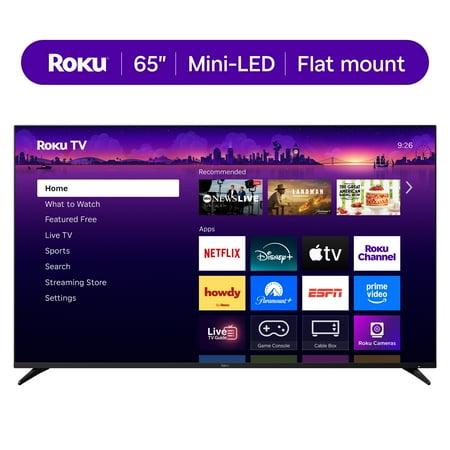
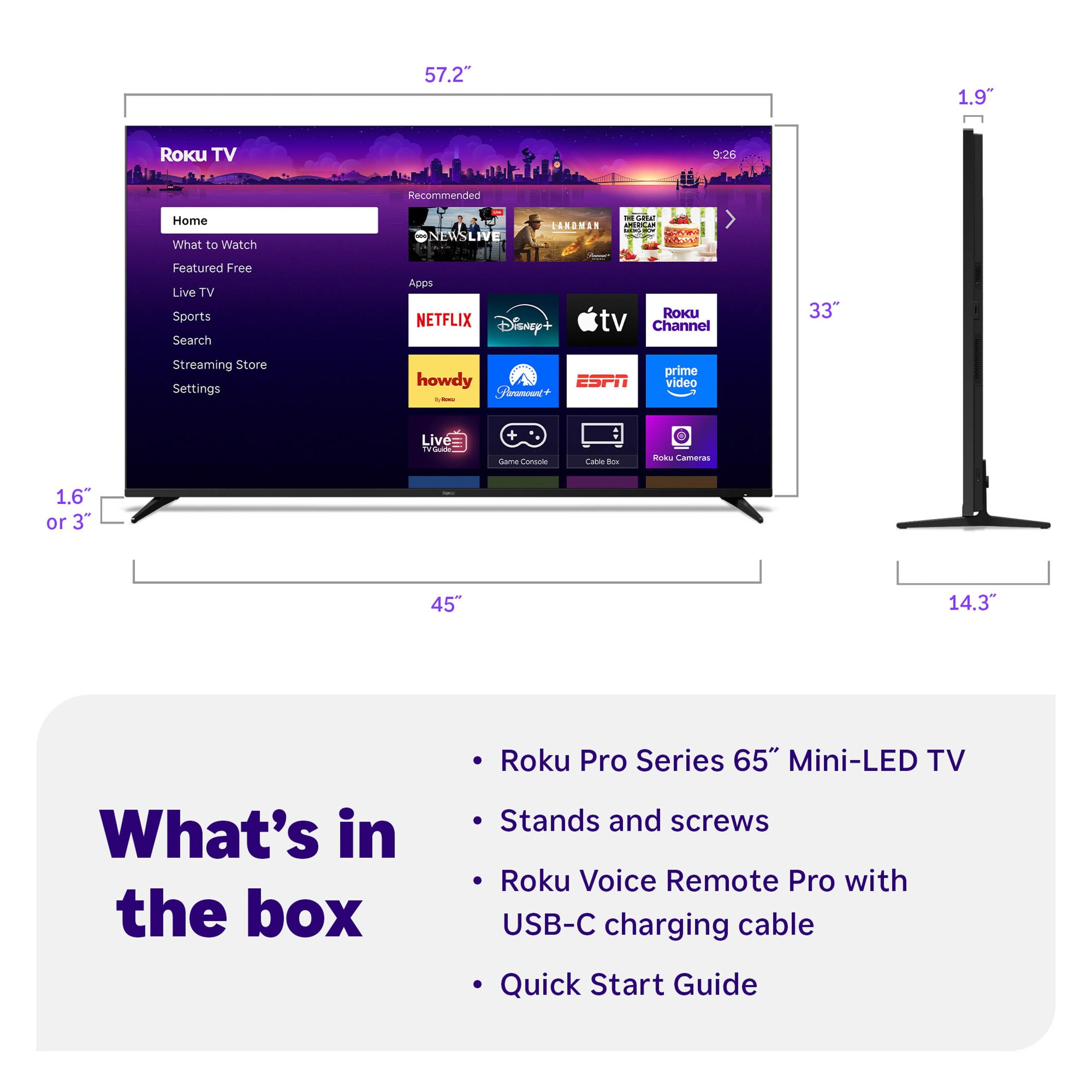
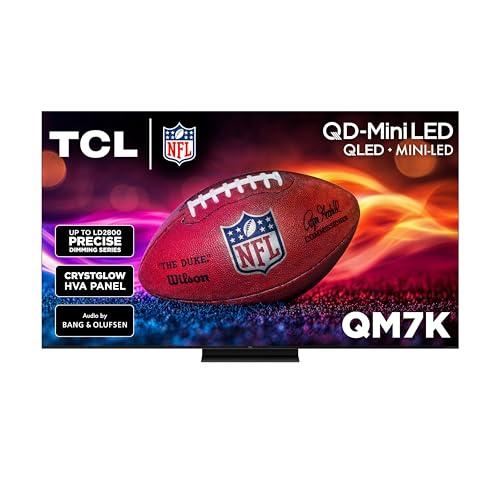
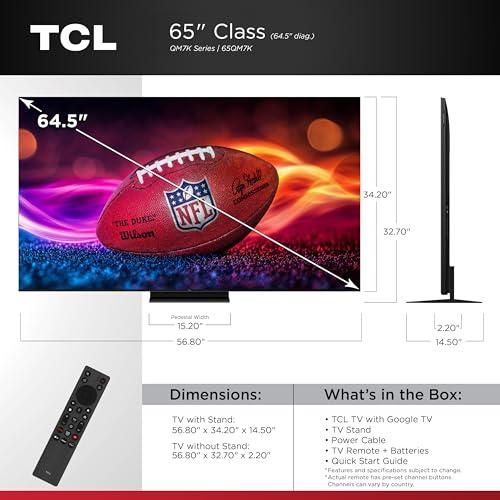

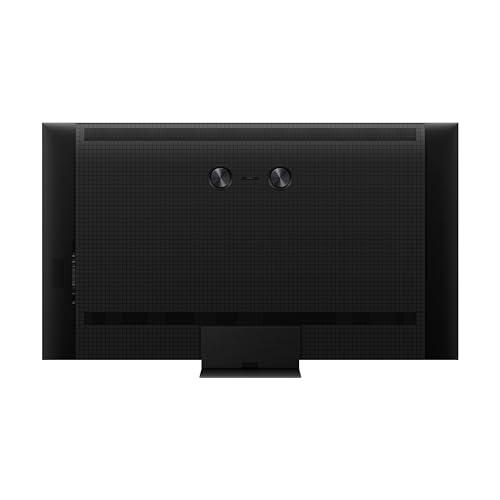
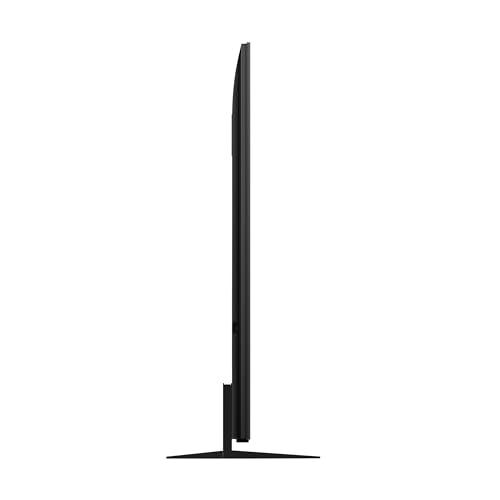
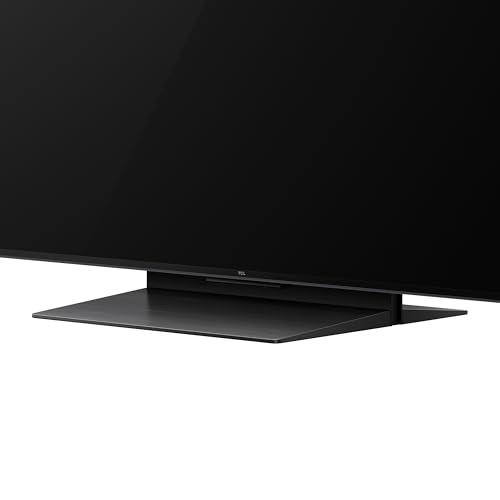
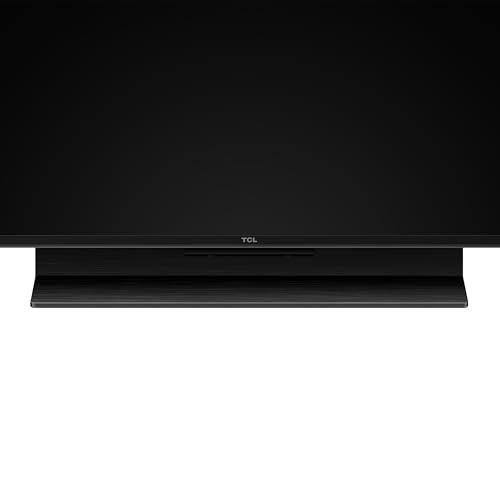
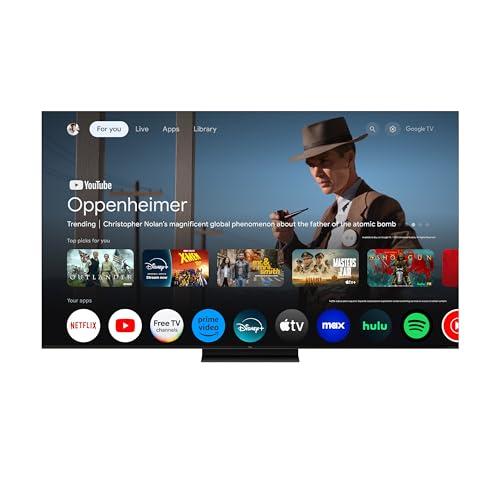
Shopping for a new TV in 2025 means navigating an increasingly complex landscape of technologies, features, and marketing claims. Two standout options in the premium mid-range category—roughly that sweet spot between $900-$1,200 at the time of writing—are the Roku 65" Pro Series 2025 and the TCL 65QM7K QD-Mini LED. Both promise flagship-level performance without the premium price tag, but they take notably different approaches to achieving that goal.
After diving deep into user reviews, professional testing data, and technical specifications, one clear winner emerges for most buyers. However, the "best" choice depends heavily on your specific viewing habits, room setup, and what you value most in a TV experience.
The premium mid-range TV segment has become incredibly competitive, with manufacturers cramming technologies that were exclusive to $2,000+ models just a few years ago into more affordable packages. When evaluating TVs in this category, several key performance areas determine whether you're getting genuine flagship performance or just fancy marketing.
Picture quality sits at the heart of any TV purchase decision. This encompasses HDR brightness (how vivid highlights can get), contrast ratio (the difference between the darkest blacks and brightest whites), color accuracy (how true-to-life colors appear), and local dimming performance (how precisely the TV can control light in different screen areas). These factors work together to create the "wow factor" you notice when watching movies or playing games.
Gaming capabilities have become crucial as PlayStation 5 and Xbox Series X push the boundaries of what TVs need to handle. Modern gaming TVs need high refresh rates (how many times per second the screen updates), low input lag (the delay between your controller input and seeing the result on screen), and advanced features like Variable Refresh Rate or VRR (which synchronizes the TV's refresh with your game console to eliminate screen tearing).
The smart platform determines your daily interaction with the TV. A sluggish interface can make even the best picture quality frustrating to access, while a smooth, intuitive system enhances the entire experience. Value proposition ties everything together—you want the most performance and features for your money, especially in this competitive price range.
Here's where things get interesting. Based on extensive testing data from professional reviewers and hundreds of user experiences, the TCL 65QM7K delivers objectively superior picture quality despite costing less than the Roku Pro Series 2025 at the time of writing.
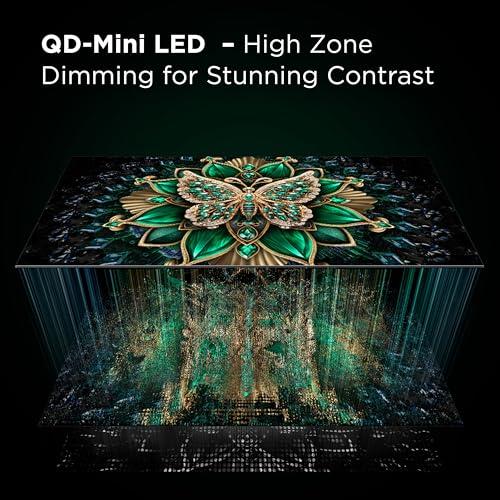
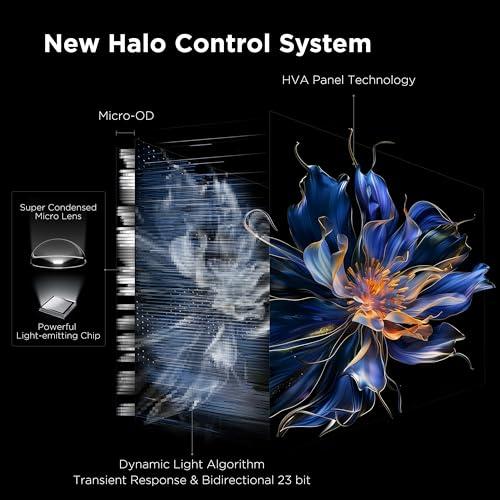
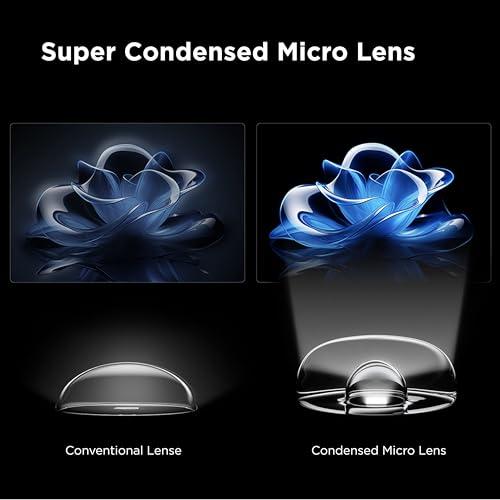
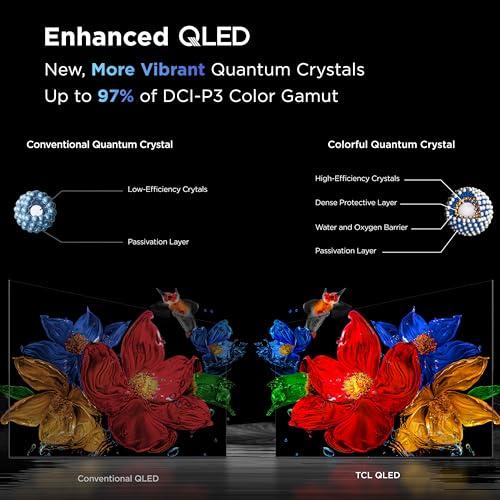
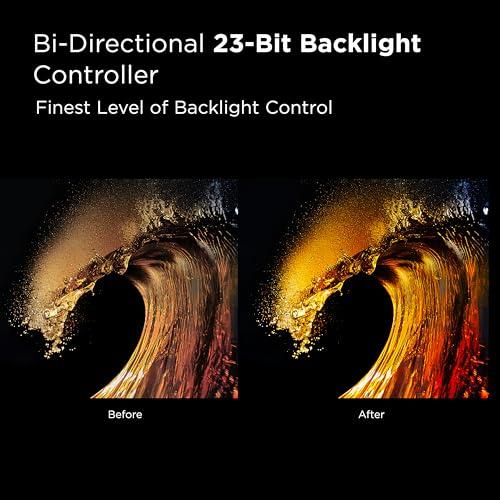
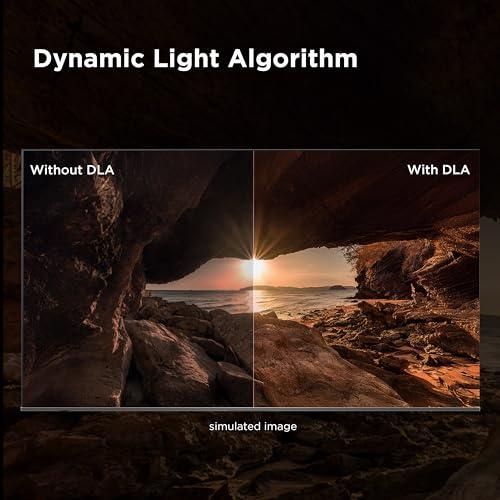
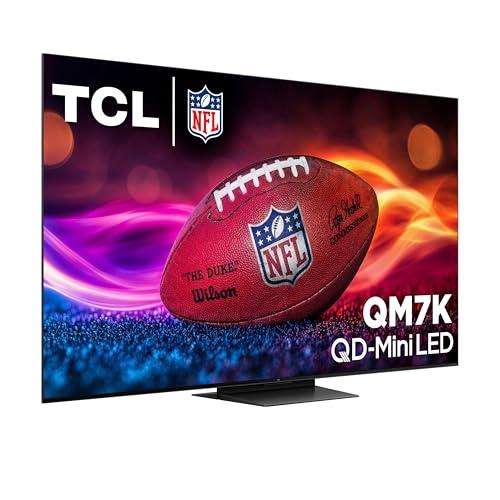
The TCL's QD-Mini LED technology combines quantum dots (which enhance color purity and vibrancy) with mini-LED backlighting for precise light control. More importantly, it features up to 2,500 local dimming zones—think of these as thousands of tiny light switches behind the screen that can independently brighten or dim specific areas. This creates what reviewers consistently describe as "deeper blacks and more nuanced shadow detail" compared to standard mini-LED implementations.
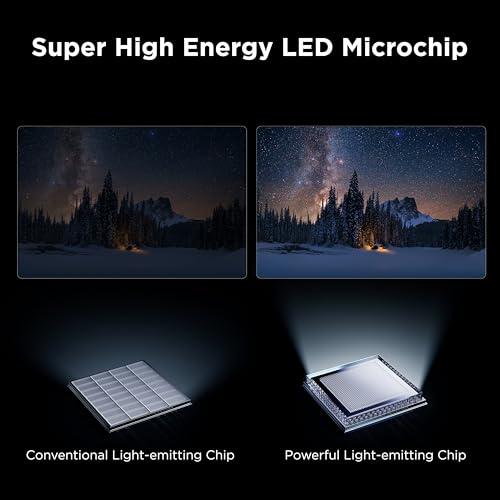
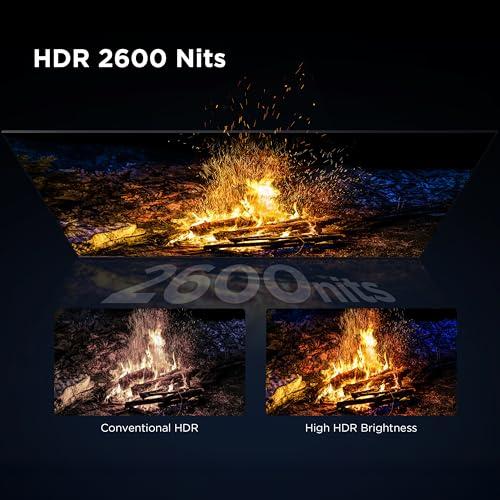
The TCL also significantly outshines the Roku in HDR brightness, reaching peaks of 2,600-3,000 nits compared to the Roku's more moderate levels. HDR brightness matters because it determines how impactful those movie highlights look—the glint of sunlight on water, the glow of city lights at night, or the flash of explosions in action scenes.
However, the Roku Pro Series 2025 fights back with superior performance in bright rooms. Its excellent SDR (Standard Dynamic Range) brightness and effective glare handling make it better suited for living rooms with lots of windows or ambient lighting. The Roku's Smart Picture Max AI processing also automatically optimizes content scene-by-scene, similar to how Dolby Vision works, adjusting color, contrast, and sharpness without requiring manual tweaking.
Color accuracy presents an interesting trade-off. The Roku improved significantly from its 2024 predecessor, achieving better factory calibration (a Delta E of 2.6, where lower numbers mean more accurate colors). The TCL's AIPQ Pro processor provides more advanced color processing capabilities, but some reviewers note it may require calibration for absolute accuracy.
For home theater enthusiasts who prioritize that cinematic experience in a darkened room, the TCL's superior contrast and HDR performance create more immersive viewing. The deeper blacks make dark movie scenes more atmospheric, while the higher peak brightness ensures HDR highlights truly pop without looking washed out.
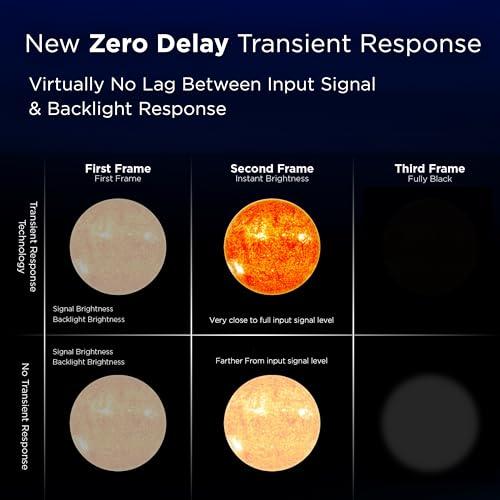
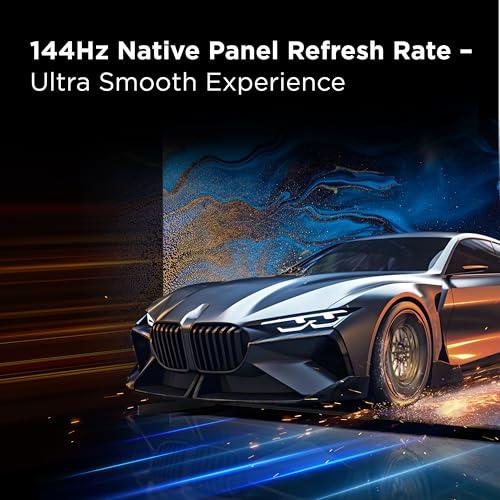
Gaming performance represents the most significant gap between these TVs. The TCL 65QM7K supports native 144Hz refresh rates at 4K resolution, with the ability to hit 288Hz at 1080p through its Game Accelerator feature. Compare this to the Roku's 120Hz maximum, and serious gamers have an obvious choice.
Why does refresh rate matter? Higher refresh rates mean smoother motion during fast-paced games, reduced motion blur, and better responsiveness in competitive gaming. Both TVs support essential gaming features like AMD FreeSync Premium Pro (which prevents screen tearing) and Auto Low Latency Mode (which automatically minimizes input lag when it detects a game console), but the TCL's Game Master 2.0 system provides more comprehensive gaming optimization.
Input lag—the delay between pressing a button and seeing the result on screen—is crucial for competitive gaming. Both TVs achieve respectably low input lag, but the TCL's superior motion handling means less blur during rapid camera movements or fast action sequences.
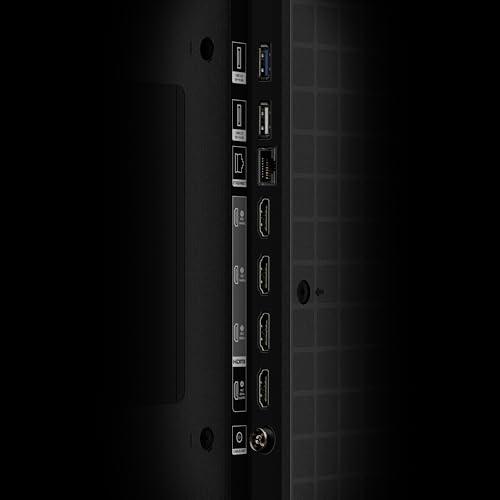
However, both TVs share some limitations. Each offers only two HDMI 2.1 ports (the high-bandwidth connections needed for 4K gaming at high refresh rates), which could be limiting if you have multiple next-generation consoles plus a high-end PC. Most users won't hit this limitation, but it's worth considering for gaming enthusiasts with multiple devices.
The choice between Roku TV and Google TV represents fundamentally different approaches to smart TV interfaces, and your preference here might override other considerations.
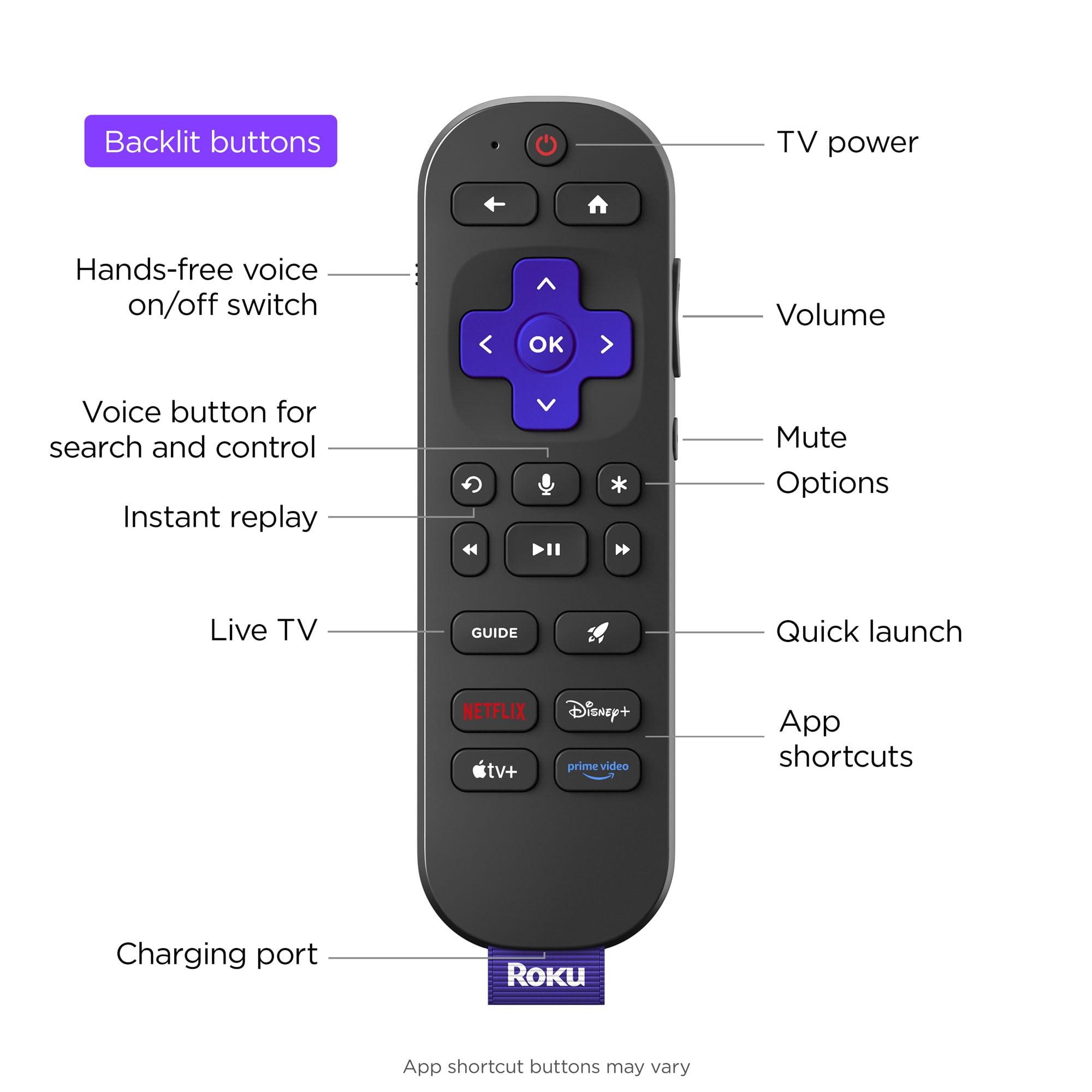
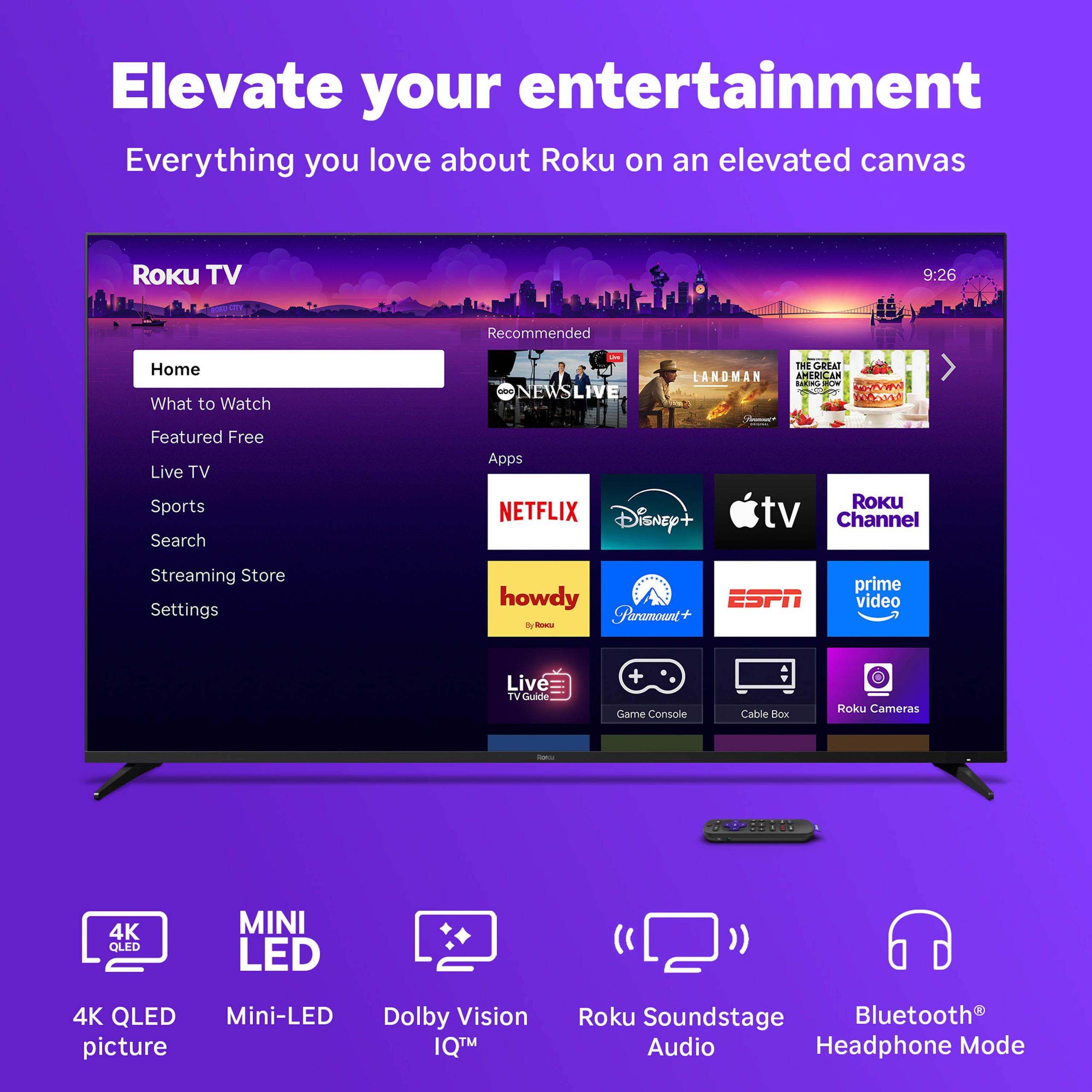
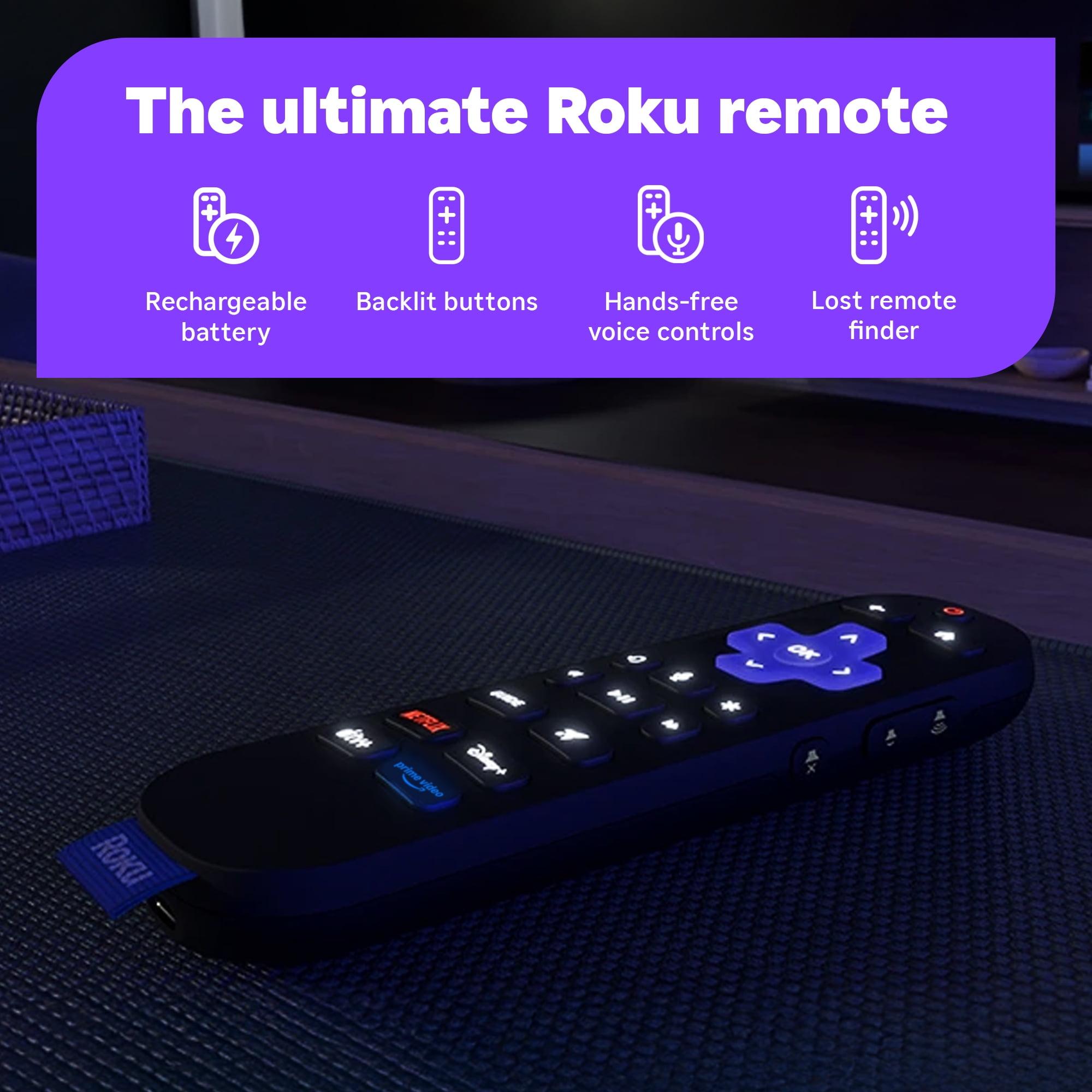
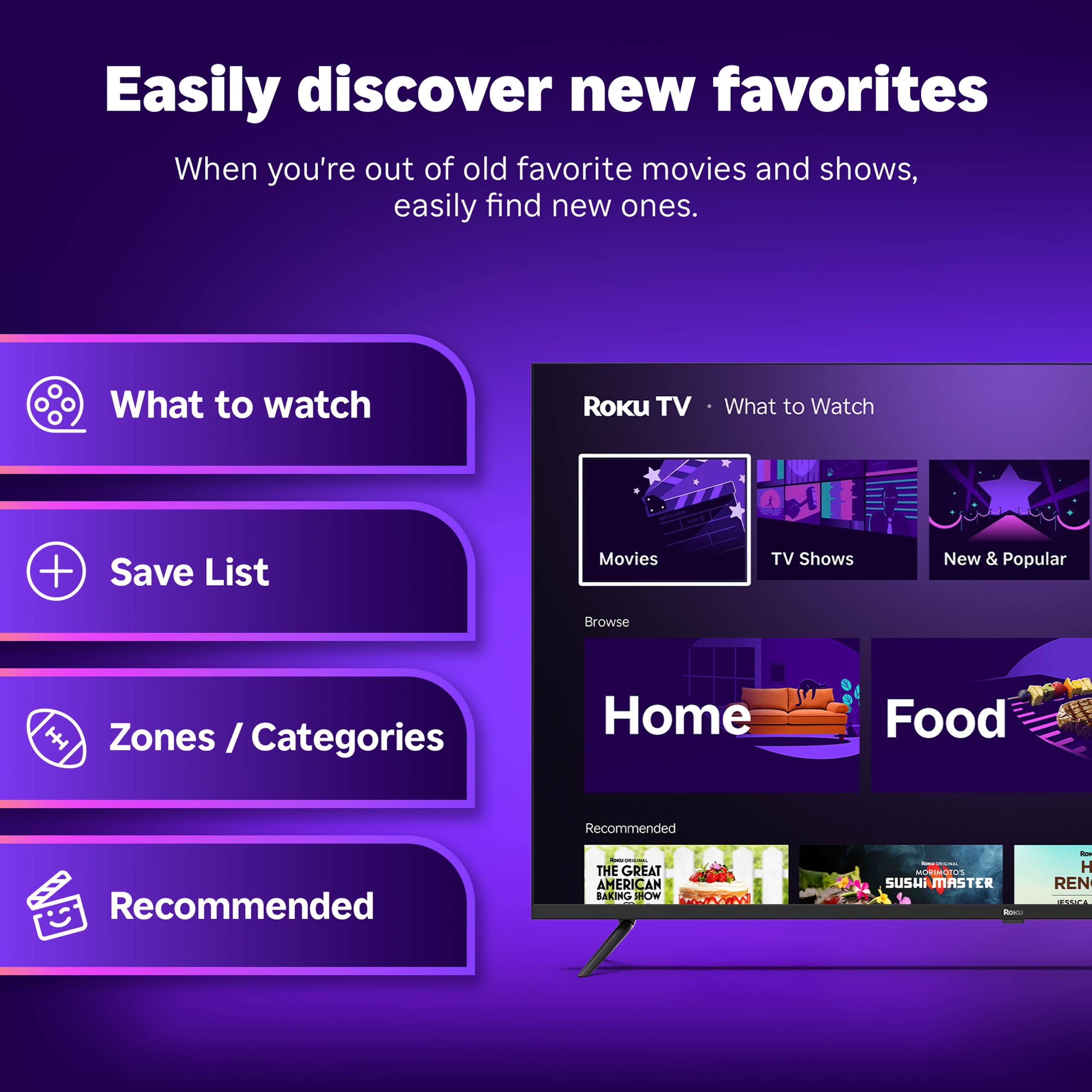
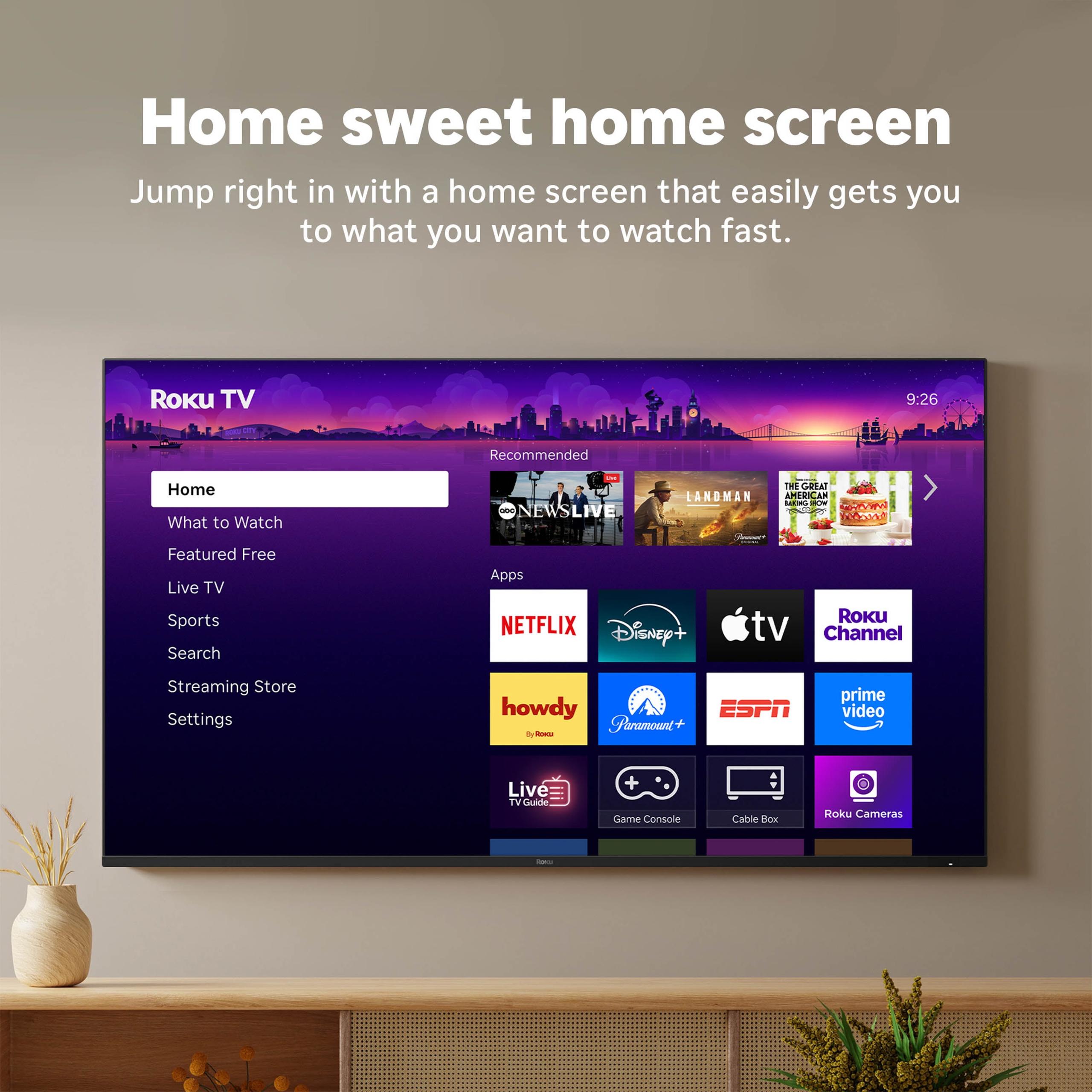
The Roku Pro Series 2025 runs on Roku TV OS, which prioritizes simplicity and speed. Users consistently praise its unified home screen that seamlessly blends streaming apps, live TV, and personal content. The interface powers on instantly—literally under a second according to user reports—compared to the slower boot times of many smart TVs. The included Voice Remote Pro features rechargeable batteries, backlit buttons, and a "find my remote" button on the TV itself that makes the remote beep—a surprisingly useful feature that addresses one of the most common TV frustrations.
Roku's Wi-Fi 6 support also provides faster navigation and streaming compared to older wireless standards, future-proofing your setup as internet speeds continue increasing. For users who want their TV to "just work" without complexity, Roku's approach is compelling.
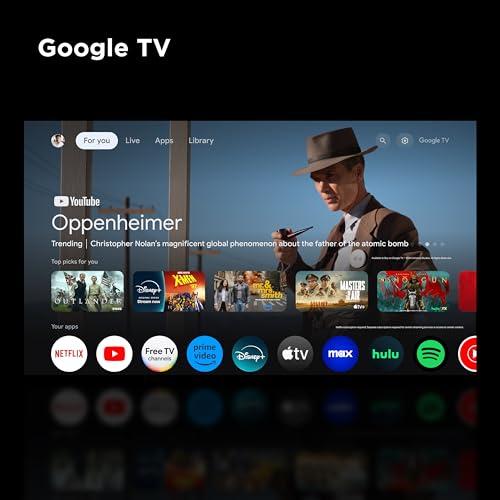
The TCL's Google TV platform offers broader ecosystem integration. It supports Google Assistant, Amazon Alexa, and Apple HomeKit for voice control and smart home integration. The Google TV interface provides more customization options and arguably better content discovery, though some users find it more complex than Roku's streamlined approach.
Both platforms access all major streaming services without issues, so your choice often comes down to personal preference and existing smart home setup. If you're heavily invested in Google's ecosystem or prefer more customization options, the TCL makes sense. If you value simplicity and instant responsiveness, the Roku has clear advantages.
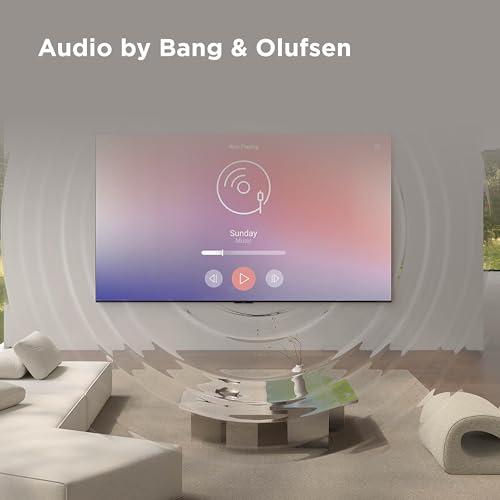
Audio performance often gets overlooked in TV comparisons, but it significantly impacts your viewing experience. The TCL 65QM7K partners with Bang & Olufsen for audio tuning, providing 60W of power with Dolby Atmos support. Users report surprisingly good bass response and clear dialogue, though like most TV audio, it's not replacement for a dedicated sound system.
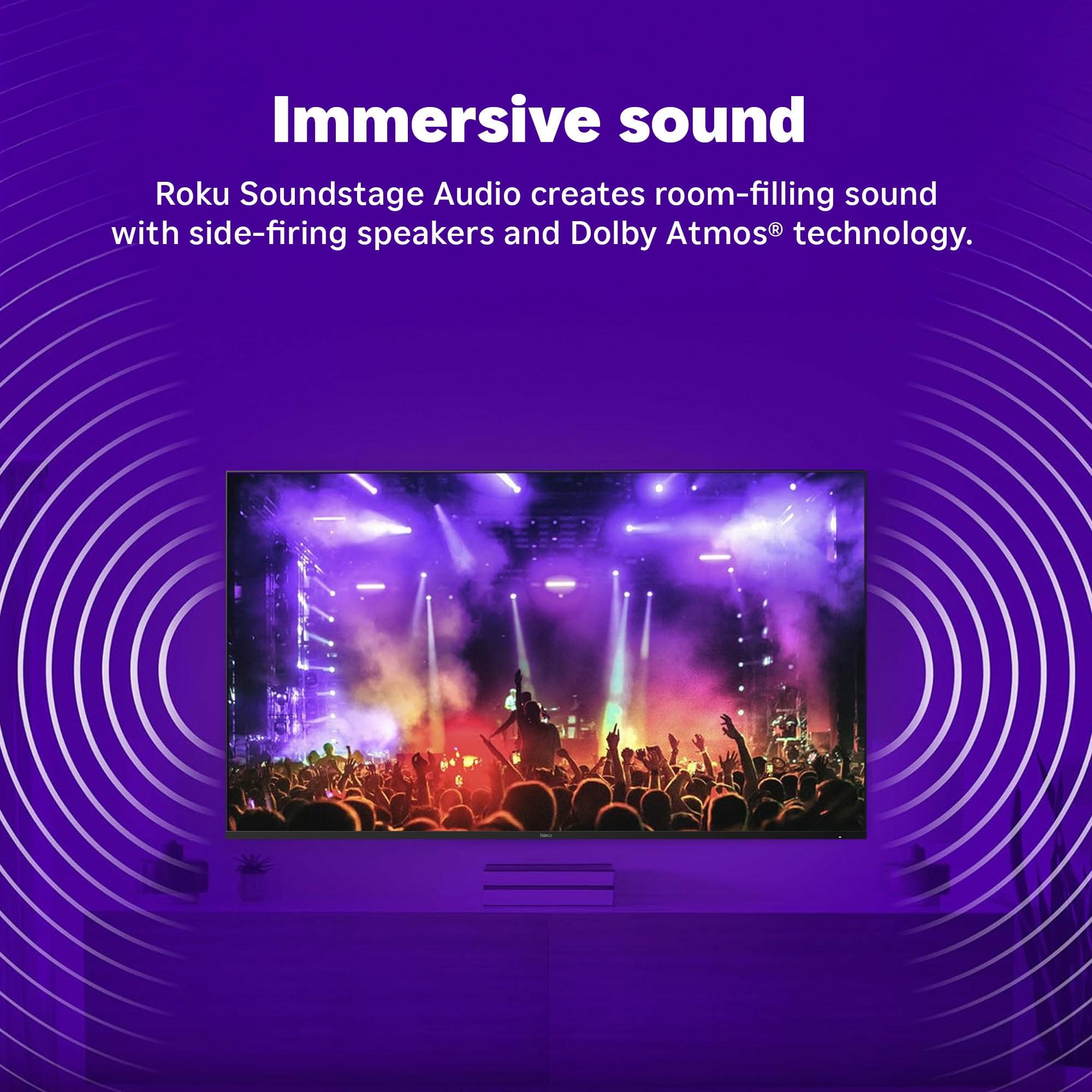
The Roku Pro Series 2025 features side-firing Dolby Atmos speakers with its own Sound Stage audio processing. User reviews consistently rate the sound quality highly, with some describing "theater-like bass that rattles walls." However, most professional reviewers suggest both TVs benefit from soundbar addition for the best audio experience.
Neither TV will replace a proper home theater audio setup, but both provide respectable sound quality for casual viewing. The TCL's Bang & Olufsen partnership gives it a slight edge in audio processing sophistication.
At the time of writing, the TCL 65QM7K typically costs $200-300 less than the Roku Pro Series 2025 while delivering superior picture quality and gaming performance. This price difference makes the value proposition particularly compelling.
The TCL essentially offers flagship-level picture quality—deep blacks, high brightness, advanced local dimming—at a mid-range price point. Professional testing consistently shows it outperforming TVs costing significantly more in key metrics like contrast ratio and HDR brightness.
The Roku's value proposition lies elsewhere: ecosystem integration, user experience, and build quality. The Wi-Fi 6 connectivity, instant power-on, rechargeable backlit remote, and simplified interface create a premium user experience that some buyers will gladly pay extra for.
Think of it this way: the TCL maximizes picture performance per dollar, while the Roku maximizes user experience and ecosystem integration. Both represent good value, but for different priorities.
For Home Theater Enthusiasts: The TCL 65QM7K is the clear choice. Its superior contrast ratio, deeper blacks, and higher HDR brightness create more immersive cinematic experiences in darkened rooms. The advanced local dimming prevents the "blooming" effect (unwanted light spillage around bright objects) that can distract during movie watching.
For Bright Living Rooms: The Roku Pro Series 2025 handles ambient light better. Its excellent SDR brightness and effective glare handling maintain picture quality even with windows or lamps nearby. This makes it better suited for family rooms where you can't control lighting conditions.
For Serious Gamers: The TCL's 144Hz refresh rate and Game Accelerator features provide clear advantages for PlayStation 5, Xbox Series X, or PC gaming. The superior motion handling reduces blur during fast gameplay, while the higher refresh rates provide smoother, more responsive gaming experiences.
For Streaming Simplicity: The Roku's integrated platform and Wi-Fi 6 connectivity create the most streamlined streaming experience. If you want to eliminate external streaming devices and just have everything built-in with fast, reliable performance, Roku's approach is hard to beat.
For Mixed Usage: Most buyers fall into this category, wanting good performance across movies, sports, casual gaming, and streaming. Here, the TCL's superior overall picture quality and lower price make it more versatile for various viewing scenarios.
Based on extensive research into professional reviews, user experiences, and technical specifications, the TCL 65QM7K emerges as the better choice for most buyers. It delivers objectively superior picture quality—the most important aspect of any TV—while costing less money. The gaming advantages and premium audio partnership sweeten an already compelling package.
However, the Roku Pro Series 2025 serves specific user needs exceptionally well. If you prioritize user experience over raw picture quality, need excellent bright room performance, or want the simplicity of Roku's ecosystem, it justifies its premium pricing.
The decision ultimately comes down to your priorities. Choose the TCL if you want the most picture quality and features for your money. Choose the Roku if you value user experience, bright room performance, and ecosystem integration over absolute picture quality metrics.
Both represent significant improvements over their 2024 predecessors and compete favorably against options from Samsung, LG, and Sony in this price range. Either choice will provide years of excellent viewing experiences—you're really choosing between "great value" and "great experience," both legitimate paths to TV satisfaction.
| Roku 65" Pro Series 2025 | TCL 65QM7K |
|---|---|
| Display Technology - Foundation for picture quality performance | |
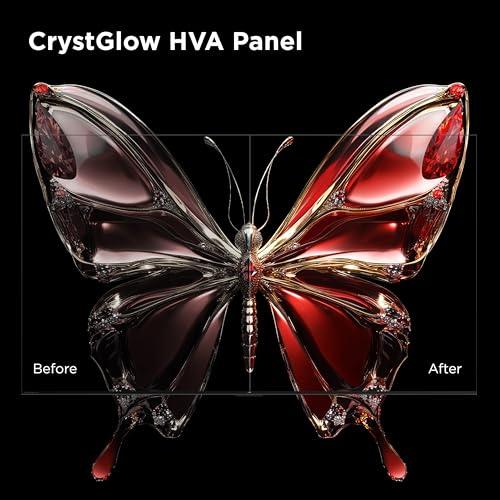
| QLED with Mini-LED backlighting | QD-Mini LED with CrystGlow HVA Panel |
| Peak HDR Brightness - Critical for vivid highlights and bright room viewing | |
| Moderate brightness levels | 2,600-3,000 nits (significantly brighter) |
| Local Dimming Zones - Controls contrast and reduces blooming effects | |
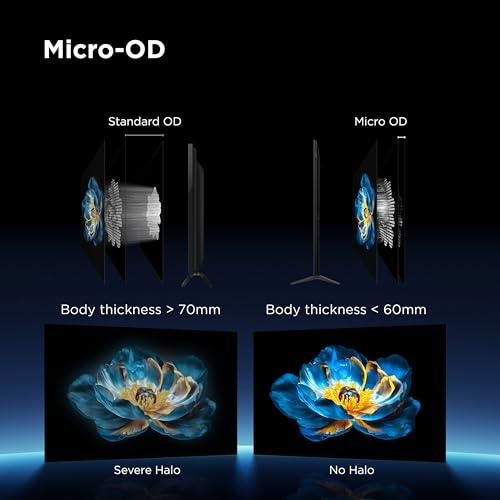
| Standard Full Array implementation | Up to 2,500 zones with advanced halo control |
| Refresh Rate - Essential for gaming and smooth sports viewing | |
| 120Hz maximum | Native 144Hz, up to 288Hz at 1080p |
| Gaming Features - Next-gen console compatibility and performance | |
| AMD FreeSync Premium Pro, ALLM, VRR | Game Accelerator 288, Game Master 2.0, FreeSync Premium Pro |
| Smart Platform - Daily interface and streaming experience | |
| Roku TV OS with Wi-Fi 6 | Google TV with Wi-Fi 5 |
| Audio System - Built-in sound quality and brand partnerships | |
| Sound Stage Audio with side-firing Dolby Atmos | Bang & Olufsen tuning with 60W Dolby Atmos |
| HDMI 2.1 Ports - High-bandwidth connections for 4K gaming | |
| 2 ports supporting 4K @ 120Hz | 2 ports supporting 4K @ 144Hz |
| Voice Control Options - Smart home integration and convenience | |
| Roku Voice Remote Pro with hands-free control | Google Assistant, Alexa, Apple HomeKit support |
| Contrast Ratio - Determines black depth and overall picture depth | |
| Good performance with mini-LED | 30 million:1 dynamic contrast |
| Best Use Case - Primary strength and ideal viewing scenario | |
| Bright rooms with simple streaming needs | Dark room home theater and gaming setups |
| Value Proposition - Performance and features relative to typical pricing | |
| Premium user experience with Roku ecosystem | Superior picture quality for less money with TCL |
The TCL 65QM7K delivers superior picture quality with deeper blacks, higher HDR brightness (2,600-3,000 nits), and up to 2,500 local dimming zones for better contrast control. The Roku Pro Series 2025 offers excellent bright room performance and improved color accuracy, but the TCL provides more cinematic picture quality overall.
The TCL 65QM7K is significantly better for gaming with its native 144Hz refresh rate, Game Accelerator 288 feature supporting up to 288Hz at 1080p, and superior motion handling. While the Roku Pro Series 2025 supports 120Hz and essential gaming features like VRR and ALLM, the TCL offers more responsive performance for PlayStation 5 and Xbox Series X gaming.
The Roku Pro Series 2025 features Roku TV OS, which offers a simpler, faster interface with instant power-on and Wi-Fi 6 connectivity. The TCL 65QM7K runs Google TV, providing broader ecosystem integration with Google Assistant, Alexa, and Apple HomeKit. Choose Roku for simplicity or TCL for more smart home features.
The Roku Pro Series 2025 uses standard QLED with mini-LED backlighting, while the TCL 65QM7K features QD-Mini LED technology that combines quantum dots with advanced mini-LED zones. The TCL's QD-Mini LED provides better local dimming control, deeper blacks, and higher contrast ratios compared to the Roku's implementation.
The Roku Pro Series 2025 performs better in bright rooms with excellent SDR brightness and effective glare handling. While the TCL 65QM7K has higher peak HDR brightness, the Roku maintains better picture quality under ambient lighting conditions, making it ideal for living rooms with uncontrolled lighting.
Both the Roku Pro Series 2025 and TCL 65QM7K support Dolby Atmos. The TCL features Bang & Olufsen audio tuning with 60W power output, while the Roku uses Sound Stage Audio with side-firing speakers. The TCL generally provides slightly better built-in audio quality.
The TCL 65QM7K typically offers better value, providing superior picture quality, gaming performance, and features while costing less than the Roku Pro Series 2025. The Roku justifies its premium through user experience benefits like Wi-Fi 6, instant power-on, and the integrated Roku ecosystem.
The TCL 65QM7K is better suited for home theater use with its superior contrast ratio, deeper blacks, and higher HDR brightness creating more immersive cinematic experiences in dark rooms. The Roku Pro Series 2025 can work for home theater but excels more in mixed lighting conditions than dedicated theater rooms.
Both the Roku Pro Series 2025 and TCL 65QM7K feature 4 total HDMI ports, with 2 HDMI 2.1 ports each for high-bandwidth 4K gaming. The TCL supports 4K at 144Hz through its HDMI 2.1 ports, while the Roku maxes out at 4K 120Hz.
The TCL 65QM7K provides better motion handling with its higher 144Hz refresh rate and superior motion processing, reducing blur during fast sports action. The Roku Pro Series 2025 offers good 120Hz performance but the TCL delivers smoother motion for sports viewing and gaming.
Yes, both the Roku Pro Series 2025 and TCL 65QM7K support all major streaming services including Netflix, Disney+, Prime Video, HBO Max, and YouTube. The Roku provides the most streamlined streaming experience through its dedicated platform, while the TCL offers Google TV's comprehensive app ecosystem.
Choose the TCL 65QM7K if you want the best picture quality, gaming performance, and value for money. Select the Roku Pro Series 2025 if you prioritize user experience, bright room performance, ecosystem simplicity, and don't mind paying extra for Wi-Fi 6 and instant responsiveness. The TCL offers more performance per dollar for most buyers.
We've done our best to create useful and informative comparisons to help you decide what product to buy. Our research uses advanced automated methods to create this comparison and perfection is not possible - please contact us for corrections or questions. These are the sites we've researched in the creation of this article: bestbuy.com - rtings.com - techradar.com - youtube.com - roku.com - youtube.com - walmart.com - bestbuy.com - youtube.com - electronicexpress.com - roku.com - pcvarge.com - ecoustics.com - bestbuy.com - businessinsider.com - tomsguide.com - tomsguide.com - rtings.com - tomsguide.com - youtube.com - rtings.com - consumerreports.org - youtube.com - youtube.com - displayspecifications.com - youtube.com - tcl.com - tcl.com - tcl.com - youtube.com - rcwilley.com - bestbuy.com - tclcentral.com - displayspecifications.com - tomsguide.com - tcl.com - brandsmartusa.com - tcl.com - tcl.com - gizmochina.com - nfm.com - dolby.com - alexraytv.com

Privacy Policy
Terms and Conditions - Affiliate Policy
Home Security
© Copyright 2008-2026.
11816 Inwood Rd #1211, Dallas, TX 75244