

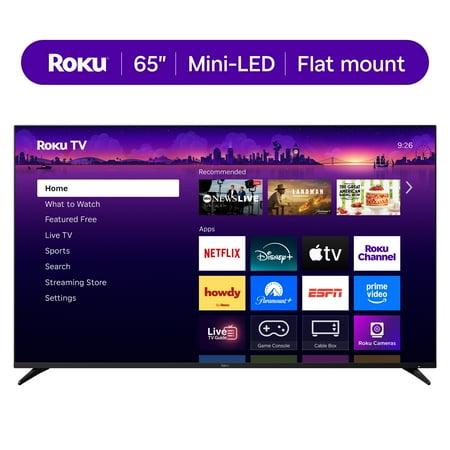
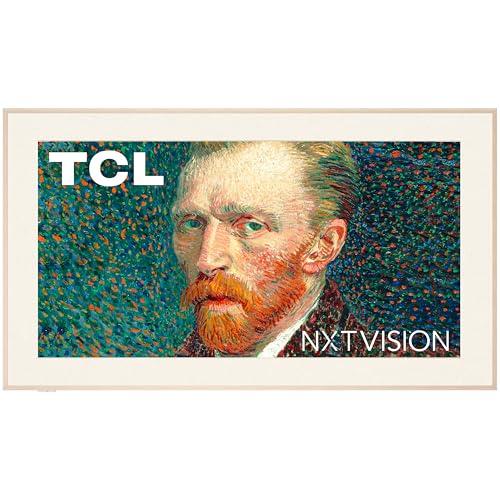



Shopping for a 65-inch TV in 2025 means choosing between two very different philosophies. The Roku 65" Pro Series 2025 represents everything great about modern television technology—blazing brightness, crisp motion, and smart features that actually work. Meanwhile, the TCL 65" NXTVISION takes a completely different approach, asking "what if your TV could disappear into your wall like a piece of art?"
Both are QLED TVs using quantum dot technology (tiny crystals that make colors more vibrant), but they're designed for completely different lifestyles. Understanding which approach fits your home will save you from buyer's remorse down the road.
When Roku launched their Pro Series in 2025, they focused on delivering premium TV performance without the premium price tag. The company, known primarily for streaming devices, applied everything they learned about what viewers actually want: bright, colorful pictures that look great in real rooms with real lighting.
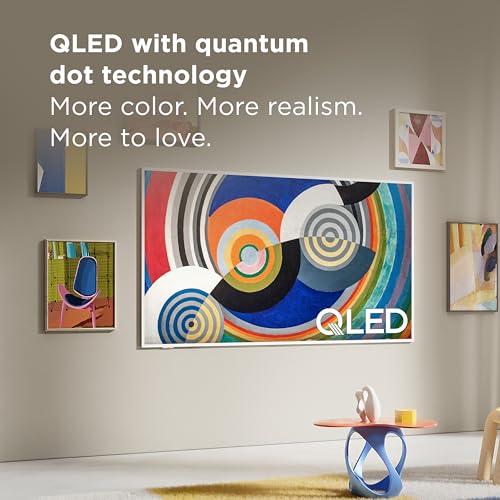
TCL's NXTVISION, also released in 2024-2025, tackles the age-old problem of big black rectangles dominating living rooms. Their solution? Make the TV so thin and art-like that it becomes part of your décor rather than fighting against it.
These different approaches matter because they determine everything from where you can place the TV to how much you'll enjoy watching the big game.
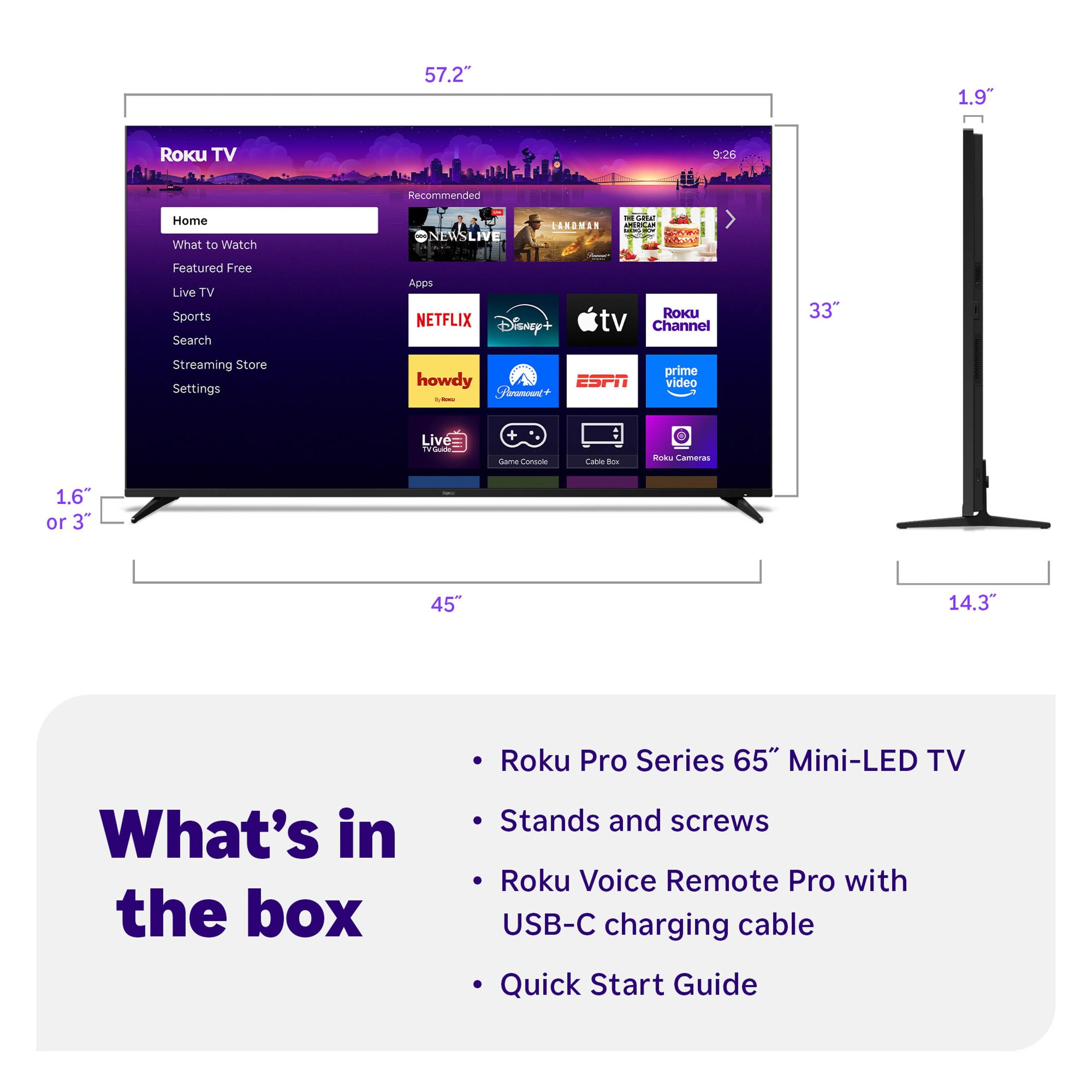
The Roku Pro Series looks like what most people expect from a premium TV—sleek but substantial, designed to sit proudly on an entertainment center or mount flush against a wall. At 1.9 inches deep without its stand, it's thin enough to look modern but thick enough to pack in serious performance hardware.
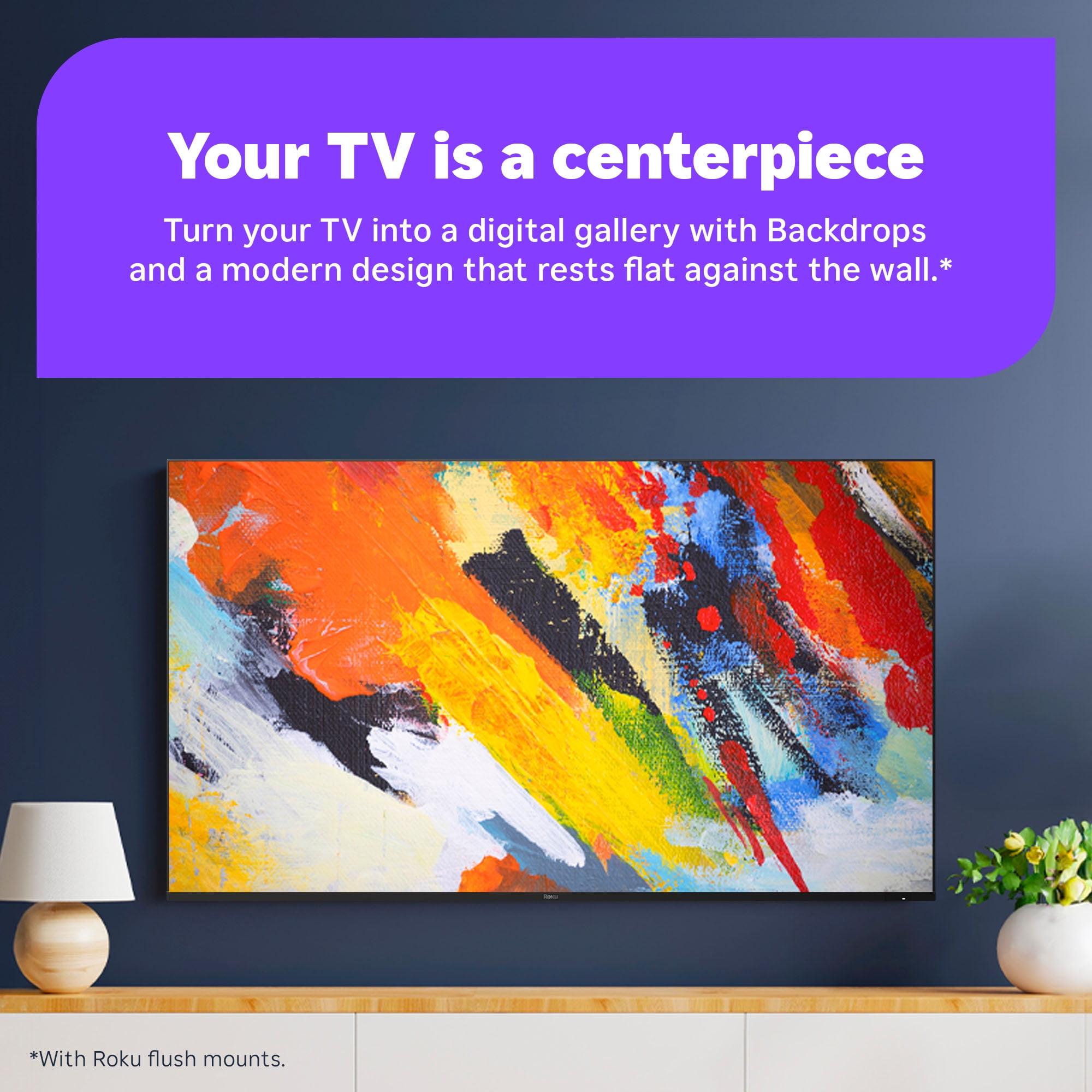
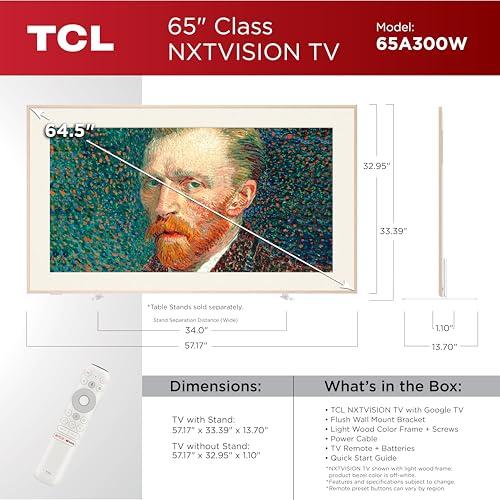
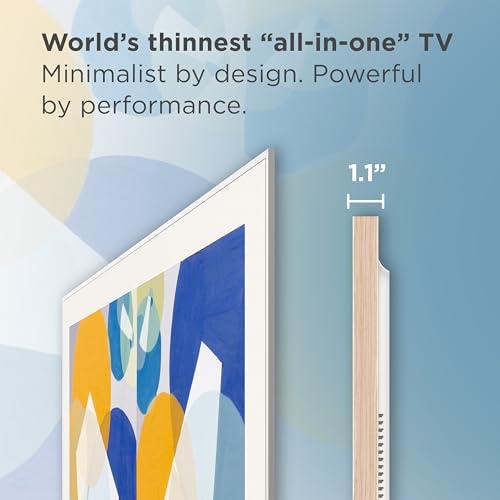
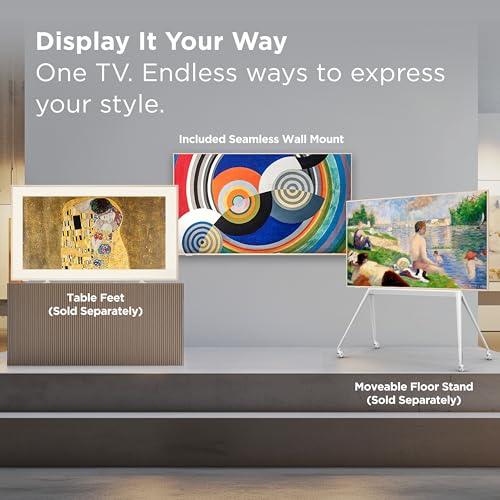
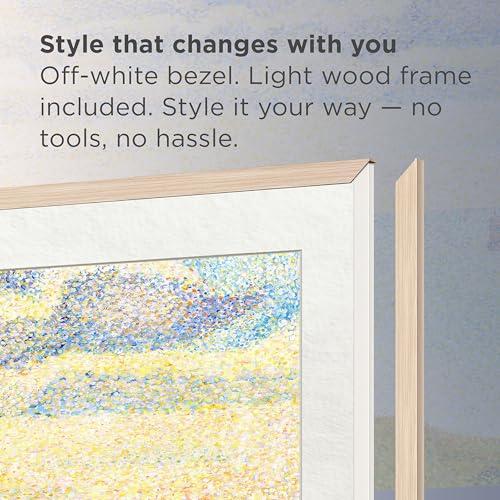
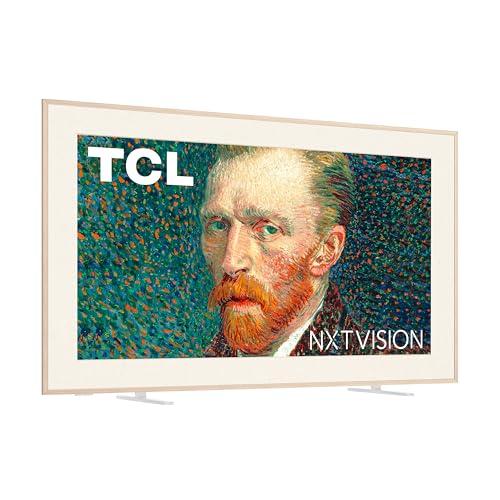
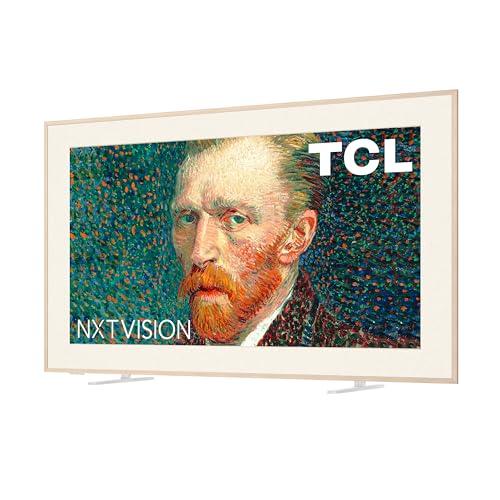
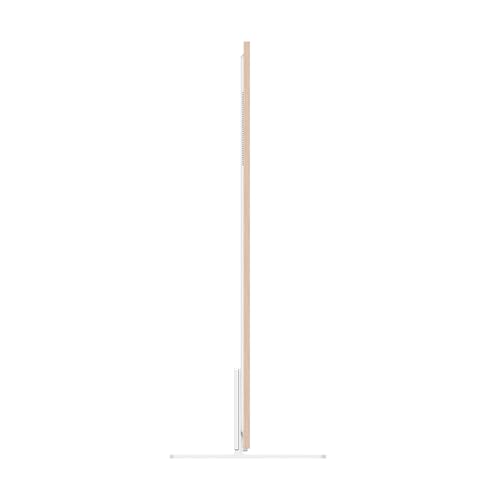
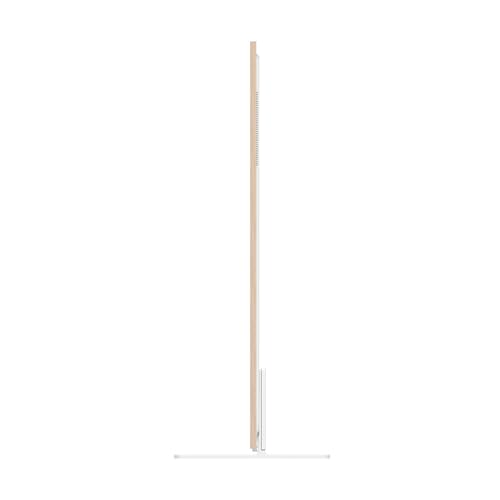
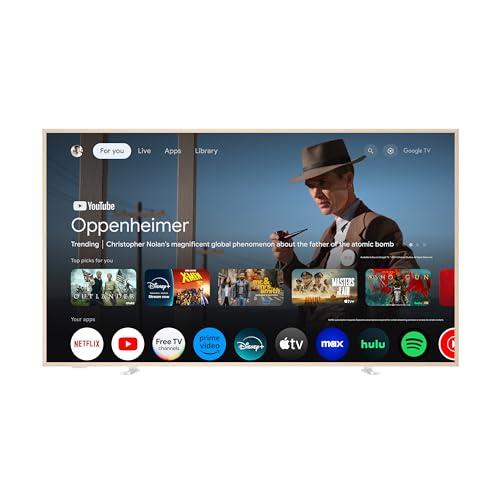
The TCL NXTVISION is almost impossibly slim at just 1.1 inches deep. This isn't just marketing fluff—that ultra-thin profile fundamentally changes how the TV integrates into your space. TCL includes a flush wall mount and magnetic wooden frame that transforms the display into what genuinely looks like a framed piece of art.
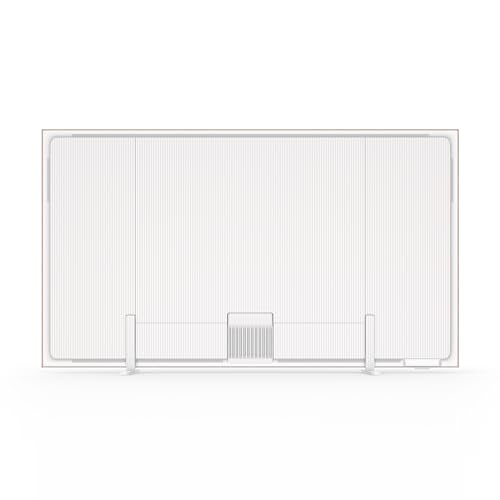
But here's the catch: the NXTVISION basically requires wall mounting. You can't just plop it on your existing TV stand like you would with the Roku. This design commitment means you need to be absolutely certain about placement before you buy.
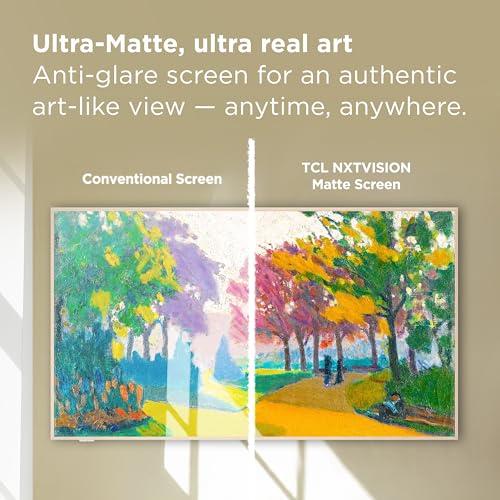
The TCL's most impressive design feature is its ultra-matte anti-glare screen. Unlike typical TVs that act like mirrors in bright rooms, this matte coating scatters reflections so effectively that the screen looks like an actual canvas. When displaying art, the effect is genuinely convincing—you have to look closely to tell it's not a real painting.
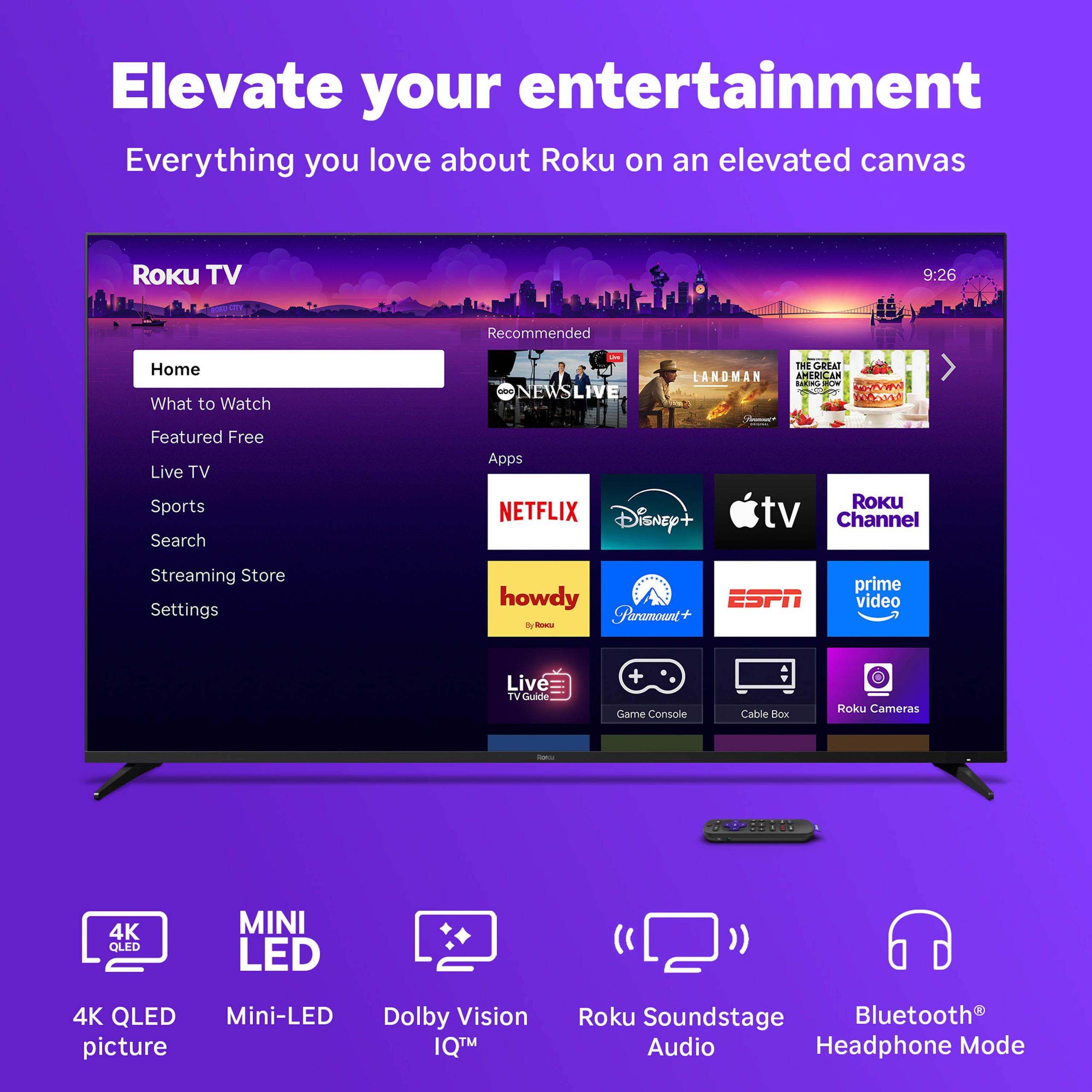
This is where the Roku Pro Series flexes its technical muscles. Peak brightness—how bright the TV can get in its most intense moments—reaches an impressive 1,750+ nits when needed. To put that in perspective, a typical TV might hit 400-600 nits, while premium models push 1,000+. This brightness advantage isn't just about bragging rights; it means HDR content (high dynamic range video with enhanced contrast and colors) actually looks like what directors intended.
The Roku achieves this brightness through mini-LED backlighting with full array local dimming—essentially thousands of tiny LEDs behind the screen that can dim or brighten independently. When you're watching a movie scene with a bright sun and dark shadows, the TV can make the sun blazingly bright while keeping shadows truly dark, creating contrast that feels three-dimensional.
The TCL NXTVISION uses edge-lit LED backlighting, a less sophisticated system where LEDs around the screen's edges light up the entire panel. This keeps the TV ultra-thin but limits peak brightness to around 800-900 nits and prevents true local dimming. In practice, this means darker scenes look greyish rather than deep black, and HDR content appears flatter and less impactful.
Color performance tells a similar story. The Roku covers 96.9% of the DCI-P3 color space (the standard used by movie theaters) with improved color accuracy that makes skin tones look natural and landscapes look lifelike. User reviews consistently praise the "vibrant colors that pop" without looking artificial.
The TCL produces rich, saturated colors thanks to its QLED quantum dot layer, but professional measurements show poor overall color accuracy. Colors look pleasing but not necessarily correct—think Instagram filter rather than professional photography.
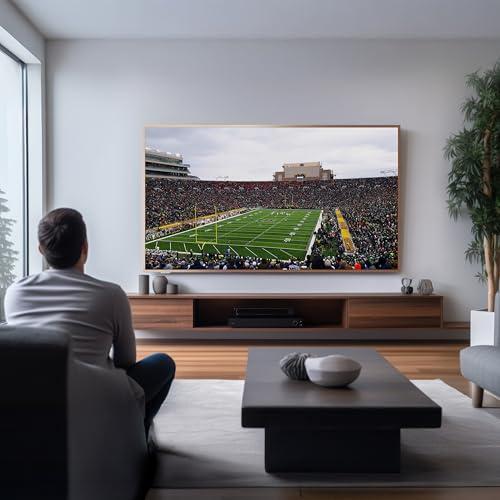
If you watch sports, play video games, or enjoy action movies, motion handling becomes crucial. The Roku Pro Series excels here with its true 120Hz refresh rate (how many times per second the screen updates its image) and fast pixel response times. Reviewers consistently note excellent motion clarity for football games, where players move crisply across the field without blur or stuttering.
The TCL NXTVISION technically offers similar specifications—even claiming up to 144Hz refresh rates—but suffers from slow pixel response times. This means that while the TV receives new images quickly, individual pixels take too long to change colors, creating noticeable motion blur during fast action. It's the difference between watching a crisp live broadcast and a slightly out-of-focus recording.
Motion smoothing (MEMC - Motion Estimation, Motion Compensation) can help the TCL somewhat by artificially inserting frames, but this creates the "soap opera effect" that makes movies look unnaturally smooth. The Roku handles motion naturally without needing these artificial enhancements.
Modern gaming consoles like the PlayStation 5 and Xbox Series X can output 4K resolution at 120 frames per second, but they need TVs capable of handling this data. Both TVs include HDMI 2.1 ports (the latest connection standard) and support Variable Refresh Rate (VRR, which eliminates screen tearing) and Auto Low Latency Mode (ALLM, which automatically optimizes settings for gaming).
On paper, the TCL might seem superior with its claimed 240Hz gaming modes. In reality, the Roku provides a much better gaming experience. Input lag—the delay between pressing a button and seeing the result on screen—measures just 5.2 milliseconds on the Roku, while the TCL's slow pixel response creates persistent motion blur that affects gaming enjoyment.
If gaming is important to you, the Roku wins decisively despite having lower maximum refresh rates on paper.
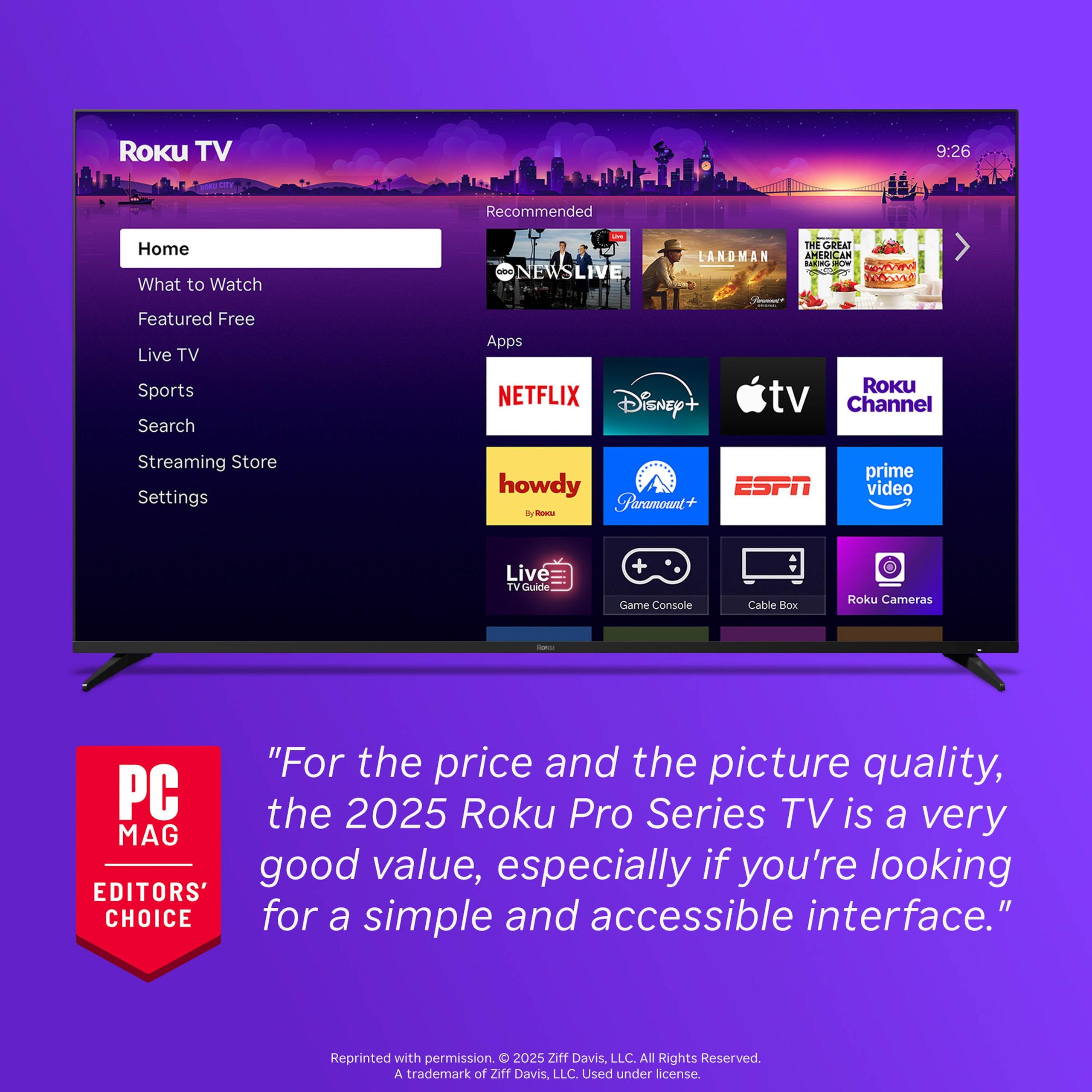
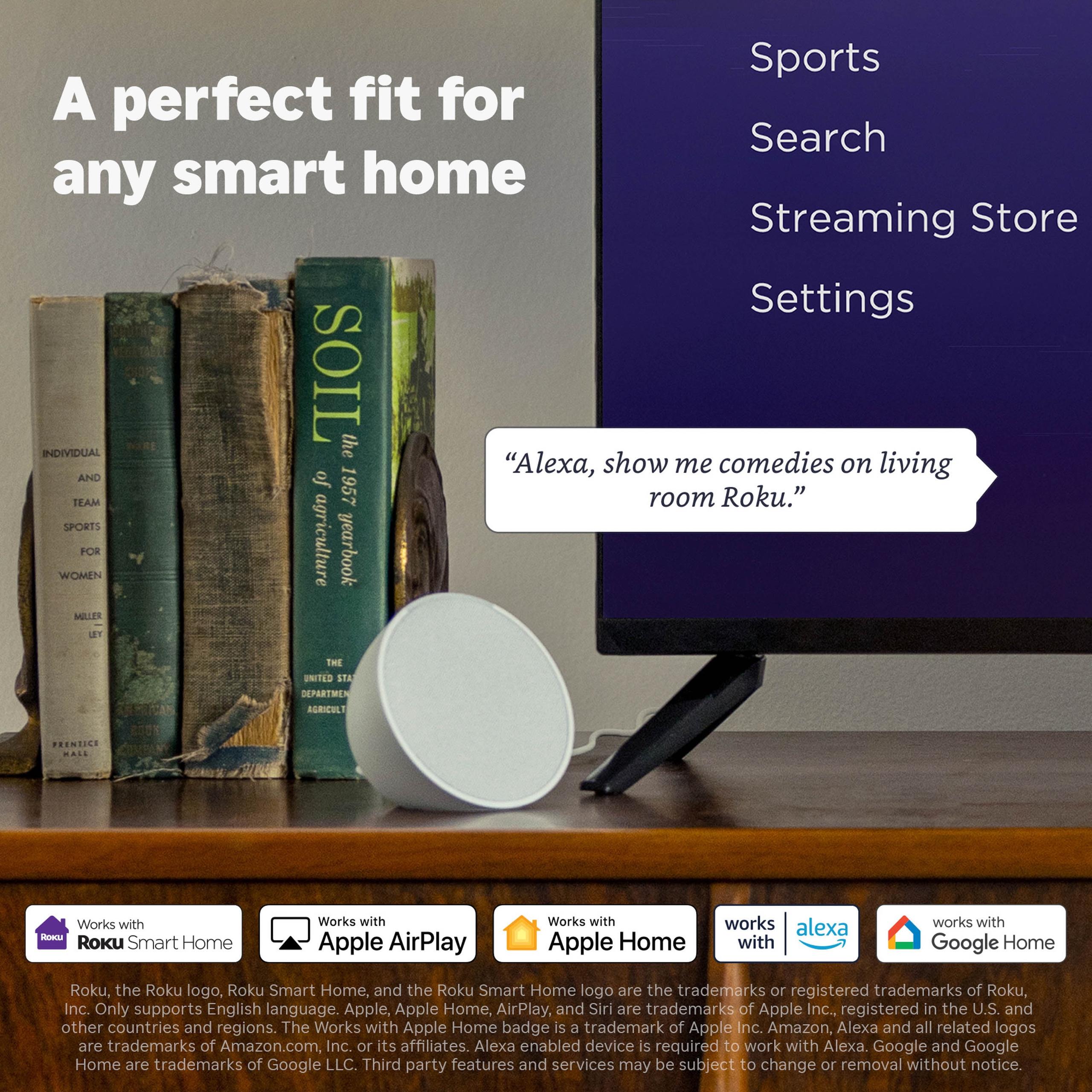
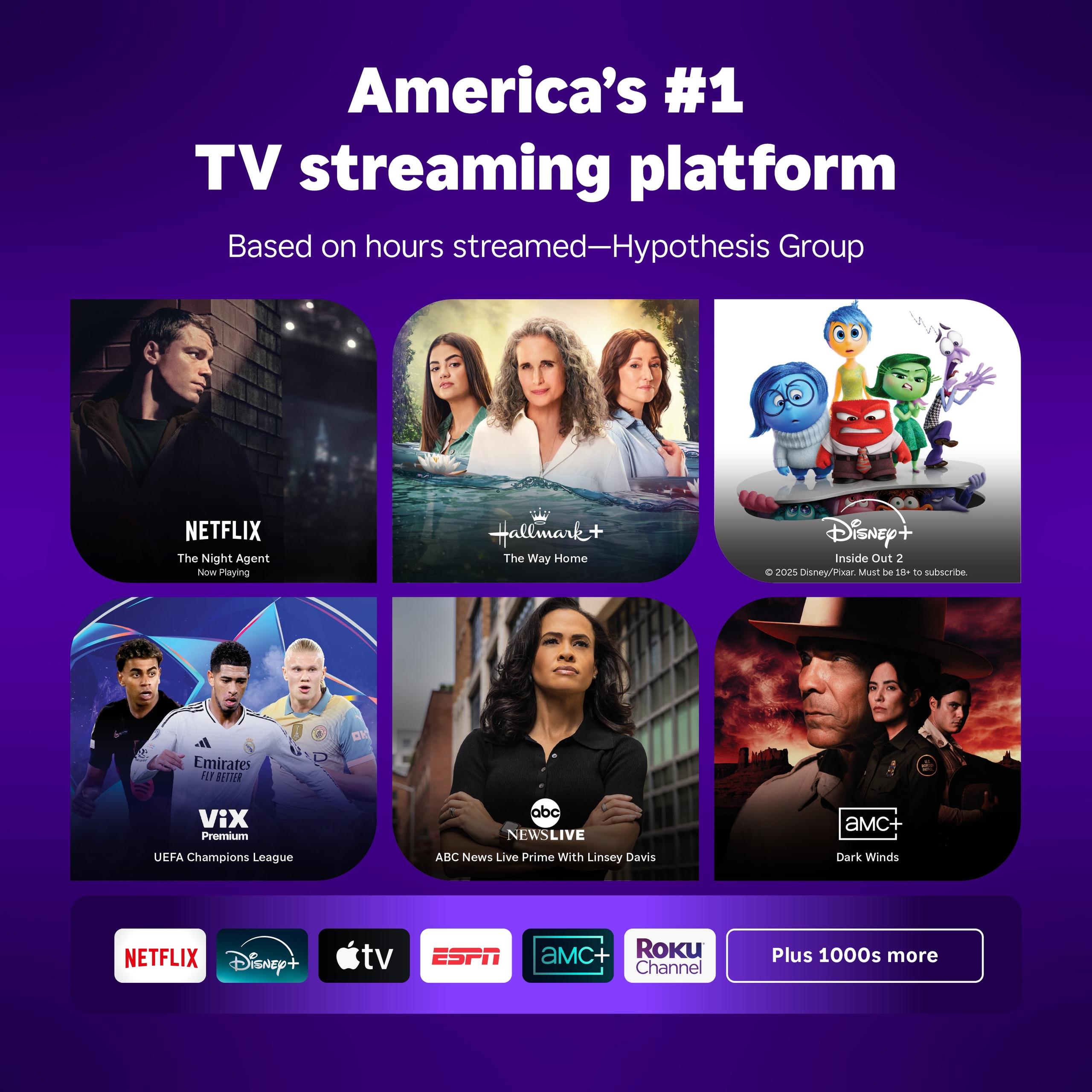
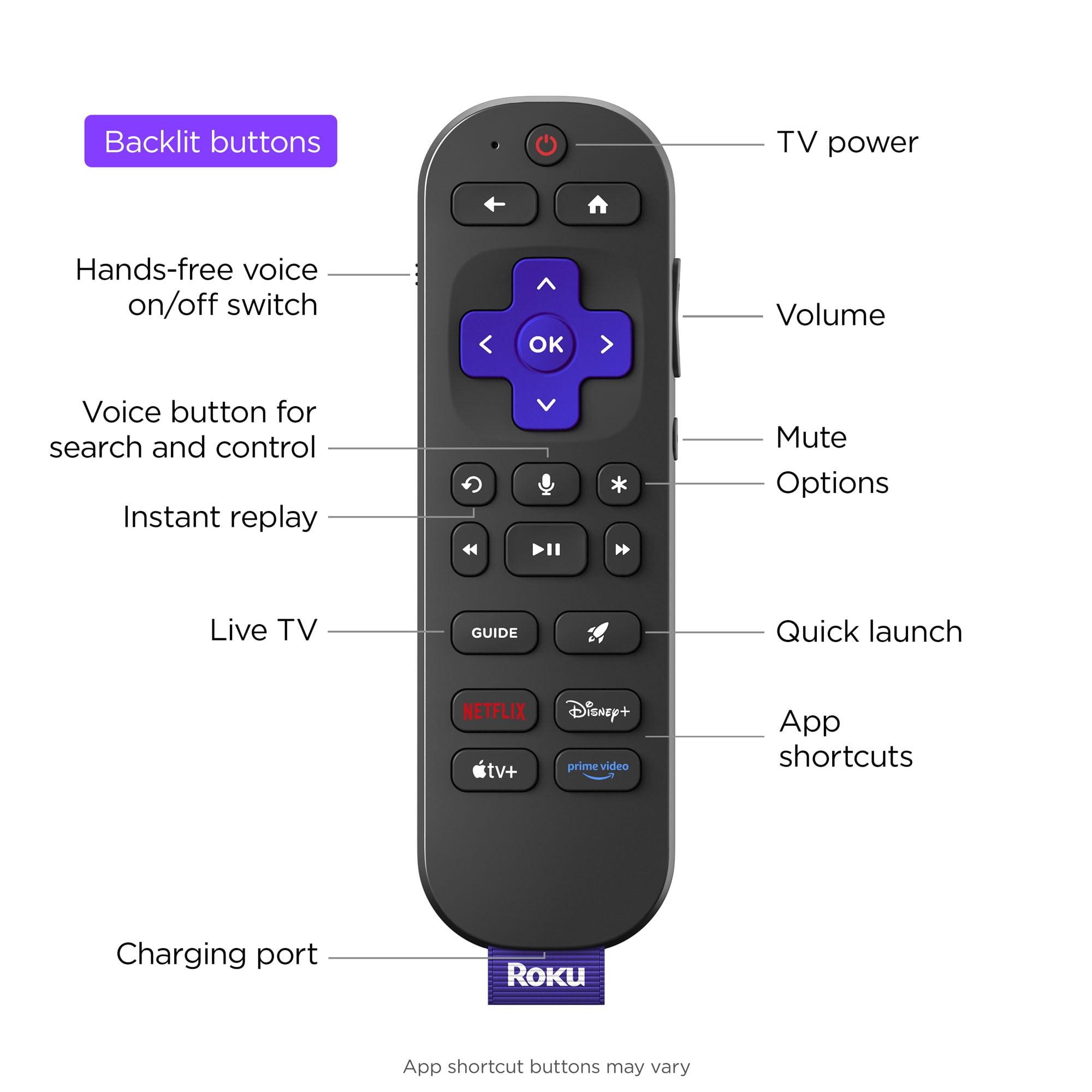
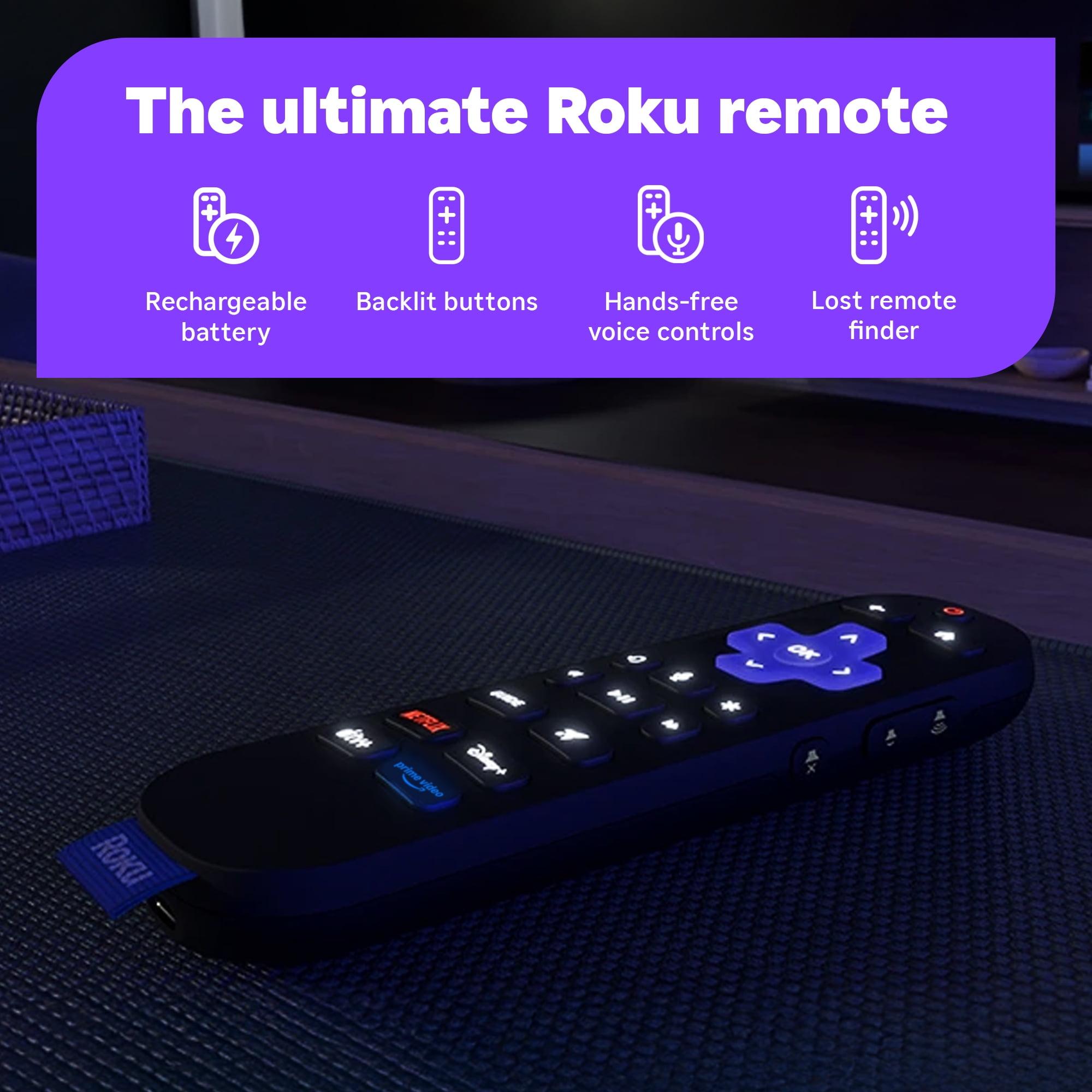
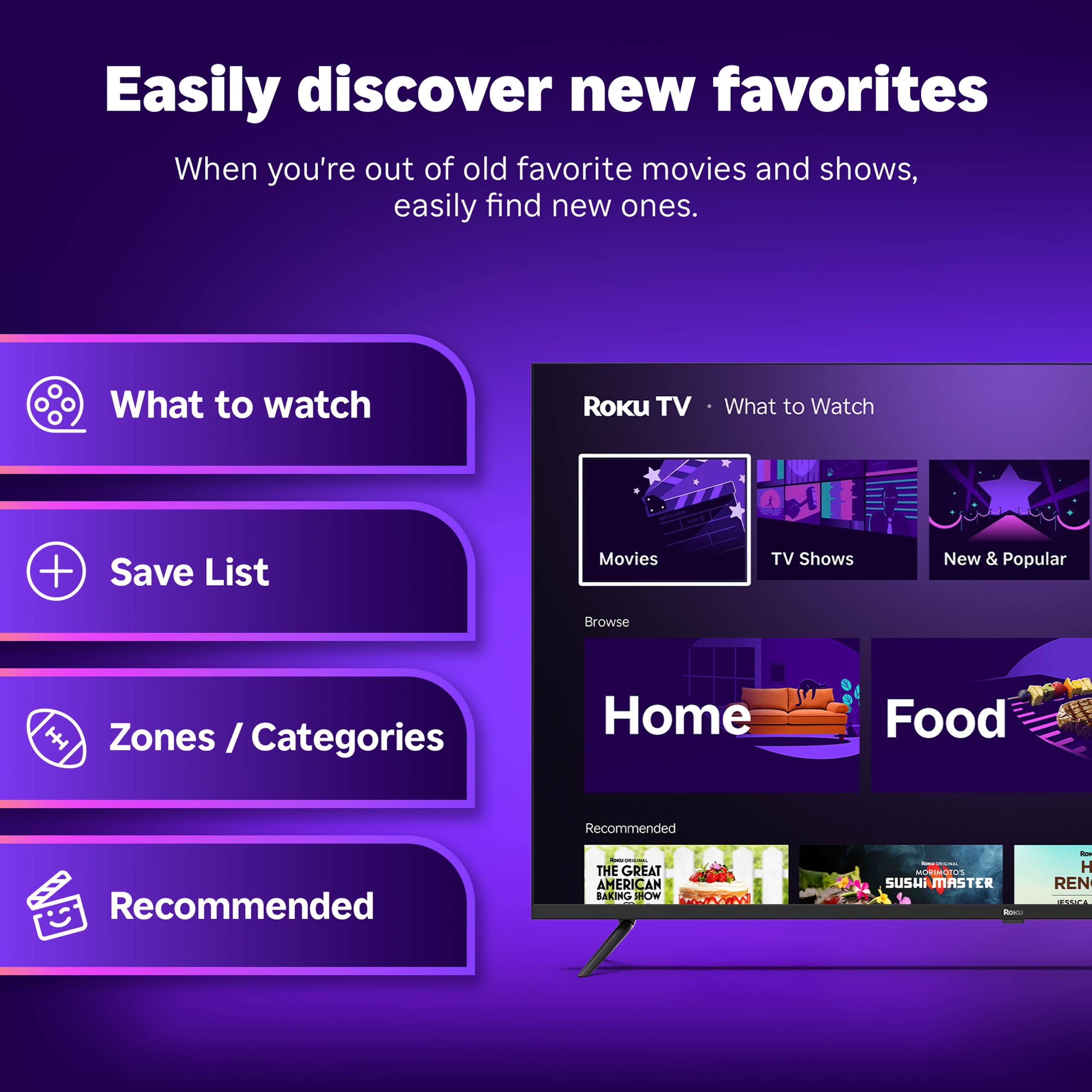
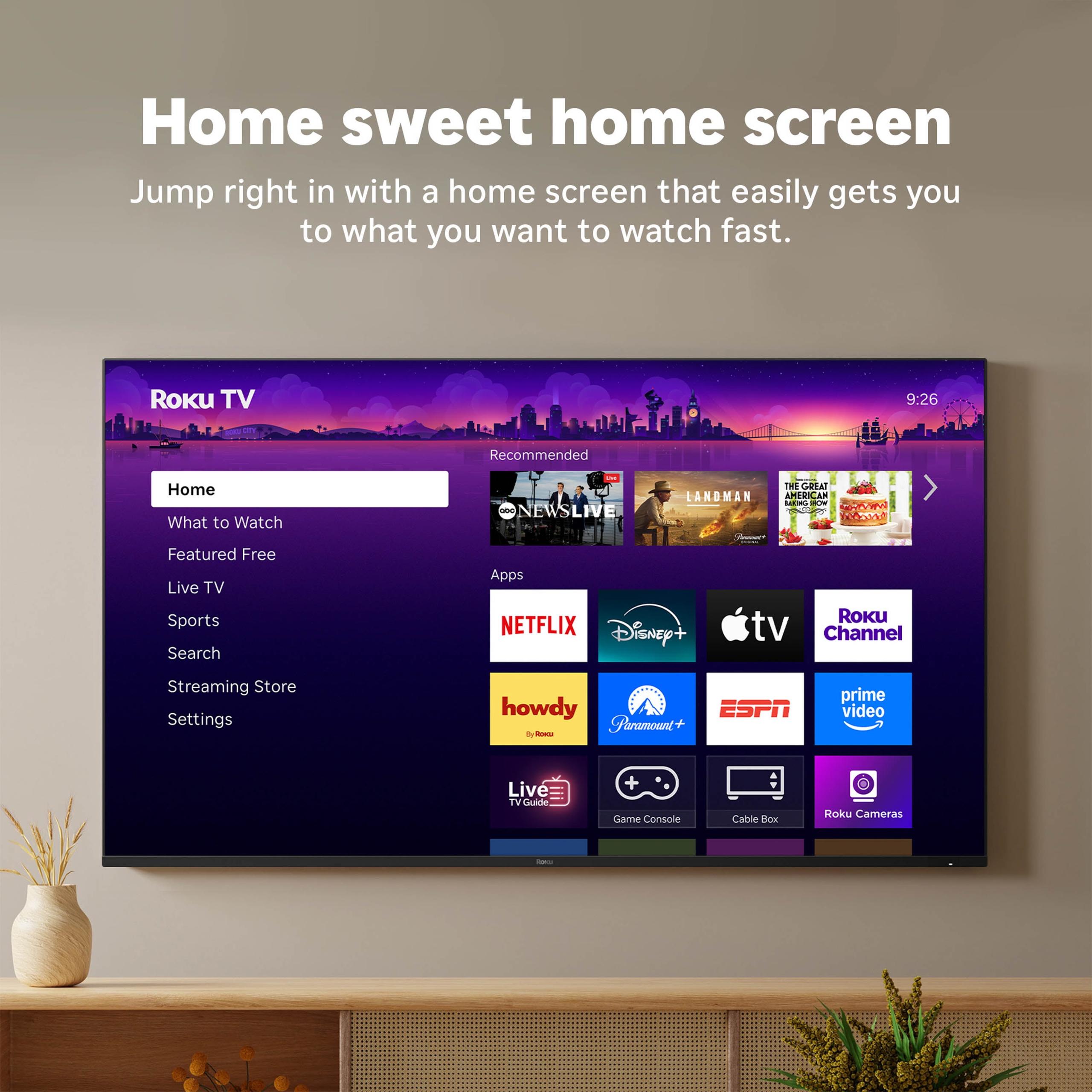
The Roku Pro Series ships with Roku OS, widely considered the best smart TV platform available. The interface is intuitive, fast, and comprehensive, with virtually every streaming service readily available. The included Voice Remote Pro features backlit buttons for dark rooms and a brilliant "find my remote" button on the TV itself—a feature that's saved countless frustrated searching sessions.
Wi-Fi 6 support ensures fast app loading and smooth streaming, while the unified home screen makes finding content across different services genuinely easy. Having used various smart TV platforms over the years, Roku's approach stands out for actually getting out of your way and letting you watch what you want.
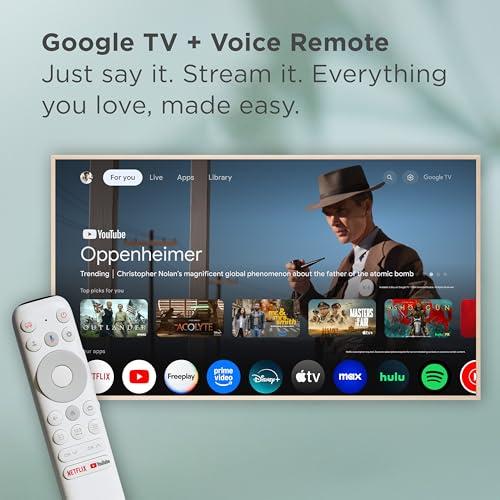
The TCL NXTVISION runs Google TV, which is competent but not exceptional. The real smart feature here is the art functionality—over 400 curated artworks, AI-generated images, and personal photo display modes. When you're not watching TV, the NXTVISION can cycle through artwork, turning your entertainment center into a rotating gallery.
This art mode is surprisingly sophisticated, with different matte finishes and display options that genuinely make photos and paintings look museum-quality. If you're someone who cares about room aesthetics when the TV is off, this feature alone might justify the TCL's compromises elsewhere.
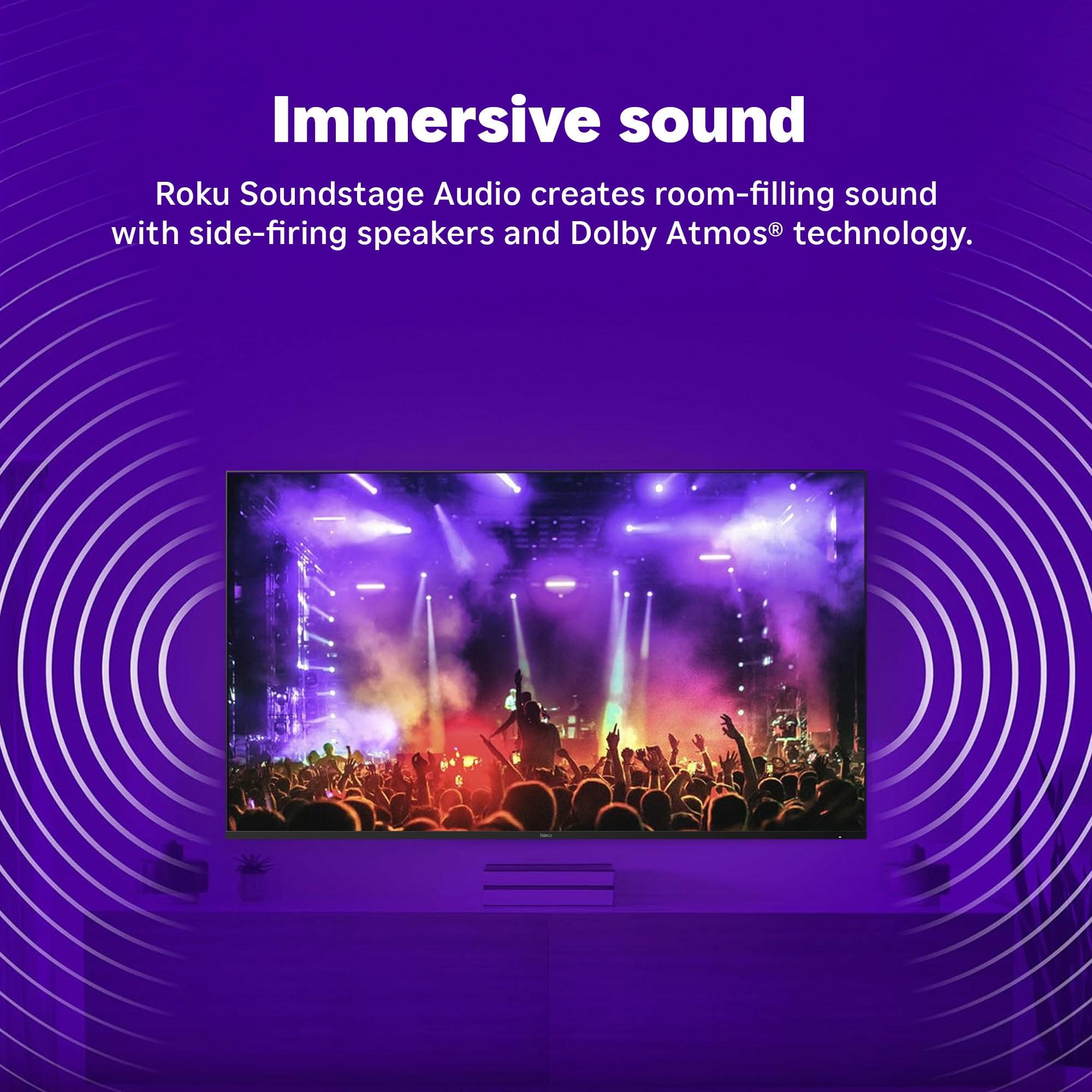
TV speakers have improved dramatically in recent years, and the Roku Pro Series showcases this evolution well. The side-firing speakers with Dolby Atmos support produce what reviewers describe as "theater-like bass" that can actually rattle walls. Multiple users report satisfaction with the built-in audio for everyday viewing, though dedicated home theater setups will still benefit from external speakers.
The TCL NXTVISION's ultra-thin design severely constrains speaker size and placement. While it includes Dolby Atmos and DTS support, the 2x10W speakers simply can't move enough air to create impactful sound. It's adequate for casual viewing but will likely require a soundbar for anything approaching cinematic audio.
Most TVs struggle in bright rooms, where ambient light washes out colors and reduces contrast. The Roku fights back with sheer brightness—those 1,750+ nits can overpower most room lighting to maintain vibrant, watchable images even with windows open during the day.
The TCL NXTVISION takes a different approach with its ultra-matte screen coating. Rather than trying to out-bright ambient light, it eliminates reflections entirely. The result is a TV that looks consistently good in bright rooms but can't achieve the peak brightness needed for true HDR impact.
For most living rooms with significant natural light, the TCL's anti-glare approach actually works better for casual daytime viewing. But for evening movie watching or dedicated home theater use, the Roku's brightness advantage becomes crucial.
In dedicated home theater environments with controlled lighting, the Roku Pro Series truly shines. The combination of high peak brightness, deep blacks from local dimming, and accurate colors creates an engaging cinematic experience that rivals much more expensive displays.
The TCL NXTVISION simply isn't designed for serious home theater use. The lack of local dimming means dark movie scenes appear greyish, while limited brightness reduces HDR impact. The ultra-thin design and art focus clearly prioritize form over cinematic performance.
If you're building a dedicated viewing room or take movie nights seriously, the Roku is the obvious choice. The TCL works better in living spaces where the TV needs to serve multiple roles.
At the time of writing, both TVs occupy similar mid-range pricing territory, making the value comparison particularly interesting. The Roku Pro Series delivers performance that typically costs significantly more, offering mini-LED backlighting, excellent motion handling, and superior smart features at an accessible price point.
The TCL NXTVISION's value proposition is more complex. As a pure TV, it underperforms relative to its price. As a lifestyle product that doubles as art, it offers functionality you simply can't get elsewhere at this price level. Samsung's Frame TV, the category leader, typically costs considerably more for similar aesthetic features.
Choose the Roku 65" Pro Series 2025 if television performance matters most. This means you watch sports regularly, play video games, enjoy movies with proper HDR impact, or need a TV for a dedicated entertainment room. The superior brightness, motion handling, and audio quality make it the clear choice for anyone prioritizing the viewing experience.
Choose the TCL 65" NXTVISION if room integration and aesthetics outweigh pure performance. This TV makes sense when you need something that disappears into your décor, have serious glare issues from windows or lighting, or genuinely want the art display functionality. It's also appropriate if you primarily watch casual content and care more about how the TV looks when off than how it performs when on.
The decision ultimately comes down to whether you want a television that excels at being a television, or a lifestyle piece that can also display video content. Both approaches have merit, but understanding your priorities will lead you to the right choice for your specific situation.
In my experience evaluating TVs across different price ranges and use cases, the Roku offers exceptional value for traditional TV use, while the TCL succeeds in a much more specific niche. Choose based on your primary use case, and you'll be happy with either decision.
| Roku 65" Pro Series 2025 4K QLED TV | TCL 65" NXTVISION QLED 4K Art Frame TV |
|---|---|
| Peak Brightness - Critical for HDR performance and bright rooms | |
| 1,752-1,818 nits (excellent HDR impact) | ~800-900 nits (limited HDR performance) |
| Backlight Technology - Determines contrast quality and black levels | |
| Mini-LED with full array local dimming (deep blacks, precise highlights) | Edge-lit LED without local dimming (greyish blacks, limited contrast) |
| Design Philosophy - Affects room integration and installation options | |
| Traditional TV design with flexible mounting (1.9" depth) | Ultra-slim art frame design with mandatory wall mount (1.1" depth) |
| Motion Performance - Essential for sports and gaming | |
| 120Hz with fast pixel response (excellent motion clarity) | 120Hz with slow pixel response (noticeable motion blur) |
| Anti-Glare Performance - Important for bright living spaces | |
| Standard glossy screen (some reflections in bright light) | Ultra-matte coating (virtually eliminates all reflections) |
| Gaming Features - Matters for console gaming | |
| 5.2ms input lag, HDMI 2.1, VRR, ALLM (excellent gaming experience) | Higher input lag, slow response time (poor gaming despite specs) |
| Audio Quality - Determines if you need external speakers | |
| Side-firing speakers with Dolby Atmos (surprisingly powerful bass) | Ultra-thin 2x10W speakers (adequate but limited by form factor) |
| Smart Platform - Affects daily usability and app selection | |
| Roku OS with Voice Remote Pro (industry-leading interface) | Google TV with standard remote (competent but not exceptional) |
| Art Display Mode - For when TV is off | |
| Digital gallery backgrounds only | 400+ curated artworks, AI art generation, personal photos |
| Color Accuracy - Important for natural-looking content | |
| 96.9% DCI-P3 coverage with delta E 2.6 (excellent accuracy) | Rich colors but poor overall accuracy (pleasing but not correct) |
| Installation Flexibility - Affects placement options | |
| Stand included, wall mount compatible, multiple placement options | Flush wall mount only, no traditional stand option |
| Best Use Case - Who should choose each | |
| Performance-focused viewers, sports fans, gamers, home theater | Aesthetics-focused buyers, art lovers, bright room viewing |
The Roku 65" Pro Series 2025 delivers significantly better picture quality with its mini-LED backlighting and peak brightness of 1,750+ nits. This means HDR movies show bright highlights and deep blacks as intended. The TCL NXTVISION uses edge-lit backlighting with lower brightness, resulting in greyish blacks and dim HDR performance that doesn't match the cinematic experience.
The Roku Pro Series 2025 offers flexible installation with an included stand and standard wall mount compatibility. The TCL NXTVISION Art Frame TV requires wall mounting using its included flush mount system - there's no traditional stand option. This makes the TCL better for seamless wall integration but limits placement flexibility.
The Roku 65" Pro Series 2025 provides superior gaming performance with 5.2ms input lag and fast pixel response times for clear motion. While the TCL NXTVISION supports similar gaming features on paper, its slow pixel response creates motion blur that affects competitive gaming. Choose the Roku for serious gaming.
The TCL NXTVISION excels in bright rooms thanks to its ultra-matte anti-glare screen that eliminates reflections like a canvas. The Roku Pro Series 2025 fights bright rooms with superior brightness but still shows some reflections on its glossy screen. For daytime viewing with significant ambient light, the TCL has the advantage.
The Roku 65" Pro Series 2025 includes the industry-leading Roku OS with faster performance, better app selection, and the excellent Voice Remote Pro with backlit buttons. The TCL NXTVISION uses Google TV, which is competent but not as refined. For streaming and daily smart TV use, the Roku is clearly superior.
The Roku Pro Series 2025 handles sports excellently with its 120Hz refresh rate and fast motion processing that keeps players crisp during quick movements. The TCL NXTVISION Art Frame TV suffers from motion blur during fast action, making sports viewing less enjoyable. Sports fans should choose the Roku.
Yes, the TCL NXTVISION includes over 400 curated artworks, AI-generated art options, and personal photo display modes. Combined with its ultra-matte screen and wooden frame, it genuinely looks like framed artwork when displaying images. The Roku Pro Series 2025 only offers basic digital gallery backgrounds.
The Roku 65" Pro Series 2025 delivers surprisingly powerful audio with side-firing speakers and Dolby Atmos that reviewers describe as having "theater-like bass." The ultra-thin TCL NXTVISION is limited by its slim design, offering adequate but unremarkable 2x10W speakers that will likely require a soundbar for movie watching.
The Roku Pro Series 2025 excels in dedicated home theater environments with its high contrast, deep blacks from local dimming, and bright HDR performance in controlled lighting. The TCL NXTVISION isn't designed for serious home theater use due to its limited contrast and brightness - it's better suited for casual living room viewing.
The TCL NXTVISION Art Frame TV is extremely thin at 1.1 inches, enabling its art-like wall integration but limiting internal components. The Roku Pro Series 2025 is thicker at 1.9 inches, allowing for better cooling, larger speakers, and more powerful backlighting hardware. The thickness difference directly impacts performance capabilities.
The Roku 65" Pro Series 2025 provides exceptional value for traditional TV performance, offering mini-LED technology and features typically found in more expensive models. The TCL NXTVISION offers unique lifestyle value as an art display but poor value for pure TV performance. Choose based on whether you prioritize TV performance or aesthetic integration.
Choose the Roku Pro Series 2025 if you want the best TV performance for movies, sports, and gaming with flexible placement options. Choose the TCL NXTVISION Art Frame TV if room aesthetics matter more than peak performance, you have serious glare issues, or you genuinely want the art display functionality when the TV is off.
We've done our best to create useful and informative comparisons to help you decide what product to buy. Our research uses advanced automated methods to create this comparison and perfection is not possible - please contact us for corrections or questions. These are the sites we've researched in the creation of this article: bestbuy.com - rtings.com - techradar.com - youtube.com - roku.com - youtube.com - walmart.com - bestbuy.com - youtube.com - electronicexpress.com - roku.com - pcvarge.com - ecoustics.com - rtings.com - tcl.com - bestbuy.com - tcl.com - bestbuy.com - tcl.com - youtube.com - rcwilley.com - businessinsider.com - bestbuy.com - target.com - youtube.com - support.tcl.com - nfm.com - woodruffappliance.com - flatpanelshd.com - tcl.com

Privacy Policy
Terms and Conditions - Affiliate Policy
Home Security
© Copyright 2008-2026.
11816 Inwood Rd #1211, Dallas, TX 75244