

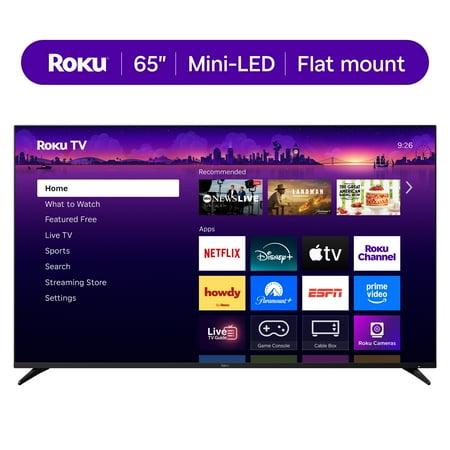
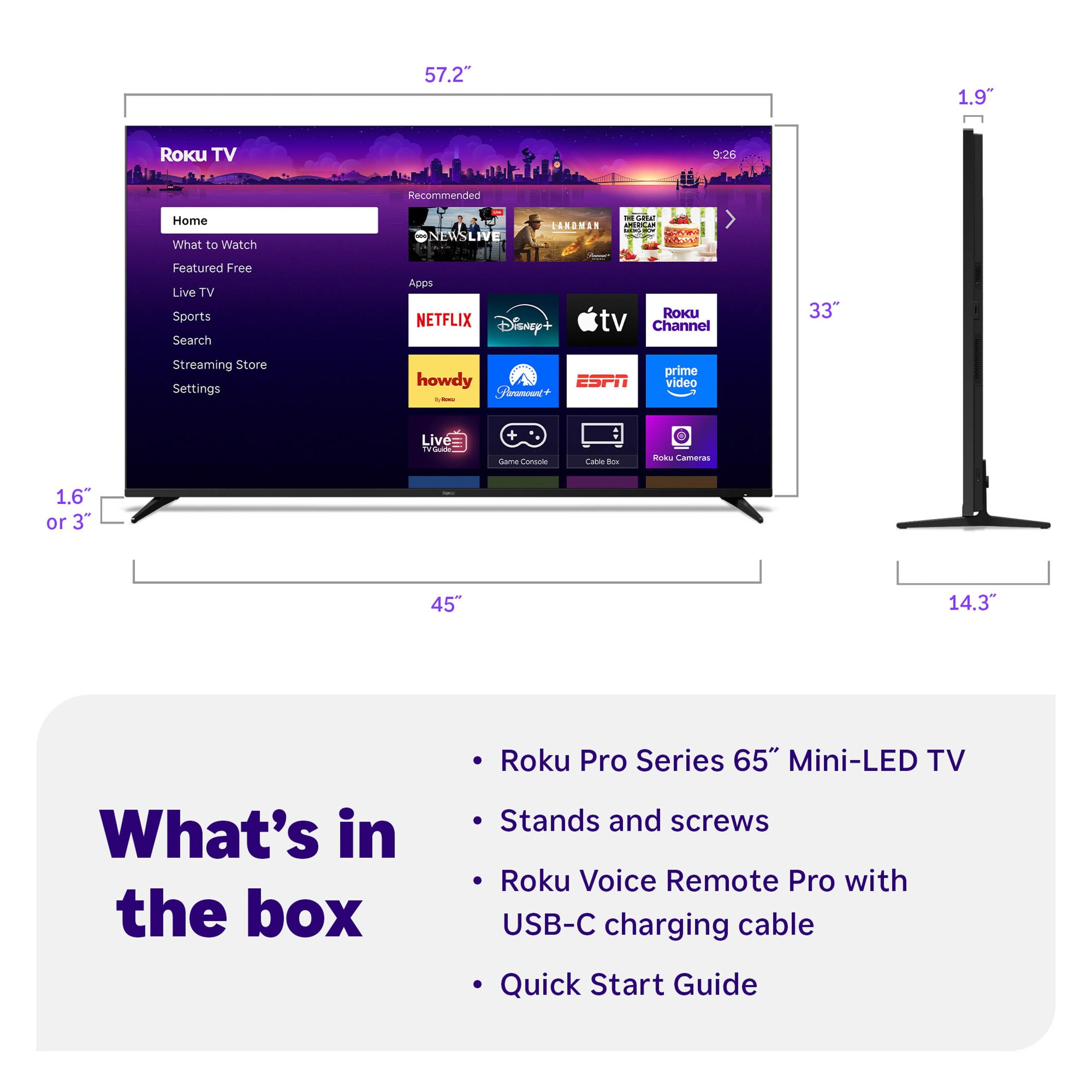


Shopping for a premium 65-inch TV in 2025? You're facing one of the most interesting decisions in the TV market right now. The Roku 65" Pro Series 2025 and Samsung 65" OLED S95F represent two completely different approaches to delivering exceptional picture quality, and the choice between them comes down to more than just budget considerations.
At the time of writing, these TVs sit at opposite ends of the premium spectrum. The Roku Pro Series positions itself as a value-focused option that doesn't compromise on performance, while the Samsung S95F commands nearly double the price as Samsung's flagship OLED offering. But here's what makes this comparison fascinating: the cheaper TV actually outperforms the expensive one in several key areas.
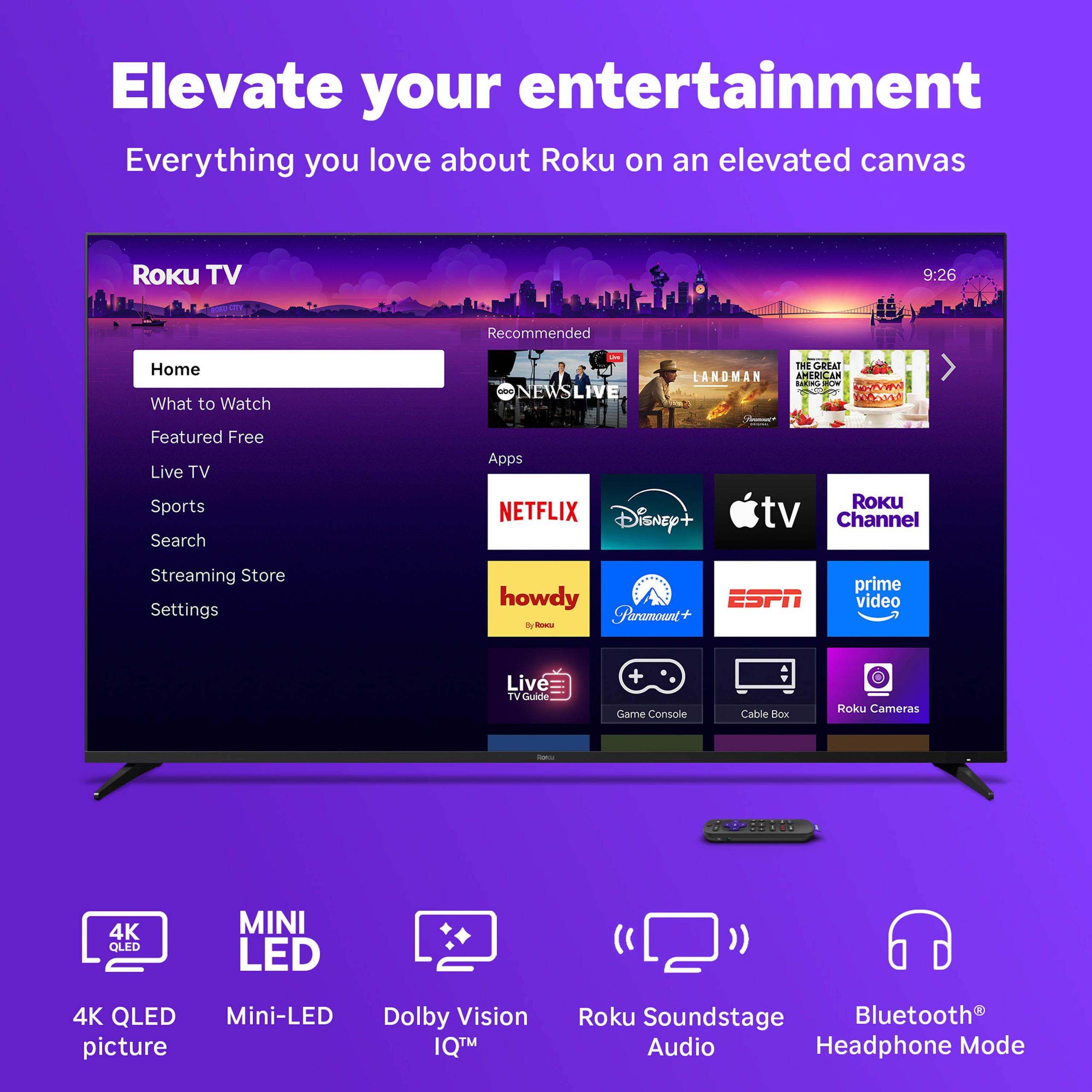
The fundamental difference between these TVs lies in their display technology, and it's worth understanding what that means for your viewing experience. The Roku Pro Series uses what's called Mini-LED QLED technology. Think of this as having thousands of tiny LED lights behind the screen that can brighten or dim independently to create the image you see. This is combined with quantum dot technology, which is essentially a layer of microscopic particles that make colors more vivid and accurate.
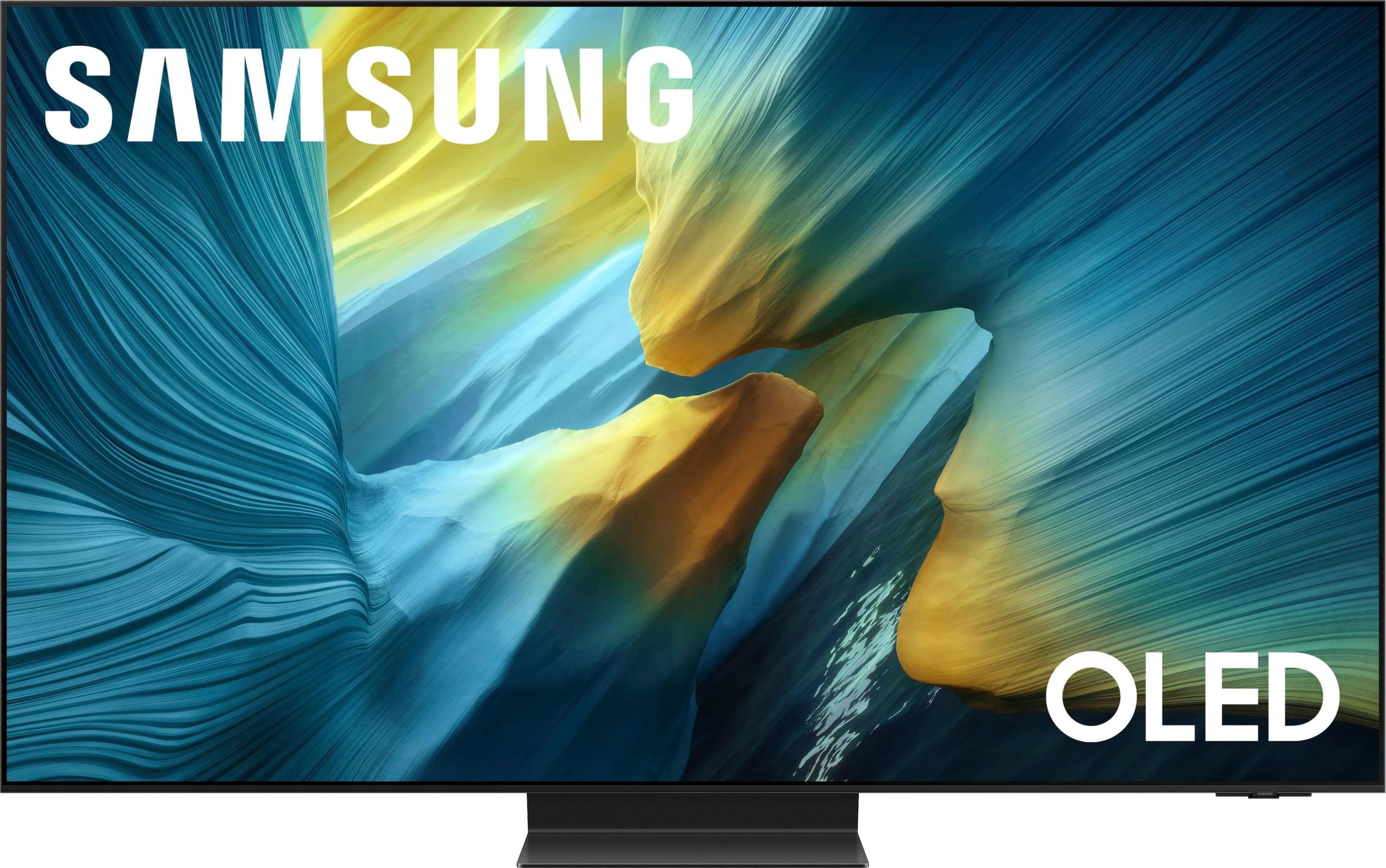
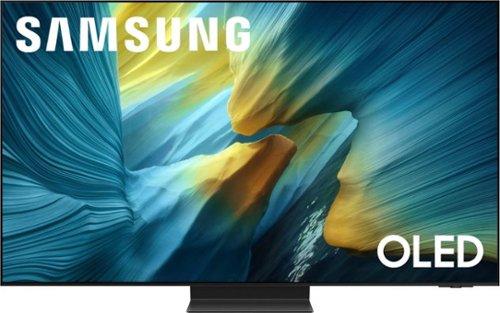
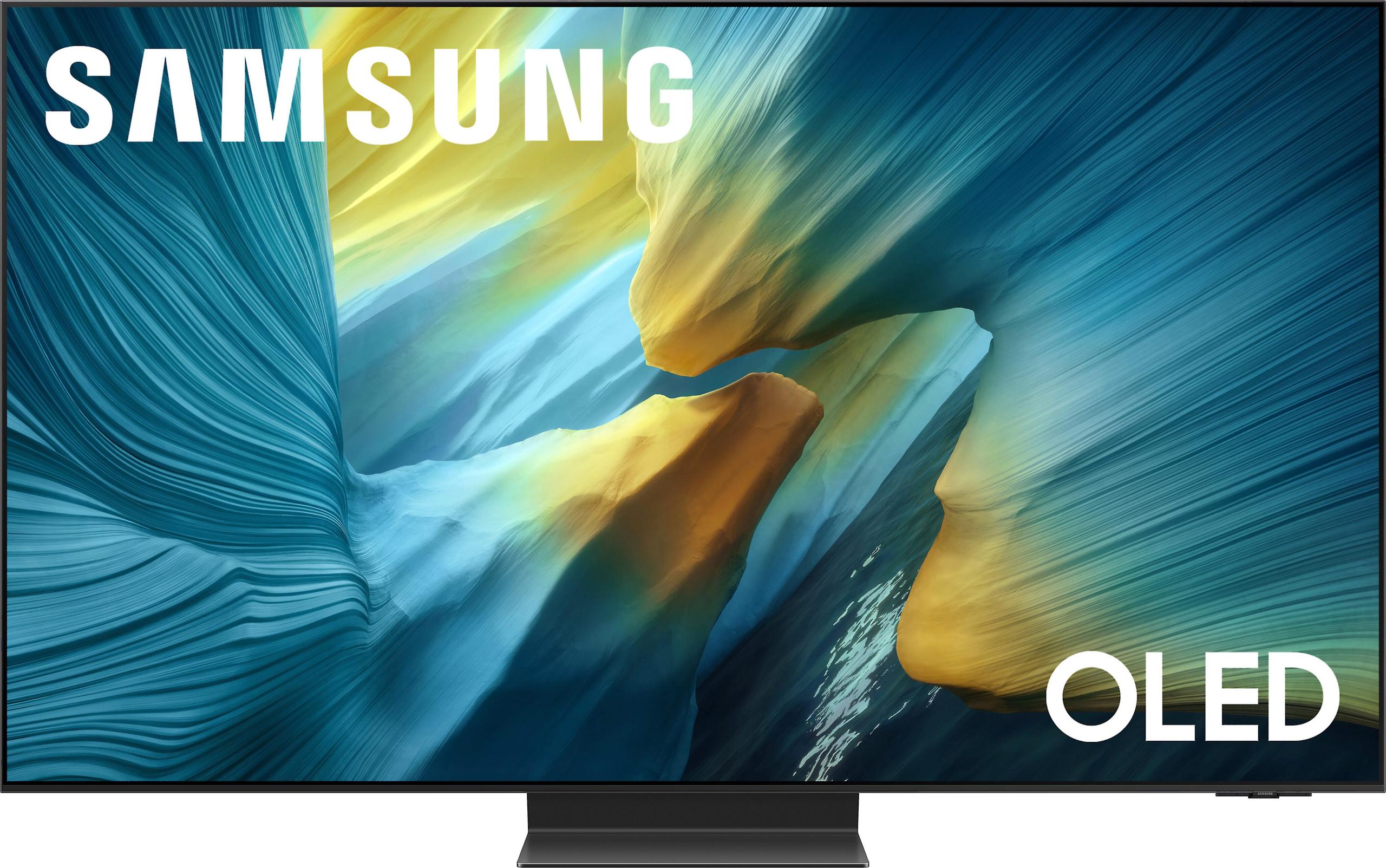
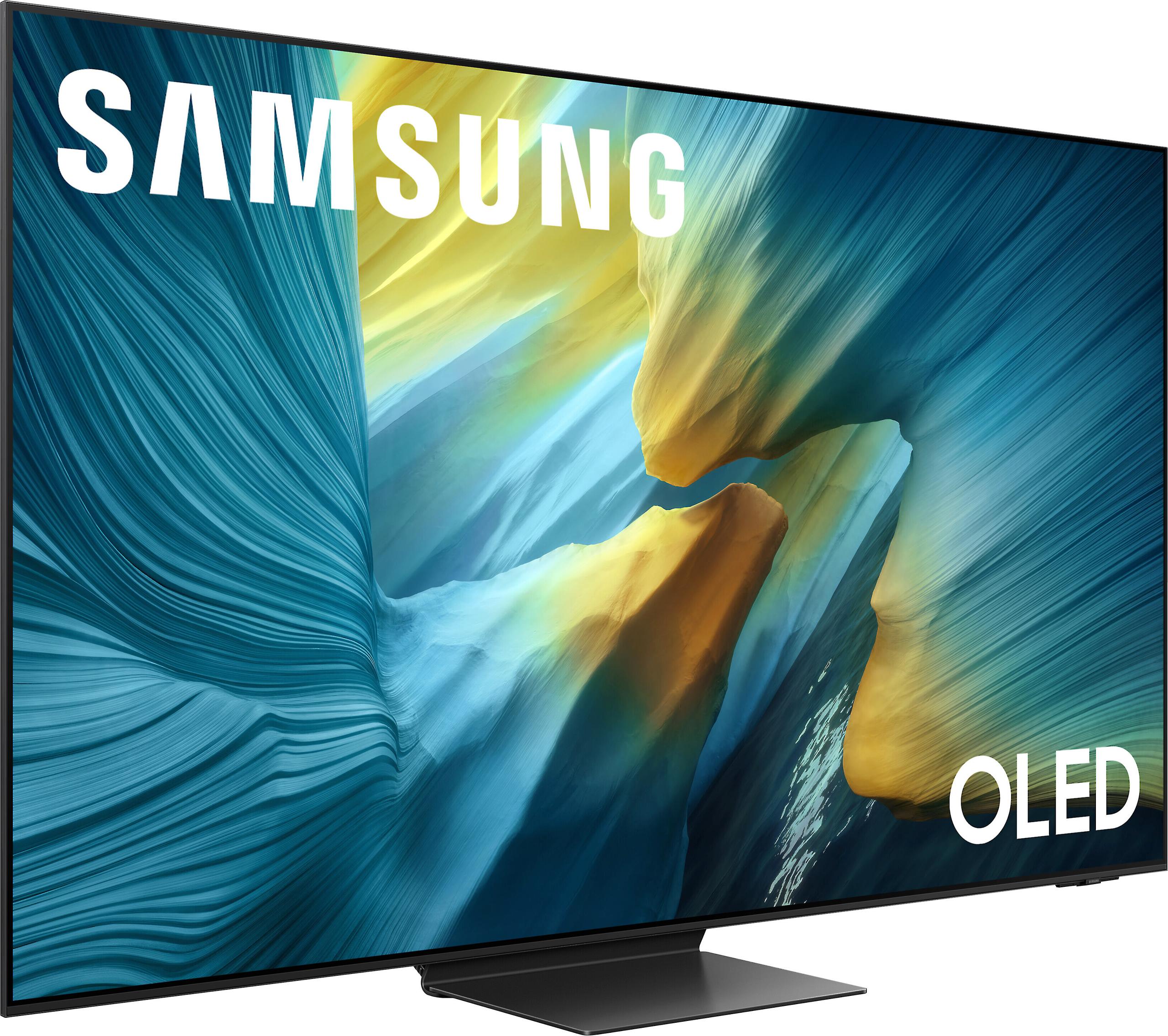
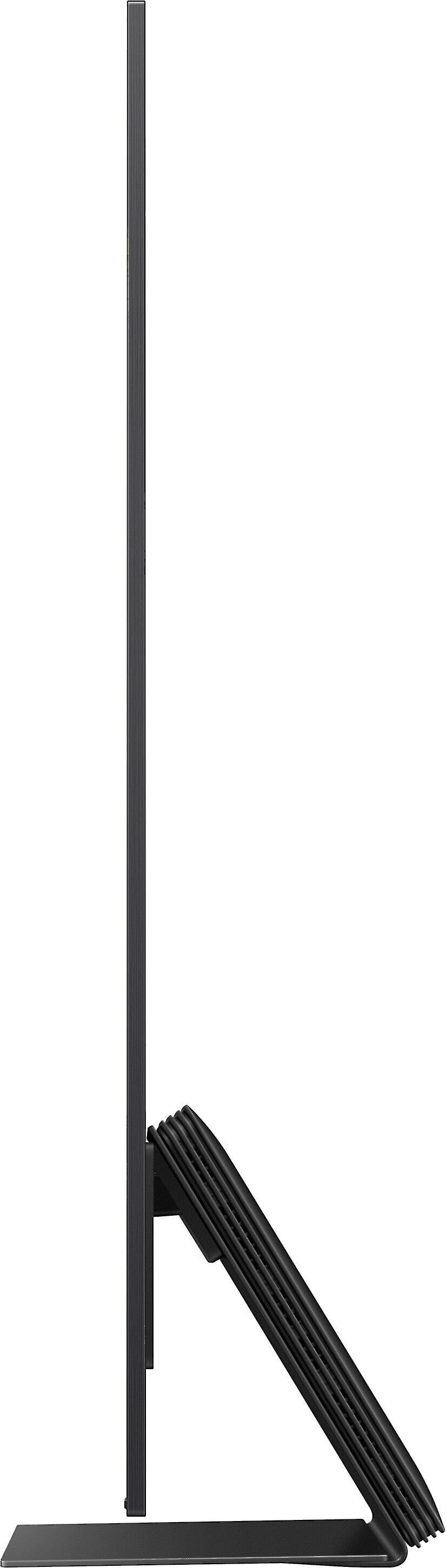
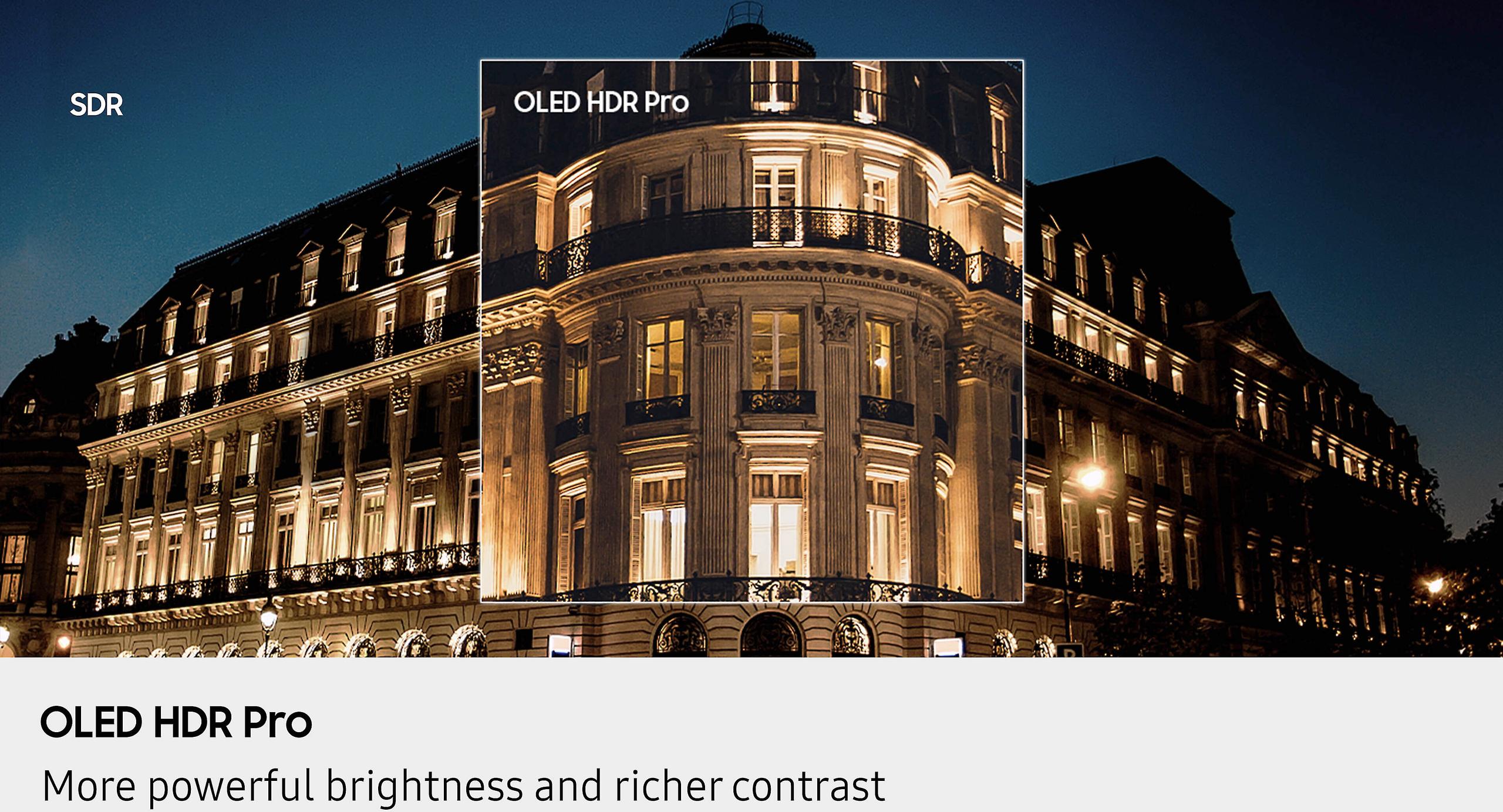
The Samsung S95F, on the other hand, uses OLED technology, where each individual pixel creates its own light. When a pixel needs to be black, it simply turns off completely. This is why OLED TVs can achieve what we call "perfect blacks" – areas of the screen can be completely dark while right next to them, other areas are brilliantly bright.
Both technologies have evolved significantly since 2020. Mini-LED has become much more precise, with the Roku Pro Series featuring thousands of dimming zones that can control light with impressive accuracy. Meanwhile, OLED technology has tackled its biggest weakness – brightness – with Samsung's 2025 models reaching peak brightness levels that would have been impossible just a few years ago.
Here's where things get interesting from a performance standpoint. Based on our research into expert reviews and user feedback, the Roku Pro Series actually delivers superior overall picture quality in most real-world viewing scenarios, despite costing significantly less.
The brightness advantage is substantial. The Roku can push HDR (High Dynamic Range) content to much higher peak brightness levels, which means those bright highlights in movies and games really pop. When you're watching a sunset scene or an explosion in an action movie, the Roku can make those moments feel more impactful and realistic. This brightness advantage also makes it significantly better for bright room viewing – if your TV sits in a living room with windows or lights, the Roku will maintain its vibrancy and contrast even with ambient light.
The Samsung S95F counters with superior color accuracy and what reviewers consistently describe as more natural-looking images. Where the Roku might make colors pop in a way that feels exciting and vibrant, the Samsung tends to present colors exactly as filmmakers intended. For serious movie enthusiasts who care about seeing content exactly as it was meant to be seen, this precision matters.
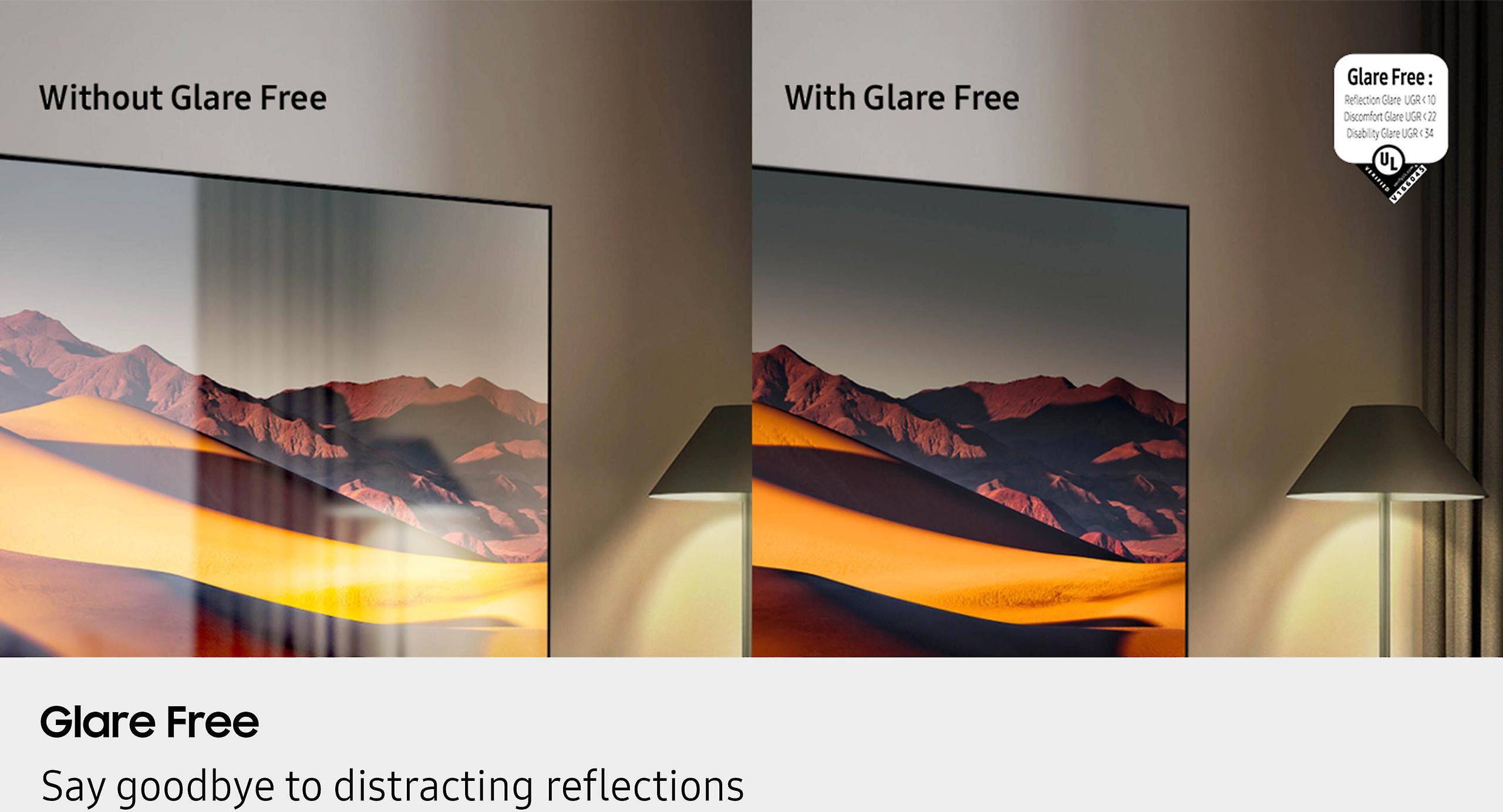
One unique advantage of the Samsung S95F is its glare-free technology. Samsung has developed a special coating that dramatically reduces reflections on the screen. This is particularly impressive because traditional anti-reflective coatings often made OLED blacks look slightly gray. Samsung's second-generation approach in 2025 maintains most of the deep black performance while virtually eliminating glare – a genuine technical achievement.
The contrast performance tells an interesting story. While the Samsung can achieve perfect blacks that the Roku simply cannot match, the Roku delivers what experts describe as 75% higher dynamic contrast than previous generations. In practical terms, this means the difference between bright and dark areas of the image is more dramatic, creating more three-dimensional and realistic-looking pictures.
For HDR content specifically, there's an important consideration: the Roku Pro Series supports Dolby Vision, which is considered the premium HDR format, while the Samsung S95F notably lacks this support. This isn't a dealbreaker, but it means some Netflix shows and movies won't look quite as good on the Samsung as they could.
If gaming matters to you, the Roku Pro Series represents exceptional value. It includes all the modern gaming features you'd want: 120Hz refresh rate, Variable Refresh Rate (VRR) to eliminate screen tearing, Auto Low Latency Mode (ALLM) for responsive controls, and FreeSync Premium Pro certification. The input lag – the delay between pressing a button and seeing the result on screen – measures as low as 5.2 milliseconds at 120Hz, which is excellent for competitive gaming.
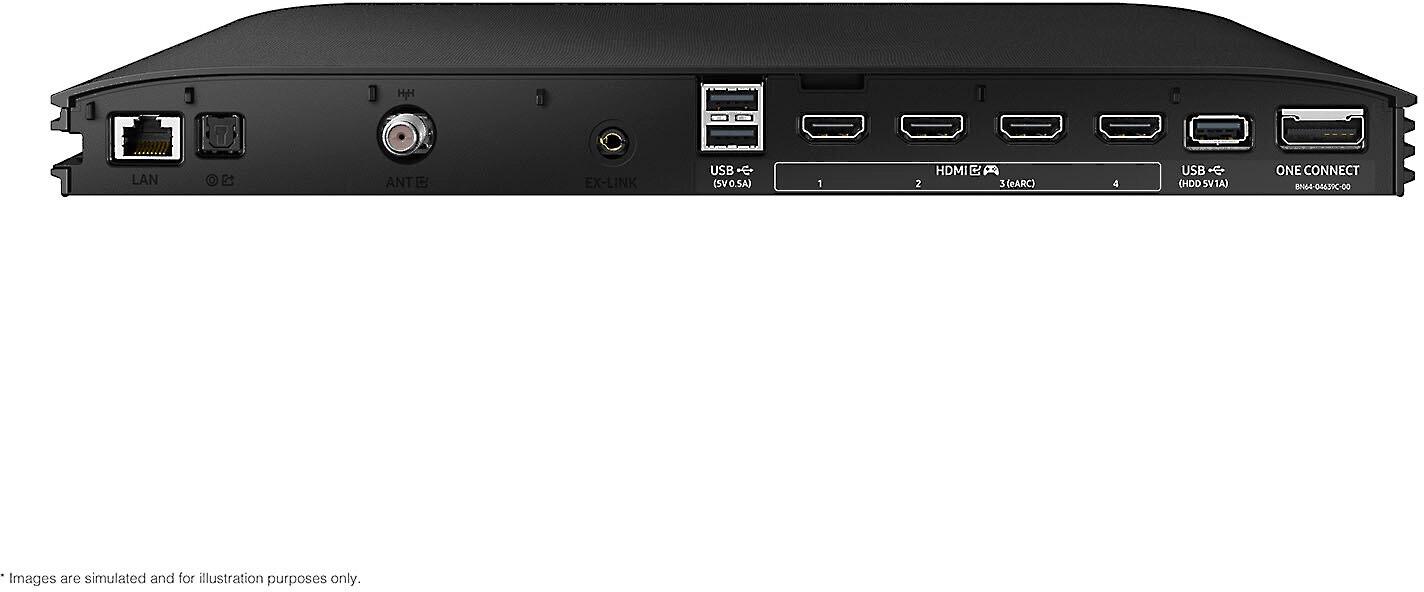
The Roku also includes two full HDMI 2.1 ports that can handle 4K gaming at 120 frames per second, perfect for PlayStation 5 or Xbox Series X gaming. The automatic game mode switches the TV to optimal gaming settings whenever it detects a console, so you don't need to fiddle with settings.
While the Samsung S95F includes gaming features and AI-powered game optimization, the specific technical details aren't as clearly superior to justify the significant price premium for gaming-focused buyers.
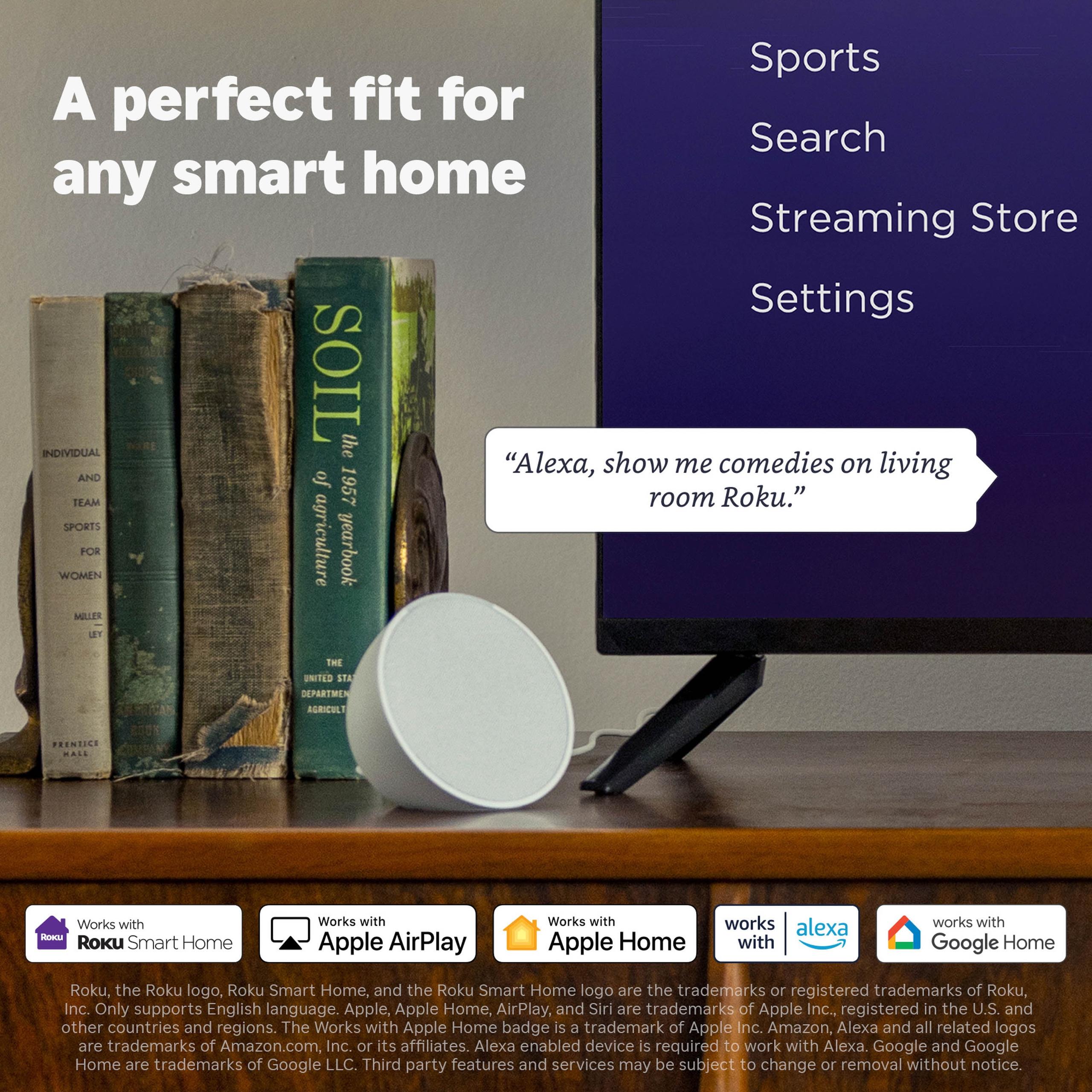
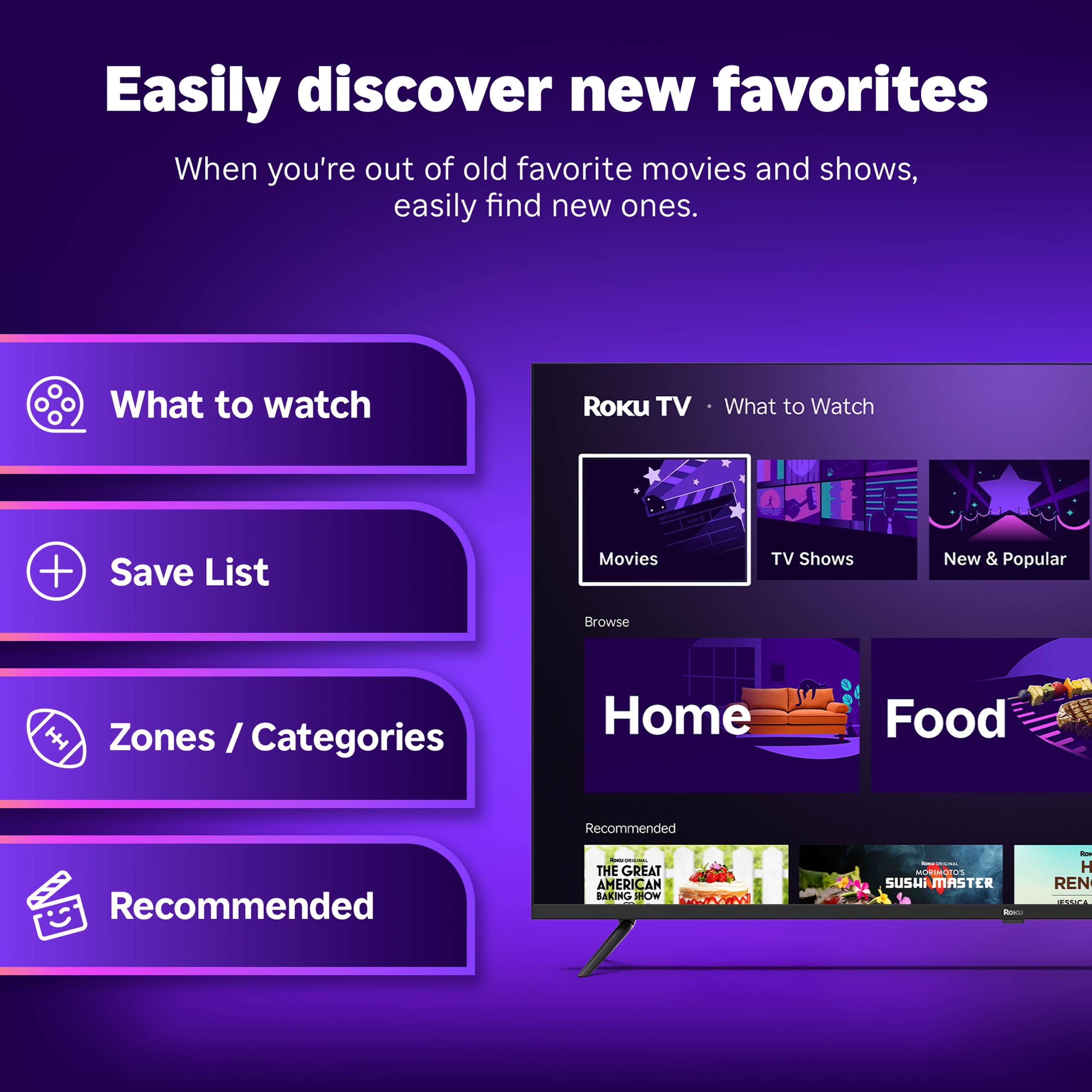
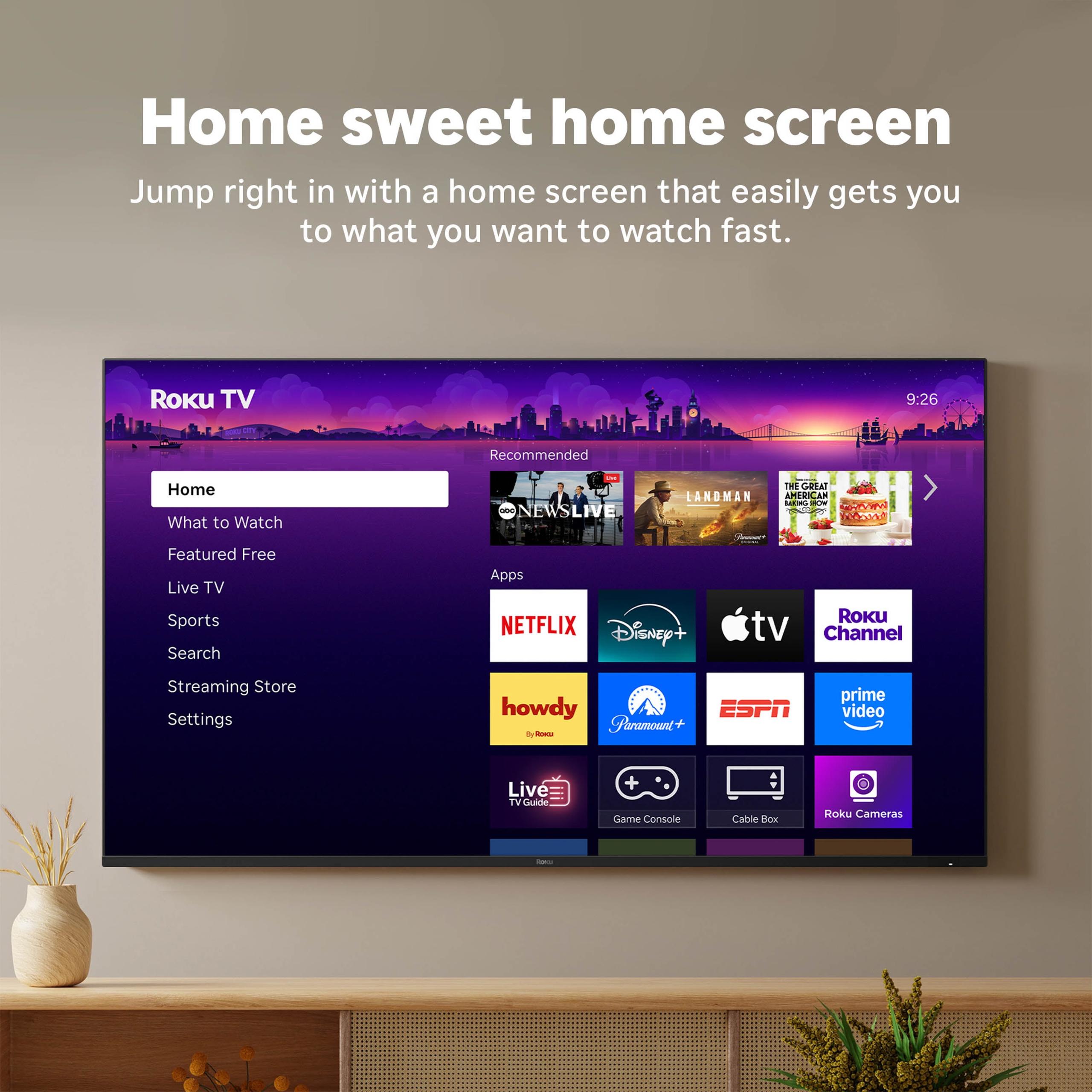
Both TVs excel in different aspects of the smart TV experience. The Roku Pro Series runs on Roku TV OS, which is widely regarded as one of the most user-friendly smart TV platforms available. It's fast, intuitive, and gives you access to virtually every streaming service without needing additional devices. The 2025 model includes Wi-Fi 6 support, which means faster app launches and more reliable streaming, especially if you have a modern router.
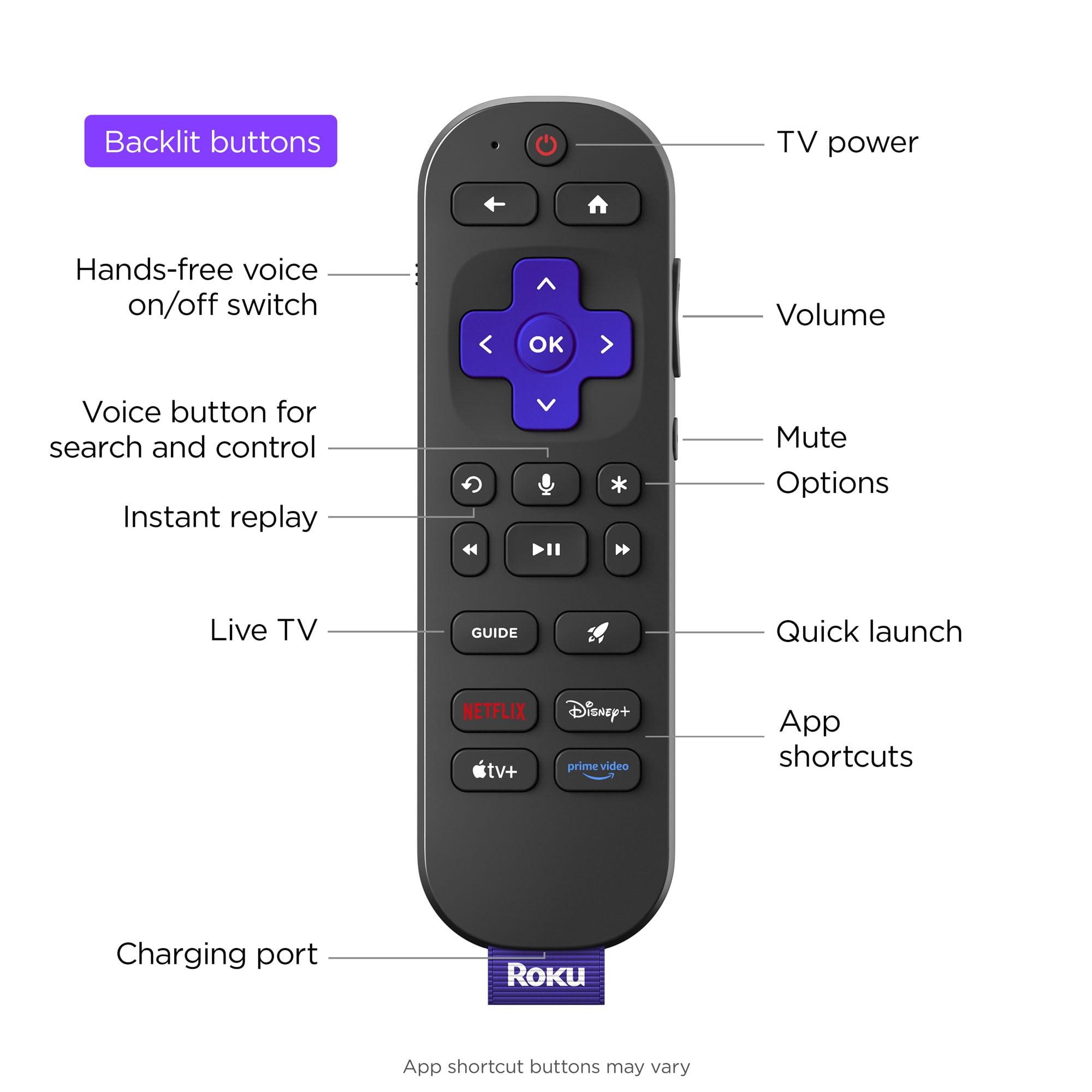
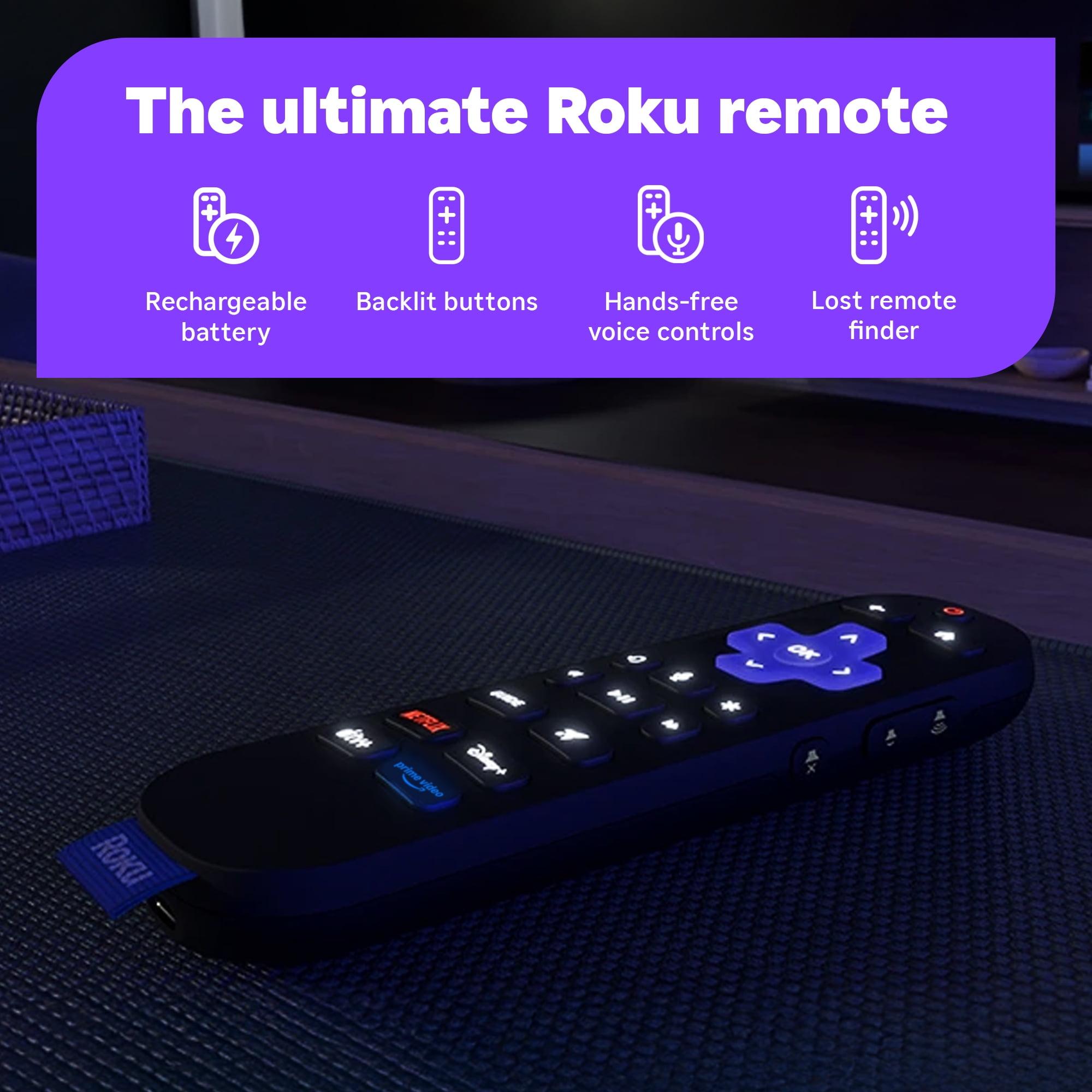
The included Voice Remote Pro deserves special mention – it's rechargeable, has backlit buttons for dark room use, and includes a "find my remote" button on the TV itself. This might sound like a small detail, but anyone who's ever lost a remote in couch cushions will appreciate this feature.
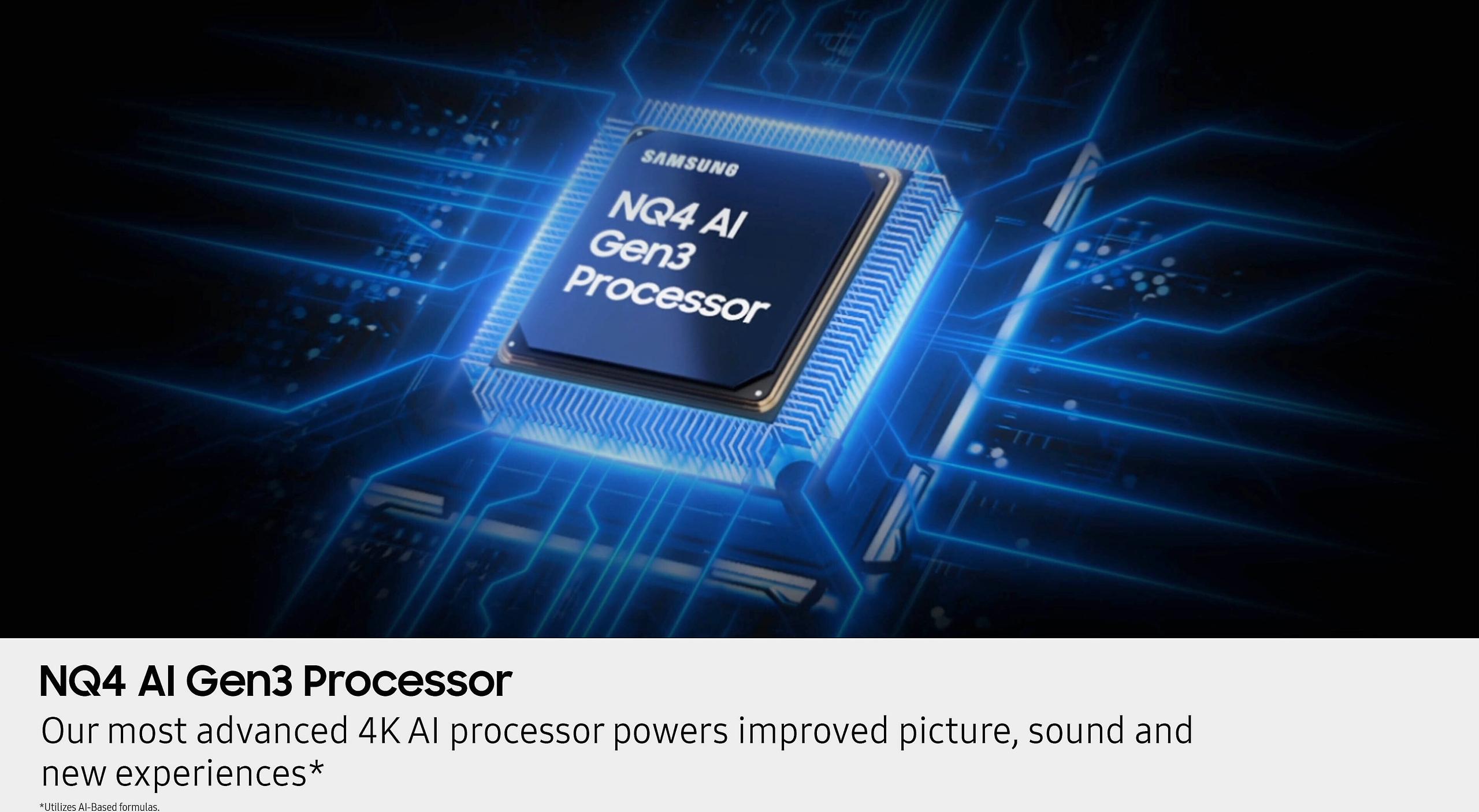
The Samsung S95F runs Tizen, Samsung's smart platform, which offers more advanced AI features through what Samsung calls Vision AI. This system uses 128 neural networks to optimize picture quality, adjust settings based on content type, and even personalize recommendations. Samsung also promises seven years of software updates, which is excellent for long-term value.
The Tizen platform includes Bixby voice control with far-field microphones, meaning you can control the TV from across the room without pointing a remote. For smart home enthusiasts, Samsung's platform integrates more deeply with other Samsung devices and SmartThings ecosystem.
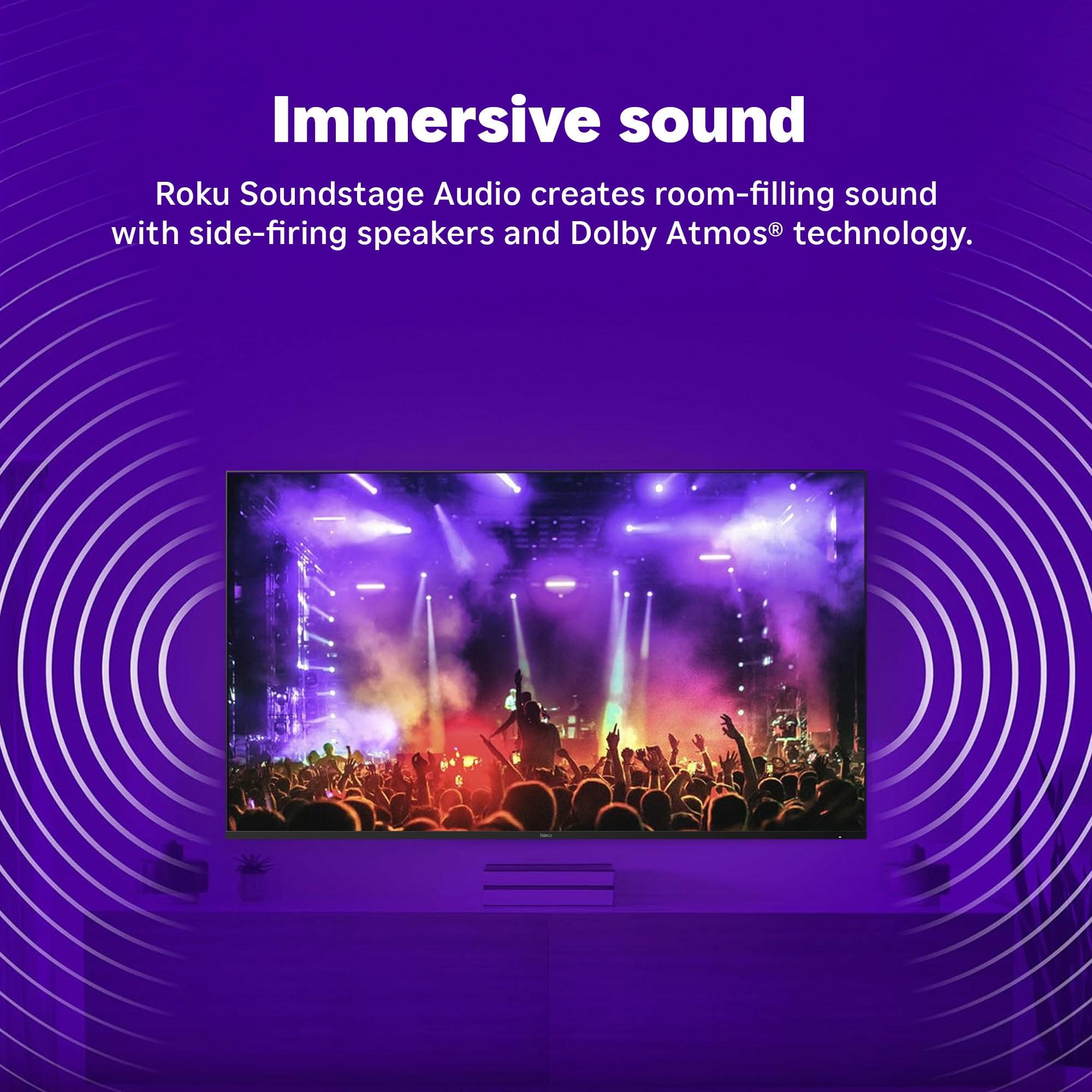
Audio performance reveals another area where the Roku Pro Series punches above its weight class. The Sound Stage Audio system with side-firing Dolby Atmos speakers has impressed reviewers and users alike. Multiple reviews describe the audio as "theater-like" with bass that can "rattle walls" – surprisingly powerful for built-in TV speakers.
The Samsung S95F features a more sophisticated 4.2.2 channel speaker system with 70W output and Object Tracking Sound Plus (OTS+), which moves sound around the screen to match what's happening visually. It also includes Q-Symphony, allowing it to work in harmony with Samsung soundbars for enhanced audio.
While the Samsung's audio system is technically more advanced, user feedback suggests the practical difference isn't as significant as you might expect, especially considering the price gap.
Your room setup significantly influences which TV will perform better. For bright rooms with lots of windows or ambient lighting, the Roku Pro Series has a clear advantage. Its superior peak brightness means colors stay vibrant and contrast remains strong even with light hitting the screen.
The Samsung S95F's glare-free technology is impressive and does help with reflections, but it can't overcome the fundamental brightness limitation compared to Mini-LED technology. However, in darker, more controlled environments – like a dedicated home theater room – the Samsung's perfect blacks and superior color accuracy become more noticeable and valuable.
For viewing angles, the Samsung maintains picture quality much better when viewed from the side, making it better for larger families or rooms where people sit at various angles to the TV.
In a dedicated home theater setting, the choice becomes more nuanced. The Samsung S95F's perfect blacks really shine in dark rooms, creating that infinite contrast that makes movies feel more cinematic. The superior color accuracy also becomes more apparent when you're not fighting ambient light.
However, the Roku Pro Series's superior HDR brightness can make action sequences and bright outdoor scenes more impactful, even in a dark room. The support for Dolby Vision also means you'll get the full intended experience from premium streaming content.
For serious cinephiles who primarily watch movies in a dedicated, darkened space and prioritize absolute color accuracy, the Samsung justifies its premium. But for most home theater setups that serve multiple purposes, the Roku delivers excellent performance at a much better value.
At the time of writing, the price difference between these TVs is substantial – nearly double for the Samsung. This raises the question: what are you getting for that extra money?
The Samsung S95F offers perfect blacks, slightly better color accuracy, more advanced AI features, and a premium design aesthetic. Samsung's seven-year software update promise also provides better long-term value from a software perspective.
The Roku Pro Series delivers superior brightness, better gaming features, Dolby Vision support, surprisingly good audio, and covers about 90% of what most people want from a premium TV at roughly half the price.
For most buyers, the Roku represents better value. The performance areas where the Samsung excels are either subtle (color accuracy differences) or situation-specific (perfect blacks in dark rooms). Meanwhile, the areas where the Roku excels – brightness, gaming, and overall picture impact – benefit a broader range of viewing scenarios.
Choose the Roku Pro Series if you want premium TV performance without the premium price tag. It's particularly compelling for gaming enthusiasts, bright room viewing, and families who want excellent picture quality without breaking the budget. The superior HDR brightness and Dolby Vision support make it future-proof for streaming content.
Choose the Samsung S95F if you're building a premium home theater setup, prioritize perfect blacks and color accuracy above all else, and value advanced AI features and long-term software support. It's the choice for videophiles who want the absolute best and are willing to pay for incremental improvements.
Based on our research and the consensus from expert reviews, the Roku Pro Series offers better value for most buyers. Unless you're specifically building a high-end home theater or perfect color accuracy is your top priority, the Roku delivers premium performance at a price that makes sense.
The TV market in 2025 has reached a point where you can get exceptional picture quality without paying flagship prices. The Roku Pro Series proves this point decisively, offering a compelling combination of performance, features, and value that's hard to ignore.
| Roku 65" Pro Series 2025 | Samsung 65" OLED S95F 2025 |
|---|---|
| Display Technology - Fundamentally different approaches to picture quality | |
| Mini-LED QLED with full array local dimming | OLED with self-illuminating pixels |
| Peak Brightness - Critical for HDR impact and bright room viewing | |
| Significantly higher peak brightness for impactful HDR | Lower peak brightness but much improved over previous OLED generations |
| Black Levels - Important for contrast and dark scene detail | |
| Excellent blacks with minimal blooming | Perfect blacks (pixels turn completely off) |
| Refresh Rate - Key for gaming and sports | |
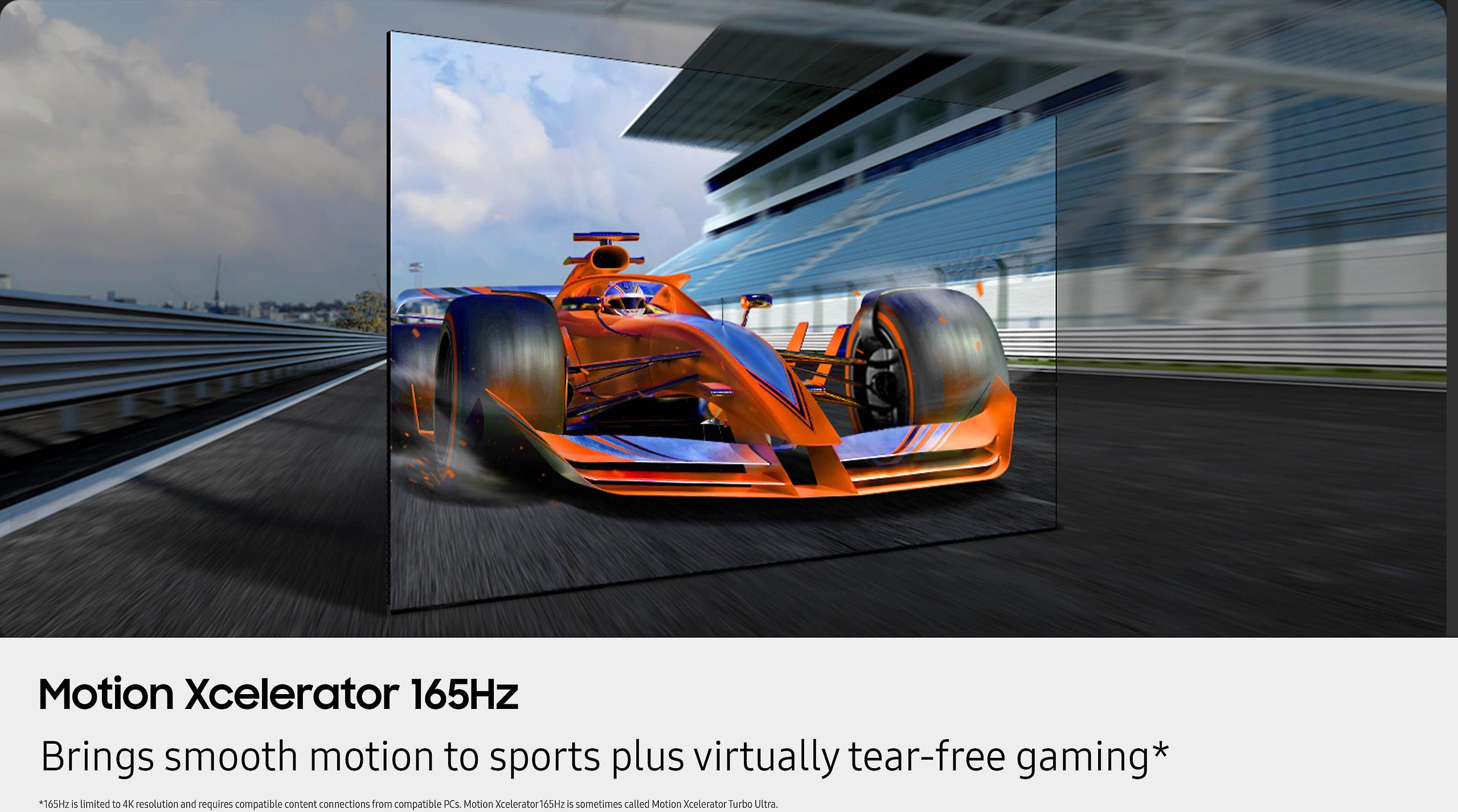
| 120Hz native refresh rate | Advanced refresh rate with Motion Xcelerator technology |
| HDR Format Support - Affects streaming content quality | |
| Dolby Vision IQ, HDR10+, HLG | HDR10+, HDR10 (notably lacks Dolby Vision support) |
| Gaming Features - Essential for console gaming | |
| 120Hz, VRR, ALLM, FreeSync Premium Pro, 5.2ms input lag | AI Auto Game Mode with advanced gaming optimizations |
| Smart Platform - Daily user experience | |
| Roku TV OS with Wi-Fi 6, simple and fast | Tizen with Samsung Vision AI, 7-year update promise |
| Audio System - Built-in sound quality | |
| Sound Stage Audio with side-firing Dolby Atmos | 70W 4.2.2CH with Object Tracking Sound Plus |
| Bright Room Performance - How well it handles ambient light | |
| Excellent performance maintains vibrancy in bright conditions | Good performance with glare-free coating reduces reflections |
| Color Accuracy - Important for filmmakers' intent | |
| Vibrant, punchy colors with good accuracy | Superior color accuracy and natural reproduction |
| Value Proposition - Performance per dollar spent | |
| Exceptional value delivering premium features at mid-range pricing | Premium performance with incremental improvements at flagship pricing |
The Roku 65" Pro Series 2025 delivers superior overall picture quality for most viewing scenarios due to its significantly higher peak brightness and vibrant QLED colors. While the Samsung 65" OLED S95F 2025 offers perfect blacks and more accurate colors, the Roku Pro Series provides more impactful HDR performance and better brightness for typical home environments.
The Roku Pro Series 2025 uses Mini-LED QLED technology with thousands of LED backlights that can dim independently, while the Samsung S95F uses OLED technology where each pixel creates its own light. QLED typically offers higher brightness, while OLED provides perfect blacks when pixels turn completely off.
The Roku 65" Pro Series 2025 is better for gaming, offering 120Hz refresh rate, VRR, ALLM, FreeSync Premium Pro, and extremely low input lag of 5.2ms. The Roku also includes two HDMI 2.1 ports for 4K@120Hz gaming, making it excellent value for console gaming compared to the Samsung S95F.
The Roku Pro Series 2025 performs significantly better in bright rooms due to its superior peak brightness that maintains color vibrancy even with ambient light. The Samsung S95F 2025 includes glare-free coating technology that reduces reflections, but cannot match the Roku's brightness advantage for daytime viewing.
The Roku 65" Pro Series 2025 offers exceptional value, delivering premium TV performance including superior brightness, comprehensive gaming features, and Dolby Vision support at roughly half the cost of the Samsung S95F. The Samsung provides incremental improvements in color accuracy and perfect blacks at a significant price premium.
The Roku Pro Series 2025 supports Dolby Vision IQ, HDR10+, and HLG for the best streaming experience. The Samsung S95F 2025 notably lacks Dolby Vision support, only offering HDR10+ and HDR10, which means some Netflix and streaming content won't display at optimal quality on the Samsung.
Both offer excellent smart platforms: the Roku Pro Series 2025 features the simple, fast Roku TV OS with Wi-Fi 6 and universal streaming app support, while the Samsung S95F offers more advanced Tizen platform with Samsung Vision AI and promises seven years of software updates for better long-term support.
The Roku 65" Pro Series 2025 surprisingly delivers excellent audio with Sound Stage Audio and side-firing Dolby Atmos speakers that users describe as "theater-like." The Samsung S95F features a more sophisticated 70W 4.2.2CH system with Object Tracking Sound Plus, though real-world performance differences are less significant than expected.
For dedicated home theaters with controlled lighting, the Samsung S95F 2025 excels with perfect blacks and superior color accuracy. However, the Roku Pro Series 2025 offers better HDR impact and Dolby Vision support that benefits most home theater content, making it excellent value even for serious movie watching.
The Samsung 65" OLED S95F maintains picture quality much better when viewed from side angles, making it ideal for larger families or wide seating arrangements. The Roku Pro Series 2025 has more limited viewing angles typical of QLED technology, though still better than many competing models.
Both TVs handle motion well, with the Roku Pro Series 2025 offering 120Hz refresh rate that's excellent for sports and fast action. The Samsung S95F includes Motion Xcelerator technology for smooth motion handling. The Roku provides slightly better overall motion performance for sports viewing.
Choose the Roku 65" Pro Series 2025 for most living rooms due to its superior bright room performance, excellent gaming features, and outstanding value. The Samsung S95F 2025 is better for controlled lighting environments where perfect blacks matter more than peak brightness, and budget isn't the primary concern.
We've done our best to create useful and informative comparisons to help you decide what product to buy. Our research uses advanced automated methods to create this comparison and perfection is not possible - please contact us for corrections or questions. These are the sites we've researched in the creation of this article: bestbuy.com - rtings.com - techradar.com - youtube.com - roku.com - youtube.com - walmart.com - bestbuy.com - youtube.com - electronicexpress.com - roku.com - pcvarge.com - ecoustics.com - businessinsider.com - tomsguide.com - youtube.com - avsforum.com - zdnet.com - samsung.com - pioneertvandappliance.com - samsung.com - displayspecifications.com - samsung.com

Privacy Policy
Terms and Conditions - Affiliate Policy
Home Security
© Copyright 2008-2026.
11816 Inwood Rd #1211, Dallas, TX 75244