

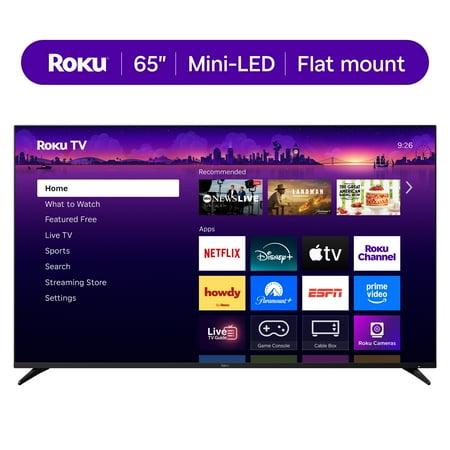
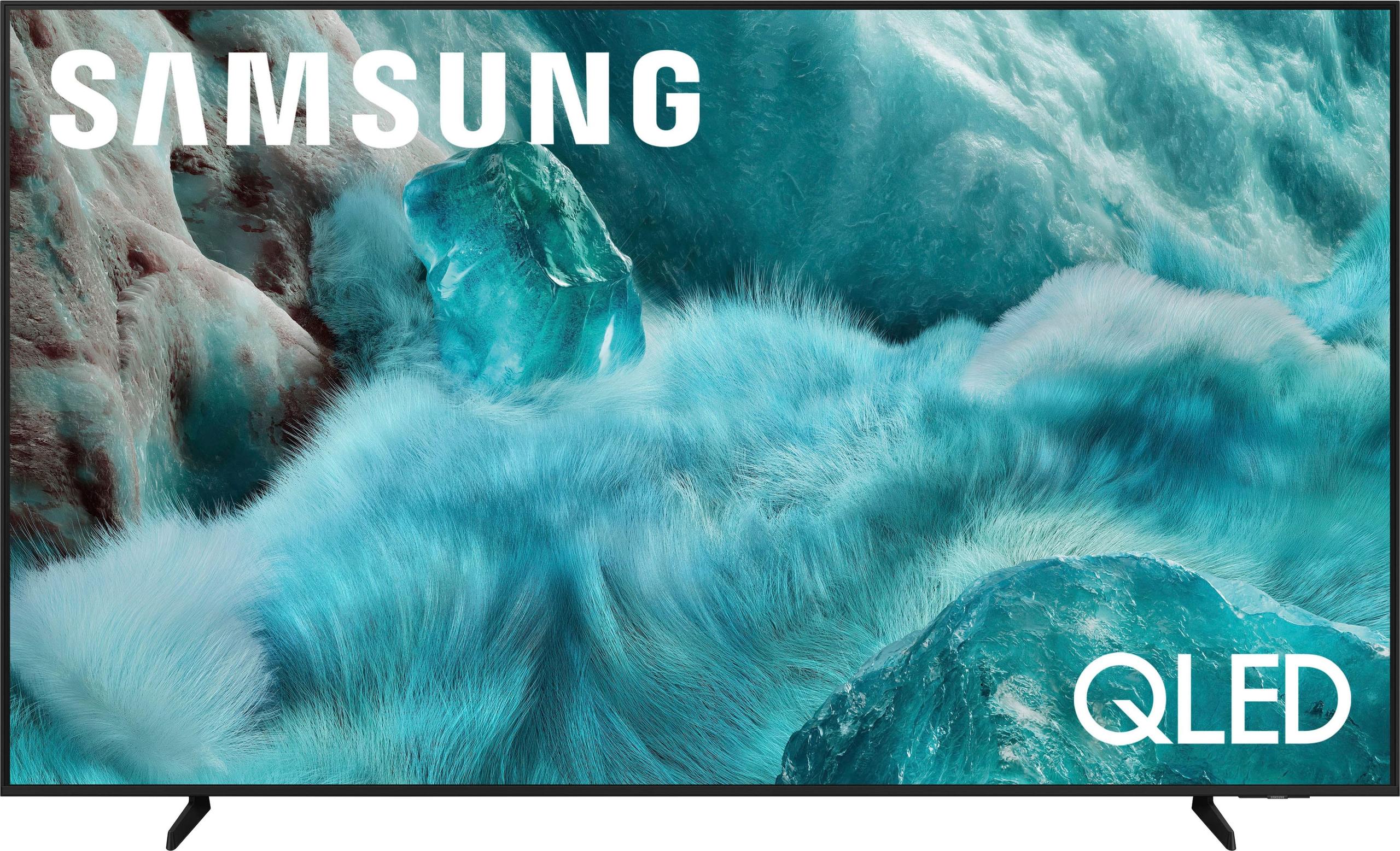

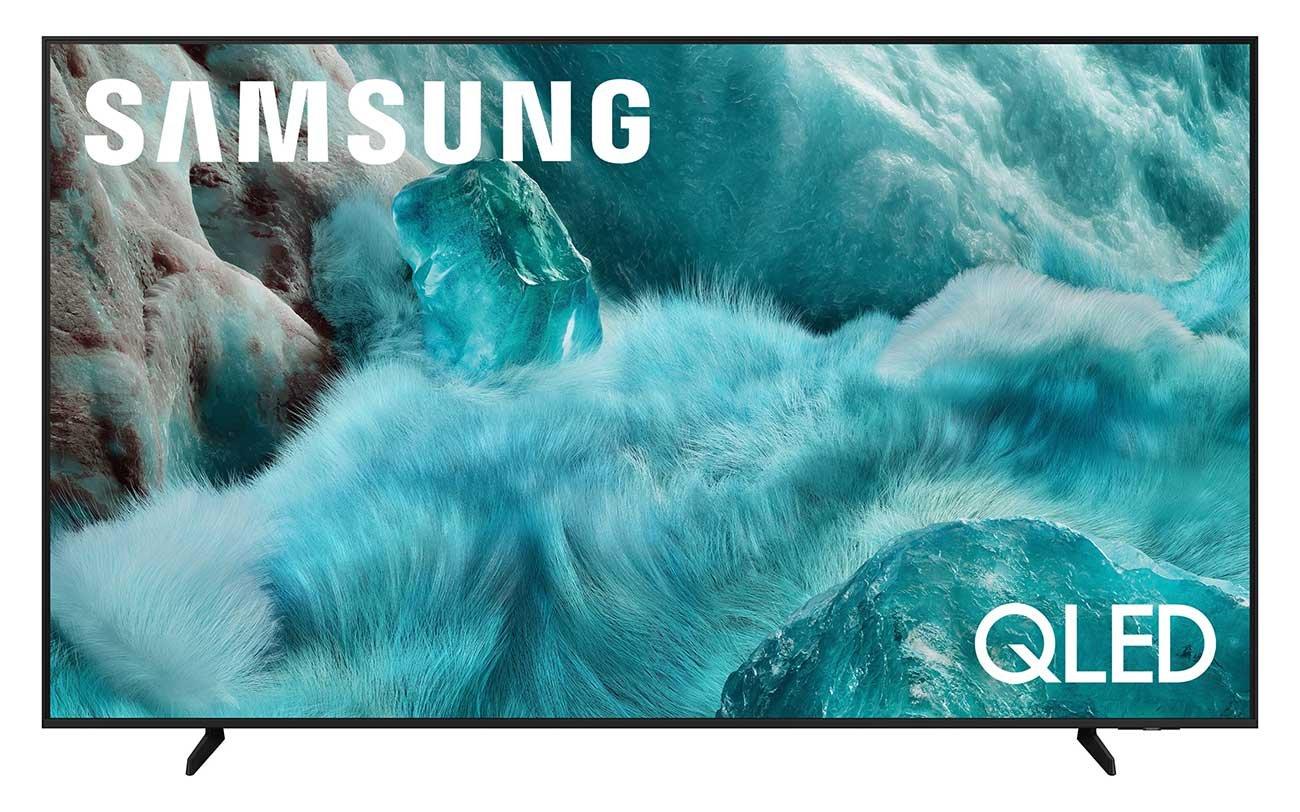
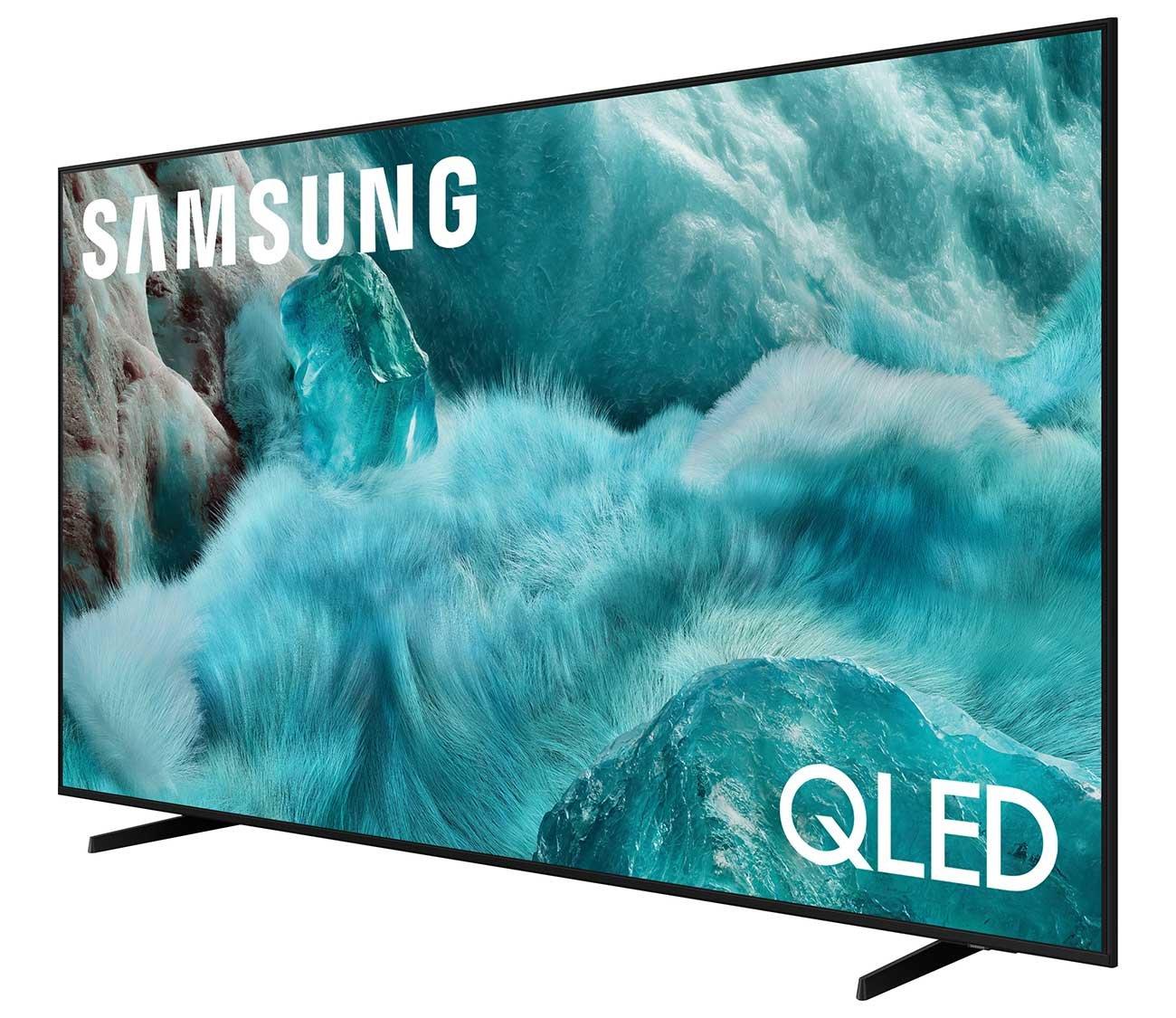
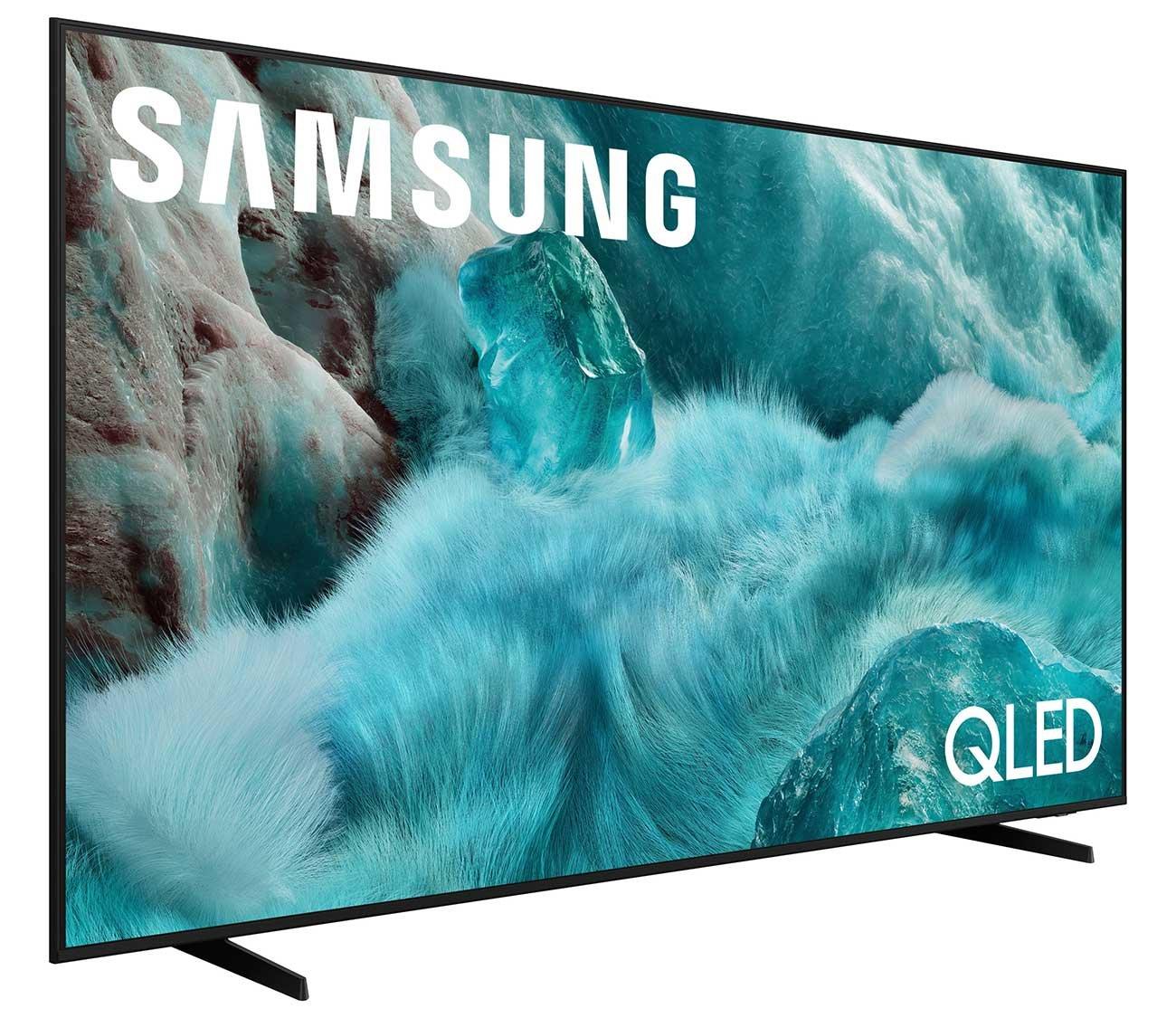

When shopping for a 65-inch TV in 2025, you'll encounter a fascinating divide between premium gaming-focused models and budget-friendly options that still promise impressive picture quality. Two TVs that perfectly illustrate this split are the Roku 65" Pro Series 2025 and the Samsung 65" Q7F QLED 4K Vision AI Smart TV 2025. While both use QLED technology and deliver 4K resolution, they represent fundamentally different approaches to home entertainment—and at the time of writing, vastly different price points.
The modern 65-inch TV market has evolved dramatically since 2020, when basic 4K models dominated and gaming features were afterthoughts. Today's TVs must handle everything from streaming Netflix to powering PlayStation 5 games at 120 frames per second. Understanding what separates a premium model from a budget option—and whether those differences matter for your specific needs—can save you hundreds of dollars or help you avoid buyer's remorse.
The Roku Pro Series 2025 launched in mid-2025 as Roku's flagship TV, targeting serious gamers and picture quality enthusiasts willing to pay premium prices. At the time of writing, it costs roughly 2.4 times more than Samsung's entry-level offering. The Samsung Q7F, released earlier in 2025, represents Samsung's attempt to bring QLED technology to price-conscious consumers who want quantum dot color but can live without cutting-edge features.
This price difference isn't arbitrary—it reflects completely different design philosophies and target audiences. The Roku prioritizes performance above all else, while Samsung focuses on delivering recognizable brand features at accessible prices.
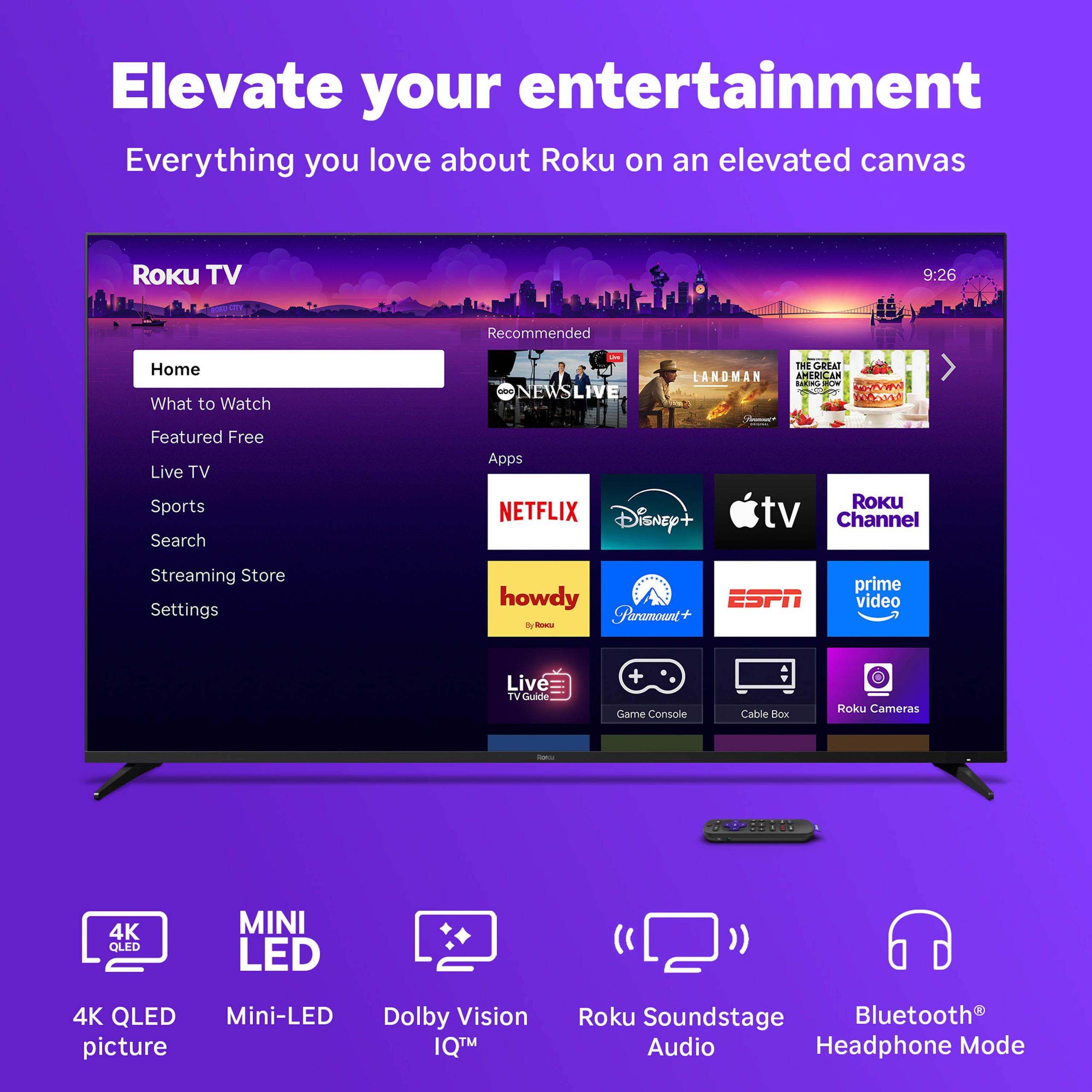
The most significant difference between these TVs lies in their backlighting technology, which directly impacts how good your movies and shows actually look. The Roku Pro Series uses Mini-LED backlighting with full array local dimming—a mouthful of technical terms that translates to dramatically better picture quality.
Here's how it works: traditional LED TVs light up the entire screen uniformly, like a giant flashlight behind your display. This creates a fundamental problem—when a scene shows bright stars against a dark sky, the TV can't make the stars bright without also making the sky grayish. Mini-LED solves this by using thousands of tiny LEDs arranged across the back of the screen, each controllable independently. When those stars appear, only the mini-LEDs behind them brighten up, keeping the sky truly black.
The Samsung Q7F, unfortunately, uses direct-lit LED without any local dimming zones. This older technology means the entire backlight brightens or dims together, creating those washed-out blacks that make nighttime movie scenes look grayish instead of truly dark. In practical terms, the Roku can display a campfire scene with bright flames and deep shadows simultaneously, while the Samsung compromises—either dim flames or grayish shadows.
High Dynamic Range (HDR) content—found on Netflix, Disney+, and 4K Blu-rays—contains brightness information that far exceeds what older TVs could display. The goal is making bright things truly bright while keeping dark things truly dark, mimicking how our eyes see the real world.
The Roku Pro Series excels here, reaching peak brightness levels of around 1,750-1,800 nits in testing. For reference, a typical indoor room measures about 100-200 nits, while direct sunlight can exceed 100,000 nits. The Roku's high peak brightness means HDR highlights—like sunlight streaming through windows or explosions in action movies—actually stand out dramatically from the rest of the image.
The Samsung Q7F manages only about 500 nits peak brightness. While this sounds like a lot, it's insufficient for proper HDR impact. Those same movie highlights that create jaw-dropping moments on the Roku appear merely "bright" on the Samsung, failing to deliver the intended visual punch that makes HDR content special.
The Roku also supports Dolby Vision IQ and HDR10+ Adaptive—advanced HDR formats that automatically adjust picture settings based on your room's lighting conditions. The Samsung supports HDR10+ but lacks Dolby Vision entirely, limiting its compatibility with premium streaming content.
Both TVs use Quantum Dot technology, which enhances color reproduction by filtering light through microscopic crystals that emit specific color wavelengths. However, their implementations differ significantly.
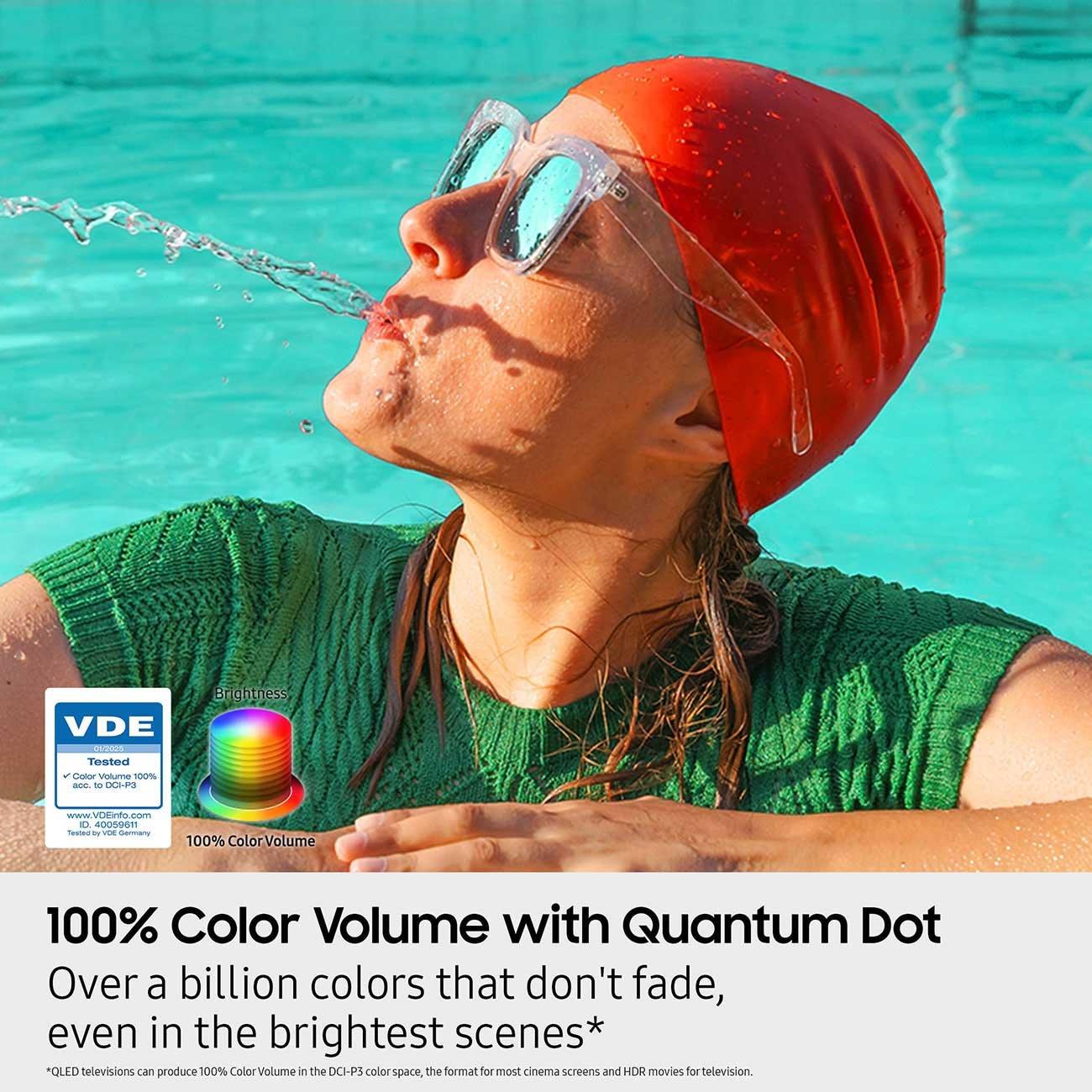
The Samsung Q7F emphasizes what Samsung calls "100% Color Volume" with Pantone-certified accuracy. In simple terms, this means Samsung has calibrated the TV to display colors as accurately as possible right out of the box, particularly for standard definition content. For casual viewing of regular TV shows and movies, this approach works well.
The Roku Pro Series takes a different route with its AI-powered Smart Picture Max system. Instead of static calibration, this technology analyzes incoming content in real-time and adjusts color, contrast, and sharpness automatically for each scene. When you're watching a nature documentary that shifts from bright desert scenes to dark cave exploration, the Roku adapts continuously while the Samsung maintains consistent settings that might not optimize for both scenarios.
Based on professional testing, the Roku covers about 97% of the UHDA-P3 color space used for premium content, with notably improved color accuracy compared to previous Roku generations. The Samsung provides more consistent baseline performance but lacks the intelligent optimization that makes the Roku shine with varied content.
If you own a PlayStation 5, Xbox Series X, or plan to upgrade your gaming setup, the performance gap between these TVs becomes enormous. Modern gaming consoles can output 4K resolution at 120 frames per second, but only if your TV supports the necessary features.
The Roku Pro Series features a native 120Hz refresh rate, meaning it can display 120 unique frames every second. Combined with HDMI 2.1 bandwidth—the latest connection standard—it fully supports 4K gaming at 120fps. The TV also includes Variable Refresh Rate (VRR) and AMD FreeSync Premium Pro, technologies that eliminate screen tearing and stuttering during gameplay.
The Samsung Q7F maxes out at 60Hz with no HDMI 2.1 support. For gaming, this means you're limited to 4K at 60fps maximum, and you'll likely experience screen tearing during fast-paced action. Professional testing shows the Samsung also suffers from slow pixel response times, creating motion blur that makes competitive gaming frustrating.
Input lag—the delay between pressing a controller button and seeing the action on screen—measures as low as 5.2 milliseconds on the Roku at 120Hz. The Samsung's input lag, while not terrible, can't match this responsiveness, particularly important for competitive online gaming where every millisecond counts.
The 120Hz advantage extends beyond gaming to sports viewing. Football games, hockey, and basketball benefit enormously from the smoother motion that higher refresh rates provide. The Roku handles fast-moving objects with minimal blur, while the Samsung can struggle with motion clarity, particularly noticeable when following a baseball or tennis ball across the screen.
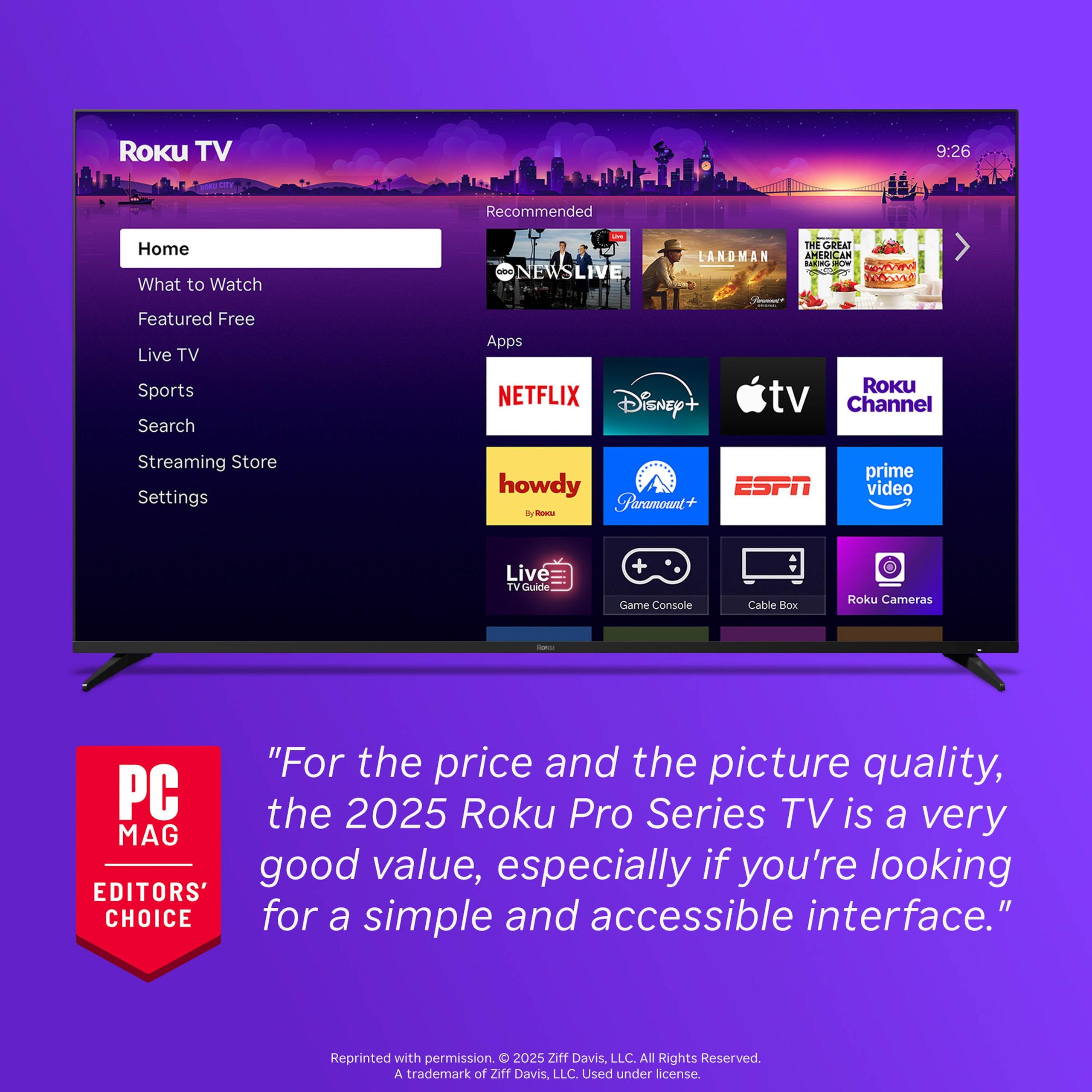
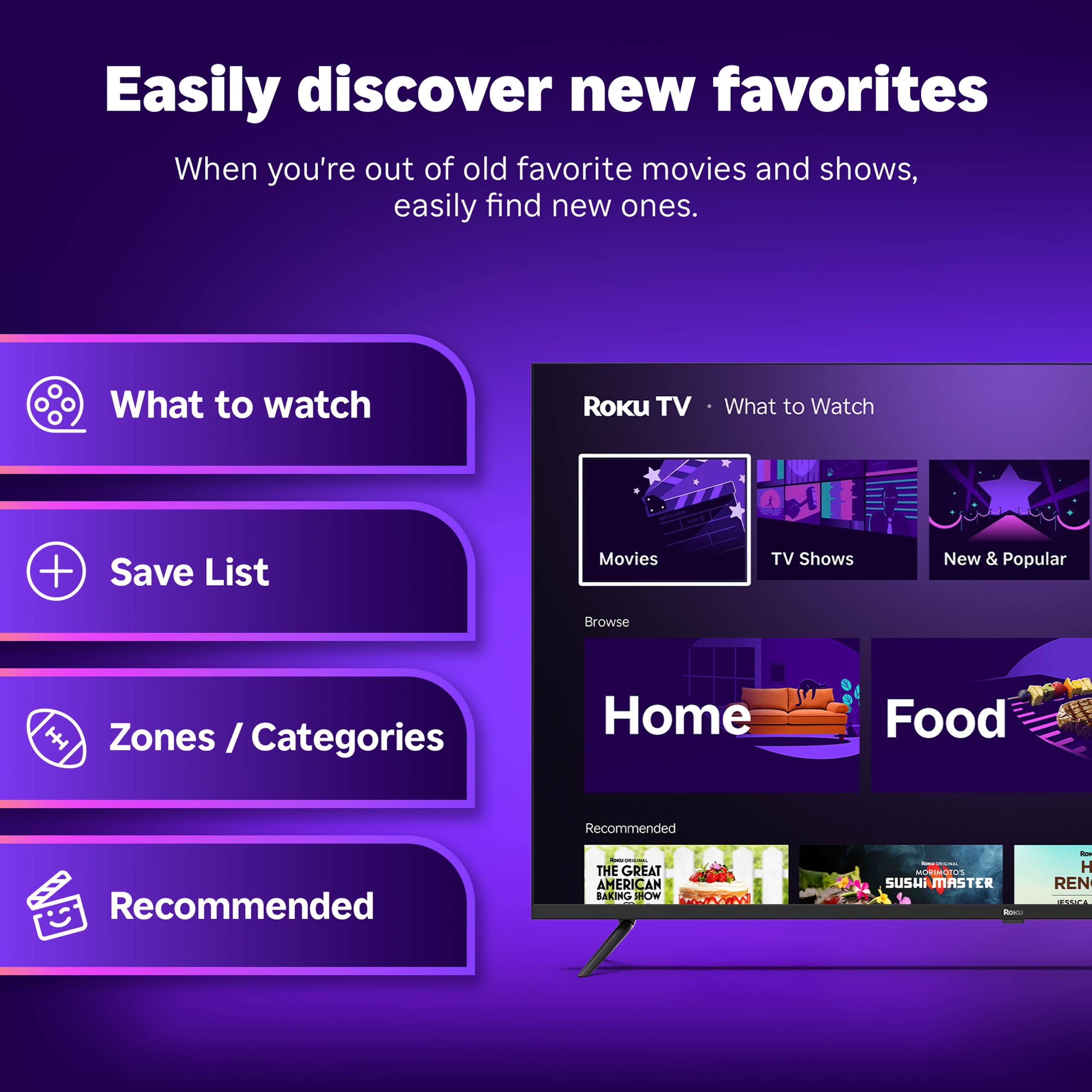
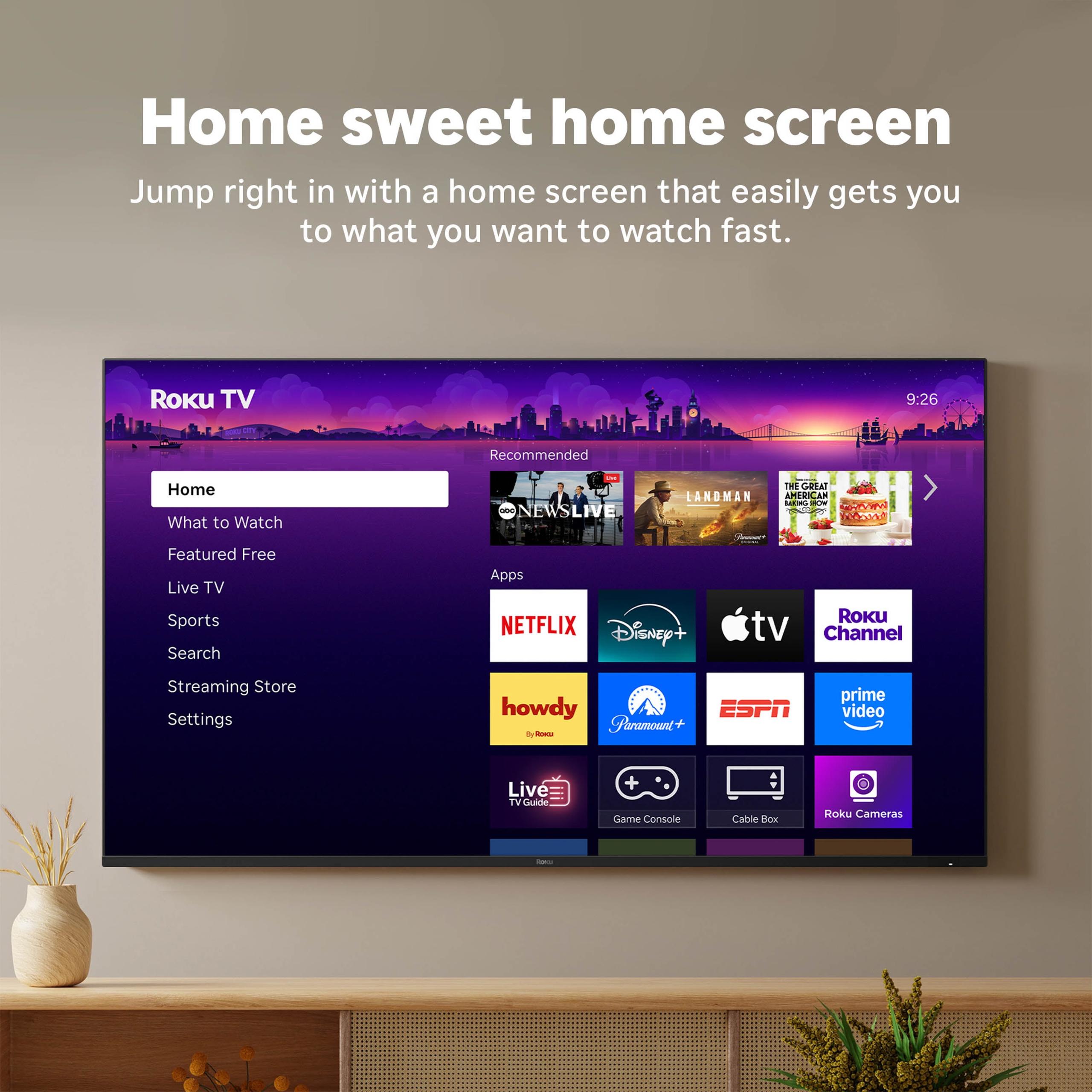
The Roku Pro Series runs Roku TV OS, which has evolved significantly since Roku's early streaming stick days. The interface prioritizes content discovery across all your streaming services, presenting a unified home screen that aggregates recommendations from Netflix, Disney+, HBO Max, and others. Rather than forcing you to navigate into individual apps, Roku surfaces content regardless of which service hosts it.
This approach particularly benefits cord-cutters who subscribe to multiple streaming services. Instead of remembering whether a show lives on Netflix or Hulu, you can find everything through Roku's search and recommendation system. The platform also receives regular updates and maintains compatibility with new streaming services longer than most competitors.
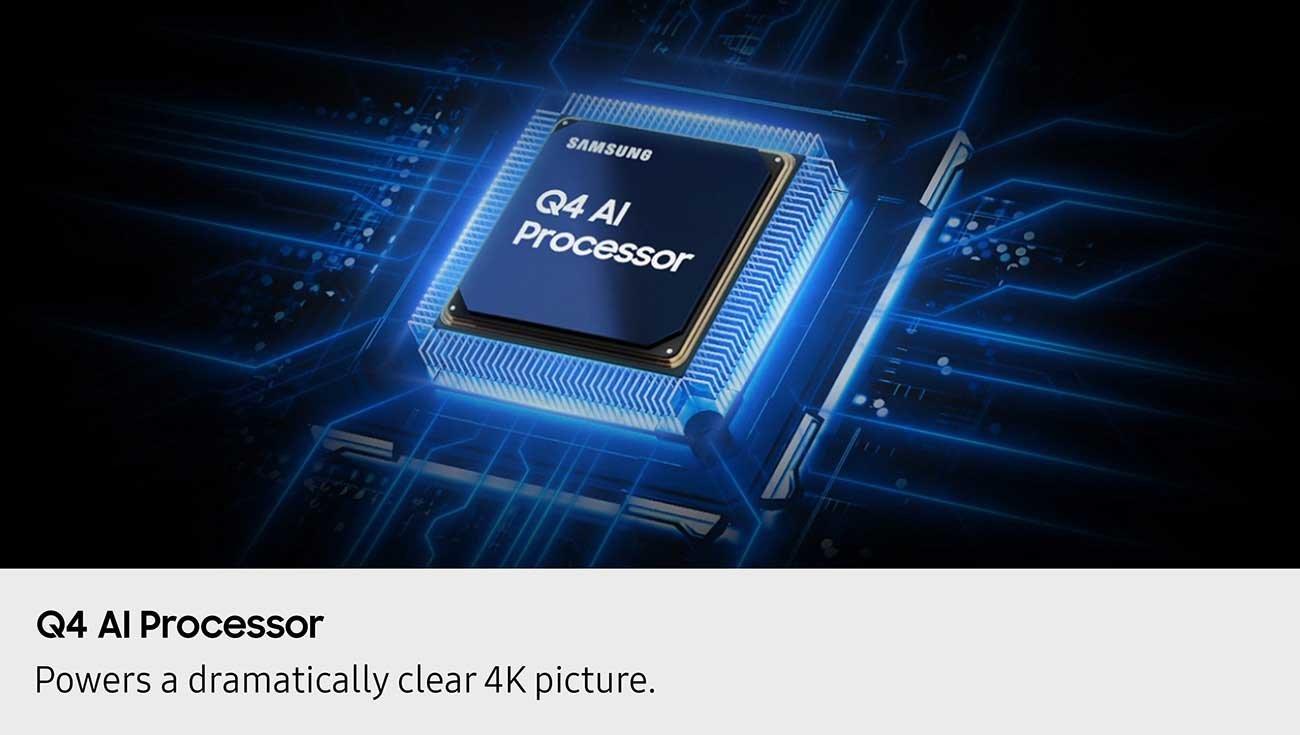
The Samsung Q7F runs Samsung's Tizen operating system enhanced with Vision AI—Samsung's attempt to create a more intelligent TV experience. The updated Bixby voice assistant can process multiple commands in sequence and better understands conversational requests. For example, you could say "Turn on the game and adjust the brightness for evening" and expect both actions to execute.
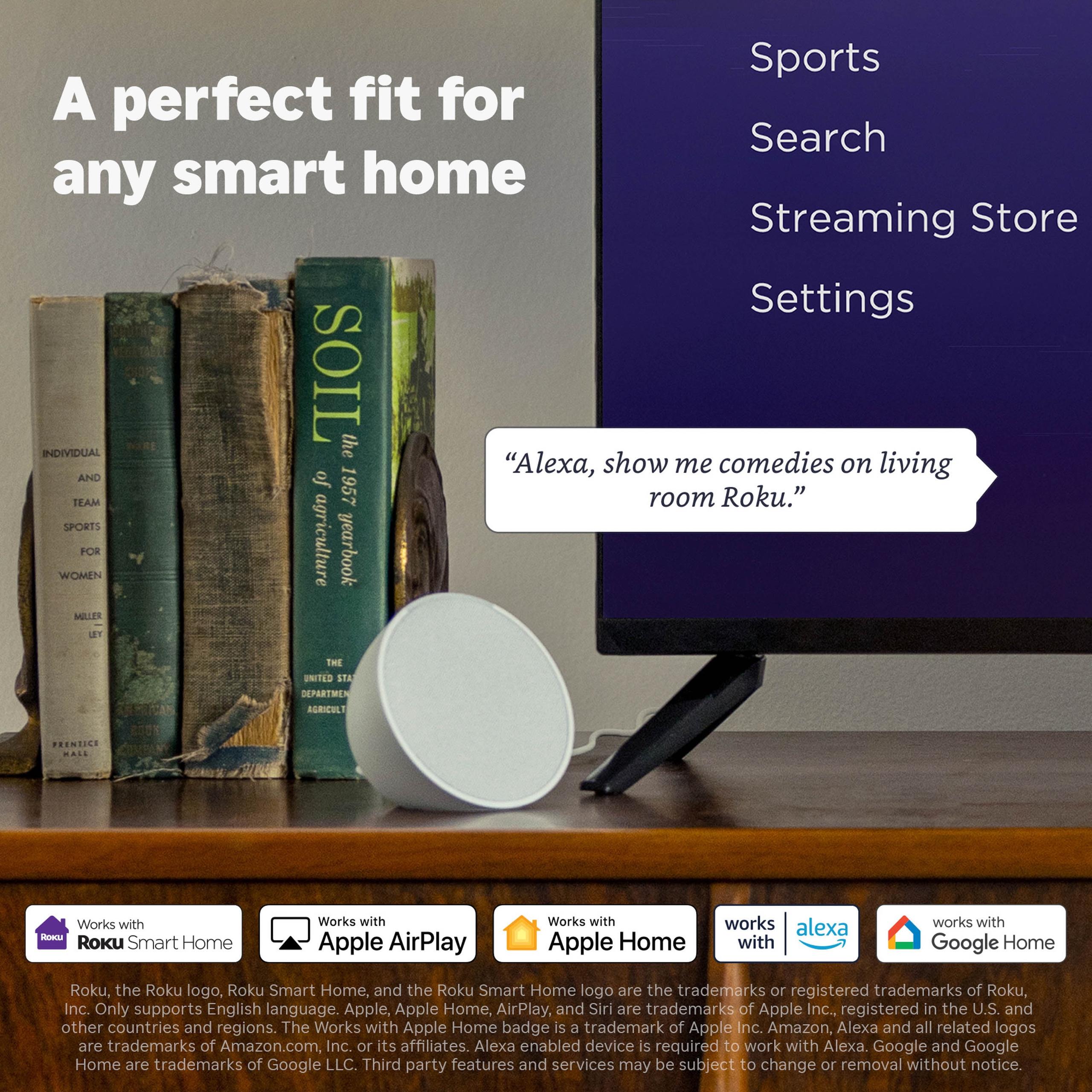
Samsung's real strength lies in smart home integration through their SmartThings ecosystem. If you own Samsung appliances, Galaxy phones, or other Samsung smart home devices, the TV becomes a central control hub. However, this integration primarily benefits users already invested in Samsung's ecosystem.
Television audio often gets overlooked until you're actually watching content, but these TVs take notably different approaches to sound reproduction.
The Samsung Q7F outputs 20 watts through a 2-channel system enhanced with Object Tracking Sound (OTS Lite), which attempts to move audio effects across the screen to match visual action. Samsung also includes Q-Symphony technology for seamless integration with Samsung soundbars.
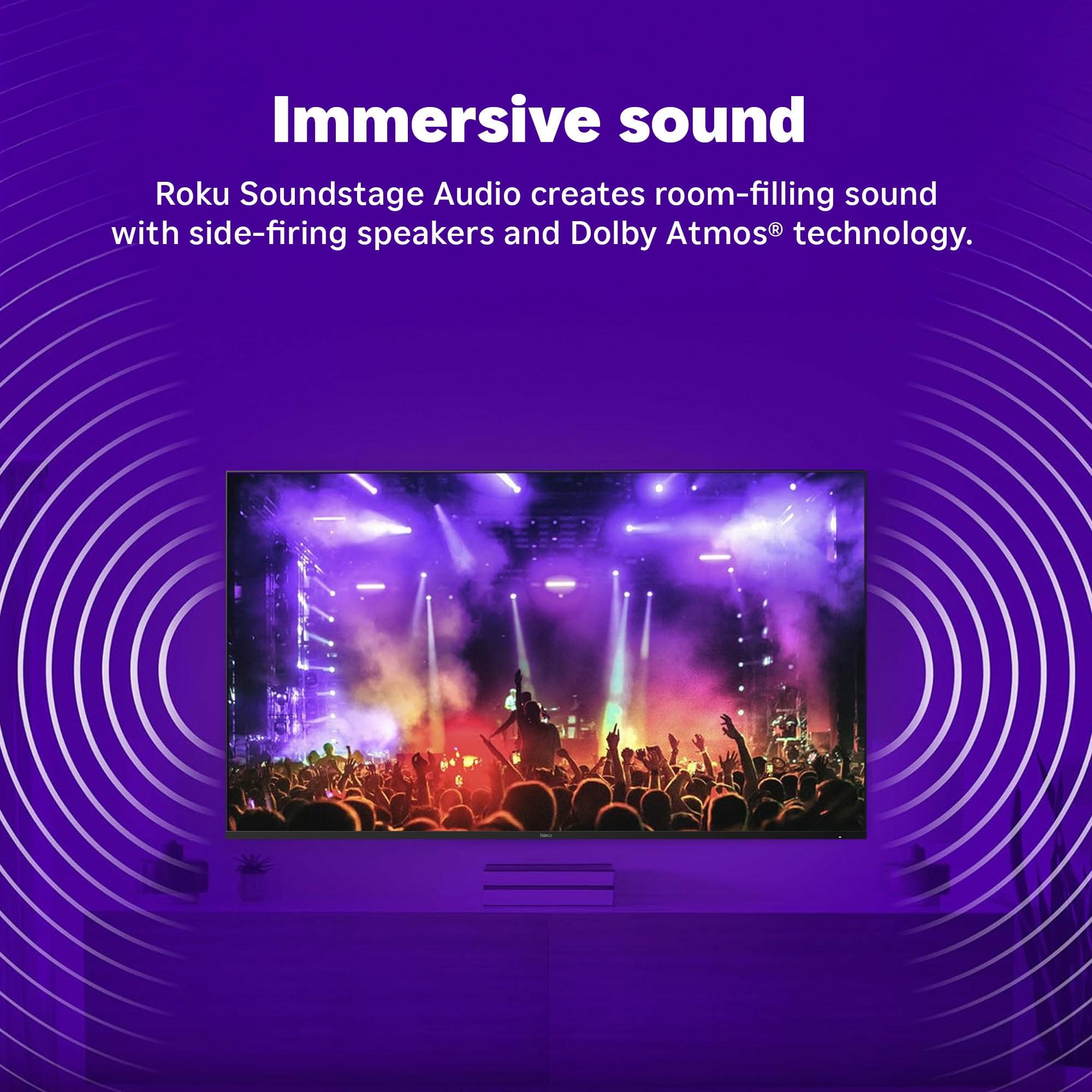
The Roku Pro Series features Dolby Atmos support through side-firing speakers designed to create more immersive soundscapes. Based on user feedback, the Roku produces surprisingly robust bass and room-filling audio that many owners find adequate without additional sound equipment. Some reviewers specifically noted the Roku's ability to "rattle walls" during action sequences—impressive for built-in TV speakers.
For home theater enthusiasts, neither TV replaces a proper surround sound system, but the Roku's superior built-in audio might delay or eliminate the need for a soundbar purchase.
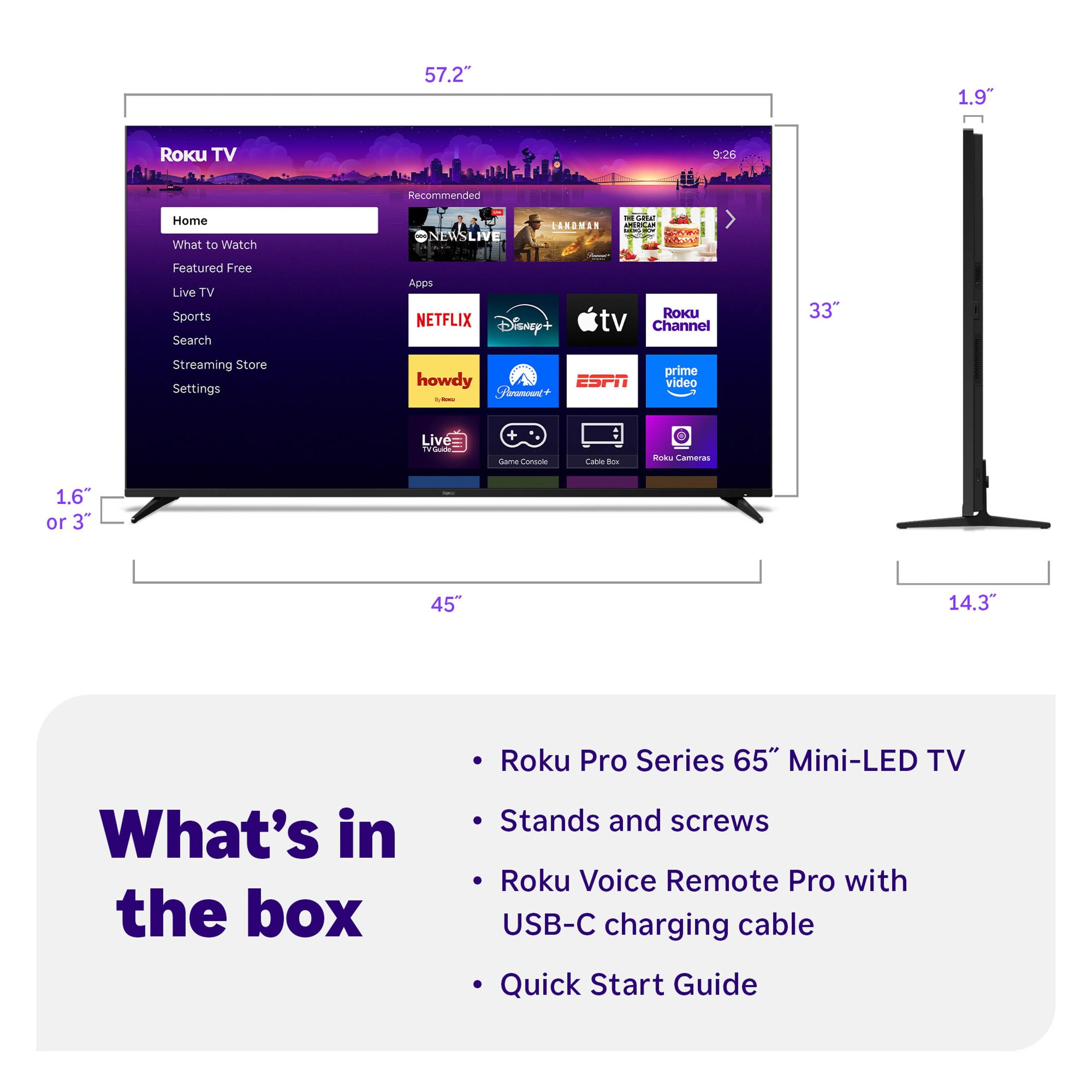
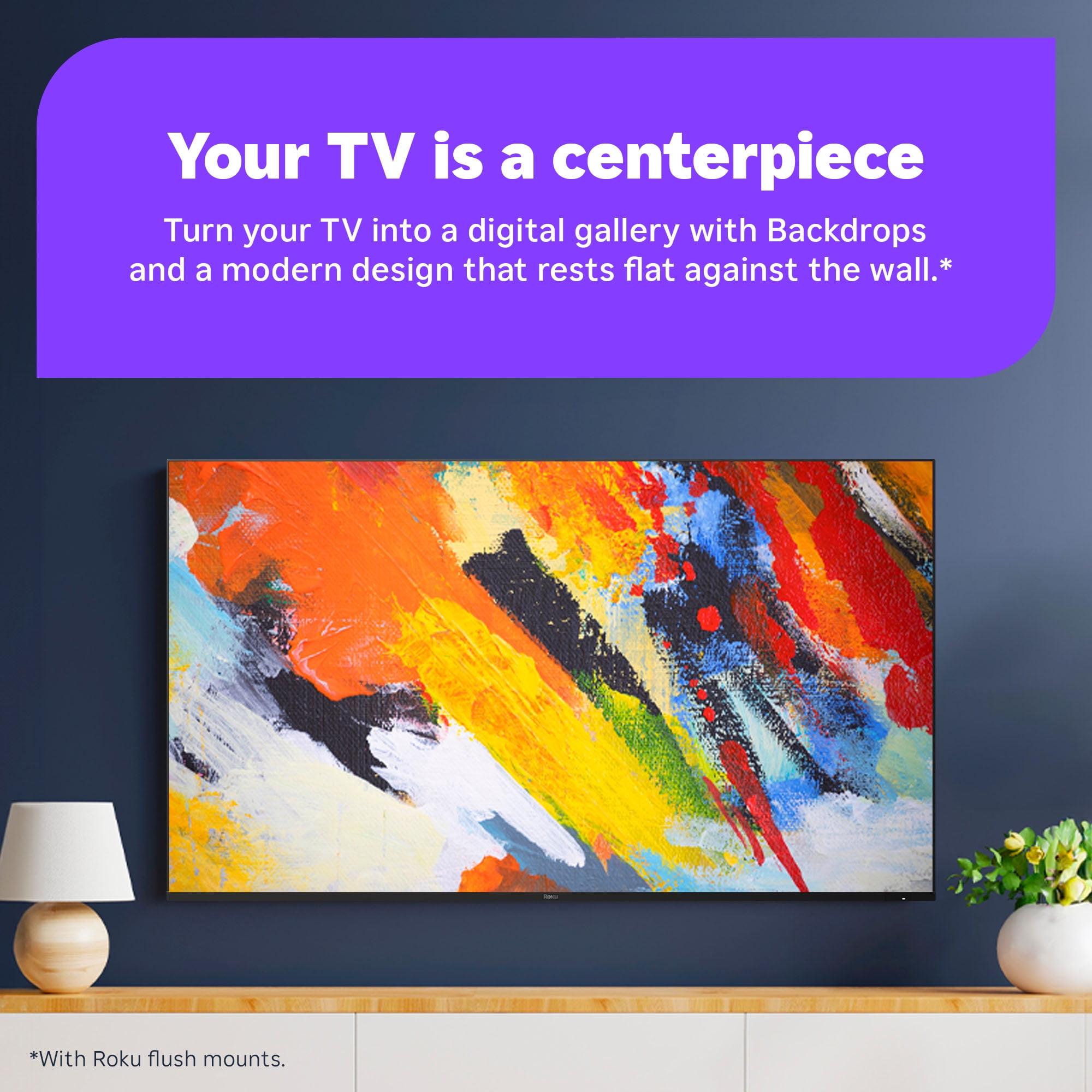
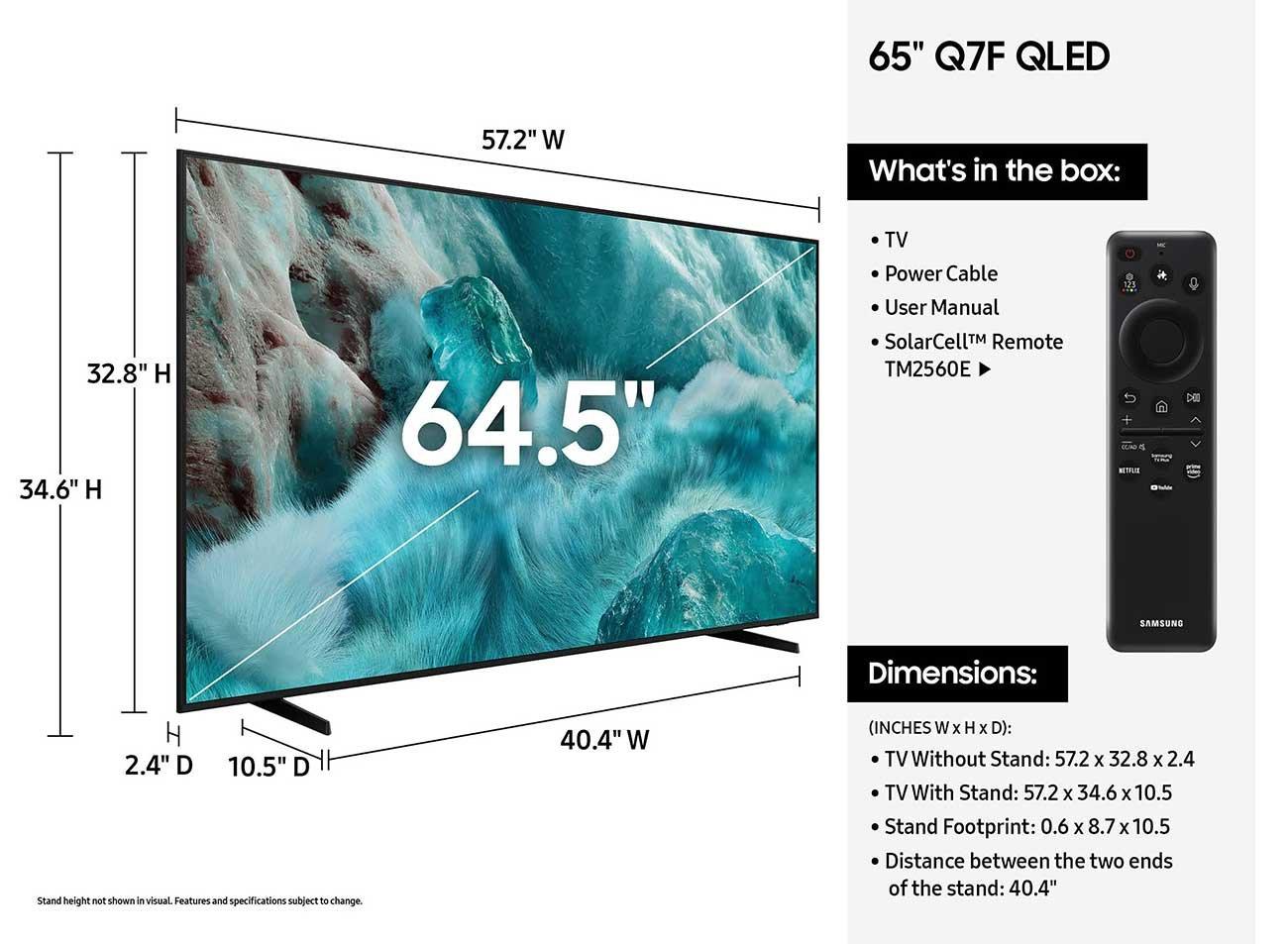
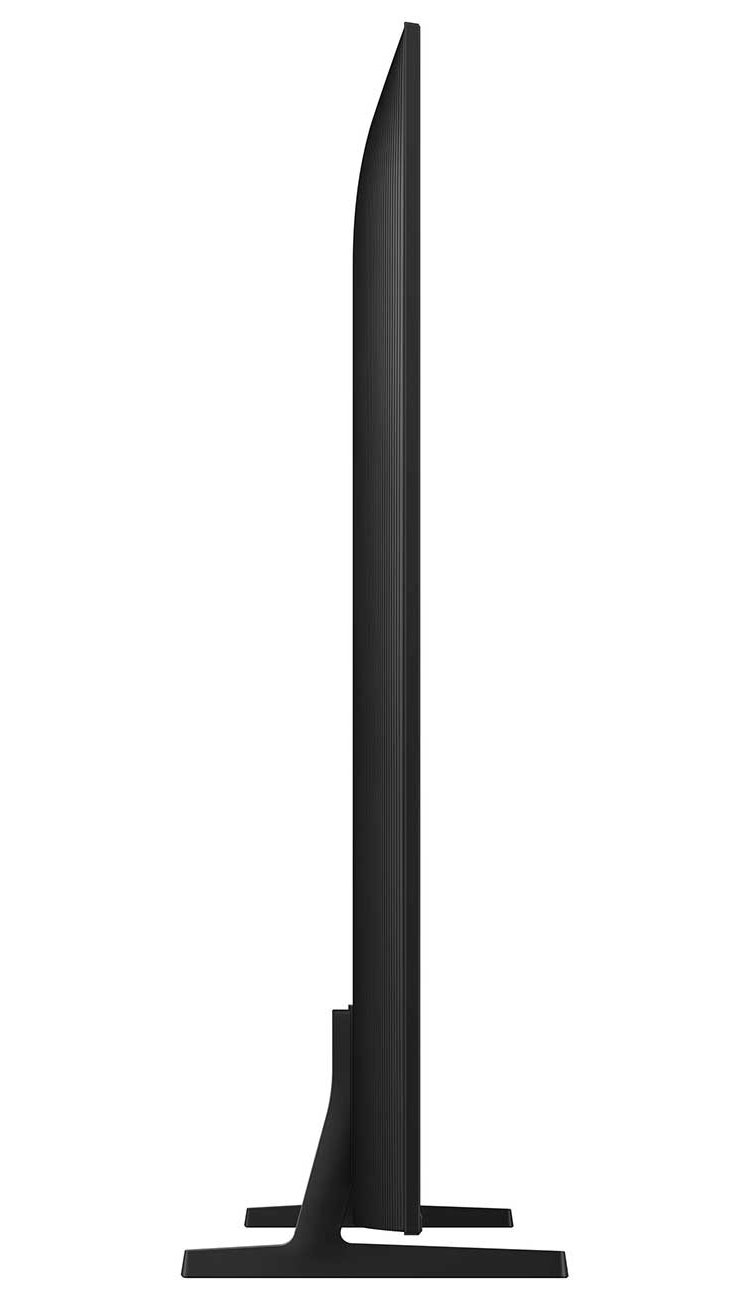
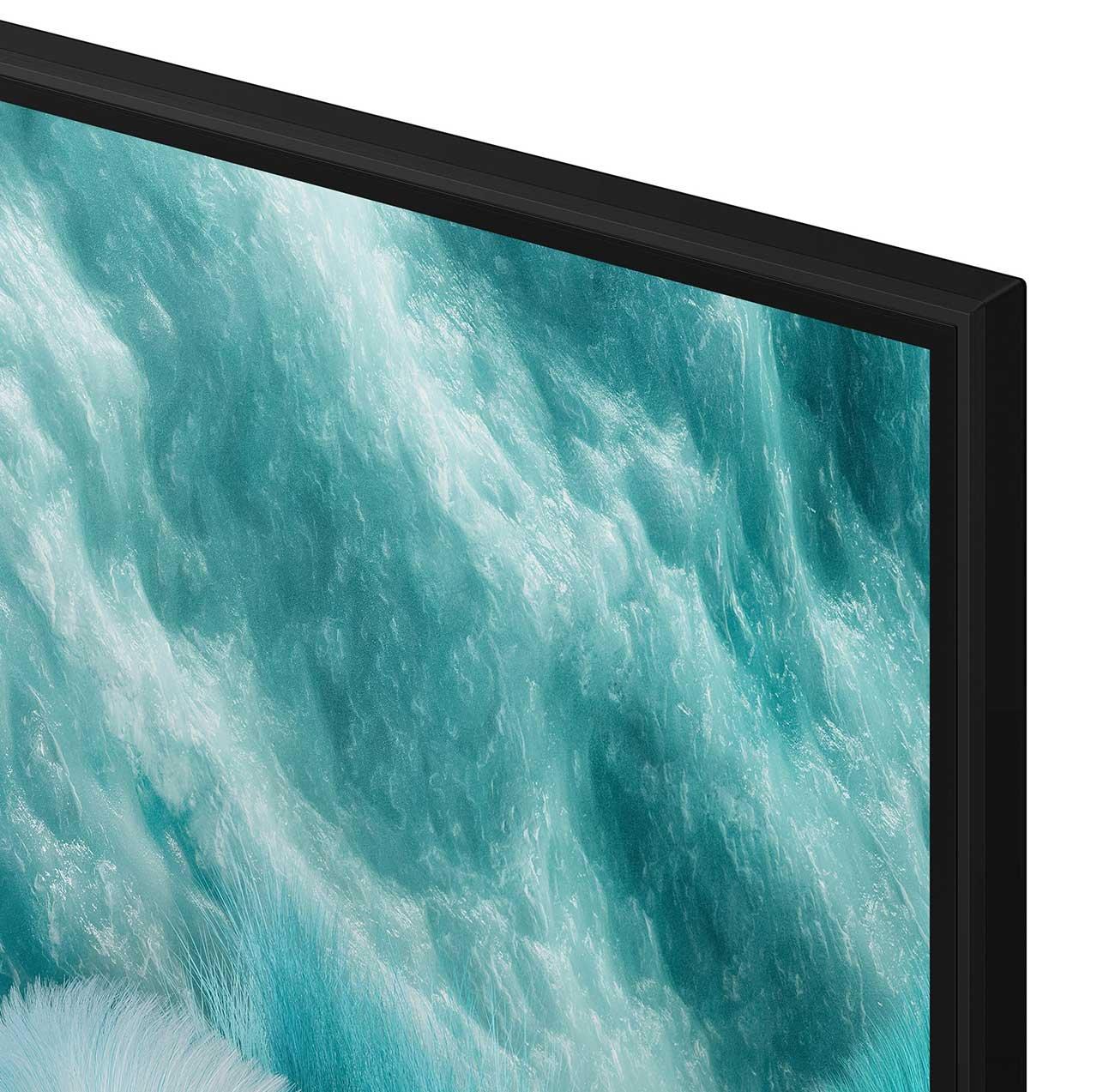
Both TVs embrace the modern ultra-thin aesthetic, but with different execution details. The Roku measures just 1.9 inches deep without its stand and includes a custom wall mount designed to sit completely flush against the wall. The Samsung is slightly thicker at 2.4 inches but still suitable for wall mounting with standard VESA brackets.
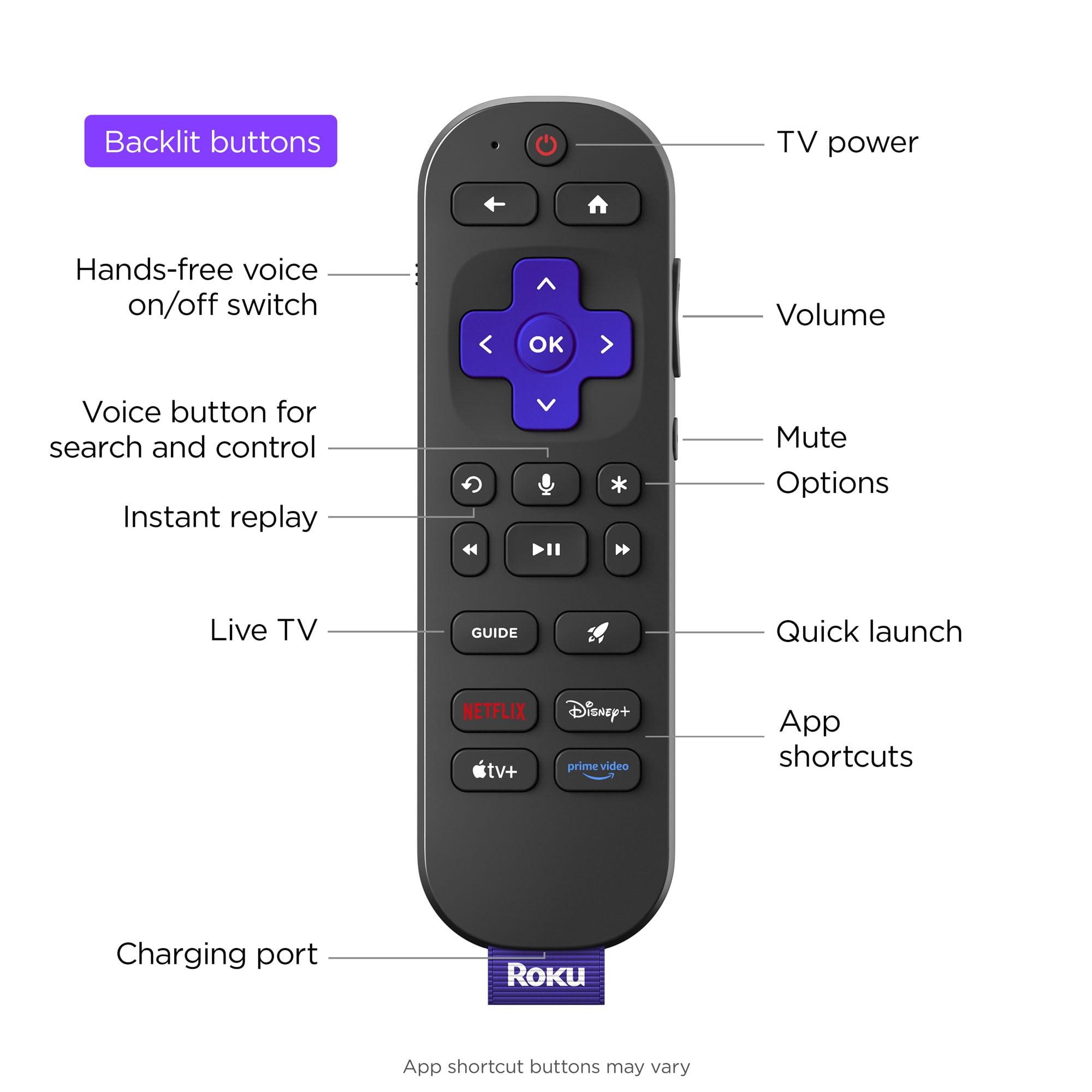
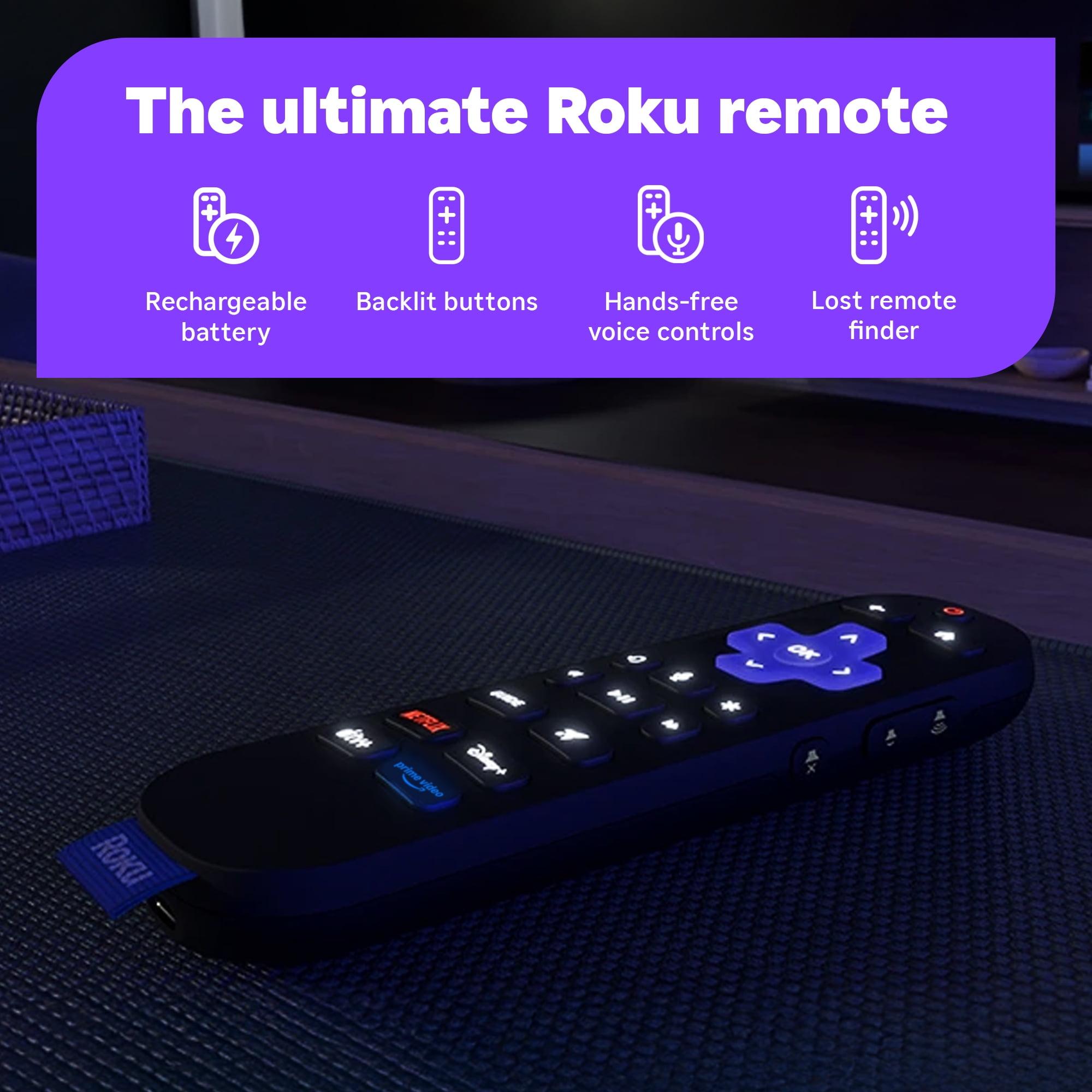
The Roku includes a backlit Voice Remote Pro that recharges via USB-C and includes a remote-finder button on the TV itself—surprisingly useful for anyone who regularly loses remotes in couch cushions. Samsung provides their BT SolarCell Remote, which charges from ambient room light and eliminates battery replacement entirely.
Port selection might seem boring, but it affects long-term usability as you add gaming consoles, streaming devices, and sound equipment. The Roku Pro Series provides four HDMI inputs, with two supporting HDMI 2.1 for high-bandwidth devices. The Samsung Q7F includes only three HDMI ports, all limited to older HDMI 2.0 specifications.
For households with multiple gaming consoles, streaming devices, cable boxes, and sound systems, the Roku's additional port and modern connectivity standards provide more flexibility and better future-proofing.
In dedicated home theater environments, the Roku Pro Series clearly excels. Its Mini-LED backlighting performs best in controlled lighting conditions where you can appreciate true black levels and dramatic contrast ratios. The 120Hz refresh rate eliminates judder from 24fps movie content, creating that smooth cinematic experience serious movie watchers demand.
However, the Roku suffers from narrow viewing angles—a common limitation of LED-based displays. For wide seating arrangements where people sit significantly off-center, colors shift and brightness dims noticeably. The Samsung Q7F actually handles off-angle viewing somewhat better, though neither approaches OLED-level viewing angle performance.
For bright family rooms with lots of windows, the Roku's superior peak brightness becomes crucial. Ambient light that would wash out the Samsung's picture barely affects the Roku's vibrant colors and deep contrasts.
You're serious about gaming and own or plan to buy next-generation consoles. The 4K@120Hz support, low input lag, and gaming-specific features justify the premium price for enthusiasts who want the full potential of modern gaming hardware.
Picture quality is your top priority and budget allows for premium features. The Mini-LED backlighting and superior HDR performance create viewing experiences that budget TVs simply cannot match, particularly for movie watching and premium streaming content.
You prefer longer software support cycles and platform stability. Roku's track record suggests this TV will receive regular updates and new features for years after purchase.
Budget constraints are your primary concern but you still want QLED color enhancement. At the time of writing, the Samsung costs significantly less while still providing quantum dot color improvement over basic LED TVs.
Your viewing consists primarily of standard cable TV, basic streaming, and casual gaming. The Samsung handles these tasks adequately, and you won't miss premium features you don't need.
You're already invested in Samsung's ecosystem with Galaxy phones, Samsung appliances, or other compatible smart home devices. The integration benefits might outweigh the picture quality compromises.
You plan to upgrade again in 3-4 years as prices drop on premium features. The Samsung provides a solid interim solution while waiting for Mini-LED and 120Hz gaming to become standard across all price ranges.
The choice between the Roku Pro Series 2025 and Samsung Q7F ultimately comes down to whether premium gaming features and superior picture quality justify spending significantly more money. The Roku delivers measurably better performance across most important metrics—contrast, brightness, gaming capabilities, and audio quality. The Samsung provides acceptable quality at a much more accessible price point.
For most families focused on streaming Netflix, watching cable TV, and occasional casual gaming, the Samsung's limitations won't significantly impact daily enjoyment. However, if you're building a serious home theater, plan to keep this TV for many years, or want to take full advantage of modern gaming consoles, the Roku's premium features create viewing and gaming experiences that budget options simply cannot deliver.
The 2025 TV market demonstrates how rapidly display technology continues advancing. Features that cost premium prices today—like Mini-LED backlighting and 120Hz gaming—will inevitably trickle down to budget models over the next few years. Your decision should balance immediate needs against long-term satisfaction and whether waiting for future price drops makes sense for your situation.
| Roku 65" Pro Series 2025 4K QLED TV | Samsung 65" Q7F QLED 4K Vision AI Smart TV 2025 |
|---|---|
| Display Technology - Determines picture quality, especially black levels and contrast | |
| Mini-LED with full array local dimming (thousands of zones for precise brightness control) | Direct-lit LED without local dimming (uniform lighting across entire screen) |
| Peak Brightness - Critical for HDR impact and bright room viewing | |
| 1,750-1,800 nits (excellent for HDR highlights and daylight viewing) | 500 nits (adequate for dim rooms but HDR highlights won't pop) |
| Refresh Rate - Essential for gaming and sports smoothness | |
| 120Hz native (supports modern gaming consoles at full potential) | 60Hz (limits gaming performance and motion clarity) |
| Gaming Features - Determines compatibility with PS5/Xbox Series X | |
| HDMI 2.1, VRR, FreeSync Premium Pro, 5.2ms input lag | No HDMI 2.1, no VRR, slower response times with motion blur |
| HDR Format Support - Affects premium streaming content compatibility | |
| Dolby Vision IQ, HDR10+, HLG (maximum compatibility with streaming services) | HDR10+, Quantum HDR (no Dolby Vision support) |
| HDMI Ports - Important for connecting multiple devices | |
| 4 HDMI ports (2x HDMI 2.1 for high-bandwidth devices) | 3 HDMI ports (all HDMI 2.0, no high-bandwidth support) |
| Smart Platform - Affects long-term software support and interface | |
| Roku TV OS (content-first approach, excellent update history) | Samsung Tizen with Vision AI (smart home integration, Bixby voice) |
| Audio System - Determines if you need a soundbar | |
| Dolby Atmos with side-firing speakers (surprisingly robust bass) | 20W 2-channel with Object Tracking Sound (adequate but unremarkable) |
| Target Buyer - Who each TV is designed for | |
| Gaming enthusiasts and picture quality focused viewers willing to pay premium | Budget-conscious buyers wanting QLED colors without premium features |
| Best Use Cases - Where each TV excels | |
| Roku: Home theaters, serious gaming, HDR movie watching | Samsung: Casual viewing, basic streaming, Samsung ecosystem users |
The Roku 65" Pro Series 2025 delivers significantly better picture quality thanks to its Mini-LED backlighting with full array local dimming. This technology creates deeper blacks and brighter highlights simultaneously, while the Samsung Q7F uses basic direct-lit LED that produces grayish blacks. The Roku also reaches 1,750-1,800 nits peak brightness compared to Samsung's 500 nits, making HDR content much more impactful.
The Roku Pro Series is excellent for gaming with its 120Hz refresh rate, HDMI 2.1 ports, Variable Refresh Rate (VRR), and 5.2ms input lag. It fully supports PlayStation 5 and Xbox Series X at 4K 120fps. The Samsung Q7F is limited to 60Hz with no HDMI 2.1 or VRR support, making it unsuitable for serious gaming but adequate for casual players.
The Roku 65" Pro Series 2025 performs much better in bright rooms due to its superior peak brightness of nearly 1,800 nits. This allows it to overcome glare and maintain vibrant colors even with ambient light. The Samsung Q7F at only 500 nits will appear washed out in bright environments and works best in dim or controlled lighting conditions.
Yes, both the Roku Pro Series and Samsung Q7F support all major streaming services including Netflix, Disney+, HBO Max, Prime Video, and YouTube. The Roku TV OS provides a unified interface that aggregates content across services, while Samsung's Tizen platform focuses more on individual app experiences with AI-enhanced recommendations.
The Roku 65" Pro Series 2025 has notably better built-in audio with Dolby Atmos support and side-firing speakers that produce surprisingly robust bass. Many users find it adequate without additional sound equipment. The Samsung Q7F has decent 20W audio with Object Tracking Sound but is more likely to benefit from a soundbar upgrade.
The Samsung Q7F serves as a reasonable budget alternative if you primarily watch standard streaming content and don't game seriously. However, it lacks the Mini-LED backlighting, 120Hz gaming features, and superior HDR brightness that make the Roku Pro Series worth the premium for enthusiasts who want top-tier performance.
The Roku Pro Series is superior for dedicated home theater use thanks to its Mini-LED local dimming that creates true blacks in dark rooms, excellent HDR performance, and 120Hz refresh rate that eliminates movie judder. The Samsung Q7F can work in home theaters but lacks the contrast and brightness needed for premium cinematic experiences.
The Roku Pro Series uses Roku TV OS, which excels at content discovery across streaming services with a clean, unified interface and excellent long-term update support. The Samsung Q7F runs Tizen with Vision AI and Bixby voice control, offering better smart home integration if you use Samsung devices but a more fragmented streaming experience.
The Roku 65" Pro Series 2025 supports Dolby Vision IQ, HDR10+, and HLG for maximum compatibility with premium streaming content and 4K Blu-rays. The Samsung Q7F supports HDR10+ and Quantum HDR but lacks Dolby Vision, which is used by Netflix, Disney+, and other major streaming services for their highest-quality content.
Yes, the Roku Pro Series offers 4 HDMI ports with 2 supporting HDMI 2.1 for high-bandwidth gaming and future devices. The Samsung Q7F has only 3 HDMI ports, all limited to HDMI 2.0. The Roku also includes USB-C and more comprehensive port selection for connecting multiple devices.
The Roku Pro Series typically receives longer software support based on Roku's track record of updating older devices for 5+ years. Samsung generally provides 3-4 years of major updates for the Samsung Q7F. The Roku's premium hardware also future-proofs better with HDMI 2.1 and 120Hz gaming features that will remain relevant longer.
Choose the Roku Pro Series if gaming, picture quality, and bright room performance matter to your family, and budget allows for premium features. Pick the Samsung Q7F if you need a solid QLED TV for basic streaming and casual viewing at a lower cost, especially if you already use Samsung smart home devices.
We've done our best to create useful and informative comparisons to help you decide what product to buy. Our research uses advanced automated methods to create this comparison and perfection is not possible - please contact us for corrections or questions. These are the sites we've researched in the creation of this article: bestbuy.com - rtings.com - techradar.com - youtube.com - roku.com - youtube.com - walmart.com - bestbuy.com - youtube.com - electronicexpress.com - roku.com - pcvarge.com - ecoustics.com - bestbuy.com - youtube.com - samsung.com - samsung.com - pcrichard.com - samsung.com - samsung.com - videoandaudiocenter.com - displayspecifications.com - bestbuy.com - samsung.com - samsung.com - samsung.com - samsung.com - news.samsung.com

Privacy Policy
Terms and Conditions - Affiliate Policy
Home Security
© Copyright 2008-2026.
11816 Inwood Rd #1211, Dallas, TX 75244