

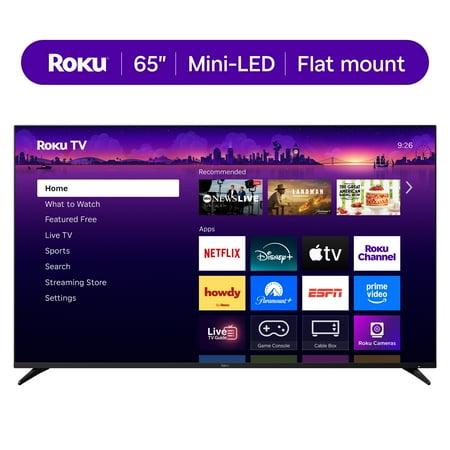
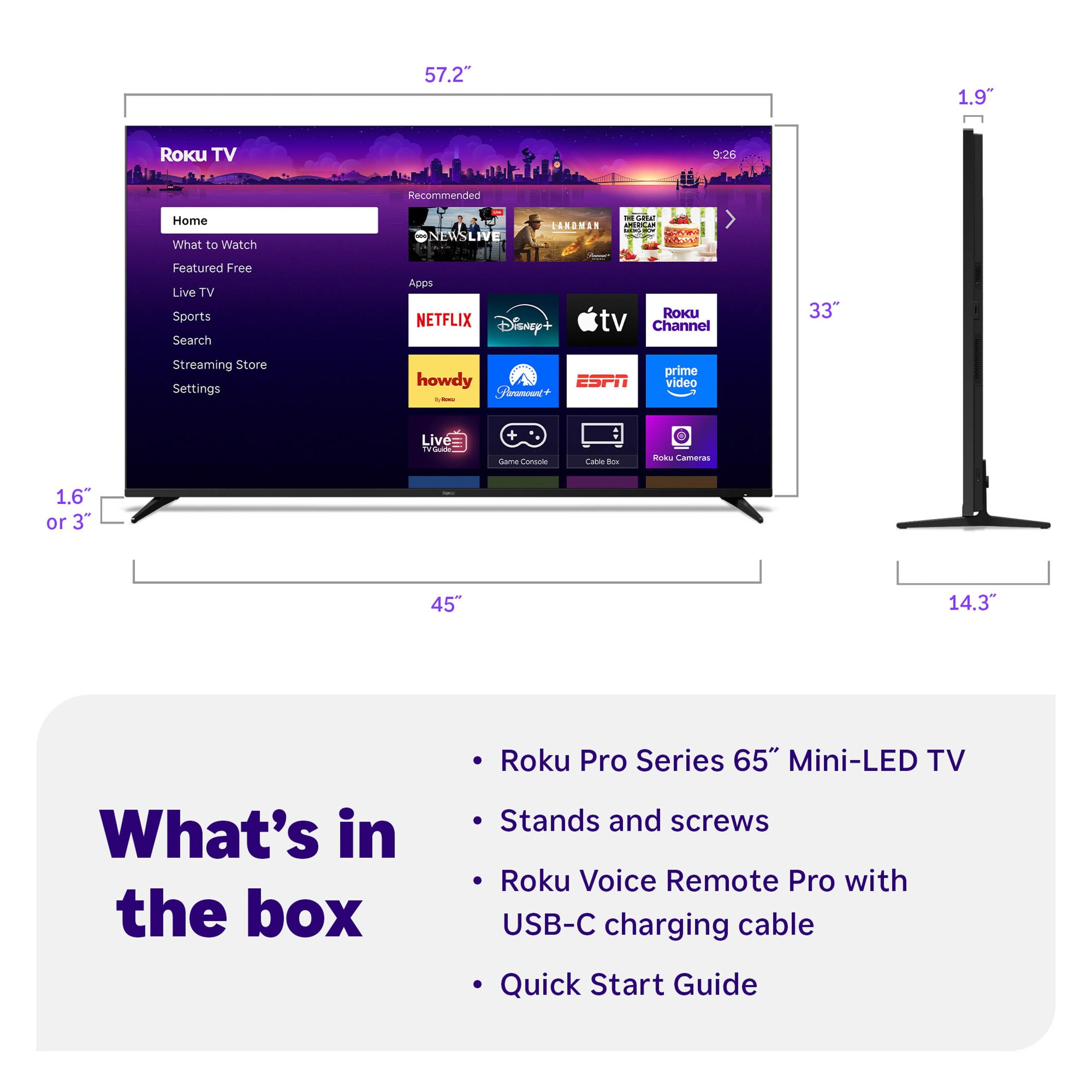
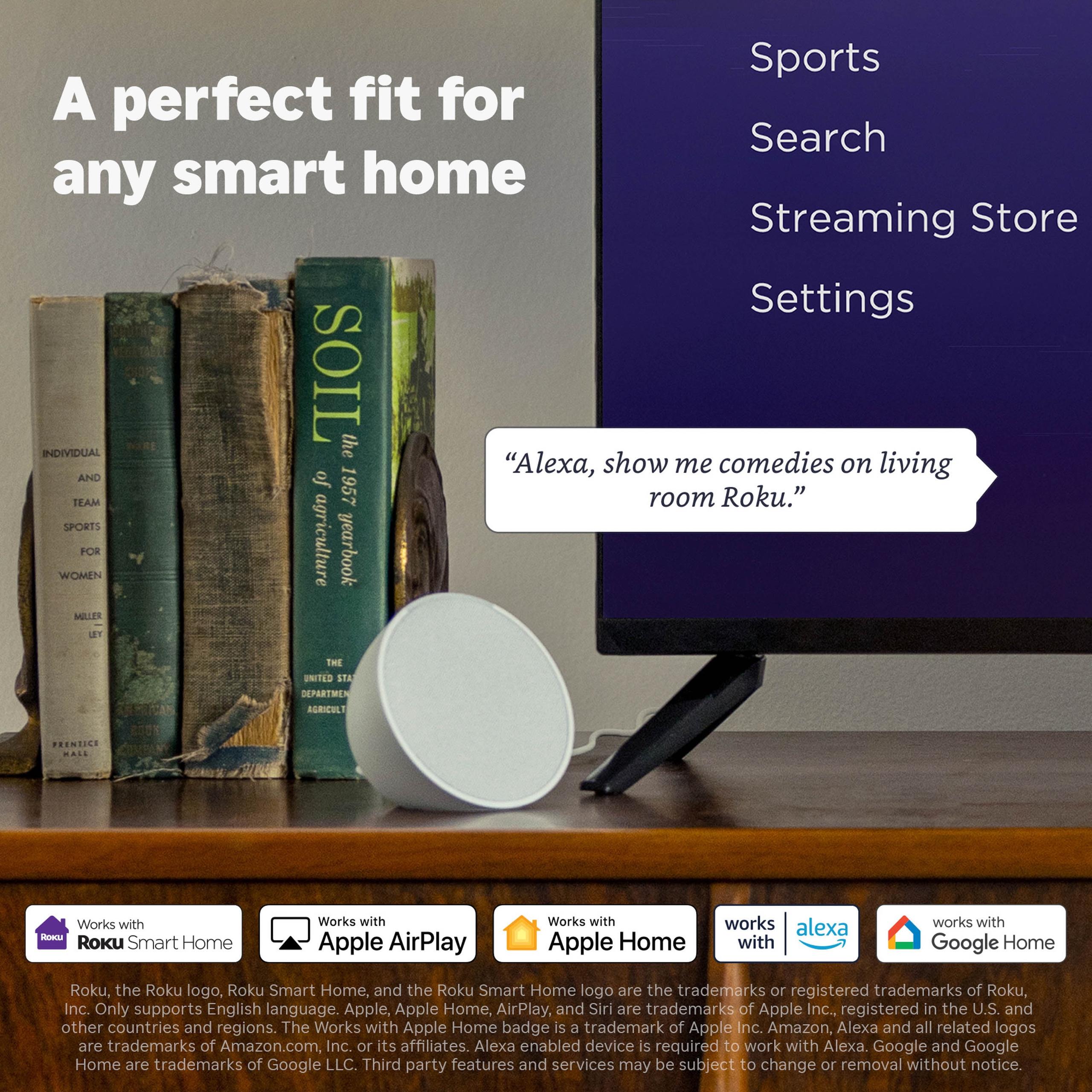
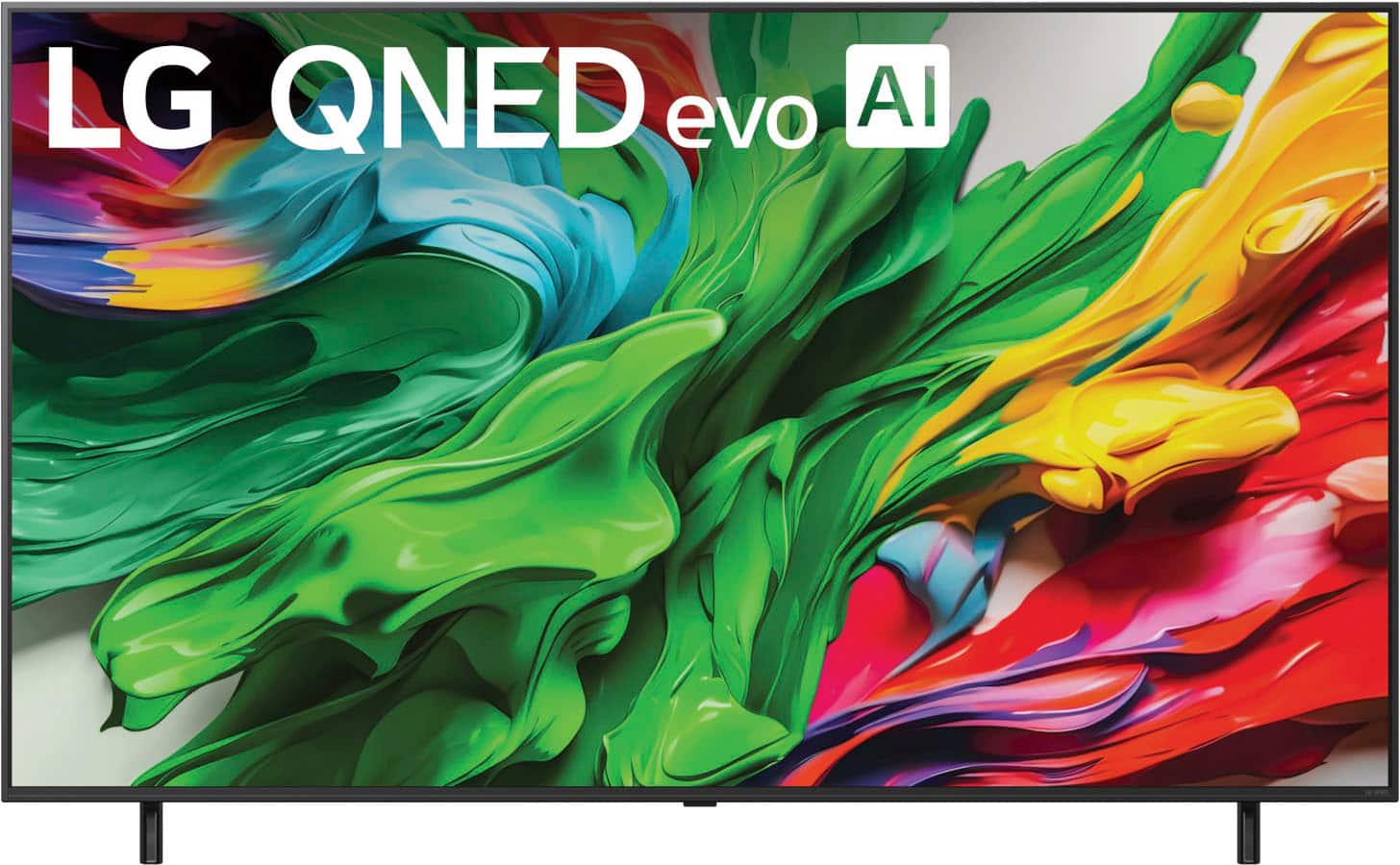
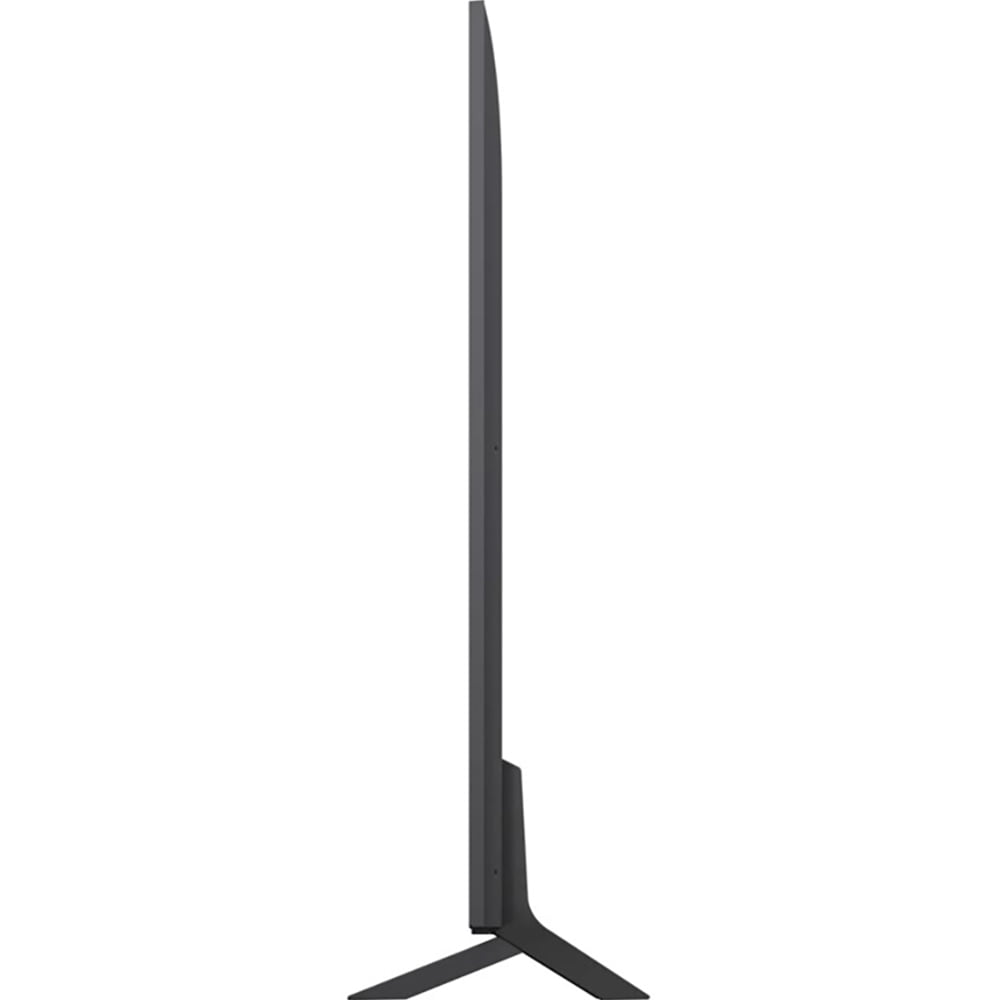
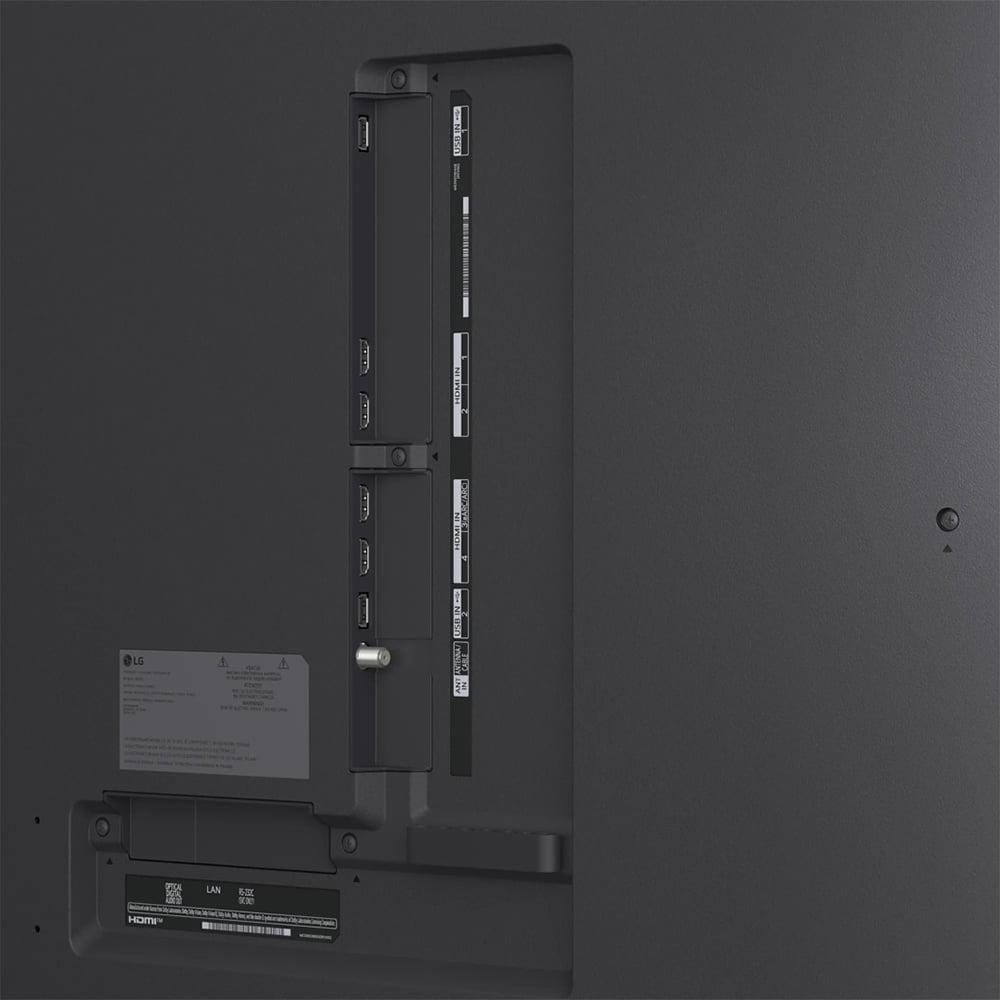
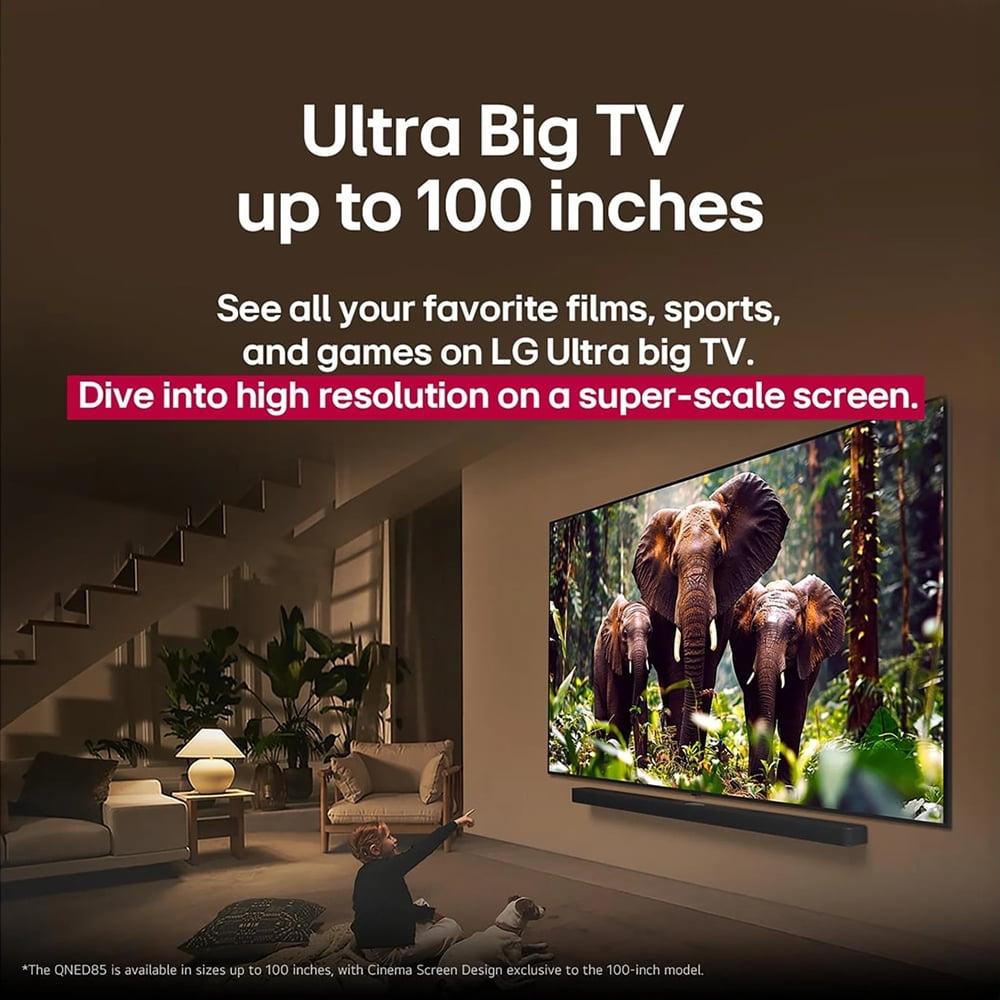
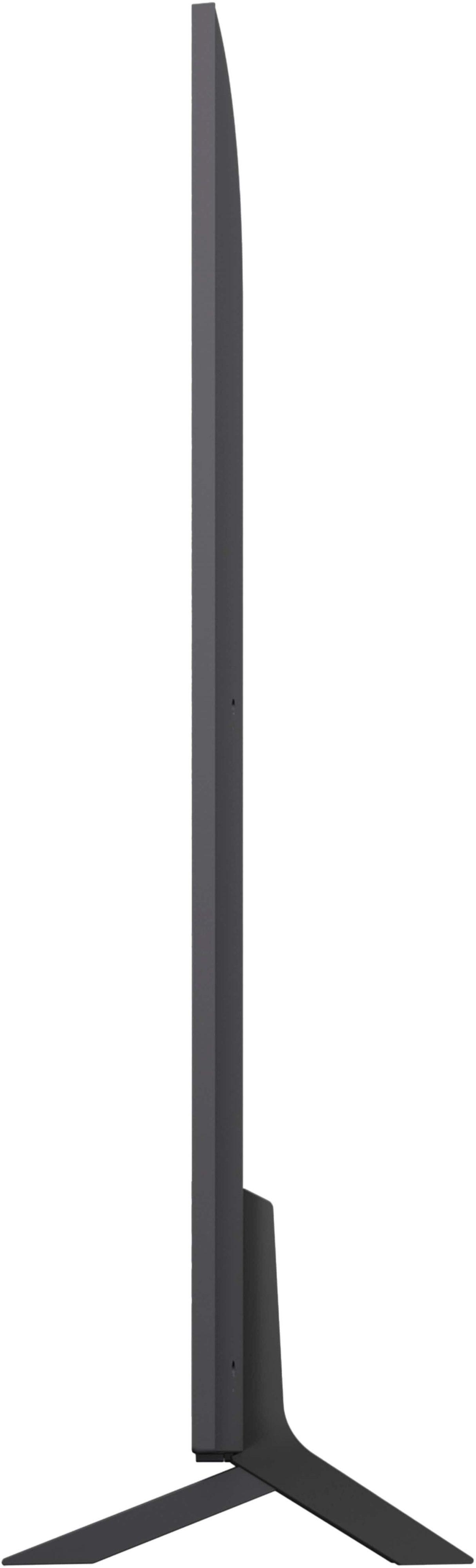
Shopping for a premium 65-inch TV in 2025 means navigating a landscape of impressive but complex technologies. Two standout options that represent different philosophies in TV design are the Roku 65" Pro Series 2025 and the LG 65" QNED evo AI QNED85A. Both launched in 2025 with significant technological improvements over their predecessors, but they take notably different approaches to delivering premium picture quality and smart features.
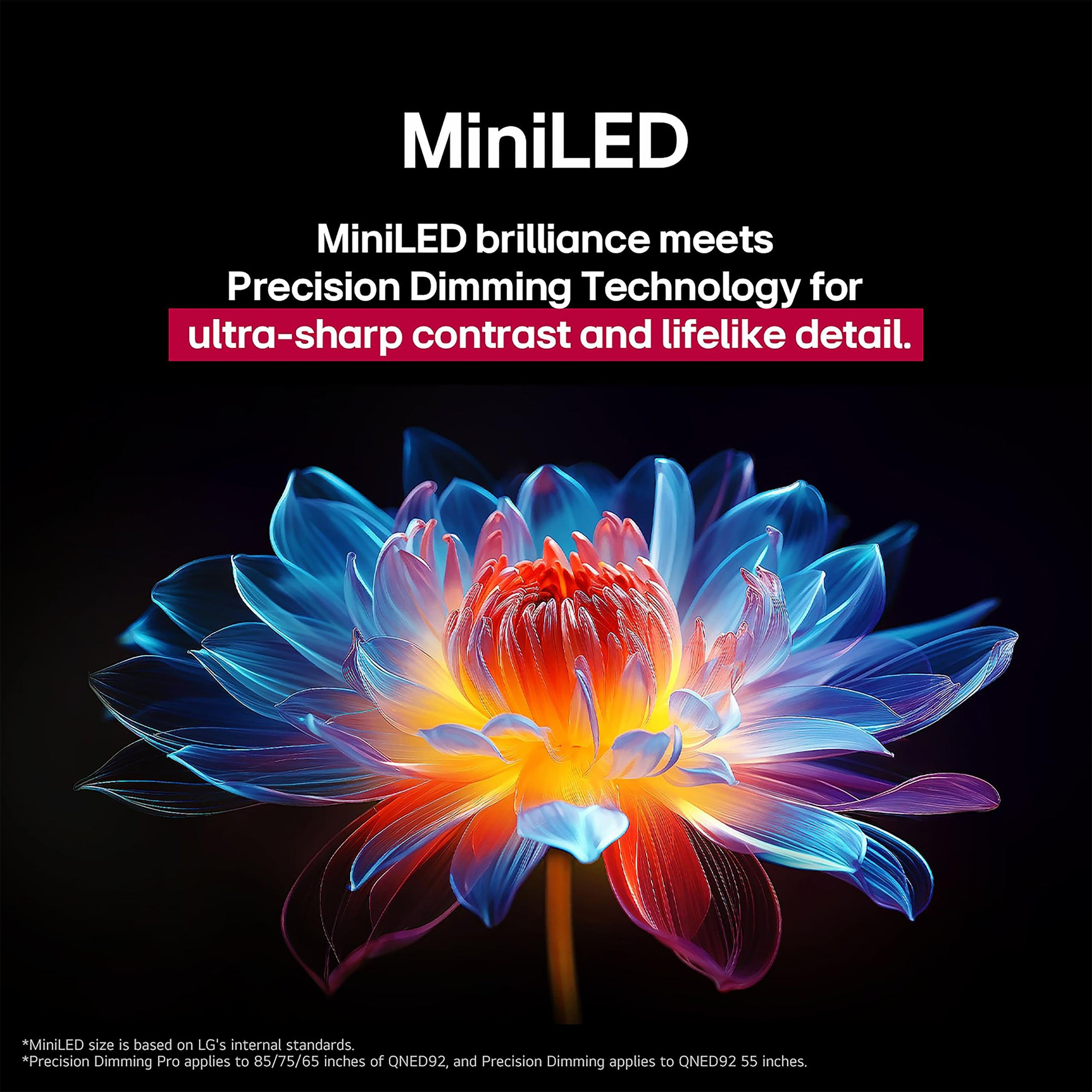
Before diving into specifics, it's worth understanding what makes these TVs "premium" in 2025. Both use Mini-LED backlighting technology, which represents a major advancement over traditional LED TVs. Instead of a few dozen large LED lights behind the screen, Mini-LED uses thousands of tiny LEDs that can be controlled in small groups or "zones." This allows for much more precise lighting control – bright objects can have intense backlighting while dark areas remain truly black, creating what we call "local dimming."
The 120Hz refresh rate on both models means the screen updates 120 times per second instead of the standard 60 times. This makes motion smoother, particularly noticeable in sports and gaming. For context, most budget TVs still use 60Hz panels, so this is a meaningful upgrade that affects daily viewing.
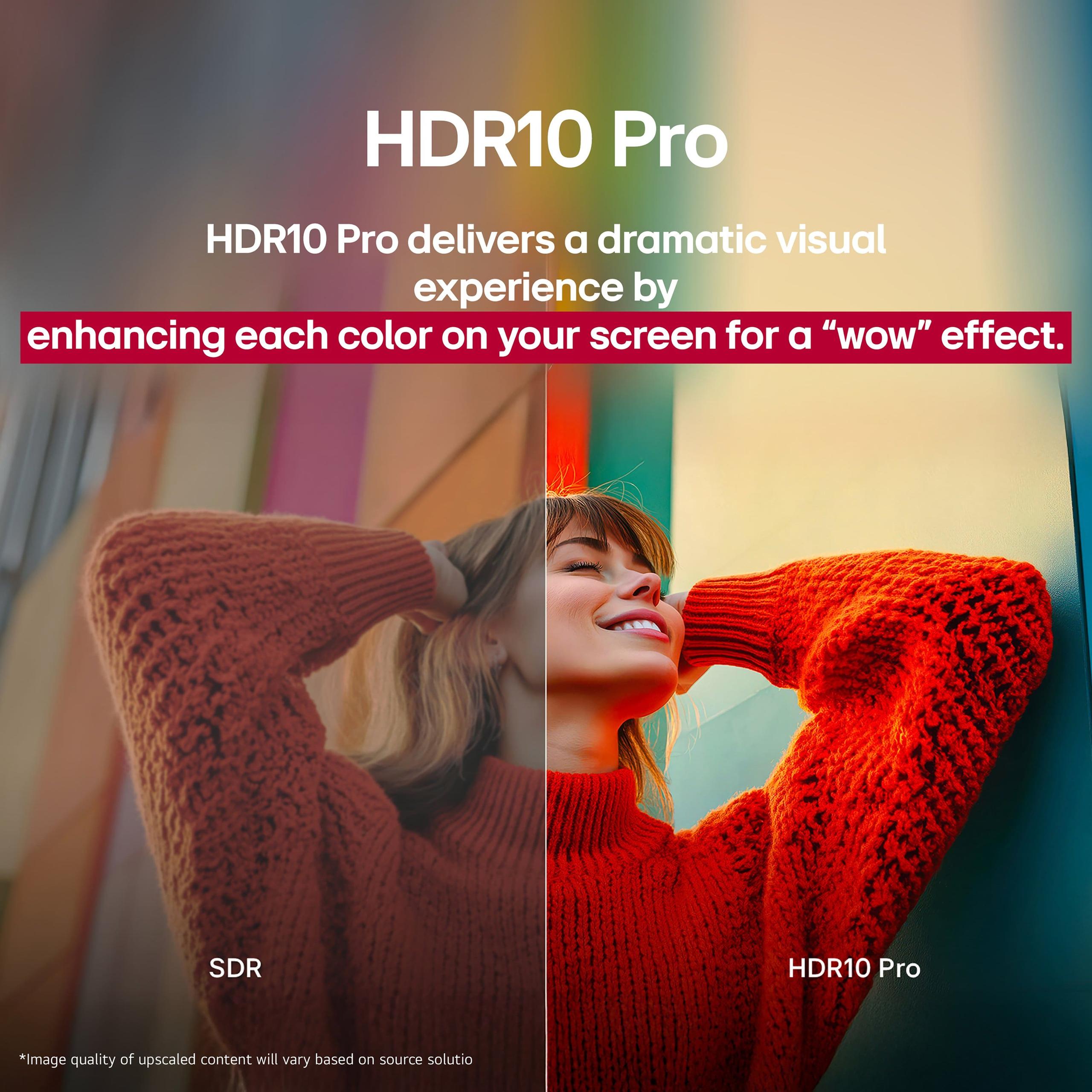
Both TVs also support various HDR (High Dynamic Range) formats, which expand the range of colors and brightness levels beyond what standard TV can display. Think of HDR as the difference between a photo taken on a sunny day versus the same scene as your eyes actually see it – HDR captures more of that real-world vibrancy.
The Roku Pro Series and LG QNED85A achieve excellent picture quality through different technical approaches, and understanding these differences is crucial for making the right choice.
Our research into professional reviews and user feedback reveals a significant advantage for the Roku Pro Series in peak brightness capability. While both TVs perform well in typical viewing conditions, the Roku can reach an impressive 1,750+ nits in its brightest mode – roughly double what most TVs achieve. To put this in perspective, a typical sunny day outdoors measures about 10,000 nits, while most TVs struggle to exceed 1,000 nits.
This brightness advantage becomes practically important if your living room has large windows or bright overhead lighting. The Roku maintains color vibrancy and contrast even when competing with ambient light, while many TVs appear washed out in these conditions. The LG QNED85A performs well in bright rooms too, but doesn't quite match the Roku's capability for cutting through glare and maintaining image quality.
For home theater enthusiasts, this brightness difference affects HDR performance significantly. HDR content is mastered to specific brightness levels, and TVs that can't reach those levels compress the image, losing some of the intended visual impact. The Roku's ability to hit higher brightness levels means HDR highlights – like explosions, sunlight, or bright reflections – appear more realistic and impactful.
Both TVs use quantum dot technology for enhanced color reproduction, but implement it differently. The Roku Pro Series has measurably improved color accuracy compared to previous generations, with professional calibrations showing a significant reduction in color errors. This translates to more natural skin tones, accurate sky blues, and properly saturated reds without the artificial oversaturation that plagues some TVs.
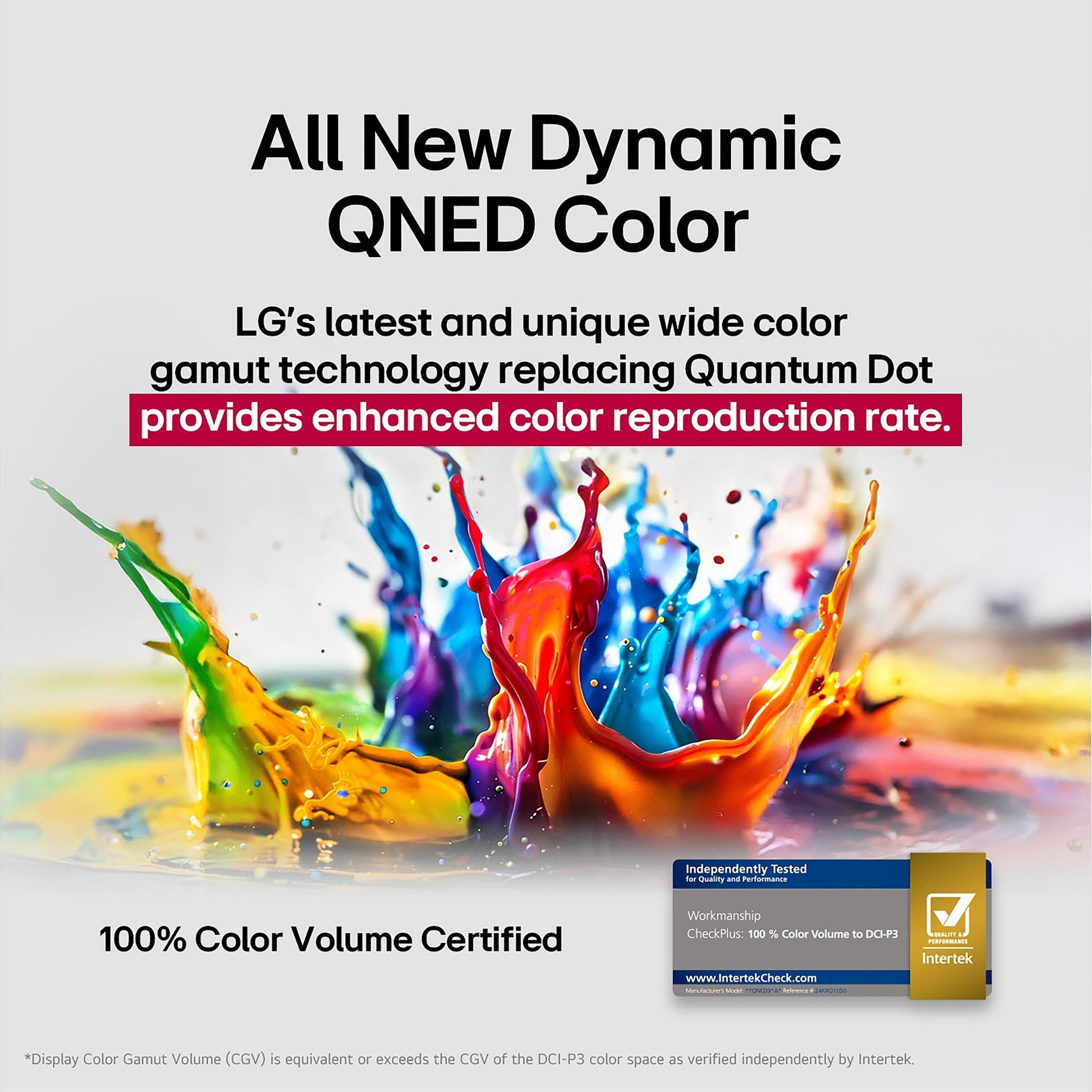
The LG QNED85A takes a different approach with what LG calls "Dynamic QNED Color," emphasizing what they term "100% Color Volume." While the technical marketing can be confusing, user reports consistently praise the LG's color vibrancy and particularly its performance when viewed from side angles. This is actually a notable strength – many high-end TVs lose color accuracy when viewed from the couch ends, but the LG maintains consistent colors across a wider viewing angle.
Both TVs use Mini-LED backlighting with local dimming, but the Roku Pro Series appears to have more refined zone control based on user reports of minimal "blooming" – the halo effect you sometimes see around bright objects against dark backgrounds. This is particularly noticeable when watching movies with subtitles or bright UI elements in games.
The LG QNED85A handles local dimming competently, with adjustable settings (low, medium, high) that let users customize the balance between deep blacks and potential blooming artifacts. Some users report that the highest setting can introduce minor blooming, but the medium setting provides a good compromise for most content.
Gaming has become a crucial consideration for premium TVs, and both models deliver strong performance while emphasizing different aspects of the gaming experience.
The Roku Pro Series includes two dedicated HDMI 2.1 ports with full 48Gbps bandwidth, supporting 4K gaming at 120Hz with variable refresh rate (VRR) and automatic low latency mode (ALLM). More importantly, it achieves input lag as low as 5.2 milliseconds in its gaming mode – essentially eliminating the delay between controller input and screen response.
For PlayStation 5 and Xbox Series X owners, these specifications matter significantly. Modern consoles can output 4K at 120Hz for supported games, and the Roku handles this without compromise. The FreeSync Premium Pro support also eliminates screen tearing – the visual artifact where parts of the image seem to lag behind others during rapid motion.
The LG QNED85A takes a forward-looking approach by integrating cloud gaming services directly into the TV. GeForce NOW and Xbox Cloud Gaming eliminate the need for a physical console entirely – you can play demanding games by streaming them over the internet. For households without gaming consoles, or those interested in trying games without major hardware investments, this represents significant value.
The LG also supports PC gaming up to 144Hz when connected to a compatible graphics card, potentially offering smoother performance than either console can achieve. The Game Optimizer dashboard provides easy access to gaming-specific settings without diving into complex menus.
The smart TV platforms represent perhaps the most philosophical difference between these models.
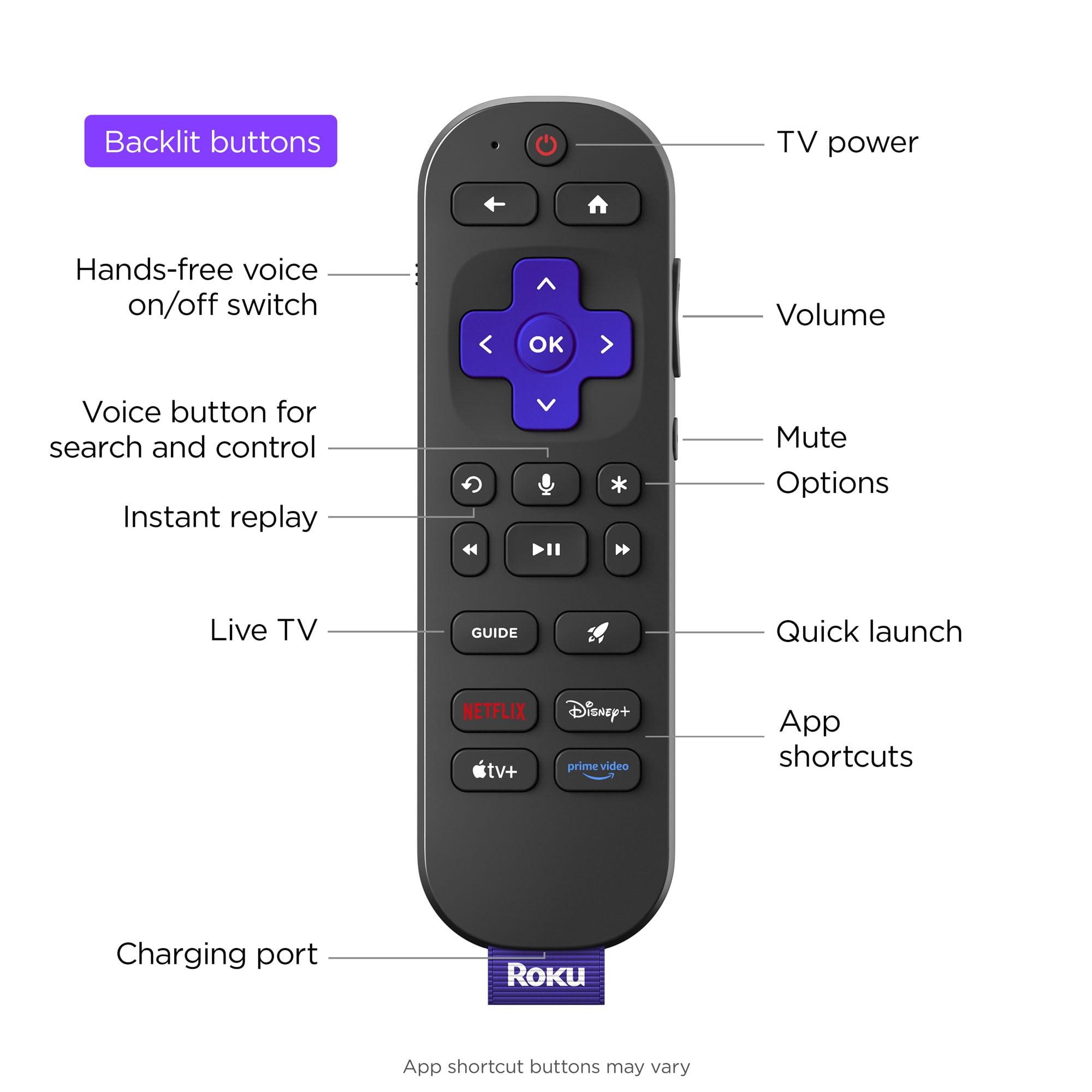
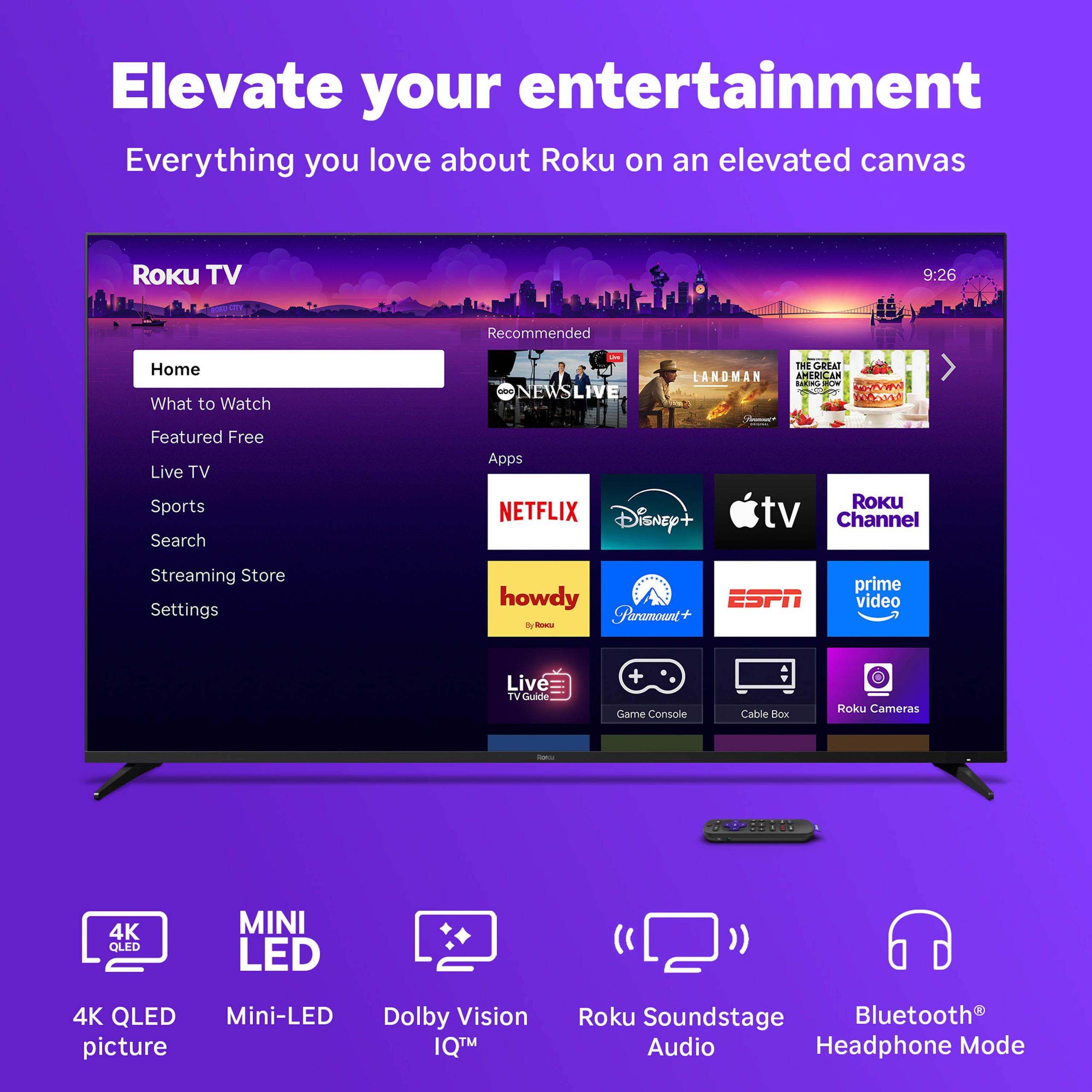
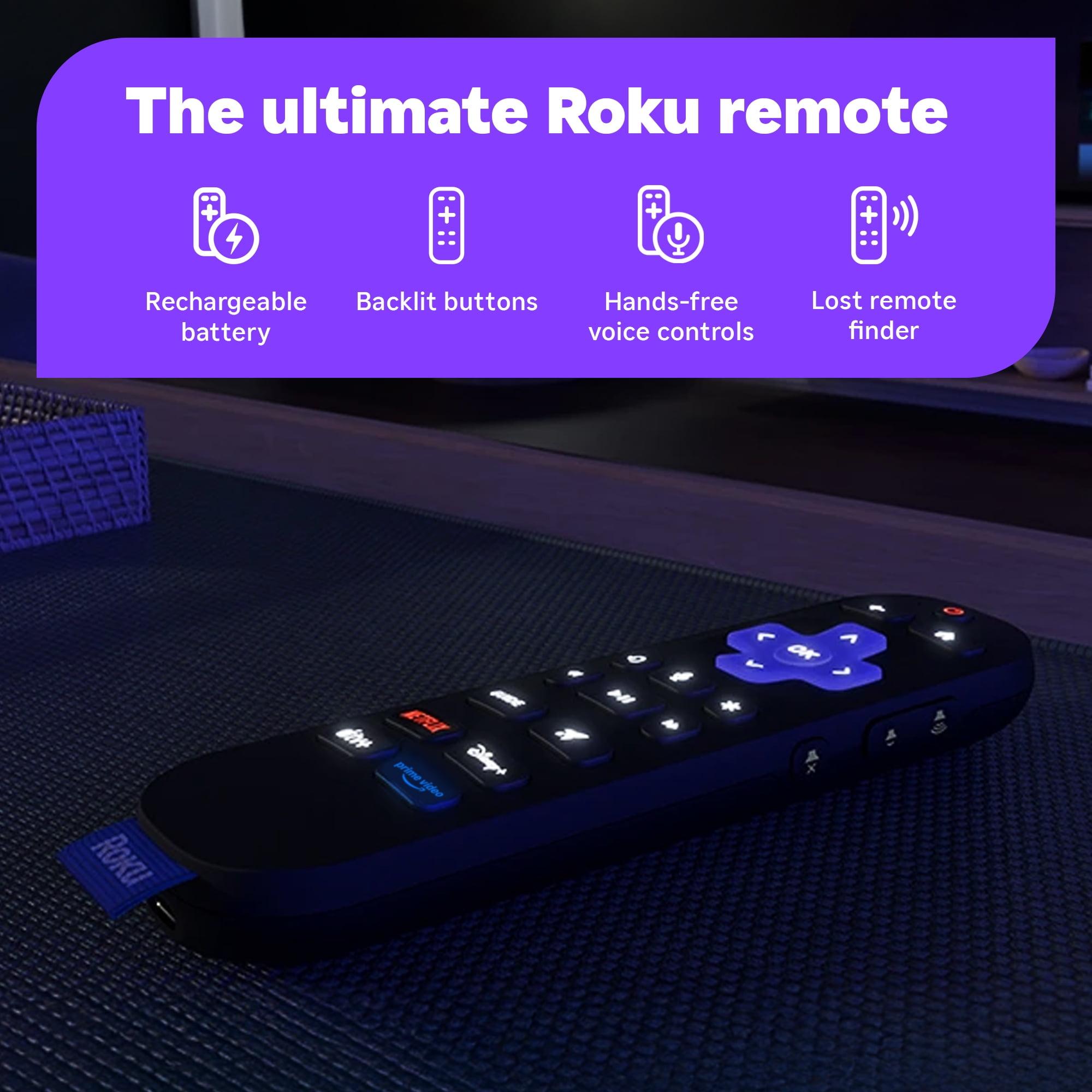
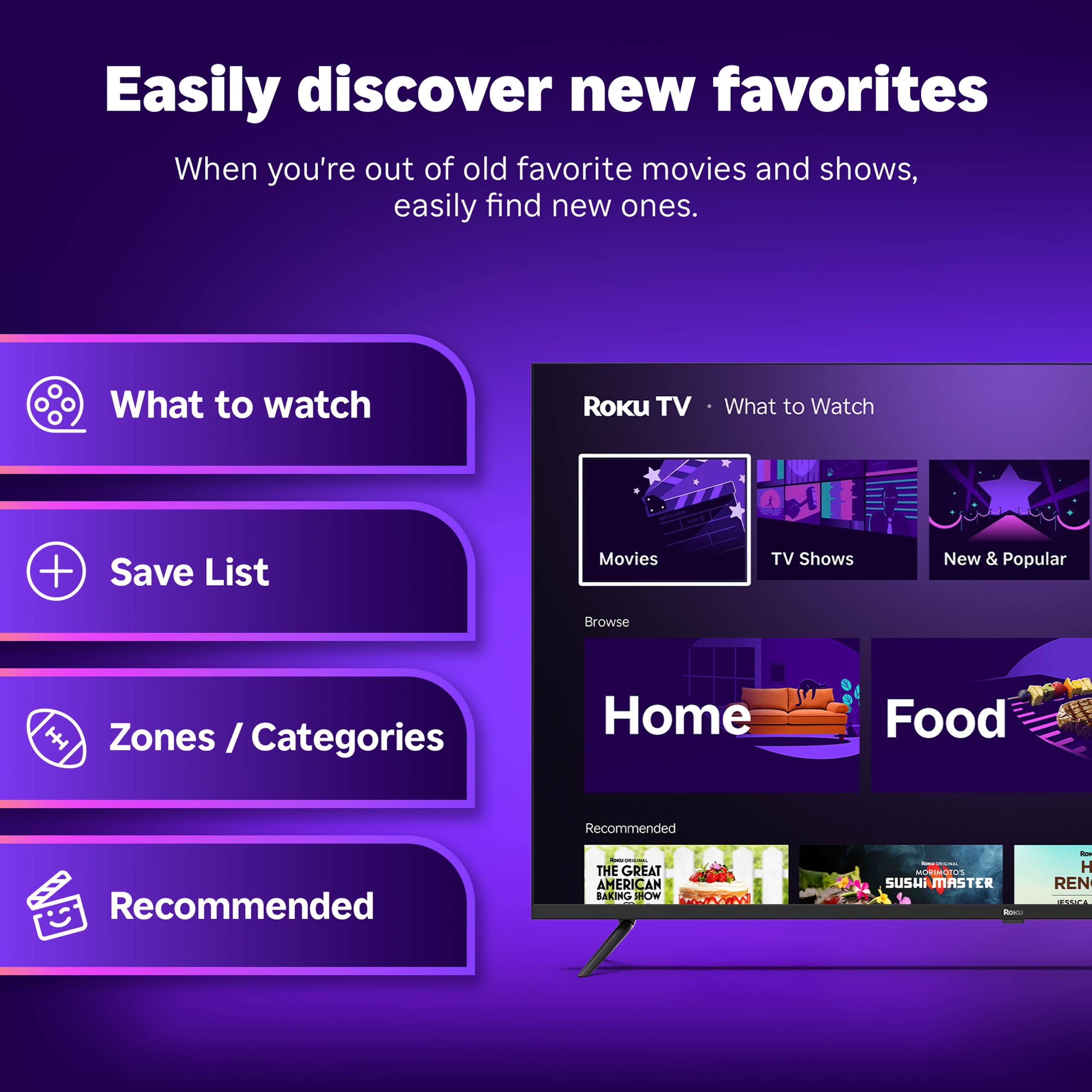
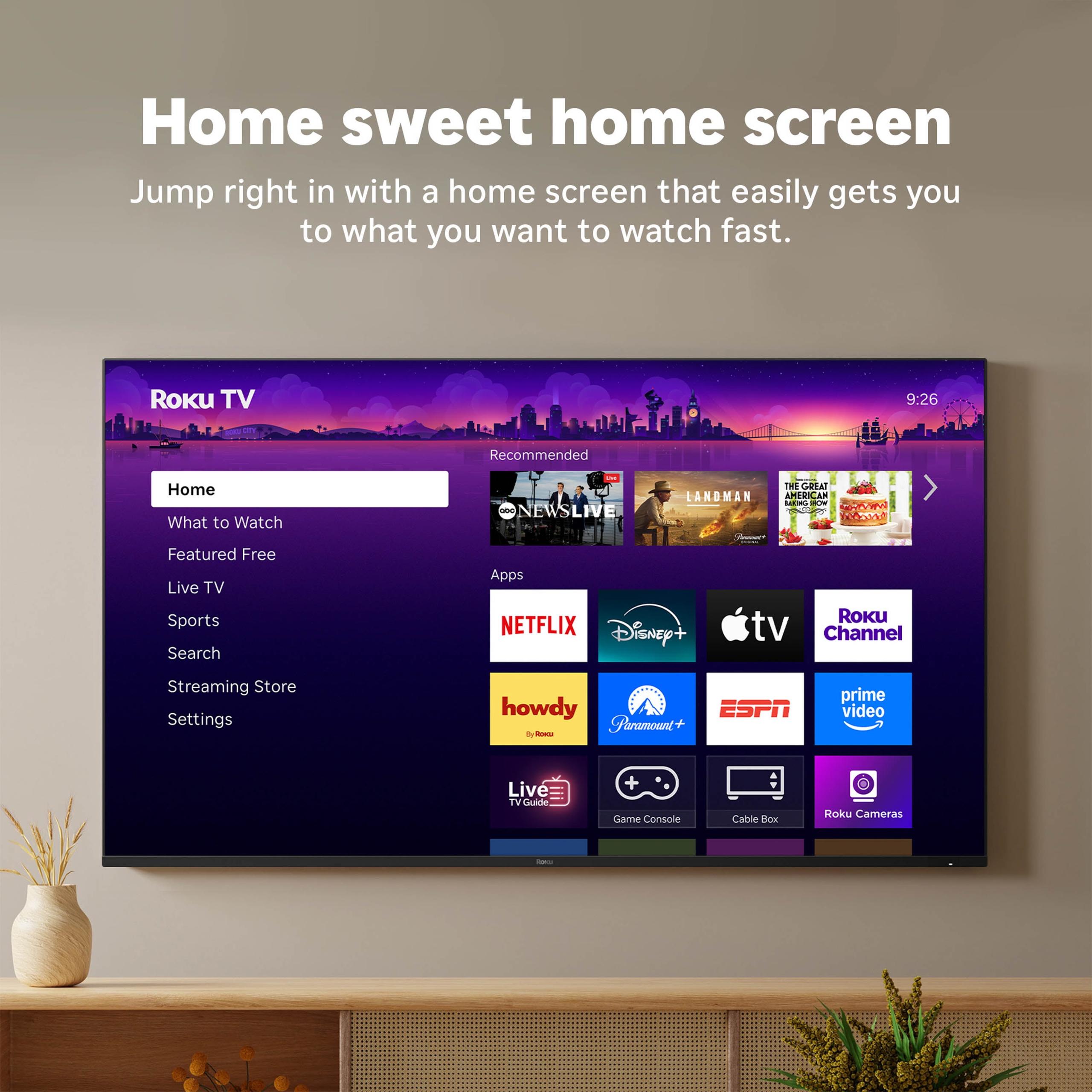
The Roku Pro Series runs the familiar Roku TV interface that prioritizes simplicity and reliability. The home screen presents all your streaming services, live TV, and recently watched content in a clean, intuitive layout. The included Voice Remote Pro charges via USB-C, includes backlighting for dark room use, and features a "find my remote" button on the TV itself – a surprisingly useful feature that prevents the common frustration of lost remotes.
Roku's strength lies in its streaming ecosystem. The platform works seamlessly with virtually every major streaming service, often receiving new apps and updates before other TV platforms. For users who primarily want to watch Netflix, Disney+, or other streaming services without complications, Roku's approach removes friction from the experience.
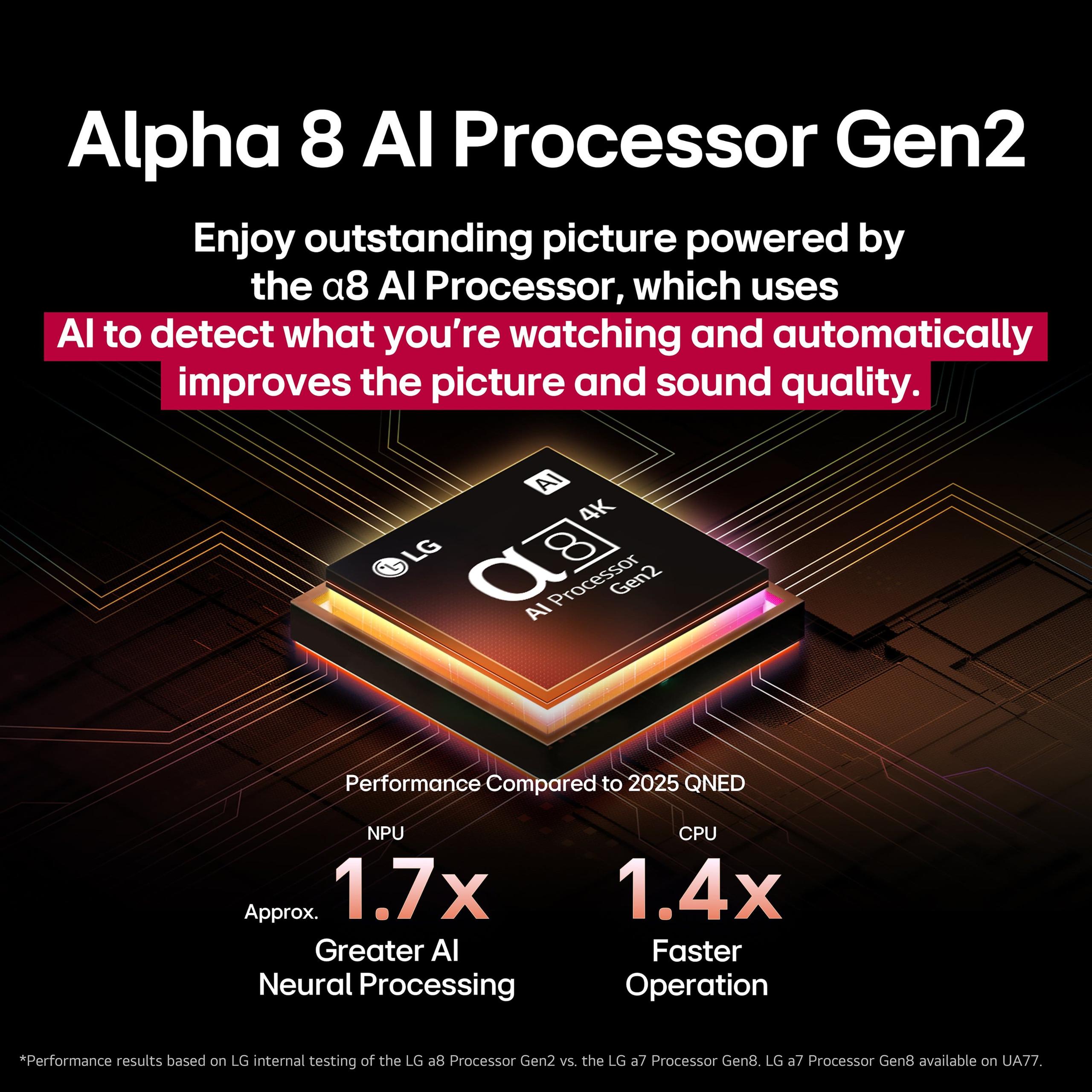
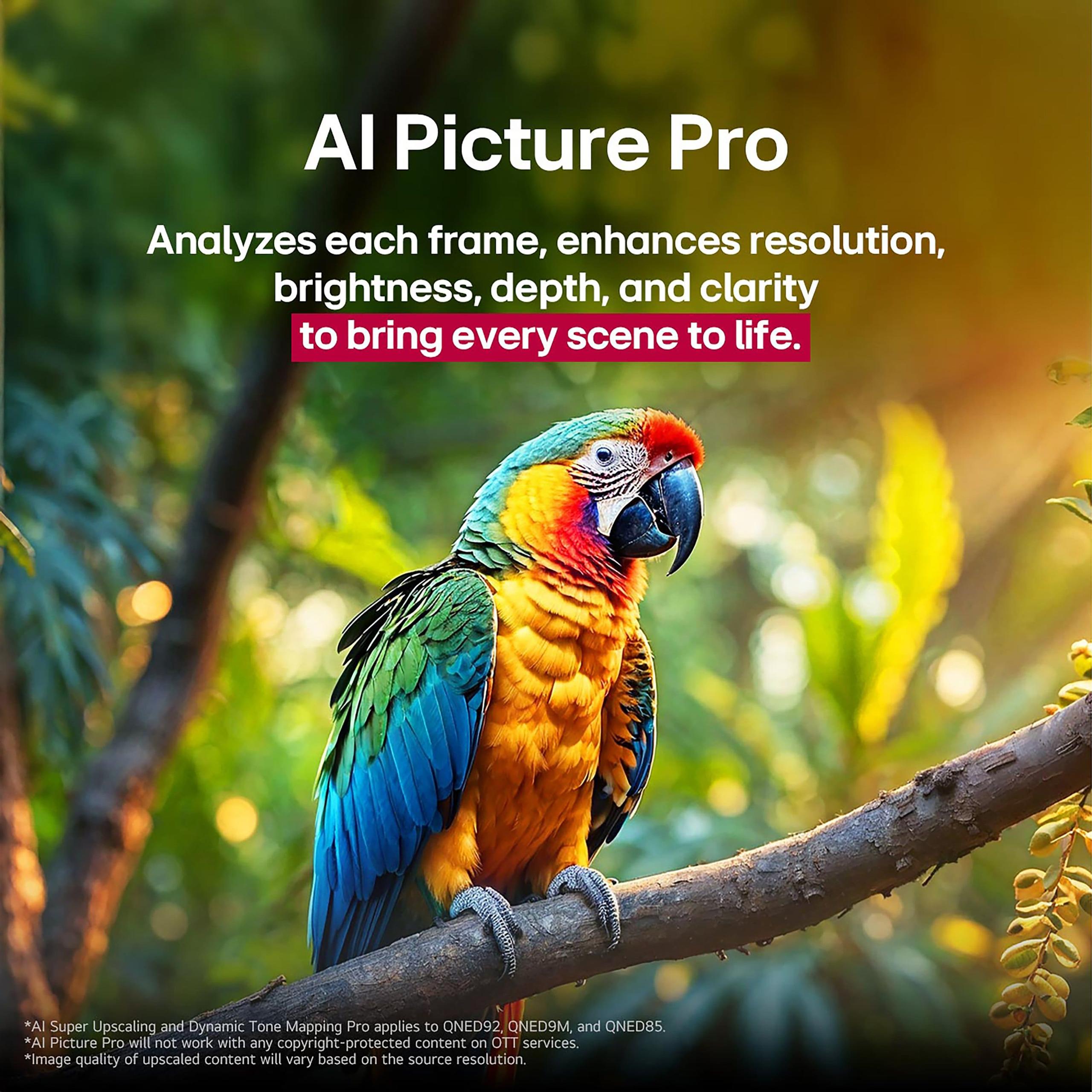
The LG QNED85A runs webOS 25, which LG has enhanced with significant AI capabilities for 2025. The system learns viewing habits and provides personalized recommendations across different family members through voice recognition. Quick Cards allow grouping related apps and services for faster access – for example, all sports apps in one card, all movie services in another.
More intriguingly, LG has integrated Microsoft Copilot and AI chatbot functionality directly into the TV interface. While this might sound gimmicky, early reports suggest these features can help troubleshoot problems, find specific content across multiple services, and even control smart home devices through natural conversation.
The LG also provides access to over 300 free streaming channels through LG Channels, potentially reducing subscription costs for households looking to minimize streaming service expenses.
Both TVs include enhanced audio systems that attempt to reduce the need for external soundbars, though with different approaches.
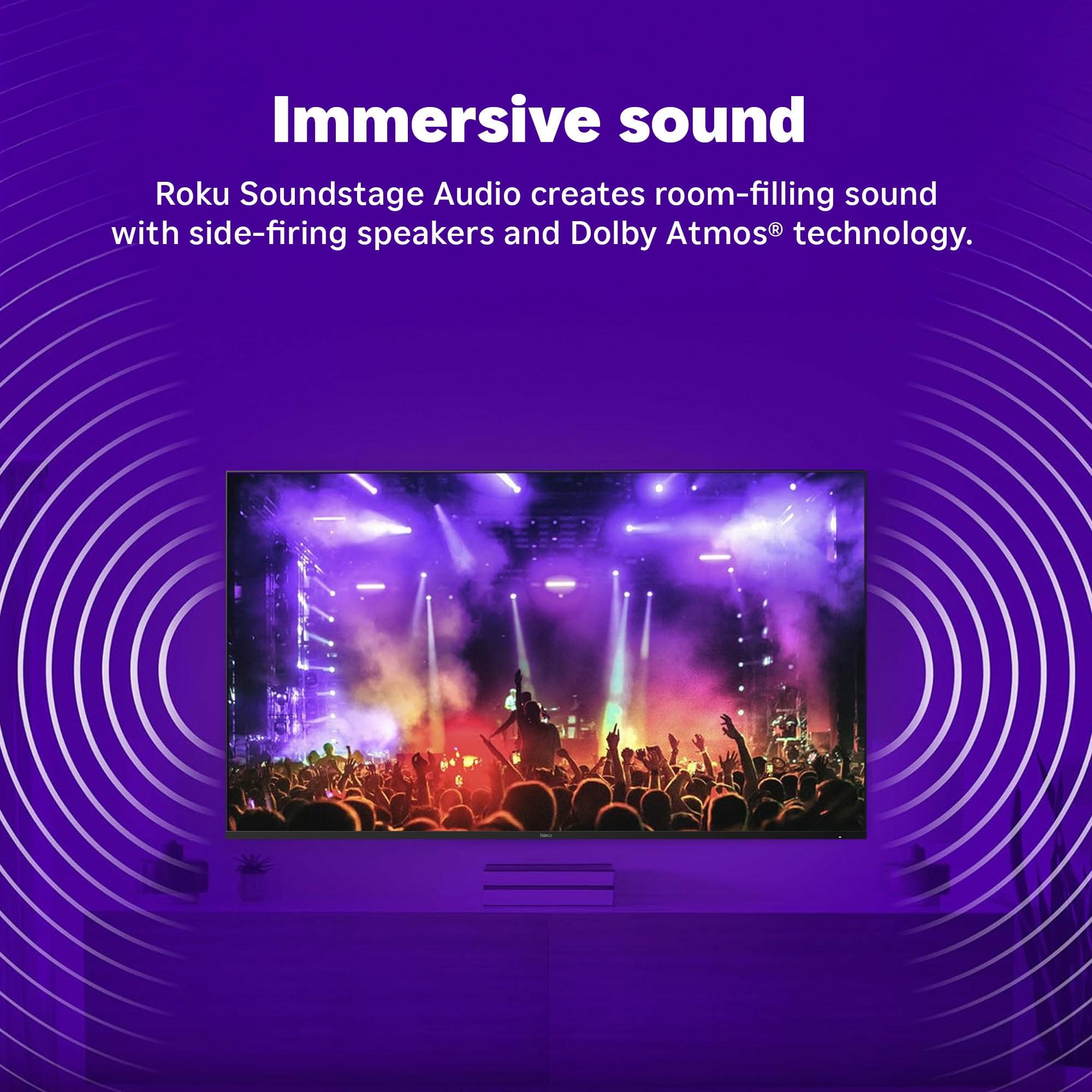
The Roku Pro Series features what they call Sound Stage Audio with Dolby Atmos support and side-firing speakers. User reports consistently praise the audio quality as surprisingly good for a flat-panel TV, with sufficient volume to fill medium to large rooms. The system includes dialogue enhancement and night mode settings for apartment living.
However, like most TVs, bass response remains limited. The Roku produces clear dialogue and decent mid-range sound, but won't satisfy listeners who want impactful low-frequency effects for action movies or music.
The LG QNED85A uses virtual 5.1 surround processing to create a wider soundstage from its built-in speakers. AI Sound Pro analyzes content in real-time, adjusting audio characteristics for dialogue-heavy scenes versus action sequences. Some users report this creates a more immersive experience than traditional TV audio, though others find the processing artificial-sounding.
Both TVs support external soundbar integration, and for serious home theater use, adding a quality soundbar will improve the experience significantly regardless of which TV you choose.
At the time of writing, the LG QNED85A offers substantially better value, typically priced significantly lower than the Roku Pro Series while delivering comparable core performance in most scenarios. This price difference – often 25-35% less expensive – makes the LG an attractive option for budget-conscious buyers who still want premium features.
The Roku commands its premium through measurably superior brightness capability, more comprehensive HDR format support, and refined local dimming performance. For buyers with bright living rooms or those who prioritize maximum picture quality regardless of cost, these improvements justify the additional expense.
For dedicated home theater use, both TVs perform well, but with different strengths. The Roku Pro Series delivers superior HDR impact and color accuracy, making it better suited for critical movie watching in controlled lighting environments. Its minimal blooming and precise local dimming enhance the cinematic experience, particularly for films with dramatic lighting.
The LG QNED85A works better for multi-purpose family rooms where various seating positions matter. Its wider viewing angles ensure everyone gets a quality image, while the AI-enhanced interface makes it easier for different family members to find and enjoy content.
Both TVs handle 24fps movie content well without the "soap opera effect" that makes films look artificially smooth. FILMMAKER MODE on both models preserves directors' intended color and motion settings for authentic movie presentation.
Choose the Roku Pro Series if:
Choose the LG QNED85A if:
Both TVs represent excellent choices within the premium 65-inch category, but serve different priorities. The Roku Pro Series delivers measurably superior technical performance in brightness, HDR capability, and gaming specifications – improvements that justify its premium for buyers who prioritize maximum performance or have challenging viewing environments.
The LG QNED85A provides about 85% of the Roku's performance at roughly 65-75% of the cost (at time of writing), making it the better value choice for most households. Its AI features and cloud gaming integration also position it as more forward-looking for emerging technologies.
For most buyers, the LG represents the sweet spot between performance and value, delivering premium features at a more accessible price point. However, if your budget allows and your viewing environment demands maximum brightness performance, the Roku Pro Series offers tangible improvements that enhance daily viewing experiences.
The choice ultimately depends on whether you prioritize proven excellence and maximum performance (Roku) or prefer modern features and strong value (LG). Both will deliver years of excellent viewing experiences – the question is which approach better matches your priorities and budget.
| Roku 65" Pro Series 2025 4K QLED TV | LG 65" QNED evo AI QNED85A 4K MiniLED Smart TV 2025 |
|---|---|
| Peak HDR Brightness - Critical for bright rooms and HDR impact | |
| Up to 1,818 nits in Brightest mode (exceptional for daytime viewing) | High brightness with Dynamic Tone Mapping Pro (good but not specified) |
| HDR Format Support - Determines compatibility with premium content | |
| Dolby Vision IQ, HDR10+ Adaptive, HDR10, HLG (comprehensive support) | HDR10, HLG only (missing Dolby Vision and HDR10+) |
| Color Accuracy - How natural and realistic colors appear | |
| 2.6 color error rating, 96.9% UHDA-P3 coverage (excellent accuracy) | 100% Color Volume claimed, wide viewing angles (vibrant but less precise) |
| Gaming Input Lag - Response time for competitive gaming | |
| As low as 5.2ms at 120Hz (excellent for console gaming) | Good gaming performance with 120Hz/VRR support (specific lag not specified) |
| HDMI 2.1 Ports - Full bandwidth gaming and future-proofing | |
| 2 ports with full 48Gbps bandwidth for 4K@120Hz | 4 ports total (full bandwidth specifications not confirmed) |
| Gaming Features - Modern console and PC gaming support | |
| FreeSync Premium Pro, VRR, ALLM, Auto Game Mode | FreeSync, VRR, built-in GeForce NOW and Xbox Cloud Gaming |
| Smart Platform - Interface and streaming experience | |
| Roku TV OS with simple, proven interface | webOS 25 with AI personalization and Microsoft Copilot integration |
| Audio System - Built-in sound quality | |
| Sound Stage Audio with Dolby Atmos, side-firing speakers | Virtual 5.1 surround with AI Sound Pro and Dolby Atmos |
| Remote Control - Daily usability features | |
| Rechargeable Voice Remote Pro with backlighting and find button | Magic Remote with AI button and voice control |
| Local Dimming Performance - Contrast and blooming control | |
| Mini-LED with minimal blooming reported by users | Mini-LED with adjustable dimming levels (low/medium/high) |
| Viewing Angles - Picture quality from side positions | |
| Standard QLED viewing angles (some color shift off-center) | Wide viewing angles with minimal color shift (better for groups) |
| Smart Features - AI and connectivity capabilities | |
| Focus on streaming reliability and simplicity | AI Voice ID, personalized recommendations, 300+ free channels |
| Value Proposition - Performance per dollar spent | |
| Premium pricing for maximum technical performance | Significantly lower cost with strong feature set and AI capabilities |
The Roku 65" Pro Series 2025 is significantly better for bright rooms, reaching peak brightness levels of up to 1,818 nits compared to the LG QNED85A's lower peak output. This extra brightness helps the Roku maintain color vibrancy and contrast even when competing with sunlight or bright overhead lighting.
Both TVs offer excellent picture quality with Mini-LED technology, but the Roku Pro Series delivers superior color accuracy (2.6 error rating) and higher peak brightness for more impactful HDR. The LG QNED85A focuses on wider viewing angles and vibrant colors that look great from multiple seating positions.
The Roku 65" Pro Series 2025 has a slight edge for console gaming with input lag as low as 5.2ms and two dedicated HDMI 2.1 ports supporting full 4K@120Hz bandwidth. However, the LG QNED85A offers built-in cloud gaming services and supports PC gaming up to 144Hz.
The Roku Pro Series uses the proven Roku TV interface known for simplicity and reliable streaming app performance. The LG QNED85A runs webOS 25 with AI-powered personalization, voice recognition, and over 300 free streaming channels, offering more advanced smart features.
The LG QNED85A typically costs significantly less while delivering comparable core performance in most scenarios. The Roku Pro Series commands a premium for measurably superior brightness and HDR performance, making it better value only if those features matter for your viewing environment.
The Roku 65" Pro Series 2025 supports comprehensive HDR formats including Dolby Vision IQ, HDR10+ Adaptive, HDR10, and HLG. The LG QNED85A only supports HDR10 and HLG, missing the more advanced Dolby Vision and HDR10+ formats found on premium streaming content.
For dedicated home theater use, the Roku Pro Series delivers superior HDR impact and color accuracy with minimal blooming around bright objects. The LG QNED85A works better for family rooms where multiple viewing positions matter due to its wider viewing angles.
Both TVs include Dolby Atmos support, but the Roku Pro Series features Sound Stage Audio with side-firing speakers that users consistently rate highly for TV audio. The LG QNED85A uses virtual 5.1 surround processing with AI Sound Pro for dialogue enhancement.
Both the Roku Pro Series and LG QNED85A feature native 120Hz refresh rates that deliver smooth motion for sports. User reviews indicate both handle fast action well, with the Roku having slightly better motion processing for high-contrast scenes.
The Roku 65" Pro Series 2025 includes FreeSync Premium Pro, VRR, ALLM, and automatic game mode for console gaming. The LG QNED85A adds built-in GeForce NOW and Xbox Cloud Gaming, plus a Game Optimizer dashboard for easy settings access.
The Roku Pro Series includes a rechargeable Voice Remote Pro with backlighting and a find-my-remote button on the TV. The LG QNED85A comes with the Magic Remote featuring an AI button and voice control, though some users report usability concerns compared to the Roku remote.
Choose the Roku Pro Series 2025 if you have a bright room, prioritize maximum picture quality, or prefer simple smart TV interfaces. Pick the LG QNED85A if you want excellent performance at a lower cost, have multiple seating positions, or value AI-enhanced features and cloud gaming capabilities.
We've done our best to create useful and informative comparisons to help you decide what product to buy. Our research uses advanced automated methods to create this comparison and perfection is not possible - please contact us for corrections or questions. These are the sites we've researched in the creation of this article: bestbuy.com - rtings.com - techradar.com - youtube.com - roku.com - youtube.com - walmart.com - bestbuy.com - youtube.com - electronicexpress.com - roku.com - pcvarge.com - ecoustics.com - rtings.com - rtings.com - youtube.com - lg.com - smarthomesounds.co.uk - abt.com - abt.com - lg.com - displayspecifications.com - walmart.com - bestbuy.com - lg.com - lg.com - lg.com - files.bbystatic.com - flatpanelshd.com - north-side-appliance.com - lgnewsroom.com - lg.com - youtube.com - youtube.com - hindustantimes.com

Privacy Policy
Terms and Conditions - Affiliate Policy
Home Security
© Copyright 2008-2026.
11816 Inwood Rd #1211, Dallas, TX 75244